Missing the Bus
جا ماندن از اتوبوس
Leo misses his bus to work and tells his friend Emma about the rough start to his day. Emma asks what happened.
لئو اتوبوسش را برای رفتن به محل کار از دست میدهد و برای دوستش اِما از شروع بد روزش میگوید. اِما میپرسد چه اتفاقی افتاده.
گفتوگو8
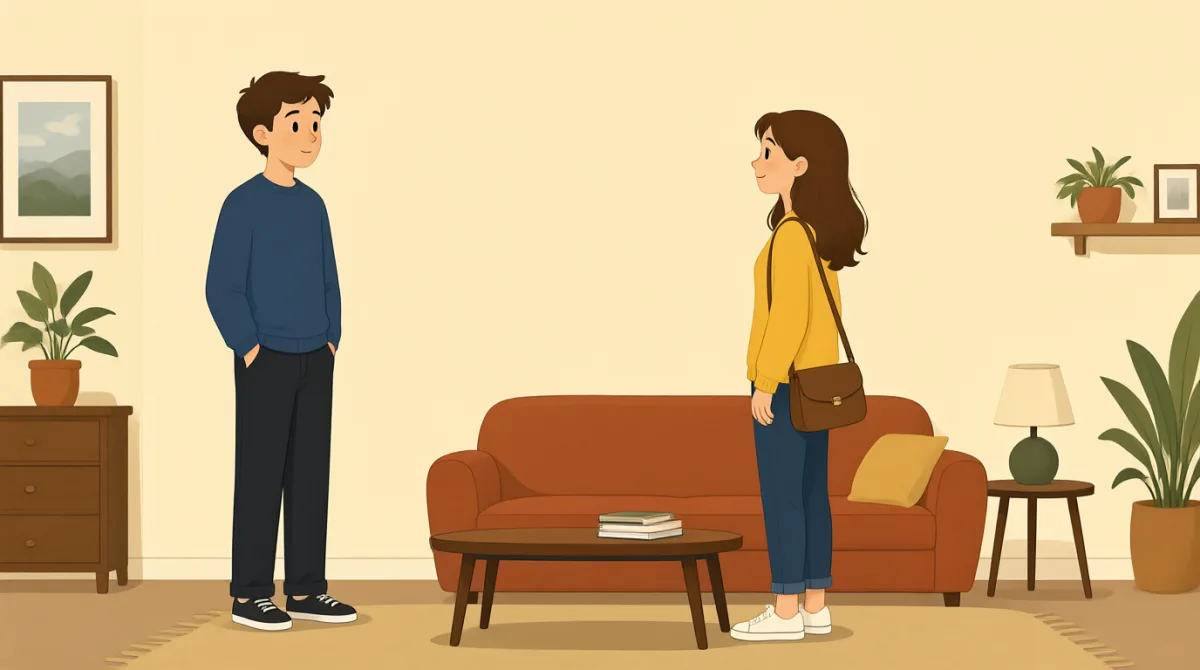

I had a terrible start to my day. I missed the bus to work.
روزم خیلی بد شروع شد. اتوبوس محل کارم رو از دست دادم.

Oh no! What happened? Did you get up late?
وای نه! چی شد؟ دیر از خواب بیدار شدی؟
No, I got up on time, but I couldn't find my keys.
نه، سر وقت بیدار شدم، ولی نتونستم کلیدام رو پیدا کنم.
That sounds frustrating. Where did you look?
چه اعصابخردکن. کجاها رو گشتی؟
I looked in my bag and on the kitchen table. They were by the door.
تو کیفم و روی میز آشپزخونه رو گشتم. کنار در بودن.
Oh, I hate when that happens. Did you catch the next bus?
اوه، از این اتفاق متنفرم. به اتوبوس بعدی رسیدی؟
No, it had already left. I had to wait twenty minutes.
نه، دیگه رفته بود. مجبور شدم بیست دقیقه صبر کنم.
I'm sorry, Leo. I hope the rest of your day goes better.
متأسفم، لئو. امیدوارم بقیهی روزت بهتر بگذره.
واژگان7
- terrible startشروع خیلی بد
A very bad beginning to a day or event. You can say, “I had a terrible start to my morning.”
یعنی آغاز خیلی بدِ یک روز یا رویداد. میتوانی بگویی: “I had a terrible start to my morning.” (صبحم خیلی بد شروع شد.)
- missed the busاز اتوبوس جا ماندن
You did not get on the bus because it left before you arrived. Use “missed the bus” to explain why you are late.
یعنی چون اتوبوس پیش از رسیدنت حرکت کرده، نتوانستی سوارش شوی. از “missed the bus” برای توضیح دلیل دیر رسیدنت استفاده کن.
- looked in my bagداخل کیفم را گشتم
Searched inside your bag for something. Use “looked in” when you search inside a place or container.
یعنی داخل کیفت دنبال چیزی گشتی. وقتی داخل یک مکان یا ظرفی را میگردی، از “looked in” استفاده کن.
- by the doorکنار در
Next to or near the door. You can use “by” to say where something is, as in “My shoes are by the door.”
یعنی در کنار یا نزدیک در. برای گفتن اینکه چیزی کجاست، میتوانی از “by” استفاده کنی؛ مثلاً: “My shoes are by the door.” (کفشهایم کنار در هستند.)
- catch the next busسوار اتوبوس بعدی شدن
Get on the next bus that comes. You can ask, “Can we catch the next bus?”
یعنی سوار اتوبوس بعدیای شدن که از راه میرسد. میتوانی بپرسی: “Can we catch the next bus?” (میتوانیم سوار اتوبوس بعدی شویم؟)
- had to waitمجبور بودن صبر کنی
Needed to stay somewhere until something happened. Use “had to” to talk about something necessary in the past.
یعنی لازم بود جایی بمانی تا اتفاقی بیفتد. از “had to” برای صحبت دربارهی کاری ضروری در گذشته استفاده کن.
- the rest of your dayبقیهی روزت
The part of the day that is still left. You can wish someone, “I hope the rest of your day goes well.”
یعنی بخشی از روز که هنوز باقی مانده است. میتوانی برای کسی آرزو کنی: “I hope the rest of your day goes well.” (امیدوارم بقیهی روزت خوب بگذرد.)
جملات کلیدی8
- 1
I had a terrible start to my day.
روزم خیلی بد شروع شد.
Use this to say that your day began badly. You can replace “terrible” with “good” or “busy” to describe a different start.
از این جمله برای گفتن اینکه روزت بد شروع شده استفاده کن. میتوانی “terrible” را با “good” یا “busy” عوض کنی تا شروع متفاوتی را توصیف کنی.
- 2
I missed the bus to work.
اتوبوسم به محل کار رو از دست دادم.
This is a simple way to explain that you did not get on your bus. Replace “the bus” with another thing you missed, such as “my train.”
این راه سادهای است برای توضیح اینکه سوار اتوبوست نشدی. میتوانی “the bus” را با وسیلهی دیگری که از دست دادی، مثل “my train”، جایگزین کنی.
- 3
Did you get up late?
دیر از خواب بیدار شدی؟
Use this question to ask if someone woke up later than planned. You can ask, “Did you get up late for school?”
از این پرسش بپرس که آیا کسی دیرتر از زمانی که برنامهریزی کرده بود بیدار شده است یا نه. میتوانی بپرسی: “Did you get up late for school?” (برای مدرسه دیر از خواب بیدار شدی؟)
- 4
I couldn't find my keys.
نتونستم کلیدام رو پیدا کنم.
Use this to explain that you searched for something but did not find it. Replace “my keys” with another item, such as “my phone.”
از این جمله برای توضیح اینکه دنبال چیزی گشتی اما پیدایش نکردی استفاده کن. میتوانی “my keys” را با چیز دیگری، مثل “my phone”، جایگزین کنی.
- 5
Where did you look?
کجاها رو گشتی؟
This question asks where someone searched for something. You can use it when helping someone find a lost item.
این پرسش میپرسد کسی برای پیدا کردن چیزی کجا را گشته است. وقتی به کسی کمک میکنی وسیلهی گمشدهای را پیدا کند، میتوانی از آن استفاده کنی.
- 6
They were by the door.
کنار در بودن.
Use this to say where plural items were. For one item, say, “It was by the door.”
از این جمله برای گفتن اینکه چند وسیله کجا بودند استفاده کن. برای یک وسیله بگو: “It was by the door.”
- 7
I had to wait twenty minutes.
مجبور شدم بیست دقیقه صبر کنم.
This tells someone how long you needed to wait. Replace “twenty minutes” with another length of time.
این جمله به کسی میگوید که چه مدت مجبور بودی صبر کنی. میتوانی “twenty minutes” را با مدتزمان دیگری جایگزین کنی.
- 8
I hope the rest of your day goes better.
امیدوارم بقیهی روزت بهتر بگذره.
This is a kind way to wish someone a better day after something went wrong. You can also say, “I hope your week goes better.”
این راه مهربانانهای است برای آرزوی روزی بهتر برای کسی، بعد از اینکه مشکلی پیش آمده. همچنین میتوانی بگویی: “I hope your week goes better.” (امیدوارم بقیهی هفتهات بهتر بگذرد.)