Blocking Someone's Way Momentarily
เผลอขวางทางคนอื่นชั่วครู่
Someone unintentionally blocks a doorway or path for a brief moment, preventing another person from passing, and apologizes upon realizing.
มีคนเผลอยืนขวางประตูหรือทางเดินชั่วครู่ ทำให้อีกคนผ่านไปไม่ได้ แล้วขอโทษเมื่อรู้ตัว
บทสนทนา4
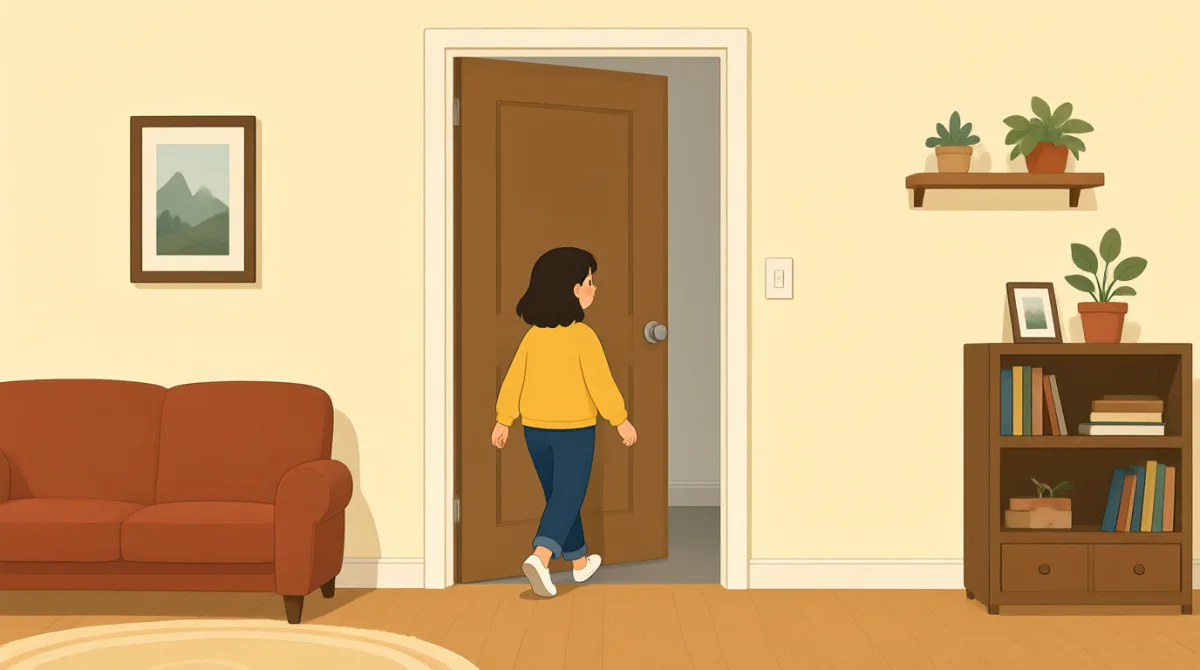

Oh, excuse me! I'm so sorry, I totally blocked your way.
อุ๊ย ขอโทษครับ! ผมขอโทษจริง ๆ เผลอขวางทางคุณเต็ม ๆ เลย

No worries at all! I just needed to get by.
ไม่เป็นไรเลย! ฉันแค่จะเดินผ่านน่ะ
My bad. I wasn't paying attention.
โทษทีนะ ผมไม่ได้มองรอบ ๆ เลย
It happens! No problem.
ไม่เป็นไรหรอก! เรื่องเล็กน้อยเอง
คำศัพท์7
- excuse meขอโทษครับ/ค่ะ
A polite phrase used to apologize for accidentally getting in someone's way or interrupting them briefly.
วลีสุภาพที่ใช้ขอโทษเมื่อเผลอขวางทางใครหรือขัดจังหวะเขาเพียงครู่เดียว
- blockedขวางทาง
Past tense of 'block,' meaning to obstruct or stop someone from passing through a path or doorway.
รูปอดีตของ 'block' หมายถึงกีดขวางหรือทำให้ใครผ่านทางหรือประตูไปไม่ได้
- no worriesไม่เป็นไร
An informal way to say 'don't worry' or 'it's okay,' used to reassure someone that a small mistake is not a problem.
วิธีพูดแบบไม่เป็นทางการเพื่อบอกว่า 'ไม่ต้องกังวล' หรือ 'ไม่เป็นไร' ใช้ปลอบใจว่าเรื่องผิดพลาดเล็กน้อยไม่ใช่ปัญหา
- get byเดินผ่าน
A phrasal verb meaning to pass through or move past something or someone, often used in everyday situations like walking.
กริยาวลีที่หมายถึงผ่านหรือเดินเลยสิ่งของหรือคน มักใช้ในสถานการณ์ทั่วไป เช่น ตอนเดิน
- my badโทษทีนะ
Slang for admitting a mistake, short for 'my fault' or 'it's my mistake,' common in casual conversations.
คำสแลงที่ใช้ยอมรับว่าตัวเองทำผิด ย่อมาจาก 'my fault' หรือ 'it's my mistake' และใช้กันบ่อยในการสนทนาสบาย ๆ
- paying attentionตั้งใจดู
Being focused or noticing what's happening around you; the opposite is being distracted.
การจดจ่อหรือสังเกตสิ่งที่เกิดขึ้นรอบตัว ตรงข้ามกับการใจลอยหรือวอกแวก
- it happensเรื่องแบบนี้เกิดขึ้นได้
A casual expression meaning that small accidents or mistakes are common and not unusual.
สำนวนสบาย ๆ ที่หมายถึงอุบัติเหตุหรือความผิดพลาดเล็ก ๆ น้อย ๆ เกิดขึ้นได้ทั่วไป ไม่ใช่เรื่องแปลก
ประโยคสำคัญ4
- 1
Oh, excuse me! I'm so sorry, I totally blocked your way.
อุ๊ย ขอโทษครับ! ผมขอโทษจริง ๆ เผลอขวางทางคุณเต็ม ๆ เลย
This sentence is a polite apology for accidentally obstructing someone's path. 'Totally' adds emphasis to the mistake, making it sound sincere. Use it in everyday situations like bumping into someone or blocking a door; it's useful for intermediate learners to practice natural apology patterns.
ประโยคนี้ใช้ขอโทษอย่างสุภาพเมื่อเผลอขวางทางใคร 'Totally' ช่วยเน้นว่าทำผิดไปมาก ทำให้ฟังดูจริงใจ ใช้ได้ในสถานการณ์ทั่วไป เช่น เดินชนใครหรือยืนขวางประตู เหมาะสำหรับฝึกสำนวนขอโทษที่ฟังเป็นธรรมชาติ
- 2
No worries at all! I just needed to get by.
ไม่เป็นไรเลย! ฉันแค่จะเดินผ่านน่ะ
A reassuring response to an apology, meaning it's not a big deal. 'No worries at all' is an idiomatic way to forgive quickly, and 'get by' shows simple movement. This is practical for responding kindly in minor accident scenarios, teaching informal reassurance.
เป็นคำตอบเพื่อปลอบใจคนที่ขอโทษ หมายถึงไม่ใช่เรื่องใหญ่ 'No worries at all' เป็นสำนวนที่ใช้บอกว่าไม่ถือสา ส่วน 'get by' หมายถึงการเดินผ่านง่าย ๆ ประโยคนี้ใช้ตอบอย่างเป็นมิตรเมื่อเกิดเรื่องเล็กน้อยได้ดี และสอนวิธีพูดปลอบใจแบบไม่เป็นทางการ
- 3
My bad. I wasn't paying attention.
โทษทีนะ ผมไม่ได้มองรอบ ๆ เลย
A casual admission of fault. 'My bad' is slang for taking responsibility, and 'wasn't paying attention' explains the reason using past continuous tense for ongoing action. Use this in informal settings to apologize briefly; it helps learners with slang and tense usage.
เป็นการยอมรับผิดแบบสบาย ๆ 'My bad' เป็นคำสแลงที่ใช้รับผิดชอบต่อสิ่งที่ทำ ส่วน 'wasn't paying attention' อธิบายสาเหตุด้วย past continuous ซึ่งสื่อถึงการกระทำที่กำลังดำเนินอยู่ในอดีต ใช้ขอโทษสั้น ๆ ในสถานการณ์ไม่เป็นทางการ และช่วยฝึกคำสแลงกับการใช้ tense
- 4
It happens! No problem.
เรื่องแบบนี้เกิดขึ้นได้! ไม่เป็นไร
This dismisses the apology positively. 'It happens' uses present simple for general truths about common events, and 'no problem' is a simple way to say everything is fine. Ideal for ending conversations politely; teaches how to respond to apologies without making the other person feel bad.
ประโยคนี้ช่วยรับคำขอโทษในแง่ดี 'It happens' ใช้ present simple เพื่อพูดถึงความจริงทั่วไปว่าเรื่องแบบนี้เกิดขึ้นได้ ส่วน 'no problem' เป็นวิธีง่าย ๆ ที่ใช้บอกว่าทุกอย่างเรียบร้อยดี เหมาะสำหรับจบบทสนทนาอย่างสุภาพ และช่วยฝึกตอบรับคำขอโทษโดยไม่ทำให้อีกฝ่ายรู้สึกแย่