單元 42
單字 821–840 · brother, investment, score, organize, trip, beyond
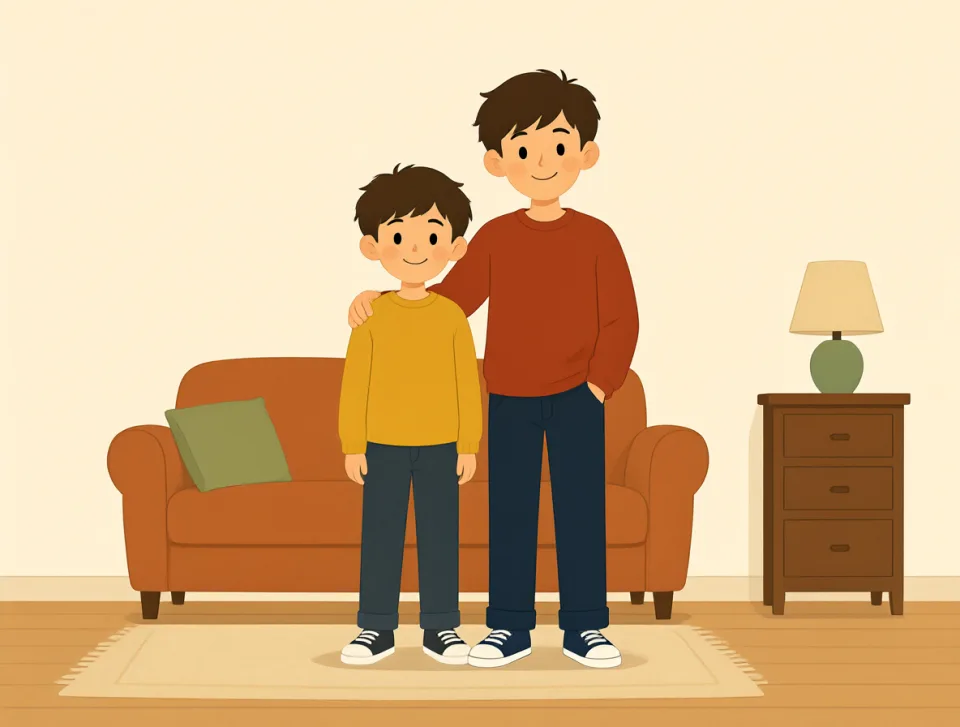
brother
#821noun
兄弟;哥哥;弟弟
A boy or man who has the same parents as you.
和你有相同父母的男孩或男人。

My brother lives in the next apartment.
我哥哥住在隔壁公寓。
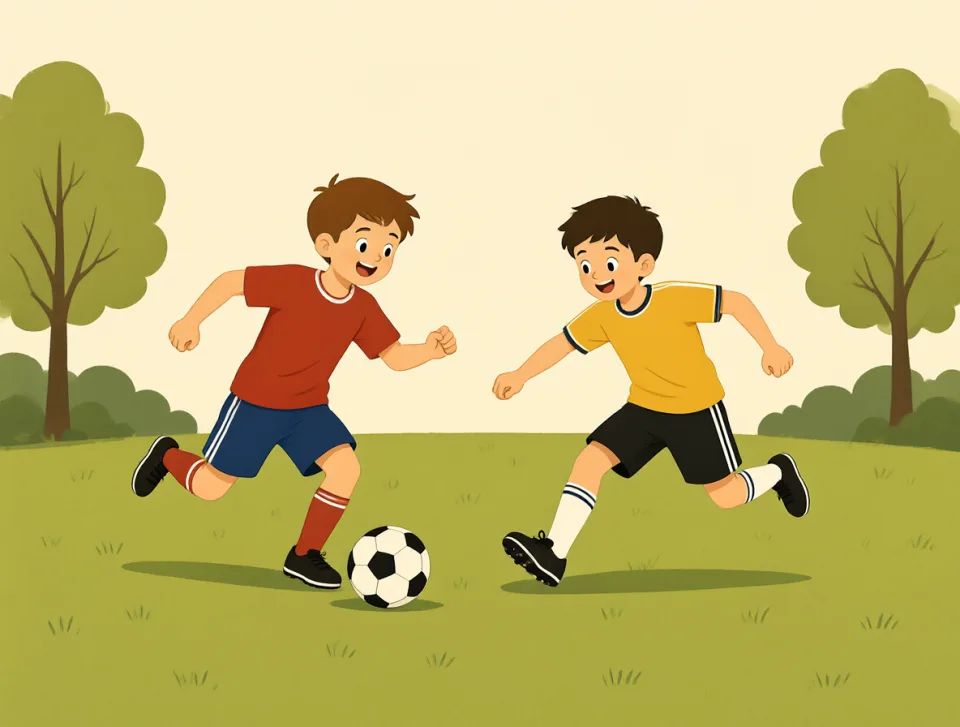
I played football with my little brother.
我和弟弟一起踢足球。

Her brother works at a local restaurant.
她哥哥在當地一家餐館工作。
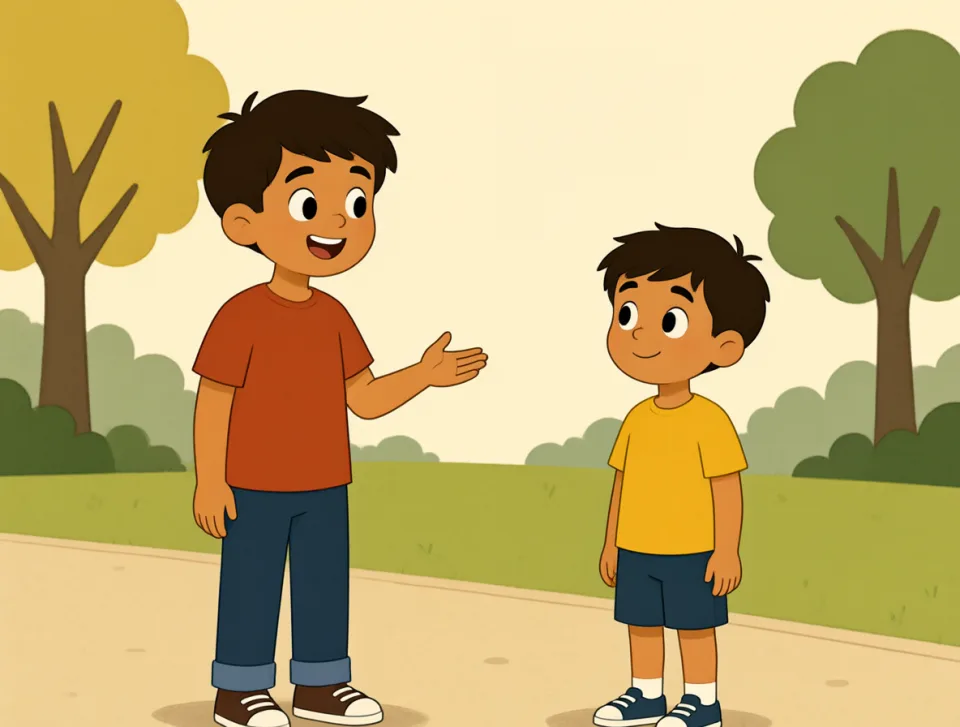
Tom is my brother's best friend.
湯姆是我哥哥最好的朋友。

My brother helped me carry the shopping.
我哥哥幫我提購物袋。
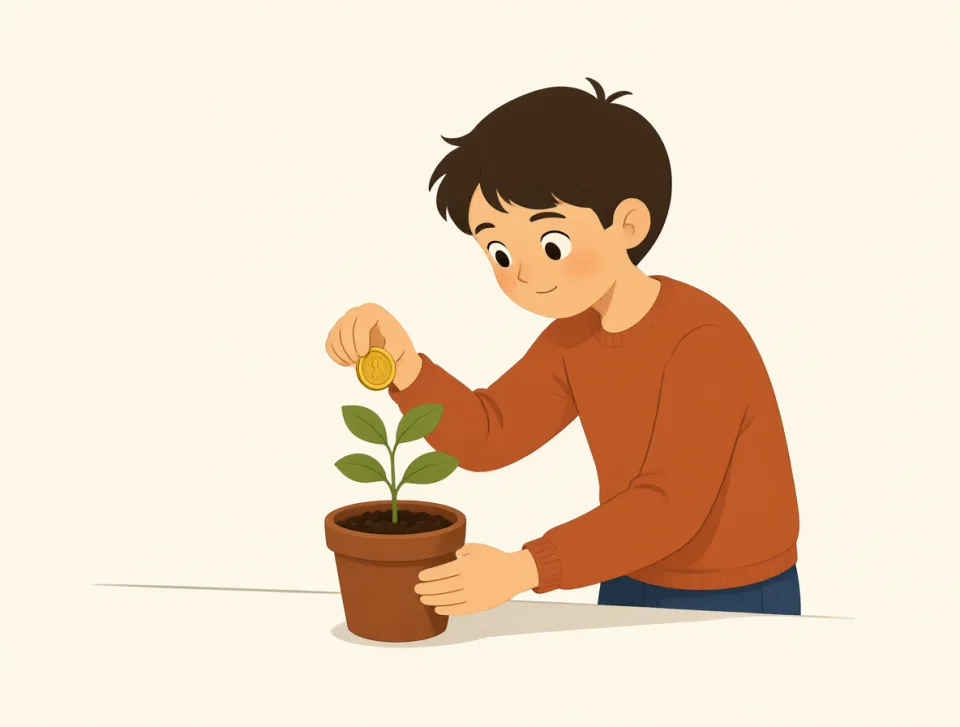
investment
#822noun
投資; 投入
Money, time, or effort put into something to gain a useful result later.
為日後獲得有用的結果而投入的金錢、時間或精力。

The house was a good investment.
這所房子是一項不錯的投資。

She made an investment in the company.
她投資了這家公司。
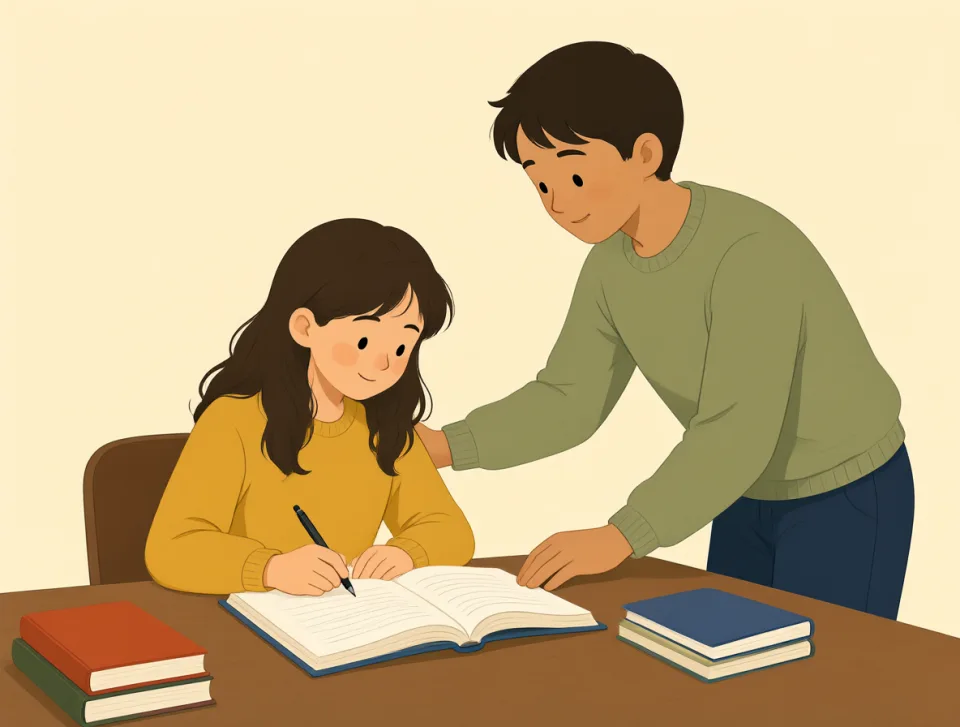
Education is an investment in your future.
教育是對你未來的一項投資。
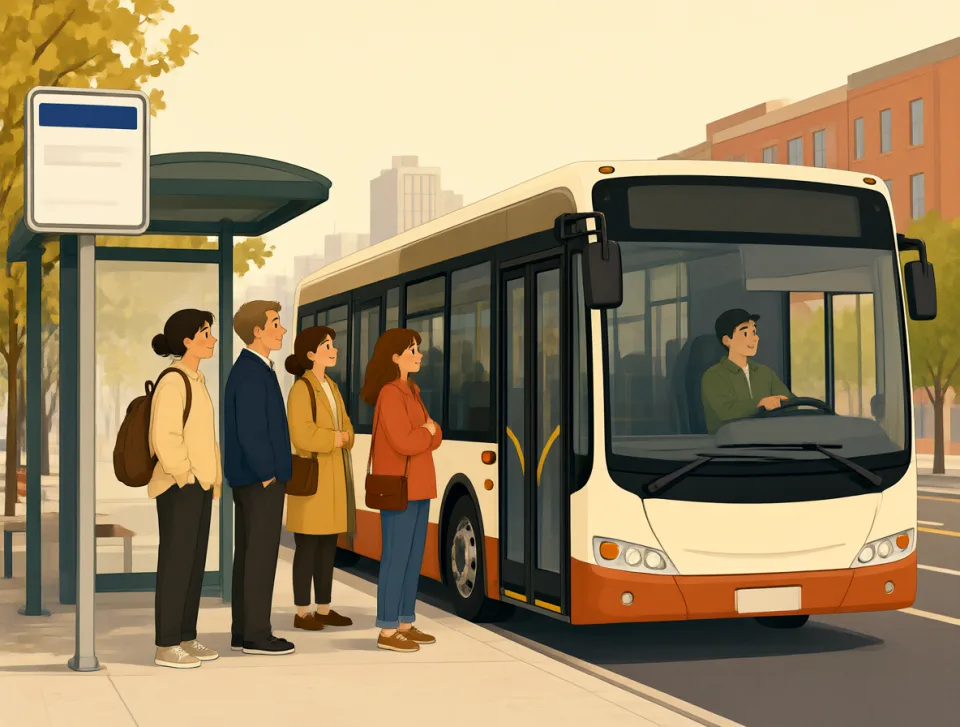
We need more investment in public transport.
我們需要加大對公共交通的投資。

This camera is a useful investment.
買這臺相機是一項很有用的投資。
score
#823noun, verb
得分; 分數; 進球; 弄到
The number of points someone gets in a game, or to get points in a game.
某人在比賽中獲得的分數,或在比賽中得分。
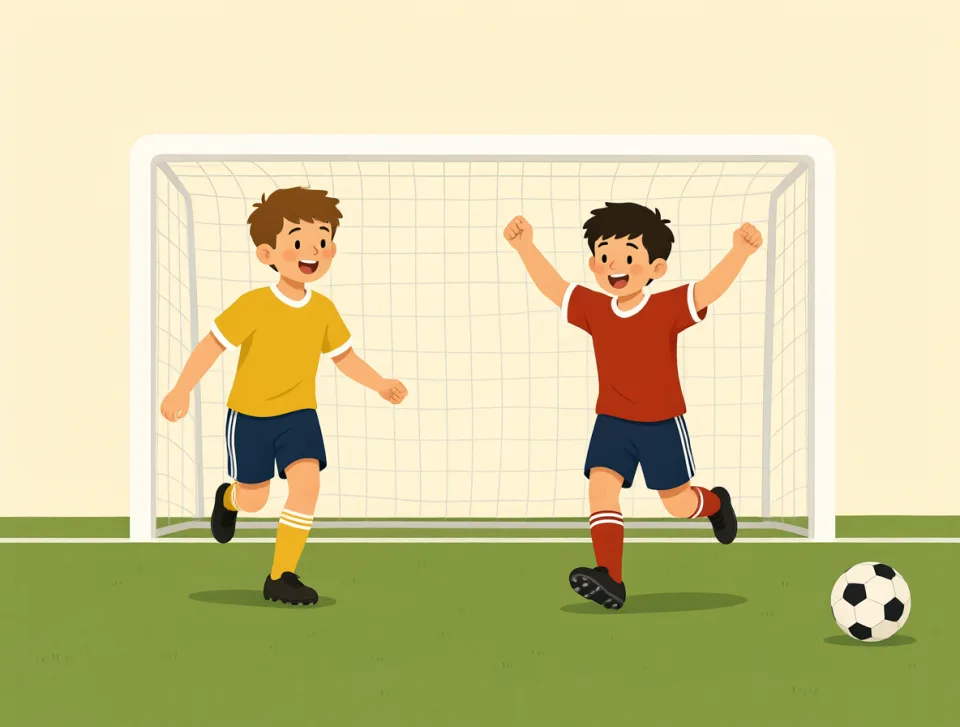
Our team scored three goals today.
我們隊今天進了三個球。

She scored ten points in the game.
她在比賽中得了10分。
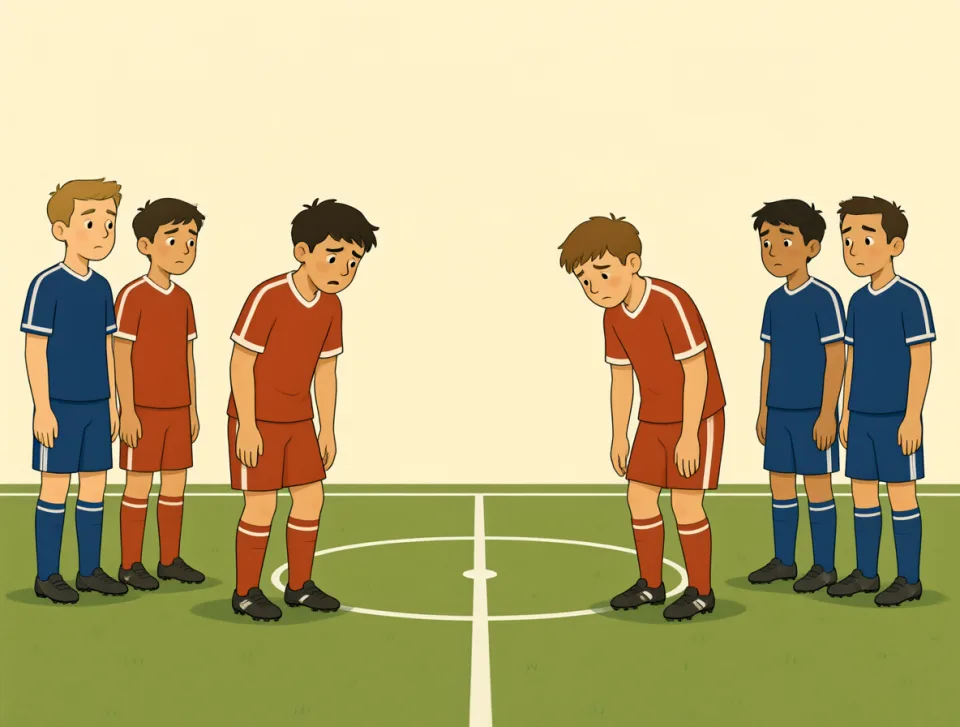
The final score was two to one.
最終比分是二比一。

He scored well on his English test.
他英語考試考得很好。

The waiter scored us a free dessert.
服務員幫我們爭取到了一份免費的甜點。
organize
#824verb
組織;安排;籌辦
to plan and arrange people or things in a clear, useful way
以清晰、有效的方式規劃和安排人員或事物
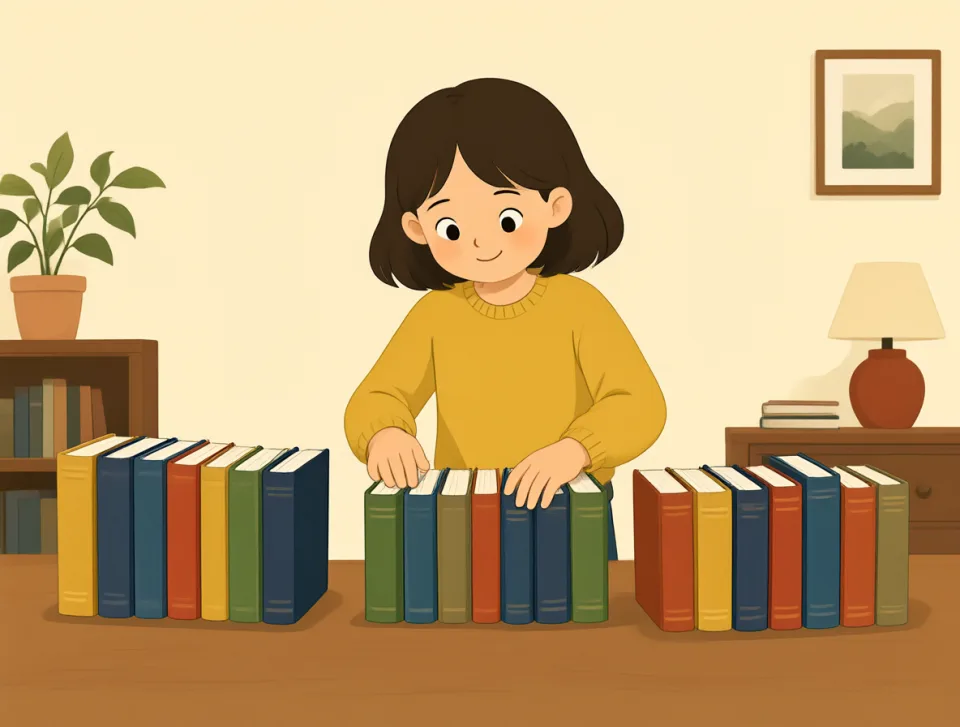
She organized the books by subject.
她按主題給書籍分類。
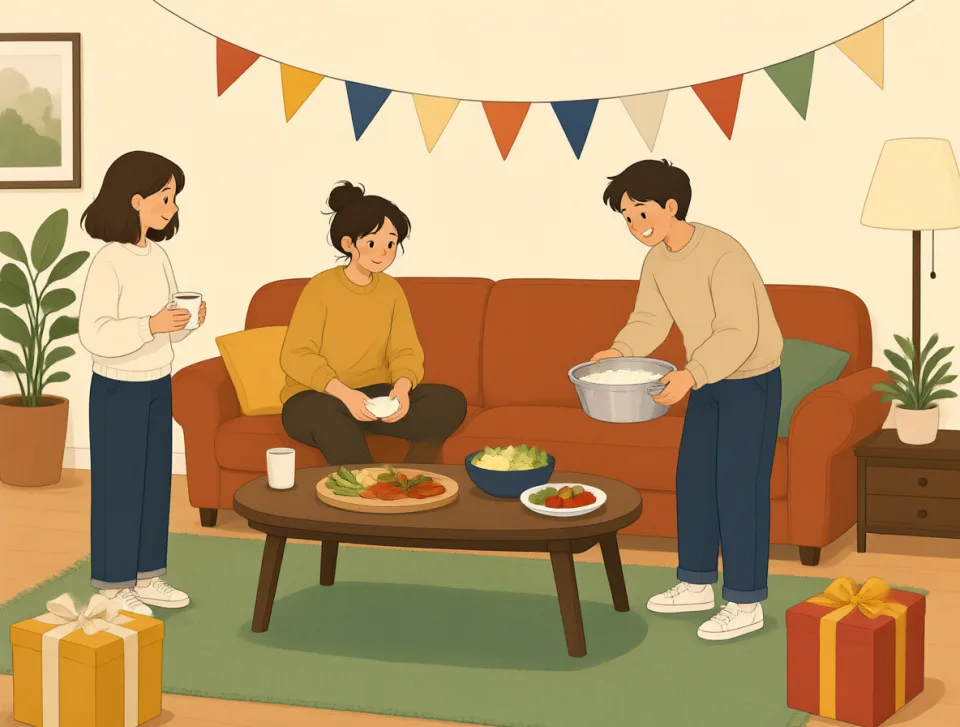
We organized a party for our friend.
我們為朋友籌辦了一場聚會。
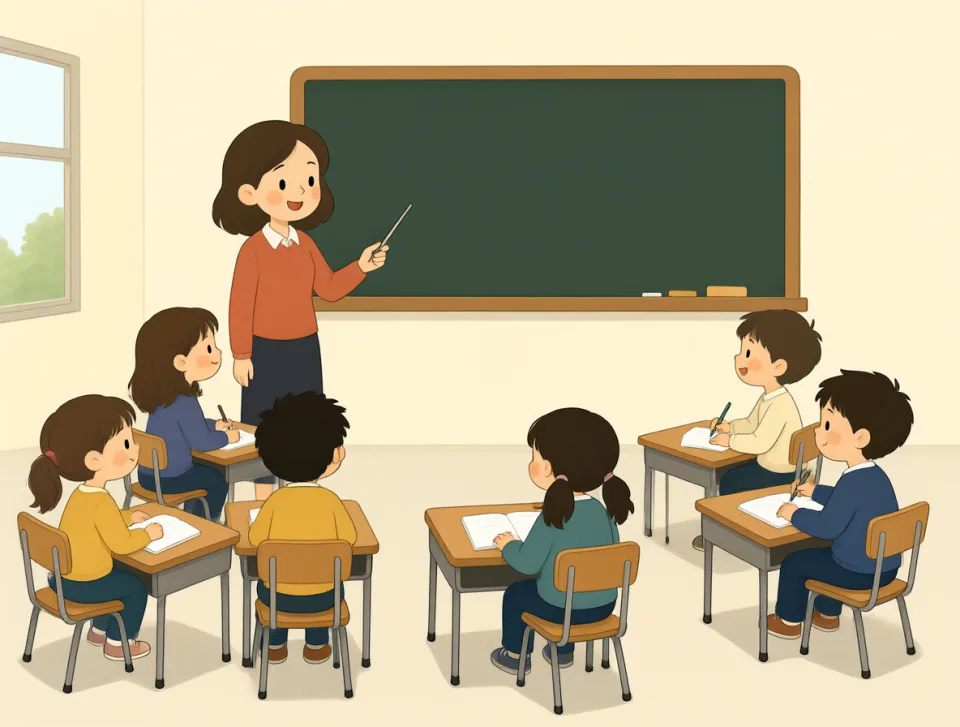
The teacher organized the students into groups.
老師把學生分成了幾個小組。

He organized his desk before work.
他在工作前整理了自己的辦公桌。

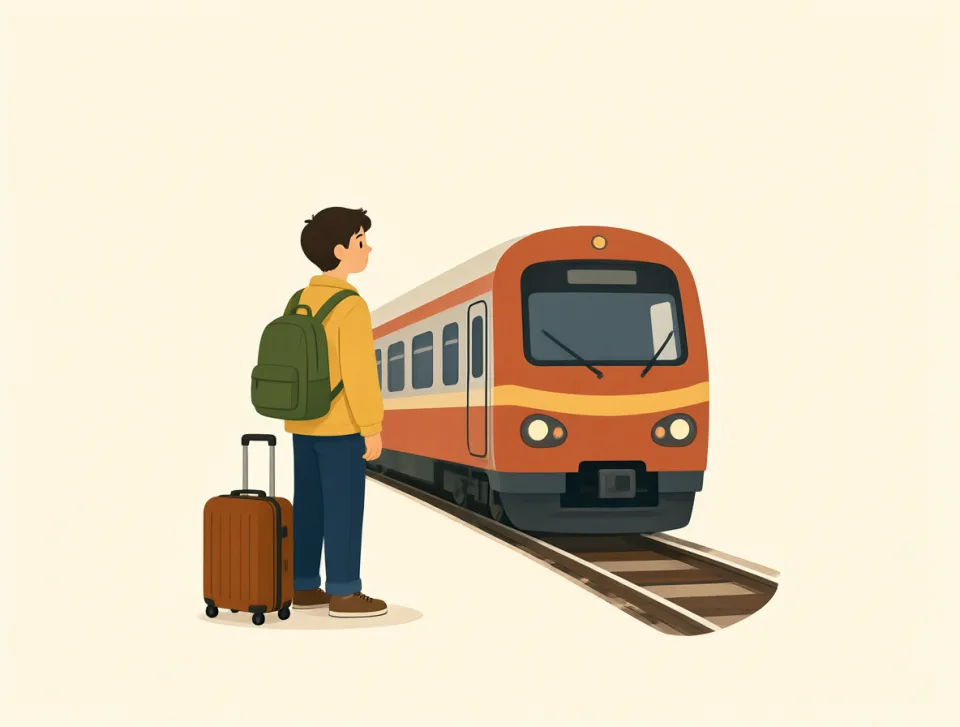
They organized a trip to the mountains.
他們組織了一次山區旅行。
trip
#825noun, verb
旅行;絆倒
A journey to a place, or to fall and lose your balance while walking.
去某個地方的旅程,或走路時失足摔倒、失去平衡。

We took a trip to the beach.
我們去海灘旅行了。

Our school trip was fun.
我們的學校旅行很有趣。
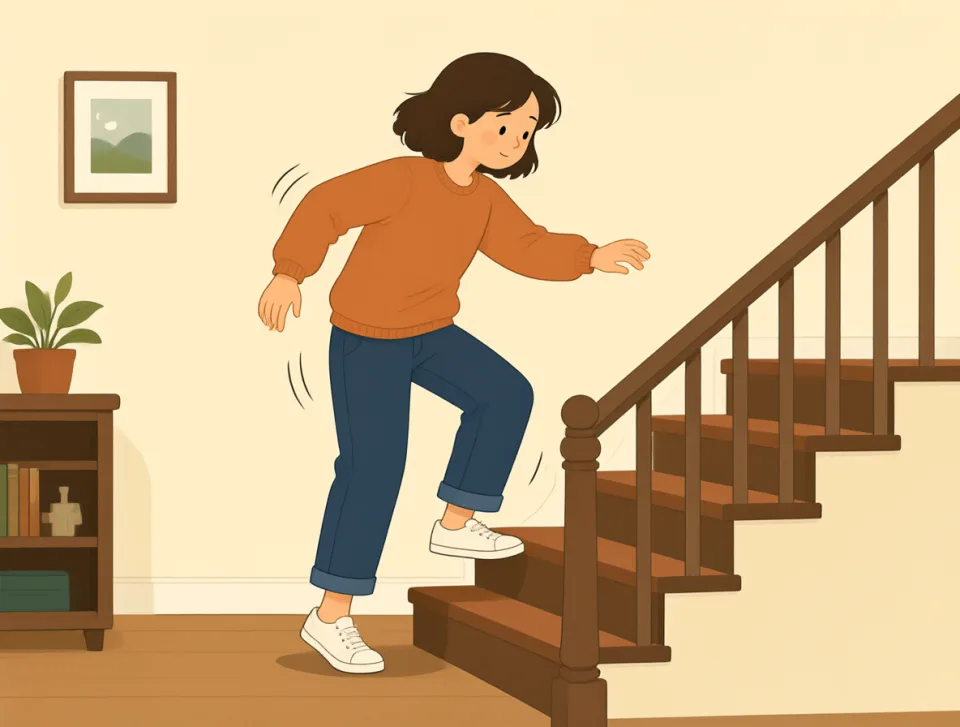
I tripped on the stairs this morning.
今天早上我在樓梯上絆倒了。
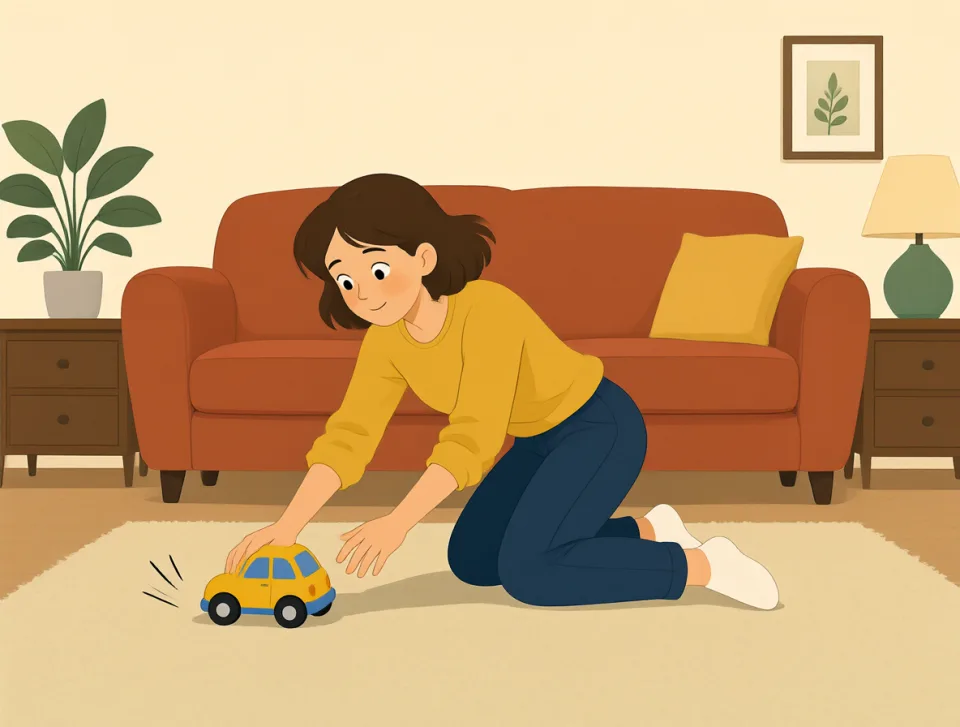
She tripped over the toy.
她被玩具絆倒了。

He took a business trip to London.
他去倫敦出差了。

beyond
#826adverb, preposition, noun
超過; 在……之外; 遠於
farther away or outside a limit, range, or place
遠離或超出某個界限、範圍或地點

The village is beyond the mountains.
這個村莊在山的另一邊。

The children ran beyond the garden gate.
孩子們跑過了花園門。
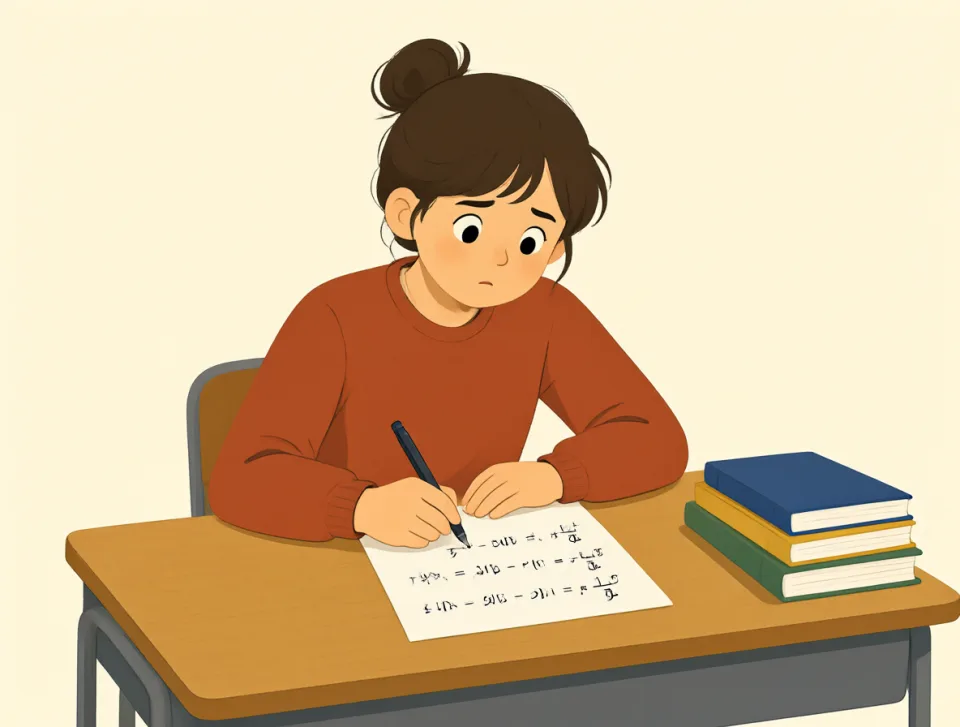
This problem is beyond my understanding.
這個問題超出了我的理解範圍。
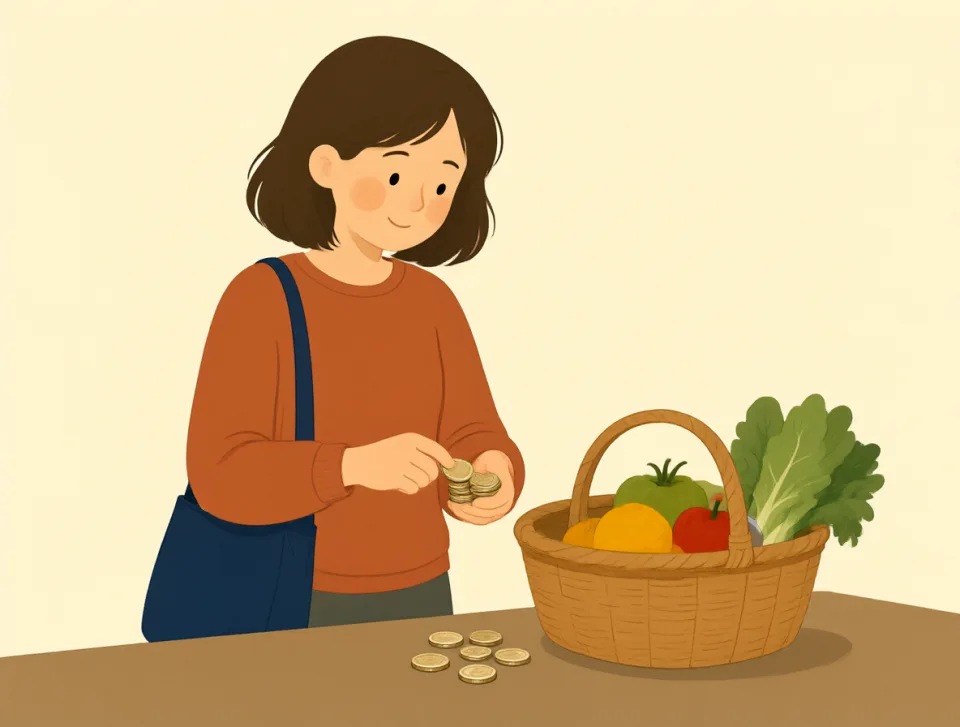
We cannot spend beyond our budget.
我們的花費不能超過預算。
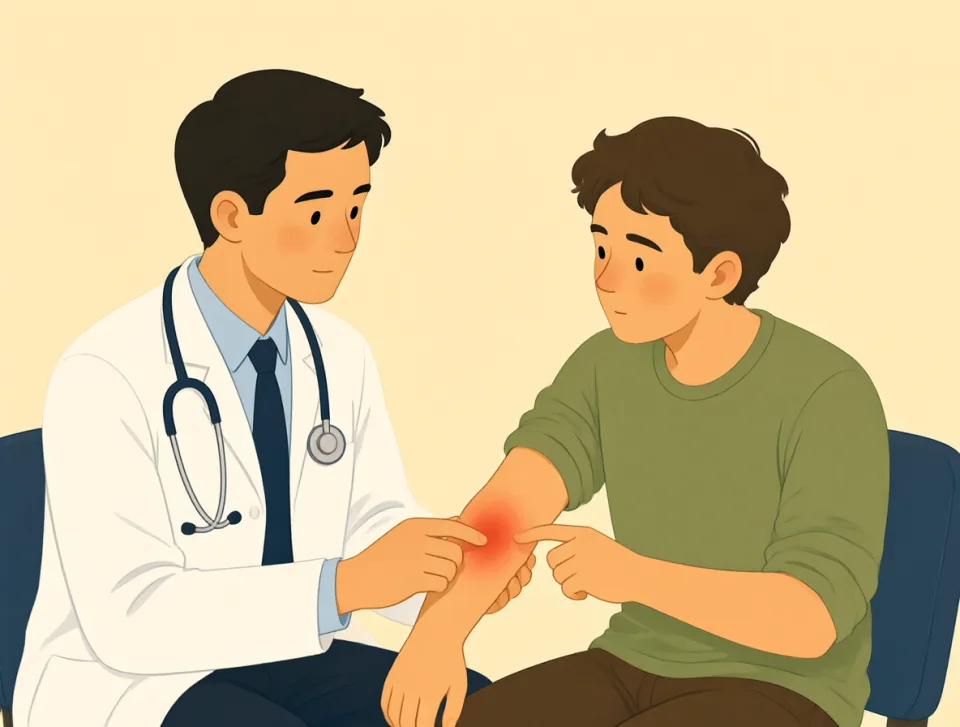
The doctor said the pain was beyond normal.
醫生說這種疼痛超出了正常範圍。

sleep
#827noun, verb
睡覺;睡眠
To rest with your eyes closed and your body inactive, usually at night.
閉著眼睛、身體不活動地休息,通常是在晚上。

I sleep for eight hours every night.
我每天晚上睡八個小時。

The baby is sleeping in her crib.
寶寶正在她的嬰兒床裡睡覺。
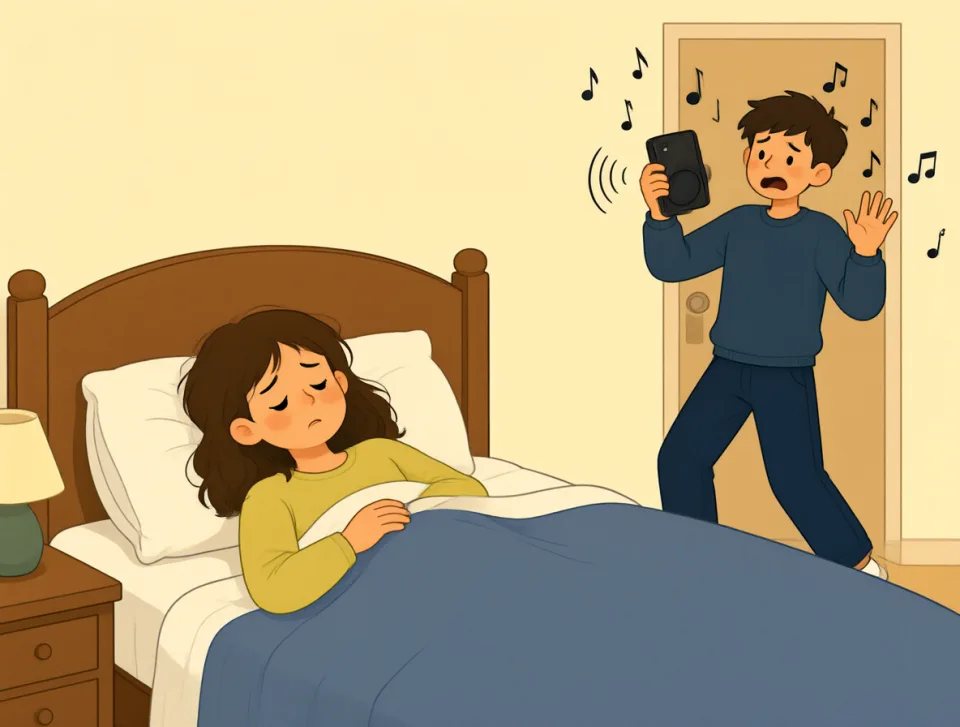
I slept badly because of the noise.
因為噪音,我睡得很不好。

We need a hotel where four people can sleep.
我們需要一家能住下四個人的酒店。

I always feel better after a good sleep.
睡個好覺後,我總是感覺好多了。
fish
#828noun, verb
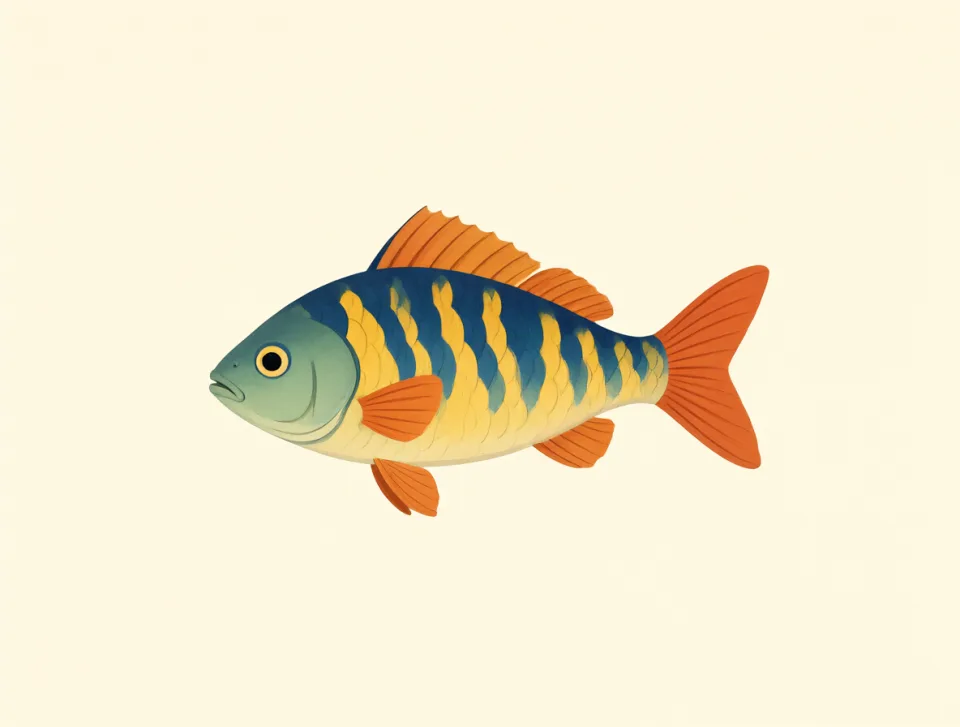
魚;釣魚
an animal that lives in water, or to catch or cook fish
一種生活在水裡的動物,或捕捉、烹調魚
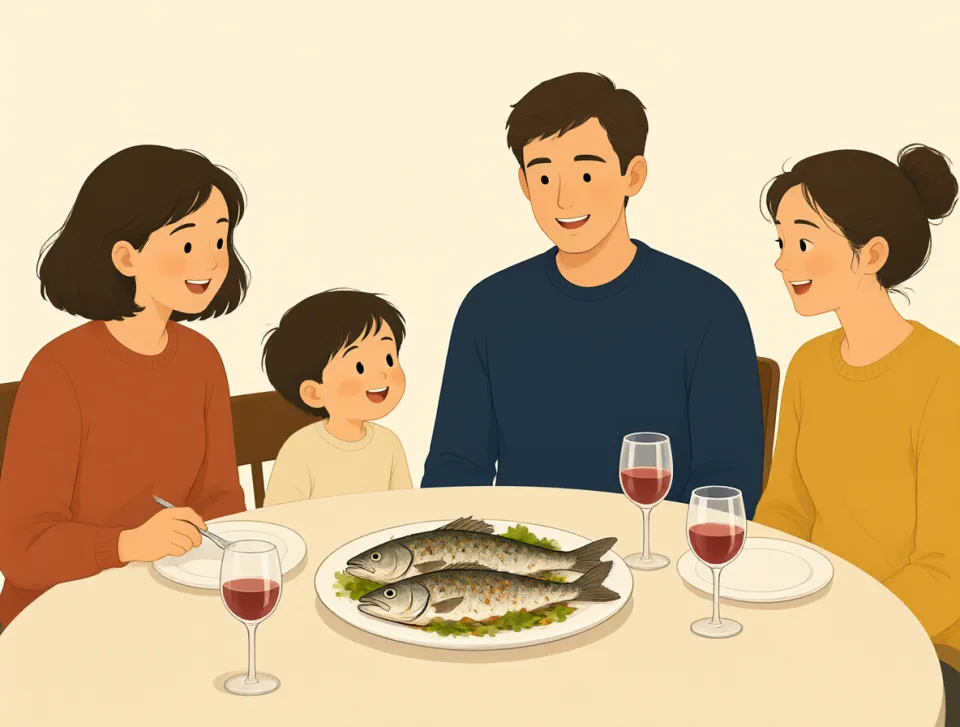
We had fish for dinner last night.
我們昨晚晚餐吃了魚。
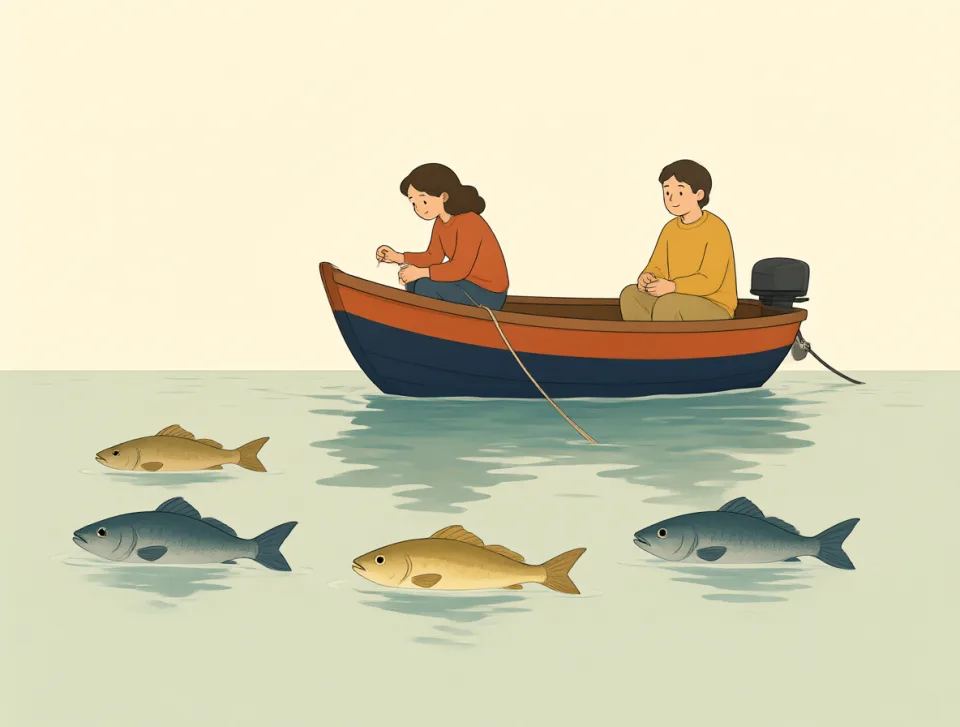
The fish are swimming near the boat.
魚正在船附近游泳。

My brother fishes at the lake every Sunday.
我哥哥每週日都去湖邊釣魚。
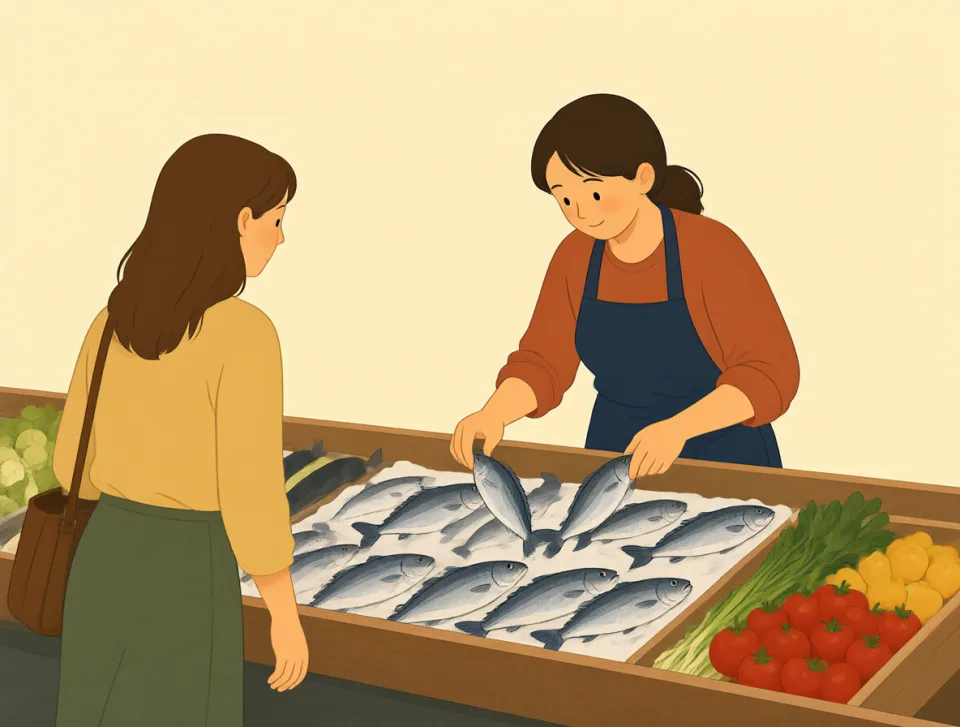
She bought fresh fish at the market.
她在市場上買了新鮮的魚。
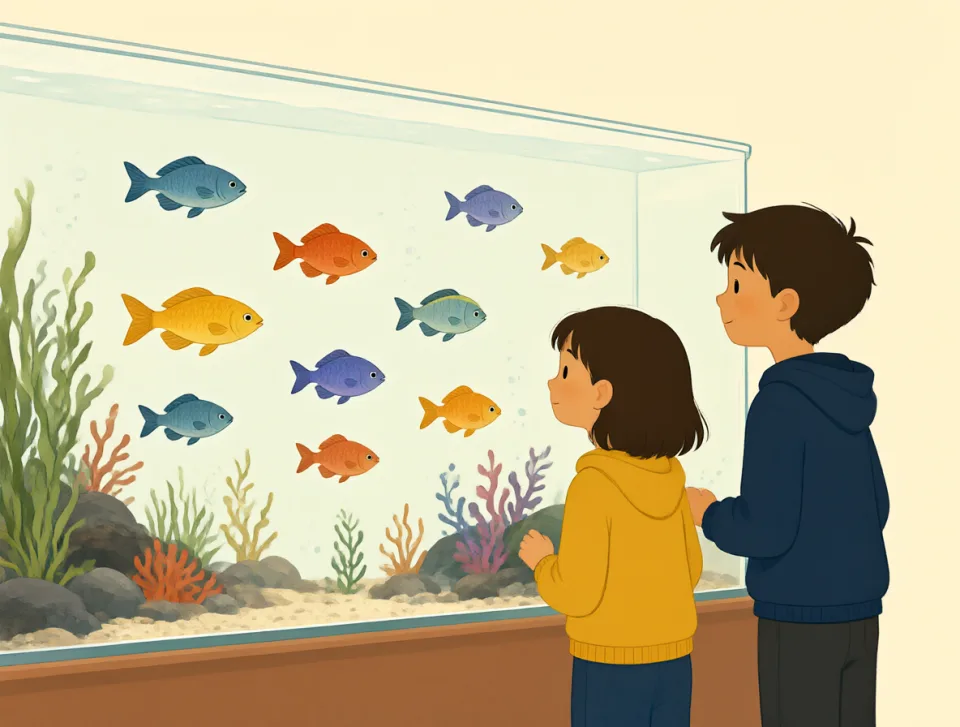
The children watched fish at the aquarium.
孩子們在水族館裡觀看魚。
promise
#829noun, verb
承諾;答應;諾言;希望
To say you will do something or that something will happen.
說你會做某事,或者說某事會發生。

I promise to help you tomorrow.
我答應明天幫你。

She promised to call after work.
她答應下班後打電話來。
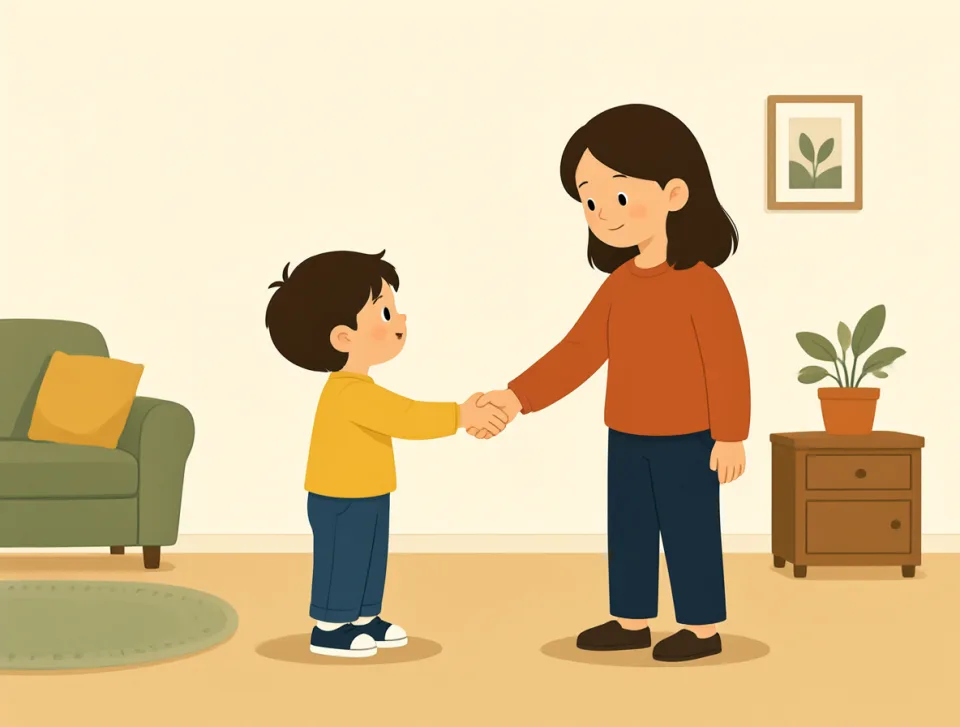
He made a promise to his mother.
他向母親許下了承諾。

The new restaurant shows great promise.
這家新餐廳很有發展前景。

They promised us a full refund.
他們答應給我們全額退款。
potential
#830noun, adjective
潛力;潛能;可能性
The chance that someone or something will develop, succeed, or become important.
某人或某物發展、成功或變得重要的機會。

She has the potential to become a great doctor.
她有潛力成為一名優秀的醫生。

This small shop has great potential for growth.
這家小店有很大的發展潛力。
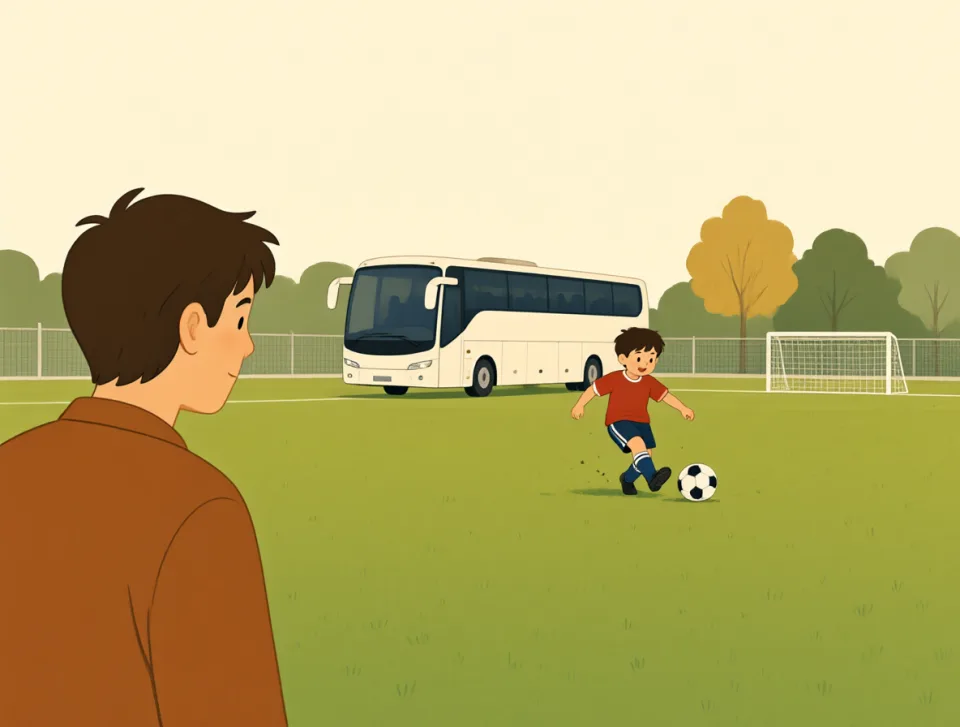
The coach saw potential in the young player.
教練看出了這名年輕球員的潛力。
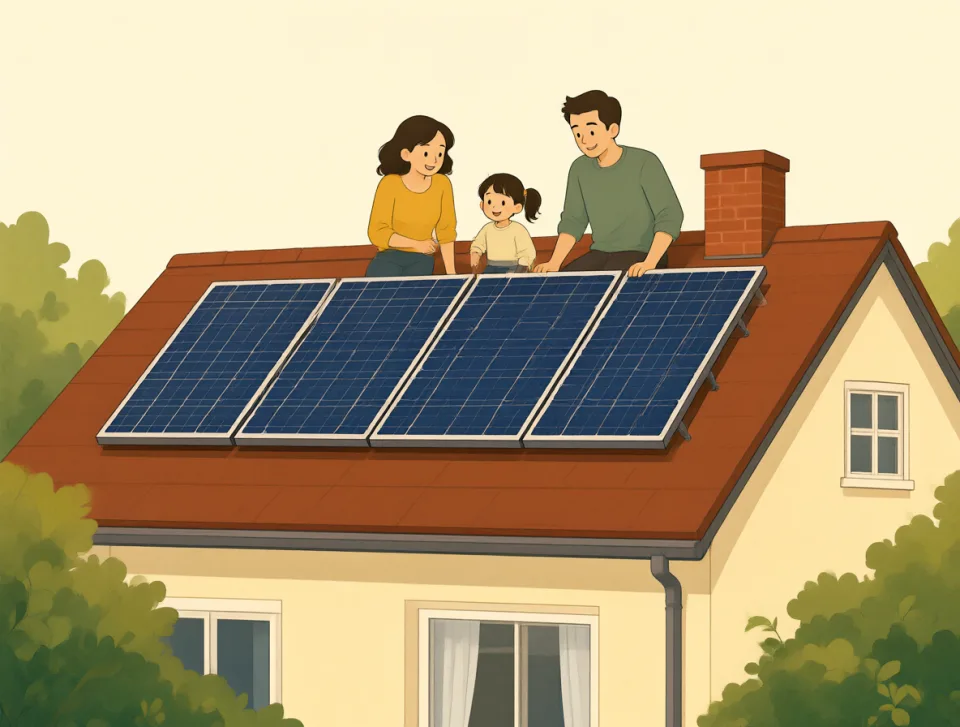
Solar power has the potential to save money.
太陽能有望幫助節省開支。

The new medicine may have dangerous potential.
這種新藥可能具有危險性。
energy
#831noun
能量;精力
The strength and effort needed to do things or make things work.
做事或使事物運轉所需的力量和精力。
I have enough energy to walk home.
我有足夠的精力走回家。
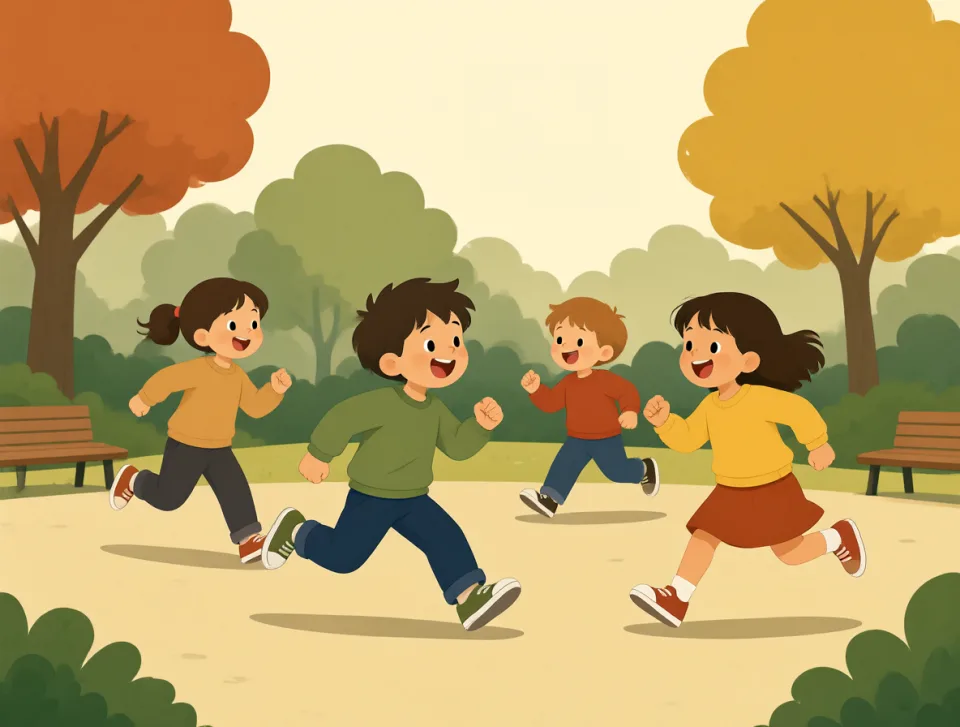
The children used all their energy at the park.
孩子們在公園裡耗盡了所有精力。
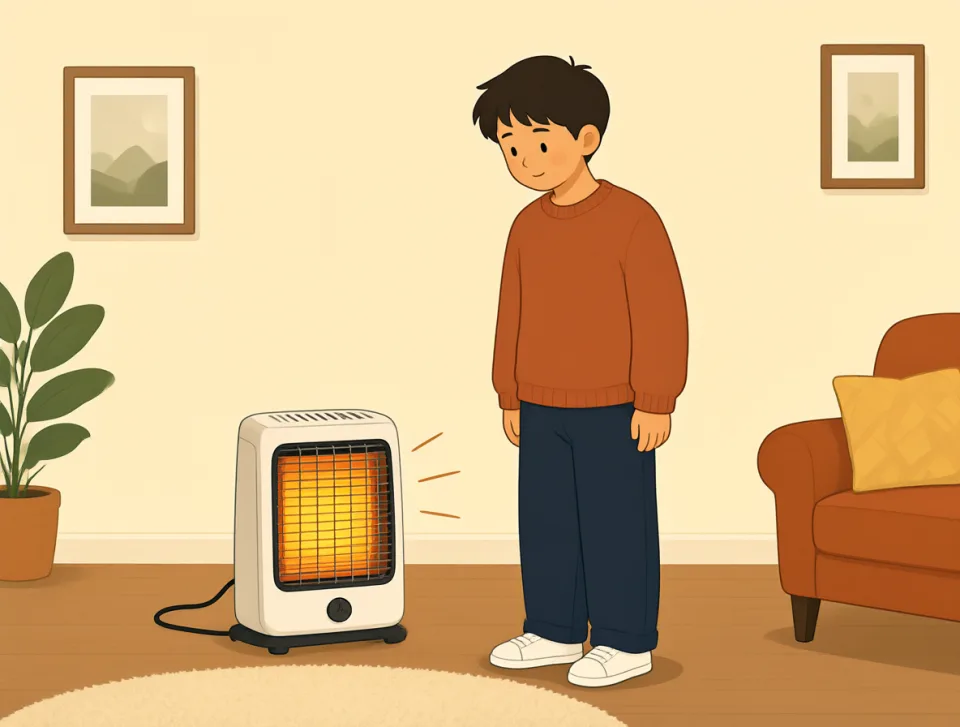
This heater uses a lot of energy.
這臺取暖器耗電量很大。
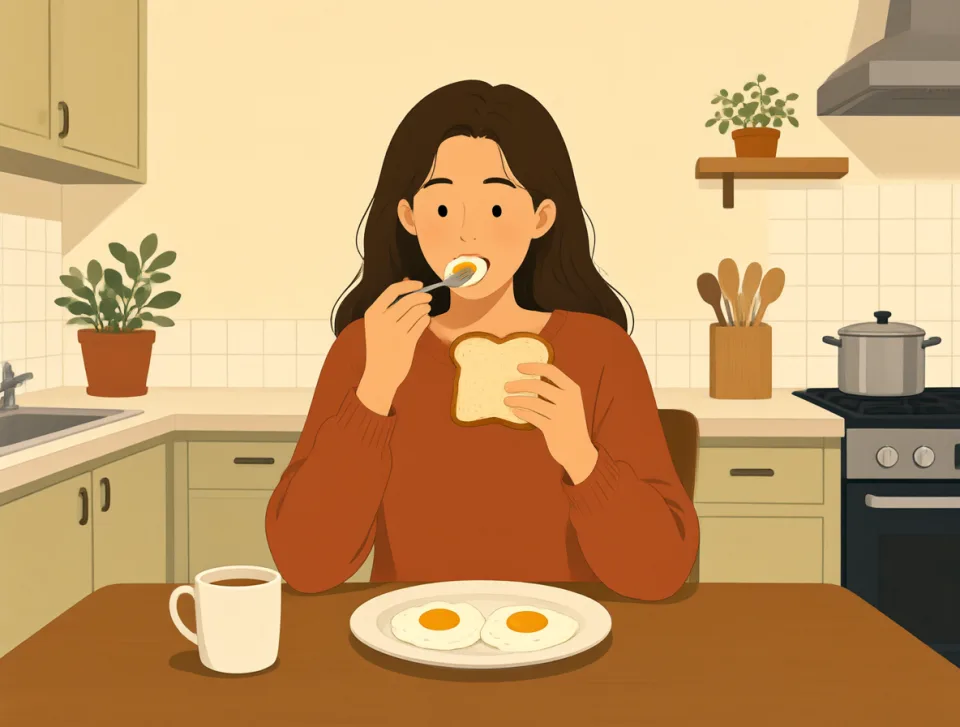
She gets energy from a good breakfast.
一頓豐盛的早餐讓她充滿活力。

We need energy to finish the long trip.
我們需要精力完成這段漫長的旅程。
trouble
#832noun, verb
麻煩; 困難; 困境; 打擾
A problem or difficulty; to cause problems for someone.
問題或困難;給某人帶來麻煩。

We had trouble finding the hotel.
我們找那家酒店時遇到了困難。
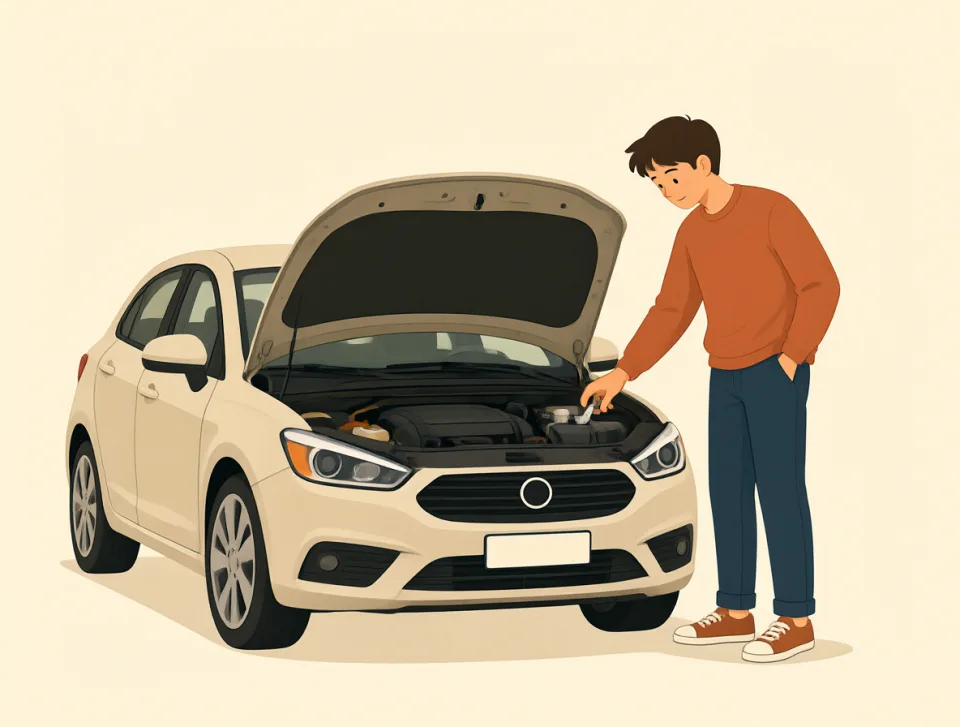
The car gave me trouble this morning.
今天早上這輛車給我添了麻煩。
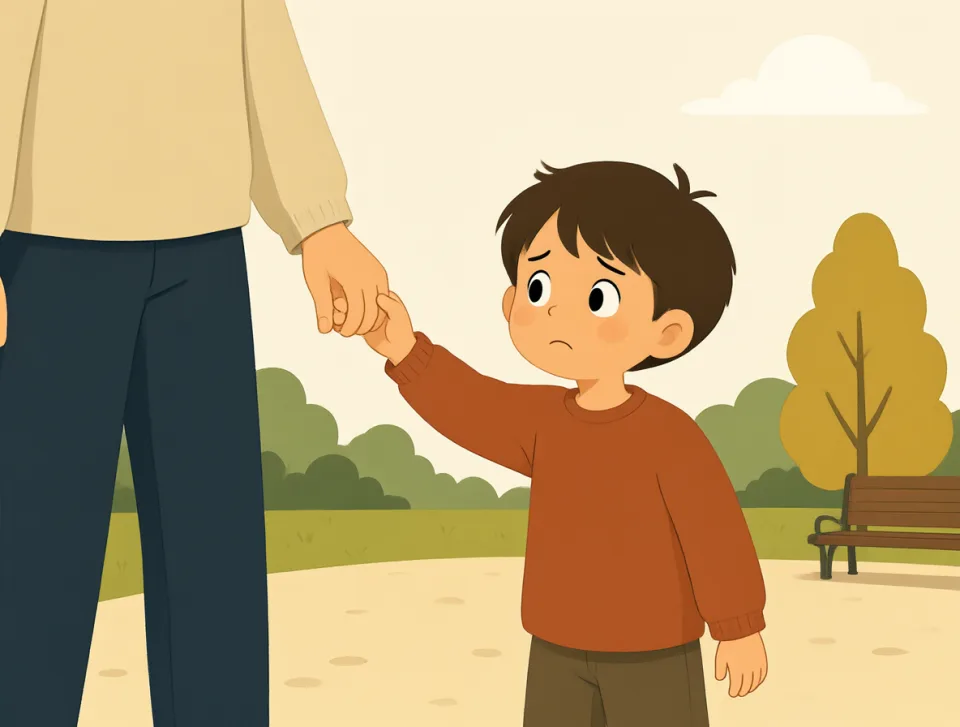
Please call me if you are in trouble.
如果你遇到麻煩,請給我打電話。

The teacher had trouble hearing Tom.
老師聽不清湯姆說話。

I hope this cold does not trouble you.
希望這場感冒不會給你帶來麻煩。

relation
#833noun
關係; 聯絡
A connection between people, things, or ideas.
人與人、事物與事物或想法之間的聯絡。
She has a good relation with her sister.
她和姐姐關係很好。
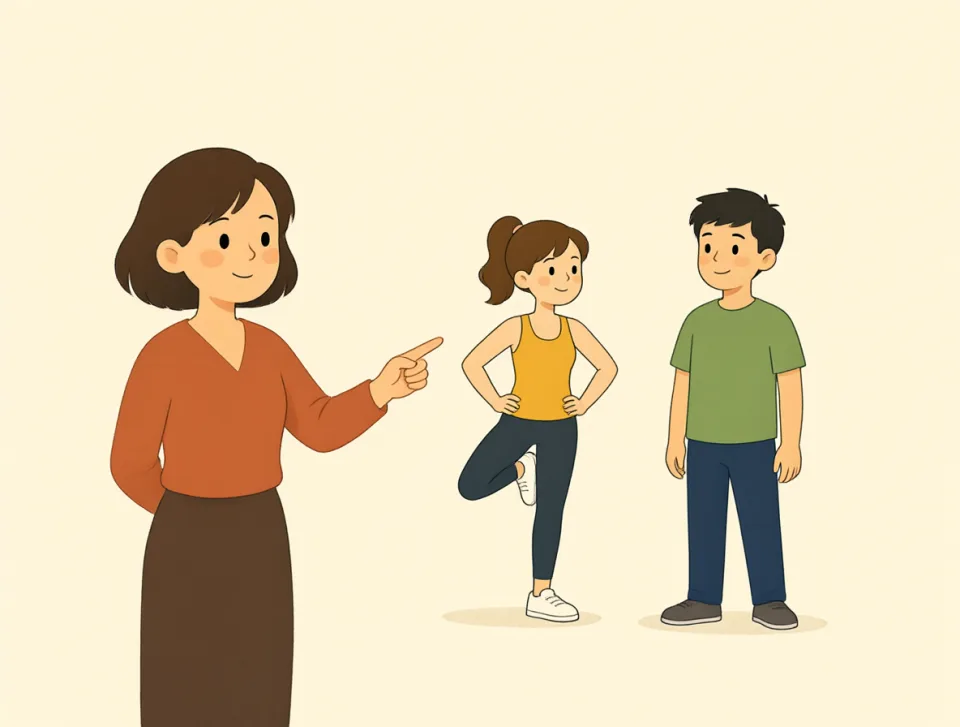
The teacher explained the relation between exercise and health.
老師解釋了鍛鍊和健康之間的關係。

There is a close relation between these two families.
這兩個家庭之間關係密切。

The shop has good relations with local farmers.
這家商店與當地農民關係很好。
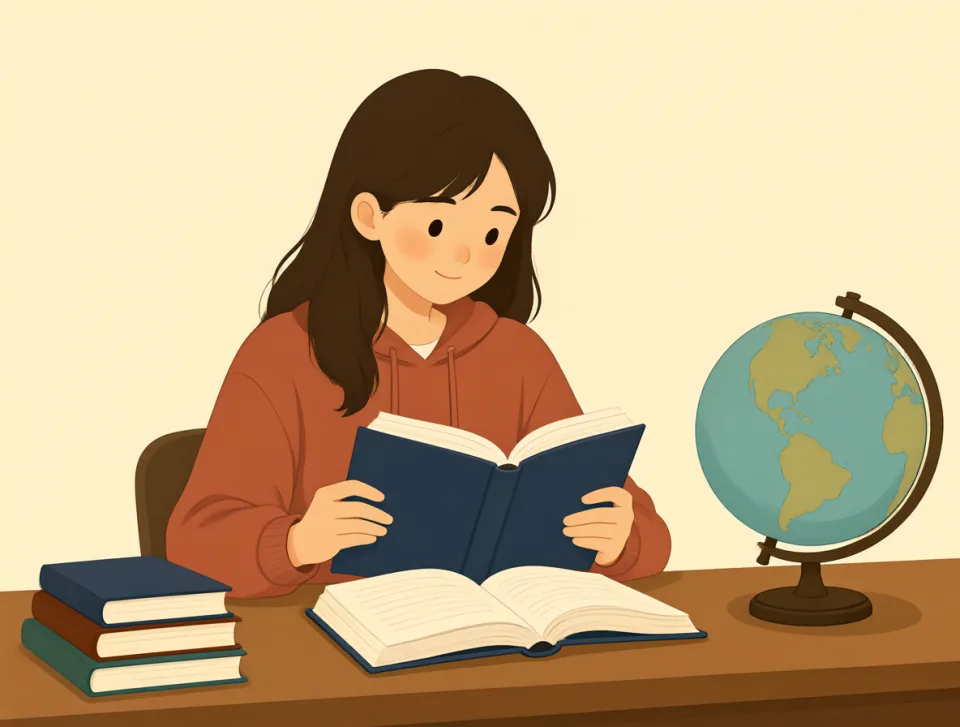
He studied international relations at university.
他在大學學習國際關係。
touch
#834verb, noun
觸控; 觸碰; 觸感; 打動
to put your hand or another body part on someone or something
把手或身體的其他部位放在某人或某物上
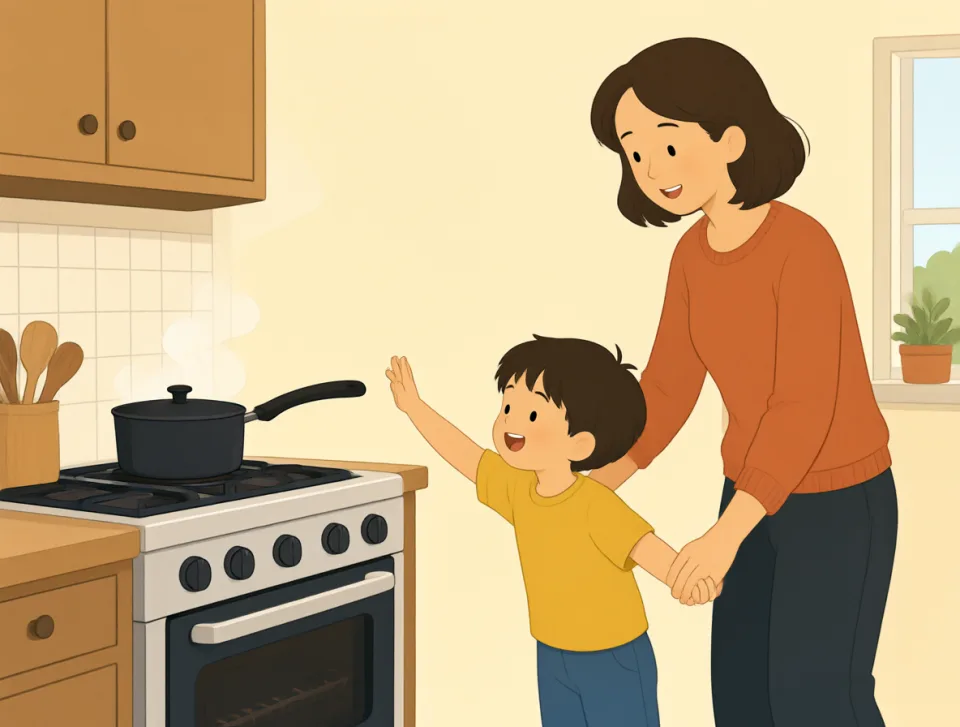
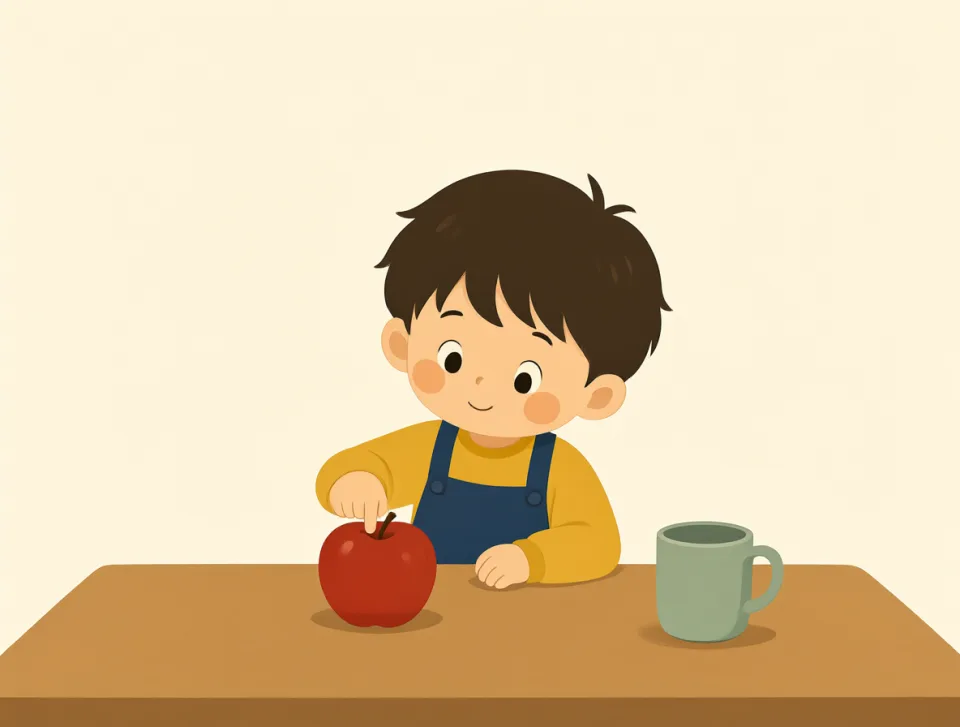
Please do not touch the hot stove.
請不要觸碰熱爐子。

She touched my arm to get my attention.
她碰了碰我的手臂,想引起我的注意。

The nurse touched his forehead.
護士摸了摸他的額頭。

I like the soft touch of this sweater.
我喜歡這件毛衣柔軟的觸感。

The song touched her heart.
這首歌打動了她的心。

file
#835noun, verb
檔案;存檔;歸檔
A file is a collection of papers or computer information; to file means to store it.
檔案是一組紙張或電腦資訊;file作動詞時,意思是儲存它。

Please send me the file by email.
請透過電子郵件把檔案發給我。

She opened the file and read the report.
她開啟檔案,讀了報告。
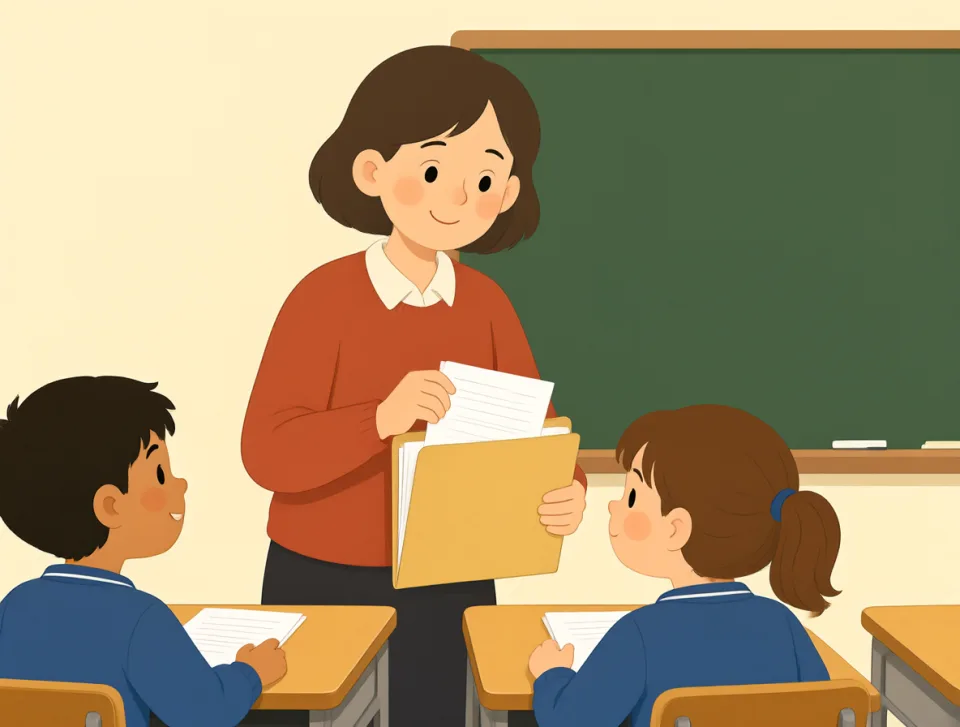
The teacher filed the students' papers.
老師把學生的作業歸檔了。

I saved the file on my computer.
我把檔案儲存在電腦上了。

The police filed a report yesterday.
警方昨天提交了一份報告。

middle
#836noun, adjective, preposition
中間;中央;中部
the central part or point of something, between two sides or ends
某物兩邊或兩端之間的中央部分或位置
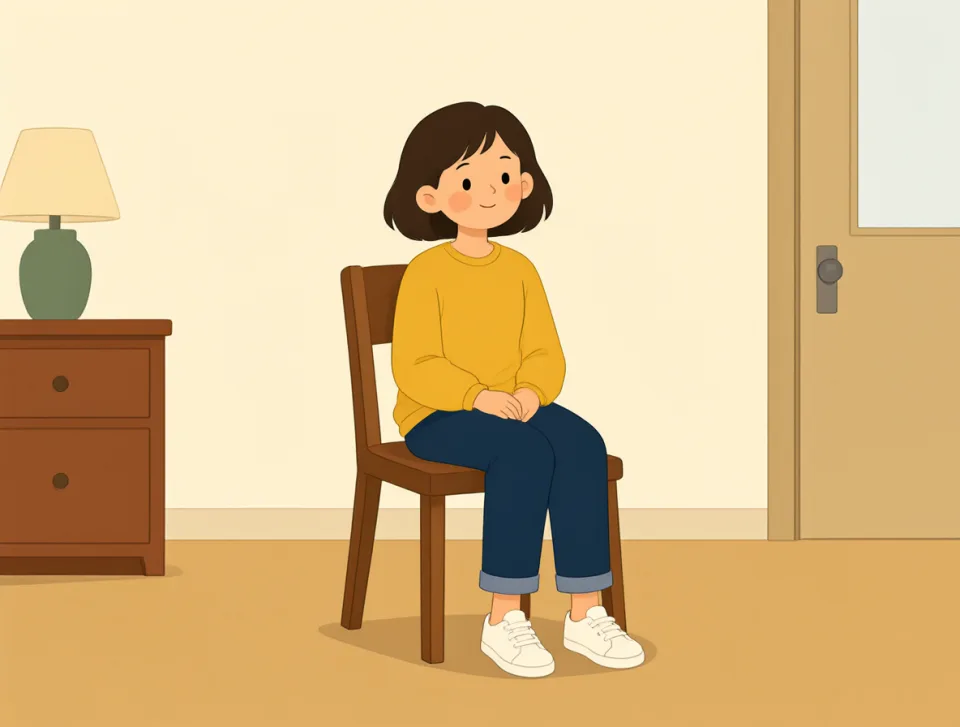
She sat in the middle of the room.
她坐在房間中央。
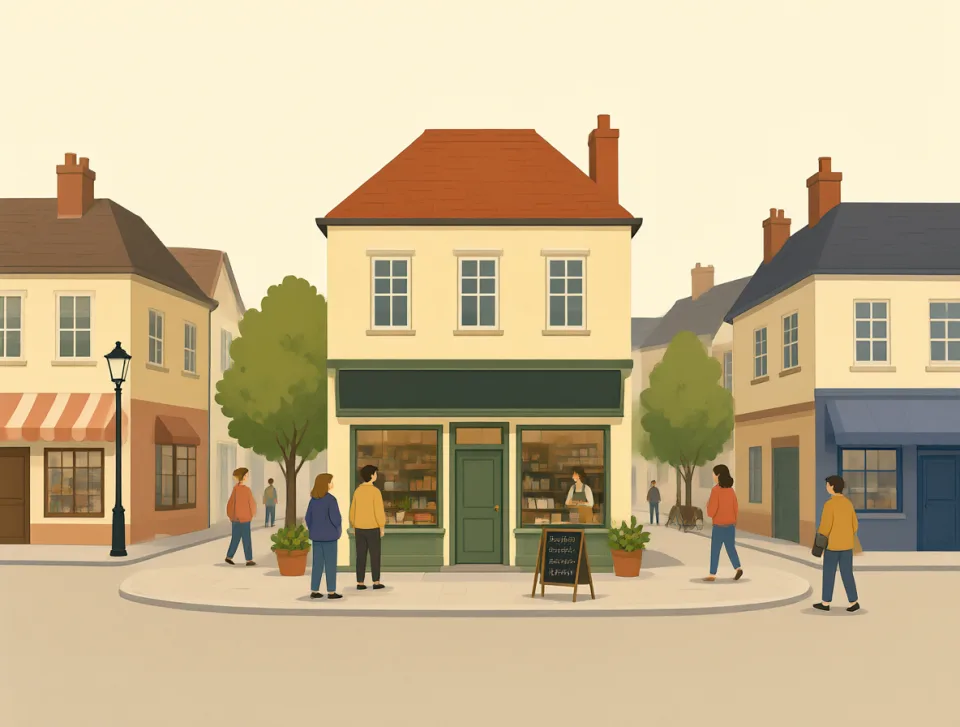
The store is in the middle of town.
這家店在市中心。

Please fold the paper down the middle.
請沿著中線把紙對摺。

He woke up in the middle of the night.
他半夜醒了。
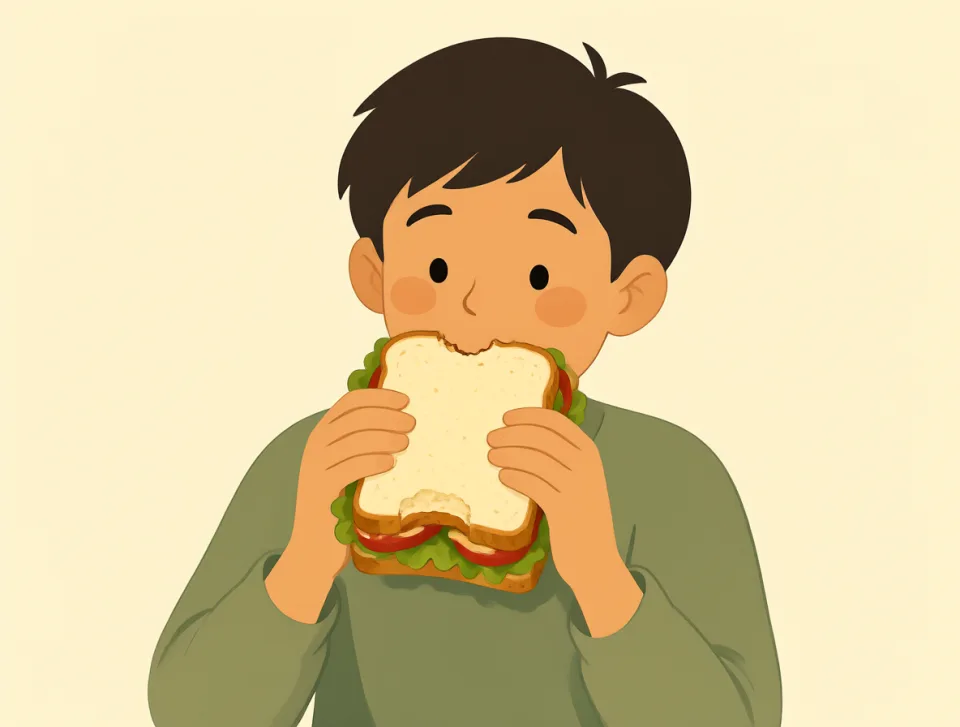
I ate the middle of the sandwich first.
我先吃了三明治中間的部分。

bar
#837noun, verb
酒吧;杆,條;閂住
A place where people buy drinks, or a long piece that blocks or supports something.
人們買飲料的地方,或用來擋住或支撐某物的長條狀物。

We met at the bar after work.
我們下班後在酒吧碰面。

She ordered a sandwich at the bar.
她在酒吧點了一份三明治。

They put bars on the windows.
他們在窗戶上加裝了鐵條。

The hotel bar opens at six.
酒店的酒吧六點開門。
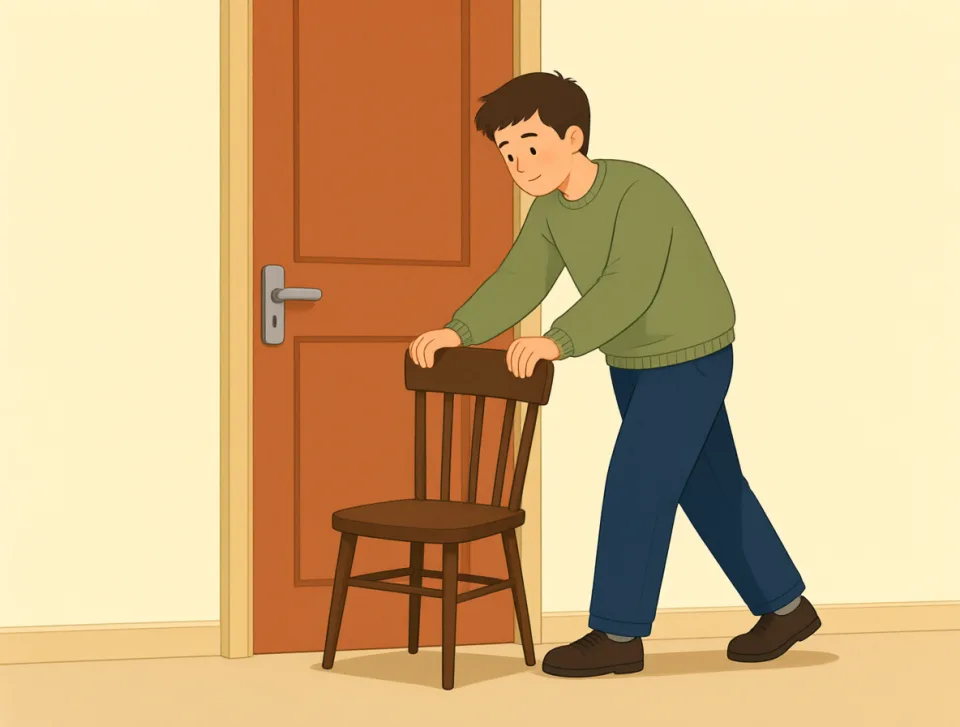
He barred the door with a chair.
他用一把椅子把門閂住了。
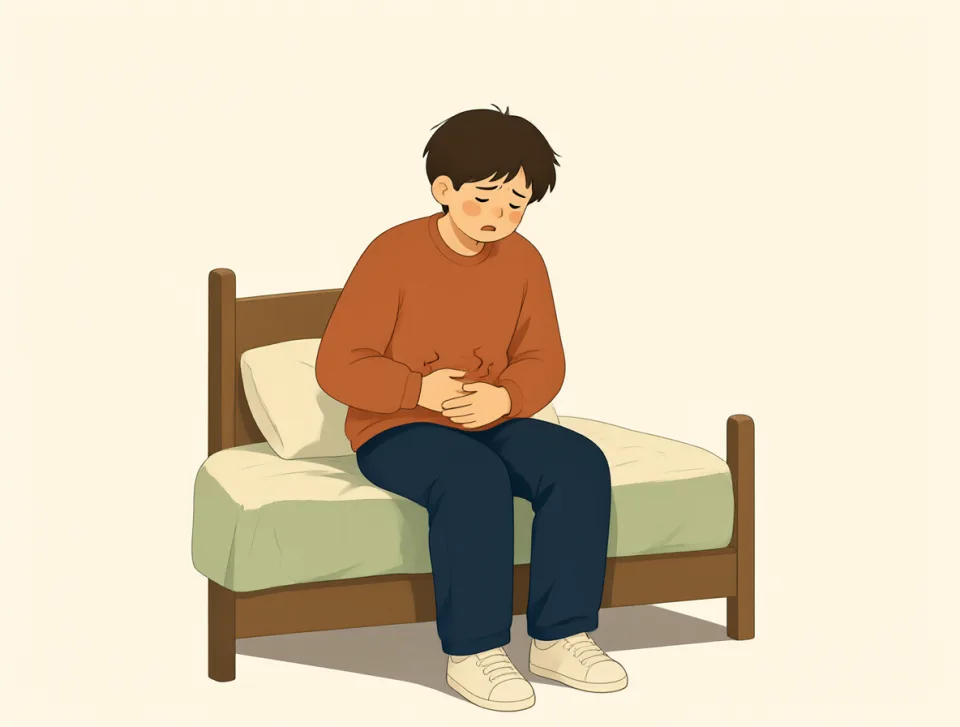
suffer
#838verb
遭受;受苦
To feel pain, illness, loss, or difficulty.
感到疼痛、患病、遭受損失或遇到困難。

Many people suffer from back pain.
許多人都飽受腰痛之苦。
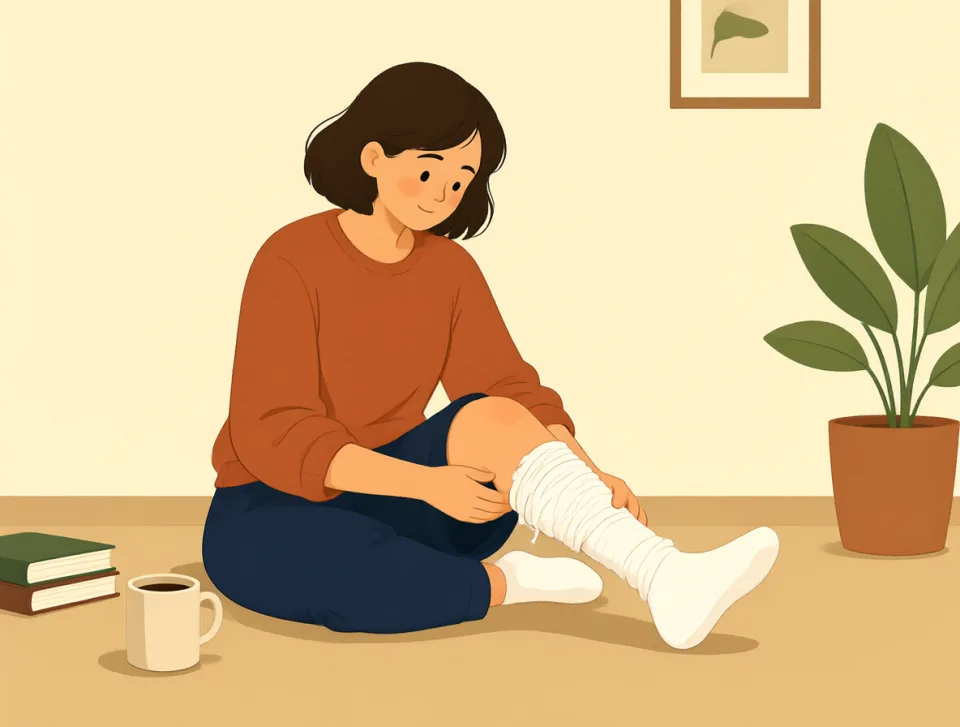
She suffered a serious injury at work.
她在工作時受了重傷。
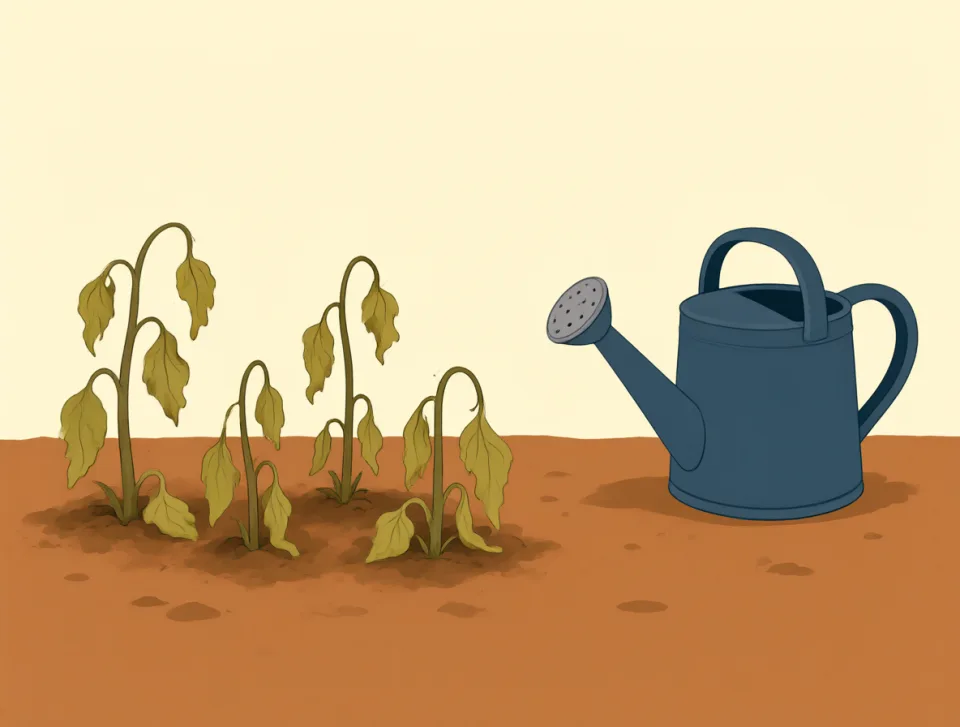
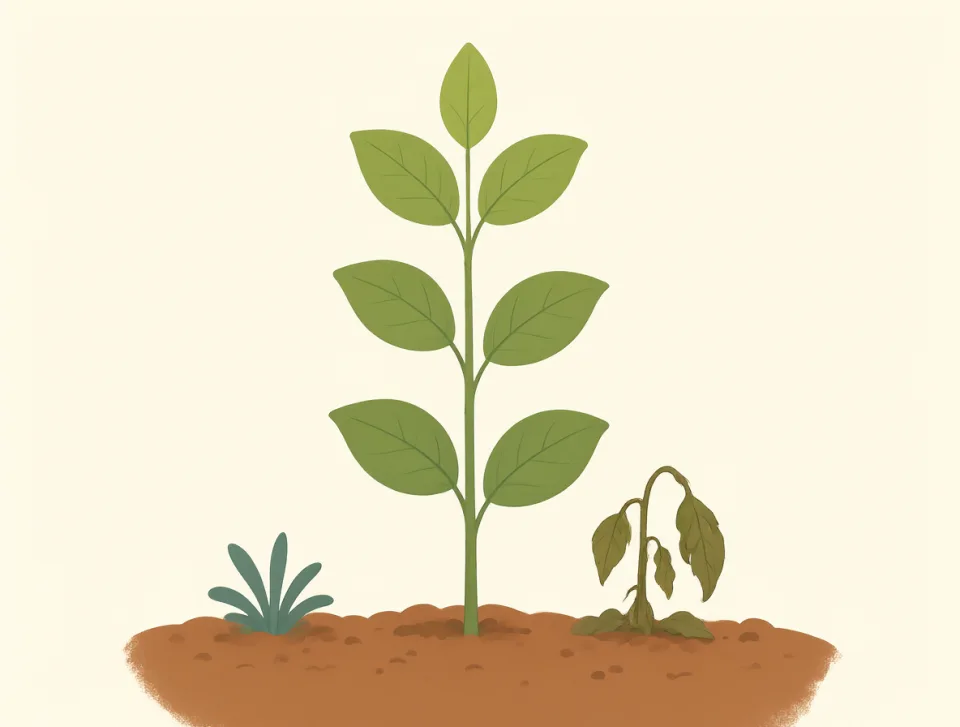
The plants suffered without enough water.
由於水分不足,這些植物受到了損害。

He suffers from headaches every week.
他每週都會頭痛。
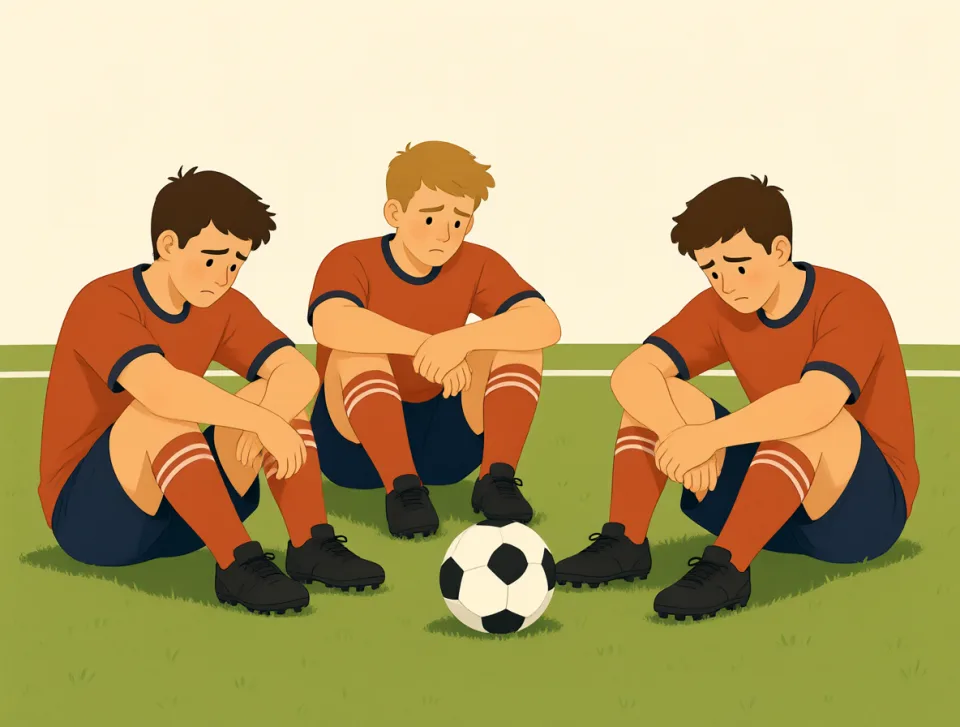
The team suffered a difficult loss.
這支球隊遭遇了一場慘痛的失利。
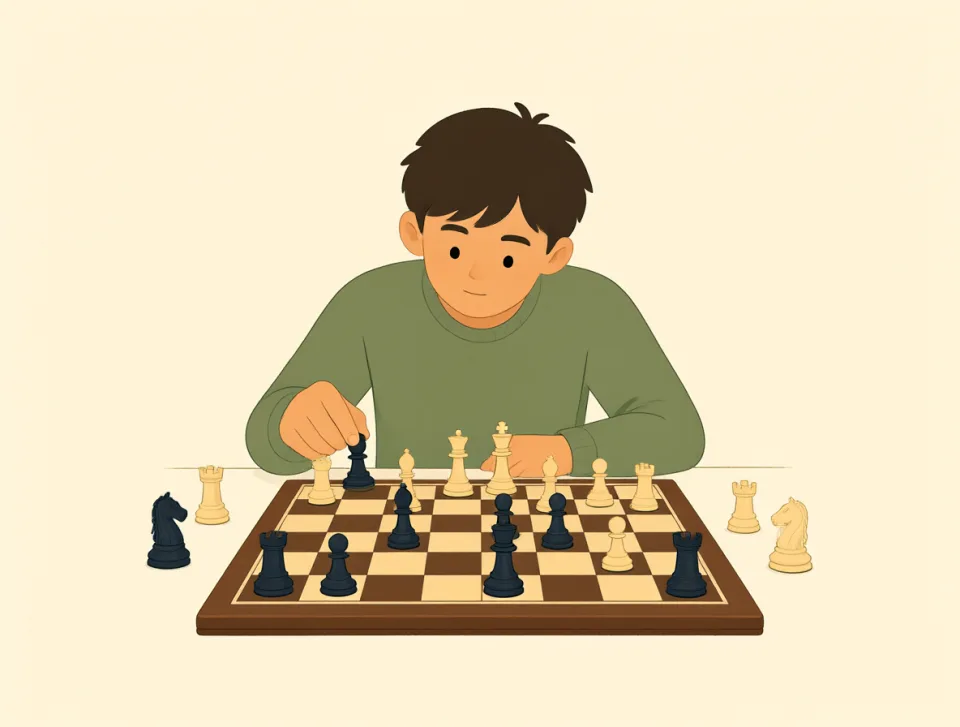
strategy
#839noun
策略
A plan for achieving a goal or dealing with a difficult situation.
為實現目標或應對困難情況而制定的計劃。

We need a new strategy to save money.
我們需要一個新的省錢策略。
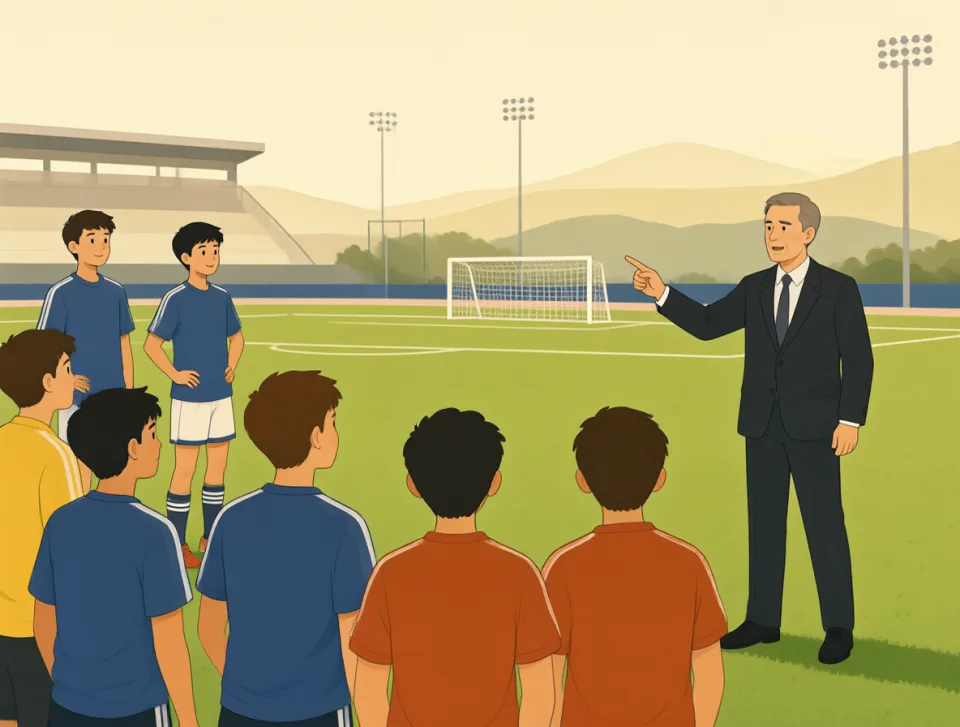
Her strategy helped the team win the game.
她的策略幫助團隊贏得了比賽。
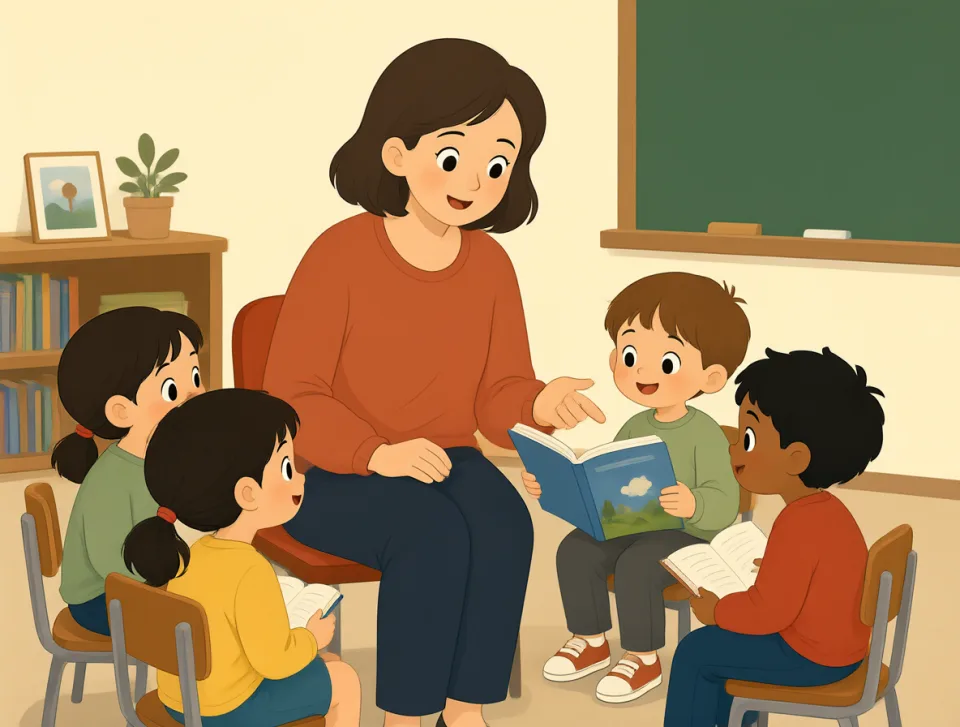
The teacher used a fun strategy for reading.
老師採用了一種有趣的閱讀方法。

Our shopping strategy was to compare prices.
我們的購物策略是比較價格。

He changed his strategy after feeling sick.
他感到不舒服後改變了策略。

deep
#840adjective, adverb, noun, verb
深的; 深深地
Going far down from the top or surface; far inside something.
從頂部或表面向下很深;在某物內部很深的地方。
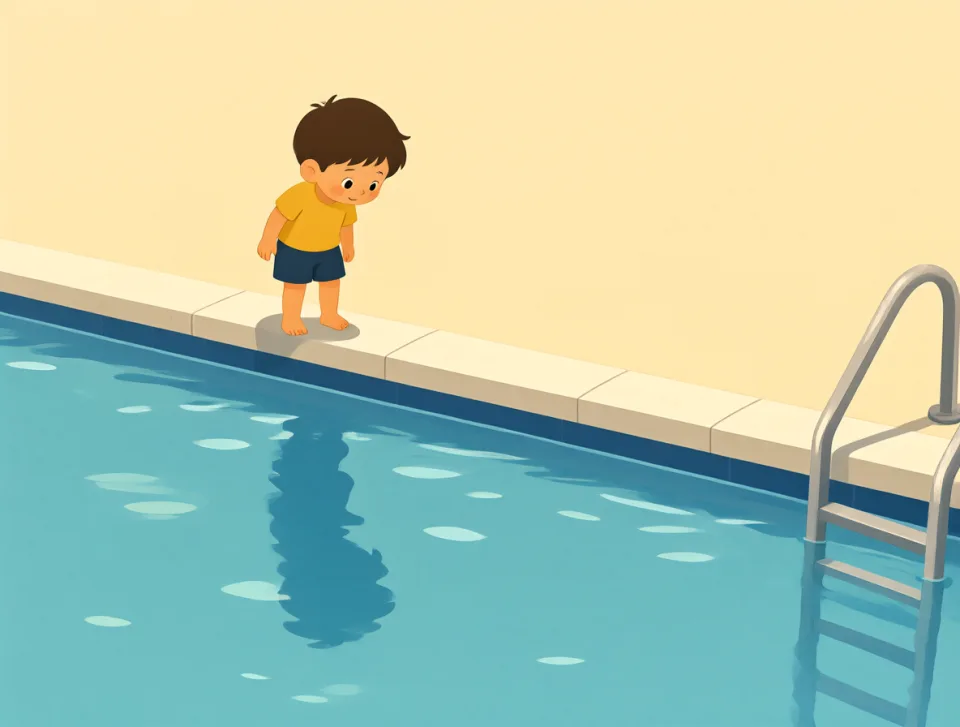
The water is too deep for me.
水太深了,我下不去。

She took a deep breath before speaking.
她開口說話前深深地吸了一口氣。
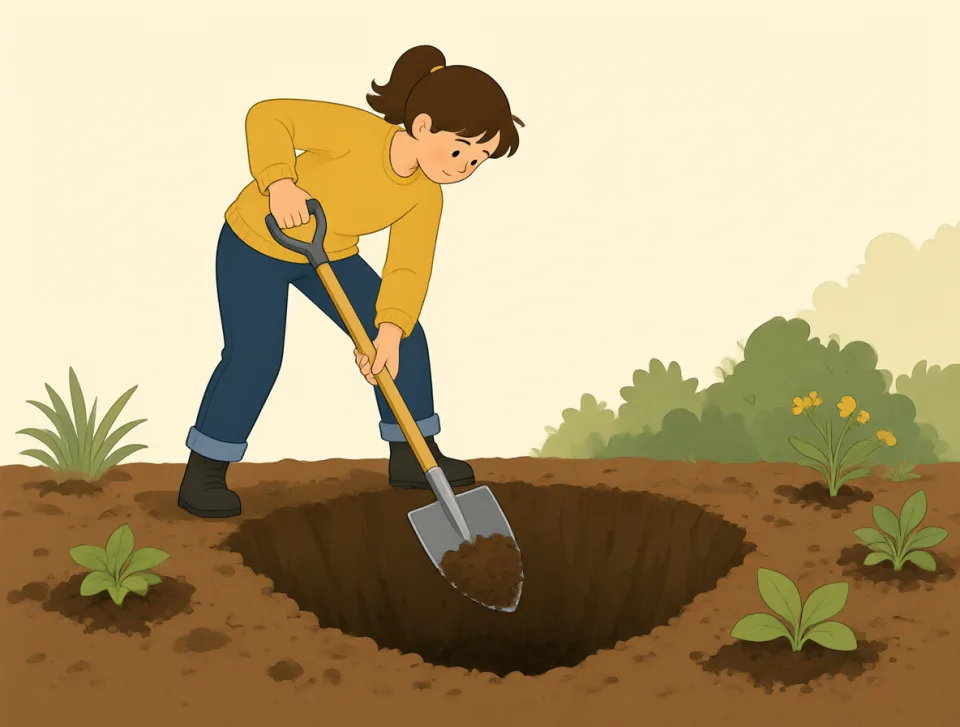
We dug deep into the garden soil.
我們把花園裡的土挖得很深。

The boat sank deep into the water.
船深深地沉入了水中。

He sleeps deeply after a long day.
忙碌了一天後,他睡得很沉。