35단원
681–700번 단어 · respect, various, catch, thus, skill, attempt
respect
#681noun, verb
존중; 존경
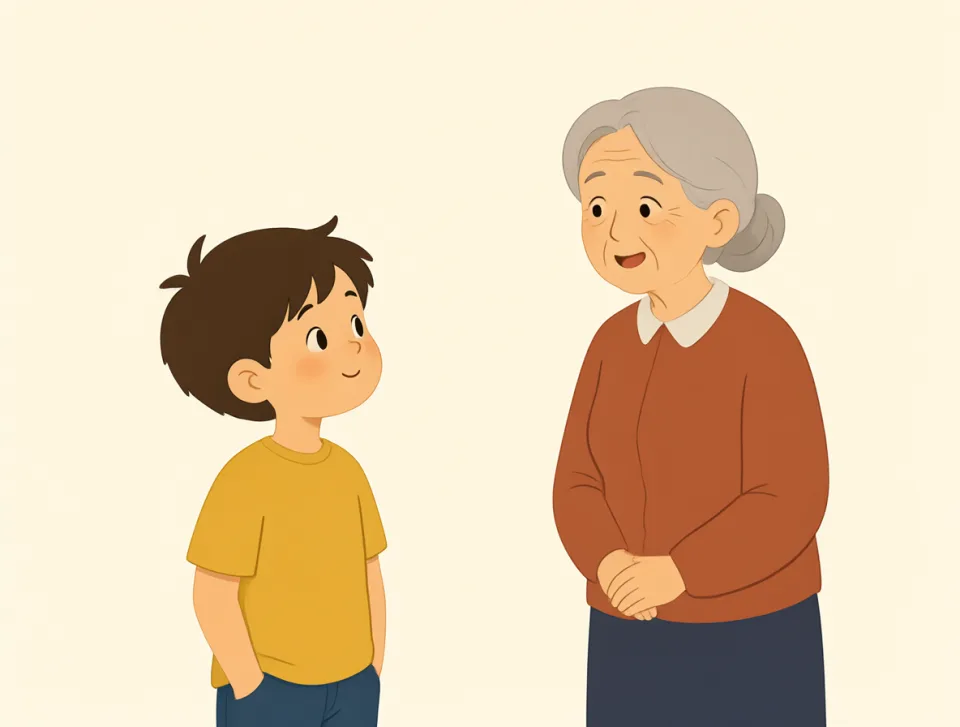
To treat someone politely and kindly, or to admire someone for their qualities.
누군가를 예의 바르고 친절하게 대하거나, 그 사람의 자질을 높이 평가하다.
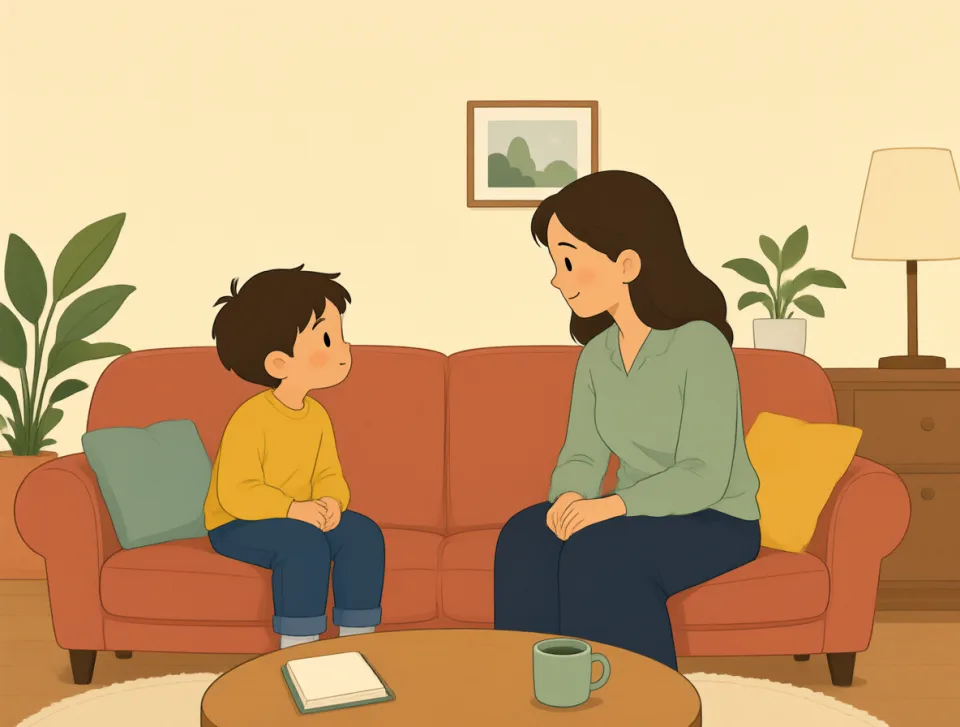
Please respect your parents and teachers.
부모님과 선생님을 존중하세요.

We should respect other people's feelings.
우리는 다른 사람의 감정을 존중해야 합니다.

Everyone respects our new team leader.
모두가 새 팀장을 존경합니다.
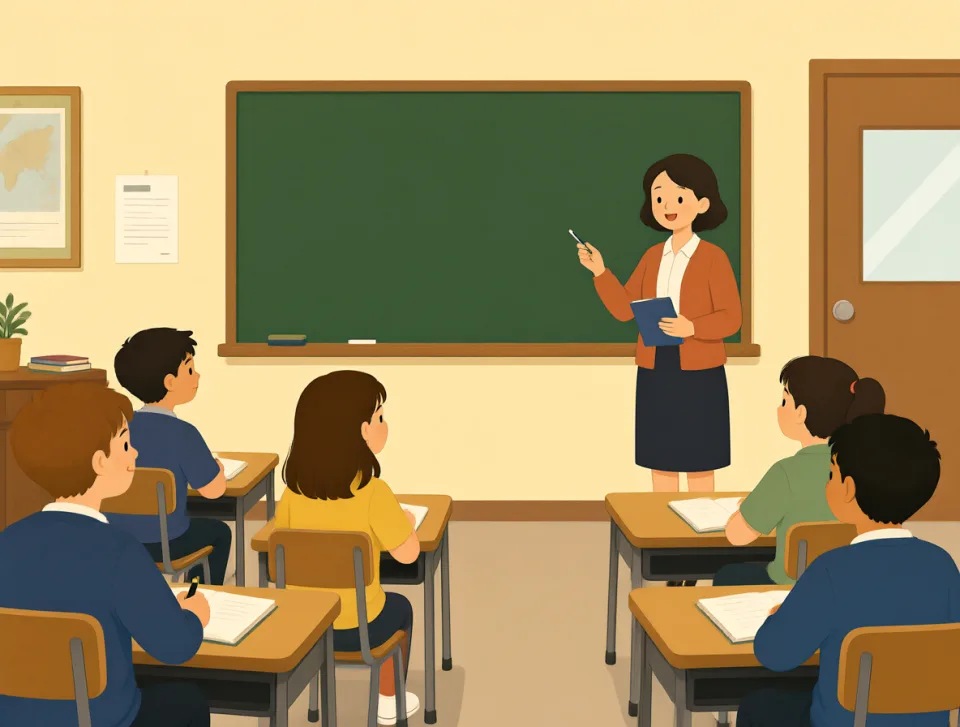
The students respected their teacher's advice.
학생들은 선생님의 조언을 존중했습니다.
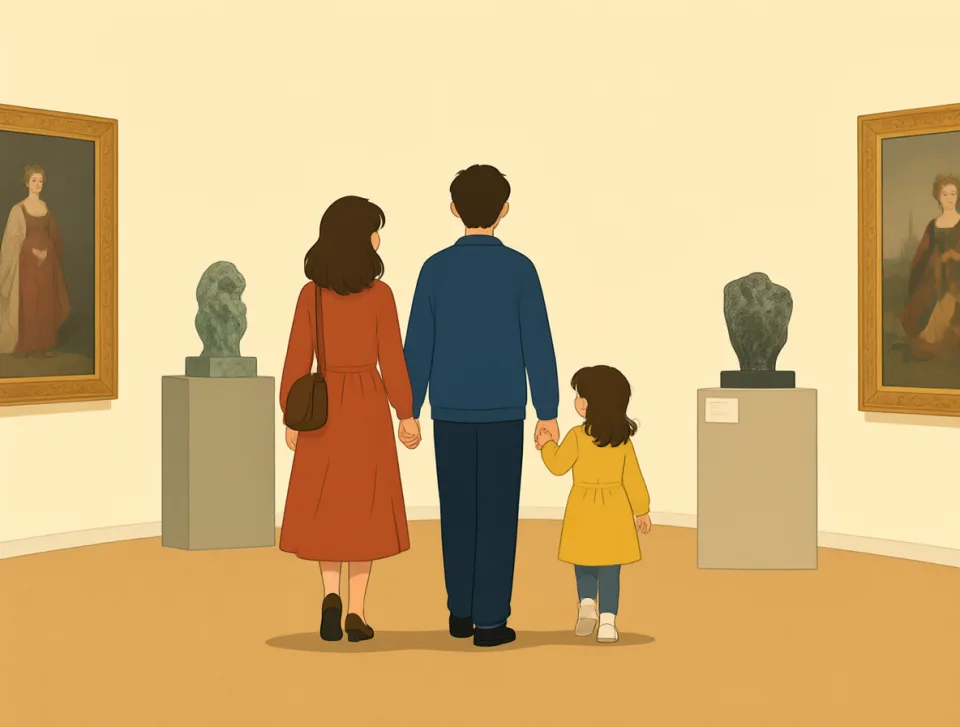
Please respect the museum rules.
박물관 규칙을 지켜 주세요.
various
#682adjective
다양한; 여러 가지의
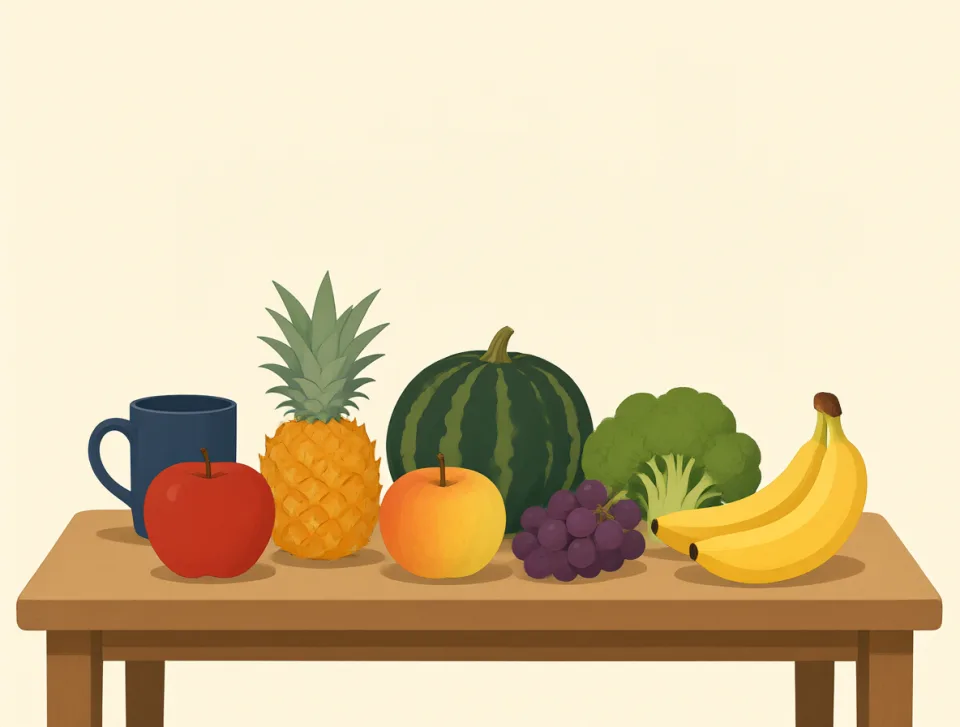
Different from each other, or of several different kinds.
서로 다르거나 여러 가지 종류의.
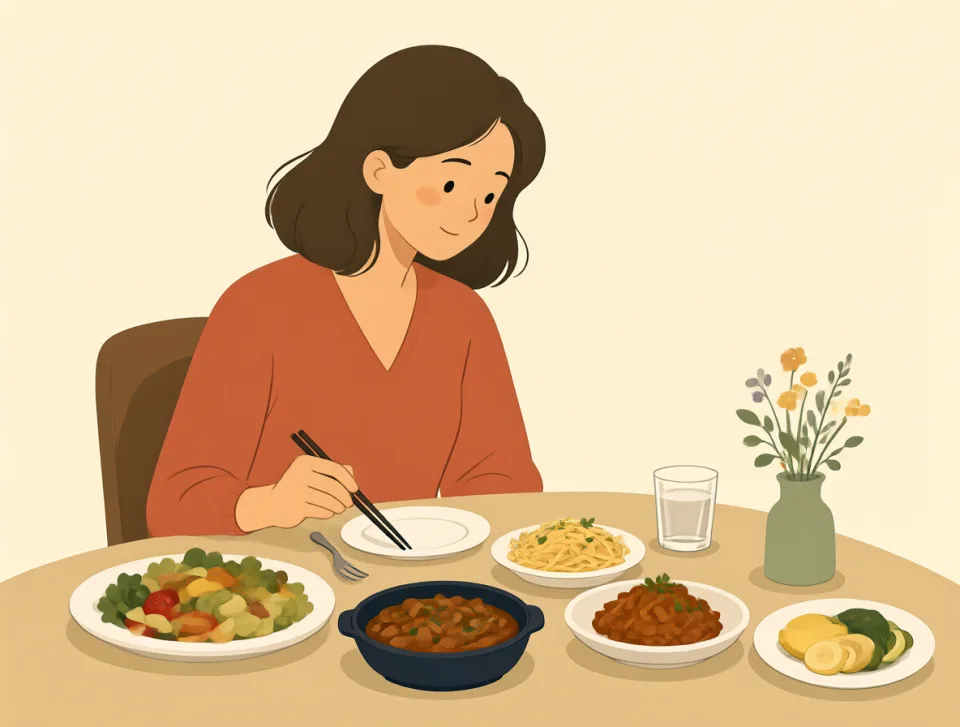
She tried various dishes at the restaurant.
그녀는 식당에서 다양한 요리를 맛보았다.
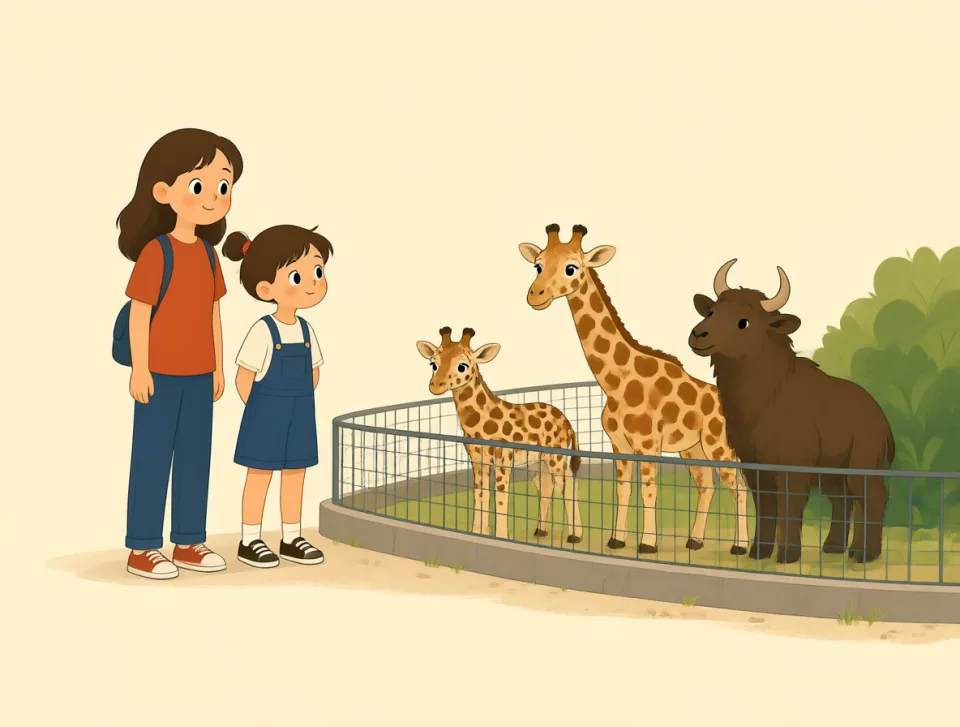
We saw various animals at the zoo.
우리는 동물원에서 다양한 동물들을 보았다.
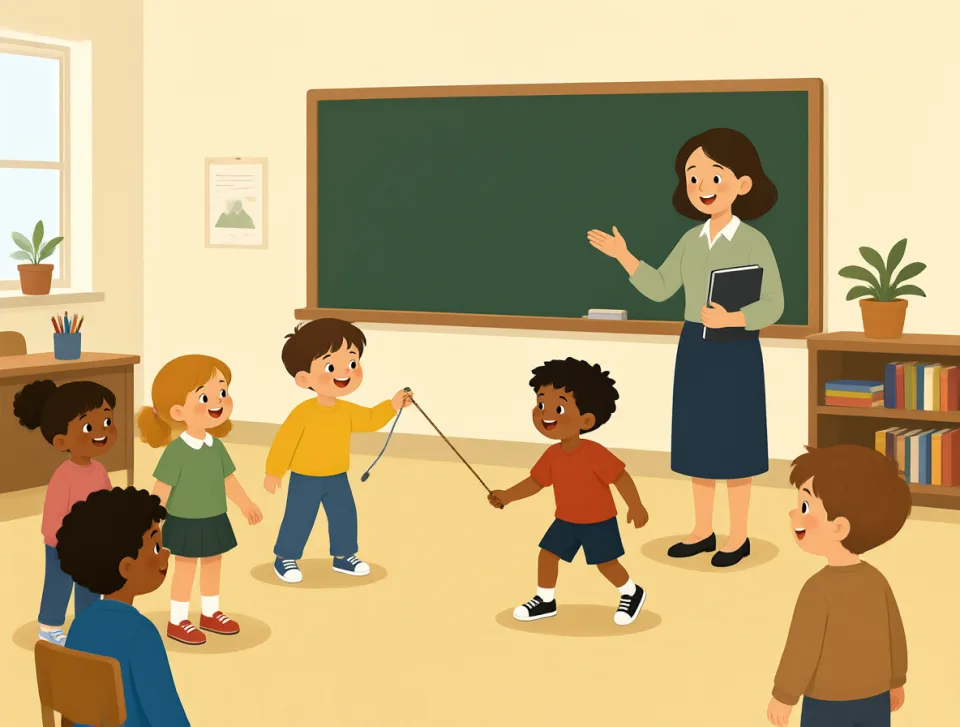
The teacher used various games in class.
선생님은 수업에서 다양한 게임을 활용하셨다.

He bought various clothes for his trip.
그는 여행을 위해 여러 가지 옷을 샀다.

Various friends called me after my accident.
사고 후에 여러 친구들이 나에게 전화했다.

catch
#683verb, noun
잡다; 타다; 걸리다; 끌다
To stop and hold something moving, or to get on a bus or train.
움직이는 것을 멈춰서 잡거나 버스나 기차를 타다.
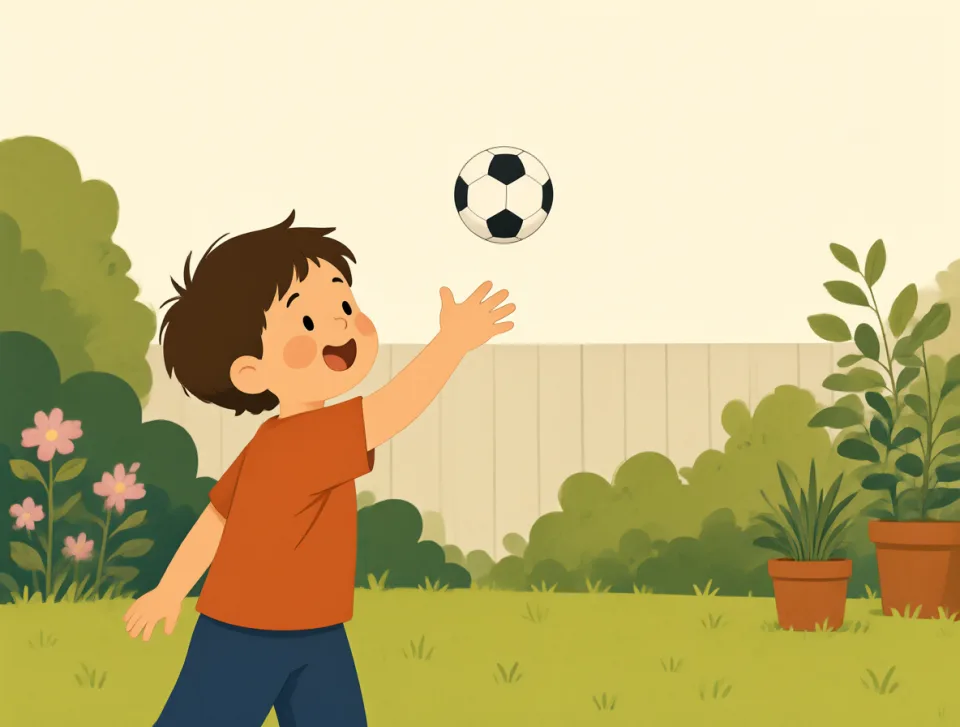
Can you catch the ball?
공을 잡을 수 있어?
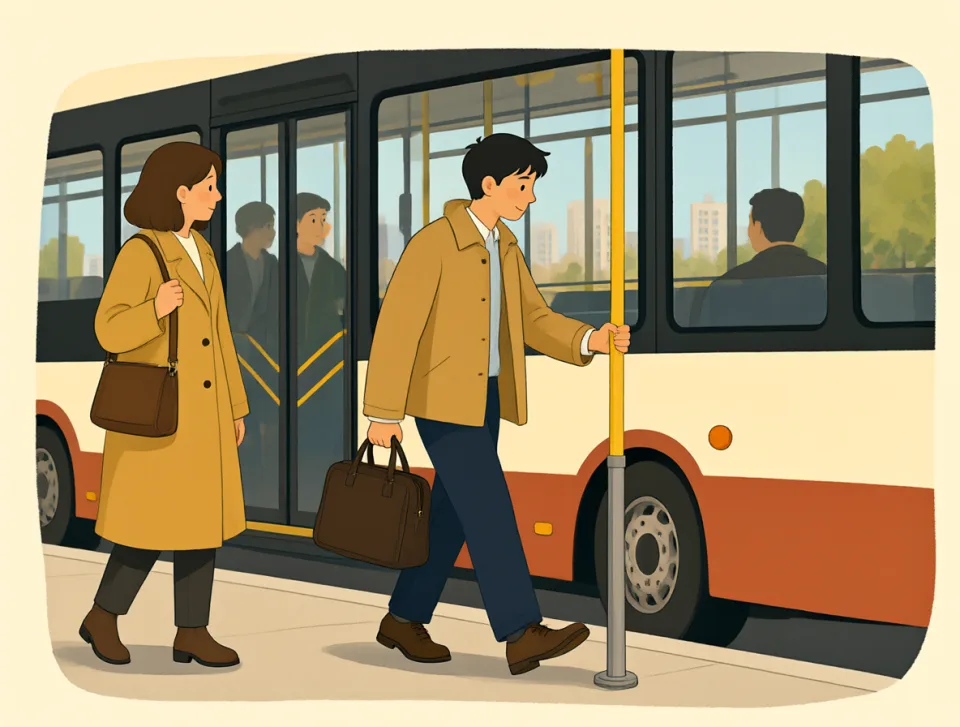
I caught the bus to work.
나는 직장에 가려고 버스를 탔다.

She caught a cold last week.
그녀는 지난주에 감기에 걸렸다.

We caught a fish for dinner.
우리는 저녁 식사로 먹을 물고기를 잡았다.

He caught the waiter’s attention.
그는 웨이터의 주의를 끌었다.
thus
#684adverb
따라서; 그렇게 해서
in this way, or because of this
이런 방식으로 또는 이것 때문에
She studied hard and thus passed the test.
그녀는 열심히 공부했고, 따라서 시험에 합격했다.

The road was closed, thus we took a train.
도로가 폐쇄되어서 우리는 기차를 탔다.
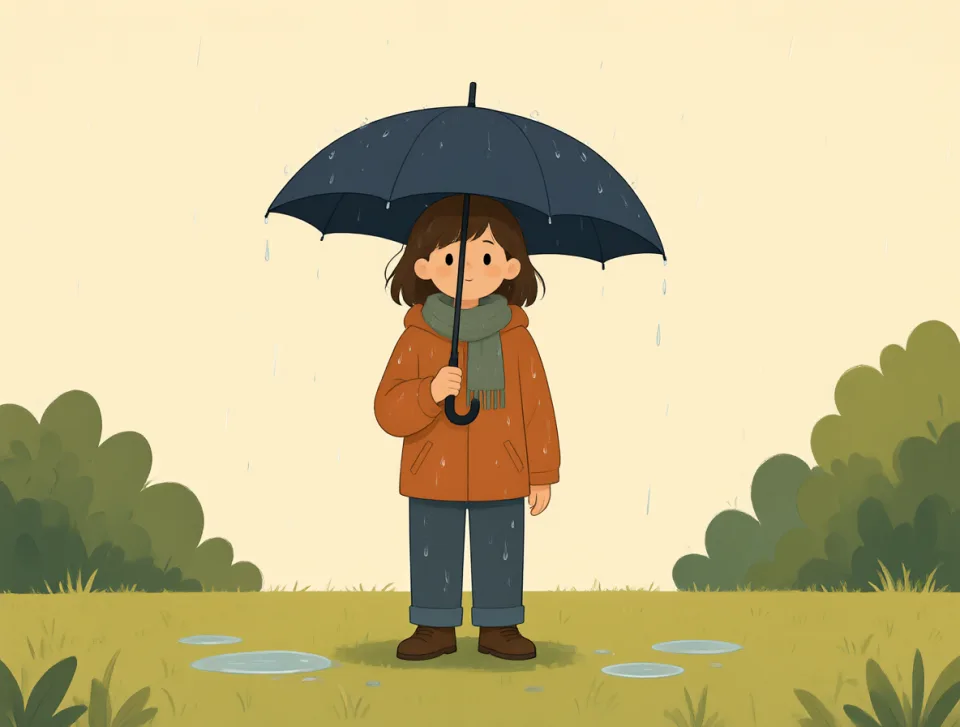
He forgot his umbrella and thus got wet.
그는 우산을 잊어버려서 비에 젖었다.
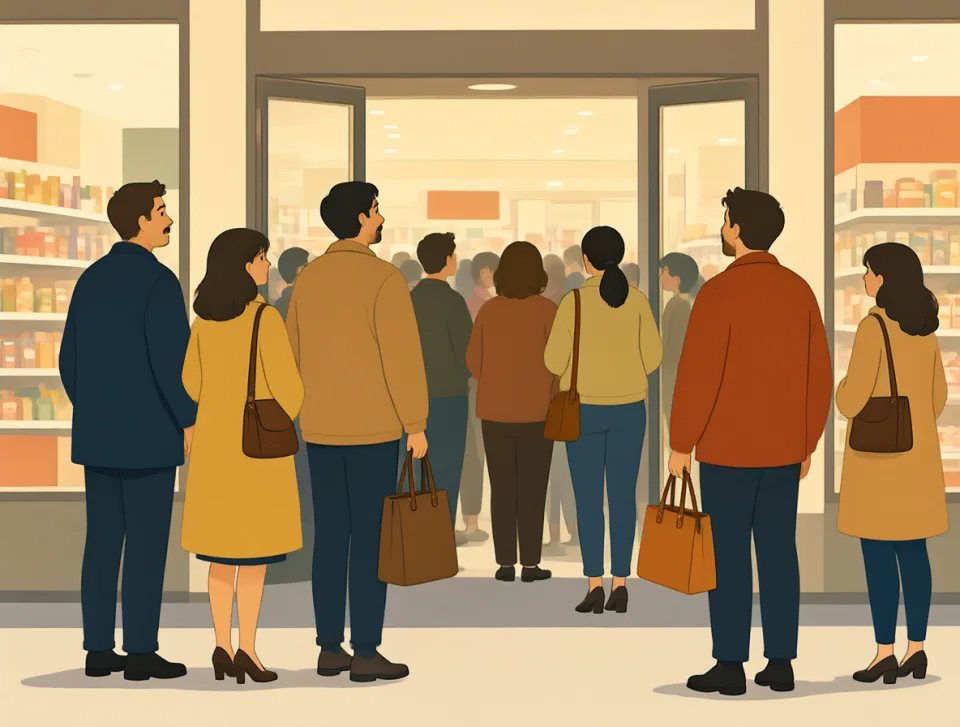
The shop was busy, thus we waited outside.
가게가 붐벼서 우리는 밖에서 기다렸다.
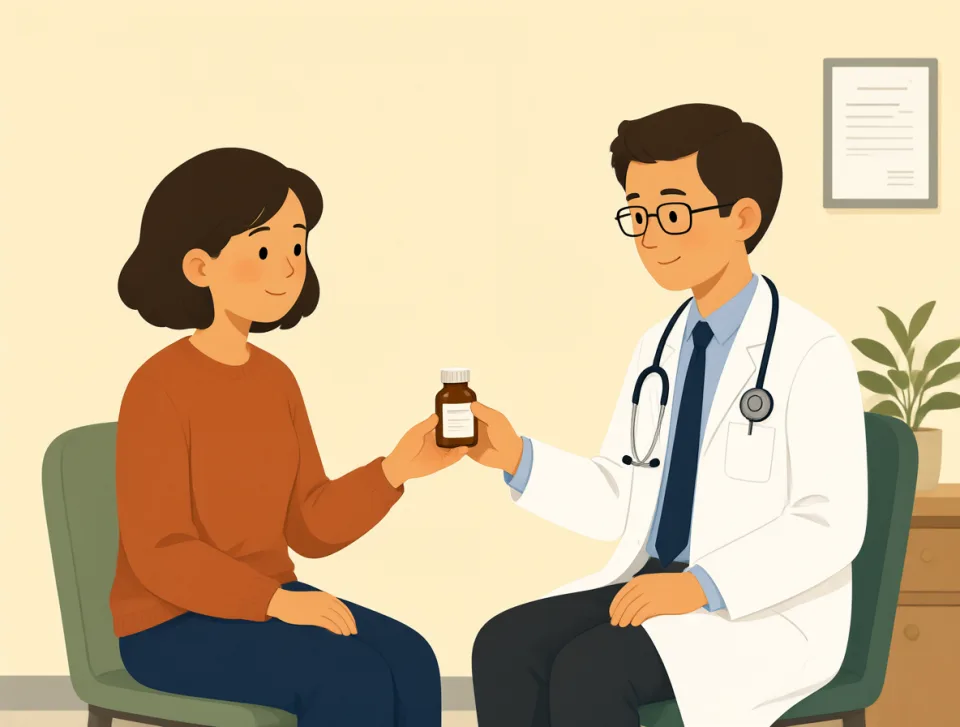
The doctor found an infection and thus gave medicine.
의사는 감염을 발견했고, 따라서 약을 처방했다.

skill
#685noun
기술; 능력
An ability to do something well, usually because you have learned and practiced it.
무언가를 잘할 수 있는 능력으로, 보통 배우고 연습해서 갖게 됩니다.
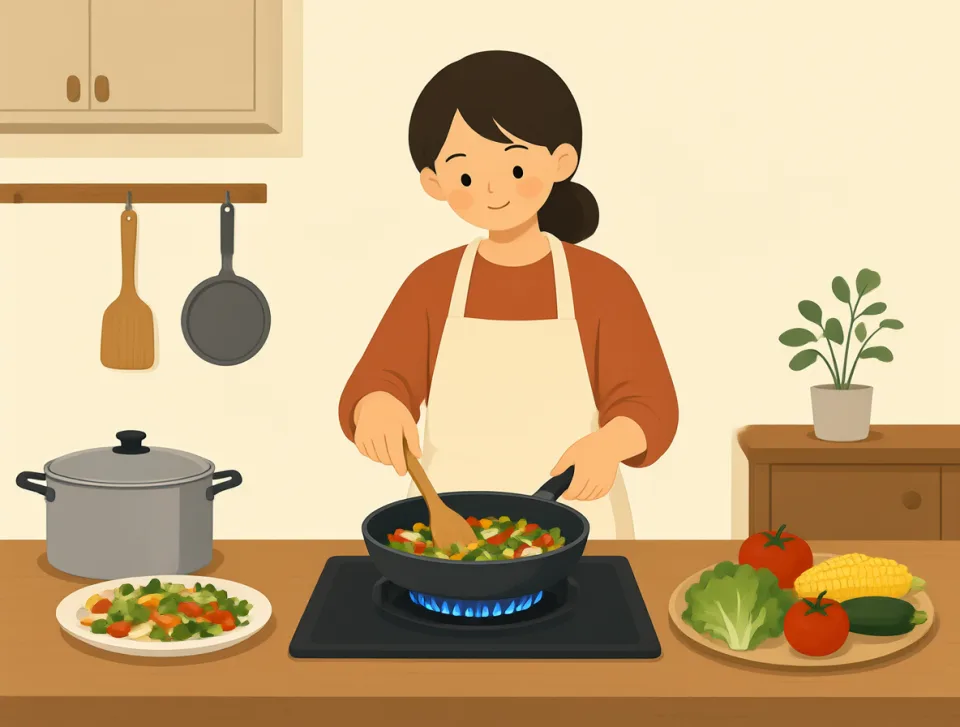
Cooking is an important skill for everyone.
요리는 누구에게나 중요한 기술입니다.

She has good computer skills.
그녀는 컴퓨터를 잘 다룹니다.

He learned the skill of swimming.
그는 수영 기술을 배웠습니다.

The job needs good communication skills.
그 직무에는 뛰어난 의사소통 능력이 필요합니다.
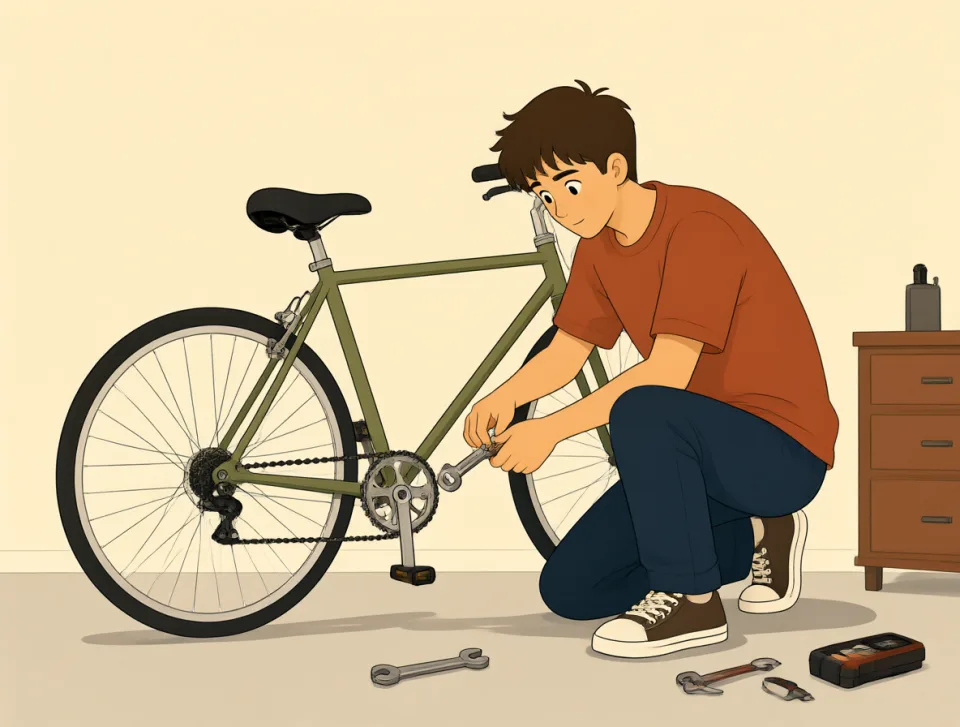
My brother is skilled at fixing bikes.
제 남동생은 자전거를 잘 고칩니다.
attempt
#686noun, verb
시도; 노력
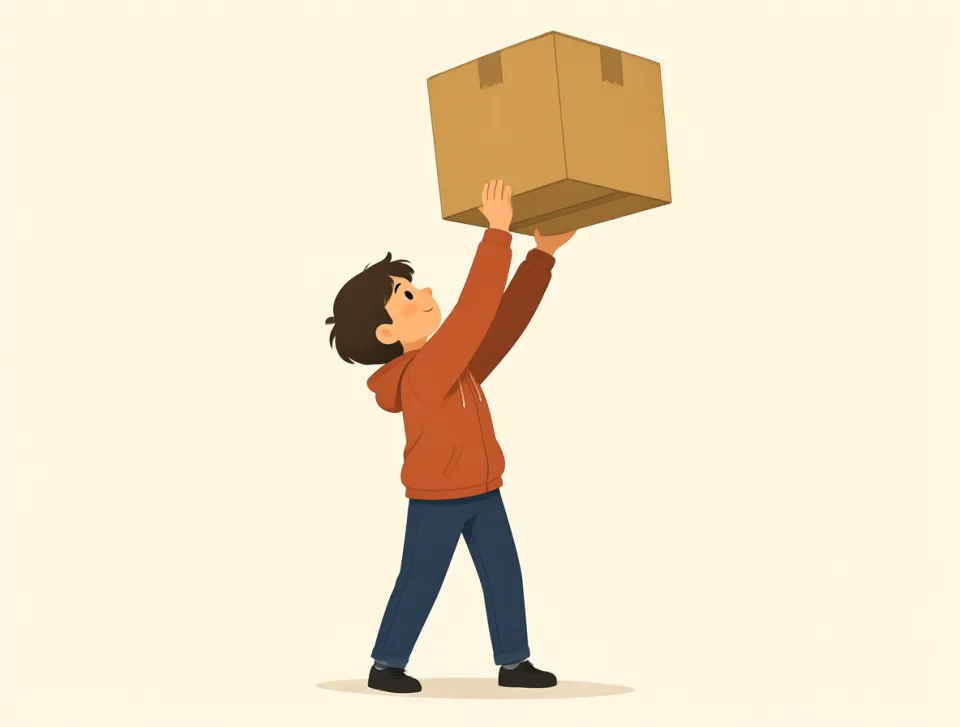
An effort to do or achieve something, especially when it may be difficult.
무언가를 하거나 이루기 위한 노력, 특히 그것이 어려울 수 있을 때 하는 노력
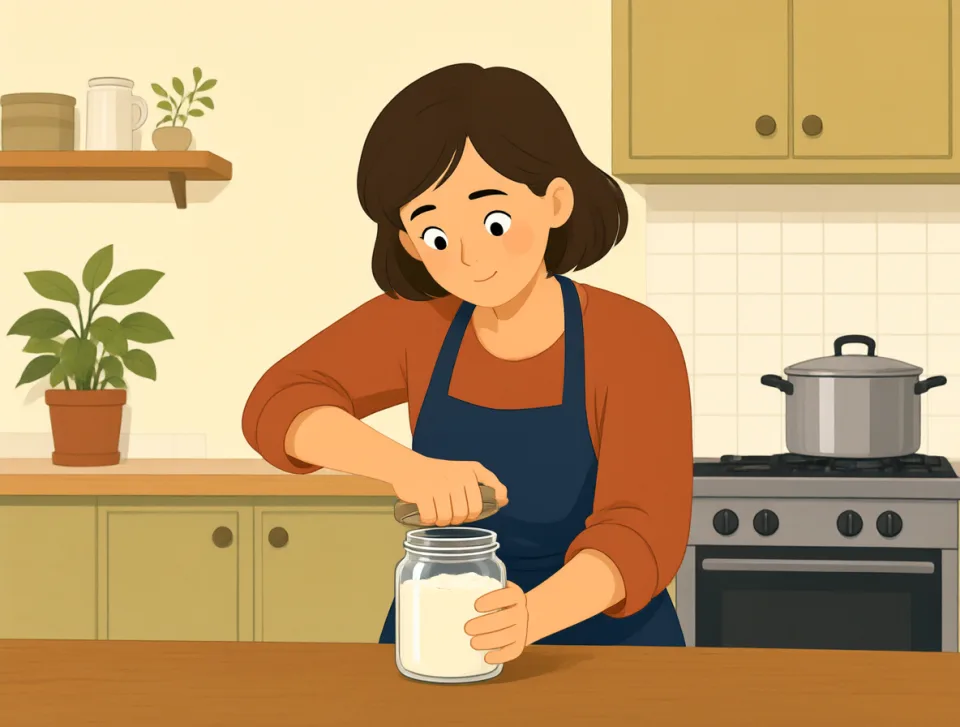
She made an attempt to open the jar.
그녀는 병을 열려고 시도했다.
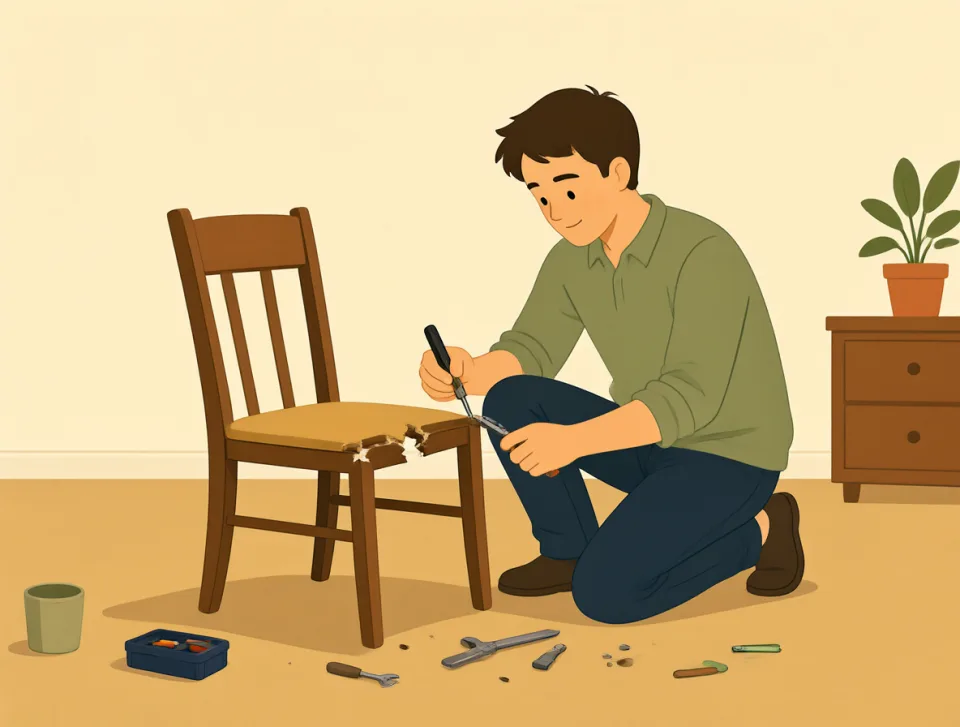
He attempted to fix the broken chair.
그는 망가진 의자를 고치려고 했다.

The student attempted the difficult math problem.
그 학생은 어려운 수학 문제를 풀려고 했다.
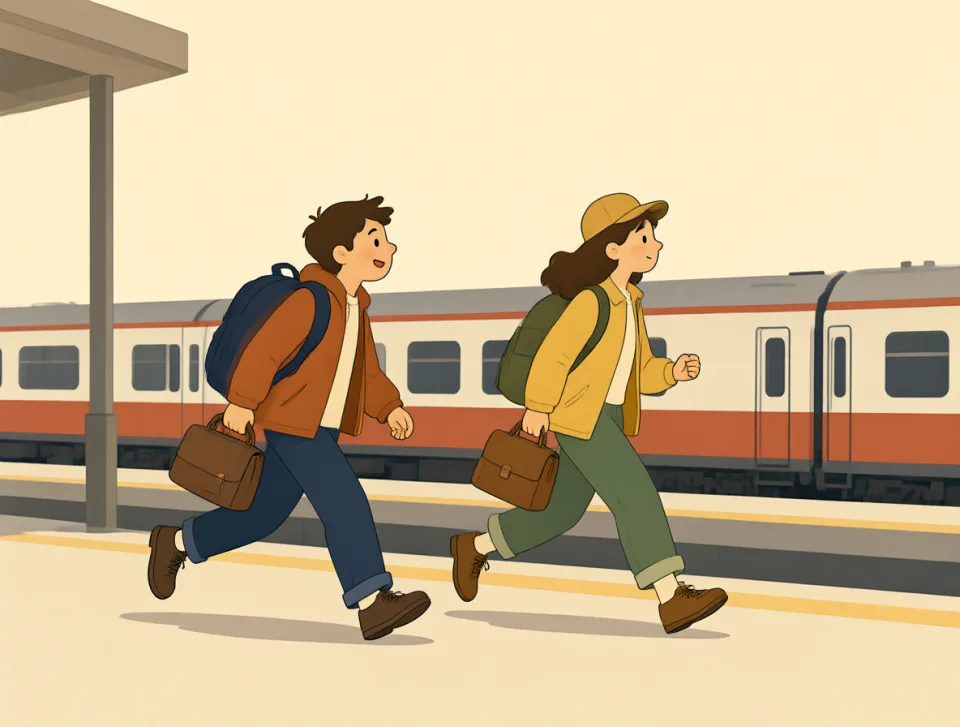
We attempted to catch the early train.
우리는 이른 기차를 타려고 했다.
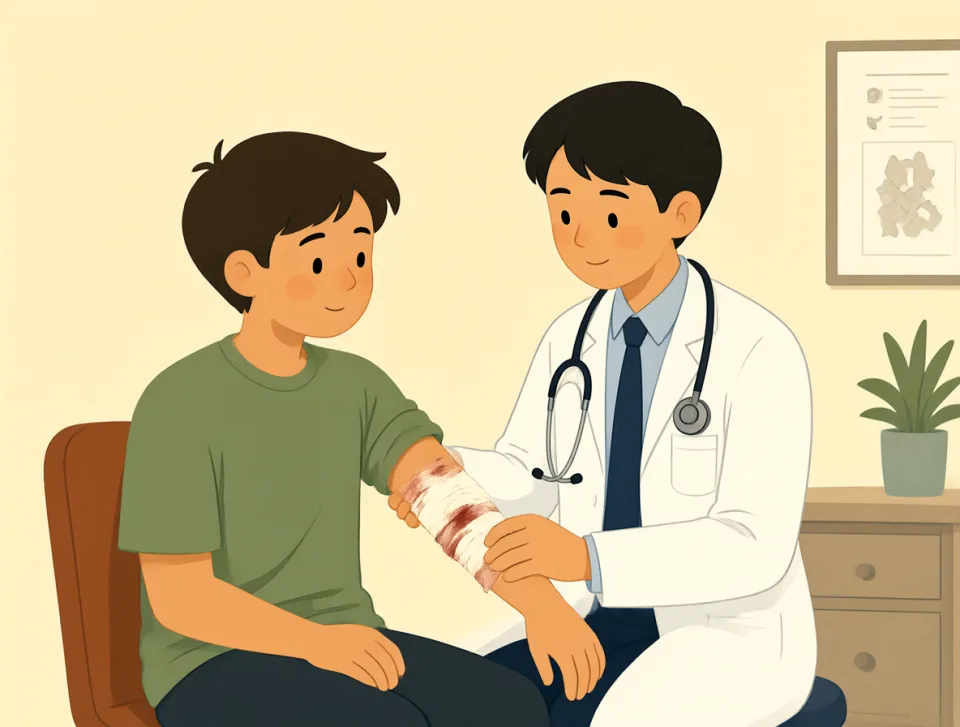
The doctor attempted to stop the bleeding.
의사는 출혈을 멈추려고 했다.
son
#687noun
아들
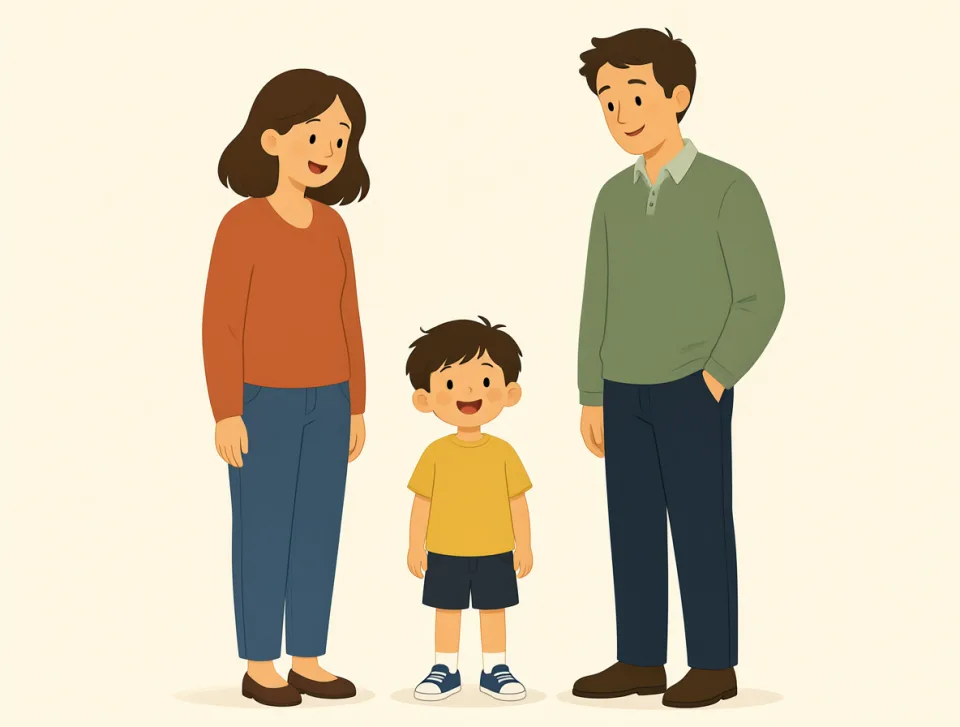
A male child in relation to his parents.
부모와의 관계에서 남자 자녀를 이르는 말이다.
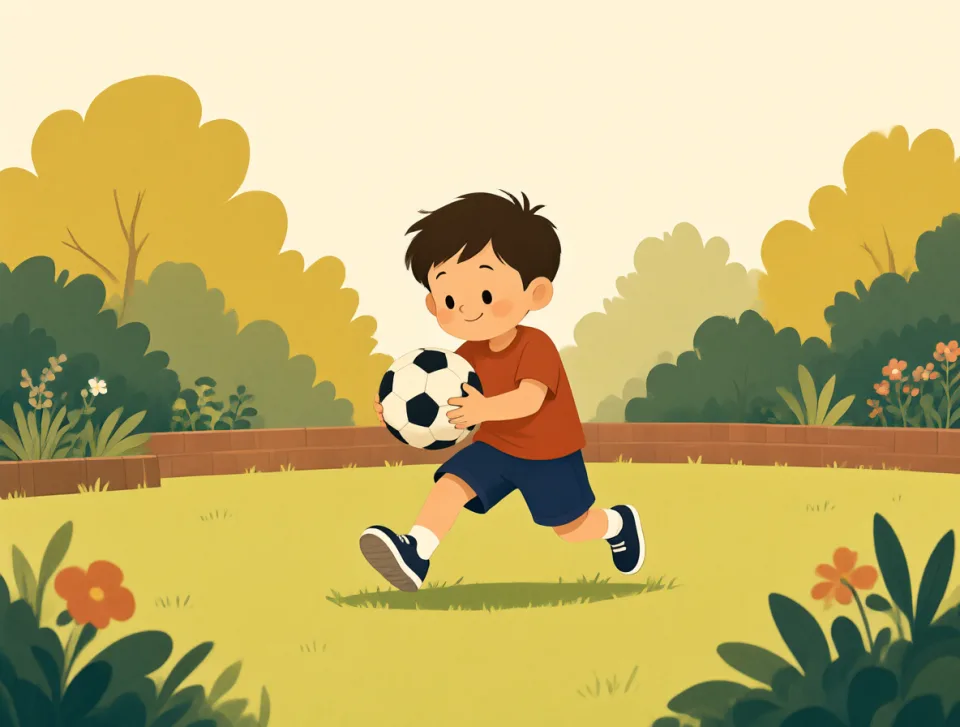
Their son is playing in the garden.
그들의 아들이 정원에서 놀고 있다.
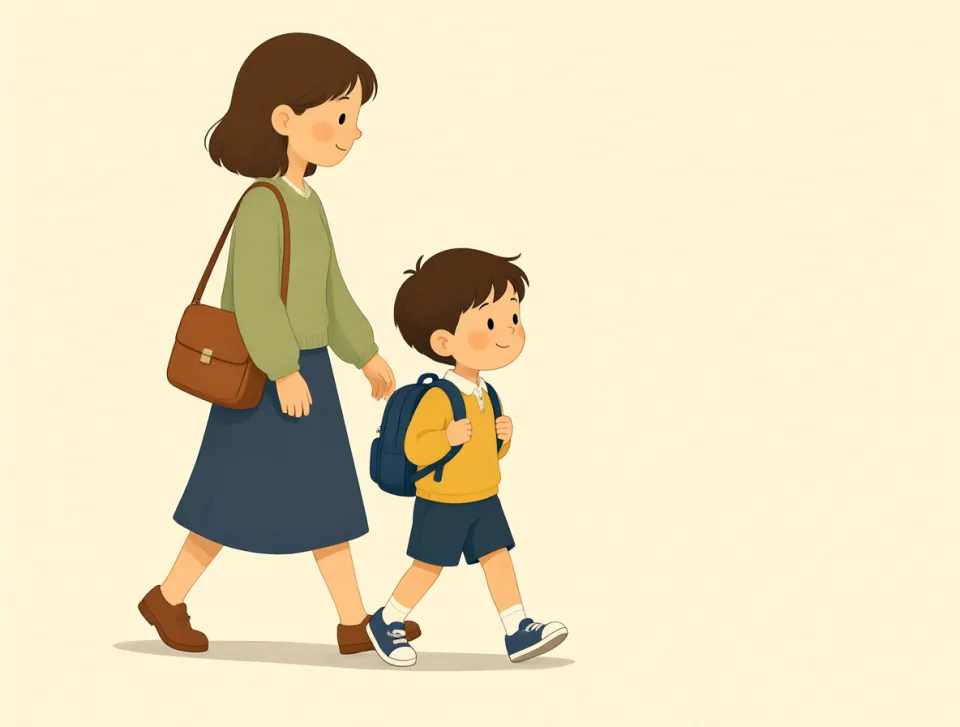
My son started school last year.
내 아들은 작년에 학교에 들어갔다.
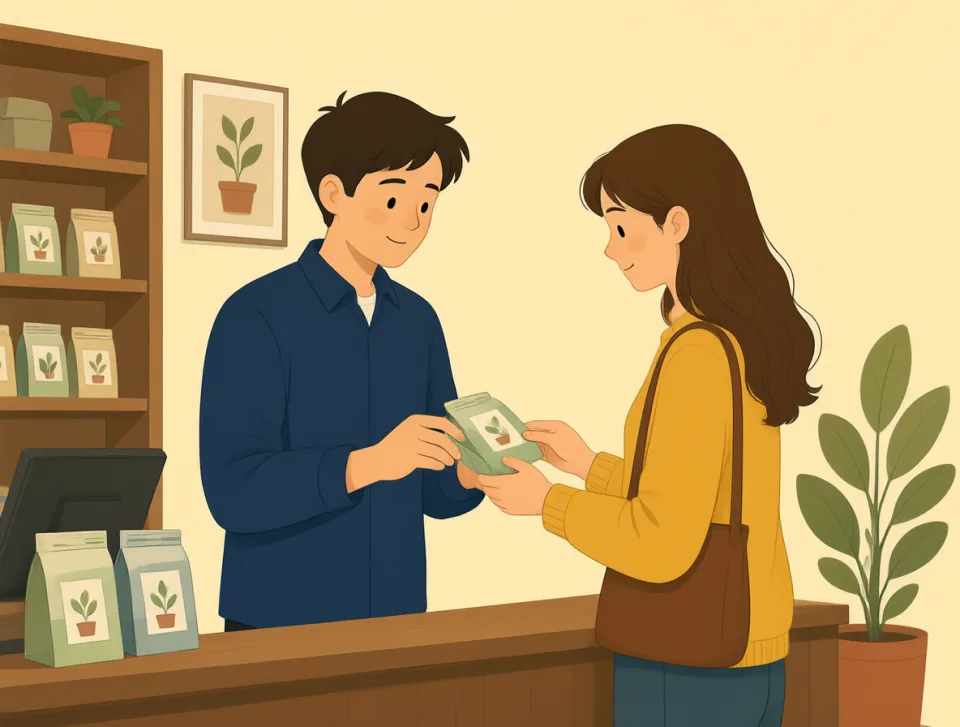
Her son works at a local shop.
그녀의 아들은 동네 가게에서 일한다.
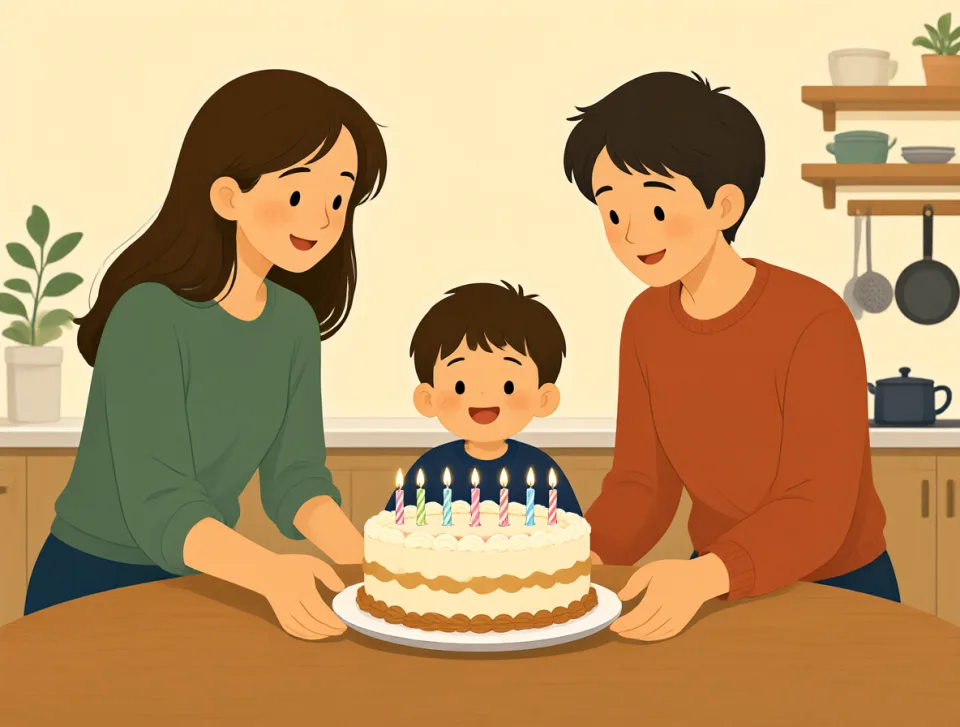
We bought our son a birthday cake.
우리는 아들에게 생일 케이크를 사 주었다.

His son was sick in bed yesterday.
그의 아들은 어제 침대에 누워 아팠다.
simple
#688adjective
간단한; 단순한
Easy to understand, do, or use; not complicated.
이해하거나 하거나 사용하기 쉬운; 복잡하지 않은.
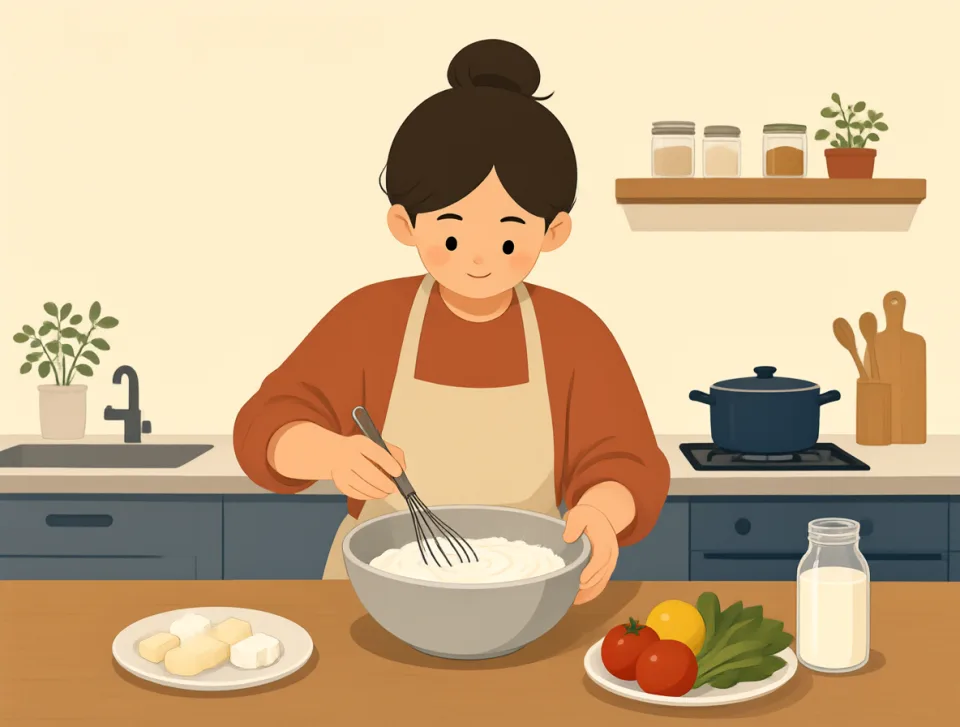
This recipe is simple and quick to make.
이 요리법은 간단하고 만들기도 빨라요.
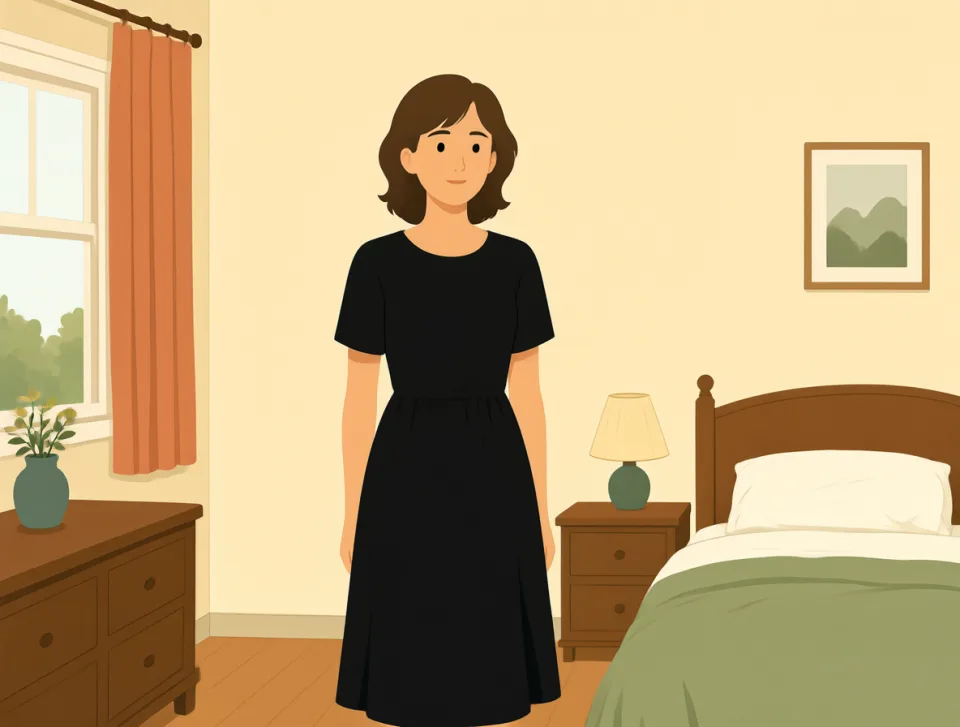
She wore a simple black dress.
그녀는 단순한 검은색 원피스를 입었어요.
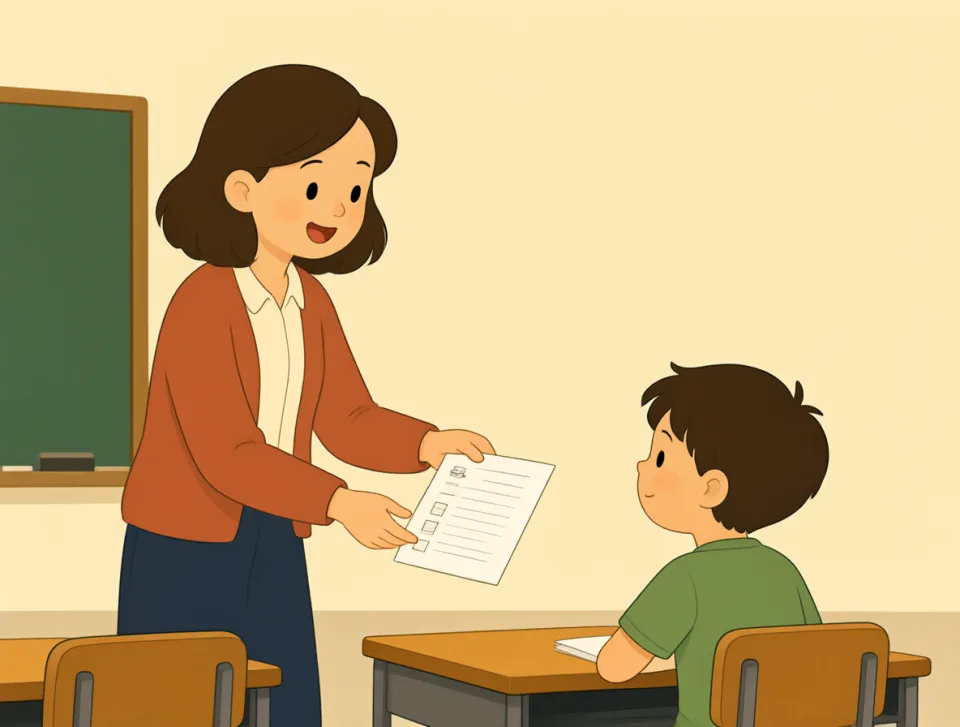
The teacher gave us a simple question.
선생님은 우리에게 간단한 질문을 하셨어요.

We need a simple hotel near the station.
우리는 역 근처에 있는 소박한 호텔이 필요해요.

He explained the problem in simple words.
그는 간단한 말로 그 문제를 설명했어요.
medium
#689adjective, noun
중간의; 매체; 수단
Middle in size, amount, or level; a way to communicate
크기, 양, 또는 수준이 중간인; 의사소통 수단
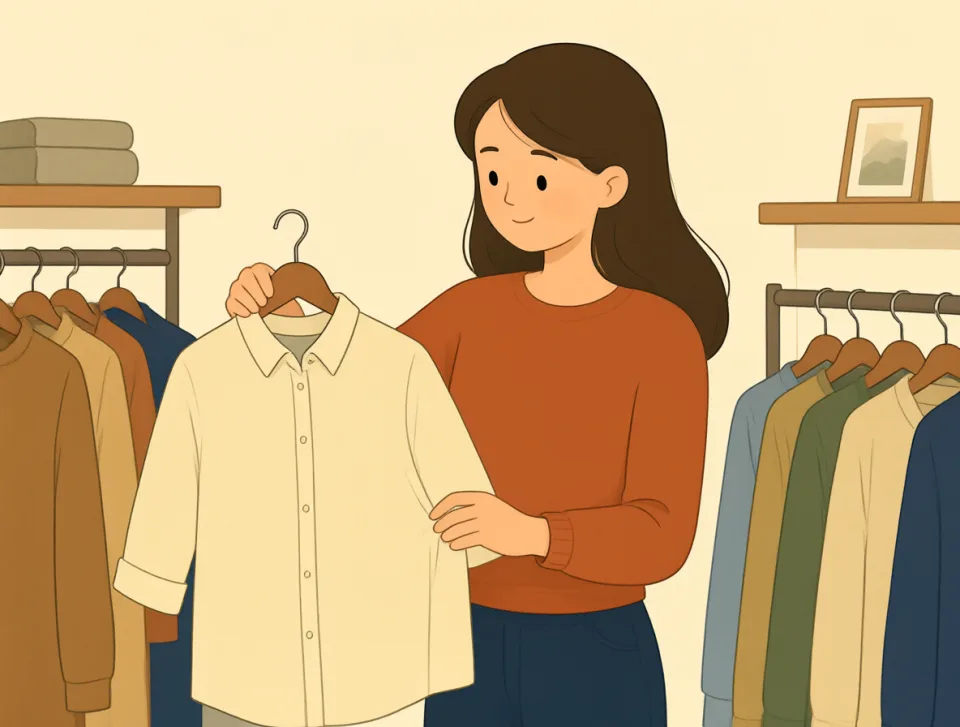
She bought a medium shirt at the store.
그녀는 가게에서 중간 사이즈 셔츠를 샀다.
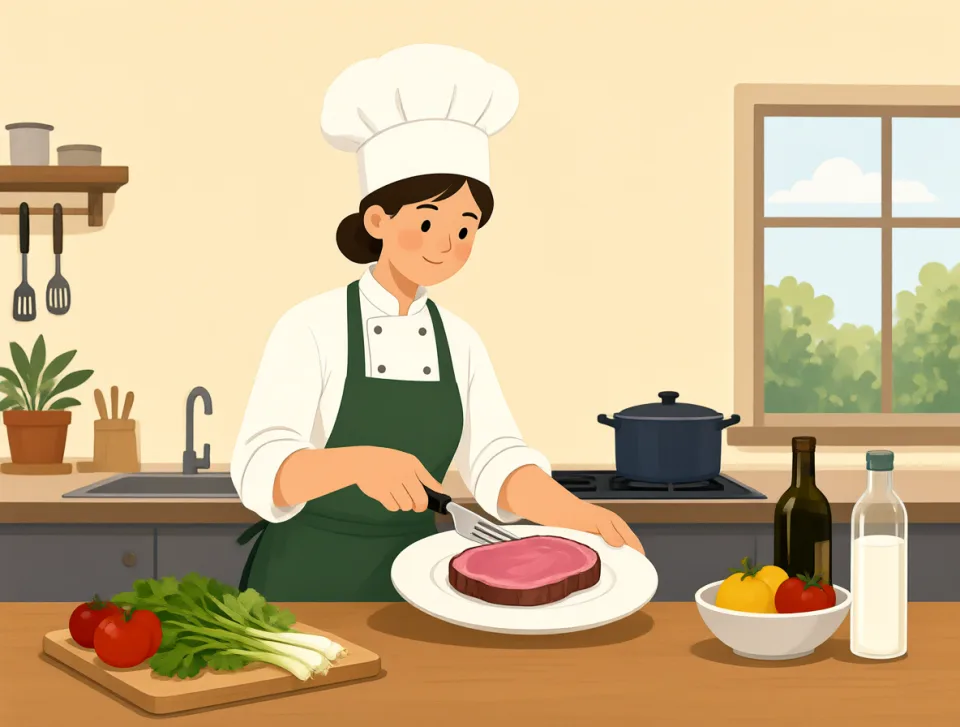
Please cook my steak medium, not well-done.
스테이크는 웰던 말고 미디엄으로 익혀 주세요.
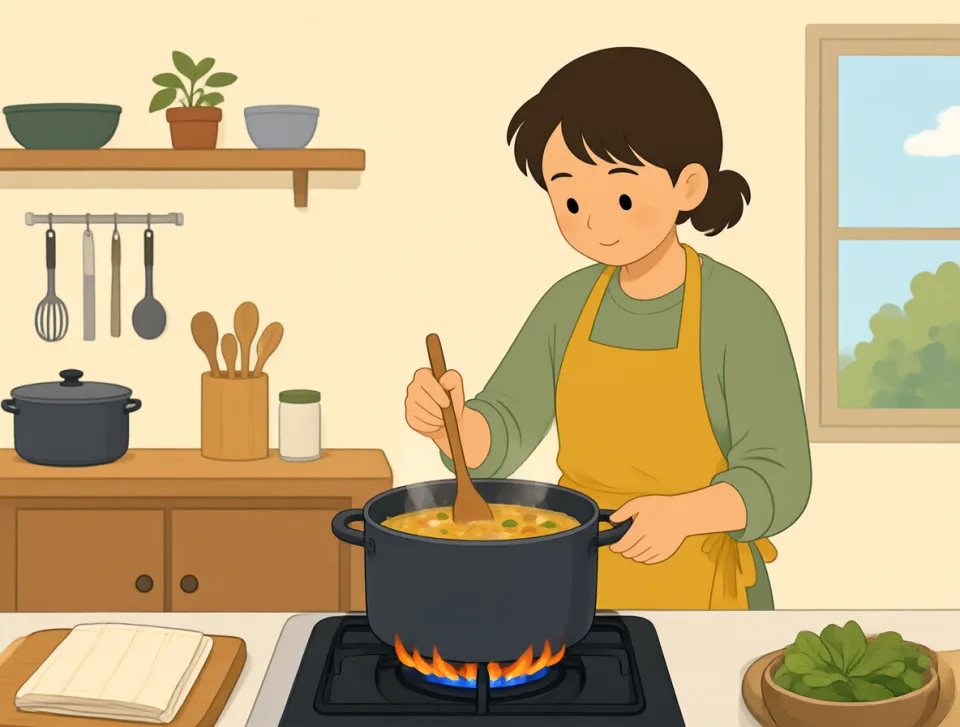
Heat the soup over medium heat.
수프를 중불에서 데우세요.

Video calls are a useful medium for friends.
영상 통화는 친구들이 소통하기에 유용한 수단이다.

The artist chose oil as her medium.
그 예술가는 유화를 자신의 표현 매체로 선택했다.
average
#690noun, adjective, verb
평균; 보통의; 평균이 되다
The usual amount or level; to be usual or typical.
보통의 양이나 수준, 또는 보통이거나 일반적인 상태를 뜻하다.
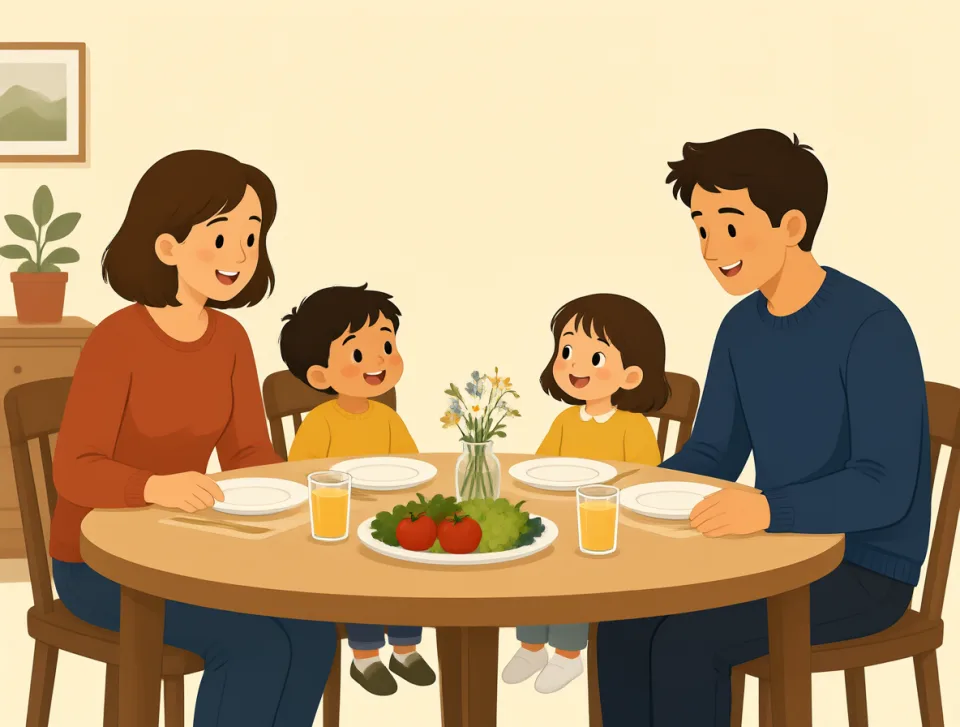
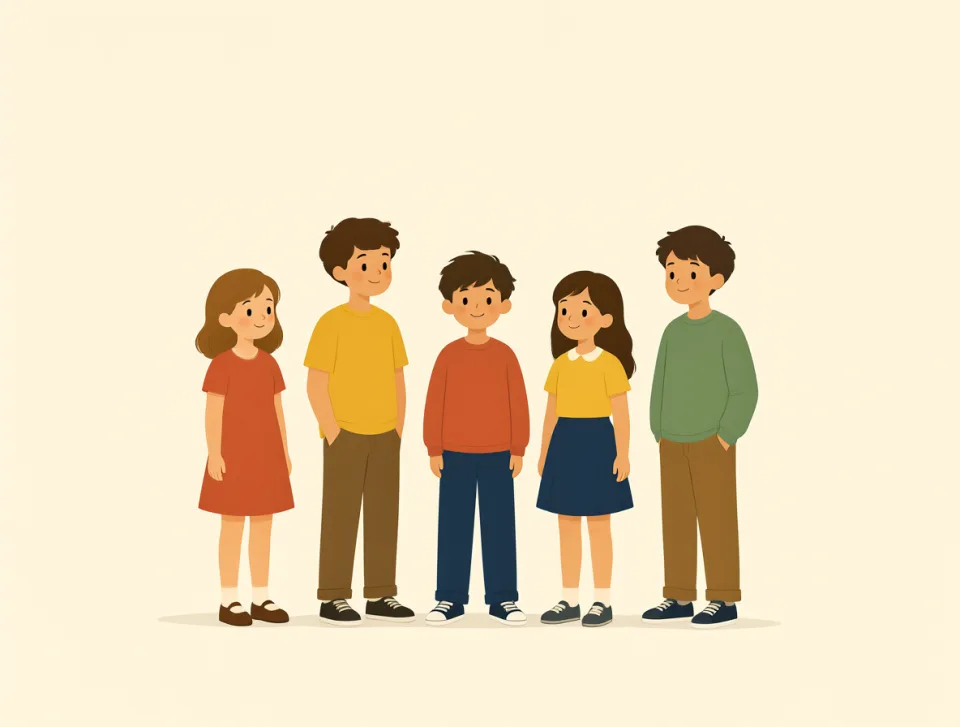
The average family has two children.
평균적인 가정에는 자녀가 두 명 있다.

His test score was above average.
그의 시험 점수는 평균 이상이었다.

I usually walk an average of three miles.
나는 보통 평균 3마일을 걷는다.
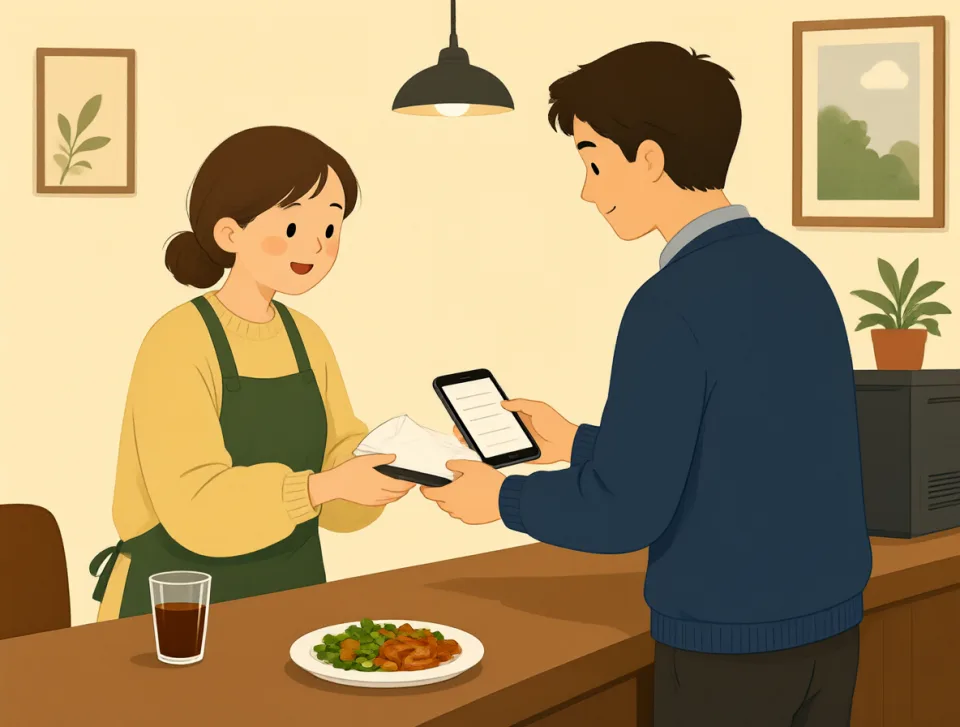
The average price of lunch is ten dollars.
점심 식사의 평균 가격은 10달러다.

She averages seven hours of sleep.
그녀는 평균 7시간을 잔다.
stock
#691noun, verb, adjective
재고; 주식; 비축하다
A supply of goods, company shares, or items kept ready for sale or use.
판매나 사용을 위해 준비해 둔 물품, 회사의 주식 또는 물자의 공급량
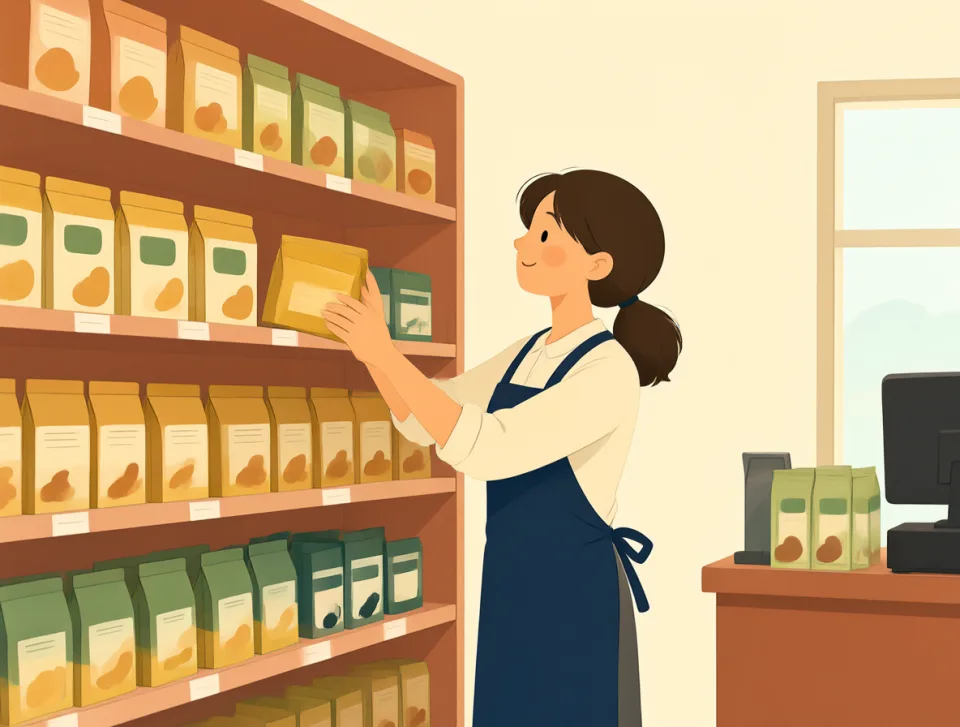
The store has plenty of stock today.
오늘 매장에는 재고가 충분하다.
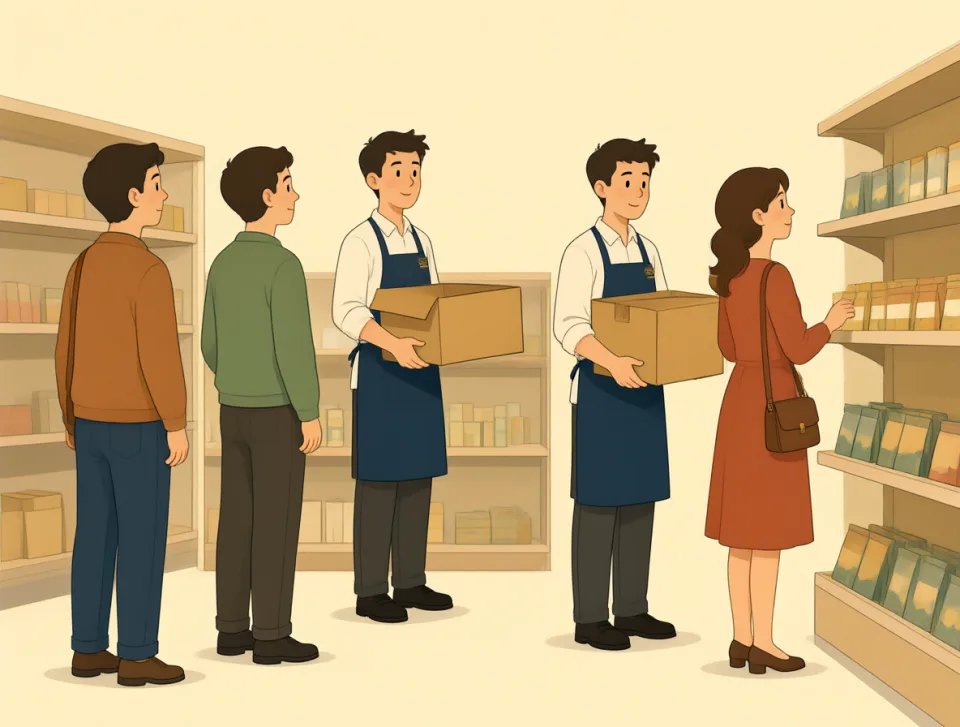
The shop sold out of stock quickly.
가게의 재고가 금방 다 팔렸다.
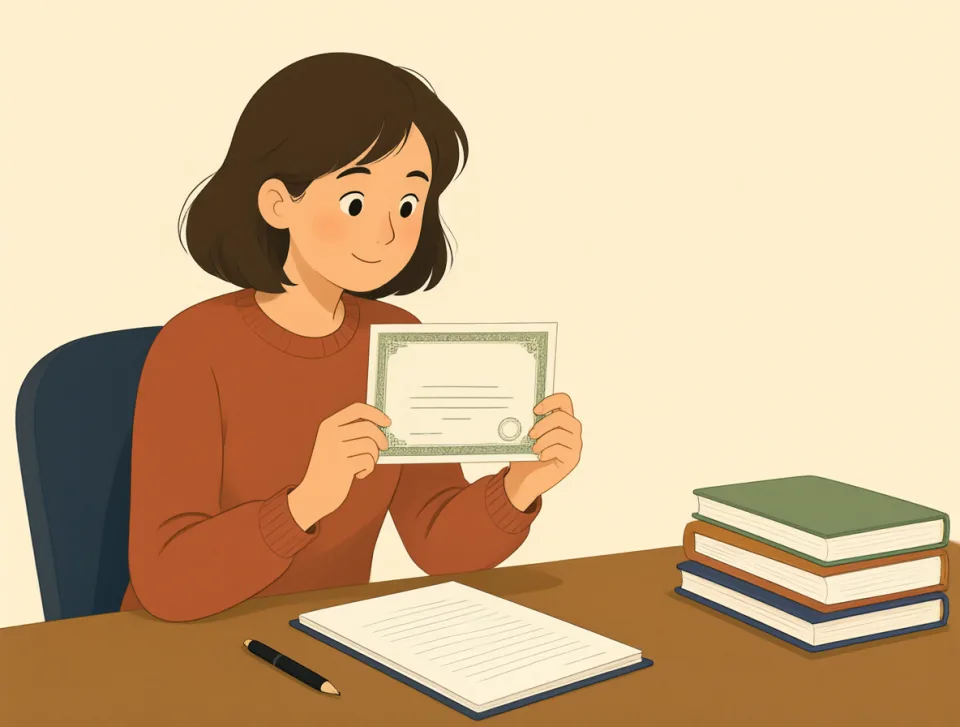
She bought stock in a technology company.
그녀는 기술 회사의 주식을 샀다.
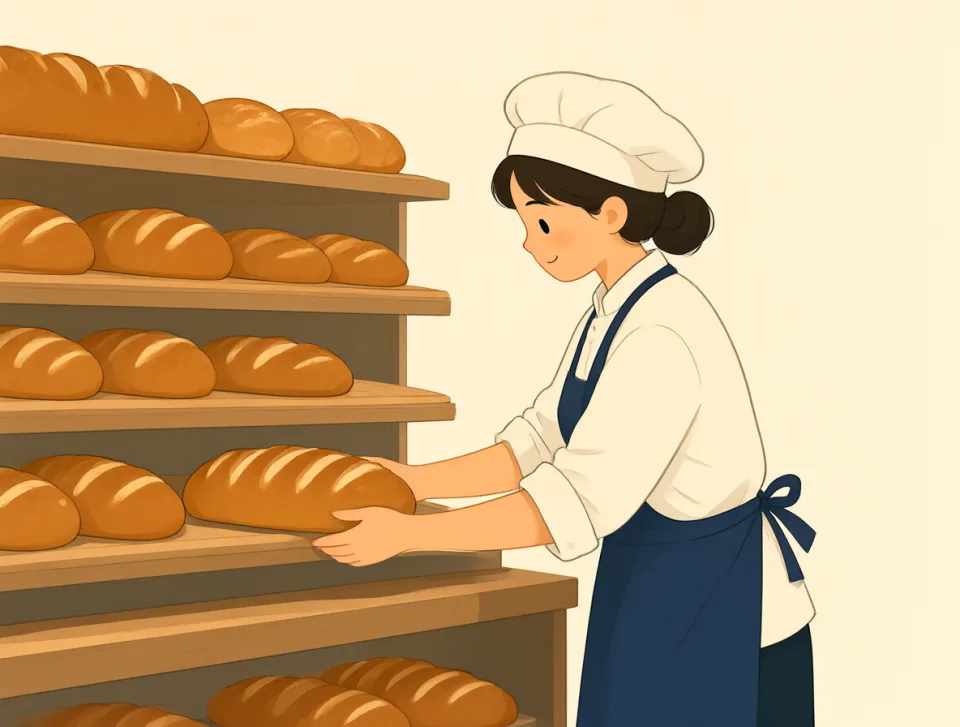
We stock fresh bread every morning.
우리는 매일 아침 신선한 빵을 들여놓는다.
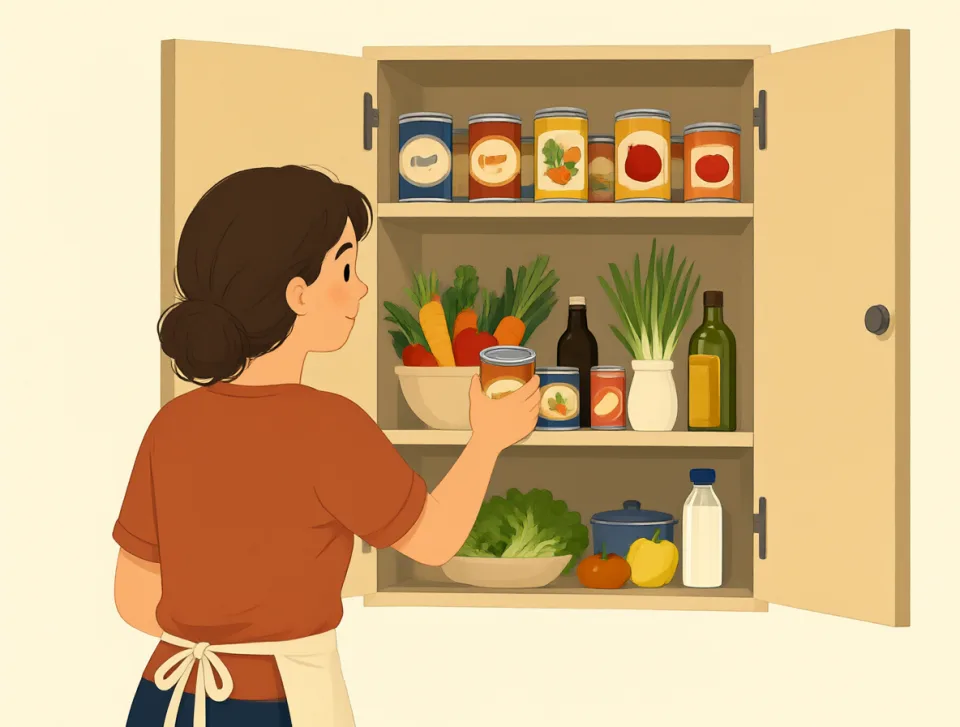
The kitchen has enough stock for dinner.
주방에는 저녁 식사를 준비하기에 충분한 식재료가 있다.
management
#692noun
관리; 경영
The process of controlling or organizing people, money, or work.
사람, 돈 또는 일을 통제하거나 조직하는 과정
Good time management helps me finish my homework.
시간 관리를 잘하면 숙제를 끝내는 데 도움이 된다.
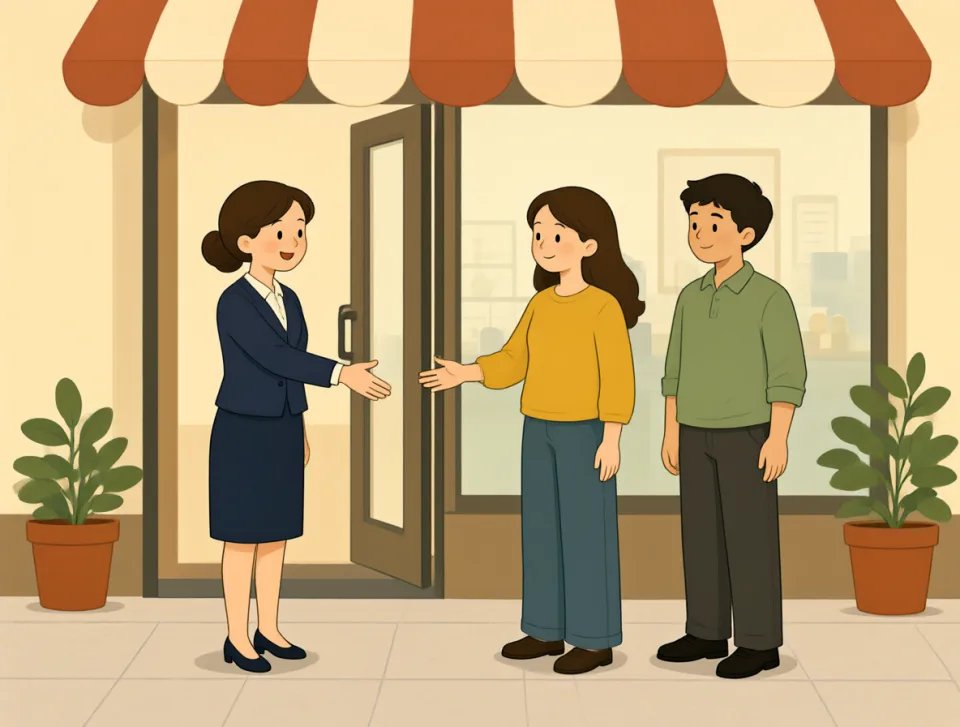
The store management thanked us for our help.
매장 관리자는 우리의 도움에 고마워했다.

She studied hotel management at college.
그녀는 대학에서 호텔 경영을 공부했다.

Stress management can improve your health.
스트레스 관리는 건강을 개선하는 데 도움이 될 수 있다.
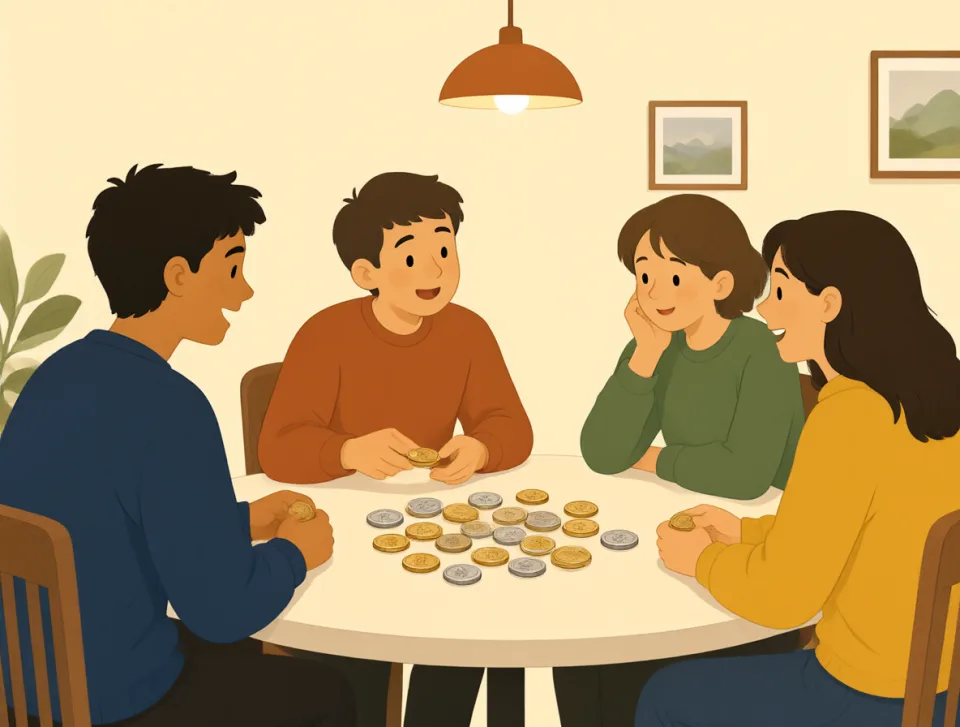
The team discussed money management after dinner.
팀은 저녁 식사 후에 자금 관리에 대해 논의했다.

character
#693noun
등장인물; 성격
A person in a story, movie, or play.
이야기, 영화, 연극에 나오는 사람
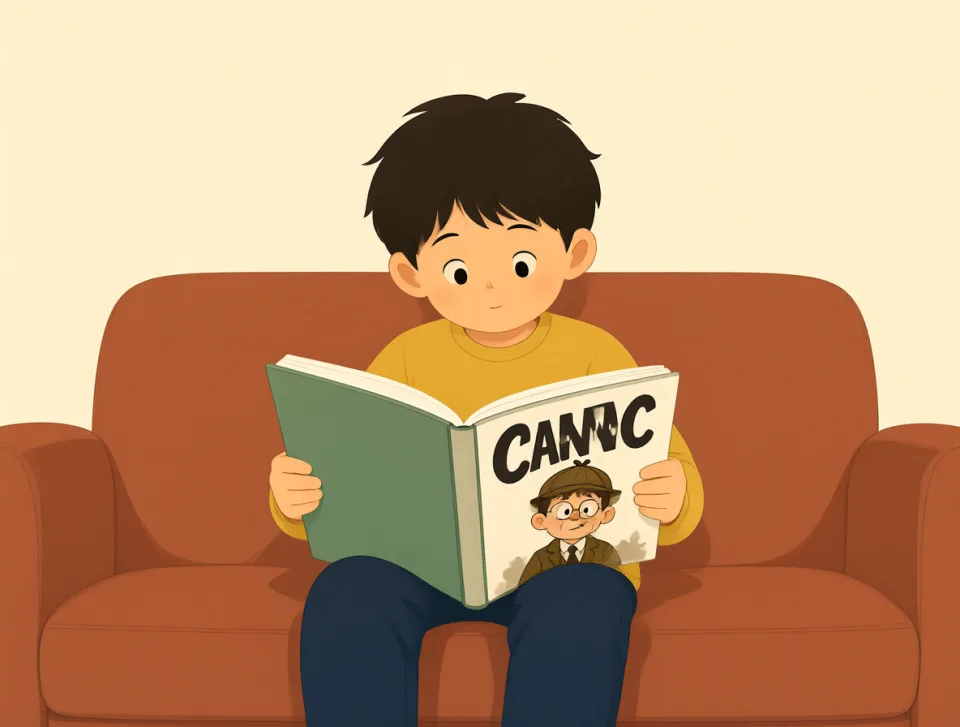
My favorite character is a funny detective.
내가 가장 좋아하는 등장인물은 재미있는 탐정이다.
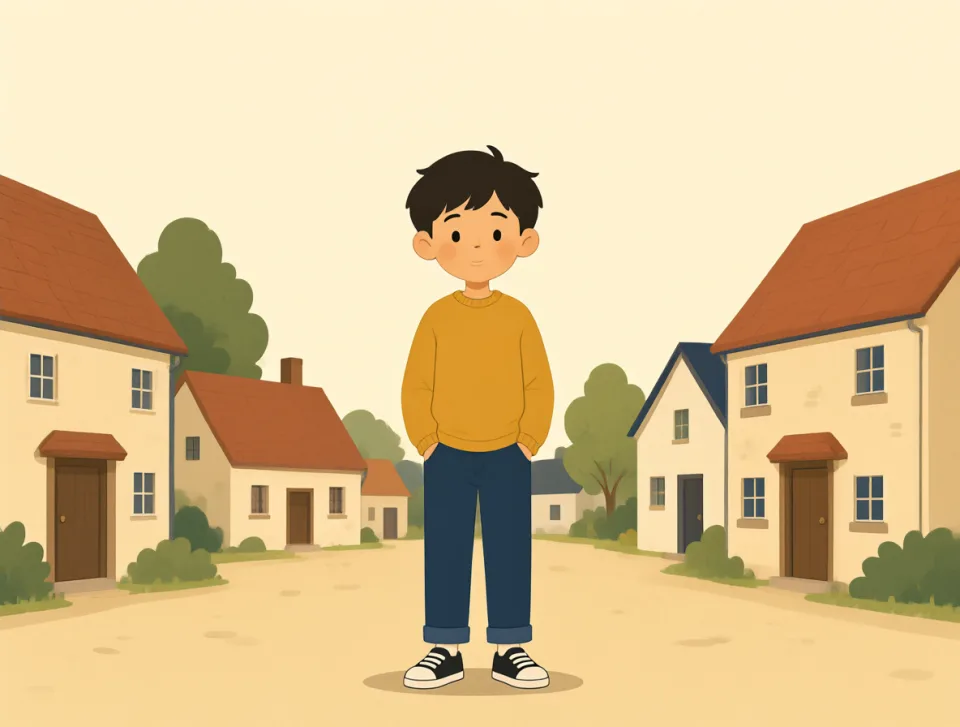
The main character lives in a small village.
주인공은 작은 마을에 산다.
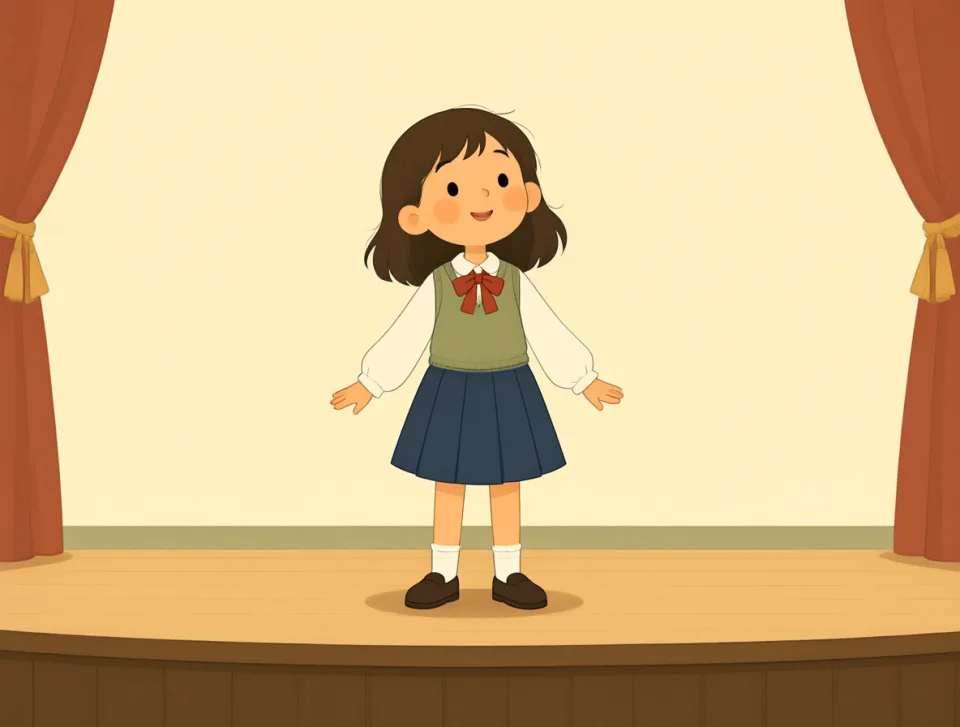
She played a character in the school play.
그녀는 학교 연극에서 한 인물을 연기했다.
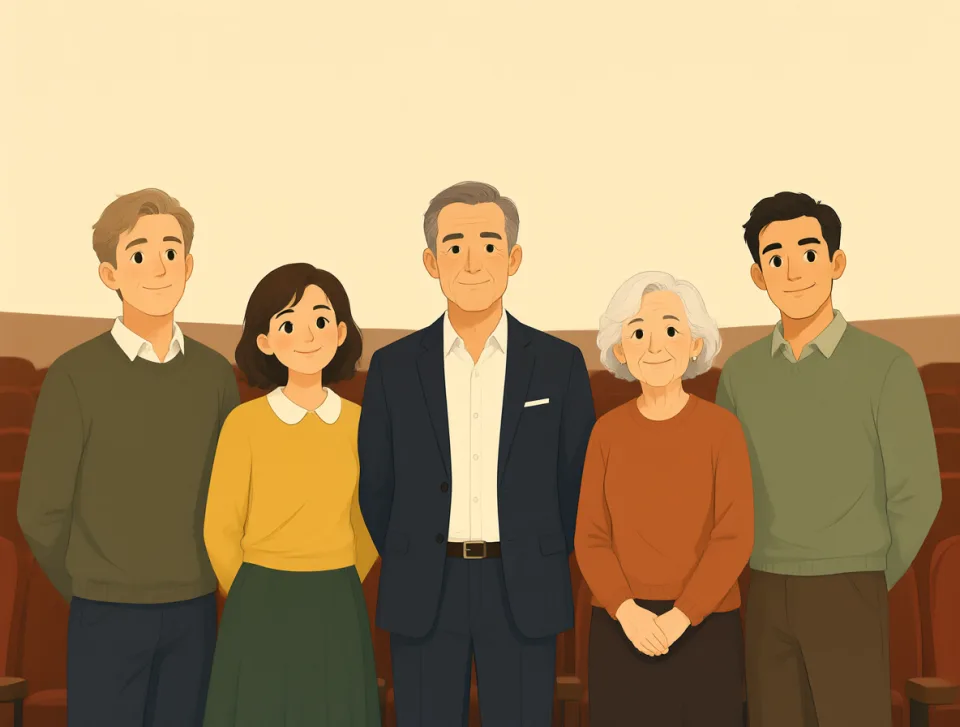
The movie has many interesting characters.
그 영화에는 흥미로운 등장인물이 많이 나온다.

His character changed after the difficult journey.
힘든 여정을 겪은 후 그의 성격이 변했다.

bed
#694noun, verb
침대; 심다
A piece of furniture for sleeping, or to put something carefully in a place.
잠을 자기 위한 가구 또는 무언가를 조심스럽게 제자리에 놓는 것

I go to bed at ten o'clock.
나는 10시에 잠자리에 든다.

The baby is sleeping in her bed.
아기는 자기 침대에서 자고 있다.
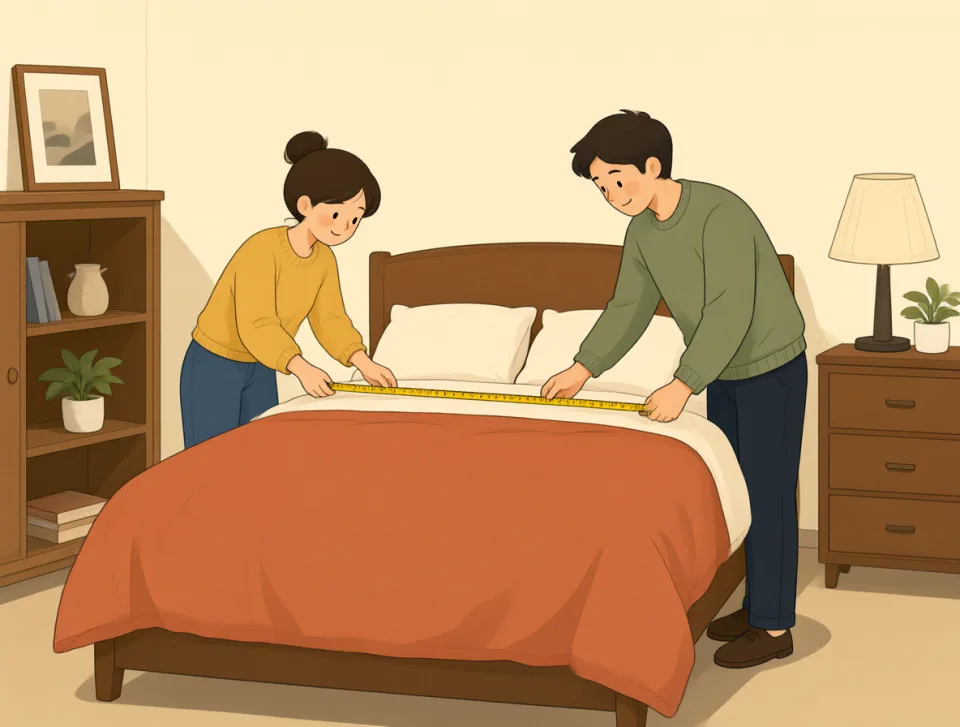
We need a bigger bed for our room.
우리 방에는 더 큰 침대가 필요하다.
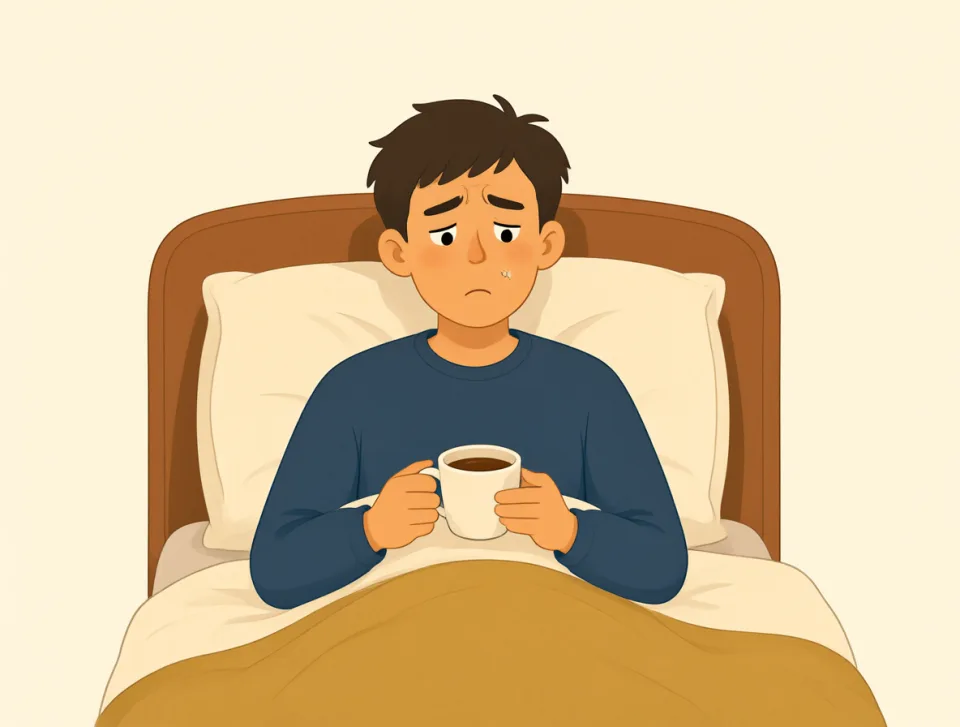
He stayed in bed because he felt sick.
그는 몸이 아파서 침대에 누워 있었다.
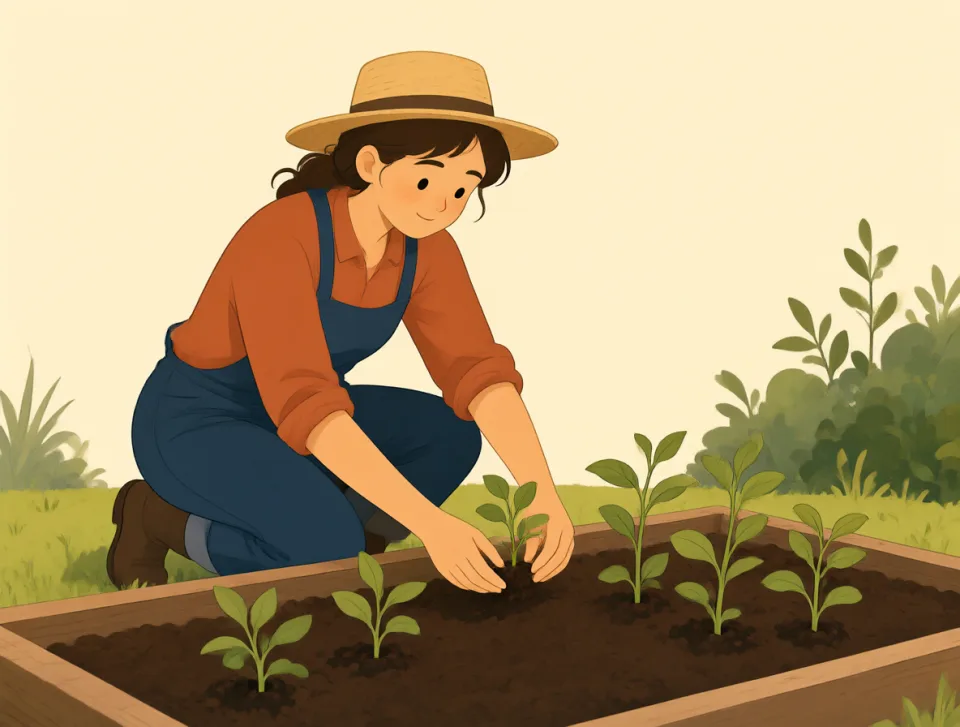
Please bed the plants in the garden.
정원에 식물을 심어 주세요.
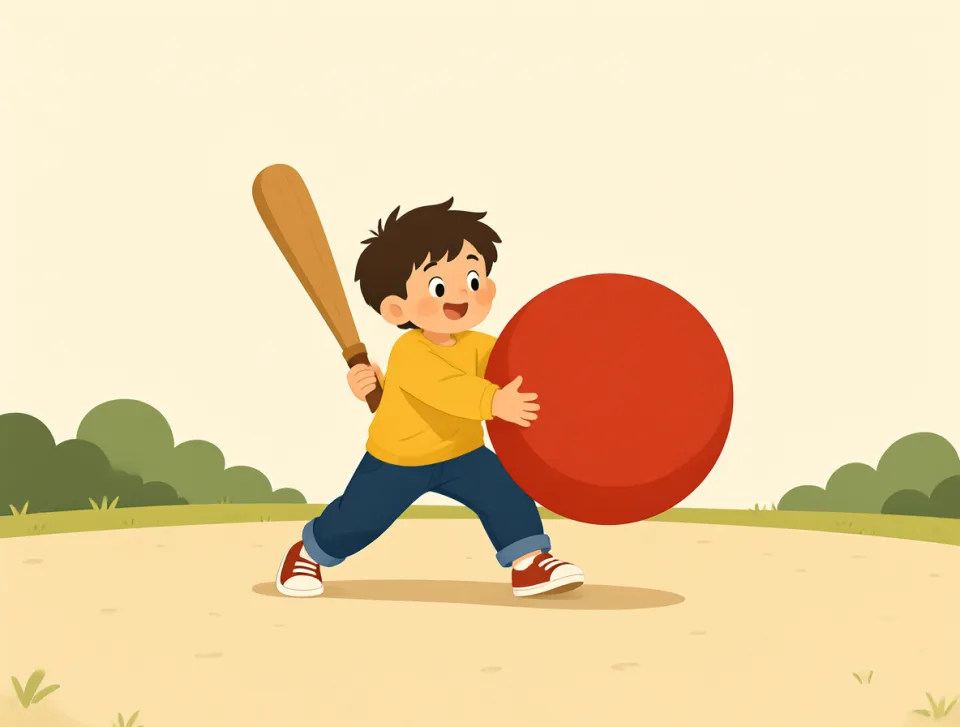
hit
#695verb, noun
치다; 도달하다; 히트작
to touch someone or something hard, or to reach a place or target
누군가나 무언가에 세게 닿다 또는 장소나 목표에 도달하다
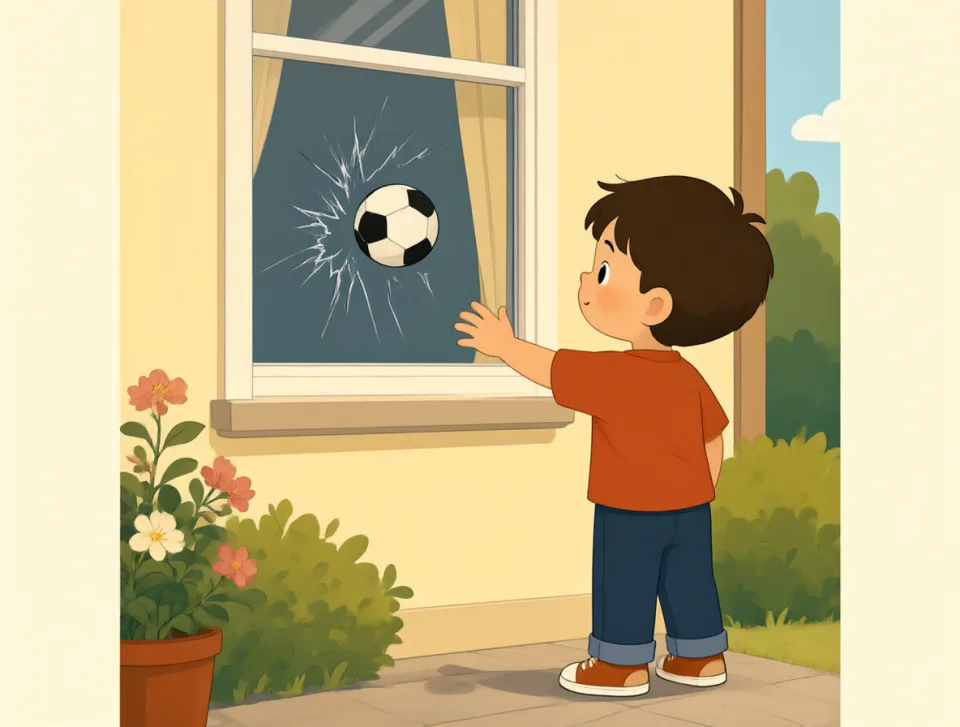
The ball hit the window this morning.
오늘 아침 공이 창문에 부딪혔다.

She hit her head on the door.
그녀는 문에 머리를 부딪혔다.
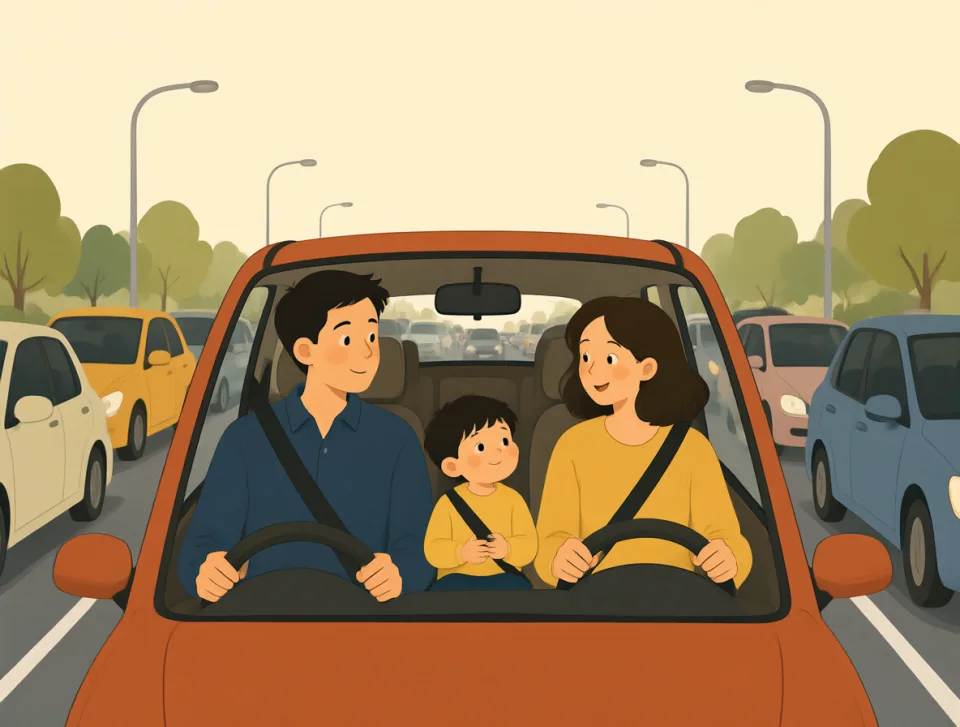
We hit heavy traffic on the way home.
우리는 집에 오는 길에 심한 교통 체증을 만났다.
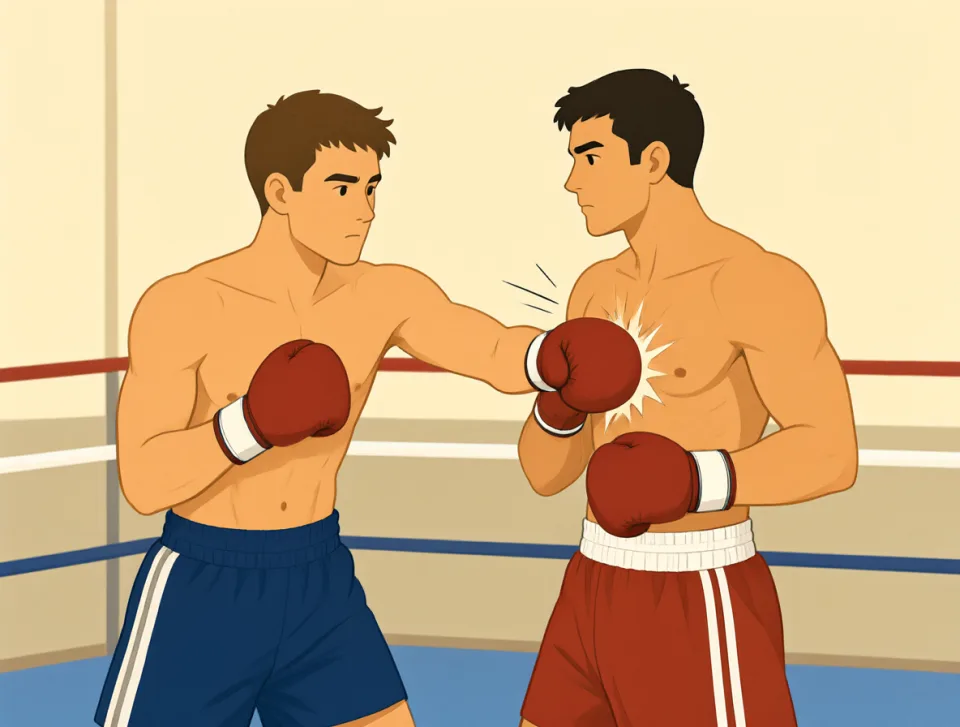
The boxer hit his opponent in the stomach.
그 복서는 상대의 배를 쳤다.

That song was a big hit last summer.
그 노래는 지난여름에 큰 히트를 쳤다.
establish
#696verb
설립하다; 확립하다; 규명하다; 정하다
to create or start something that will continue for a long time
오랫동안 지속될 무언가를 만들거나 시작하다

They established a new school in our town.
그들은 우리 마을에 새 학교를 설립했다.

She established a good relationship with her neighbors.
그녀는 이웃들과 좋은 관계를 형성했다.
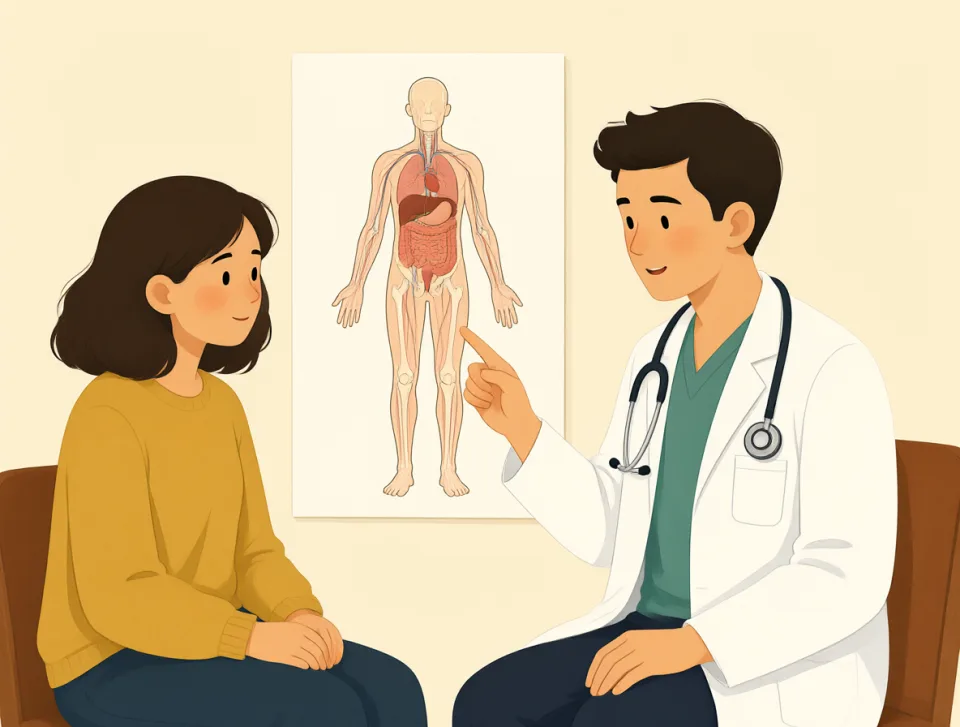
The doctor established the cause of his pain.
의사는 그의 통증의 원인을 밝혀냈다.

We established a meeting time for tomorrow.
우리는 내일 만날 시간을 정했다.
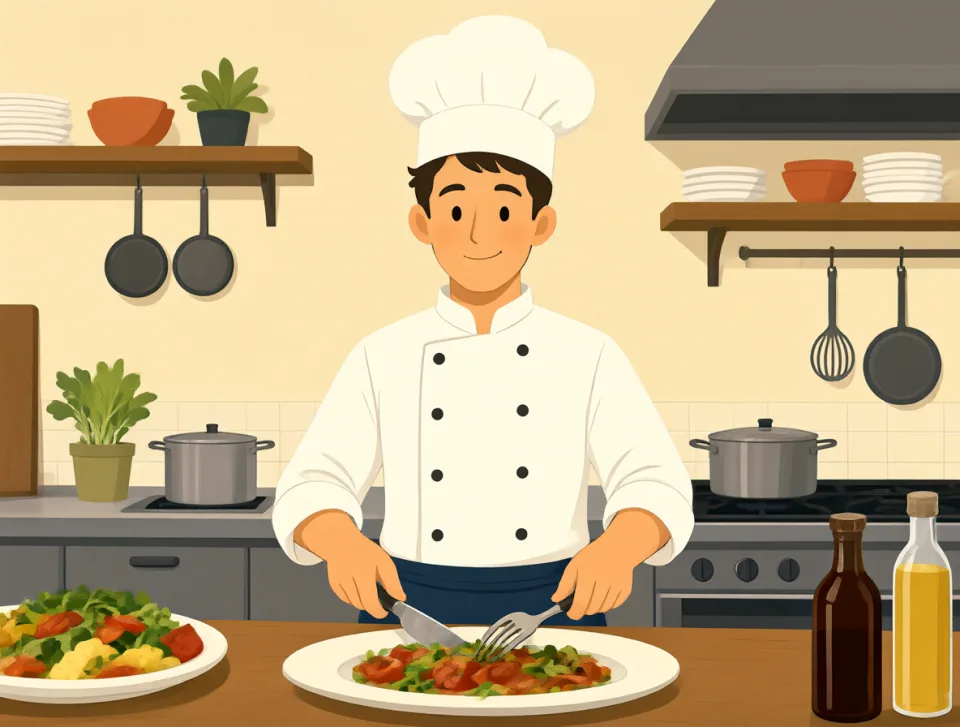
The chef established a popular restaurant downtown.
그 셰프는 시내에 인기 있는 레스토랑을 열었다.
indeed
#697adverb
정말로; 참으로
Used to emphasize that something is true or to agree with someone.
어떤 것이 사실임을 강조하거나 상대방의 말에 동의할 때 사용합니다.
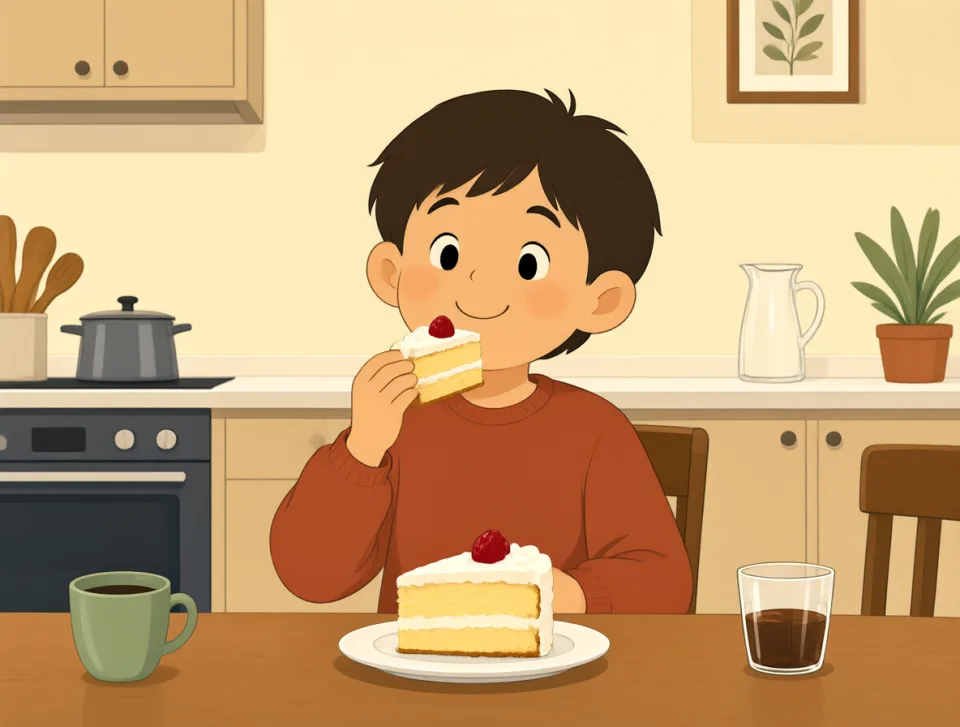
That cake is indeed delicious.
그 케이크는 정말 맛있어.

The hotel was indeed very clean.
그 호텔은 정말 아주 깨끗했어.
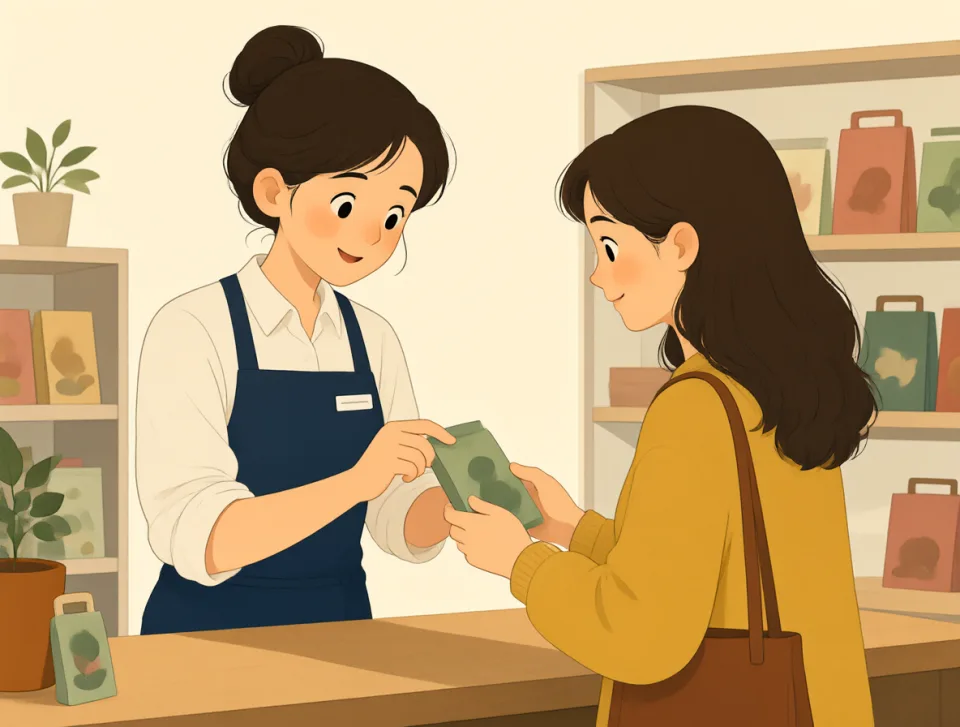
Indeed, I can help you with that.
물론이죠, 제가 그 일을 도와드릴 수 있어요.
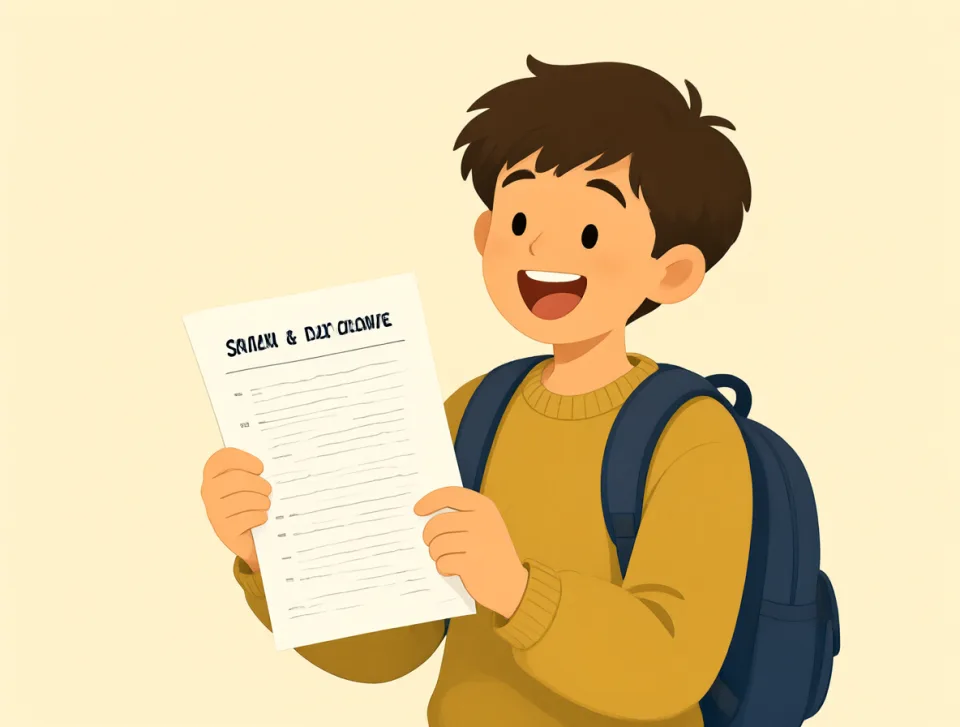
She did indeed pass her school test.
그녀는 정말 학교 시험에 합격했어.
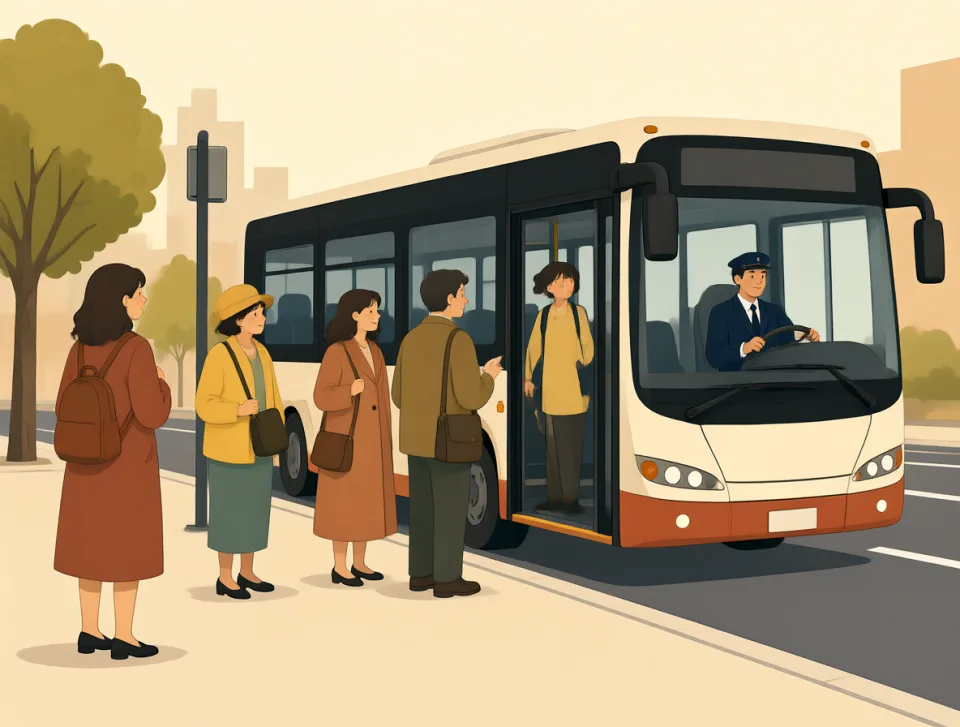
Indeed, the bus left on time.
정말 버스가 제시간에 출발했어.
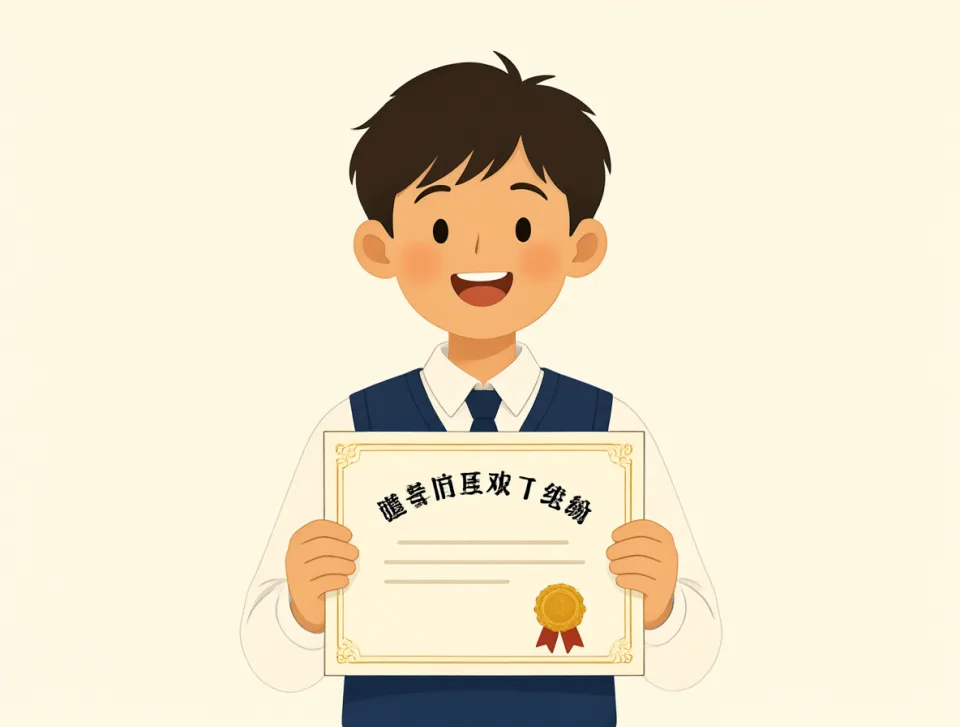
final
#698adjective, noun
최종의; 마지막의; 결승전
Last in a series, or the last part of an event or competition.
연속된 순서에서 마지막이거나, 행사나 경기의 마지막 부분인
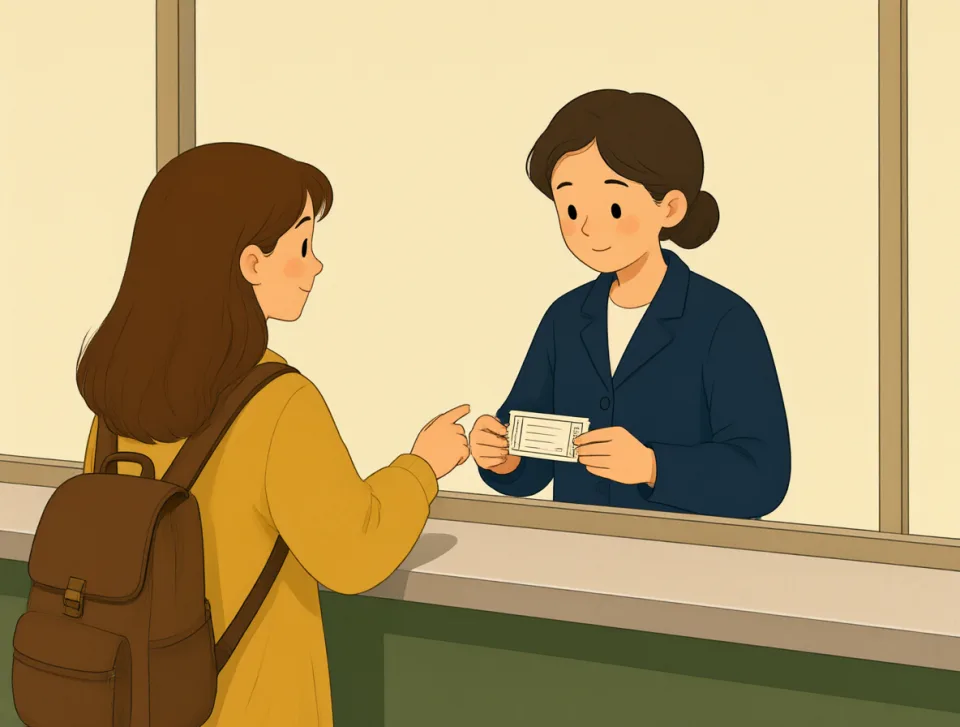
This is our final chance to buy tickets.
이게 표를 살 수 있는 우리의 마지막 기회예요.

We made the final decision after lunch.
우리는 점심 식사 후에 최종 결정을 내렸어요.

The final exam starts next Monday.
기말고사는 다음 주 월요일에 시작해요.
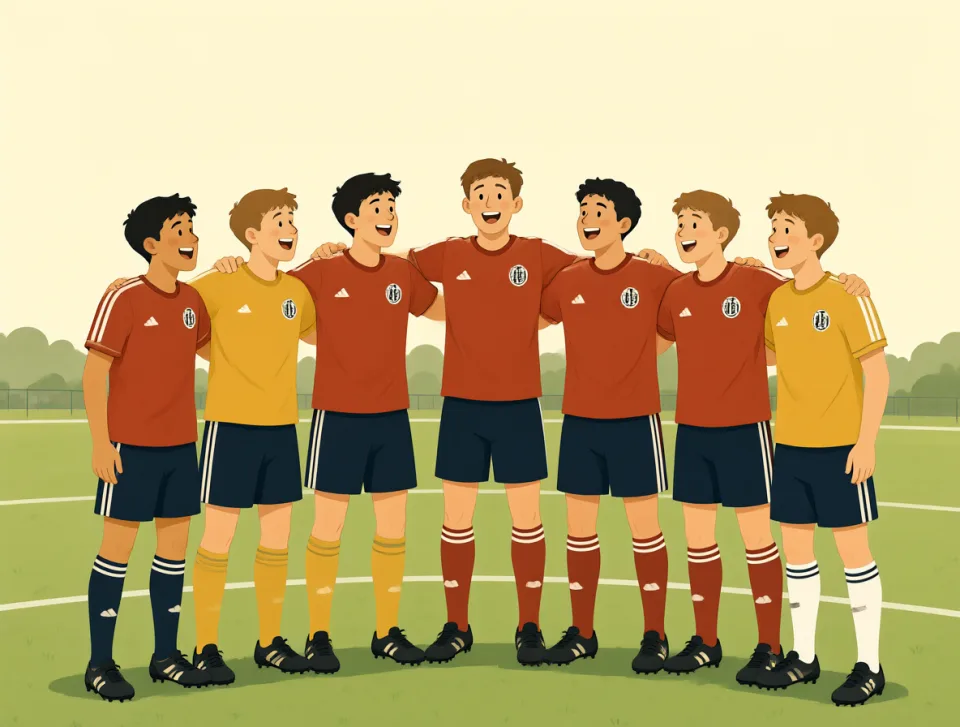
The team won the final game.
그 팀은 결승전에서 이겼어요.

Please pay the final bill before leaving.
떠나기 전에 최종 청구 금액을 지불해 주세요.

economy
#699noun
경제; 절약; 연비; 살림
The way money, jobs, and trade work in a country or area.
한 국가나 지역에서 돈, 일자리, 무역이 운영되는 방식
The economy is growing this year.
올해 경제가 성장하고 있다.

The war damaged the local economy.
전쟁으로 지역 경제가 피해를 입었다.
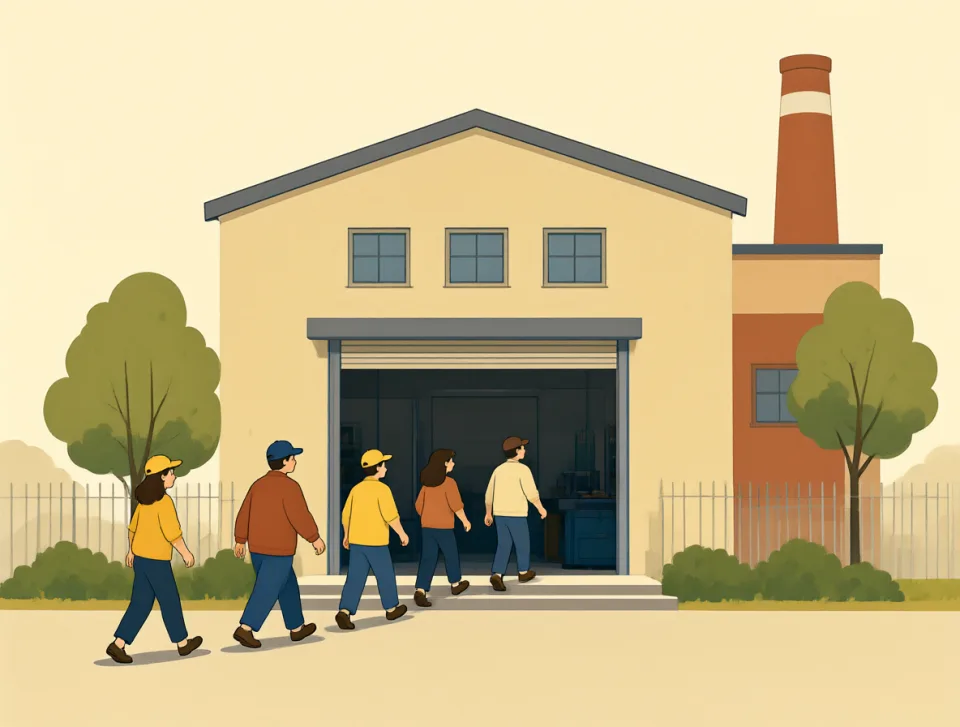
A strong economy creates more jobs.
튼튼한 경제는 더 많은 일자리를 만든다.
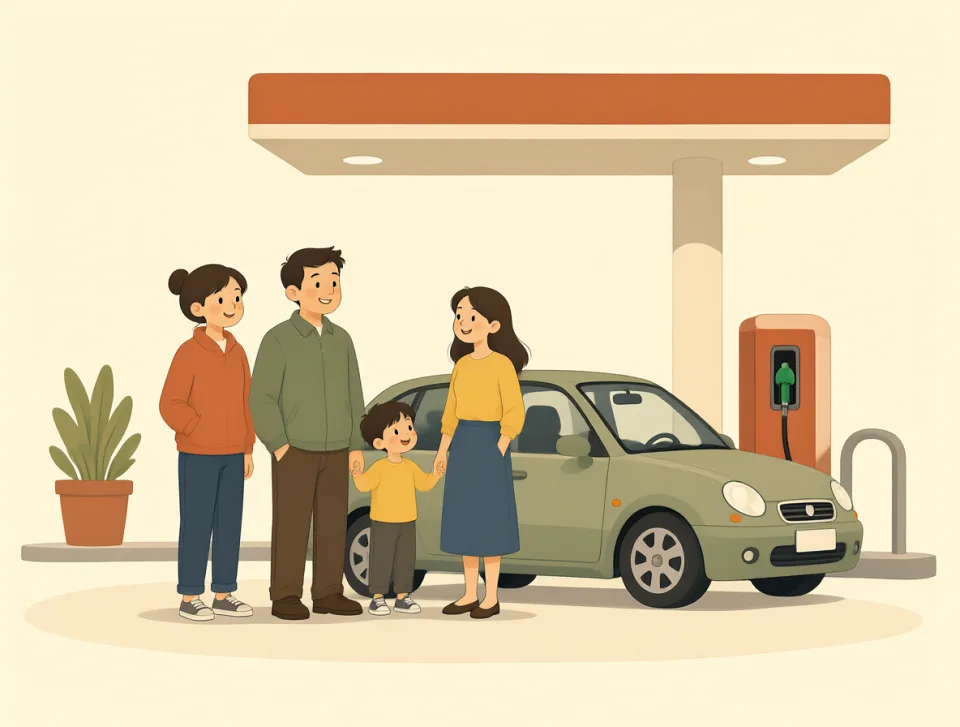
We chose this car for better fuel economy.
우리는 연비가 더 좋은 이 차를 선택했다.
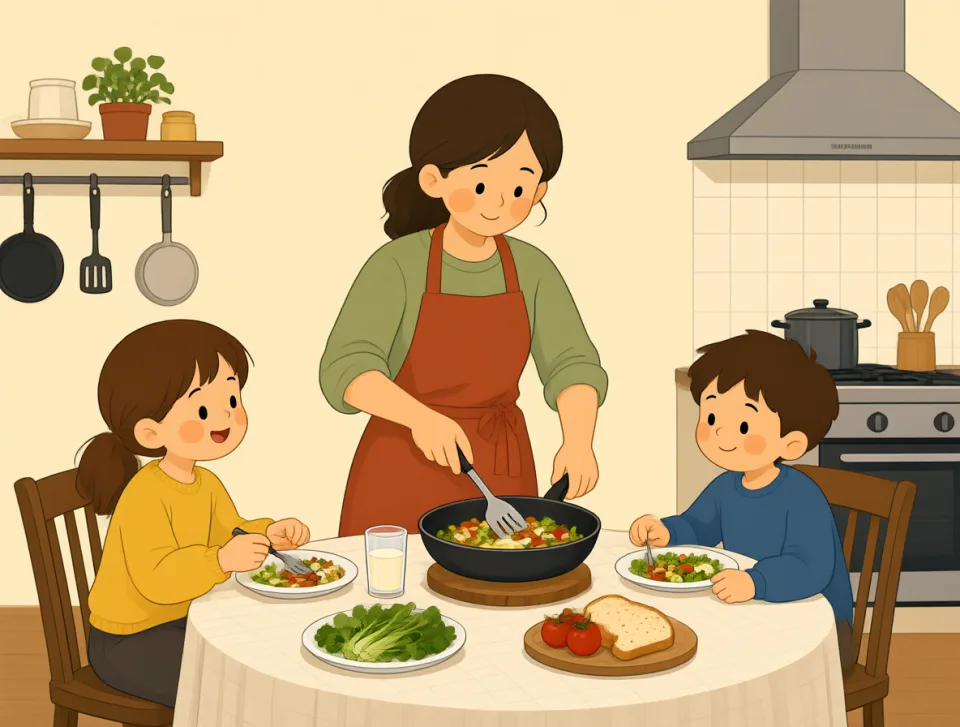
Cooking at home helps the family economy.
집에서 요리하면 가계 살림에 도움이 된다.
fit
#700verb, adjective, noun
맞다; 들어가다; 건강한; 발작
To be the right size or shape; healthy and physically strong; a sudden strong feeling or illness.
크기나 모양이 알맞다; 건강하고 신체적으로 튼튼하다; 갑자기 일어나는 강한 감정이나 질병

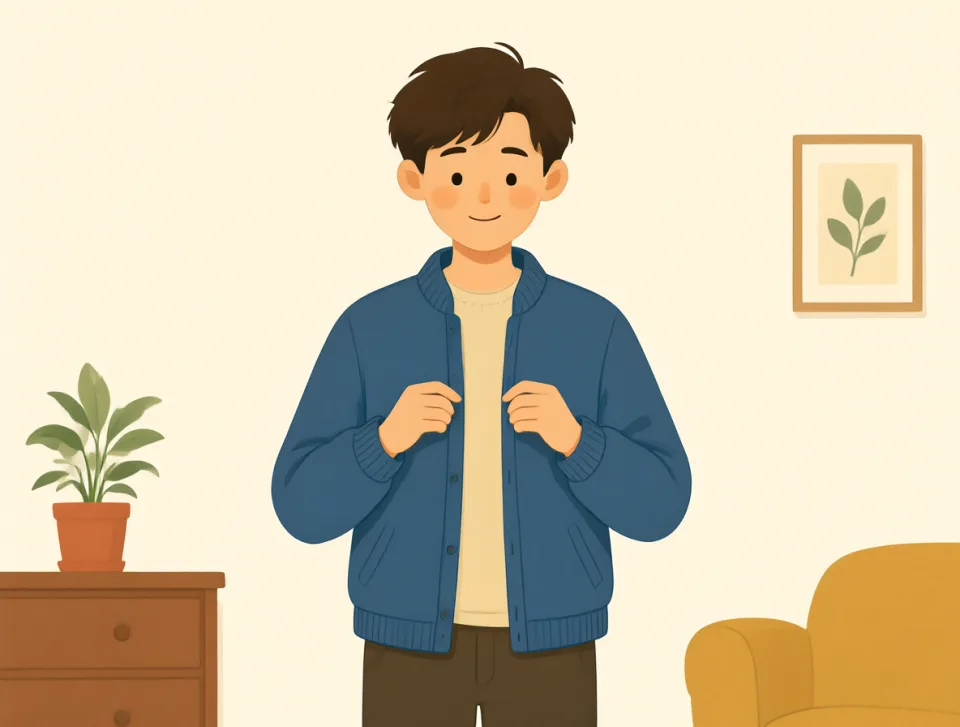
These shoes fit me very well.
이 신발은 내 발에 아주 잘 맞아요.
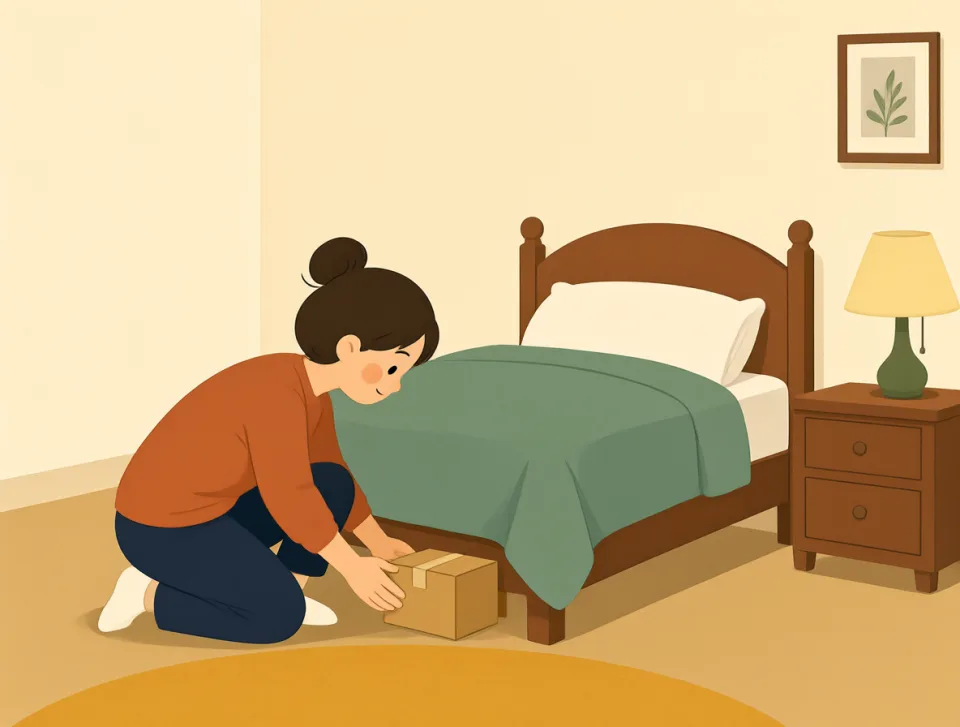
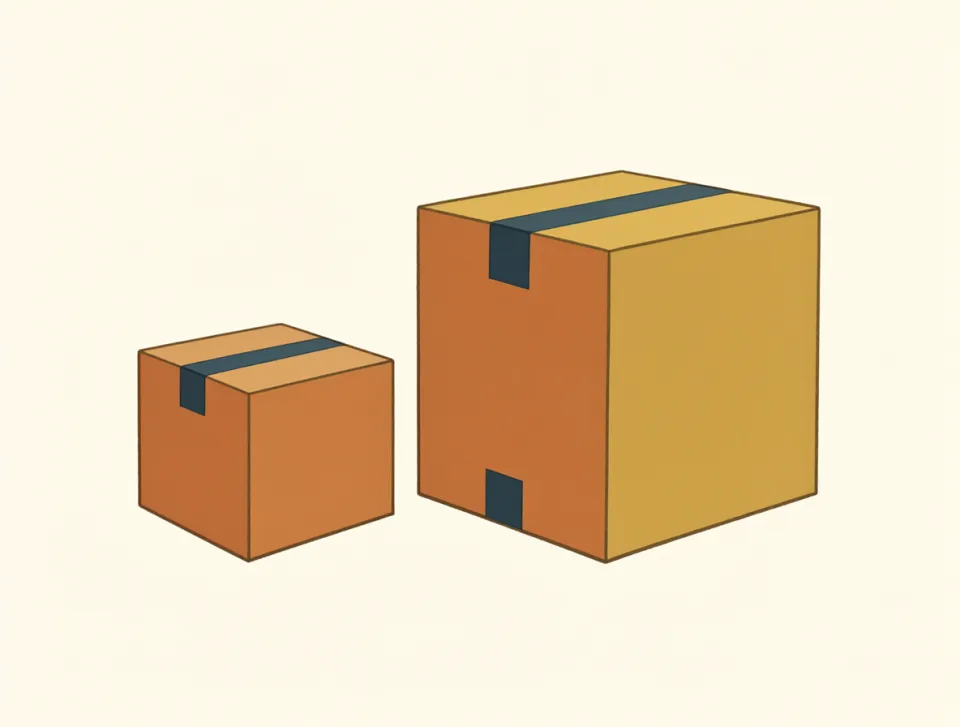
Will this box fit under the bed?
이 상자는 침대 밑에 들어갈까요?
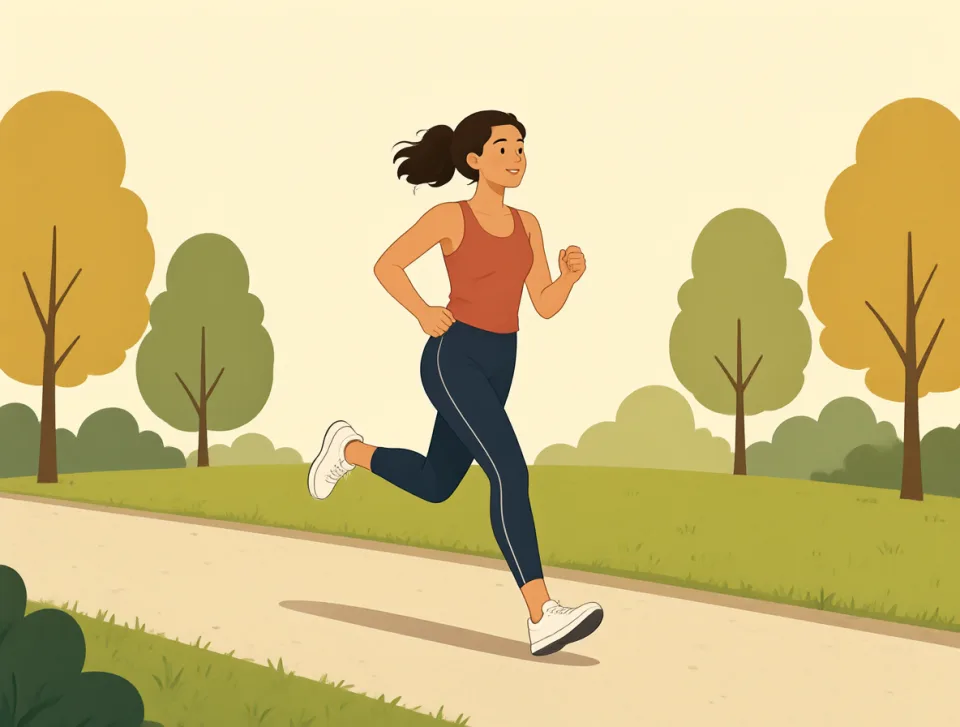
She is fit enough to run five miles.
그녀는 8킬로미터를 달릴 수 있을 만큼 건강해요.

The children had a fit of laughter.
아이들은 한바탕 웃음을 터뜨렸어요.
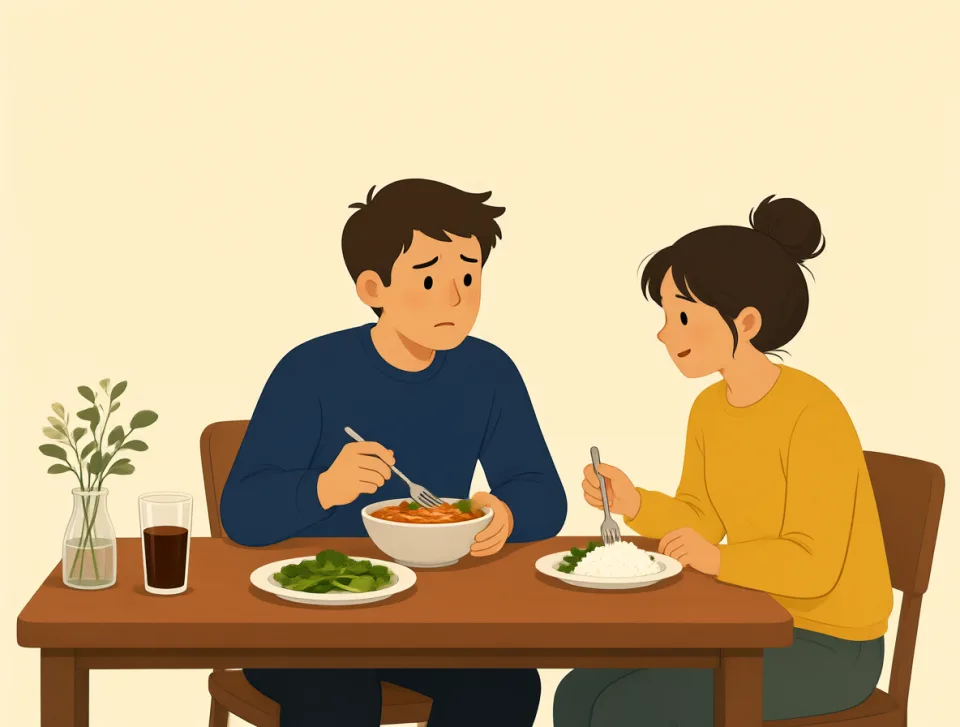
He had a fit after eating nuts.
그는 견과류를 먹고 발작을 일으켰어요.