इकाई 35
शब्द 681–700 · respect, various, catch, thus, skill, attempt
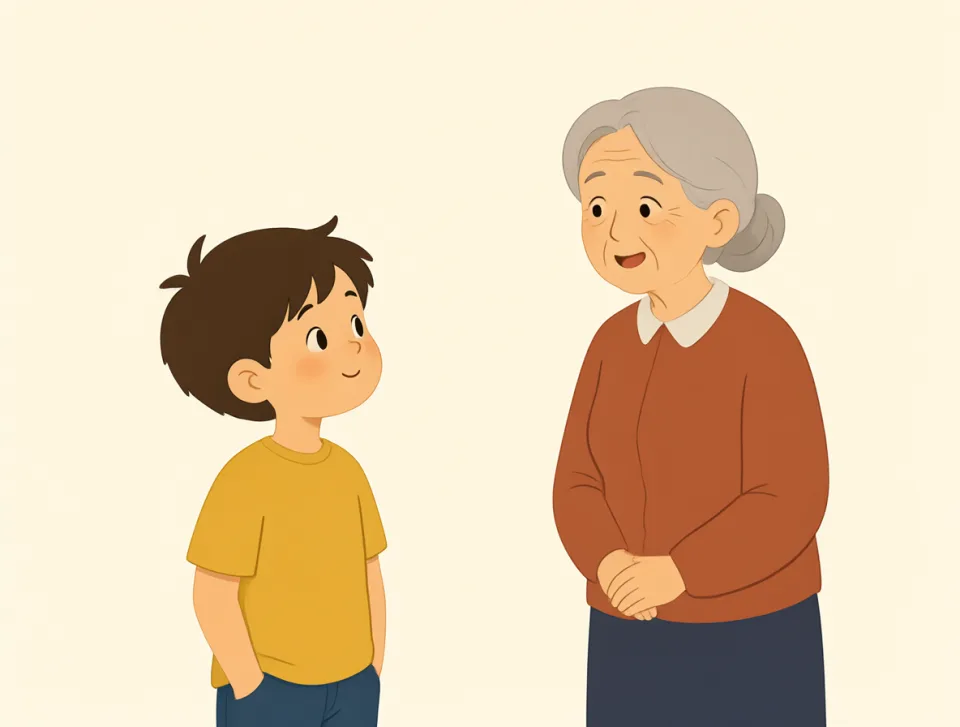
respect
#681noun, verb
सम्मान करना
To treat someone politely and kindly, or to admire someone for their qualities.
किसी के साथ विनम्रता और दयालुता से पेश आना, या उसके गुणों की प्रशंसा करना।
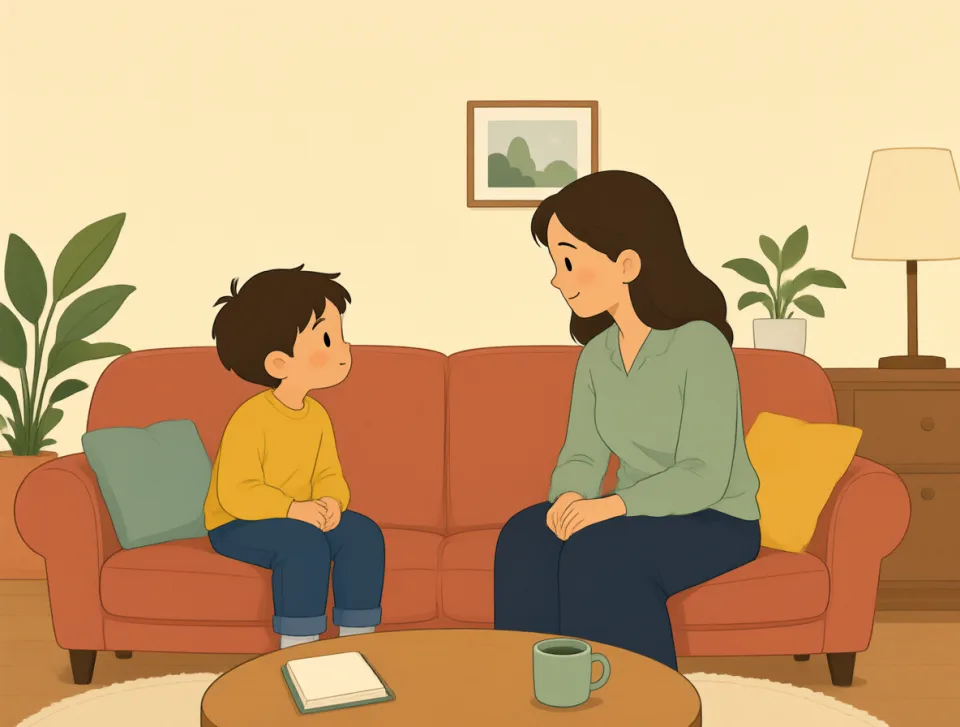
Please respect your parents and teachers.
कृपया अपने माता-पिता और शिक्षकों का सम्मान करें।

We should respect other people's feelings.
हमें दूसरों की भावनाओं का सम्मान करना चाहिए।

Everyone respects our new team leader.
हर कोई हमारे नए टीम लीडर का सम्मान करता है।
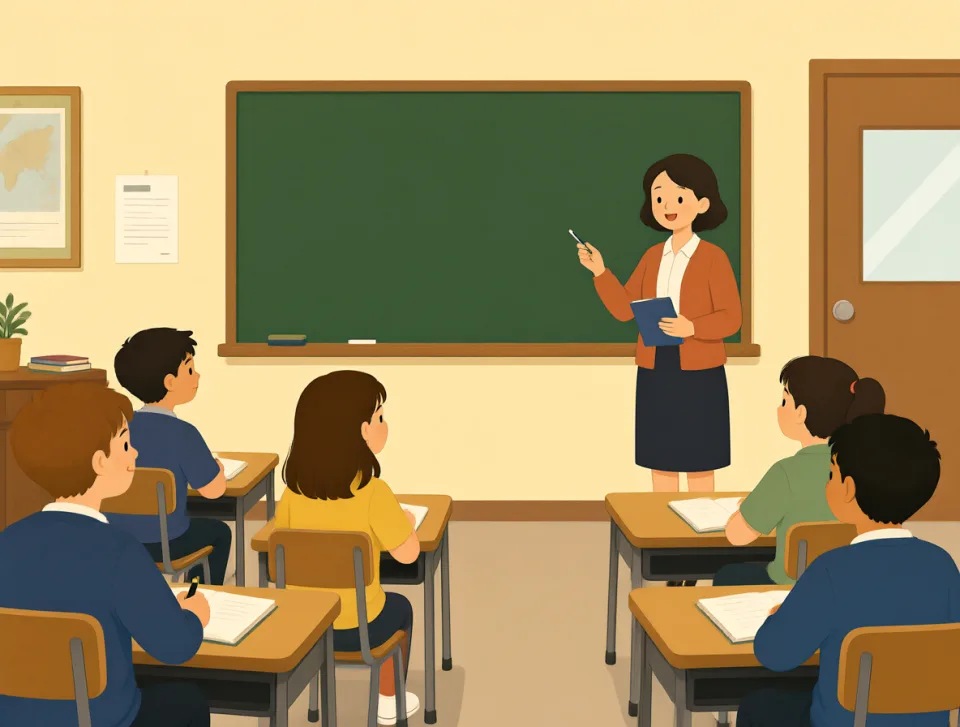
The students respected their teacher's advice.
छात्रों ने अपने शिक्षक की सलाह का सम्मान किया।
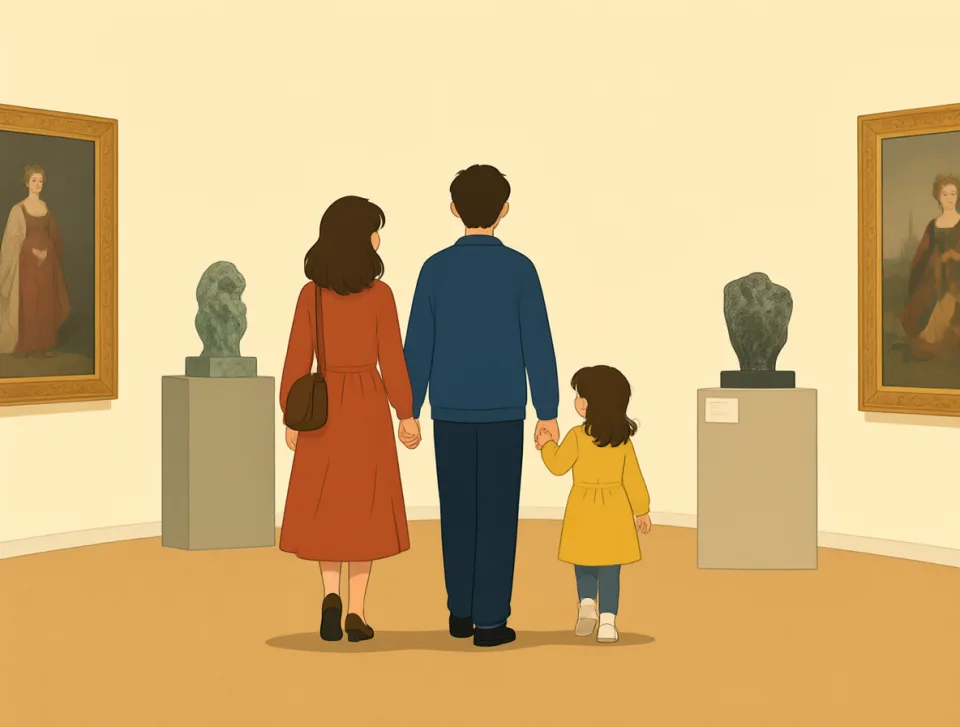
Please respect the museum rules.
कृपया संग्रहालय के नियमों का सम्मान करें।
various
#682adjective
विभिन्न
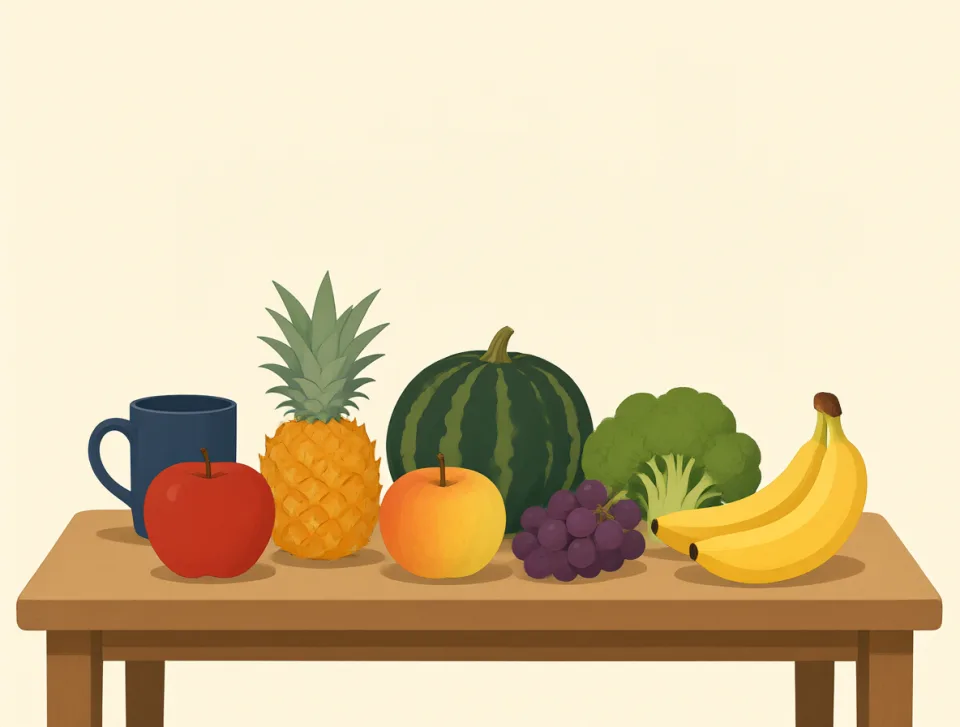
Different from each other, or of several different kinds.
एक-दूसरे से अलग या कई अलग-अलग प्रकार के।
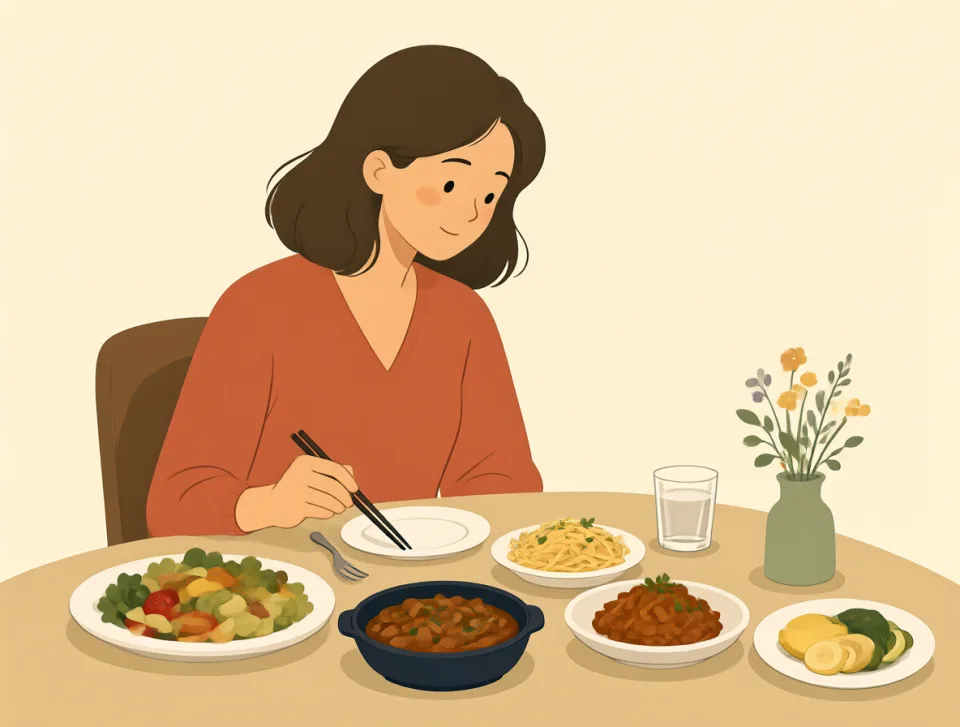
She tried various dishes at the restaurant.
उसने रेस्तराँ में कई तरह के व्यंजन चखे।
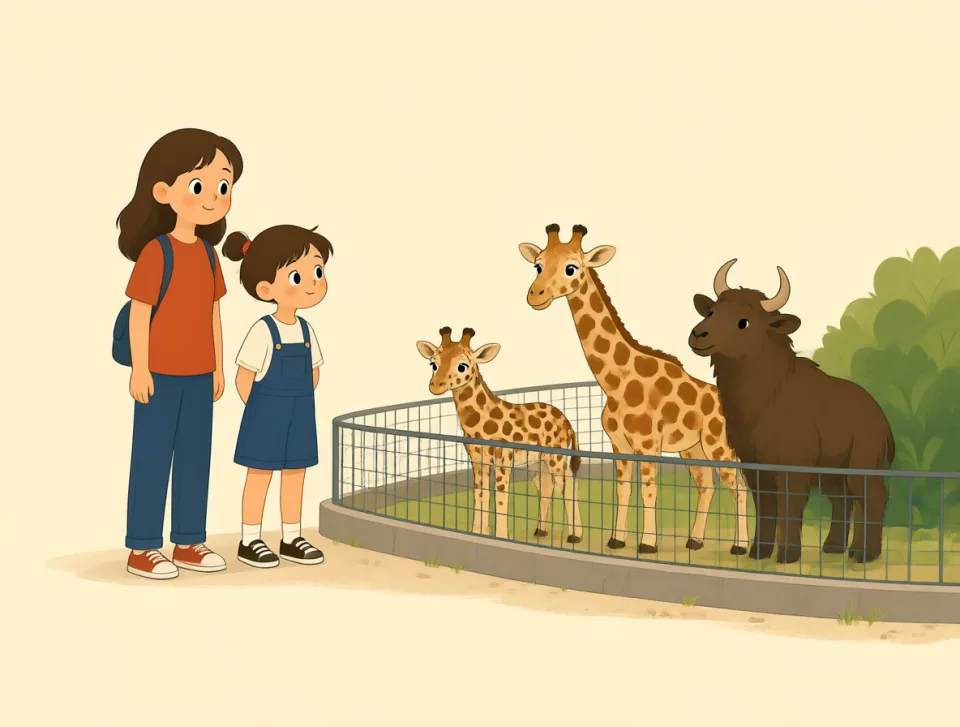
We saw various animals at the zoo.
हमने चिड़ियाघर में कई तरह के जानवर देखे।
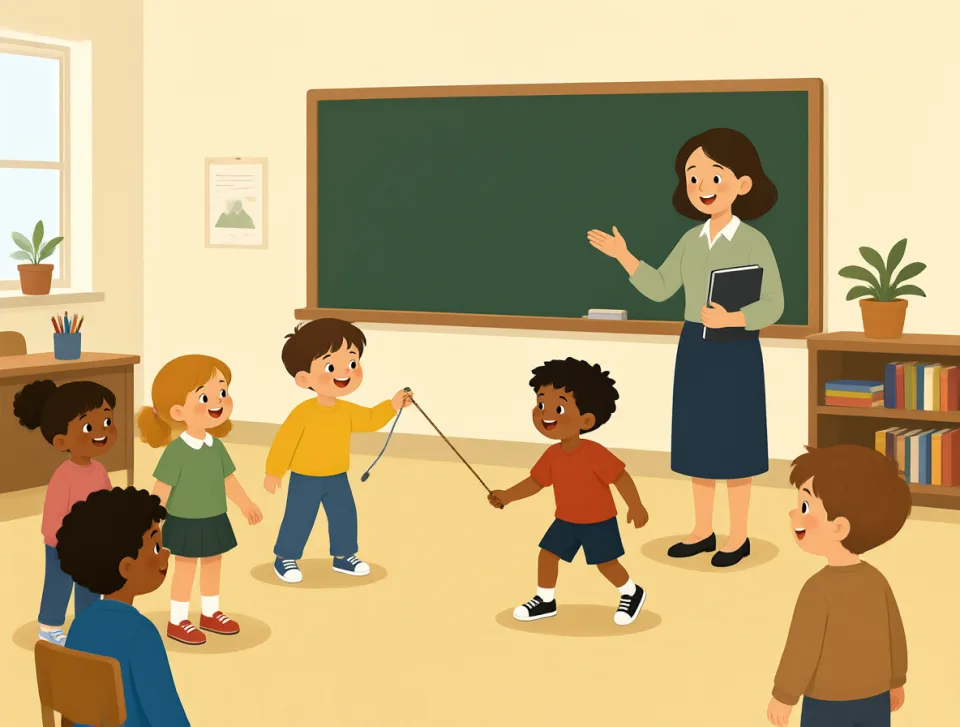
The teacher used various games in class.
शिक्षक ने कक्षा में तरह-तरह के खेलों का इस्तेमाल किया।

He bought various clothes for his trip.
उसने अपनी यात्रा के लिए कई तरह के कपड़े खरीदे।

Various friends called me after my accident.
मेरी दुर्घटना के बाद कई दोस्तों ने मुझे फ़ोन किया।
catch
#683verb, noun
पकड़ना
To stop and hold something moving, or to get on a bus or train.
चलती हुई किसी चीज़ को रोककर थामना, या बस या ट्रेन में चढ़ना।
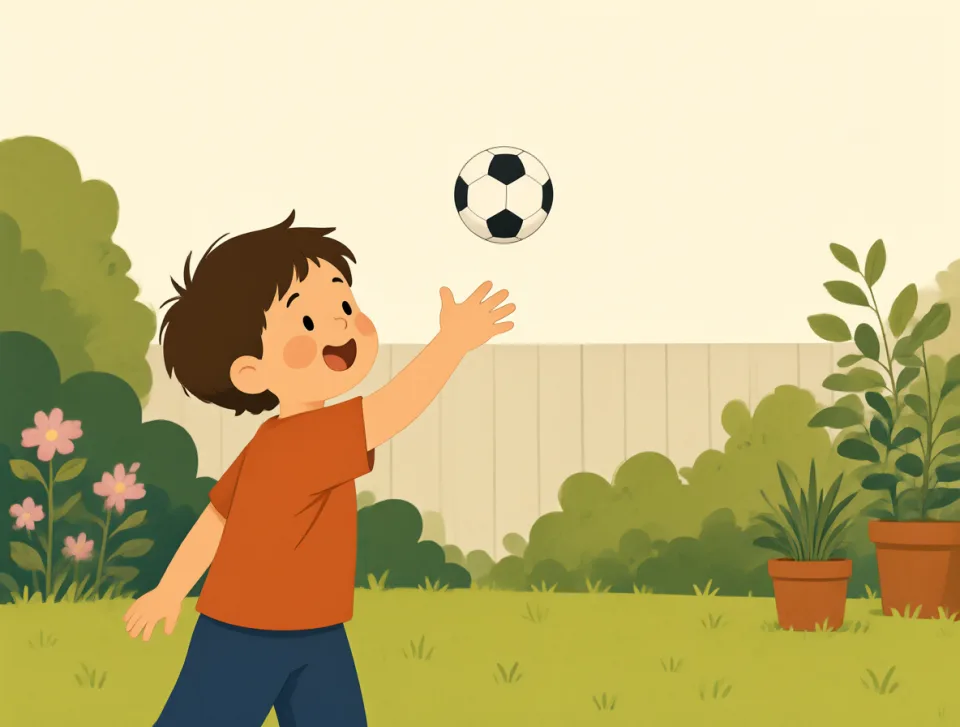
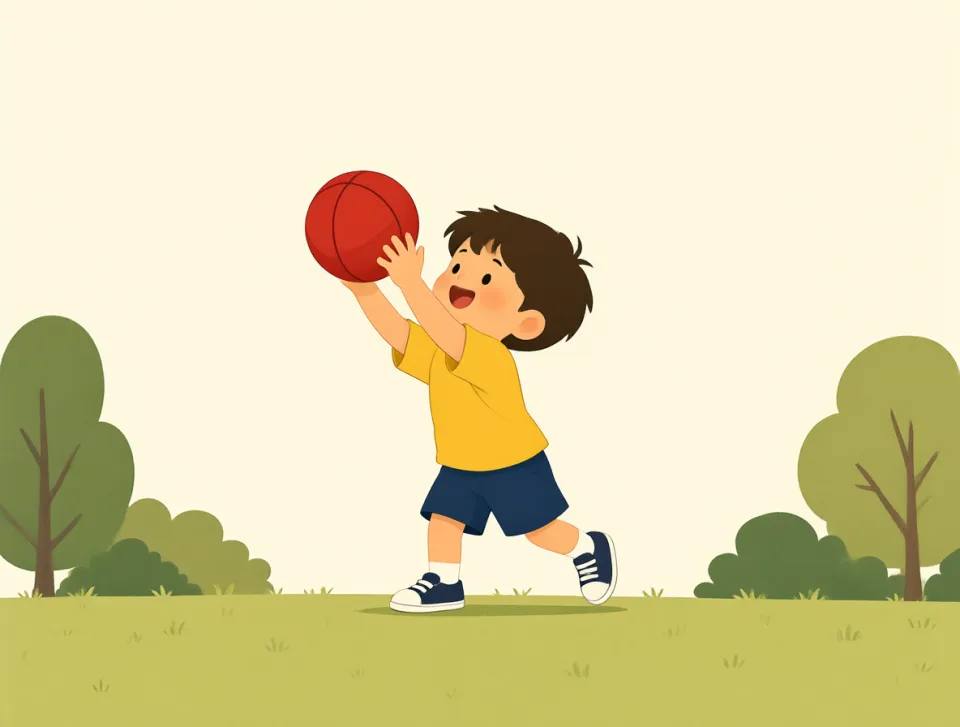
Can you catch the ball?
क्या तुम गेंद पकड़ सकते हो?

I caught the bus to work.
मैं काम पर जाने के लिए बस से गया।

She caught a cold last week.
उसे पिछले हफ़्ते सर्दी लग गई।

We caught a fish for dinner.
हमने रात के खाने के लिए एक मछली पकड़ी।

He caught the waiter’s attention.
उसने वेटर का ध्यान खींचा।
thus
#684adverb
इसलिए
in this way, or because of this
इस तरह, या इसी वजह से।
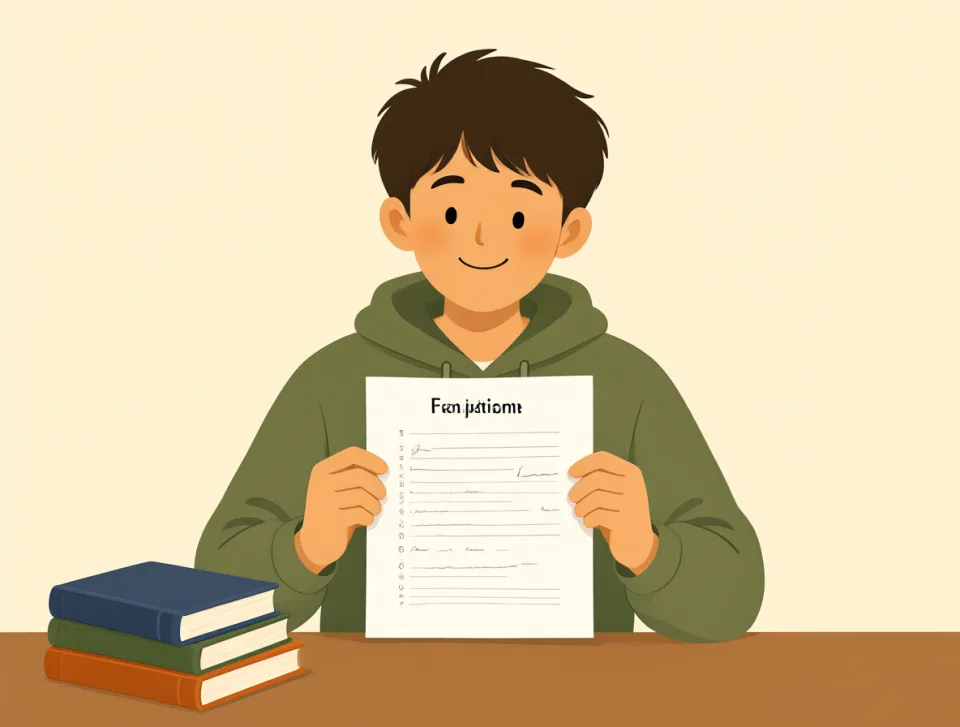
She studied hard and thus passed the test.
उसने खूब पढ़ाई की और इसलिए परीक्षा पास कर ली।
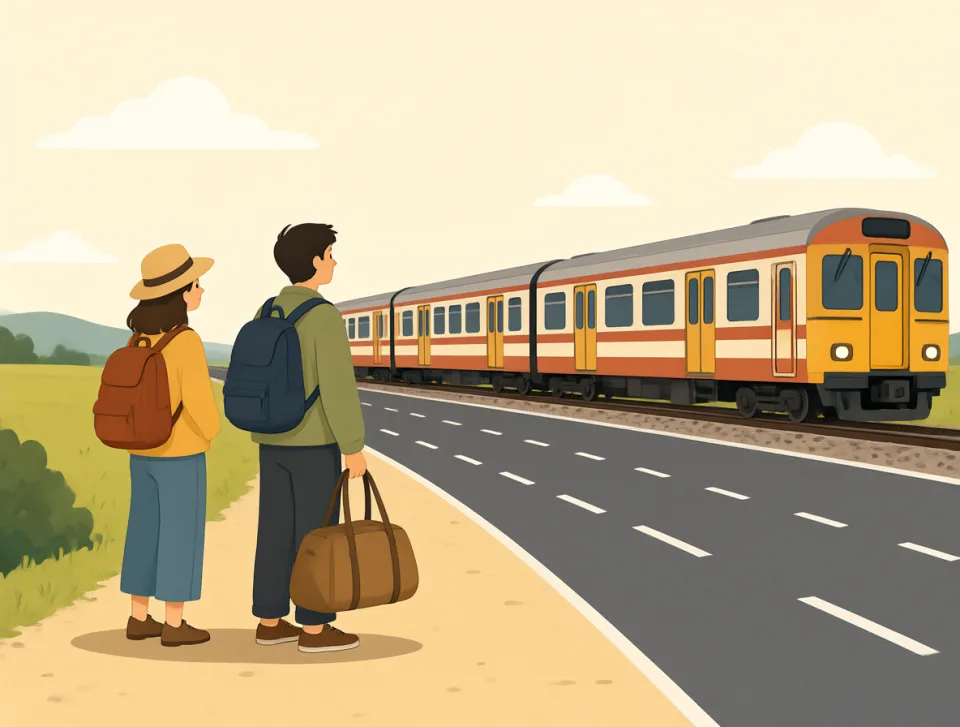
The road was closed, thus we took a train.
सड़क बंद थी, इसलिए हमने ट्रेन ली।
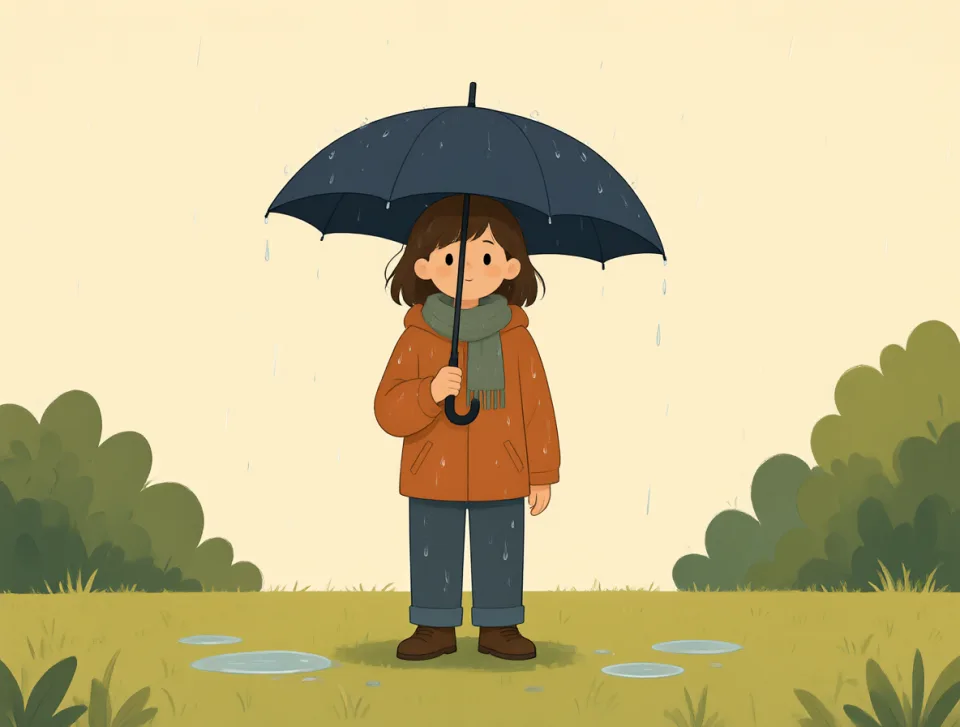
He forgot his umbrella and thus got wet.
वह छाता ले जाना भूल गया और इसलिए भीग गया।

The shop was busy, thus we waited outside.
दुकान में बहुत भीड़ थी, इसलिए हमने बाहर इंतज़ार किया।
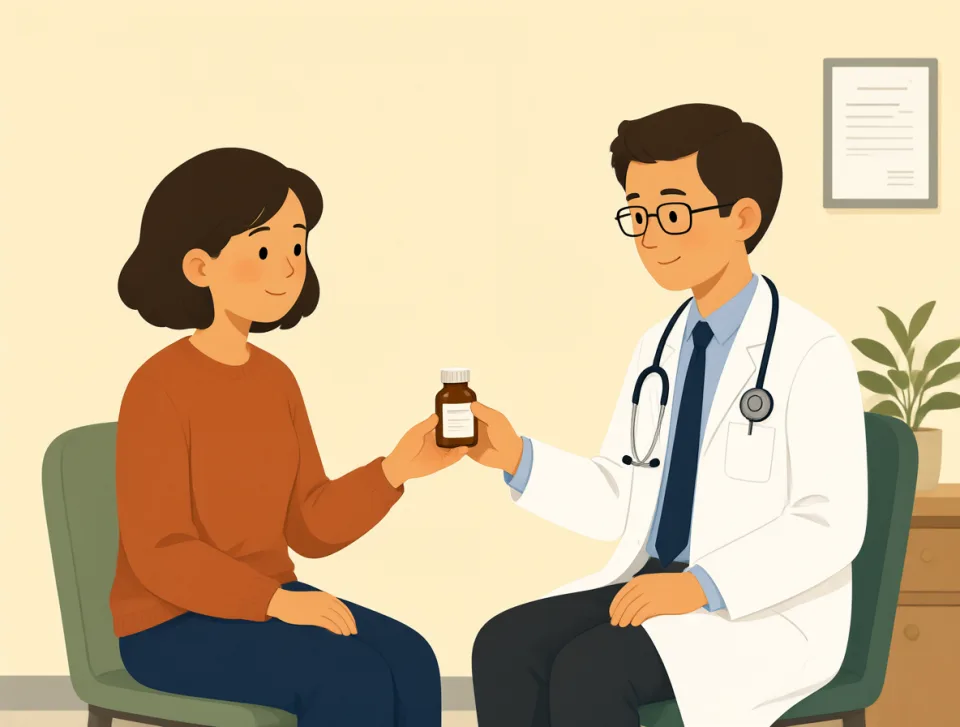
The doctor found an infection and thus gave medicine.
डॉक्टर को संक्रमण का पता चला और इसलिए उन्होंने दवा दी।

skill
#685noun
कौशल
An ability to do something well, usually because you have learned and practiced it.
किसी काम को अच्छी तरह करने की क्षमता, जो आम तौर पर सीखने और अभ्यास करने से आती है।
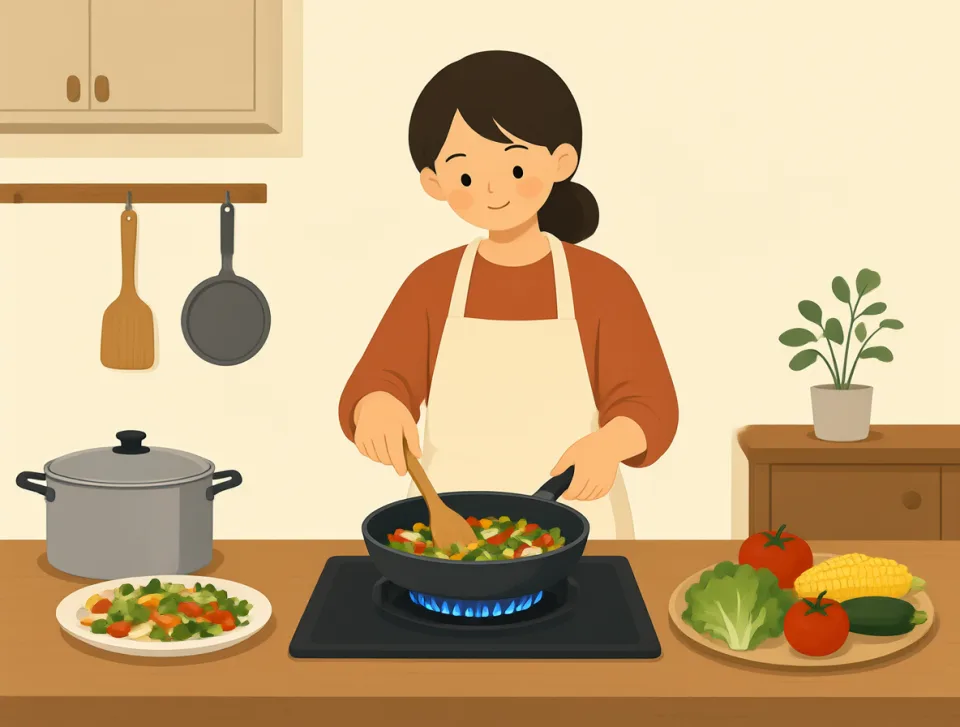
Cooking is an important skill for everyone.
खाना बनाना हर किसी के लिए एक ज़रूरी कौशल है।

She has good computer skills.
उसे कंप्यूटर चलाने का अच्छा कौशल है।

He learned the skill of swimming.
उसने तैरने का हुनर सीखा।

The job needs good communication skills.
इस नौकरी के लिए अच्छे संवाद कौशल की ज़रूरत है।
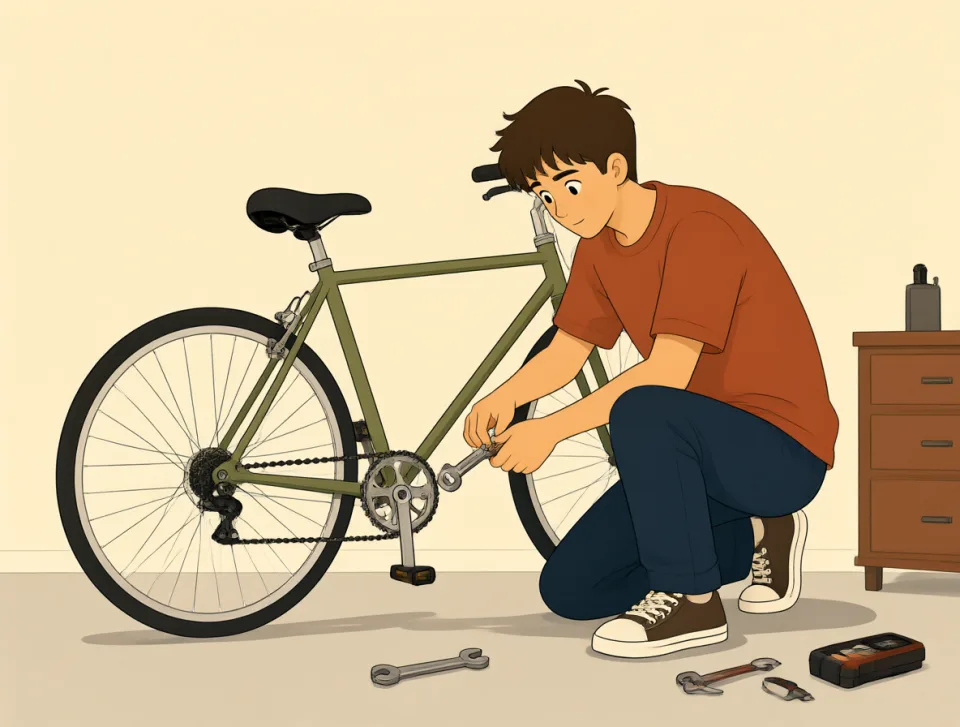
My brother is skilled at fixing bikes.
मेरा भाई साइकिलें ठीक करने में माहिर है।
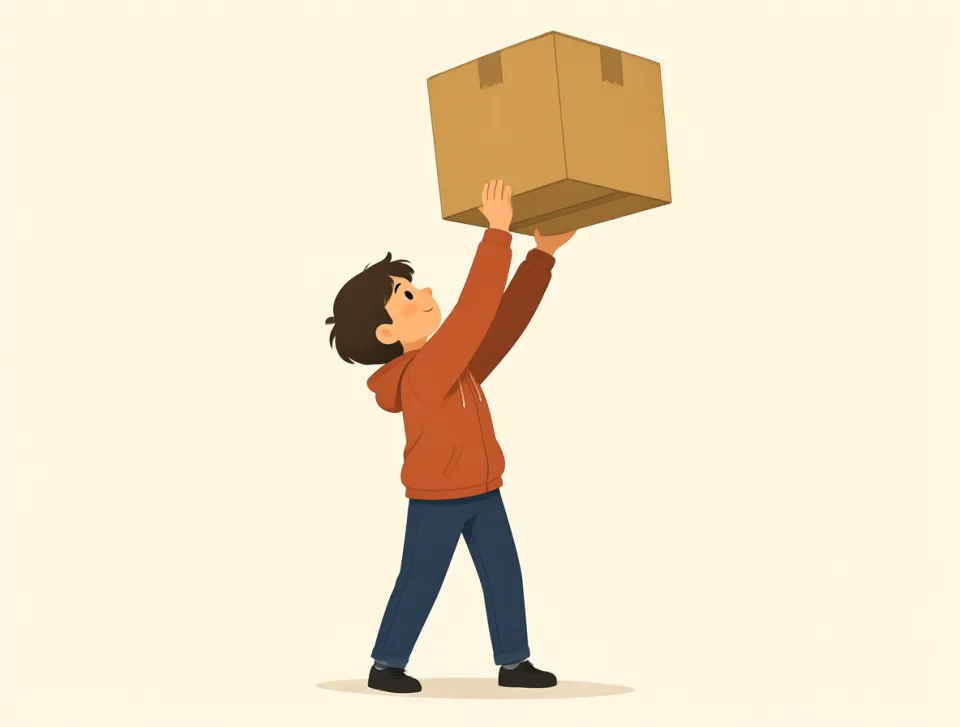
attempt
#686noun, verb
प्रयास
An effort to do or achieve something, especially when it may be difficult.
किसी काम को करने या कुछ हासिल करने की कोशिश, खासकर जब वह मुश्किल हो सकता हो।
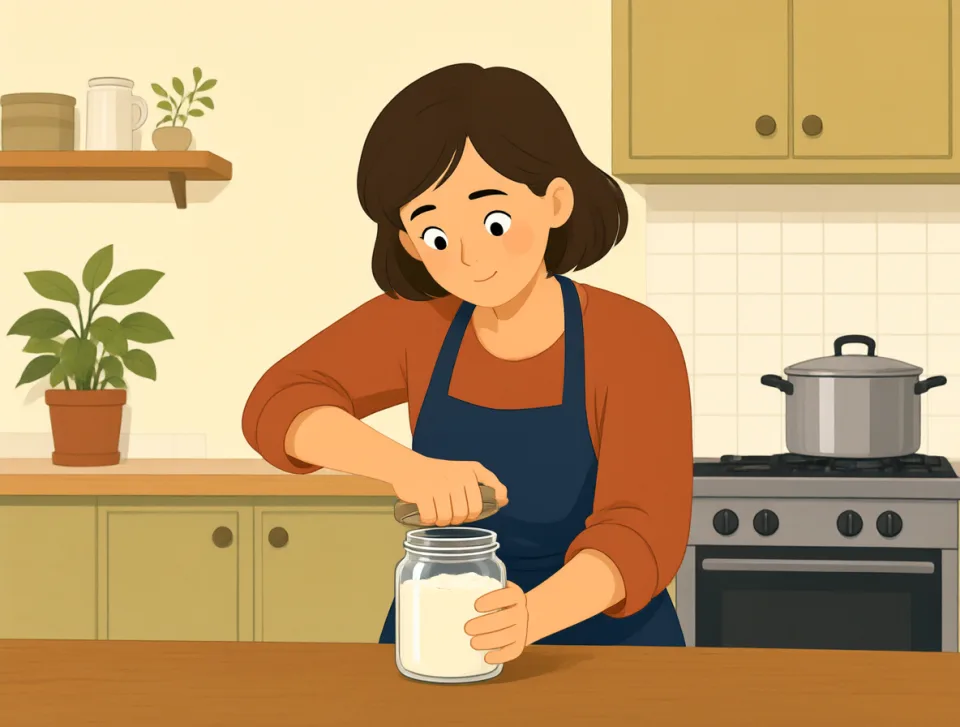
She made an attempt to open the jar.
उसने जार खोलने की कोशिश की।
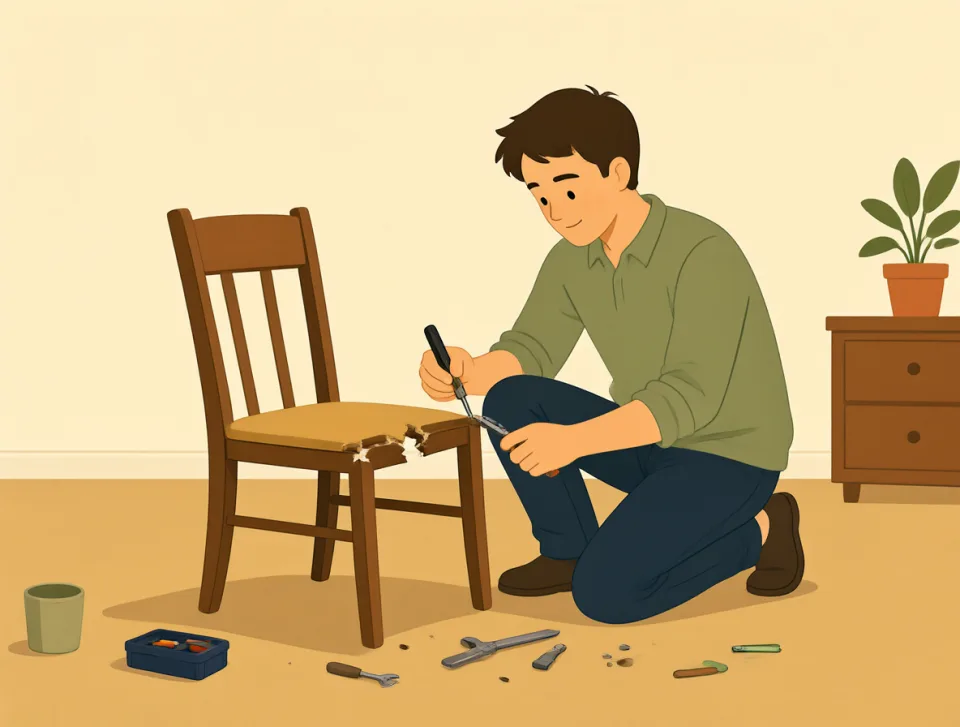
He attempted to fix the broken chair.
उसने टूटी हुई कुर्सी ठीक करने की कोशिश की।

The student attempted the difficult math problem.
छात्र ने गणित का कठिन सवाल हल करने की कोशिश की।
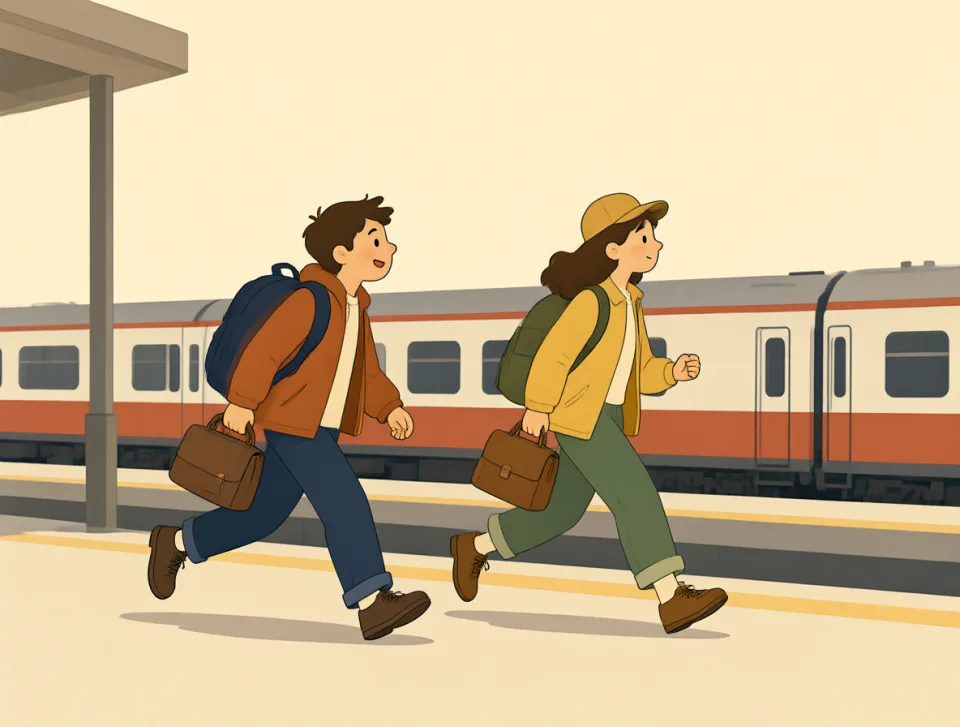
We attempted to catch the early train.
हमने जल्दी वाली ट्रेन पकड़ने की कोशिश की।
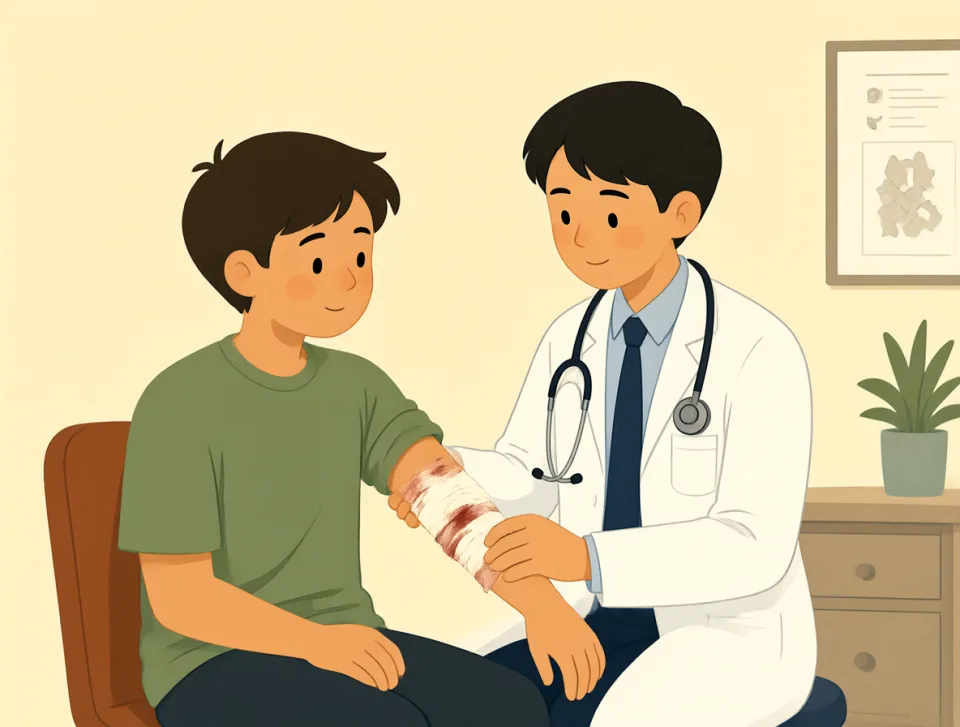
The doctor attempted to stop the bleeding.
डॉक्टर ने खून बहना रोकने की कोशिश की।
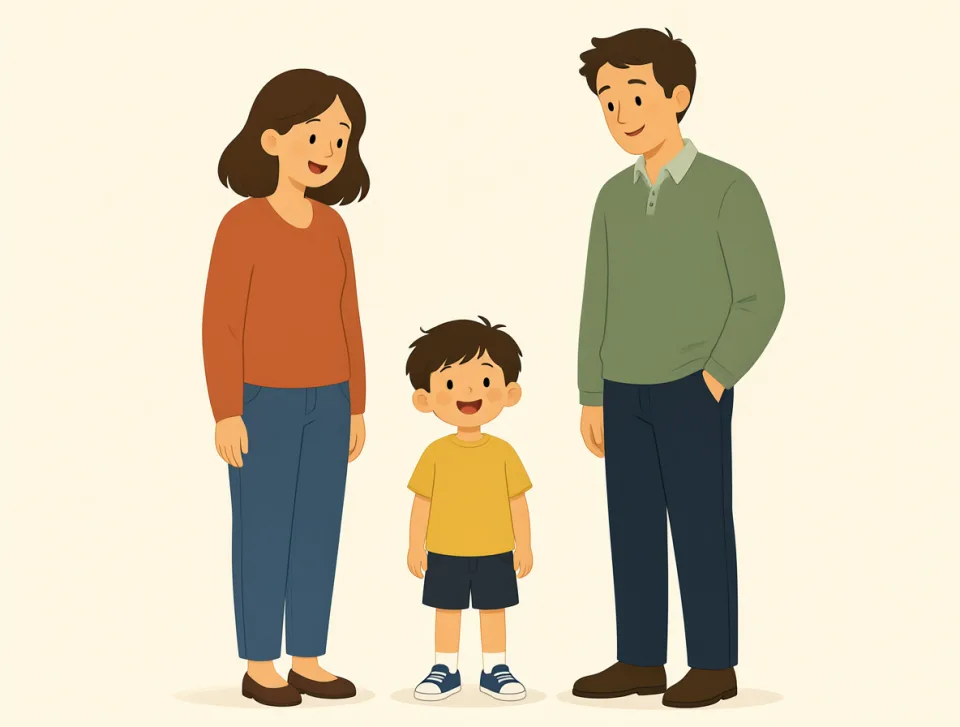
son
#687noun
बेटा
A male child in relation to his parents.
माता-पिता का पुरुष बच्चा।
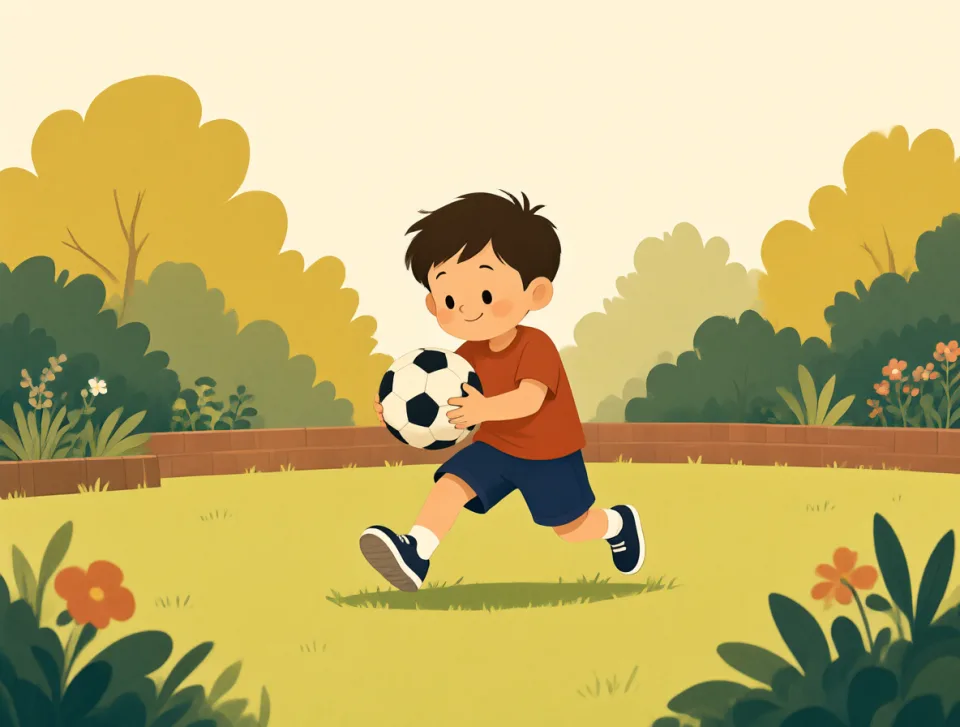
Their son is playing in the garden.
उनका बेटा बगीचे में खेल रहा है।
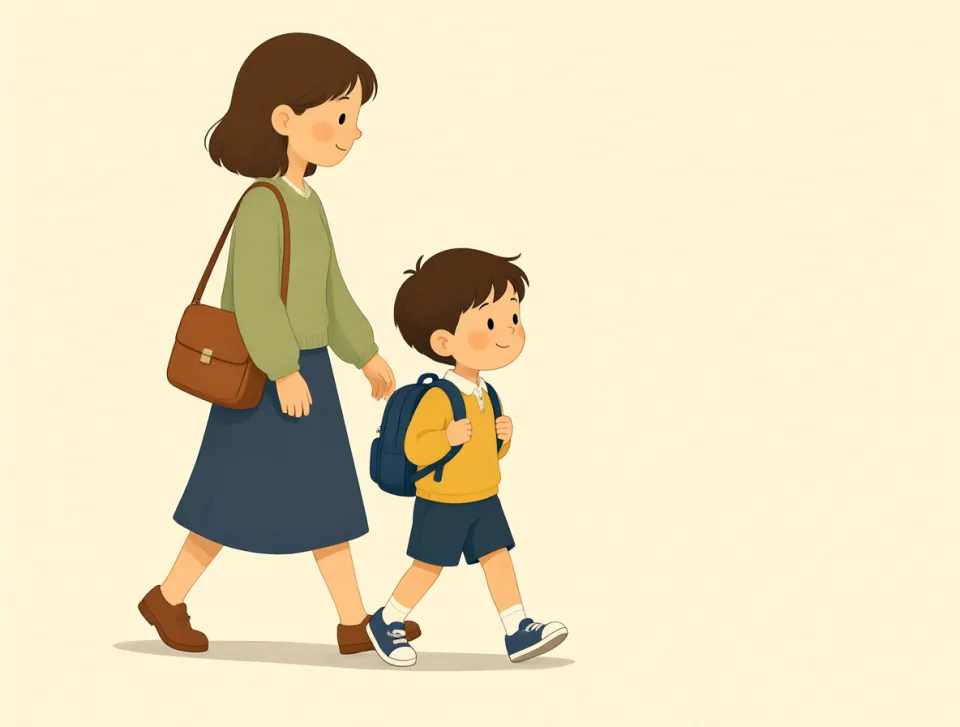
My son started school last year.
मेरे बेटे ने पिछले साल स्कूल जाना शुरू किया।

Her son works at a local shop.
उसका बेटा पास की एक दुकान में काम करता है।
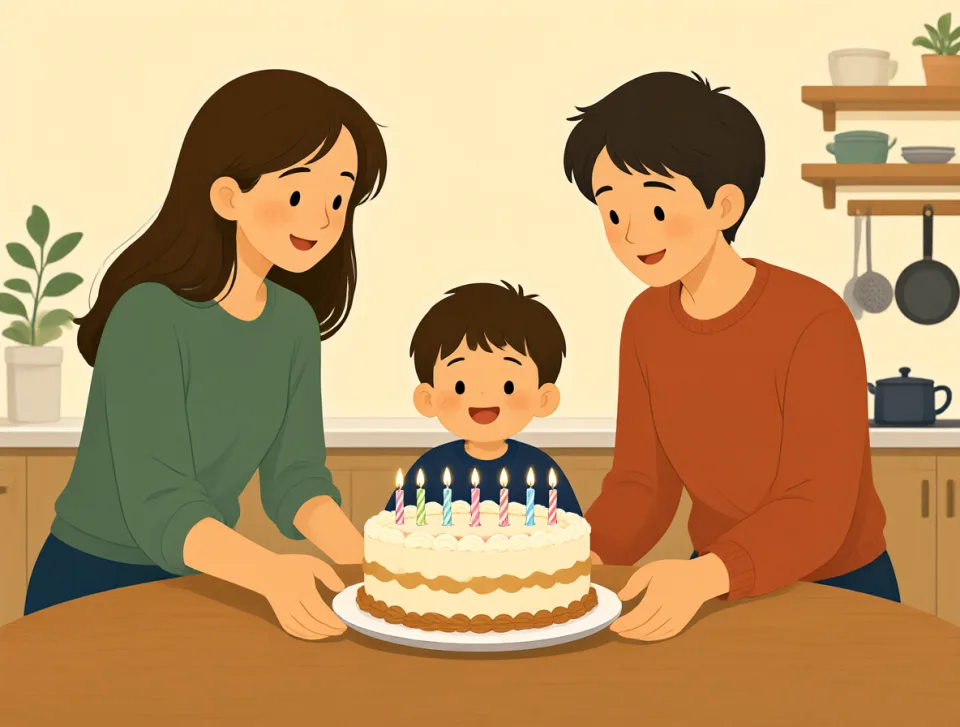
We bought our son a birthday cake.
हमने अपने बेटे के लिए जन्मदिन का केक खरीदा।

His son was sick in bed yesterday.
उसका बेटा कल बिस्तर पर बीमार पड़ा था।
simple
#688adjective
सरल
Easy to understand, do, or use; not complicated.
समझने, करने या इस्तेमाल करने में आसान; जटिल नहीं।
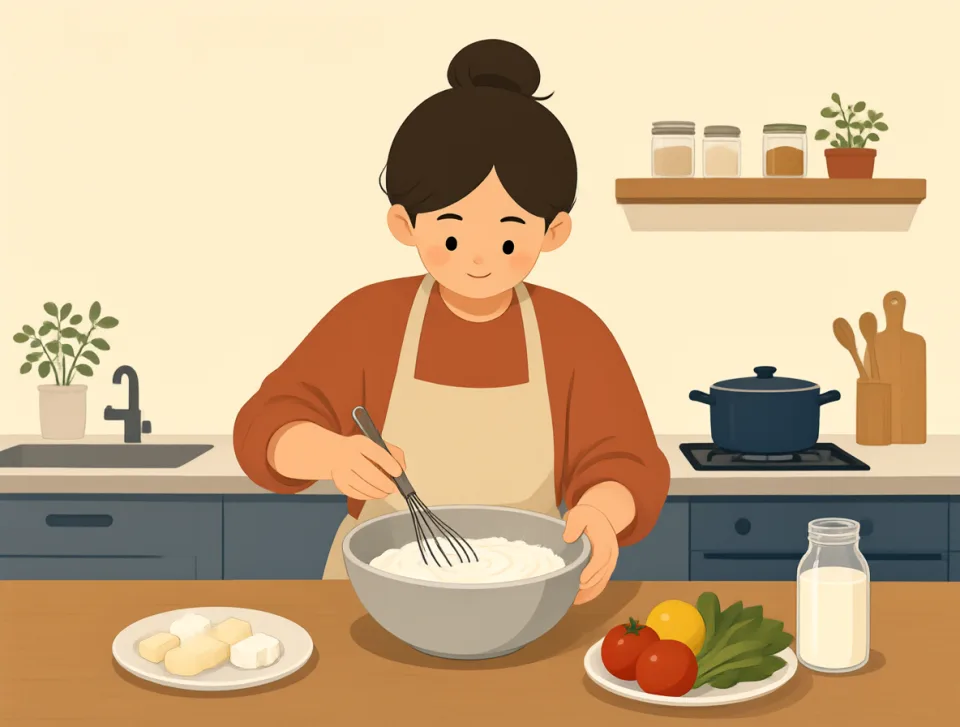
This recipe is simple and quick to make.
यह रेसिपी सरल है और जल्दी बन जाती है।

She wore a simple black dress.
उसने एक साधारण काली पोशाक पहनी।
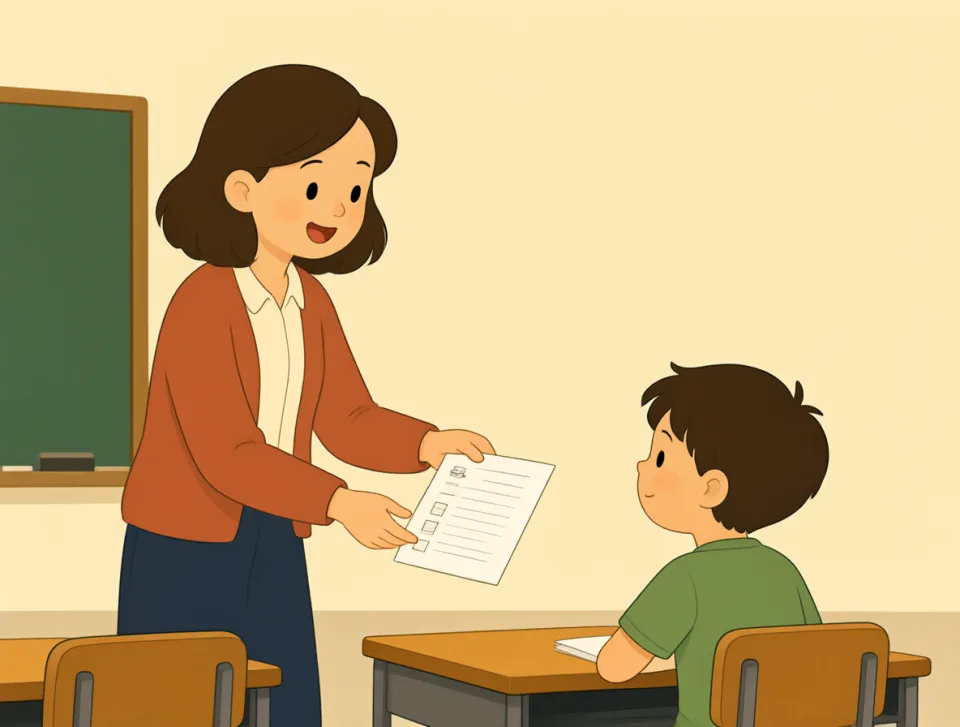
The teacher gave us a simple question.
शिक्षक ने हमें एक आसान सवाल दिया।

We need a simple hotel near the station.
हमें स्टेशन के पास एक साधारण-सा होटल चाहिए।

He explained the problem in simple words.
उसने समस्या को आसान शब्दों में समझाया।
medium
#689adjective, noun
मध्यम
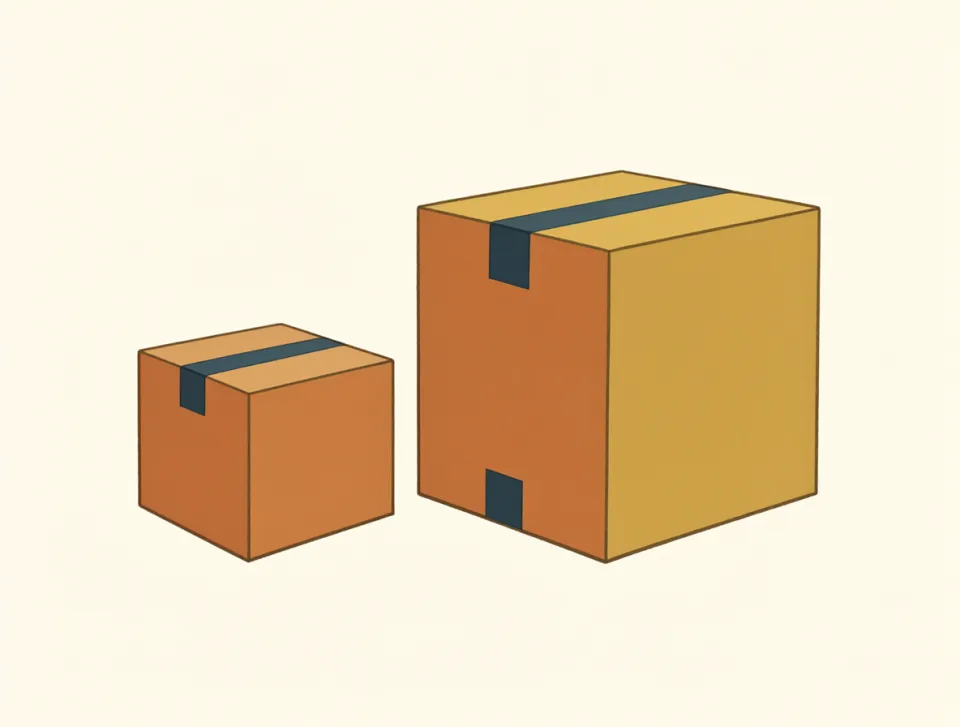
Middle in size, amount, or level; a way to communicate
आकार, मात्रा या स्तर में बीच का; संवाद का एक माध्यम।

She bought a medium shirt at the store.
उसने दुकान से मध्यम आकार की कमीज़ खरीदी।
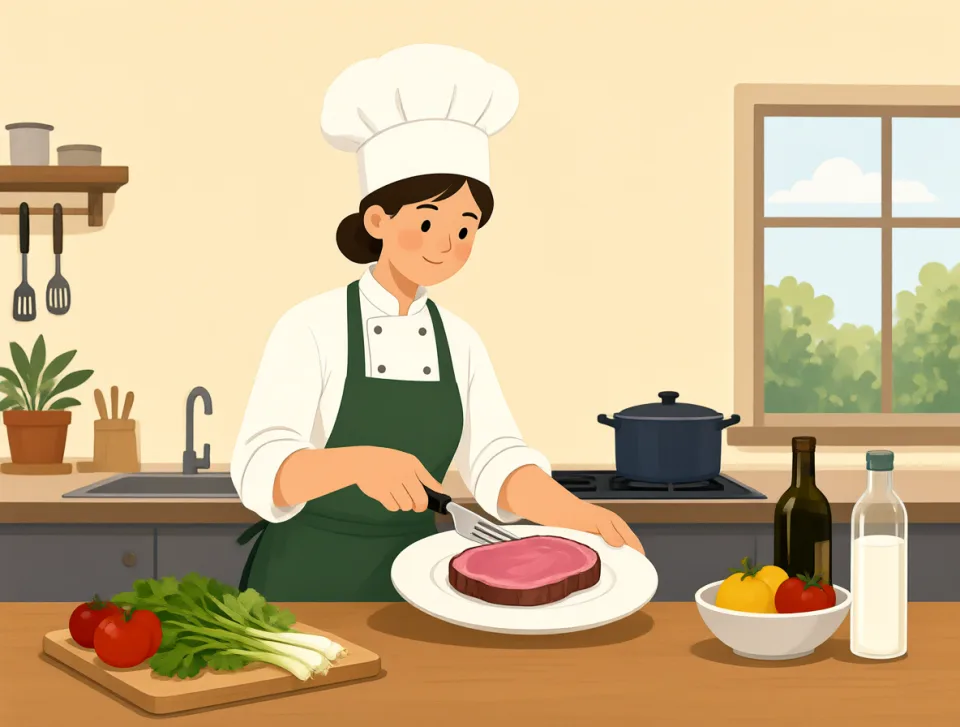
Please cook my steak medium, not well-done.
कृपया मेरा स्टेक मीडियम पकाइए, पूरी तरह नहीं।
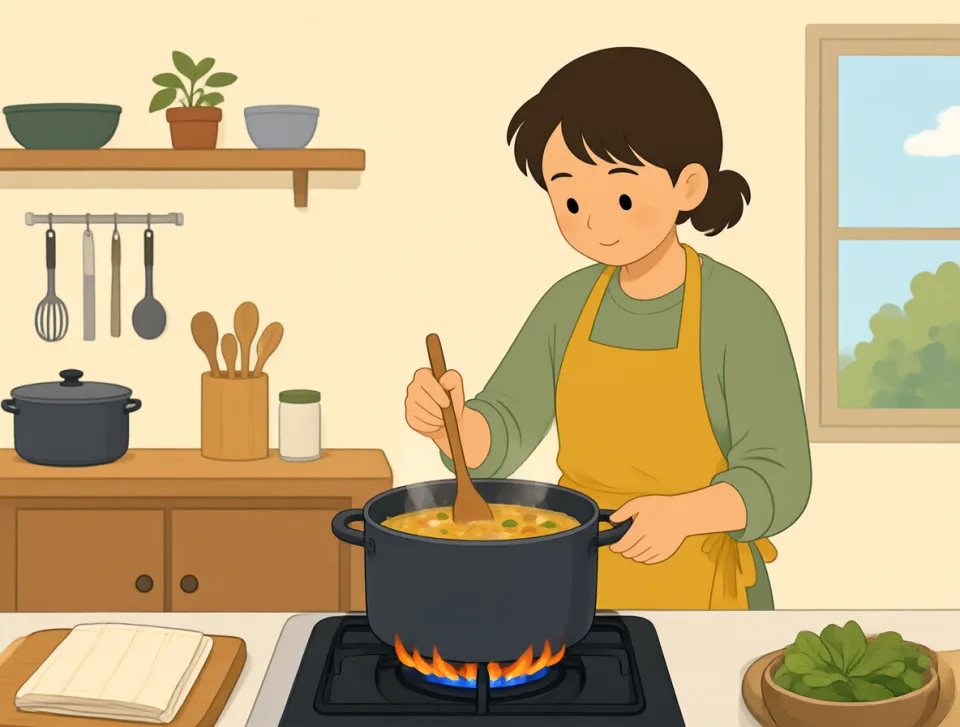
Heat the soup over medium heat.
सूप को मध्यम आँच पर गरम करें।

Video calls are a useful medium for friends.
दोस्तों के लिए वीडियो कॉल संवाद का एक उपयोगी माध्यम हैं।

The artist chose oil as her medium.
कलाकार ने अपने माध्यम के रूप में तेल रंग चुना।
average
#690noun, adjective, verb
औसत
The usual amount or level; to be usual or typical.
सामान्य मात्रा या स्तर; सामान्य या विशिष्ट होना।
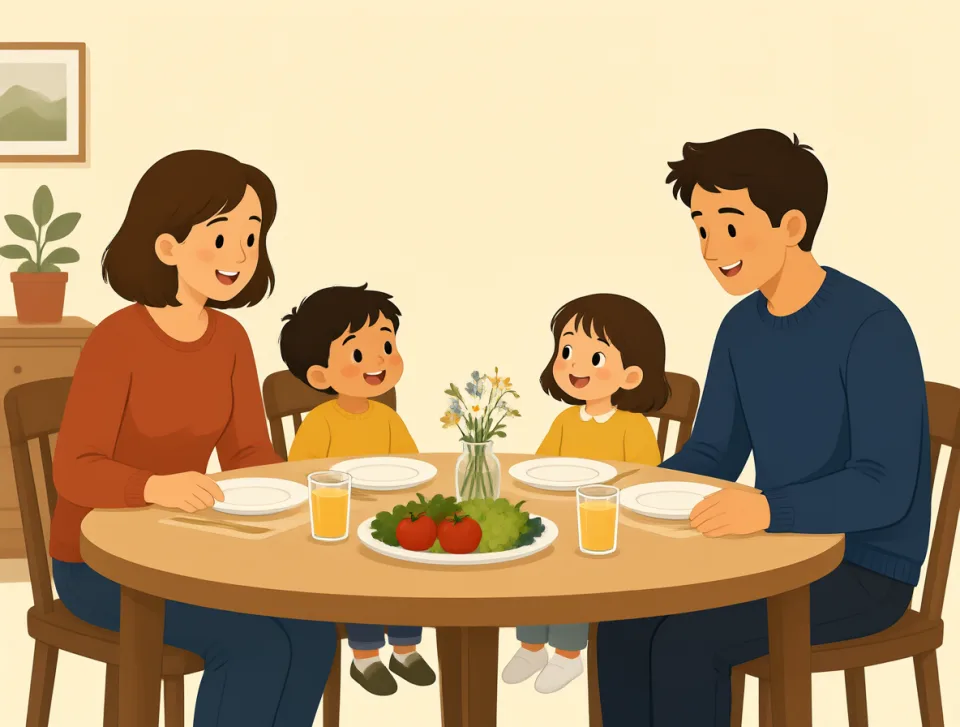
The average family has two children.
औसत परिवार में दो बच्चे होते हैं।

His test score was above average.
उसके परीक्षा के अंक औसत से बेहतर थे।

I usually walk an average of three miles.
मैं आमतौर पर औसतन तीन मील चलता हूँ।
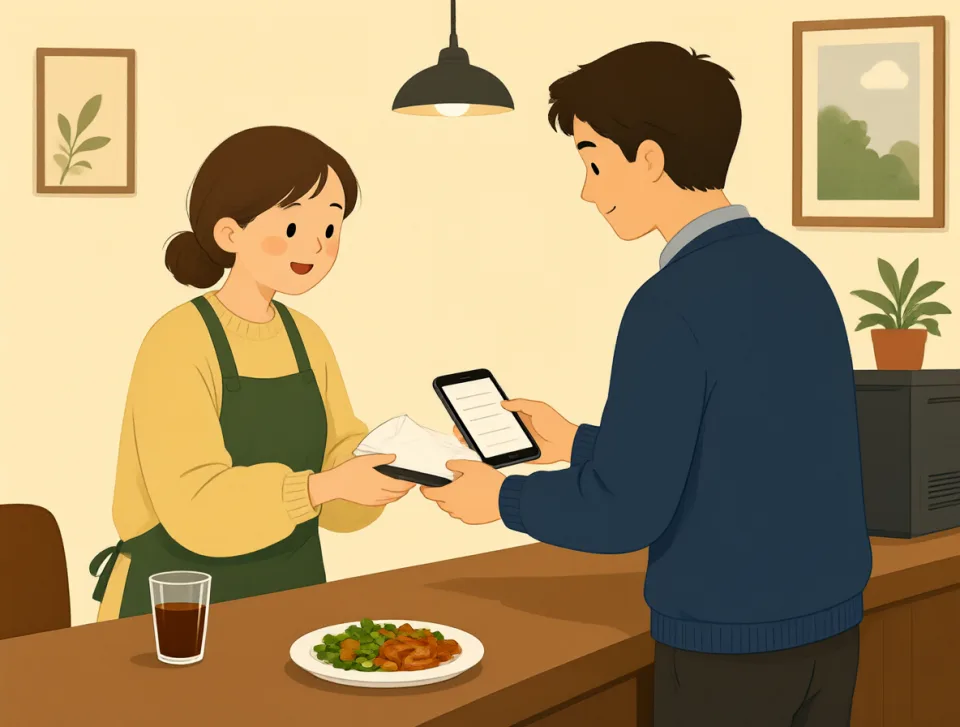
The average price of lunch is ten dollars.
दोपहर के भोजन की औसत कीमत दस डॉलर है।

She averages seven hours of sleep.
वह औसतन सात घंटे सोती है।

stock
#691noun, verb, adjective
स्टॉक
A supply of goods, company shares, or items kept ready for sale or use.
बिक्री या इस्तेमाल के लिए रखे गए सामान, कंपनी के शेयर या वस्तुओं का भंडार।
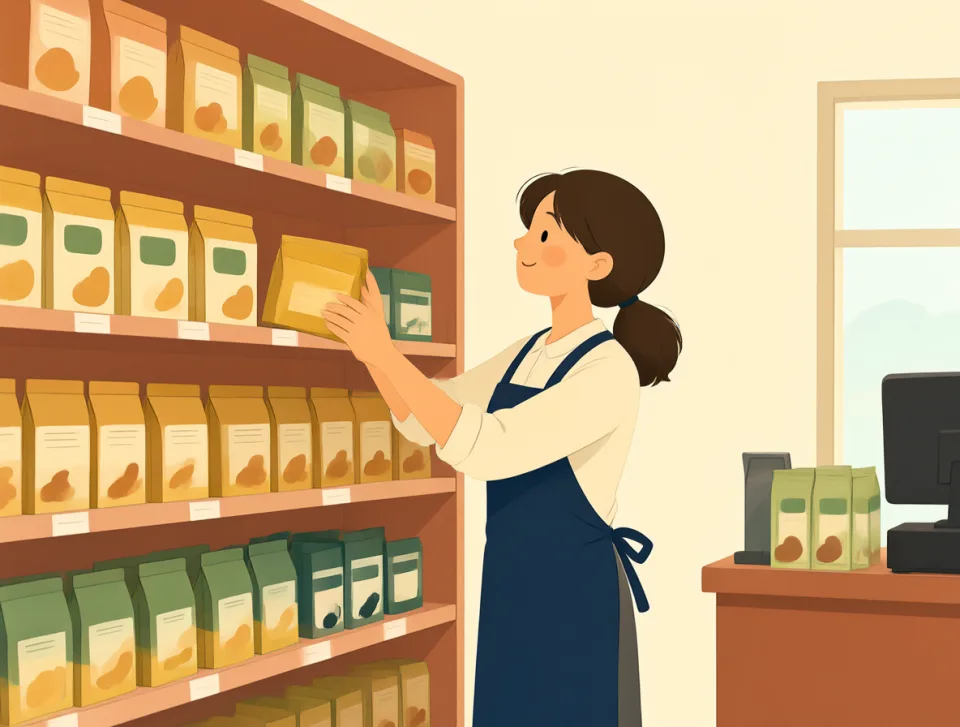
The store has plenty of stock today.
आज दुकान में काफ़ी सामान है।
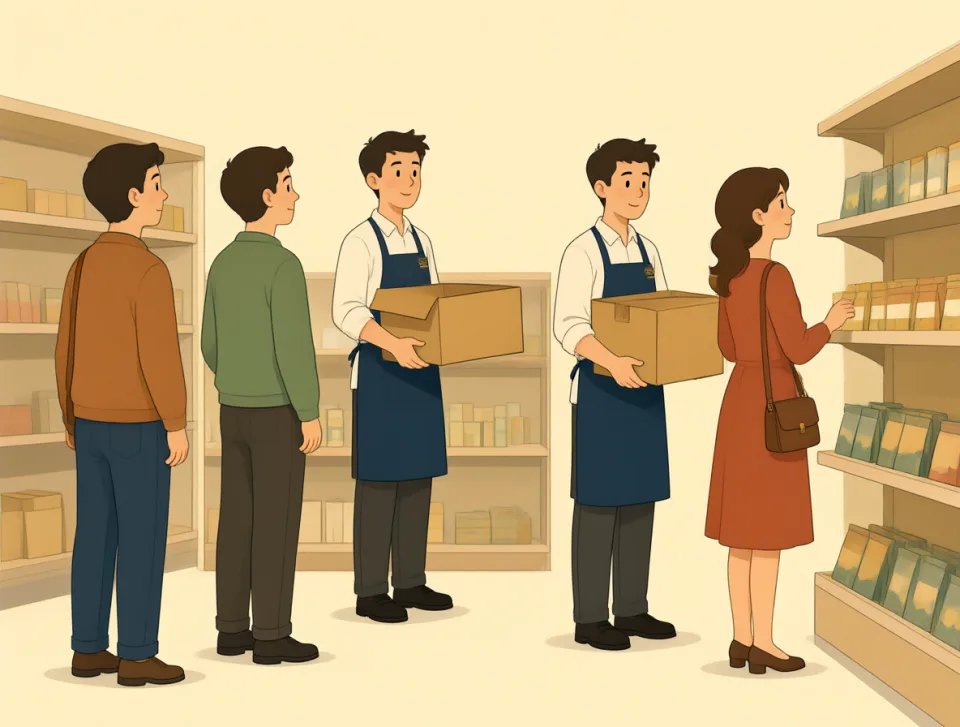
The shop sold out of stock quickly.
दुकान का सारा सामान जल्दी बिक गया।

She bought stock in a technology company.
उसने एक टेक्नोलॉजी कंपनी के शेयर खरीदे।
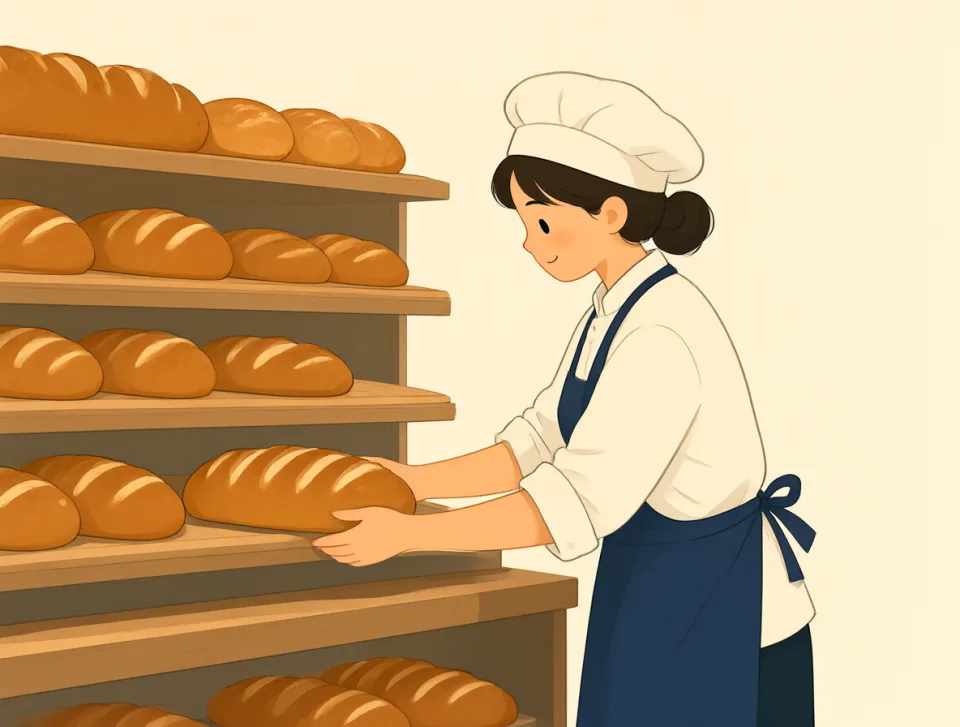
We stock fresh bread every morning.
हम हर सुबह ताज़ी ब्रेड का स्टॉक रखते हैं।
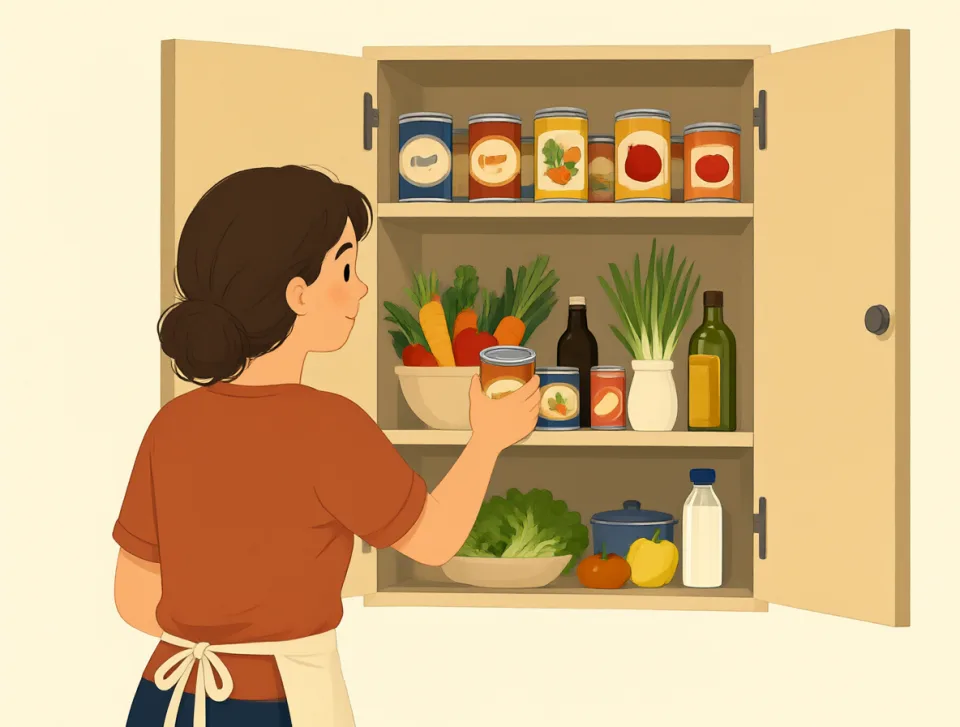
The kitchen has enough stock for dinner.
रसोई में रात के खाने के लिए काफ़ी स्टॉक है।
management
#692noun
प्रबंधन
The process of controlling or organizing people, money, or work.
लोगों, पैसों या काम को नियंत्रित या व्यवस्थित करने की प्रक्रिया।
Good time management helps me finish my homework.
समय का अच्छा प्रबंधन करने से मुझे अपना गृहकार्य पूरा करने में मदद मिलती है।

The store management thanked us for our help.
दुकान के प्रबंधन ने हमारी मदद के लिए हमें धन्यवाद दिया।

She studied hotel management at college.
उसने कॉलेज में होटल प्रबंधन की पढ़ाई की।

Stress management can improve your health.
तनाव का प्रबंधन आपके स्वास्थ्य को बेहतर बना सकता है।
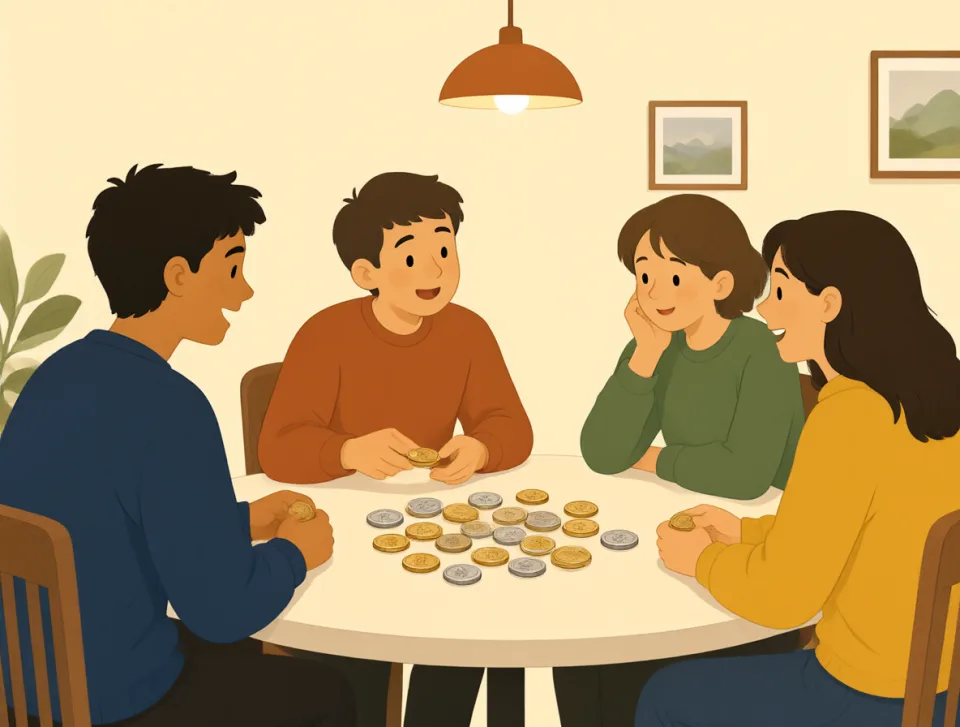
The team discussed money management after dinner.
रात के खाने के बाद टीम ने पैसों के प्रबंधन पर चर्चा की।

character
#693noun
किरदार
A person in a story, movie, or play.
कहानी, फ़िल्म या नाटक का कोई व्यक्ति।
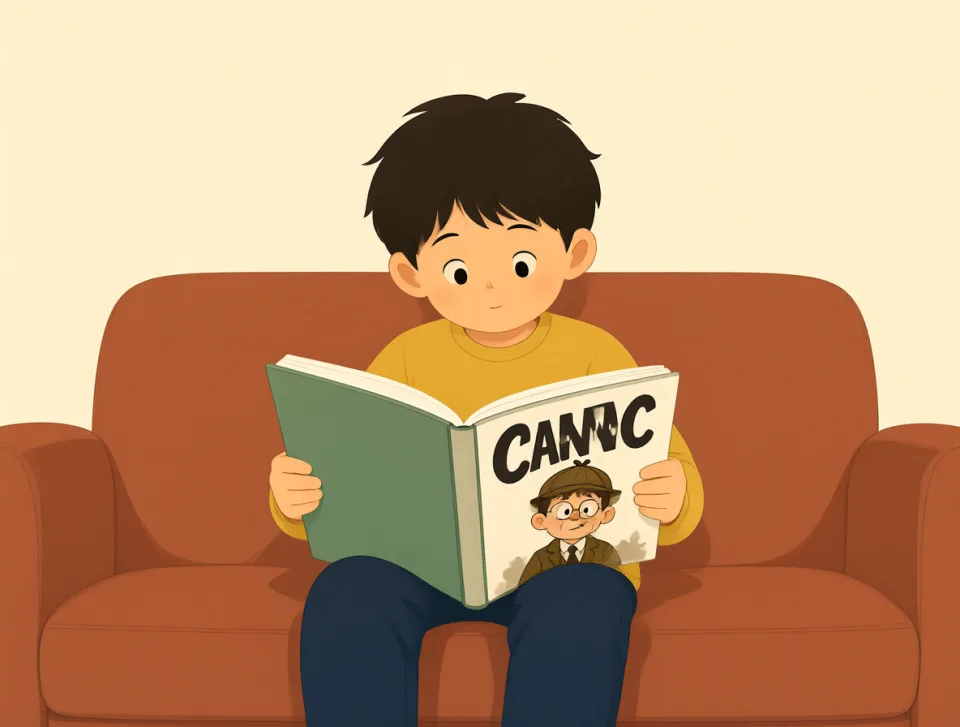
My favorite character is a funny detective.
मेरा पसंदीदा किरदार एक मज़ेदार जासूस है।
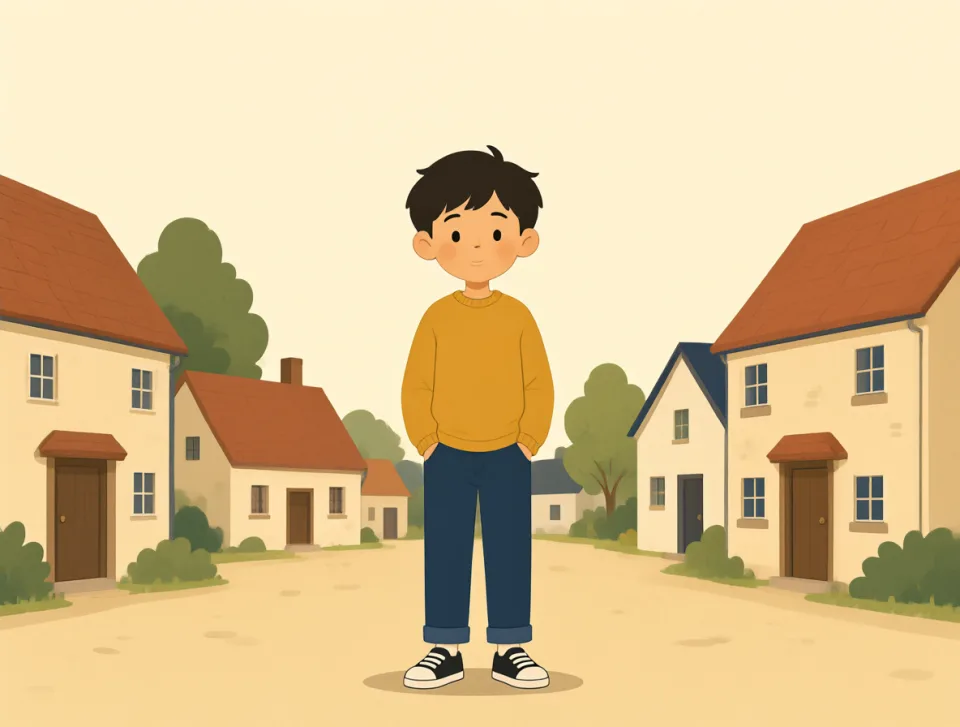
The main character lives in a small village.
मुख्य किरदार एक छोटे से गाँव में रहता है।
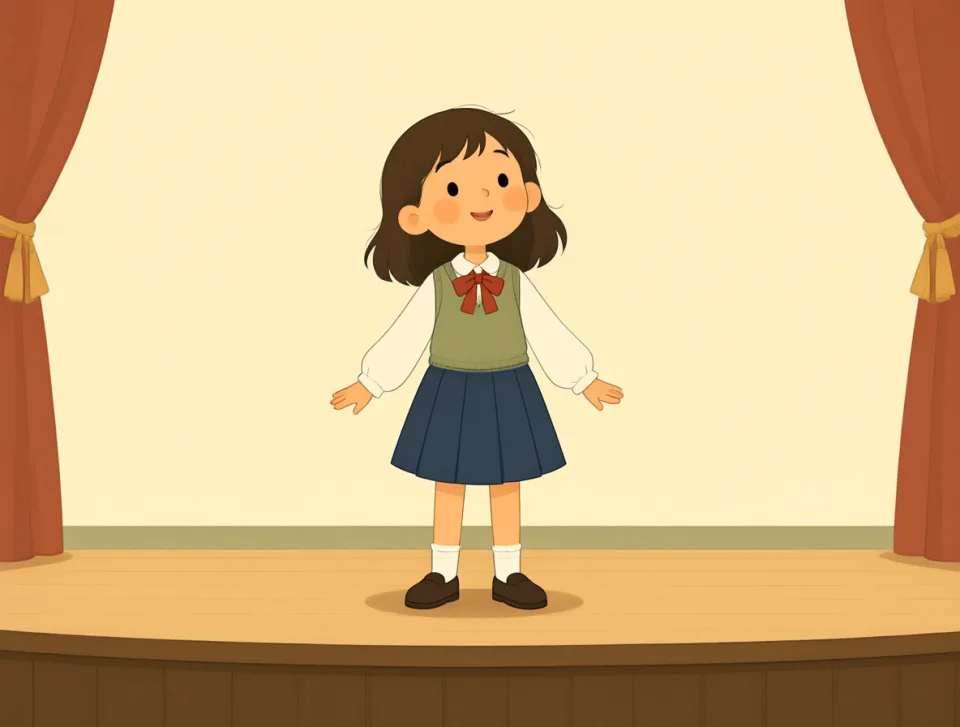
She played a character in the school play.
उसने स्कूल के नाटक में एक किरदार निभाया।
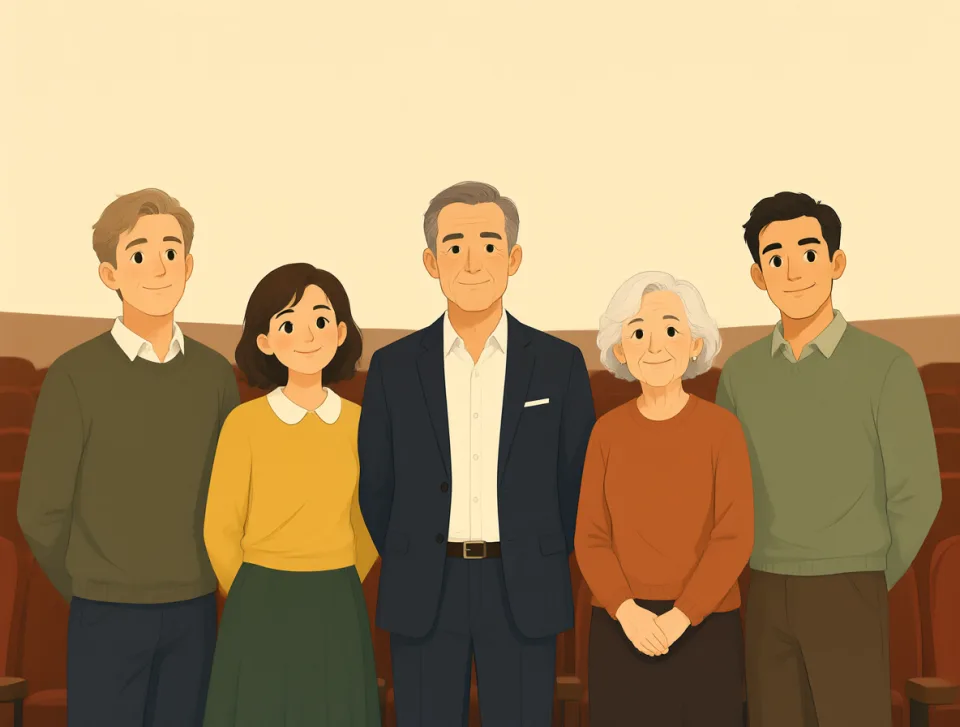
The movie has many interesting characters.
फ़िल्म में कई दिलचस्प किरदार हैं।

His character changed after the difficult journey.
मुश्किल सफ़र के बाद उसका स्वभाव बदल गया।

bed
#694noun, verb
बिस्तर
A piece of furniture for sleeping, or to put something carefully in a place.
सोने के लिए इस्तेमाल होने वाला फर्नीचर, या किसी चीज़ को सावधानी से किसी जगह रखना।

I go to bed at ten o'clock.
मैं रात दस बजे सोने जाता हूँ।

The baby is sleeping in her bed.
बच्ची अपने बिस्तर पर सो रही है।

We need a bigger bed for our room.
हमें अपने कमरे के लिए एक बड़ा बिस्तर चाहिए।
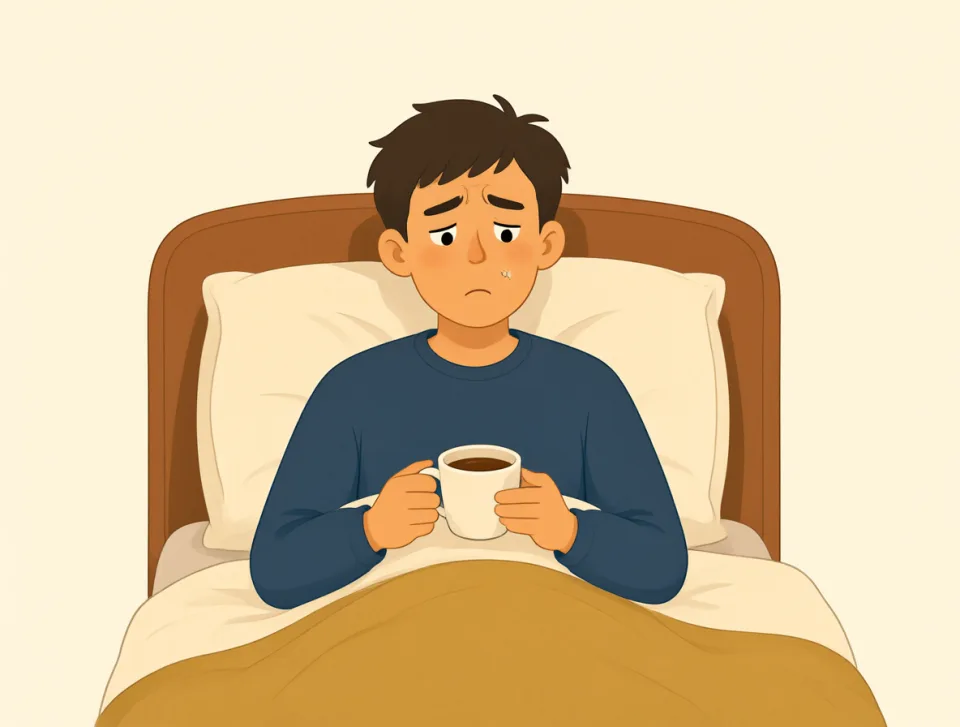
He stayed in bed because he felt sick.
बीमार महसूस होने के कारण वह बिस्तर पर ही रहा।
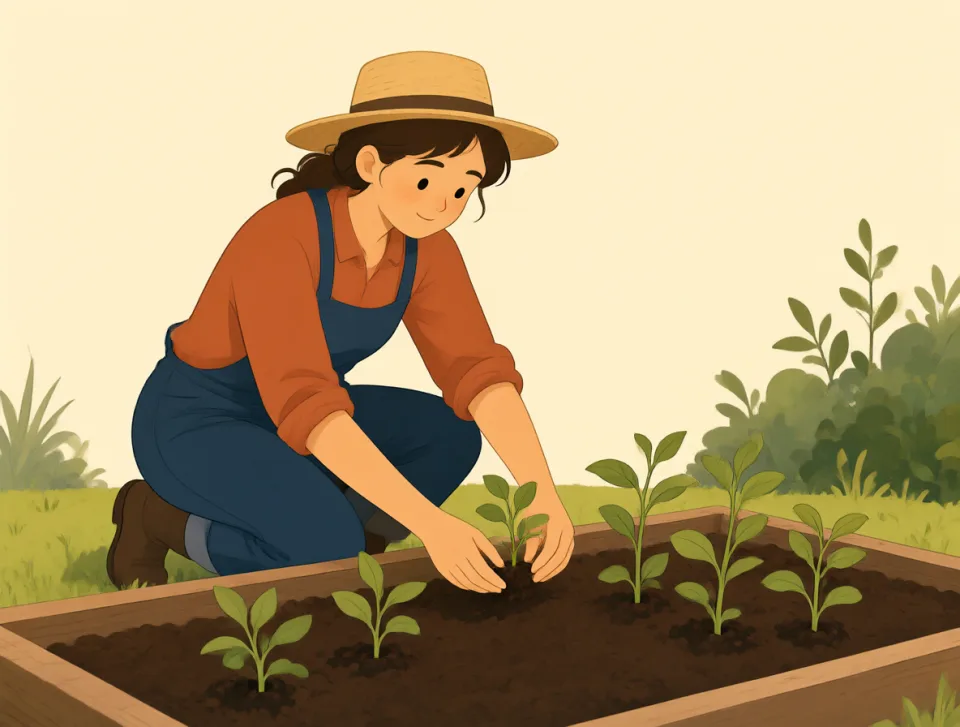
Please bed the plants in the garden.
कृपया बगीचे में पौधों को लगा दें।
hit
#695verb, noun
टकराना
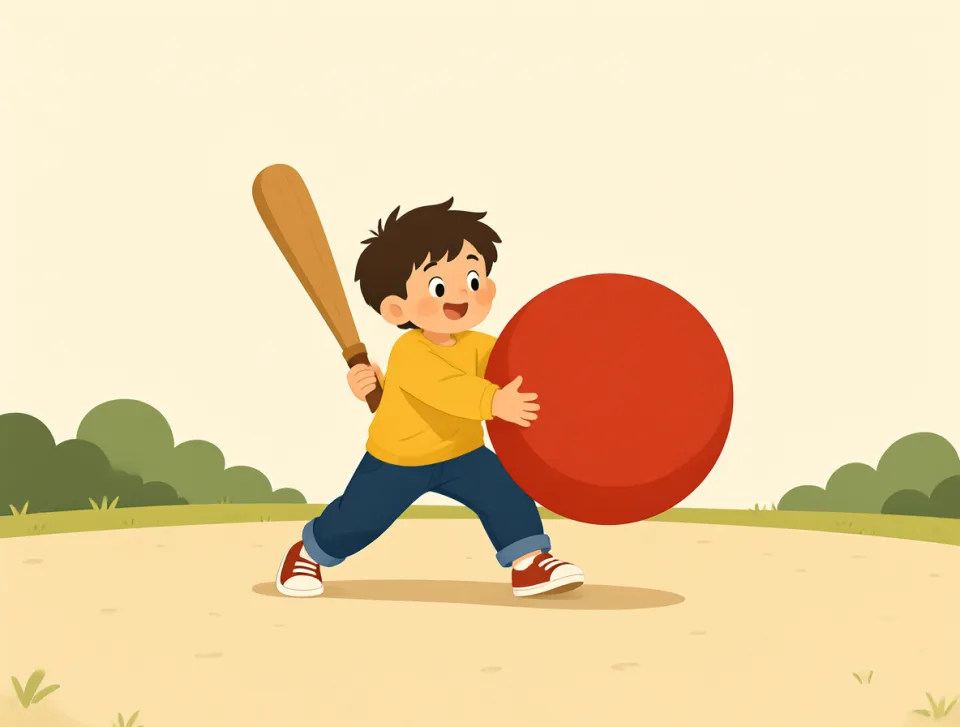
to touch someone or something hard, or to reach a place or target
किसी व्यक्ति या चीज़ से ज़ोर से टकराना, या किसी जगह या लक्ष्य तक पहुँचना।
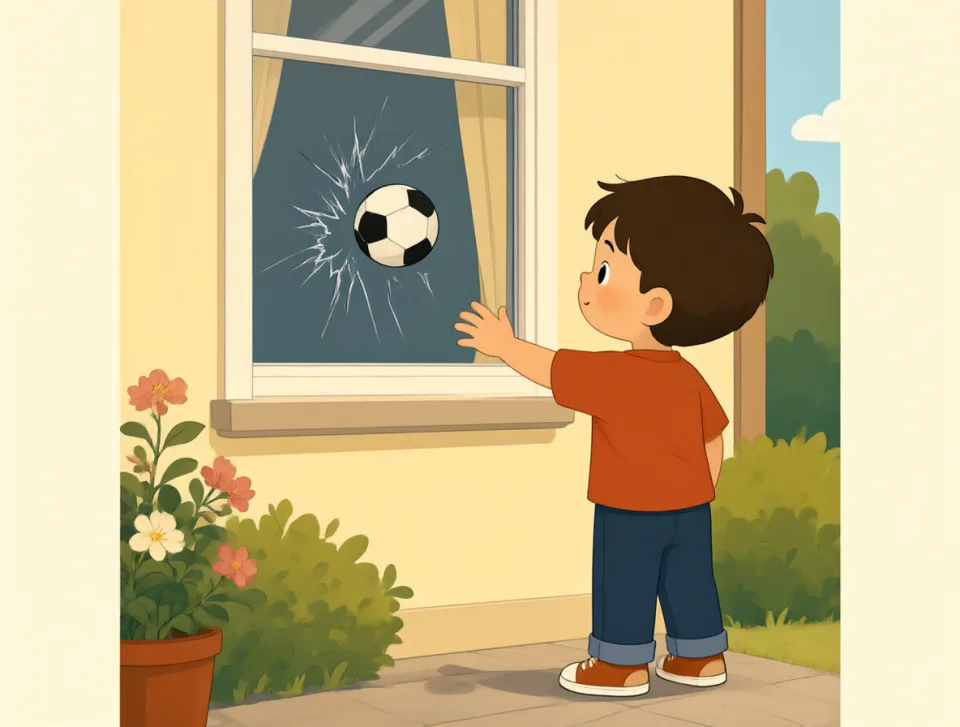
The ball hit the window this morning.
आज सुबह गेंद खिड़की से टकराई।

She hit her head on the door.
उसका सिर दरवाज़े से टकरा गया।
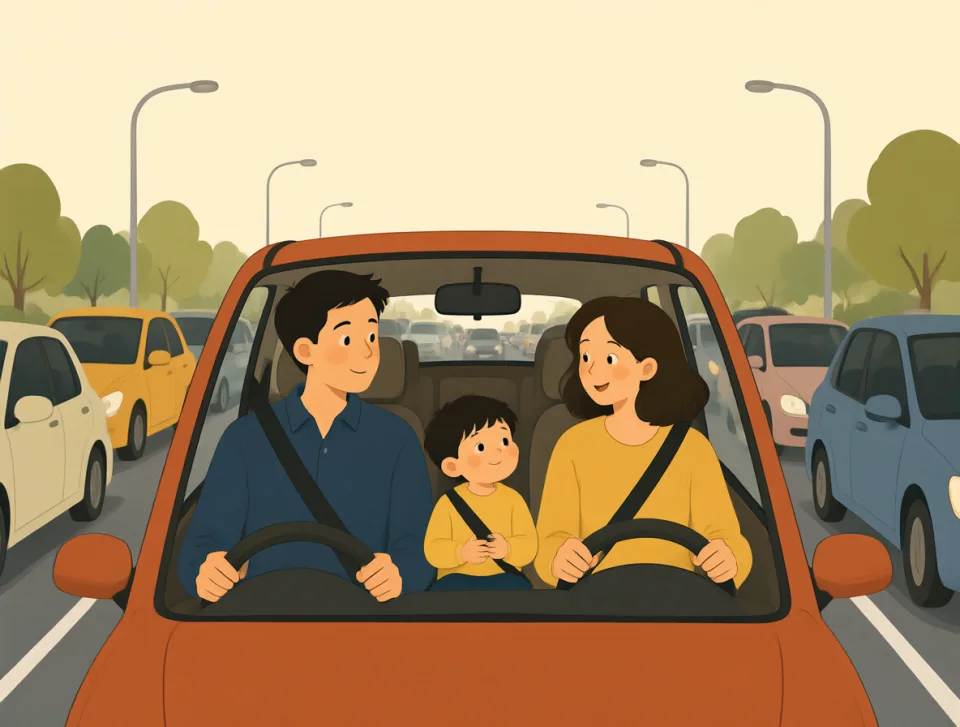
We hit heavy traffic on the way home.
घर जाते समय हम भारी ट्रैफ़िक में फँस गए।
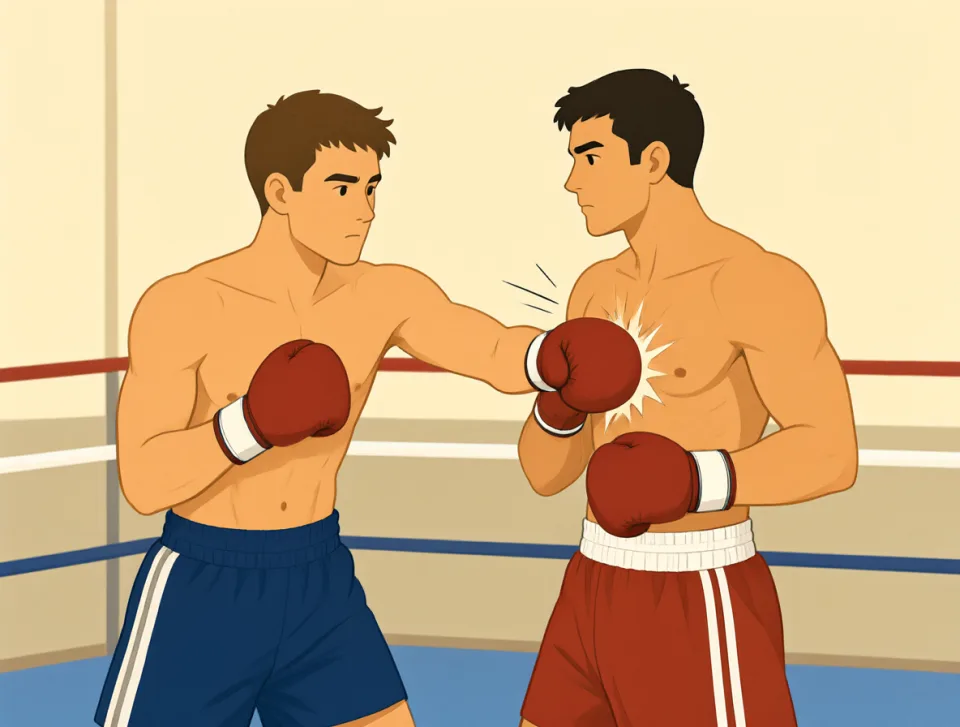
The boxer hit his opponent in the stomach.
मुक्केबाज़ ने अपने प्रतिद्वंद्वी के पेट पर मुक्का मारा।

That song was a big hit last summer.
पिछली गर्मियों में वह गाना बहुत बड़ा हिट था।
establish
#696verb
स्थापित करना
to create or start something that will continue for a long time
ऐसी चीज़ बनाना या शुरू करना जो लंबे समय तक चलती रहे

They established a new school in our town.
उन्होंने हमारे शहर में एक नया स्कूल स्थापित किया।

She established a good relationship with her neighbors.
उसने अपने पड़ोसियों के साथ अच्छे संबंध बनाए।
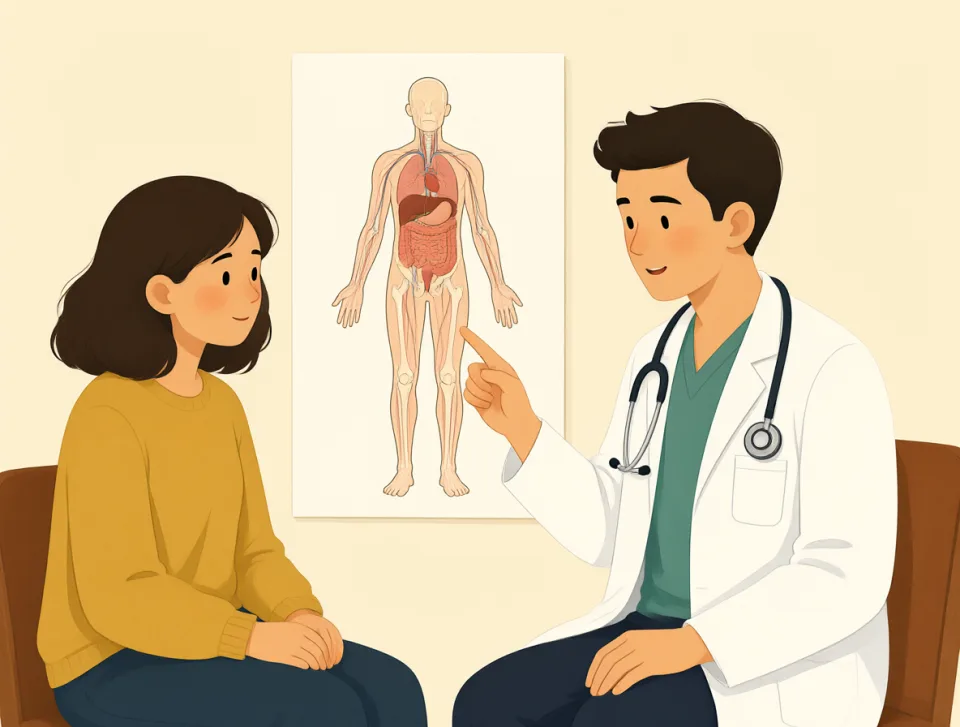
The doctor established the cause of his pain.
डॉक्टर ने उसके दर्द का कारण पता लगाया।

We established a meeting time for tomorrow.
हमने कल के लिए मिलने का समय तय किया।

The chef established a popular restaurant downtown.
शेफ़ ने शहर के बीचोंबीच एक लोकप्रिय रेस्तराँ खोला।
indeed
#697adverb
वास्तव में
Used to emphasize that something is true or to agree with someone.
किसी बात के सच होने पर ज़ोर देने या किसी से सहमति जताने के लिए इस्तेमाल होता है।
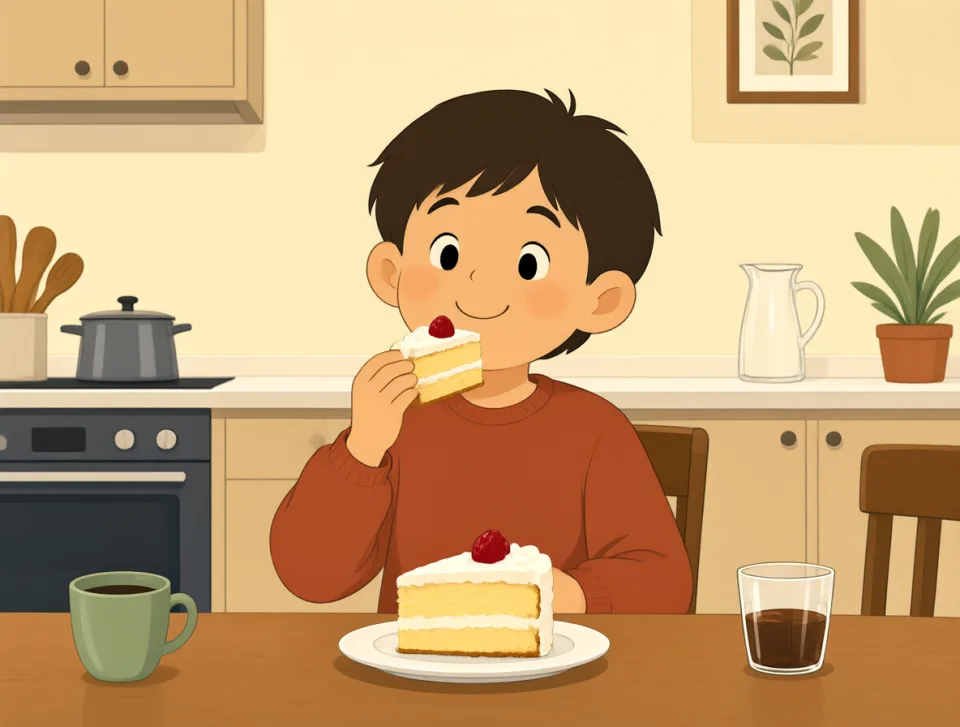
That cake is indeed delicious.
वह केक सचमुच बहुत स्वादिष्ट है।

The hotel was indeed very clean.
होटल वाकई बहुत साफ़ था।

Indeed, I can help you with that.
हाँ, मैं इसमें आपकी मदद कर सकता हूँ।
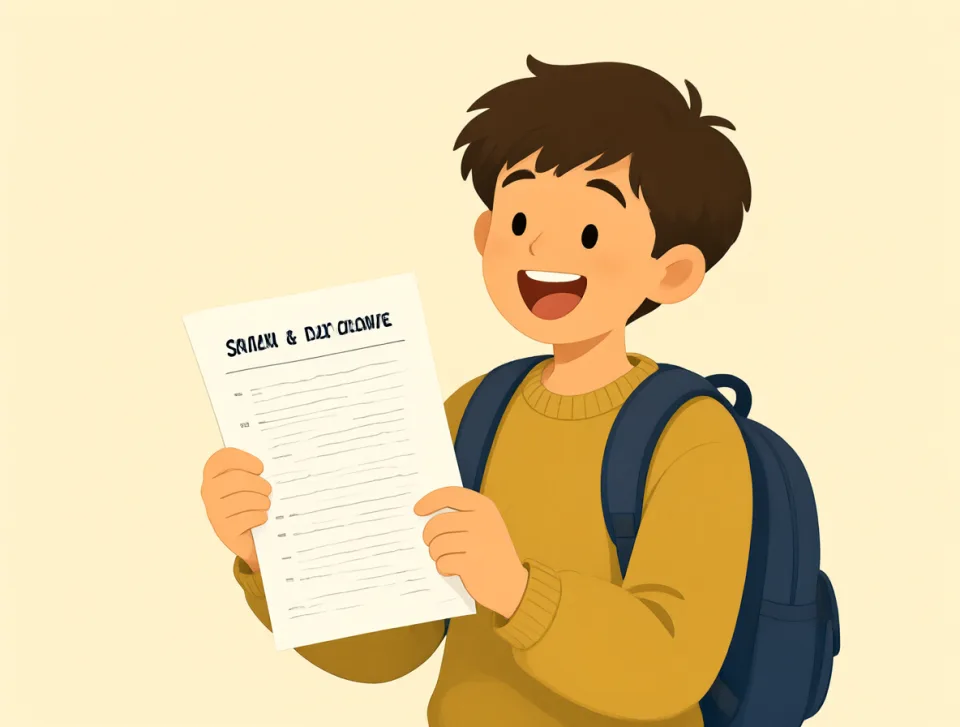
She did indeed pass her school test.
उसने सचमुच स्कूल की परीक्षा पास कर ली।
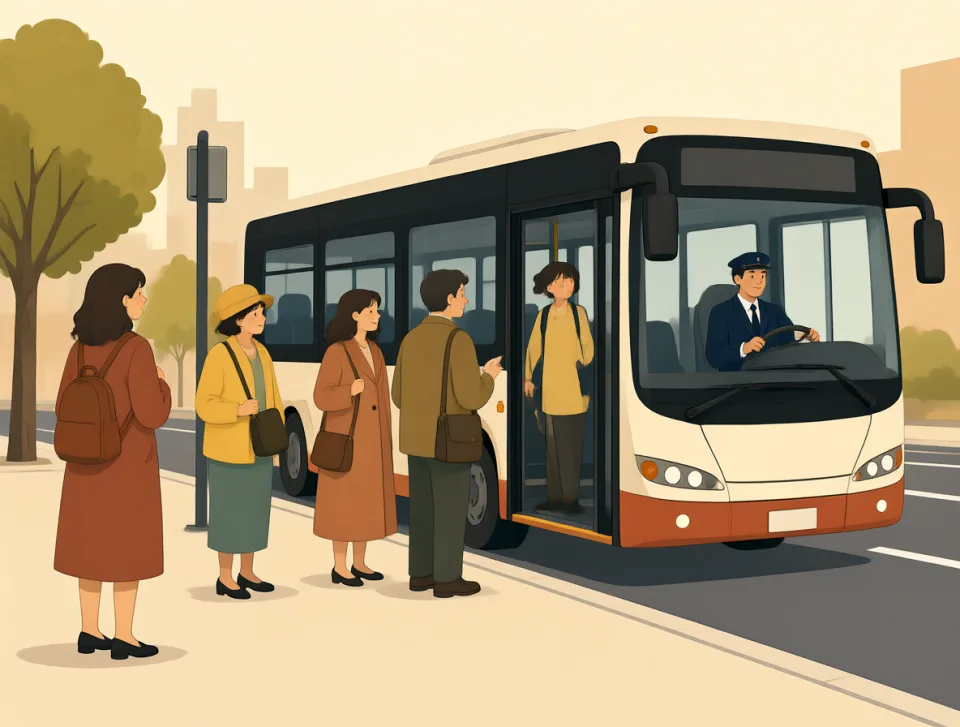
Indeed, the bus left on time.
वाकई, बस समय पर रवाना हुई।

final
#698adjective, noun
अंतिम
Last in a series, or the last part of an event or competition.
किसी श्रृंखला में सबसे आख़िरी, या किसी कार्यक्रम या प्रतियोगिता का आख़िरी हिस्सा।
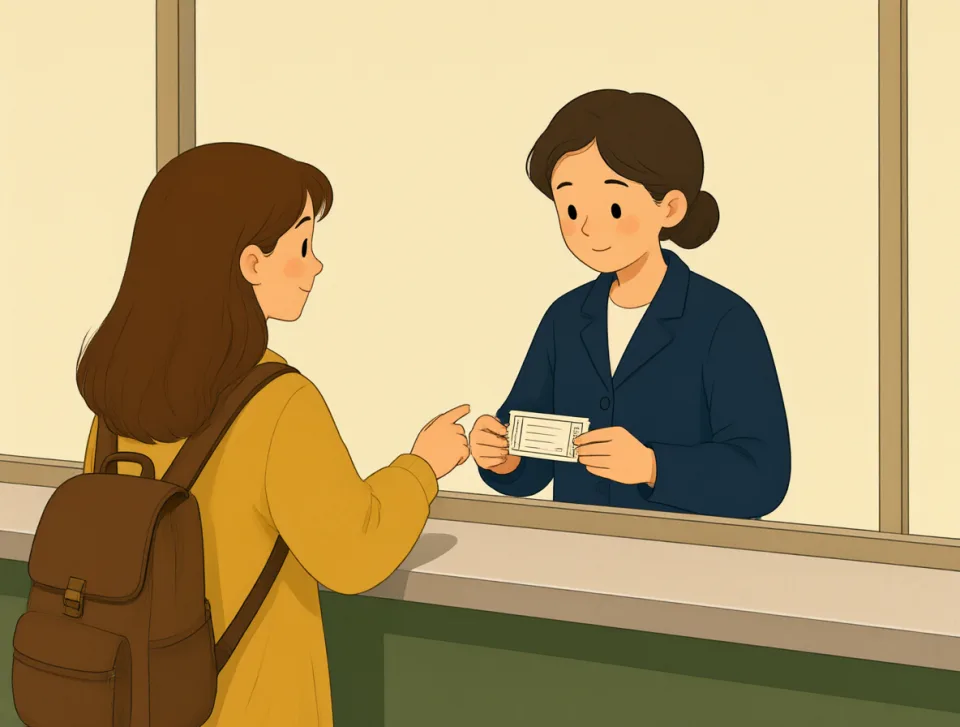
This is our final chance to buy tickets.
टिकट खरीदने का यह हमारा आख़िरी मौका है।

We made the final decision after lunch.
हमने दोपहर के खाने के बाद अंतिम फ़ैसला किया।

The final exam starts next Monday.
अंतिम परीक्षा अगले सोमवार से शुरू होगी।
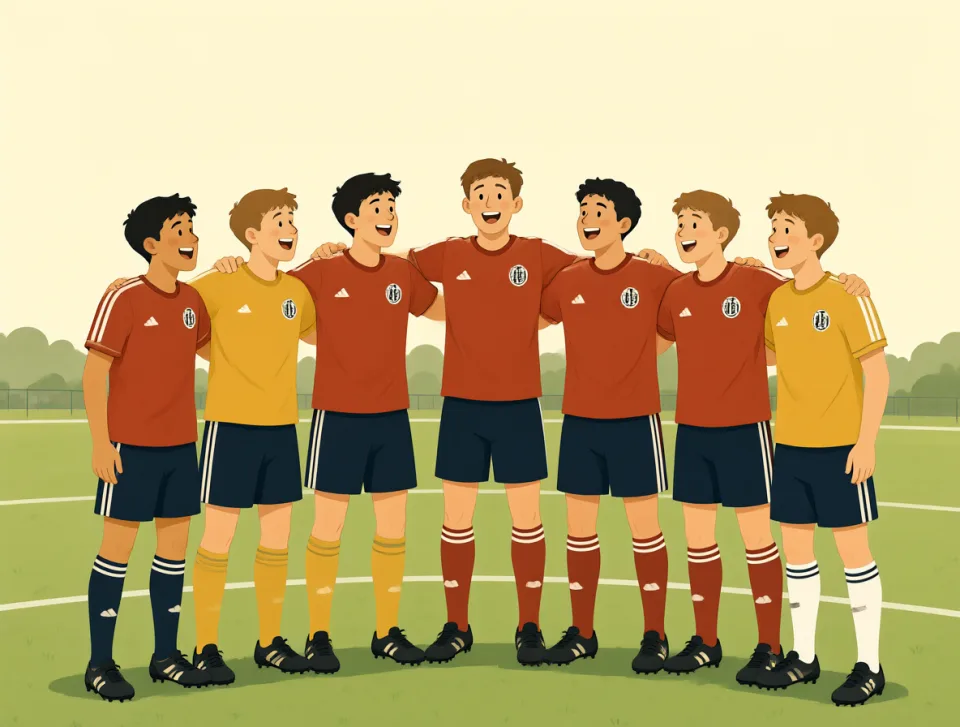
The team won the final game.
टीम ने फ़ाइनल मैच जीत लिया।

Please pay the final bill before leaving.
कृपया जाने से पहले आख़िरी बिल चुका दीजिए।

economy
#699noun
अर्थव्यवस्था
The way money, jobs, and trade work in a country or area.
किसी देश या क्षेत्र में पैसे, रोज़गार और व्यापार के काम करने का तरीका।
The economy is growing this year.
इस साल अर्थव्यवस्था बढ़ रही है।

The war damaged the local economy.
युद्ध ने स्थानीय अर्थव्यवस्था को नुकसान पहुँचाया।
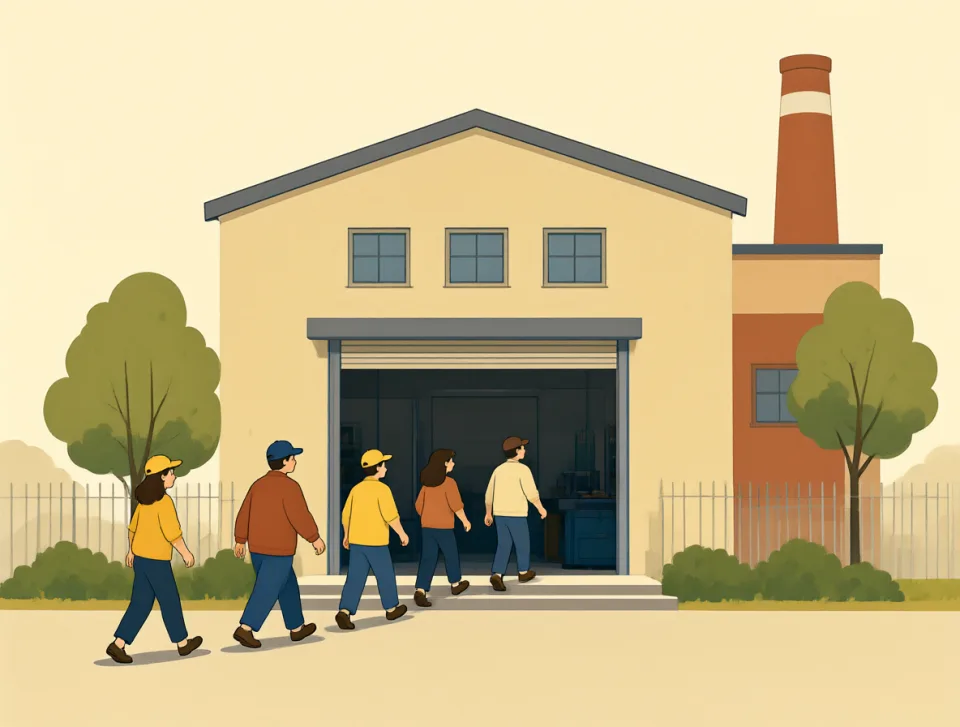
A strong economy creates more jobs.
मज़बूत अर्थव्यवस्था से ज़्यादा रोज़गार पैदा होते हैं।
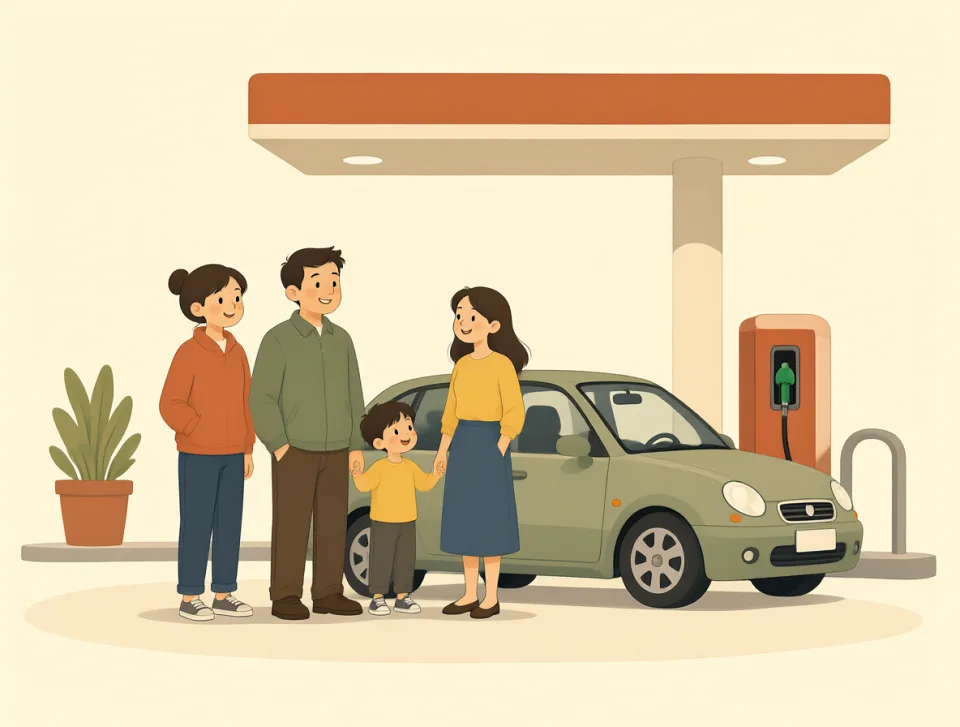
We chose this car for better fuel economy.
हमने बेहतर ईंधन दक्षता के लिए यह कार चुनी।
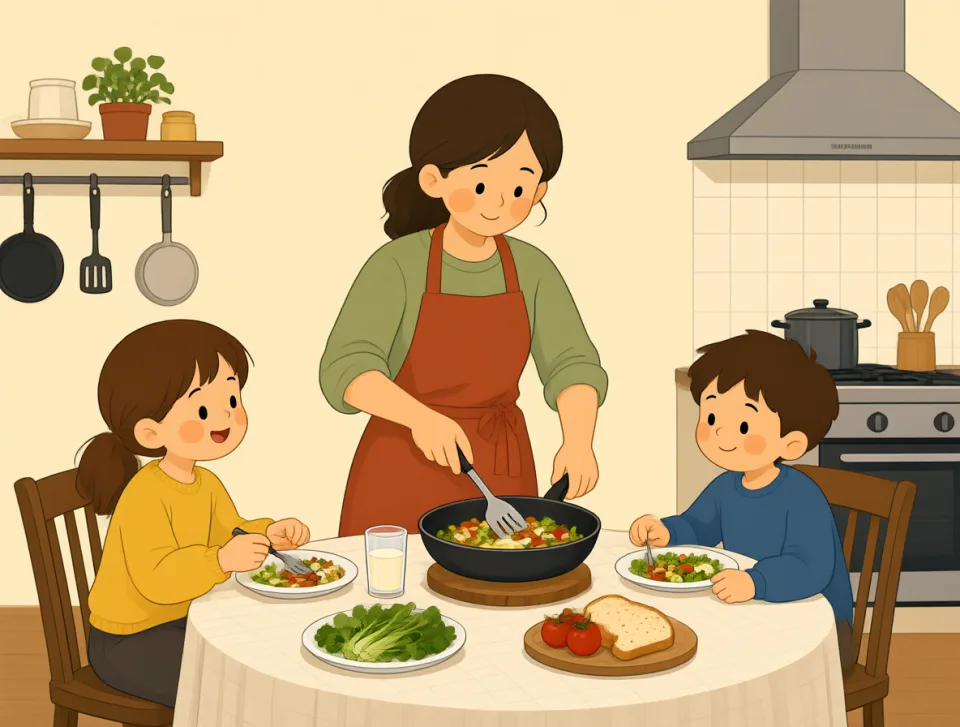
Cooking at home helps the family economy.
घर पर खाना पकाने से परिवार का बजट बचाने में मदद मिलती है।

fit
#700verb, adjective, noun
ठीक बैठना; स्वस्थ और तंदुरुस्त; दौरा
To be the right size or shape; healthy and physically strong; a sudden strong feeling or illness.
सही आकार या आकृति का होना; स्वस्थ और शारीरिक रूप से मज़बूत होना; अचानक उठने वाली तीव्र भावना या बीमारी।

These shoes fit me very well.
ये जूते मुझे बिल्कुल ठीक आते हैं।
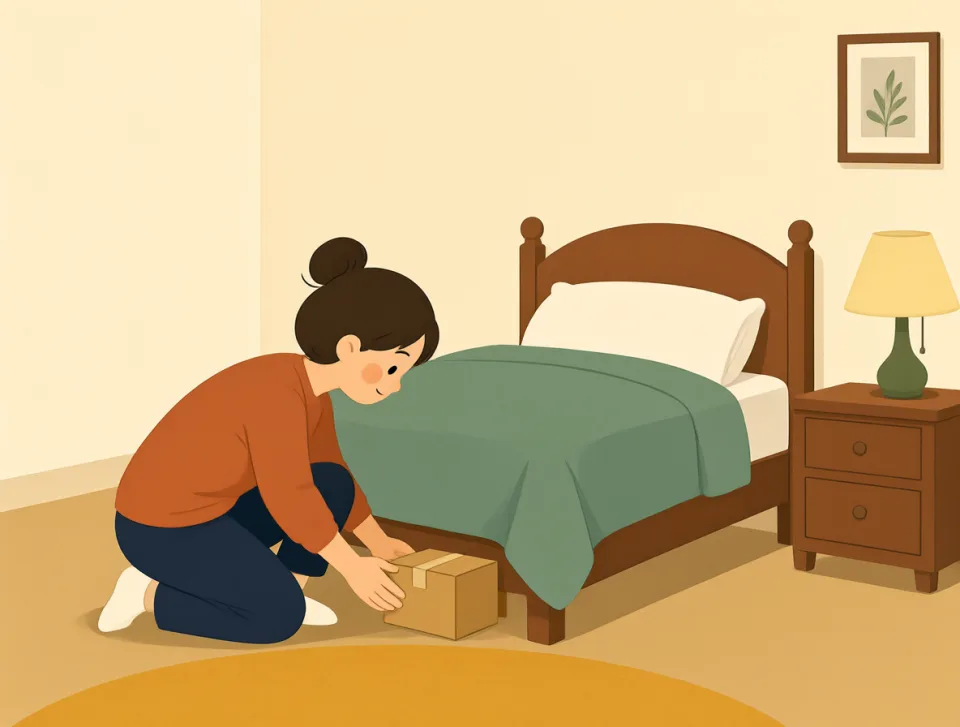
Will this box fit under the bed?
क्या यह डिब्बा पलंग के नीचे आ जाएगा?
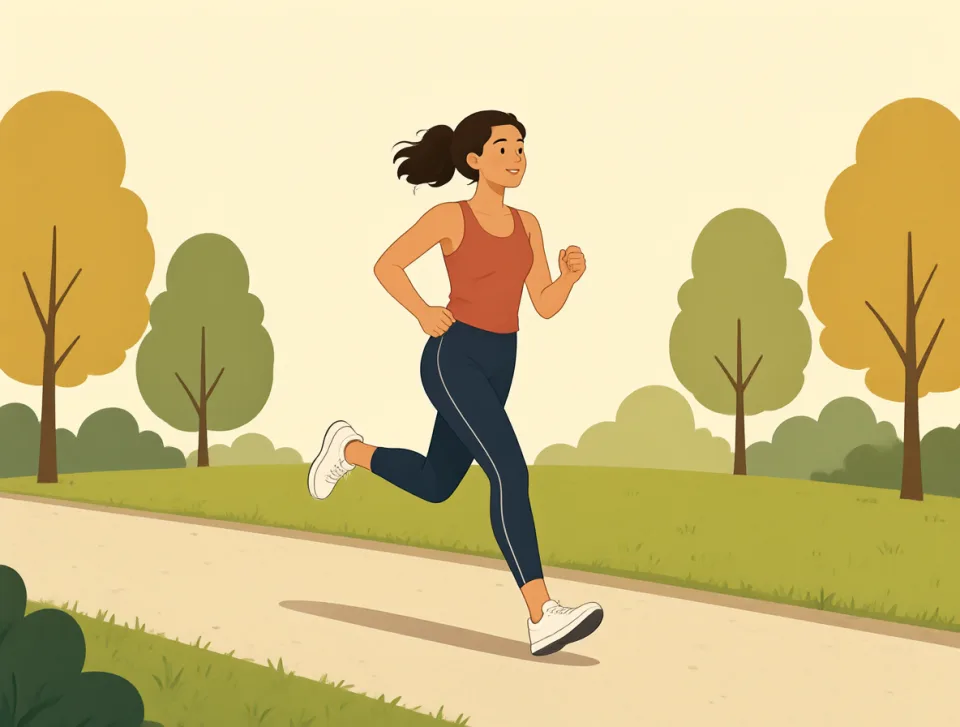
She is fit enough to run five miles.
वह पाँच मील दौड़ने के लिए काफ़ी तंदुरुस्त है।

The children had a fit of laughter.
बच्चों को हँसी का दौरा पड़ गया।
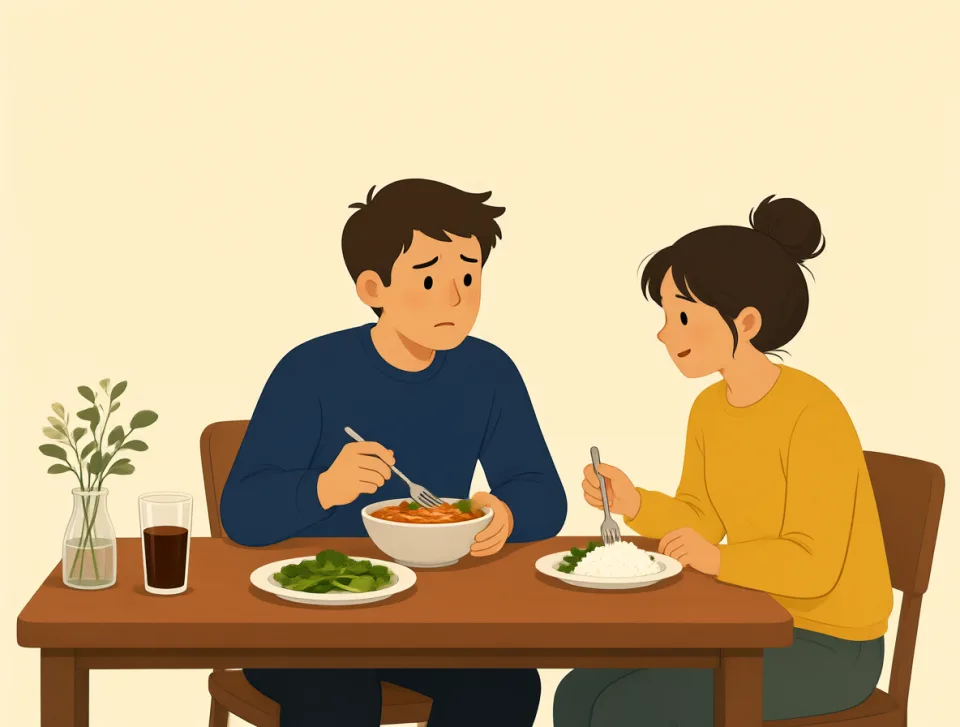
He had a fit after eating nuts.
मेवे खाने के बाद उसे दौरा पड़ा।