ユニット 35
681〜700語 · respect, various, catch, thus, skill, attempt
respect
#681noun, verb
尊敬する; 尊重する
To treat someone politely and kindly, or to admire someone for their qualities.
人に礼儀正しく親切に接すること、またはその人の長所を認めて敬意を払うこと。
Please respect your parents and teachers.
両親や先生を尊敬してください。

We should respect other people's feelings.
私たちは他の人の気持ちを尊重すべきです。

Everyone respects our new team leader.
みんなが私たちの新しいチームリーダーを尊敬しています。
The students respected their teacher's advice.
生徒たちは先生の助言を尊重しました。
Please respect the museum rules.
博物館のルールを守ってください。
various
#682adjective
さまざまな; いろいろな
Different from each other, or of several different kinds.
互いに異なる、またはいくつかの異なる種類の
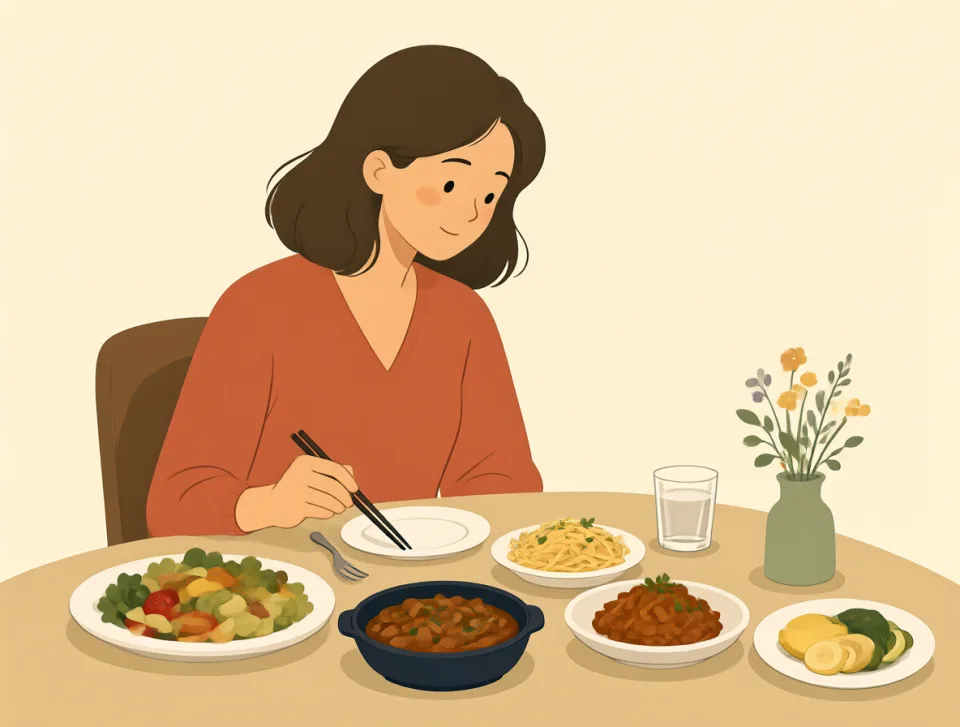
She tried various dishes at the restaurant.
彼女はそのレストランでさまざまな料理を試した。
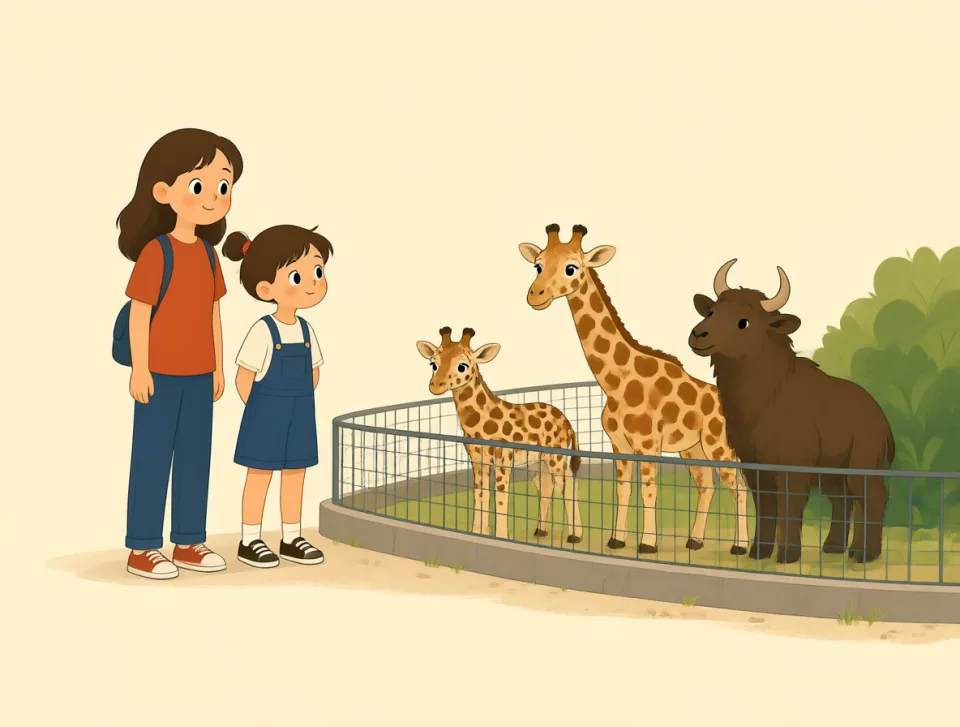
We saw various animals at the zoo.
私たちは動物園でいろいろな動物を見た。
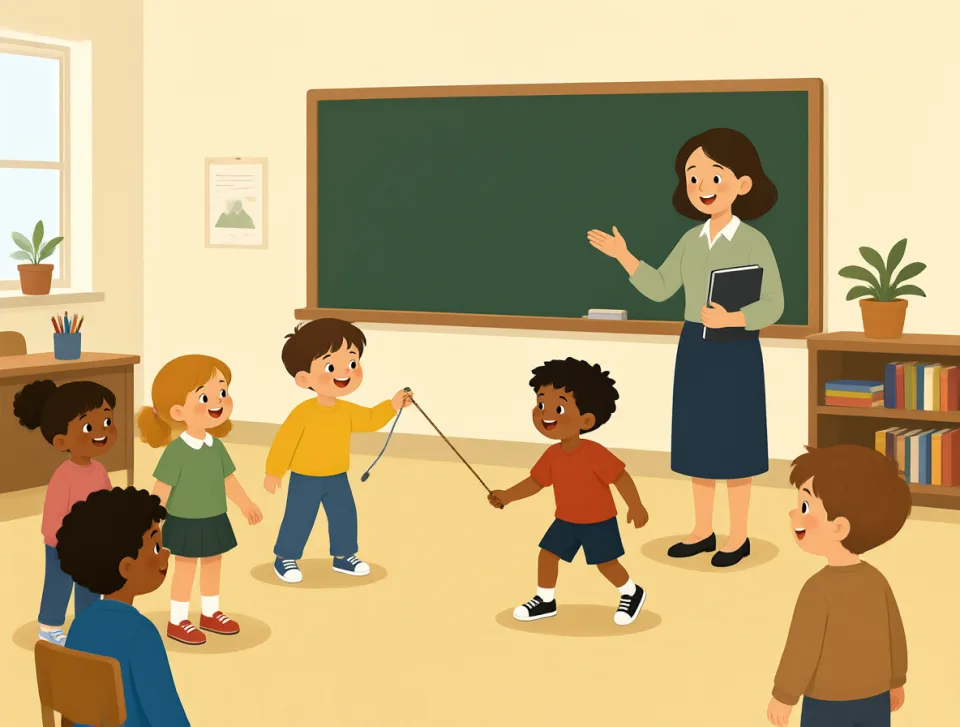
The teacher used various games in class.
先生は授業でさまざまなゲームを使った。

He bought various clothes for his trip.
彼は旅行のためにいろいろな服を買った。

Various friends called me after my accident.
事故の後、いろいろな友達から電話があった。
catch
#683verb, noun
捕まえる; 乗る; かかる; 引く
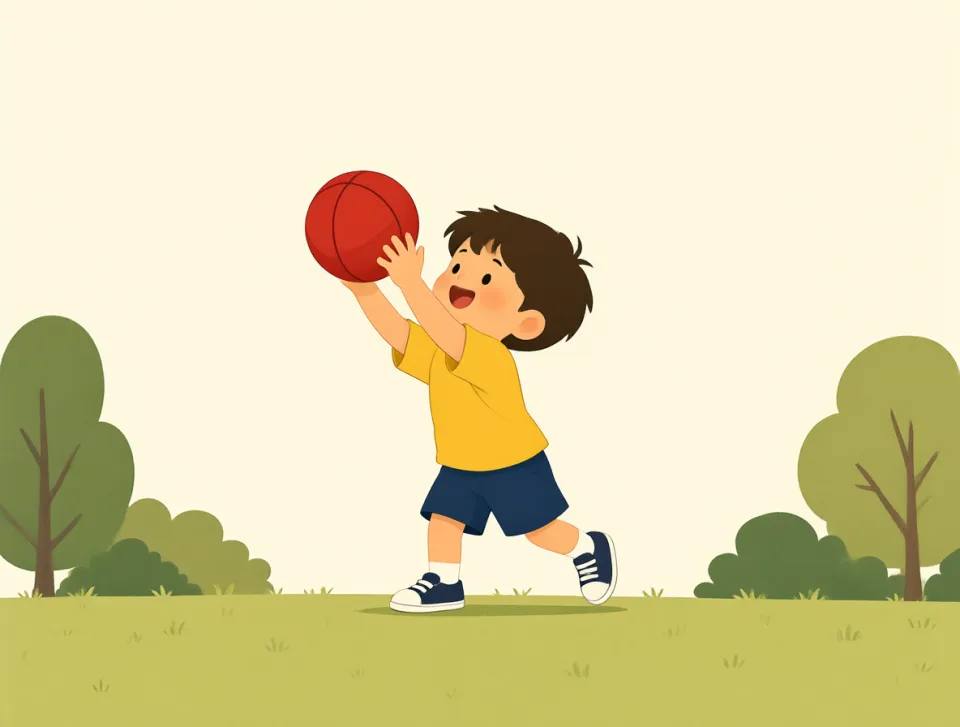
To stop and hold something moving, or to get on a bus or train.
動いているものを止めてつかむ、またはバスや電車に乗る。
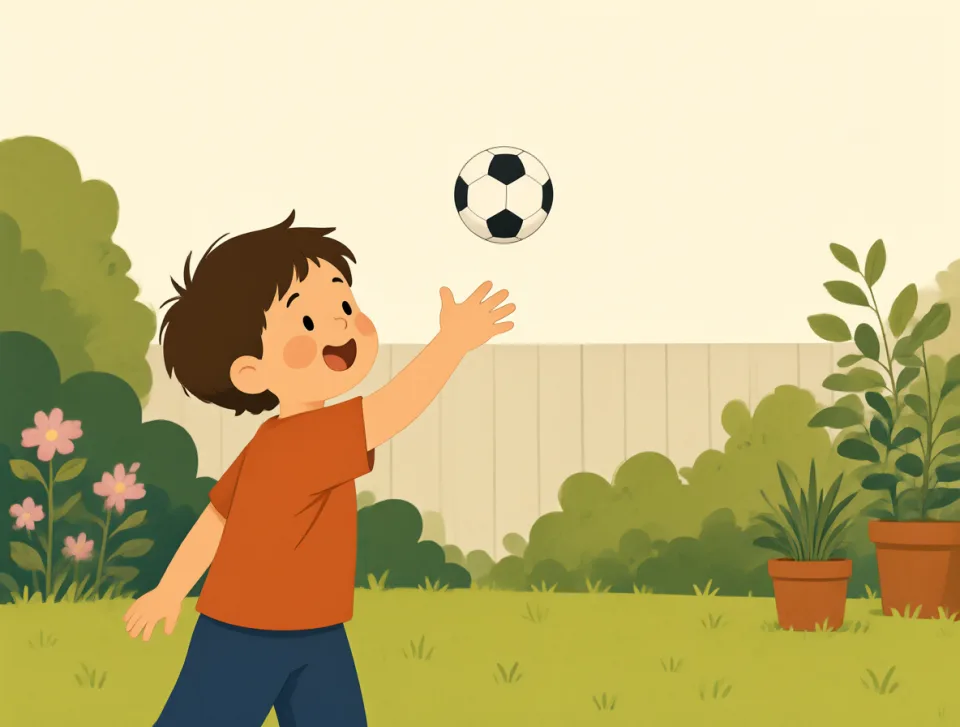
Can you catch the ball?
そのボールを受けられますか?
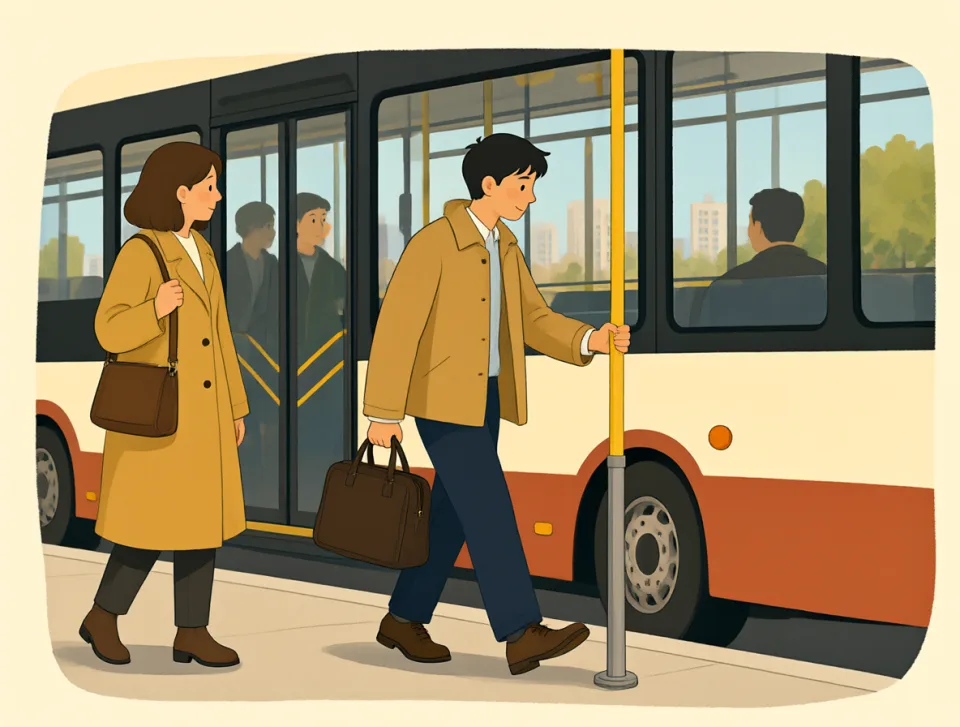
I caught the bus to work.
仕事に行くためにバスに乗りました。

She caught a cold last week.
彼女は先週、風邪をひきました。

We caught a fish for dinner.
夕食に食べる魚を釣りました。

He caught the waiter’s attention.
彼はウェイターの注意を引きました。
thus
#684adverb
このように; それゆえ
in this way, or because of this
このように、またはこのために
She studied hard and thus passed the test.
彼女は一生懸命勉強したので、テストに合格した。

The road was closed, thus we took a train.
道路が通行止めだったので、電車に乗った。

He forgot his umbrella and thus got wet.
彼は傘を忘れたので、濡れてしまった。
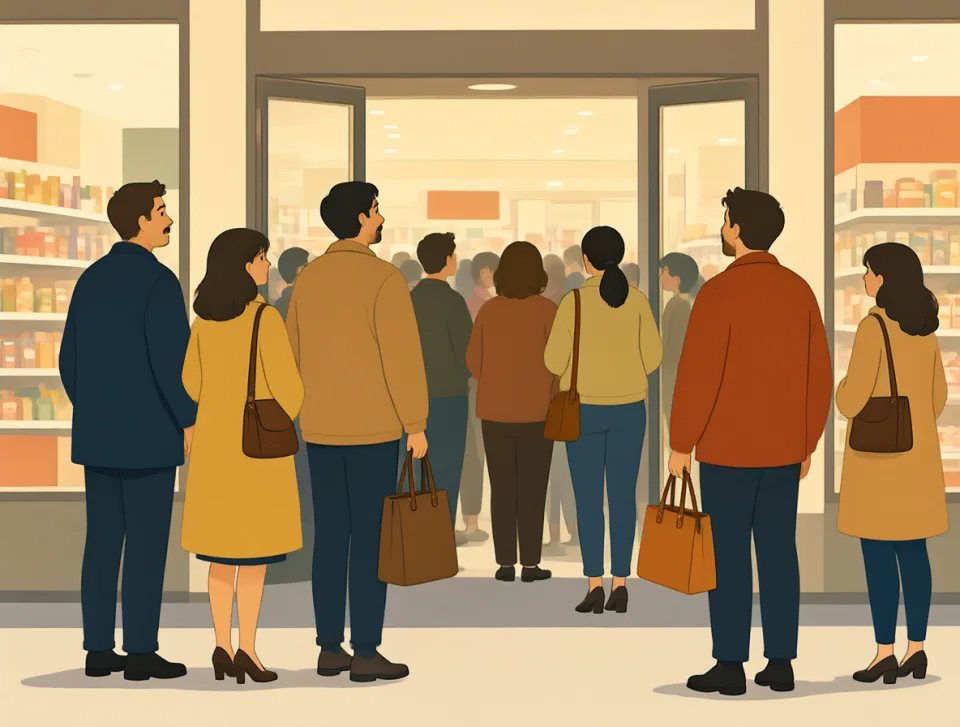
The shop was busy, thus we waited outside.
店が混んでいたので、外で待った。
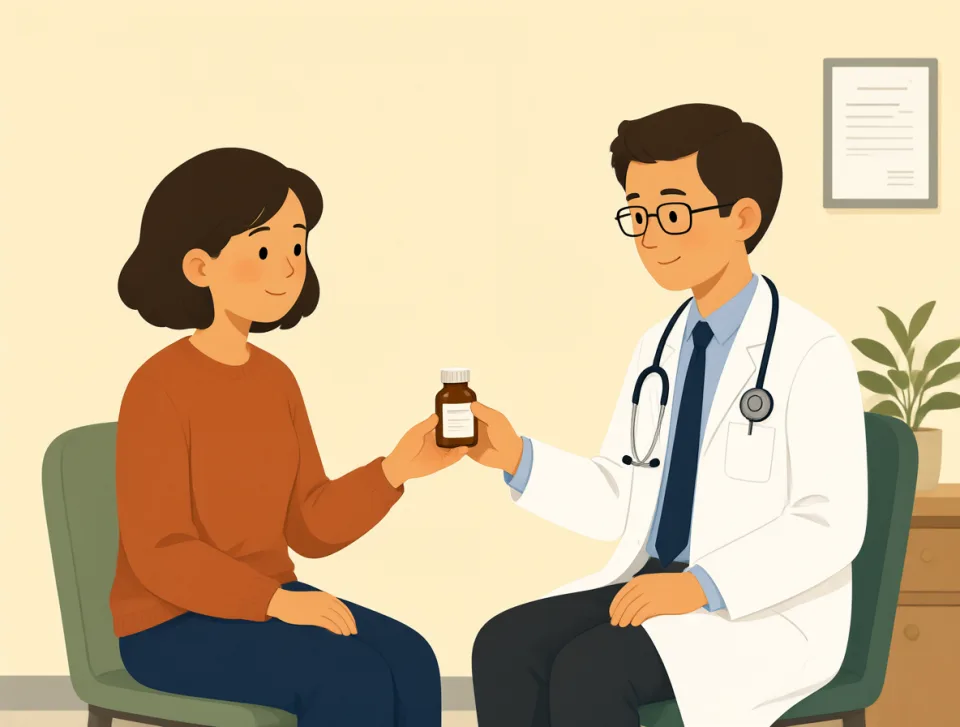
The doctor found an infection and thus gave medicine.
医師は感染症を見つけたので、薬を出した。

skill
#685noun
技能; 技術; スキル
An ability to do something well, usually because you have learned and practiced it.
何かを上手に行う能力で、通常は学習や練習によって身につけたもの。
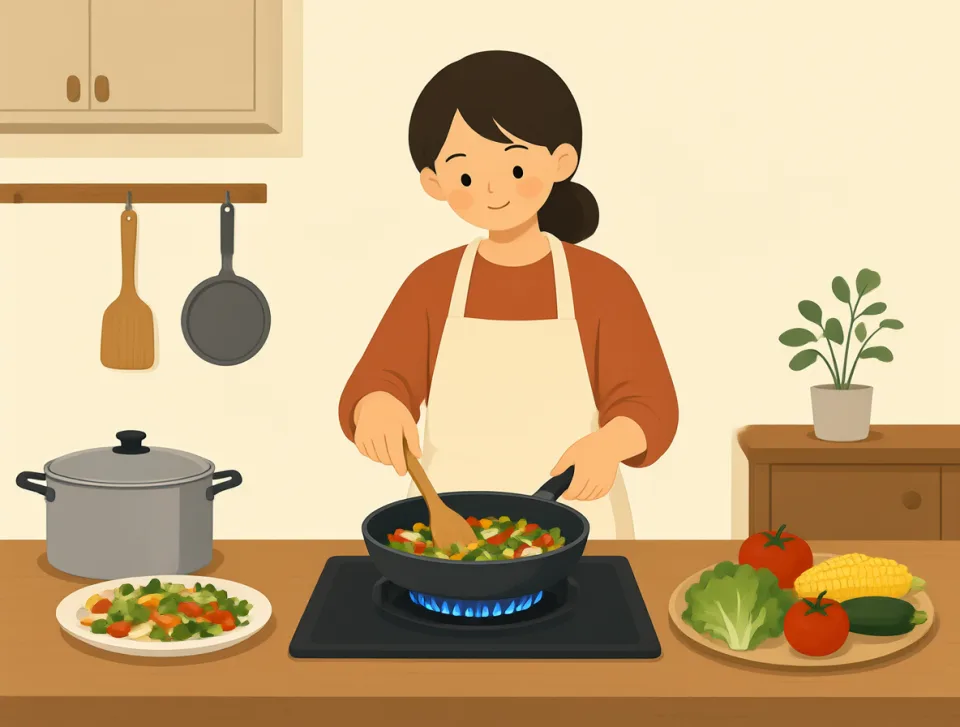
Cooking is an important skill for everyone.
料理は誰にとっても大切な技能です。

She has good computer skills.
彼女はコンピューターのスキルが高いです。

He learned the skill of swimming.
彼は泳ぐ技術を身につけました。

The job needs good communication skills.
その仕事には高いコミュニケーション能力が必要です。
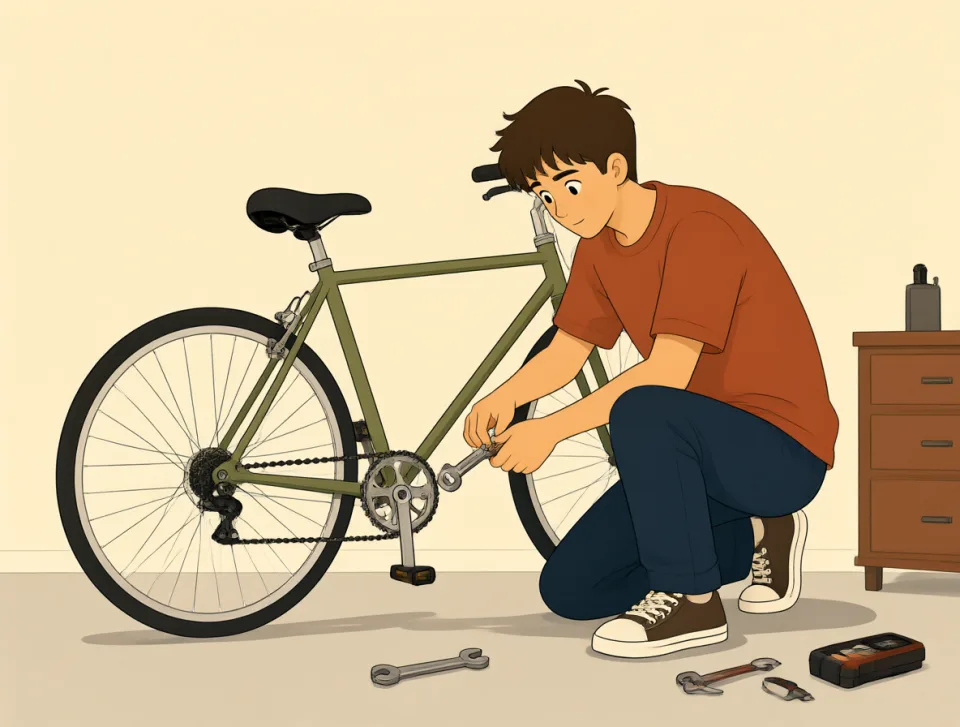
My brother is skilled at fixing bikes.
私の兄は自転車を修理するのが得意です。
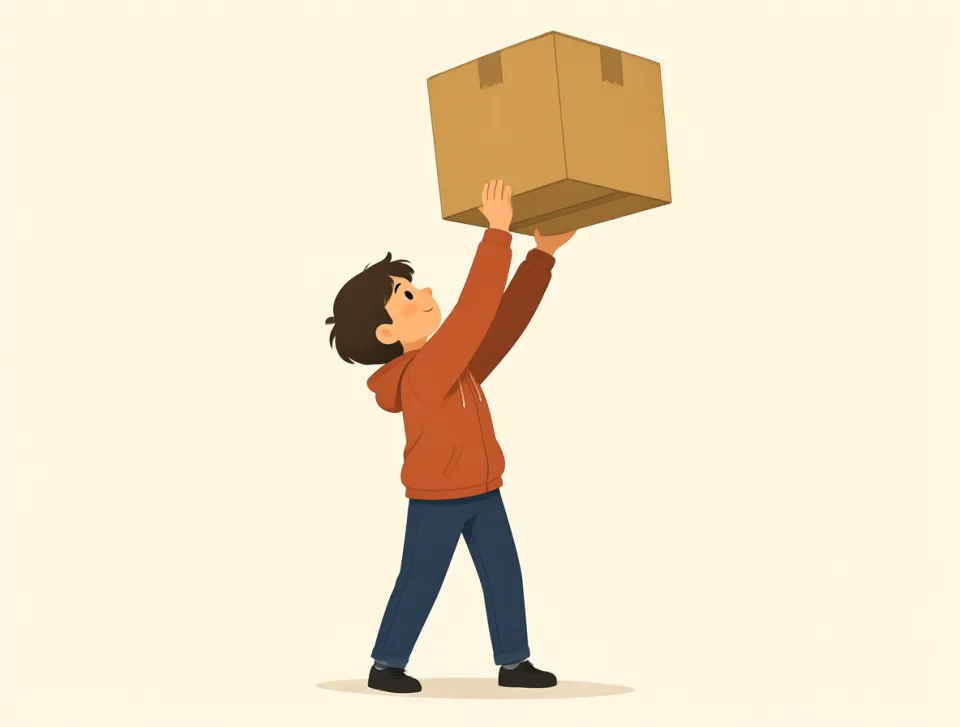
attempt
#686noun, verb
試み; 試みる
An effort to do or achieve something, especially when it may be difficult.
特に難しいかもしれないことを行ったり、達成したりするための努力。
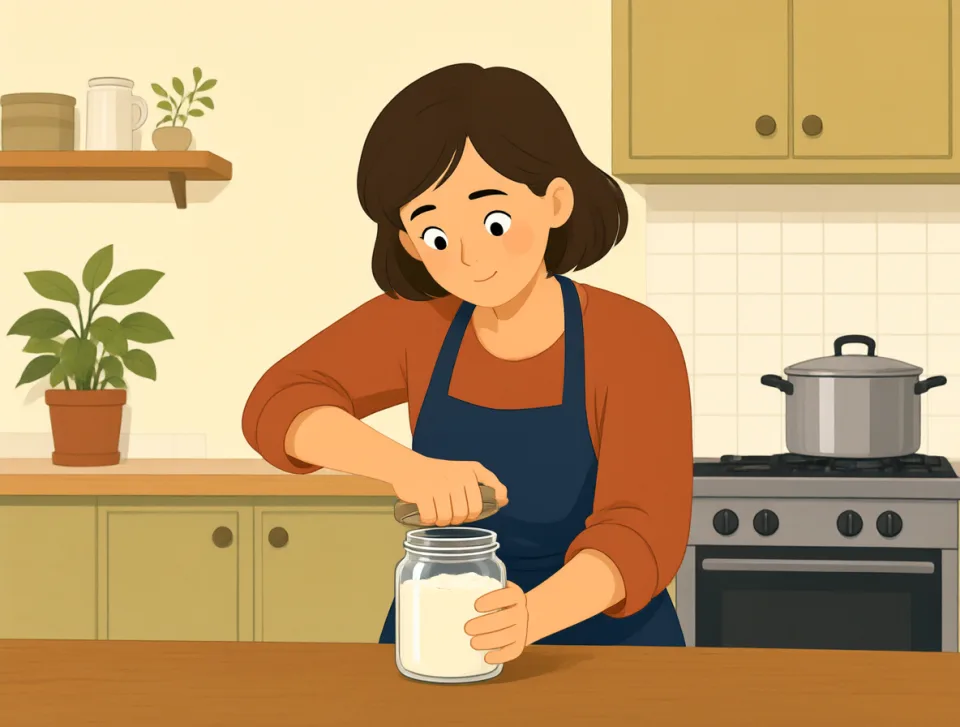
She made an attempt to open the jar.
彼女は瓶を開けようとした。
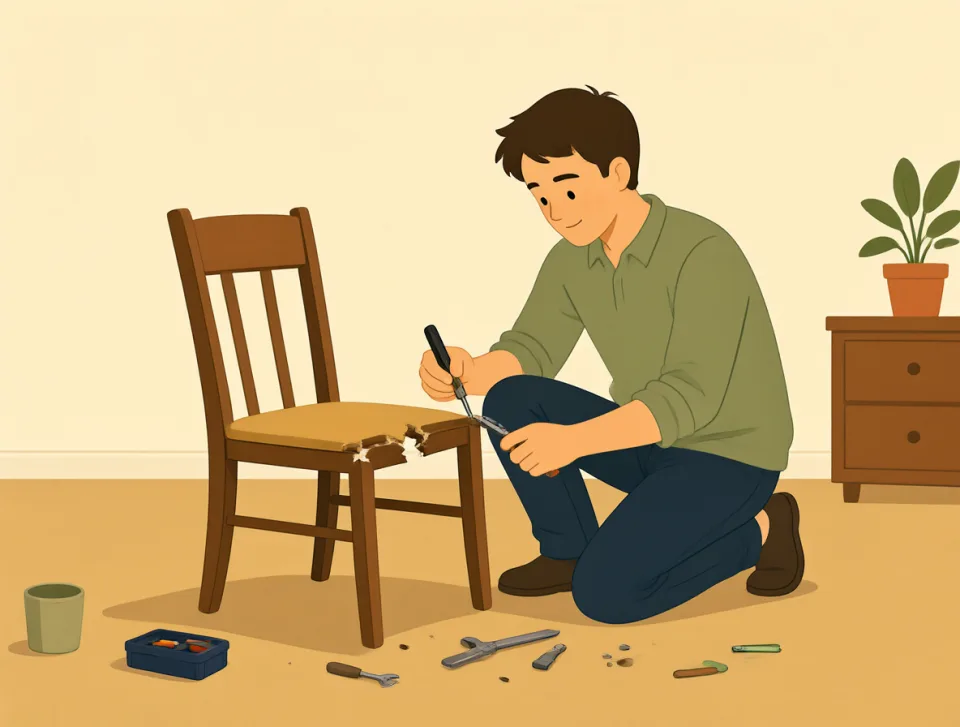
He attempted to fix the broken chair.
彼は壊れた椅子を直そうとした。
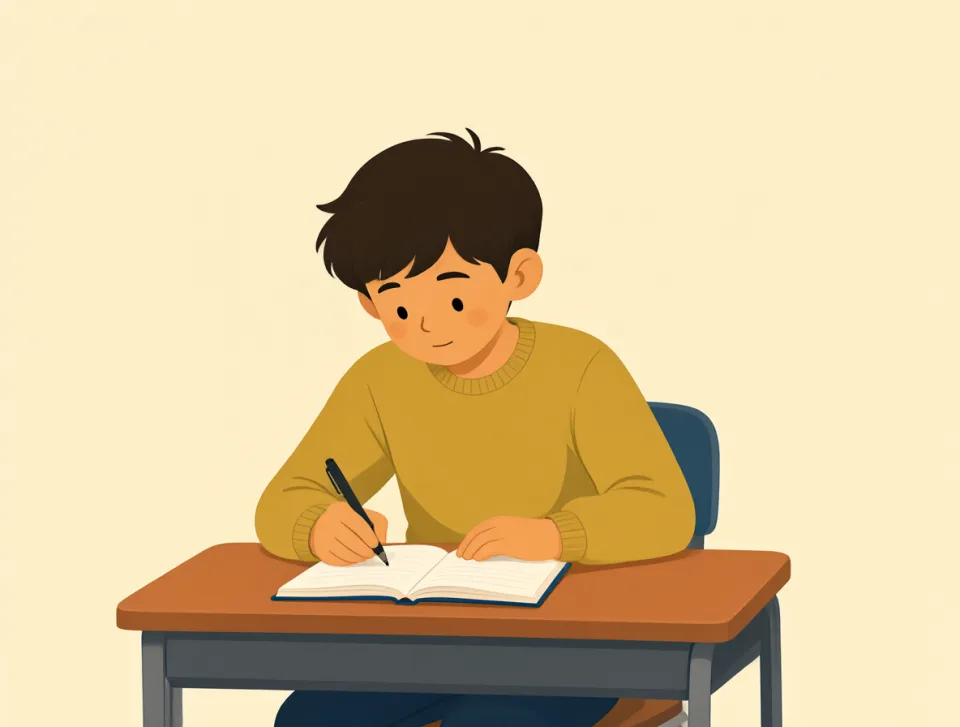
The student attempted the difficult math problem.
その生徒は難しい数学の問題に挑戦した。
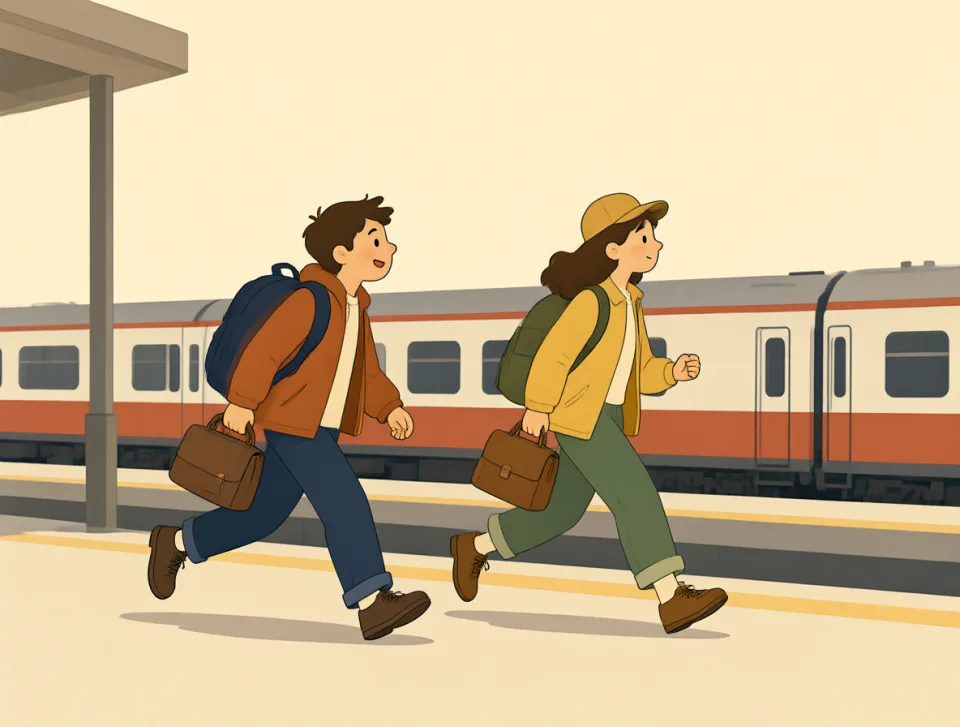
We attempted to catch the early train.
私たちは始発列車に乗ろうとした。
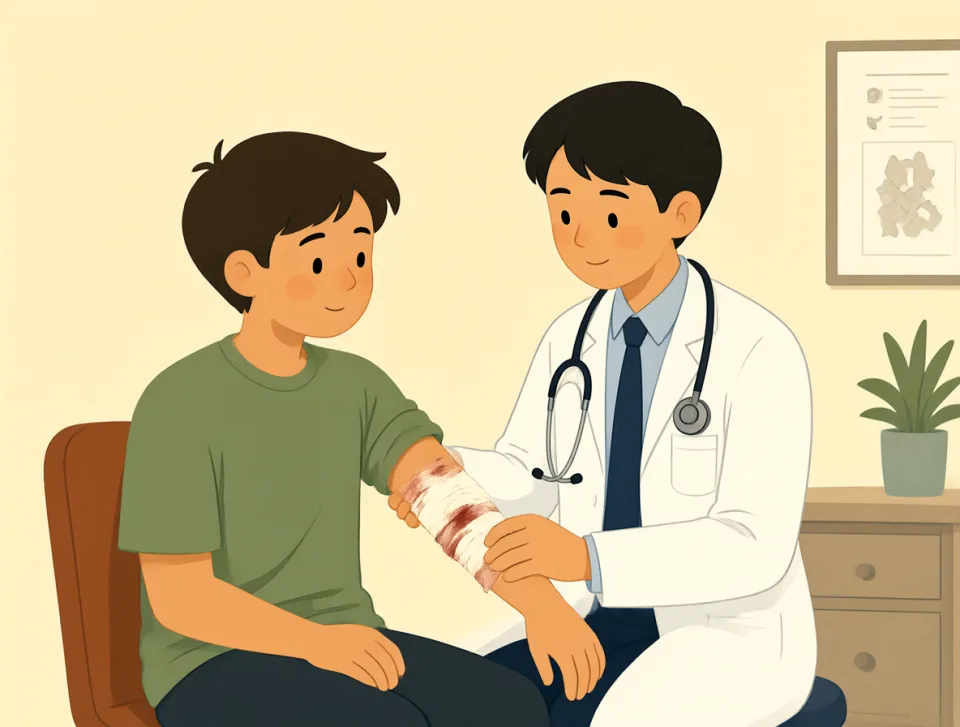
The doctor attempted to stop the bleeding.
医師は出血を止めようとした。
son
#687noun
息子
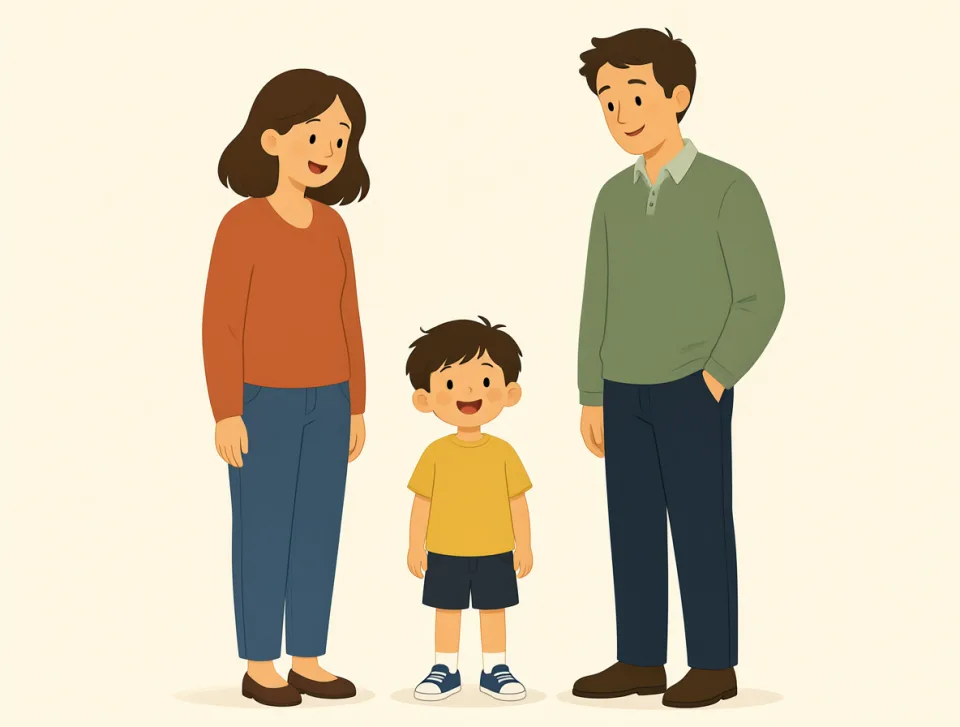
A male child in relation to his parents.
親にとっての男の子ども。
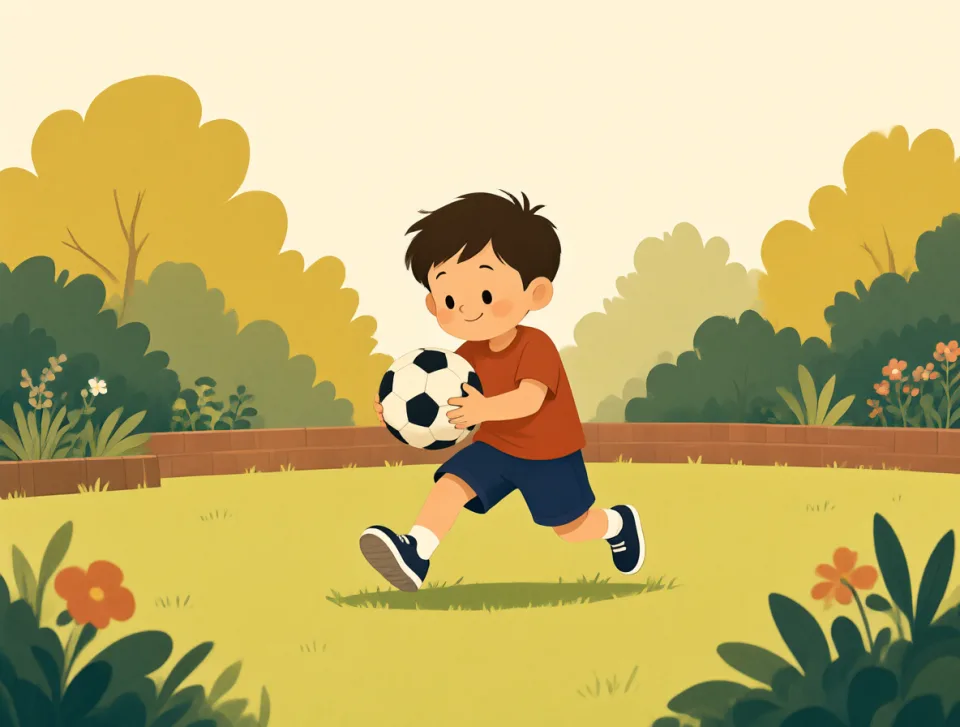
Their son is playing in the garden.
彼らの息子は庭で遊んでいます。
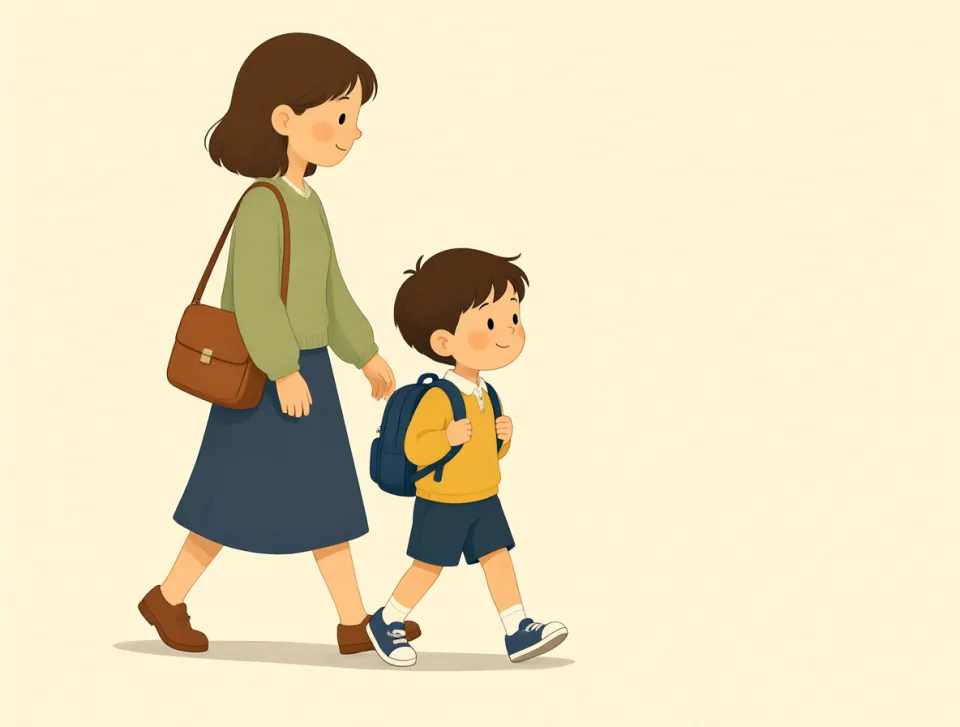
My son started school last year.
私の息子は去年学校に通い始めました。
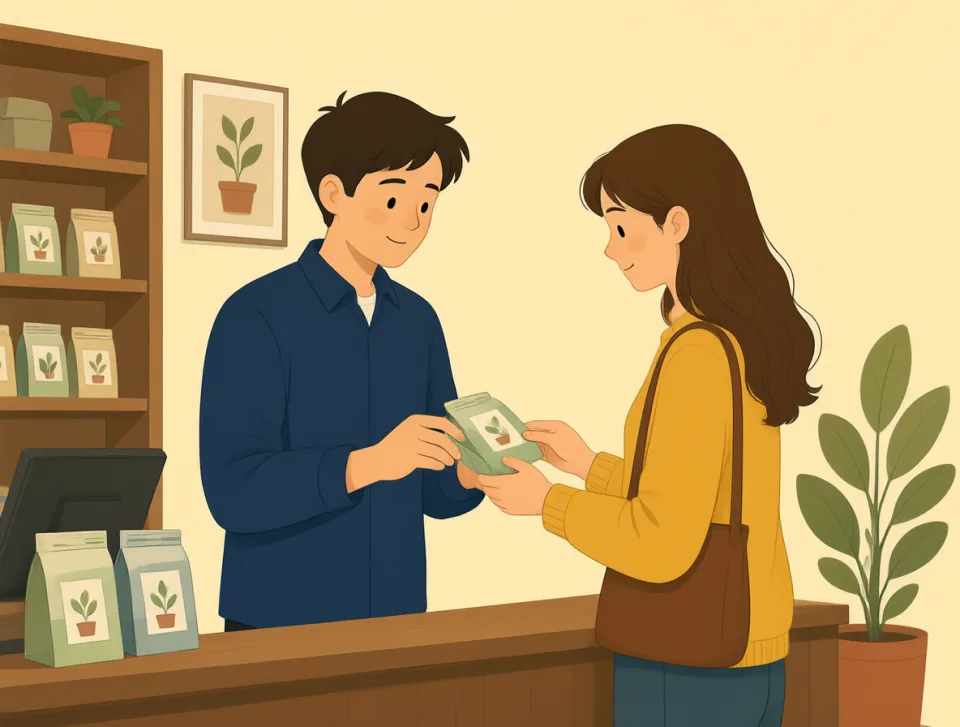
Her son works at a local shop.
彼女の息子は地元の店で働いています。
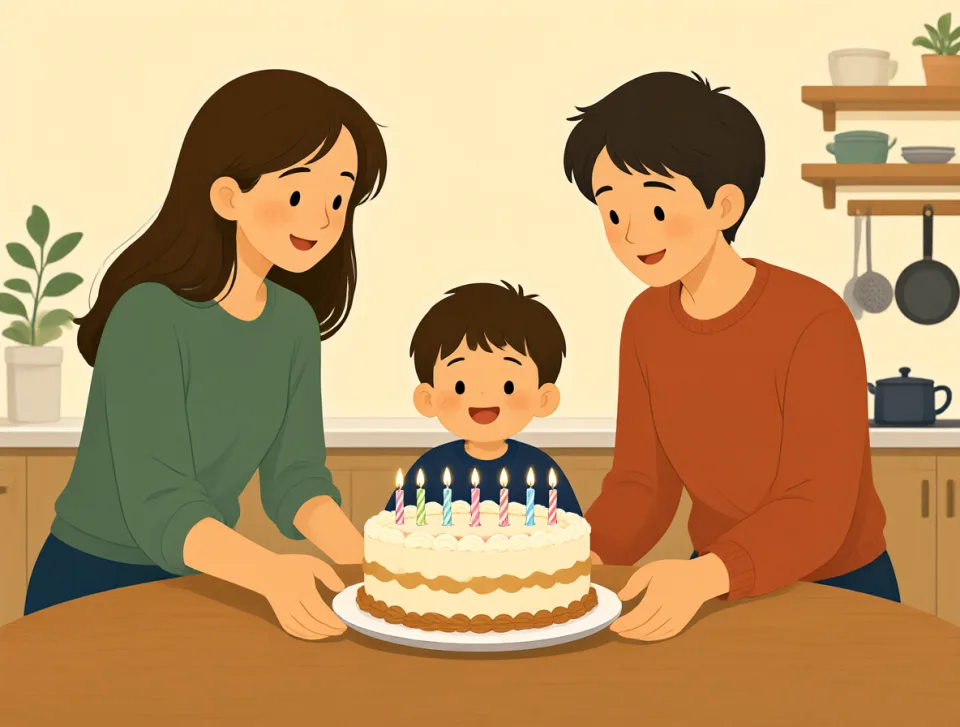
We bought our son a birthday cake.
私たちは息子のために誕生日ケーキを買いました。

His son was sick in bed yesterday.
彼の息子は昨日、病気で寝込んでいました。
simple
#688adjective
簡単な; シンプルな; 単純な
Easy to understand, do, or use; not complicated.
理解したり、行ったり、使ったりするのが簡単で、複雑でない。
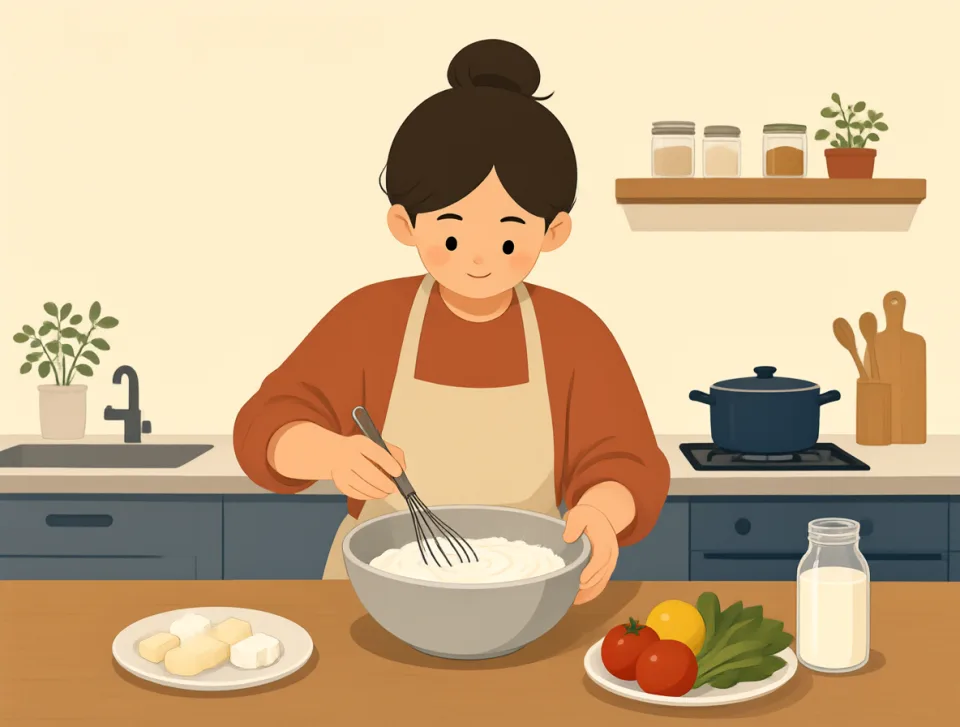
This recipe is simple and quick to make.
このレシピは簡単で、すぐに作れます。
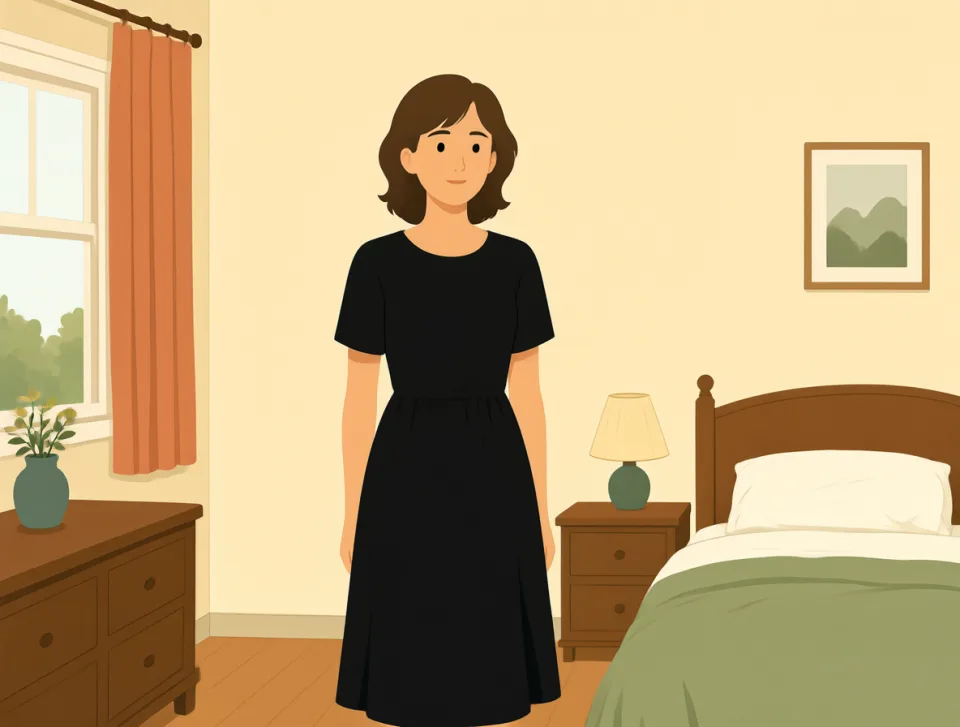
She wore a simple black dress.
彼女はシンプルな黒いドレスを着ていました。
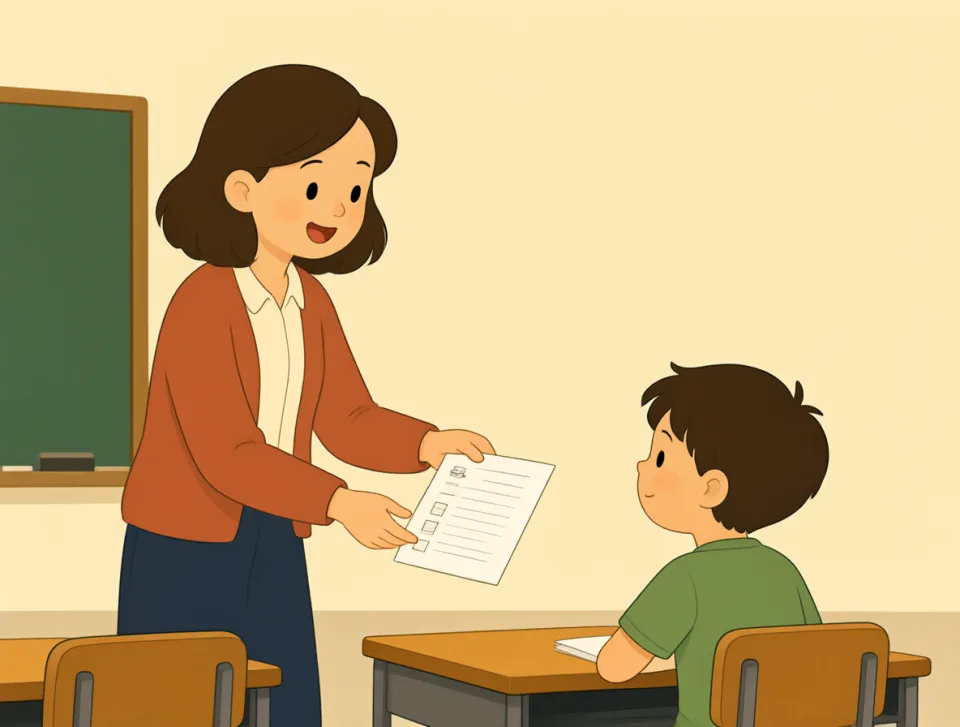
The teacher gave us a simple question.
先生は私たちに簡単な質問をしました。

We need a simple hotel near the station.
駅の近くにある、シンプルなホテルが必要です。

He explained the problem in simple words.
彼は簡単な言葉でその問題を説明しました。
medium
#689adjective, noun
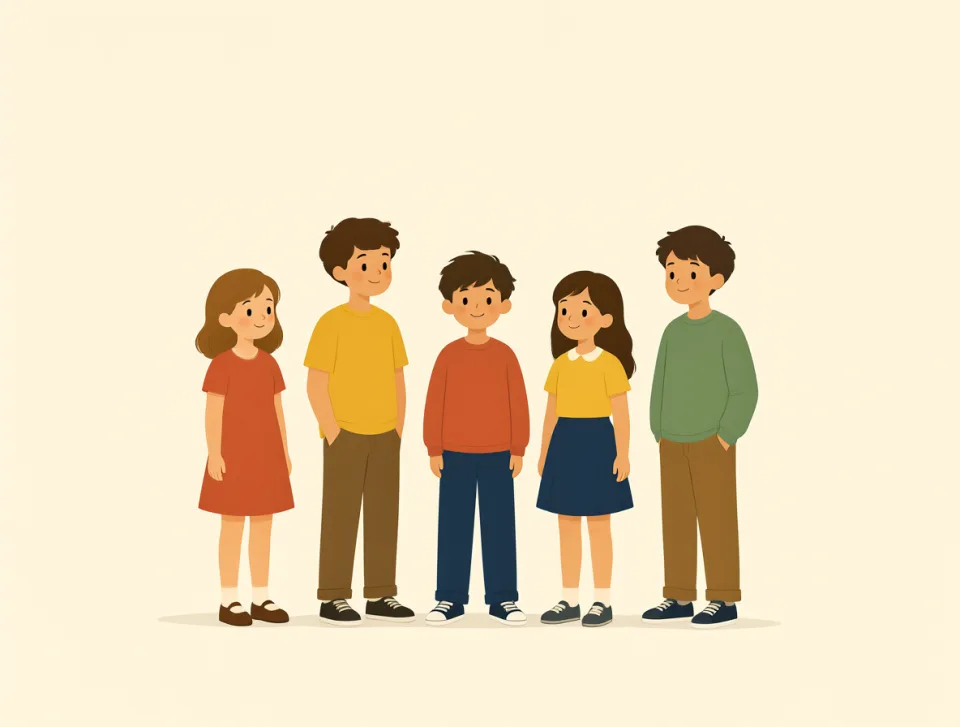
中くらい; 媒体; 画材
Middle in size, amount, or level; a way to communicate
大きさ、量、程度などが中くらいの;コミュニケーションの手段
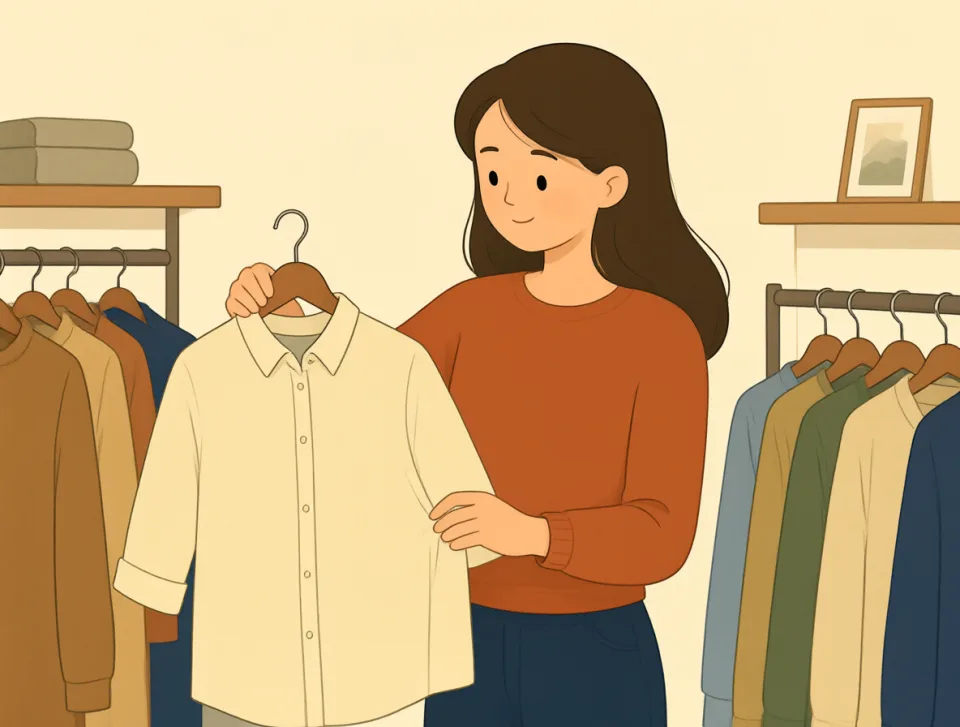
She bought a medium shirt at the store.
彼女は店でMサイズのシャツを買った。
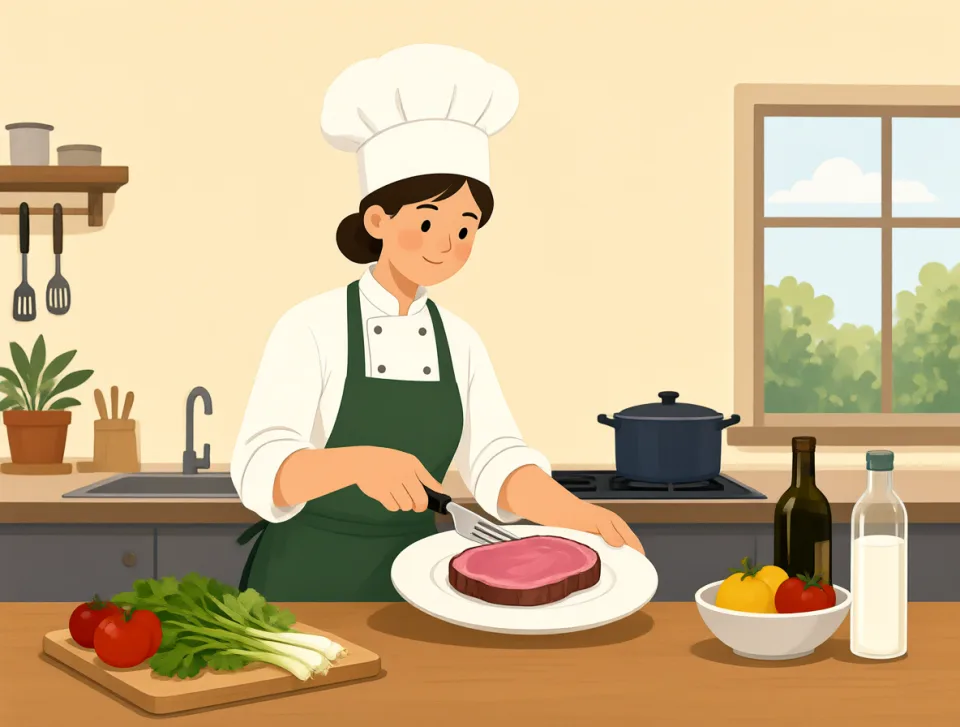
Please cook my steak medium, not well-done.
ステーキはウェルダンではなく、ミディアムに焼いてください。
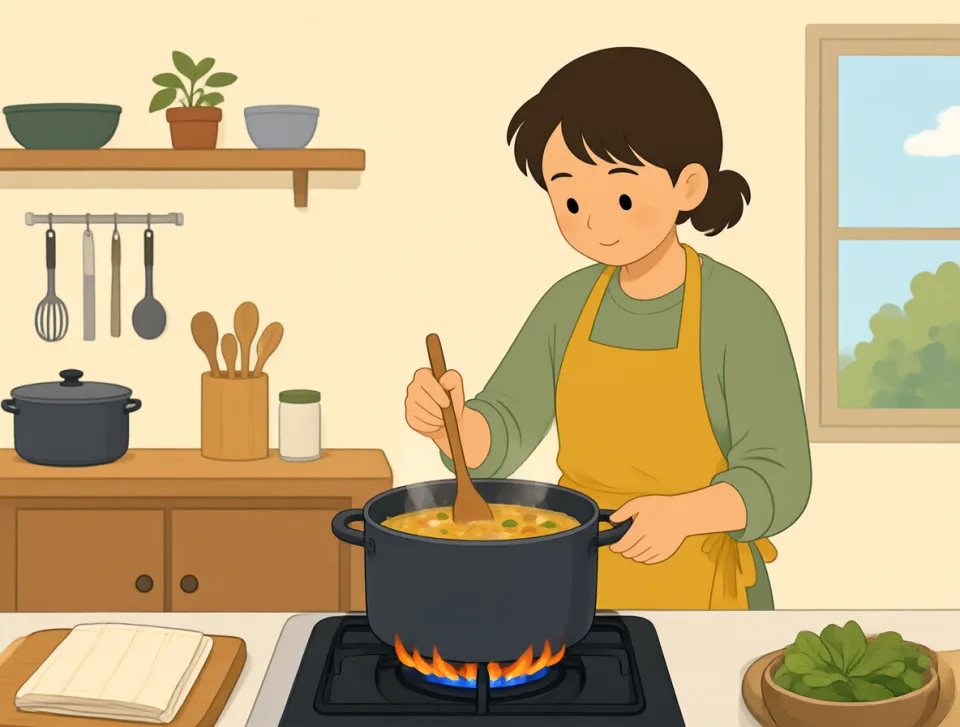
Heat the soup over medium heat.
スープを中火で温めてください。

Video calls are a useful medium for friends.
ビデオ通話は友人同士の便利なコミュニケーション手段です。

The artist chose oil as her medium.
その画家は油彩を画材に選んだ。
average
#690noun, adjective, verb
平均; 平均的な; 平均する
The usual amount or level; to be usual or typical.
通常の量や水準。また、普通または典型的であること。
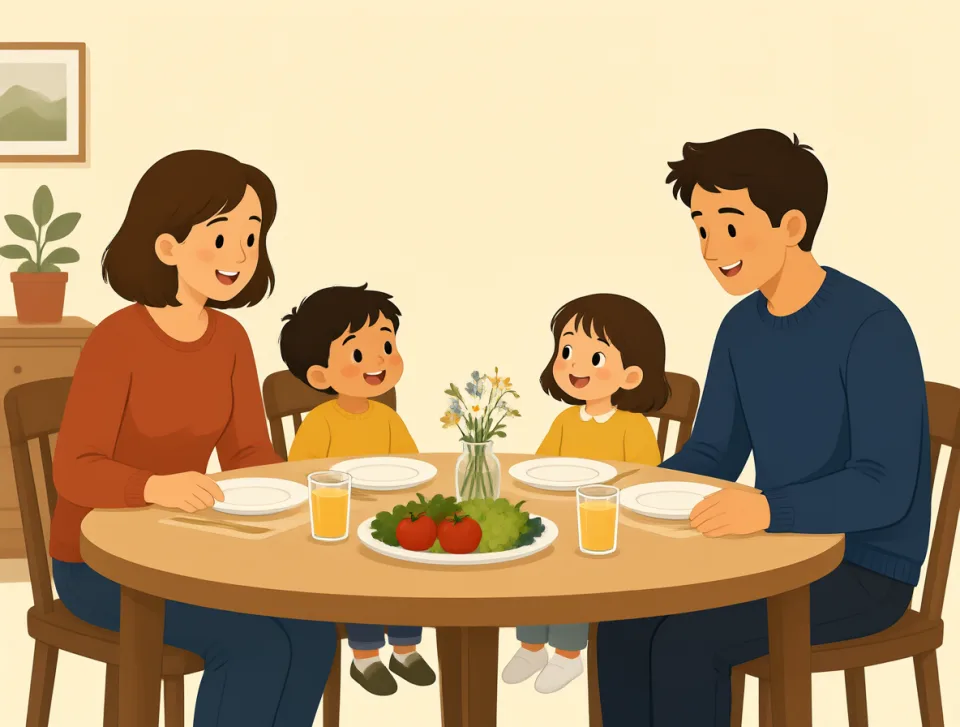
The average family has two children.
平均的な家庭には子どもが2人います。

His test score was above average.
彼のテストの点数は平均を上回っていました。

I usually walk an average of three miles.
私は普段、平均して3マイル歩きます。
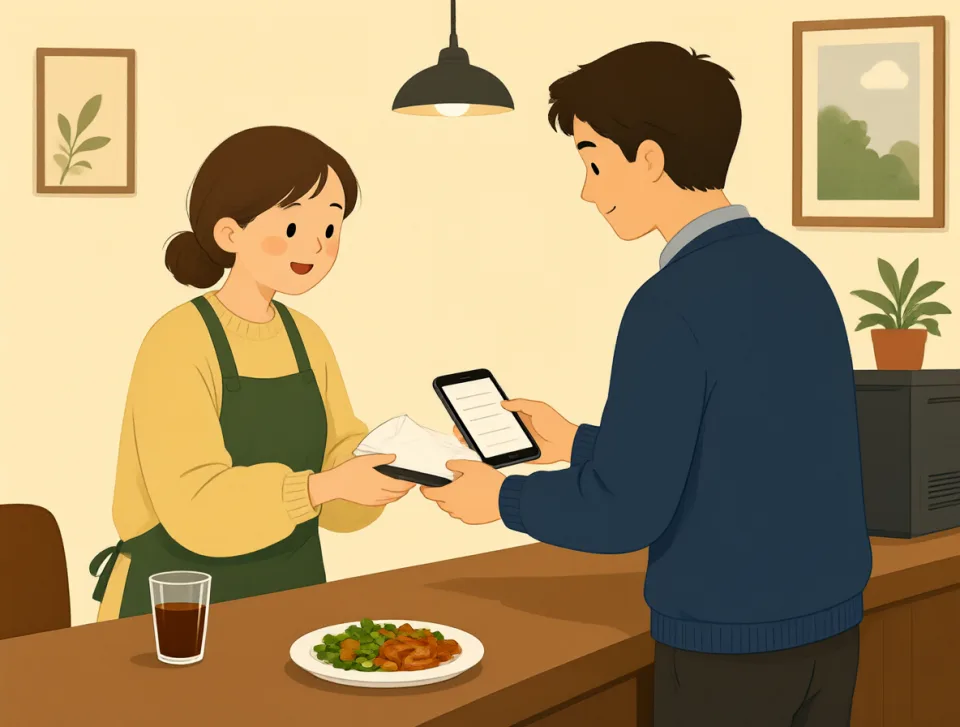
The average price of lunch is ten dollars.
昼食の平均価格は10ドルです。

She averages seven hours of sleep.
彼女は平均して7時間睡眠をとります。

stock
#691noun, verb, adjective
在庫; 株; 仕入れる; だし
A supply of goods, company shares, or items kept ready for sale or use.
販売または使用のために用意しておく商品の在庫、会社の株式、または品物の供給。

The store has plenty of stock today.
今日はその店に在庫がたくさんあります。
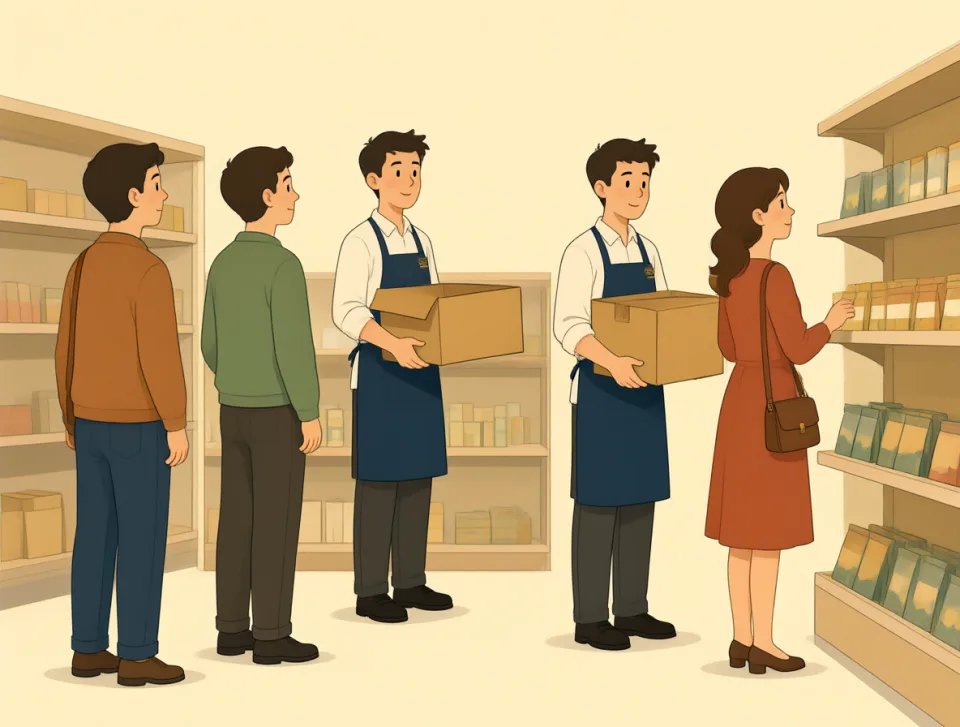
The shop sold out of stock quickly.
その店の商品はすぐに売り切れました。

She bought stock in a technology company.
彼女はテクノロジー企業の株を買いました。
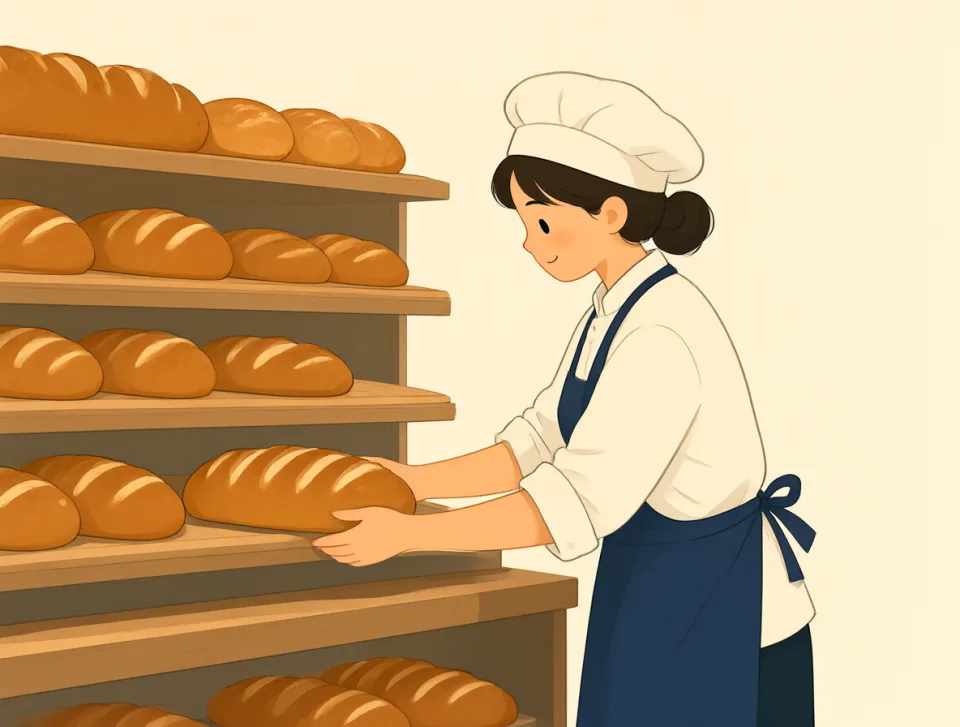
We stock fresh bread every morning.
私たちは毎朝、焼きたてのパンを仕入れています。
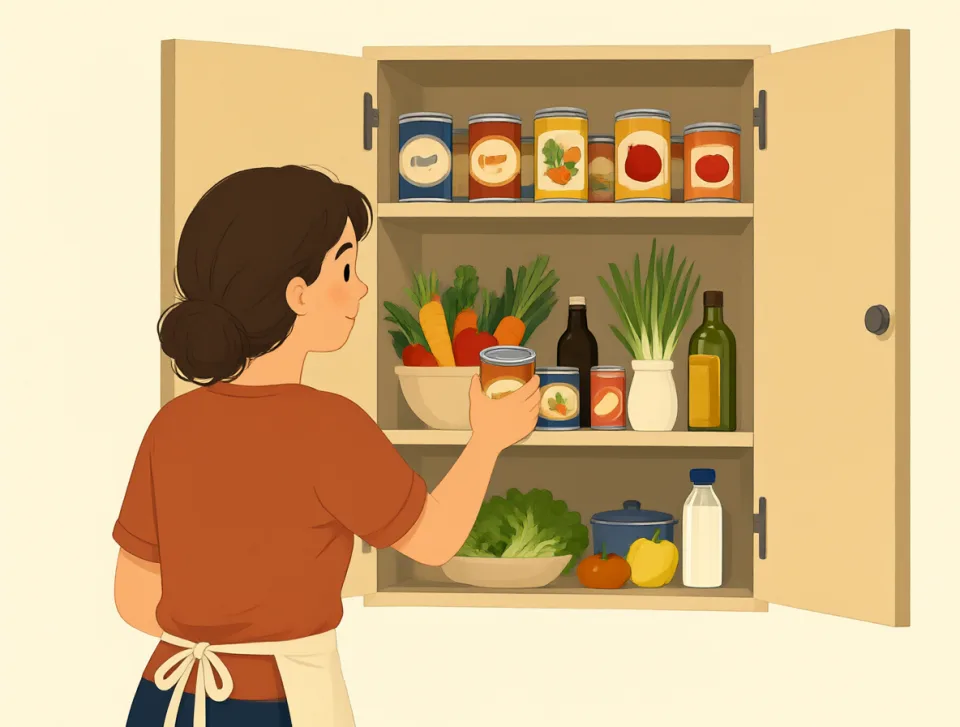
The kitchen has enough stock for dinner.
夕食を作るのに十分なだしがあります。
management
#692noun
管理; 経営
The process of controlling or organizing people, money, or work.
人やお金、仕事を管理・整理する過程。
Good time management helps me finish my homework.
時間管理が上手だと、宿題を終わらせるのに役立ちます。

The store management thanked us for our help.
店の経営陣は、私たちの手伝いに感謝しました。

She studied hotel management at college.
彼女は大学でホテル経営を学びました。

Stress management can improve your health.
ストレス管理は健康の改善に役立ちます。
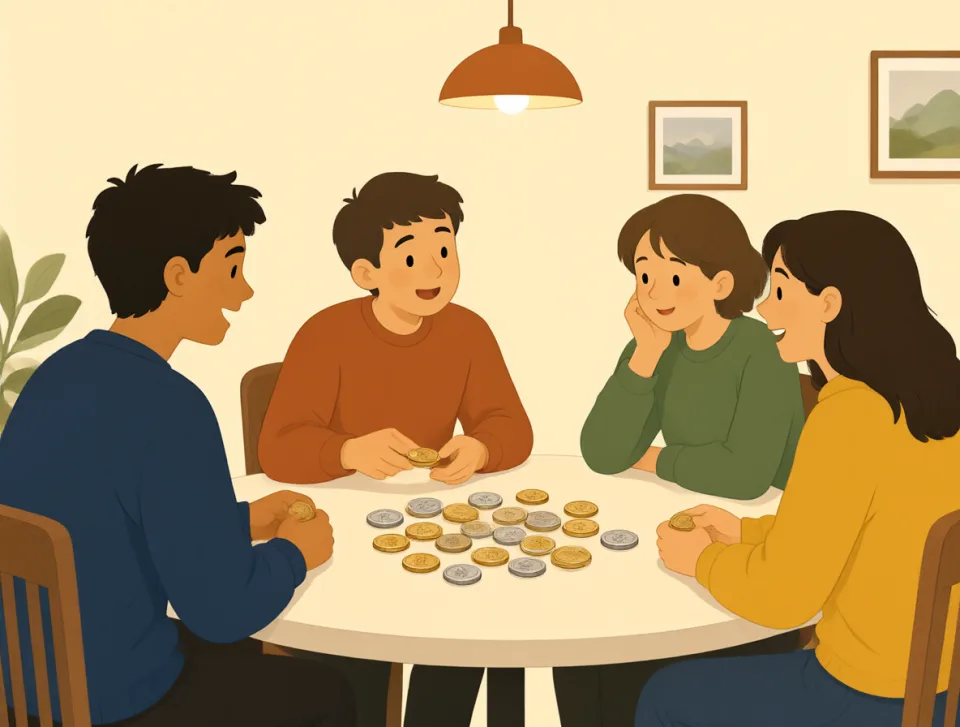
The team discussed money management after dinner.
チームは夕食後にお金の管理について話し合いました。

character
#693noun
登場人物; キャラクター; 性格
A person in a story, movie, or play.
物語や映画、劇に登場する人物。
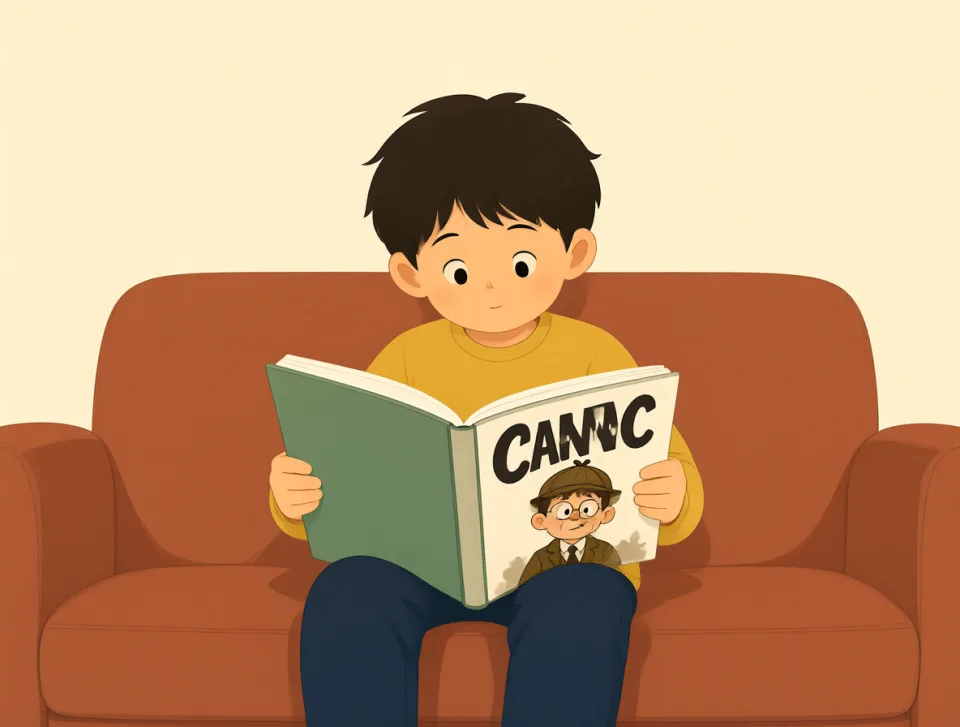
My favorite character is a funny detective.
私のお気に入りの登場人物は、面白い探偵です。
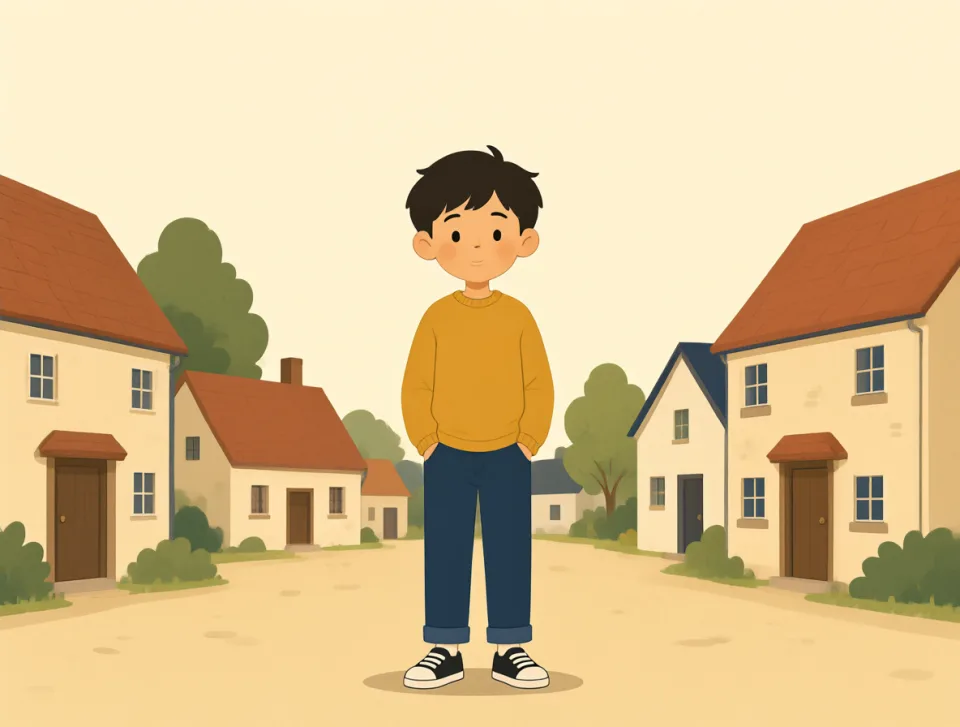
The main character lives in a small village.
主人公は小さな村に住んでいます。
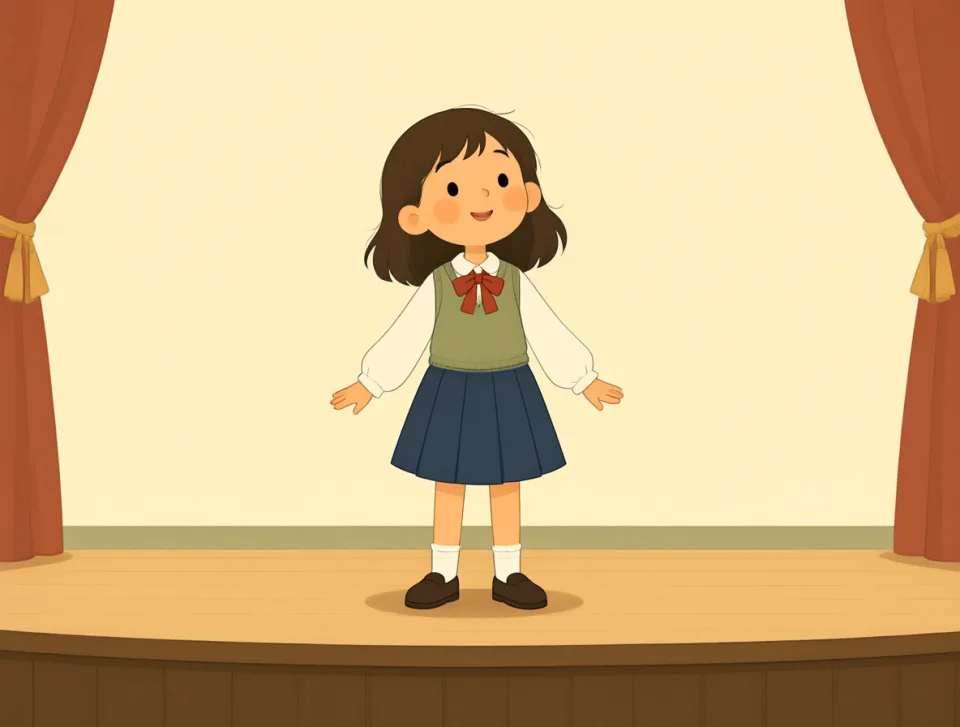
She played a character in the school play.
彼女は学校の劇である役を演じました。
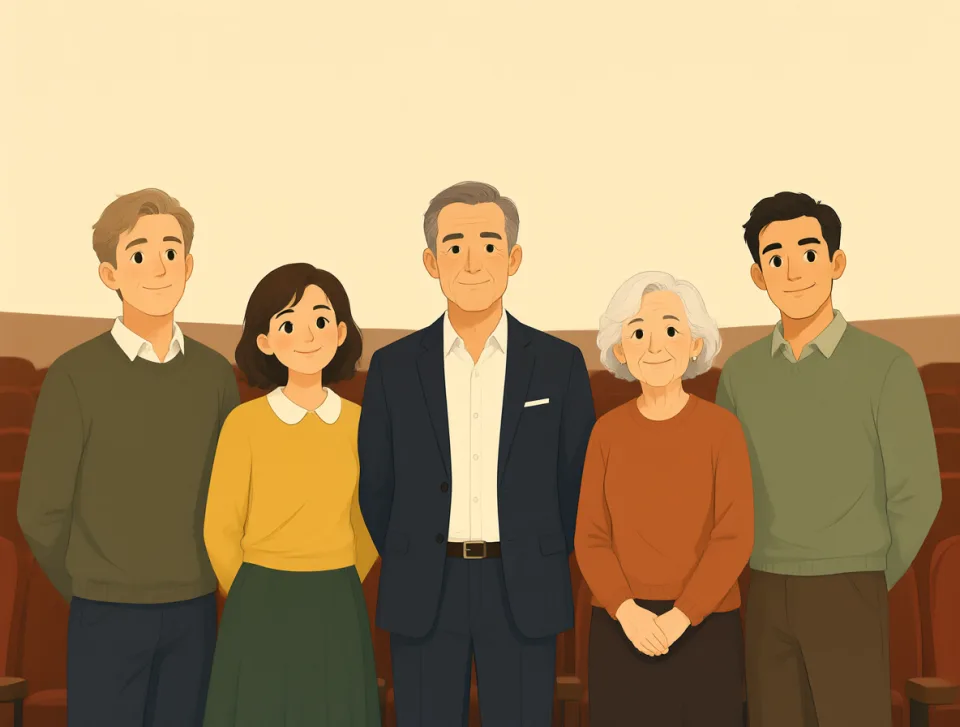
The movie has many interesting characters.
その映画には、興味深い登場人物がたくさん出てきます。

His character changed after the difficult journey.
困難な旅を経て、彼の性格は変わりました。

bed
#694noun, verb
ベッド; 寝床; 植え付ける
A piece of furniture for sleeping, or to put something carefully in a place.
眠るための家具、または何かを注意深く所定の場所に置くこと。

I go to bed at ten o'clock.
私は10時に寝ます。

The baby is sleeping in her bed.
赤ちゃんは自分のベッドで寝ています。
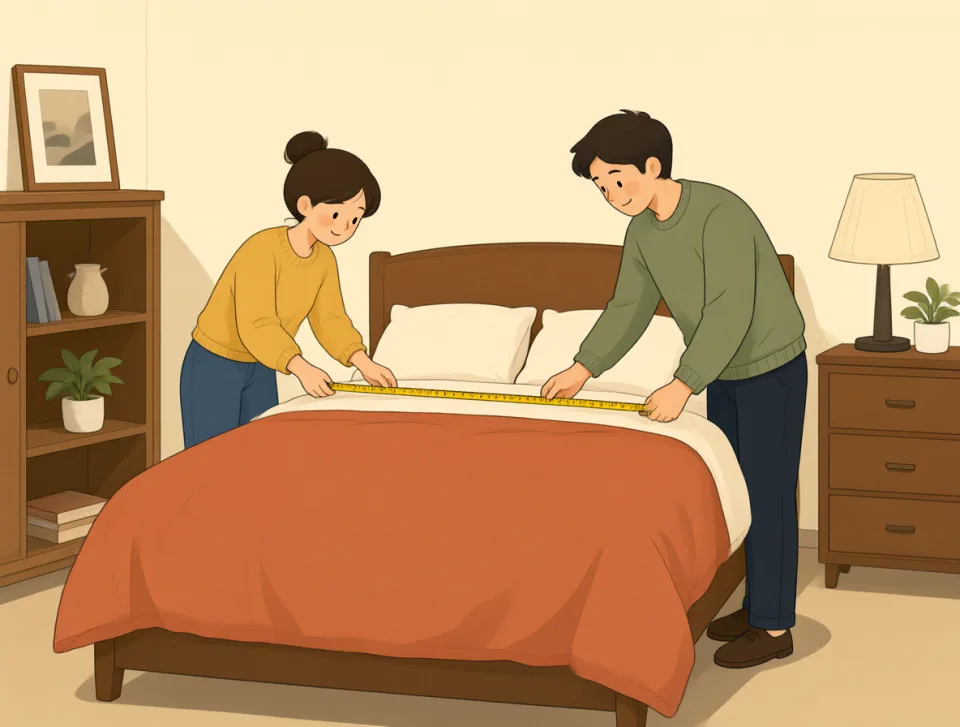
We need a bigger bed for our room.
私たちの部屋にはもっと大きなベッドが必要です。
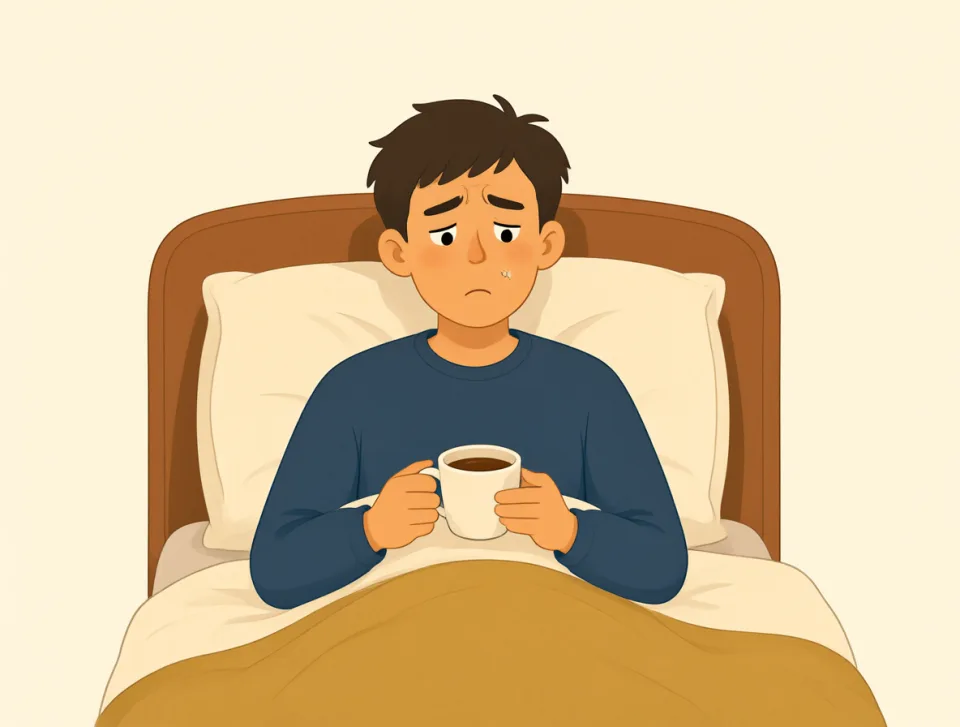
He stayed in bed because he felt sick.
彼は具合が悪かったので、寝たままでした。

Please bed the plants in the garden.
庭に植物を植えてください。
hit
#695verb, noun
打つ; 当たる; 出くわす; ヒット
to touch someone or something hard, or to reach a place or target
人や物を強くたたく、または場所や標的に到達する
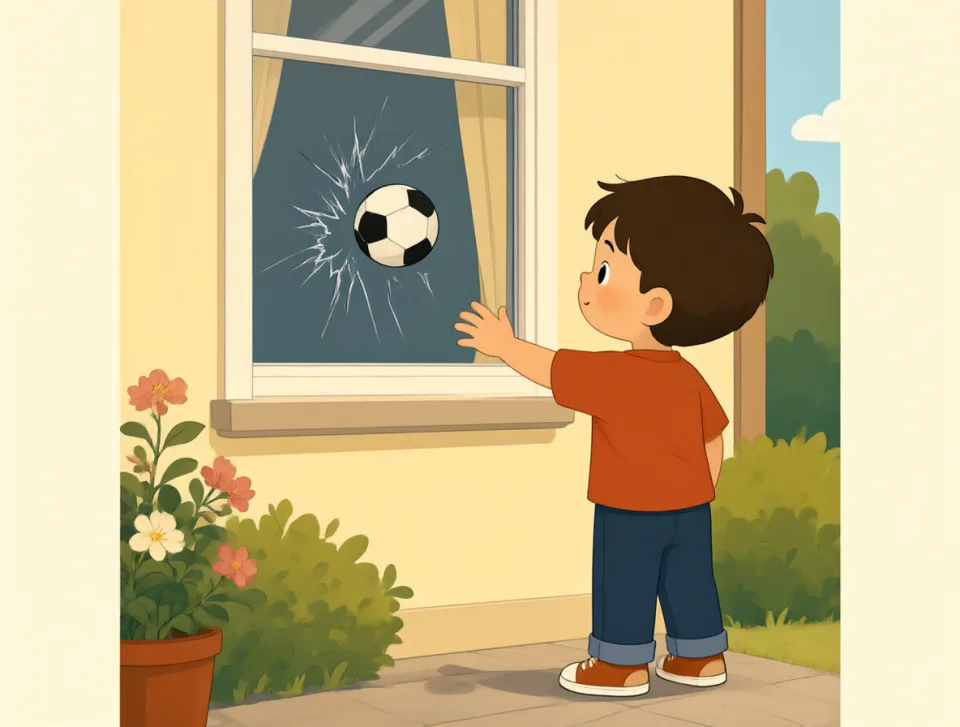
The ball hit the window this morning.
ボールが今朝、窓に当たった。

She hit her head on the door.
彼女はドアに頭をぶつけた。
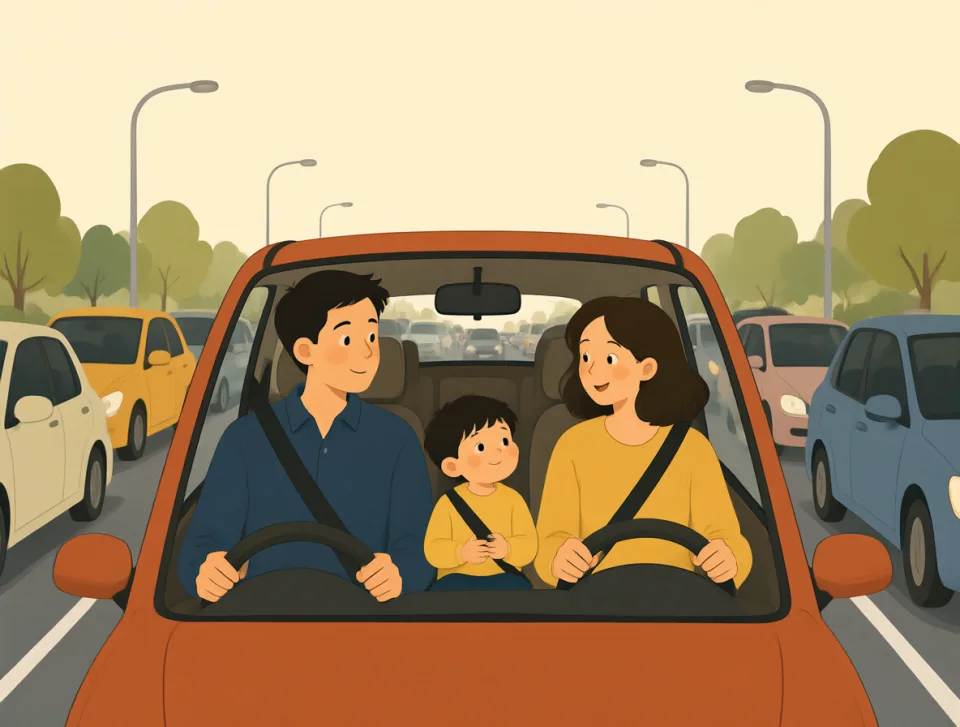
We hit heavy traffic on the way home.
帰り道でひどい渋滞に巻き込まれた。
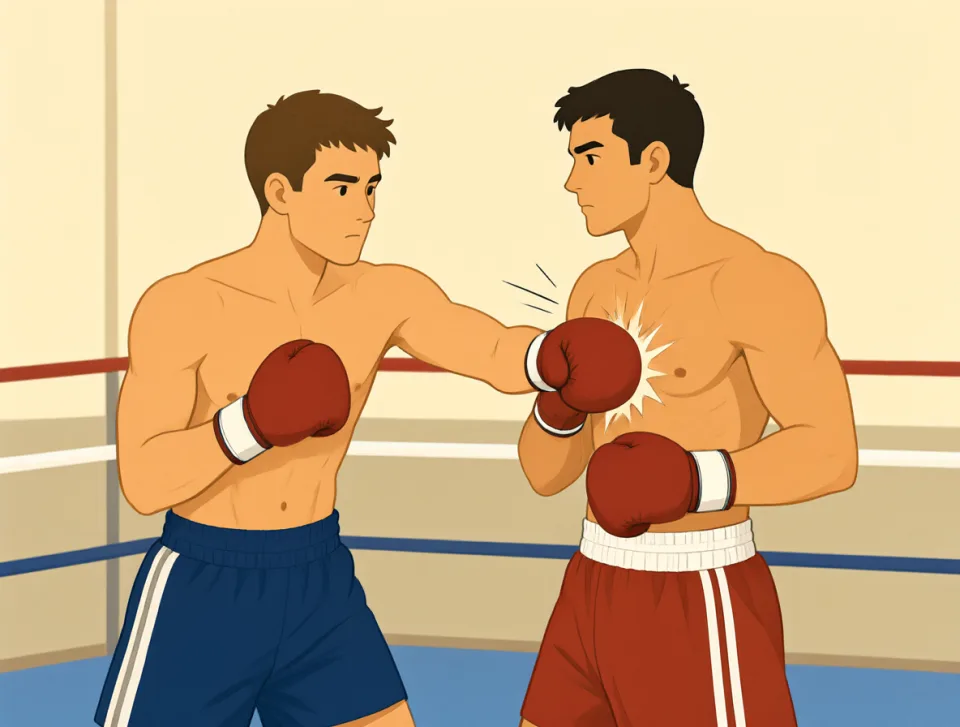
The boxer hit his opponent in the stomach.
そのボクサーは相手の腹を殴った。

That song was a big hit last summer.
その曲は去年の夏、大ヒットした。
establish
#696verb
設立する; 築く; 確定する; 明らかにする
to create or start something that will continue for a long time
長く続くものを作ったり始めたりする

They established a new school in our town.
彼らは私たちの町に新しい学校を設立しました。

She established a good relationship with her neighbors.
彼女は近所の人たちと良い関係を築きました。
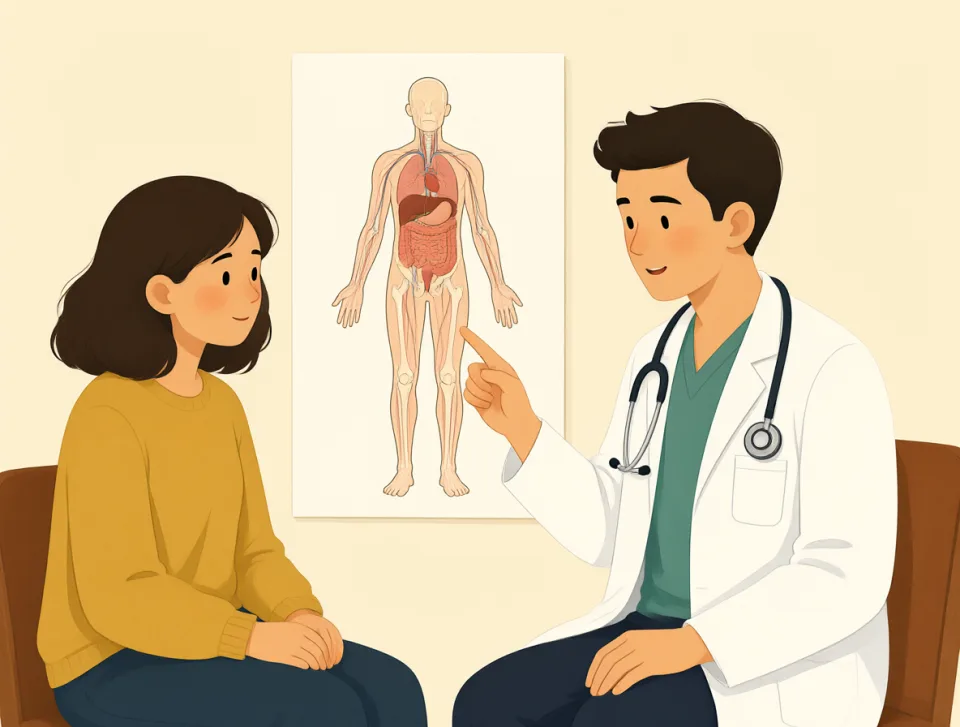
The doctor established the cause of his pain.
医師は彼の痛みの原因を突き止めました。

We established a meeting time for tomorrow.
私たちは明日の会議の時間を決めました。

The chef established a popular restaurant downtown.
そのシェフは街の中心部に人気のレストランを開きました。
indeed
#697adverb
本当に; 実に; 確かに
Used to emphasize that something is true or to agree with someone.
何かが事実であることを強調したり、相手に同意したりするときに使う。
That cake is indeed delicious.
あのケーキは本当においしい。

The hotel was indeed very clean.
そのホテルは実に清潔だった。
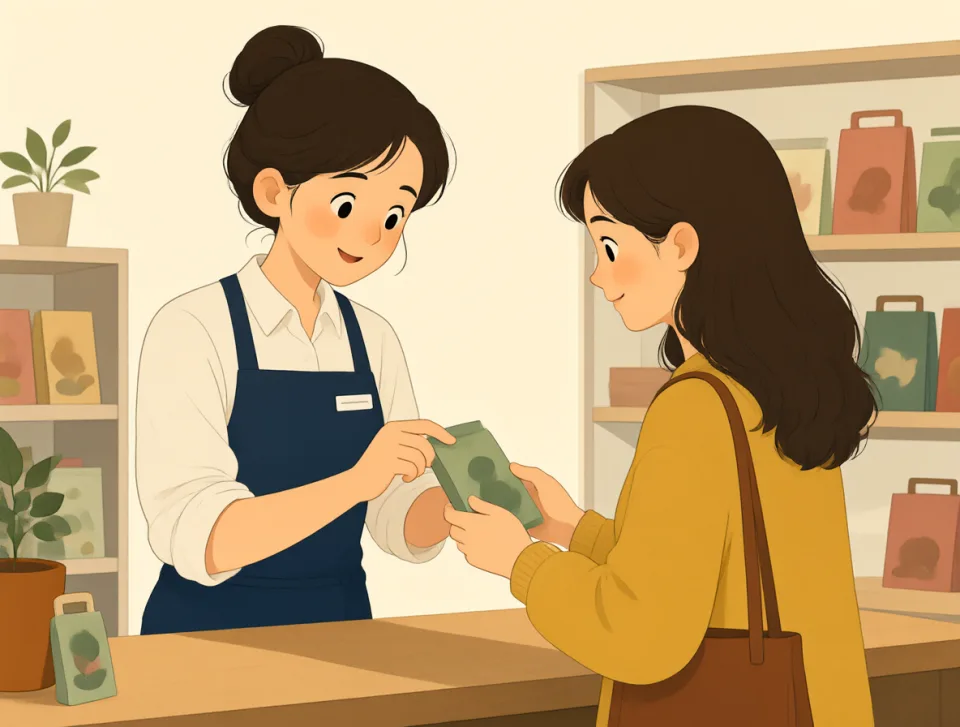
Indeed, I can help you with that.
はい、もちろんお手伝いできます。
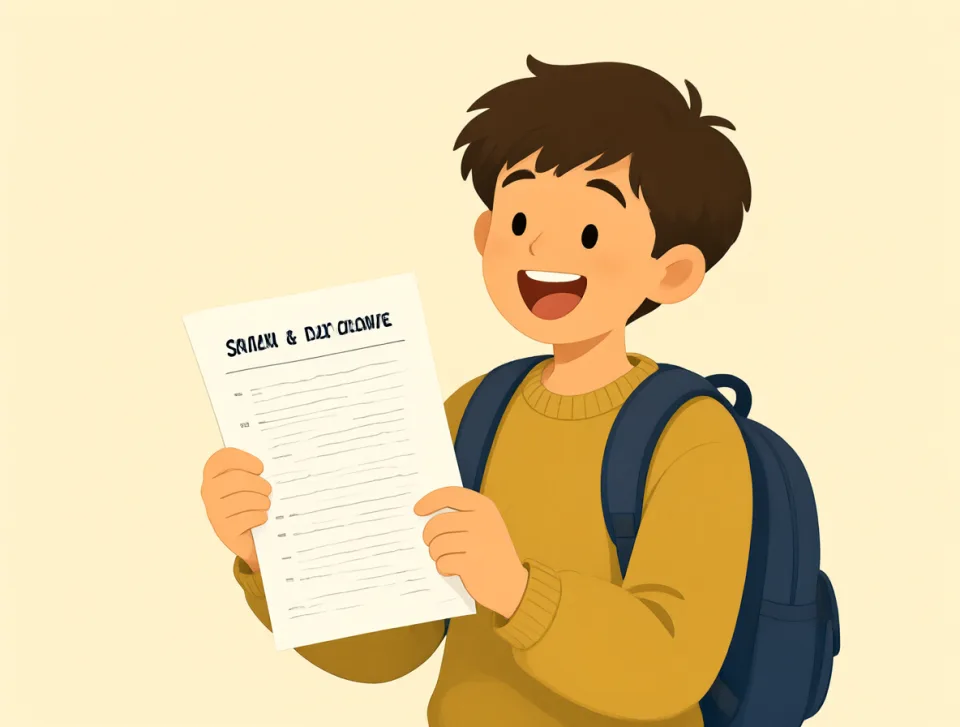
She did indeed pass her school test.
彼女は本当に学校のテストに合格した。
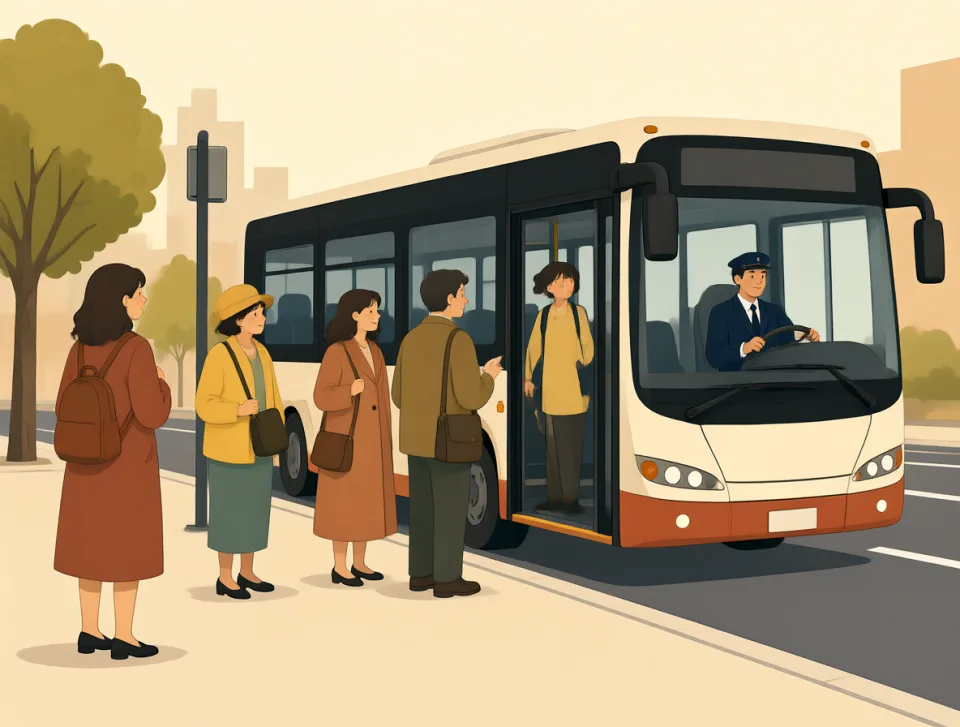
Indeed, the bus left on time.
実際、バスは時間どおりに出発した。

final
#698adjective, noun
最後の; 最終の; 決勝戦
Last in a series, or the last part of an event or competition.
一連のものの最後、または行事や競技の最後の部分。
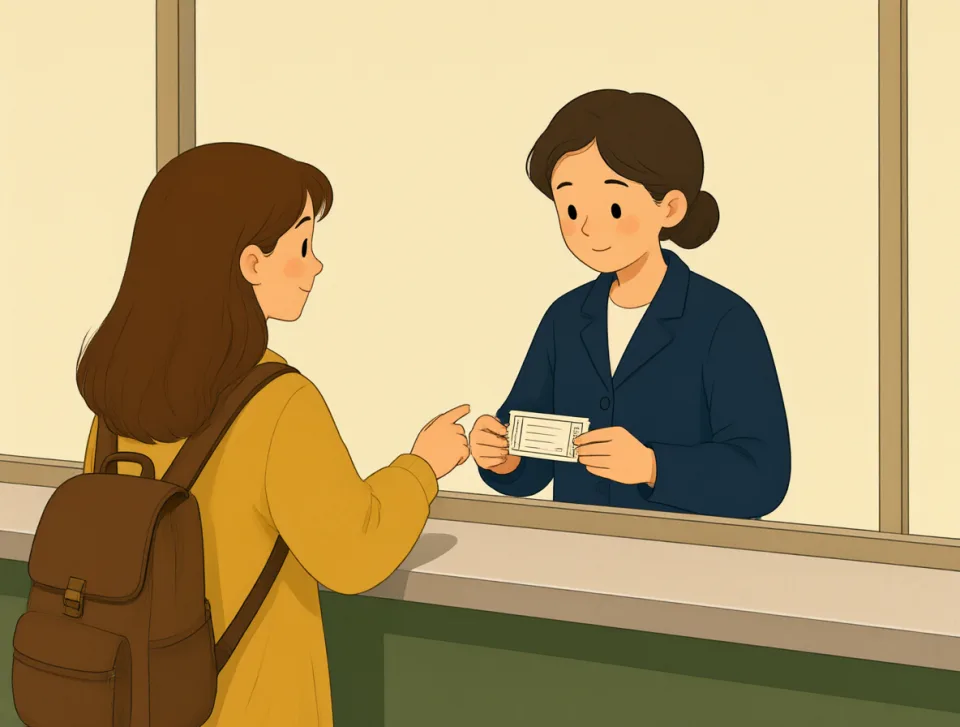
This is our final chance to buy tickets.
これはチケットを買う最後のチャンスです。

We made the final decision after lunch.
昼食後に最終決定を下しました。

The final exam starts next Monday.
期末試験は来週の月曜日に始まります。
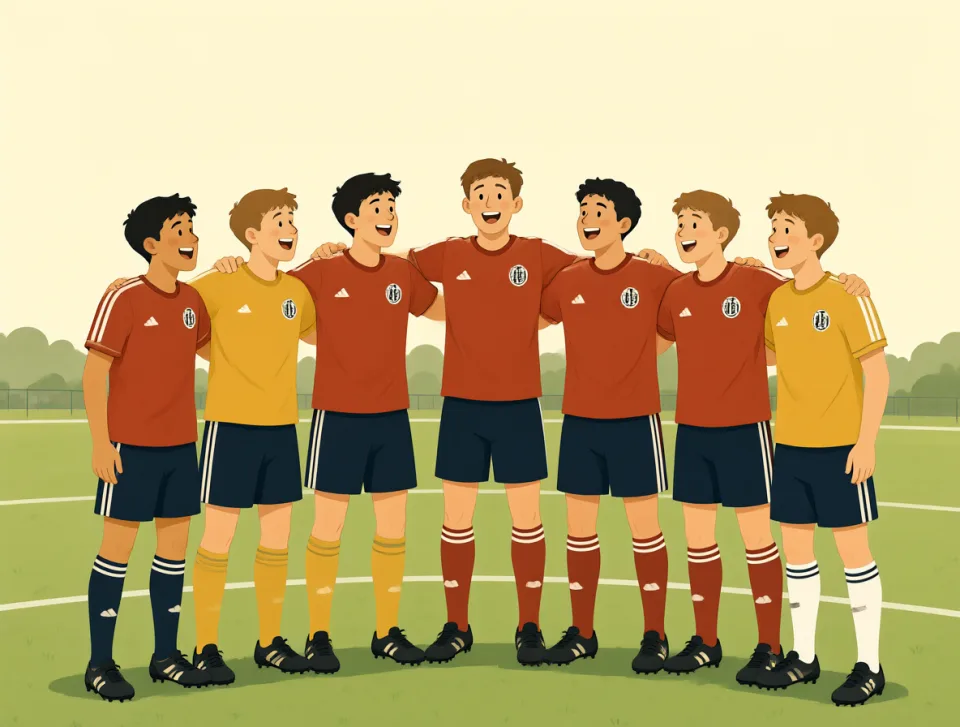
The team won the final game.
そのチームは決勝戦に勝ちました。

Please pay the final bill before leaving.
お帰りになる前に最終的な請求額をお支払いください。

economy
#699noun
経済; 燃費; 家計
The way money, jobs, and trade work in a country or area.
国や地域で、お金や仕事、貿易がどのように動いているか。
The economy is growing this year.
今年は経済が成長しています。

The war damaged the local economy.
戦争で地域経済が打撃を受けました。
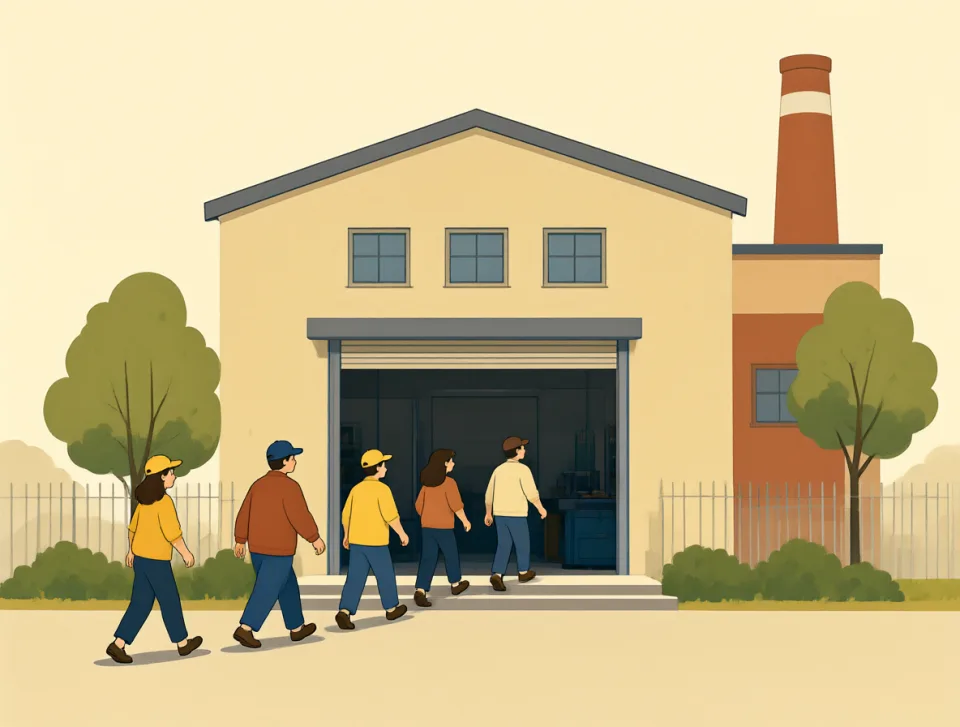
A strong economy creates more jobs.
好調な経済は、より多くの雇用を生み出します。
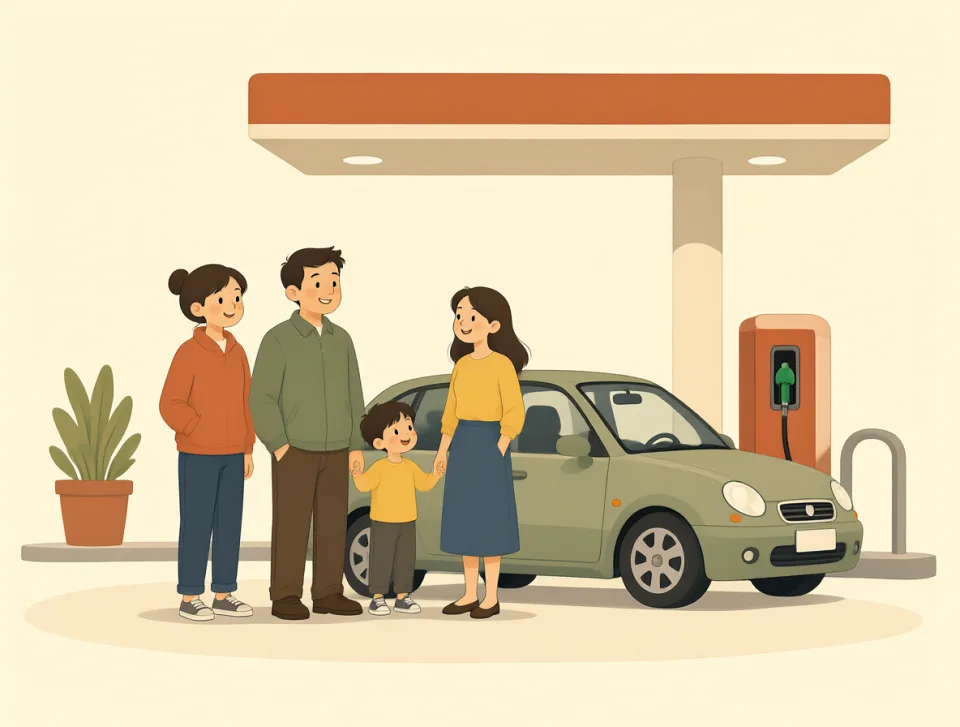
We chose this car for better fuel economy.
燃費がより良いので、この車を選びました。
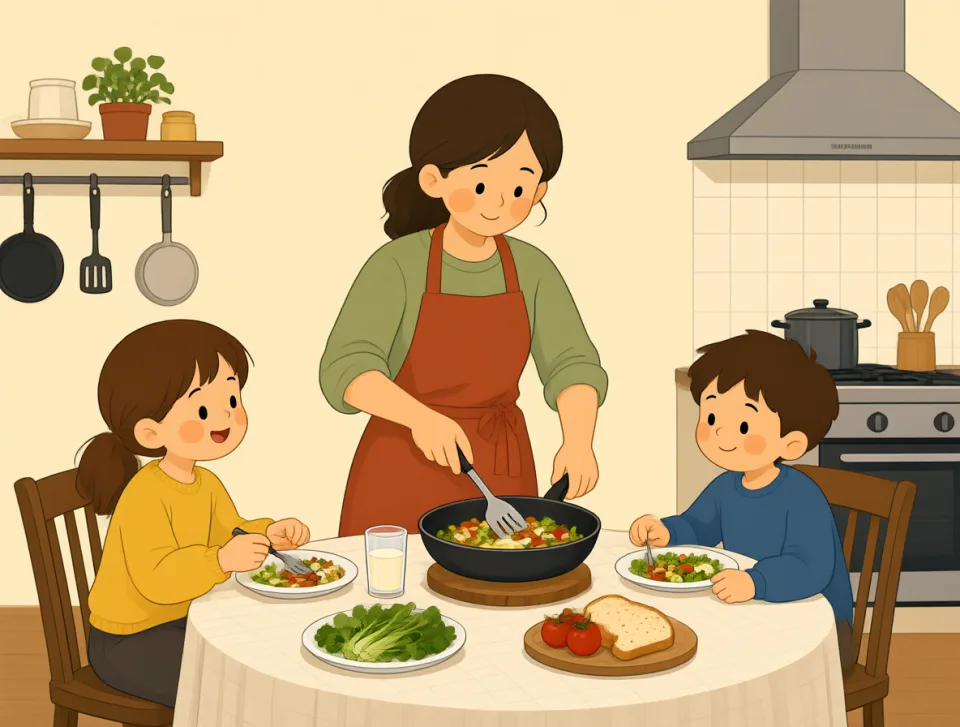
Cooking at home helps the family economy.
家で料理をすると、家計の助けになります。
fit
#700verb, adjective, noun
合う; 入る; 健康な; 発作
To be the right size or shape; healthy and physically strong; a sudden strong feeling or illness.
サイズや形がちょうど合うこと、健康で体力があること、突然起こる強い感情や病気の発作。

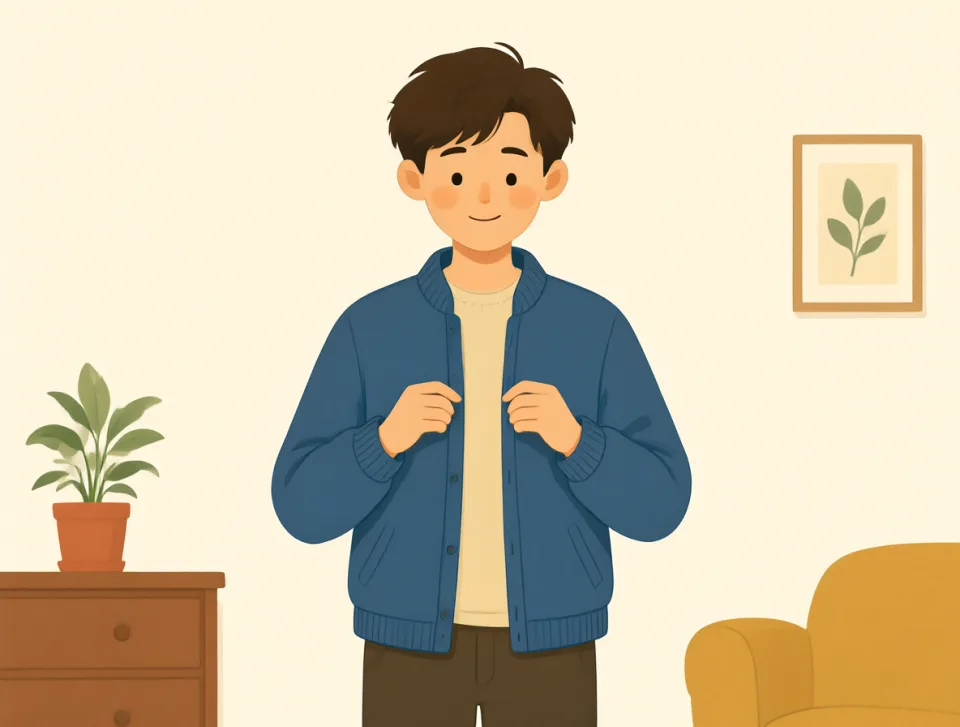
These shoes fit me very well.
この靴は私の足にとてもよく合います。
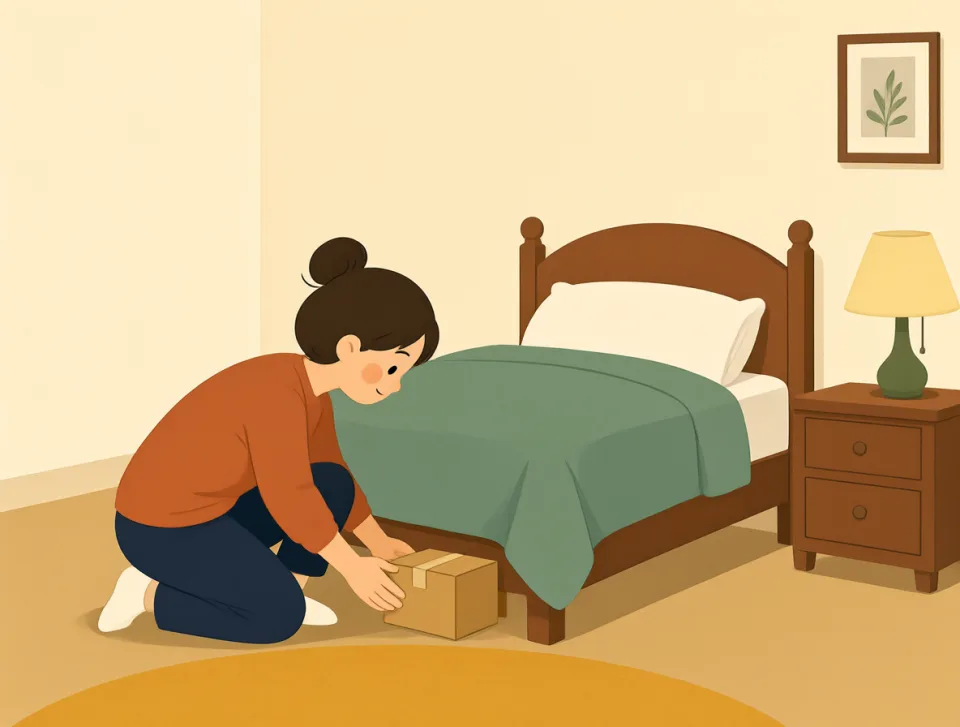
Will this box fit under the bed?
この箱はベッドの下に入りますか?
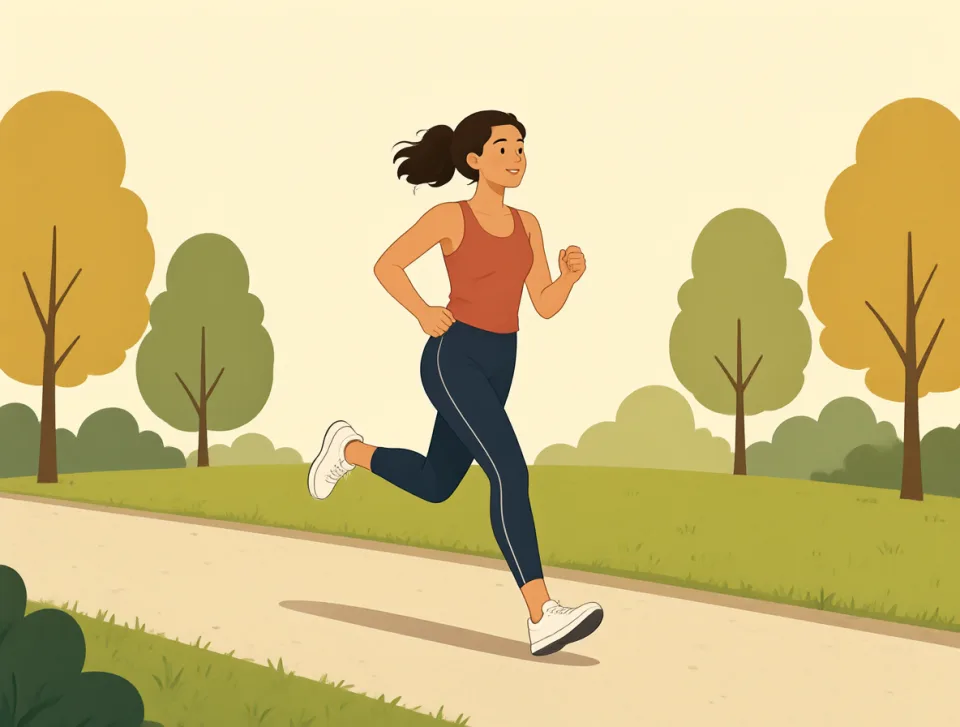
She is fit enough to run five miles.
彼女は5マイル走れるくらい十分に体力があります。

The children had a fit of laughter.
子どもたちはひとしきり笑い続けました。
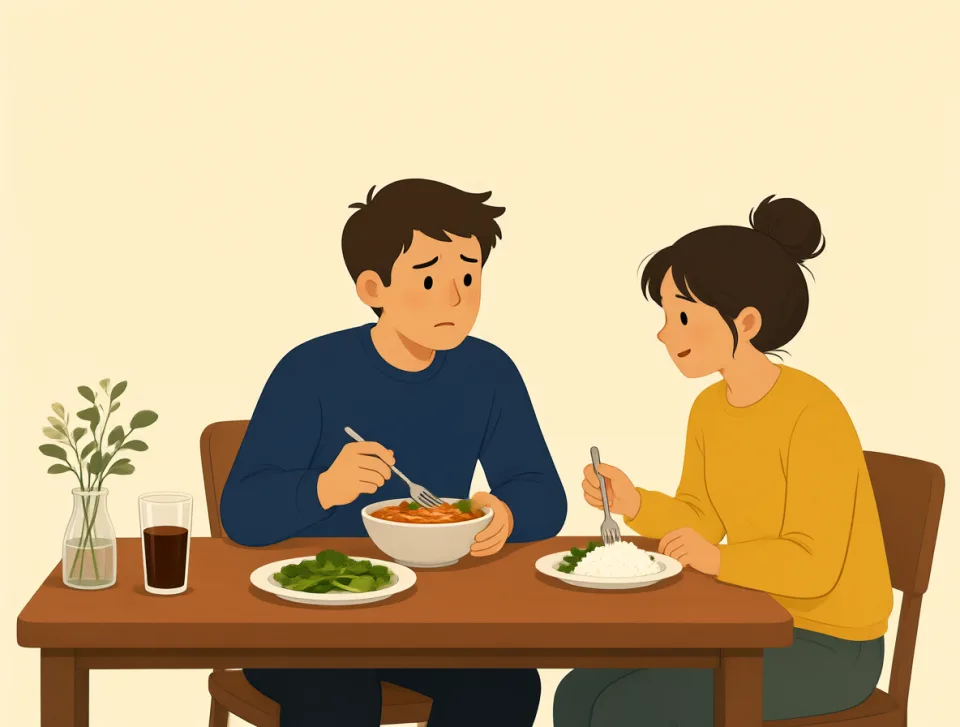
He had a fit after eating nuts.
彼はナッツを食べた後、発作を起こしました。