Explaining the Ankle Injury
발목 부상 설명하기
A clinician asks Leo how he hurt his ankle and about his symptoms. Leo describes what happened and answers questions about the pain and swelling.
의료진이 레오에게 발목을 어떻게 다쳤는지, 어떤 증상이 있는지 물어봅니다. 레오는 무슨 일이 있었는지 설명하고 통증과 부기에 관한 질문에 답합니다.
대화10
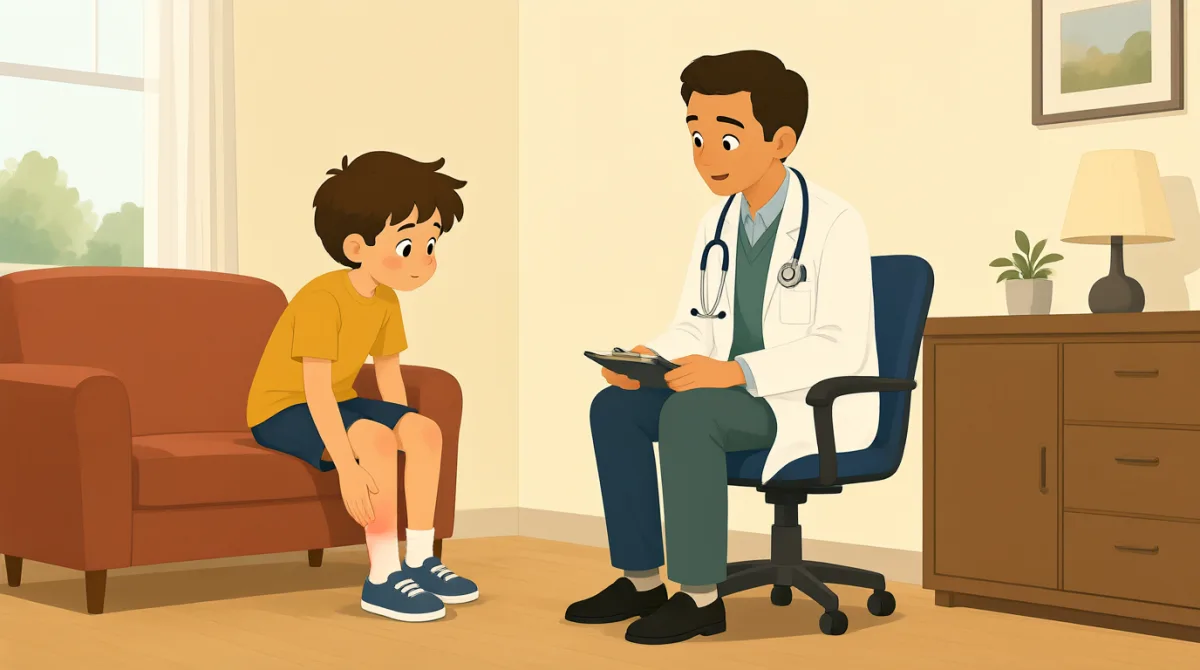

Hi, Leo. I understand you twisted your ankle. Can you tell me what happened?
안녕하세요, 레오. 발목을 삐끗하셨다고 들었어요. 무슨 일이 있었는지 말씀해 주시겠어요?

I was playing basketball and came down awkwardly after a jump. My foot rolled to the side, and I heard a pop.
농구를 하다가 점프한 뒤 발을 잘못 디뎠어요. 발이 옆으로 꺾였고, 뚝 하는 소리가 났어요.
When did this happen, and were you able to put any weight on that foot afterward?
언제 다치셨나요? 그 후에 그 발에 체중을 실을 수 있었어요?
It happened about two hours ago. I can walk, but I’m limping, and it hurts more when I put weight on it.
두 시간쯤 전에 다쳤어요. 걸을 수는 있는데 절뚝거리고, 발에 체중을 실으면 더 아파요.
Where does it hurt the most? And have you noticed any swelling, bruising, or numbness?
어디가 가장 아프세요? 부기나 멍, 저린 느낌은 없으세요?
The pain is mostly on the outside of my ankle. It’s getting swollen, but I don’t see bruising or feel numb.
발목 바깥쪽이 주로 아파요. 점점 붓고 있는데 멍은 안 보이고 저린 느낌도 없어요.
On a scale from zero to ten, how bad is the pain right now? Does anything make it feel better?
통증이 지금 0에서 10까지 중에 어느 정도인가요? 통증을 줄여 주는 게 있나요?
It’s about a six when I stand, maybe a three when I’m sitting. Keeping it still helps a little.
서 있으면 6 정도고, 앉아 있으면 한 3 정도예요. 가만히 두면 조금 나아요.
Any previous ankle injuries, allergies, or medications you’re taking?
예전에 발목을 다친 적이 있거나 알레르기가 있으세요? 복용 중인 약은요?
No previous injuries or allergies. I’m not taking any medication, and I haven’t put ice on it yet.
전에 다친 적도 없고 알레르기도 없어요. 먹는 약은 없고, 아직 얼음찜질도 안 했어요.
어휘8
- came down awkwardly발을 잘못 디뎠다
Landed in an uncomfortable or unbalanced way after jumping. You can use this phrase to explain how you landed or moved when you got hurt.
점프한 뒤 불편하거나 균형을 잃은 채 착지했다는 뜻이에요. 다쳤을 때 어떻게 착지했거나 움직였는지 설명할 때 쓸 수 있어요.
- rolled to the side옆으로 꺾이다
Describes a foot or ankle turning sideways. It helps explain the movement that caused an injury.
발이나 발목이 옆으로 돌아가는 것을 말해요. 부상을 일으킨 움직임을 설명할 때 유용해요.
- put any weight on that foot그 발에 체중을 싣다
Means to stand or walk using that foot to support your body. Clinicians may ask this to understand how an injury affects movement.
그 발을 이용해 몸을 지탱하며 서거나 걷는다는 뜻이에요. 의료진은 부상이 움직임에 어떤 영향을 주는지 알아보려고 이렇게 물을 수 있어요.
- limping절뚝거리다
Walking unevenly because one leg or foot hurts. You can say “I’m limping” to describe how an injury affects the way you walk.
다리나 발이 아파서 균형 있게 걷지 못하는 거예요. 부상이 걷는 데 어떤 영향을 주는지 설명할 때 “I’m limping”이라고 말할 수 있어요.
- swelling부기
An area of the body becoming larger, often after an injury. You can describe it by saying, “It’s getting swollen.”
부상 후에 몸의 한 부위가 부풀어 오르는 증상이에요. “It’s getting swollen.”이라고 말해 상태를 설명할 수 있어요.
- on a scale from zero to ten0에서 10까지의 척도로
A way to rate how strong pain is, with zero meaning no pain and ten meaning the worst pain. It is commonly used when talking with a clinician.
통증의 정도를 숫자로 표현하는 방법이에요. 0은 통증이 전혀 없는 상태, 10은 가장 심한 통증을 뜻해요. 의료진과 이야기할 때 흔히 사용해요.
- previous ankle injuries이전 발목 부상
Earlier injuries to the ankle. This phrase is useful when answering questions about your medical history.
예전에 발목을 다친 일을 말해요. 병력에 관한 질문에 답할 때 유용한 표현이에요.
- put ice on it얼음찜질하다
Apply ice to an injured area, usually to help with pain or swelling. You can use this phrase to explain what treatment you have or haven’t tried.
보통 통증이나 부기를 줄이려고 다친 부위에 얼음을 대는 거예요. 어떤 처치를 해 봤거나 아직 해 보지 않았는지 설명할 때 쓸 수 있어요.
핵심 문장7
- 1
Can you tell me what happened?
무슨 일이 있었는지 말씀해 주시겠어요?
A polite, open question for asking someone to describe an event. You can reuse it to invite someone to explain a problem or situation.
상대방에게 어떤 일이 있었는지 설명해 달라고 정중하게 묻는 열린 질문이에요. 문제나 상황을 설명해 달라고 할 때도 활용할 수 있어요.
- 2
My foot rolled to the side, and I heard a pop.
발이 옆으로 꺾였고, 뚝 하는 소리가 났어요.
This sentence describes both how the injury happened and what you heard. You can adapt it to report the movement and sounds connected to an injury.
이 문장은 부상이 어떻게 일어났는지와 어떤 소리를 들었는지를 함께 설명해요. 부상과 관련된 움직임이나 소리를 말할 때 응용할 수 있어요.
- 3
I can walk, but I’m limping, and it hurts more when I put weight on it.
걸을 수는 있는데 절뚝거리고, 발에 체중을 실으면 더 아파요.
This explains what you can do and what makes the pain worse. Replace “walk” or “put weight on it” with details that match your symptoms.
할 수 있는 동작과 통증을 더 심하게 만드는 상황을 설명하는 문장이에요. 증상에 맞게 “walk”나 “put weight on it”을 바꿔 말해 보세요.
- 4
The pain is mostly on the outside of my ankle.
발목 바깥쪽이 주로 아파요.
A clear way to say exactly where pain is located. You can replace “the outside of my ankle” with another body area.
통증이 정확히 어디에 있는지 분명하게 말하는 표현이에요. “the outside of my ankle” 대신 다른 신체 부위를 넣어 말할 수 있어요.
- 5
It’s about a six when I stand, maybe a three when I’m sitting.
서 있으면 6 정도고, 앉아 있으면 한 3 정도예요.
This compares pain levels in two situations using a number scale. You can use the same structure to explain how your pain changes with movement or rest.
숫자 척도를 사용해 두 상황에서 통증이 어느 정도인지 비교하는 표현이에요. 움직이거나 쉴 때 통증이 어떻게 달라지는지 설명할 때 같은 구조를 활용할 수 있어요.
- 6
Keeping it still helps a little.
가만히 두면 조금 나아요.
This describes something that reduces the pain slightly. You can use “Keeping [body part] still helps” to explain what makes a symptom better.
통증을 조금 줄여 주는 방법을 설명하는 문장이에요. 증상이 나아지는 방법을 말할 때 “Keeping [body part] still helps”를 활용해 보세요.
- 7
I’m not taking any medication, and I haven’t put ice on it yet.
먹는 약은 없고, 아직 얼음찜질도 안 했어요.
This gives a clinician useful information about medicine and care you have tried. You can change the details to say what you are taking or what treatment you have used.
복용 중인 약이나 시도해 본 처치에 관해 의료진에게 알려 주는 유용한 문장이에요. 실제로 복용 중인 약이나 받은 처치에 맞게 내용을 바꿔 말할 수 있어요.