Checking In and Using Insurance
접수 및 보험 이용하기
At the clinic, Leo checks in with the front desk and provides his insurance information. Emma helps him understand what the staff needs.
클리닉에서 레오는 접수 데스크에서 접수하고 보험 정보를 제공합니다. 에마는 직원이 어떤 정보를 필요로 하는지 이해하도록 도와줍니다.
대화10
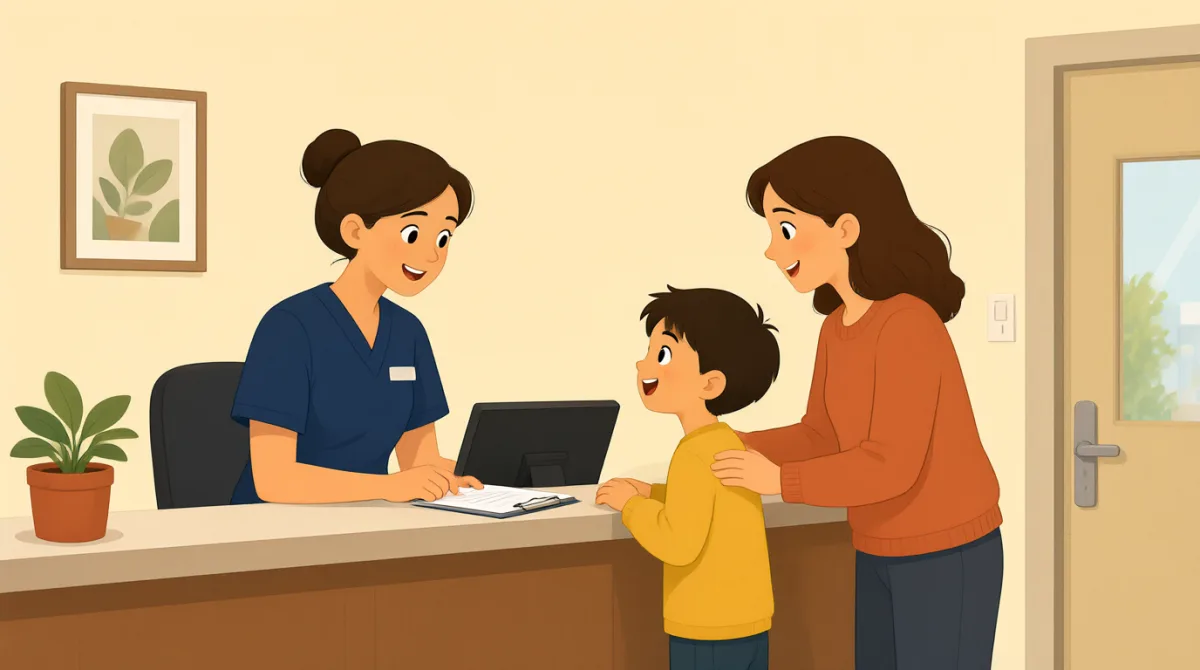

Hi there. Are you checking in for an appointment, or do you need to be seen today?
안녕하세요. 예약하신 진료로 접수하시나요, 아니면 오늘 진료를 받으셔야 하나요?

I twisted my ankle, and it’s pretty swollen. I don’t have an appointment, so I’m hoping to see someone soon.
발목을 삐었는데 꽤 부었어요. 예약은 안 해서 가능한 한 빨리 진료를 받고 싶어요.
Of course. Could I see your photo ID and insurance card? I’ll get your information into our system.
물론이죠. 사진이 있는 신분증과 보험증을 보여주시겠어요? 정보를 저희 시스템에 입력할게요.
Sure. Here’s my ID. I have a digital insurance card on my phone—is that okay?
네. 여기 신분증이요. 휴대폰에 디지털 보험증이 있는데, 괜찮을까요?
That works. Please open the card so I can check the member ID and the name on the plan.
네, 괜찮아요. 보험증을 열어 주세요. 가입자 번호와 보험에 등록된 이름을 확인할게요.

Leo, your insurance card is in the app under “My Documents.” I saved it there when we set up your account.
레오, 보험증은 앱의 ‘내 문서’에 있어. 계정을 설정할 때 거기에 저장해 뒀어.
Found it. Do you need my group number too, or is the member ID enough?
찾았어요. 단체 번호도 필요하세요, 아니면 가입자 번호만 있으면 되나요?
I can see both, thanks. Please fill out this form with your address, date of birth, and a contact number.
둘 다 확인할 수 있네요. 이 양식에 주소, 생년월일, 연락처를 적어 주세요.
All set. Will my insurance cover the visit, or should I expect to pay something today?
다 작성했어요. 보험으로 진료비가 보장되나요, 아니면 오늘 비용을 좀 내야 할까요?
Your plan may have a copay, but the exact amount depends on your coverage. We’ll check it and let you know before you leave.
보험 플랜에 따라 본인 부담금이 있을 수 있지만, 정확한 금액은 보장 내용에 따라 달라요. 확인한 뒤 가시기 전에 알려드릴게요.
어휘7
- twisted my ankle발목을 삐다
This means you injured your ankle by turning it suddenly. Use it to explain how an injury happened.
발목을 갑자기 비틀어 다쳤다는 뜻이에요. 부상이 어떻게 생겼는지 설명할 때 쓰세요.
- pretty swollen꽤 부은
This means quite swollen, or larger than usual because of an injury. “Pretty” makes the description sound natural and conversational.
상당히 부었거나, 다쳐서 평소보다 커졌다는 뜻이에요. “Pretty”를 넣으면 표현이 자연스럽고 일상적으로 들려요.
- be seen today오늘 진료를 받다
In a clinic, this means to have a medical professional examine you today. You can use it when asking for care without an appointment.
클리닉에서는 의료 전문가에게 오늘 진찰을 받는다는 뜻이에요. 예약 없이 진료를 요청할 때 쓸 수 있어요.
- insurance card보험증
This is a card with information about your health insurance. Clinics often ask to see it when you check in.
건강 보험에 관한 정보가 적힌 카드예요. 클리닉에서는 접수할 때 자주 보여 달라고 해요.
- member ID가입자 번호
This is the identification number for a person covered by an insurance plan. Staff may need it to check your coverage.
보험 플랜에 가입된 사람을 식별하는 번호예요. 직원이 보험 보장 내용을 확인할 때 필요할 수 있어요.
- group number단체 번호
This number identifies a particular insurance plan or group. It may appear on your insurance card alongside your member ID.
특정 보험 플랜이나 단체를 식별하는 번호예요. 보험증에 가입자 번호와 함께 적혀 있을 수 있어요.
- copay본인 부담금
A copay is a set amount you may need to pay for a medical visit. The amount depends on your insurance plan.
진료를 받을 때 내야 할 수 있는 정해진 금액이에요. 금액은 보험 플랜에 따라 달라요.
핵심 문장7
- 1
I twisted my ankle, and it’s pretty swollen.
발목을 삐었는데 꽤 부었어요.
Use this sentence to briefly describe an injury and one of its symptoms. You can replace “my ankle” with another injured body part.
부상과 그 증상 하나를 간단히 설명할 때 쓰는 문장이에요. “my ankle”을 다친 다른 신체 부위로 바꿔 말할 수 있어요.
- 2
I don’t have an appointment, so I’m hoping to see someone soon.
예약은 안 해서 가능한 한 빨리 진료를 받고 싶어요.
This is a polite way to explain that you need care without a scheduled appointment. Replace “see someone” with the kind of help you need.
예약된 진료는 없지만 치료가 필요하다고 정중하게 설명하는 표현이에요. “see someone”을 필요한 도움의 종류로 바꿔 쓸 수 있어요.
- 3
I have a digital insurance card on my phone—is that okay?
휴대폰에 디지털 보험증이 있는데, 괜찮을까요?
Use this when you have an electronic document instead of a physical card. You can adapt it for other digital forms of identification.
실물 카드 대신 전자 문서를 가지고 있을 때 쓰세요. 다른 디지털 신분증에도 응용할 수 있어요.
- 4
Do you need my group number too, or is the member ID enough?
단체 번호도 필요하세요, 아니면 가입자 번호만 있으면 되나요?
This is a useful way to check which details someone needs. The pattern “Do you need X, or is Y enough?” works in many service situations.
상대방이 어떤 정보를 필요로 하는지 확인할 때 유용한 표현이에요. “Do you need X, or is Y enough?”라는 패턴은 여러 서비스 상황에서 쓸 수 있어요.
- 5
Please fill out this form with your address, date of birth, and a contact number.
이 양식에 주소, 생년월일, 연락처를 적어 주세요.
This sentence shows how staff may ask you to complete a form and lists common information they need. Listen for each detail so you can provide it accurately.
직원이 양식을 작성해 달라고 요청하면서 필요한 기본 정보를 알려주는 문장이에요. 각각의 항목을 잘 듣고 정확하게 적어 주세요.
- 6
Will my insurance cover the visit, or should I expect to pay something today?
보험으로 진료비가 보장되나요, 아니면 오늘 비용을 좀 내야 할까요?
Use this to ask whether insurance will pay and whether you may owe money. “Should I expect to…” is a natural way to ask what is likely to happen.
보험에서 비용을 내주는지, 본인이 부담할 금액이 있는지 물어볼 때 쓰세요. “Should I expect to…”는 어떤 일이 일어날 가능성이 있는지 자연스럽게 묻는 표현이에요.
- 7
Your plan may have a copay, but the exact amount depends on your coverage.
보험 플랜에 따라 본인 부담금이 있을 수 있지만, 정확한 금액은 보장 내용에 따라 달라요.
This explains that a copay is possible but the amount varies by plan. It is useful language for discussing costs that are not yet confirmed.
본인 부담금이 발생할 수도 있지만, 금액은 플랜마다 다르다는 뜻이에요. 아직 확정되지 않은 비용을 설명할 때 유용한 표현이에요.