A Friend Who Always Borrows Money
دوستی که همیشه پول قرض میگیرد
Leo asks Emma to lend him money again, and she explains kindly but clearly that she can’t keep covering his expenses. They discuss other ways he might handle the shortfall.
لئو دوباره از اِما میخواهد به او پول قرض بدهد و او با مهربانی اما قاطعانه توضیح میدهد که نمیتواند مدام خرجهای او را تقبل کند. آنها دربارهٔ راههای دیگری که لئو میتواند کمبود پولش را جبران کند گفتوگو میکنند.
گفتوگو9
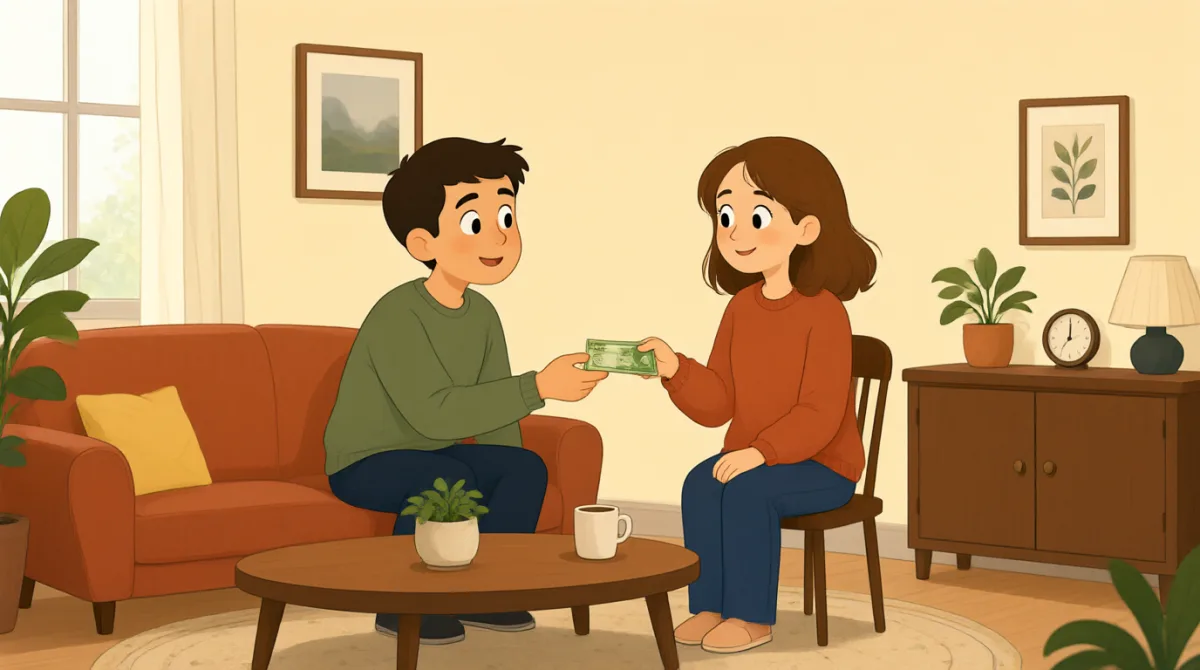

Hey, Emma. Could you lend me two hundred dollars until payday? My car insurance came out earlier than I expected, and I’m a little short this week.
سلام اِما. میتونی تا روز حقوق دویست دلار بهم قرض بدی؟ پول بیمهٔ ماشینم زودتر از چیزی که فکر میکردم از حسابم کم شد و این هفته یهکم کم آوردم.

I’m sorry you’re dealing with that. I need to be honest, though: I can’t lend you money this time. I’ve covered a few expenses for you recently, and it’s starting to put pressure on my own budget.
متأسفم که درگیر این مسئلهای. ولی باید باهات صادق باشم: این بار نمیتونم بهت پول قرض بدم. اخیراً چند بار خرجهات رو تقبل کردم و این داره به بودجهٔ خودم فشار میاره.
I get it. I was planning to pay you back as soon as I get paid. I just thought it might be easier to ask you than to deal with the insurance company.
میفهمم. قصد داشتم همین که حقوق گرفتم پولت رو پس بدم. فقط فکر کردم درخواست از تو شاید راحتتر از سروکله زدن با شرکت بیمه باشه.
I understand why you asked, and I’m not upset with you. But I don’t want money to become a regular part of our friendship, especially when I’m not sure when I’ll be paid back.
میفهمم چرا ازم خواستی و ازت ناراحت نیستم. ولی نمیخوام پول قرض دادن تبدیل به بخش همیشگی دوستیمون بشه، مخصوصاً وقتی مطمئن نیستم کی پولم رو پس میگیرم.
That’s fair. I didn’t realize it was becoming a pattern. I suppose I’ve been counting on you to bail me out instead of looking at why I keep running short.
حرفت منطقیه. نمیدونستم داره به یه عادت تبدیل میشه. فکر کنم بهجای اینکه ببینم چرا همیشه کم میارم، روی این حساب میکردم که تو نجاتم بدی.
Thanks for hearing me out. Maybe you could call the insurance company and ask whether they’ll let you change the payment date or split the bill into installments.
ممنون که حرفم رو شنیدی. شاید بتونی با شرکت بیمه تماس بگیری و بپرسی اجازه میدن تاریخ پرداخت رو عوض کنی یا مبلغ رو قسطبندی کنی.
I could do that. I’ve been putting off calling them because I assumed they’d say no, but it’s worth checking. I can also cut back on a couple of things this week.
میتونم این کار رو بکنم. چون فکر میکردم جوابشون نه باشه، تماس گرفتن باهاشون رو هی عقب انداختم، ولی ارزشش رو داره که بپرسم. این هفته میتونم از چندتا خرج هم کم کنم.
That sounds like a solid plan. I’m happy to help you think through your options, but I need to keep lending money off the table. I hope you know this doesn’t change how much I value our friendship.
بهنظرم نقشهٔ خوبیه. خوشحال میشم کمک کنم گزینههات رو بررسی کنی، ولی باید قرض دادن پول رو از گزینههامون خارج نگه دارم. امیدوارم بدونی این موضوع چیزی از ارزشی که برای دوستیمون قائلم کم نمیکنه.
I do, and I appreciate you being straight with me. I’ll call them today and work out a budget so I’m not scrambling every time an unexpected bill comes up.
میدونم و ممنونم که رک و راست باهام حرف زدی. امروز باهاشون تماس میگیرم و یه بودجهبندی میکنم که هر بار یه قبض غیرمنتظره میاد، مجبور نشم با عجله دنبال راهحل بگردم.
واژگان8
- a little short this weekاین هفته یهکم کم آوردن
This means not having quite enough money for current expenses. It’s a tactful way to describe a temporary money shortage.
این عبارت یعنی برای خرجهای فعلی پول کافی نداشتن. راهی مؤدبانه برای توصیف کمبود موقت پول است.
- put pressure on my own budgetبه بودجهٔ خودم فشار آوردن
This means making it harder to manage your personal spending. You can use it to explain how helping someone affects your finances.
یعنی مدیریت خرجهای شخصیات را سختتر کردن. میتوانی از این عبارت برای توضیح اینکه کمک به کسی چه اثری بر وضعیت مالیات میگذارد استفاده کنی.
- pay you backپولت را پس دادن
This means returning money you borrowed. Use it when discussing when or how you’ll repay someone.
یعنی پولی را که قرض گرفتهای برگردانی. وقتی دربارهٔ زمان یا شیوهٔ پس دادن پول به کسی حرف میزنی، از این عبارت استفاده کن.
- become a regular part of our friendshipتبدیل به بخش همیشگی دوستیمان شدن
This means turn into something that happens often between friends. Here, it politely expresses concern that lending money could become a habit.
یعنی چیزی به اتفاقی تبدیل شود که بین دوستان مرتب رخ میدهد. اینجا، این عبارت مؤدبانه نگرانی از این را بیان میکند که قرض دادن پول به عادت تبدیل شود.
- bail me outنجاتم دادن
To bail someone out is to rescue them from a difficult situation, often by providing money. It can also suggest that the person relies on others instead of solving the underlying problem.
نجات دادن کسی از موقعیتی دشوار است، اغلب با کمک مالی. این عبارت میتواند نشان دهد که آن شخص بهجای حل مشکل اصلی، به دیگران تکیه میکند.
- putting off calling themتماس گرفتن با آنها را عقب انداختن
This means delaying a phone call you need to make. Use “put off” with a noun or an -ing verb to talk about postponing something.
یعنی تماس تلفنیای را که باید بگیری به تعویق بیندازی. برای حرف زدن دربارهٔ عقب انداختن کاری، «put off» را با اسم یا فعلِ دارای «-ing» به کار ببر.
- keep lending money off the tableقرض دادن پول را از گزینهها خارج نگه داشتن
This means make clear that lending money is not an option. “Off the table” is useful for setting a firm boundary during a discussion.
یعنی روشن کنی که قرض دادن پول گزینهای نیست. عبارت «Off the table» هنگام گفتوگو برای تعیین حد و مرزی قاطع کاربرد دارد.
- scramblingبا عجله دنبال راهحل گشتن
Here, this means rushing to deal with a problem at the last minute. It often describes trying to find money or make arrangements under pressure.
اینجا یعنی در لحظهٔ آخر با عجله برای حل مشکلی اقدام کردن. این واژه اغلب برای تلاش تحت فشار جهت پیدا کردن پول یا جور کردن ترتیبات لازم به کار میرود.
جملات کلیدی7
- 1
I need to be honest, though: I can’t lend you money this time.
ولی باید باهات صادق باشم: این بار نمیتونم بهت پول قرض بدم.
This is a kind but direct way to refuse a request. You can reuse “I need to be honest, though” before stating a difficult decision.
این راهی مهربانانه اما مستقیم برای رد کردن یک درخواست است. میتوانی پیش از گفتن یک تصمیم دشوار، دوباره از «I need to be honest, though» استفاده کنی.
- 2
I’ve covered a few expenses for you recently, and it’s starting to put pressure on my own budget.
اخیراً چند بار خرجهات رو تقبل کردم و این داره به بودجهٔ خودم فشار میاره.
This explains a boundary by describing its effect on your own finances rather than blaming the other person. Replace “covered a few expenses” with another kind of help you have been providing.
این جمله با توضیح تأثیر یک موضوع بر وضعیت مالی خودت، حد و مرزی را مشخص میکند و بهجای سرزنش طرف مقابل، بر اثر آن تمرکز دارد. میتوانی «covered a few expenses» را با نوع دیگری از کمکی که ارائه کردهای جایگزین کنی.
- 3
I don’t want money to become a regular part of our friendship, especially when I’m not sure when I’ll be paid back.
نمیخوام پول قرض دادن تبدیل به بخش همیشگی دوستیمون بشه، مخصوصاً وقتی مطمئن نیستم کی پولم رو پس میگیرم.
This sets a limit while showing that you value the relationship. You can adapt “I don’t want [something] to become a regular part of [our arrangement].”
این جمله در عین نشان دادن اهمیت رابطه، حد و مرزی تعیین میکند. میتوانی الگوی «I don’t want [something] to become a regular part of [our arrangement].» را متناسب با موقعیت خودت تغییر بدهی.
- 4
I suppose I’ve been counting on you to bail me out instead of looking at why I keep running short.
فکر کنم بهجای اینکه ببینم چرا همیشه کم میارم، روی این حساب میکردم که تو نجاتم بدی.
This sentence acknowledges a pattern and takes responsibility for it. Use “counting on [someone] to [do something]” to describe relying on another person.
این جمله الگویی رفتاری را میپذیرد و مسئولیت آن را به عهده میگیرد. از «counting on [someone] to [do something]» برای توصیف تکیه کردن به کسی استفاده کن.
- 5
Maybe you could call the insurance company and ask whether they’ll let you change the payment date or split the bill into installments.
شاید بتونی با شرکت بیمه تماس بگیری و بپرسی اجازه میدن تاریخ پرداخت رو عوض کنی یا مبلغ رو قسطبندی کنی.
This offers practical alternatives without taking over the other person’s problem. “Maybe you could…” is a tactful way to suggest a next step.
این جمله راهحلهای عملی پیشنهاد میدهد، بیآنکه مشکل طرف مقابل را خودت به عهده بگیری. «Maybe you could…» راهی مؤدبانه برای پیشنهاد دادن قدم بعدی است.
- 6
I’m happy to help you think through your options, but I need to keep lending money off the table.
خوشحال میشم کمک کنم گزینههات رو بررسی کنی، ولی باید قرض دادن پول رو از گزینههامون خارج نگه دارم.
This combines support with a clear boundary. You can use “I’m happy to help with X, but I need to keep Y off the table” to clarify what you can and can’t offer.
این جمله حمایت را با تعیین حد و مرزی روشن همراه میکند. میتوانی از الگوی «I’m happy to help with X, but I need to keep Y off the table» استفاده کنی تا روشن کنی چه کمکی از دستت برمیآید و چه کمکی نه.
- 7
I’ll call them today and work out a budget so I’m not scrambling every time an unexpected bill comes up.
امروز باهاشون تماس میگیرم و یه بودجهبندی میکنم که هر بار یه قبض غیرمنتظره میاد، مجبور نشم با عجله دنبال راهحل بگردم.
This describes a concrete plan and its intended benefit. “So I’m not…” is useful for explaining what you hope to avoid.
این جمله برنامهای مشخص و فایدهٔ موردانتظارش را بیان میکند. برای توضیح اینکه امیدوار هستی از چه چیزی جلوگیری کنی، میتوانی از «So I’m not…» استفاده کنی.