Reading the No-Pets Clause
بررسی بندِ ممنوعیت حیوانات خانگی
Emma reviews her lease with Jack and notices a clause that prohibits pets without the landlord’s written permission. They discuss what the wording allows and decide to ask before making any plans.
اِما قرارداد اجارهاش را با جک مرور میکند و متوجه بندی میشود که داشتن حیوان خانگی را بدون اجازهٔ کتبیِ صاحبخانه ممنوع میکند. آنها دربارهٔ مفهوم این عبارت گفتوگو میکنند و تصمیم میگیرند پیش از هر برنامهریزی، سؤال کنند.
گفتوگو10
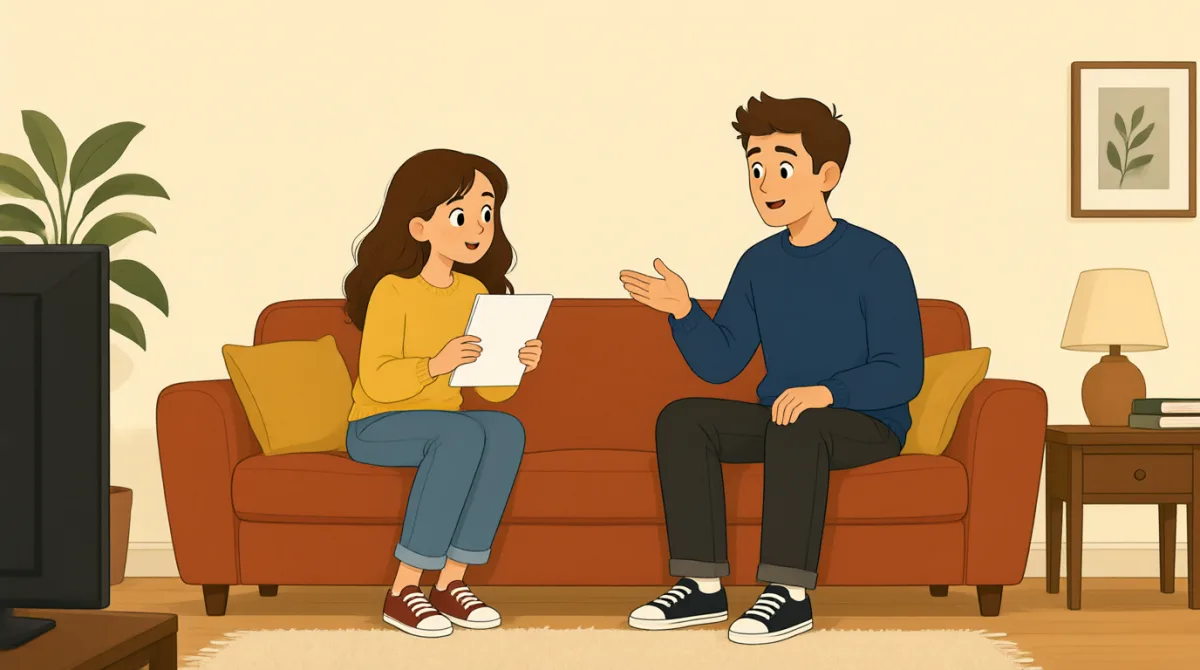

Jack, could you take a look at this section of my lease? I want to make sure I understand the pet policy before I even think about adopting a dog.
جک، میشه نگاهی به این بخش از قراردادم بندازی؟ میخوام مطمئن بشم قبل از اینکه حتی به گرفتن یک سگ فکر کنم، قوانین مربوط به حیوانات خانگی رو درست فهمیدهام.

Sure. It says, “Pets are not permitted without the landlord’s prior written permission.” That sounds strict, but it doesn’t rule out asking for an exception.
حتماً. نوشته: «حیوانات خانگی بدون اجازهٔ کتبیِ قبلیِ صاحبخانه مجاز نیستند.» سختگیرانه به نظر میرسه، اما درخواست استثنا رو منتفی نمیکنه.
That’s how I read it, too. The key phrase seems to be “without written permission,” rather than a blanket ban that gives the landlord no choice.
من هم همینطور برداشت میکنم. به نظر میرسه عبارت کلیدی «بدون اجازهٔ کتبی» باشه، نه یک ممنوعیت کامل که هیچ اختیاری برای صاحبخانه باقی نذاره.
Right, although I wouldn’t assume it means approval is guaranteed. It just leaves the door open for you to make a request and see what the landlord says.
درسته، هرچند نباید فرض کنی که حتماً موافقت میشه. فقط راه رو برای درخواست کردن و فهمیدن نظر صاحبخانه باز میذاره.
I’m not planning to bring a dog home first and ask questions later. I’d rather find out exactly what the lease allows and get approval in writing.
قصد ندارم اول سگ رو به خانه بیارم و بعد دنبال جواب سؤالها بگردم. ترجیح میدم دقیقاً بفهمم قرارداد چه چیزی رو اجازه میده و موافقت رو کتبی بگیرم.
That’s sensible. Also check whether there’s another section about deposits, damage, or building rules; the pet clause may not be the whole story.
تصمیم عاقلانهایه. همچنین بررسی کن ببین بخش دیگری دربارهٔ ودیعه، خسارت یا قوانین ساختمان وجود داره یا نه؛ شاید بند حیوانات خانگی تمام ماجرا نباشه.
There’s a paragraph saying tenants are responsible for any damage caused by guests or animals. I suppose that means I’d have to cover repairs if the dog scratched the floors.
یک بند هست که میگه مستأجران مسئول هر خسارتی هستند که مهمانها یا حیوانات ایجاد کنند. فکر میکنم یعنی اگر سگ کفپوشها رو خراش بده، باید هزینهٔ تعمیرات رو بپردازم.
That’s how it reads. Before you sign up for anything, you could ask whether the landlord has conditions in mind, such as a pet deposit or limits on the dog’s size.
مفهومش همین به نظر میرسه. قبل از اینکه برای چیزی تعهد بدی، میتونی بپرسی آیا صاحبخانه شرایط خاصی مدنظر داره، مثلاً ودیعهٔ حیوان خانگی یا محدودیت برای اندازهٔ سگ.
Good point. I’ll review the rest of the lease tonight and send a polite message asking what information the landlord would need to consider an exception.
نکتهٔ خوبی بود. امشب بقیهٔ قرارداد رو مرور میکنم و پیام مؤدبانهای میفرستم و میپرسم صاحبخانه برای بررسی یک استثنا به چه اطلاعاتی نیاز داره.
And until you get clear written approval, hold off on making any commitments. It’s better to get everything sorted out up front than untangle a mess later.
و تا وقتی موافقت کتبی و روشنی نگرفتی، از هرگونه تعهدی خودداری کن. بهتره همهچیز رو از همان اول مشخص کنی تا اینکه بعداً بخوای یک دردسر را حلوفصل کنی.
واژگان7
- prior written permissionاجازهٔ کتبیِ قبلی
Approval given in writing before you do something. In this lease, the landlord must approve a pet in writing first.
موافقتی که پیش از انجام کاری و بهصورت کتبی داده میشود. در این قرارداد، صاحبخانه باید ابتدا داشتن حیوان خانگی را بهصورت کتبی تأیید کند.
- rule outمنتفی کردن؛ از احتمال خارج کردن
To say that something is not possible or will not happen. Here, the clause does not completely rule out getting a pet.
گفتن اینکه چیزی ممکن نیست یا اتفاق نخواهد افتاد. در اینجا، بند قرارداد گرفتن حیوان خانگی را کاملاً منتفی نمیکند.
- a blanket banممنوعیت کامل
A complete prohibition that applies in every case. Emma contrasts this with a rule that may allow exceptions.
ممنوعیتی که در همهٔ موارد اعمال میشود. اِما آن را با قانونی مقایسه میکند که ممکن است استثناهایی داشته باشد.
- the whole storyتمام ماجرا
All the relevant information about a situation. Jack advises checking other lease sections, since the pet clause may not include every rule.
همهٔ اطلاعات مرتبط با یک موقعیت. جک توصیه میکند بخشهای دیگر قرارداد هم بررسی شوند، چون بند حیوانات خانگی ممکن است همهٔ قوانین را شامل نشود.
- hold off onدست نگه داشتن از؛ به تعویق انداختن
To wait before doing or deciding something. Jack suggests waiting to make commitments until Emma has written approval.
صبر کردن پیش از انجام دادن یا تصمیم گرفتن دربارهٔ چیزی. جک پیشنهاد میکند اِما تا گرفتن موافقت کتبی، ایجاد تعهد را به تعویق بیندازد.
- up frontاز همان ابتدا؛ از پیش
Before something happens or at the beginning of a process. Here, it means settling the details in advance.
پیش از رخ دادن چیزی یا در آغاز یک فرایند. در اینجا یعنی جزئیات را از قبل مشخص و حلوفصل کردن.
- untangle a messحلوفصل کردن یک دردسر
To sort out a confusing or difficult problem. Jack means that getting approval early can prevent complications later.
سامان دادن به یک مشکل گیجکننده یا دشوار. منظور جک این است که گرفتن موافقت از ابتدا میتواند از پیچیده شدن اوضاع در آینده جلوگیری کند.
جملات کلیدی8
- 1
That sounds strict, but it doesn’t rule out asking for an exception.
سختگیرانه به نظر میرسد، اما درخواست استثنا را منتفی نمیکند.
This sentence acknowledges a restriction while pointing out a possible next step. Use “doesn’t rule out + -ing” to say that something remains possible.
این جمله یک محدودیت را میپذیرد و در عین حال به یک گام احتمالی بعدی اشاره میکند. از “doesn’t rule out + -ing” برای گفتن اینکه چیزی همچنان ممکن است استفاده کنید.
- 2
The key phrase seems to be “without written permission,” rather than a blanket ban that gives the landlord no choice.
به نظر میرسد عبارت کلیدی «بدون اجازهٔ کتبی» باشد، نه یک ممنوعیت کامل که هیچ اختیاری برای صاحبخانه باقی نگذارد.
This is useful for explaining how you interpret a rule while using cautious language. “The key phrase seems to be…” introduces your reading without sounding overly certain.
این جمله برای توضیح برداشت شما از یک قانون، با استفاده از زبانی محتاطانه، مفید است. عبارت “The key phrase seems to be…” برداشت شما را معرفی میکند، بدون اینکه بیش از حد قطعی به نظر برسید.
- 3
It just leaves the door open for you to make a request and see what the landlord says.
فقط راه را برای درخواست کردن و فهمیدن نظر صاحبخانه باز میگذارد.
This phrase describes a possibility without promising an outcome. Reuse “leaves the door open” when a rule or situation allows for a potential option.
این عبارت یک امکان را توصیف میکند، بدون اینکه نتیجهای را تضمین کند. وقتی یک قانون یا موقعیت امکان بالقوهای را باقی میگذارد، دوباره از “leaves the door open” استفاده کنید.
- 4
I’d rather find out exactly what the lease allows and get approval in writing.
ترجیح میدهم دقیقاً بفهمم قرارداد چه چیزی را اجازه میدهد و موافقت را کتبی بگیرم.
This clearly expresses a careful preference and identifies a practical action. The pattern “I’d rather…” is useful when explaining what you prefer to do.
این جمله ترجیحی محتاطانه را بهروشنی بیان میکند و یک اقدام عملی را مشخص میسازد. الگوی “I’d rather…” وقتی میخواهید توضیح دهید انجام چه کاری را ترجیح میدهید، مفید است.
- 5
Before you sign up for anything, you could ask whether the landlord has conditions in mind, such as a pet deposit or limits on the dog’s size.
قبل از اینکه برای چیزی تعهد بدهی، میتوانی بپرسی آیا صاحبخانه شرایط خاصی مدنظر دارد، مثلاً ودیعهٔ حیوان خانگی یا محدودیت برای اندازهٔ سگ.
This offers a tactful suggestion and gives examples of details to clarify. Use “you could ask whether…” to make a polite recommendation.
این جمله پیشنهادی مؤدبانه ارائه میدهد و نمونههایی از جزئیاتی را که باید روشن شوند بیان میکند. برای مطرح کردن یک توصیهٔ مؤدبانه از “you could ask whether…” استفاده کنید.
- 6
I’ll review the rest of the lease tonight and send a polite message asking what information the landlord would need to consider an exception.
امشب بقیهٔ قرارداد را مرور میکنم و پیام مؤدبانهای میفرستم و میپرسم صاحبخانه برای بررسی یک استثنا به چه اطلاعاتی نیاز دارد.
This sentence lays out a concrete plan and politely asks about requirements. It is useful when describing next steps in a negotiation.
این جمله برنامهای مشخص را بیان میکند و دربارهٔ شرایط لازم، مؤدبانه سؤال میپرسد. هنگام توضیح دادن گامهای بعدی در یک مذاکره، این ساختار مفید است.
- 7
And until you get clear written approval, hold off on making any commitments.
و تا وقتی موافقت کتبی و روشنی نگرفتی، از هرگونه تعهدی خودداری کن.
This gives direct but sensible advice about waiting for confirmation. “Until…” sets a condition, and “hold off on” means to postpone an action.
این جمله توصیهای مستقیم اما منطقی دربارهٔ صبر کردن برای تأیید ارائه میدهد. “Until…” یک شرط را مشخص میکند و “hold off on” یعنی انجام کاری را به تعویق انداختن.
- 8
It’s better to get everything sorted out up front than untangle a mess later.
بهتر است همهچیز را از همان ابتدا مشخص کنی تا اینکه بعداً بخواهی یک دردسر را حلوفصل کنی.
This compares preventing a problem with dealing with it afterward. The structure “It’s better to… than…” is useful for explaining why planning ahead matters.
این جمله پیشگیری از یک مشکل را با رسیدگی به آن پس از وقوع مقایسه میکند. ساختار “It’s better to… than…” برای توضیح دادن اهمیت برنامهریزی از قبل مفید است.