Checking In the Next Day
پیگیری در روز بعد
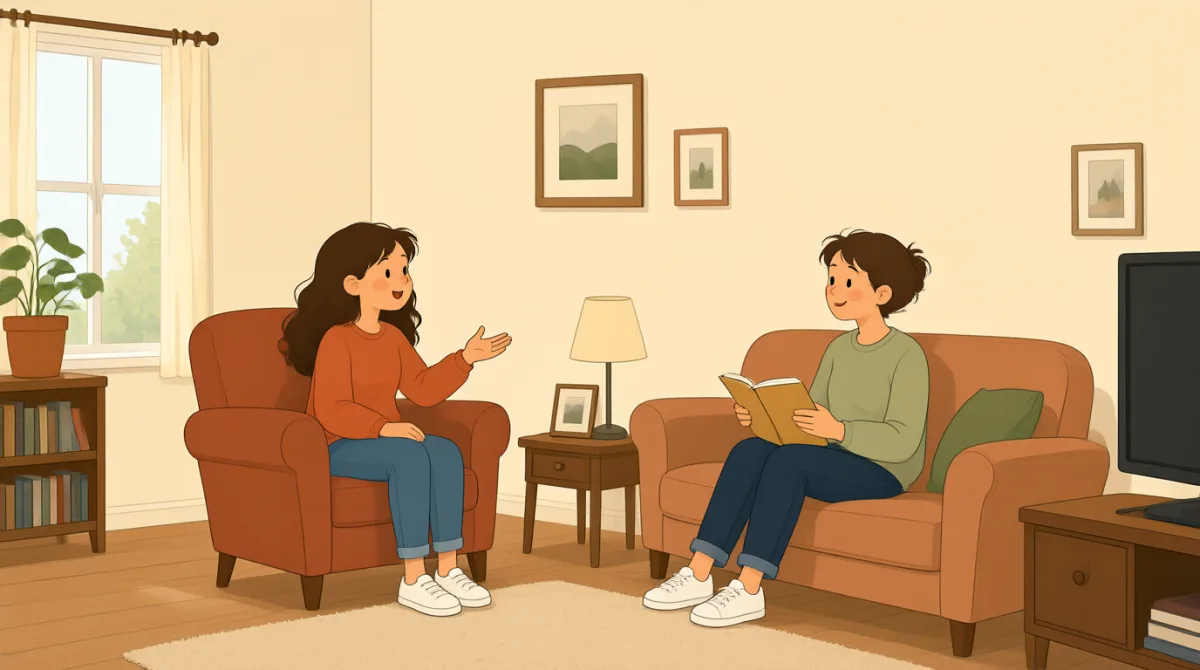
Emma calls Grace the next morning with an update on how she feels. They discuss whether Emma can return to work the following day.
اما صبح روز بعد به گریس زنگ میزند و حالش را به او میگوید. آنها دربارهٔ اینکه آیا اما میتواند روز بعد به سر کار برگردد صحبت میکنند.
گفتوگو8

Good morning, Grace. I’m still feeling sick today, so I can’t come in.
صبح بخیر گریس. امروز هنوز حالم خوب نیست، برای همین نمیتونم بیام سر کار.

I’m sorry to hear that. Do you have a fever or a cough?
متأسفم که اینو میشنوم. تب یا سرفه داری؟
I have a fever and a bad headache. I’m going to rest today.
تب دارم و سردرد شدیدی هم دارم. امروز استراحت میکنم.
Okay, please take care of yourself. Do you think you’ll be back tomorrow?
باشه، لطفاً مراقب خودت باش. فکر میکنی فردا برمیگردی؟
I hope so. I’ll see how I feel later today and call you this afternoon.
امیدوارم. امروز بعدتر میبینم حالم چطوره و بعدازظهر بهت زنگ میزنم.
That sounds good. Don’t worry about work today; we can handle your tasks.
خوبه. امروز نگران کار نباش؛ ما کارهات رو انجام میدیم.
Thanks, Grace. I’ll send you an update this afternoon.
ممنون گریس. بعدازظهر بهت خبر میدم.
You’re welcome. Get some rest, and I hope you feel better soon.
خواهش میکنم. کمی استراحت کن، امیدوارم زودتر حالت بهتر بشه.
واژگان8
- come inآمدن سر کار
Here, it means to go to work. You can say, “I can’t come in today” when you are unable to work.
اینجا یعنی سر کار رفتن. وقتی نمیتونی کار کنی، میتونی بگی “I can’t come in today” (امروز نمیتونم بیام سر کار).
- feverتب
A fever is when your body temperature is higher than normal. It is a common symptom of being sick.
تب یعنی دمای بدن از حد معمول بالاتر باشد. تب یکی از نشانههای رایج بیماری است.
- bad headacheسردرد شدید
A bad headache is strong pain in your head. Use “bad” to describe a symptom that is severe.
سردرد شدید یعنی درد زیادی در سر. از “bad” برای توصیف نشانهای استفاده میکنیم که شدید است.
- take care of yourselfمراقب خودت بودن
This means to do things that help you stay well or get better. It is a kind way to show concern.
یعنی کارهایی انجام بدهی که کمک کنند سالم بمانی یا حالت بهتر شود. این عبارت راهی مهربانانه برای نشان دادن نگرانی است.
- back tomorrowفردا برگشتن
Here, this means returning to work the next day. You can ask, “Will you be back tomorrow?”
اینجا یعنی روز بعد به سر کار برگشتن. میتوانی بپرسی “Will you be back tomorrow?” (فردا برمیگردی؟).
- see how I feelببینم حالم چطور است
This means to wait and check how you feel before making a decision. It is useful when you are not sure what you will be able to do.
یعنی پیش از تصمیمگیری صبر کنی و ببینی چه حالی داری. وقتی مطمئن نیستی از پس چه کاری برمیآیی، این عبارت به کار میآید.
- handle your tasksرسیدگی به کارهایت
This means to take care of your work duties. You can use it to reassure someone that their work will be managed.
یعنی مسئولیتهای کاریات را انجام دادن. میتوانی از این عبارت استفاده کنی تا به کسی اطمینان بدهی که کارهایش انجام میشوند.
- get some restکمی استراحت کردن
This means to relax or sleep so you can recover. It is a common way to wish someone well when they are sick.
یعنی استراحت کنی یا بخوابی تا حالت بهتر شود. وقتی کسی بیمار است، معمولاً برای آرزوی سلامتی از این عبارت استفاده میکنیم.
جملات کلیدی8
- 1
I’m still feeling sick today, so I can’t come in.
امروز هنوز حالم خوب نیست، برای همین نمیتونم بیام سر کار.
Use this to tell someone you are still unwell and cannot go to work. You can change “today” to another day.
از این جمله برای گفتن این استفاده کن که هنوز حالت خوب نیست و نمیتوانی سر کار بروی. میتوانی “today” را با روز دیگری جایگزین کنی.
- 2
Do you have a fever or a cough?
تب یا سرفه داری؟
This is a simple way to ask about common symptoms. You can replace “a fever or a cough” with other symptoms.
این راه سادهای برای پرسیدن دربارهٔ نشانههای رایج بیماری است. میتوانی “a fever or a cough” را با نشانههای دیگری جایگزین کنی.
- 3
I’m going to rest today.
امروز استراحت میکنم.
Use “I’m going to” to talk about a plan. Replace “rest” with another activity, such as “stay home.”
از “I’m going to” برای صحبت دربارهٔ برنامهای در آینده استفاده کن. میتوانی “rest” را با فعالیت دیگری مثل “stay home” جایگزین کنی.
- 4
Do you think you’ll be back tomorrow?
فکر میکنی فردا برمیگردی؟
This is a polite way to ask if someone expects to return the next day. You can change “tomorrow” to another time.
این راهی مؤدبانه برای پرسیدن این است که آیا کسی انتظار دارد روز بعد برگردد. میتوانی “tomorrow” را با زمان دیگری جایگزین کنی.
- 5
I’ll see how I feel later today and call you this afternoon.
امروز بعدتر میبینم حالم چطوره و بعدازظهر بهت زنگ میزنم.
This sentence explains that you will check how you feel and follow up later. Use “I’ll” to talk about a future action.
این جمله میگوید که حالت را بررسی میکنی و بعدتر خبر میدهی. از “I’ll” برای صحبت دربارهٔ کاری در آینده استفاده کن.
- 6
Don’t worry about work today; we can handle your tasks.
امروز نگران کار نباش؛ ما کارهات رو انجام میدیم.
Use this to reassure someone that their work will be taken care of. You can replace “your tasks” with a specific responsibility.
از این جمله برای اطمینان دادن به کسی استفاده کن که کارهایش انجام میشوند. میتوانی “your tasks” را با مسئولیت مشخصی جایگزین کنی.
- 7
I’ll send you an update this afternoon.
بعدازظهر بهت خبر میدم.
This is a clear way to promise to share new information later. You can change “this afternoon” to another time.
این جمله راه روشنی برای قول دادن به اطلاعرسانی در آینده است. میتوانی “this afternoon” را با زمان دیگری جایگزین کنی.
- 8
Get some rest, and I hope you feel better soon.
کمی استراحت کن، امیدوارم زودتر حالت بهتر بشه.
This is a friendly way to encourage someone who is sick. You can use “I hope you feel better soon” by itself, too.
این راهی دوستانه برای دلگرم کردن کسی است که بیمار شده. میتوانی بهتنهایی هم از “I hope you feel better soon” استفاده کنی.