Checking In the Next Day
เช็กอาการในวันถัดมา
Emma calls Grace the next morning with an update on how she feels. They discuss whether Emma can return to work the following day.
เช้าวันถัดมา เอ็มมาโทรหาเกรซเพื่ออัปเดตอาการ ทั้งคู่คุยกันว่าเอ็มมาจะกลับไปทำงานในวันรุ่งขึ้นได้หรือไม่
บทสนทนา8
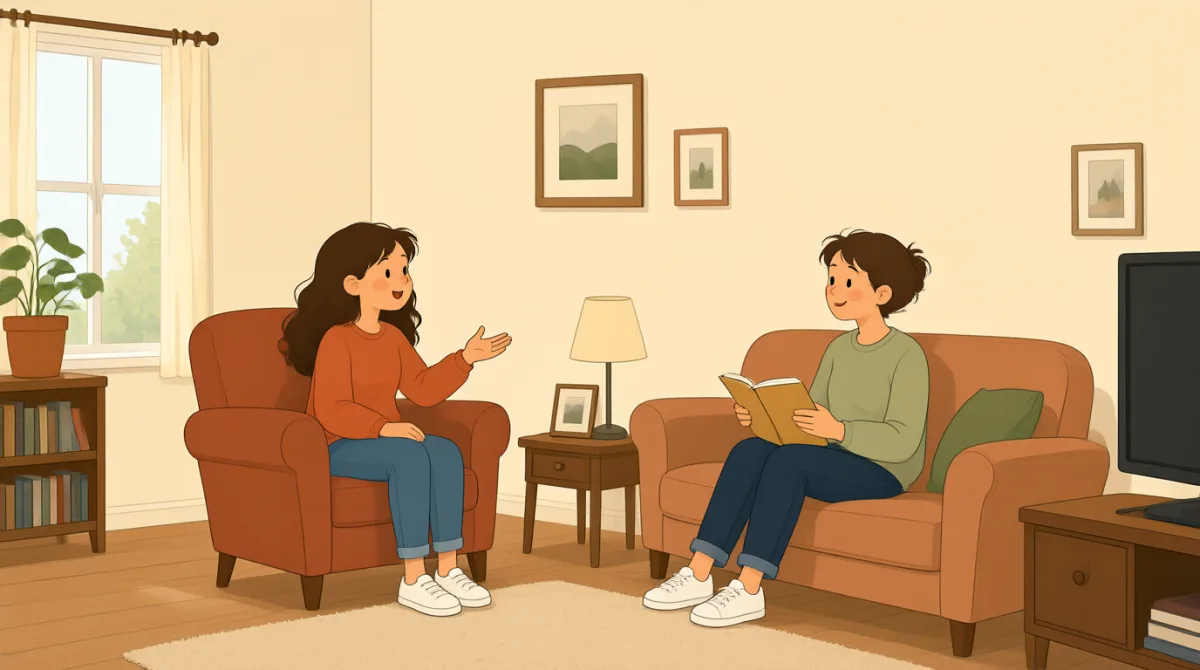

Good morning, Grace. I’m still feeling sick today, so I can’t come in.
อรุณสวัสดิ์ เกรซ วันนี้ฉันยังไม่สบายอยู่ เลยไปทำงานไม่ได้

I’m sorry to hear that. Do you have a fever or a cough?
ได้ยินแบบนั้นแล้วเสียใจด้วยนะ มีไข้หรือไอไหม
I have a fever and a bad headache. I’m going to rest today.
ฉันมีไข้แล้วก็ปวดหัวมาก วันนี้ฉันจะพักผ่อน
Okay, please take care of yourself. Do you think you’ll be back tomorrow?
โอเค ดูแลตัวเองด้วยนะ คิดว่าพรุ่งนี้จะกลับมาทำงานได้ไหม
I hope so. I’ll see how I feel later today and call you this afternoon.
หวังว่าจะได้นะ วันนี้ช่วงหลังฉันจะดูว่าอาการเป็นยังไง แล้วจะโทรหาเธอตอนบ่าย
That sounds good. Don’t worry about work today; we can handle your tasks.
ได้เลย วันนี้ไม่ต้องห่วงเรื่องงานนะ พวกเราจัดการงานของเธอได้
Thanks, Grace. I’ll send you an update this afternoon.
ขอบใจนะ เกรซ ฉันจะส่งข่าวให้ตอนบ่าย
You’re welcome. Get some rest, and I hope you feel better soon.
ยินดีจ้ะ พักผ่อนเยอะ ๆ นะ ขอให้หายไว ๆ
คำศัพท์8
- come inไปทำงาน
Here, it means to go to work. You can say, “I can’t come in today” when you are unable to work.
ในที่นี้หมายถึงไปทำงาน ถ้าไปทำงานไม่ได้ ก็พูดว่า “I can’t come in today” ได้
- feverไข้
A fever is when your body temperature is higher than normal. It is a common symptom of being sick.
ไข้คือภาวะที่อุณหภูมิร่างกายสูงกว่าปกติ เป็นอาการที่พบได้บ่อยเวลาป่วย
- bad headacheปวดหัวมาก
A bad headache is strong pain in your head. Use “bad” to describe a symptom that is severe.
“Bad headache” คืออาการปวดศีรษะอย่างรุนแรง ใช้ “bad” บรรยายอาการที่หนักหรือรุนแรงได้
- take care of yourselfดูแลตัวเอง
This means to do things that help you stay well or get better. It is a kind way to show concern.
หมายถึงทำสิ่งต่าง ๆ เพื่อให้สุขภาพดีหรือหายป่วย เป็นคำพูดที่แสดงความห่วงใยอย่างอ่อนโยน
- back tomorrowกลับมาพรุ่งนี้
Here, this means returning to work the next day. You can ask, “Will you be back tomorrow?”
ในที่นี้หมายถึงกลับไปทำงานในวันถัดไป ถามได้ว่า “Will you be back tomorrow?” (พรุ่งนี้จะกลับมาไหม)
- see how I feelดูว่าอาการเป็นยังไง
This means to wait and check how you feel before making a decision. It is useful when you are not sure what you will be able to do.
หมายถึงรอดูว่าเรารู้สึกอย่างไรก่อนตัดสินใจ ใช้ได้เมื่อยังไม่แน่ใจว่าจะทำอะไรไหวบ้าง
- handle your tasksจัดการงานของคุณ
This means to take care of your work duties. You can use it to reassure someone that their work will be managed.
หมายถึงดูแลงานที่เป็นหน้าที่ของใครสักคน ใช้เพื่อให้อีกฝ่ายสบายใจว่างานของเขาจะมีคนจัดการให้
- get some restพักผ่อนสักหน่อย
This means to relax or sleep so you can recover. It is a common way to wish someone well when they are sick.
หมายถึงผ่อนคลายหรือนอนหลับเพื่อให้ร่างกายฟื้นตัว เป็นคำอวยพรที่ใช้กันทั่วไปเมื่อมีคนป่วย
ประโยคสำคัญ8
- 1
I’m still feeling sick today, so I can’t come in.
วันนี้ฉันยังไม่สบายอยู่ เลยไปทำงานไม่ได้
Use this to tell someone you are still unwell and cannot go to work. You can change “today” to another day.
ใช้ประโยคนี้บอกใครสักคนว่าคุณยังไม่สบายและไปทำงานไม่ได้ เปลี่ยน “today” เป็นวันอื่นได้
- 2
Do you have a fever or a cough?
มีไข้หรือไอไหม
This is a simple way to ask about common symptoms. You can replace “a fever or a cough” with other symptoms.
นี่เป็นวิธีง่าย ๆ ในการถามถึงอาการป่วยที่พบบ่อย คุณเปลี่ยน “a fever or a cough” เป็นอาการอื่นได้
- 3
I’m going to rest today.
วันนี้ฉันจะพักผ่อน
Use “I’m going to” to talk about a plan. Replace “rest” with another activity, such as “stay home.”
ใช้ “I’m going to” เพื่อพูดถึงแผนที่ตั้งใจจะทำ เปลี่ยน “rest” เป็นกิจกรรมอื่นได้ เช่น “stay home”
- 4
Do you think you’ll be back tomorrow?
คิดว่าพรุ่งนี้จะกลับมาไหม
This is a polite way to ask if someone expects to return the next day. You can change “tomorrow” to another time.
นี่เป็นวิธีสุภาพในการถามว่าอีกฝ่ายคิดว่าจะกลับมาในวันถัดไปไหม เปลี่ยน “tomorrow” เป็นเวลาอื่นได้
- 5
I’ll see how I feel later today and call you this afternoon.
วันนี้ช่วงหลังฉันจะดูว่าอาการเป็นยังไง แล้วจะโทรหาเธอตอนบ่าย
This sentence explains that you will check how you feel and follow up later. Use “I’ll” to talk about a future action.
ประโยคนี้บอกว่าคุณจะเช็กอาการแล้วติดต่อกลับภายหลัง ใช้ “I’ll” เพื่อพูดถึงสิ่งที่จะทำในอนาคต
- 6
Don’t worry about work today; we can handle your tasks.
วันนี้ไม่ต้องห่วงเรื่องงานนะ พวกเราจัดการงานของเธอได้
Use this to reassure someone that their work will be taken care of. You can replace “your tasks” with a specific responsibility.
ใช้ประโยคนี้เพื่อให้อีกฝ่ายสบายใจว่างานของเขาจะมีคนดูแล คุณเปลี่ยน “your tasks” เป็นหน้าที่เฉพาะอย่างได้
- 7
I’ll send you an update this afternoon.
ฉันจะส่งข่าวให้ตอนบ่าย
This is a clear way to promise to share new information later. You can change “this afternoon” to another time.
นี่เป็นวิธีชัดเจนในการรับปากว่าจะบอกข้อมูลใหม่ให้ทราบภายหลัง เปลี่ยน “this afternoon” เป็นเวลาอื่นได้
- 8
Get some rest, and I hope you feel better soon.
พักผ่อนเยอะ ๆ นะ ขอให้หายไว ๆ
This is a friendly way to encourage someone who is sick. You can use “I hope you feel better soon” by itself, too.
นี่เป็นวิธีเป็นกันเองในการให้กำลังใจคนที่ป่วย จะพูดแค่ “I hope you feel better soon” ก็ได้