Checking In the Next Day
Al día siguiente
Emma calls Grace the next morning with an update on how she feels. They discuss whether Emma can return to work the following day.
Emma llama a Grace a la mañana siguiente para contarle cómo se siente. Hablan de si Emma podrá volver al trabajo al día siguiente.
Diálogo8
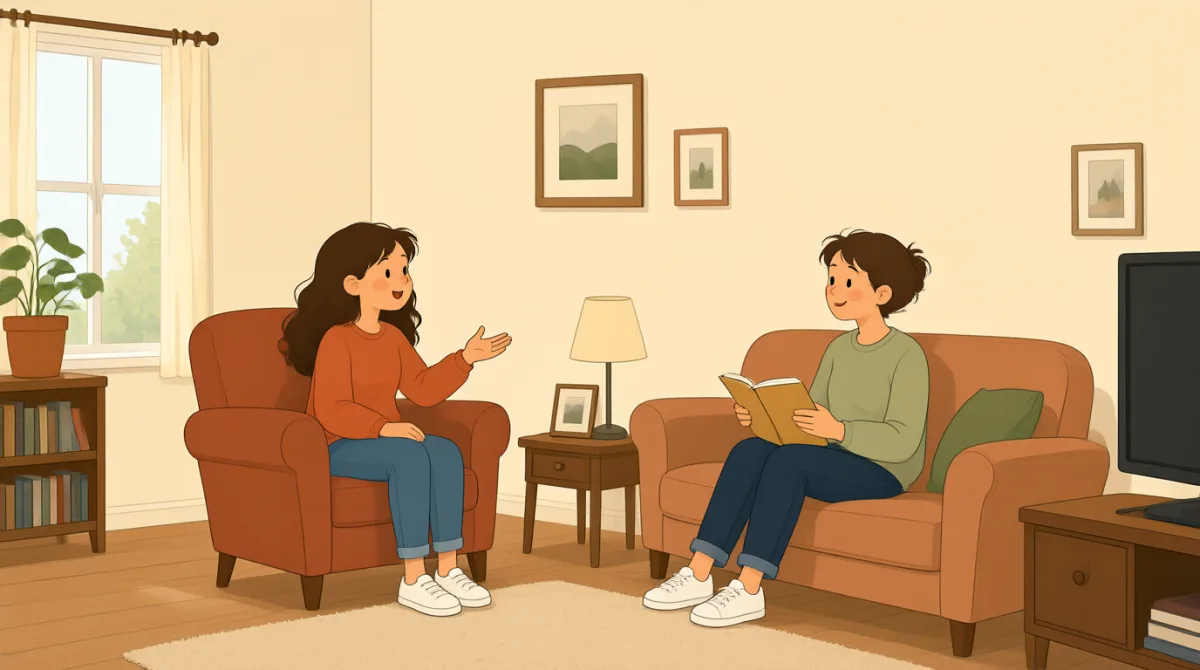

Good morning, Grace. I’m still feeling sick today, so I can’t come in.
Buenos días, Grace. Hoy todavía me siento mal, así que no puedo ir a trabajar.

I’m sorry to hear that. Do you have a fever or a cough?
Siento oír eso. ¿Tienes fiebre o tos?
I have a fever and a bad headache. I’m going to rest today.
Tengo fiebre y un dolor de cabeza muy fuerte. Hoy voy a descansar.
Okay, please take care of yourself. Do you think you’ll be back tomorrow?
Está bien, cuídate mucho. ¿Crees que podrás volver mañana?
I hope so. I’ll see how I feel later today and call you this afternoon.
Eso espero. A ver cómo me siento más tarde y te llamo esta tarde.
That sounds good. Don’t worry about work today; we can handle your tasks.
Me parece bien. No te preocupes por el trabajo hoy; podemos encargarnos de tus tareas.
Thanks, Grace. I’ll send you an update this afternoon.
Gracias, Grace. Te contaré cómo sigo esta tarde.
You’re welcome. Get some rest, and I hope you feel better soon.
De nada. Descansa un poco y espero que te mejores pronto.
Vocabulario8
- come inir a trabajar
Here, it means to go to work. You can say, “I can’t come in today” when you are unable to work.
Aquí significa ir al trabajo. Puedes decir “I can’t come in today” (Hoy no puedo ir a trabajar) cuando no puedes trabajar.
- feverfiebre
A fever is when your body temperature is higher than normal. It is a common symptom of being sick.
Tienes fiebre cuando la temperatura de tu cuerpo está por encima de lo normal. Es un síntoma común cuando estás enfermo.
- bad headachedolor de cabeza fuerte
A bad headache is strong pain in your head. Use “bad” to describe a symptom that is severe.
Un “bad headache” es un dolor intenso en la cabeza. Usa “bad” para describir un síntoma grave.
- take care of yourselfcuidarte
This means to do things that help you stay well or get better. It is a kind way to show concern.
Significa hacer cosas que te ayuden a mantenerte bien o a recuperarte. Es una forma amable de mostrar preocupación.
- back tomorrowvolver mañana
Here, this means returning to work the next day. You can ask, “Will you be back tomorrow?”
Aquí significa volver al trabajo al día siguiente. Puedes preguntar “Will you be back tomorrow?” (¿Volverás mañana?).
- see how I feelver cómo me siento
This means to wait and check how you feel before making a decision. It is useful when you are not sure what you will be able to do.
Significa esperar y comprobar cómo te sientes antes de decidir. Es útil cuando no sabes con seguridad qué podrás hacer.
- handle your tasksencargarse de tus tareas
This means to take care of your work duties. You can use it to reassure someone that their work will be managed.
Significa ocuparse de tus responsabilidades laborales. Puedes usar esta expresión para tranquilizar a alguien y decirle que se encargarán de su trabajo.
- get some restdescansar un poco
This means to relax or sleep so you can recover. It is a common way to wish someone well when they are sick.
Significa relajarte o dormir para recuperarte. Es una forma habitual de desearle lo mejor a alguien que está enfermo.
Frases clave8
- 1
I’m still feeling sick today, so I can’t come in.
Hoy todavía me siento mal, así que no puedo ir a trabajar.
Use this to tell someone you are still unwell and cannot go to work. You can change “today” to another day.
Usa esta frase para decirle a alguien que sigues sintiéndote mal y no puedes ir a trabajar. Puedes cambiar “today” por otro día.
- 2
Do you have a fever or a cough?
¿Tienes fiebre o tos?
This is a simple way to ask about common symptoms. You can replace “a fever or a cough” with other symptoms.
Esta es una forma sencilla de preguntar por síntomas comunes. Puedes reemplazar “a fever or a cough” por otros síntomas.
- 3
I’m going to rest today.
Hoy voy a descansar.
Use “I’m going to” to talk about a plan. Replace “rest” with another activity, such as “stay home.”
Usa “I’m going to” para hablar de un plan. Puedes reemplazar “rest” por otra actividad, como “stay home”.
- 4
Do you think you’ll be back tomorrow?
¿Crees que podrás volver mañana?
This is a polite way to ask if someone expects to return the next day. You can change “tomorrow” to another time.
Esta es una forma cortés de preguntar si alguien cree que volverá al día siguiente. Puedes cambiar “tomorrow” por otro momento.
- 5
I’ll see how I feel later today and call you this afternoon.
A ver cómo me siento más tarde y te llamo esta tarde.
This sentence explains that you will check how you feel and follow up later. Use “I’ll” to talk about a future action.
Esta frase explica que comprobarás cómo te sientes y volverás a comunicarte más tarde. Usa “I’ll” para hablar de una acción futura.
- 6
Don’t worry about work today; we can handle your tasks.
No te preocupes por el trabajo hoy; podemos encargarnos de tus tareas.
Use this to reassure someone that their work will be taken care of. You can replace “your tasks” with a specific responsibility.
Usa esta frase para tranquilizar a alguien y decirle que se ocuparán de su trabajo. Puedes reemplazar “your tasks” por una responsabilidad concreta.
- 7
I’ll send you an update this afternoon.
Te contaré cómo sigo esta tarde.
This is a clear way to promise to share new information later. You can change “this afternoon” to another time.
Esta es una forma clara de prometer que compartirás información nueva más tarde. Puedes cambiar “this afternoon” por otro momento.
- 8
Get some rest, and I hope you feel better soon.
Descansa un poco y espero que te mejores pronto.
This is a friendly way to encourage someone who is sick. You can use “I hope you feel better soon” by itself, too.
Esta es una forma amable de animar a alguien que está enfermo. También puedes usar “I hope you feel better soon” por sí sola.