Checking In the Next Day
الاطمئنان في اليوم التالي
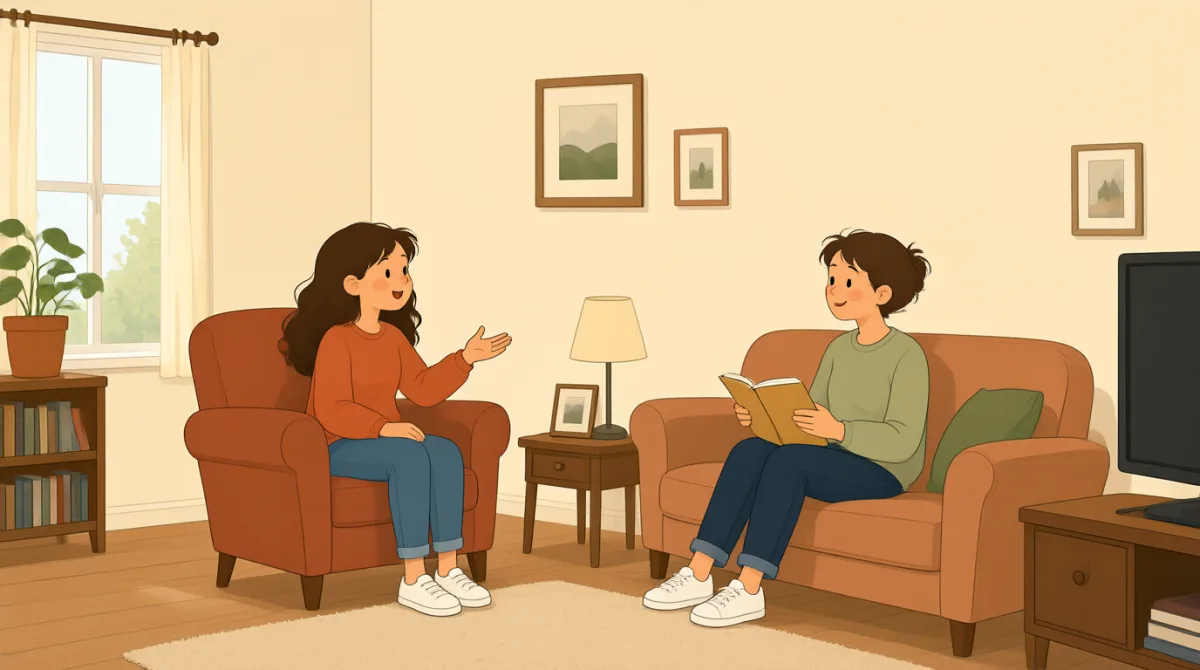
Emma calls Grace the next morning with an update on how she feels. They discuss whether Emma can return to work the following day.
تتصل إيما بغريس في صباح اليوم التالي لتخبرها بحالتها. وتناقشان ما إذا كانت إيما ستتمكن من العودة إلى العمل في اليوم التالي.
حوار8

Good morning, Grace. I’m still feeling sick today, so I can’t come in.
صباح الخير يا غريس. ما زلت أشعر بالمرض اليوم، لذلك لا أستطيع الحضور إلى العمل.

I’m sorry to hear that. Do you have a fever or a cough?
آسفة لسماع ذلك. هل لديك حمى أو سعال؟
I have a fever and a bad headache. I’m going to rest today.
لدي حمى وصداع شديد. سأرتاح اليوم.
Okay, please take care of yourself. Do you think you’ll be back tomorrow?
حسنًا، أرجو أن تعتني بنفسك. هل تظنين أنك ستعودين غدًا؟
I hope so. I’ll see how I feel later today and call you this afternoon.
آمل ذلك. سأرى كيف سأشعر في وقت لاحق اليوم، وسأتصل بك بعد ظهر اليوم.
That sounds good. Don’t worry about work today; we can handle your tasks.
هذا جيد. لا تقلقي بشأن العمل اليوم؛ يمكننا تولّي مهامك.
Thanks, Grace. I’ll send you an update this afternoon.
شكرًا يا غريس. سأرسل إليك تحديثًا بعد ظهر اليوم.
You’re welcome. Get some rest, and I hope you feel better soon.
على الرحب والسعة. خذي قسطًا من الراحة، وآمل أن تتحسني قريبًا.
المفردات8
- come inيحضر إلى العمل
Here, it means to go to work. You can say, “I can’t come in today” when you are unable to work.
هنا، تعني هذه العبارة الذهاب إلى العمل. يمكنك قول “I can’t come in today” عندما لا تستطيع العمل.
- feverحمّى
A fever is when your body temperature is higher than normal. It is a common symptom of being sick.
الحمّى هي ارتفاع درجة حرارة الجسم عن المعدل الطبيعي. وهي من الأعراض الشائعة للمرض.
- bad headacheصداع شديد
A bad headache is strong pain in your head. Use “bad” to describe a symptom that is severe.
الصداع الشديد هو ألم قوي في الرأس. استخدم “bad” لوصف عَرَض حاد.
- take care of yourselfيعتني بنفسه
This means to do things that help you stay well or get better. It is a kind way to show concern.
تعني هذه العبارة القيام بأمور تساعدك على الحفاظ على صحتك أو التعافي. وهي طريقة لطيفة للتعبير عن الاهتمام.
- back tomorrowالعودة غدًا
Here, this means returning to work the next day. You can ask, “Will you be back tomorrow?”
تعني هذه العبارة هنا العودة إلى العمل في اليوم التالي. يمكنك أن تسأل: “Will you be back tomorrow?”.
- see how I feelيرى كيف يشعر
This means to wait and check how you feel before making a decision. It is useful when you are not sure what you will be able to do.
تعني هذه العبارة الانتظار لمعرفة حالتك قبل اتخاذ قرار. وهي مفيدة عندما لا تكون متأكدًا مما ستتمكن من فعله.
- handle your tasksيتولى مهامك
This means to take care of your work duties. You can use it to reassure someone that their work will be managed.
تعني هذه العبارة الاهتمام بواجباتك في العمل وإنجازها. يمكنك استخدامها لطمأنة شخص بأن أحدًا سيتولى عمله.
- get some restيأخذ قسطًا من الراحة
This means to relax or sleep so you can recover. It is a common way to wish someone well when they are sick.
تعني هذه العبارة الاسترخاء أو النوم حتى تتعافى. وهي طريقة شائعة لتمني الشفاء لشخص مريض.
الجمل الأساسية8
- 1
I’m still feeling sick today, so I can’t come in.
ما زلت أشعر بالمرض اليوم، لذلك لا أستطيع الحضور إلى العمل.
Use this to tell someone you are still unwell and cannot go to work. You can change “today” to another day.
استخدم هذه العبارة لتخبر شخصًا بأنك ما زلت مريضًا ولا تستطيع الذهاب إلى العمل. يمكنك استبدال “today” بيوم آخر.
- 2
Do you have a fever or a cough?
هل لديك حمى أو سعال؟
This is a simple way to ask about common symptoms. You can replace “a fever or a cough” with other symptoms.
هذه طريقة بسيطة للسؤال عن أعراض شائعة. يمكنك استبدال “a fever or a cough” بأعراض أخرى.
- 3
I’m going to rest today.
سأرتاح اليوم.
Use “I’m going to” to talk about a plan. Replace “rest” with another activity, such as “stay home.”
استخدم “I’m going to” للتحدث عن خطة. استبدل “rest” بنشاط آخر، مثل “stay home.”.
- 4
Do you think you’ll be back tomorrow?
هل تظنين أنك ستعودين غدًا؟
This is a polite way to ask if someone expects to return the next day. You can change “tomorrow” to another time.
هذه طريقة مهذبة للسؤال عما إذا كان شخص ما يتوقع العودة في اليوم التالي. يمكنك استبدال “tomorrow” بوقت آخر.
- 5
I’ll see how I feel later today and call you this afternoon.
سأرى كيف سأشعر في وقت لاحق اليوم، وسأتصل بك بعد ظهر اليوم.
This sentence explains that you will check how you feel and follow up later. Use “I’ll” to talk about a future action.
توضح هذه الجملة أنك ستتحقق من حالتك وتتواصل لاحقًا. استخدم “I’ll” للتحدث عن فعل مستقبلي.
- 6
Don’t worry about work today; we can handle your tasks.
لا تقلقي بشأن العمل اليوم؛ يمكننا تولّي مهامك.
Use this to reassure someone that their work will be taken care of. You can replace “your tasks” with a specific responsibility.
استخدم هذه العبارة لطمأنة شخص بأن أحدًا سيتولى عمله. يمكنك استبدال “your tasks” بمسؤولية محددة.
- 7
I’ll send you an update this afternoon.
سأرسل إليك تحديثًا بعد ظهر اليوم.
This is a clear way to promise to share new information later. You can change “this afternoon” to another time.
هذه طريقة واضحة للتعهد بمشاركة معلومات جديدة لاحقًا. يمكنك استبدال “this afternoon” بوقت آخر.
- 8
Get some rest, and I hope you feel better soon.
خذي قسطًا من الراحة، وآمل أن تتحسني قريبًا.
This is a friendly way to encourage someone who is sick. You can use “I hope you feel better soon” by itself, too.
هذه طريقة ودودة لتشجيع شخص مريض. ويمكنك استخدام “I hope you feel better soon” بمفردها أيضًا.