The Parents Come Home
والدین به خانه برمیگردند
Mia and Jack come home and ask Emma how the evening went. Emma tells them what the child ate, what they played, and how bedtime went.
میا و جک به خانه برمیگردند و از اِما میپرسند شب چطور گذشت. اِما برایشان تعریف میکند که بچه چه خورد، چه بازیای کردند و موقع خواب چطور گذشت.
گفتوگو8
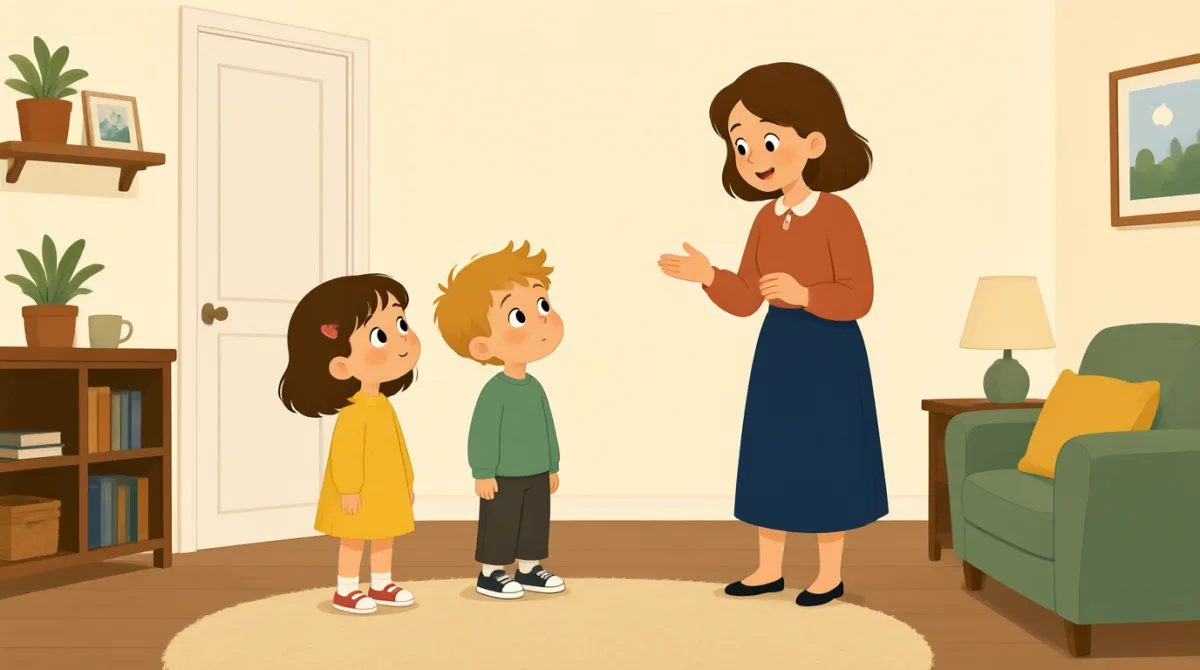

Thanks for staying with her, Emma. How did the evening go?
ممنون که پیشش موندی، اِما. شب چطور گذشت؟

It went well. She ate some pasta and asked for more.
خوب گذشت. کمی پاستا خورد و باز هم خواست.

Great. What did you two do after dinner?
عالیه. بعد از شام دوتایی چی کار کردین؟
We played a simple card game. She was excited, but took turns.
یه بازی ساده با ورق کردیم. هیجانزده شده بود، ولی نوبتی بازی کرد.
And bedtime? She sometimes says she isn't tired.
موقع خواب چی؟ گاهی میگه خسته نیست.
She said that tonight, too. I read her a short story, and she settled down.
امشب هم همین رو گفت. یه داستان کوتاه براش خوندم و آروم شد.
Thanks for handling everything so well. Was she asleep when you left?
ممنون که همهچیز رو اینقدر خوب مدیریت کردی. وقتی رفتی خوابیده بود؟
Yes, she was asleep. I left the light on in the hallway, like you asked.
آره، خواب بود. چراغ راهرو رو روشن گذاشتم، همونطور که خواسته بودی.
واژگان6
- staying with herپیش او ماندن و مراقبش بودن
This means taking care of her while her parents are away. You can say, “Thanks for staying with my dog.”
یعنی وقتی پدر و مادرش خانه نیستند، از او مراقبت کردن. میتوانی بگویی: “Thanks for staying with my dog.” (ممنون که پیش سگم موندی.)
- went wellخوب پیش رفتن
This means that something happened successfully, without serious problems. You can use it to describe how a meeting, trip, or evening was.
یعنی چیزی با موفقیت و بدون مشکل جدی انجام یا برگزار شده. میتوانی برای توصیف چگونگی برگزاری جلسه، سفر یا یک شب از این عبارت استفاده کنی.
- asked for moreباز هم خواستن
This means she wanted another serving of food. You can also say, “He asked for more water.”
یعنی او یک وعدهی دیگر غذا میخواست. میتوانی بگویی: “He asked for more water.” (او آب بیشتری خواست.)
- settled downآرام شدن
Here, this means she became calm and ready to sleep. You can also use it when someone becomes quiet after being excited.
اینجا یعنی آرام شد و آمادهی خوابیدن بود. وقتی کسی بعد از هیجانزده بودن آرام میشود هم میتوانی از این عبارت استفاده کنی.
- handling everythingهمهچیز را مدیریت کردن
This means taking care of all the tasks or problems. You can say, “Thanks for handling everything while I was away.”
یعنی رسیدگی به همهی کارها یا مشکلات. میتوانی بگویی: “Thanks for handling everything while I was away.” (ممنون که وقتی نبودم به همهچیز رسیدگی کردی.)
- left the light onچراغ را روشن گذاشتن
This means Emma did not turn off the light when she left. You can say, “I left the kitchen light on.”
یعنی اِما وقتی رفت، چراغ را خاموش نکرد. میتوانی بگویی: “I left the kitchen light on.” (چراغ آشپزخانه را روشن گذاشتم.)
جملات کلیدی8
- 1
How did the evening go?
شب چطور گذشت؟
This is a friendly way to ask how an event or activity went. You can use it after a visit, meeting, or day out.
این راهی دوستانه برای پرسیدن دربارهی چگونگی پیش رفتن یک رویداد یا فعالیت است. بعد از دیدار، جلسه یا گردش روزانه میتوانی از آن استفاده کنی.
- 2
It went well.
خوب گذشت.
This is a short, common way to say that something was successful. You can use it to answer questions about how an event went.
این عبارت کوتاه و رایجی برای گفتن این است که چیزی با موفقیت پیش رفت. میتوانی در پاسخ به پرسش دربارهی چگونگی پیش رفتن یک رویداد از آن استفاده کنی.
- 3
What did you two do after dinner?
بعد از شام دوتایی چی کار کردین؟
Use this question to ask what two people did after an event or meal. You can change “after dinner” to “after school” or “after work.”
از این پرسش برای پرسیدن دربارهی کاری استفاده کن که دو نفر بعد از یک رویداد یا وعدهی غذایی انجام دادهاند. میتوانی “after dinner” را با “after school” یا “after work” عوض کنی.
- 4
We played a simple card game.
یه بازی ساده با ورق کردیم.
This sentence tells someone what activity you did. You can replace “a simple card game” with another activity, such as “a board game.”
این جمله به کسی میگوید چه فعالیتی انجام دادهاید. میتوانی “a simple card game” را با فعالیت دیگری، مثل “a board game”، جایگزین کنی.
- 5
She said that tonight, too.
امشب هم همین رو گفت.
This means she said the same thing tonight as she has said before. You can use “too” to show that something happened again.
یعنی امشب همان چیزی را گفت که قبلاً هم گفته بود. میتوانی از “too” استفاده کنی تا نشان بدهی چیزی دوباره اتفاق افتاده است.
- 6
I read her a short story, and she settled down.
یه داستان کوتاه براش خوندم و آروم شد.
This explains what you did and what happened next. You can use this pattern to describe how one action helped someone become calm.
این جمله توضیح میدهد چه کار کردی و بعد چه اتفاقی افتاد. میتوانی از این الگو برای توضیح این استفاده کنی که چطور کاری باعث شد کسی آرام شود.
- 7
Was she asleep when you left?
وقتی رفتی خواب بود؟
This is a yes-or-no question about what was happening at the time someone left. You can use the same pattern to ask, “Was he home when you called?”
این پرسشی است که پاسخ آن بله یا خیر است و دربارهی وضعیت کسی در زمان رفتنِ فردی دیگر میپرسد. میتوانی با همین الگو بپرسی: “Was he home when you called?” (وقتی زنگ زدی، خانه بود؟)
- 8
I left the light on in the hallway, like you asked.
چراغ راهرو رو روشن گذاشتم، همونطور که خواسته بودی.
This tells someone you followed their request. You can change “left the light on” to another action, such as “locked the door.”
این جمله به کسی میگوید که خواستهاش را انجام دادهای. میتوانی “left the light on” را با کار دیگری، مثل “locked the door”، جایگزین کنی.