The Parents Come Home
বাবা-মা বাড়ি ফিরলেন
Mia and Jack come home and ask Emma how the evening went. Emma tells them what the child ate, what they played, and how bedtime went.
মিয়া আর জ্যাক বাড়ি ফিরে এমাকে জিজ্ঞেস করে সন্ধ্যাটা কেমন কেটেছে। এমা তাদের বলে বাচ্চাটি কী খেয়েছে, তারা কী খেলেছে আর ঘুম পাড়ানোর সময় কেমন গেছে।
সংলাপ8
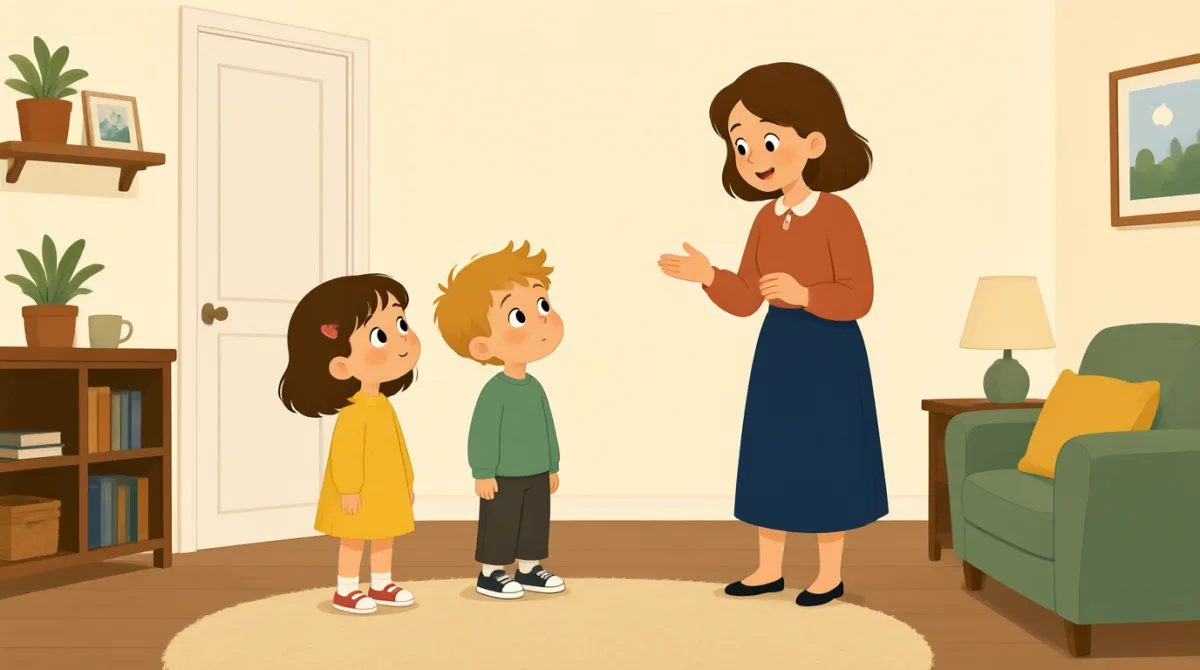

Thanks for staying with her, Emma. How did the evening go?
ওর সঙ্গে থাকার জন্য ধন্যবাদ, এমা। সন্ধ্যাটা কেমন কাটল?

It went well. She ate some pasta and asked for more.
ভালোই কেটেছে। ও কিছু পাস্তা খেয়েছে, আর আরও চেয়েছে।

Great. What did you two do after dinner?
দারুণ। রাতের খাবারের পর তোমরা দুজন কী করলে?
We played a simple card game. She was excited, but took turns.
আমরা একটা সহজ তাসের খেলা খেলেছি। ও খুব উত্তেজিত ছিল, তবে নিজের পালার জন্য অপেক্ষা করেছে।
And bedtime? She sometimes says she isn't tired.
আর ঘুমানোর সময়? ও মাঝে মাঝে বলে যে ওর ঘুম পাচ্ছে না।
She said that tonight, too. I read her a short story, and she settled down.
আজ রাতেও ও তা-ই বলেছিল। আমি ওকে একটা ছোট গল্প পড়ে শুনিয়েছি, তারপর ও শান্ত হয়ে ঘুমানোর জন্য তৈরি হয়েছে।
Thanks for handling everything so well. Was she asleep when you left?
সবকিছু এত সুন্দরভাবে সামলানোর জন্য ধন্যবাদ। তুমি চলে যাওয়ার সময় কি ও ঘুমিয়ে পড়েছিল?
Yes, she was asleep. I left the light on in the hallway, like you asked.
হ্যাঁ, ও ঘুমিয়ে পড়েছিল। তুমি যেমন বলেছিলে, আমি হলওয়ের বাতিটা জ্বালিয়ে রেখেছিলাম।
শব্দভান্ডার6
- staying with herওর সঙ্গে থাকা
This means taking care of her while her parents are away. You can say, “Thanks for staying with my dog.”
এর মানে হলো, ওর বাবা-মা বাড়িতে না থাকলে ওর দেখাশোনা করা। বলতে পারো, “Thanks for staying with my dog.” (আমার কুকুরটার সঙ্গে থাকার জন্য ধন্যবাদ।)
- went wellভালোভাবে কেটেছে
This means that something happened successfully, without serious problems. You can use it to describe how a meeting, trip, or evening was.
এর মানে হলো, কোনো কিছু বড় সমস্যা ছাড়াই সফলভাবে হয়েছে। কোনো মিটিং, ভ্রমণ বা সন্ধ্যা কেমন কেটেছে তা বলতে এই কথাটি ব্যবহার করতে পারো।
- asked for moreআরও চেয়েছিল
This means she wanted another serving of food. You can also say, “He asked for more water.”
এর মানে হলো, সে খাবারের আরেকবার পরিবেশন চেয়েছিল। বলতে পারো, “He asked for more water.” (সে আরও পানি চেয়েছিল।)
- settled downশান্ত হয়ে ঘুমানোর জন্য তৈরি হওয়া
Here, this means she became calm and ready to sleep. You can also use it when someone becomes quiet after being excited.
এখানে এর মানে হলো, সে শান্ত হয়ে ঘুমানোর জন্য তৈরি হয়েছিল। কেউ উত্তেজিত থাকার পর চুপচাপ বা শান্ত হয়ে গেলেও এই কথাটি ব্যবহার করতে পারো।
- handling everythingসবকিছু সামলানো
This means taking care of all the tasks or problems. You can say, “Thanks for handling everything while I was away.”
এর মানে হলো, সব কাজ বা সমস্যার দায়িত্ব নেওয়া। বলতে পারো, “Thanks for handling everything while I was away.” (আমি বাইরে থাকাকালে সবকিছু সামলানোর জন্য ধন্যবাদ।)
- left the light onবাতি জ্বালিয়ে রাখা
This means Emma did not turn off the light when she left. You can say, “I left the kitchen light on.”
এর মানে হলো, এমা চলে যাওয়ার সময় বাতিটা নেভায়নি। বলতে পারো, “I left the kitchen light on.” (আমি রান্নাঘরের বাতিটা জ্বালিয়ে রেখেছিলাম।)
গুরুত্বপূর্ণ বাক্য8
- 1
How did the evening go?
সন্ধ্যাটা কেমন কাটল?
This is a friendly way to ask how an event or activity went. You can use it after a visit, meeting, or day out.
কোনো অনুষ্ঠান বা কাজ কেমন হয়েছে, তা বন্ধুত্বপূর্ণভাবে জানতে এই প্রশ্নটি করা হয়। কারও সঙ্গে দেখা করার পর, মিটিং শেষে বা কোথাও বেড়াতে যাওয়ার পর এটা জিজ্ঞেস করতে পারো।
- 2
It went well.
ভালোই কেটেছে।
This is a short, common way to say that something was successful. You can use it to answer questions about how an event went.
কোনো কিছু সফলভাবে হয়েছে বোঝাতে এটি একটি ছোট ও বহুল ব্যবহৃত উত্তর। কোনো ঘটনা কেমন হয়েছে—এমন প্রশ্নের জবাবে এটি বলতে পারো।
- 3
What did you two do after dinner?
রাতের খাবারের পর তোমরা দুজন কী করলে?
Use this question to ask what two people did after an event or meal. You can change “after dinner” to “after school” or “after work.”
কোনো ঘটনা বা খাবারের পর দুজন কী করেছে, তা জানতে এই প্রশ্নটি করো। “after dinner”-এর বদলে “after school” বা “after work” বলতে পারো।
- 4
We played a simple card game.
আমরা একটা সহজ তাসের খেলা খেলেছি।
This sentence tells someone what activity you did. You can replace “a simple card game” with another activity, such as “a board game.”
এই বাক্যে কাউকে বলা হয়, তুমি কী কাজ করেছিলে। “a simple card game”-এর বদলে অন্য কোনো কাজ, যেমন “a board game” (বোর্ড গেম), বসাতে পারো।
- 5
She said that tonight, too.
আজ রাতেও ও তা-ই বলেছিল।
This means she said the same thing tonight as she has said before. You can use “too” to show that something happened again.
এর মানে হলো, আগে যেমন বলেছে, আজ রাতেও সে একই কথা বলেছে। কোনো কিছু আবার ঘটেছে বোঝাতে “too” ব্যবহার করতে পারো।
- 6
I read her a short story, and she settled down.
আমি ওকে একটা ছোট গল্প পড়ে শুনিয়েছি, তারপর ও শান্ত হয়ে ঘুমানোর জন্য তৈরি হয়েছে।
This explains what you did and what happened next. You can use this pattern to describe how one action helped someone become calm.
এতে তুমি কী করেছিলে এবং তারপর কী ঘটেছিল, তা বোঝানো হয়। তোমার কোনো কাজ কীভাবে কাউকে শান্ত হতে সাহায্য করেছে, তা বলতে এই বাক্যের ধরনটি ব্যবহার করতে পারো।
- 7
Was she asleep when you left?
তুমি চলে যাওয়ার সময় কি ও ঘুমিয়ে পড়েছিল?
This is a yes-or-no question about what was happening at the time someone left. You can use the same pattern to ask, “Was he home when you called?”
কেউ চলে যাওয়ার সময় কী ঘটছিল, তা জানতে এই হ্যাঁ-না প্রশ্নটি করা হয়। একই ধরনে জিজ্ঞেস করতে পারো, “Was he home when you called?” (তুমি ফোন করার সময় কি সে বাড়িতে ছিল?)
- 8
I left the light on in the hallway, like you asked.
তুমি যেমন বলেছিলে, আমি হলওয়ের বাতিটা জ্বালিয়ে রেখেছিলাম।
This tells someone you followed their request. You can change “left the light on” to another action, such as “locked the door.”
এতে কাউকে জানানো হয় যে তুমি তার অনুরোধ রেখেছ। “left the light on”-এর বদলে অন্য কোনো কাজ, যেমন “locked the door” (দরজায় তালা লাগিয়েছিলাম), বলতে পারো।