Getting Instructions
گرفتن راهنمایی
Mia tells Emma about her child's meals, bedtime, and house rules before leaving. Emma asks a few questions to make sure she understands.
میا پیش از رفتن، دربارهٔ غذا، ساعت خواب و قوانین خانه به اِما توضیح میدهد. اِما چند سؤال میپرسد تا مطمئن شود همهچیز را درست فهمیده است.
گفتوگو8
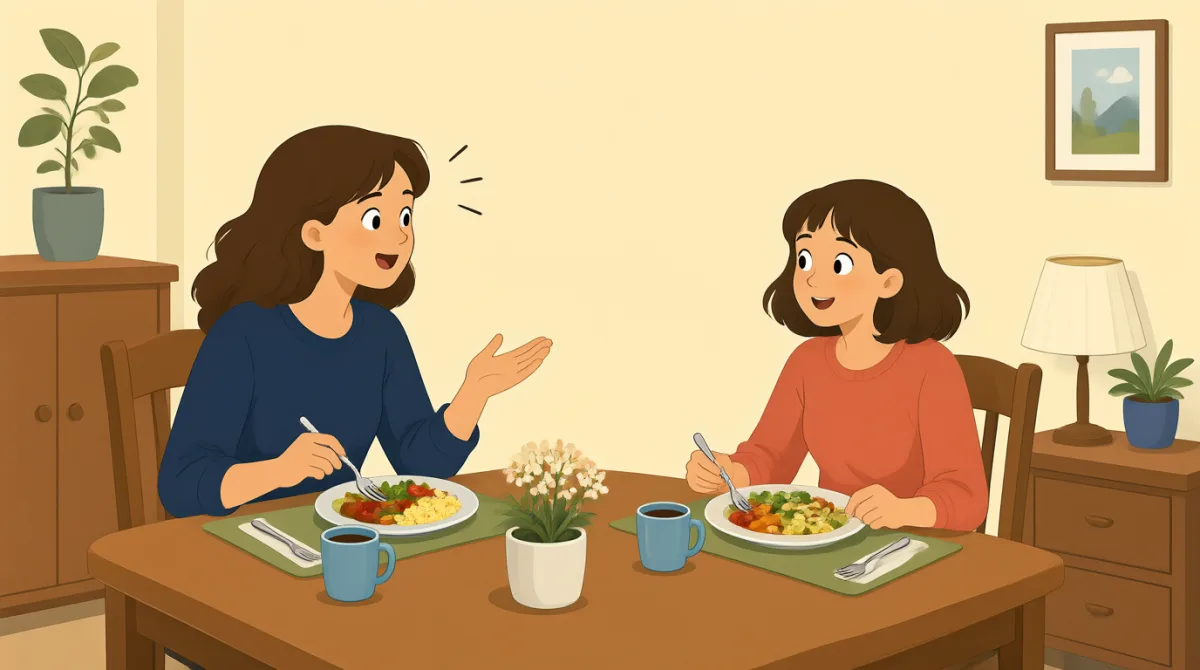

Thanks for watching my child tonight. Dinner is at six, and she likes pasta.
ممنون که امشب از بچهام مراقبت میکنی. شام ساعت شش است و او پاستا دوست دارد.

Sure. Should I heat up the pasta in the fridge?
حتماً. پاستایی را که توی یخچال است گرم کنم؟
Yes, please. She can have some fruit after dinner, but no sweets.
بله، لطفاً. بعد از شام میتواند کمی میوه بخورد، ولی شیرینی نه.
Got it. What time should she go to bed?
فهمیدم. چه ساعتی باید بخوابد؟
At eight. Please help her brush her teeth and read one short story.
ساعت هشت. لطفاً کمکش کن دندانهایش را مسواک بزند و یک قصهٔ کوتاه برایش بخوان.
Okay. Can she watch TV before bed?
باشه. میتواند قبل از خواب تلویزیون تماشا کند؟
No TV tonight. And please keep the front door locked.
امشب تلویزیون ممنوع. لطفاً درِ ورودی را قفل نگه دار.
Understood. I’ll lock the door and call you if I need anything.
متوجه شدم. در را قفل میکنم و اگر به چیزی نیاز داشتم بهت زنگ میزنم.
واژگان8
- watching my childمراقبت از بچهام
Here, it means taking care of Mia’s child for a short time. You can use “watching” to talk about caring for someone’s child.
اینجا یعنی برای مدت کوتاهی از بچهٔ میا مراقبت کردن. برای صحبت دربارهٔ مراقبت از بچهٔ کسی میتوانی از “watching” استفاده کنی.
- heat upگرم کردن
To heat up food is to make it warm before eating. You can ask, “Should I heat up the dinner?”
“heat up” غذا یعنی پیش از خوردن آن را گرم کردن. میتوانی بپرسی: “Should I heat up the dinner?” (شام را گرم کنم؟)
- in the fridgeتوی یخچال
This means inside the refrigerator, where food is kept cold. You can say, “The milk is in the fridge.”
یعنی داخل یخچال، جایی که غذا را سرد نگه میدارند. میتوانی بگویی: “The milk is in the fridge.” (شیر توی یخچال است.)
- after dinnerبعد از شام
This means once the evening meal is finished. You can use it to say when something will happen, such as “We’ll have dessert after dinner.”
یعنی وقتی وعدهٔ شام تمام شده باشد. برای گفتن اینکه کاری چه زمانی انجام میشود، میتوانی از این عبارت استفاده کنی؛ مثلاً: “We’ll have dessert after dinner.” (بعد از شام دسر میخوریم.)
- go to bedبه رختخواب رفتن
This means to get into bed and prepare to sleep. You can ask, “What time do you usually go to bed?”
یعنی به رختخواب رفتن و آمادهٔ خواب شدن. میتوانی بپرسی: “What time do you usually go to bed?” (معمولاً چه ساعتی میخوابی؟)
- brush her teethدندانهایش را مسواک زدن
This means clean her teeth with a toothbrush. You can use “brush your teeth” when reminding someone about this daily routine.
یعنی دندانهای او را با مسواک تمیز کردن. وقتی میخواهی این کار روزانه را به کسی یادآوری کنی، میتوانی از “brush your teeth” استفاده کنی.
- keep the front door lockedدرِ ورودی را قفل نگه داشتن
This means make sure the main entrance stays locked. You can use “keep the door locked” as a safety instruction.
یعنی مطمئن شدن از اینکه درِ اصلی خانه قفل بماند. برای دادن یک توصیهٔ ایمنی میتوانی از “keep the door locked” استفاده کنی.
- if I need anythingاگر به چیزی نیاز داشتم
This means if I need help or something else. You can use this phrase when telling someone you will contact them if a problem comes up.
یعنی اگر به کمک یا چیز دیگری نیاز داشته باشم. وقتی میخواهی بگویی اگر مشکلی پیش آمد با کسی تماس میگیری، میتوانی از این عبارت استفاده کنی.
جملات کلیدی7
- 1
Should I heat up the pasta in the fridge?
پاستایی را که توی یخچال است گرم کنم؟
Use “Should I…?” to check what someone wants you to do. You can change the action and food, as in “Should I warm up the soup?”
برای پرسیدن اینکه کسی از تو میخواهد چه کاری انجام بدهی، از “Should I…?” استفاده کن. میتوانی کار و غذا را عوض کنی؛ مثلاً: “Should I warm up the soup?” (سوپ را گرم کنم؟)
- 2
She can have some fruit after dinner, but no sweets.
بعد از شام میتواند کمی میوه بخورد، ولی شیرینی نه.
This sentence gives permission and then adds a limit. You can use “can have…, but no…” to explain what someone may and may not eat.
این جمله اول اجازهٔ انجام کاری را میدهد و بعد محدودیتی اضافه میکند. برای توضیح اینکه کسی چه چیزی میتواند یا نمیتواند بخورد، میتوانی از “can have…, but no…” استفاده کنی.
- 3
What time should she go to bed?
چه ساعتی باید بخوابد؟
This is a polite way to ask about someone’s bedtime. You can replace “she” with another person, such as “What time should the children go to bed?”
این راه مؤدبانهای برای پرسیدن دربارهٔ ساعت خواب کسی است. میتوانی “she” را با شخص دیگری جایگزین کنی؛ مثلاً: “What time should the children go to bed?” (بچهها چه ساعتی باید بخوابند؟)
- 4
Please help her brush her teeth and read one short story.
لطفاً کمکش کن دندانهایش را مسواک بزند و یک قصهٔ کوتاه برایش بخوان.
Use “Please” to give a polite instruction. You can list two simple tasks with “and.”
برای دادن یک دستور مؤدبانه از “Please” استفاده کن. میتوانی با “and” دو کار ساده را به هم وصل کنی.
- 5
Can she watch TV before bed?
میتواند قبل از خواب تلویزیون تماشا کند؟
Use “Can she…?” to ask whether something is allowed. You can replace the activity, for example, “Can she play outside before dinner?”
برای پرسیدن اینکه کاری اجازه دارد یا نه، از “Can she…?” استفاده کن. میتوانی فعالیت را عوض کنی؛ مثلاً: “Can she play outside before dinner?” (میتواند قبل از شام بیرون بازی کند؟)
- 6
Please keep the front door locked.
لطفاً درِ ورودی را قفل نگه دار.
This is a polite way to give an important safety instruction. You can use “Please keep…” for other rules, such as “Please keep the gate closed.”
این راهی مؤدبانه برای دادن یک دستور مهم ایمنی است. برای گفتن قوانین دیگر هم میتوانی از “Please keep…” استفاده کنی؛ مثلاً: “Please keep the gate closed.” (لطفاً دروازه را بسته نگه دار.)
- 7
I’ll lock the door and call you if I need anything.
در را قفل میکنم و اگر به چیزی نیاز داشتم بهت زنگ میزنم.
Use “I’ll” to say what you plan to do. The phrase “if I need anything” explains when you will call.
برای گفتن اینکه قصد داری چه کاری انجام بدهی، از “I’ll” استفاده کن. عبارت “if I need anything” توضیح میدهد که چه زمانی زنگ میزنی.