Paying the Bill
Pagar la factura
David finishes the repair and gives Jack the bill. Jack asks about the cost and pays for the work.
David termina la reparación y le entrega la factura a Jack. Jack pregunta cuánto cuesta y paga el trabajo.
Diálogo8
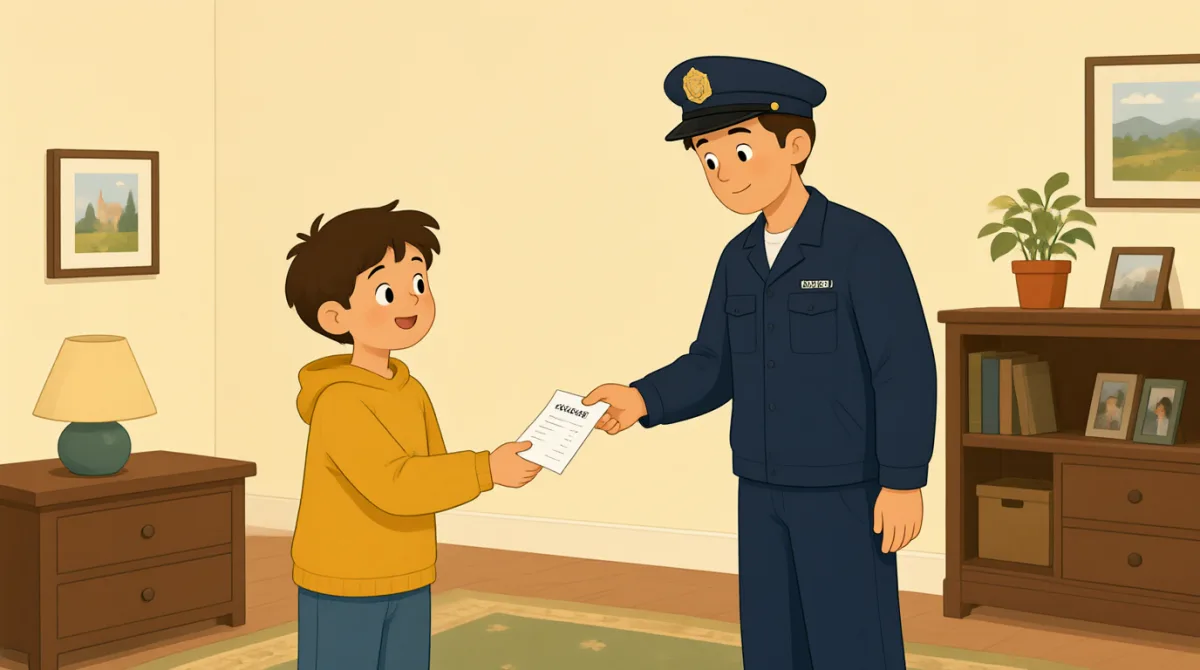

The repair is finished. The pipe was loose, but it’s fixed now.
La reparación está terminada. La tubería estaba floja, pero ya está arreglada.

Great. Can I see the bill? How much do I owe you?
Genial. ¿Puedo ver la factura? ¿Cuánto te debo?
The repair and parts come to one hundred and twenty dollars.
La reparación y las piezas cuestan ciento veinte dólares en total.
Does that include the visit and the new pipe part?
¿Eso incluye la visita y la pieza nueva de la tubería?
Yes, it includes both. There are no extra charges today.
Sí, incluye ambas cosas. Hoy no hay cargos adicionales.
Okay, I’ll pay by card. Can you give me a receipt?
De acuerdo, pagaré con tarjeta. ¿Me puedes dar un recibo?
Sure. Here’s your receipt. The sink should be fine now.
Claro. Aquí tienes el recibo. El fregadero debería funcionar bien ahora.
Thanks for fixing it so quickly. I’ll keep an eye on it.
Gracias por arreglarlo tan rápido. Estaré pendiente.
Vocabulario8
- the repair is finishedla reparación está terminada
This means the work is done. You can use it to tell someone that a job is complete.
Significa que el trabajo ya está hecho. Puedes decirlo para informar a alguien de que una tarea está completa.
- looseflojo
Here, “loose” means the pipe was not firmly connected. You can use it to describe something that needs tightening.
Aquí, “loose” (flojo) significa que la tubería no estaba bien conectada. Puedes usar esta palabra para describir algo que necesita apretarse.
- How much do I owe you?¿Cuánto te debo?
Use this question to ask how much money you need to pay someone.
Usa esta pregunta para preguntar cuánto dinero tienes que pagarle a alguien.
- come tosumar un total de
Here, “come to” means to add up to a total amount. For example, “The items come to $20.”
Aquí, “come to” significa que varias cantidades suman un total. Por ejemplo, “The items come to $20.” (Los artículos suman 20 dólares).
- extra chargescargos adicionales
These are additional costs beyond the main price. You can ask if there are any extra charges before you pay.
Son costos que se añaden al precio principal. Puedes preguntar si hay cargos adicionales antes de pagar.
- pay by cardpagar con tarjeta
This means to use a bank or credit card to pay. You can say, “I’ll pay by card” when choosing how to pay.
Significa pagar con una tarjeta bancaria o de crédito. Puedes decir “I’ll pay by card” (Pagaré con tarjeta) para indicar cómo quieres pagar.
- receiptrecibo
A receipt is a written record that shows you paid. You can ask for one after buying something or paying for a service.
Un recibo es un comprobante escrito de que pagaste. Puedes pedir uno después de comprar algo o pagar por un servicio.
- keep an eye on itestar pendiente de algo
This means to watch something and check that it stays okay. Here, Jack will check the sink to make sure it does not leak again.
Significa vigilar algo y comprobar que siga bien. Aquí, Jack estará pendiente del fregadero para asegurarse de que no vuelva a tener una fuga.
Frases clave8
- 1
The repair is finished.
La reparación está terminada.
This is a simple way to say that a job is complete. You can replace “the repair” with another task, such as “The cleaning is finished.”
Esta es una forma sencilla de decir que un trabajo está completo. Puedes cambiar “the repair” por otra tarea, como en “The cleaning is finished.” (La limpieza está terminada).
- 2
How much do I owe you?
¿Cuánto te debo?
Use this to ask how much you need to pay. It is useful after someone provides a service or gives you something to buy.
Usa esta pregunta para saber cuánto tienes que pagar. Es útil después de que alguien te presta un servicio o te da algo que vas a comprar.
- 3
Does that include the visit and the new pipe part?
¿Eso incluye la visita y la pieza nueva de la tubería?
This question checks what is covered by the price. You can ask, “Does that include [item or service]?” to avoid surprises.
Esta pregunta sirve para comprobar qué incluye el precio. Puedes preguntar “Does that include [item or service]?” (¿Eso incluye [artículo o servicio]?) para evitar sorpresas.
- 4
There are no extra charges today.
Hoy no hay cargos adicionales.
This sentence tells someone that they will not have to pay additional fees. You can use “There are no extra charges” when explaining a price.
Esta frase le indica a alguien que no tendrá que pagar costos adicionales. Puedes usar “There are no extra charges” al explicar un precio.
- 5
I’ll pay by card.
Pagaré con tarjeta.
This is a clear way to choose card as your payment method. You can also say, “I’ll pay in cash.”
Esta es una forma clara de elegir la tarjeta como método de pago. También puedes decir “I’ll pay in cash.” (Pagaré en efectivo).
- 6
Can you give me a receipt?
¿Me puedes dar un recibo?
Use this polite question to ask for proof of payment. You can ask for a receipt when paying at a shop or for a service.
Usa esta pregunta cortés para pedir un comprobante de pago. Puedes pedir un recibo cuando pagas en una tienda o por un servicio.
- 7
The sink should be fine now.
El fregadero debería funcionar bien ahora.
This gives a simple, reassuring update about a repair. You can use “It should be fine now” after fixing or checking something.
Esta frase ofrece una actualización sencilla y tranquilizadora sobre una reparación. Puedes usar “It should be fine now” (Ahora debería estar bien) después de arreglar o revisar algo.
- 8
I’ll keep an eye on it.
Estaré pendiente.
Use this to say that you will watch or check something. Replace “it” with the thing you plan to monitor.
Usa esta frase para decir que vas a vigilar o revisar algo. Puedes sustituir “it” por aquello que quieras vigilar.