Paying the Bill
จ่ายบิล
David finishes the repair and gives Jack the bill. Jack asks about the cost and pays for the work.
เดวิดซ่อมเสร็จและยื่นบิลให้แจ็ก แจ็กถามค่าใช้จ่ายแล้วจ่ายค่าซ่อม
บทสนทนา8
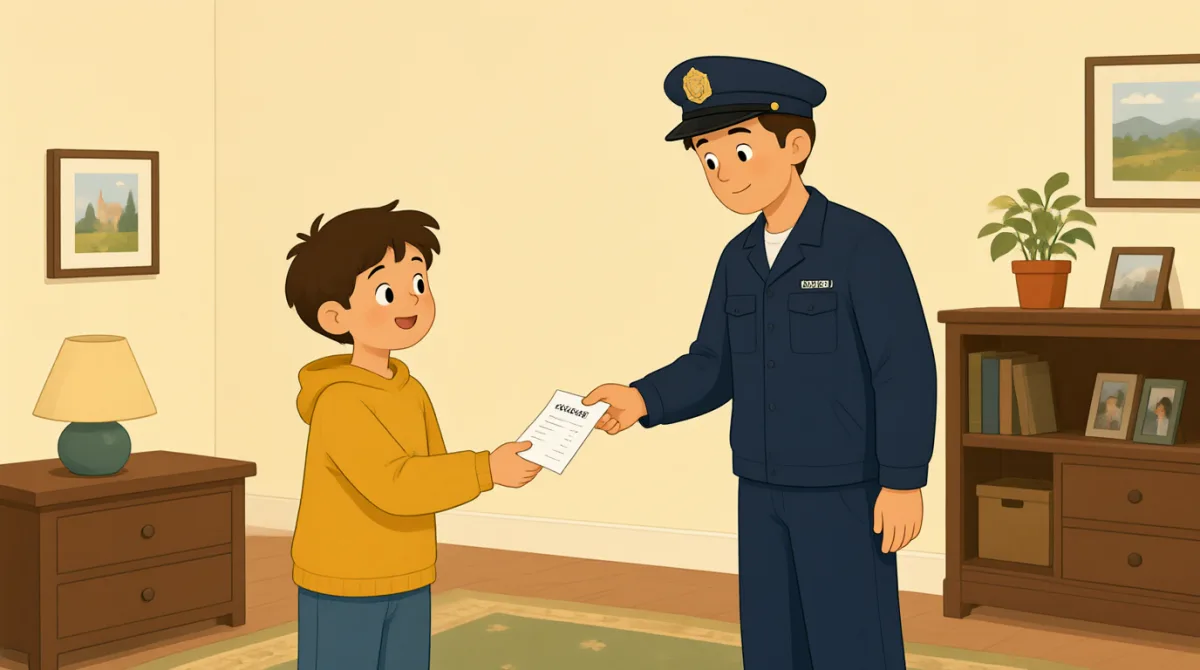

The repair is finished. The pipe was loose, but it’s fixed now.
ซ่อมเสร็จแล้วครับ ท่อหลวม แต่ตอนนี้ซ่อมเรียบร้อยแล้วครับ

Great. Can I see the bill? How much do I owe you?
เยี่ยมเลยครับ ขอดูบิลหน่อยได้ไหมครับ ผมต้องจ่ายเท่าไหร่ครับ
The repair and parts come to one hundred and twenty dollars.
ค่าซ่อมกับอะไหล่รวมเป็น 120 ดอลลาร์ครับ
Does that include the visit and the new pipe part?
ราคานี้รวมค่าเดินทางกับอะไหล่ท่อชิ้นใหม่ด้วยไหมครับ
Yes, it includes both. There are no extra charges today.
รวมทั้งสองอย่างครับ วันนี้ไม่มีค่าใช้จ่ายเพิ่มเติมครับ
Okay, I’ll pay by card. Can you give me a receipt?
โอเคครับ ผมจ่ายด้วยบัตรนะครับ ขอใบเสร็จด้วยได้ไหมครับ
Sure. Here’s your receipt. The sink should be fine now.
ได้ครับ นี่ใบเสร็จครับ ตอนนี้อ่างล้างหน้าน่าจะใช้ได้ปกติแล้วครับ
Thanks for fixing it so quickly. I’ll keep an eye on it.
ขอบคุณที่ซ่อมให้เร็วมากนะครับ ผมจะคอยดูว่ามันเป็นยังไงบ้าง
คำศัพท์8
- the repair is finishedซ่อมเสร็จแล้ว
This means the work is done. You can use it to tell someone that a job is complete.
หมายถึงทำงานเสร็จเรียบร้อยแล้ว ใช้บอกใครสักคนว่างานชิ้นหนึ่งเสร็จสมบูรณ์แล้วได้
- looseหลวม
Here, “loose” means the pipe was not firmly connected. You can use it to describe something that needs tightening.
ในที่นี้ “loose” หมายถึงท่อไม่ได้ต่อไว้อย่างแน่นหนา ใช้บรรยายสิ่งที่ต้องขันให้แน่นได้
- How much do I owe you?ผมต้องจ่ายคุณเท่าไหร่ครับ
Use this question to ask how much money you need to pay someone.
ใช้คำถามนี้เพื่อถามว่าต้องจ่ายเงินให้ใครสักคนเท่าไหร่
- come toรวมเป็น
Here, “come to” means to add up to a total amount. For example, “The items come to $20.”
ในที่นี้ “come to” หมายถึงรวมกันแล้วได้ยอดทั้งหมดเท่าไหร่ ตัวอย่างเช่น “The items come to $20.” (ของทั้งหมดรวมเป็น 20 ดอลลาร์)
- extra chargesค่าใช้จ่ายเพิ่มเติม
These are additional costs beyond the main price. You can ask if there are any extra charges before you pay.
หมายถึงค่าใช้จ่ายที่เพิ่มจากราคาหลัก ก่อนจ่ายเงิน คุณถามได้ว่ามีค่าใช้จ่ายเพิ่มเติมหรือไม่
- pay by cardจ่ายด้วยบัตร
This means to use a bank or credit card to pay. You can say, “I’ll pay by card” when choosing how to pay.
หมายถึงใช้บัตรธนาคารหรือบัตรเครดิตจ่ายเงิน เมื่อเลือกวิธีจ่าย คุณพูดได้ว่า “I’ll pay by card” (ฉันจะจ่ายด้วยบัตร)
- receiptใบเสร็จ
A receipt is a written record that shows you paid. You can ask for one after buying something or paying for a service.
ใบเสร็จเป็นเอกสารที่แสดงว่าคุณจ่ายเงินแล้ว คุณขอใบเสร็จได้หลังซื้อของหรือจ่ายค่าบริการ
- keep an eye on itคอยดูไว้
This means to watch something and check that it stays okay. Here, Jack will check the sink to make sure it does not leak again.
หมายถึงคอยสังเกตและตรวจดูว่าสิ่งนั้นยังเรียบร้อยดี ในที่นี้แจ็กจะคอยตรวจดูอ่างล้างหน้าเพื่อให้แน่ใจว่าจะไม่รั่วอีก
ประโยคสำคัญ8
- 1
The repair is finished.
ซ่อมเสร็จแล้วครับ
This is a simple way to say that a job is complete. You can replace “the repair” with another task, such as “The cleaning is finished.”
เป็นวิธีพูดง่าย ๆ ว่างานเสร็จเรียบร้อยแล้ว คุณเปลี่ยน “the repair” เป็นงานอย่างอื่นได้ เช่น “The cleaning is finished.” (ทำความสะอาดเสร็จแล้ว)
- 2
How much do I owe you?
ผมต้องจ่ายคุณเท่าไหร่ครับ
Use this to ask how much you need to pay. It is useful after someone provides a service or gives you something to buy.
ใช้ถามว่าคุณต้องจ่ายเงินเท่าไหร่ เหมาะที่จะใช้หลังจากมีคนให้บริการหรือให้สิ่งของที่คุณซื้อ
- 3
Does that include the visit and the new pipe part?
ราคานี้รวมค่าเดินทางกับอะไหล่ท่อชิ้นใหม่ด้วยไหมครับ
This question checks what is covered by the price. You can ask, “Does that include [item or service]?” to avoid surprises.
คำถามนี้ใช้ตรวจสอบว่าราคารวมอะไรบ้าง คุณถามว่า “Does that include [item or service]?” (ราคานี้รวม [สิ่งของหรือบริการ] ด้วยไหม) เพื่อป้องกันค่าใช้จ่ายที่ไม่คาดคิด
- 4
There are no extra charges today.
วันนี้ไม่มีค่าใช้จ่ายเพิ่มเติมครับ
This sentence tells someone that they will not have to pay additional fees. You can use “There are no extra charges” when explaining a price.
ประโยคนี้ใช้บอกอีกฝ่ายว่าไม่ต้องจ่ายค่าธรรมเนียมเพิ่มเติม คุณใช้ “There are no extra charges” (ไม่มีค่าใช้จ่ายเพิ่มเติม) เมื่อต้องอธิบายราคาได้
- 5
I’ll pay by card.
ผมจะจ่ายด้วยบัตรครับ
This is a clear way to choose card as your payment method. You can also say, “I’ll pay in cash.”
เป็นวิธีบอกอย่างชัดเจนว่าคุณเลือกจ่ายด้วยบัตร คุณยังพูดได้ว่า “I’ll pay in cash.” (ฉันจะจ่ายเป็นเงินสด)
- 6
Can you give me a receipt?
ขอใบเสร็จด้วยได้ไหมครับ
Use this polite question to ask for proof of payment. You can ask for a receipt when paying at a shop or for a service.
ใช้คำถามสุภาพนี้เพื่อขอหลักฐานการชำระเงิน คุณขอใบเสร็จได้เมื่อจ่ายเงินที่ร้านค้าหรือจ่ายค่าบริการ
- 7
The sink should be fine now.
ตอนนี้อ่างล้างหน้าน่าจะใช้ได้ปกติแล้วครับ
This gives a simple, reassuring update about a repair. You can use “It should be fine now” after fixing or checking something.
เป็นการบอกความคืบหน้าเรื่องการซ่อมอย่างง่าย ๆ และช่วยให้อีกฝ่ายสบายใจ หลังซ่อมหรือตรวจสอบสิ่งของแล้ว คุณพูดว่า “It should be fine now” (ตอนนี้น่าจะเรียบร้อยแล้ว) ได้
- 8
I’ll keep an eye on it.
ผมจะคอยดูไว้นะครับ
Use this to say that you will watch or check something. Replace “it” with the thing you plan to monitor.
ใช้บอกว่าคุณจะคอยสังเกตหรือตรวจดูบางสิ่ง เปลี่ยน “it” เป็นสิ่งที่คุณจะคอยดูได้