Exchanging Contacts
แลกเปลี่ยนข้อมูลติดต่อ
Before they part, Emma, Mia, and Jack exchange contact details and discuss an idea they could follow up on. They make sure they have each other’s information before leaving.
ก่อนจะแยกย้ายกัน เอ็มมา มีอา และแจ็กแลกเปลี่ยนข้อมูลติดต่อและพูดคุยถึงไอเดียที่พวกเขาสามารถสานต่อได้ ทั้งสามคนตรวจสอบให้แน่ใจว่ามีข้อมูลของกันและกันก่อนออกไป
บทสนทนา10
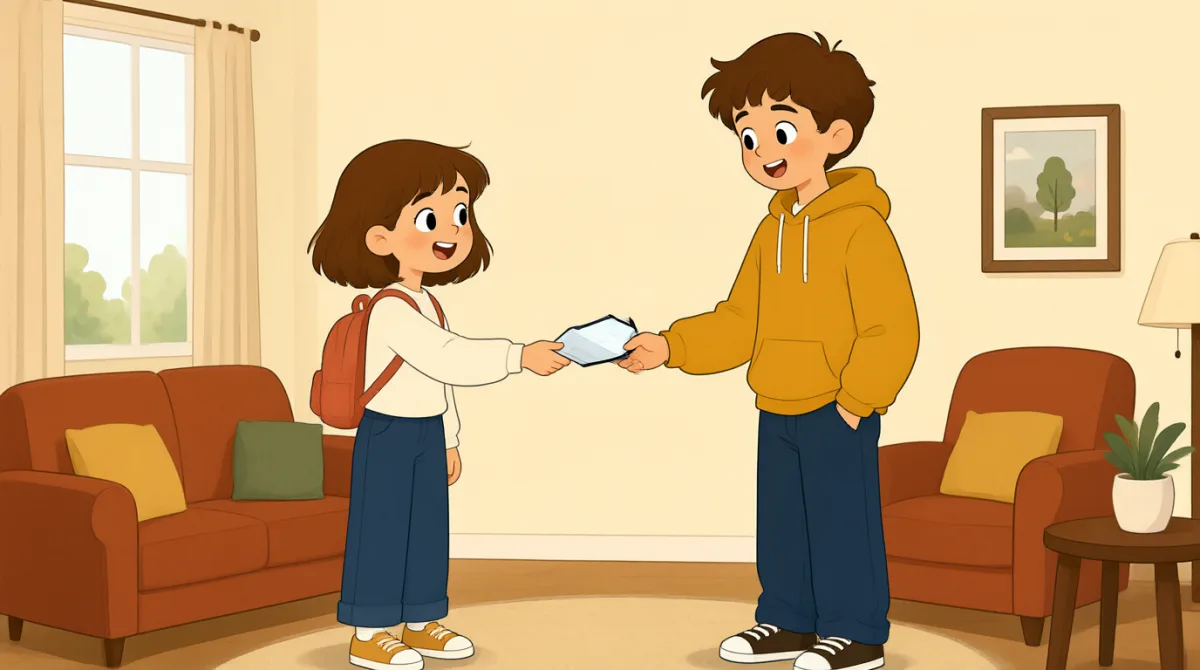

I’ve really enjoyed talking with you both. Would you be open to exchanging contact information before we head out?
ฉันคุยกับพวกคุณทั้งสองคนแล้วรู้สึกดีมากค่ะ ก่อนเราจะกลับ คุณสะดวกแลกเปลี่ยนข้อมูลติดต่อกันไหมคะ

Of course. I can give you my work email. It’s the easiest way to reach me during the week.
ได้เลยค่ะ ฉันให้ที่อยู่อีเมลที่ทำงานของฉันได้นะคะ เป็นวิธีที่ติดต่อฉันได้ง่ายที่สุดในช่วงวันทำงานค่ะ

Same here. I’ve got a few business cards with me. Let me grab one from my bag.
ผมก็เหมือนกันครับ ผมมีนามบัตรติดมาด้วยสองสามใบ ขอหยิบจากกระเป๋าก่อนนะครับ
Thanks! I’ll put your email in my phone, too, Mia. What’s the best address to use?
ขอบคุณค่ะ ฉันจะบันทึกอีเมลของคุณไว้ในโทรศัพท์ด้วยนะ มีอา ที่อยู่อีเมลไหนที่ควรใช้คะ
It’s mia.patel at brightpath dot com. I’ll send you a quick note, so you’ll have mine as well.
คือ mia.patel แอต brightpath ดอต com ค่ะ ฉันจะส่งข้อความสั้น ๆ ไปหาคุณด้วย คุณจะได้มีข้อมูลติดต่อของฉันเหมือนกันค่ะ
Here you go. My card has my email and LinkedIn profile. I check both pretty regularly.
นี่ครับ นามบัตรของผมมีอีเมลกับโปรไฟล์ LinkedIn อยู่ ผมเช็กทั้งสองอย่างค่อนข้างสม่ำเสมอครับ
Great, I’ll connect with you on LinkedIn. Maybe we could share ideas about making training materials easier to use.
เยี่ยมเลยค่ะ ฉันจะเชื่อมต่อกับคุณใน LinkedIn นะคะ บางทีเราอาจแลกเปลี่ยนไอเดียกันเรื่องทำให้สื่อการฝึกอบรมใช้งานง่ายขึ้นได้ค่ะ
That sounds useful. I’m working on something similar, so I’d be happy to compare notes sometime.
ฟังดูมีประโยชน์นะคะ ฉันกำลังทำอะไรที่คล้ายกันอยู่พอดี ไว้มีโอกาสฉันยินดีแลกเปลี่ยนข้อมูลกันค่ะ
I’m in, too. I’ll email you both next week with a couple of ideas, and we can take it from there.
ผมเอาด้วยครับ สัปดาห์หน้าผมจะส่งอีเมลหาเราทั้งสองคนพร้อมไอเดียสักสองสามข้อ แล้วเราค่อยดูว่าจะทำอะไรต่อจากนั้นครับ
Perfect. I’ve got both your cards, and Mia, I’ve saved your email. Thanks—let’s keep in touch!
ดีเลยค่ะ ฉันได้นามบัตรของพวกคุณทั้งสองคนแล้ว และมีอา ฉันบันทึกอีเมลของคุณไว้แล้วนะคะ ขอบคุณค่ะ ไว้ติดต่อกันนะคะ
คำศัพท์7
- exchanging contact informationการแลกเปลี่ยนข้อมูลติดต่อ
Sharing details such as email addresses or phone numbers so you can get in touch later.
การแบ่งปันข้อมูล เช่น ที่อยู่อีเมลหรือหมายเลขโทรศัพท์ เพื่อให้สามารถติดต่อกันได้ในภายหลัง
- reach meติดต่อฉัน
Contact me. You can say, “The best way to reach me is by email.”
หมายถึง ติดต่อฉัน คุณสามารถพูดว่า “The best way to reach me is by email.” ได้
- business cardsนามบัตร
Small cards with a person’s work contact details, often shared at professional events.
บัตรใบเล็กที่มีข้อมูลติดต่อเรื่องงานของบุคคลนั้น ๆ มักใช้แลกเปลี่ยนกันในงานอาชีพต่าง ๆ
- connect with you on LinkedInเชื่อมต่อกับคุณใน LinkedIn
Send someone a request to add them as a professional contact on LinkedIn.
ส่งคำขอเพิ่มอีกคนเป็นผู้ติดต่อทางอาชีพใน LinkedIn
- compare notesแลกเปลี่ยนข้อมูลกัน
Share information and ideas about a similar project or experience.
แบ่งปันข้อมูลและไอเดียเกี่ยวกับโครงการหรือประสบการณ์ที่คล้ายกัน
- take it from thereค่อยดูว่าจะทำอะไรต่อจากนั้น
Continue making decisions or plans after taking the next step.
ดำเนินการตัดสินใจหรือวางแผนต่อ หลังจากทำขั้นตอนถัดไปแล้ว
- keep in touchติดต่อกัน
Stay in contact with someone after you meet.
ยังคงติดต่อกับใครบางคนหลังจากได้พบกัน
ประโยคสำคัญ7
- 1
Would you be open to exchanging contact information before we head out?
คุณสะดวกแลกเปลี่ยนข้อมูลติดต่อกันก่อนเราจะกลับไหมคะ
A polite way to ask to share contact details before leaving. You can use “Would you be open to…” to suggest another action or plan.
เป็นวิธีสุภาพในการขอแลกเปลี่ยนข้อมูลติดต่อก่อนแยกย้ายกัน คุณสามารถใช้ “Would you be open to…” เพื่อเสนอการกระทำหรือแผนอื่นได้
- 2
It’s the easiest way to reach me during the week.
เป็นวิธีที่ติดต่อฉันได้ง่ายที่สุดในช่วงวันทำงานค่ะ
Use this to explain which contact method works best and when. Replace “email” with another way to contact you.
ใช้ประโยคนี้เพื่ออธิบายว่าวิธีติดต่อแบบใดสะดวกที่สุดและใช้ติดต่อในช่วงเวลาใด คุณสามารถแทนที่ “email” ด้วยวิธีติดต่อแบบอื่นได้
- 3
I’ll send you a quick note, so you’ll have mine as well.
ฉันจะส่งข้อความสั้น ๆ ไปหาคุณด้วย คุณจะได้มีข้อมูลติดต่อของฉันเหมือนกันค่ะ
This offers to contact someone so they also get your details. “A quick note” means a short message.
ประโยคนี้ใช้เสนอว่าจะติดต่อใครบางคน เพื่อให้อีกฝ่ายได้รับข้อมูลติดต่อของคุณด้วย “A quick note” หมายถึงข้อความสั้น ๆ
- 4
Maybe we could share ideas about making training materials easier to use.
บางทีเราอาจแลกเปลี่ยนไอเดียกันเรื่องทำให้สื่อการฝึกอบรมใช้งานง่ายขึ้นได้ค่ะ
A friendly way to suggest a possible topic for working together. You can replace “share ideas about” with another collaborative activity.
เป็นวิธีเป็นมิตรในการเสนอหัวข้อที่อาจร่วมมือกันได้ คุณสามารถแทนที่ “share ideas about” ด้วยกิจกรรมร่วมมือแบบอื่นได้
- 5
I’m working on something similar, so I’d be happy to compare notes sometime.
ฉันกำลังทำอะไรที่คล้ายกันอยู่พอดี ไว้มีโอกาสฉันยินดีแลกเปลี่ยนข้อมูลกันค่ะ
Use this to show interest in someone’s idea and suggest sharing experiences. “I’d be happy to…” is a polite way to accept.
ใช้ประโยคนี้เพื่อแสดงความสนใจในไอเดียของอีกฝ่ายและเสนอให้แบ่งปันประสบการณ์กัน “I’d be happy to…” เป็นวิธีสุภาพในการตอบรับ
- 6
I’ll email you both next week with a couple of ideas, and we can take it from there.
สัปดาห์หน้าผมจะส่งอีเมลหาเราทั้งสองคนพร้อมไอเดียสักสองสามข้อ แล้วเราค่อยดูว่าจะทำอะไรต่อจากนั้นครับ
This sentence sets a clear next step and leaves room to decide what happens afterward. Replace “email” and “next week” to match your plan.
ประโยคนี้กำหนดขั้นตอนถัดไปอย่างชัดเจน และยังเปิดโอกาสให้ตัดสินใจว่าจะทำอะไรต่อ คุณสามารถเปลี่ยน “email” และ “next week” ให้ตรงกับแผนของคุณได้
- 7
Thanks—let’s keep in touch!
ขอบคุณค่ะ ไว้ติดต่อกันนะคะ
A warm, natural way to end a conversation and express that you want to stay connected. You can use it after exchanging contact details.
เป็นวิธีจบการสนทนาที่อบอุ่นและเป็นธรรมชาติ พร้อมสื่อว่าคุณต้องการติดต่อกันต่อไป ใช้ประโยคนี้ได้หลังจากแลกเปลี่ยนข้อมูลติดต่อกัน