Блок 91
Слова 1801–1820 · injury, vast, exhibition, producer, regional, immediate
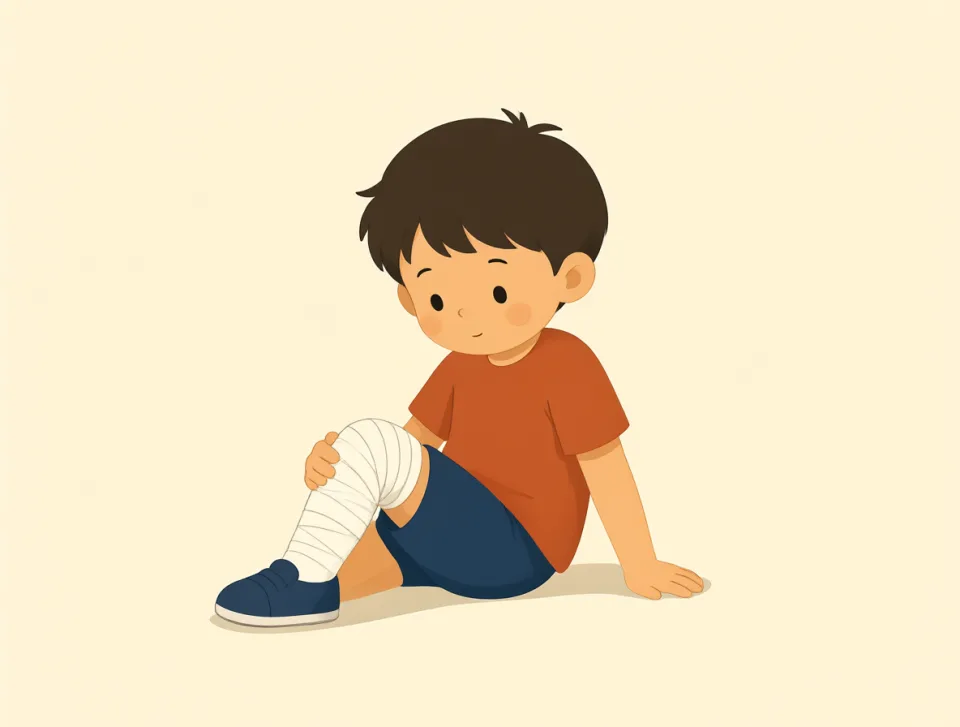
injury
#1801noun
травма
Physical harm to your body caused by an accident, fall, or blow.
Физическое повреждение тела в результате несчастного случая, падения или удара.
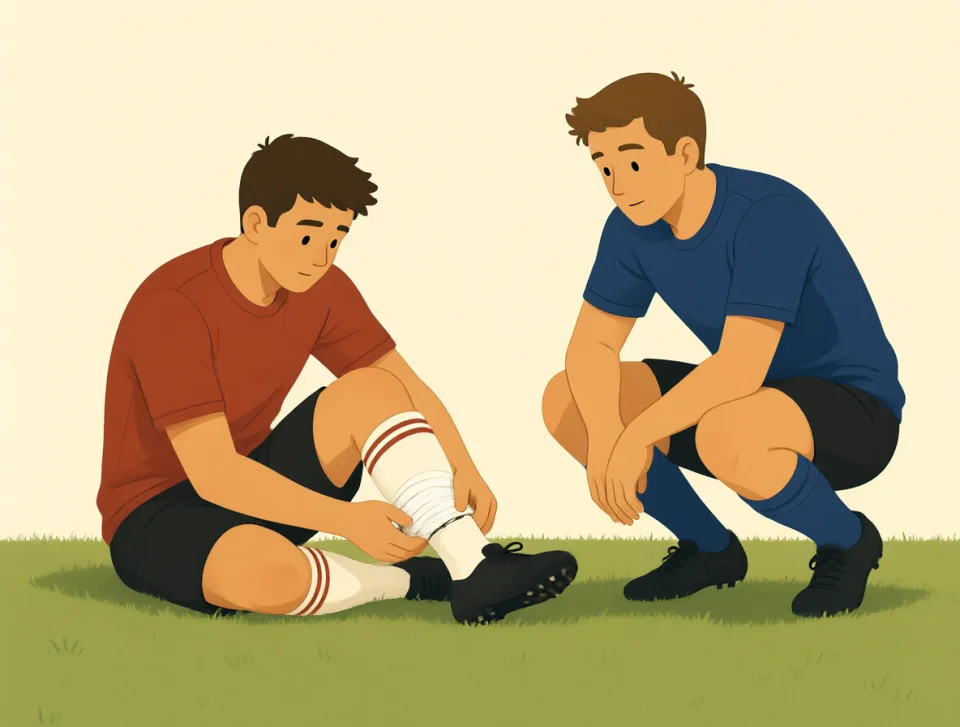
He suffered a serious injury while playing football.
Он получил серьёзную травму, играя в футбол.
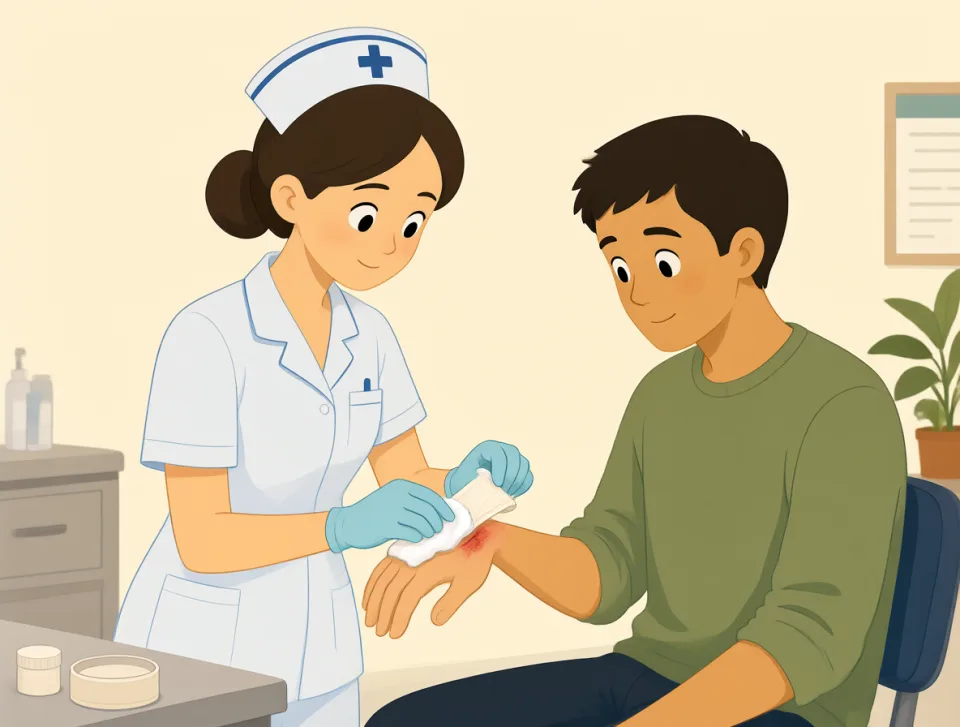
The nurse cleaned my injury and put on a bandage.
Медсестра обработала мою рану и наложила повязку.
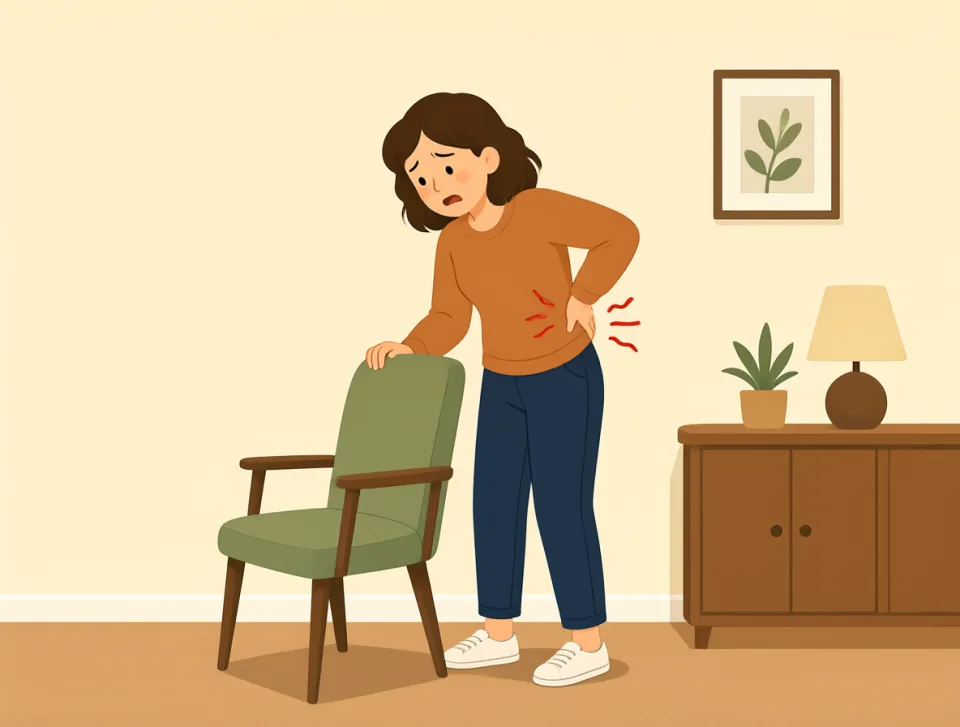
She missed work because of a back injury.
Она пропустила работу из-за травмы спины.
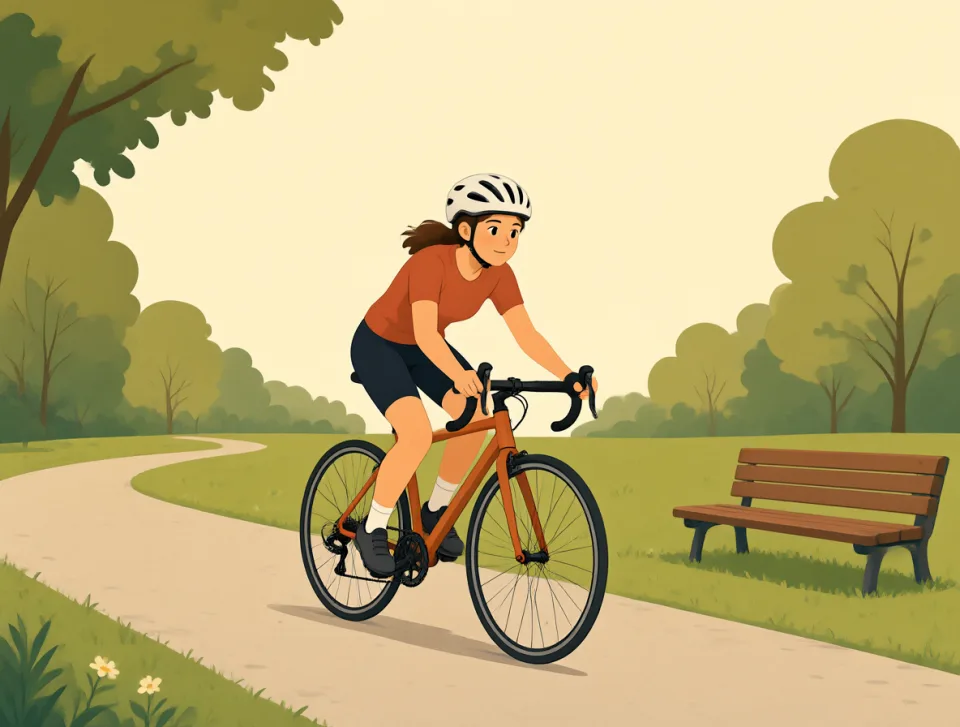
Wear a helmet to prevent head injuries when cycling.
Носите шлем, чтобы защитить голову от травм при езде на велосипеде.

The player returned after recovering from his knee injury.
Игрок вернулся после того, как восстановился после травмы колена.

vast
#1802adjective
огромный
Extremely large in size, amount, or area.
Чрезвычайно большой по размеру, количеству или площади.

The hotel has a vast garden behind it.
За отелем находится огромный сад.

We saw vast fields from the train window.
Из окна поезда мы увидели бескрайние поля.

The company has vast experience in online shopping.
У компании огромный опыт в сфере онлайн-покупок.

She felt a vast improvement in her health.
Она почувствовала значительное улучшение здоровья.

The school library offers a vast choice of books.
В школьной библиотеке представлен огромный выбор книг.
exhibition
#1803noun
выставка
a public event where people show art, objects, or information
Публичное мероприятие, на котором показывают произведения искусства, предметы или информацию.

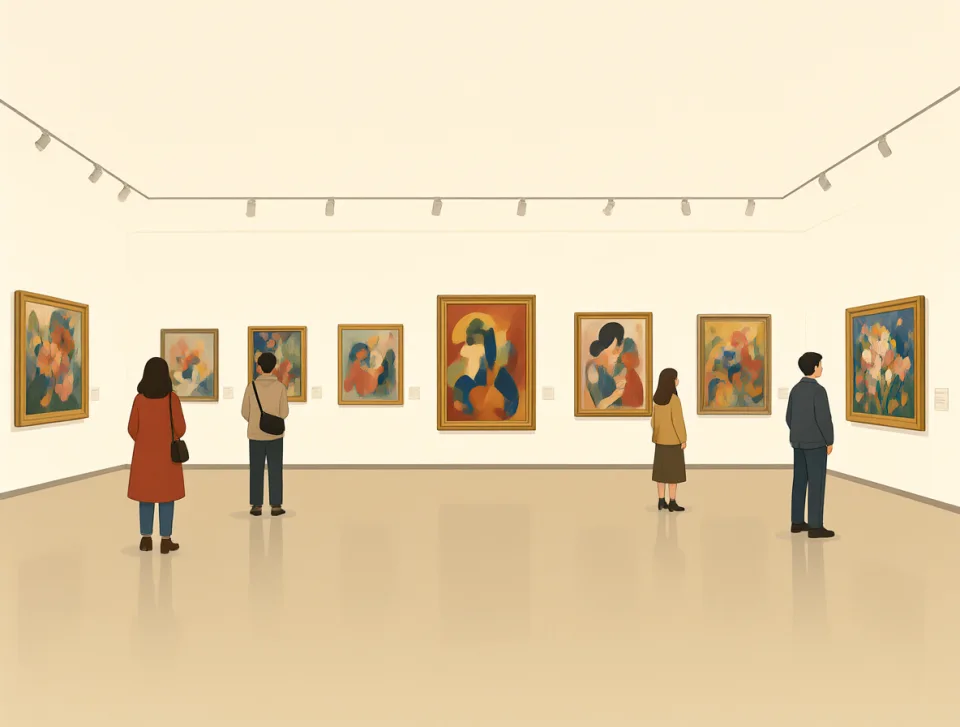
We visited an art exhibition at the city gallery on Saturday.
В субботу мы побывали на художественной выставке в городской галерее.
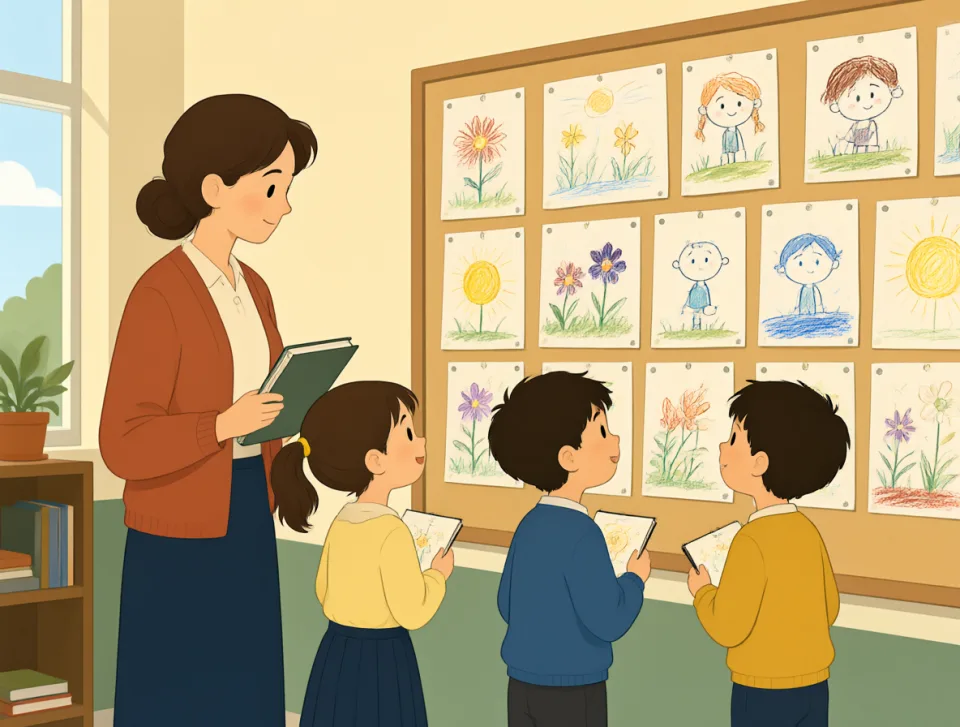
The school exhibition showed drawings made by young students.
На школьной выставке были представлены рисунки младших школьников.
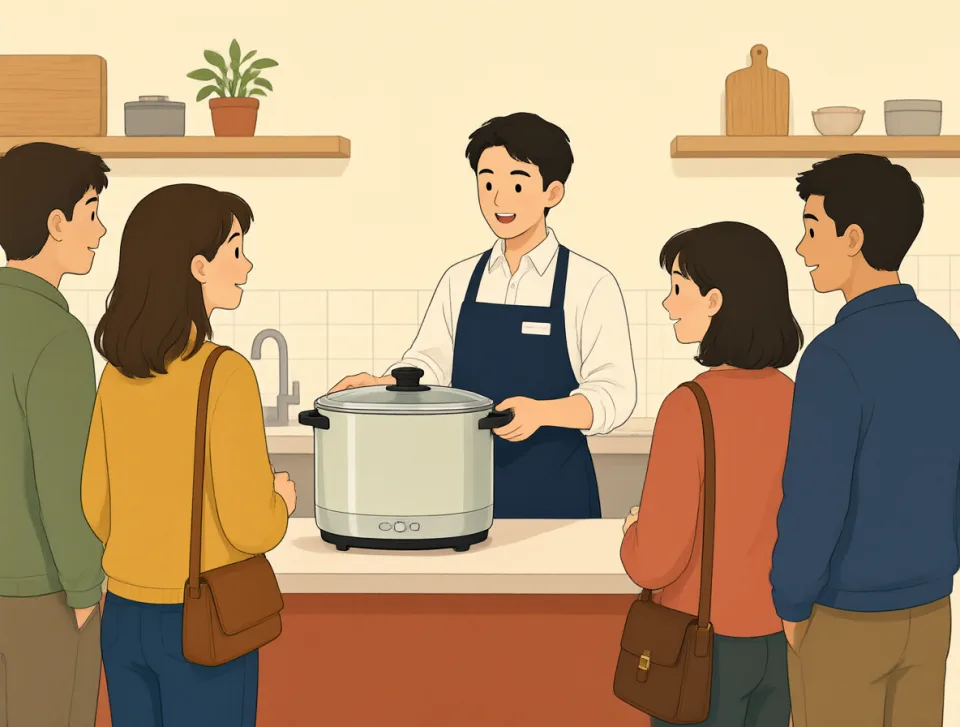
Our company held an exhibition of new kitchen products.
Наша компания провела выставку новых кухонных товаров.
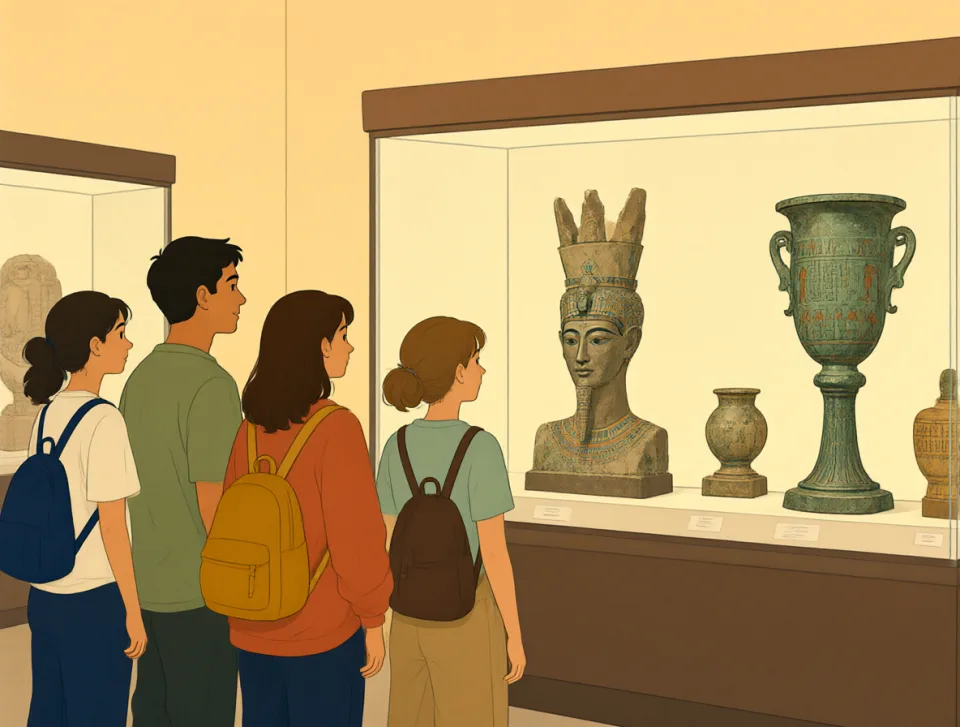
The museum exhibition about ancient Egypt attracted many tourists.
Выставка в музее, посвящённая Древнему Египту, привлекла множество туристов.
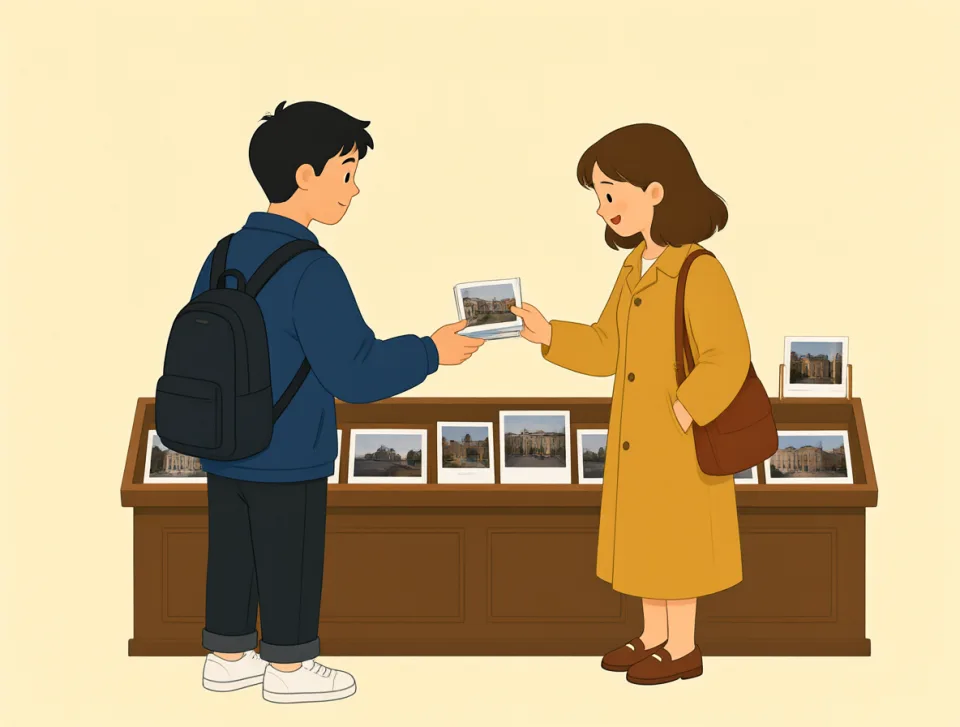
I bought a guidebook after seeing the photography exhibition.
После посещения фотовыставки я купил путеводитель.
producer
#1804noun
продюсер
A person or company that makes films, television programs, music, or other products.
Человек или компания, которые создают фильмы, телепередачи, музыку или другие продукты.
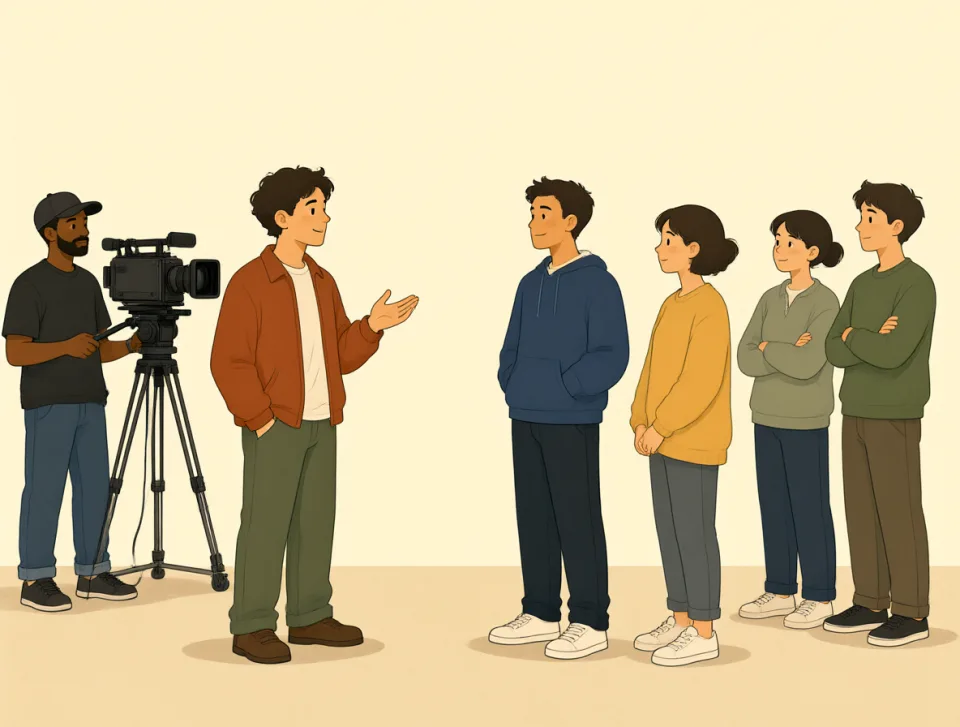
The film producer chose the actors and planned the movie.
Продюсер фильма выбрал актёров и спланировал съёмки.

She works as a television producer in London.
Она работает телепродюсером в Лондоне.

The music producer helped the singer create a new song.
Музыкальный продюсер помог певцу создать новую песню.

The farm producer sells fresh vegetables at our local market.
Производитель фермерской продукции продаёт свежие овощи на нашем местном рынке.

This company is a leading producer of electric cars.
Эта компания — один из ведущих производителей электромобилей.
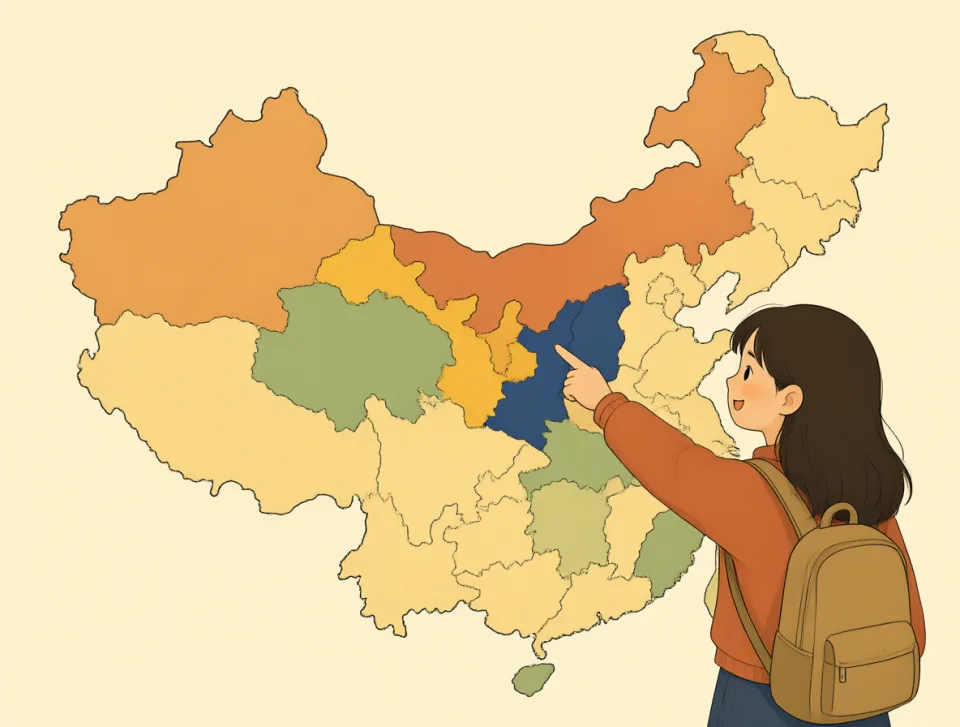
regional
#1805adjective
региональный
Connected with a particular area, region, or part of a country.
Связанный с определённой областью, регионом или частью страны.
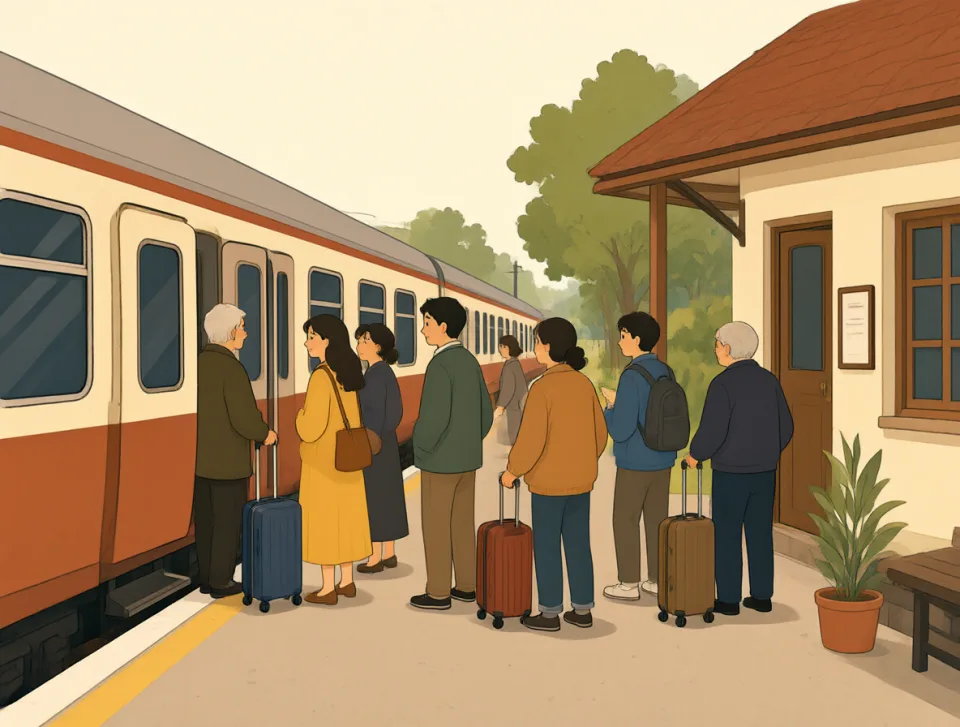
The regional train leaves at eight every morning.
Региональный поезд отправляется каждое утро в восемь.
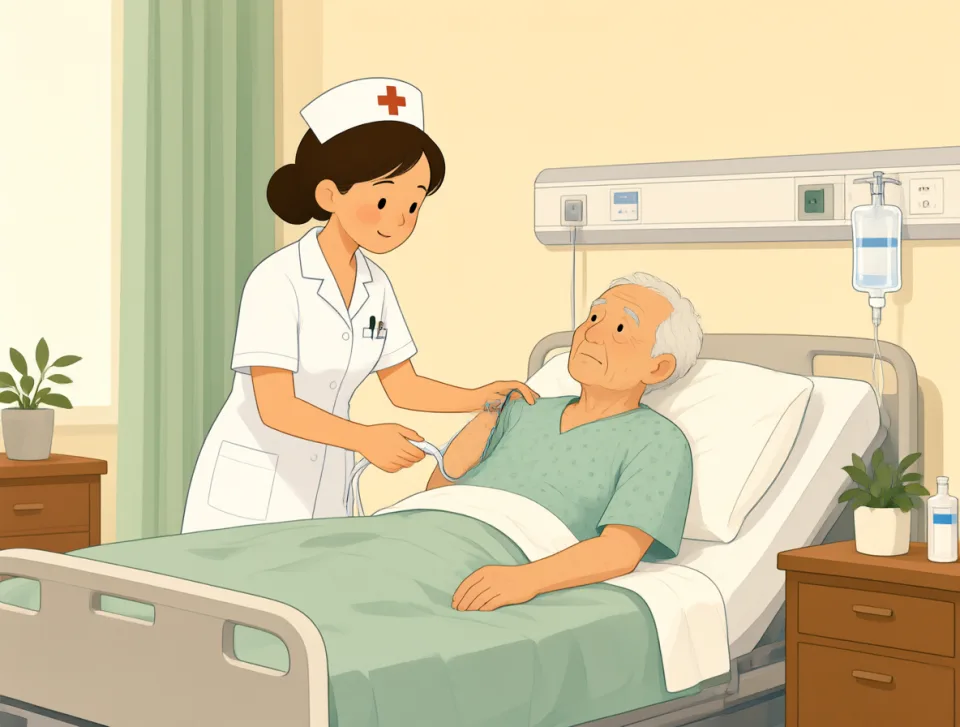
She works for a regional hospital near her hometown.
Она работает в региональной больнице недалеко от родного города.
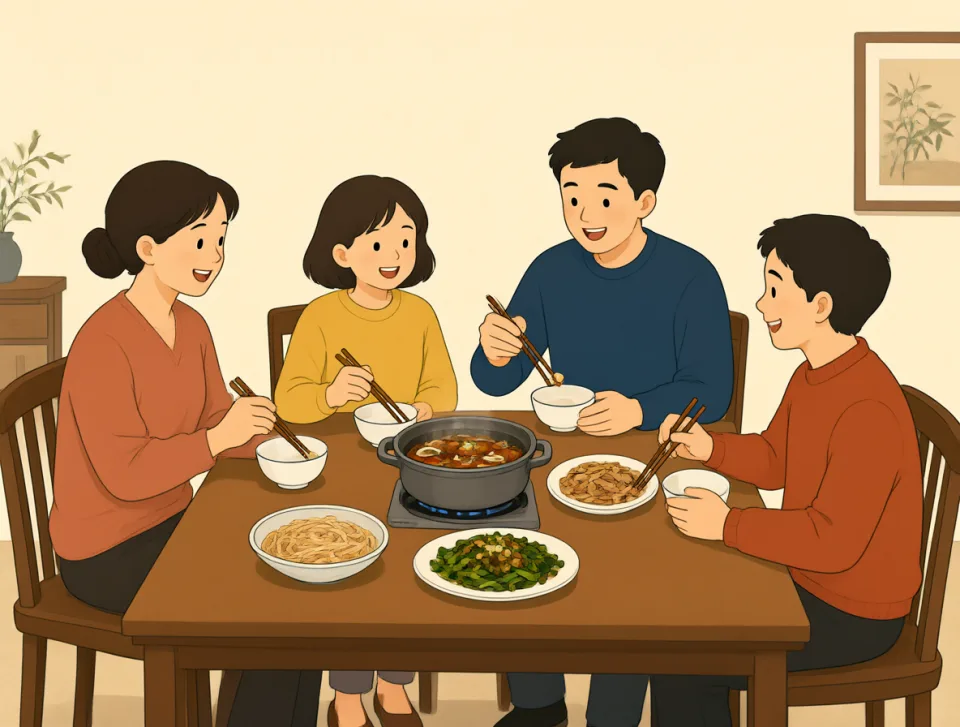
This regional food is popular across the whole country.
Эта региональная кухня популярна по всей стране.
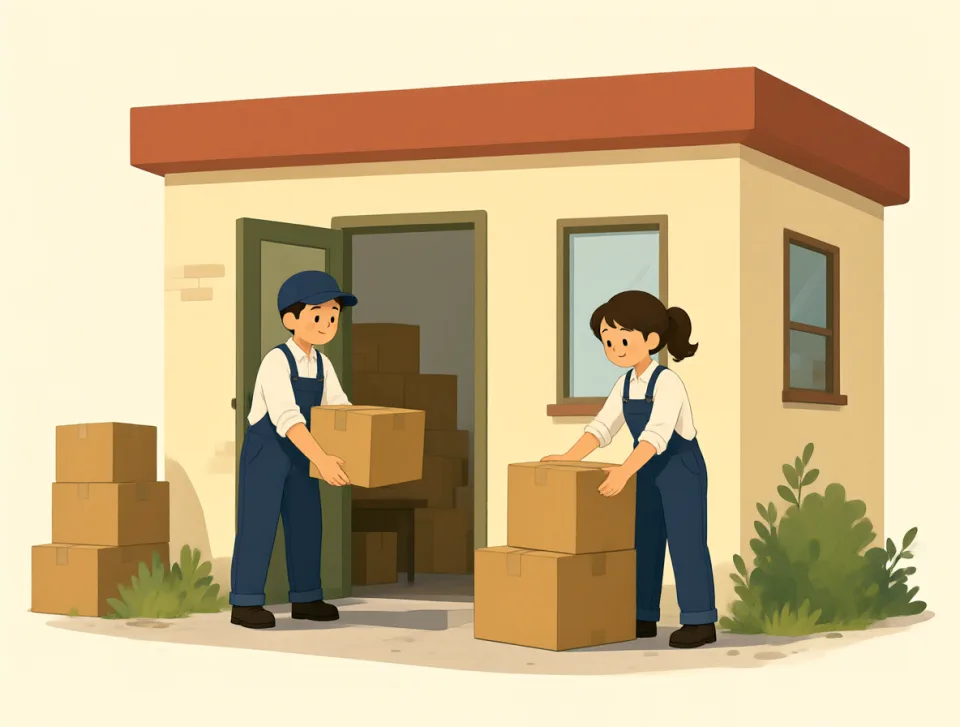
The company opened a new regional office in the city.
Компания открыла в городе новый региональный офис.
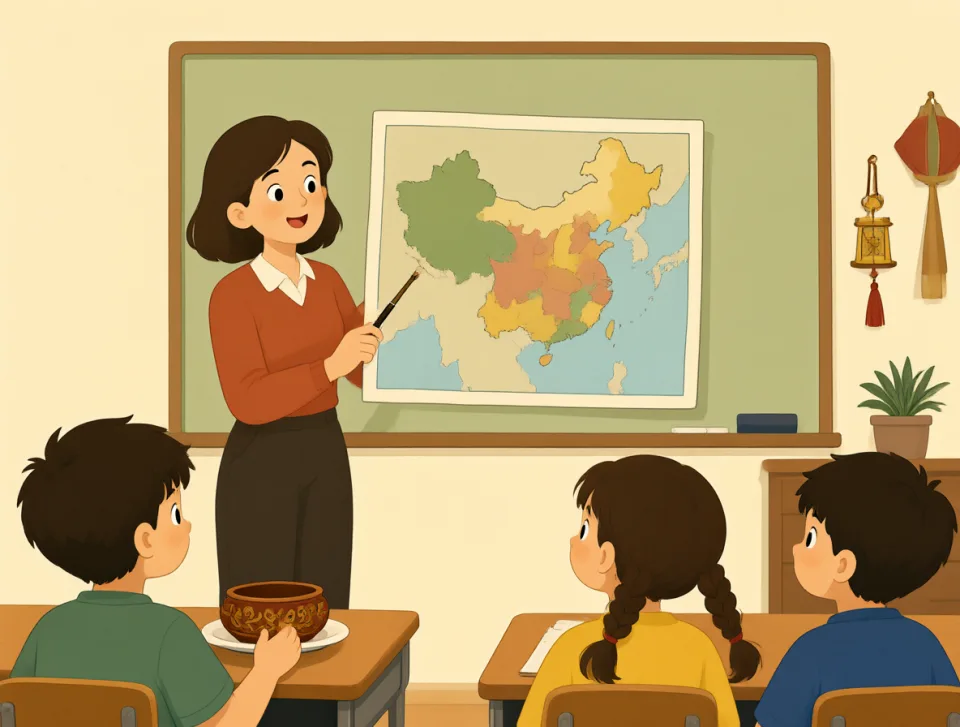
Regional schools often teach local history and traditions.
В региональных школах часто изучают местную историю и традиции.
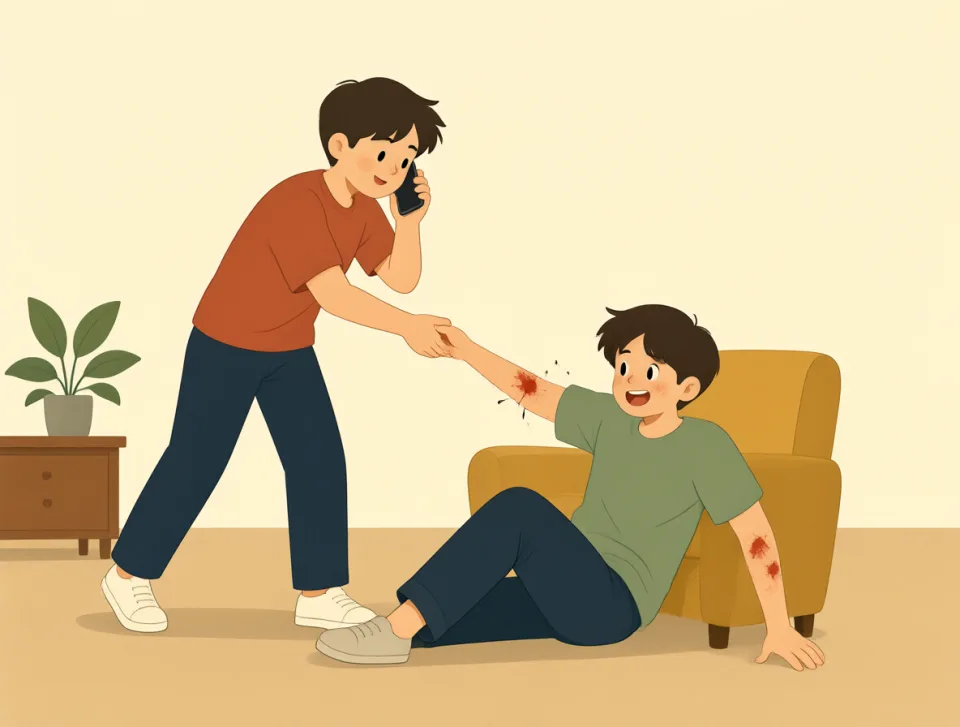
immediate
#1806adjective
срочный
happening or needed at once, without waiting
То, что происходит или требуется немедленно, без ожидания.

Please give this message your immediate attention.
Пожалуйста, уделите этому сообщению немедленное внимание.
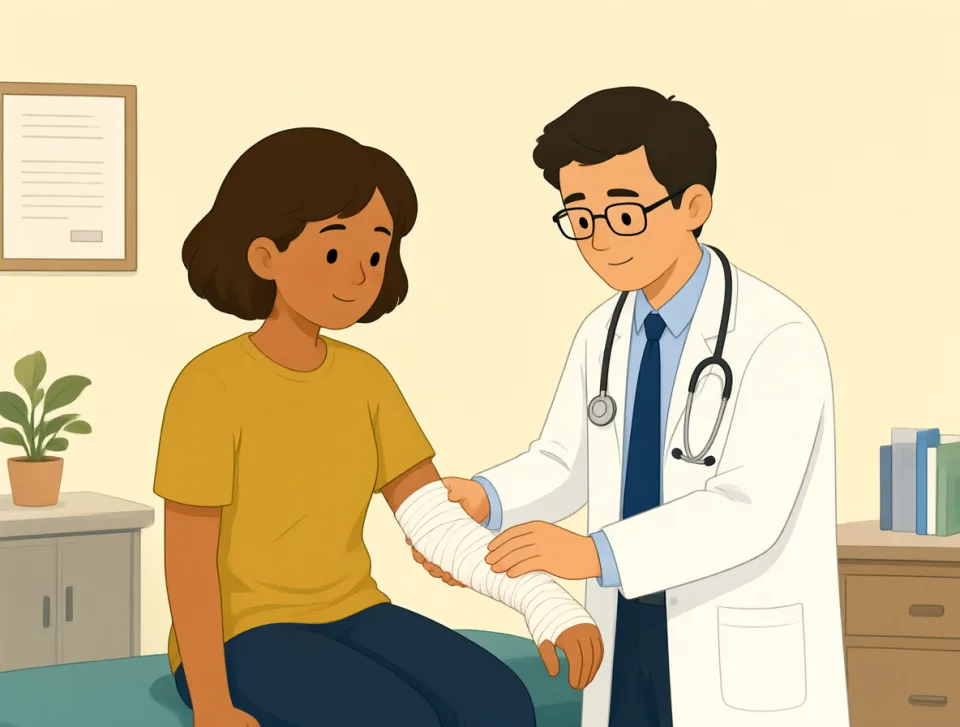
The doctor gave him immediate treatment for his injury.
Врач немедленно оказал ему помощь при травме.

We need an immediate answer before we book the tickets.
Нам нужен немедленный ответ, прежде чем мы забронируем билеты.

She felt immediate relief after drinking some water.
После того как она выпила воды, ей сразу стало легче.

The new manager became my immediate supervisor.
Новый менеджер стал моим непосредственным руководителем.
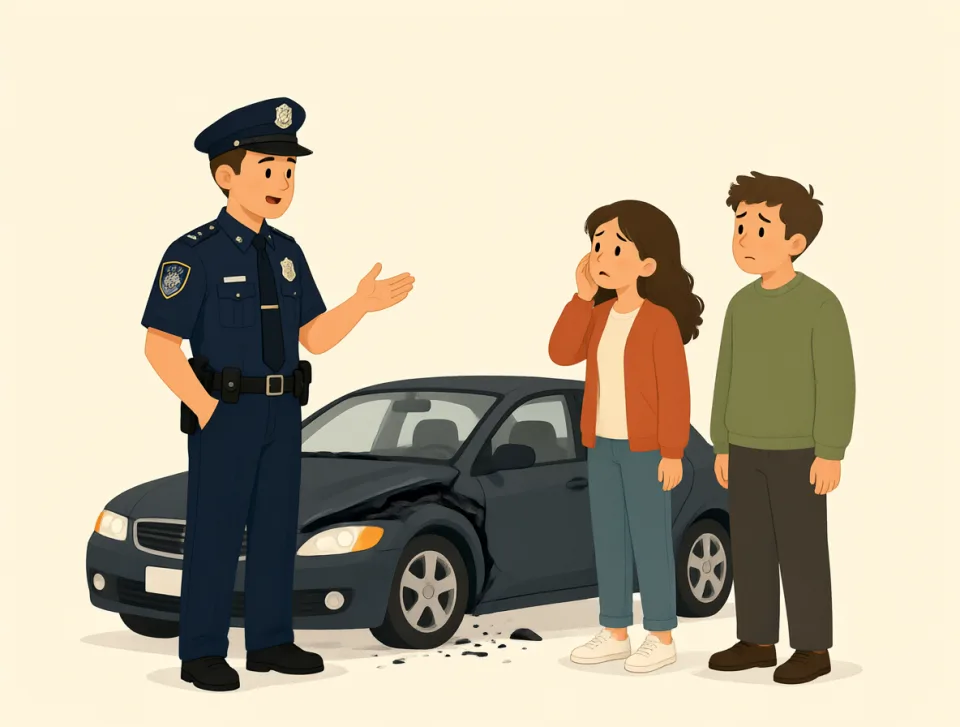
incident
#1807noun
происшествие
an event, especially one that is unusual, unpleasant, or causes a problem
Событие, особенно необычное или неприятное либо создающее проблему.
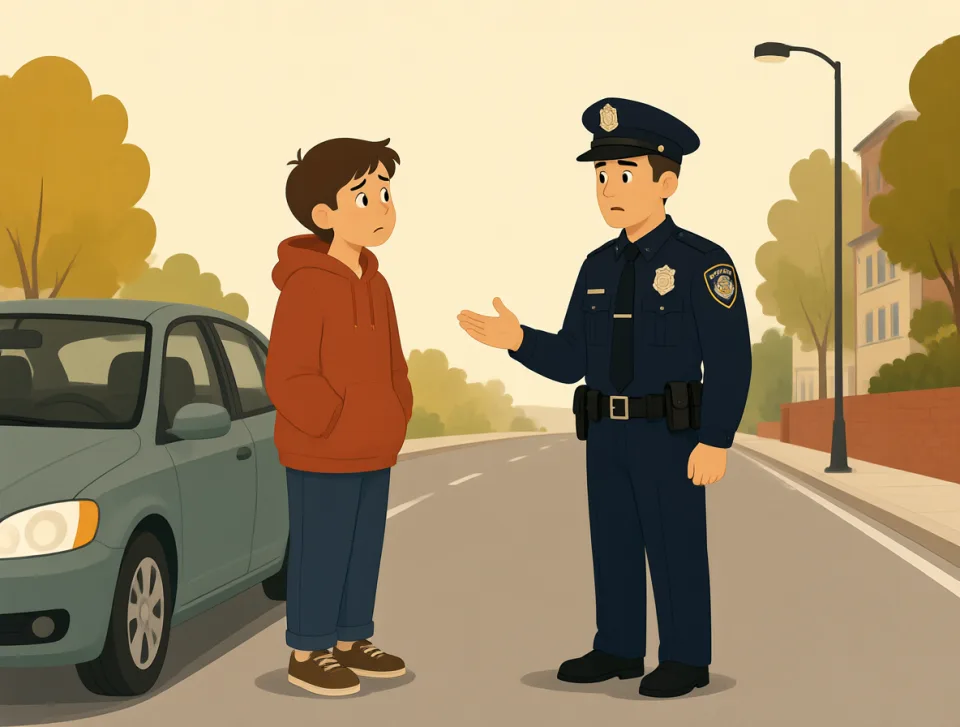
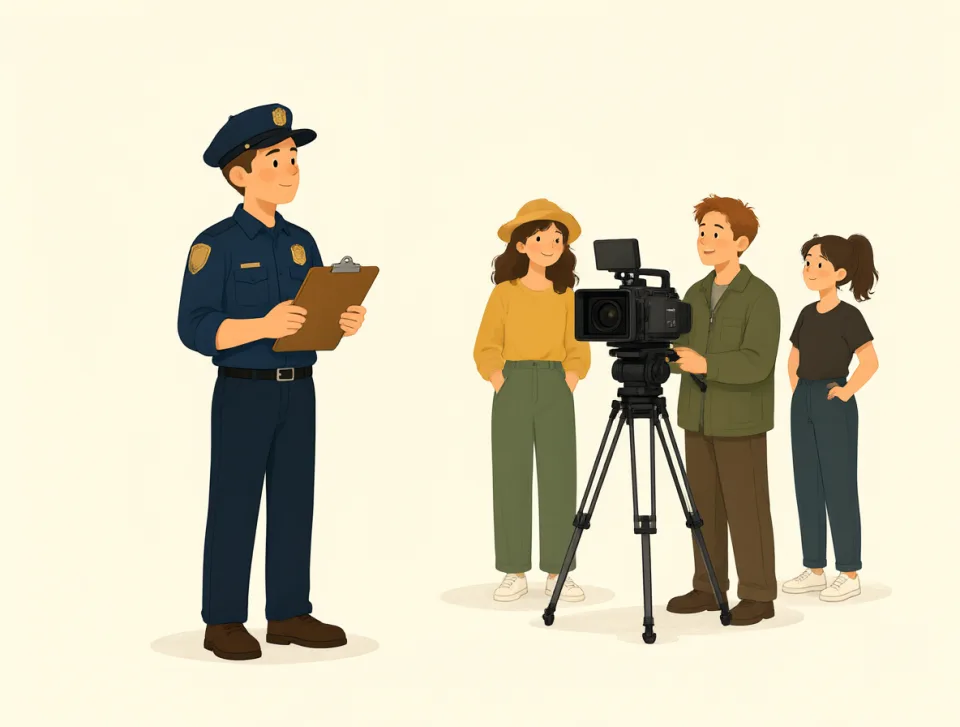
The police asked several questions about the incident.
Полиция задала несколько вопросов о происшествии.

There was a strange incident outside our house last night.
Прошлой ночью возле нашего дома произошло странное происшествие.

The teacher reported the incident to the school principal.
Учитель сообщил о происшествии директору школы.

A flight attendant handled the incident calmly during the trip.
Во время поездки бортпроводник спокойно уладил происшествие.

We laughed about the silly incident with our friends later.
Позже мы с друзьями посмеялись над этим нелепым происшествием.
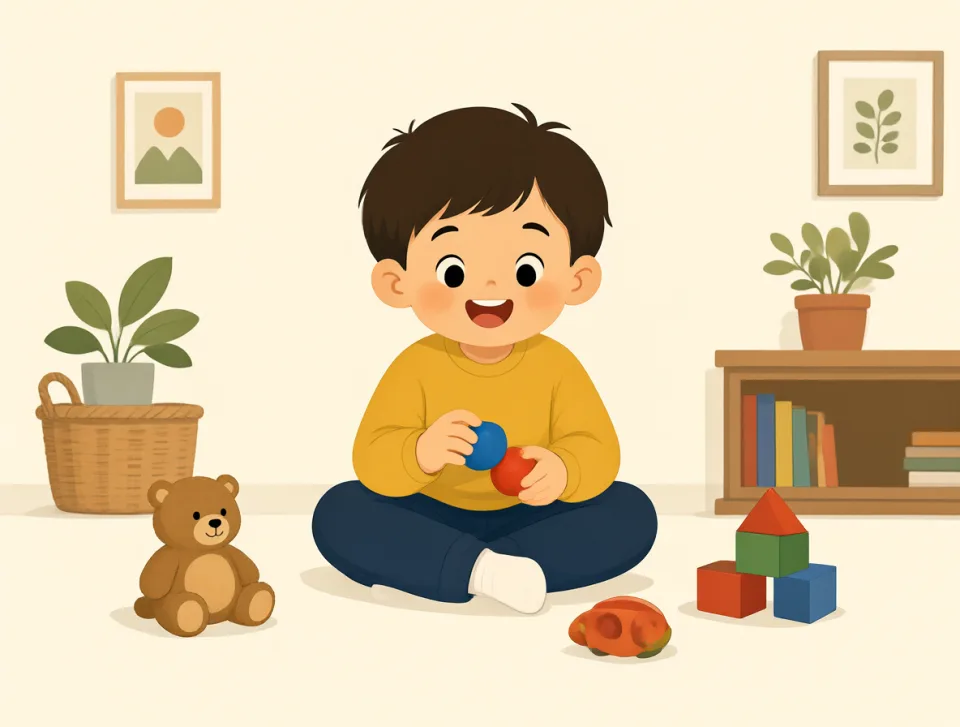
childhood
#1808noun
детство
The time when someone is a child.
Период жизни, когда человек ещё ребёнок.

I spent my childhood in a small village near the sea.
Я провёл детство в маленькой деревне у моря.

She has happy childhood memories of summer holidays with her cousins.
У неё остались счастливые воспоминания о летних каникулах, проведённых в детстве с двоюродными братьями и сёстрами.
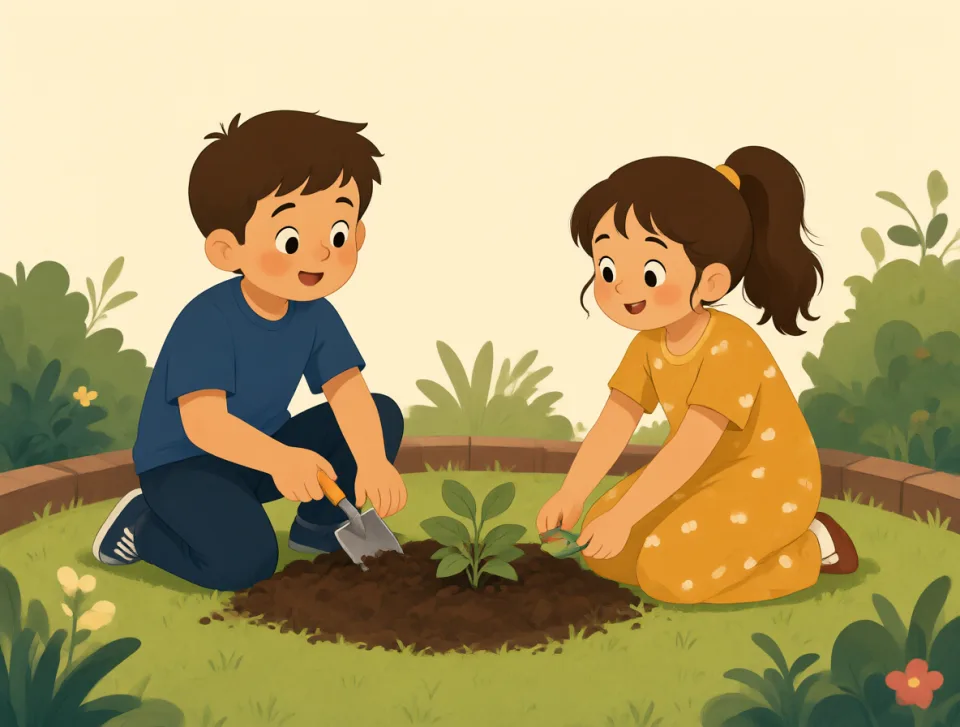
We were childhood friends before moving to different cities.
До переезда в разные города мы дружили с детства.

His childhood home is now a popular restaurant.
Дом, в котором он провёл детство, теперь стал популярным рестораном.

Childhood illnesses are usually less serious than they seem.
Детские болезни обычно не такие серьёзные, как кажутся.

draft
#1809noun, verb
черновик
A first version of writing, or to write a first version of something.
Первая версия текста; также — составлять первую версию чего-либо.

I finished the first draft of my school essay last night.
Вчера вечером я закончил первый черновик школьного сочинения.

She asked me to read her draft before she sent it.
Она попросила меня прочитать её черновик, прежде чем отправить его.

The manager drafted a short email for the whole team.
Менеджер подготовил короткое письмо для всей команды.
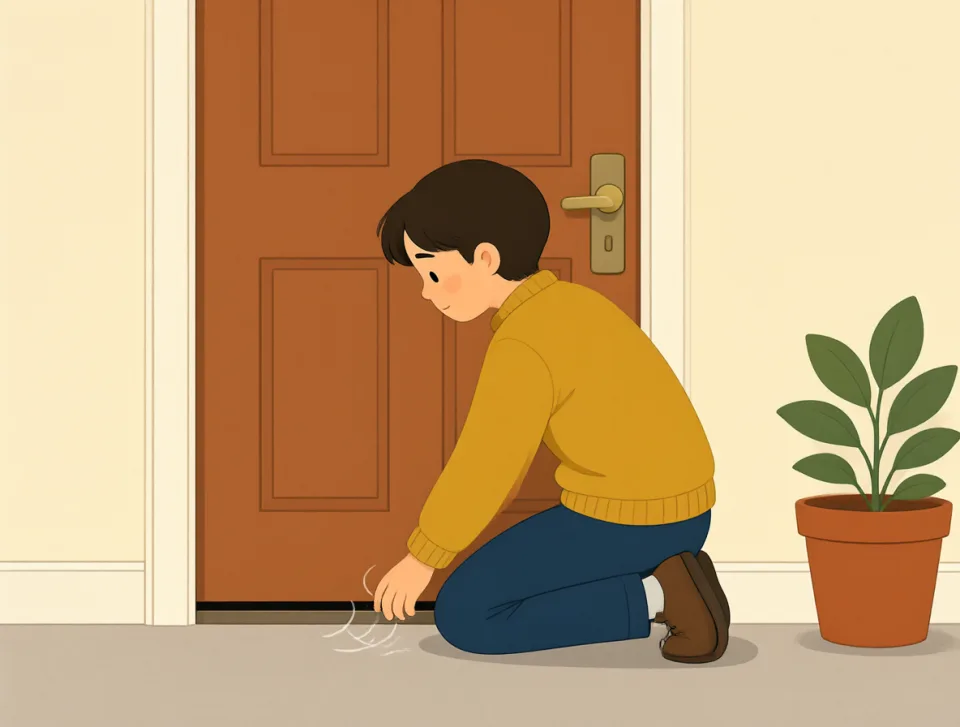
Cold air came through the draft under the front door.
Из-под входной двери тянуло холодом.

We drafted behind the truck to save fuel on the highway.
На шоссе мы ехали за грузовиком, чтобы экономить топливо.
slip
#1810noun, verb
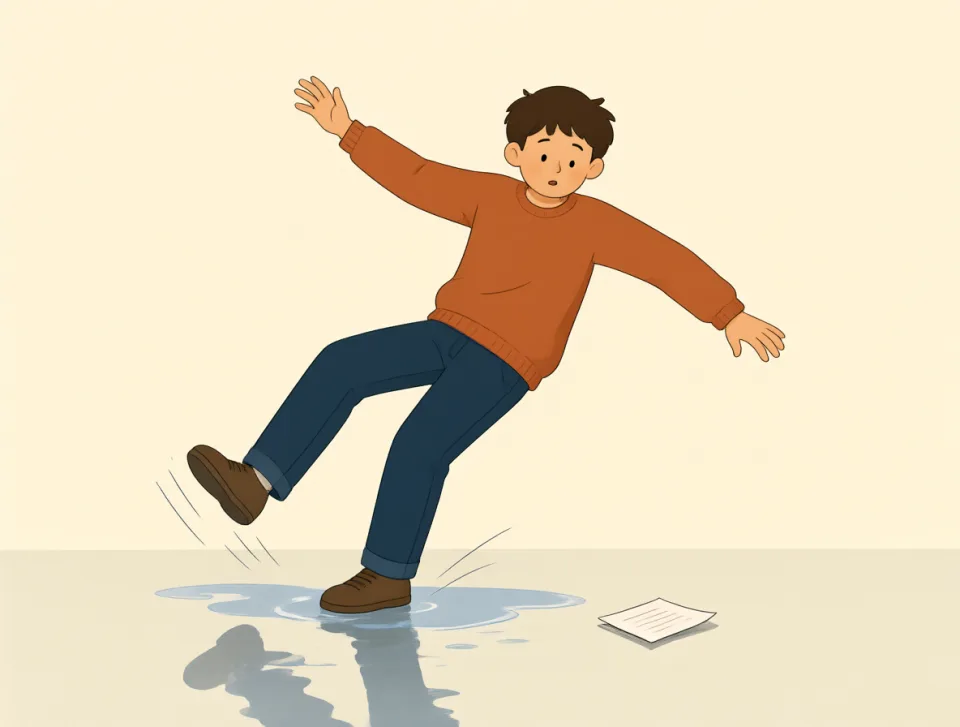
поскользнуться; клочок
To slide accidentally, or a small piece of paper or cloth.
Случайно скользнуть; также небольшой кусочек бумаги или ткани.
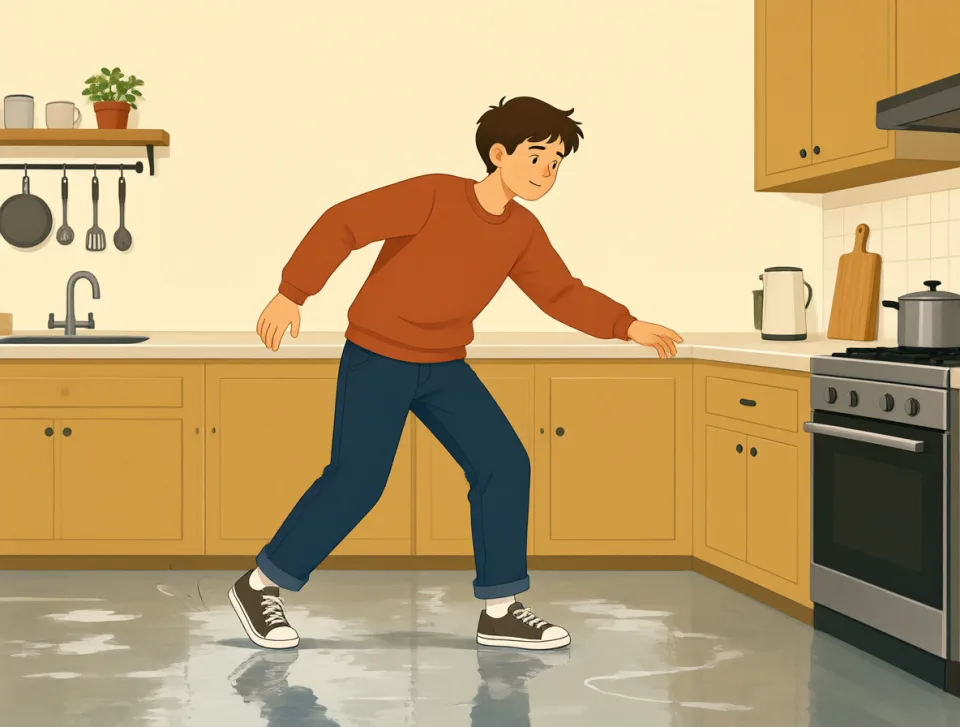
Be careful not to slip on the wet kitchen floor.
Будь осторожен, не поскользнись на мокром кухонном полу.
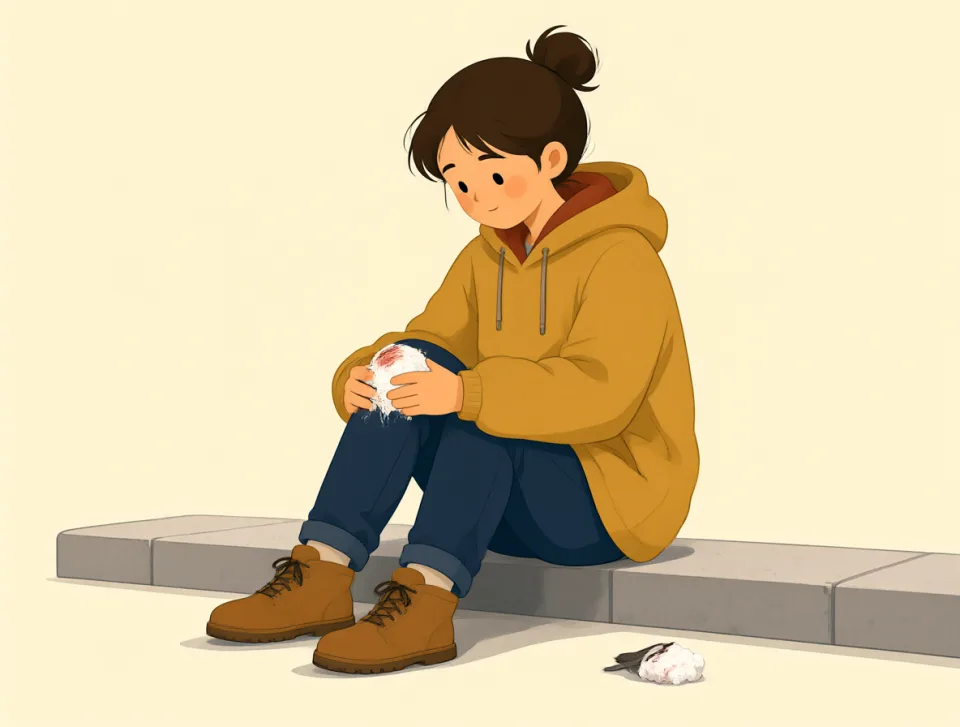
I slipped on the ice and hurt my knee.
Я поскользнулся на льду и ушиб колено.

She wrote her phone number on a slip of paper.
Она записала свой номер телефона на клочке бумаги.

Keep your receipt slip in case you need to return the shirt.
Сохрани чек на случай, если придётся возвращать рубашку.
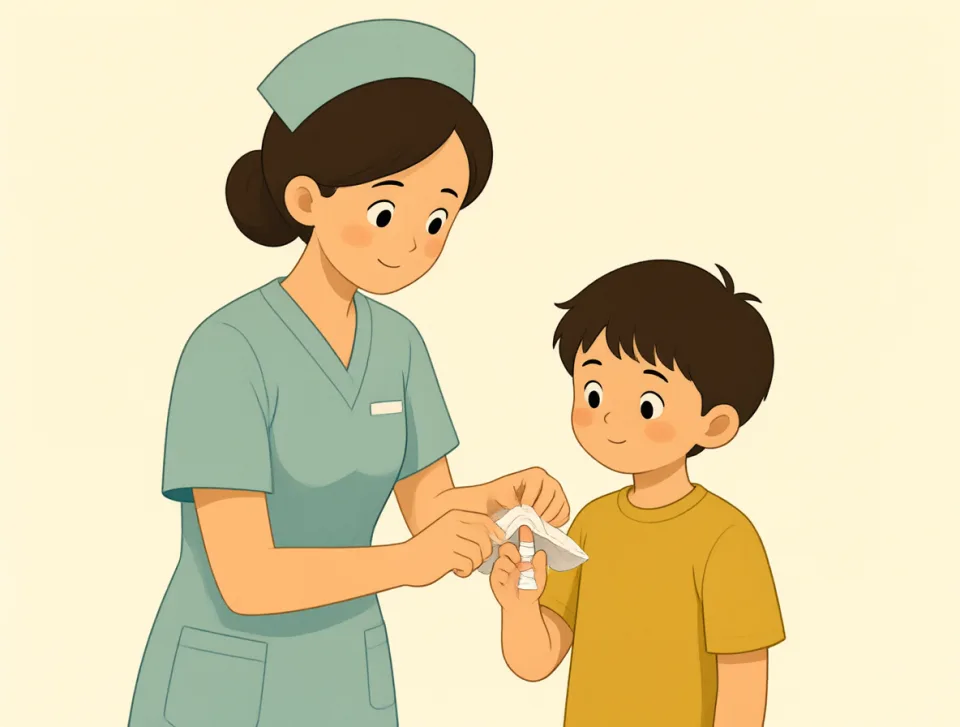
The nurse put a cool slip over his injured finger.
Медсестра приложила к его повреждённому пальцу прохладную ткань.
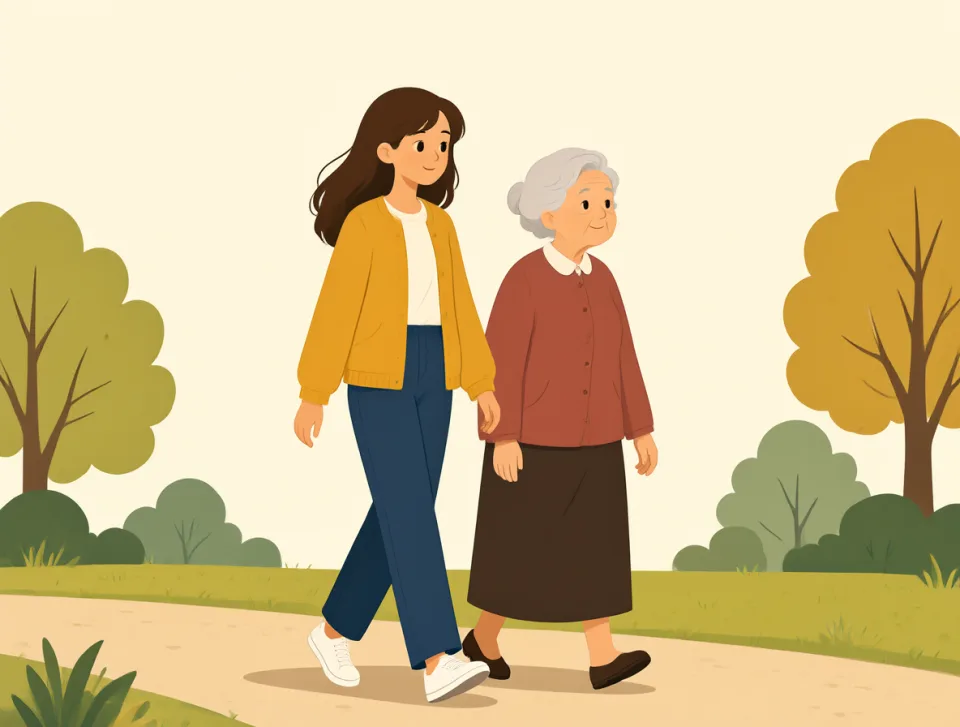
accompany
#1811verb
сопровождать
to go somewhere with someone or be included with something else
пойти куда-нибудь вместе с кем-то или быть дополнением к чему-либо
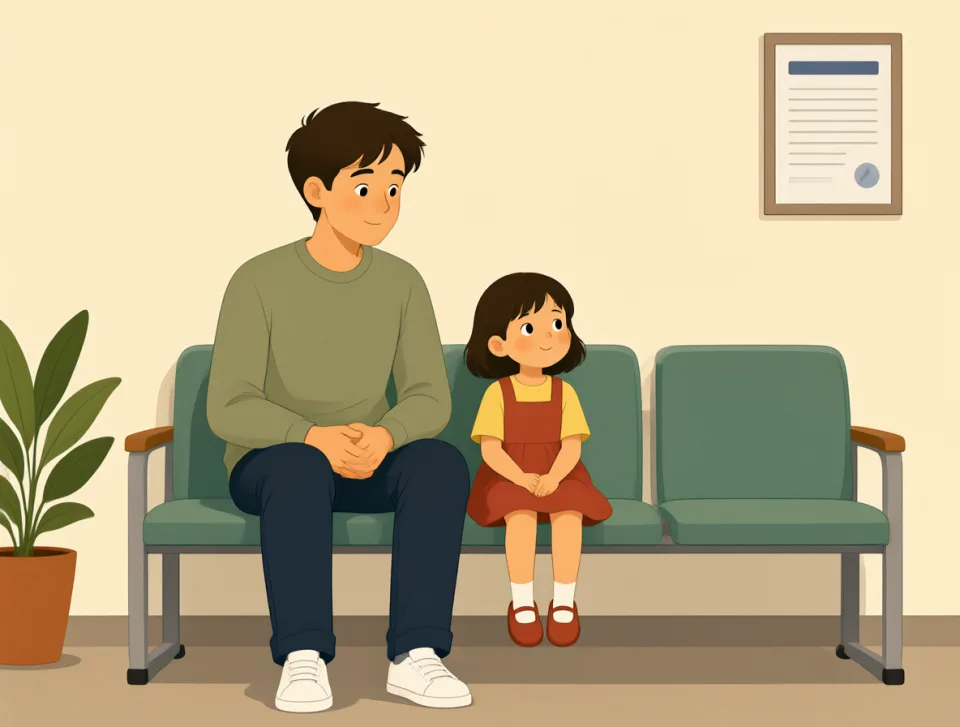
I accompanied my sister to the doctor this morning.
Сегодня утром я сопровождал сестру к врачу.
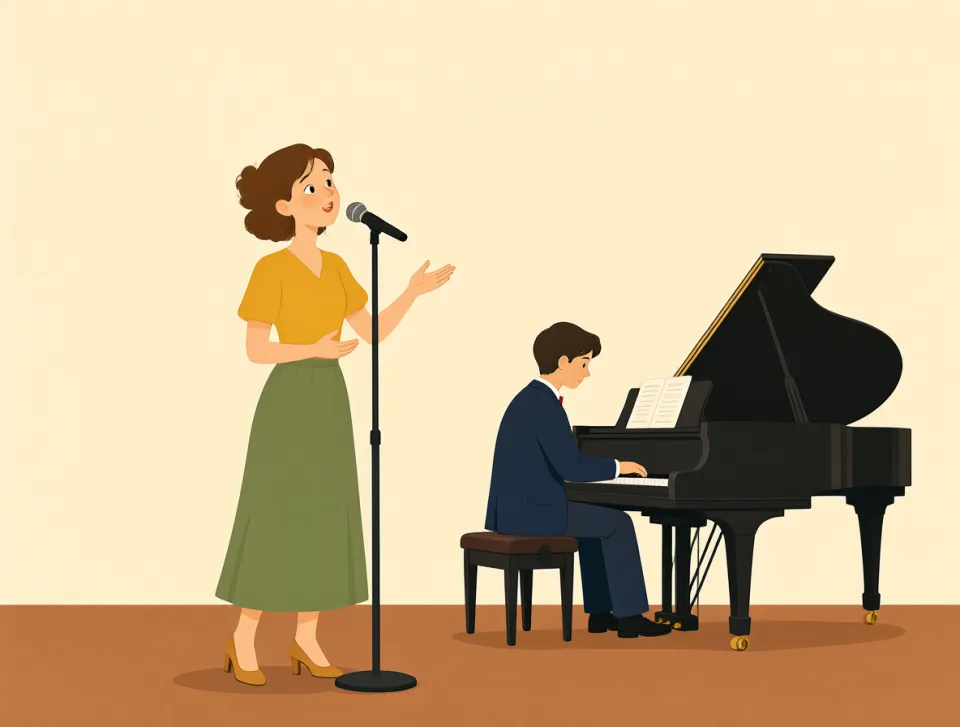
Soft piano music accompanied the singer during the performance.
Во время выступления певца звучала тихая фортепианная музыка.

A salad accompanied our sandwiches at lunch.
На обед к нашим сэндвичам подали салат.
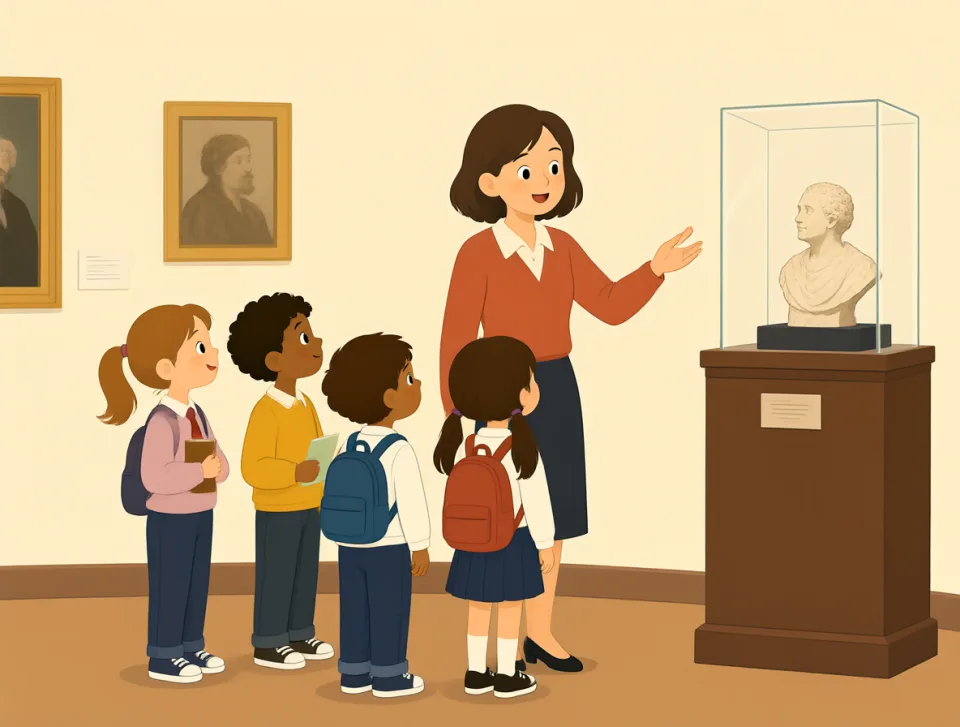
The teacher accompanied the students on their museum visit.
Учитель сопровождал учеников во время посещения музея.
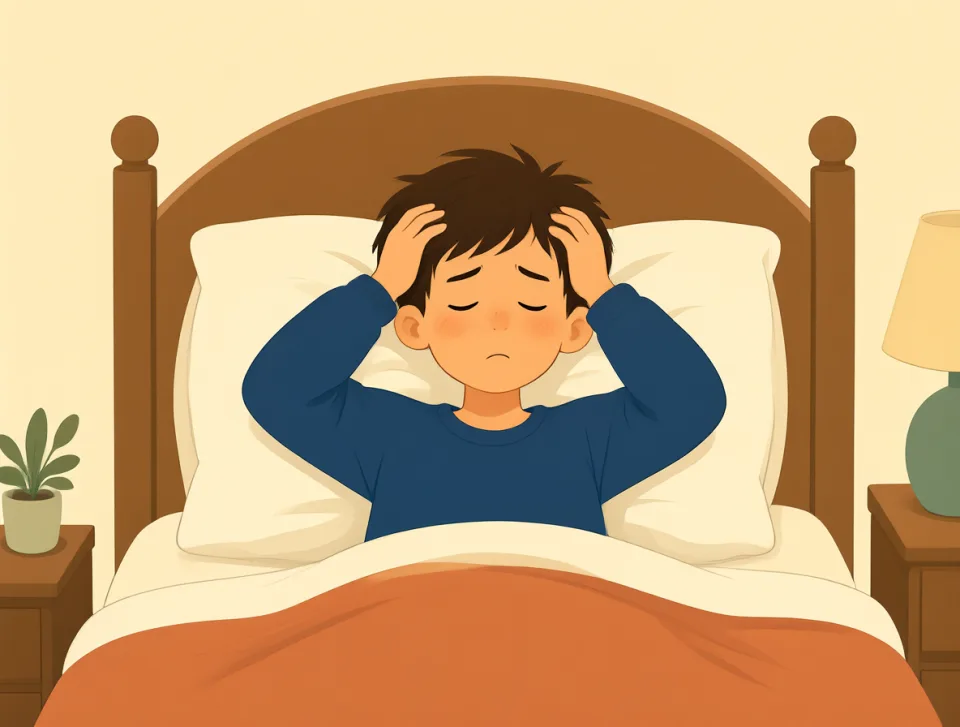
Headache and tiredness often accompany a bad cold.
При сильной простуде часто появляются головная боль и усталость.

politician
#1812noun
политик
A person who works in politics and tries to lead or influence a country.
Человек, который занимается политикой и стремится руководить страной или влиять на её жизнь.
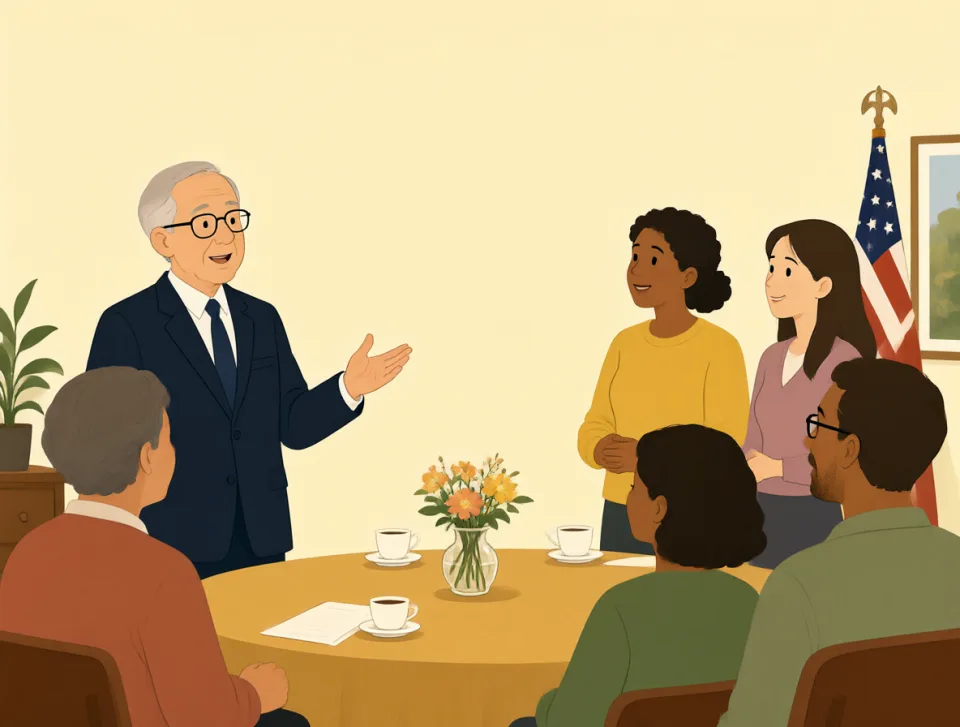
The politician promised to improve schools and hospitals.
Политик пообещал улучшить работу школ и больниц.
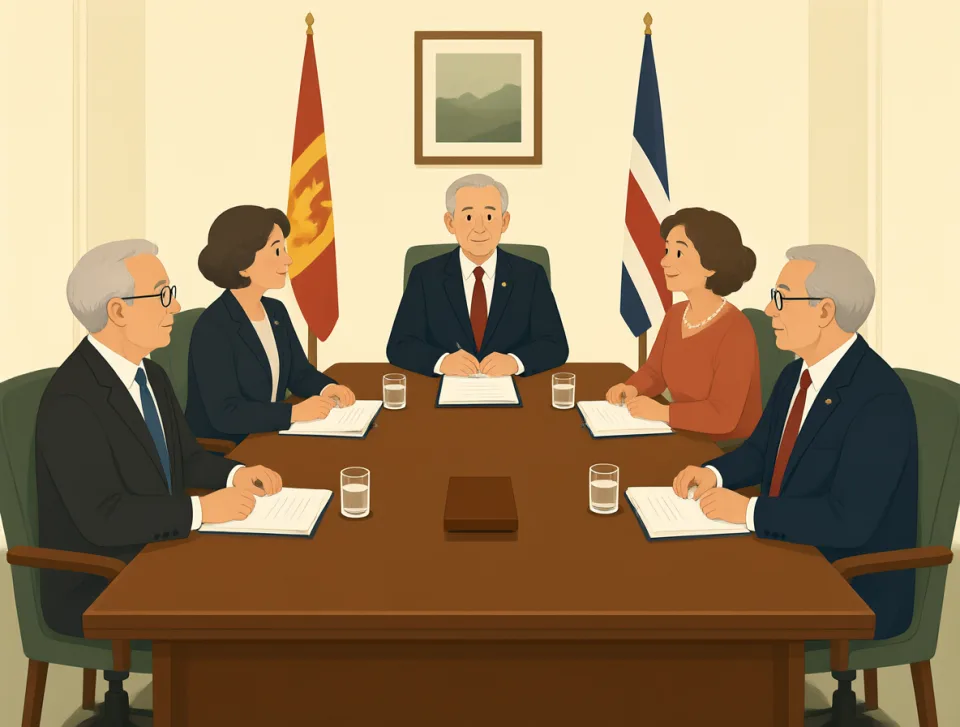
Many politicians are meeting to discuss the new law.
Многие политики встречаются, чтобы обсудить новый закон.

The politician answered questions from reporters outside the building.
Политик отвечал на вопросы журналистов у здания.

My brother wants to become a politician after university.
После университета мой брат хочет стать политиком.

The politician visited a local market and talked with shopkeepers.
Политик посетил местный рынок и поговорил с продавцами.

angry
#1813adjective
сердитый
Feeling very unhappy because someone or something has caused a problem.
Сильно недовольный из-за того, что кто-то или что-то создало проблему.
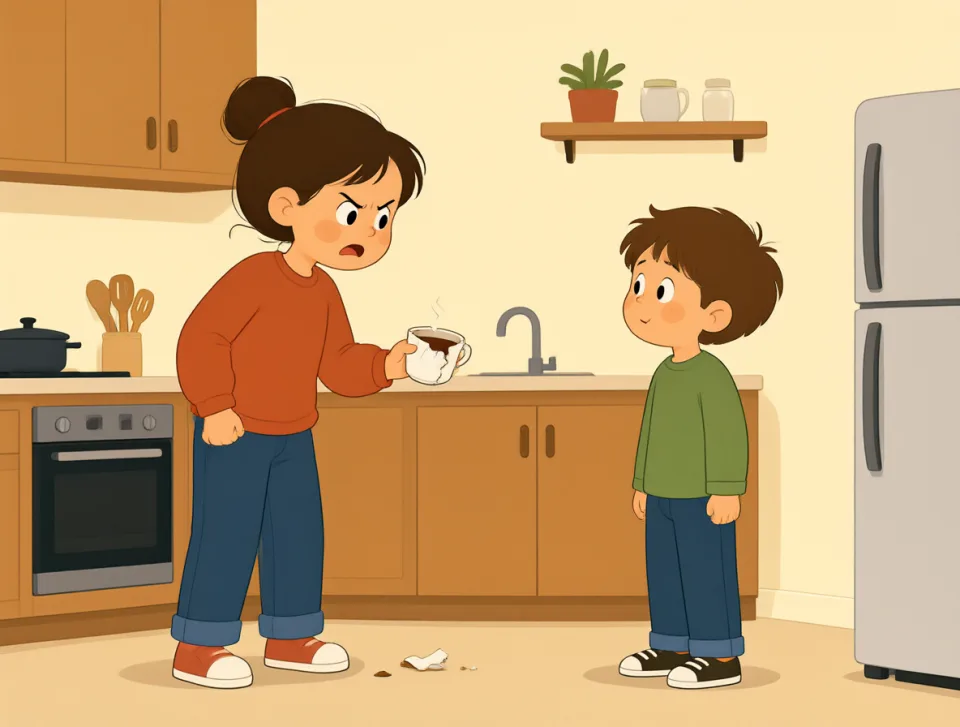
She was angry with her brother for breaking her favorite cup.
Она разозлилась на брата за то, что он разбил её любимую чашку.

The angry customer asked the manager for a full refund.
Разгневанный покупатель потребовал у управляющего вернуть всю сумму.
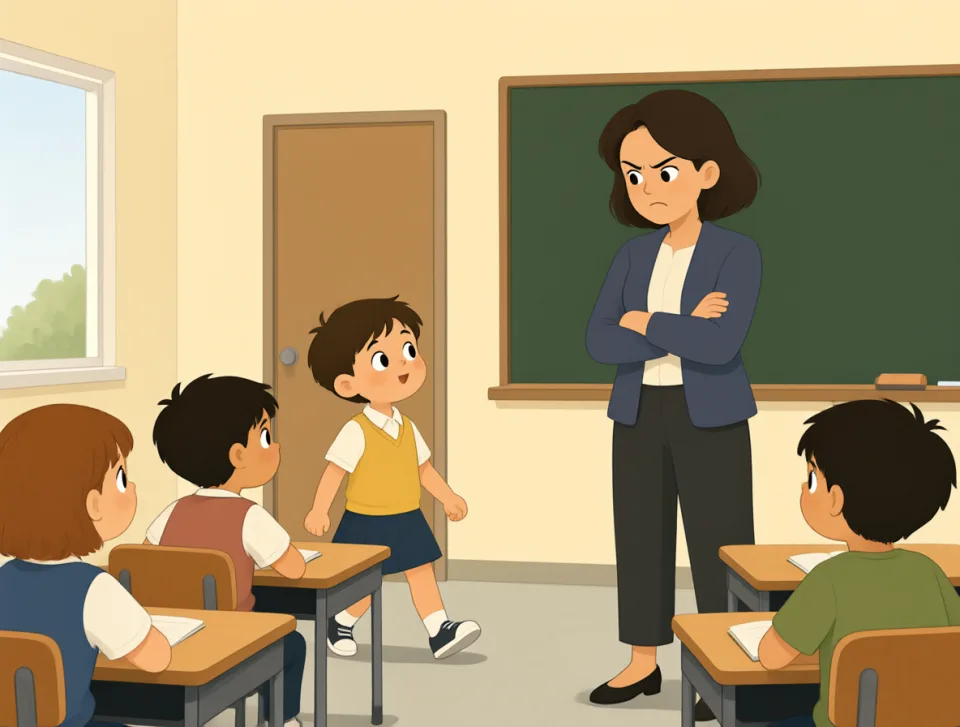
My teacher gets angry when students arrive late for class.
Мой учитель сердится, когда ученики опаздывают на занятия.

He felt angry about missing his train by only one minute.
Он разозлился, потому что опоздал на поезд всего на одну минуту.
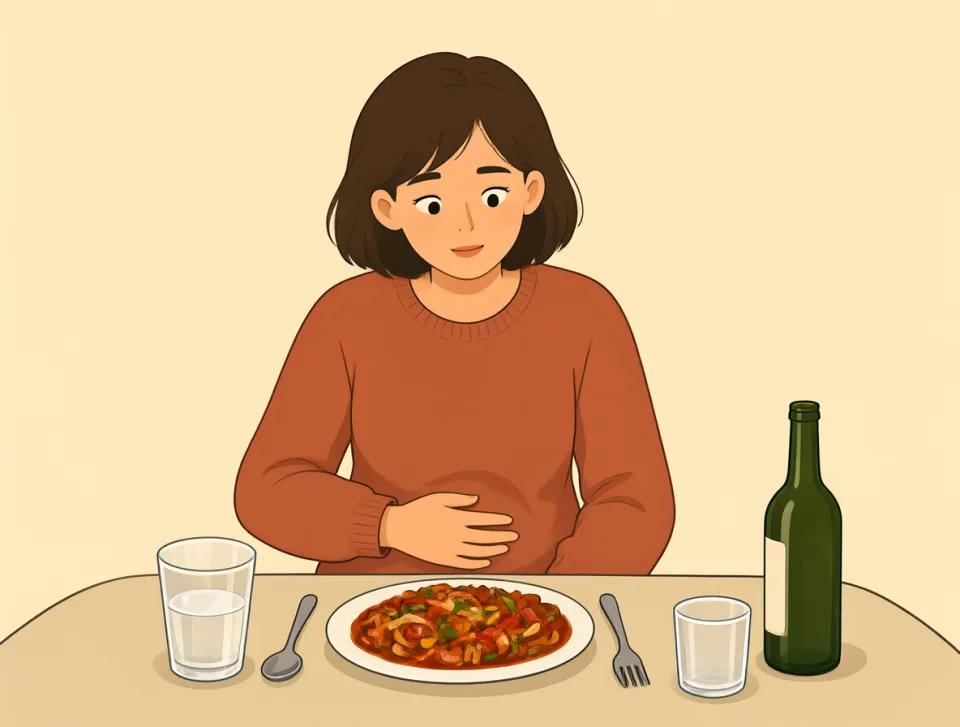
Eating too much spicy food made her stomach angry.
От слишком острой еды у неё разболелся желудок.
knock
#1814noun, verb
стучать; стук
a hit or sharp sound; to hit something or someone, or criticize them
удар или резкий звук; ударить что-либо или кого-либо либо критиковать их
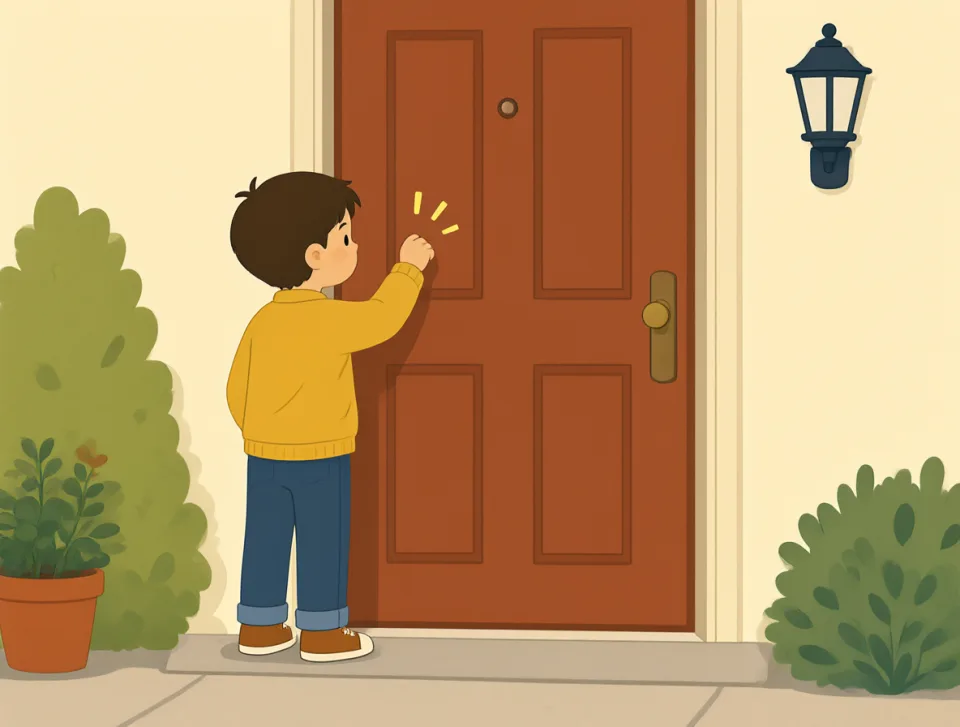
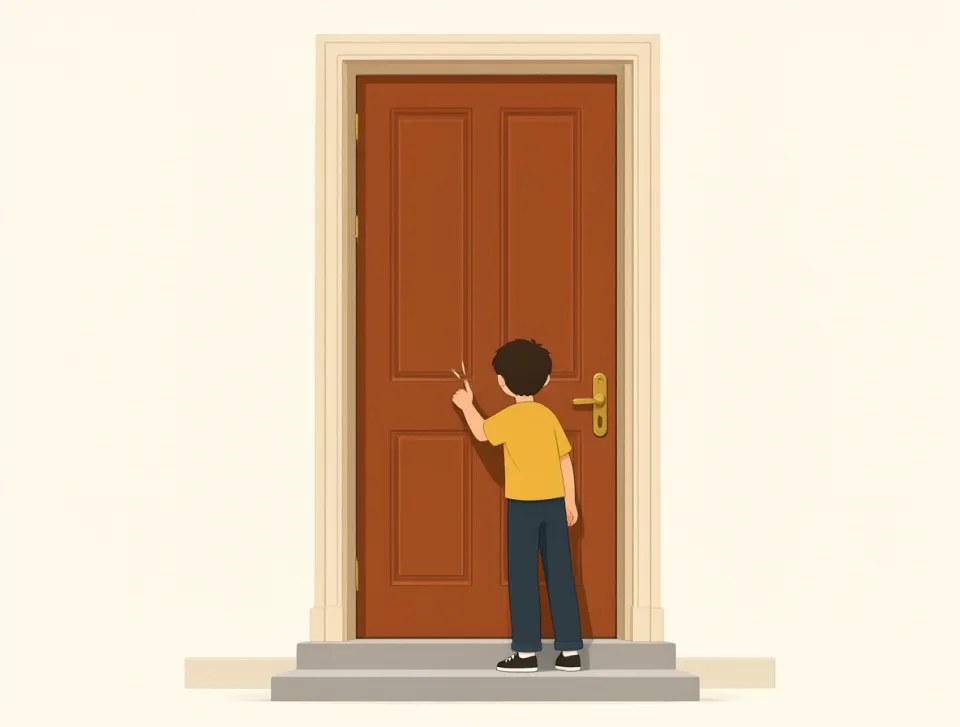
Please knock on the door before you come in.
Пожалуйста, постучите в дверь, прежде чем войти.
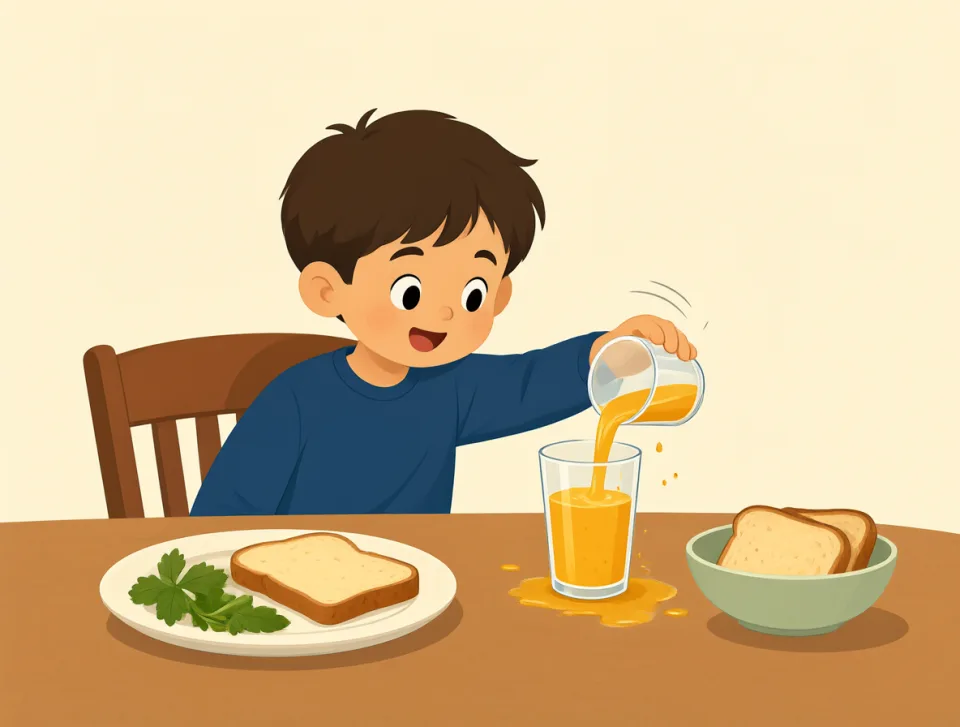
My little brother knocked over his juice at breakfast.
Мой младший брат опрокинул стакан сока за завтраком.
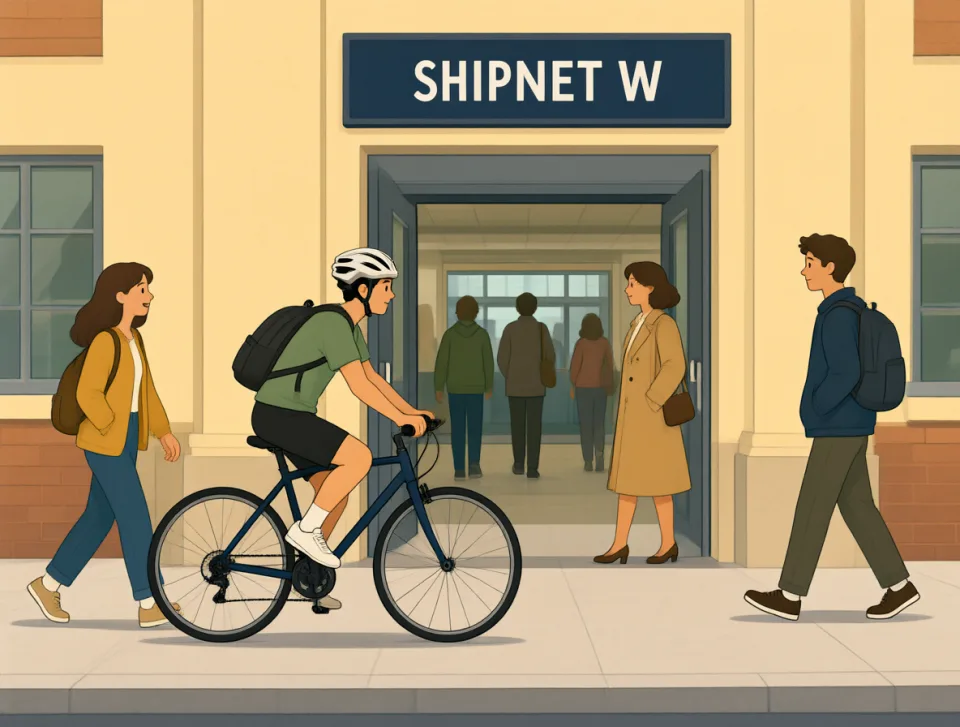
A cyclist knocked me down outside the station.
Велосипедист сбил меня возле станции.

I heard a strange knock during the night.
Ночью я услышал странный стук.

Don’t knock the restaurant until you have tried its food.
Не критикуй ресторан, пока не попробуешь его еду.
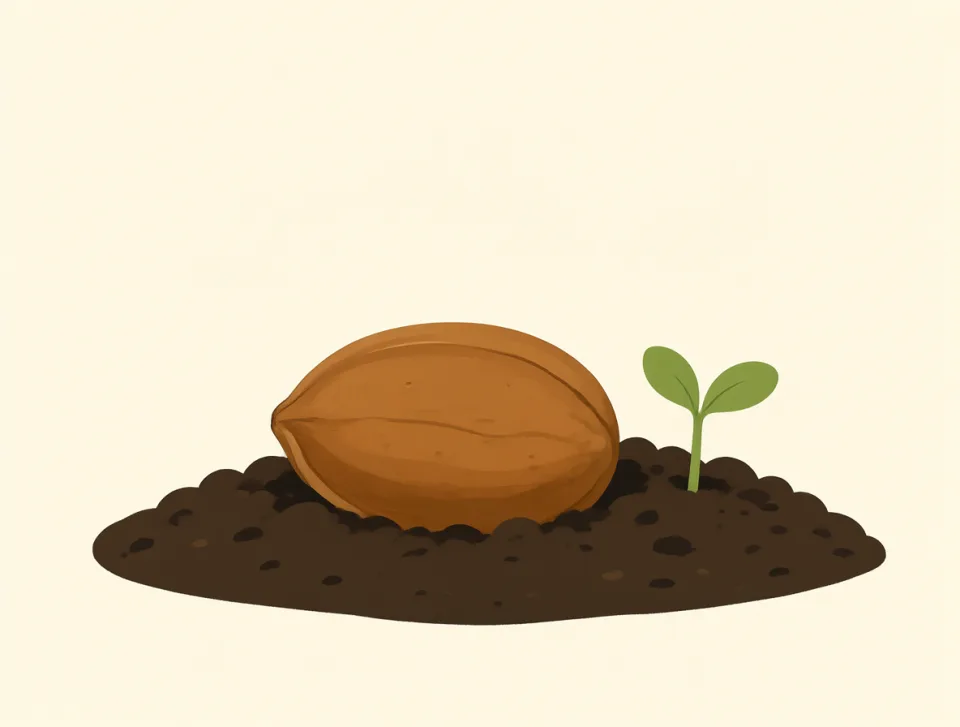
seed
#1815noun, verb
семя
a small part of a plant that can grow into a new plant
Маленькая часть растения, из которой может вырасти новое растение.
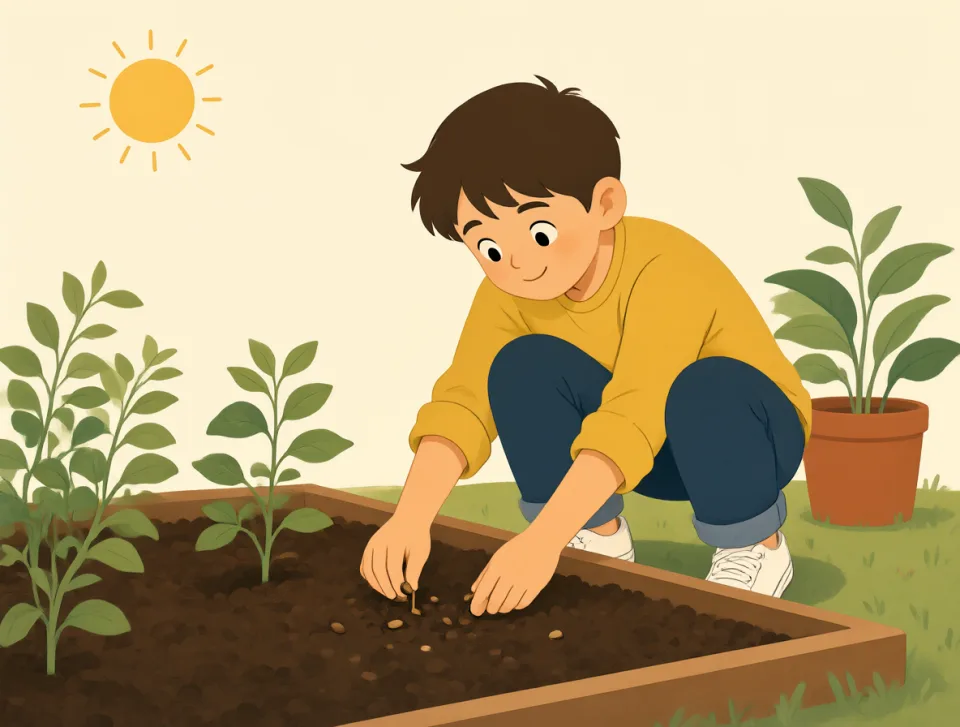
Plant the seeds in a sunny place and water them regularly.
Посадите семена на солнечном месте и регулярно поливайте их.

These tomato seeds grow well in warm, wet soil.
Эти семена помидоров хорошо растут в тёплой влажной почве.

The bird dropped a seed on the kitchen floor.
Птица уронила семечко на кухонный пол.

The company is seeding new ideas during the team meeting.
Во время командного совещания компания зарождает новые идеи.
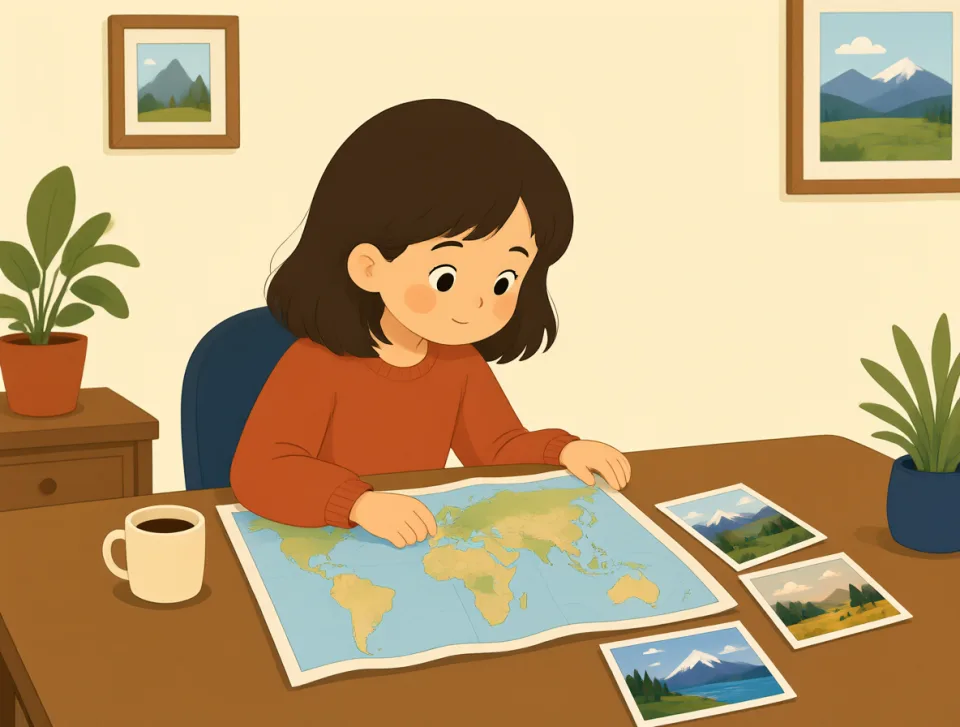
This experience planted the seeds of her interest in travel.
Этот опыт пробудил в ней интерес к путешествиям.

salary
#1816noun
зарплата
A fixed amount of money paid regularly for a person's work.
Фиксированная сумма денег, регулярно выплачиваемая человеку за его работу.

She earns a good salary at the local hospital.
Она получает хорошую зарплату в местной больнице.

My salary is paid directly into my bank account.
Мою зарплату напрямую переводят на мой банковский счёт.

He asked for a higher salary during his job interview.
Во время собеседования он попросил более высокую зарплату.

Her monthly salary helps pay the rent and food bills.
Её ежемесячная зарплата помогает оплачивать аренду и продукты.

The company increased everyone's salaries after a successful year.
После успешного года компания повысила зарплаты всем сотрудникам.
illustrate
#1817verb
иллюстрировать; пояснять
to explain something clearly by using pictures, examples, or demonstrations
объяснять что-либо ясно с помощью изображений, примеров или демонстраций

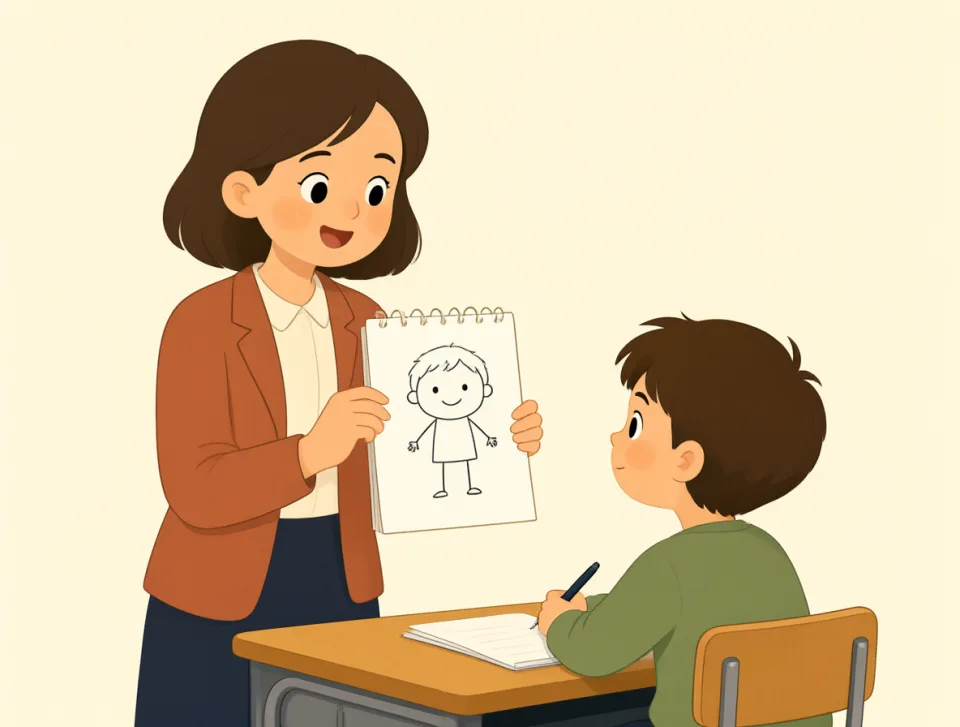
The guide used a map to illustrate our travel route.
Гид использовал карту, чтобы проиллюстрировать наш маршрут путешествия.
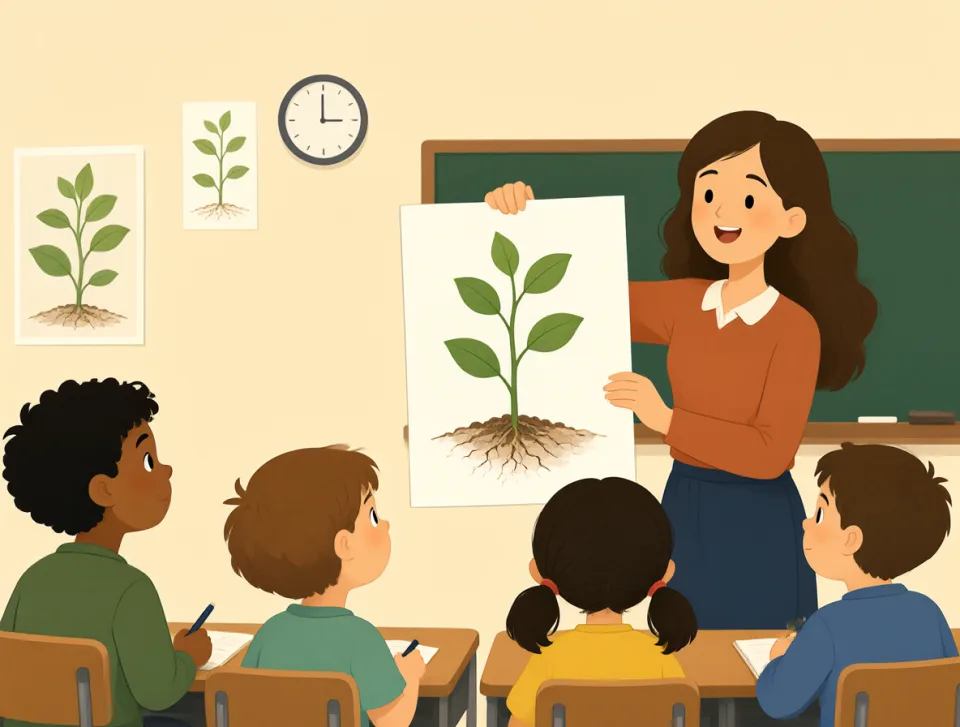
The teacher used a drawing to illustrate how plants grow.
Учитель использовал рисунок, чтобы показать, как растут растения.
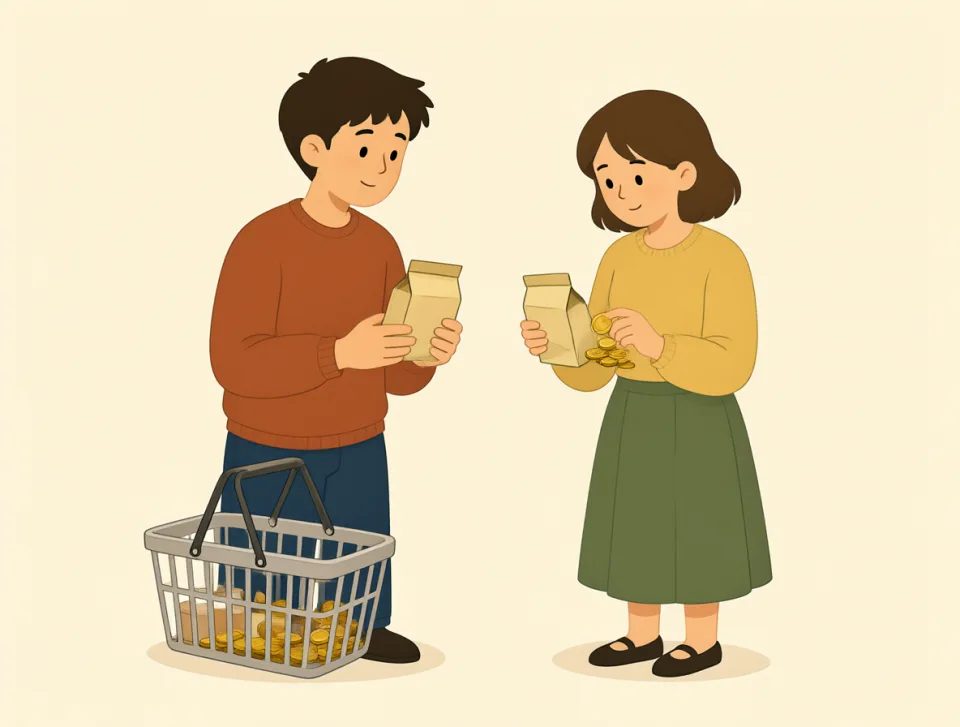
This example illustrates why checking prices before shopping is useful.
Этот пример показывает, почему полезно проверять цены перед покупками.
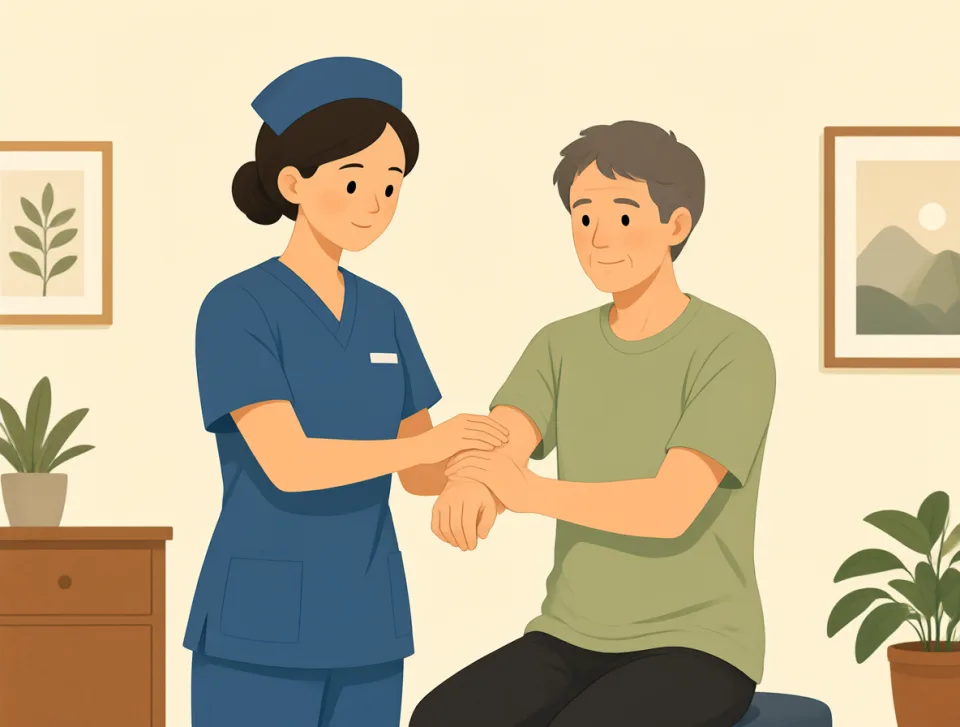
The nurse illustrated the exercise by showing me each movement.
Медсестра показала мне каждое движение, объясняя упражнение.

The cookbook uses photos to illustrate every step of the recipe.
В кулинарной книге с помощью фотографий проиллюстрирован каждый шаг приготовления блюда.

imply
#1818verb
подразумевать; намекать
To suggest something without saying it directly.
намекать на что-либо, не говоря об этом прямо
Her smile implied that she was happy with the gift.
Её улыбка дала понять, что подарок ей понравился.
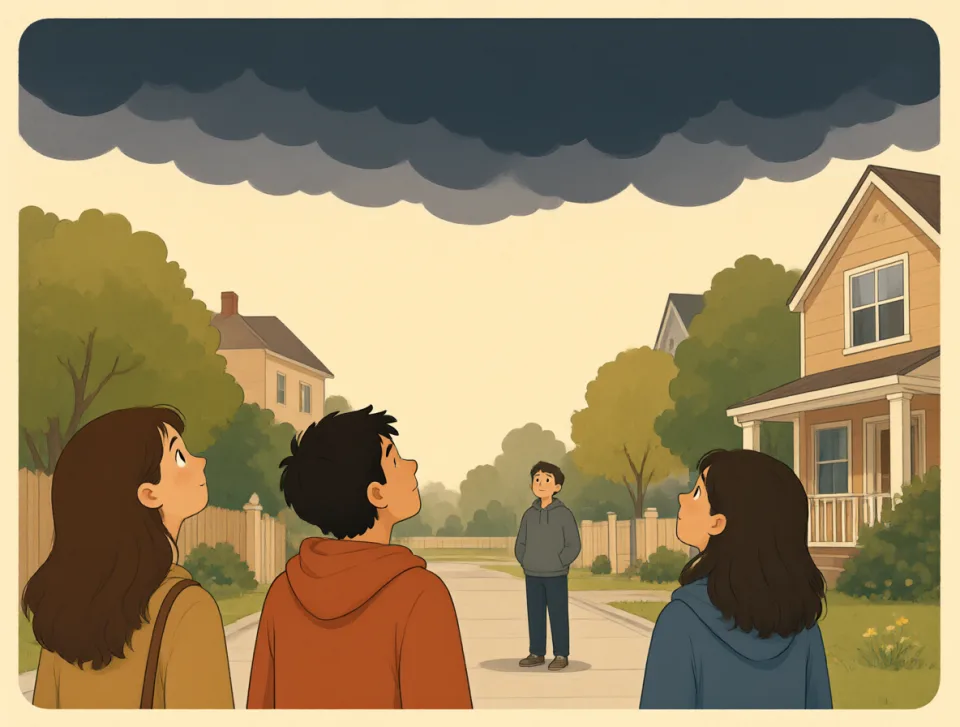
The dark clouds imply that rain is coming soon.
Тёмные тучи говорят о том, что скоро пойдёт дождь.

His answer implied that he did not trust the new manager.
Из его ответа следовало, что он не доверяет новому менеджеру.
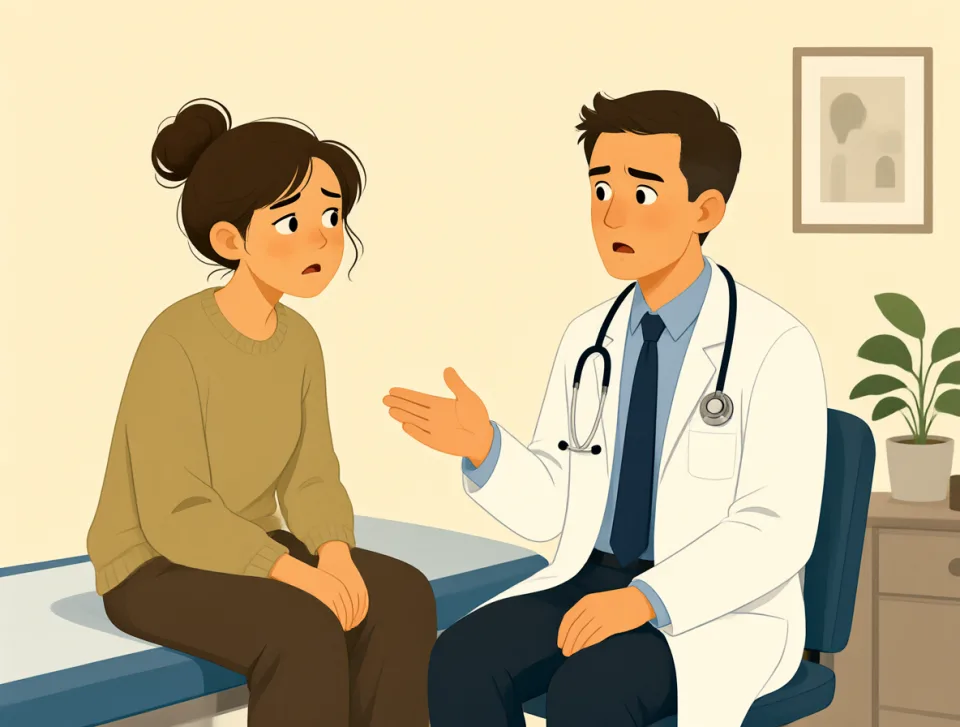
The doctor’s questions implied that my tiredness needed more attention.
Вопросы врача намекали на то, что моей усталости нужно уделить больше внимания.

The high price may imply that these shoes are very good quality.
Высокая цена может означать, что эти туфли очень хорошего качества.

breakfast
#1819noun
завтрак
the first meal of the day, usually eaten in the morning
первый приём пищи за день, обычно утром

I usually eat breakfast at seven before going to work.
Обычно я завтракаю в семь часов перед работой.

We had a big breakfast at the hotel this morning.
Сегодня утром мы плотно позавтракали в отеле.

She skipped breakfast because she was late for school.
Она пропустила завтрак, потому что опаздывала в школу.

Let's meet for breakfast at the café near the station.
Давай встретимся на завтрак в кафе возле станции.
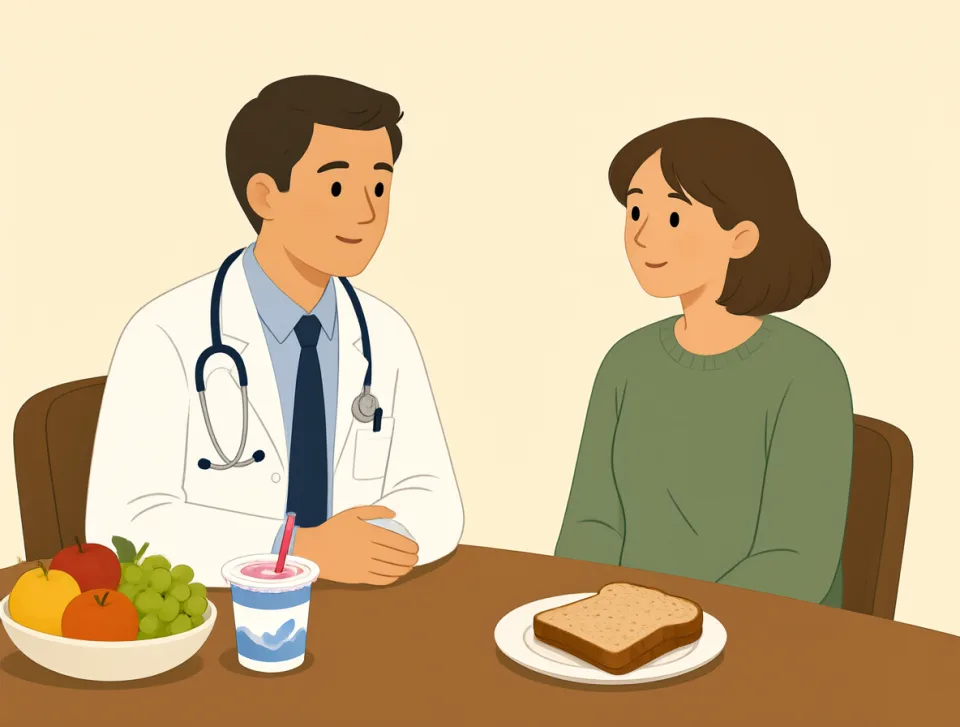
The doctor advised him to eat a healthy breakfast every day.
Врач посоветовал ему каждый день есть полезный завтрак.
temporary
#1820adjective
временный
Lasting for a limited time and not permanent.
длящийся ограниченное время, а не постоянно

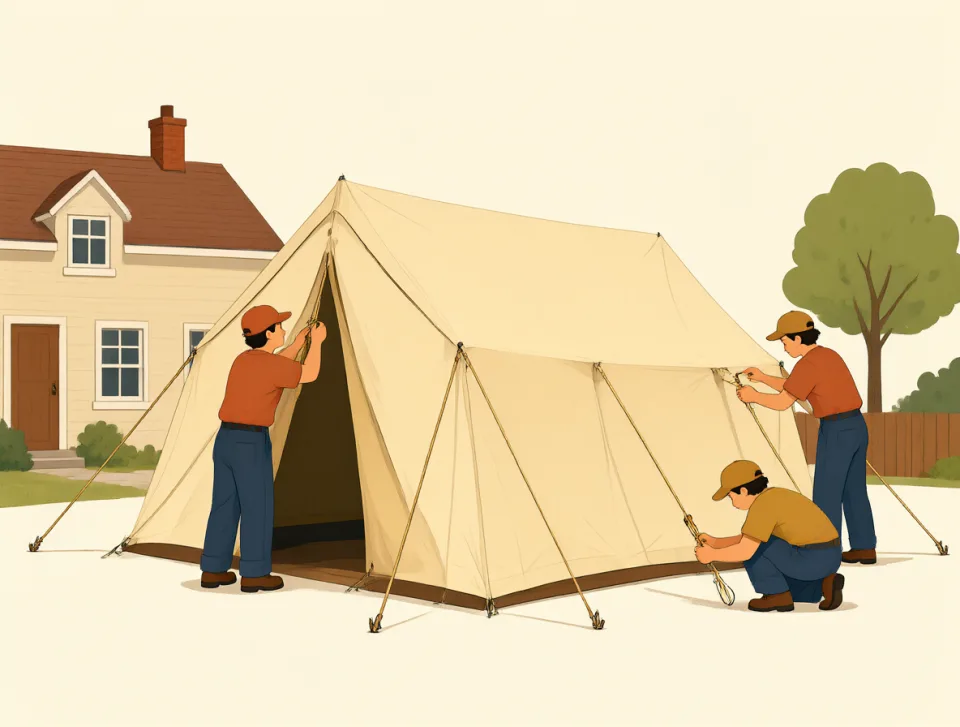
We are staying in a temporary apartment while our house is repaired.
Мы живём во временной квартире, пока ремонтируют наш дом.

The company hired temporary workers during the busy holiday season.
Компания наняла временных работников на время напряжённого праздничного сезона.
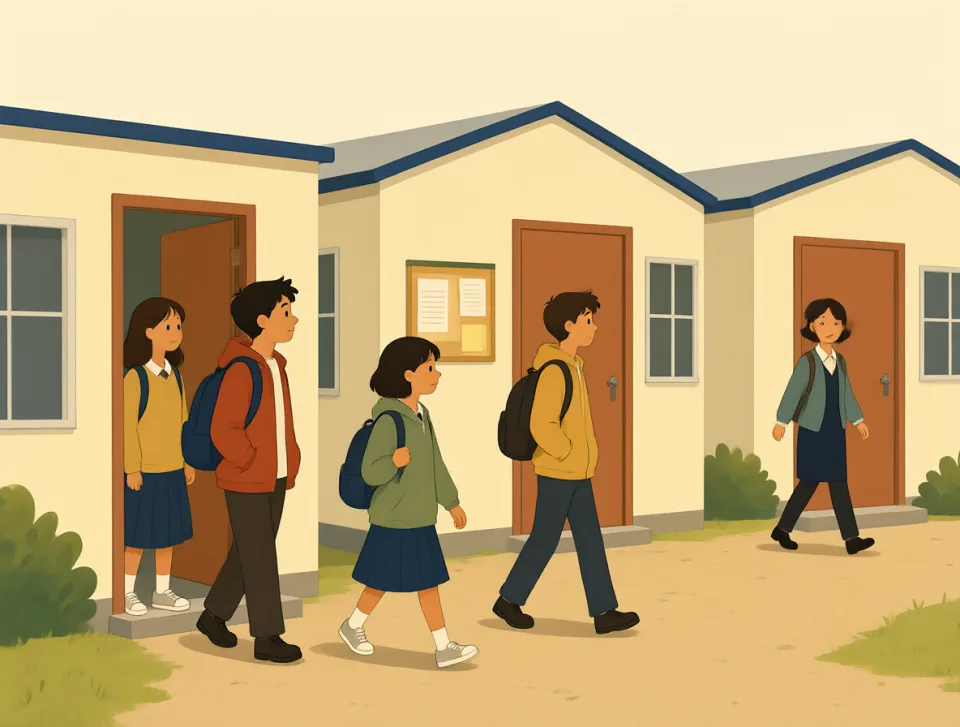
The school moved classes to temporary rooms after the storm.
После бури школа перенесла занятия во временные помещения.
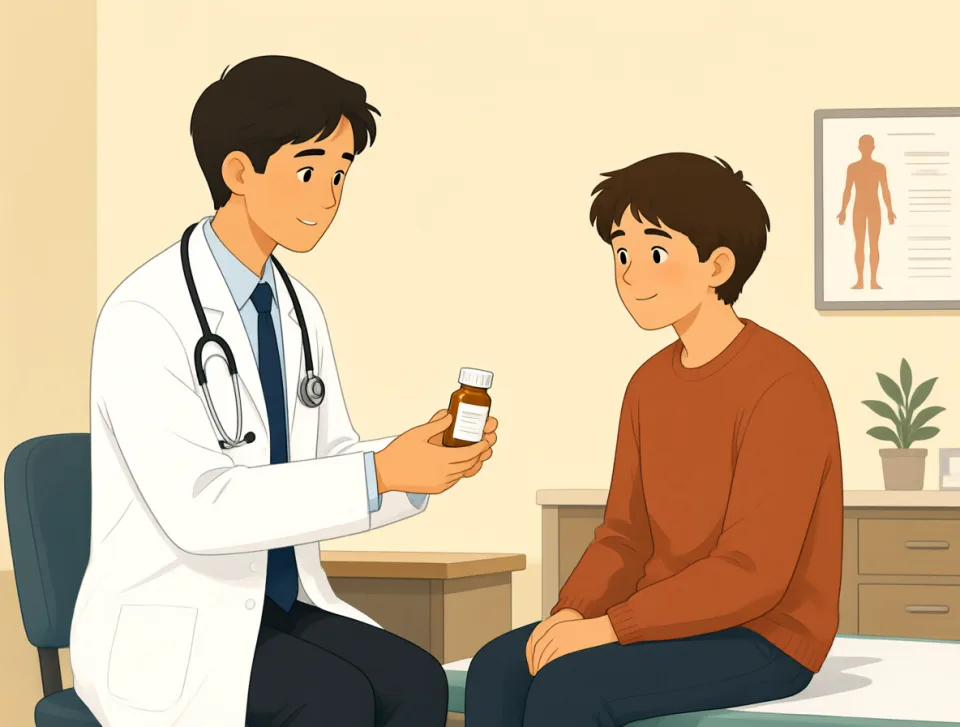
The doctor gave me temporary medicine for my back pain.
Врач выписал мне временное лекарство от боли в спине.
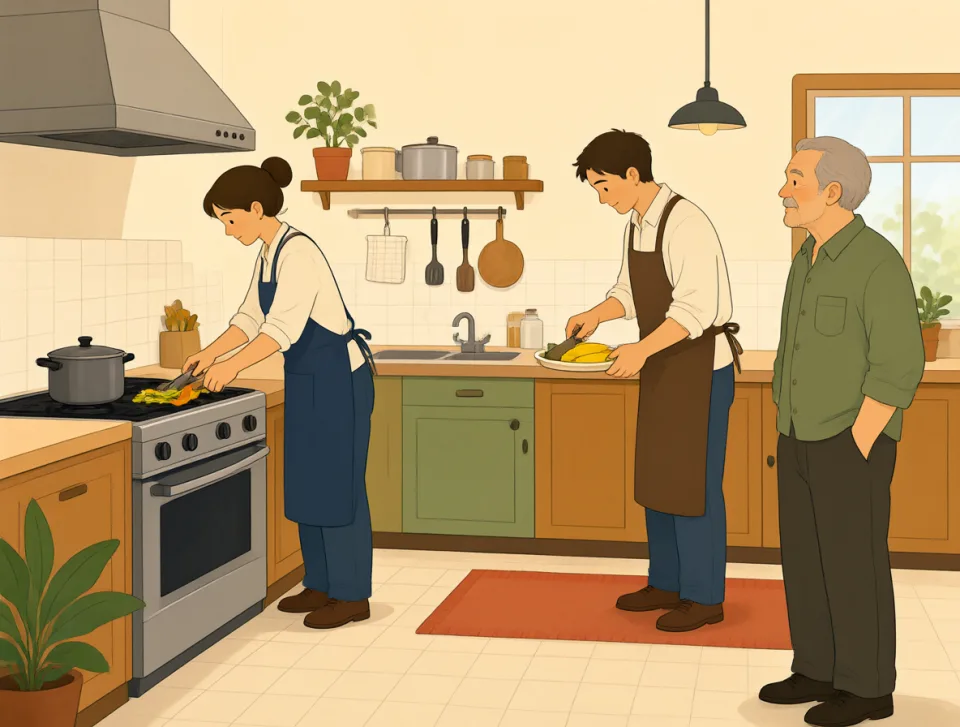
The shop has a temporary closing because of kitchen repairs.
Магазин временно закрыт из-за ремонта кухни.