Zestaw 74
Słowa 1461–1480 · skin, prison, switch, acquire, corporate, fairly
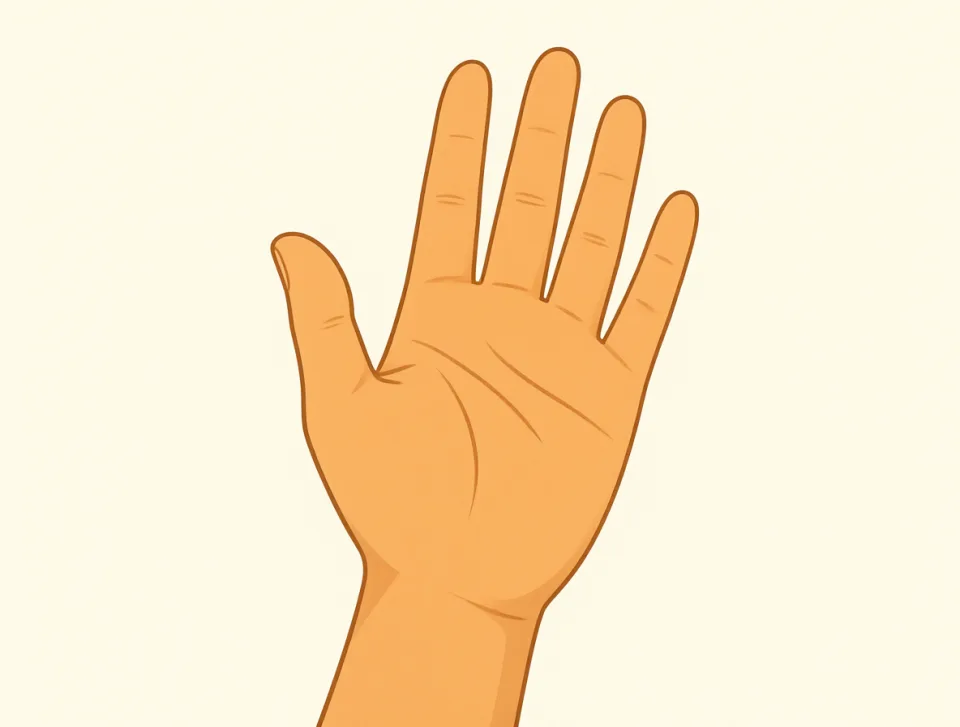
skin
#1461noun, verb
skóra
The thin outer layer covering a person's or animal's body.
Cienka zewnętrzna warstwa pokrywająca ciało człowieka lub zwierzęcia.
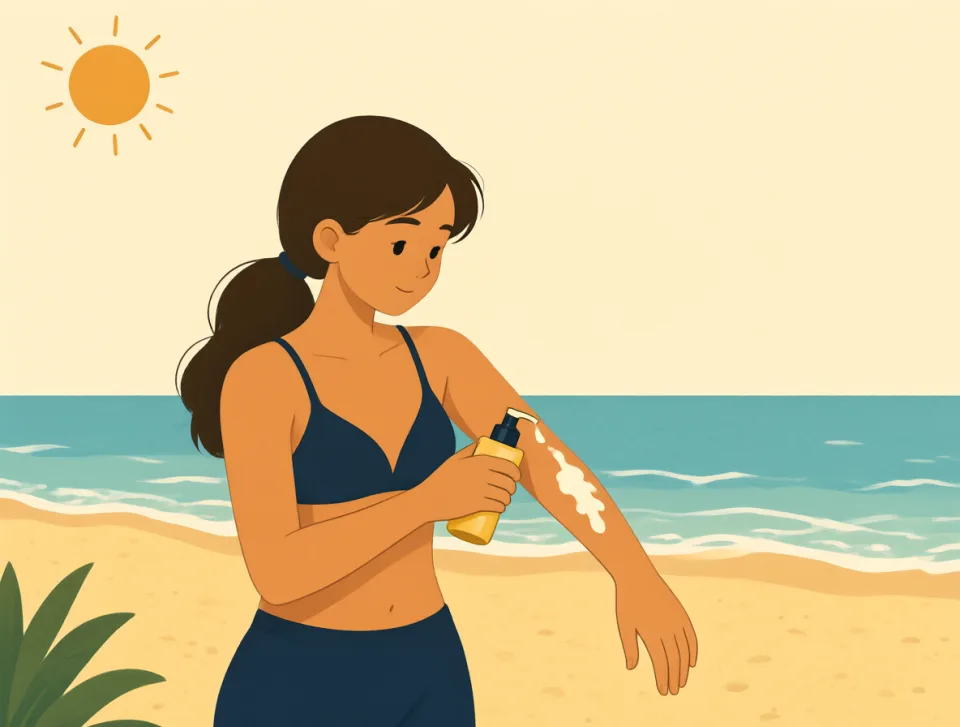
Use sunscreen to protect your skin from the strong summer sun.
Używaj kremu z filtrem, aby chronić skórę przed ostrym letnim słońcem.

My skin gets very dry in cold weather.
W chłodne dni moja skóra bardzo się wysusza.
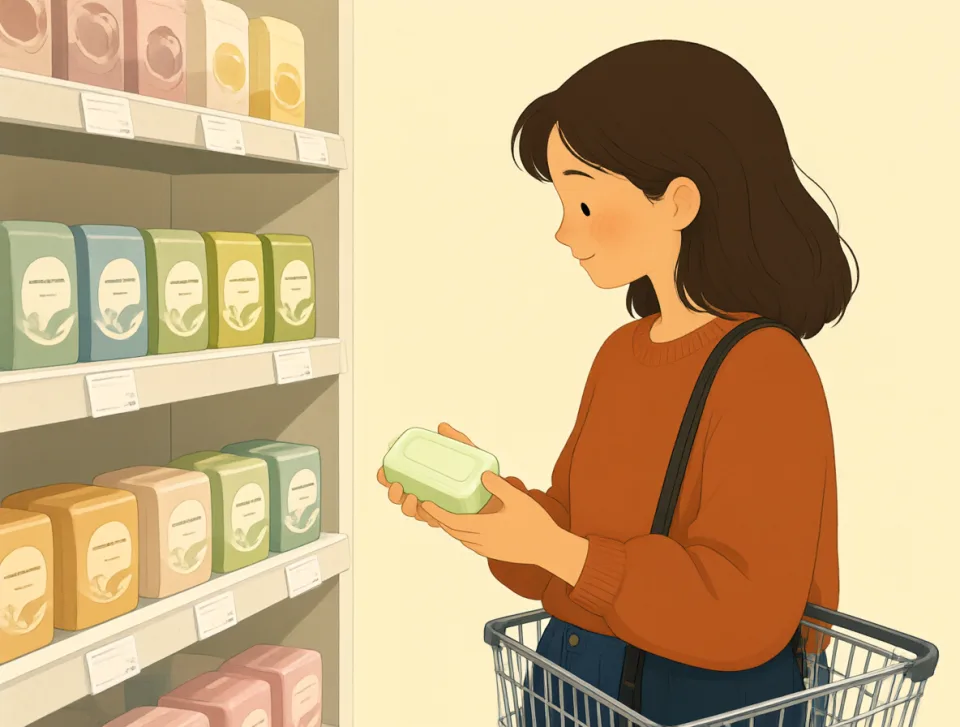
This soap is gentle enough for sensitive skin.
To mydło jest na tyle delikatne, że nadaje się do skóry wrażliwej.
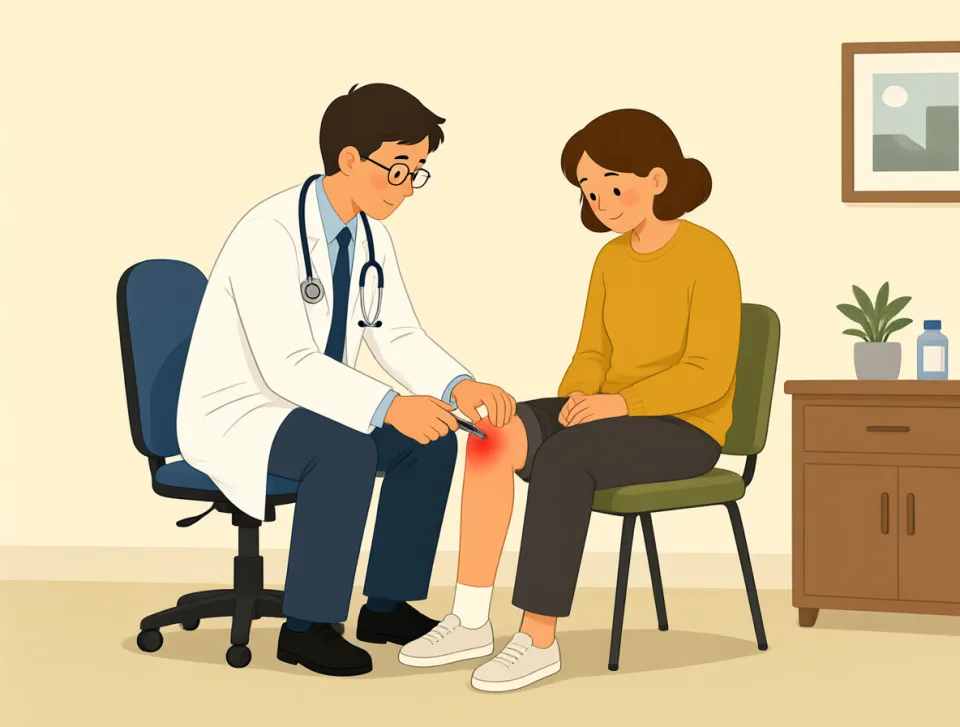
The doctor examined the red skin around my knee.
Lekarz zbadał zaczerwienioną skórę wokół mojego kolana.
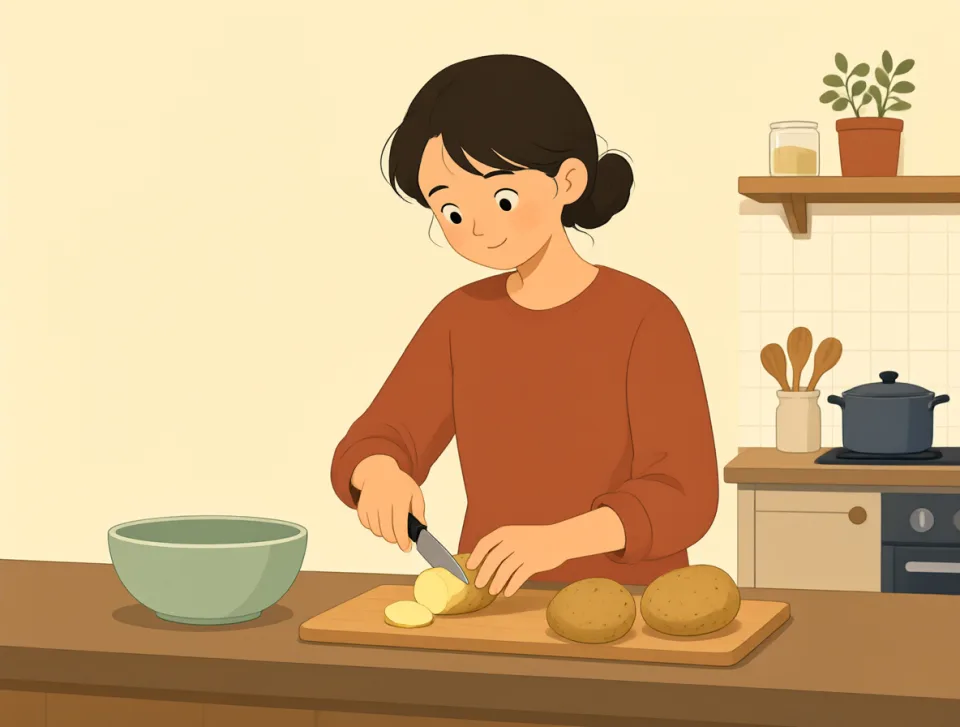
Peel the potatoes and remove their thin skin first.
Najpierw obierz ziemniaki i usuń z nich cienką skórkę.
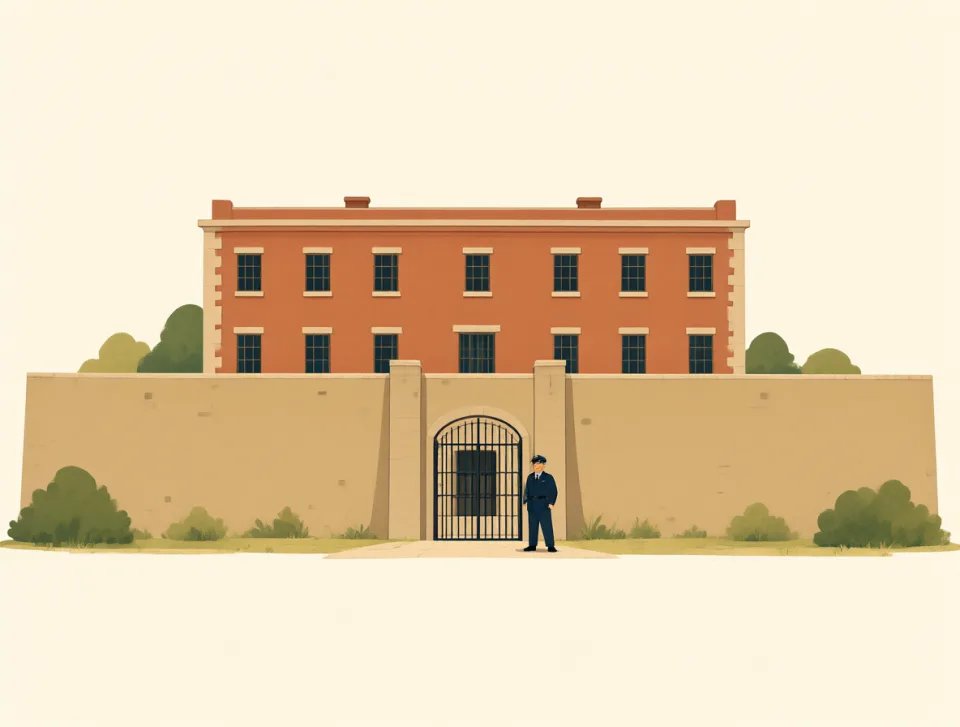
prison
#1462noun
więzienie
A place where people are kept as punishment for serious crimes.
Miejsce, w którym przetrzymuje się ludzi za karę za poważne przestępstwa.
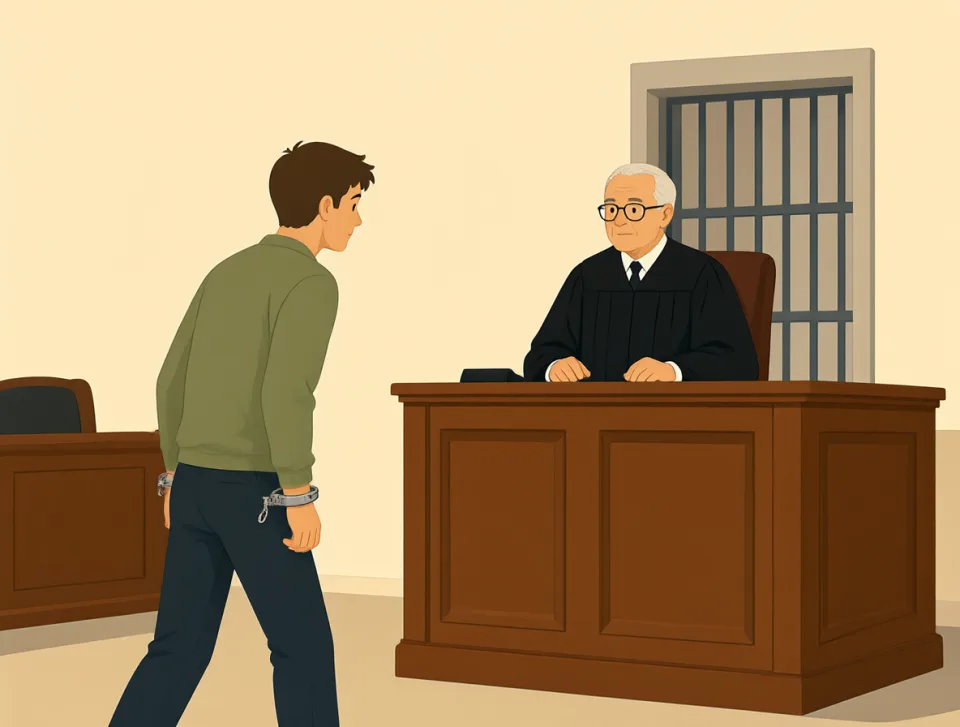
He went to prison for stealing money from a bank.
Trafił do więzienia za kradzież pieniędzy z banku.
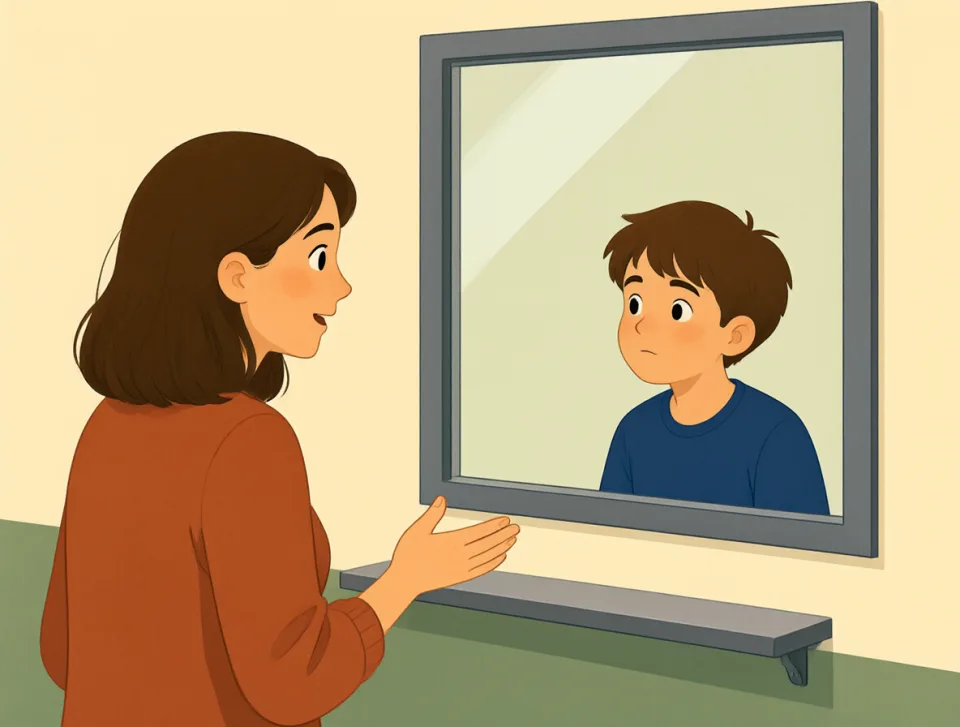
Her brother is still in prison, but he may be released soon.
Jej brat nadal jest w więzieniu, ale wkrótce może wyjść na wolność.
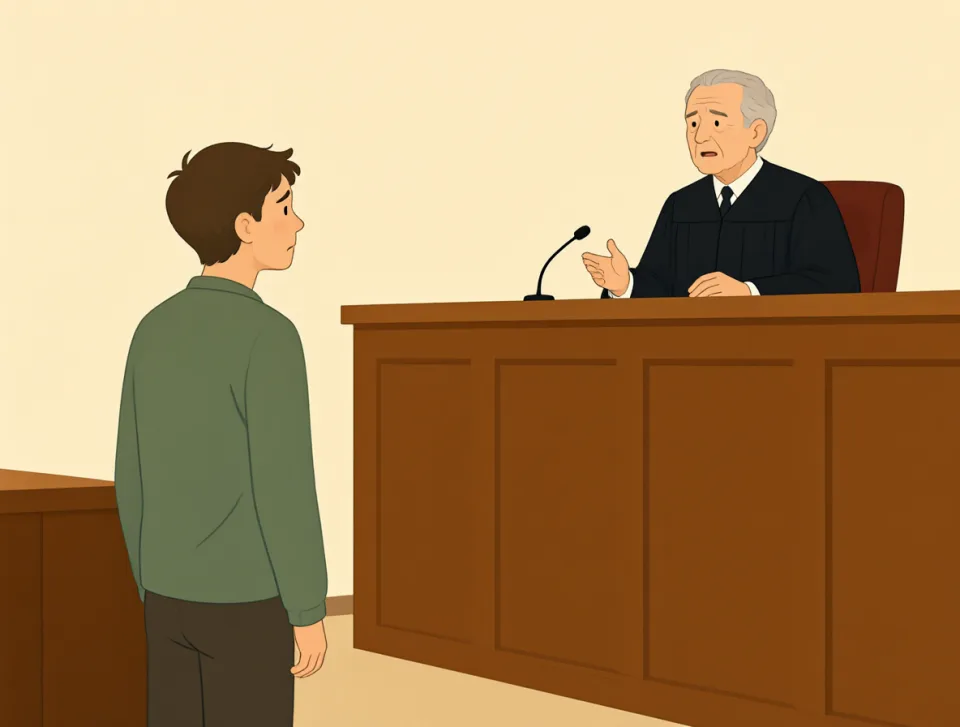
The judge gave him a five-year prison sentence.
Sędzia skazał go na pięć lat więzienia.
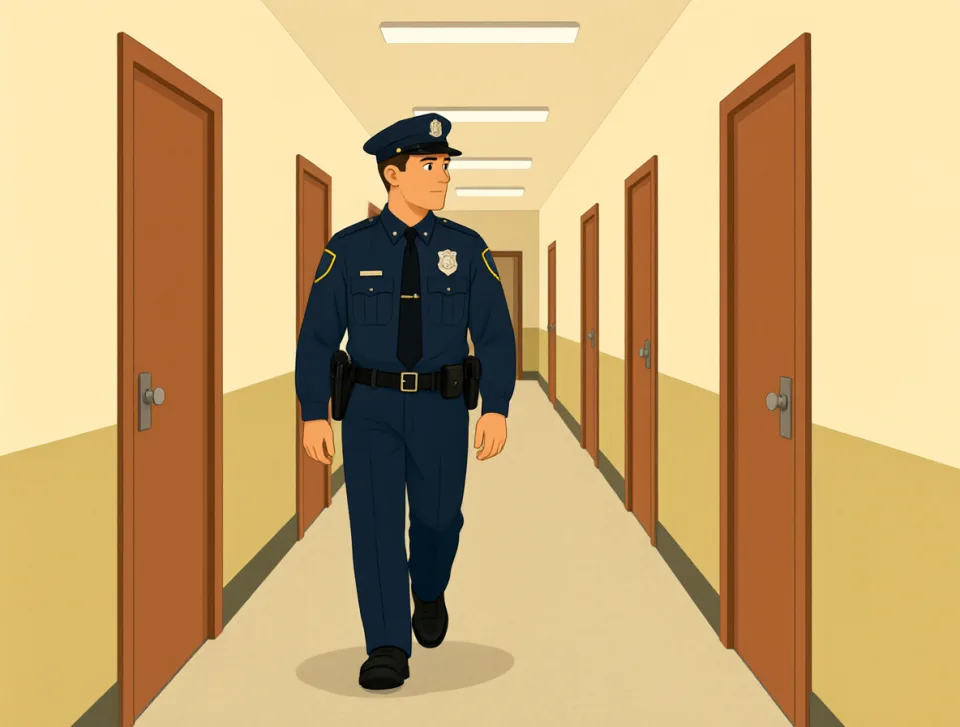
A prison guard checked every cell before breakfast.
Strażnik więzienny sprawdził każdą celę przed śniadaniem.
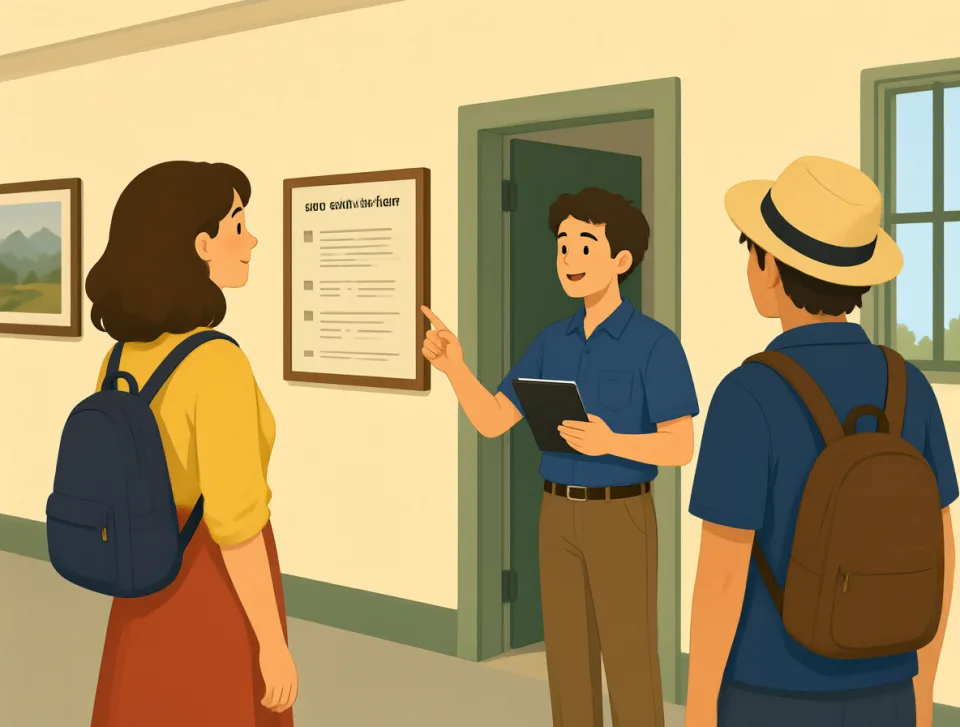
They visited the prison museum during their city tour.
Podczas zwiedzania miasta odwiedzili muzeum więziennictwa.
switch
#1463noun, verb
zmieniać; przełącznik
To change from one thing to another, or a device that controls electricity.
Zmieniać jedną rzecz na inną lub urządzenie sterujące przepływem prądu.
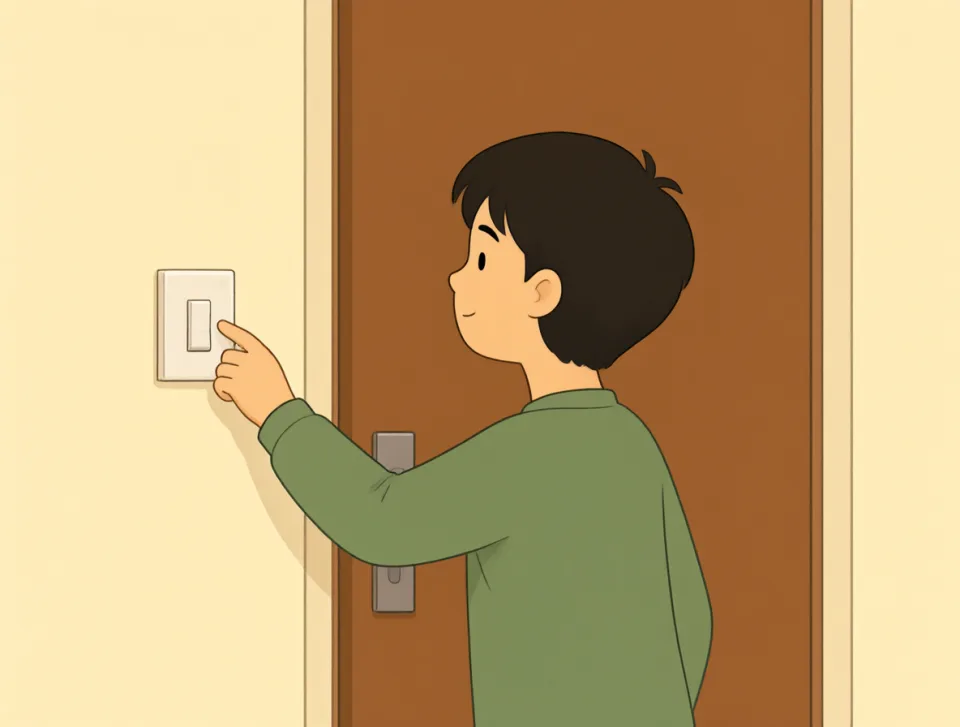
Please switch off the lights before you leave the room.
Wyłącz światło, zanim wyjdziesz z pokoju.
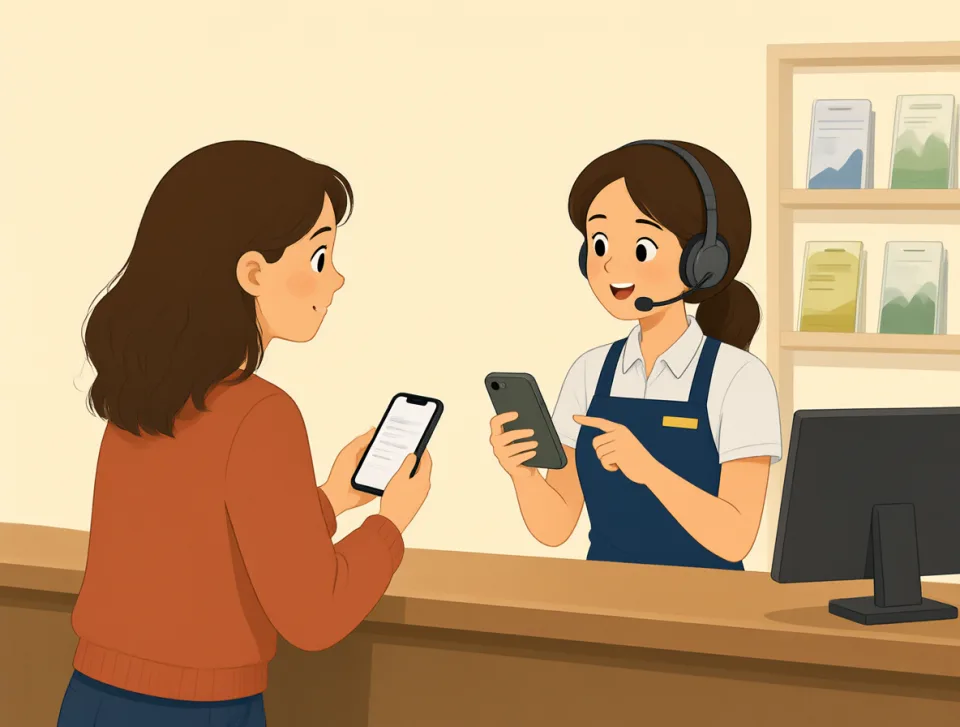
She switched to a cheaper phone plan last month.
W zeszłym miesiącu zmieniła abonament na tańszy.
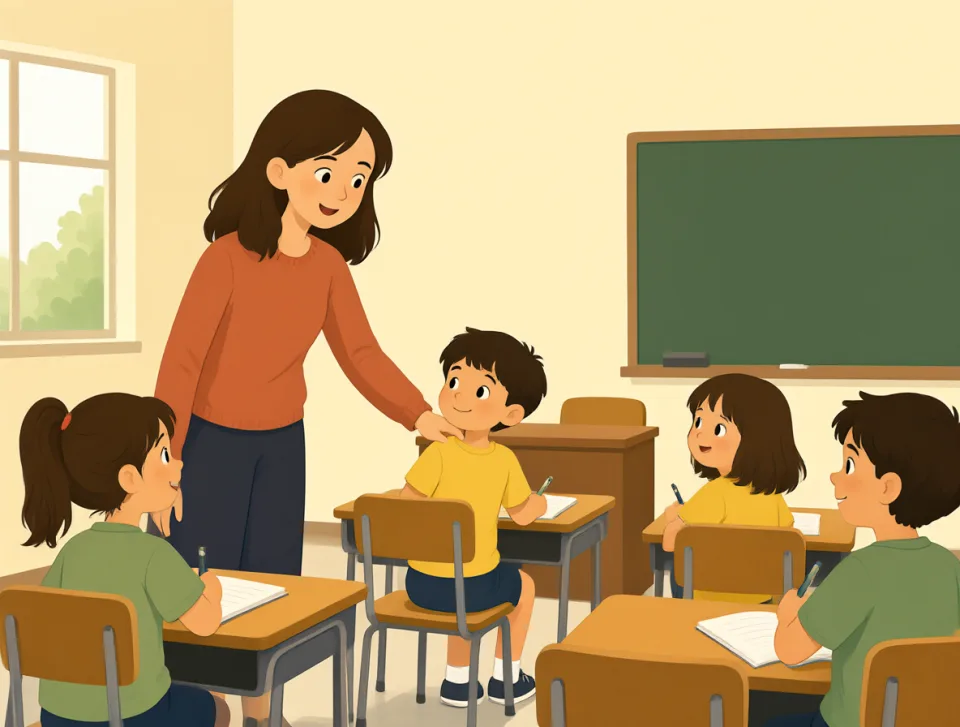
The teacher switched seats so everyone could see the board.
Nauczyciel zmienił miejsca uczniów, żeby wszyscy mogli widzieć tablicę.
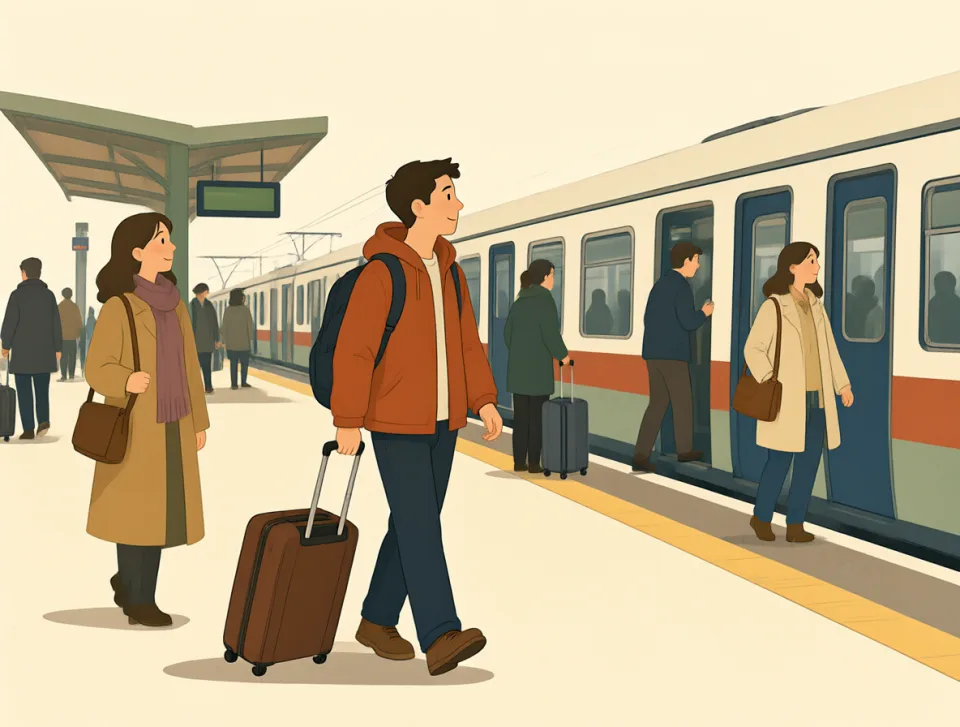
I switched trains in Paris on my way to Rome.
W drodze do Rzymu przesiadłem się w Paryżu.
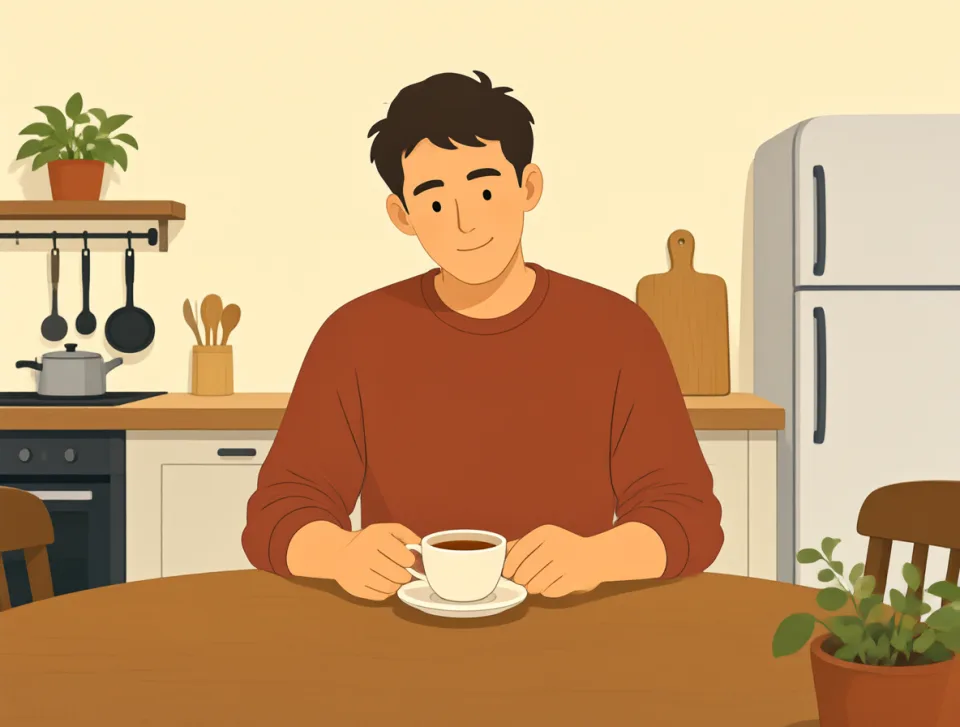
He switched from coffee to tea because coffee hurt his stomach.
Przestał pić kawę i zaczął pić herbatę, bo kawa szkodziła mu na żołądek.
acquire
#1464verb
nabywać
to get something, especially knowledge, skills, or possessions
Zdobywać coś, zwłaszcza wiedzę, umiejętności lub dobra.
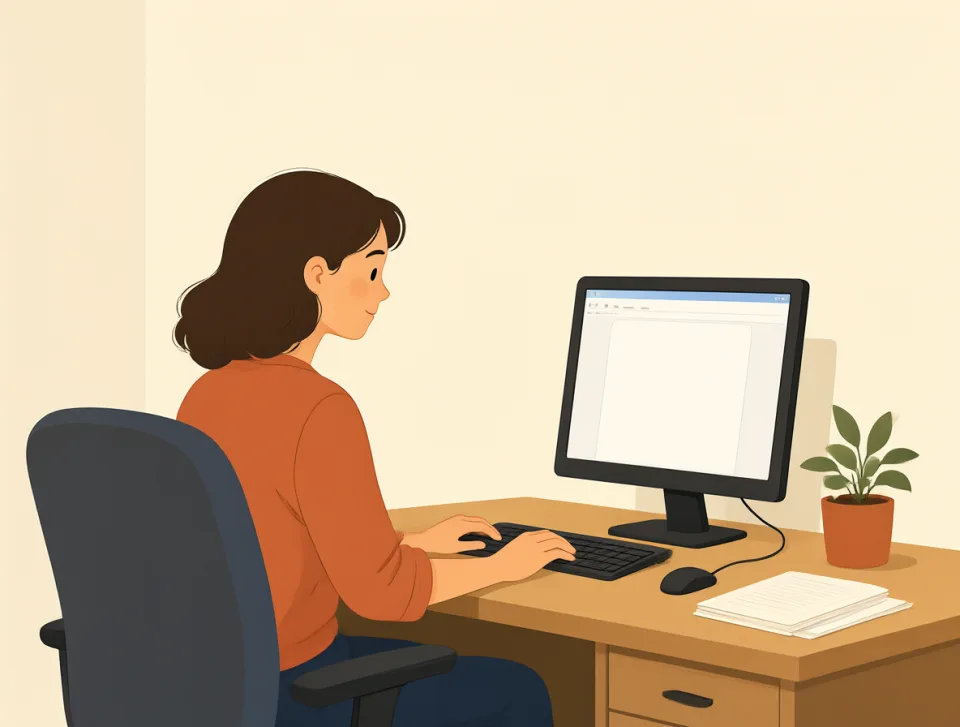
She acquired new computer skills at work.
W pracy zdobyła nowe umiejętności obsługi komputera.
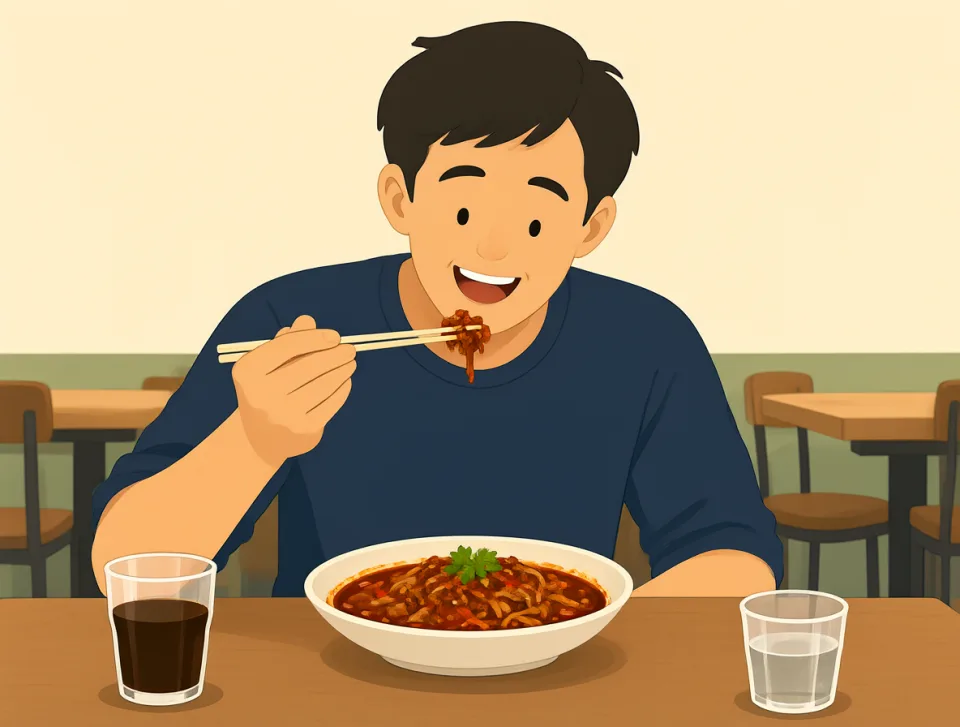
He acquired a taste for spicy food while traveling.
Podczas podróży polubił pikantne potrawy.
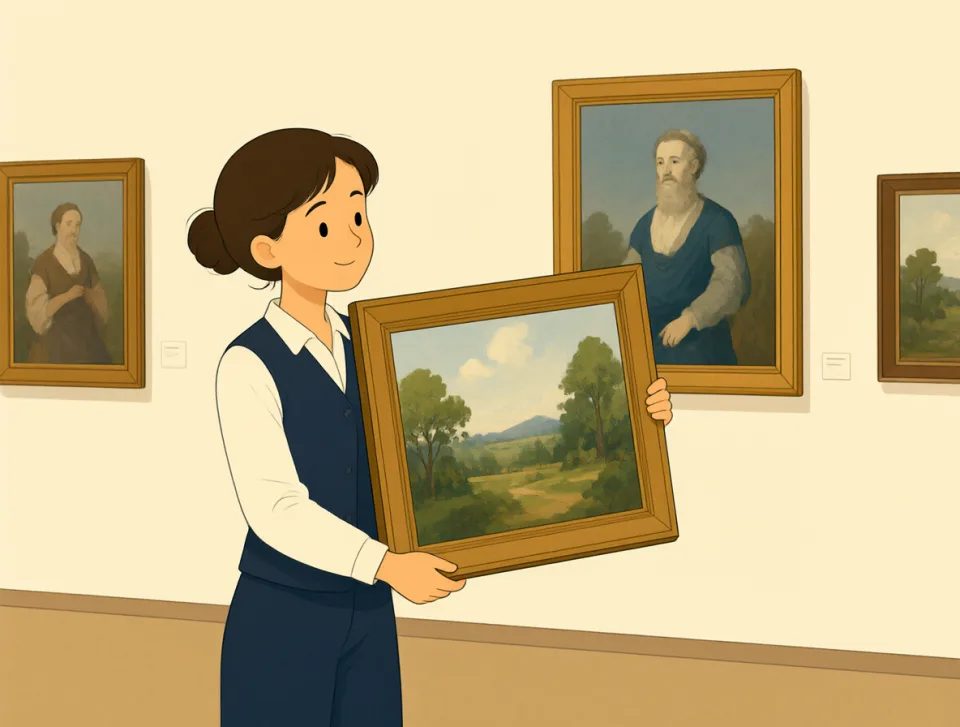
The museum acquired a rare painting last year.
W zeszłym roku muzeum nabyło rzadki obraz.
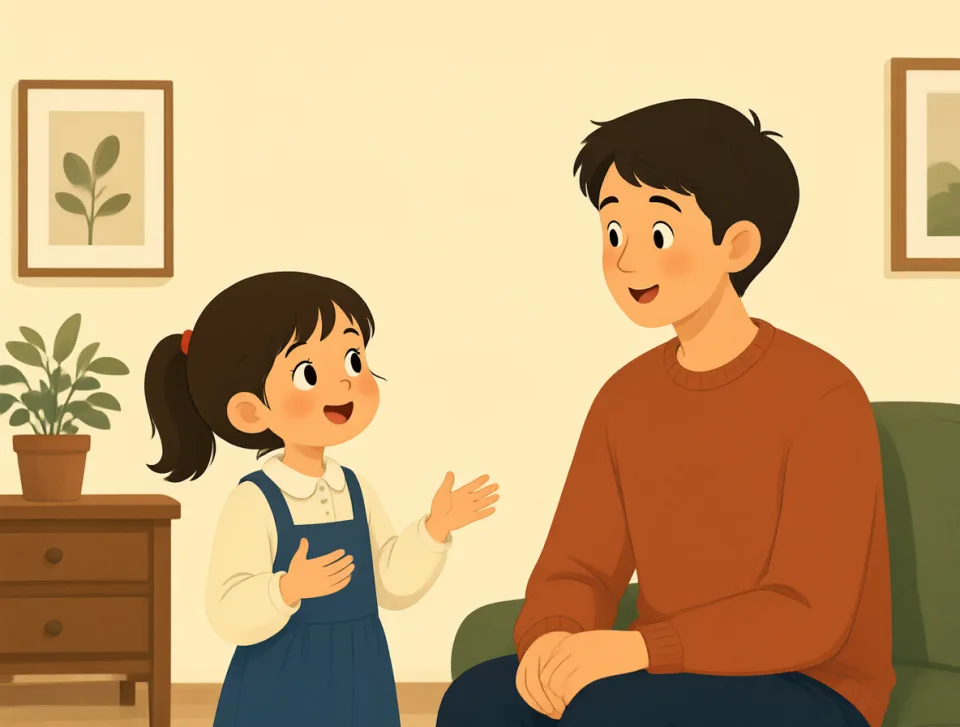
Children acquire language by listening and speaking every day.
Dzieci przyswajają język, słuchając i mówiąc każdego dnia.
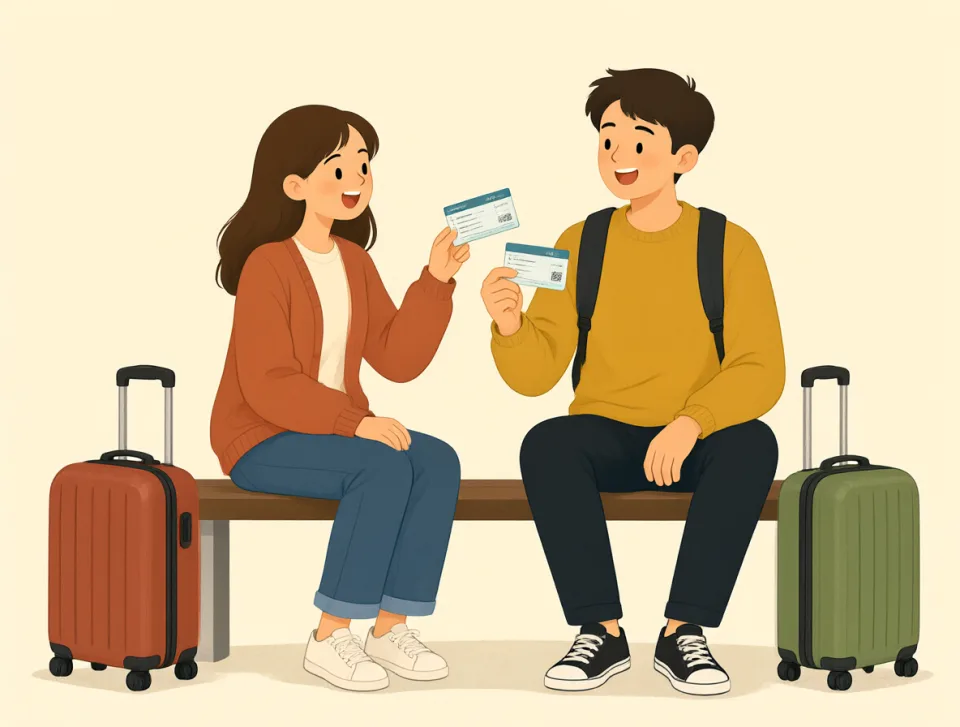
We acquired tickets for the evening train online.
Kupiliśmy przez internet bilety na wieczorny pociąg.
corporate
#1465adjective
korporacyjny
Relating to a large company or business organization.
Związany z dużą firmą lub organizacją biznesową.
She left her small company for a corporate job.
Odeszła z małej firmy i podjęła pracę w korporacji.
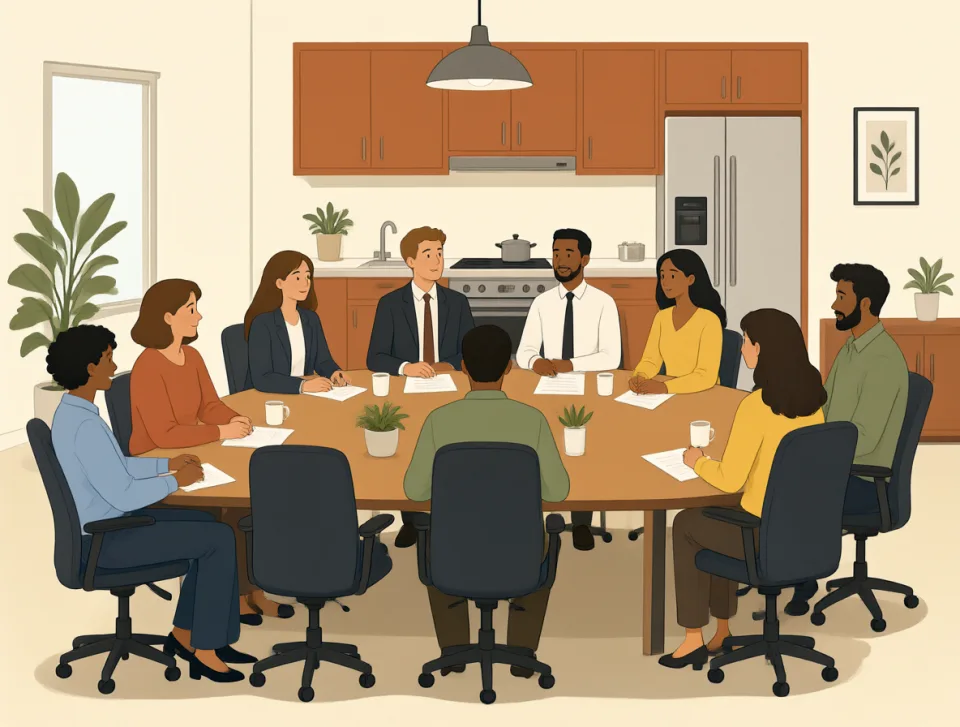
Corporate offices often have meeting rooms and shared kitchens.
W biurach dużych firm często są sale konferencyjne i wspólne kuchnie.
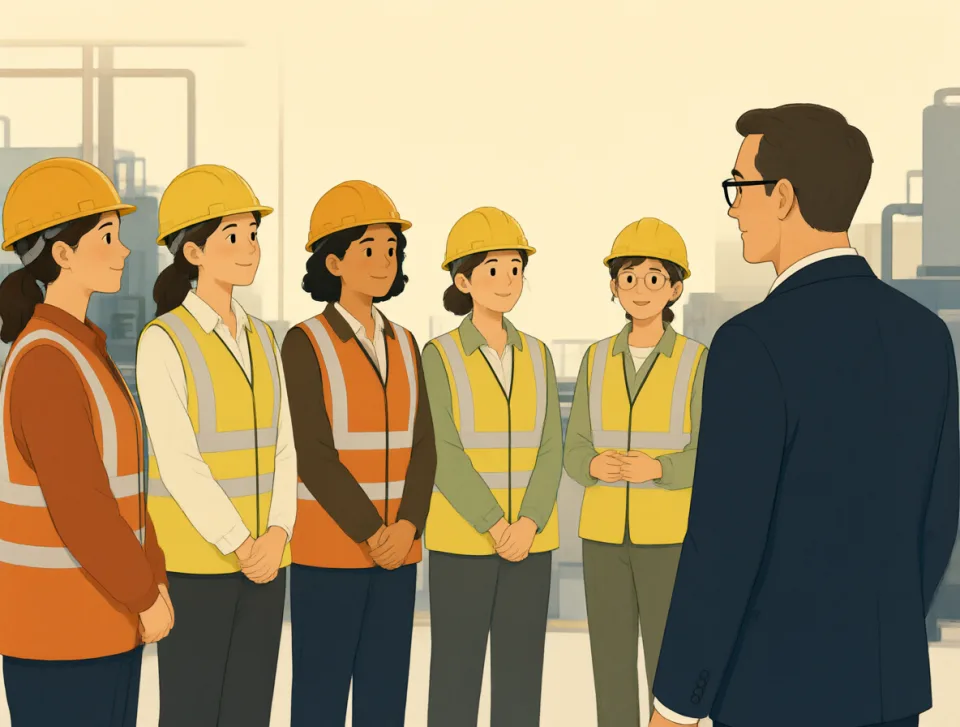
The company follows strict corporate rules about workplace safety.
Firma przestrzega surowych zasad korporacyjnych dotyczących bezpieczeństwa w miejscu pracy.

He bought a corporate gift for the visiting business partners.
Kupił upominek firmowy dla odwiedzających partnerów biznesowych.
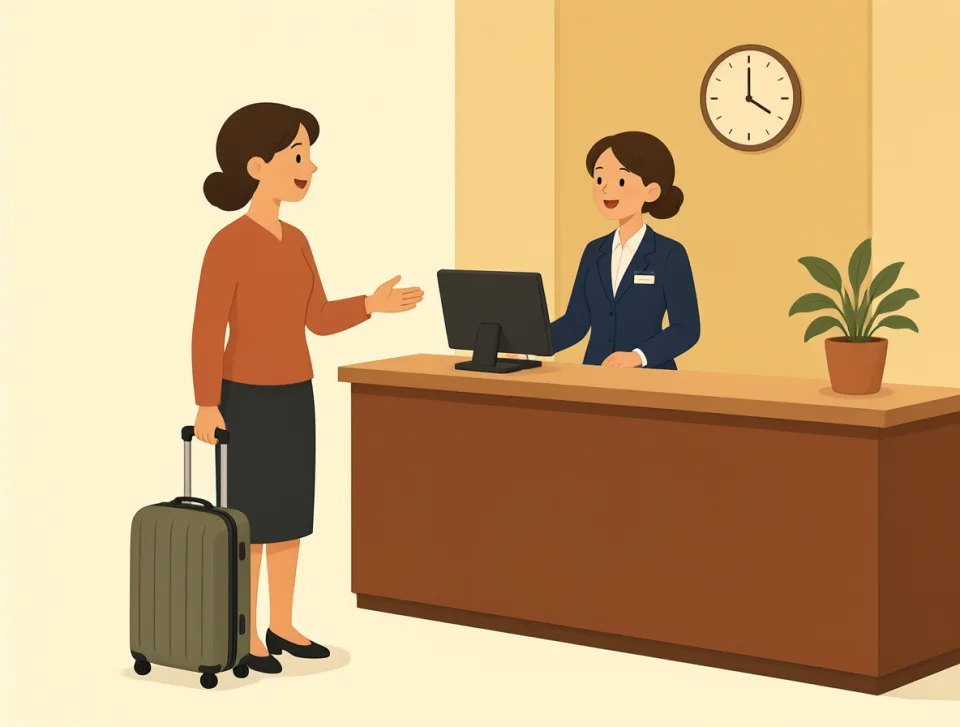
The hotel offered a special rate for corporate travelers.
Hotel oferował specjalną stawkę dla osób podróżujących służbowo.
fairly
#1466adverb
dość
To a fairly large degree, but not completely or extremely.
W dość dużym stopniu, ale nie całkowicie ani skrajnie.
The test was fairly easy, so most students finished early.
Test był dość łatwy, więc większość uczniów skończyła go wcześniej.
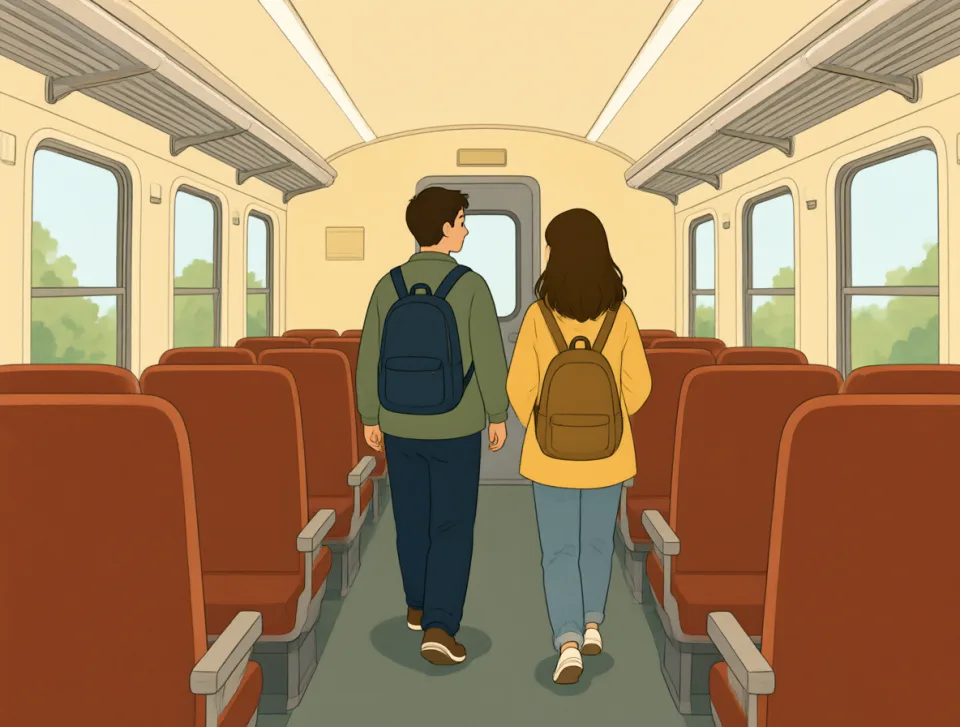
We arrived fairly early and found two empty seats.
Przyjechaliśmy dość wcześnie i znaleźliśmy dwa wolne miejsca.
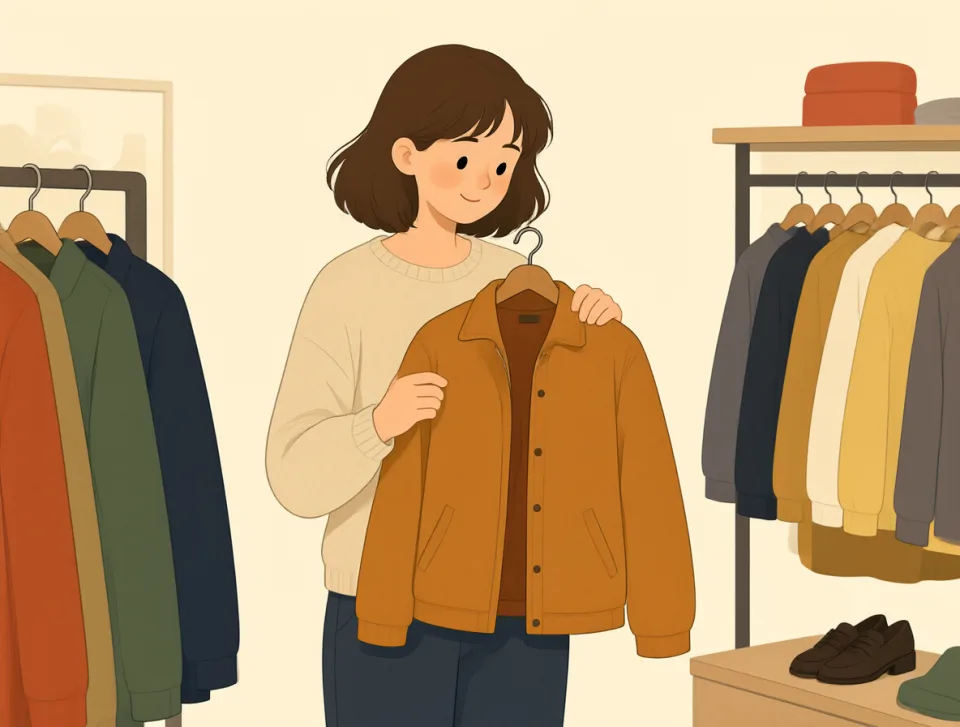
This jacket is fairly cheap, but it feels warm and comfortable.
Ta kurtka jest dość tania, ale jest ciepła i wygodna.
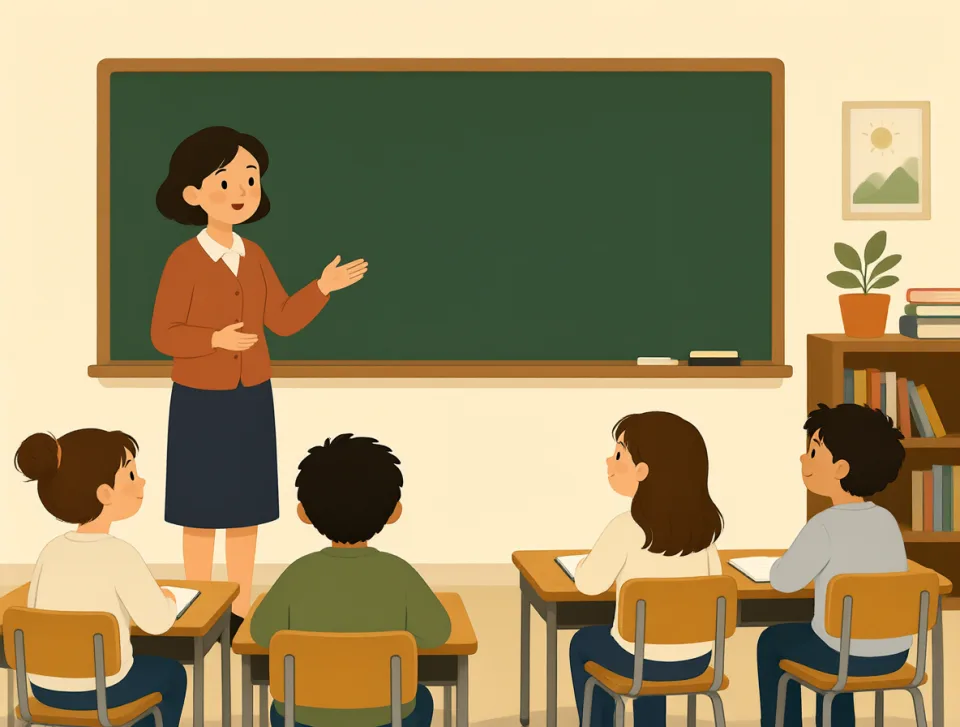
She speaks fairly slowly when she explains new words.
Ona mówi dość wolno, kiedy wyjaśnia nowe słowa.
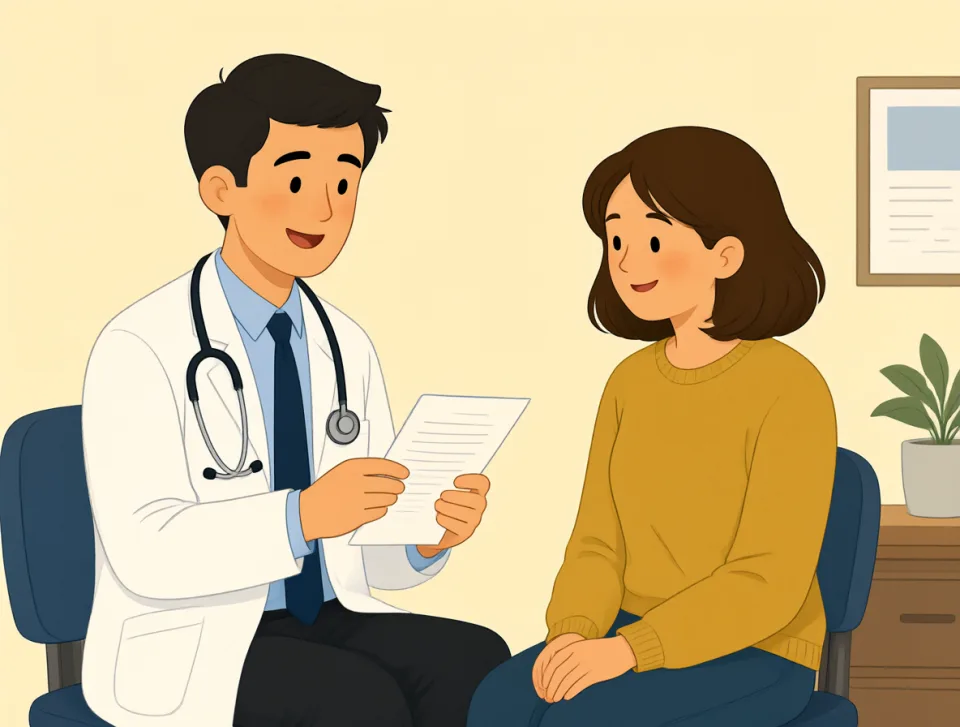
The doctor said I was fairly healthy after my checkup.
Lekarz powiedział, że po badaniu jestem w dość dobrym stanie zdrowia.
wood
#1467noun
drewno
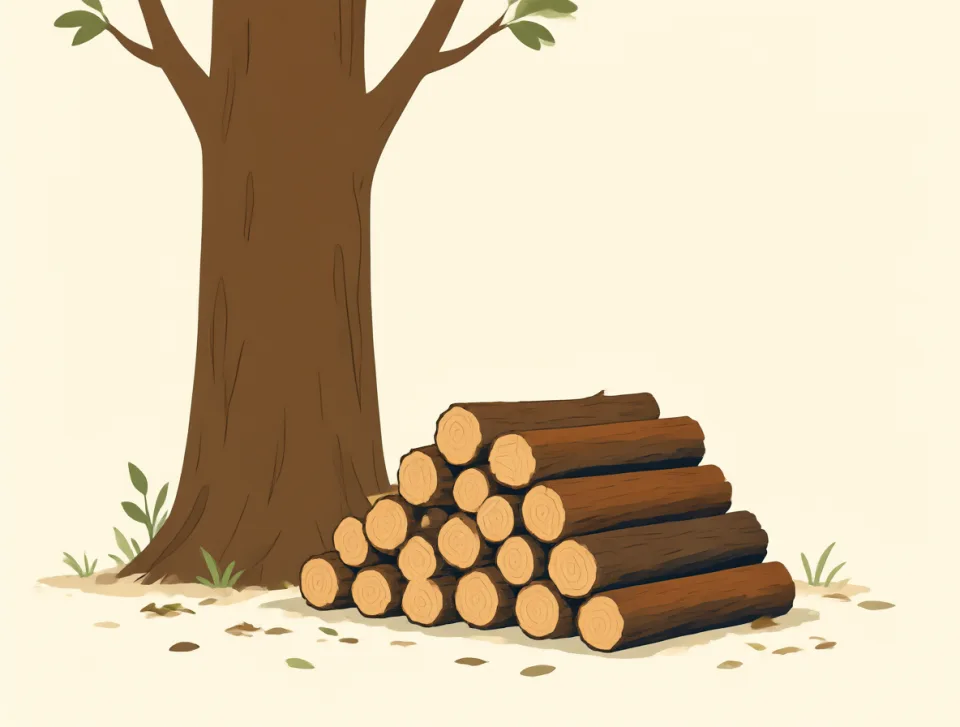
The hard material from trees, used to make furniture, buildings, and fires.
Twardy materiał pochodzący z drzew, używany do produkcji mebli, budowy oraz rozpalania ognia.
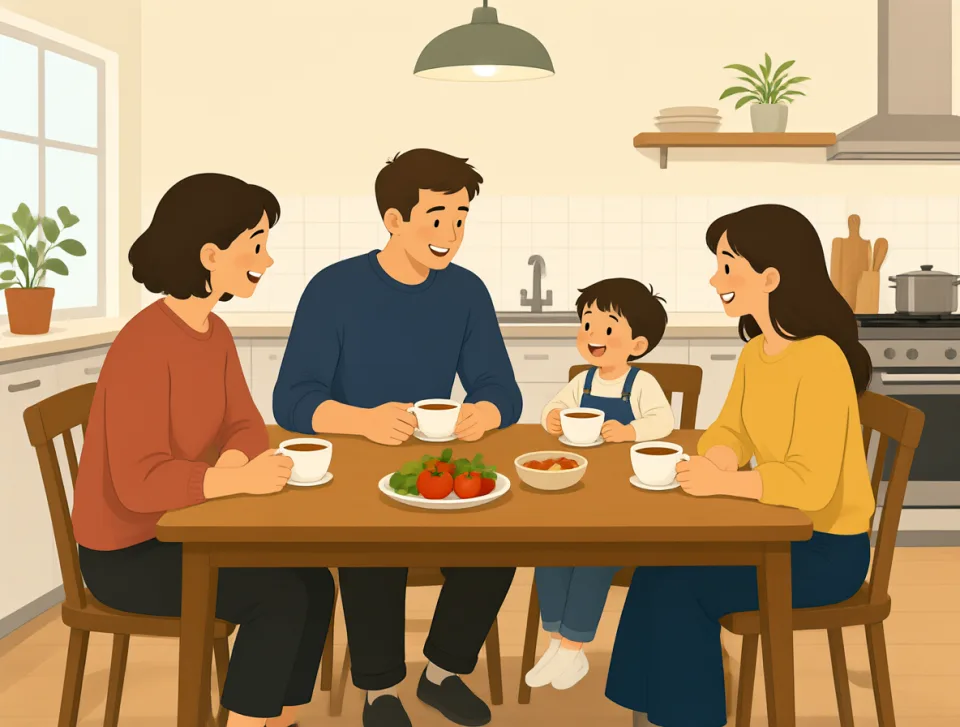
The table is made of strong wood.
Stół jest wykonany z mocnego drewna.
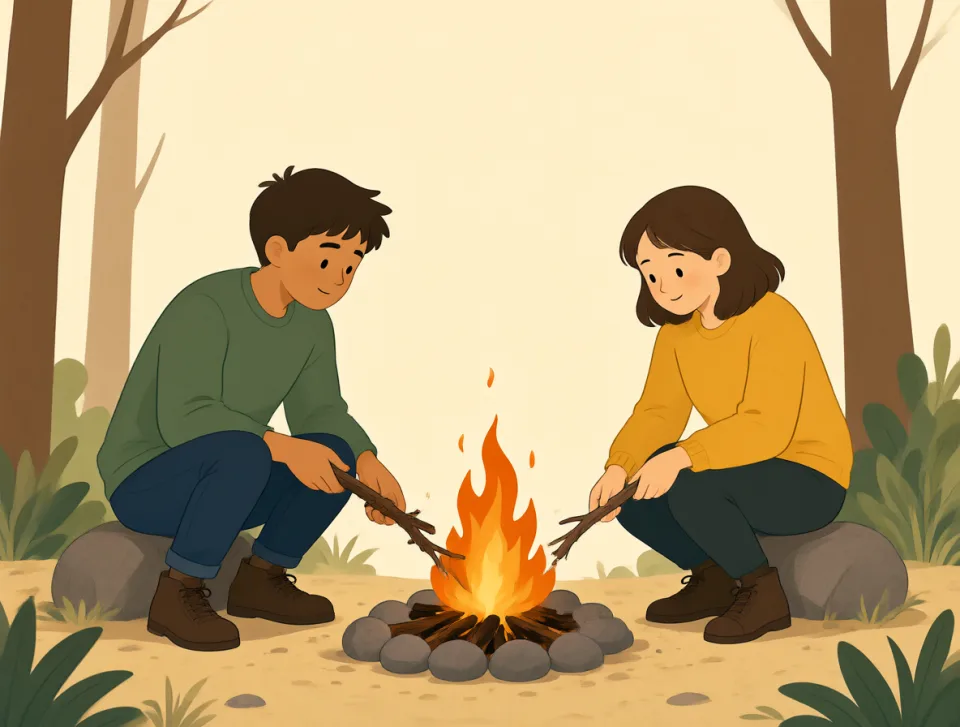
We collected some dry wood for the fire.
Zebraliśmy trochę suchego drewna na opał.
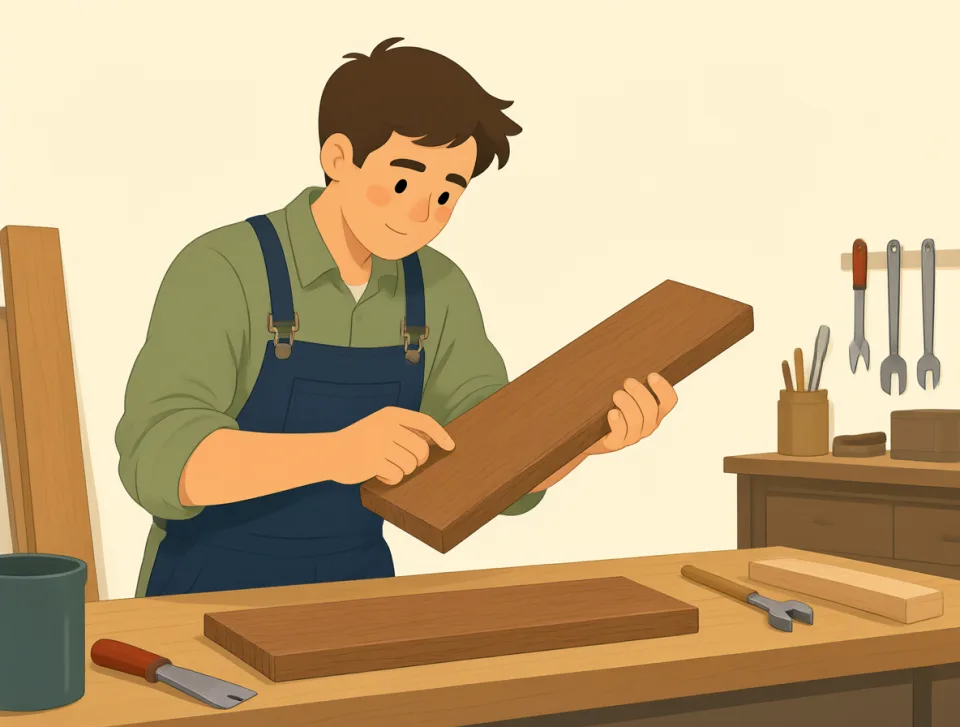
The carpenter chose a beautiful piece of wood.
Stolarz wybrał piękny kawałek drewna.
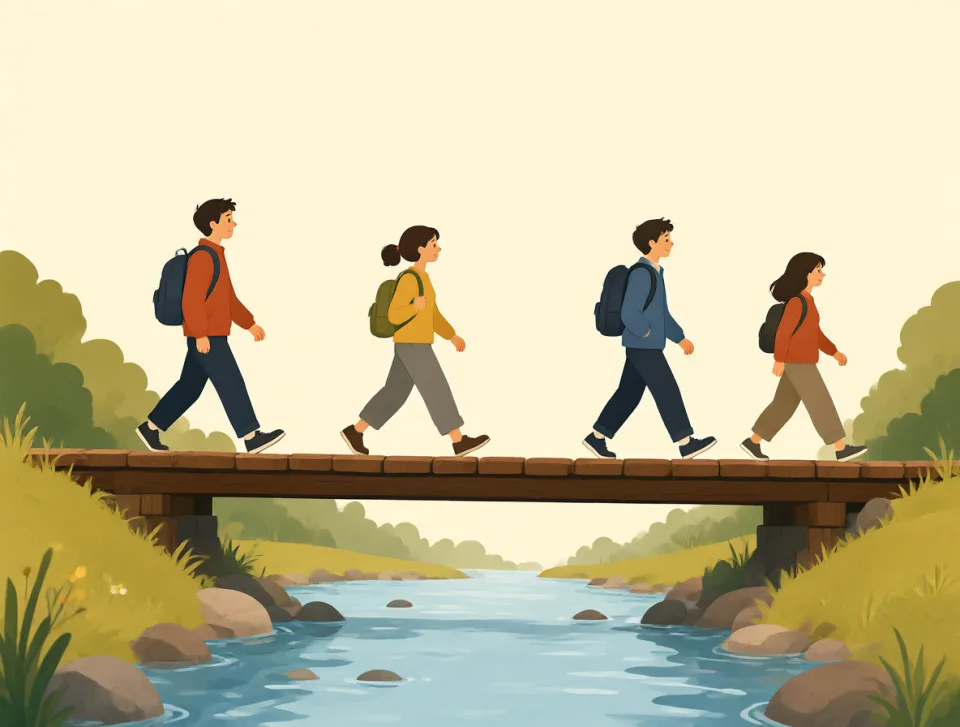
The old bridge was built from local wood.
Stary most zbudowano z lokalnego drewna.
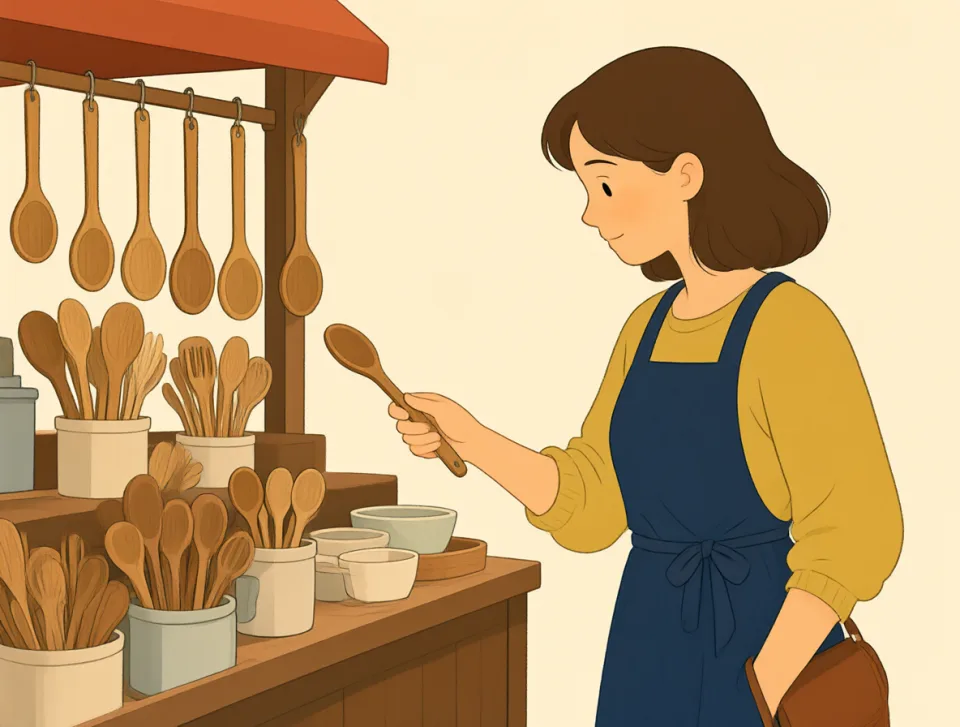
She bought a wooden spoon at the market.
Kupiła na targu drewnianą łyżkę.
participate
#1468verb
uczestniczyć
to take part in an activity or event with other people
Brać udział w jakiejś aktywności lub wydarzeniu razem z innymi ludźmi.
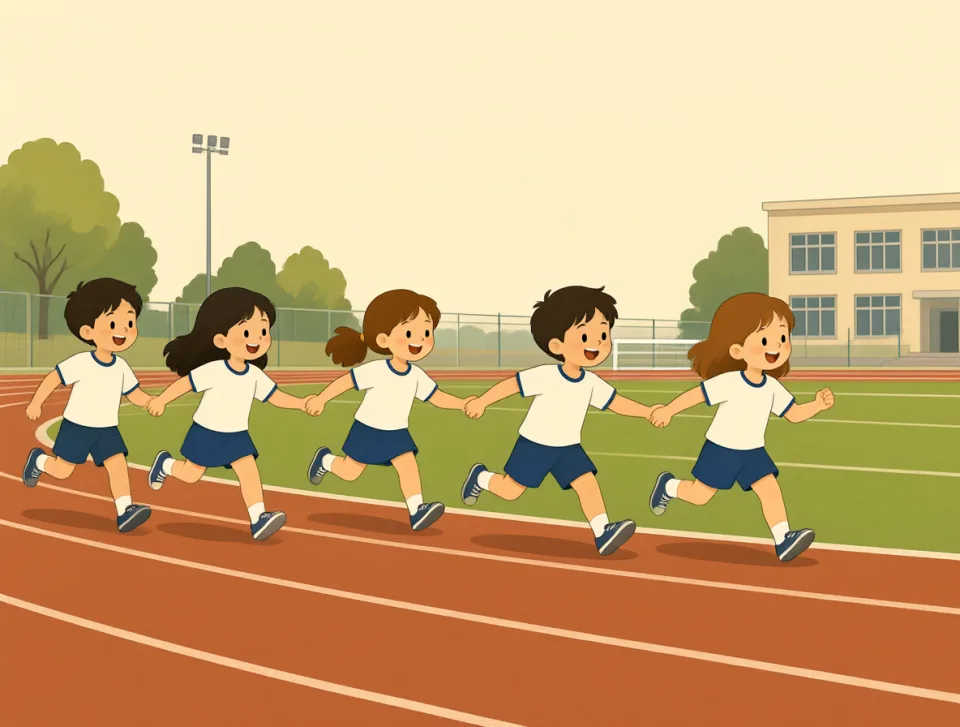
Everyone can participate in the school sports day.
Każdy może uczestniczyć w szkolnym dniu sportu.

She participated in a meeting about the new project.
Uczestniczyła w spotkaniu dotyczącym nowego projektu.

Many students participate in class discussions.
Wielu uczniów uczestniczy w dyskusjach na lekcjach.
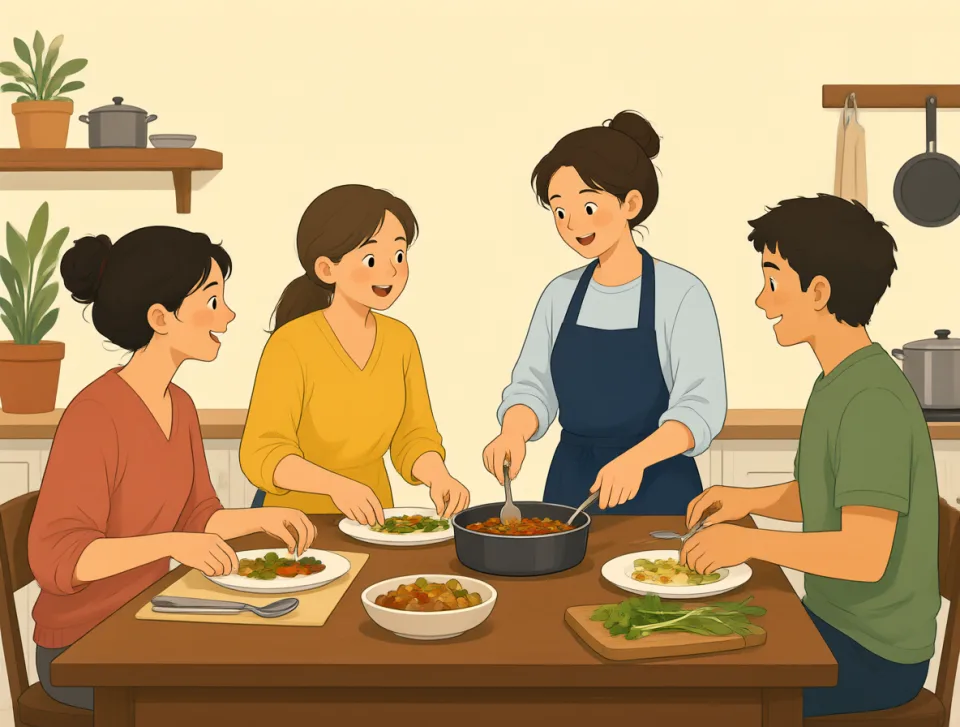
We participated in a cooking class while visiting Italy.
Podczas pobytu we Włoszech uczestniczyliśmy w kursie gotowania.
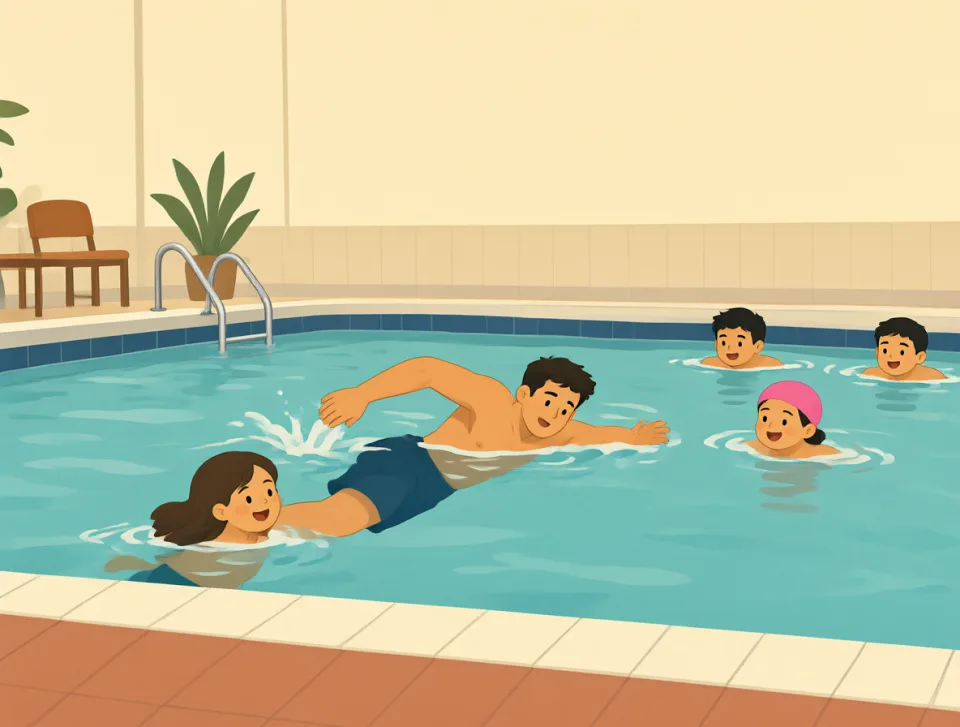
He participates in a weekly swimming group for his health.
Ze względu na zdrowie uczestniczy w cotygodniowych zajęciach grupy pływackiej.
tough
#1469adjective
trudny; wytrzymały
Difficult to do, deal with, or endure; also strong and able to survive hardship.
Trudny do wykonania, zniesienia lub poradzenia sobie z nim; także mocny i odporny na trudne warunki.
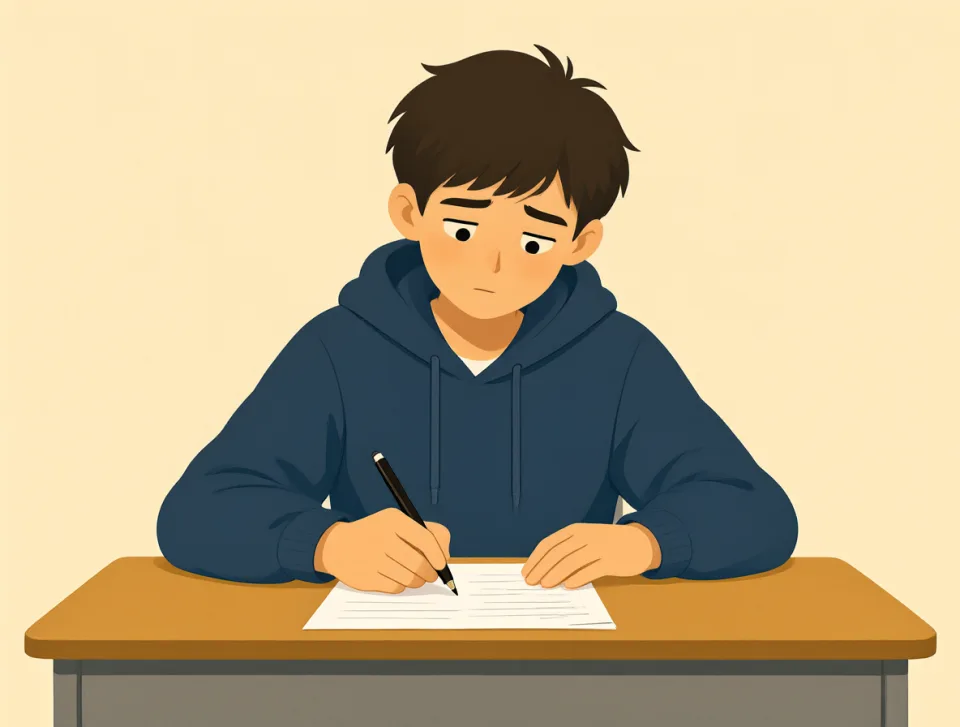
The exam was tough, but I passed it.
Egzamin był trudny, ale zdałem.
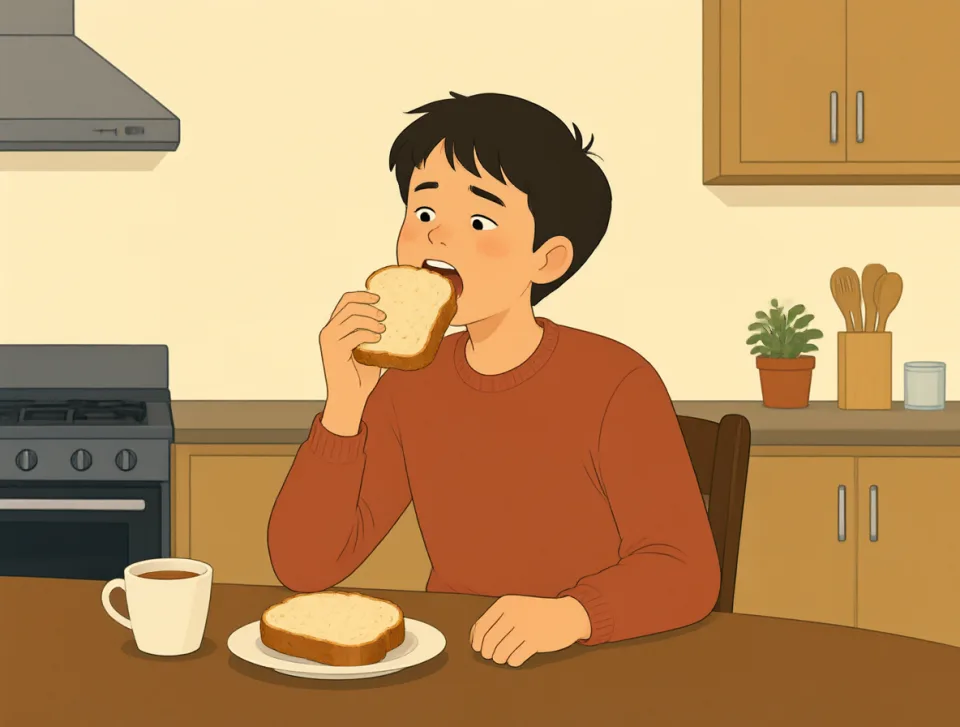
This bread is too tough to eat.
Ten chleb jest zbyt twardy, żeby go jeść.
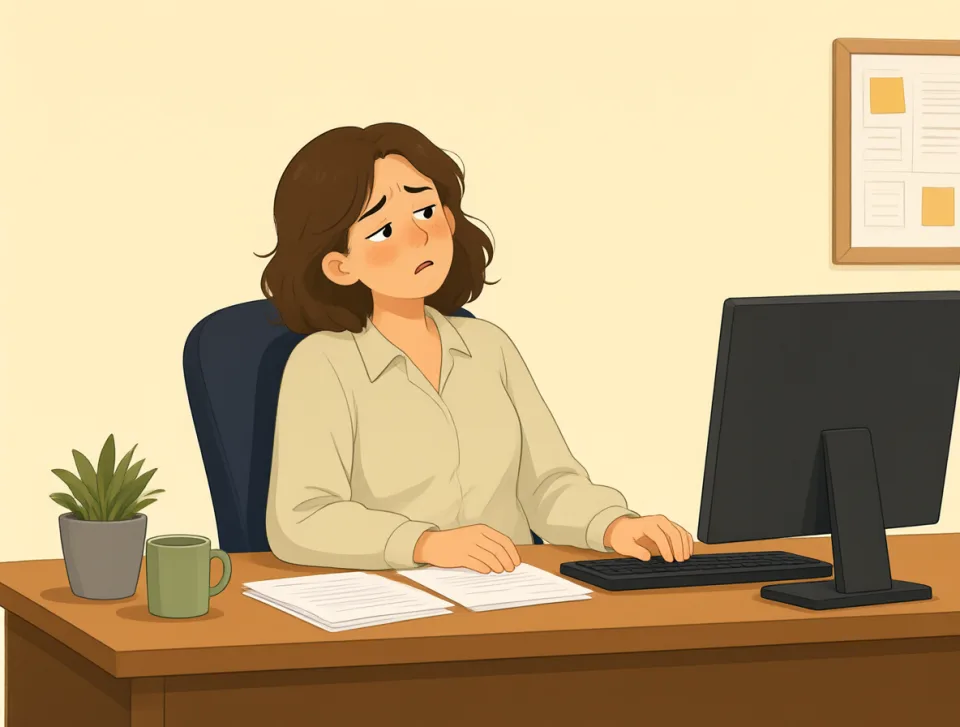
She had a tough day at work.
Miała ciężki dzień w pracy.
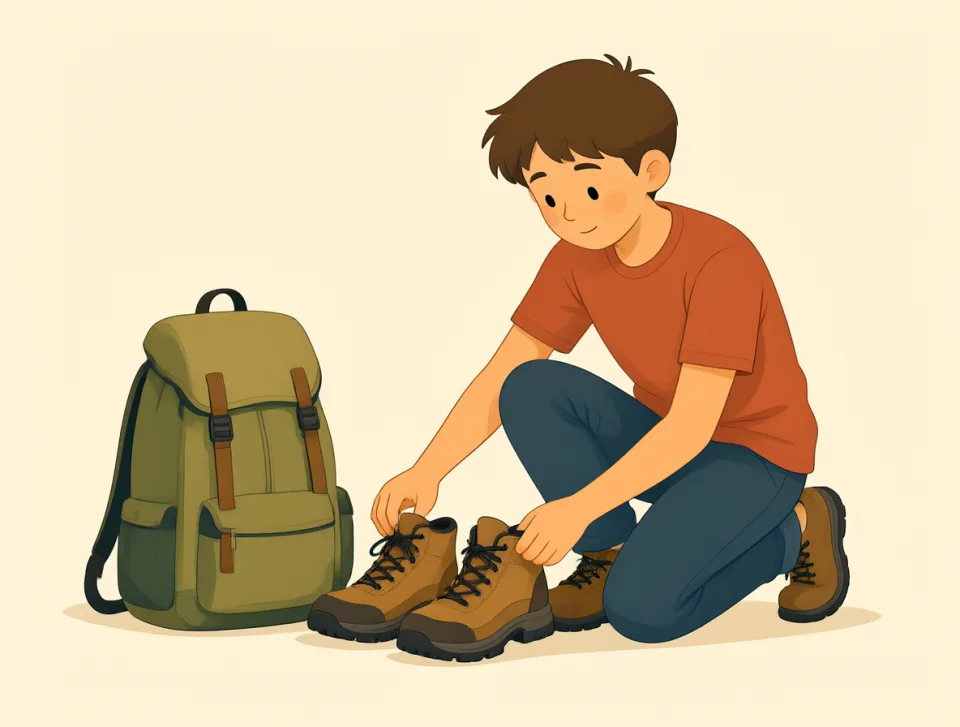
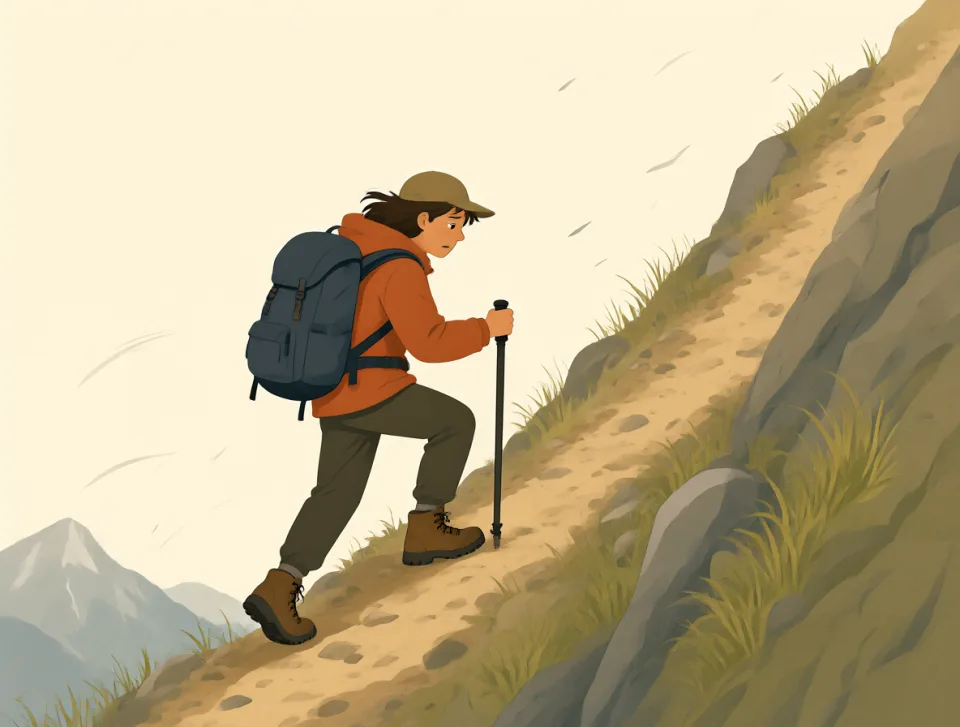
You need tough shoes for this mountain trip.
Na tę górską wycieczkę potrzebujesz wytrzymałych butów.
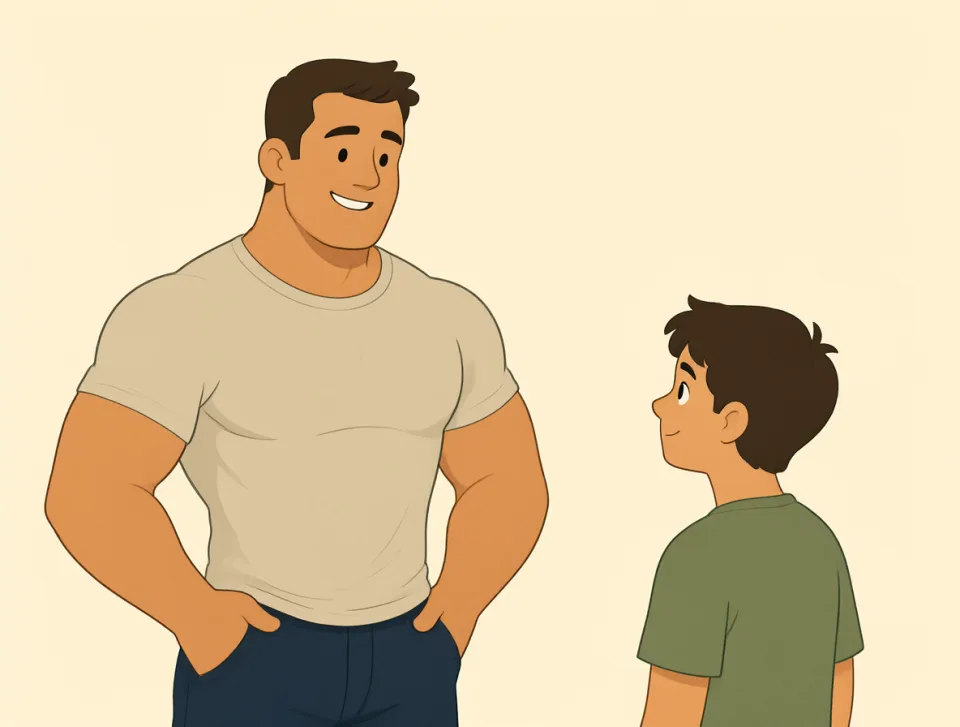
He looks tough, but he is very kind.
Wygląda groźnie, ale jest bardzo miły.
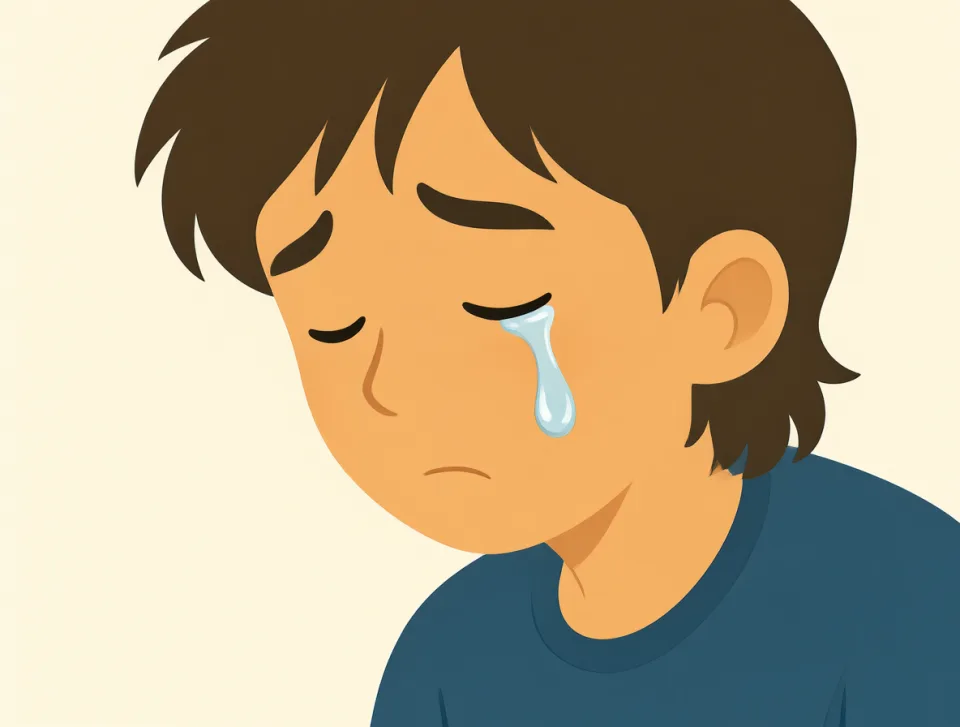
tear
#1470noun, verb
łza; drzeć
A drop of liquid from your eye, or to pull or damage something by force.
Kropla płynu z oka albo rozrywać lub uszkadzać coś siłą.
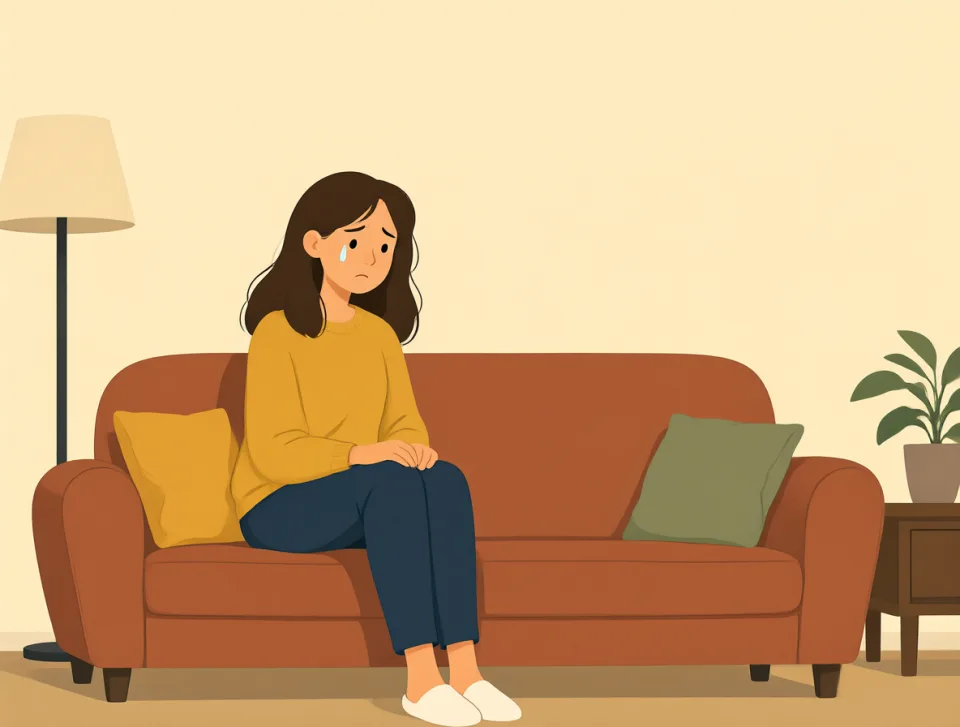
A tear rolled down her cheek during the sad movie.
Podczas smutnego filmu łza spłynęła po jej policzku.
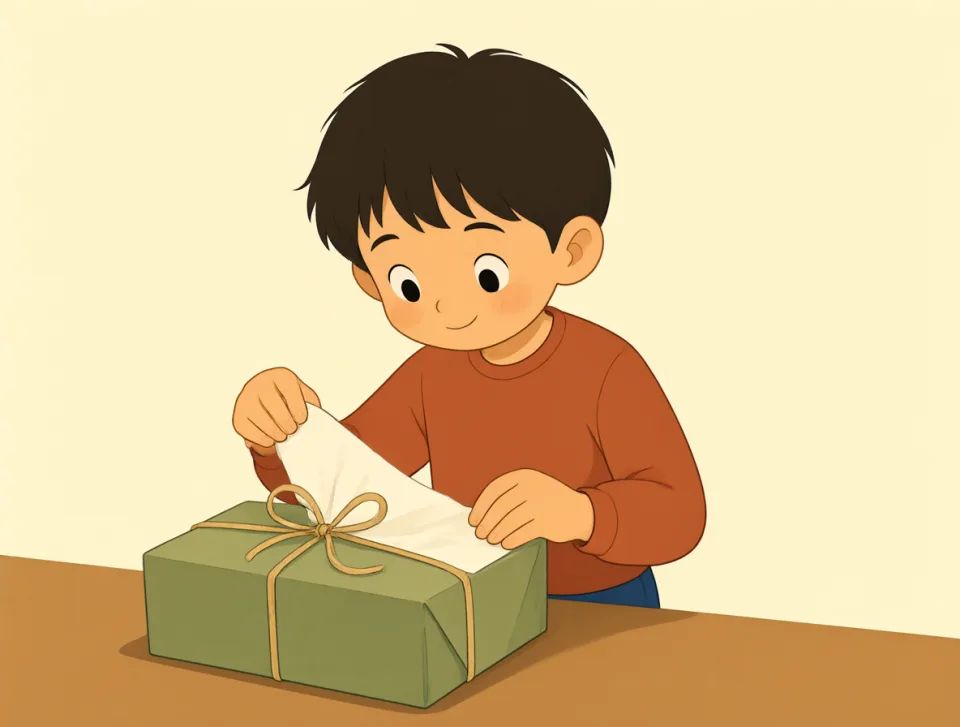
Be careful not to tear the paper when you open it.
Uważaj, żeby nie podrzeć papieru, kiedy go otwierasz.
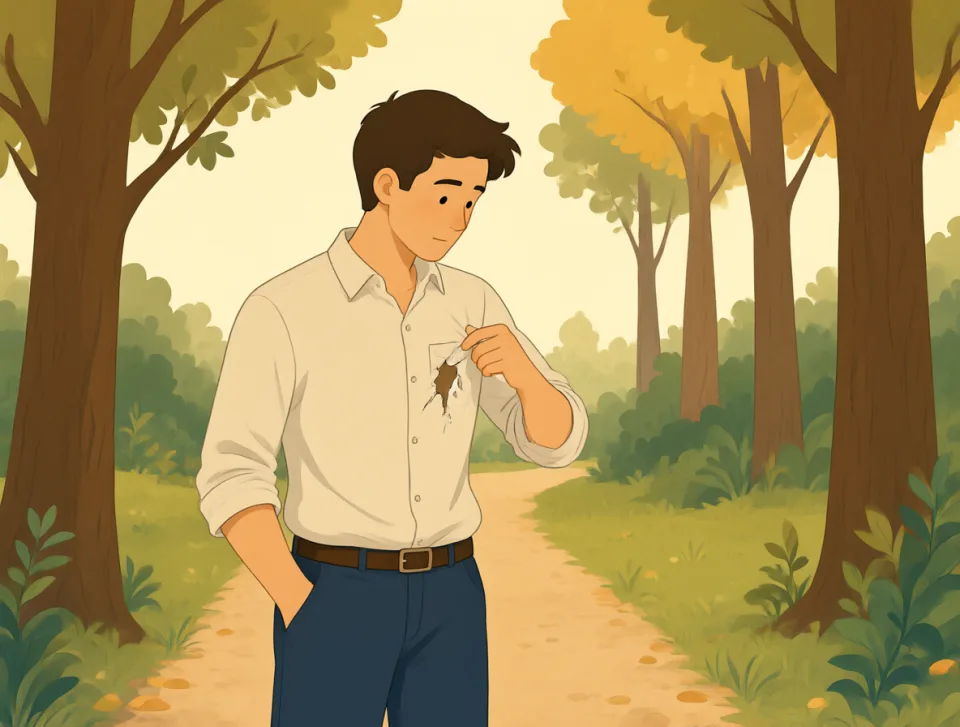
He tore his shirt on a sharp branch during the hike.
Podczas wędrówki rozdarł koszulę o ostrą gałąź.
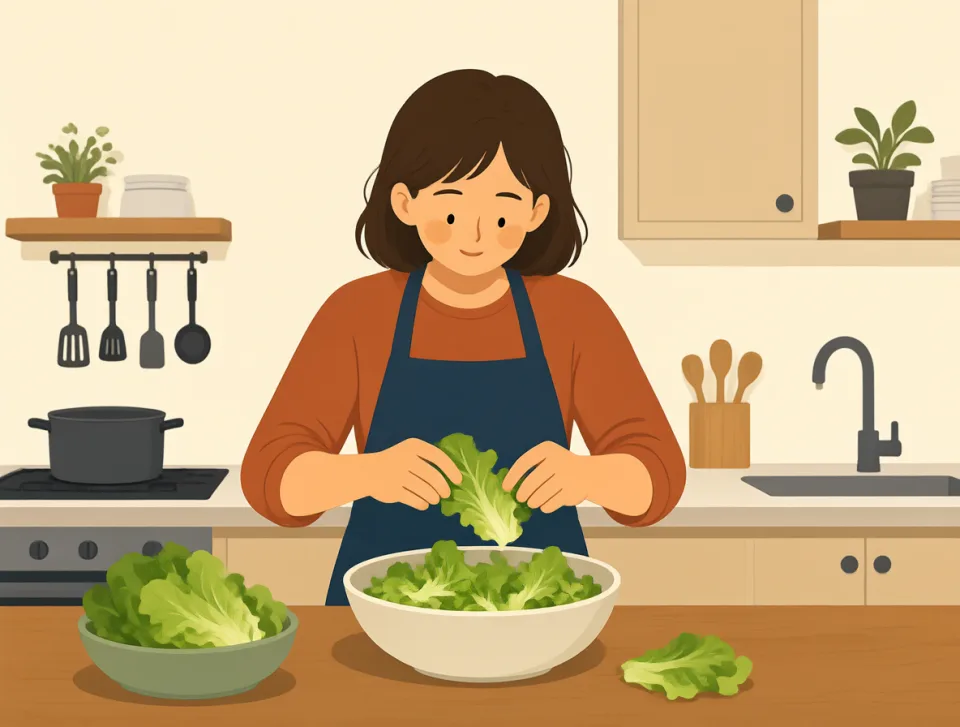
Please tear the lettuce into small pieces for the salad.
Proszę porwać sałatę na małe kawałki do sałatki.
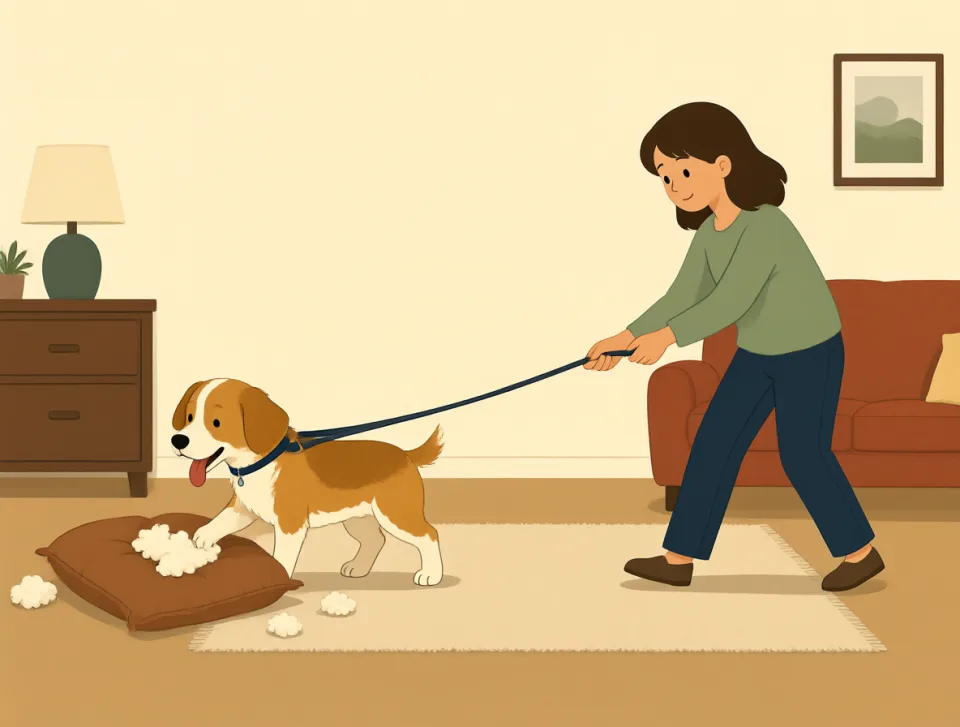
The dog tore the cushion while everyone was at work.
Pies podarł poduszkę, kiedy wszyscy byli w pracy.

representative
#1471noun, adjective, verb
przedstawiciel
A person who speaks or acts for another person or group.
Osoba, która przemawia lub działa w imieniu innej osoby albo grupy.
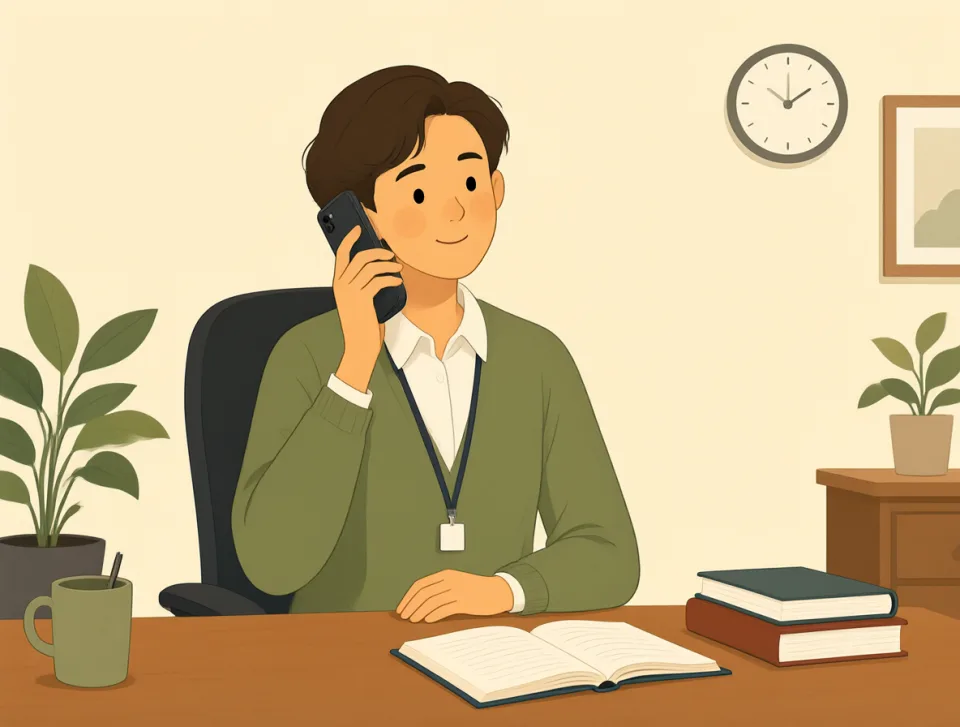
A company representative called to answer my questions.
Przedstawiciel firmy zadzwonił, żeby odpowiedzieć na moje pytania.
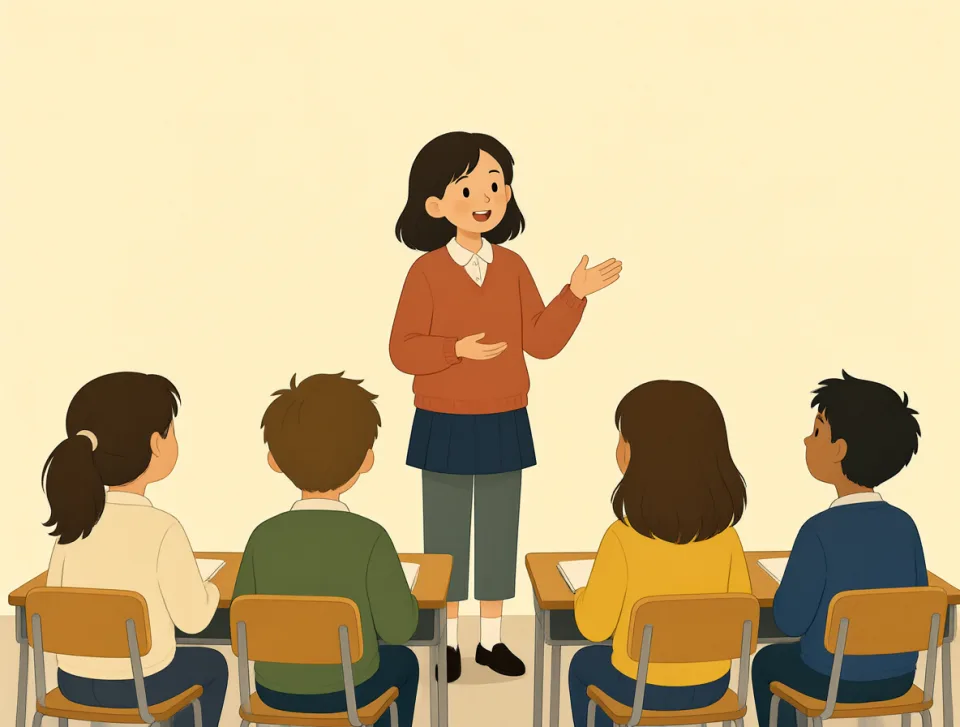
She is our class representative at the school meeting.
Ona jest przedstawicielką naszej klasy na zebraniu w szkole.
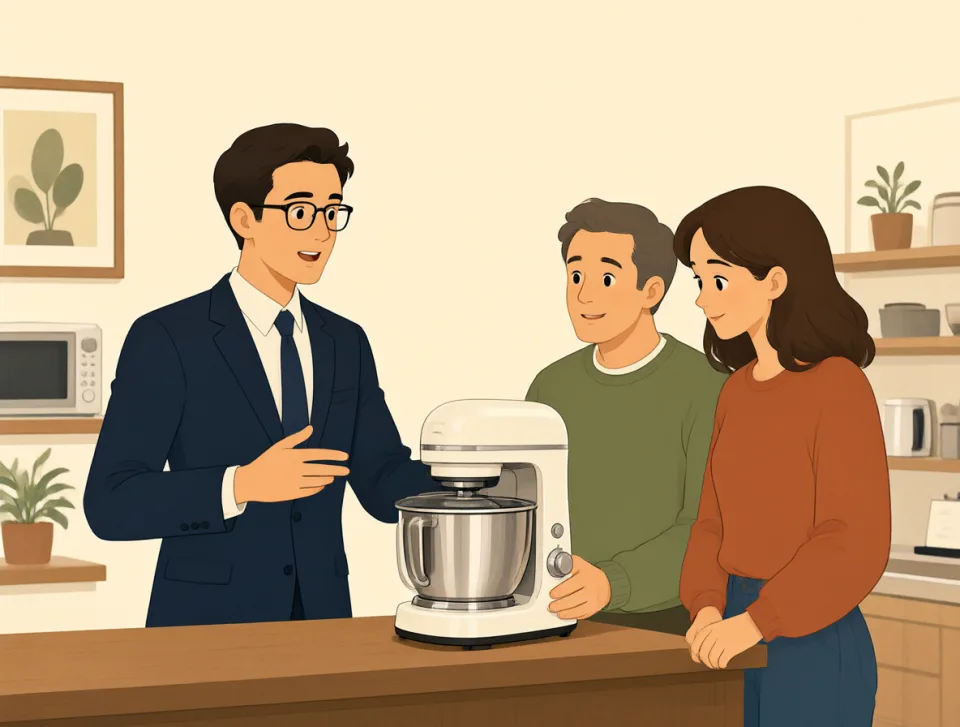
The sales representative showed us three new kitchen machines.
Przedstawiciel handlowy pokazał nam trzy nowe urządzenia kuchenne.
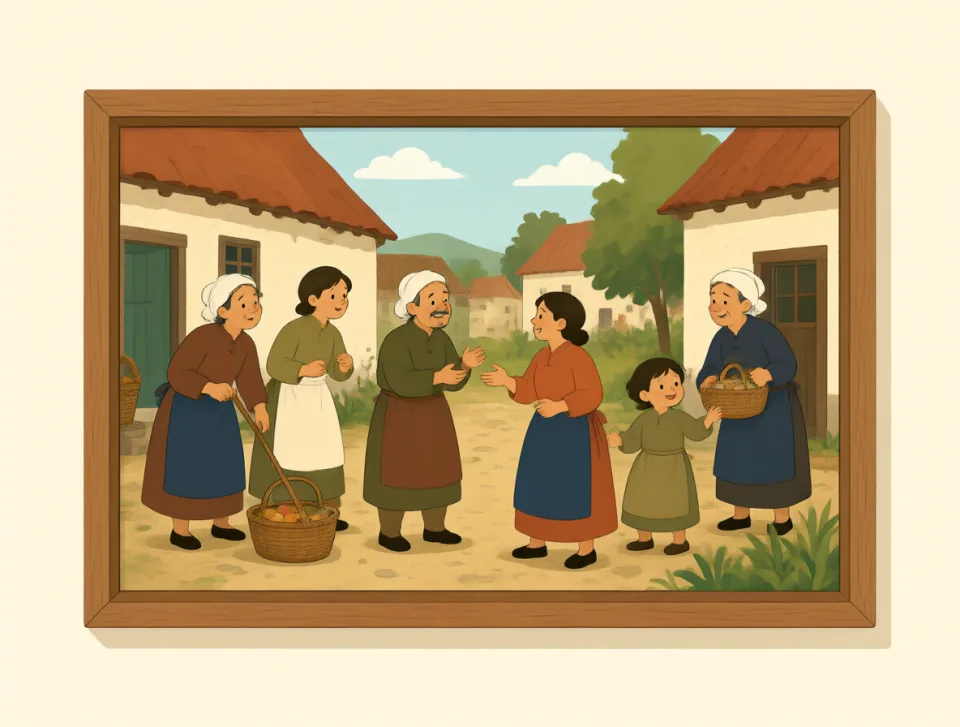
The painting is representative of life in a small village.
Ten obraz przedstawia życie w małej wiosce.
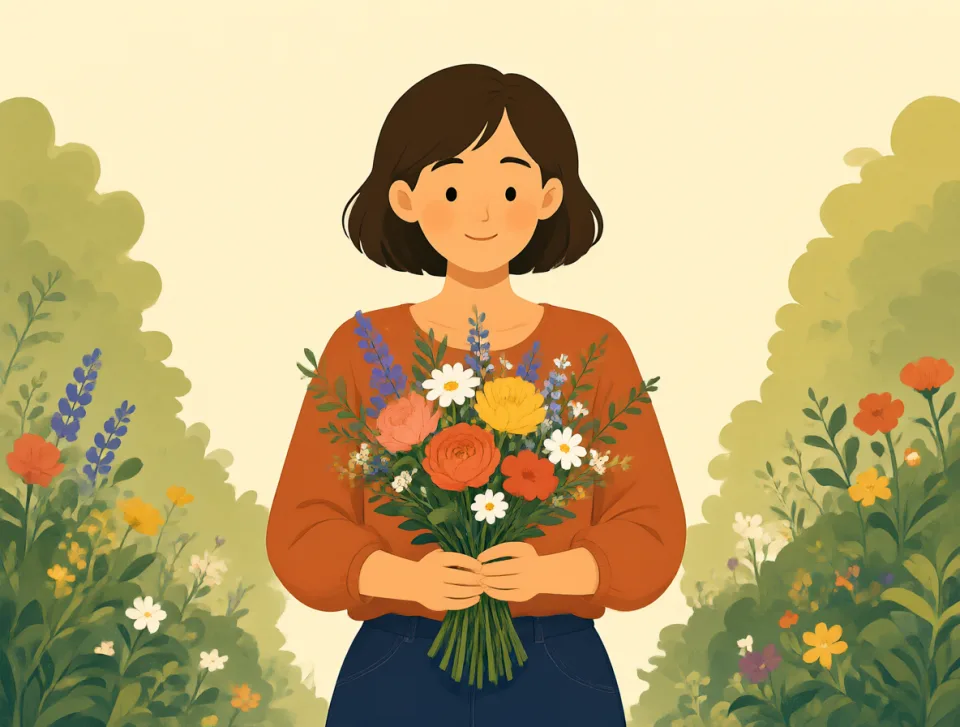
These flowers represent hope and new beginnings.
Te kwiaty symbolizują nadzieję i nowe początki.
capacity
#1472noun
pojemność
The largest amount that a person, place, or thing can hold or produce.
Maksymalna ilość, jaką osoba, miejsce lub rzecz może pomieścić albo wytworzyć.
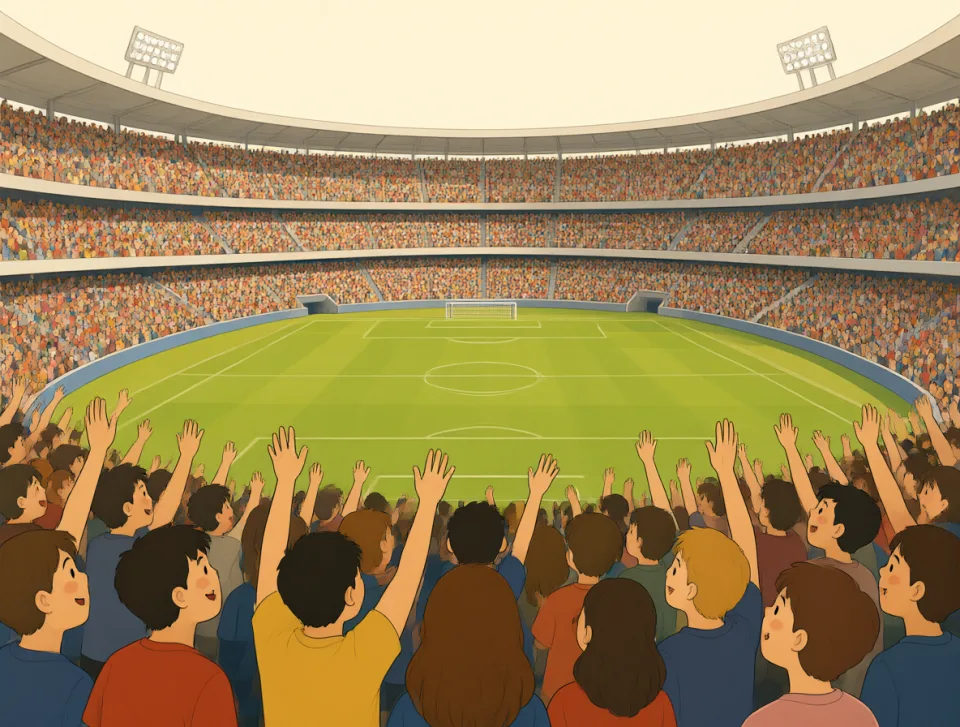
The stadium has a capacity of fifty thousand people.
Stadion może pomieścić pięćdziesiąt tysięcy osób.
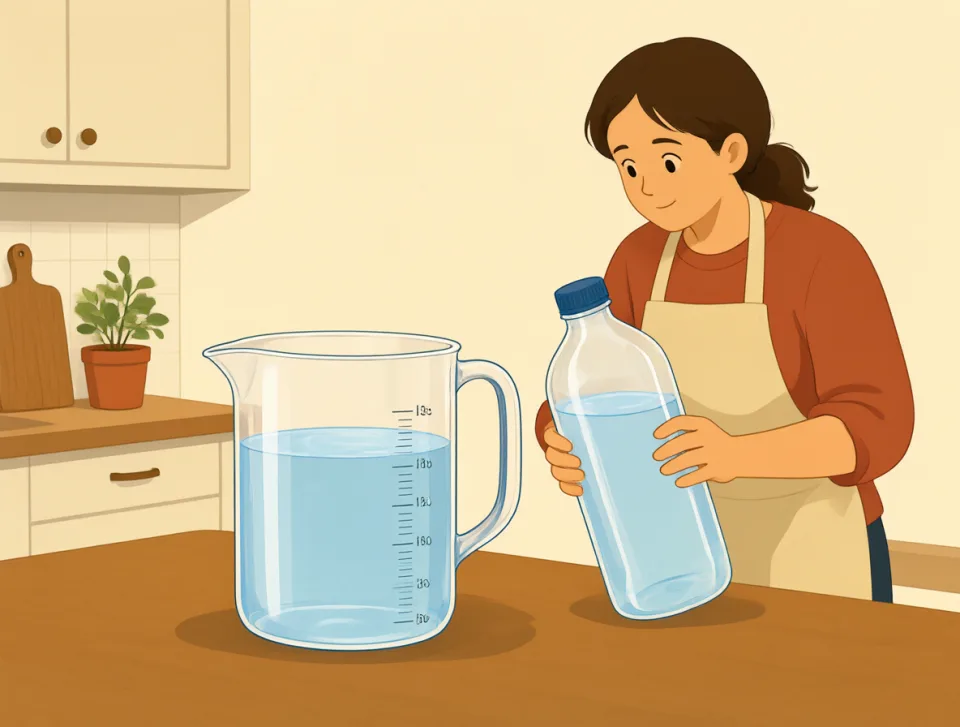
This bottle has enough capacity for two liters of water.
Ta butelka może pomieścić dwa litry wody.
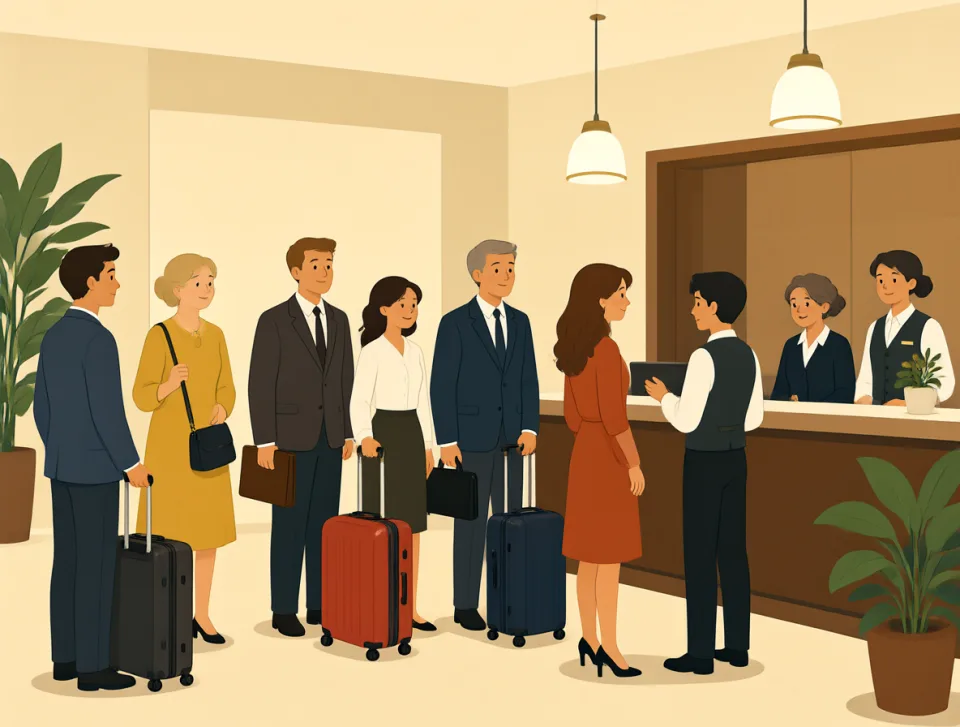
The hotel is operating at full capacity this weekend.
W ten weekend hotel jest w pełni obłożony.
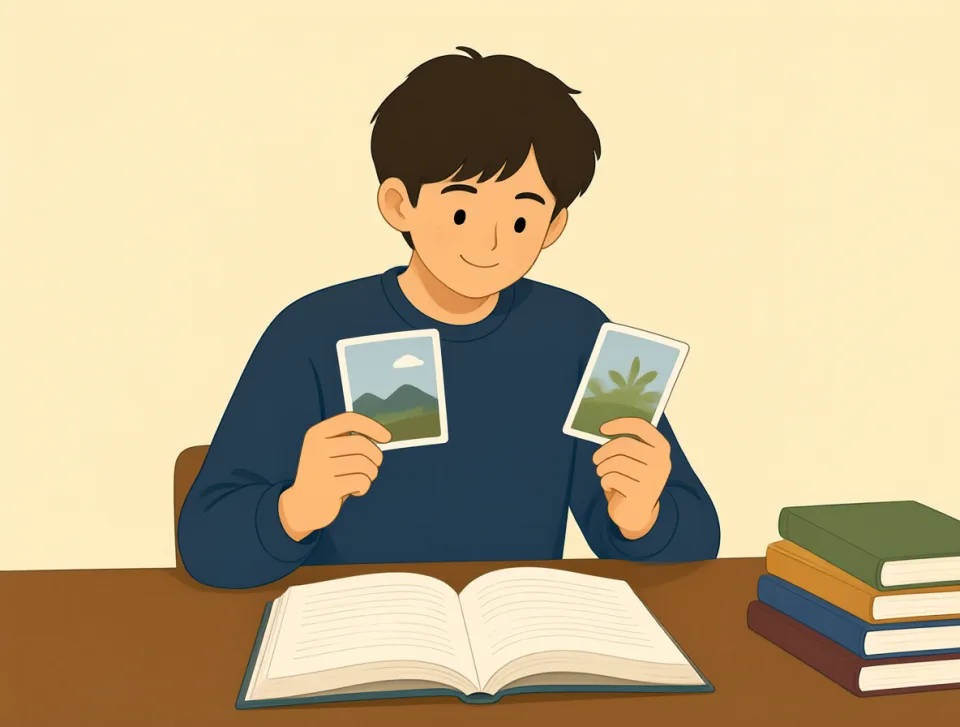
She has the capacity to learn new languages quickly.
Ona potrafi szybko uczyć się nowych języków.
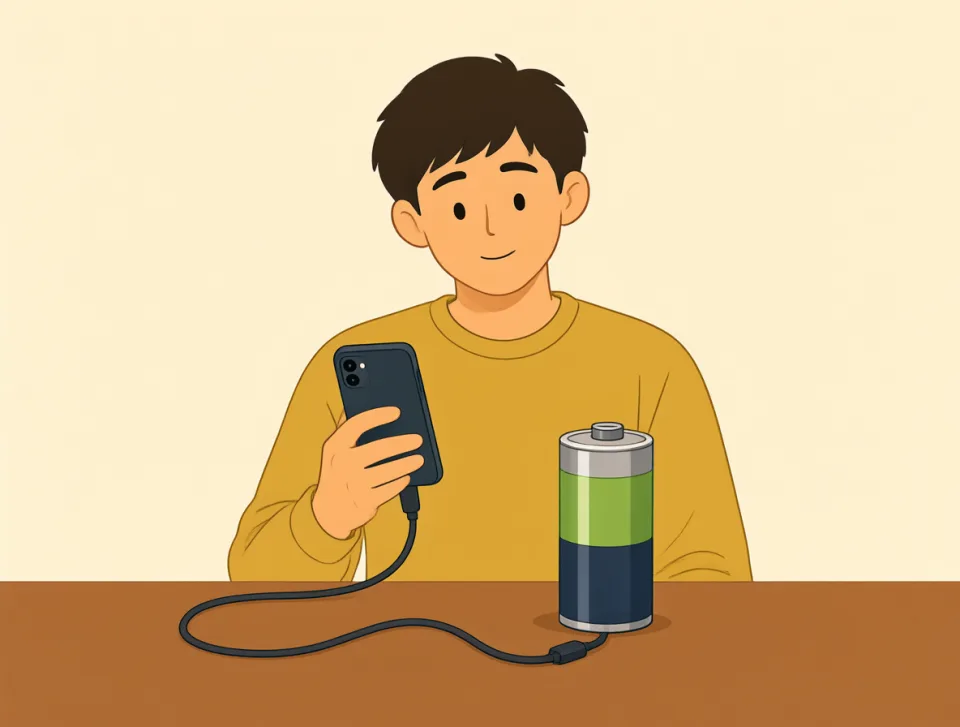
The new battery has more capacity, so my phone lasts longer.
Nowa bateria ma większą pojemność, więc mój telefon działa dłużej.
border
#1473noun, verb
granica
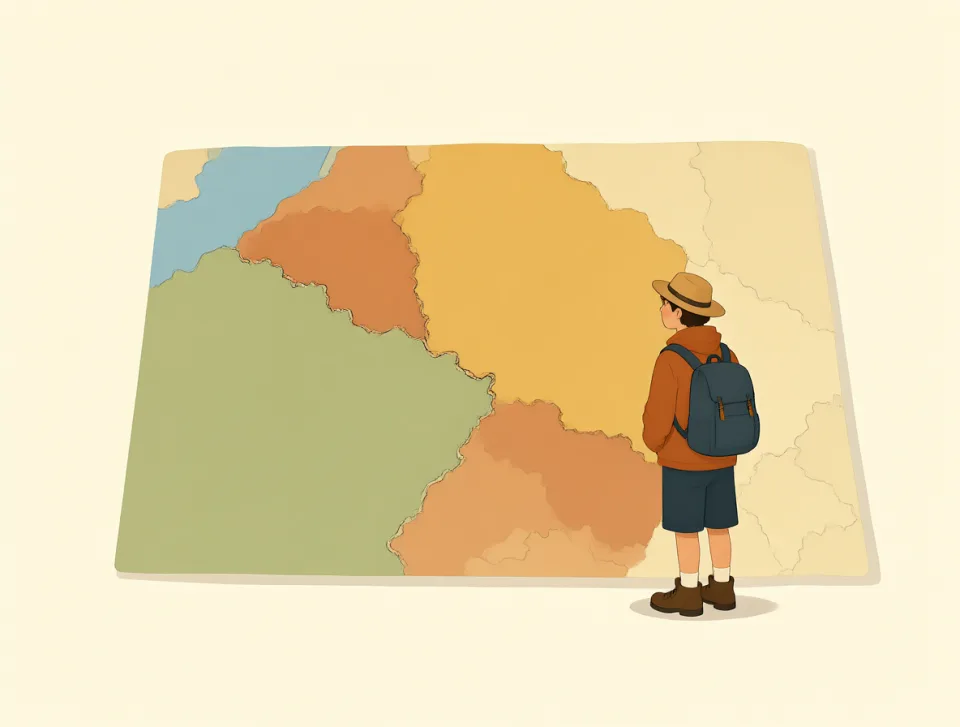
A line separating two countries, areas, or things; to touch or be next to something.
Linia oddzielająca dwa państwa, obszary lub rzeczy; także: przylegać do czegoś lub znajdować się obok czegoś.
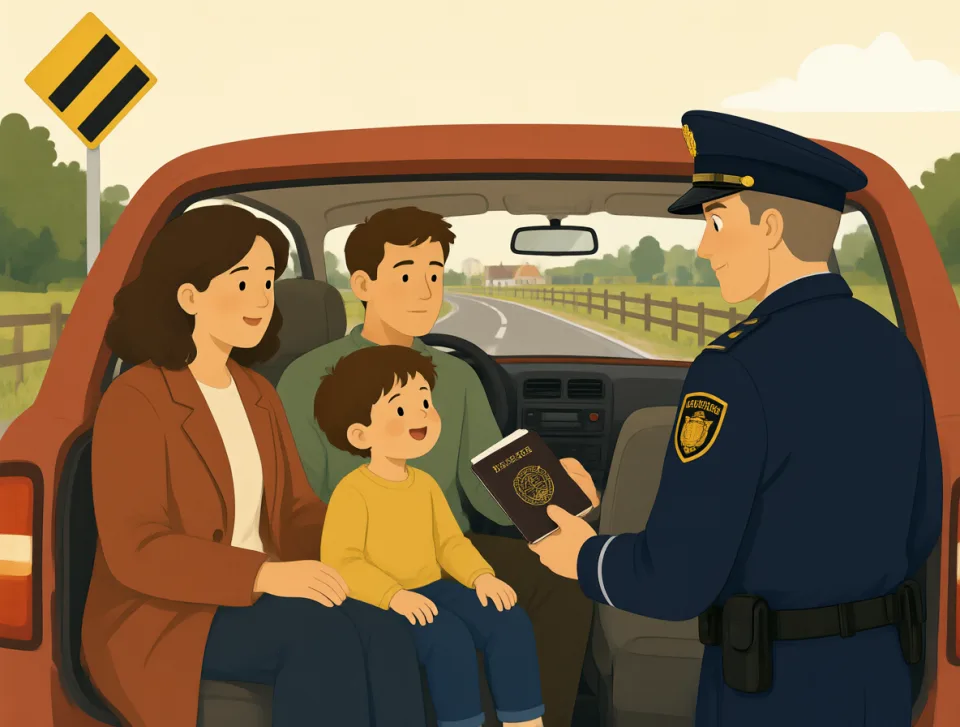
We crossed the border into Canada by car.
Przekroczyliśmy samochodem granicę z Kanadą.
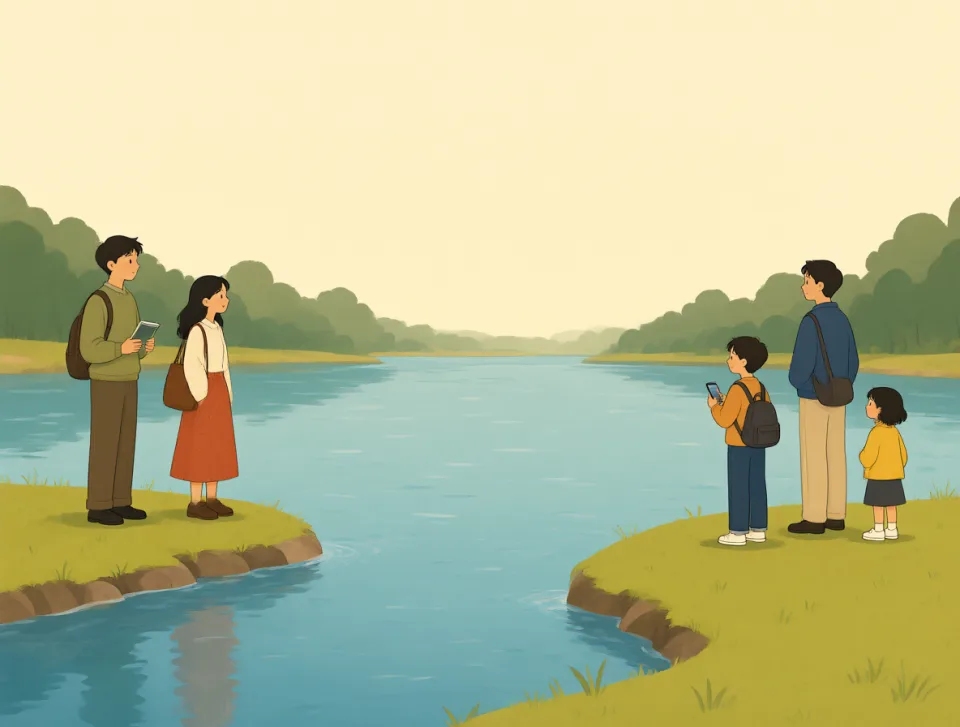
The river forms the border between the two countries.
Rzeka wyznacza granicę między tymi dwoma krajami.
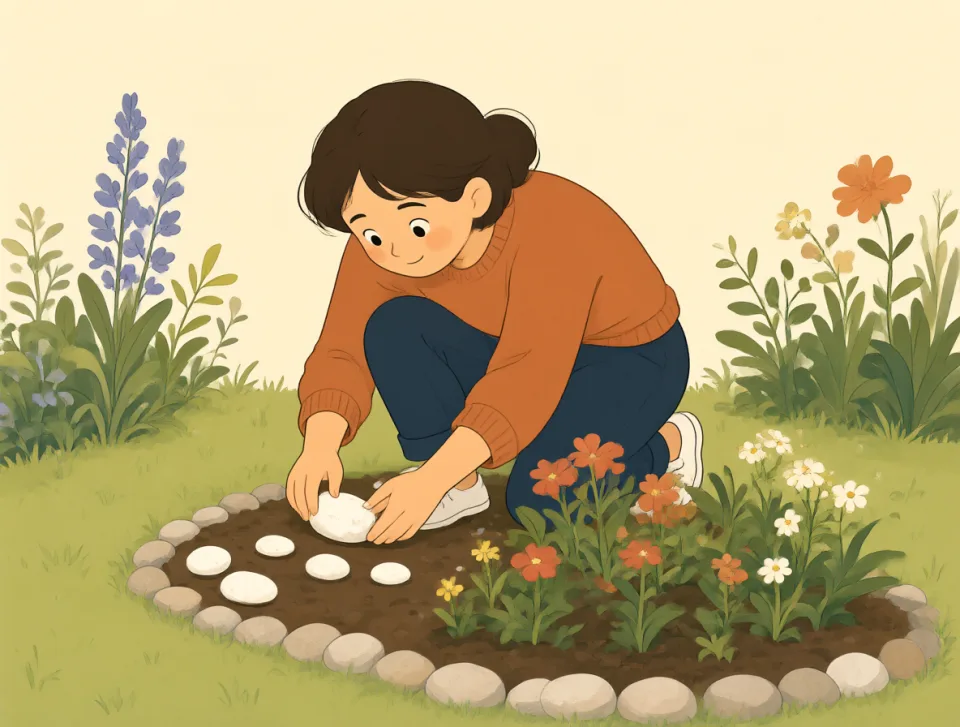
Please border the garden with small white stones.
Proszę wyłożyć obrzeże ogrodu małymi, białymi kamieniami.
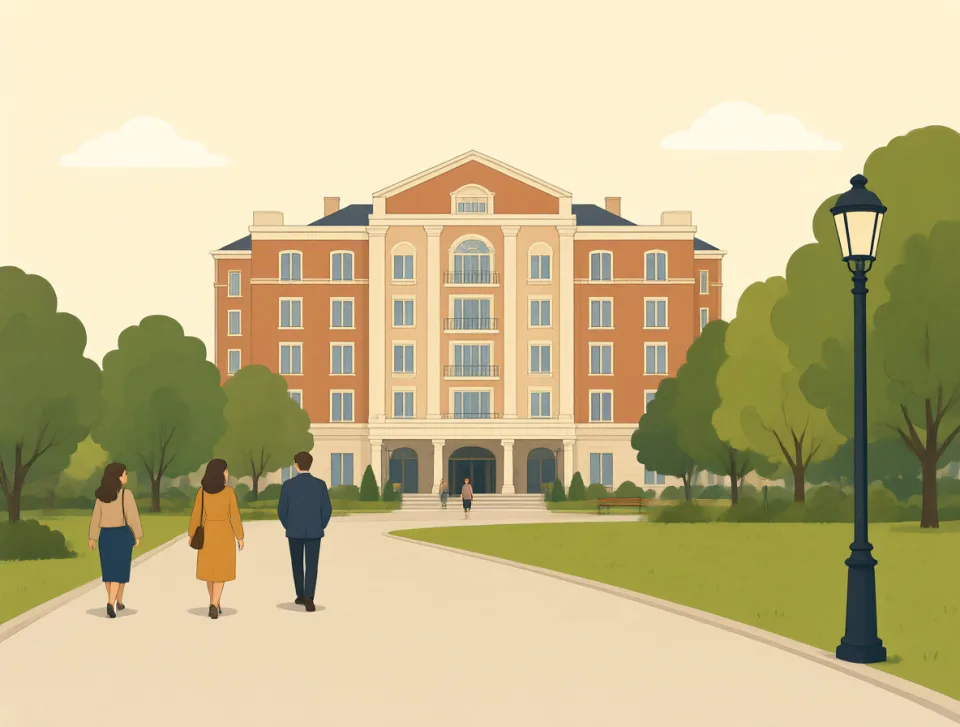
Our hotel borders a quiet park near the city center.
Nasz hotel sąsiaduje ze spokojnym parkiem niedaleko centrum miasta.
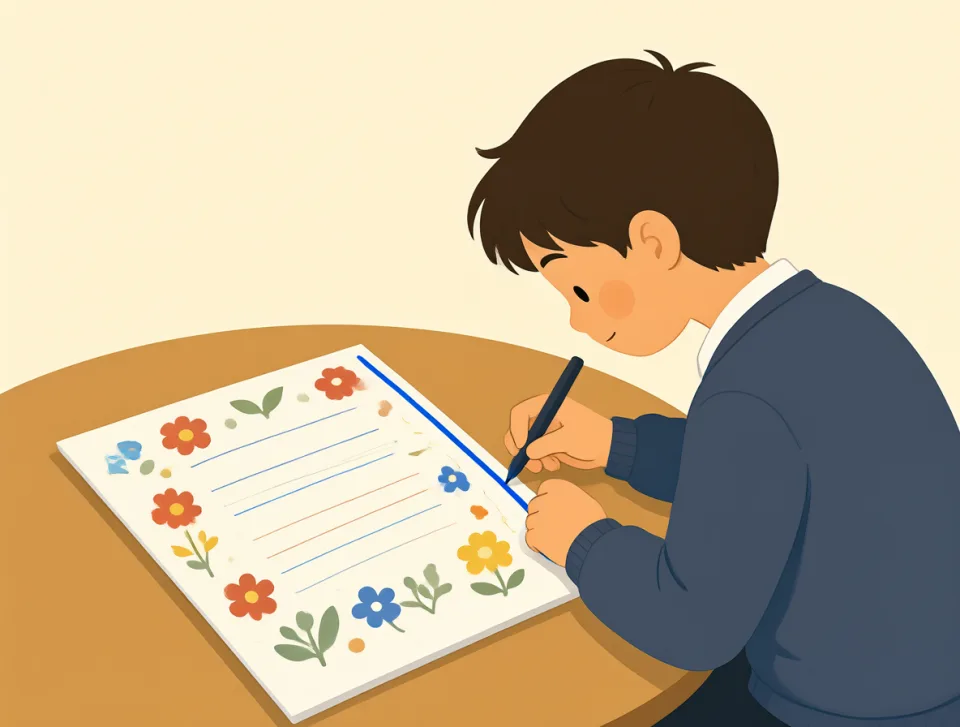
She put a blue border around her school project.
Dodała niebieską ramkę wokół projektu szkolnego.
shake
#1474verb, noun
potrząsać; koktajl mleczny
to move quickly from side to side, or a cold drink made with milk and fruit
Poruszać czymś szybko na boki; także zimny napój z mleka i owoców.
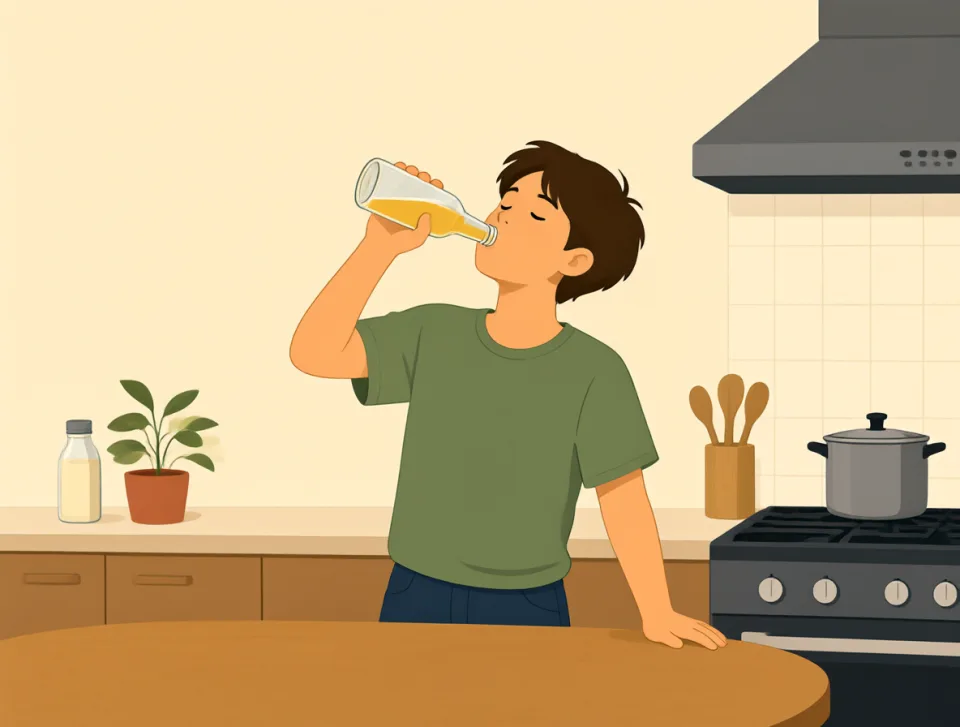
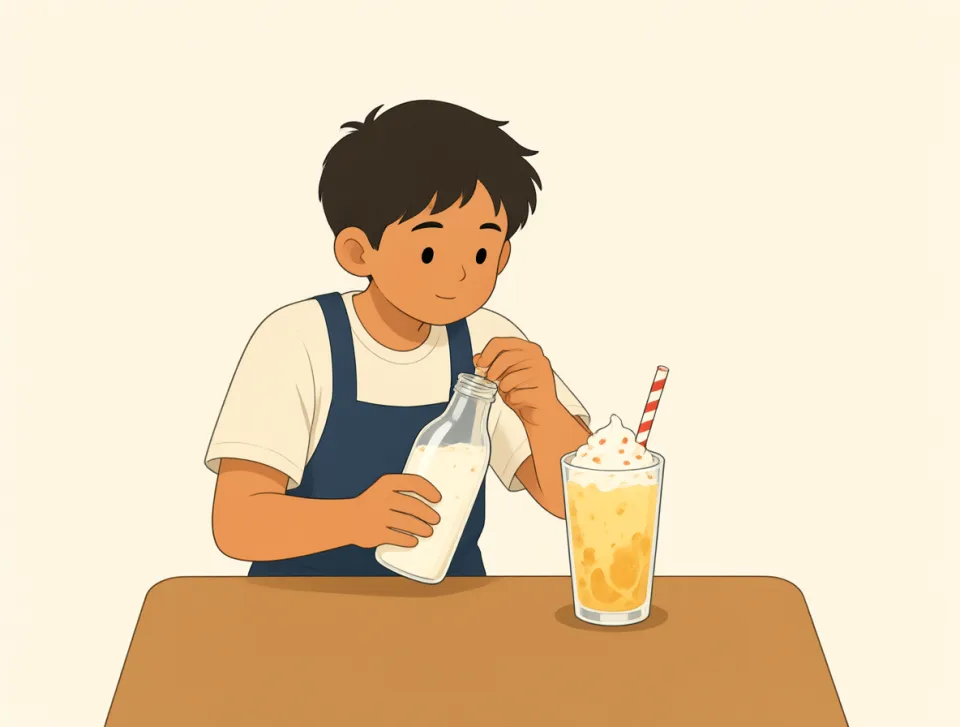
Please shake the bottle well before you drink it.
Przed wypiciem dobrze wstrząśnij butelką.

We shook hands after the meeting ended.
Po zakończeniu spotkania uścisnęliśmy sobie dłonie.
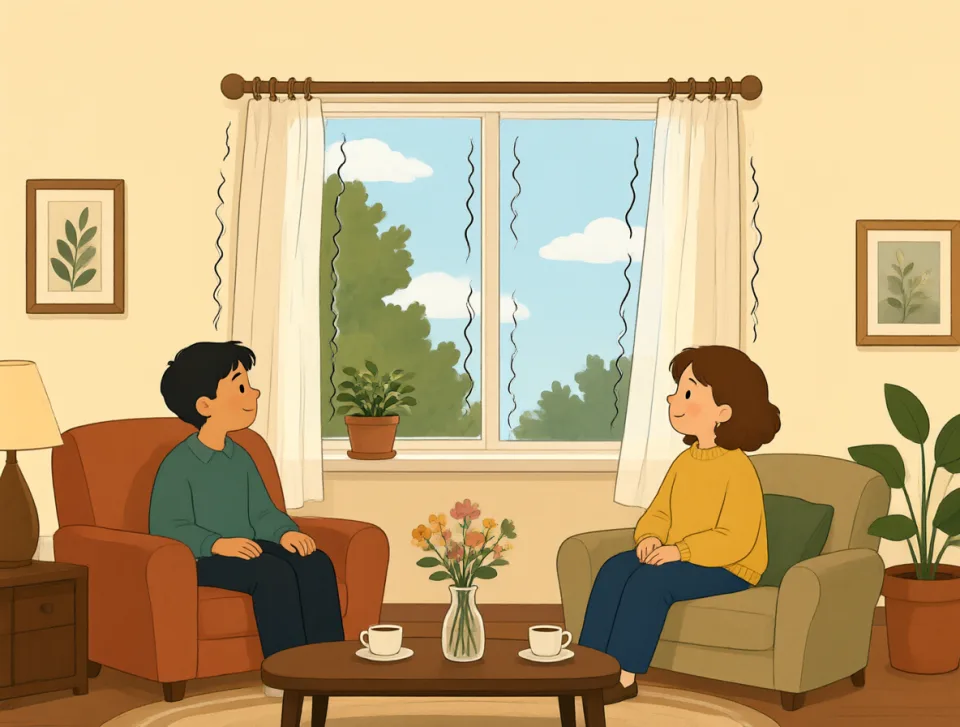
The loud noise made the windows shake.
Głośny hałas sprawił, że okna zadrżały.
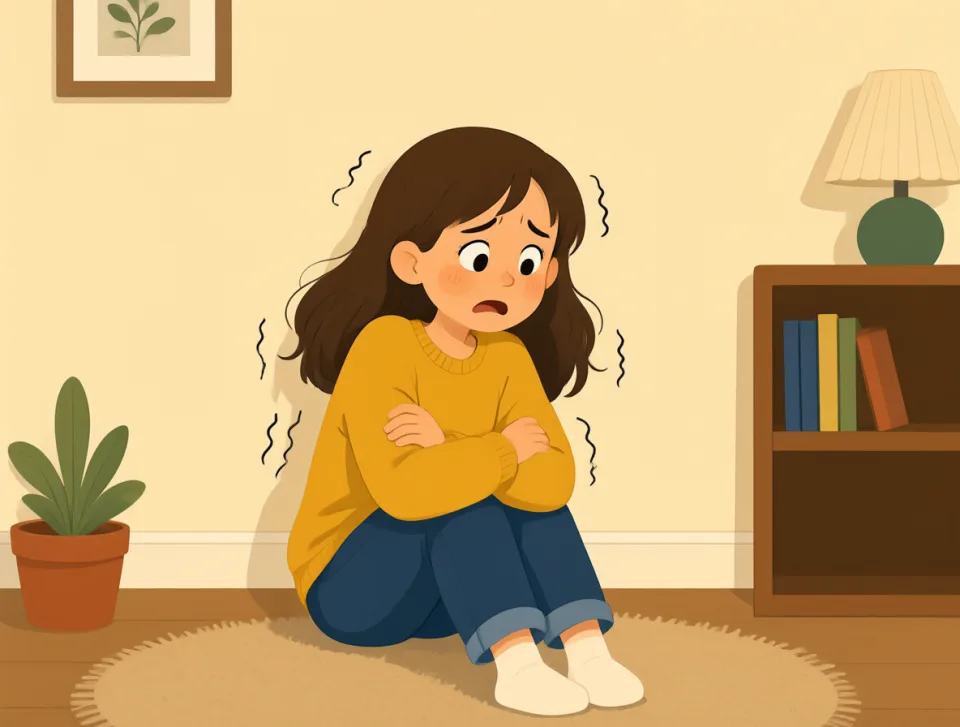
She was shaking with fear during the storm.
Podczas burzy trzęsła się ze strachu.
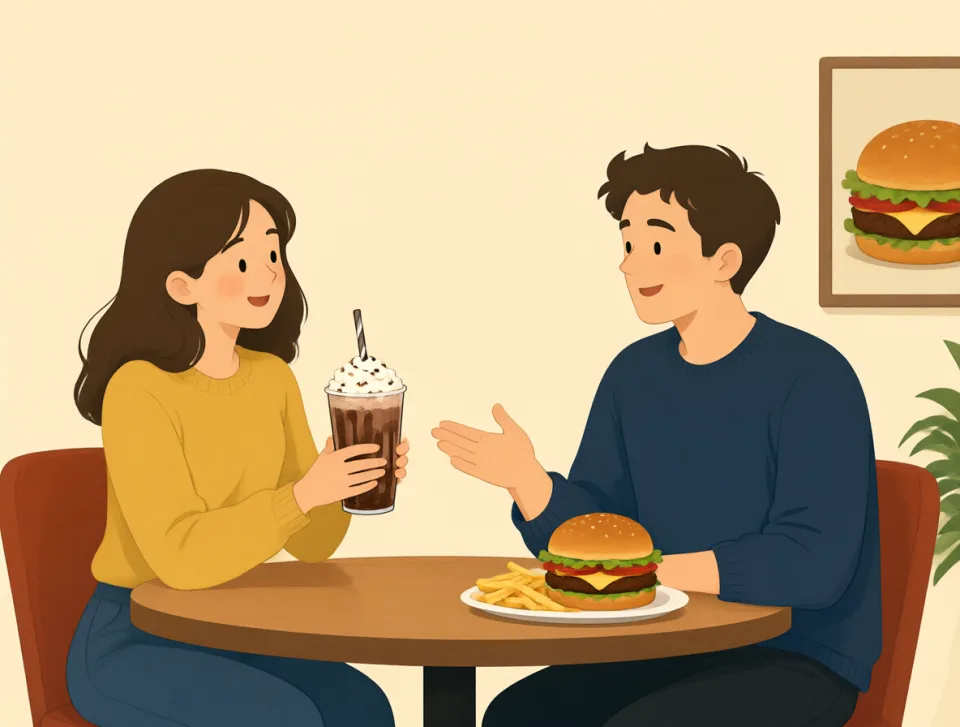
I ordered a chocolate shake with my burger.
Do burgera zamówiłem koktajl czekoladowy.
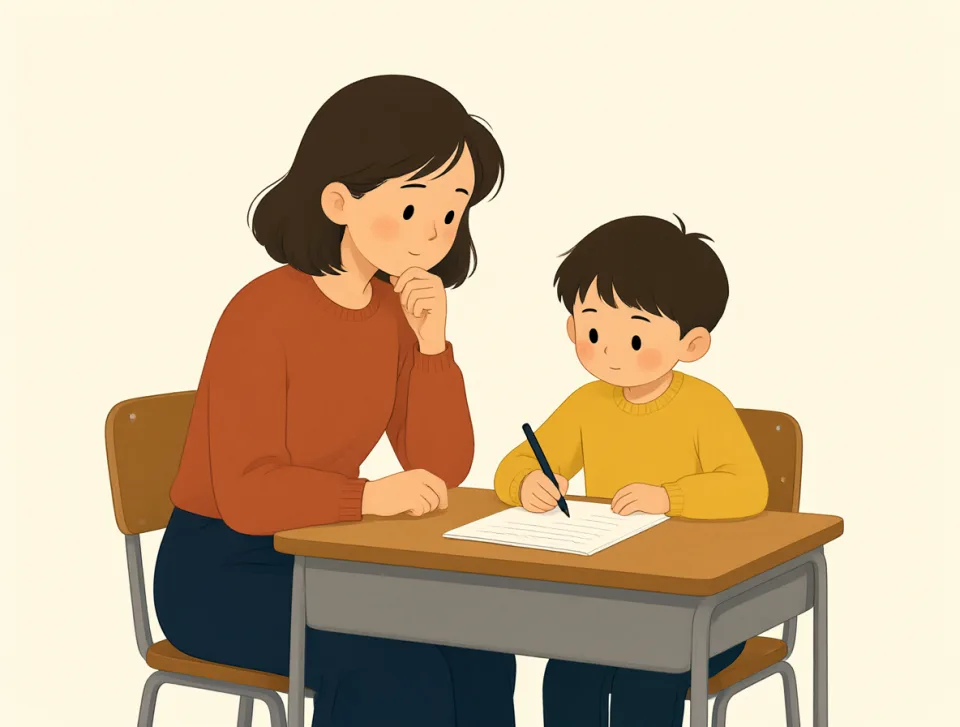
assessment
#1475noun
ocena
A careful judgment about someone’s ability, quality, or progress.
Wnikliwa ocena czyichś umiejętności, jakości lub postępów.
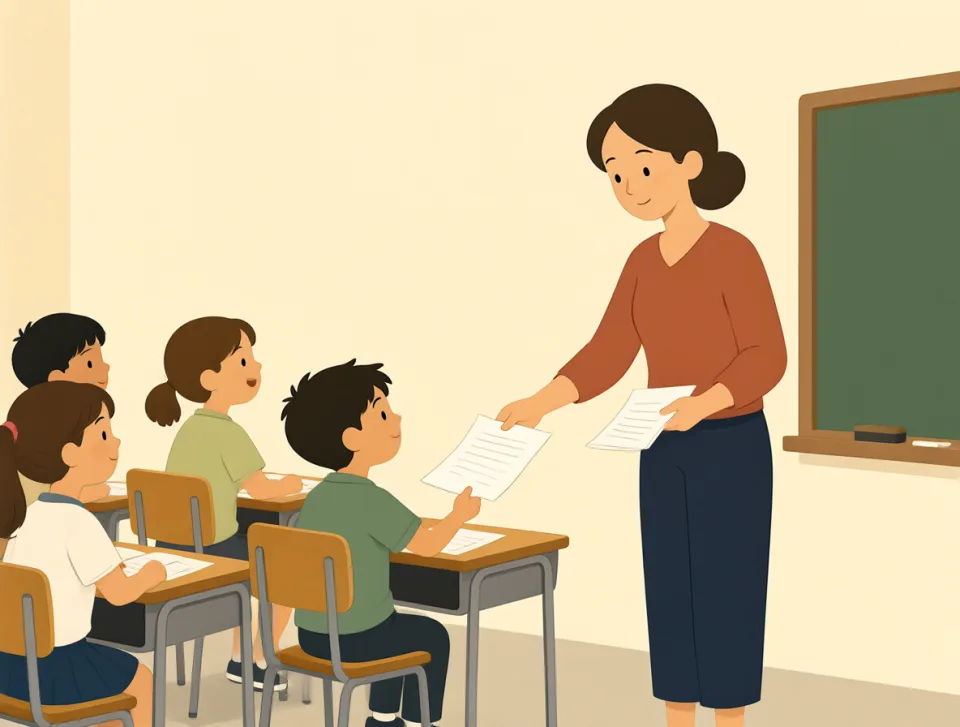
The teacher gave us an assessment at the end of the lesson.
Na koniec lekcji nauczyciel dał nam test.
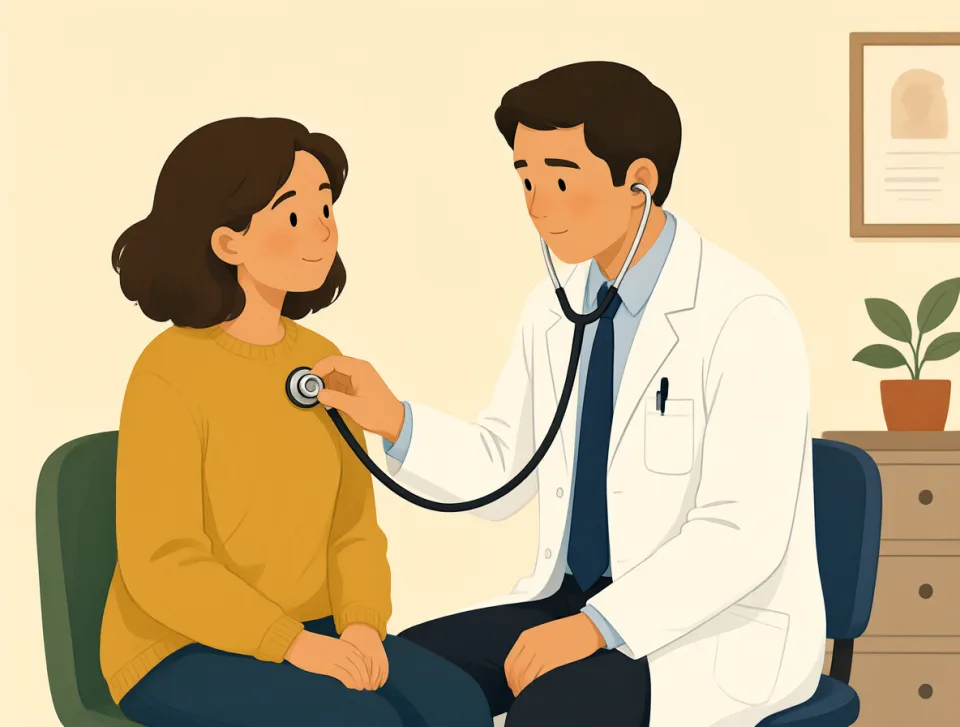
The doctor made an assessment of my health after the examination.
Po badaniu lekarz ocenił mój stan zdrowia.

Our manager’s assessment of the project helped us improve our work.
Ocena projektu dokonana przez naszego kierownika pomogła nam ulepszyć naszą pracę.
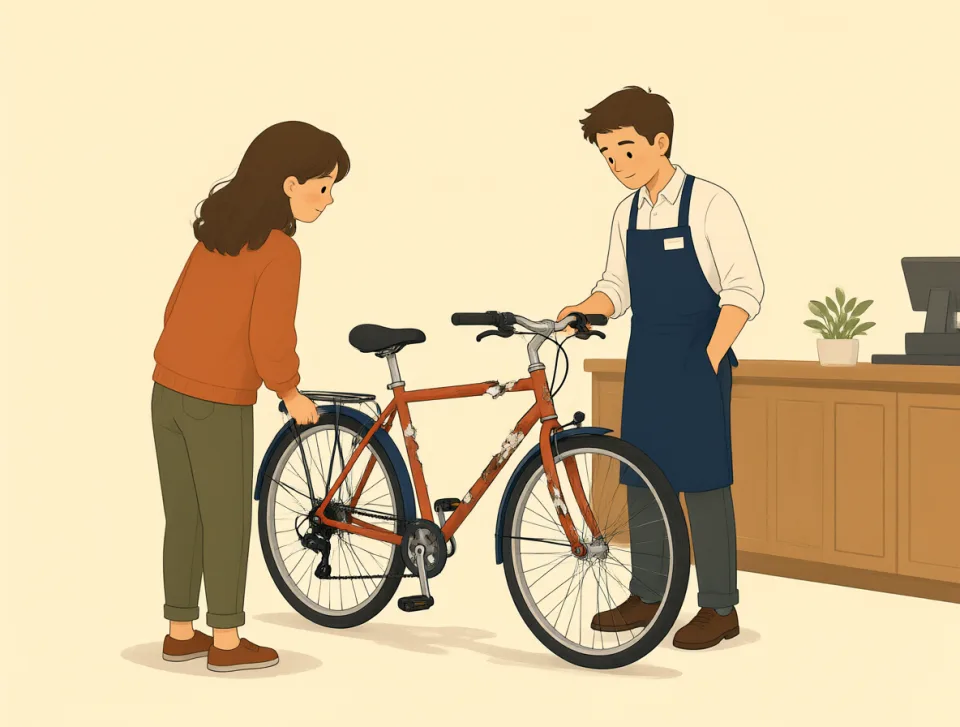
The shop assistant carried out an assessment of the damaged bicycle.
Pracownik sklepu ocenił uszkodzony rower.

The travel company asked for an assessment of our hotel experience.
Firma turystyczna poprosiła nas o ocenę pobytu w hotelu.
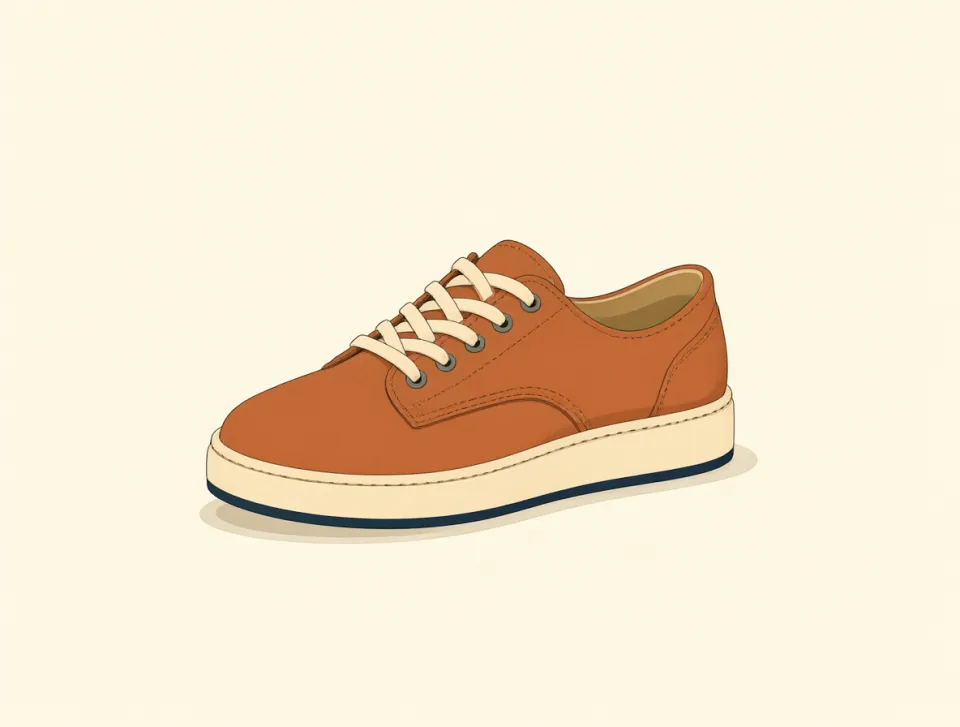
shoe
#1476noun
but
A piece of clothing worn on your foot, usually with a hard sole.
Część garderoby noszona na stopie, zwykle z twardą podeszwą.
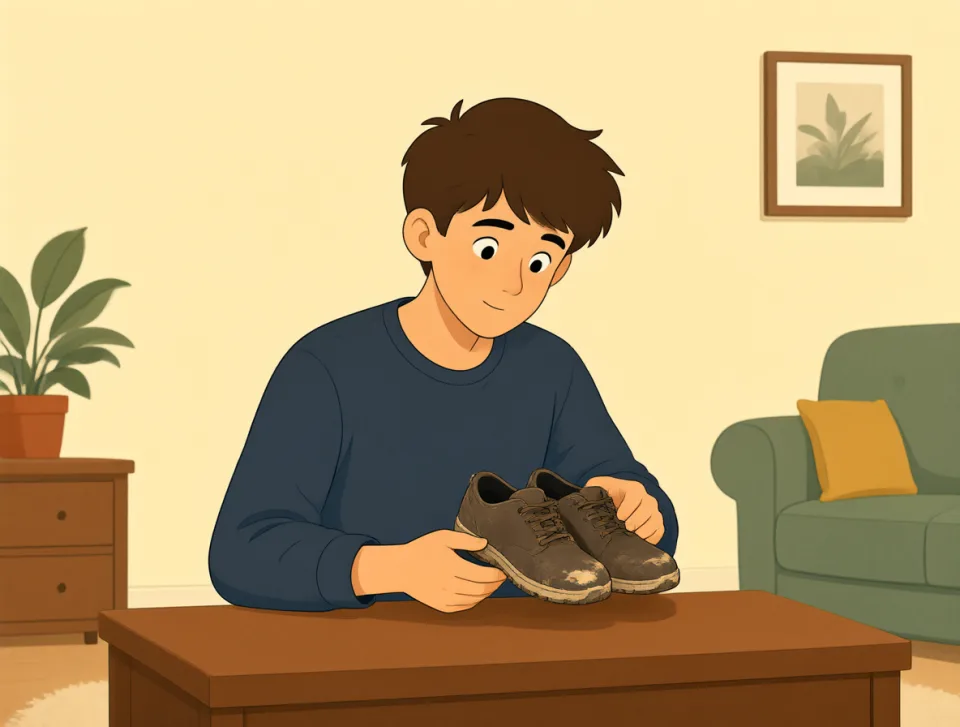
I need new shoes because my old ones are too small.
Potrzebuję nowych butów, bo moje stare są za małe.
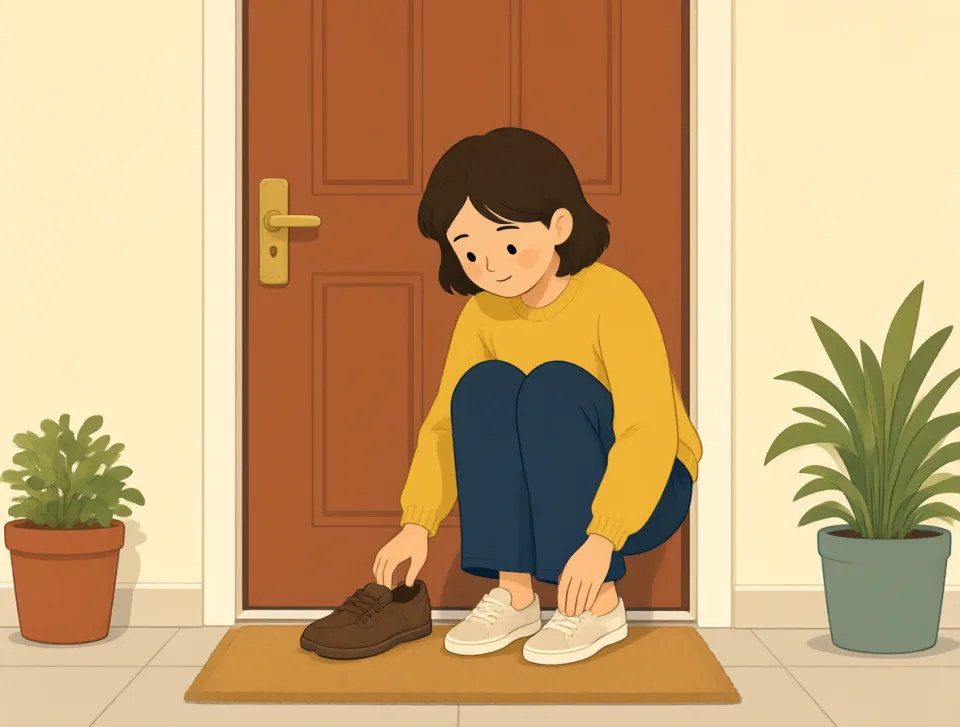
Please take off your shoes before entering the house.
Zdejmij buty przed wejściem do domu.
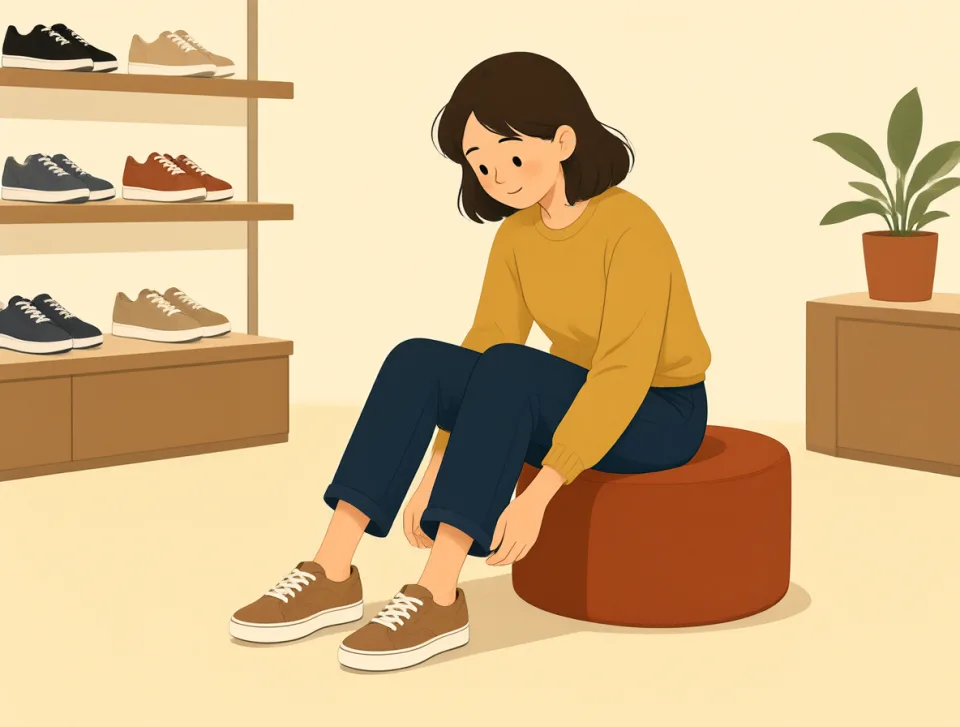
She bought a comfortable pair of shoes for work.
Kupiła wygodne buty do pracy.
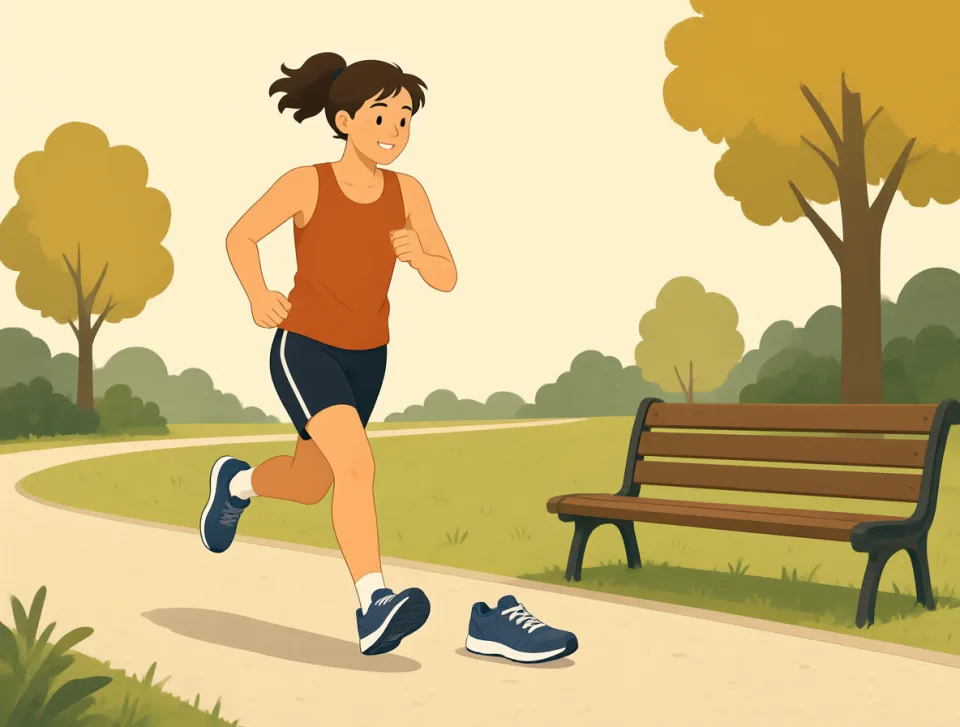
My shoe came off while I was running in the park.
Podczas biegu w parku spadł mi but.
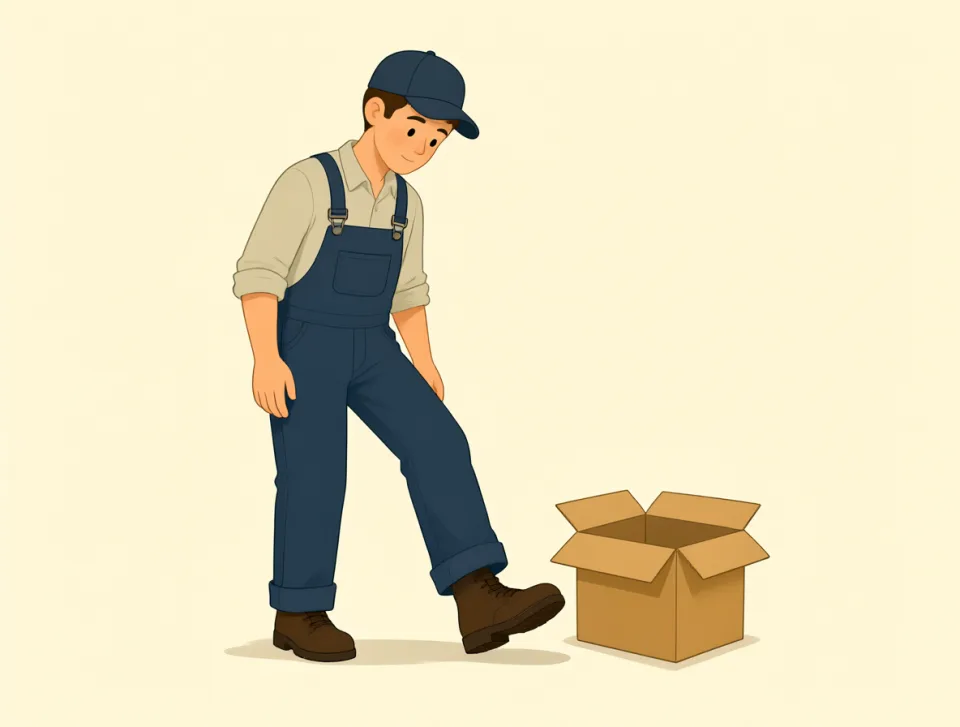
He hurt his foot when a heavy box fell on his shoe.
Zranił się w stopę, gdy ciężkie pudło spadło mu na but.
ought
#1477modal verb
powinien; powinna; powinno
Used to say what is right, sensible, expected, or likely to happen.
Używane, by powiedzieć, co jest słuszne, rozsądne, oczekiwane lub prawdopodobne.
You ought to call your mother tonight.
Powinieneś dziś wieczorem zadzwonić do mamy.
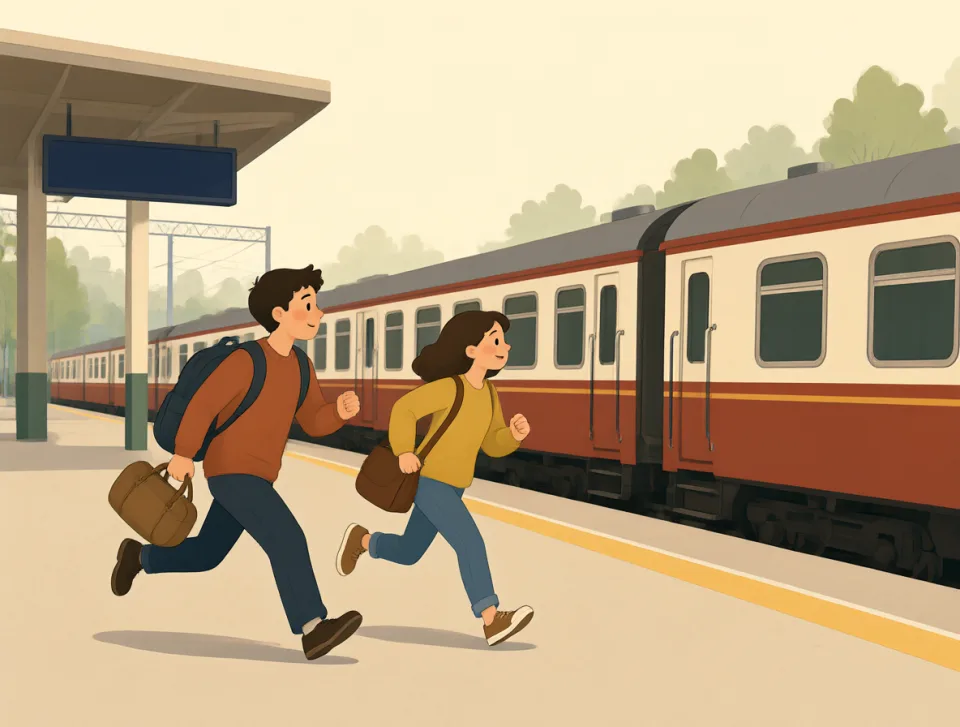
We ought to leave early to catch the train.
Powinniśmy wyjść wcześniej, żeby zdążyć na pociąg.
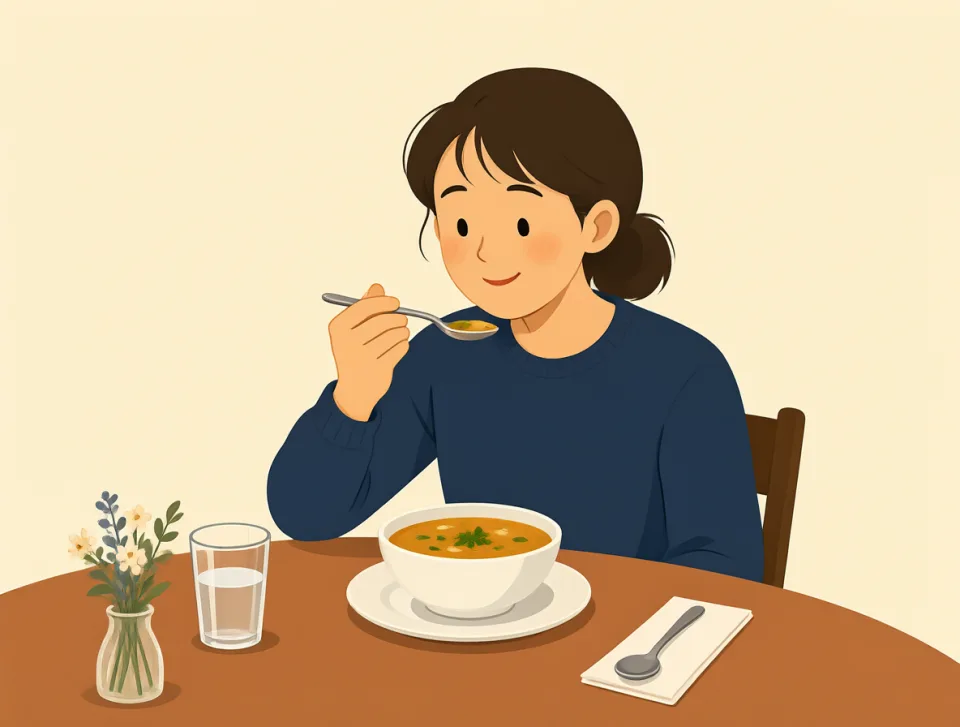
You ought to try the vegetable soup; it is delicious.
Powinieneś spróbować zupy warzywnej — jest pyszna.
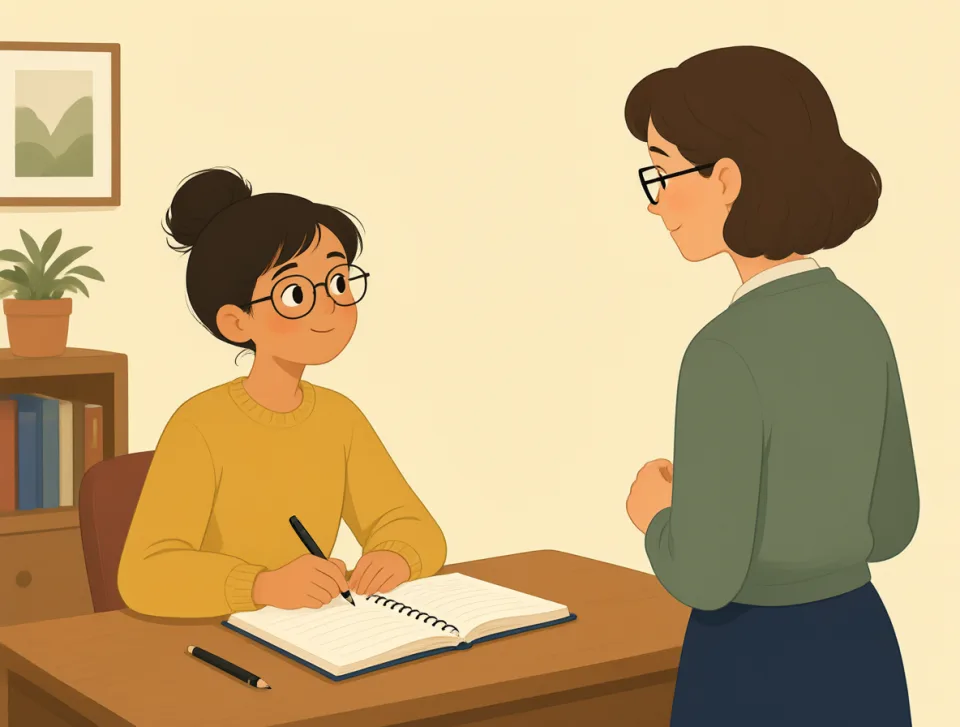
Students ought to check their answers before handing in homework.
Uczniowie powinni sprawdzić odpowiedzi przed oddaniem pracy domowej.
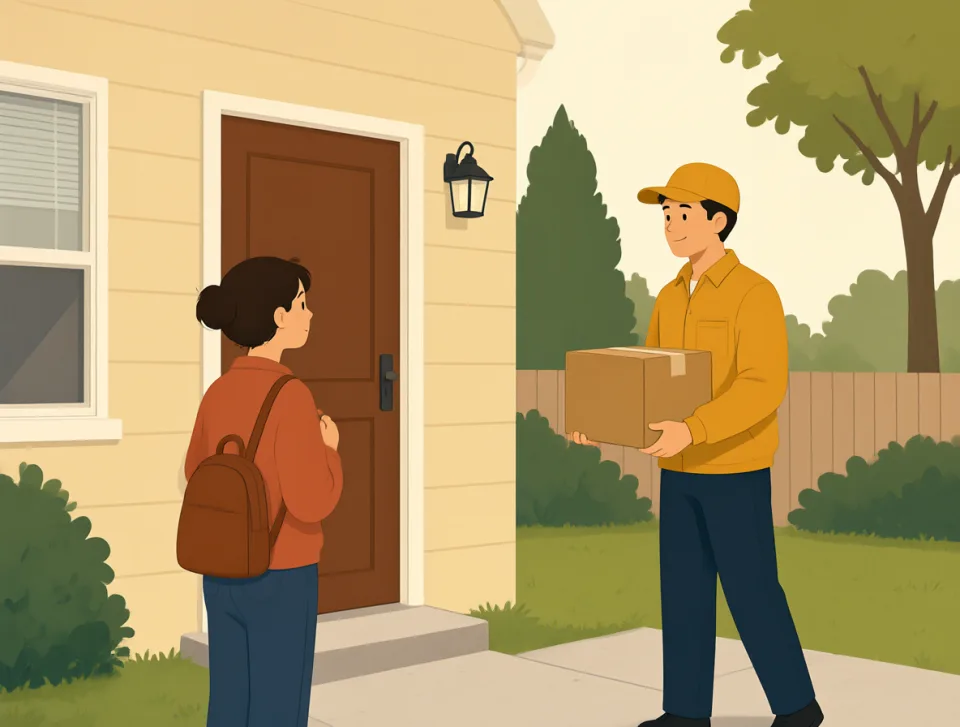
The package ought to arrive before the weekend.
Paczka powinna dotrzeć przed weekendem.
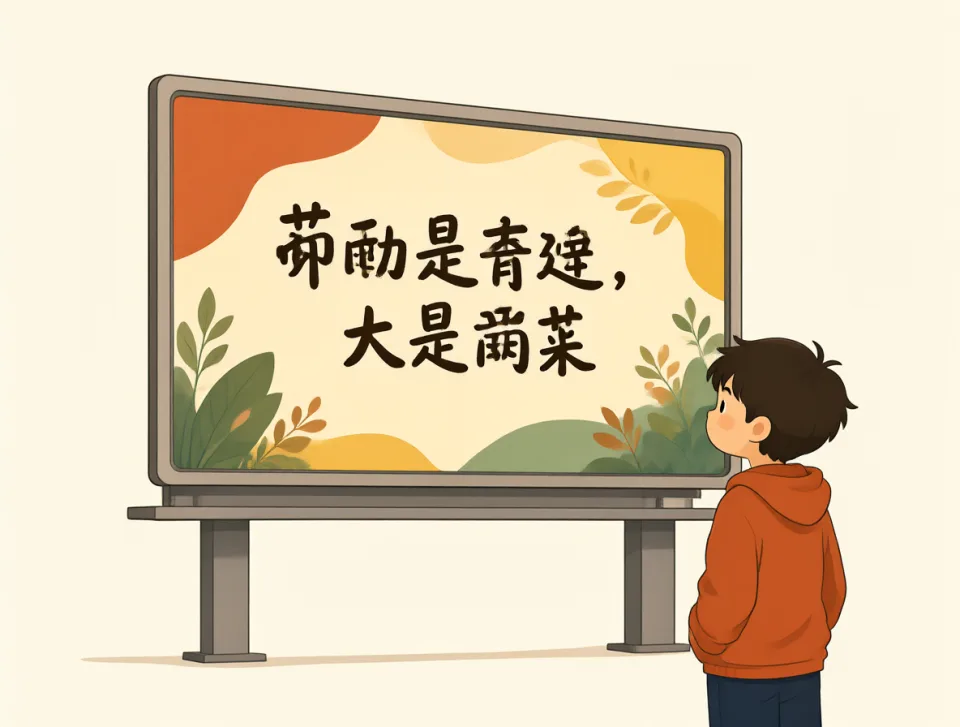
ad
#1478noun
reklama
a notice that tells people about a product, service, event, or job
Ogłoszenie informujące o produkcie, usłudze, wydarzeniu lub pracy.
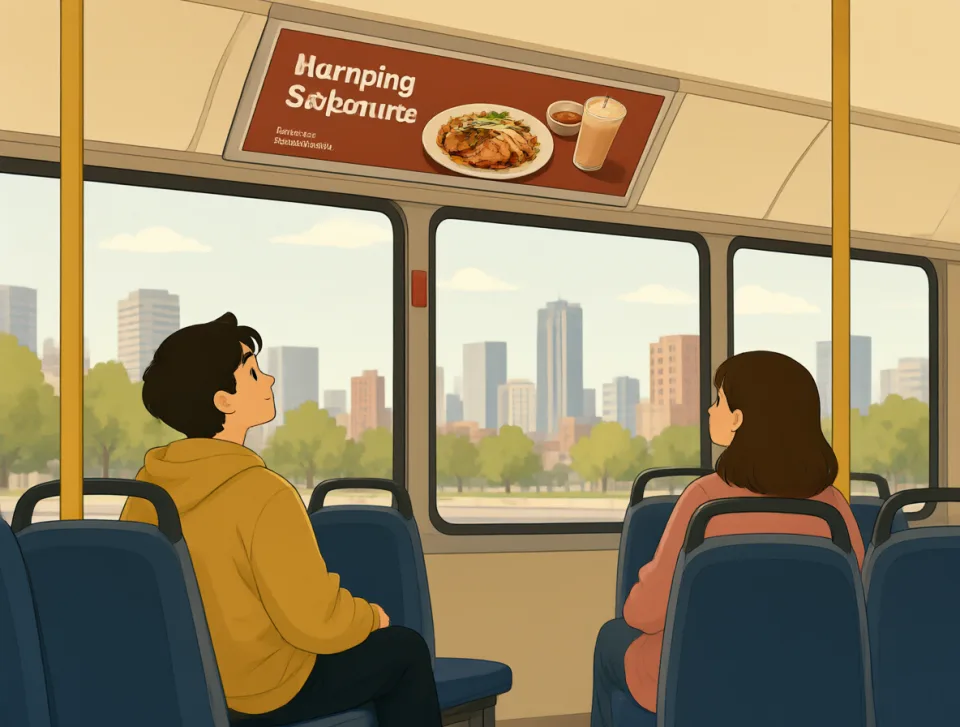
I saw an ad for a new restaurant on the bus.
W autobusie zobaczyłem reklamę nowej restauracji.
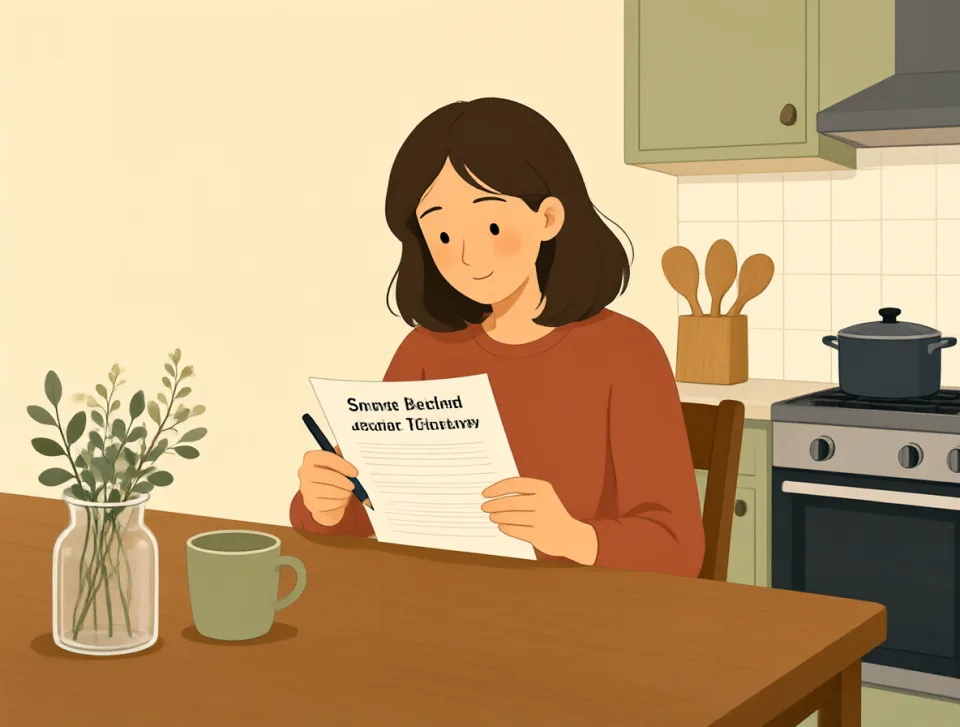
She answered an ad for a part-time job.
Odpowiedziała na ogłoszenie o pracę na pół etatu.
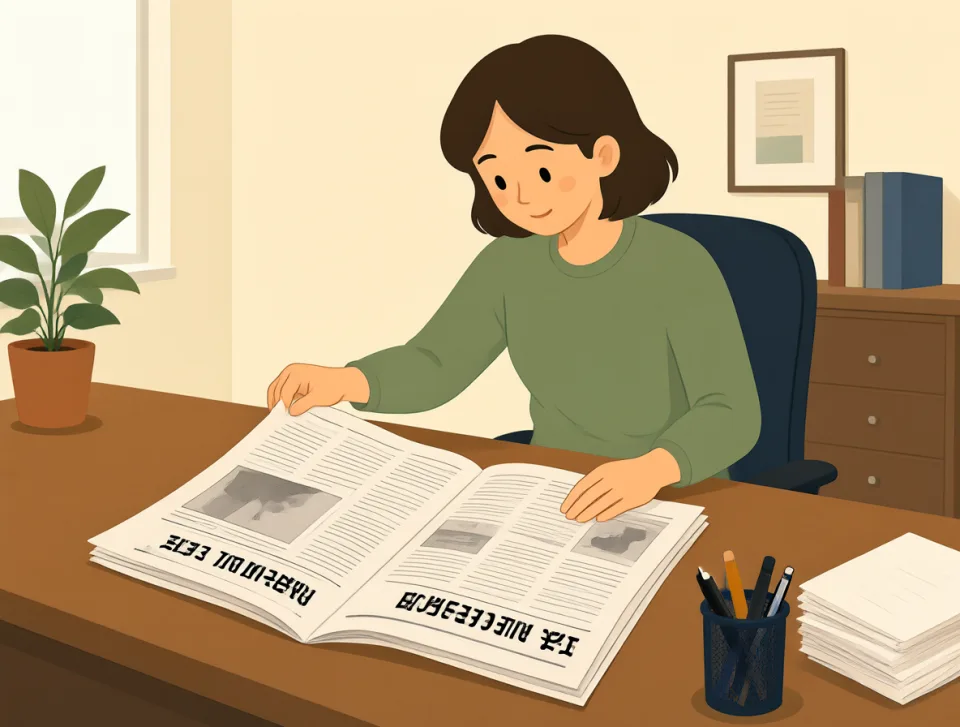
The company placed an ad in the local newspaper.
Firma zamieściła reklamę w lokalnej gazecie.
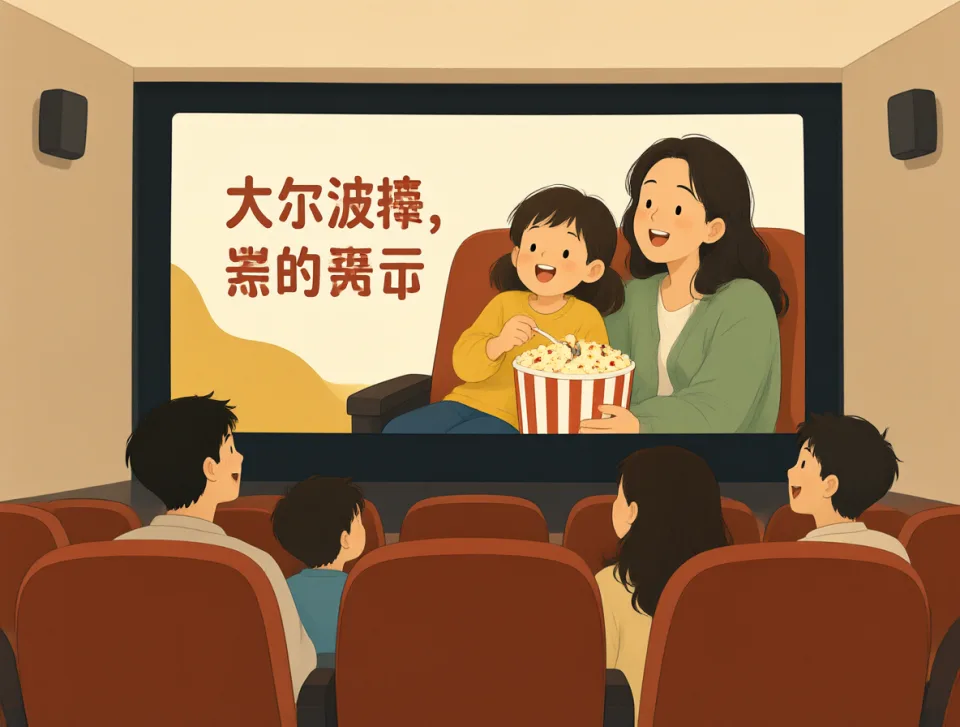
We watched an ad before the movie started.
Obejrzeliśmy reklamę przed rozpoczęciem filmu.
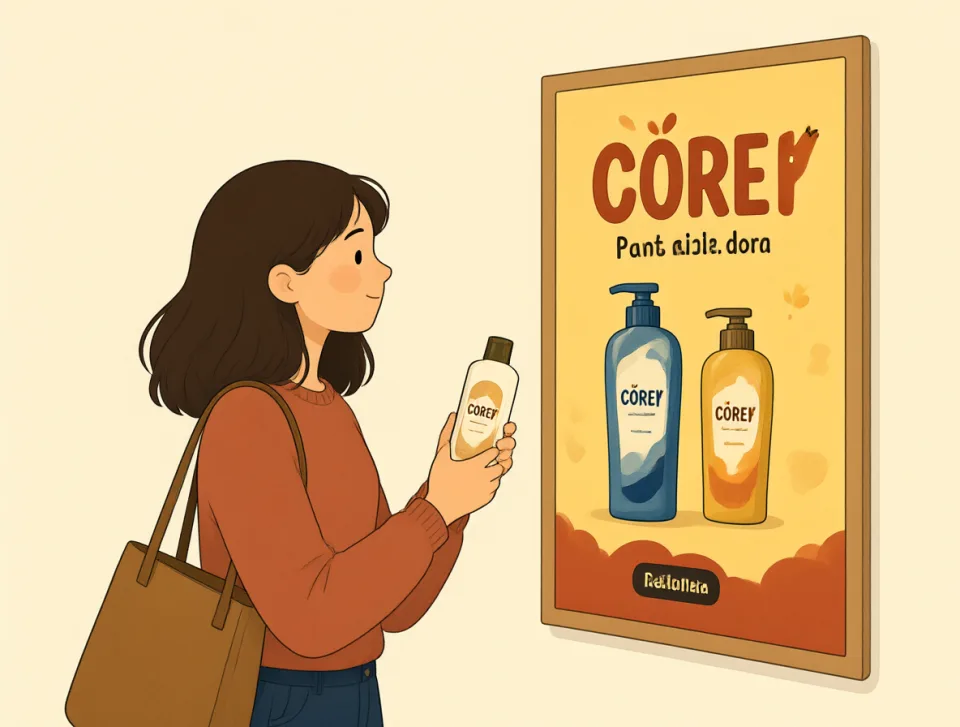
This ad makes the shampoo look perfect for everyone.
Ta reklama sprawia, że szampon wydaje się idealny dla każdego.
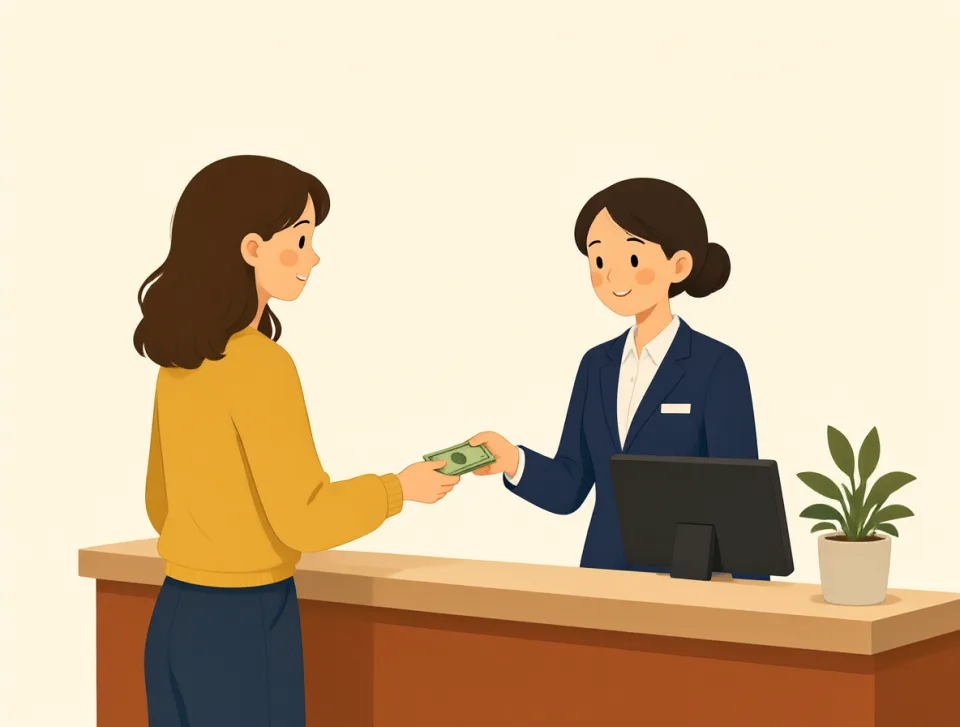
fee
#1479noun
opłata
an amount of money paid for a service
Kwota pieniędzy płacona za usługę.
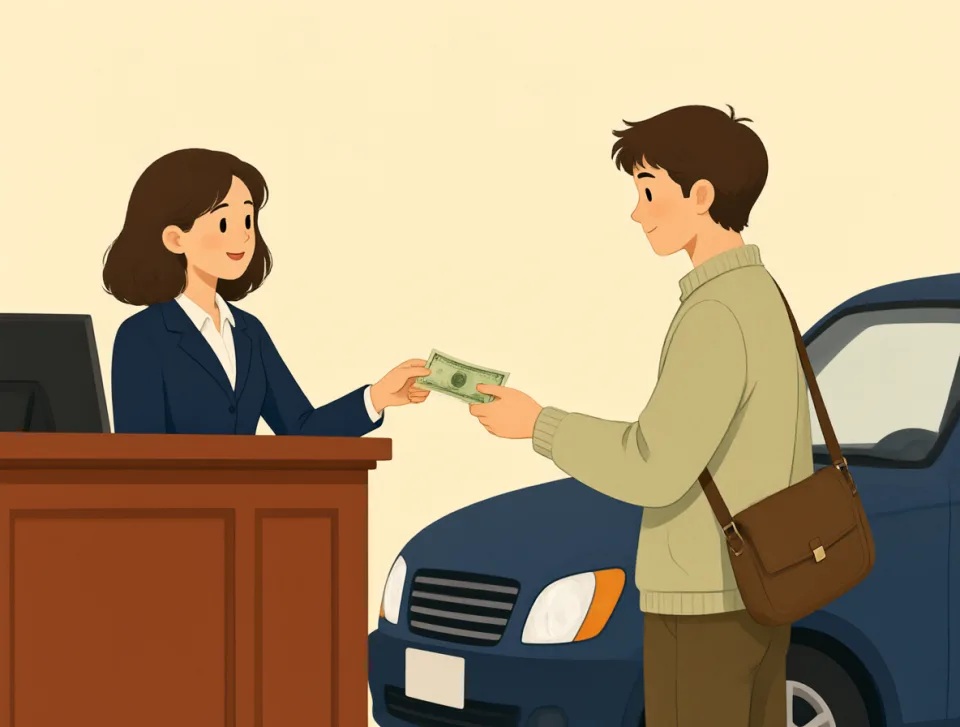
The hotel charges a small fee for parking.
Hotel pobiera niewielką opłatę za parking.
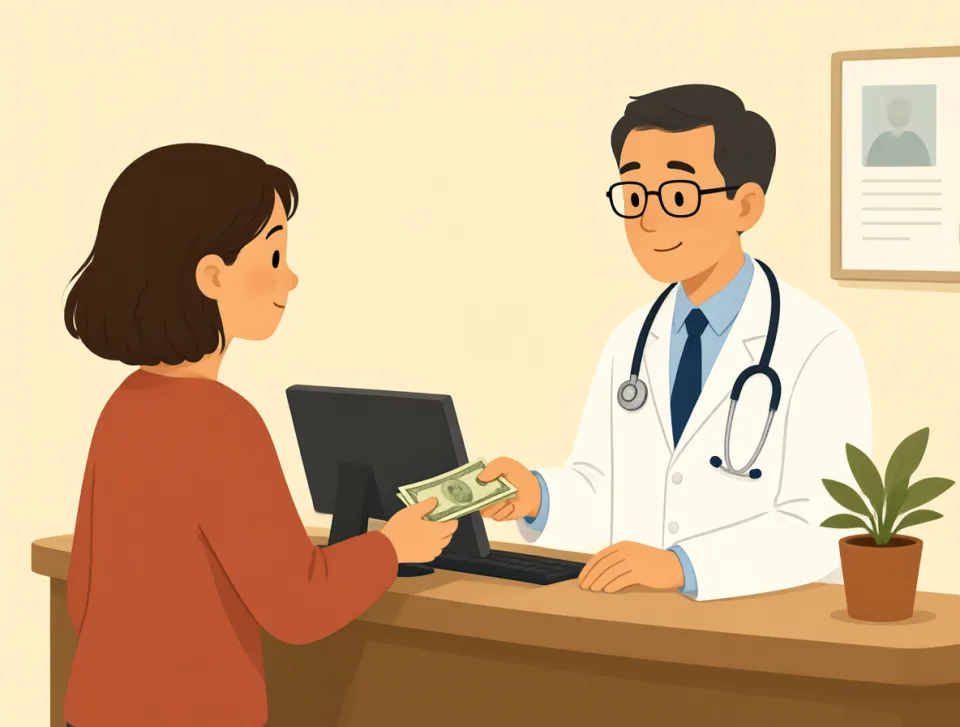
I paid the doctor’s fee after my appointment.
Po wizycie zapłaciłem lekarzowi za konsultację.

There is no delivery fee for orders over fifty dollars.
Przy zamówieniach powyżej pięćdziesięciu dolarów dostawa jest bezpłatna.
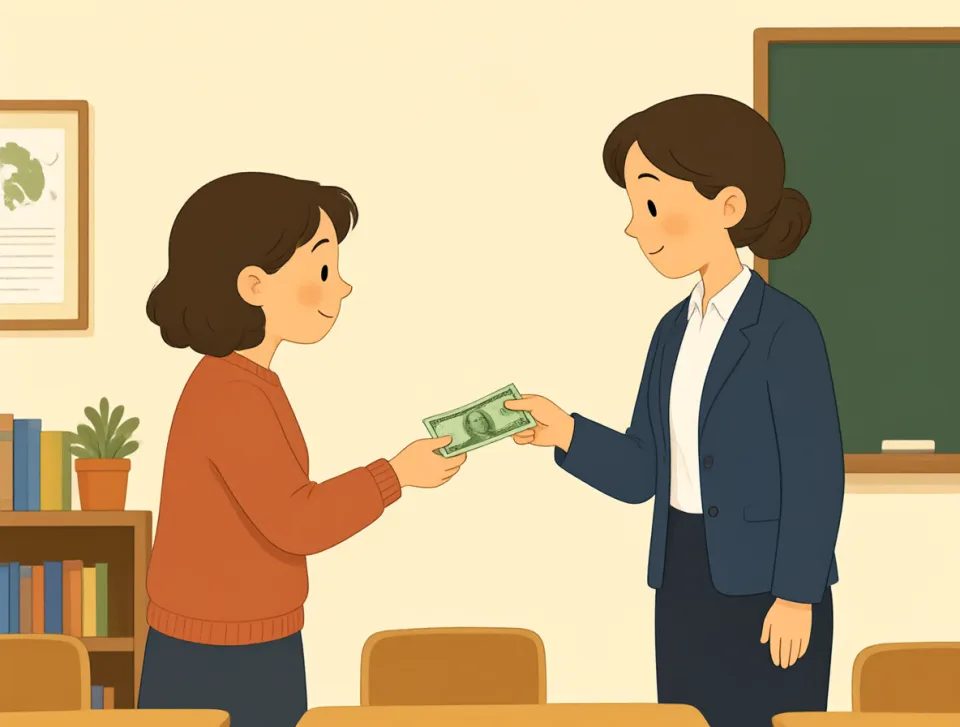
The school asked parents to pay a yearly activity fee.
Szkoła poprosiła rodziców o opłacenie rocznej składki na zajęcia dodatkowe.
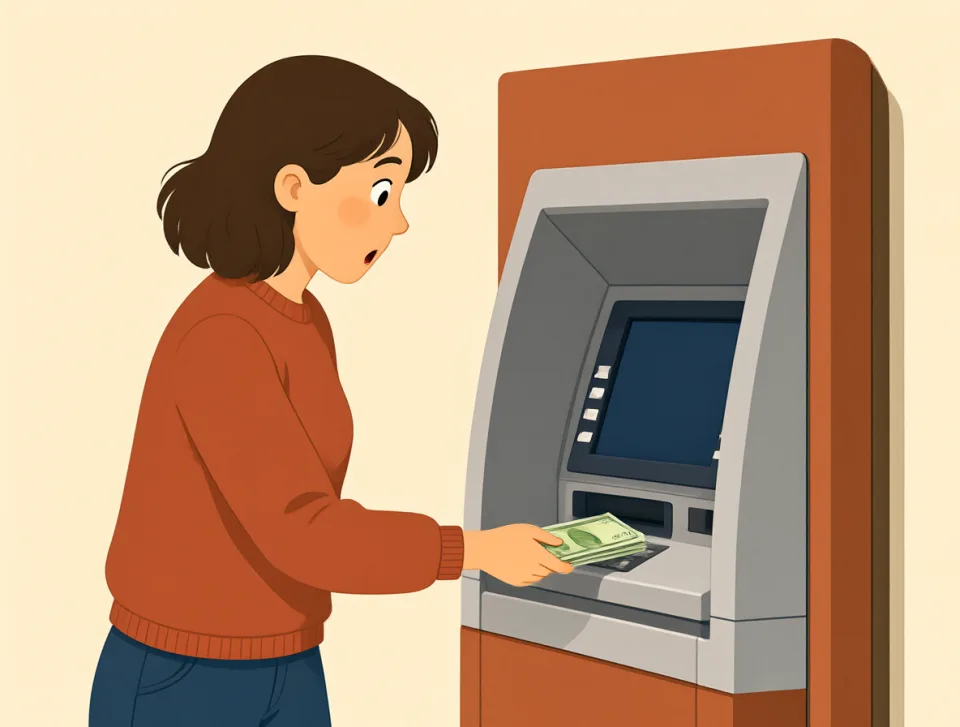
Our bank charges a fee when we use another bank’s ATM.
Nasz bank pobiera opłatę, gdy korzystamy z bankomatu innego banku.
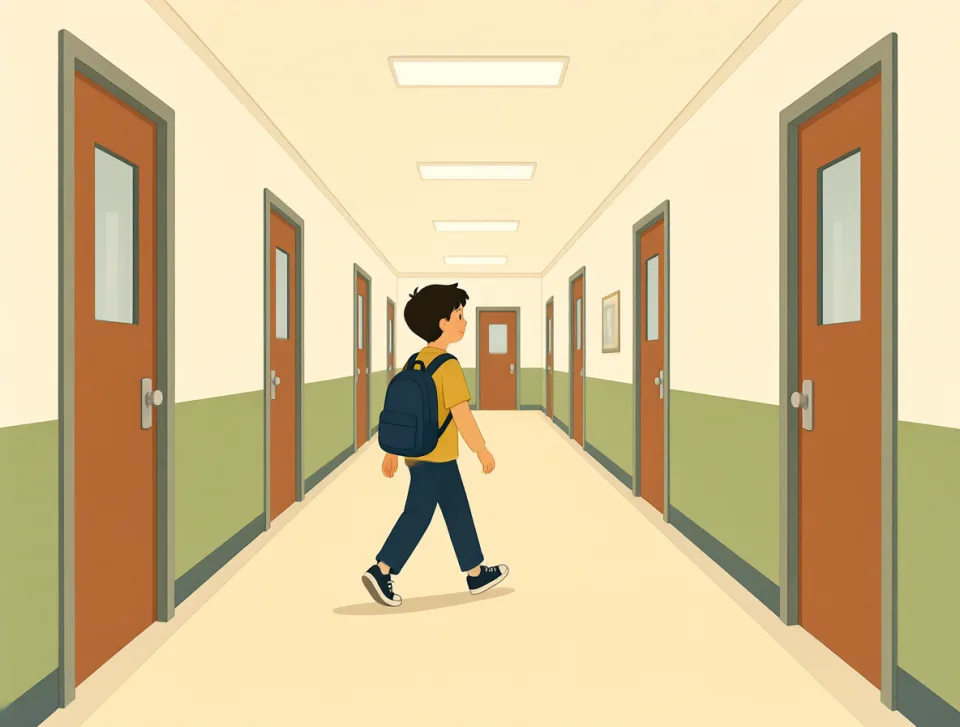
hall
#1480noun
korytarz
A long passage inside a building, with doors leading to rooms.
Długi przejściowy ciąg wewnątrz budynku, z którego drzwi prowadzą do pomieszczeń.
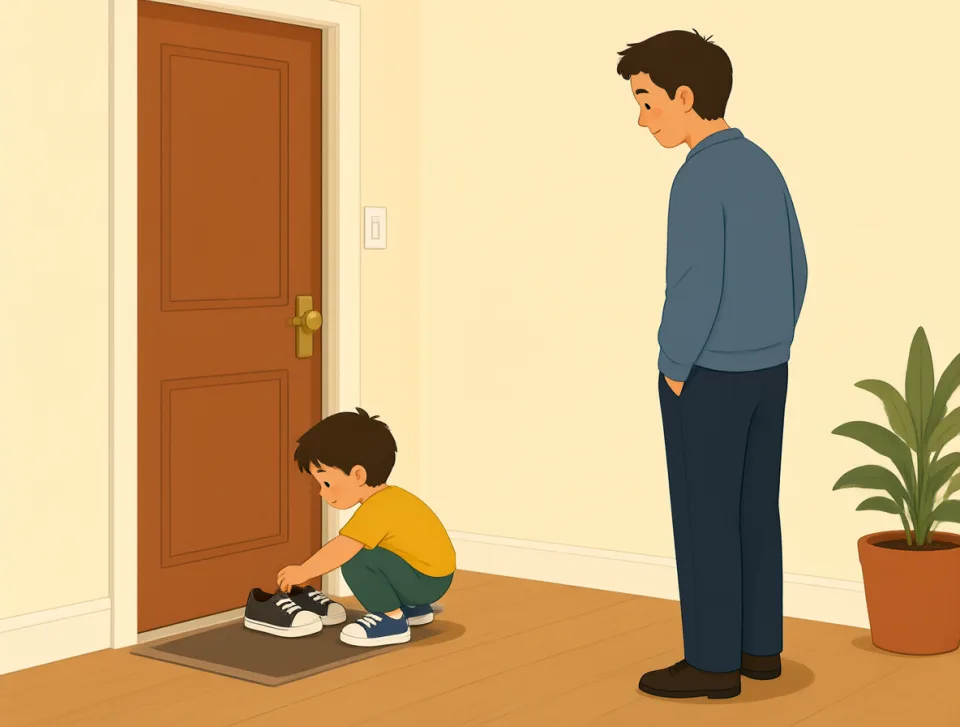
Please leave your shoes in the hall by the front door.
Zostaw buty w korytarzu przy drzwiach wejściowych.

We met in the hotel hall before going to dinner.
Spotkaliśmy się w hotelowym korytarzu przed wyjściem na kolację.

The students gathered in the school hall for a meeting.
Uczniowie zebrali się w szkolnej auli na spotkaniu.
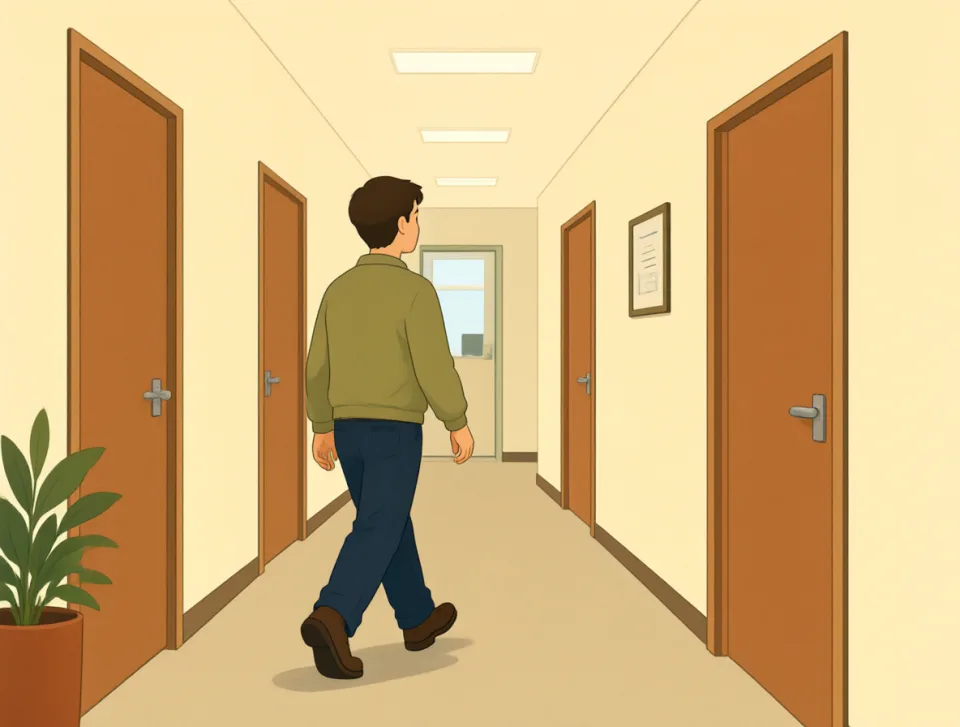
Her office is at the end of the hall on the left.
Jej biuro znajduje się na końcu korytarza po lewej stronie.
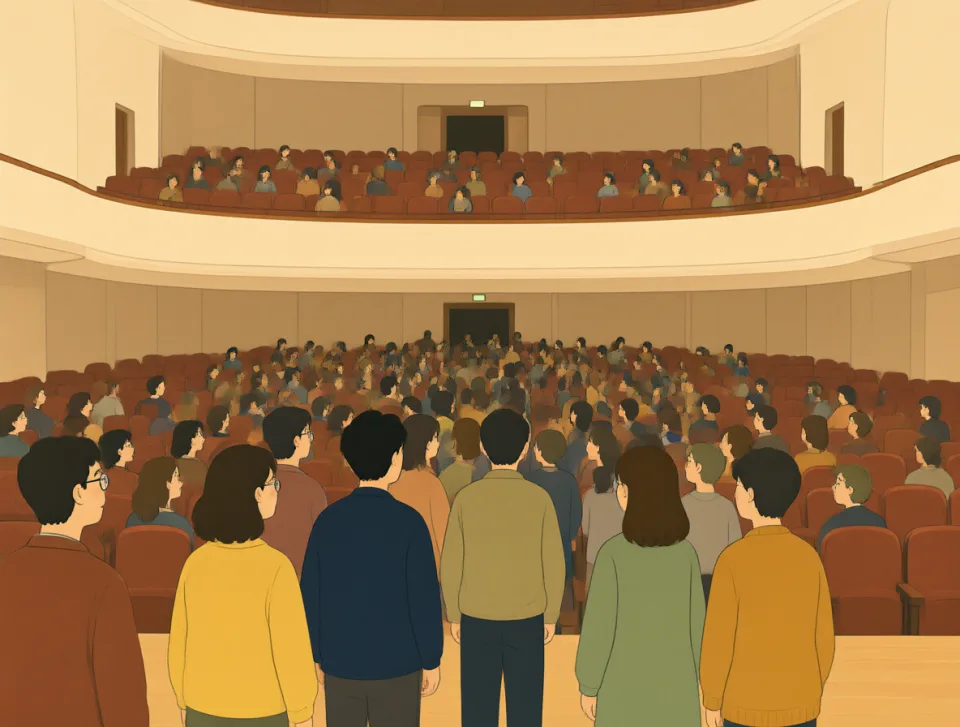
The concert hall was full when we arrived.
Gdy przyjechaliśmy, sala koncertowa była pełna.