Zestaw 65
Słowa 1281–1300 · trend, initial, pleasure, suggestion, critical, gather
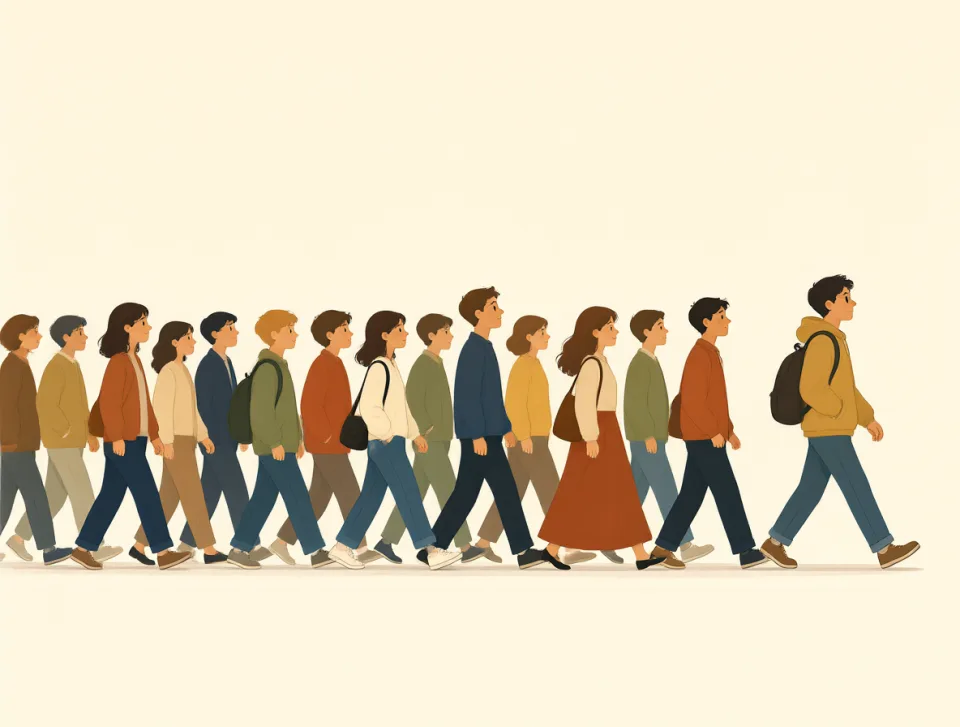
trend
#1281noun, verb
trend
A general direction in which something is developing or changing.
Ogólny kierunek, w którym coś się rozwija lub zmienia.
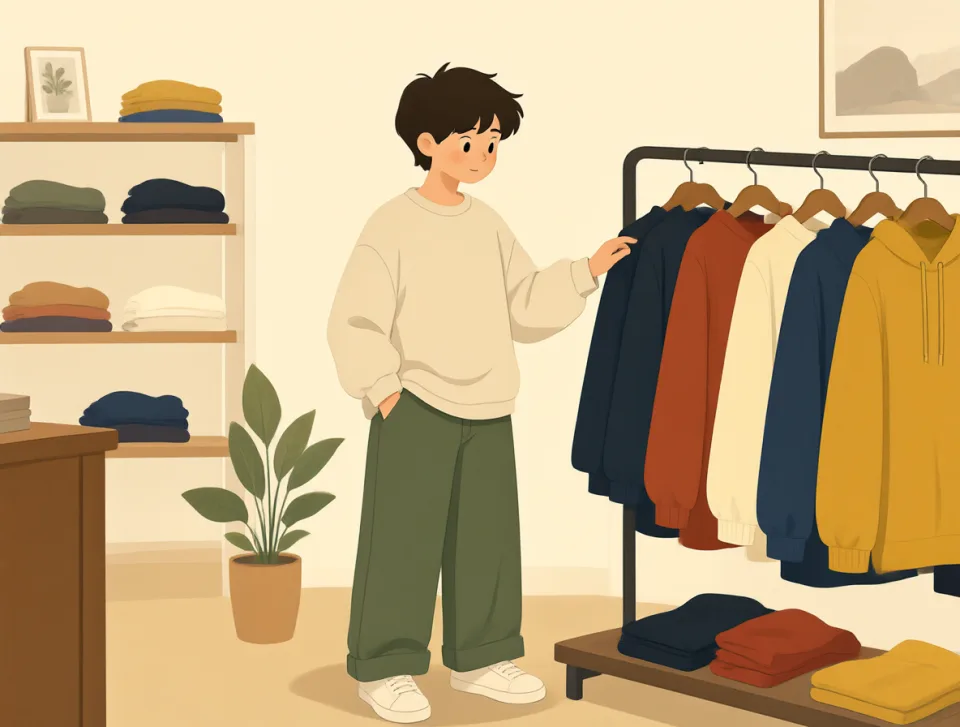
The latest fashion trend is wearing loose, comfortable clothes.
Najnowszy trend w modzie to noszenie luźnych, wygodnych ubrań.
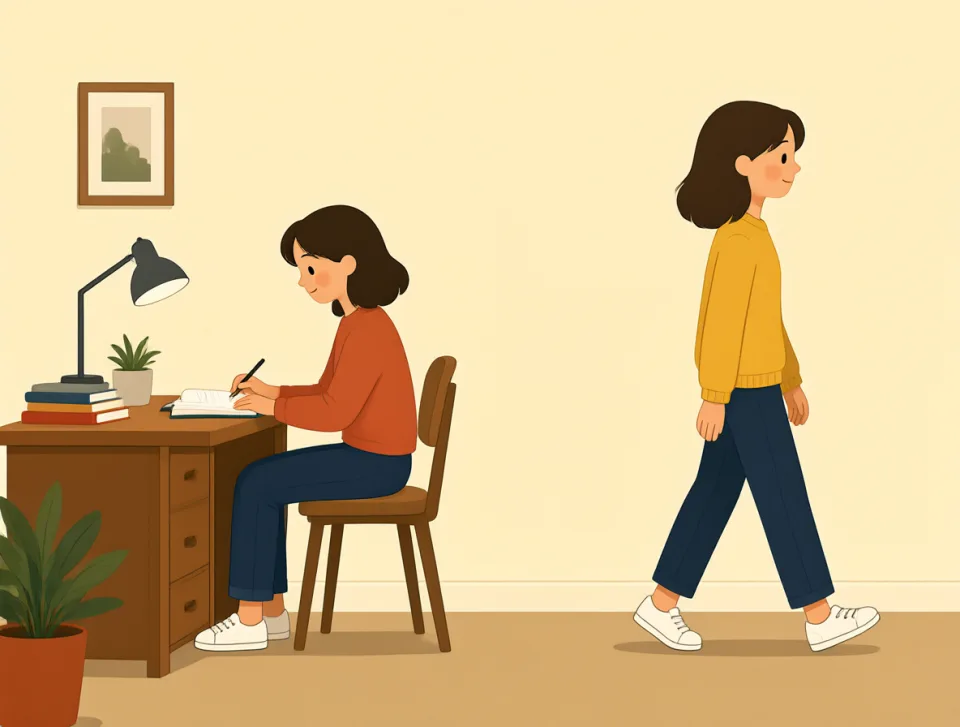
There is a growing trend toward working from home.
Coraz więcej osób pracuje z domu.
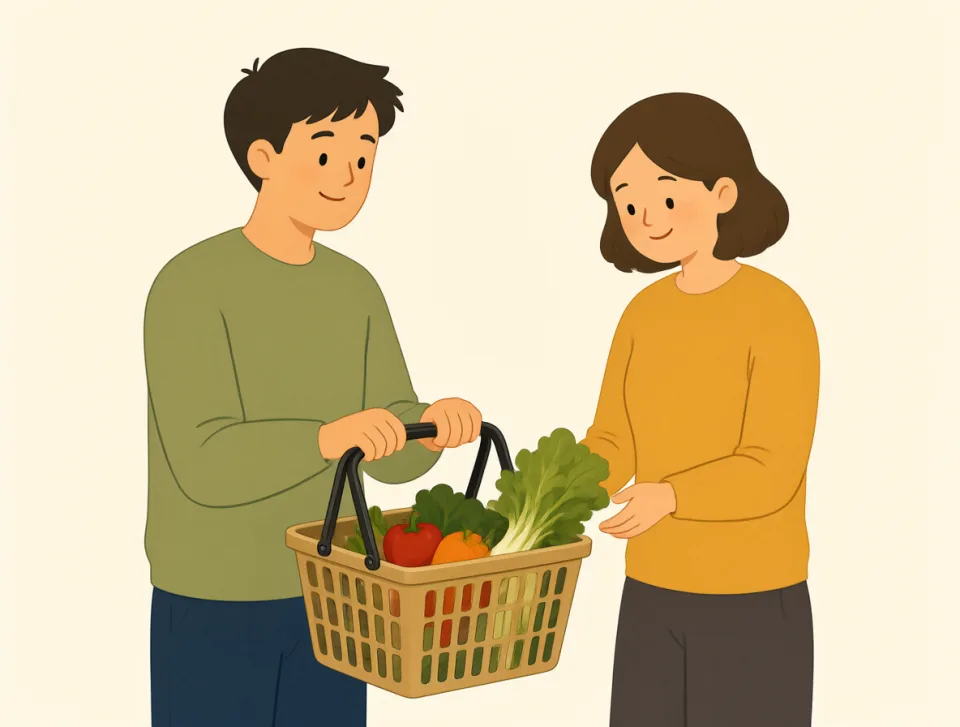
Healthy eating trends are changing what people buy at the supermarket.
Zmieniające się trendy w zdrowym odżywianiu wpływają na to, co ludzie kupują w supermarketach.
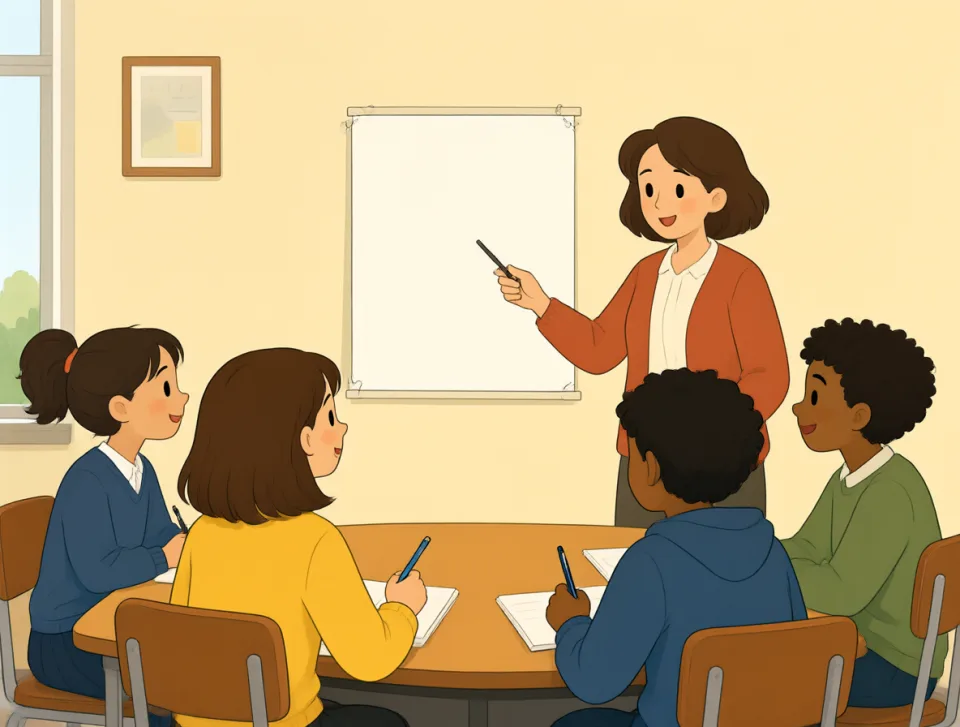
Our teacher asked us to study trends in school attendance.
Nasz nauczyciel poprosił nas, żebyśmy zbadali trendy dotyczące frekwencji w szkole.

Short videos are trending among my friends this month.
W tym miesiącu krótkie filmiki są popularne wśród moich znajomych.
initial
#1282adjective, noun
początkowy; inicjał
Happening first, or the first letter of a name.
Dotyczący początku albo pierwsza litera imienia lub nazwiska.

Our initial plan was to meet at the train station.
Nasz pierwotny plan zakładał spotkanie na dworcu kolejowym.
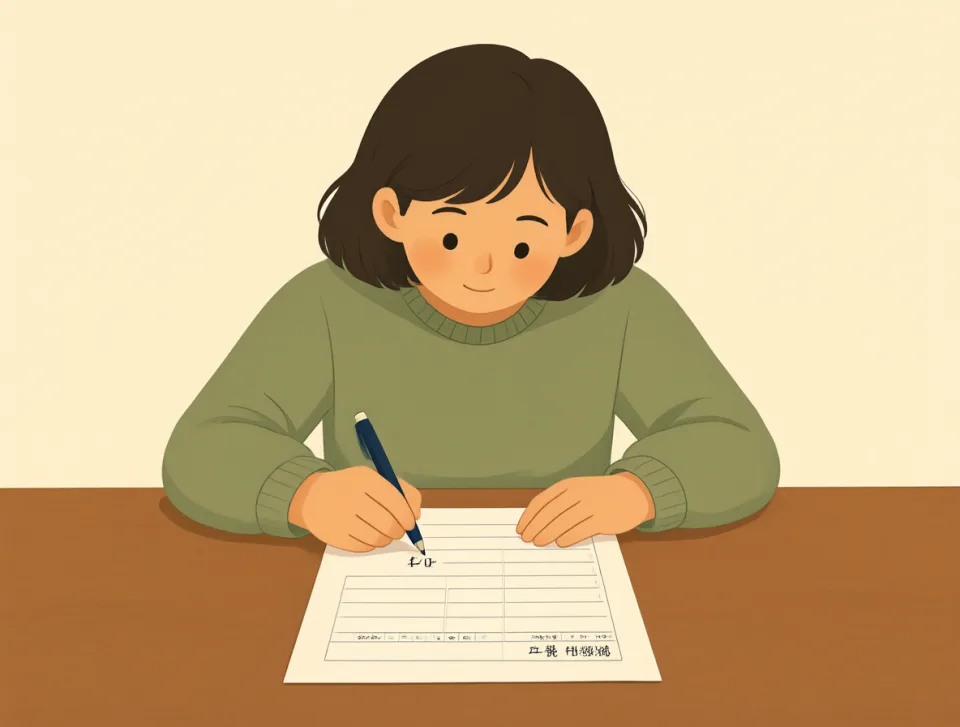
Please write your initials on the bottom of the form.
Proszę wpisać swoje inicjały na dole formularza.
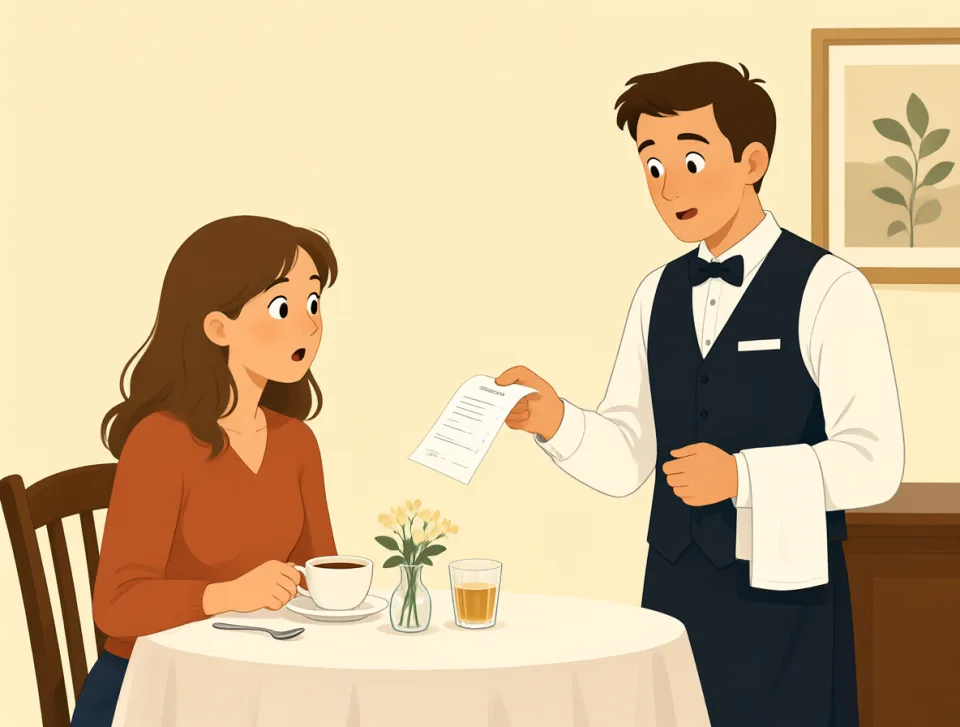
The initial cost of the meal was higher than expected.
Początkowy koszt posiłku był wyższy, niż się spodziewano.

She made her initial payment for the new apartment.
Wpłaciła pierwszą ratę za nowe mieszkanie.

The doctor checked his initials before starting the treatment.
Lekarz sprawdził jego inicjały przed rozpoczęciem leczenia.
pleasure
#1283noun
przyjemność
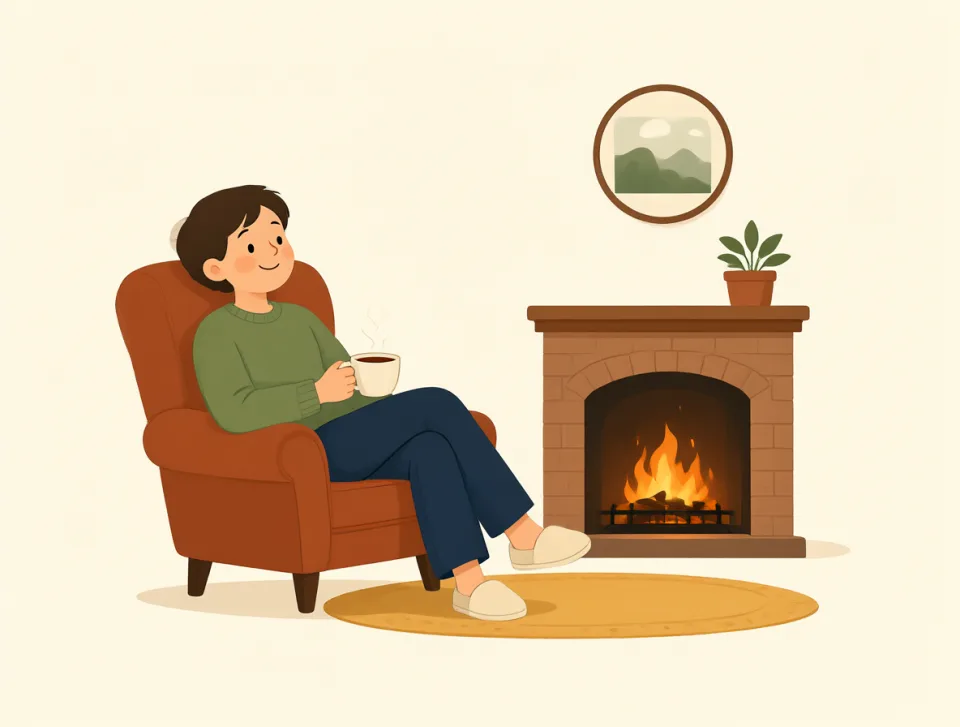
a happy or enjoyable feeling, or something that gives you this feeling
Miłe lub radosne uczucie albo coś, co je wywołuje.

It was a pleasure to meet your family yesterday.
Miło było wczoraj poznać twoją rodzinę.

She takes great pleasure in cooking for her friends.
Gotowanie dla przyjaciół sprawia jej wielką przyjemność.

The hotel staff welcomed us with pleasure.
Personel hotelu z przyjemnością nas powitał.
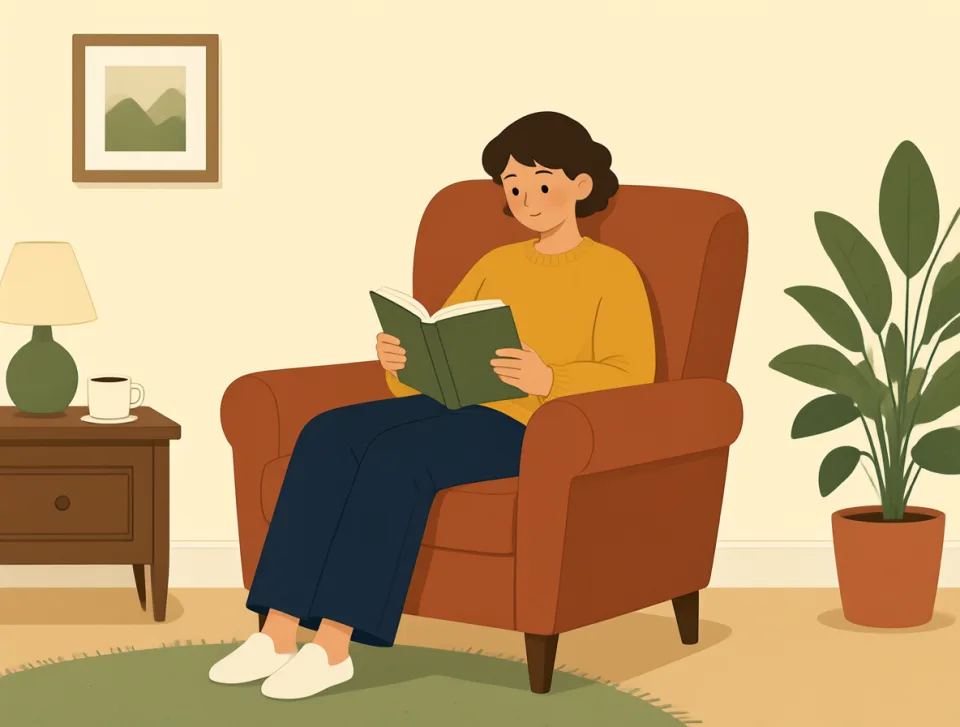
Reading a good book is one of my simple pleasures.
Czytanie dobrej książki to jedna z moich małych przyjemności.
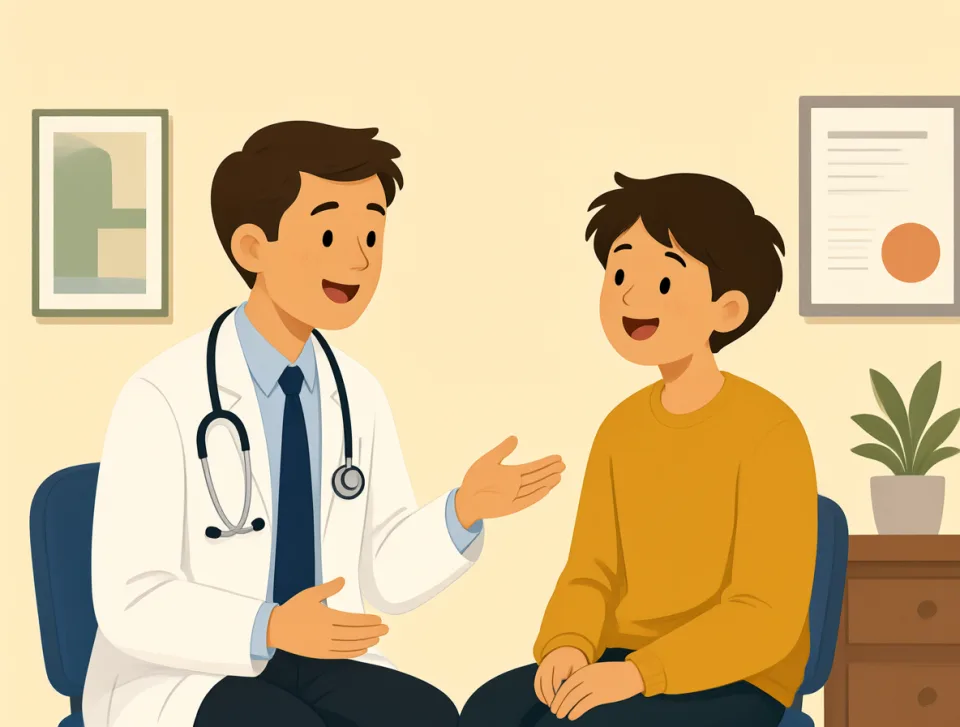
He smiled with pleasure when the doctor said he was healthy.
Uśmiechnął się z radości, gdy lekarz powiedział, że jest zdrowy.
suggestion
#1284noun
sugestia
an idea or plan that someone offers for others to think about or use
Pomysł lub plan przedstawiony komuś do rozważenia albo wykorzystania.
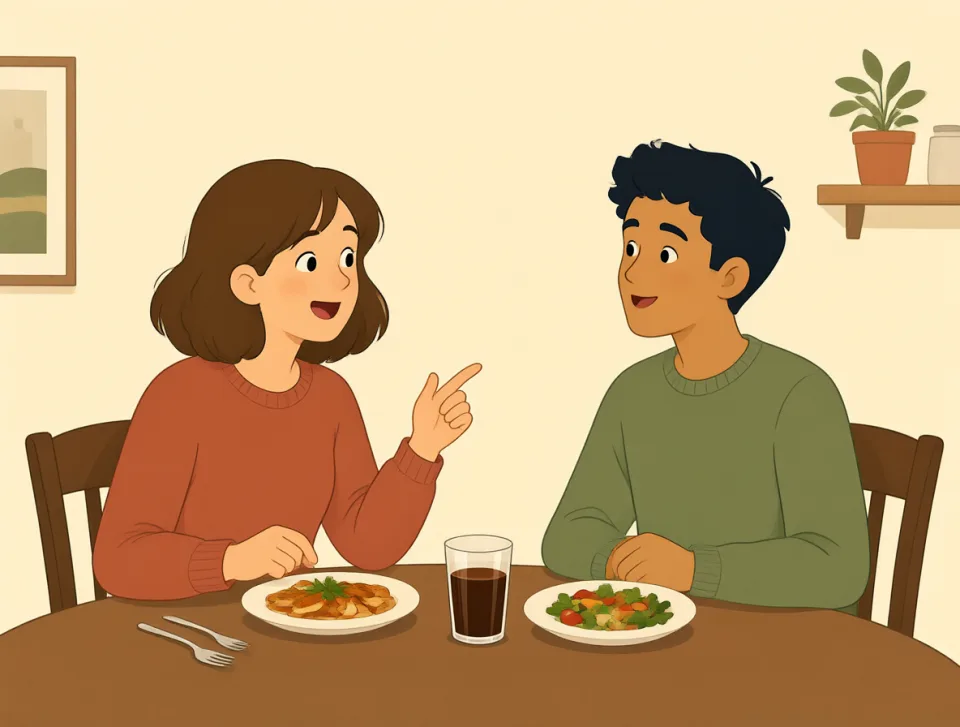
Thanks for your suggestion; let’s try the new restaurant tonight.
Dzięki za sugestię. Spróbujmy dziś wieczorem tej nowej restauracji.

My manager accepted my suggestion for shorter team meetings.
Mój kierownik zaakceptował moją sugestię, żeby spotkania zespołu były krótsze.
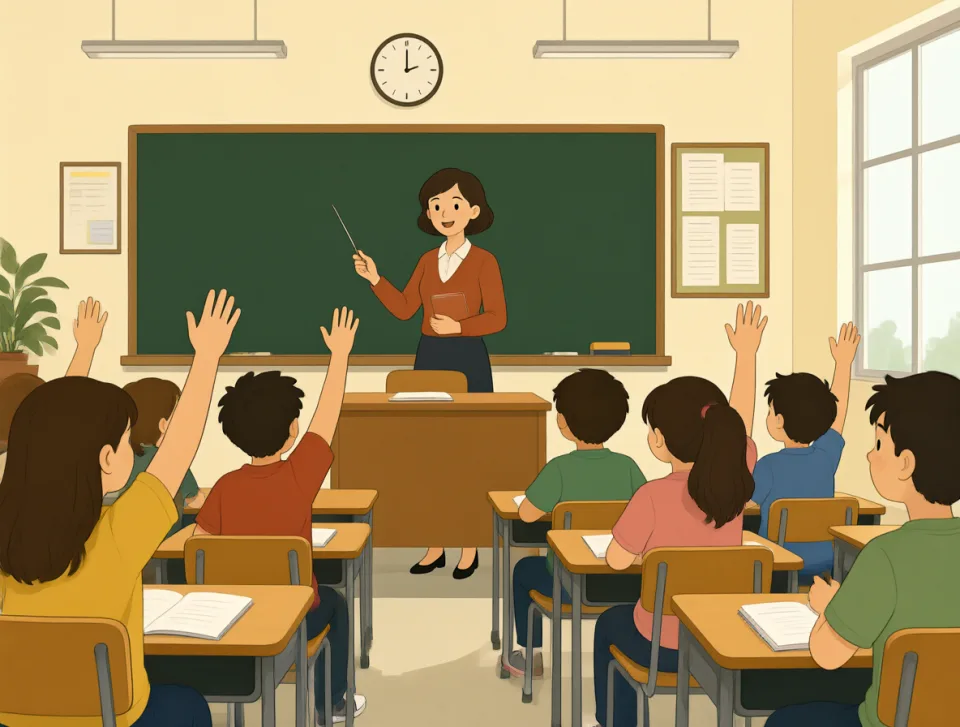
The teacher asked for suggestions about our school trip.
Nauczyciel poprosił o propozycje dotyczące naszej szkolnej wycieczki.
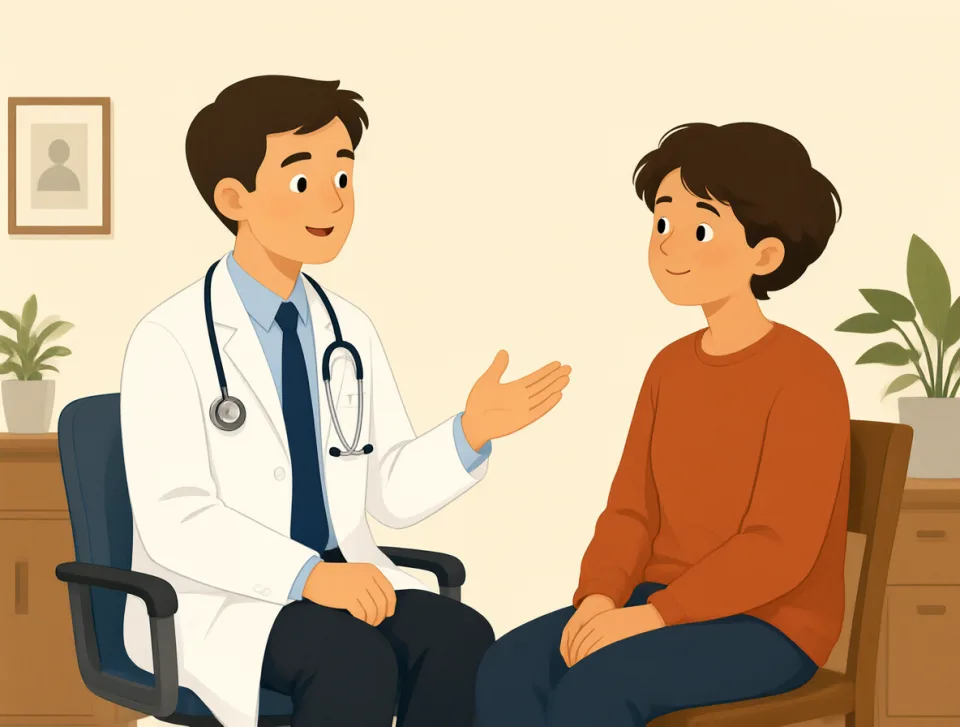
The doctor gave me some suggestions for getting better sleep.
Lekarz dał mi kilka wskazówek, jak lepiej spać.
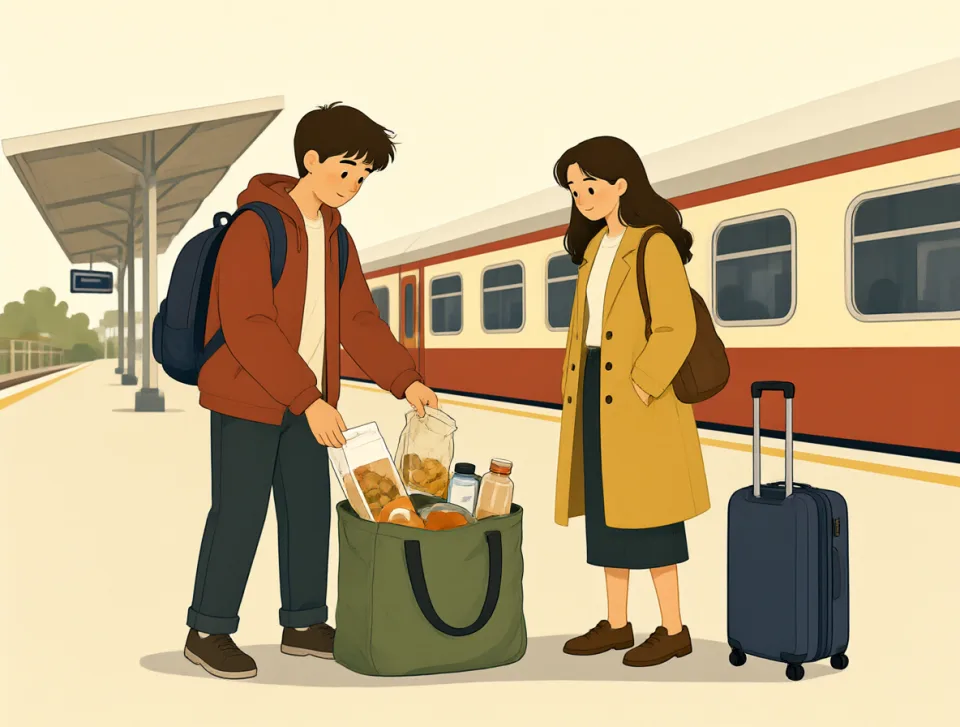
We followed your suggestion and packed snacks for the train journey.
Posłuchaliśmy twojej rady i spakowaliśmy przekąski na podróż pociągiem.
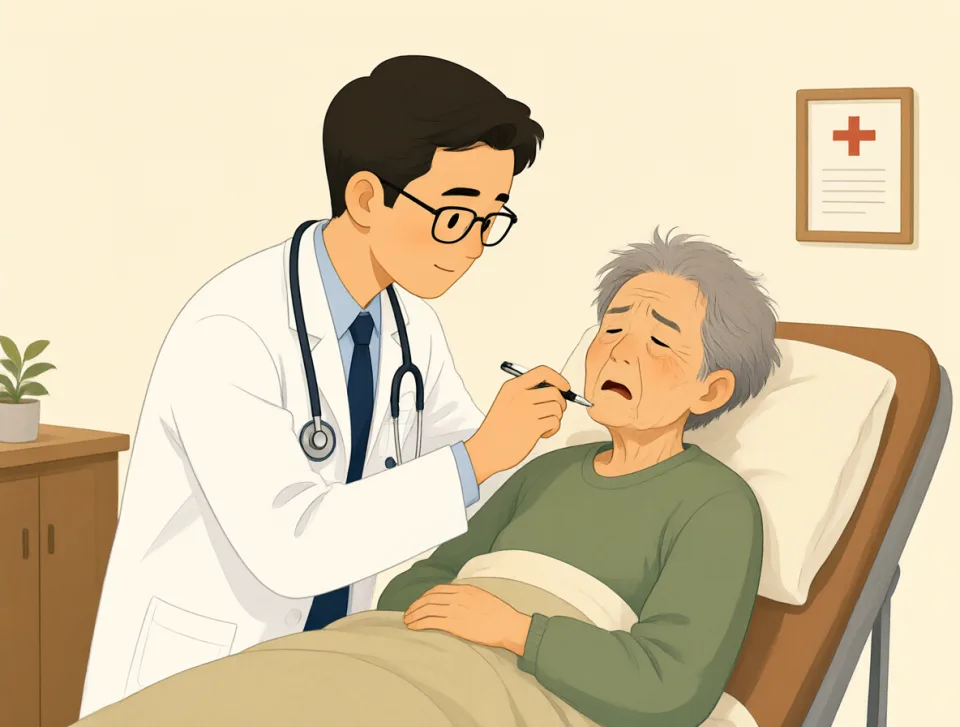
critical
#1285adjective
kluczowy; krytyczny
Very important or serious, especially because something may fail or change.
Bardzo ważny lub poważny, zwłaszcza gdy coś może się nie udać albo ulec zmianie.
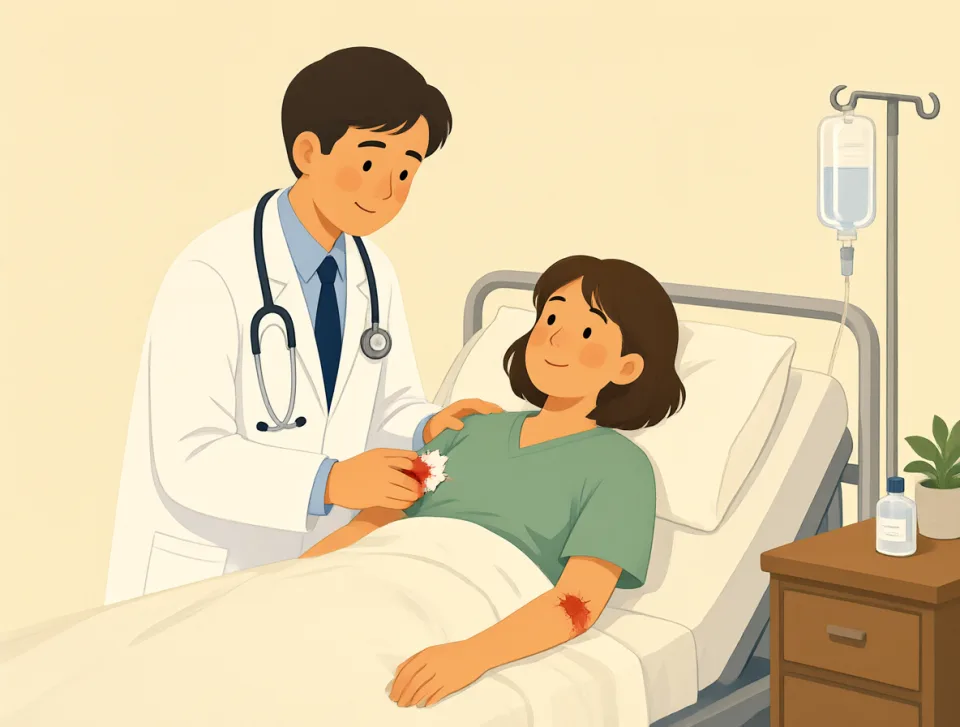
The patient is in critical condition after the accident.
Stan pacjenta po wypadku jest krytyczny.

Good communication is critical for a successful team.
Dobra komunikacja jest kluczowa dla sukcesu zespołu.
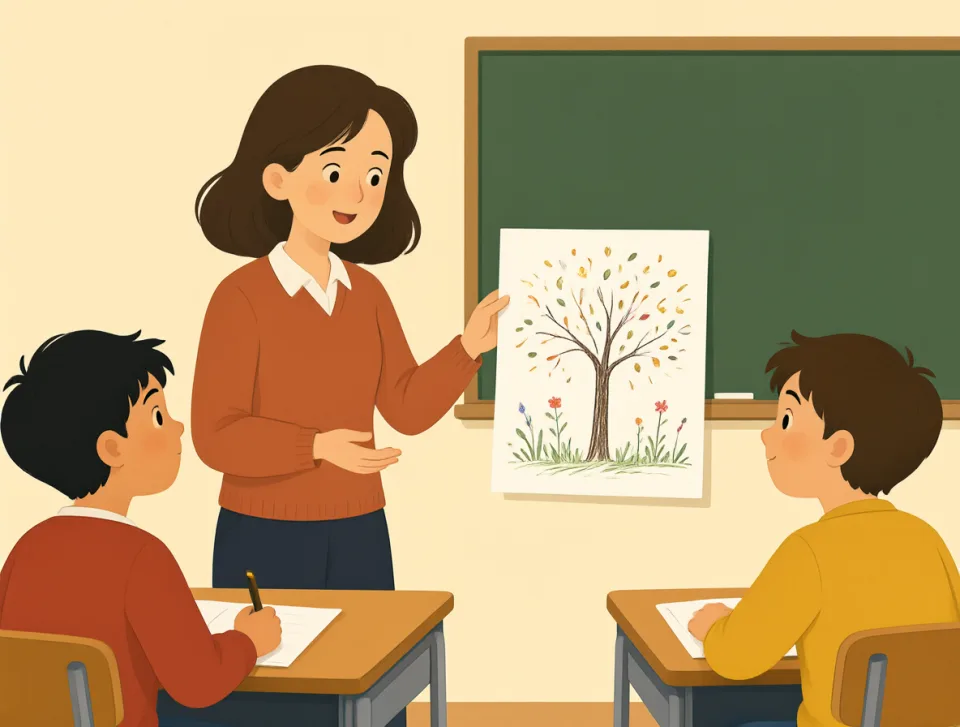
The teacher gave me critical advice about my school project.
Nauczyciel udzielił mi ważnych wskazówek dotyczących mojego projektu szkolnego.
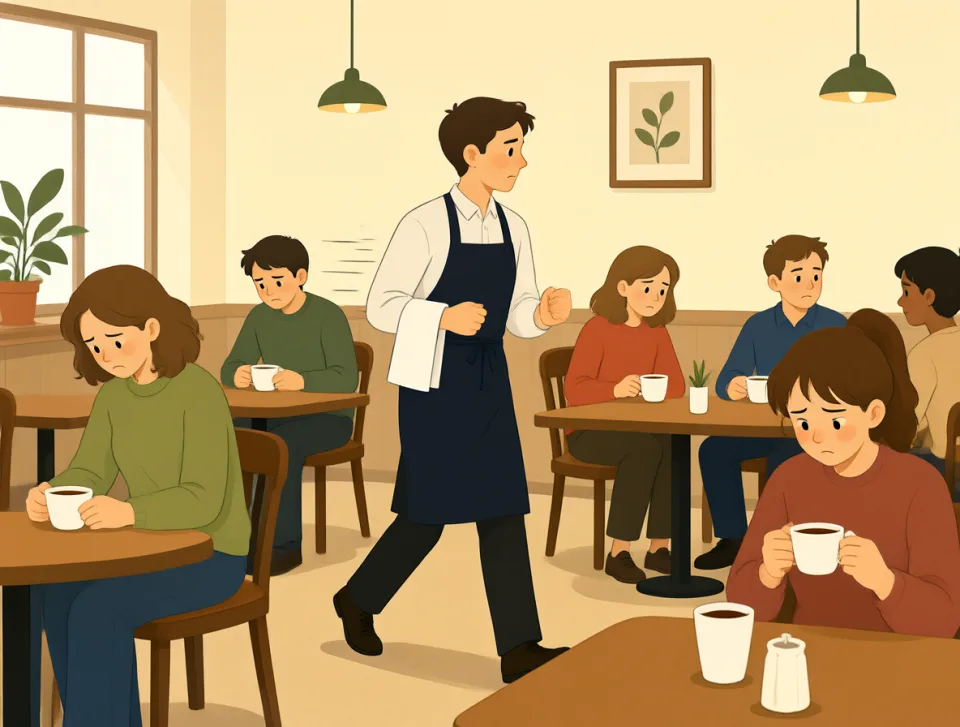
The restaurant received critical reviews for its slow service.
Restauracja otrzymała krytyczne recenzje z powodu powolnej obsługi.
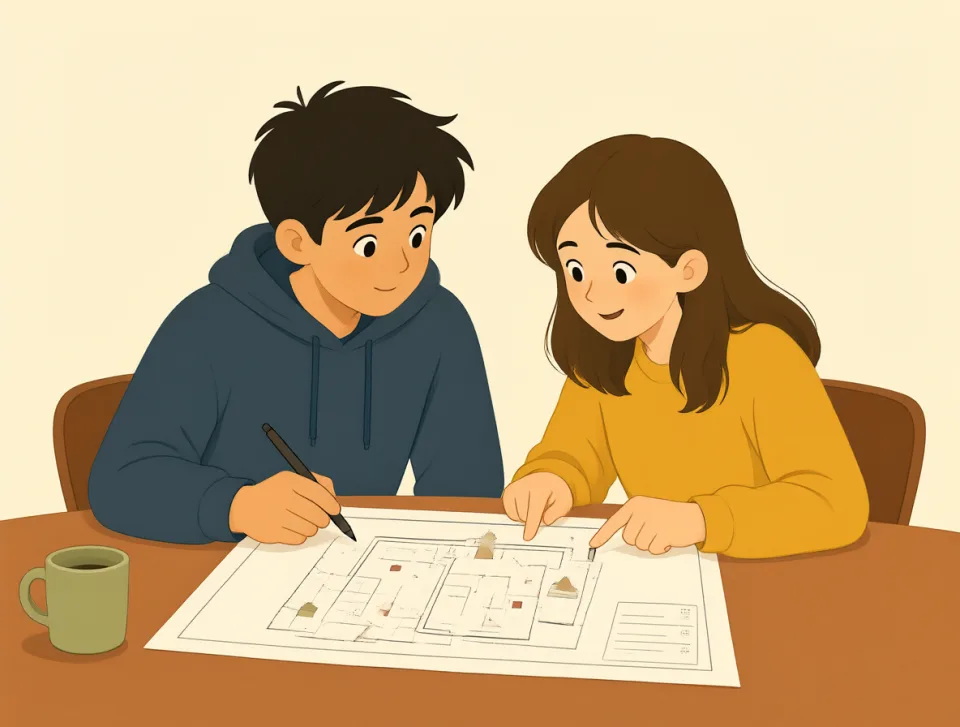
Please be critical of the plan before we make a decision.
Zanim podejmiemy decyzję, dokładnie oceń ten plan.
gather
#1286verb
gather
to bring people or things together in one place
gromadzić, zbierać ludzi lub rzeczy w jednym miejscu
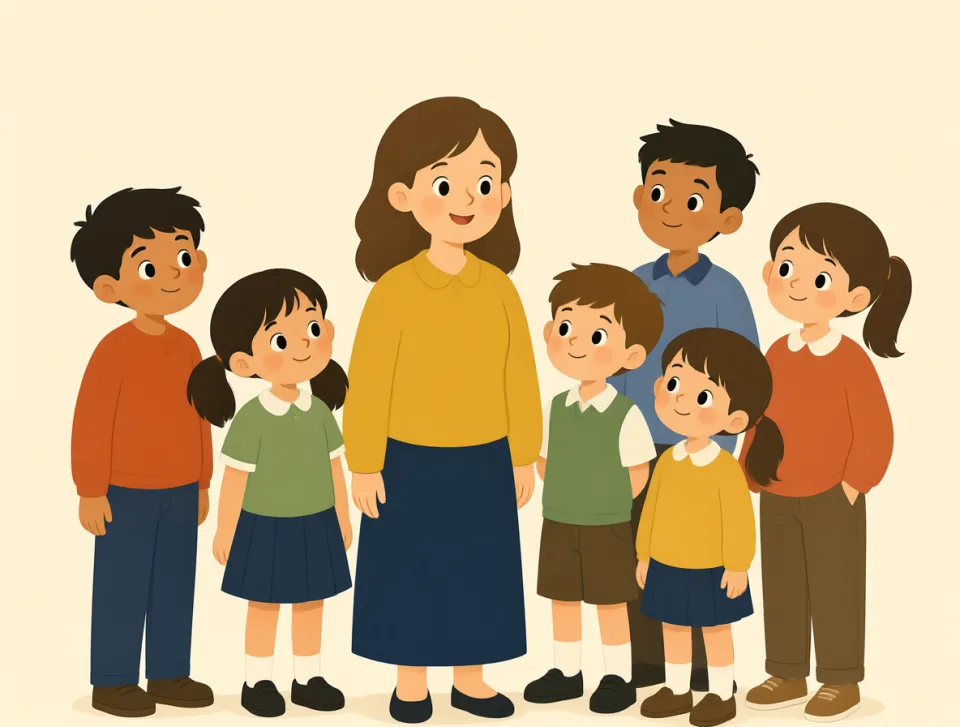
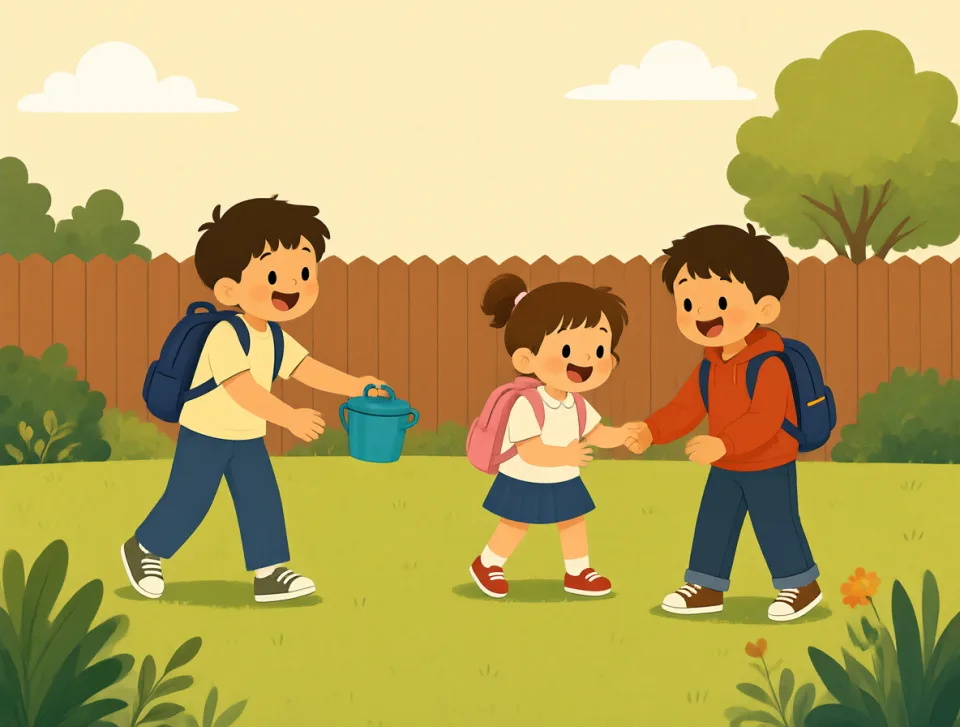
The children gathered around their teacher after class.
Po lekcji dzieci zgromadziły się wokół nauczyciela.
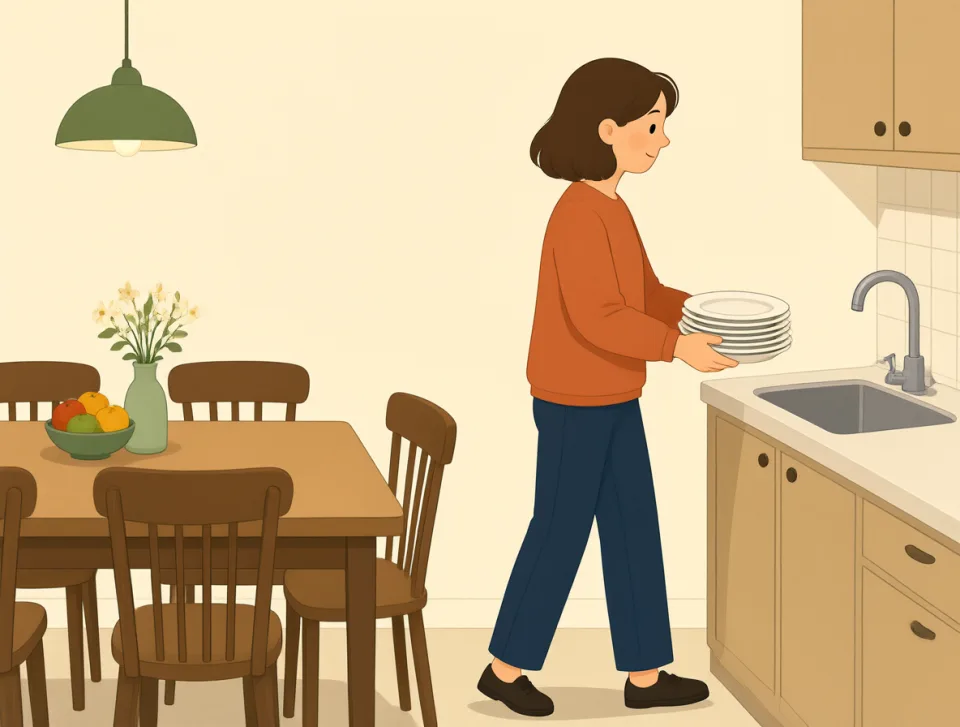
We gathered all the dishes and put them in the sink.
Zebraliśmy wszystkie naczynia i włożyliśmy je do zlewu.
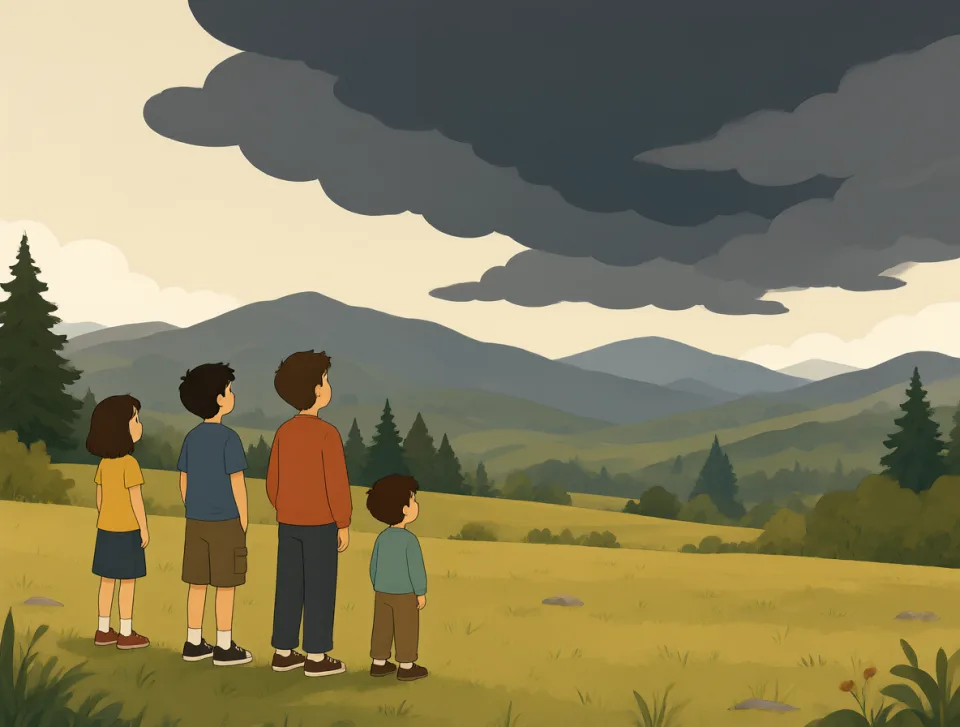
Dark clouds gathered over the mountains before the storm.
Przed burzą nad górami zebrały się ciemne chmury.
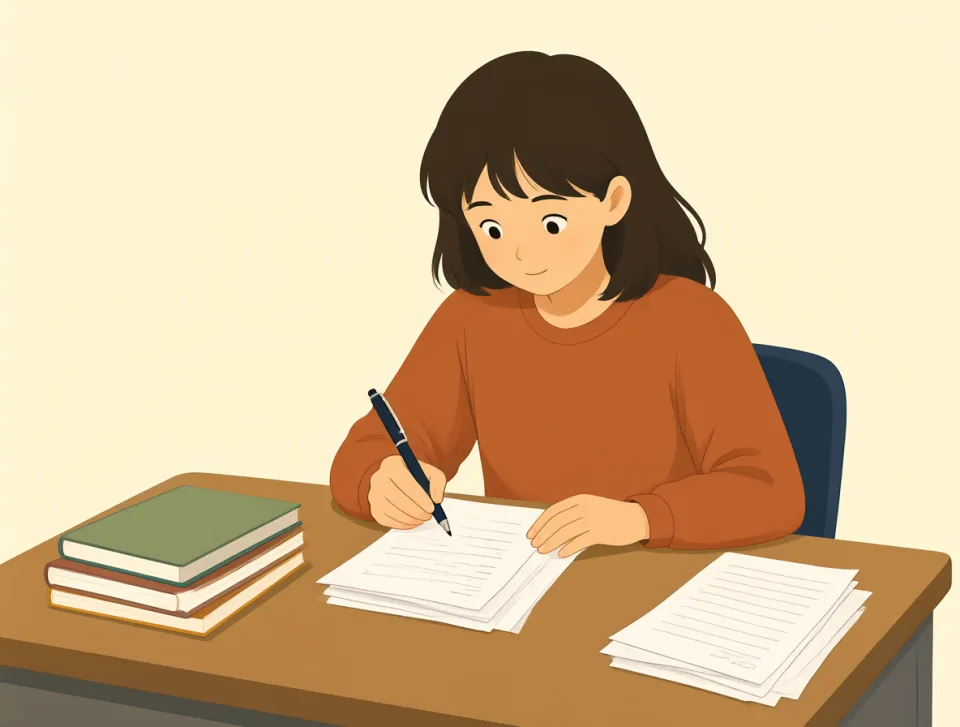
Please gather information before you make your decision.
Proszę zebrać informacje, zanim podejmie Pan/Pani decyzję.
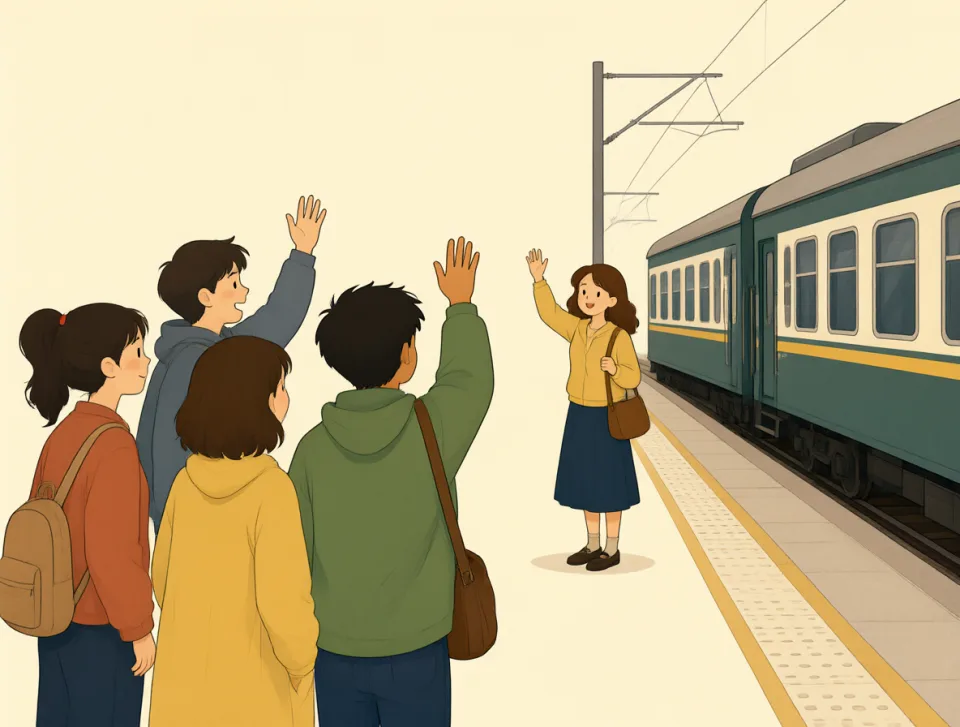
Friends gathered at the station to welcome Anna.
Przyjaciele zebrali się na stacji, żeby powitać Annę.
mostly
#1287adverb
mostly
More than half, or usually, but not completely or always.
w większości, zazwyczaj; więcej niż połowa, ale nie całkowicie ani nie zawsze
The children mostly play outside after school.
Po szkole dzieci przeważnie bawią się na dworze.
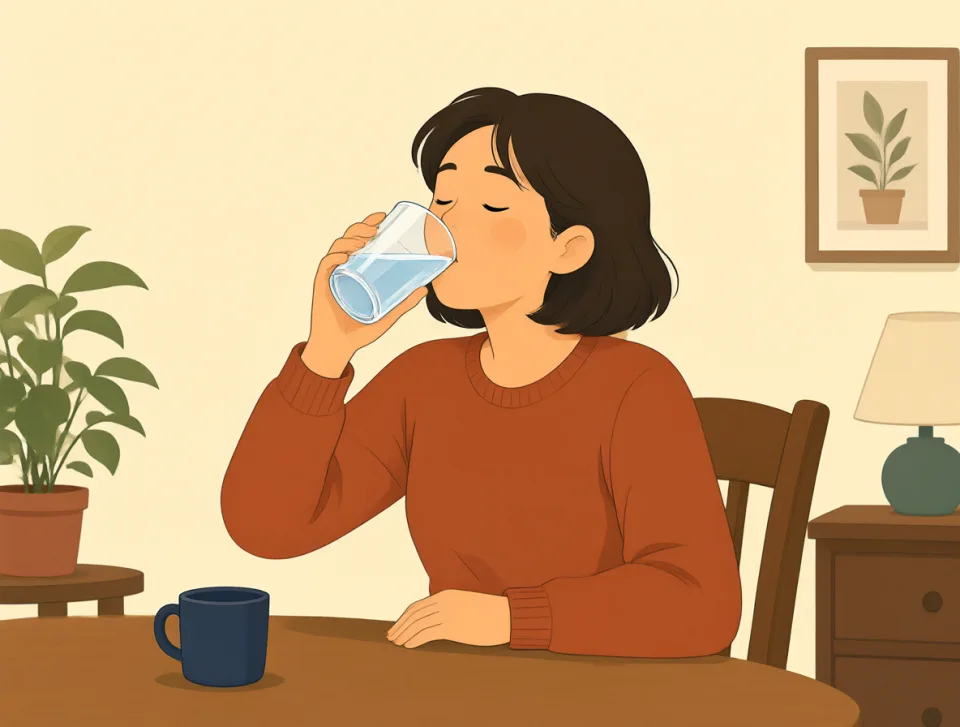
I mostly drink water during the day.
W ciągu dnia piję głównie wodę.
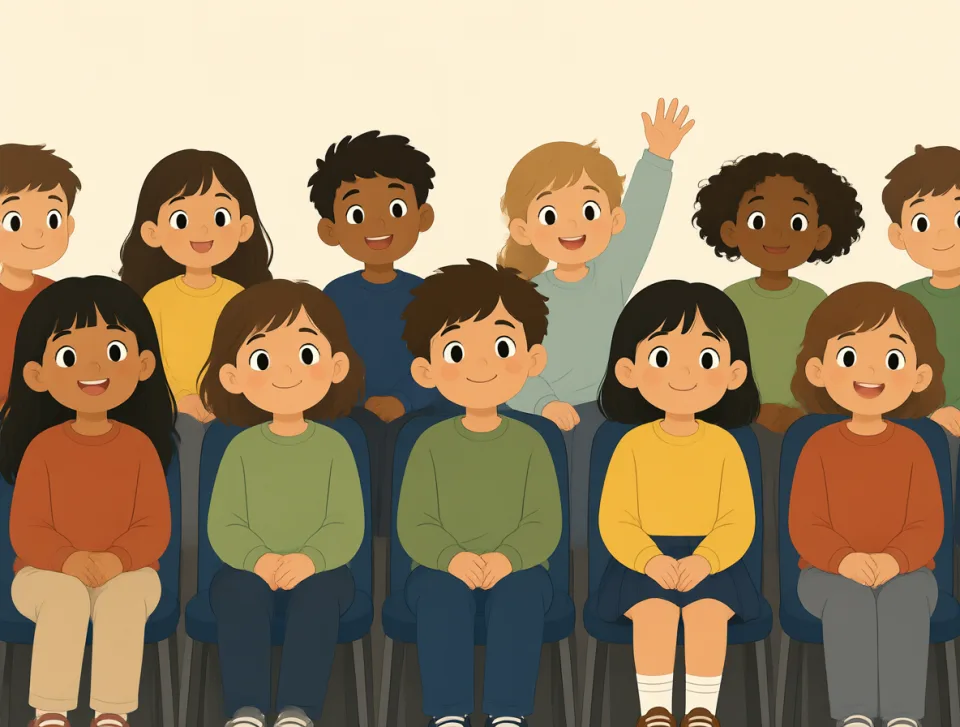
The audience was mostly young students.
Publiczność składała się głównie z młodych studentów.
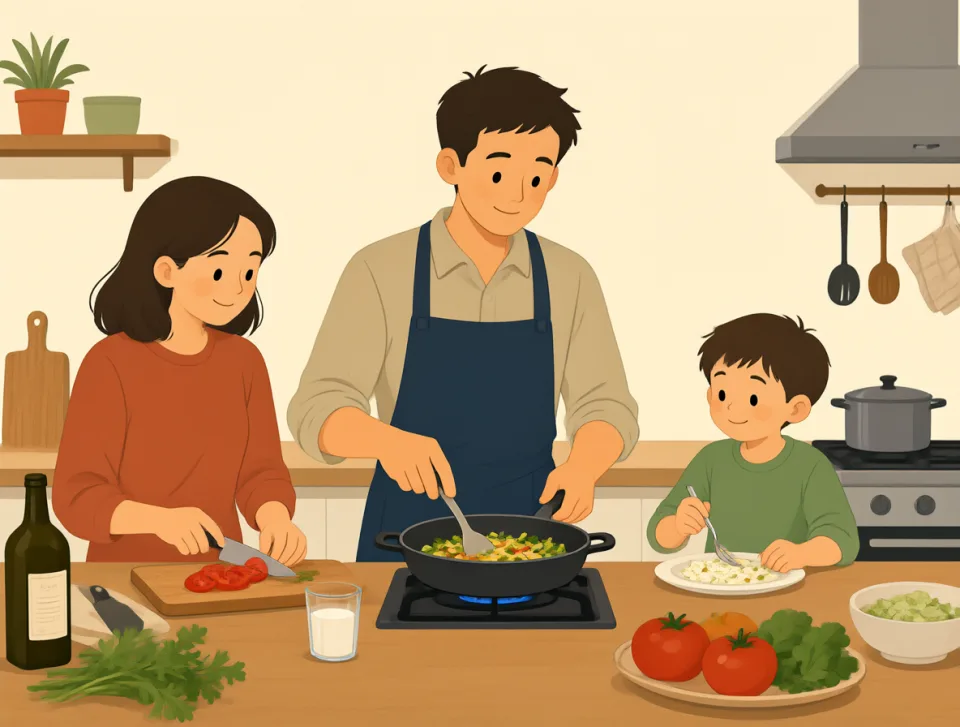
We mostly use the kitchen for cooking and eating.
Kuchni używamy głównie do gotowania i jedzenia.

The trip was mostly enjoyable, despite the rainy weather.
Wycieczka była w większości udana, mimo deszczowej pogody.

earth
#1288noun
earth
the planet we live on, or the soil and land beneath our feet
planeta, na której żyjemy, albo gleba i ziemia pod naszymi stopami
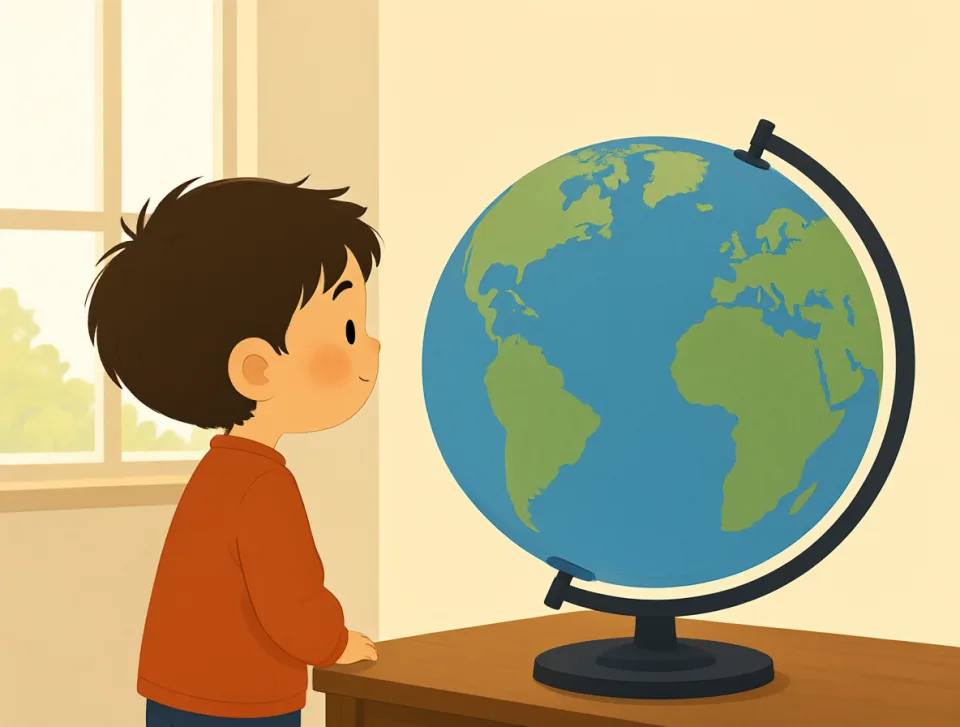
The Earth moves around the sun once every year.
Ziemia okrąża Słońce raz w roku.
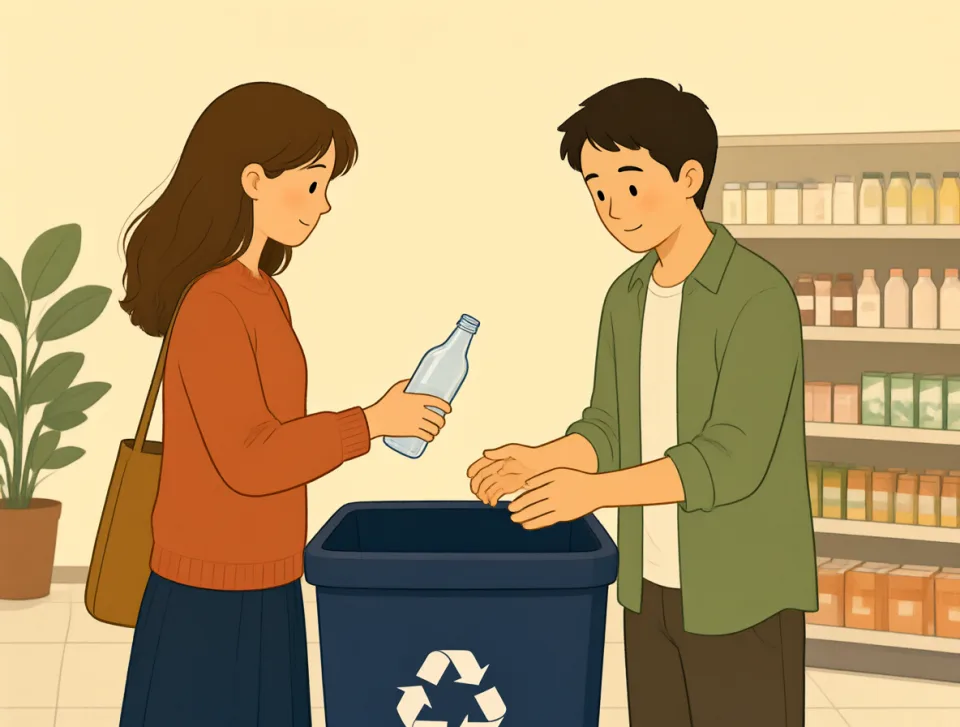
Please put the empty bottle in the earth-friendly recycling bin.
Proszę wrzucić pustą butelkę do ekologicznego pojemnika na odpady do recyklingu.
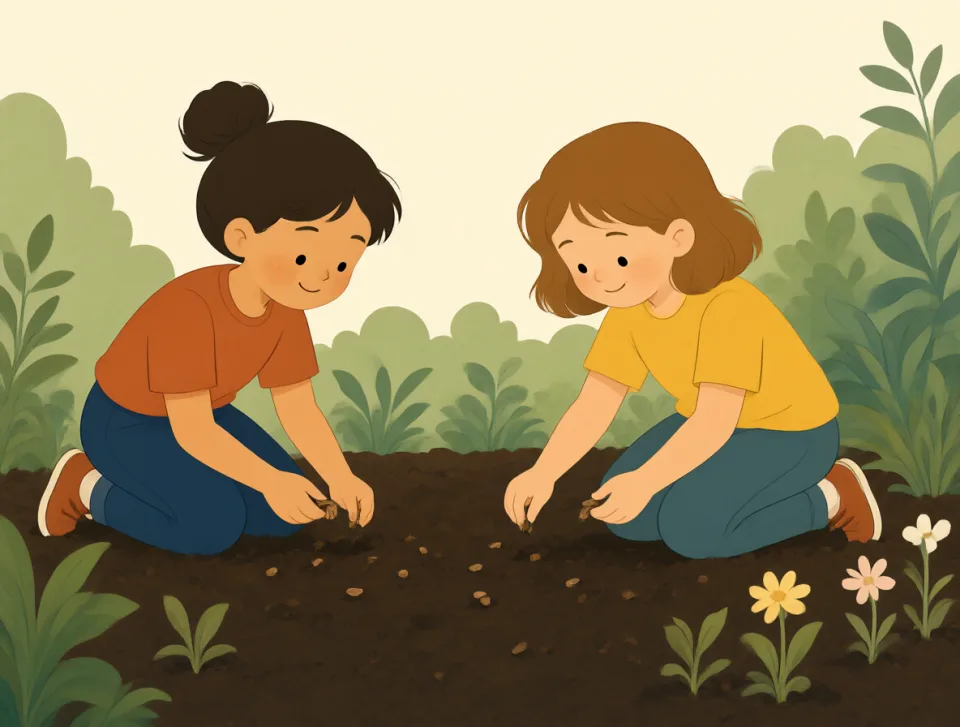
The children planted small seeds in the earth.
Dzieci posadziły małe nasiona w ziemi.
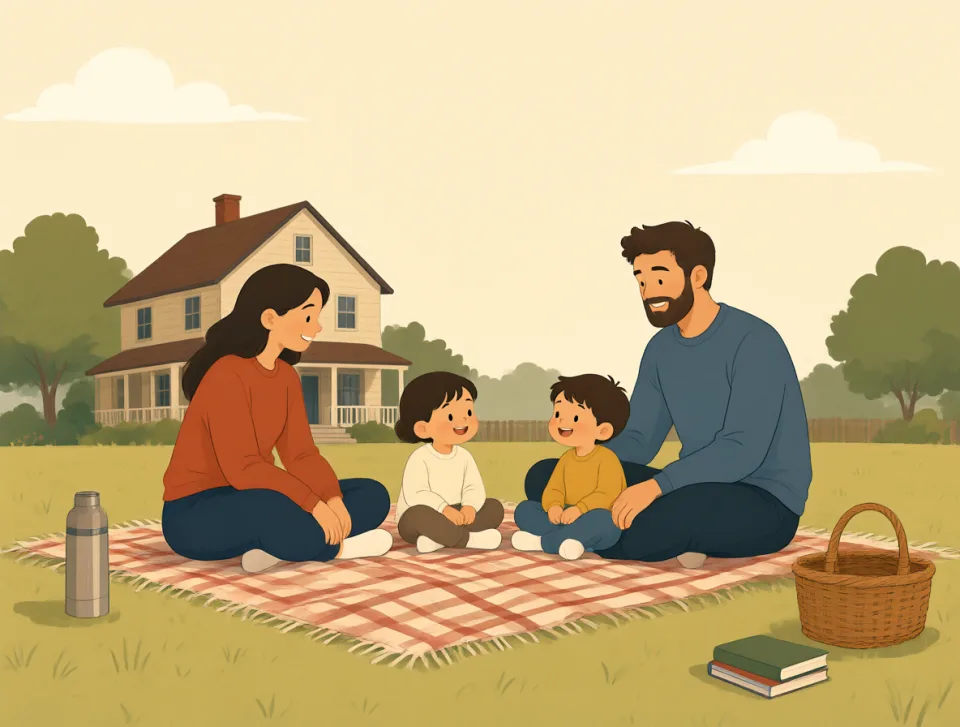
After the earthquake, people slept outside on the earth.
Po trzęsieniu ziemi ludzie spali na zewnątrz, na ziemi.
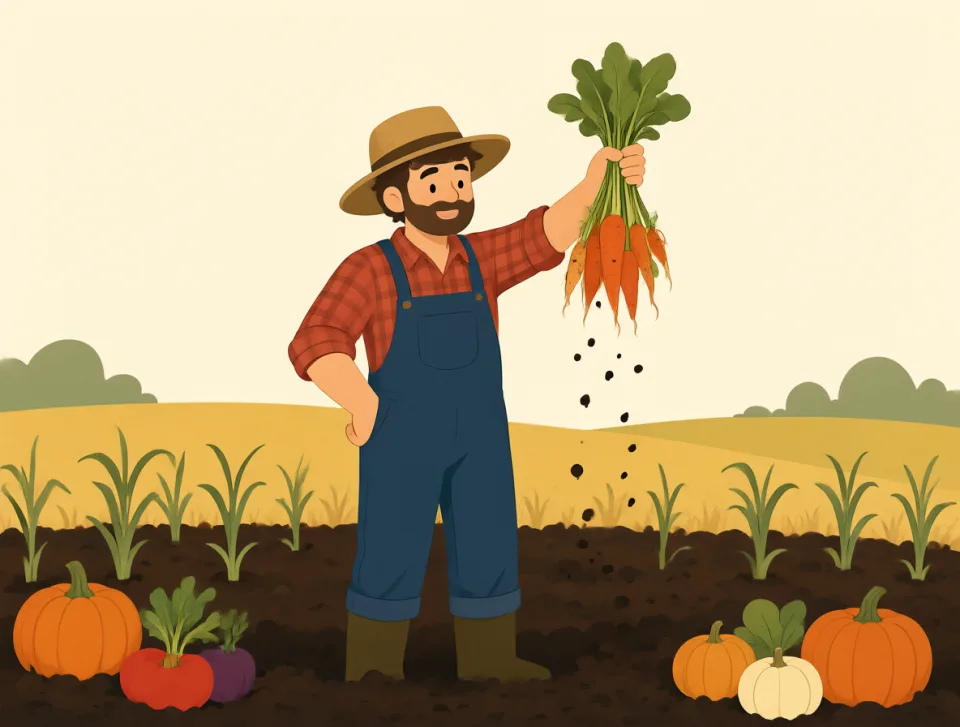
The farmer grows vegetables in rich earth.
Rolnik uprawia warzywa na żyznej ziemi.
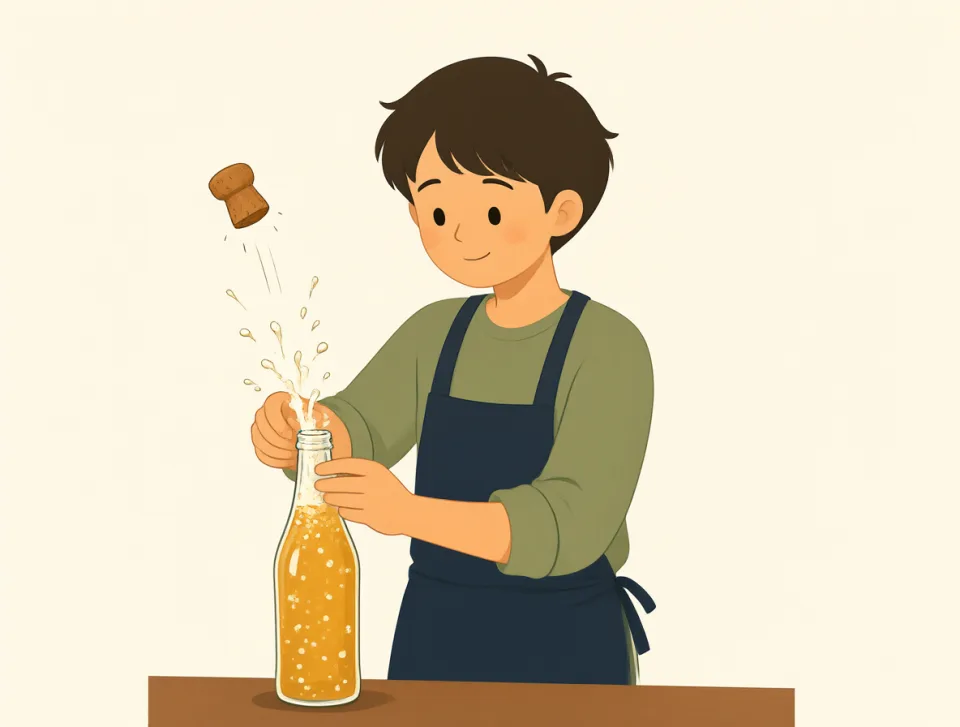
pop
#1289verb, noun
pop
to make a short, sharp sound or suddenly appear; a small amount of something
wydawać krótki, ostry dźwięk lub nagle się pojawić; niewielka ilość czegoś
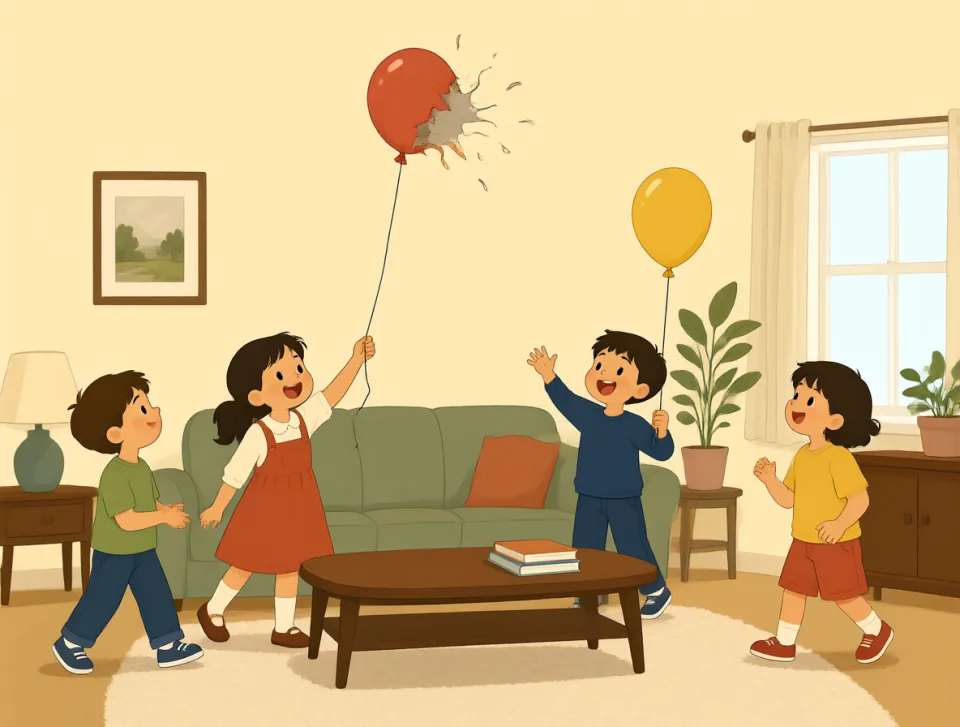
The balloon popped while the children were playing.
Balon pękł, gdy dzieci się bawiły.
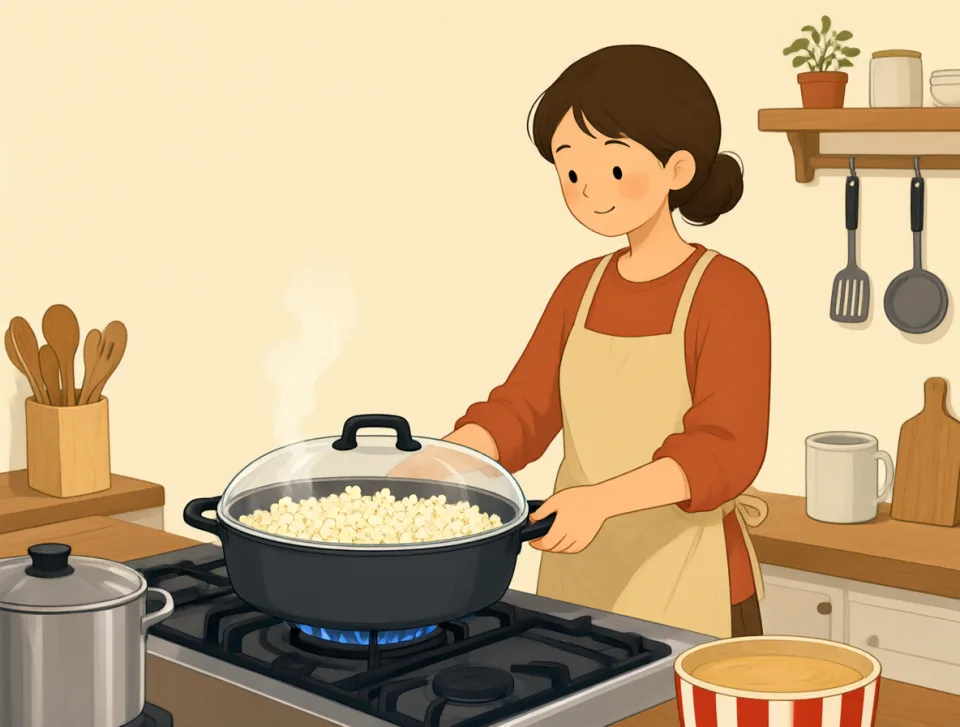
Pop the corn in a covered pan over medium heat.
Praż kukurydzę w przykrytym garnku na średnim ogniu.
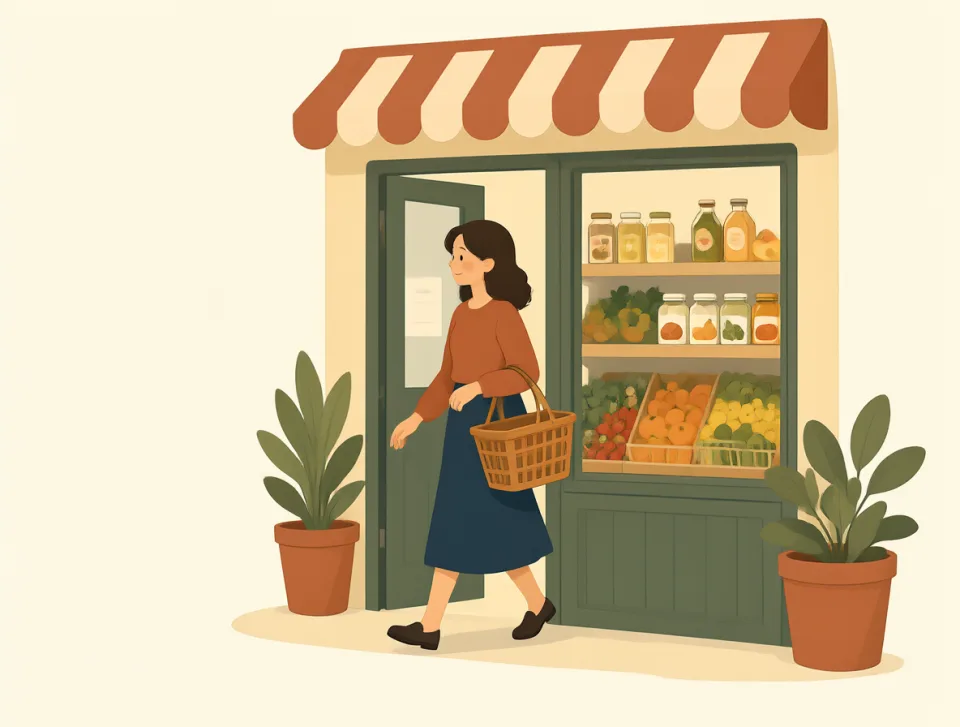
She popped into the shop to buy some milk.
Wpadła do sklepu po mleko.
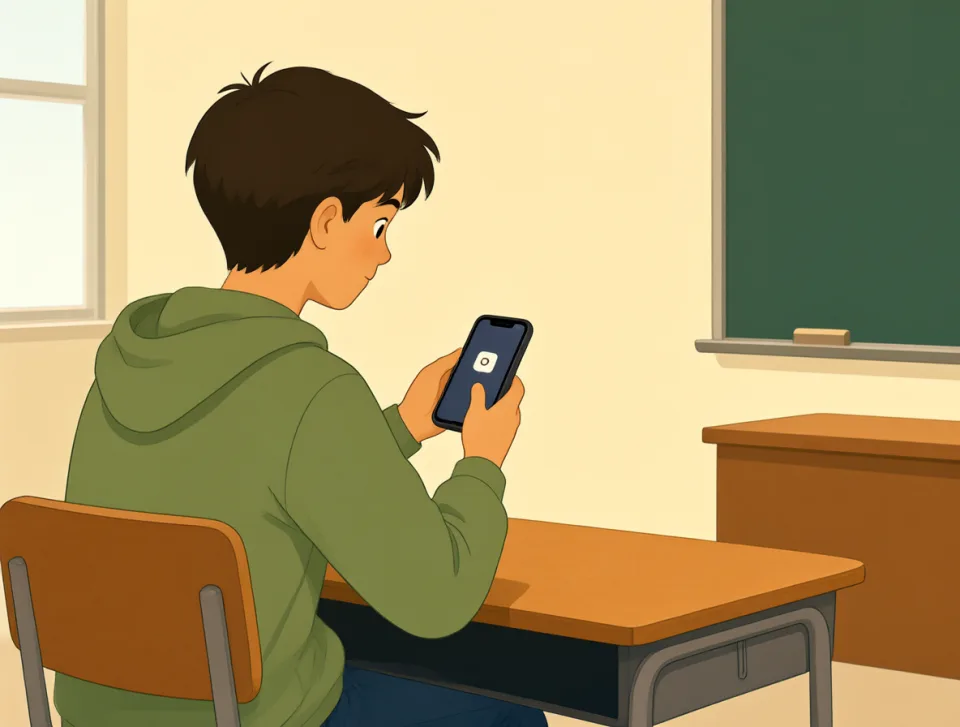
A message popped up on my phone during class.
Podczas lekcji na moim telefonie nagle pojawiła się wiadomość.
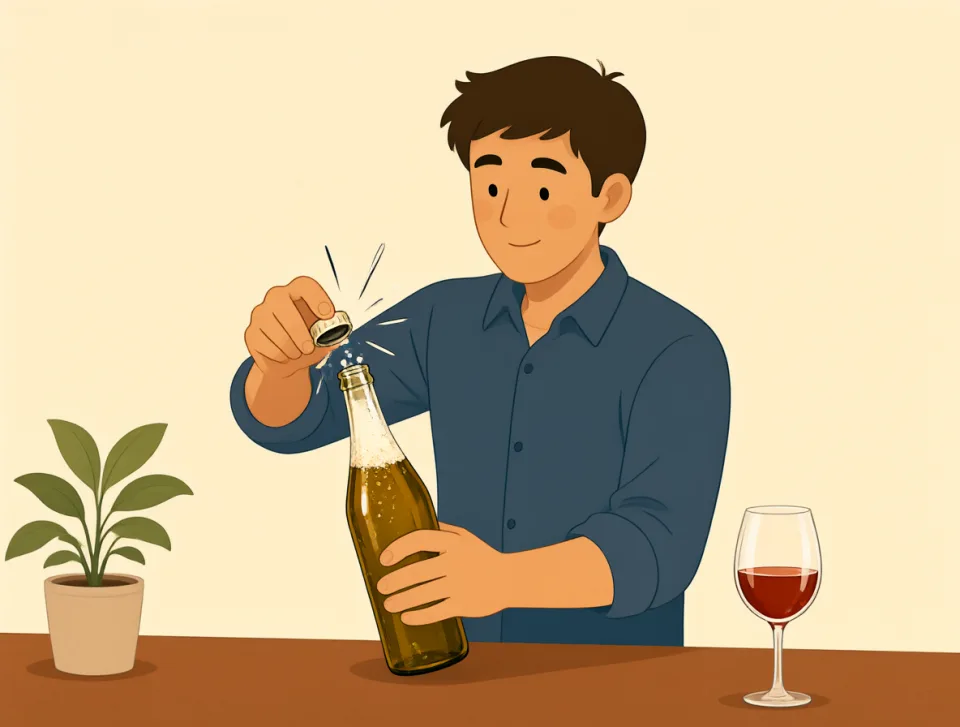
He gave the bottle a pop and opened it easily.
Lekko stuknął w butelkę i z łatwością ją otworzył.
essential
#1290adjective, noun
essential
Absolutely necessary or extremely important for a particular purpose.
absolutnie konieczny lub niezwykle ważny do określonego celu

Good communication is essential for a successful team.
Dobra komunikacja jest niezbędna dla dobrze funkcjonującego zespołu.
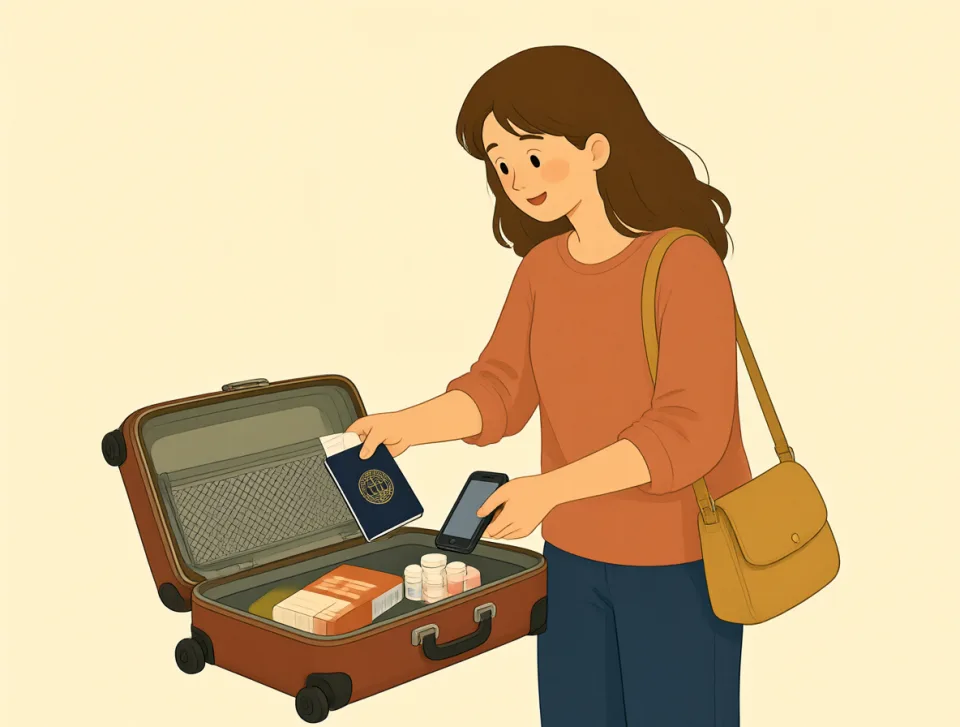
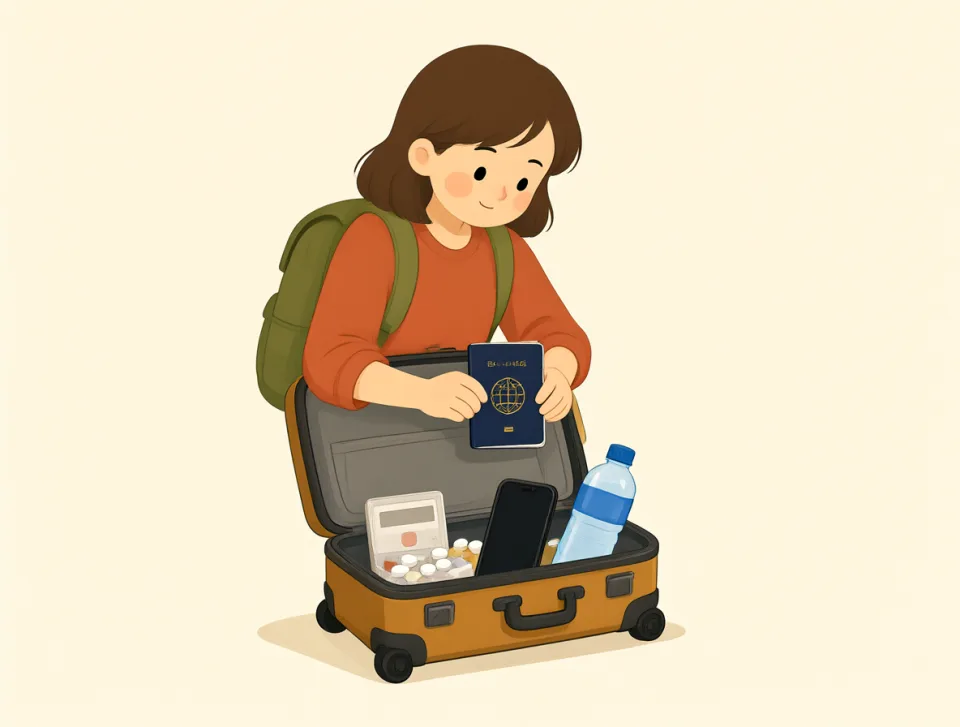
Pack essential items before you leave for the airport.
Spakuj najpotrzebniejsze rzeczy, zanim wyjedziesz na lotnisko.
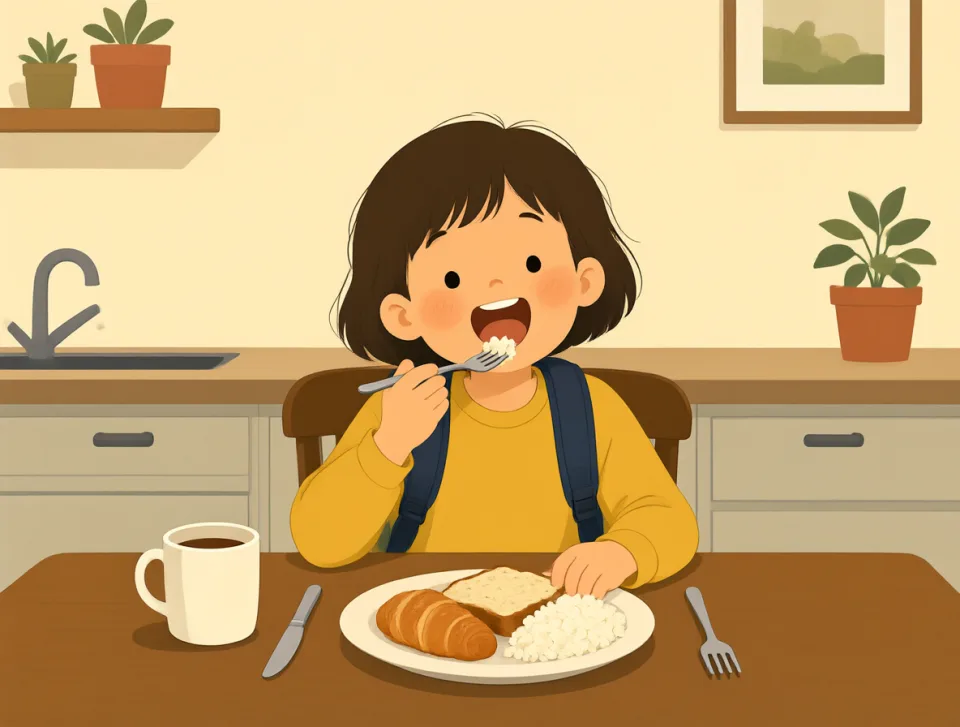
Breakfast is essential because it gives children energy for school.
Śniadanie jest niezbędne, ponieważ daje dzieciom energię do nauki w szkole.
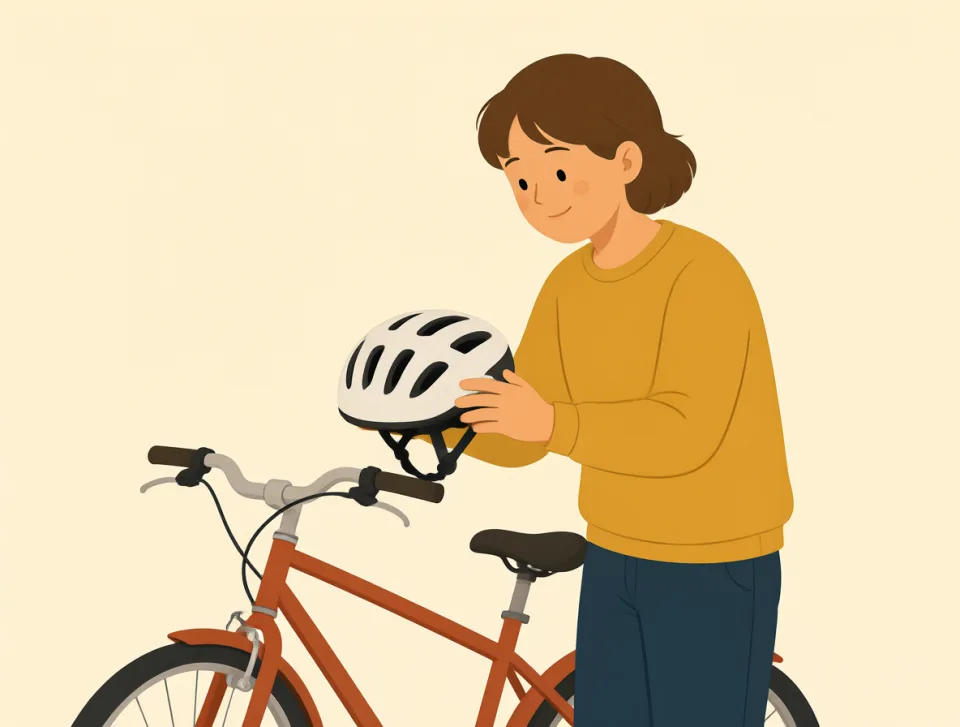
Wearing a helmet is essential when you ride a bike.
Noszenie kasku jest niezbędne podczas jazdy na rowerze.
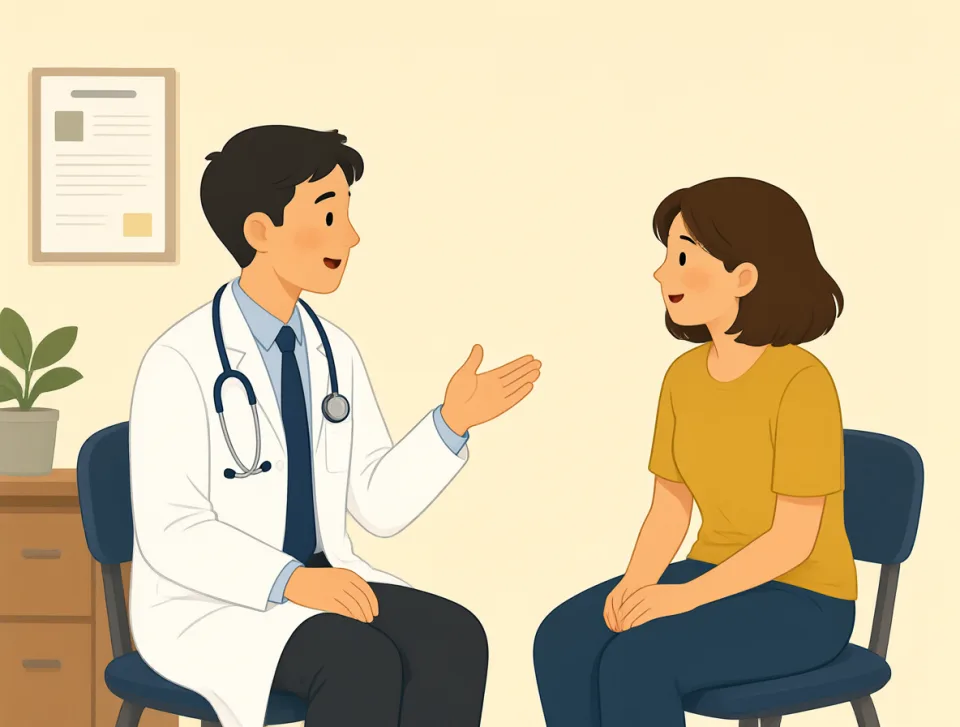
The doctor explained the essentials of staying healthy.
Lekarz wyjaśnił najważniejsze zasady dbania o zdrowie.
desire
#1291noun, verb
pragnienie
a strong wish to have or do something
silne pragnienie, by coś mieć lub coś zrobić
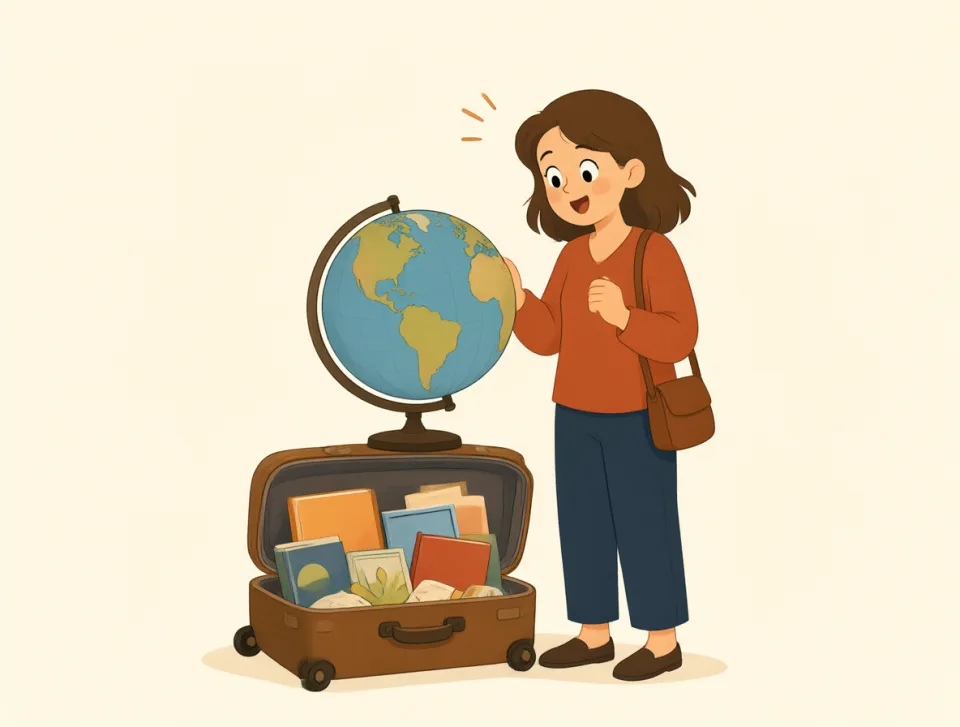
She has a strong desire to travel around the world.
Ona bardzo pragnie podróżować po całym świecie.
His desire for success helped him work hard every day.
Pragnienie sukcesu pomogło mu ciężko pracować każdego dnia.
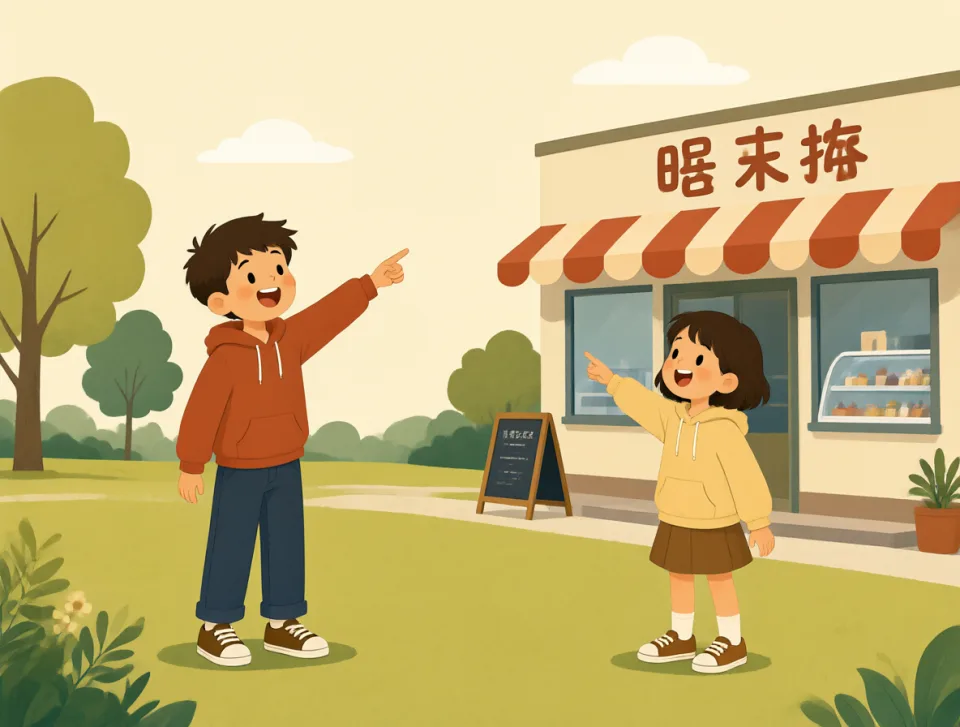
The children desired ice cream after playing outside.
Dzieci po zabawie na dworze zapragnęły lodów.

I desire a quiet room where I can rest tonight.
Pragnę cichego pokoju, w którym będę mógł dziś wieczorem odpocząć.
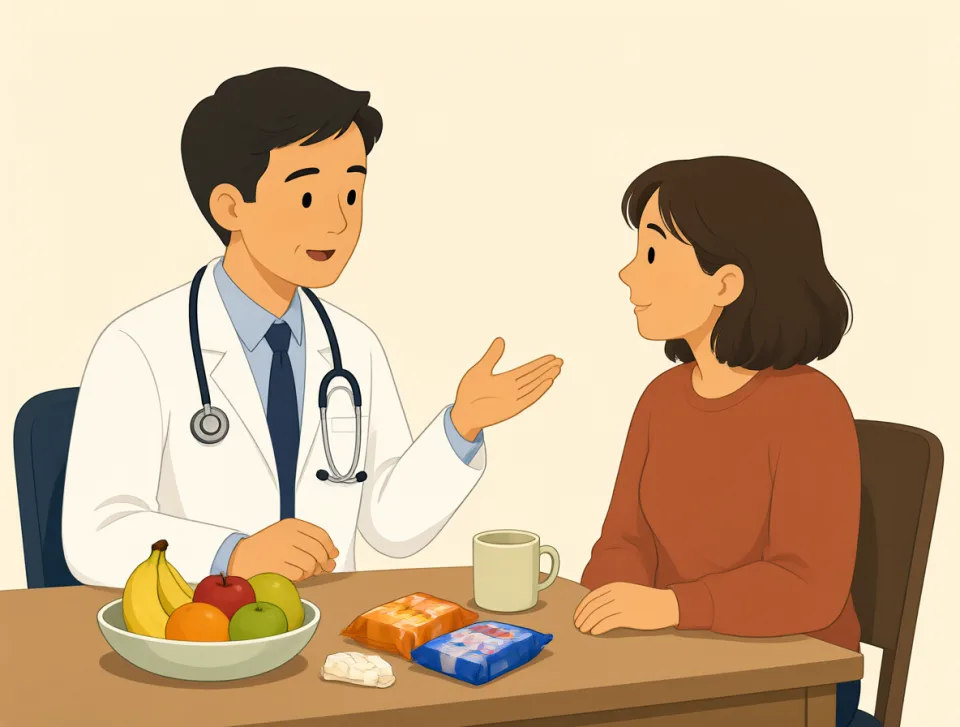
The doctor asked about my desire to eat less sugar.
Lekarz zapytał o moje pragnienie ograniczenia spożycia cukru.
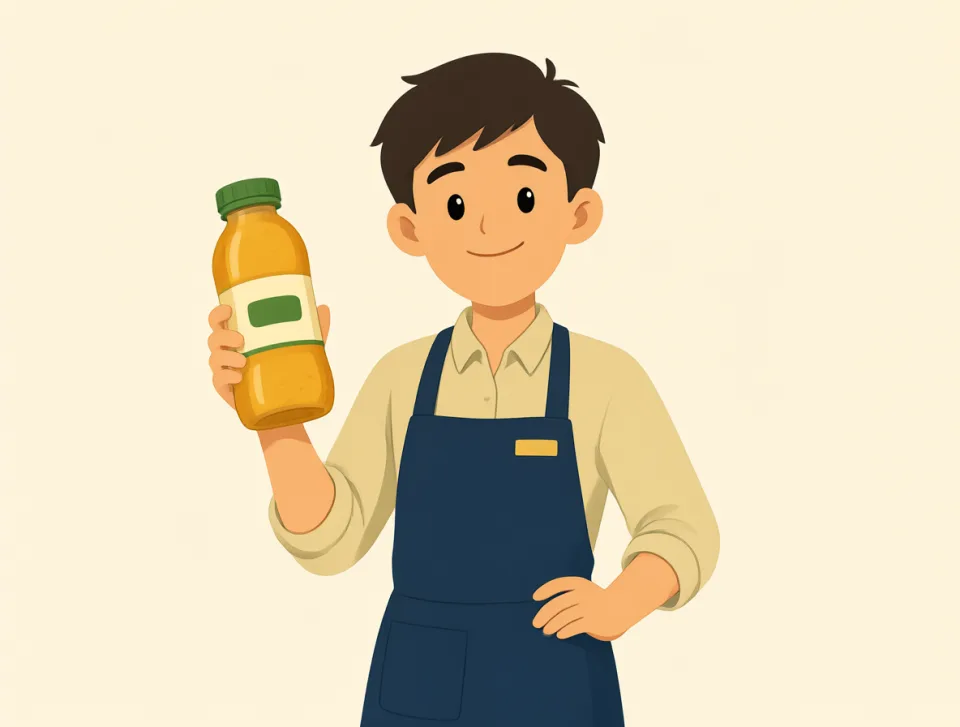
promote
#1292verb
promować
To help something grow, develop, or become more popular.
Pomagać czemuś rosnąć, rozwijać się lub zdobywać większą popularność.

The company promoted her to manager after five years.
Po pięciu latach pracy firma awansowała ją na stanowisko kierowniczki.
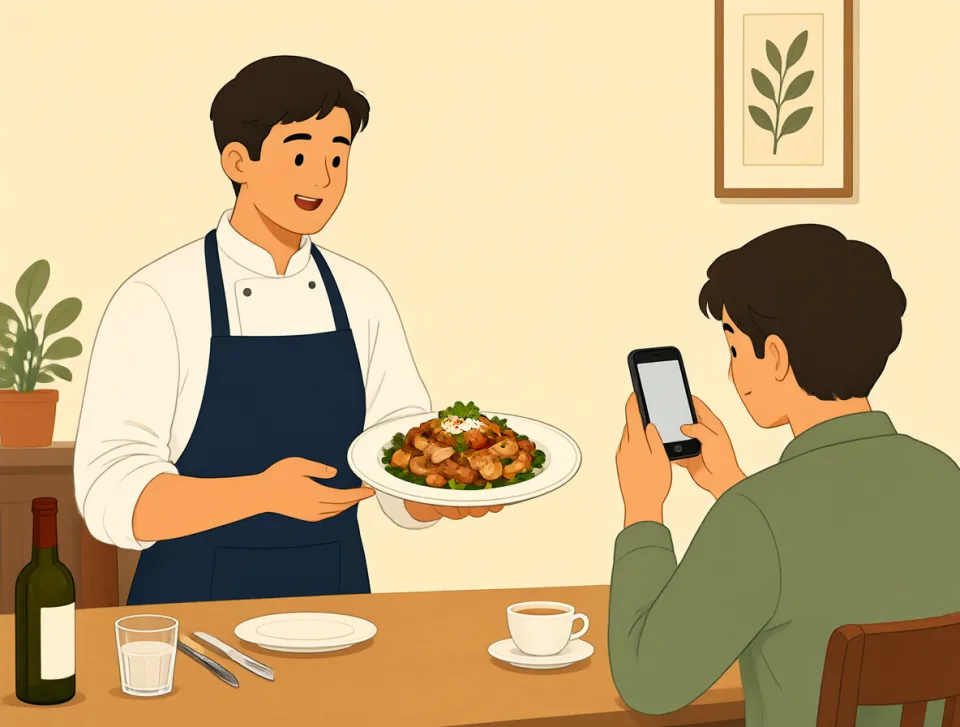
We promoted the new restaurant on social media.
Promowaliśmy nową restaurację w mediach społecznościowych.
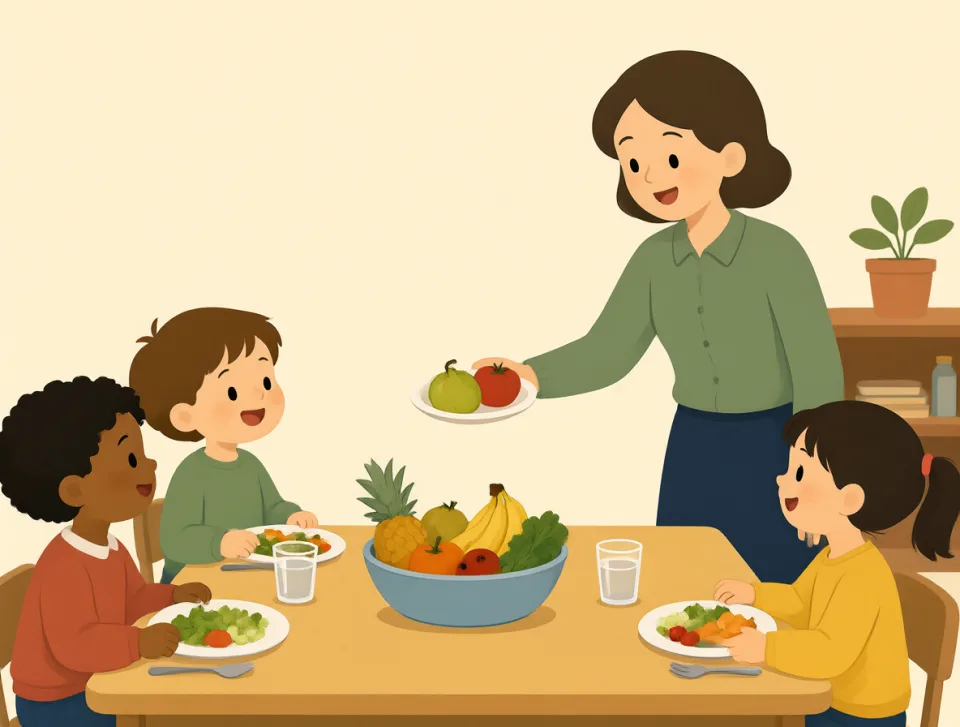
The school promotes healthy eating among its students.
Szkoła promuje zdrowe odżywianie wśród uczniów.
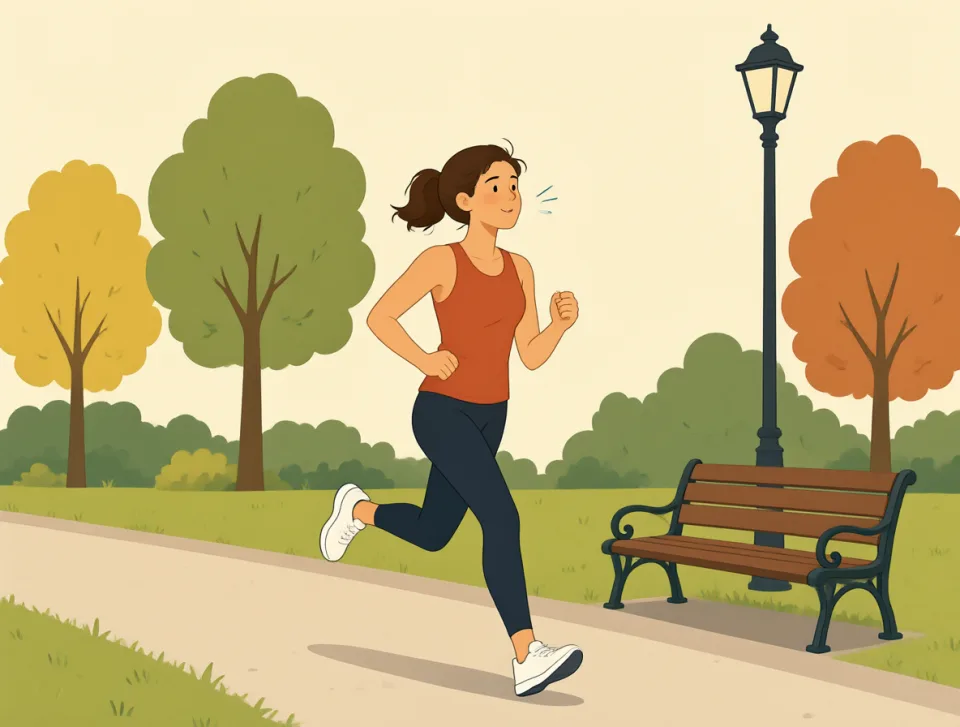
Regular exercise promotes better sleep and more energy.
Regularne ćwiczenia sprzyjają lepszemu snu i dodają energii.

The hotel promotes a peaceful holiday near the beach.
Hotel promuje spokojny wypoczynek w pobliżu plaży.

currently
#1293adverb
obecnie
At the present time; now.
W obecnej chwili; teraz.
She is currently working from home.
Ona obecnie pracuje z domu.
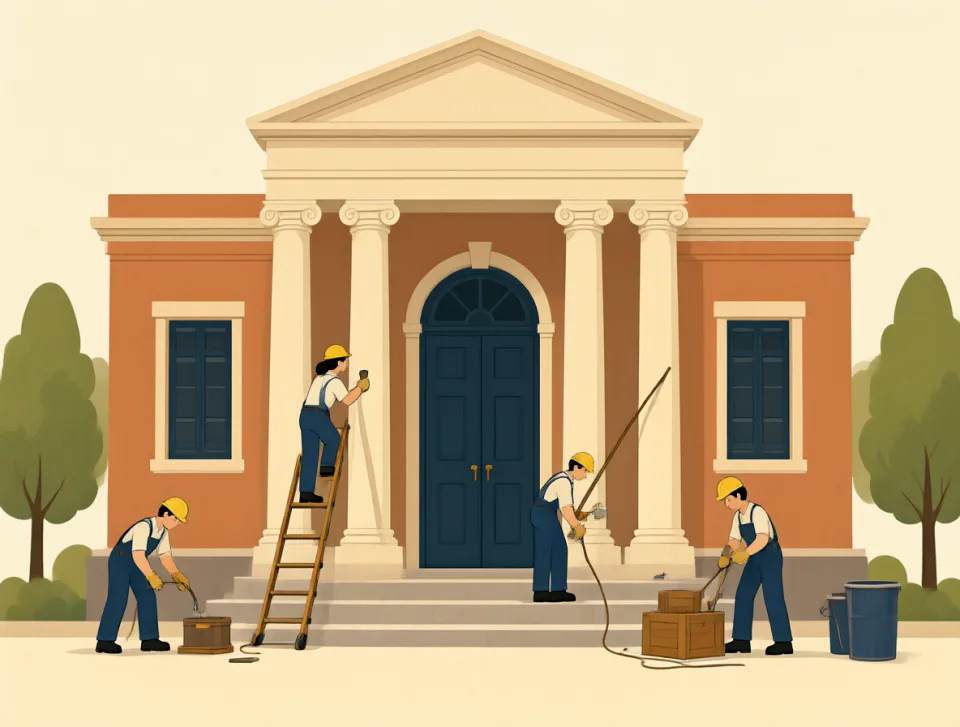
The museum is currently closed for repairs.
Muzeum jest obecnie zamknięte z powodu remontu.
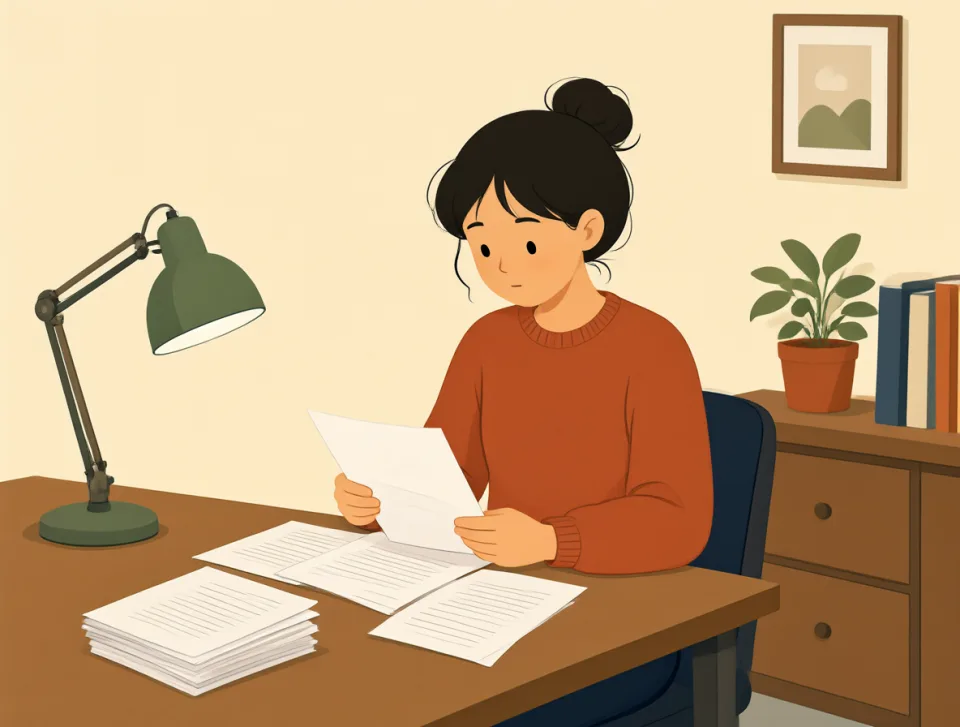
I am currently looking for a new apartment.
Obecnie szukam nowego mieszkania.
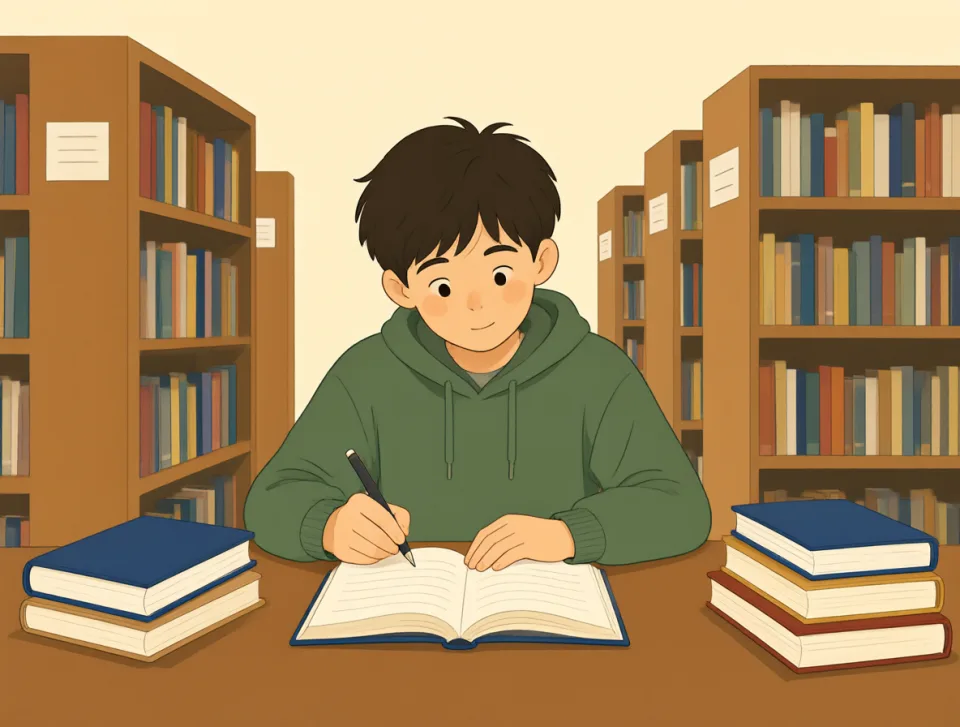
He is currently studying for his final exams.
On obecnie przygotowuje się do egzaminów końcowych.
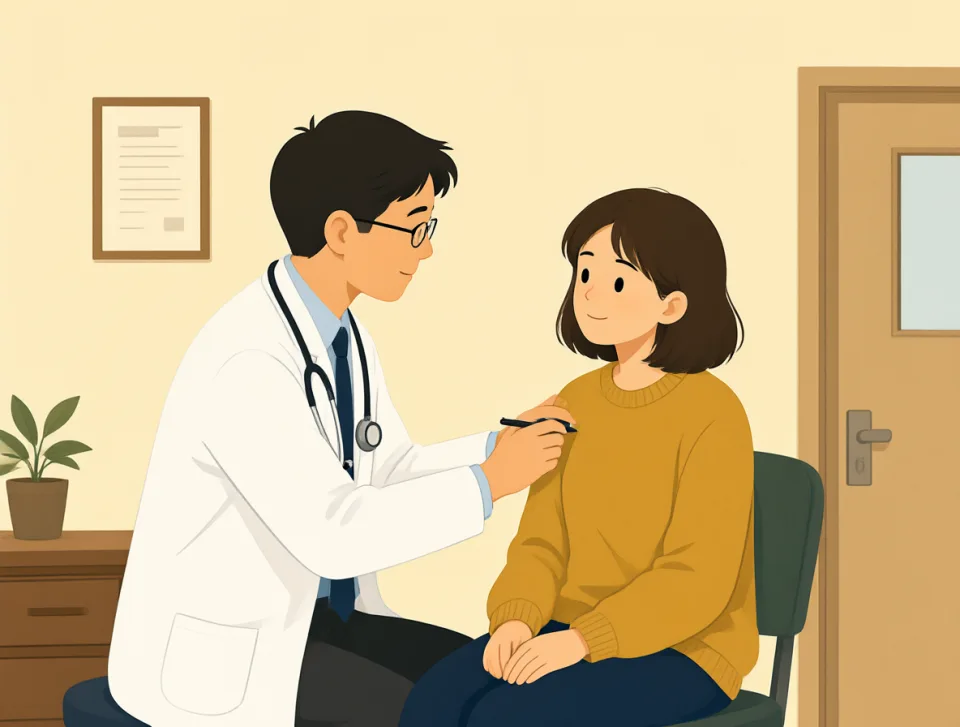
The doctor is currently treating several patients.
Lekarz obecnie leczy kilku pacjentów.

employ
#1294verb
zatrudniać
to give someone a job and pay them for their work
dać komuś pracę i płacić mu za jej wykonywanie
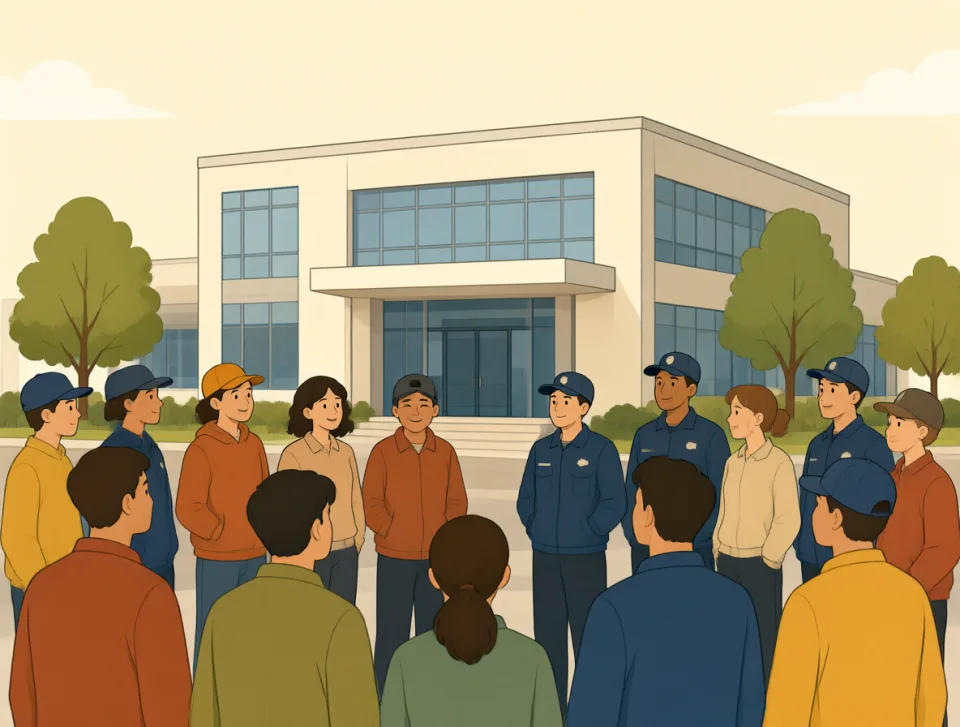
The company employs more than two hundred people.
Firma zatrudnia ponad dwieście osób.
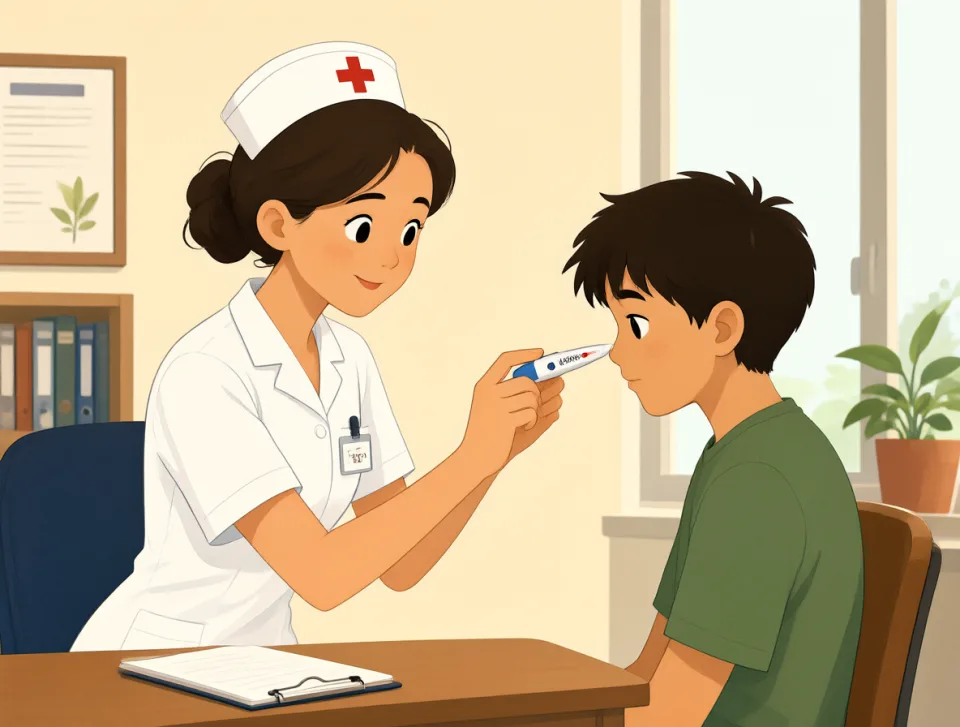
Our school employs a nurse to help sick students.
Nasza szkoła zatrudnia pielęgniarkę, która pomaga chorym uczniom.
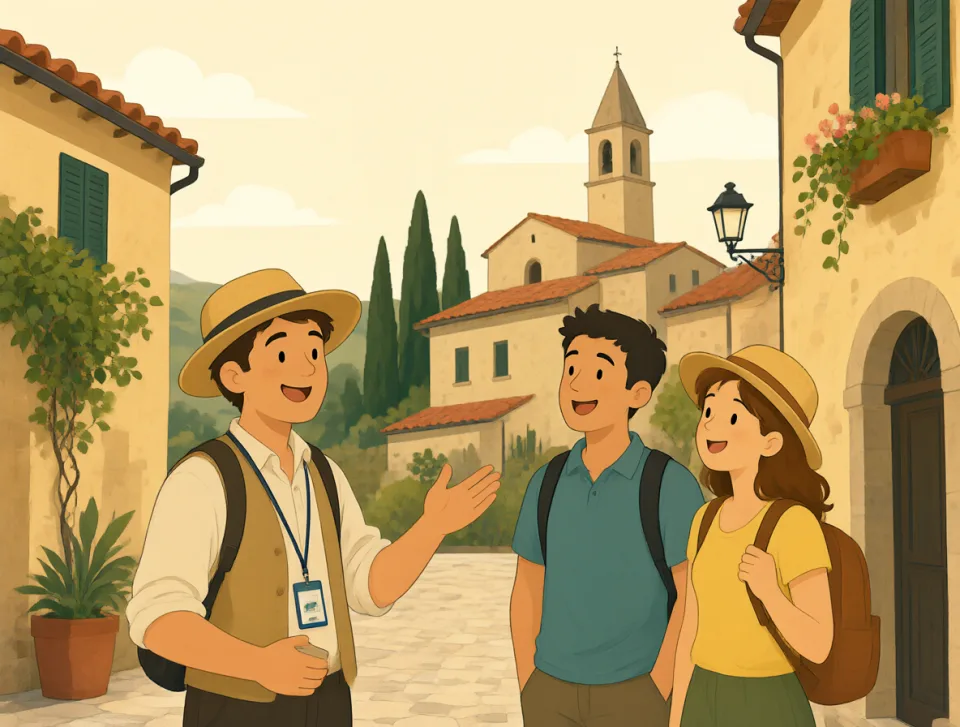
They employed a local guide during their trip to Italy.
Podczas podróży do Włoch zatrudnili lokalnego przewodnika.
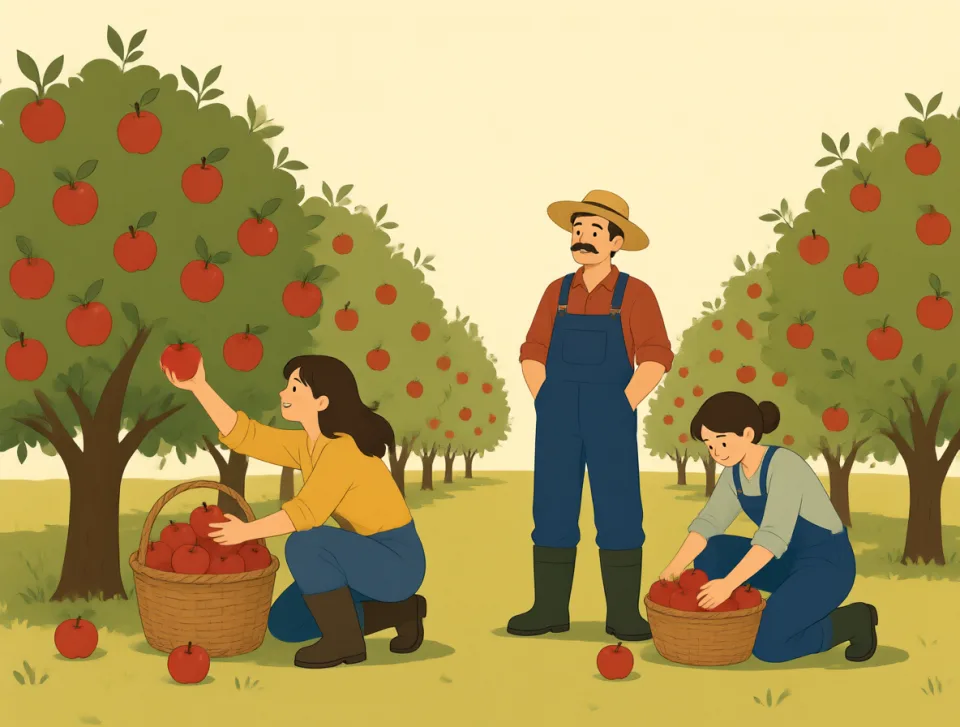
The farmer employs three workers to pick apples each autumn.
Każdej jesieni rolnik zatrudnia trzech pracowników do zbioru jabłek.
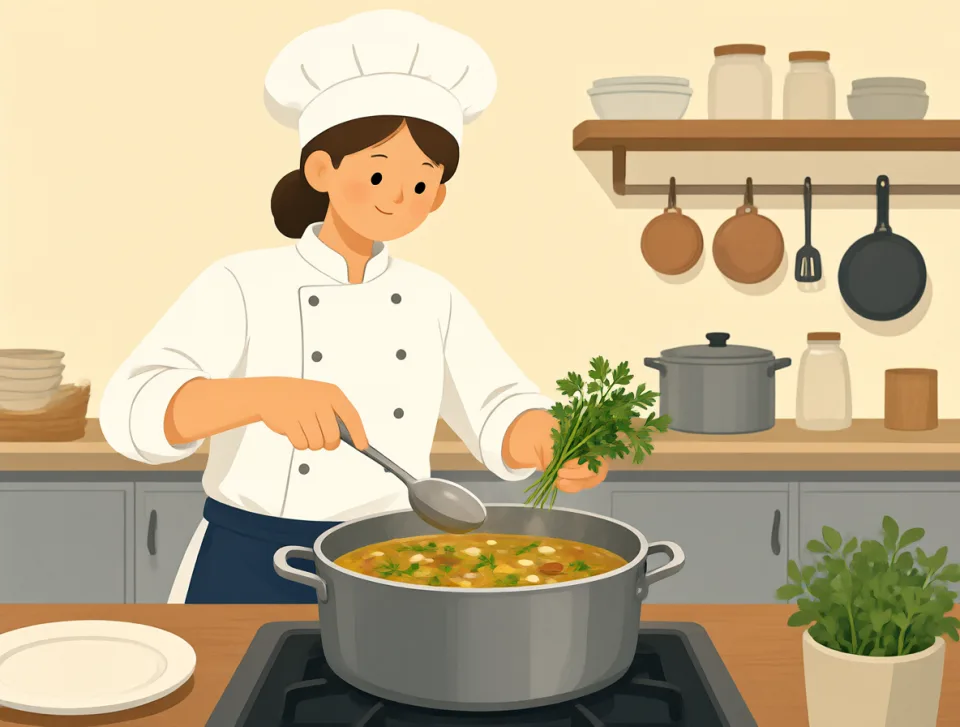
The restaurant employs fresh herbs to improve the soup's flavor.
Restauracja wykorzystuje świeże zioła, aby poprawić smak zupy.
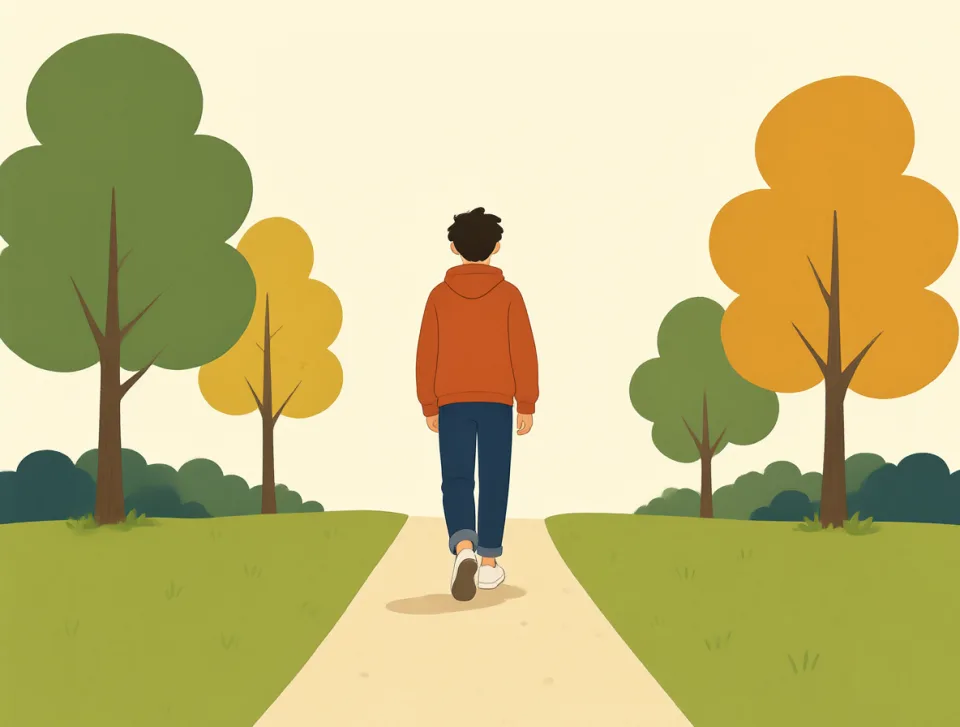
path
#1295noun
ścieżka
A way or track that people walk, travel, or move along.
Droga lub szlak, którym ludzie chodzą, podróżują albo się poruszają.
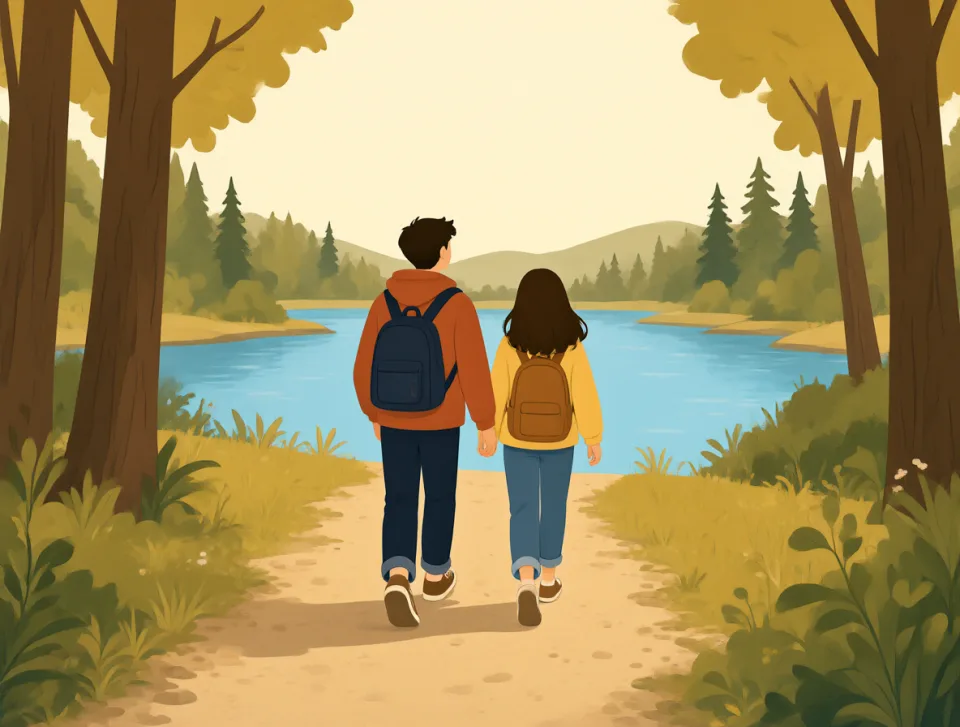
We followed the path through the forest to the lake.
Poszliśmy ścieżką przez las aż do jeziora.
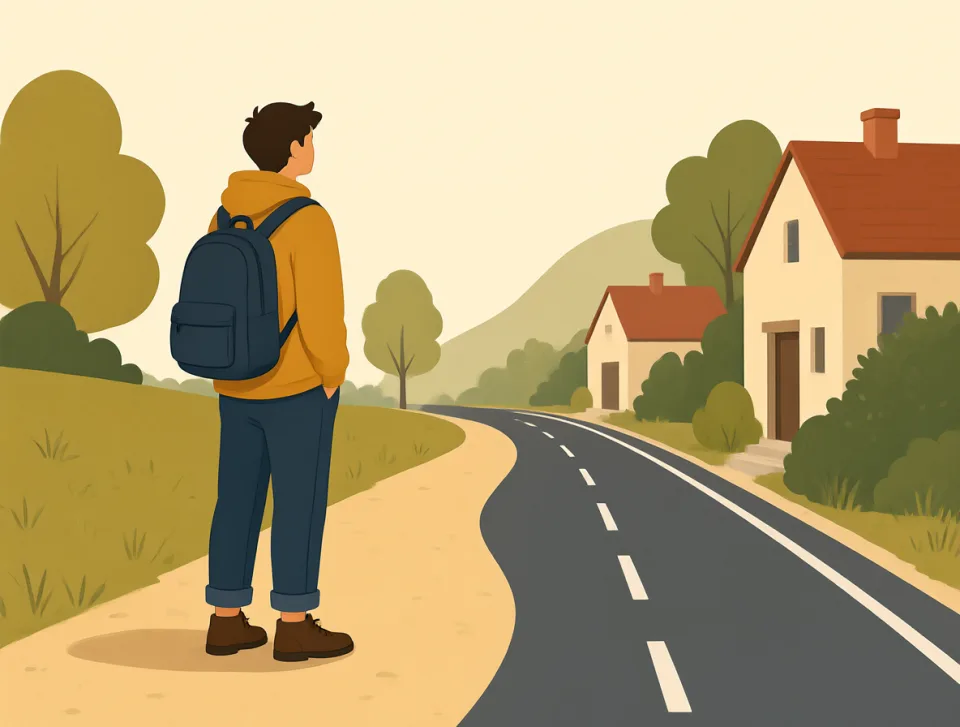
This path leads to the main road near the village.
Ta ścieżka prowadzi do głównej drogi w pobliżu wioski.
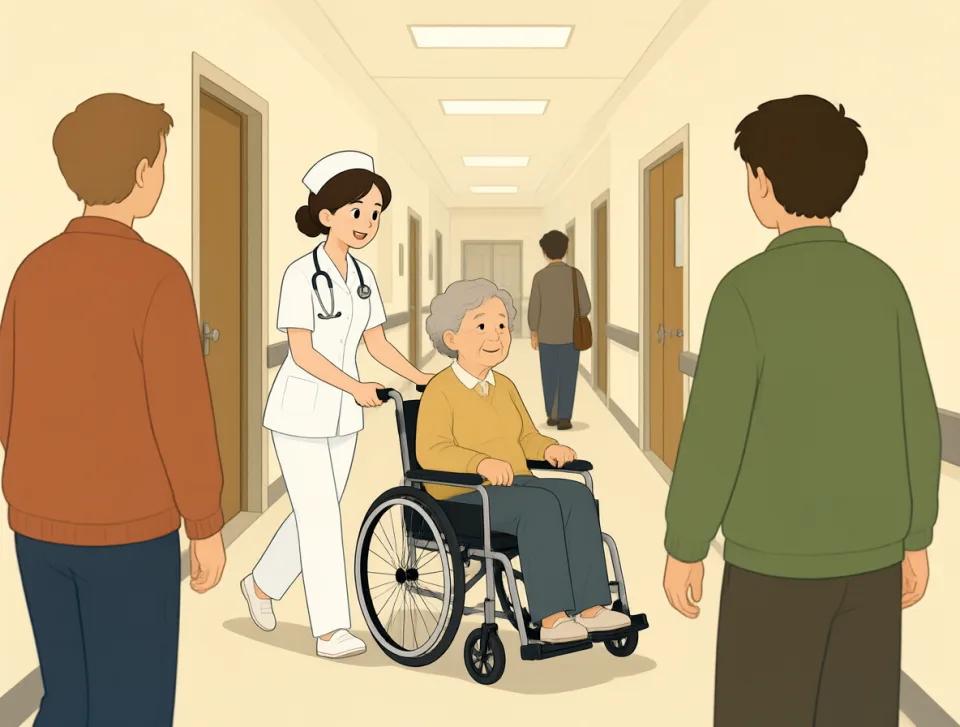
Please clear the path so the nurse can bring the wheelchair.
Proszę oczyścić przejście, żeby pielęgniarka mogła przeprowadzić wózek inwalidzki.
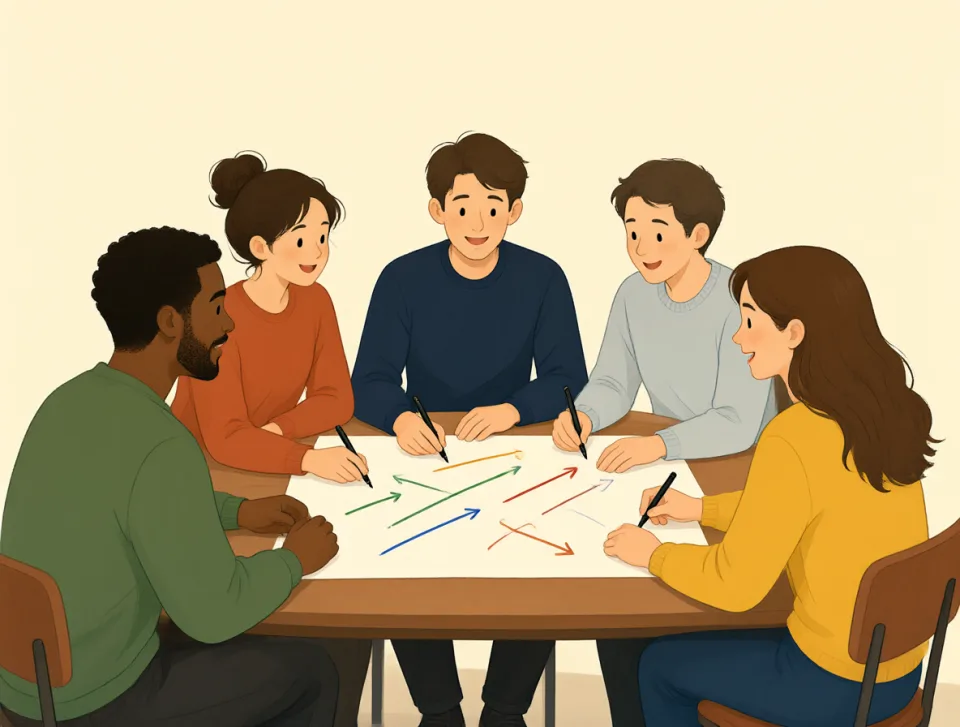
The company is looking for a new path to growth.
Firma szuka nowej drogi do rozwoju.
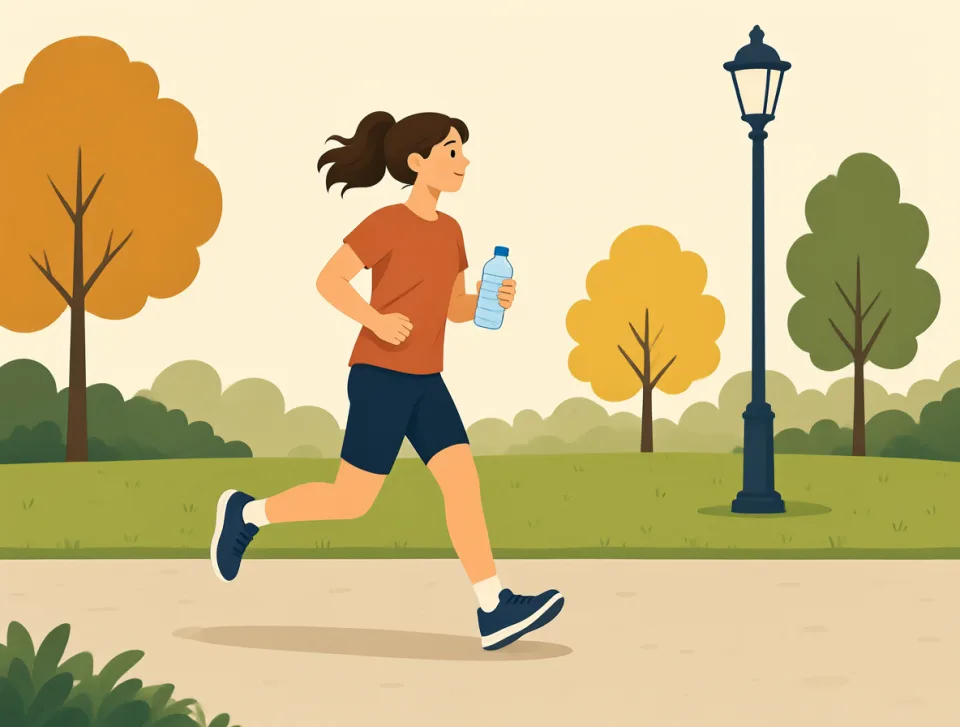
Regular exercise can help you stay on the path to better health.
Regularne ćwiczenia mogą pomóc ci podążać drogą do lepszego zdrowia.
topic
#1296noun
temat
A subject that people talk, write, or learn about.
Przedmiot, o którym ludzie rozmawiają, piszą lub się uczą.

The main topic of today's meeting is our new project.
Głównym tematem dzisiejszego spotkania jest nasz nowy projekt.
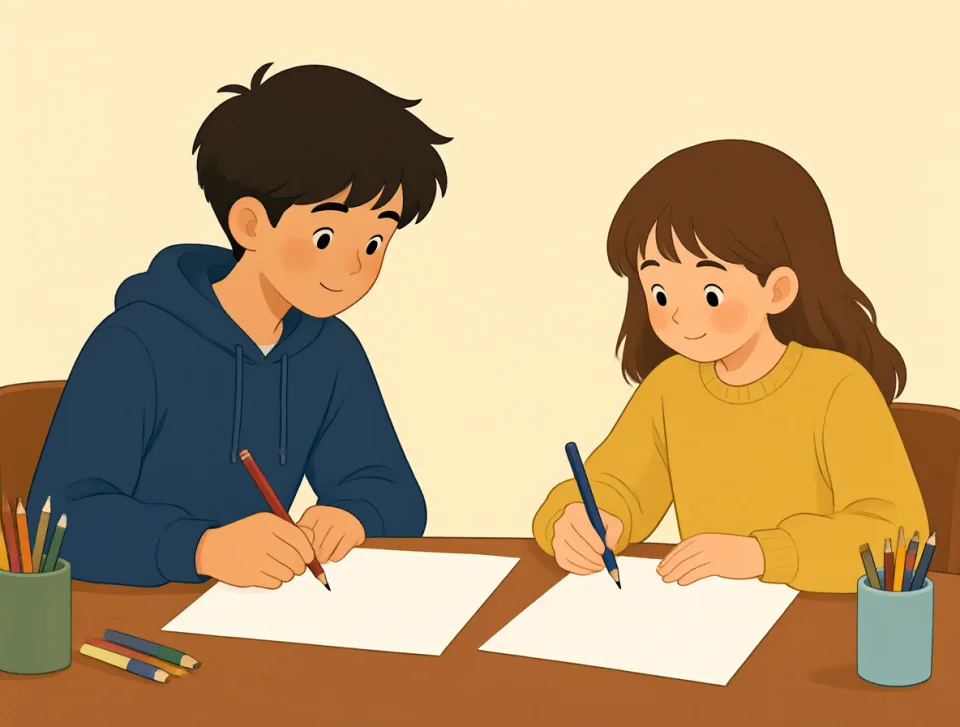
We chose an interesting topic for our school presentation.
Wybraliśmy ciekawy temat na szkolną prezentację.
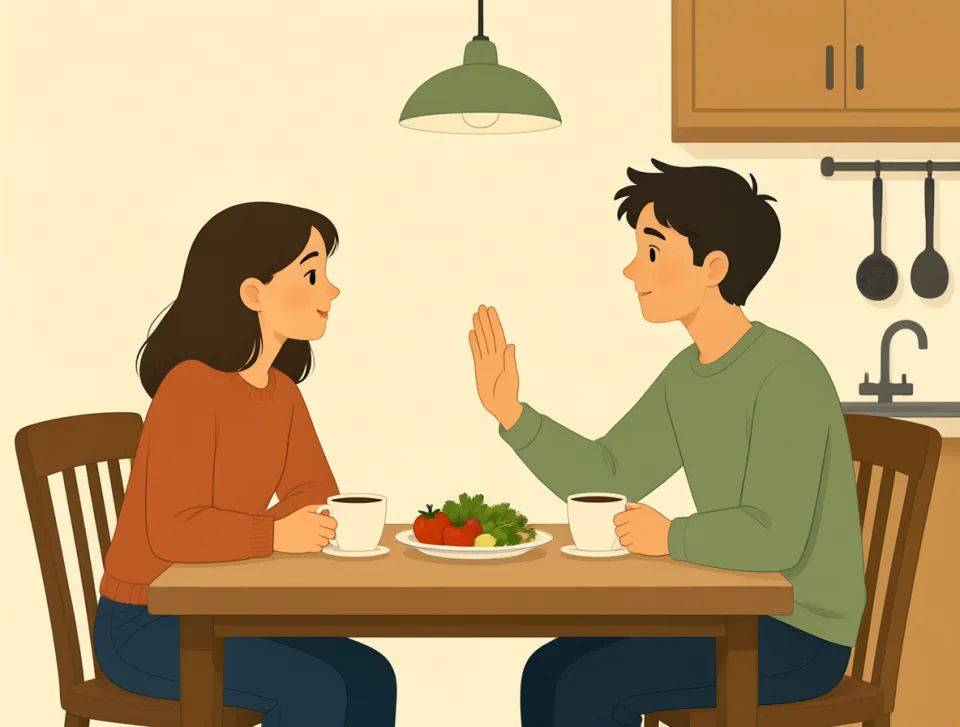
Let's change the topic; I don't want to discuss money.
Zmieńmy temat; nie chcę rozmawiać o pieniądzach.
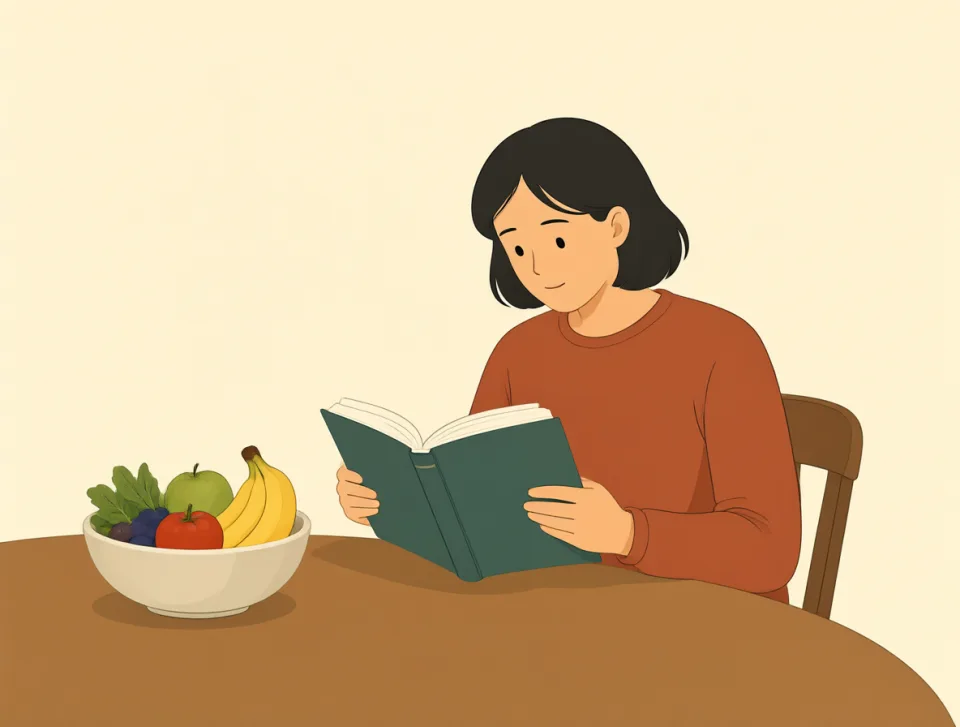
The book covers several topics about healthy eating.
Książka porusza kilka tematów związanych ze zdrowym odżywianiem.

Travel was a popular topic during our dinner with friends.
Podczas kolacji z przyjaciółmi często rozmawialiśmy o podróżach.

beach
#1297noun
plaża
An area of sand or small stones beside the sea or a lake.
Obszar piasku lub drobnych kamieni nad morzem albo jeziorem.
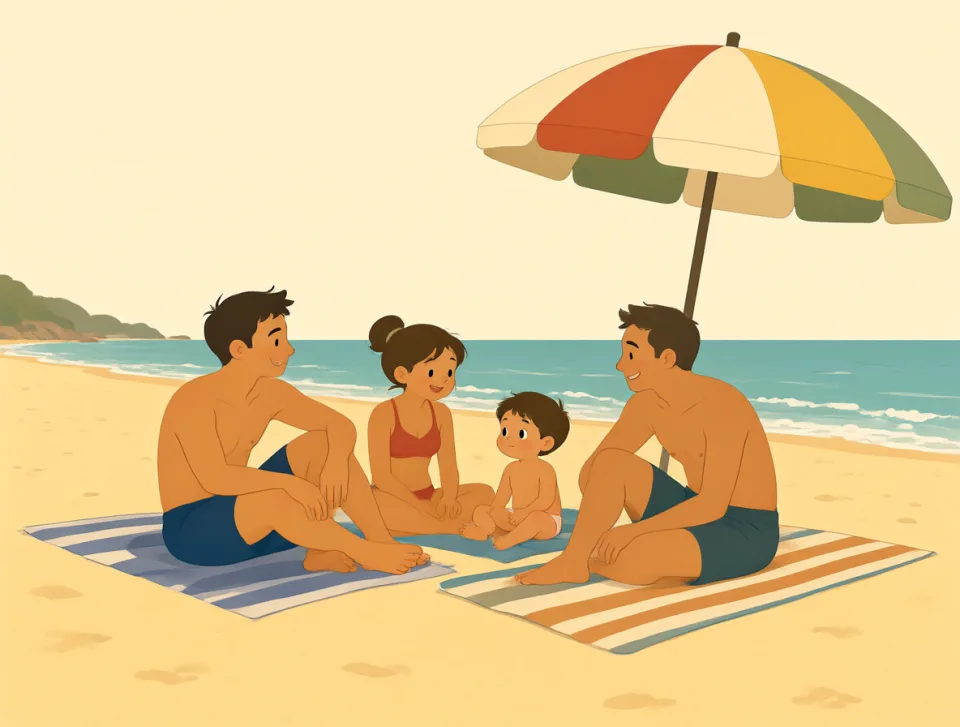
We spent the afternoon relaxing on the beach.
Spędziliśmy popołudnie, odpoczywając na plaży.
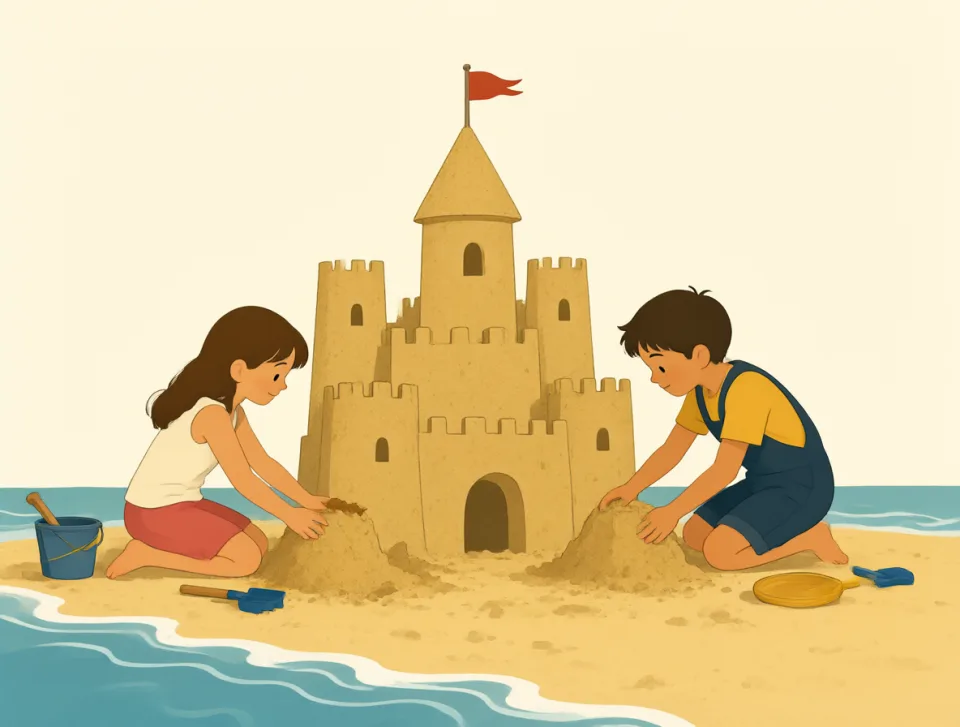
The children built a sandcastle on the beach.
Dzieci zbudowały zamek z piasku na plaży.

Let's take a walk along the beach before dinner.
Przejdźmy się wzdłuż plaży przed kolacją.

The hotel has a private beach for its guests.
Hotel ma prywatną plażę dla swoich gości.
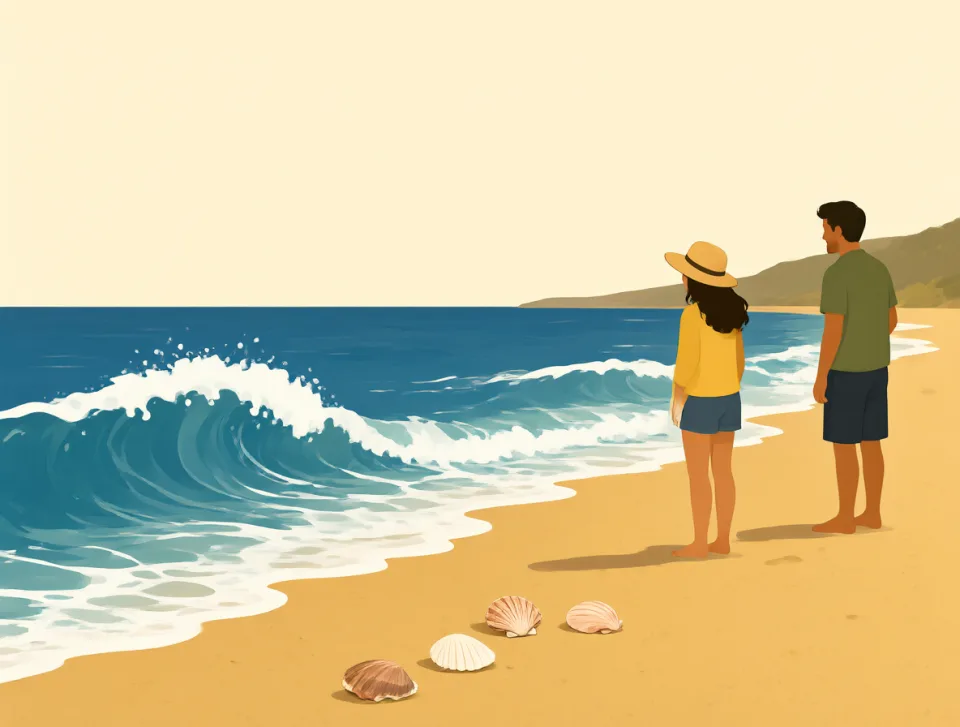
Strong waves washed several shells onto the beach.
Silne fale wyrzuciły na plażę kilka muszli.
attract
#1298verb
przyciągać
to make someone or something interested in or interested in coming closer
Sprawiać, że ktoś lub coś wzbudza zainteresowanie albo przyciąga ludzi bliżej.

The colorful window display attracted many shoppers.
Kolorowa wystawa w witrynie przyciągnęła wielu klientów.
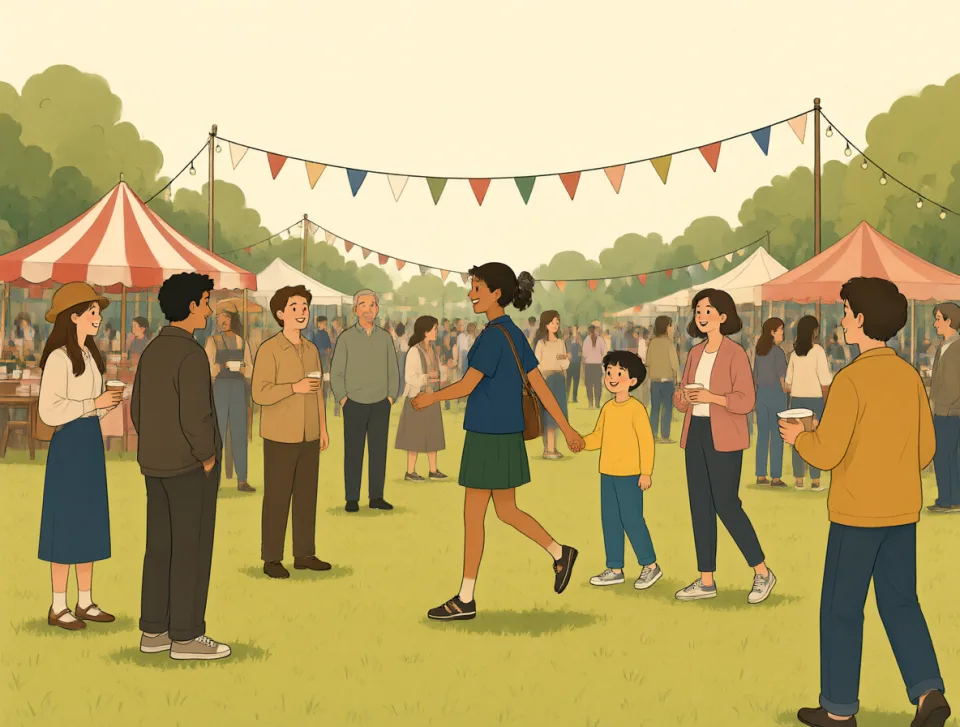
The festival attracts visitors from many different countries.
Festiwal przyciąga gości z wielu różnych krajów.
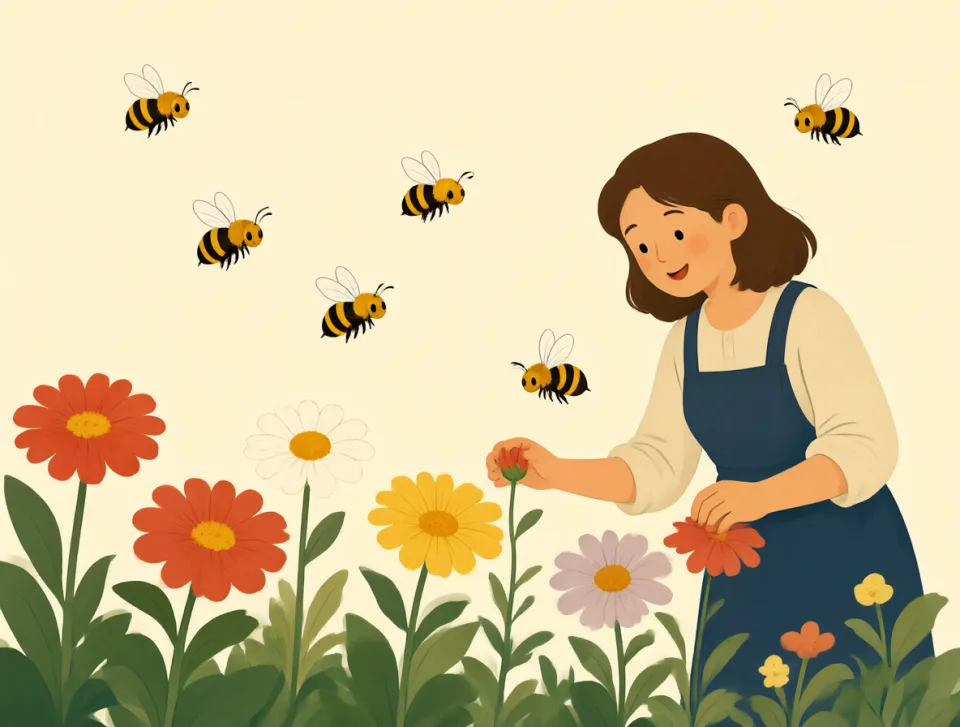
Bright flowers attract bees to our garden.
Jasne kwiaty przyciągają pszczoły do naszego ogrodu.
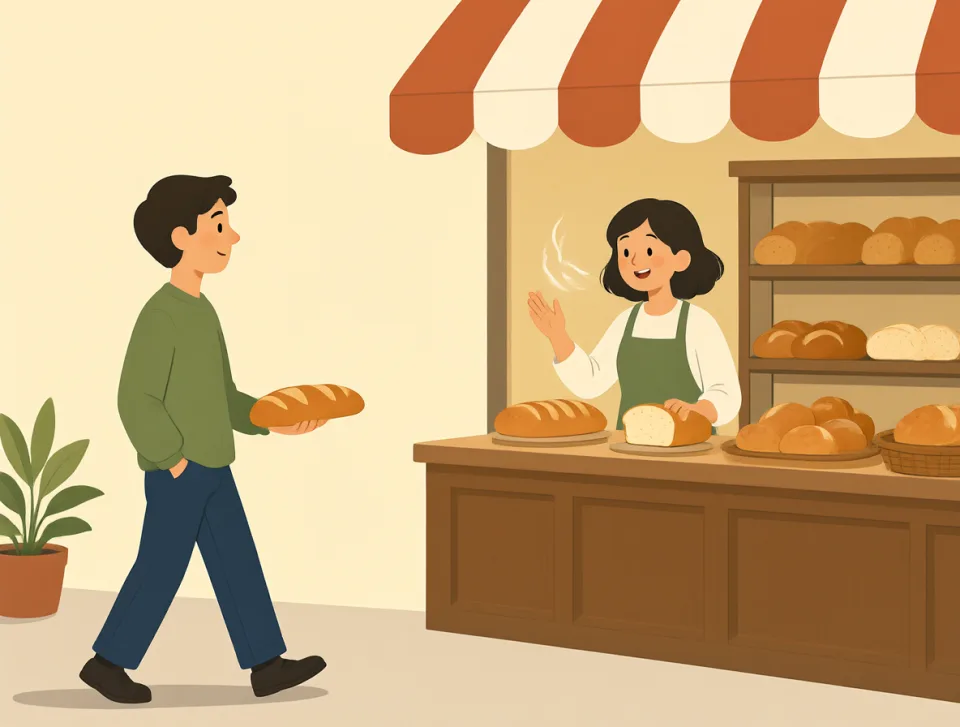
The smell of fresh bread attracted me to the bakery.
Zapach świeżego chleba przyciągnął mnie do piekarni.
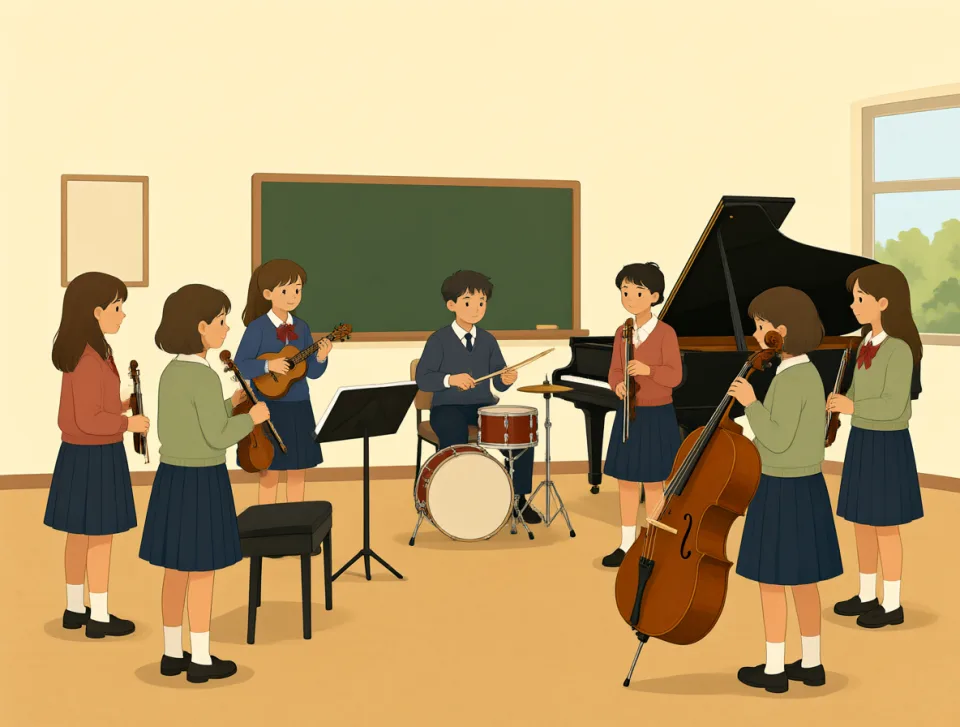
The new club attracted students who enjoyed playing music.
Nowy klub przyciągnął uczniów, którzy lubili grać muzykę.

engage
#1299verb
angażować
to become involved in something, communicate with someone, or attract someone's interest.
Brać w czymś udział, porozumiewać się z kimś albo wzbudzać czyjeś zainteresowanie.
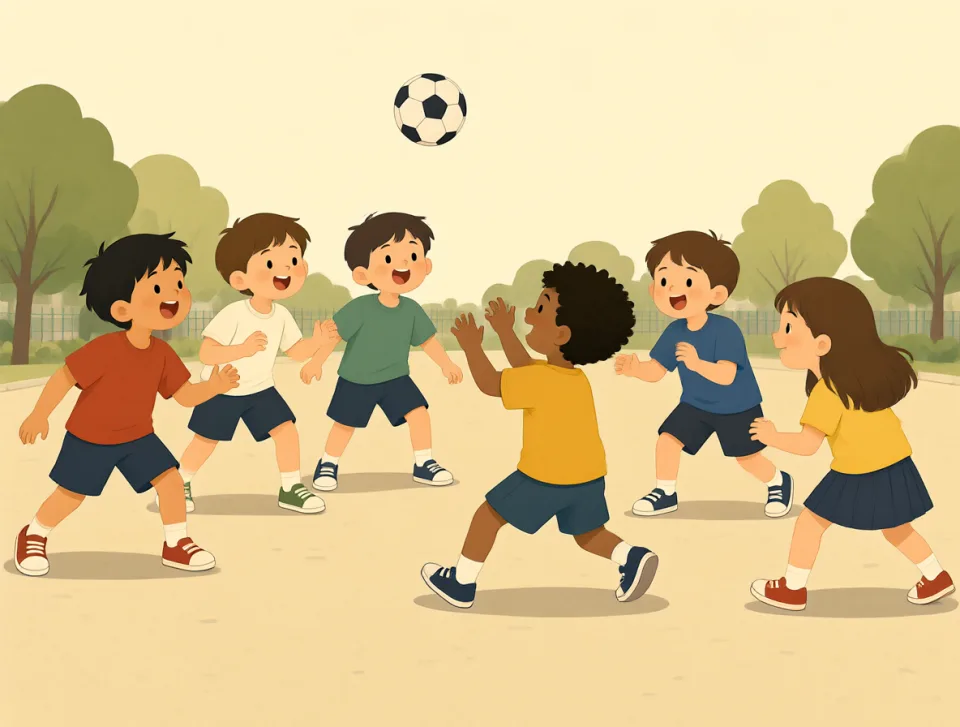
The children engaged in a lively game after school.
Po lekcjach dzieci zaangażowały się w pełną energii grę.
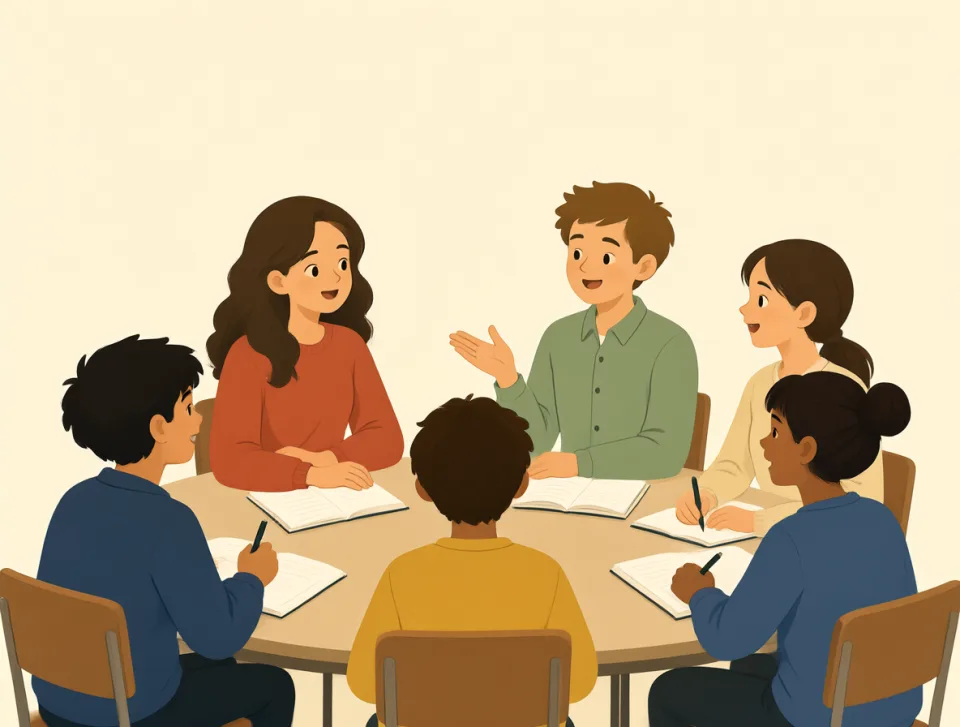
Please engage with your classmates during the group discussion.
Proszę, aktywnie uczestniczcie w dyskusji grupowej ze swoimi kolegami i koleżankami z klasy.
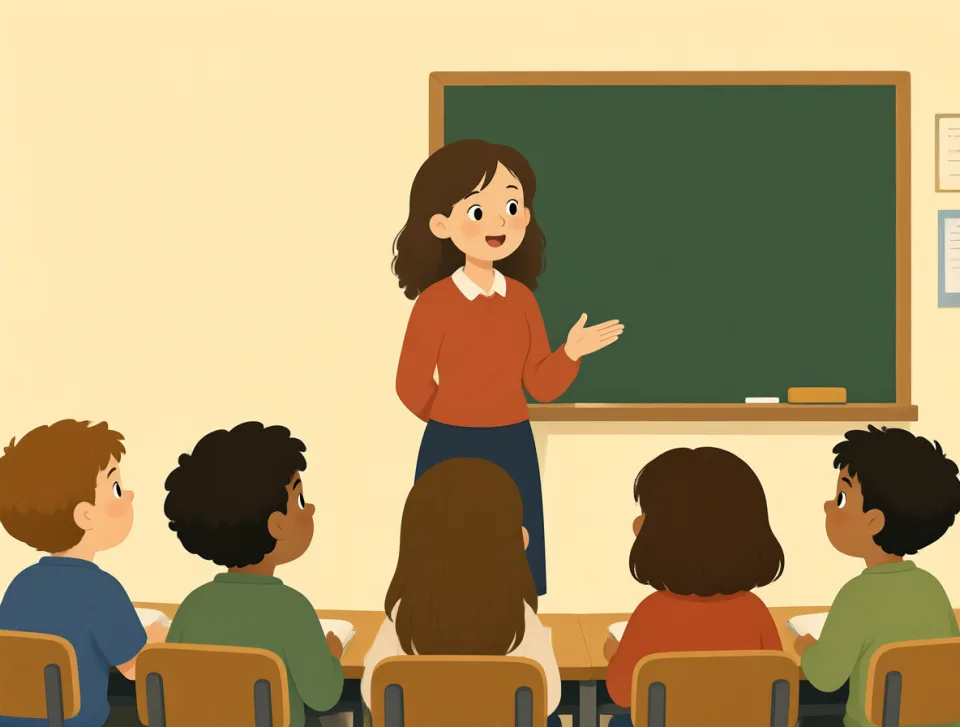
The teacher used a story to engage the students' attention.
Nauczyciel wykorzystał opowieść, by przyciągnąć uwagę uczniów.
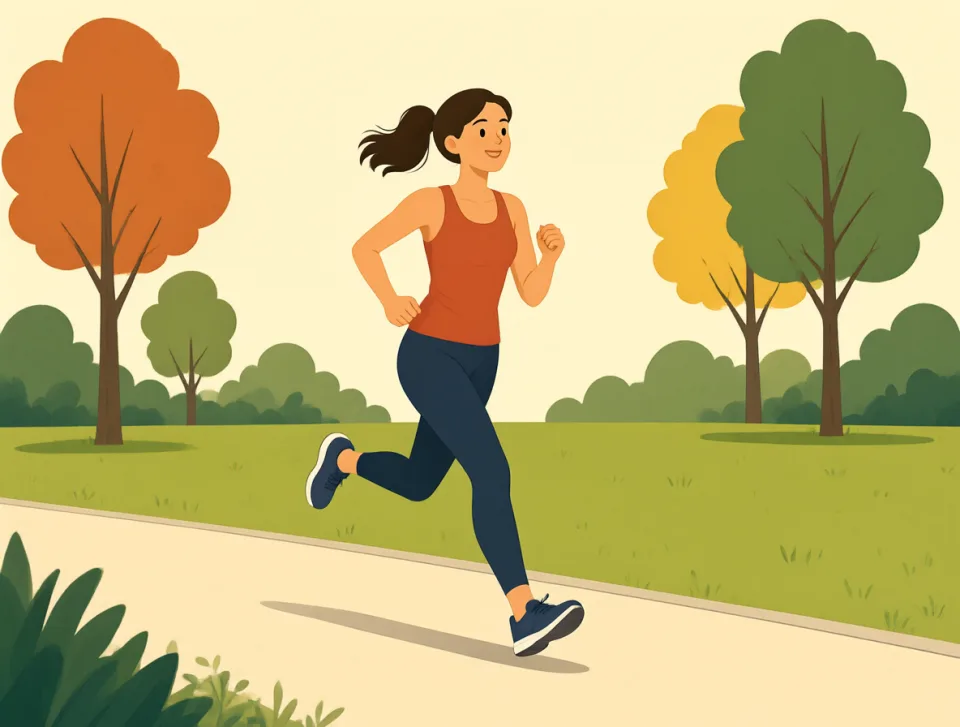
I engage in regular exercise to keep my heart healthy.
Regularnie ćwiczę, żeby dbać o zdrowie serca.
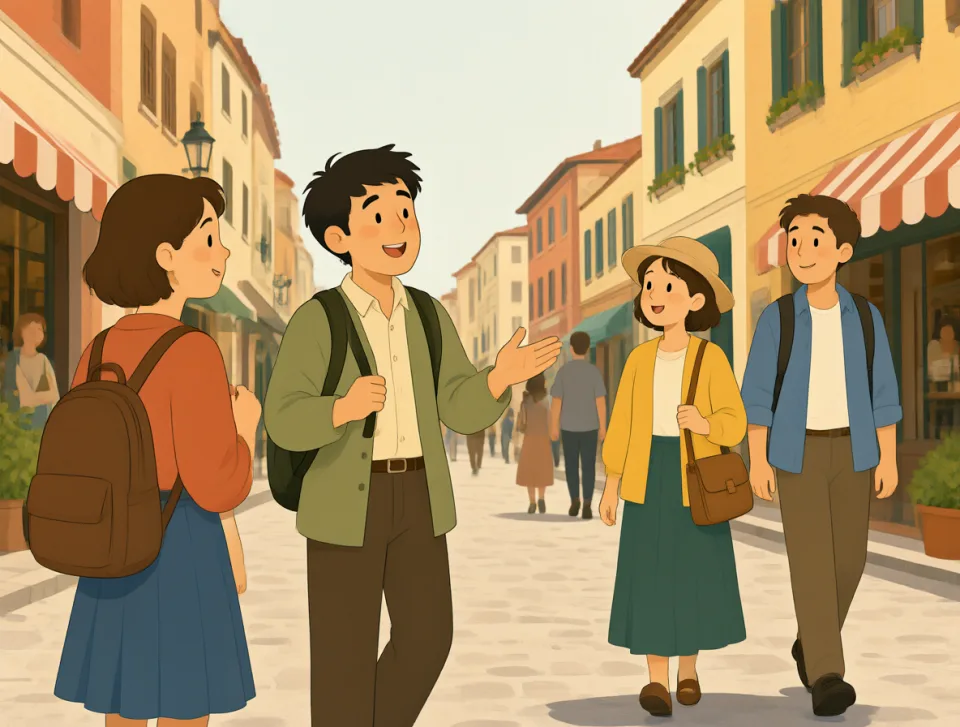
We engaged a local guide to show us around the city.
Zatrudniliśmy lokalnego przewodnika, żeby oprowadził nas po mieście.
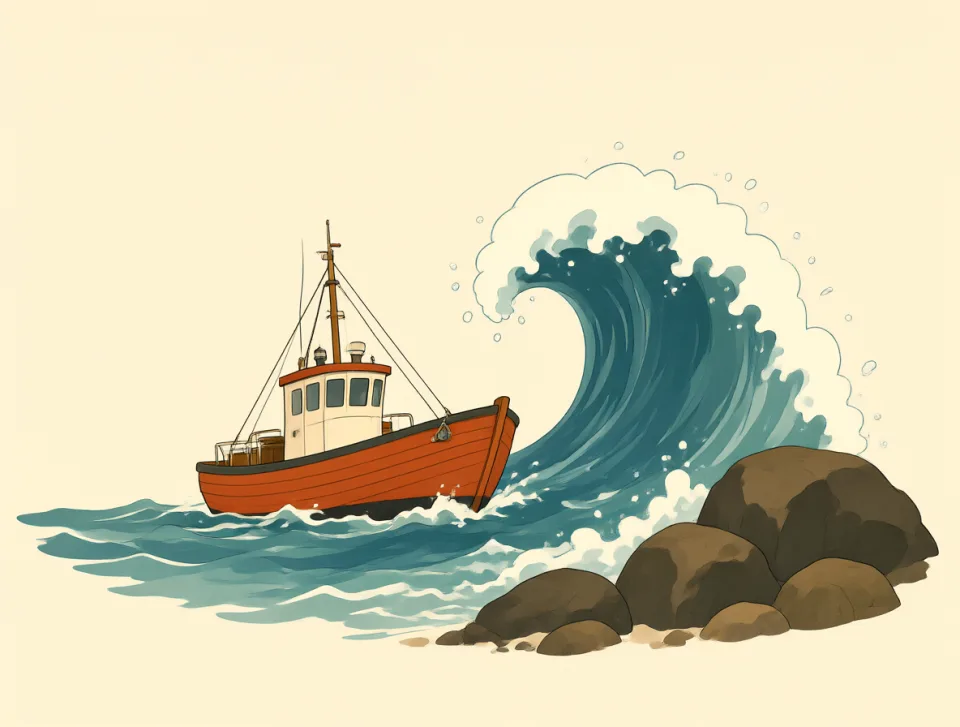
powerful
#1300adjective
silny
having a strong effect, great strength, or a lot of power
Wywierający silny wpływ, odznaczający się dużą siłą lub dużą mocą.
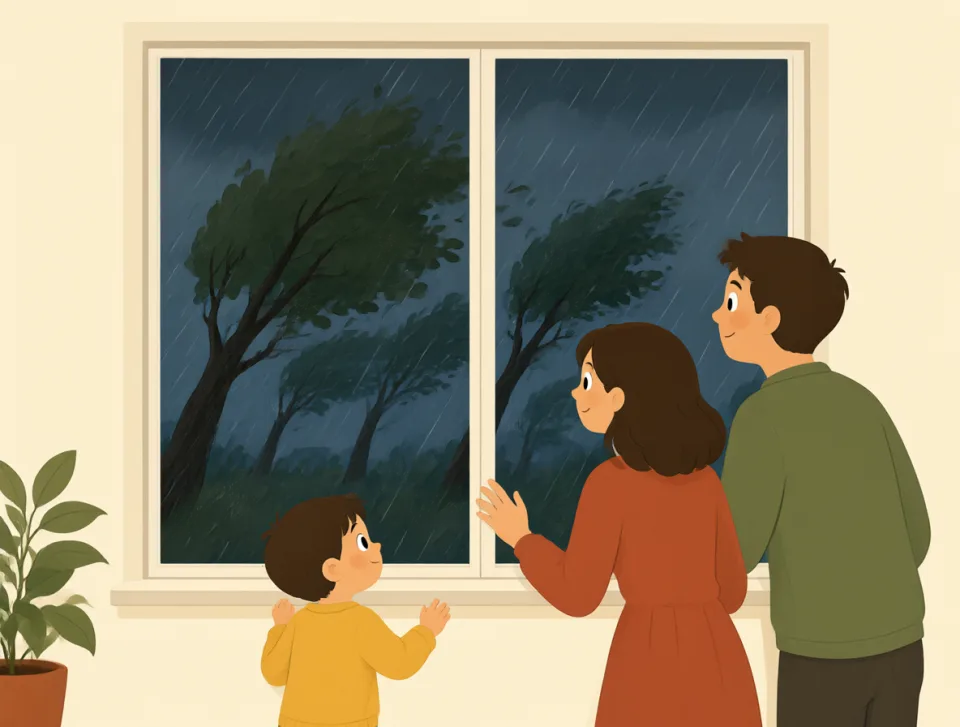
The powerful storm knocked down several trees in our street.
Potężna burza powaliła kilka drzew na naszej ulicy.

This powerful computer can run several programs at once.
Ten wydajny komputer może jednocześnie uruchamiać kilka programów.
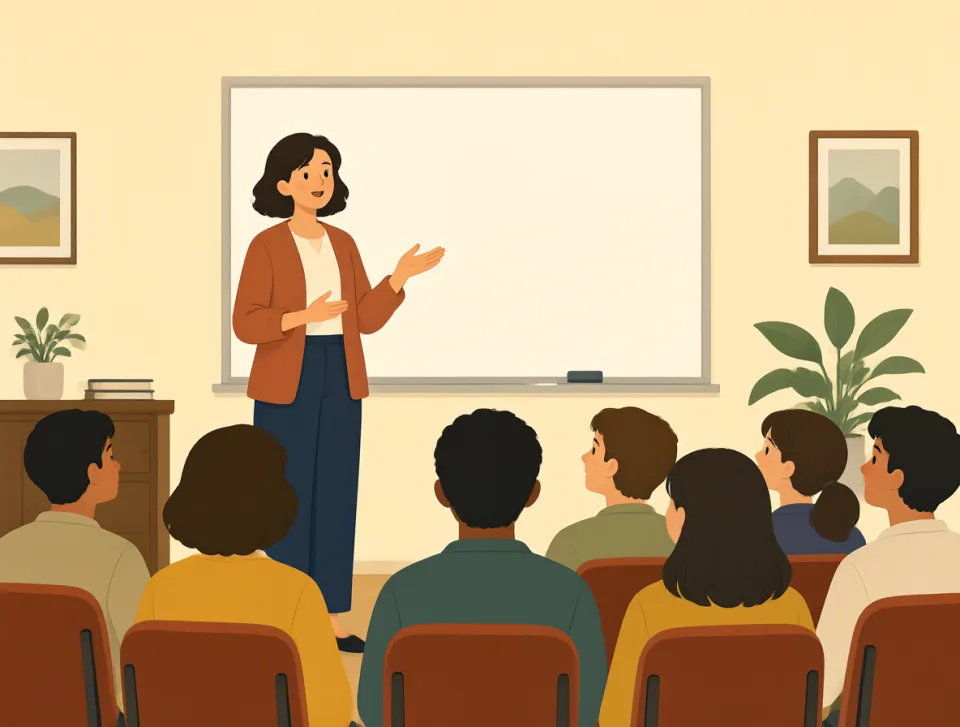
She gave a powerful speech that moved everyone in the room.
Wygłosiła poruszające przemówienie, które wzruszyło wszystkich obecnych.
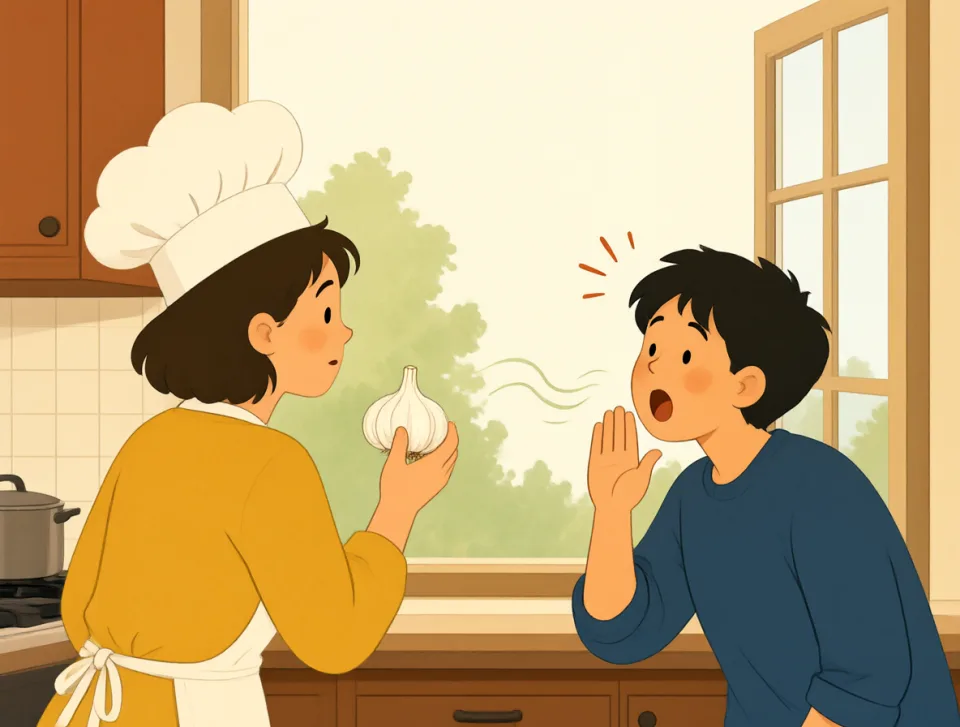
Garlic has a powerful smell, so open the kitchen window.
Czosnek ma intensywny zapach, więc otwórz okno w kuchni.
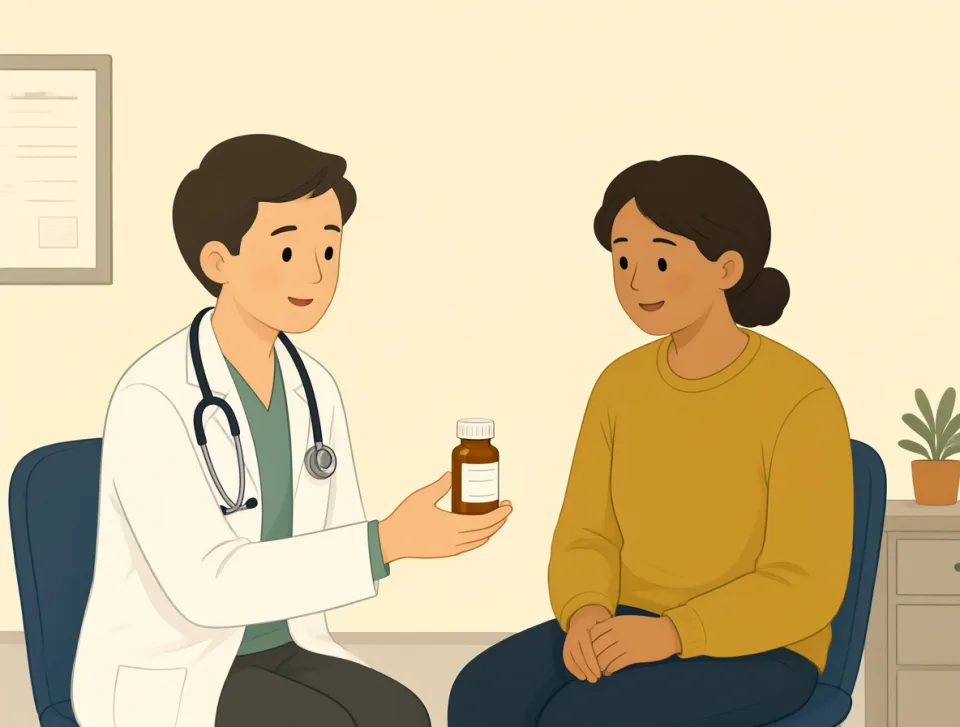
The doctor prescribed a powerful medicine for his serious infection.
Lekarz przepisał mu silny lek na poważną infekcję.