Zestaw 56
Słowa 1101–1120 · progress, truth, nobody, examine, lay, speed
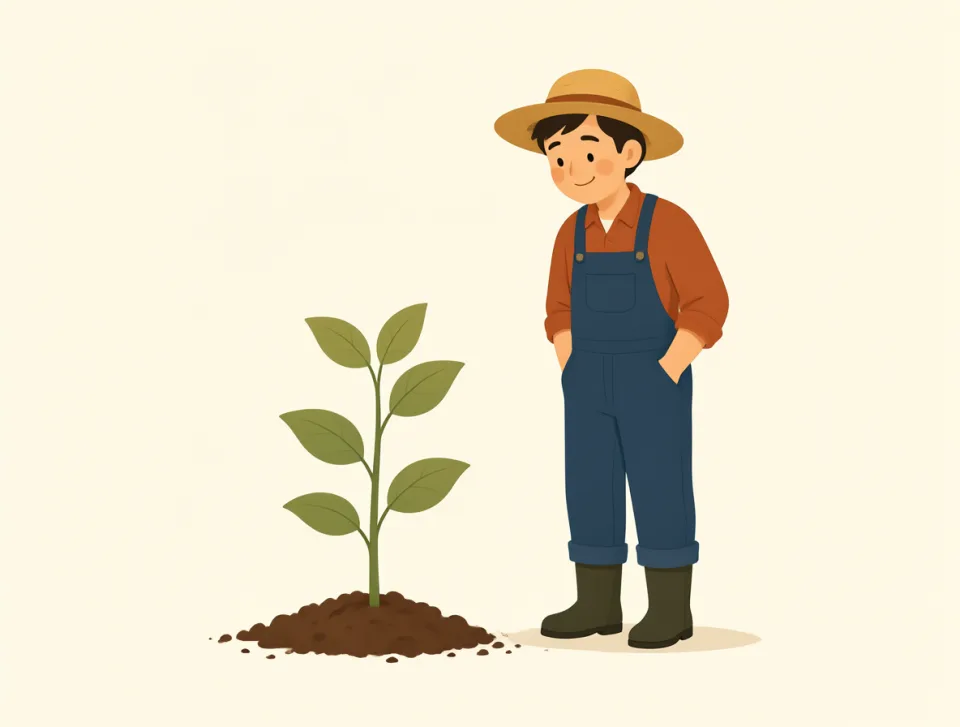
progress
#1101noun, verb
postęp
Movement toward a better or more advanced state, or the act of developing gradually.
Posuwanie się ku lepszemu lub bardziej zaawansowanemu stanowi albo stopniowy rozwój.
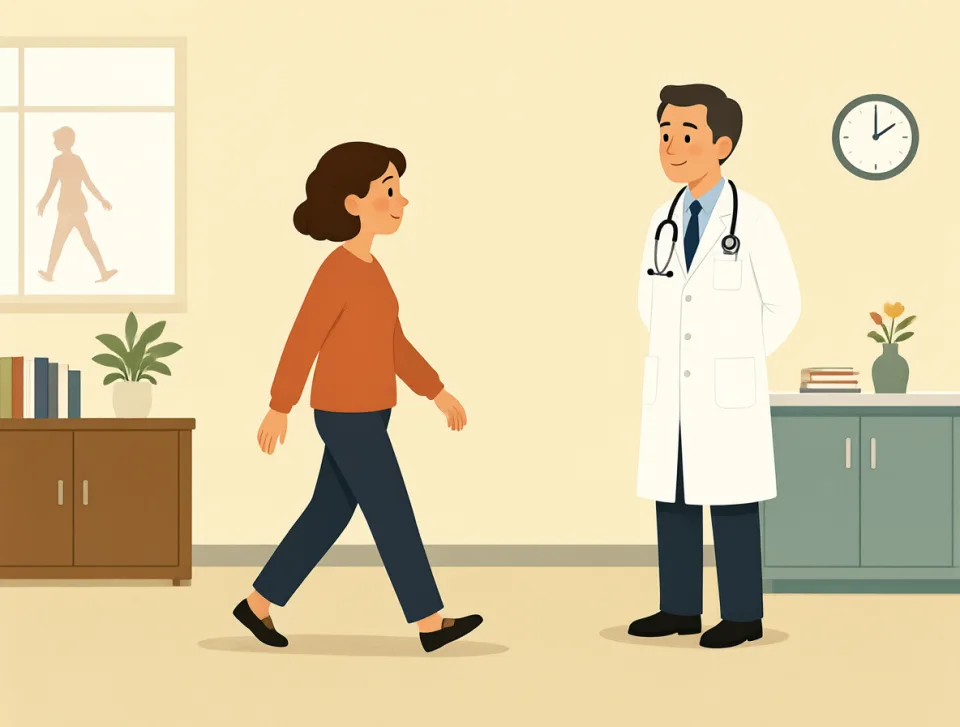
The new medicine helped her make good progress.
Nowy lek pomógł jej zrobić duże postępy.
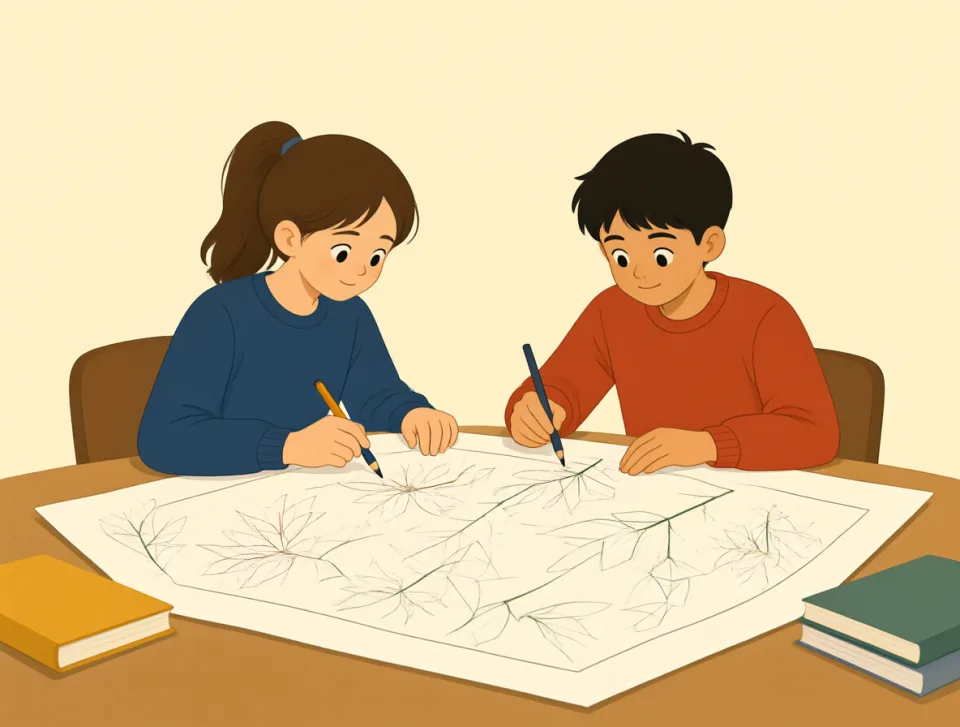
We are making progress on our school project.
Robimy postępy w pracy nad projektem szkolnym.
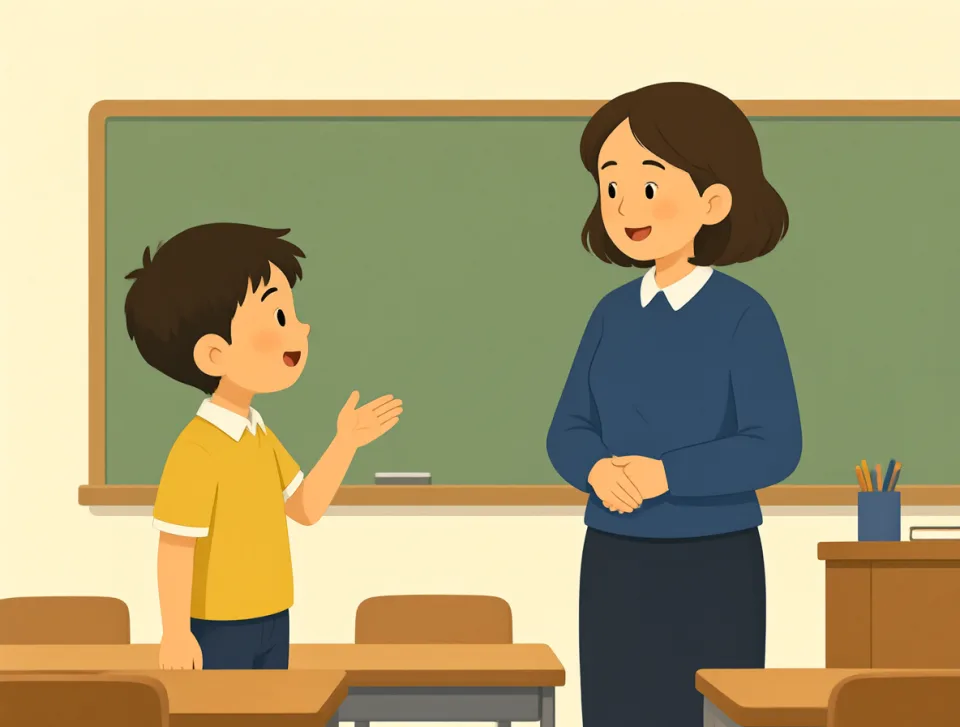
His English has improved greatly over the past year.
W ciągu ostatniego roku jego angielski bardzo się poprawił.

The builders progressed quickly after the rain stopped.
Budowniczowie szybko wznowili pracę, gdy przestało padać.
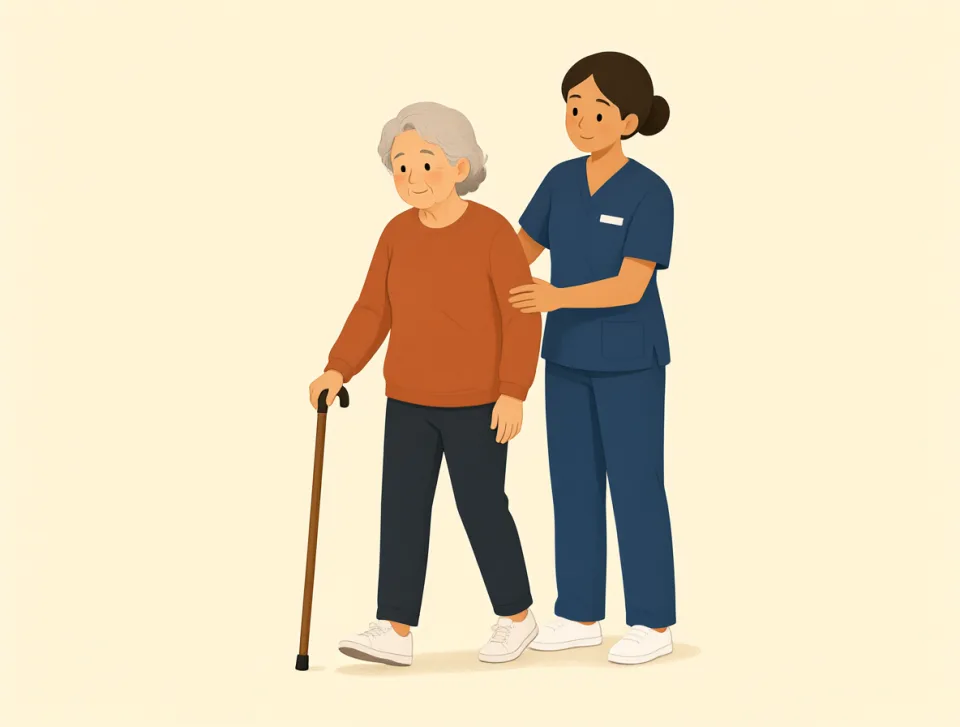
She is progressing well after her knee operation.
Po operacji kolana jej powrót do zdrowia przebiega pomyślnie.

truth
#1102noun
prawda
The facts about something, rather than what someone thinks or says.
Fakty dotyczące czegoś, a nie to, co ktoś myśli lub mówi.
Please tell me the truth about what happened yesterday.
Proszę, powiedz mi prawdę o tym, co wydarzyło się wczoraj.
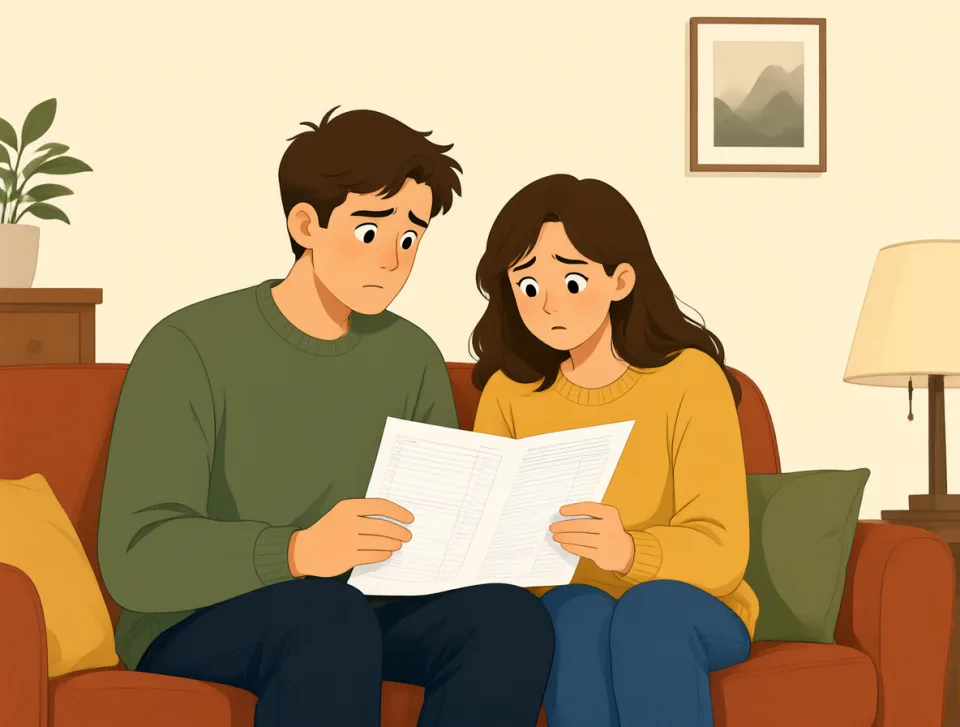
The truth is that we cannot afford a new car.
Prawda jest taka, że nie stać nas na nowy samochód.
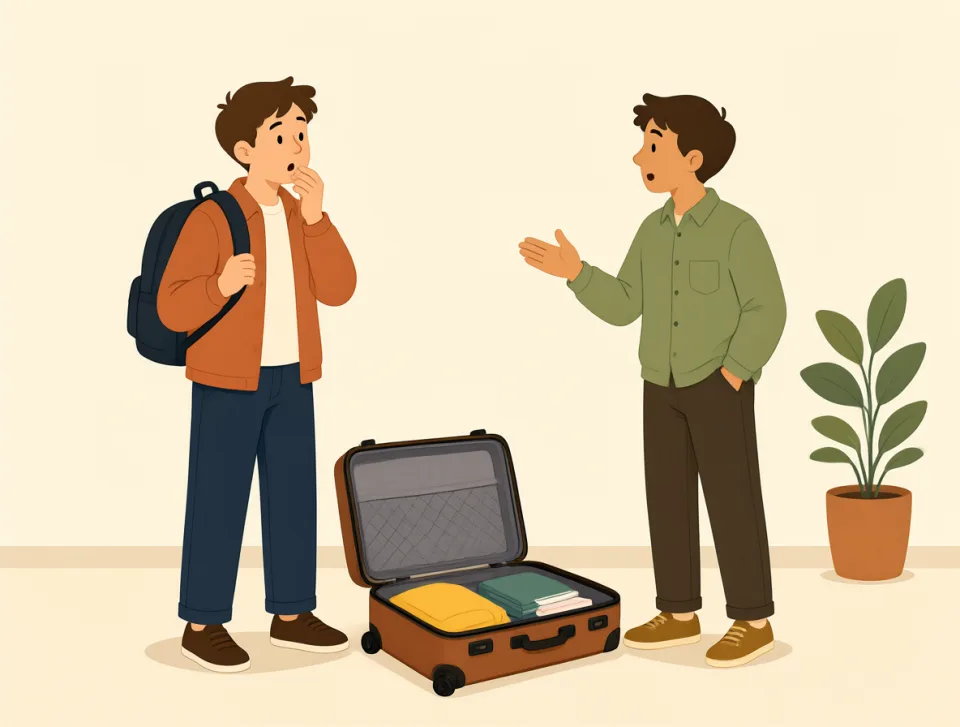
She finally found out the truth about her missing passport.
W końcu dowiedziała się prawdy o swoim zaginionym paszporcie.

He always tells the truth, even when it is difficult.
Zawsze mówi prawdę, nawet gdy jest to trudne.
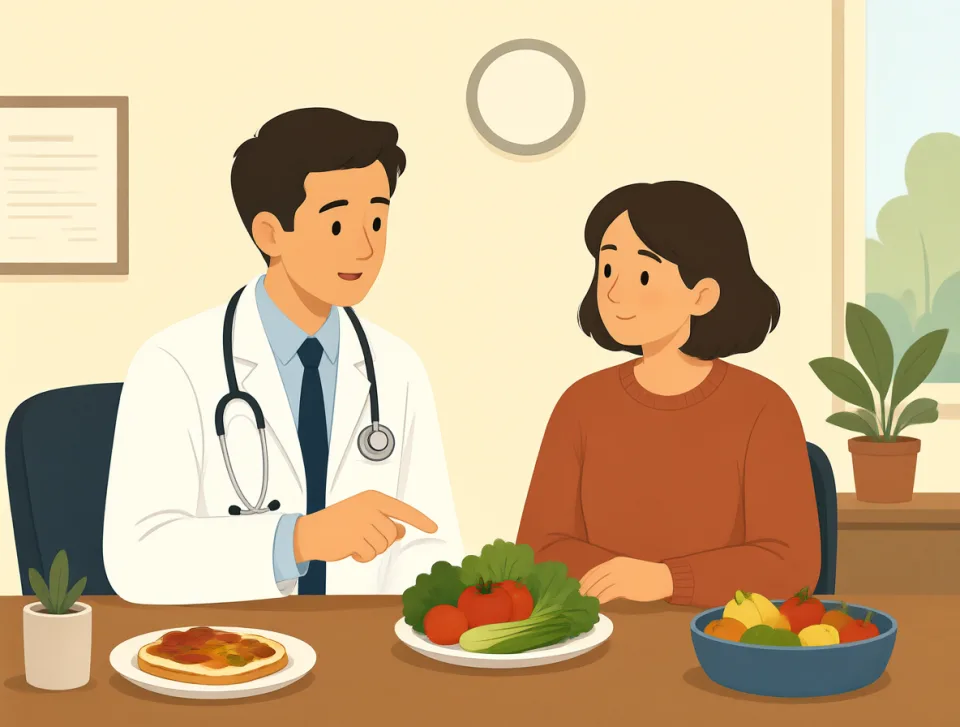
The doctor helped me face the truth about my unhealthy diet.
Lekarz pomógł mi zmierzyć się z prawdą o mojej niezdrowej diecie.
nobody
#1103pronoun
nikt
Not one person; no person at all.
Ani jedna osoba; żadna osoba.
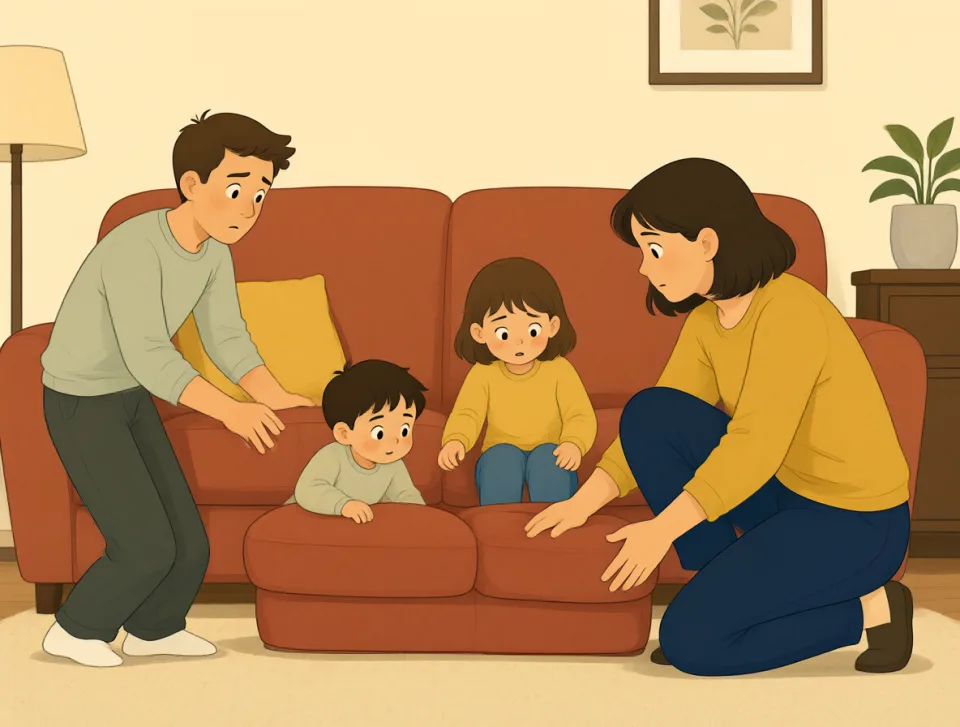
Nobody knows where the missing keys are.
Nikt nie wie, gdzie są zaginione klucze.

Nobody came to the party because of the storm.
Z powodu burzy nikt nie przyszedł na imprezę.
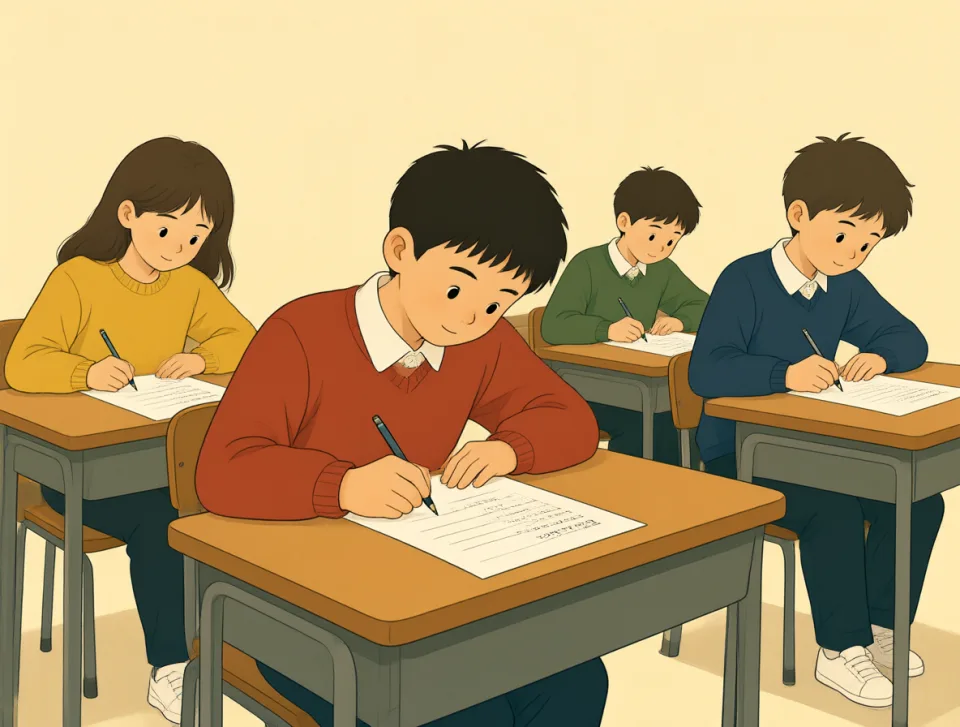
Nobody in my class finished the difficult test early.
Nikt z mojej klasy nie skończył przed czasem tego trudnego testu.
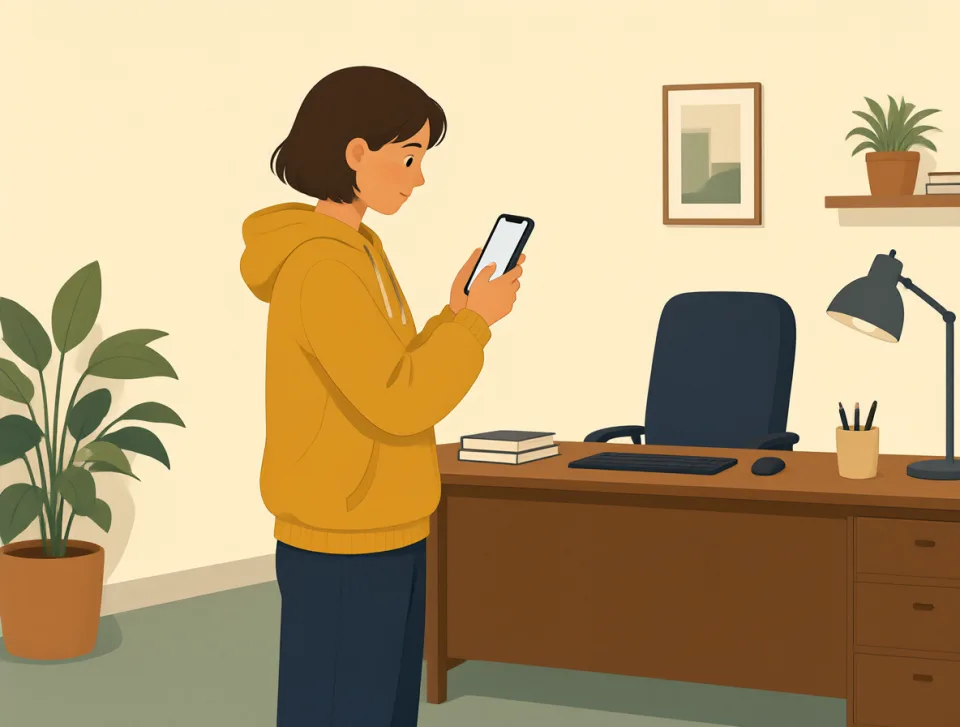
Nobody answered the phone when I called the office.
Kiedy dzwoniłem do biura, nikt nie odebrał telefonu.
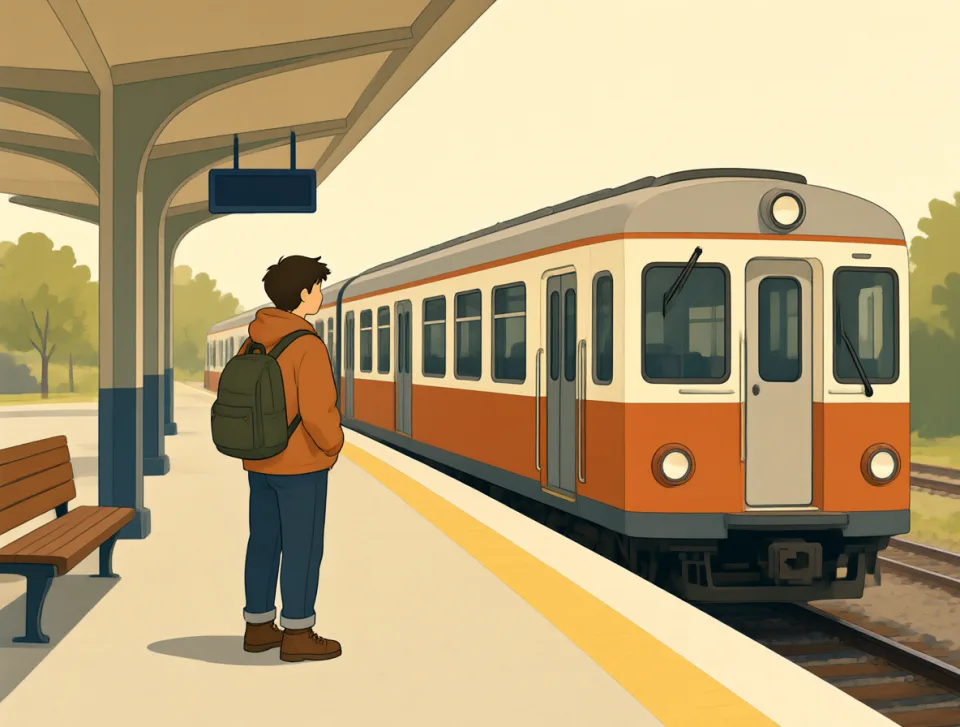
There was nobody at the station when our train arrived.
Kiedy przyjechał nasz pociąg, na stacji nikogo nie było.
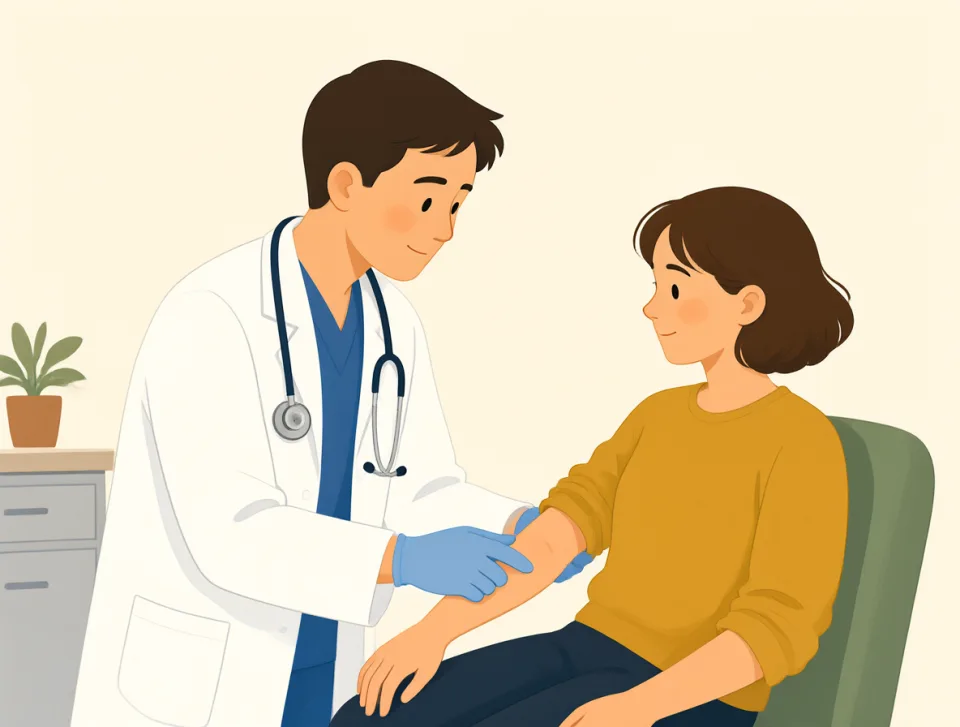
examine
#1104verb
badać
to look at something carefully to learn about it or find a problem
Dokładnie przyglądać się czemuś, aby lepiej to poznać lub znaleźć problem.
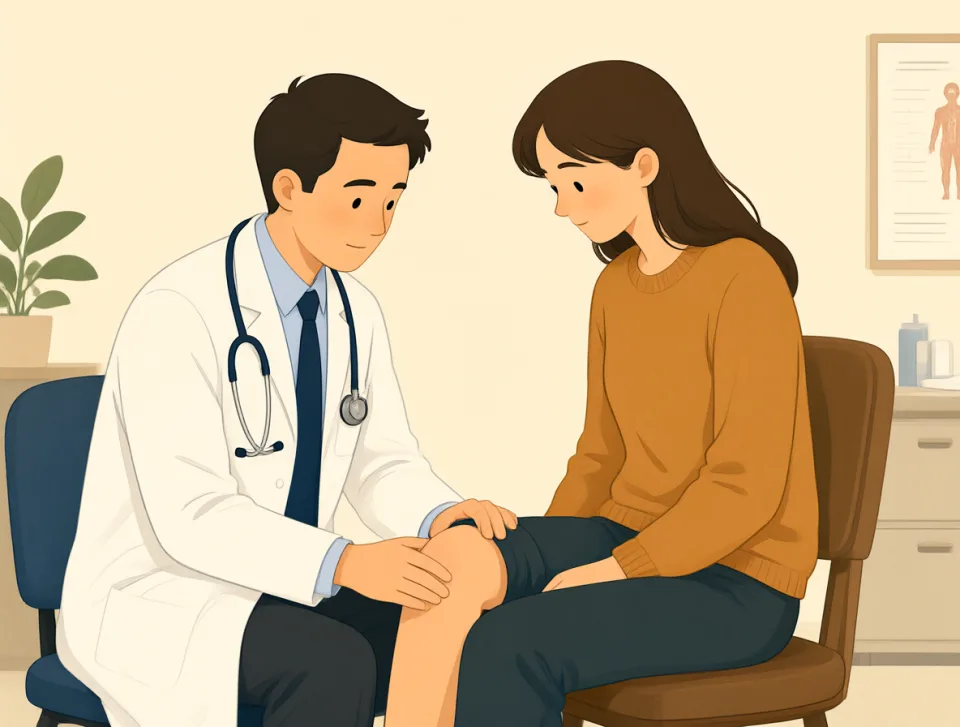
The doctor examined my knee and asked if it hurt.
Lekarz zbadał moje kolano i zapytał, czy boli.

The mechanic examined the car before giving us a price.
Mechanik sprawdził samochód, zanim podał nam cenę.

Students examined the leaves during their science lesson.
Podczas lekcji przyrody uczniowie przyglądali się liściom.

Please examine the shirt carefully before buying it.
Proszę, dokładnie obejrzyj koszulę przed zakupem.
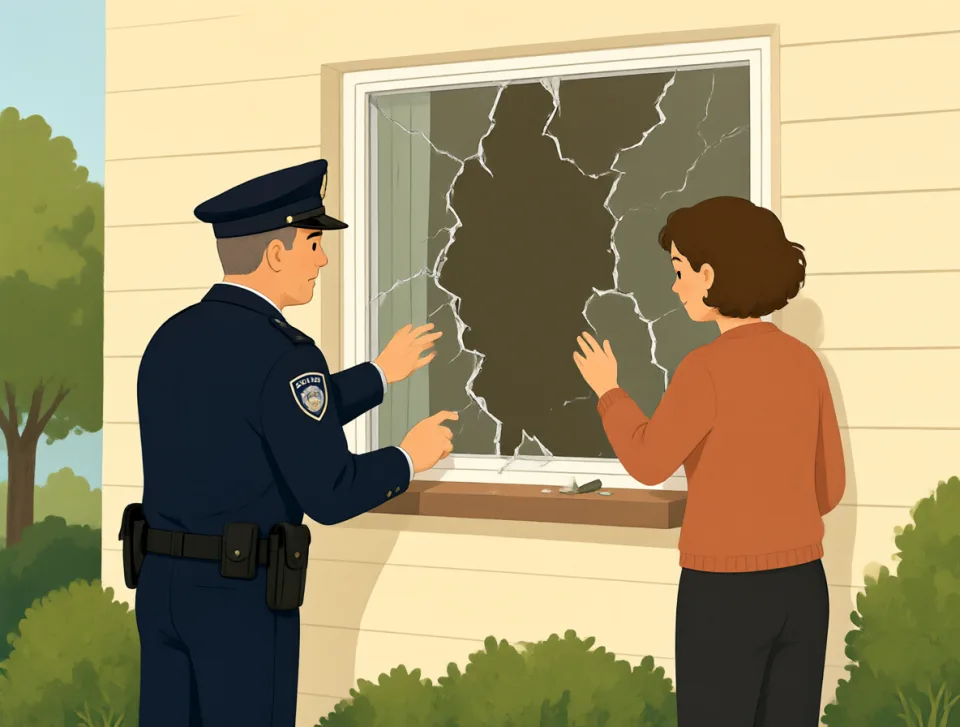
The police examined the broken window for clues.
Policja dokładnie zbadała rozbitą szybę w poszukiwaniu wskazówek.
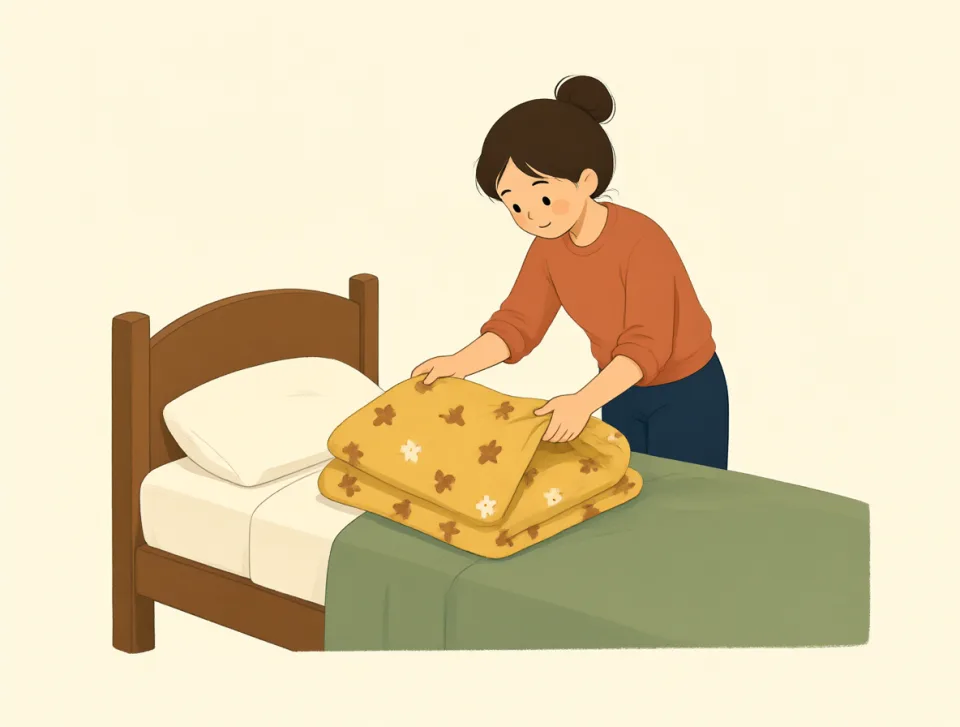
lay
#1105verb
położyć
to put something down gently or carefully
Delikatnie lub ostrożnie coś odłożyć.
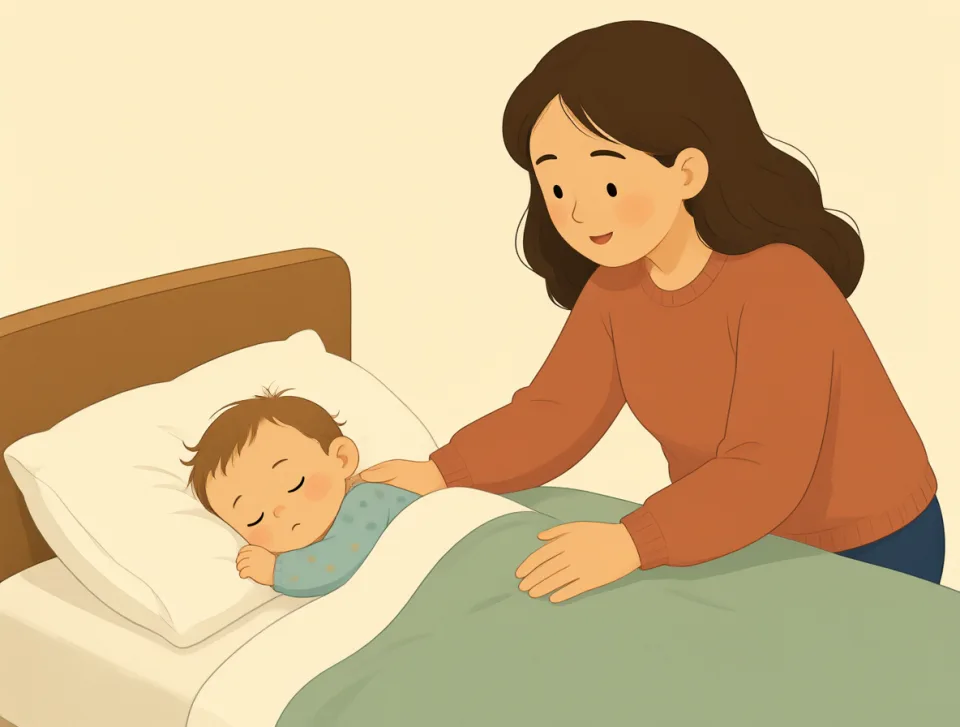
Please lay the baby on the bed for a nap.
Proszę położyć dziecko na łóżku, żeby się zdrzemnęło.

She laid the plates on the kitchen table.
Położyła talerze na kuchennym stole.

The hen lays an egg every morning.
Kura znosi jajko każdego ranka.
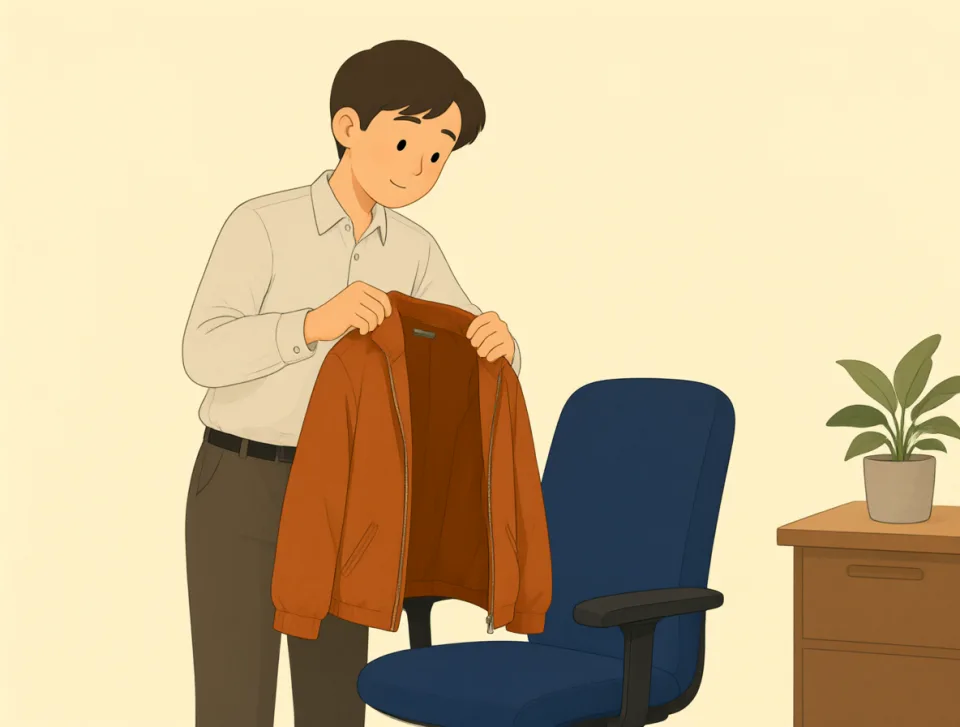
He laid his jacket over the chair at work.
W pracy położył swoją kurtkę na krześle.
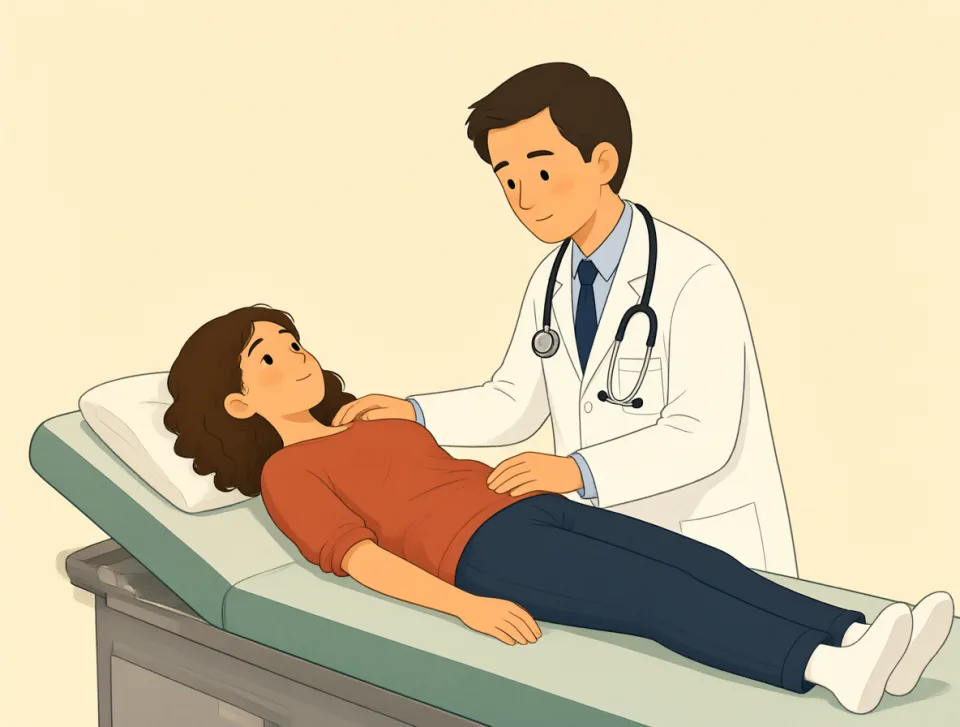
The doctor told me to lay still during the examination.
Lekarz kazał mi leżeć nieruchomo podczas badania.
speed
#1106noun, verb
prędkość
How fast someone or something moves; to move faster.
To, jak szybko porusza się ktoś lub coś; poruszać się szybciej.
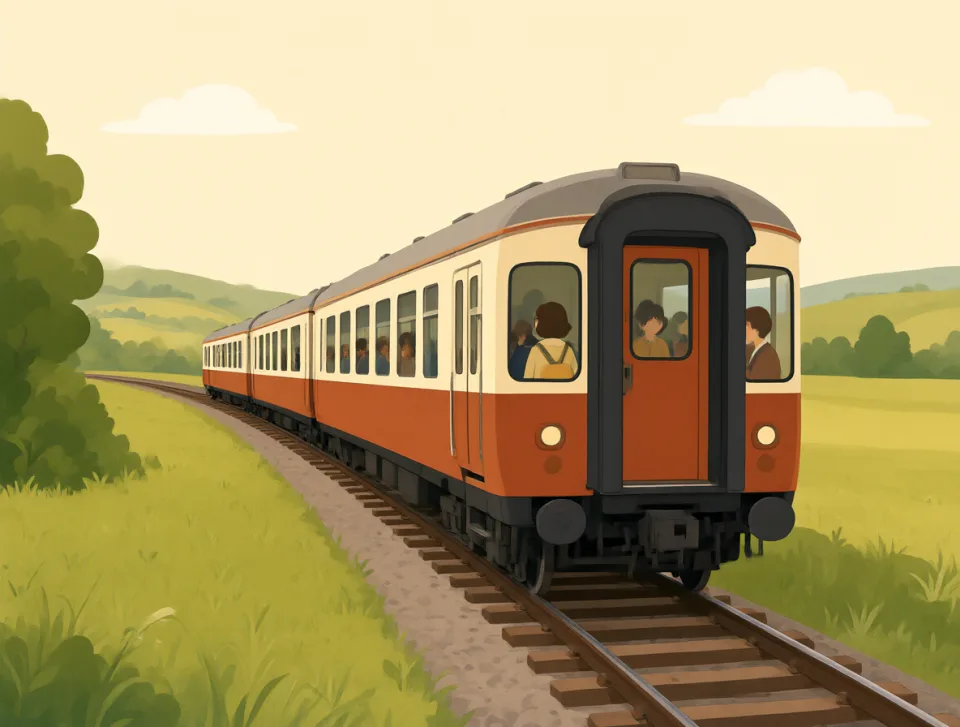
The train picked up speed after leaving the station.
Pociąg nabrał prędkości po odjeździe ze stacji.
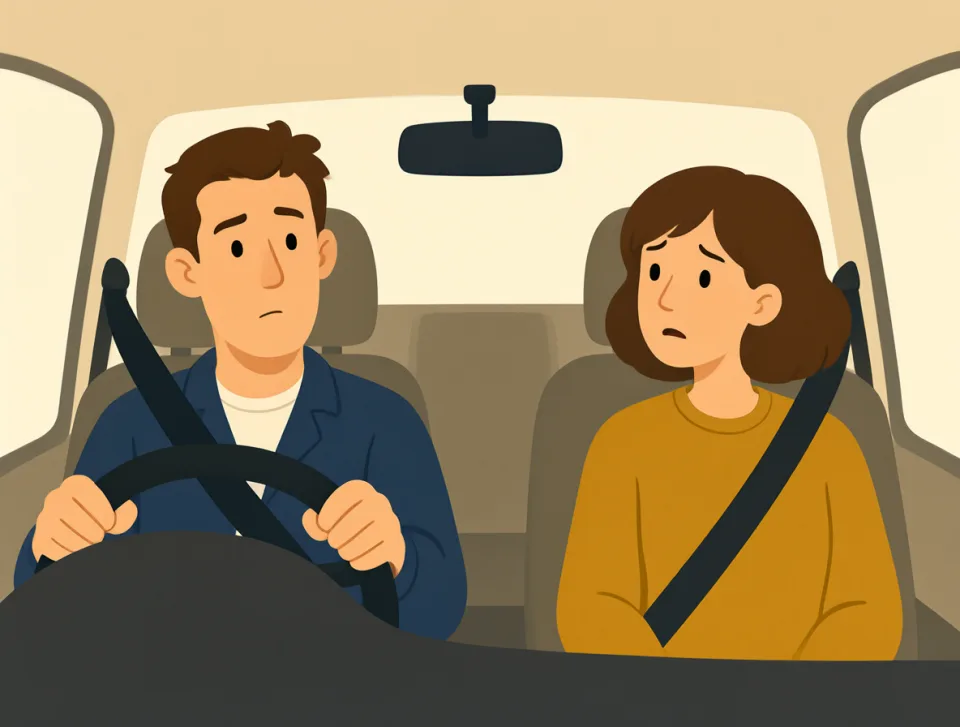
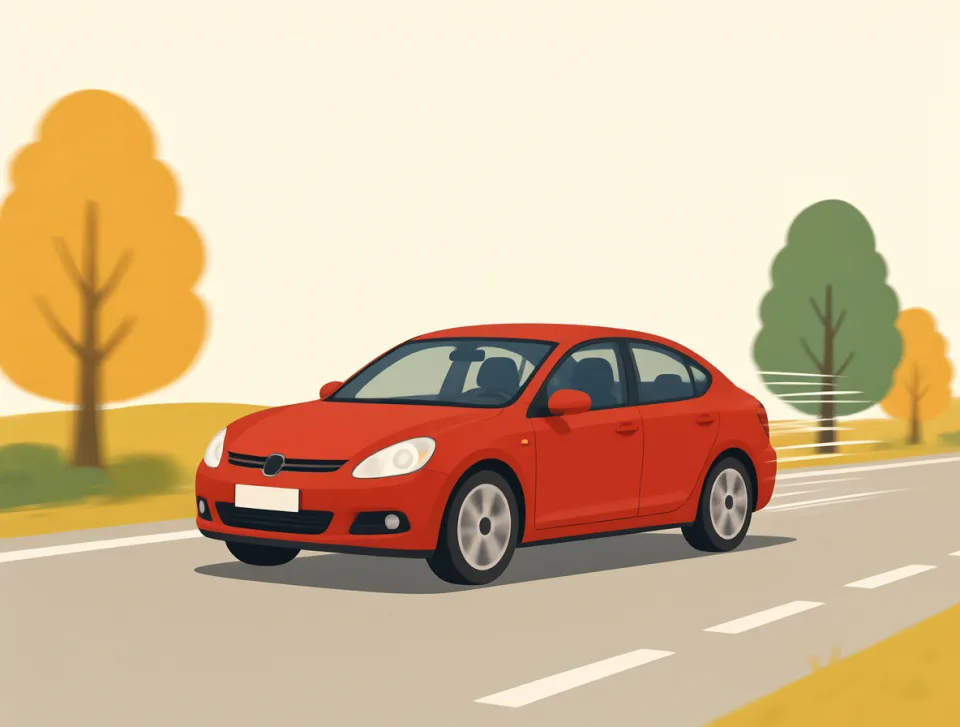
Please slow down; you are driving at a dangerous speed.
Zwolnij, proszę — jedziesz z niebezpieczną prędkością.
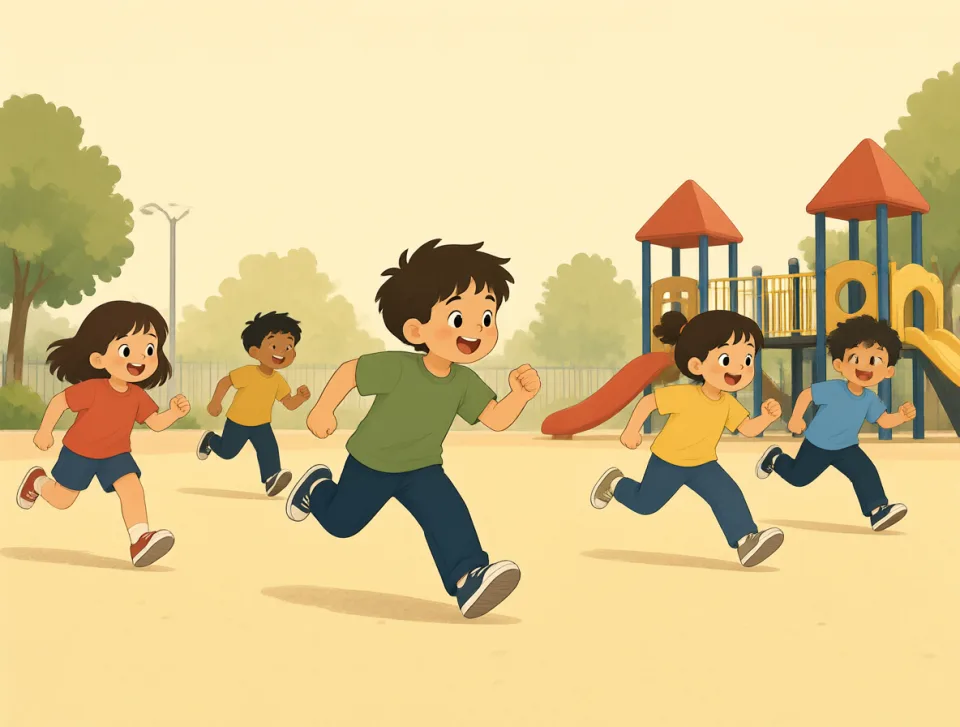
The children ran at full speed across the playground.
Dzieci przebiegły przez plac zabaw z pełną prędkością.

This internet connection is fast enough for online classes.
To połączenie internetowe jest wystarczająco szybkie do zajęć online.

The chef speeds up dinner by preparing the vegetables first.
Kucharz przyspiesza przygotowanie obiadu, najpierw przygotowując warzywa.
politics
#1107noun
polityka
The activities and ideas involved in governing a country or group.
Działania i poglądy związane z rządzeniem krajem lub grupą.
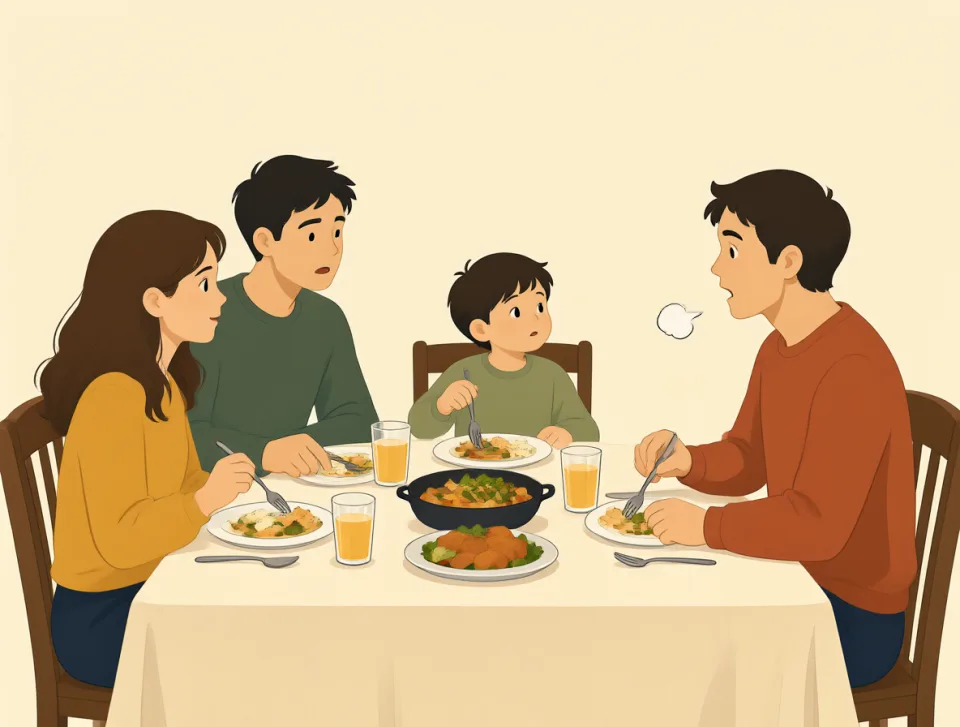
We do not talk about politics at family dinners.
Nie rozmawiamy o polityce podczas rodzinnych obiadów.
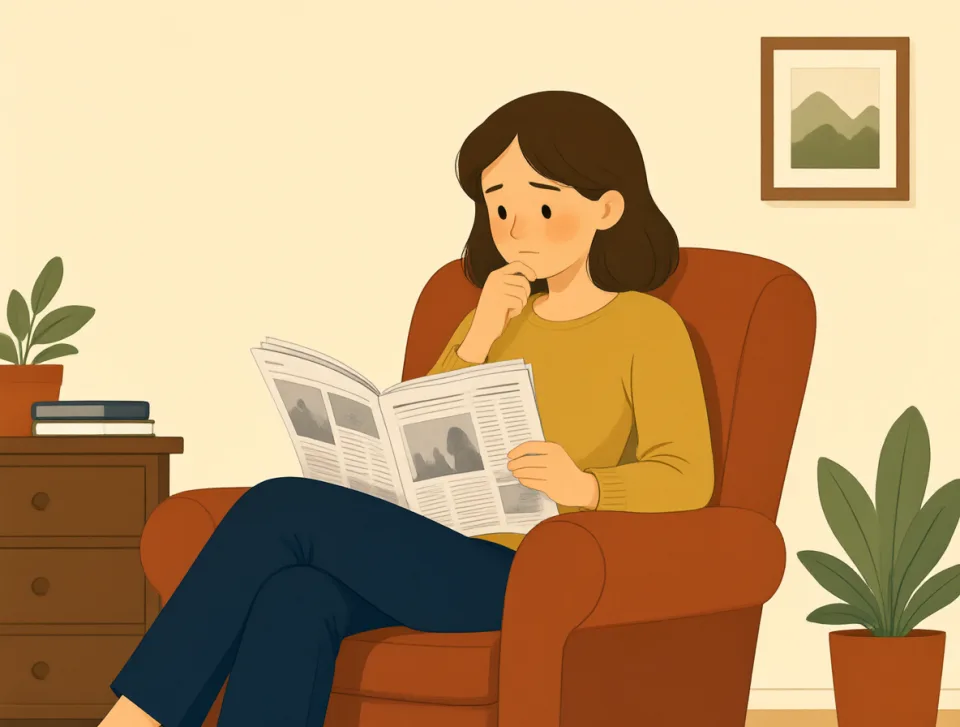
She is interested in politics and follows the news every day.
Interesuje się polityką i codziennie śledzi wiadomości.

Office politics can make teamwork difficult.
Polityka biurowa może utrudniać współpracę.
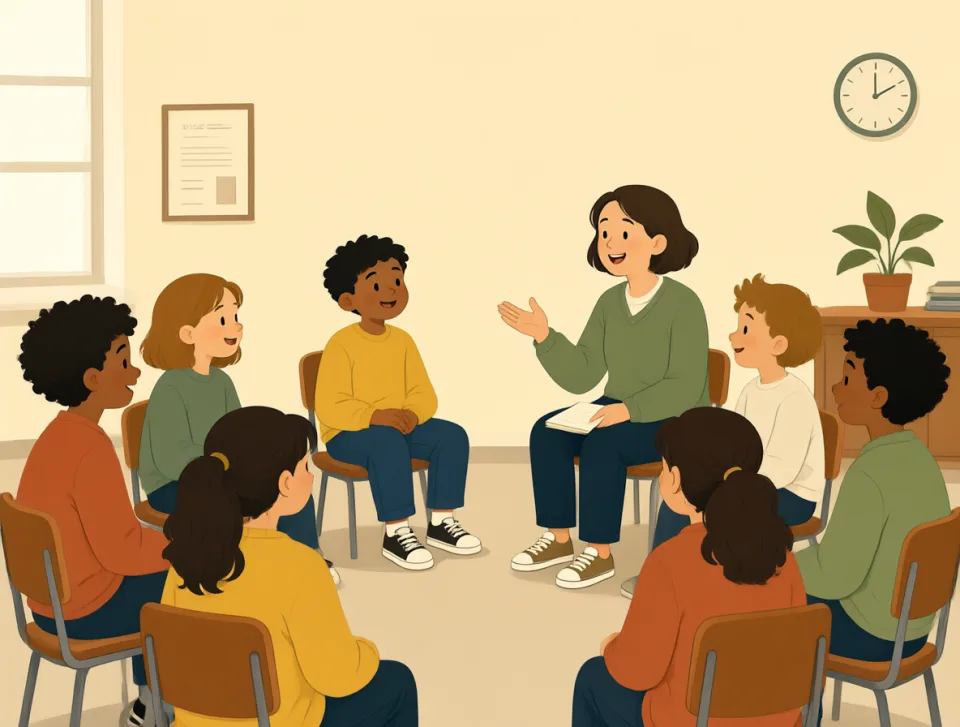
The students discussed local politics in their class.
Uczniowie rozmawiali na lekcji o lokalnej polityce.

My friends started arguing about politics during the long train journey.
Moi znajomi zaczęli kłócić się o politykę podczas długiej podróży pociągiem.
reply
#1108noun, verb
odpowiadać; odpowiedź
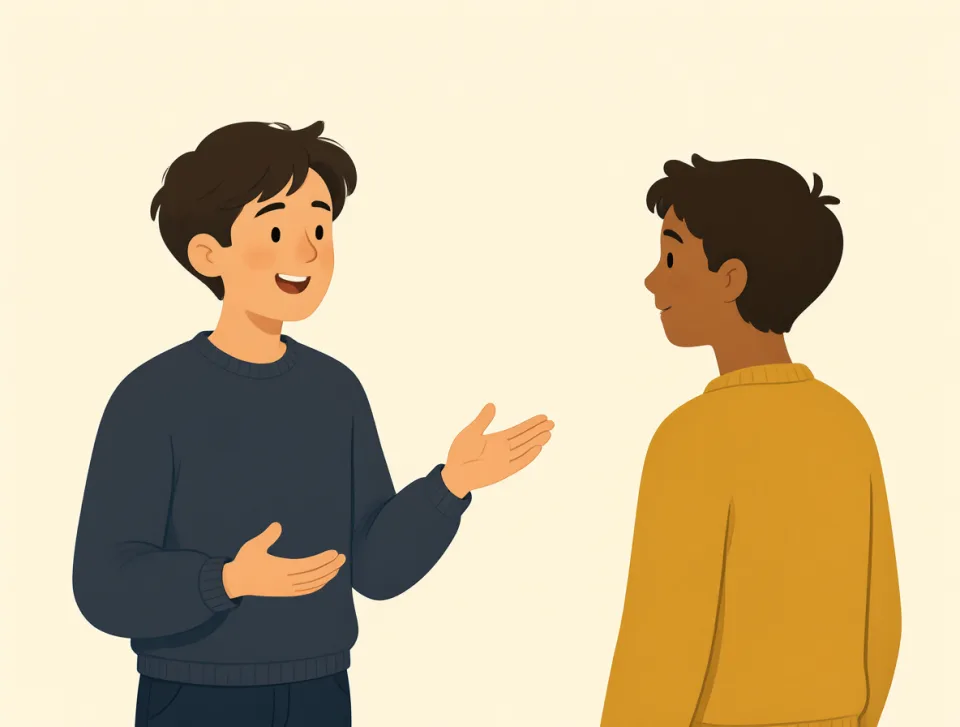
To answer someone or something by speaking, writing, or doing something.
Odpowiedzieć komuś lub na coś ustnie, pisemnie albo poprzez działanie.

Please reply to my message when you get home.
Odpisz na moją wiadomość, proszę, kiedy wrócisz do domu.

He replied that he would arrive after lunch.
Odpowiedział, że przyjedzie po obiedzie.

The shop replied to my complaint and offered a refund.
Sklep odpowiedział na moją reklamację i zaproponował zwrot pieniędzy.

She waited all day for a reply from the hotel.
Cały dzień czekała na odpowiedź z hotelu.
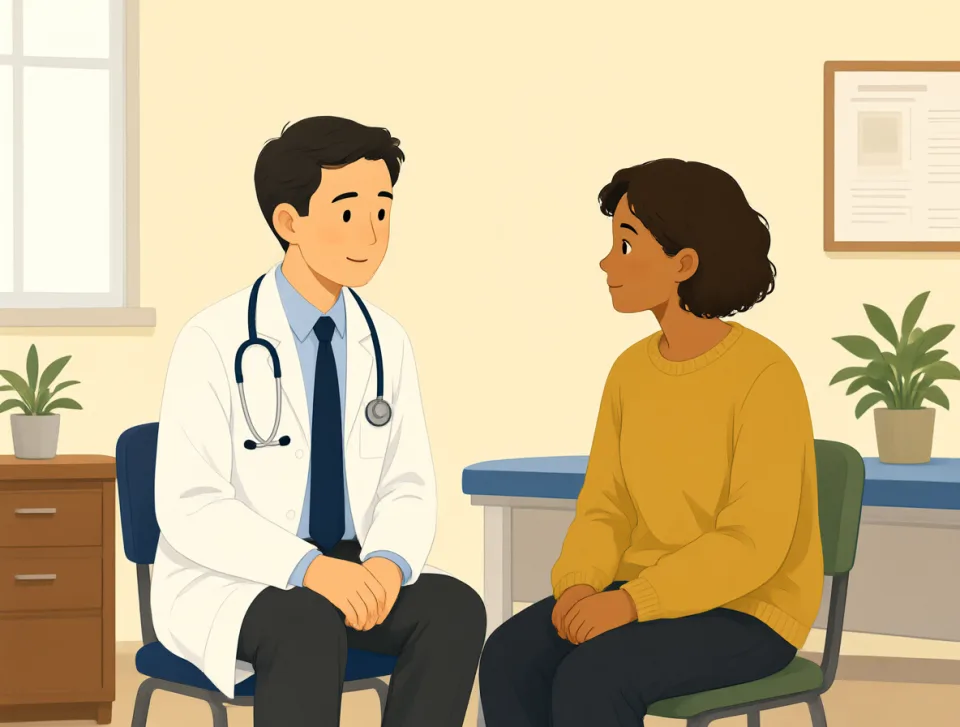
My doctor replied to my question about the new medicine.
Mój lekarz odpowiedział na moje pytanie dotyczące nowego leku.

display
#1109noun, verb
wyświetlać; ekspozycja
to show something clearly, or a place where things are shown
Pokazywać coś wyraźnie lub miejsce, w którym prezentuje się różne rzeczy.

The museum displays beautiful paintings from around the world.
W muzeum prezentowane są piękne obrazy z całego świata.

Her phone display is too dark to read outside.
Ekran jej telefonu jest zbyt ciemny, żeby dało się go czytać na zewnątrz.

The shop displayed its best products near the entrance.
Sklep wyeksponował swoje najlepsze produkty w pobliżu wejścia.

The children displayed their science projects at school.
Dzieci zaprezentowały w szkole swoje projekty naukowe.
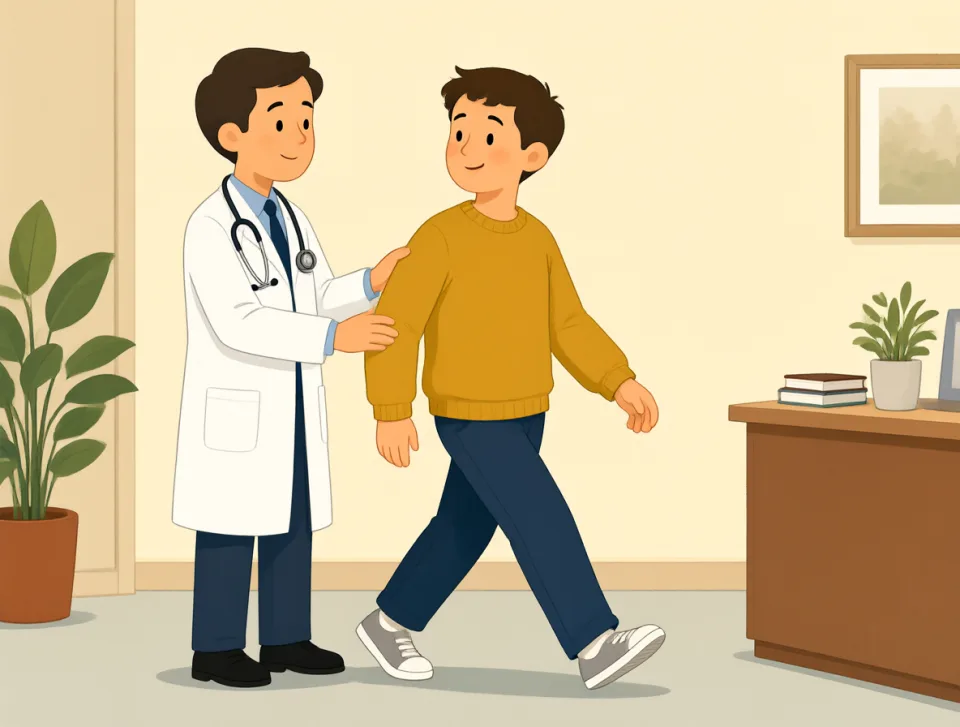
The patient displayed signs of improvement after treatment.
Po leczeniu u pacjenta pojawiły się oznaki poprawy.
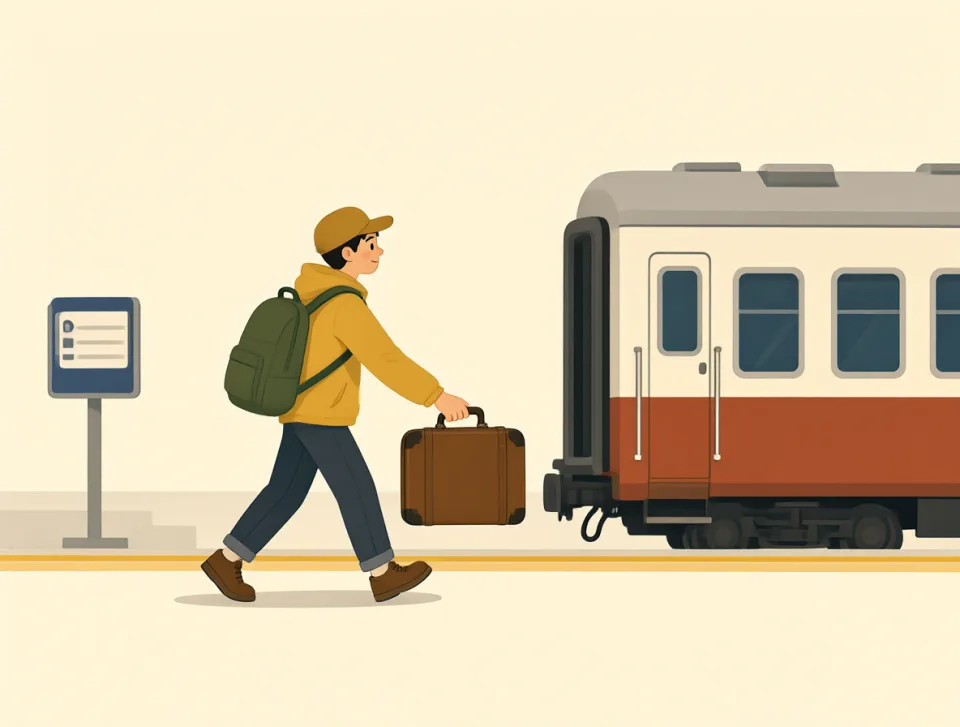
transfer
#1110noun, verb
przenosić; przelew
To move something or someone from one person, place, or account to another.
Przenieść coś lub kogoś od jednej osoby, z jednego miejsca lub konta do innego.
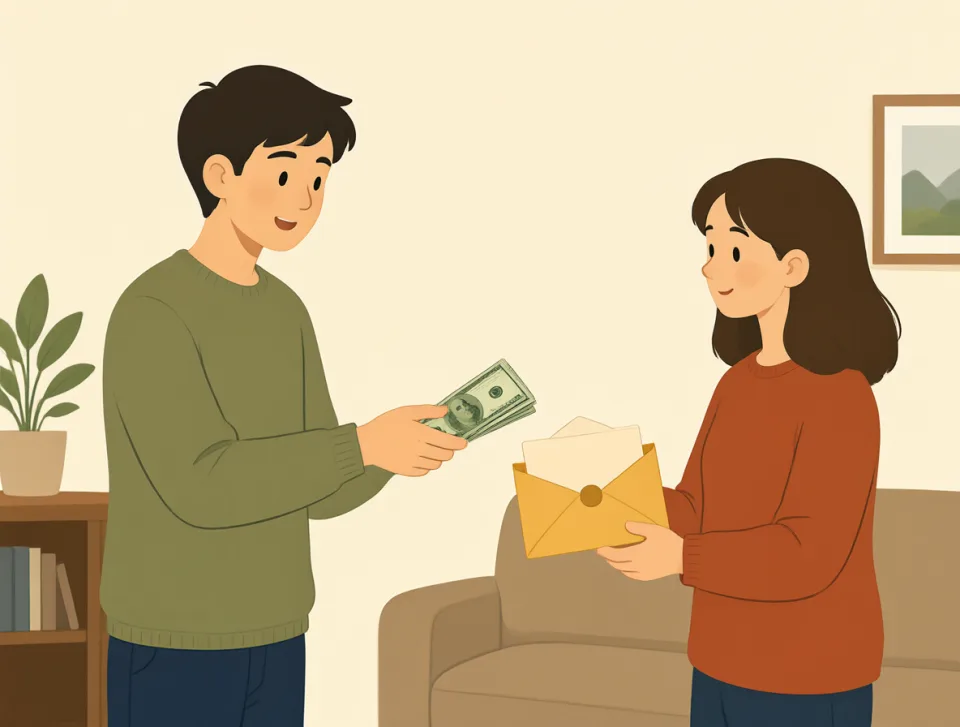
Please transfer the money to my bank account today.
Proszę przelać dziś pieniądze na moje konto bankowe.

She transferred to a different school last year.
W zeszłym roku przeniosła się do innej szkoły.
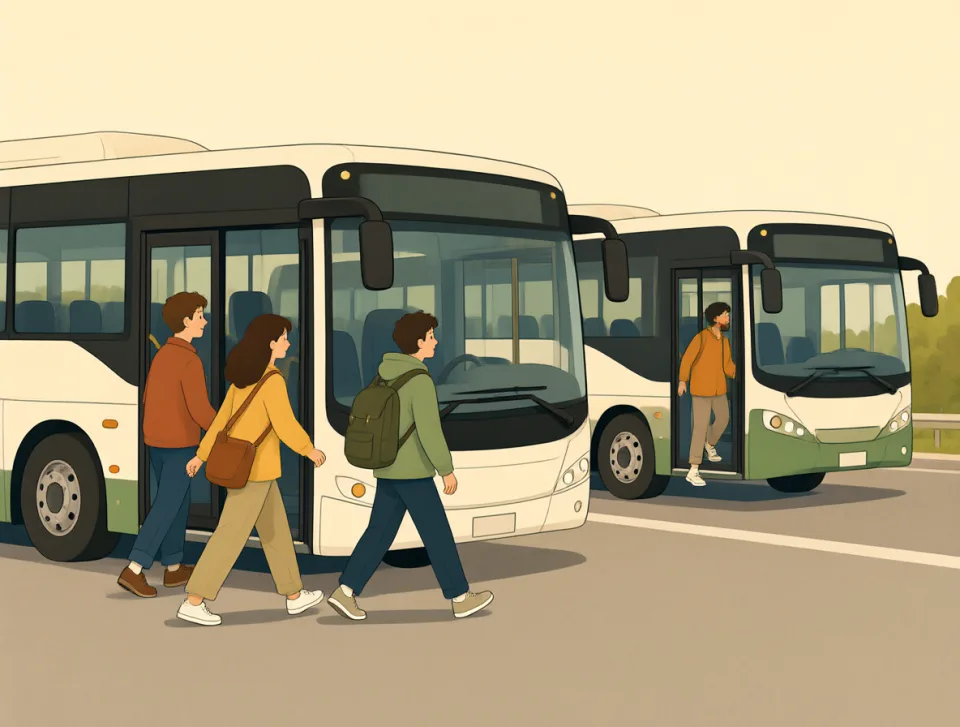
We need to transfer buses at the next stop.
Na następnym przystanku musimy przesiąść się do innego autobusu.
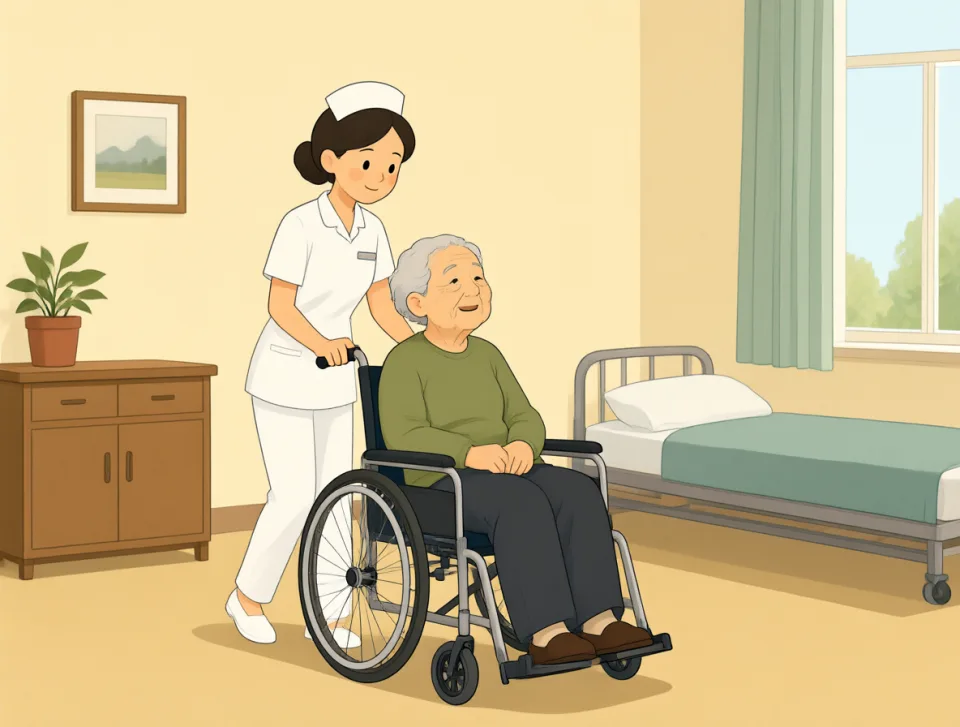
The nurse transferred the patient to a quieter room.
Pielęgniarka przeniosła pacjenta do cichszego pokoju.
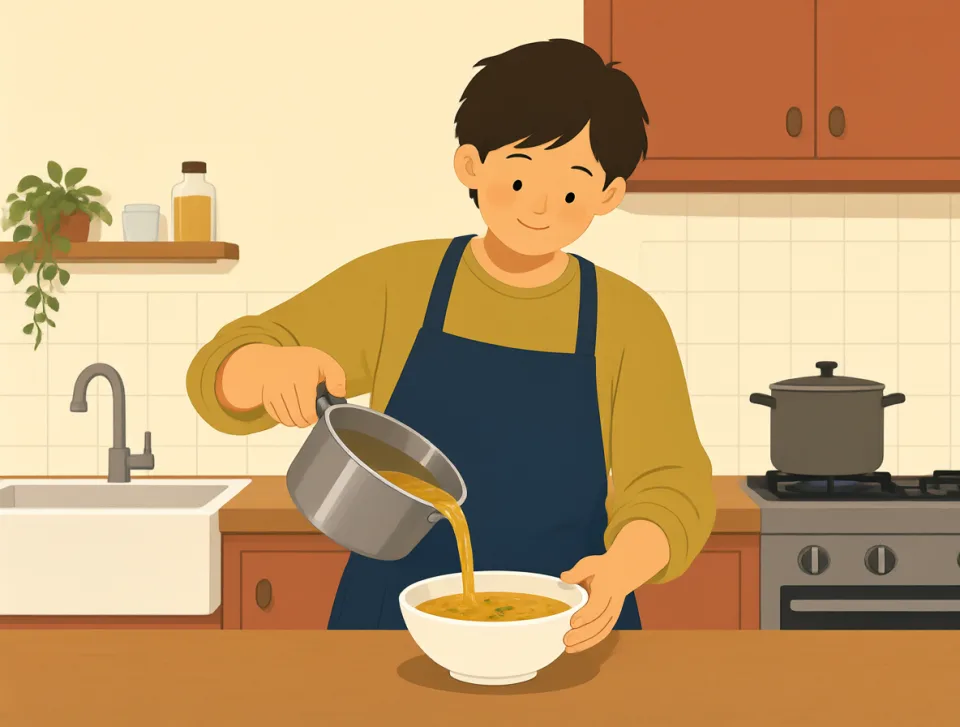
He is transferring the soup into a clean bowl.
Przelewa zupę do czystej miski.
perfect
#1111adjective, noun, verb
doskonały
Completely correct, suitable, or without any mistakes or problems.
Całkowicie poprawny, odpowiedni lub pozbawiony jakichkolwiek błędów czy problemów.

This sunny day is perfect for a picnic in the park.
Ten słoneczny dzień jest idealny na piknik w parku.

She found the perfect dress for her sister's wedding.
Znalazła idealną sukienkę na ślub swojej siostry.
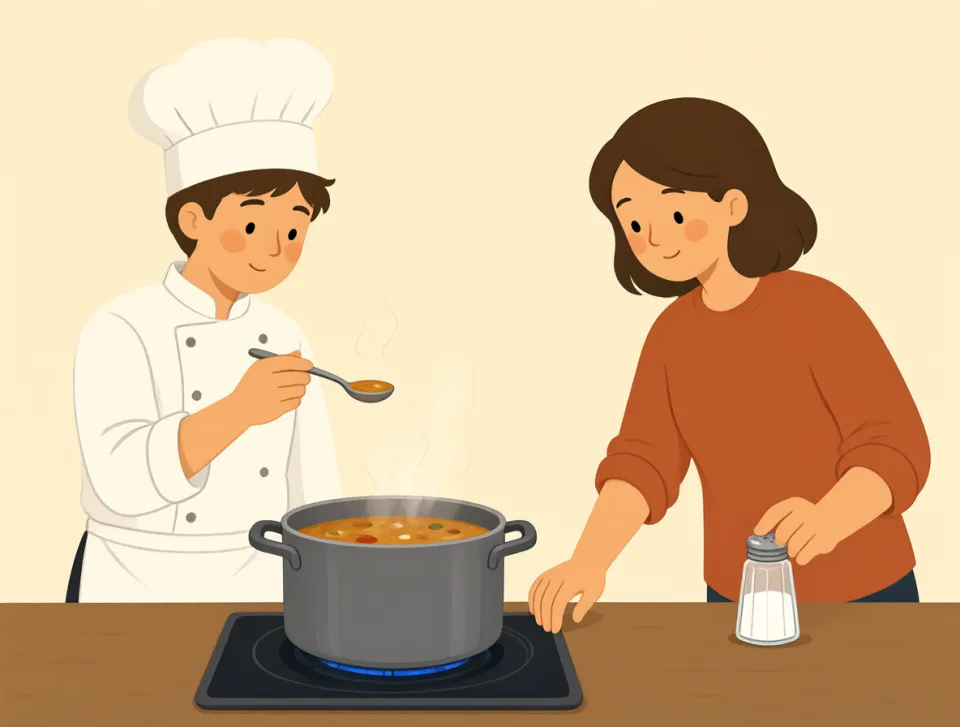
The soup needs more salt to make it perfect.
Do zupy trzeba dodać więcej soli, żeby była idealna.
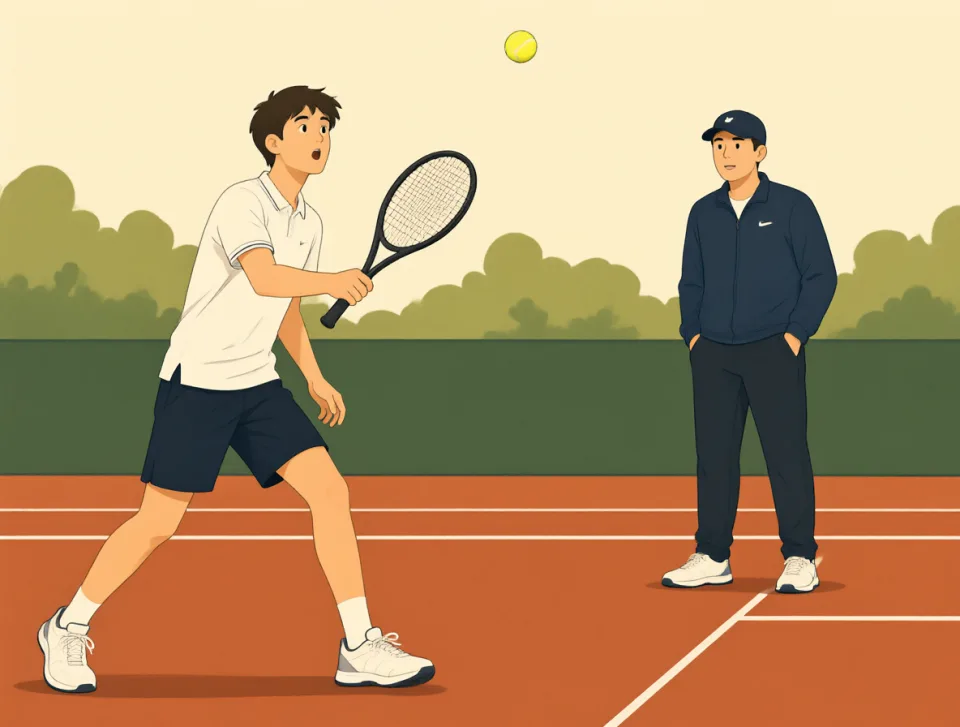
He practiced every day until he perfected his tennis serve.
Codziennie ćwiczył, aż dopracował swój serwis tenisowy do perfekcji.
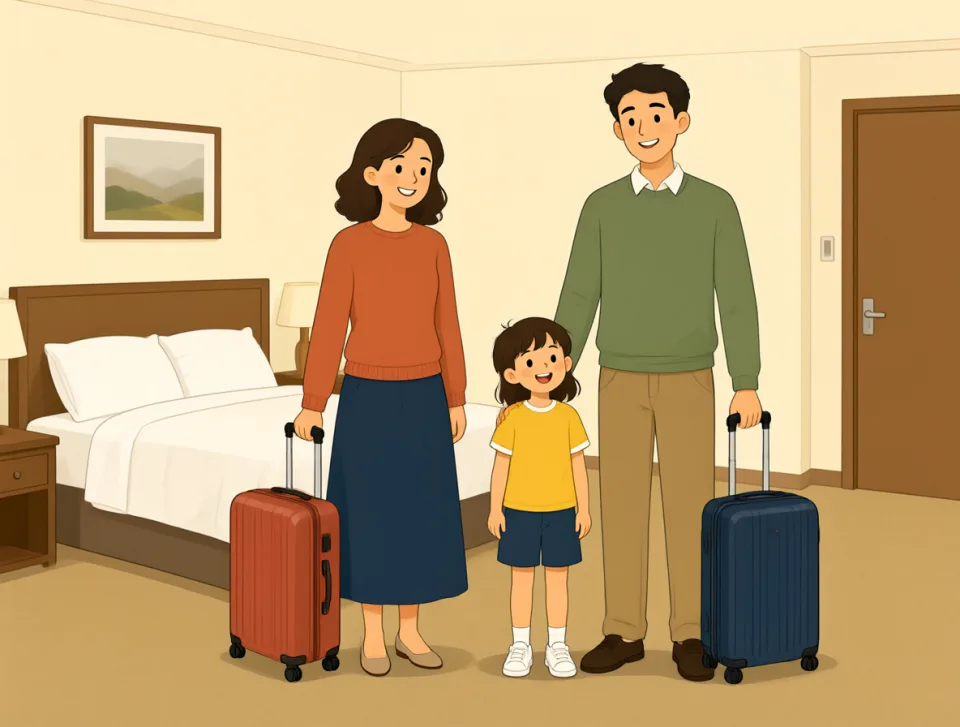
The hotel room was perfect for our family of four.
Pokój hotelowy był idealny dla naszej czteroosobowej rodziny.
slightly
#1112adverb
nieznacznie
A little, but not very much.
Trochę, ale niezbyt mocno.
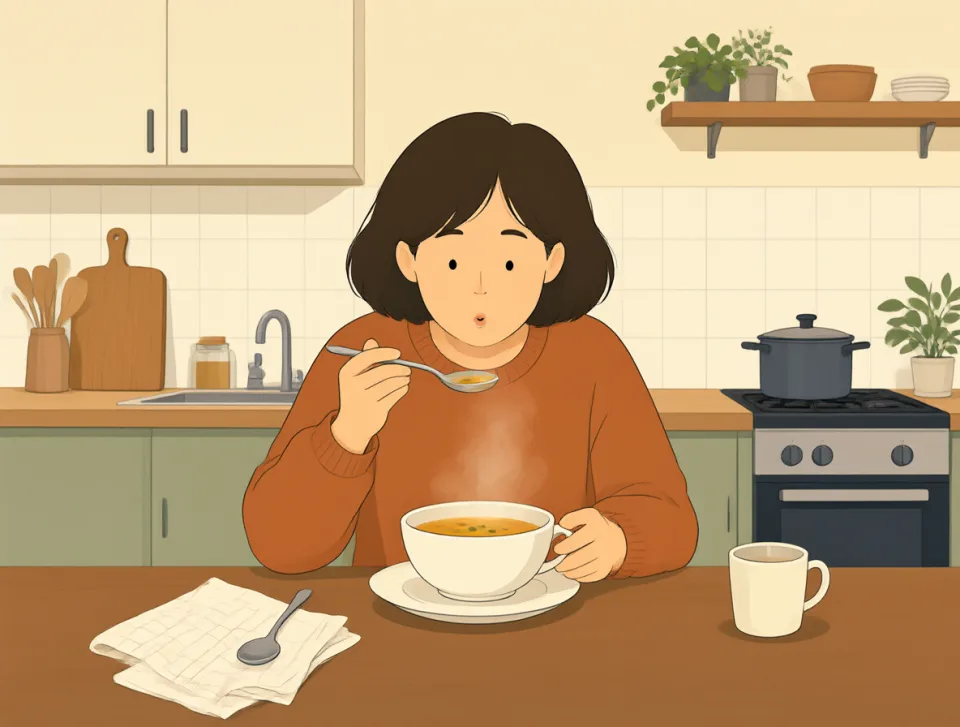
The soup is slightly too hot to eat.
Zupa jest trochę za gorąca, żeby ją zjeść.
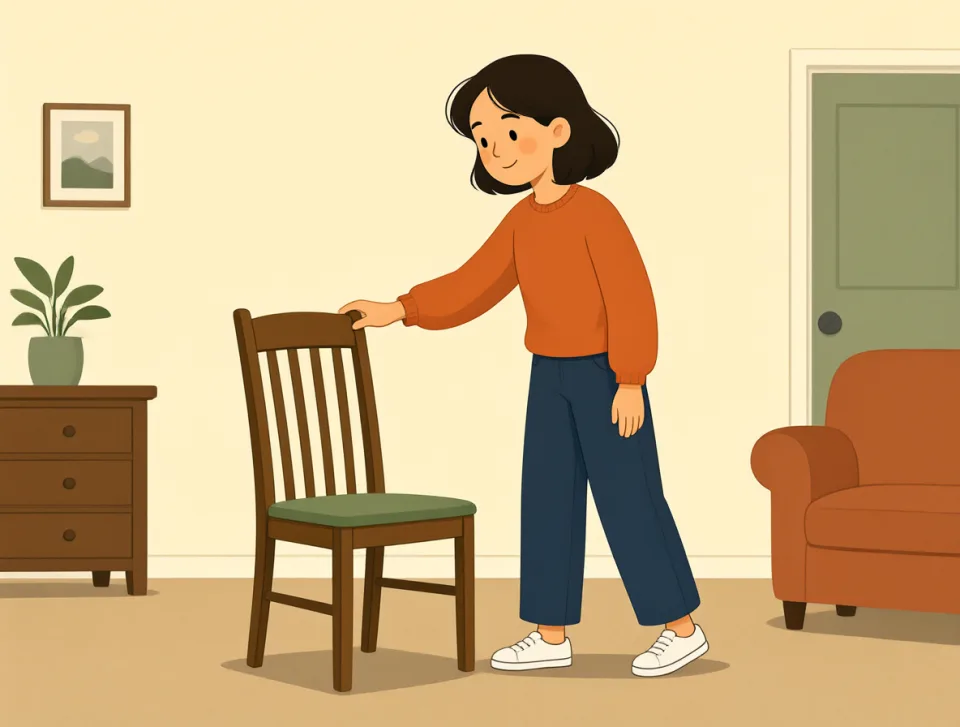
Please move the chair slightly to the left.
Przesuń proszę krzesło trochę w lewo.
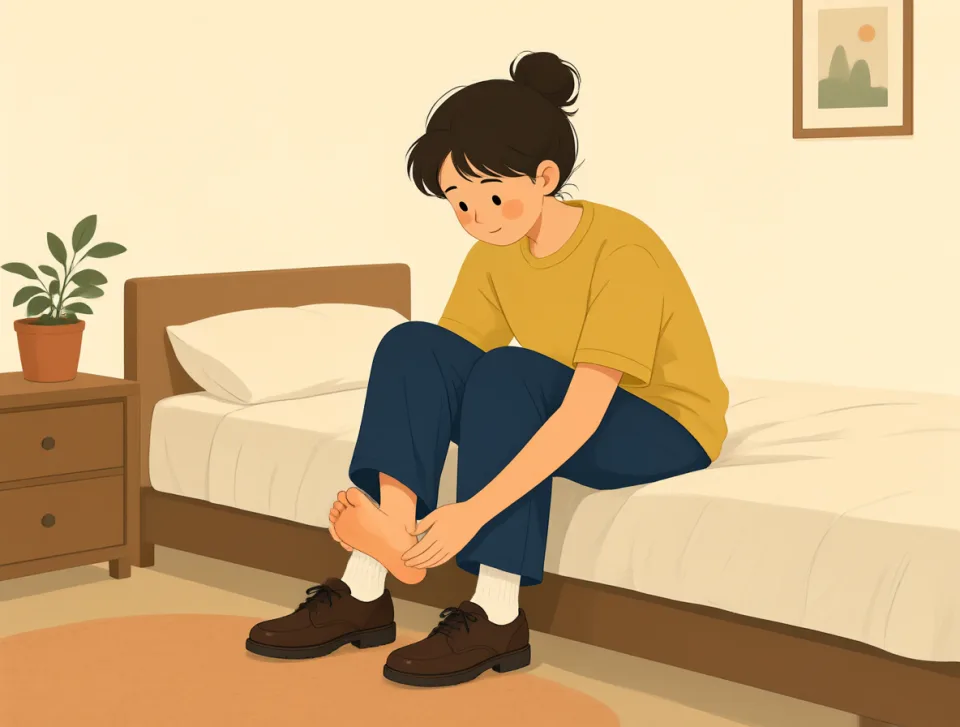
My new shoes are slightly uncomfortable.
Moje nowe buty są trochę niewygodne.
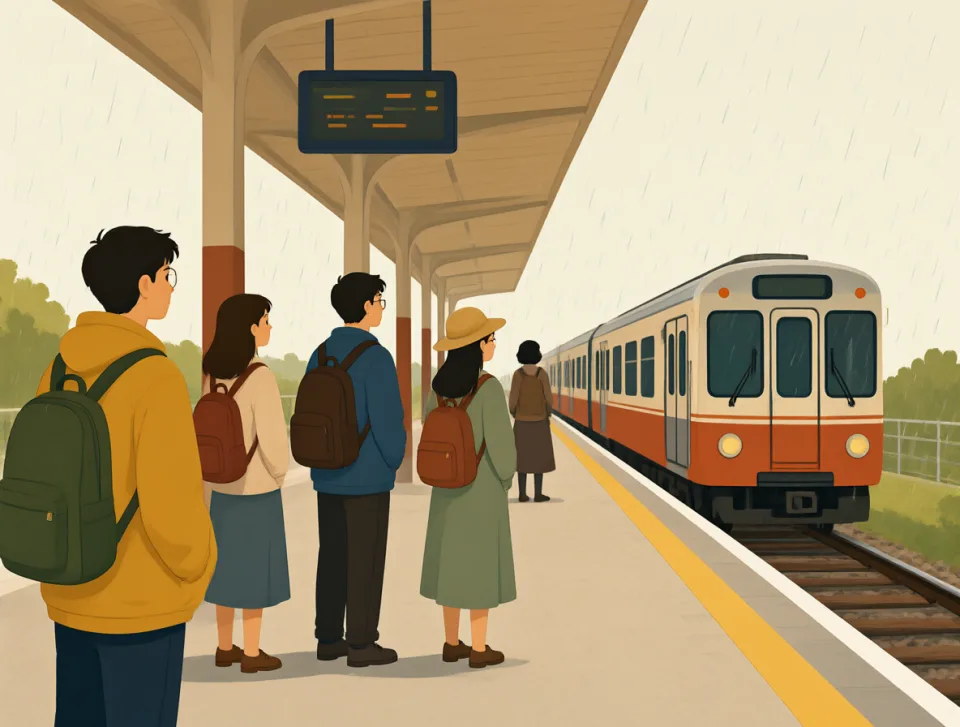
The train was slightly delayed because of heavy rain.
Pociąg miał niewielkie opóźnienie z powodu ulewy.
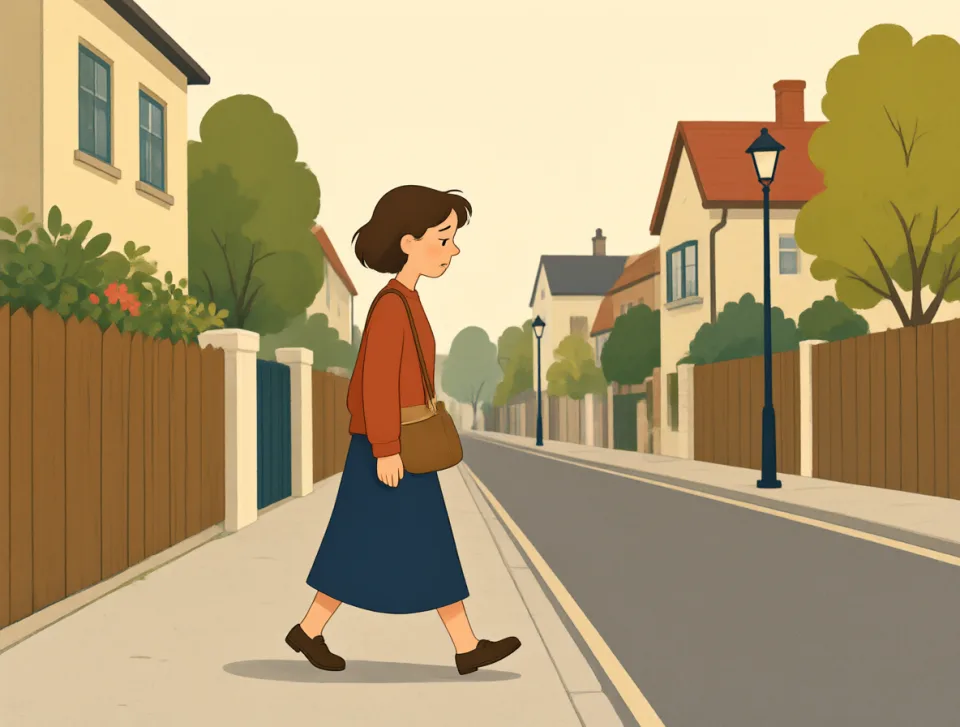
She felt slightly tired after the long walk home.
Po długim spacerze do domu czuła się trochę zmęczona.

overall
#1113adjective, adverb, noun
ogólnie
Including everything, or considering everything together rather than one part.
Uwzględniając wszystko lub rozpatrując wszystko razem, zamiast skupiać się tylko na jednej części.
Overall, the trip was enjoyable despite the rainy weather.
Ogólnie wycieczka była udana, mimo deszczowej pogody.
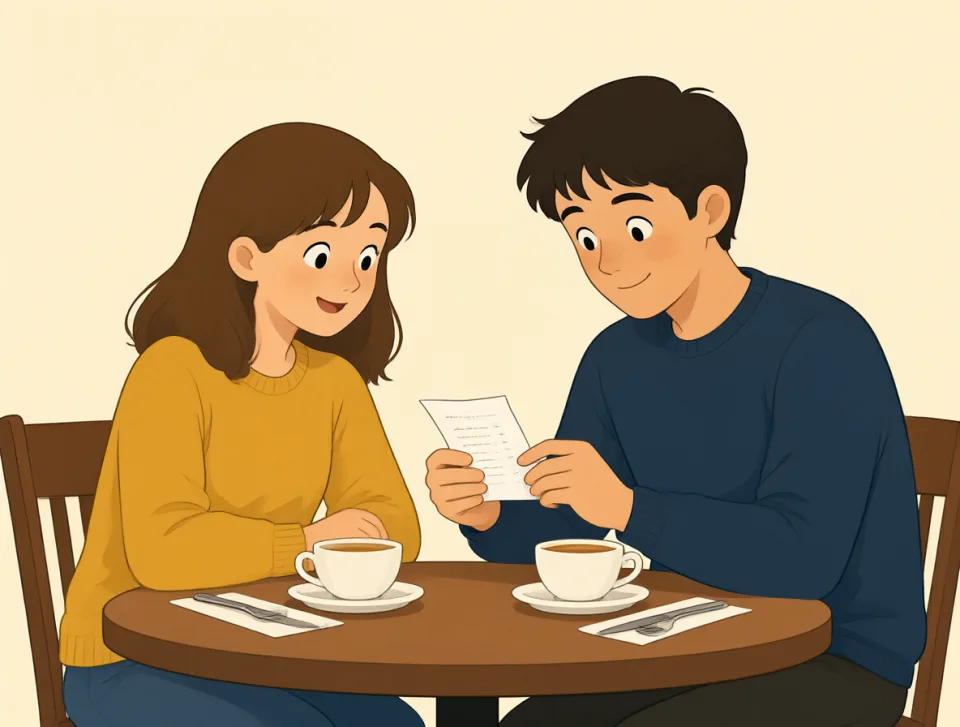
The overall cost of the meal was lower than expected.
Całkowity koszt posiłku był niższy, niż się spodziewano.
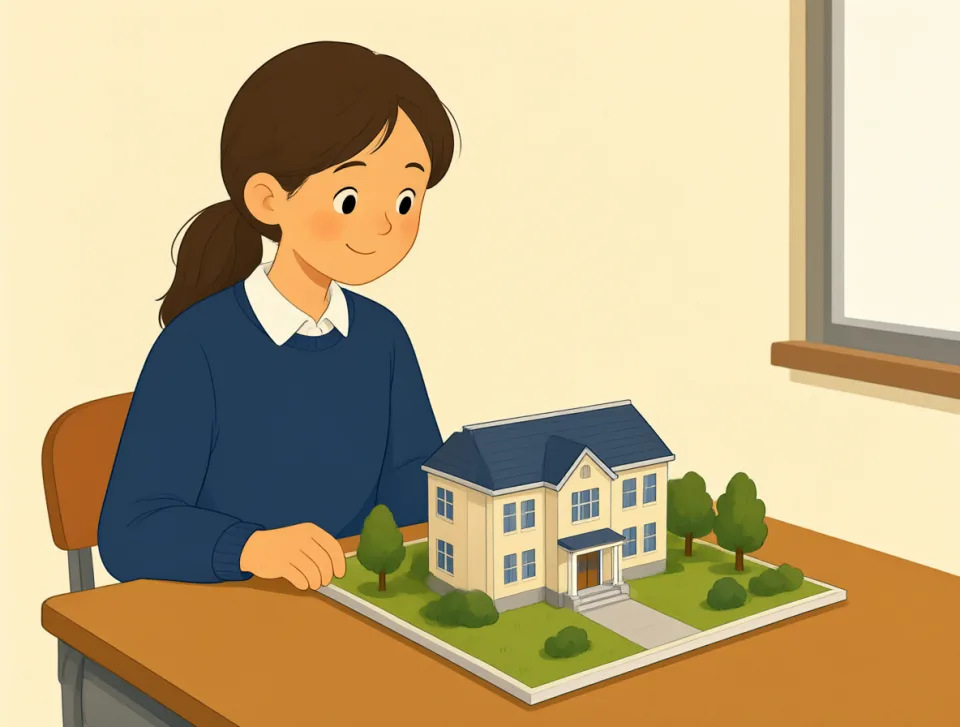
She was happy with the overall result of her school project.
Była zadowolona z ogólnego rezultatu swojego projektu szkolnego.
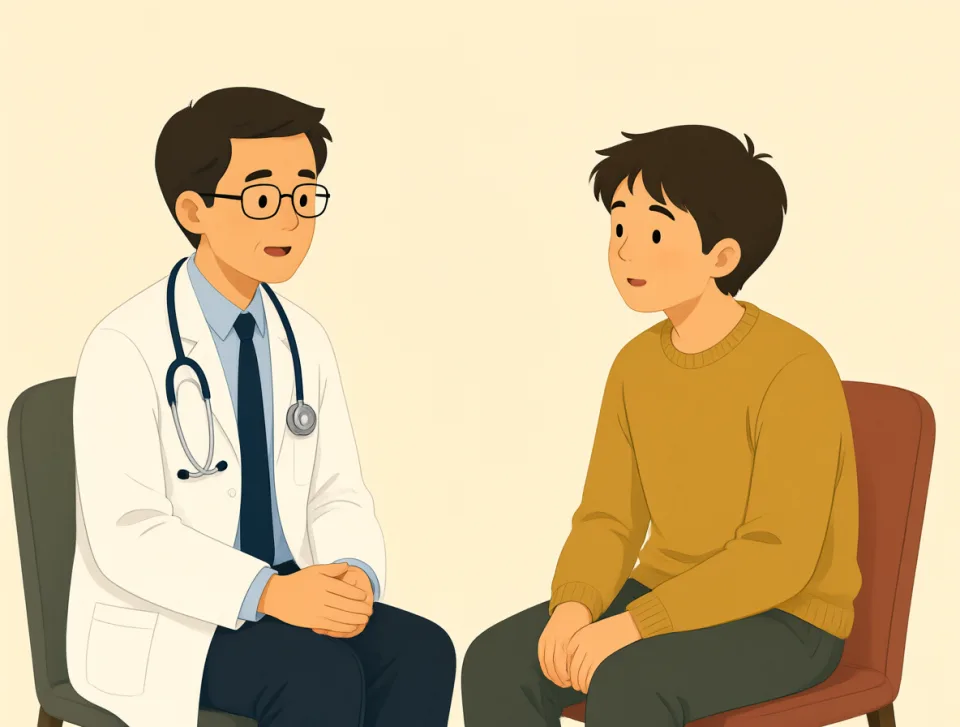
The doctor said his overall health was good.
Lekarz powiedział, że jego ogólny stan zdrowia jest dobry.

Overall, our team worked well together during the busy week.
Ogólnie nasz zespół dobrze współpracował podczas pracowitego tygodnia.

intend
#1114verb
zamierzać
to plan or mean to do something
planować coś zrobić lub mieć zamiar coś zrobić
I intend to finish my homework before dinner.
Zamierzam odrobić pracę domową przed kolacją.
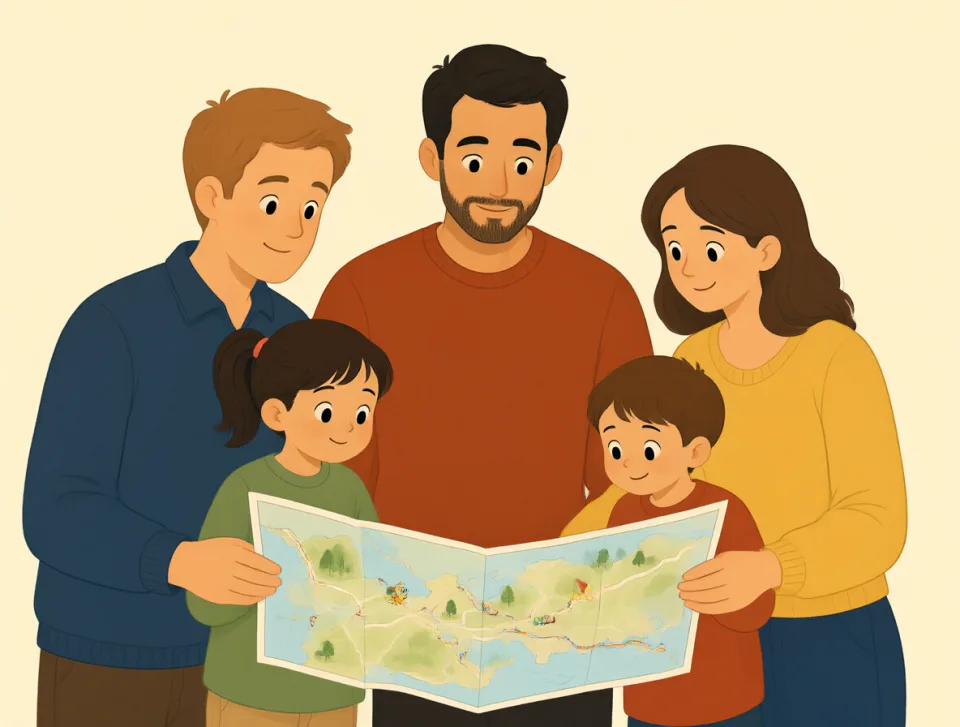
We intend to visit our grandparents next weekend.
Zamierzamy odwiedzić dziadków w przyszły weekend.
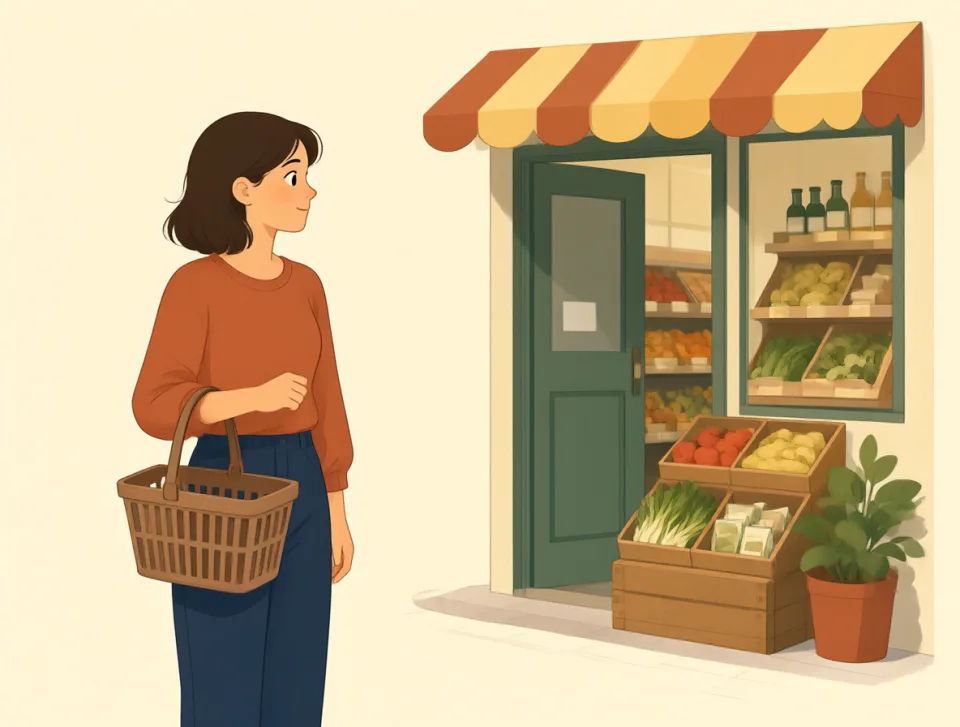
She intended to buy some fruit, but the shop was closed.
Miała zamiar kupić owoce, ale sklep był zamknięty.

The company intends to hire more workers this year.
Firma zamierza zatrudnić w tym roku więcej pracowników.

He is intending to eat healthier meals after his checkup.
Po badaniu kontrolnym zamierza jeść zdrowsze posiłki.

user
#1115noun
użytkownik
A person who uses a product, service, computer, or website.
Osoba korzystająca z produktu, usługi, komputera lub strony internetowej.

Each user needs a separate password for the online banking service.
Każdy użytkownik potrzebuje osobnego hasła do bankowości internetowej.
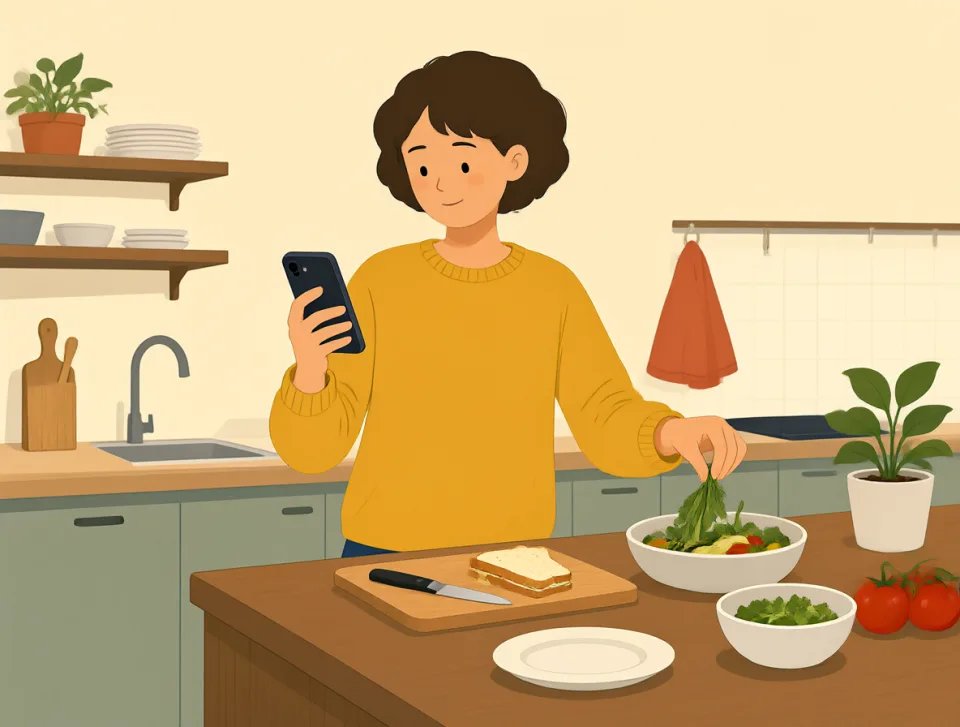
The app helps users find nearby restaurants and order food.
Aplikacja pomaga użytkownikom znaleźć pobliskie restauracje i zamówić jedzenie.

The new computer is easy for first-time users to operate.
Z nowego komputera łatwo korzystają osoby, które używają go po raz pierwszy.

The library asked users to return their books on time.
Biblioteka poprosiła użytkowników o terminowy zwrot książek.

The website collects feedback from users after each visit.
Strona internetowa zbiera opinie użytkowników po każdej wizycie.

respond
#1116verb
odpowiadać
to answer or react to something that someone says, asks, or does
odpowiadać na coś, co ktoś mówi, o co pyta lub co robi, albo reagować na to

Please respond to my message when you have time.
Odpowiedz na moją wiadomość, kiedy będziesz mieć czas.

She responded politely when the customer asked for help.
Odpowiedziała uprzejmie, gdy klient poprosił o pomoc.
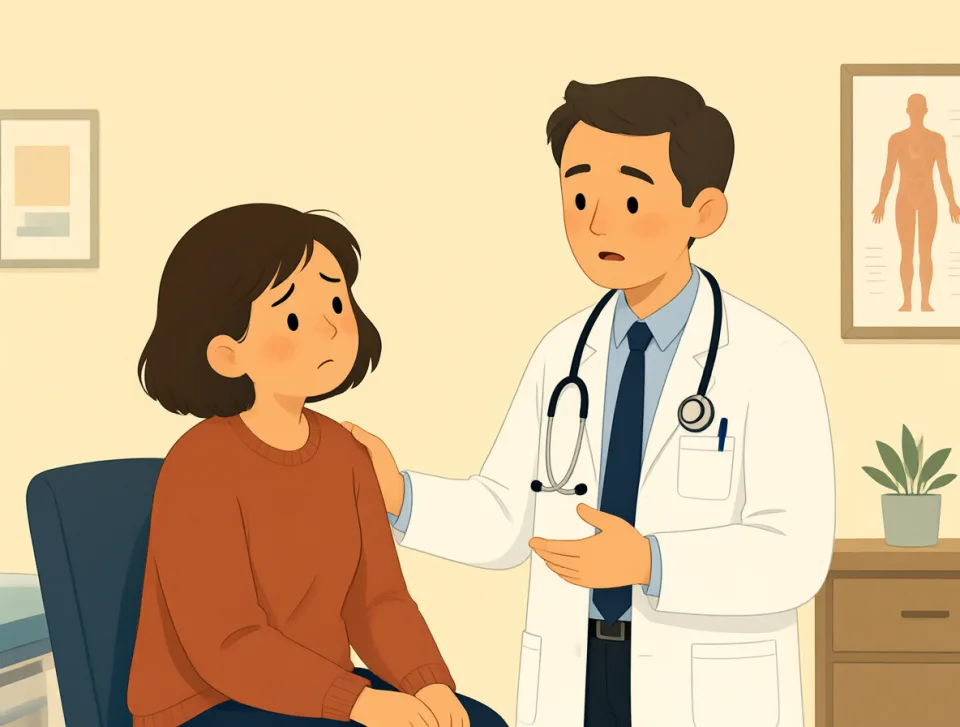
The doctor responded quickly when the patient felt worse.
Lekarz szybko zareagował, gdy pacjent poczuł się gorzej.
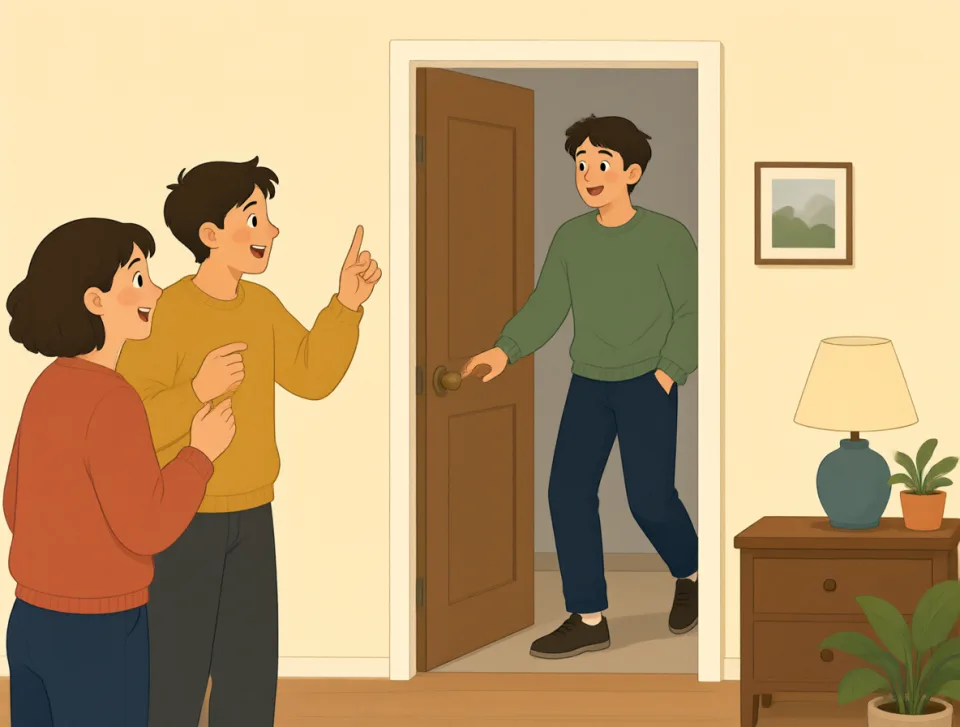
How did your friends respond to the surprise party?
Jak twoi znajomi zareagowali na przyjęcie-niespodziankę?

The hotel responded to our complaint and changed our room.
Hotel odpowiedział na naszą skargę i zmienił nam pokój.
dinner
#1117noun
obiad, kolacja
The main meal of the day, usually eaten in the evening.
Główny posiłek dnia, zwykle jedzony wieczorem.
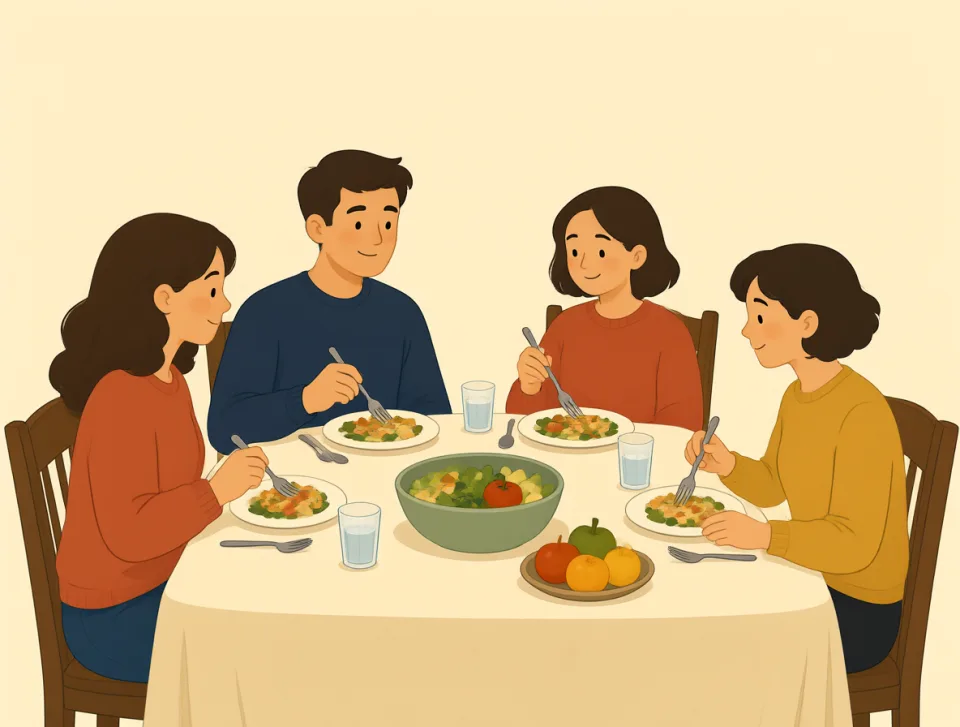
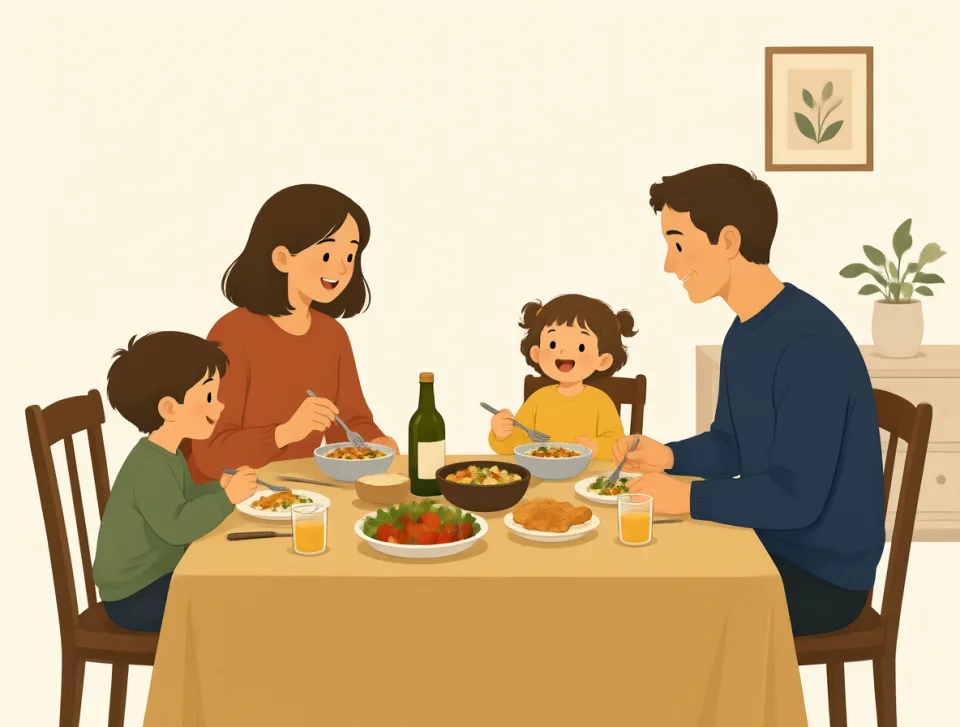
We usually have dinner at seven o'clock.
Zwykle jemy kolację o siódmej.
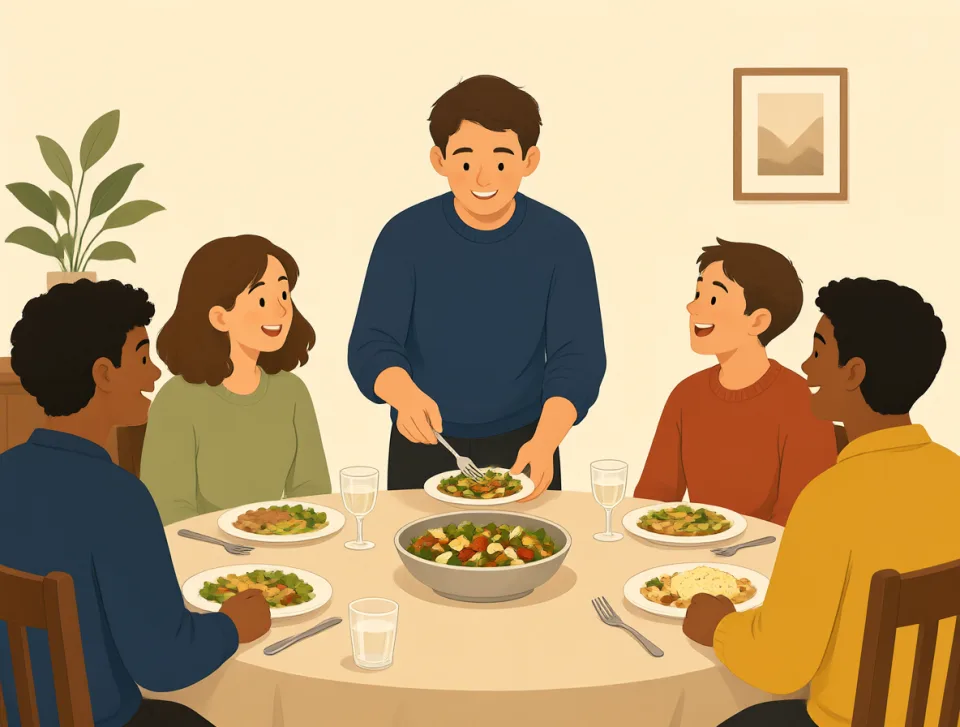
I cooked dinner for my friends last night.
Wczoraj wieczorem ugotowałem kolację dla znajomych.

Let's meet for dinner after work.
Spotkajmy się na kolacji po pracy.
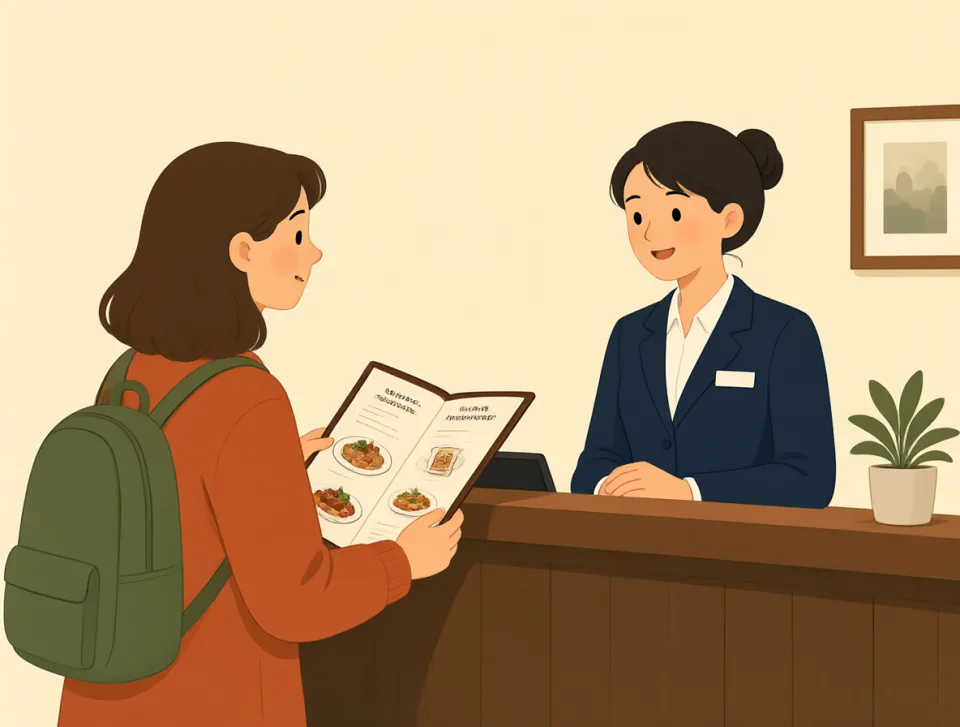
The hotel includes breakfast, but dinner costs extra.
Hotel zapewnia śniadanie, ale kolacja jest dodatkowo płatna.
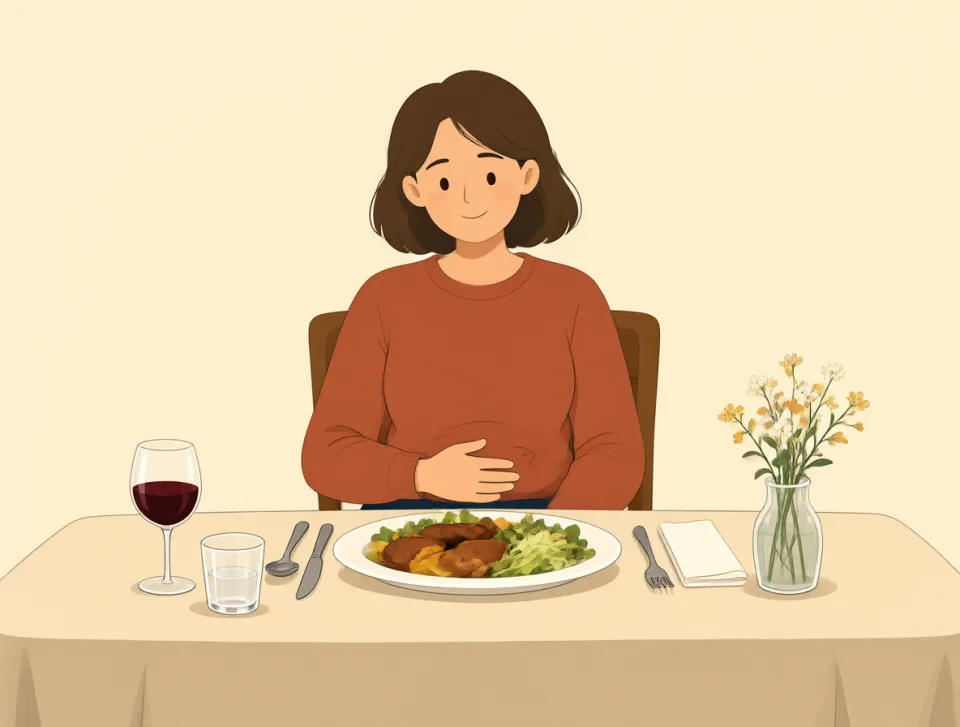
She felt sick after eating a heavy dinner.
Źle się poczuła po zjedzeniu obfitej kolacji.
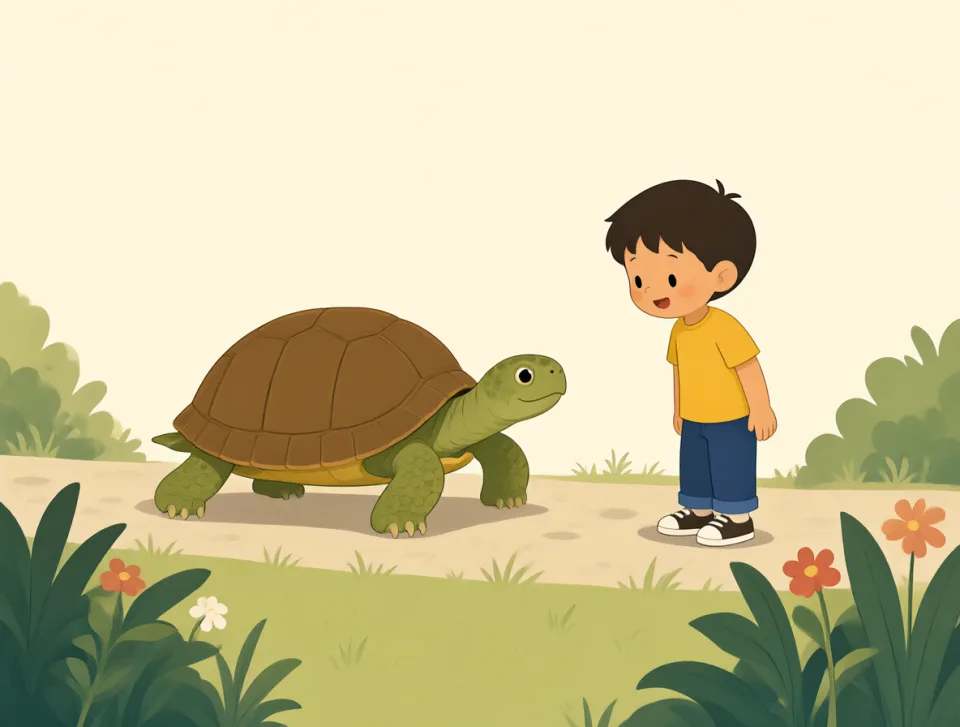
slow
#1118adjective, adverb, verb
powolny; zwolnić
Moving, happening, or operating at a low speed; to reduce speed.
Poruszający się, zachodzący lub działający z niewielką prędkością; zmniejszyć prędkość.
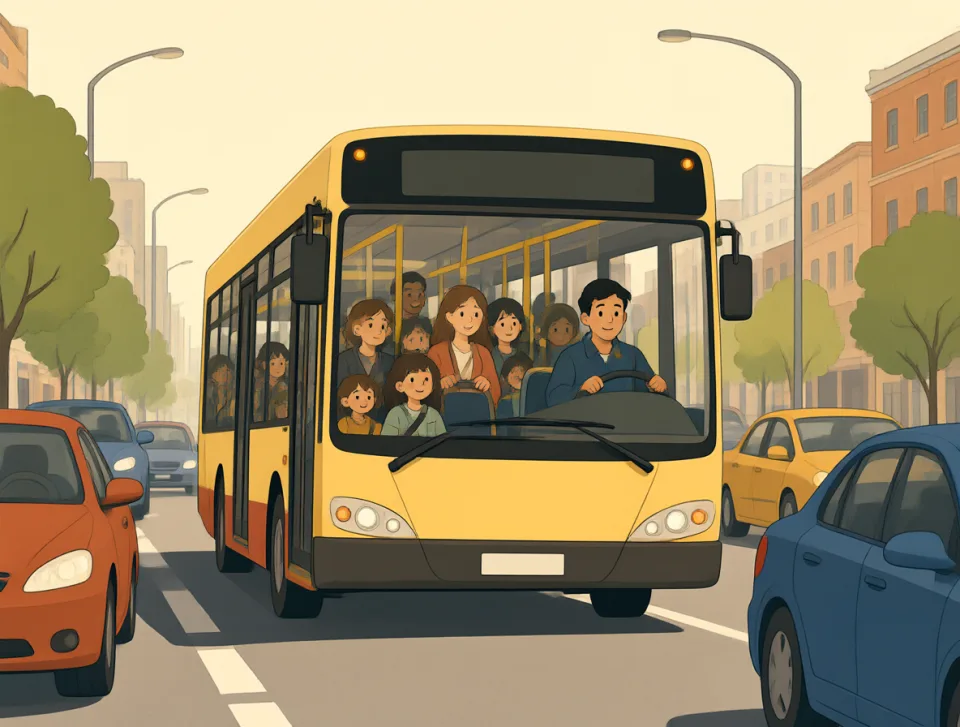
The bus was slow because of heavy traffic.
Autobus jechał wolno z powodu dużego natężenia ruchu.
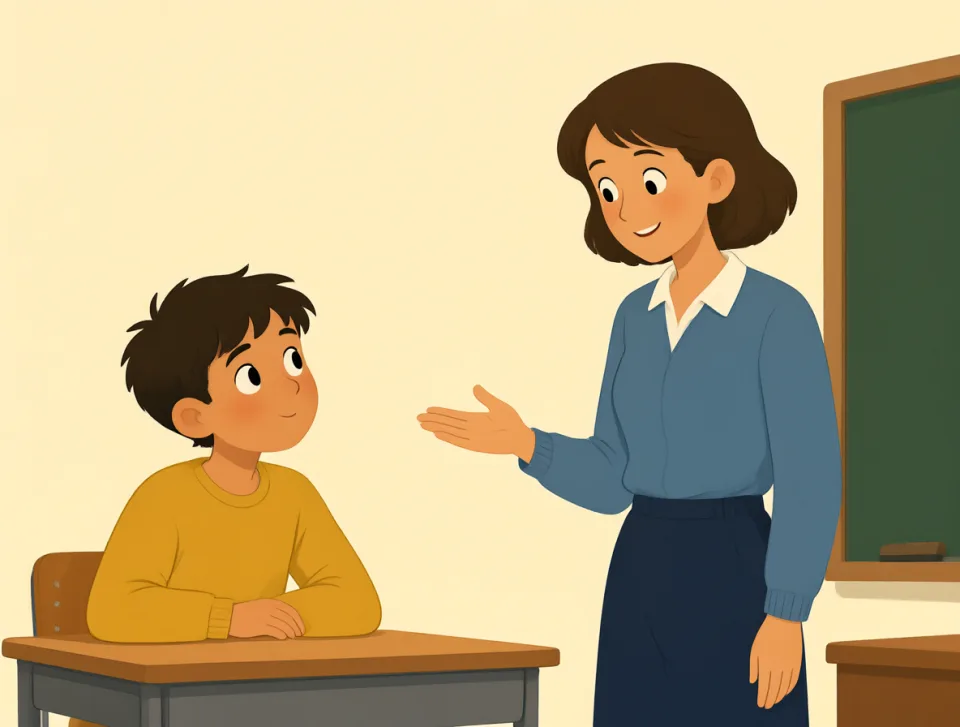
Please speak slowly so I can understand you.
Mów proszę powoli, żebym mógł cię zrozumieć.
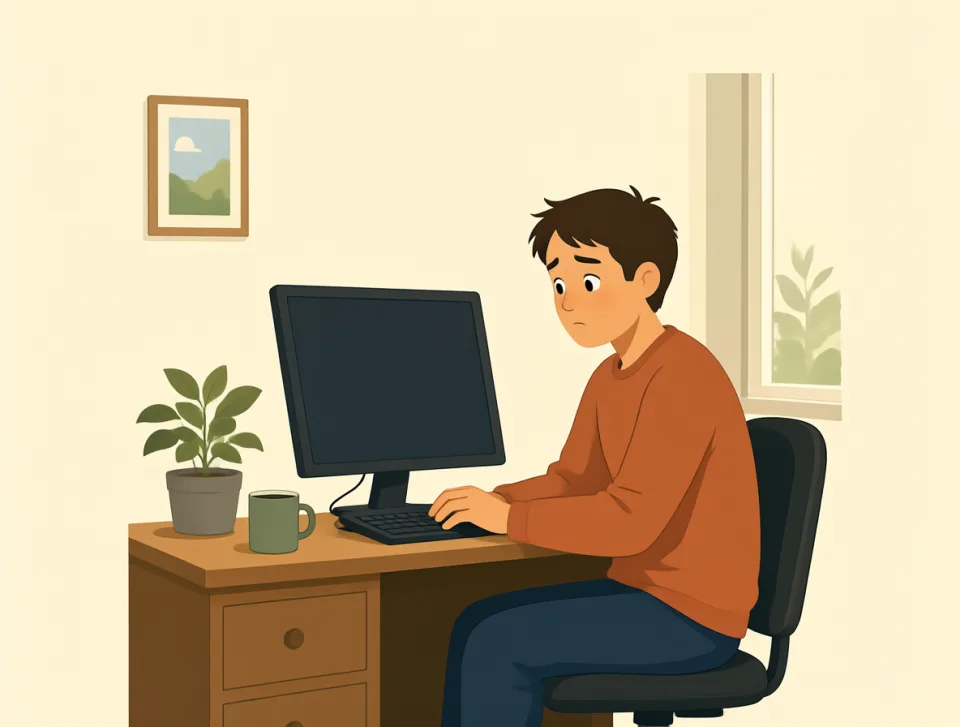
My computer is running slow this morning.
Mój komputer działa dziś rano wolno.
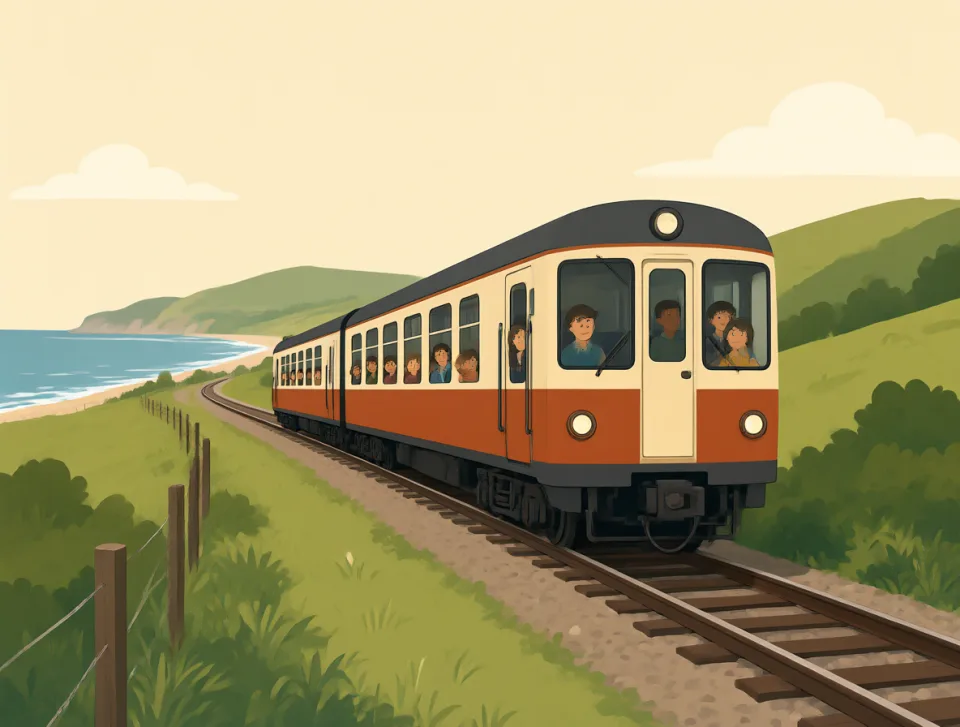
The slow train took three hours to reach the coast.
Powolny pociąg dotarł na wybrzeże po trzech godzinach.
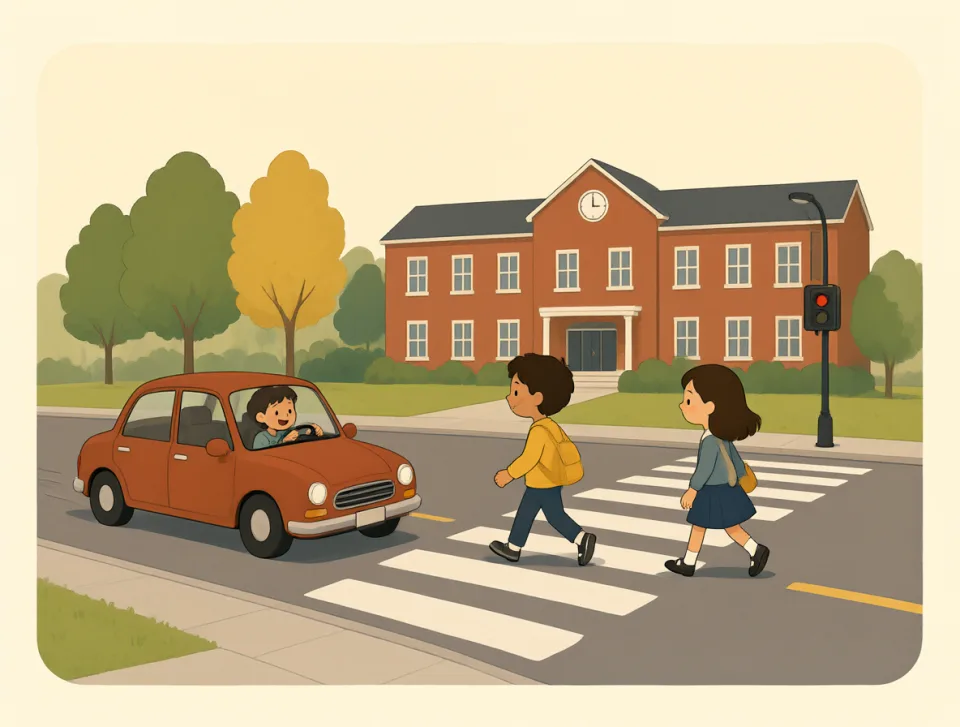
Slow down near the school because children are crossing.
Zwolnij w pobliżu szkoły, bo dzieci przechodzą przez jezdnię.
regular
#1119adjective, noun
regularny; stały bywalec
happening often and following the usual pattern; a usual customer or member
Zdarzający się często i zgodnie z ustalonym rytmem; stały klient lub członek.
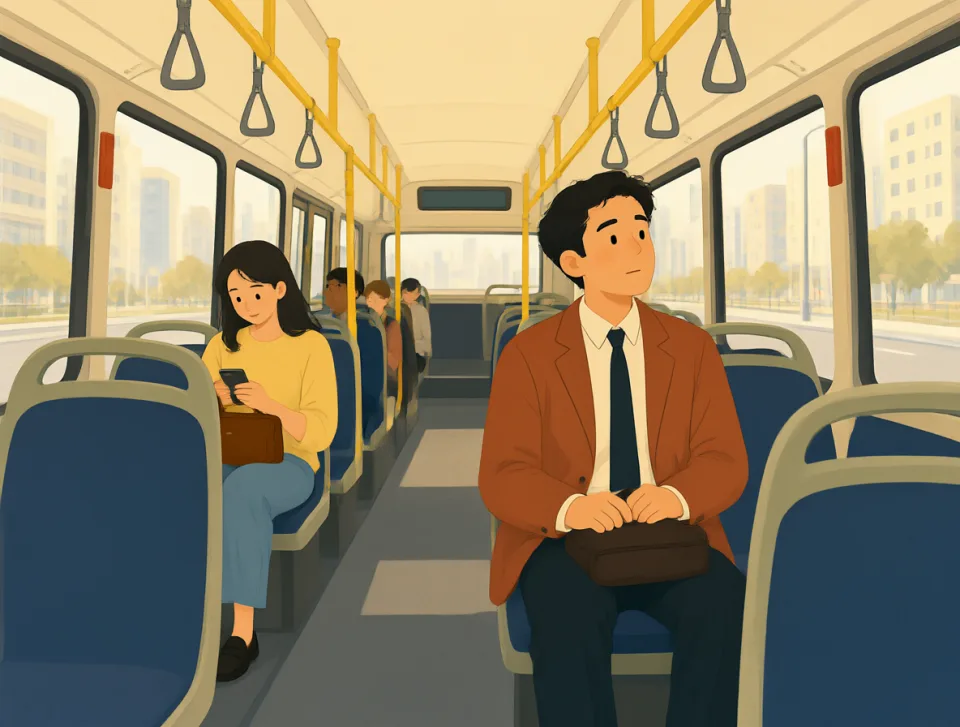
I take a regular bus to work every morning.
Codziennie rano jadę do pracy zwykłym autobusem.

She has regular exercise classes on Tuesday and Thursday.
We wtorki i czwartki chodzi na regularne zajęcia fitness.
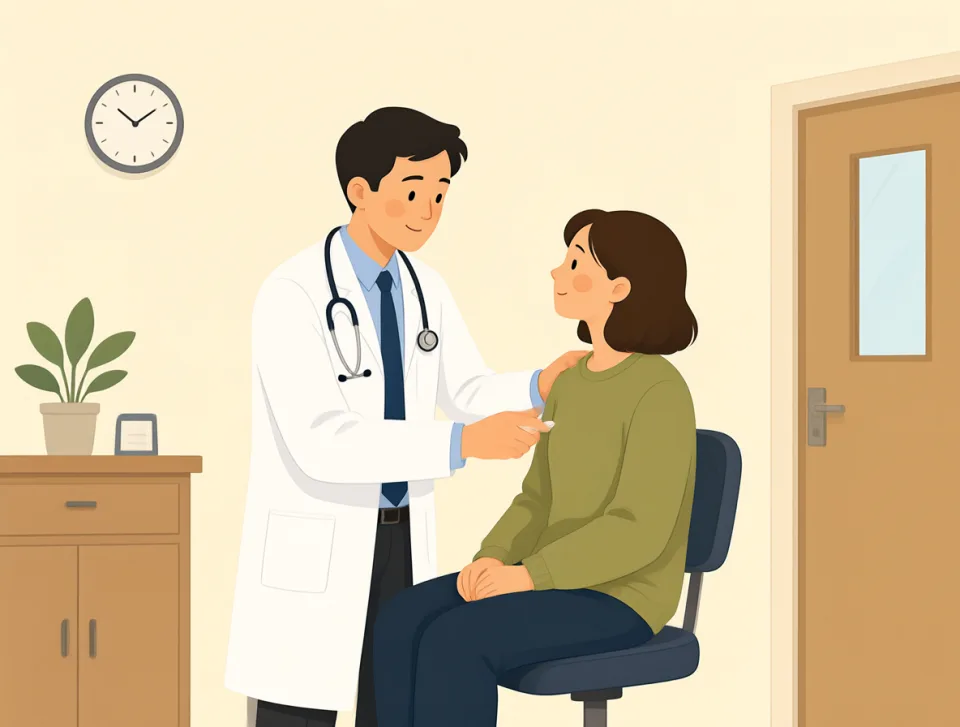
The doctor wants regular checkups to protect his health.
Lekarz zaleca regularne badania kontrolne, żeby zadbać o zdrowie.
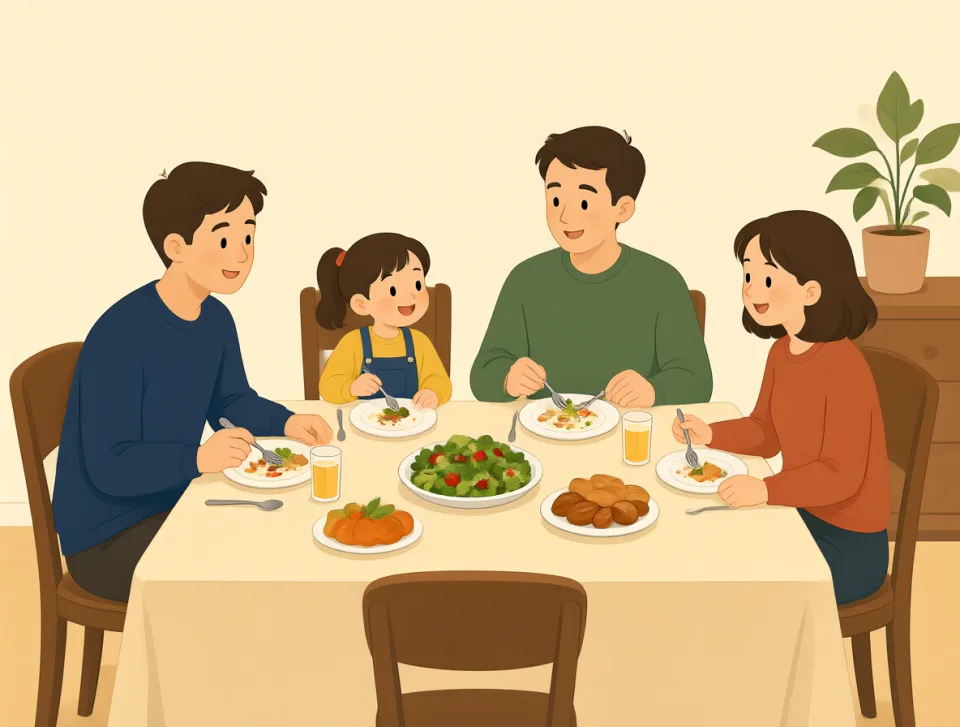
We meet for a regular family dinner every Sunday.
W każdą niedzielę jemy wspólnie regularną rodzinną kolację.

The café knows all its regulars and welcomes them warmly.
W kawiarni znają wszystkich stałych bywalców i serdecznie ich witają.
physical
#1120adjective
fizyczny
Related to the body or something that can be seen, touched, or measured.
Związany z ciałem lub z czymś, co można zobaczyć, dotknąć albo zmierzyć.
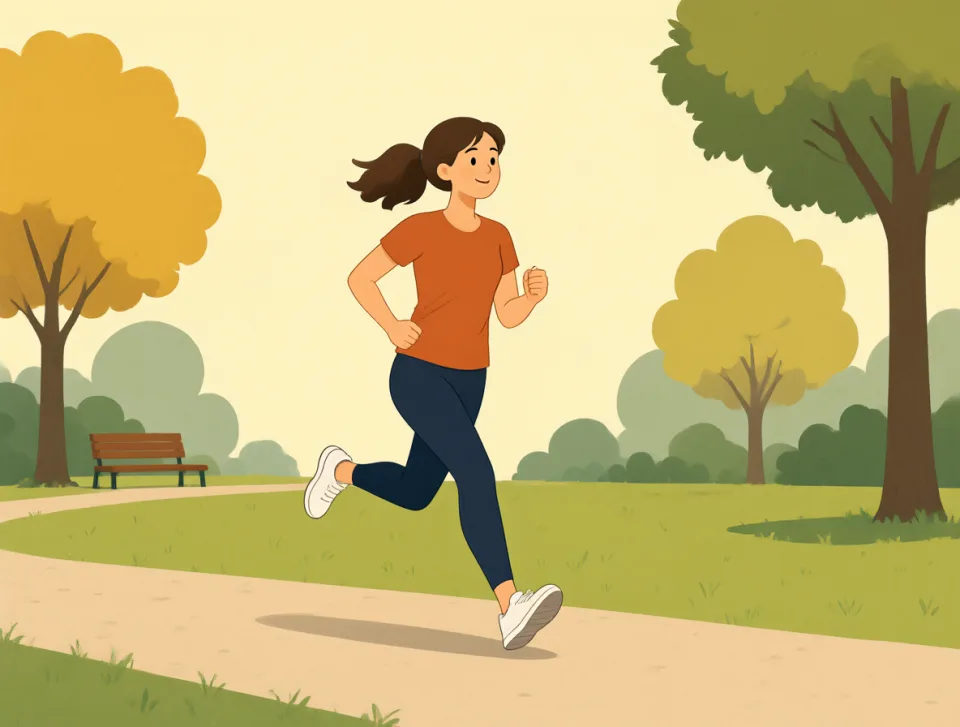
Regular physical exercise helps keep your heart strong.
Regularna aktywność fizyczna pomaga utrzymać serce w dobrej kondycji.
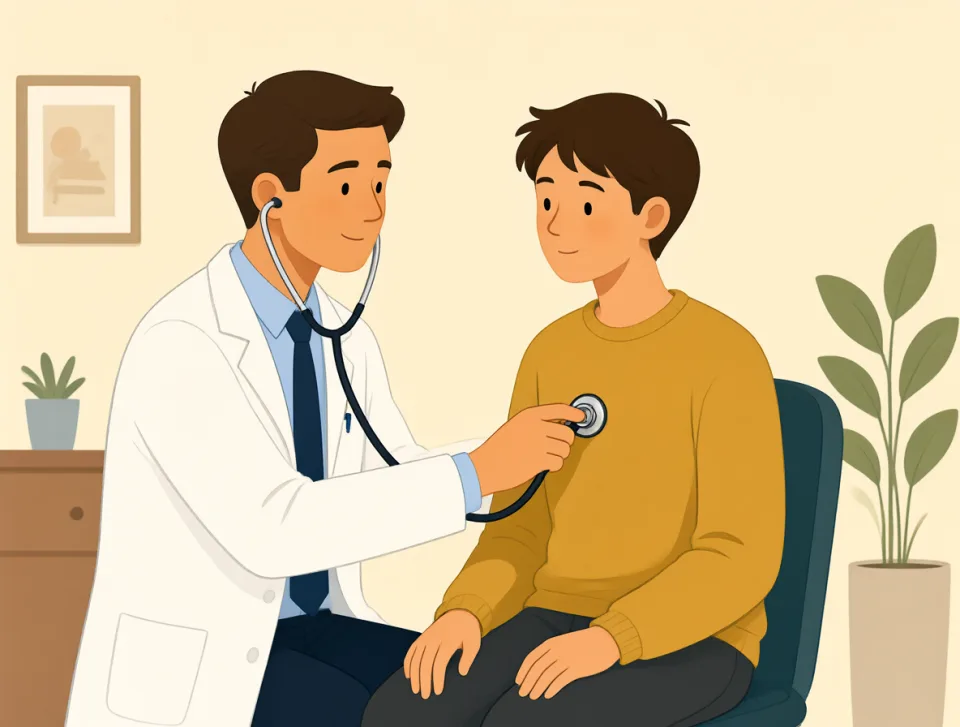
The doctor checked him for physical signs of illness.
Lekarz sprawdził, czy występują u niego fizyczne objawy choroby.
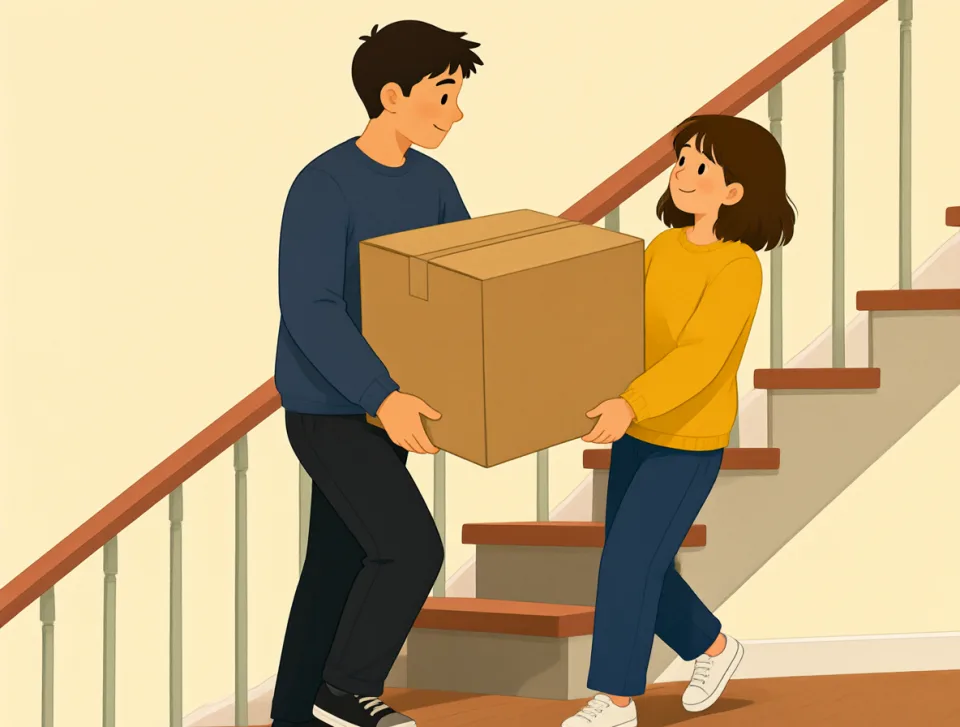
The physical effort of moving house made us very tired.
Wysiłek fizyczny związany z przeprowadzką bardzo nas zmęczył.
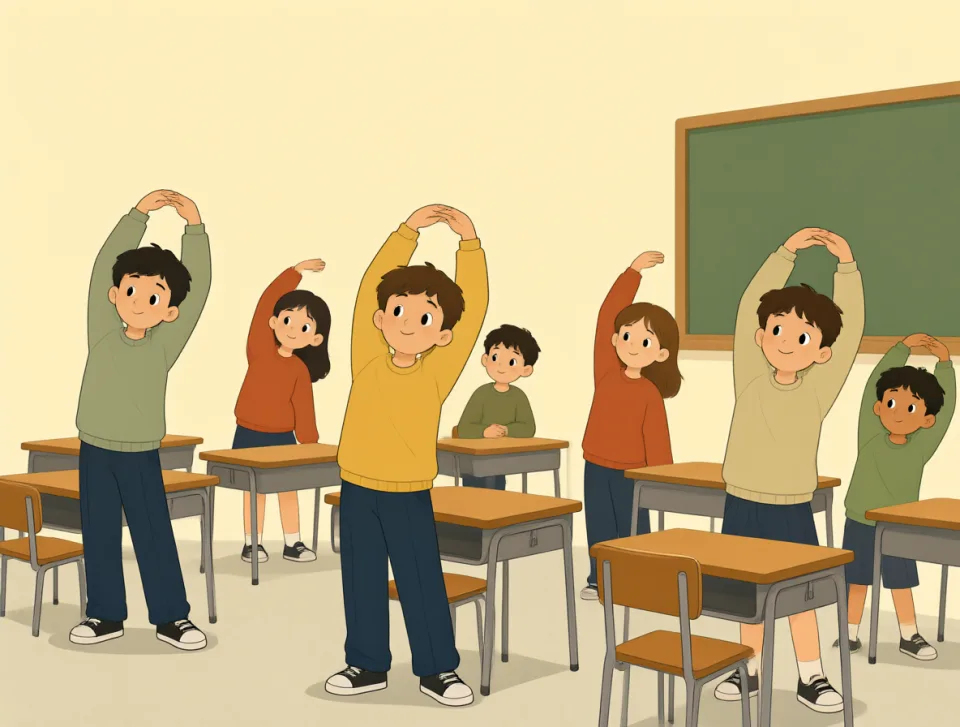
Students should take a short physical break during long lessons.
Podczas długich lekcji uczniowie powinni zrobić krótką przerwę na ruch.

We need a physical copy of your passport at the hotel.
W hotelu potrzebujemy papierowej kopii twojego paszportu.