Zestaw 68
Słowa 1341–1360 · award, coach, experiment, consideration, strange, code

award
#1341noun, verb
nagroda
A prize given for winning or doing something very well; to give someone this prize.
Nagroda przyznawana za zwycięstwo lub bardzo dobre wykonanie czegoś; także przyznać komuś taką nagrodę.

She won an award for her excellent science project.
Zdobyła nagrodę za swój znakomity projekt naukowy.

The film received three awards at the international festival.
Film zdobył trzy nagrody na międzynarodowym festiwalu.

The manager awarded Tom a bonus for his hard work.
Kierownik przyznał Tomowi premię za jego ciężką pracę.
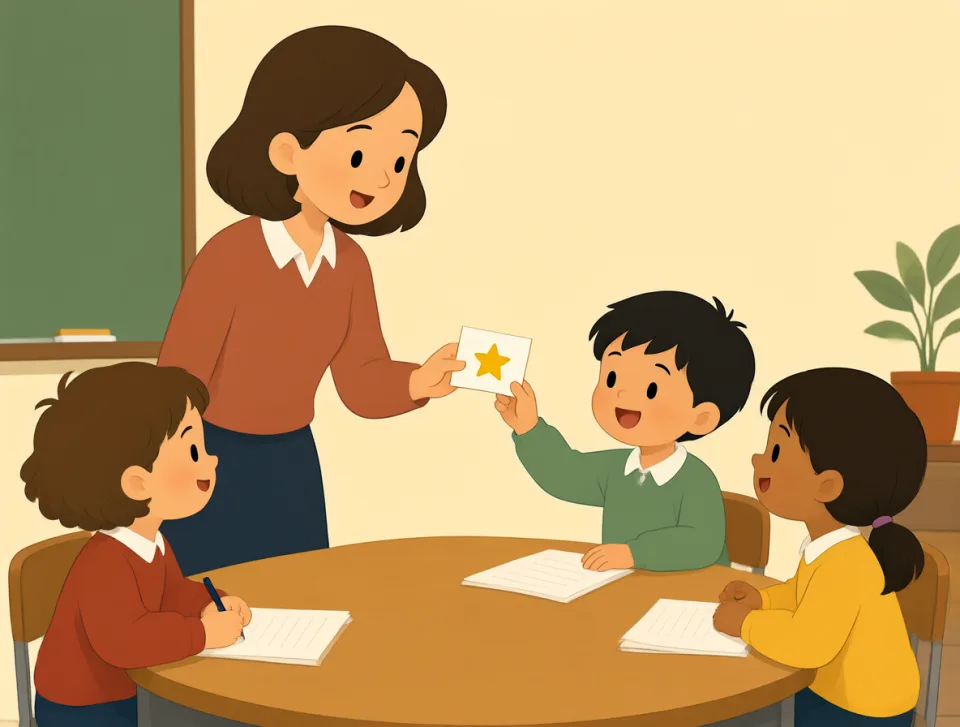
Our teacher awarded extra points to the best team.
Nauczyciel przyznał dodatkowe punkty najlepszej drużynie.

The restaurant won an award for its fresh local food.
Restauracja zdobyła nagrodę za świeże lokalne produkty.
coach
#1342noun, verb
trener
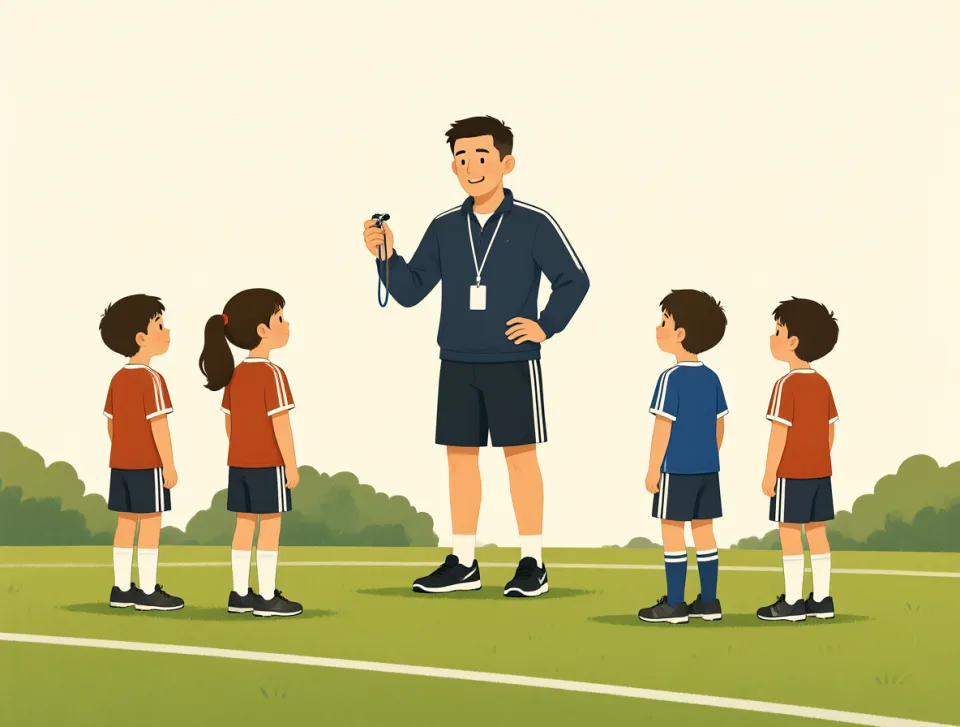
A person who trains a team or helps someone improve a skill.
Osoba, która trenuje drużynę lub pomaga komuś rozwijać jakąś umiejętność.
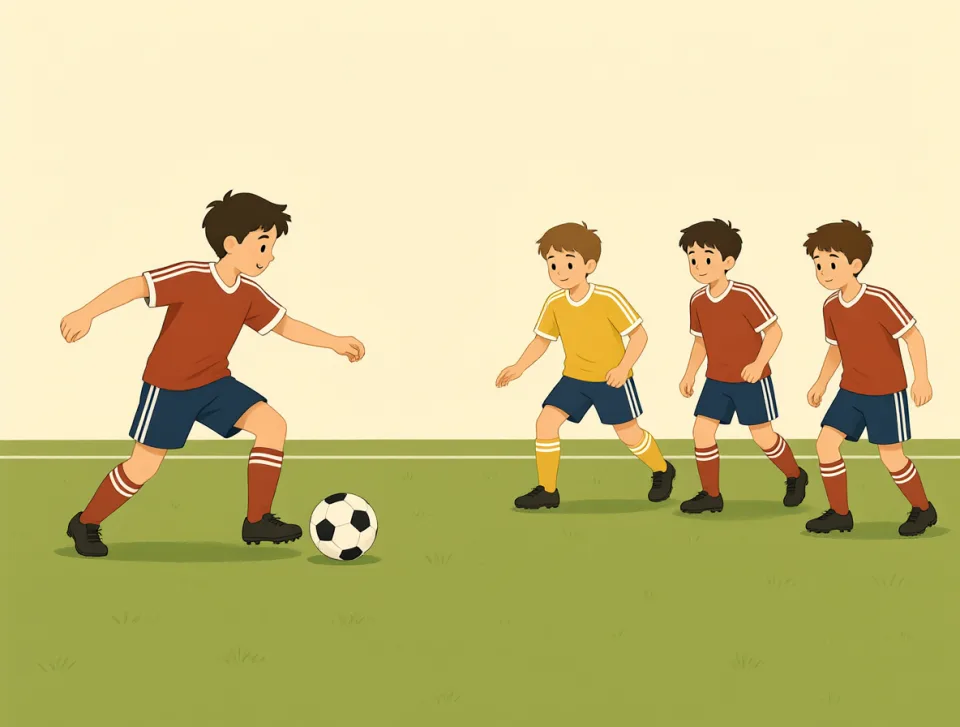
The coach showed our team how to pass the ball.
Trener pokazał naszej drużynie, jak podawać piłkę.

She hired a coach to help her prepare for the interview.
Zatrudniła trenera, który pomógł jej przygotować się do rozmowy kwalifikacyjnej.

Our basketball coach praised us after the final game.
Nasz trener koszykówki pochwalił nas po ostatnim meczu.
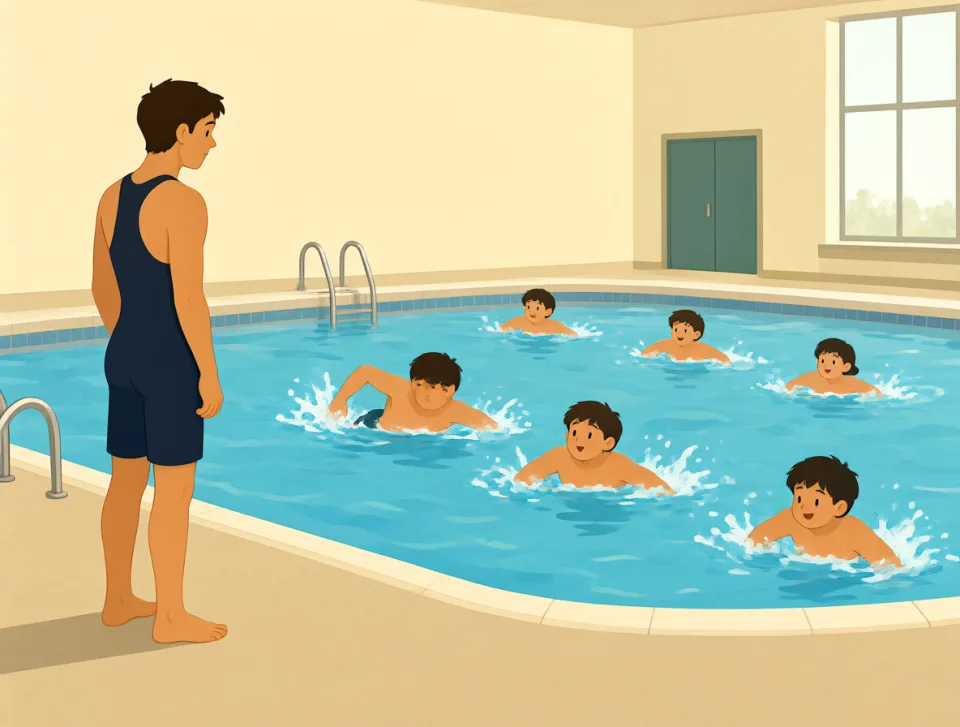
He coaches children at the local swimming club on Saturdays.
W soboty trenuje dzieci w miejscowym klubie pływackim.
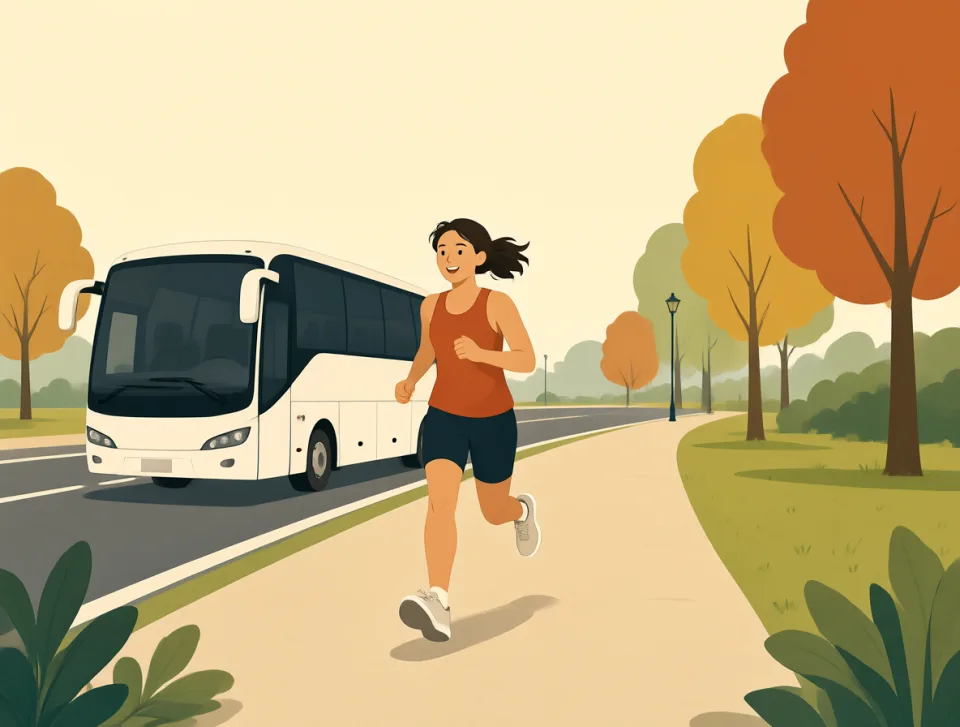
My running coach helped me train for my first marathon.
Mój trener biegania pomógł mi przygotować się do pierwszego maratonu.
experiment
#1343noun, verb
eksperyment
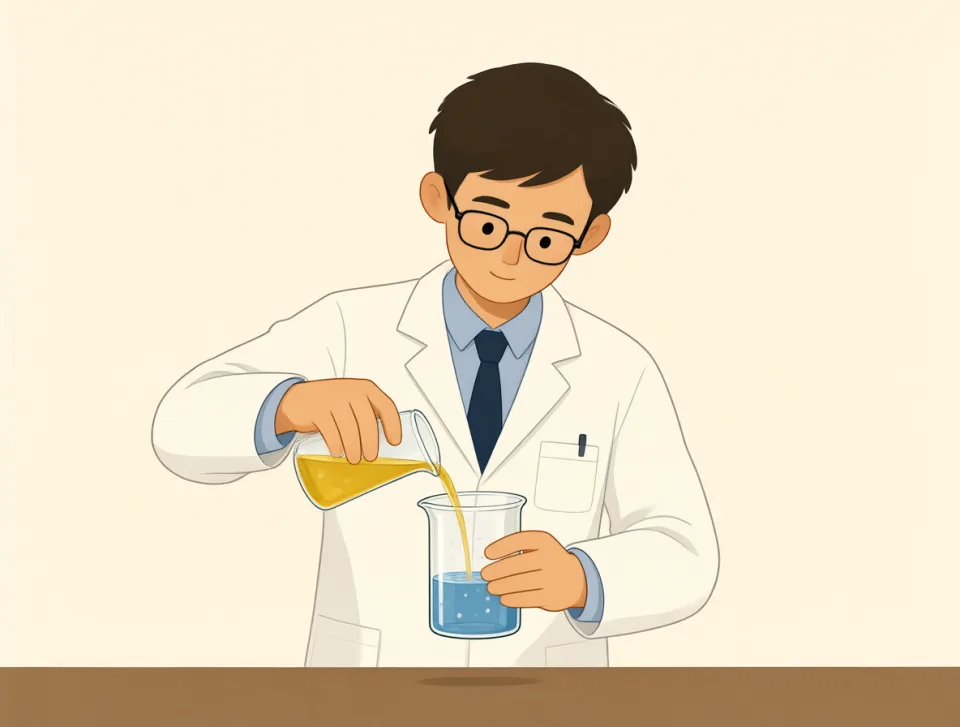
a test to learn what happens; to try something in order to learn about it
Test pozwalający sprawdzić, co się stanie; próba zrobienia czegoś, aby się czegoś o tym dowiedzieć.
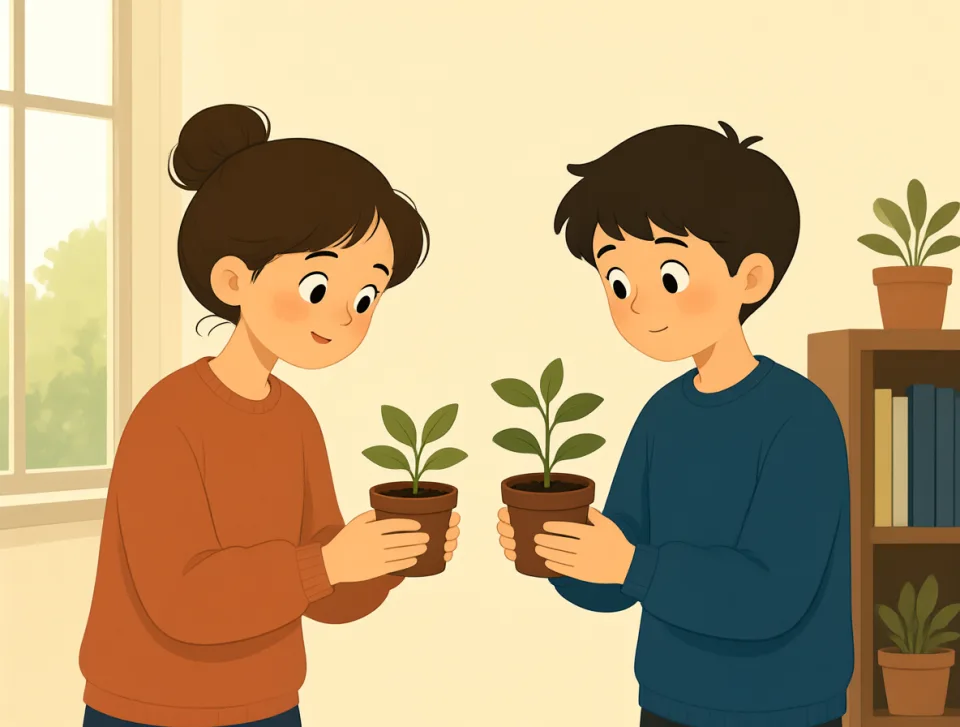
The science experiment showed how plants grow toward light.
Eksperyment naukowy pokazał, jak rośliny rosną w stronę światła.
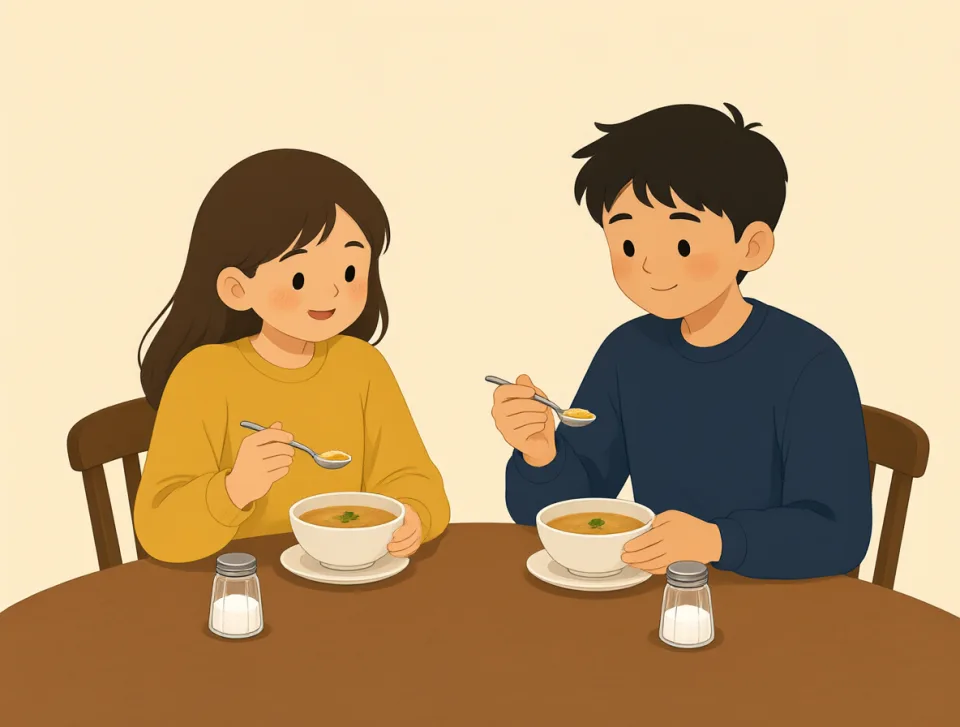
We tried a simple cooking experiment with different amounts of salt.
Przeprowadziliśmy prosty eksperyment kulinarny, używając różnych ilości soli.
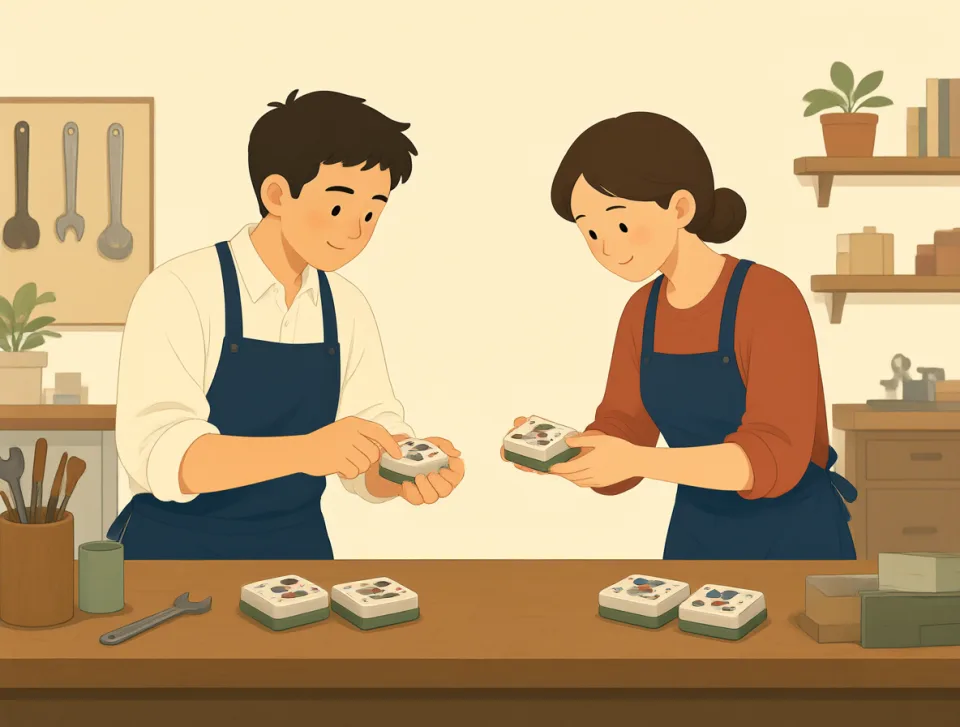
The company is running an experiment to improve its new product.
Firma przeprowadza eksperyment, aby ulepszyć swój nowy produkt.

I experimented with different routes before choosing the fastest one.
Wypróbowałem różne trasy, zanim wybrałem najszybszą.
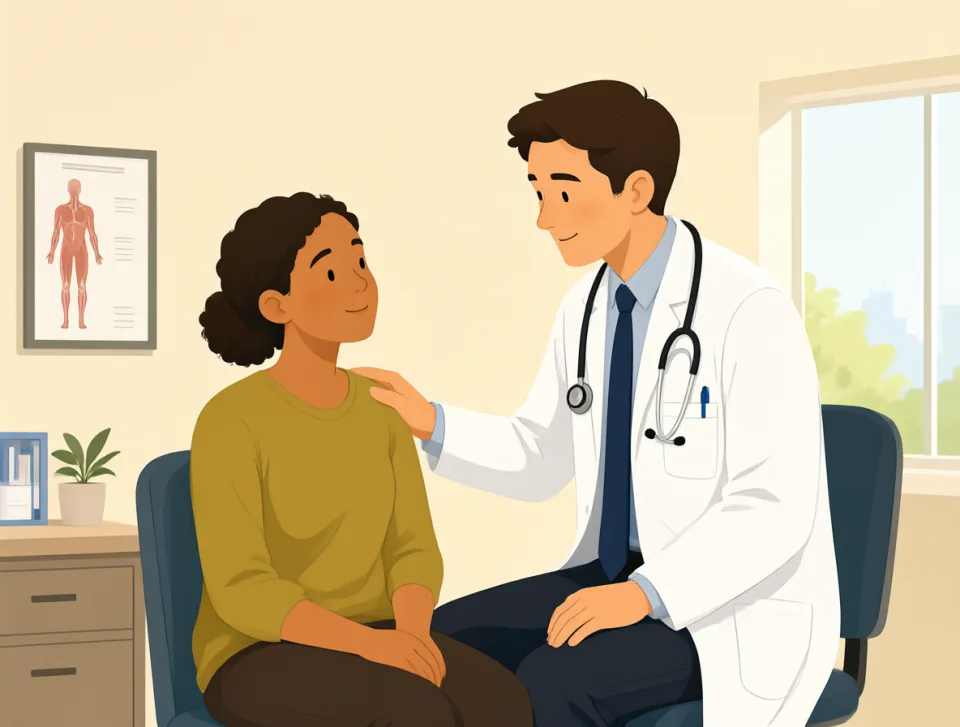
The doctor experimented with a new treatment for the patient.
Lekarz wypróbował nową metodę leczenia pacjenta.

consideration
#1344noun
rozwaga
Careful thought about something before making a decision or taking action.
Uważne przemyślenie czegoś przed podjęciem decyzji lub działania.
After careful consideration, we decided to move to a smaller apartment.
Po dokładnym namyśle zdecydowaliśmy się przeprowadzić do mniejszego mieszkania.
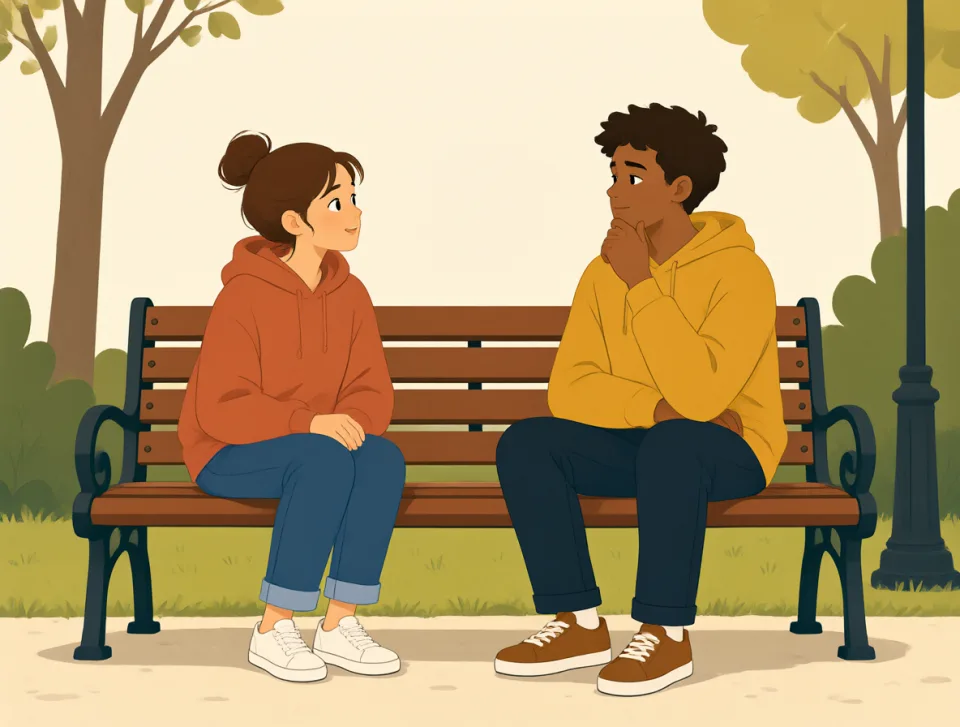
Please take my feelings into consideration before you choose.
Proszę, weź pod uwagę moje uczucia, zanim dokonasz wyboru.

The manager showed consideration for workers with young children.
Kierownik okazał wyrozumiałość wobec pracowników mających małe dzieci.

Our teacher gave consideration to students who needed more time.
Nauczyciel uwzględnił potrzeby uczniów, którzy potrzebowali więcej czasu.

The hotel lowered the price in consideration of our travel delay.
Hotel obniżył cenę, biorąc pod uwagę opóźnienie w naszej podróży.

strange
#1345adjective
dziwny
Unusual or different from what is normal or expected.
Nietypowy lub inny niż to, co normalne albo czego można się spodziewać.
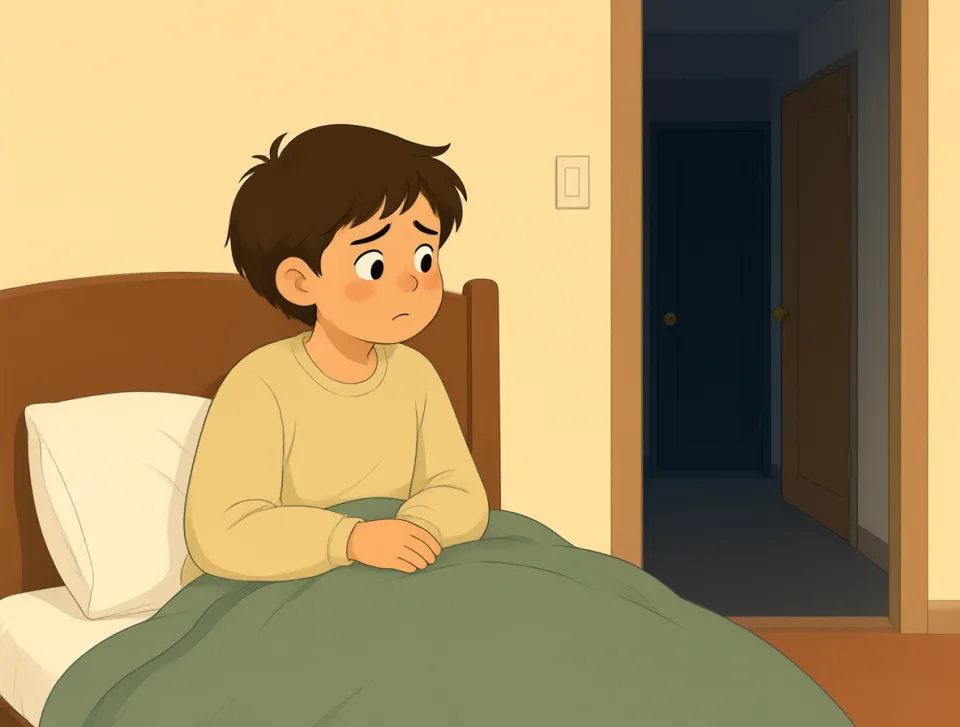
That strange noise woke me up during the night.
Ten dziwny hałas obudził mnie w nocy.
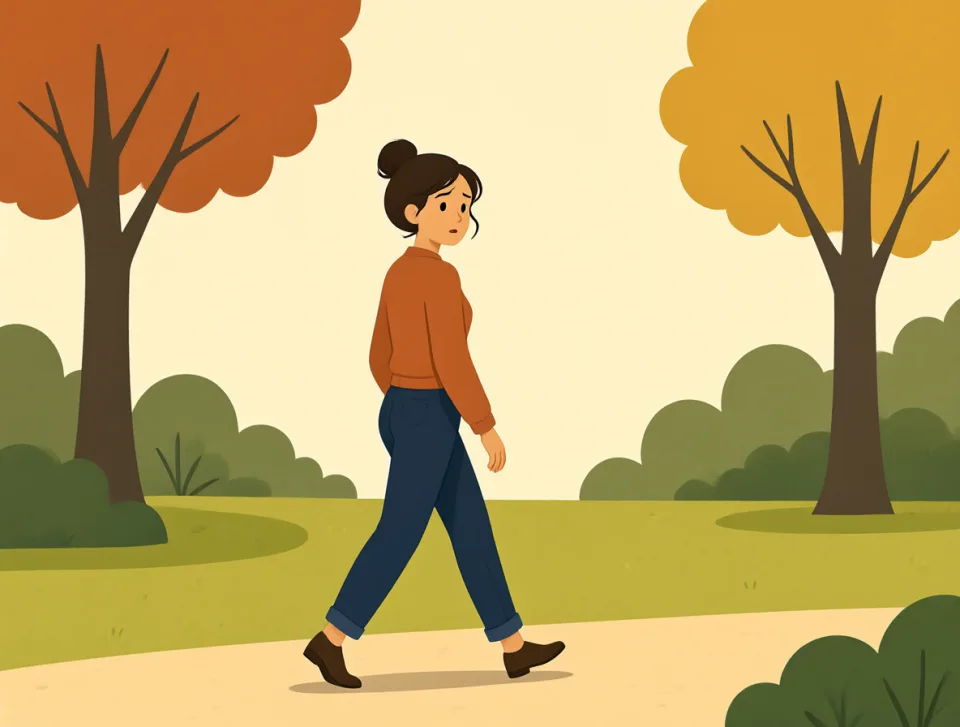
She had a strange feeling that someone was watching her.
Miała dziwne wrażenie, że ktoś ją obserwuje.
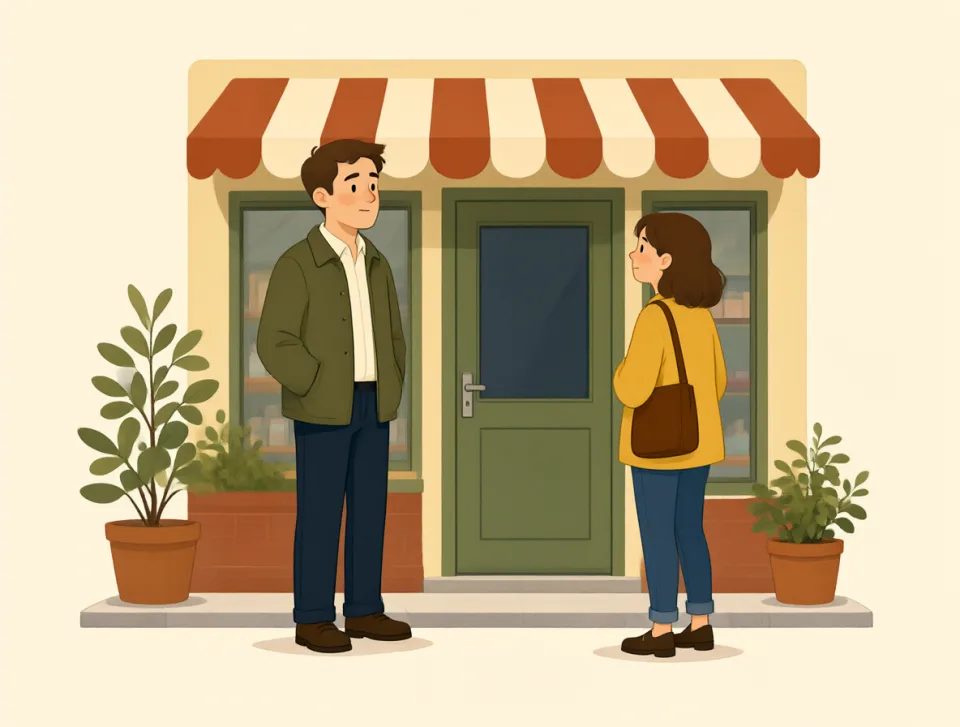
There was a strange man waiting outside the shop.
Przed sklepem czekał jakiś dziwny mężczyzna.
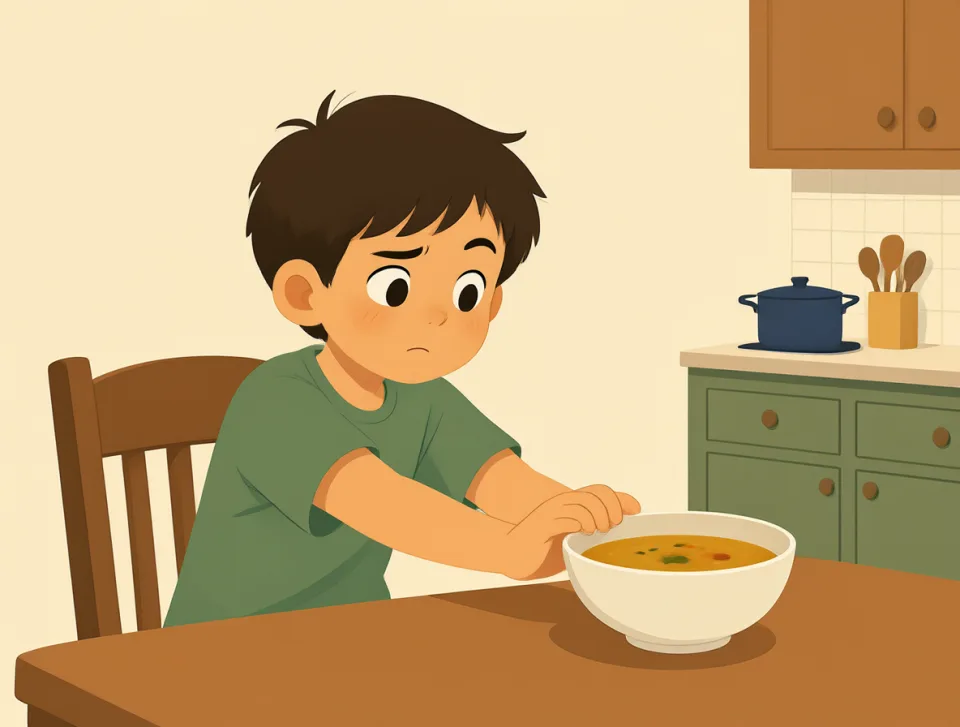
This soup tastes strange, so I do not want more.
Ta zupa dziwnie smakuje, więc nie chcę już więcej.

It is strange to see snow here in July.
Dziwnie jest widzieć tu śnieg w lipcu.
code
#1346noun, verb
kod
A set of rules or symbols, or to write instructions for a computer.
Zbiór zasad lub symboli albo pisanie instrukcji dla komputera.
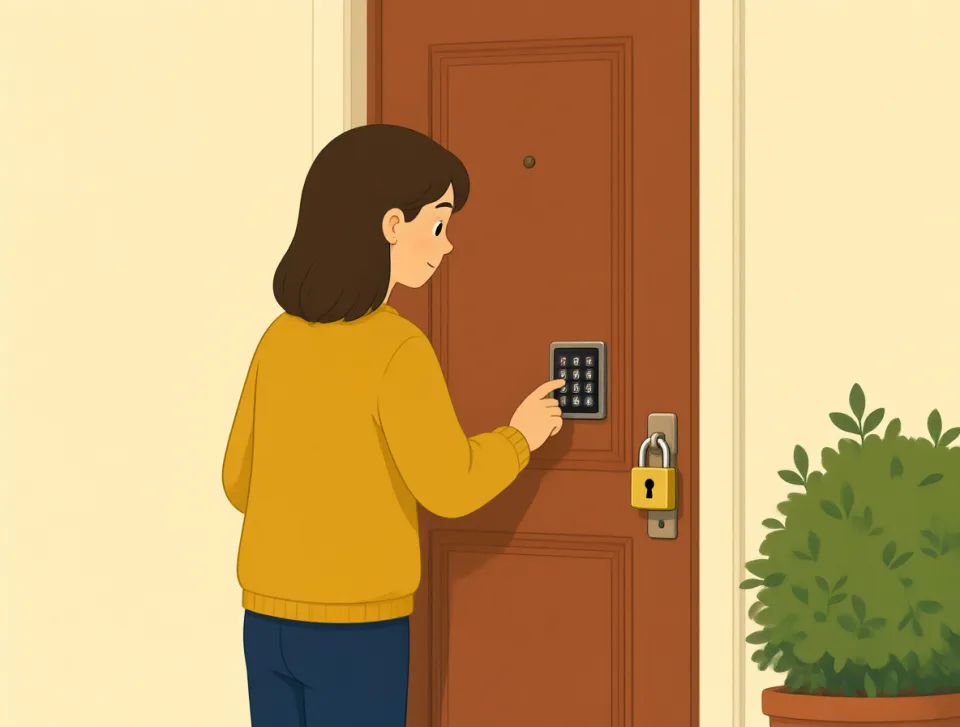
Enter the code to unlock the door.
Wpisz kod, żeby odblokować drzwi.

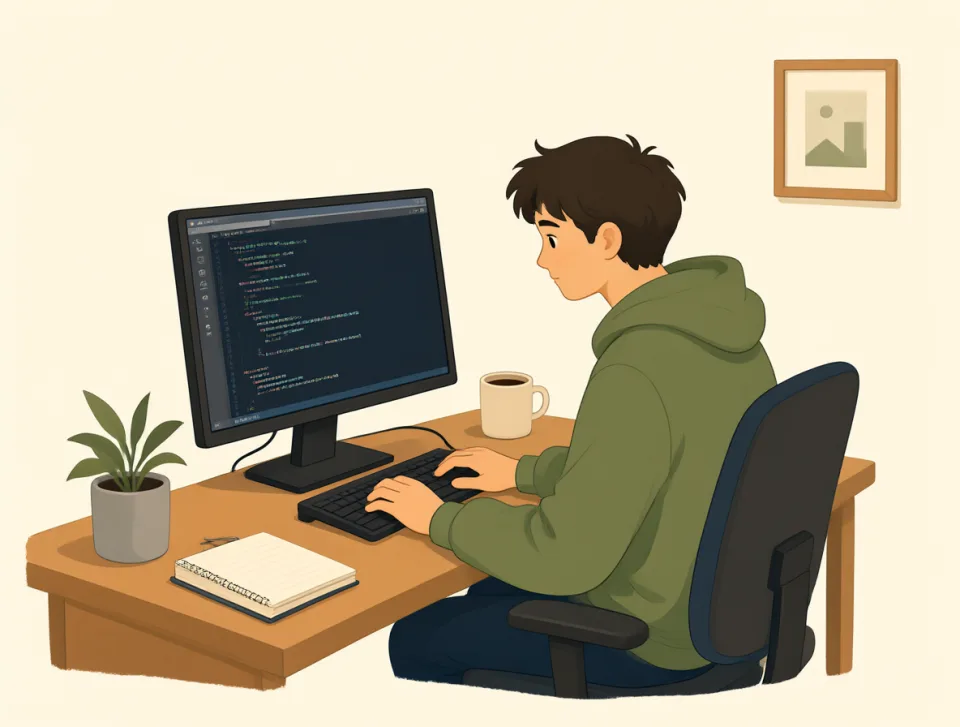
She wrote the code for the new shopping app.
Napisała kod do nowej aplikacji zakupowej.
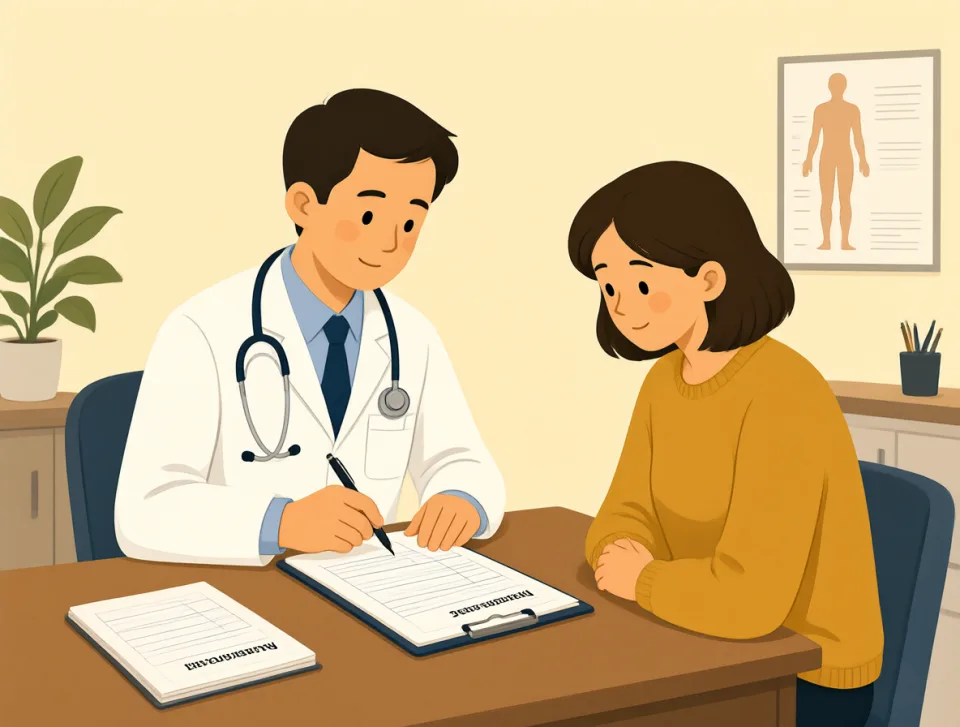
The doctor used a special code for my health insurance.
Lekarz użył specjalnego kodu na potrzeby mojego ubezpieczenia zdrowotnego.

This dress code means everyone must wear formal clothes.
Ten dress code oznacza, że wszyscy muszą być ubrani formalnie.
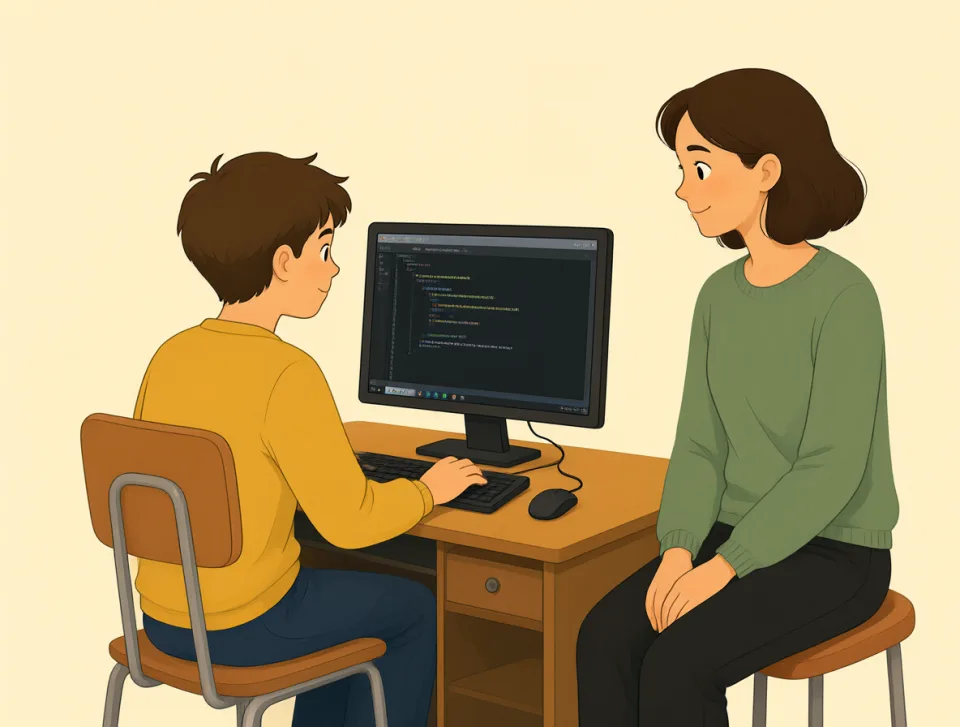
He learned to code at school last year.
W zeszłym roku nauczył się programować w szkole.
possibly
#1347adverb
możliwie
used to say that something may happen or be true
Używane, by powiedzieć, że coś może się wydarzyć lub być prawdą.
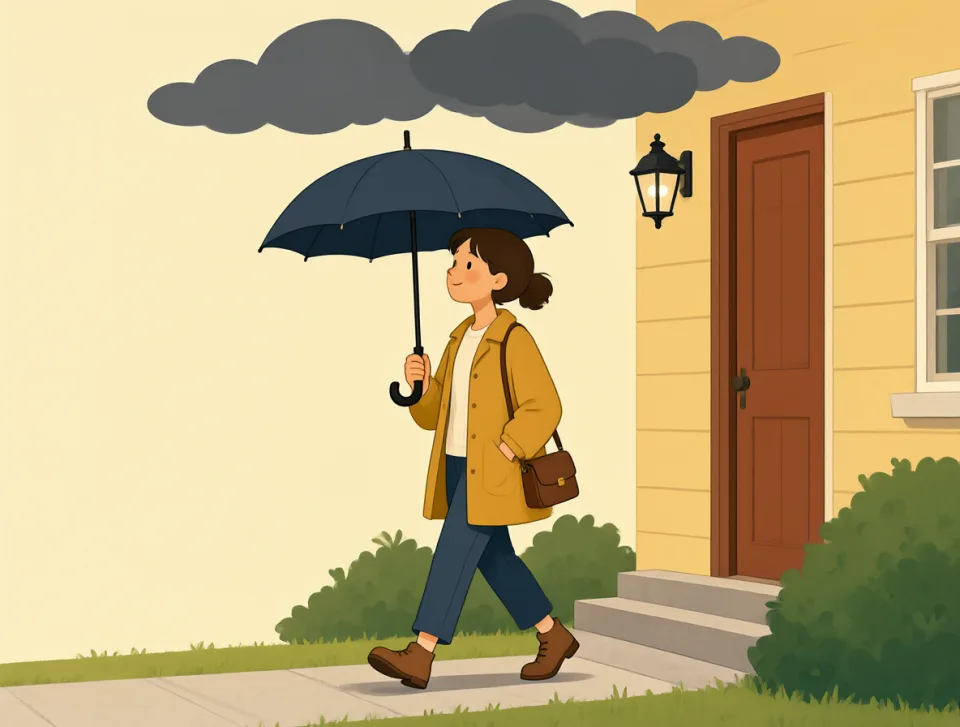
It will possibly rain this afternoon, so take an umbrella.
Po południu może padać, więc weź parasol.
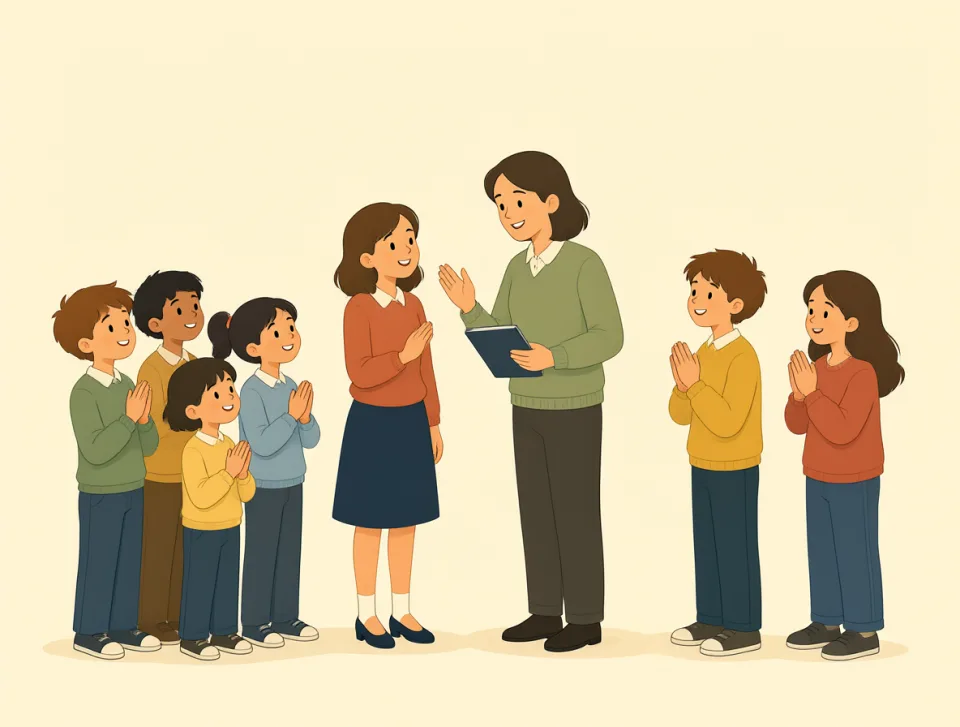
She is possibly the best student in our class.
Być może jest najlepszą uczennicą w naszej klasie.

Could you possibly help me carry these boxes upstairs?
Czy mógłbyś mi pomóc wnieść te pudła na górę?
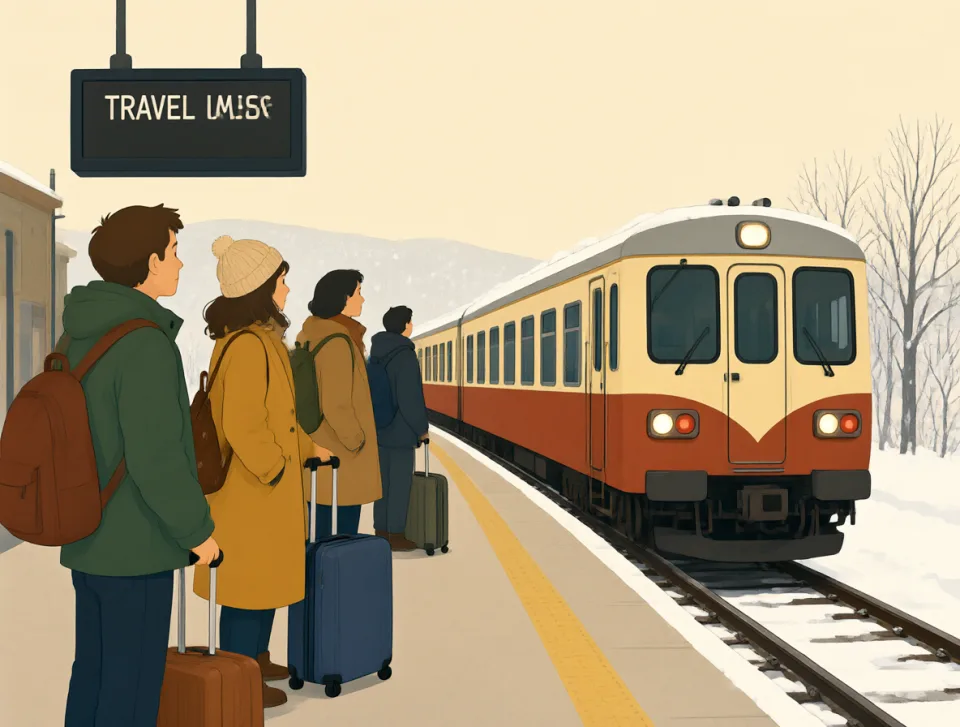
The train is possibly delayed because of the heavy snow.
Pociąg może być opóźniony z powodu obfitych opadów śniegu.
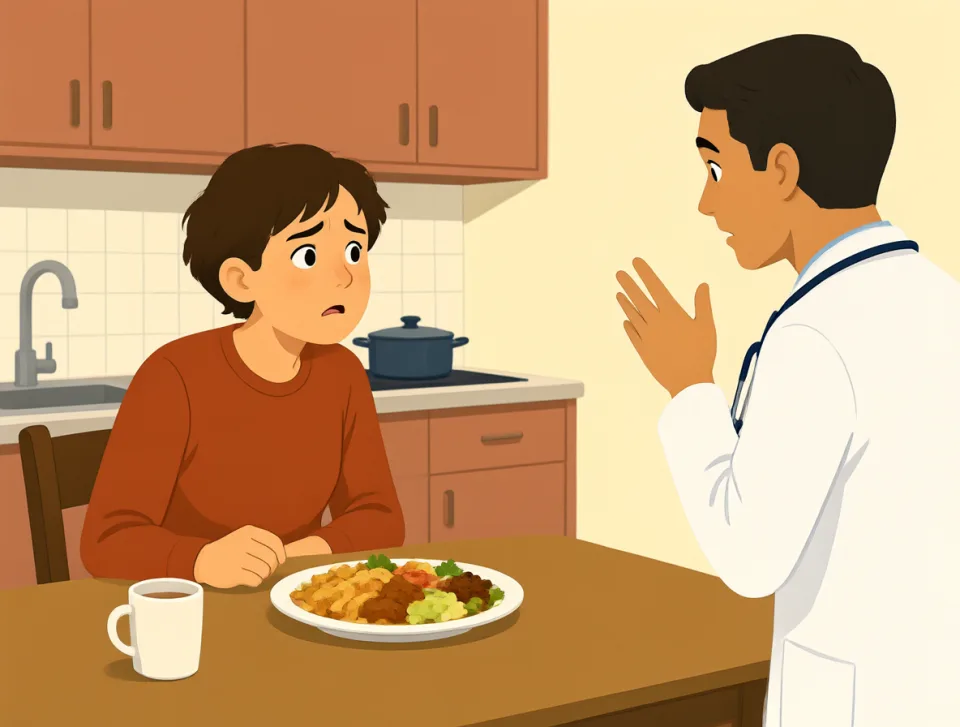
He may possibly have a food allergy, so call the doctor.
Może ma alergię pokarmową, więc zadzwoń do lekarza.
threat
#1348noun
groźba
A statement or action showing someone intends to cause harm.
Słowa lub działanie pokazujące, że ktoś zamierza wyrządzić krzywdę.
He made a threat to tell the teacher.
Zagroził, że powie nauczycielowi.
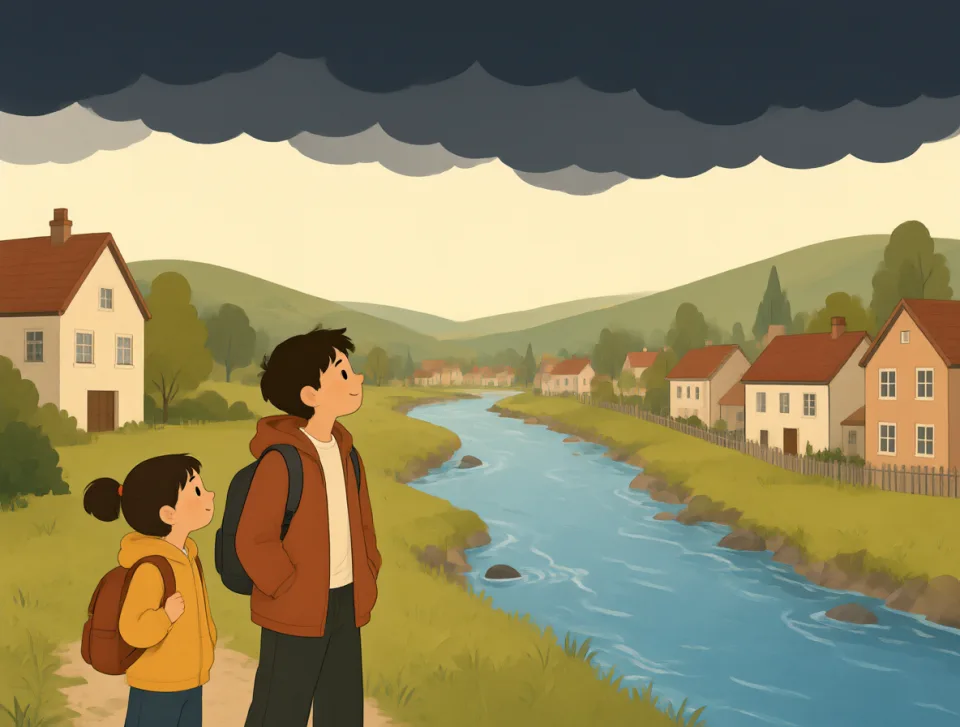
The heavy rain is a threat to the small town.
Ulewne deszcze stanowią zagrożenie dla tego małego miasteczka.

Her brother's threat was only a joke.
Groźba jej brata była tylko żartem.
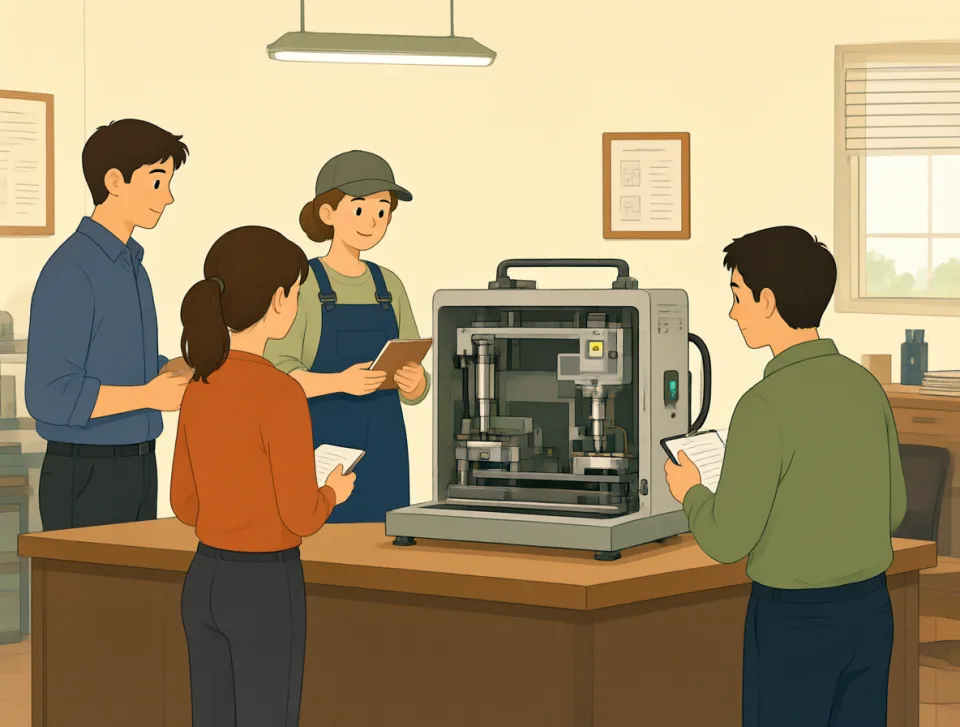
Many jobs are under threat from new technology.
Wiele miejsc pracy jest zagrożonych przez nowe technologie.
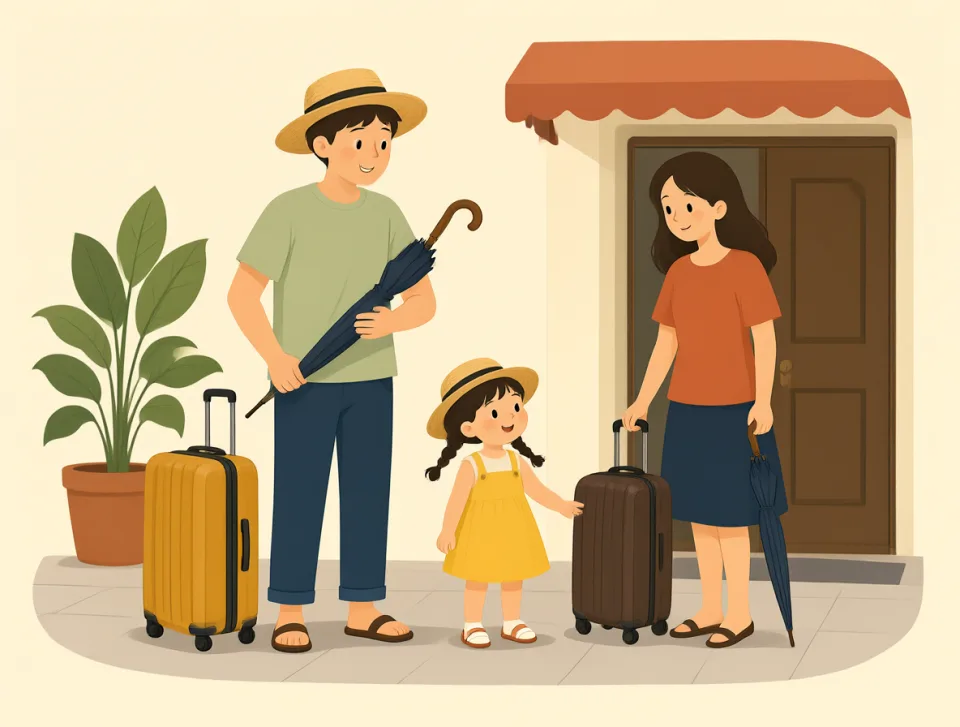
There is a threat of rain this afternoon.
Po południu możliwe są opady deszczu.
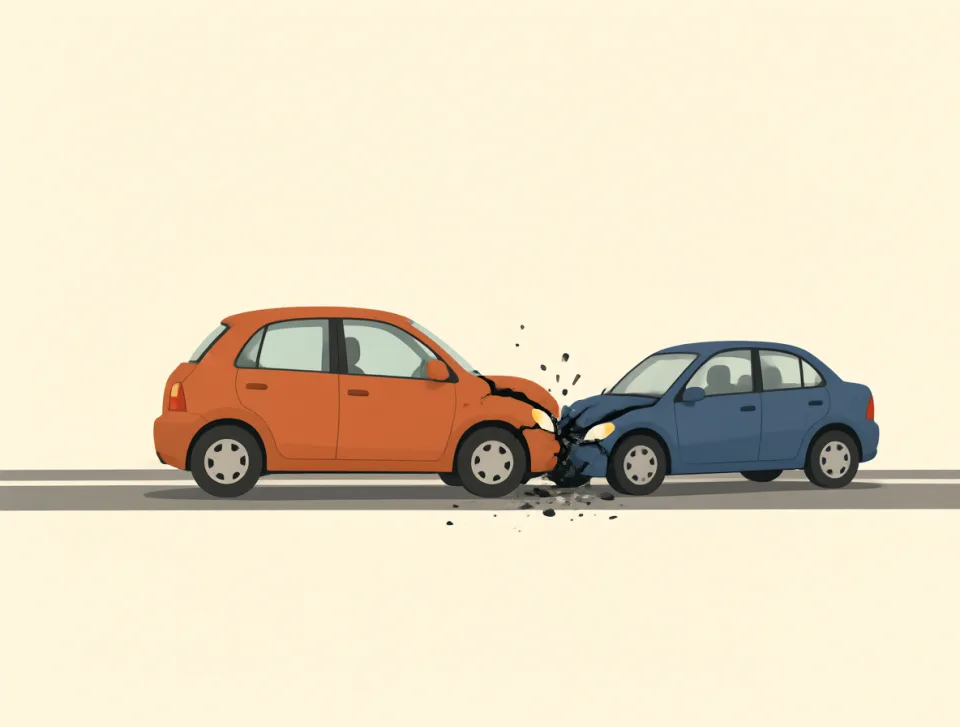
accident
#1349noun
wypadek
An unexpected event that causes damage, injury, or trouble.
Nieoczekiwane zdarzenie, które powoduje szkody, obrażenia lub kłopoty.
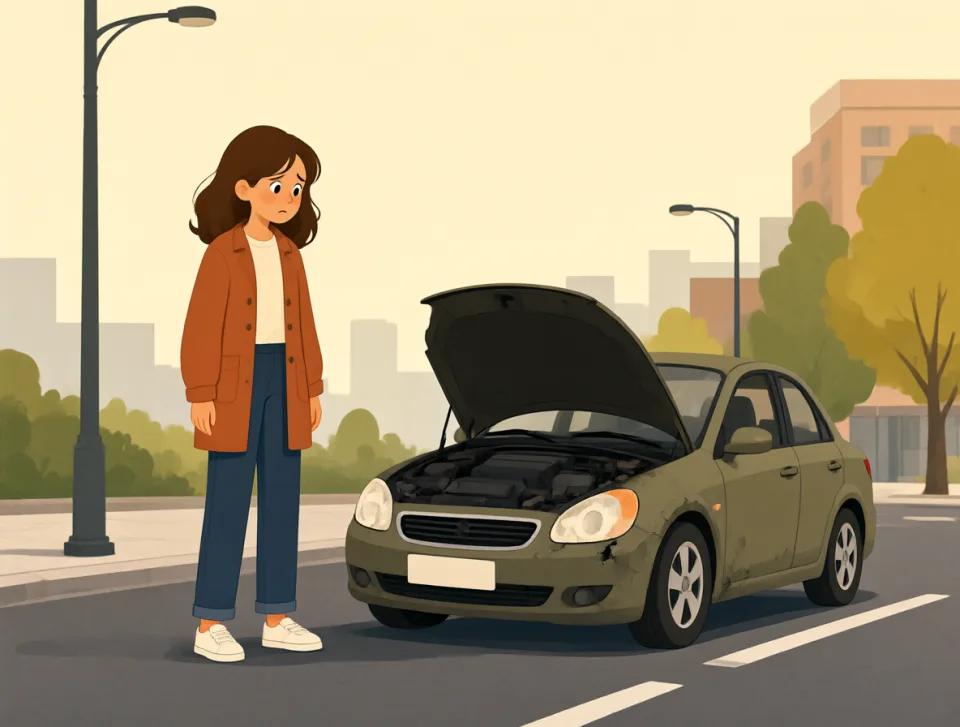
She had a car accident on her way to work.
W drodze do pracy miała wypadek samochodowy.
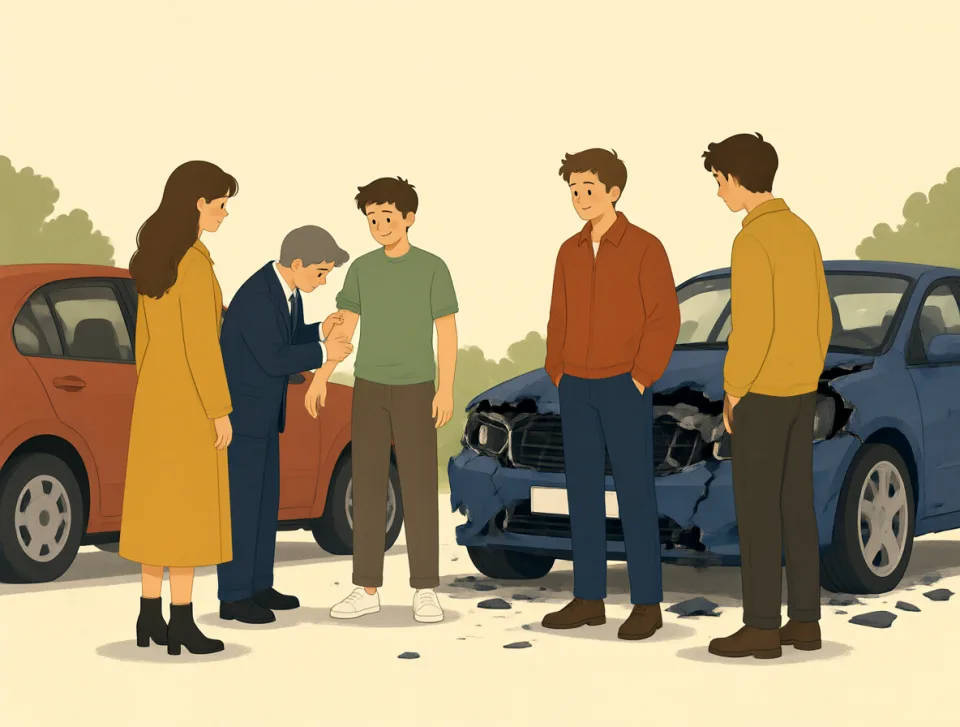
Luckily, nobody was hurt in the accident.
Na szczęście nikt nie ucierpiał w wypadku.
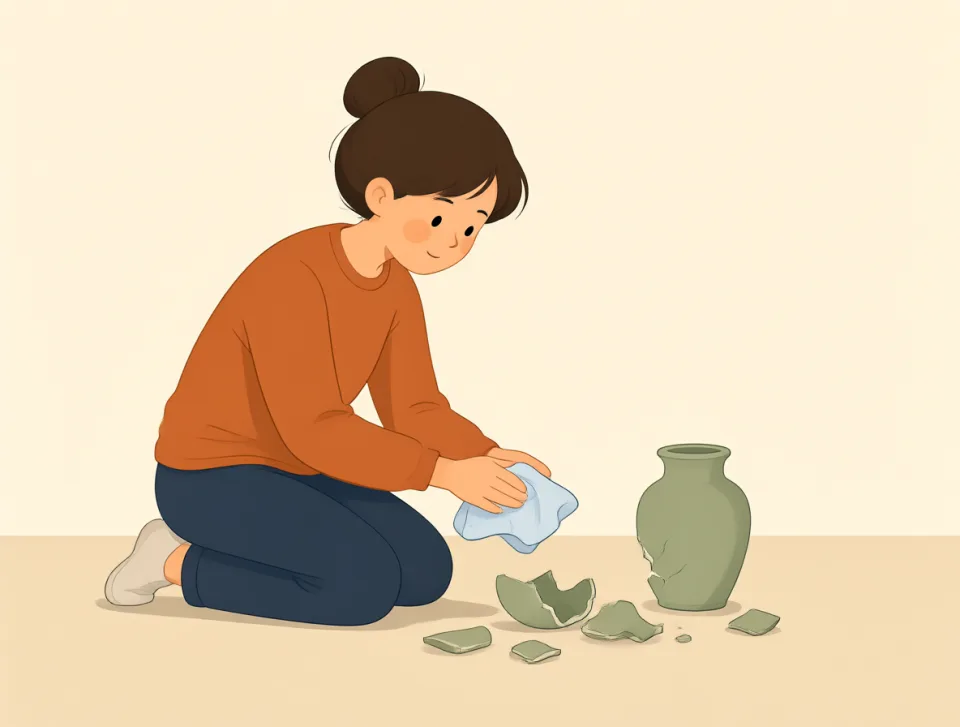
I broke the vase by accident while cleaning the shelf.
Przez przypadek stłukłem wazon podczas ścierania kurzu z półki.
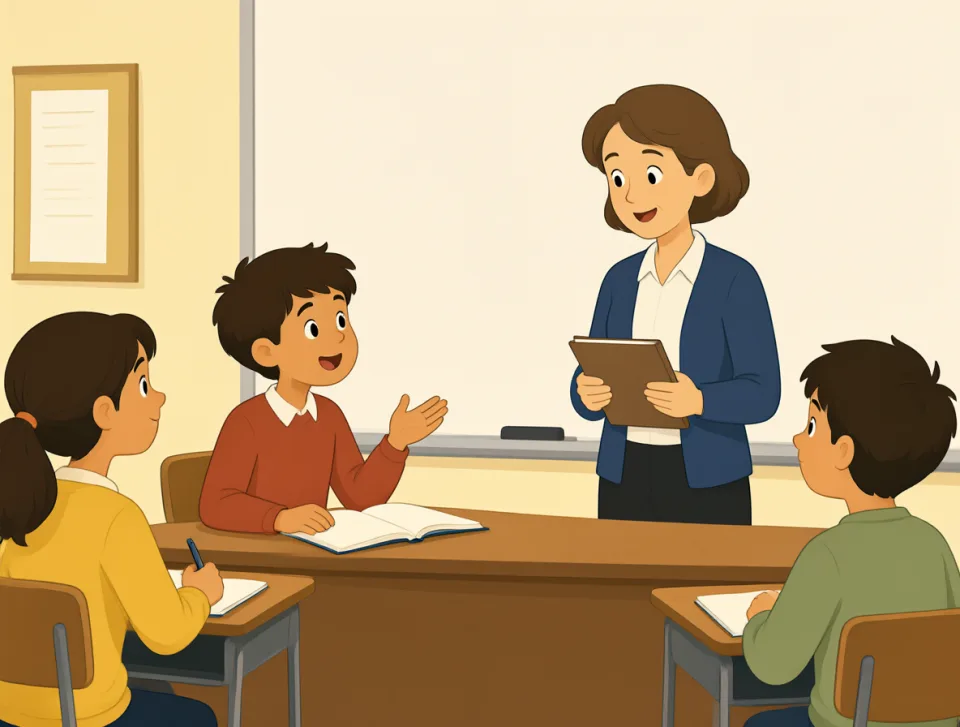
The teacher asked us to describe the accident at school.
Nauczyciel poprosił nas, żebyśmy opisali wypadek w szkole.
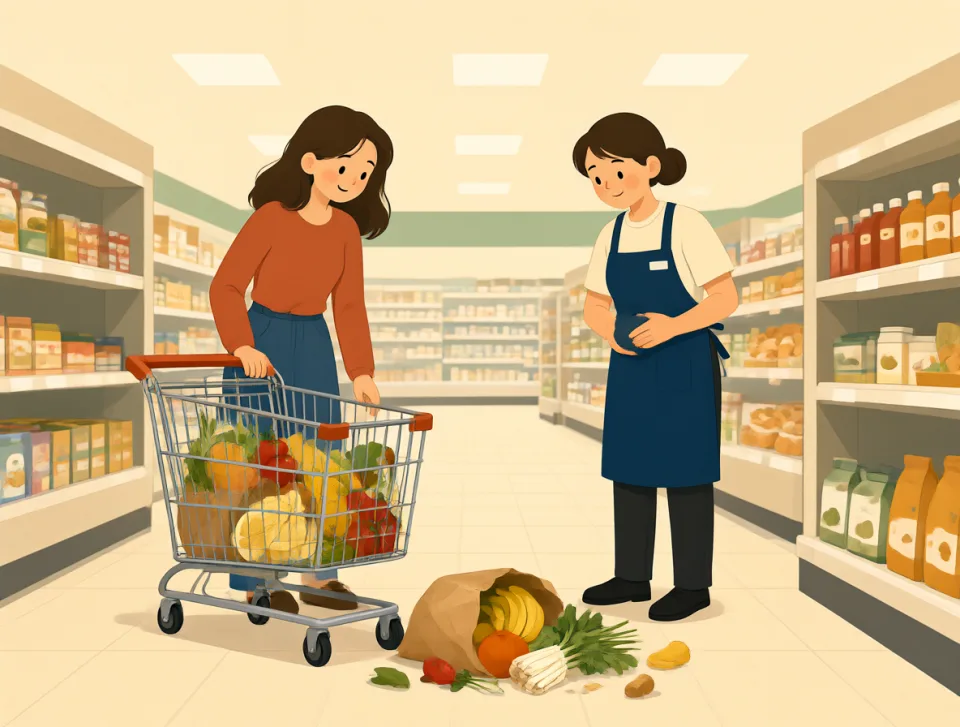
There was a small accident in the supermarket near the checkout.
W supermarkecie koło kas doszło do drobnego wypadku.
impossible
#1350adjective
niemożliwy
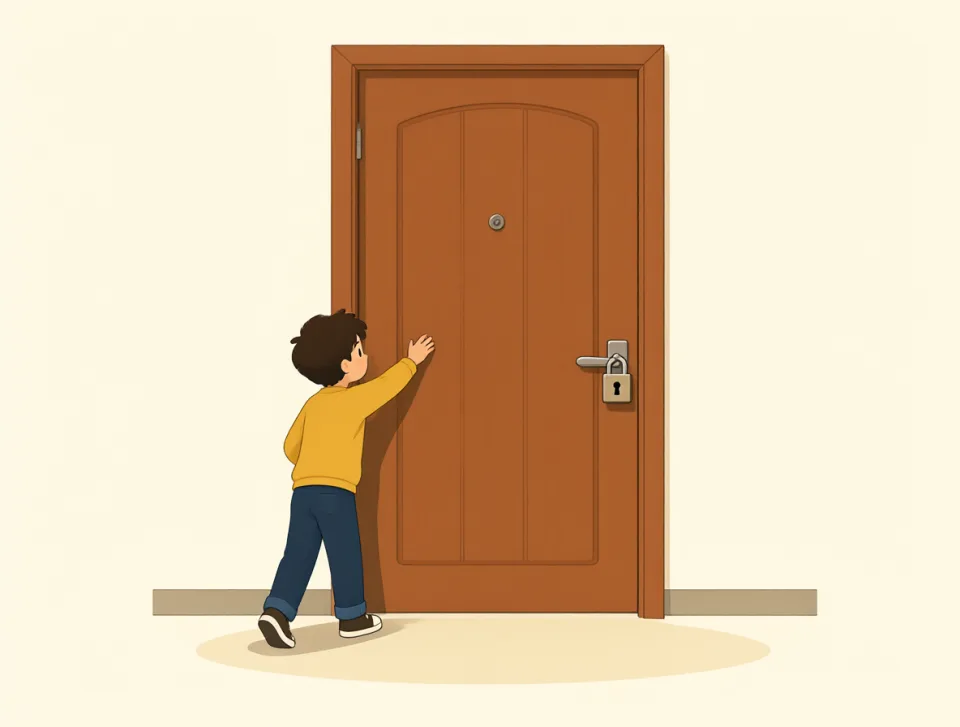
Not able to happen, be done, or be true.
Taki, który nie może się wydarzyć, zostać wykonany ani być prawdziwy.
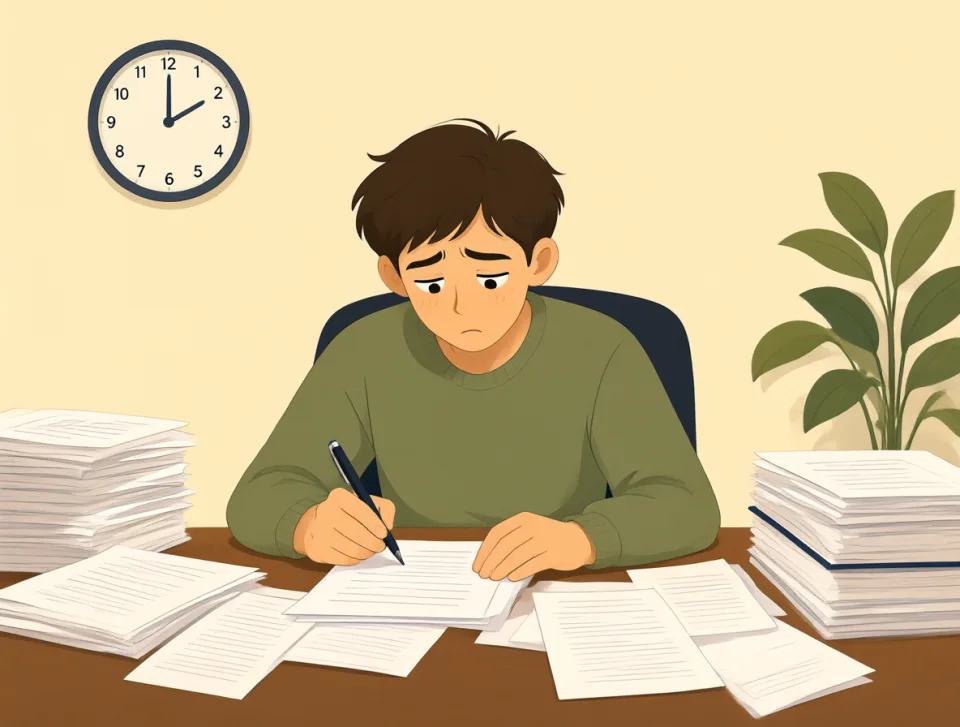
It is impossible to finish all this work in one hour.
Nie da się skończyć całej tej pracy w godzinę.
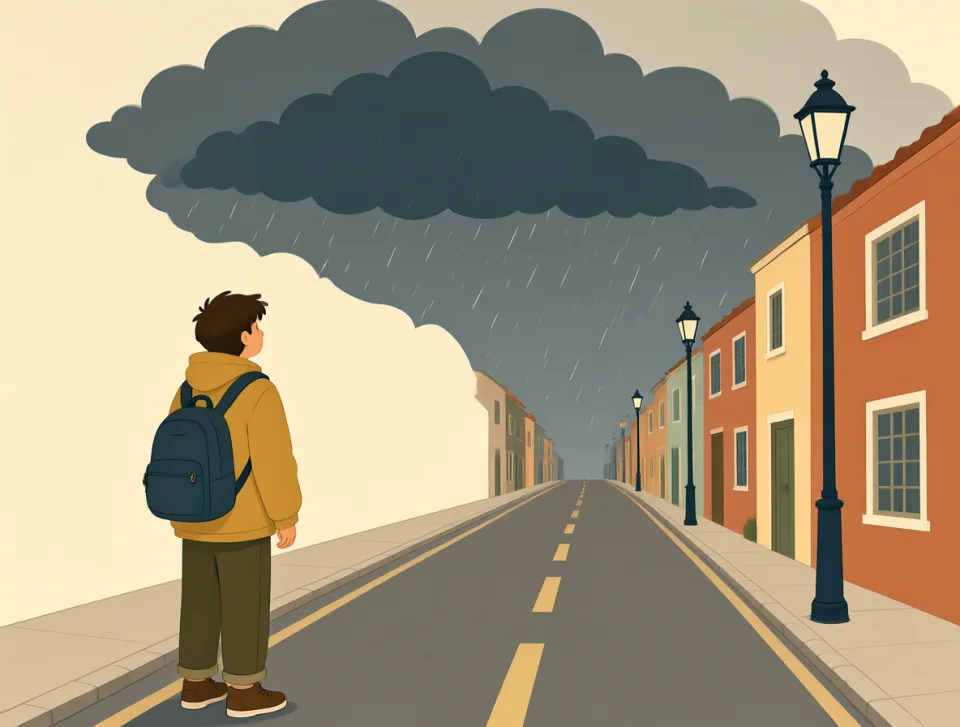
It was impossible to find a taxi during the storm.
Podczas burzy nie dało się znaleźć taksówki.

The math problem seemed impossible, but Mia solved it.
Zadanie matematyczne wydawało się niemożliwe, ale Mia je rozwiązała.

This suitcase is impossible to carry without help.
Nie da się przenieść tej walizki bez pomocy.

It is impossible to eat this soup because it is too salty.
Nie da się zjeść tej zupy, bo jest za słona.
revenue
#1351noun
przychód
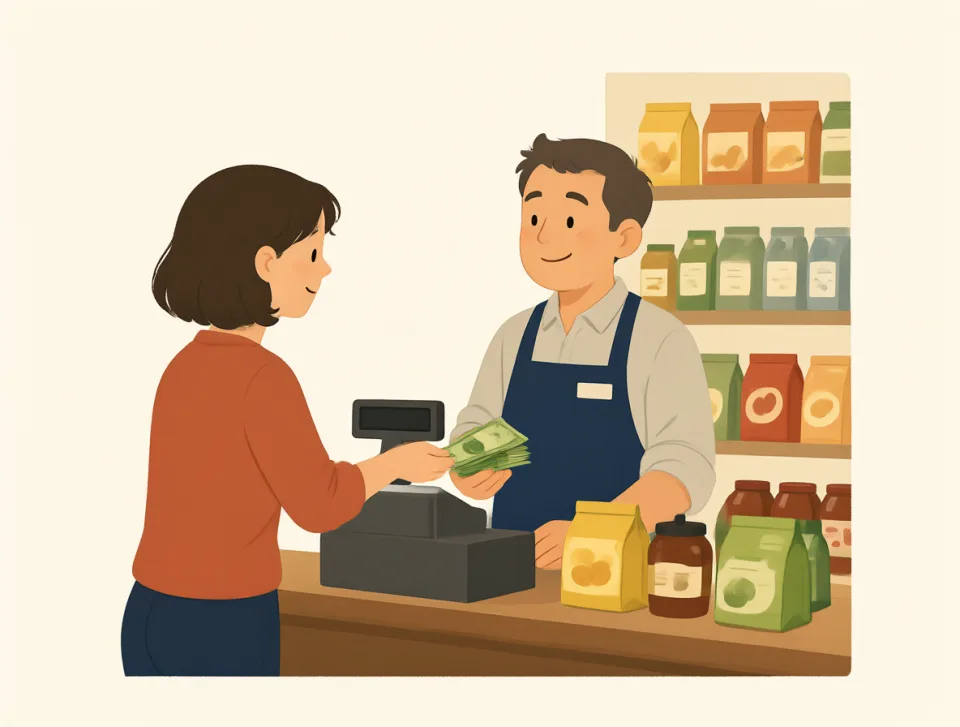
Money a business or organization earns from selling goods or services.
Pieniądze, które firma lub organizacja zarabia na sprzedaży towarów lub usług.

The company increased its revenue by selling more products online.
Firma zwiększyła przychody, sprzedając więcej produktów przez internet.

Ticket sales provide most of the museum's annual revenue.
Sprzedaż biletów stanowi większość rocznych przychodów muzeum.

The restaurant uses its revenue to pay workers and buy food.
Restauracja przeznacza swoje przychody na wypłaty dla pracowników i zakup żywności.
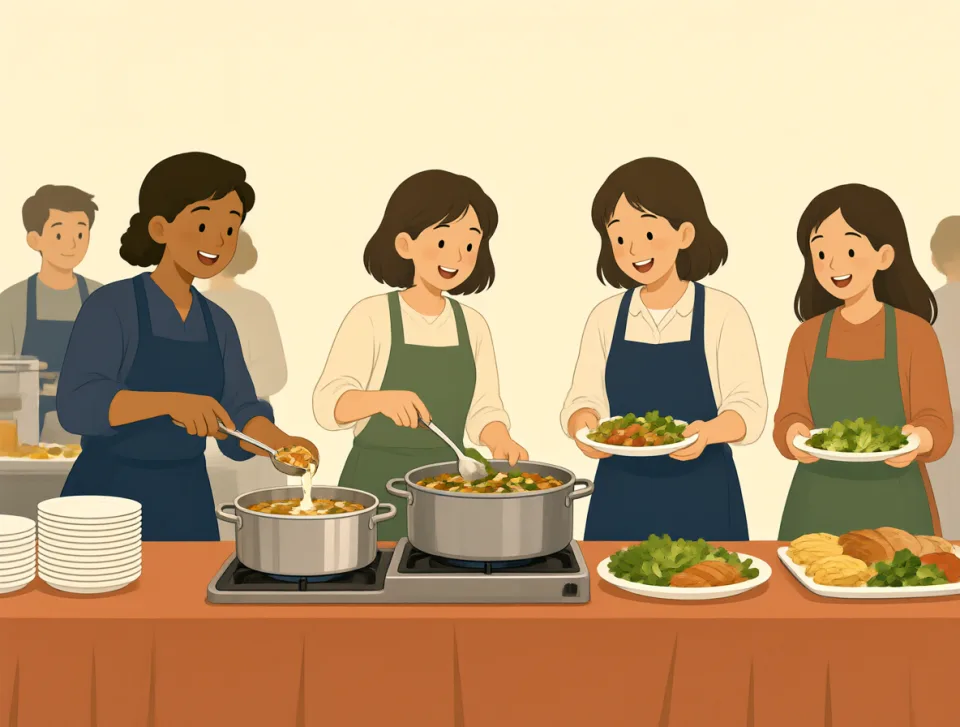
The school raised revenue by holding a weekend food fair.
Szkoła zwiększyła przychody, organizując weekendowy kiermasz z jedzeniem.

The shop lost revenue when heavy rain kept customers away.
Sklep stracił część przychodów, gdy ulewny deszcz odstraszył klientów.
enable
#1352verb
umożliwiać
to make something possible or easier for someone to do
Sprawiać, że coś staje się dla kogoś możliwe lub łatwiejsze do zrobienia.
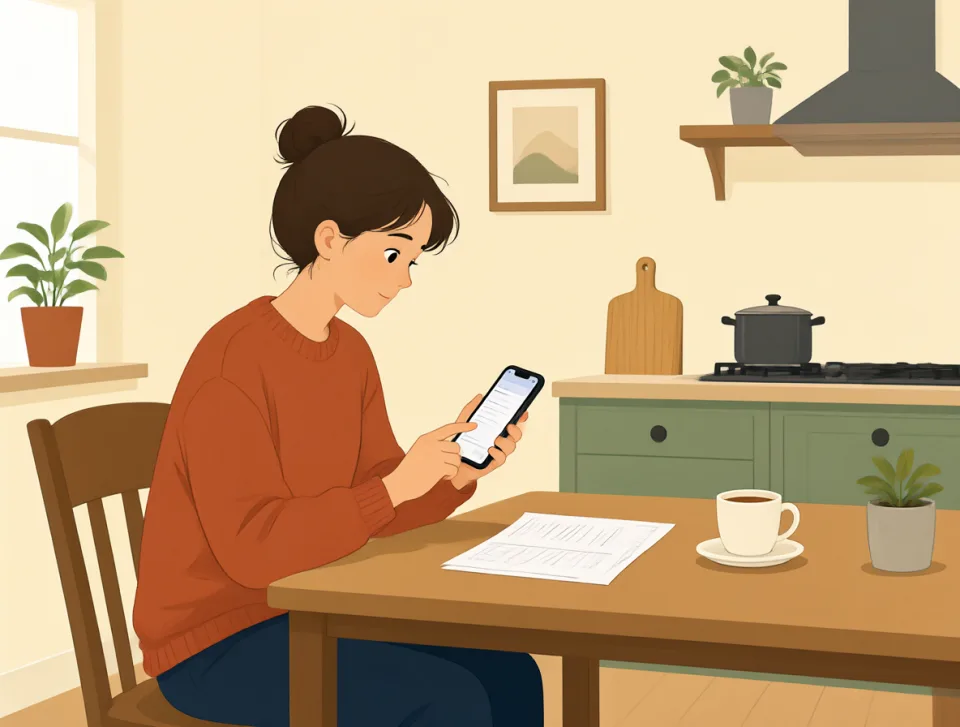
This app enables users to pay bills quickly from home.
Ta aplikacja umożliwia użytkownikom szybkie opłacanie rachunków w domu.
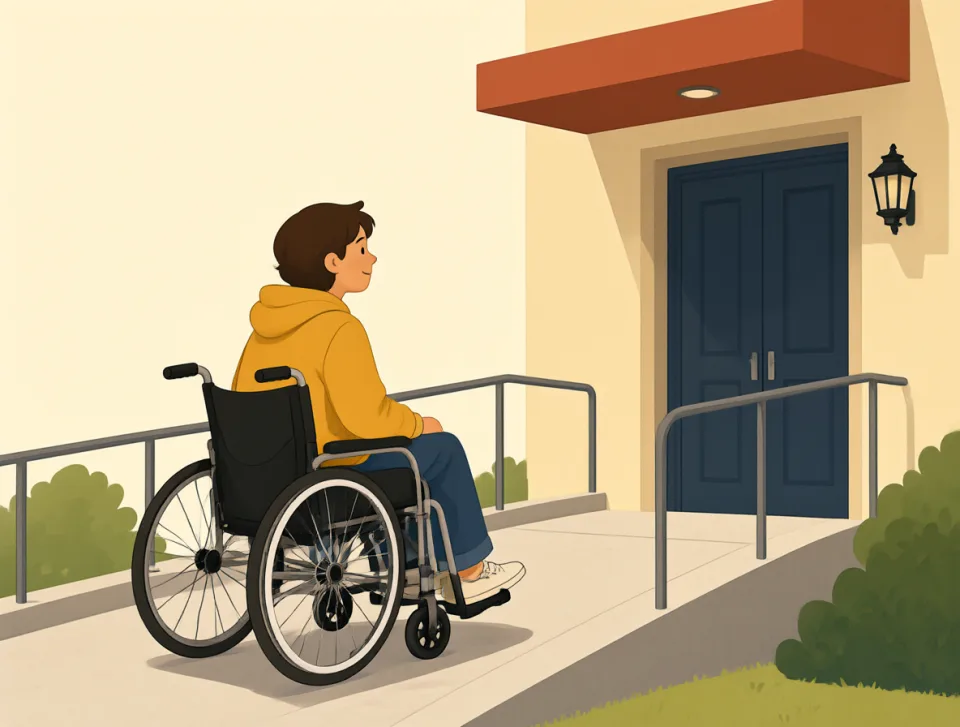
The new ramp enables wheelchair users to enter the building.
Nowa rampa umożliwia osobom poruszającym się na wózkach inwalidzkich wejście do budynku.

Online lessons enable students to study at their own pace.
Lekcje online umożliwiają uczniom naukę we własnym tempie.
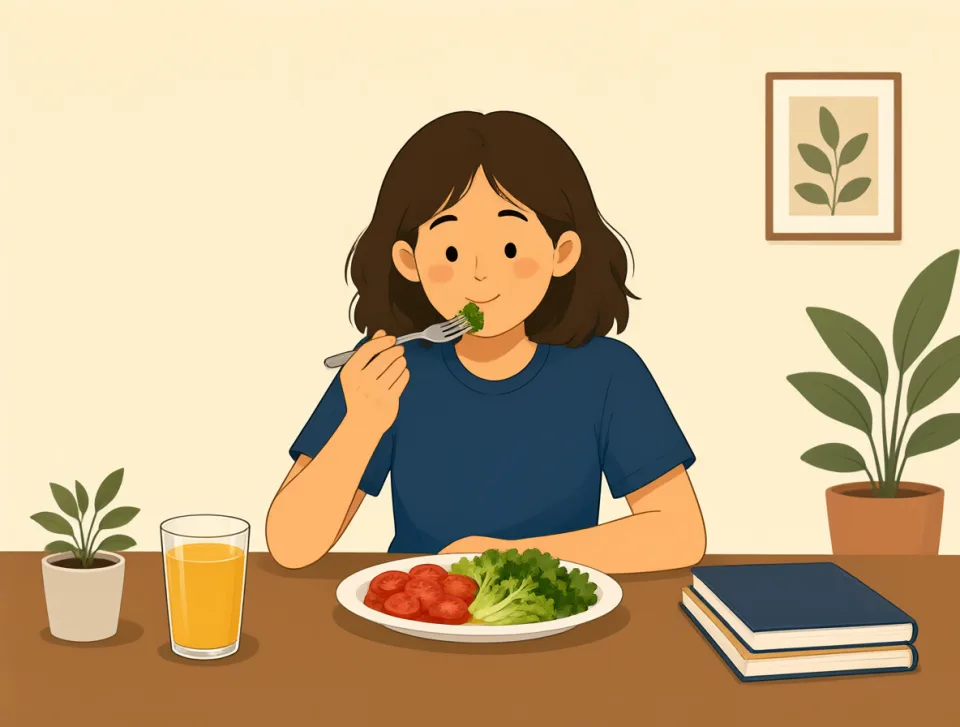
A healthy breakfast enables me to work better all morning.
Zdrowe śniadanie pozwala mi lepiej pracować przez cały poranek.

The hotel shuttle enabled us to reach the airport on time.
Hotelowy bus pozwolił nam dotrzeć na lotnisko na czas.
afraid
#1353adjective
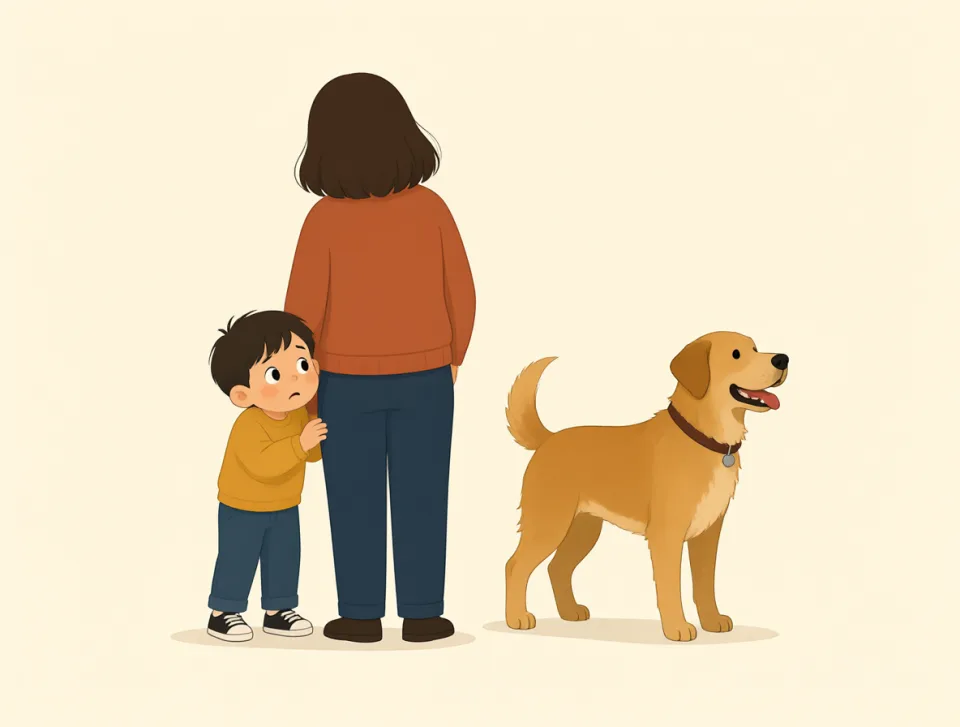
przestraszony; bać się
Feeling fear or worry about something bad or dangerous.
Odczuwać strach lub niepokój związany z czymś złym albo niebezpiecznym.
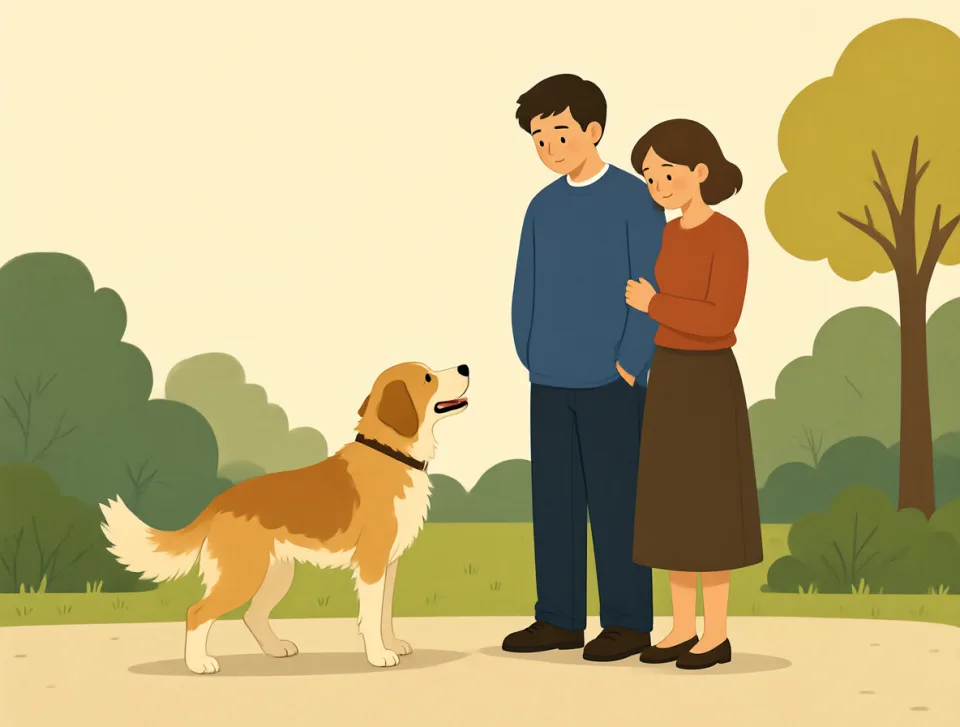
I am afraid of dogs, so please keep it away.
Boję się psów, więc proszę, trzymaj go z dala.

She was afraid to ask her boss for a day off.
Bała się poprosić szefa o dzień wolny.
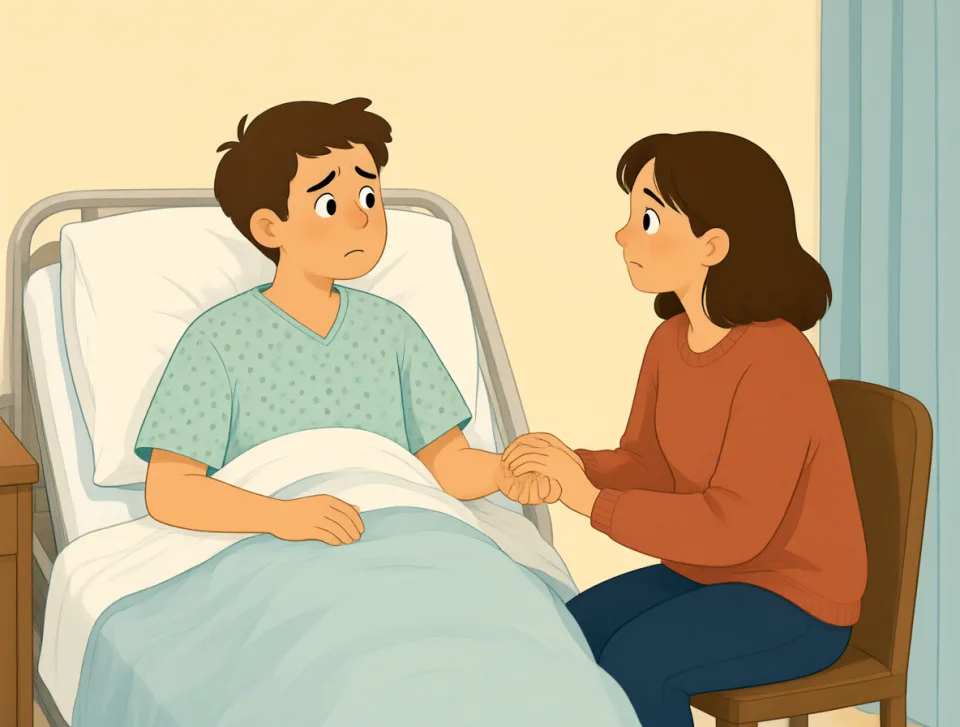
Don’t be afraid; I will stay with you at the hospital.
Nie bój się, zostanę z tobą w szpitalu.
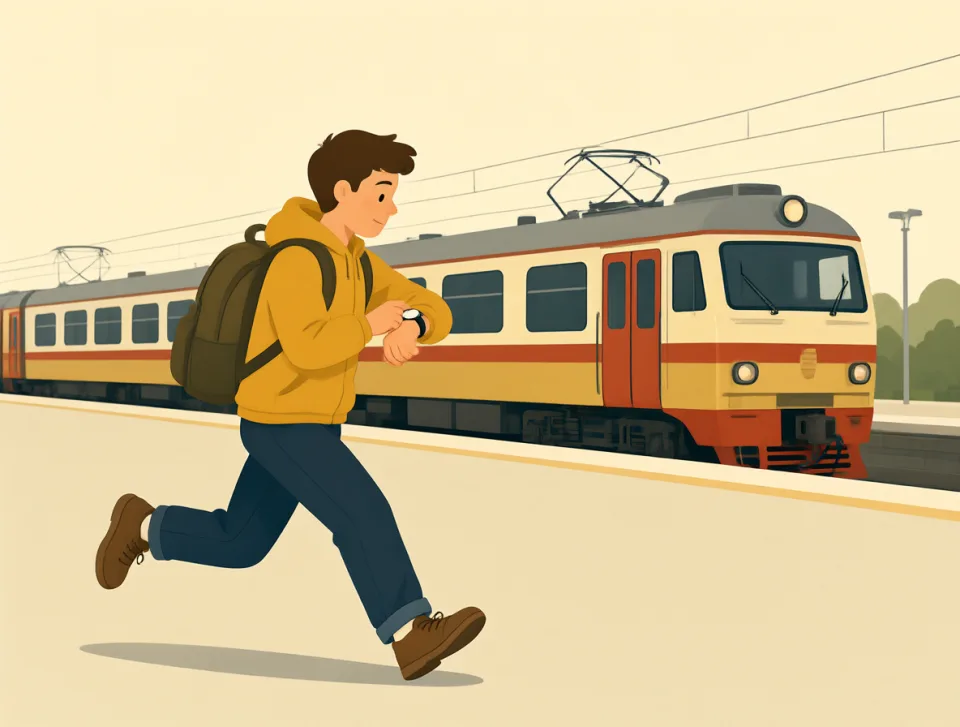
He is afraid that he might miss the last train home.
Boi się, że może nie zdążyć na ostatni pociąg do domu.
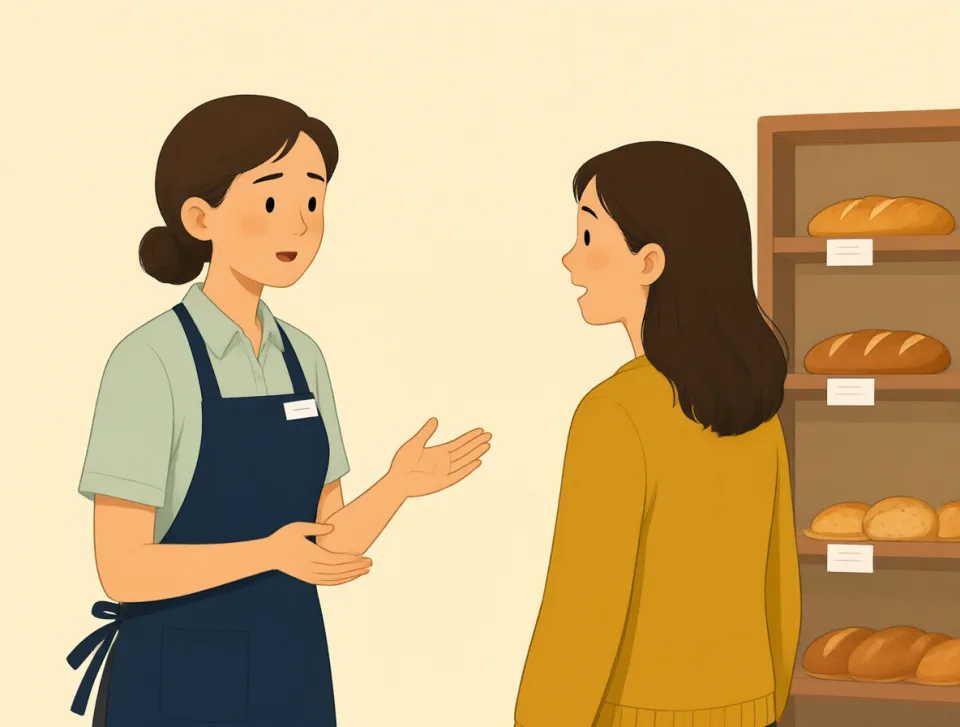
I’m afraid we have sold out of fresh bread today.
Przykro mi, ale dziś nie mamy już świeżego chleba.
active
#1354adjective, noun
aktywny
moving, busy, or taking part in an activity; a person who exercises or participates
Będący w ruchu, zajęty lub biorący udział w jakiejś aktywności; o osobie: ćwiczący lub uczestniczący w czymś.
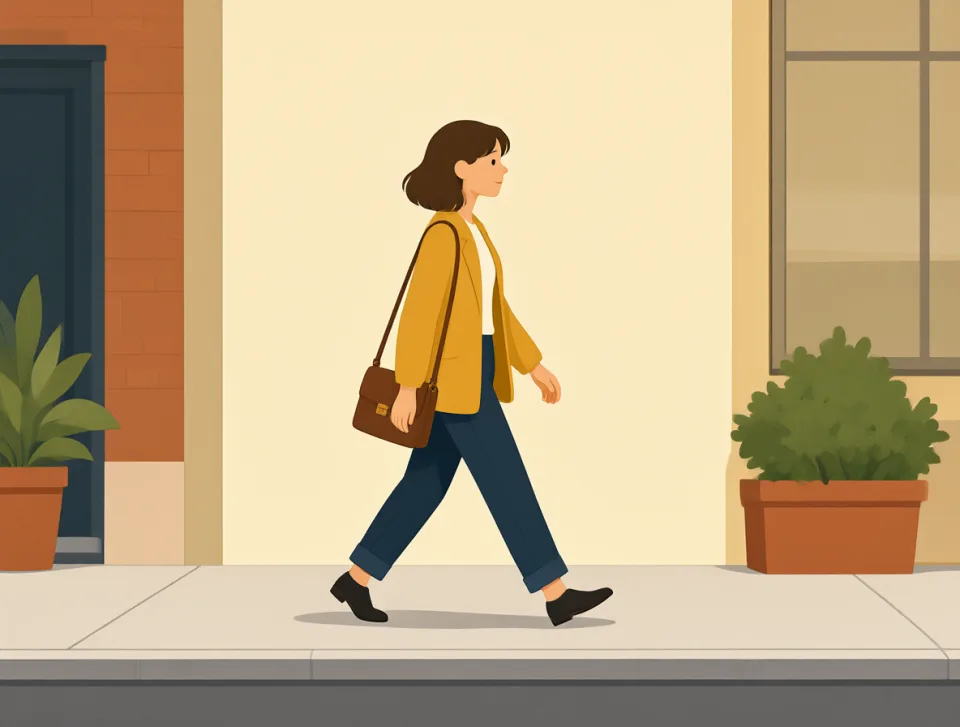
She stays active by walking to work every day.
Jest aktywna, bo codziennie chodzi pieszo do pracy.

The children were active all afternoon in the garden.
Dzieci były aktywne w ogrodzie przez całe popołudnie.

The volcano is still active and may erupt again.
Wulkan wciąż jest aktywny i może ponownie wybuchnąć.
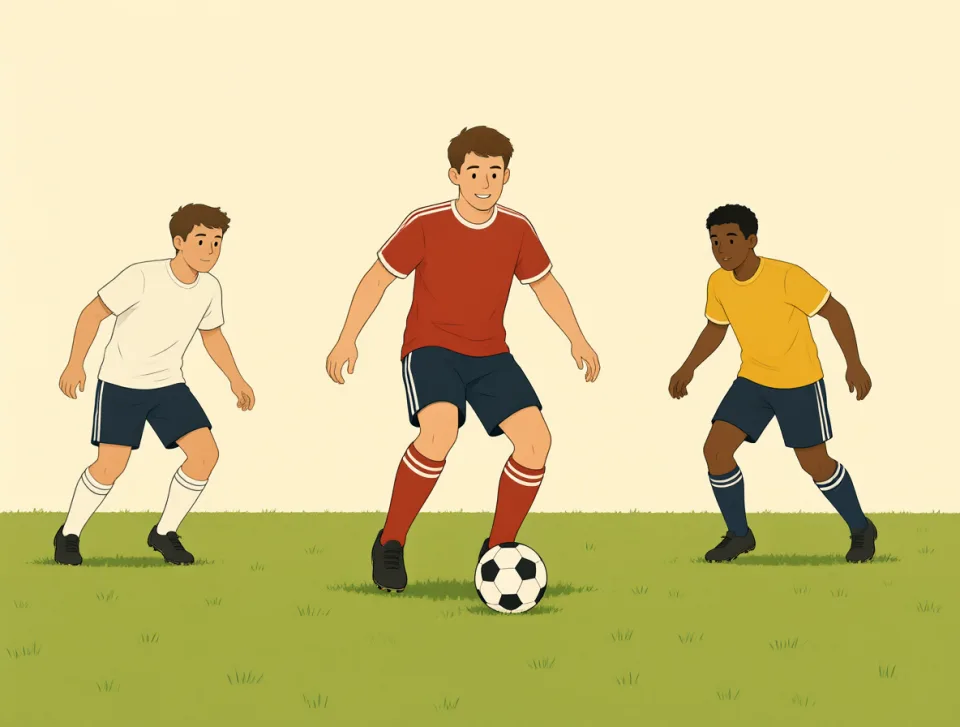
He is an active member of our local football club.
Jest aktywnym członkiem naszego lokalnego klubu piłkarskiego.
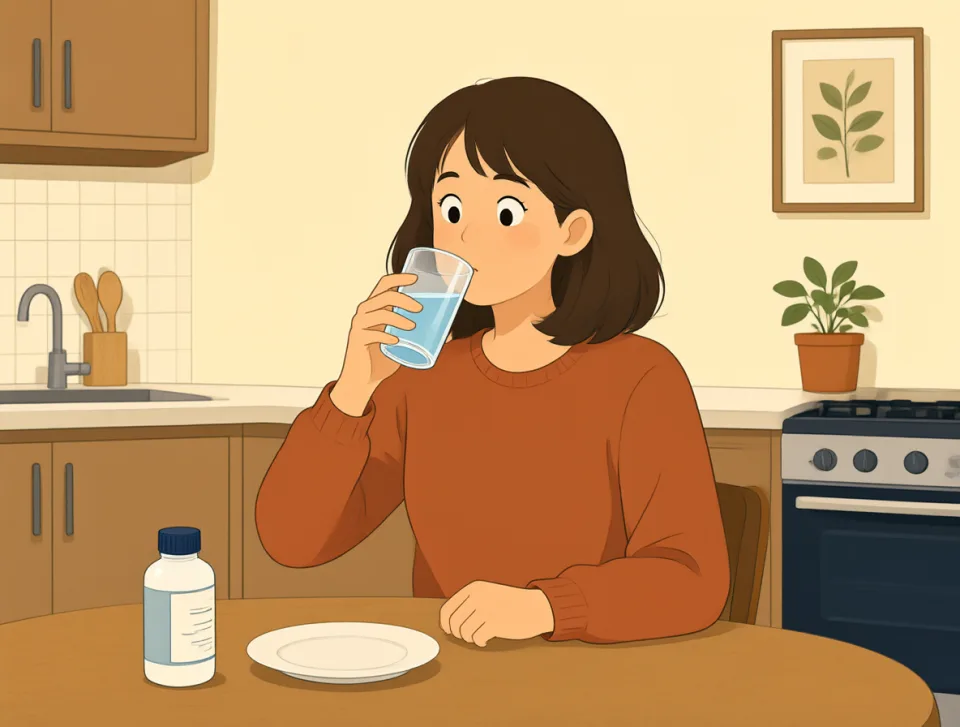
The medicine helps keep your body active during the day.
Lek pomaga utrzymać aktywność organizmu w ciągu dnia.

conclude
#1355verb
wnioskować
to decide something after thinking carefully about it
Podejmować decyzję lub wyciągać wniosek po dokładnym przemyśleniu sprawy.
The meeting concluded with a plan for next week.
Spotkanie zakończyło się ustaleniem planu na przyszły tydzień.
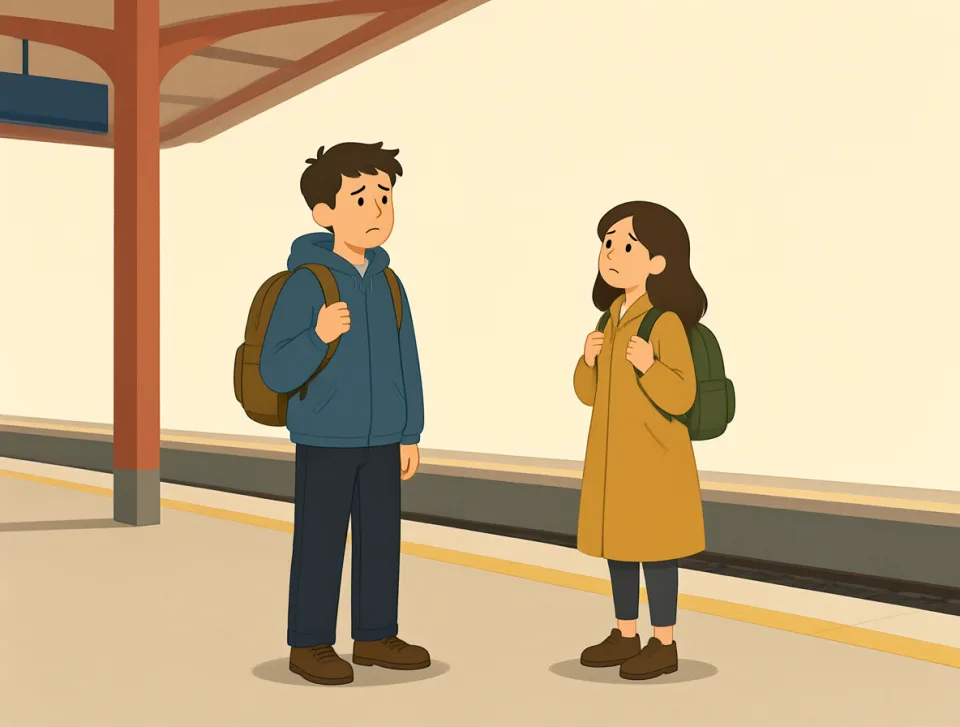
We concluded that the train was already gone.
Doszliśmy do wniosku, że pociąg już odjechał.
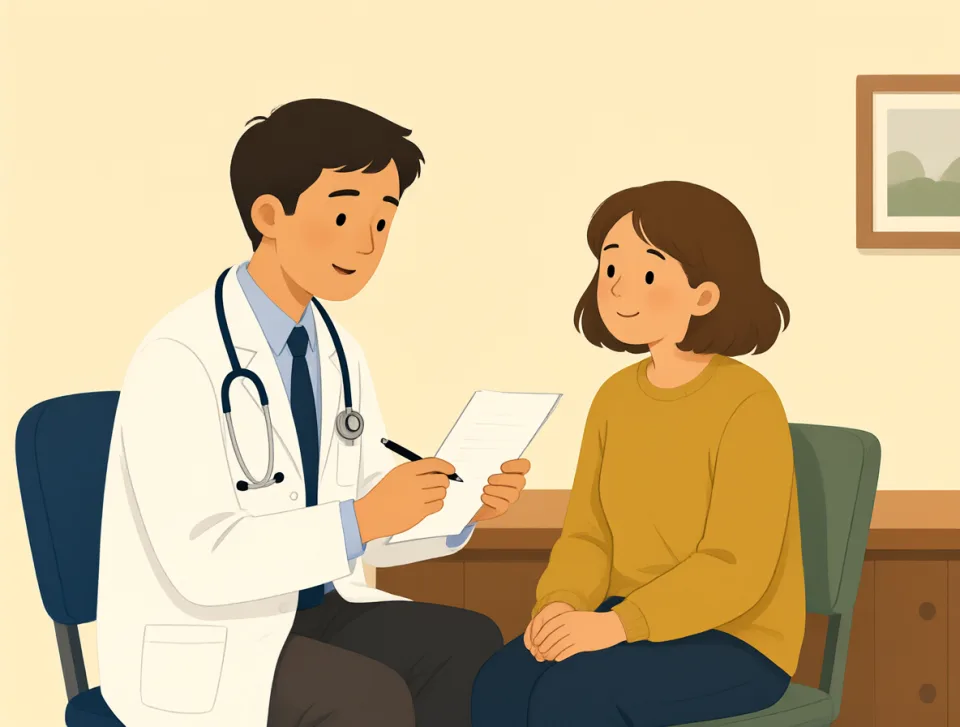
The doctor concluded that I had a minor infection.
Lekarz stwierdził, że mam niewielką infekcję.

The concert concluded with everyone singing together.
Koncert zakończył się wspólnym śpiewaniem.
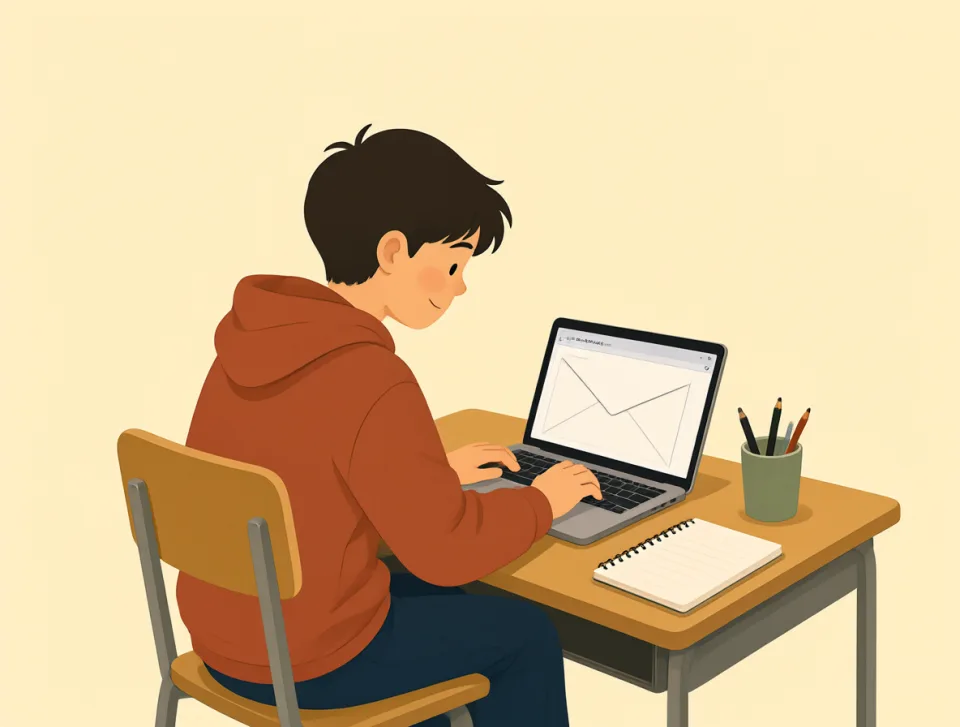
She concluded her email by thanking her teacher.
Na zakończenie e-maila podziękowała nauczycielowi.
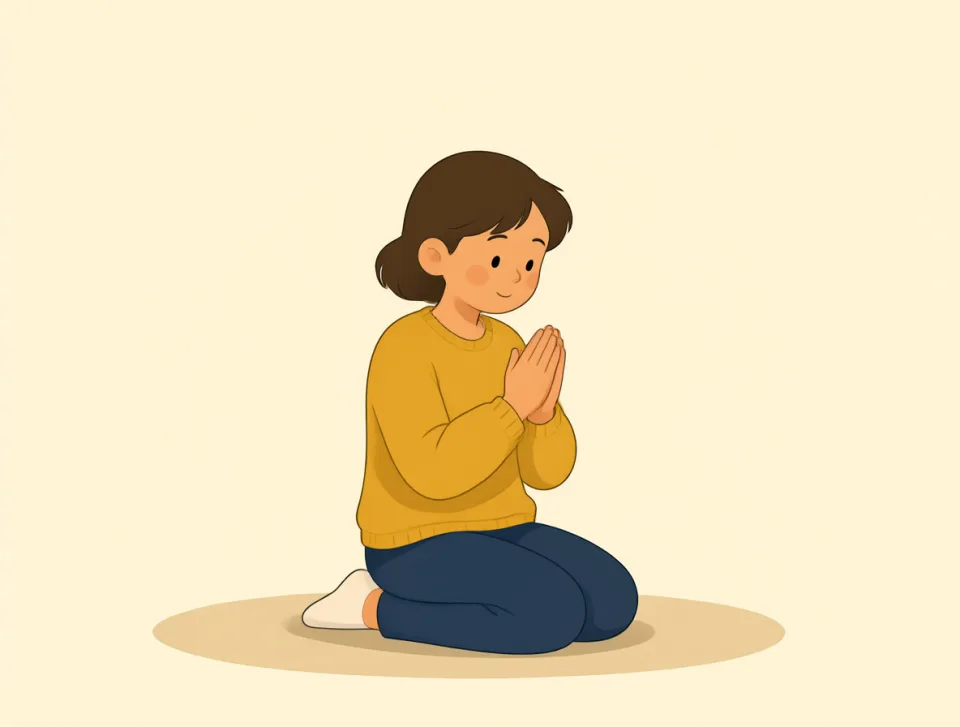
religious
#1356adjective
religijny
Connected with religion, or showing strong belief in a religion.
Związany z religią lub świadczący o silnej wierze religijnej.

My grandparents are religious and go to church every Sunday.
Moi dziadkowie są religijni i chodzą do kościoła w każdą niedzielę.
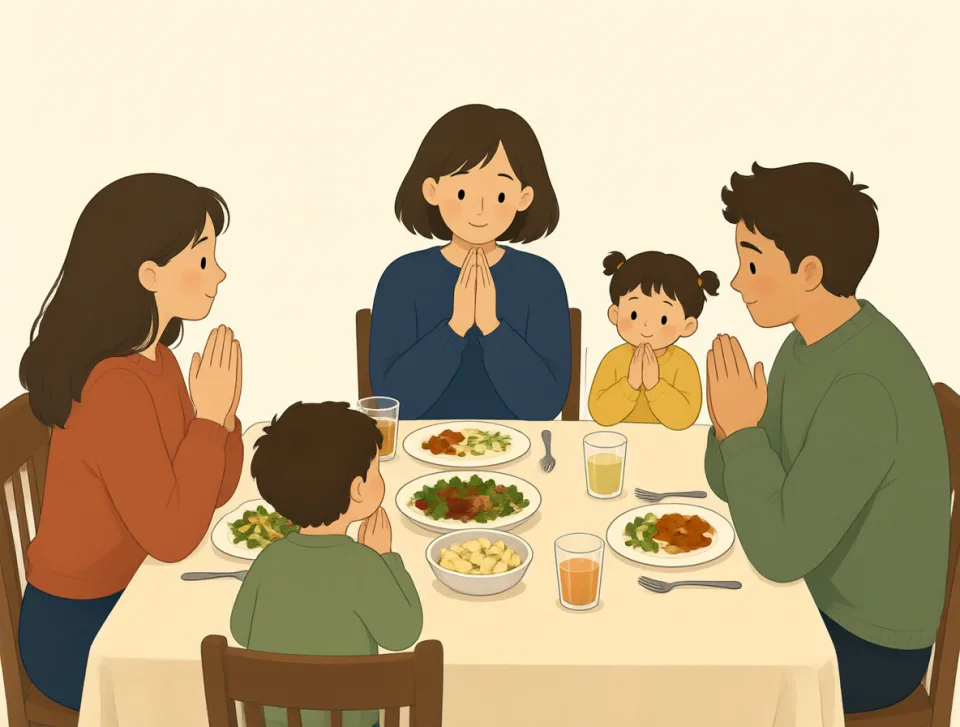
She comes from a religious family with strong traditions.
Pochodzi z religijnej rodziny o silnych tradycjach.

We visited a beautiful religious building during our trip.
Podczas naszej podróży odwiedziliśmy piękny obiekt sakralny.

The school respects students from different religious backgrounds.
Szkoła szanuje uczniów z różnych środowisk religijnych.
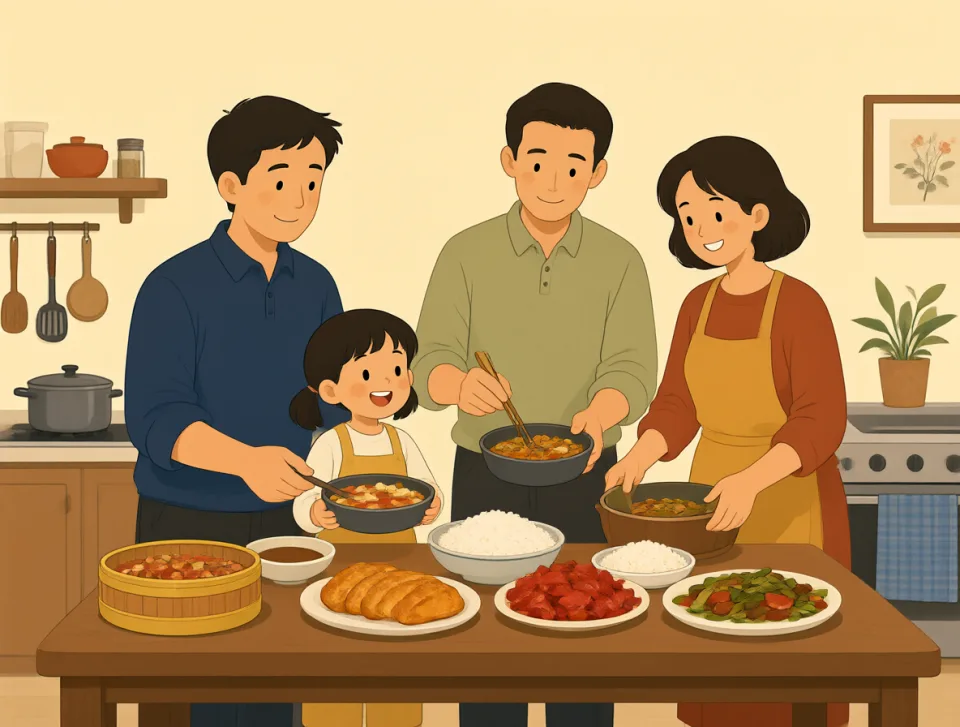
They prepared special food for the religious holiday.
Przygotowali specjalne potrawy na święto religijne.
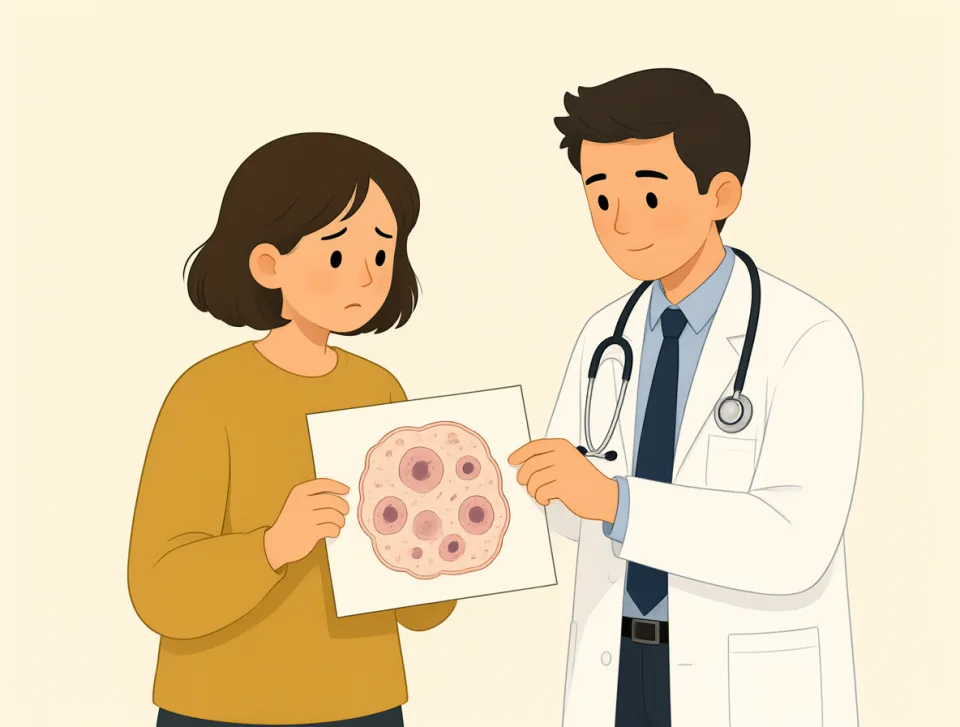
cancer
#1357noun
rak
A serious disease in which abnormal cells grow uncontrollably in the body.
Poważna choroba, w której nieprawidłowe komórki namnażają się w organizmie w niekontrolowany sposób.
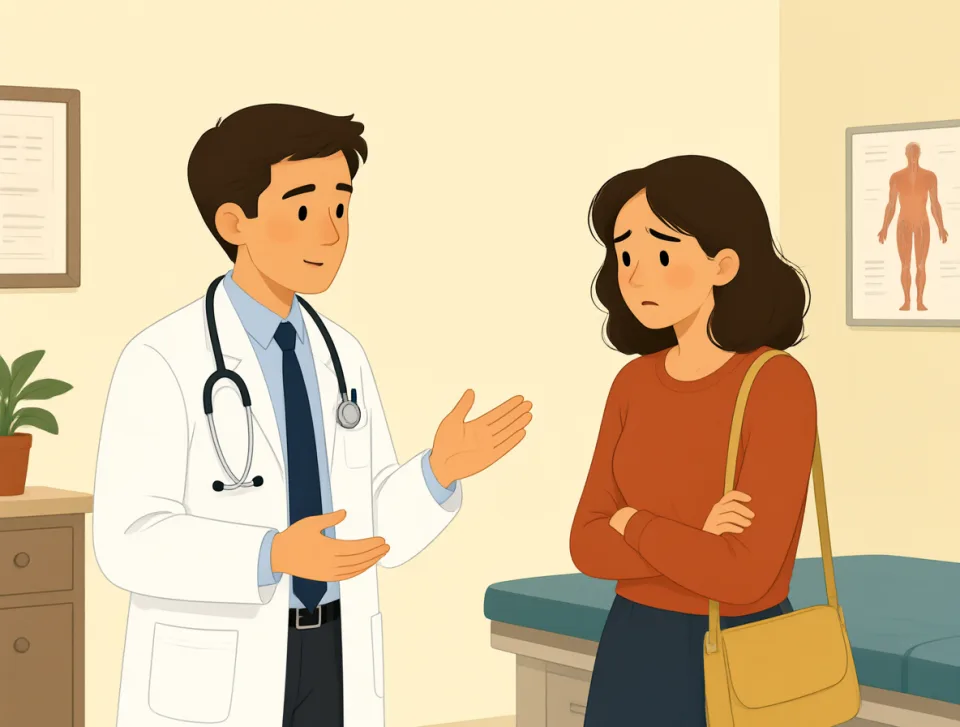
Her doctor found cancer during a routine health check.
Podczas rutynowego badania lekarskiego wykryto u niej raka.
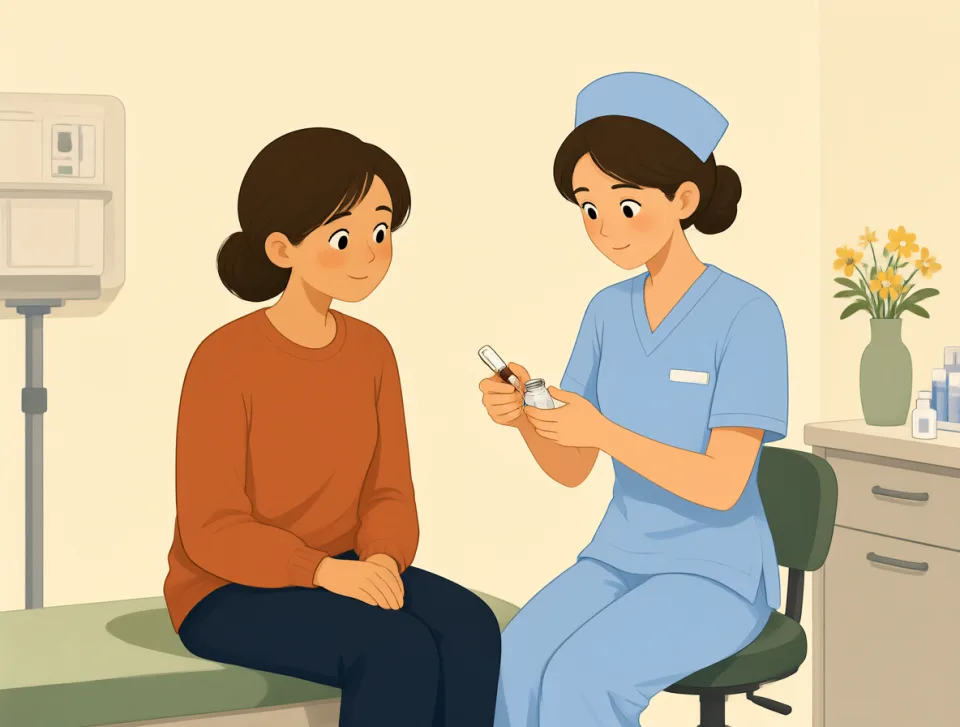
His mother is receiving treatment for breast cancer.
Jego matka jest leczona z powodu raka piersi.
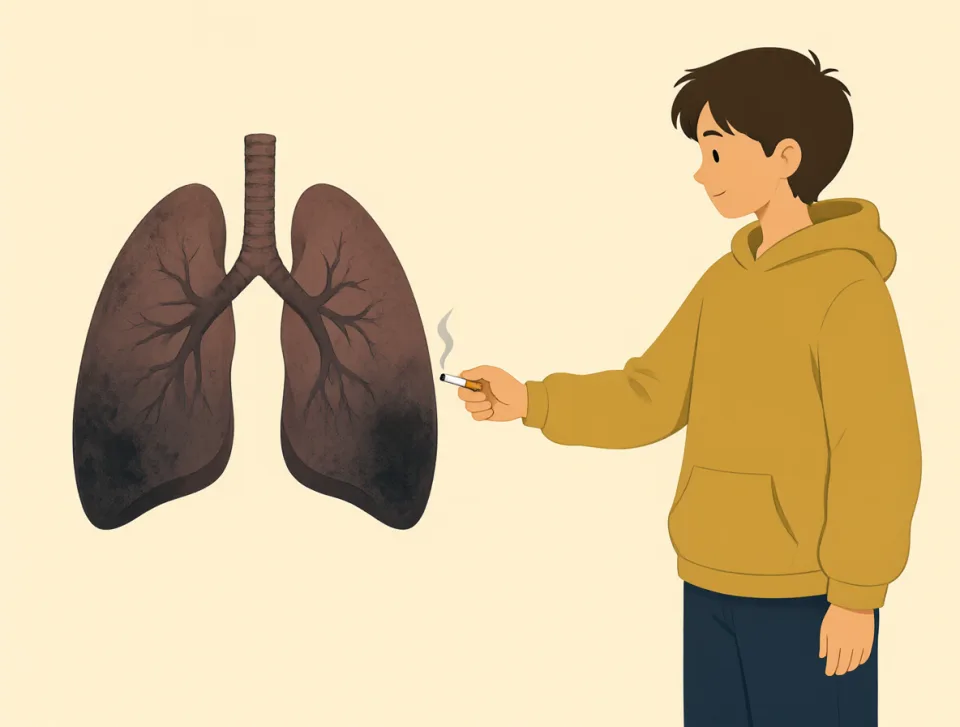
Smoking greatly increases the risk of lung cancer.
Palenie znacznie zwiększa ryzyko raka płuc.
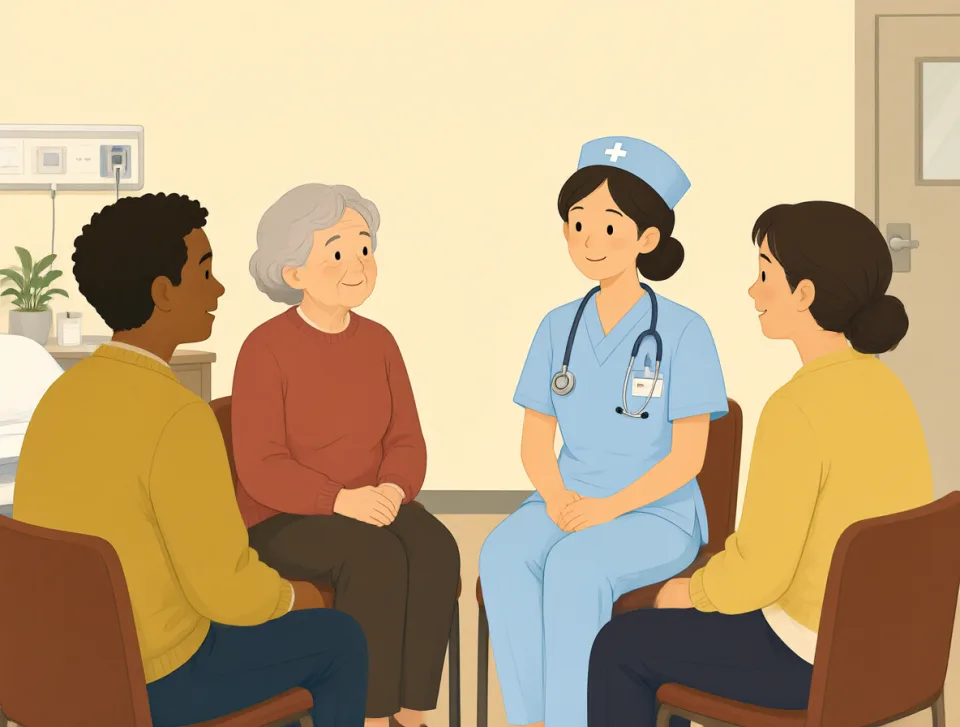
The hospital offers support for people living with cancer.
Szpital oferuje wsparcie osobom chorującym na raka.
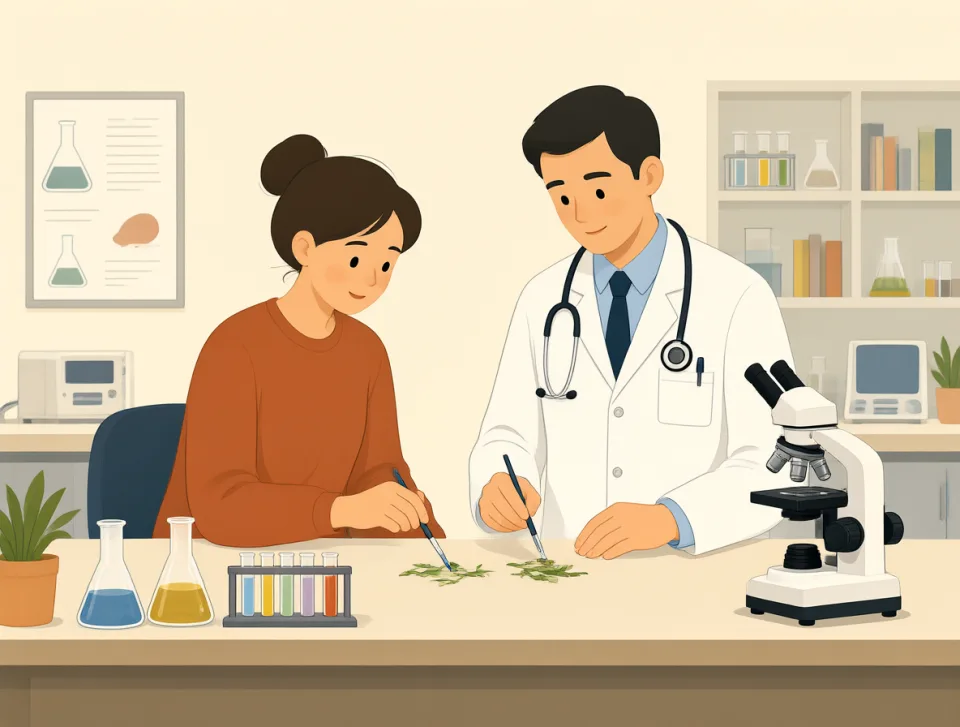
Doctors hope to find a cure for cancer someday.
Lekarze mają nadzieję, że pewnego dnia znajdą lek na raka.
convince
#1358verb
przekonać
To make someone believe something or agree to do something.
Sprawić, że ktoś w coś uwierzy lub zgodzi się coś zrobić.
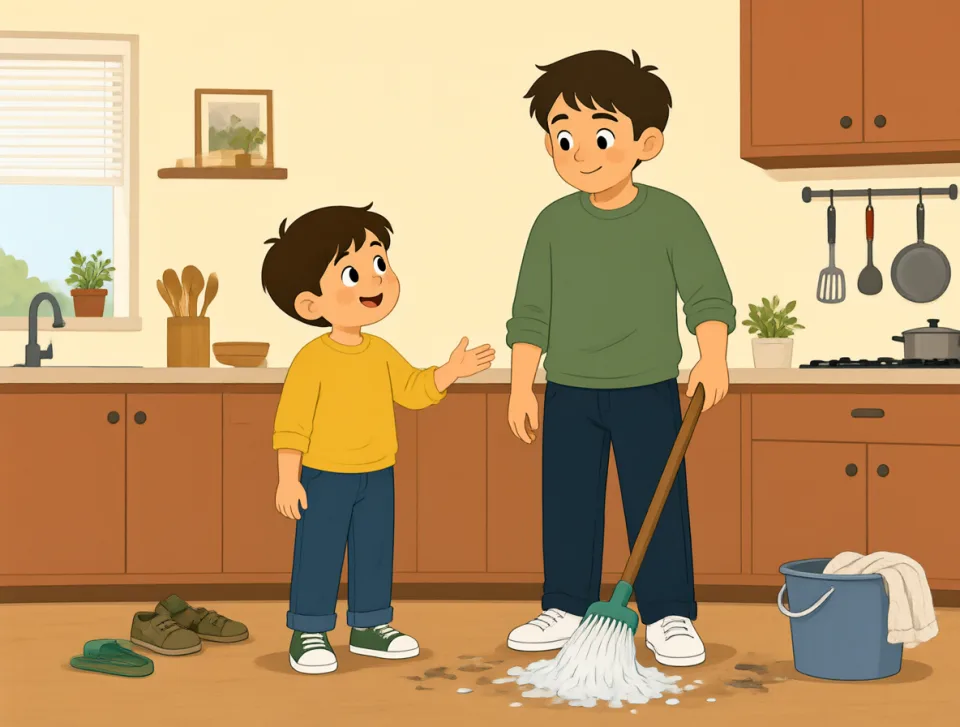
I convinced my brother to help me clean the kitchen.
Przekonałem brata, żeby pomógł mi posprzątać kuchnię.

The doctor convinced her to take a few days off.
Lekarz przekonał ją, żeby wzięła kilka dni wolnego.
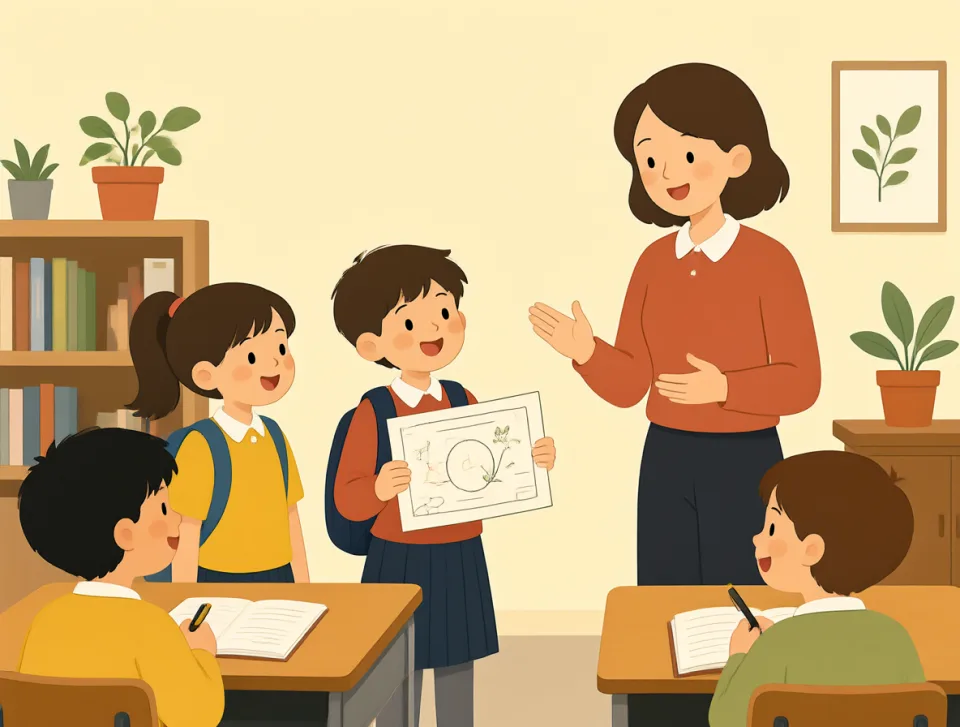
We need to convince our teacher that we finished the project.
Musimy przekonać nauczyciela, że skończyliśmy projekt.

The salesman convinced me that this jacket was worth buying.
Sprzedawca przekonał mnie, że warto kupić tę kurtkę.

Her travel photos convinced us to visit Italy next summer.
Jej zdjęcia z podróży przekonały nas, żeby pojechać do Włoch następnego lata.
vary
#1359verb
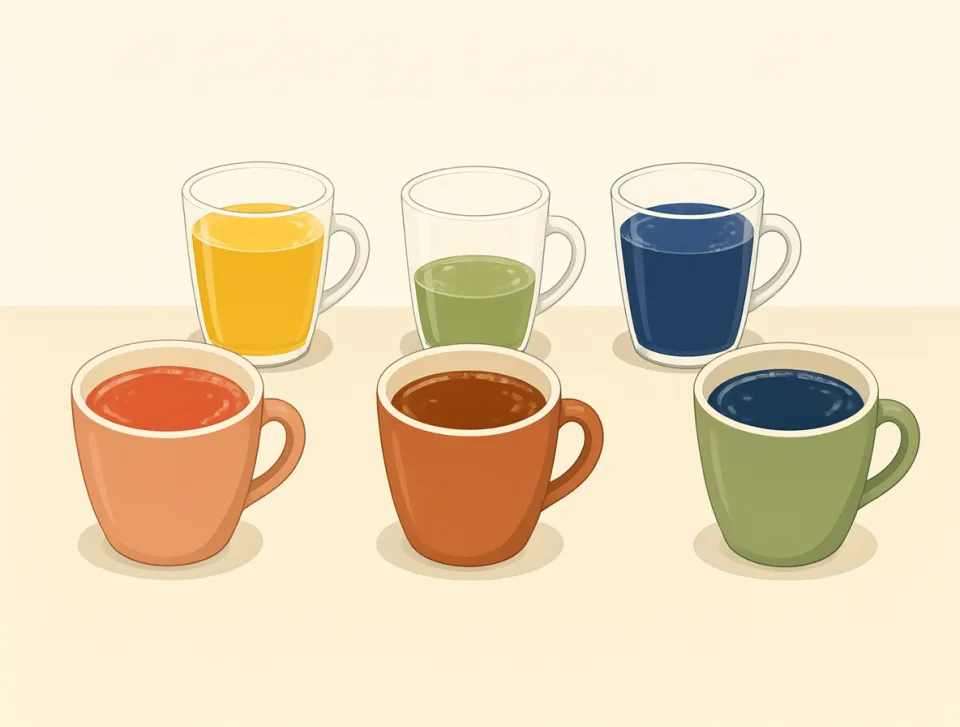
różnić się
to be different or change from one situation, person, or time to another
Być innym lub zmieniać się w zależności od sytuacji, osoby albo czasu.
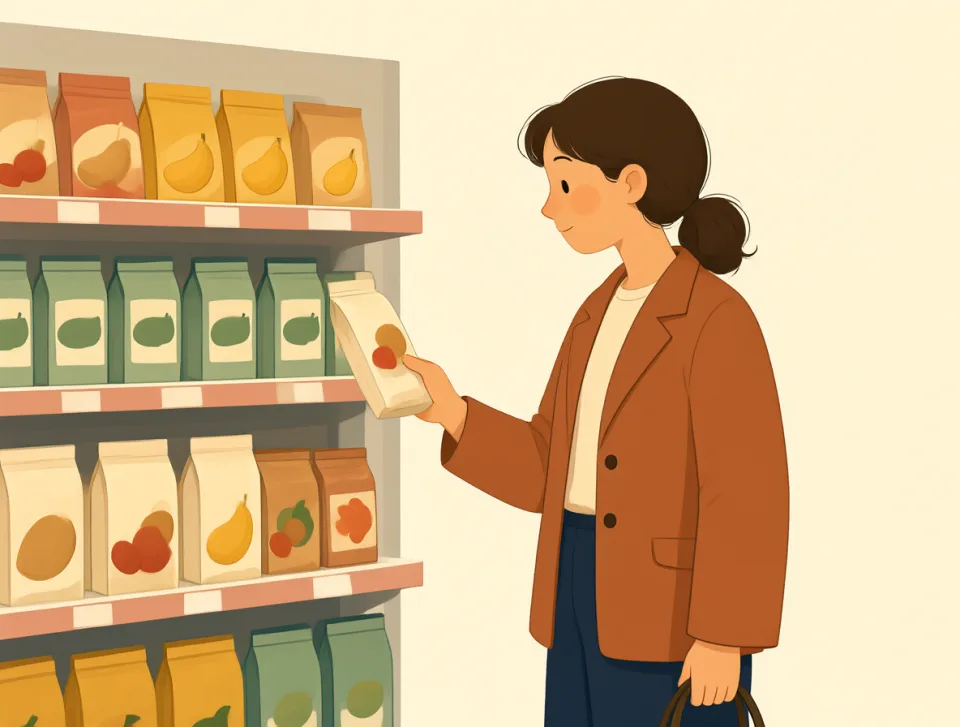
Prices vary from store to store, so compare them before buying.
Ceny różnią się w zależności od sklepu, więc porównaj je przed zakupem.

The menu varies depending on which vegetables are fresh.
Menu zmienia się w zależności od tego, które warzywa są świeże.

Class sizes vary greatly between schools in the area.
Liczebność klas znacznie różni się w poszczególnych szkołach w okolicy.
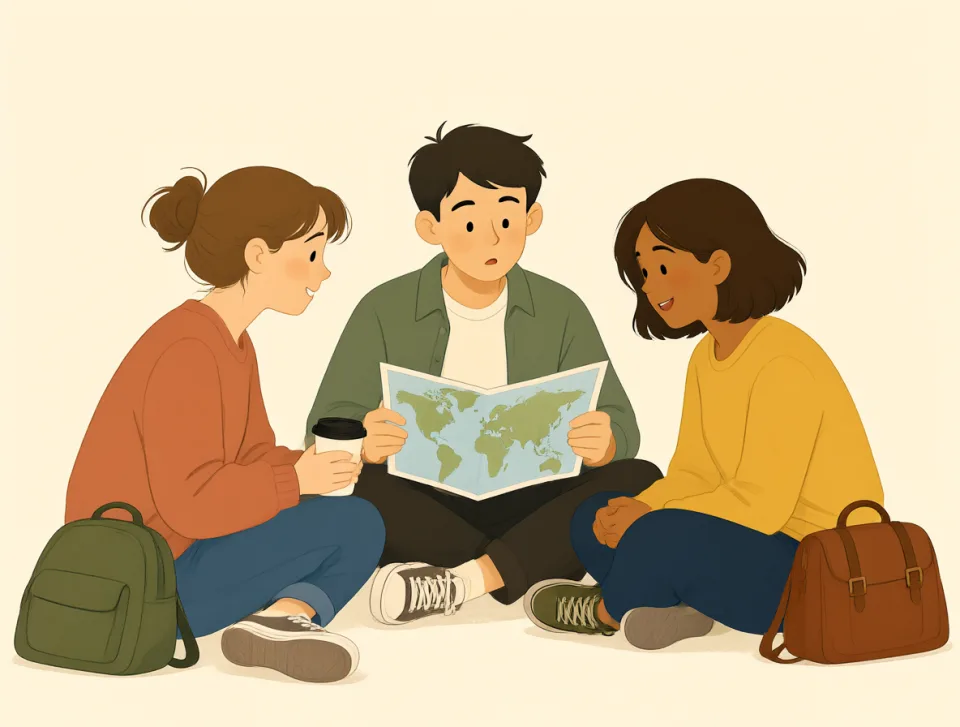
People's travel plans vary during the holiday season.
Plany podróży ludzi zmieniają się w okresie świątecznym.

Her energy levels vary from day to day.
Jej poziom energii zmienia się z dnia na dzień.
environmental
#1360adjective
środowiskowy
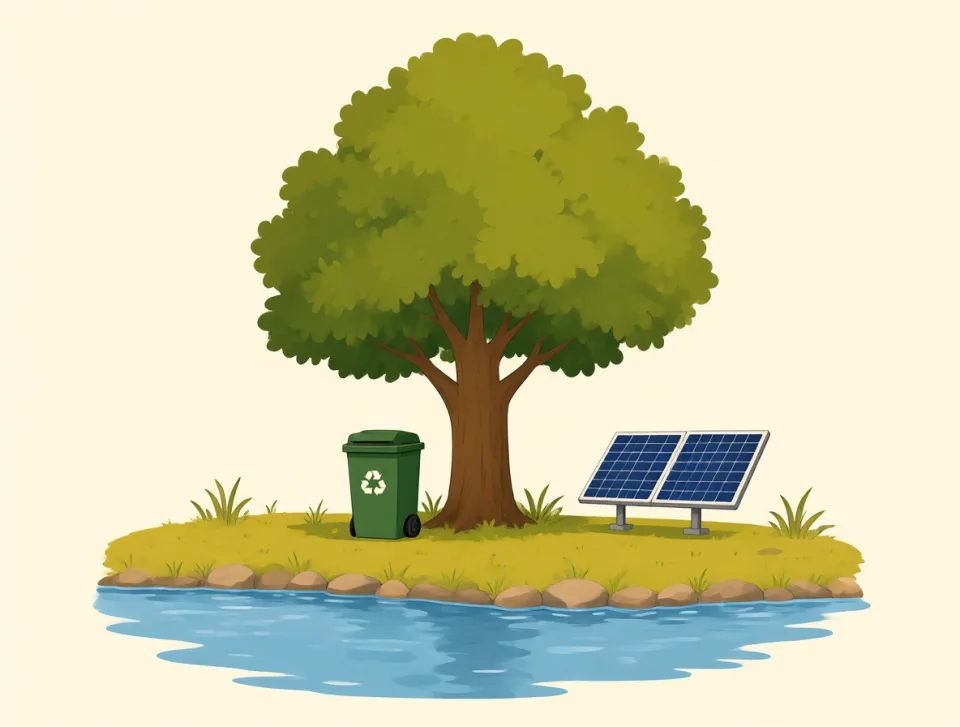
Connected with the natural world and the effects people have on it.
Związany ze światem przyrody i wpływem, jaki wywierają na niego ludzie.
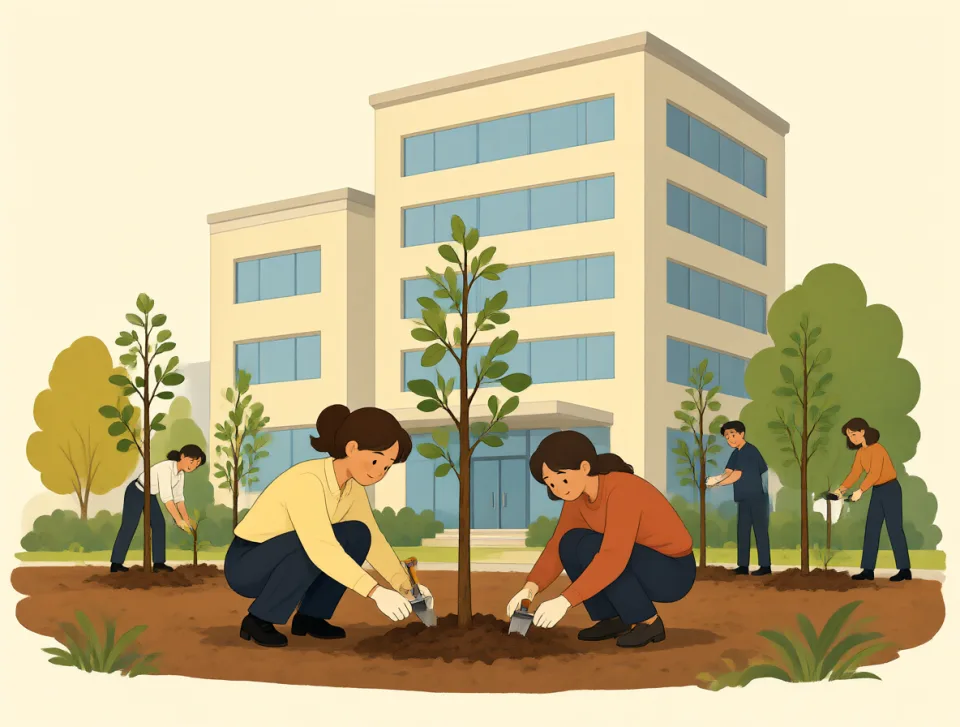
The company is working to reduce its environmental impact.
Firma pracuje nad ograniczeniem swojego wpływu na środowisko.
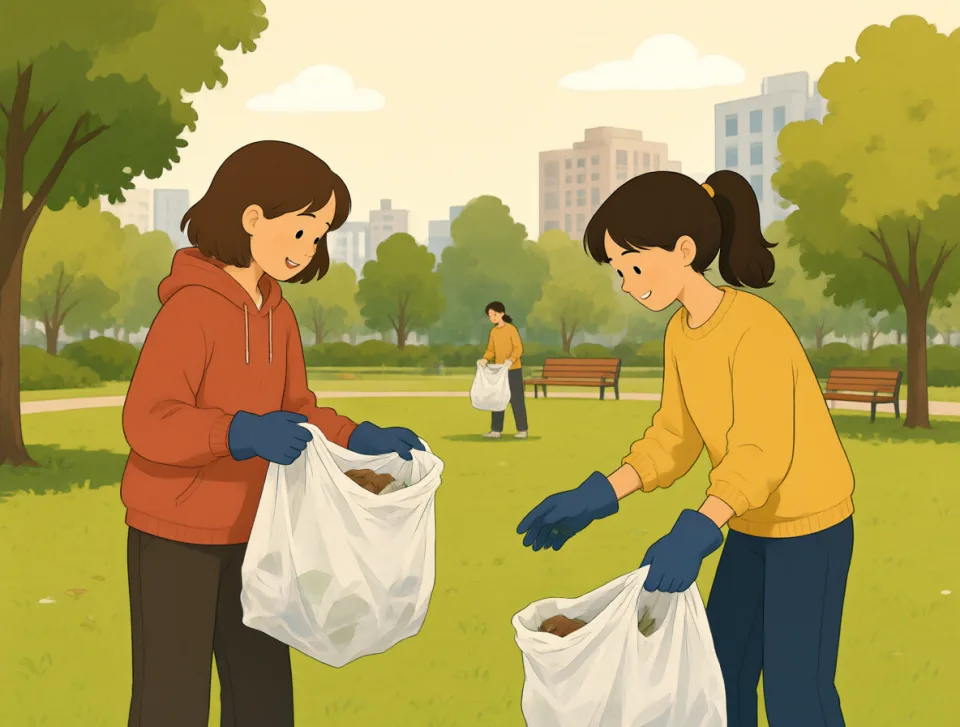
Our school has an environmental club that cleans local parks.
W naszej szkole działa klub ekologiczny, który sprząta okoliczne parki.

We chose environmental products made from recycled materials.
Wybraliśmy produkty przyjazne dla środowiska, wykonane z materiałów z recyklingu.

The new law sets environmental standards for factories.
Nowe prawo określa normy środowiskowe dla fabryk.
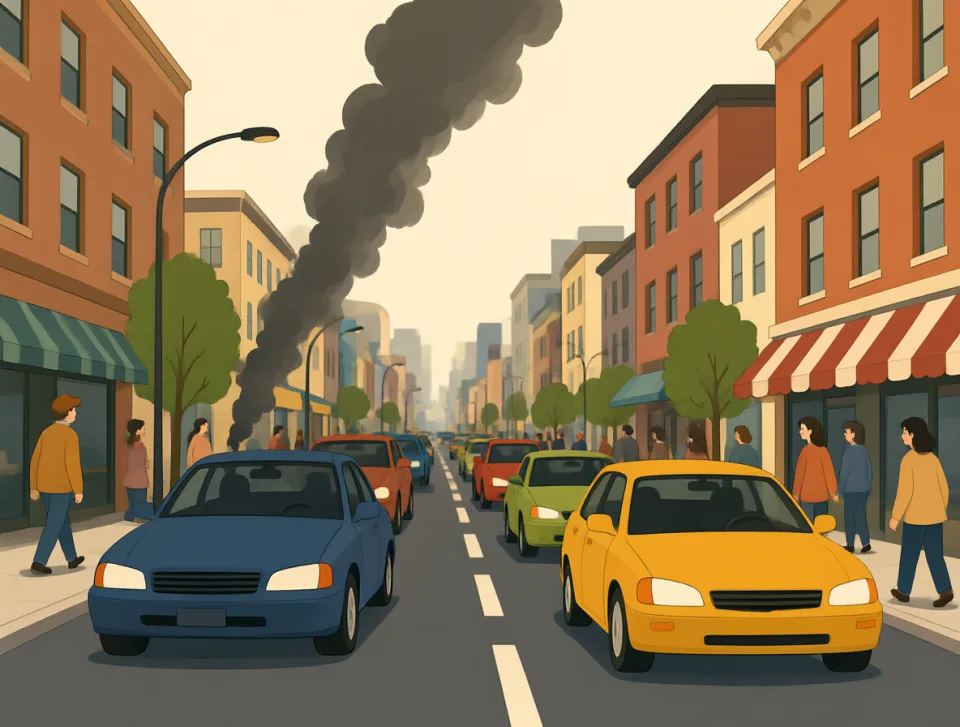
Too much traffic causes serious environmental problems in cities.
Zbyt duży ruch uliczny powoduje poważne problemy środowiskowe w miastach.