Zestaw 70
Słowa 1381–1400 · egg, concert, shock, comfortable, usual, carefully
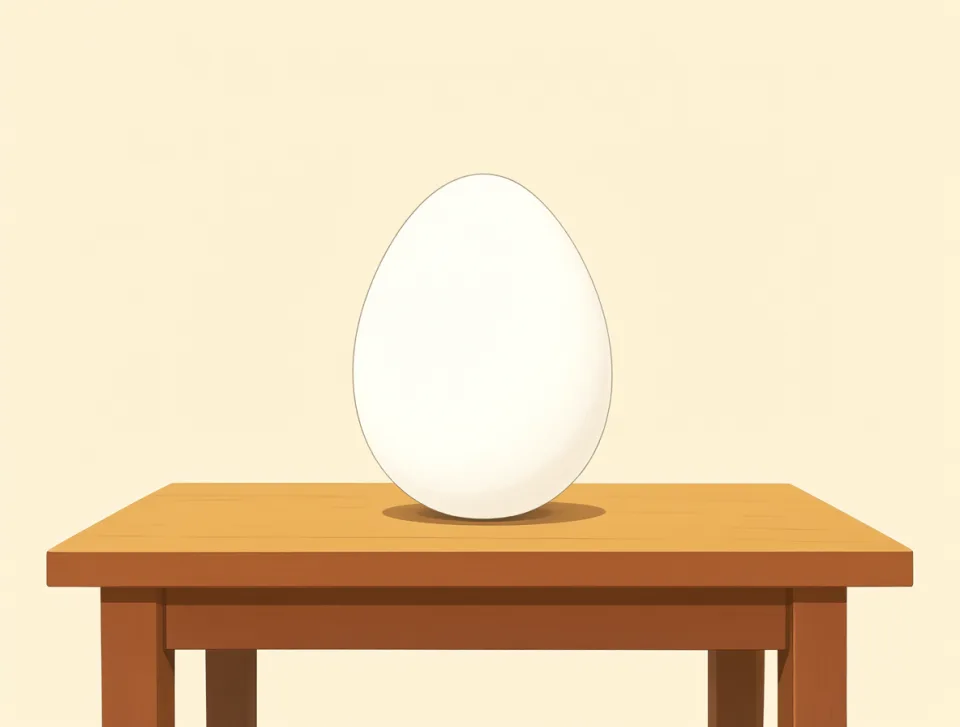
egg
#1381noun, verb
jajko
A round object from a bird used as food; to encourage someone to do something difficult.
Owalny przedmiot pochodzący od ptaka, używany jako pożywienie; zachęcać kogoś do zrobienia czegoś trudnego.
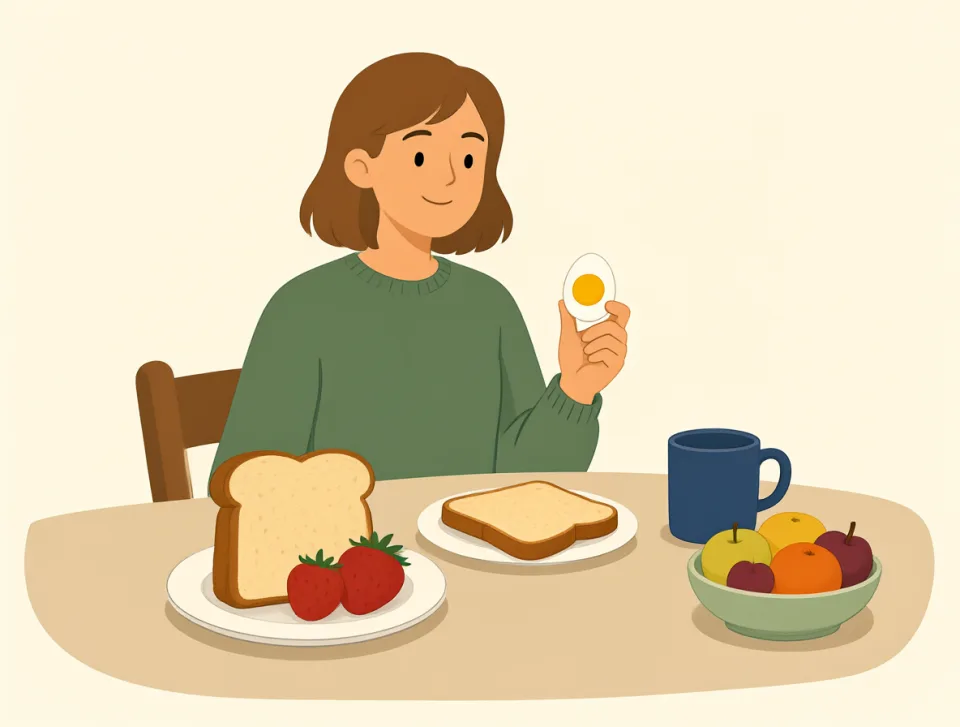
I usually eat a boiled egg for breakfast.
Zazwyczaj jem na śniadanie jajko na twardo.
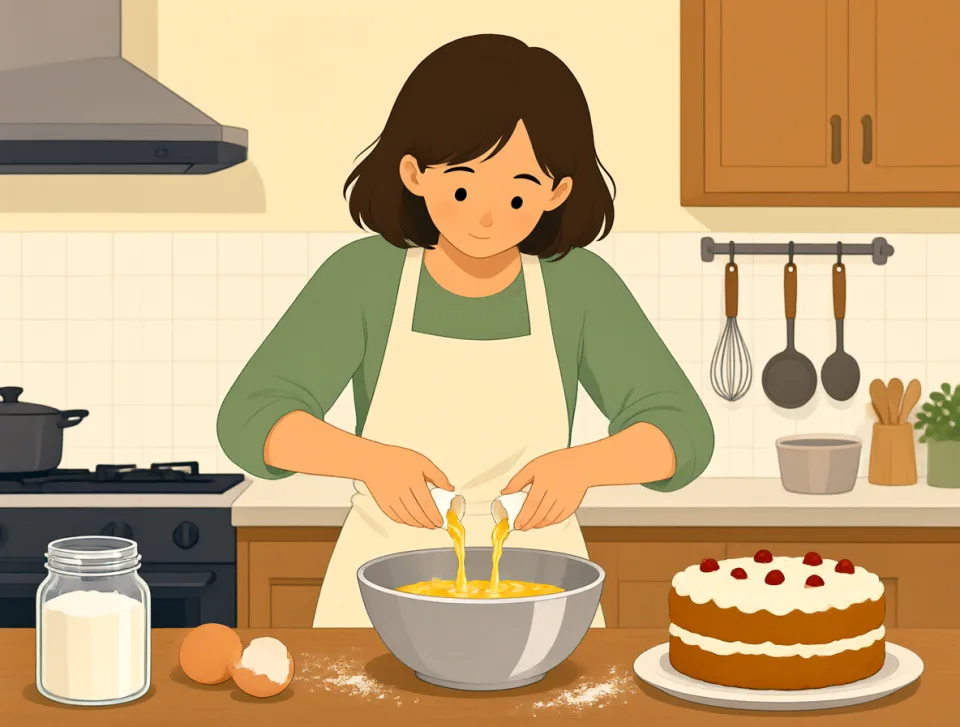
She cracked two eggs into a bowl for the cake.
Rozbiła dwa jajka do miski na ciasto.
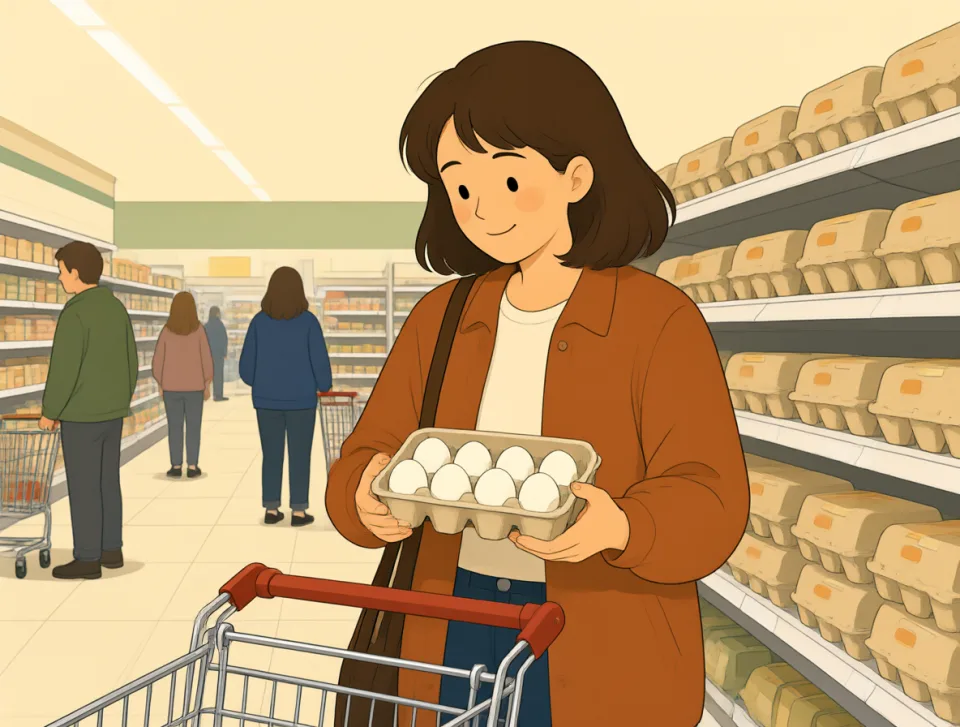
We bought a dozen fresh eggs at the supermarket.
Kupiliśmy w supermarkecie tuzin świeżych jajek.
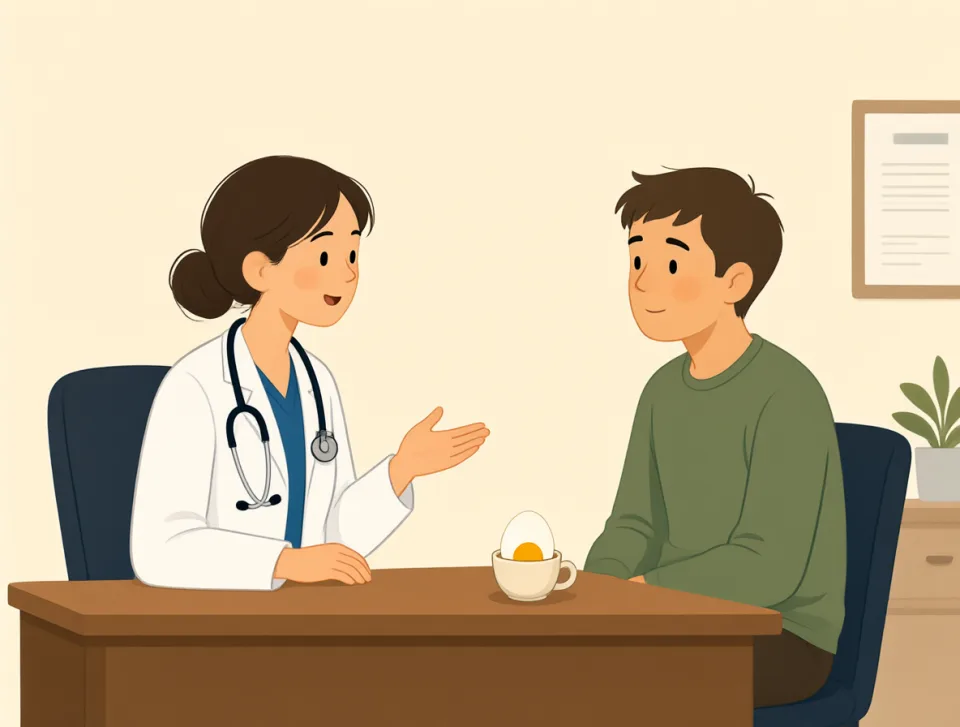
The doctor told him to avoid eggs for a week.
Lekarz kazał mu przez tydzień unikać jajek.
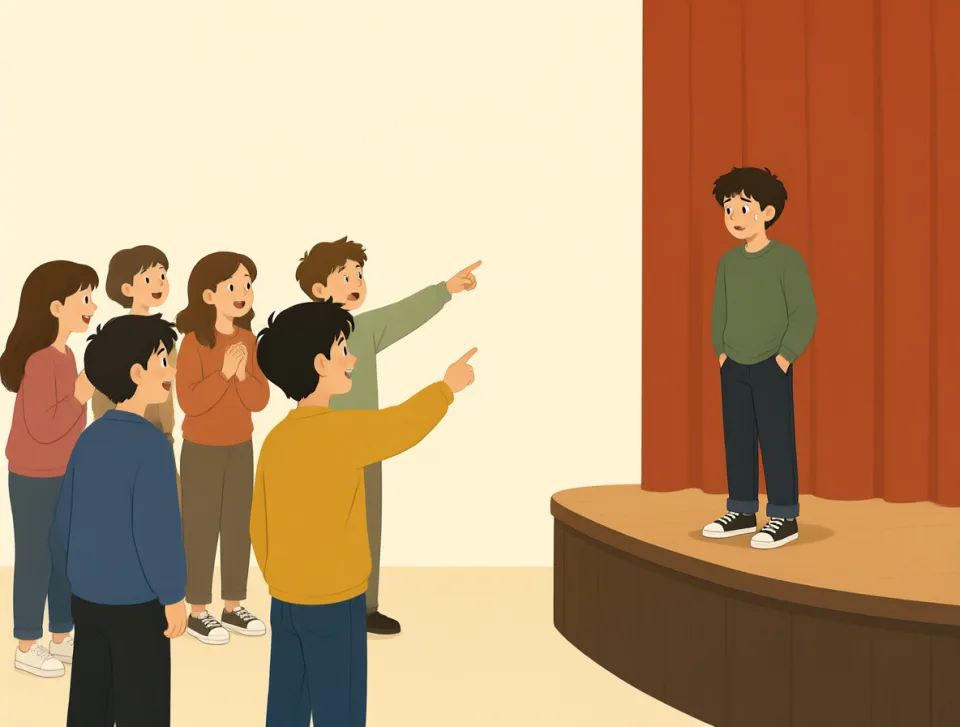
His friends egged him on to enter the singing contest.
Przyjaciele namawiali go, żeby wziął udział w konkursie śpiewu.
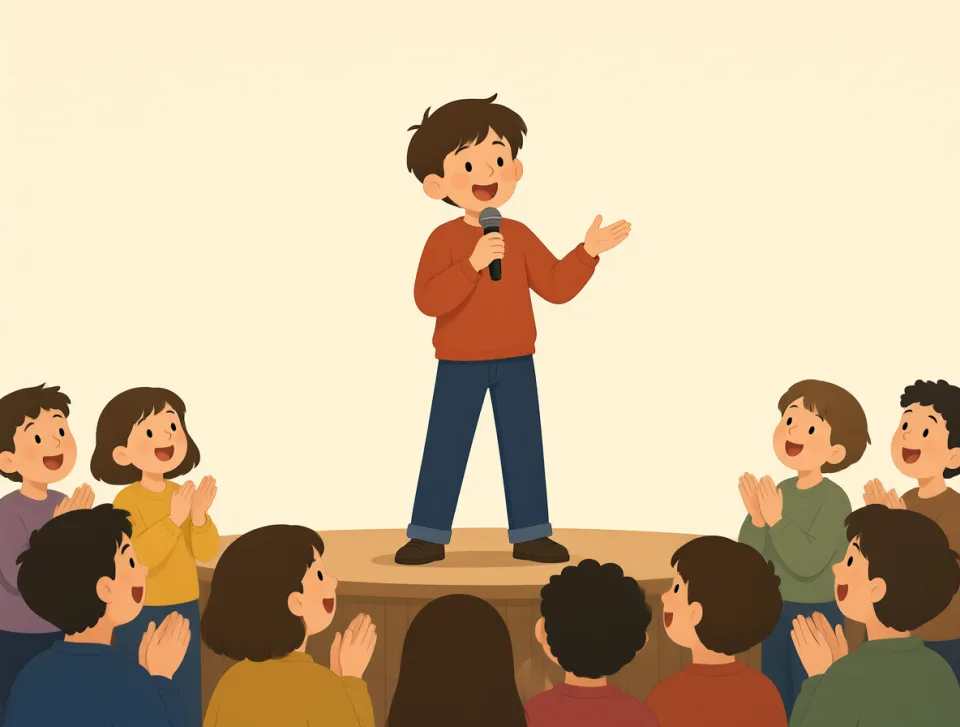
concert
#1382noun
koncert
a public performance of music by one or more singers or musicians
Publiczne wystąpienie jednego lub kilku piosenkarzy lub muzyków.
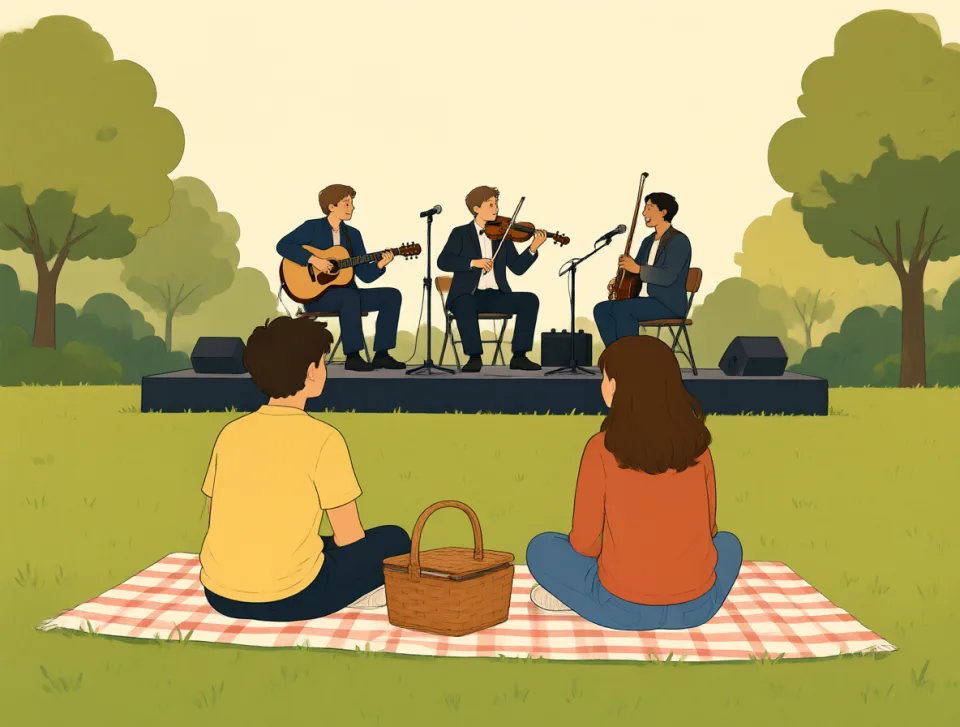
We went to a concert in the park last Saturday.
W zeszłą sobotę poszliśmy na koncert w parku.
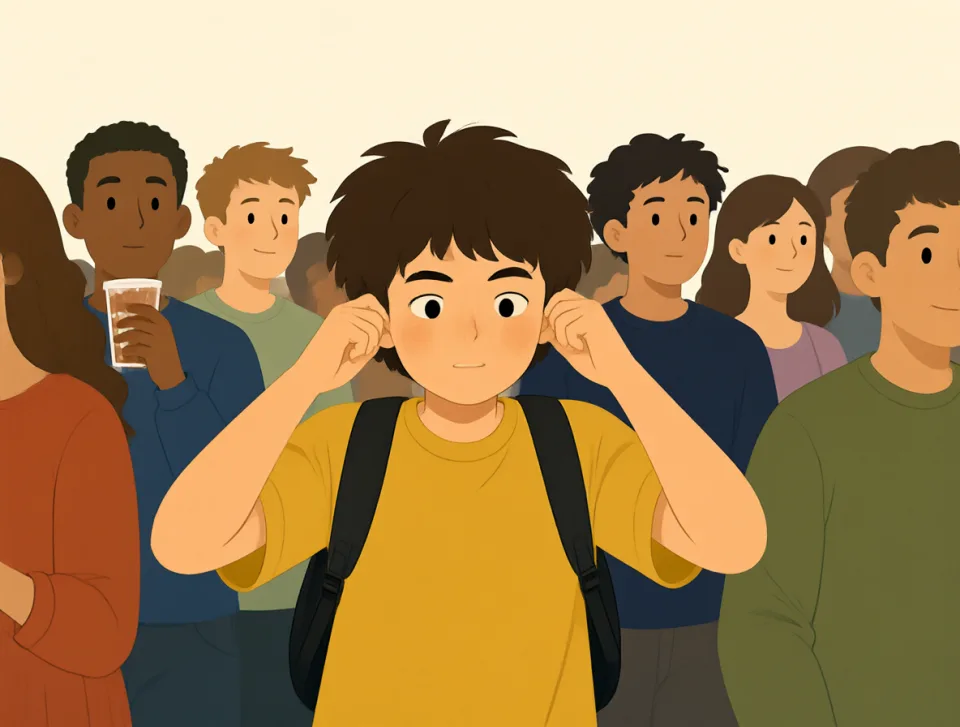
The concert was so loud that my ears hurt afterward.
Koncert był tak głośny, że potem bolały mnie uszy.
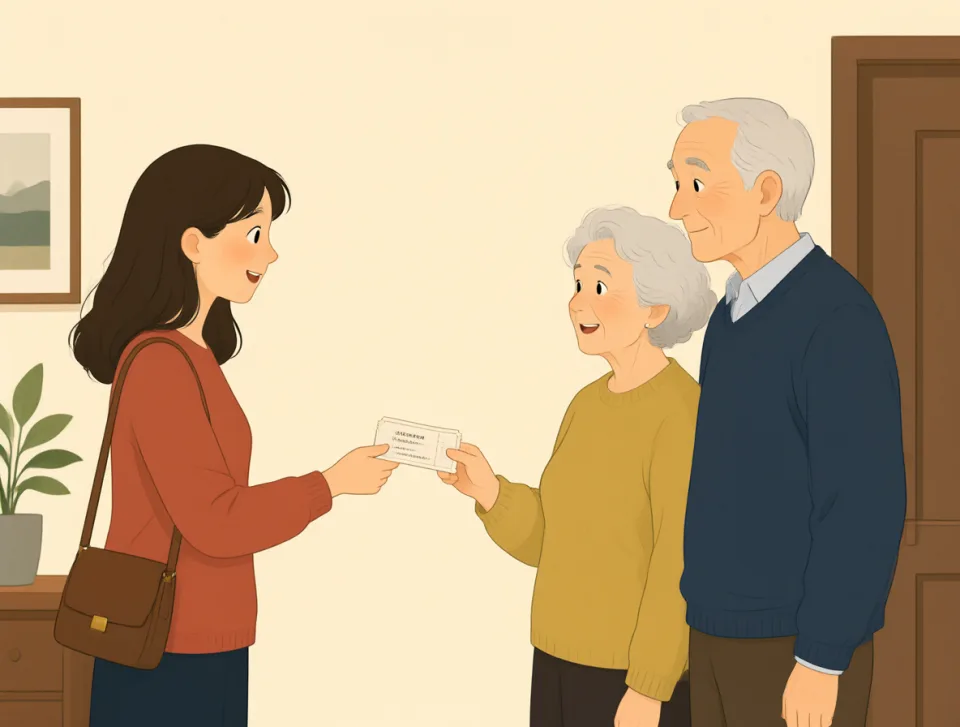
She bought two concert tickets for her parents.
Kupiła dwa bilety na koncert dla swoich rodziców.
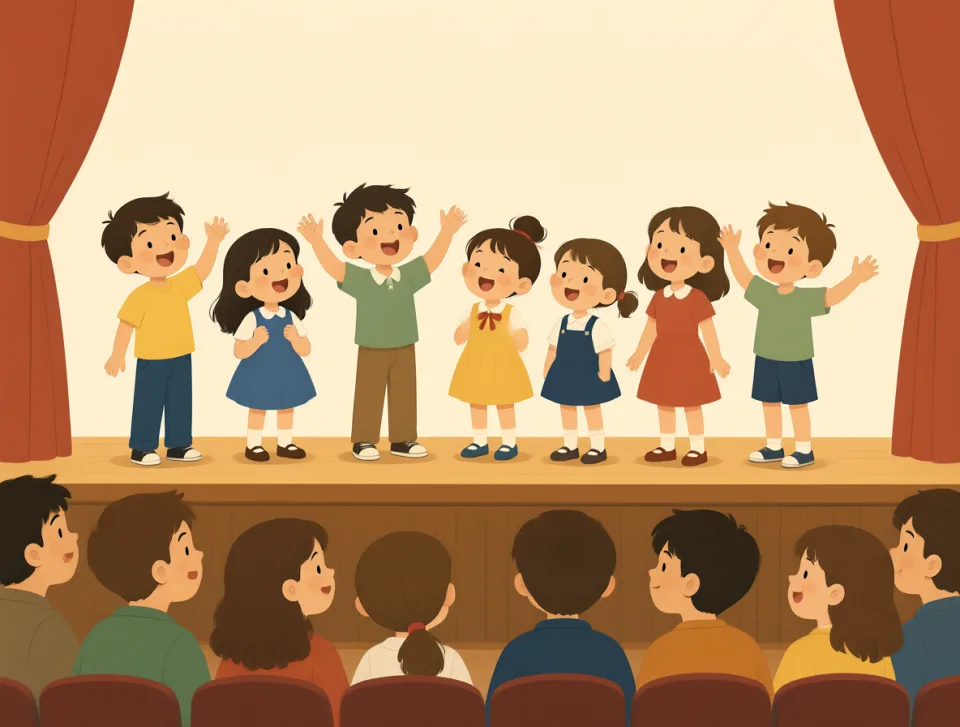
Our school concert starts at seven o'clock tonight.
Nasz szkolny koncert zaczyna się dziś wieczorem o siódmej.
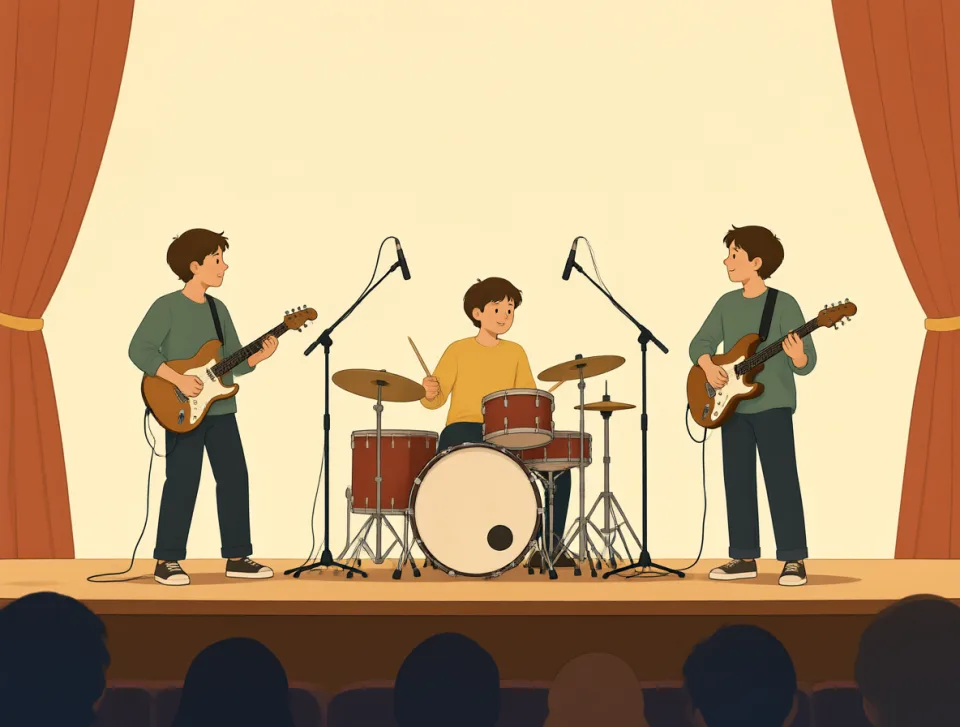
The band played three songs during the evening concert.
Podczas wieczornego koncertu zespół zagrał trzy piosenki.
shock
#1383noun, verb
szok; szokować
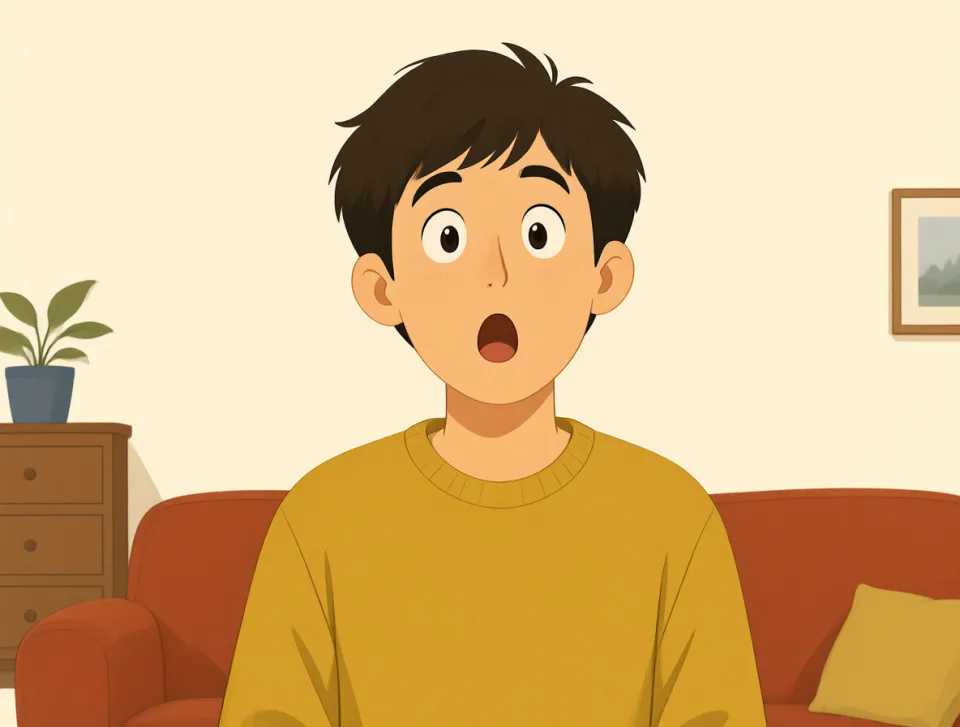
a sudden strong feeling of surprise, fear, or upset; to surprise or upset someone greatly
Nagłe, silne uczucie zaskoczenia, strachu lub niepokoju; bardzo kogoś zaskoczyć lub zdenerwować.
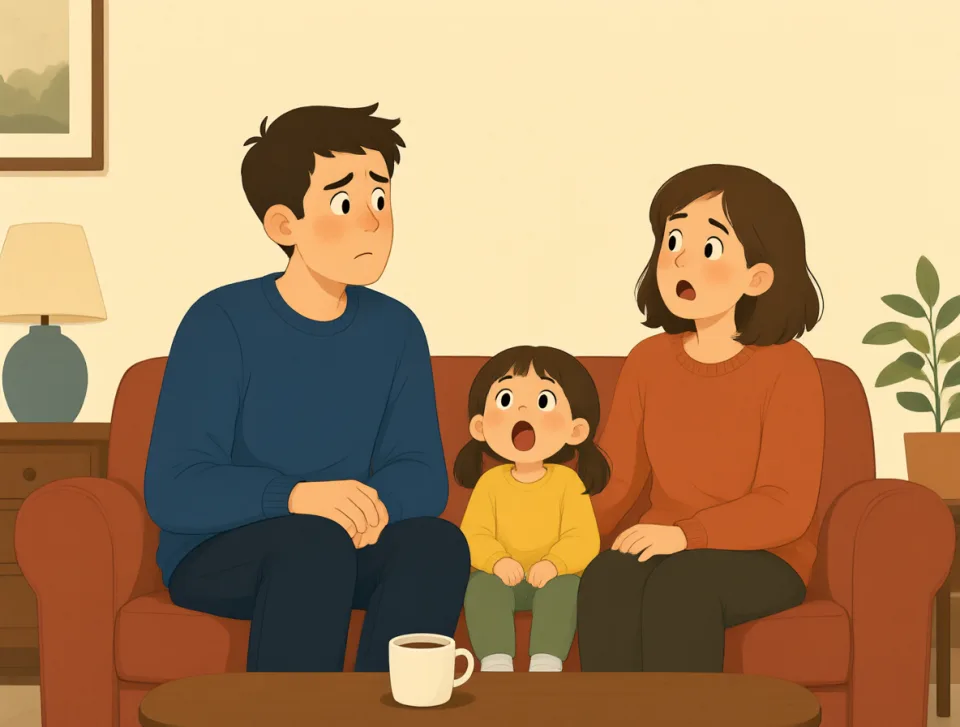
The news of the accident was a terrible shock.
Wiadomość o wypadku była strasznym szokiem.
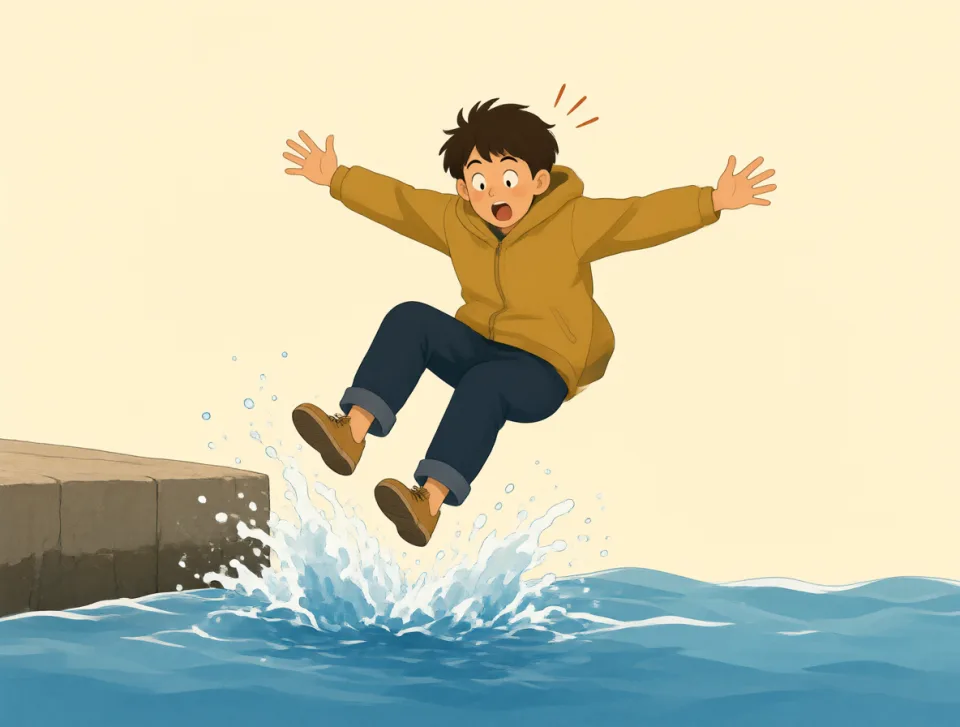
The cold water shocked me when I stepped into the sea.
Zimna woda mnie zszokowała, gdy wszedłem do morza.
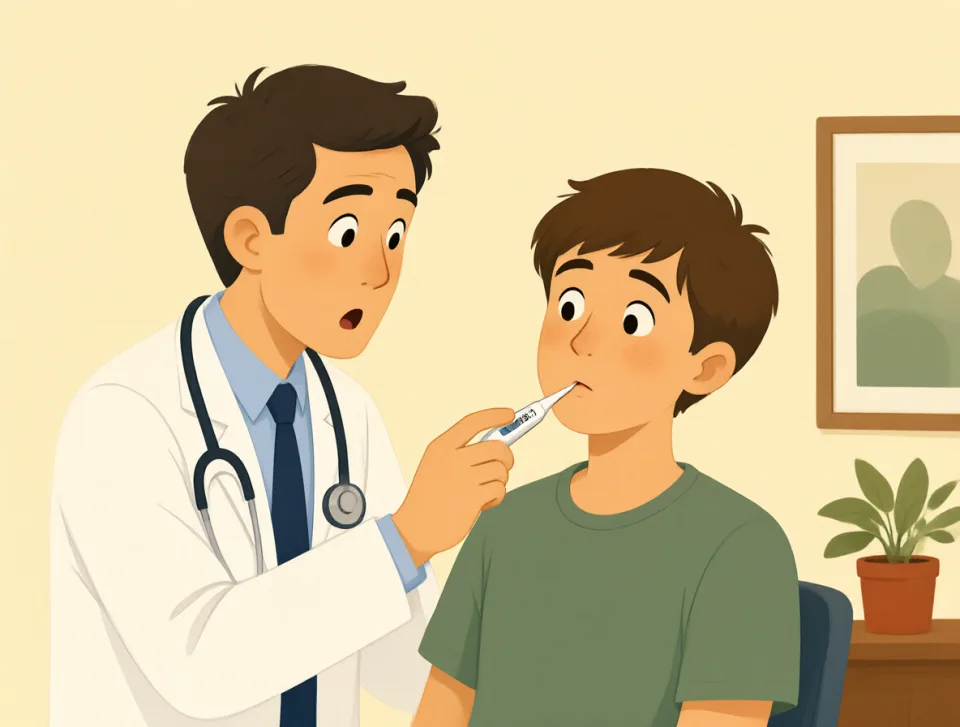
The doctor was shocked by how high my temperature was.
Lekarz był zszokowany tym, jak wysoką miałem temperaturę.
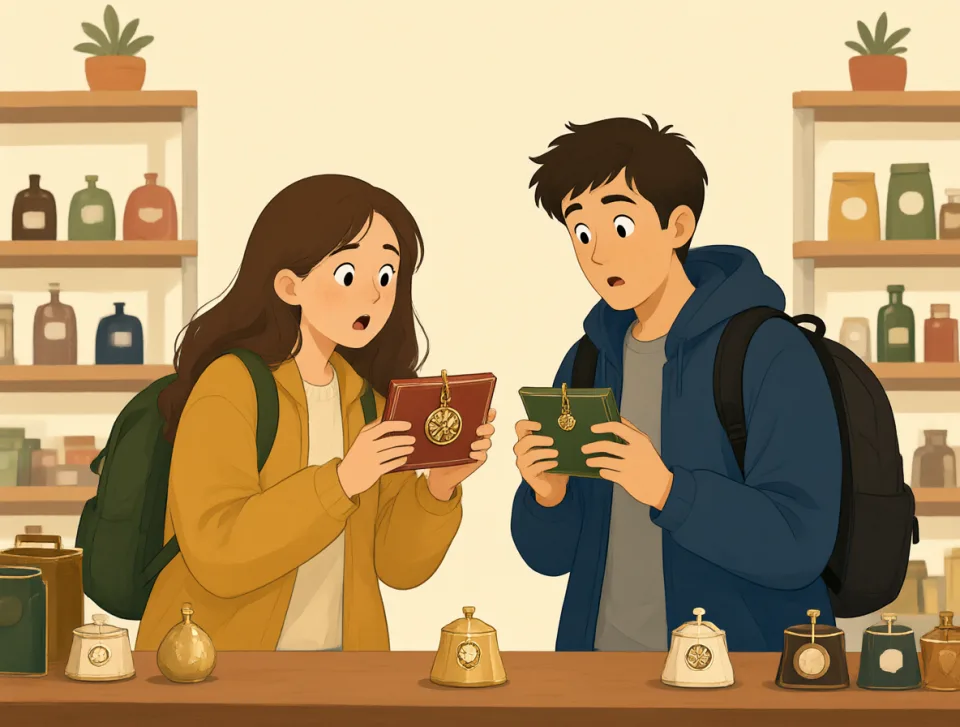
The shop's high prices shocked us during our holiday.
Podczas wakacji zszokowały nas wysokie ceny w sklepie.
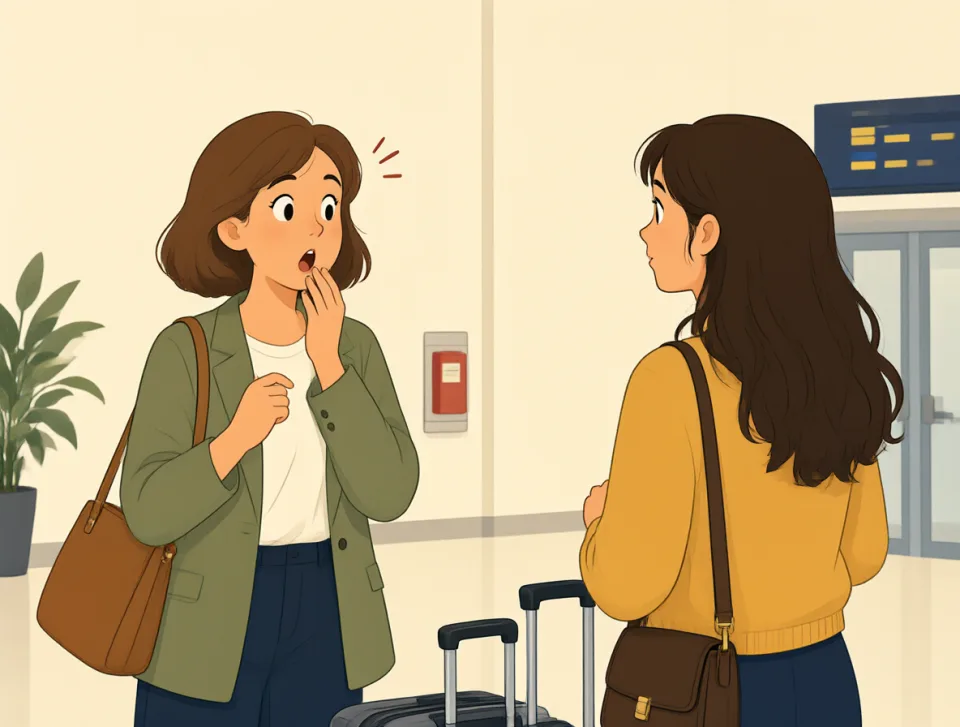
She was shocked to find her best friend at the airport.
Była zszokowana, gdy zobaczyła na lotnisku swoją najlepszą przyjaciółkę.
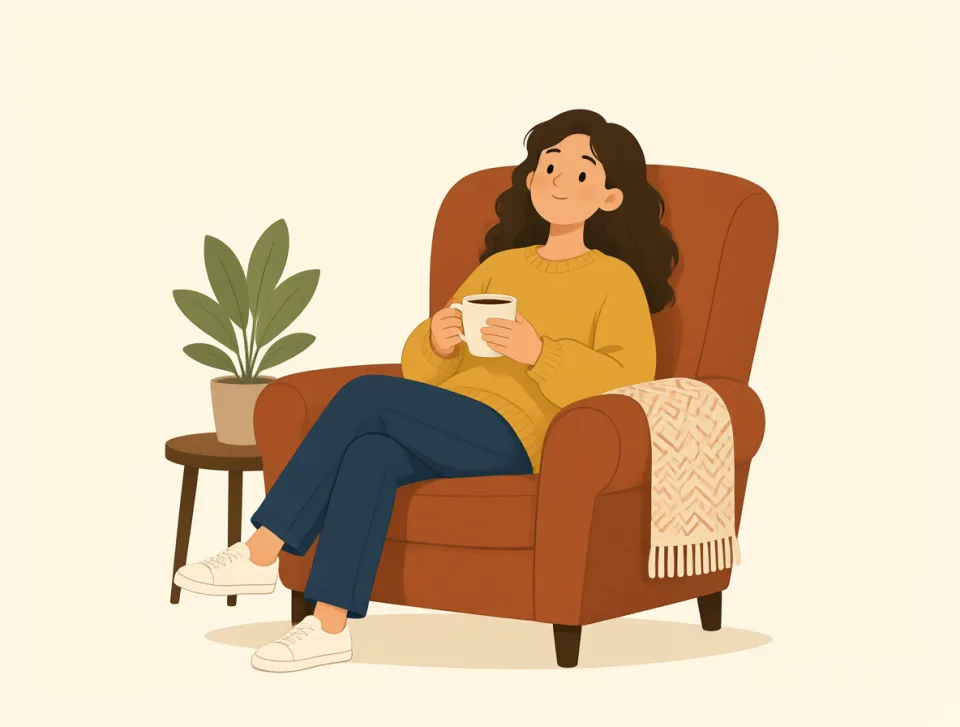
comfortable
#1384adjective
wygodny; komfortowy
Feeling relaxed and happy because you are warm, safe, or free from pain.
Odczuwający odprężenie i zadowolenie dzięki temu, że jest ciepło, bezpiecznie lub bez bólu.
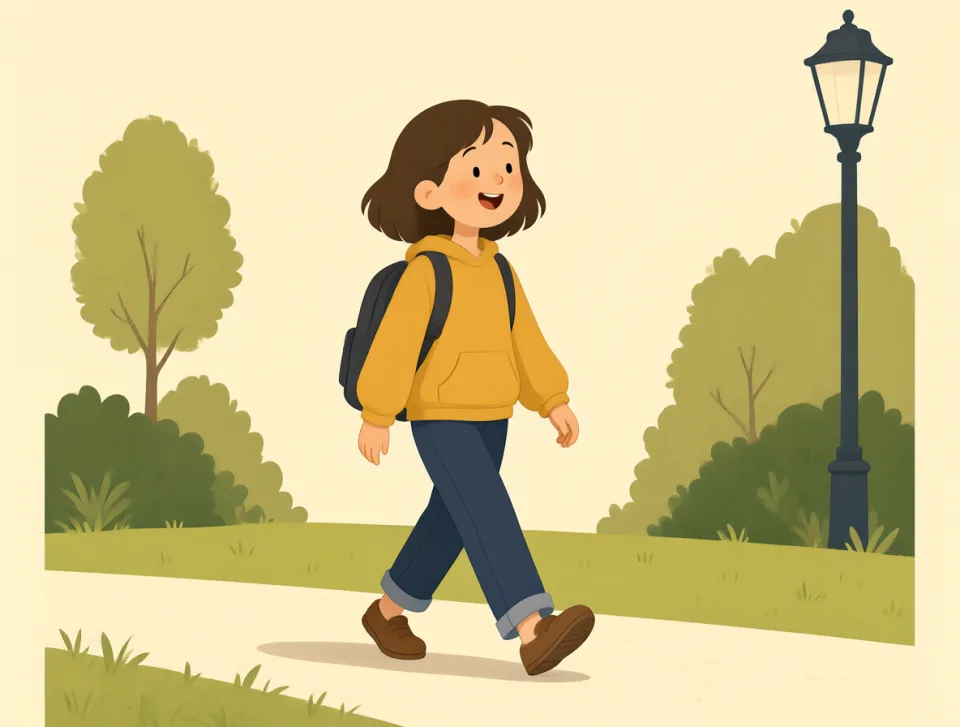
These shoes are comfortable enough for walking all day.
Te buty są na tyle wygodne, że można w nich chodzić cały dzień.
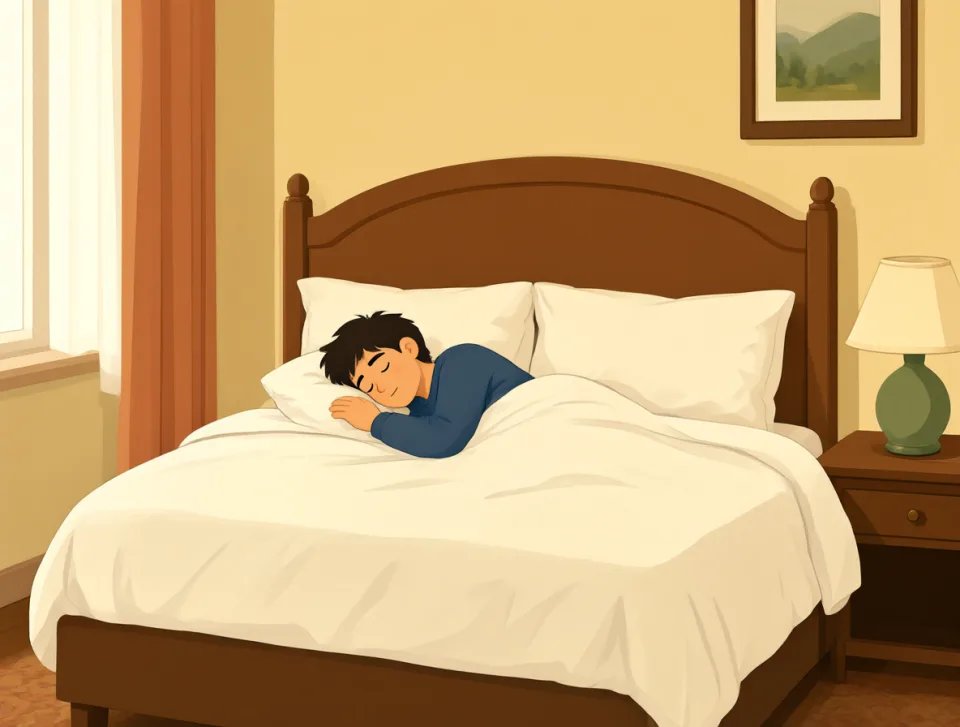
The hotel bed was comfortable, so I slept very well.
Łóżko w hotelu było wygodne, więc bardzo dobrze spałem.
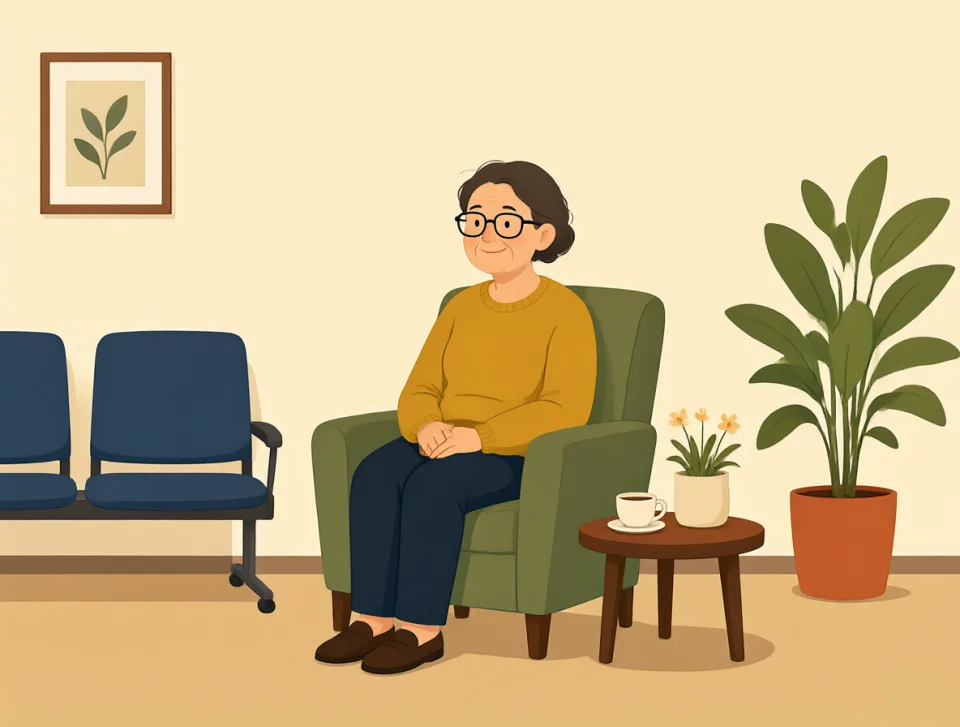
Please make yourself comfortable while you wait for the doctor.
Proszę się rozgościć, czekając na lekarza.
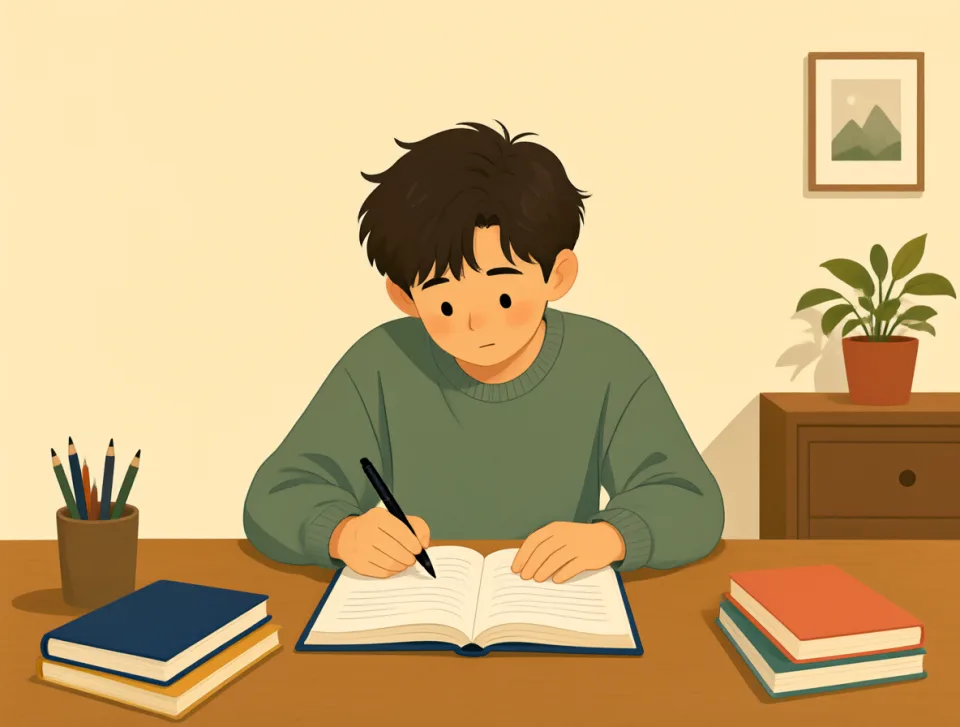
She wore comfortable clothes to study at home.
Założyła wygodne ubranie do nauki w domu.
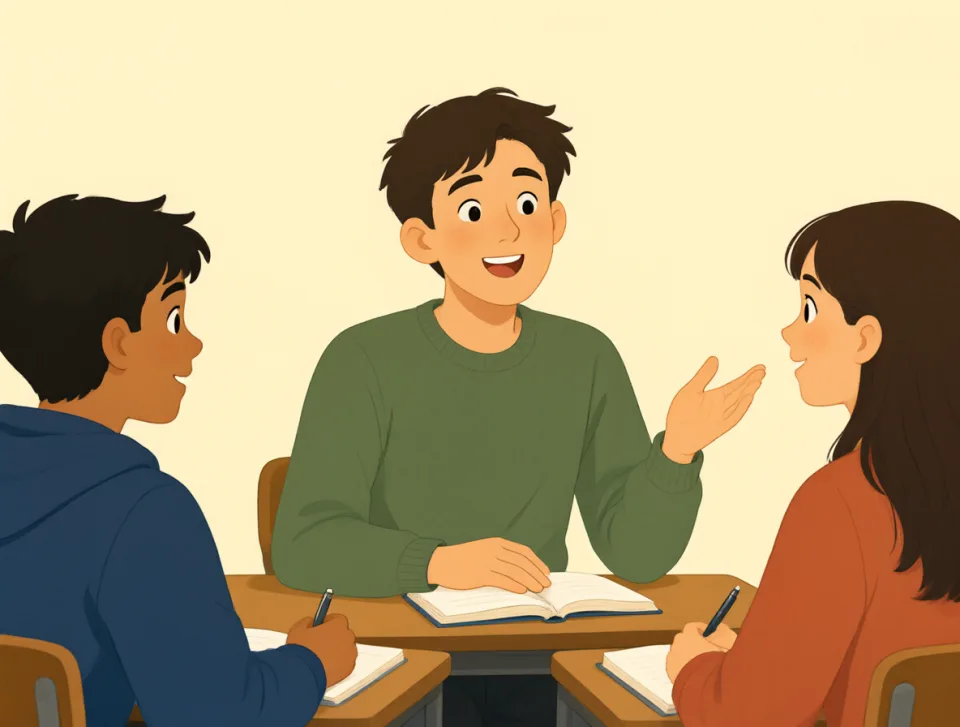
I feel comfortable talking to my new classmates.
Dobrze się czuję, rozmawiając z nowymi kolegami i koleżankami z klasy.
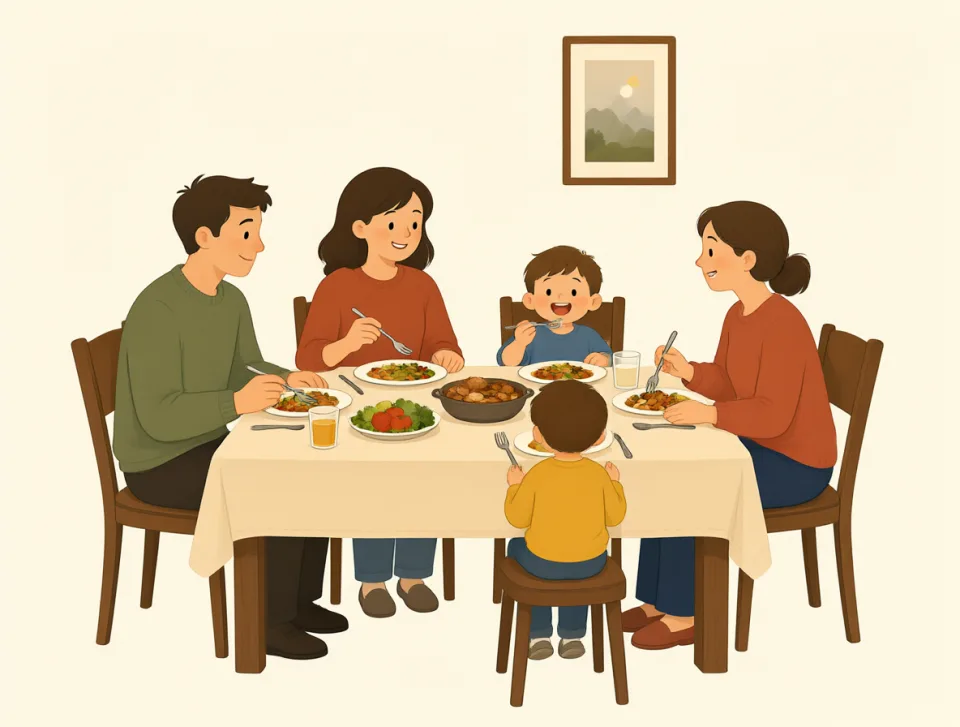
usual
#1385adjective
zwykły; typowy
Normal or happening most often in a particular situation.
Normalny lub najczęściej występujący w danej sytuacji.
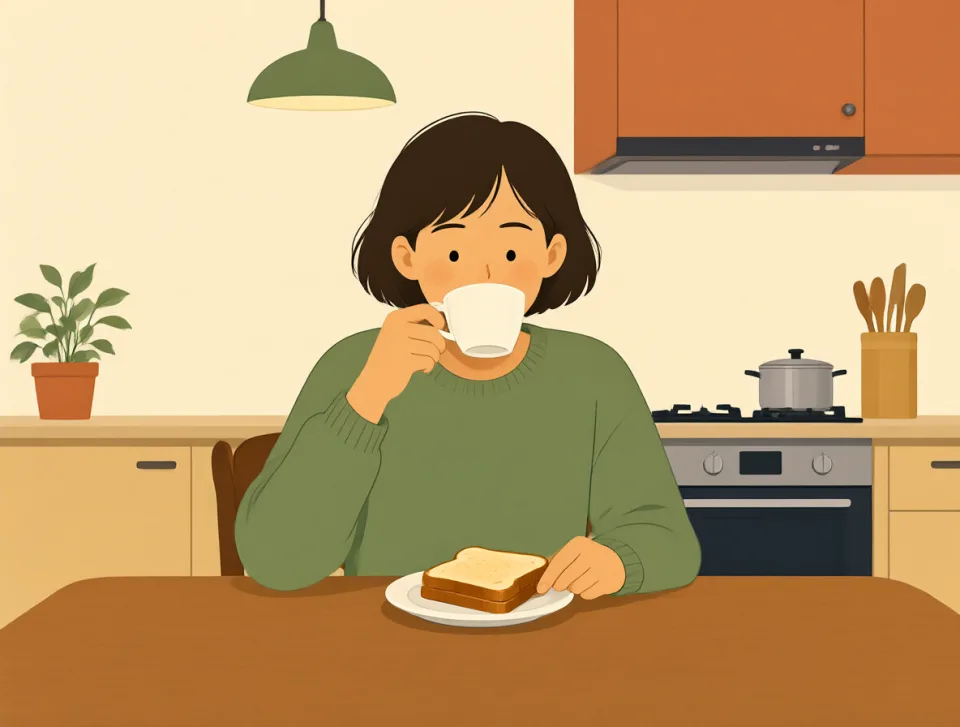
I usually have coffee and toast for breakfast.
Zazwyczaj jem na śniadanie kawę i tosty.
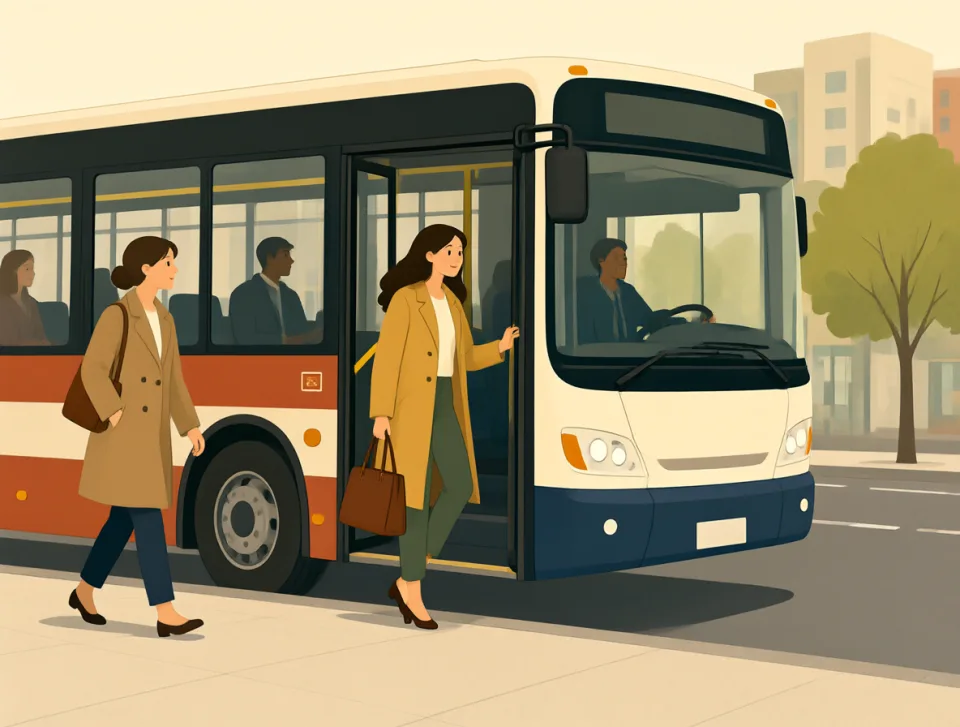
She took her usual bus to work this morning.
Dziś rano pojechała do pracy swoim zwykłym autobusem.
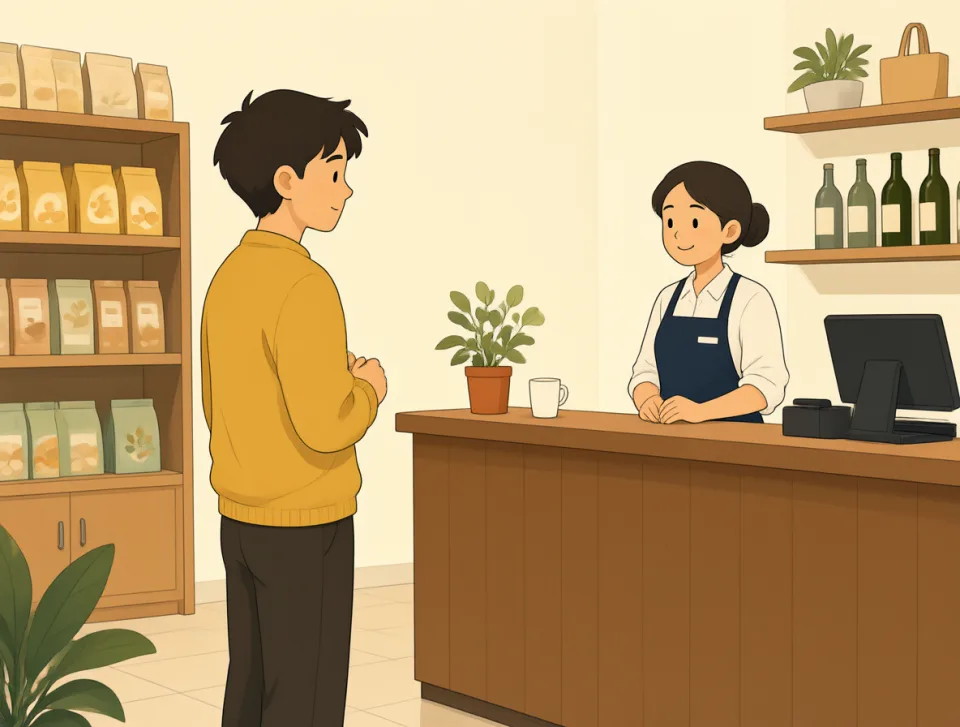
The shop is quieter than usual today.
W sklepie jest dziś ciszej niż zwykle.
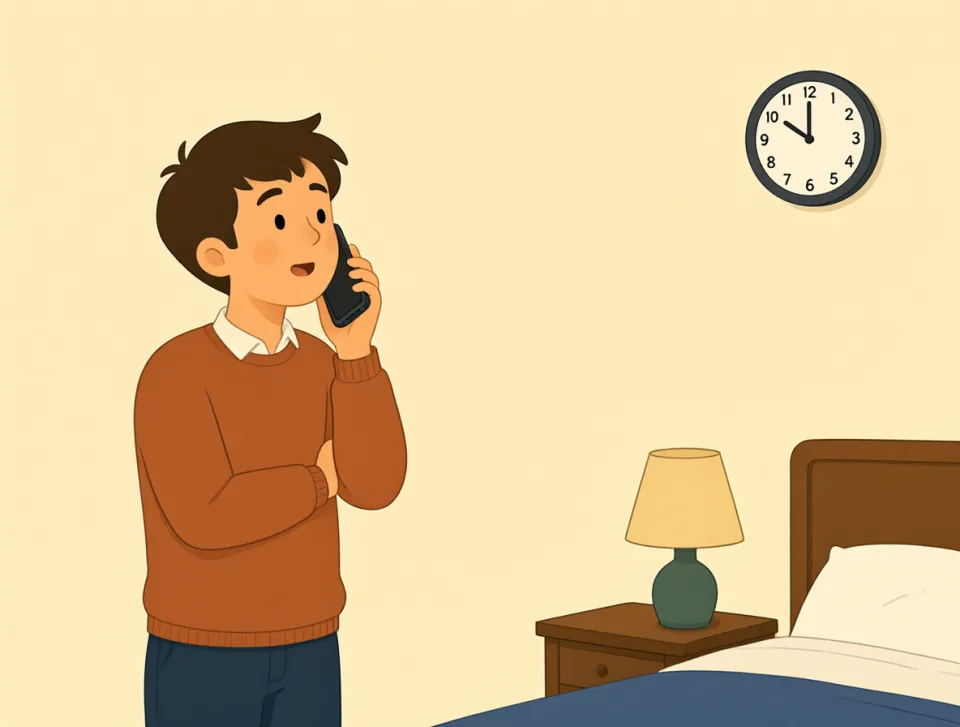
Please call me at the usual time tomorrow.
Zadzwoń do mnie jutro o zwykłej porze.
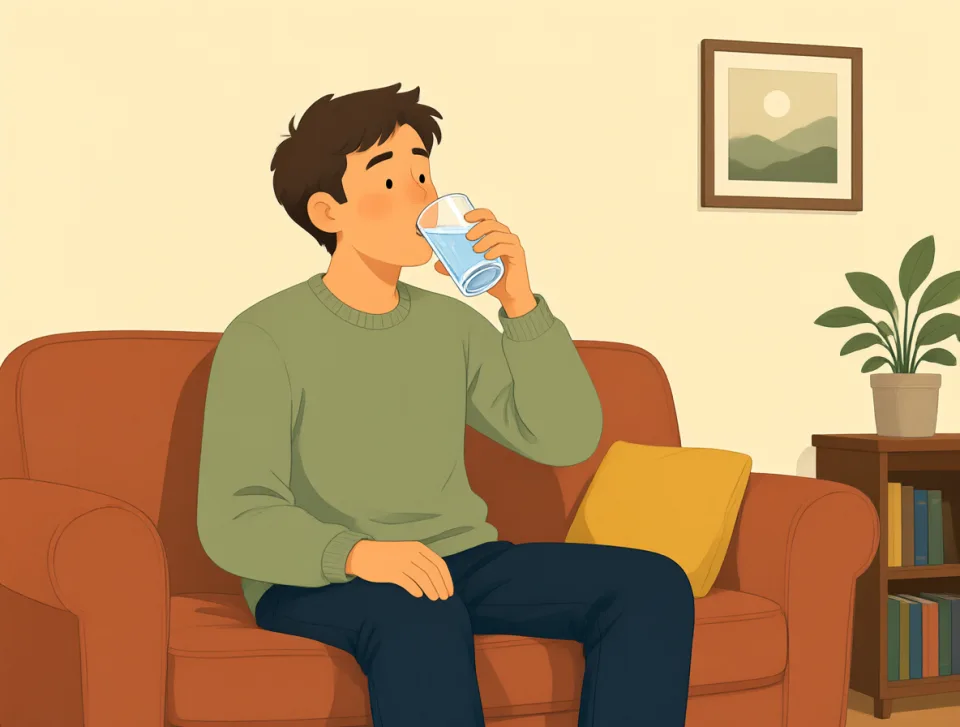
His usual headache disappeared after he drank some water.
Jego typowy ból głowy ustąpił, gdy wypił trochę wody.
carefully
#1386adverb
ostrożnie
In a way that is careful, avoiding mistakes, danger, or damage.
W sposób uważny, pozwalający uniknąć błędów, niebezpieczeństwa lub uszkodzeń.
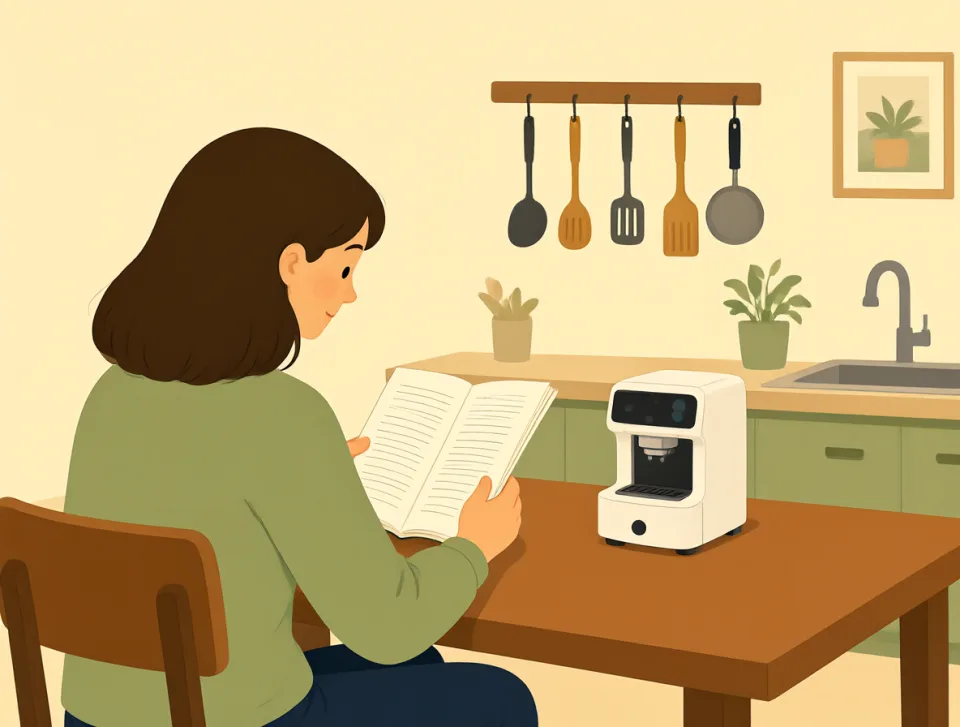
Please read the instructions carefully before you start the machine.
Przed uruchomieniem maszyny uważnie przeczytaj instrukcję.
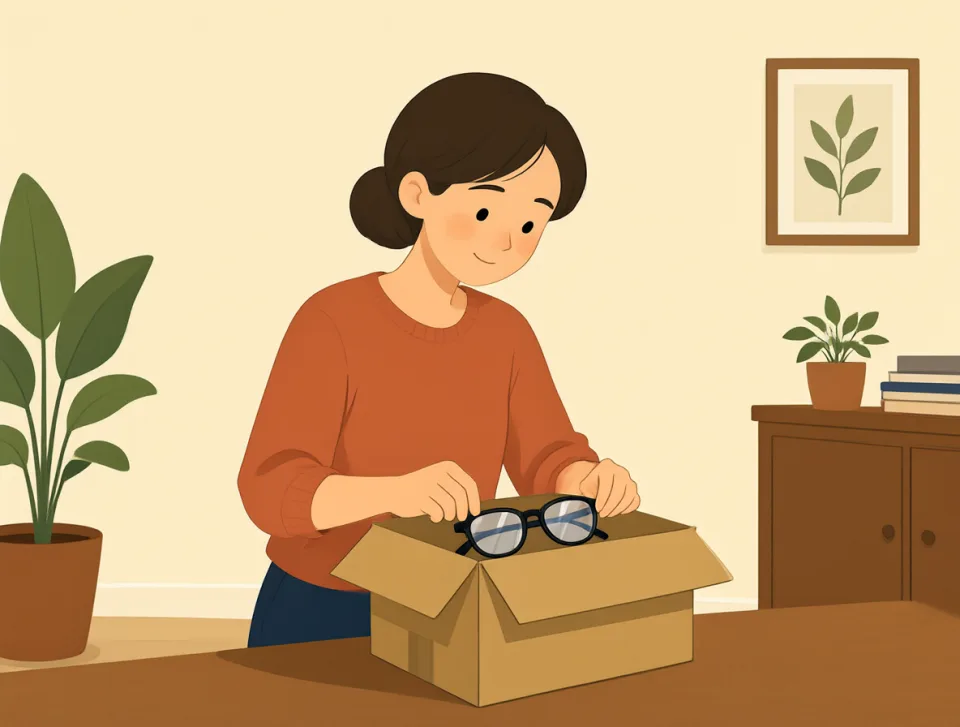
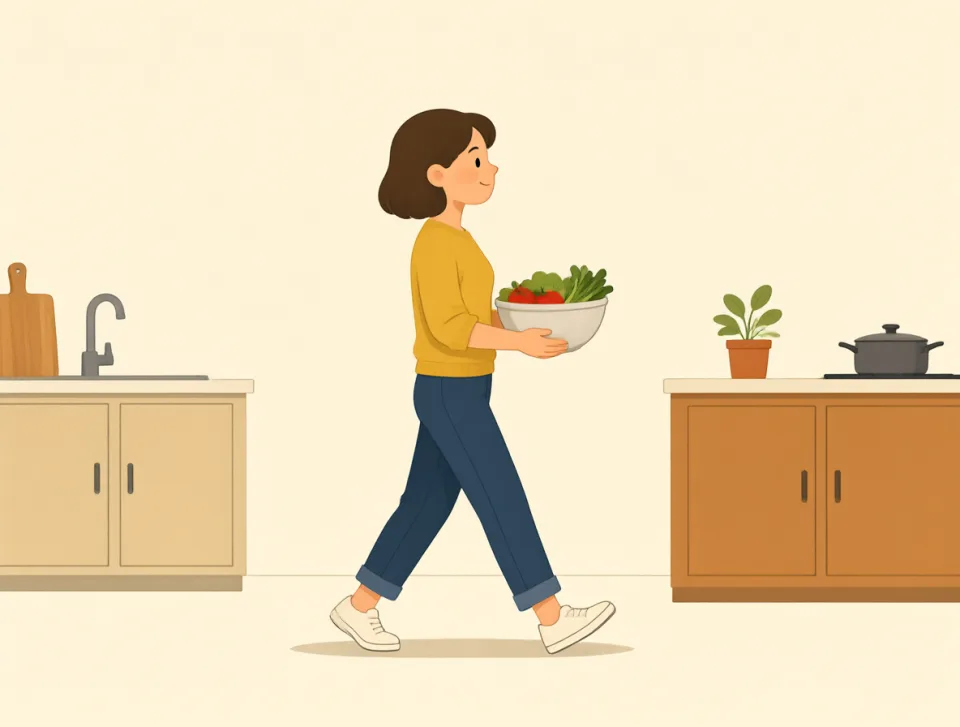
She carefully packed the glasses in a box before moving house.
Przed przeprowadzką starannie zapakowała szklanki do pudełka.
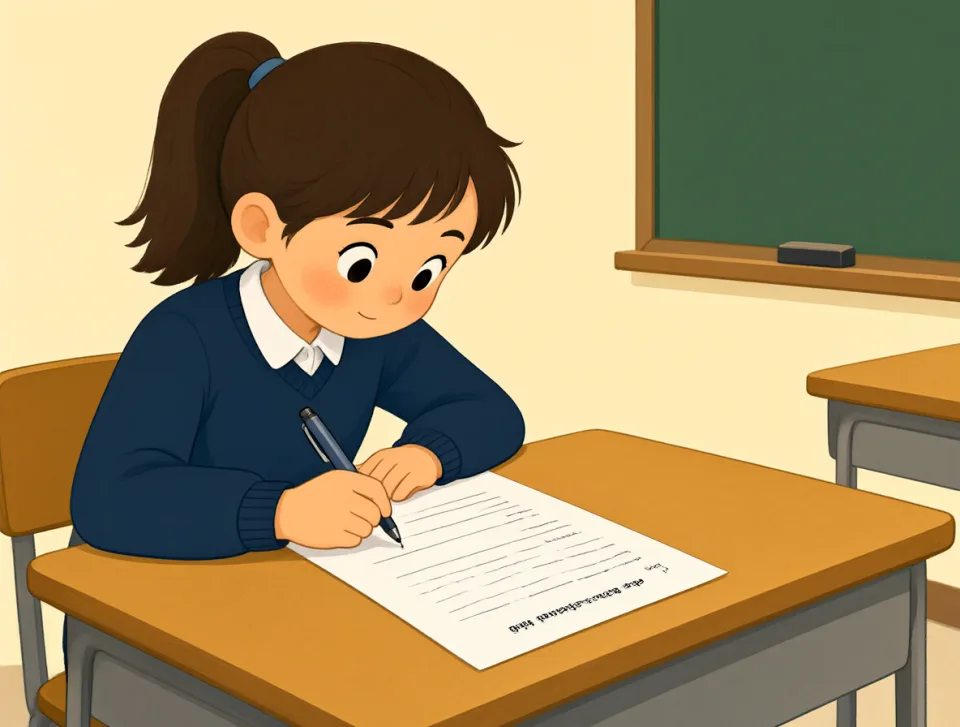
The student carefully checked her answers before handing in the test.
Uczennica starannie sprawdziła odpowiedzi przed oddaniem testu.
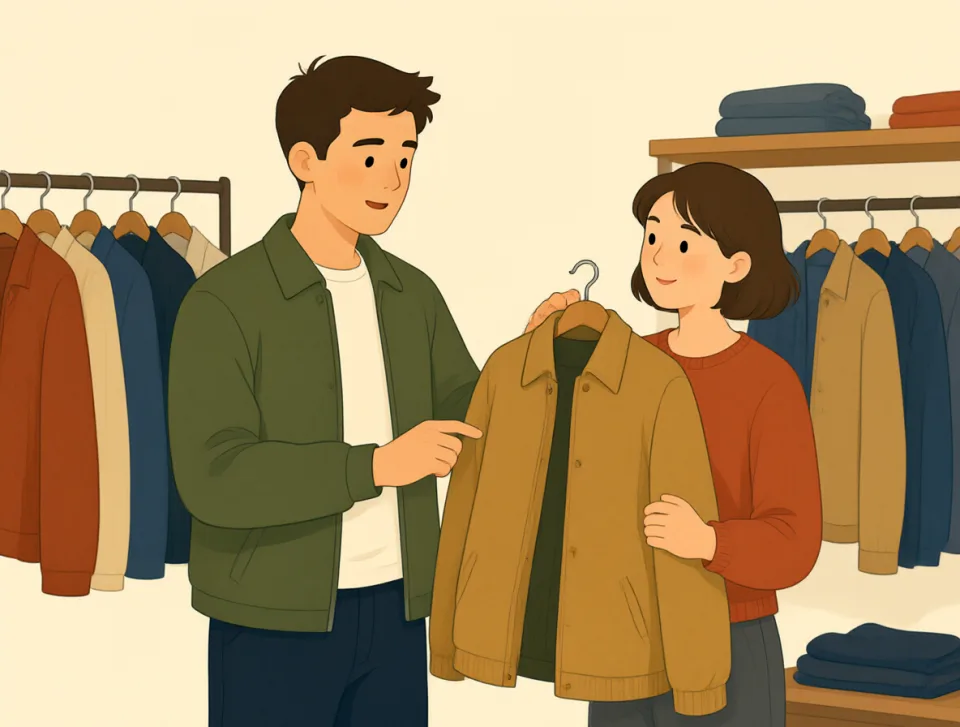
He carefully chose a warm jacket for his winter trip.
Starannie wybrał ciepłą kurtkę na zimowy wyjazd.
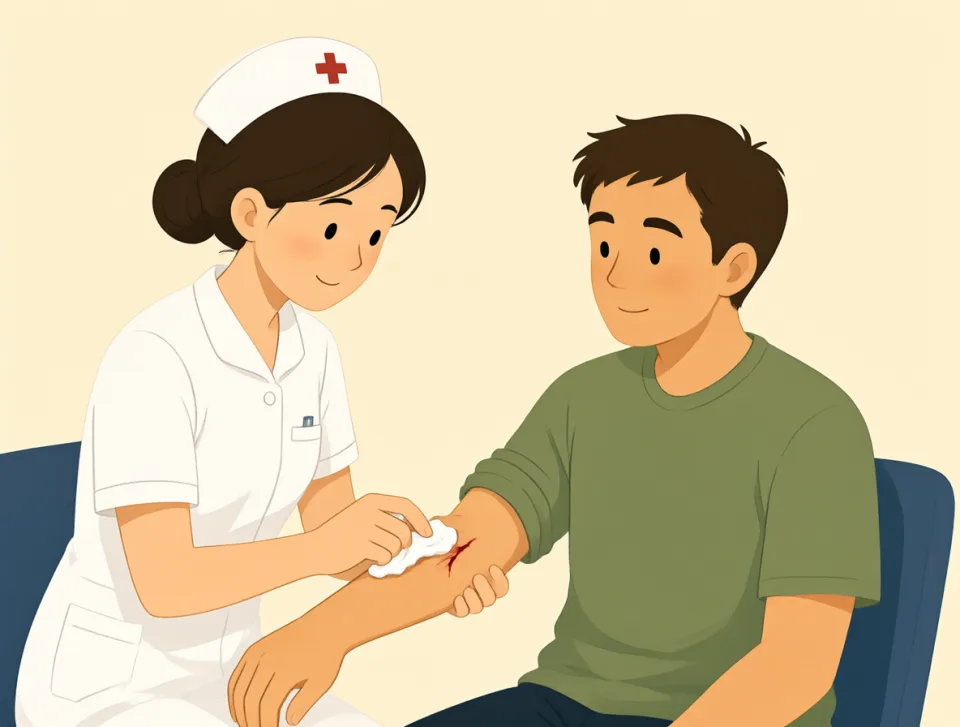
The nurse carefully cleaned the cut and put on a bandage.
Pielęgniarka starannie oczyściła ranę i założyła opatrunek.
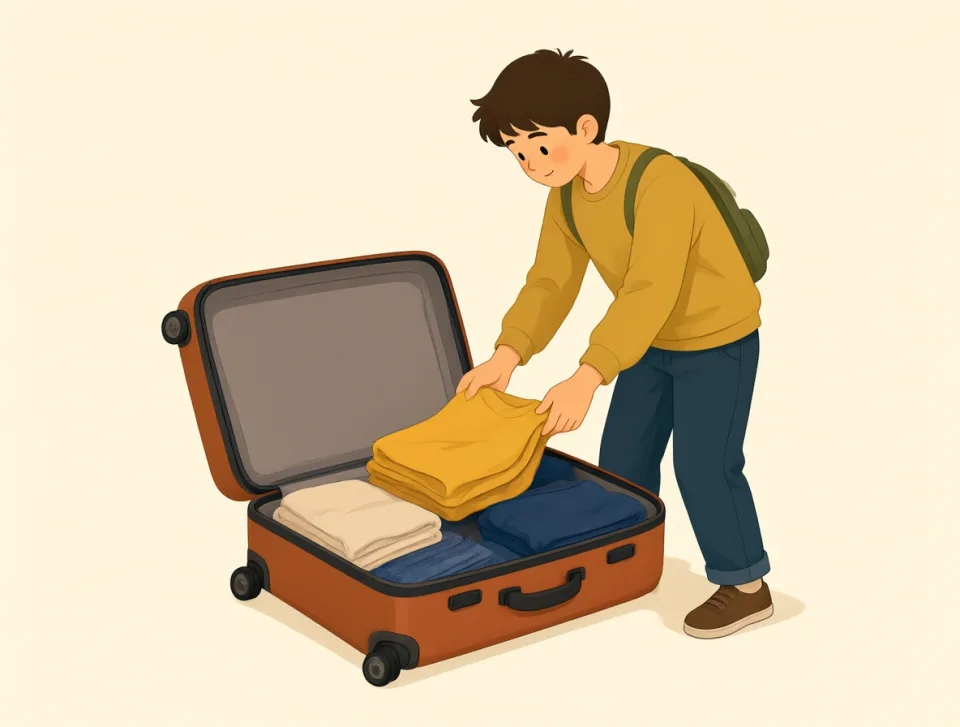
pack
#1387noun, verb
pakować; paczka
A group of things together, or to put things into a bag or box.
Grupa rzeczy zebranych razem albo wkładać rzeczy do torby lub pudełka.
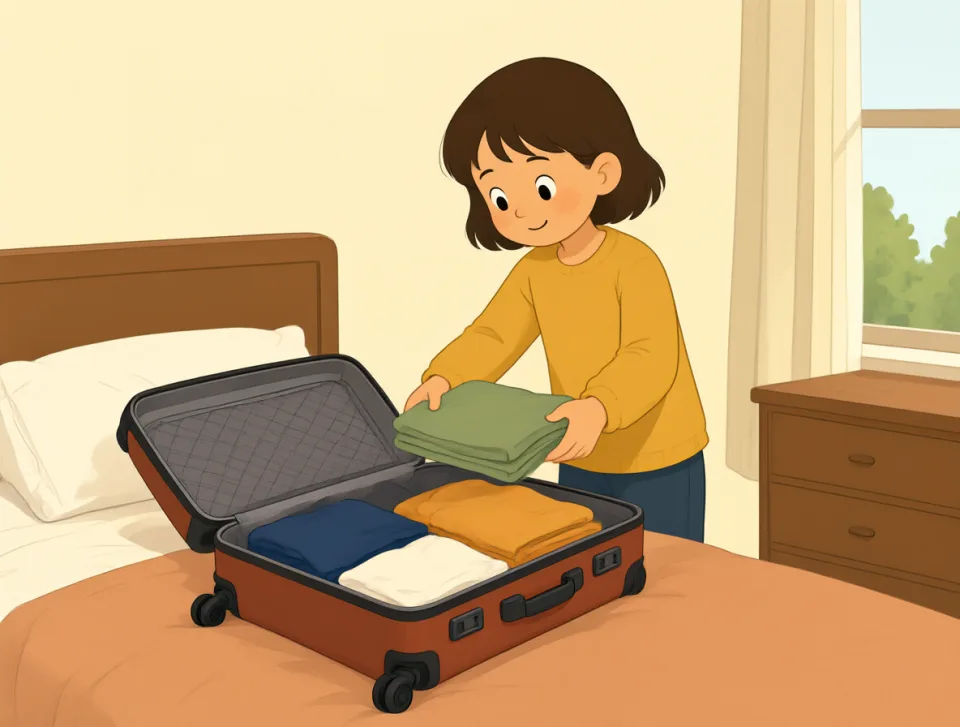
Please pack your clothes before dinner.
Spakuj ubrania przed kolacją.
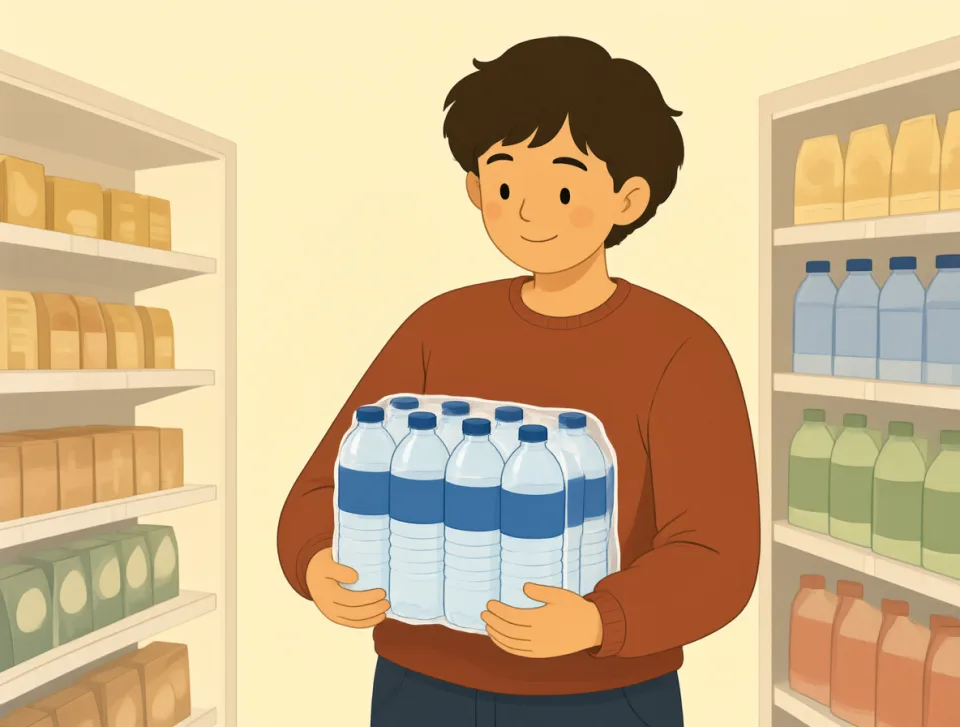
We bought a pack of six bottles of water.
Kupiliśmy zgrzewkę sześciu butelek wody.
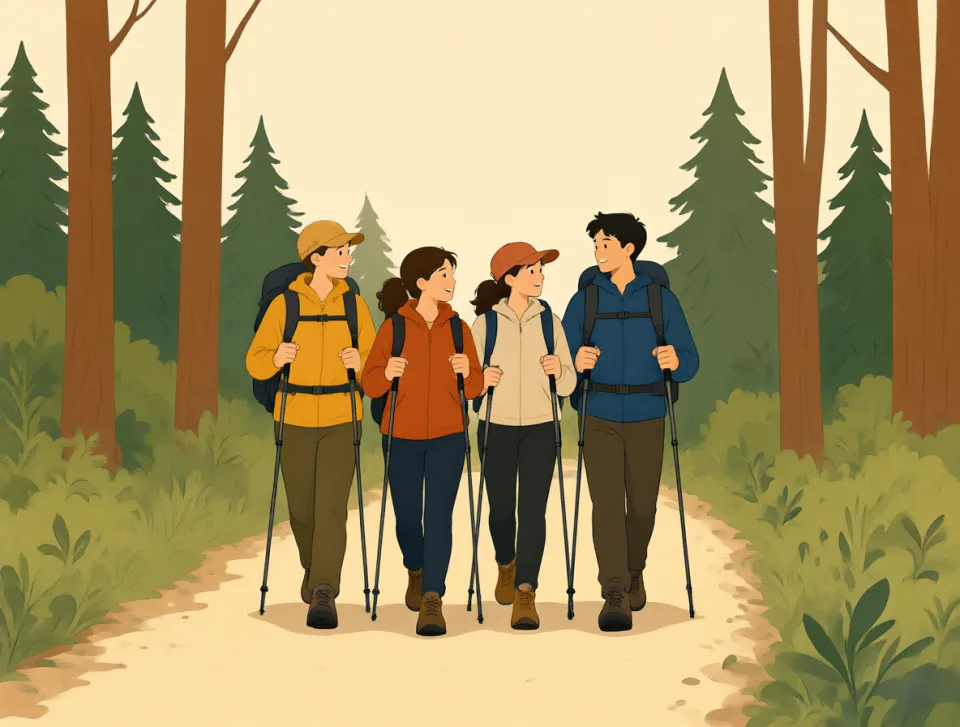
The hikers walked in a pack through the forest.
Wędrowcy szli przez las w grupie.
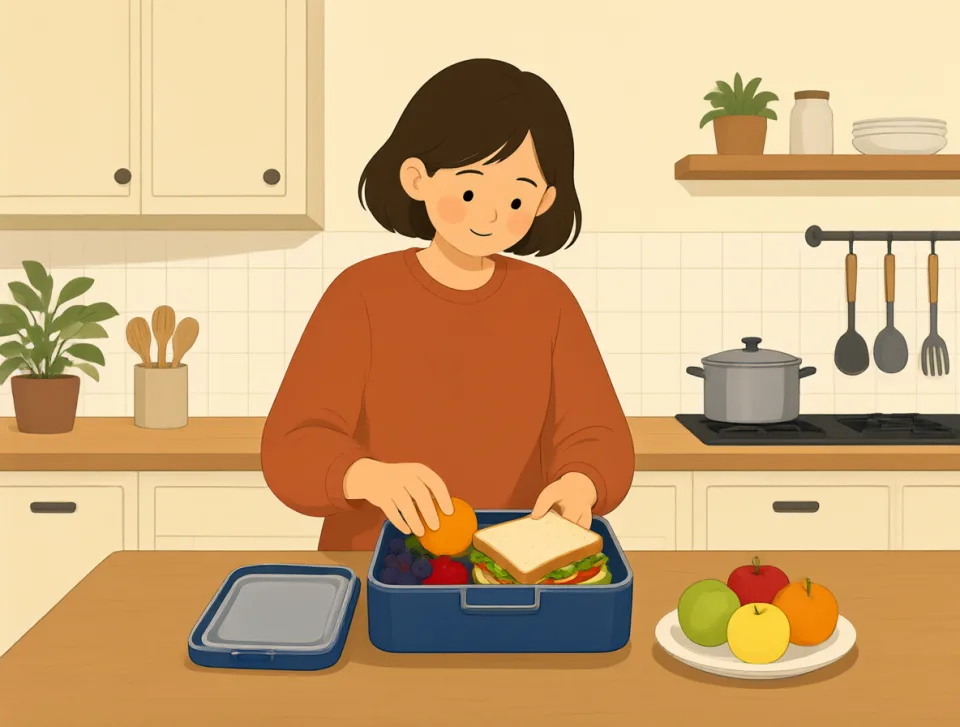
She packed a healthy lunch for work.
Przygotowała sobie zdrowy lunch do pracy.
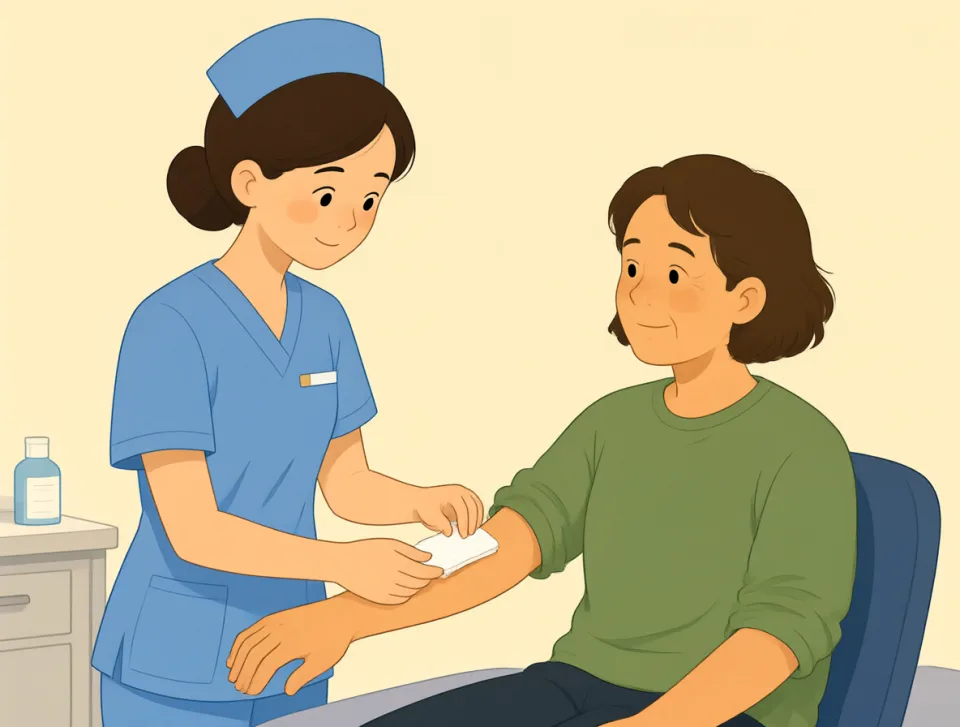
The nurse packed the wound with clean gauze.
Pielęgniarka wypełniła ranę czystą gazą.
recall
#1388verb, noun
przypomnieć sobie; wycofać
to remember something, or ask for a product to be returned because it may be unsafe
Przypomnieć sobie coś albo zażądać zwrotu produktu, ponieważ może być niebezpieczny.
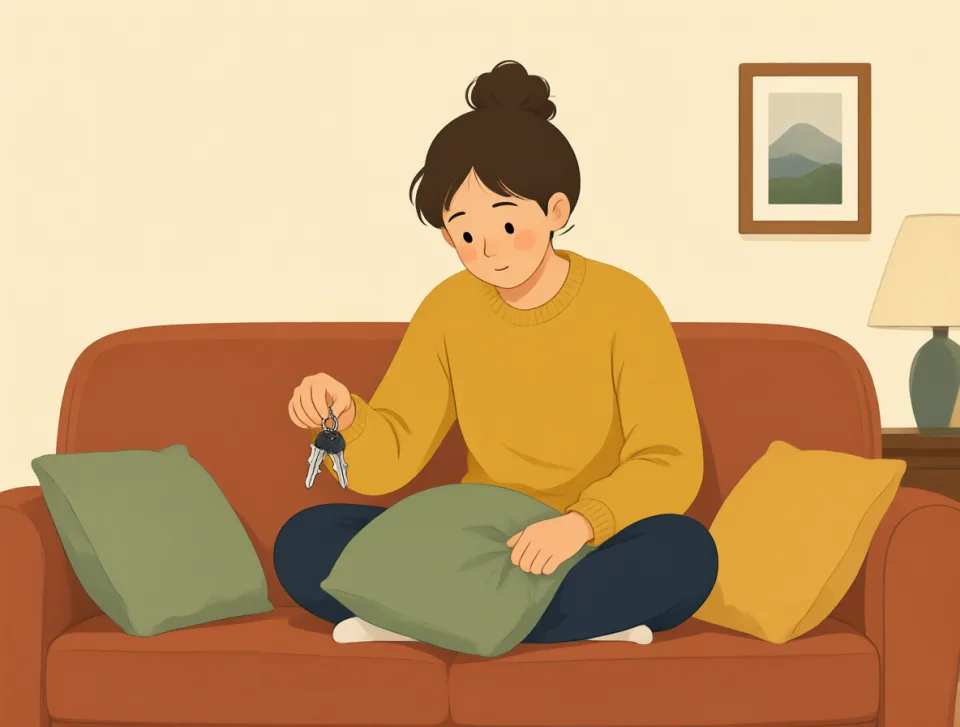
I cannot recall where I left my keys this morning.
Nie mogę sobie przypomnieć, gdzie dziś rano odłożyłem klucze.
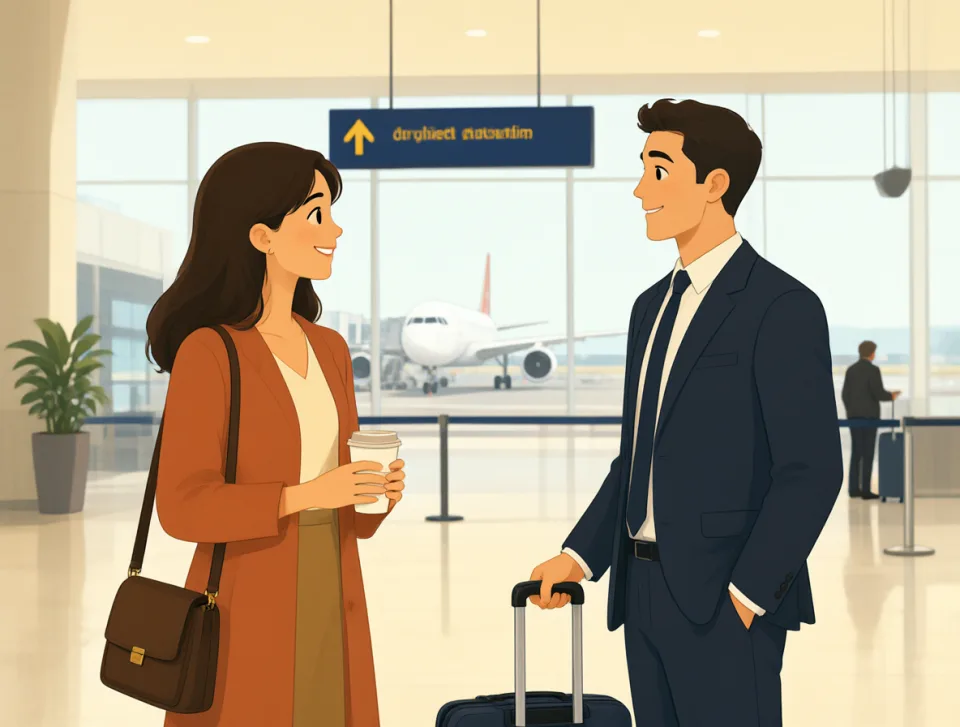
She recalled meeting him at the airport last summer.
Przypomniała sobie, że spotkała go na lotnisku zeszłego lata.
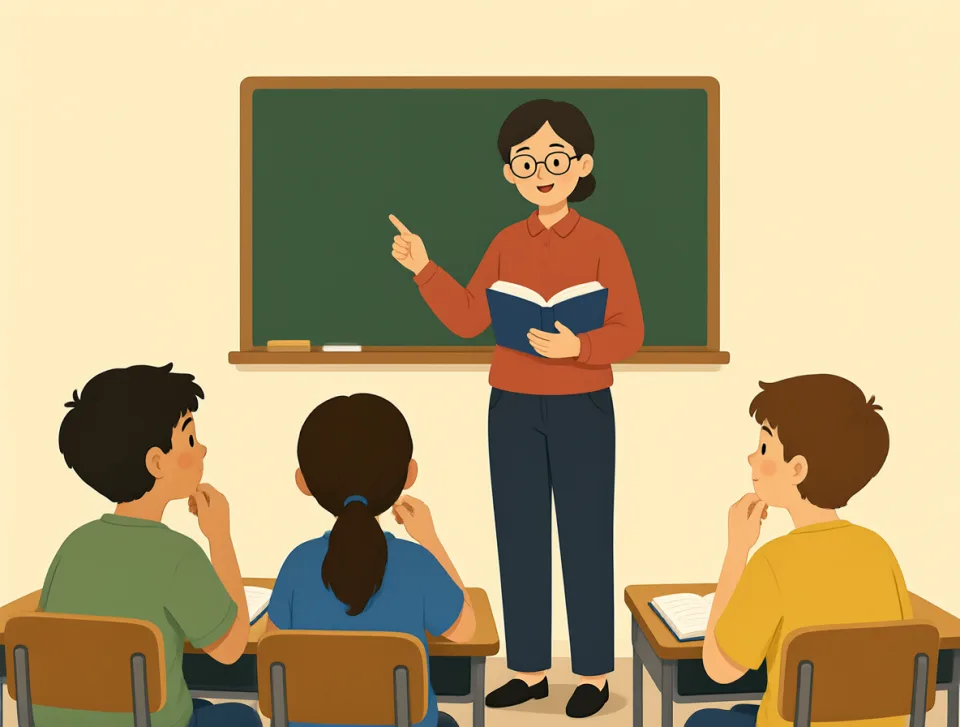
The teacher asked students to recall the main events in the story.
Nauczyciel poprosił uczniów, żeby przypomnieli sobie najważniejsze wydarzenia z opowiadania.
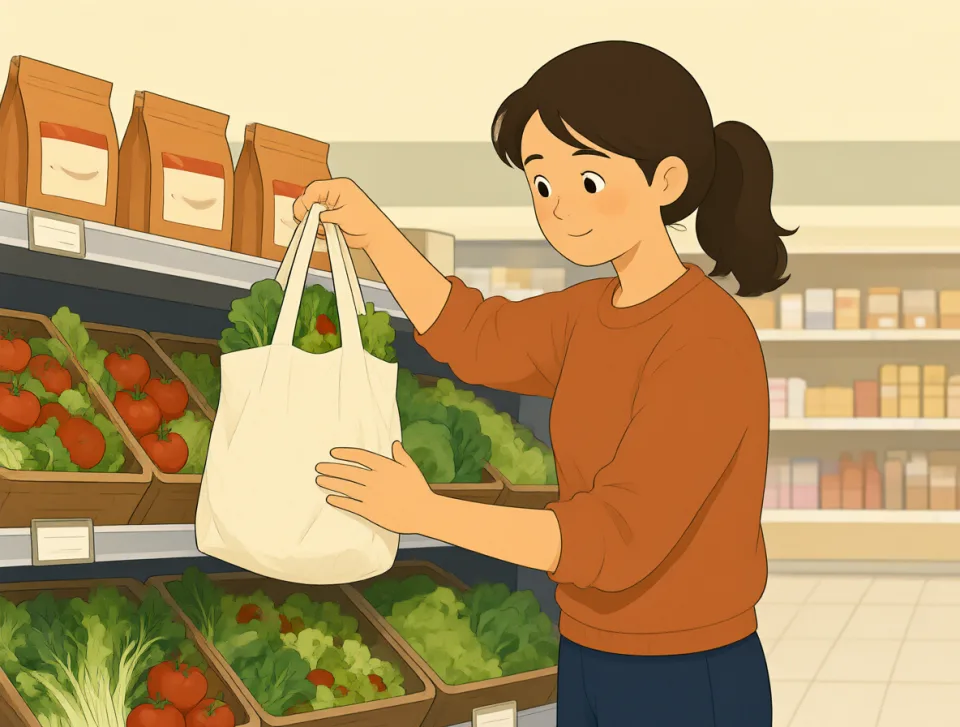
The supermarket recalled several bags of salad after finding a safety problem.
Supermarket wycofał kilka opakowań sałaty po wykryciu problemu z bezpieczeństwem.
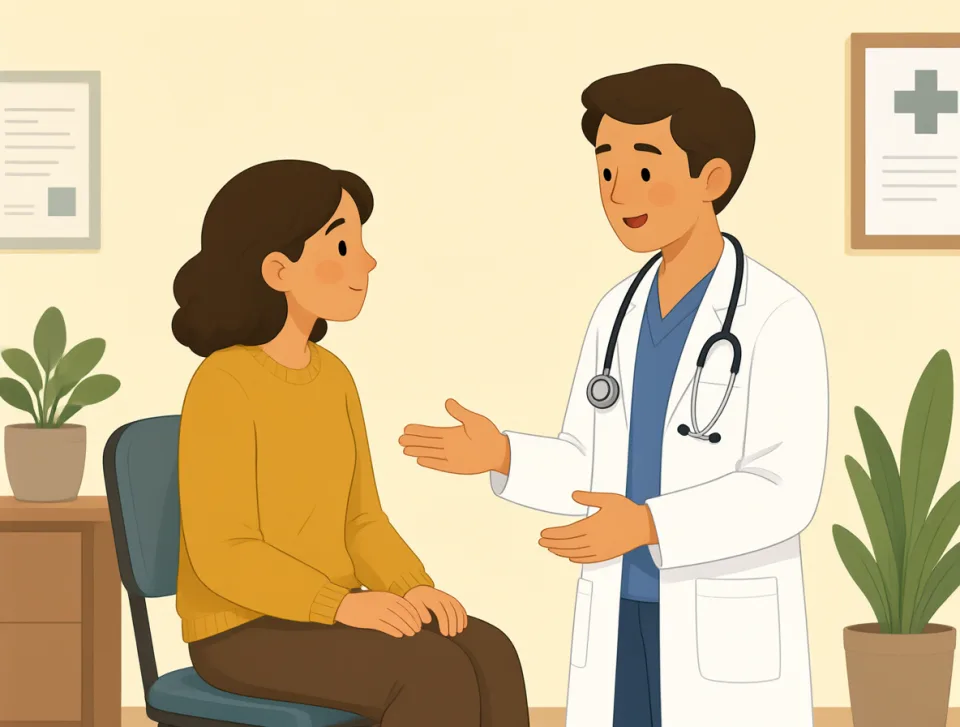
The doctor recalled the patient for another checkup next week.
Lekarz wezwał pacjenta na kolejną kontrolę w przyszłym tygodniu.
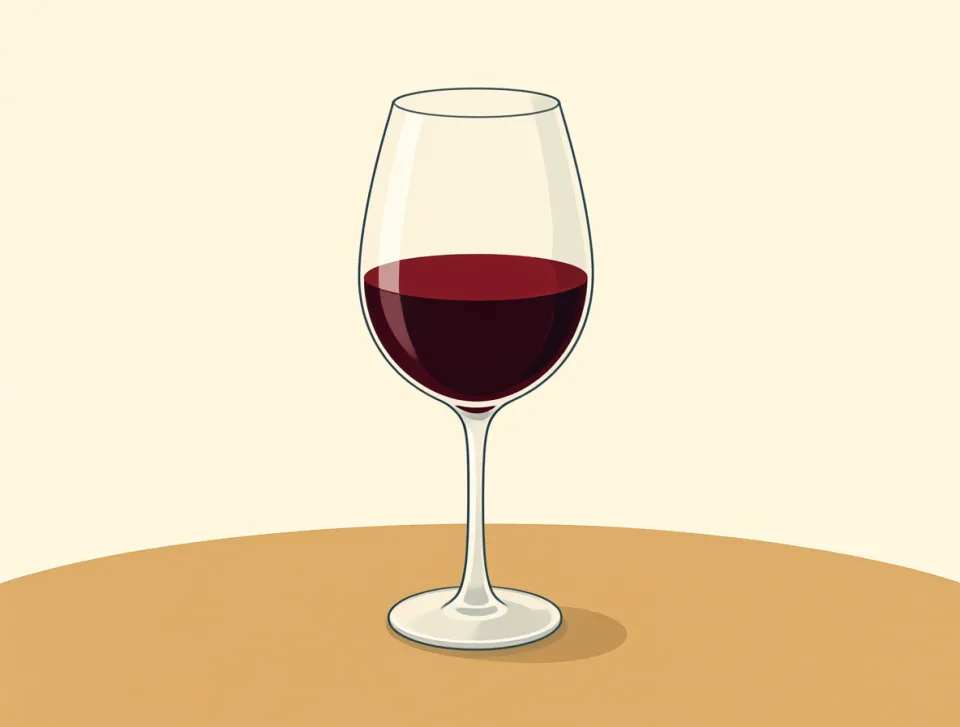
wine
#1389noun
wino
An alcoholic drink made from grapes, usually red or white.
Napój alkoholowy z winogron, zwykle czerwony lub biały.
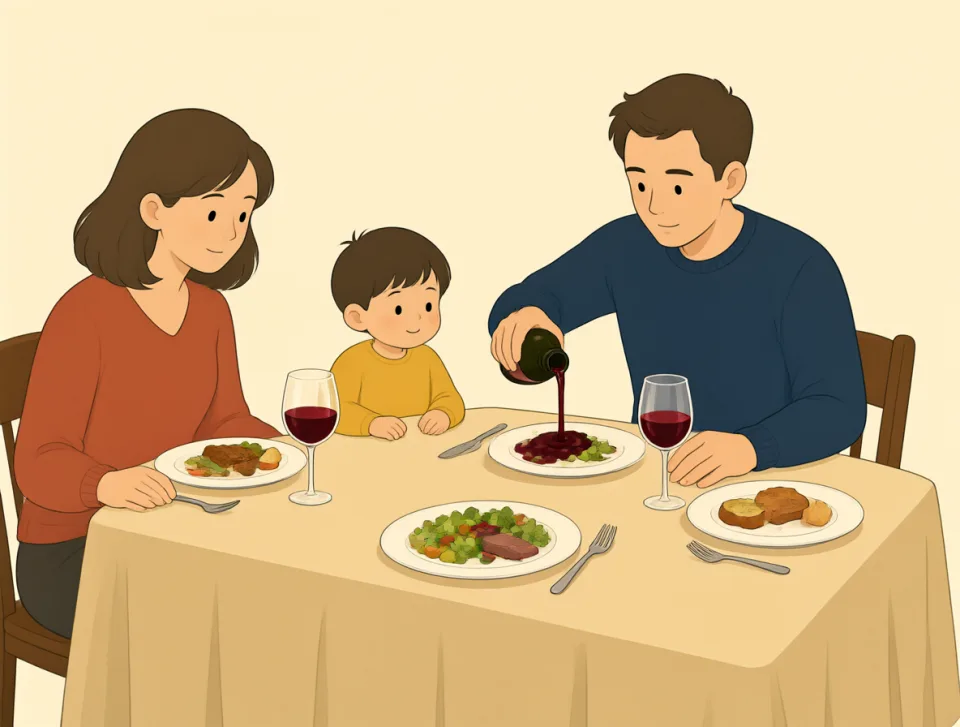
They served red wine with dinner last night.
Wczoraj wieczorem podali do kolacji czerwone wino.
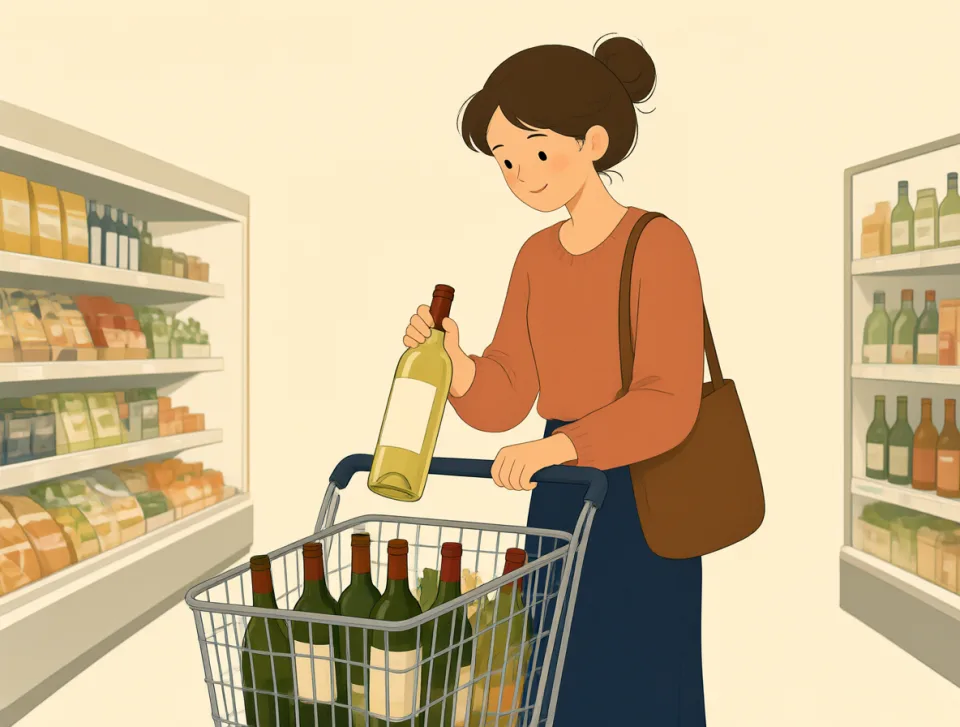
She bought a bottle of white wine for the party.
Kupiła butelkę białego wina na przyjęcie.
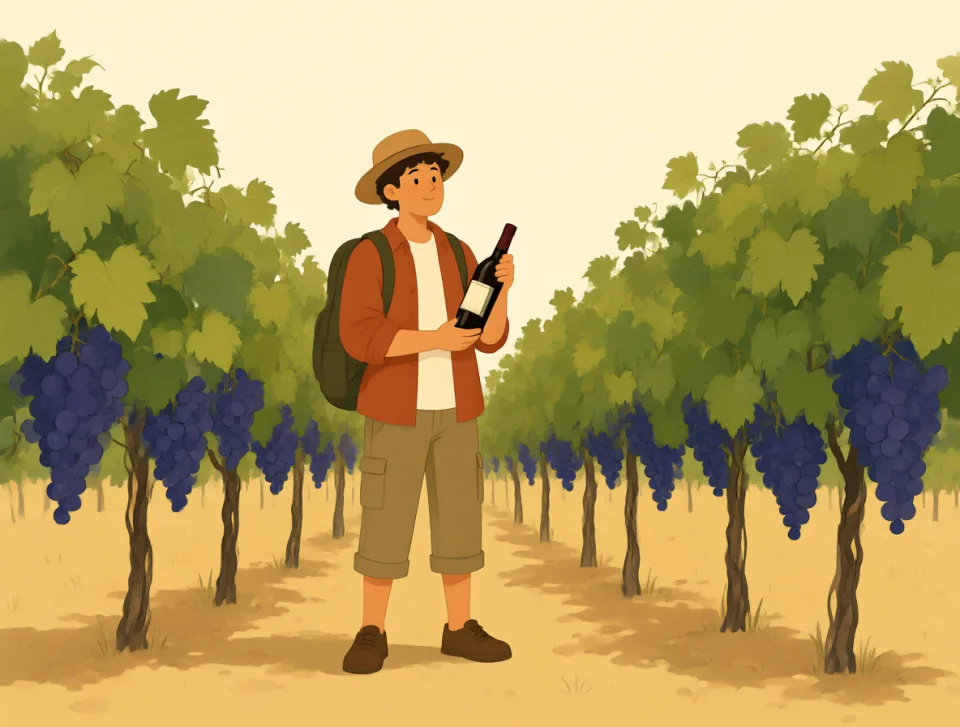
This wine comes from a small vineyard in France.
To wino pochodzi z małej winnicy we Francji.
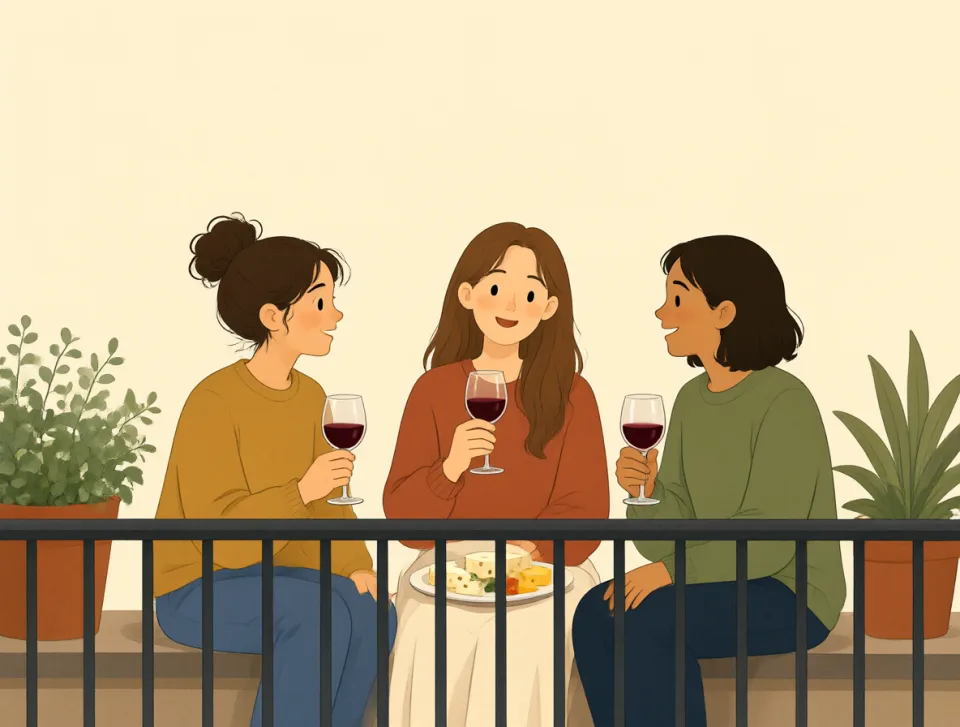
My friends enjoyed wine and cheese on the balcony.
Moi przyjaciele delektowali się winem i serem na balkonie.
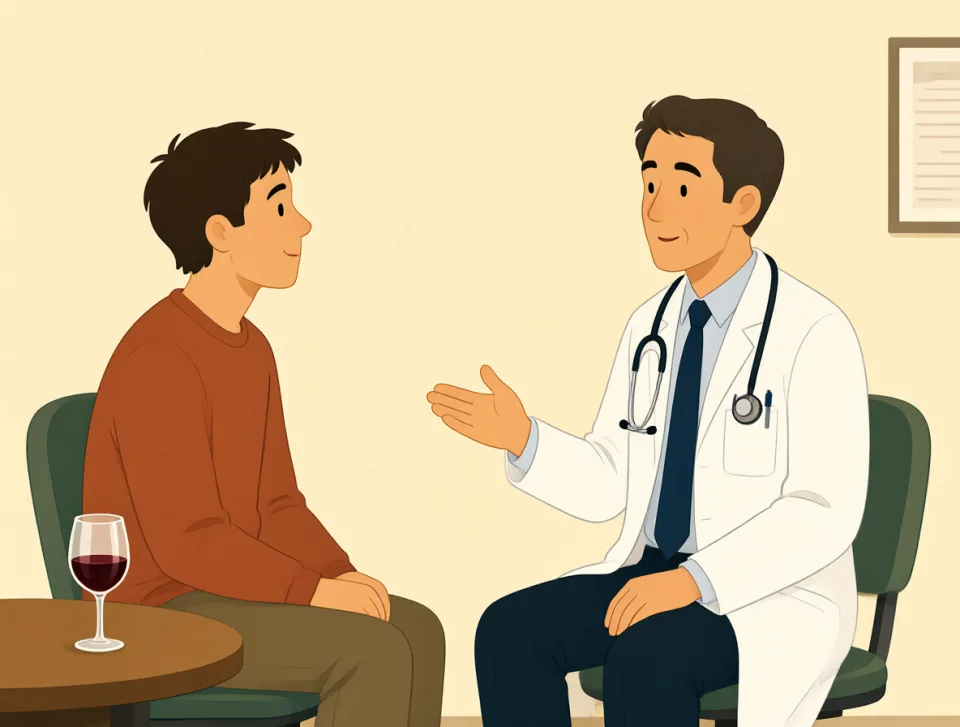
The doctor told him to drink less wine.
Lekarz powiedział mu, żeby pił mniej wina.
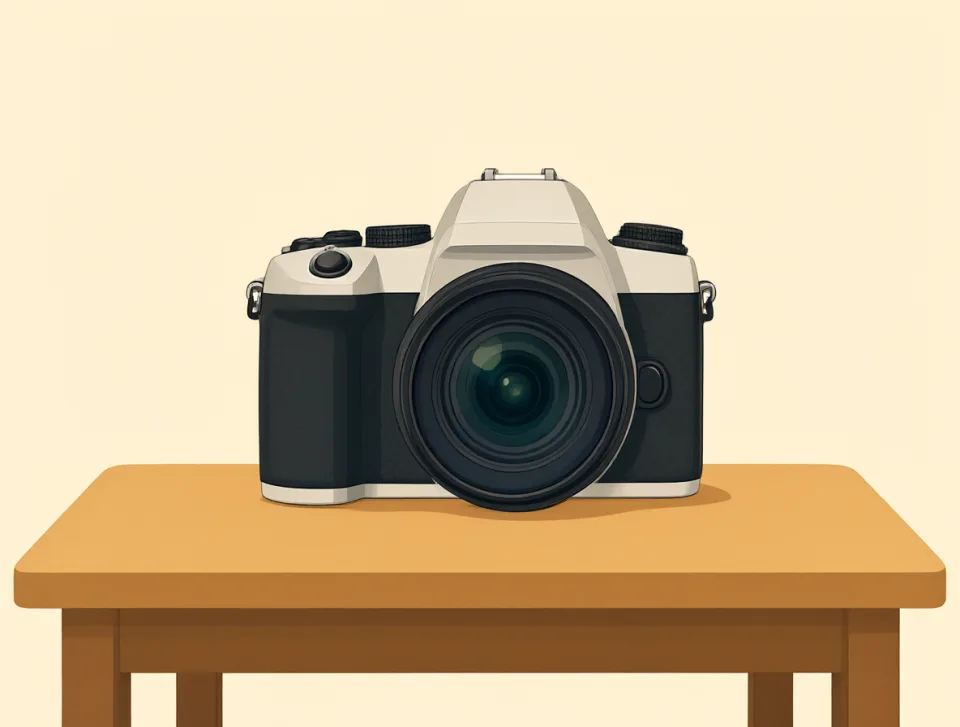
camera
#1390noun
aparat fotograficzny
A device that takes photographs or records videos.
Urządzenie do robienia zdjęć lub nagrywania filmów.
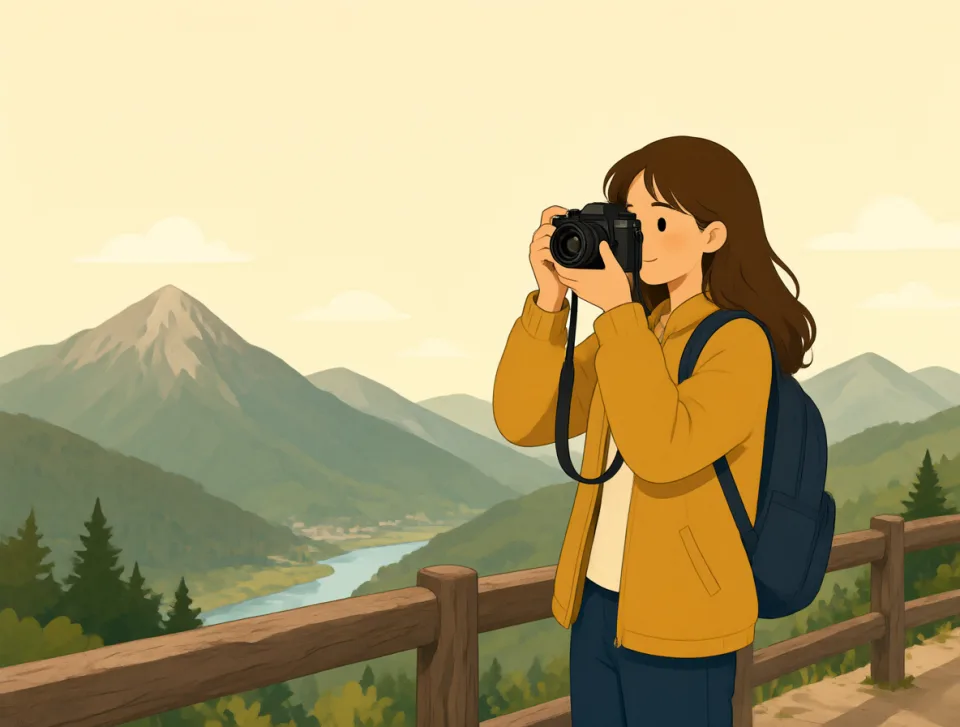
She took a camera on holiday to photograph the mountains.
Zabrała aparat na wakacje, żeby fotografować góry.
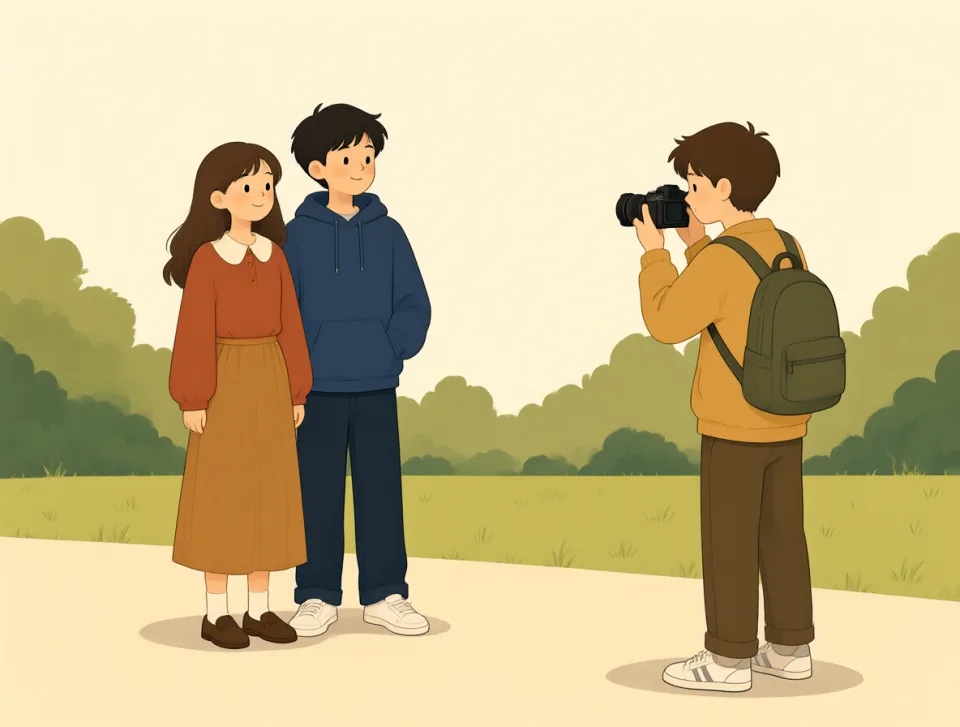
Please use the camera to take a picture of us.
Użyj aparatu, żeby zrobić nam zdjęcie.
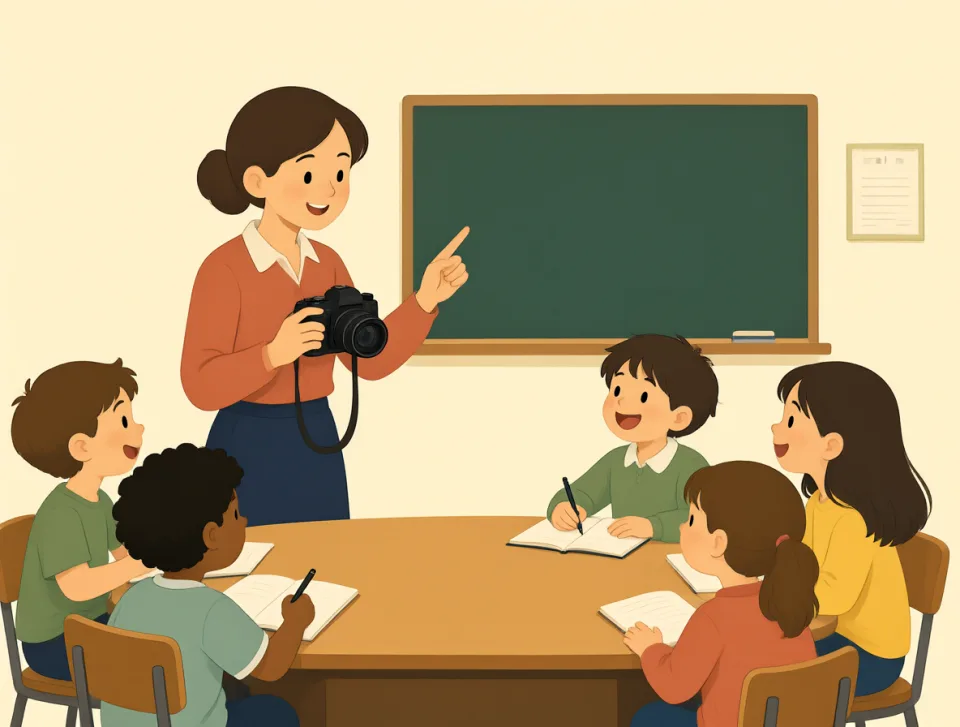
The teacher showed us how to use a camera in class.
Nauczyciel pokazał nam na lekcji, jak używać aparatu fotograficznego.
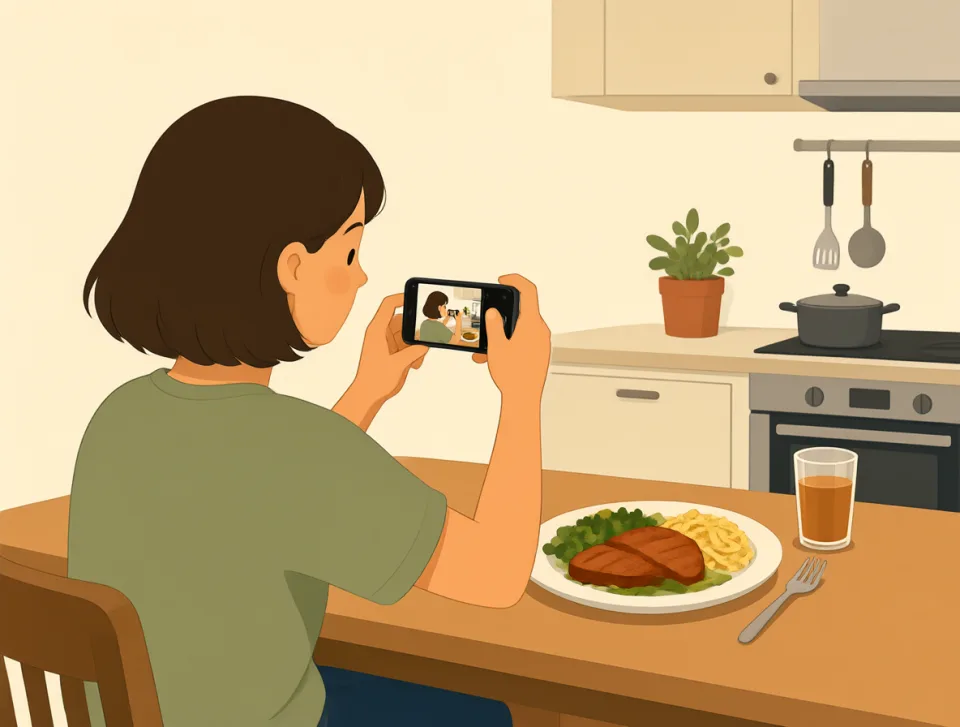
My phone has a good camera for taking food photos.
Mój telefon ma dobry aparat do robienia zdjęć jedzenia.
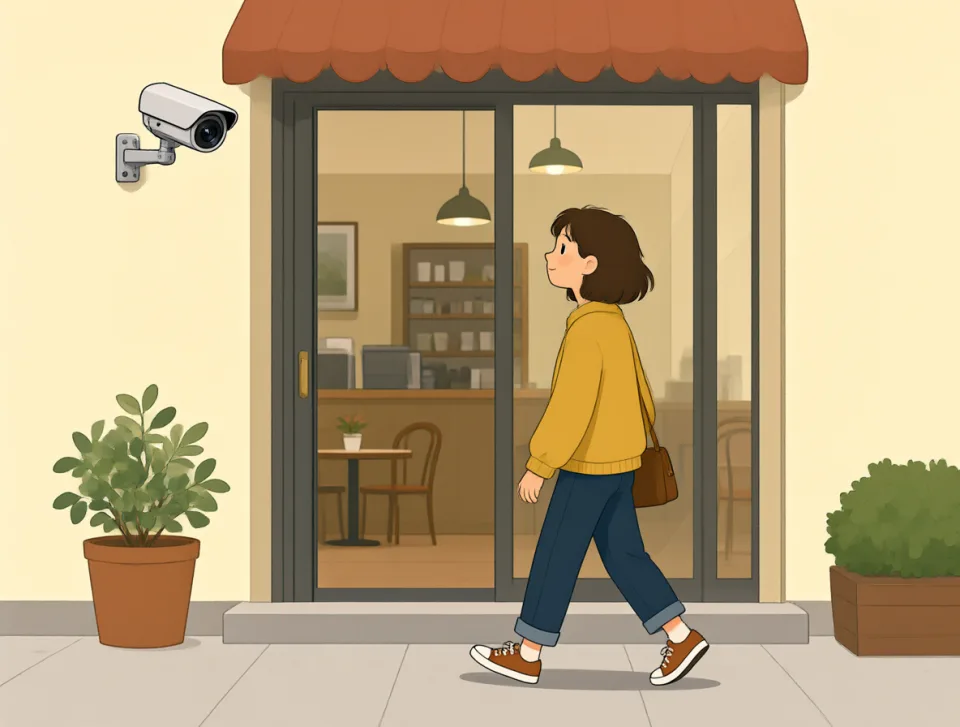
The security camera recorded someone entering the shop.
Kamera bezpieczeństwa nagrała kogoś, kto wchodził do sklepu.
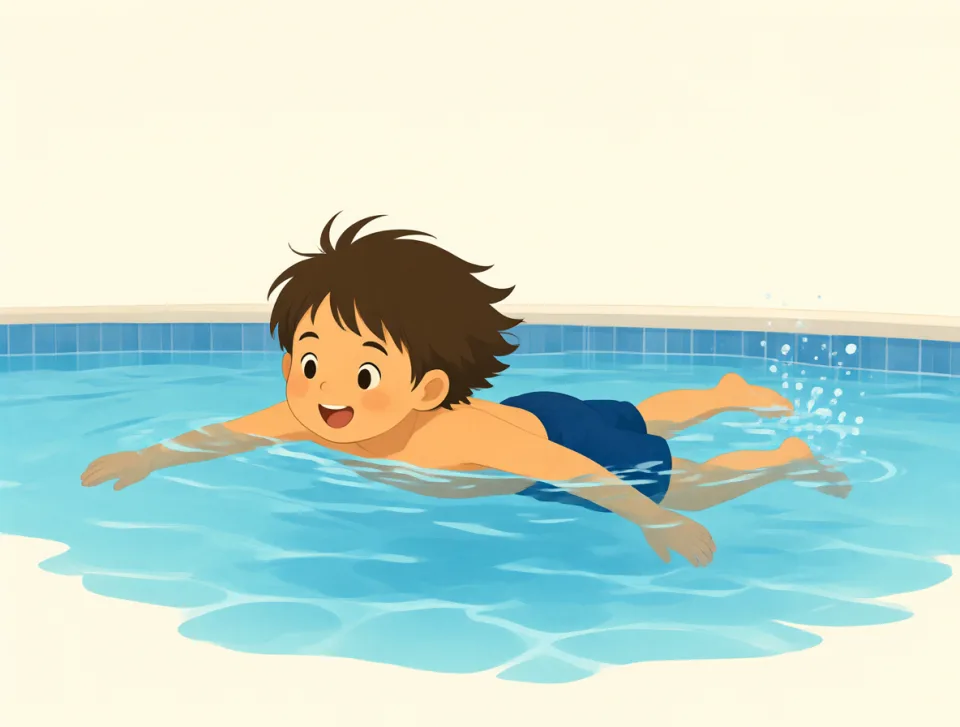
swim
#1391verb, noun
pływać
To move through water using your arms and legs; a sport or activity in water.
Poruszać się w wodzie za pomocą rąk i nóg; sport lub aktywność w wodzie.
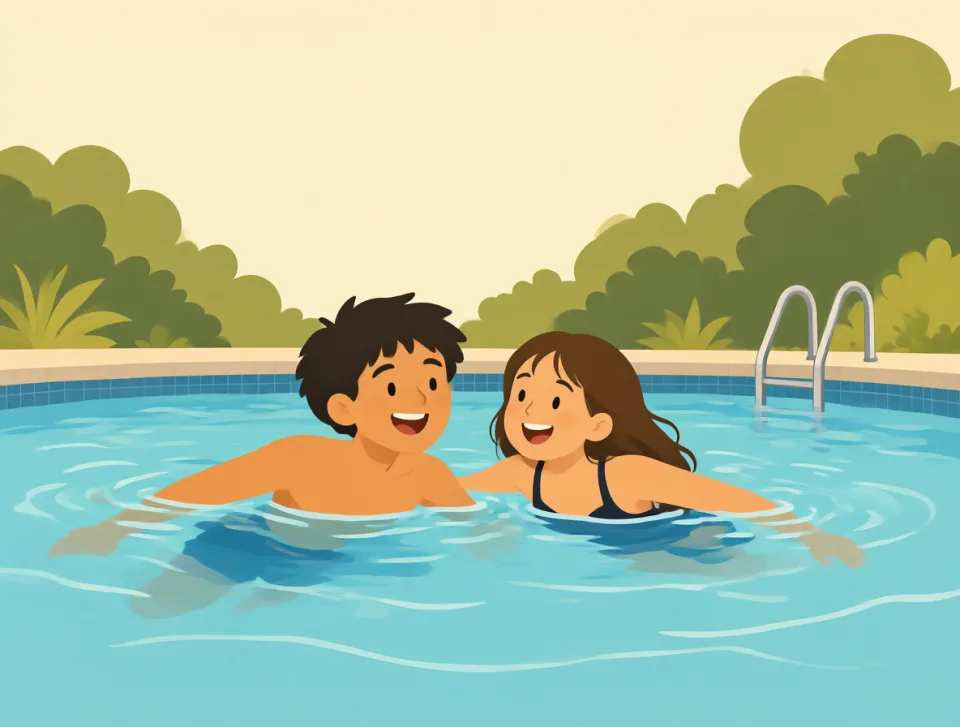
We swim in the pool every Saturday morning.
Pływamy w basenie w każdą sobotę rano.
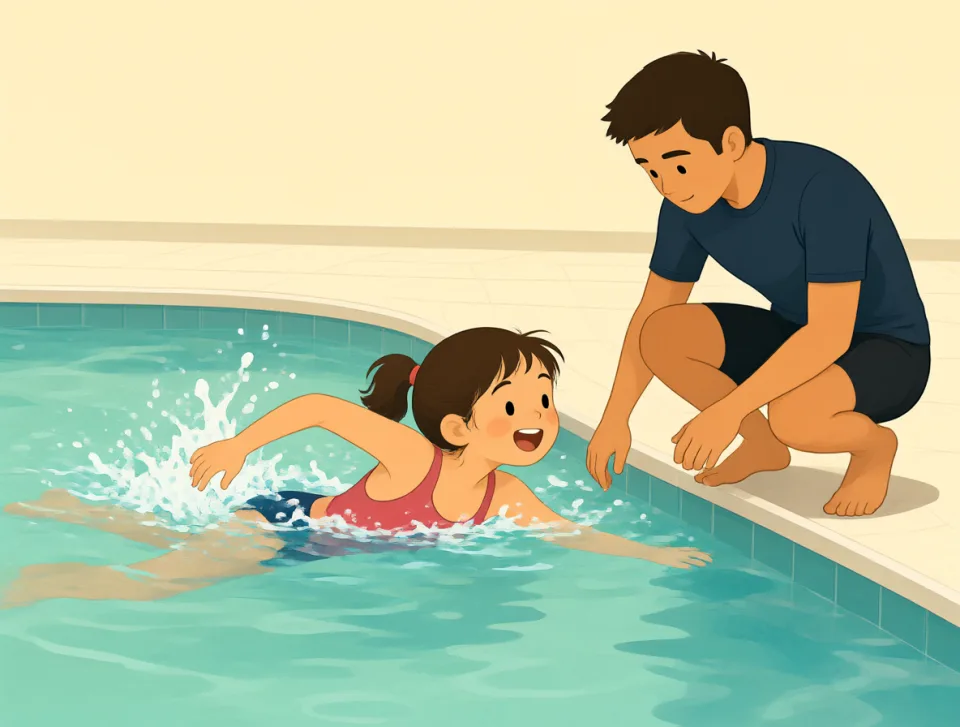
She learned to swim when she was six.
Nauczyła się pływać, kiedy miała sześć lat.
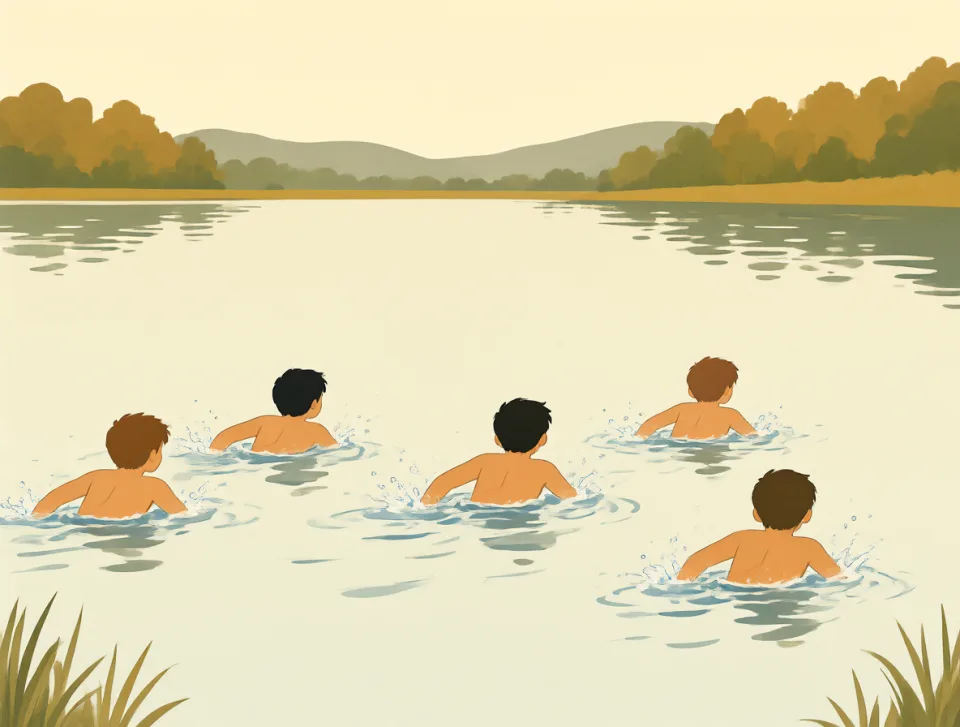
The boys swam across the lake before lunch.
Chłopcy przepłynęli jezioro przed lunchem.
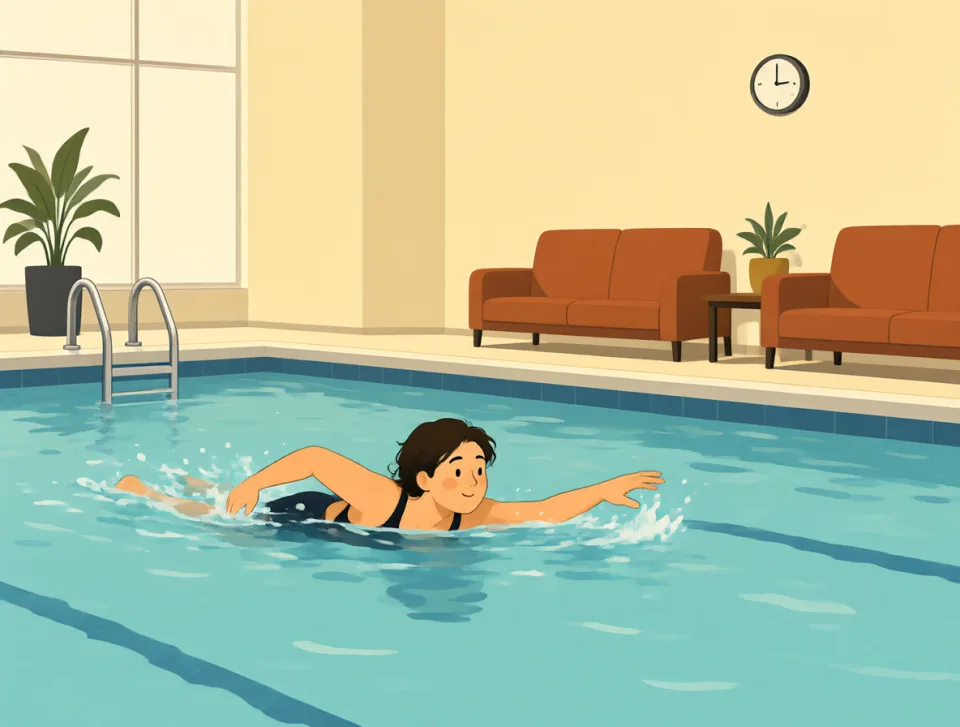
I enjoy swimming after work because it helps me relax.
Lubię pływać po pracy, bo pomaga mi się zrelaksować.
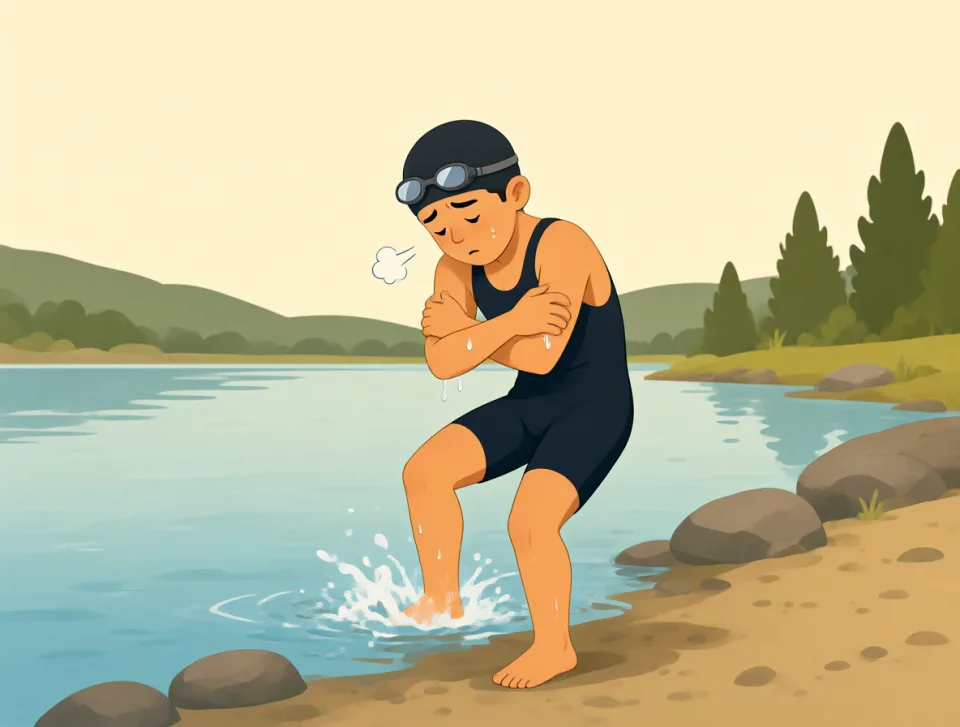
The swim was difficult because the water was very cold.
Pływanie było trudne, bo woda była bardzo zimna.
manufacture
#1392noun, verb
wytwarzać
to make goods in large numbers, usually using machines; the process of making goods
Produkować towary w dużych ilościach, zwykle za pomocą maszyn; proces wytwarzania towarów.
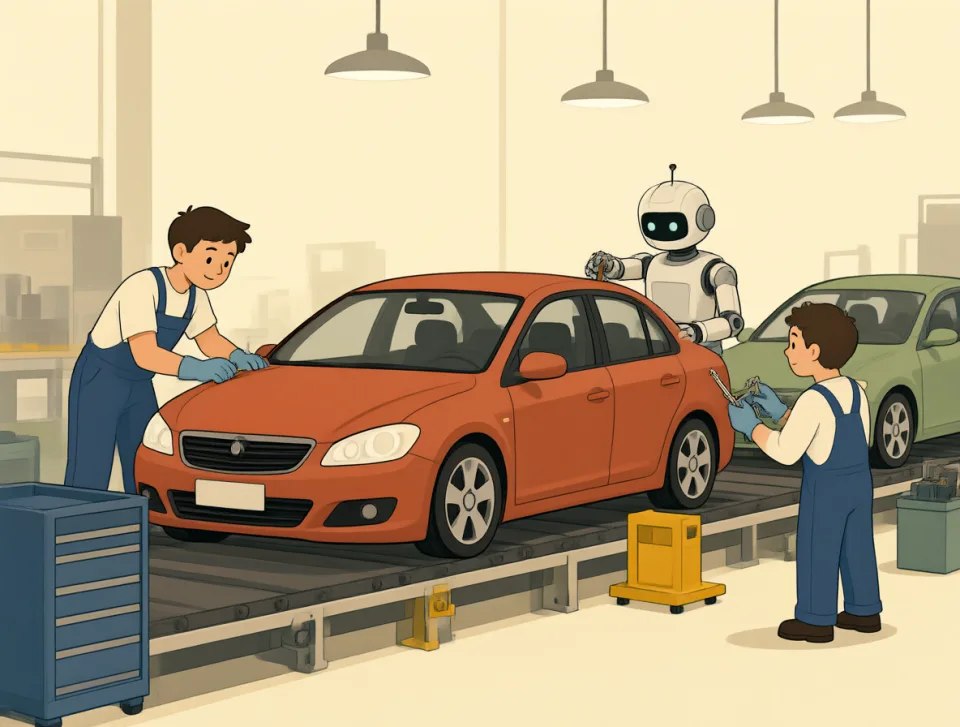
The company manufactures cars in a large factory.
Firma produkuje samochody w dużej fabryce.
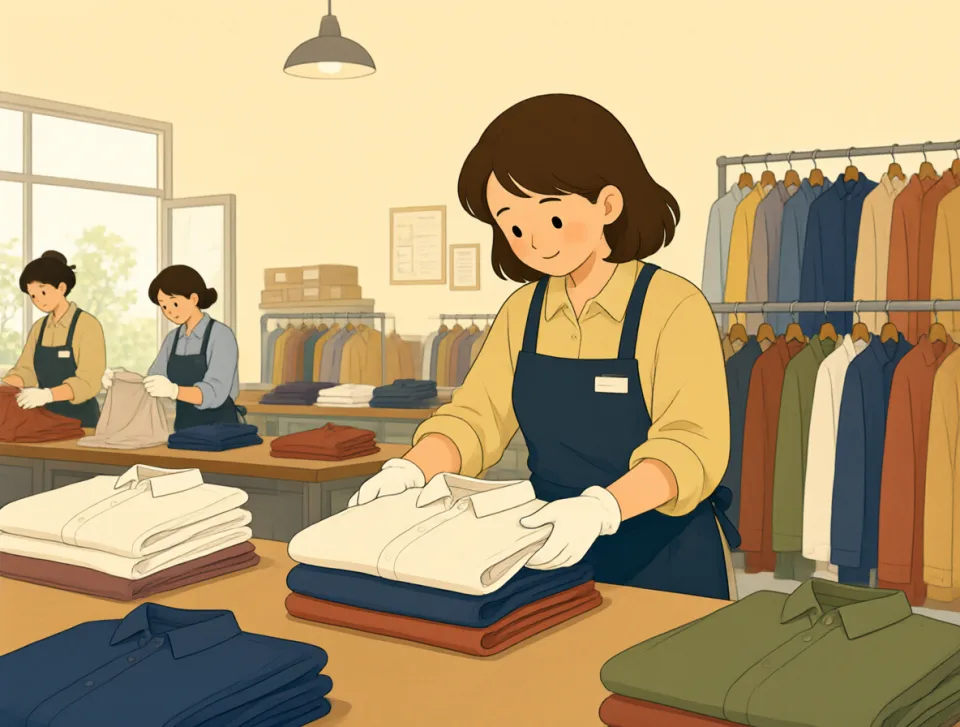
This shirt was manufactured in Bangladesh.
Ta koszula została wyprodukowana w Bangladeszu.
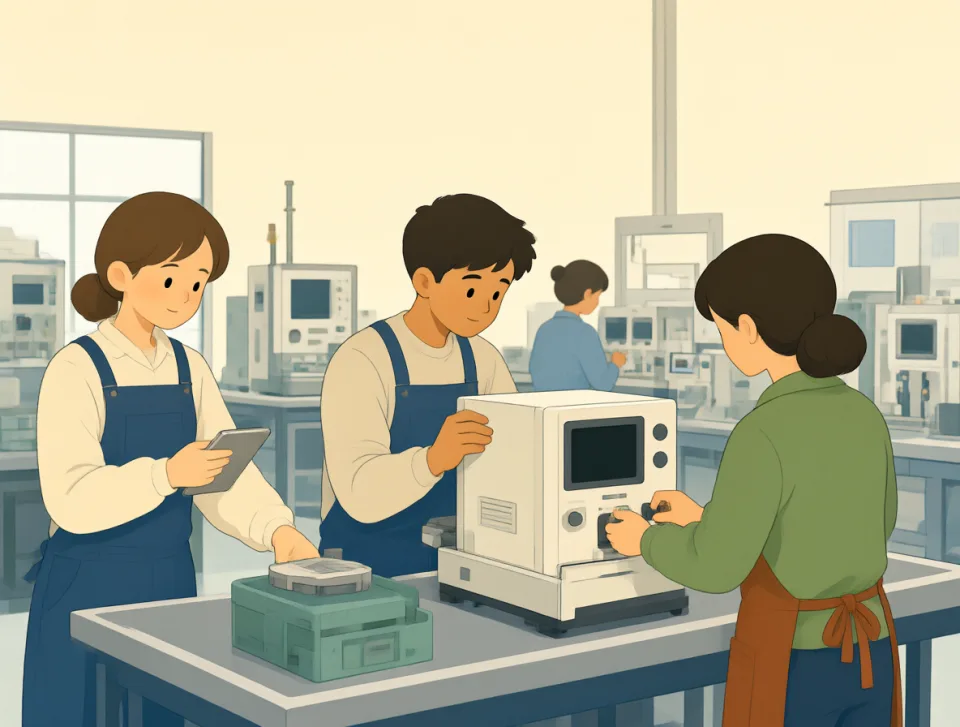
The factory manufactures medical equipment for hospitals.
Fabryka produkuje sprzęt medyczny dla szpitali.
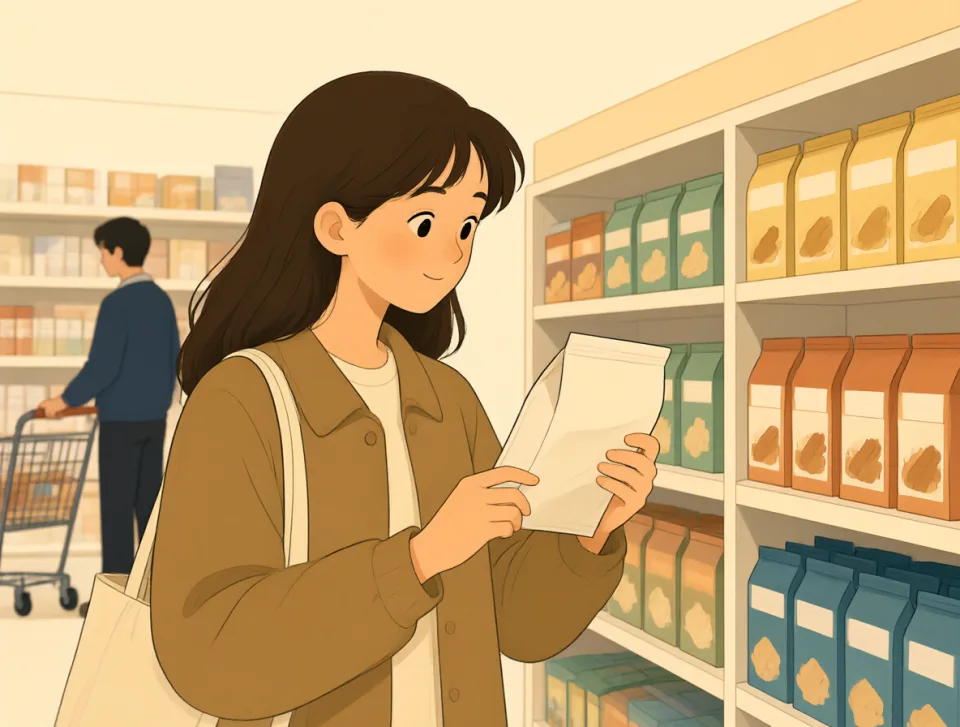
The label shows the date of manufacture.
Na etykiecie podano datę produkcji.
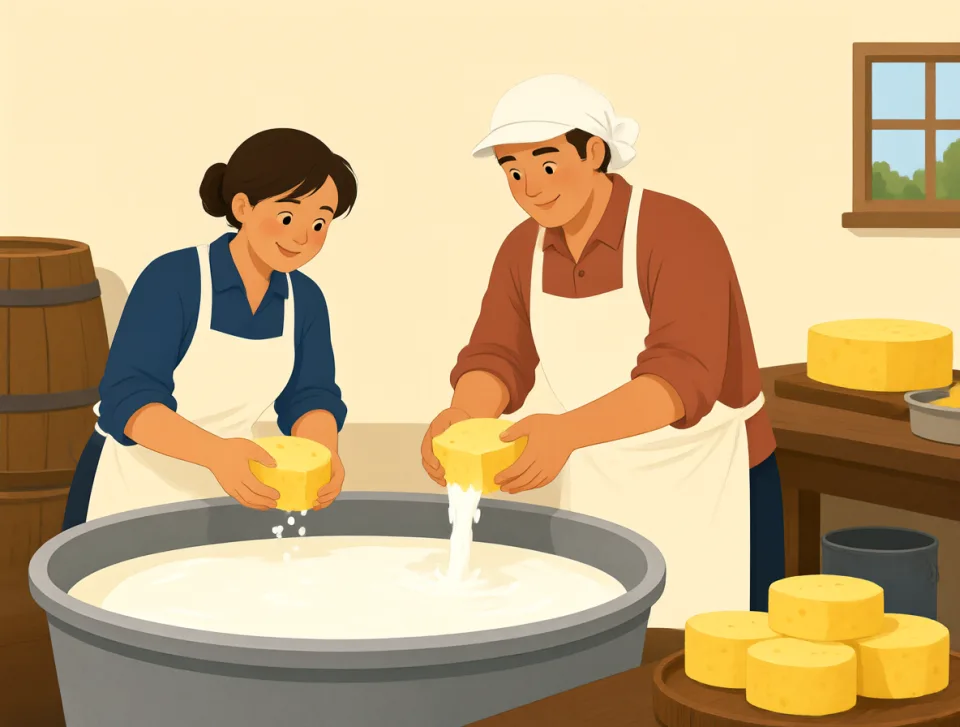
They manufacture cheese from fresh milk on the farm.
Na farmie produkują ser ze świeżego mleka.
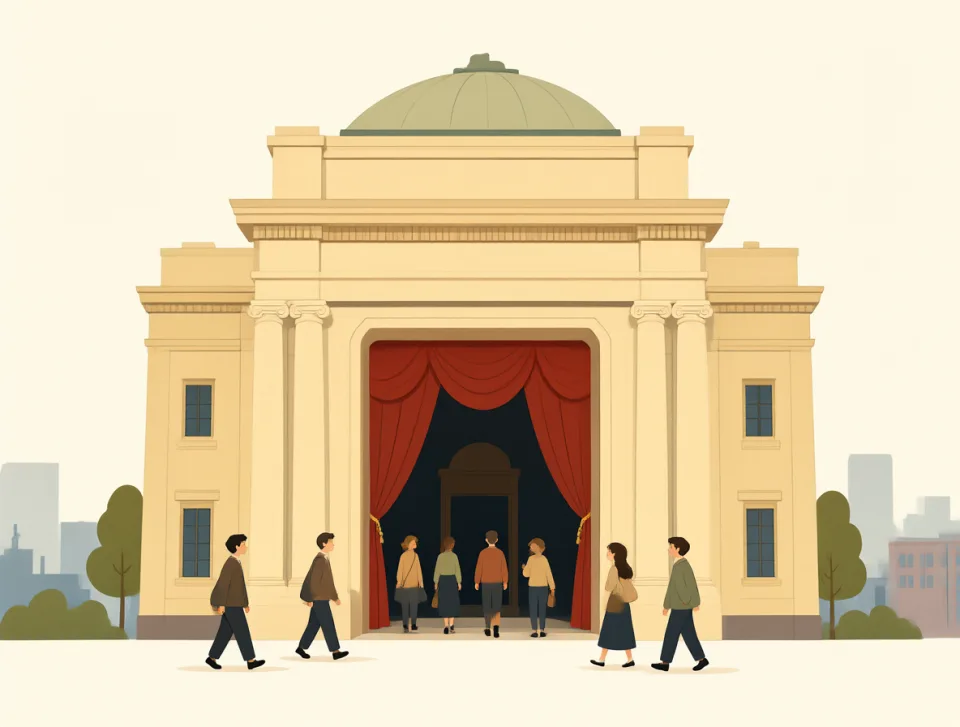
theater
#1393noun
teatr
A building where people watch plays, films, or other performances.
Budynek, w którym ogląda się sztuki teatralne, filmy lub inne przedstawienia.
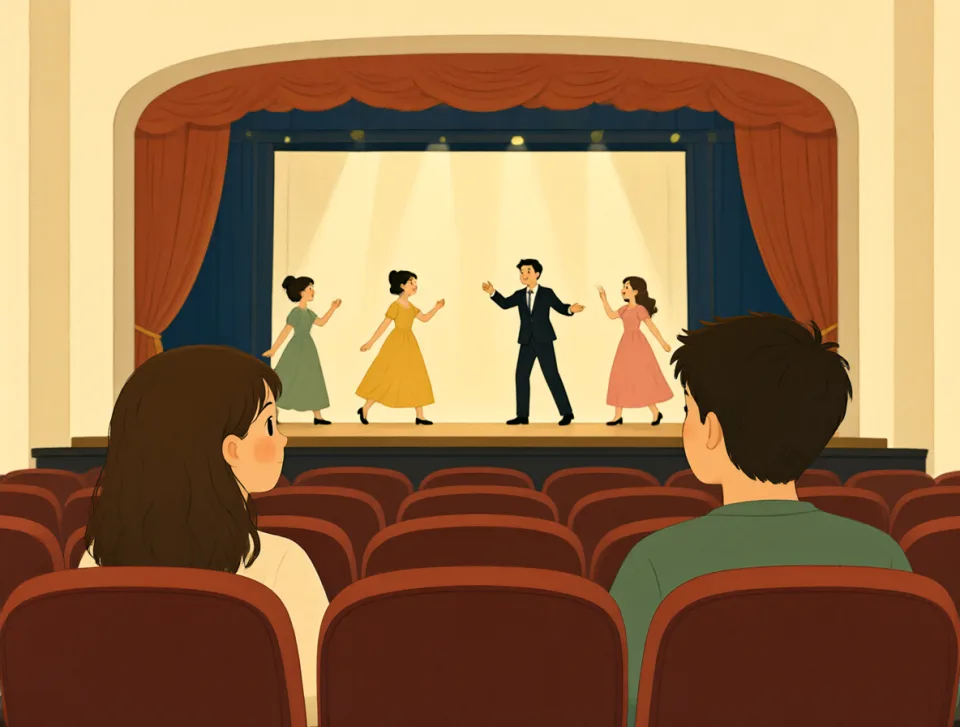
We watched a comedy at the theater last night.
Wczoraj wieczorem oglądaliśmy komedię w teatrze.
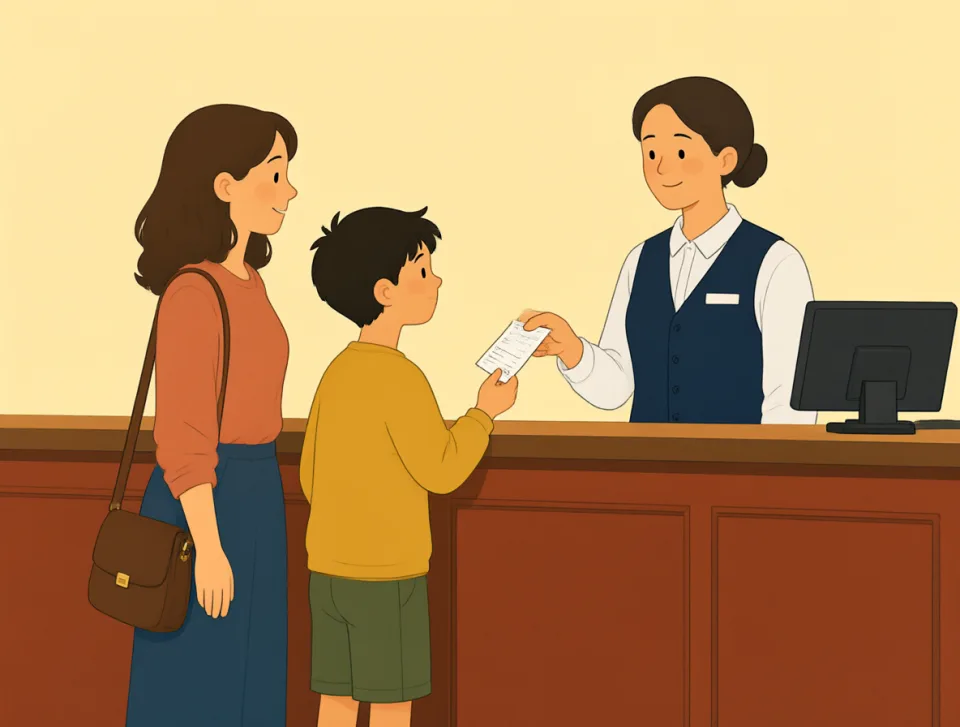
The theater was full, so we bought tickets online.
W teatrze nie było już wolnych miejsc, więc kupiliśmy bilety przez internet.
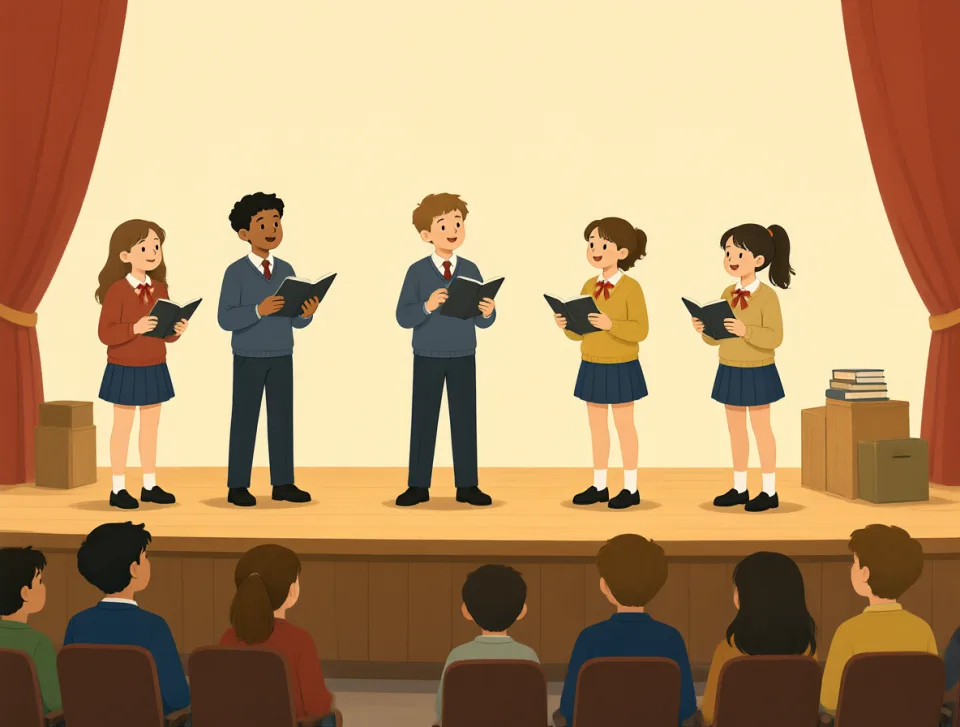
Our school theater group is performing a play tomorrow.
Jutro szkolna grupa teatralna wystawi sztukę.
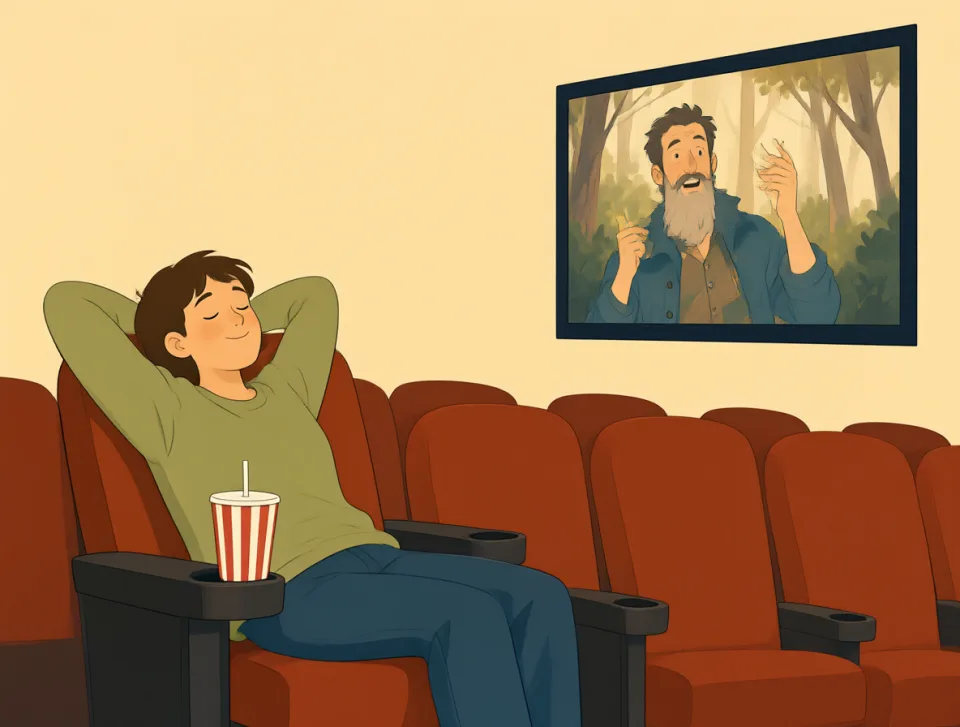
The new movie theater has comfortable seats and good sound.
W nowym kinie są wygodne fotele i dobry dźwięk.
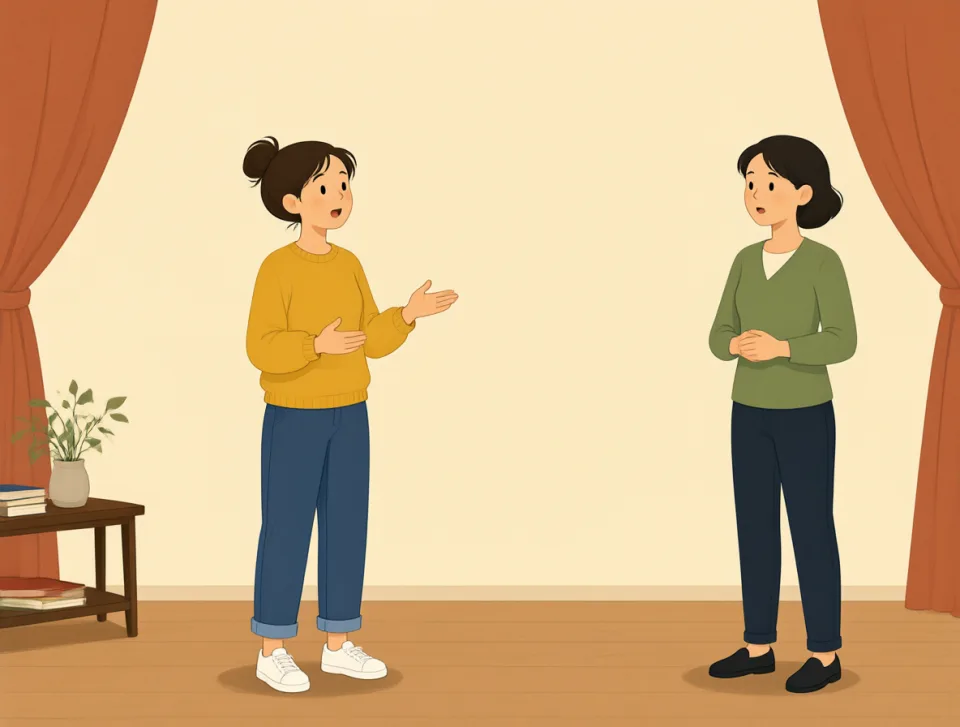
She studied theater before becoming a professional actor.
Studiowała aktorstwo, zanim została zawodową aktorką.
cycle
#1394noun, verb
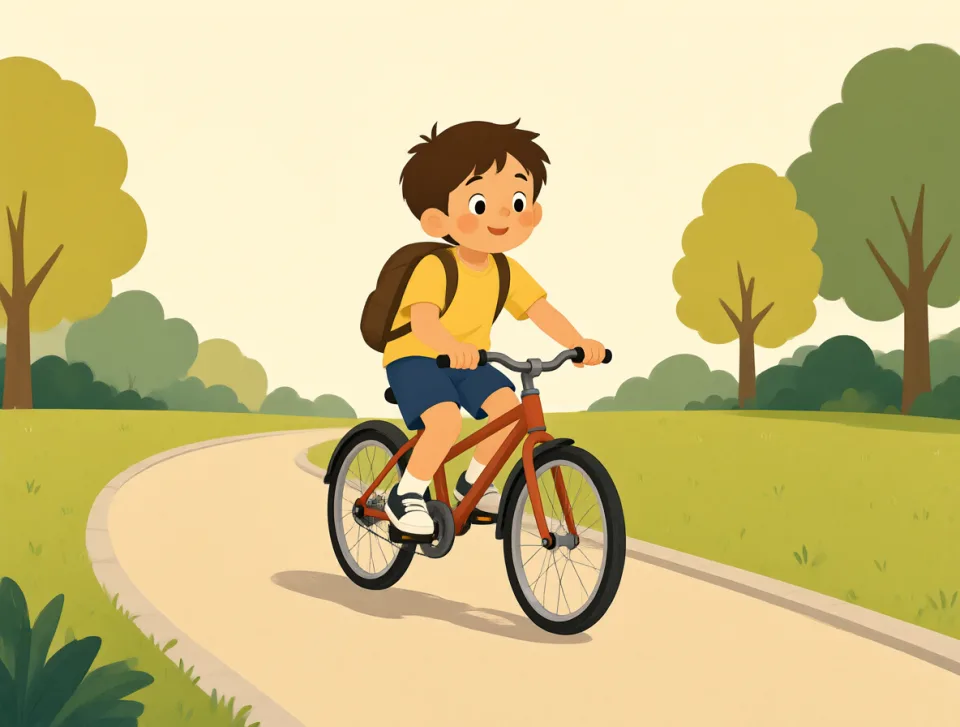
rower; cykl; jeździć na rowerze
A bicycle, or a repeated series of events; to ride a bicycle.
Rower albo powtarzająca się seria zdarzeń; jeździć na rowerze.
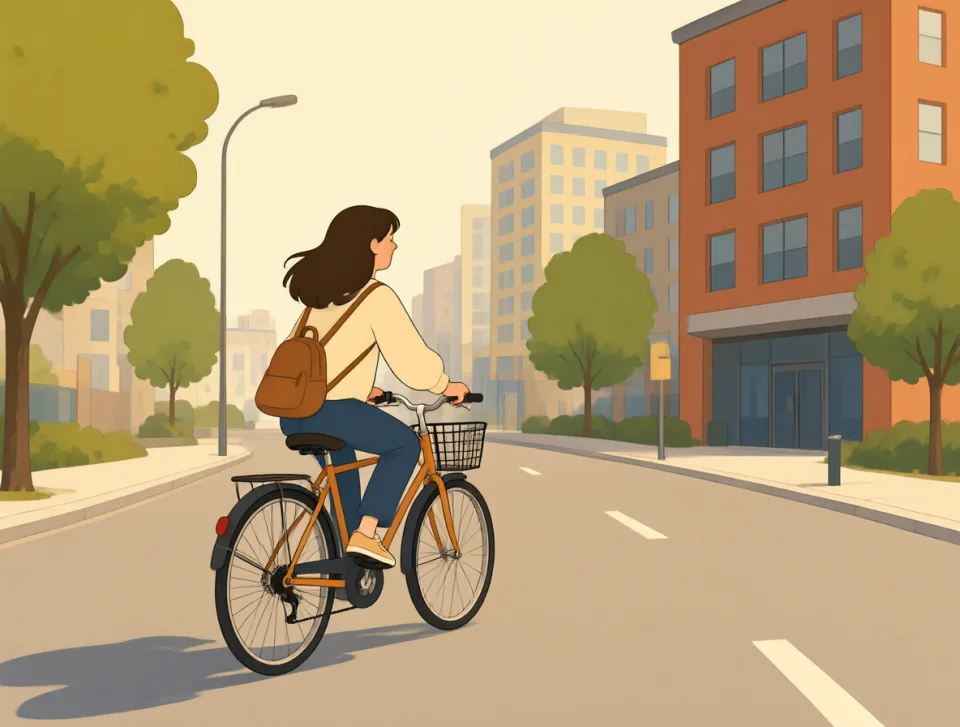
I cycle to work when the weather is warm.
Gdy jest ciepło, jeżdżę do pracy na rowerze.
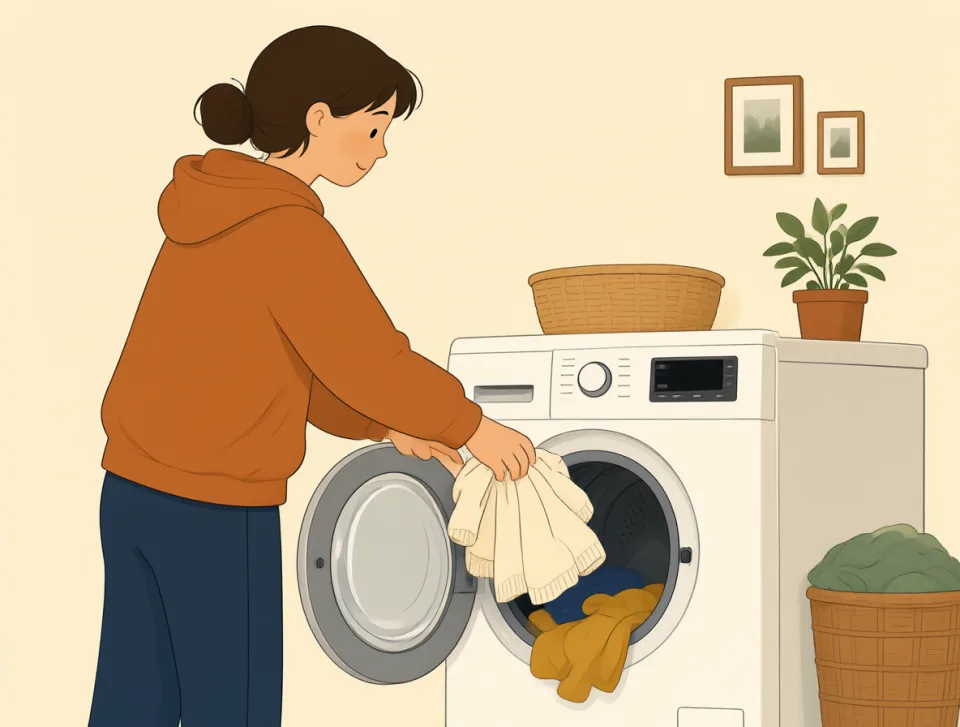
The washing machine has a short cycle for small loads.
Pralka ma krótki cykl do małego wsadu.

The company reviews its budget cycle every year.
Firma co roku analizuje swój cykl budżetowy.
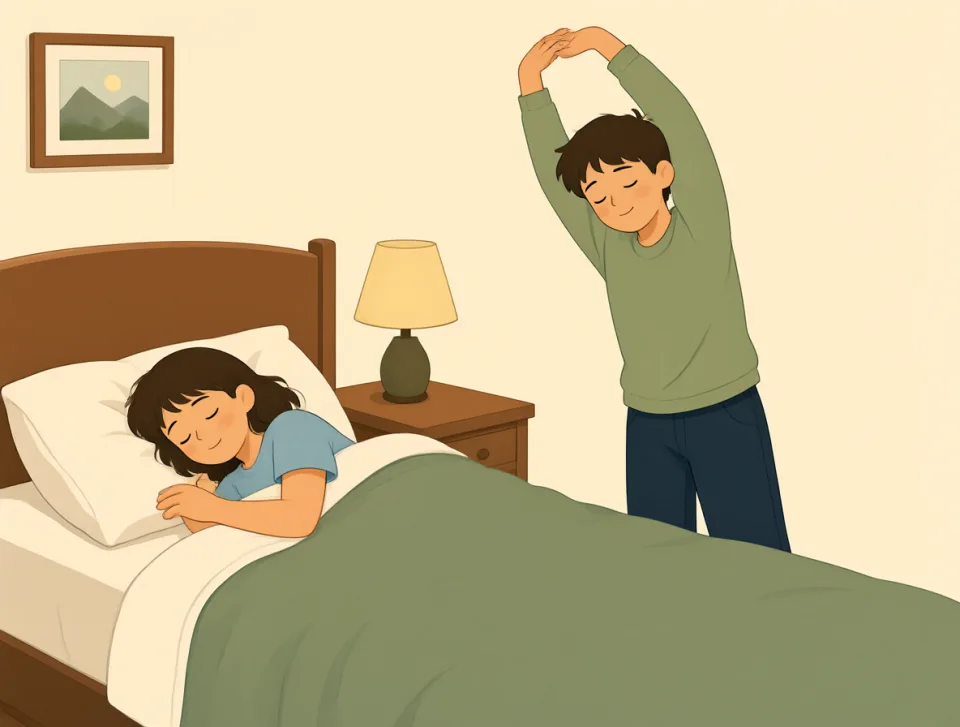
Regular exercise can help improve your sleep cycle.
Regularne ćwiczenia mogą pomóc poprawić cykl snu.
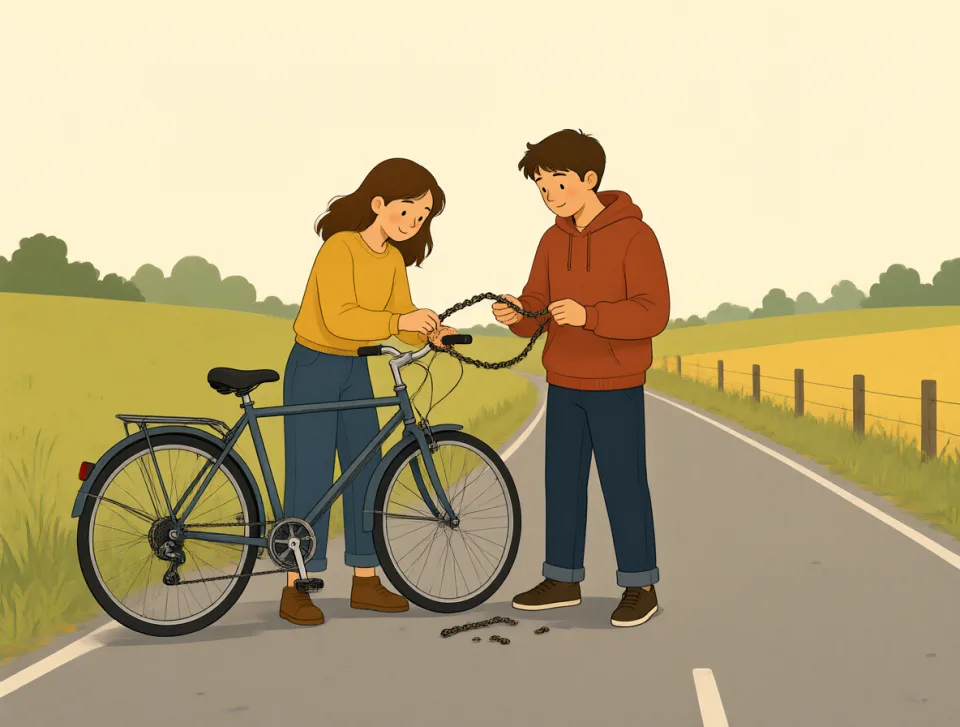
The bicycle chain broke during our cycle through the countryside.
Podczas naszej rowerowej wycieczki po okolicy pękł łańcuch w rowerze.
coffee
#1395noun
kawa
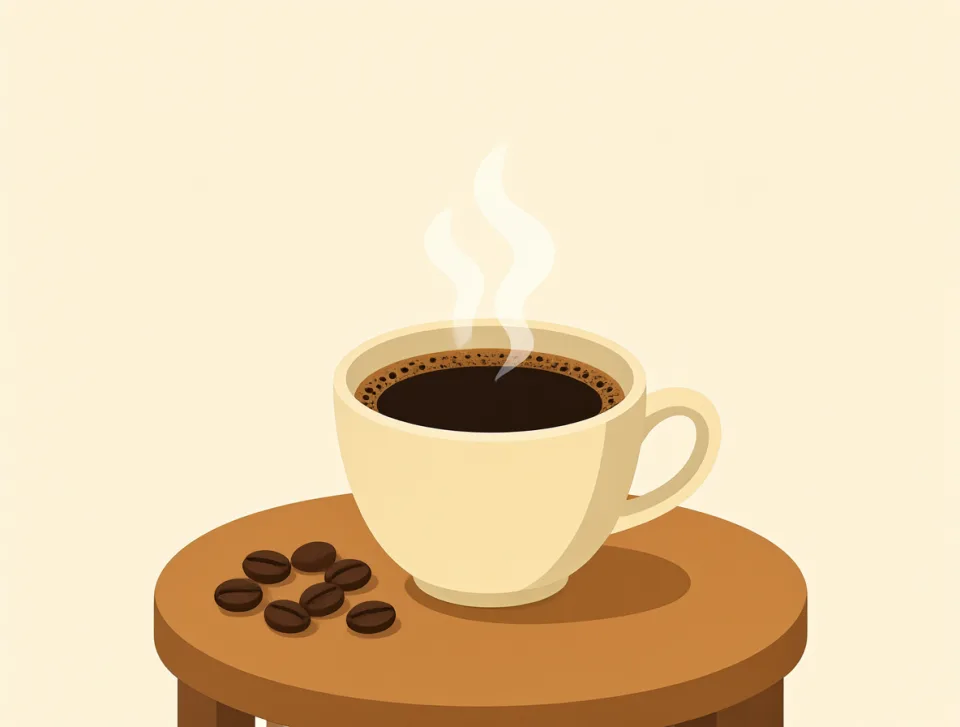
A hot, dark drink made from roasted coffee beans.
Gorący, ciemny napój z palonych ziaren kawy.
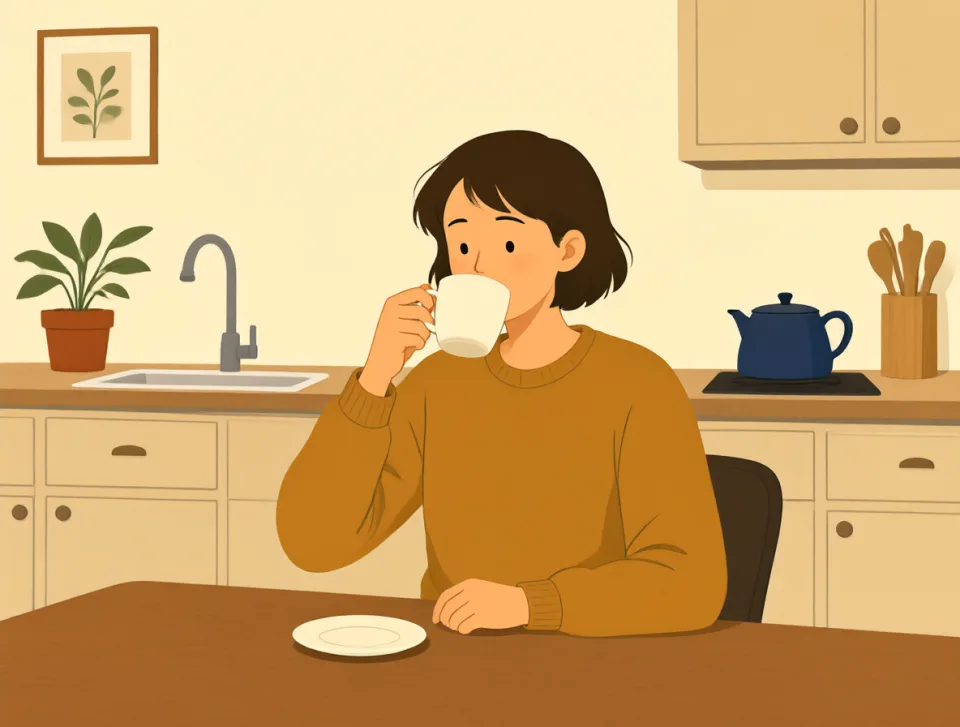
I drink coffee every morning before work.
Codziennie rano przed pracą piję kawę.
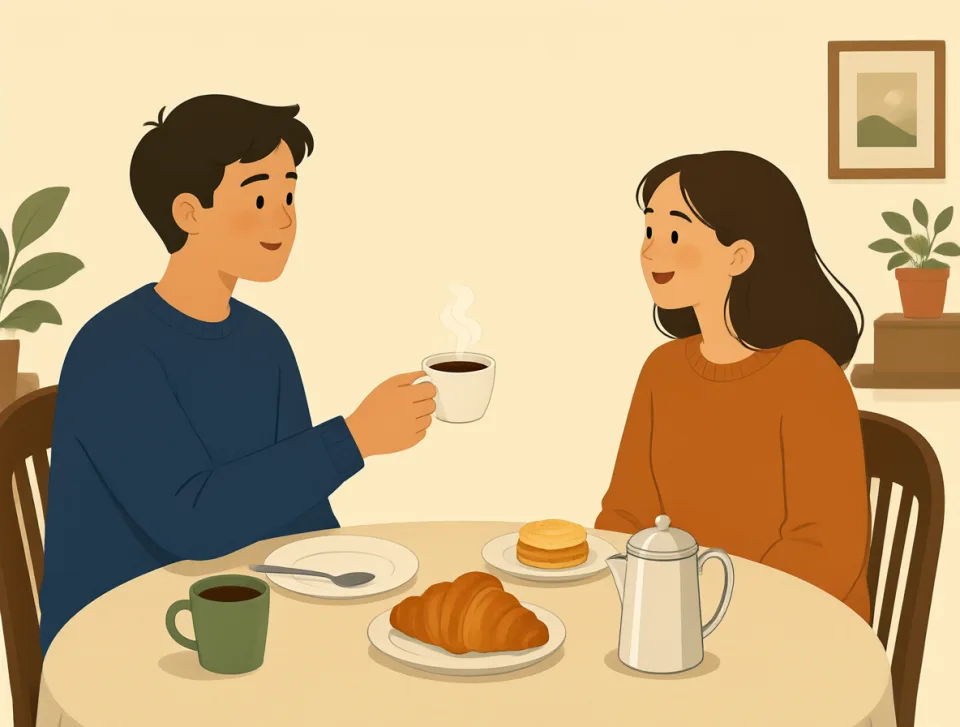
Would you like coffee with your breakfast?
Napije się pan kawy do śniadania?
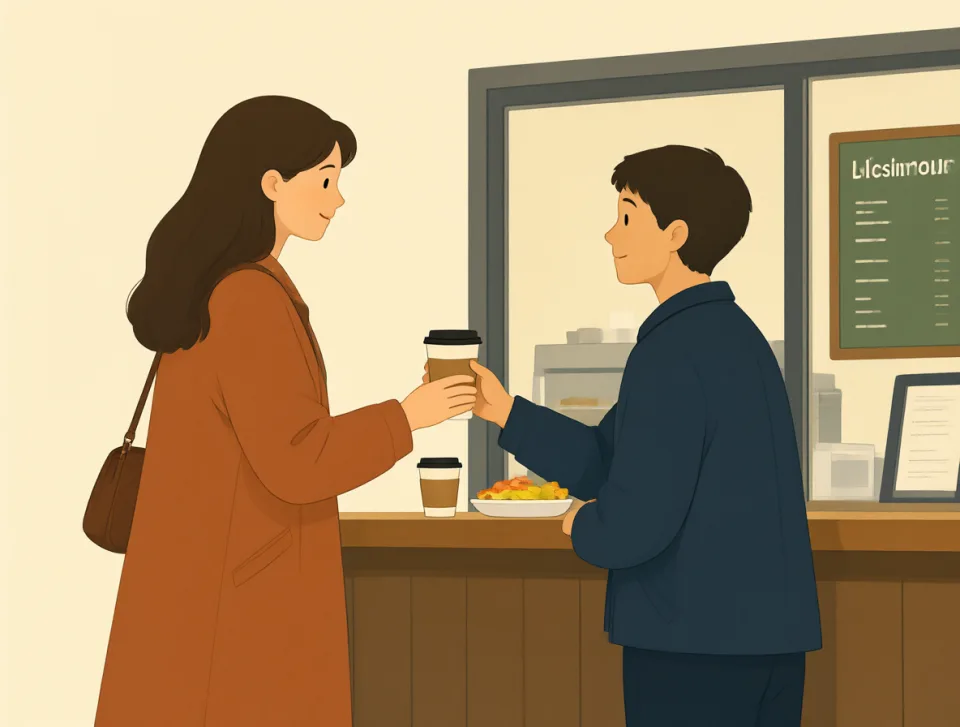
She ordered a coffee at the train station.
Zamówiła kawę na dworcu kolejowym.

Let's meet for coffee after school.
Spotkajmy się na kawę po szkole.
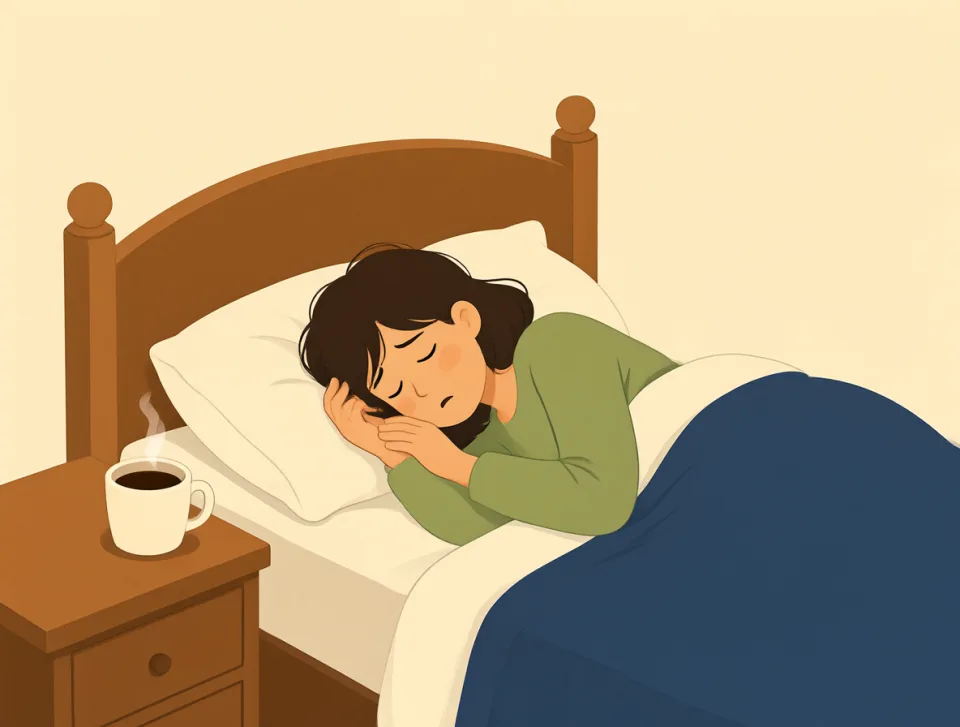
Too much coffee keeps me awake at night.
Za dużo kawy nie pozwala mi zasnąć w nocy.
totally
#1396adverb
całkowicie
Completely or very; used to emphasize that something is true or happens.
Całkowicie lub bardzo; używane, by podkreślić, że coś jest prawdą lub się dzieje.
I totally forgot to call my mother yesterday.
Wczoraj zupełnie zapomniałem/zapomniałam zadzwonić do mamy.
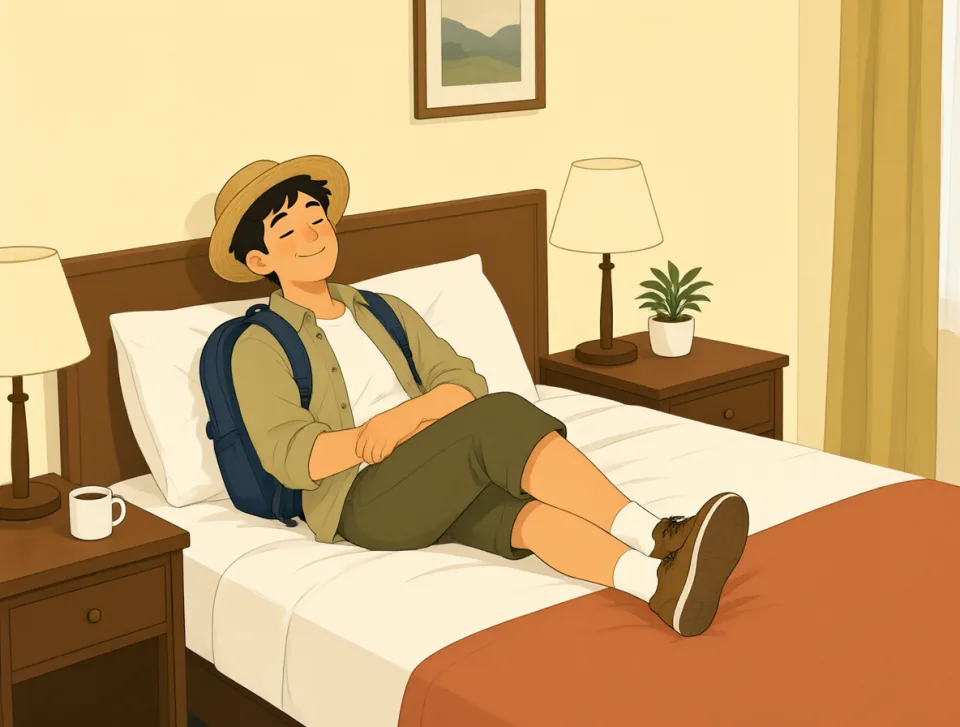
The hotel room was totally clean and comfortable.
Pokój hotelowy był całkowicie czysty i wygodny.
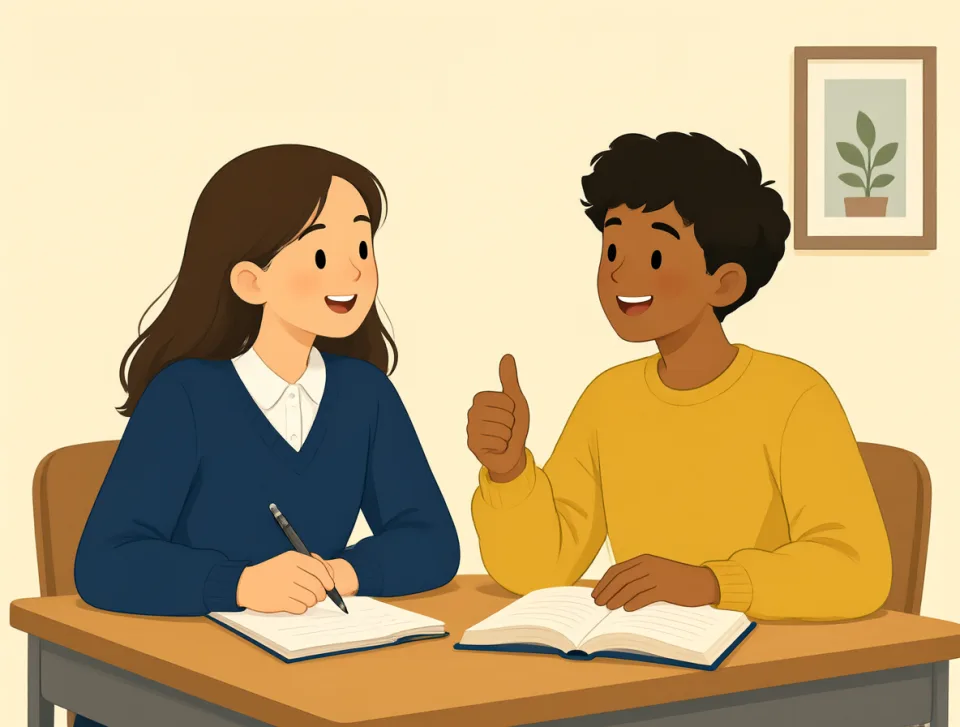
She totally agrees with your plan for the school project.
Ona całkowicie zgadza się z twoim planem na szkolny projekt.
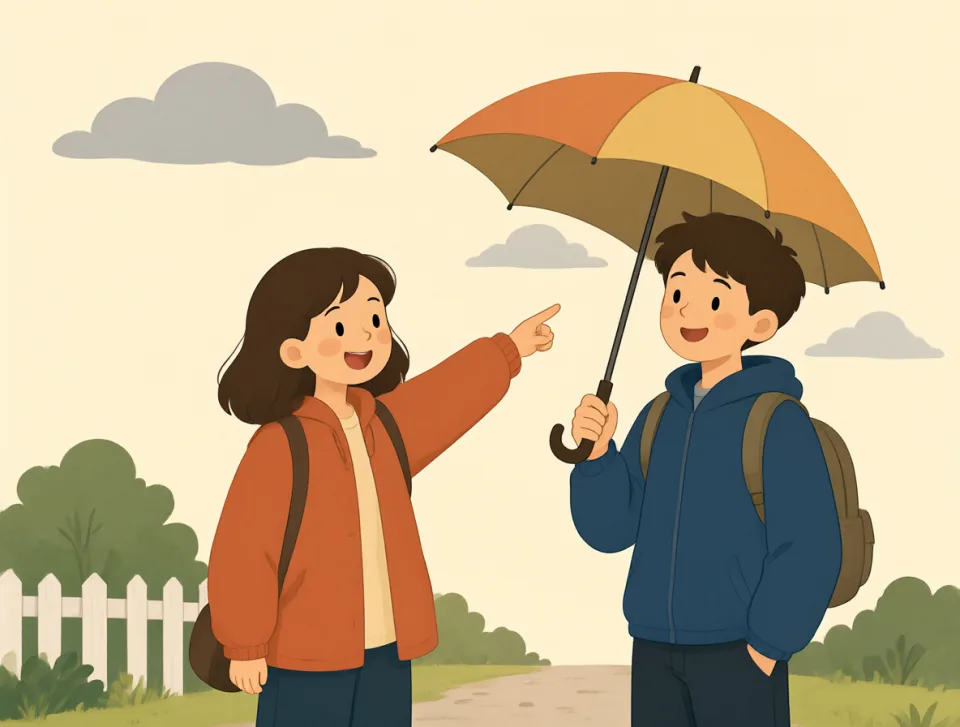
You are totally right about taking an umbrella today.
Masz całkowitą rację, że dziś warto wziąć parasol.
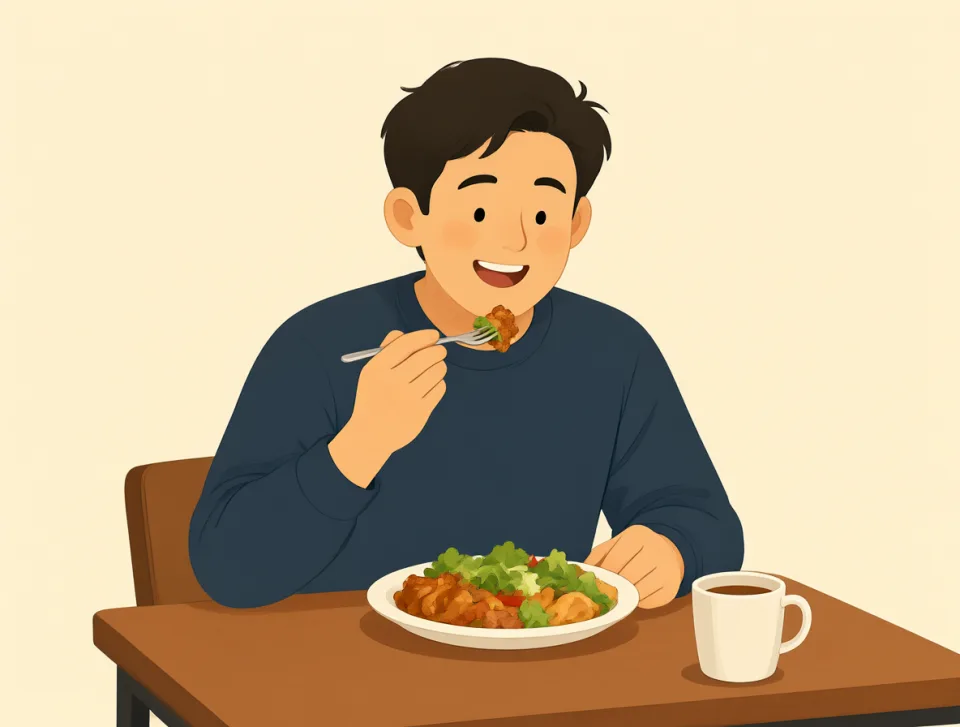
I totally enjoyed the food at that small restaurant.
Bardzo smakowało mi jedzenie w tej małej restauracji.
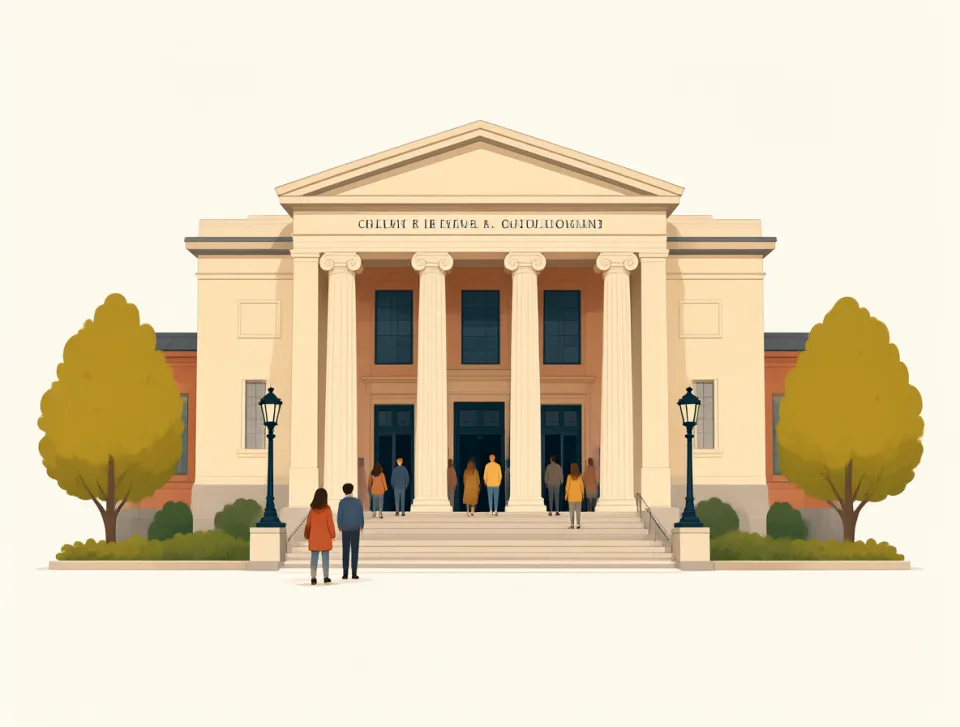
museum
#1397noun
muzeum
A building where people can see and learn about objects from history, art, or science.
Budynek, w którym można oglądać i poznawać obiekty związane z historią, sztuką lub nauką.
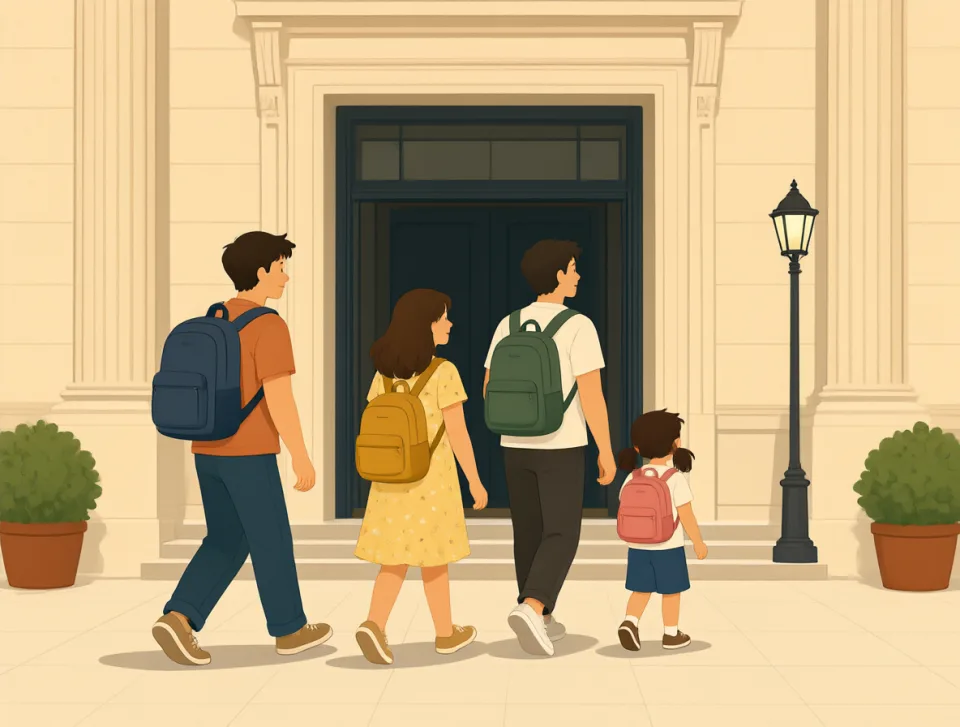
We visited the museum during our trip to London.
Podczas naszej podróży do Londynu odwiedziliśmy muzeum.
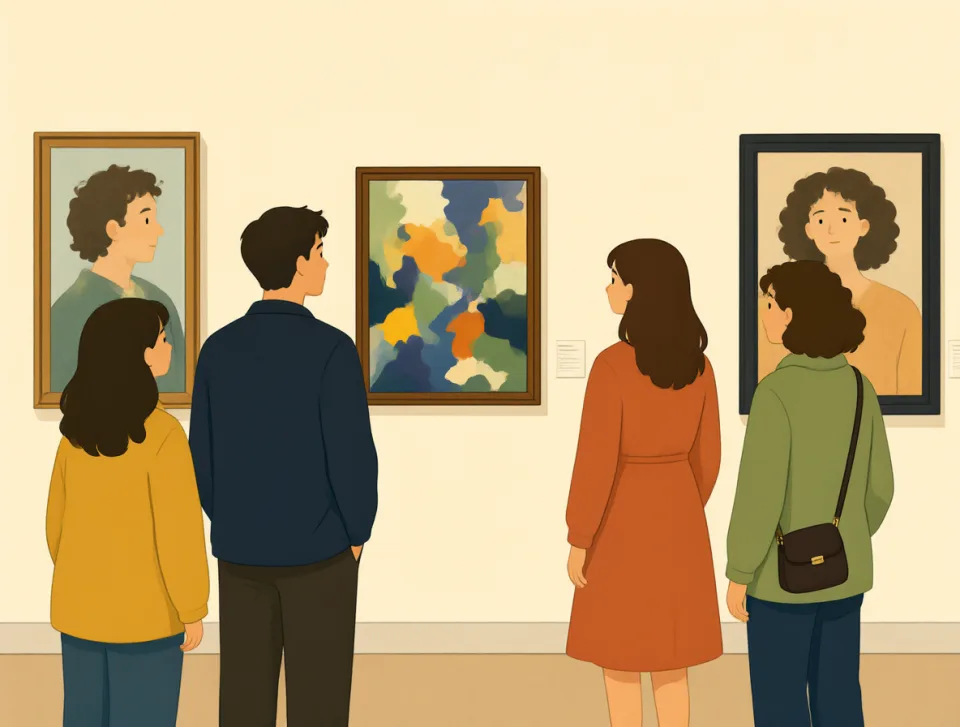
The museum has a wonderful collection of modern art.
W muzeum znajduje się wspaniała kolekcja sztuki współczesnej.
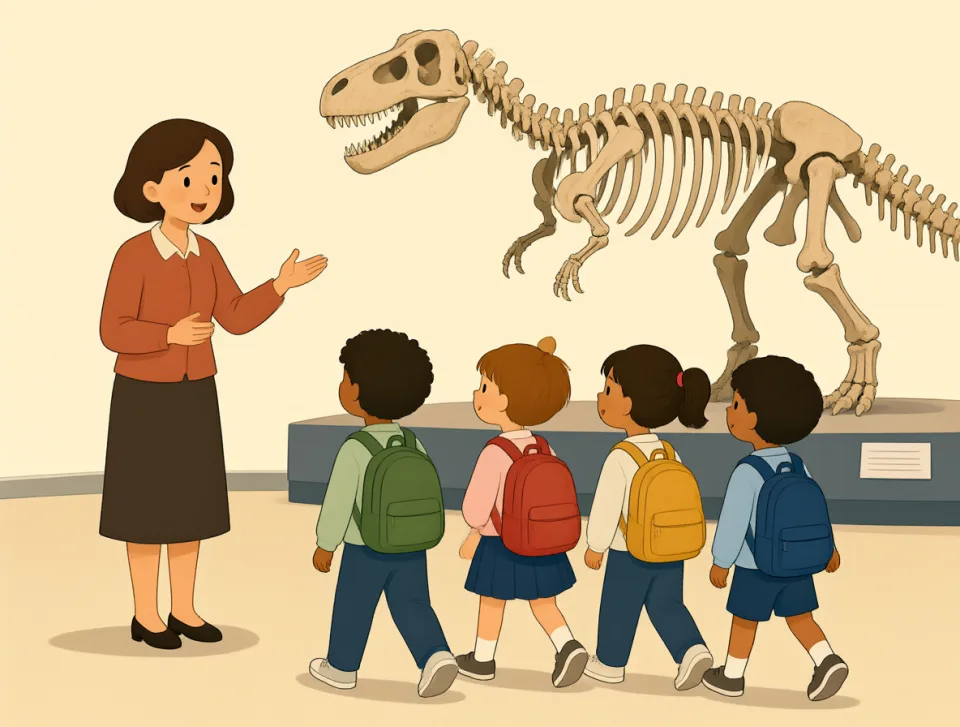
Our class is going to the science museum tomorrow.
Jutro wybieramy się z klasą do muzeum nauki.
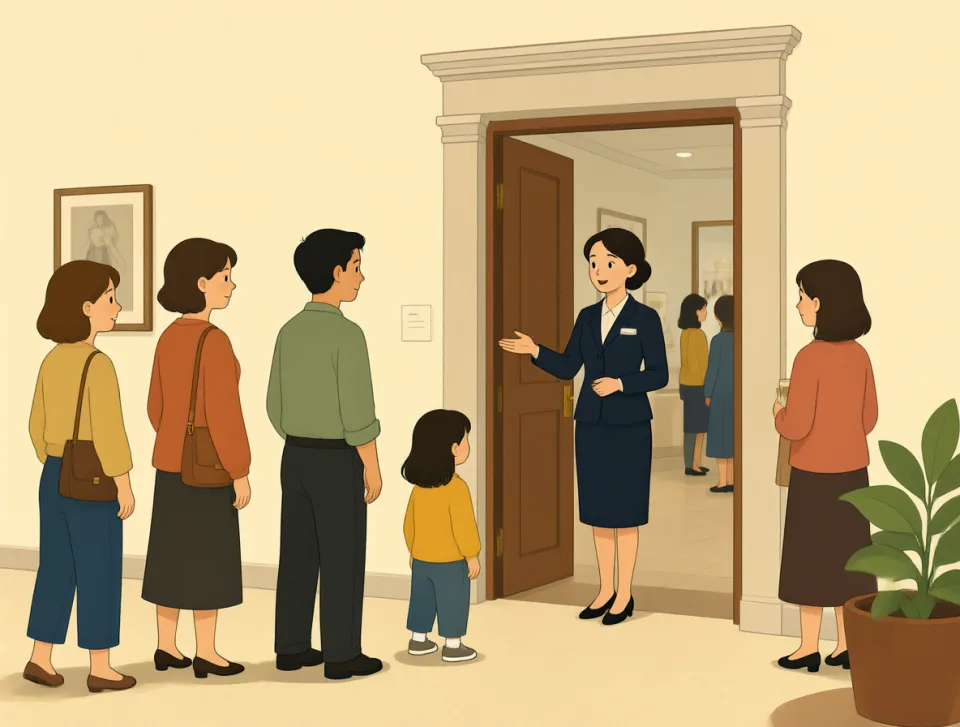
The museum is free on the first Sunday of each month.
W pierwszą niedzielę każdego miesiąca wstęp do muzeum jest bezpłatny.
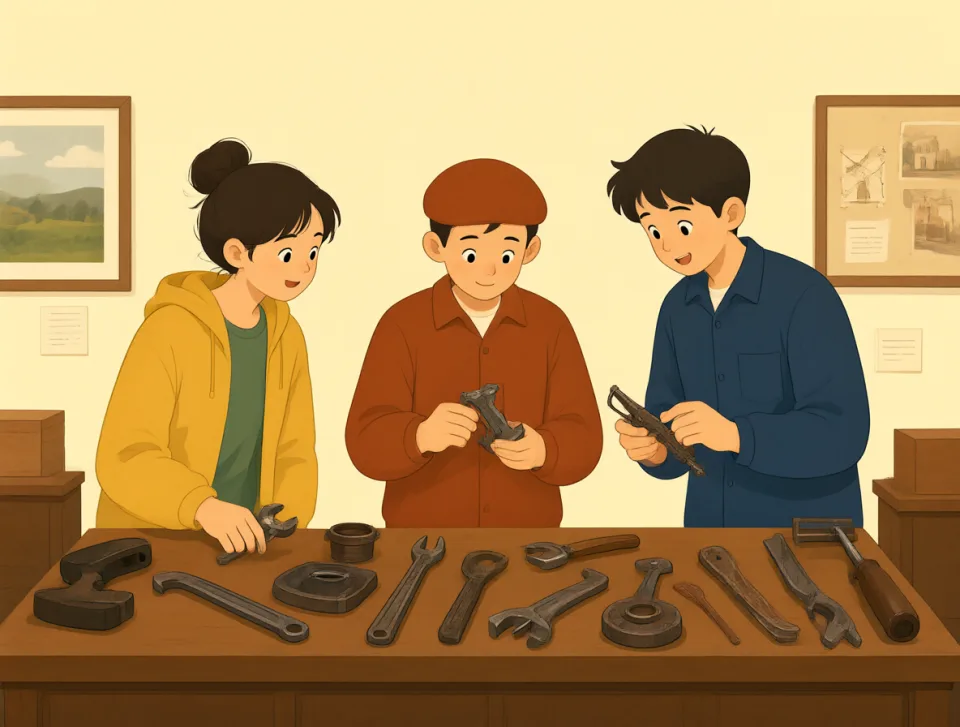
My friends enjoyed exploring the local history museum.
Moi przyjaciele z przyjemnością zwiedzali lokalne muzeum historii.
visitor
#1398noun
gość
a person who visits a person or place for a short time
Osoba, która odwiedza kogoś lub jakieś miejsce na krótki czas.
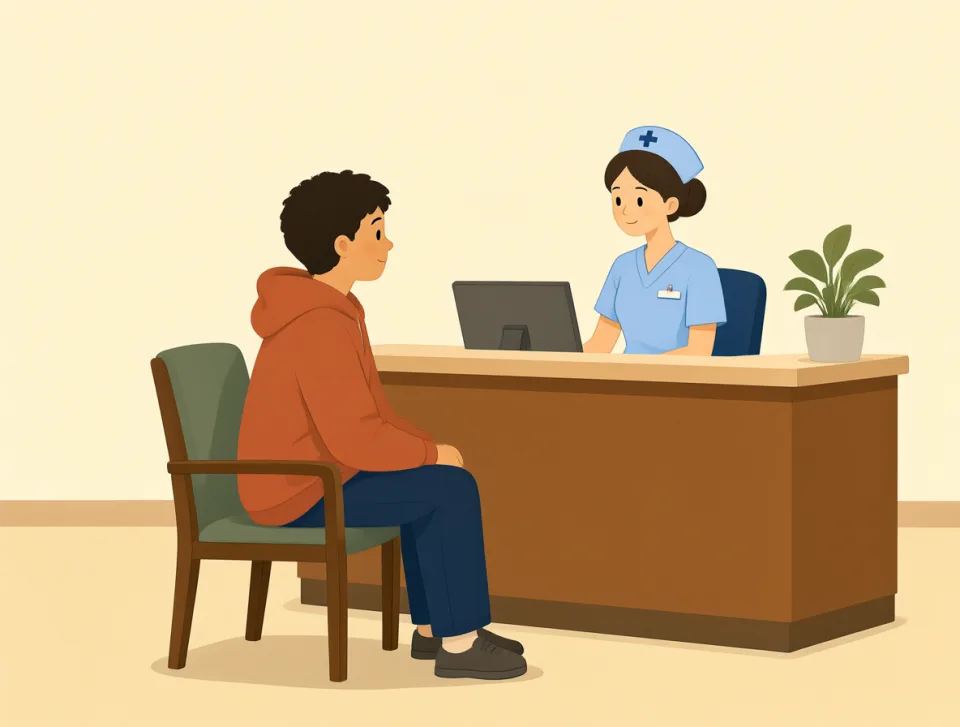
The visitor waited quietly in the hospital reception area.
Odwiedzający czekał spokojnie w szpitalnej recepcji.

We have visitors staying with us this weekend.
W ten weekend zatrzymują się u nas goście.
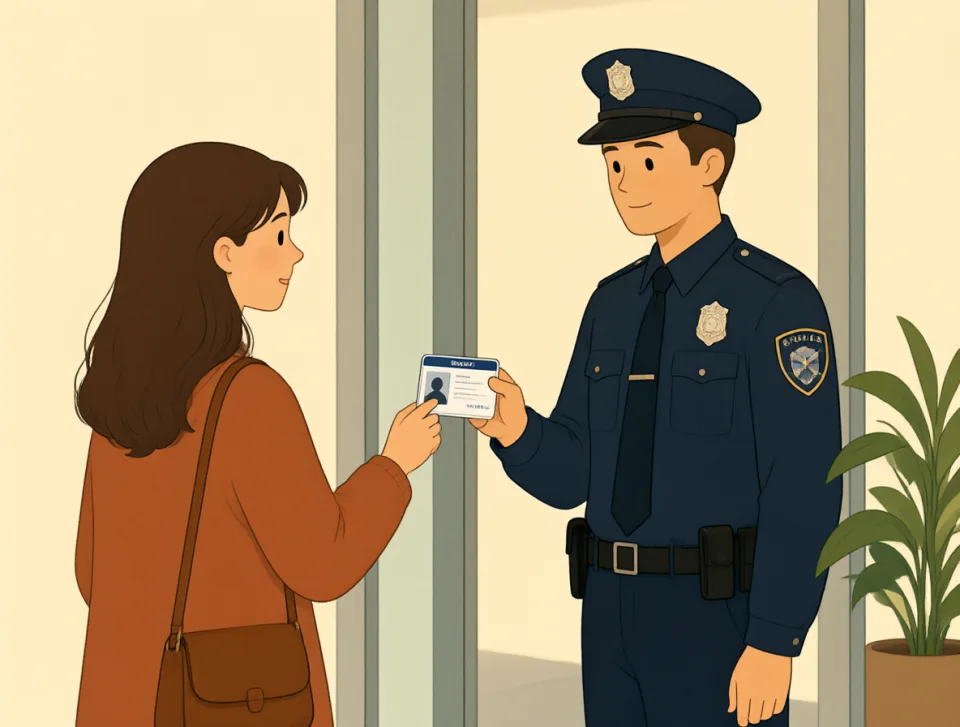
Every visitor must show identification at the office entrance.
Każdy odwiedzający musi okazać dokument tożsamości przy wejściu do biura.
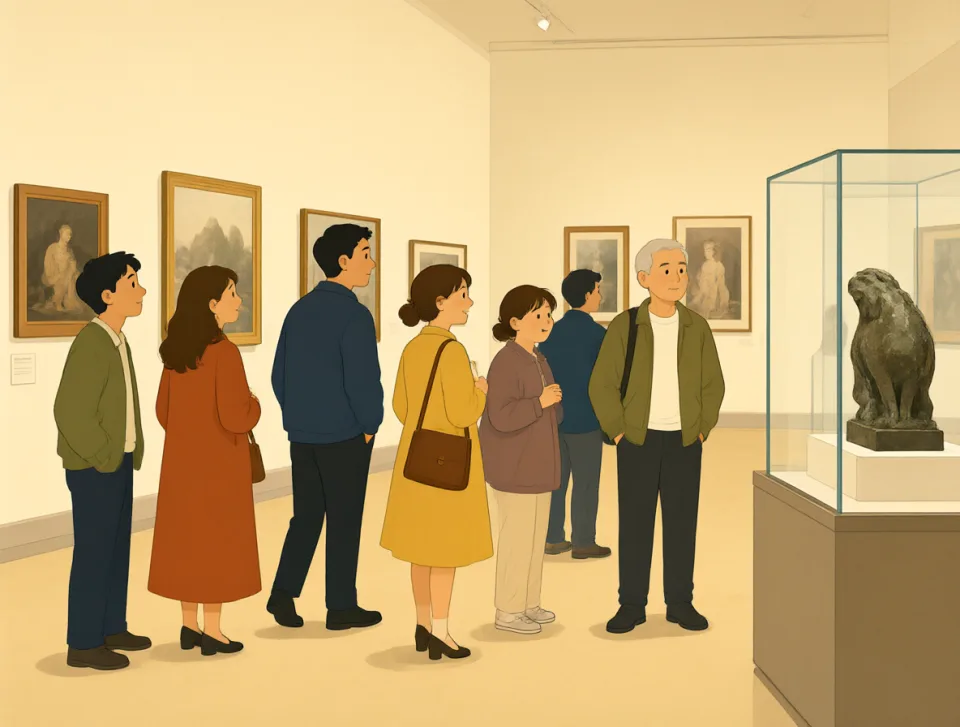
The museum attracts thousands of visitors each year.
Muzeum przyciąga co roku tysiące zwiedzających.
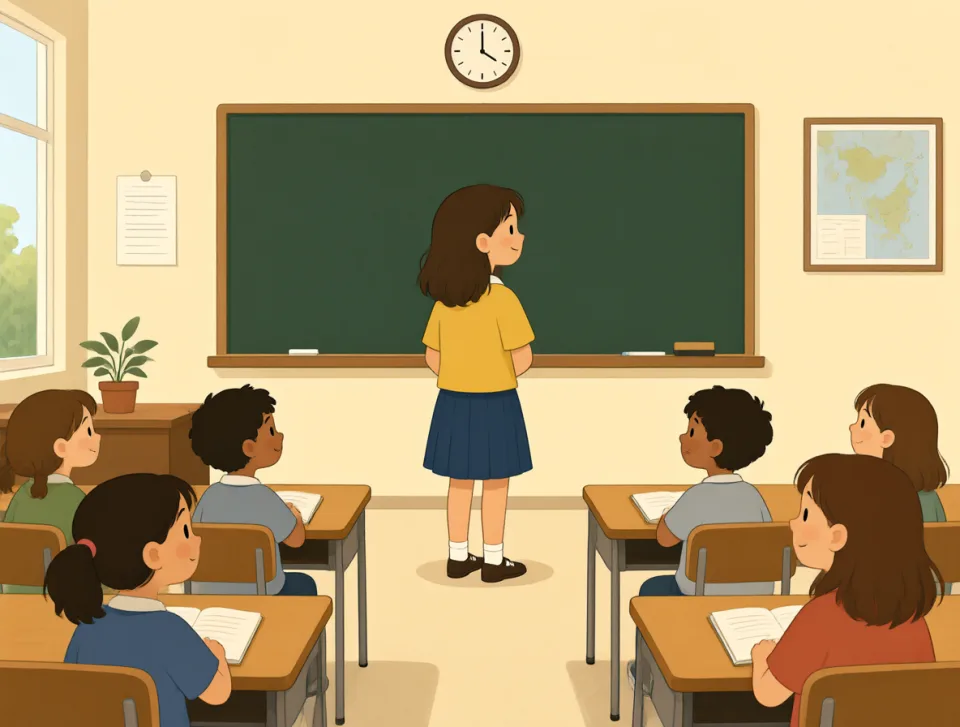
Our teacher asked each visitor to introduce themselves.
Nasz nauczyciel poprosił każdego gościa, żeby się przedstawił.

freedom
#1399noun
wolność
The right to live, speak, and act as you choose.
Prawo do życia, mówienia i działania według własnego uznania.
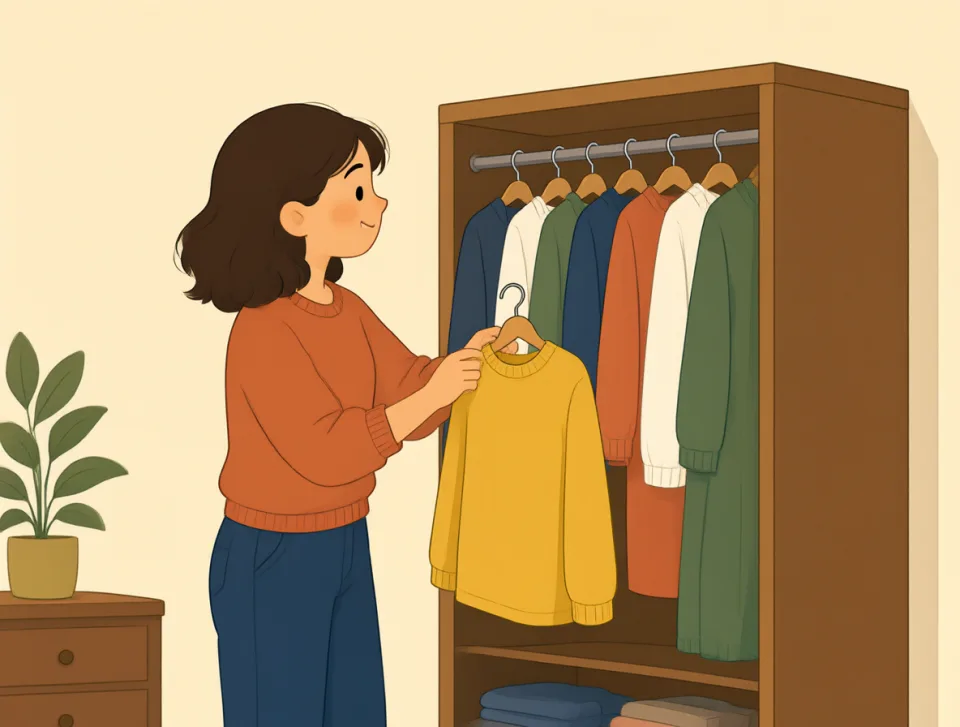
Everyone should have the freedom to choose their own clothes.
Każdy powinien mieć wolność wyboru własnych ubrań.
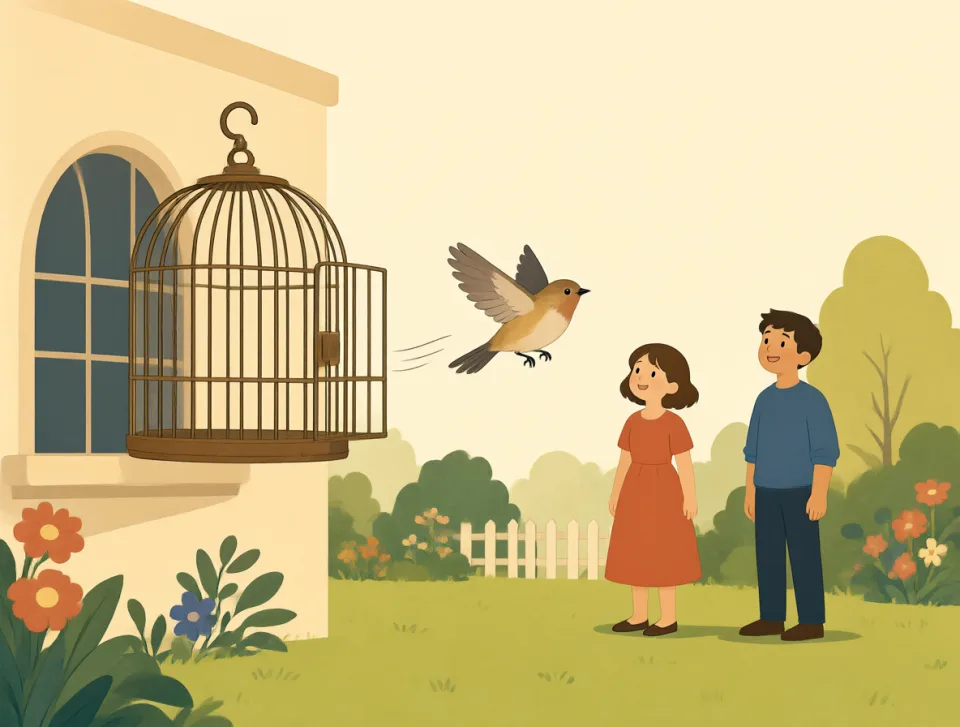
The bird was happy to fly to freedom.
Ptak cieszył się, że może polecieć na wolność.

Freedom of speech lets people share their opinions.
Wolność słowa pozwala ludziom dzielić się swoimi opiniami.
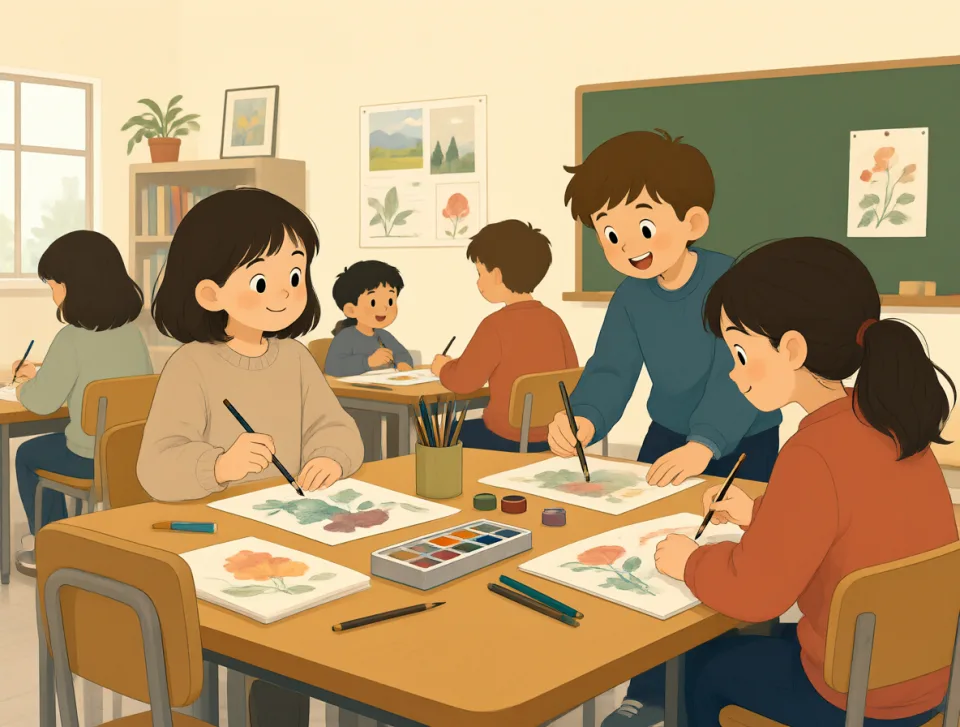
Our teacher gave us the freedom to choose a project.
Nasz nauczyciel dał nam swobodę wyboru projektu.
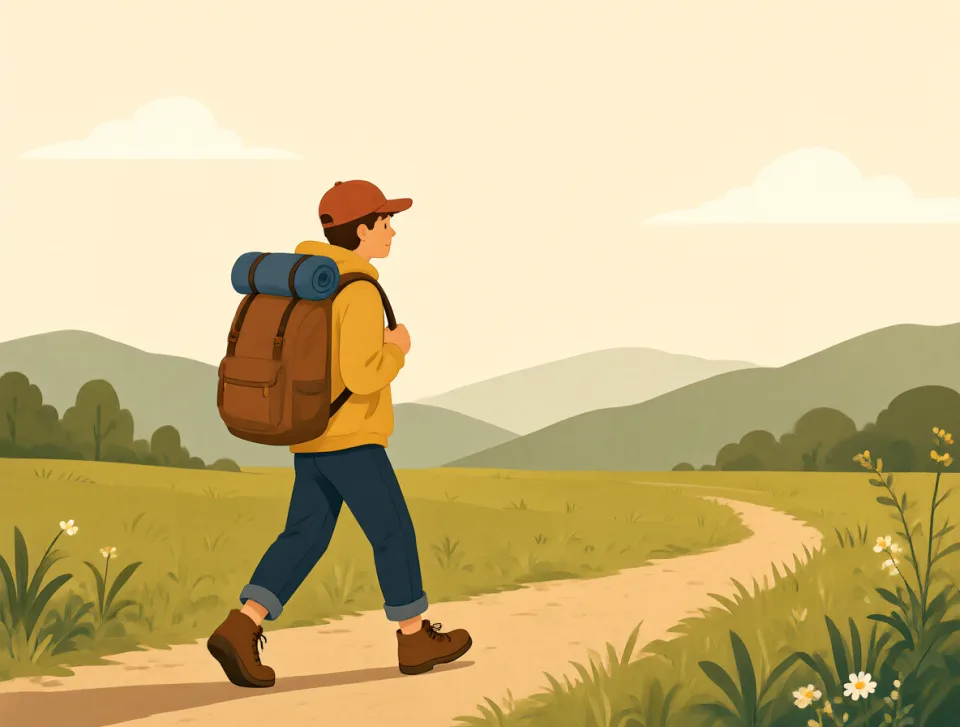
After the trip, I enjoyed the freedom of traveling alone.
Po podróży cieszyłem/cieszyłam się swobodą samotnego podróżowania.
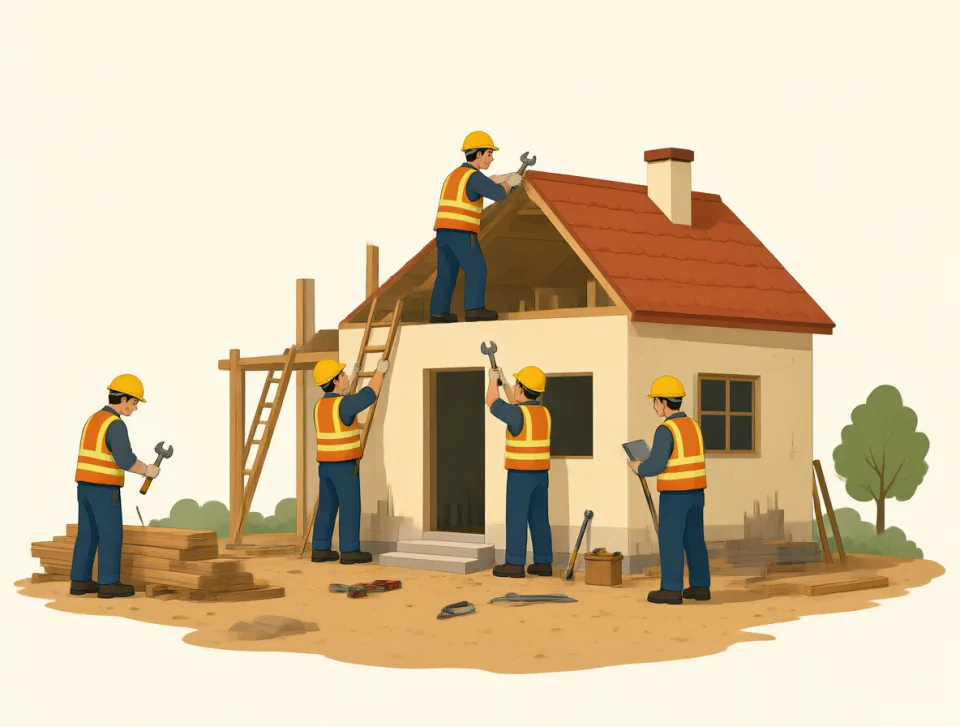
construction
#1400noun
budowa
The work of building something, or the process of making something from different parts.
Prace związane z wznoszeniem czegoś lub proces tworzenia czegoś z różnych elementów.
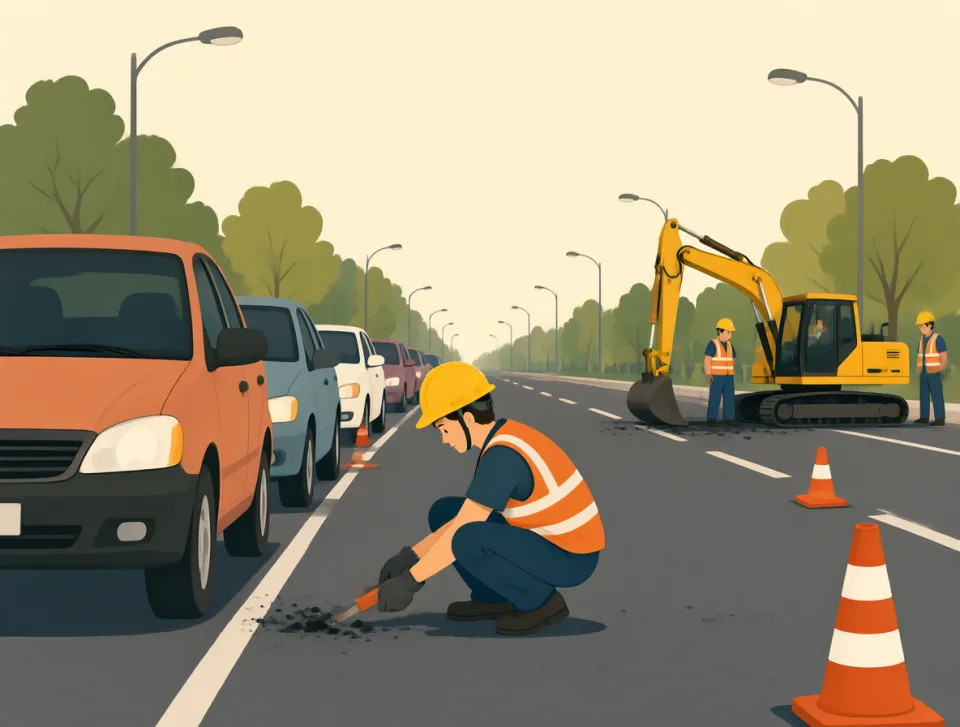
Road construction caused heavy traffic this morning.
Poranne prace drogowe spowodowały duże korki.
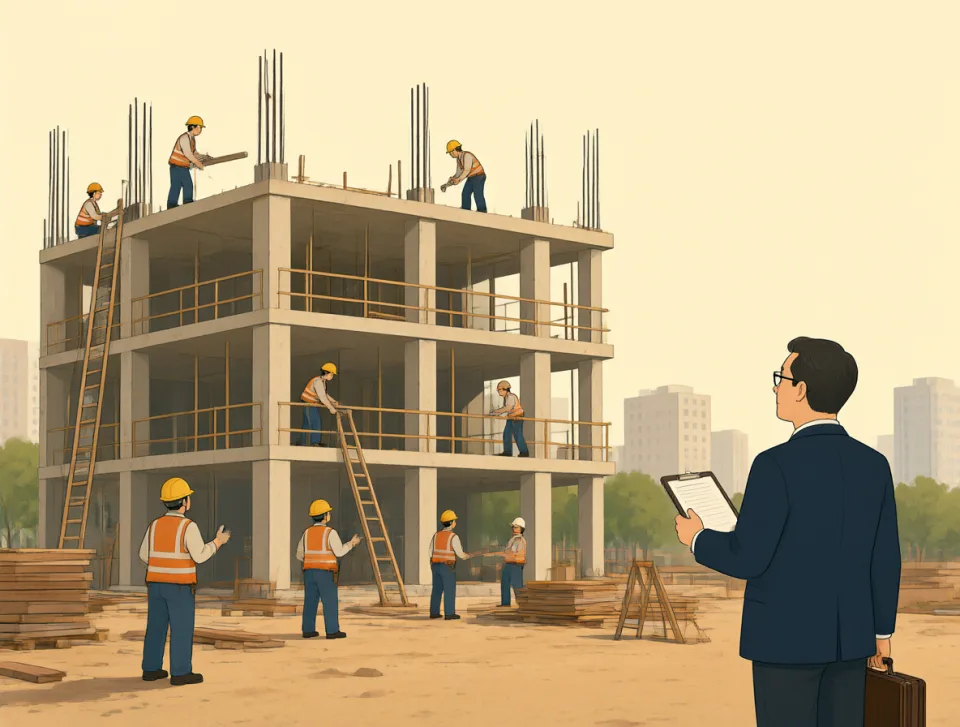
The new office is still under construction.
Nowe biuro jest wciąż w budowie.
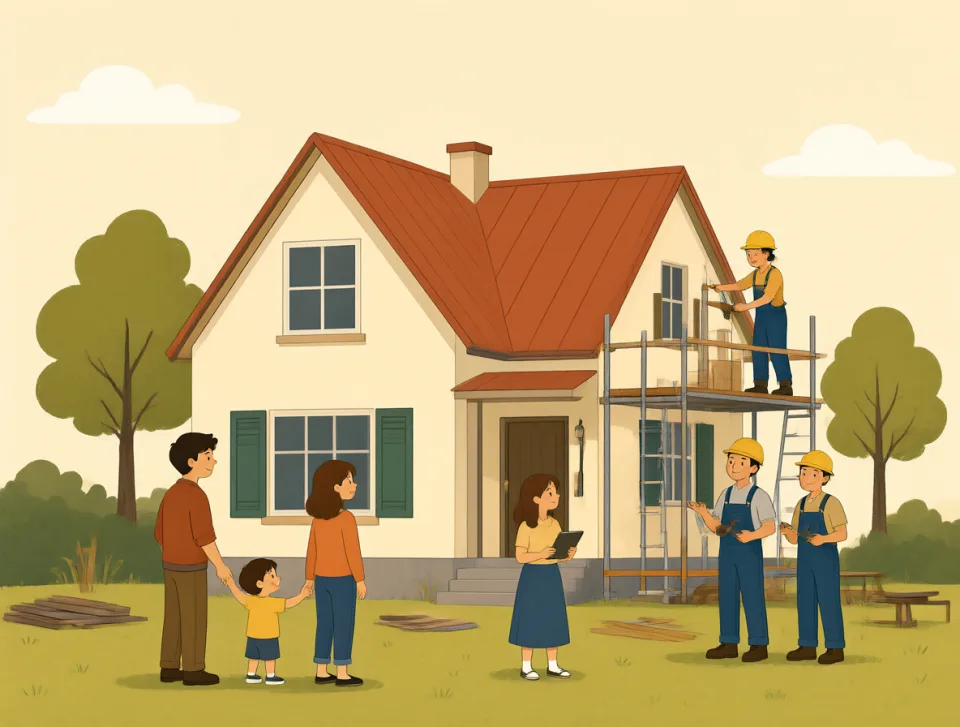
The construction of our house took six months.
Budowa naszego domu trwała sześć miesięcy.

This bridge is a strong construction made of steel.
Ten most to solidna konstrukcja ze stali.
The teacher explained the construction of a simple sentence.
Nauczyciel wyjaśnił budowę prostego zdania.