Zestaw 52
Słowa 1021–1040 · warm, count, scene, writer, content, prevent
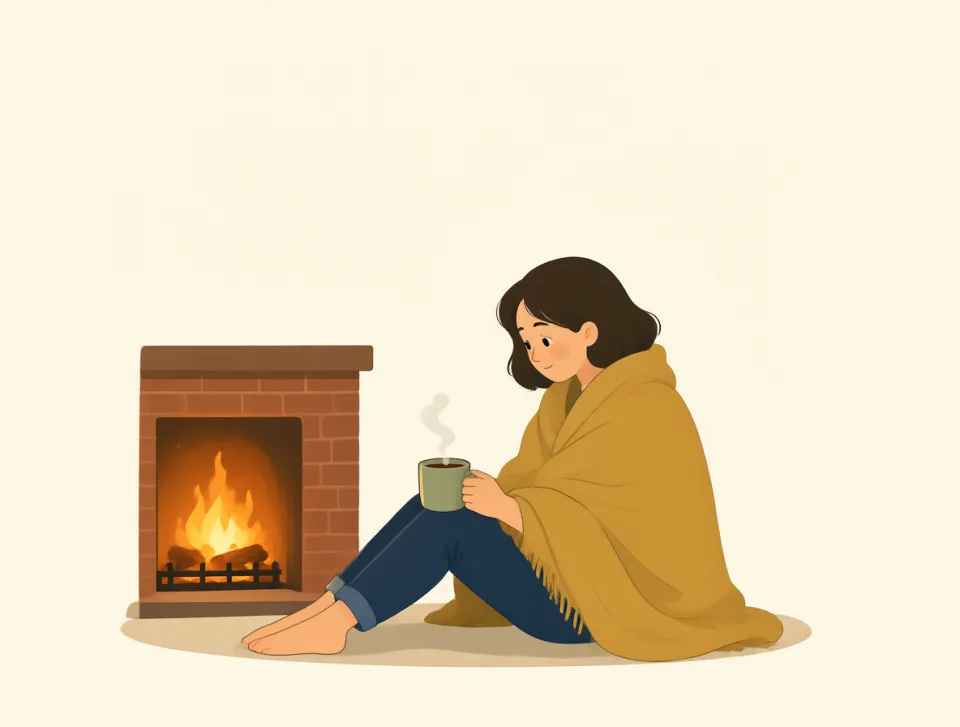
warm
#1021adjective, verb, noun
ciepły
slightly hot; to make something warmer; friendly and kind
lekko gorący; ogrzać coś; przyjazny i życzliwy
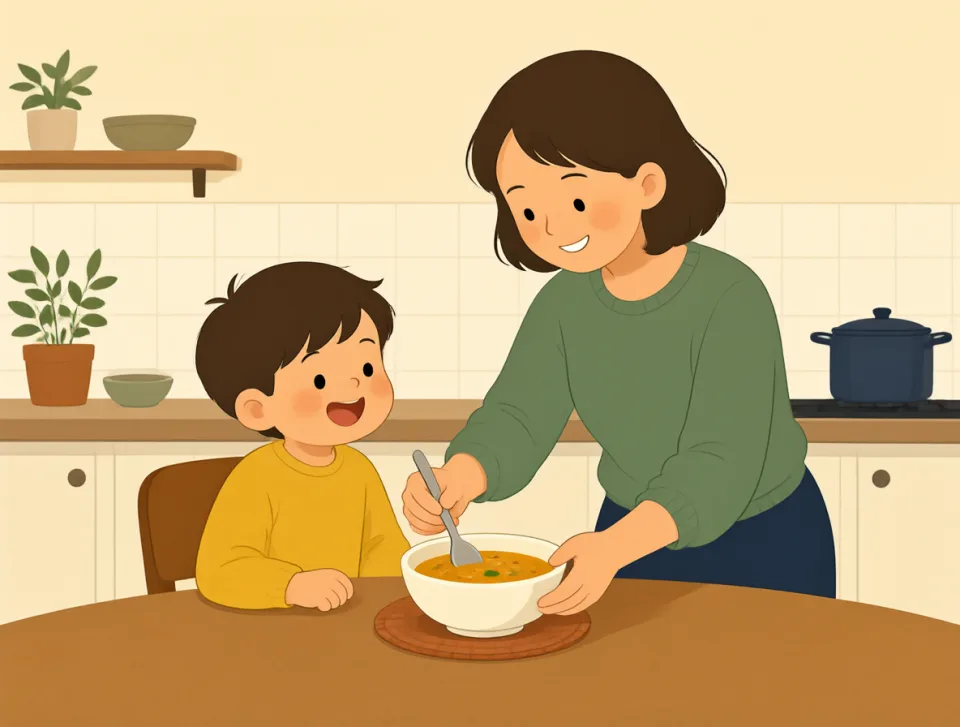
The soup is still warm, so you can eat it now.
Zupa jest jeszcze ciepła, więc możesz ją już zjeść.
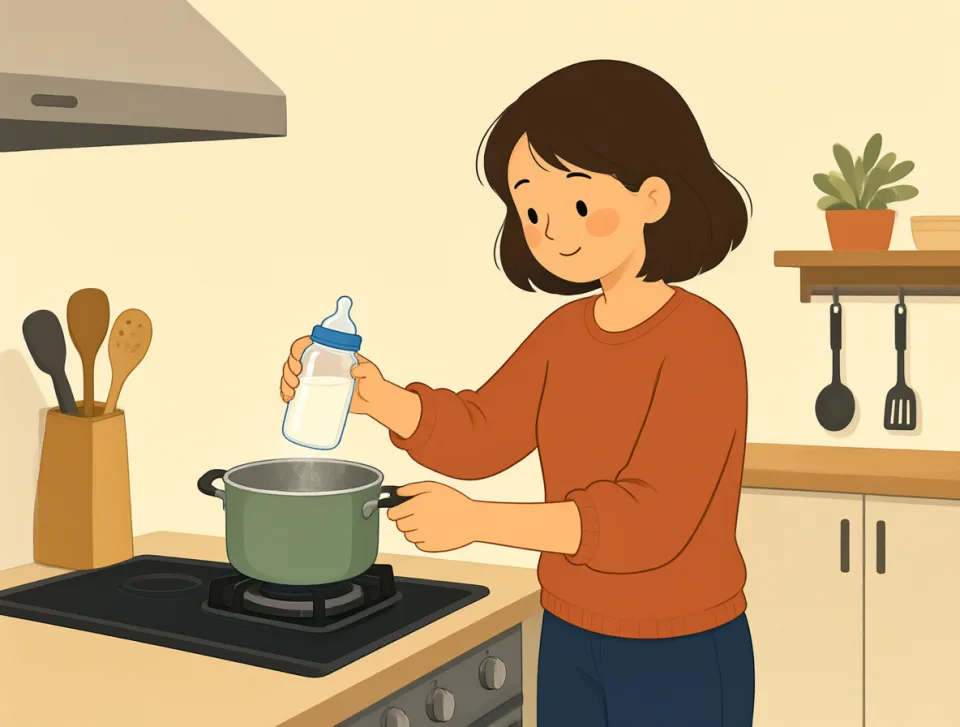
Please warm the milk before giving it to the baby.
Podgrzej mleko, zanim podasz je dziecku.
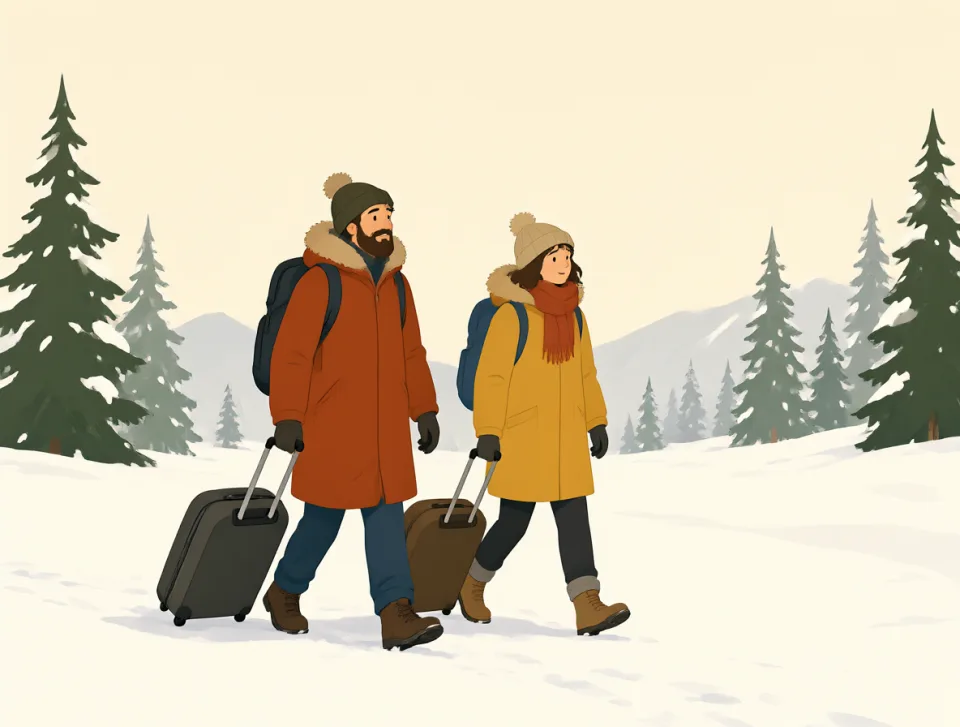
We wore warm coats during our winter trip to Canada.
Podczas zimowej wycieczki do Kanady nosiliśmy ciepłe płaszcze.

She gave me a warm smile when I arrived at work.
Kiedy przyszłam do pracy, uśmiechnęła się do mnie serdecznie.

The warm afternoon made everyone want to sit outside.
Ciepłe popołudnie sprawiło, że wszyscy mieli ochotę usiąść na dworze.
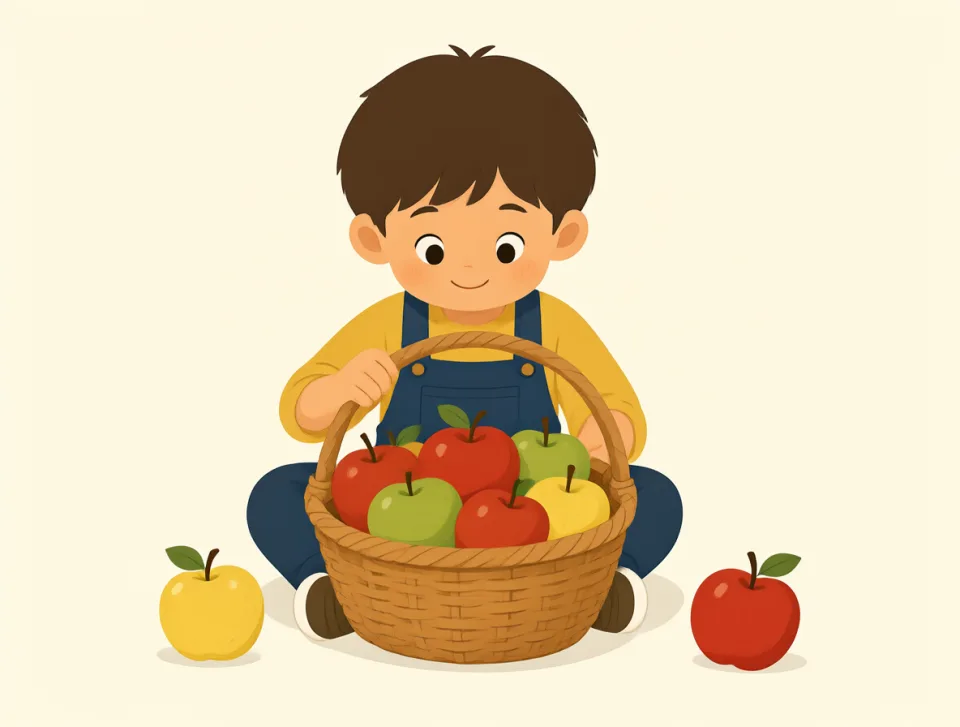
count
#1022verb, noun
liczyć
To include someone or something, or to find the total number of things.
Uwzględniać kogoś lub coś albo ustalić, ile jest rzeczy.
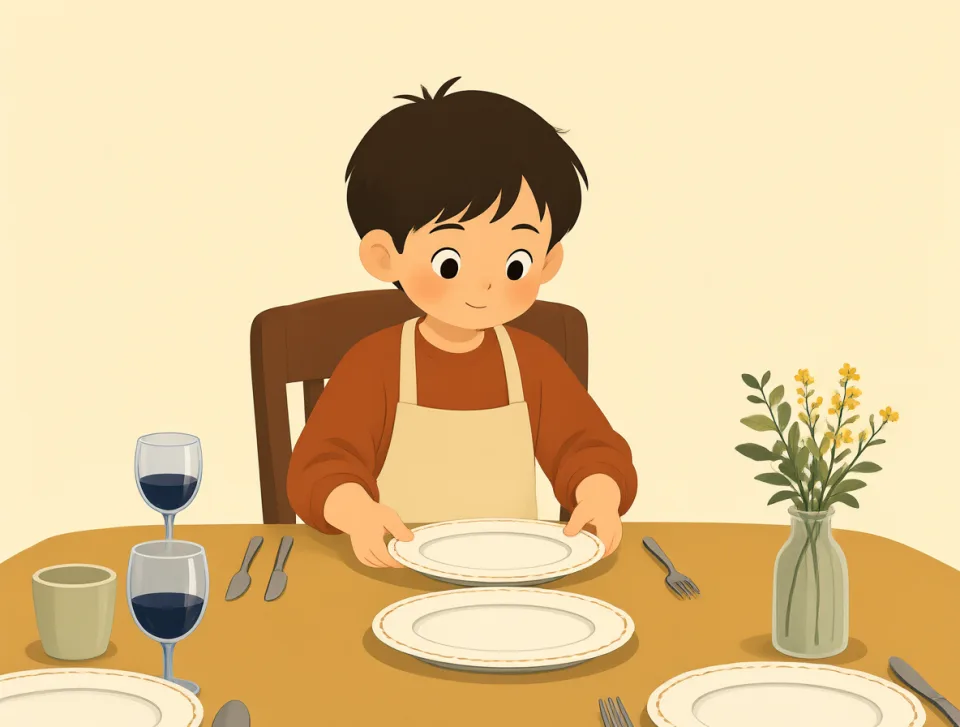
Please count the plates before dinner starts.
Policz talerze, zanim zacznie się kolacja.
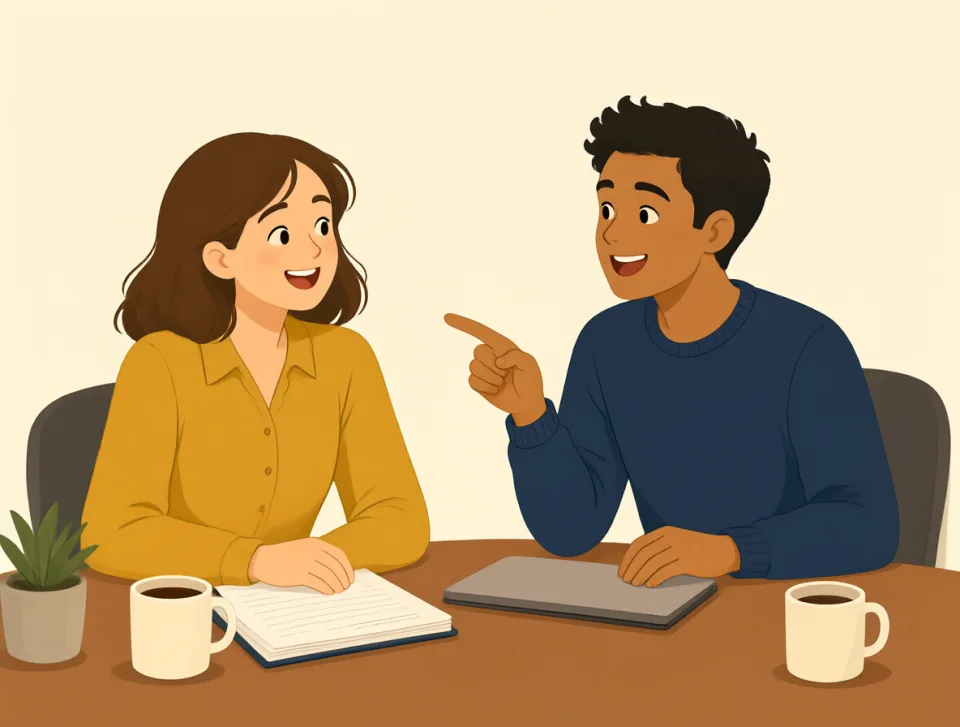
You can count on Maria to help with the project.
Możesz liczyć na Marię, że pomoże przy projekcie.
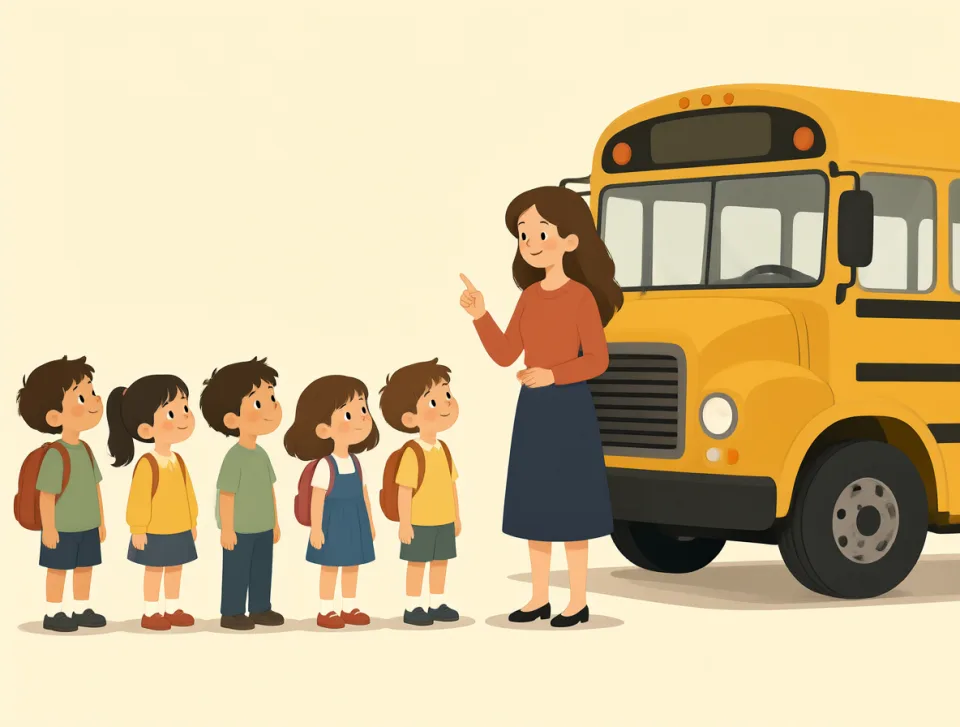
The teacher counted the students before the bus left.
Nauczyciel policzył uczniów, zanim odjechał autobus.
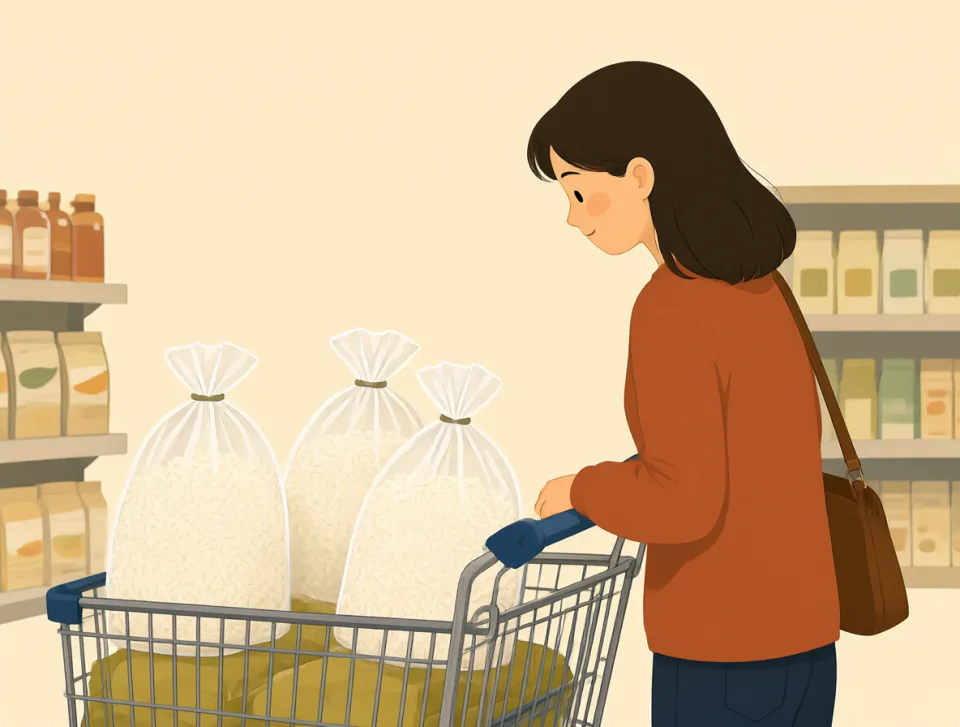
I counted three bags of rice in the shopping cart.
W koszyku na zakupy naliczyłem trzy worki ryżu.
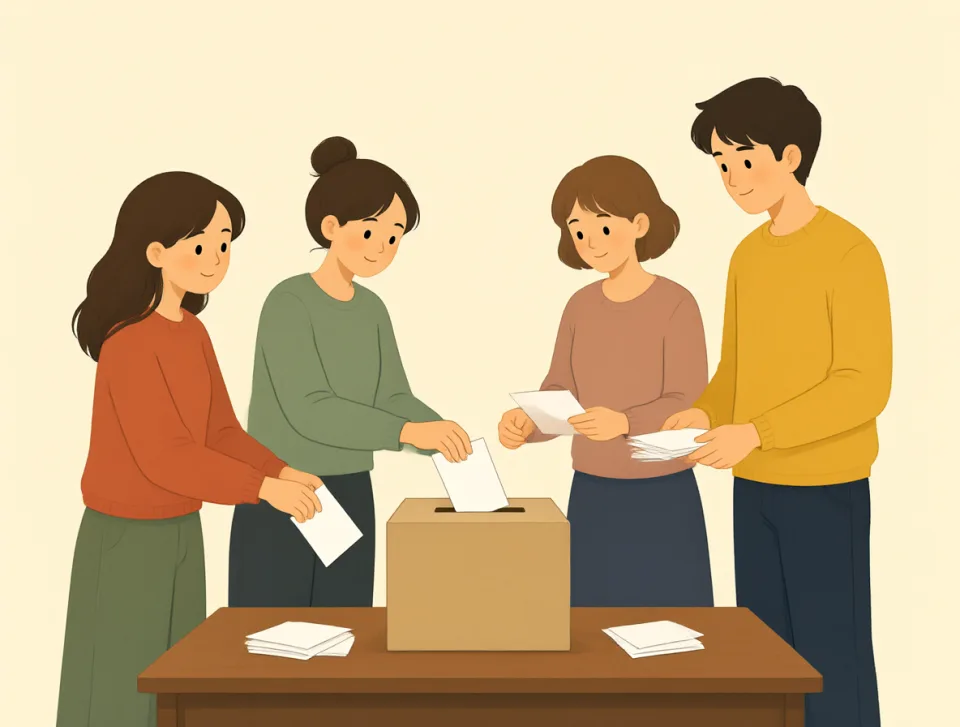
Every vote counts when people choose a new leader.
Każdy głos ma znaczenie, gdy ludzie wybierają nowego przywódcę.

scene
#1023noun
scena
a place and the people or events seen there, especially in a film, play, or real situation
miejsce oraz widoczni w nim ludzie lub wydarzenia, zwłaszcza w filmie, sztuce teatralnej albo prawdziwej sytuacji

The opening scene of the movie takes place at a busy airport.
Początkowa scena filmu rozgrywa się na zatłoczonym lotnisku.
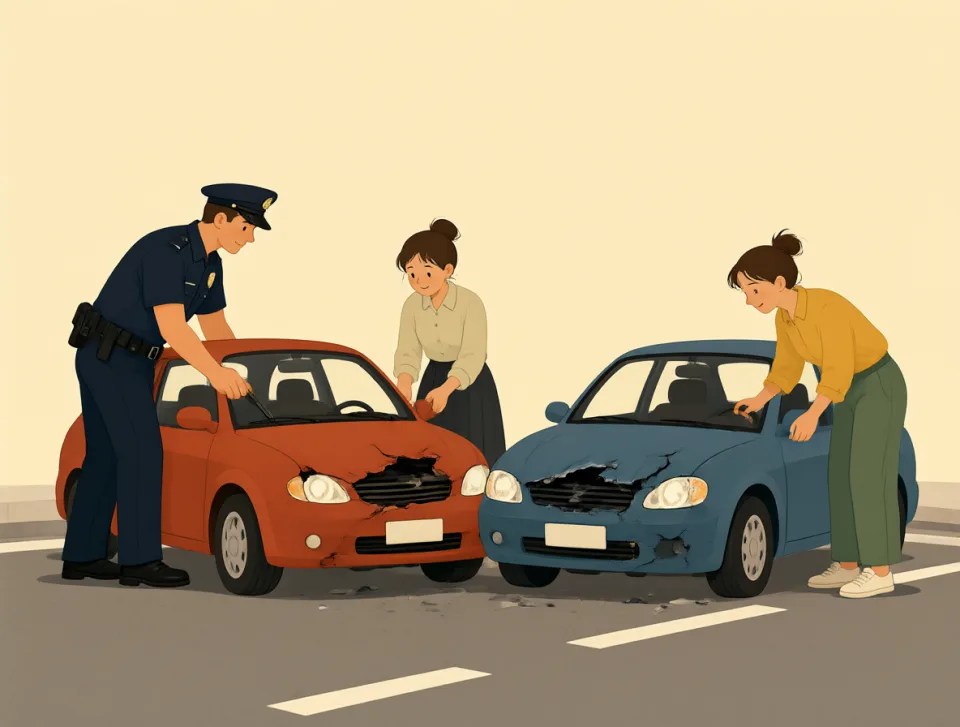
Police arrived quickly after a car accident at the scene.
Policja szybko przyjechała na miejsce wypadku samochodowego.
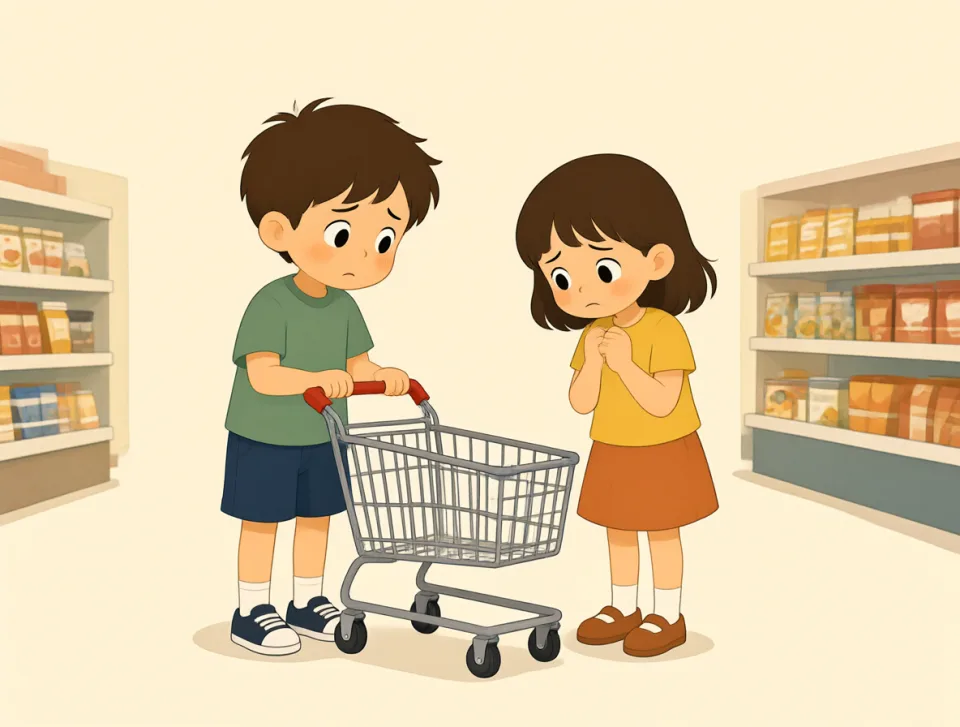
The children made a funny scene in the supermarket yesterday.
Wczoraj dzieci urządziły w supermarkecie zabawną scenę.
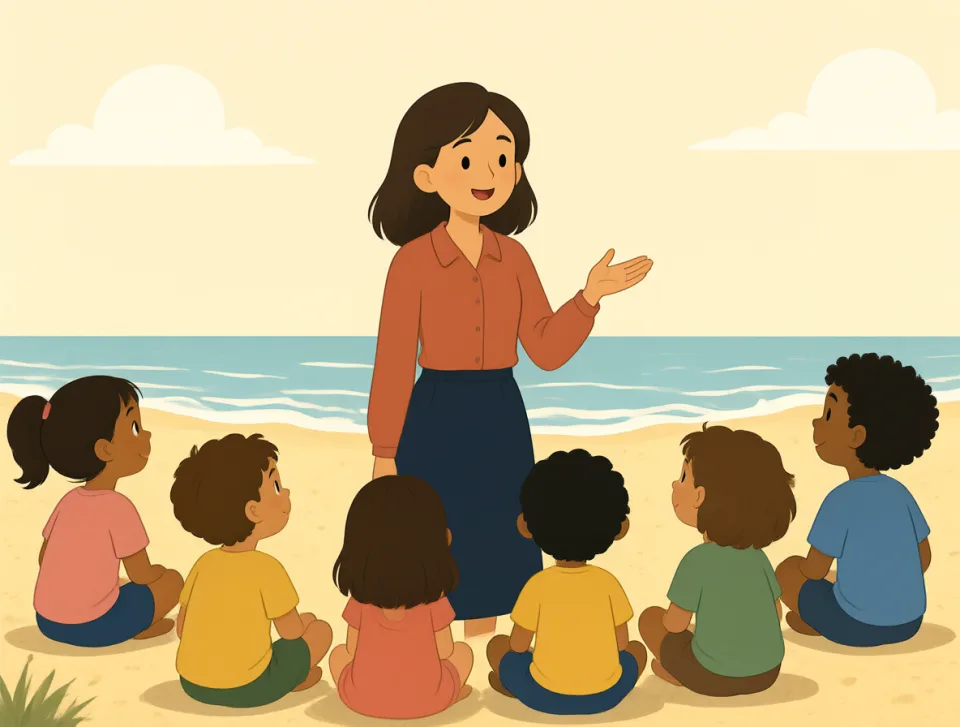
Our teacher described a quiet beach scene in her story.
Nasza nauczycielka opisała w swojej opowieści spokojną plażę.
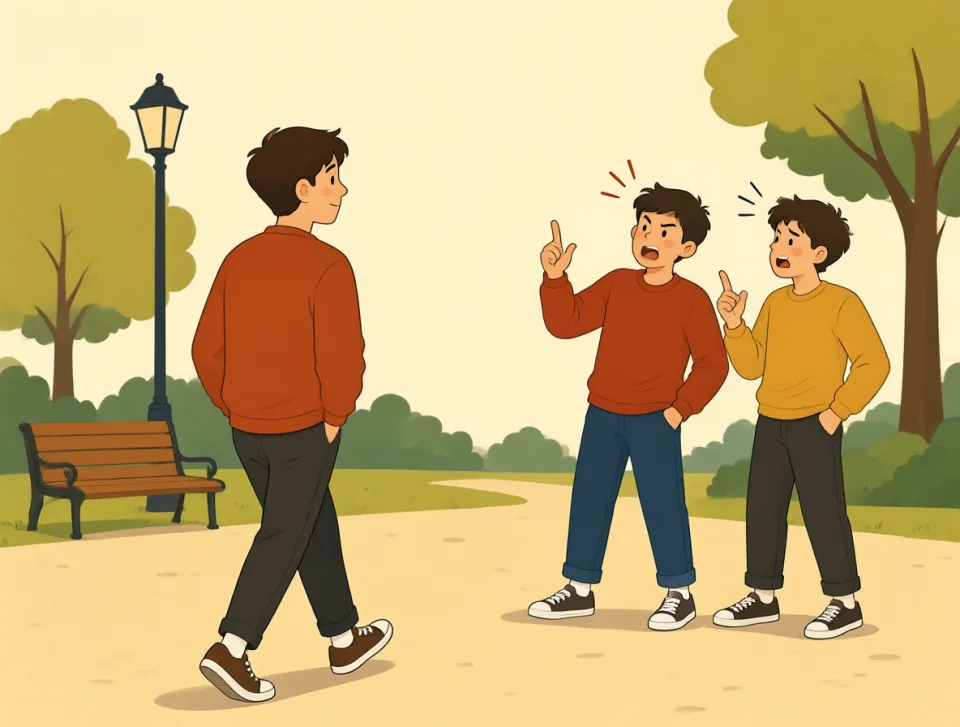
He left the scene when his friends started arguing.
Odszedł z miejsca zdarzenia, gdy jego znajomi zaczęli się kłócić.
writer
#1024noun
pisarz; pisarka
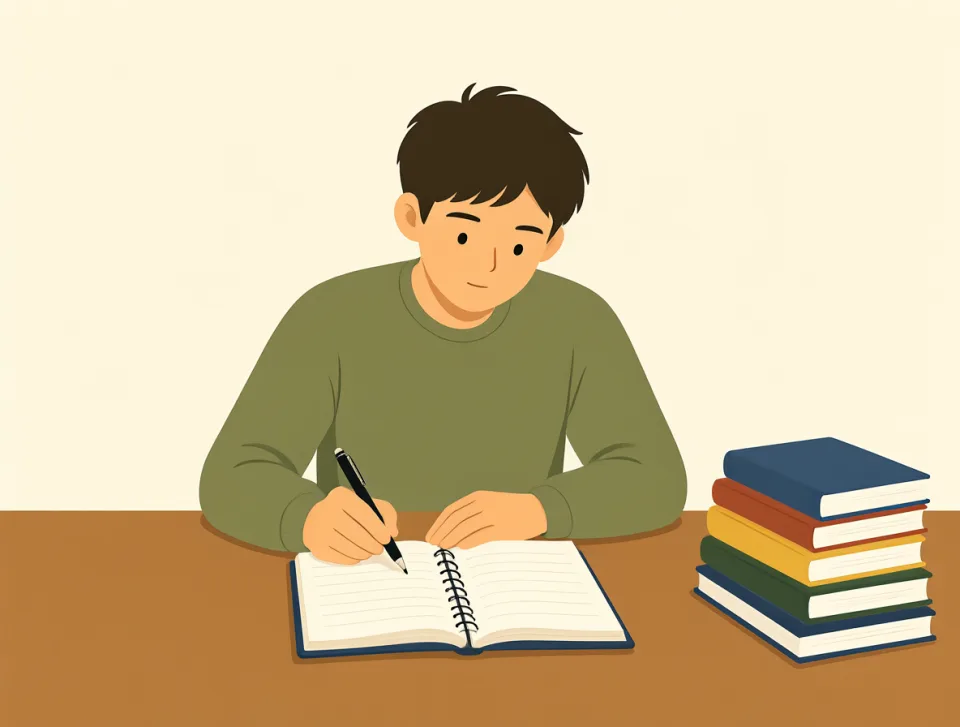
A person who writes books, stories, articles, or other texts.
Osoba, która pisze książki, opowiadania, artykuły lub inne teksty.
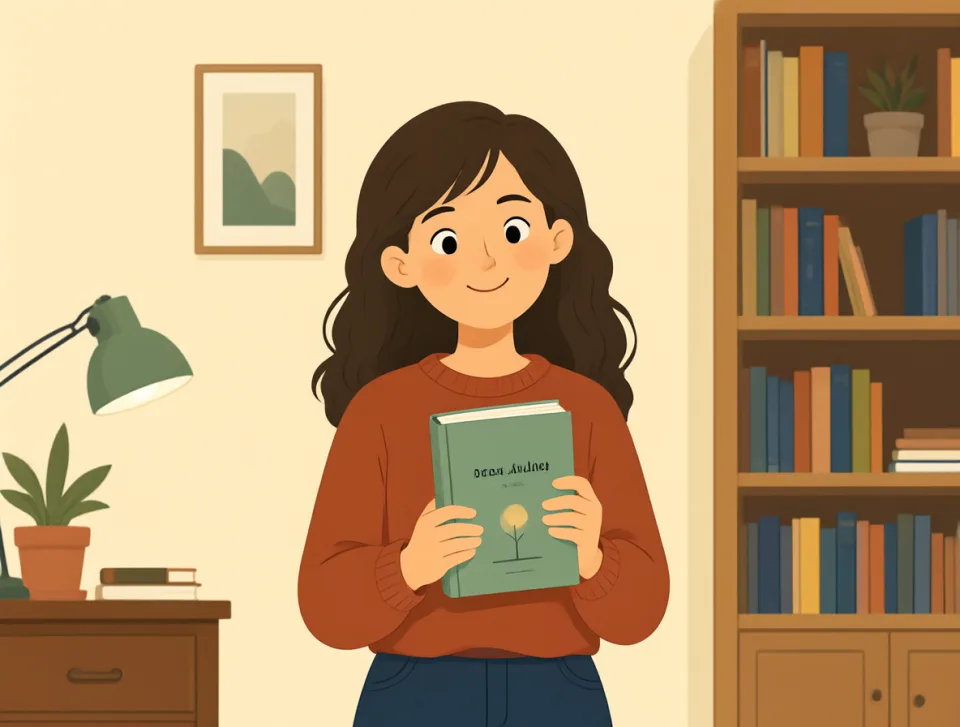
The writer published her first novel last year.
Pisarka opublikowała swoją pierwszą powieść w zeszłym roku.
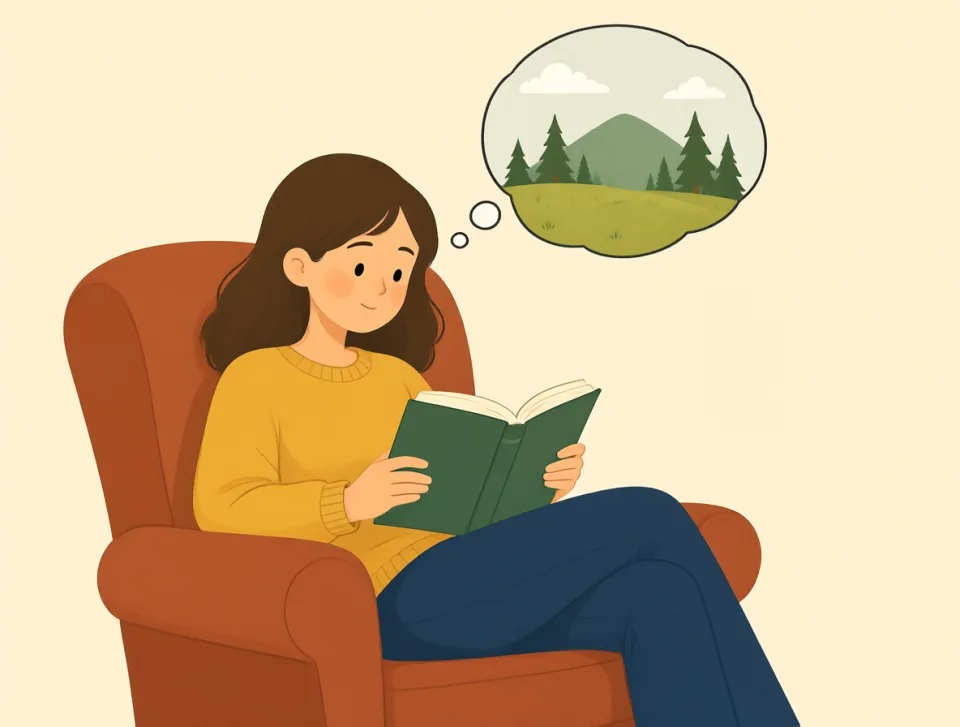
My favorite writer creates exciting stories about travel.
Mój ulubiony pisarz tworzy wciągające opowieści o podróżach.
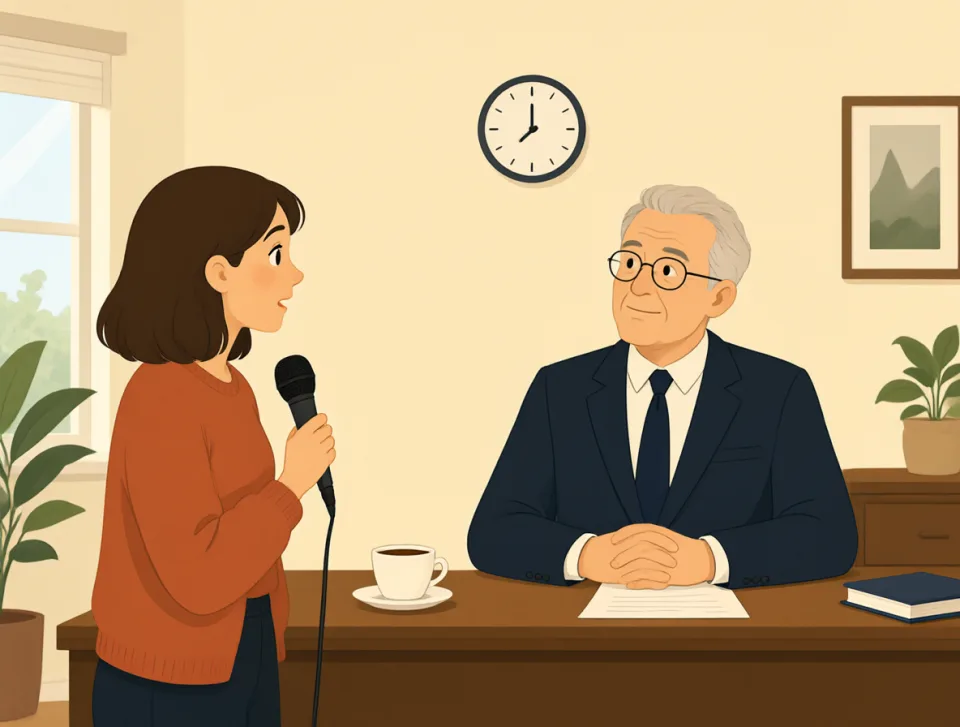
The newspaper writer interviewed the mayor yesterday.
Wczoraj dziennikarz przeprowadził wywiad z burmistrzem.
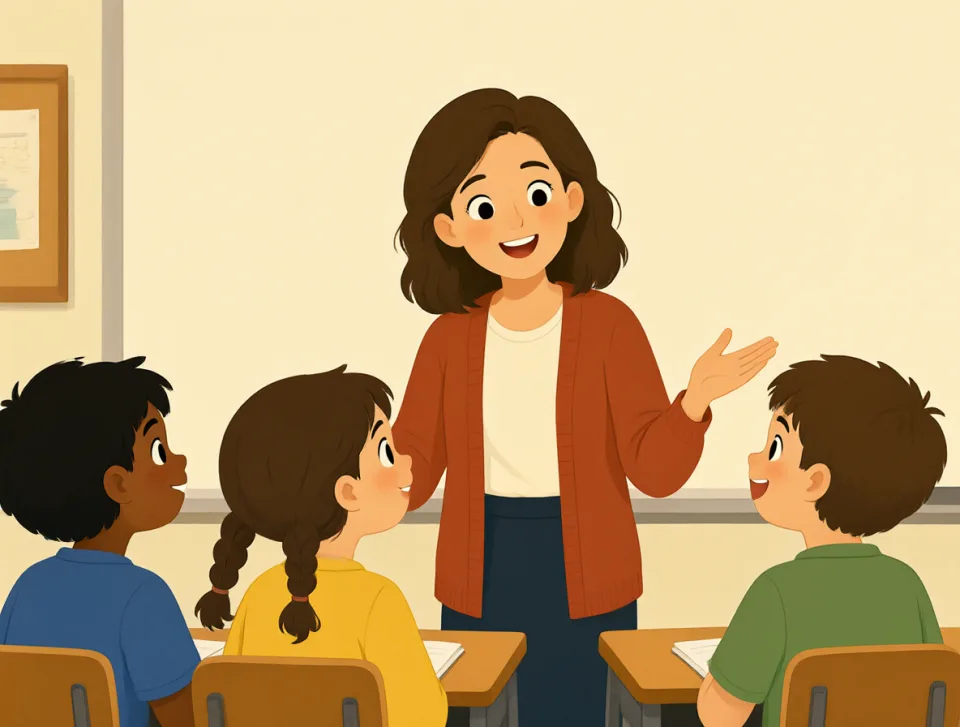
Our teacher invited a children's writer to speak at school.
Nasza nauczycielka zaprosiła do szkoły autora książek dla dzieci.
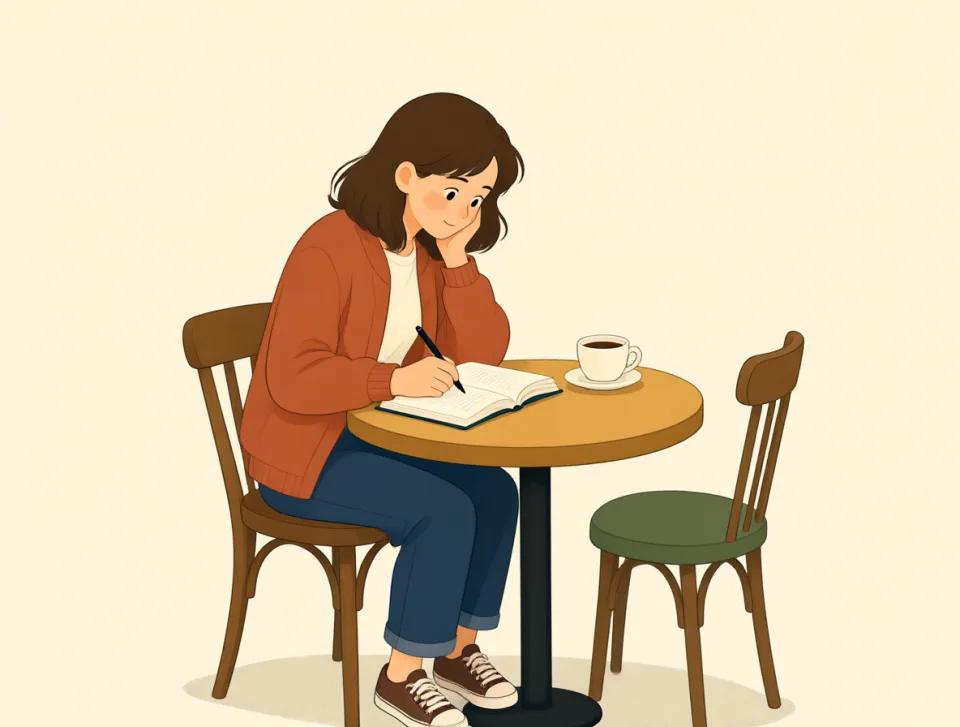
The writer worked quietly in a café all morning.
Pisarz pracował spokojnie w kawiarni przez cały poranek.

content
#1025noun, adjective, verb
treść
The ideas, information, or material inside something; happy and satisfied; to make someone happy.
Pomysły, informacje lub materiały zawarte w czymś; zadowolony i usatysfakcjonowany; sprawić komuś radość.
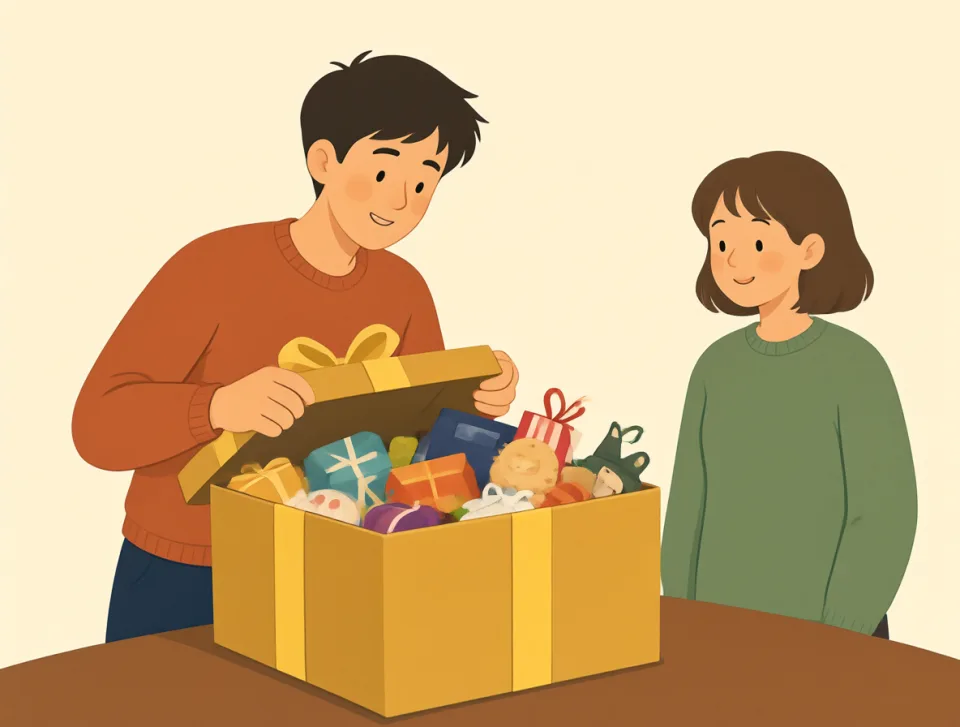
The content of this box is a surprise for you.
Zawartość tego pudełka to niespodzianka dla ciebie.
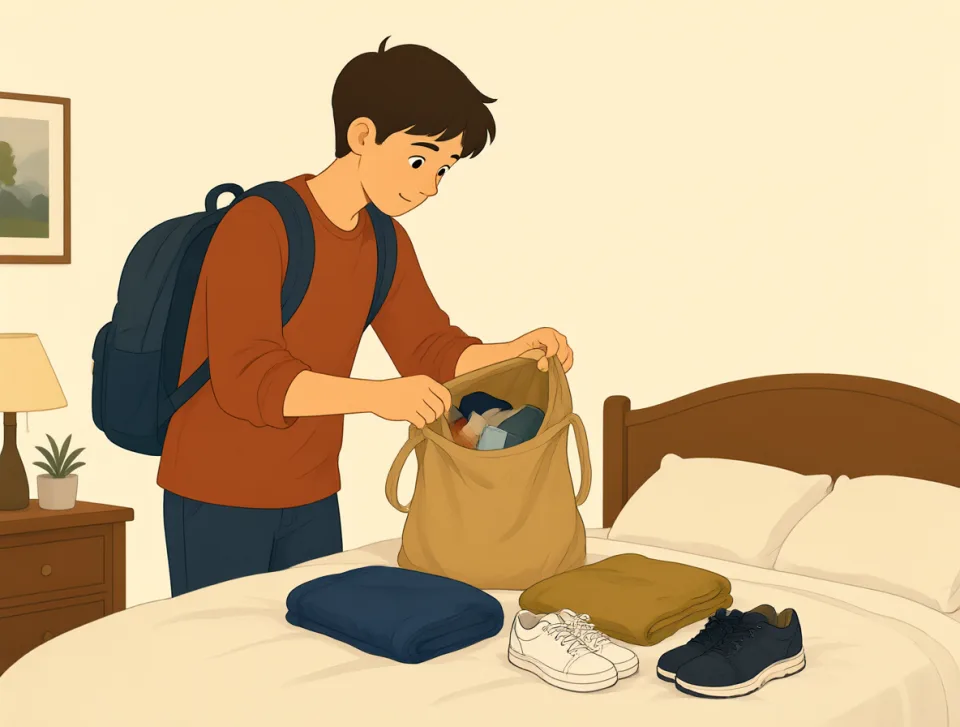
Please check the contents of your bag before leaving.
Przed wyjściem sprawdź, co masz w torbie.
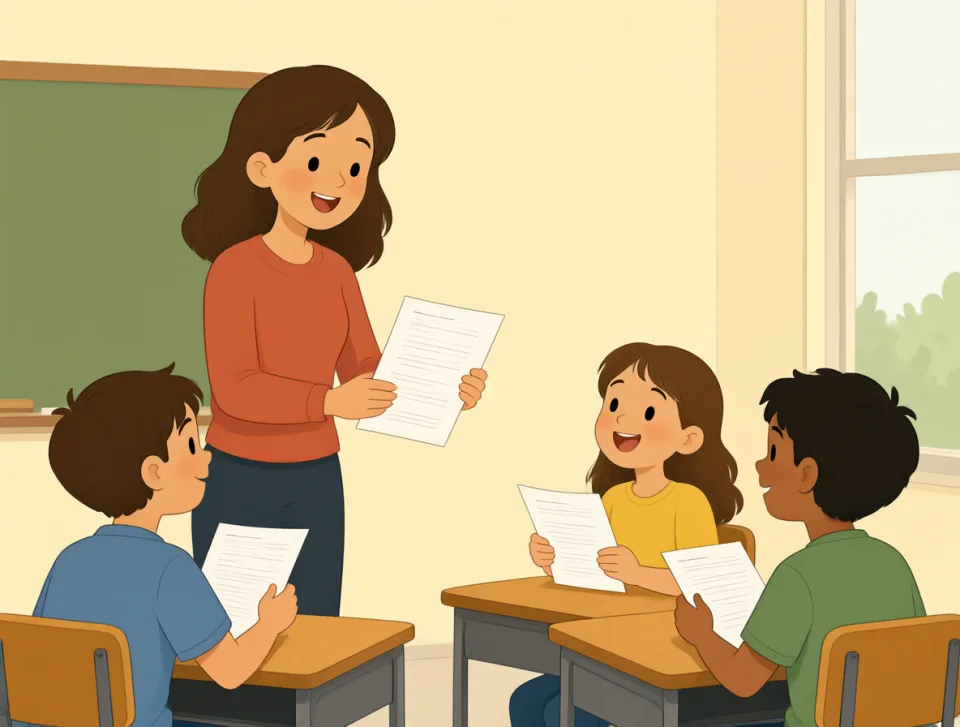
The teacher shared useful online content with the class.
Nauczyciel udostępnił klasie przydatne materiały online.
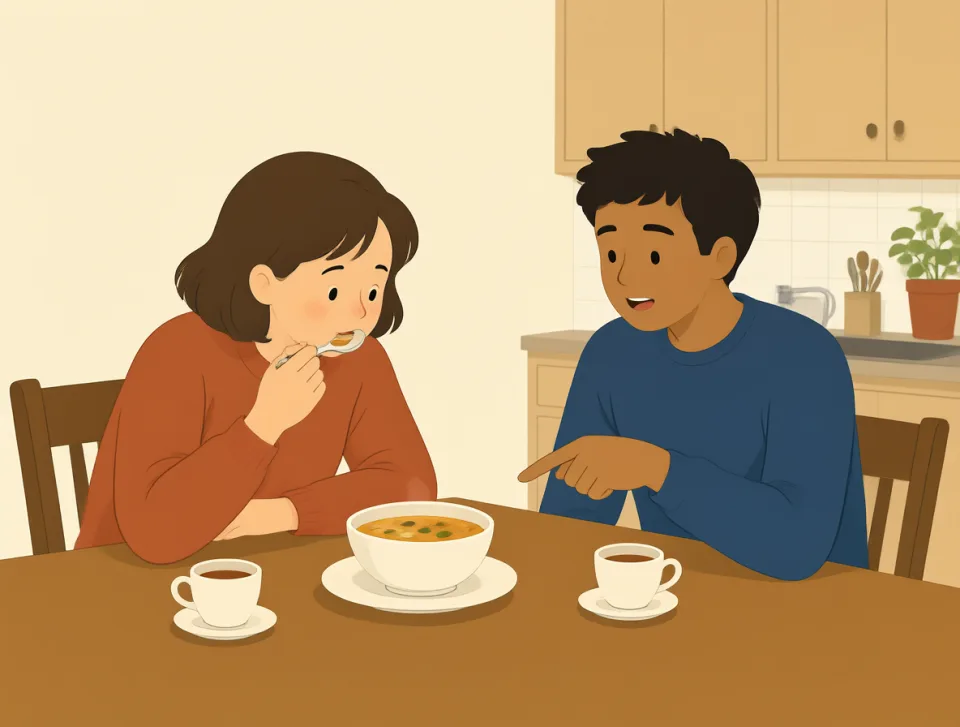
The soup has a high salt content, so eat less.
Ta zupa zawiera dużo soli, więc zjedz jej mniej.
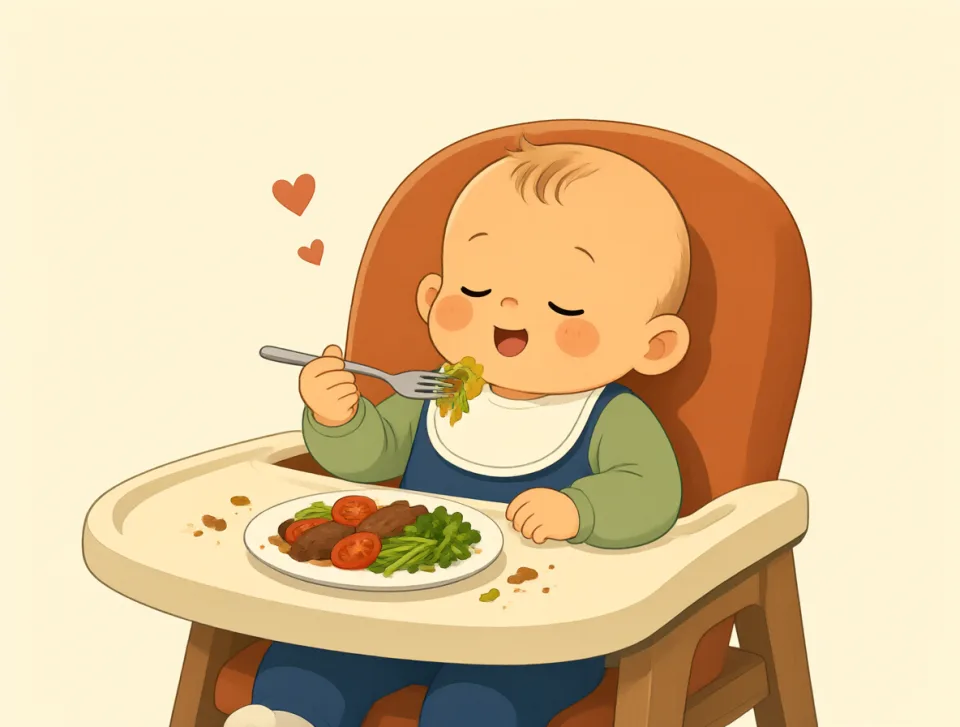
After dinner, the baby was content and fell asleep.
Po kolacji dziecko było zadowolone i zasnęło.
prevent
#1026verb
zapobiegać
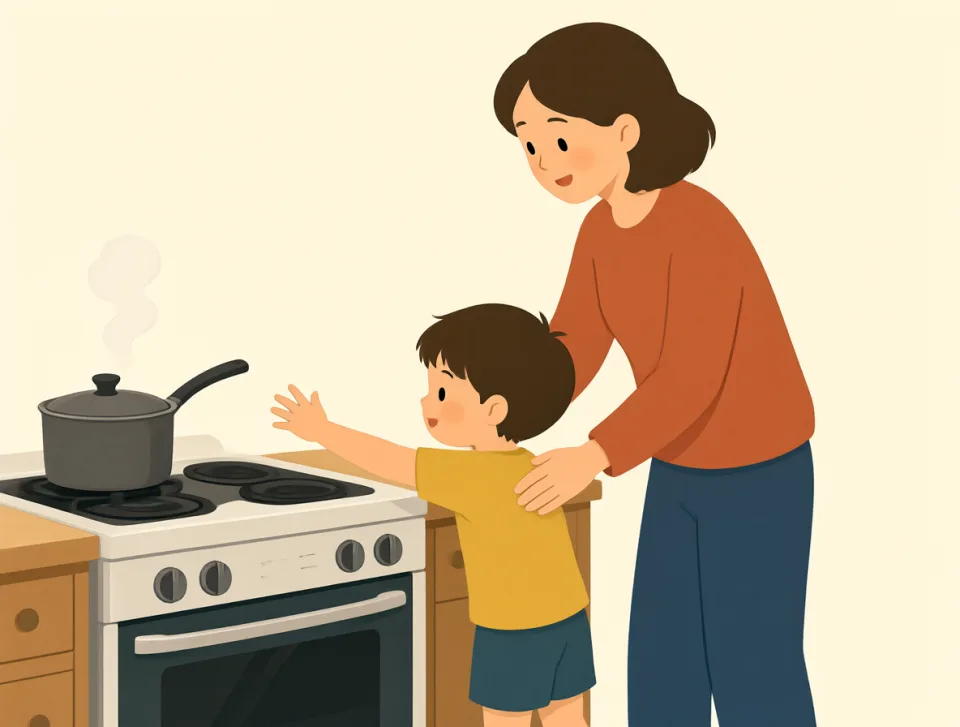
to stop something from happening or someone from doing something
powstrzymać coś przed wydarzeniem się lub kogoś przed zrobieniem czegoś
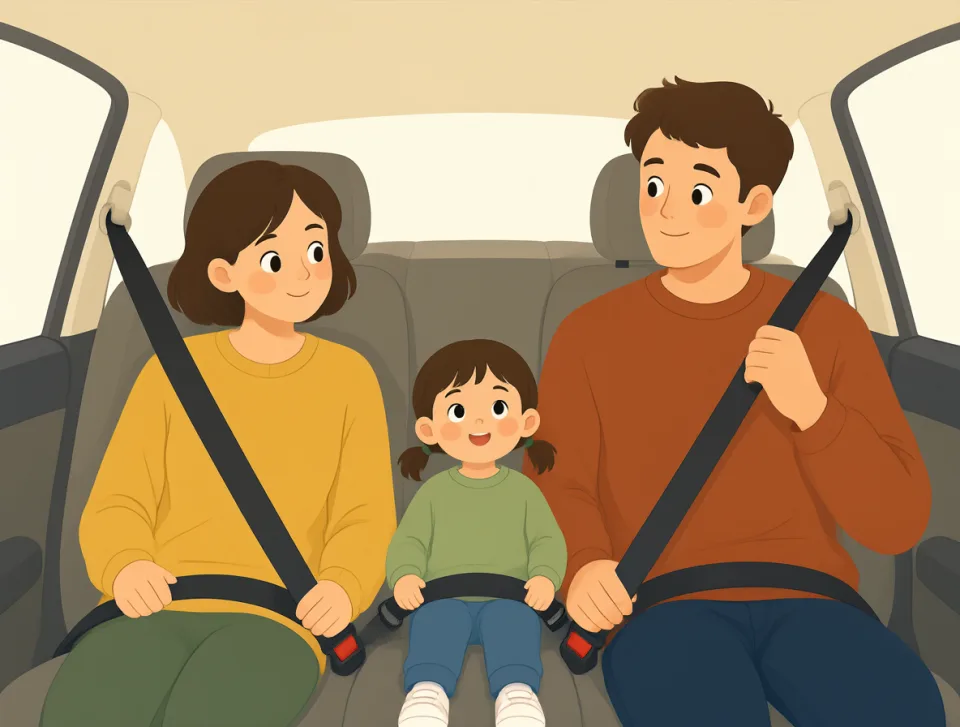
Wearing a seat belt can prevent serious injuries in a car accident.
Zapięcie pasów bezpieczeństwa może zapobiec poważnym obrażeniom w wypadku samochodowym.
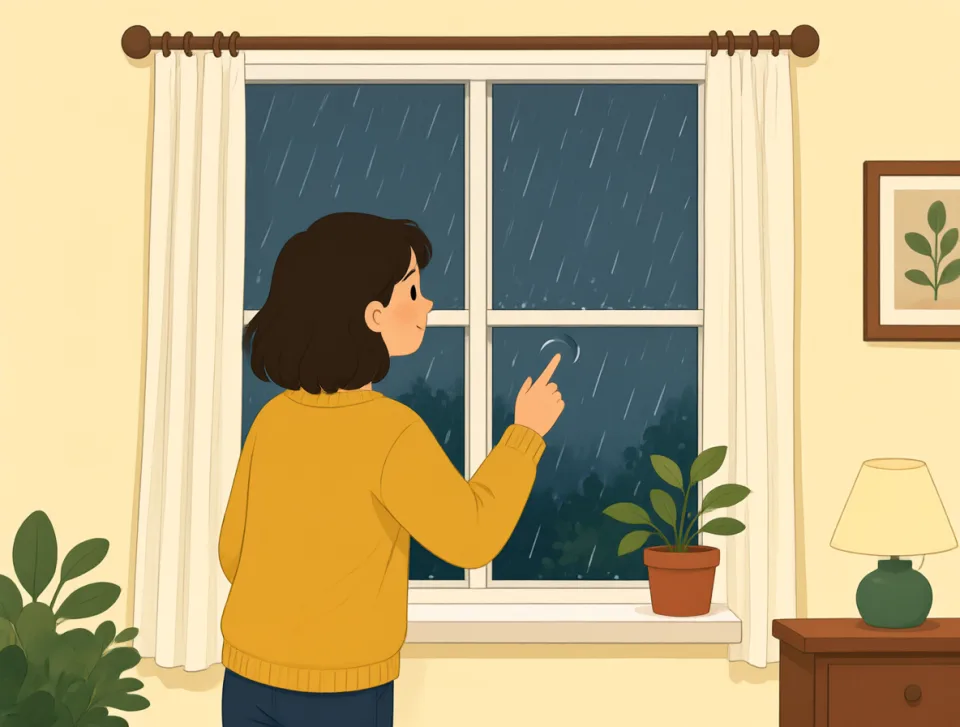
Please close the window to prevent the rain from coming inside.
Zamknij okno, proszę, żeby deszcz nie dostał się do środka.
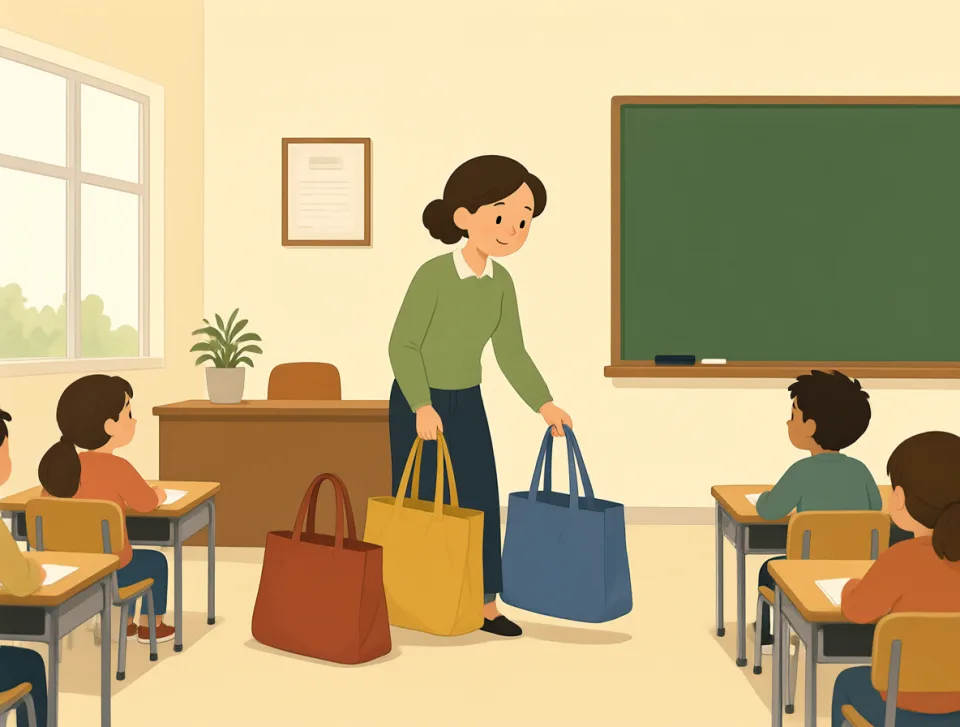
The teacher moved the bags to prevent students from tripping.
Nauczyciel przesunął torby, żeby uczniowie się o nie nie potykali.
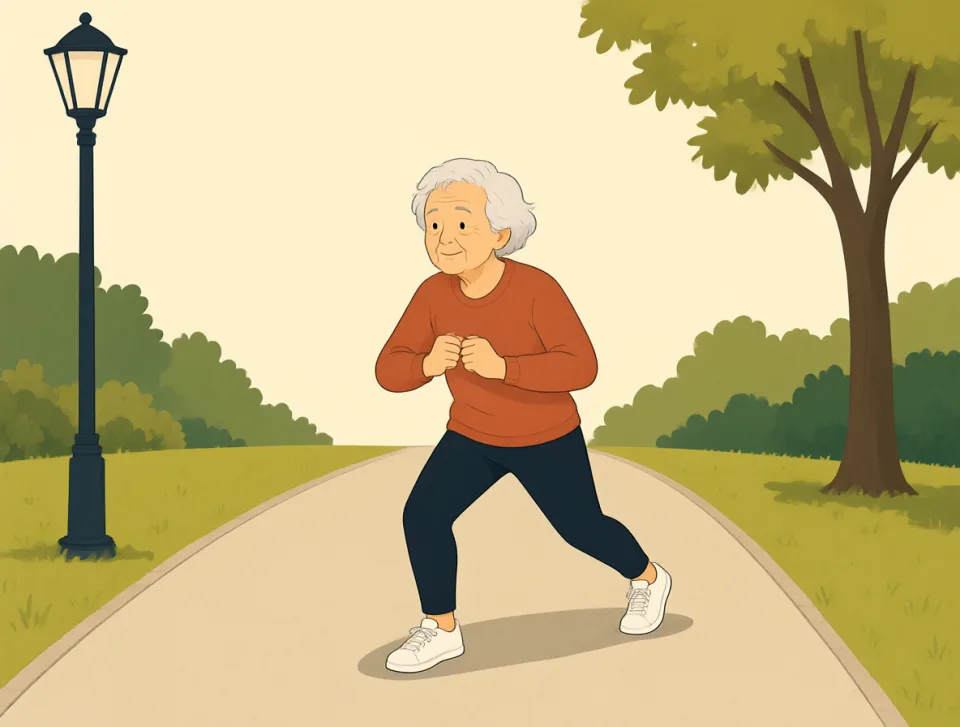
Regular exercise may help prevent heart disease later in life.
Regularne ćwiczenia mogą pomóc zapobiec chorobom serca w późniejszym życiu.
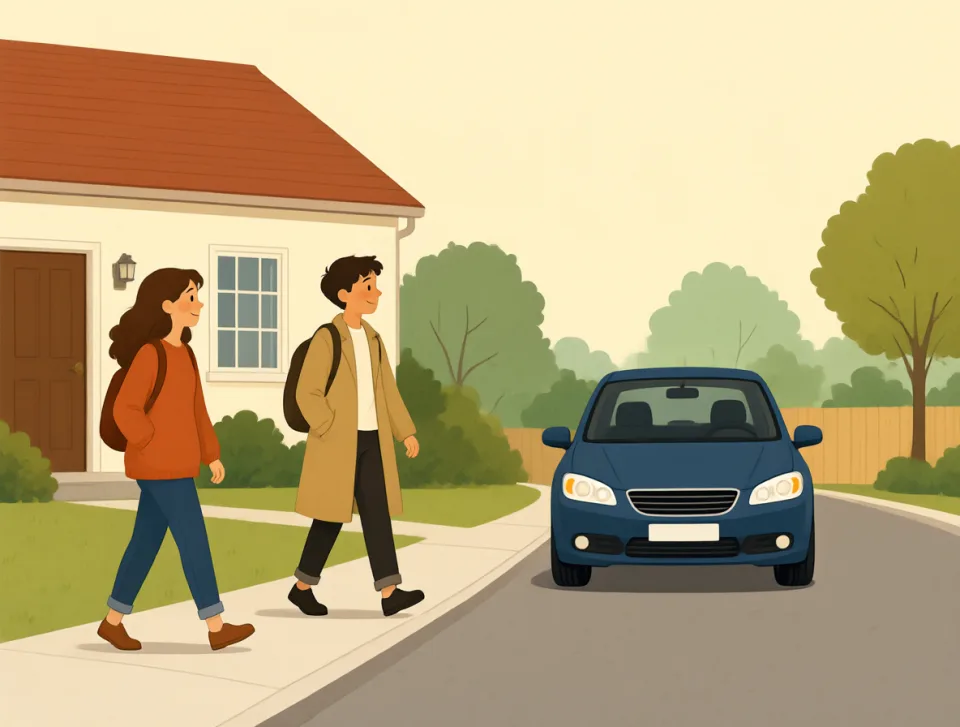
We left early to prevent traffic from making us late.
Wyszliśmy wcześniej, żeby korki nie spowodowały naszego spóźnienia.
safe
#1027adjective, noun
bezpieczny; sejf
Protected from danger, harm, or loss; a strong metal box for keeping valuable things.
Chroniony przed niebezpieczeństwem, krzywdą lub stratą; mocna metalowa skrzynka do przechowywania cennych rzeczy.
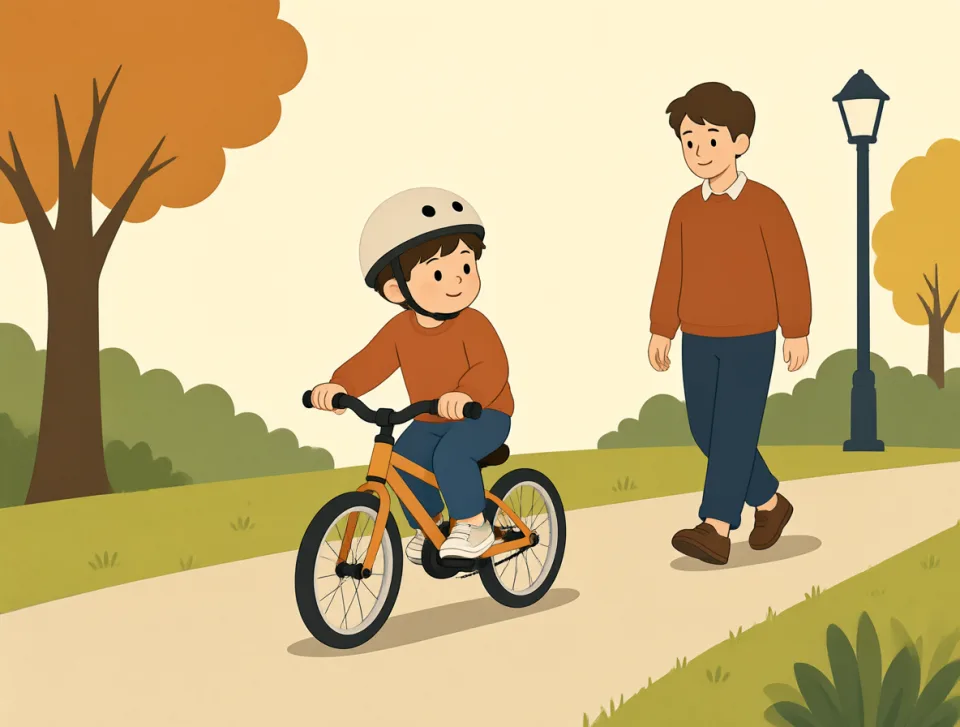
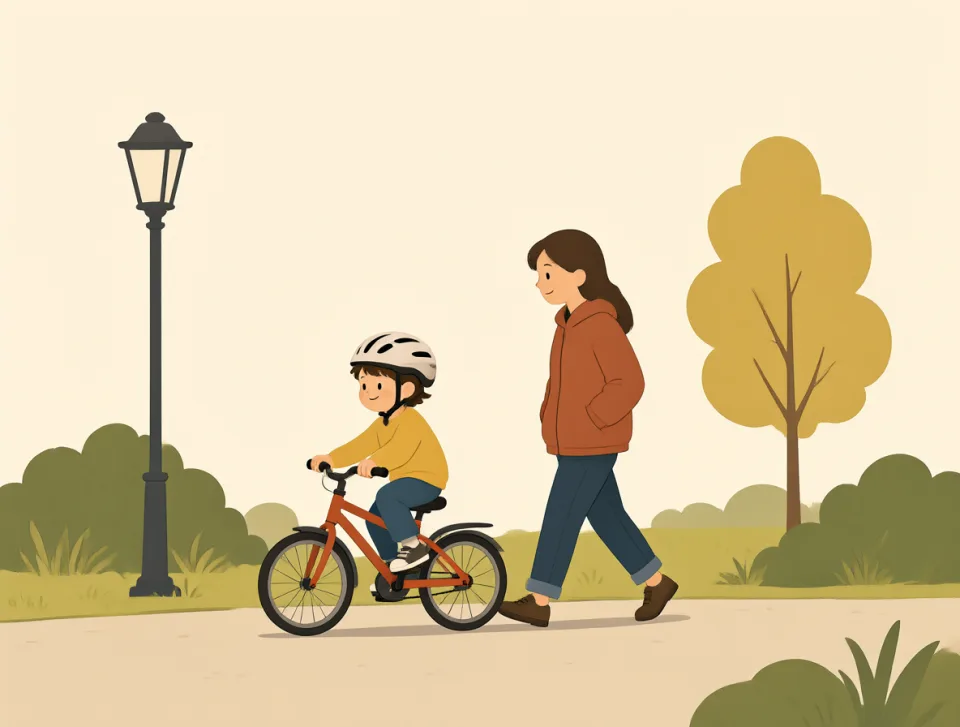
Always wear a helmet to stay safe while riding your bike.
Zawsze zakładaj kask, żeby zapewnić sobie bezpieczeństwo podczas jazdy na rowerze.
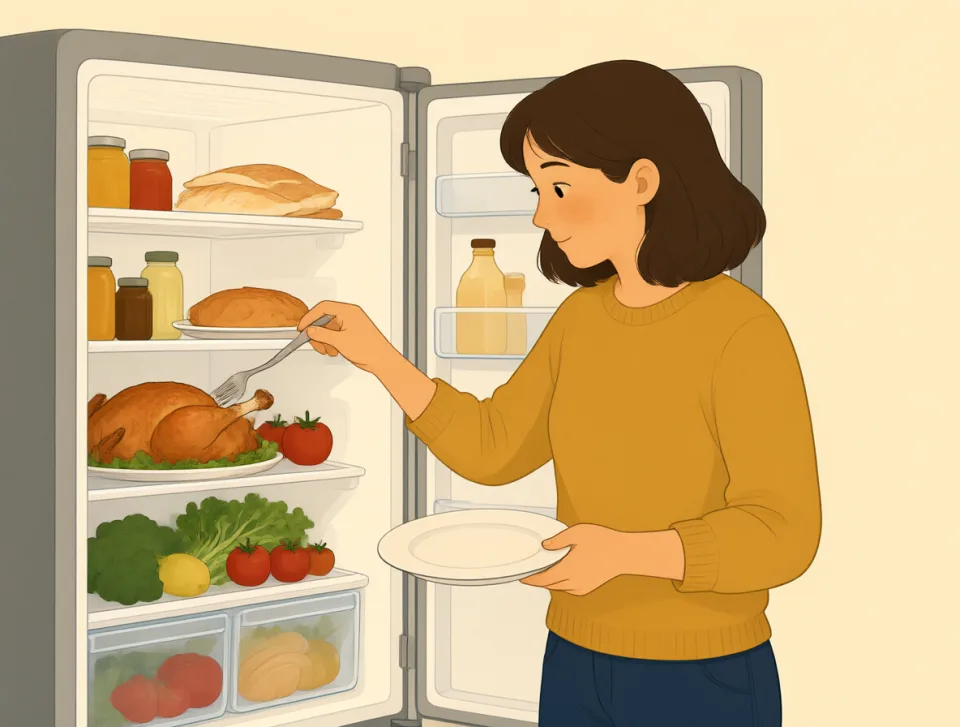
Is this chicken safe to eat after three days in the fridge?
Czy tego kurczaka można bezpiecznie zjeść po trzech dniach w lodówce?
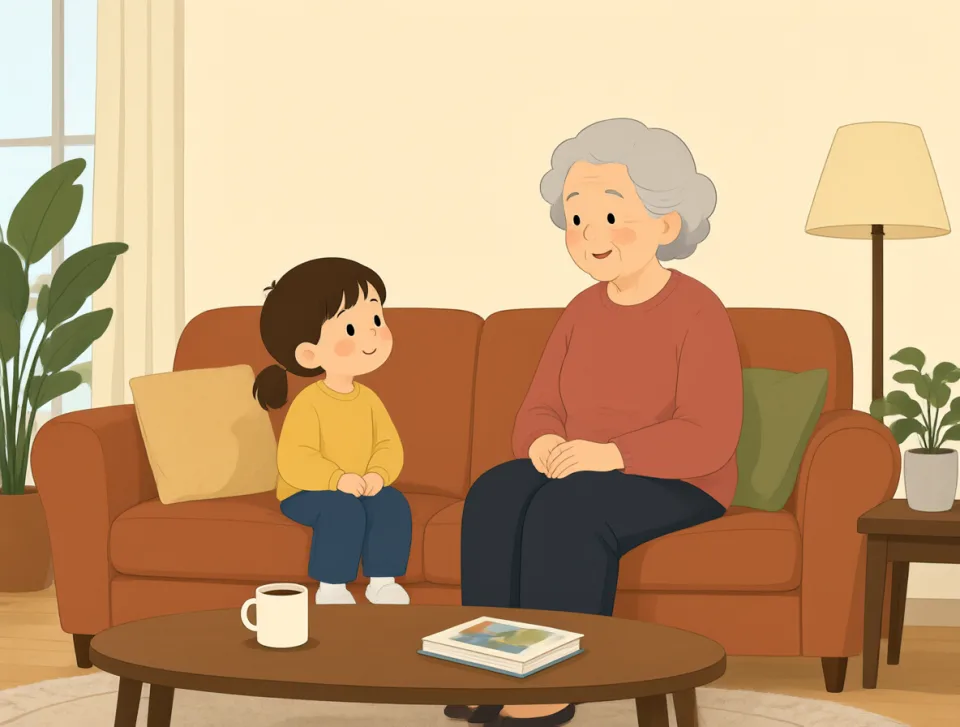
The children are safe at home with their grandmother.
Dzieci są bezpieczne w domu pod opieką babci.
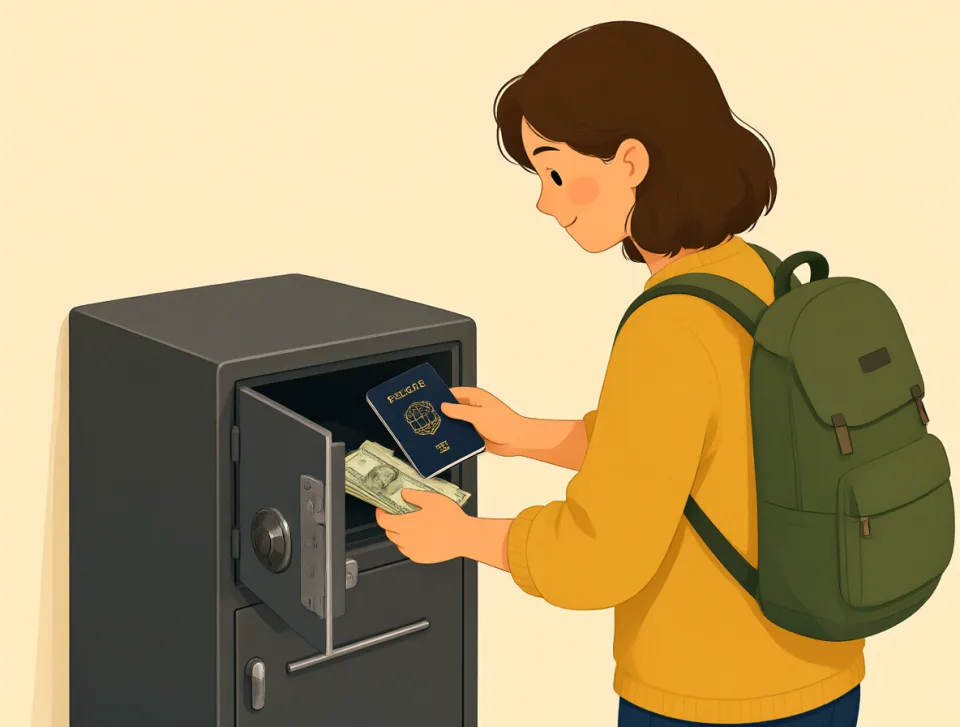
Please keep your passport and money in the hotel safe.
Proszę przechowywać paszport i pieniądze w hotelowym sejfie.
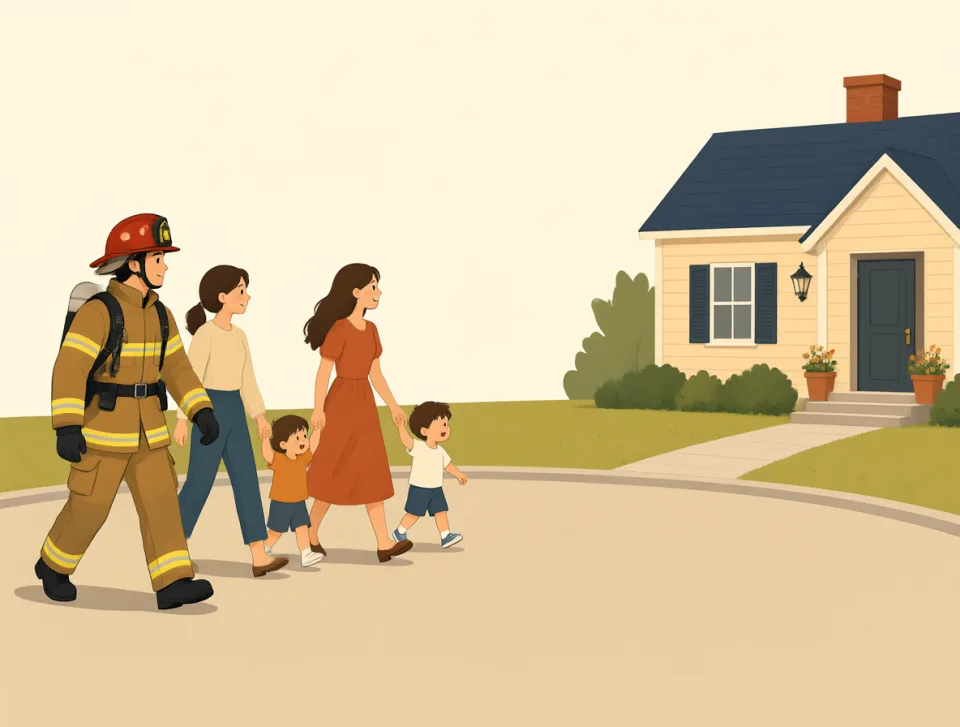
The firefighters brought everyone to a safe place.
Strażacy zaprowadzili wszystkich w bezpieczne miejsce.
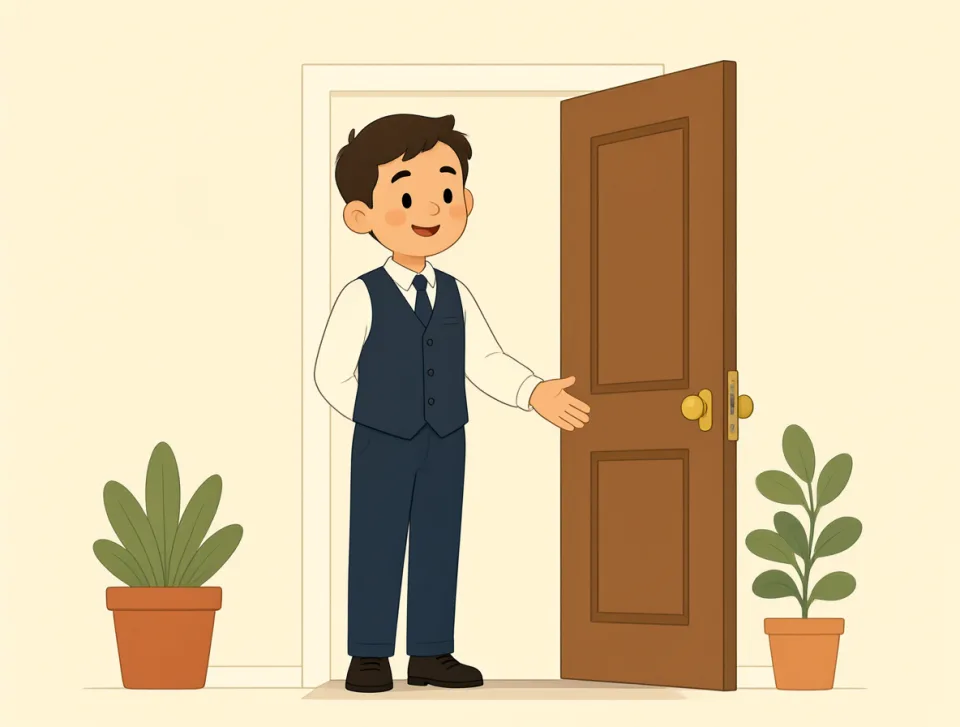
invite
#1028verb
zapraszać
to ask someone to come to an event, place, or activity
poprosić kogoś, żeby przyszedł na wydarzenie, do jakiegoś miejsca lub wziął udział w jakiejś aktywności
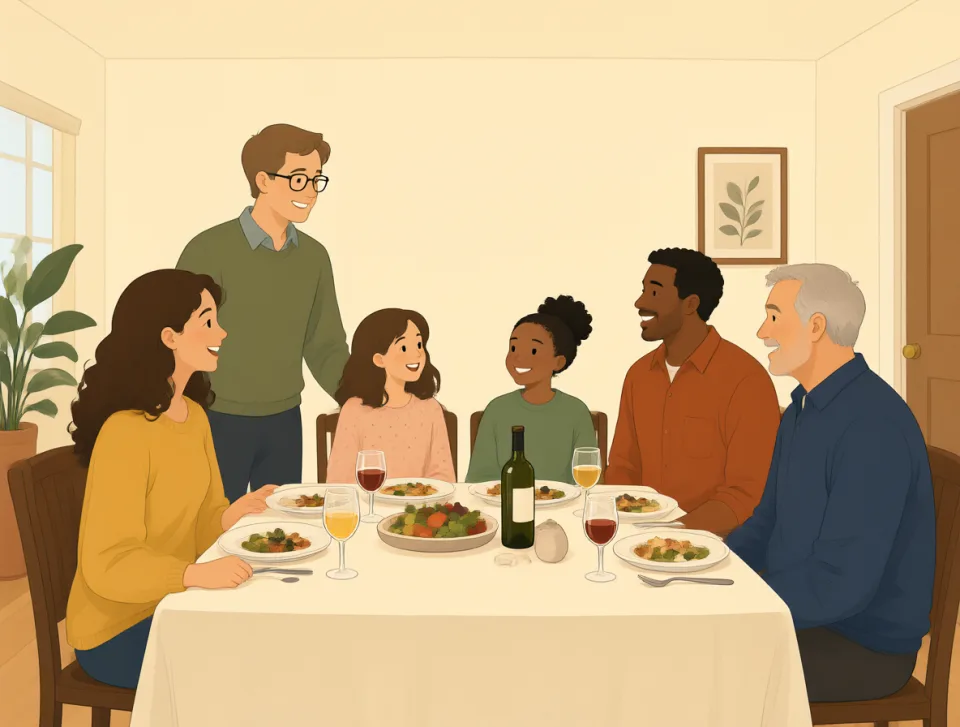
We invited our neighbors to dinner on Saturday.
Zaprosiliśmy sąsiadów na kolację w sobotę.
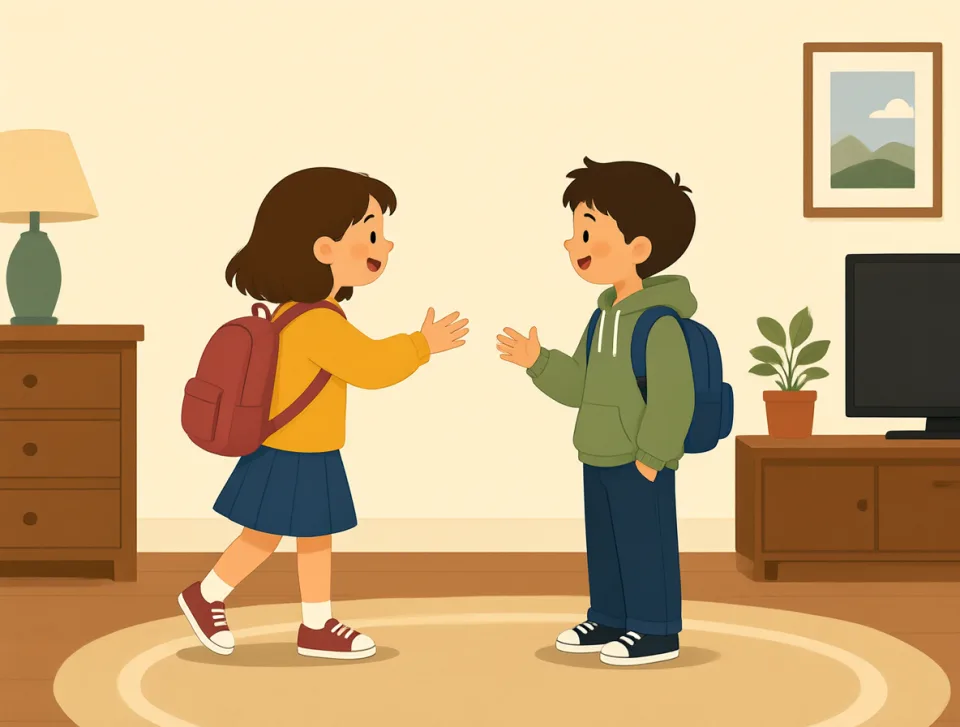
Can I invite my friend over after school?
Czy mogę zaprosić do siebie kolegę po szkole?
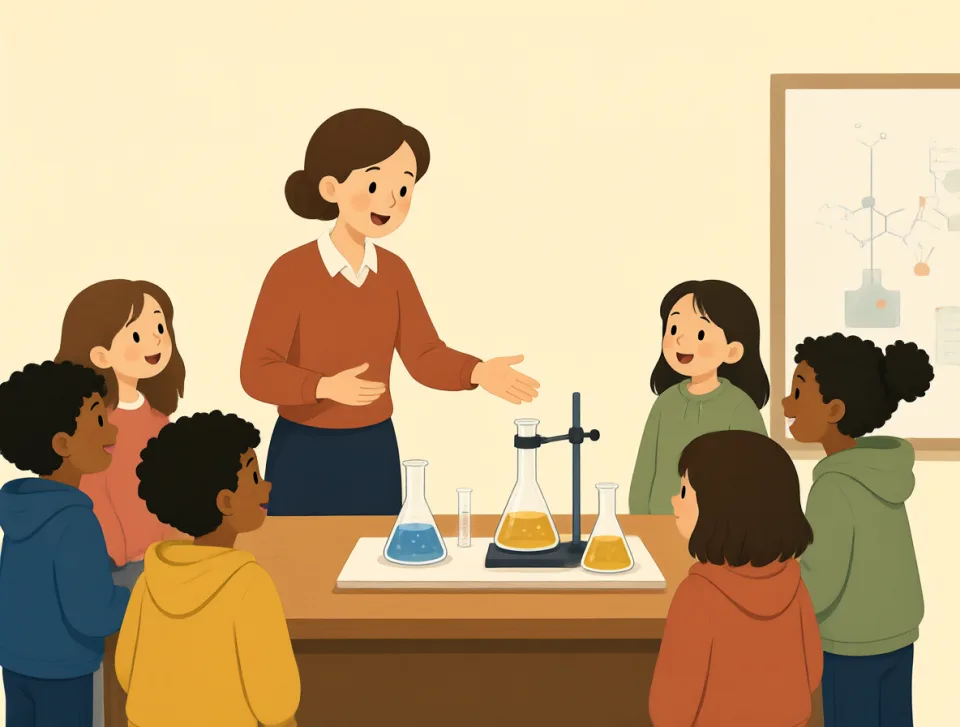
The teacher invited the students to join the science club.
Nauczyciel zaprosił uczniów do dołączenia do klubu naukowego.

My manager invited me to a meeting about the new project.
Mój kierownik zaprosił mnie na spotkanie dotyczące nowego projektu.
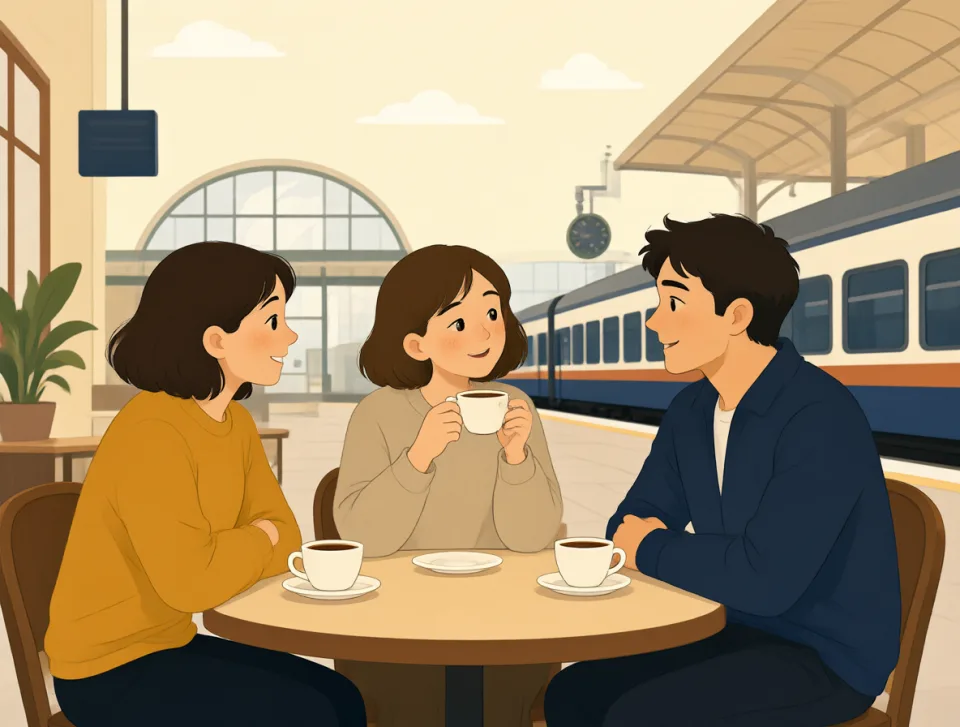
They invited us out for coffee after the train arrived.
Zaprosili nas na kawę, gdy przyjechał pociąg.
mix
#1029noun, verb
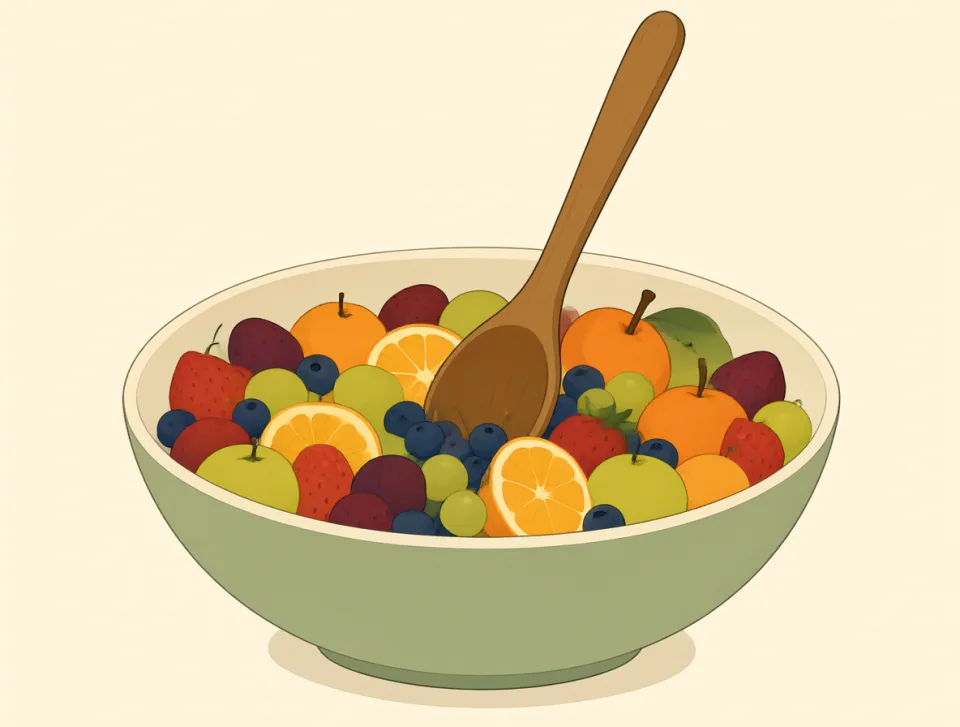
mieszać; mieszanka
To combine things together, or a combination of different things.
Połączyć ze sobą różne rzeczy albo połączenie różnych rzeczy.
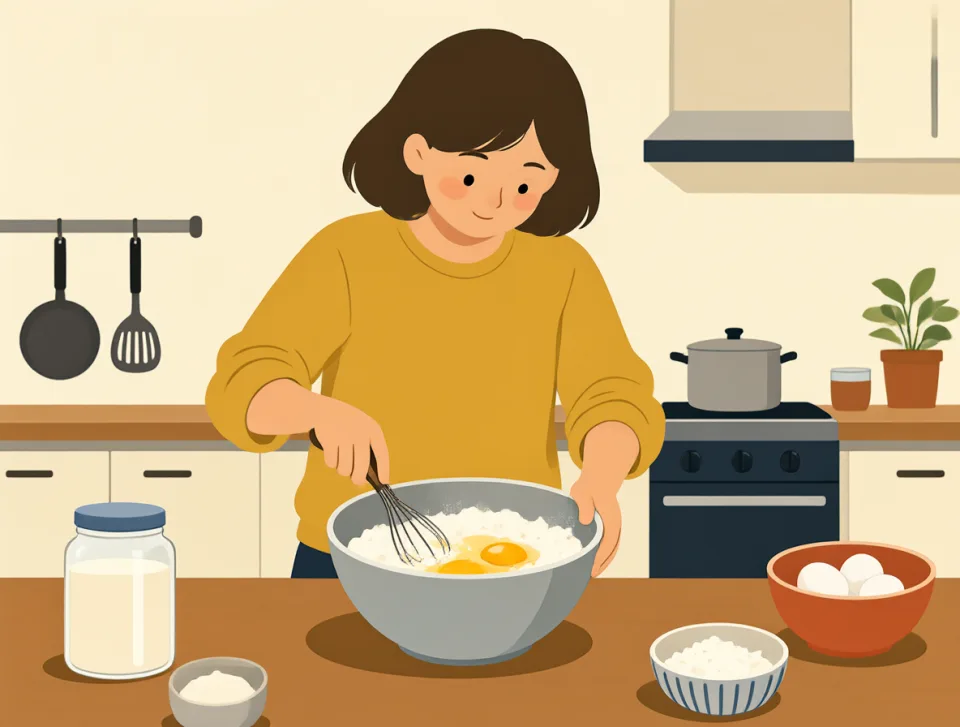
Mix the flour and eggs in a large bowl.
Wymieszaj mąkę i jajka w dużej misce.
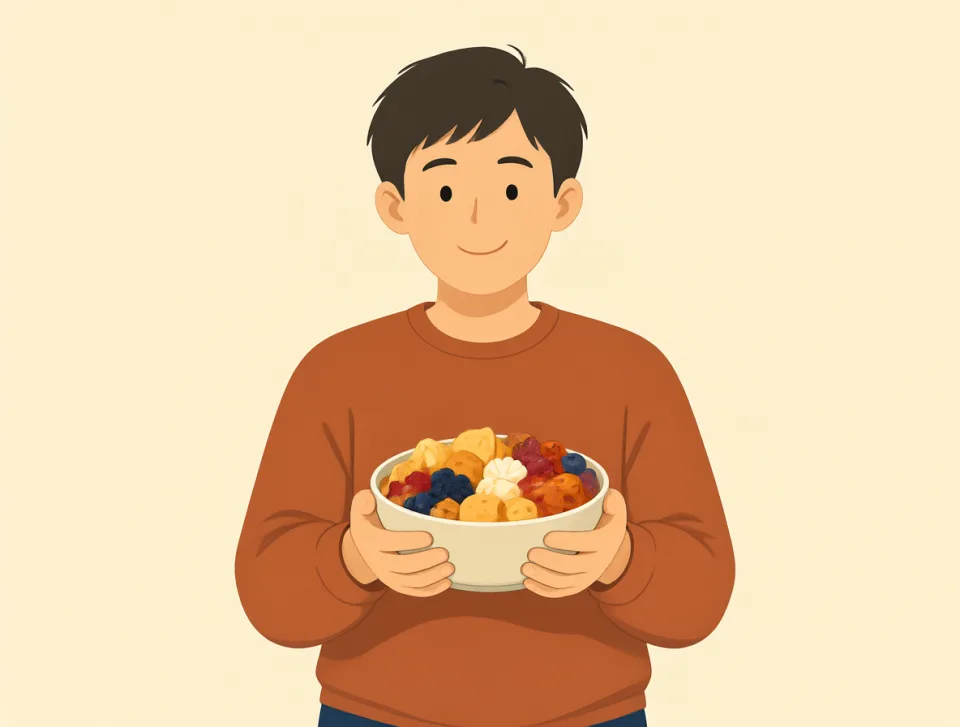
I like this mix of sweet and salty snacks.
Lubię tę mieszankę słodkich i słonych przekąsek.
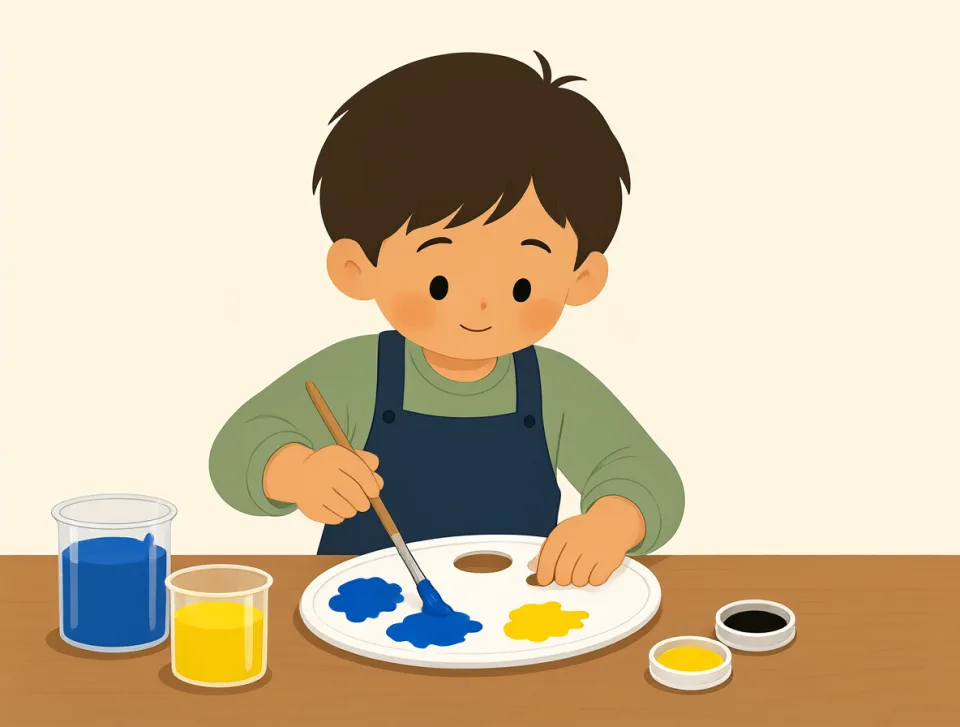
She mixed the blue and yellow paints to make green.
Zmieszała niebieską i żółtą farbę, żeby uzyskać zielony kolor.
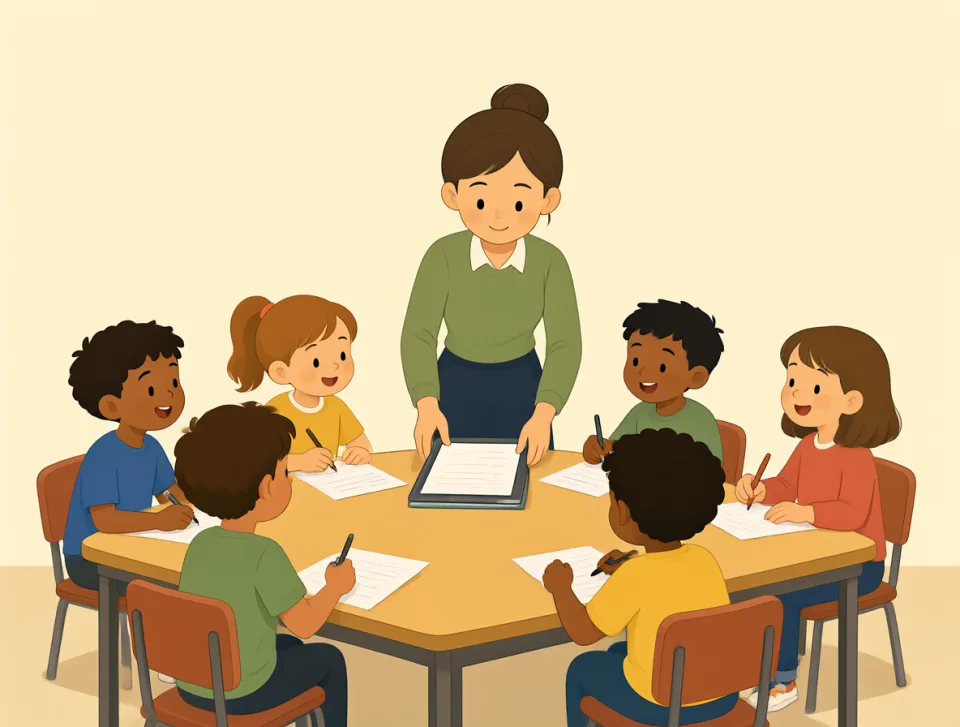
The teacher mixed students from different classes for the activity.
Nauczyciel wymieszał uczniów z różnych klas na potrzeby zajęć.
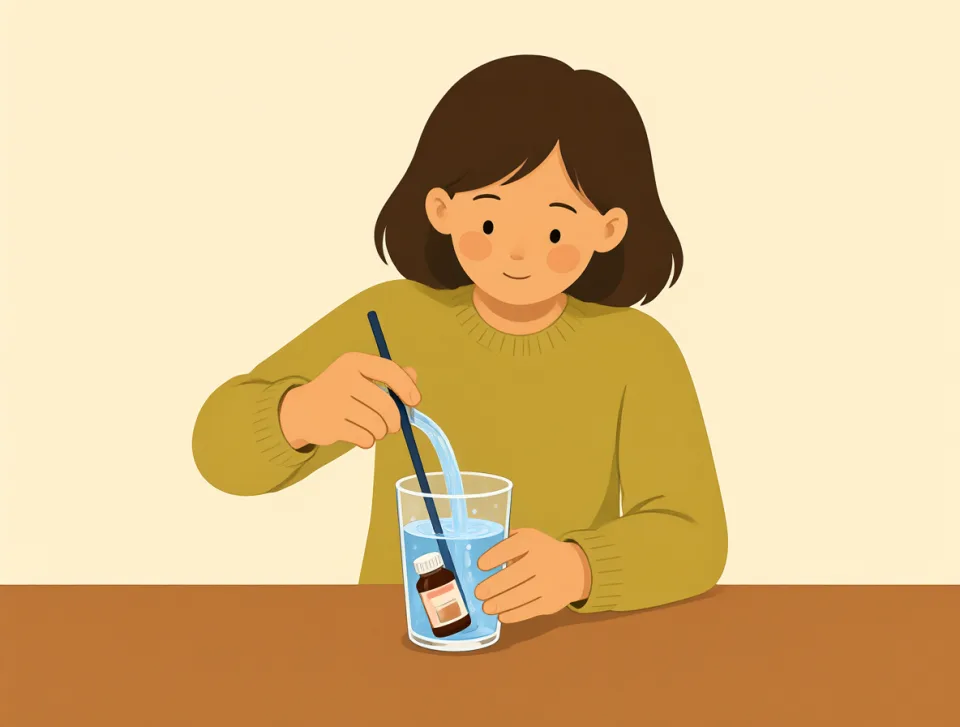
Mix the medicine with water before you drink it.
Wymieszaj lekarstwo z wodą, zanim je wypijesz.

element
#1030noun
element; pierwiastek
one part of something larger, or a simple substance found in nature
część czegoś większego albo prosta substancja występująca w przyrodzie

Trust is an important element in every good friendship.
Zaufanie jest ważnym elementem każdej dobrej przyjaźni.
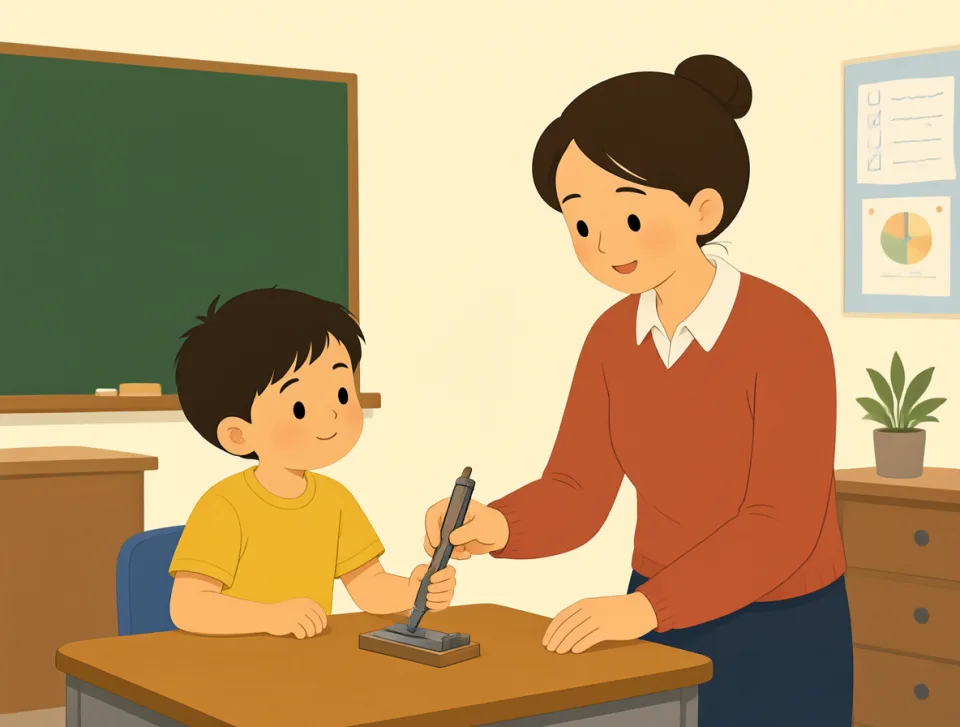
The course includes an element of practical training.
Kurs obejmuje element praktycznego szkolenia.
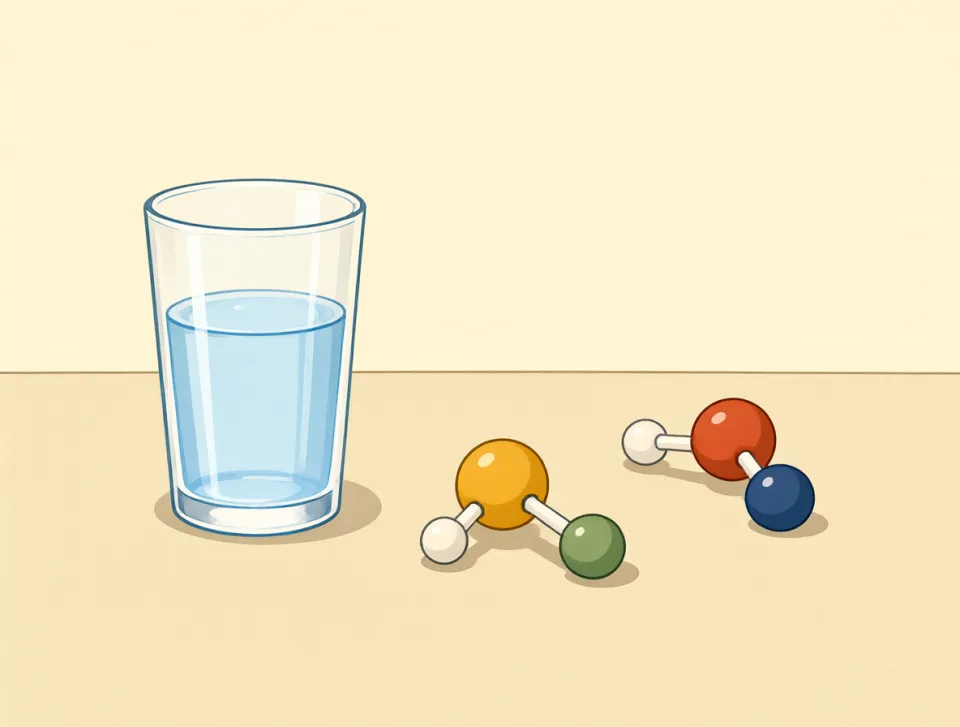
Water is made from the elements hydrogen and oxygen.
Woda składa się z pierwiastków: wodoru i tlenu.
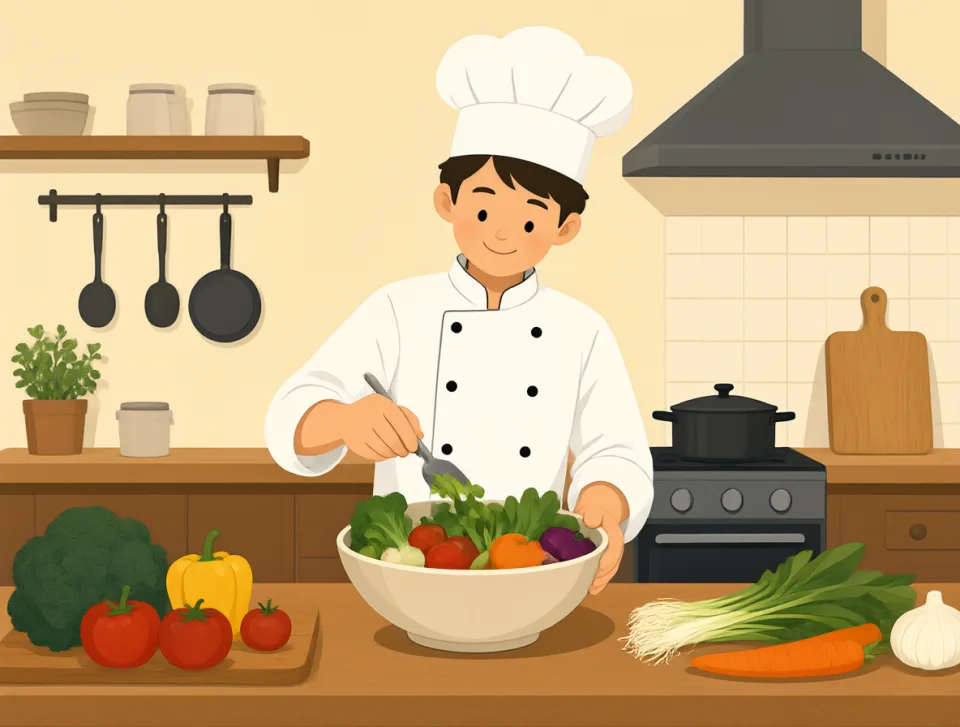
The chef added fresh elements to the traditional recipe.
Szef kuchni dodał świeże składniki do tradycyjnego przepisu.
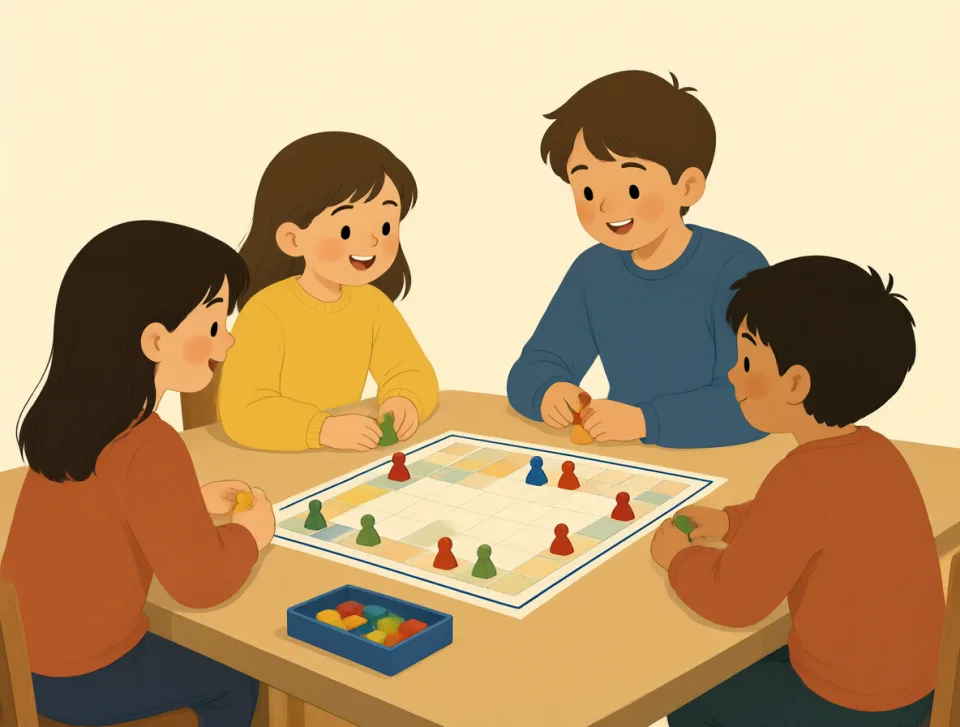
The game has several fun elements for children to enjoy.
Gra zawiera kilka ciekawych elementów, które spodobają się dzieciom.
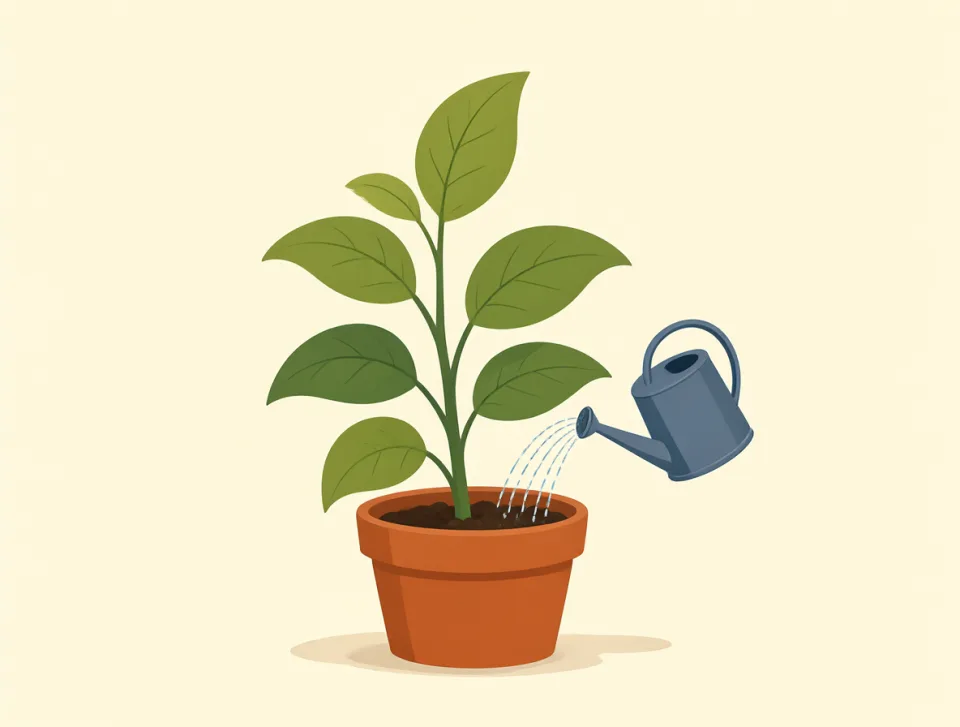
effective
#1031adjective
skuteczny
Working well and producing the result you want
Działający dobrze i przynoszący oczekiwany rezultat
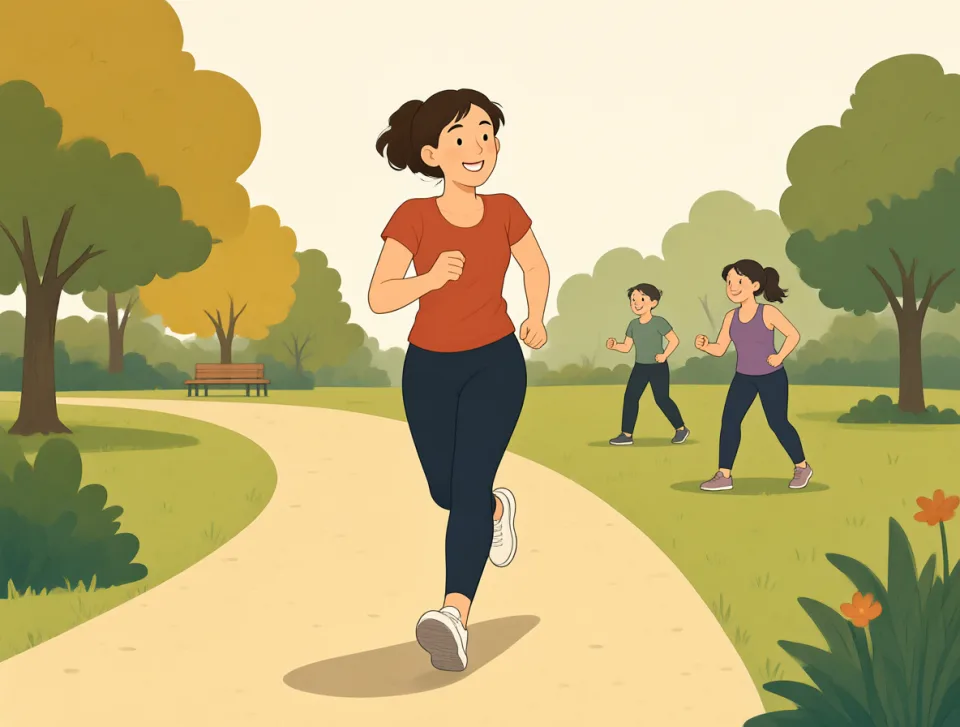
Regular exercise is an effective way to stay healthy.
Regularne ćwiczenia to skuteczny sposób na zachowanie zdrowia.
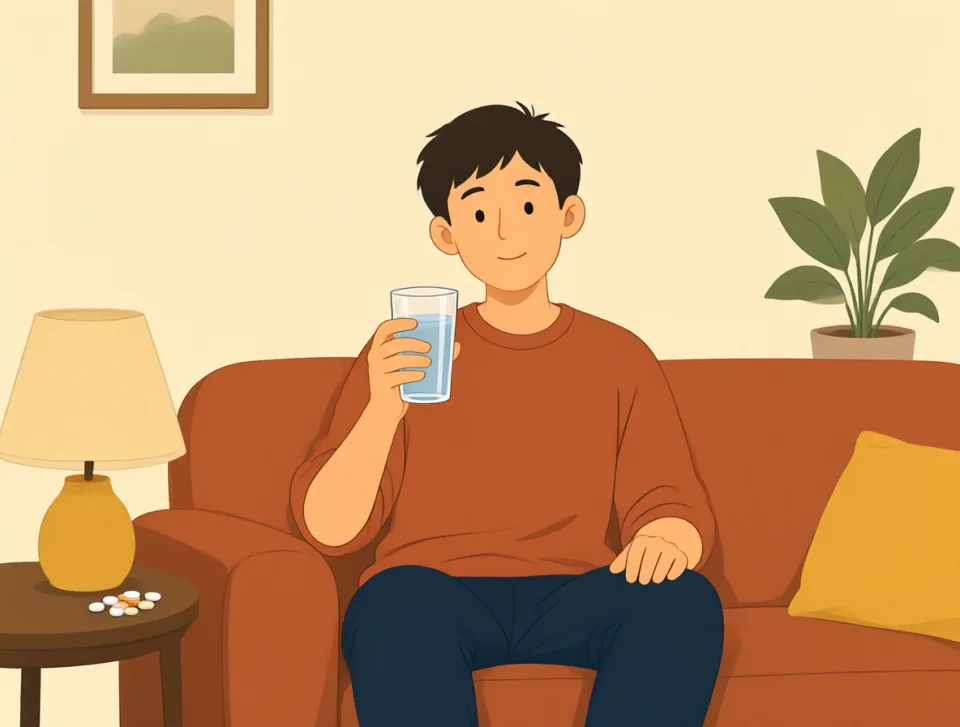
This medicine is effective against headaches.
Ten lek jest skuteczny na bóle głowy.
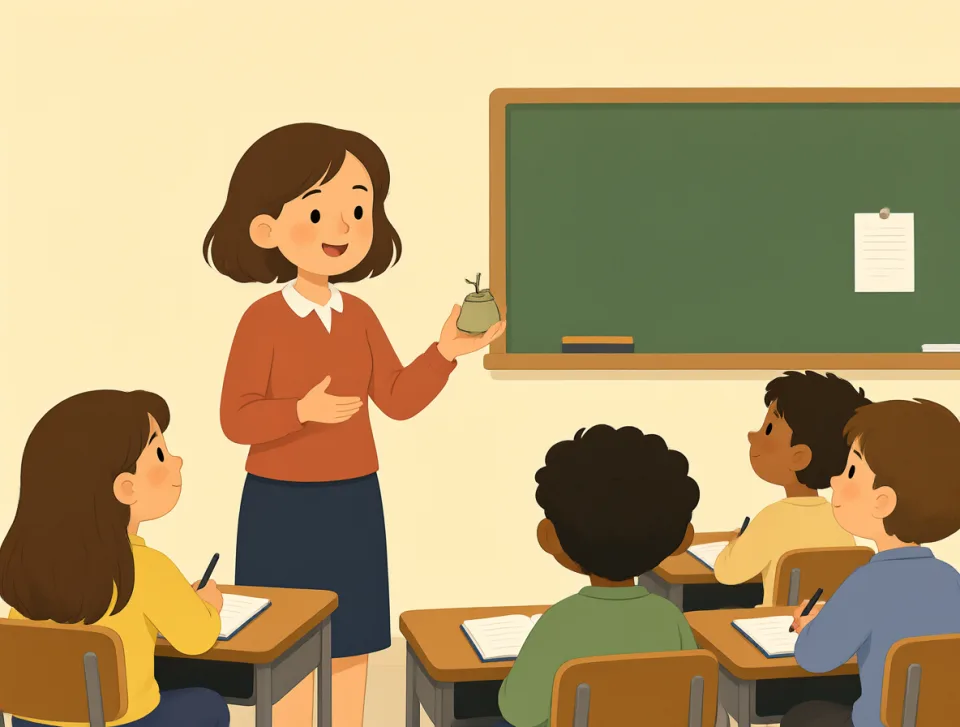
The teacher used an effective method to explain the difficult lesson.
Nauczyciel zastosował skuteczną metodę, aby wyjaśnić trudną lekcję.
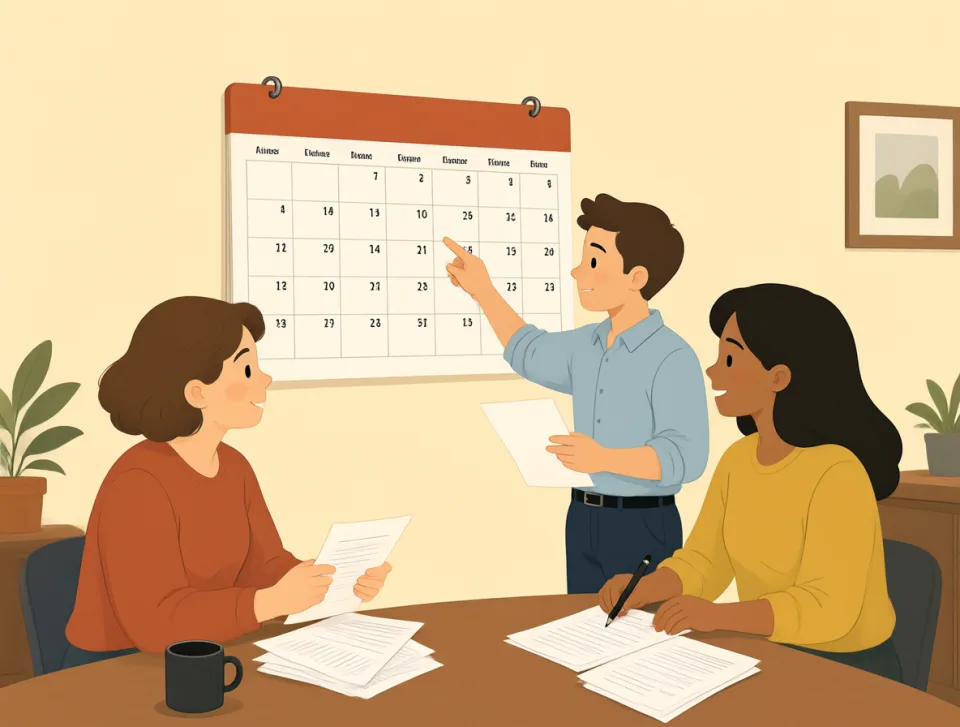
We need an effective plan to finish the work on time.
Potrzebujemy skutecznego planu, żeby skończyć pracę na czas.
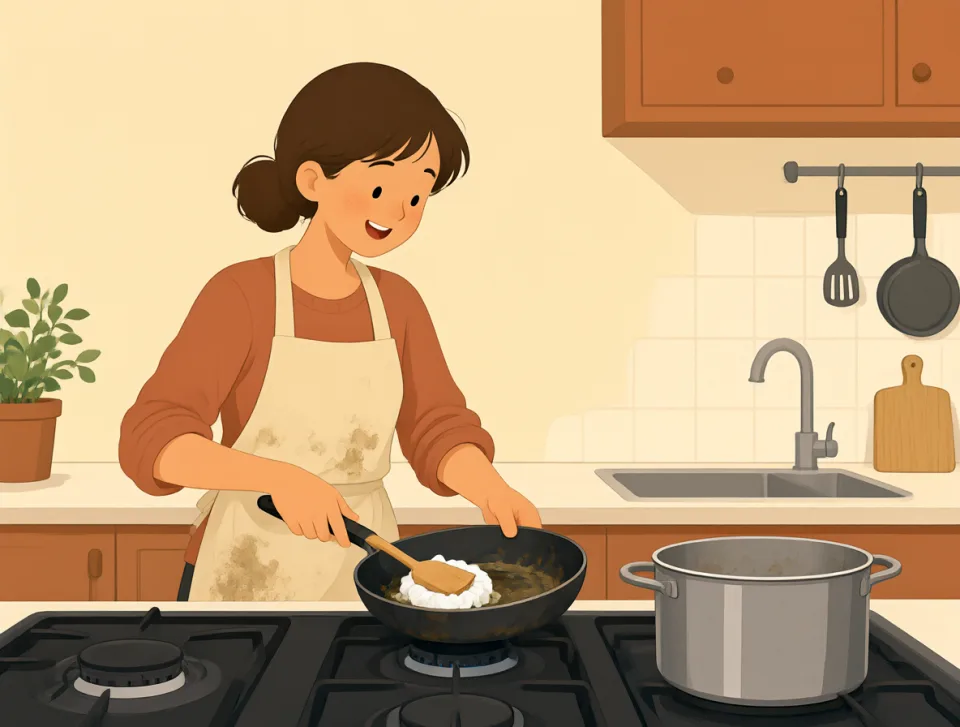
The new cleaner is effective at removing grease from pans.
Nowy środek czyszczący skutecznie usuwa tłuszcz z patelni.
correct
#1032adjective, verb
poprawny
Right or free from mistakes; to change something so it becomes right.
Prawidłowy, pozbawiony błędów; poprawić coś, aby było prawidłowe.
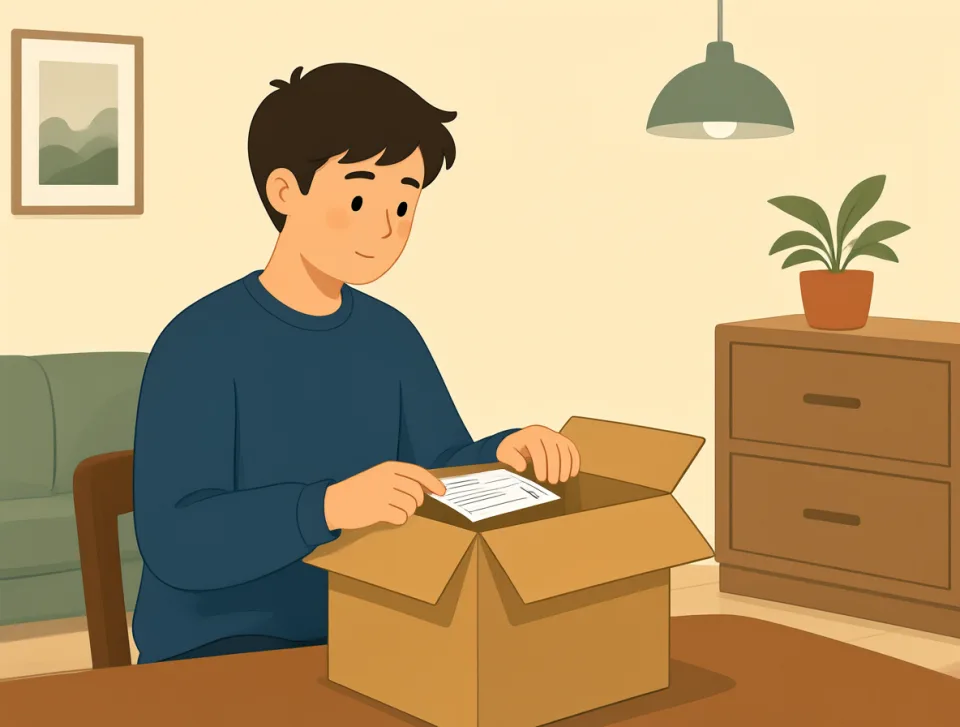
Please check that the address is correct before sending the package.
Przed wysłaniem paczki sprawdź, czy adres jest poprawny.
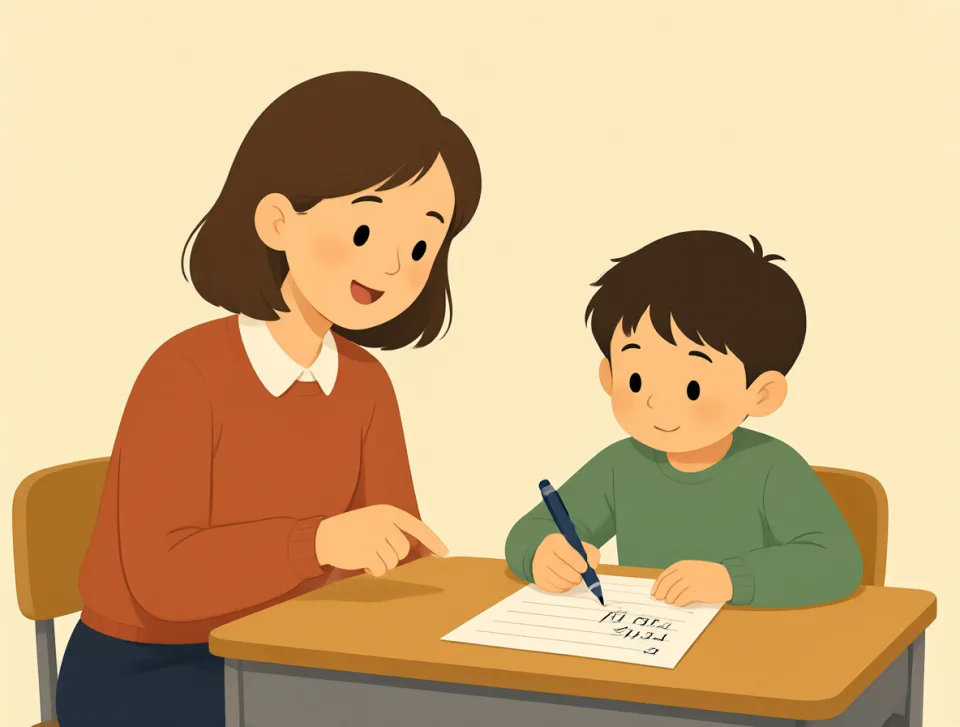
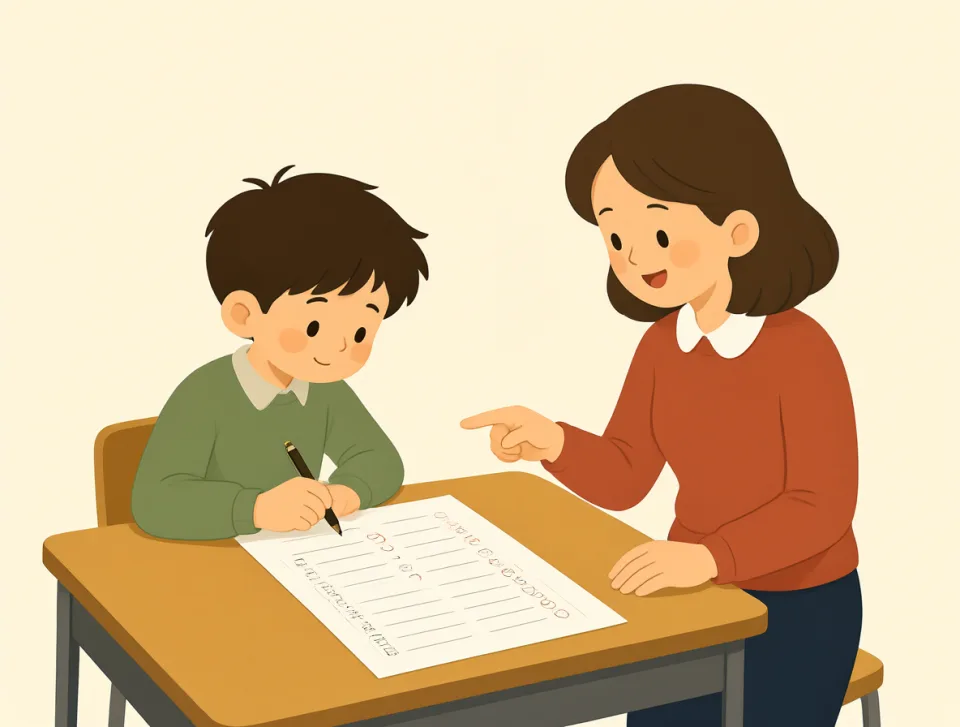
The teacher corrected my spelling mistake after class.
Po lekcji nauczyciel poprawił mój błąd ortograficzny.
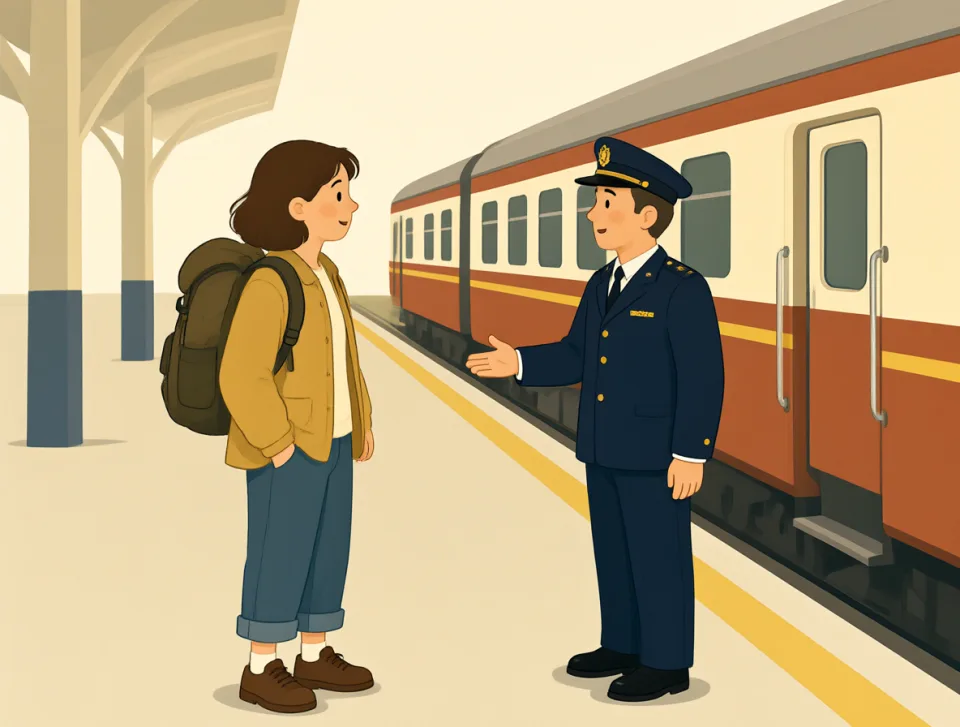
Is this the correct train for the city center?
Czy to właściwy pociąg do centrum miasta?
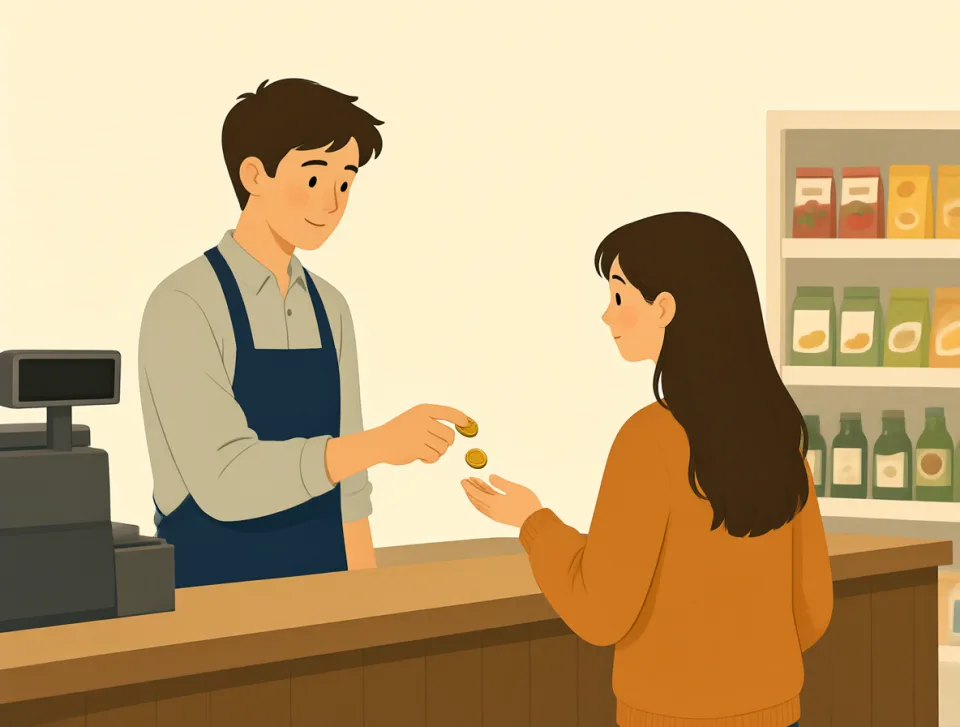
She gave me the correct change at the checkout.
Przy kasie wydała mi właściwą resztę.
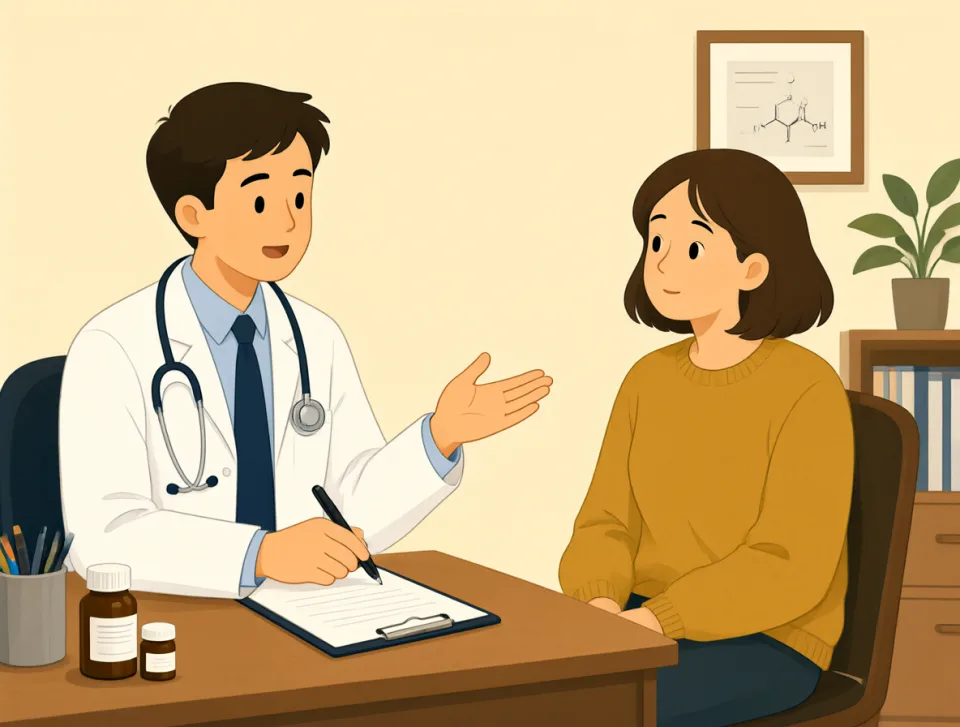
The doctor corrected my treatment after hearing about my new symptoms.
Po wysłuchaniu o moich nowych objawach lekarz skorygował leczenie.
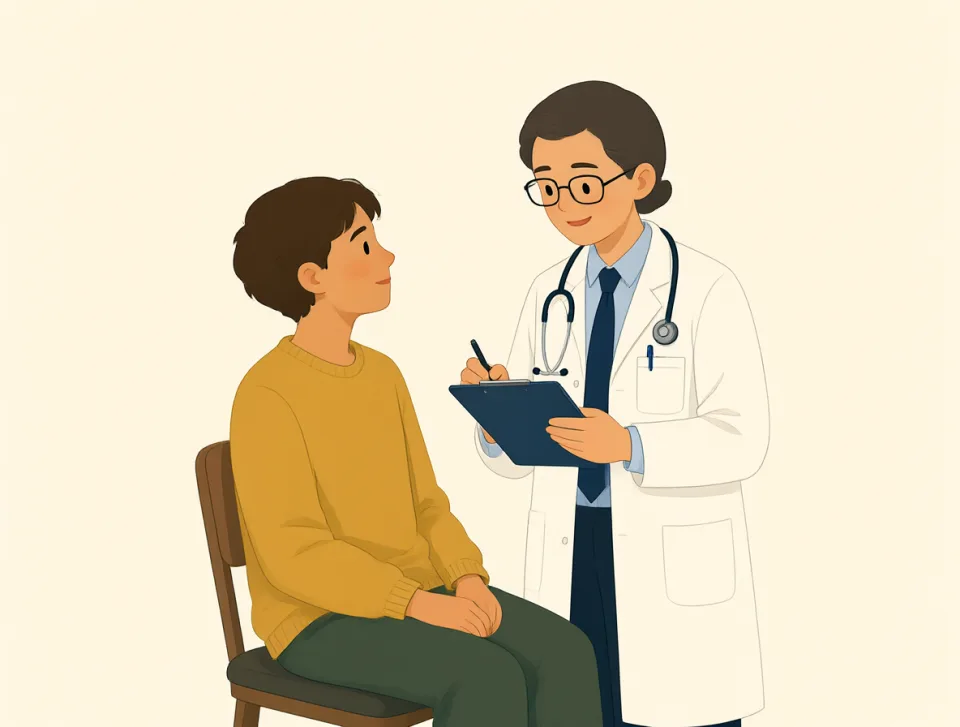
medical
#1033adjective
medyczny
Connected with medicine, doctors, hospitals, or treating illness
Związany z medycyną, lekarzami, szpitalami lub leczeniem chorób
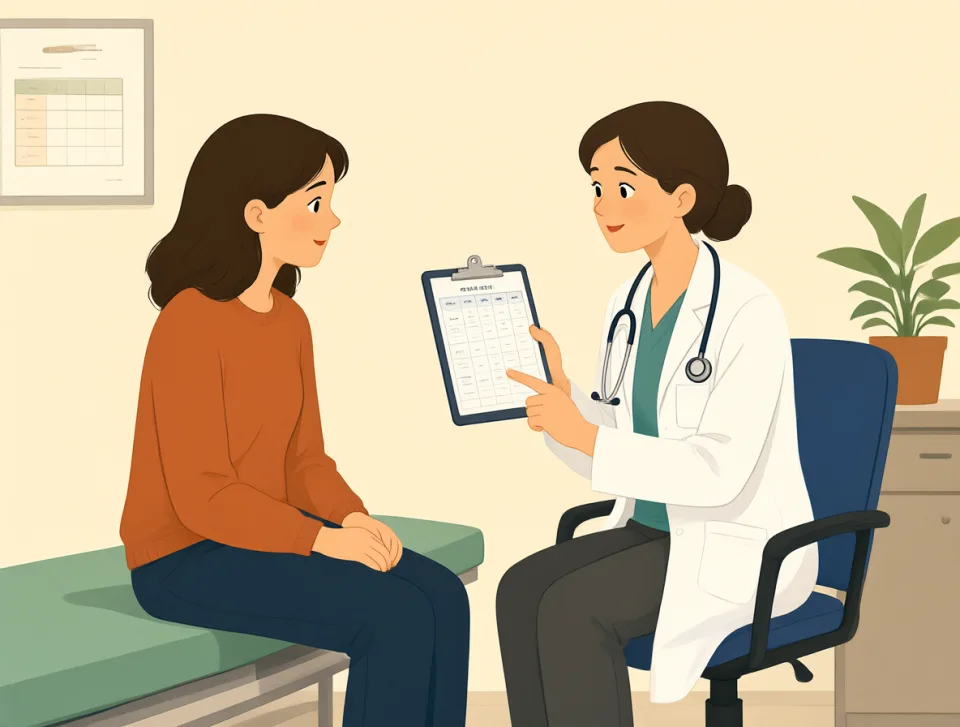
She has a medical appointment with her doctor tomorrow morning.
Jutro rano ma wizytę lekarską.
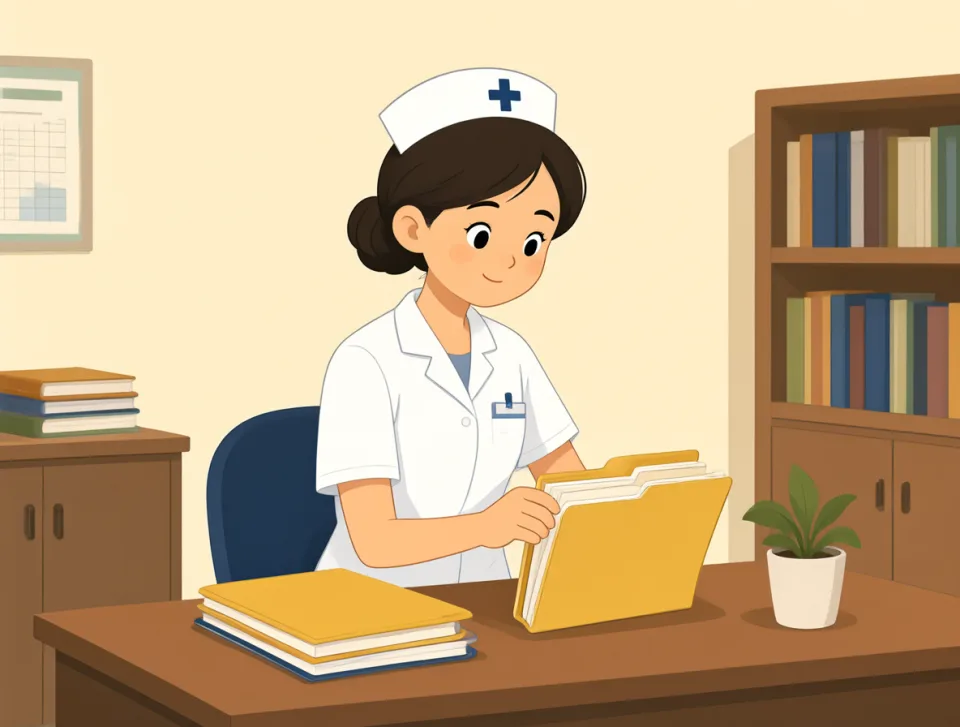
The school keeps medical records for every student.
Szkoła przechowuje dokumentację medyczną każdego ucznia.
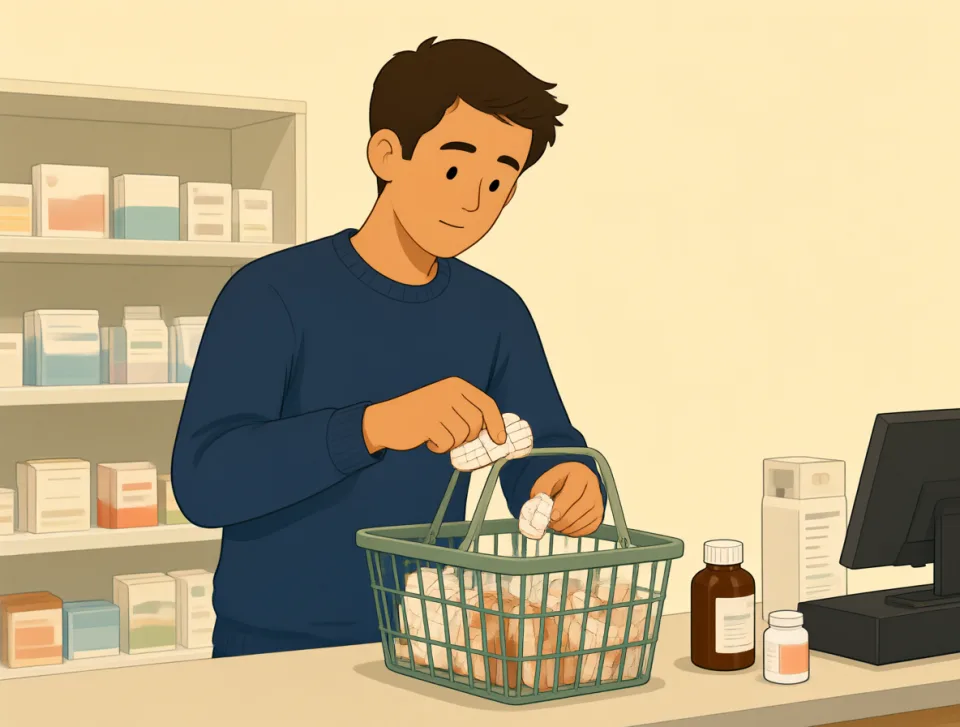
He bought medical supplies for his injured brother.
Kupił środki medyczne dla swojego rannego brata.
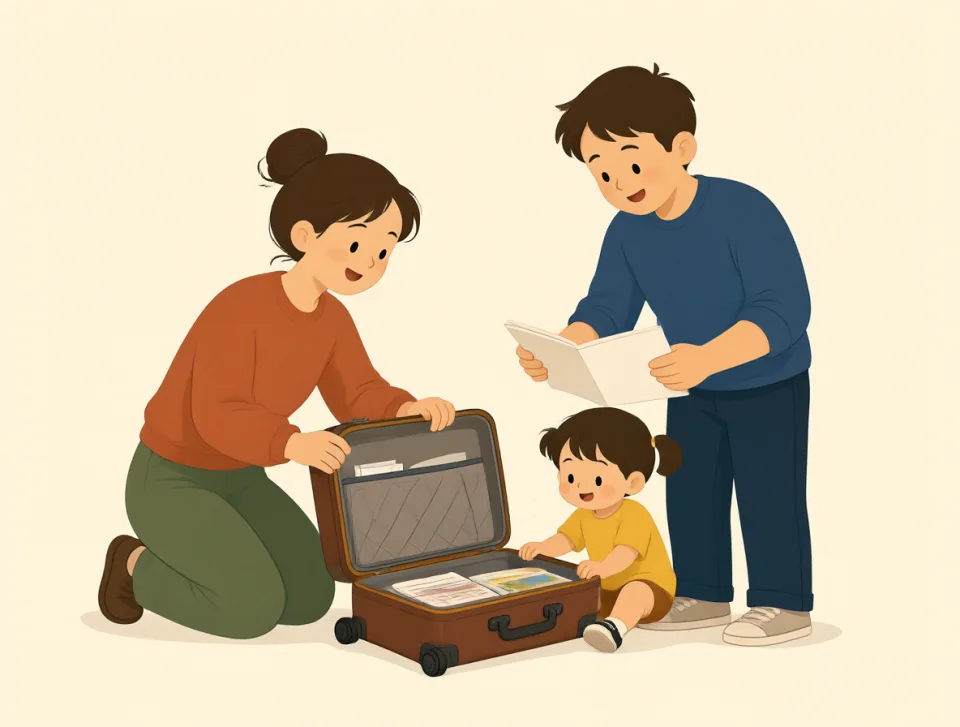
You need medical insurance before traveling abroad.
Przed podróżą za granicę potrzebujesz ubezpieczenia zdrowotnego.
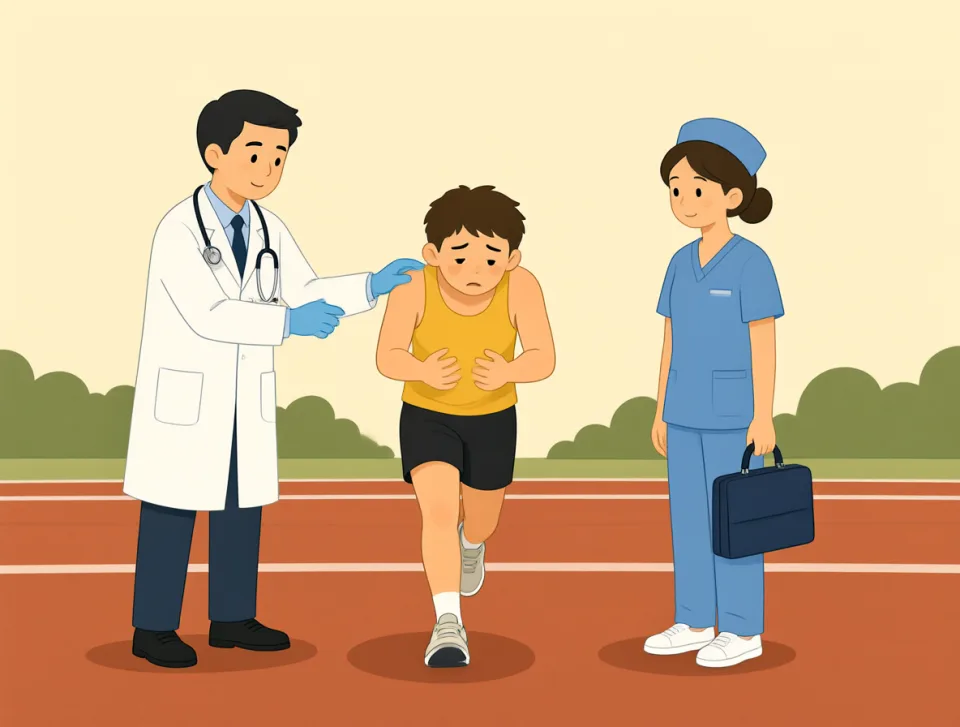
The medical team helped the runner after the race.
Zespół medyczny pomógł biegaczowi po wyścigu.
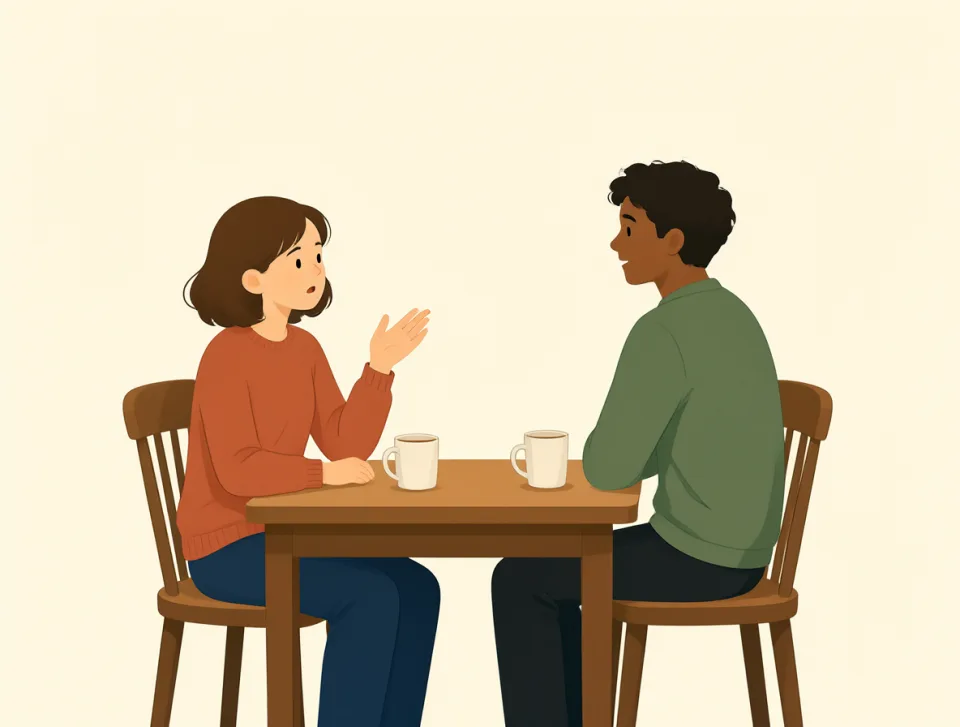
admit
#1034verb
przyznać się
to say that something is true, especially when you do not want to
Powiedzieć, że coś jest prawdą, zwłaszcza gdy nie ma się na to ochoty
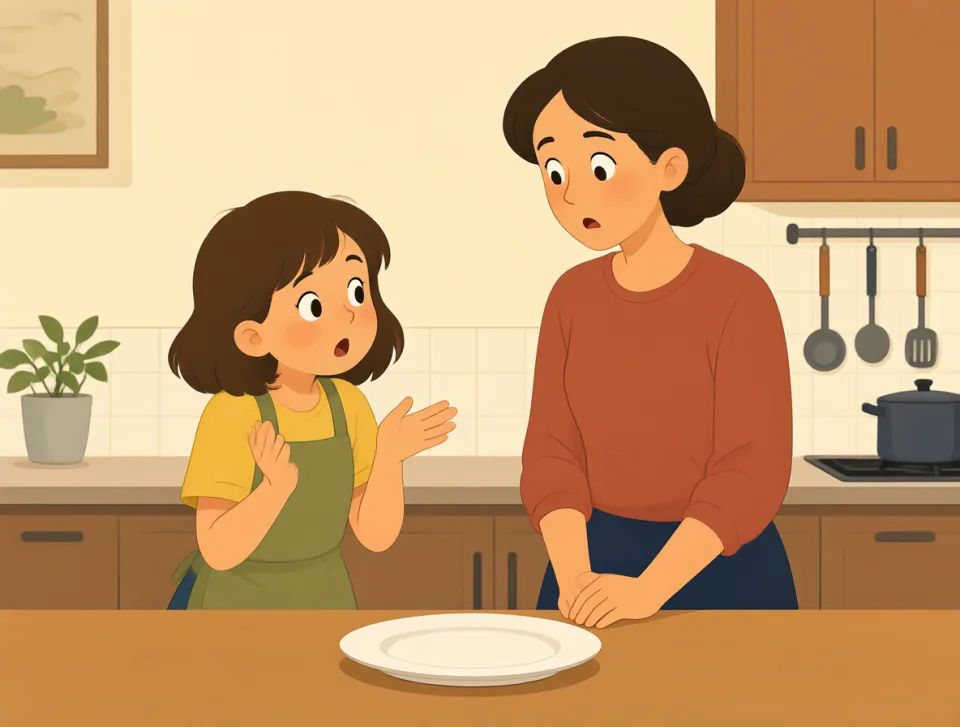
She admitted that she had taken the last cookie.
Przyznała się, że zjadła ostatnie ciastko.
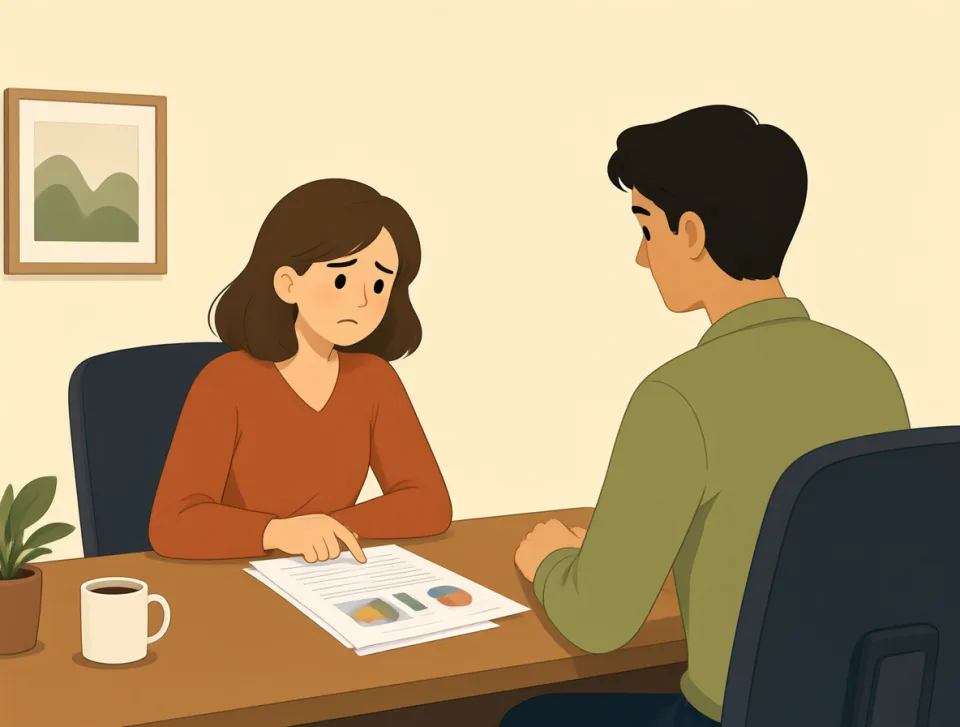
He admitted making a mistake in the report.
Przyznał, że popełnił błąd w raporcie.
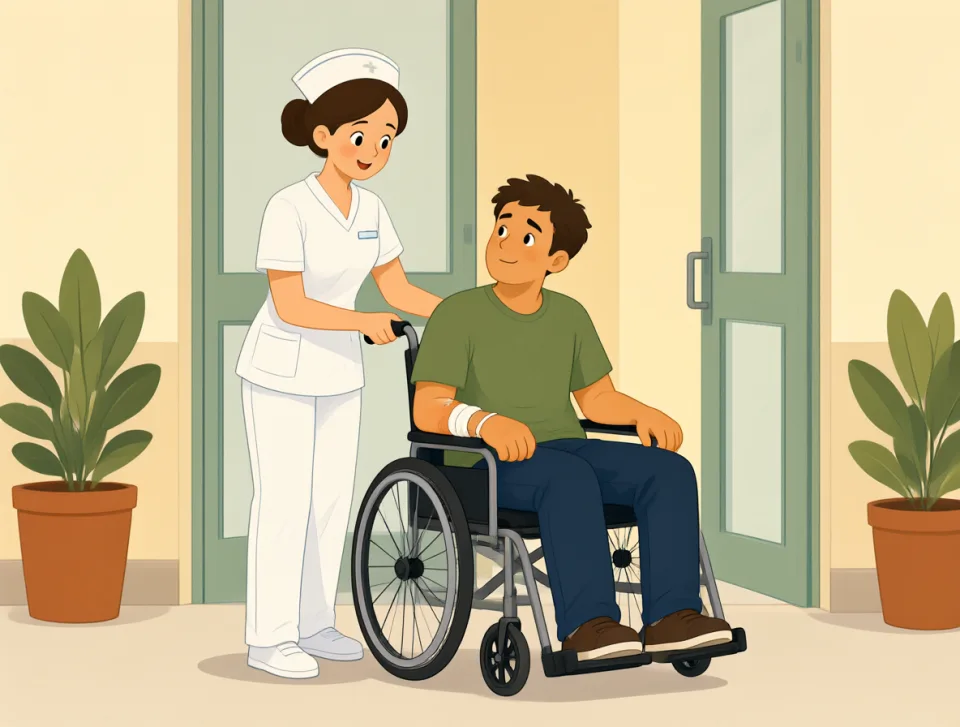
The nurse admitted him to the hospital after the accident.
Po wypadku pielęgniarka przyjęła go do szpitala.
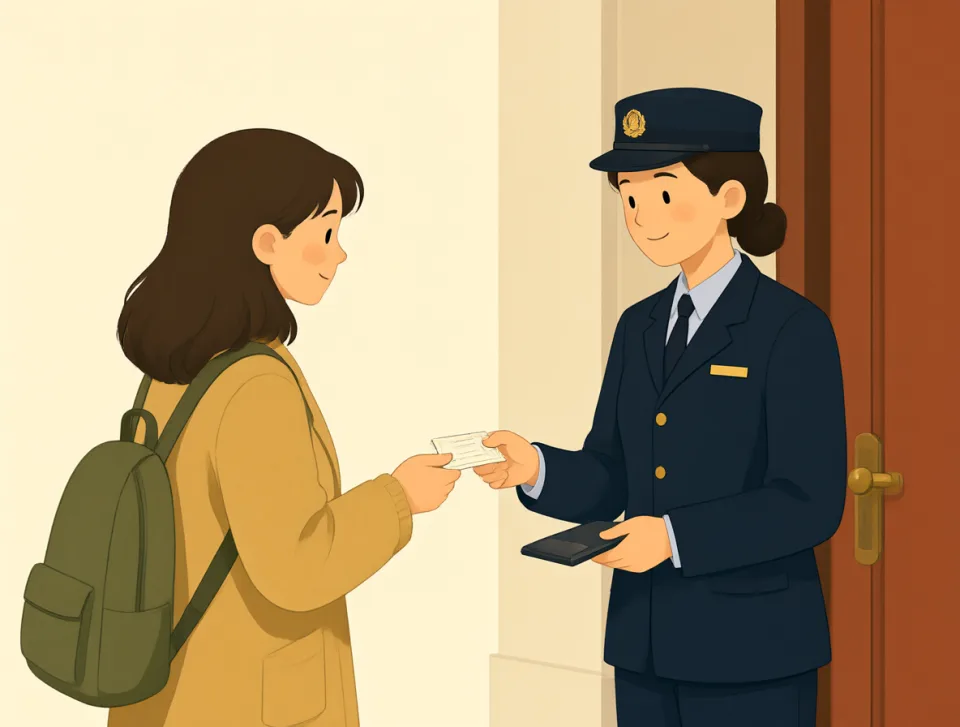
This ticket admits one adult to the museum.
Ten bilet uprawnia jedną osobę dorosłą do wstępu do muzeum.
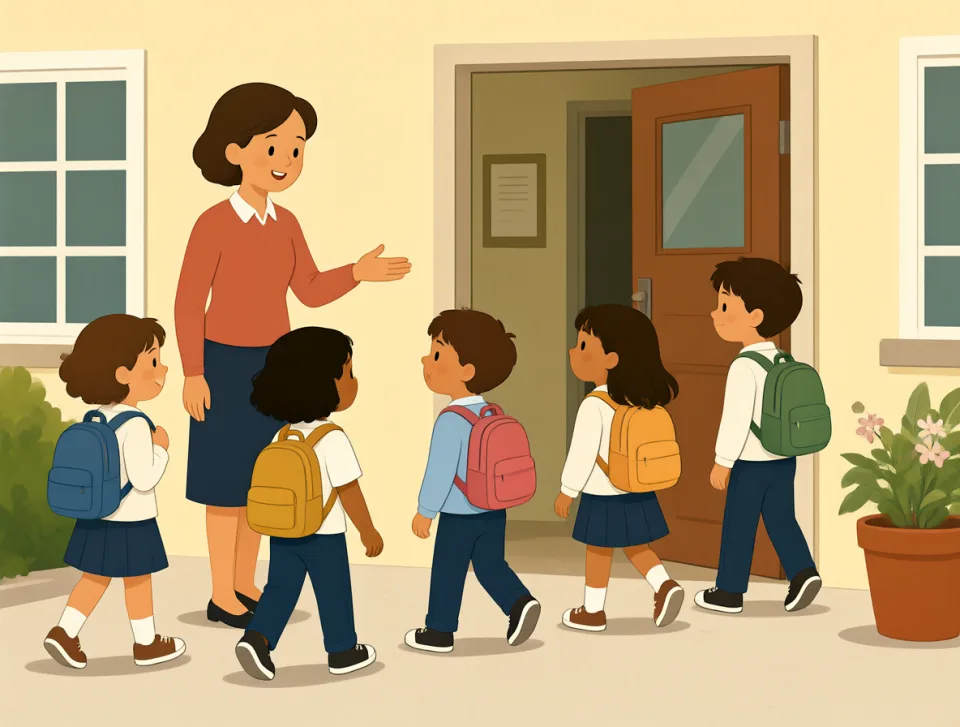
The school admits new students every September.
Szkoła przyjmuje nowych uczniów co roku we wrześniu.
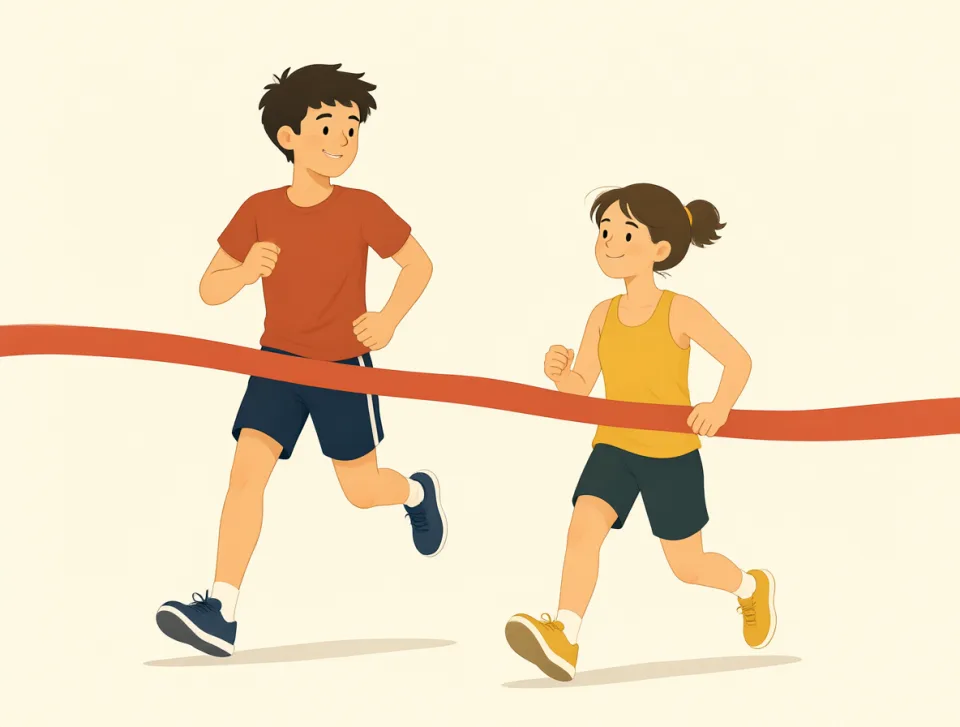
beat
#1035verb, noun
pokonać
To defeat someone or something, or to hit repeatedly; a regular rhythm or strong feeling.
Pokonać kogoś lub coś albo uderzać wielokrotnie; także: regularny rytm lub silne uczucie.
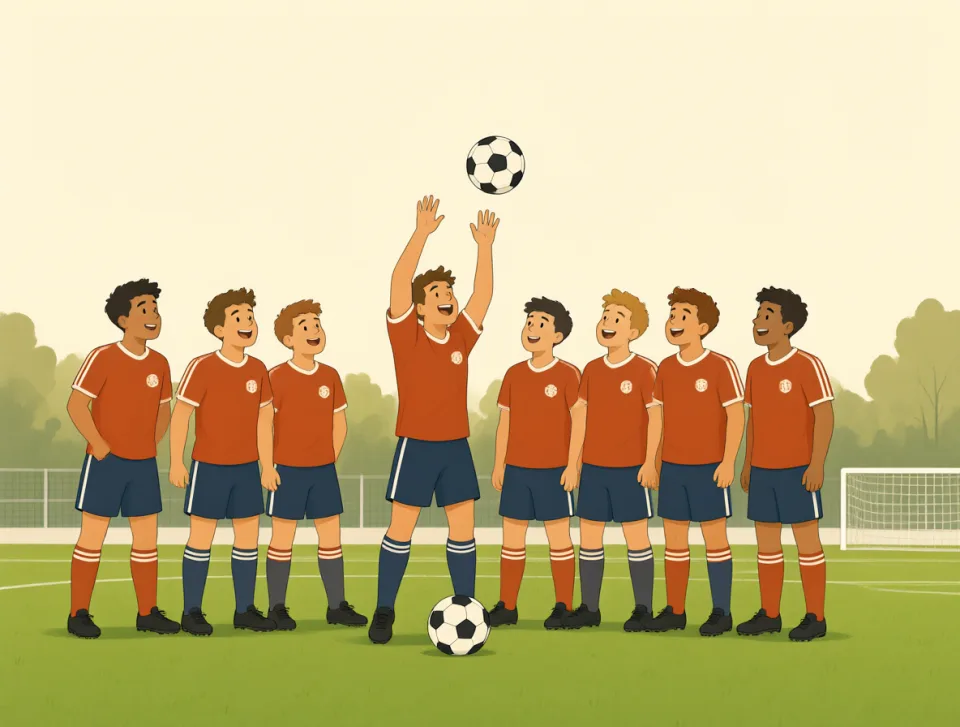
Our team beat the champions in yesterday’s final game.
Wczoraj w finale nasza drużyna pokonała obrońców tytułu.
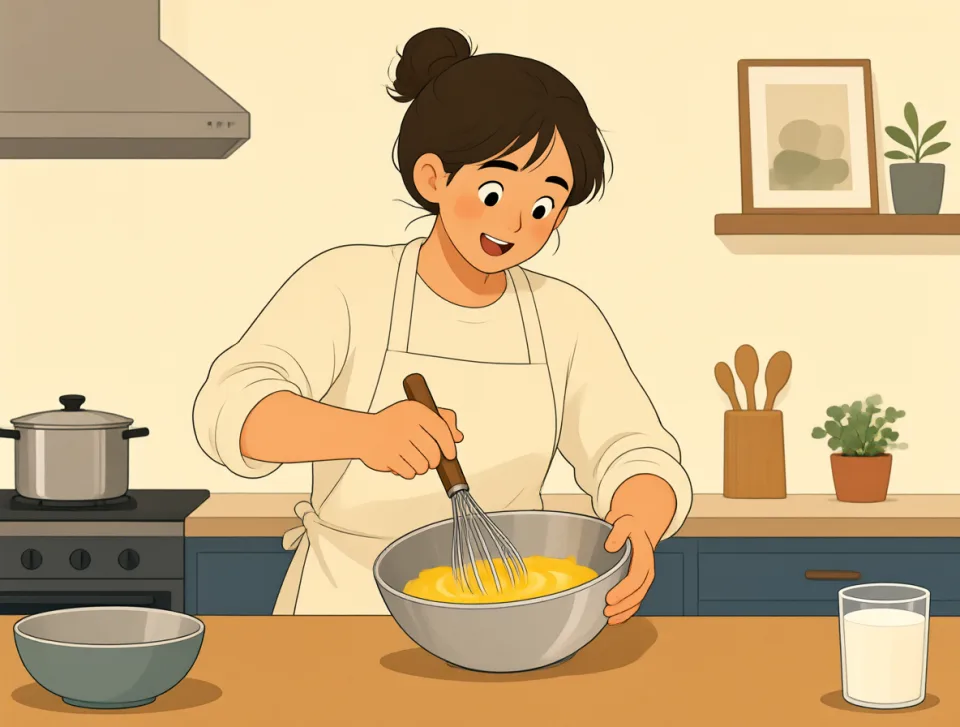
I beat the eggs before adding them to the cake mixture.
Ubiłem jajka, zanim dodałem je do masy na ciasto.
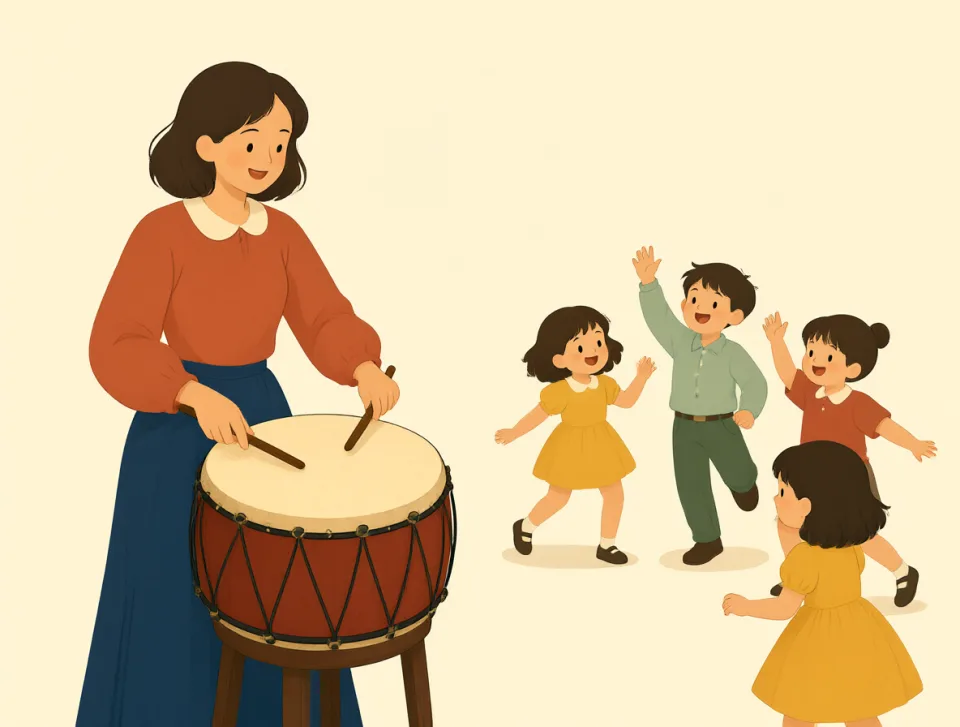
She beat the drum while the children danced around her.
Uderzała w bęben, gdy dzieci tańczyły wokół niej.

We beat the traffic by leaving home before seven o’clock.
Uniknęliśmy korków, wyjeżdżając z domu przed siódmą.
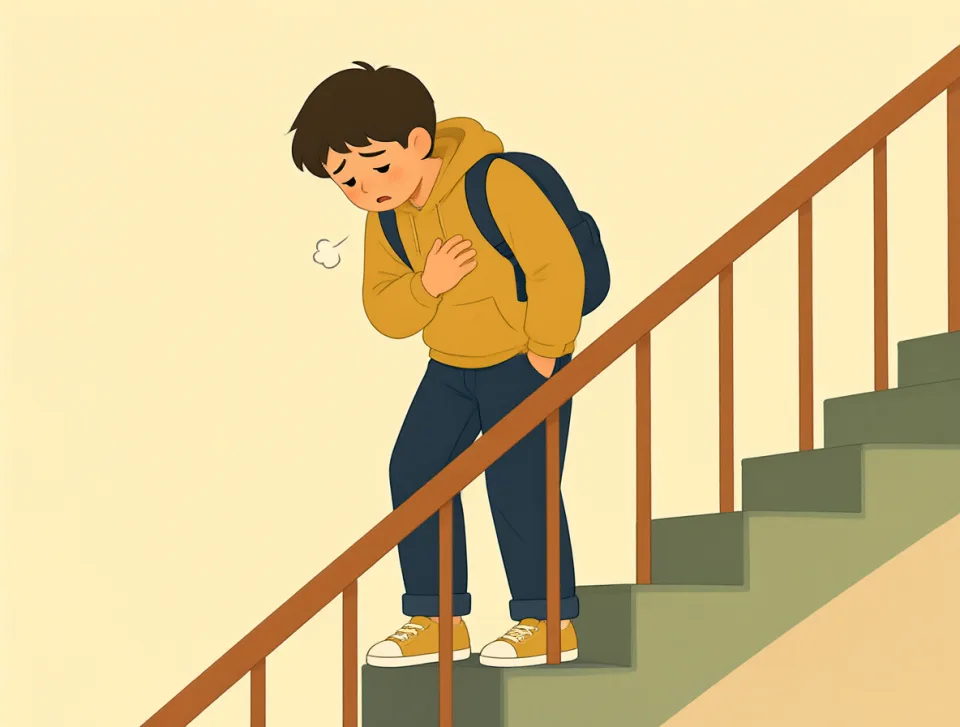
My heart was beating fast after climbing the stairs.
Po wejściu po schodach serce biło mi szybko.
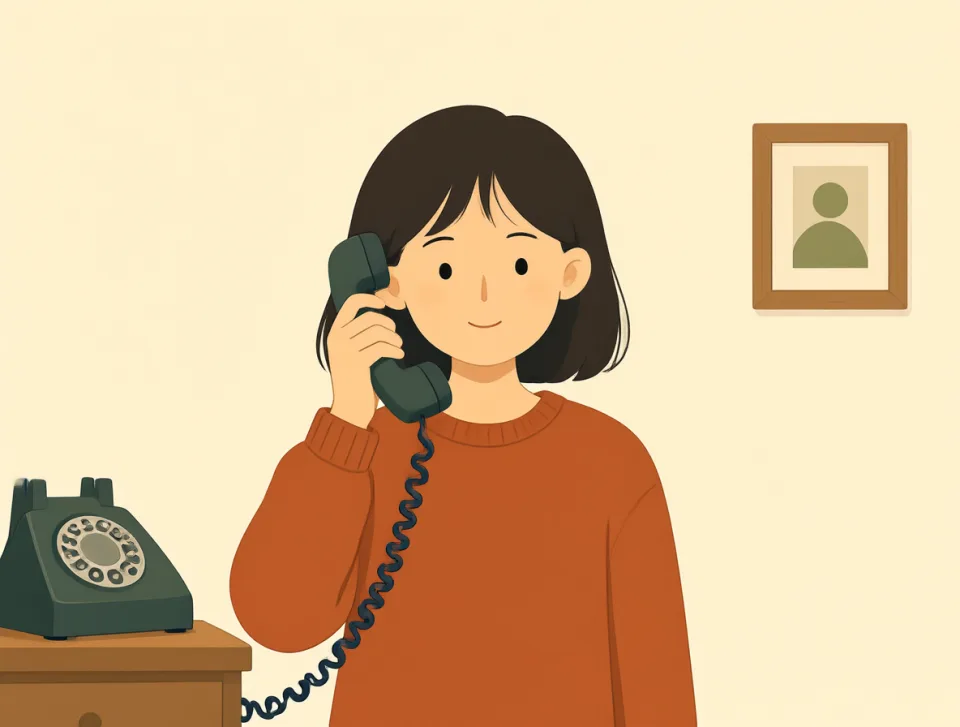
telephone
#1036noun, verb
telefon
a device used to talk to someone in another place
urządzenie służące do rozmowy z kimś znajdującym się w innym miejscu
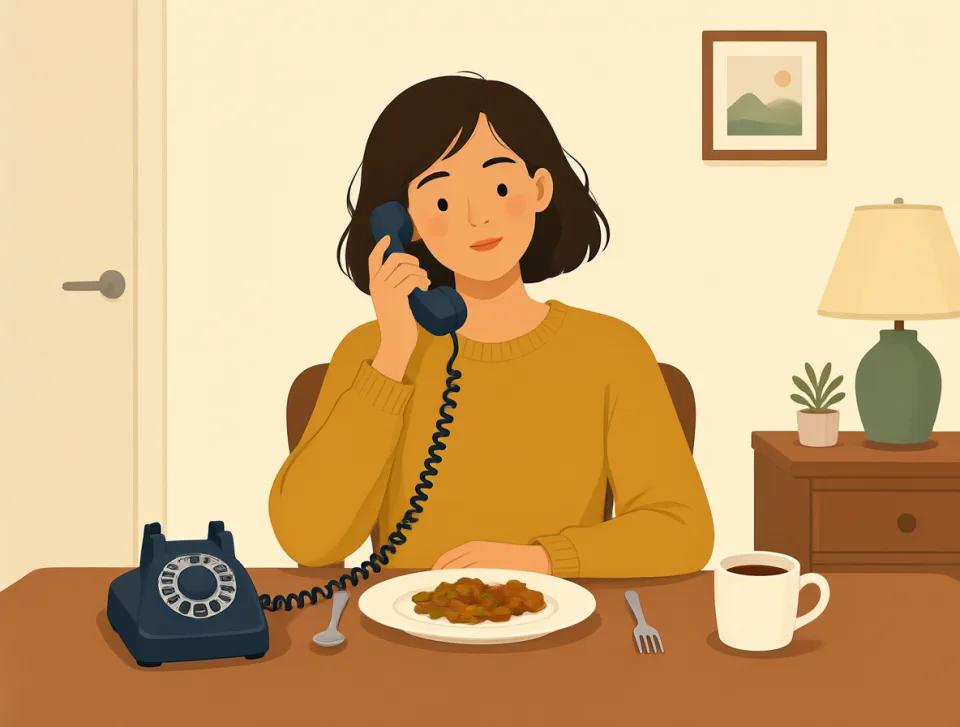
I need to make a telephone call before dinner.
Muszę zadzwonić przed kolacją.
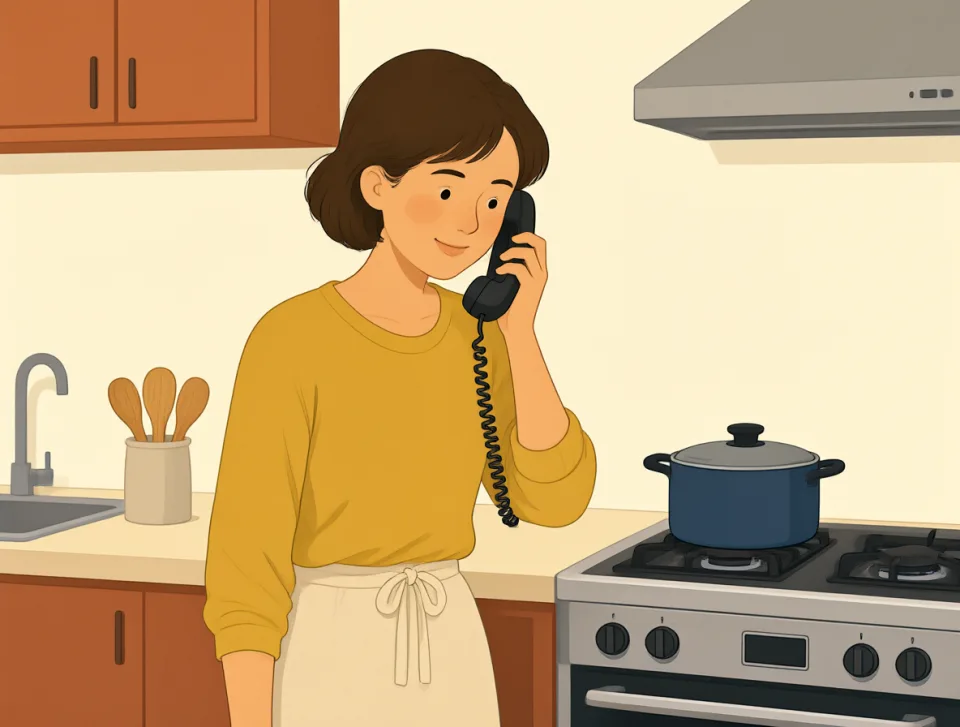
She answered the telephone while cooking lunch.
Odebrała telefon, gotując lunch.
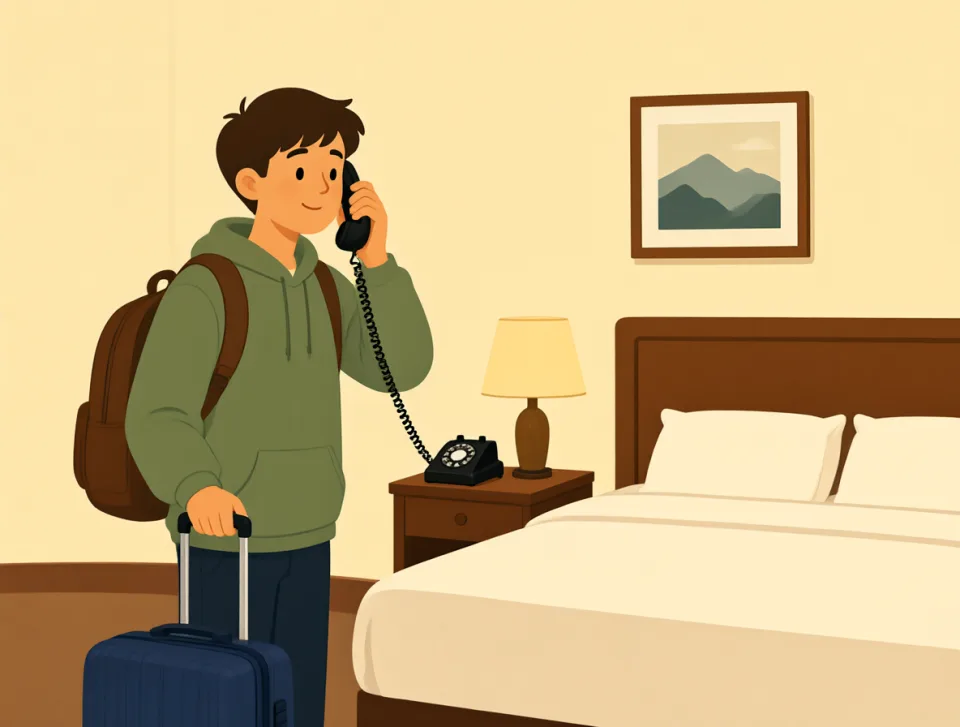
Please telephone me when you arrive at the hotel.
Proszę zadzwonić do mnie, gdy dotrze Pan/Pani do hotelu.
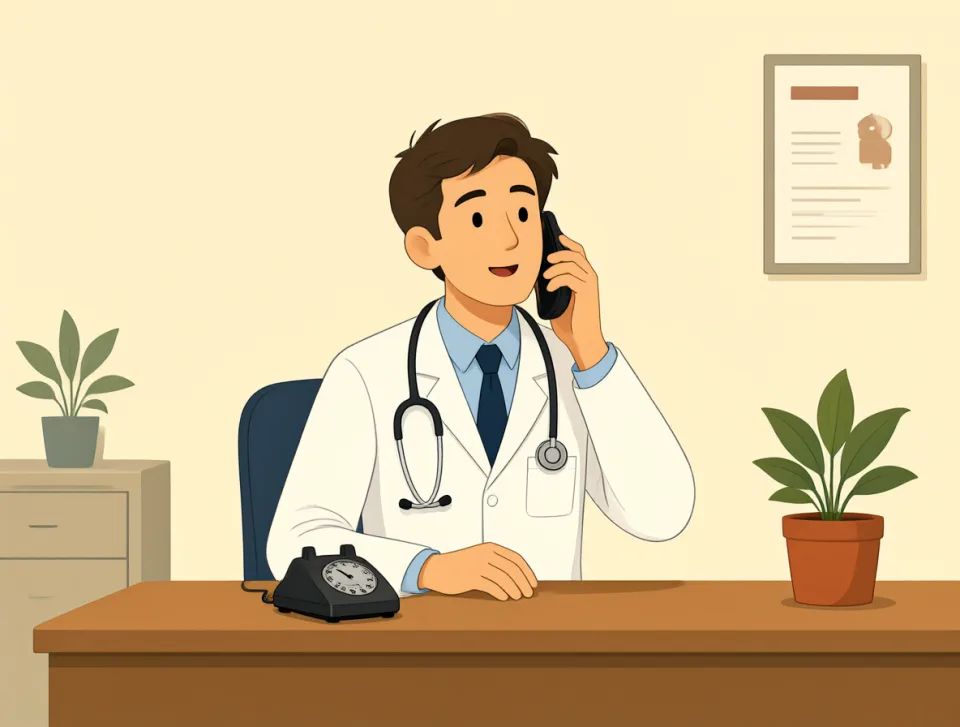
The doctor telephoned my mother with the test results.
Lekarz zadzwonił do mojej mamy z wynikami badań.

We ordered a pizza by telephone last night.
Wczoraj wieczorem zamówiliśmy pizzę przez telefon.
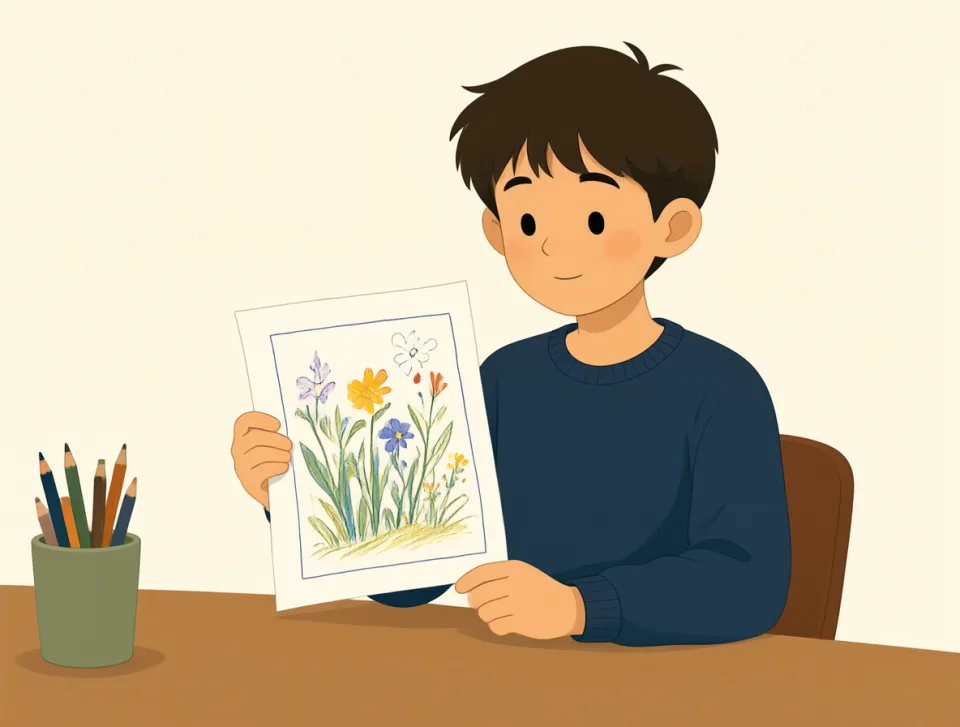
copy
#1037noun, verb
kopia
A copy is something made to look exactly like another thing, or the act of making one.
Kopia to coś wykonanego tak, aby wyglądało dokładnie jak inna rzecz, lub czynność polegająca na jej wykonaniu.
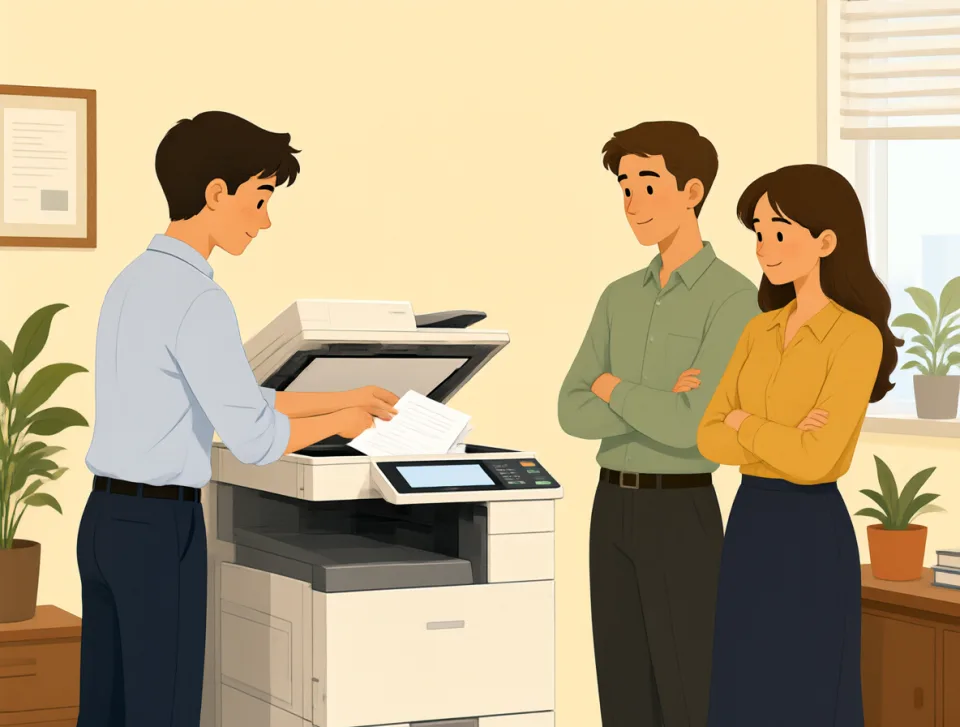
Please make a copy of this document for everyone.
Proszę zrobić kopię tego dokumentu dla wszystkich.
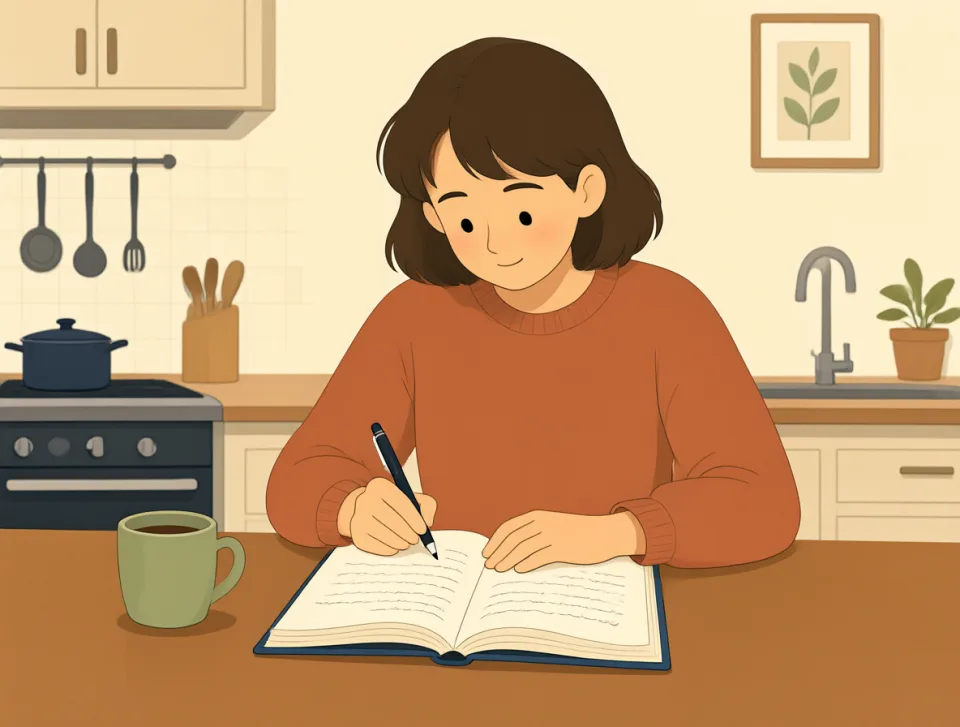
I copied the recipe into my notebook before cooking dinner.
Przepisałem przepis do notesu, zanim zacząłem gotować kolację.
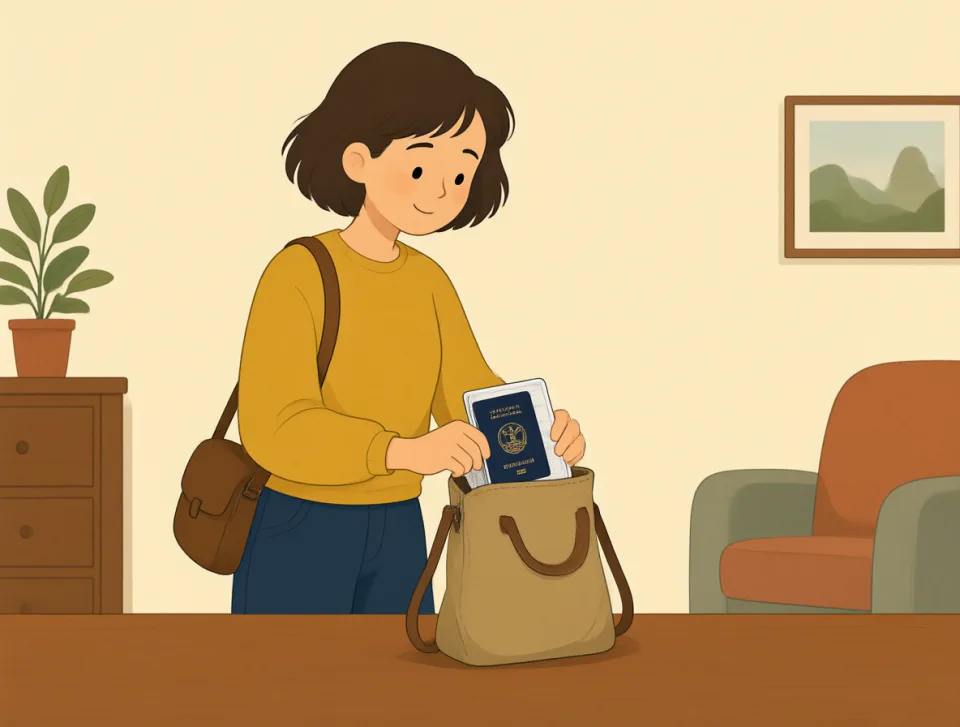
She keeps a spare copy of her passport in her bag.
Trzyma w torbie zapasową kopię paszportu.
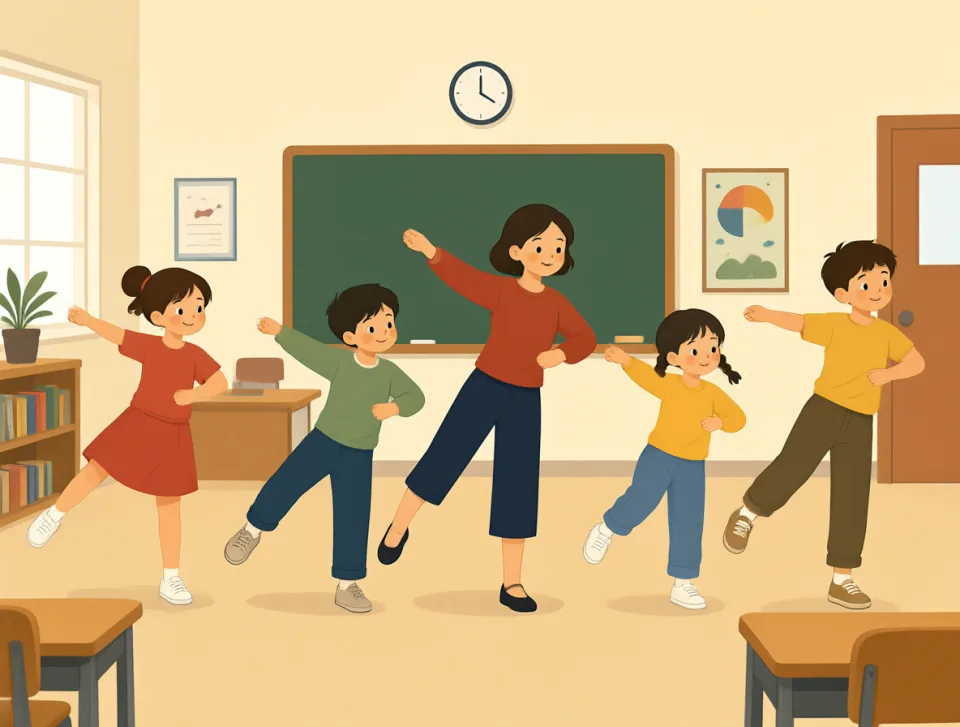
The children copied their teacher's dance moves in the classroom.
Dzieci naśladowały ruchy taneczne nauczyciela w klasie.
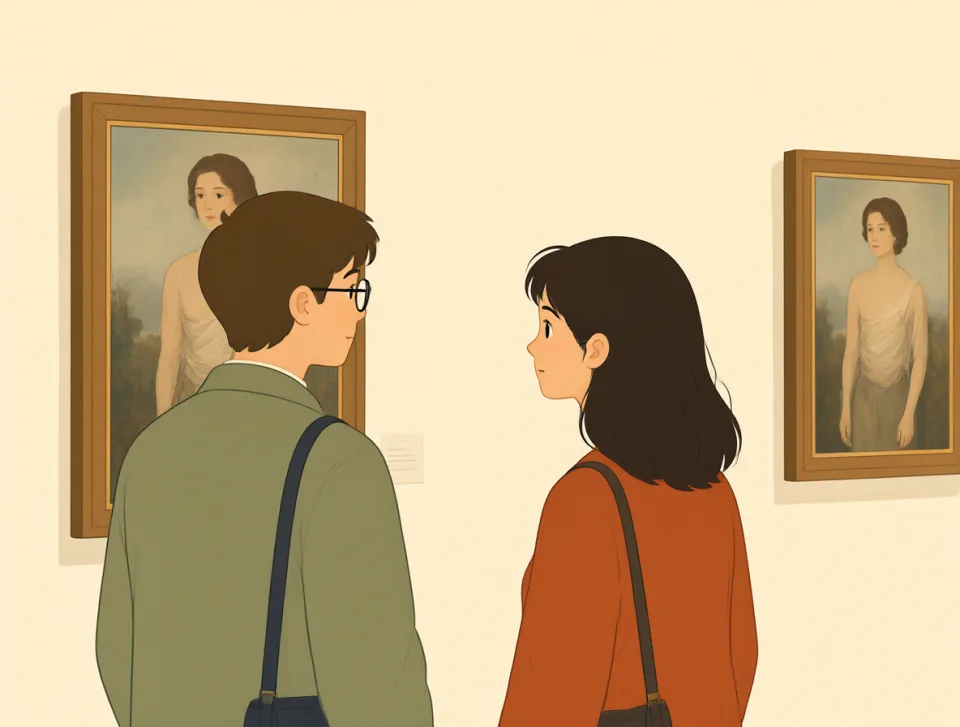
This painting is a beautiful copy of a famous original.
Ten obraz jest piękną kopią słynnego oryginału.
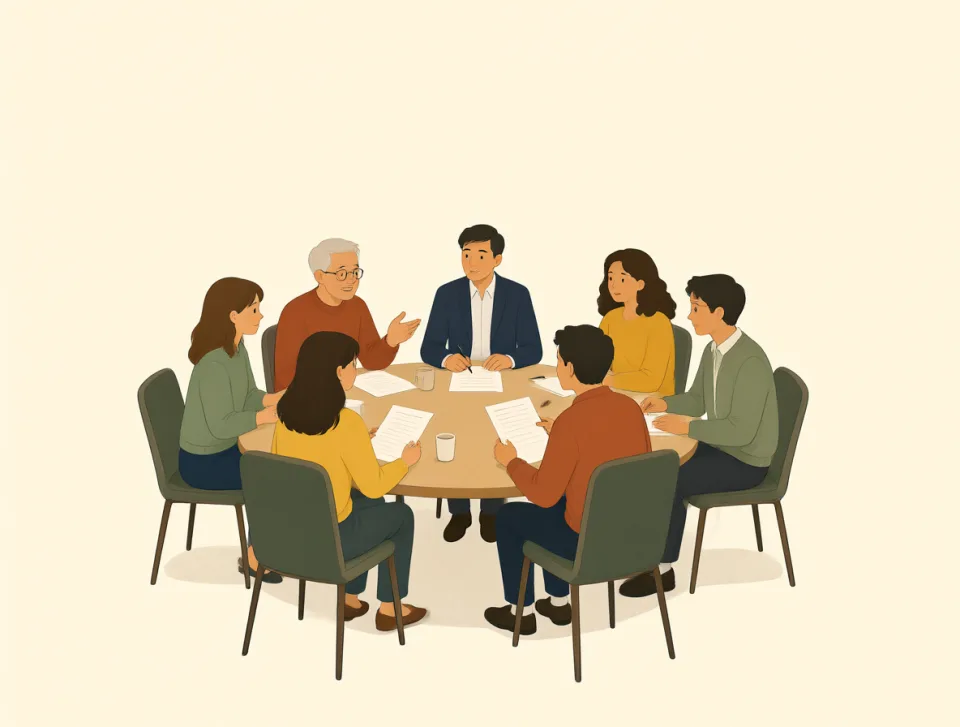
committee
#1038noun
komitet
A group of people chosen to plan, discuss, or decide something.
Grupa osób wybranych do planowania, omawiania lub podejmowania decyzji w jakiejś sprawie.
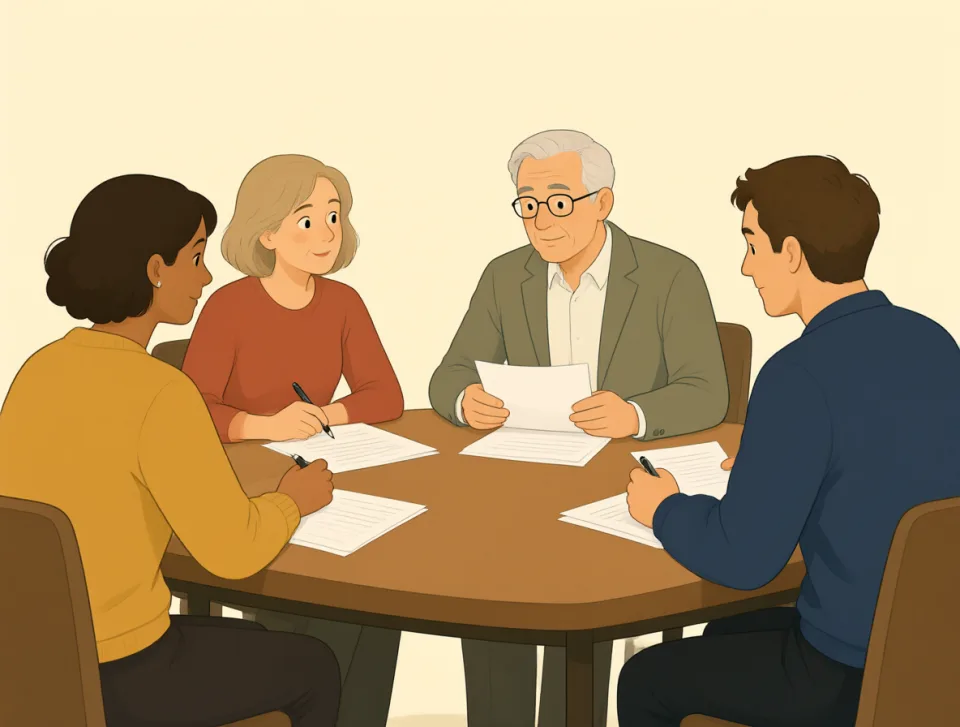
The committee meets every Monday to discuss local community projects.
Komitet spotyka się w każdy poniedziałek, aby omawiać lokalne projekty społeczne.
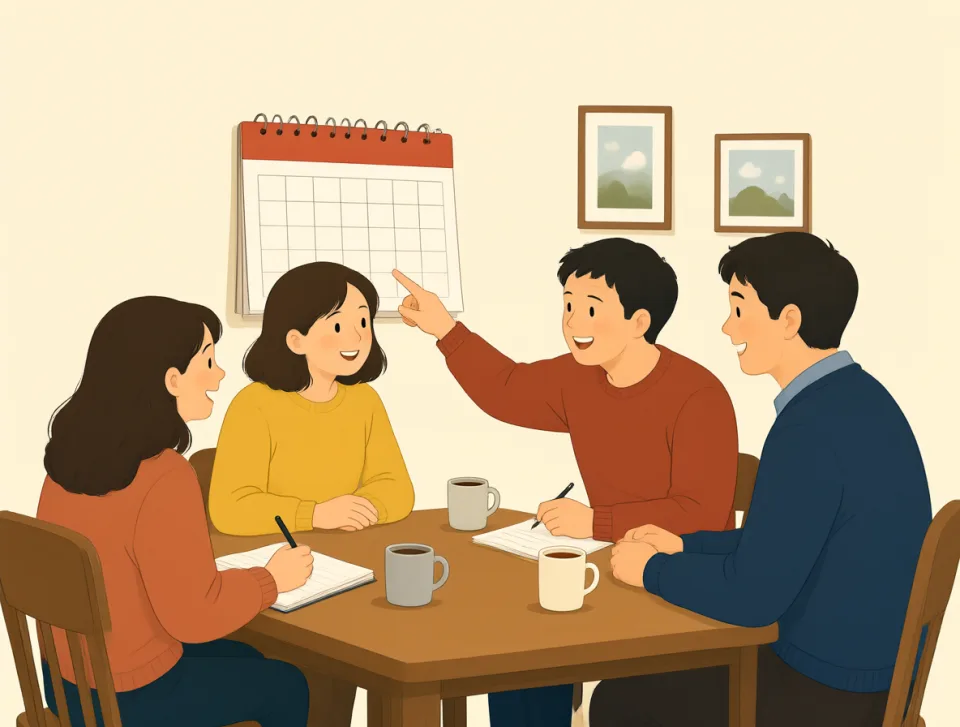
The school committee chose a date for the summer festival.
Komitet szkolny wybrał datę letniego festiwalu.
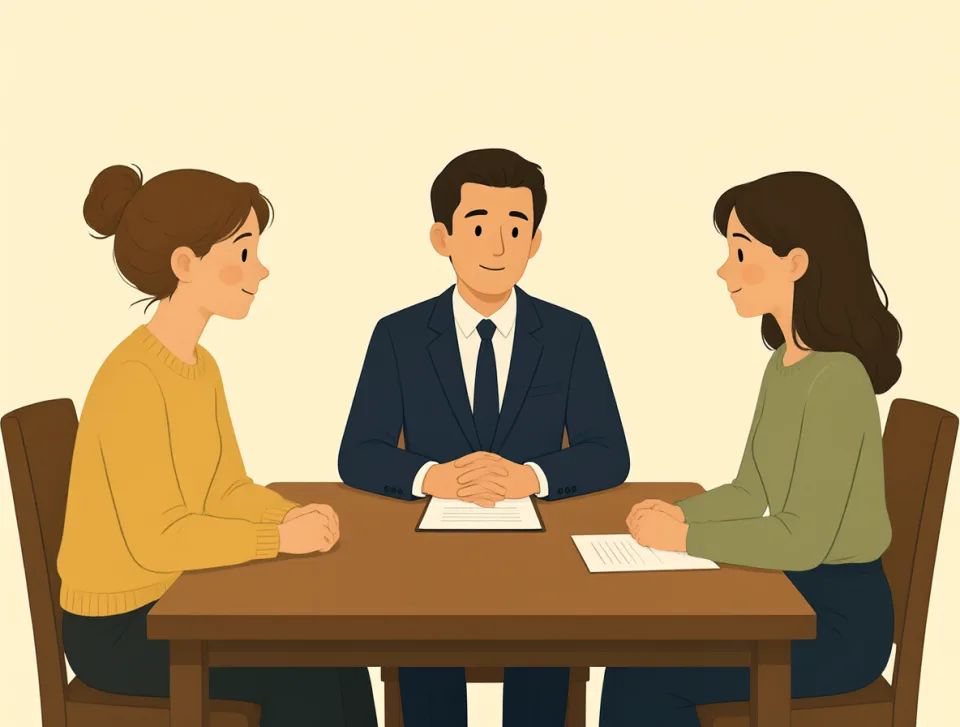
A hiring committee interviewed three candidates for the new job.
Komisja rekrutacyjna przeprowadziła rozmowy z trzema kandydatami na nowe stanowisko.
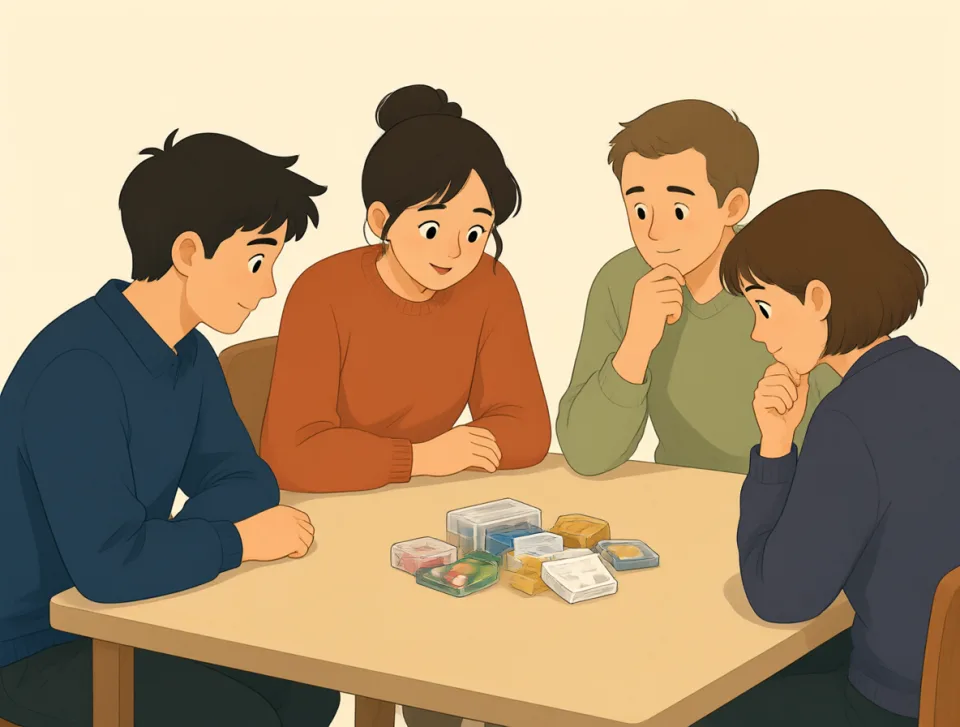
The committee agreed to spend less money on office supplies.
Komitet zgodził się wydawać mniej pieniędzy na artykuły biurowe.
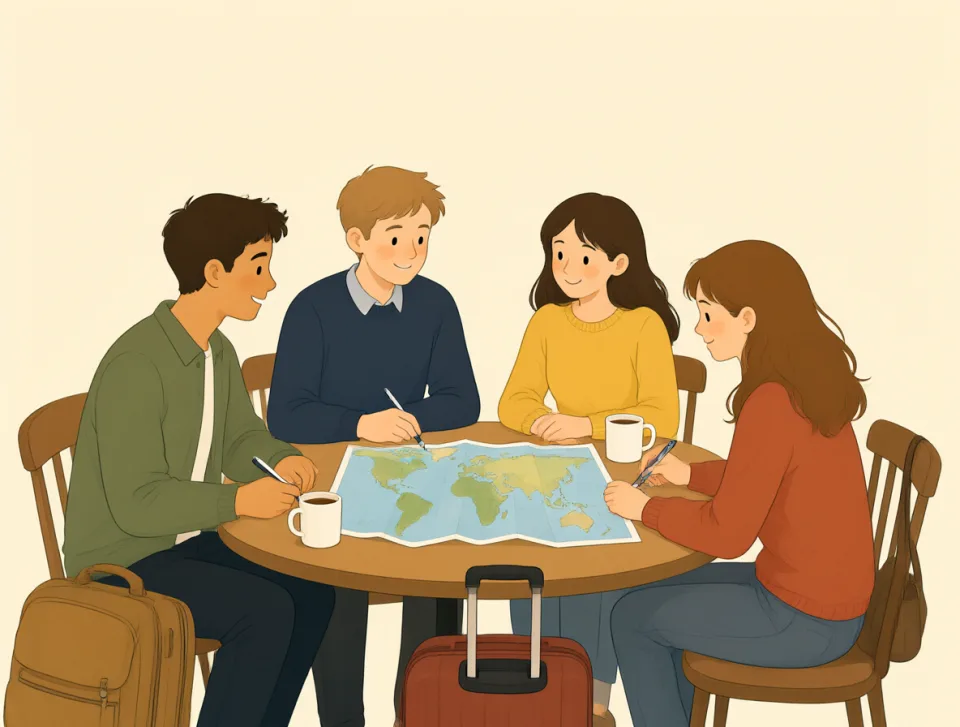
Our travel committee planned the hotel and transport for the group.
Nasz komitet podróżny zaplanował hotel i transport dla grupy.
aware
#1039adjective
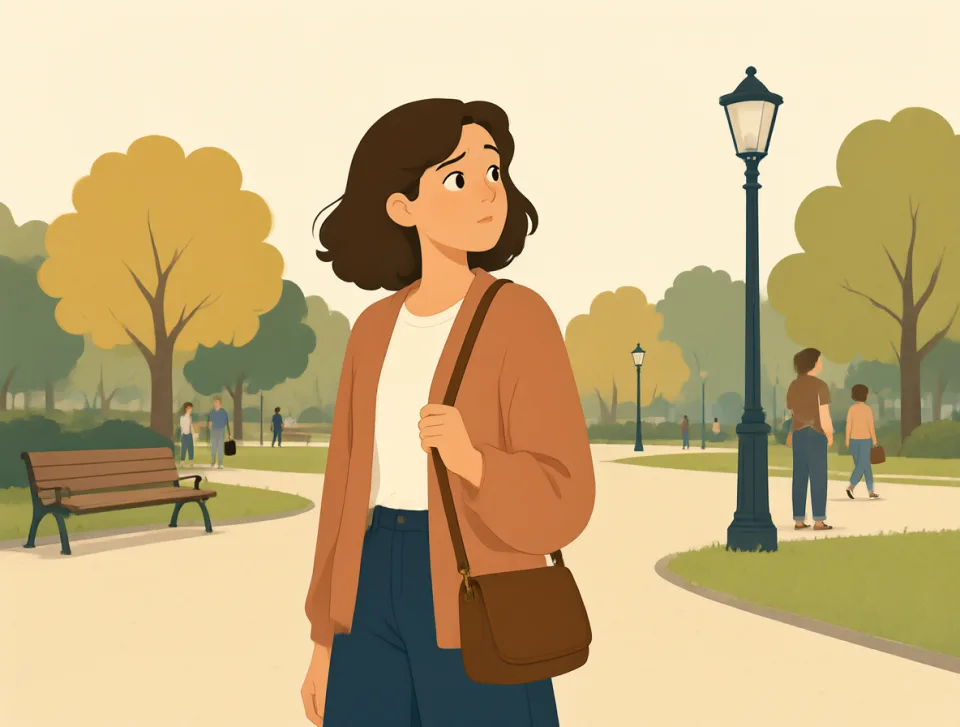
świadomy
Knowing about something or noticing what is happening around you.
Wiedzący o czymś lub zauważający, co dzieje się wokół.
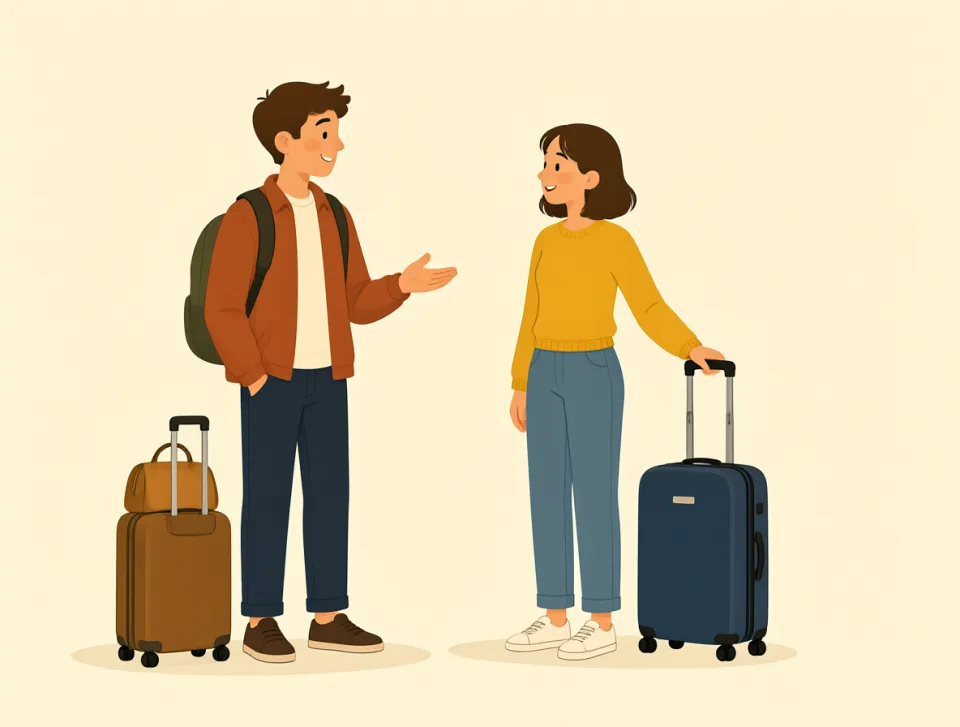
Are you aware of the changes to tomorrow's travel plans?
Czy wiesz o zmianach w jutrzejszych planach podróży?
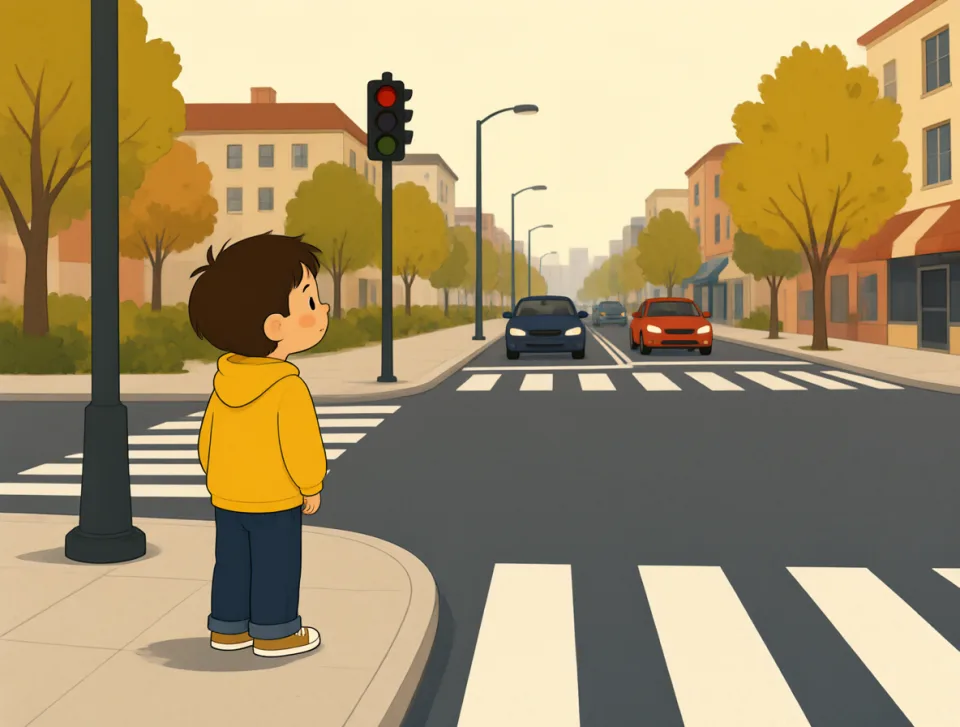
Please be aware of cars when you cross this busy road.
Proszę uważać na samochody podczas przechodzenia przez tę ruchliwą ulicę.
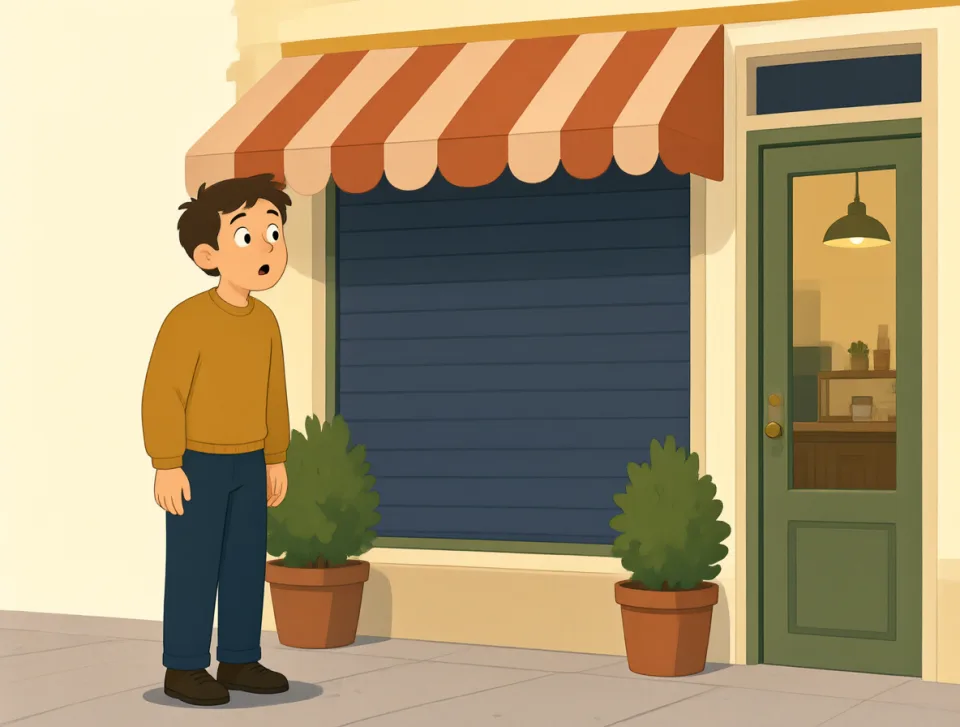
I was not aware that the shop closed so early.
Nie wiedziałem, że sklep zamyka się tak wcześnie.
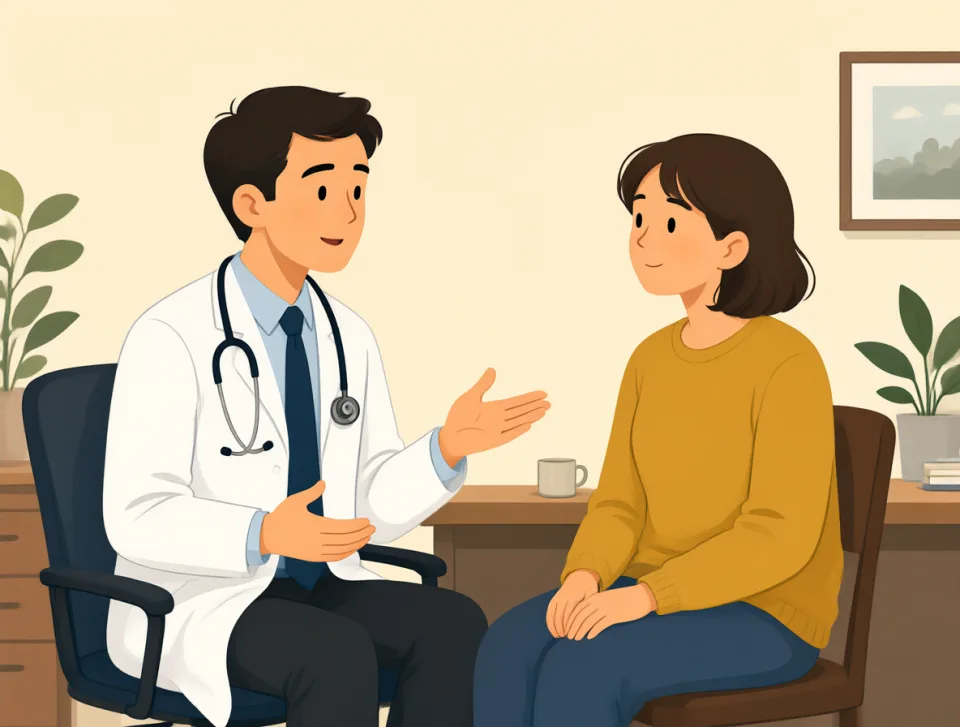
The doctor made me aware of the health risks of smoking.
Lekarz uświadomił mi zagrożenia zdrowotne związane z paleniem.
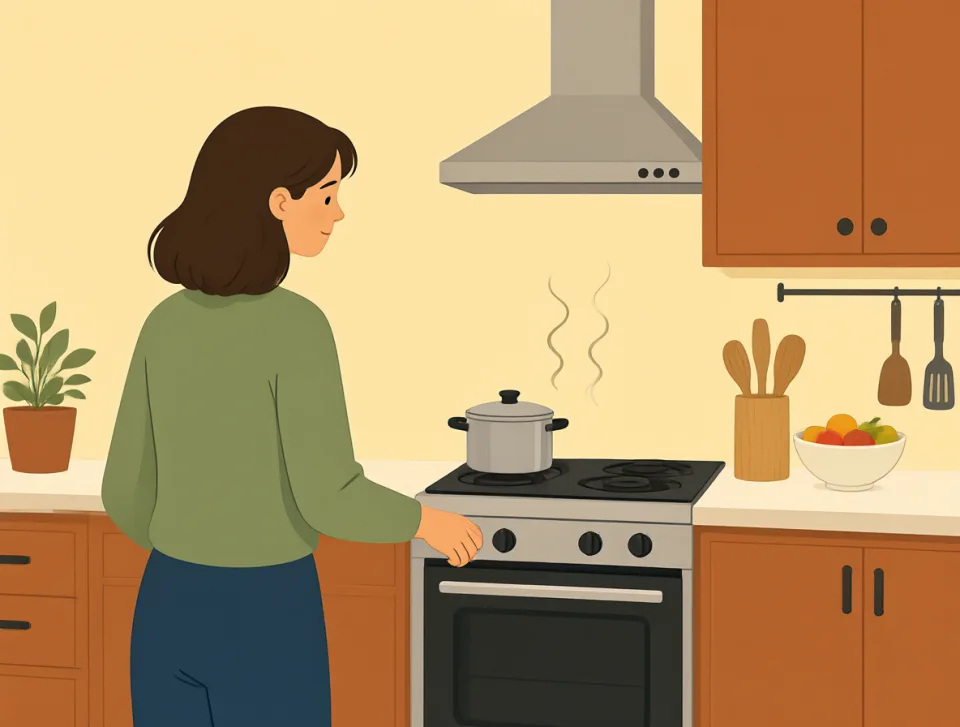
She became aware of a strange smell coming from the kitchen.
Zauważyła dziwny zapach dochodzący z kuchni.
advice
#1040noun
rada
An opinion about what someone should do.
Opinia na temat tego, co ktoś powinien zrobić.
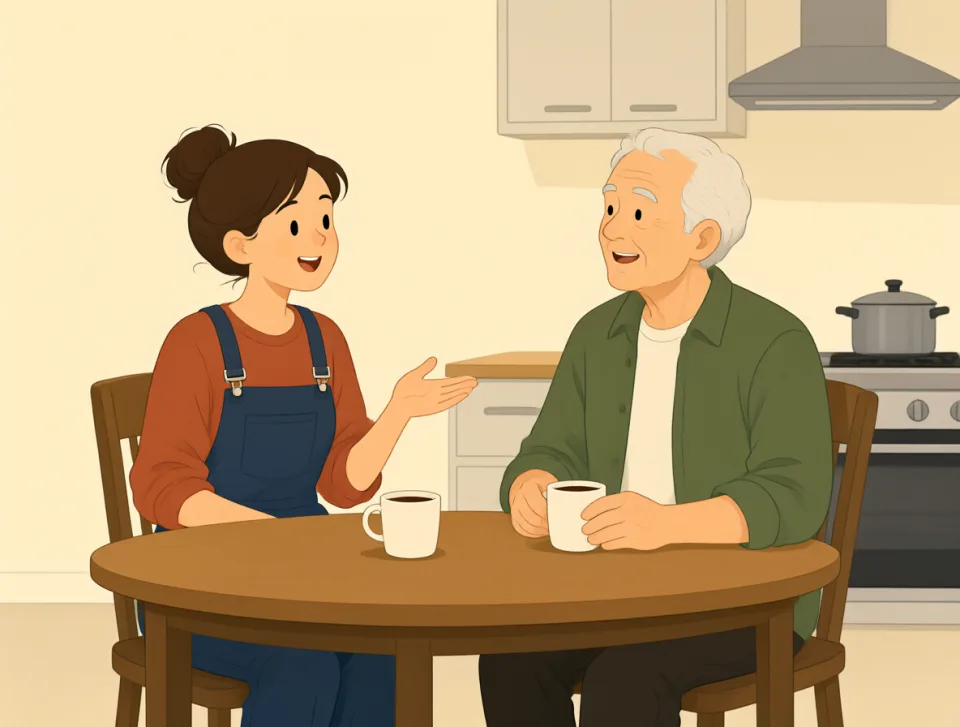
Can you give me some advice about my new job?
Czy możesz udzielić mi rady w sprawie mojej nowej pracy?
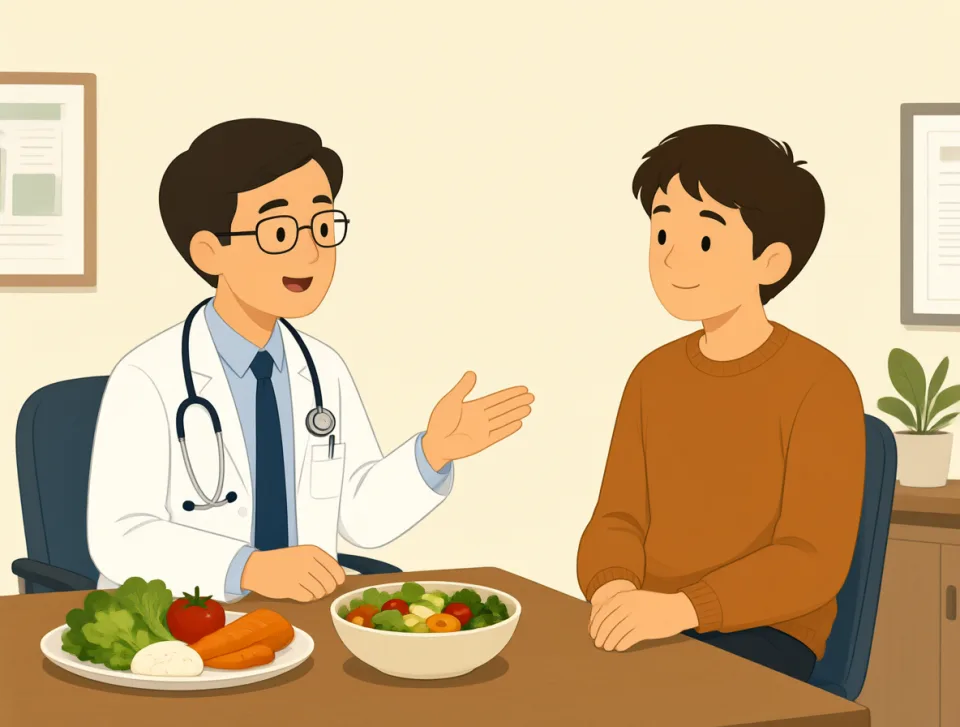
My doctor gave me advice about eating less sugar.
Mój lekarz poradził mi, żebym jadł mniej cukru.
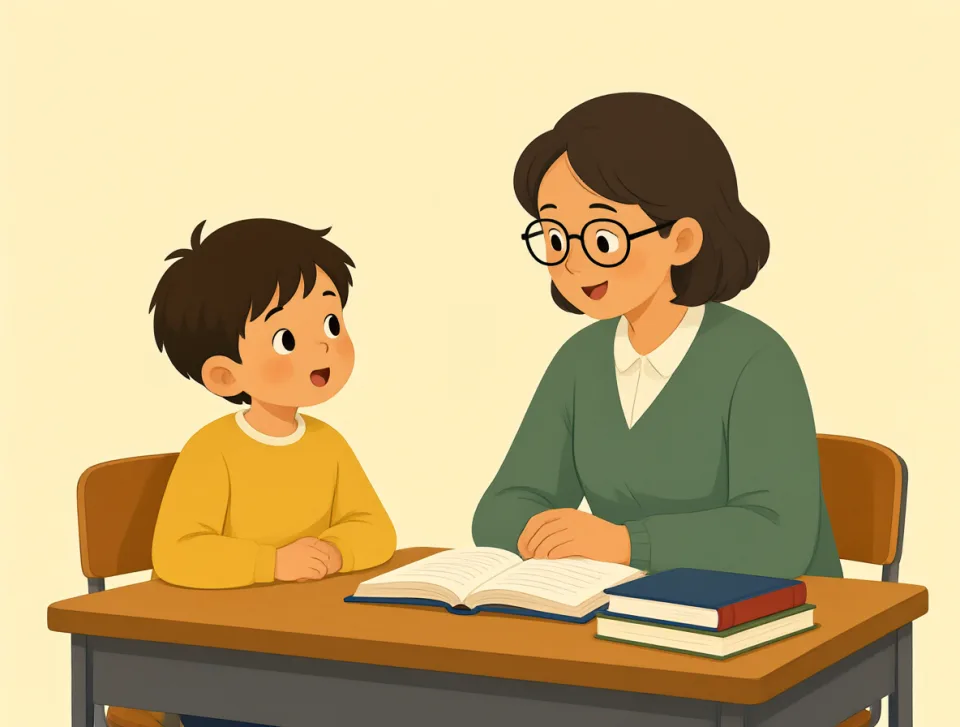
She asked her teacher for advice before the important test.
Przed ważnym egzaminem poprosiła nauczyciela o radę.
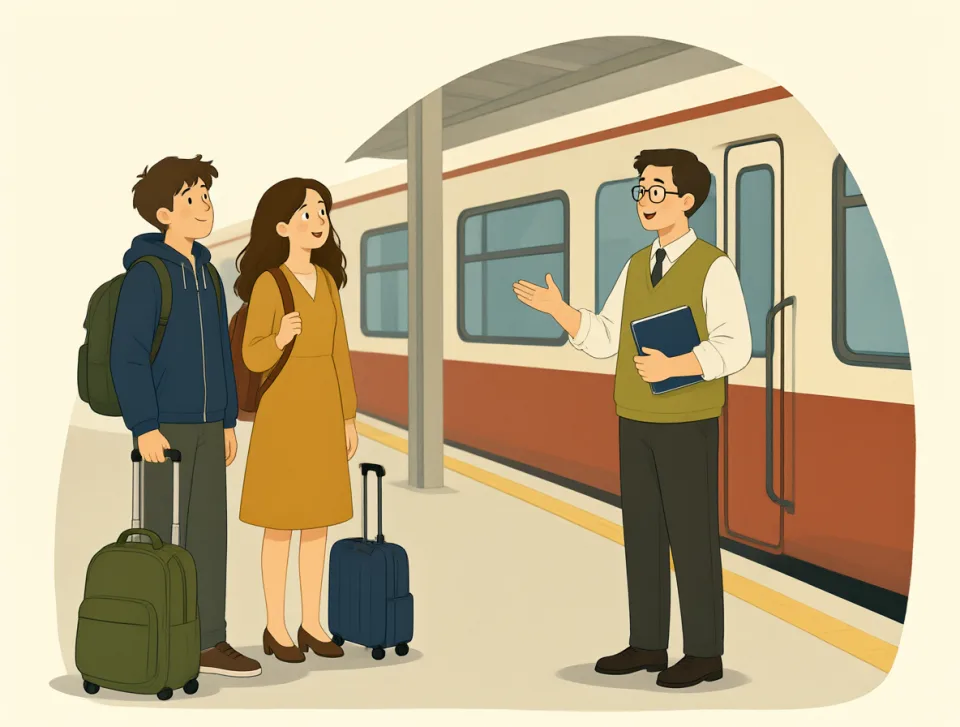
We followed our guide's advice and took the earlier train.
Posłuchaliśmy rady naszego przewodnika i wsiedliśmy do wcześniejszego pociągu.

Thanks for your advice; I chose the blue jacket.
Dziękuję za radę — wybrałem niebieską kurtkę.