Zestaw 61
Słowa 1201–1220 · ball, cry, introduction, requirement, north, confirm

ball
#1201noun, verb
piłka
A round object used in games, sports, or play; to make something round.
Okrągły przedmiot używany w grach, sporcie lub zabawie; także: nadać czemuś okrągły kształt.
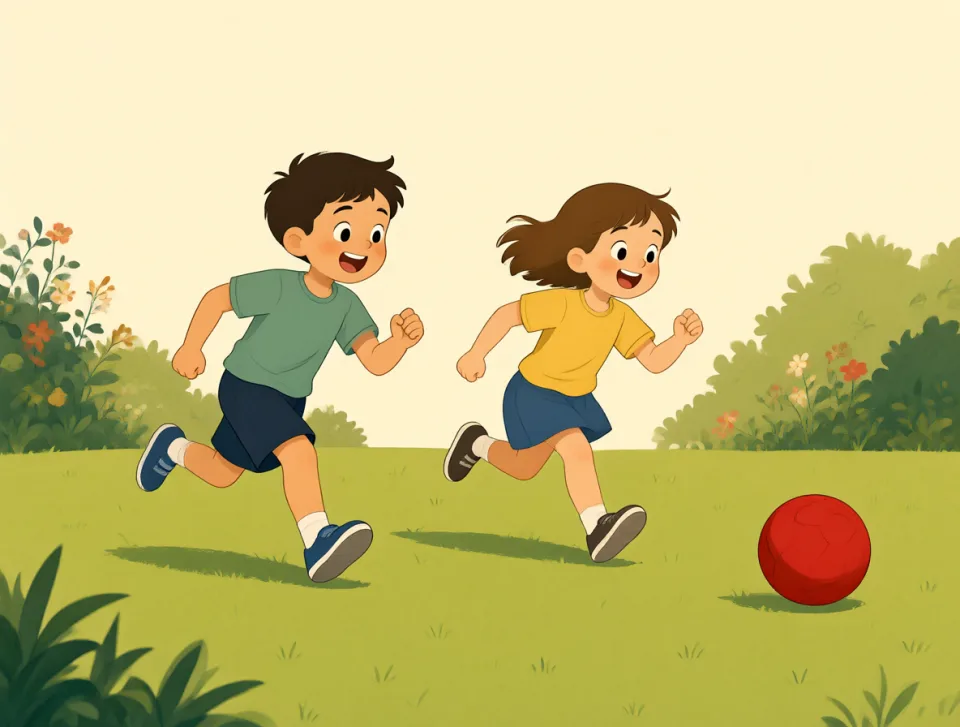
The children are playing with a ball in the garden.
Dzieci bawią się piłką w ogrodzie.
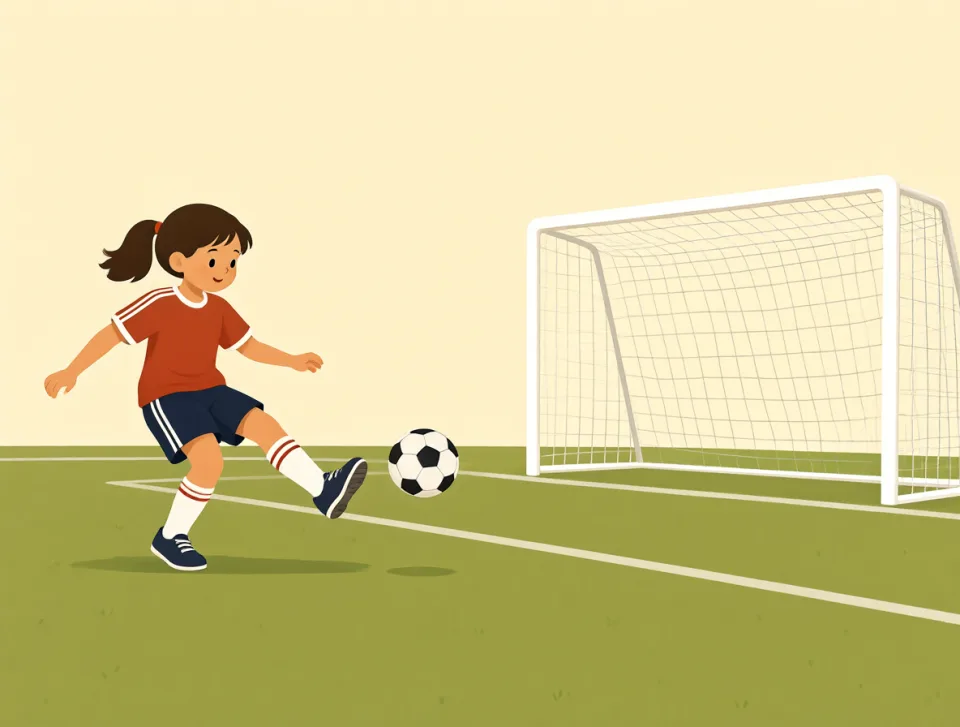
She kicked the ball into the goal during the game.
Podczas meczu kopnęła piłkę do bramki.
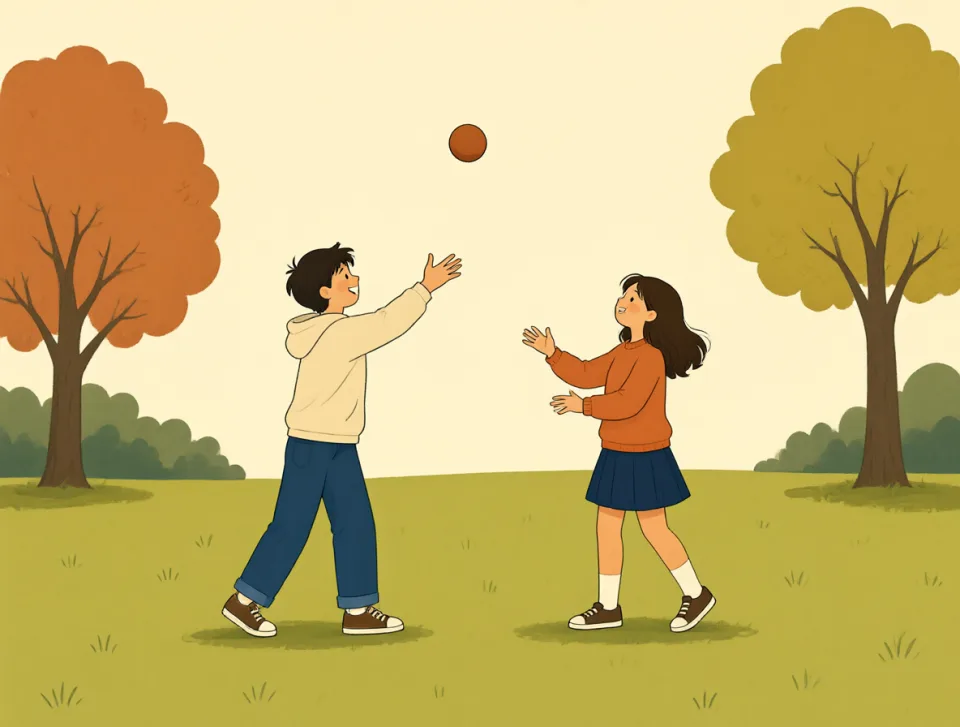
Please throw me the ball when you are ready.
Rzuć mi piłkę, kiedy będziesz gotowy.
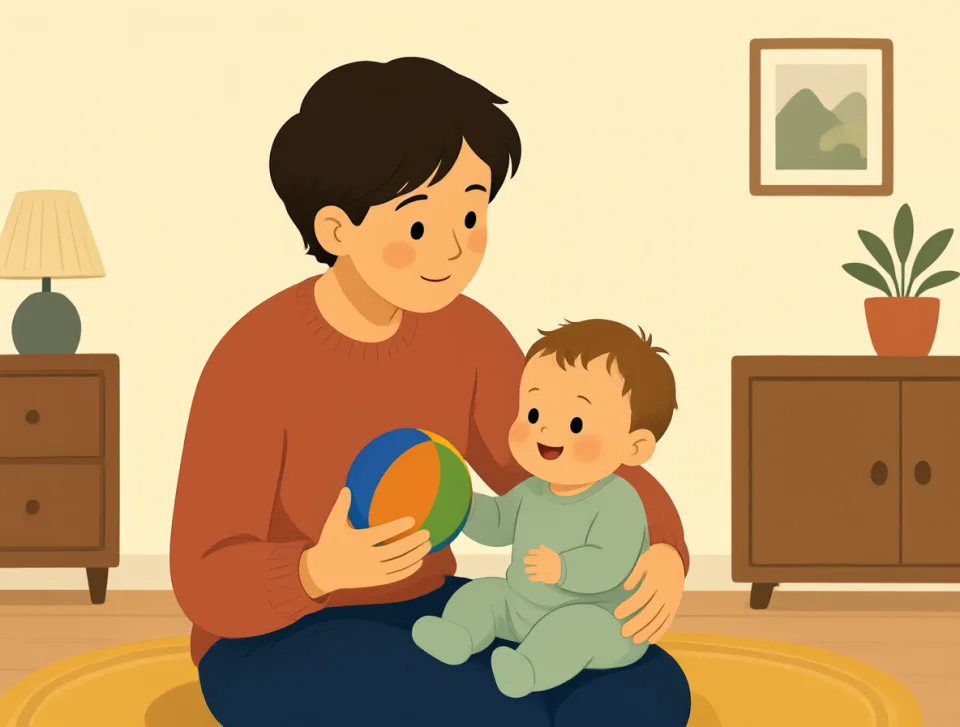
We bought a small ball for the baby yesterday.
Wczoraj kupiliśmy małą piłkę dla dziecka.

The chef balled the dough before putting it in the oven.
Kucharz uformował ciasto w kulę, zanim włożył je do piekarnika.
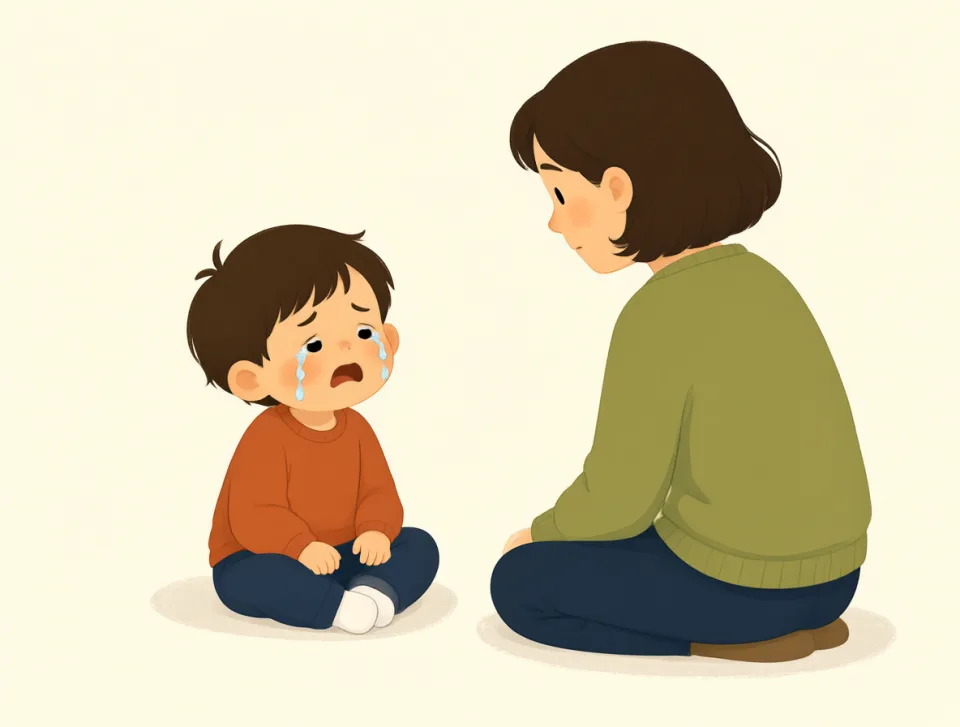
cry
#1202verb, noun
płakać; płacz
To produce tears or loud sounds because you are sad, hurt, or need help.
Ronić łzy lub wydawać głośne dźwięki ze smutku, bólu albo potrzeby uzyskania pomocy.
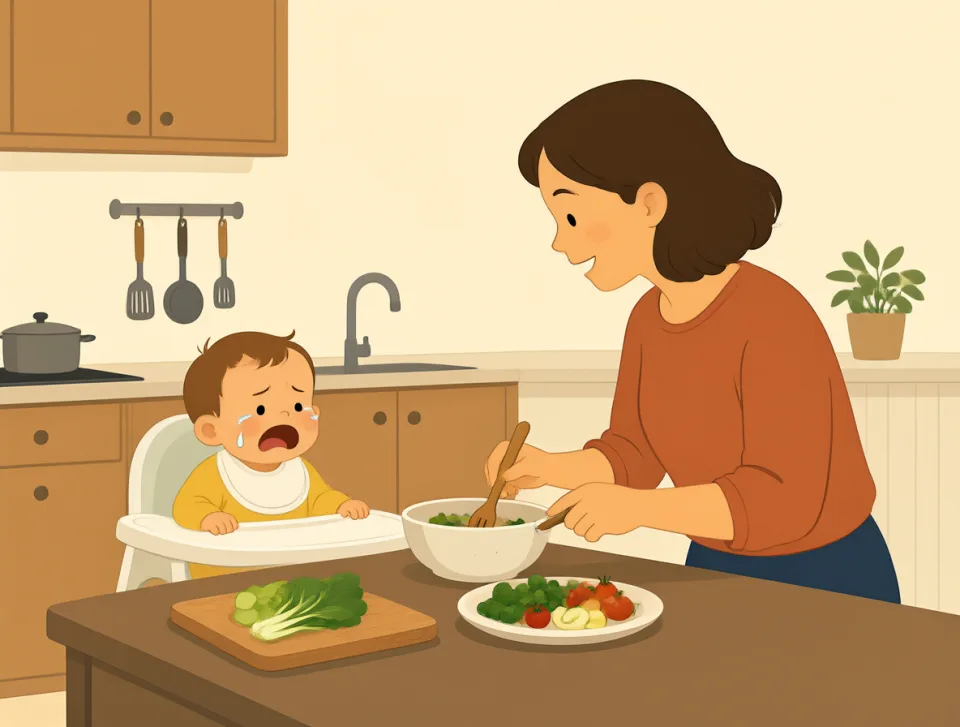
The baby started to cry when she was hungry.
Dziecko zaczęło płakać, gdy zgłodniało.
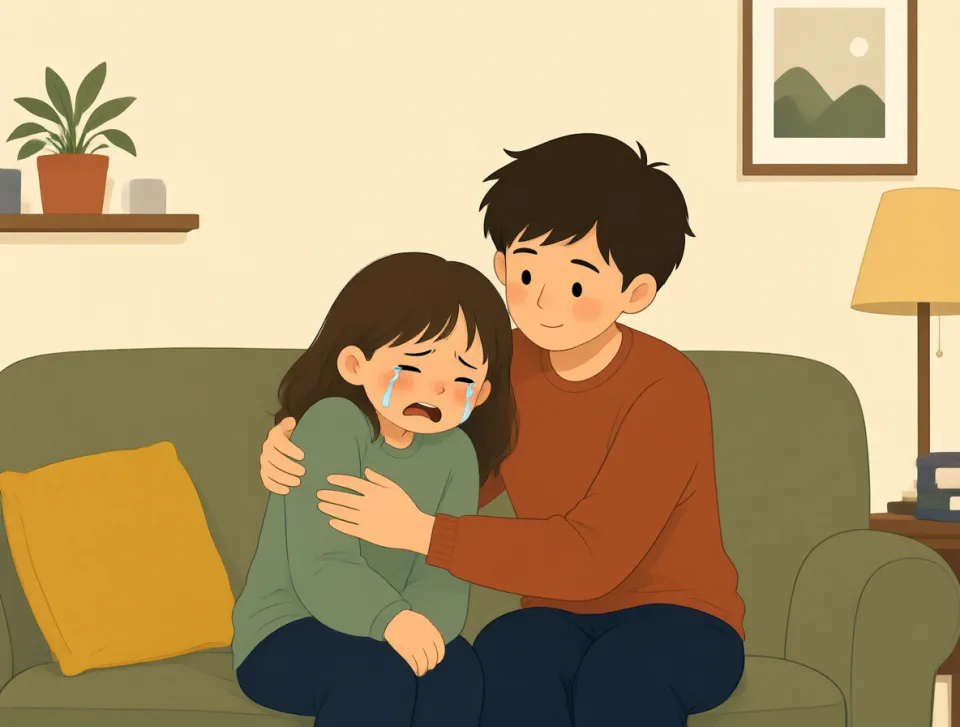
Please do not cry; everything will be all right.
Proszę, nie płacz. Wszystko będzie dobrze.
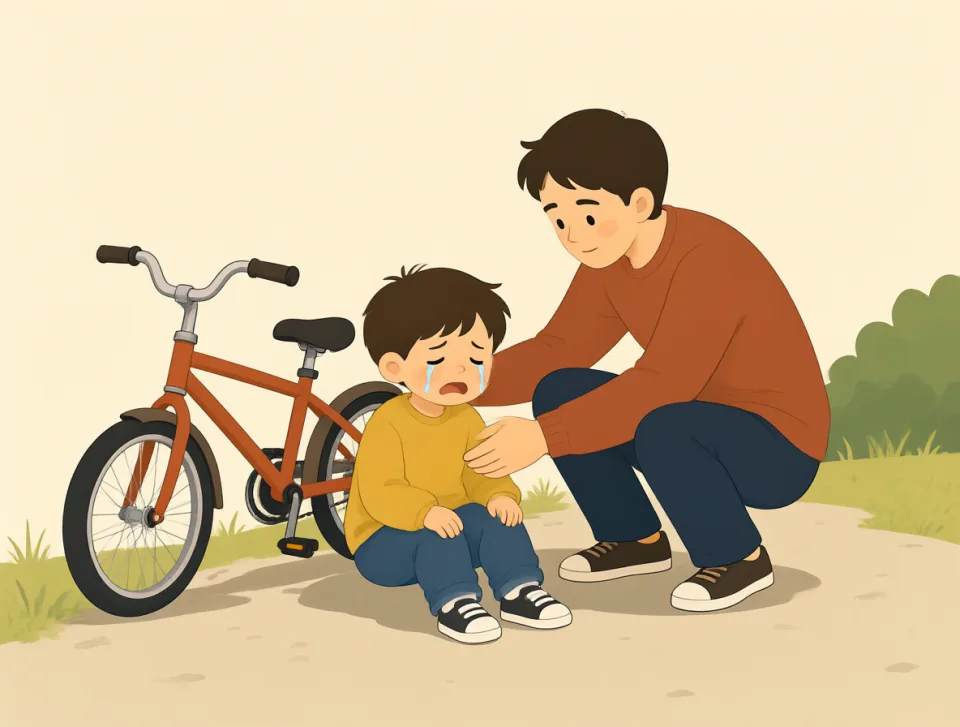
The little boy cried after falling off his bicycle.
Mały chłopiec rozpłakał się po upadku z roweru.

She cried with happiness when she passed her final exam.
Rozpłakała się ze szczęścia, gdy zdała egzamin końcowy.
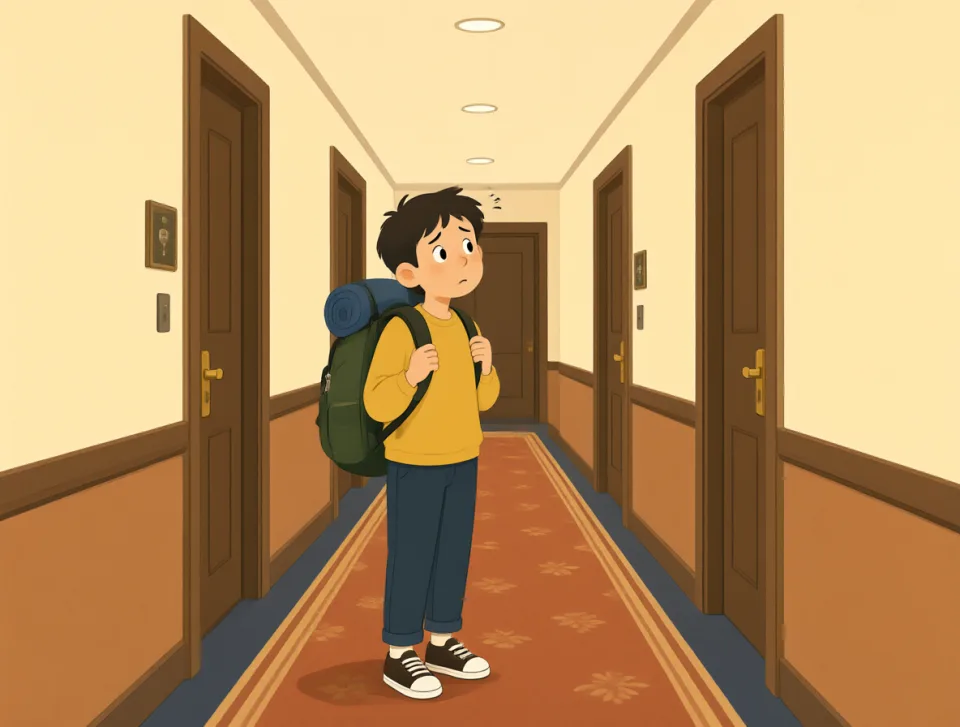
We heard a loud cry for help from the hotel hallway.
Usłyszeliśmy głośne wołanie o pomoc z hotelowego korytarza.

introduction
#1203noun
wprowadzenie; przedstawienie
the act of presenting someone or something for the first time
Przedstawienie kogoś lub czegoś po raz pierwszy.
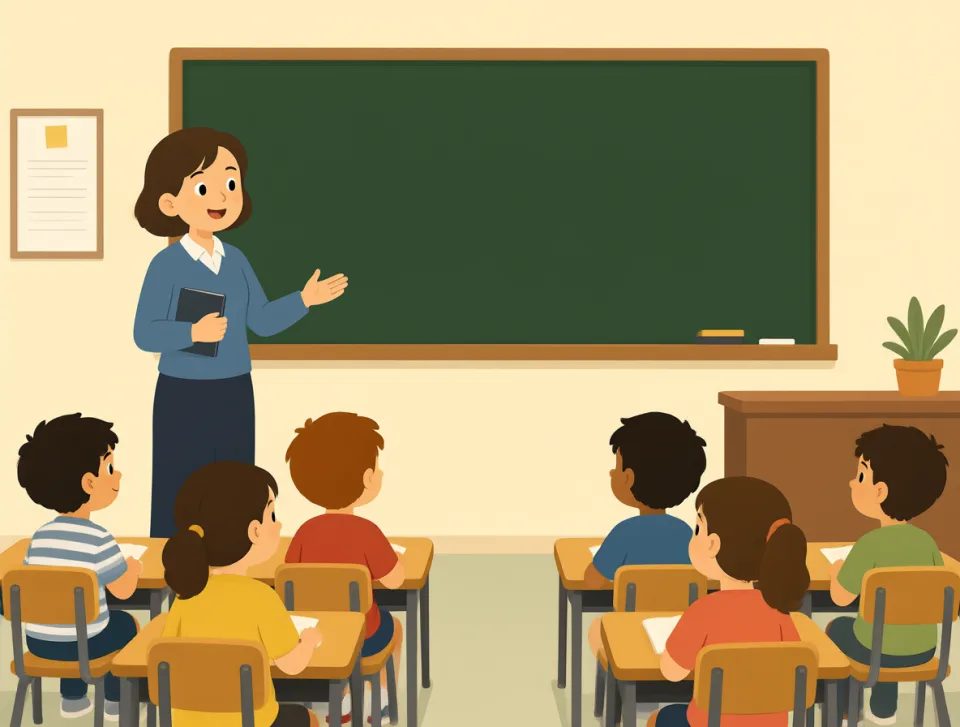
The teacher gave a short introduction before starting the lesson.
Nauczyciel wygłosił krótkie wprowadzenie przed rozpoczęciem lekcji.

After a quick introduction, we started talking about our new jobs.
Po krótkim przedstawieniu się zaczęliśmy rozmawiać o naszych nowych pracach.
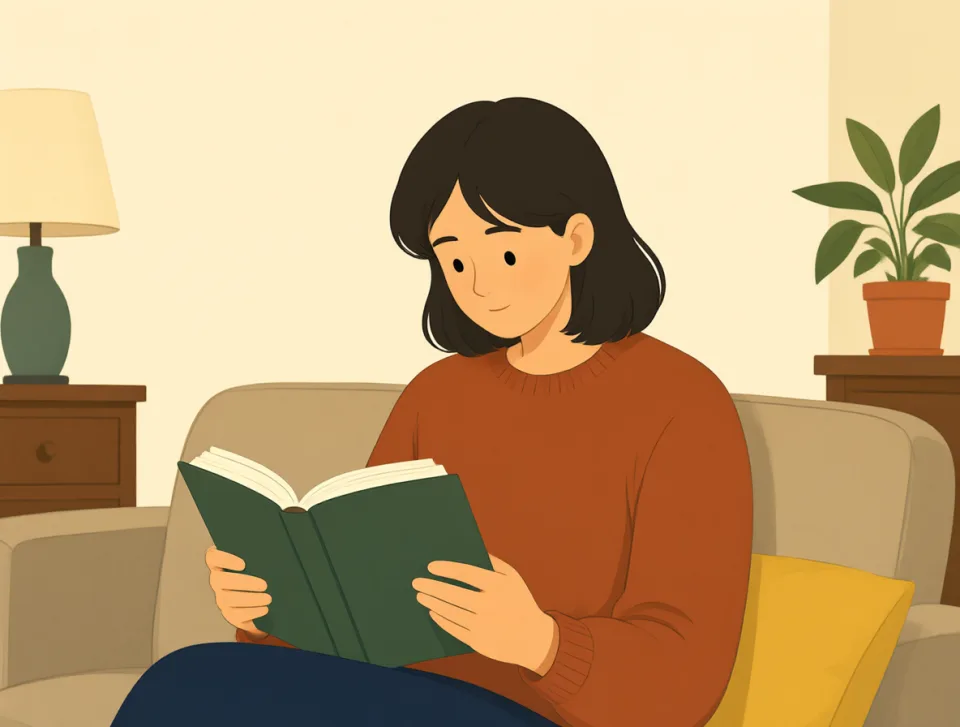
The book's introduction explains what readers will learn in each chapter.
Wprowadzenie do książki wyjaśnia, czego czytelnicy dowiedzą się w każdym rozdziale.

Our manager made introductions when the new employee joined the team.
Nasz kierownik przedstawił pracowników, gdy nowa osoba dołączyła do zespołu.
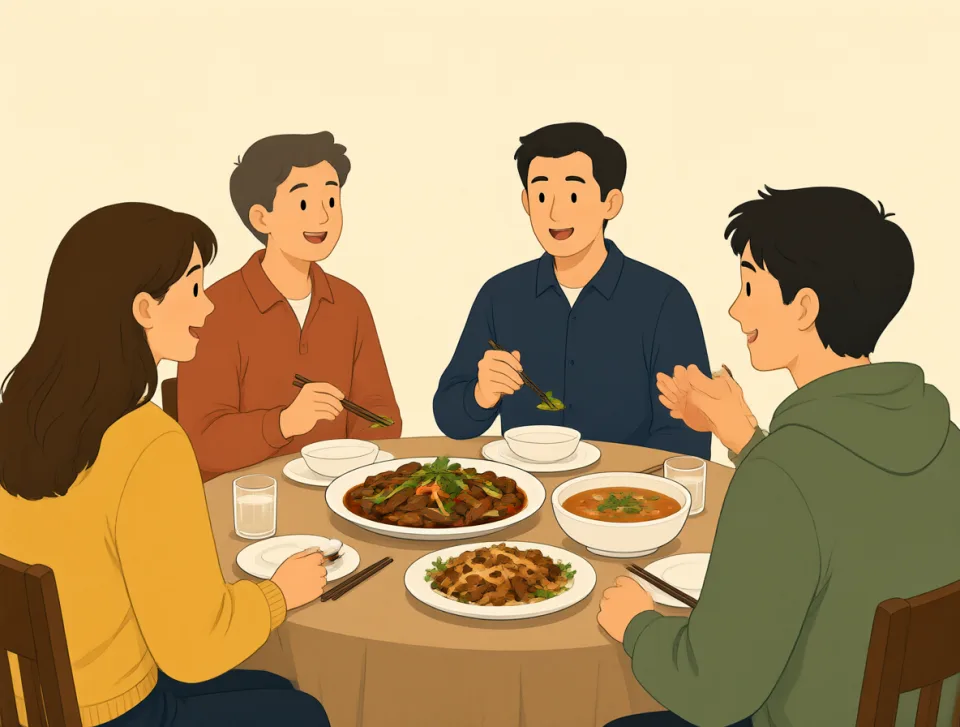
The hotel offered an introduction to local food during our first evening.
Pierwszego wieczoru hotel zaproponował nam wprowadzenie do lokalnej kuchni.
requirement
#1204noun
wymóg
something that is needed or must be done
Coś, co jest potrzebne lub co należy zrobić.
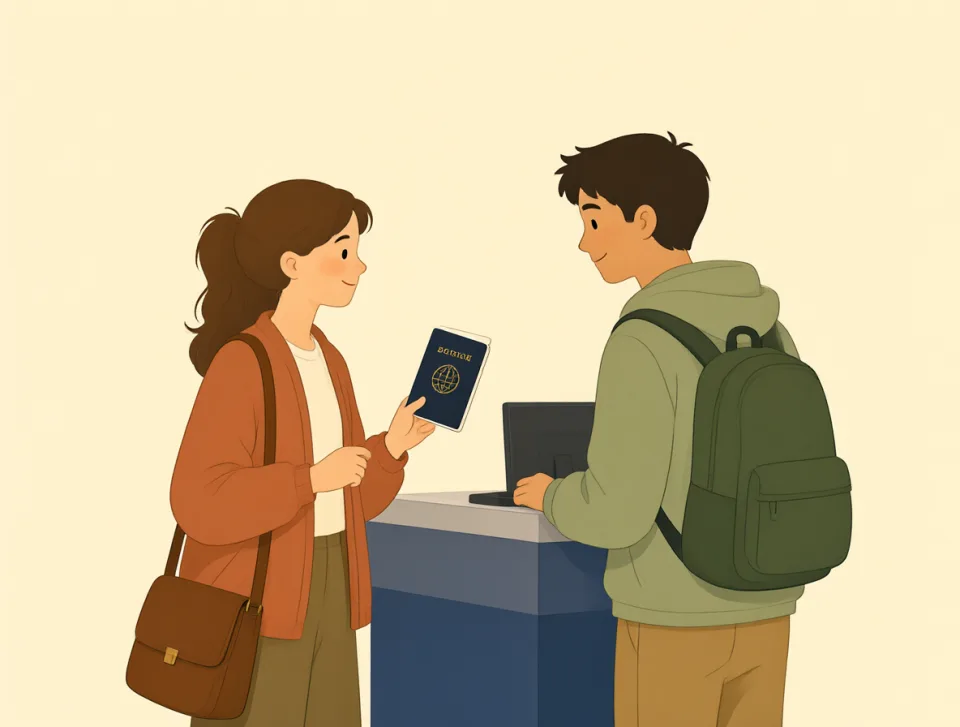
A passport is a requirement for entering some countries.
Paszport jest wymagany przy wjeździe do niektórych krajów.

The job requirements include good English and computer skills.
Wymagania dotyczące pracy obejmują dobrą znajomość angielskiego i umiejętności obsługi komputera.
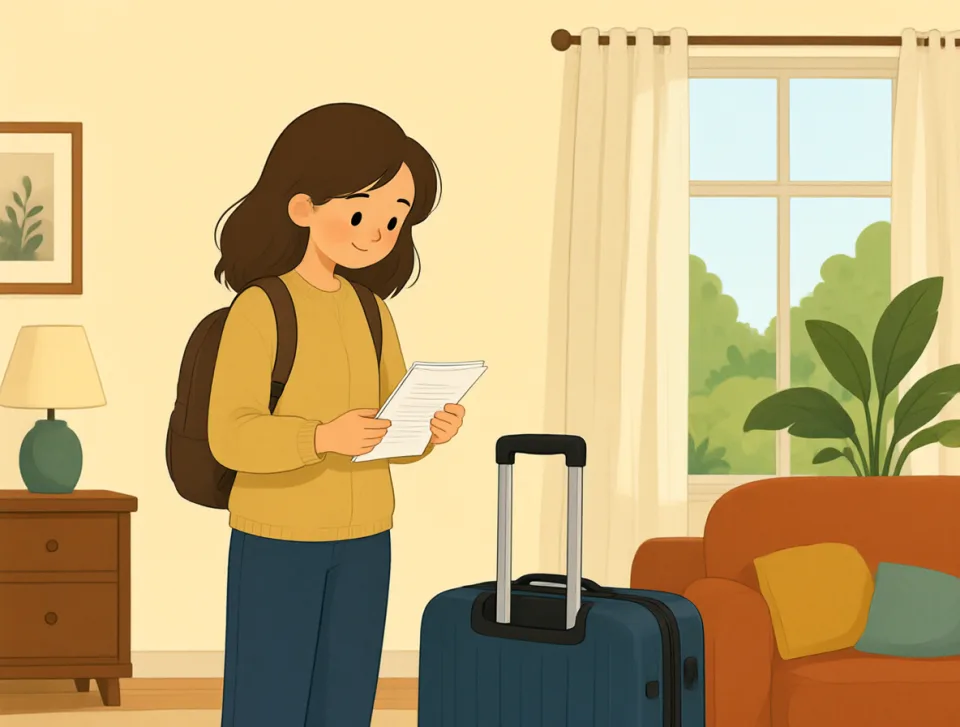
Please check the visa requirements before booking your flight.
Przed zarezerwowaniem lotu sprawdź wymagania wizowe.
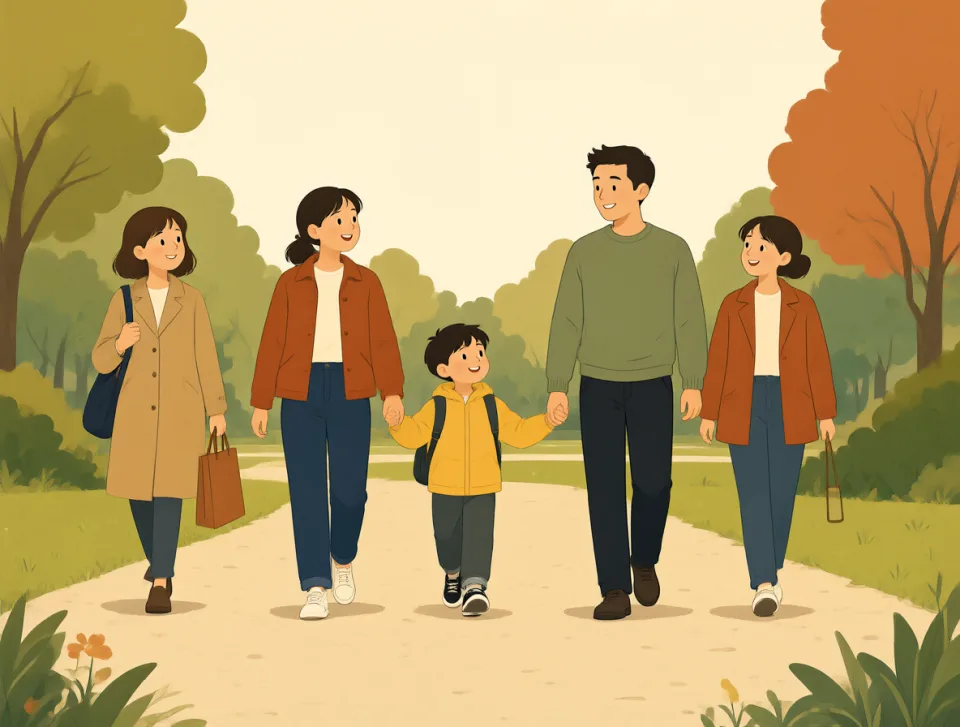
There are no special requirements for joining our walking group.
Nie ma żadnych szczególnych wymagań, aby dołączyć do naszej grupy pieszej.
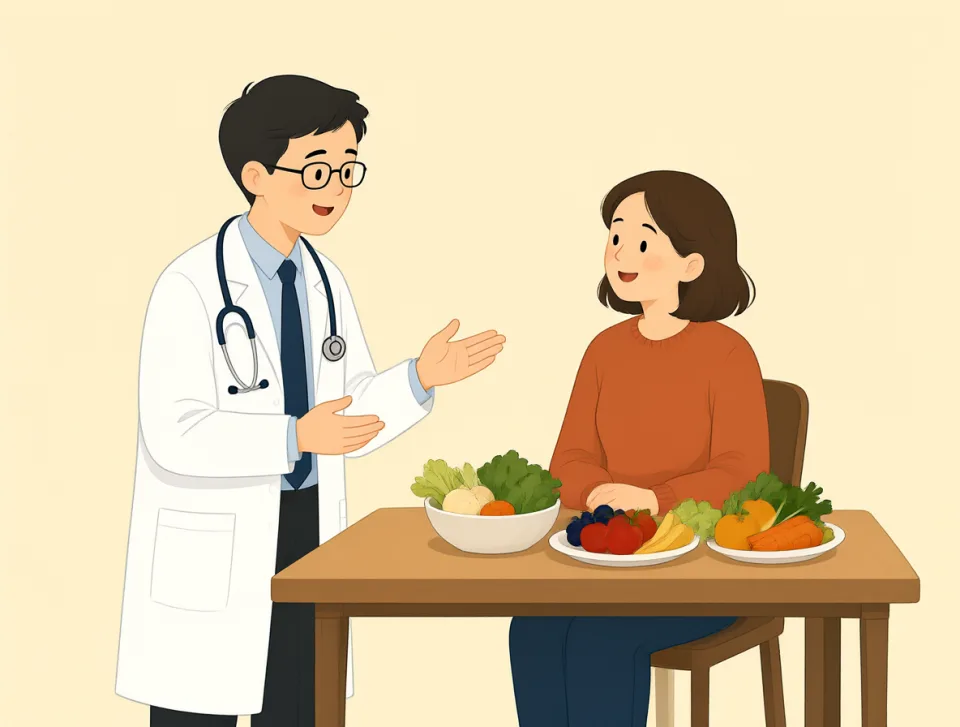
The doctor explained the requirements for a healthy diet.
Lekarz wyjaśnił, jakie są wymagania dotyczące zdrowej diety.
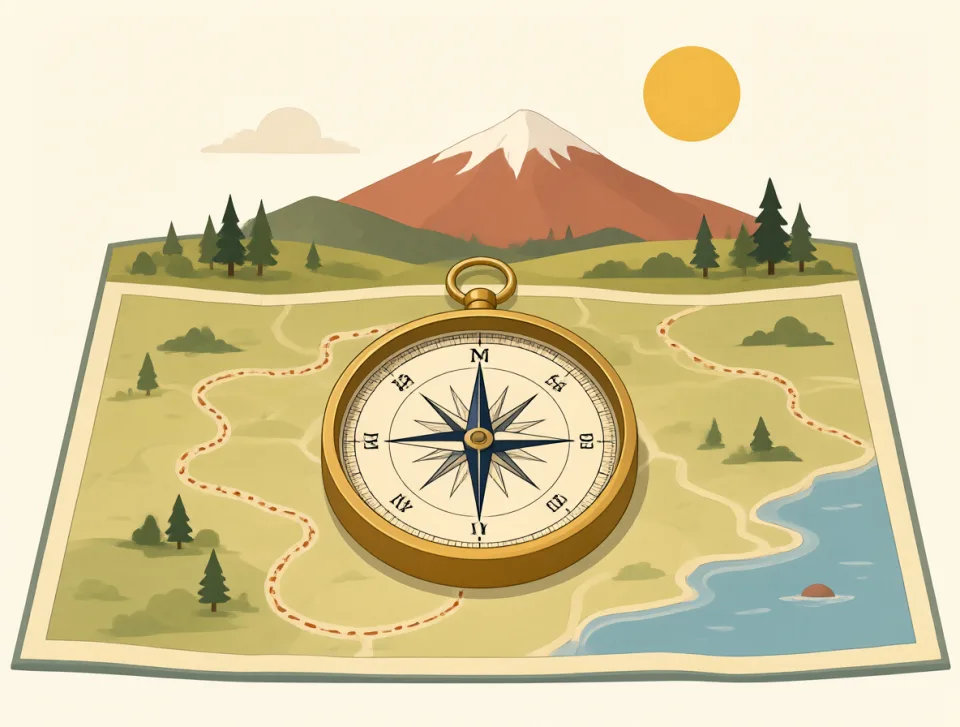
north
#1205noun, adjective, adverb, preposition
północ
the direction or region that is opposite to the south
Kierunek lub region położony po przeciwnej stronie niż południe.
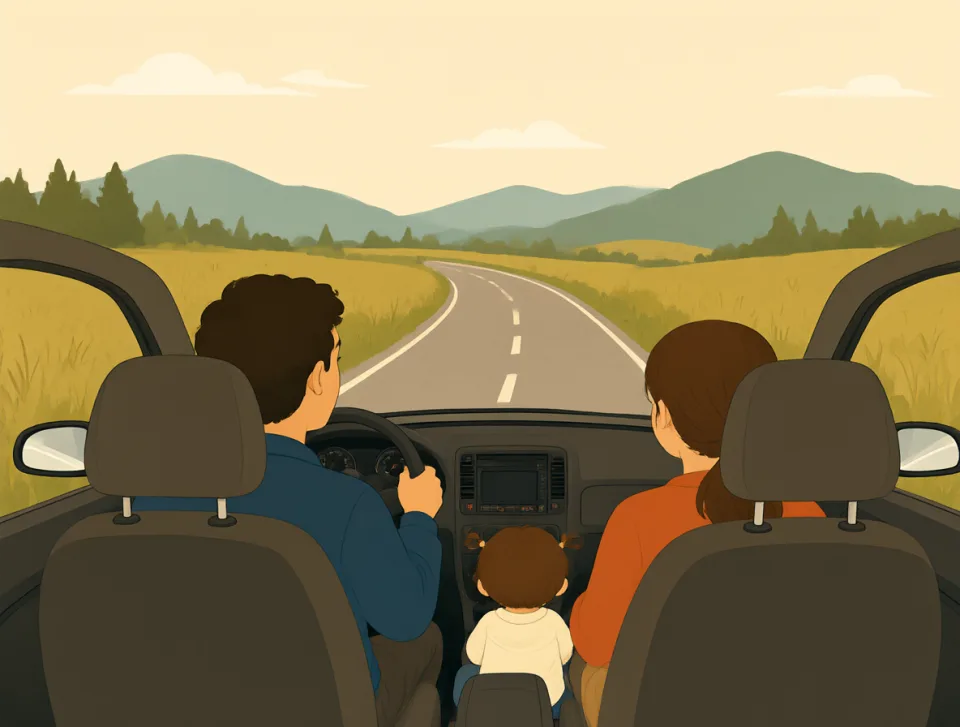
We drove north for two hours to visit my aunt.
Jechaliśmy na północ przez dwie godziny, żeby odwiedzić moją ciocię.
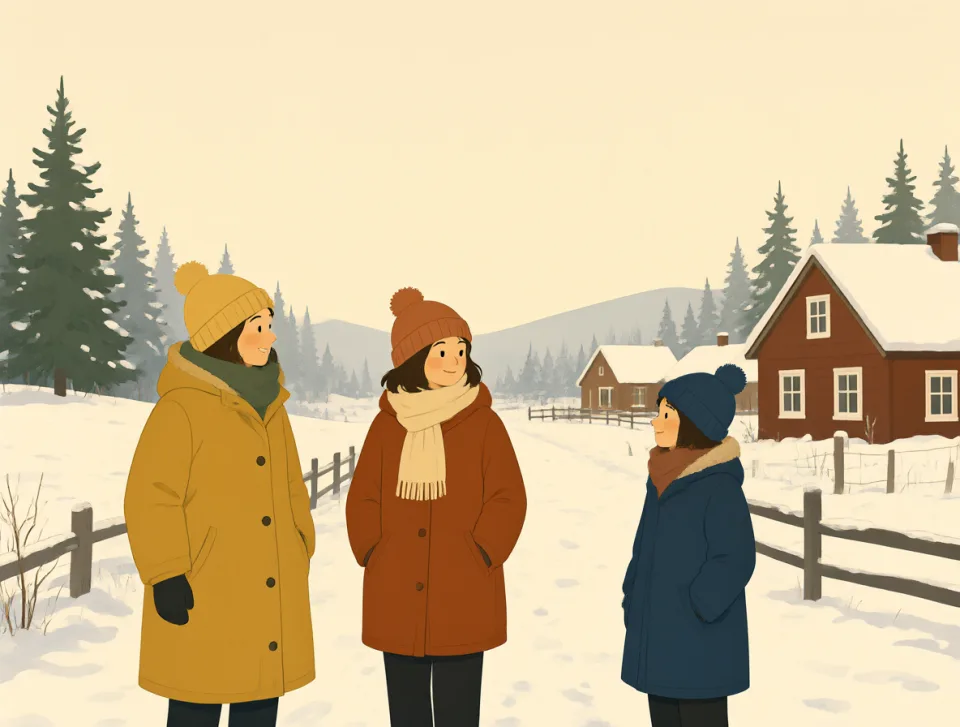
The north of the country gets very cold in winter.
Zimą na północy kraju jest bardzo zimno.
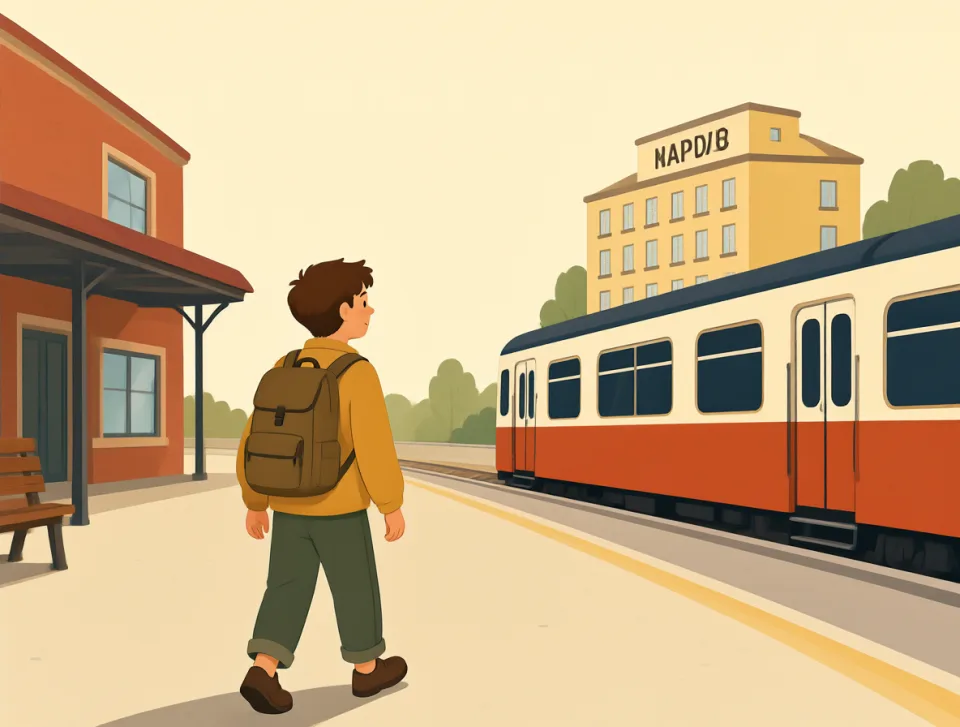
Our hotel is north of the train station.
Nasz hotel znajduje się na północ od dworca kolejowego.

The birds are flying north for the summer.
Ptaki lecą na północ na lato.
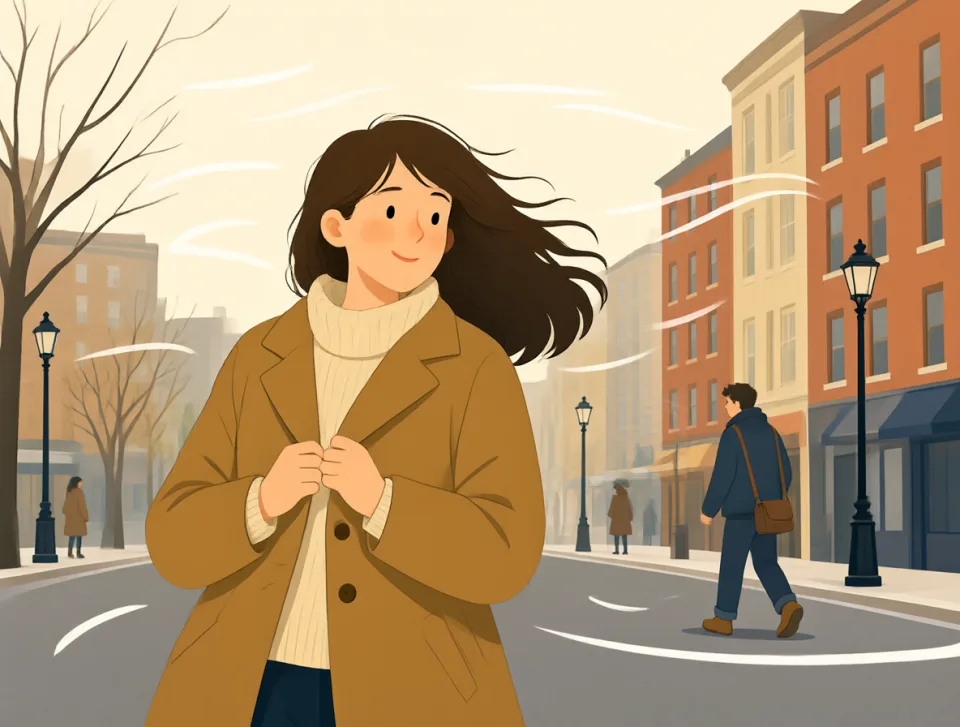
A cold wind came from the north this morning.
Dziś rano powiał zimny wiatr z północy.

confirm
#1206verb
potwierdzić
To say or show that something is true, correct, or arranged.
Powiedzieć lub pokazać, że coś jest prawdziwe, poprawne albo ustalone.
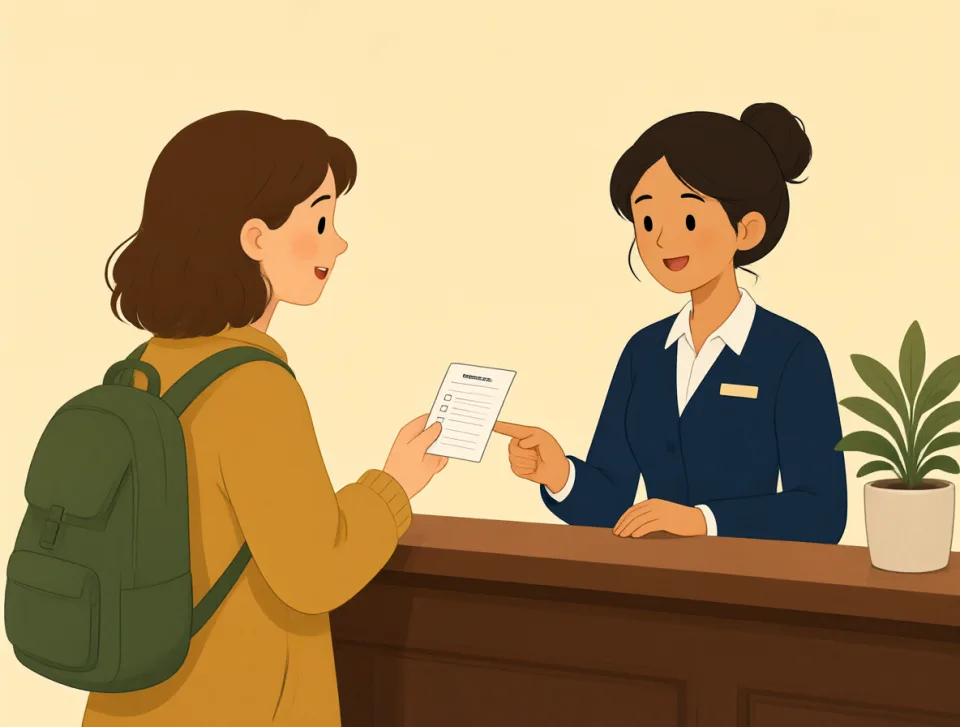
Please confirm your booking before you arrive at the hotel.
Proszę potwierdzić rezerwację przed przyjazdem do hotelu.
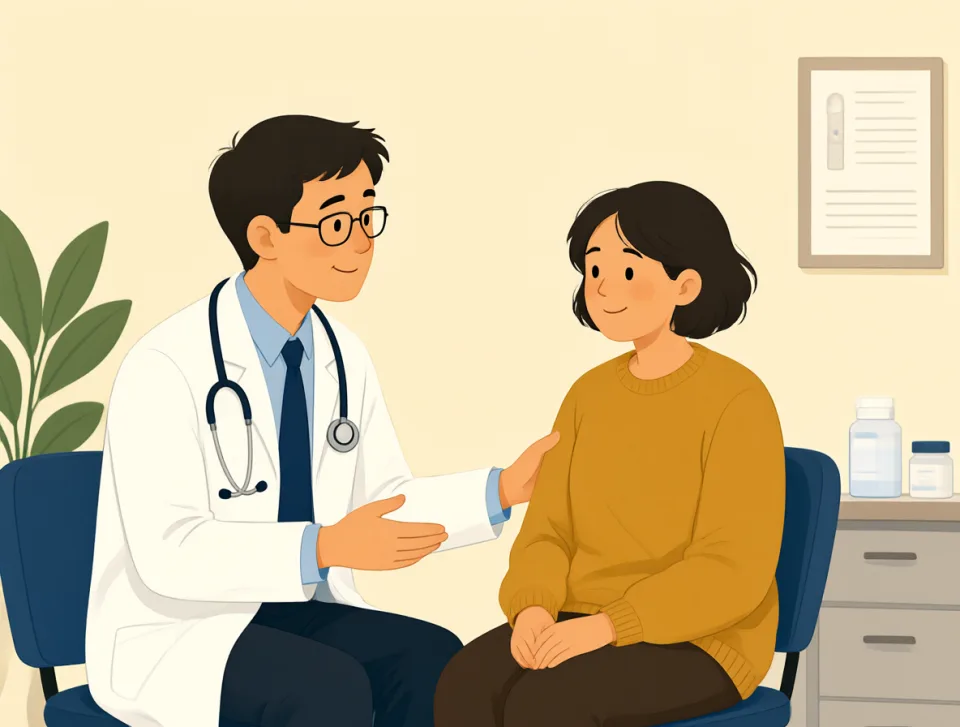
The doctor confirmed that my test results were normal.
Lekarz potwierdził, że wyniki moich badań były prawidłowe.

She called to confirm the meeting time with her manager.
Zadzwoniła do swojego kierownika, żeby potwierdzić godzinę spotkania.

We confirmed our order before the waiter brought the food.
Potwierdziliśmy zamówienie, zanim kelner przyniósł jedzenie.

Tom confirmed that he would help us move this weekend.
Tom potwierdził, że pomoże nam się przeprowadzić w ten weekend.
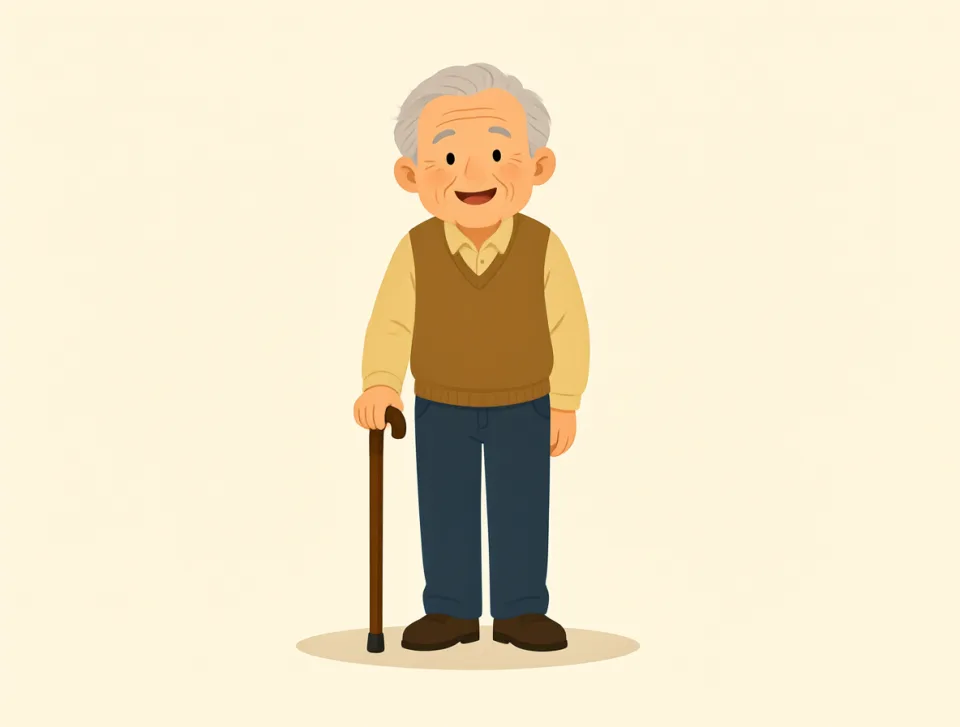
senior
#1207noun, adjective
starszy; uczeń ostatniej klasy
an older person, or a student in the last year of high school or college
Osoba starsza albo uczeń ostatniej klasy szkoły średniej lub student ostatniego roku studiów.
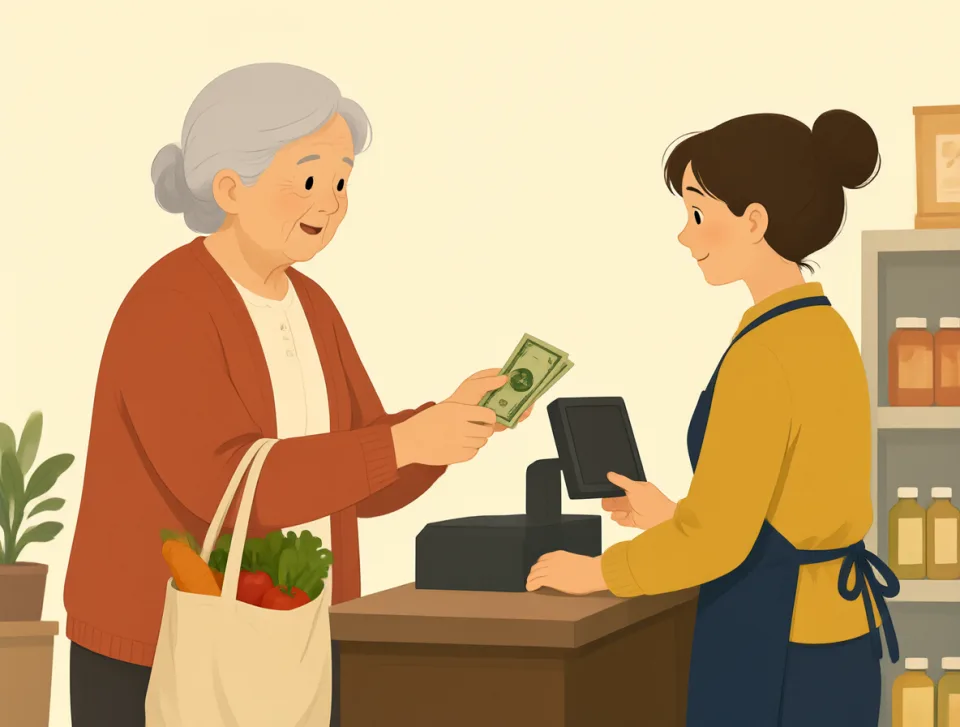
The senior citizen received a discount at the grocery store.
Starsza osoba otrzymała zniżkę w sklepie spożywczym.

My senior year of high school was busy but exciting.
Mój ostatni rok w szkole średniej był intensywny, ale ekscytujący.

The company hired a senior manager to lead the new team.
Firma zatrudniła starszego rangą menedżera, który miał pokierować nowym zespołem.
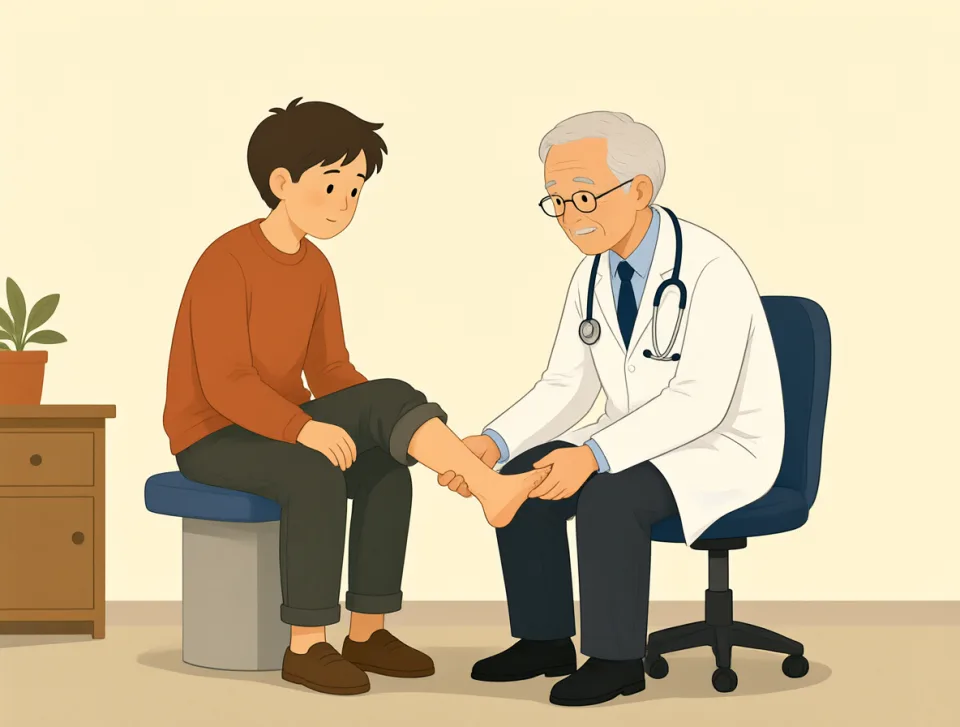
A senior doctor checked my injured ankle carefully.
Starszy rangą lekarz dokładnie zbadał moją kontuzjowaną kostkę.
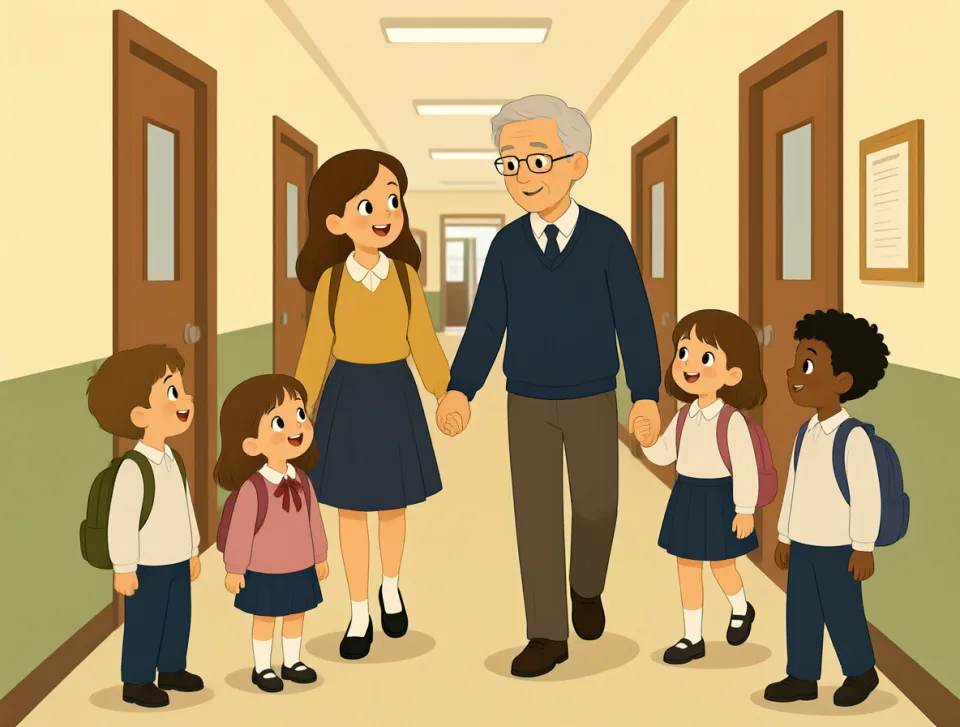
The senior students helped younger children find their classrooms.
Uczniowie starszych klas pomagali młodszym dzieciom znaleźć swoje sale lekcyjne.
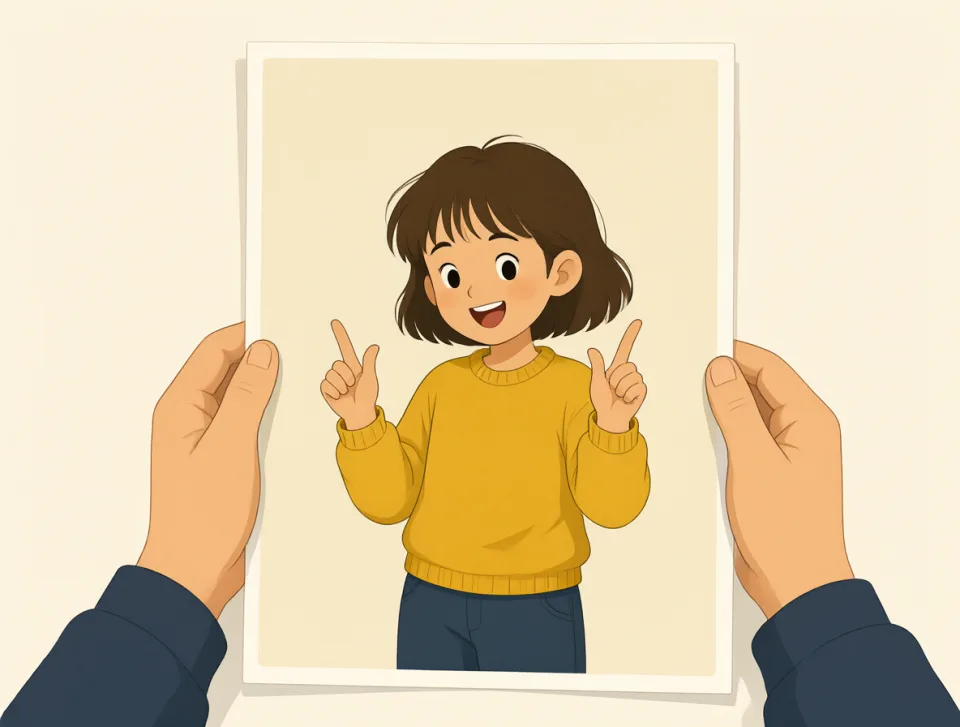
photo
#1208noun
zdjęcie
A picture made with a camera.
Obraz wykonany aparatem fotograficznym.
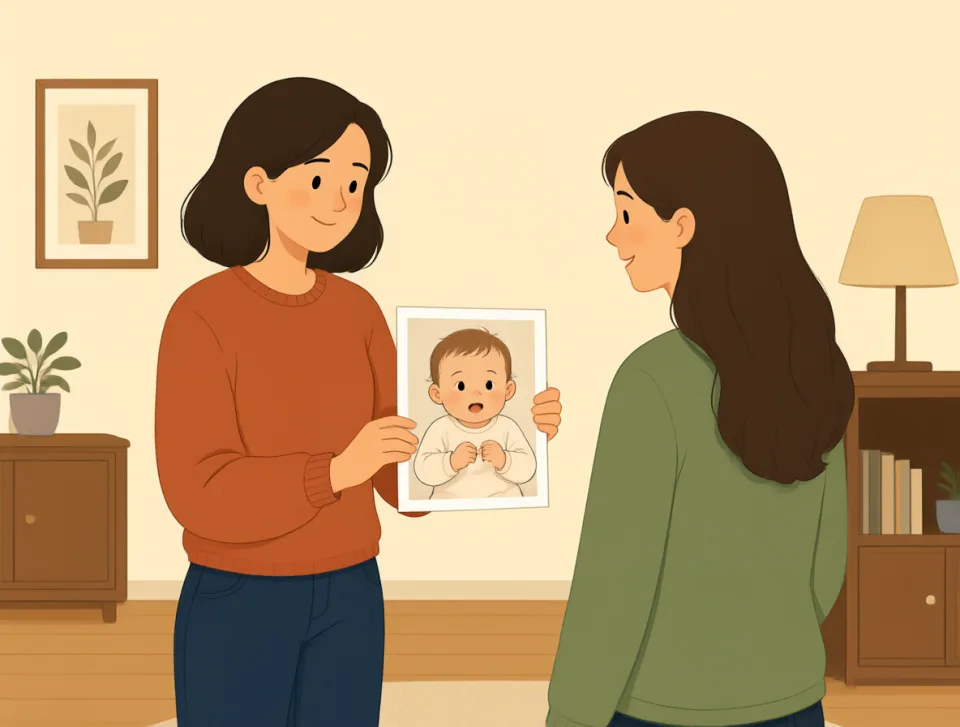
She showed me a photo of her new baby.
Pokazała mi zdjęcie swojego nowo narodzonego dziecka.

I took a photo of the mountains during our trip.
Podczas naszej wycieczki zrobiłem zdjęcie górom.
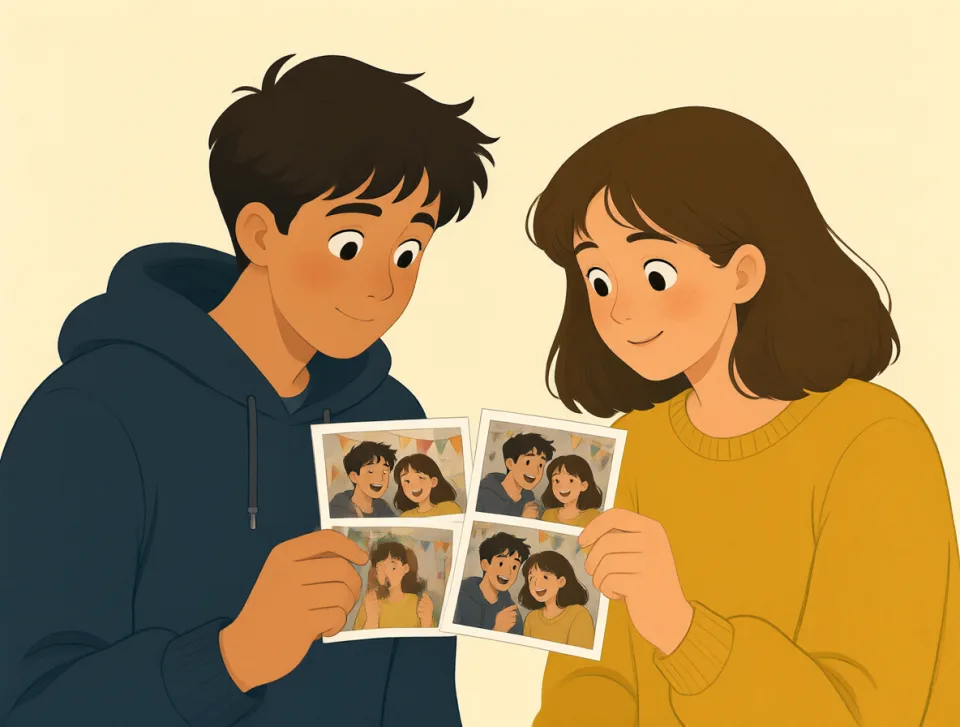
Please send me the photos from yesterday's party.
Prześlij mi proszę zdjęcia z wczorajszej imprezy.
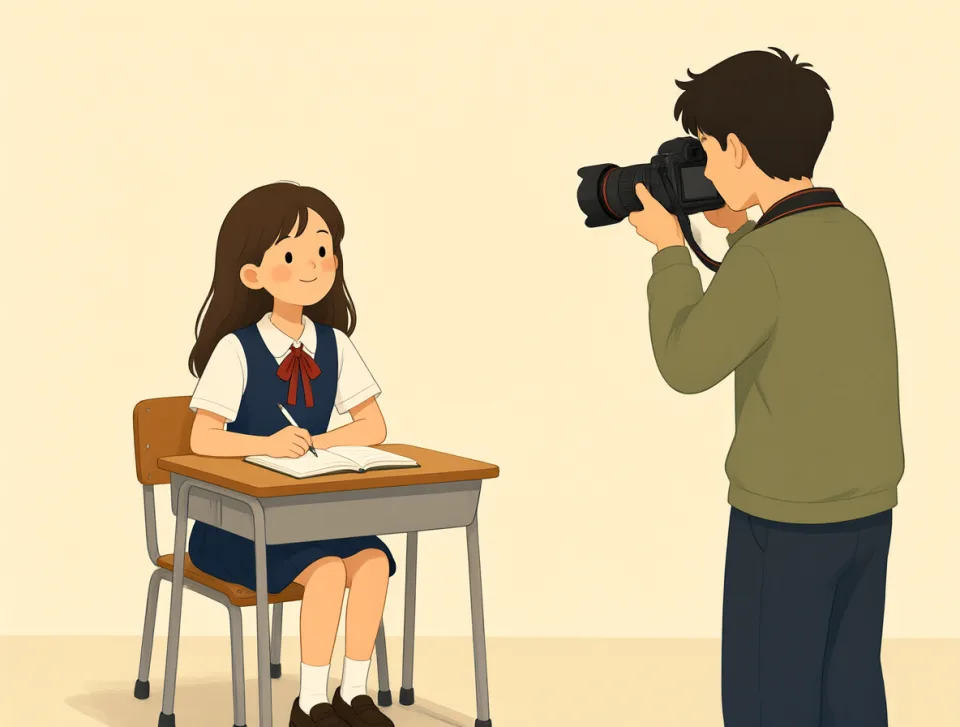
The school photo will be taken next Monday.
Zdjęcie klasowe zostanie zrobione w najbliższy poniedziałek.
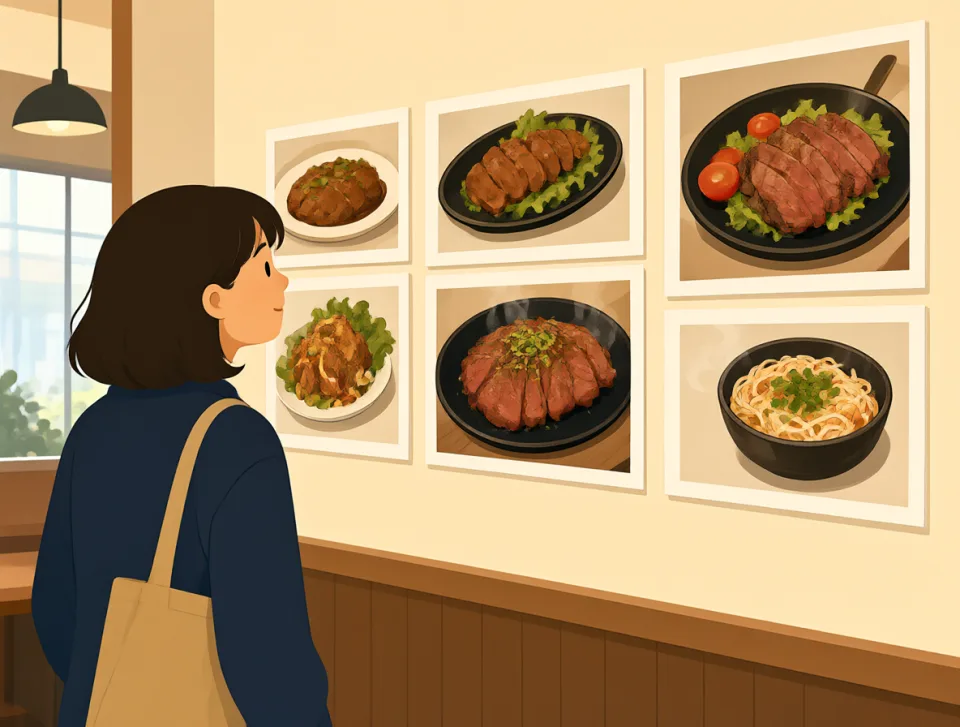
This restaurant has delicious photos of its food.
W tej restauracji są apetyczne zdjęcia potraw.
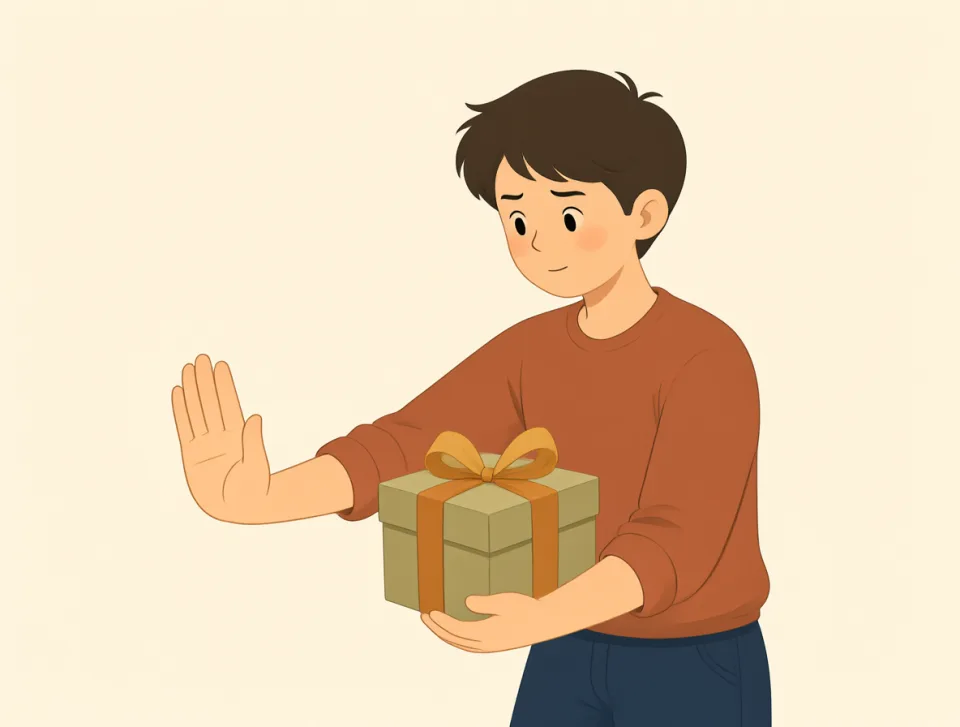
refuse
#1209verb, noun
odmówić; odpady
To say no to something, or waste that people throw away.
Odmówić czegoś albo odpady, które ludzie wyrzucają.
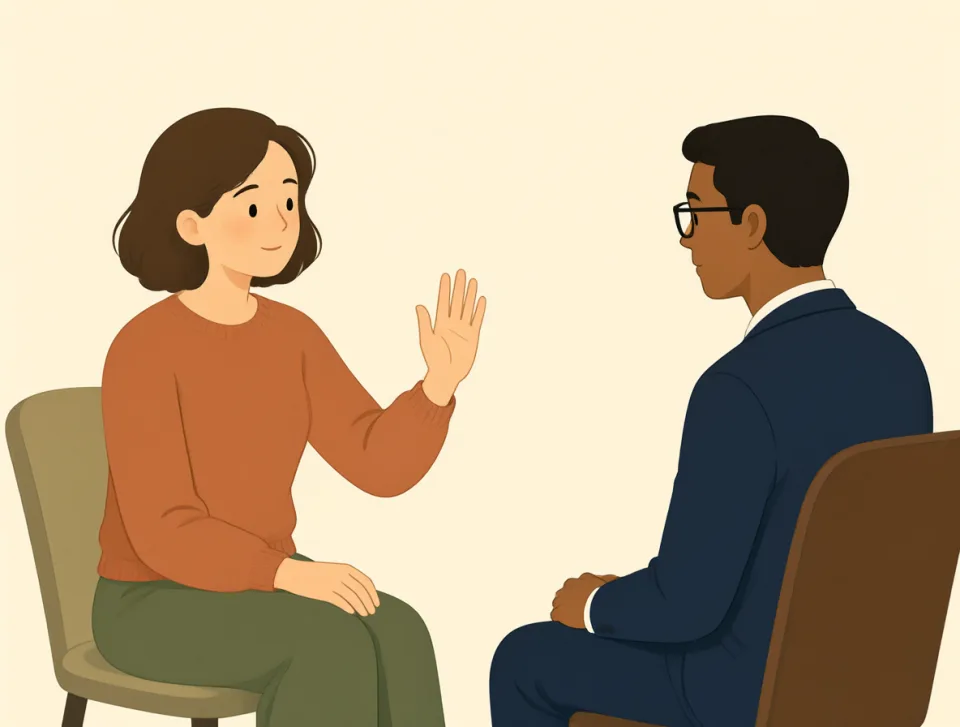
She refused to answer the question during the interview.
Odmówiła odpowiedzi na pytanie podczas rozmowy kwalifikacyjnej.
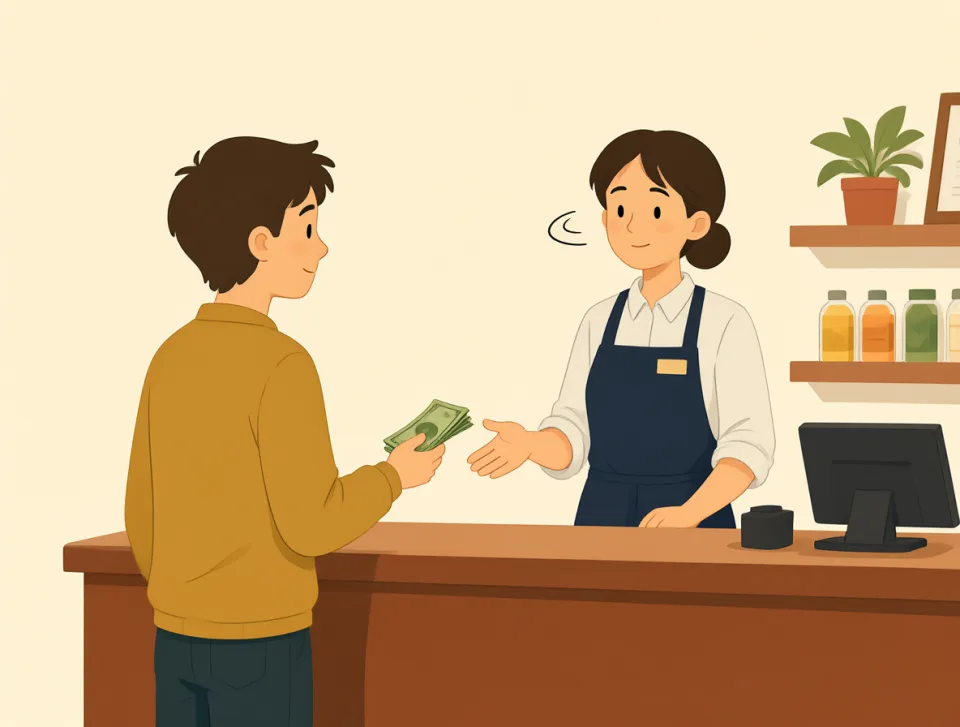
The shop refused to give me a refund.
Sklep odmówił mi zwrotu pieniędzy.
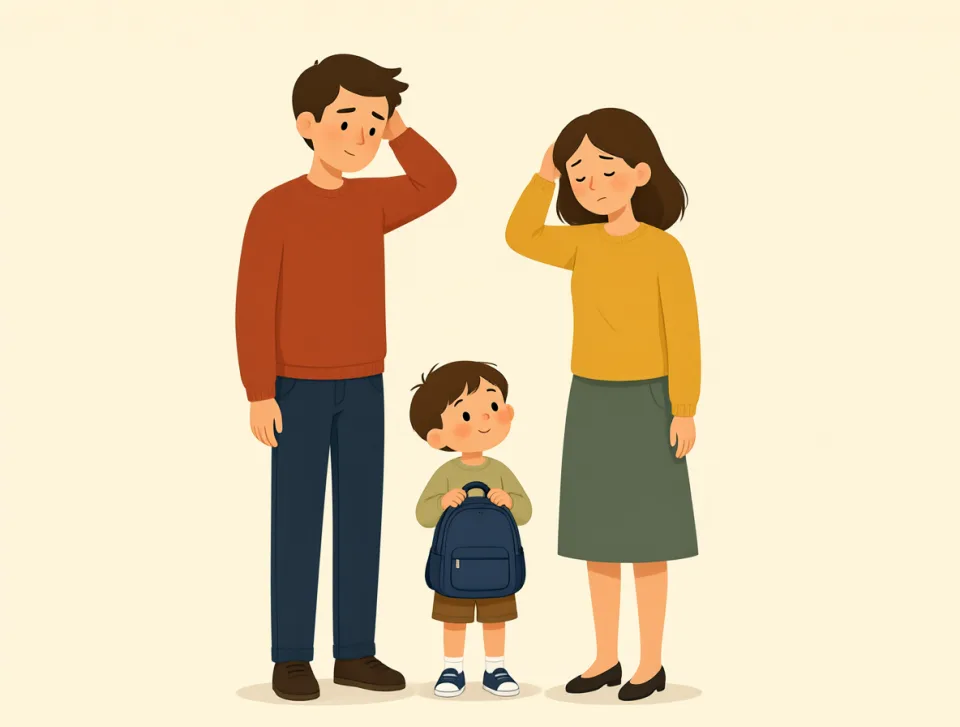
My parents refused permission for the school trip.
Moi rodzice nie zgodzili się na wycieczkę szkolną.
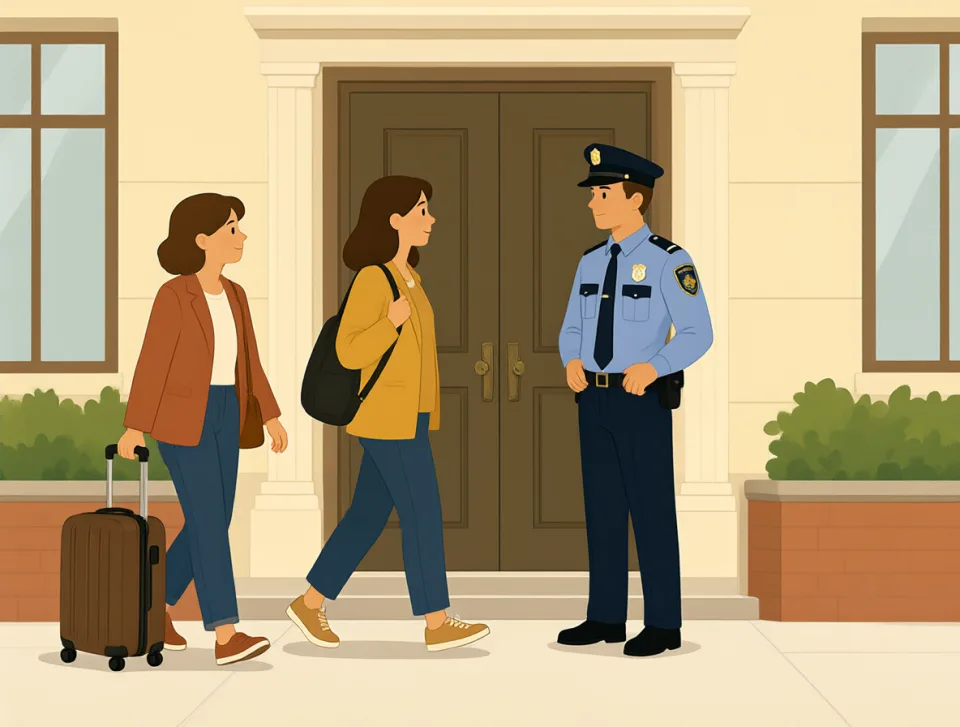
They refused us entry because we arrived too late.
Odmówili nam wstępu, bo przyjechaliśmy zbyt późno.
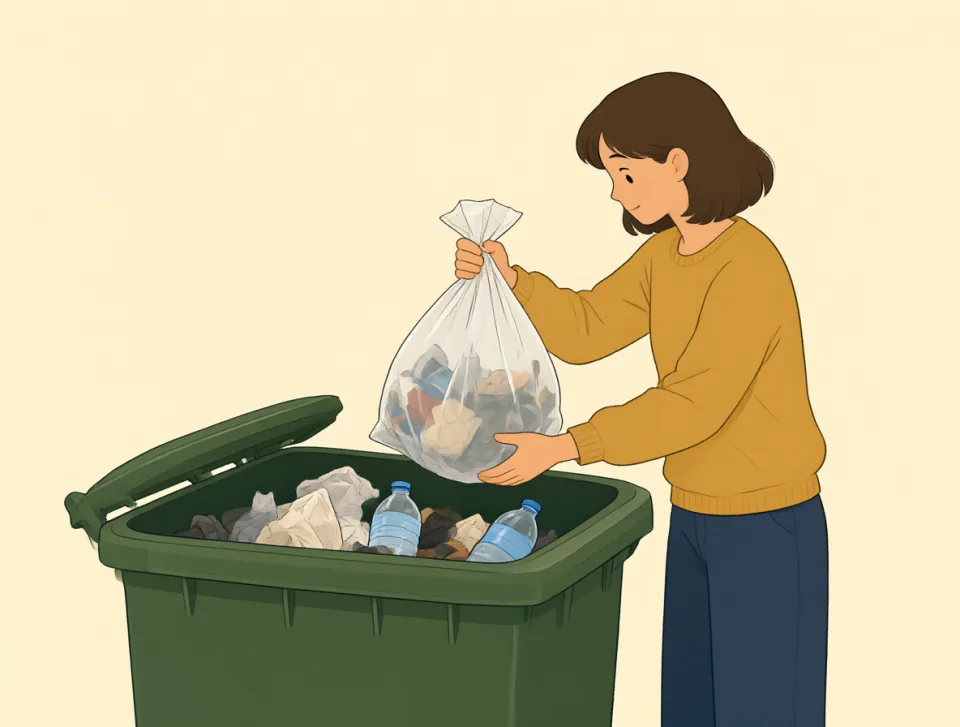
Please put your household refuse in the outside bin.
Proszę wyrzucać odpady domowe do kosza na zewnątrz.
transport
#1210noun, verb
transport
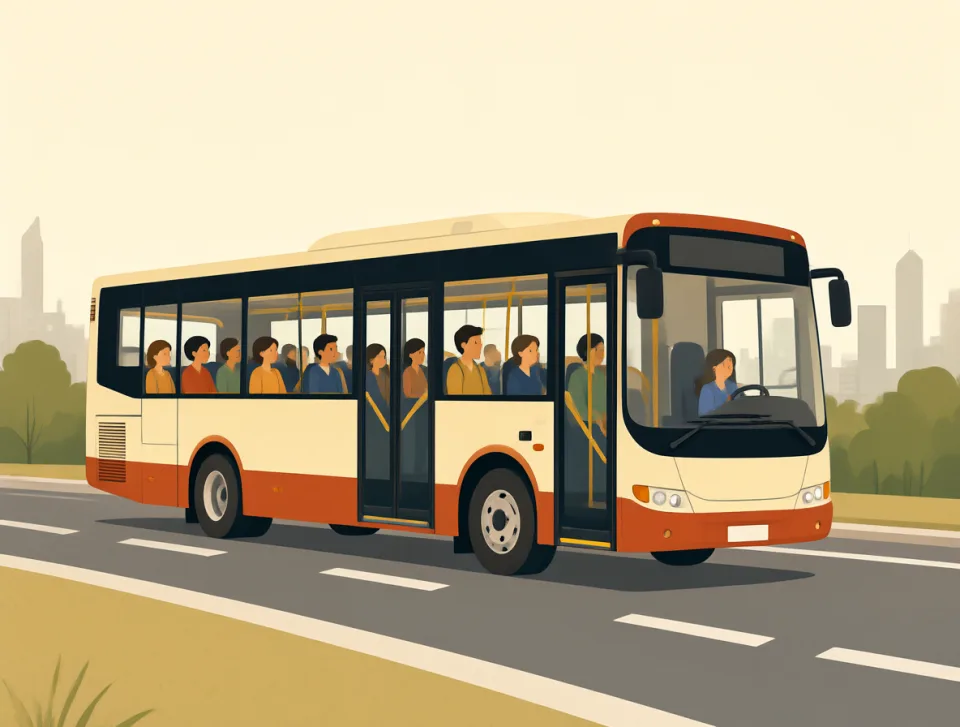
A way of carrying people or goods from one place to another.
Sposób przewożenia ludzi lub towarów z jednego miejsca do drugiego.
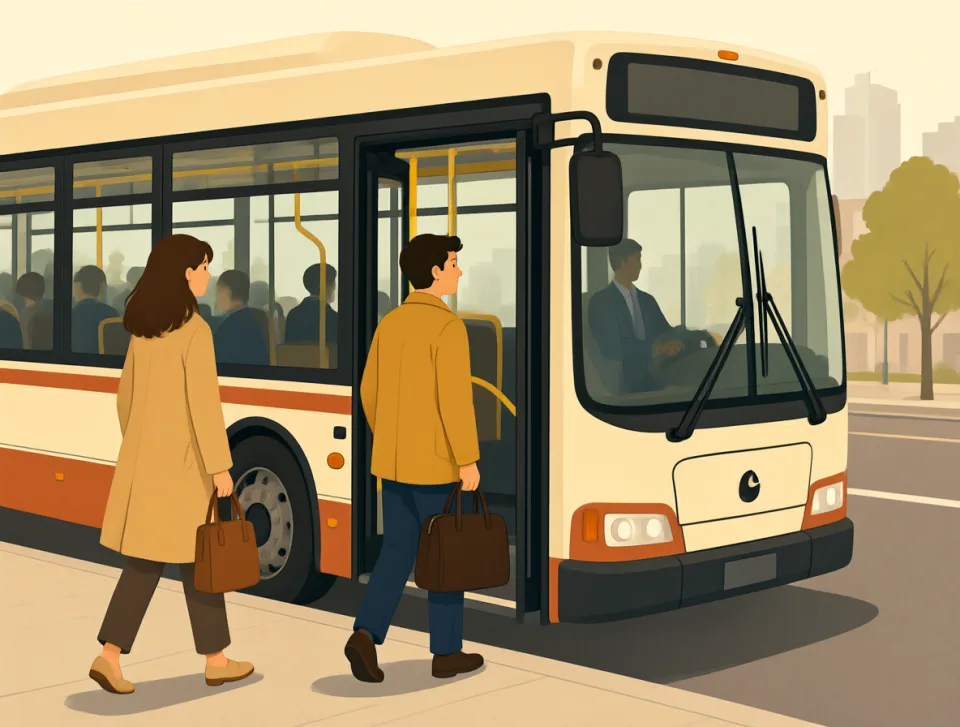
Public transport is often cheaper than driving to work.
Transport publiczny jest często tańszy niż dojazd do pracy samochodem.
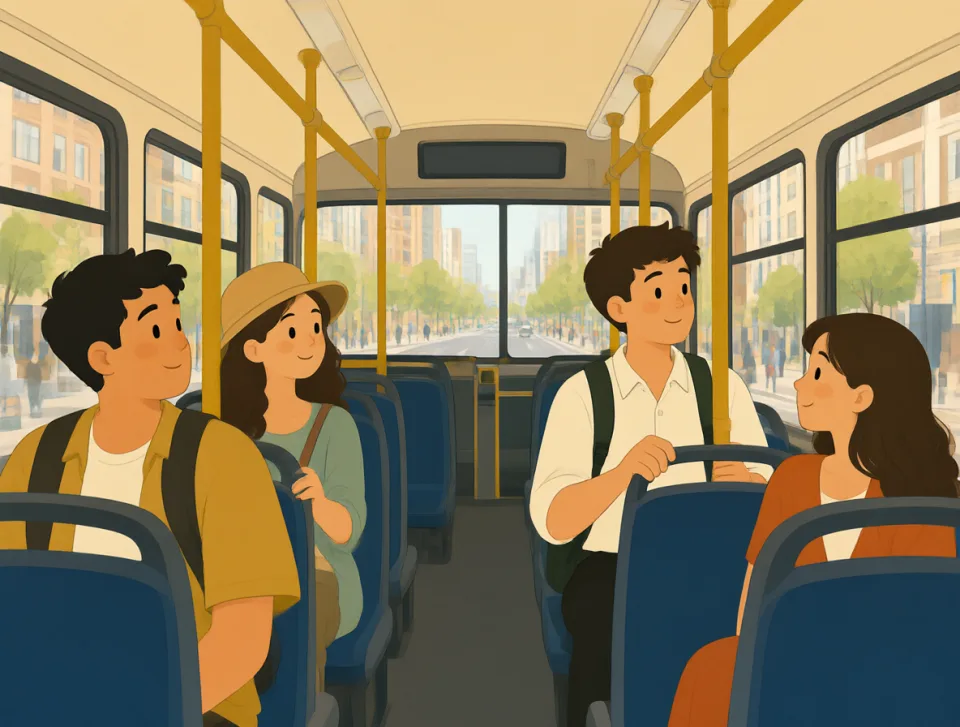
We used public transport to get around the city.
Korzystaliśmy z transportu publicznego, żeby poruszać się po mieście.
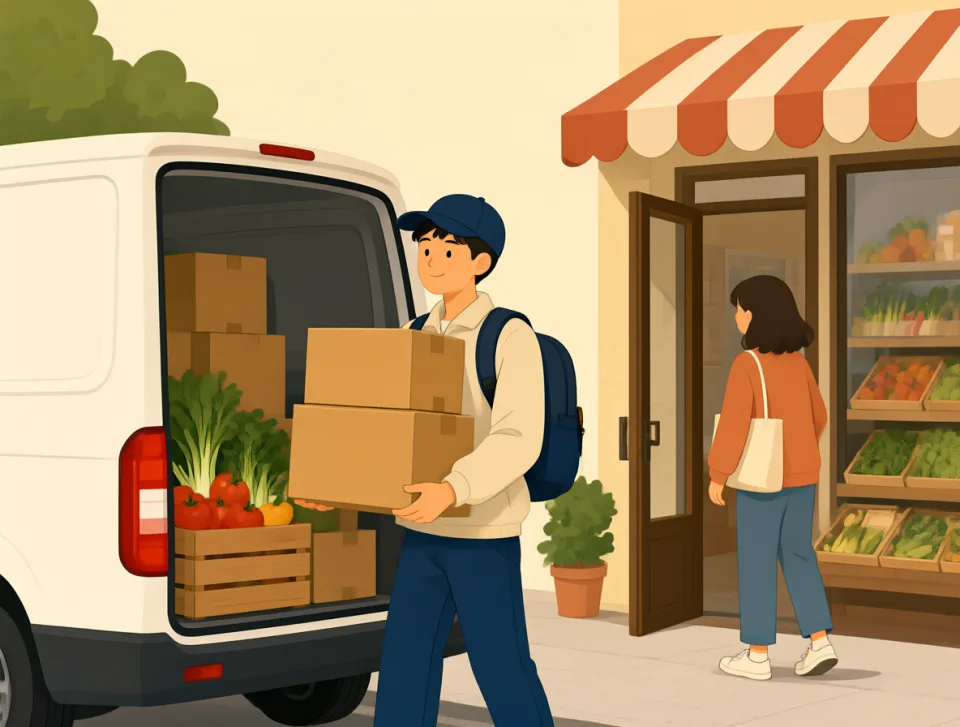
The company transports fresh food to local shops every morning.
Firma codziennie rano dostarcza świeżą żywność do lokalnych sklepów.
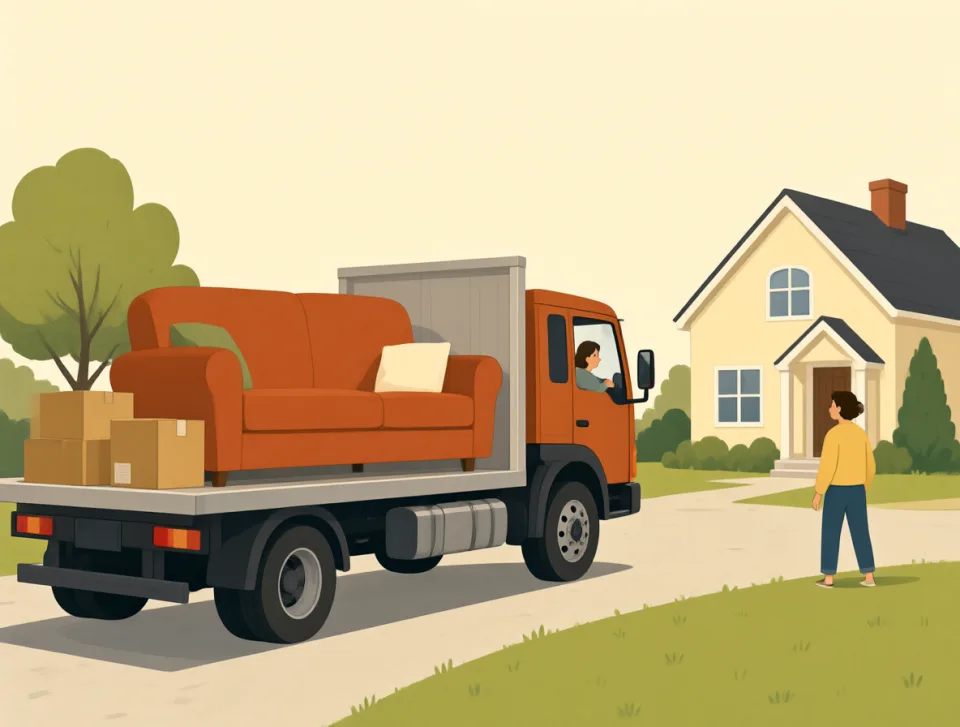
This truck transports furniture from the warehouse to customers' homes.
Ta ciężarówka przewozi meble z magazynu do domów klientów.
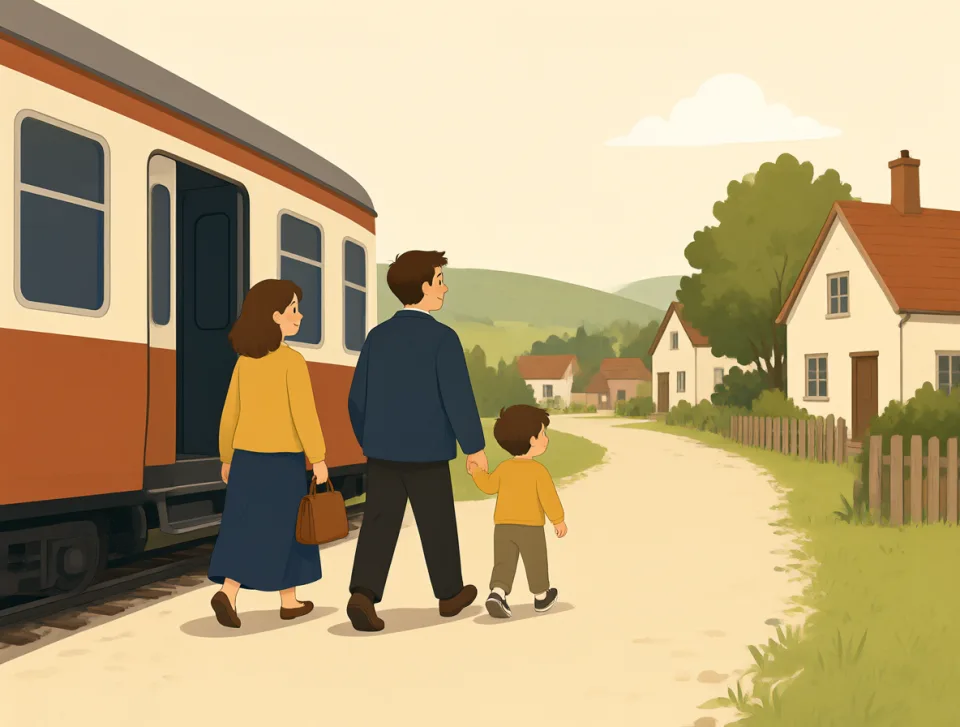
Good transport links make it easy to visit the village.
Dobre połączenia komunikacyjne ułatwiają odwiedzanie tej wioski.
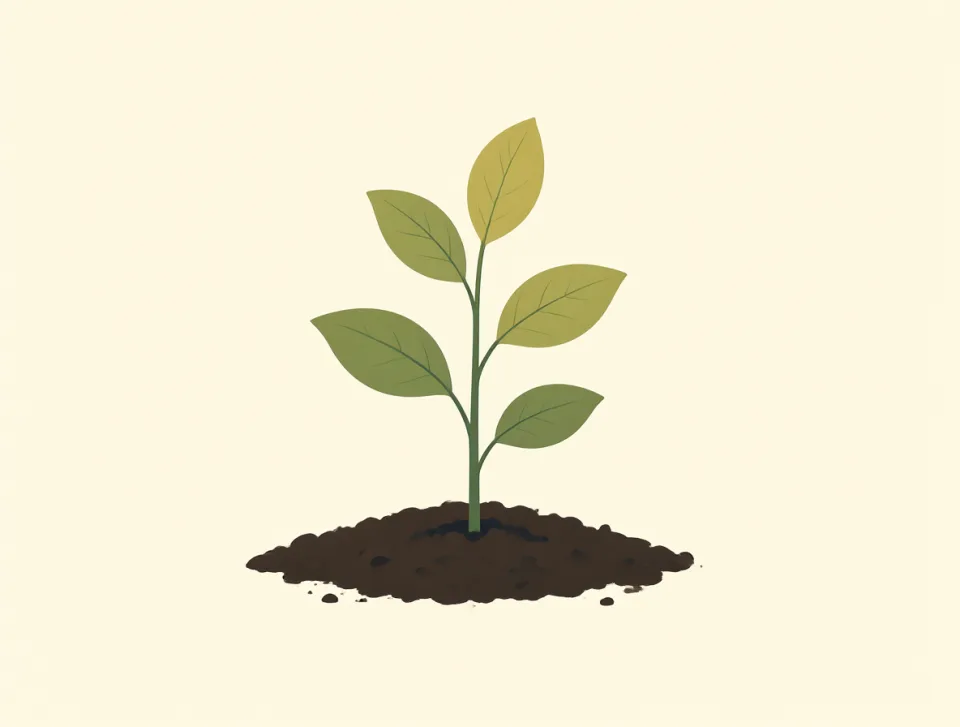
emerge
#1211verb
wyłaniać się
to come out or become known, often after being hidden or unclear
Wyjść na zewnątrz lub stać się znanym, często po tym, jak coś było ukryte lub niejasne.
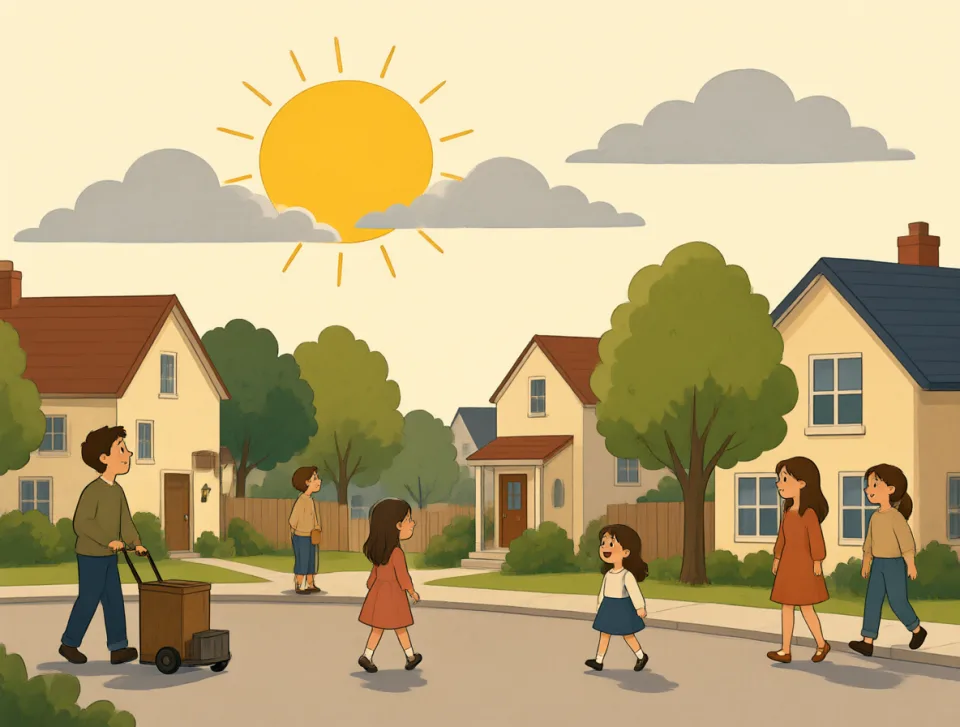
The sun emerged from behind the clouds after the storm.
Po burzy słońce wyłoniło się zza chmur.
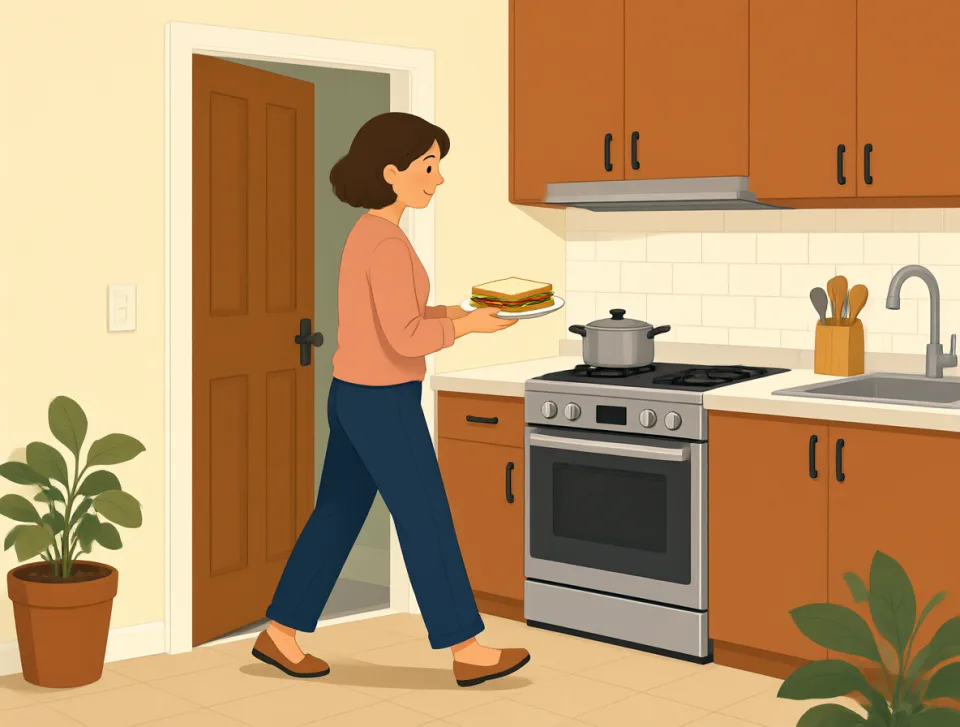
She emerged from the kitchen carrying a plate of sandwiches.
Wyszła z kuchni, niosąc talerz kanapek.
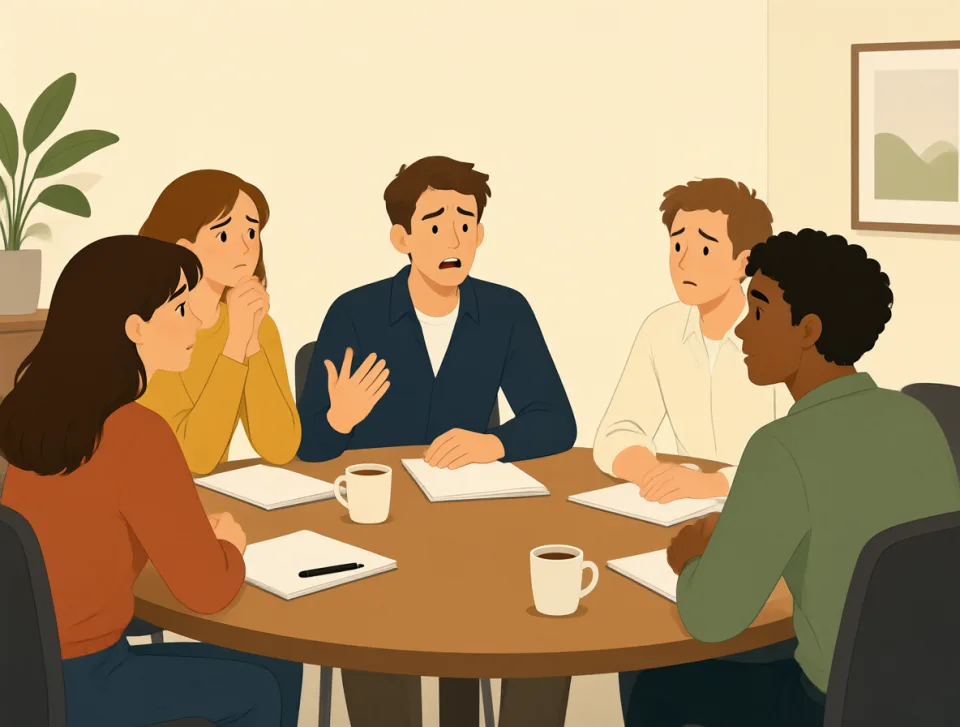
New problems emerged during the team meeting.
Podczas spotkania zespołu pojawiły się nowe problemy.
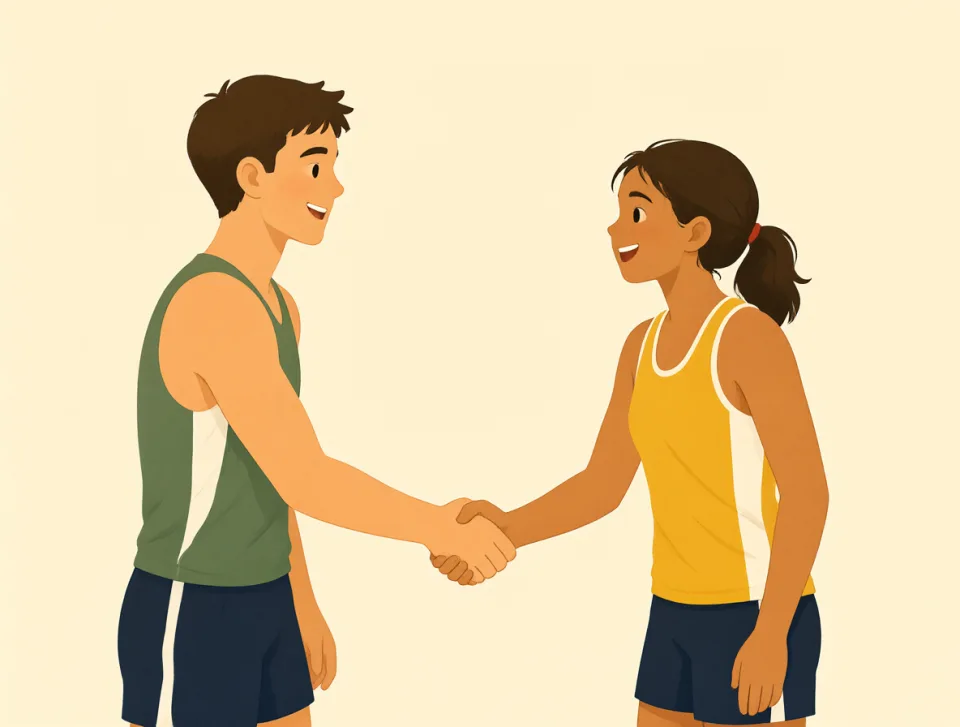
The winner emerged after a close final match.
Po zaciętym meczu finałowym wyłoniono zwycięzcę.
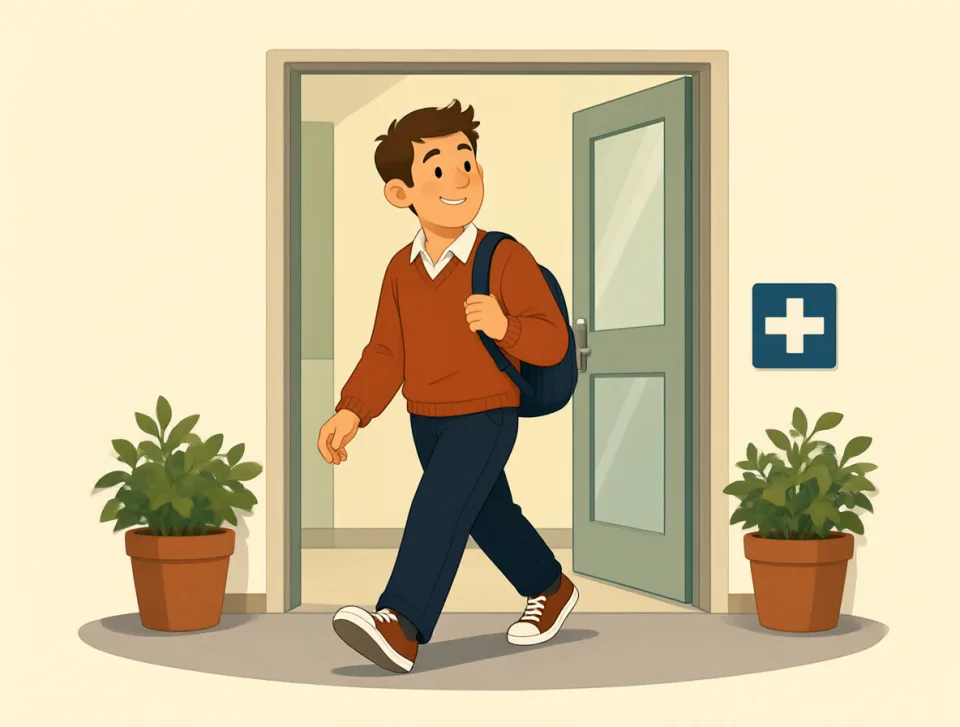
He emerged from the hospital feeling stronger after treatment.
Po leczeniu wyszedł ze szpitala w lepszej formie.
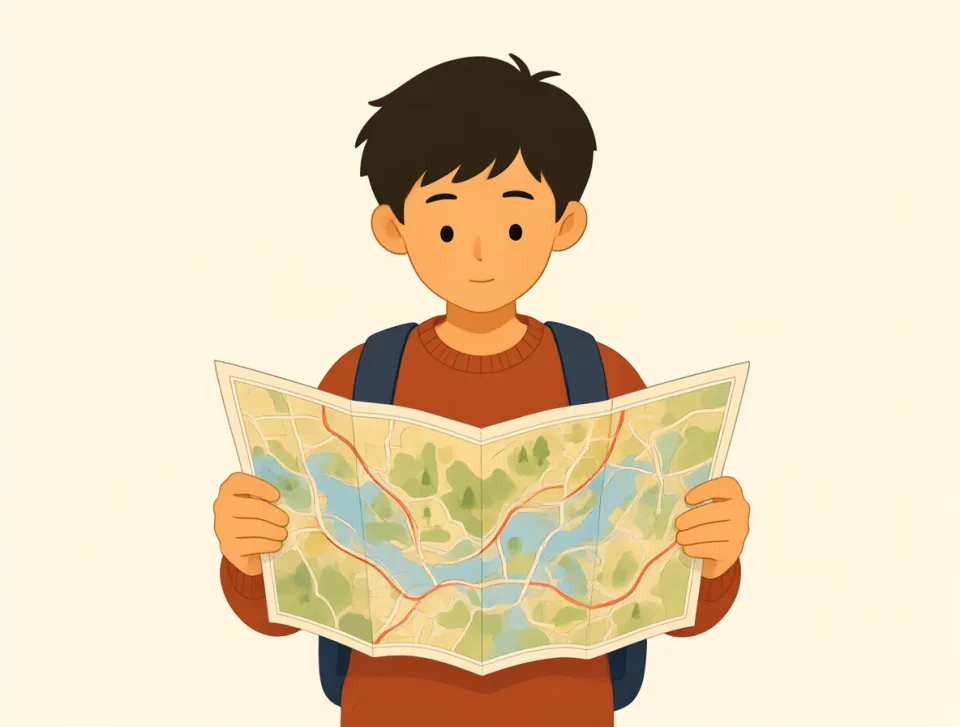
map
#1212noun, verb
mapa
A drawing of an area, or to show where places are and how they connect.
Rysunek przedstawiający jakiś obszar albo pokazujący, gdzie znajdują się miejsca i jak są ze sobą połączone.
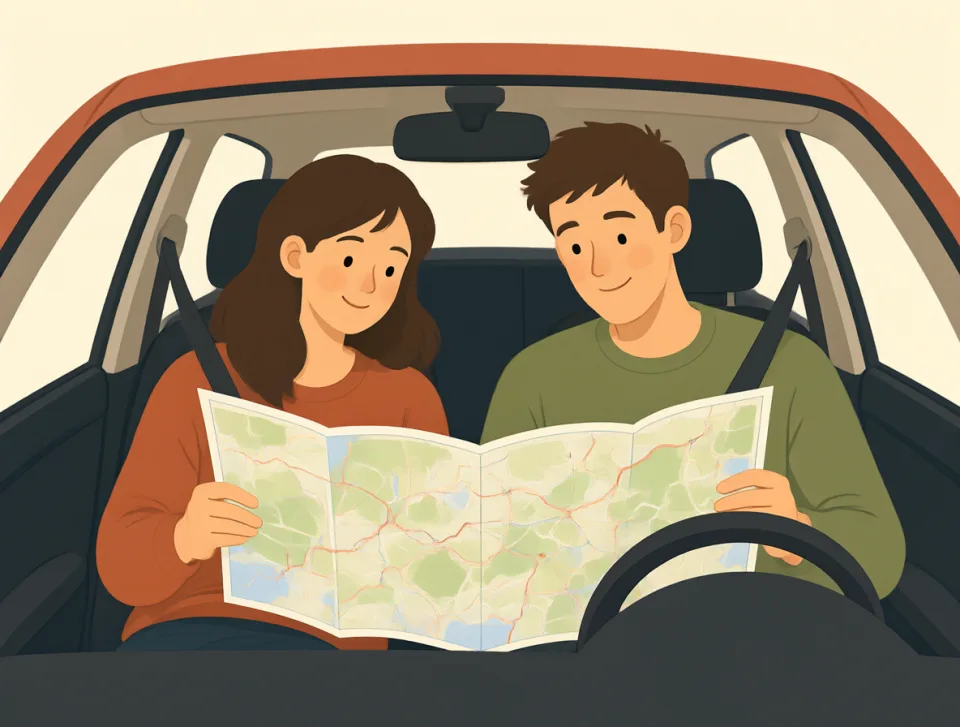
We checked the map before driving to the next town.
Zanim pojechaliśmy do następnego miasta, sprawdziliśmy mapę.
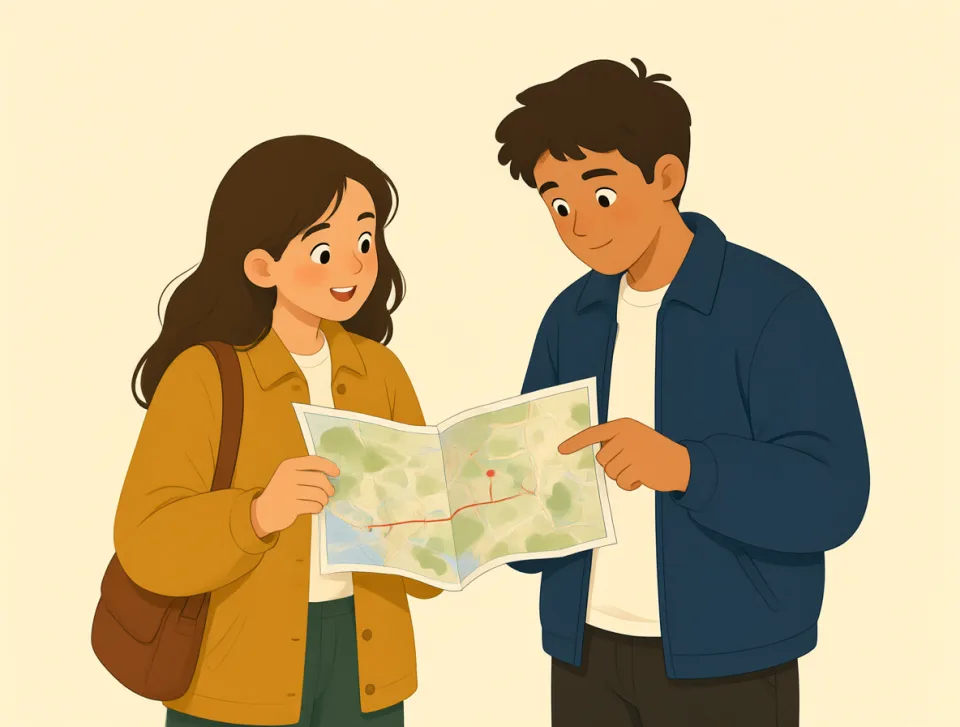
Can you show me on the map where the station is?
Możesz mi pokazać na mapie, gdzie jest stacja?
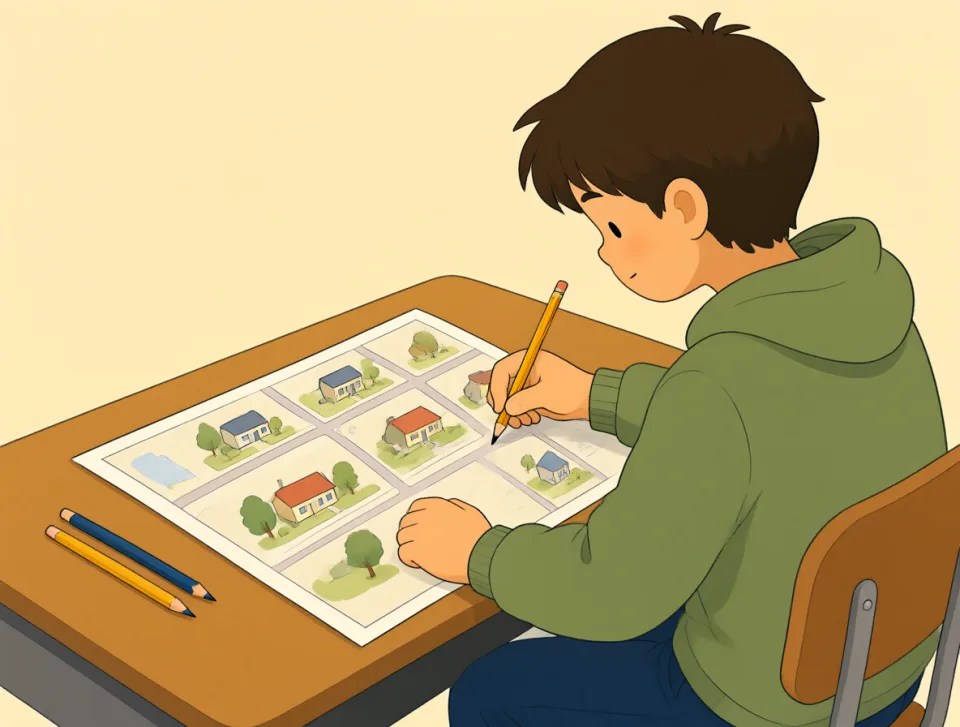
The teacher asked us to draw a map of our neighborhood.
Nauczyciel poprosił nas o narysowanie mapy naszej okolicy.
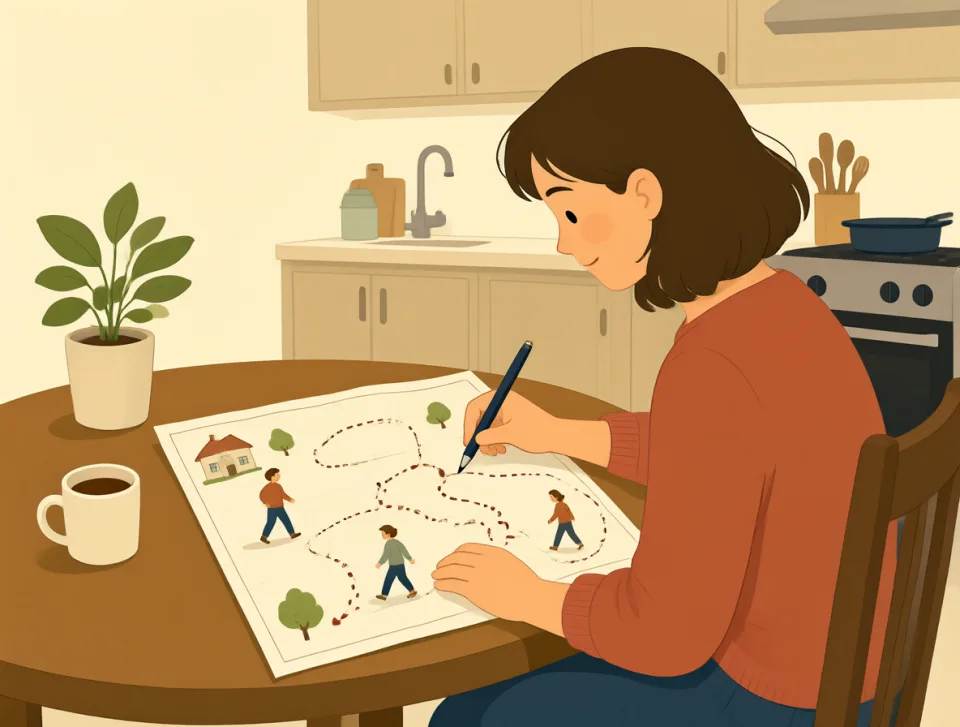
I mapped the walking route from my home to the market.
Wyznaczyłem trasę pieszą z domu na targ.
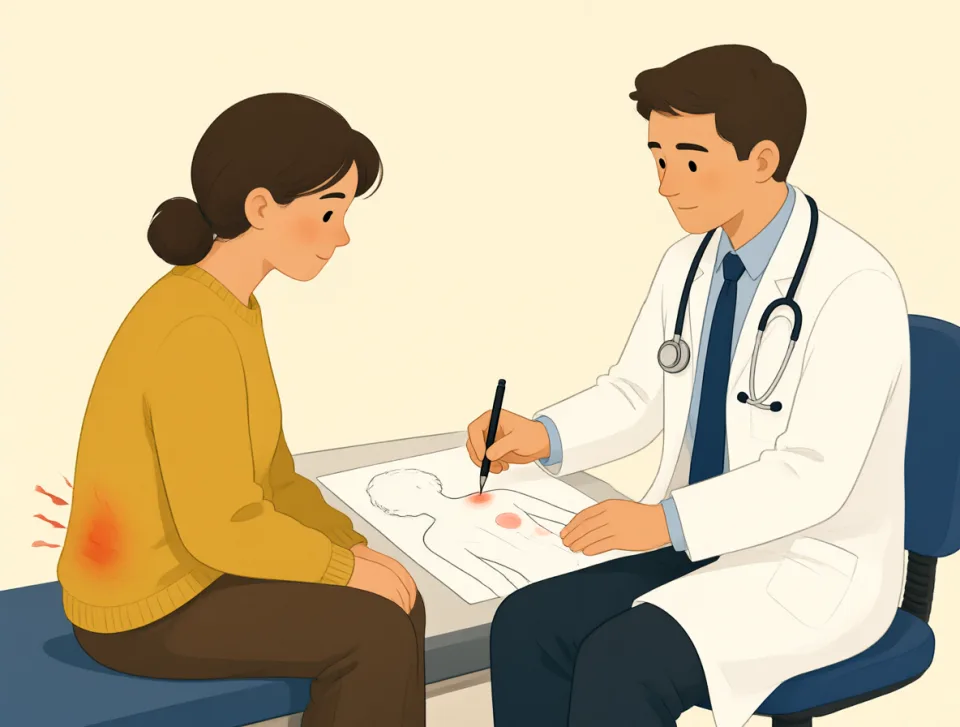
The doctor mapped the pain across my back during the examination.
Podczas badania lekarz naniósł na mapę miejsca bólu na moich plecach.
concept
#1213noun
koncepcja
An idea or general understanding of something.
Pomysł lub ogólne rozumienie czegoś.
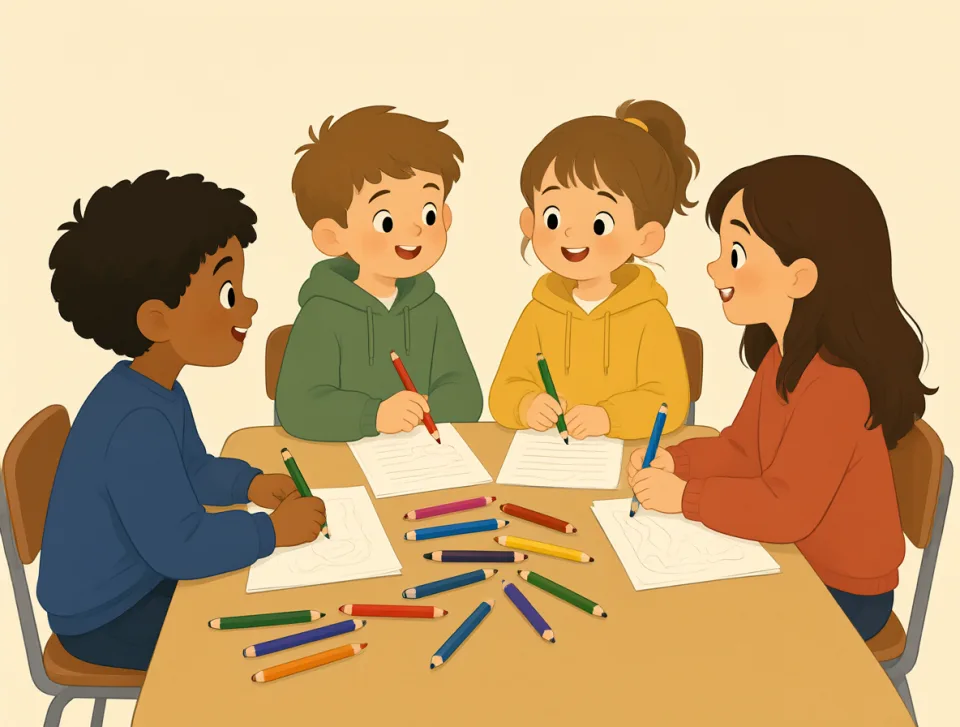
The concept of sharing makes our classroom a happier place.
Koncepcja dzielenia się sprawia, że w naszej klasie panuje lepsza atmosfera.

She explained the concept clearly during the team meeting.
Podczas spotkania zespołu jasno wyjaśniła tę koncepcję.
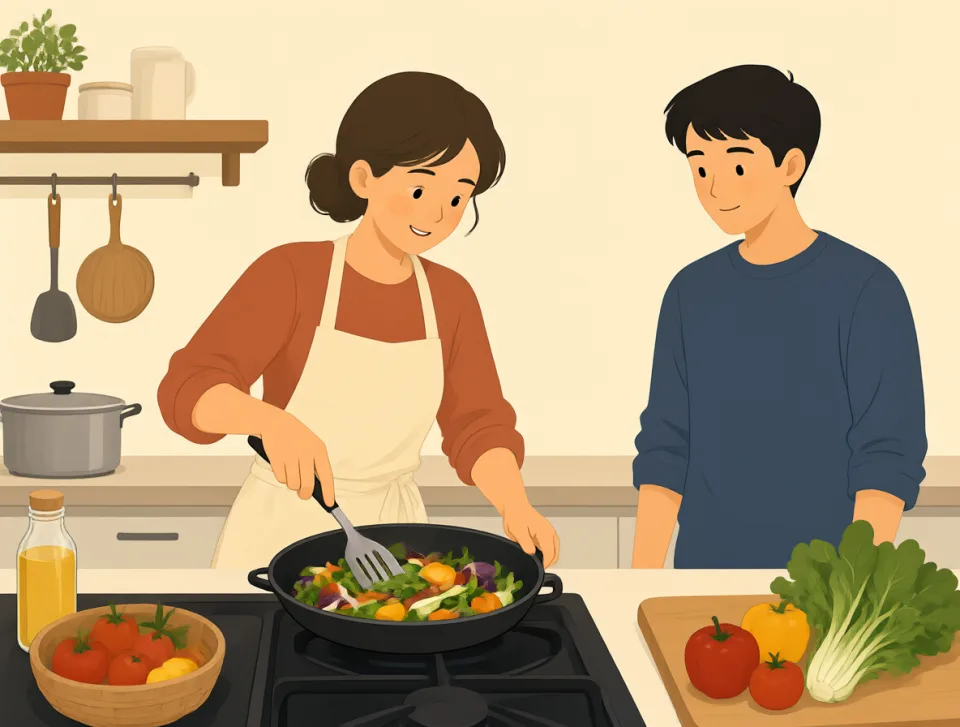
This book introduces the basic concepts of healthy cooking.
Ta książka przedstawia podstawowe koncepcje zdrowego gotowania.

The travel agency presented a new hotel concept for families.
Biuro podróży zaprezentowało nową koncepcję hotelu dla rodzin.
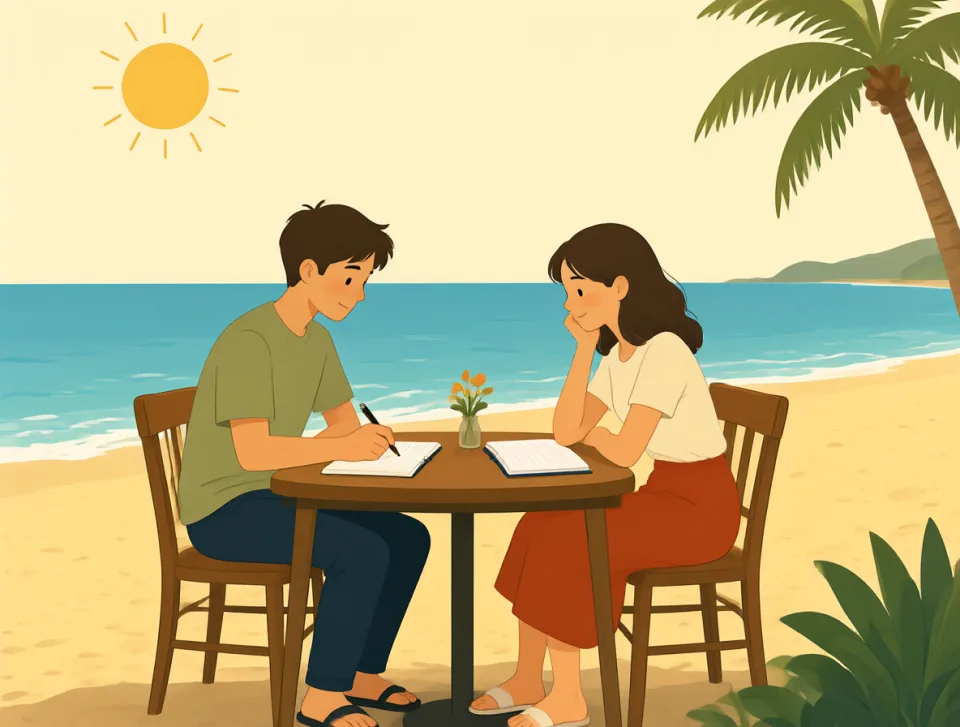
My friend loves the concept of working from a beach.
Mojemu przyjacielowi podoba się koncepcja pracy z plaży.

island
#1214noun
wyspa
A piece of land completely surrounded by water.
Kawałek lądu całkowicie otoczony wodą.
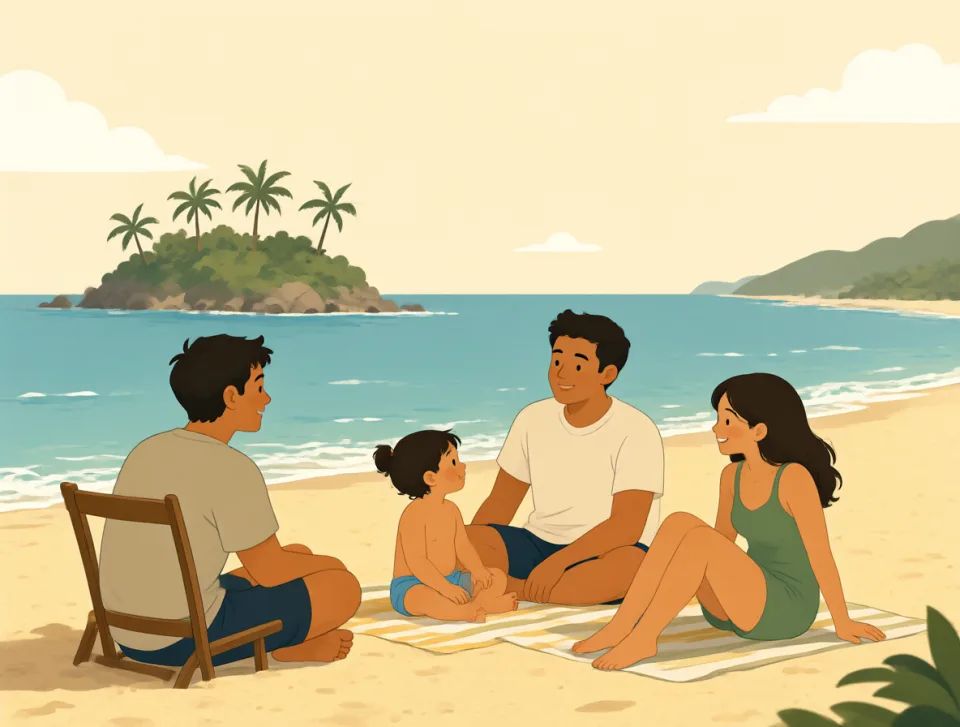
We spent our holiday on a small island near Greece.
Spędziliśmy wakacje na małej wyspie niedaleko Grecji.
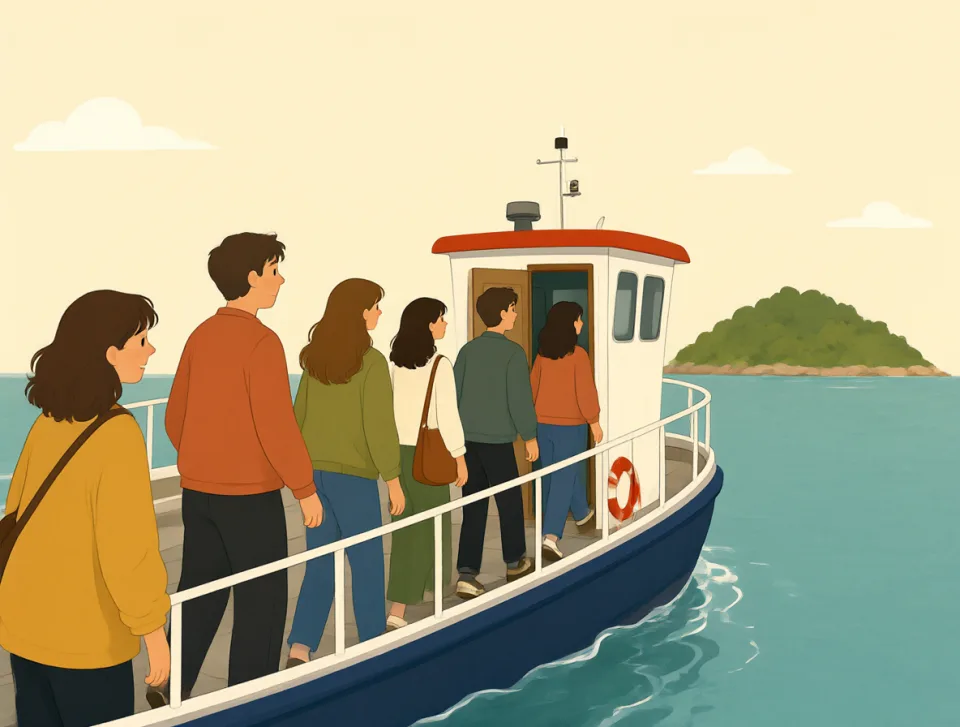
The boat takes visitors to the island every morning.
Łódź codziennie rano zabiera turystów na wyspę.
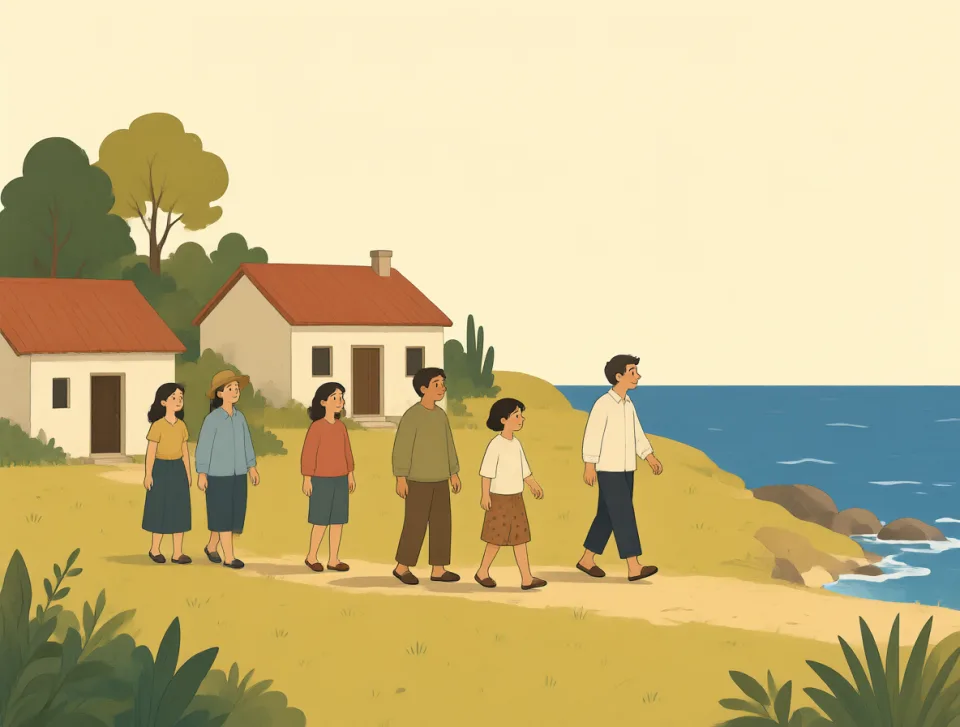
Many people live on the island all year.
Wiele osób mieszka na wyspie przez cały rok.
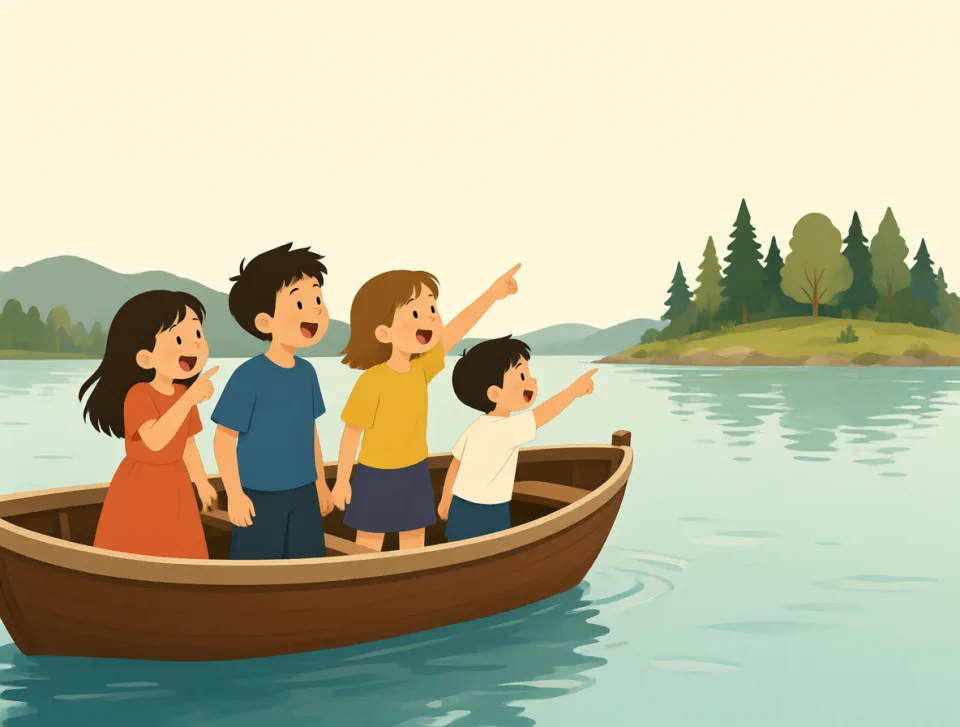
The children found a beautiful island in the middle of the lake.
Dzieci znalazły piękną wyspę na środku jeziora.
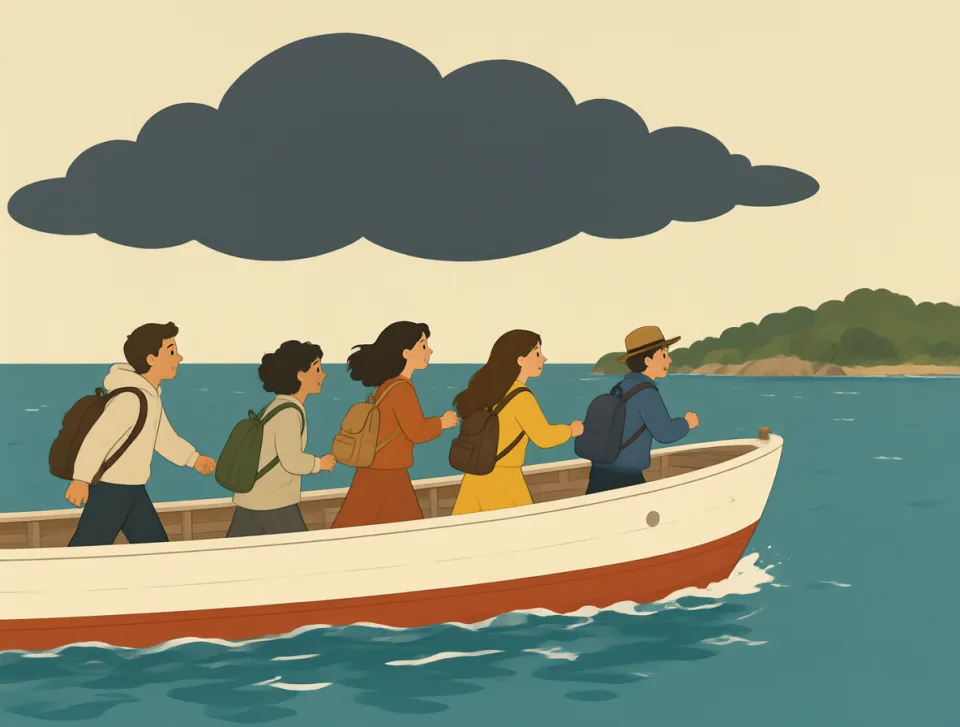
We left the island before the storm reached the coast.
Opuściliśmy wyspę, zanim burza dotarła do wybrzeża.
reform
#1215noun, verb
reforma
a change made to improve a system, law, or organization
Zmiana wprowadzona w celu ulepszenia systemu, prawa lub organizacji.
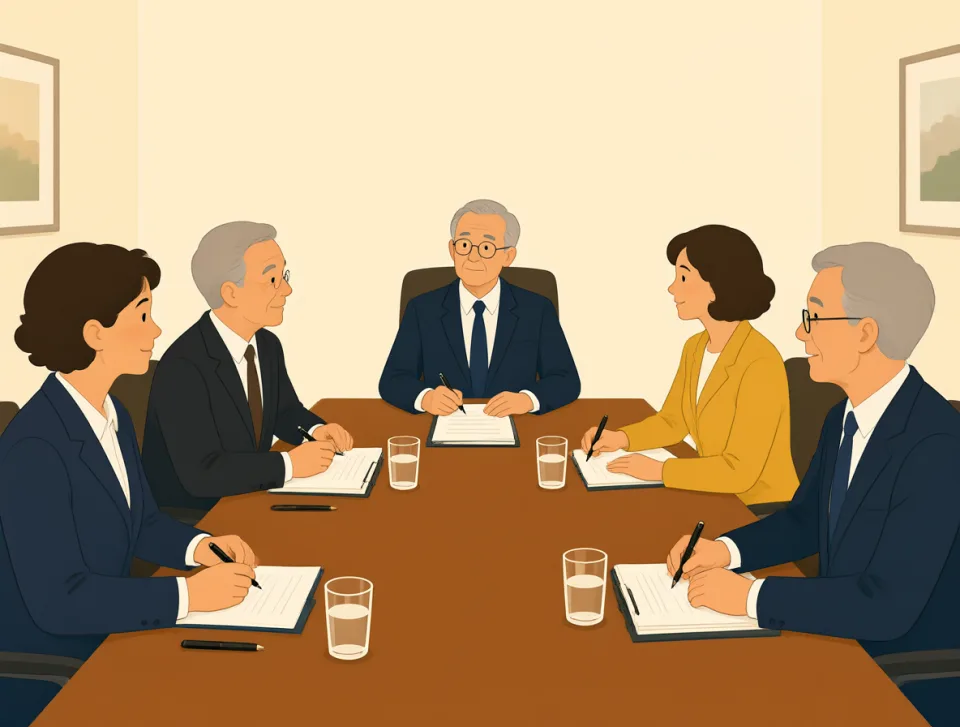
The government plans to reform the healthcare system next year.
Rząd planuje w przyszłym roku zreformować system opieki zdrowotnej.
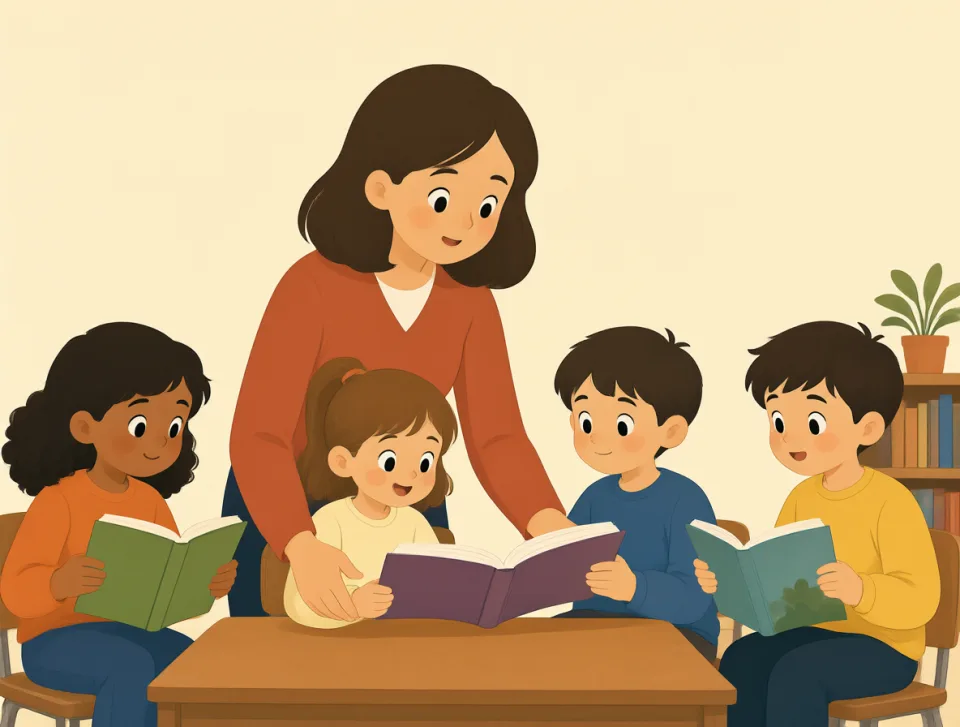
The school introduced education reforms to improve reading skills.
Szkoła wprowadziła reformy edukacyjne, aby poprawić umiejętność czytania.

The company is reforming its hiring process to be fairer.
Firma reformuje proces rekrutacji, aby był sprawiedliwszy.
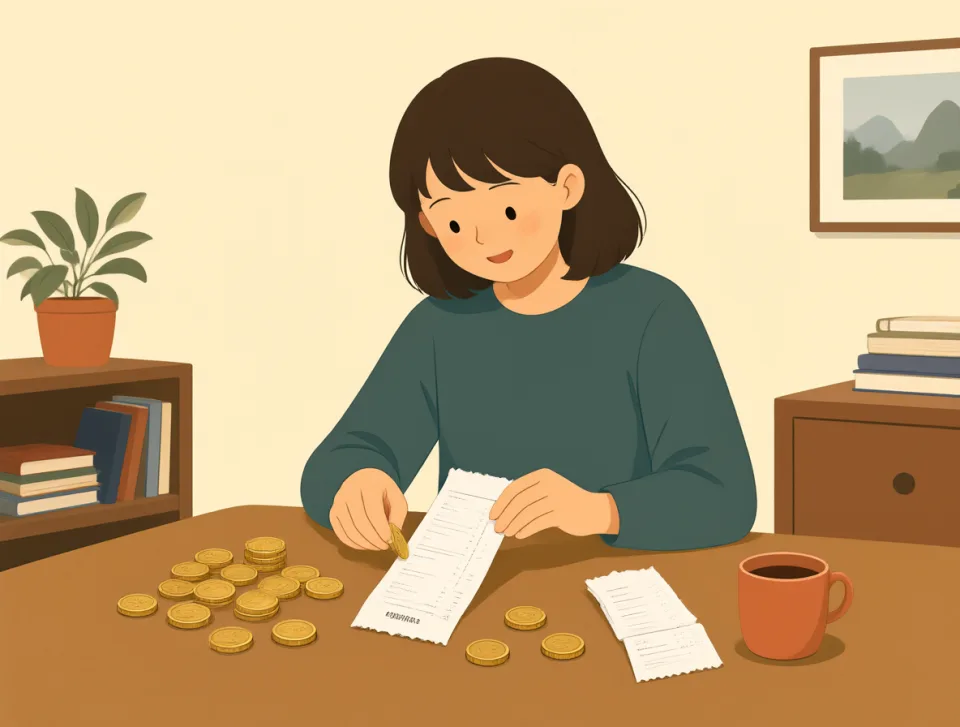
We need to reform our spending habits before the holidays.
Przed świętami musimy zmienić nasze nawyki związane z wydawaniem pieniędzy.
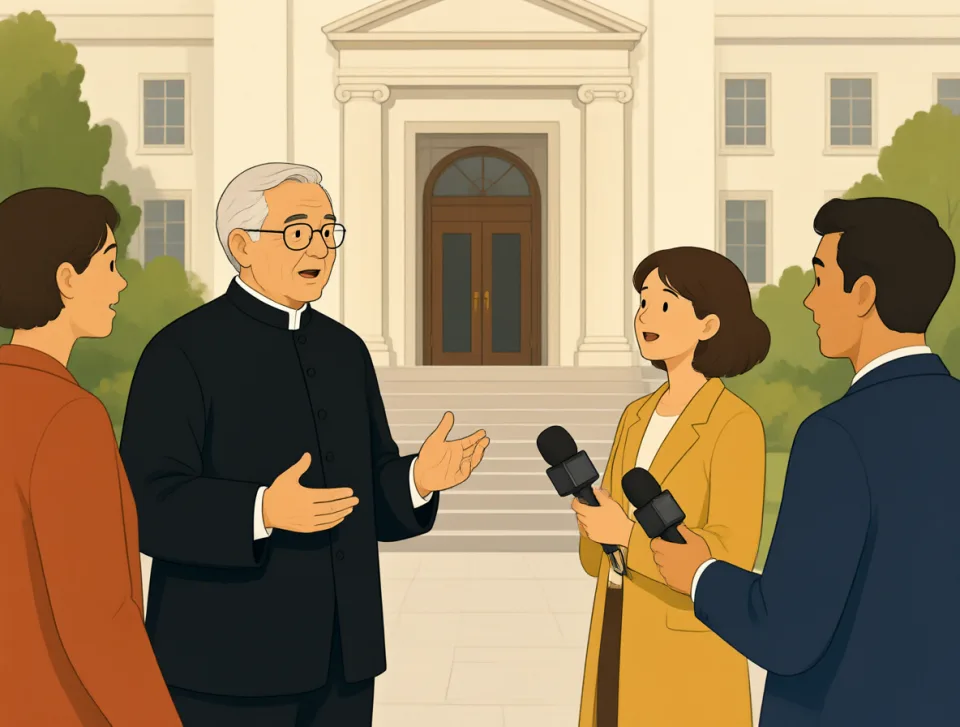
The minister promised political reform after the public scandal.
Po publicznym skandalu minister obiecał reformę polityczną.
neither
#1216determiner, pronoun, adverb, conjunction
żaden z dwojga
Not one and not the other of two people or things.
Ani jedna, ani druga z dwóch osób lub rzeczy.
Neither answer is correct, so please try again.
Żadna z odpowiedzi nie jest poprawna, spróbuj więc jeszcze raz.
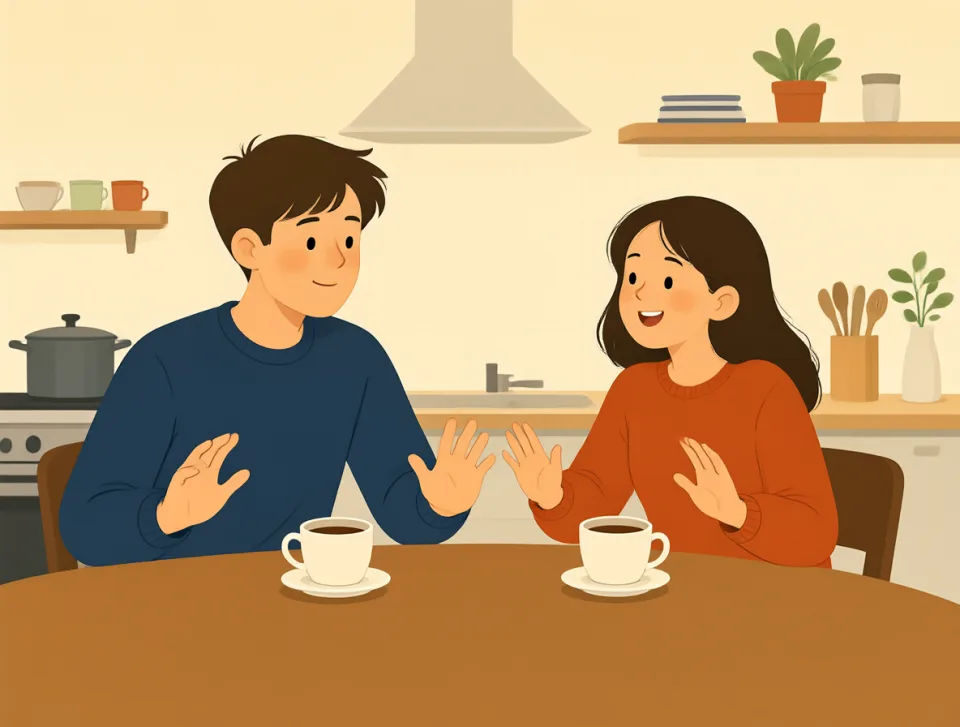
Neither of us likes coffee in the morning.
Żadne z nas nie lubi kawy o poranku.
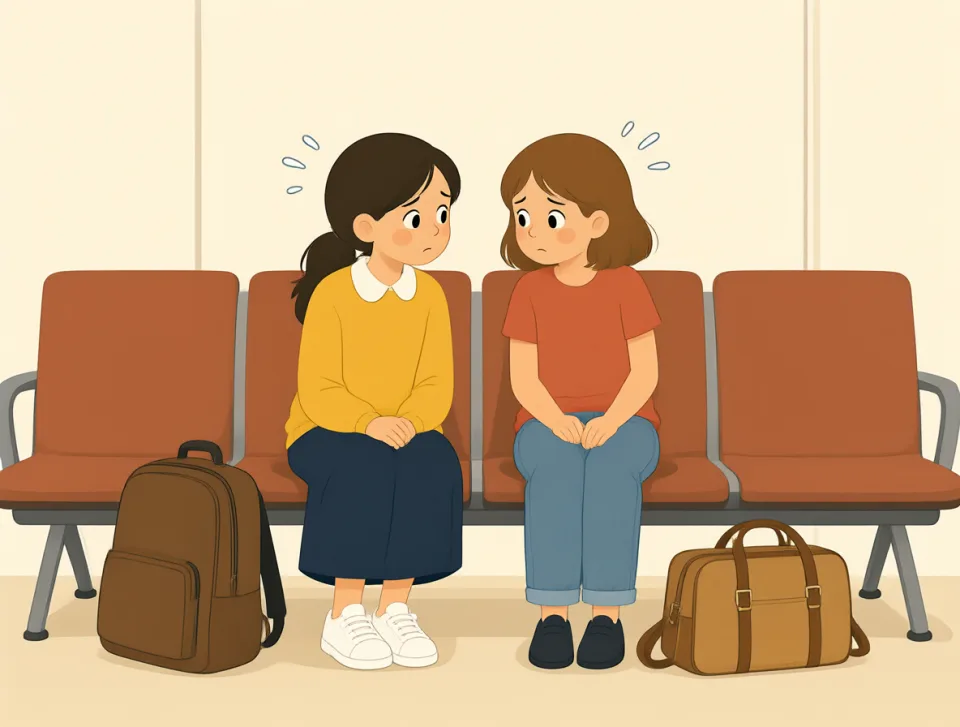
I don't like flying, and neither does my sister.
Nie lubię latać i moja siostra też nie.
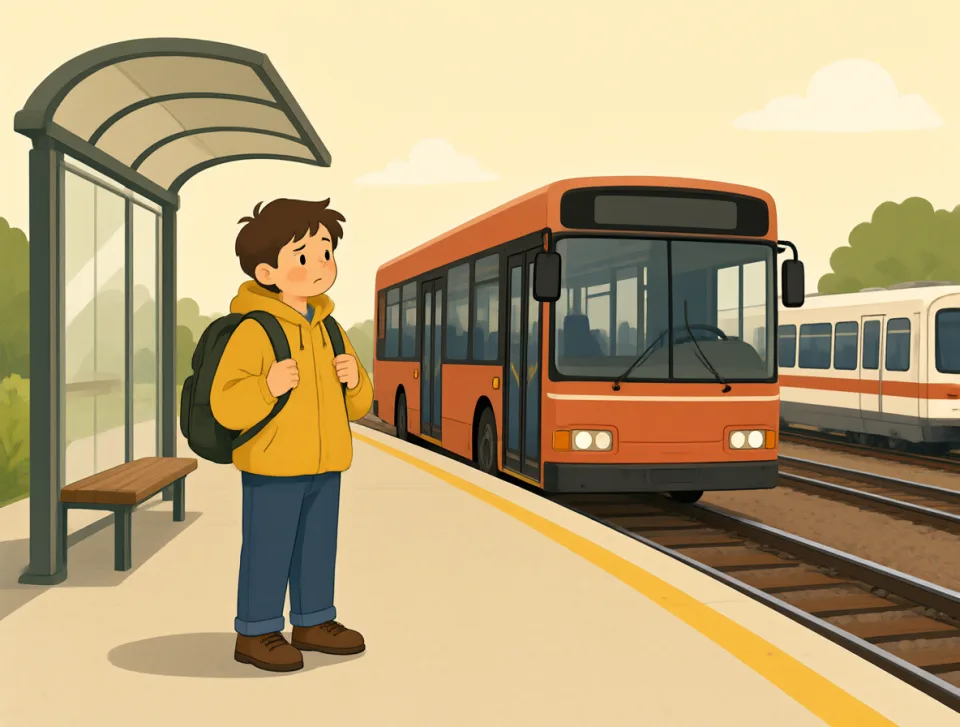
Neither the bus nor the train was on time.
Ani autobus, ani pociąg nie przyjechał na czas.
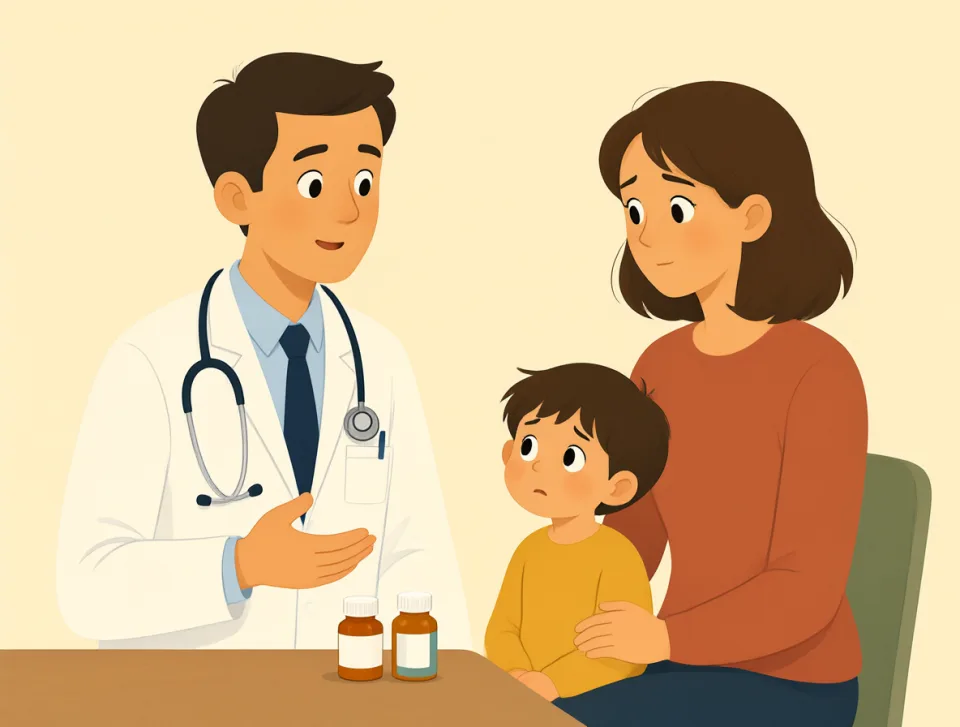
The doctor said neither medicine was safe for children.
Lekarz powiedział, że żaden z tych leków nie jest bezpieczny dla dzieci.
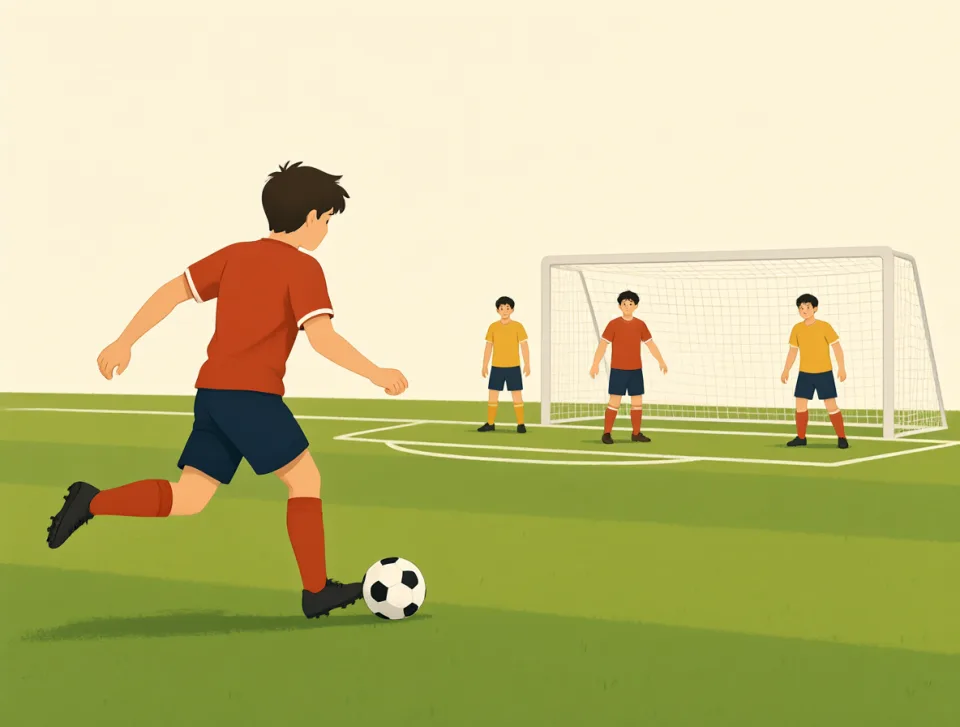
football
#1217noun
piłka nożna
a game where two teams try to kick a ball into each other's goal
Gra, w której dwie drużyny próbują kopnąć piłkę do bramki przeciwnika.
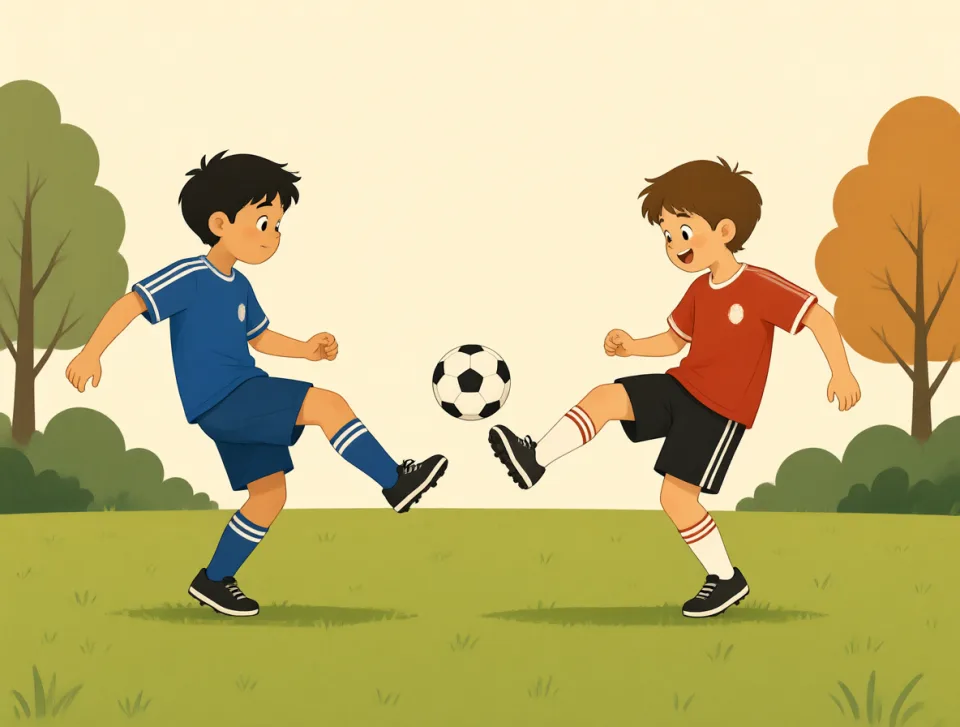
We play football in the park every Saturday.
W każdą sobotę gramy w piłkę nożną w parku.
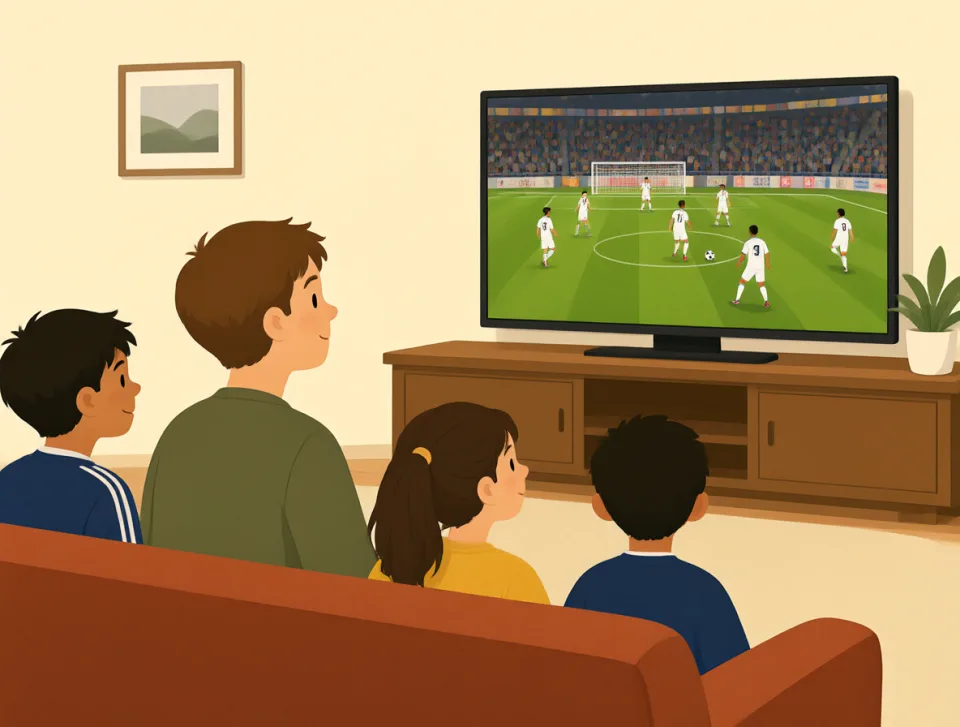
My brother watches football with his friends after dinner.
Mój brat ogląda mecze piłki nożnej z przyjaciółmi po kolacji.
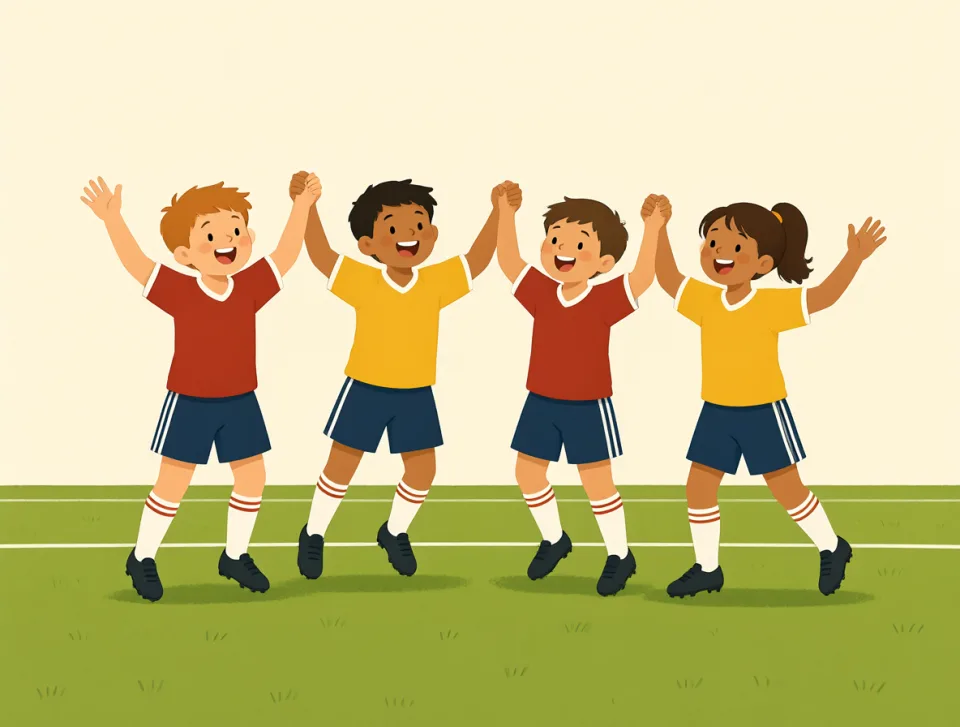
The school football team won the final yesterday.
Szkolna drużyna piłkarska wygrała wczoraj finał.
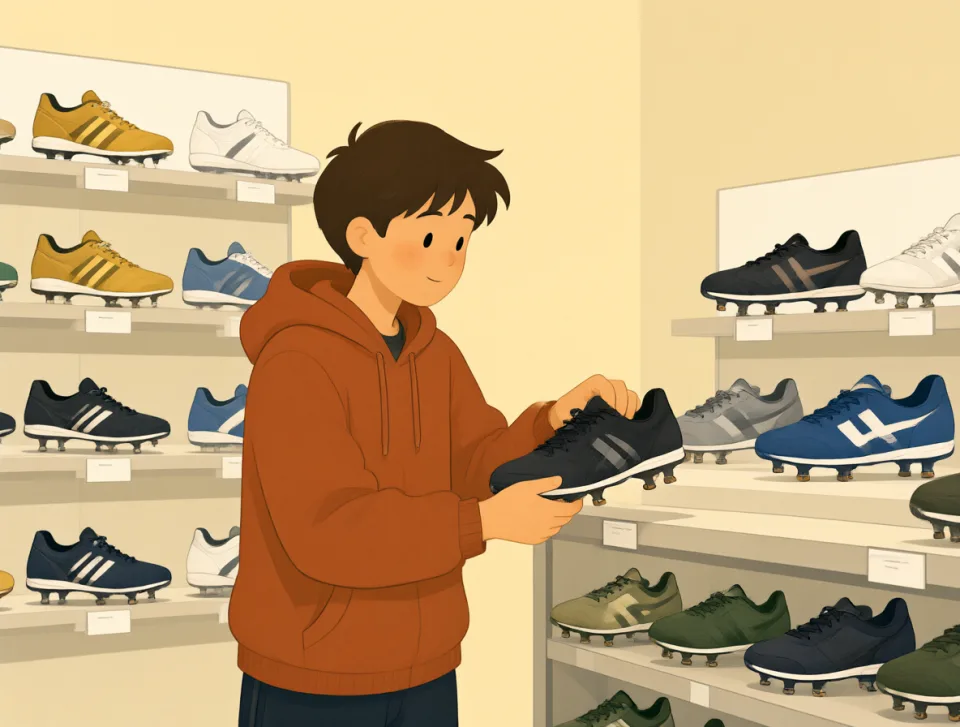
I bought new football boots before the training session.
Przed treningiem kupiłem nowe korki.
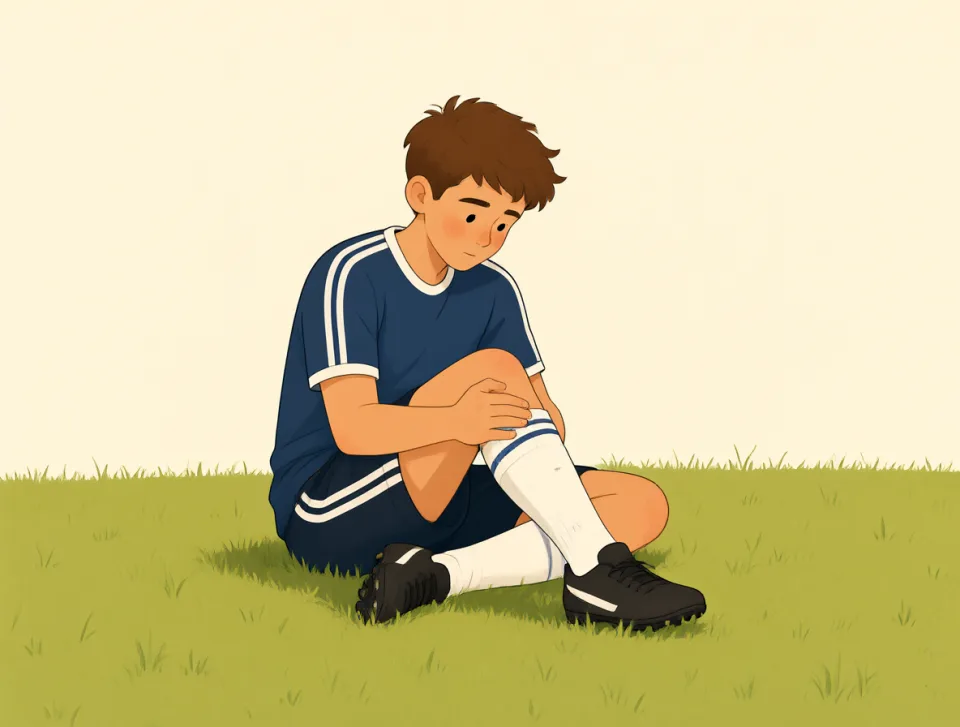
He hurt his knee while playing football at the weekend.
W weekend skręcił kolano podczas gry w piłkę nożną.
survive
#1218verb
przetrwać
to continue living or existing after danger, illness, or a difficult situation
Nadal żyć lub istnieć po niebezpieczeństwie, chorobie albo trudnej sytuacji.

Only two people survived the terrible plane crash.
Tylko dwie osoby przeżyły straszną katastrofę samolotu.

Some plants cannot survive without enough sunlight.
Niektóre rośliny nie mogą przetrwać bez odpowiedniej ilości światła słonecznego.

She survived a serious illness and returned to work.
Przetrwała ciężką chorobę i wróciła do pracy.
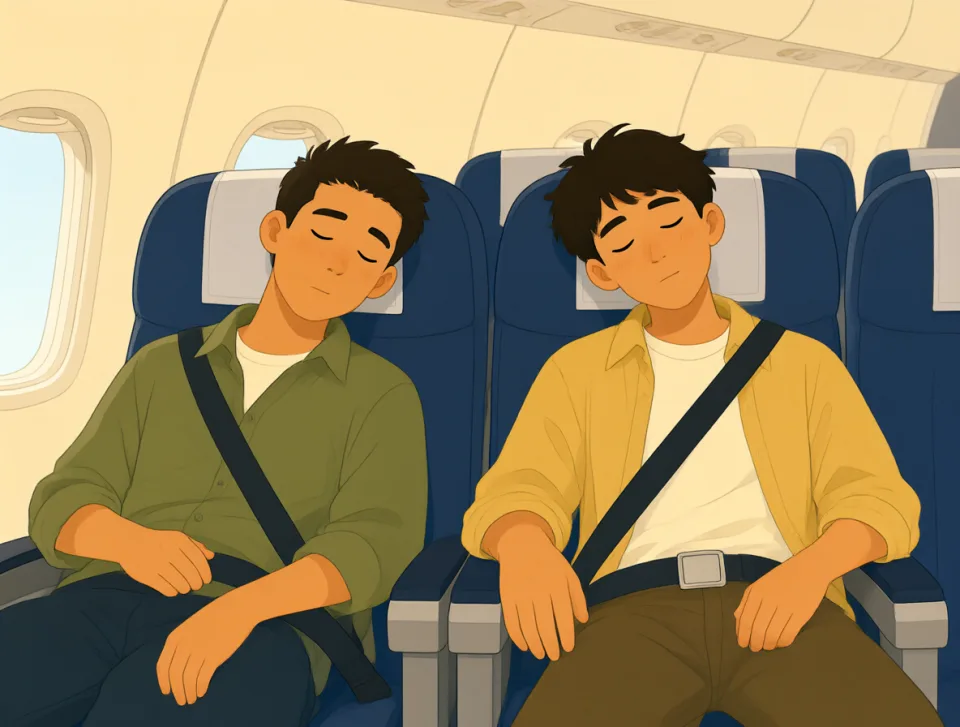
We survived the long flight by sleeping and drinking water.
Przetrwaliśmy długi lot, śpiąc i pijąc wodę.
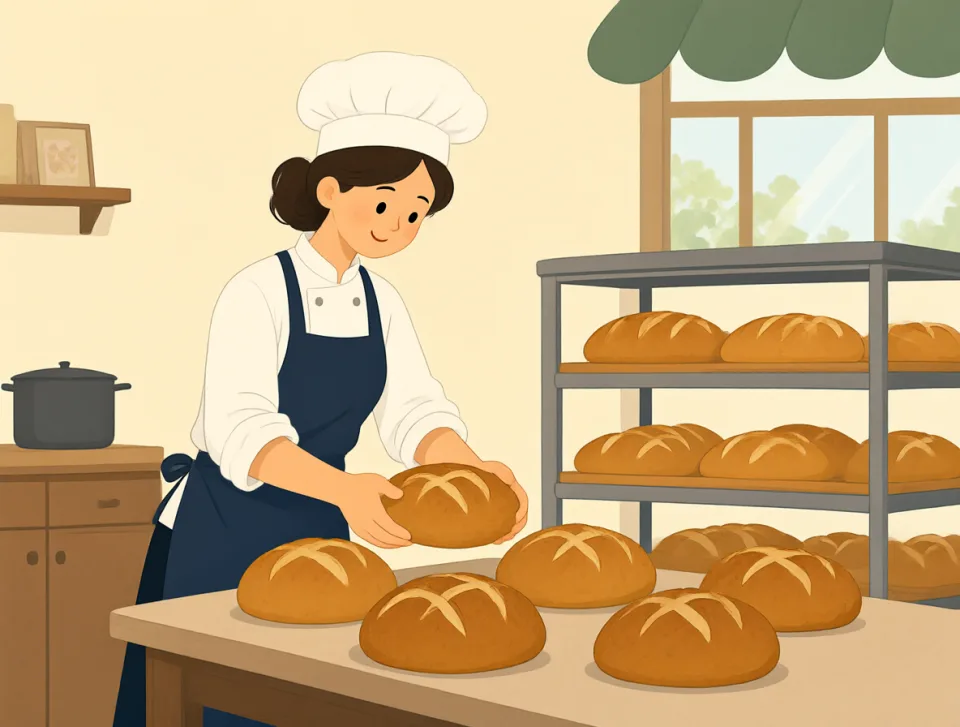
This small shop survives by selling fresh bread every morning.
Ten mały sklep utrzymuje się ze sprzedaży świeżego pieczywa każdego ranka.
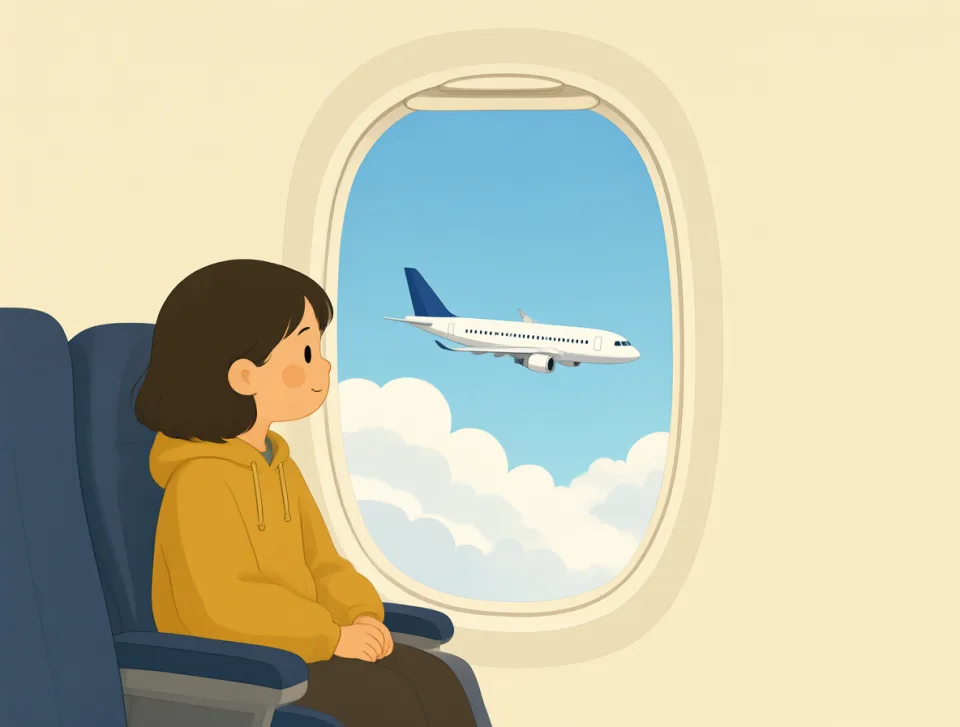
flight
#1219noun
lot
A journey through the air in an aircraft, or the act of flying.
Podróż samolotem albo czynność latania.
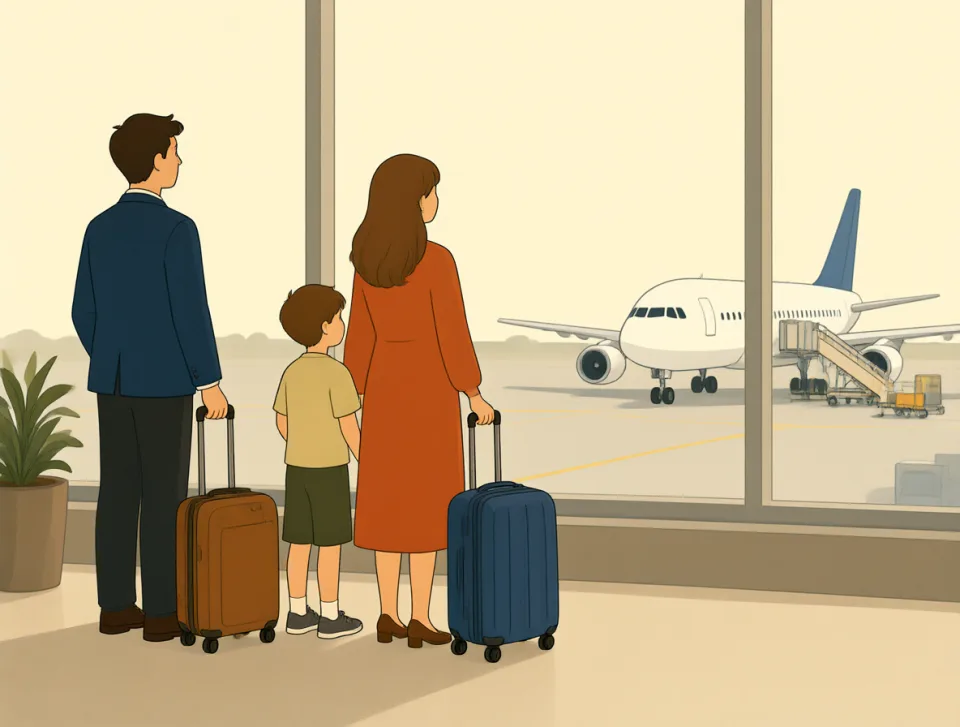
Our flight to London leaves at six tomorrow morning.
Nasz lot do Londynu odlatuje jutro rano o szóstej.
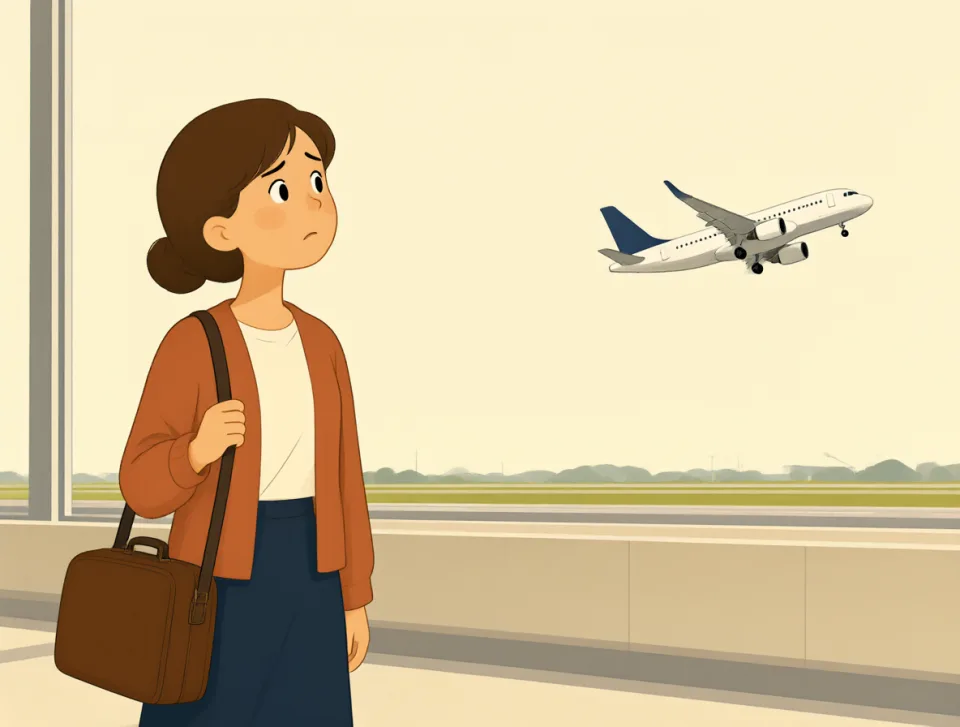
She missed her flight because the train was delayed.
Nie zdążyła na samolot, bo pociąg miał opóźnienie.
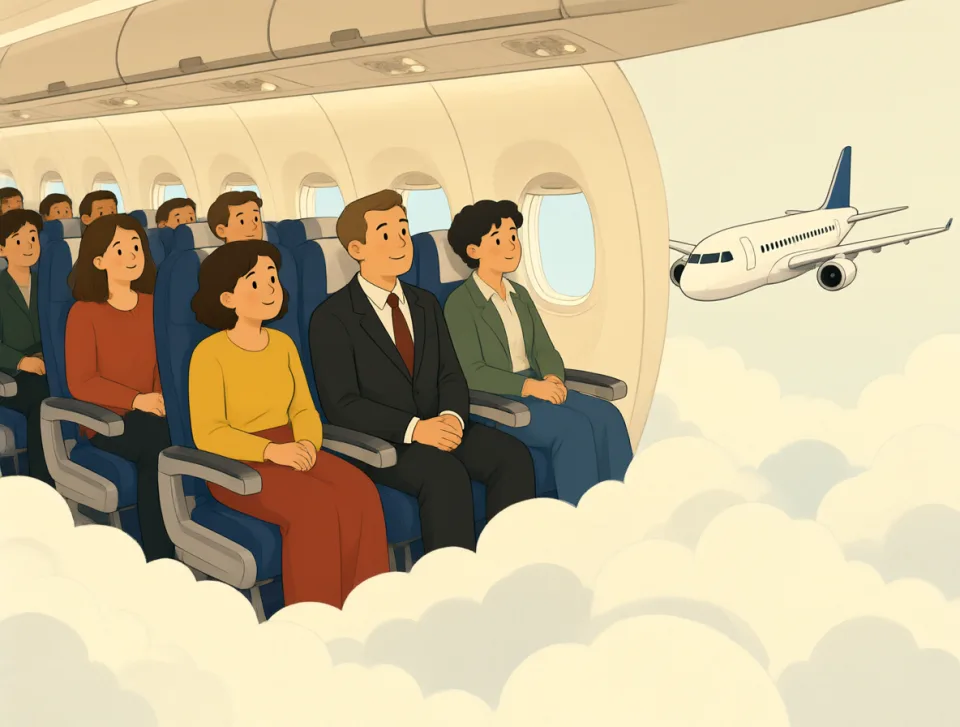
The flight from Paris took nearly two hours.
Lot z Paryża trwał prawie dwie godziny.
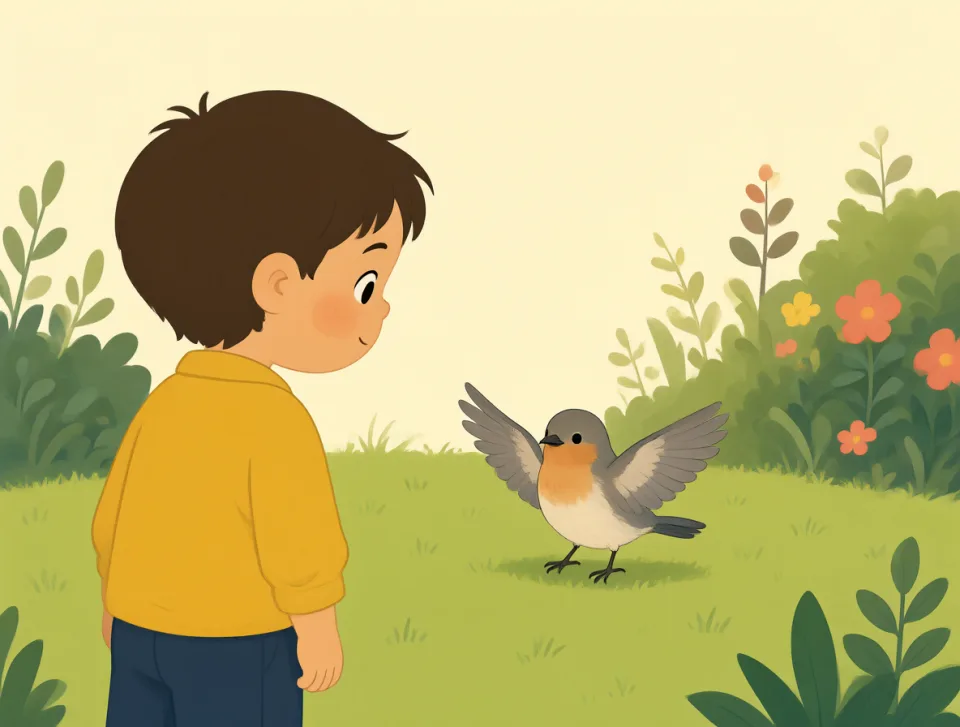
The doctor said the bird would soon regain its flight.
Lekarz powiedział, że ptak wkrótce znów będzie mógł latać.
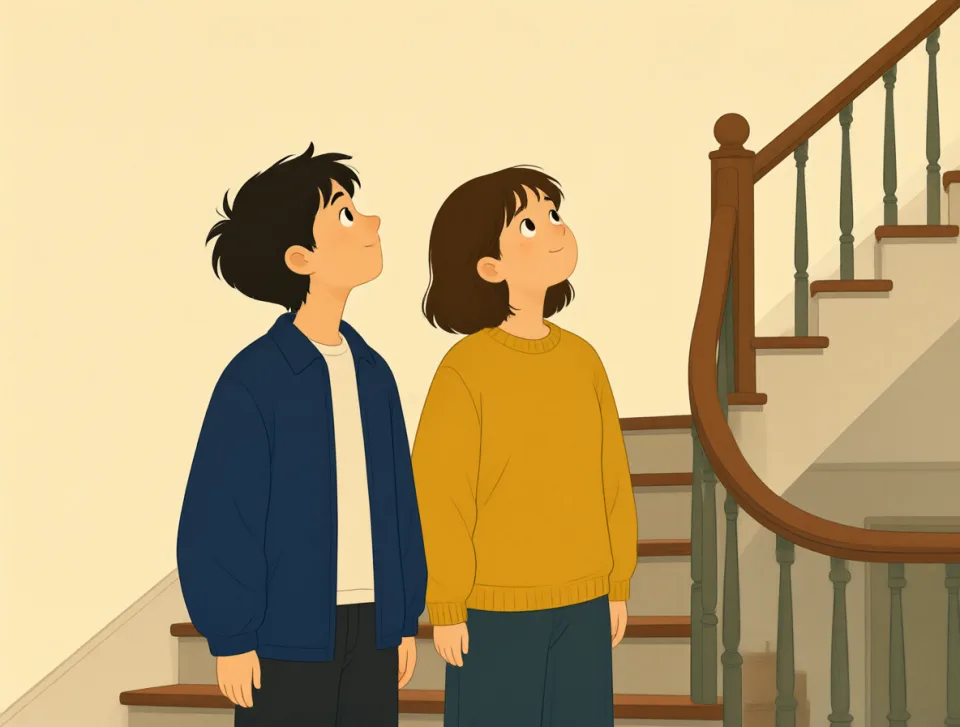
We saw a beautiful flight of stairs in the old house.
Widzieliśmy piękny bieg schodów w starym domu.
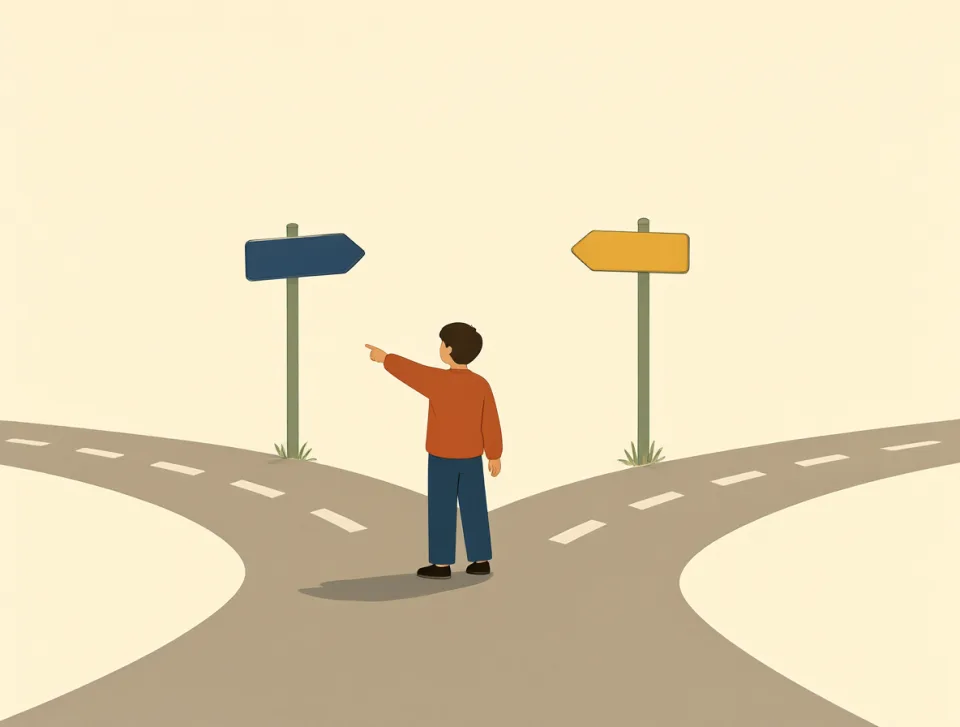
left
#1220adjective, adverb, noun, verb
lewy; pozostały
the side opposite the right side; remaining after others have gone
Strona przeciwna do prawej; to, co pozostało, gdy inni odeszli.
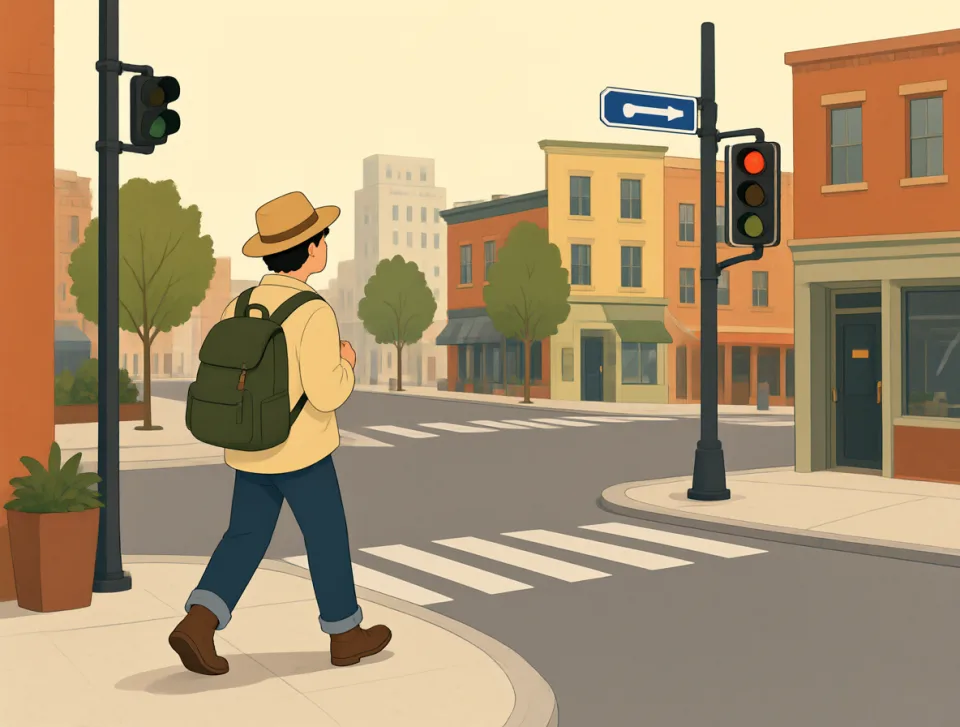
Turn left at the next corner and walk two blocks.
Na następnym rogu skręć w lewo i przejdź dwa kwartały.
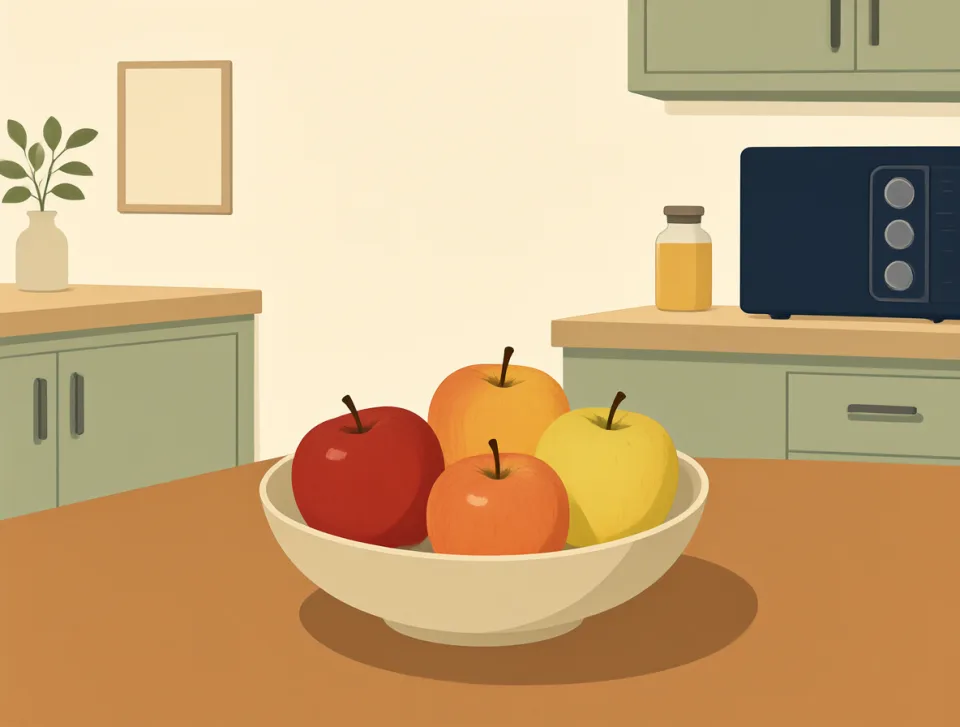
There are three apples left in the kitchen bowl.
W misce w kuchni zostały trzy jabłka.
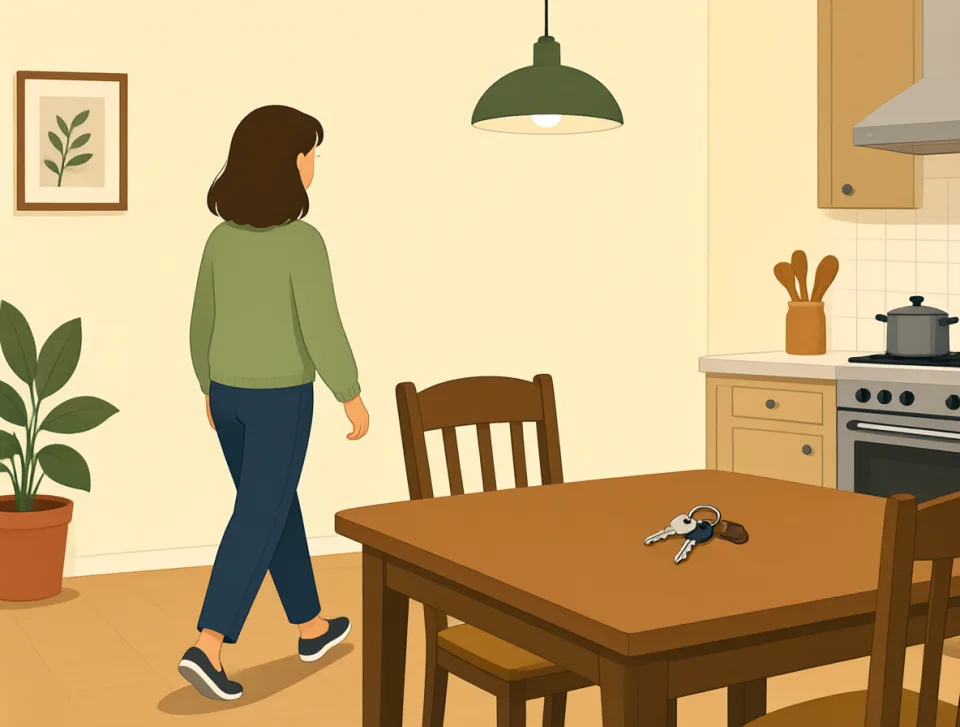
She left her keys on the table this morning.
Zostawiła dziś rano klucze na stole.
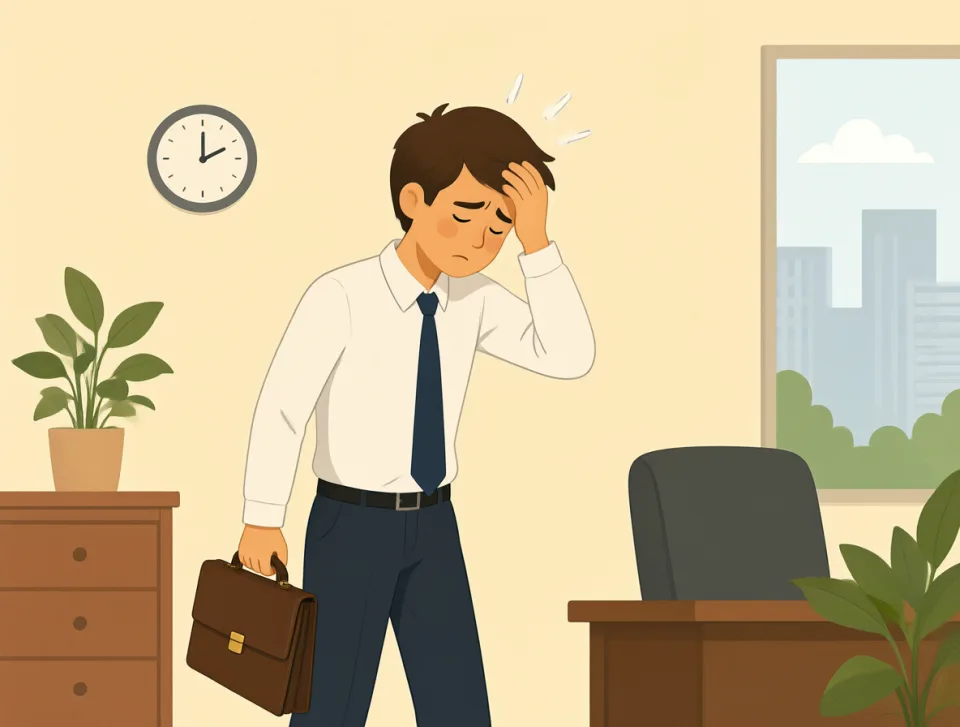
I left work early because I had a terrible headache.
Wyszedłem wcześniej z pracy, bo strasznie bolała mnie głowa.
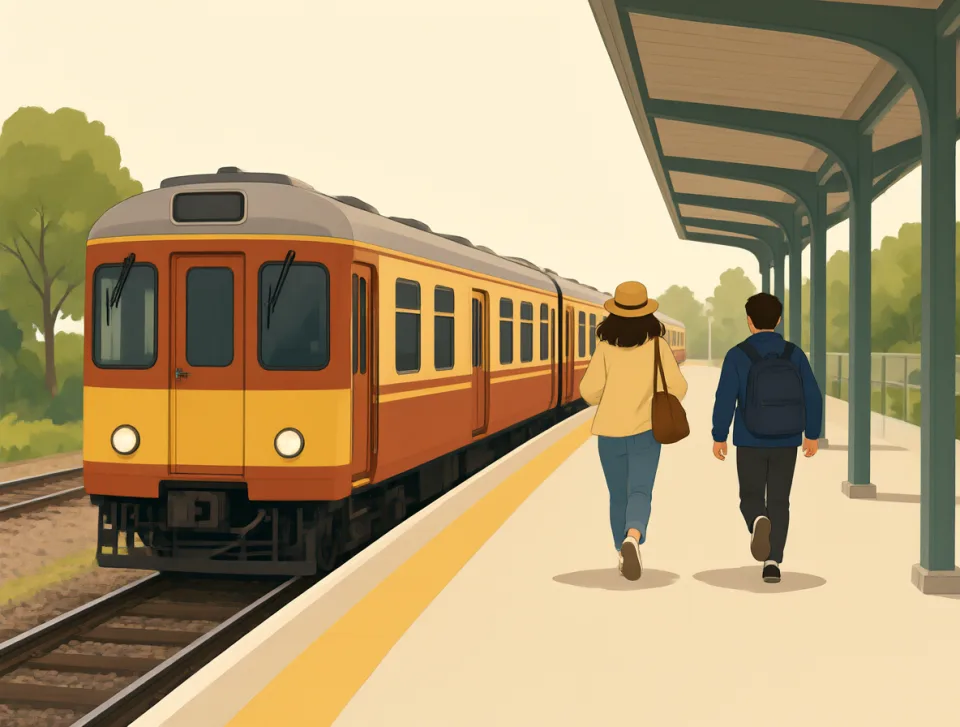
The train left the station before we reached the platform.
Pociąg odjechał ze stacji, zanim dotarliśmy na peron.