Zestaw 67
Słowa 1321–1340 · expand, commit, obvious, jump, weapon, relatively
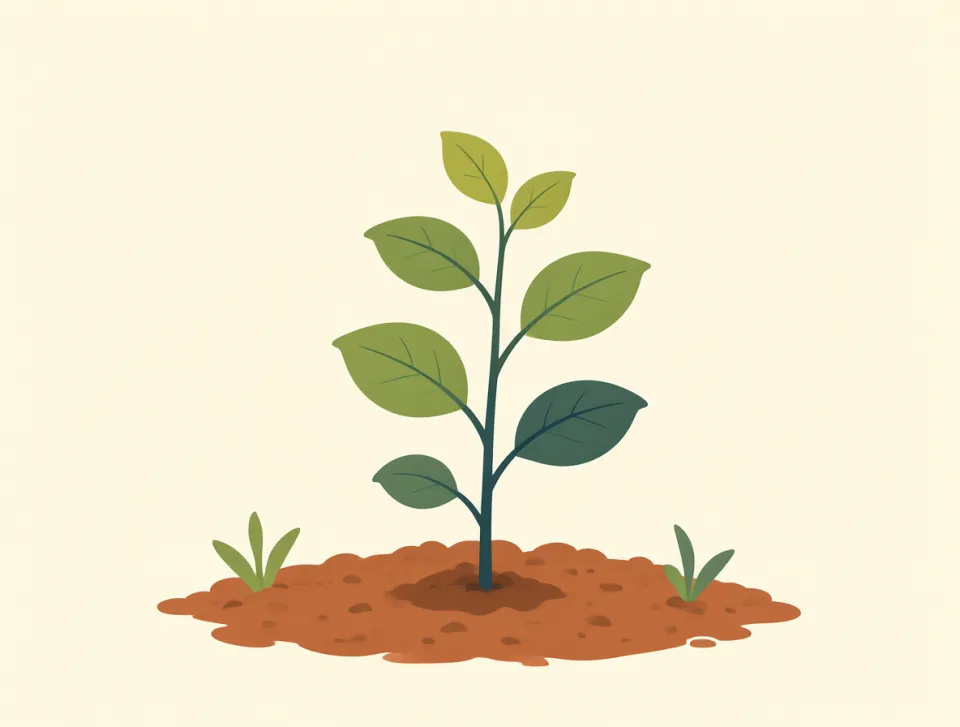
expand
#1321verb
powiększać się; powiększać
to become larger or make something larger
stawać się większym lub sprawiać, że coś staje się większe

The company plans to expand into three new countries.
Firma planuje rozszerzyć działalność na trzy nowe kraje.
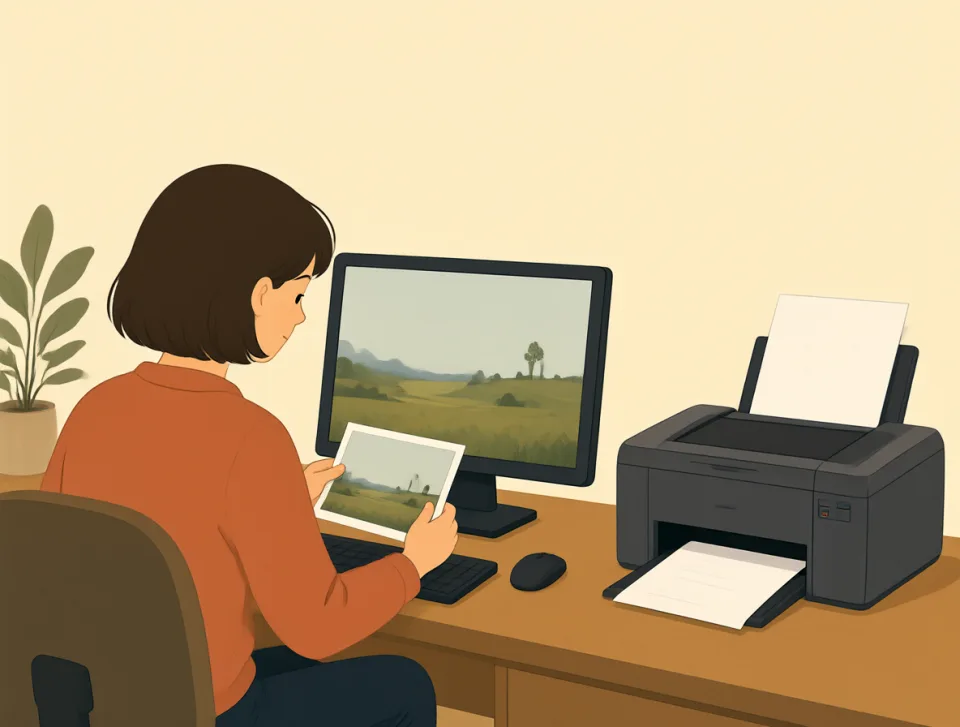
Please expand the picture before printing it.
Powiększ proszę obraz przed wydrukowaniem.
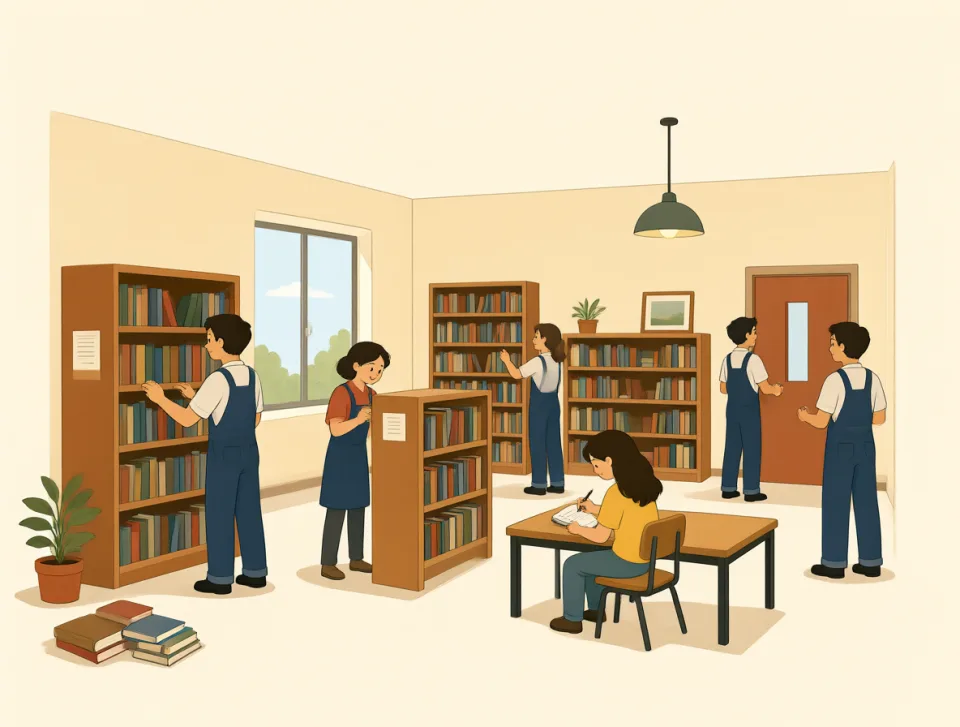
The school expanded its library to make room for more books.
Szkoła powiększyła bibliotekę, aby zrobić miejsce na więcej książek.
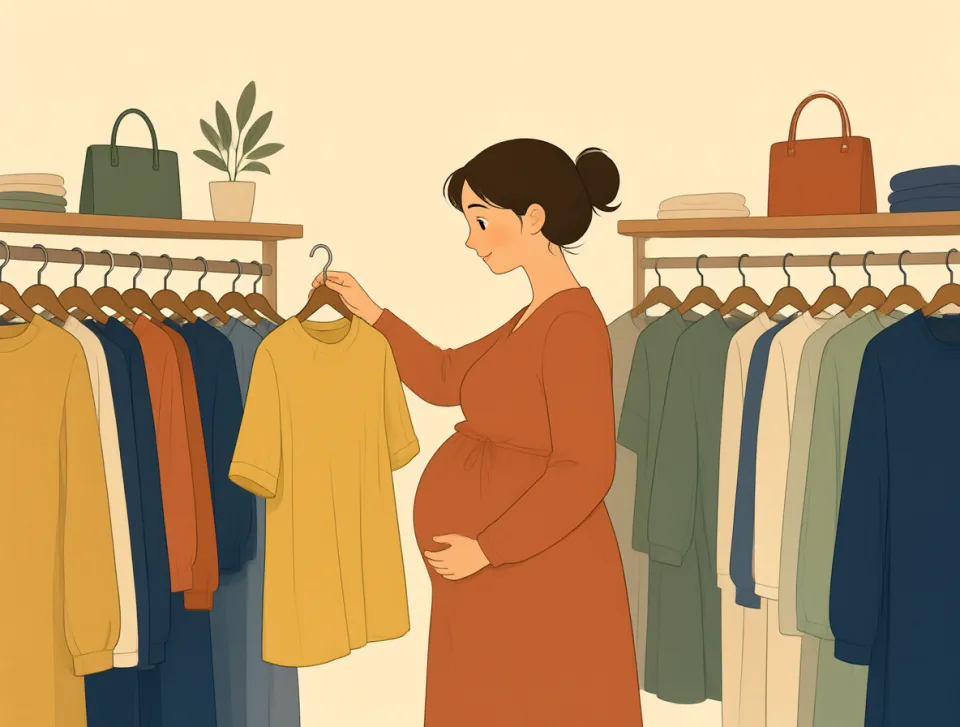
Her waist expanded during pregnancy, so she bought larger clothes.
W czasie ciąży jej talia się powiększyła, więc kupiła większe ubrania.
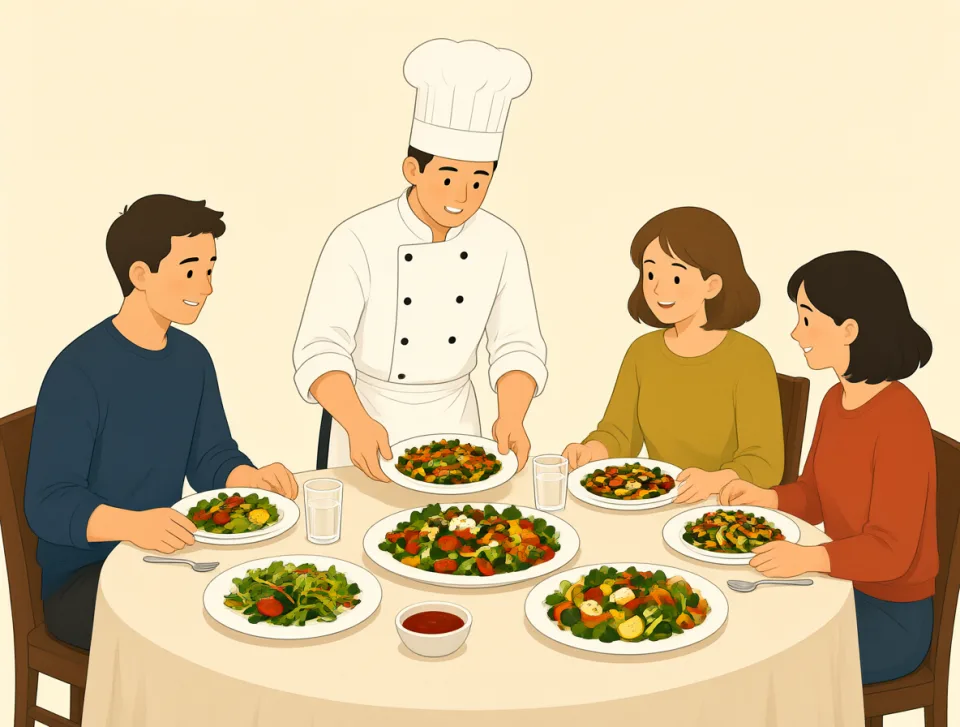
The restaurant expanded its menu with fresh vegetarian dishes.
Restauracja rozszerzyła menu o świeże dania wegetariańskie.

commit
#1322verb
popełnić; zobowiązać się
to do something wrong, or promise to give your time and effort to something
zrobić coś złego albo obiecać, że poświęci się czemuś swój czas i wysiłek
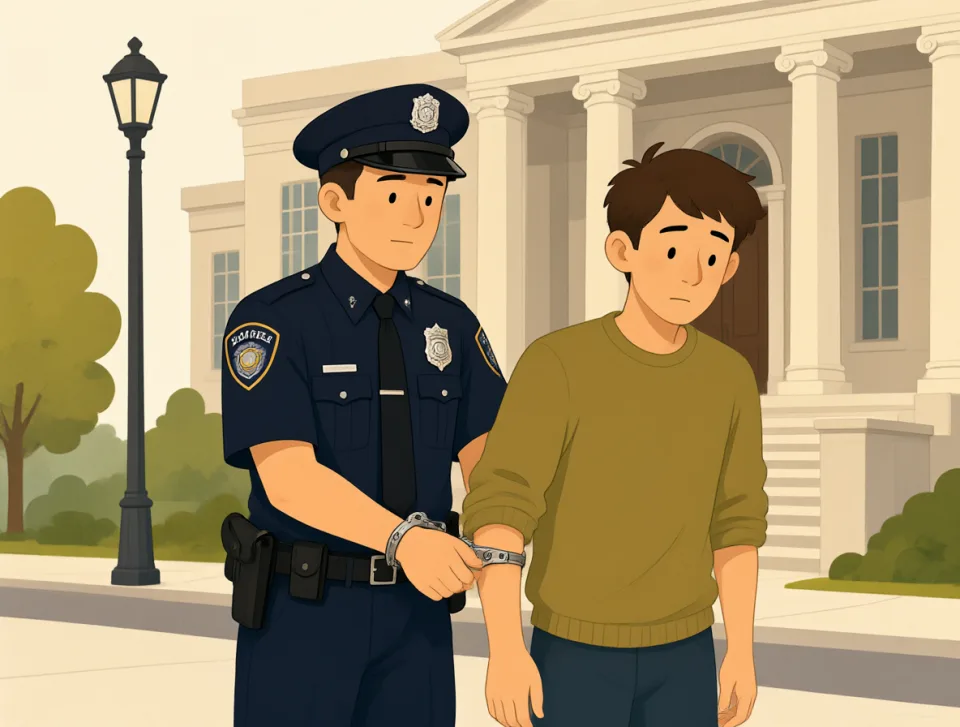
He committed a serious crime and went to prison.
Popełnił poważne przestępstwo i trafił do więzienia.
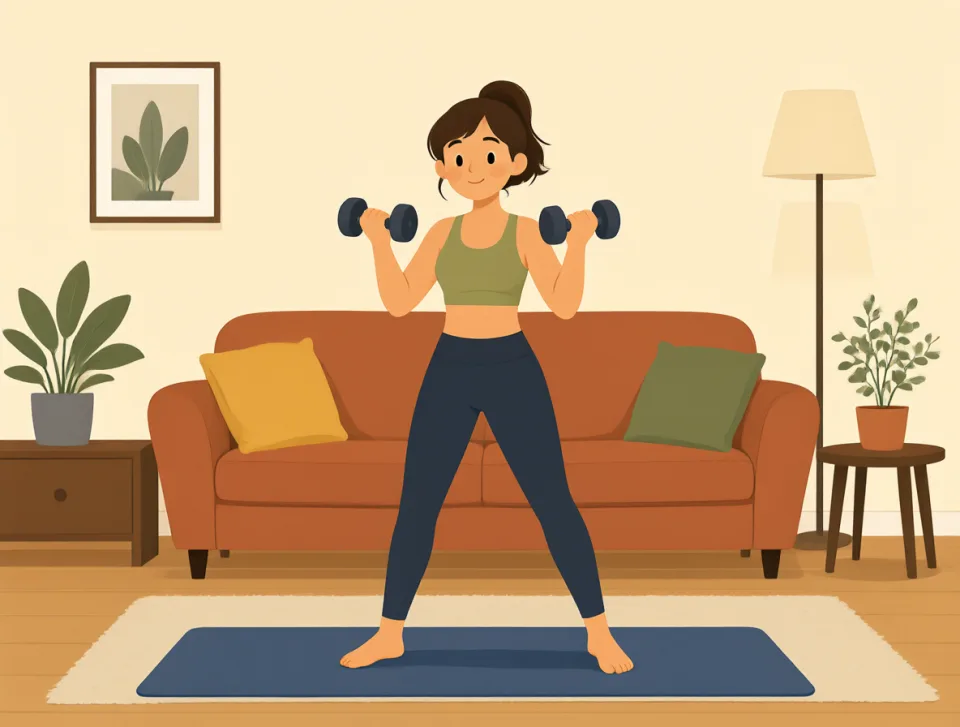
She committed to exercising three times a week.
Zobowiązała się ćwiczyć trzy razy w tygodniu.

Our team committed to finishing the project by Friday.
Nasz zespół zobowiązał się ukończyć projekt do piątku.
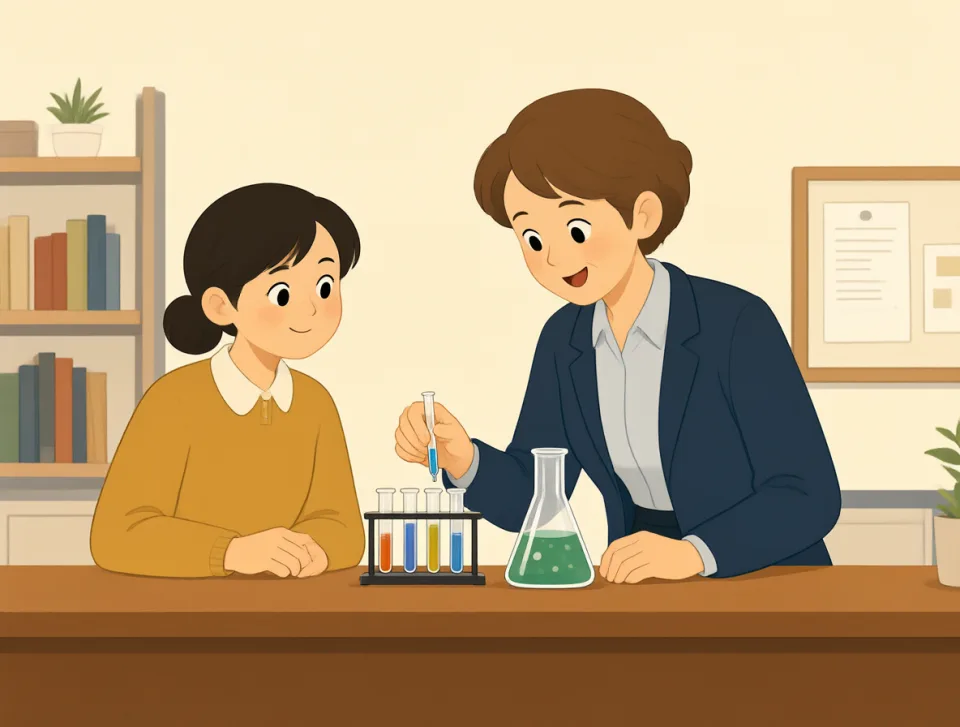
The school committed more money to new science equipment.
Szkoła przeznaczyła więcej pieniędzy na nowy sprzęt naukowy.
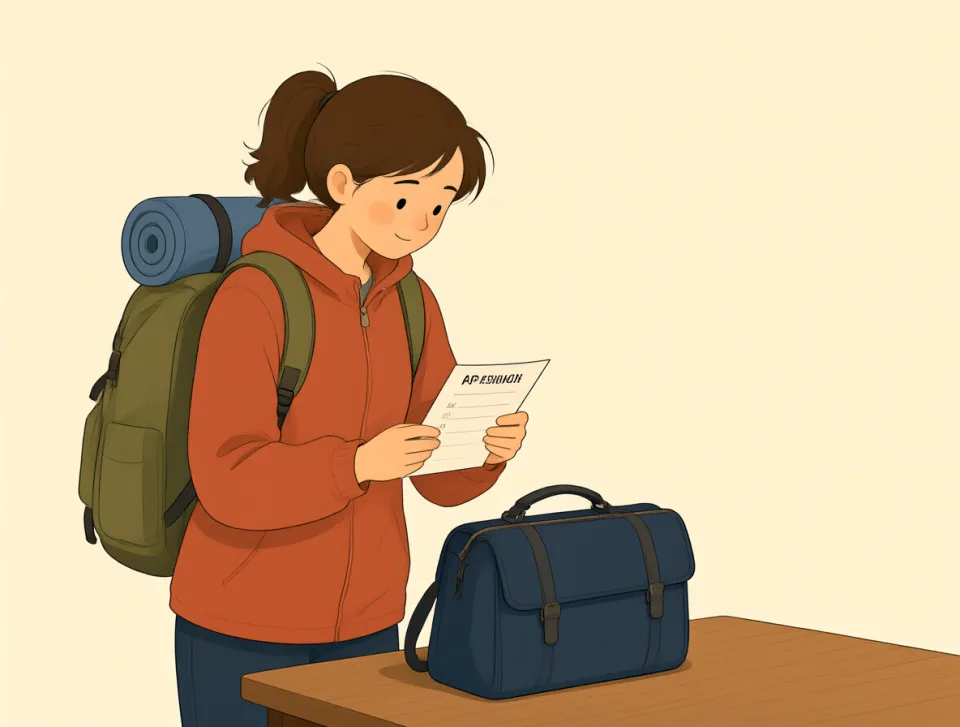
I committed the appointment time to memory before traveling.
Przed podróżą zapamiętałem godzinę spotkania.
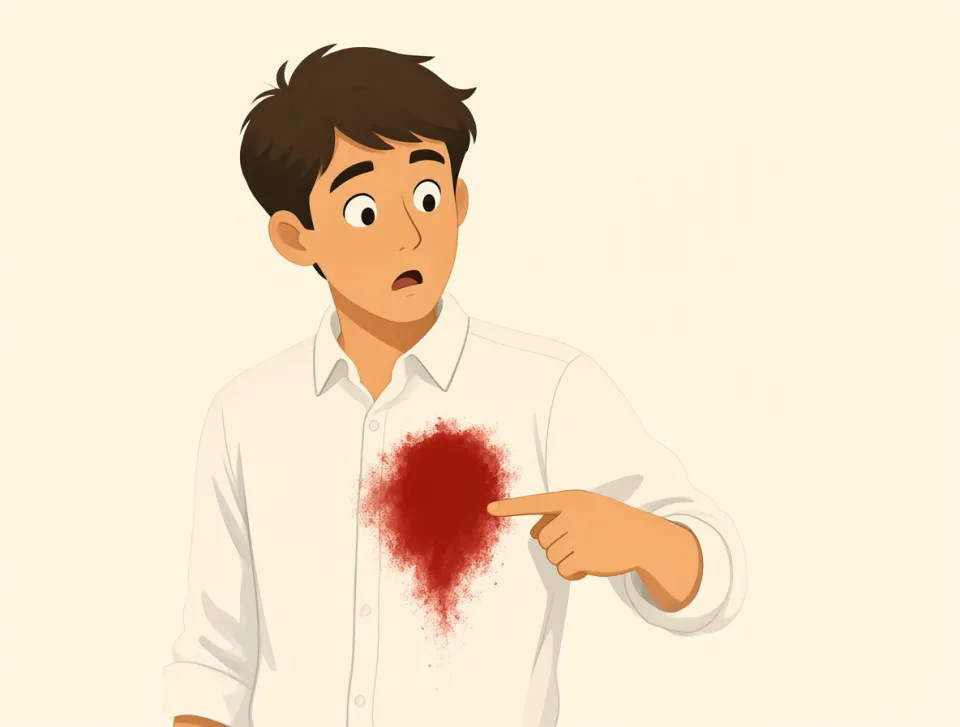
obvious
#1323adjective
oczywisty
Easy to see, understand, or recognize.
Łatwy do zauważenia, zrozumienia lub rozpoznania.
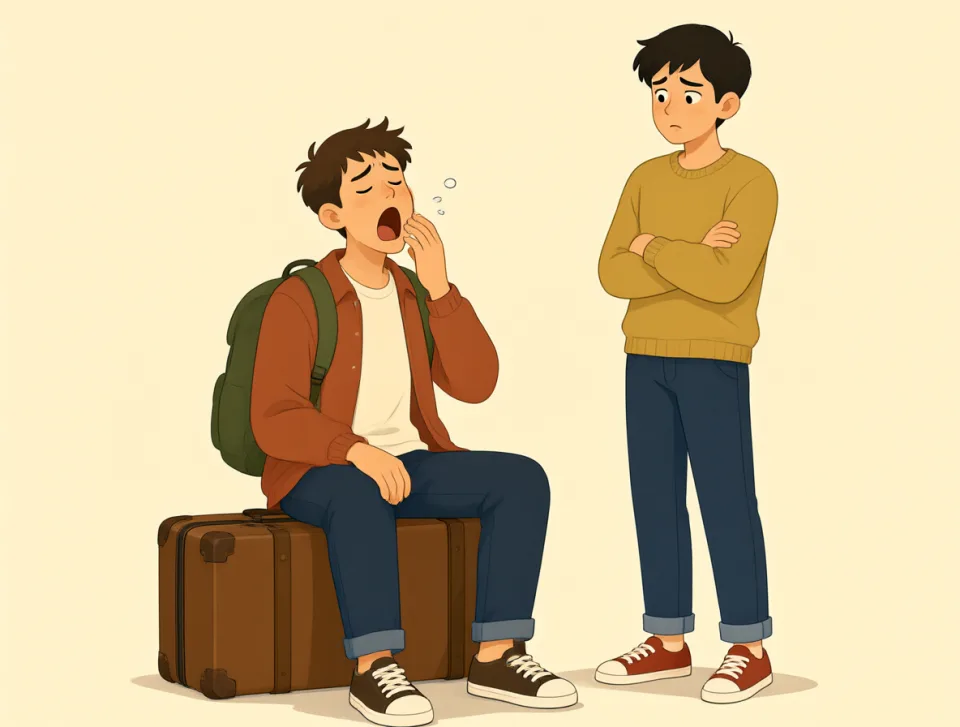
It was obvious that she was tired after the long journey.
Było oczywiste, że po długiej podróży była zmęczona.
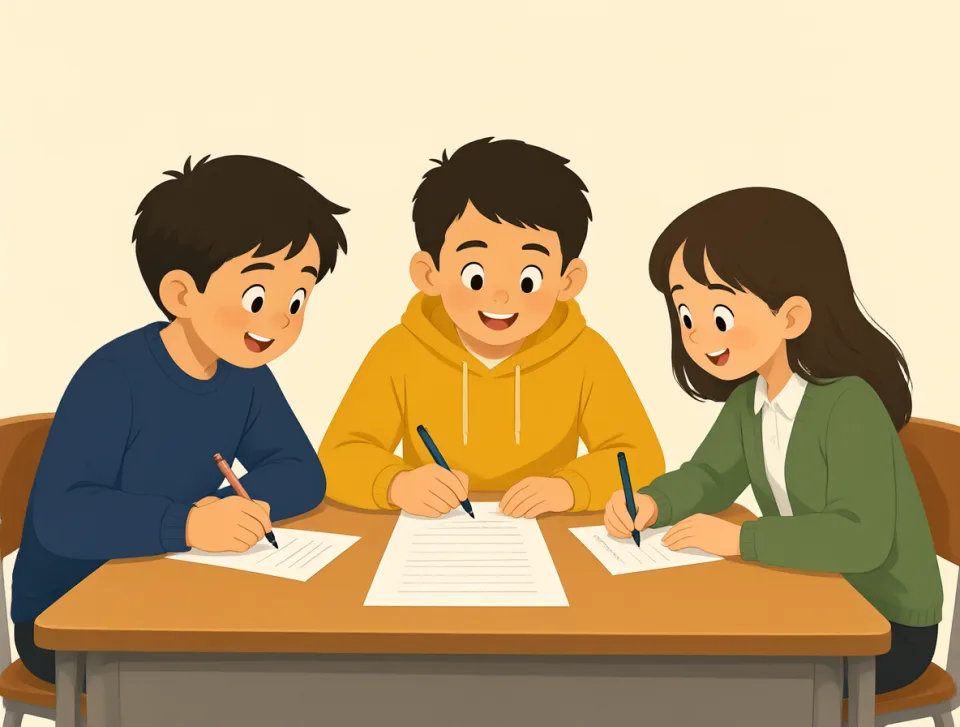
The answer was obvious, so everyone finished the exercise quickly.
Odpowiedź była oczywista, więc wszyscy szybko rozwiązali ćwiczenie.
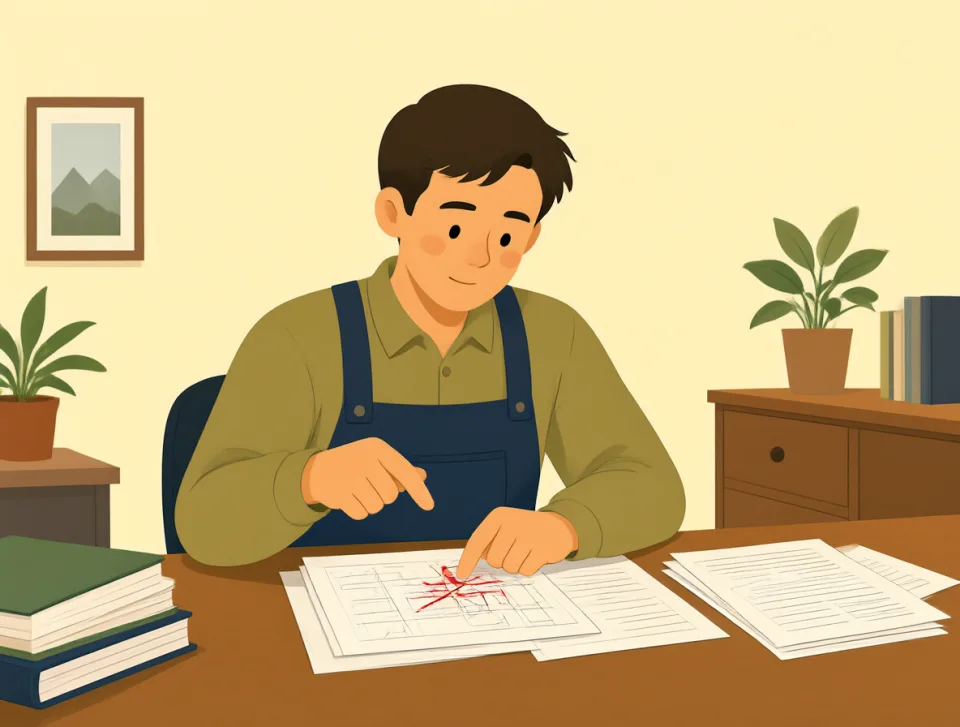
There is an obvious mistake in this report.
W tym raporcie jest oczywisty błąd.
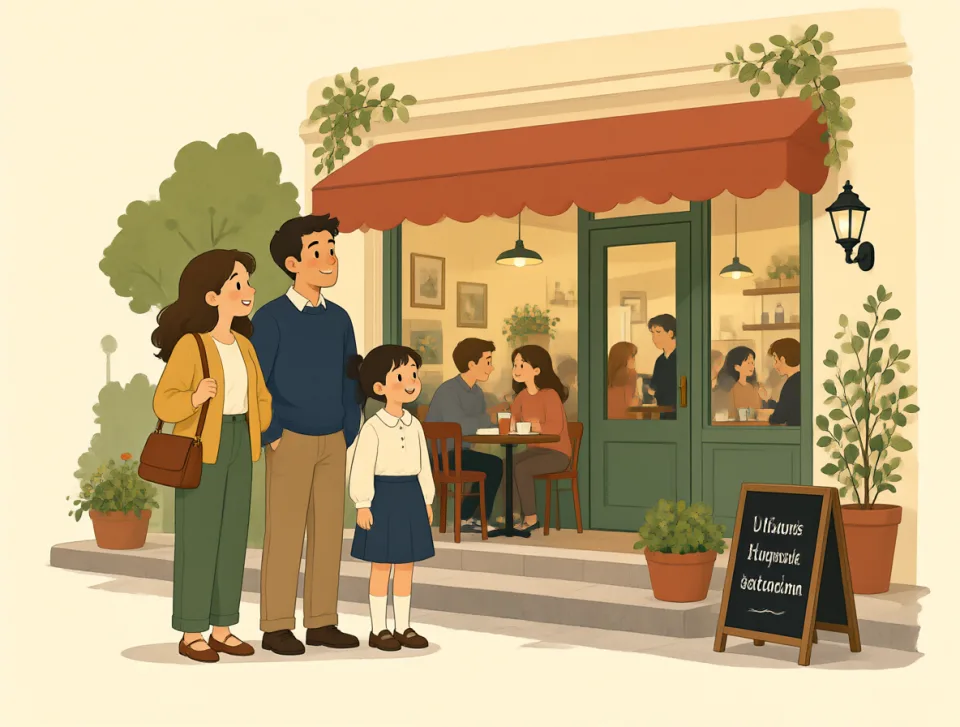
The restaurant was an obvious choice for our family dinner.
Restauracja była oczywistym wyborem na rodzinny obiad.

His obvious happiness made all his friends smile.
Jego wyraźna radość sprawiła, że wszyscy jego przyjaciele się uśmiechnęli.
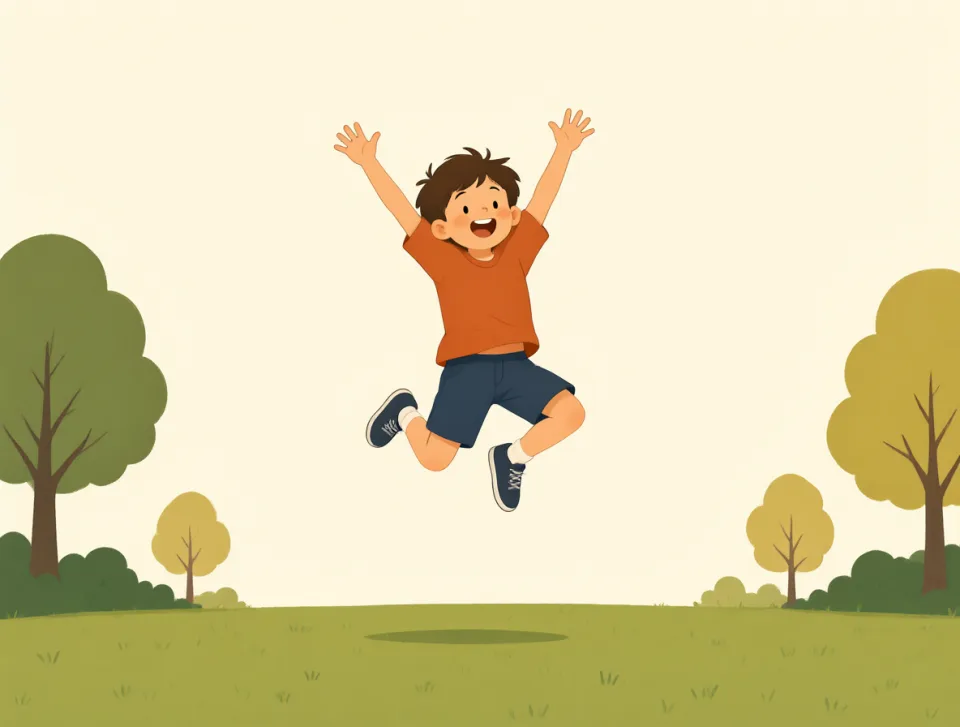
jump
#1324verb, noun
skakać; skok
To push yourself off the ground and move into the air; a quick movement upward.
Odepchnąć się od ziemi i wznieść w powietrze; szybki ruch w górę.
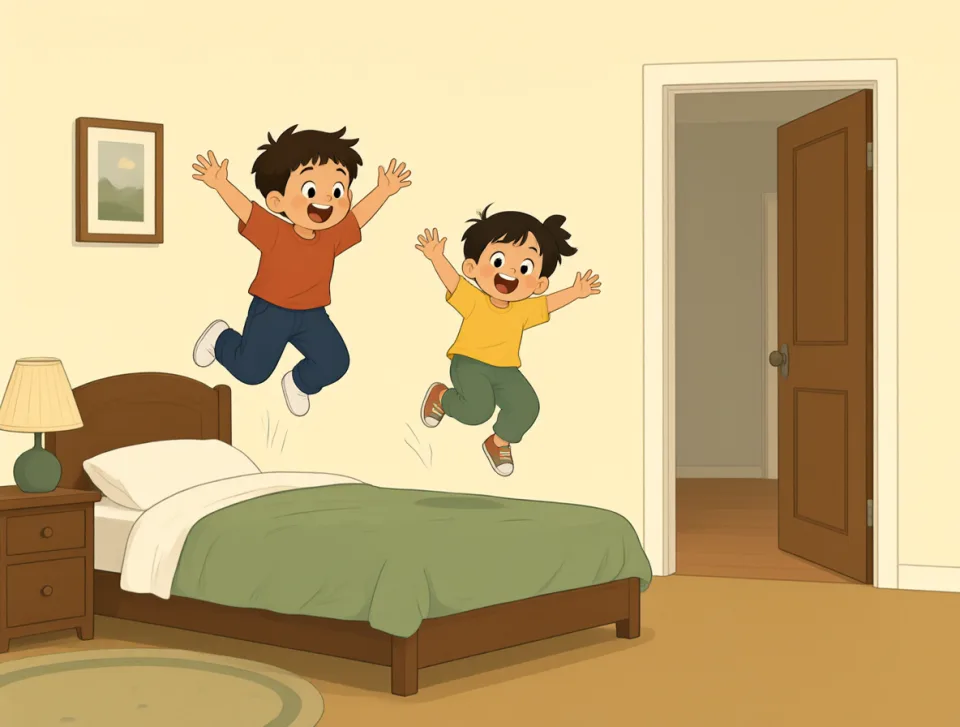
The children jump on the bed when their parents leave.
Dzieci skaczą po łóżku, kiedy ich rodzice wychodzą.
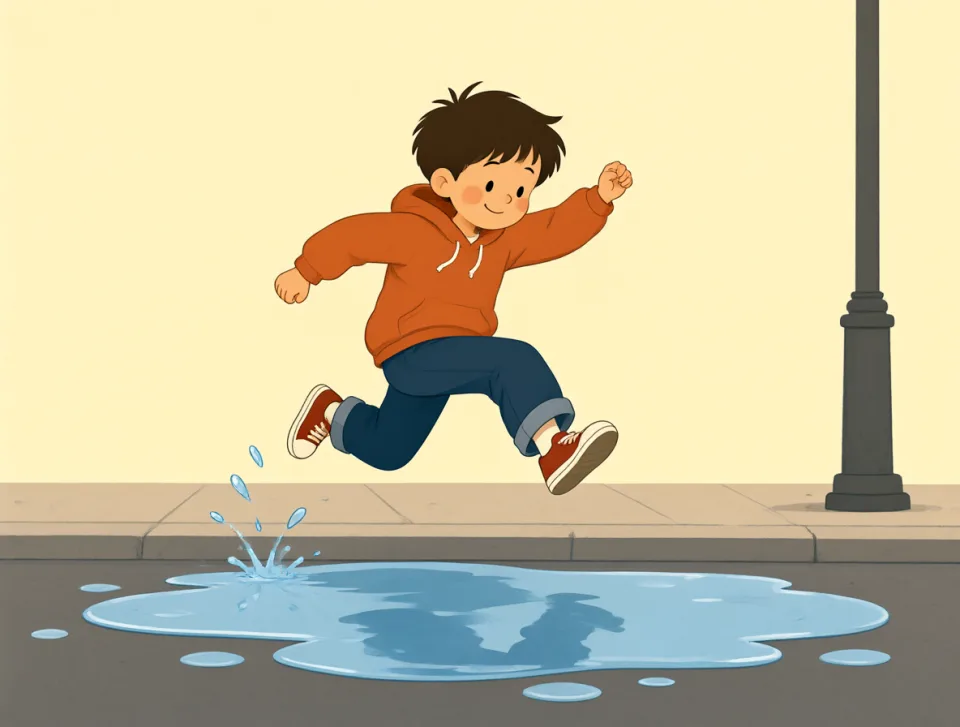
Please jump over the puddle so your shoes stay dry.
Przeskocz proszę przez kałużę, żeby nie zamoczyć butów.
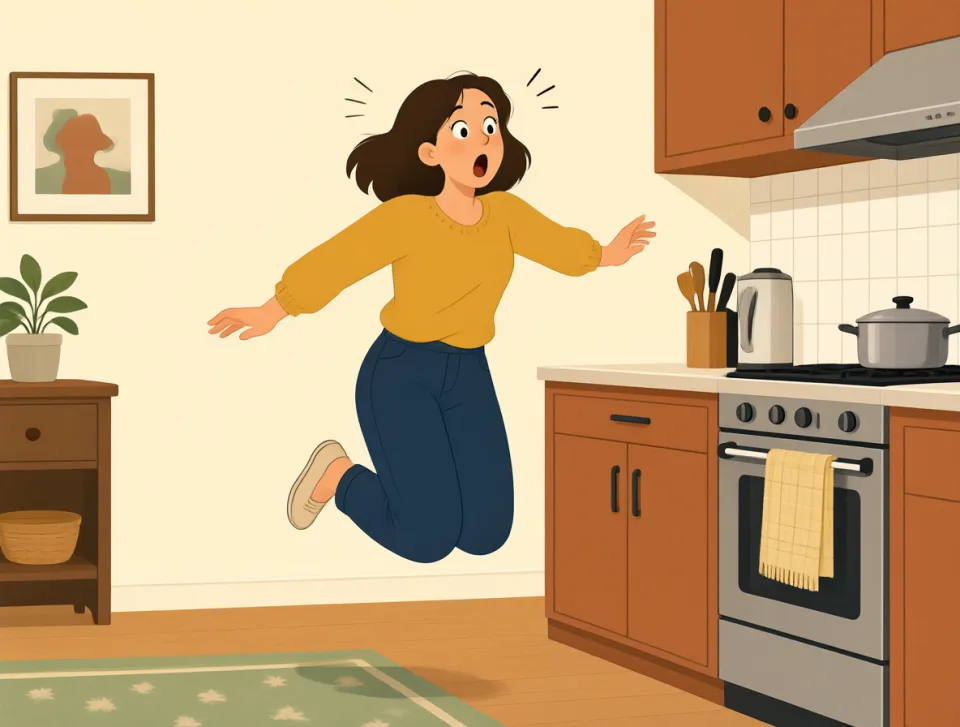
She jumped when the loud noise came from the kitchen.
Podskoczyła, gdy z kuchni dobiegł głośny hałas.
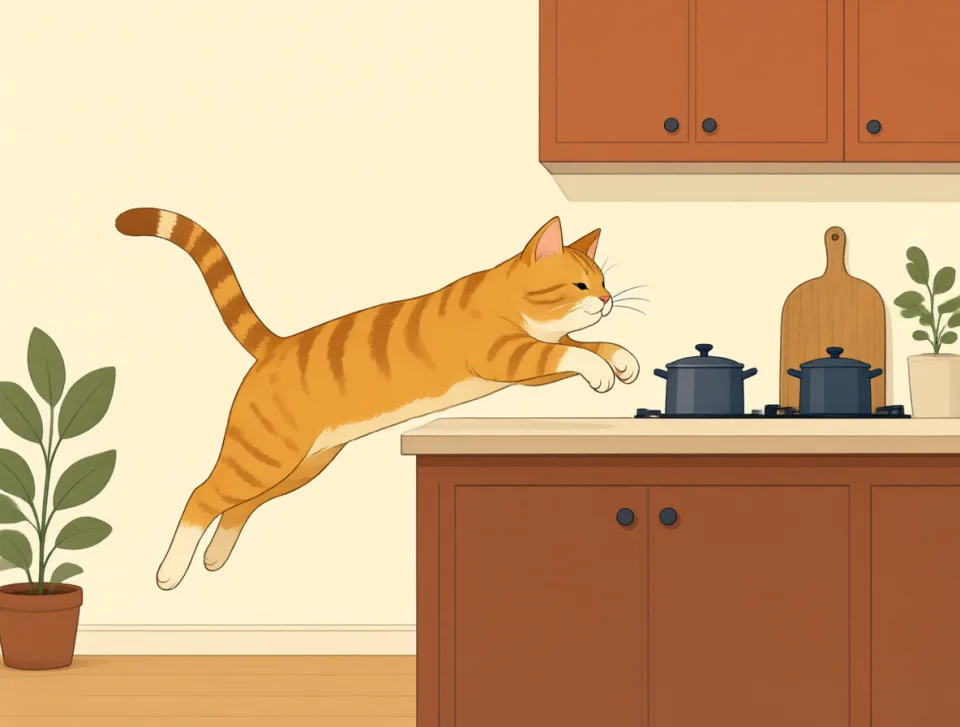
The cat made a big jump onto the table.
Kot wskoczył na stół.
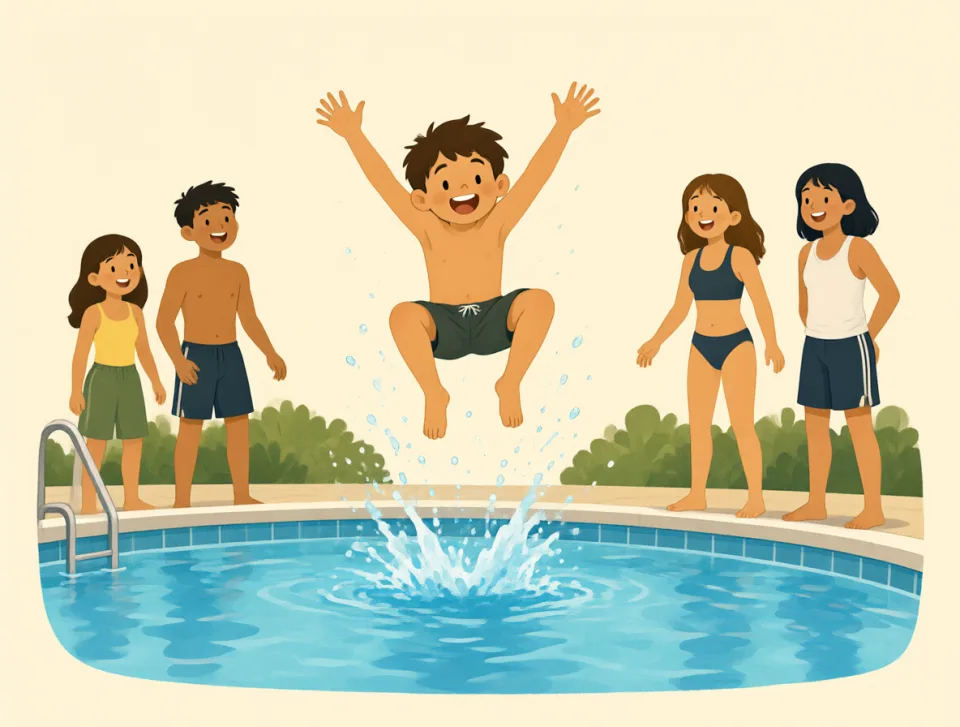
He took a quick jump into the cold swimming pool.
Szybko wskoczył do zimnego basenu.
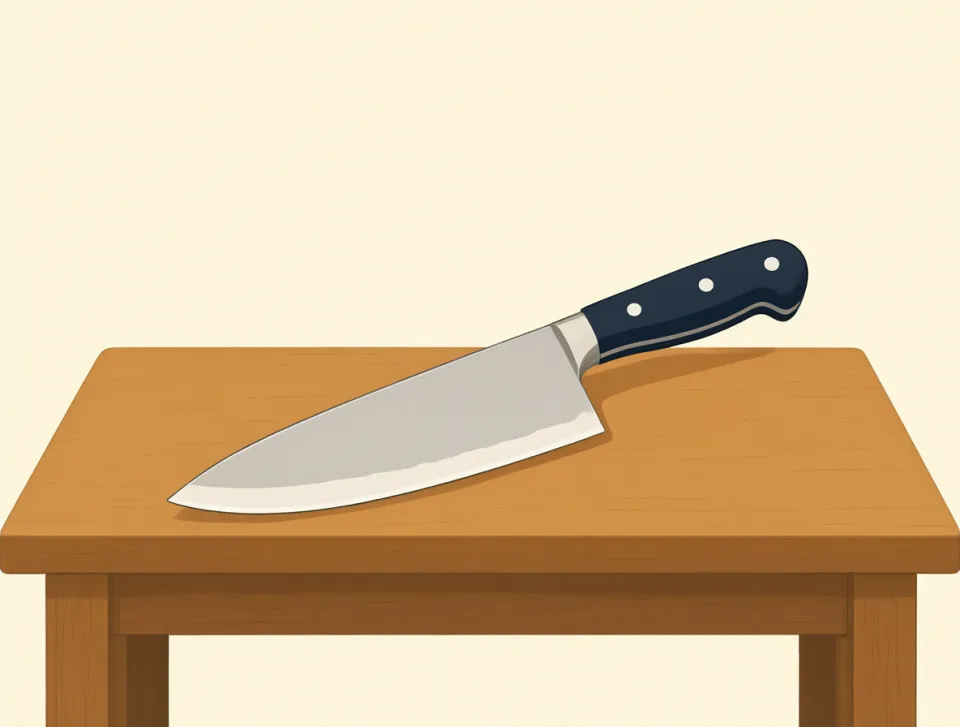
weapon
#1325noun
broń
An object used to hurt or kill people or animals.
Przedmiot używany do ranienia lub zabijania ludzi albo zwierząt.
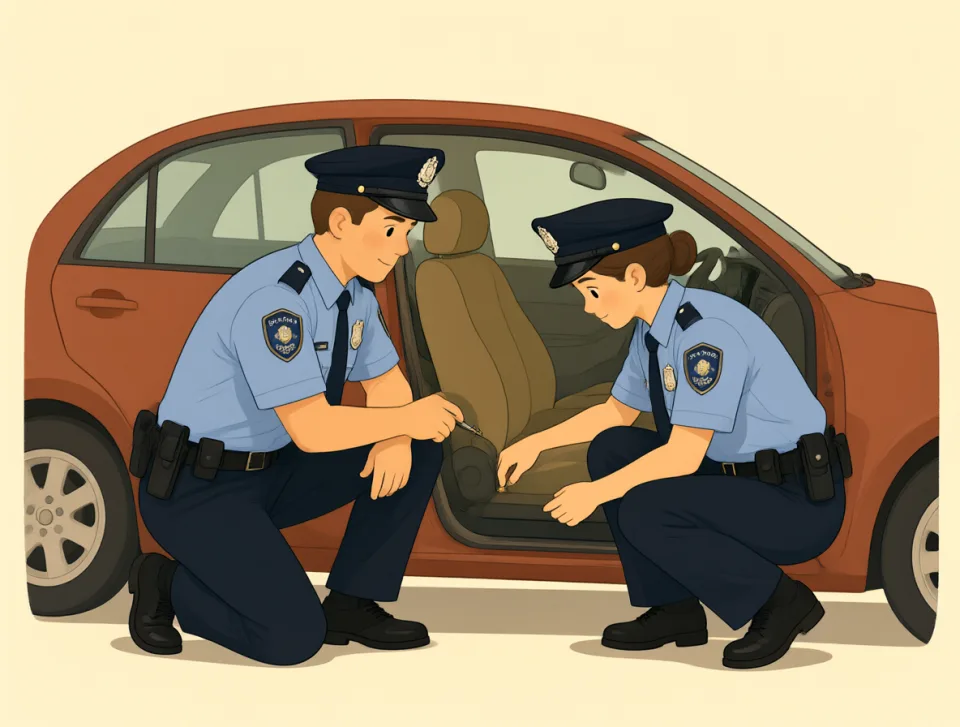
The police found a weapon under the car seat.
Policja znalazła broń pod siedzeniem samochodu.
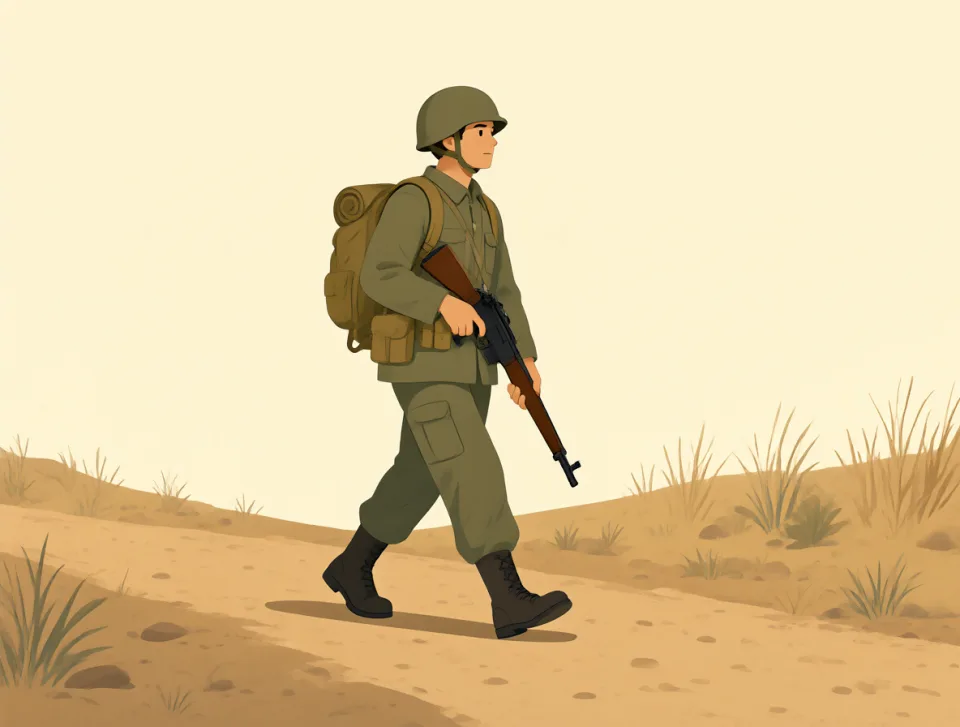
The soldier carried a weapon during the long journey.
Żołnierz niósł broń podczas długiej podróży.
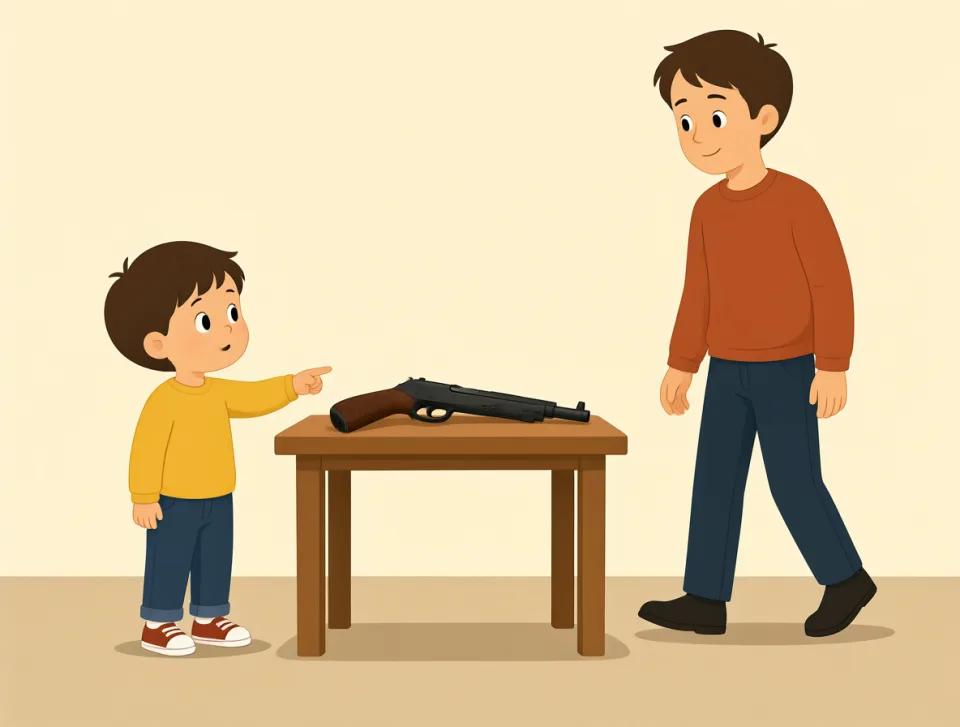
Never touch a weapon; tell an adult immediately.
Nigdy nie dotykaj broni; natychmiast powiedz o tym dorosłemu.
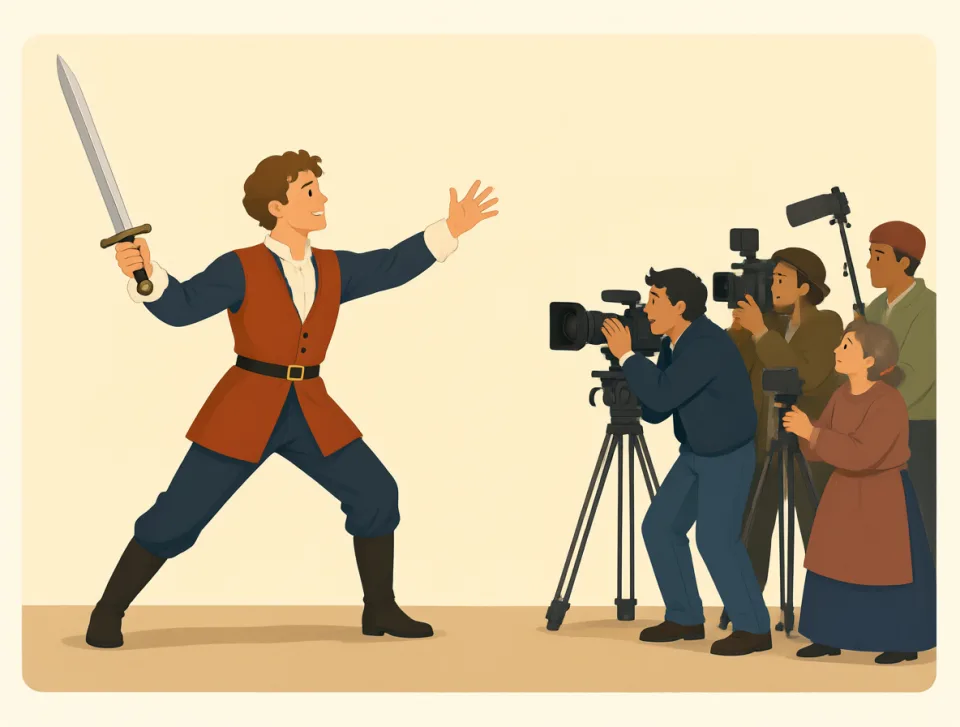
The film hero used a sword as his weapon.
Filmowy bohater używał miecza jako broni.
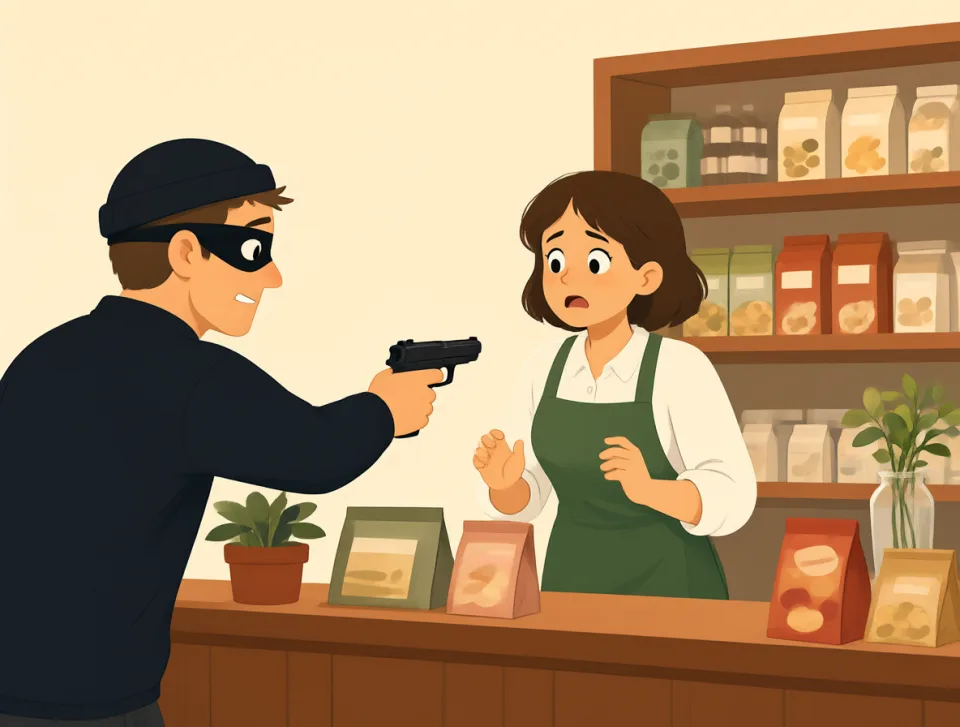
The robber threatened the shopkeeper with a weapon.
Bandyta zagroził właścicielowi sklepu, używając broni.

relatively
#1326adverb
stosunkowo
to a fairly large degree when compared with something else
w dość dużym stopniu w porównaniu z czymś innym
The new apartment is relatively cheap for this neighborhood.
Nowe mieszkanie jest stosunkowo tanie jak na tę okolicę.
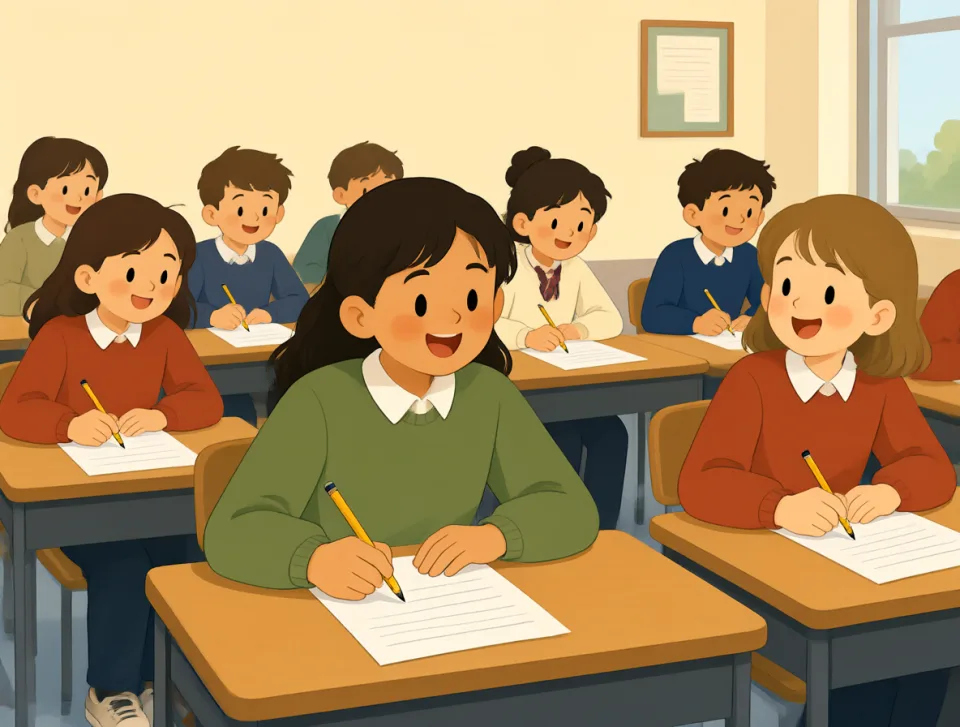
The test was relatively easy, so most students finished early.
Test był stosunkowo łatwy, więc większość uczniów skończyła wcześniej.
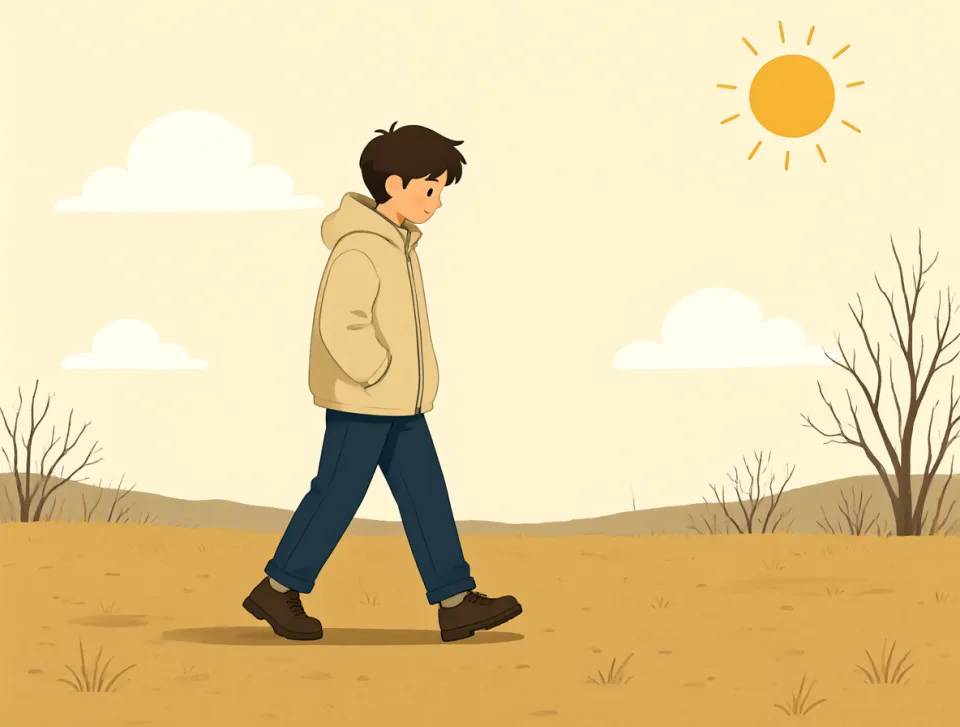
This winter has been relatively warm and dry.
Tegoroczna zima była stosunkowo ciepła i sucha.
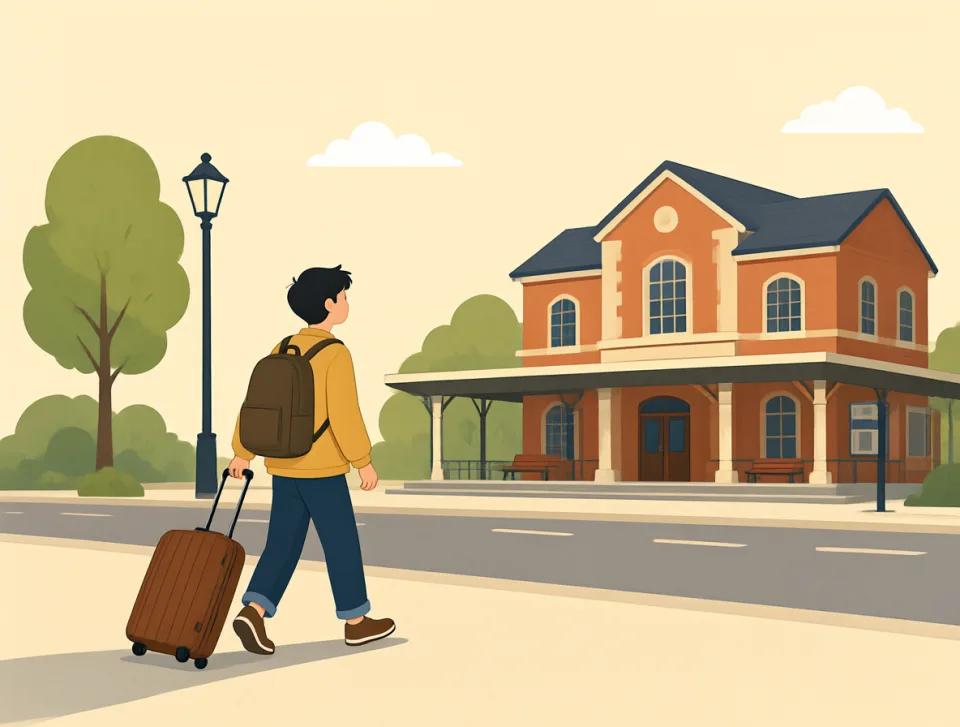
The hotel is relatively close to the train station.
Hotel jest stosunkowo blisko dworca kolejowego.

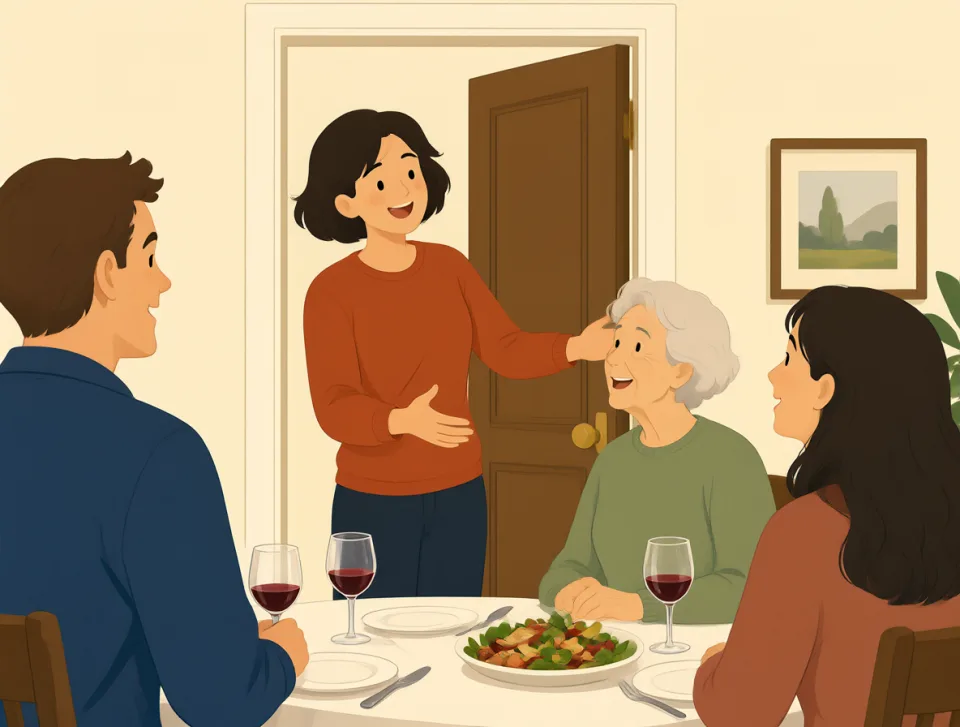
She felt relatively well after resting for a few days.
Po kilku dniach odpoczynku czuła się całkiem dobrze.
host
#1327noun, verb
gospodarz
A person who welcomes guests or presents a program, event, or meeting.
Osoba, która wita gości albo prowadzi program, wydarzenie lub spotkanie.
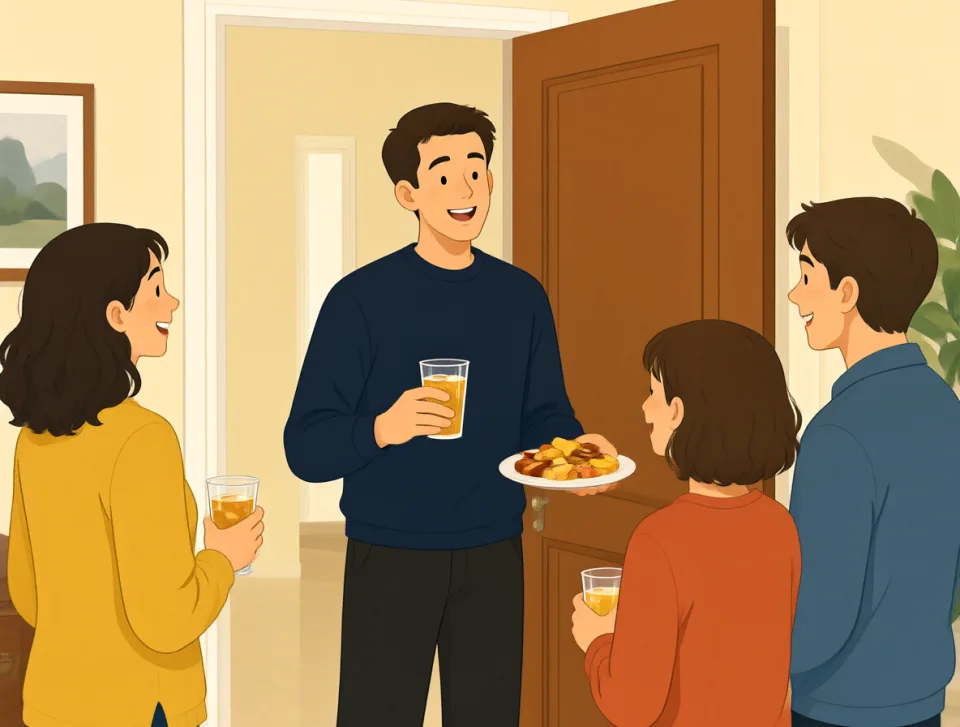
Our host welcomed everyone with drinks and snacks.
Nasi gospodarze powitali wszystkich napojami i przekąskami.
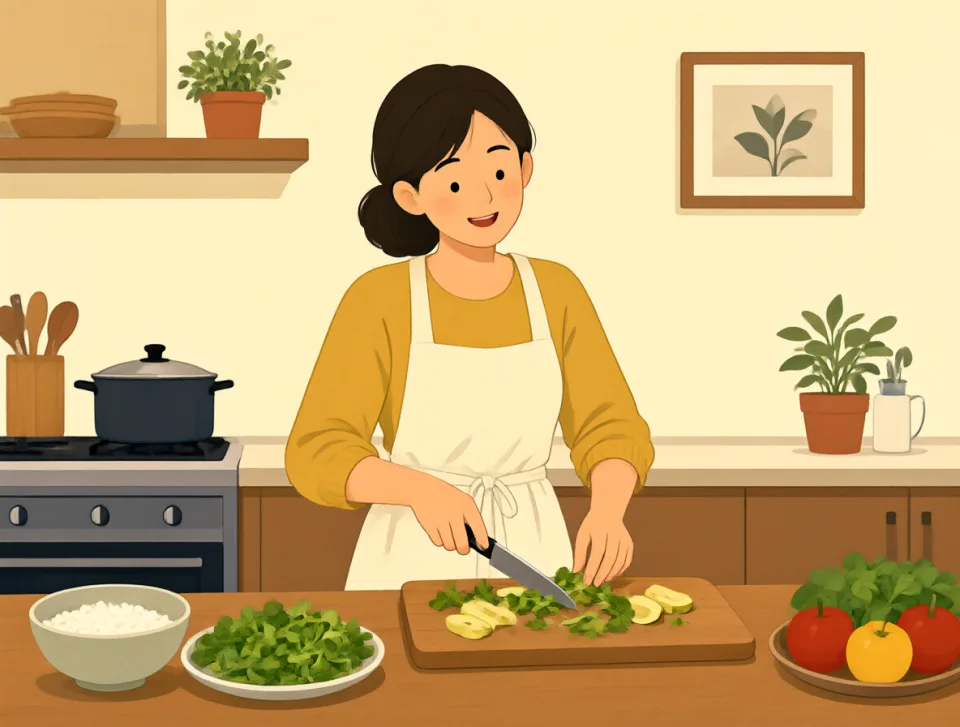
She hosts a weekly cooking show on television.
Prowadzi cotygodniowy program kulinarny w telewizji.

The hotel hosted a wedding for two hundred guests.
W hotelu odbyło się wesele dla dwustu gości.
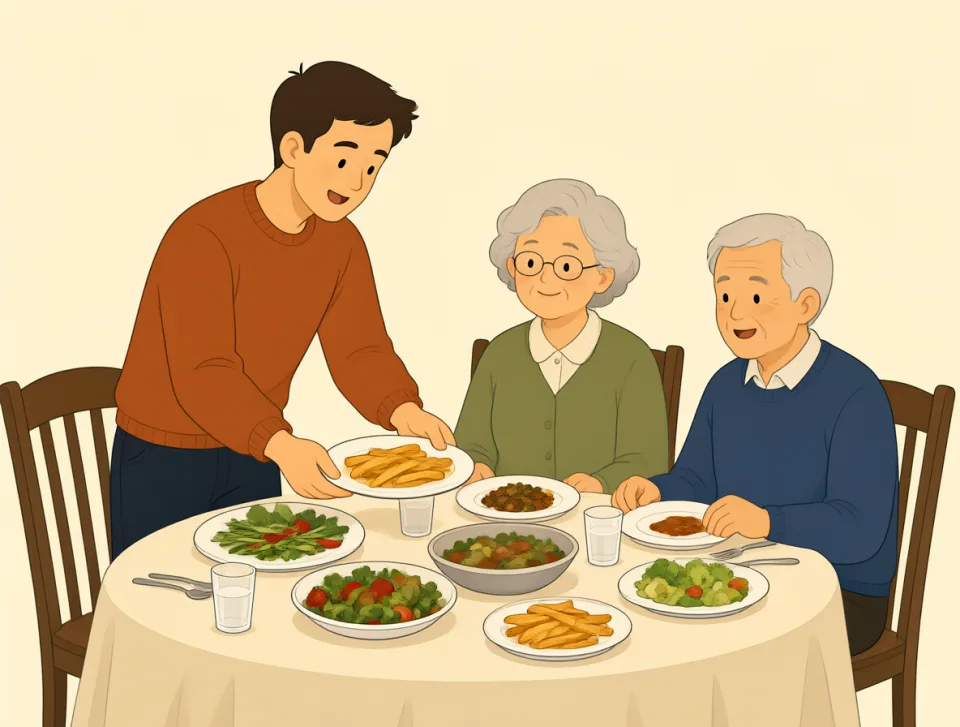
Tom is hosting dinner for his parents tonight.
Tom wydaje dziś wieczorem kolację dla swoich rodziców.
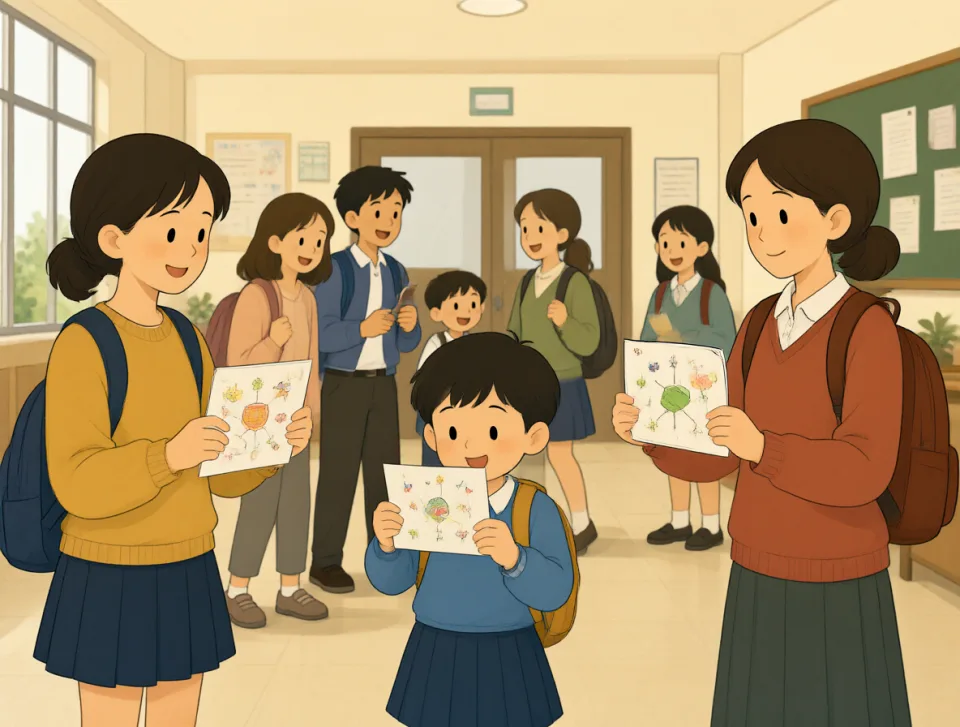
Our school hosted a science fair last Friday.
W zeszły piątek w naszej szkole odbyły się targi naukowe.

winter
#1328noun, verb
zima
the coldest season of the year, between autumn and spring
Najzimniejsza pora roku, między jesienią a wiosną.
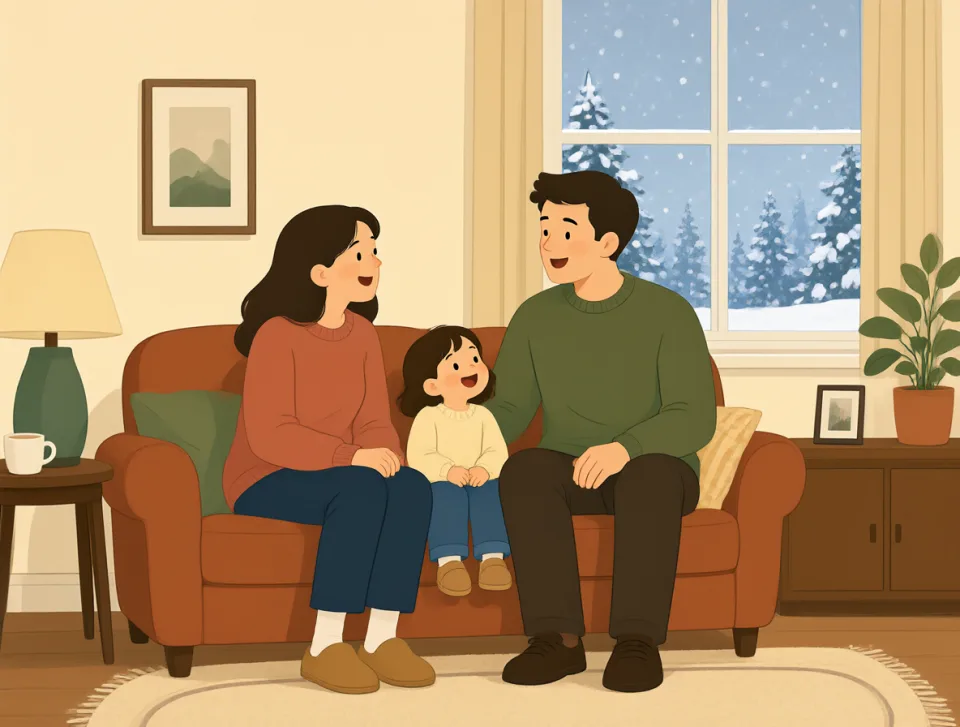
We usually stay home more during the long winter months.
Zimą, w długie zimowe miesiące, zwykle częściej zostajemy w domu.
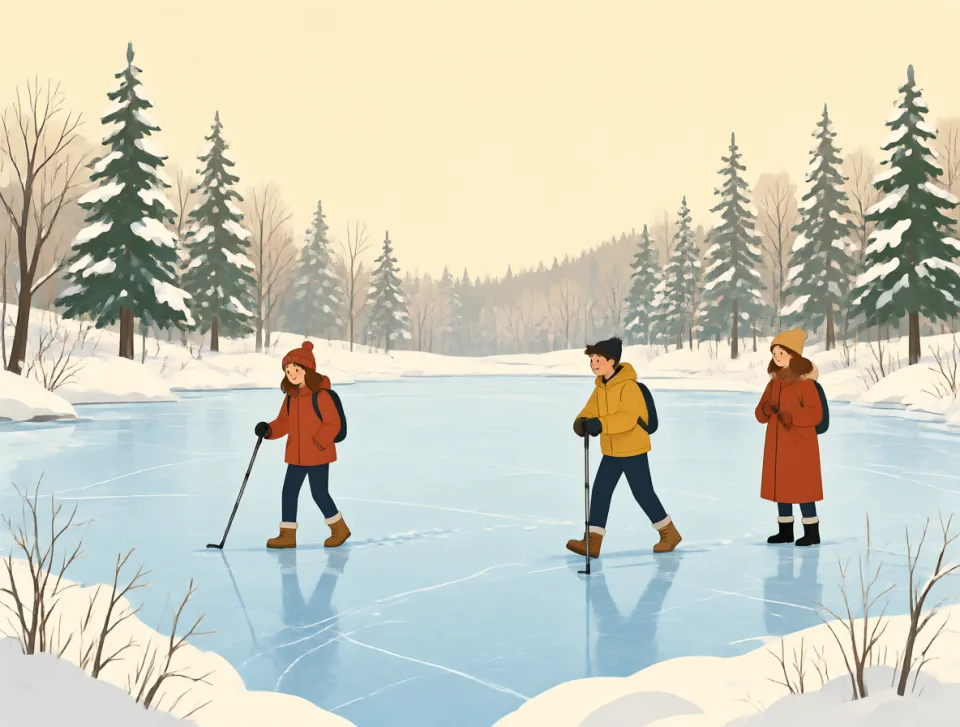
The lake freezes every winter when temperatures drop below zero.
Jezioro zamarza każdej zimy, gdy temperatura spada poniżej zera.
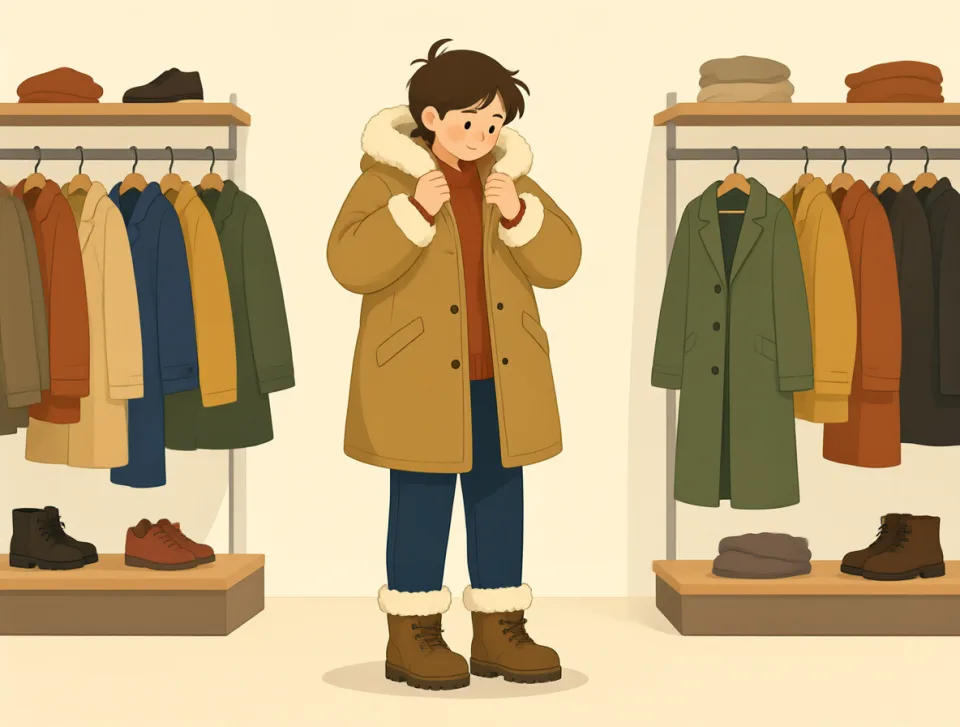
I need a warm coat and boots for winter.
Potrzebuję ciepłego płaszcza i butów na zimę.
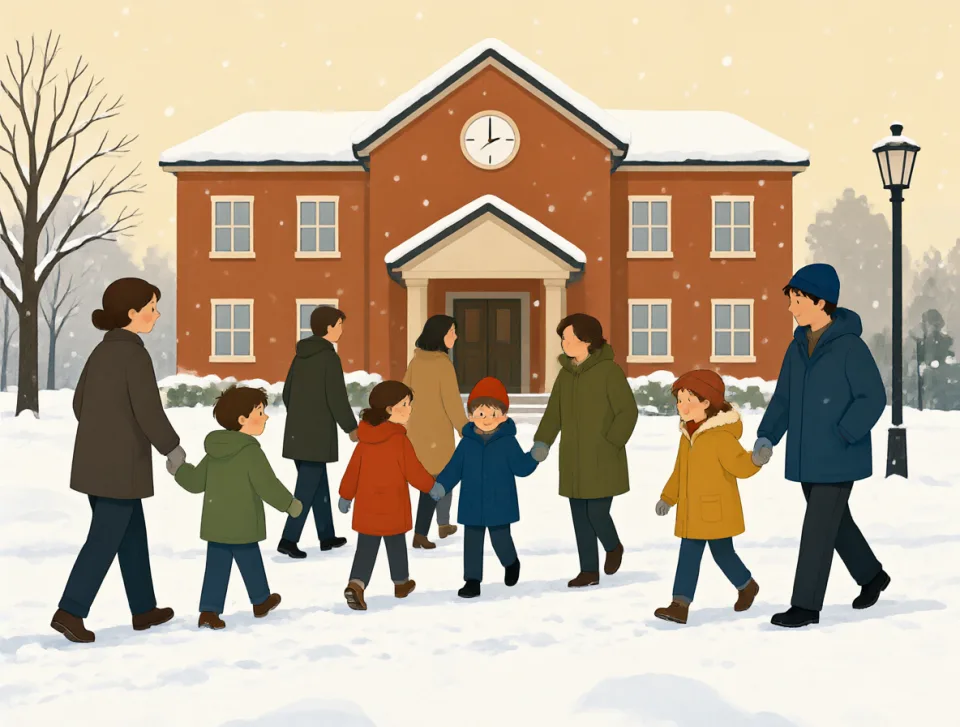
Our school closes when heavy winter snow makes roads dangerous.
Nasza szkoła jest zamykana, gdy obfite zimowe opady śniegu sprawiają, że drogi stają się niebezpieczne.
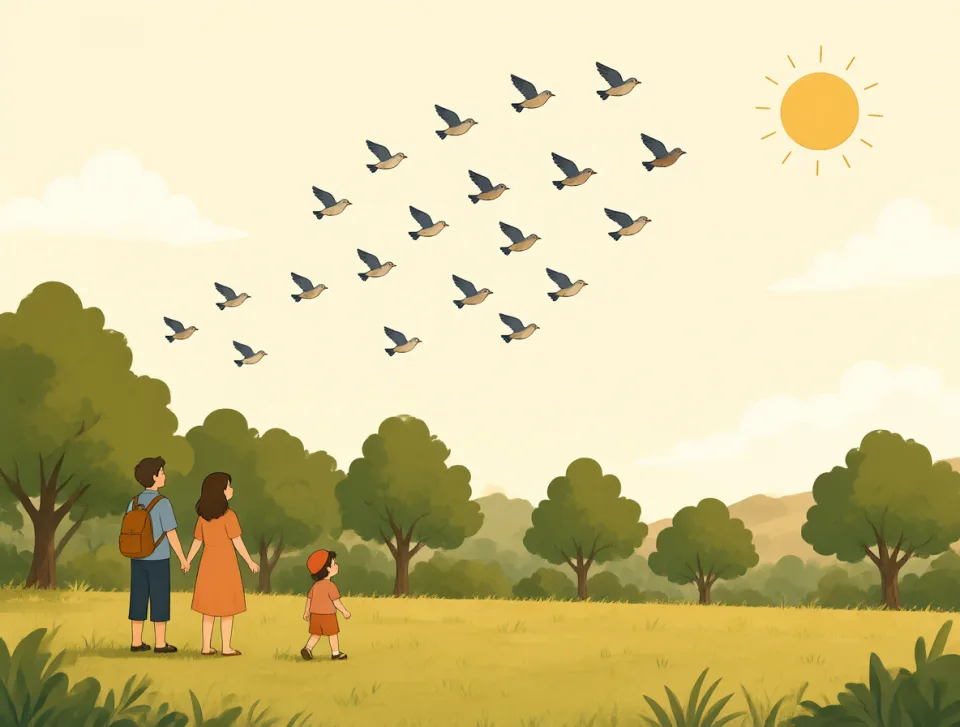
Many birds winter in warmer countries before returning in spring.
Wiele ptaków spędza zimę w cieplejszych krajach, zanim wróci wiosną.
district
#1329noun
dzielnica
An area of a town, city, or country with special features or purposes.
Obszar miasta lub kraju wyróżniający się określonymi cechami albo przeznaczeniem.
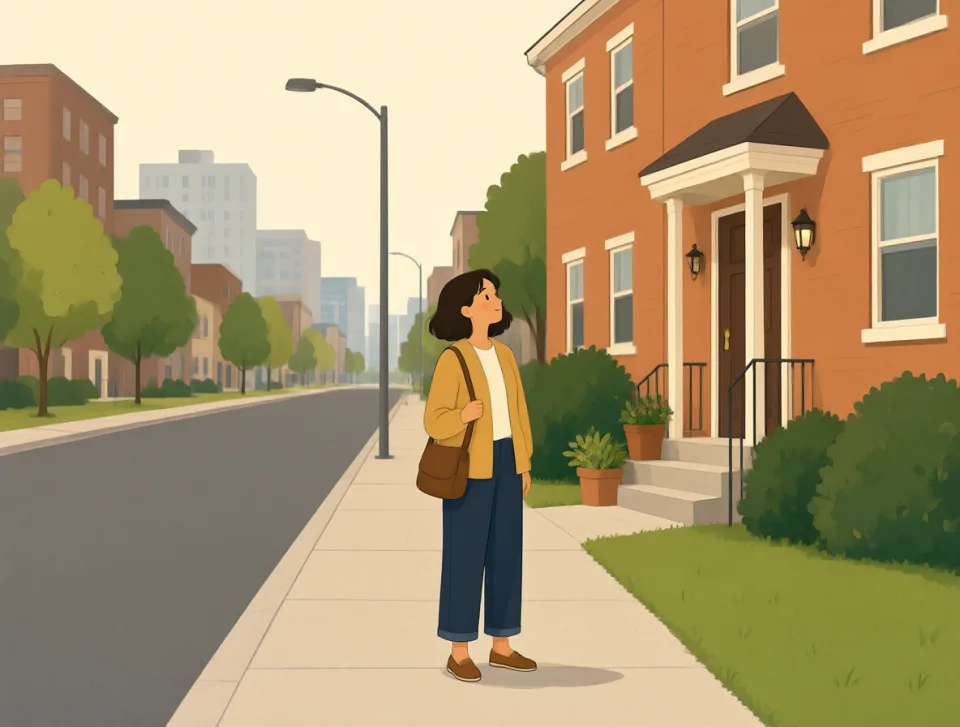
She lives in a quiet district near the city center.
Mieszka w spokojnej dzielnicy niedaleko centrum miasta.
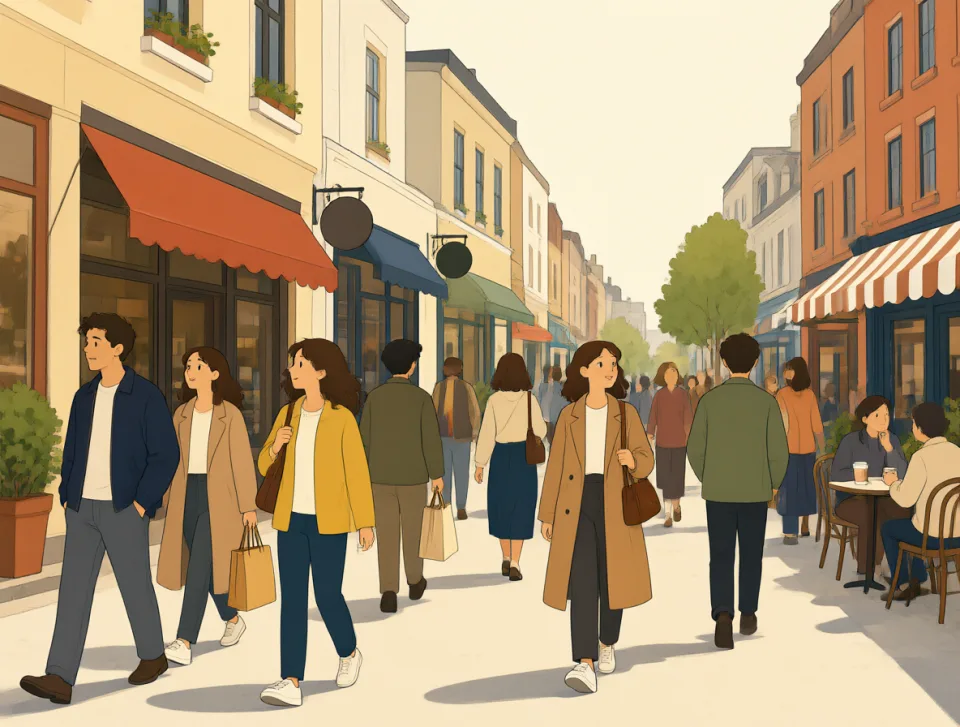
The shopping district is busy every Saturday afternoon.
W każdą sobotę po południu dzielnica handlowa jest pełna ludzi.
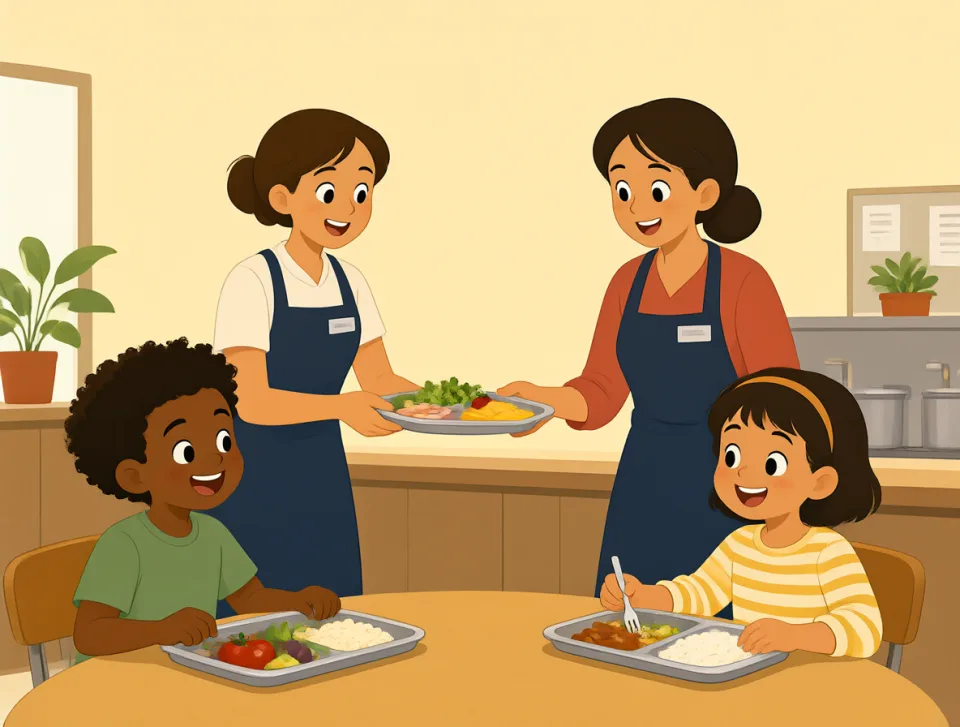
Our school district provides free meals for students.
Nasz okręg szkolny zapewnia uczniom darmowe posiłki.
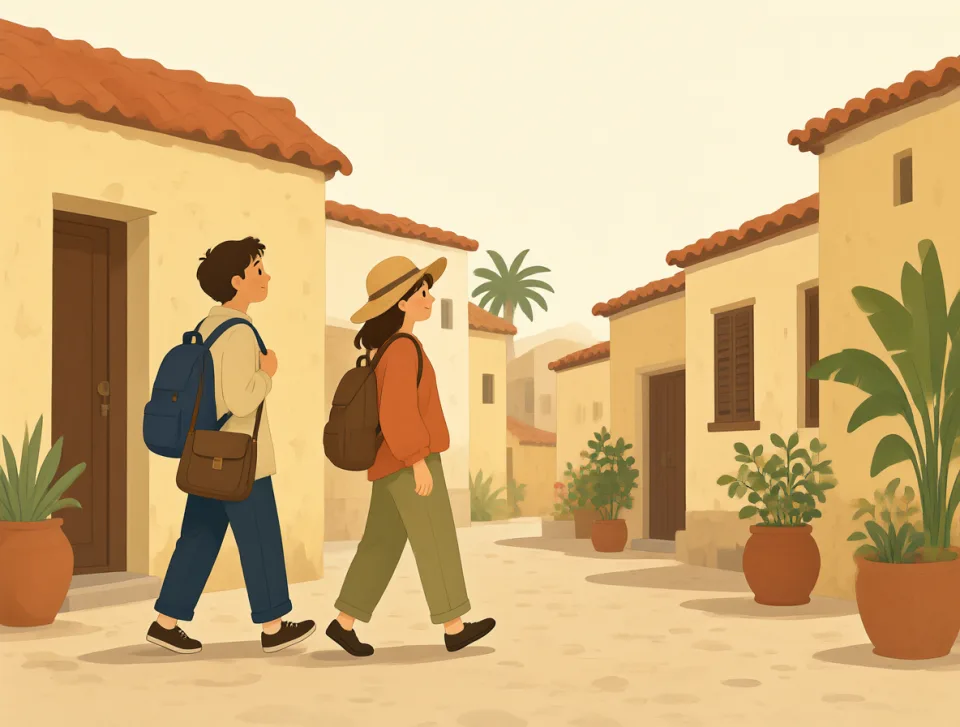
We stayed in the historic district during our trip.
Podczas wyjazdu zatrzymaliśmy się w zabytkowej dzielnicy.
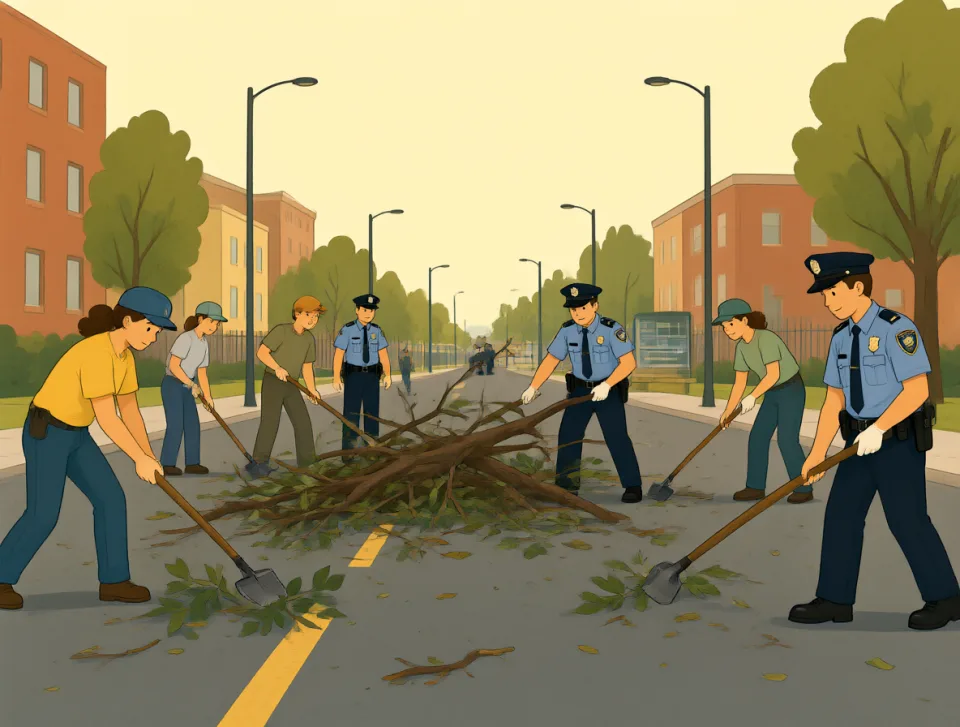
The police closed the district after the storm damaged roads.
Policja zamknęła dzielnicę po tym, jak burza uszkodziła drogi.

broad
#1330adjective
szeroki
Large from side to side; covering a lot of space.
Mający dużą szerokość; zajmujący dużo miejsca.
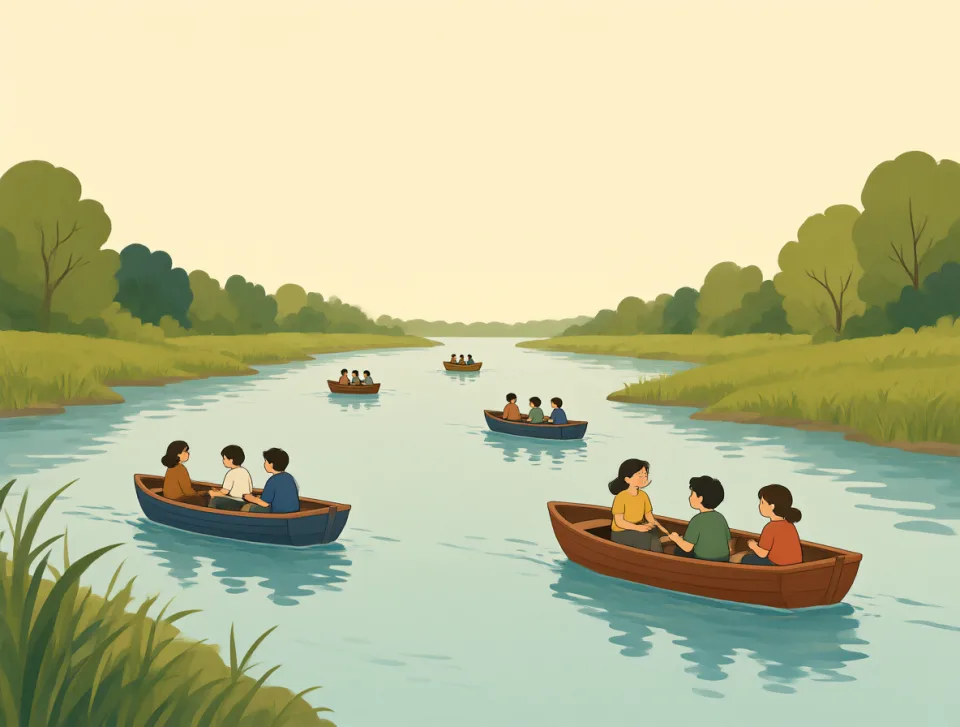
The river is broad enough for boats to pass easily.
Rzeka jest wystarczająco szeroka, by łodzie mogły swobodnie przepływać.
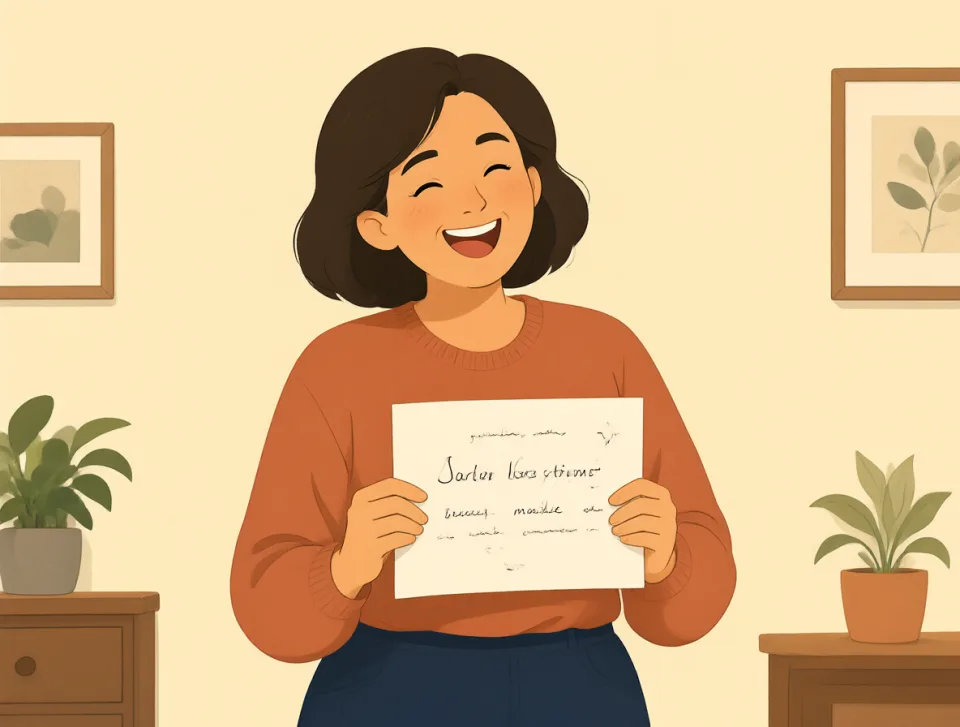
She wore a broad smile when she heard the good news.
Na jej twarzy pojawił się szeroki uśmiech, gdy usłyszała dobrą nowinę.
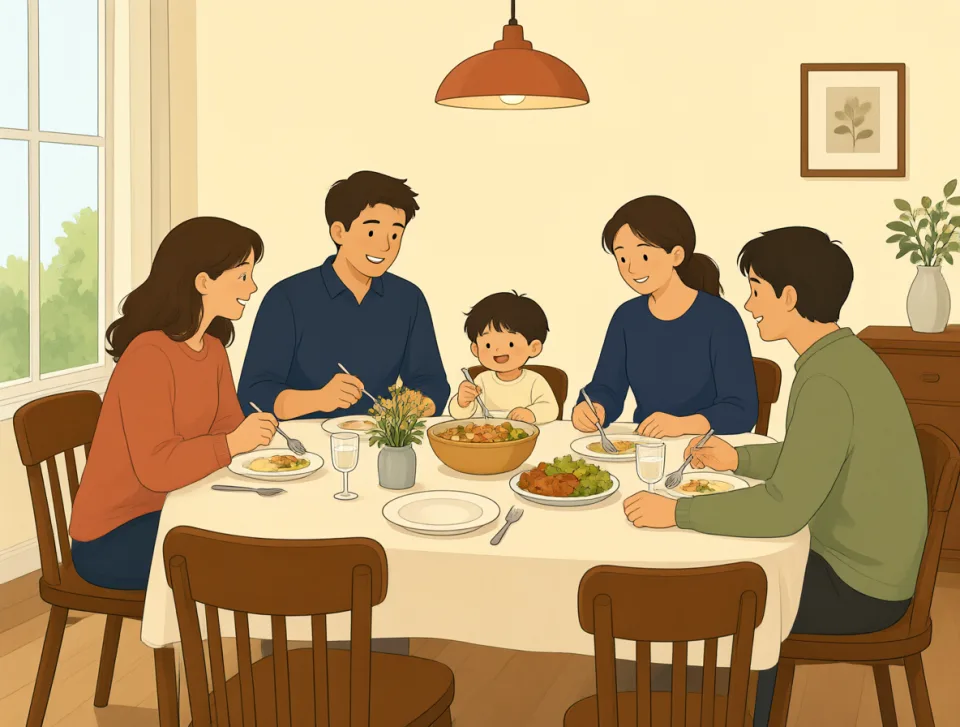
We need a broad table for the whole family.
Potrzebujemy szerokiego stołu dla całej rodziny.
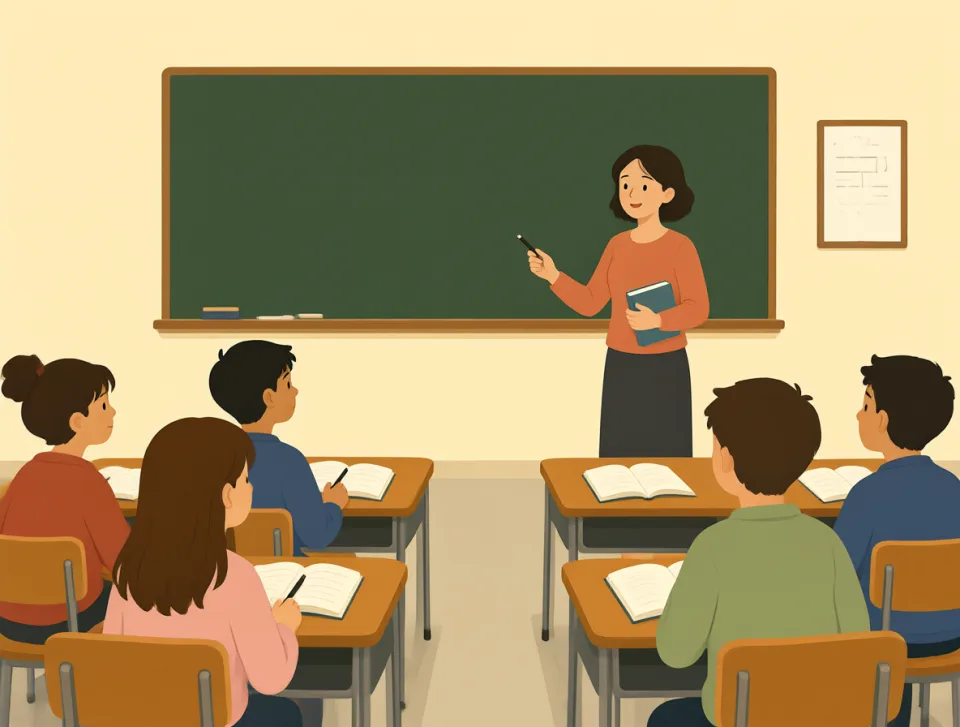
The teacher gave us a broad range of topics to study.
Nauczyciel dał nam szeroki wybór zagadnień do nauki.

He has broad shoulders and looks very strong.
Ma szerokie ramiona i wygląda na bardzo silnego.
tire
#1331noun, verb
opona; męczyć
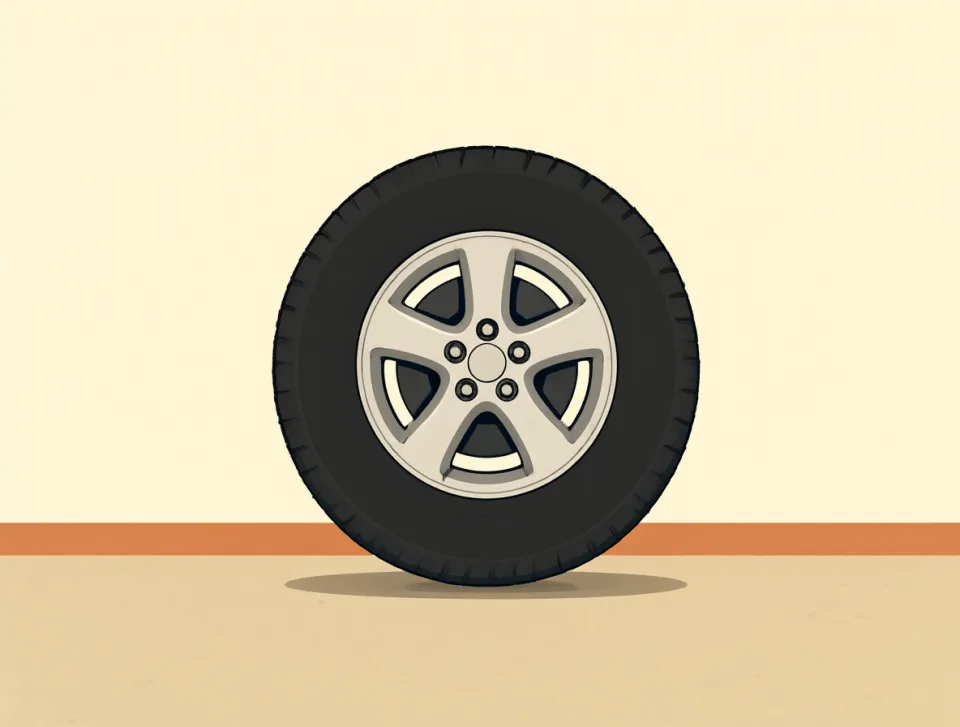
A tire is the round rubber part around a wheel; to tire means to make someone tired.
Opona to okrągła gumowa część wokół koła; czasownik „to tire” oznacza męczyć kogoś.
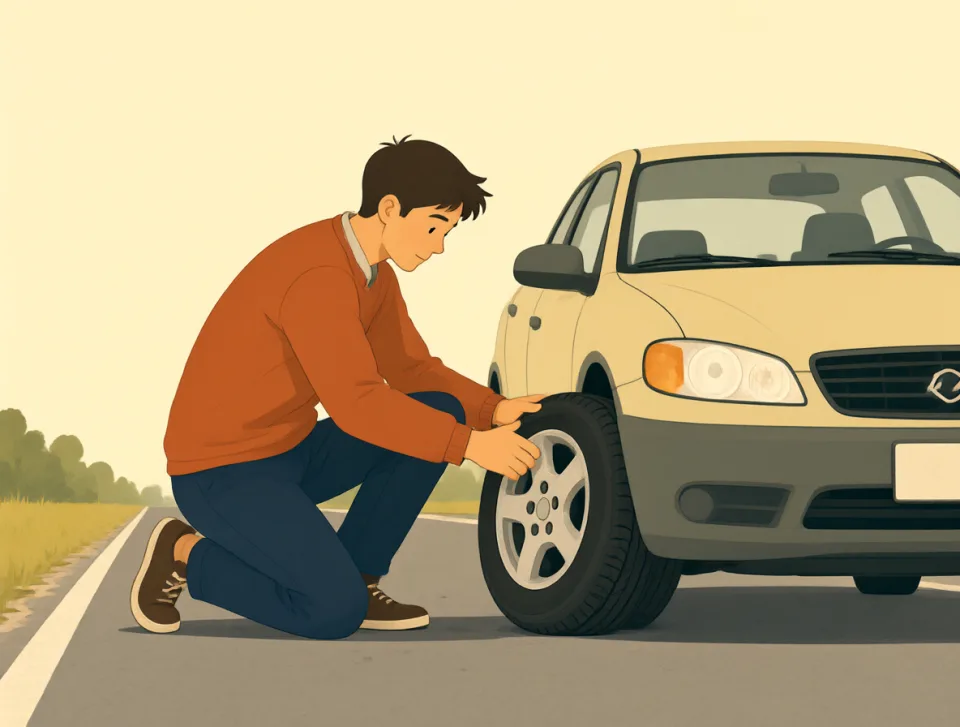
The car has a flat tire, so we cannot drive home.
Samochód ma przebitą oponę, więc nie możemy pojechać do domu.
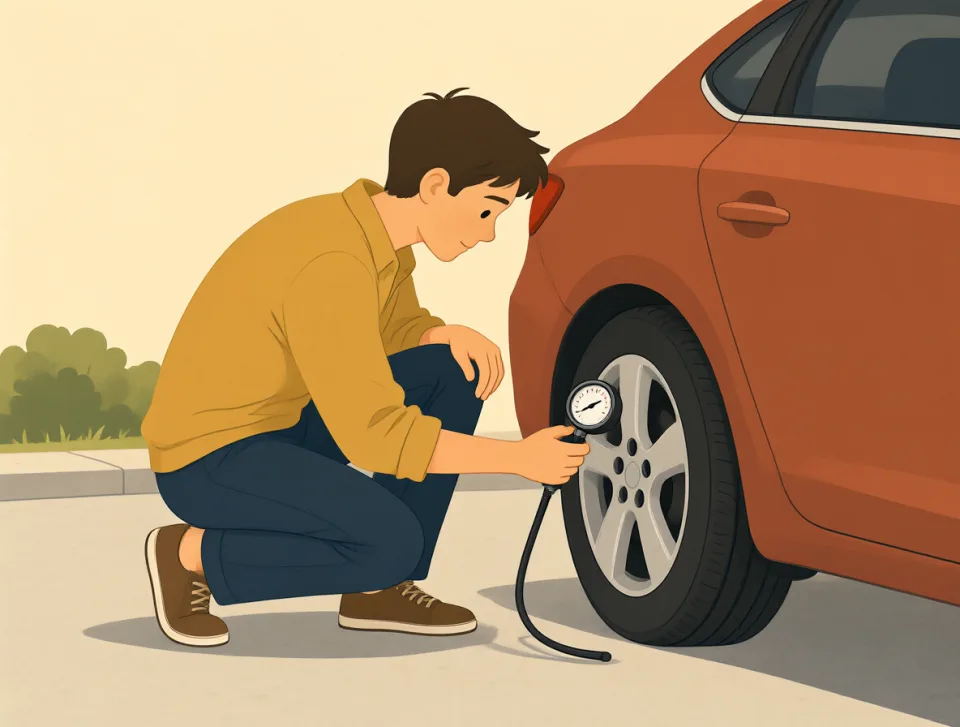
Please check the tire pressure before our long trip.
Przed długą podróżą sprawdź ciśnienie w oponach.
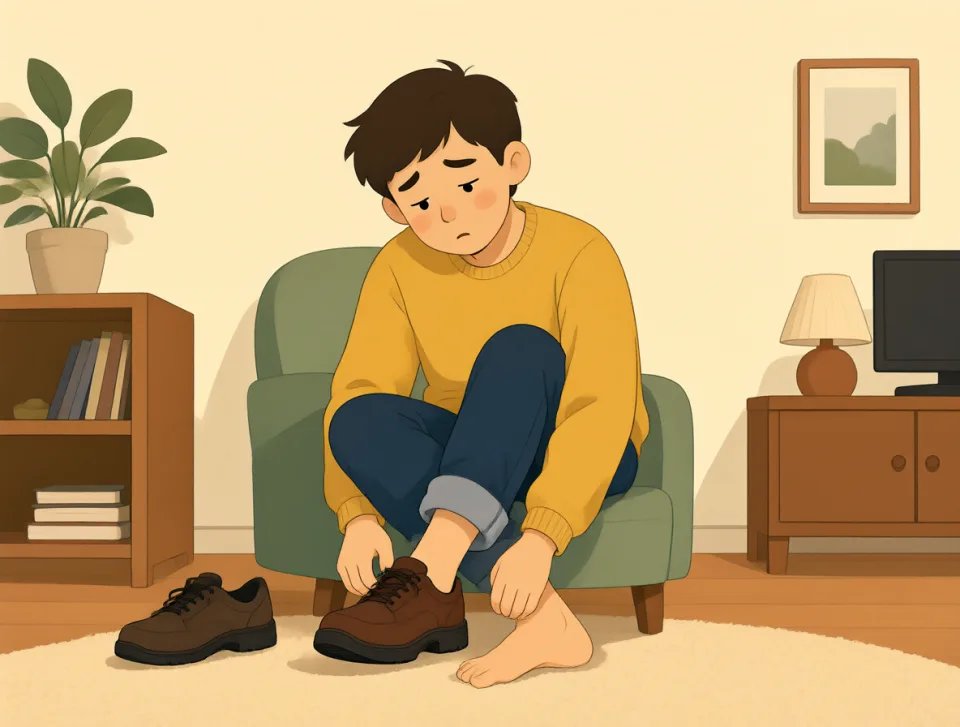
These shoes tire my feet after a long day at work.
Po całym dniu w pracy te buty męczą moje stopy.
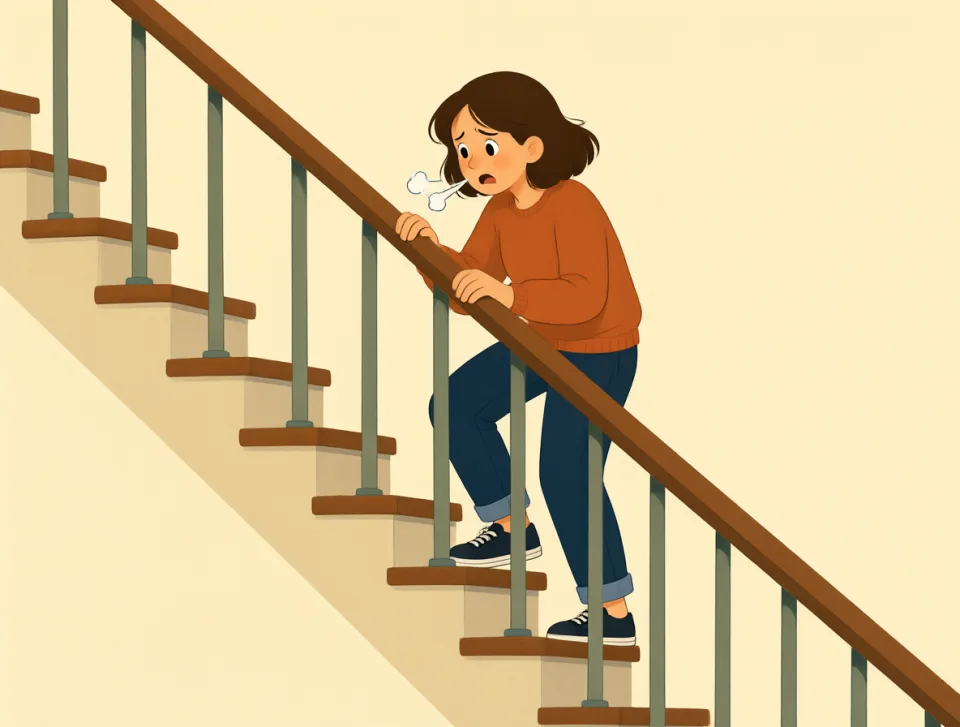
Walking up those stairs tired me out quickly.
Szybko zmęczyłem się wchodzeniem po tych schodach.
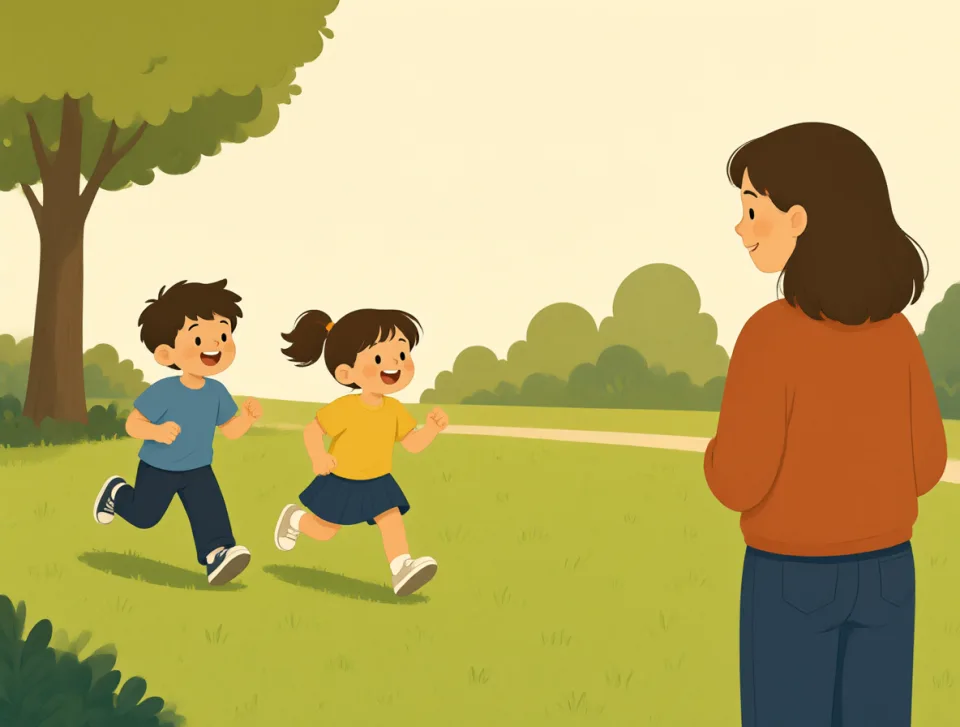
The children were tiring themselves by running around the park.
Dzieci męczyły się, biegając po parku.
spring
#1332noun, verb
wiosna; wyskakiwać
The season between winter and summer, or to jump suddenly and quickly.
Pora roku między zimą a latem albo nagle i szybko podskoczyć.
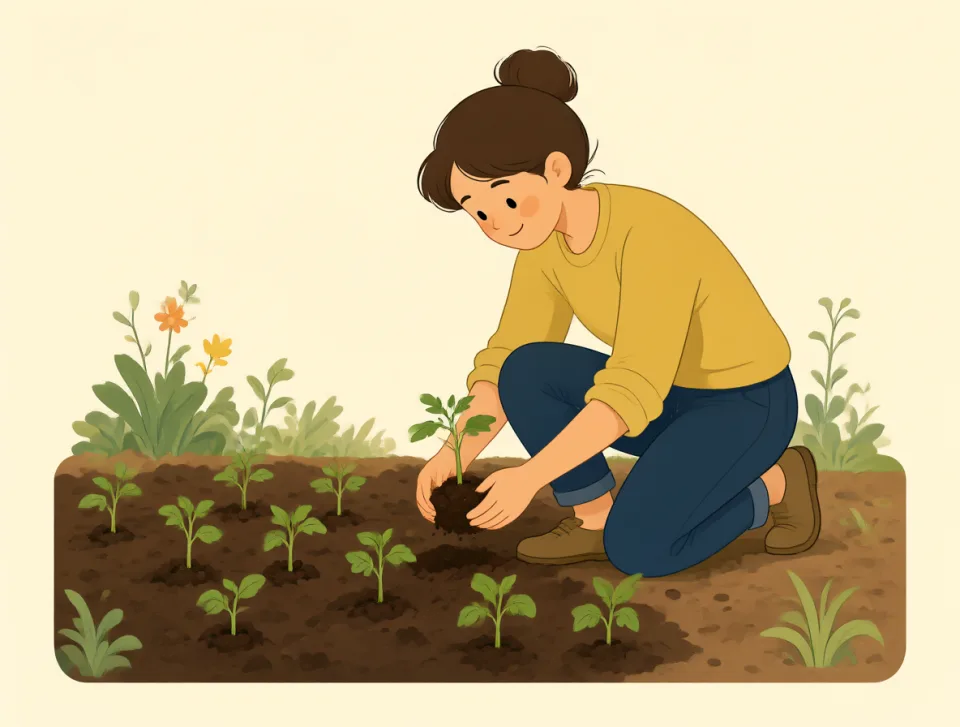
We usually plant tomatoes in spring.
Zazwyczaj sadzimy pomidory wiosną.
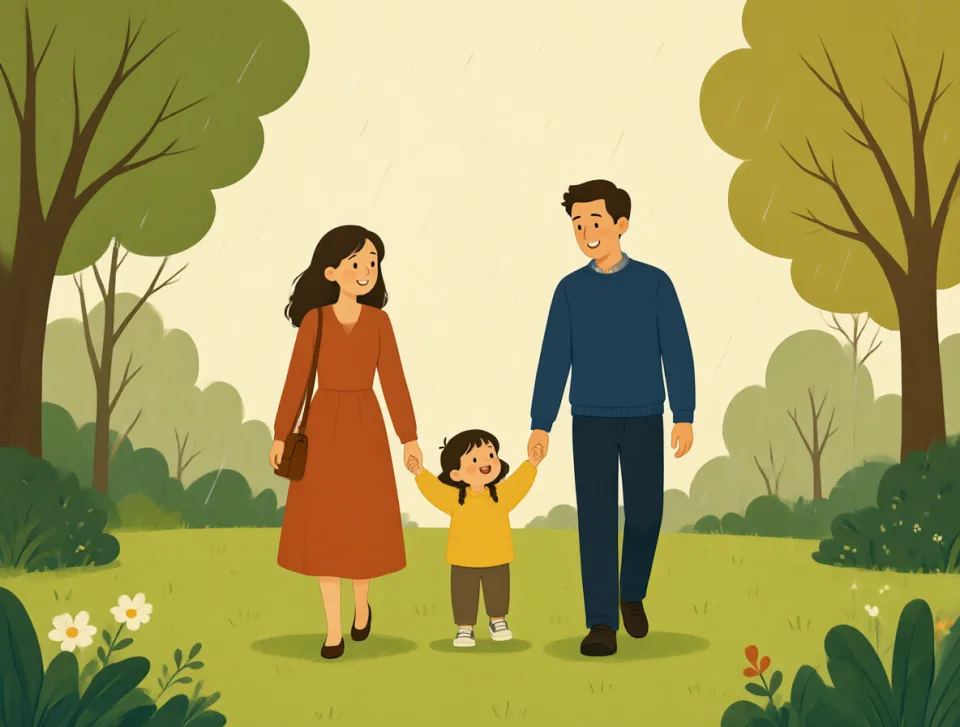
The spring weather is warm but sometimes rainy.
Wiosenna pogoda jest ciepła, ale czasem deszczowa.
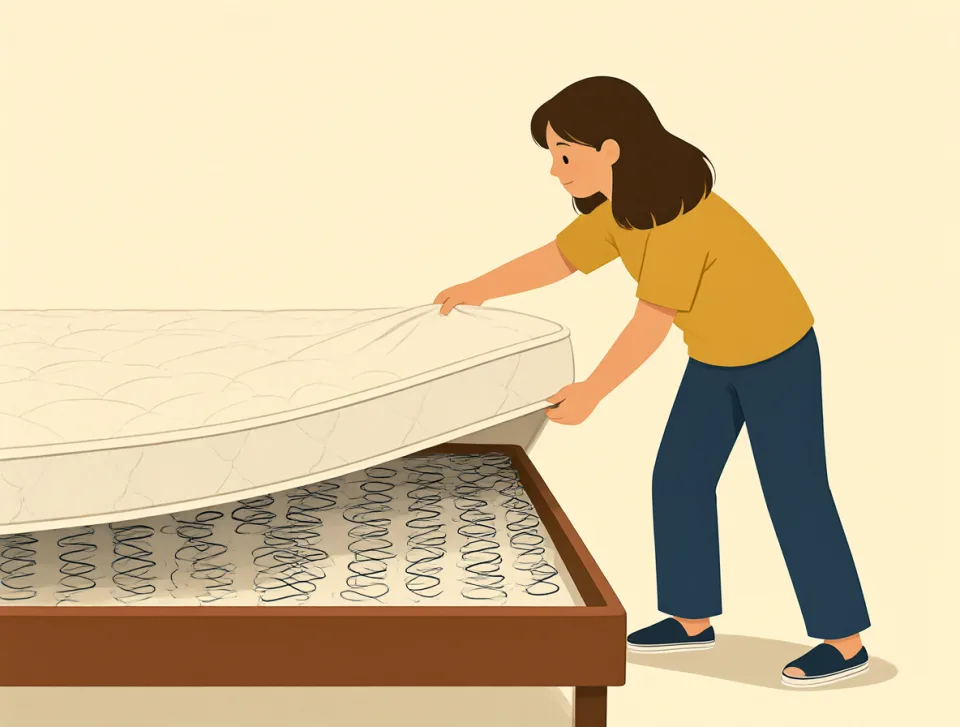
This mattress has strong springs for extra support.
Ten materac ma mocne sprężyny, które zapewniają dodatkowe podparcie.
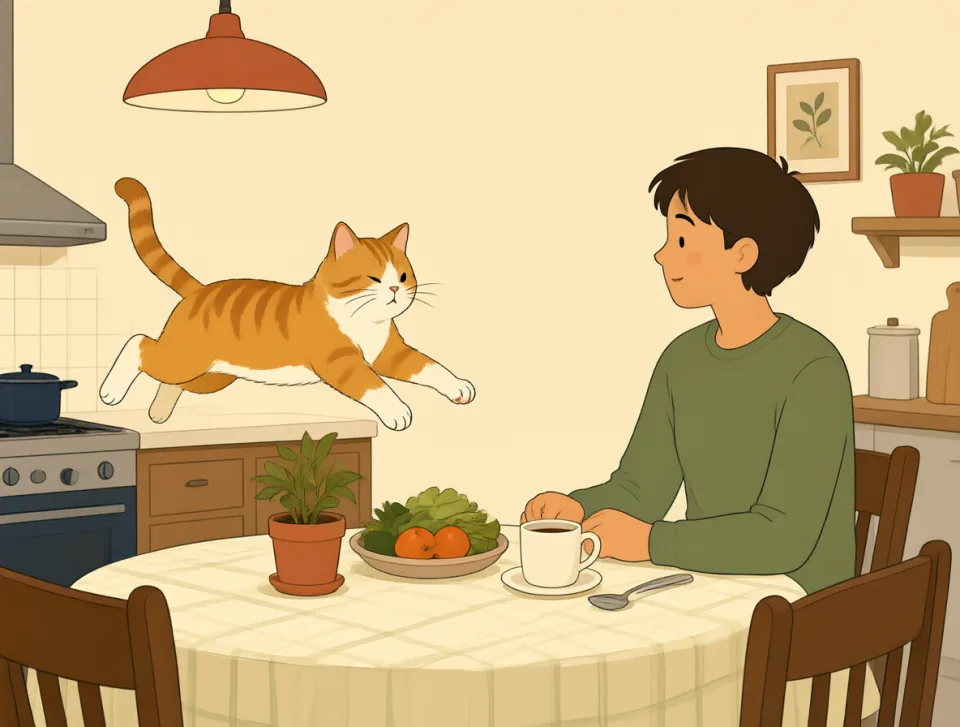
The cat sprang onto the table when it heard a noise.
Kot wskoczył na stół, gdy usłyszał jakiś hałas.
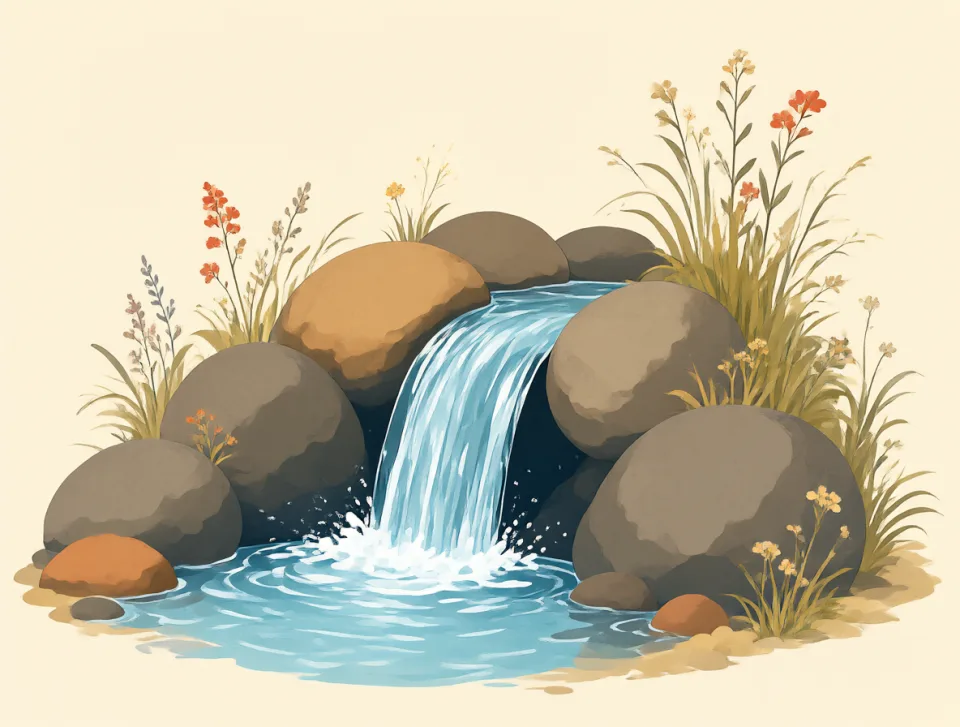
Fresh water springs from the ground near the mountain.
Niedaleko góry z ziemi wypływa źródlana woda.

spirit
#1333noun
duch; usposobienie
a person’s feelings, courage, or attitude
Czyjeś uczucia, odwaga lub nastawienie.

Her kind words lifted my spirits after a difficult day.
Jej życzliwe słowa podniosły mnie na duchu po trudnym dniu.
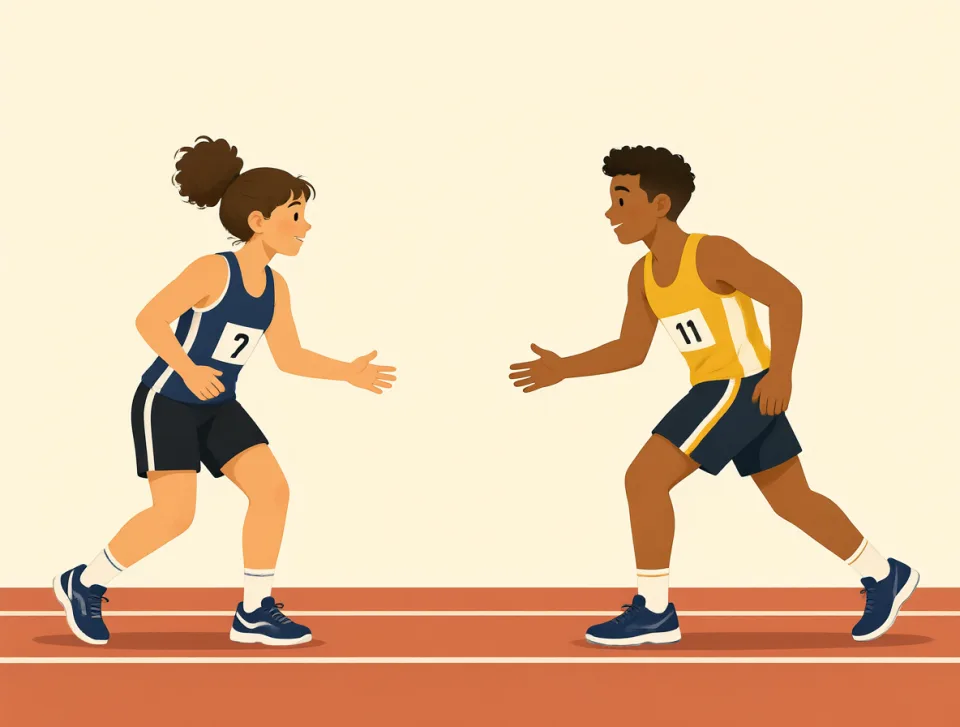
The team showed great spirit during the final minutes.
W ostatnich minutach drużyna pokazała wielkiego ducha walki.
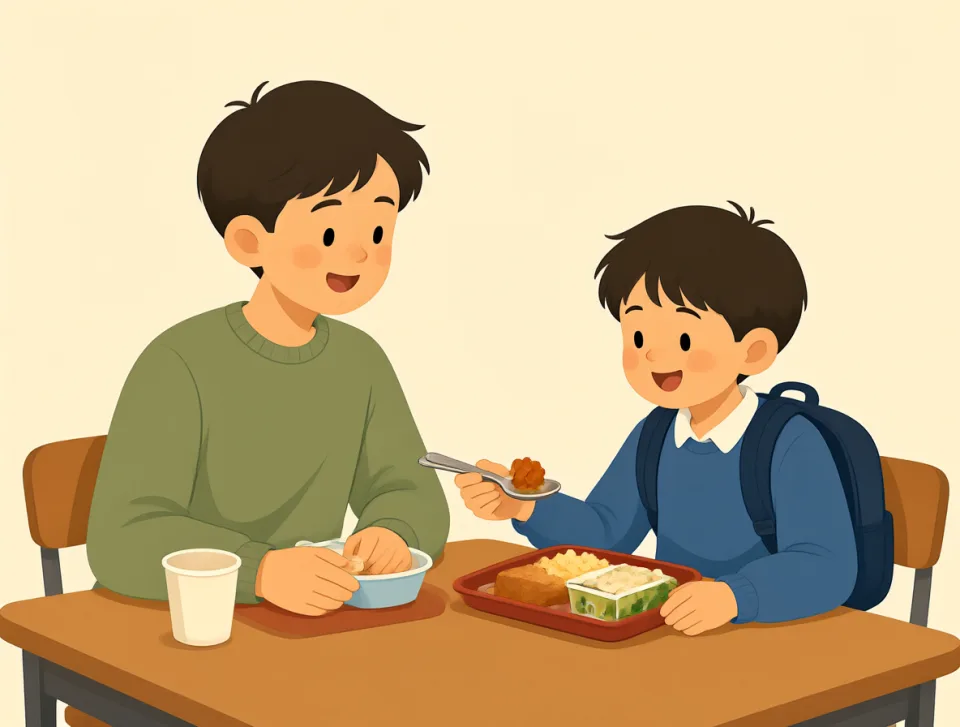
He has a generous spirit and always shares his lunch.
Ma hojne serce i zawsze dzieli się swoim lunchem.
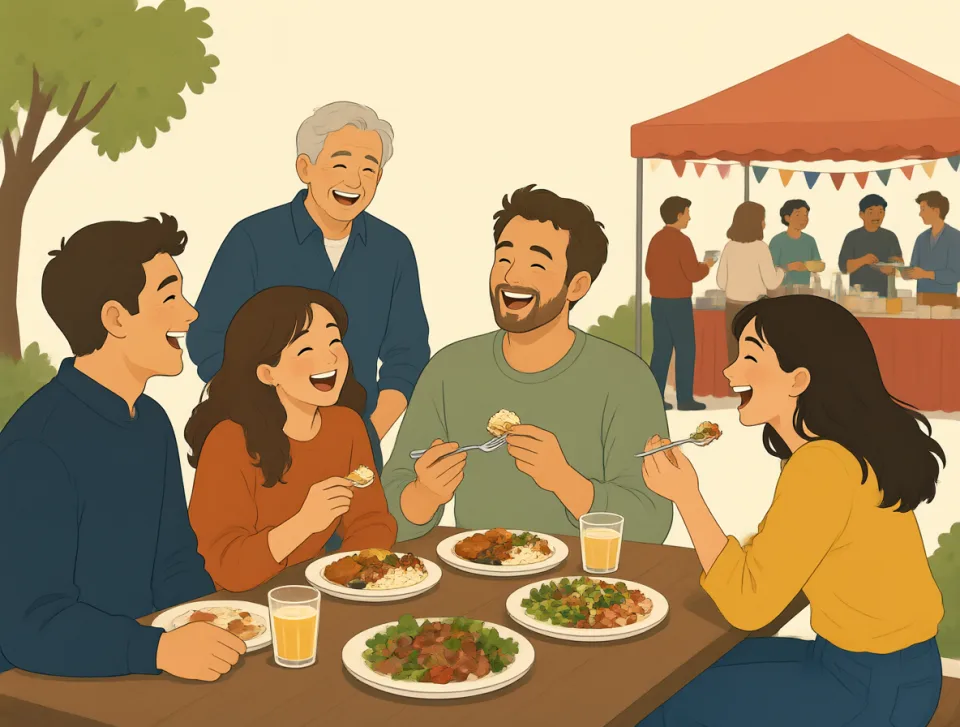
The festival brought a spirit of friendship to the town.
Festiwal wprowadził do miasteczka ducha przyjaźni.

The doctor said regular exercise would improve her spirits.
Lekarz powiedział, że regularne ćwiczenia poprawią jej nastrój.
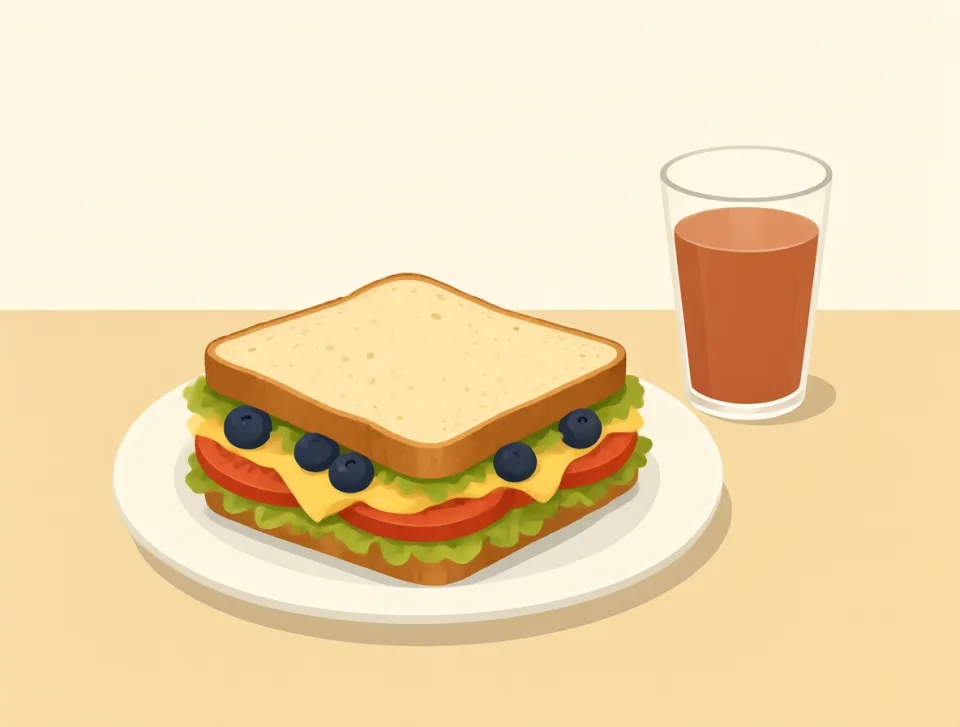
lunch
#1334noun
lunch; obiad
A meal eaten in the middle of the day.
Posiłek jedzony w środku dnia.
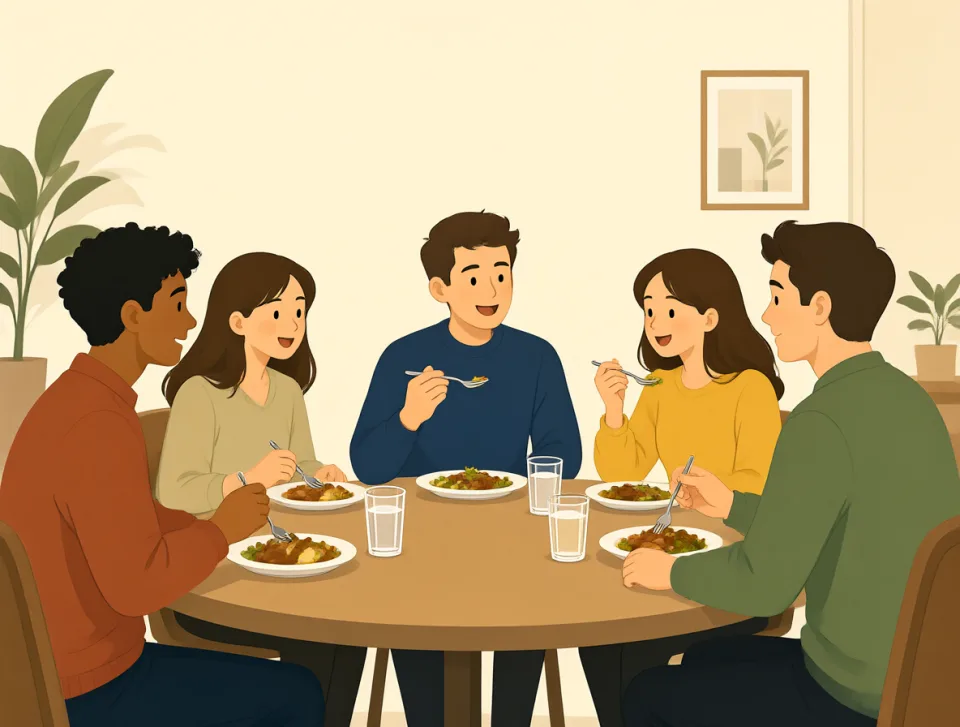
I usually have lunch at noon with my coworkers.
Zazwyczaj jem lunch w południe z kolegami z pracy.
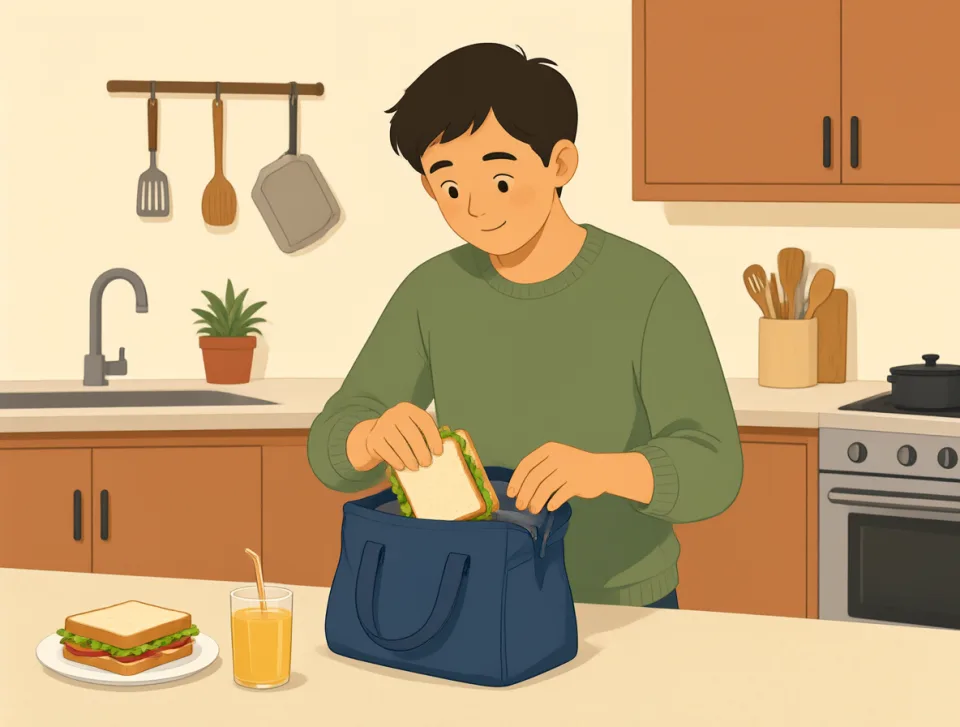
We packed sandwiches for lunch before leaving home.
Przed wyjściem z domu spakowaliśmy kanapki na lunch.
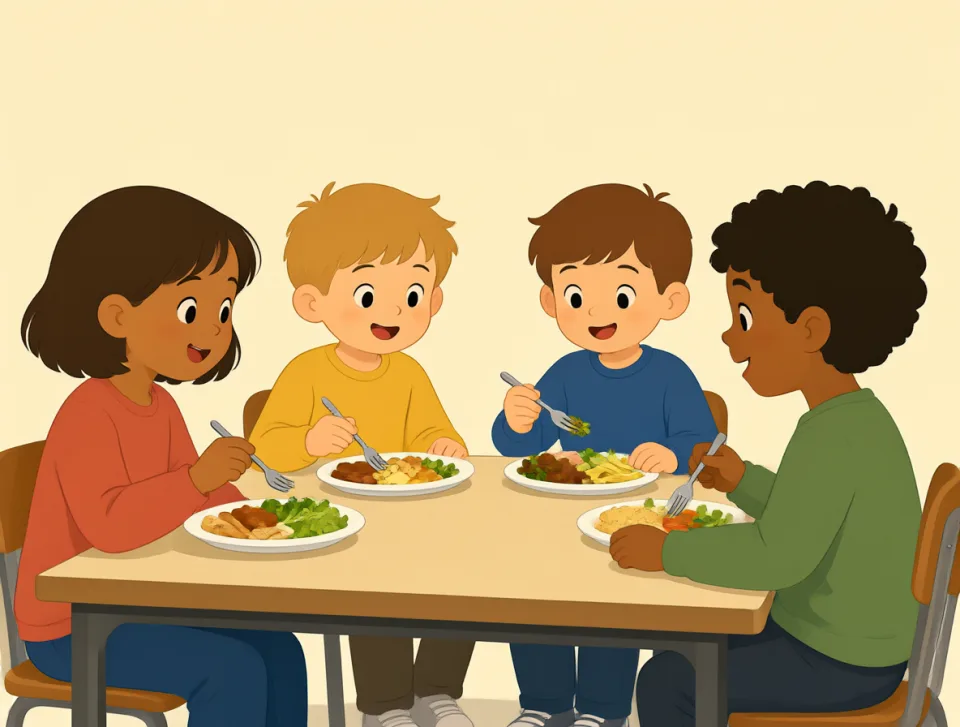
The children eat lunch together at school.
Dzieci jedzą razem lunch w szkole.
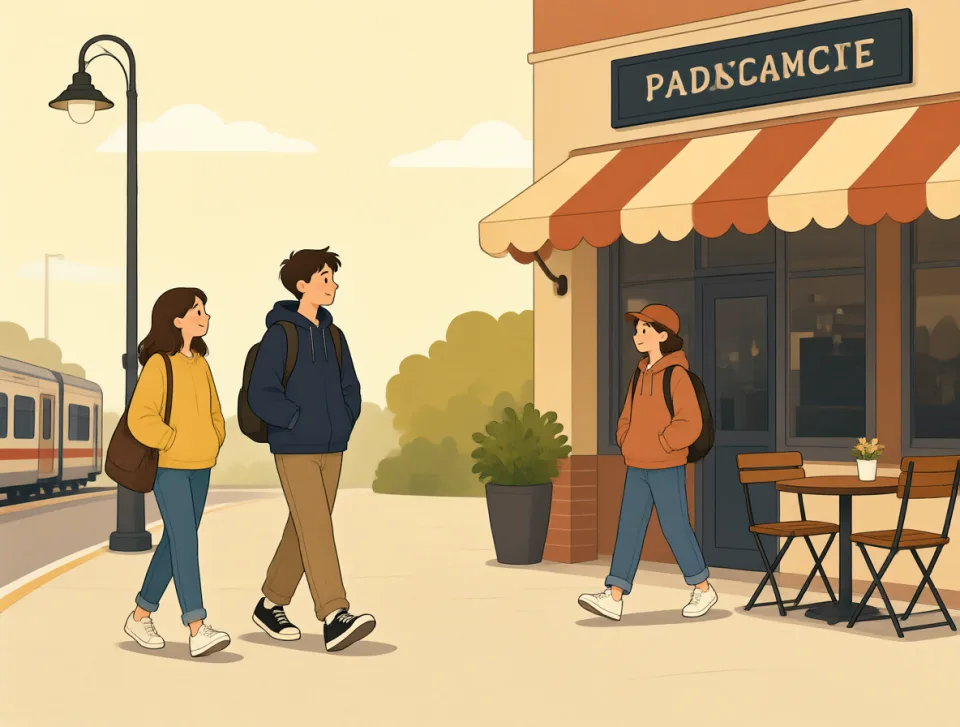
Let’s meet for lunch near the train station.
Spotkajmy się na lunchu niedaleko dworca kolejowego.
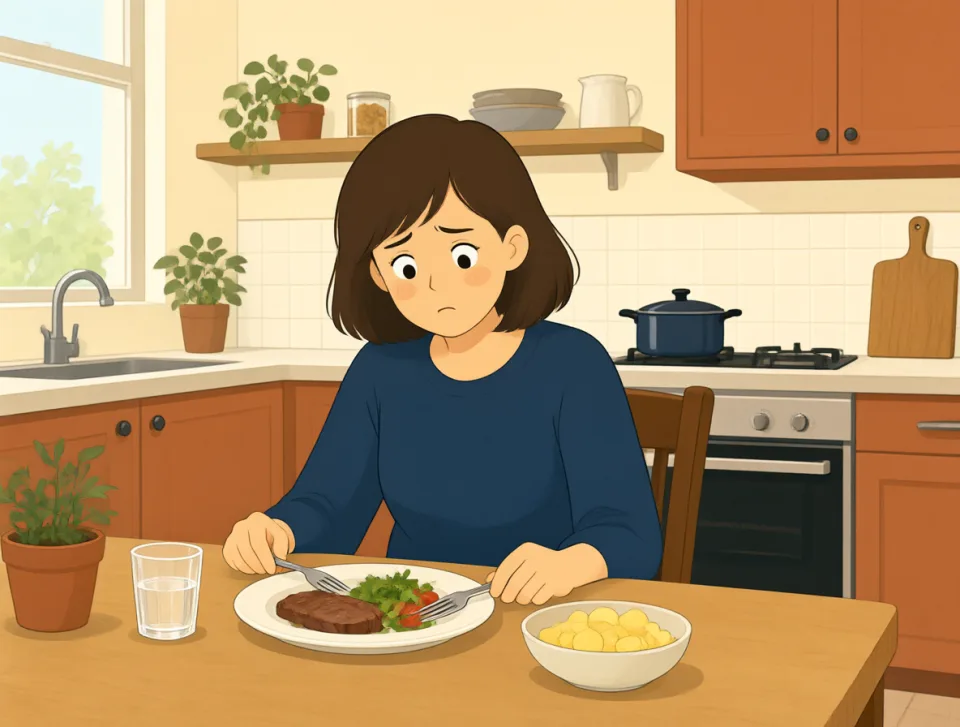
She skipped lunch because her stomach felt uncomfortable.
Opuściła lunch, bo źle się czuła w żołądku.
actual
#1335adjective
rzeczywisty; faktyczny
Real or true, rather than imagined, expected, or reported.
Prawdziwy, a nie wyobrażony, oczekiwany ani podany w relacji.
The actual cost was higher than the price in the advertisement.
Rzeczywisty koszt był wyższy niż cena podana w reklamie.

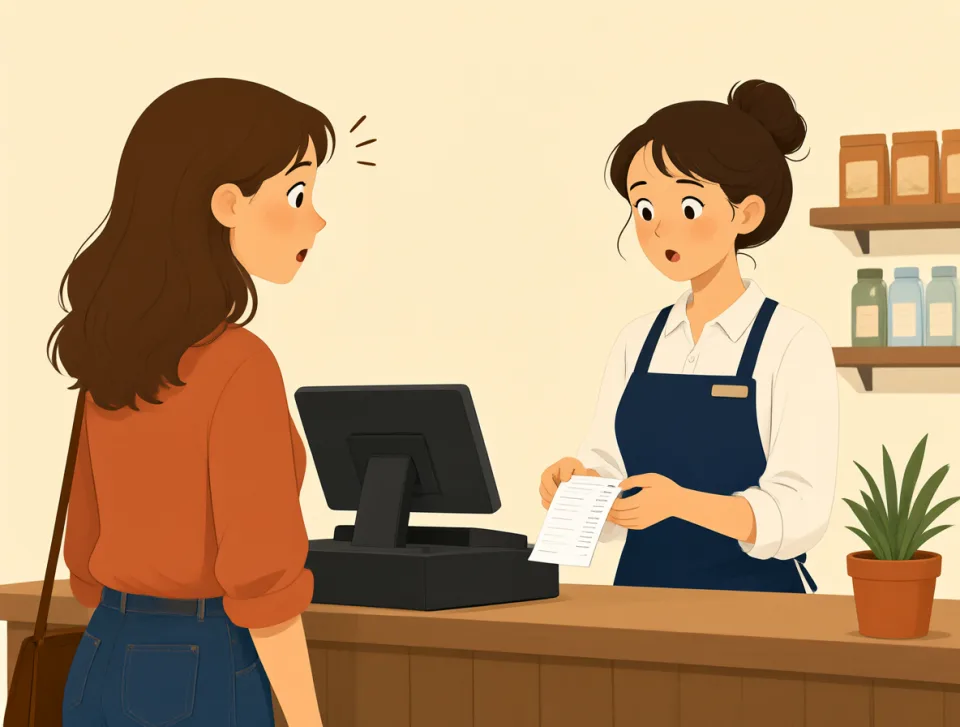
What is the actual reason you left work early yesterday?
Jaki był prawdziwy powód, dla którego wczoraj wyszedłeś wcześniej z pracy?
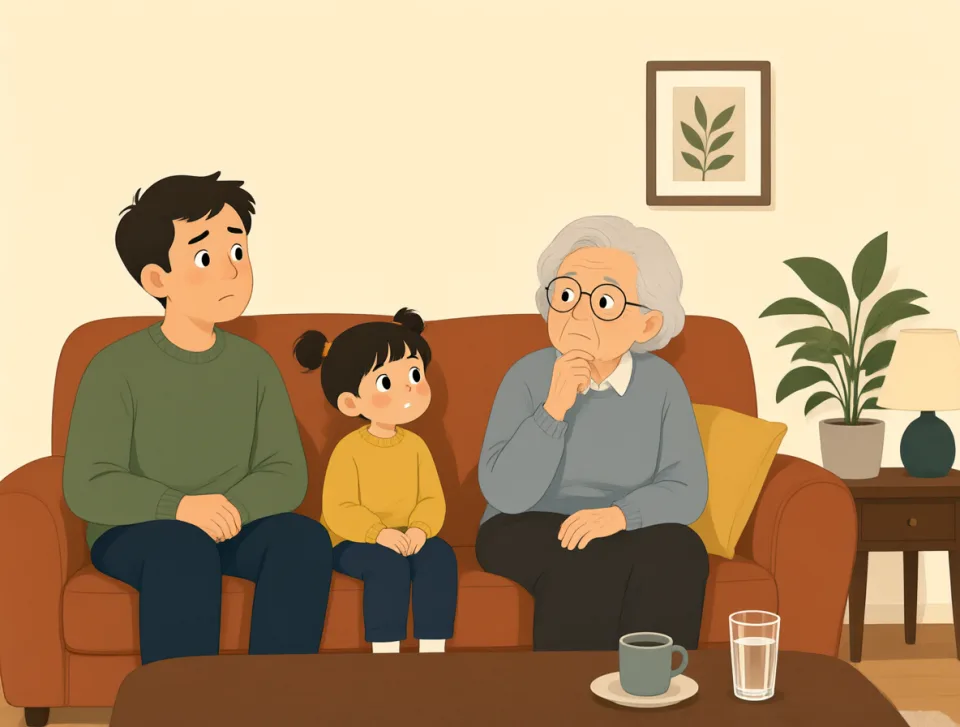
The movie is based on actual events from a small village.
Film opiera się na prawdziwych wydarzeniach z małej wioski.

We need to compare the actual results with our original plan.
Musimy porównać rzeczywiste wyniki z naszym pierwotnym planem.
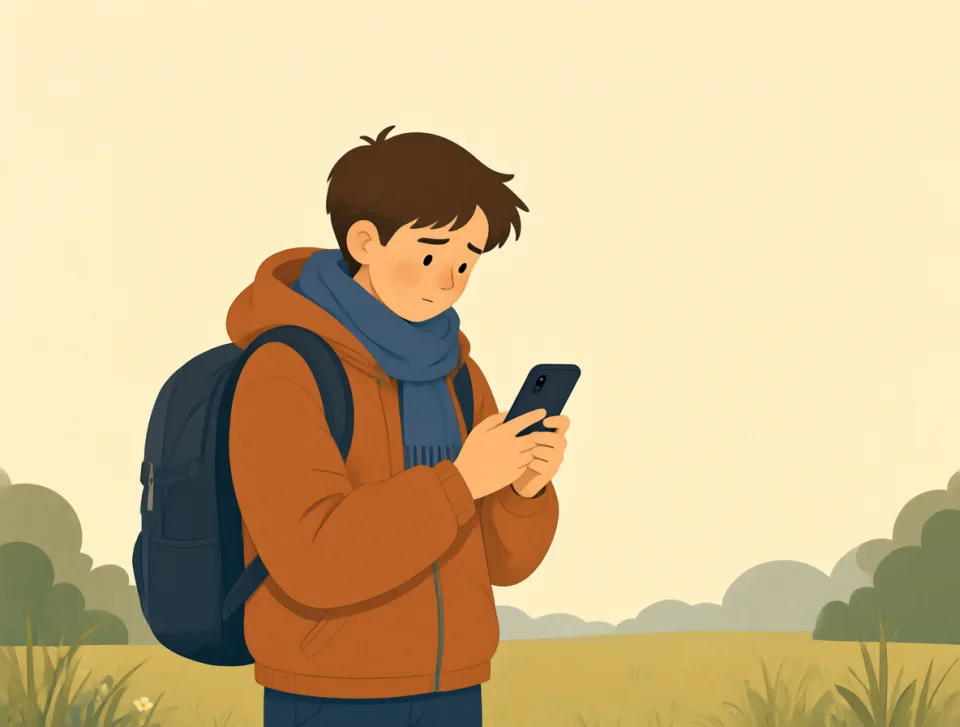
The actual temperature was much colder than the weather forecast.
Rzeczywista temperatura była znacznie niższa niż podawała prognoza pogody.
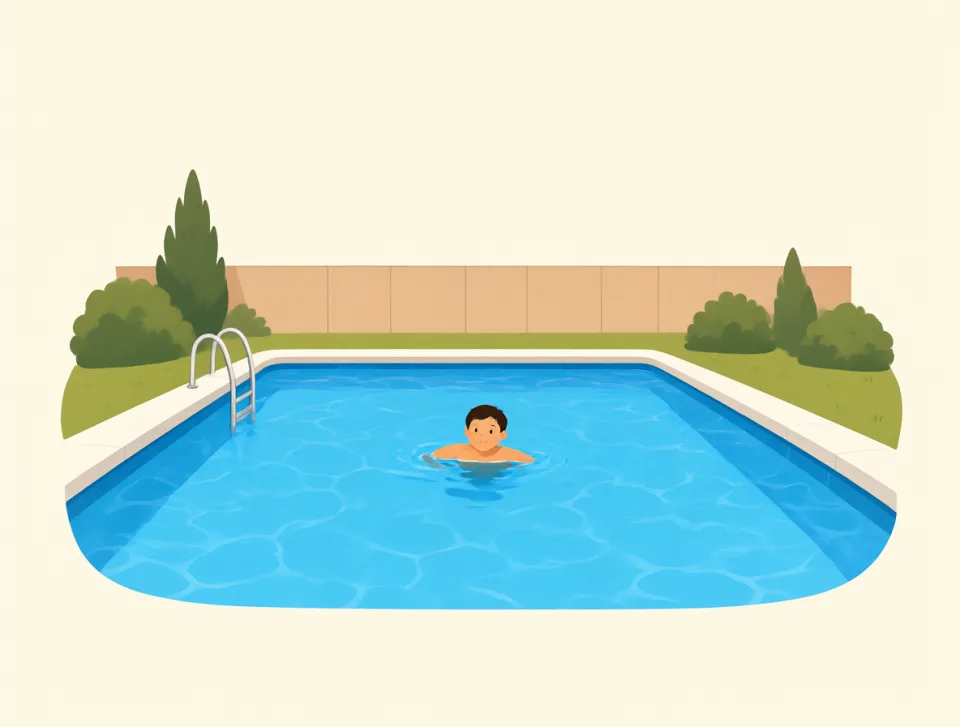
pool
#1336noun, verb
basen
A pool is a place filled with water for swimming, or a shared supply of something.
Basen to miejsce wypełnione wodą, w którym można pływać, albo wspólny zasób czegoś.
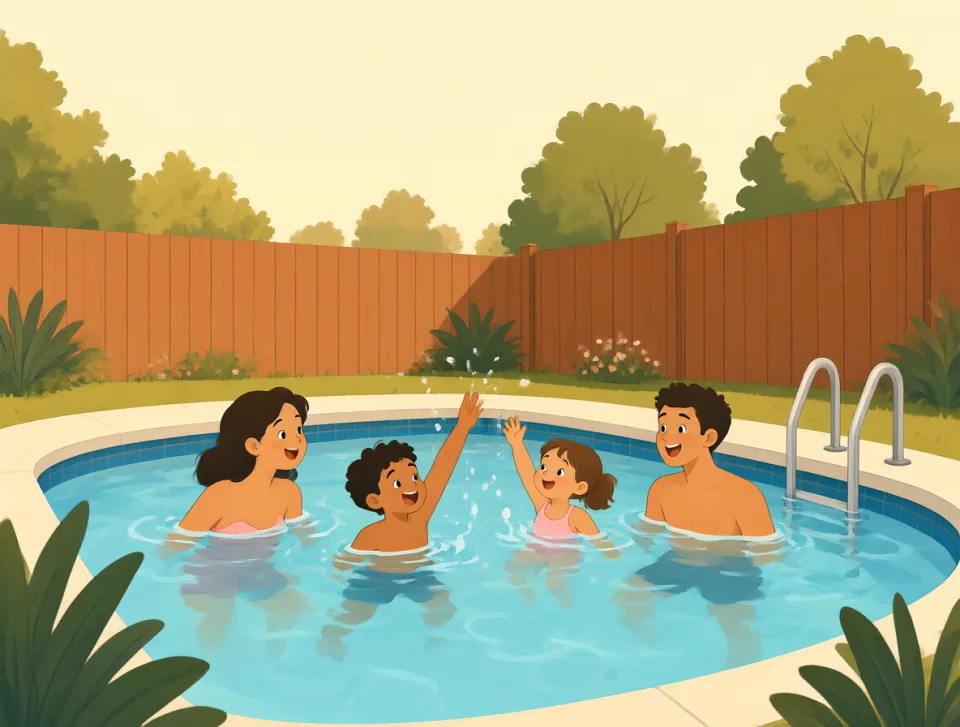
We swim in the pool every Saturday morning.
Pływamy w basenie w każdą sobotę rano.
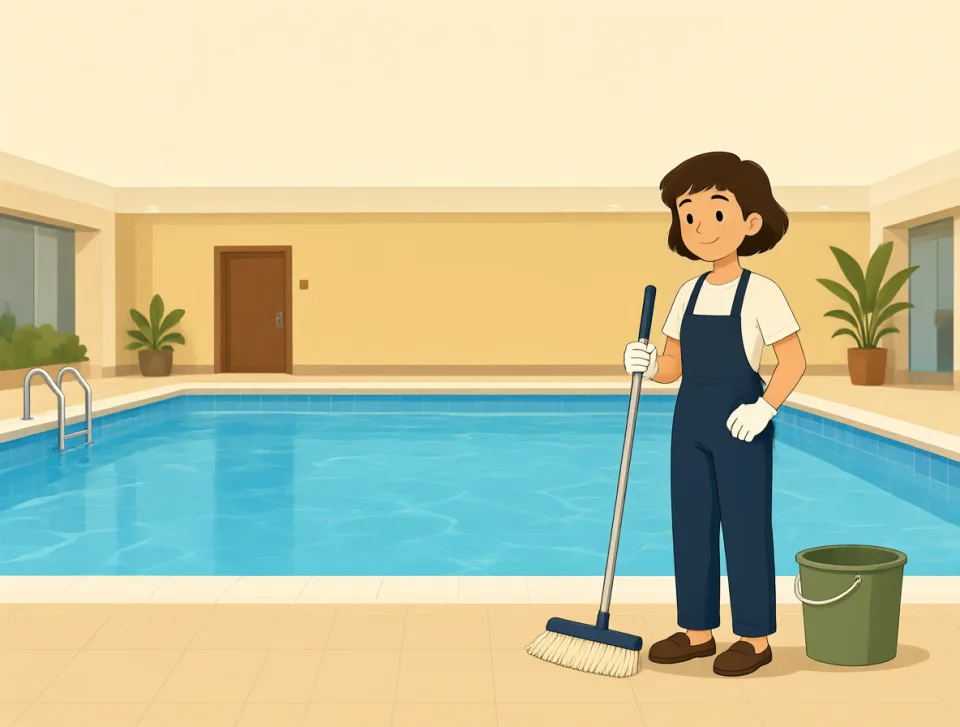
The hotel pool is closed for cleaning today.
Hotelowy basen jest dziś zamknięty z powodu czyszczenia.

She jumped into the pool to cool off.
Wskoczyła do basenu, żeby się ochłodzić.

The company pooled its money to buy new equipment.
Firma złożyła się na zakup nowego sprzętu.
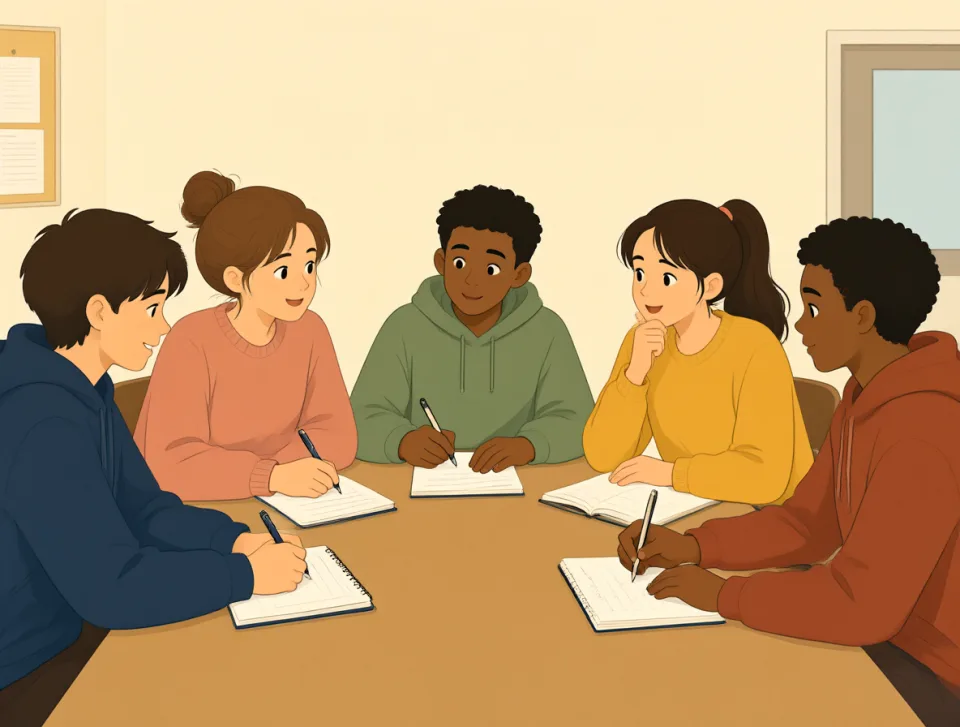
The teacher asked students to pool their ideas for the project.
Nauczyciel poprosił uczniów, żeby zebrali pomysły do projektu.
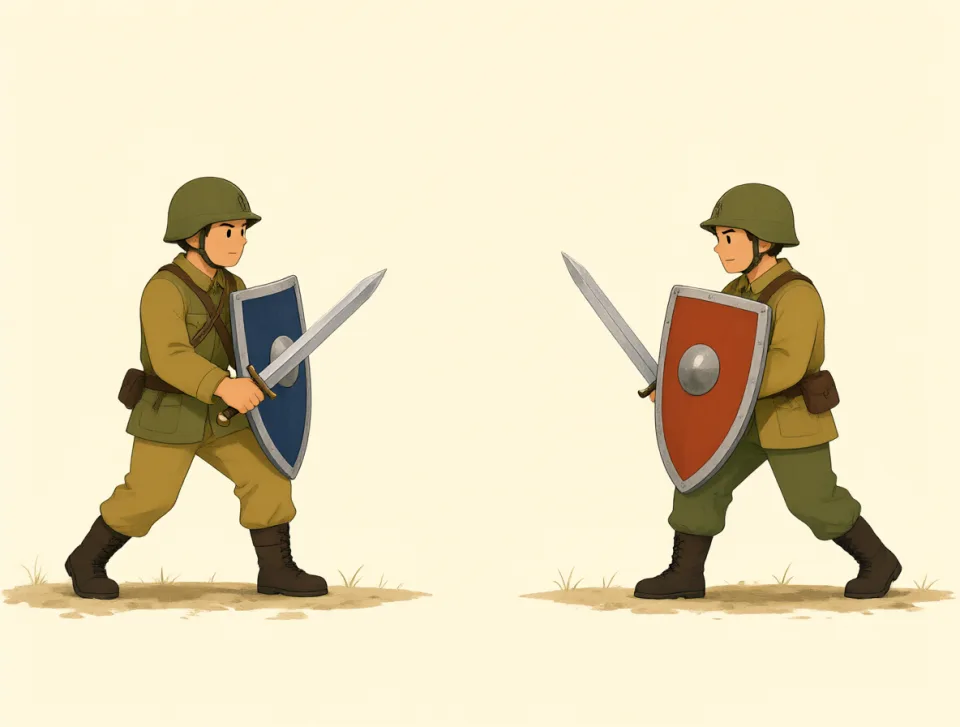
battle
#1337noun, verb
walka
a fight between people or groups, or an effort to overcome a difficult problem
Starcie między ludźmi lub grupami albo wysiłek, by przezwyciężyć trudny problem.
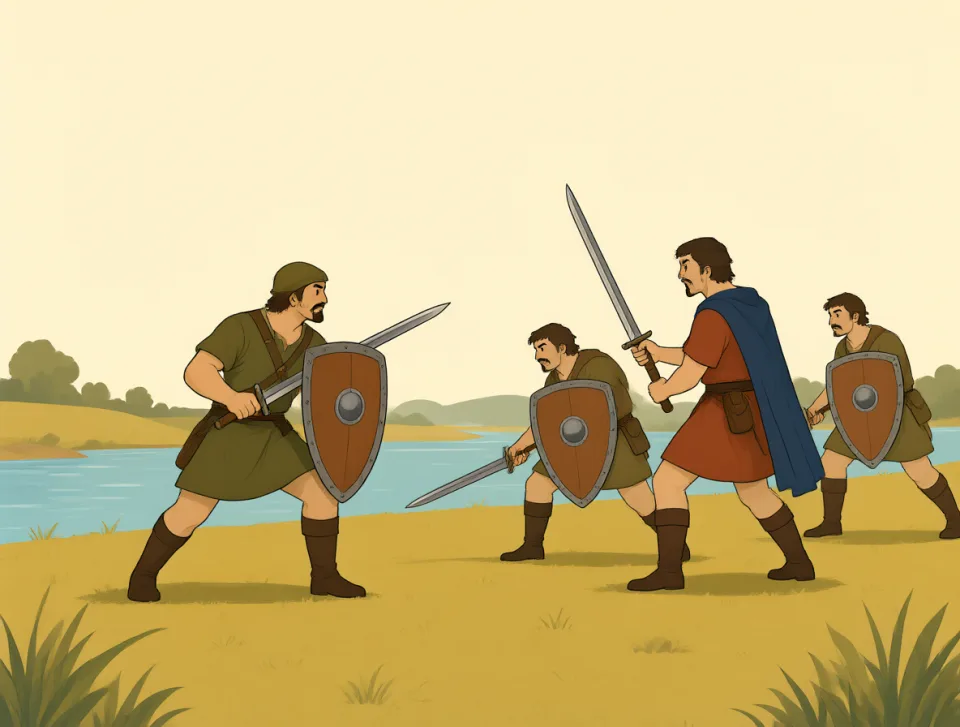
The two armies fought a long battle near the river.
Dwie armie stoczyły długą bitwę w pobliżu rzeki.

She won her battle against cancer after many months.
Po wielu miesiącach wygrała walkę z rakiem.
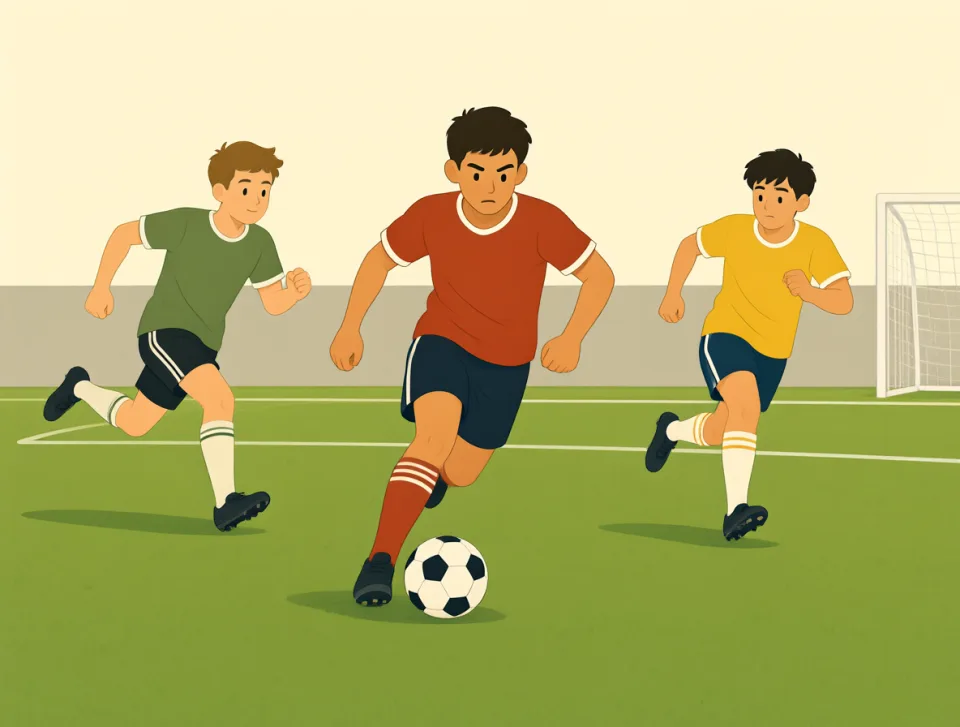
Our team is battling for first place this season.
W tym sezonie nasza drużyna walczy o pierwsze miejsce.
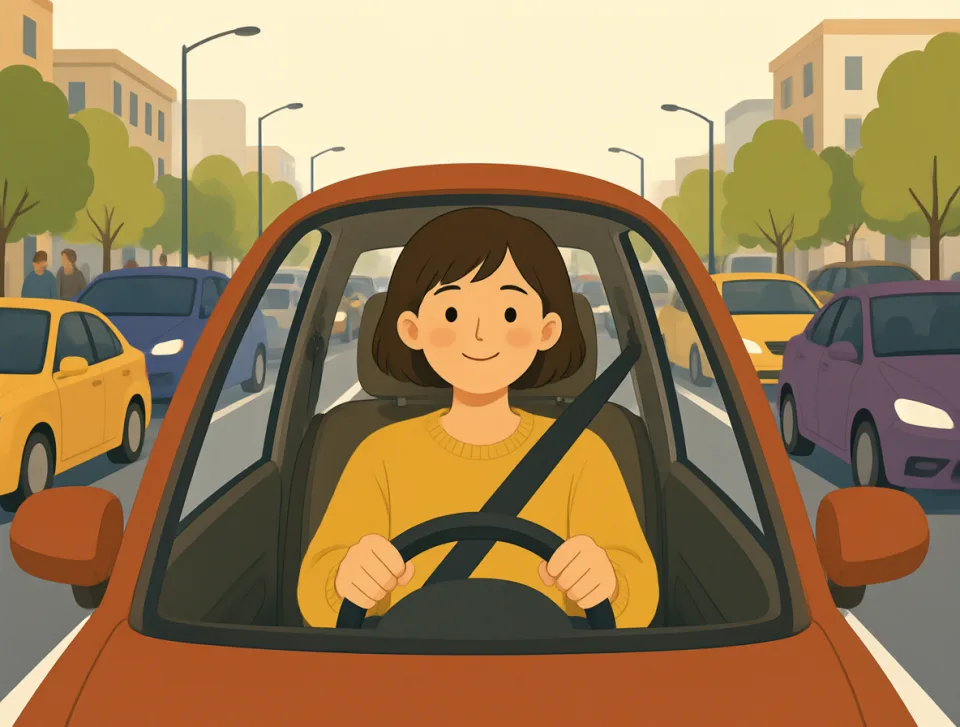
He battled through heavy traffic to reach work on time.
Przedzierał się przez duży korek, żeby dotrzeć do pracy na czas.
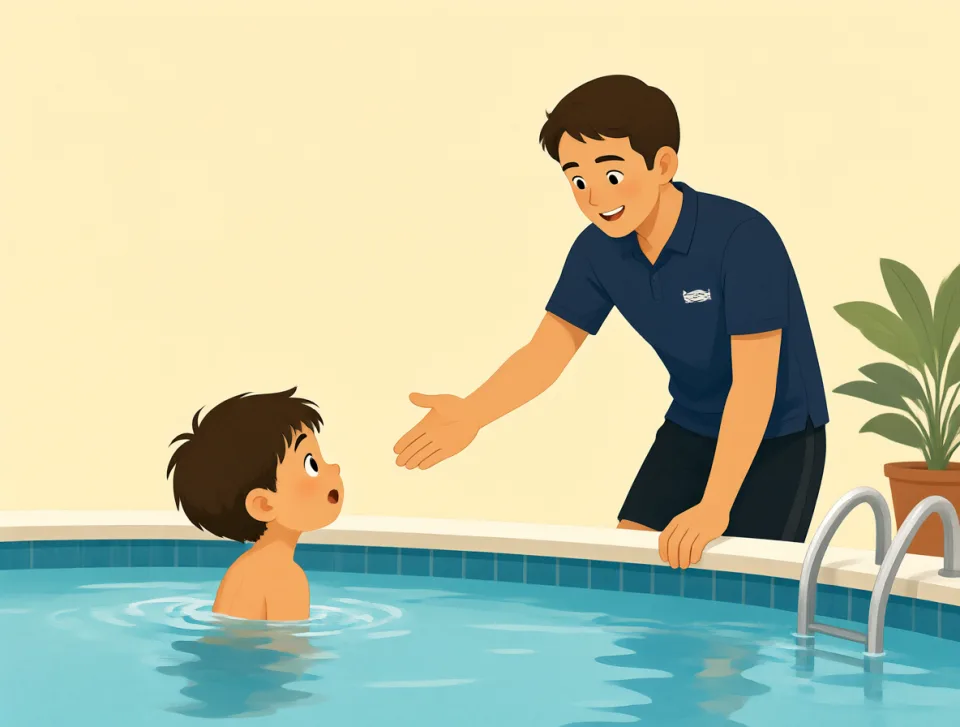
The little boy battled his fear of swimming at camp.
Chłopiec na obozie walczył ze strachem przed pływaniem.
tradition
#1338noun
tradycja
a custom or belief passed from older people to younger people
Zwyczaj lub przekonanie przekazywane przez starsze pokolenie młodszemu.
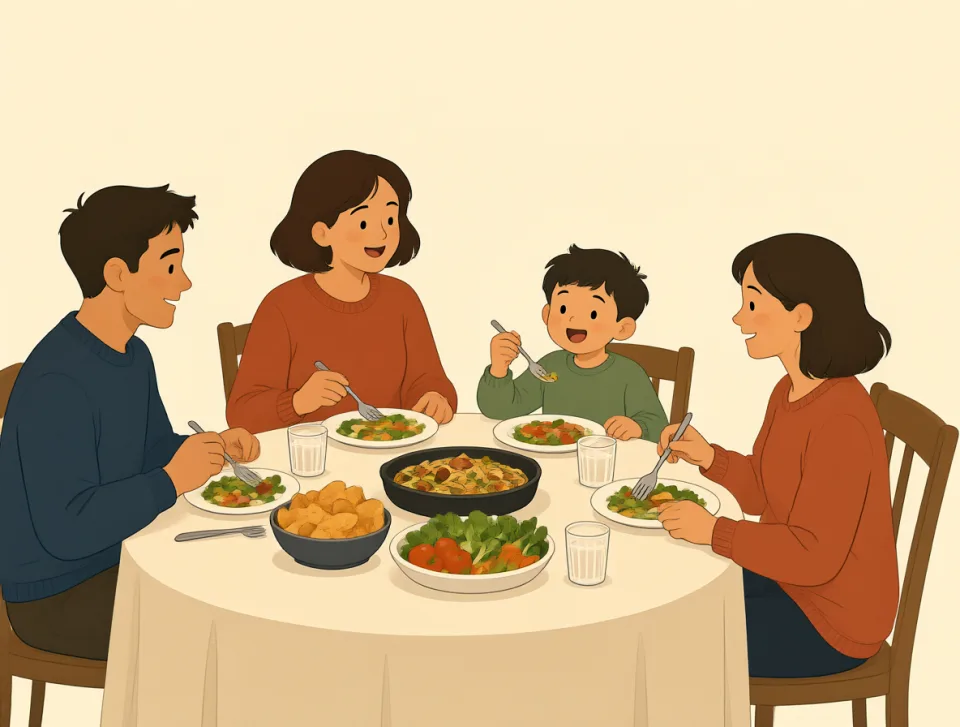
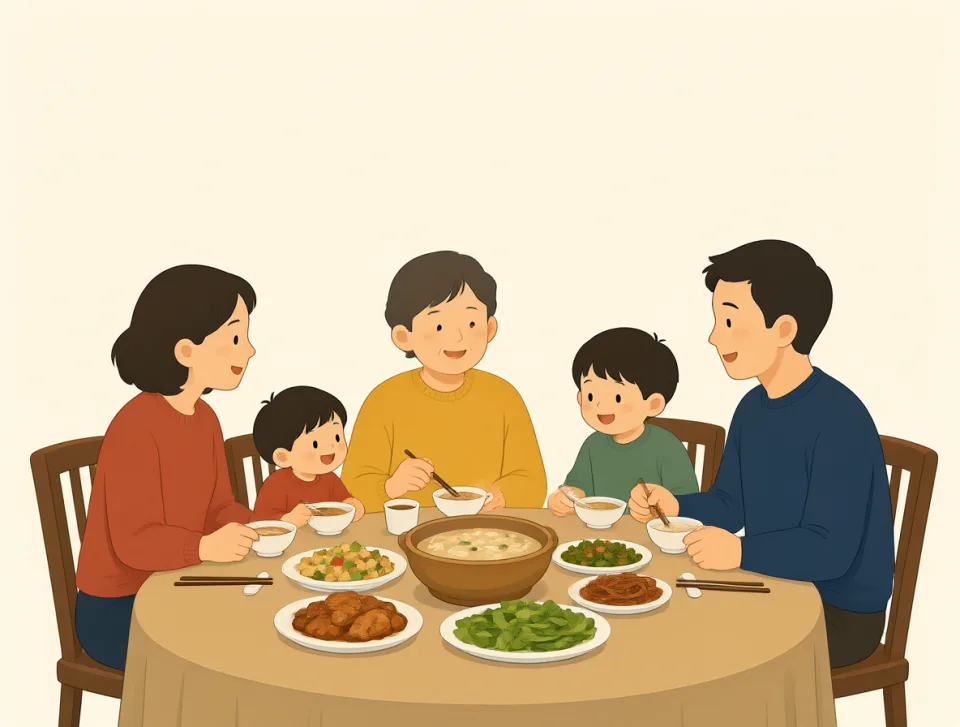
Our family has a tradition of eating together on Sundays.
W naszej rodzinie jest tradycja wspólnego jedzenia w niedziele.
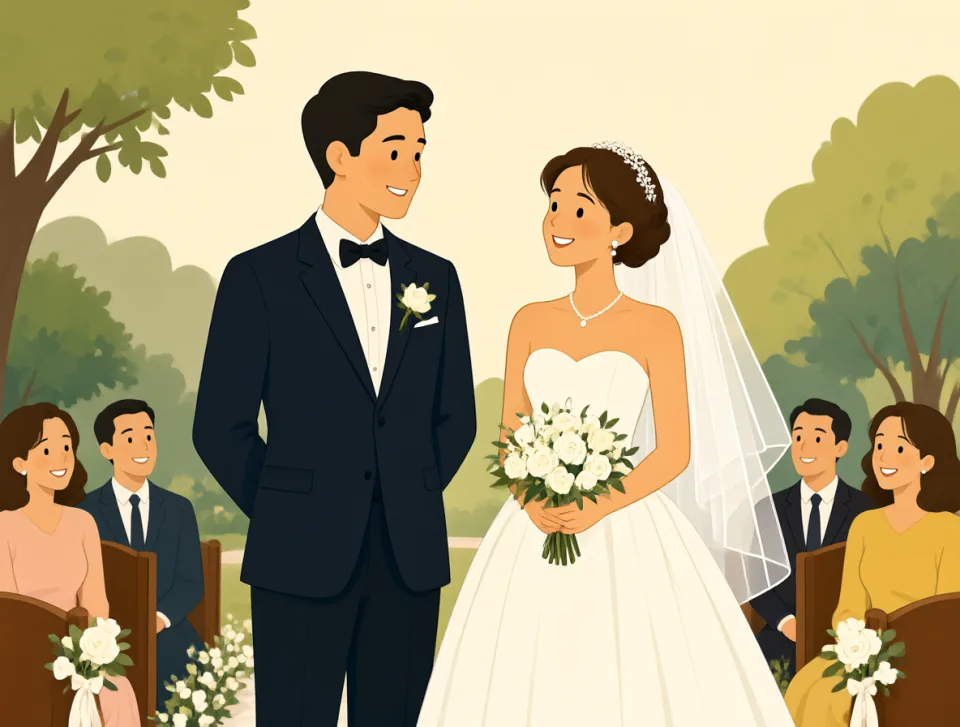
The wedding ceremony followed an old local tradition.
Ceremonia ślubna odbyła się zgodnie ze starą lokalną tradycją.
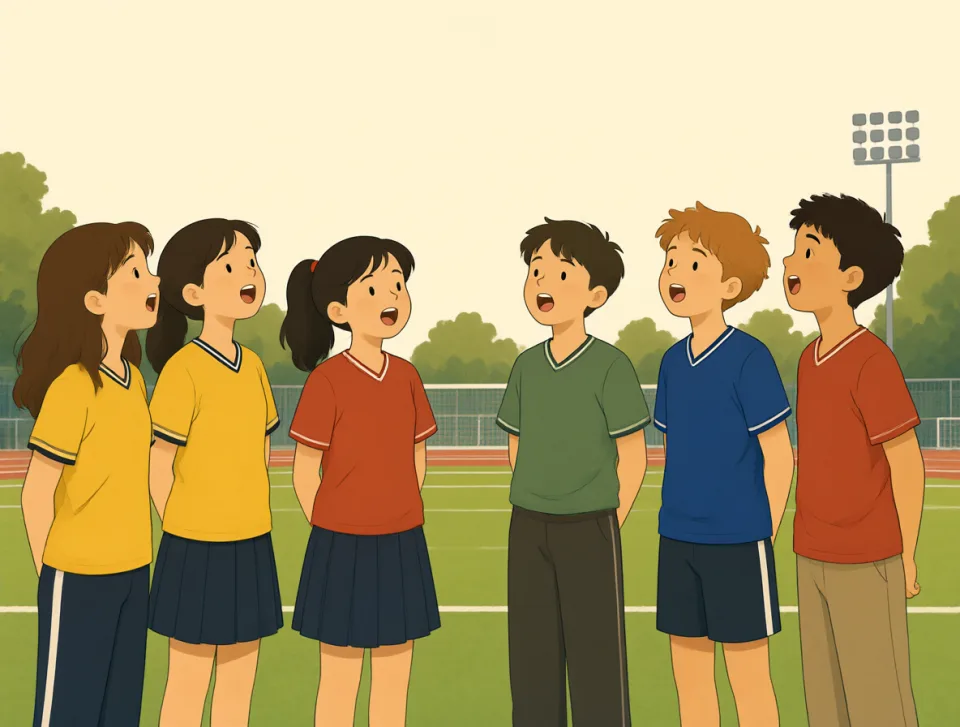
It is a school tradition to sing before the final game.
Śpiewanie przed finałowym meczem to szkolna tradycja.
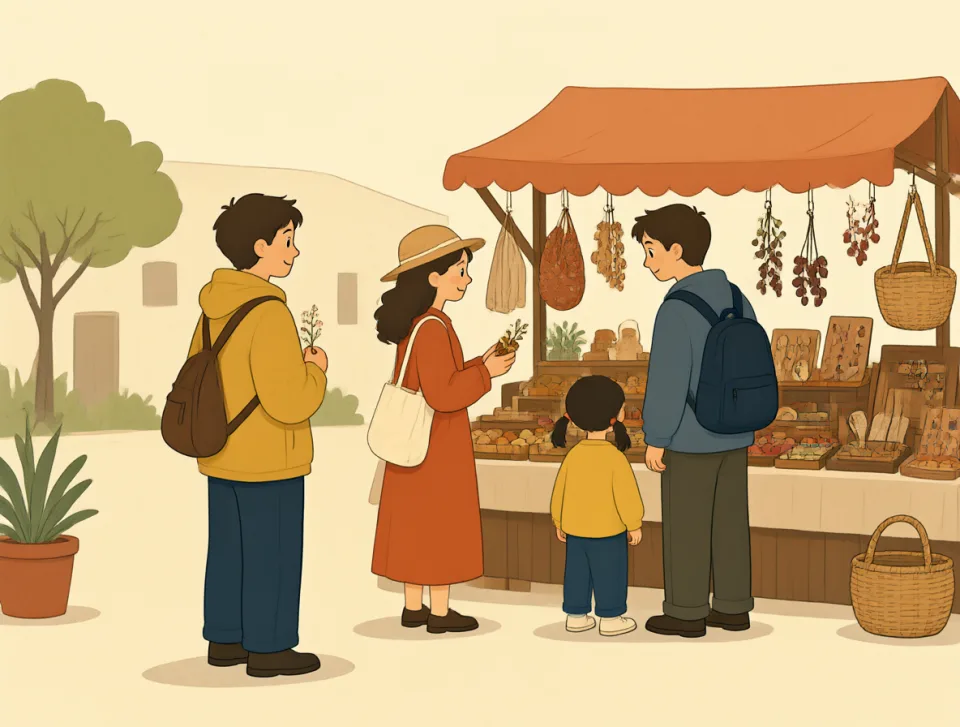
We bought handmade gifts that showed the traditions of the village.
Kupiliśmy ręcznie robione upominki, które ukazywały tradycje wioski.
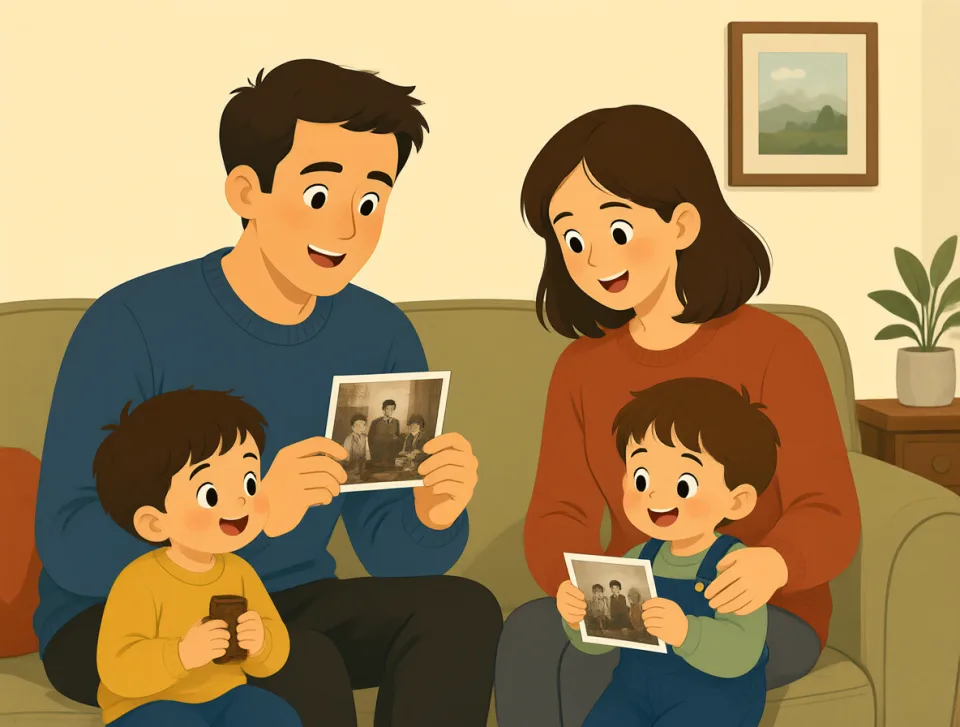
Keeping family traditions helps children feel connected to their history.
Podtrzymywanie rodzinnych tradycji pomaga dzieciom czuć więź ze swoją przeszłością.
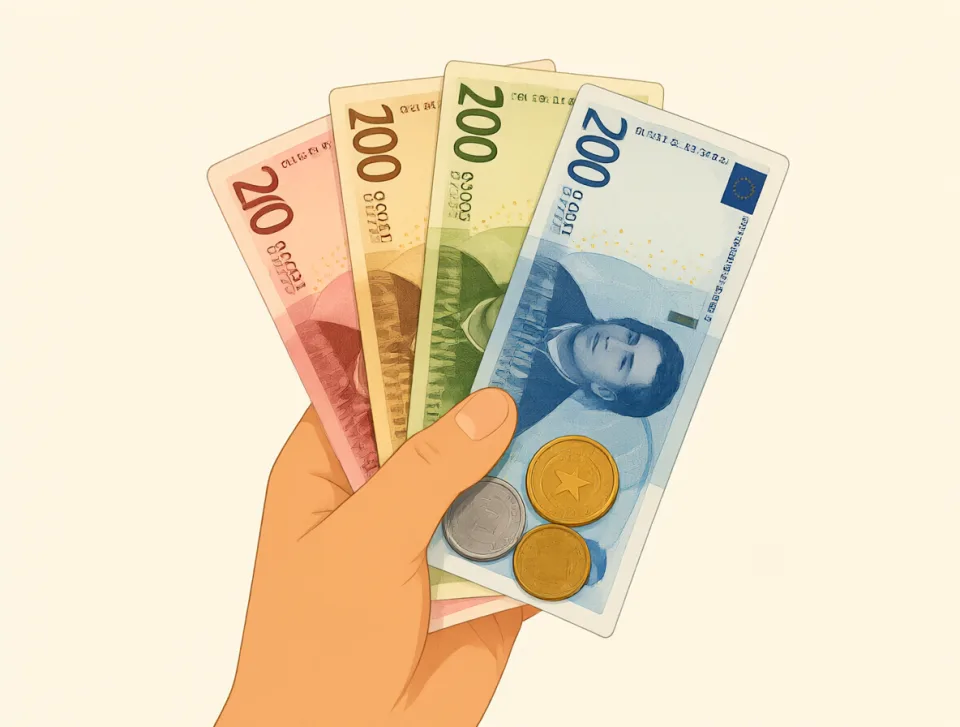
cash
#1339noun, verb
gotówka
Money in coins or notes, or to exchange a check for money.
Pieniądze w monetach lub banknotach; także zamienić czek na gotówkę.
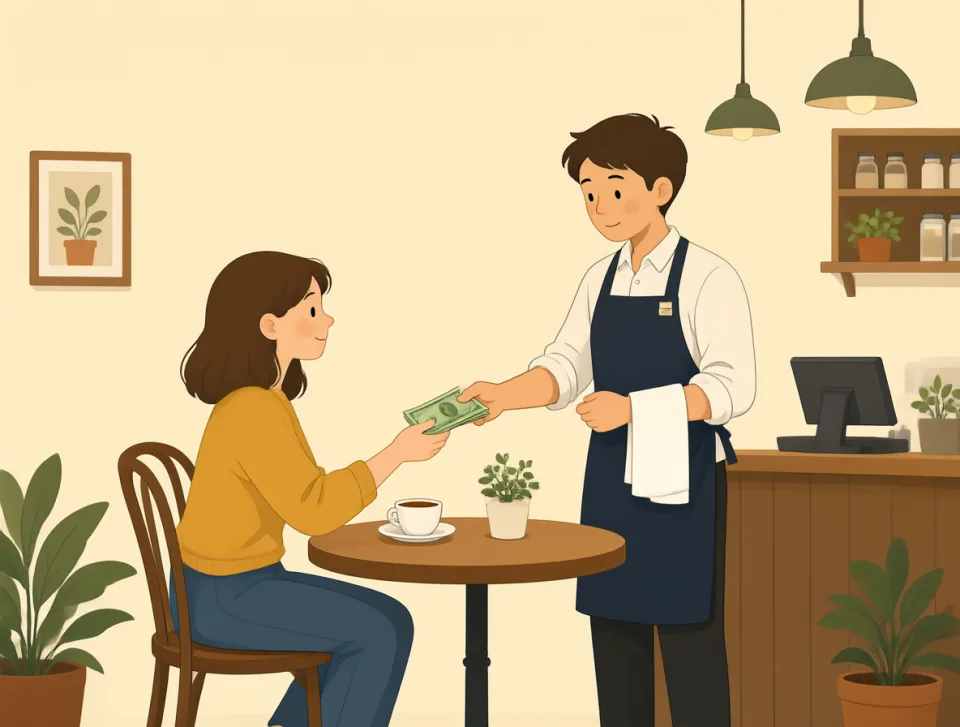
I need some cash to pay for lunch.
Potrzebuję trochę gotówki, żeby zapłacić za lunch.
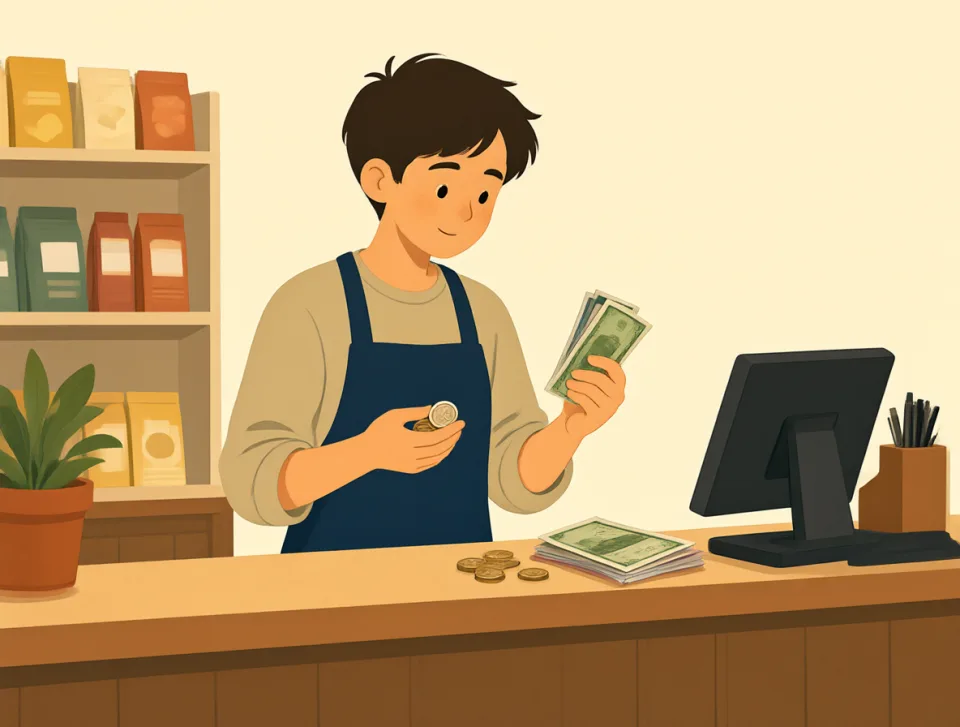
The shop does not accept cash after six o’clock.
Po szóstej sklep nie przyjmuje gotówki.
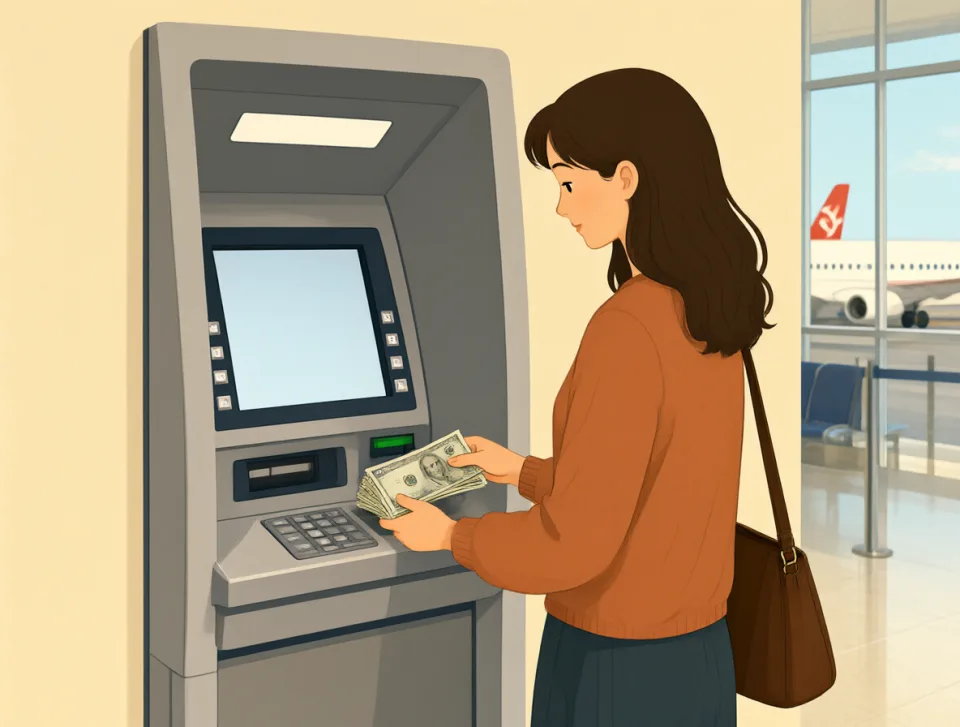
She took cash from the ATM before traveling.
Przed podróżą wypłaciła gotówkę z bankomatu.
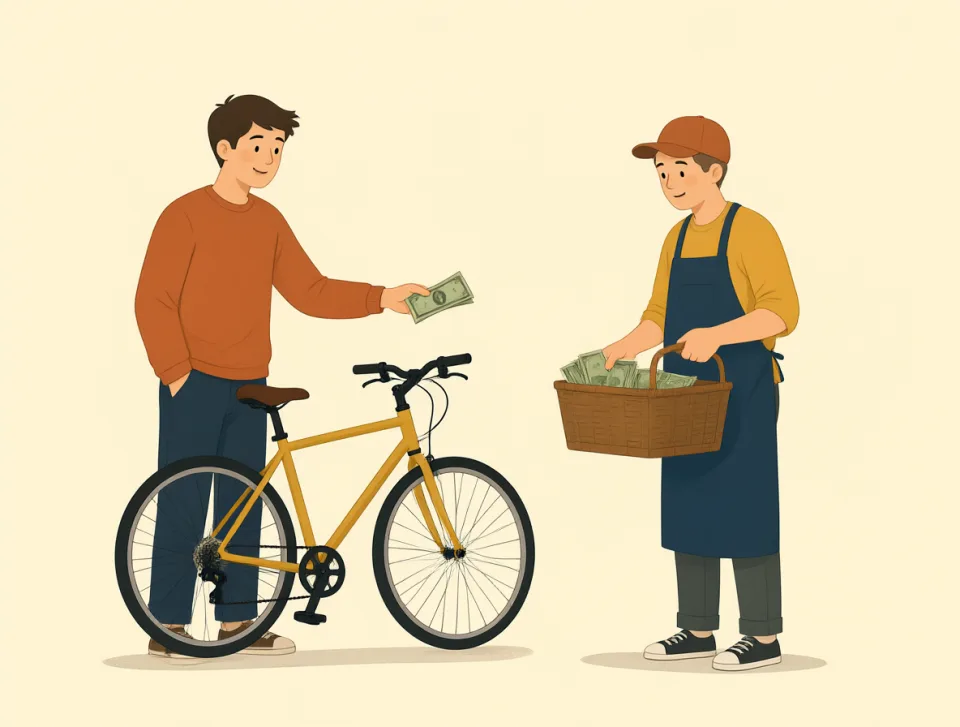
My brother paid cash for his new bicycle.
Mój brat zapłacił gotówką za nowy rower.
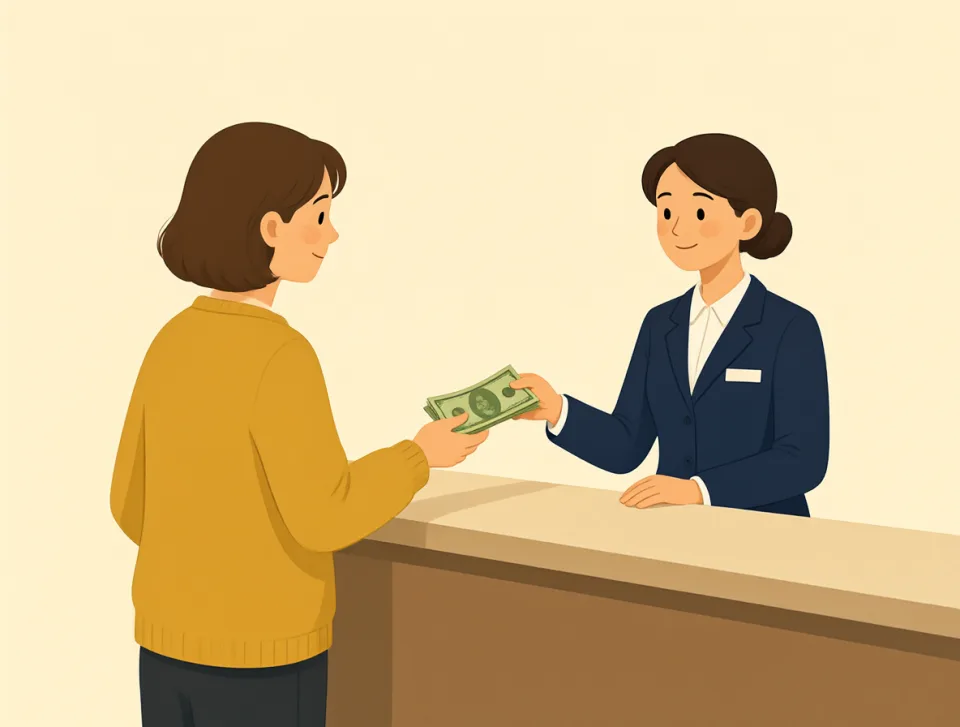
The bank cashed my check this morning.
Bank zrealizował mój czek dziś rano.

hardly
#1340adverb
prawie wcale
Almost not; only just; used to say something is nearly impossible or did not happen.
Prawie wcale; zaledwie; używane, by powiedzieć, że coś jest niemal niemożliwe albo się nie wydarzyło.
I could hardly hear you over the loud music.
Prawie cię nie słyszałem przez tę głośną muzykę.
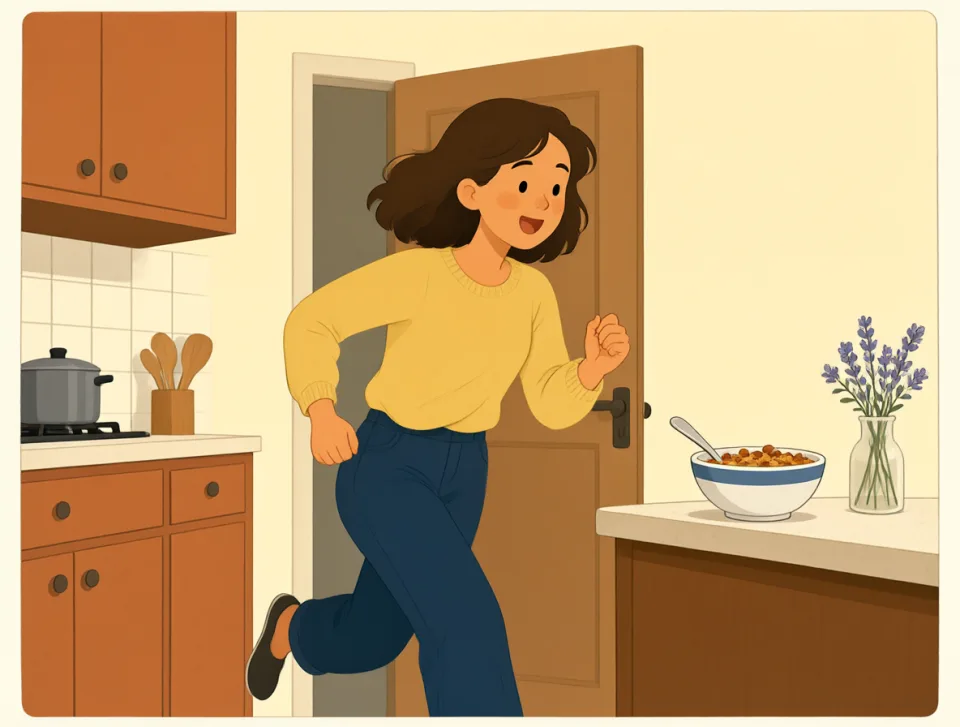
She hardly ever eats breakfast before work.
Prawie nigdy nie je śniadania przed pracą.
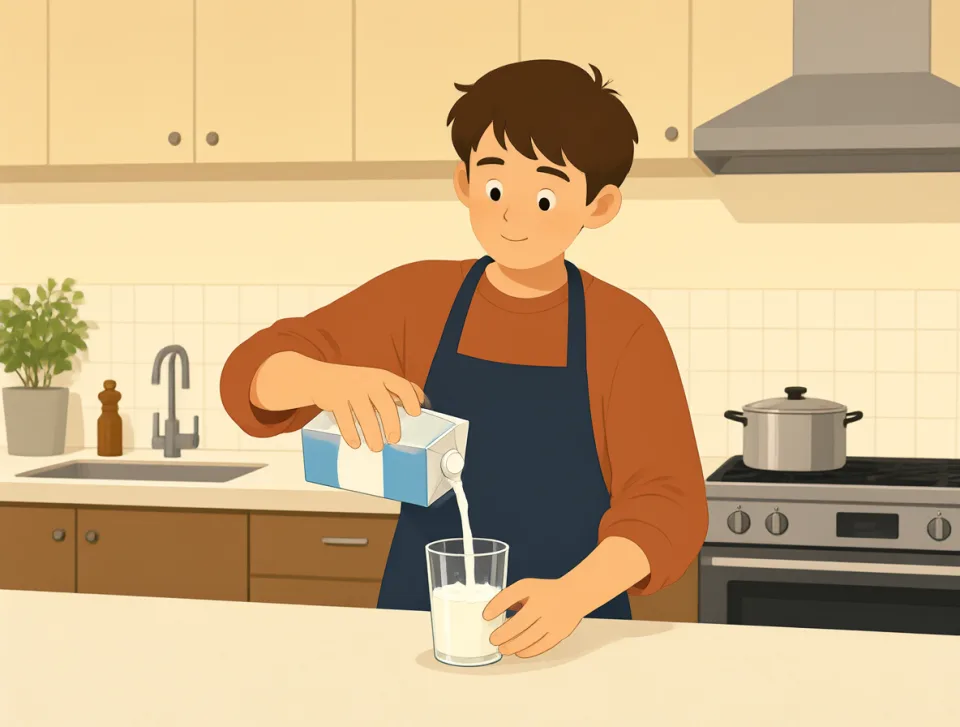
There was hardly any milk left in the carton.
W kartonie zostało prawie wcale mleka.
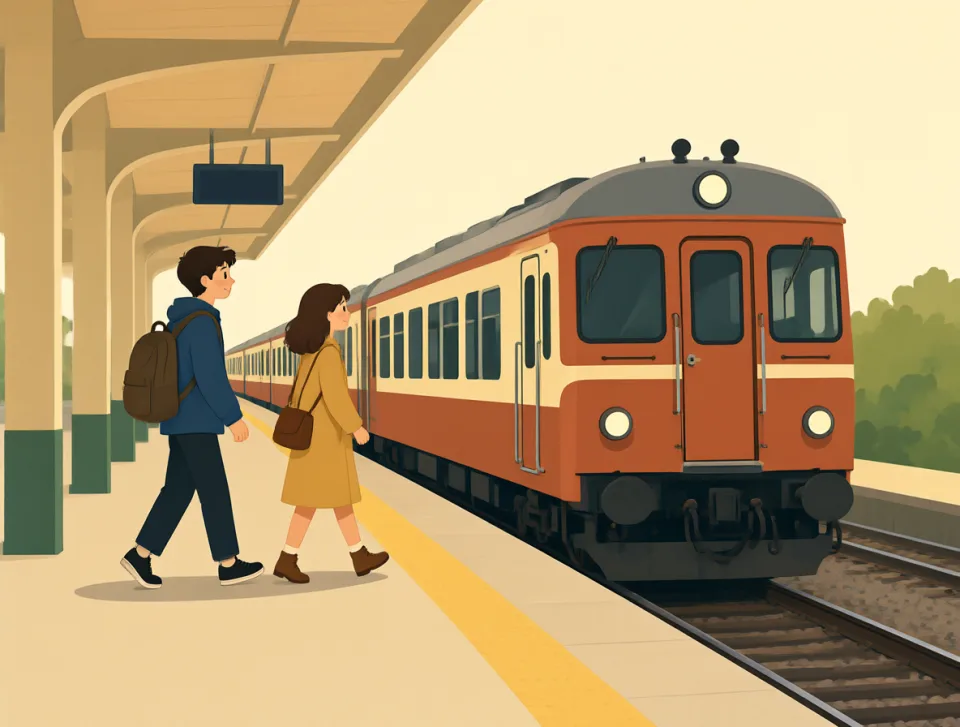
We had hardly arrived when the train began moving.
Ledwo zdążyliśmy przyjechać, a pociąg już ruszył.
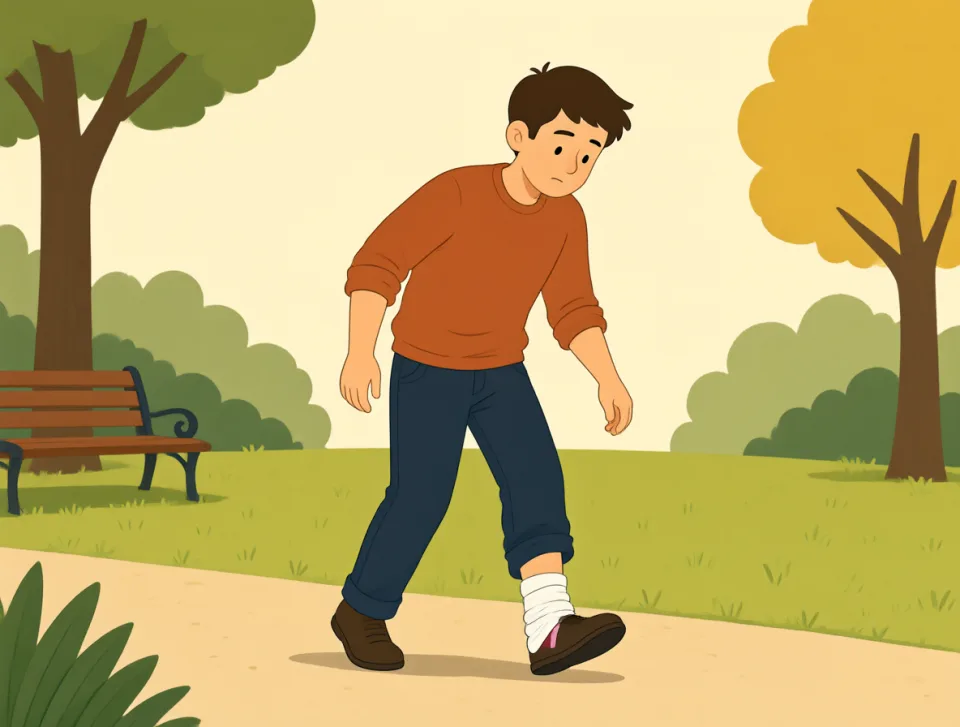
He could hardly walk after hurting his ankle.
Po skręceniu kostki ledwo mógł chodzić.