Zestaw 64
Słowa 1261–1280 · lady, duty, strength, connect, cultural, arrange
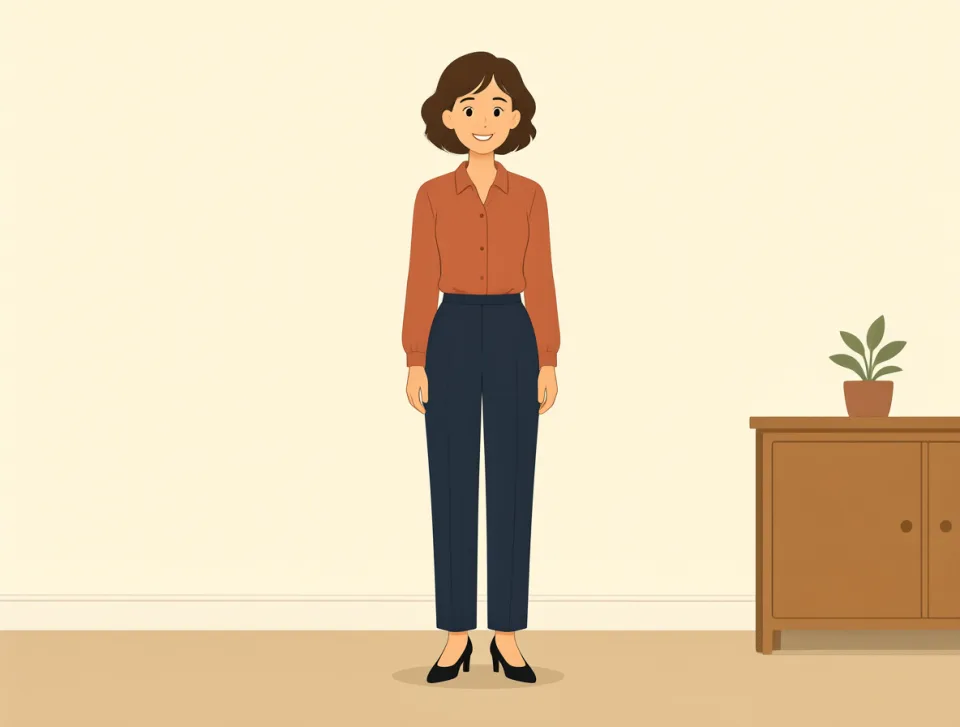
lady
#1261noun
pani
A polite word for a woman, especially one who is older or respected.
Uprzejme określenie kobiety, zwłaszcza starszej lub darzonej szacunkiem.
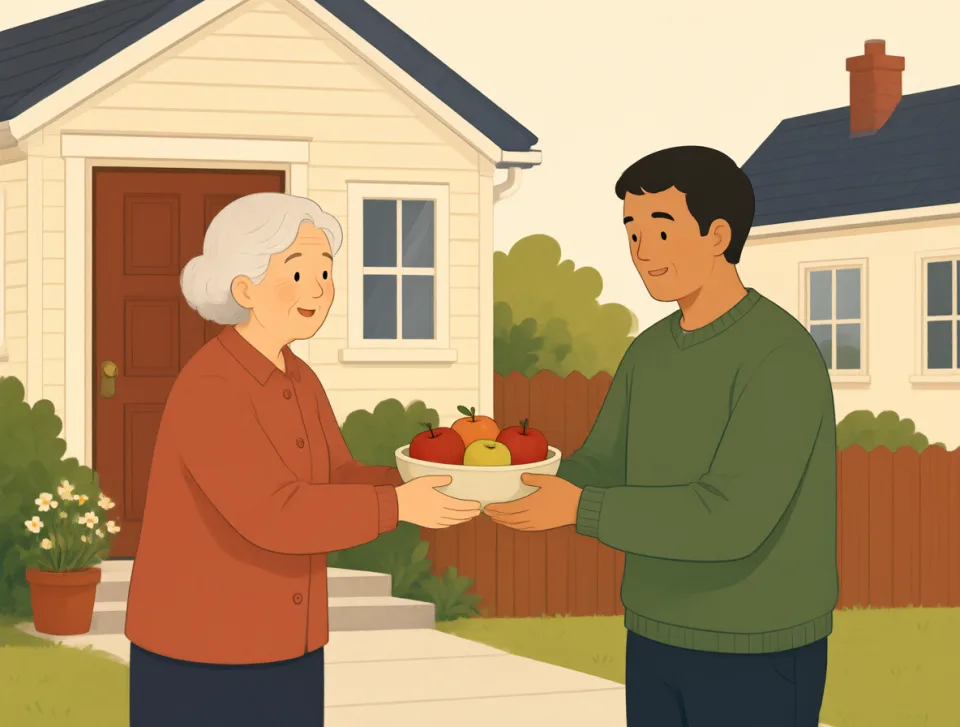
The lady next door brought us some fresh apples.
Nasza sąsiadka przyniosła nam świeże jabłka.

A kind lady helped me find my seat on the train.
Miła pani pomogła mi znaleźć moje miejsce w pociągu.
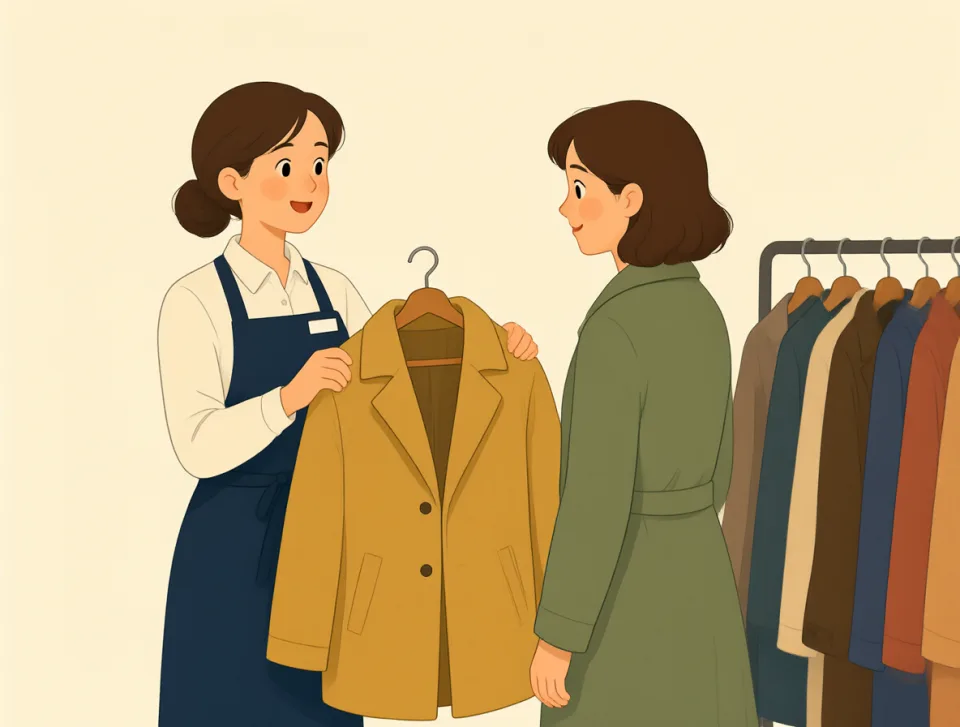
The shop lady showed me three different winter coats.
Sprzedawczyni pokazała mi trzy różne zimowe płaszcze.
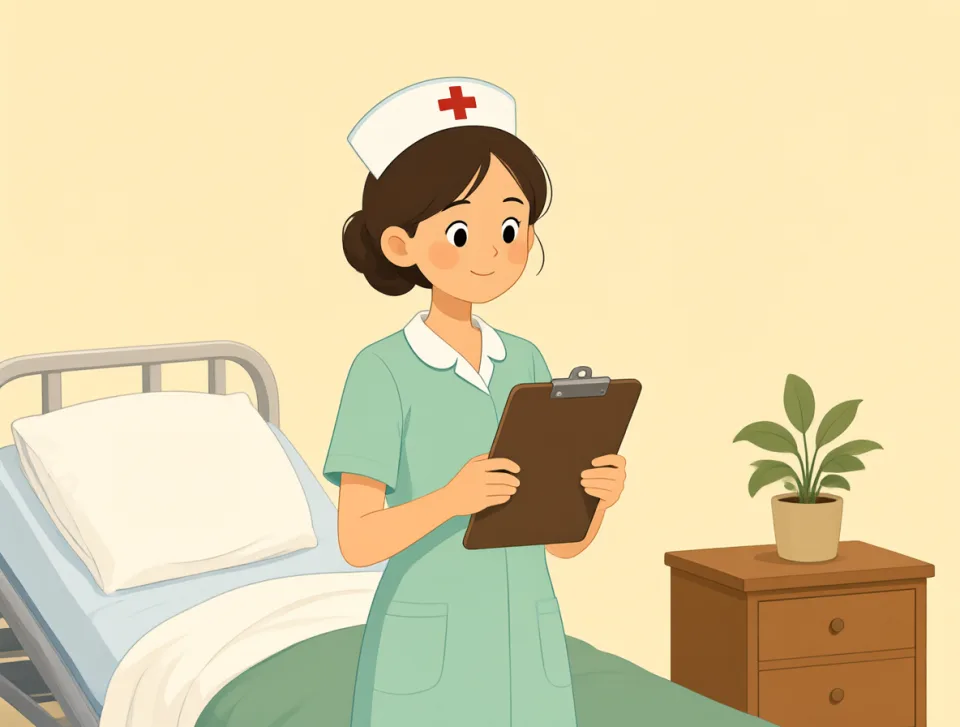
That young lady works as a nurse at the local hospital.
Ta młoda kobieta pracuje jako pielęgniarka w miejscowym szpitalu.
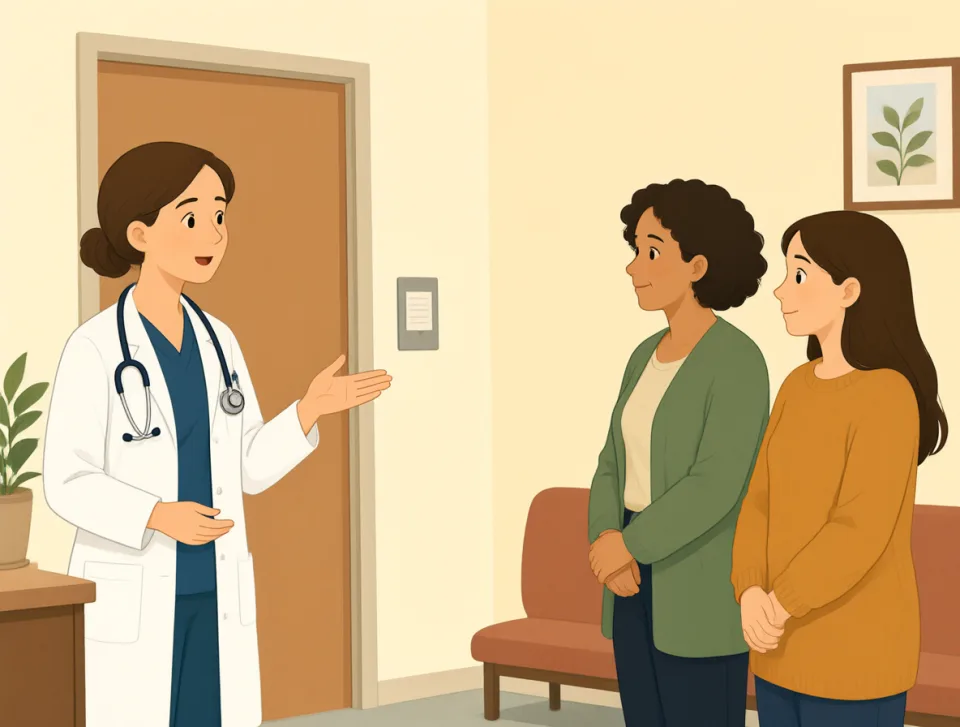
Ladies, please wait here while the doctor gets ready.
Panie, proszę poczekać tutaj, aż lekarz będzie gotowy.
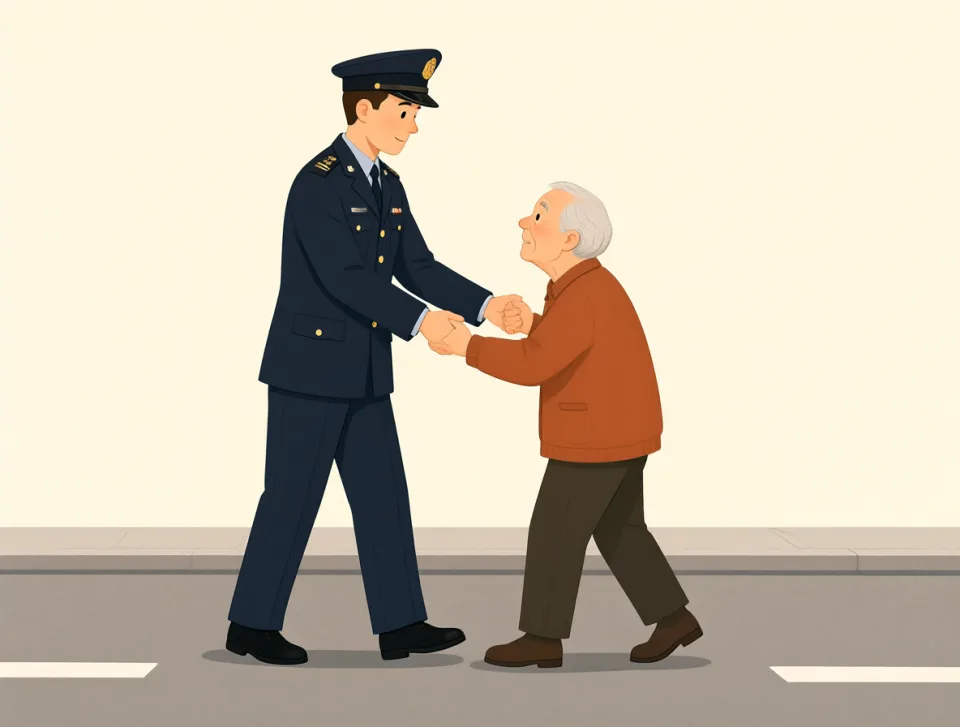
duty
#1262noun
obowiązek
Something you must do because it is your responsibility.
Coś, co musisz zrobić, ponieważ należy to do twoich obowiązków.
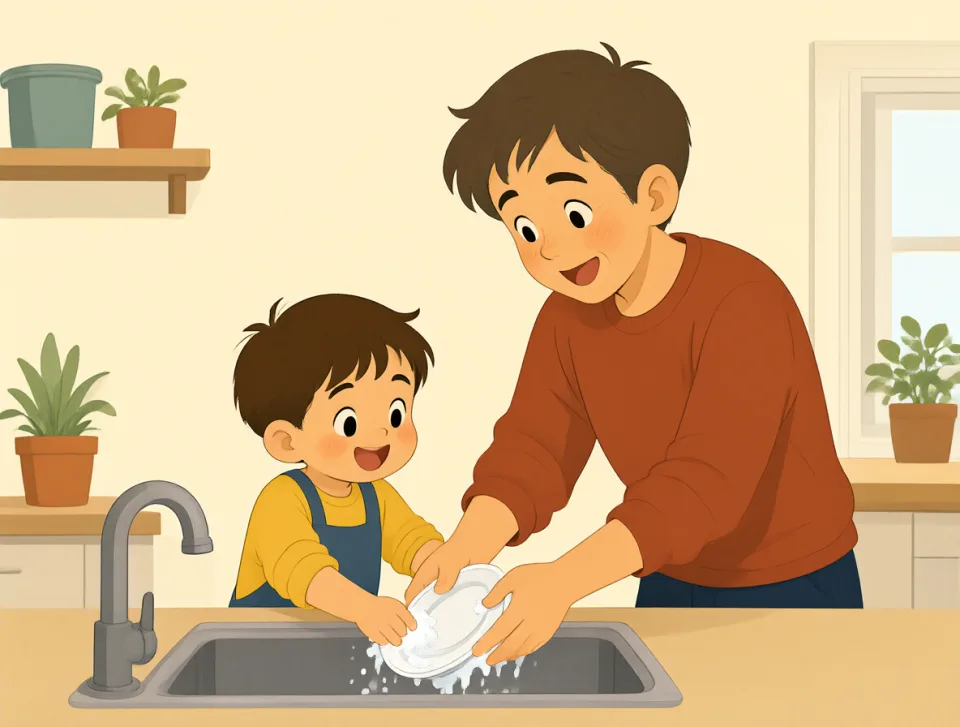
It is my duty to take care of my younger brother.
Moim obowiązkiem jest opiekowanie się młodszym bratem.
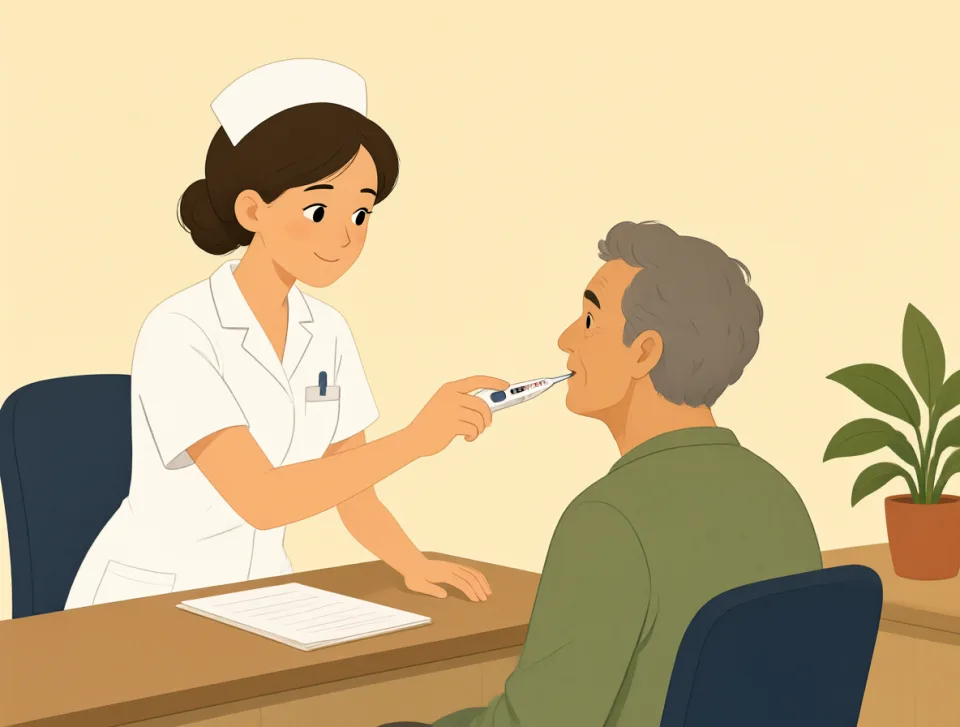
The nurse is on duty at the hospital tonight.
Pielęgniarka ma dziś w nocy dyżur w szpitalu.
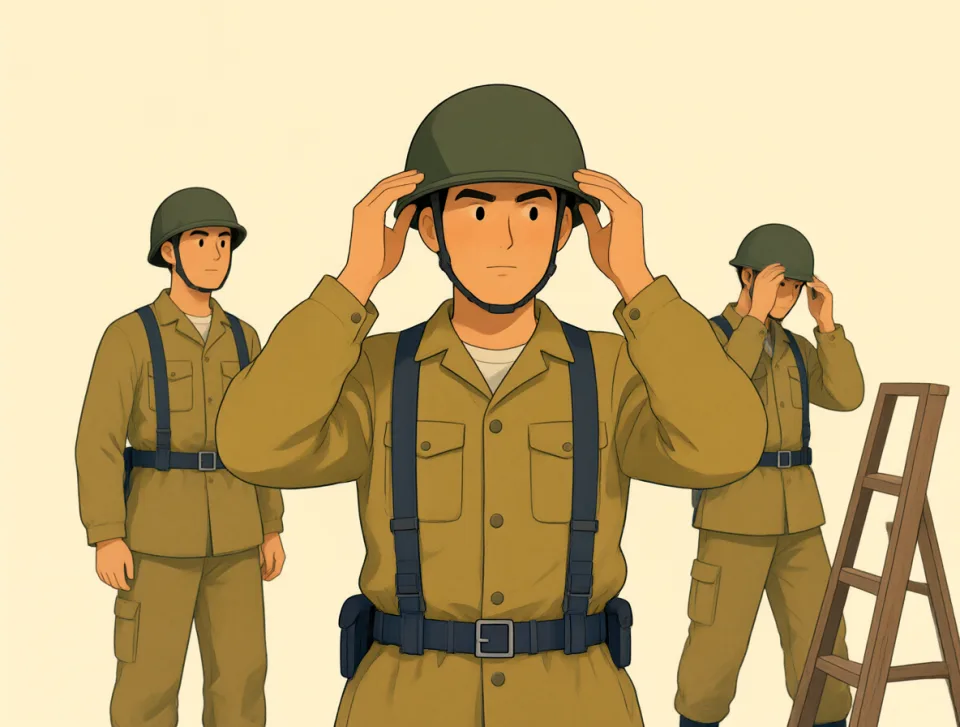
The soldiers returned to duty after a short break.
Żołnierze wrócili do służby po krótkiej przerwie.
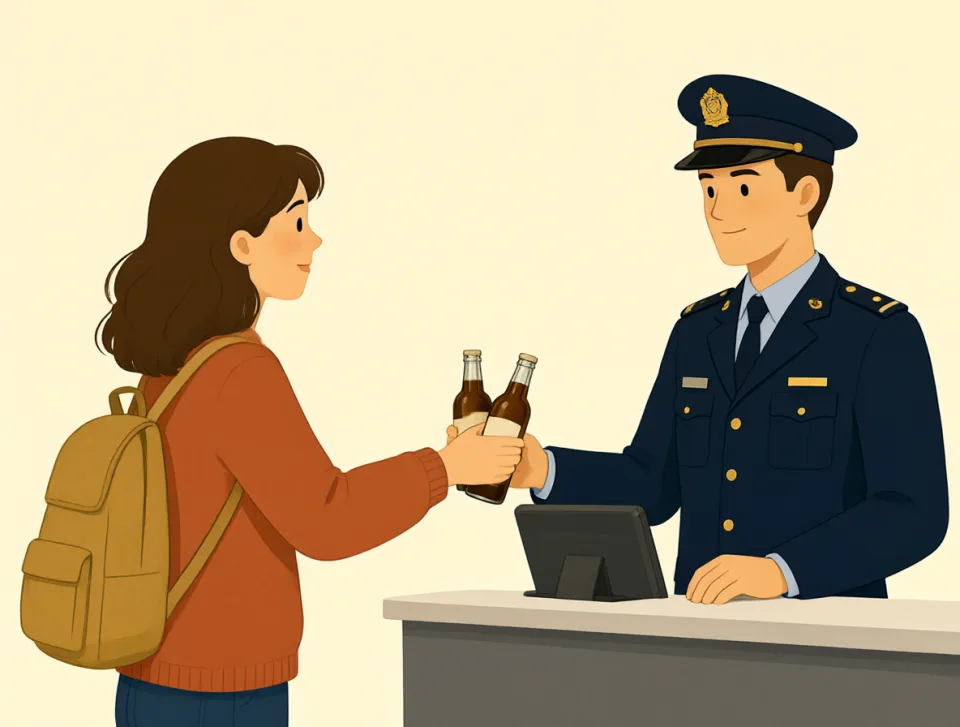
We paid duty on the bottles we brought through customs.
Zapłaciliśmy cło od butelek, które przewieźliśmy przez odprawę celną.
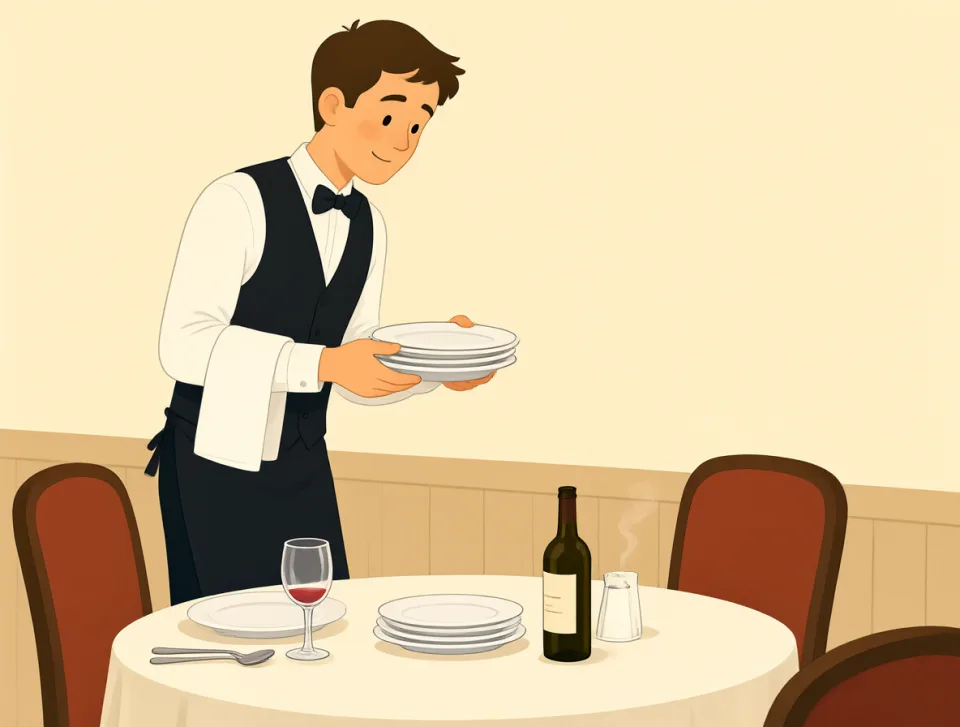
The waiter cleared the plates as part of his duties.
Kelner sprzątał talerze w ramach swoich obowiązków.
strength
#1263noun
siła
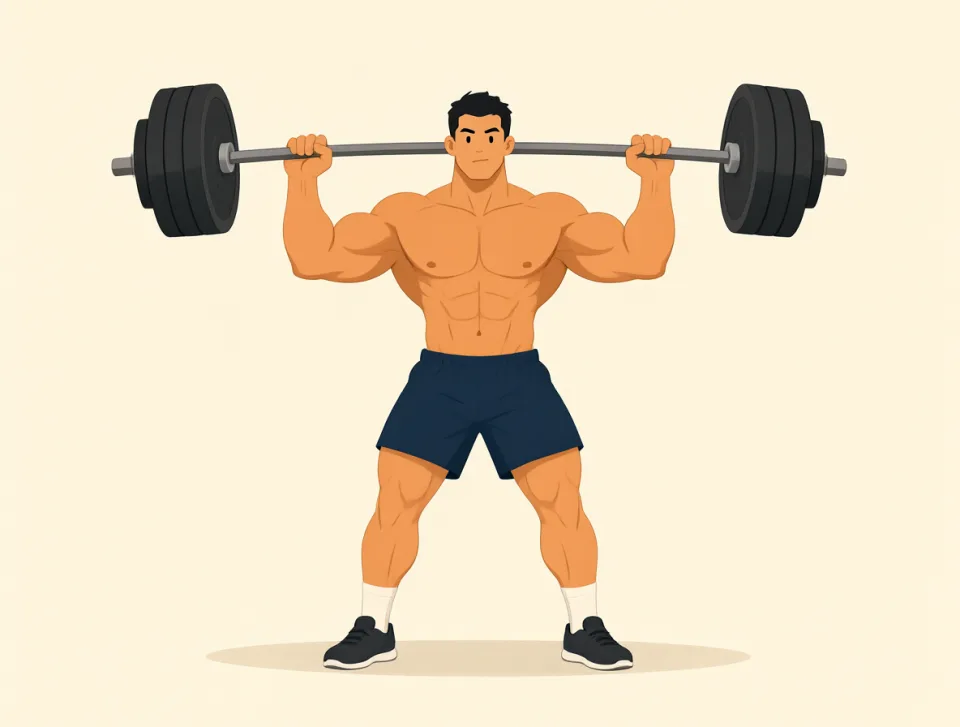
The power to lift, move, or resist something; a quality that makes someone or something strong.
Zdolność do podnoszenia, przesuwania lub przeciwstawiania się czemuś; cecha, dzięki której ktoś lub coś jest silne.

He used all his strength to carry the heavy box upstairs.
Użył całej swojej siły, żeby wnieść ciężkie pudło po schodach.
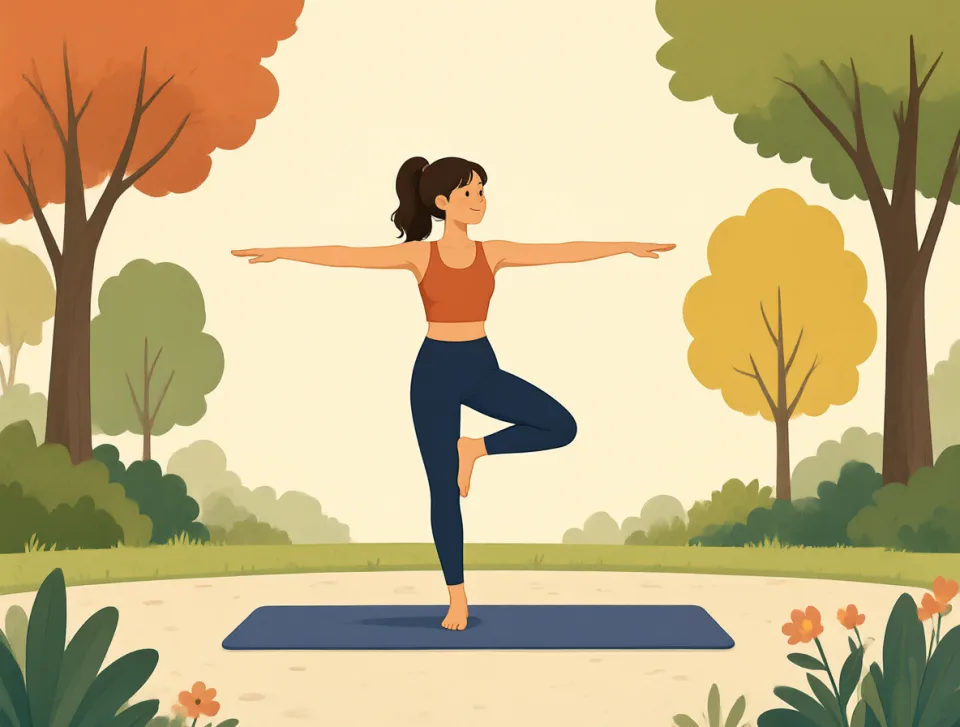
Regular exercise can improve your strength and balance.
Regularne ćwiczenia mogą poprawić siłę i równowagę.
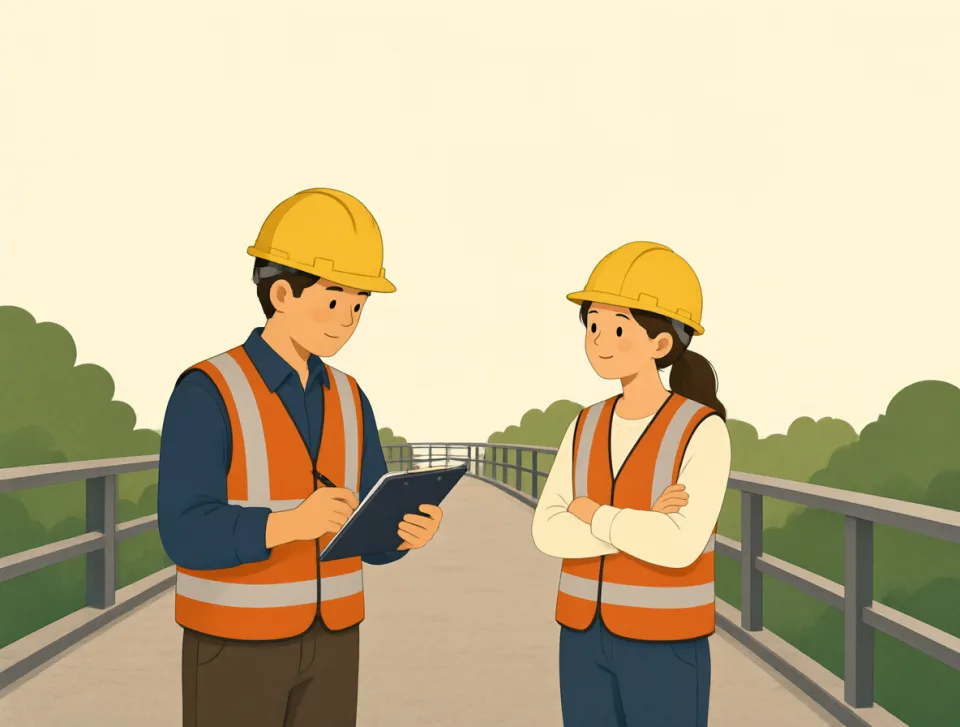
The bridge was tested to check its strength before opening.
Przed otwarciem przetestowano wytrzymałość mostu.
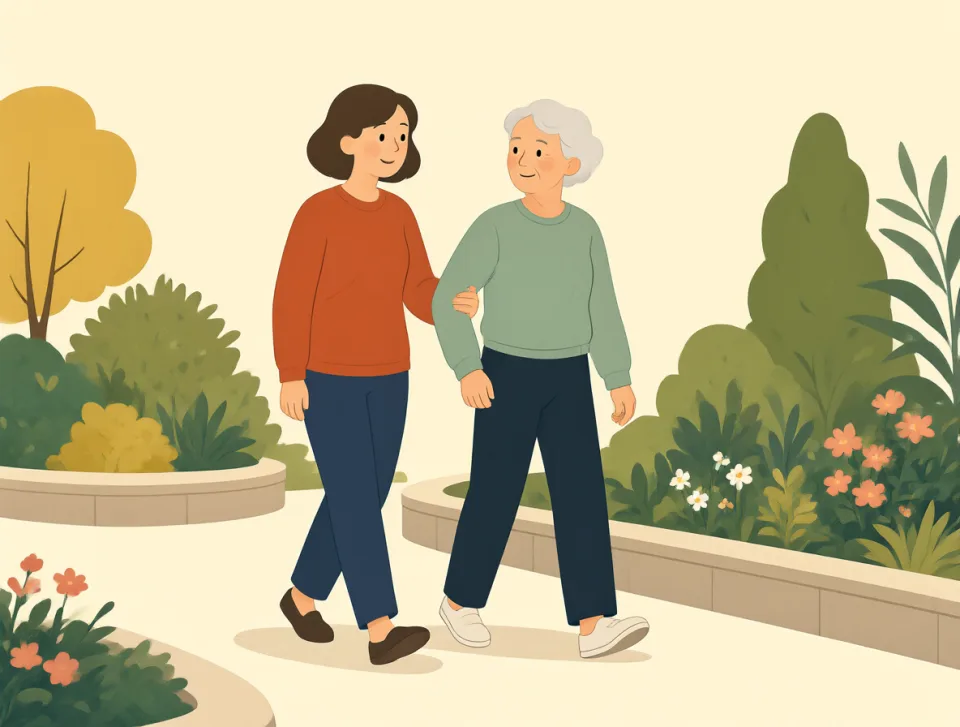
She showed great strength during her long recovery from illness.
Podczas długiego powrotu do zdrowia wykazała się wielką siłą.
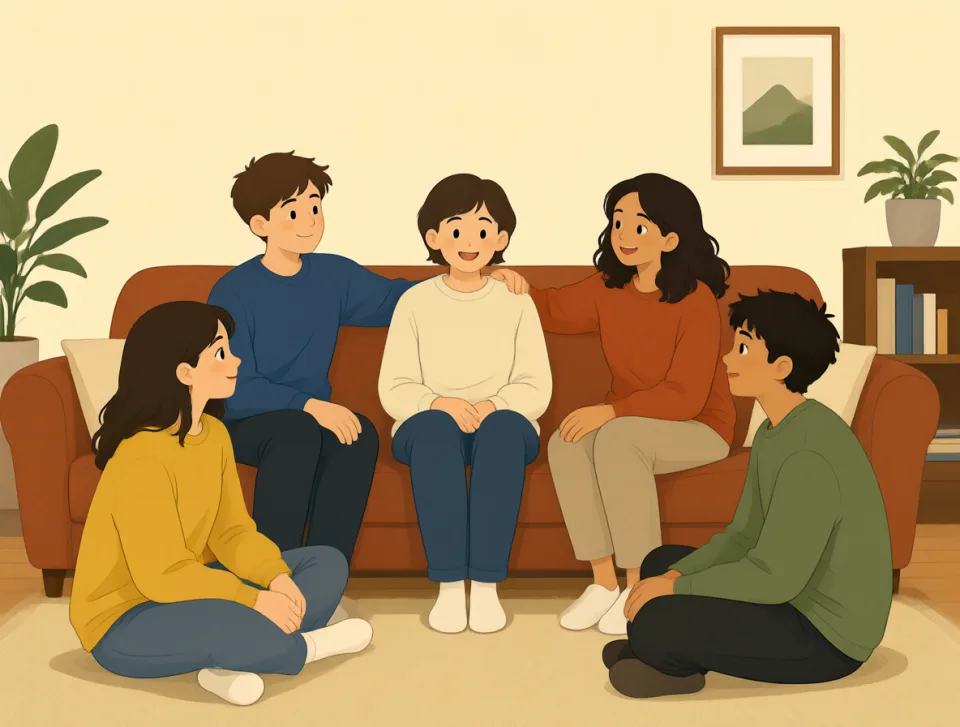
The team found strength in working together after the difficult loss.
Po trudnej porażce zespół odnalazł siłę we wspólnej pracy.
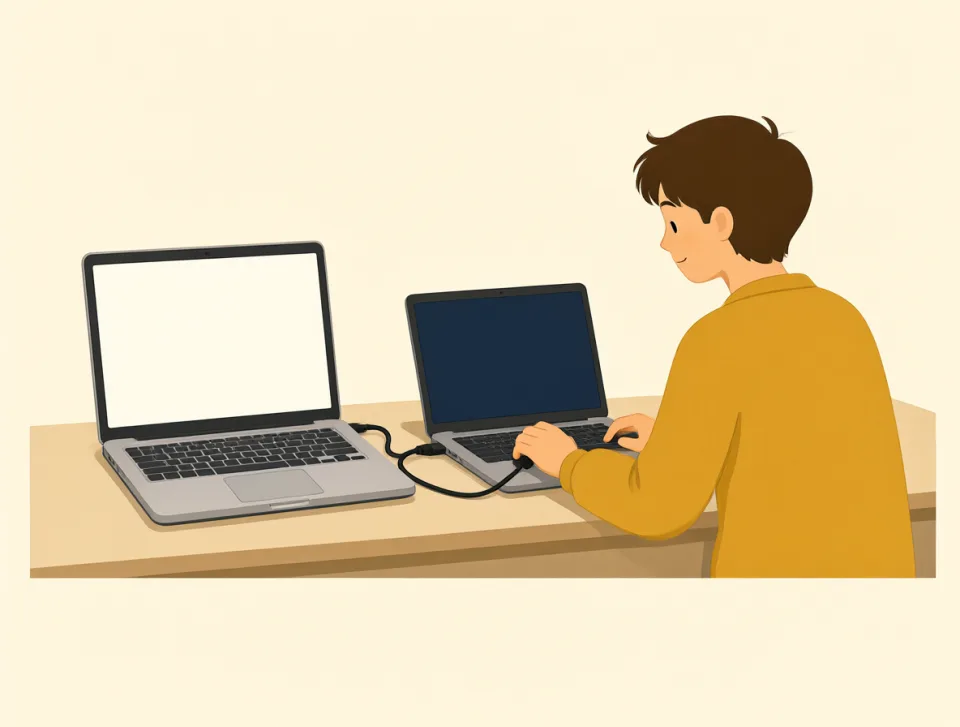
connect
#1264verb
łączyć
to join people, places, or things together
łączyć ze sobą ludzi, miejsca lub rzeczy
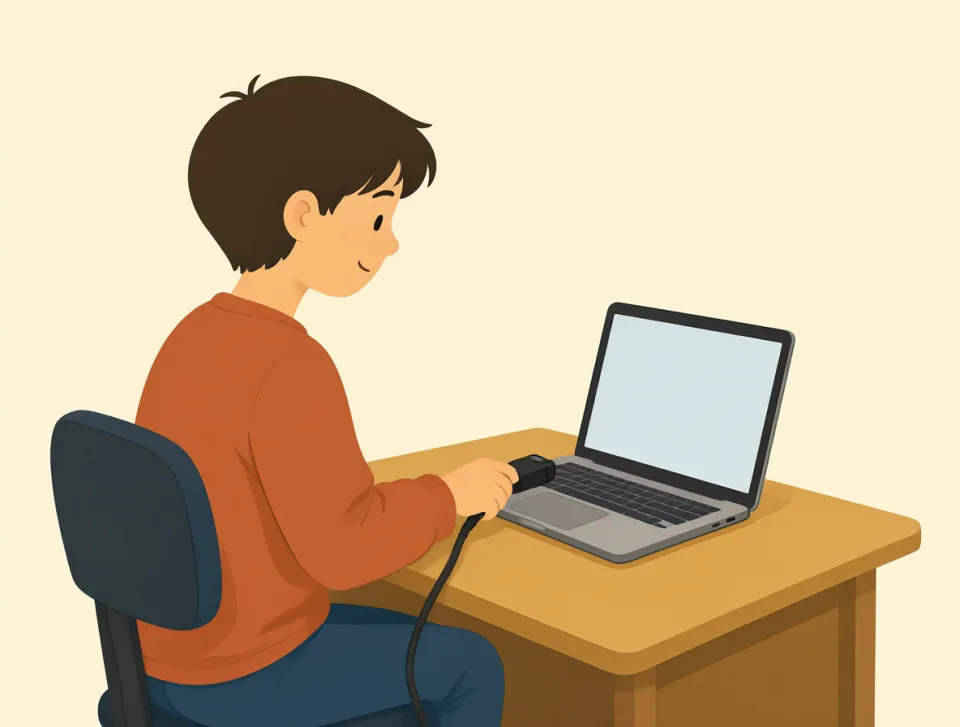
Please connect the printer to your computer before printing.
Przed drukowaniem podłącz drukarkę do komputera.
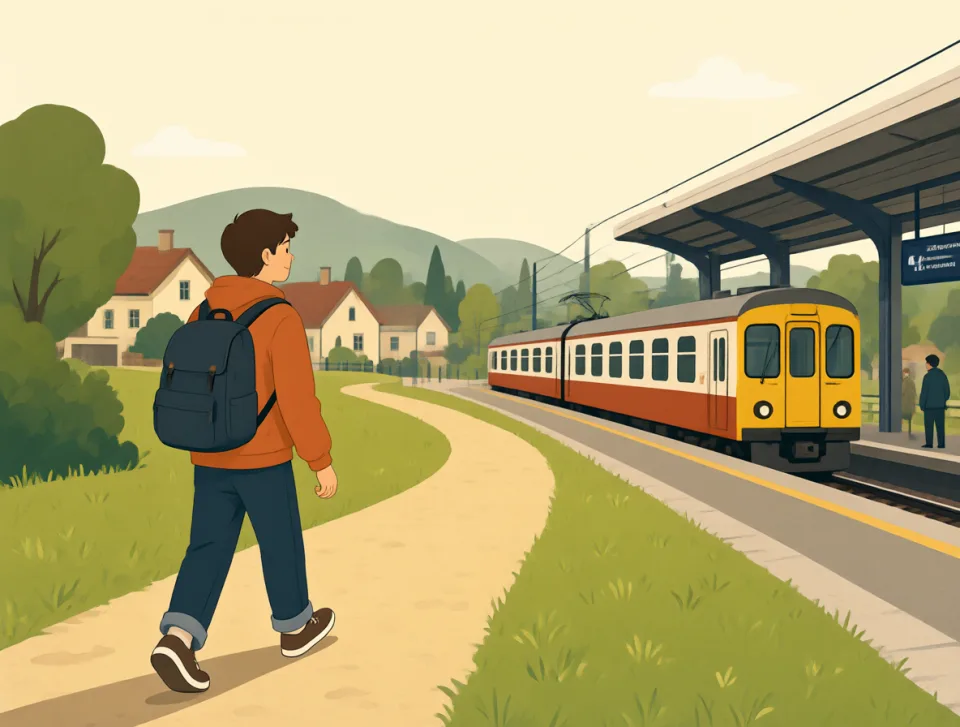
The path connects the village with the train station.
Ścieżka łączy wieś ze stacją kolejową.
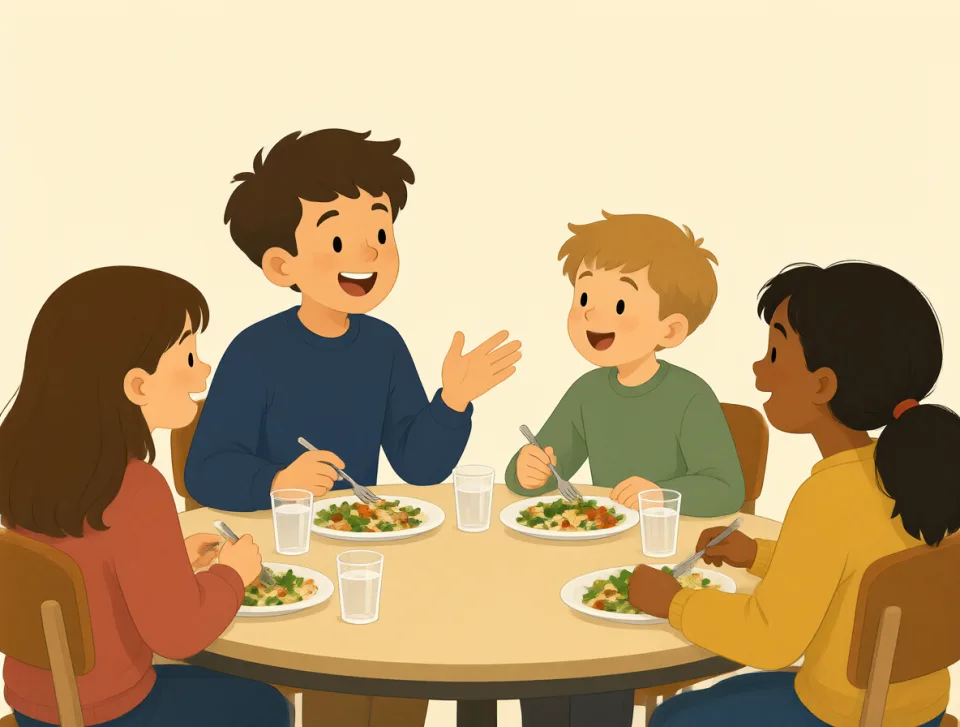
I connected with my new classmates during lunch.
Podczas lunchu nawiązałem kontakt z nowymi kolegami i koleżankami z klasy.
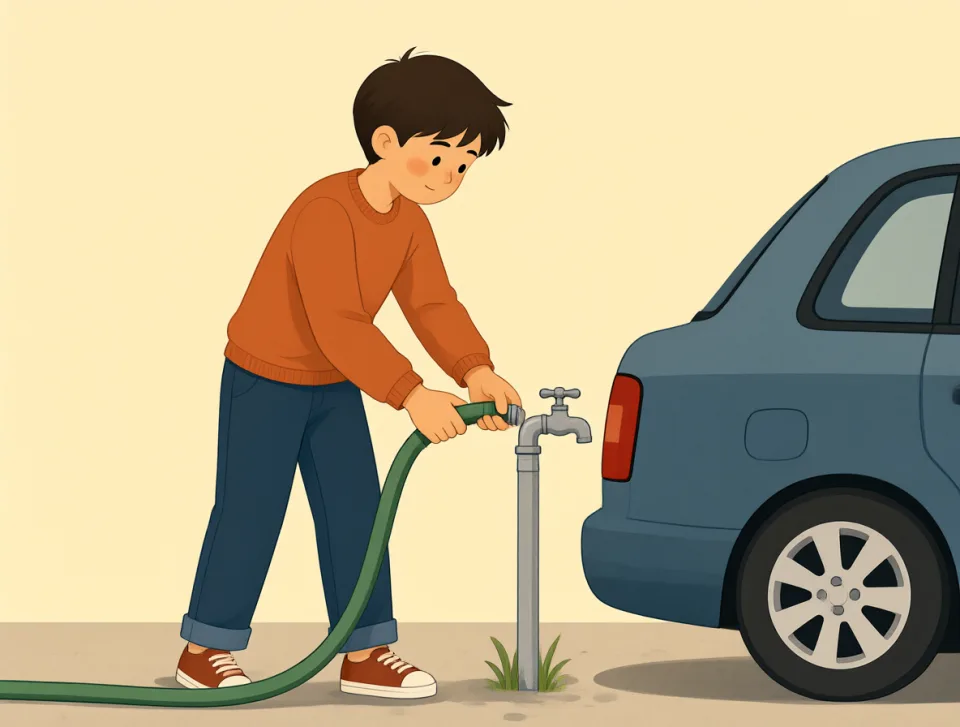
Connect the hose to the tap before washing the car.
Podłącz wąż do kranu, zanim umyjesz samochód.
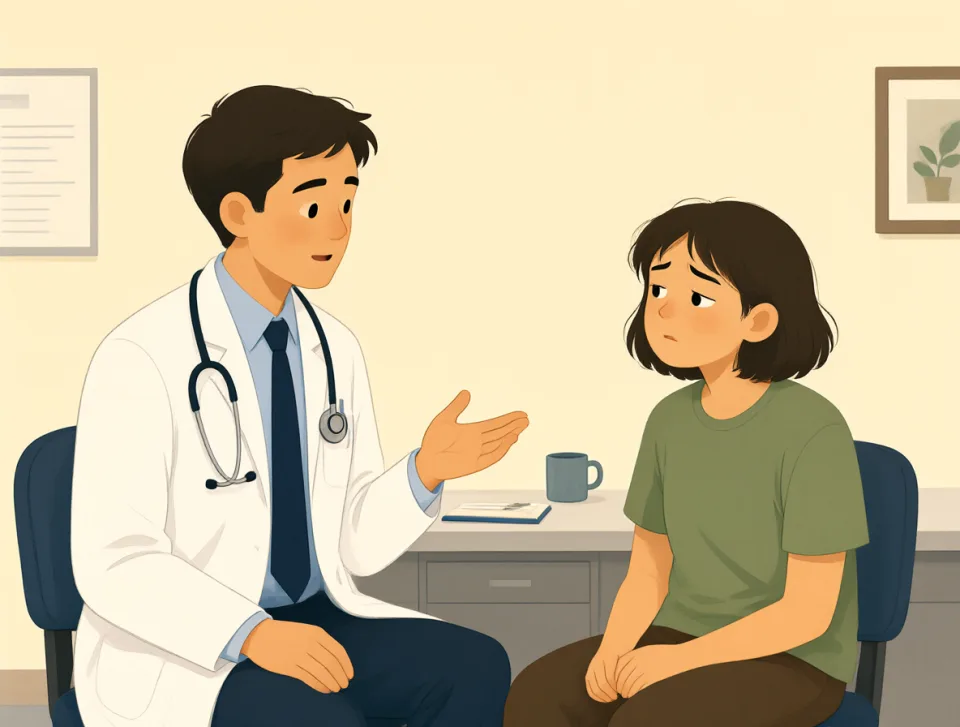
The doctor connected his tiredness with a lack of sleep.
Lekarz powiązał jego zmęczenie z brakiem snu.
cultural
#1265adjective
kulturowy
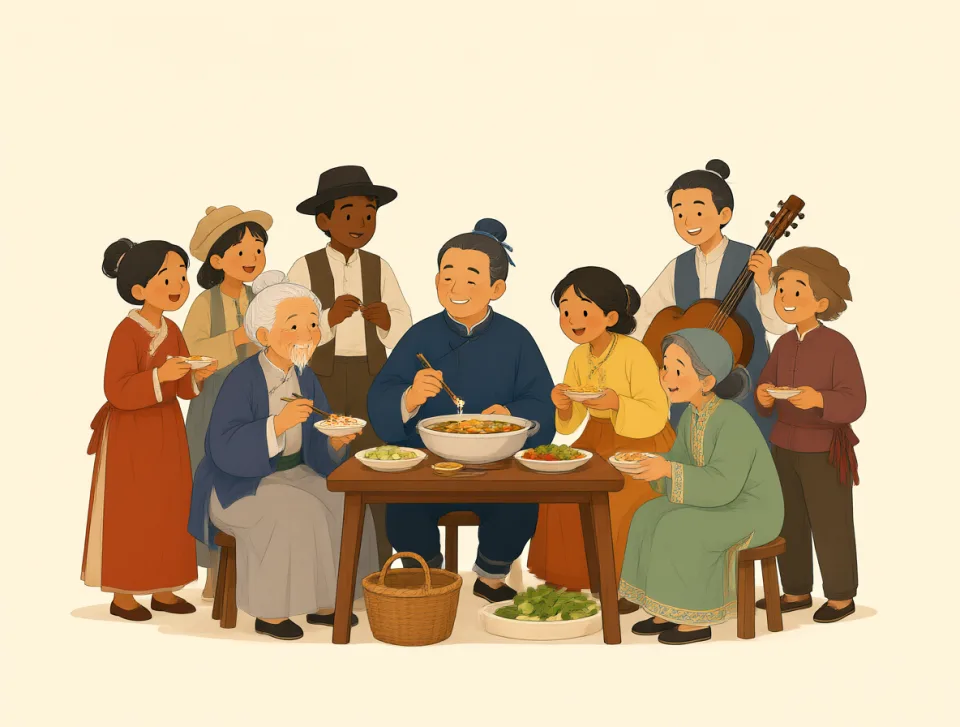
Related to the customs, beliefs, arts, and way of life of a group of people.
Związany ze zwyczajami, wierzeniami, sztuką i stylem życia danej grupy ludzi.
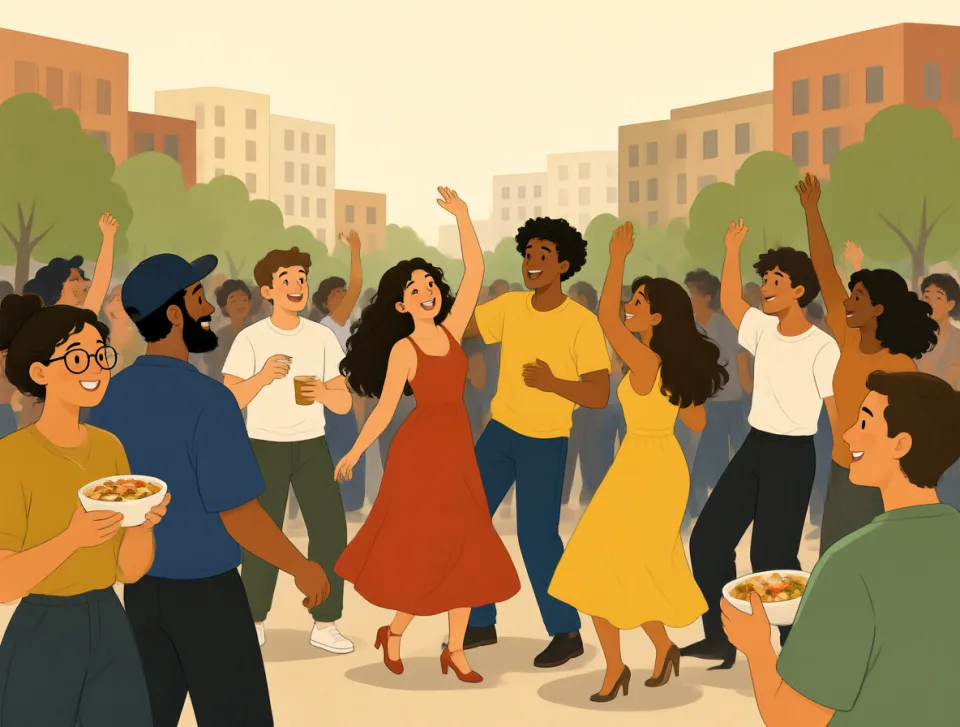
The city has many cultural festivals throughout the year.
W mieście przez cały rok odbywa się wiele festiwali kulturalnych.

Our cultural differences make conversations more interesting.
Nasze różnice kulturowe sprawiają, że rozmowy są ciekawsze.
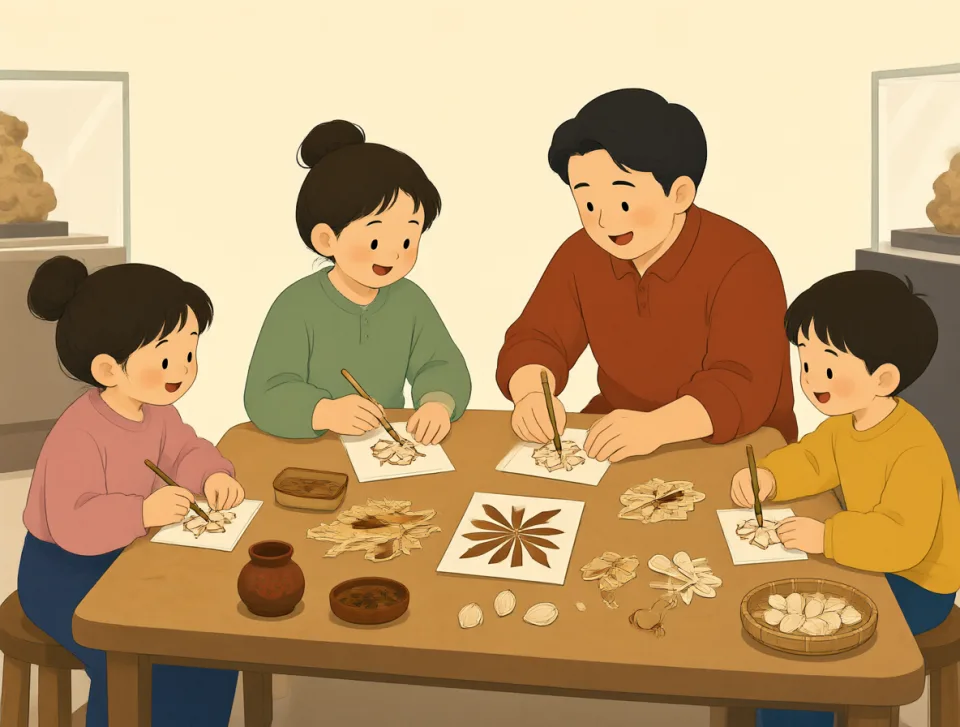
The museum offers cultural activities for children.
Muzeum oferuje dzieciom zajęcia kulturalne.
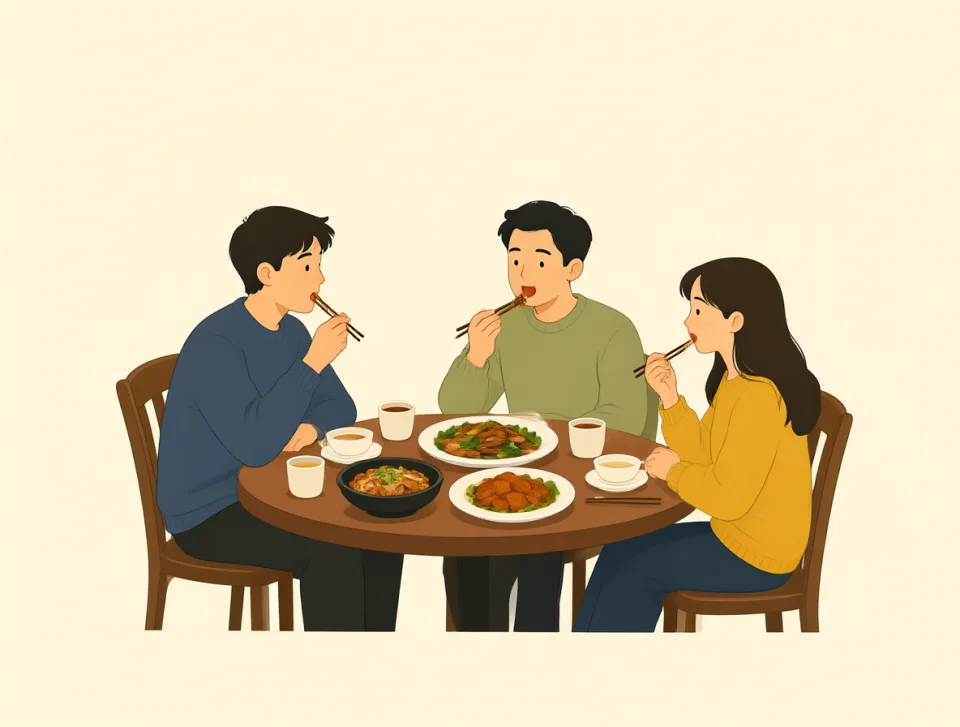
We tried several cultural dishes during our trip abroad.
Podczas podróży za granicę spróbowaliśmy kilku lokalnych potraw.
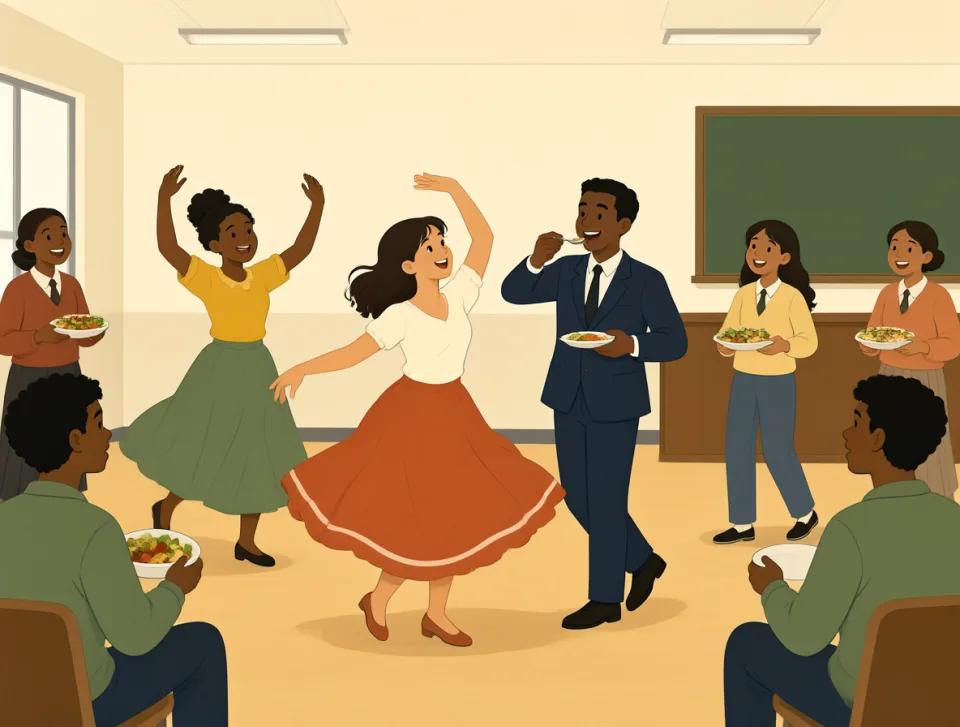
The school celebrates cultural diversity with a special event.
Szkoła świętuje różnorodność kulturową podczas specjalnego wydarzenia.
arrange
#1266verb
zorganizować
to plan or organize something in advance
zaplanować lub zorganizować coś z wyprzedzeniem
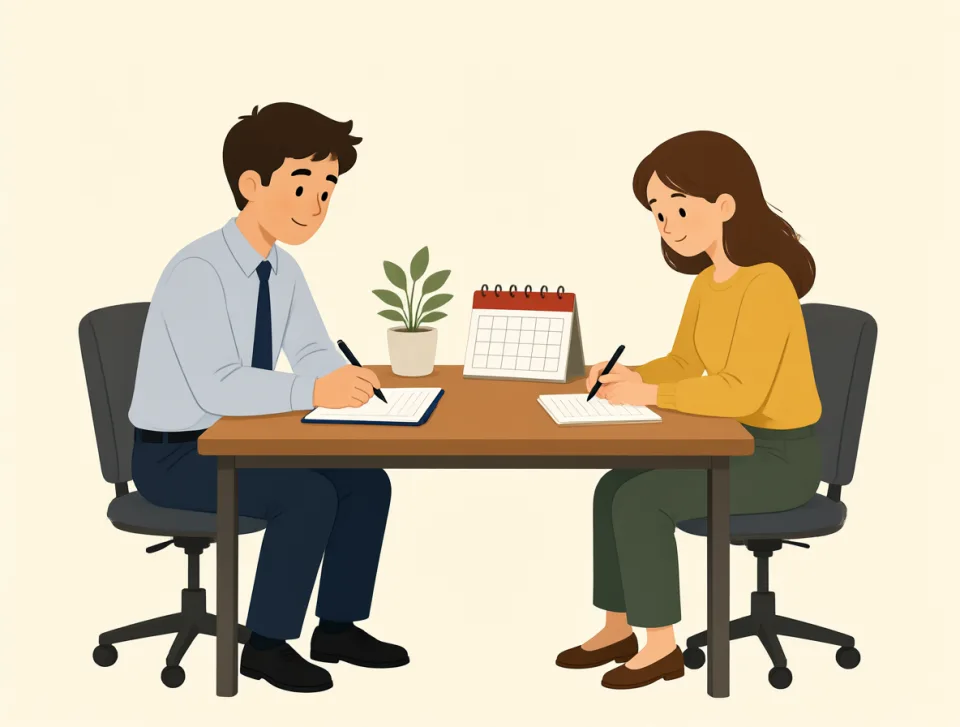
We arranged a meeting for Monday morning.
Umówiliśmy się na spotkanie w poniedziałek rano.
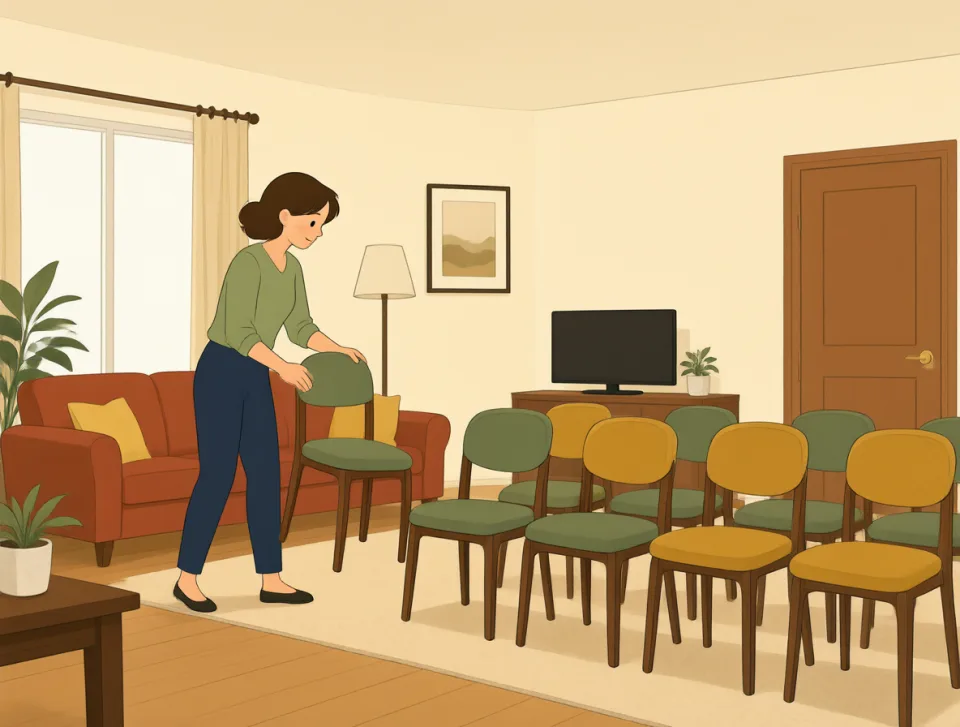
She arranged the chairs before the guests arrived.
Ustawiła krzesła, zanim przybyli goście.

The travel agent arranged a hotel room for us.
Agent turystyczny zarezerwował dla nas pokój w hotelu.
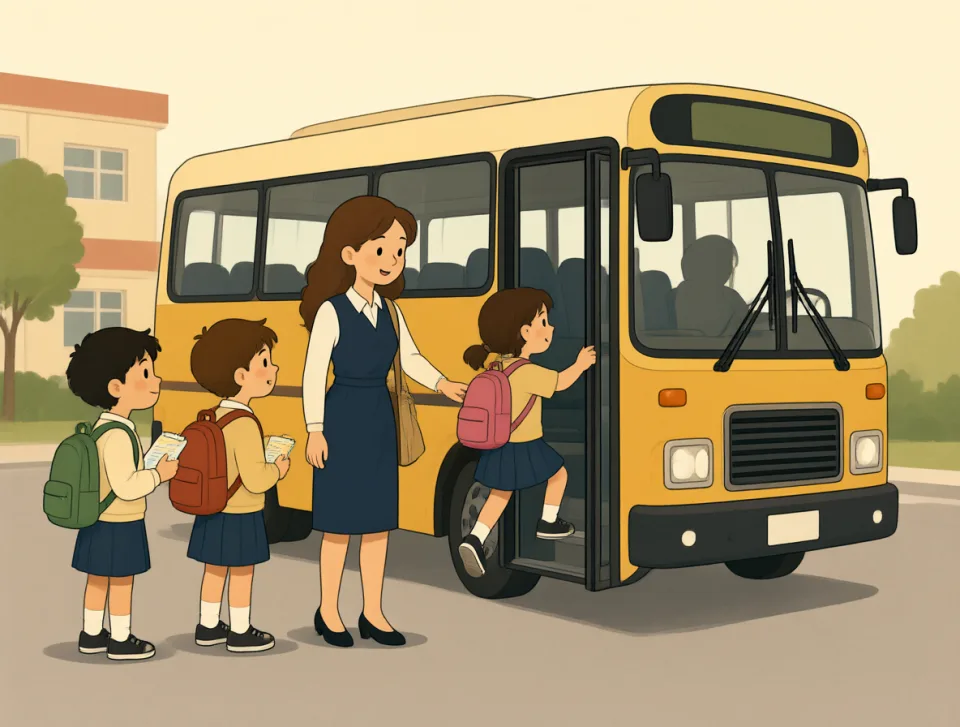
The school arranged a bus to take students home.
Szkoła zorganizowała autobus, który miał odwieźć uczniów do domu.
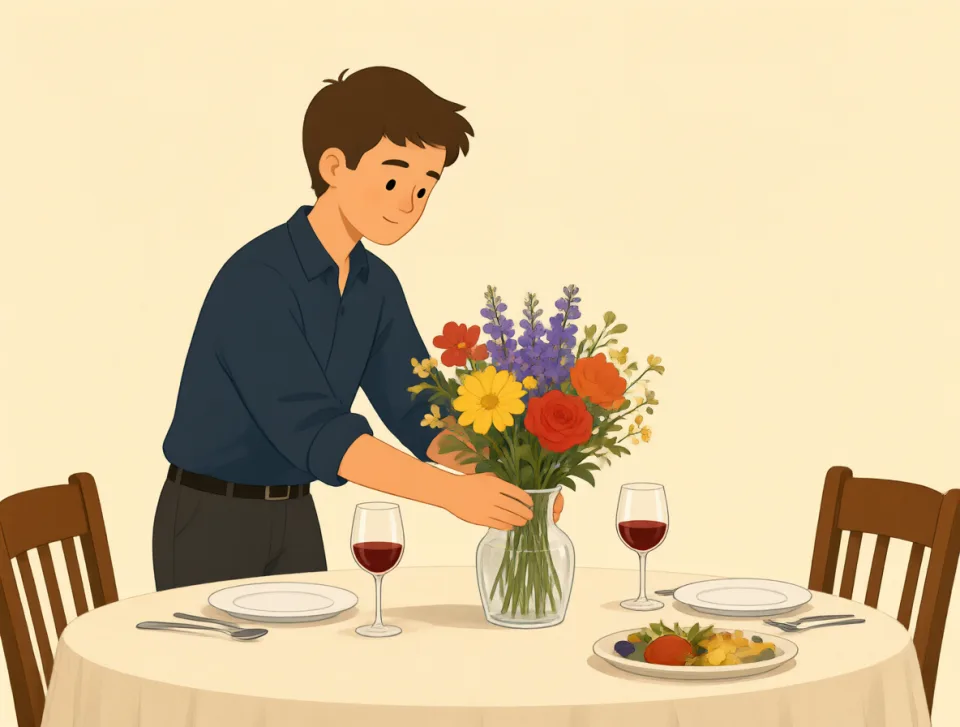
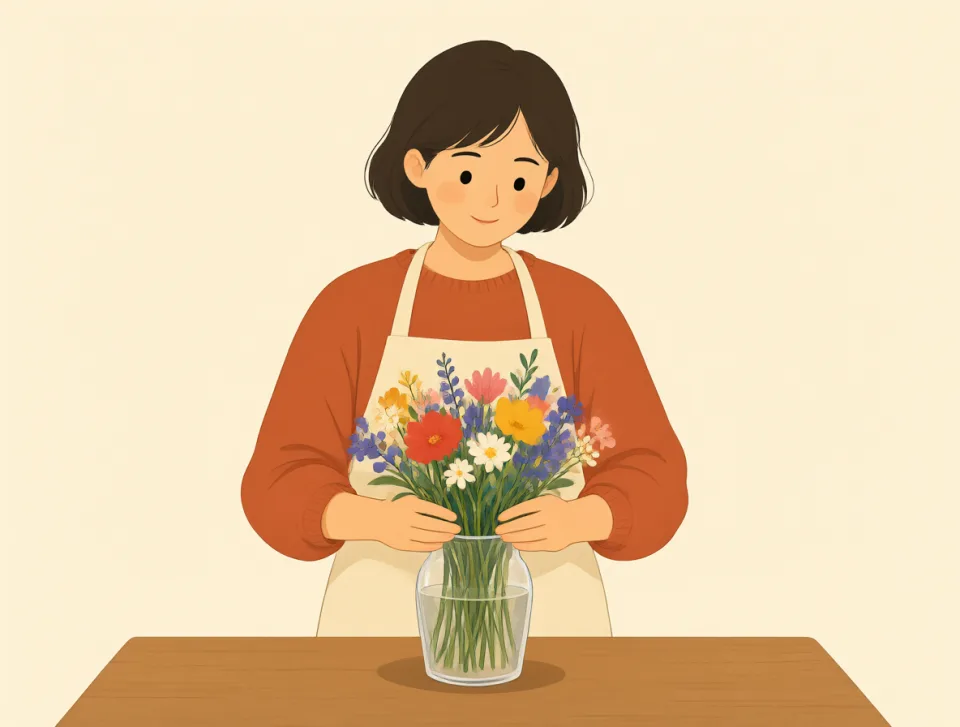
He arranged the flowers beautifully for the dinner table.
Pięknie ułożył kwiaty na stole do kolacji.
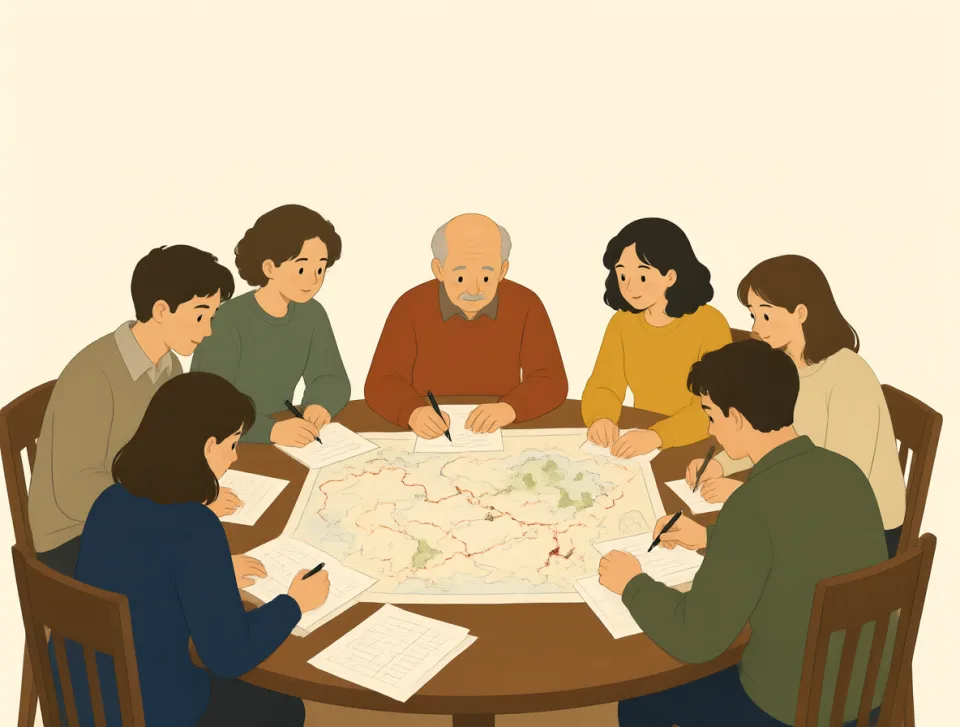
scheme
#1267noun, verb
plan
A plan, especially a secret or dishonest one, to achieve something.
Plan, zwłaszcza tajny lub nieuczciwy, mający pomóc coś osiągnąć.
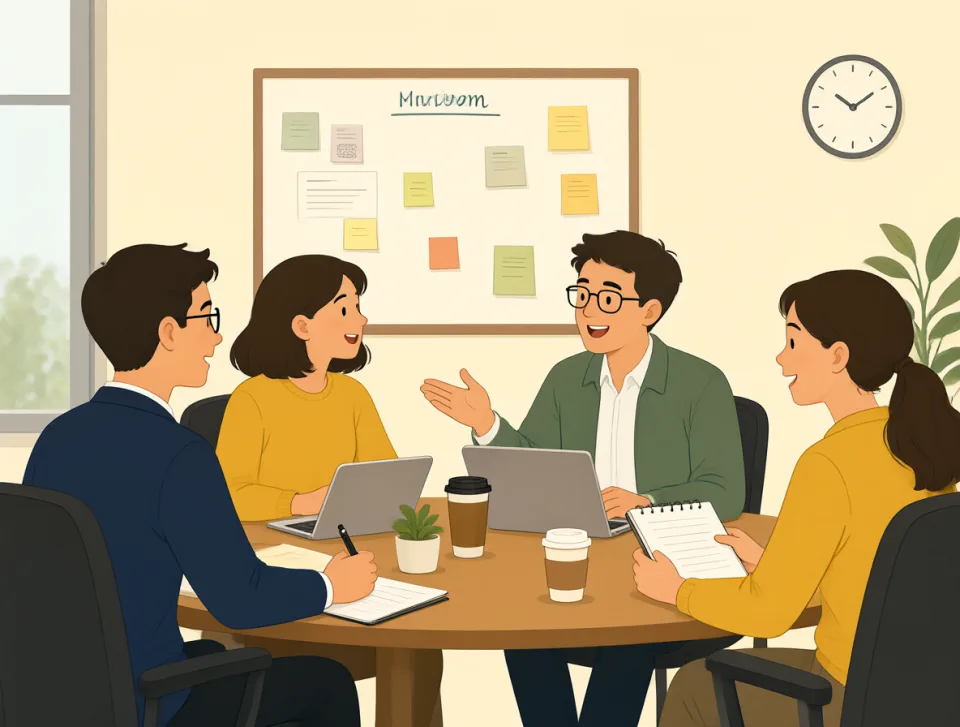
The company started a new scheme to save energy.
Firma rozpoczęła nowy program oszczędzania energii.
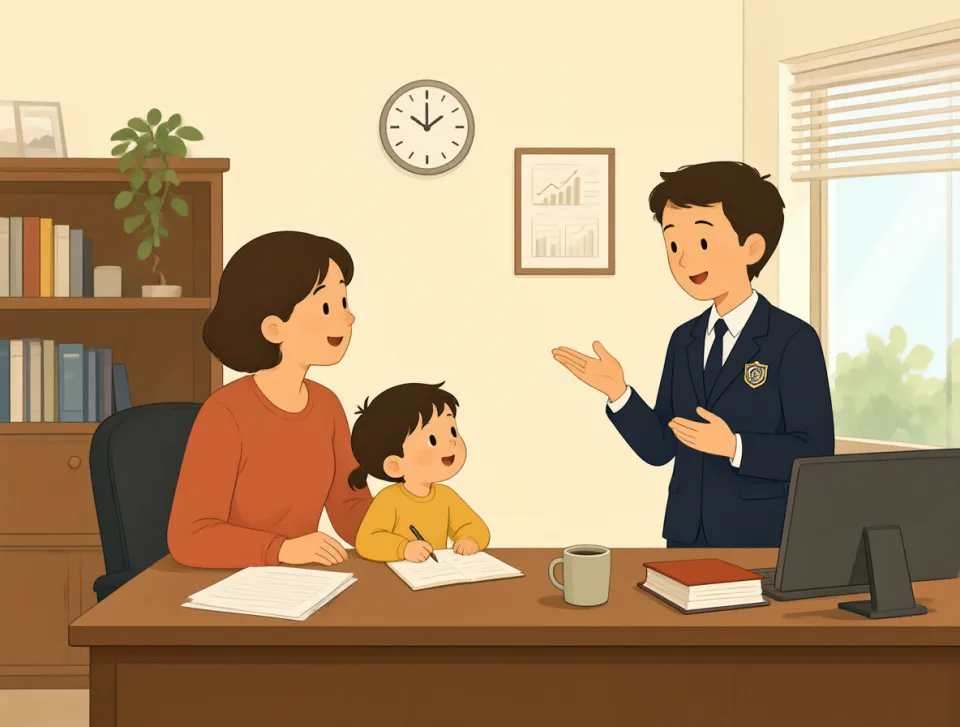
The government introduced a scheme to help young families.
Rząd wprowadził program pomocy młodym rodzinom.
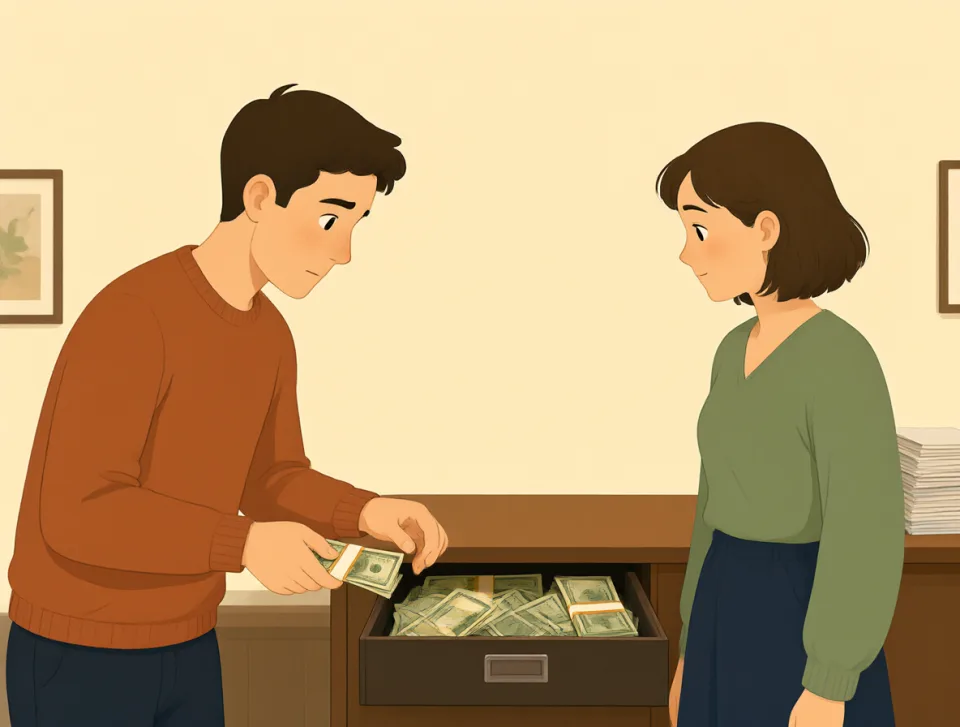
He was involved in a scheme to steal money from customers.
Był zamieszany w spisek mający na celu okradanie klientów.
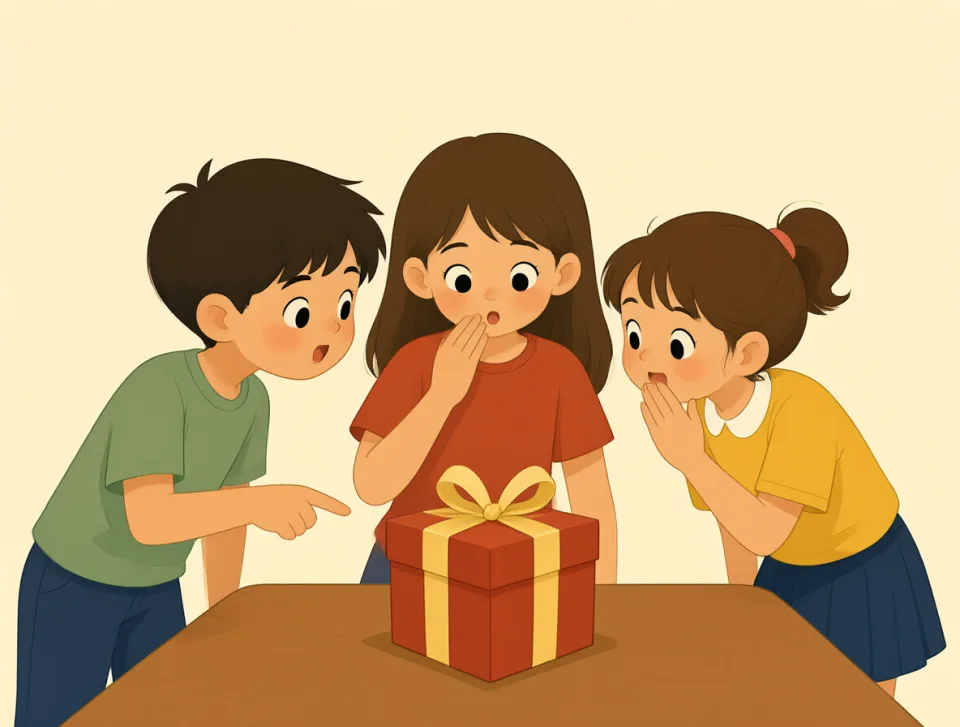
The children dreamed up a scheme to surprise their teacher.
Dzieci wymyśliły plan, jak zaskoczyć swoją nauczycielkę.

They schemed to leave work early and go to the beach.
Obmyślili, jak wyjść wcześniej z pracy i pójść na plażę.
payment
#1268noun
płatność
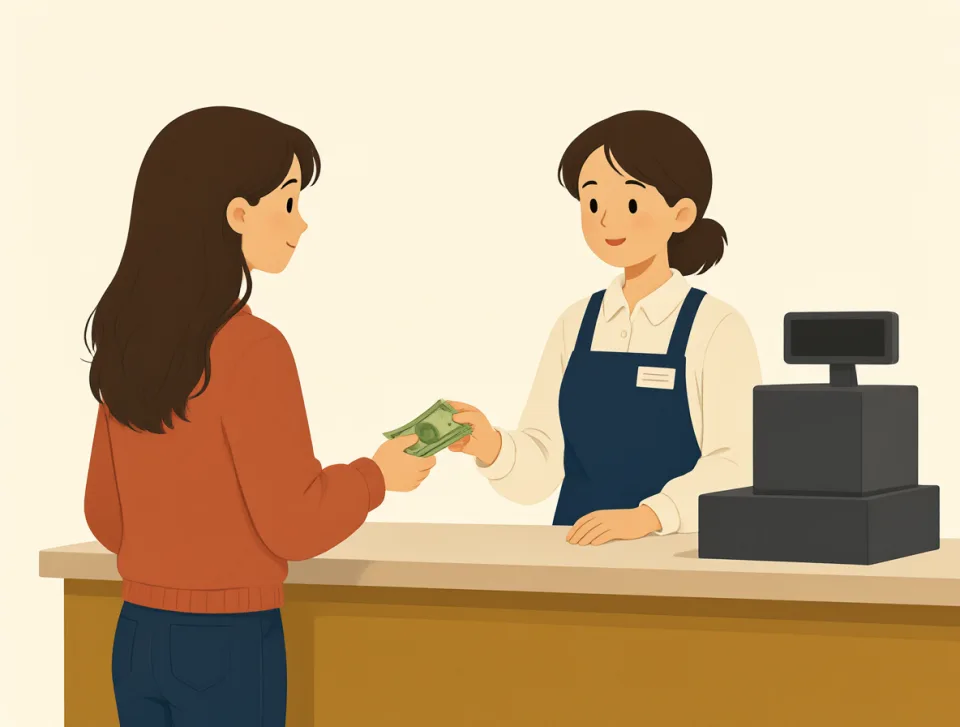
Money given for something you buy or a service you receive.
Pieniądze płacone za kupioną rzecz lub otrzymaną usługę.
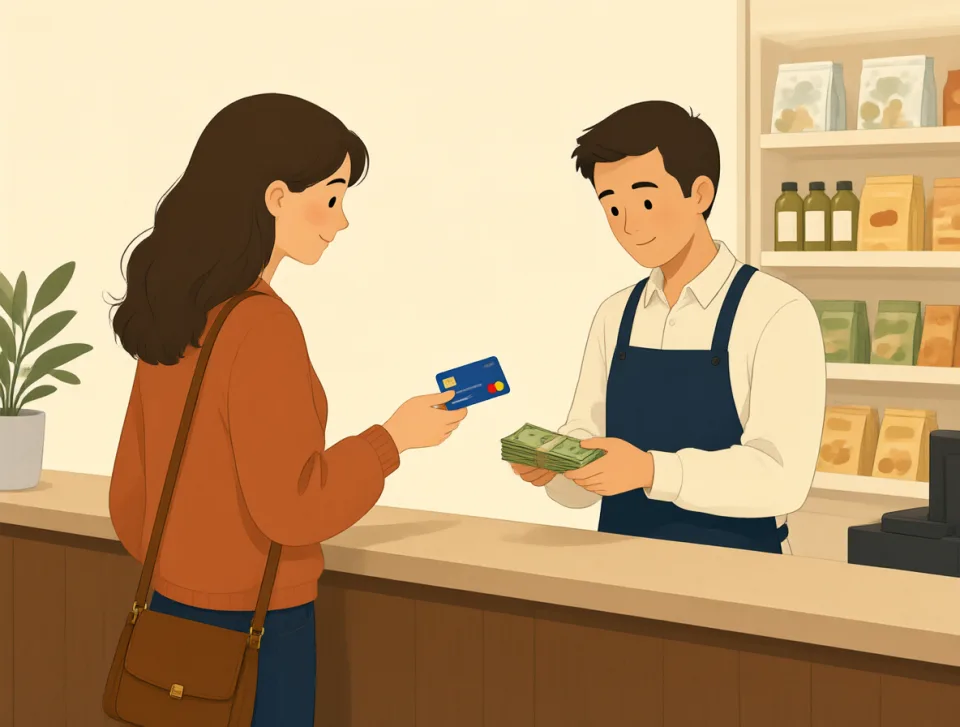
You can make the payment by card or cash.
Możesz zapłacić kartą lub gotówką.
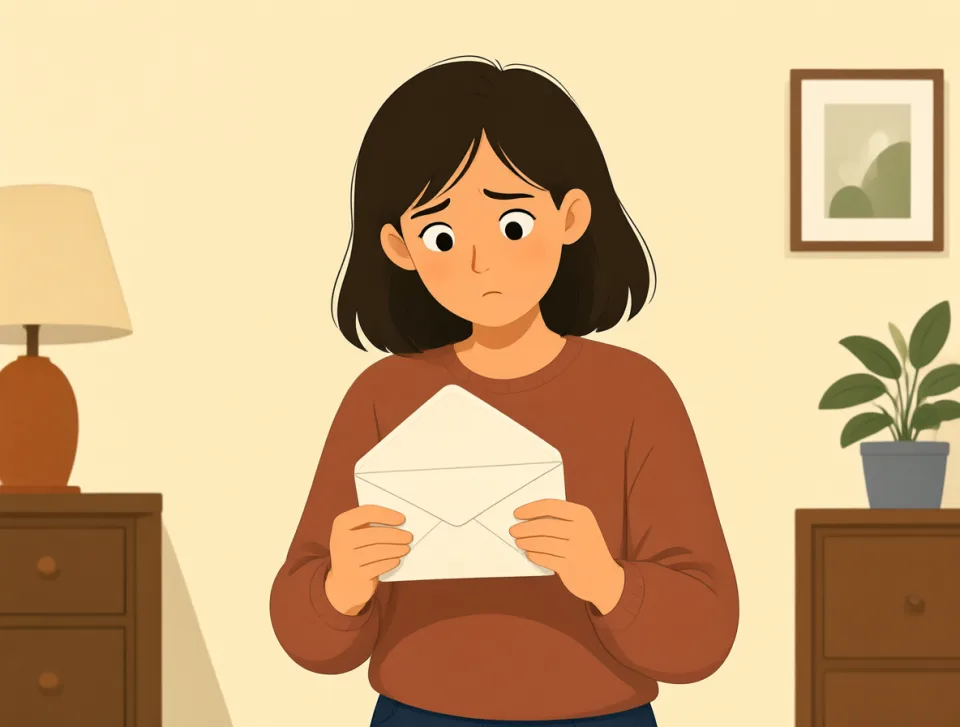
We received a payment reminder from the electricity company.
Dostaliśmy z firmy energetycznej przypomnienie o płatności.

The hotel requires payment before you check in.
Hotel wymaga zapłaty przed zameldowaniem.

My first payment arrived after I started my new job.
Pierwsza wypłata wpłynęła na moje konto po tym, jak rozpocząłem nową pracę.
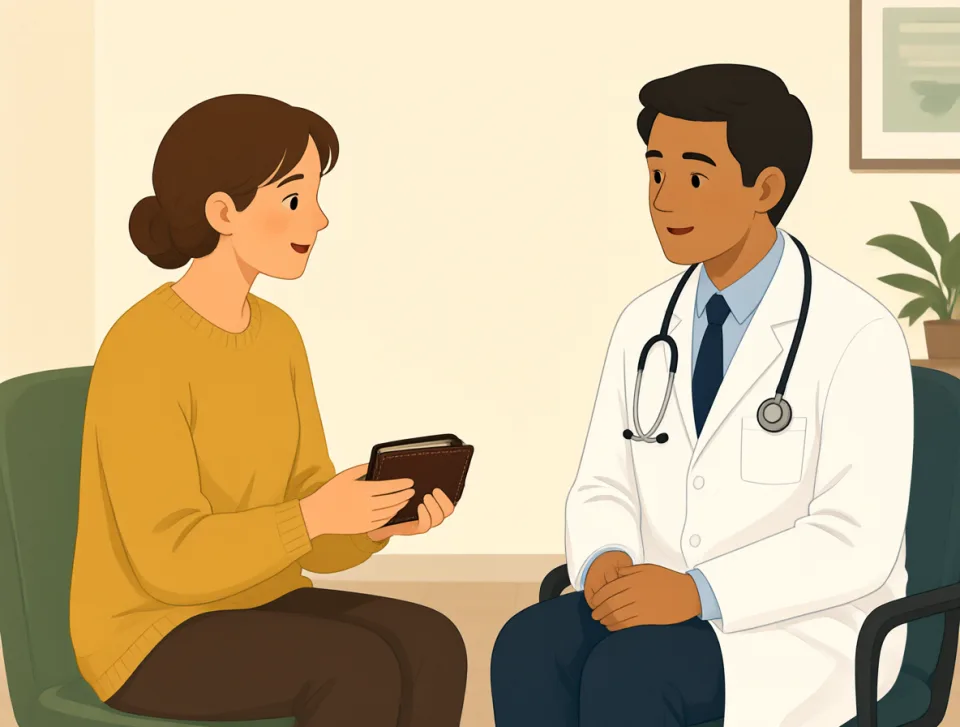
The doctor accepts monthly payments for expensive treatment.
Lekarz przyjmuje miesięczne płatności za kosztowne leczenie.
unfortunately
#1269adverb
niestety
used to say that something is sad, disappointing, or unlucky
Używane, by powiedzieć, że coś jest przykre, rozczarowujące lub pechowe.
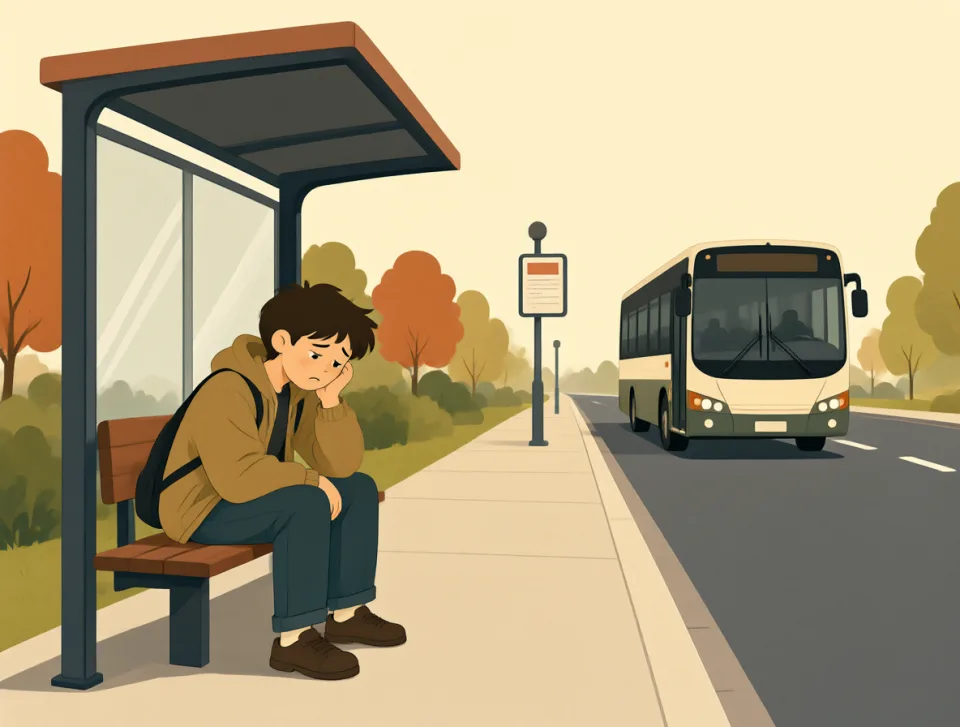
Unfortunately, the bus was late again this morning.
Niestety, autobus znów spóźnił się dziś rano.
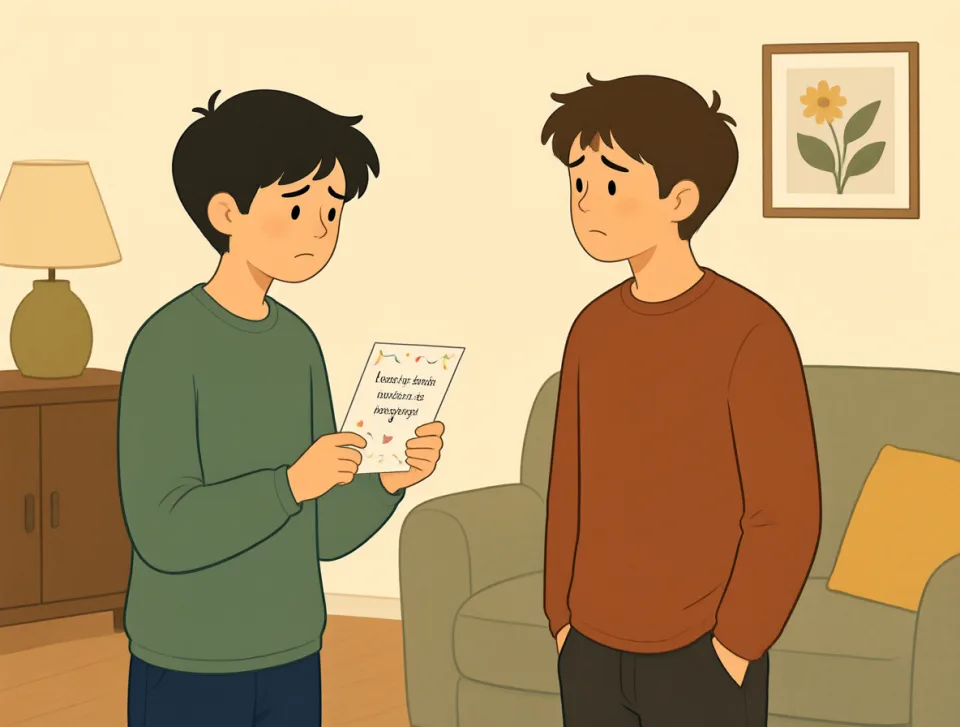
Unfortunately, I cannot come to your party tonight.
Niestety, nie mogę dziś wieczorem przyjść na twoje przyjęcie.
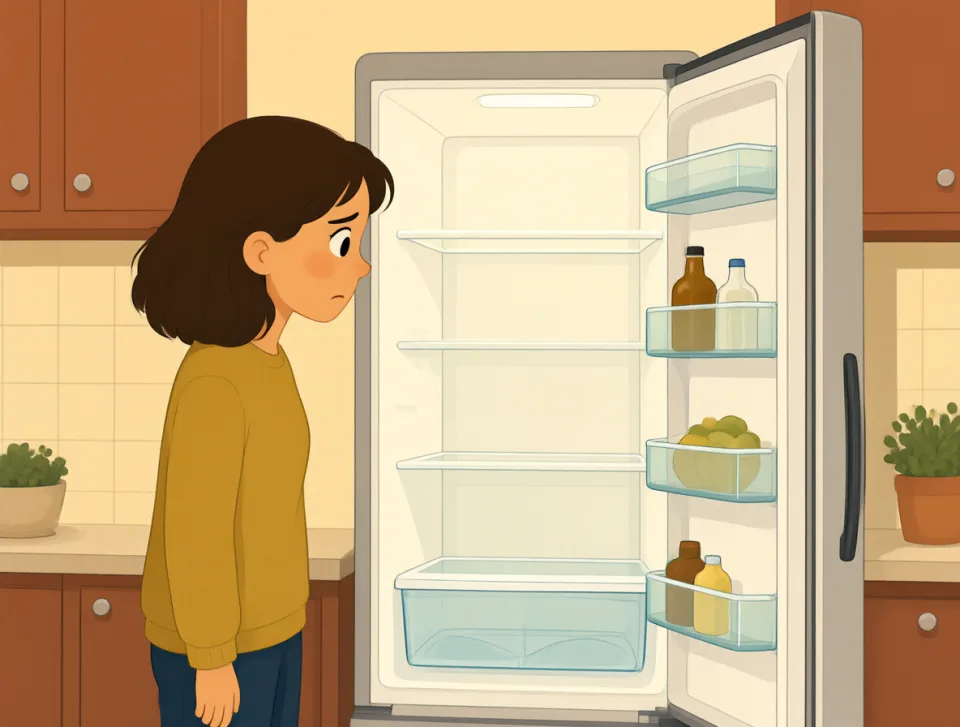
Unfortunately, we have run out of milk.
Niestety, skończyło nam się mleko.
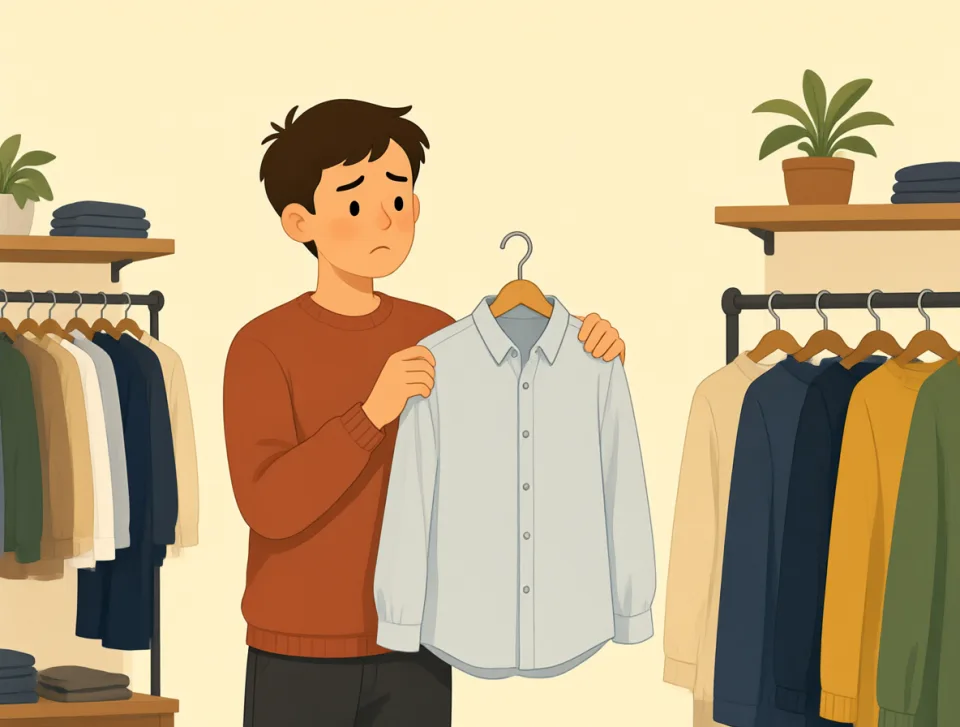
Unfortunately, the shop had sold out of my size.
Niestety, w sklepie wyprzedano mój rozmiar.
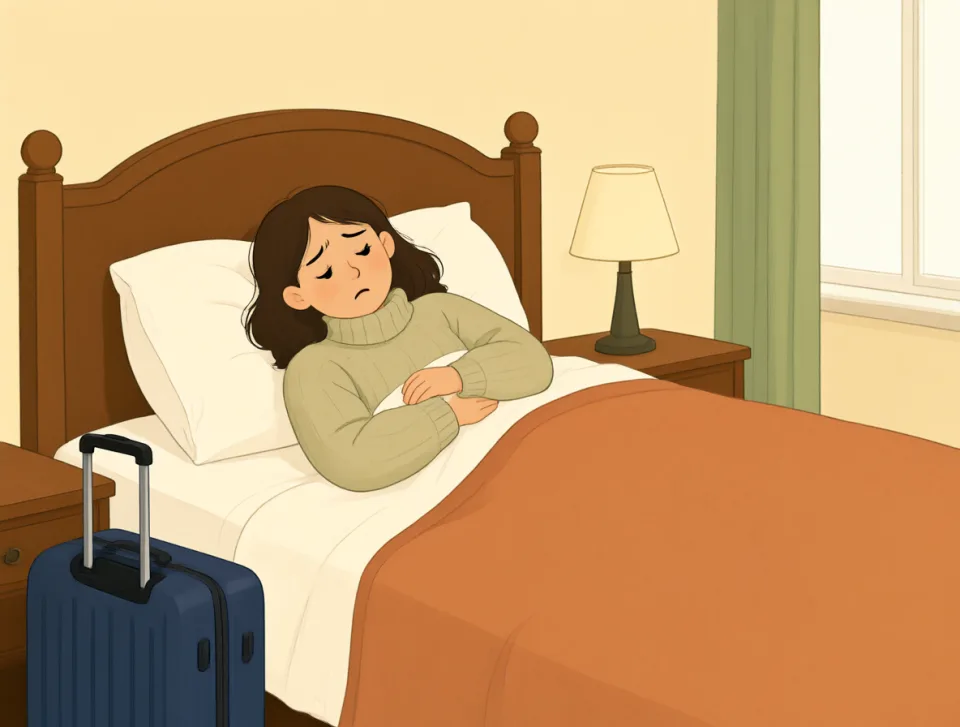
Unfortunately, she became ill during her holiday.
Niestety, zachorowała podczas urlopu.

brief
#1270adjective, noun, verb
krótki; zwięzły
Short in time or length; a short written summary or statement.
Krótki pod względem czasu lub długości; krótki pisemny opis albo wypowiedź.

The manager gave a brief update before the meeting ended.
Kierownik krótko poinformował o postępach, zanim zakończyło się spotkanie.
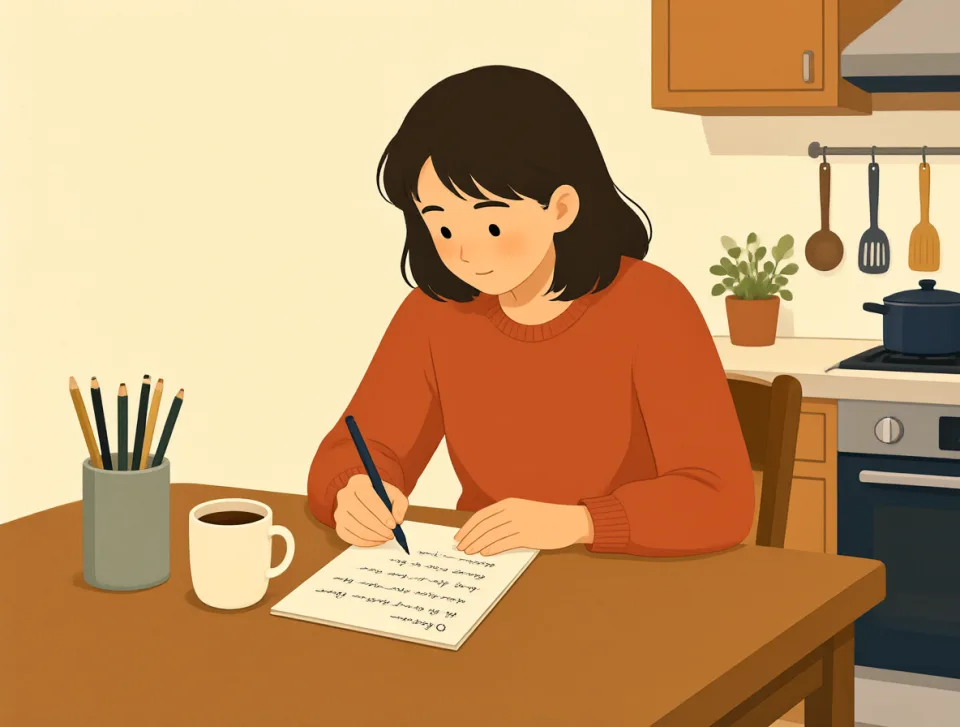
Please write a brief message to explain why you are late.
Napisz krótką wiadomość z wyjaśnieniem, dlaczego się spóźnisz.
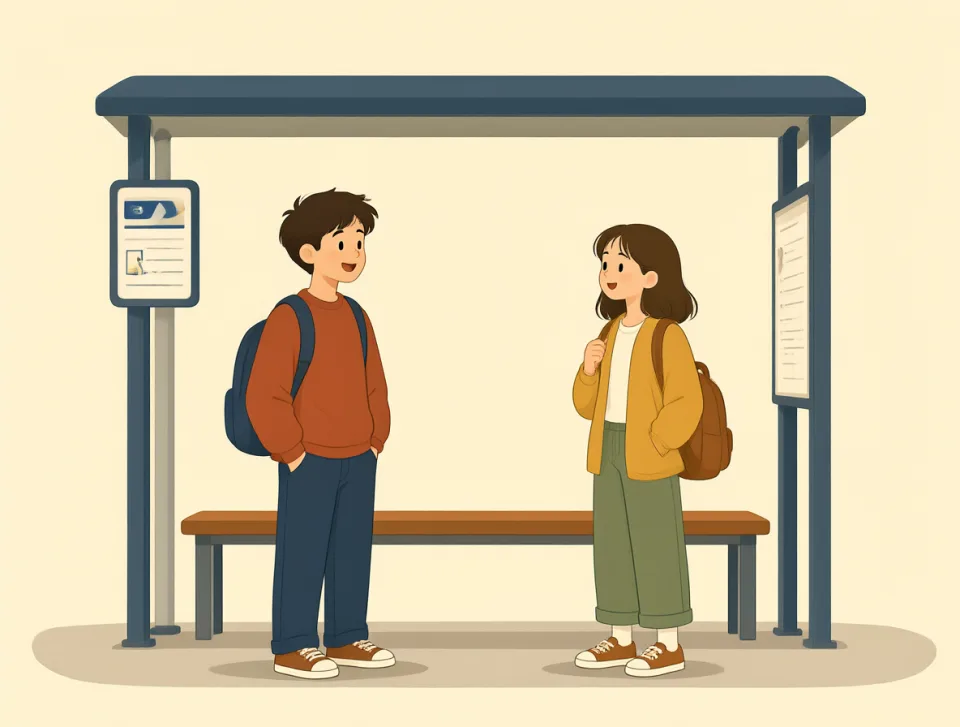
We had a brief chat while waiting for the bus.
Krótko porozmawialiśmy, czekając na autobus.
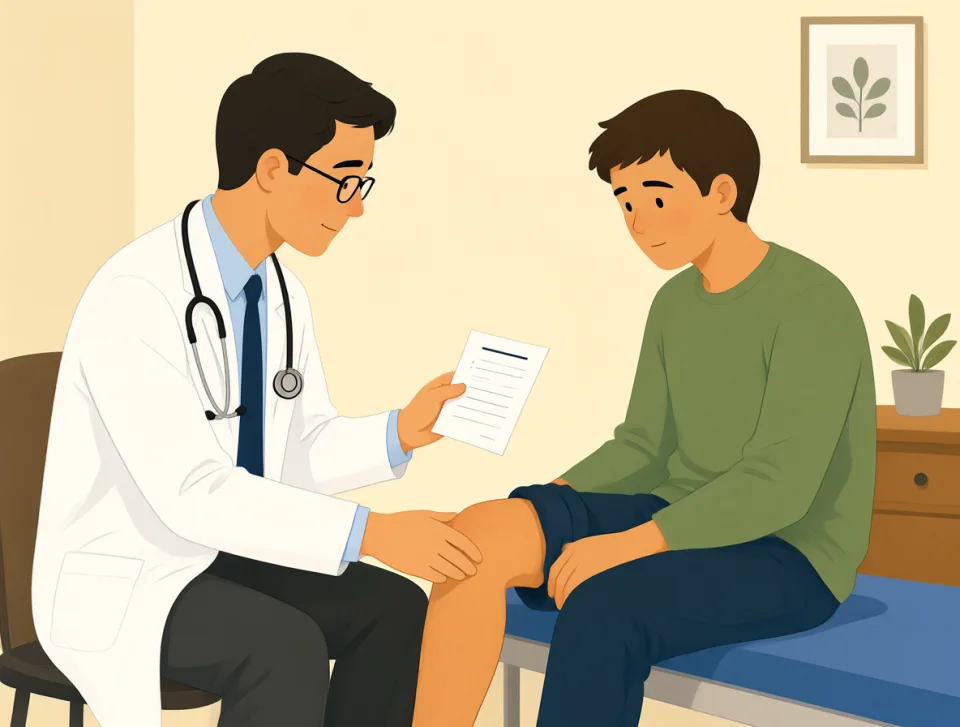
The doctor examined my knee and gave me a brief report.
Lekarz zbadał moje kolano i sporządził krótką opinię.
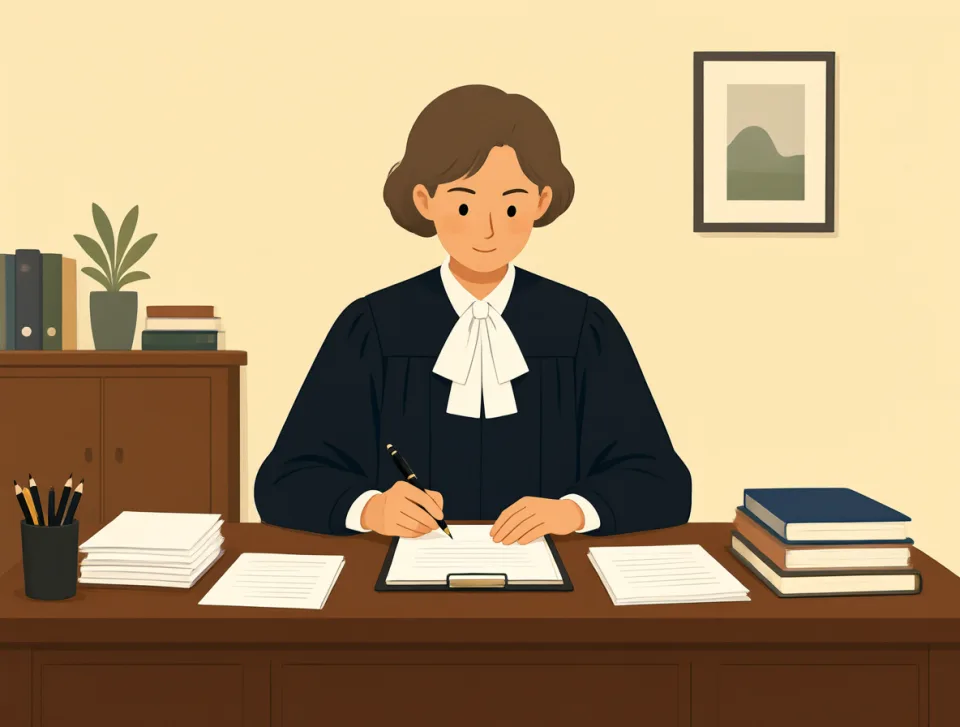
The lawyer prepared a brief for the court before Friday.
Prawnik przygotował pismo dla sądu przed piątkiem.
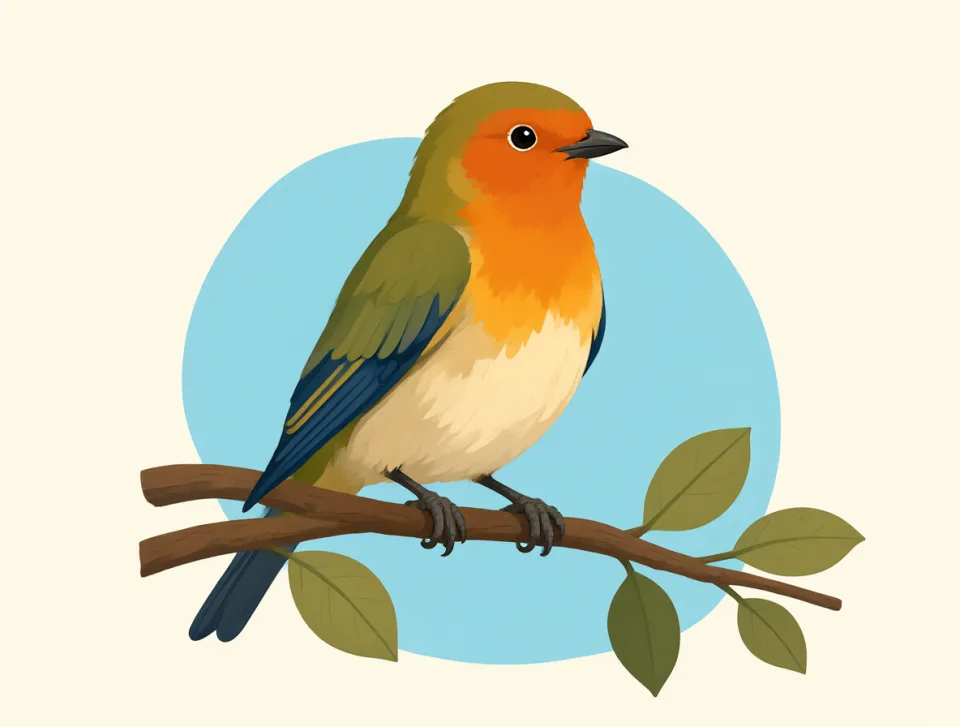
bird
#1271noun
ptak
An animal with wings and feathers that can usually fly.
Zwierzę ze skrzydłami i piórami, które zazwyczaj potrafi latać.
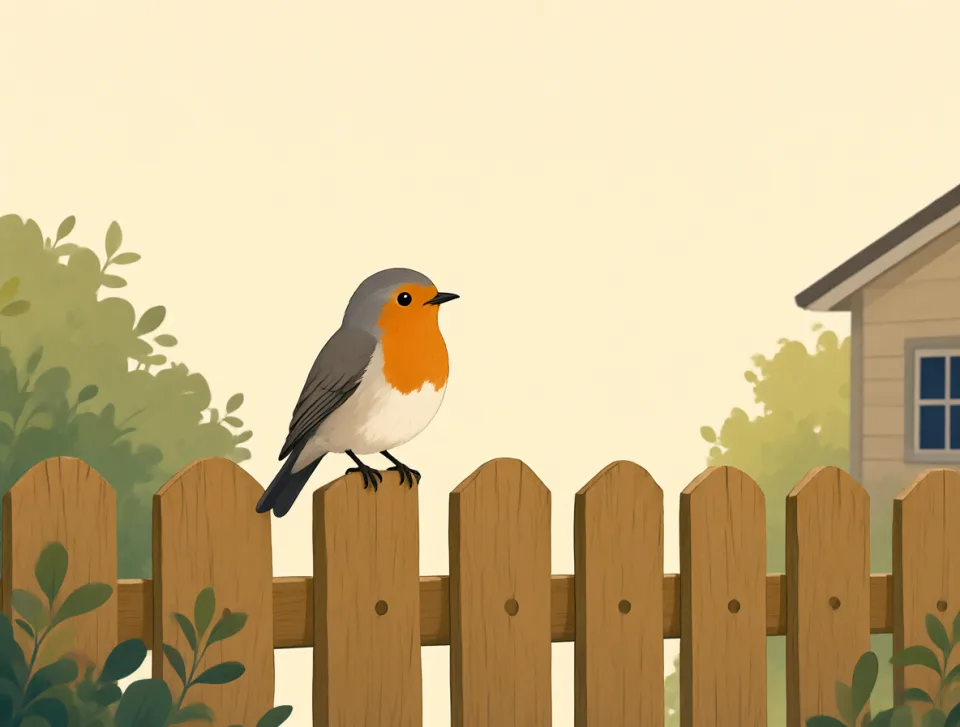
A small bird is sitting on our garden fence.
Mały ptak siedzi na płocie w naszym ogrodzie.
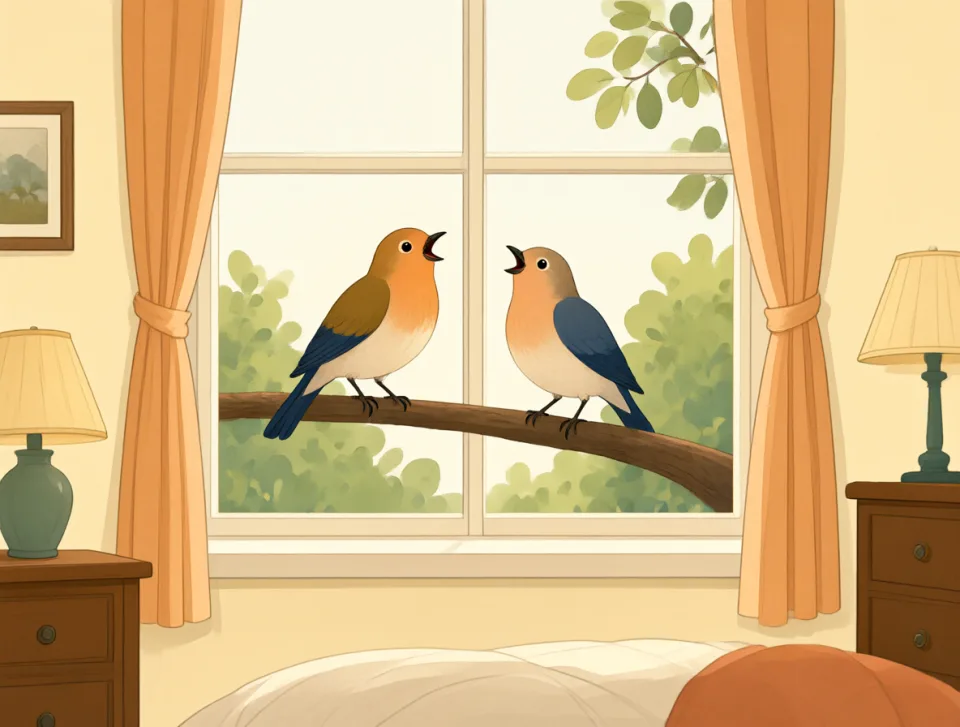
We heard birds singing outside the bedroom window.
Słyszeliśmy śpiew ptaków za oknem sypialni.
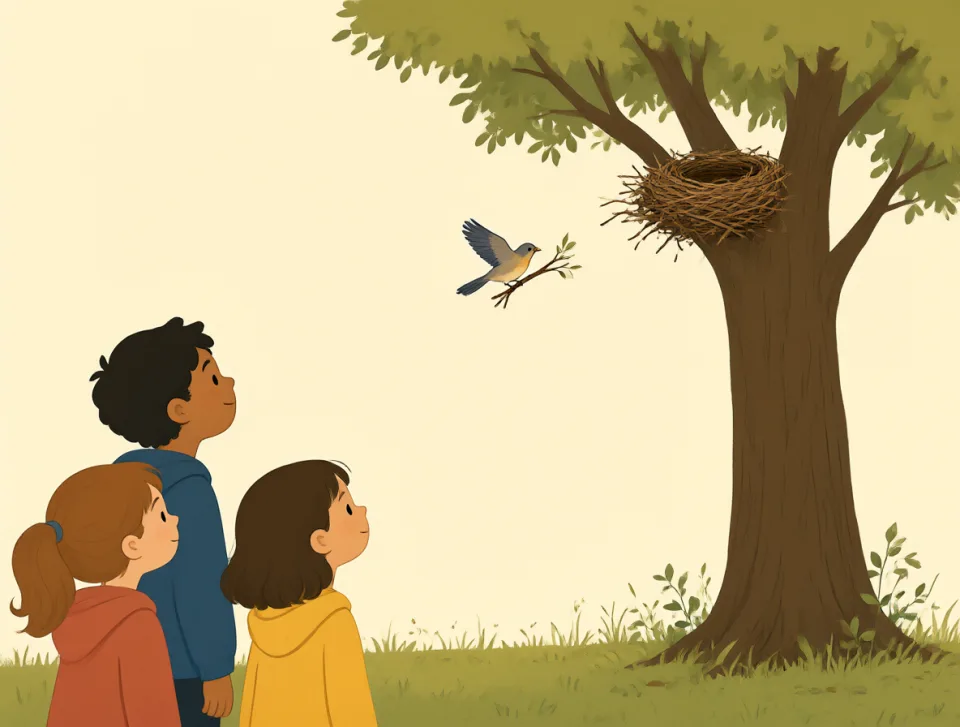
The children watched a bird build its nest.
Dzieci obserwowały, jak ptak buduje gniazdo.
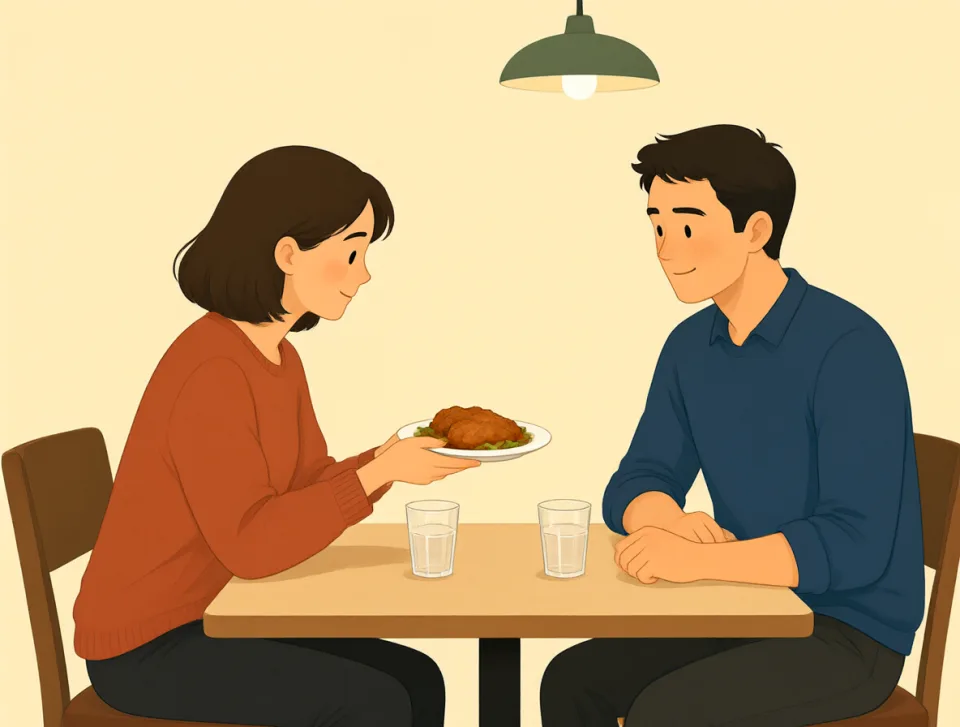
She ordered chicken because it was the only bird dish.
Zamówiła kurczaka, bo to było jedyne danie z ptaka w menu.
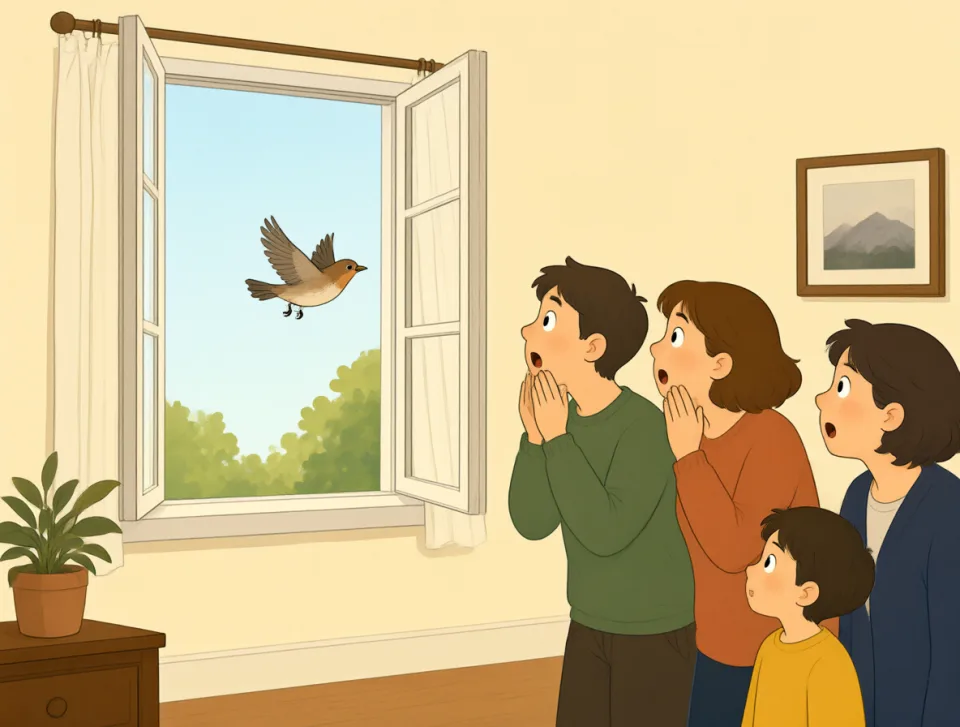
The bird flew into the house and scared everyone.
Ptak wleciał do domu i wszystkich przestraszył.
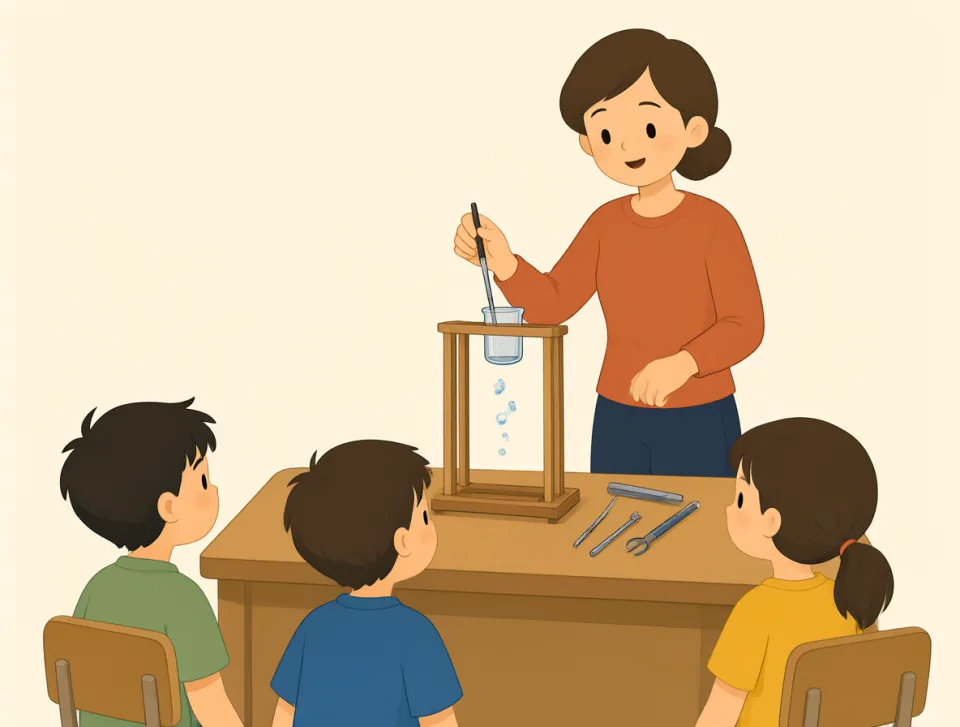
demonstrate
#1272verb
demonstrować
to show clearly that something is true or how something works
Jasno pokazywać, że coś jest prawdą albo jak coś działa.
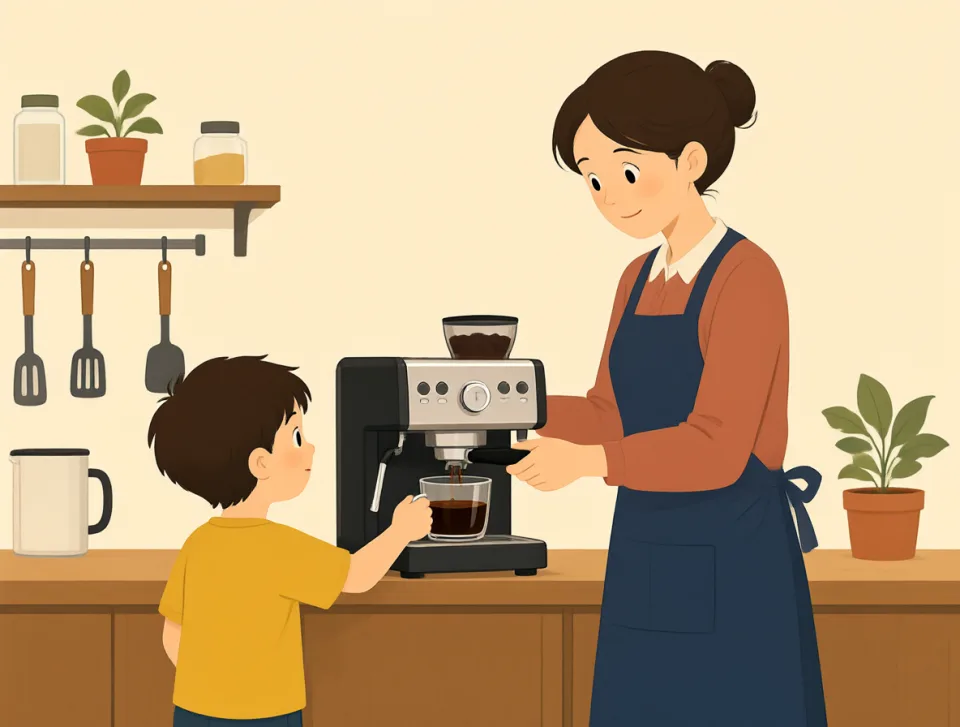
The teacher demonstrated how to use the new coffee machine.
Nauczyciel pokazał, jak korzystać z nowego ekspresu do kawy.
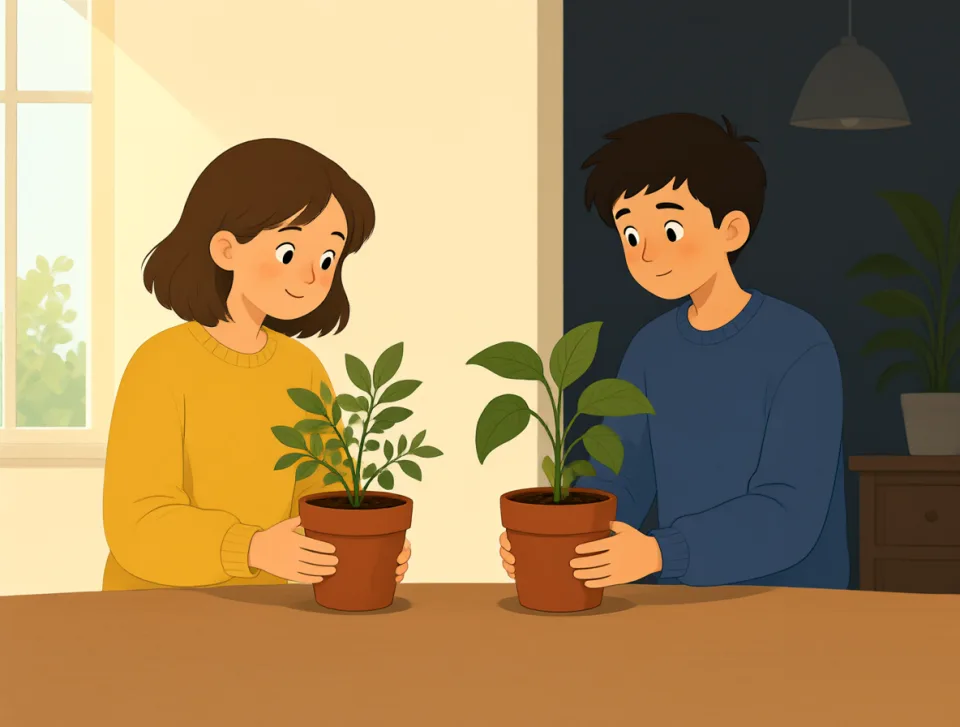
The experiment demonstrates how plants need sunlight to grow.
Eksperyment pokazuje, jak rośliny potrzebują światła słonecznego, żeby rosnąć.
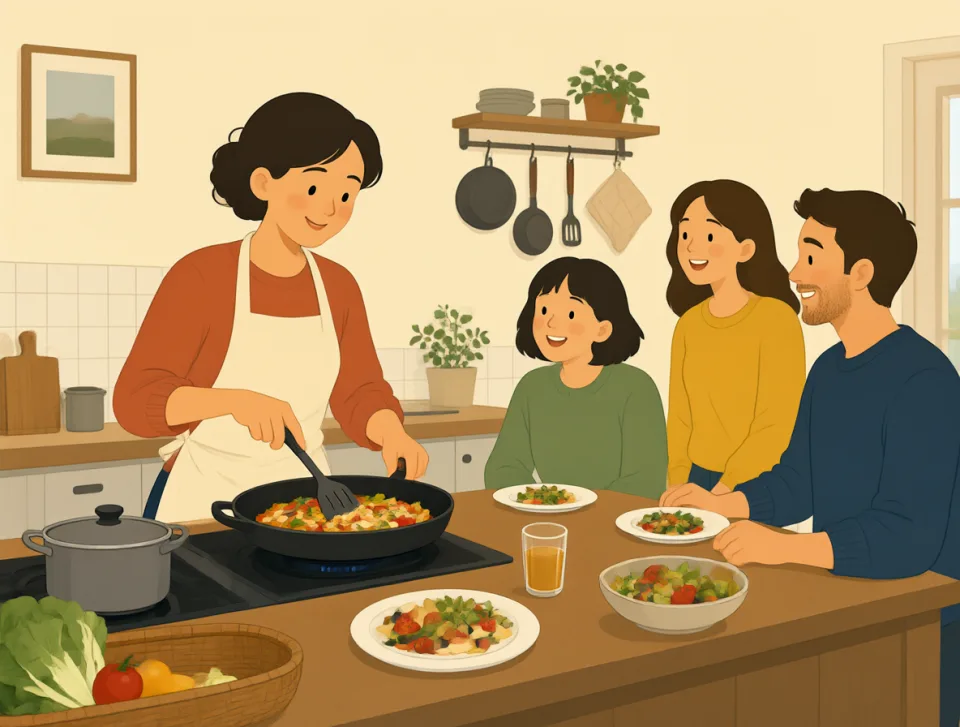
She demonstrated her cooking skills by making dinner for everyone.
Pokazała swoje umiejętności kulinarne, przygotowując kolację dla wszystkich.
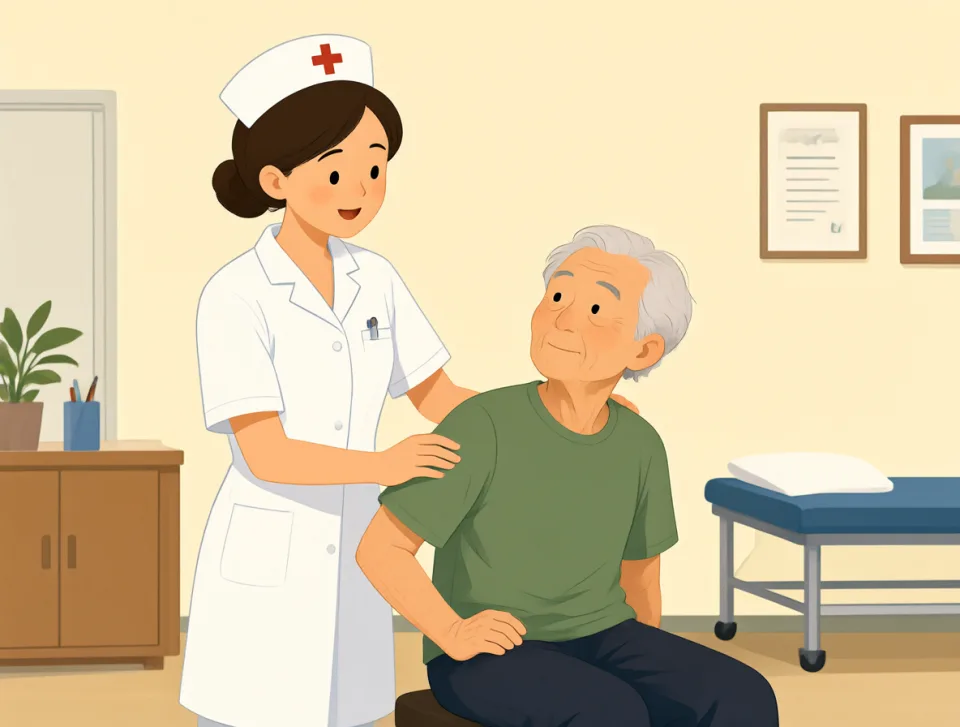
The nurse demonstrated the exercises that can reduce back pain.
Pielęgniarka pokazała ćwiczenia, które mogą zmniejszyć ból pleców.
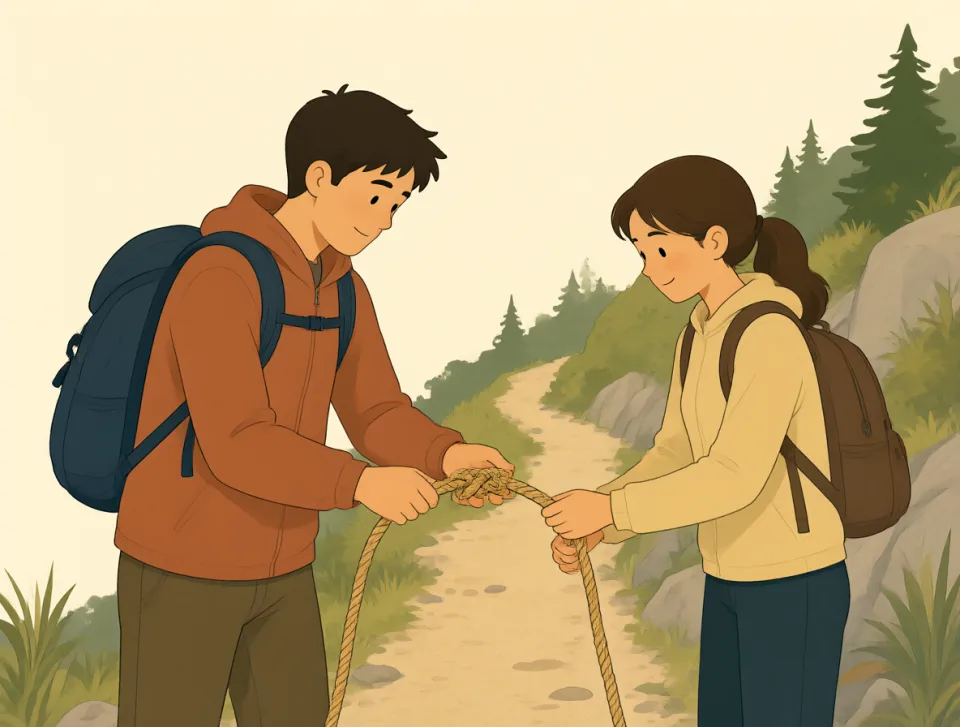
The guide demonstrated how to tie a secure knot before the trip.
Przewodnik pokazał, jak zawiązać mocny węzeł przed wyprawą.
contribution
#1273noun
wkład
Something you give, do, or add to help achieve a result.
Coś, co dajesz, robisz lub dodajesz, aby pomóc osiągnąć jakiś cel.
Thank you for your contribution to the school charity.
Dziękujemy za Twój wkład w szkolną zbiórkę charytatywną.

Everyone made a contribution to the group discussion.
Każdy wniósł coś do dyskusji grupowej.
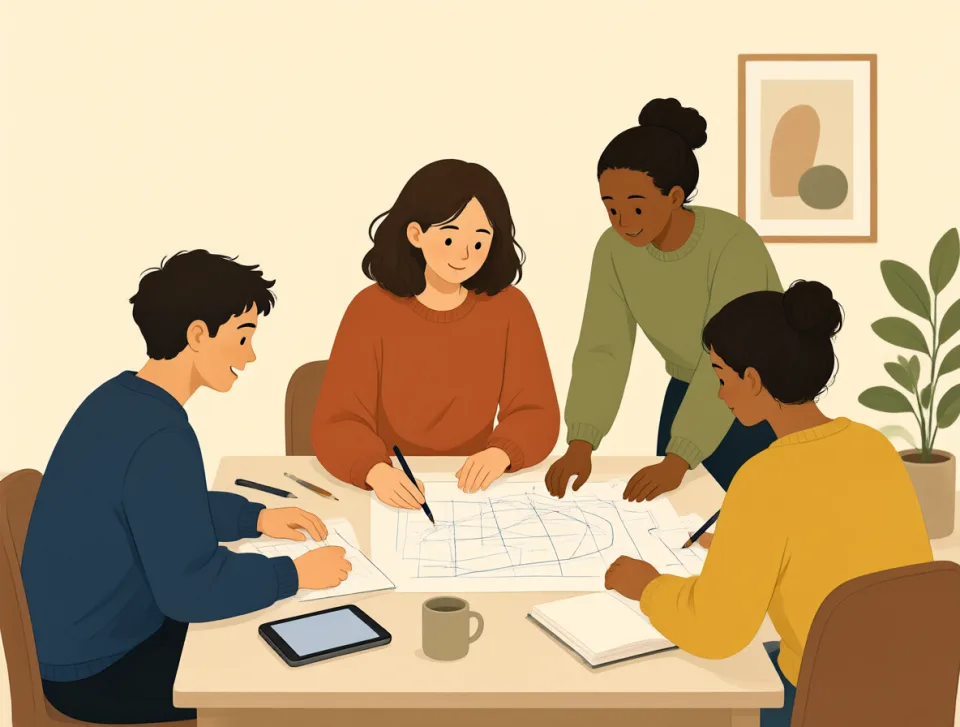
Her contribution helped us finish the project on time.
Jej wkład pomógł nam ukończyć projekt na czas.
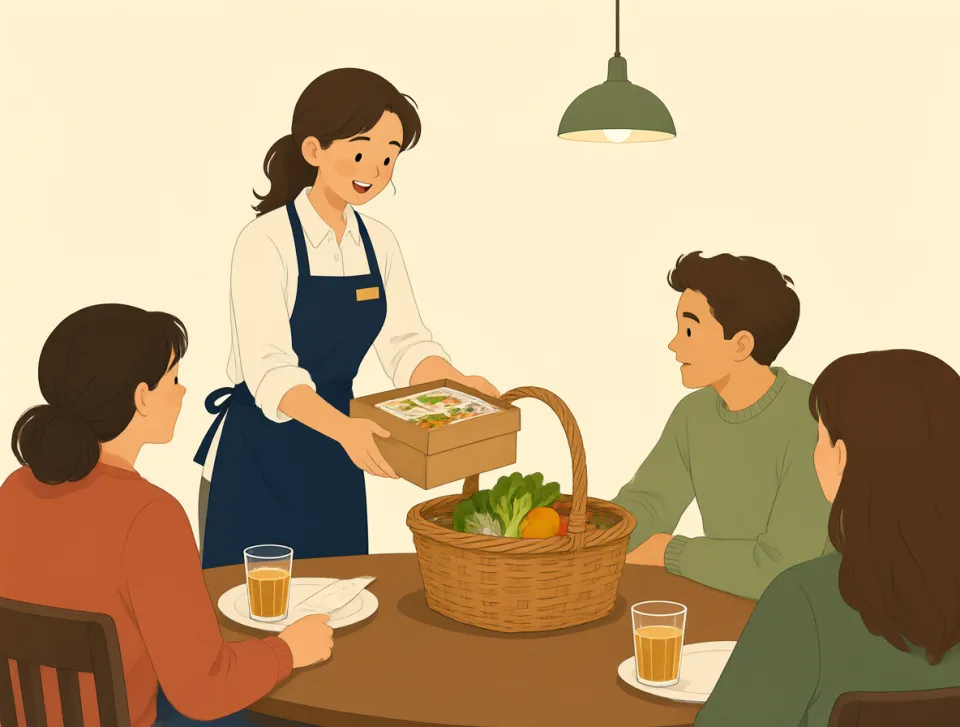
The restaurant added a small contribution to the community food bank.
Restauracja przekazała niewielką darowiznę na rzecz lokalnego banku żywności.
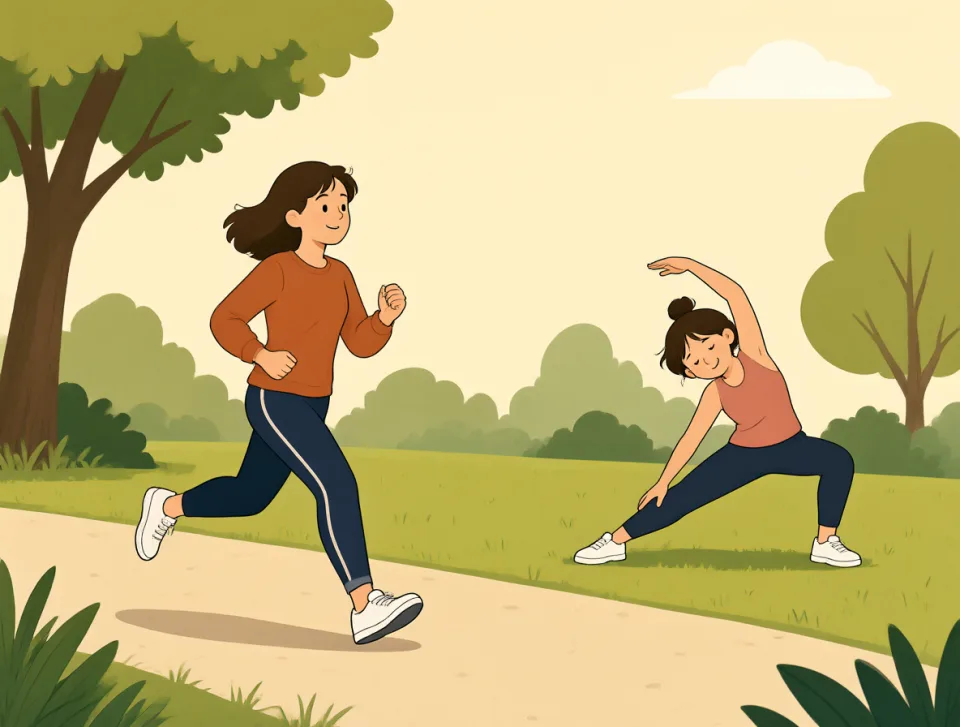
Regular exercise is an important contribution to good health.
Regularne ćwiczenia są ważnym elementem dbania o zdrowie.

appreciate
#1274verb
doceniać
to understand the value of something or be thankful for something
Rozumieć wartość czegoś lub być za coś wdzięcznym.

I really appreciate your help with my homework.
Naprawdę doceniam Twoją pomoc w odrabianiu pracy domowej.
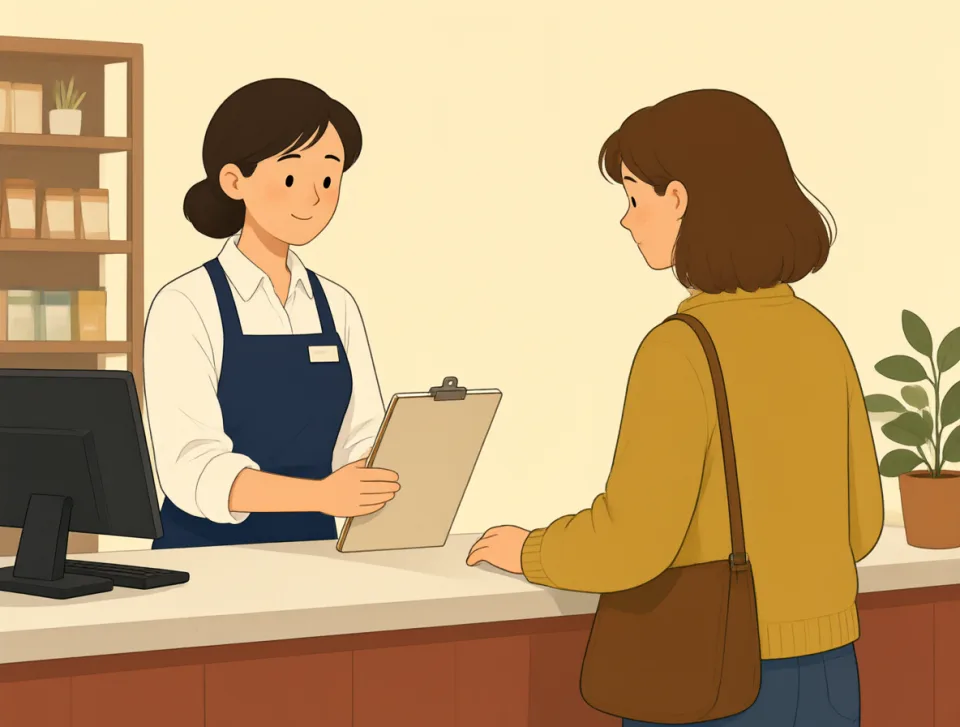
We appreciate your patience while we fix the problem.
Doceniamy Państwa cierpliwość, gdy naprawiamy problem.
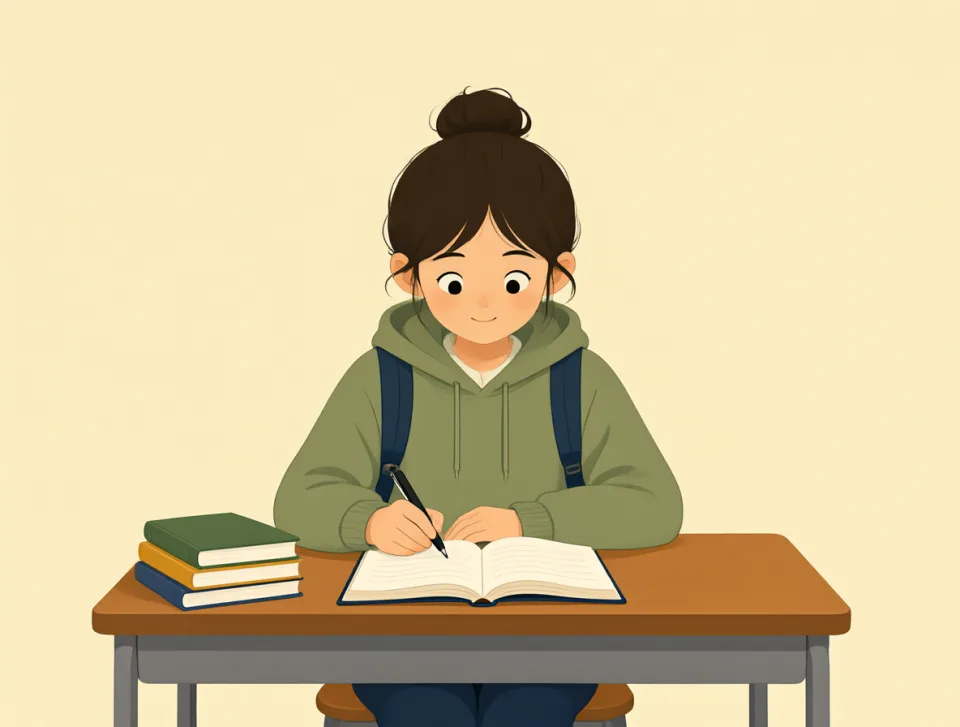
She appreciates having a quiet place to study.
Ceni sobie możliwość nauki w cichym miejscu.
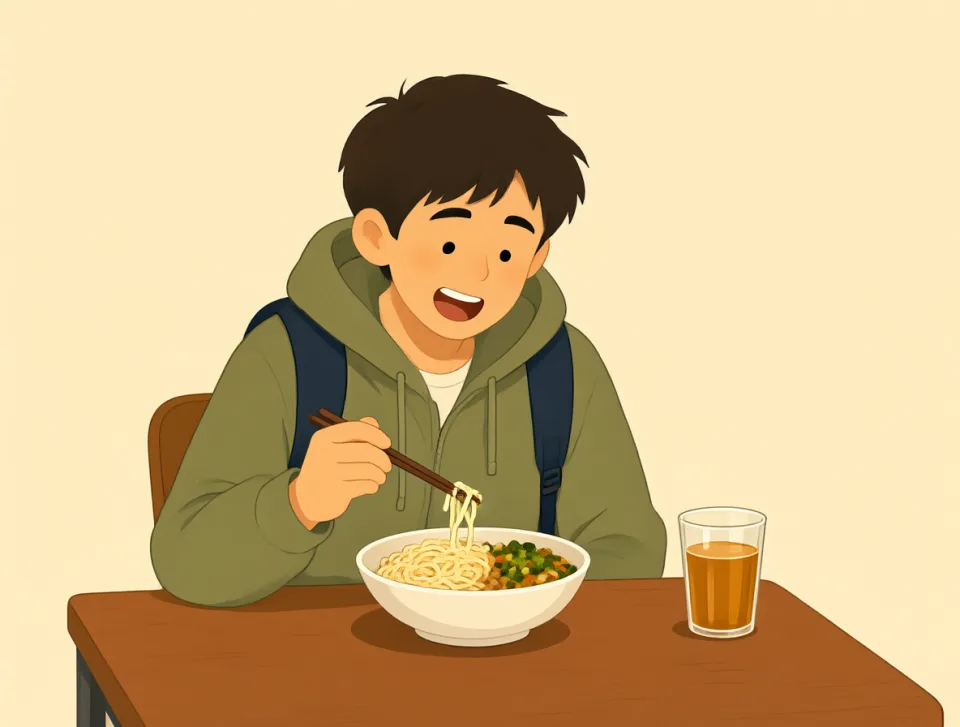
I appreciated the warm meal after my long journey.
Po długiej podróży doceniłem ciepły posiłek.
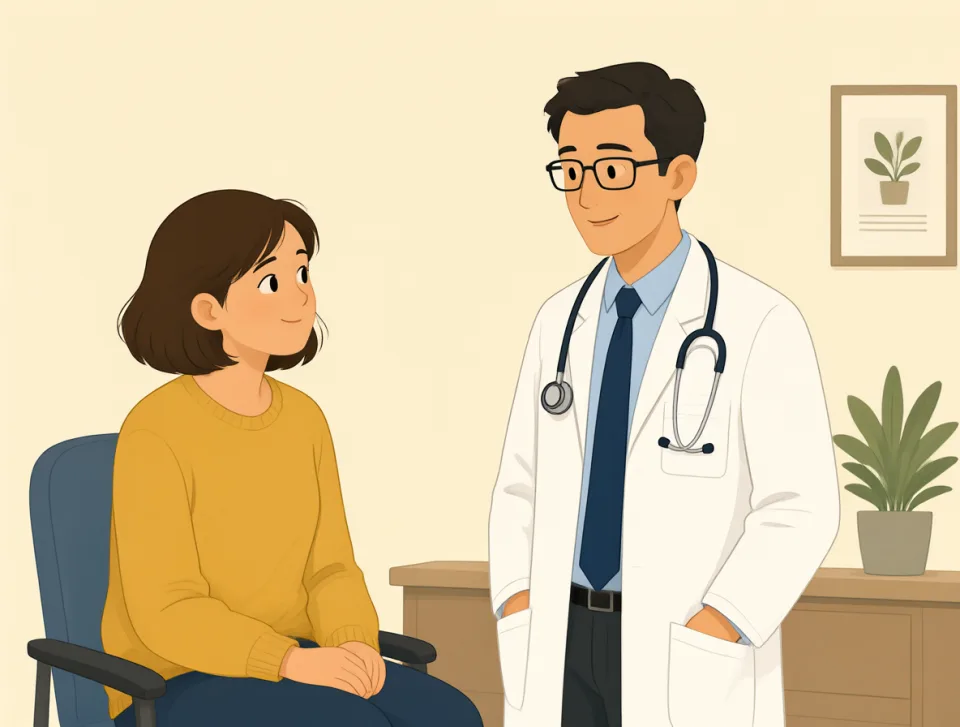
My doctor appreciated that I followed her health advice.
Mój lekarz docenił to, że zastosowałem się do jej zaleceń zdrowotnych.
chapter
#1275noun
rozdział
One of the main sections of a book, usually showing a new part of the story or subject.
Jedna z głównych części książki, zwykle przedstawiająca nową część opowieści lub omawianego tematu.
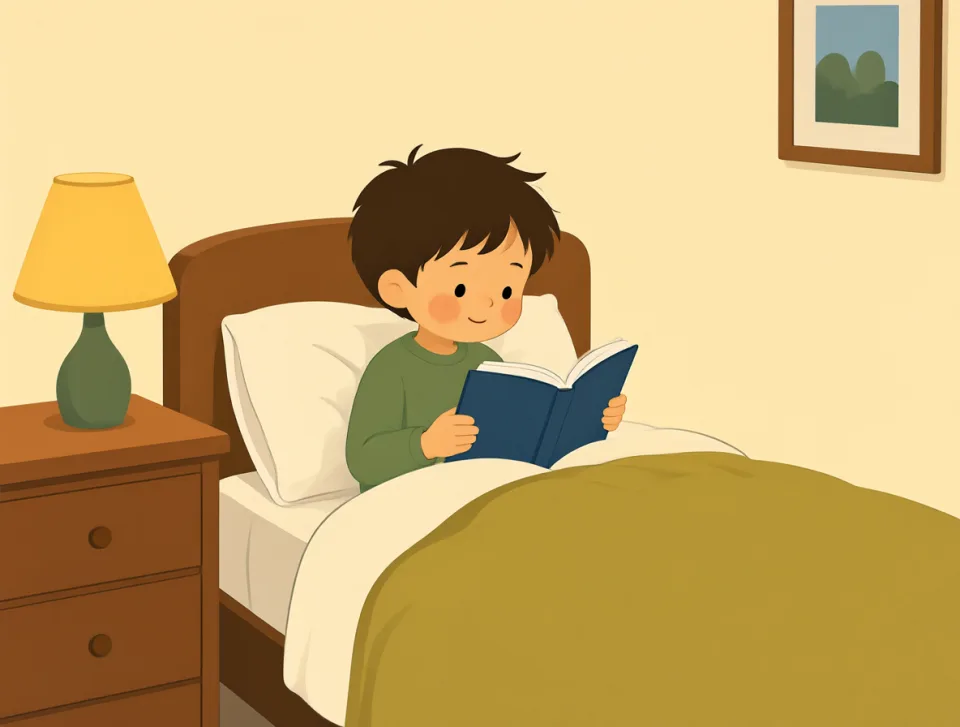
I read one chapter of my book before going to sleep.
Przed snem czytam jeden rozdział książki.
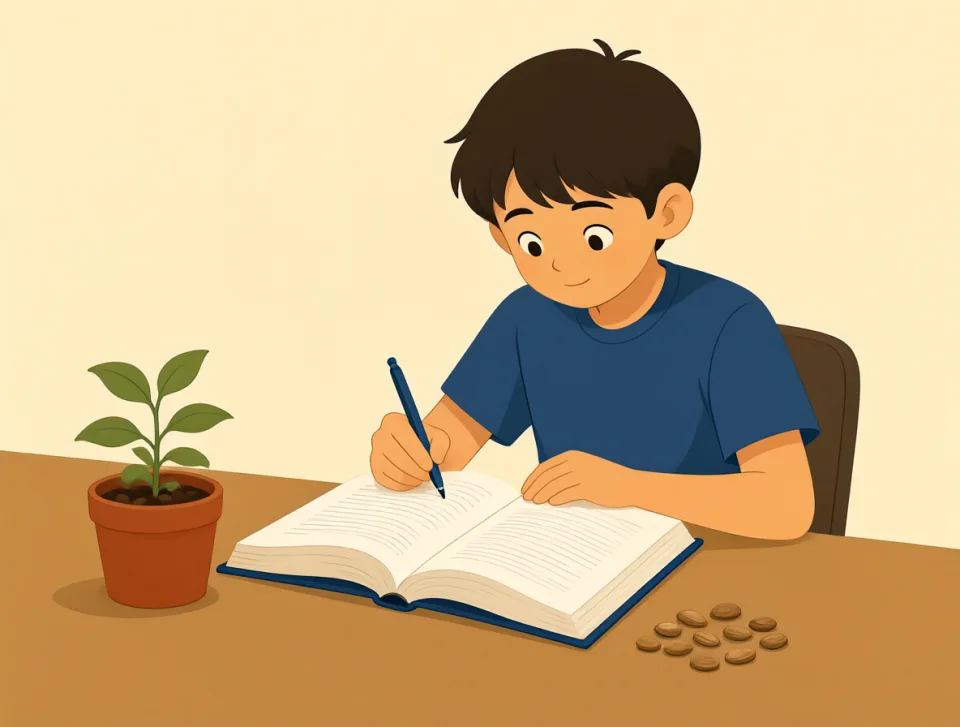
The next chapter explains how plants grow from seeds.
W następnym rozdziale wyjaśniono, jak rośliny wyrastają z nasion.
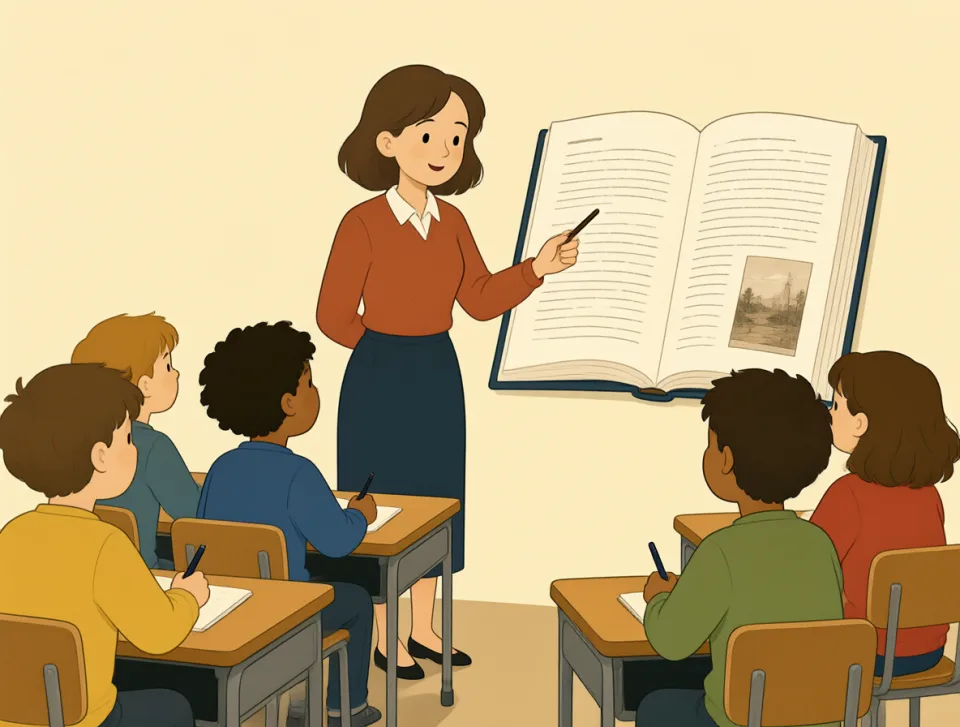
Our history teacher asked us to study Chapter Three tonight.
Nasz nauczyciel historii poprosił nas, żebyśmy dziś wieczorem przerobili rozdział trzeci.
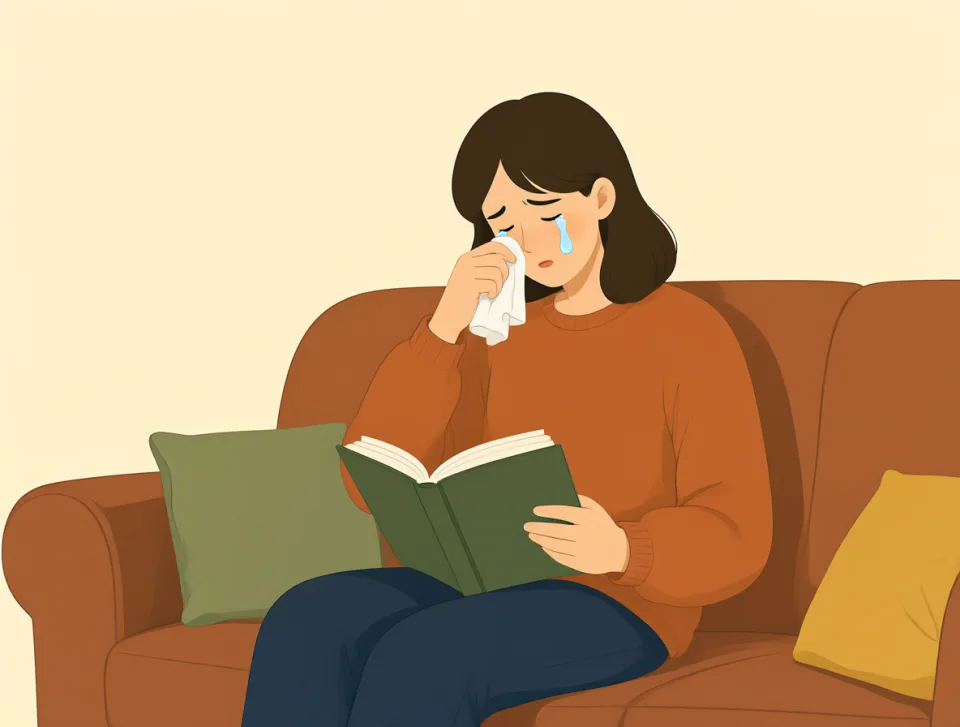
The final chapter of the novel made me cry.
Ostatni rozdział powieści doprowadził mnie do łez.

We started a new chapter in our lives after moving abroad.
Po przeprowadzce za granicę rozpoczęliśmy nowy etap w życiu.
secret
#1276noun, adjective
sekret
Something kept hidden from other people, or known by only a few people.
Coś, co jest ukrywane przed innymi lub o czym wie tylko kilka osób.
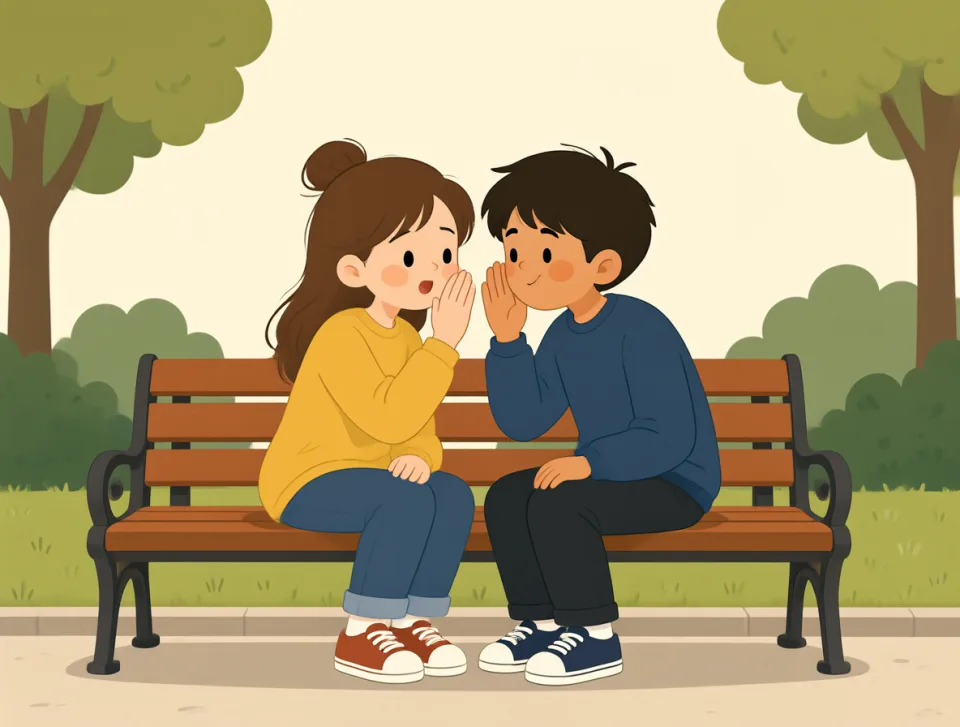
She told me a secret about her new job.
Opowiedziała mi sekret dotyczący swojej nowej pracy.
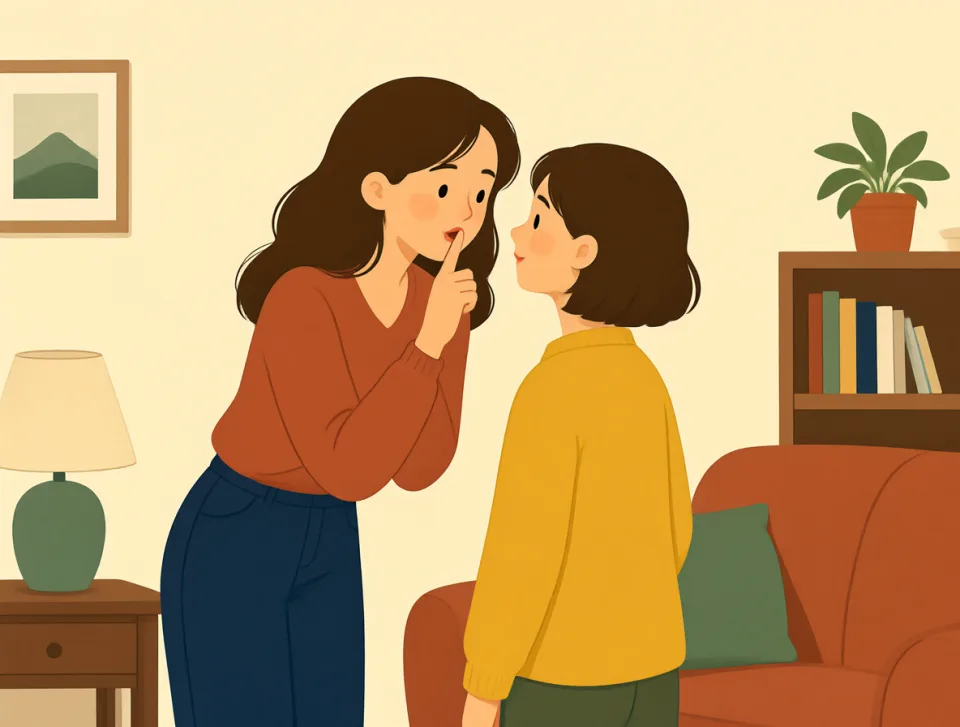
Please keep this secret until tomorrow.
Proszę, zachowaj to w tajemnicy do jutra.
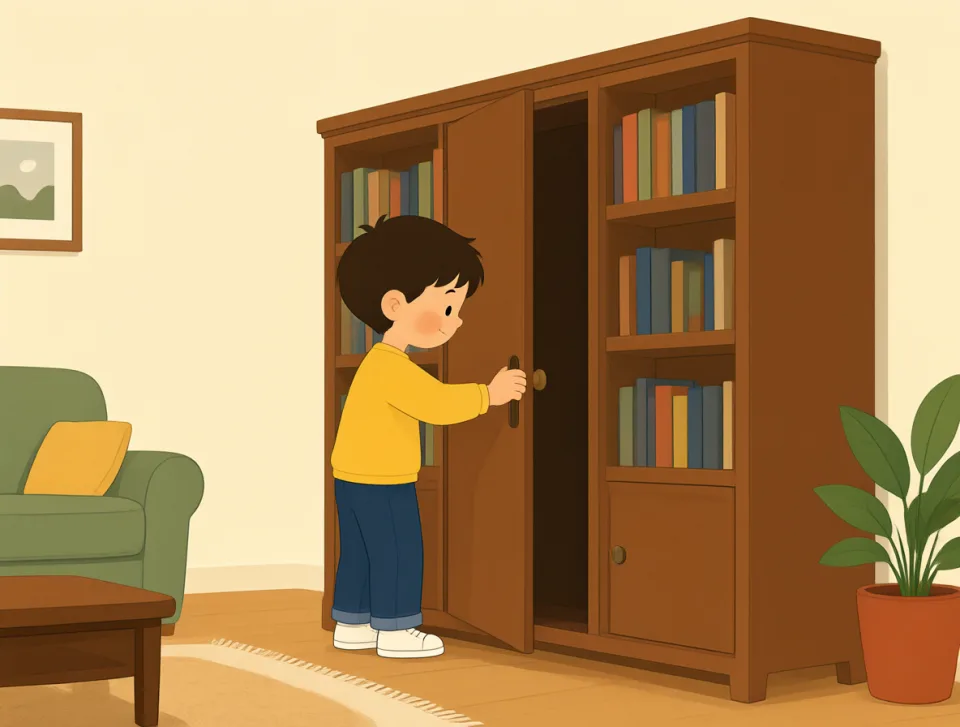
We found a secret door behind the bookcase.
Za regałem na książki znaleźliśmy ukryte drzwi.
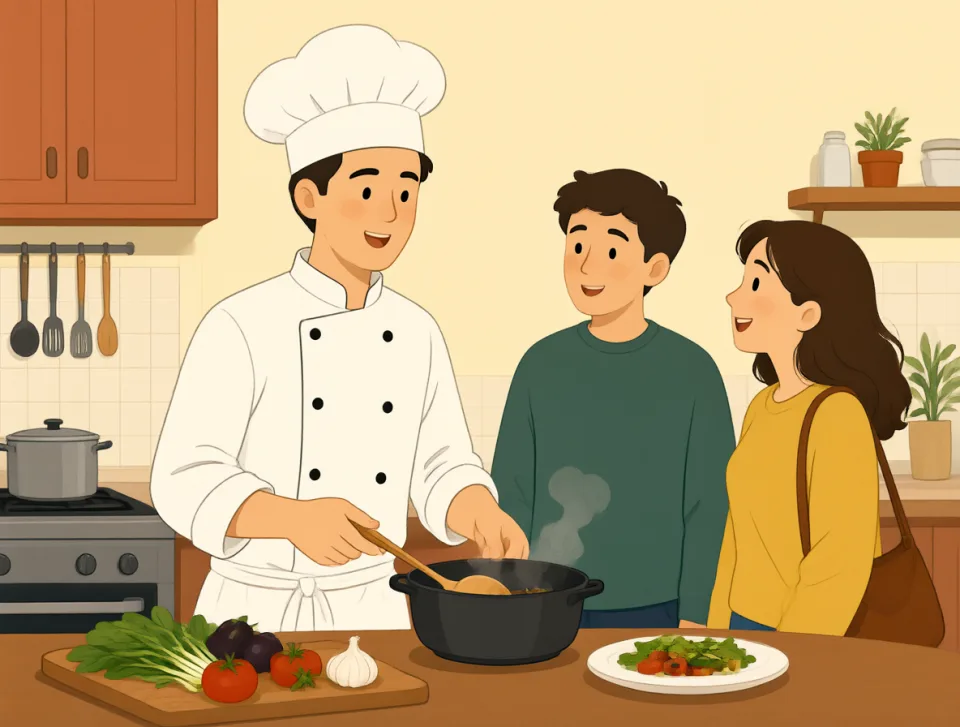
The chef shared his secret recipe with us.
Szef kuchni podzielił się z nami swoim sekretnym przepisem.
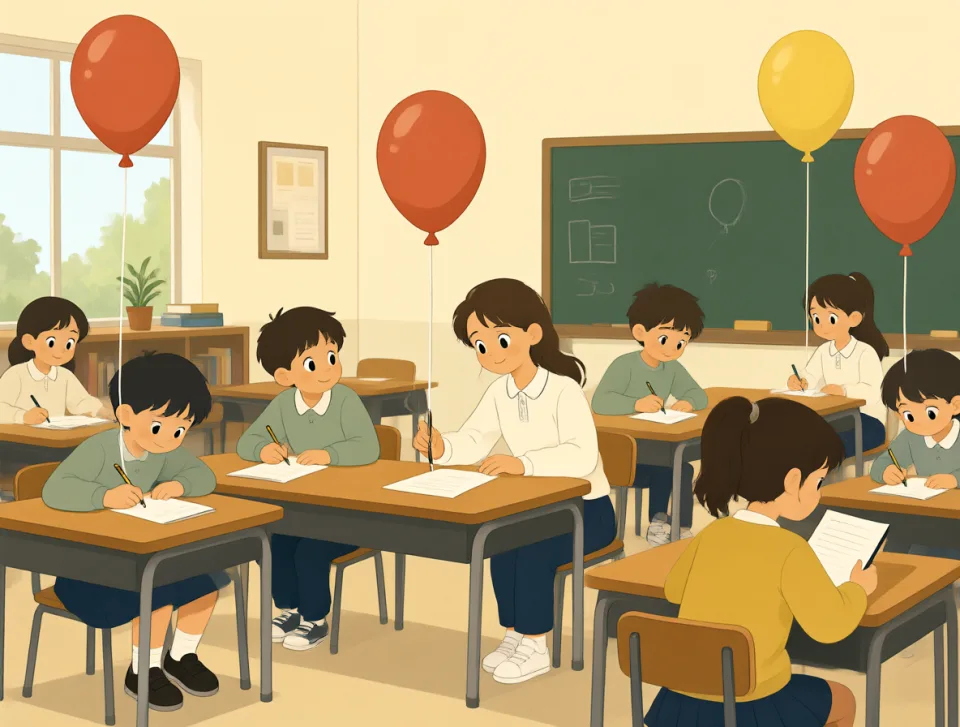
They planned a secret birthday party for their teacher.
Zaplanowali tajne przyjęcie urodzinowe dla swojego nauczyciela.
apparently
#1277adverb
najwyraźniej
Used to say that something seems true, although you do not know for certain.
Używa się tego, by powiedzieć, że coś wydaje się prawdą, choć nie ma się co do tego pewności.
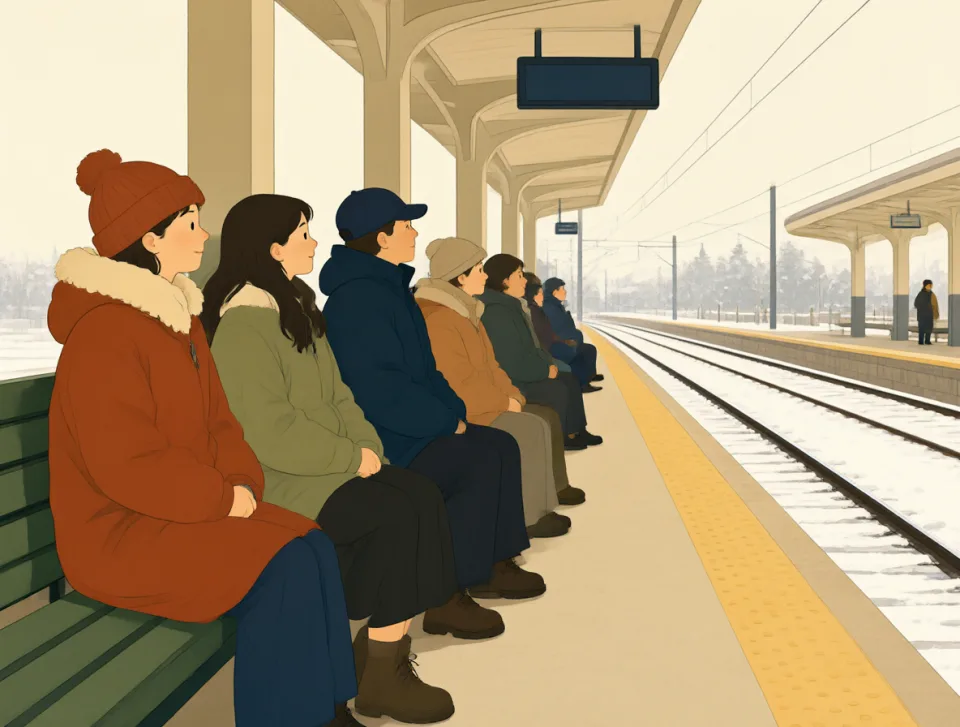
Apparently, the train is late because of heavy snow.
Najwyraźniej pociąg jest opóźniony z powodu obfitych opadów śniegu.
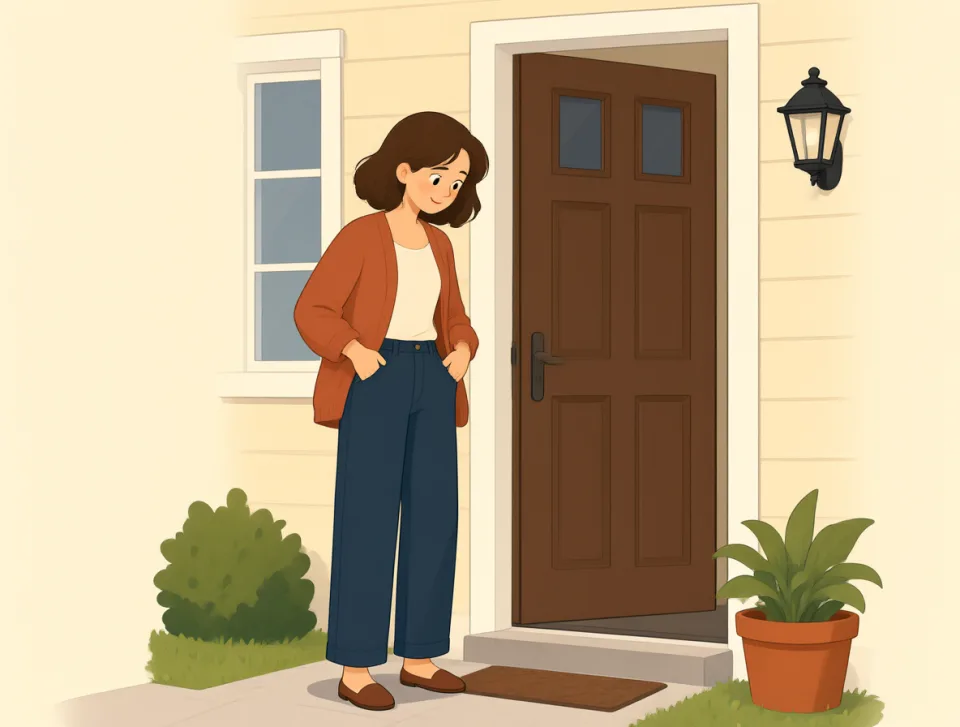
She apparently forgot her keys at home this morning.
Najwyraźniej dziś rano zapomniała kluczy w domu.

Apparently, our new manager worked in Canada before.
Najwyraźniej nasz nowy kierownik wcześniej pracował w Kanadzie.
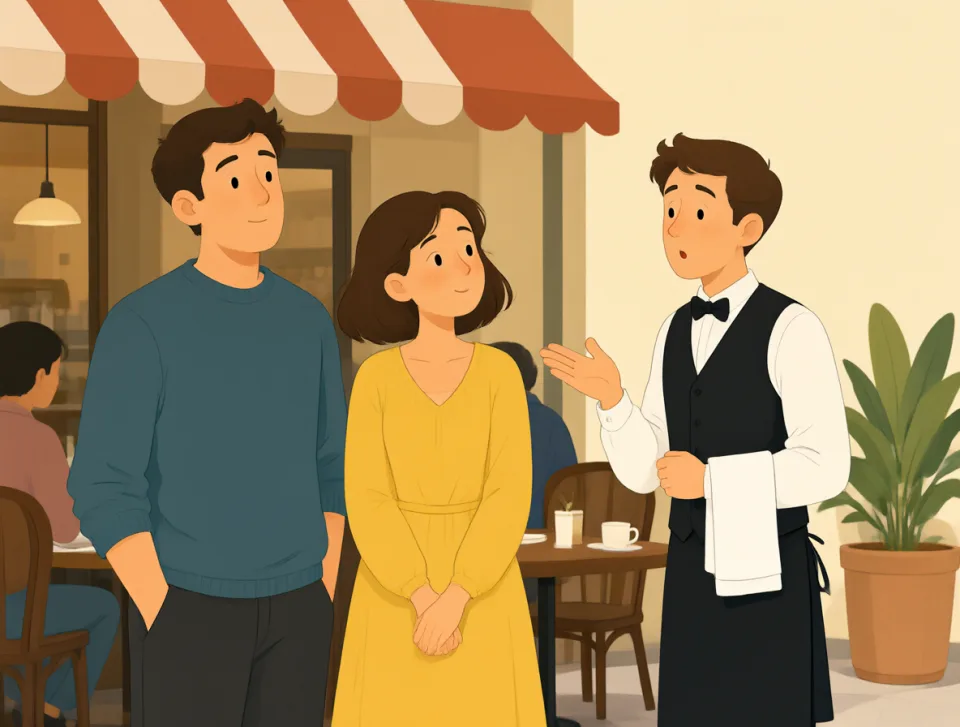
The restaurant is apparently fully booked tonight.
Wygląda na to, że dziś wieczorem w restauracji nie ma już wolnych miejsc.
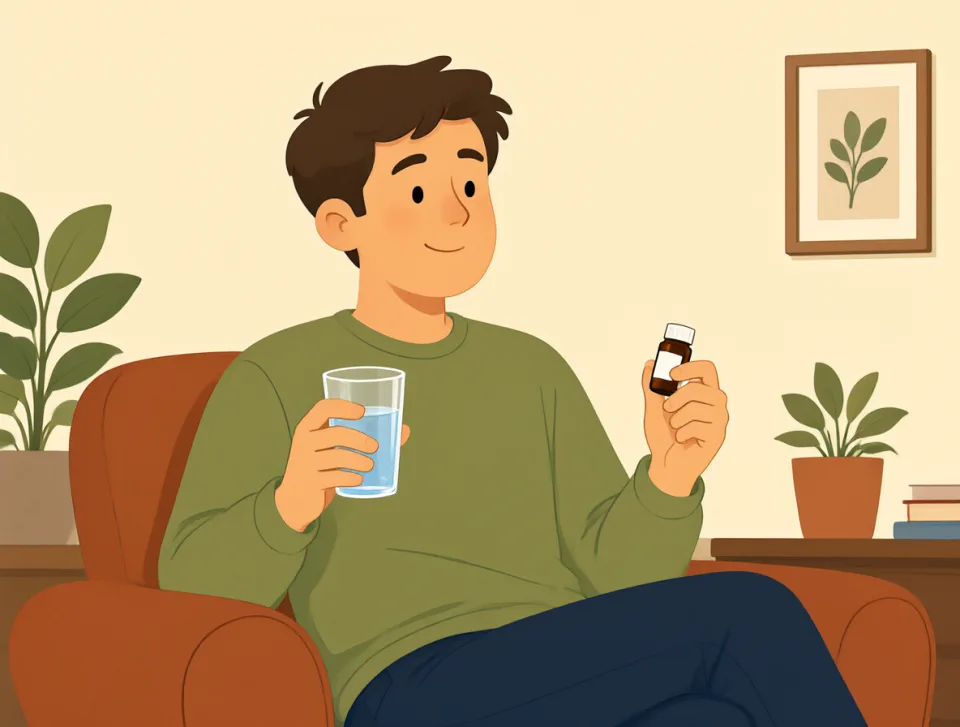
He was apparently feeling better after taking the medicine.
Najwyraźniej po zażyciu leku poczuł się lepiej.
novel
#1278noun, adjective
powieść
A long fictional story in a book; new, unusual, or different from anything before.
Długa fikcyjna historia w książce; coś nowego, niezwykłego lub odmiennego od wszystkiego, co było wcześniej.
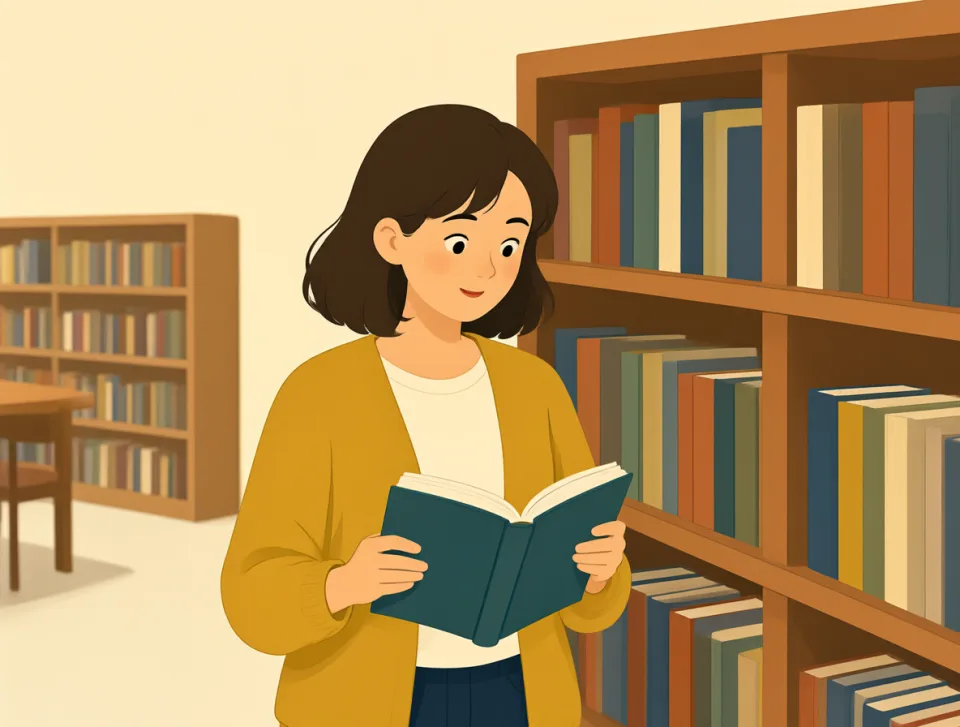
She borrowed a mystery novel from the library yesterday.
Wczoraj wypożyczyła z biblioteki powieść detektywistyczną.

I read a short novel on the train to work.
Przeczytałem krótką powieść w pociągu w drodze do pracy.
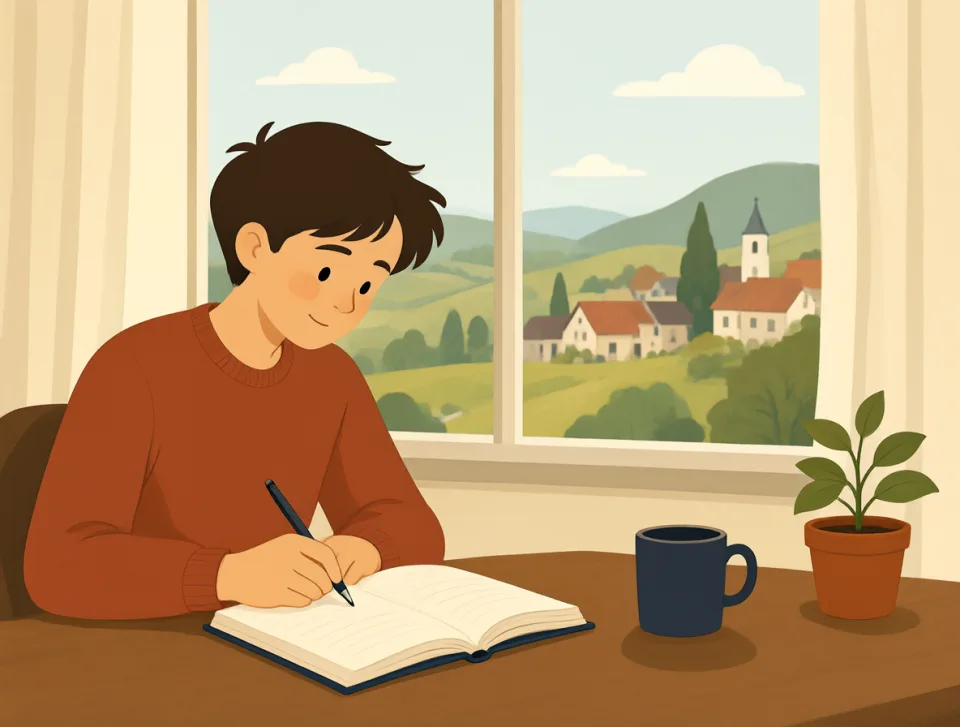
The author is writing a novel about life in a small village.
Autor pisze powieść o życiu w małej wiosce.

The shop sells novels, cookbooks, and travel guides.
W tym sklepie sprzedają powieści, książki kucharskie i przewodniki turystyczne.
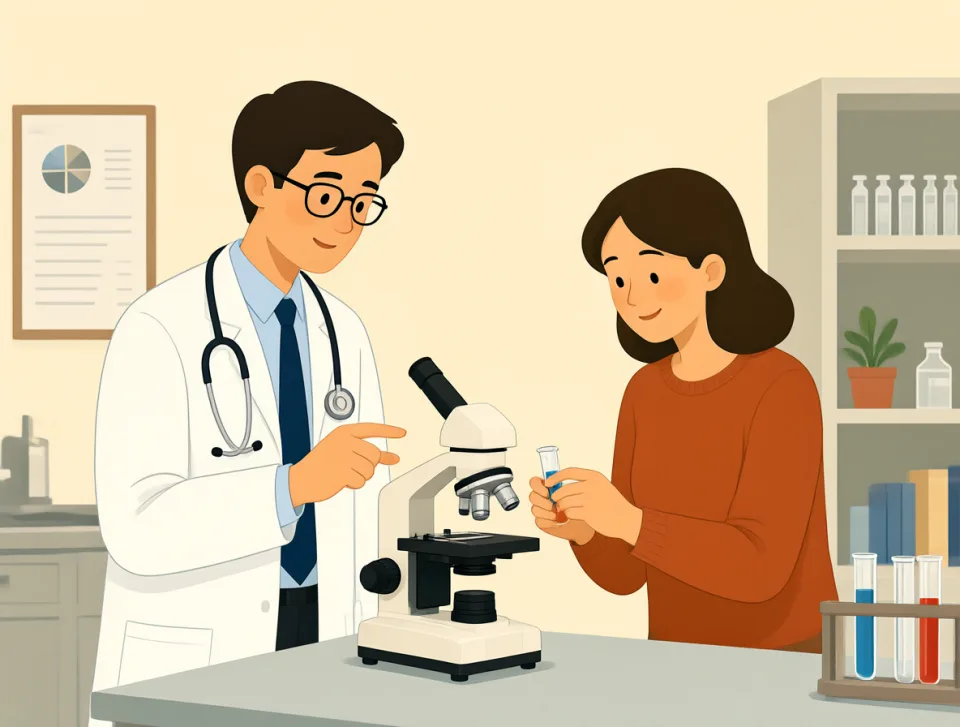
The scientist developed a novel treatment for the disease.
Naukowiec opracował nowatorską metodę leczenia tej choroby.

union
#1279noun
związek zawodowy
A group of workers who join together to protect their rights and improve their working conditions.
Grupa pracowników, którzy zrzeszają się, by chronić swoje prawa i poprawiać warunki pracy.
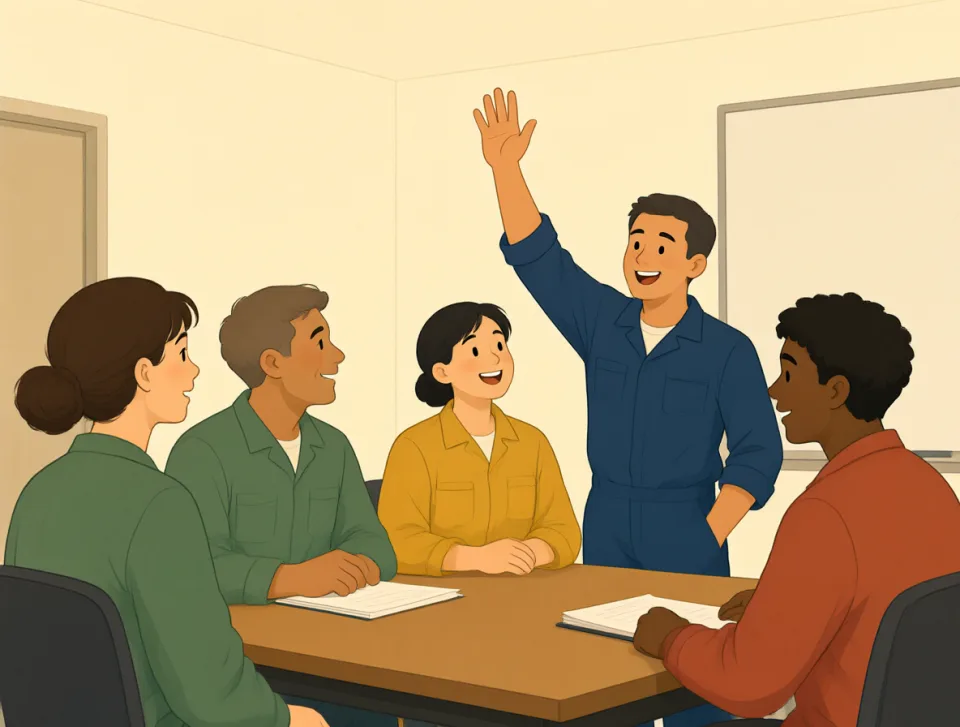
The workers joined the union to ask for better pay.
Pracownicy wstąpili do związku zawodowego, by domagać się lepszego wynagrodzenia.

The union negotiated a new agreement with the company.
Związek zawodowy wynegocjował z firmą nową umowę.
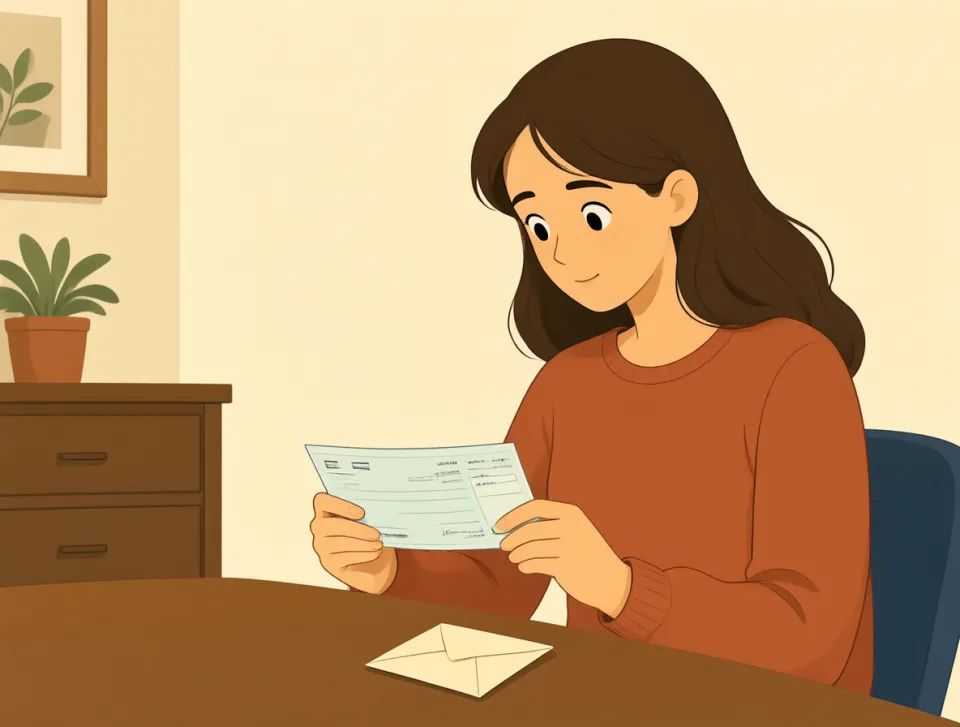
She pays union fees every month from her paycheck.
Co miesiąc z jej pensji potrącane są składki związkowe.
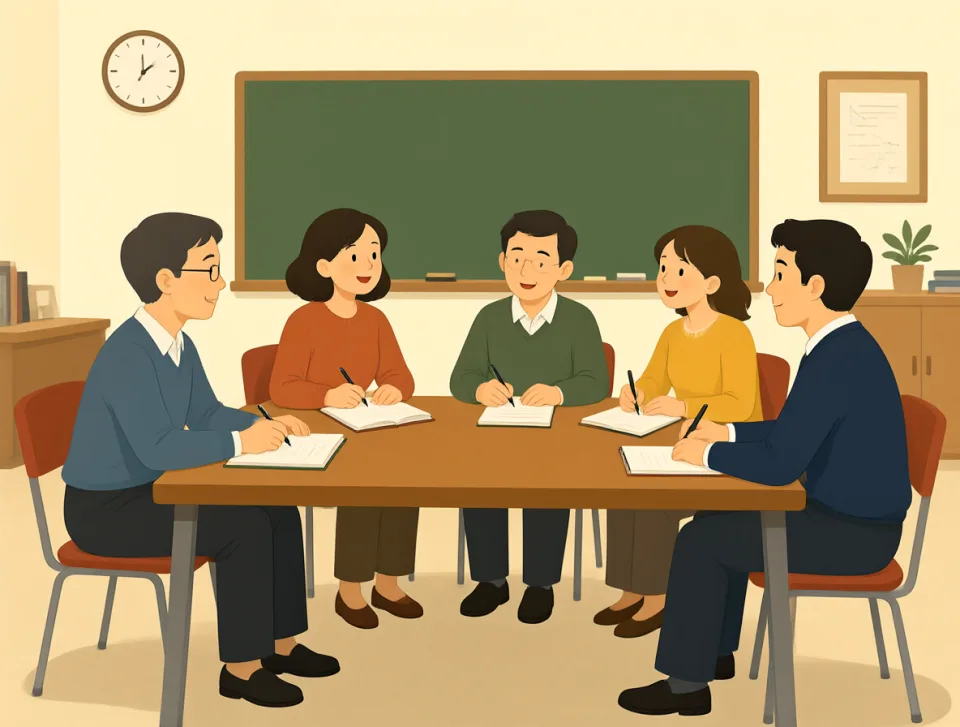
The teachers' union called a meeting after school.
Związek zawodowy nauczycieli zwołał zebranie po lekcjach.
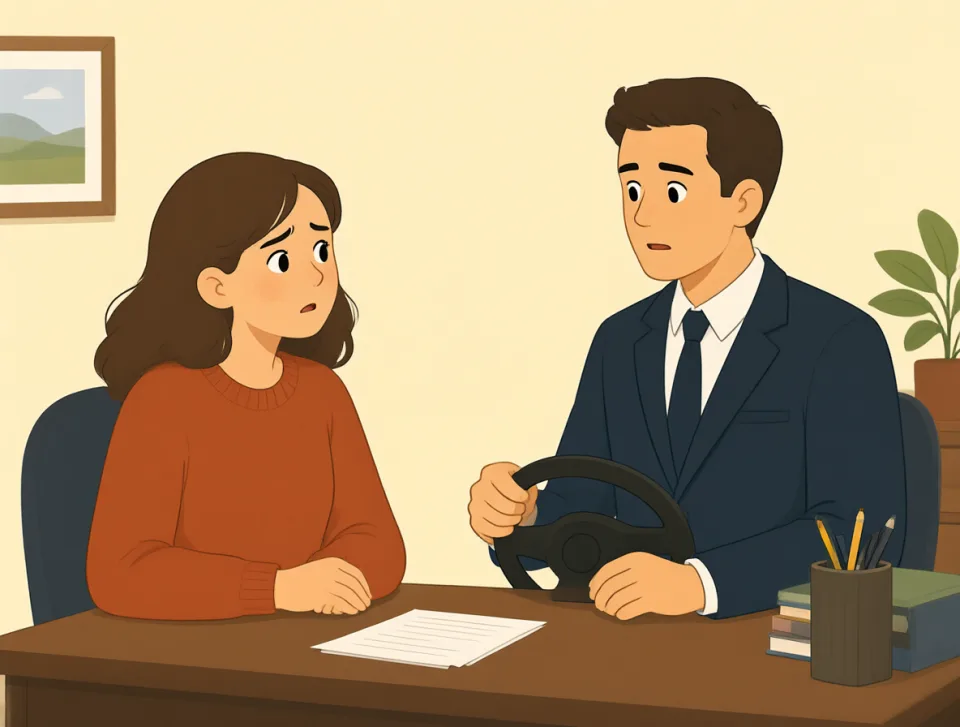
The union helped the driver after he lost his job.
Związek zawodowy pomógł kierowcy, gdy stracił pracę.
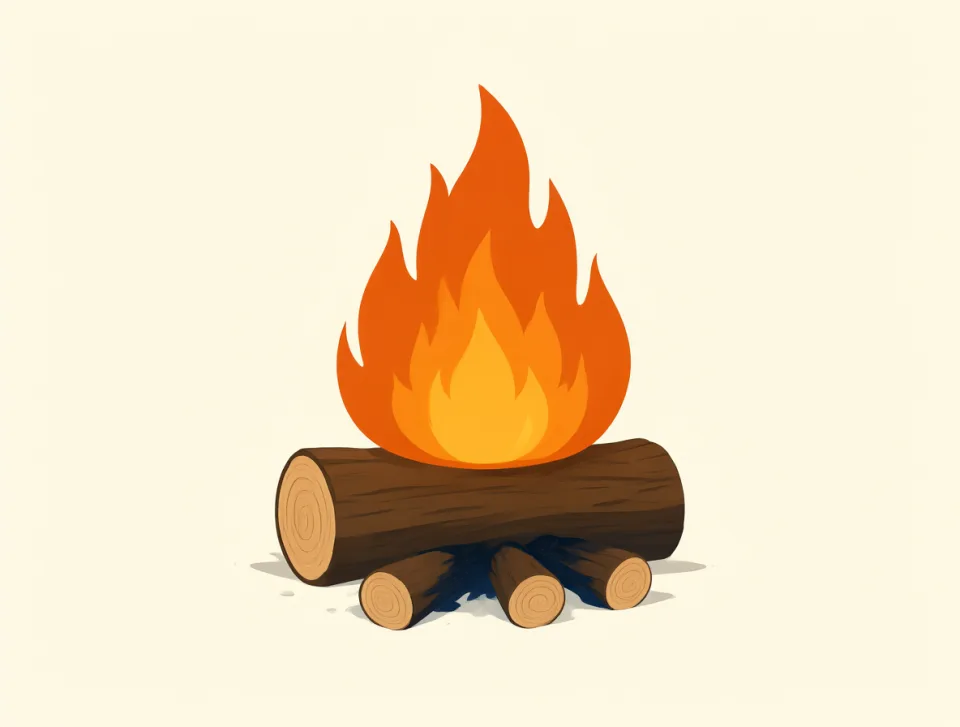
burn
#1280verb, noun
spalić
to damage or destroy something with fire or heat
Uszkodzić lub zniszczyć coś ogniem albo wysoką temperaturą.
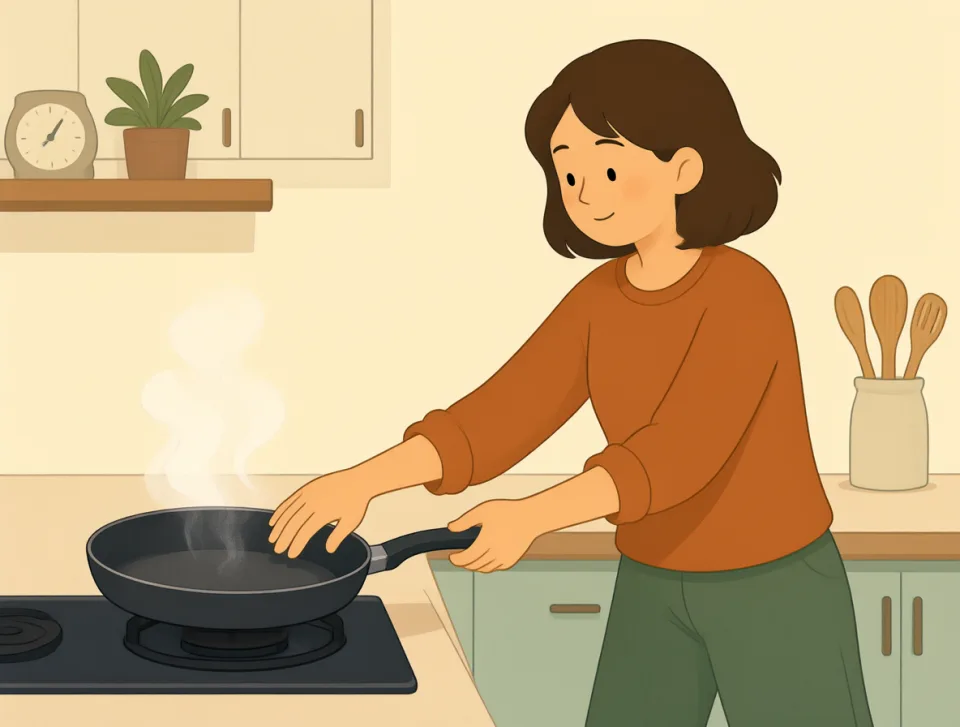
Be careful not to burn your hand on the hot pan.
Uważaj, żeby nie oparzyć sobie dłoni o gorącą patelnię.
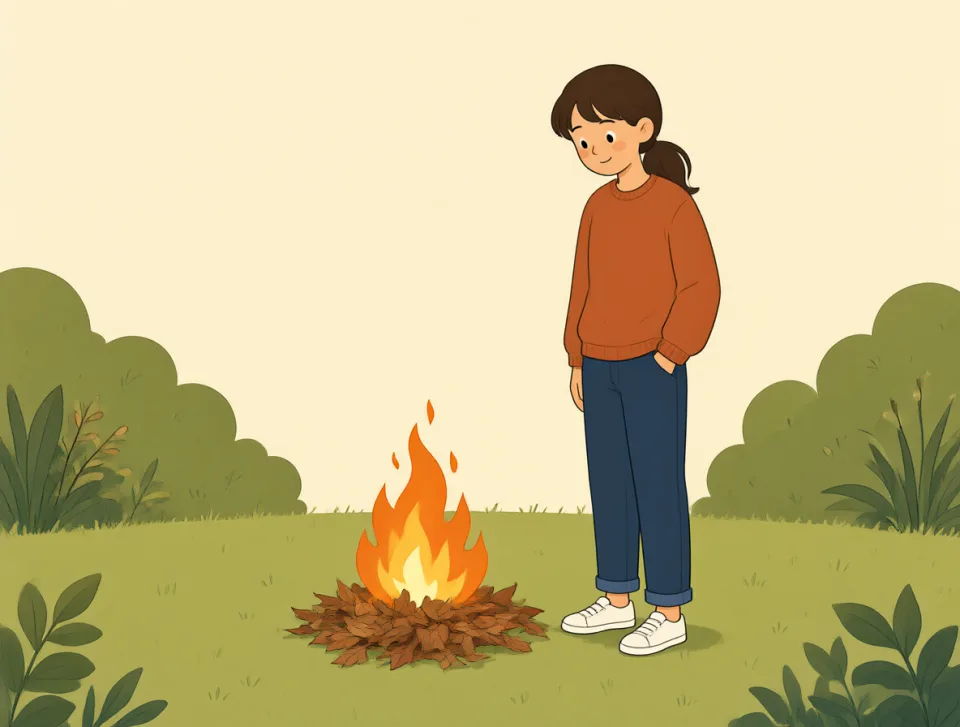
We burned the old leaves in a small garden fire.
Spaliliśmy stare liście w małym ognisku w ogrodzie.
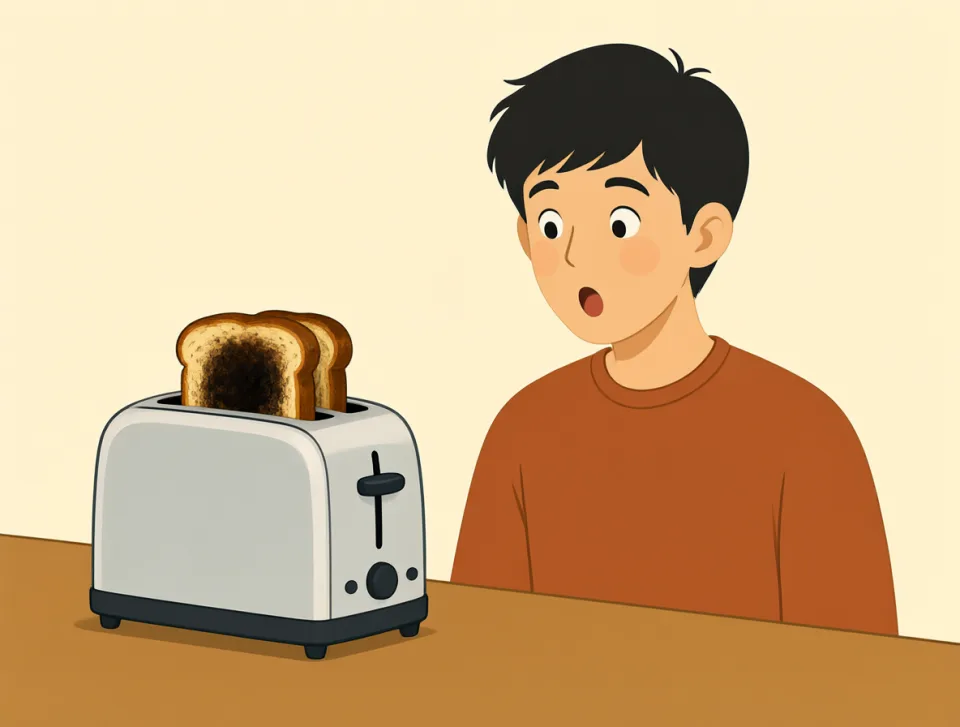
The toast burned because I forgot it in the toaster.
Tost się przypalił, bo zapomniałem o nim w tosterze.
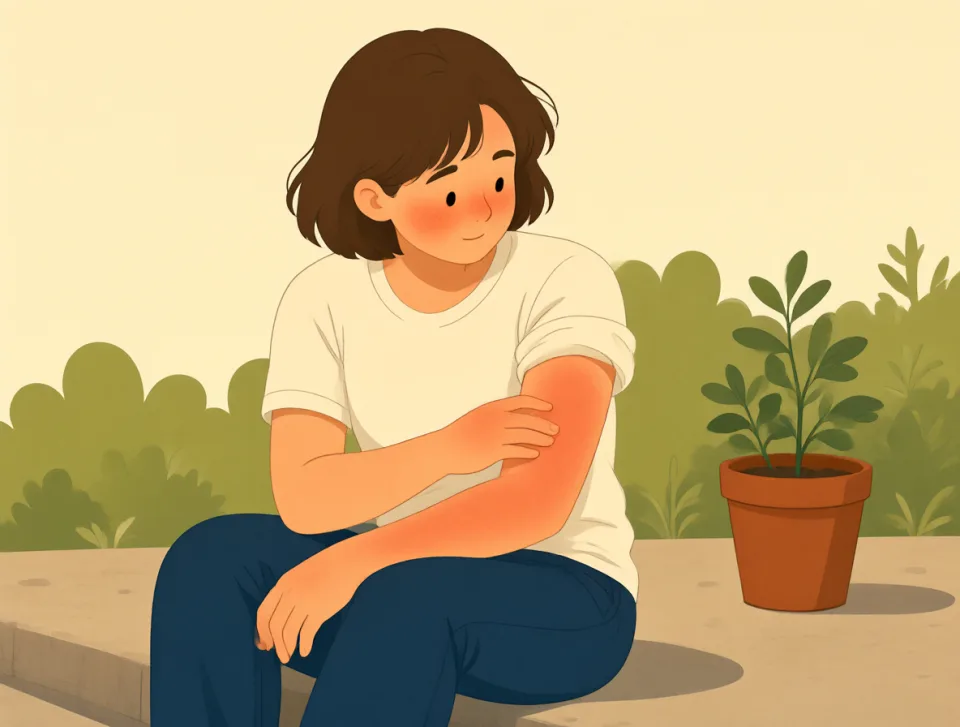
My skin burned after I stayed outside too long.
Skóra mnie piekła, bo za długo przebywałem na zewnątrz.
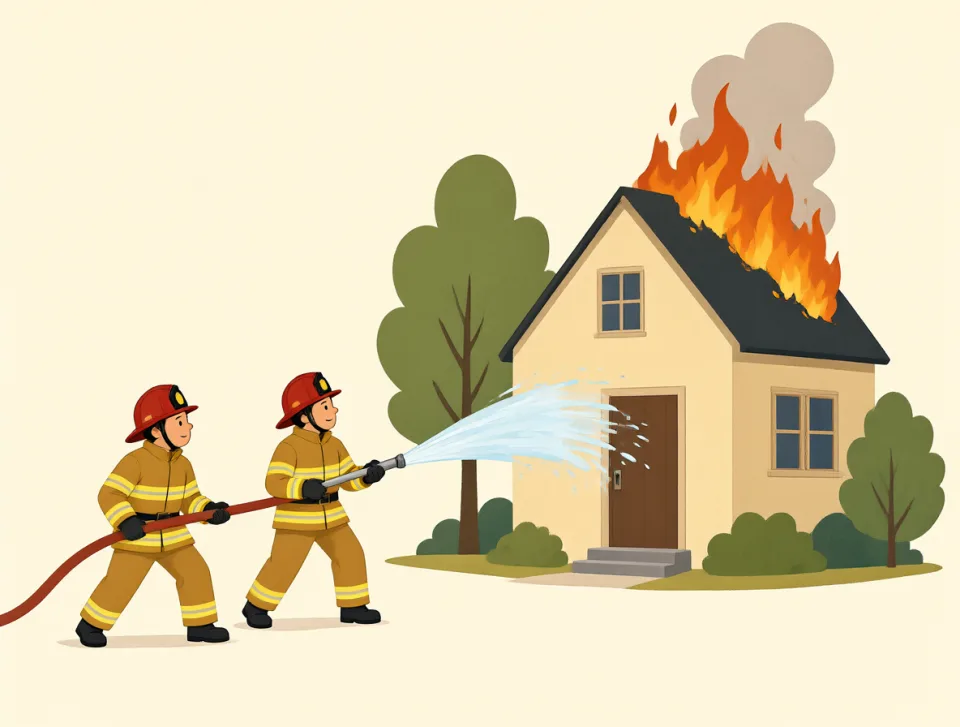
The firefighters stopped the house fire before it burned nearby trees.
Strażacy ugasili pożar domu, zanim ogień zdołał dosięgnąć pobliskich drzew.