Zestaw 63
Słowa 1241–1260 · speaker, bottom, adopt, combine, mountain, waste
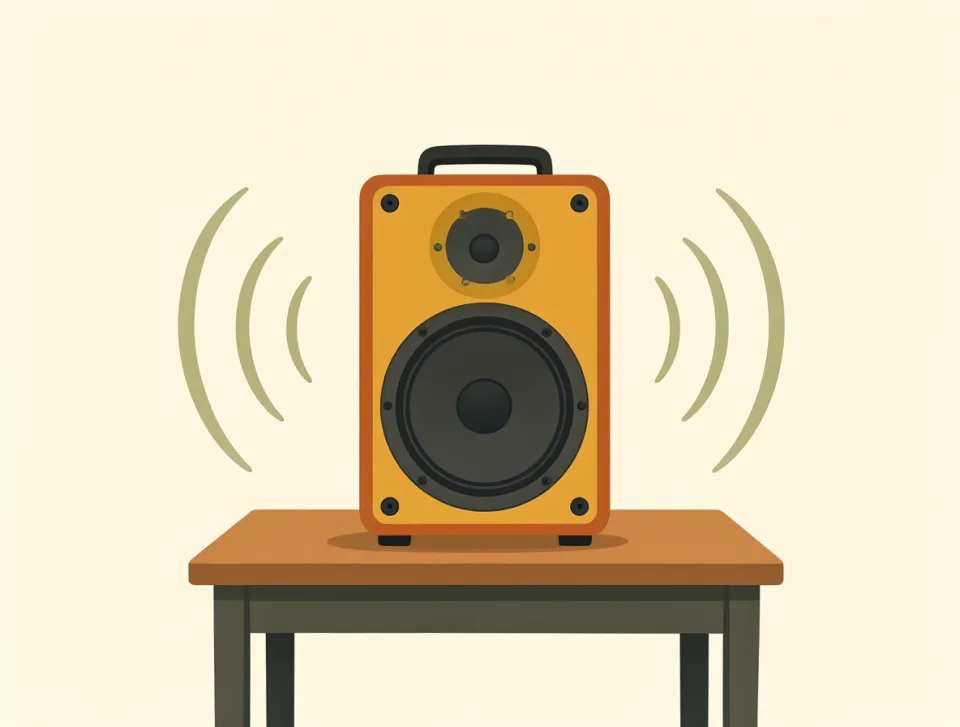
speaker
#1241noun
mówca / głośnik
A person who talks to an audience or a device that produces sound.
Osoba, która przemawia do publiczności, lub urządzenie odtwarzające dźwięk.
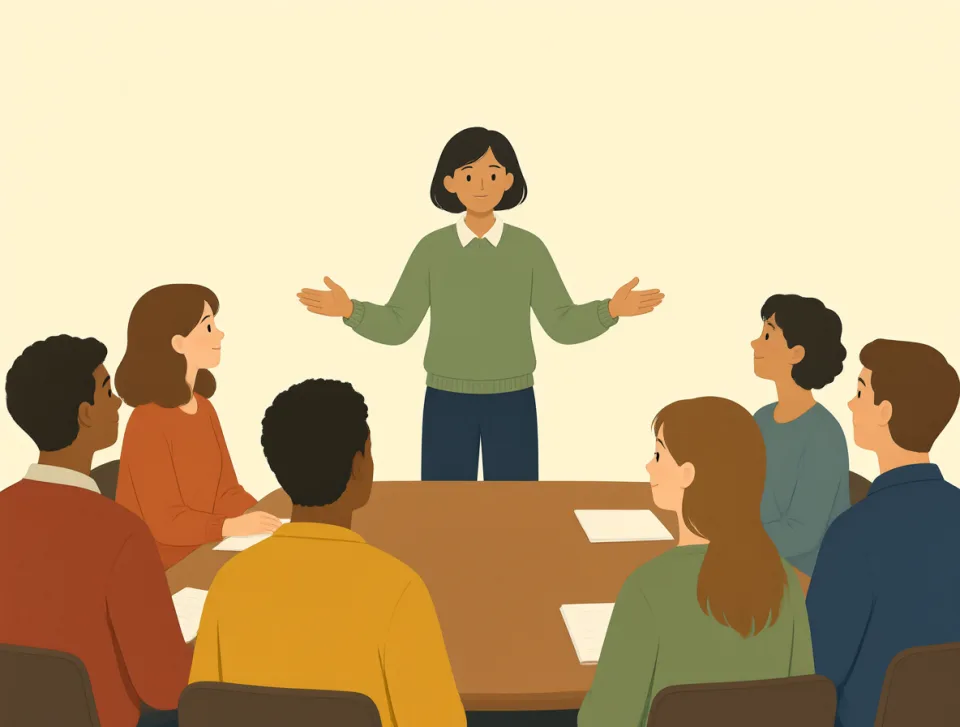
The speaker asked everyone to introduce themselves.
Mówca poprosił wszystkich, żeby się przedstawili.
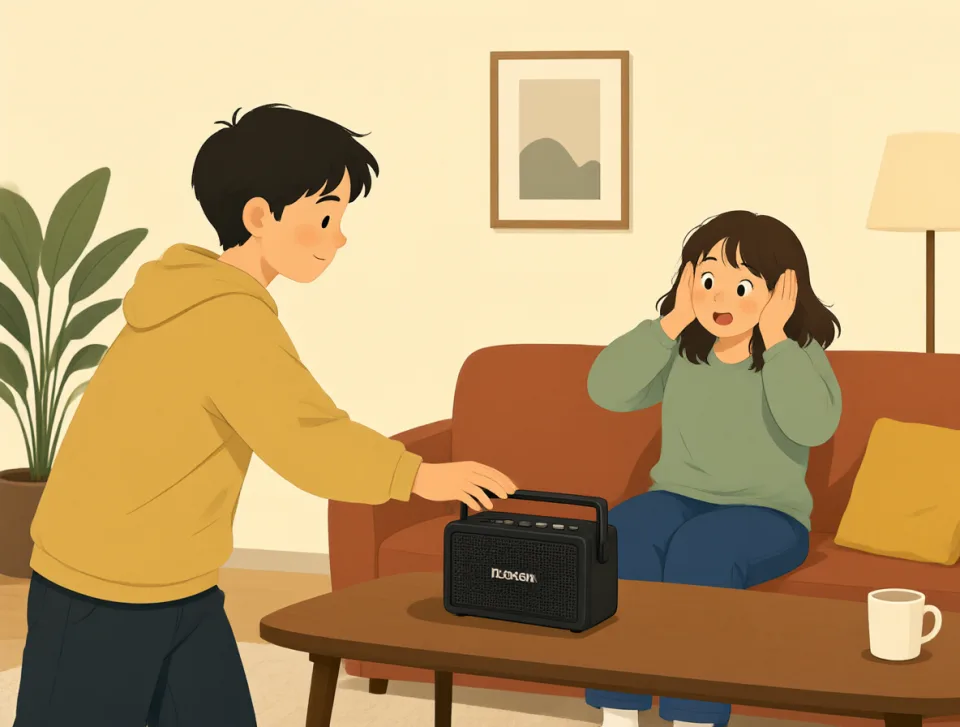
Please turn down the speaker; the music is too loud.
Proszę ściszyć głośnik — muzyka jest za głośna.
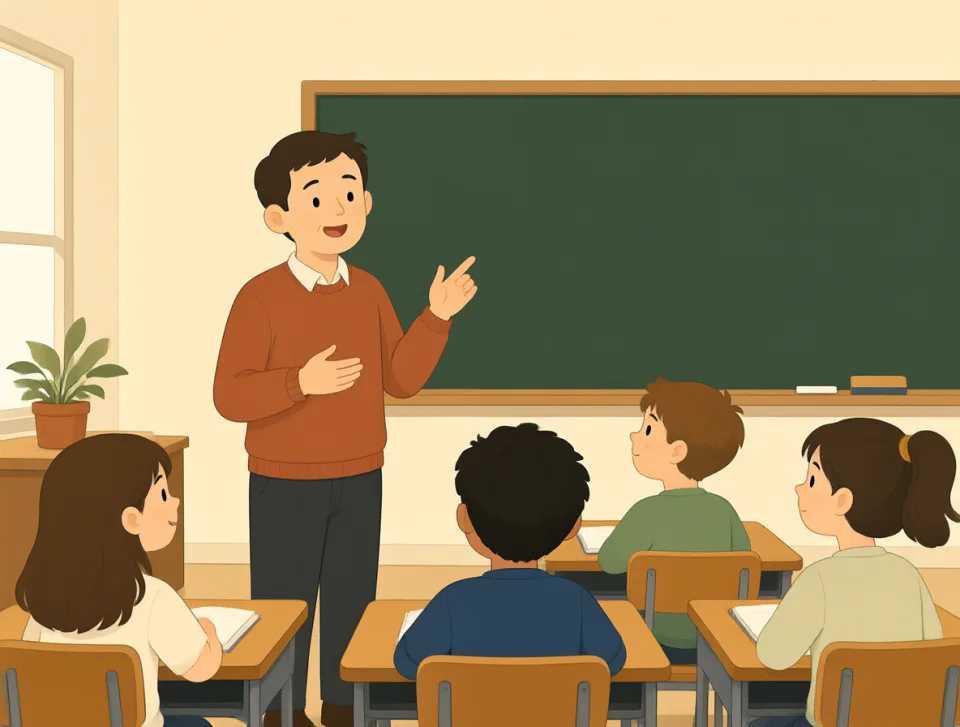
The guest speaker gave an interesting talk at school.
Zaproszony mówca wygłosił w szkole interesującą prelekcję.
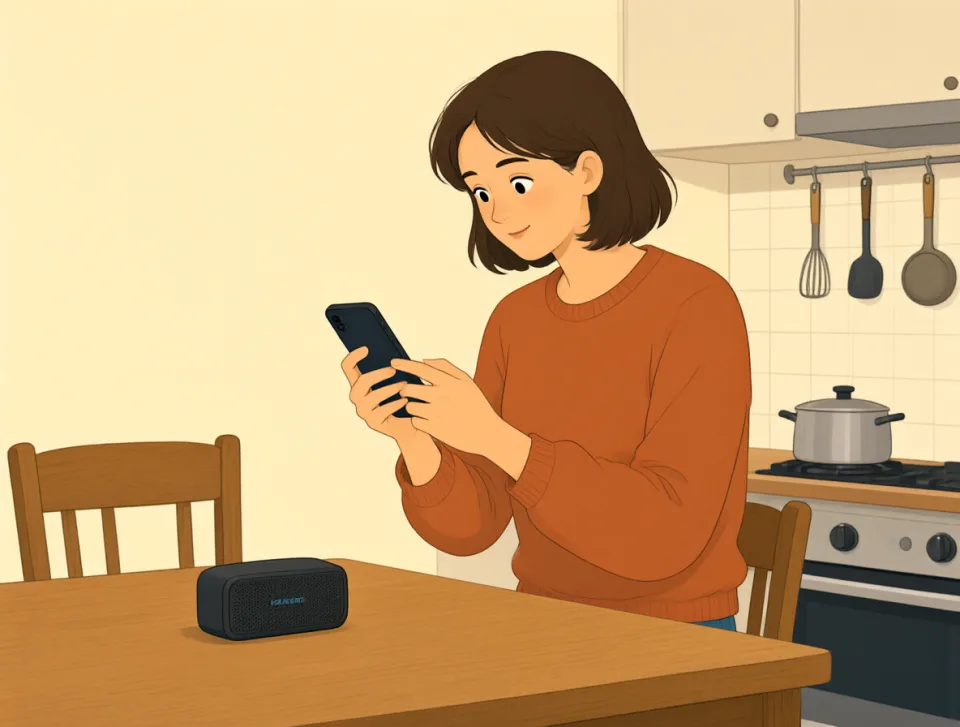
She connected her phone to the Bluetooth speaker.
Połączyła telefon z głośnikiem Bluetooth.
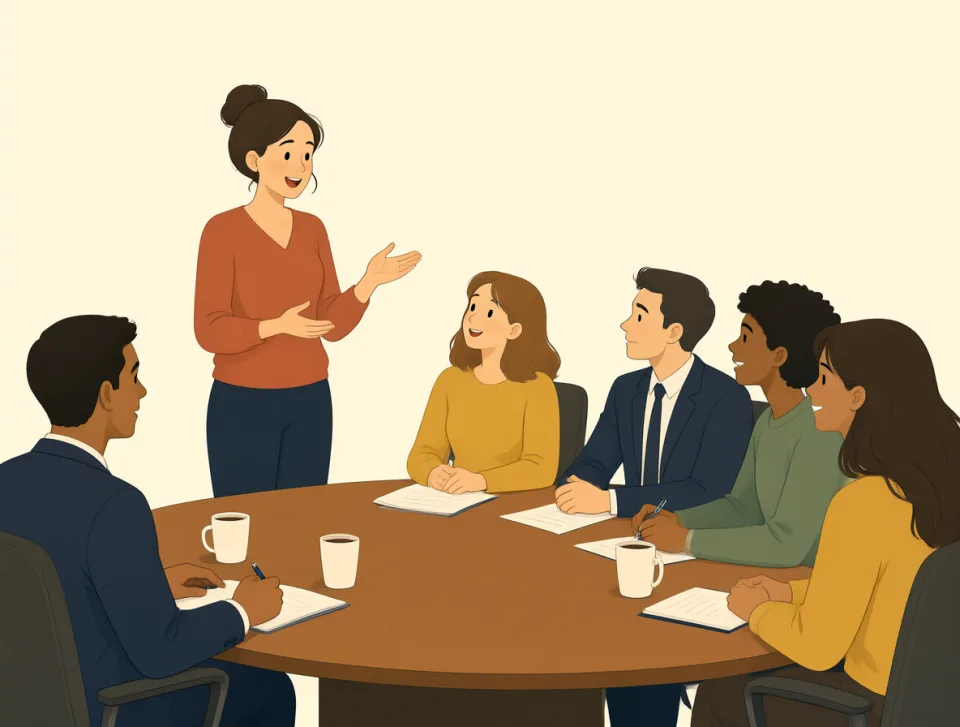
The conference speaker answered questions after her presentation.
Mówczyni konferencyjna odpowiadała na pytania po swojej prezentacji.

bottom
#1242noun, verb, adjective, preposition
dno / dół
The lowest part of something, or the lowest position or level.
Najniższa część czegoś albo najniższa pozycja lub poziom.

There is some water at the bottom of the glass.
Na dnie szklanki jest trochę wody.
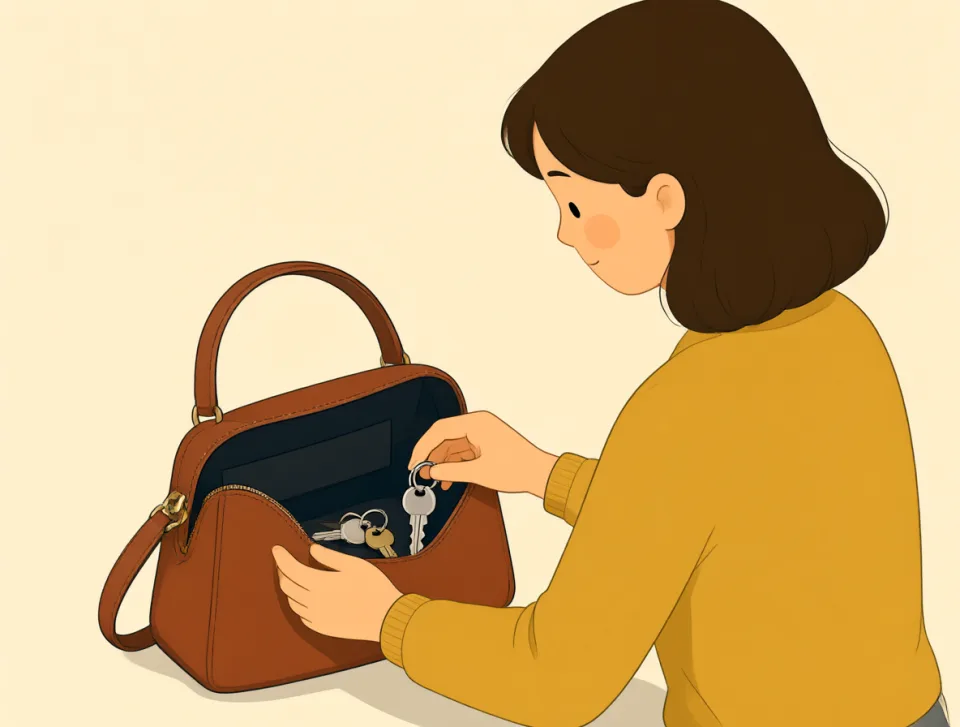
I found my keys at the bottom of my bag.
Znalazłem klucze na dnie torby.

The boat sank to the bottom of the lake.
Łódź zatonęła na dnie jeziora.

Please write your name at the bottom of the page.
Proszę napisać swoje imię na dole strony.
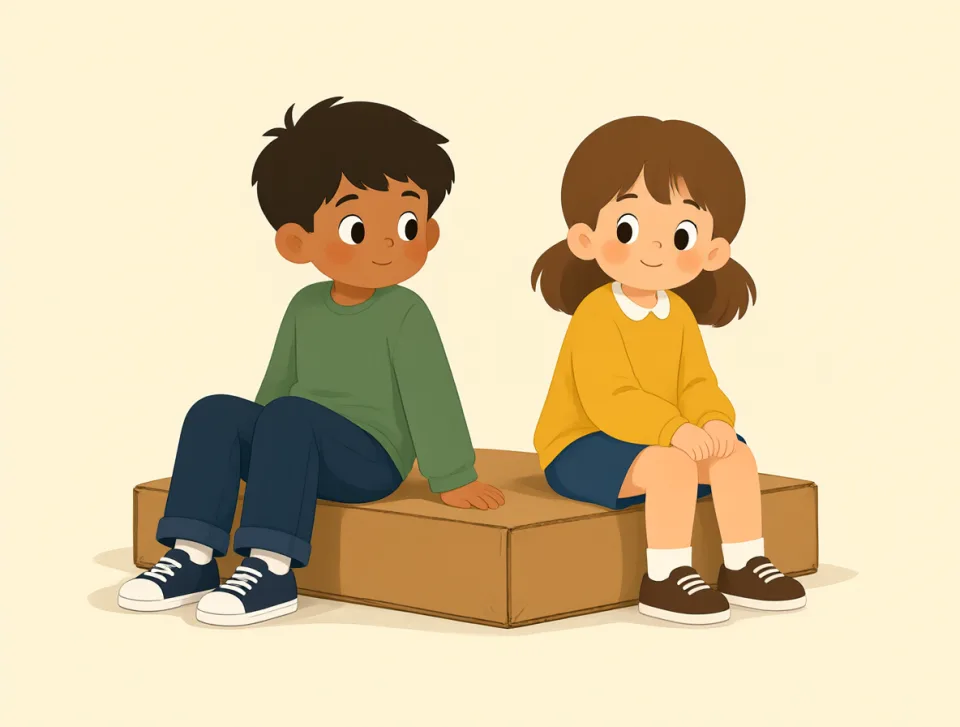
The children bottomed out the old box by sitting on it.
Dzieci dobiły stare pudełko do dna, siadając na nim.
adopt
#1243verb
adoptować / przyjąć
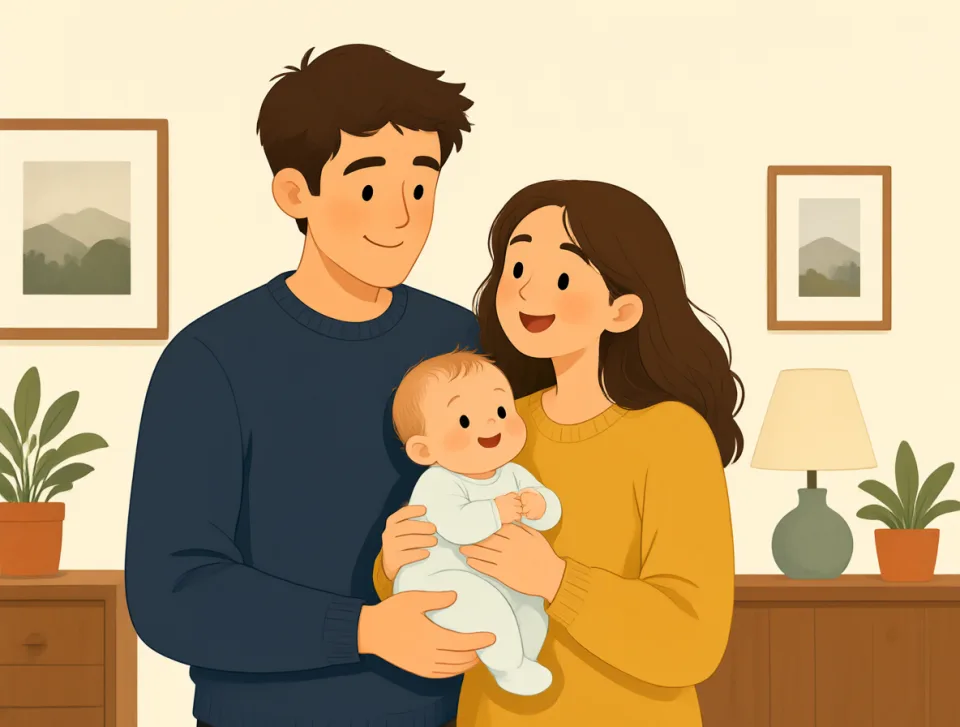
to take someone or something as your own, or begin using an idea or plan
Wziąć kogoś lub coś za swoje albo zacząć stosować jakiś pomysł lub plan.
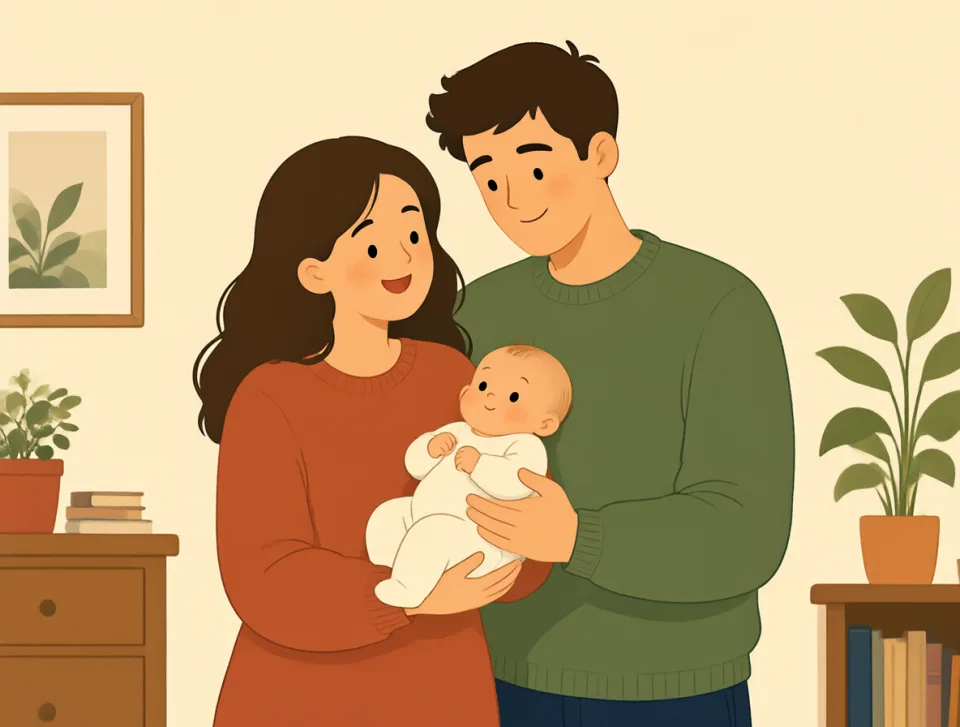
They decided to adopt a baby after years of trying.
Po latach prób zdecydowali się adoptować dziecko.
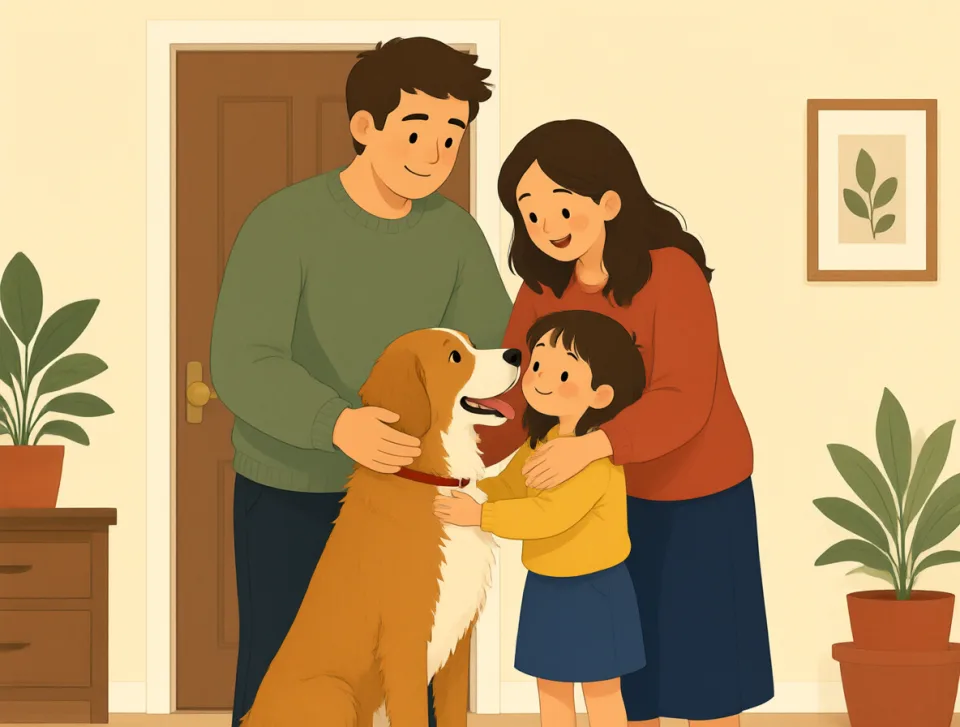
We adopted a friendly dog from the animal shelter last weekend.
W zeszły weekend adoptowaliśmy przyjaznego psa ze schroniska.
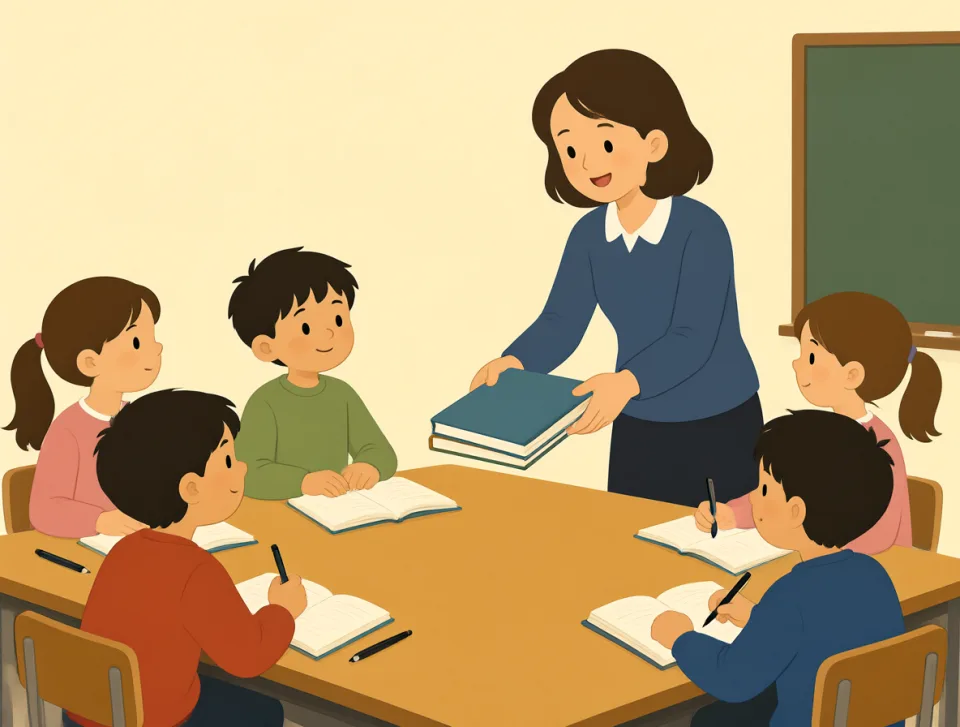
Our school adopted a new reading program this year.
W tym roku nasza szkoła wprowadziła nowy program czytelniczy.

The company adopted flexible working hours to help its employees.
Firma wprowadziła elastyczne godziny pracy, żeby pomóc swoim pracownikom.
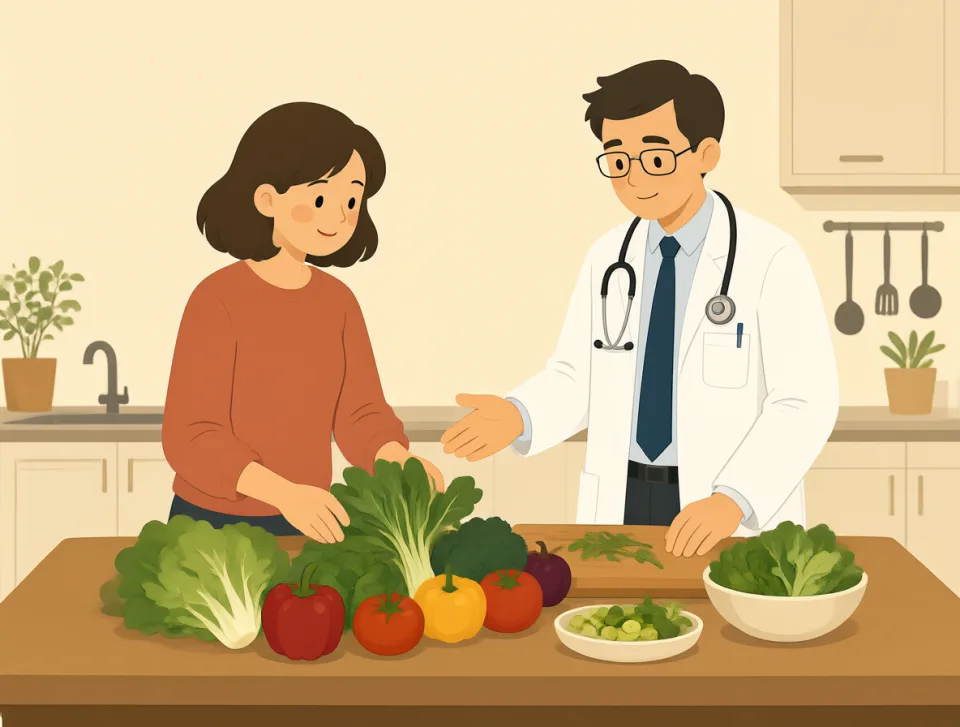
She adopted a healthier diet after talking with her doctor.
Po rozmowie z lekarzem przeszła na zdrowszą dietę.
combine
#1244verb
łączyć
to join two or more things or activities together
Łączyć ze sobą dwie lub więcej rzeczy albo czynności.
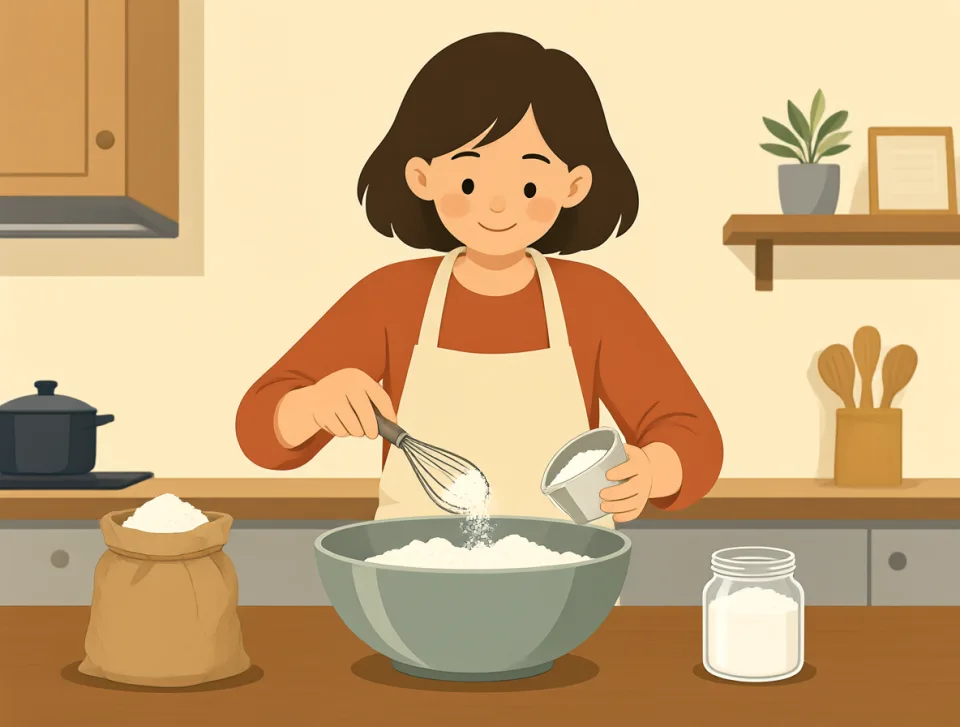
Combine the flour and sugar in a large bowl.
Wymieszaj mąkę z cukrem w dużej misce.
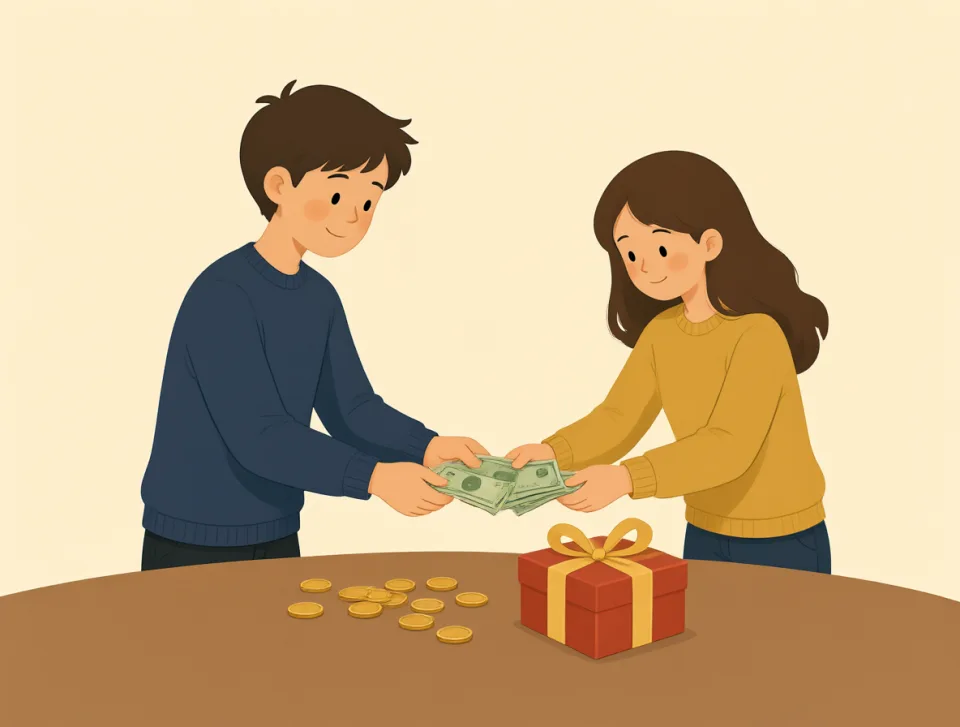
We combined our money to buy a birthday gift.
Złożyliśmy nasze pieniądze, żeby kupić prezent urodzinowy.
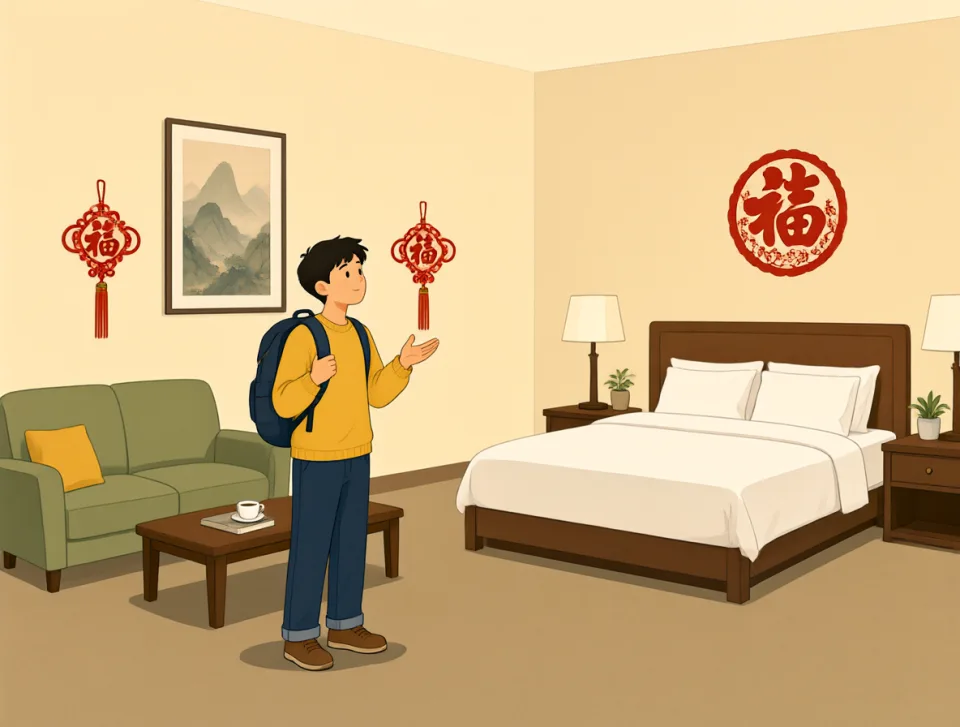
The hotel combines modern rooms with traditional decorations.
Hotel łączy nowoczesne pokoje z tradycyjnymi dekoracjami.
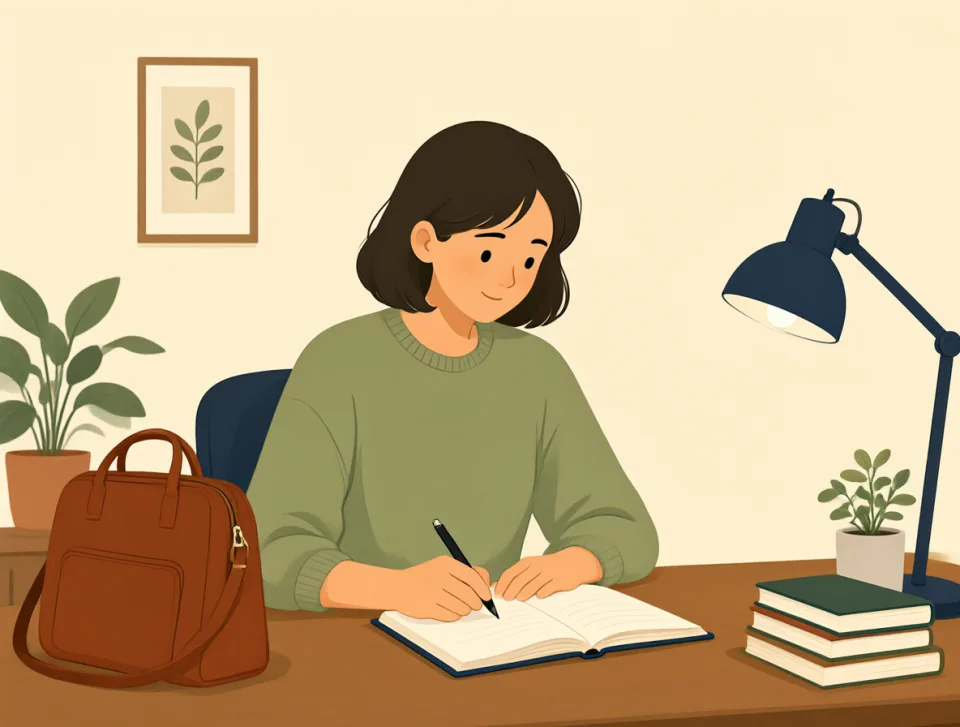
She combines work and study by taking evening classes.
Łączy pracę z nauką, uczęszczając na wieczorowe zajęcia.
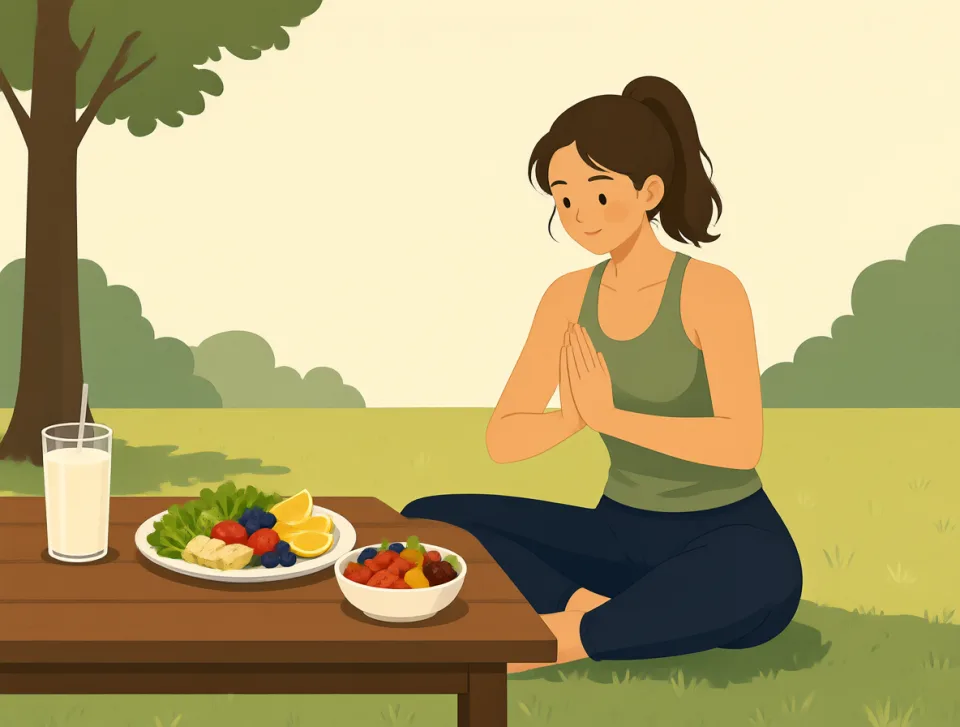
Combine regular exercise with healthy meals to feel better.
Połącz regularne ćwiczenia ze zdrowymi posiłkami, żeby poczuć się lepiej.

mountain
#1245noun
góra
A very high hill, often with steep sides.
Bardzo wysokie wzniesienie, często o stromych zboczach.

The hikers reached the top of the mountain before sunset.
Wędrowcy dotarli na szczyt góry przed zachodem słońca.

We could see the mountains from our hotel window.
Z okna naszego hotelu mogliśmy zobaczyć góry.

She dreams of climbing a mountain with her best friend.
Marzy o wspięciu się na górę ze swoją najlepszą przyjaciółką.
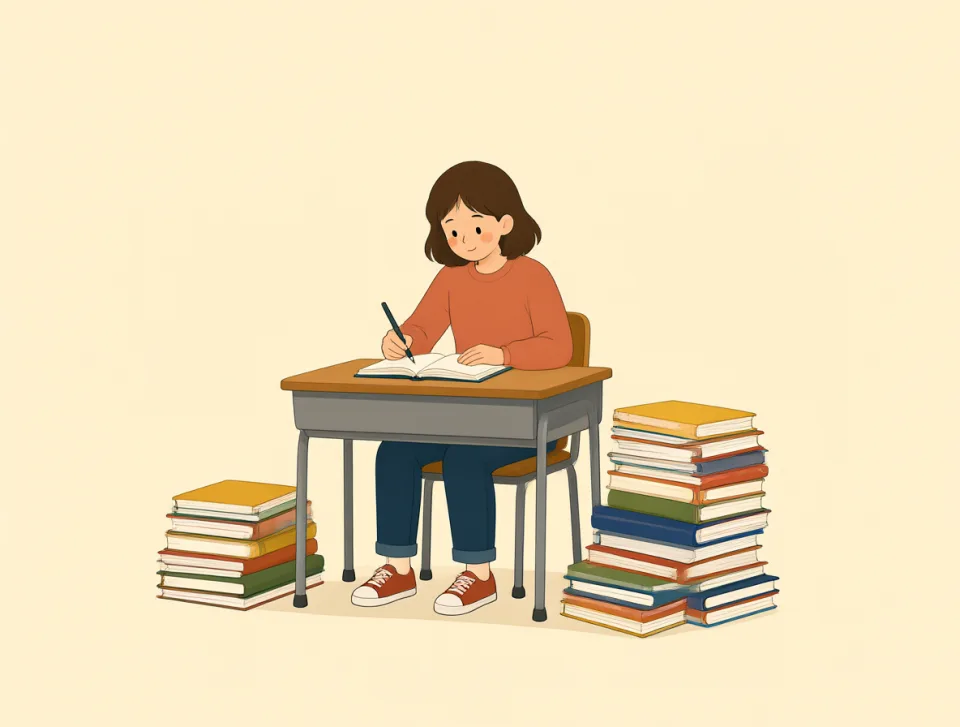
The teacher gave us a mountain of homework for Friday.
Nauczyciel zadał nam górę pracy domowej na piątek.
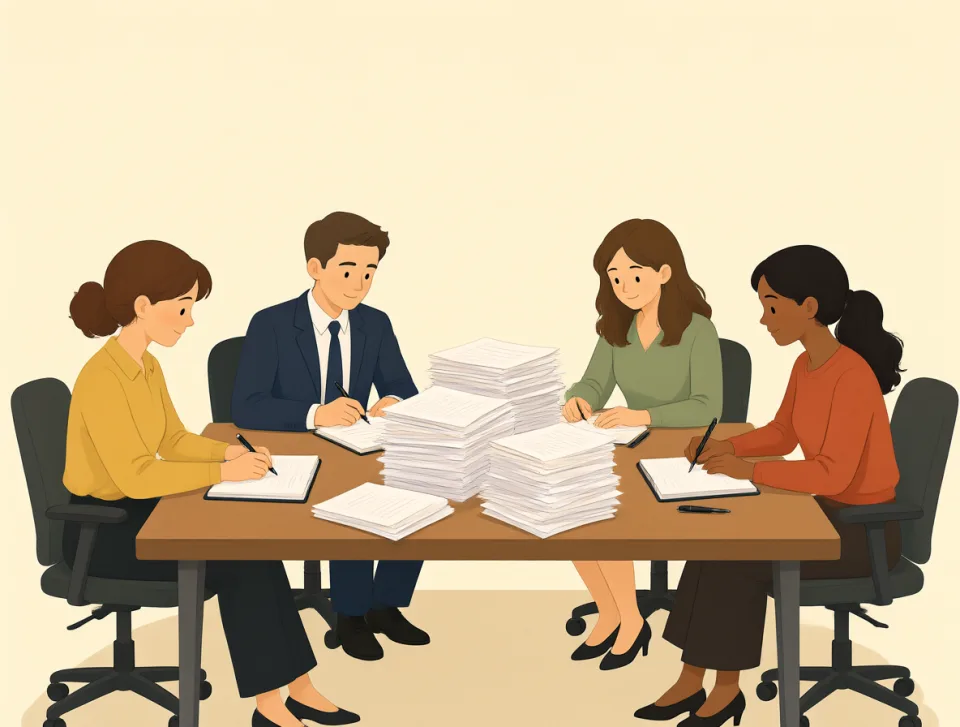
After the meeting, our team faced a mountain of paperwork.
Po spotkaniu nasz zespół stanął przed górą dokumentów do wypełnienia.
waste
#1246noun, verb
marnować; odpady
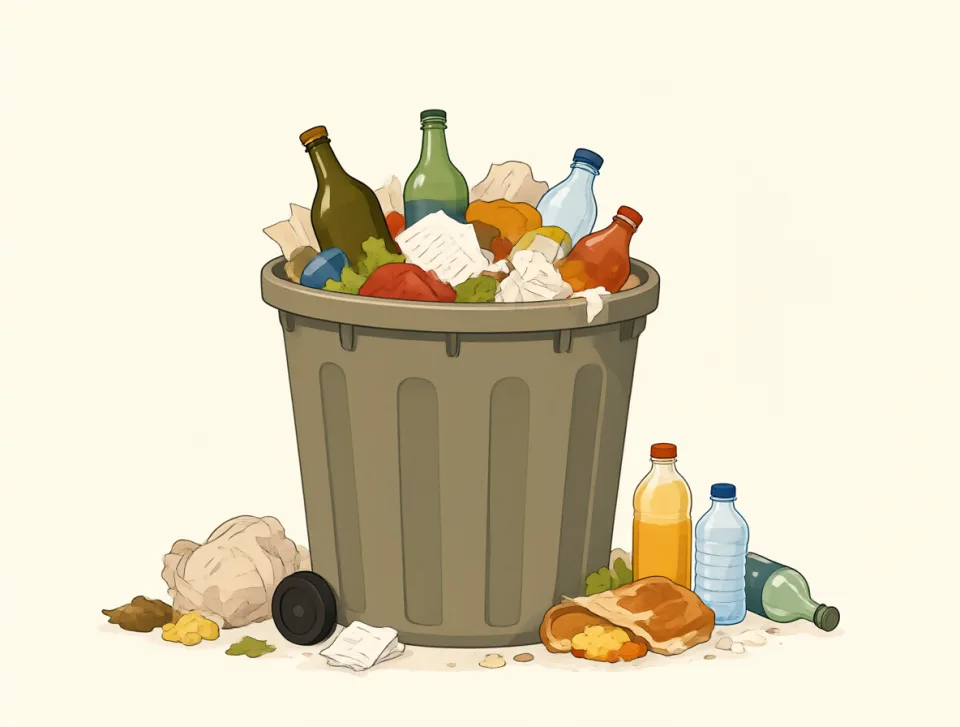
To use too much of something, or material that is thrown away.
Zużywać czegoś zbyt dużo albo materiały, które się wyrzuca.
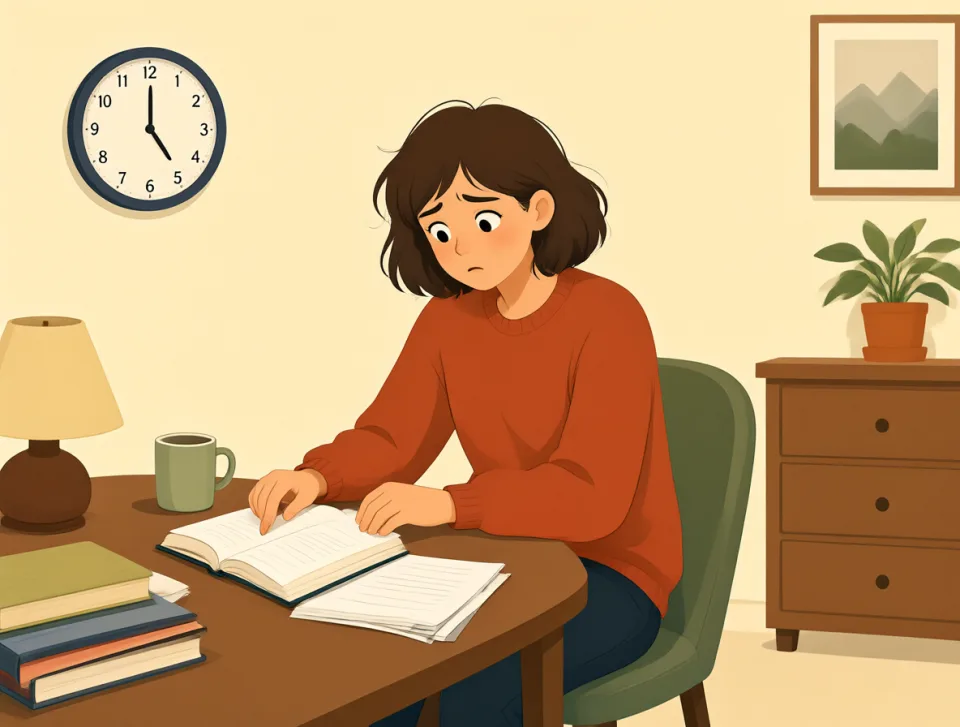
Don’t waste your time worrying about things you cannot change.
Nie marnuj czasu na zamartwianie się rzeczami, których nie możesz zmienić.
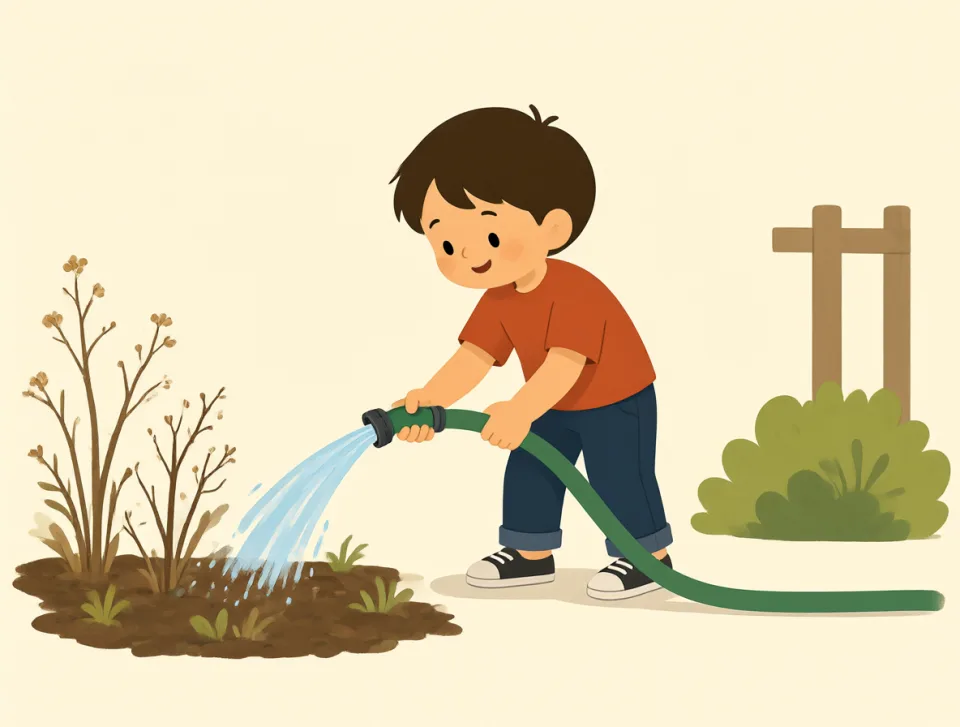
We must not waste water during the hot summer.
Nie możemy marnować wody podczas upalnego lata.
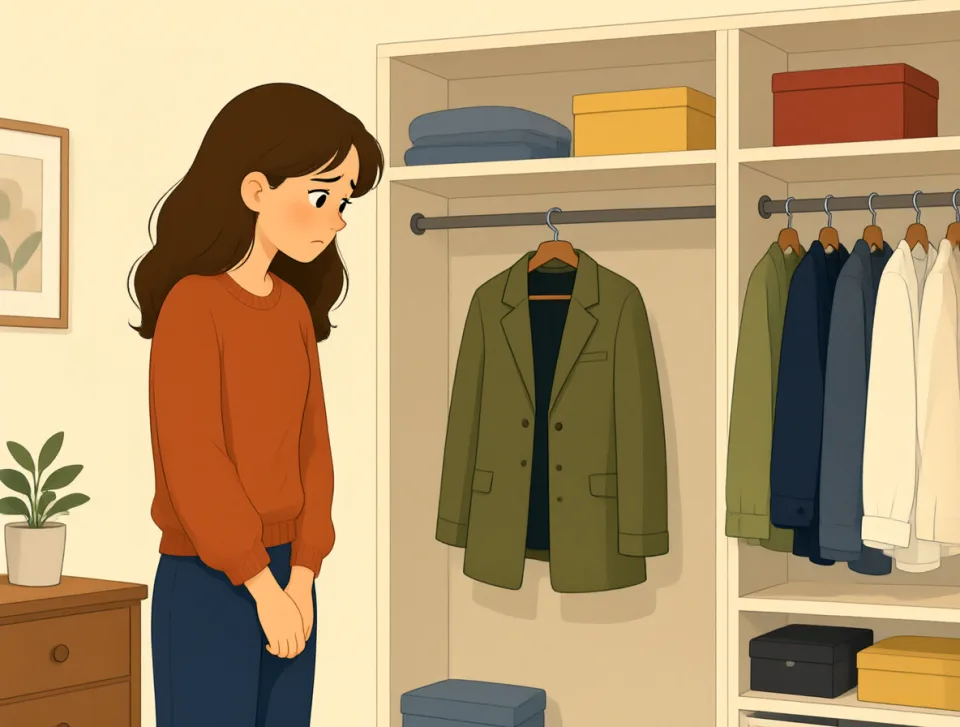
She wasted her money on a jacket she never wore.
Wydała pieniądze na kurtkę, której nigdy nie założyła.
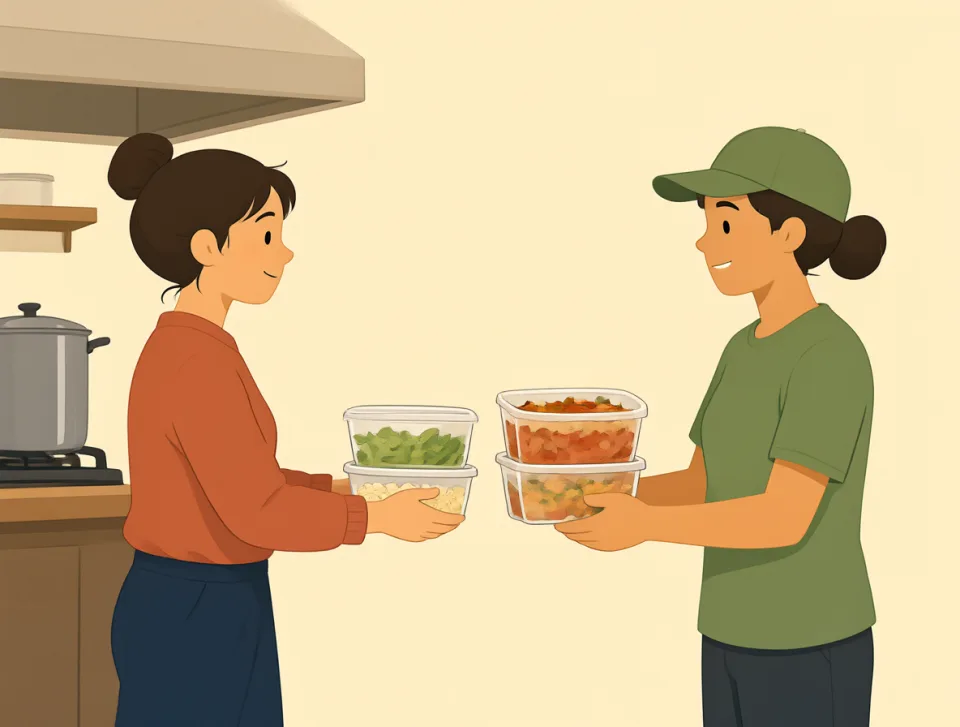
The restaurant gives leftover food to charity to reduce waste.
Restauracja przekazuje resztki jedzenia organizacjom charytatywnym, żeby ograniczyć marnowanie żywności.
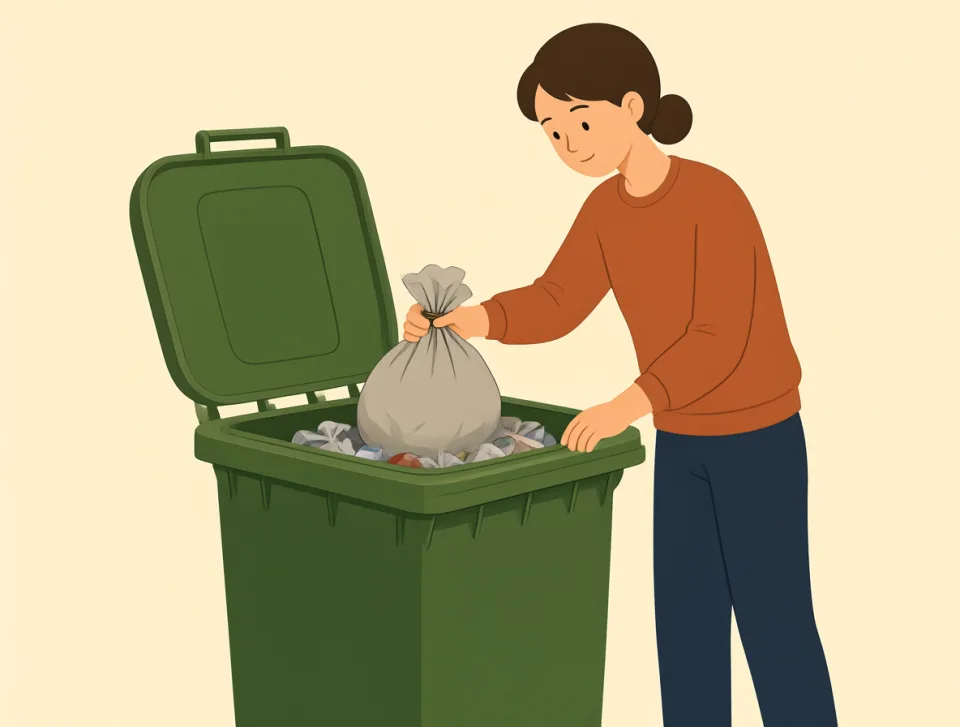
Please put your household waste in the green bin.
Proszę wrzucić odpady domowe do zielonego pojemnika.
hide
#1247verb
ukrywać
To put something or yourself where others cannot see or find it.
Umieścić coś lub siebie w miejscu, gdzie inni nie mogą tego zobaczyć ani znaleźć.
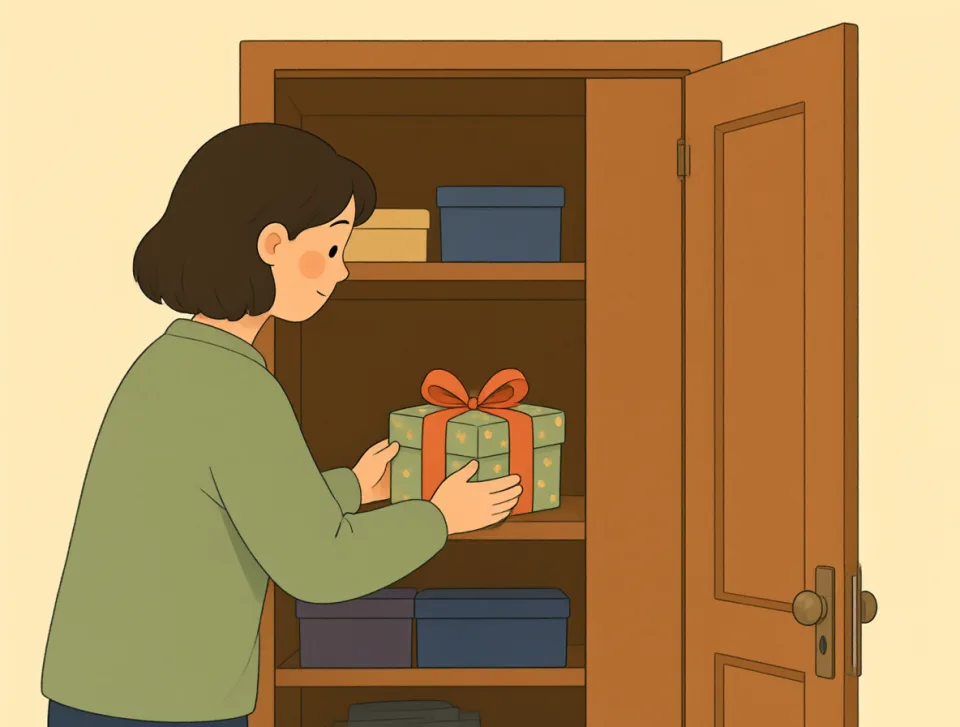
Please hide the birthday present before she comes home.
Proszę schować prezent urodzinowy, zanim wróci do domu.
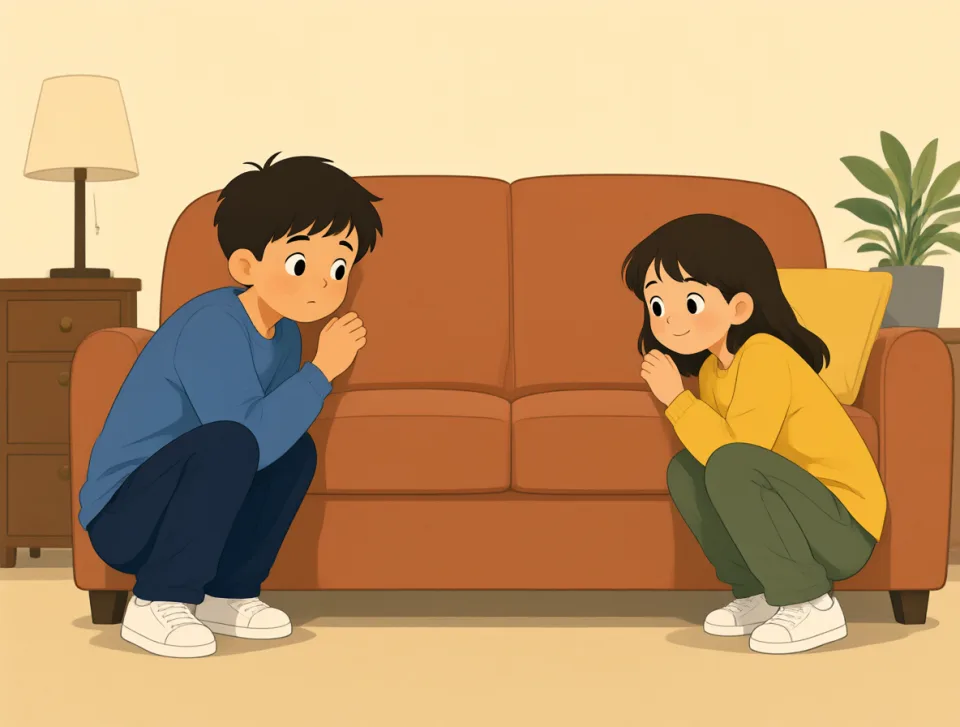
The children are hiding behind the sofa.
Dzieci chowają się za kanapą.
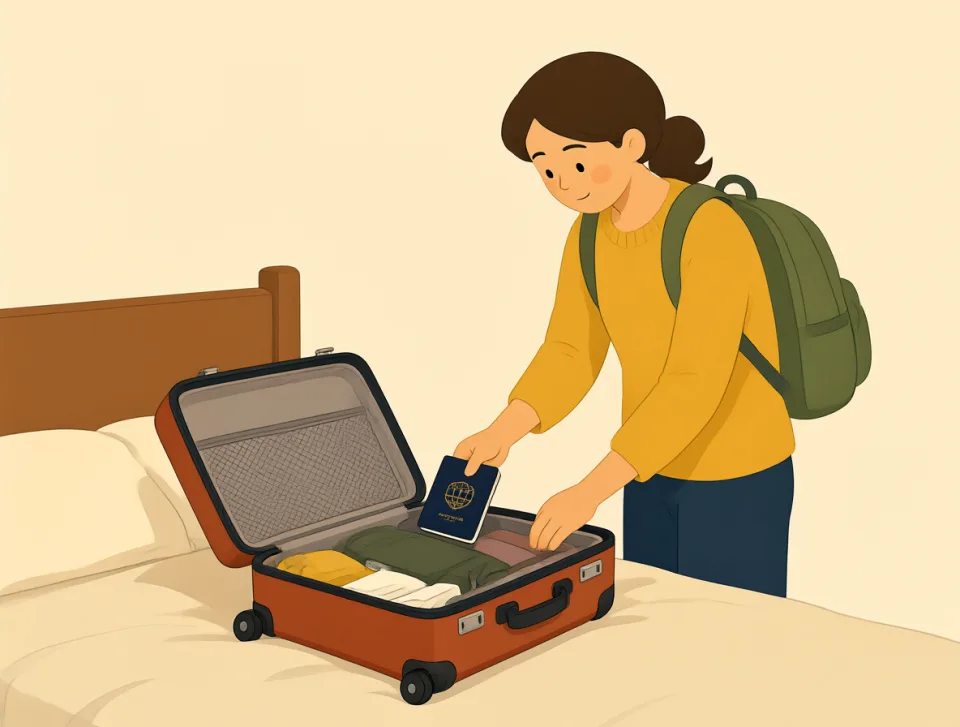
I hid my passport safely inside my suitcase.
Schowałem paszport w bezpiecznym miejscu w walizce.
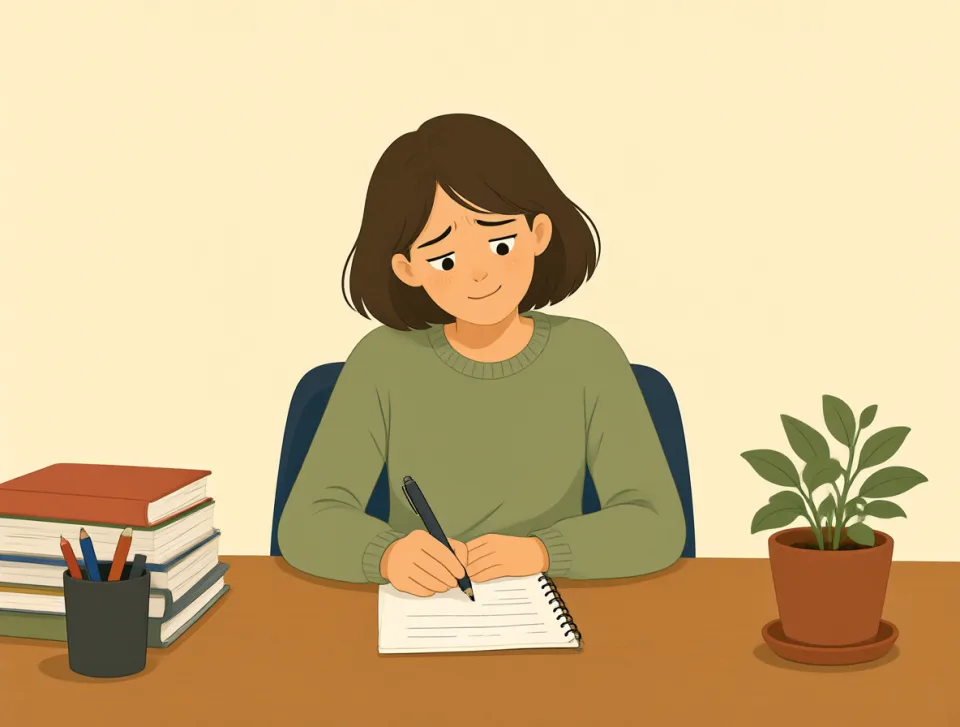
She tried to hide her disappointment at work.
W pracy próbowała ukryć swoje rozczarowanie.

We hid from the rain in a small café.
Schowaliśmy się przed deszczem w małej kawiarni.

marriage
#1248noun
małżeństwo
The relationship between two people who are legally married
Związek między dwiema osobami, które są małżeństwem w świetle prawa.
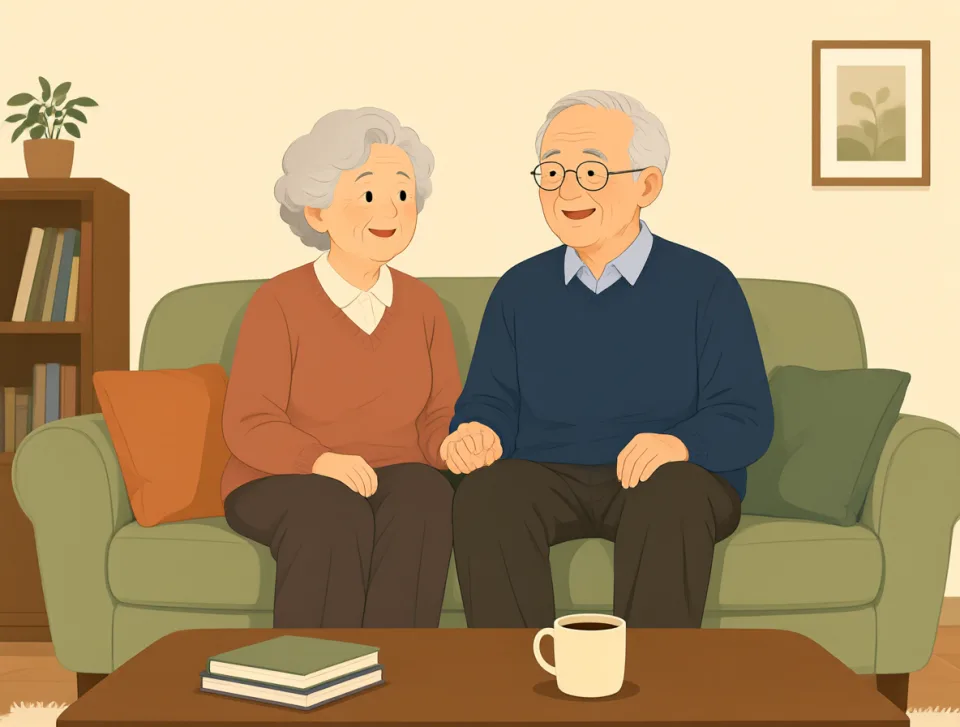
Their marriage has lasted for more than twenty years.
Ich małżeństwo trwa już ponad dwadzieścia lat.
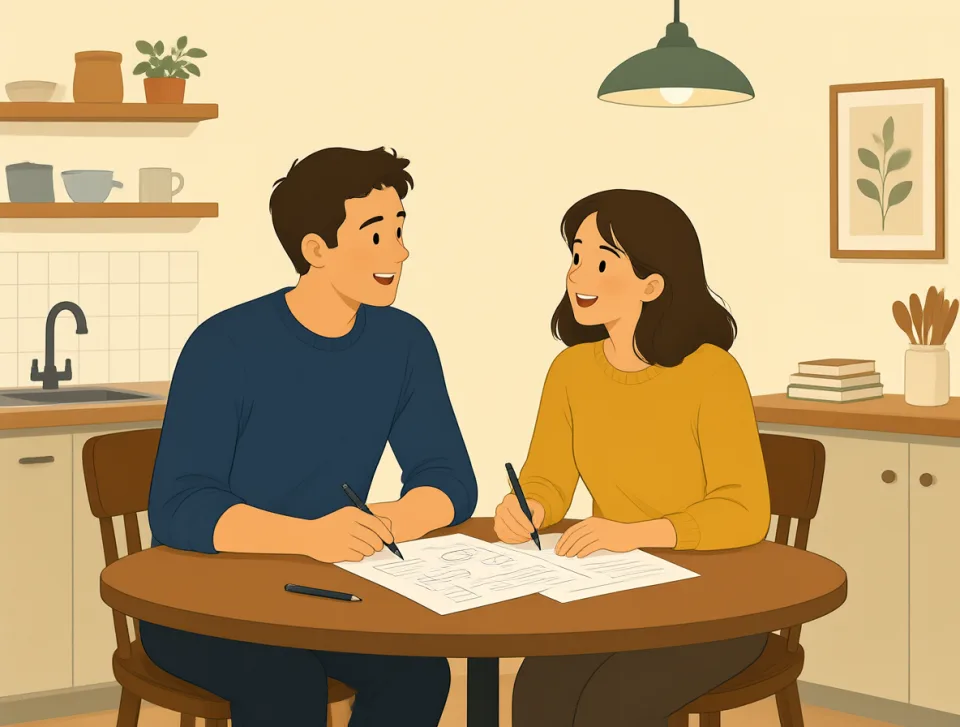
They are planning their marriage for next summer.
Planują ślub na przyszłe lato.

A happy marriage needs trust, kindness, and good communication.
Szczęśliwe małżeństwo wymaga zaufania, życzliwości i dobrej komunikacji.
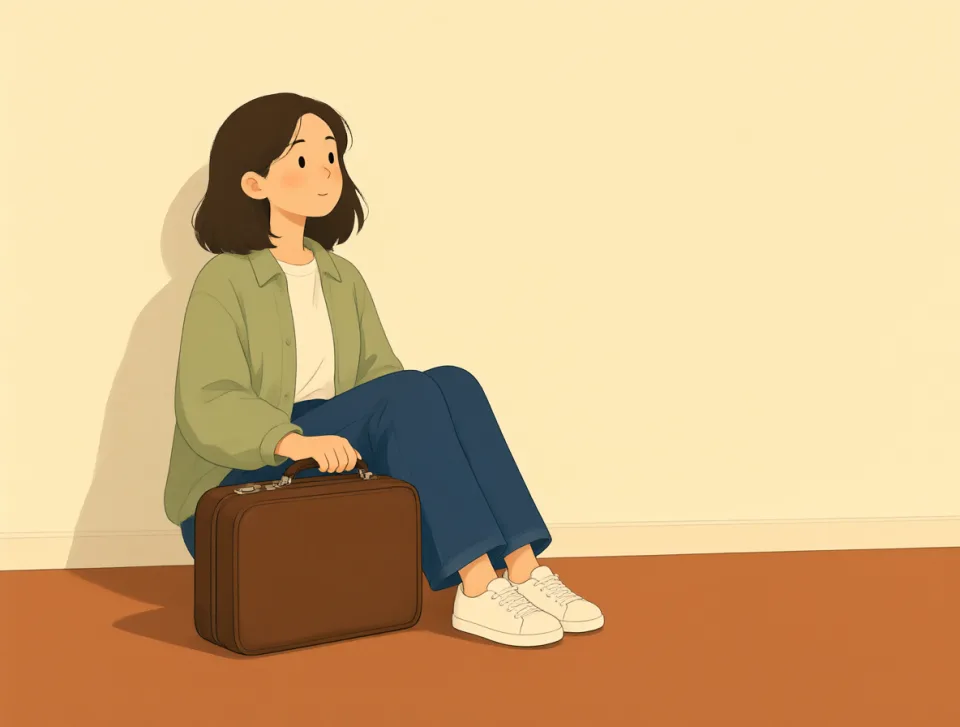
Her first marriage ended after five difficult years.
Jej pierwsze małżeństwo zakończyło się po pięciu trudnych latach.

The marriage ceremony took place in a small village church.
Ceremonia ślubna odbyła się w małym wiejskim kościele.

ticket
#1249noun, verb
bilet
A small paper or digital pass that lets you enter a place or travel somewhere.
Niewielki papierowy lub elektroniczny dokument uprawniający do wejścia do jakiegoś miejsca albo podróży.
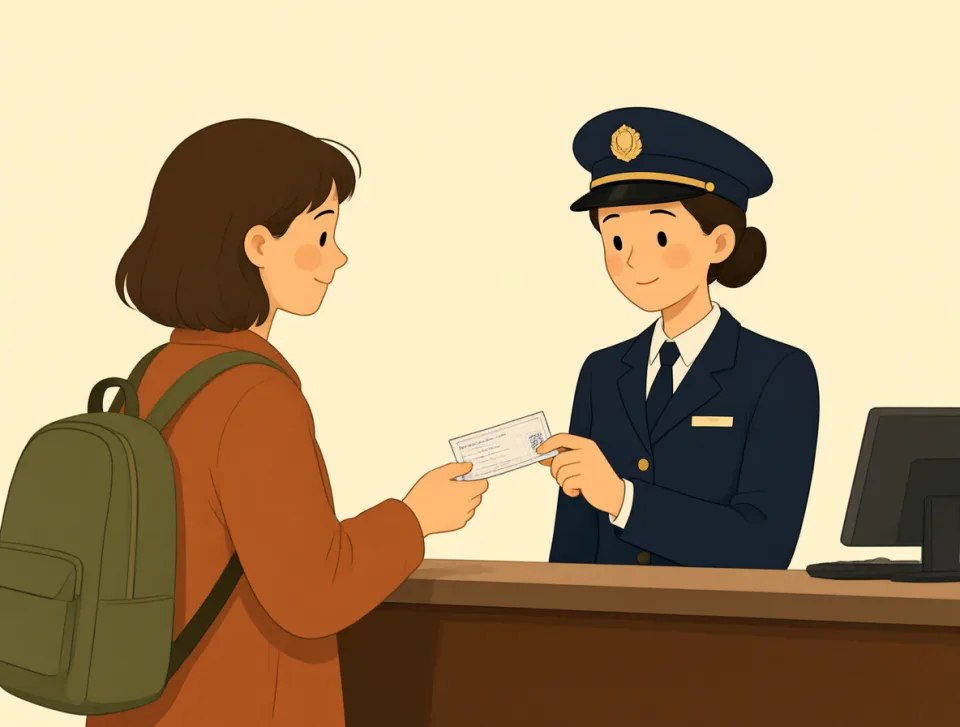
I bought a train ticket to London for tomorrow morning.
Kupiłem bilet kolejowy do Londynu na jutro rano.
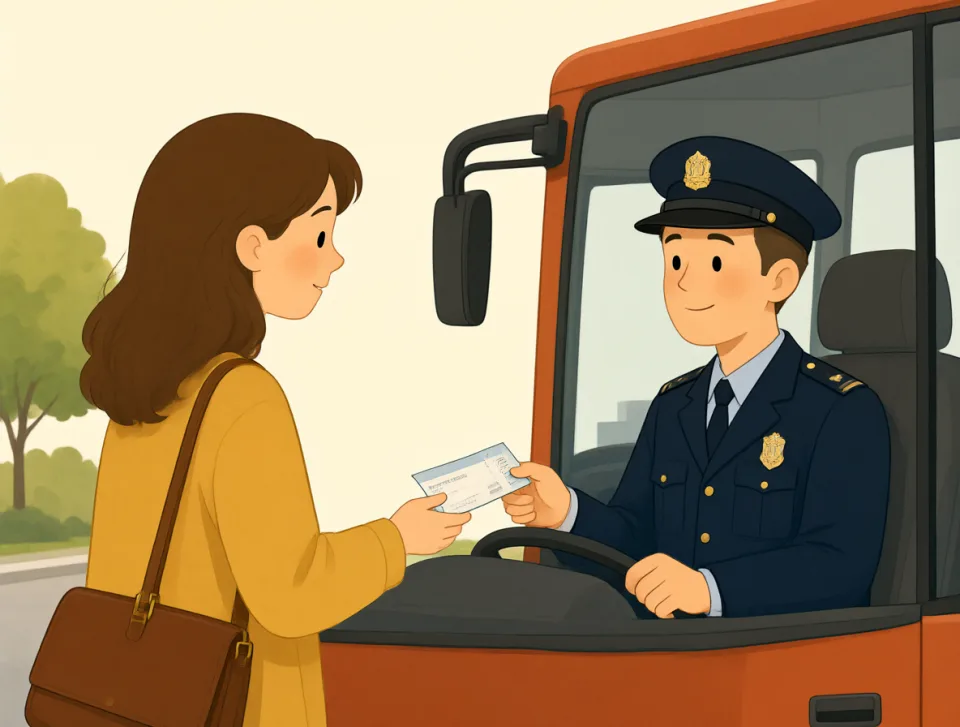
Please show your ticket before you get on the bus.
Proszę pokazać bilet przed wejściem do autobusu.
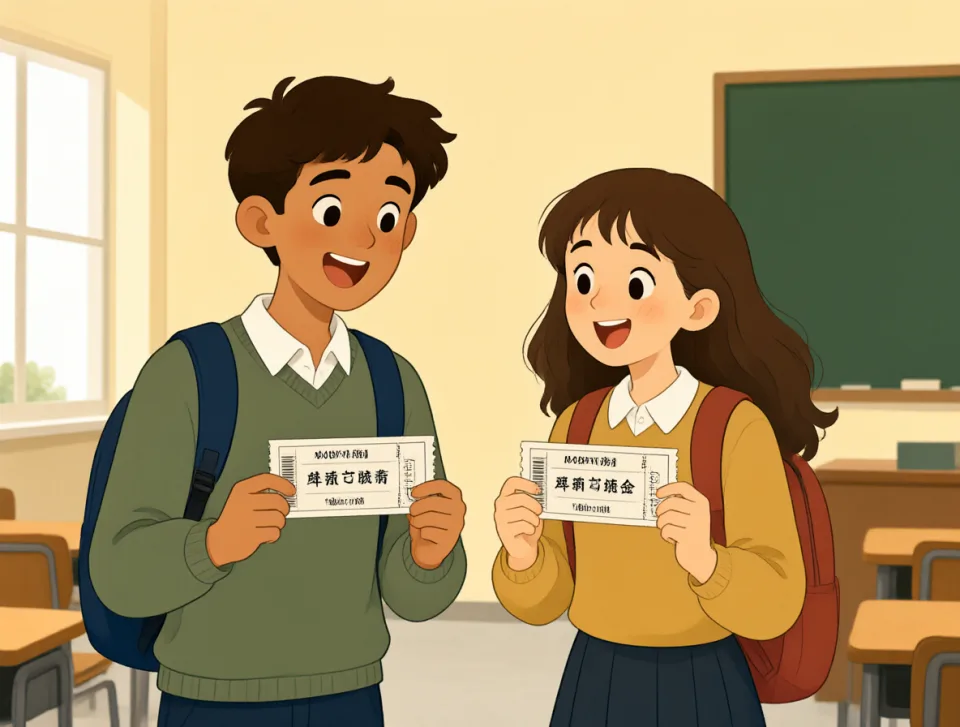
We won two tickets to the school concert from our teacher.
Nauczyciel dał nam dwa bilety na szkolny koncert, które wygraliśmy.
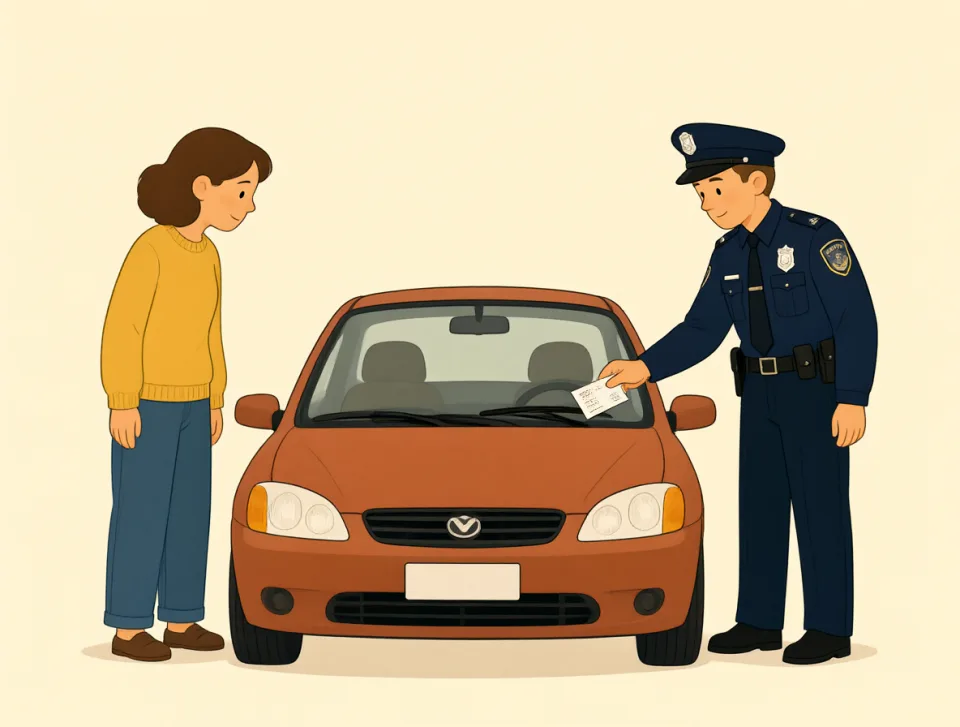
The police officer gave me a parking ticket outside the supermarket.
Policjant wystawił mi mandat za parkowanie przed supermarketem.
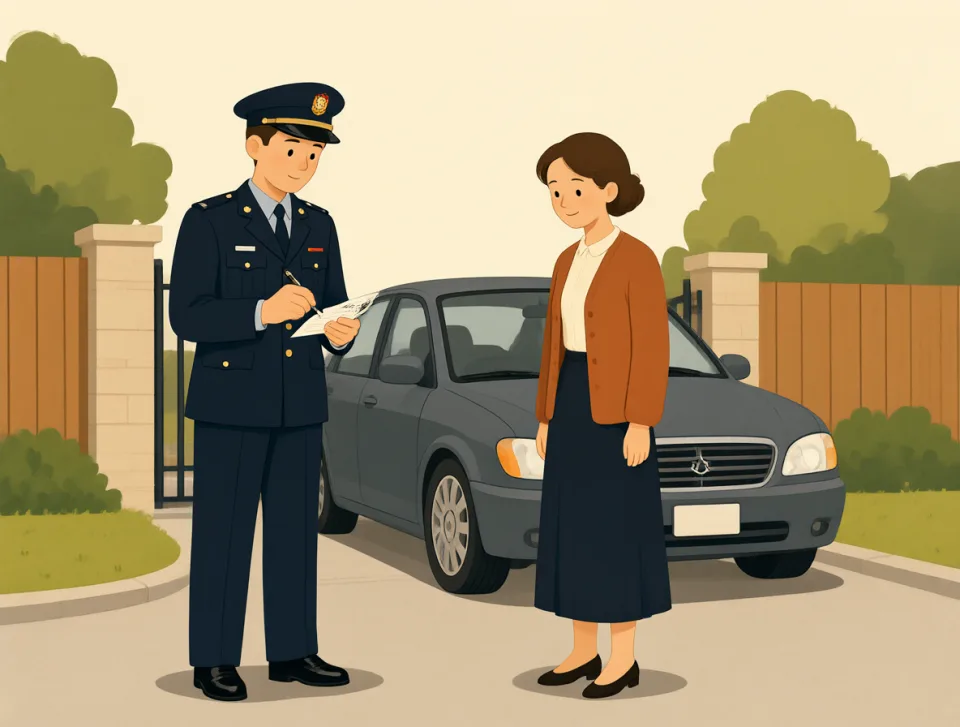
She ticketed the car because it was parked in front of our driveway.
Wystawiła mandat za parkowanie samochodu przed naszym podjazdem.
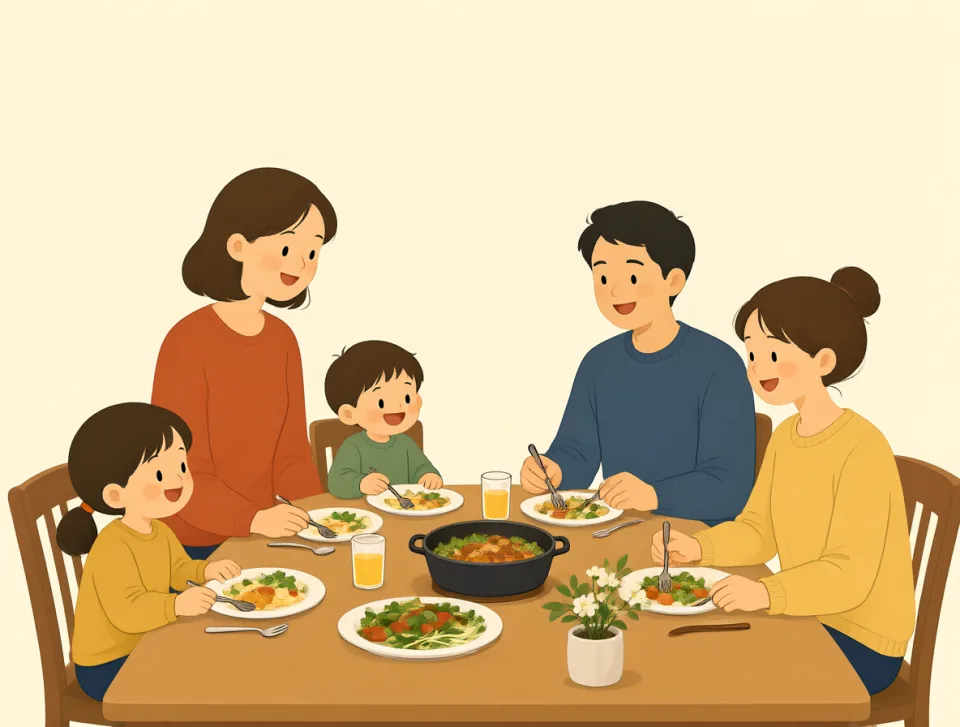
meal
#1250noun
posiłek
Food that you eat at one time, such as breakfast, lunch, or dinner.
Jedzenie spożywane za jednym razem, na przykład śniadanie, lunch lub kolacja.
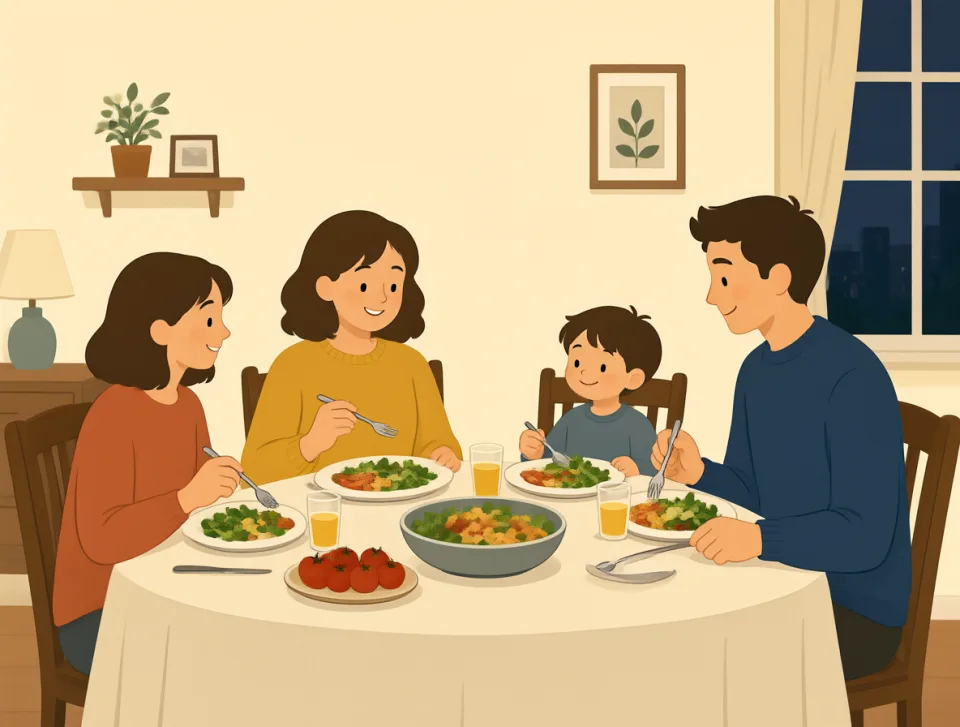
We usually eat our evening meal together at seven.
Zwykle jemy razem kolację o siódmej.
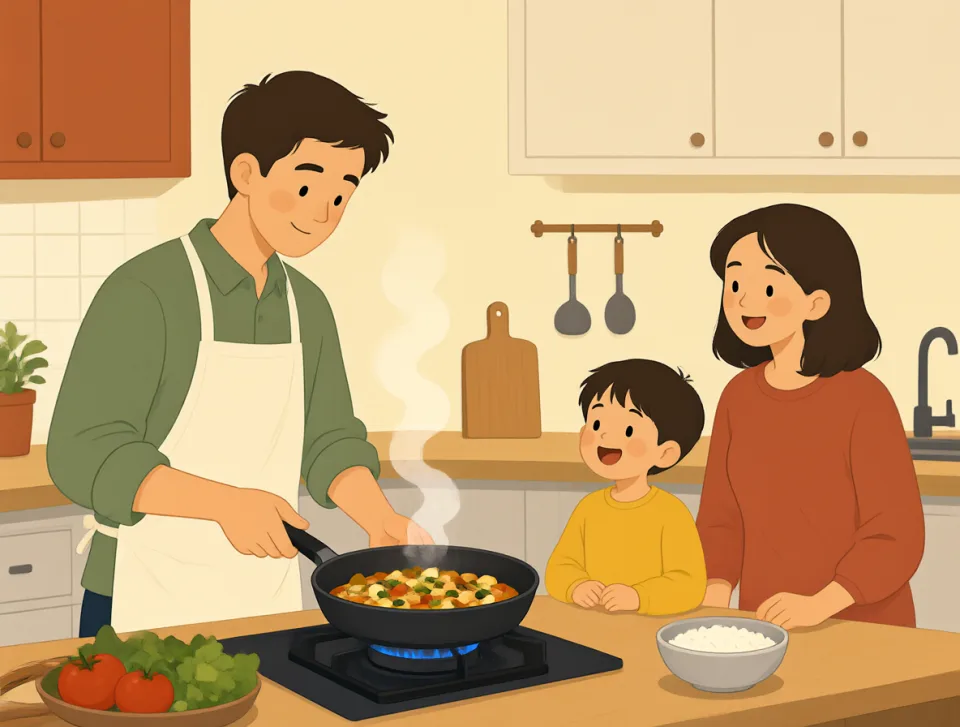
Dad is cooking a hot meal for the whole family.
Tata gotuje ciepły posiłek dla całej rodziny.
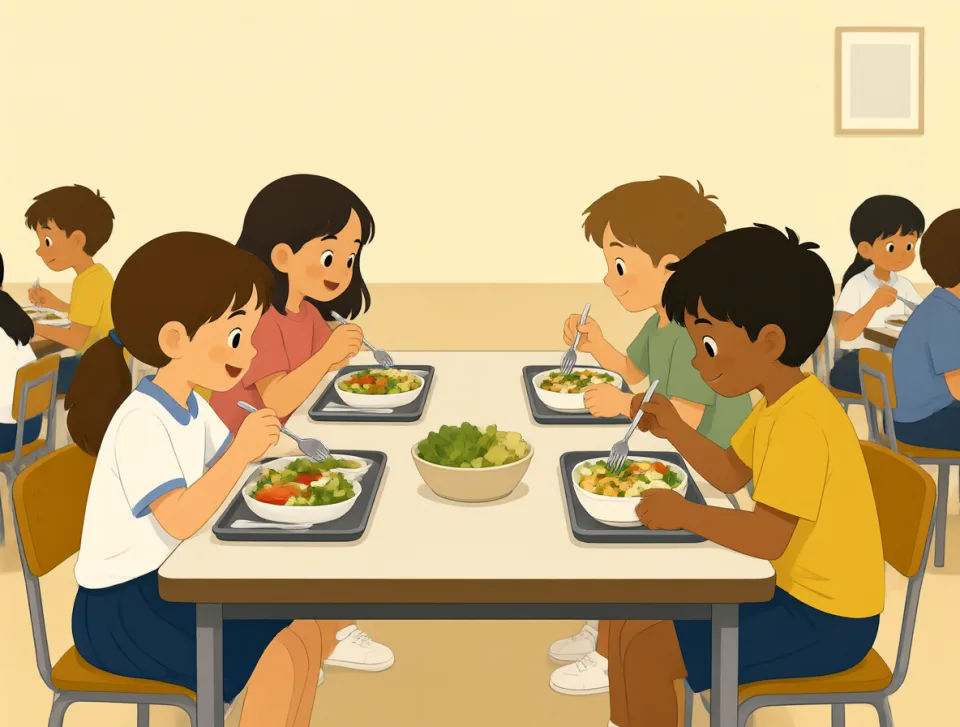
The school provides free meals for children every day.
Szkoła codziennie zapewnia dzieciom bezpłatne posiłki.

I ordered a vegetarian meal on the long train journey.
Podczas długiej podróży pociągiem zamówiłem posiłek wegetariański.
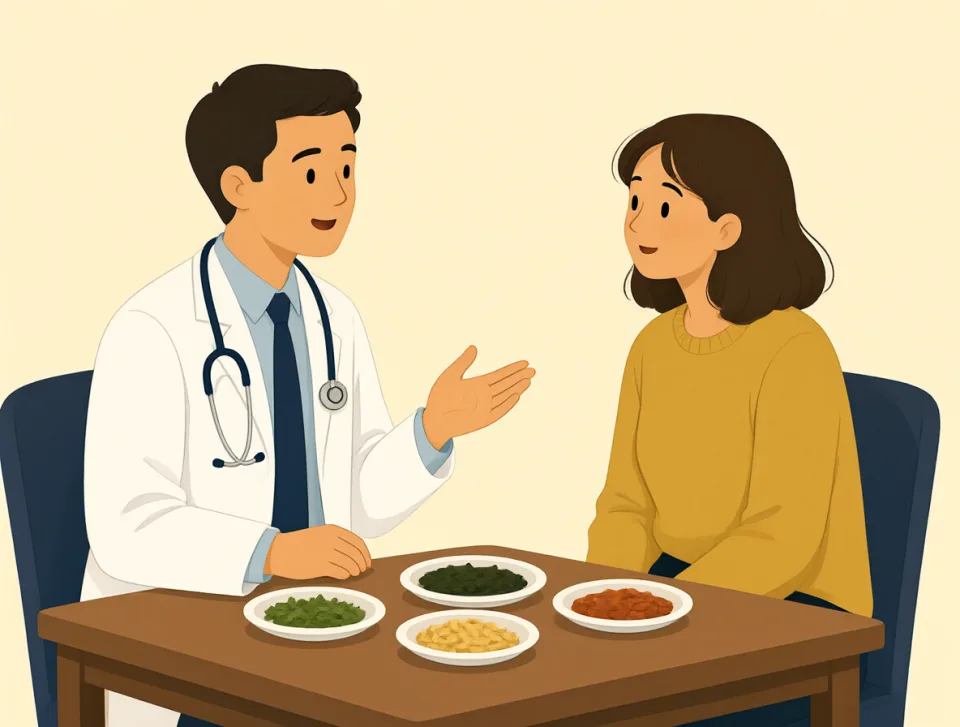
The doctor advised me to eat smaller meals more often.
Lekarz zalecił mi jeść częściej, ale mniejsze posiłki.

colleague
#1251noun
współpracownik
A person you work with, especially in the same company or profession.
Osoba, z którą pracujesz, zwłaszcza w tej samej firmie lub branży.
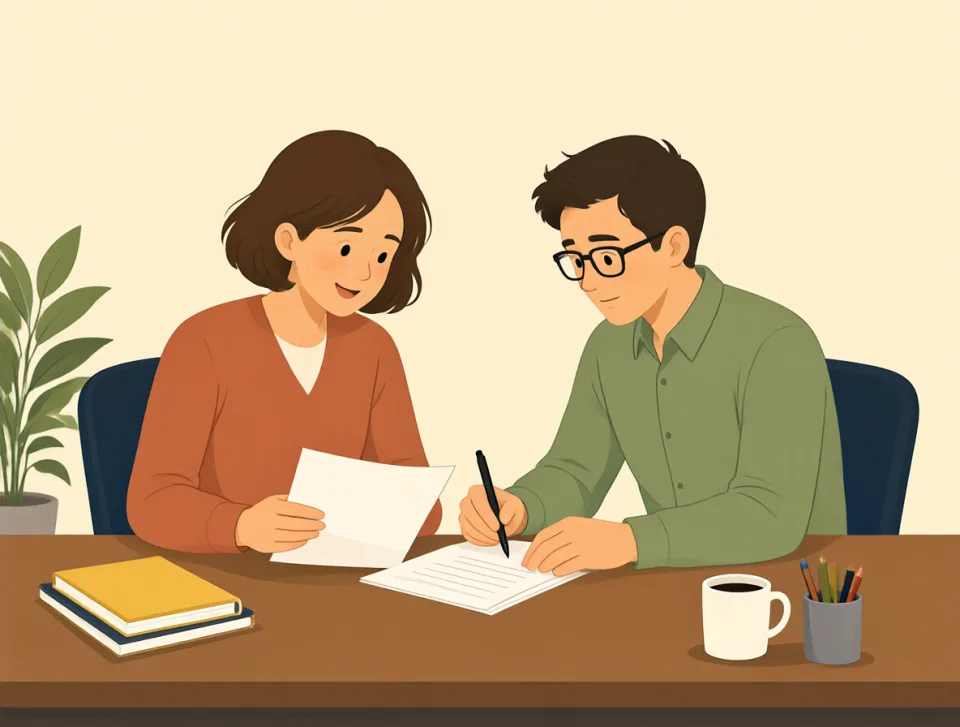
I asked my colleague to help me finish the report.
Poprosiłem współpracownika o pomoc w dokończeniu raportu.

My new colleagues welcomed me on my first day.
Moi nowi współpracownicy przywitali mnie pierwszego dnia.
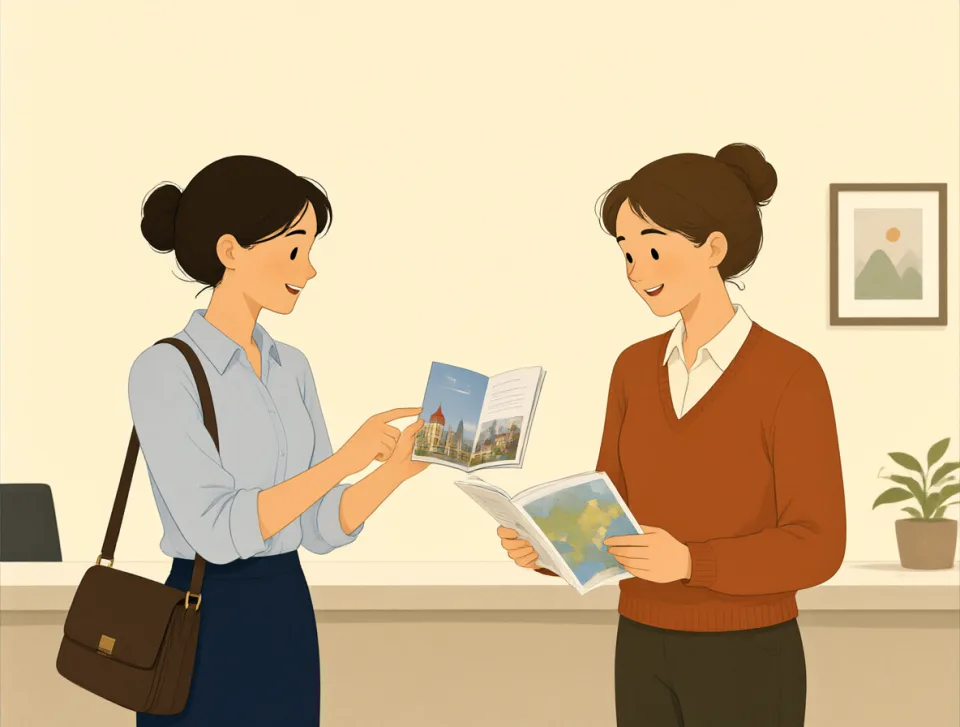
A colleague from the travel agency recommended this hotel.
Współpracownik z biura podróży polecił mi ten hotel.

I had lunch with a colleague near the train station.
Zjadłem lunch ze współpracownikiem niedaleko dworca kolejowego.

My doctor colleague gave me some helpful health advice.
Mój kolega, który jest lekarzem, udzielił mi przydatnych porad dotyczących zdrowia.
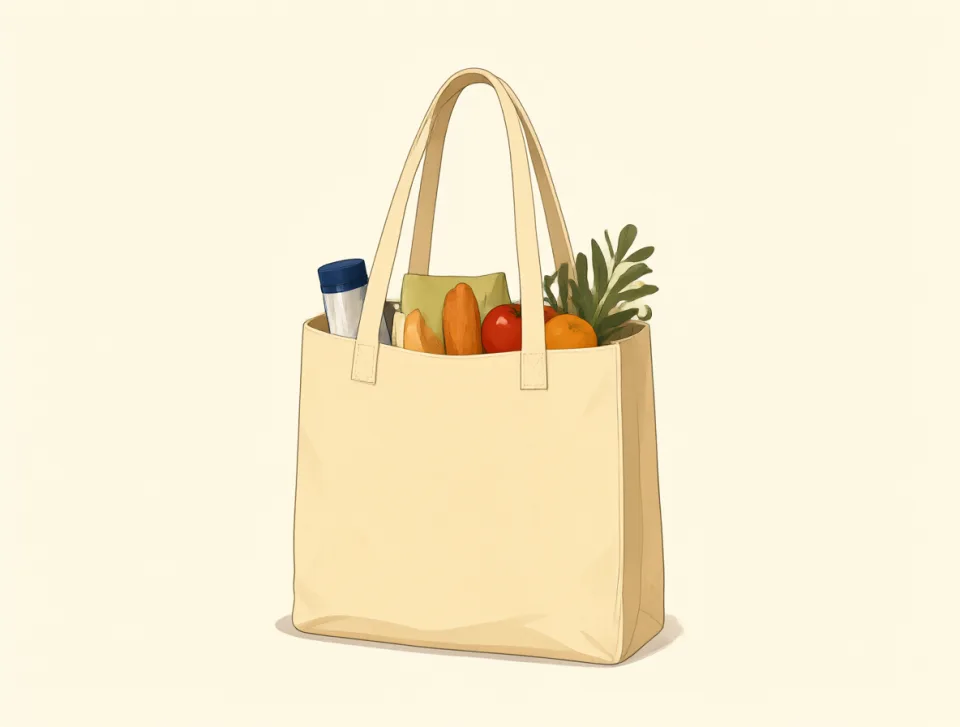
bag
#1252noun
torba
A container made of cloth, paper, or plastic, used to carry things.
Pojemnik z tkaniny, papieru lub plastiku, służący do przenoszenia różnych rzeczy.
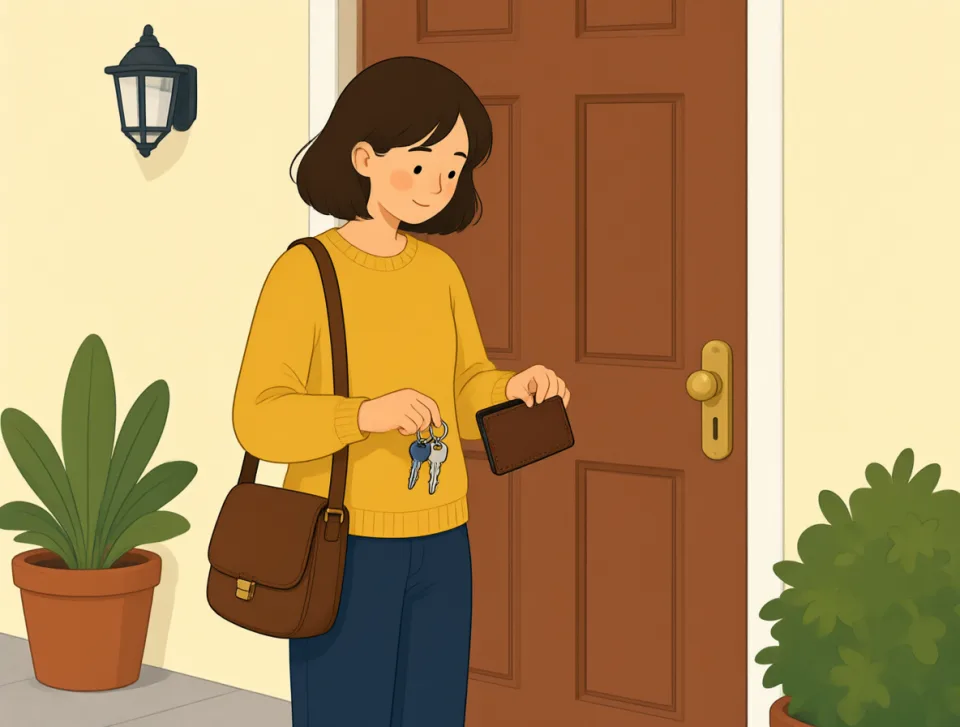
I put my keys and wallet in my bag before leaving home.
Przed wyjściem z domu włożyłem klucze i portfel do torby.
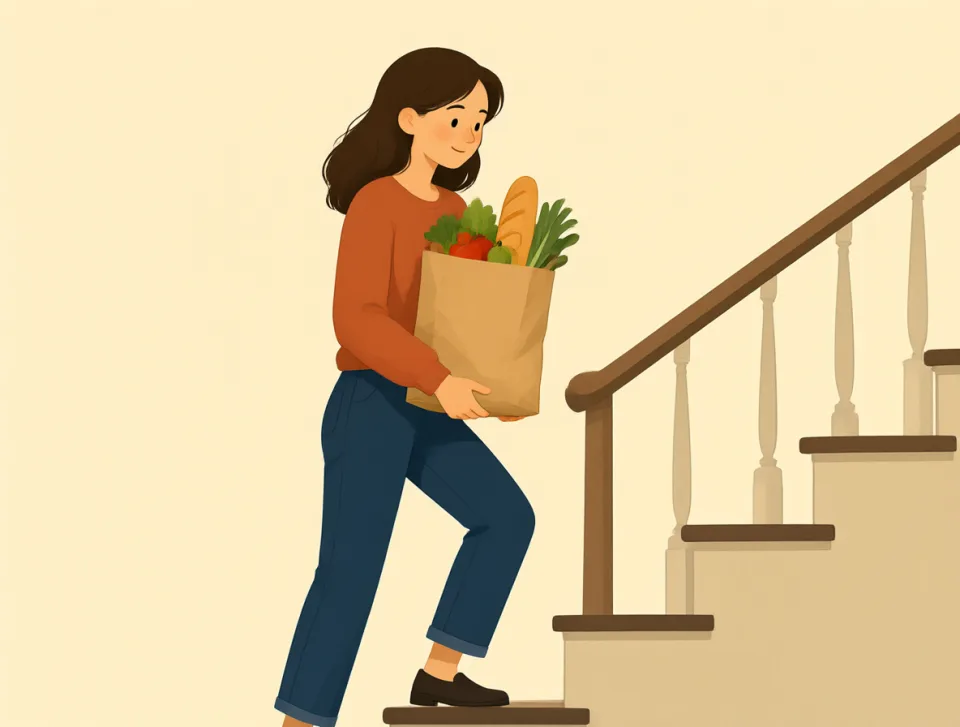
She carried a heavy bag of groceries up the stairs.
Wniosła po schodach ciężką torbę z zakupami.
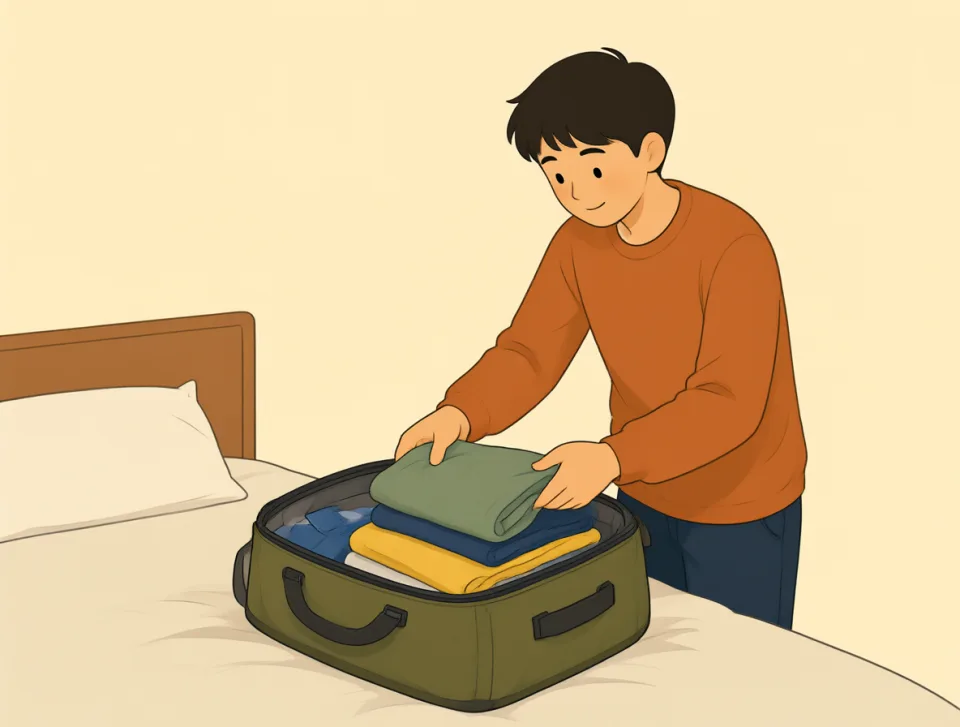
Please pack your clothes in a small travel bag.
Spakuj, proszę, ubrania do małej torby podróżnej.
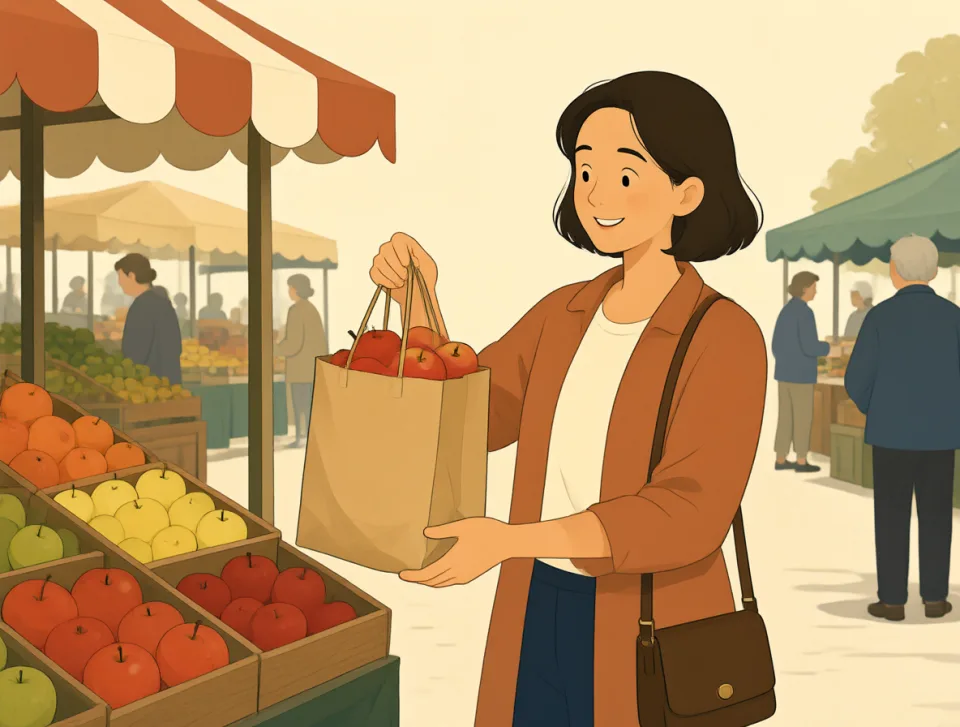
We bought a paper bag of fresh apples at the market.
Kupiliśmy na targu papierową torbę świeżych jabłek.
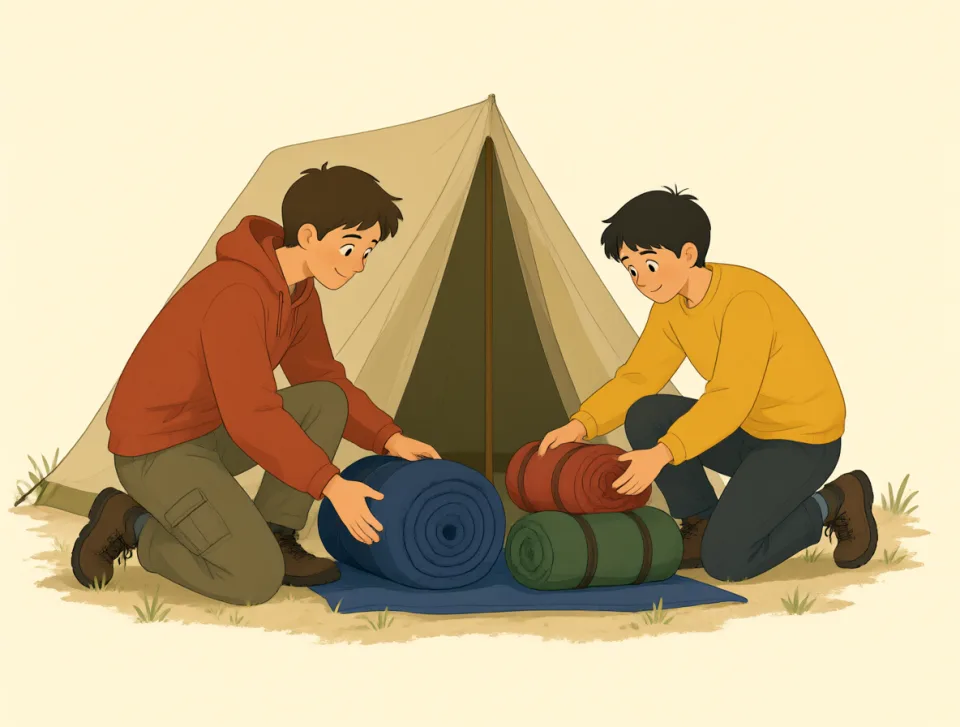
The campers put their sleeping bags inside the tent.
Obozowicze włożyli śpiwory do namiotu.
repeat
#1253verb, noun
powtarzać; powtórka
to say, do, or happen again; a second performance or copy
Mówić, robić lub wydarzyć się ponownie; drugie wykonanie lub kopia.
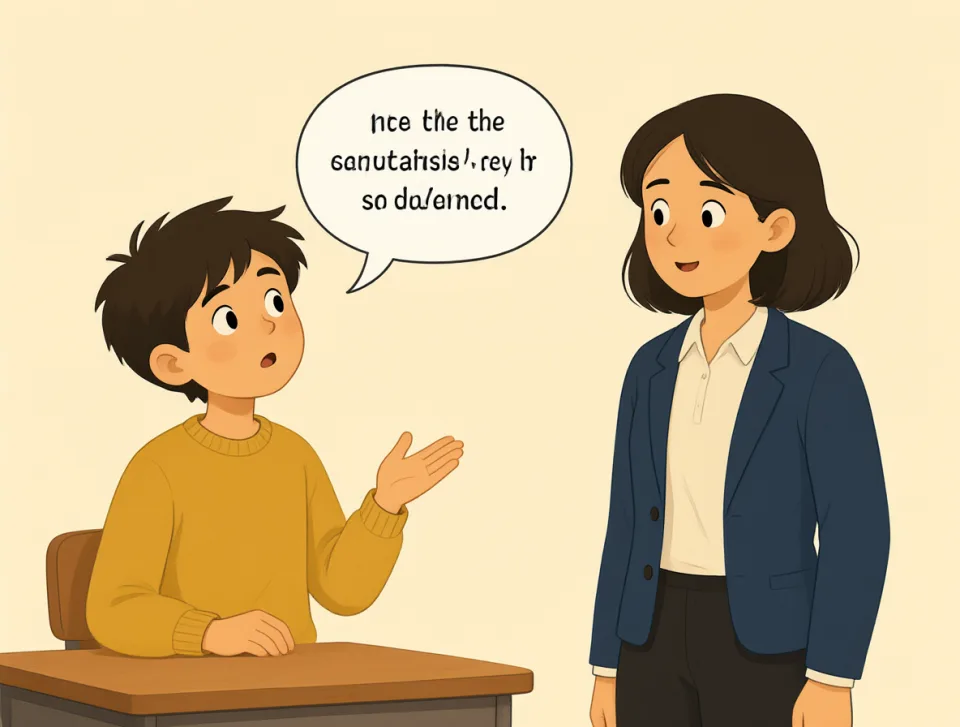
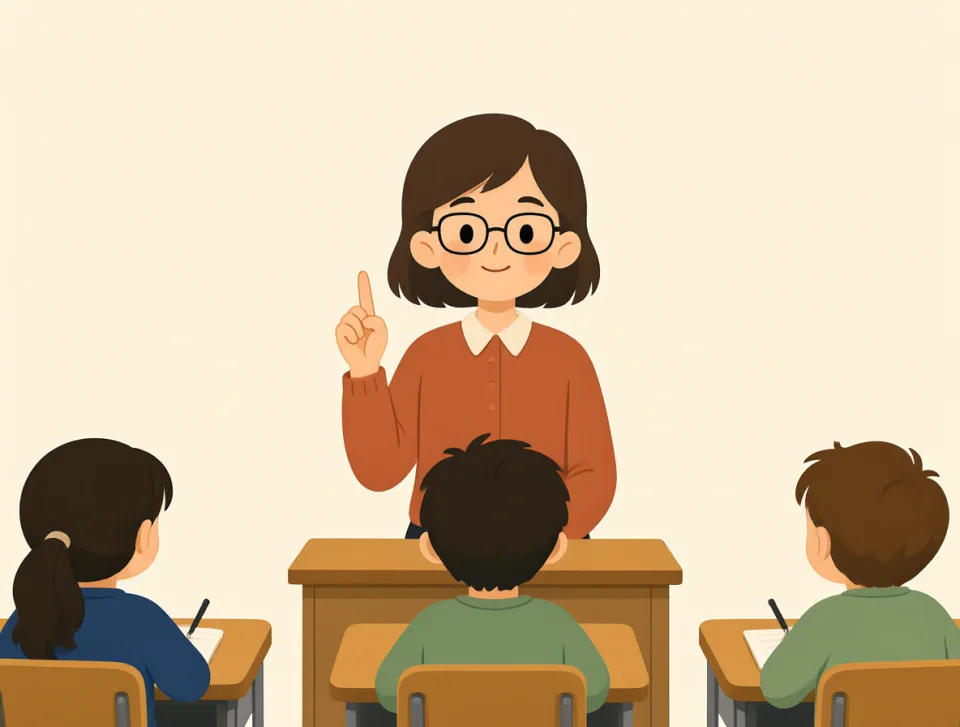
Could you repeat the question, please?
Czy mógłby pan powtórzyć pytanie, proszę?
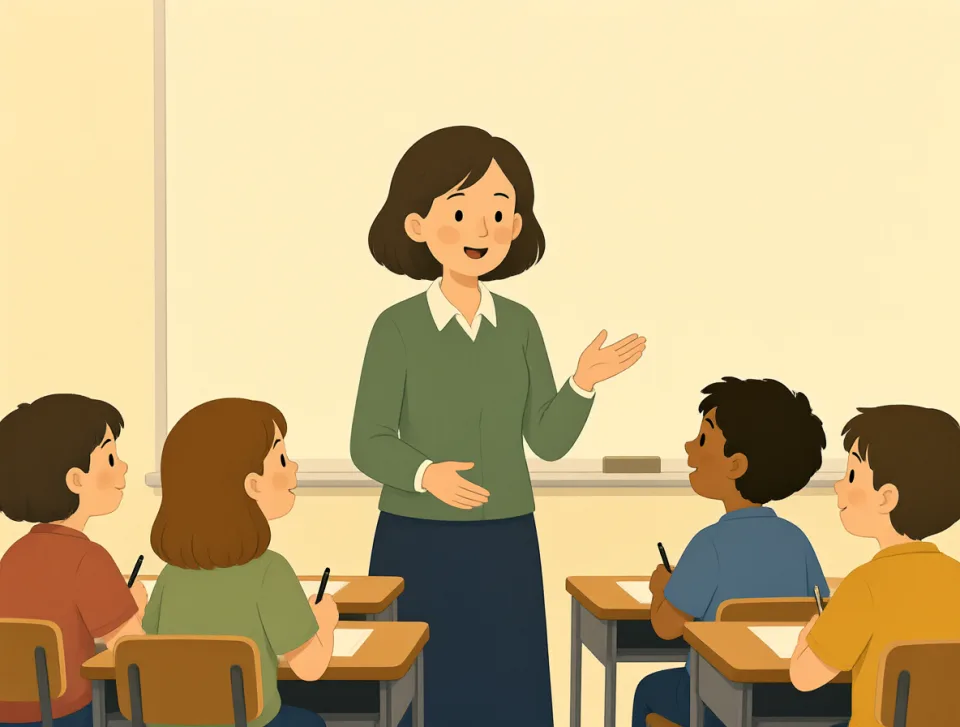
Please repeat the instructions before we begin the test.
Proszę powtórzyć instrukcje, zanim rozpoczniemy test.
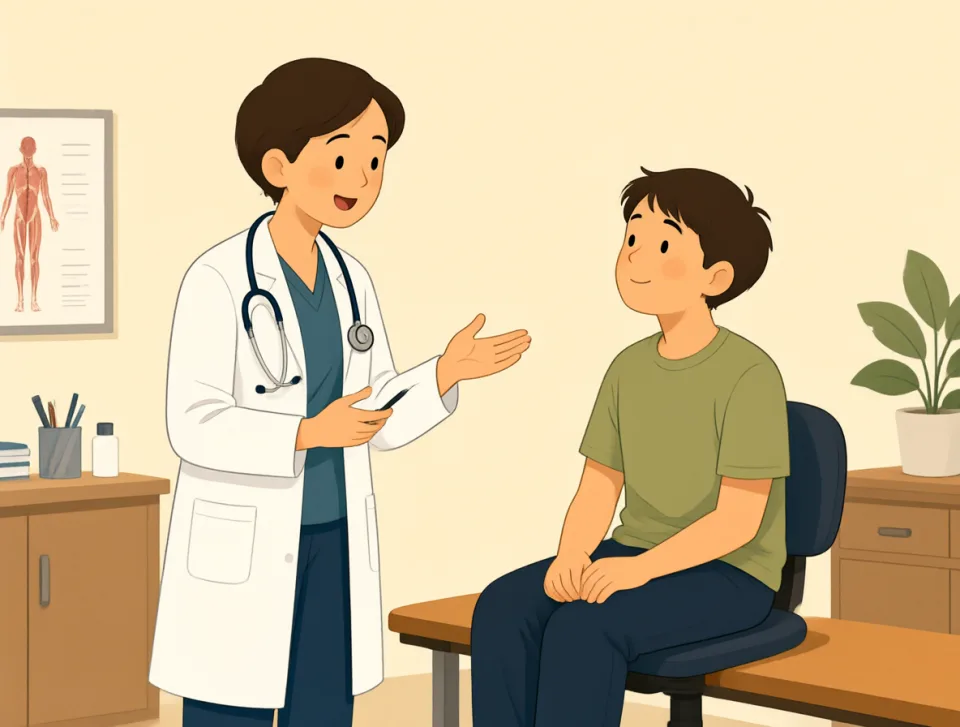
The doctor asked me to repeat the exercise every morning.
Lekarz poprosił mnie, żebym codziennie rano powtarzał to ćwiczenie.

She repeated her order because the waiter heard it incorrectly.
Powtórzyła zamówienie, bo kelner źle je usłyszał.
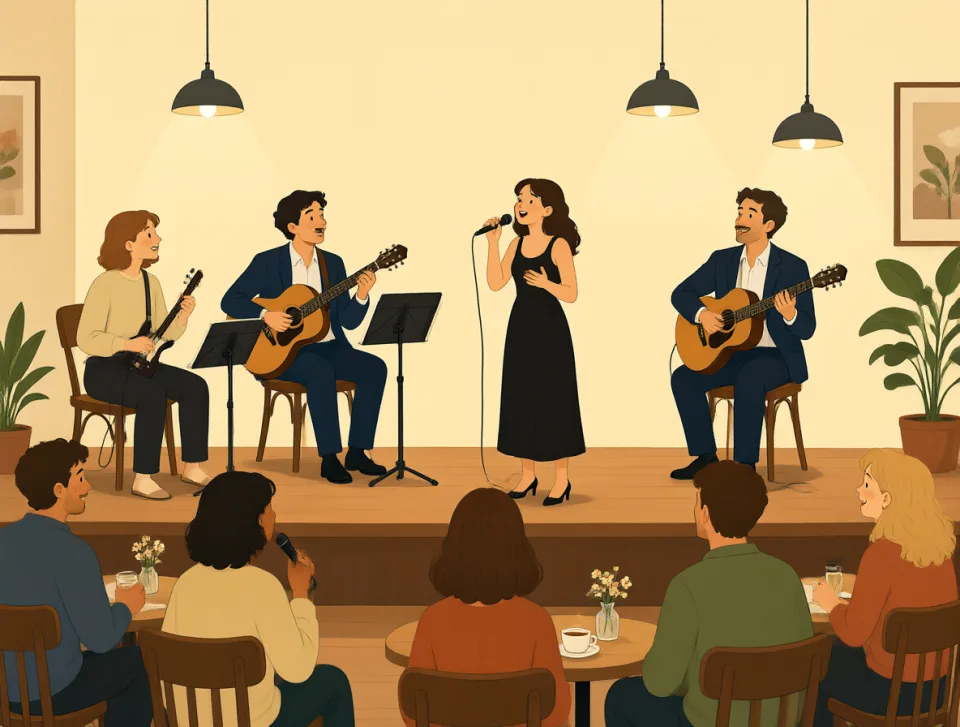
The band played a repeat of their most popular song.
Zespół zagrał ponownie swój najpopularniejszy utwór.
equal
#1254adjective, noun, verb
równy; równać się
The same in size, value, amount, or importance; to be the same as something else.
Taki sam pod względem rozmiaru, wartości, ilości lub znaczenia; być takim samym jak coś innego.
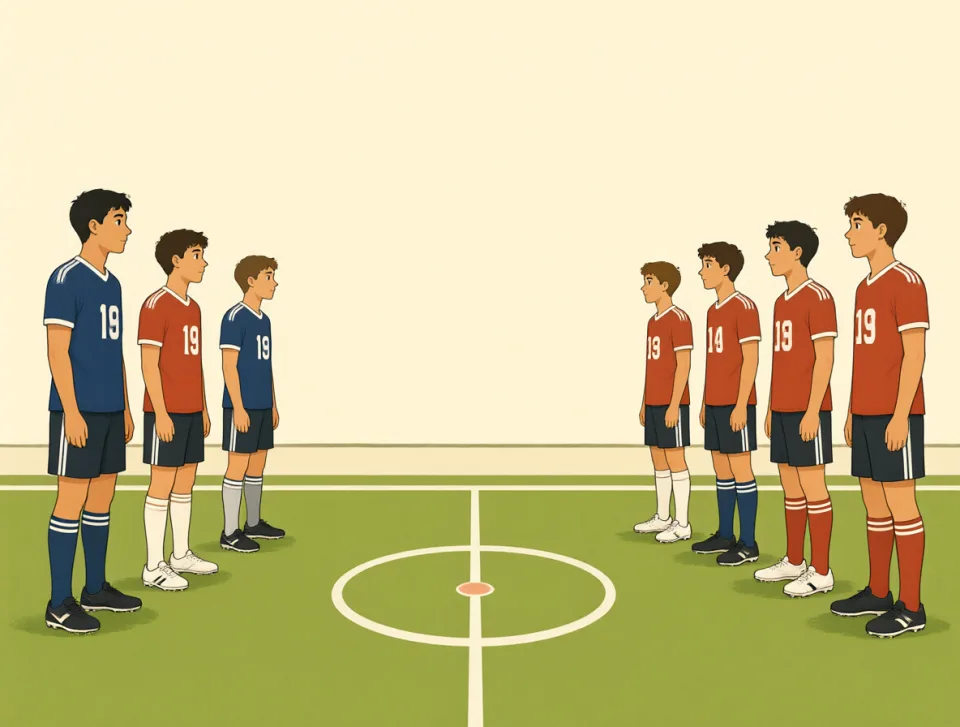
Both teams have an equal chance of winning the game.
Obie drużyny mają równe szanse na wygranie meczu.
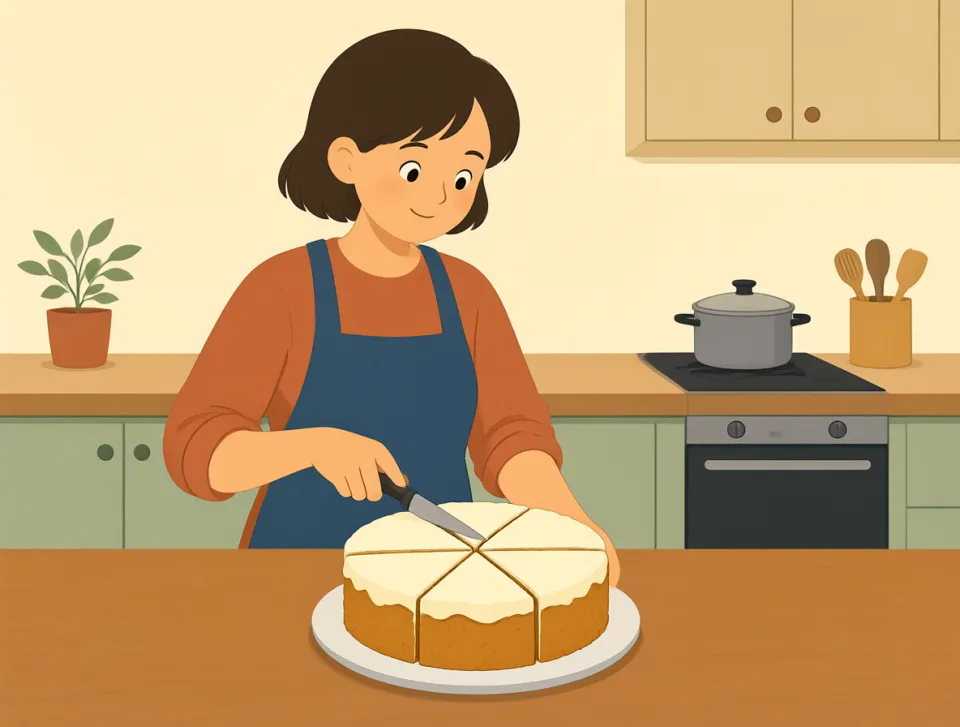
Please divide the cake into six equal pieces.
Podziel, proszę, ciasto na sześć równych kawałków.
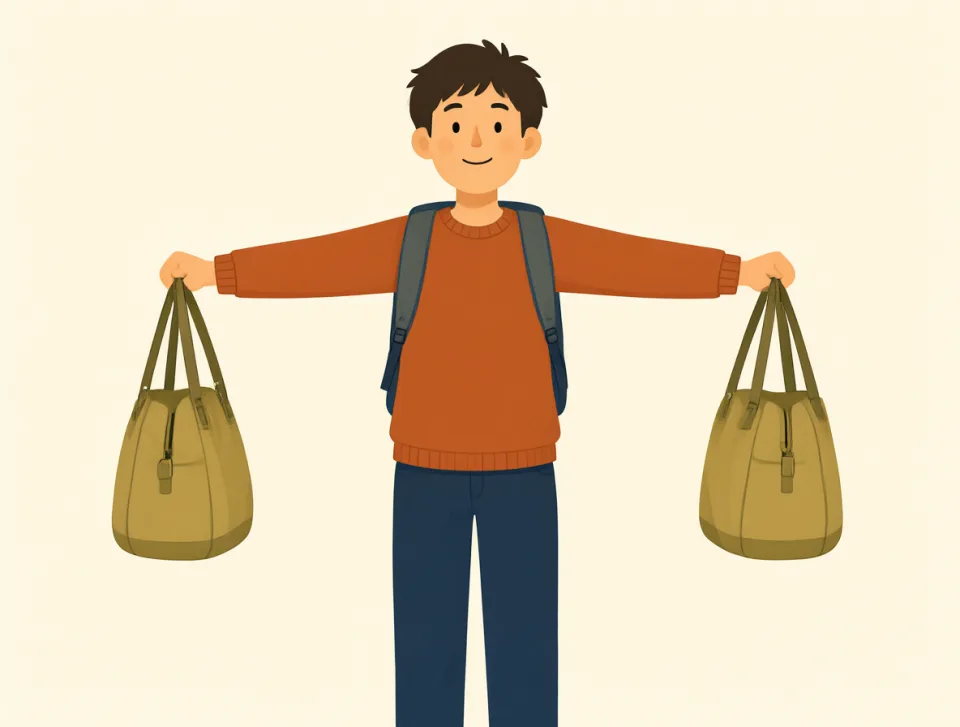
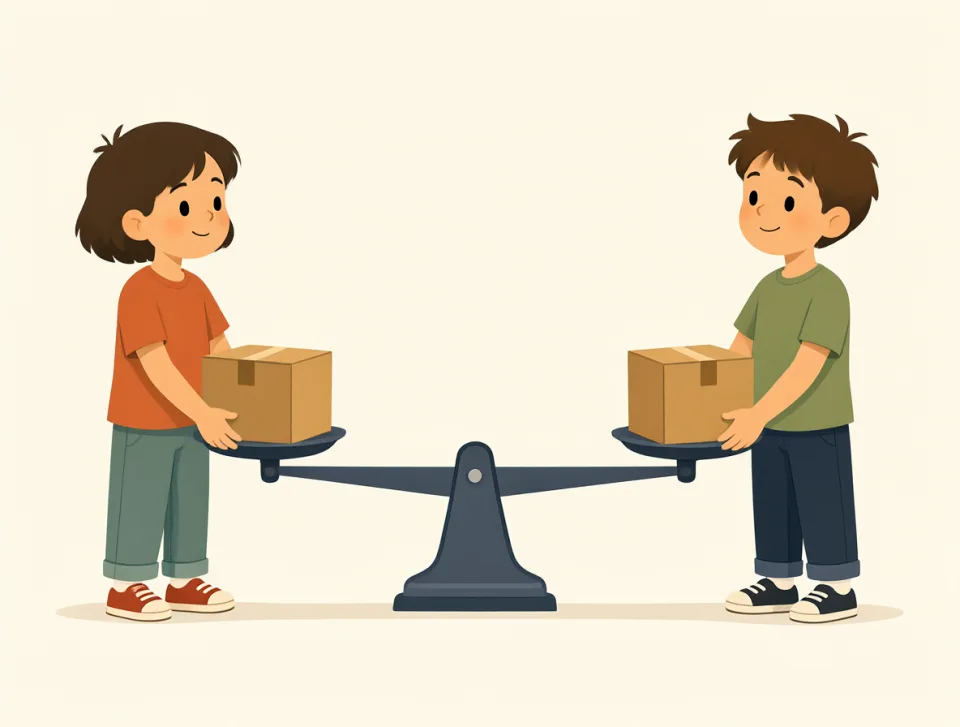
The two bags are equal in weight.
Obie torby ważą tyle samo.

She works hard because she wants equal pay for equal work.
Ciężko pracuje, bo chce równej płacy za taką samą pracę.
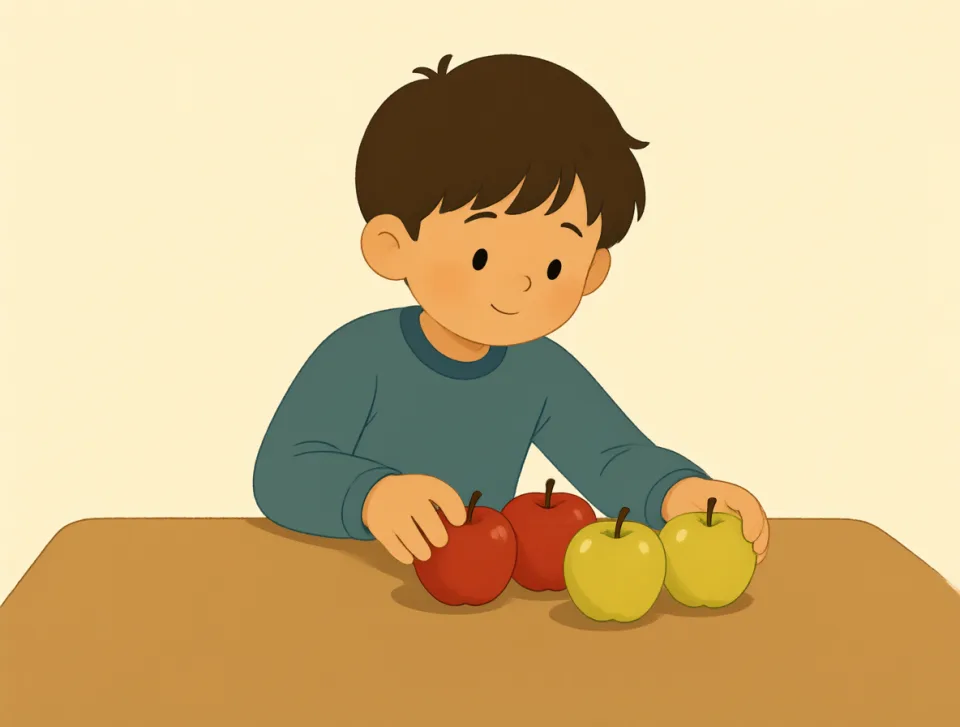
Three plus three equals six.
Trzy plus trzy równa się sześć.
expression
#1255noun
wyraz twarzy; wyrażenie
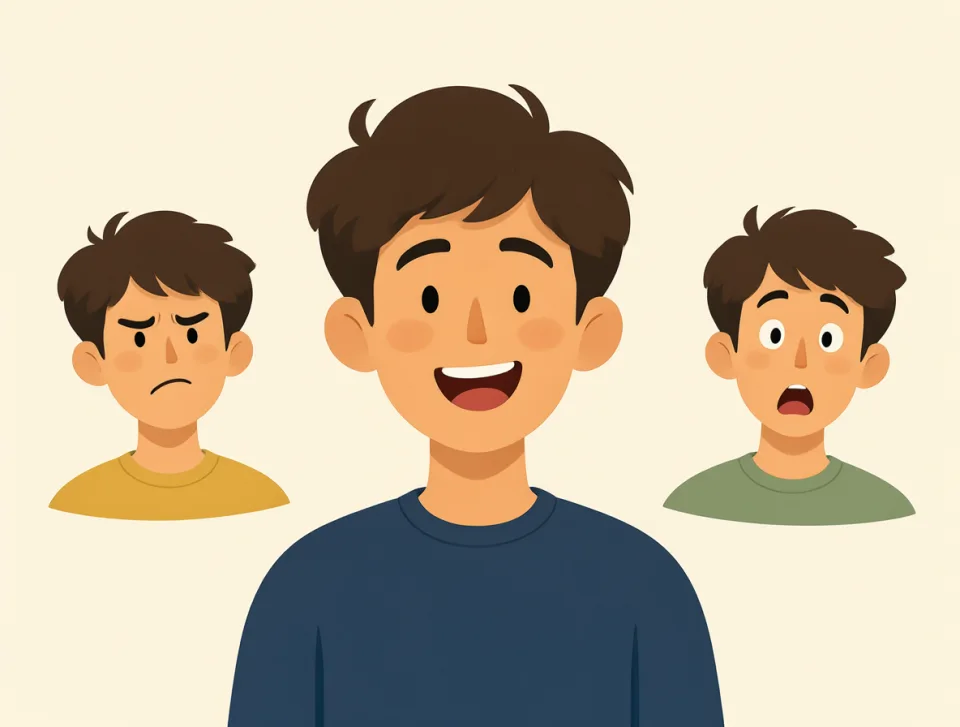
a look on your face or a way of showing your thoughts or feelings
Wygląd twarzy lub sposób wyrażania swoich myśli albo uczuć.
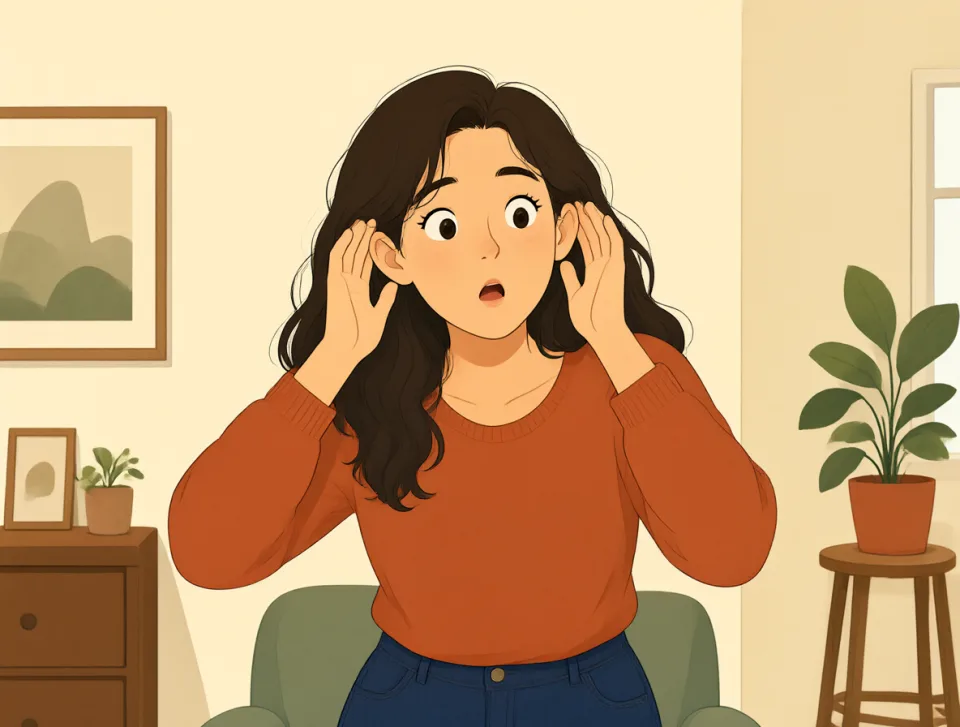
Her expression changed when she heard the surprising news.
Jej wyraz twarzy zmienił się, gdy usłyszała zaskakującą wiadomość.

His expression showed that he was worried about the exam.
Z jego wyrazu twarzy można było wywnioskować, że martwił się egzaminem.
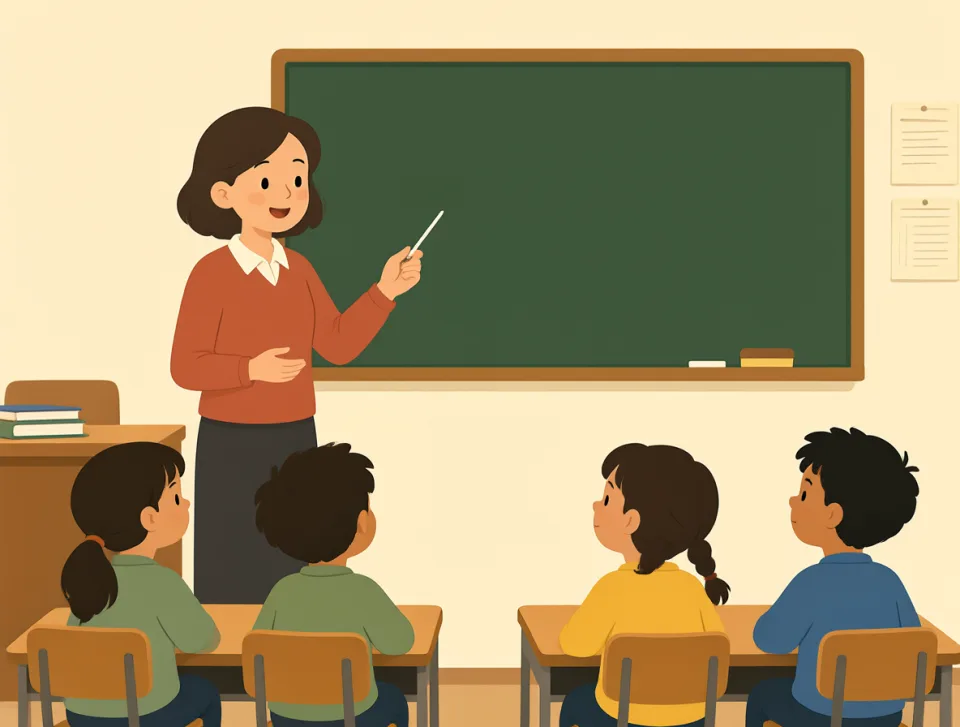
The teacher used a simple expression to explain the idea.
Nauczyciel użył prostego wyrażenia, żeby wyjaśnić tę myśl.
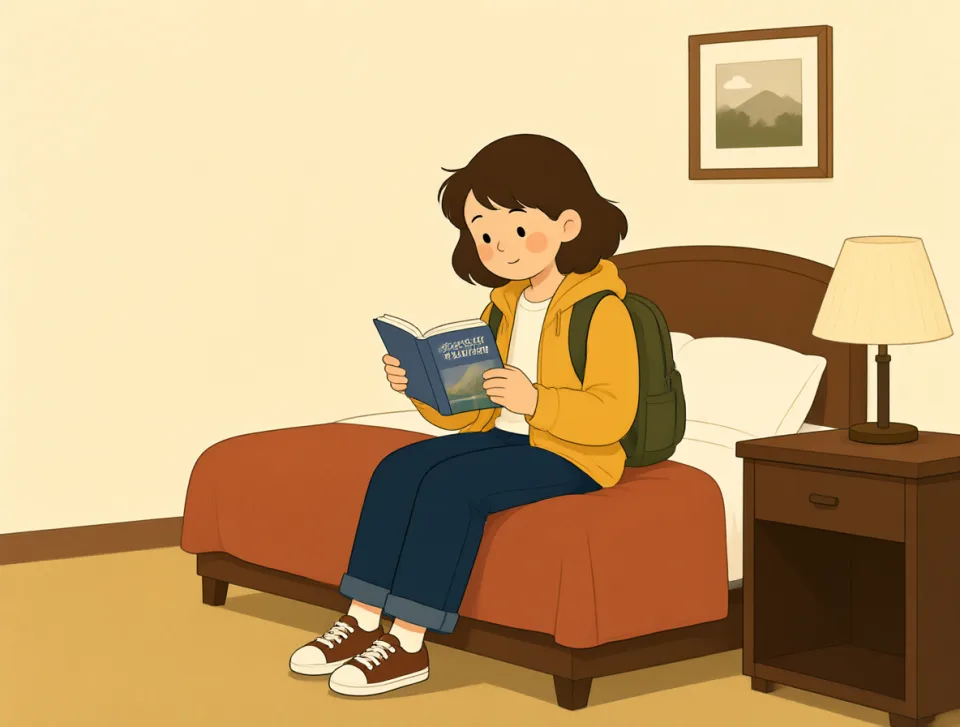
She learned a useful English expression from her travel guide.
Nauczyła się przydatnego angielskiego wyrażenia od swojego przewodnika turystycznego.

The doctor noticed a tired expression on the patient's face.
Lekarz zauważył zmęczony wyraz twarzy pacjenta.
plus
#1256preposition, noun, adjective, adverb, conjunction
plus
Added to something, or a number or amount added to another number or amount.
Dodane do czegoś albo liczba lub kwota dodana do innej liczby lub kwoty.
The meal costs twenty dollars, plus tax.
Posiłek kosztuje dwadzieścia dolarów plus podatek.
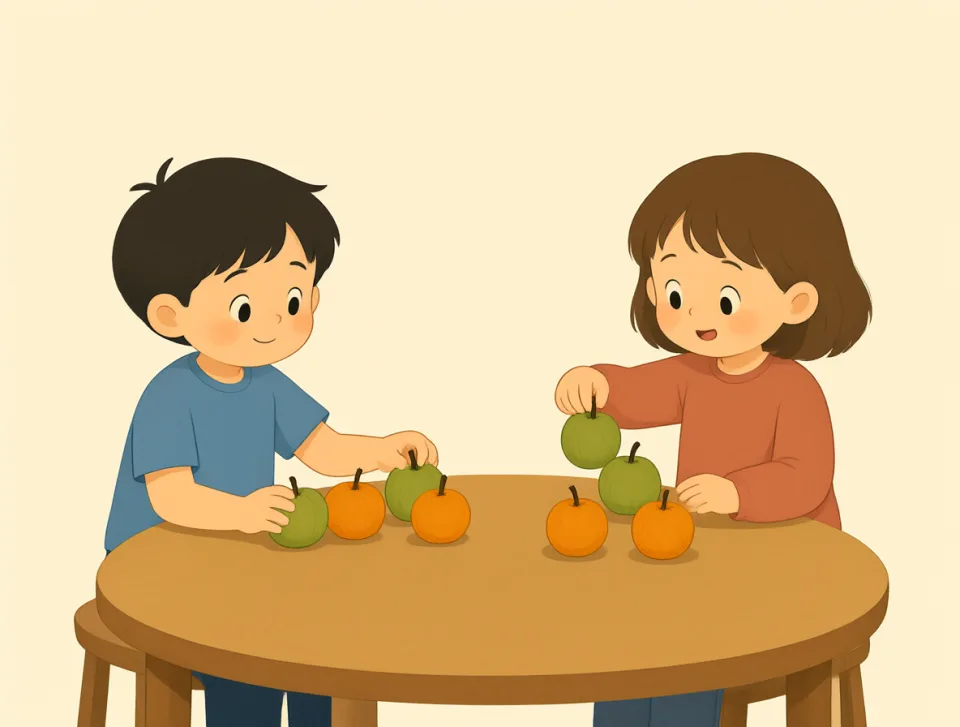
Two plus three equals five.
Dwa plus trzy równa się pięć.
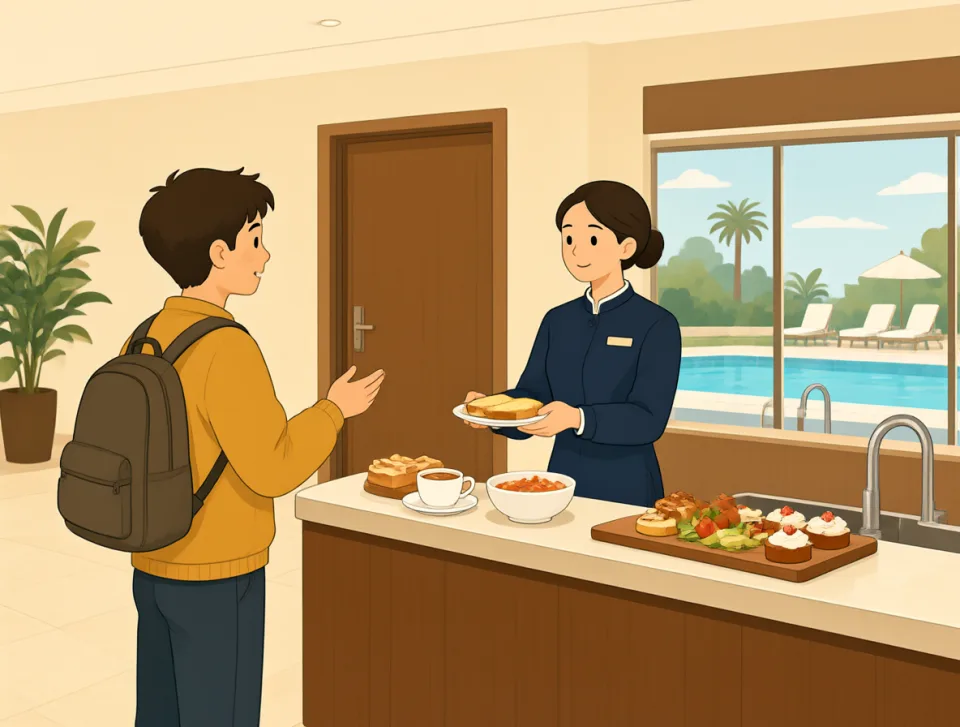
The hotel offers free breakfast, plus a swimming pool.
Hotel oferuje bezpłatne śniadanie, a ponadto basen.
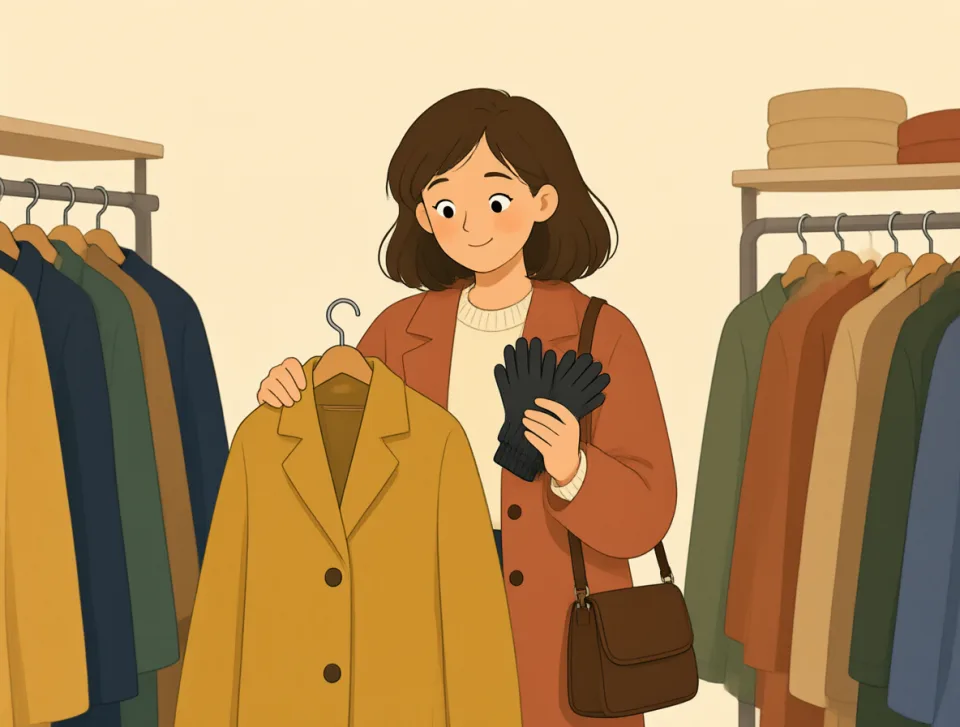
She bought a warm coat, plus gloves for the winter.
Kupiła ciepły płaszcz, a także rękawiczki na zimę.

The job has good hours, plus health insurance.
Ta praca ma dobre godziny pracy, a do tego ubezpieczenie zdrowotne.

extremely
#1257adverb
niezwykle
To a very great degree; much more than usual.
W bardzo dużym stopniu; znacznie bardziej niż zwykle.
The coffee is extremely hot, so please wait before drinking it.
Kawa jest niezwykle gorąca, więc proszę poczekać przed jej wypiciem.
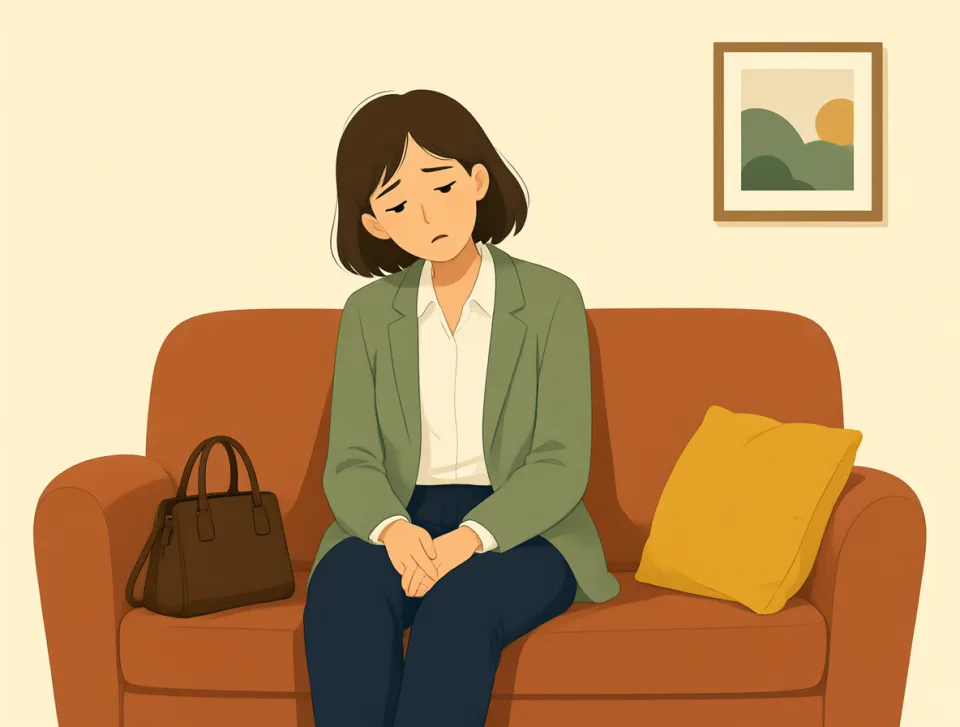
She was extremely tired after working all day.
Po całym dniu pracy była niezwykle zmęczona.
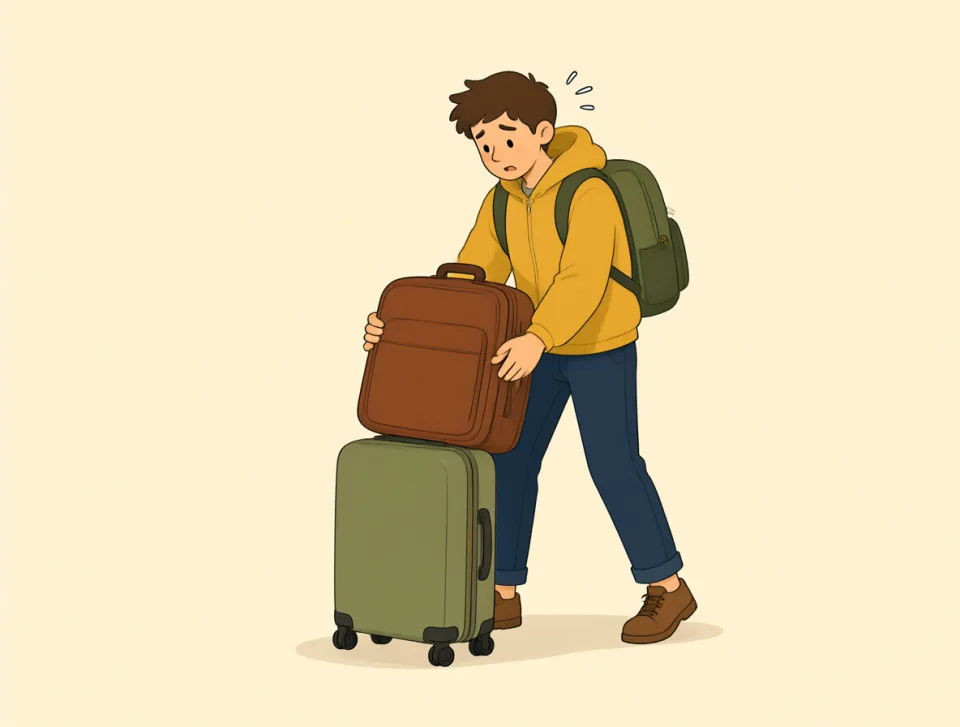
This suitcase is extremely heavy for one person to carry.
Ta walizka jest niezwykle ciężka jak na jedną osobę.
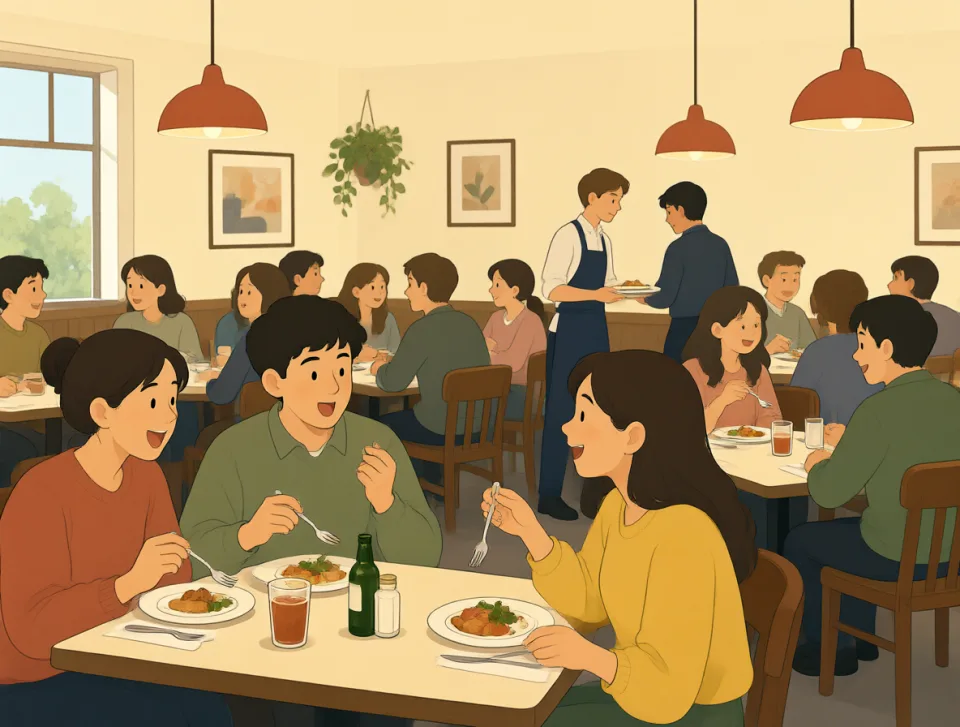
The restaurant was extremely busy during the lunch hour.
W restauracji było niezwykle tłoczno w porze lunchu.
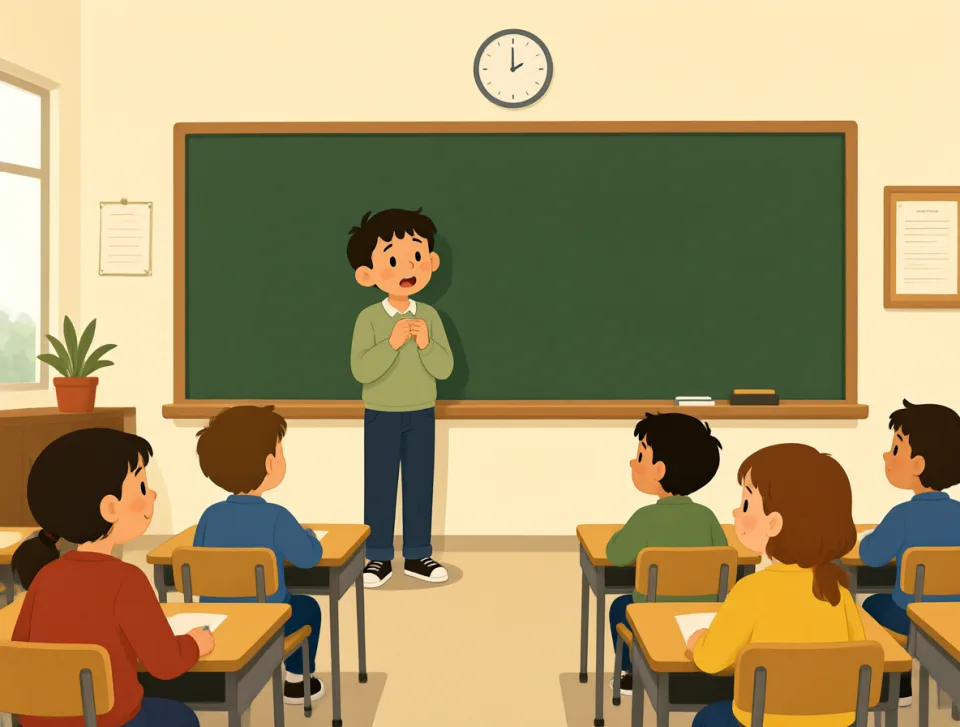
He felt extremely nervous before his school presentation.
Przed prezentacją w szkole był niezwykle zdenerwowany.
owner
#1258noun
właściciel
A person who owns something, such as a house, business, or pet.
Osoba, która jest właścicielem czegoś, na przykład domu, firmy lub zwierzęcia.
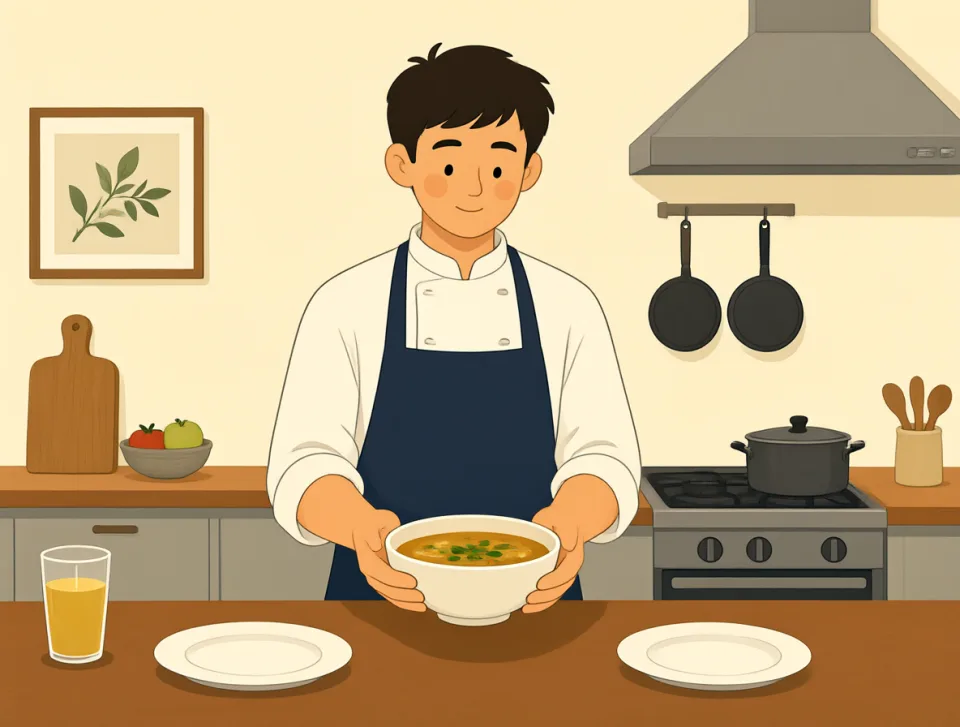
The owner of this restaurant makes delicious homemade soup.
Właściciel tej restauracji przygotowuje pyszną domową zupę.

Please ask the store owner if these shoes are available.
Proszę zapytać właściciela sklepu, czy te buty są dostępne.
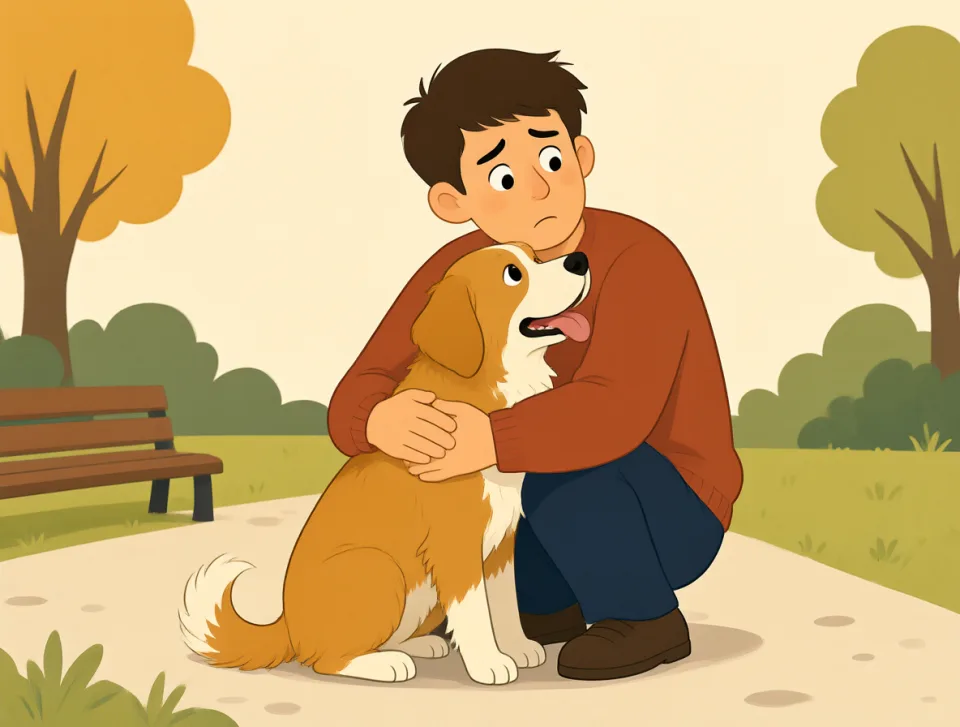
The dog ran away, but its owner found it nearby.
Pies uciekł, ale jego właściciel znalazł go w pobliżu.
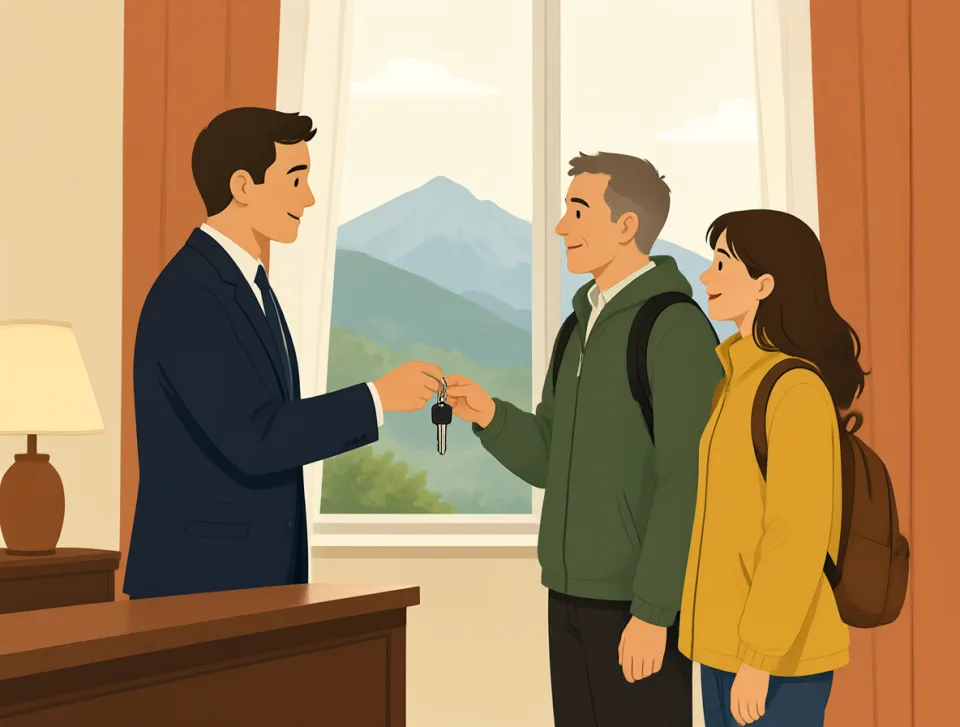
The hotel owner gave us a room with a beautiful view.
Właściciel hotelu dał nam pokój z pięknym widokiem.

The company owner thanked the workers for their hard work.
Właściciel firmy podziękował pracownikom za ich ciężką pracę.
plane
#1259noun, verb
samolot; strugać
A flying vehicle with wings; to make a surface flat and smooth.
Latający pojazd ze skrzydłami; wyrównywać i wygładzać powierzchnię.
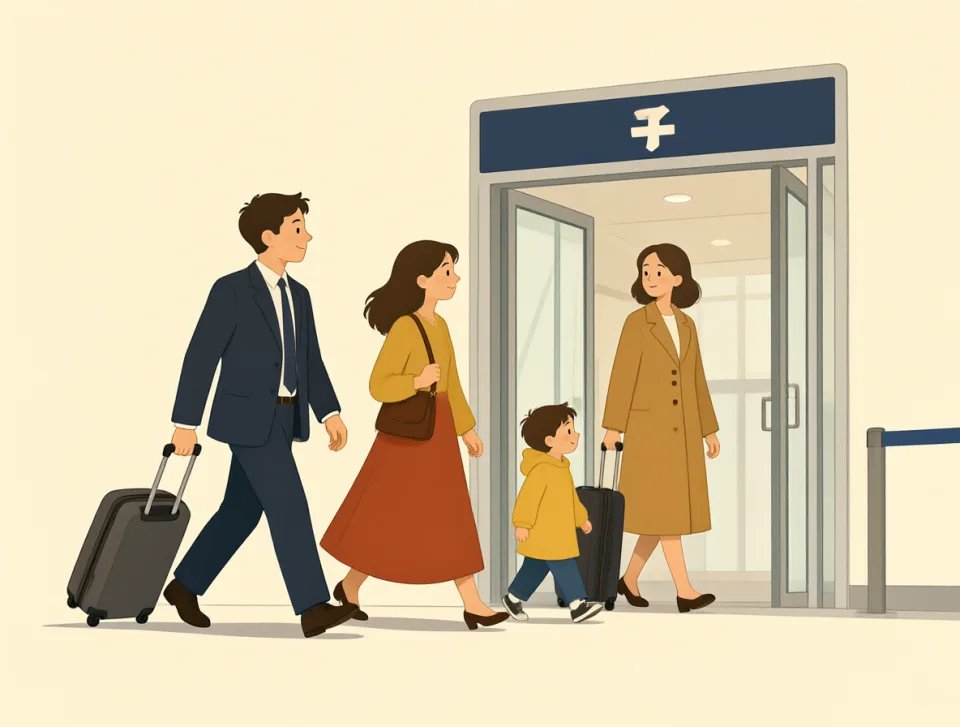
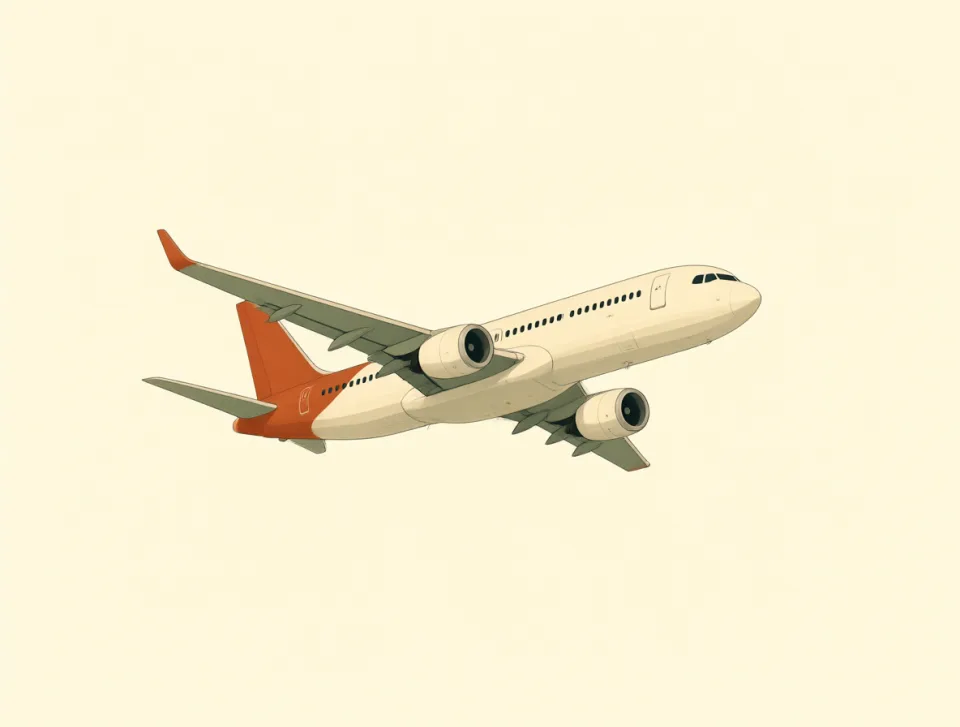
Our plane leaves at seven, so we need to arrive early.
Nasz samolot odlatuje o siódmej, więc musimy przyjechać wcześniej.
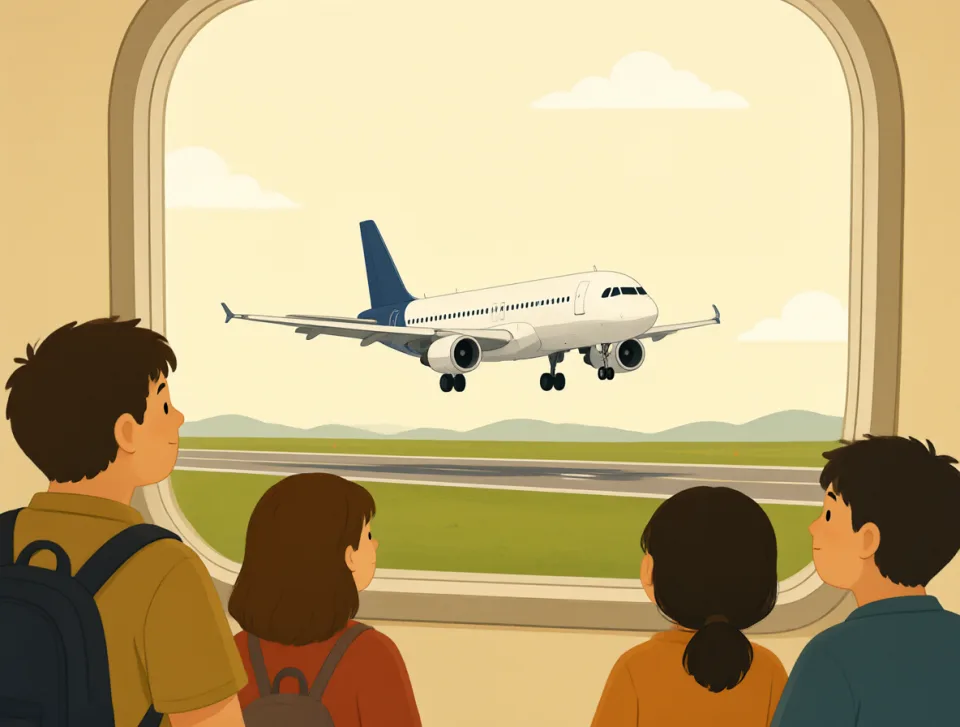
The plane landed safely after a long flight.
Samolot bezpiecznie wylądował po długim locie.
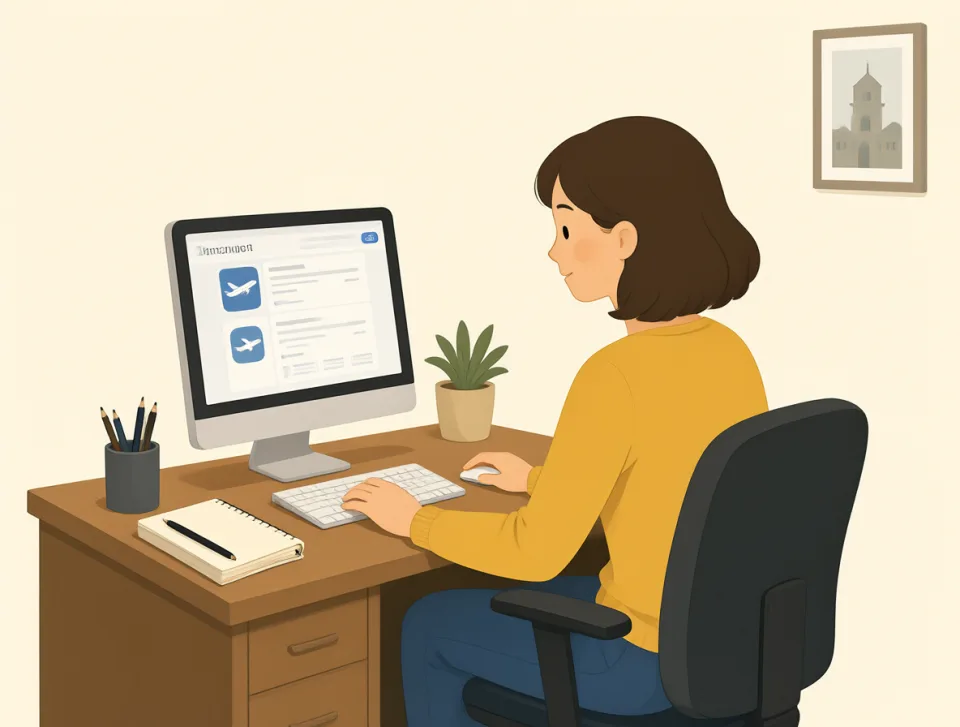
She booked a plane to visit her grandparents next month.
Zarezerwowała lot samolotem, żeby odwiedzić dziadków w przyszłym miesiącu.
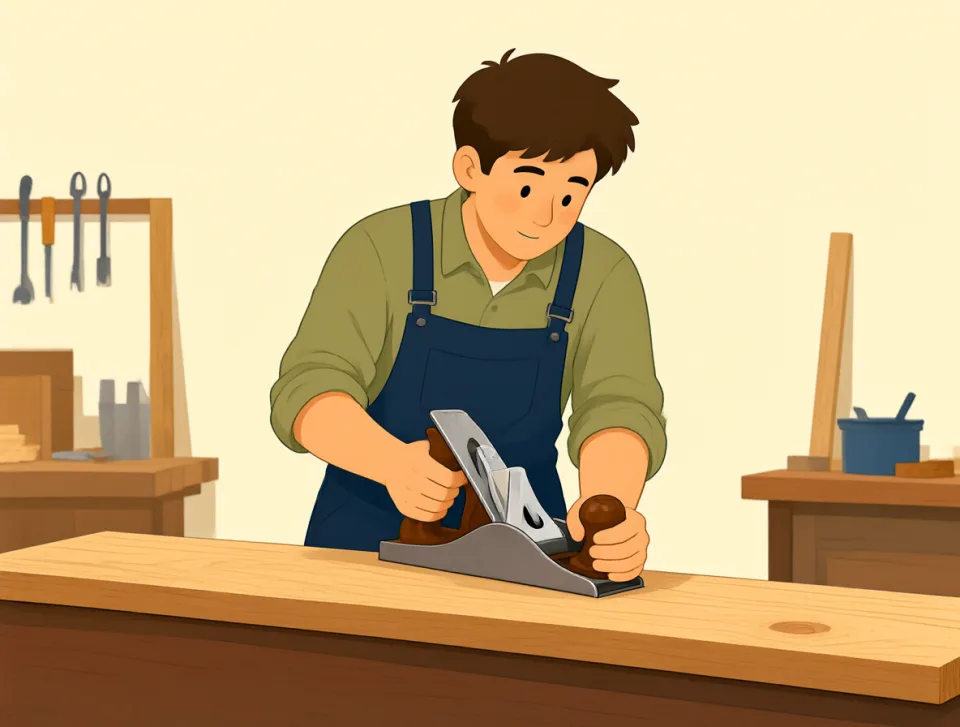
The carpenter planed the rough board until it was smooth.
Stolarz wyrównywał chropowatą deskę strugiem, aż stała się gładka.
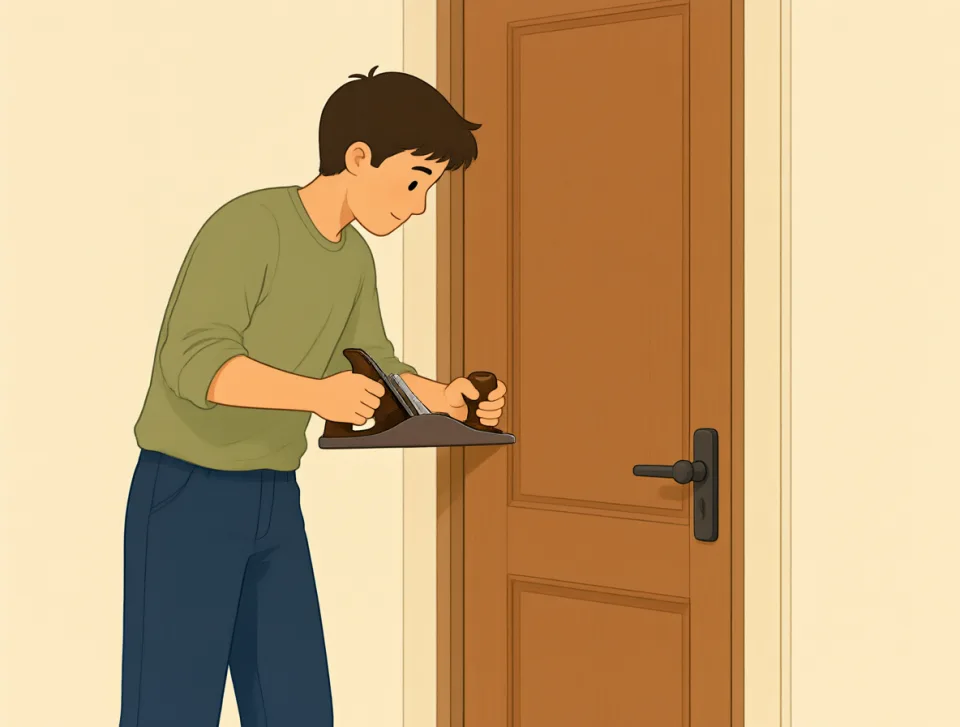
Please plane the edge so the door closes properly.
Proszę wyrównać krawędź, żeby drzwi prawidłowo się zamykały.
commercial
#1260noun, adjective
reklama; komercyjny
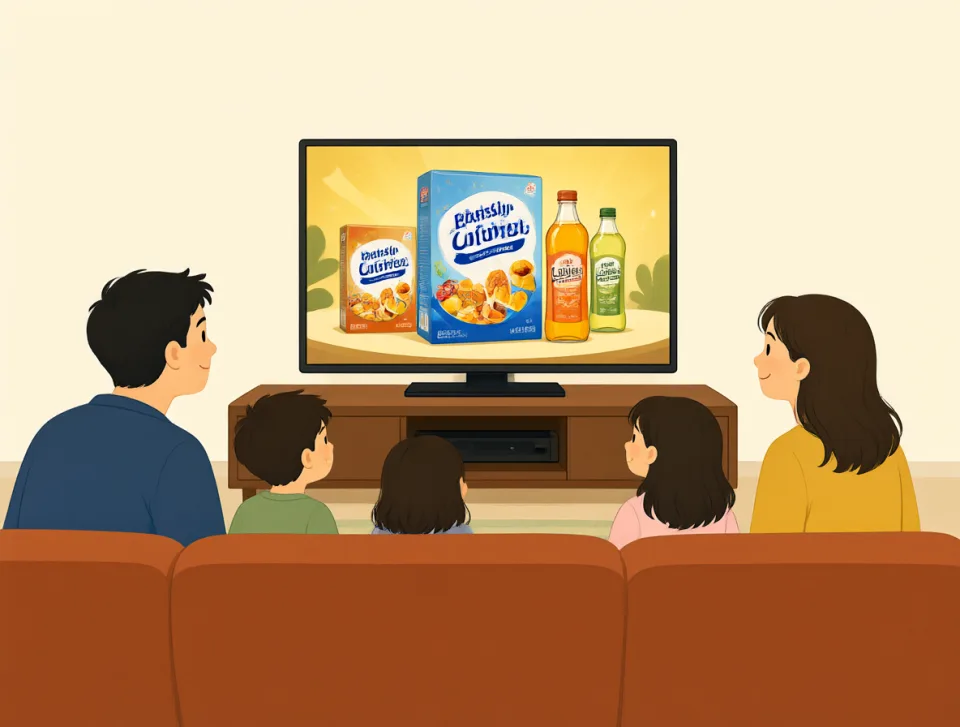
A television or radio advertisement; related to business or selling goods.
Reklama telewizyjna lub radiowa; związany z działalnością gospodarczą albo sprzedażą towarów.
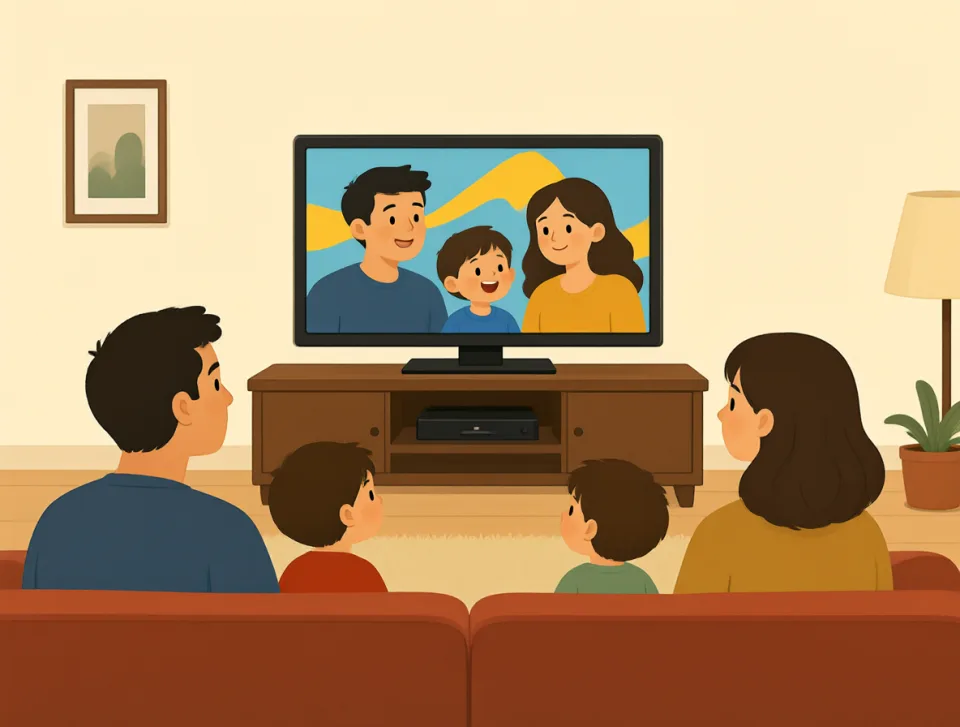
We saw a funny commercial during the evening movie.
Podczas wieczornego filmu zobaczyliśmy zabawną reklamę.
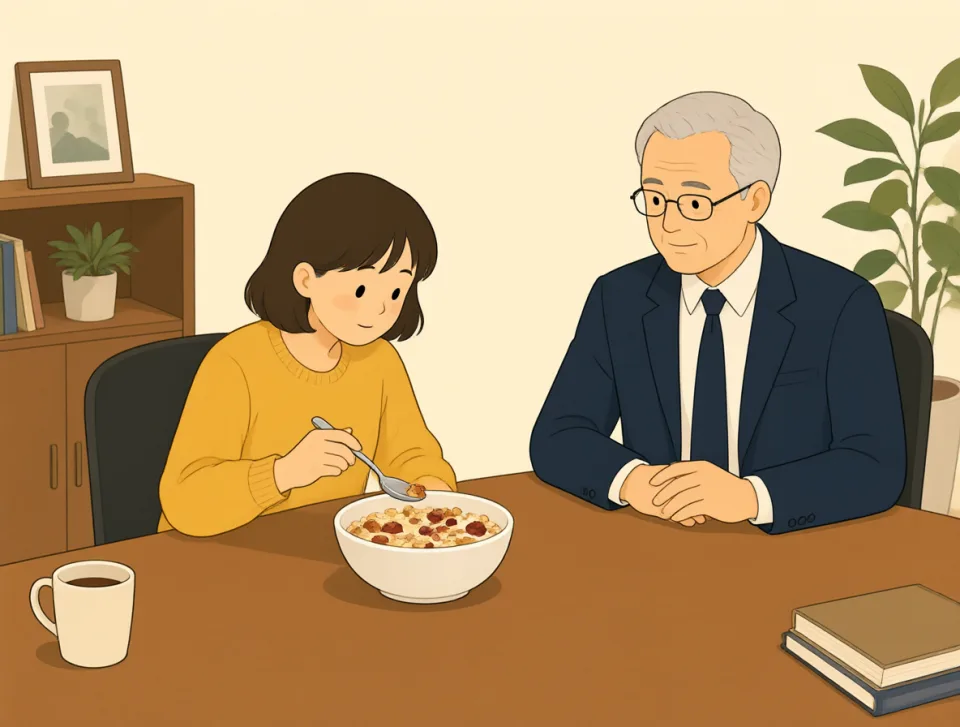
The company made a commercial for its new breakfast cereal.
Firma przygotowała reklamę swojego nowego płatka śniadaniowego.
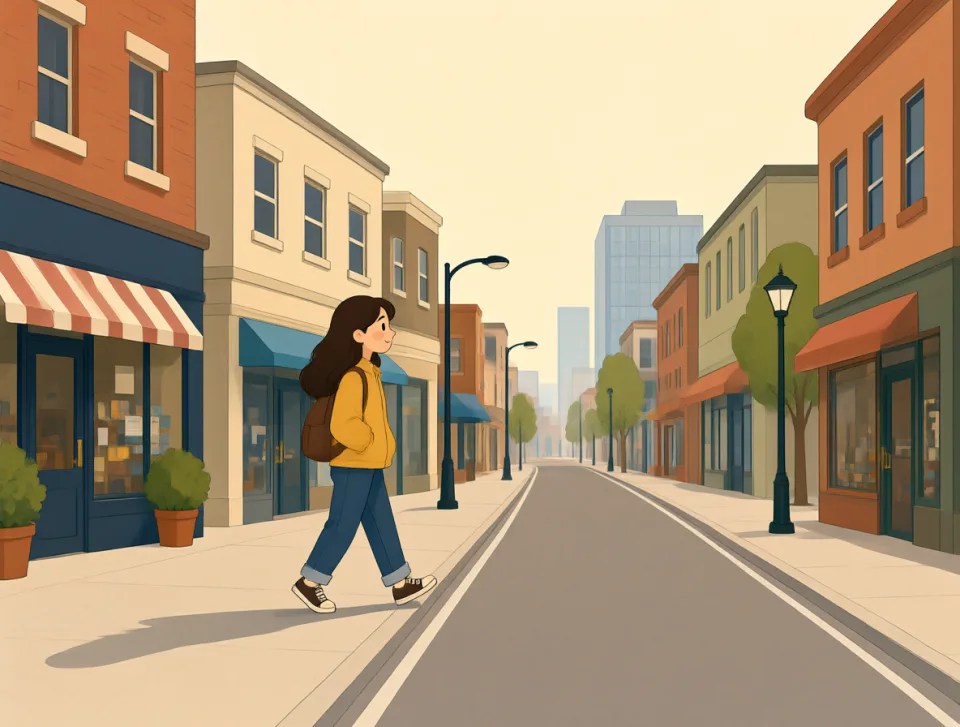
This area has many commercial buildings and busy shops.
W tej okolicy jest wiele budynków komercyjnych i ruchliwych sklepów.
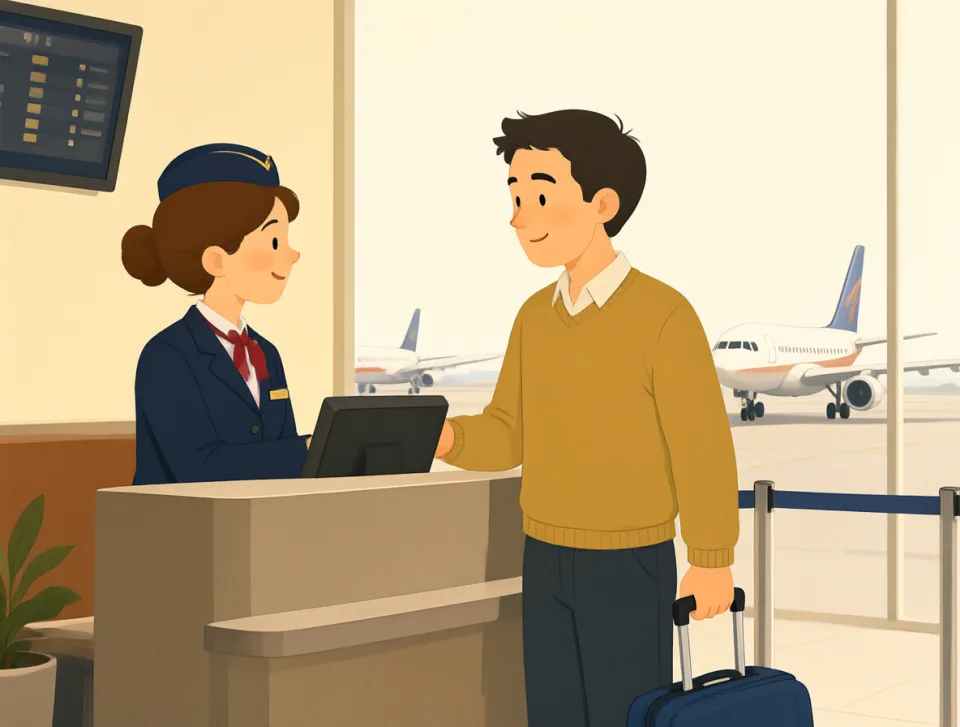
She works for a commercial airline at the airport.
Pracuje dla komercyjnych linii lotniczych na lotnisku.
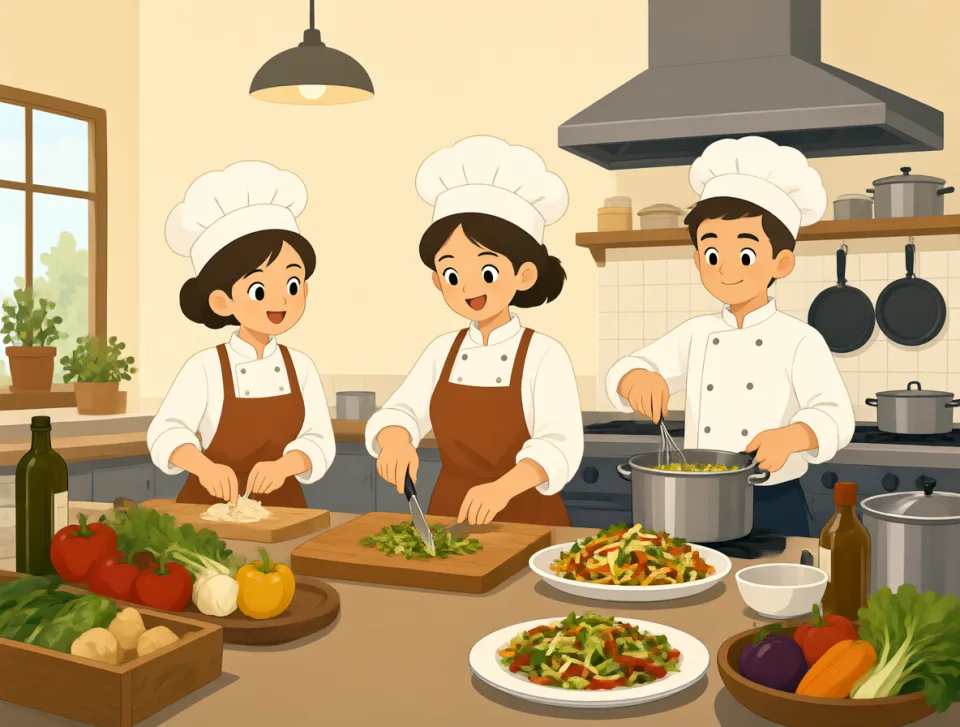
The commercial kitchen prepares hundreds of meals each day.
W kuchni przemysłowej każdego dnia przygotowuje się setki posiłków.