單元 45
單字 881–900 · fly, document, pattern, application, hot, obviously

fly
#881verb, noun
飛;蒼蠅
To move through the air, or a small insect with two wings.
在空中移動,或一種有兩隻翅膀的小昆蟲。

Birds fly south in the winter.
鳥兒冬天飛往南方。

We flew to Paris last summer.
去年夏天我們乘飛機去了巴黎。

The plane flies every morning.
這架飛機每天早上都有航班。

A fly landed on my food.
一隻蒼蠅落在了我的食物上。

Time flies when we have fun.
我們玩得開心時,時間過得飛快。
document
#882noun, verb
檔案; 記錄
A paper or computer file that gives information or proves something.
提供資訊或證明某件事的紙質檔案或電腦檔案。

Please bring your travel documents to the airport.
請把你的旅行證件帶到機場。

She signed the document at the bank.
她在銀行簽署了這份檔案。

The teacher gave us a document to read.
老師給了我們一份檔案閱讀。

He documented the damage with his phone.
他用手機記錄了損壞情況。

The doctor documented her symptoms after the visit.
看診後,醫生記錄了她的症狀。

pattern
#883noun
模式; 圖案; 規律; 形式
A repeated design, way of doing something, or regular form.
重複出現的設計、做事方式或有規律的形式。

She wore a dress with a flower pattern.
她穿著一條帶有花卉圖案的連衣裙。

I noticed a pattern in his daily routine.
我注意到他的日常生活有一定的規律。

The teacher showed us a pattern of numbers.
老師給我們展示了一組數字的規律。

This weather pattern may bring rain tomorrow.
這種天氣模式明天可能會帶來降雨。

The doctor asked about my sleep pattern.
醫生詢問了我的睡眠規律。

application
#884noun
申請; 用途; 應用
A formal request for a job, place, or service.
對工作、名額或服務提出的正式請求。

I sent my job application yesterday.
我昨天提交了工作申請。

Her application for college was accepted.
她的大學申請被批准了。

Please fill out the application form.
請填寫申請表。

We made an application for a visa.
我們申請了簽證。

This cream has many applications.
這種乳霜有很多用途。

hot
#885adjective
熱的;燙的
having a high temperature; feeling very warm
溫度很高;感覺非常溫暖

The soup is too hot to eat.
湯太燙了,沒法喝。

It was hot outside, so we drank water.
外面很熱,所以我們喝了水。

Please turn off the hot water.
請關掉熱水。

She touched the hot pan and burned her hand.
她碰到了燙鍋,手被燙傷了。

This restaurant serves hot chicken sandwiches.
這家餐廳供應熱雞肉三明治。

obviously
#886adverb
顯然;明顯地
Used to say that something is easy to see, understand, or know.
用於表示某事很容易看出、理解或知道。
Obviously, she is feeling much better today.
顯然,她今天感覺好多了。

He was obviously tired after the long trip.
長途旅行後,他顯然累了。

Obviously, you need an umbrella today.
顯然,你今天需要一把雨傘。

She obviously forgot her homework again.
她顯然又忘了帶作業。

This soup is obviously too hot to eat.
這湯顯然太燙了,沒法喝。

unclear
#887adjective
不清楚的; 模糊的
Difficult to understand, see, hear, or know exactly.
難以準確理解、看清、聽清或確定的。

The instructions are unclear to me.
我看不懂這些說明。

His answer was unclear during the meeting.
他在會議上的回答很不清楚。

The picture is unclear because it is dark.
這張圖片因為光線昏暗而看不清楚。

The doctor gave an unclear explanation.
醫生的解釋不清楚。

The soup has an unclear taste.
這湯的味道很難形容。

bill
#888noun, verb
賬單; 法案; 開賬單
A bill is a request for payment, or a proposal for a new law.
賬單是要求付款的單據,也可以指一項新法律的提案。

The waiter brought us the bill after dinner.
晚飯後,服務員把賬單拿給我們。

I paid the electricity bill yesterday.
我昨天付了電費。

The hotel bill was higher than expected.
酒店賬單比預想的要高。

The doctor billed my insurance company for the visit.
醫生向我的保險公司收取了這次就診的費用。

Parliament passed the new bill last week.
議會上週透過了這項新法案。

search
#889verb, noun
尋找; 搜尋; 搜查
to look carefully for someone or something
仔細尋找某人或某物

I searched my bag for my keys.
我翻遍了包,尋找我的鑰匙。

We searched online for a cheap hotel.
我們在網上尋找便宜的酒店。

The police searched the car carefully.
警察仔細搜查了那輛車。

She searched for her name on the list.
她在名單上尋找自己的名字。

The search for fresh food took hours.
尋找新鮮食物花了好幾個小時。

separate
#890verb, adjective
分開;分離;分開的;獨立的
to keep things apart or not joined; not together with other things
讓事物彼此分開或不連線;不與其他事物在一起

Please separate the clean clothes from the dirty ones.
請把乾淨的衣服和髒衣服分開。

We separate the eggs before mixing the cake.
我們先把雞蛋分開,然後再攪拌蛋糕麵糊。

The teacher separated the two noisy students.
老師把兩個吵鬧的學生分開了。

My office is separate from the main building.
我的辦公室和主樓是分開的。

We sat at separate tables with our friends.
我們和朋友們分別坐在不同的桌子旁。

central
#891adjective, noun
中心的;中央的;核心的
In the middle or most important part of something.
位於某物的中間,或屬於某物最重要的部分。

The central table holds fresh flowers.
中央的桌子上擺著鮮花。
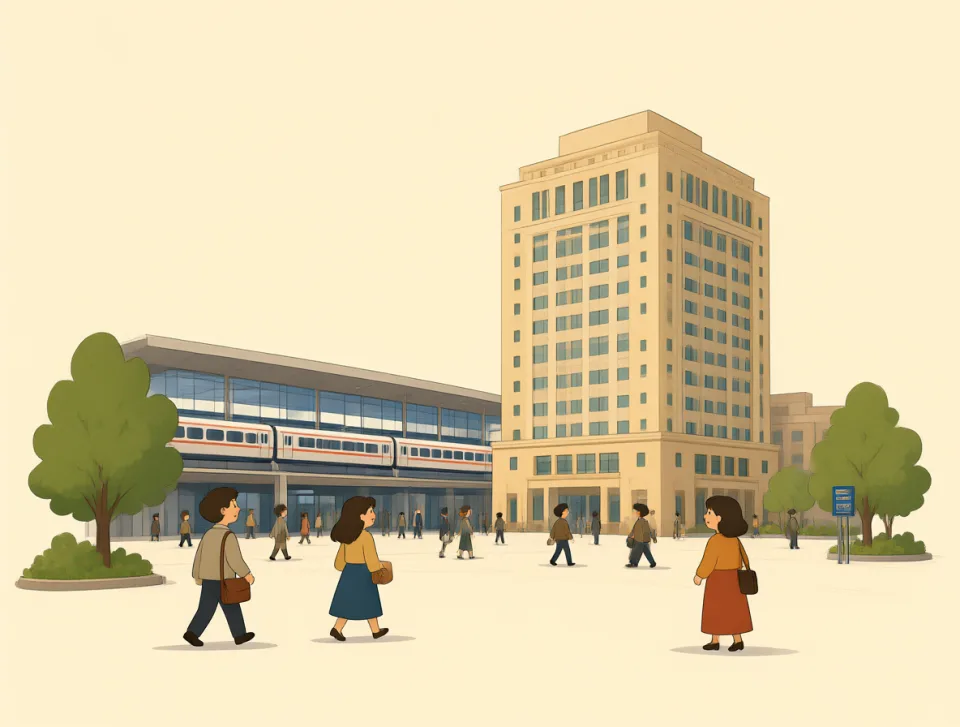
Our central office is near the station.
我們的中央辦公室在車站附近。

The central heating stopped last night.
昨晚中央供暖系統停止了。

The central idea is easy to understand.
核心思想很容易理解。

We met in the central square after lunch.
午飯後,我們在中央廣場見面。

career
#892noun
職業; 事業
The work and jobs someone has during their working life.
一個人在工作生涯中從事的工作和擔任的職位。

She wants a career in medicine.
她想從事醫學方面的職業。

He started his career after college.
他大學畢業後開始了自己的職業生涯。

My sister is planning her career.
我姐姐正在規劃自己的職業生涯。

Her acting career began in London.
她的演藝事業始於倫敦。

The course helps students choose careers.
這門課程幫助學生選擇職業。

anyway
#893adverb
無論如何;反正
Despite what was said or happened; used to return to the main point or continue.
不管之前說了什麼或發生了什麼;用於回到主要話題或繼續做某事。
It was raining, but we went anyway.
當時在下雨,但我們還是去了。

Anyway, what time does the train leave?
對了,火車幾點開?

I was tired, but I finished my homework anyway.
我很累,但還是完成了作業。

She forgot her lunch, so I shared mine anyway.
她忘了帶午餐,所以我還是和她分享了我的午餐。

The shop was closing, but we went in anyway.
商店快關門了,但我們還是進去了。

speech
#894noun
演講;言語能力
A talk given to a group, or the ability to speak clearly.
向一群人發表的講話,或清晰說話的能力。

She gave a short speech at the wedding.
她在婚禮上發表了一段簡短的演講。

He is preparing a speech for school.
他正在為學校準備一篇演講稿。

The president's speech was on the radio.
總統的演講在廣播中播出。

Her speech became clearer after the lesson.
上完課後,她說話更清晰了。

The doctor checked his speech after the accident.
事故發生後,醫生檢查了他的言語能力。

dog
#895noun
狗
An animal often kept as a pet and trained to help people.
一種常被當作寵物飼養,並經過訓練來幫助人們的動物。

The dog is sleeping beside the front door.
那隻狗正睡在前門旁邊。

She takes her dog for a walk.
她帶她的狗去散步。

Please feed the dog before school.
請在上學前餵狗。

The guide dog helped the blind man cross.
導盲犬幫助那位盲人過了馬路。

They found a stray dog near the station.
他們在車站附近發現了一隻流浪狗。

officer
#896noun
警察;警官;軍官
A person whose job is to keep people safe or enforce the law.
負責保護人們安全或執行法律的人。

The officer helped us cross the busy street.
那名警察幫我們穿過了繁忙的街道。

The police officer stopped the car near our house.
警察在我們家附近攔下了那輛車。

She spoke to an officer at the airport.
她在機場和一名警官交談。

The officer checked our bags before the flight.
那名警官在航班起飛前檢查了我們的行李。

My uncle is an army officer in the city.
我叔叔是城裡的一名軍官。

throughout
#897preposition, adverb
遍及;貫穿始終
In every part of a place or during the whole of a time period.
遍及某個地方的每個部分,或持續整個時間段。
It rained throughout the night.
整晚都在下雨。

She smiled throughout the whole meeting.
整個會議期間,她一直面帶微笑。

The children played throughout the house.
孩子們在房子的各個地方玩耍。

We traveled throughout the country by train.
我們乘火車走遍了全國。

He stayed calm throughout his long journey.
在漫長的旅途中,他始終保持冷靜。

oil
#898noun, verb
油;給……上油
A thick liquid from the ground or plants, used for fuel, cooking, or machines.
一種來自地下或植物的黏稠液體,可用作燃料、食用油或機器潤滑油。
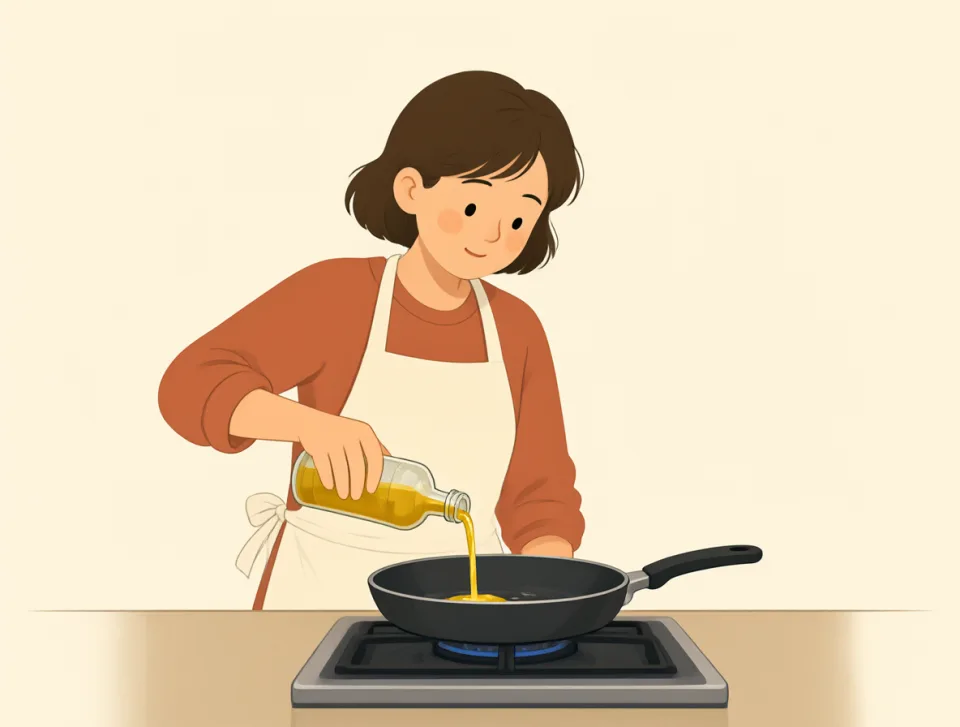
Add a little oil to the hot pan.
往熱鍋里加一點油。
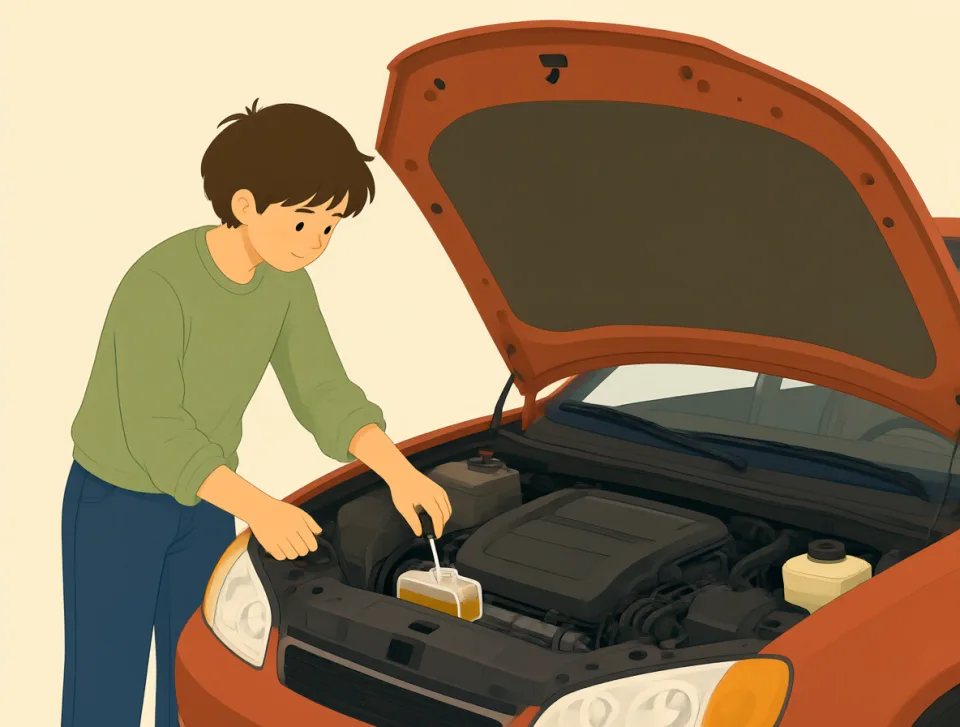
The car needs oil before our trip.
我們出發前,汽車需要加油。
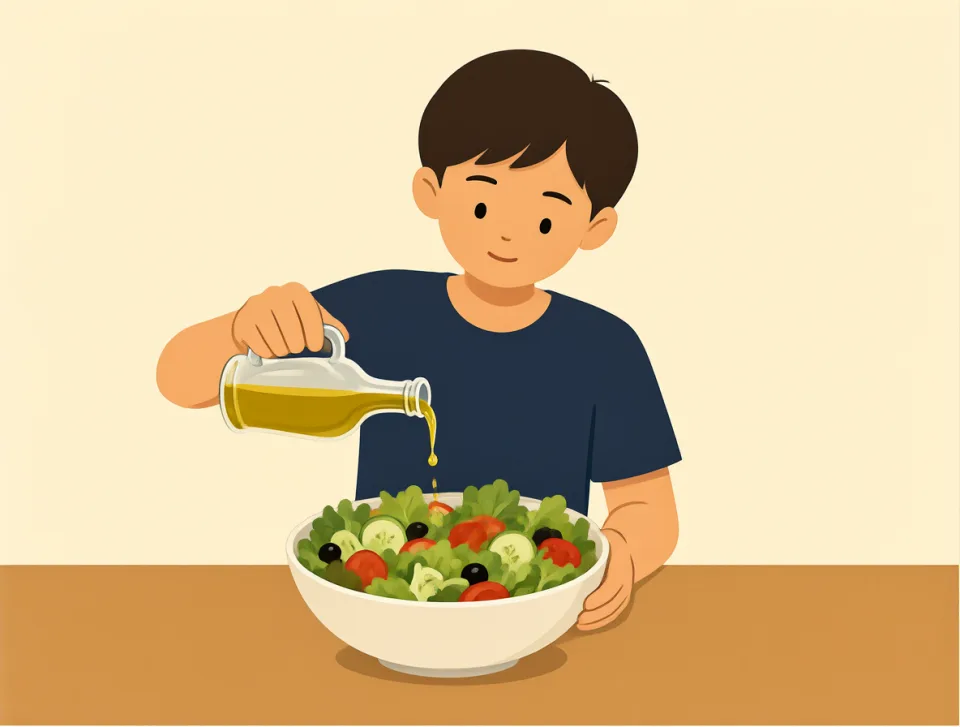
Olive oil makes this salad taste better.
橄欖油能讓這道沙拉味道更好。

They found oil under the sea.
他們在海底發現了石油。

She oiled the door so it stopped squeaking.
她給門上了油,門就不再吱吱作響了。

dress
#899noun, verb
連衣裙;穿衣服;打扮
A one-piece garment for the body, or to put on clothes for a special occasion.
一種連體服裝;或為了特殊場合穿上衣服。

She wore a blue dress to the party.
她穿著一條藍色連衣裙去參加聚會。

I bought a new dress yesterday.
我昨天買了一條新連衣裙。

Please dress the baby before we go.
我們出發前請給寶寶穿好衣服。

He dressed quickly for work this morning.
今天早上他很快就穿好衣服去上班了。

The children dressed up as animals for school.
孩子們在學校裡裝扮成動物。

profit
#900noun, verb
利潤; 獲利
Money made after paying the costs of running a business.
支付經營企業的成本後賺到的錢。

The shop made a good profit last year.
這家商店去年賺了不少利潤。

The company wants to increase its profits.
這家公司希望增加利潤。

We sold the cakes for a small profit.
我們賣蛋糕只賺了一點利潤。

The farmer profited from selling fresh vegetables.
這位農民透過賣新鮮蔬菜獲利。

She profited from her friend's helpful advice.
她從朋友的有益建議中受益。