Блок 45
Слова 881–900 · fly, document, pattern, application, hot, obviously

fly
#881verb, noun
летать; муха
To move through the air, or a small insect with two wings.
Перемещаться по воздуху; также небольшое насекомое с двумя крыльями.

Birds fly south in the winter.
Зимой птицы улетают на юг.

We flew to Paris last summer.
Прошлым летом мы летали в Париж.

The plane flies every morning.
Этот самолёт летает каждое утро.

A fly landed on my food.
Муха села на мою еду.

Time flies when we have fun.
Когда мы веселимся, время летит.
document
#882noun, verb
документ
A paper or computer file that gives information or proves something.
Бумага или компьютерный файл, который содержит информацию или служит подтверждением чего-либо.

Please bring your travel documents to the airport.
Пожалуйста, возьмите с собой в аэропорт документы для поездки.

She signed the document at the bank.
Она подписала документ в банке.

The teacher gave us a document to read.
Учитель дал нам документ для чтения.

He documented the damage with his phone.
Он зафиксировал повреждения на телефон.

The doctor documented her symptoms after the visit.
После приёма врач записал её симптомы.

pattern
#883noun
узор; закономерность
A repeated design, way of doing something, or regular form.
Повторяющийся рисунок, способ что-либо делать или регулярная форма.

She wore a dress with a flower pattern.
На ней было платье с цветочным узором.

I noticed a pattern in his daily routine.
Я заметил закономерность в его распорядке дня.
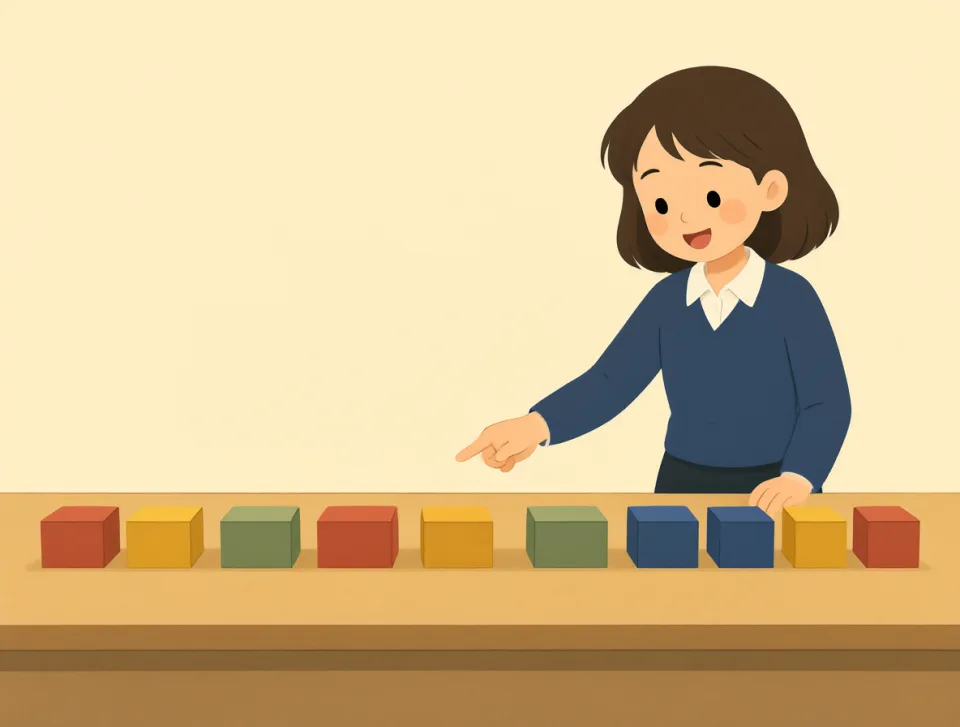
The teacher showed us a pattern of numbers.
Учитель показал нам числовую последовательность.

This weather pattern may bring rain tomorrow.
Из-за этой погодной модели завтра может пойти дождь.
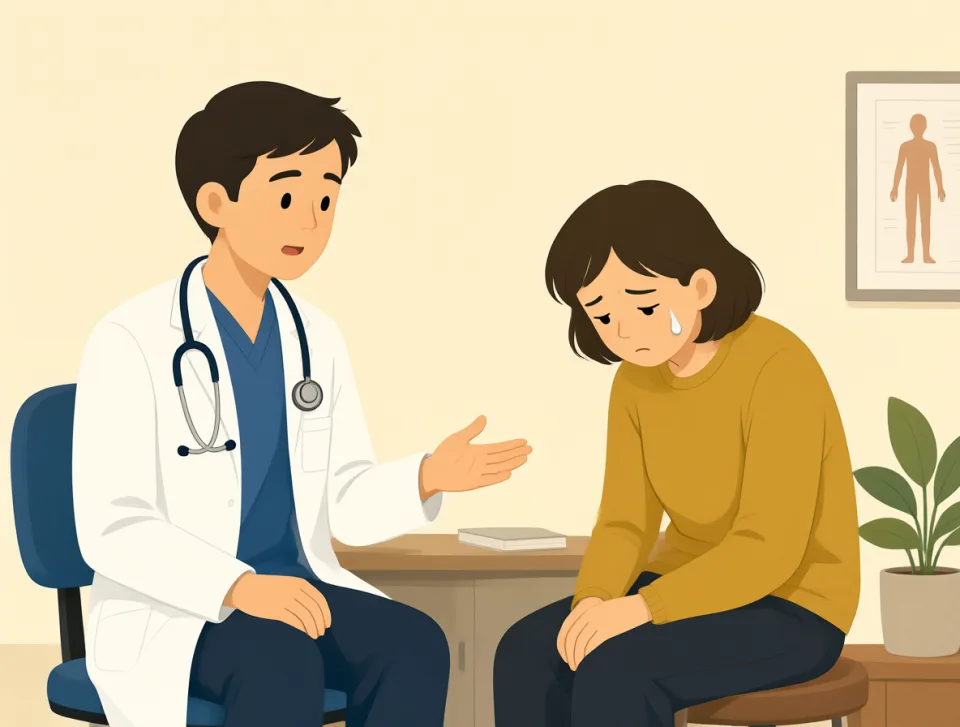
The doctor asked about my sleep pattern.
Врач спросил о моём режиме сна.

application
#884noun
заявление; заявка
A formal request for a job, place, or service.
Официальный запрос на получение работы, места или услуги.
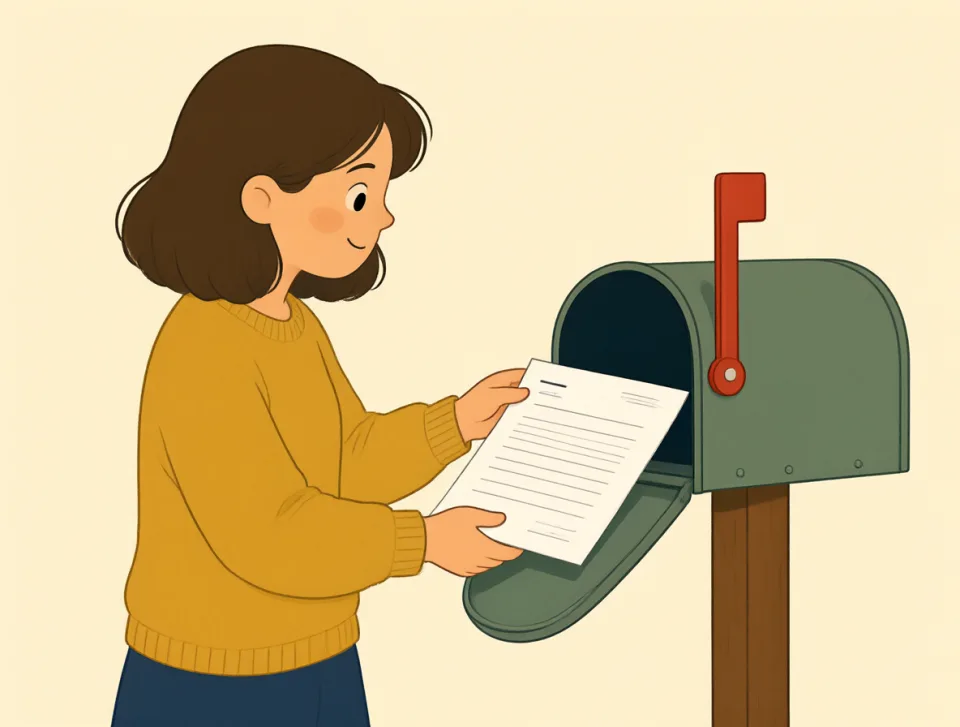
I sent my job application yesterday.
Вчера я отправил заявление на работу.

Her application for college was accepted.
Её заявление о поступлении в колледж приняли.

Please fill out the application form.
Пожалуйста, заполните бланк заявления.

We made an application for a visa.
Мы подали заявление на визу.

This cream has many applications.
У этого крема много способов применения.

hot
#885adjective
горячий; жаркий
having a high temperature; feeling very warm
Имеющий высокую температуру; ощущаемый как очень тёплый.

The soup is too hot to eat.
Суп слишком горячий, чтобы его есть.

It was hot outside, so we drank water.
На улице было жарко, поэтому мы пили воду.

Please turn off the hot water.
Пожалуйста, выключи горячую воду.
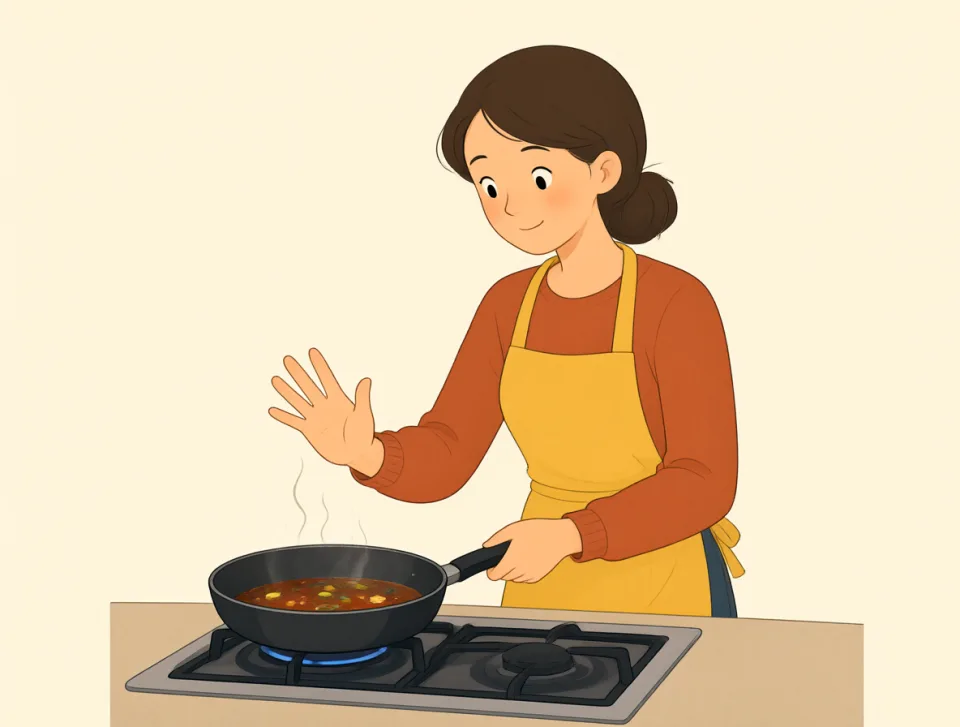
She touched the hot pan and burned her hand.
Она прикоснулась к горячей сковороде и обожгла руку.

This restaurant serves hot chicken sandwiches.
В этом ресторане подают горячие сэндвичи с курицей.

obviously
#886adverb
очевидно
Used to say that something is easy to see, understand, or know.
Используется, чтобы сказать, что что-то легко заметить, понять или узнать.
Obviously, she is feeling much better today.
Очевидно, сегодня ей намного лучше.

He was obviously tired after the long trip.
После долгой поездки он явно устал.

Obviously, you need an umbrella today.
Сегодня тебе, очевидно, нужен зонт.

She obviously forgot her homework again.
Она опять забыла домашнее задание.

This soup is obviously too hot to eat.
Этот суп явно слишком горячий, чтобы его есть.

unclear
#887adjective
неясный
Difficult to understand, see, hear, or know exactly.
Трудный для точного понимания, рассмотрения, восприятия на слух или установления.

The instructions are unclear to me.
Мне непонятны инструкции.

His answer was unclear during the meeting.
На встрече его ответ был неясным.

The picture is unclear because it is dark.
Изображение нечёткое, потому что слишком темно.

The doctor gave an unclear explanation.
Врач дал неясное объяснение.

The soup has an unclear taste.
У супа непонятный вкус.

bill
#888noun, verb
счёт
A bill is a request for payment, or a proposal for a new law.
Bill — это требование оплаты или предложение нового закона.

The waiter brought us the bill after dinner.
После ужина официант принёс нам счёт.

I paid the electricity bill yesterday.
Вчера я оплатил счёт за электричество.

The hotel bill was higher than expected.
Счёт из отеля оказался выше, чем ожидалось.

The doctor billed my insurance company for the visit.
Врач выставил моей страховой компании счёт за приём.

Parliament passed the new bill last week.
На прошлой неделе парламент принял новый законопроект.
search
#889verb, noun
искать
to look carefully for someone or something
Внимательно разыскивать кого-либо или что-либо.

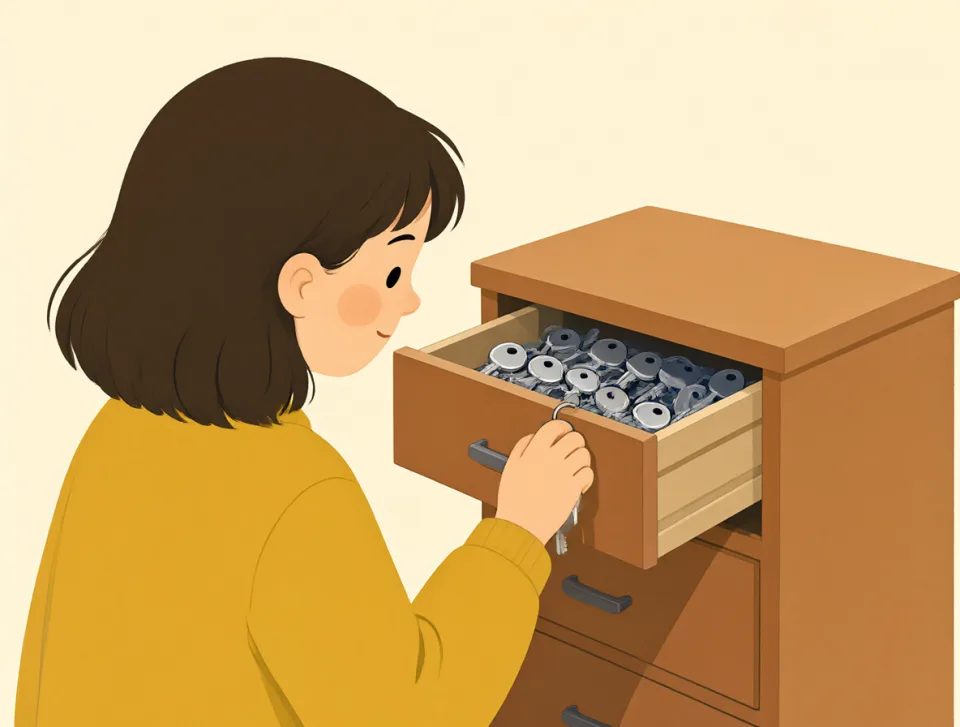
I searched my bag for my keys.
Я искал ключи в сумке.

We searched online for a cheap hotel.
Мы искали в интернете недорогой отель.

The police searched the car carefully.
Полиция тщательно обыскала машину.

She searched for her name on the list.
Она искала своё имя в списке.

The search for fresh food took hours.
Поиск свежих продуктов занял несколько часов.

separate
#890verb, adjective
отделять
to keep things apart or not joined; not together with other things
Держать вещи порознь, не соединять их; не вместе с другими вещами.
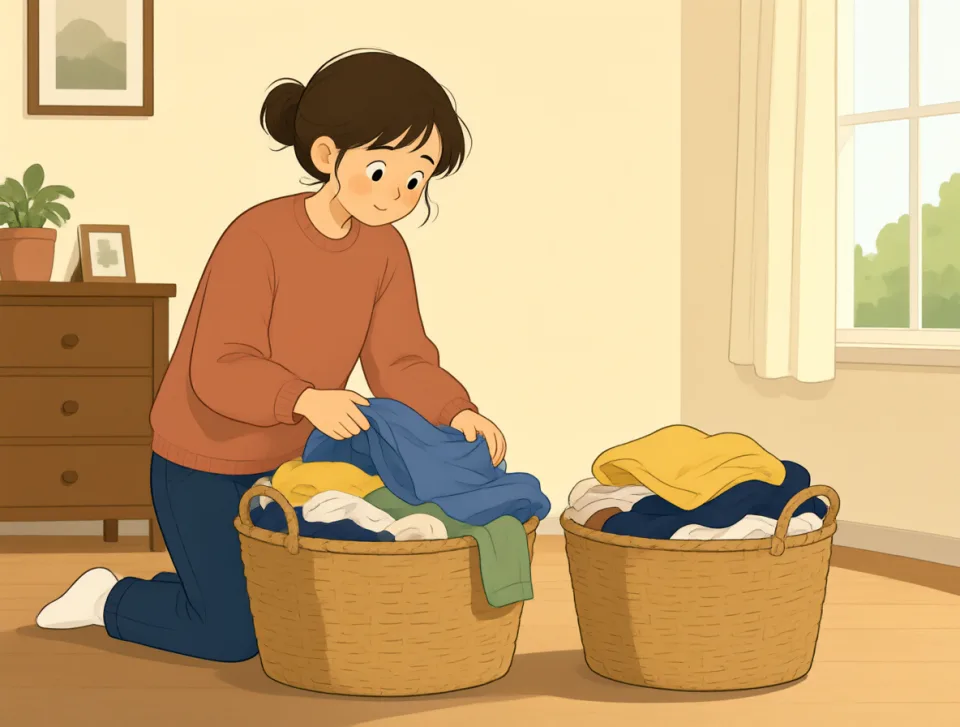
Please separate the clean clothes from the dirty ones.
Пожалуйста, отделите чистую одежду от грязной.
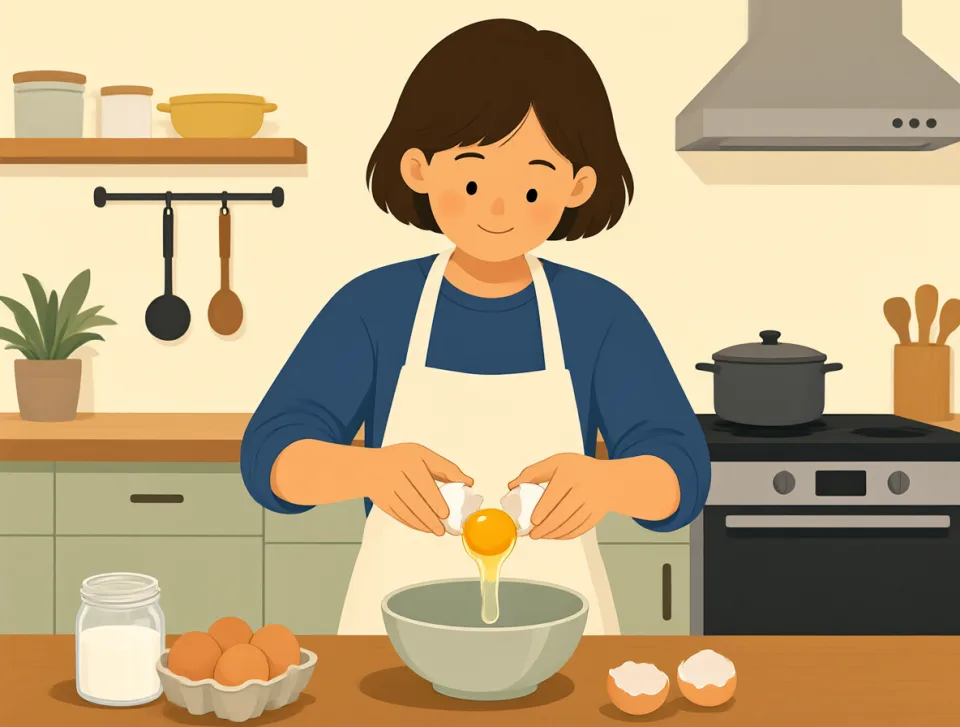
We separate the eggs before mixing the cake.
Перед тем как замешивать тесто для пирога, мы отделяем белки от желтков.
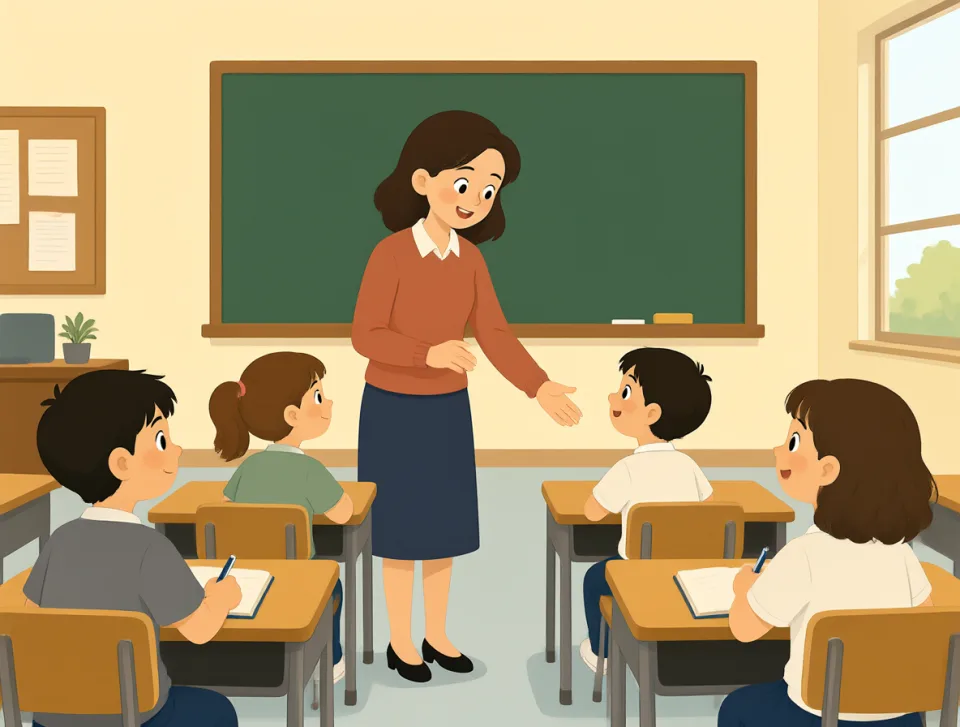
The teacher separated the two noisy students.
Учитель рассадил двух шумных учеников подальше друг от друга.

My office is separate from the main building.
Мой офис находится отдельно от главного здания.

We sat at separate tables with our friends.
Мы с друзьями сидели за отдельными столиками.

central
#891adjective, noun
центральный
In the middle or most important part of something.
Находящийся в середине чего-либо или являющийся самой важной частью.

The central table holds fresh flowers.
На центральном столе стоят свежие цветы.

Our central office is near the station.
Наш центральный офис находится рядом со станцией.

The central heating stopped last night.
Прошлой ночью перестало работать центральное отопление.

The central idea is easy to understand.
Основную идею легко понять.

We met in the central square after lunch.
После обеда мы встретились на центральной площади.

career
#892noun
карьера
The work and jobs someone has during their working life.
Работа и должности, которые человек занимает в течение трудовой жизни.

She wants a career in medicine.
Она хочет построить карьеру в медицине.

He started his career after college.
Он начал свою карьеру после окончания колледжа.

My sister is planning her career.
Моя сестра планирует свою карьеру.

Her acting career began in London.
Её актёрская карьера началась в Лондоне.
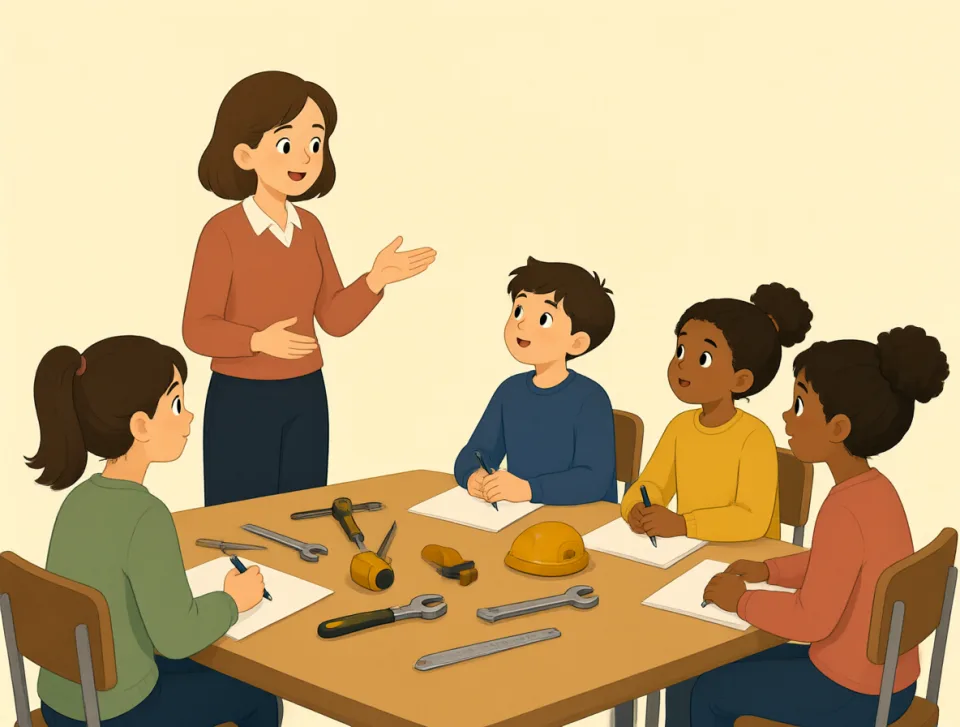
The course helps students choose careers.
Курс помогает студентам выбрать профессию.

anyway
#893adverb
всё равно
Despite what was said or happened; used to return to the main point or continue.
Несмотря на сказанное или случившееся; используется, чтобы вернуться к главной теме или продолжить разговор.
It was raining, but we went anyway.
Шёл дождь, но мы всё равно пошли.

Anyway, what time does the train leave?
Так или иначе, во сколько отправляется поезд?

I was tired, but I finished my homework anyway.
Я устал, но всё равно закончил домашнее задание.

She forgot her lunch, so I shared mine anyway.
Она забыла свой обед, поэтому я всё равно поделился своим.

The shop was closing, but we went in anyway.
Магазин уже закрывался, но мы всё равно зашли.

speech
#894noun
речь
A talk given to a group, or the ability to speak clearly.
Выступление перед группой людей или способность ясно говорить.

She gave a short speech at the wedding.
Она произнесла короткую речь на свадьбе.

He is preparing a speech for school.
Он готовит речь для школы.

The president's speech was on the radio.
Речь президента передавали по радио.

Her speech became clearer after the lesson.
После урока она стала говорить яснее.

The doctor checked his speech after the accident.
После аварии врач проверил его речь.

dog
#895noun
собака
An animal often kept as a pet and trained to help people.
Животное, которое часто держат дома и обучают помогать людям.

The dog is sleeping beside the front door.
Собака спит у входной двери.
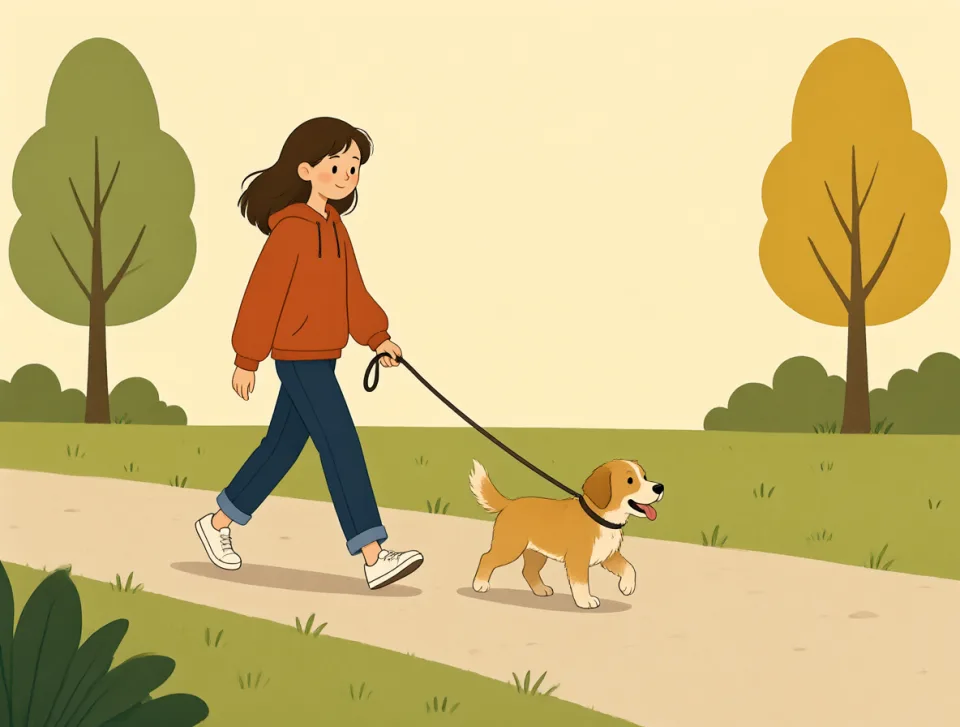
She takes her dog for a walk.
Она выгуливает свою собаку.

Please feed the dog before school.
Пожалуйста, покормите собаку до школы.
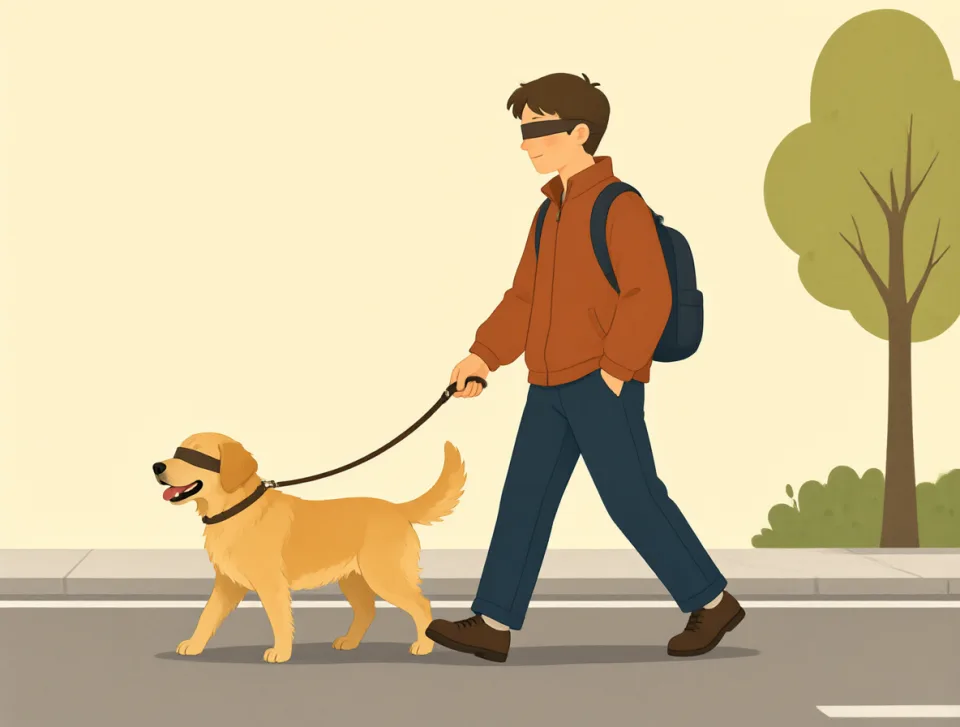
The guide dog helped the blind man cross.
Собака-поводырь помогла незрячему мужчине перейти дорогу.

They found a stray dog near the station.
Они нашли бездомную собаку возле станции.

officer
#896noun
офицер
A person whose job is to keep people safe or enforce the law.
Человек, чья работа — обеспечивать безопасность людей или следить за соблюдением закона.

The officer helped us cross the busy street.
Офицер помог нам перейти оживлённую улицу.
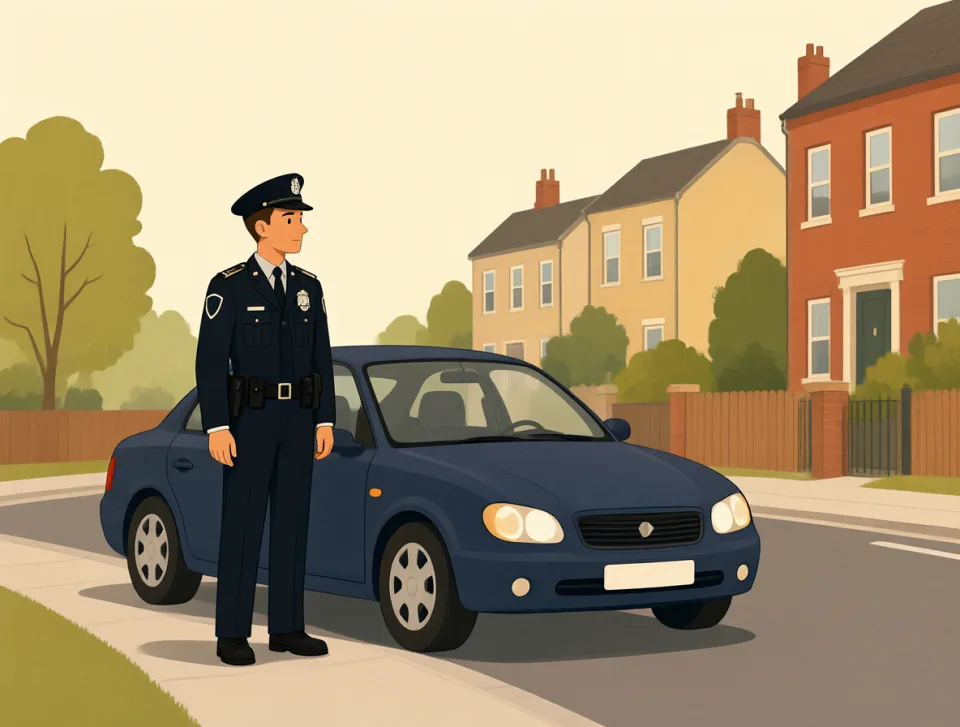
The police officer stopped the car near our house.
Полицейский остановил машину возле нашего дома.

She spoke to an officer at the airport.
Она поговорила с офицером в аэропорту.
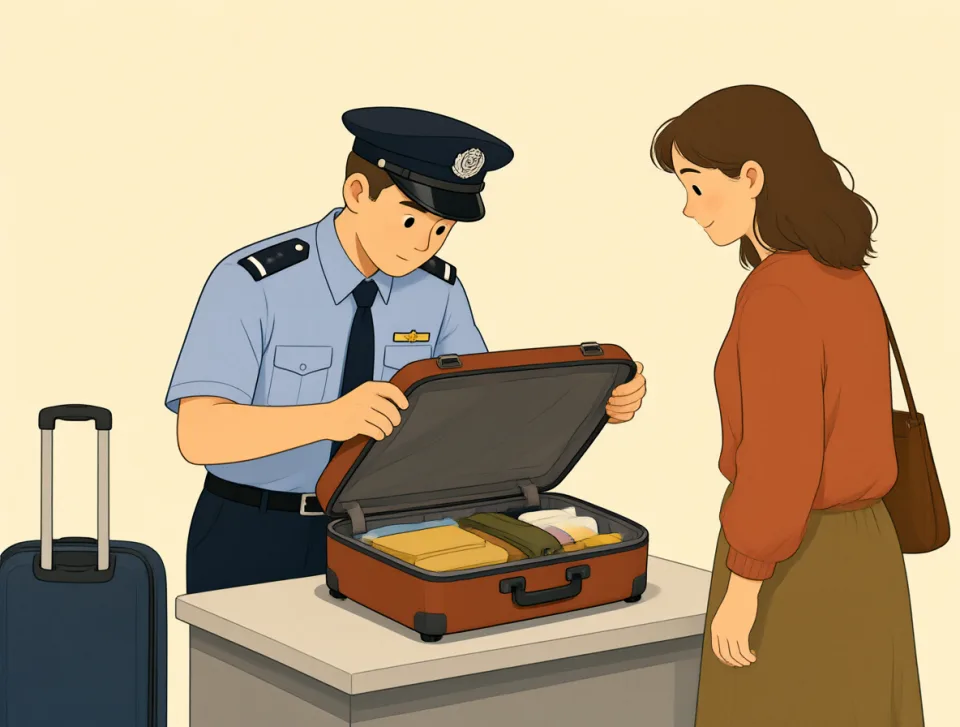
The officer checked our bags before the flight.
Перед вылетом офицер проверил наши сумки.

My uncle is an army officer in the city.
Мой дядя — армейский офицер в этом городе.

throughout
#897preposition, adverb
на протяжении; повсюду
In every part of a place or during the whole of a time period.
Во всех частях какого-либо места или в течение всего периода времени.
It rained throughout the night.
Дождь шёл всю ночь.

She smiled throughout the whole meeting.
Она улыбалась на протяжении всей встречи.
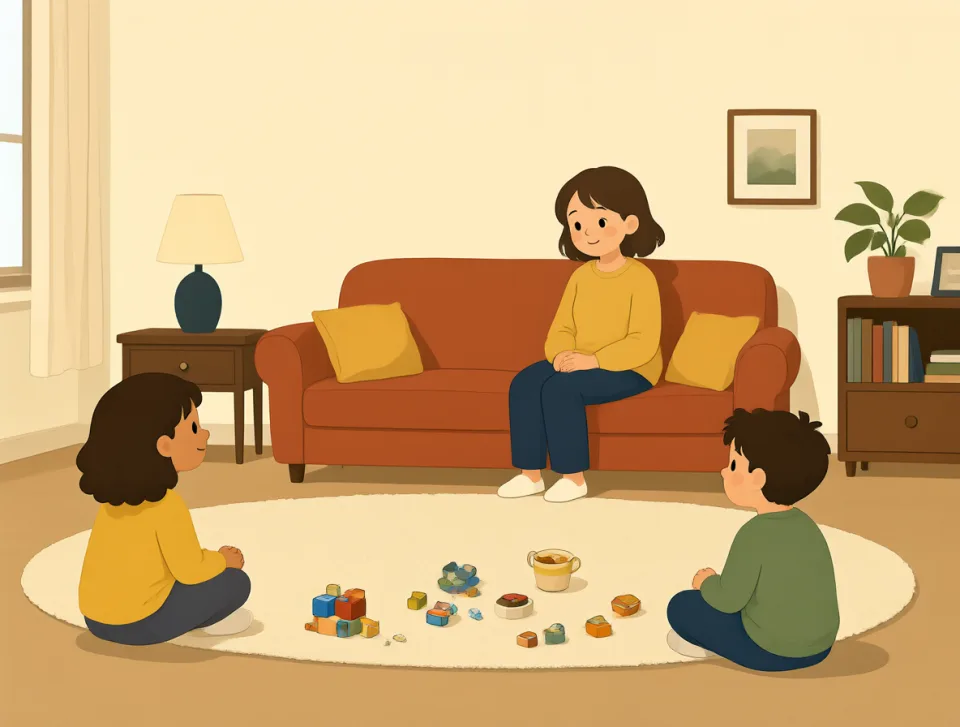
The children played throughout the house.
Дети играли по всему дому.

We traveled throughout the country by train.
Мы путешествовали по всей стране на поезде.

He stayed calm throughout his long journey.
Он сохранял спокойствие на протяжении всего долгого путешествия.

oil
#898noun, verb
масло; нефть
A thick liquid from the ground or plants, used for fuel, cooking, or machines.
Густая жидкость, добываемая из земли или получаемая из растений, которую используют как топливо, для приготовления пищи или в механизмах.
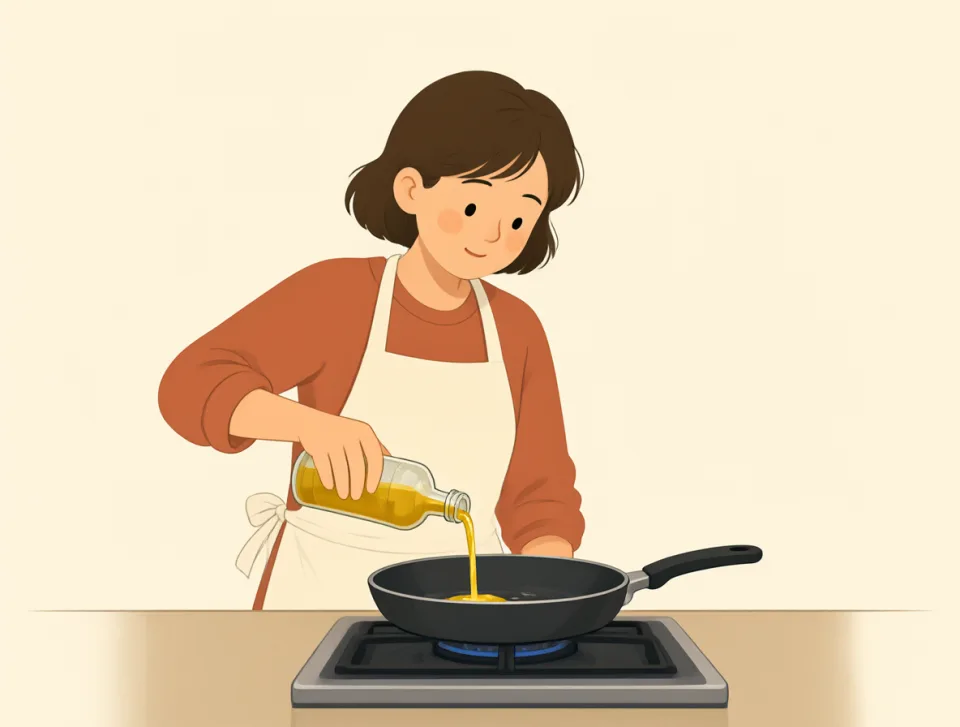
Add a little oil to the hot pan.
Добавь немного масла на горячую сковороду.
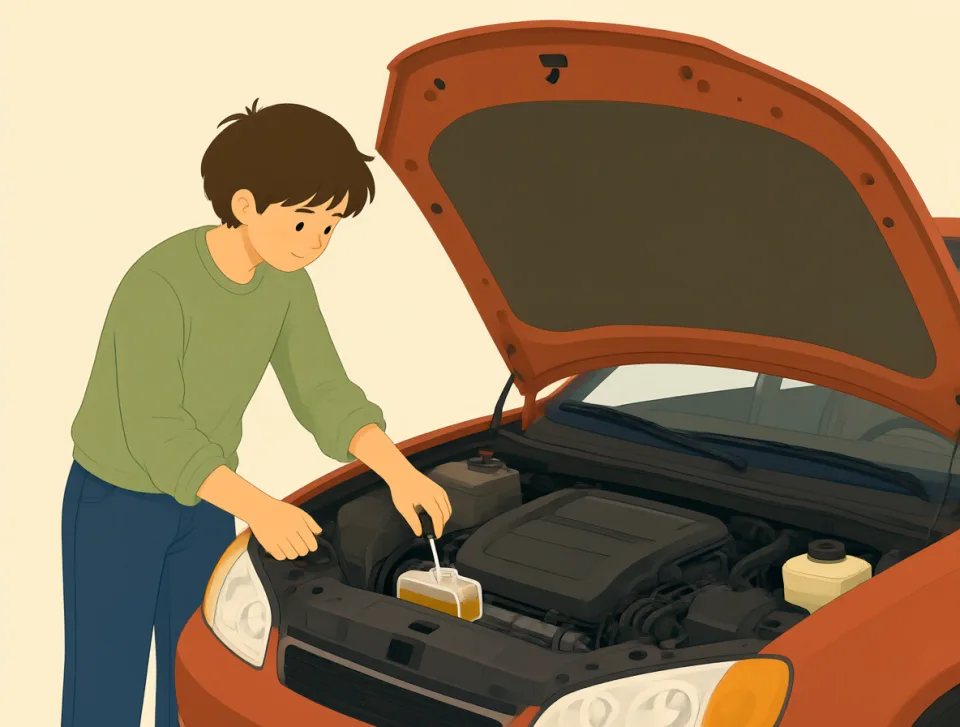
The car needs oil before our trip.
Перед поездкой машине нужно масло.
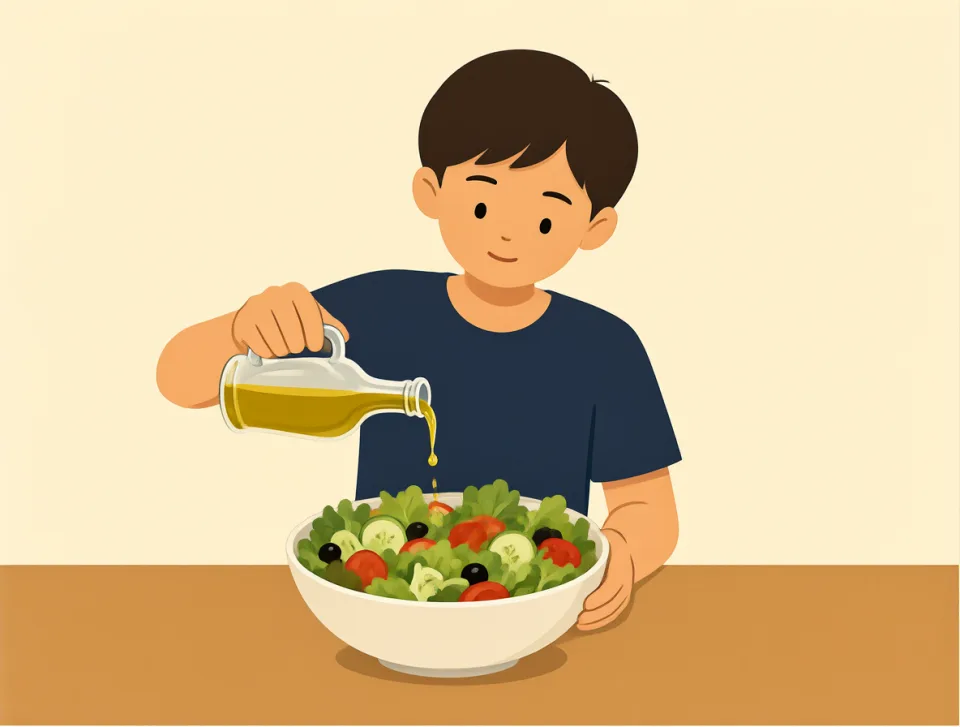
Olive oil makes this salad taste better.
Оливковое масло делает этот салат вкуснее.

They found oil under the sea.
Они нашли нефть под морским дном.

She oiled the door so it stopped squeaking.
Она смазала дверь маслом, и та перестала скрипеть.

dress
#899noun, verb
платье; одевать(ся)
A one-piece garment for the body, or to put on clothes for a special occasion.
Цельный предмет одежды для тела или действие — надеть одежду для особого случая.

She wore a blue dress to the party.
На вечеринку она надела синее платье.

I bought a new dress yesterday.
Вчера я купил новое платье.

Please dress the baby before we go.
Пожалуйста, оденьте малыша, прежде чем мы пойдём.

He dressed quickly for work this morning.
Сегодня утром он быстро оделся на работу.

The children dressed up as animals for school.
Дети нарядились на школьные занятия в костюмы животных.

profit
#900noun, verb
прибыль
Money made after paying the costs of running a business.
Деньги, которые остаются после оплаты расходов на ведение бизнеса.

The shop made a good profit last year.
В прошлом году магазин получил хорошую прибыль.

The company wants to increase its profits.
Компания хочет увеличить свою прибыль.
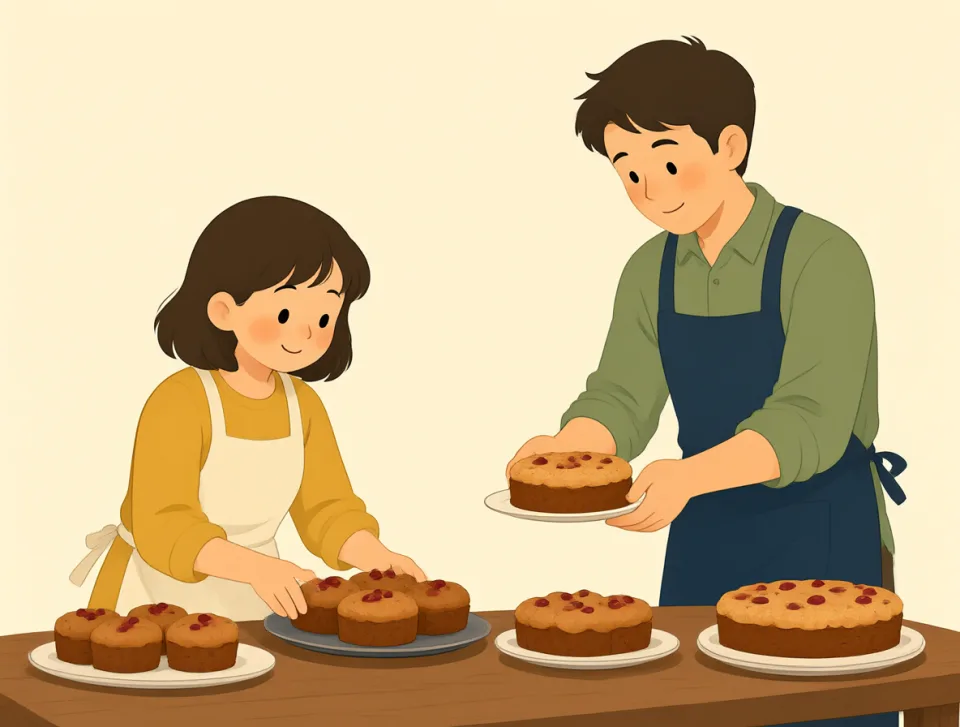
We sold the cakes for a small profit.
Мы продали пирожные с небольшой прибылью.

The farmer profited from selling fresh vegetables.
Фермер получил прибыль от продажи свежих овощей.

She profited from her friend's helpful advice.
Она извлекла пользу из полезного совета подруги.