30단원
581–600번 단어 · complete, lie, pick, reduce, personal, ground
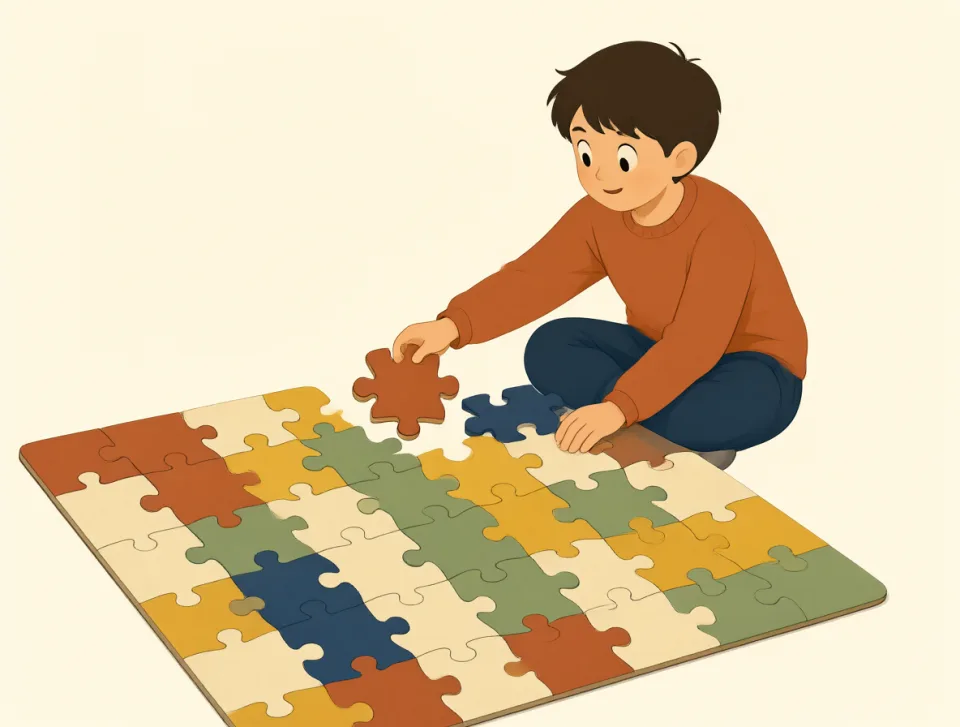
complete
#581verb, adjective
완료하다; 완전한
To finish something, or having all its parts finished or included.
무언가를 끝내거나, 모든 부분이 끝났거나 빠짐없이 포함된
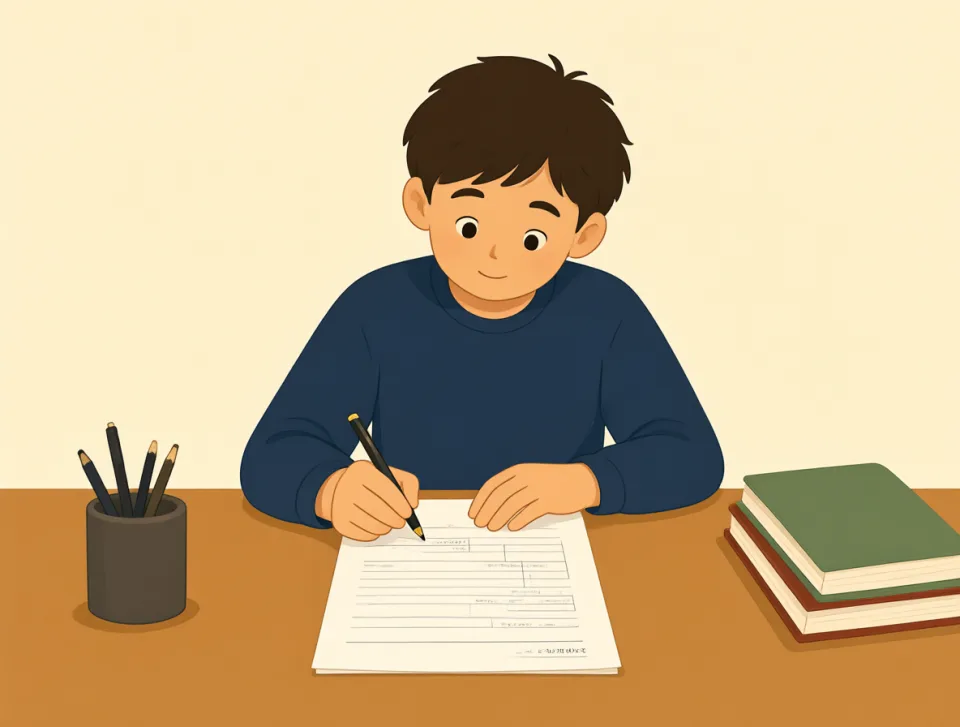
Please complete this form before your appointment.
예약 시간 전에 이 양식을 작성해 주세요.
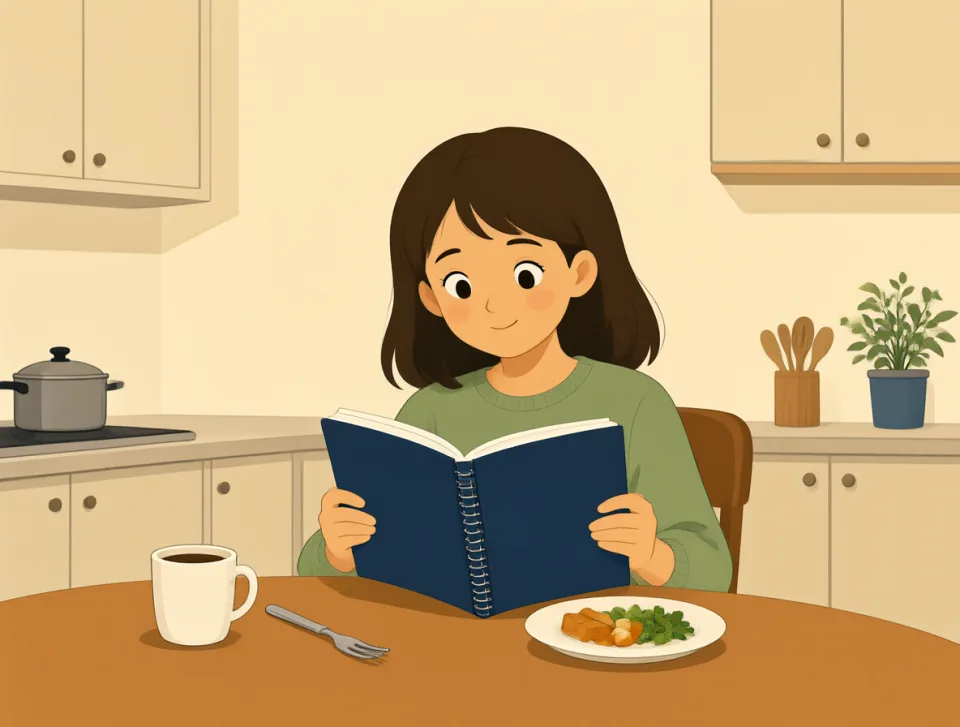
She completed her homework before dinner.
그녀는 저녁 식사 전에 숙제를 끝냈다.

The hotel room is complete with two beds.
그 호텔 방에는 침대가 두 개 완비되어 있다.

We completed the trip in three days.
우리는 사흘 만에 여행을 끝냈다.
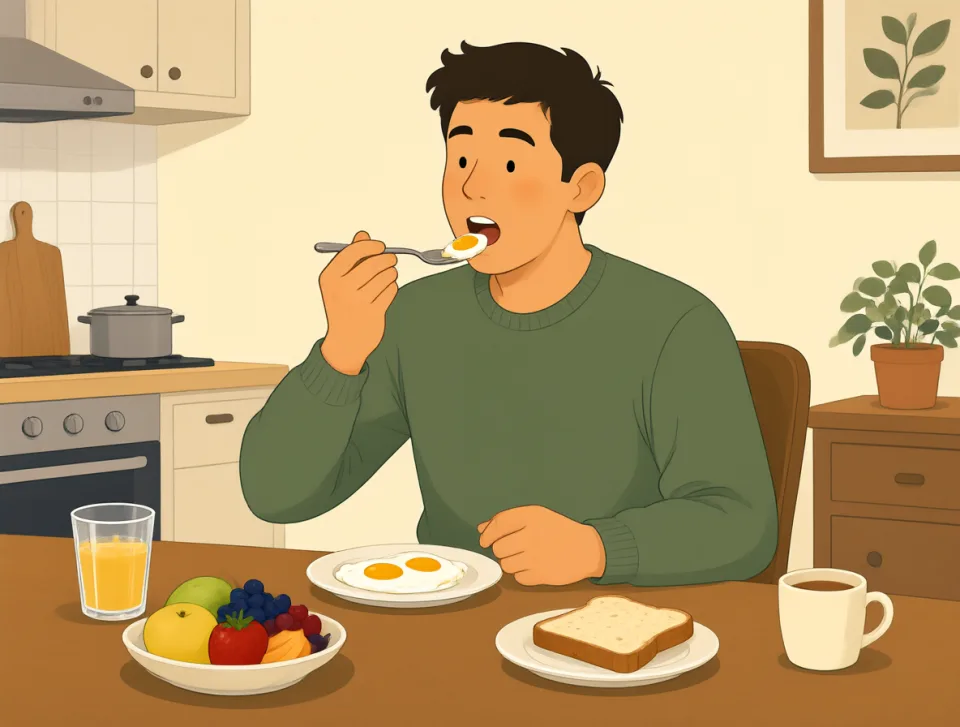
He ate a complete breakfast before work.
그는 출근 전에 완전한 아침 식사를 했다.
lie
#582verb, noun
눕다; 놓여 있다; 위치하다; 거짓말
To rest flat, or to say something that is not true.
평평하게 누워 있거나, 사실이 아닌 말을 하다.
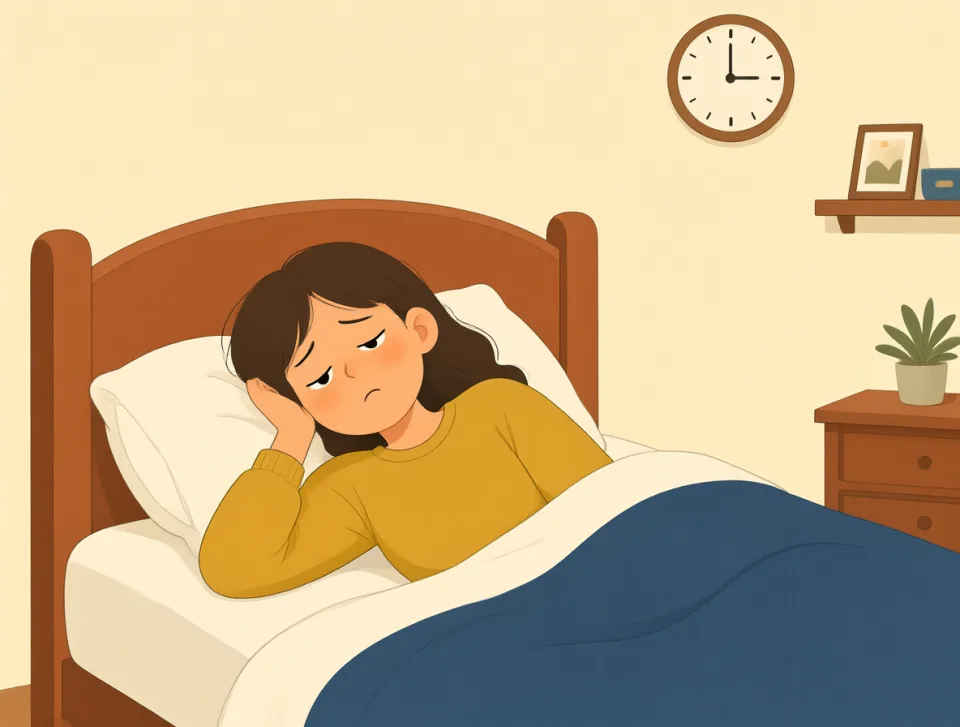
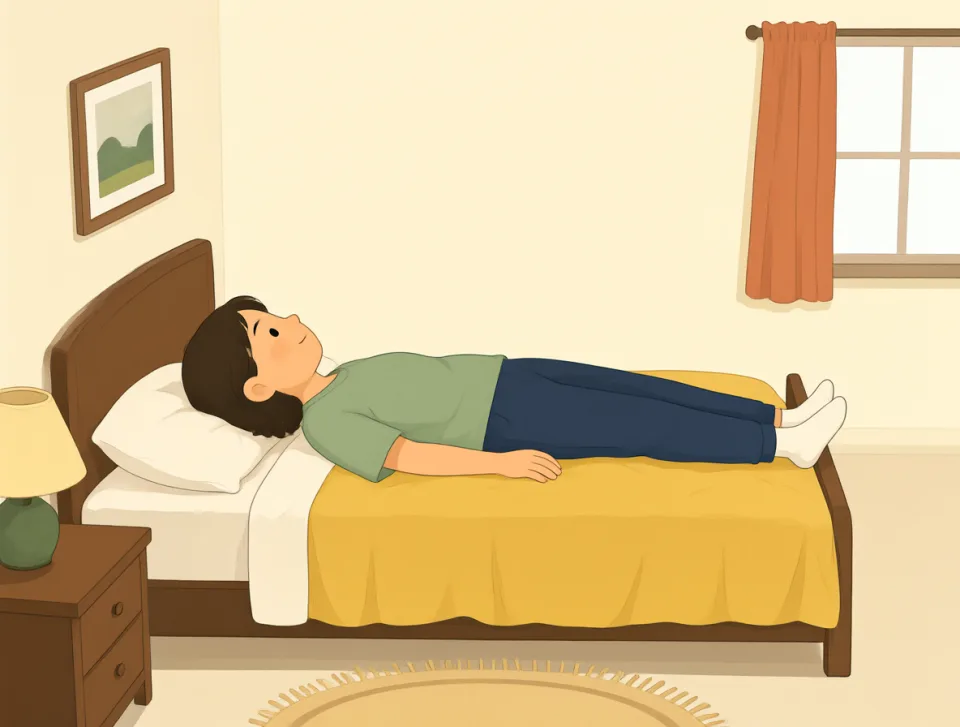
Please lie down and rest for a while.
잠시 누워서 쉬세요.
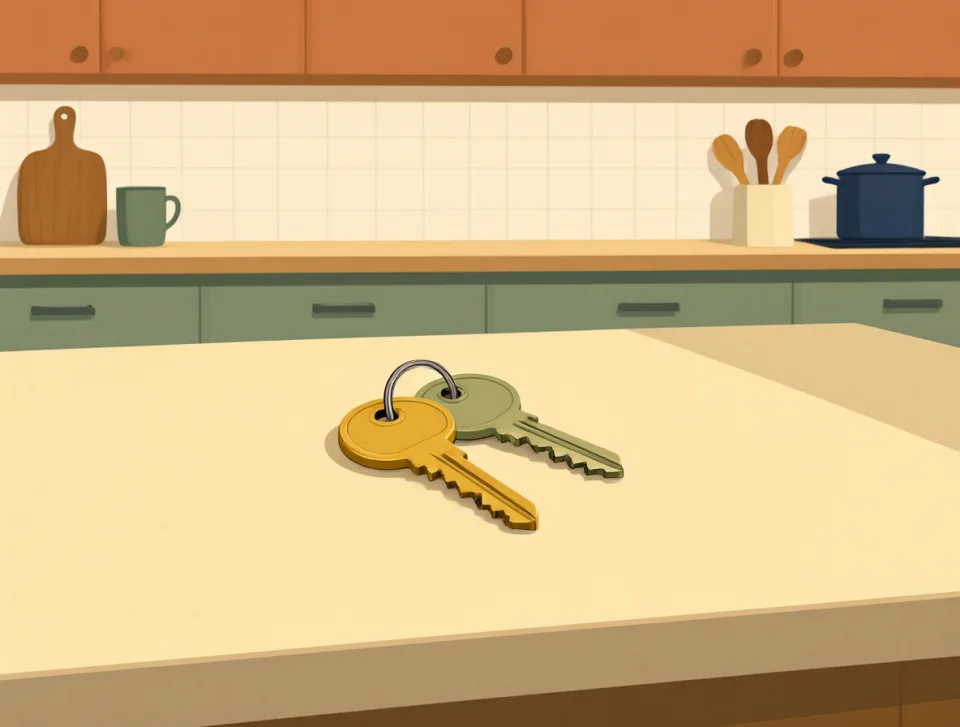
The keys lie on the kitchen table.
열쇠는 부엌 식탁 위에 놓여 있어요.

The town lies near the sea.
그 마을은 바닷가 근처에 있어요.
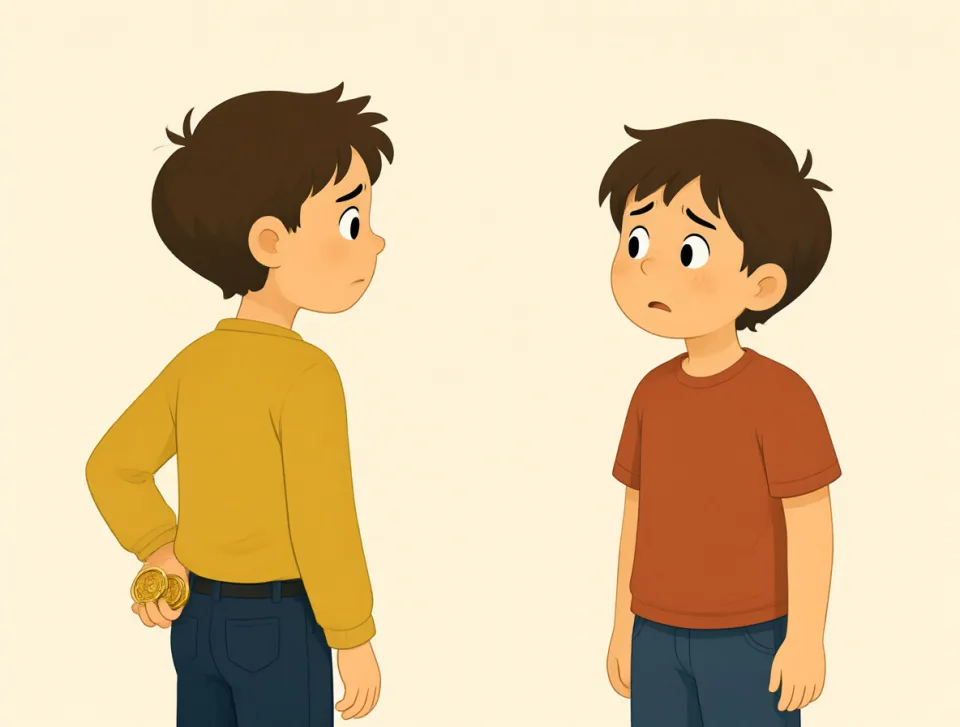
He told a lie about the money.
그는 돈에 대해 거짓말을 했어요.
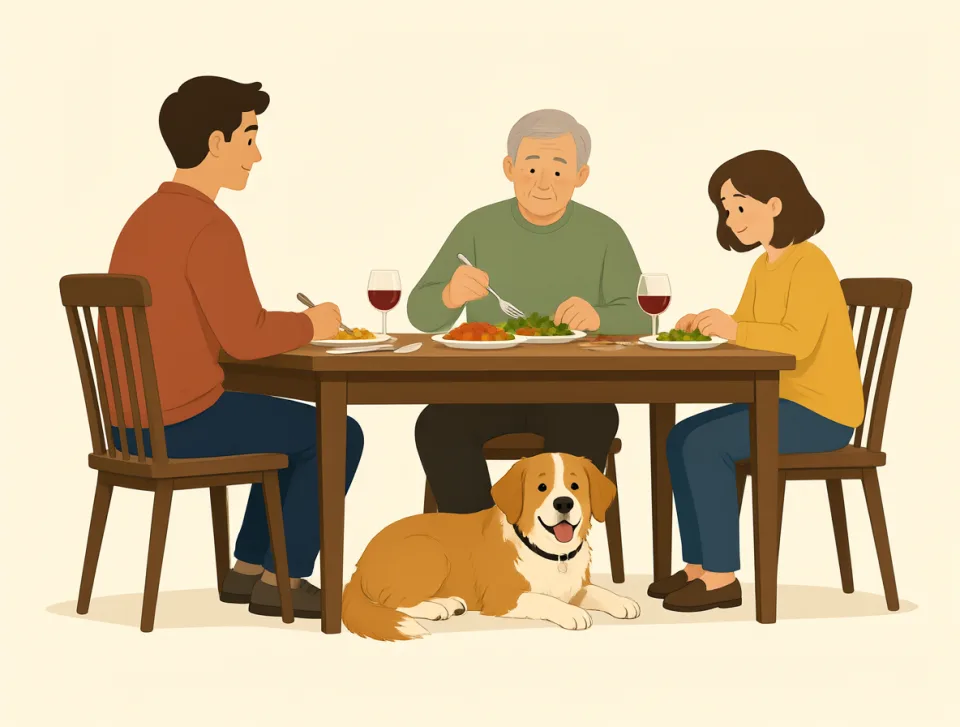
The dog lay under the table.
개는 테이블 아래에 누워 있었어요.
pick
#583verb, noun
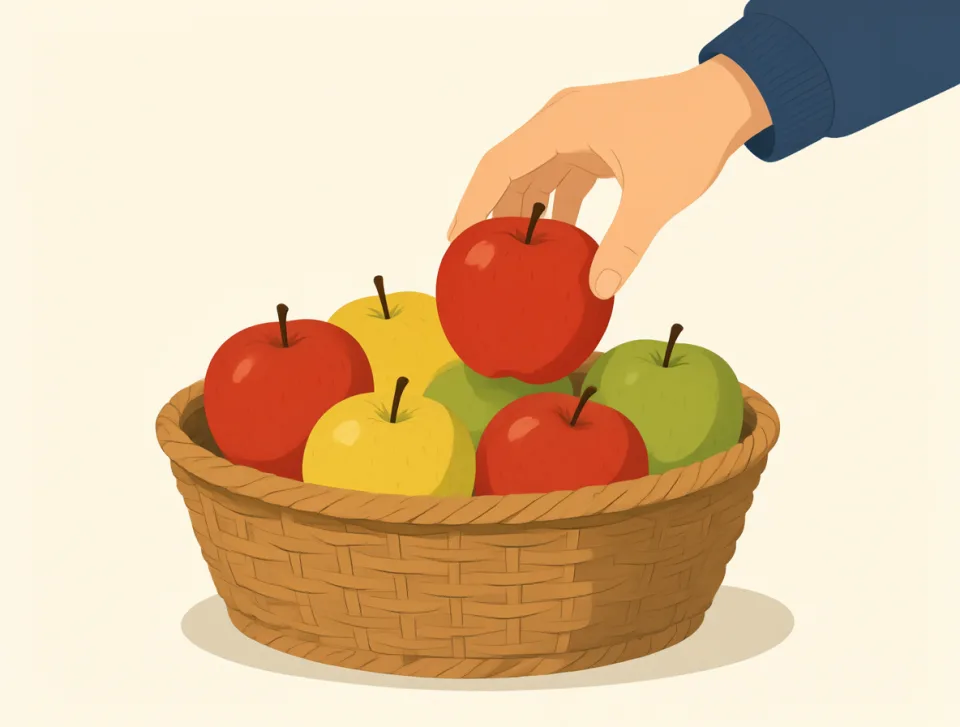
고르다; 선택하다; 따다; 집다
to choose someone or something, or take something from a group
누군가나 무언가를 고르거나, 여러 개 중에서 무언가를 가져가다
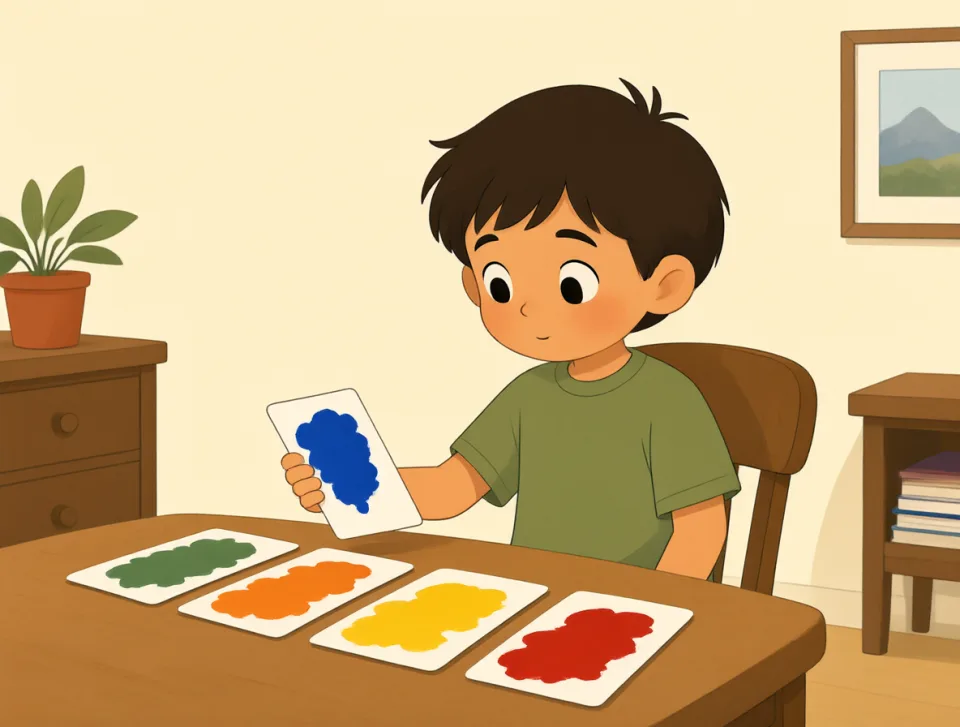
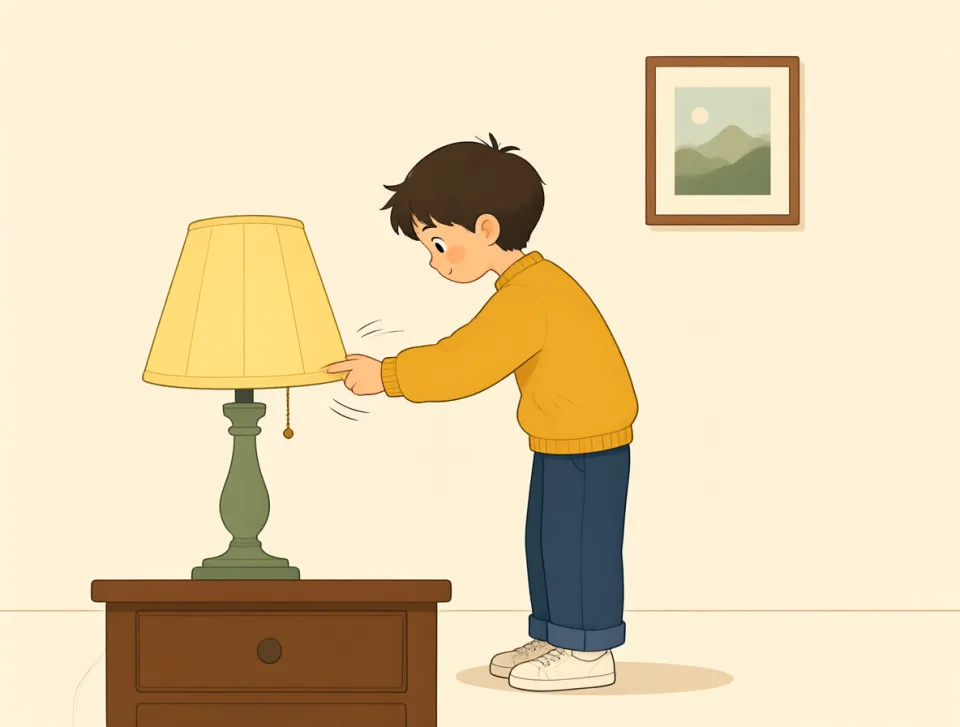
Please pick a color for your room.
방에 어울릴 색을 골라 주세요.

She picked a dress for the party.
그녀는 파티에 입고 갈 드레스를 골랐어요.
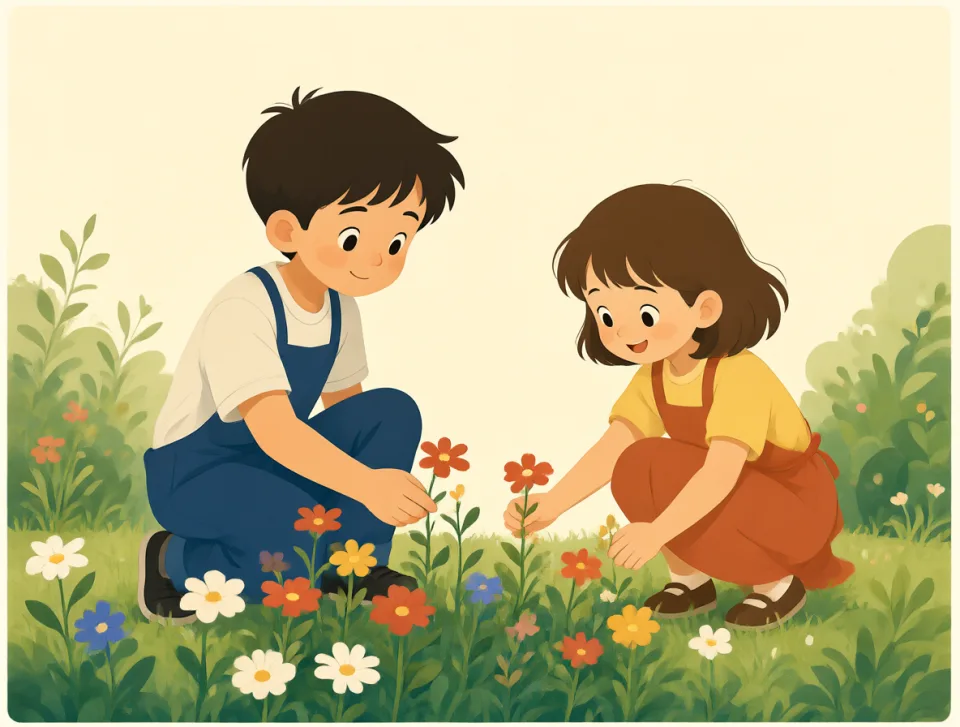
We picked some flowers in the garden.
우리는 정원에서 꽃을 좀 땄어요.
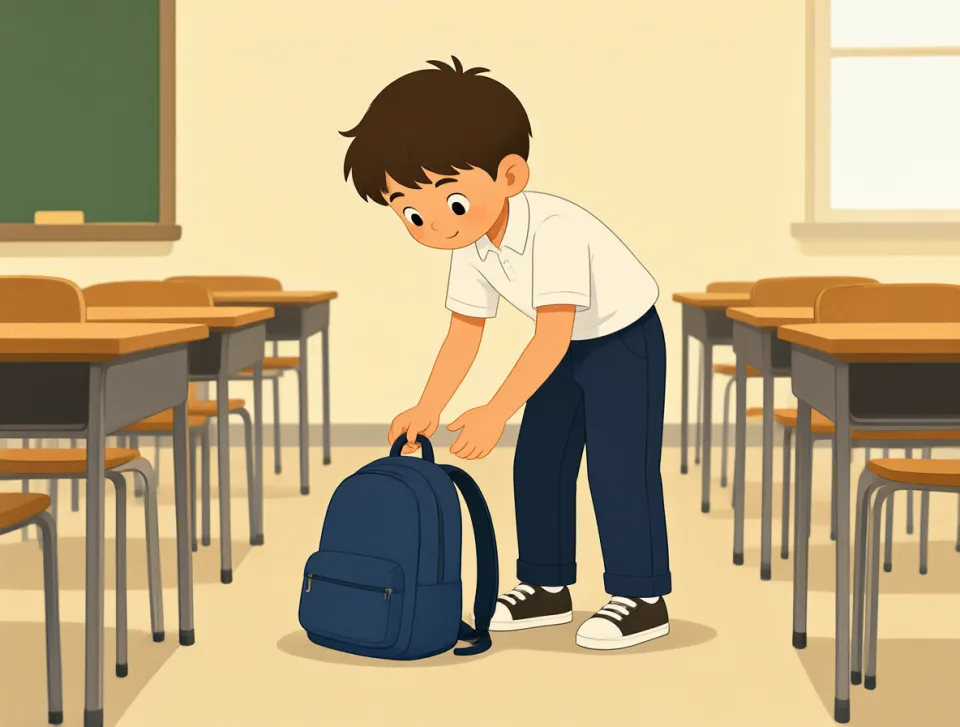
He picked up his bag at school.
그는 학교에서 가방을 집어 들었어요.
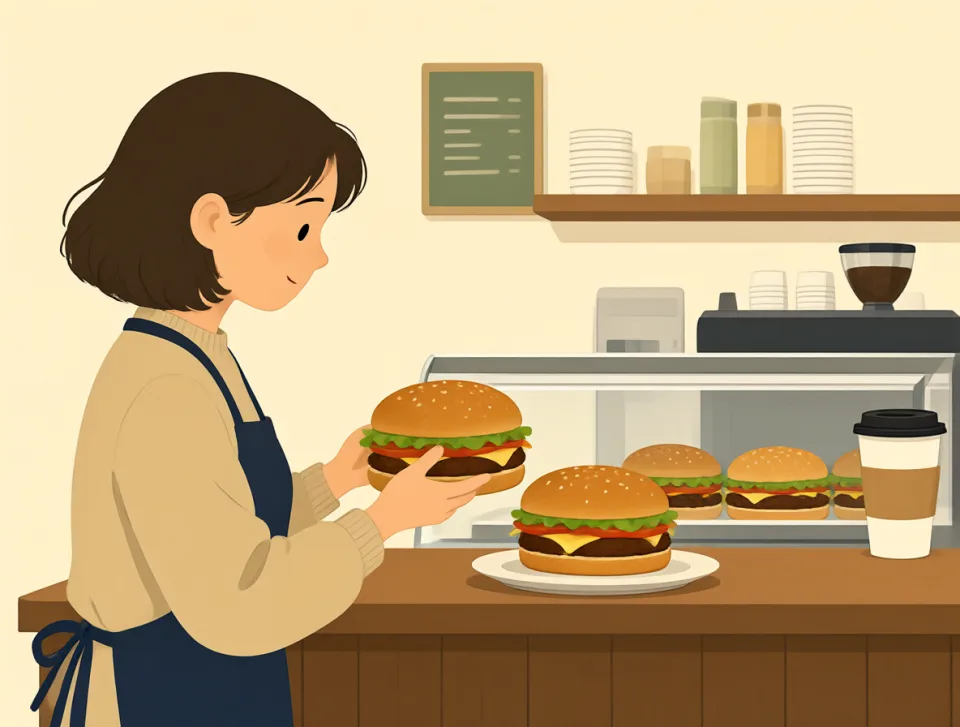
I picked a chicken sandwich for lunch.
나는 점심으로 치킨 샌드위치를 골랐어요.
reduce
#584verb
줄이다; 낮추다; 감소시키다
to make something smaller, lower, or less
무언가를 더 작게, 낮게 또는 적게 만들다
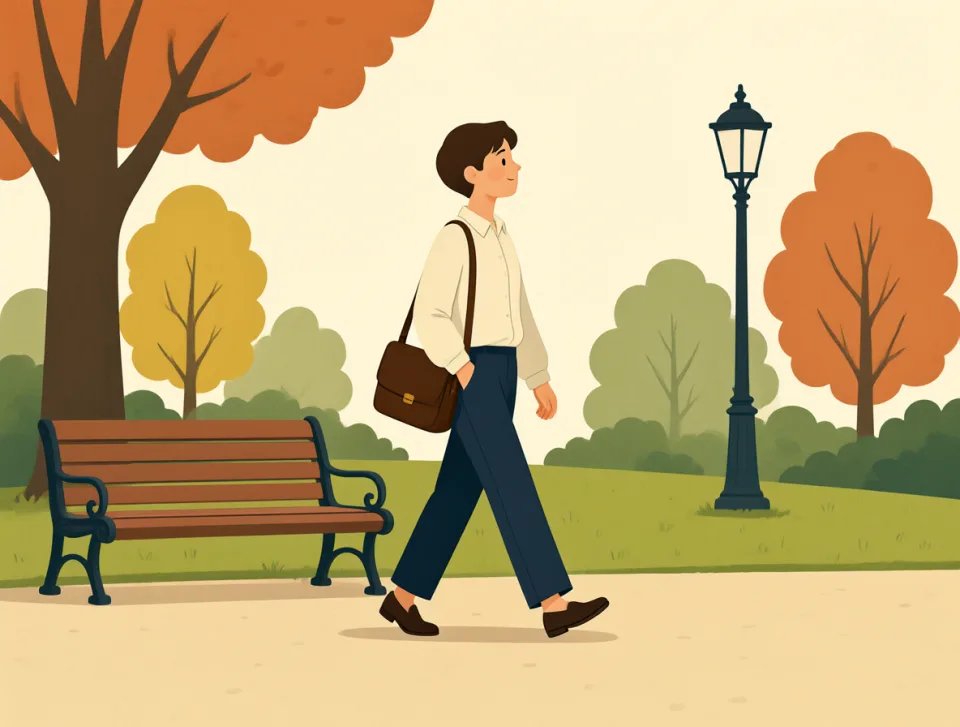
Walking can reduce stress after a busy day.
걷기는 바쁜 하루를 보낸 후 스트레스를 줄이는 데 도움이 됩니다.
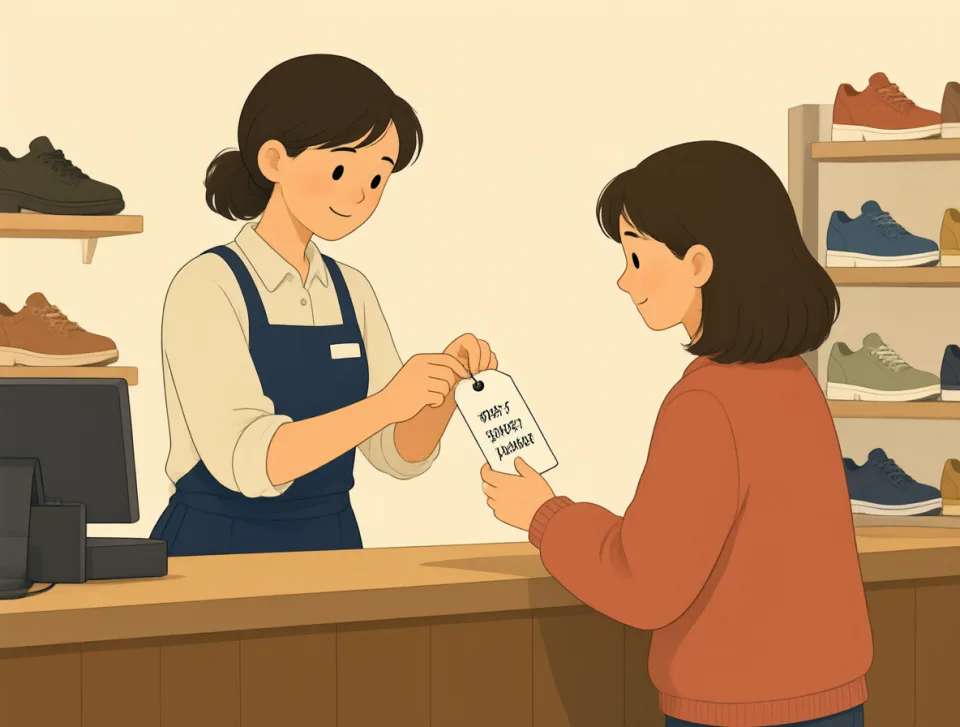
We reduced the price of these shoes.
우리는 이 신발의 가격을 낮췄습니다.
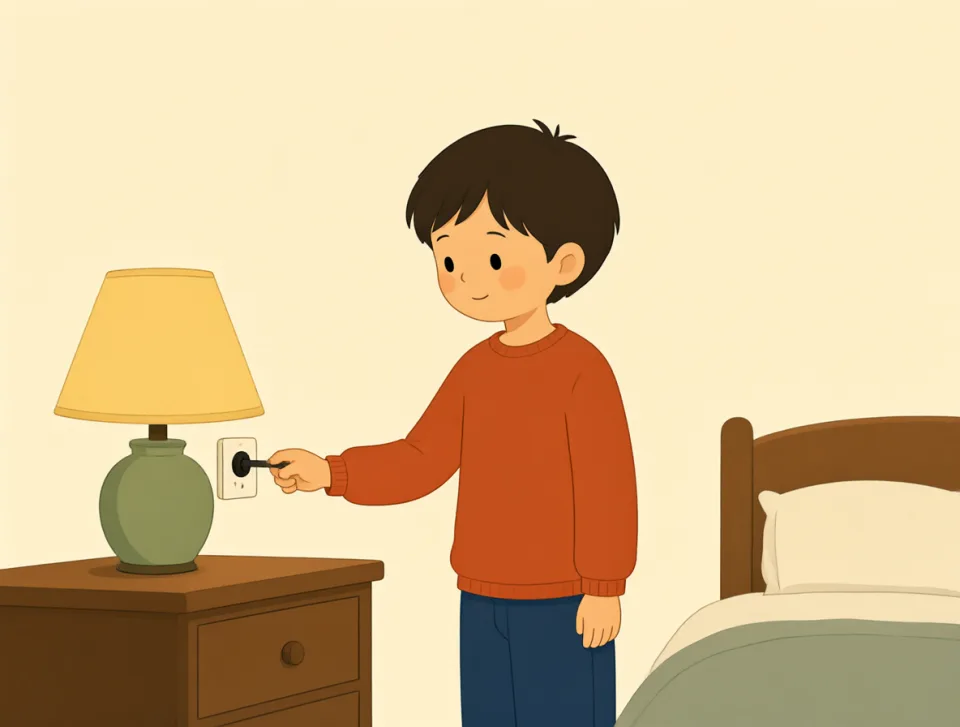
Turn off lights to reduce energy use.
에너지 사용량을 줄이려면 불을 끄세요.
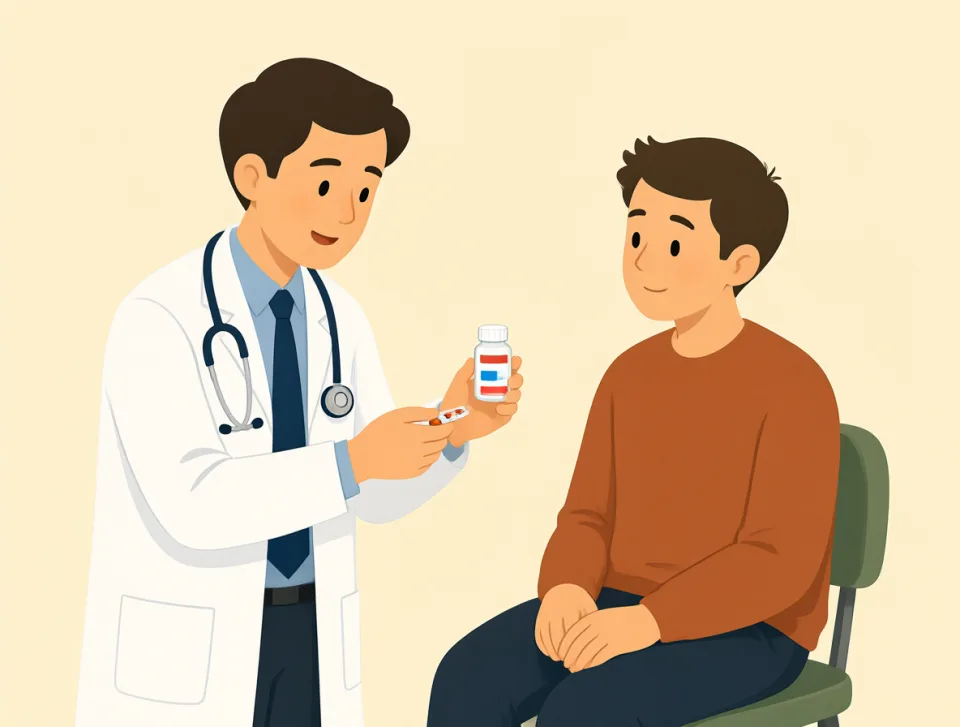
The doctor reduced my medicine dose.
의사가 제 약 복용량을 줄였습니다.
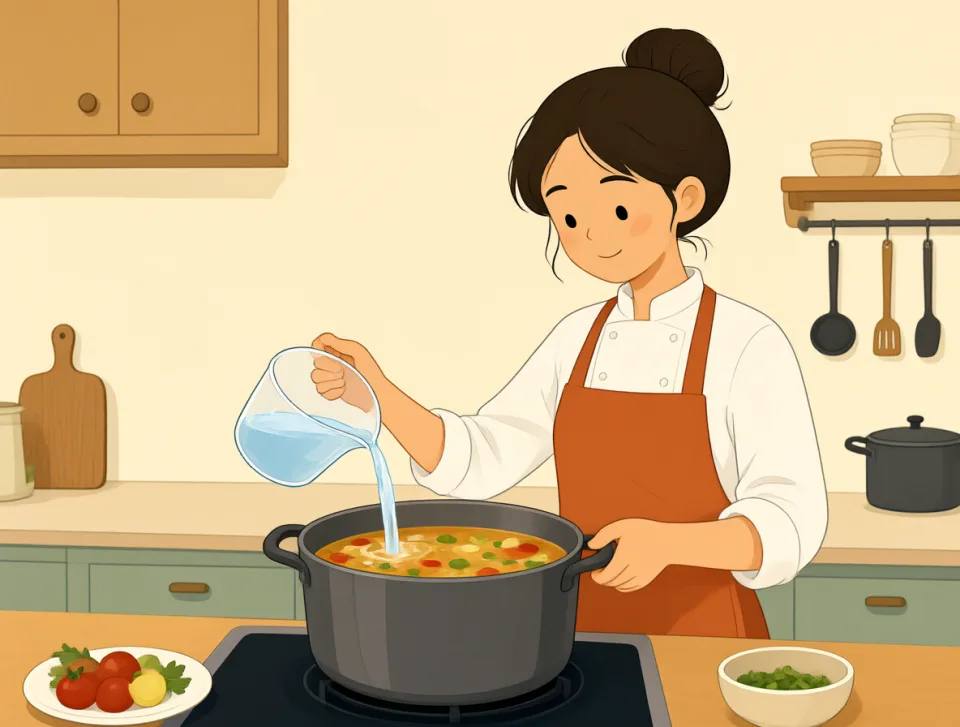
Adding water reduces the soup's strong taste.
물을 넣으면 수프의 강한 맛이 줄어듭니다.
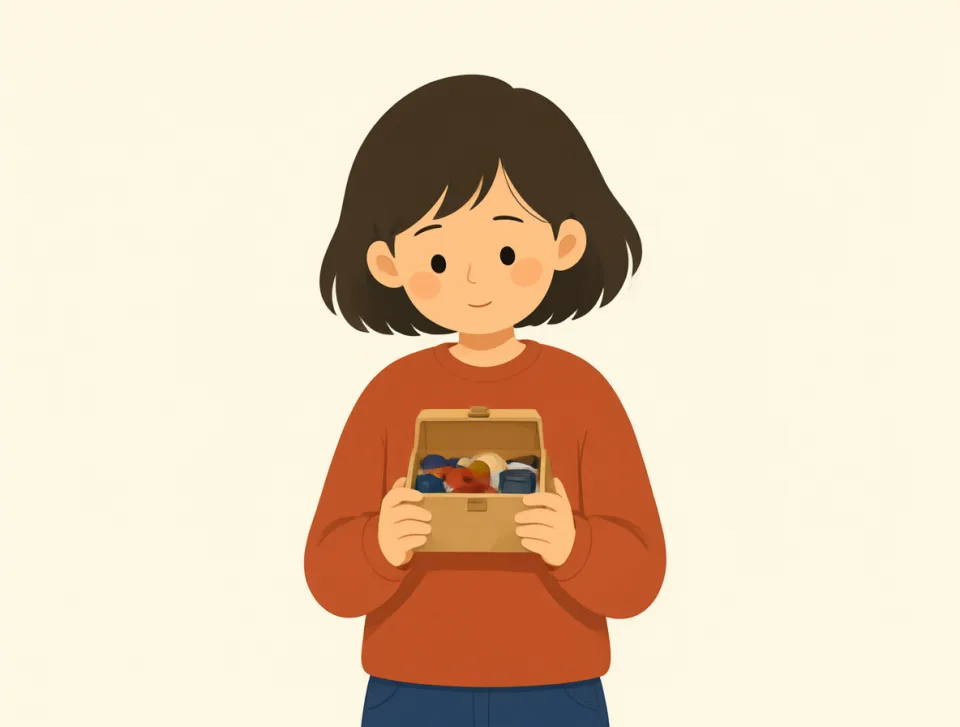
personal
#585adjective
개인의; 개인적인
Belonging to one particular person, rather than to everyone.
모두에게 속한 것이 아니라 특정한 한 사람에게 속한

Please do not ask personal questions.
개인적인 질문은 하지 마세요.
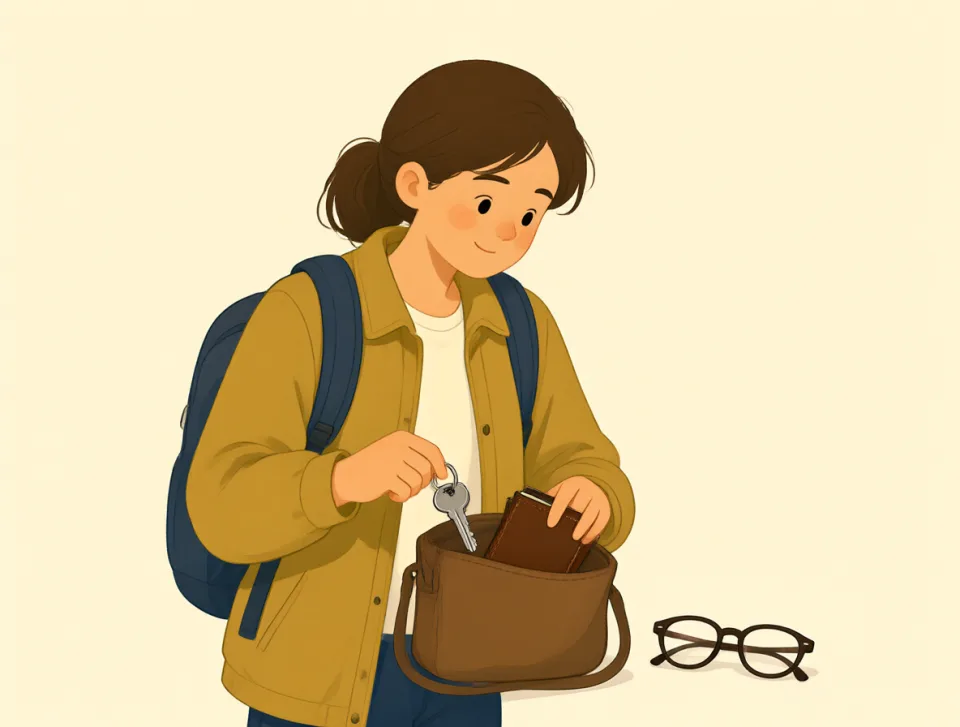
I keep my personal things in this bag.
나는 개인 물건들을 이 가방에 보관해요.

She gave me her personal opinion.
그녀는 자신의 개인적인 의견을 나에게 말해 주었어요.
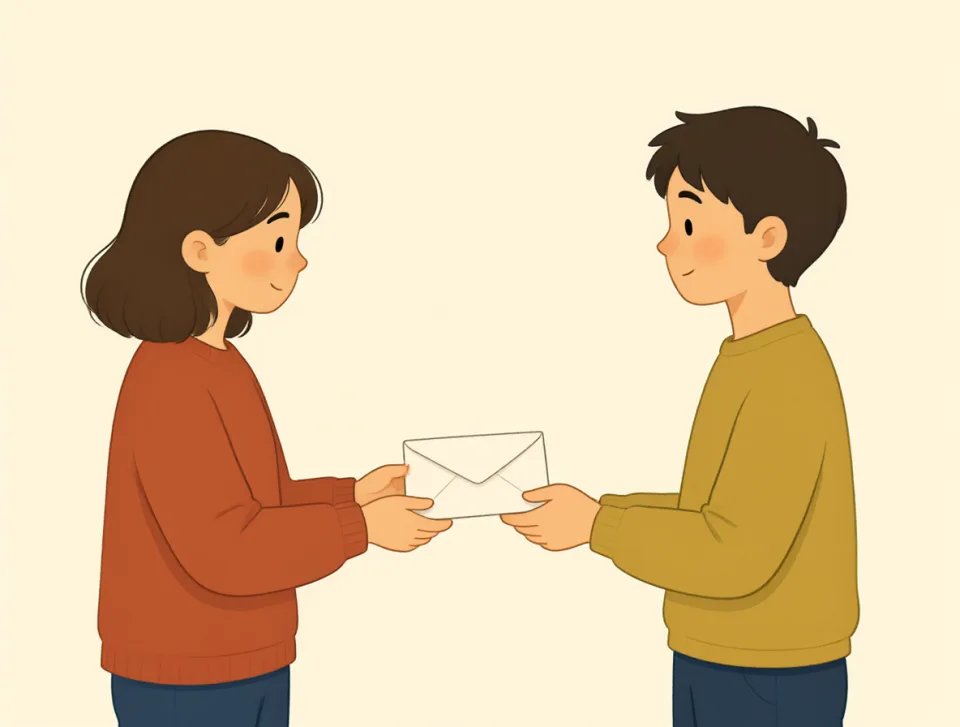
This personal letter is for you.
이 개인적인 편지는 당신에게 보내는 거예요.
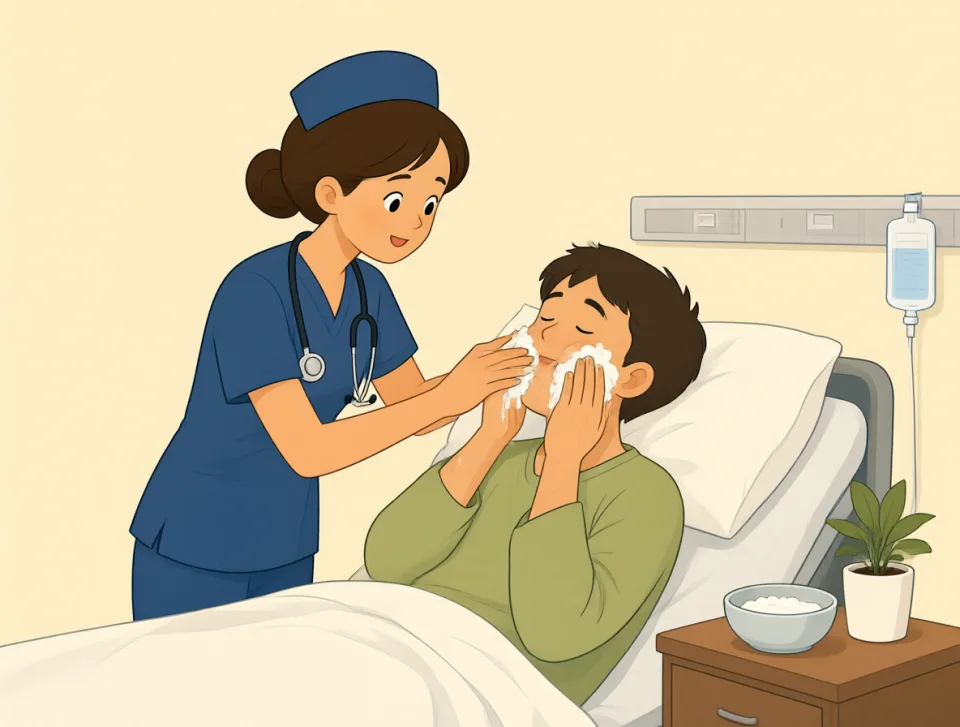
He needs personal care after the operation.
그는 수술 후에 개인적인 돌봄이 필요해요.
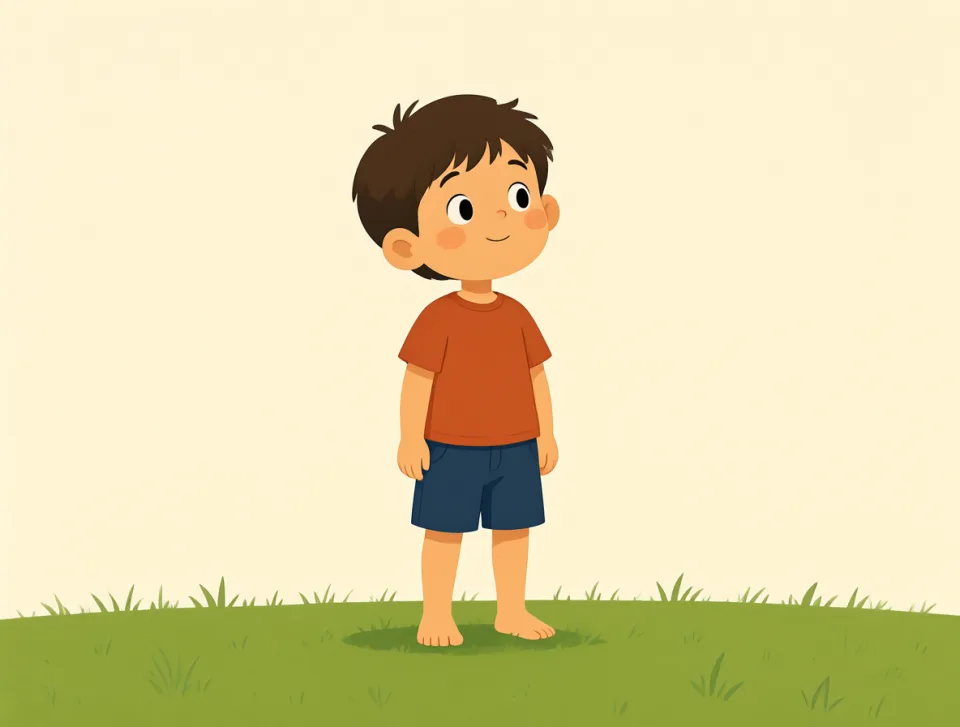
ground
#586noun, verb
땅; 지면; 접지하다
the solid surface of the earth, or to put something on it
지구의 단단한 표면, 또는 무엇인가를 그 위에 놓다
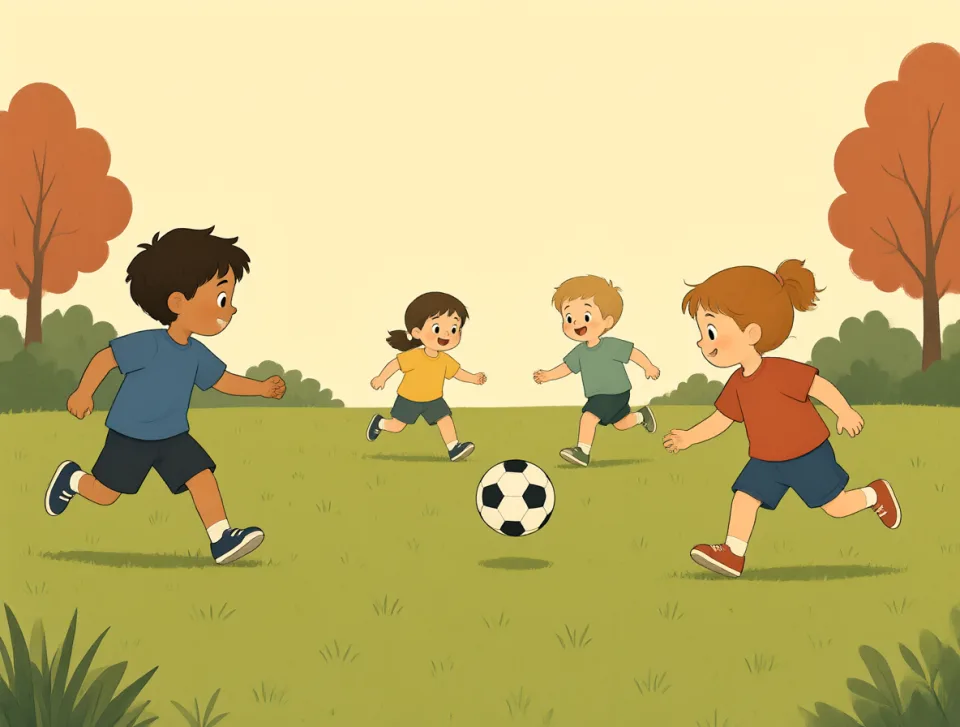
The children are playing on the ground.
아이들이 땅에서 놀고 있다.

She sat on the ground beside me.
그녀는 내 옆 땅바닥에 앉았다.
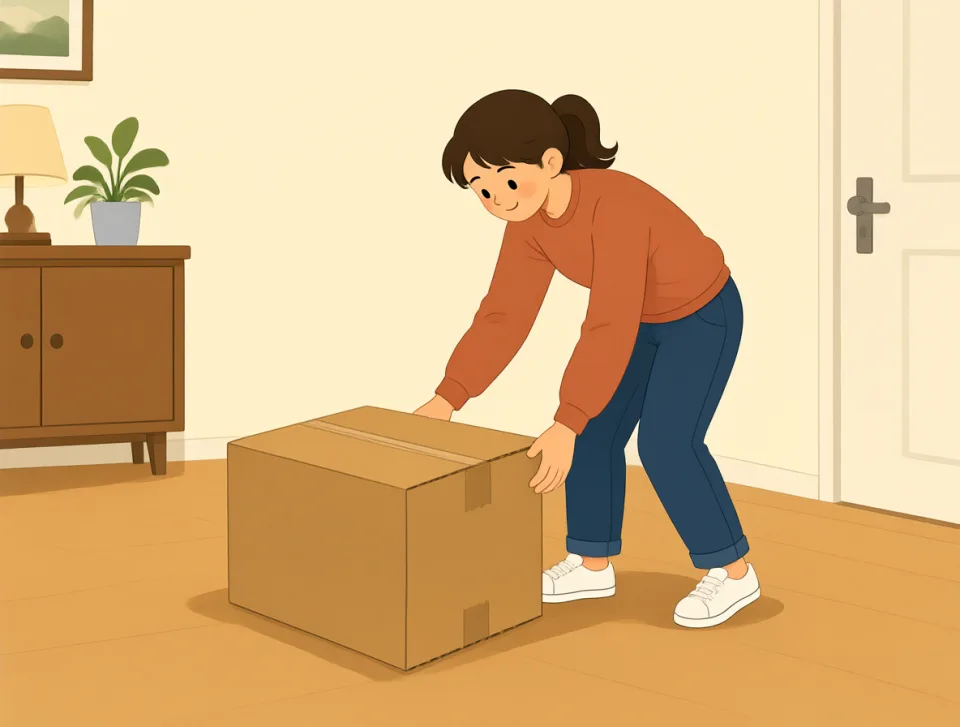
Please put the box on the ground.
상자를 바닥에 놓아 주세요.
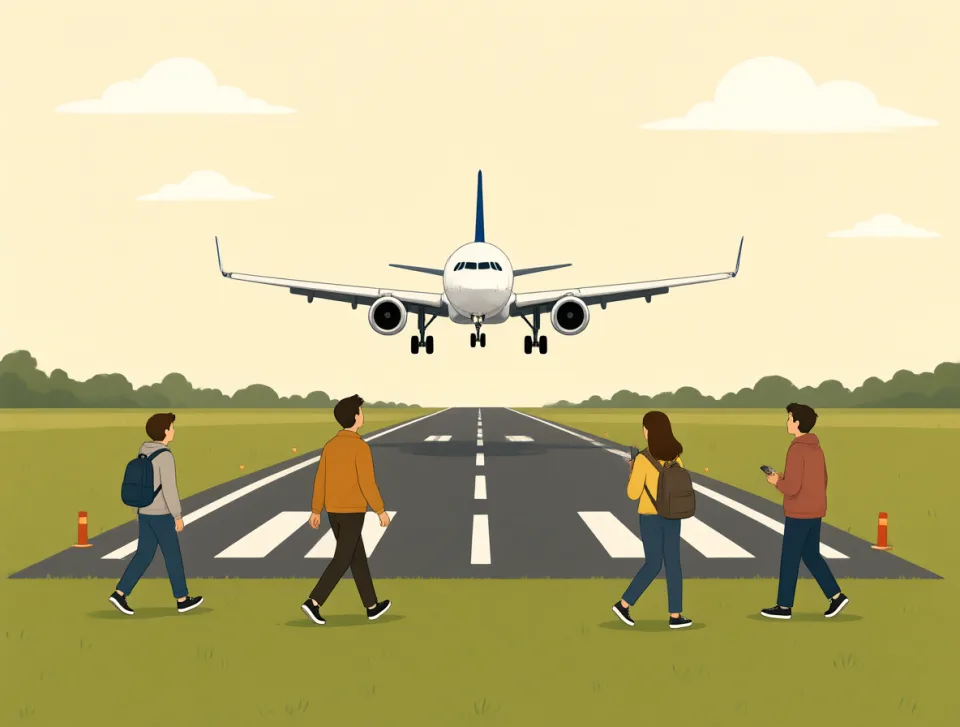
The plane landed safely on the ground.
비행기는 지면에 안전하게 착륙했다.
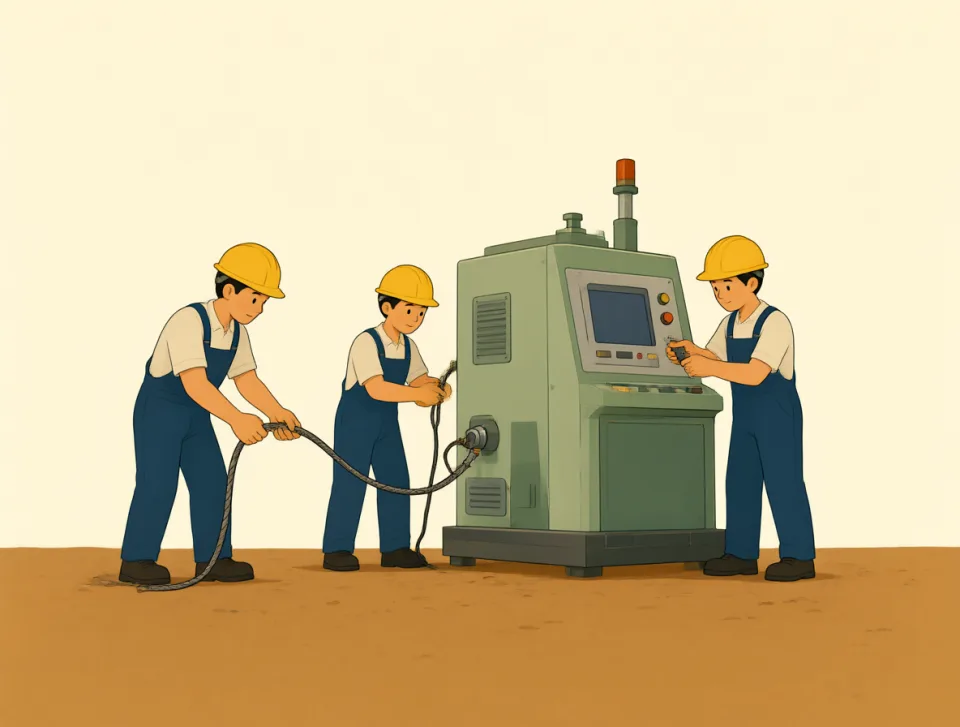
The workers grounded the machine for safety.
작업자들은 안전을 위해 기계를 접지했다.

animal
#587noun
동물
A living thing that is not a person or a plant.
사람이나 식물이 아닌 생명체.
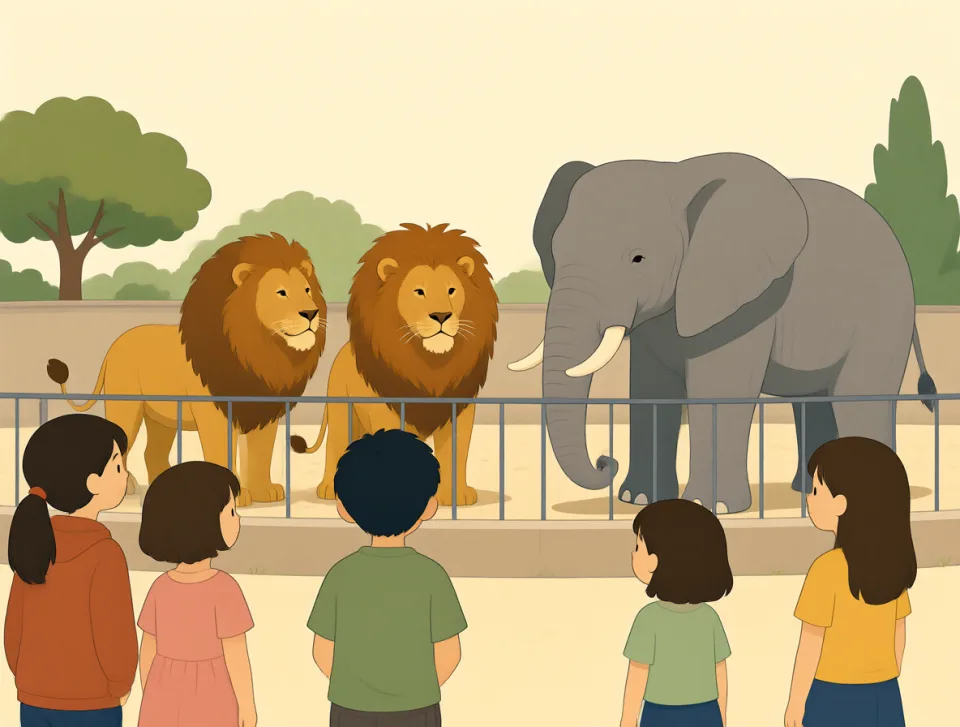
The zoo has many wild animals.
그 동물원에는 야생 동물이 많아요.
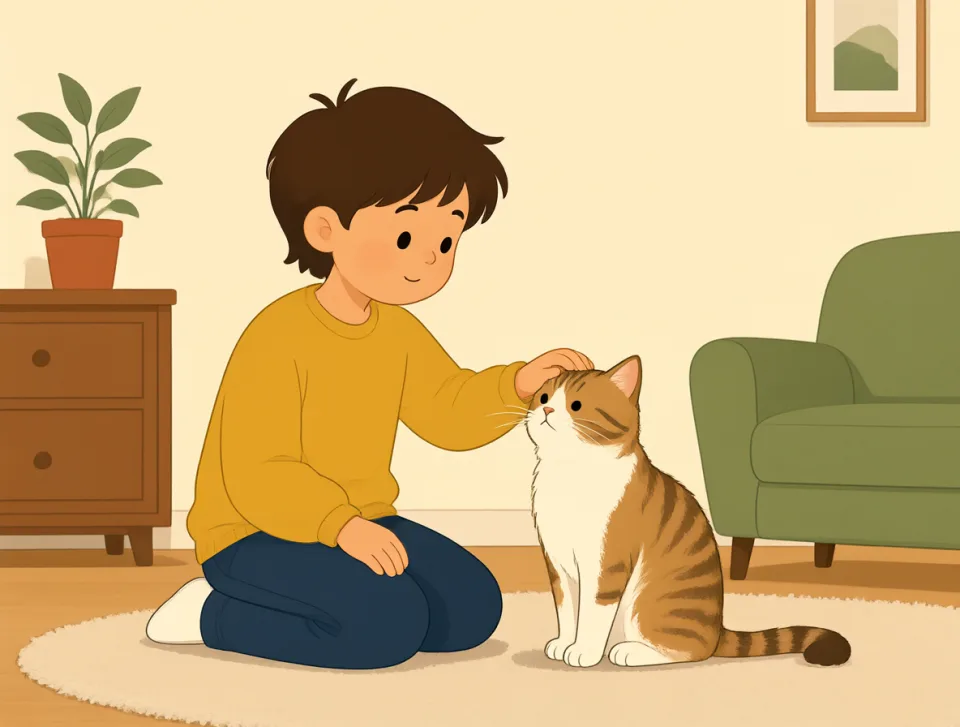
Our cat is a very friendly animal.
우리 고양이는 정말 다정한 동물이에요.

Some animals live in the forest.
어떤 동물들은 숲에서 살아요.
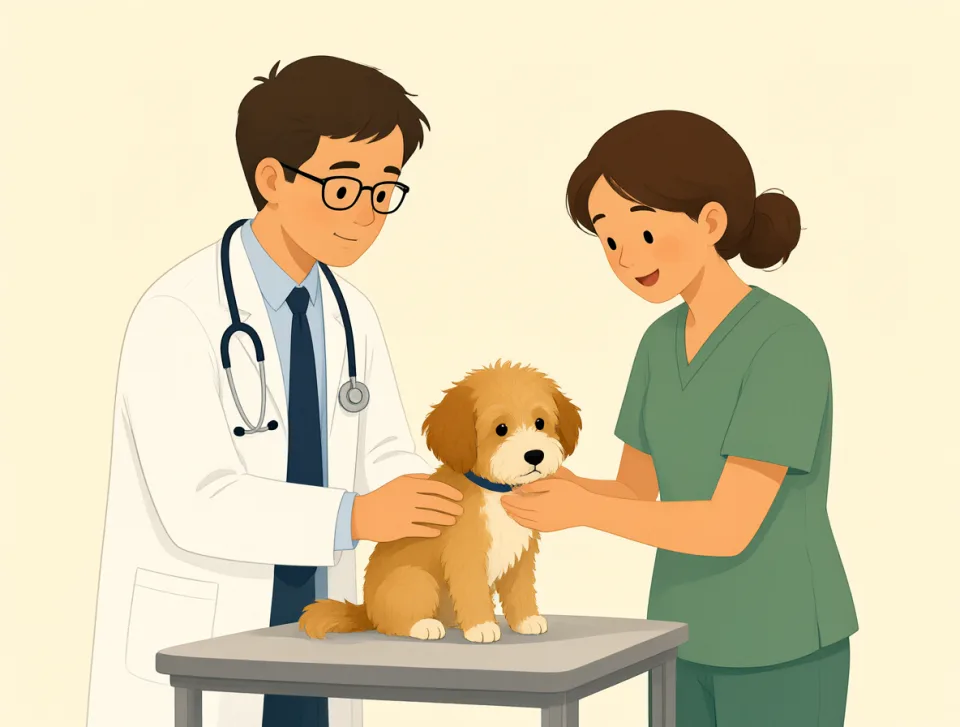
The vet helped the sick animal.
수의사가 아픈 동물을 치료해 줬어요.
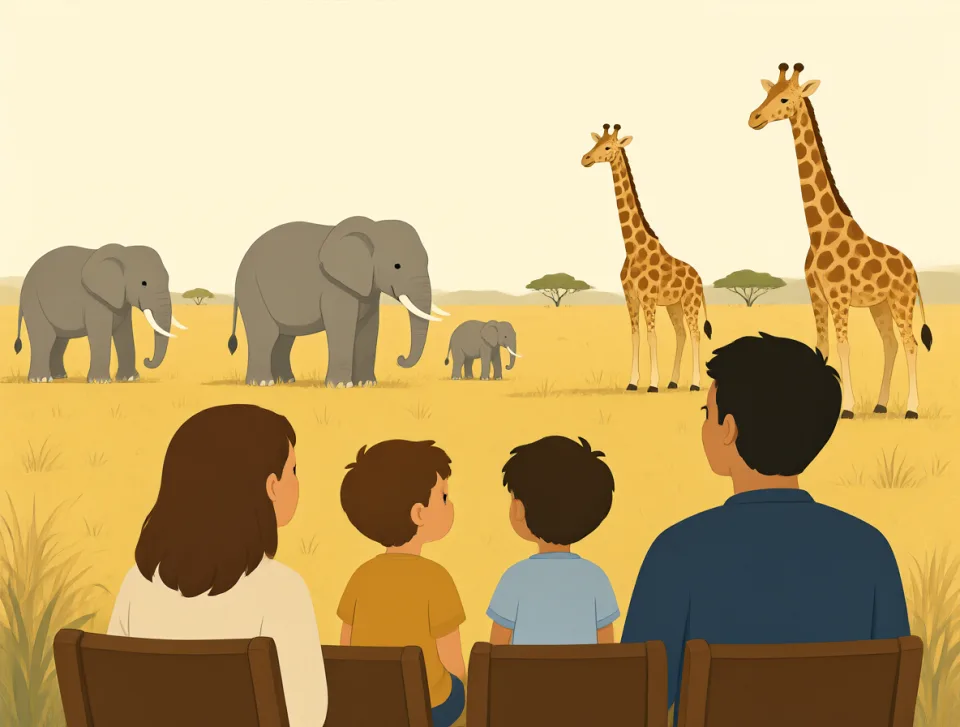
We saw many animals on our trip.
우리는 여행 중에 많은 동물을 봤어요.

arrive
#588verb
도착하다; 도달하다
to reach a place, especially after traveling
특히 이동한 끝에 어떤 장소에 이르다
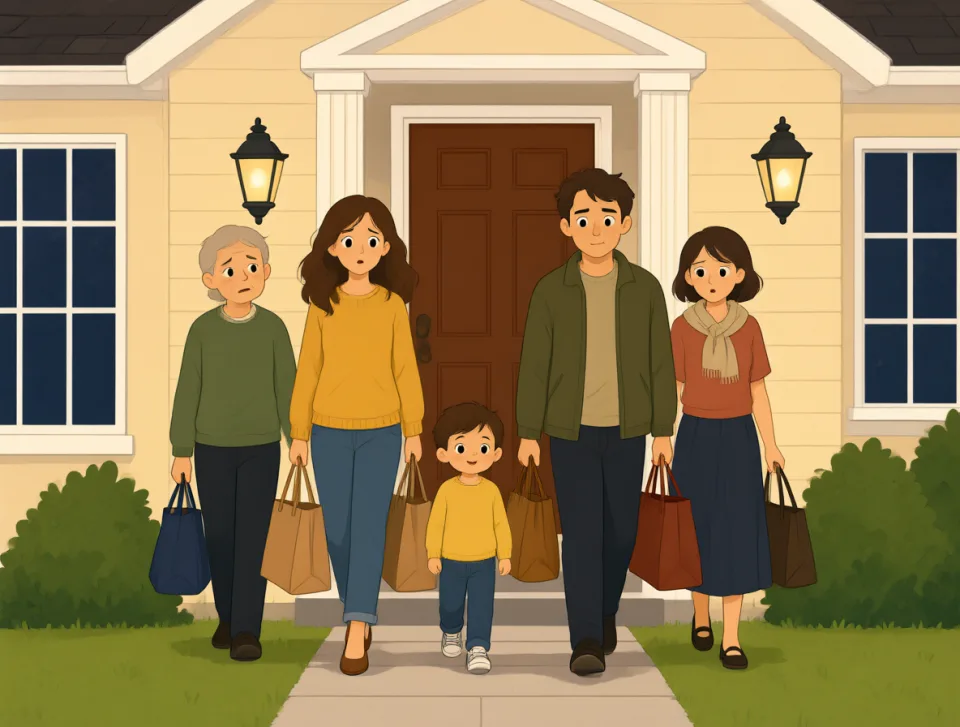
We arrived home late last night.
우리는 어젯밤 늦게 집에 도착했어요.
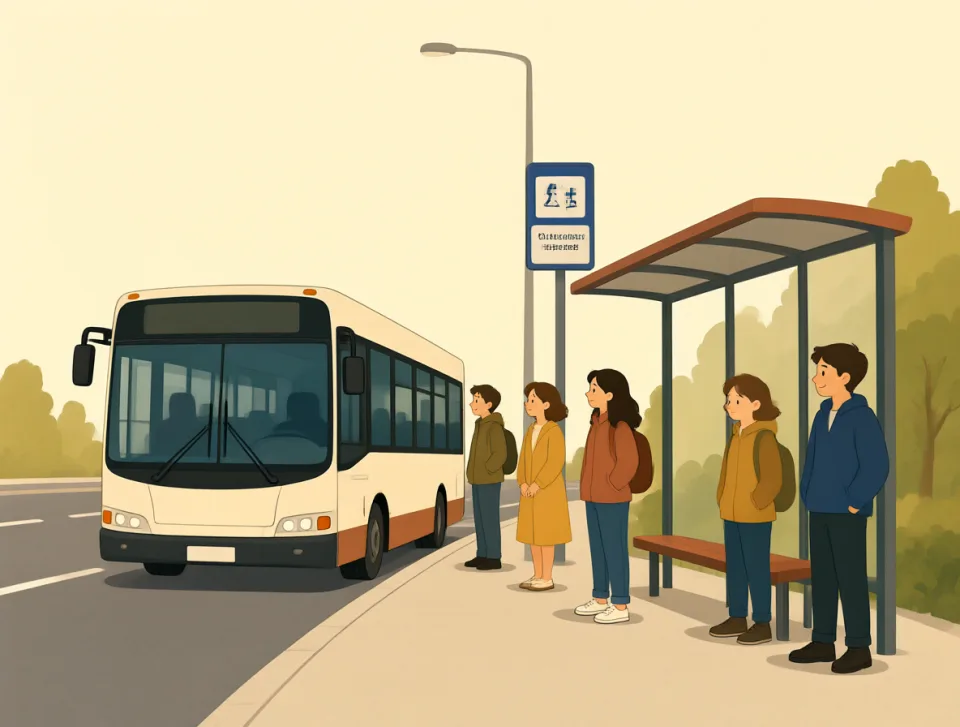
The bus arrives at eight o’clock.
버스는 8시에 도착해요.
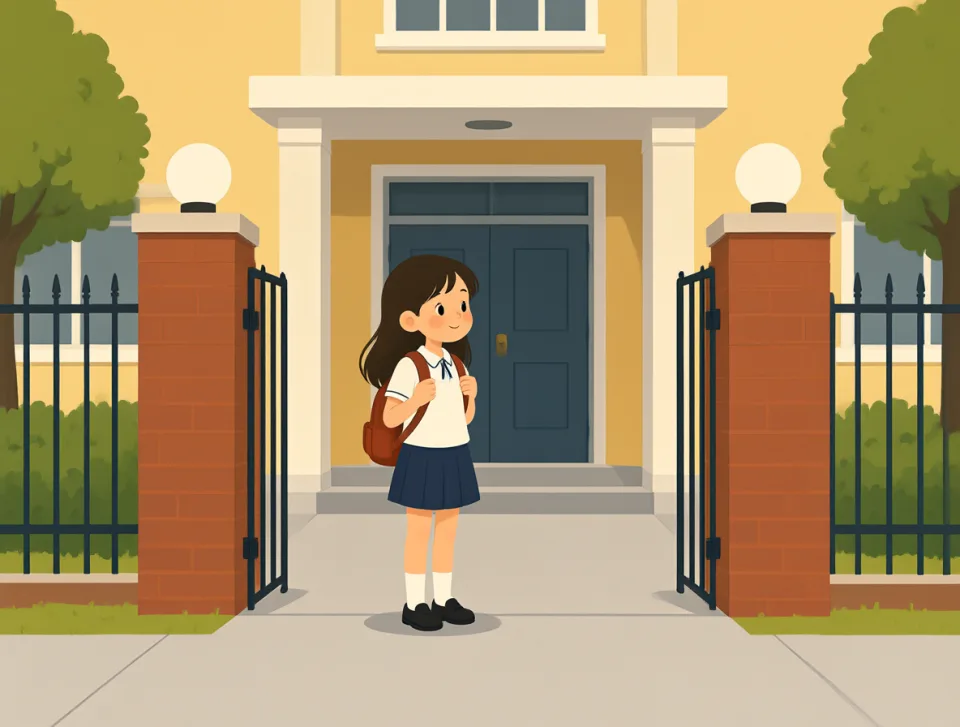
She arrived at school before her friends.
그녀는 친구들보다 먼저 학교에 도착했어요.

Your package arrived this morning.
택배가 오늘 아침에 도착했어요.
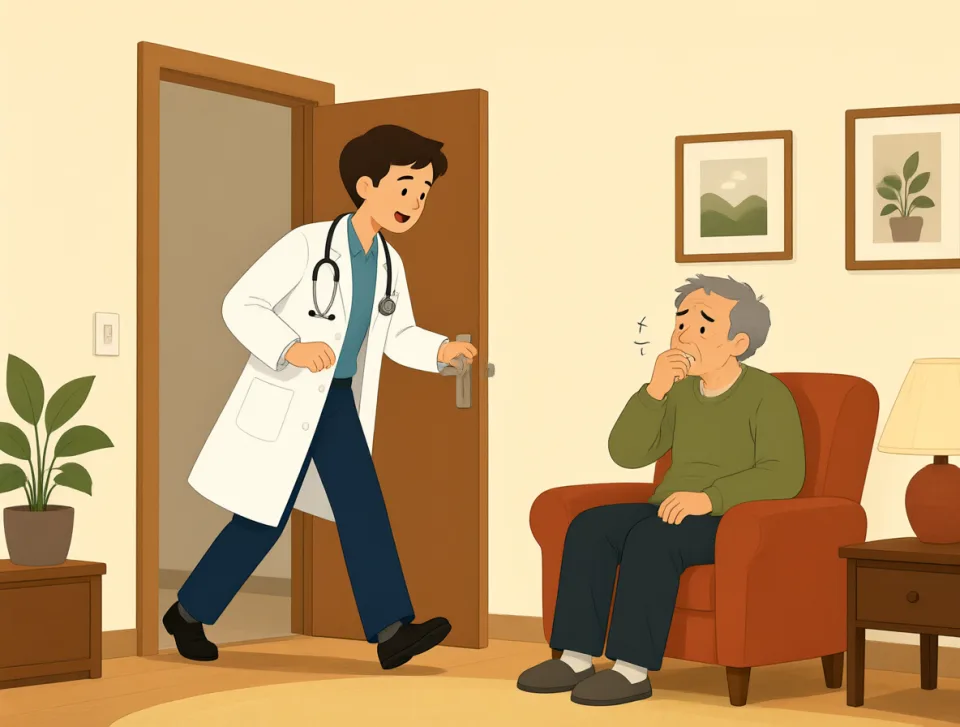
The doctor arrived quickly to help him.
의사가 그를 돕기 위해 서둘러 도착했어요.
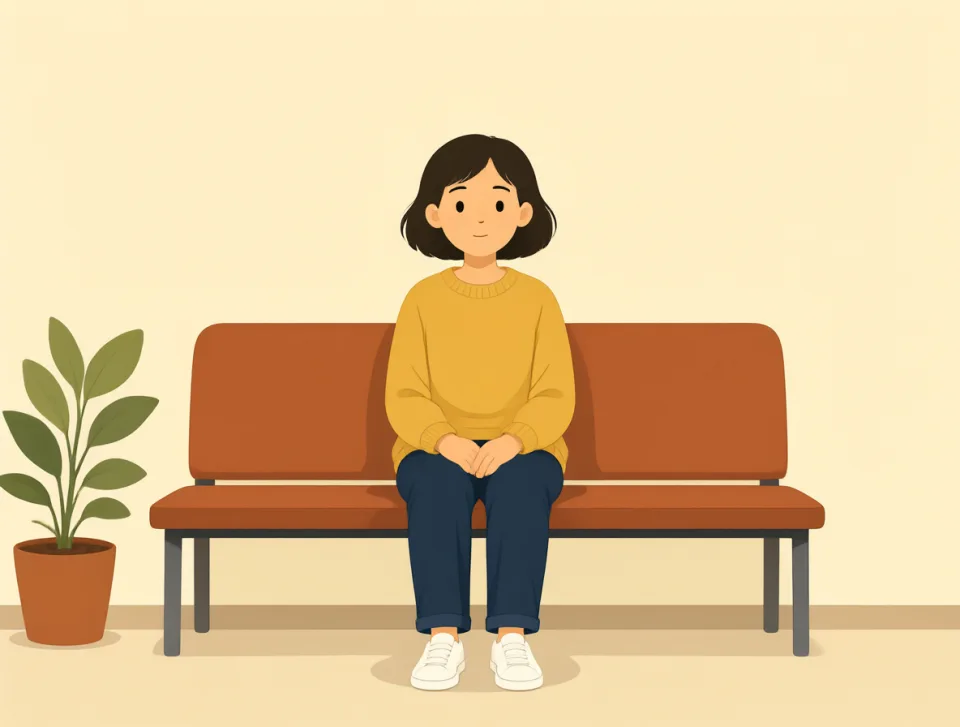
patient
#589adjective, noun
참을성 있는; 환자
Able to wait calmly; a person receiving medical care.
차분하게 기다릴 수 있는; 치료를 받고 있는 사람
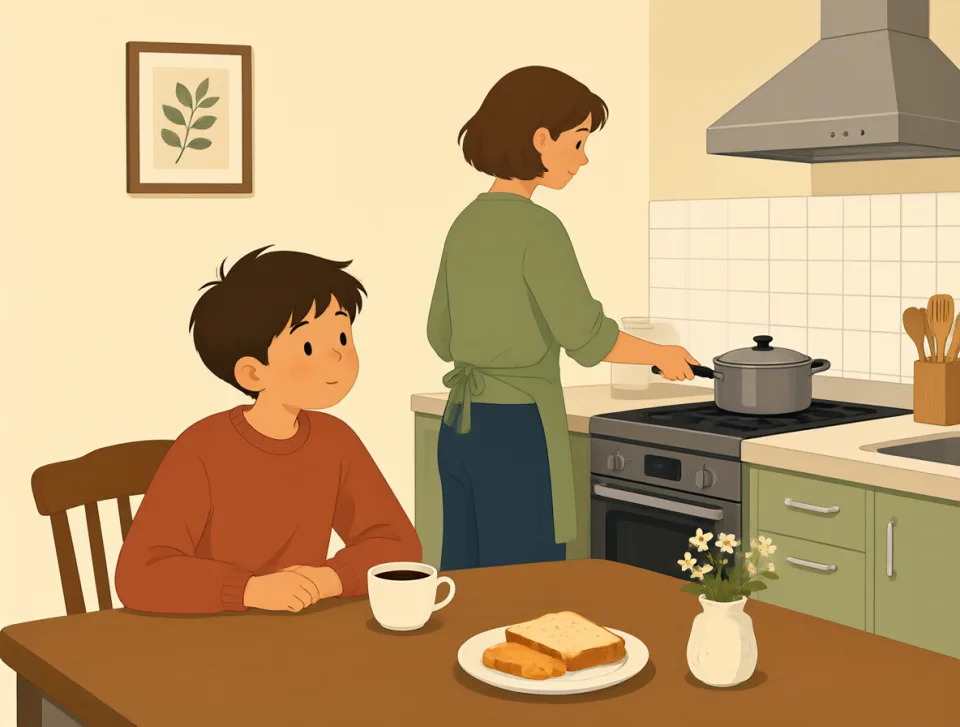
Please be patient; dinner will be ready soon.
조금만 기다려 주세요. 저녁 식사가 곧 준비될 거예요.
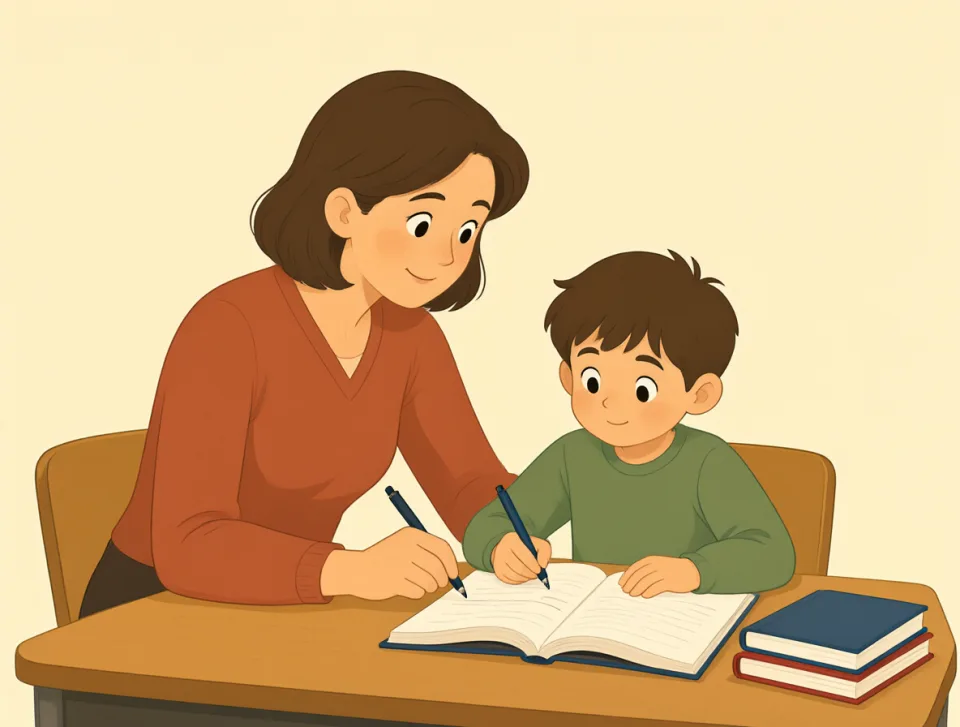
She is patient with her young students.
그녀는 어린 학생들에게 참을성 있게 대한다.
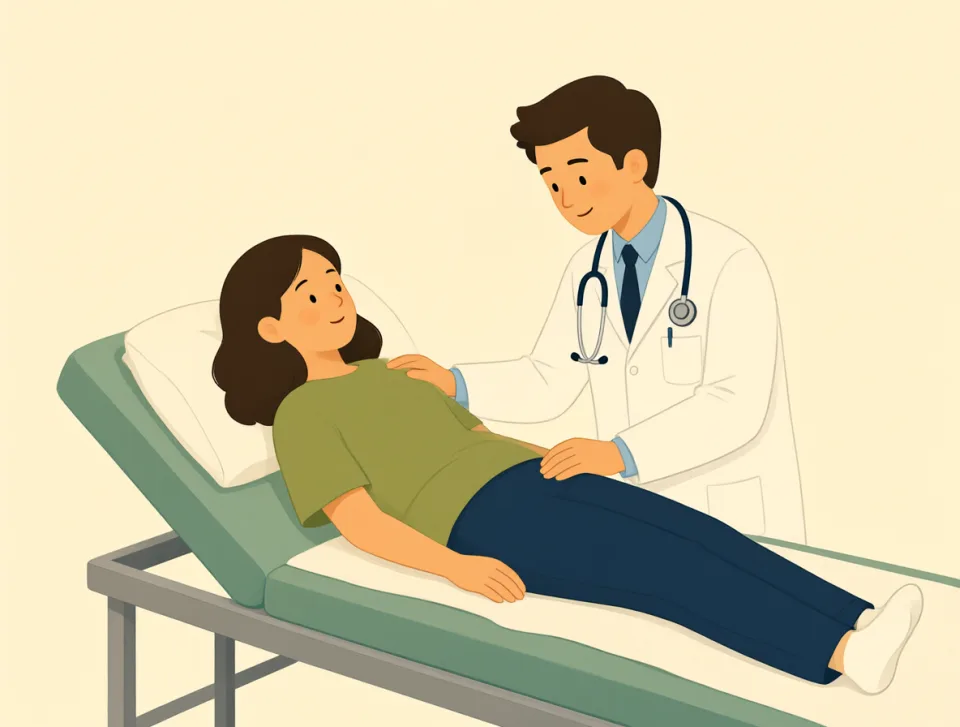
The doctor examined the patient carefully.
의사는 환자를 주의 깊게 진찰했다.
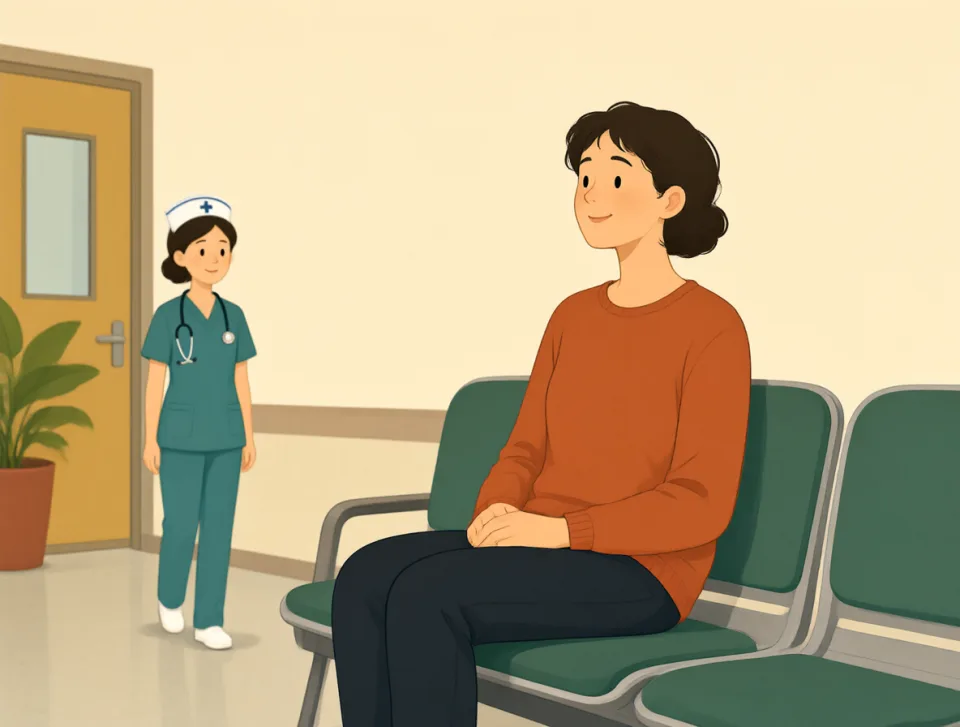
The patient waited for the nurse.
환자는 간호사를 기다렸다.
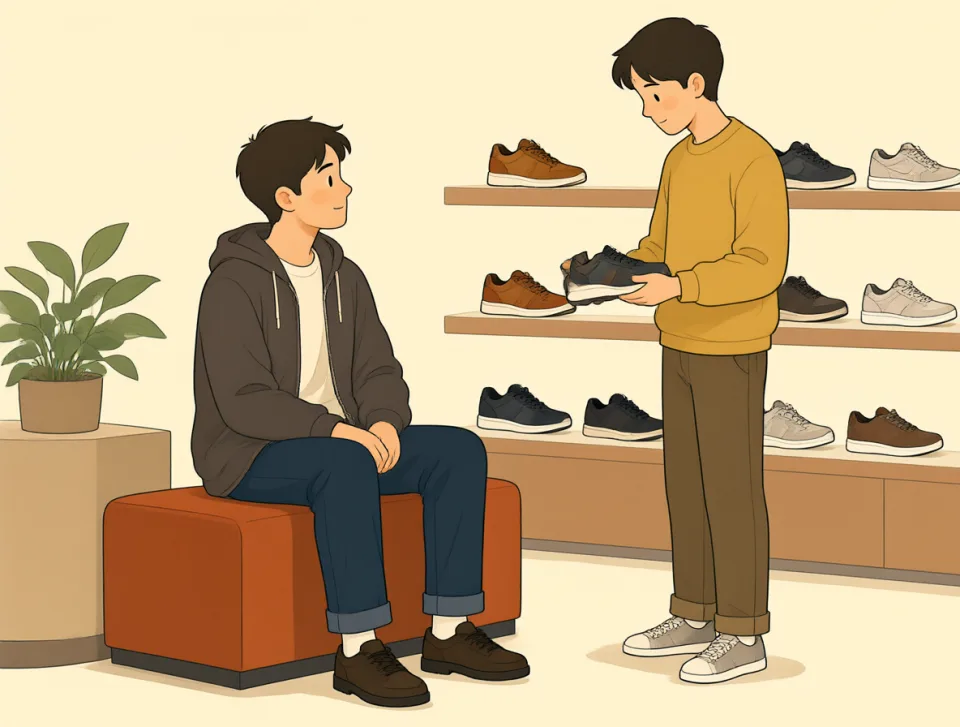
He was patient while his friend chose shoes.
그는 친구가 신발을 고르는 동안 참을성 있게 기다렸다.

current
#590adjective, noun
현재의; 현재; 흐름; 전류
Happening now; also, the movement of water, air, or electricity.
지금 일어나고 있는; 또한 물, 공기 또는 전기의 움직임을 뜻하는

The current price is lower today.
오늘은 현재 가격이 더 낮다.

Please check the current weather before leaving.
떠나기 전에 현재 날씨를 확인해 주세요.

The river current carried the small boat away.
강물의 흐름이 작은 배를 떠내려가게 했다.
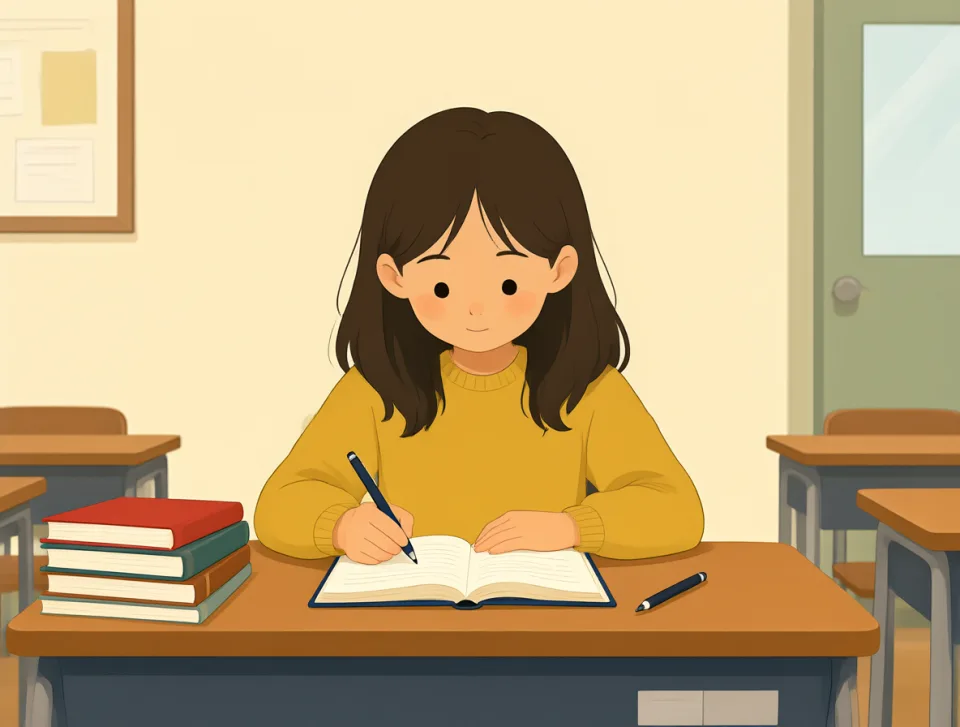
She is a current student at our school.
그녀는 현재 우리 학교에 다니는 학생이다.

The electric current stopped during the storm.
폭풍이 치는 동안 전류가 끊겼다.
century
#591noun
세기; 백 년
A period of one hundred years.
백 년의 기간
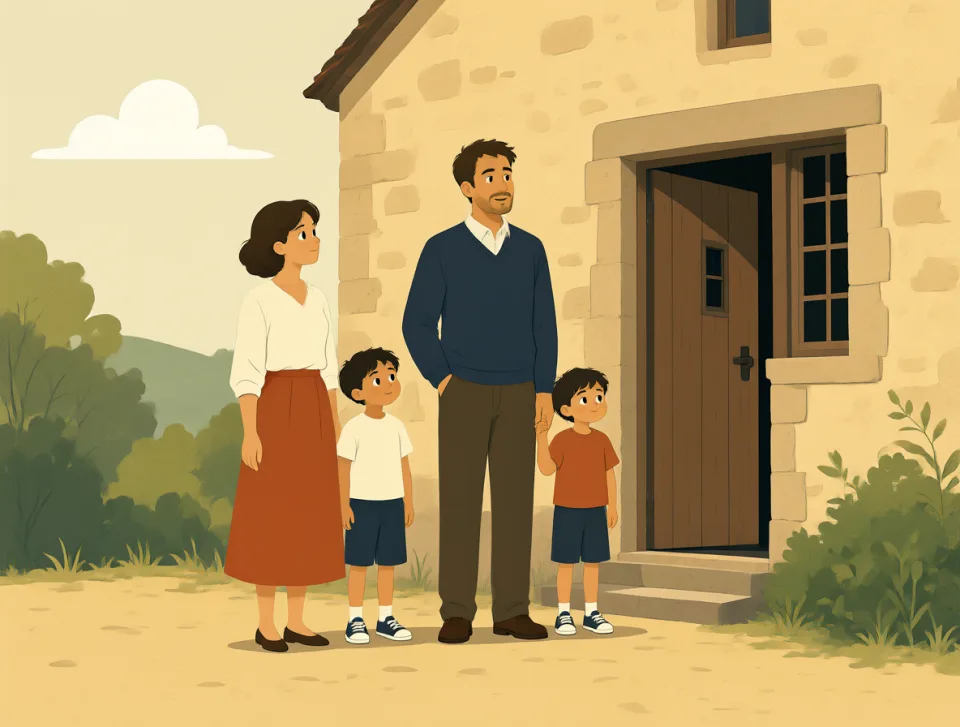
This building is more than a century old.
이 건물은 지은 지 백 년이 넘었다.
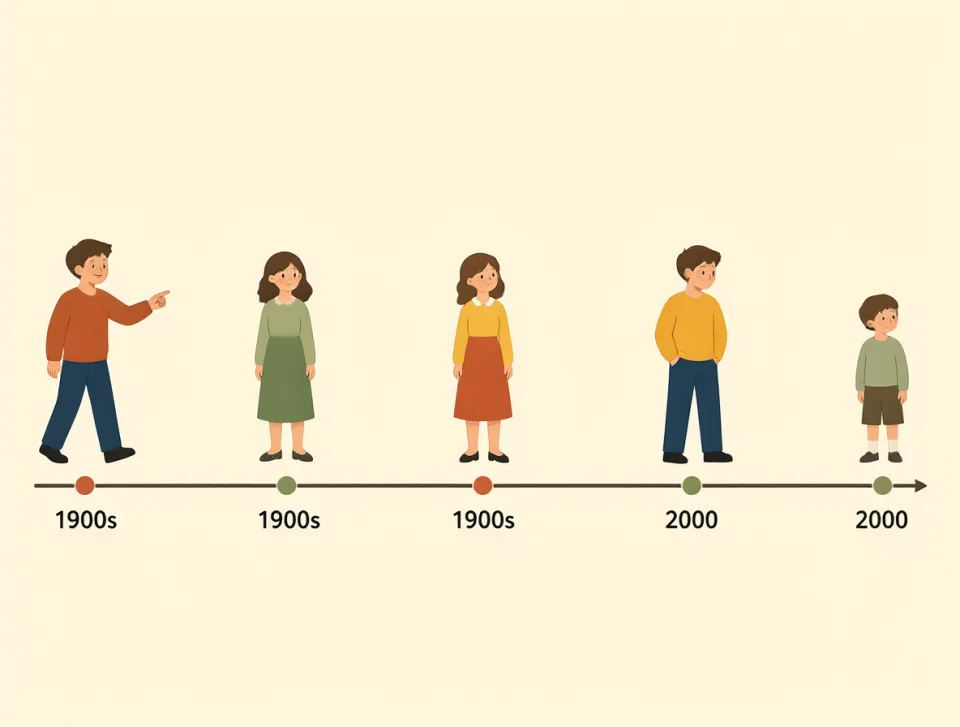
The twentieth century ended in 2000.
20세기는 2000년에 끝났다.
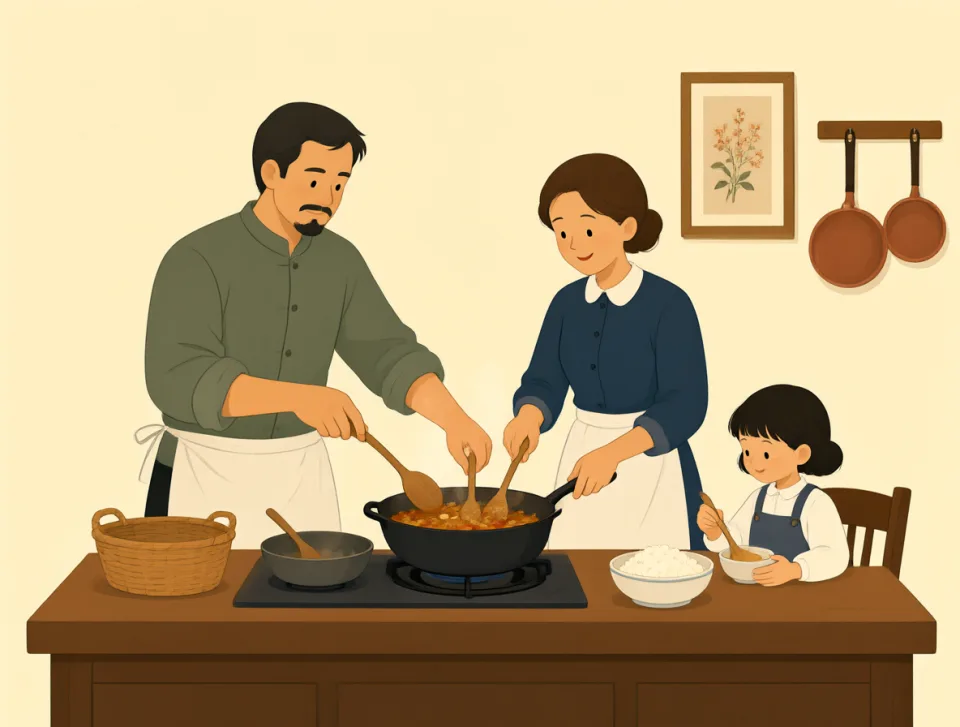
People lived differently a century ago.
백 년 전에는 사람들이 다르게 살았다.
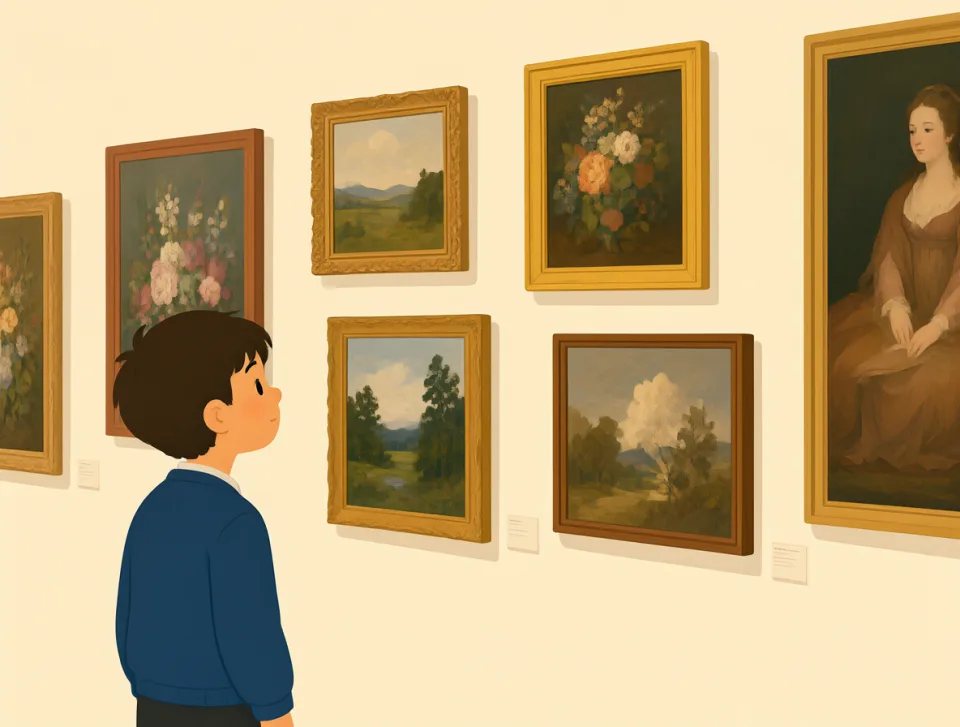
The museum shows art from several centuries.
그 박물관에는 여러 세기의 미술 작품이 전시되어 있다.
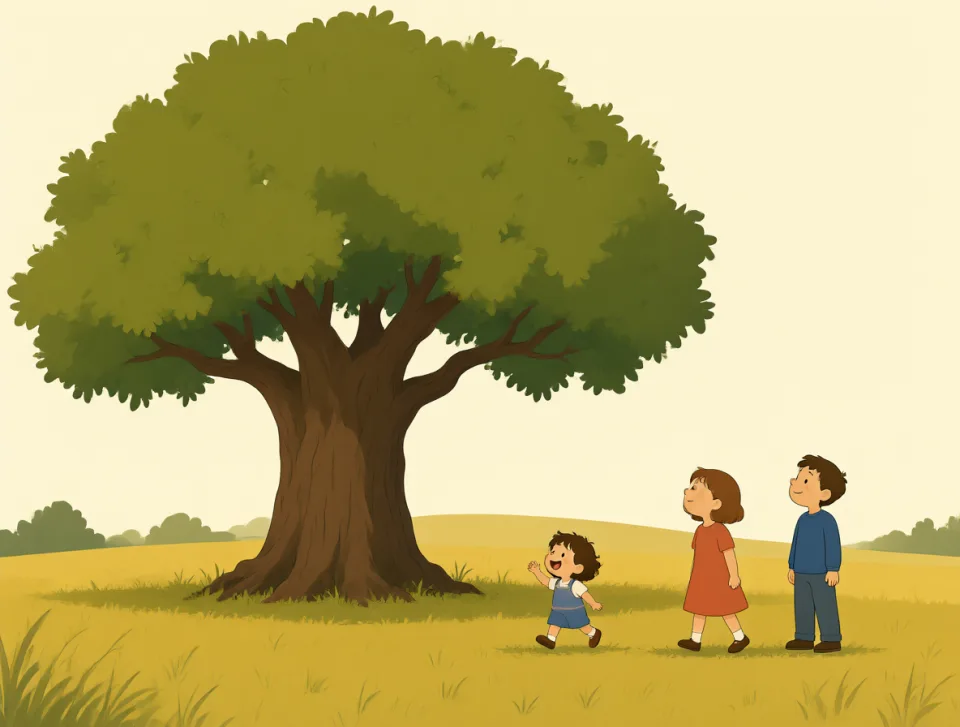
This tree may live for a century.
이 나무는 백 년 동안 살 수도 있다.
evidence
#592noun
증거; 근거
Facts or information that show whether something is true.
어떤 것이 사실인지 아닌지를 보여 주는 사실이나 정보
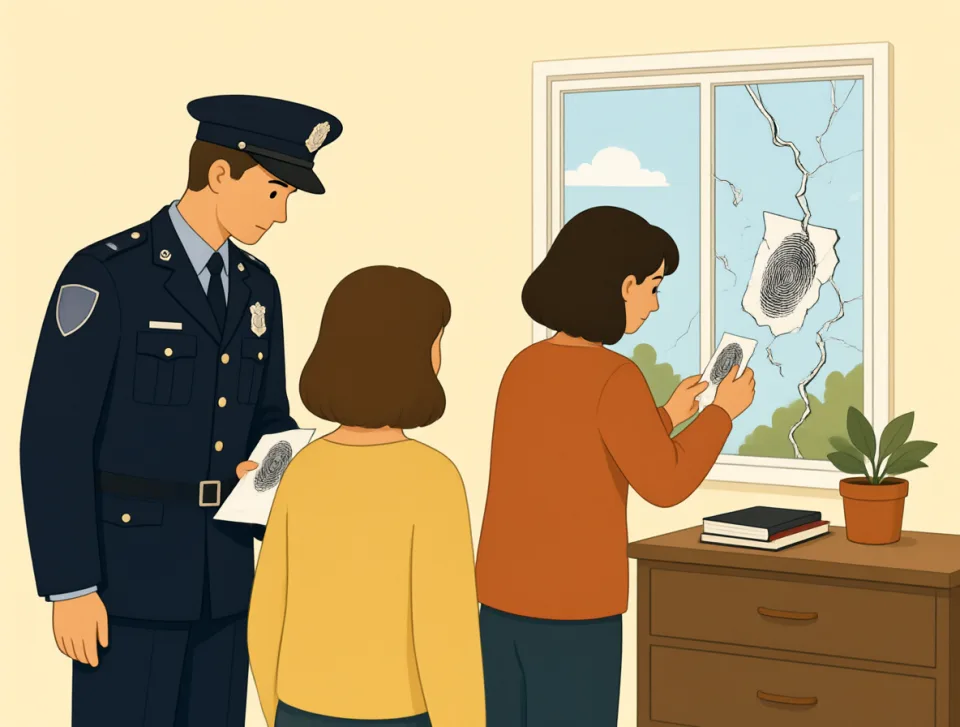
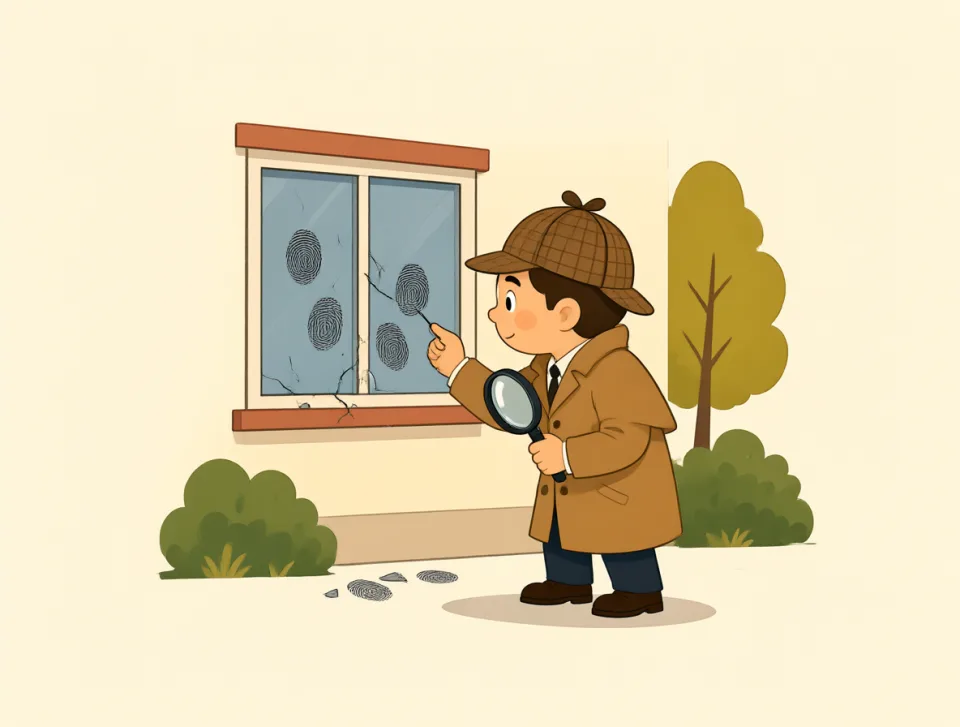
The police found evidence in the house.
경찰은 그 집에서 증거를 찾았다.
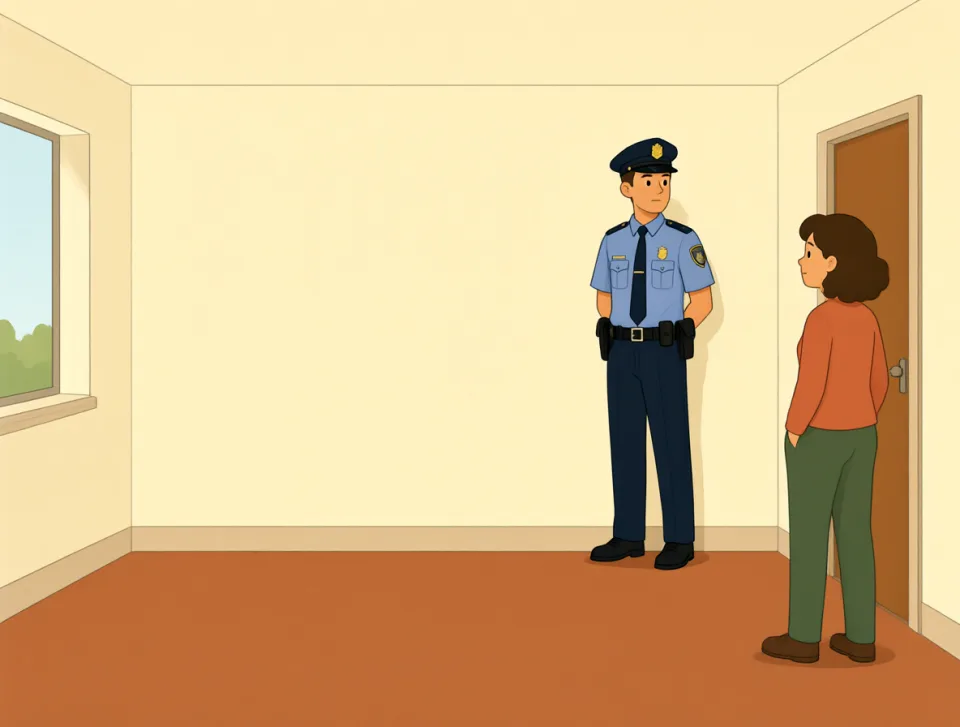
There was no evidence of a crime.
범죄의 증거는 없었다.
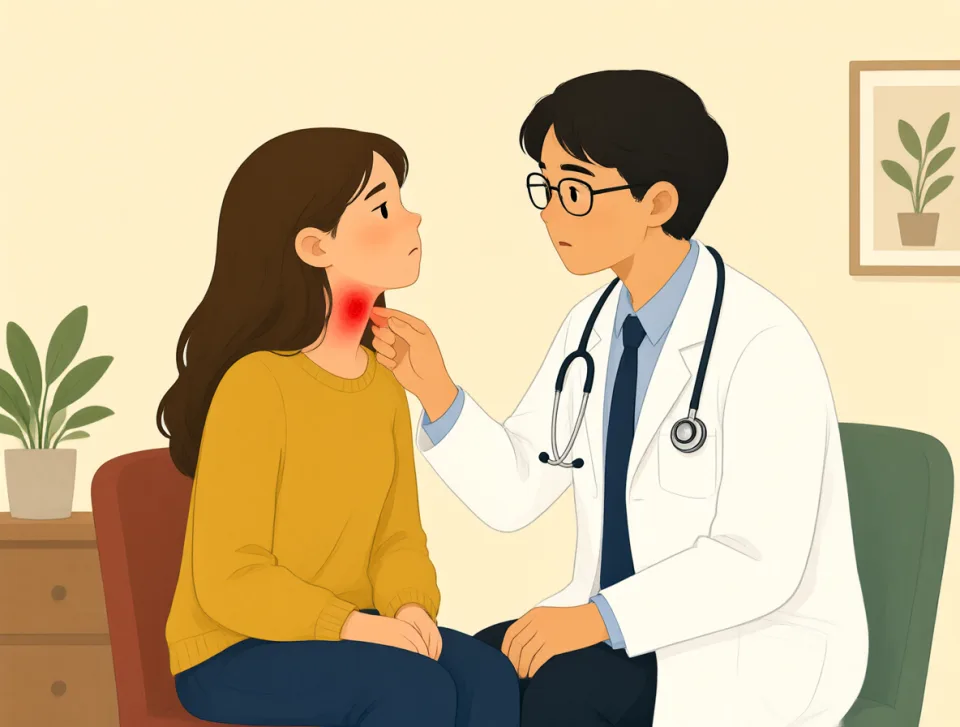
She showed evidence of her illness.
그녀는 자신이 아프다는 증거를 보여 주었다.
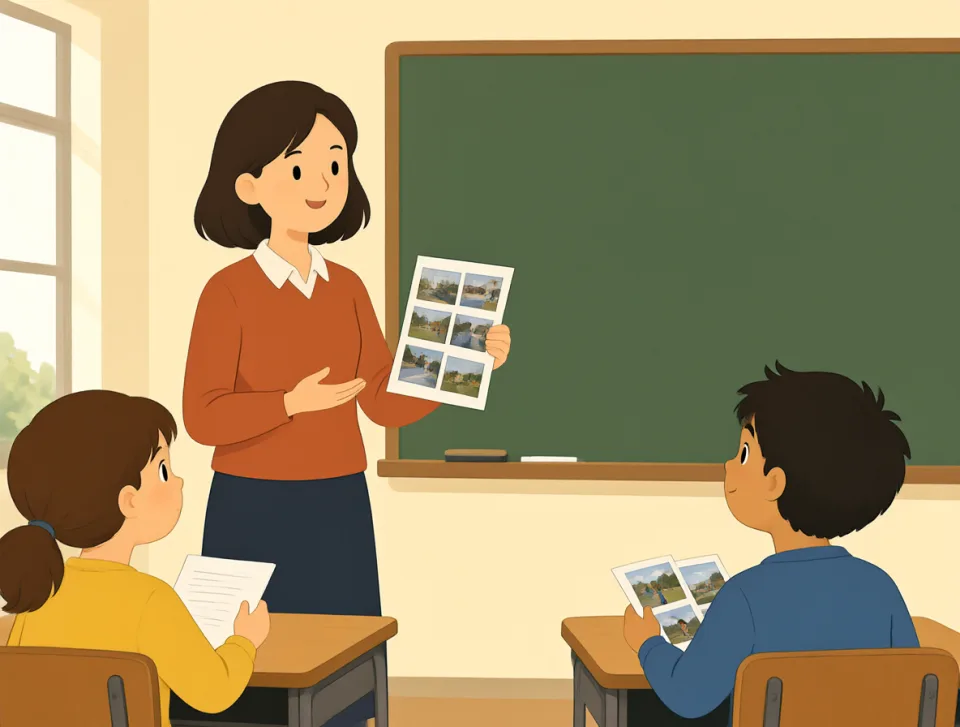
The teacher asked for evidence in our project.
선생님은 우리 프로젝트에서 근거를 제시하라고 하셨다.
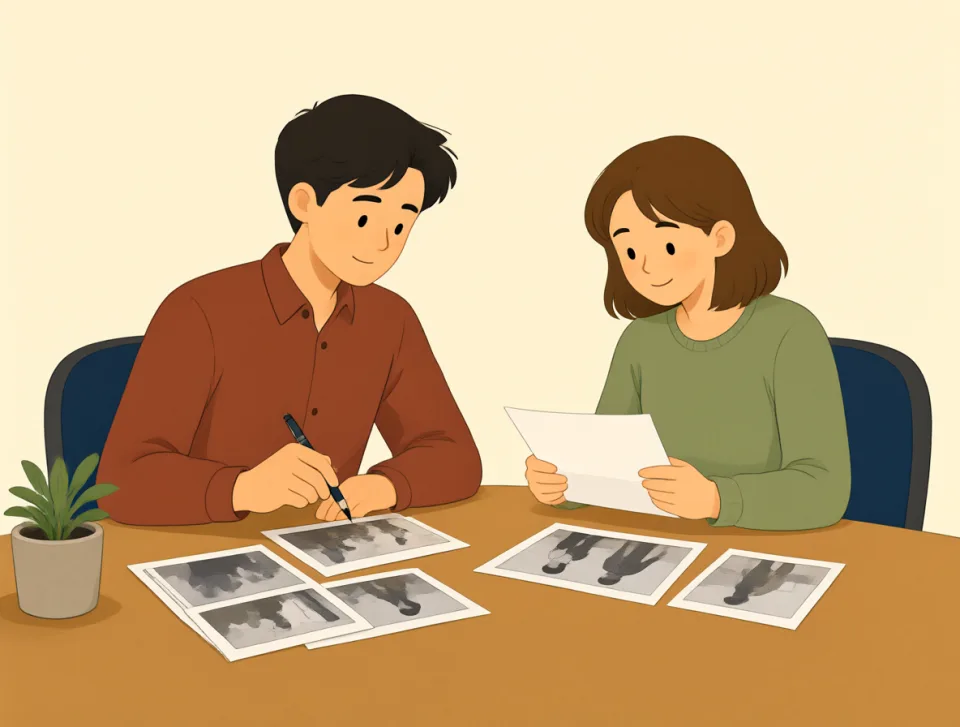
We need evidence before making a decision.
결정을 내리기 전에 증거가 필요하다.
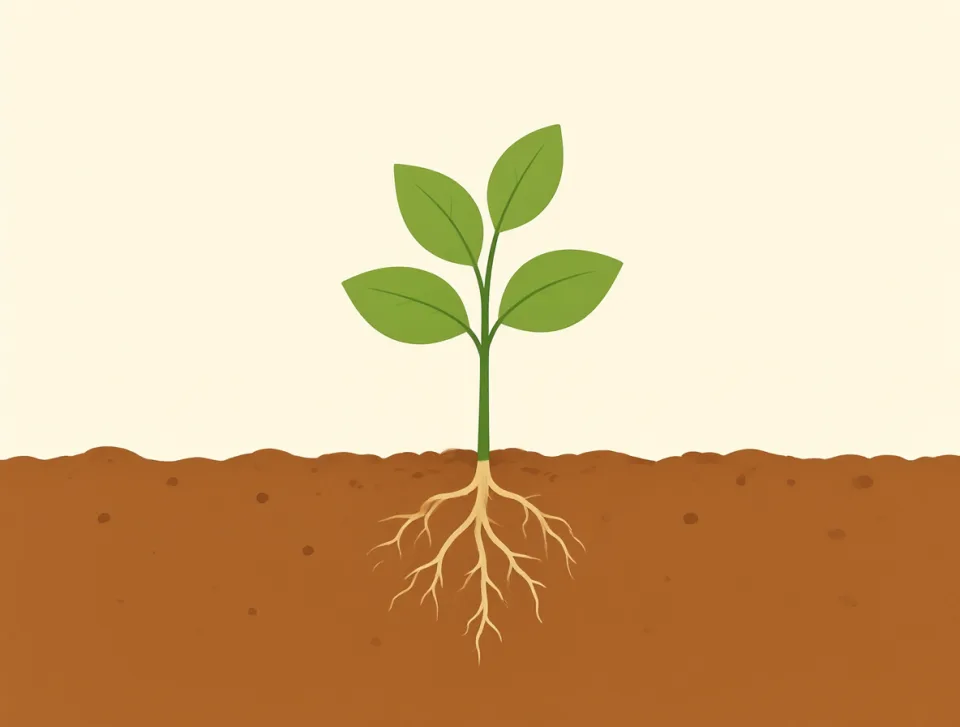
exist
#593verb
존재하다; 있다
to be real or alive, especially in a particular place or time
특히 특정한 장소나 시간에 실제로 존재하거나 살아 있다
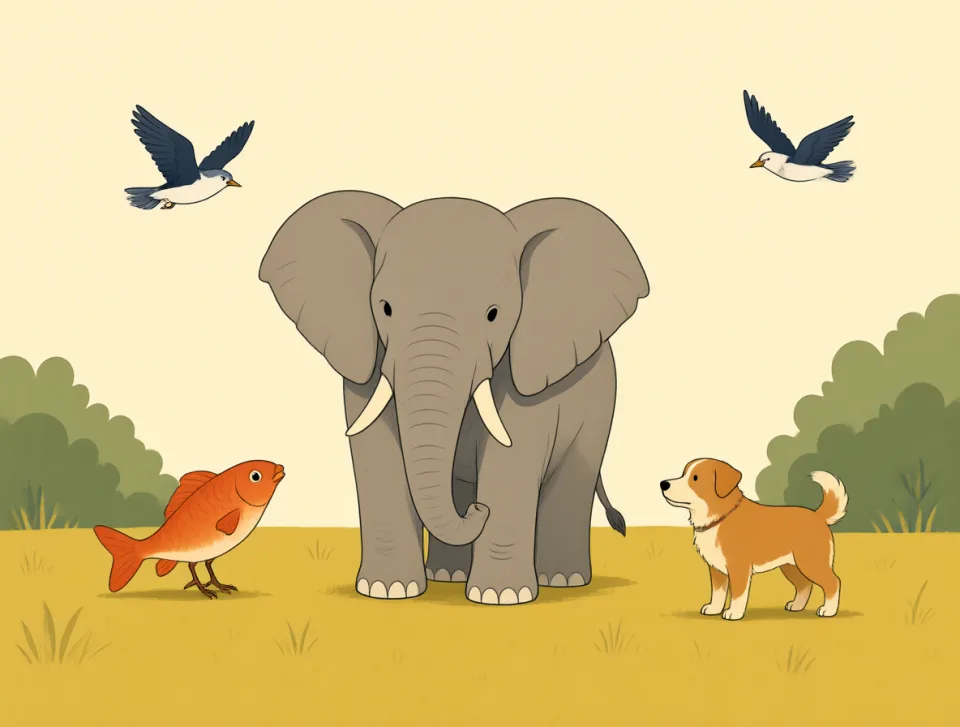
Many kinds of animals exist in the world.
세상에는 다양한 종류의 동물이 존재한다.
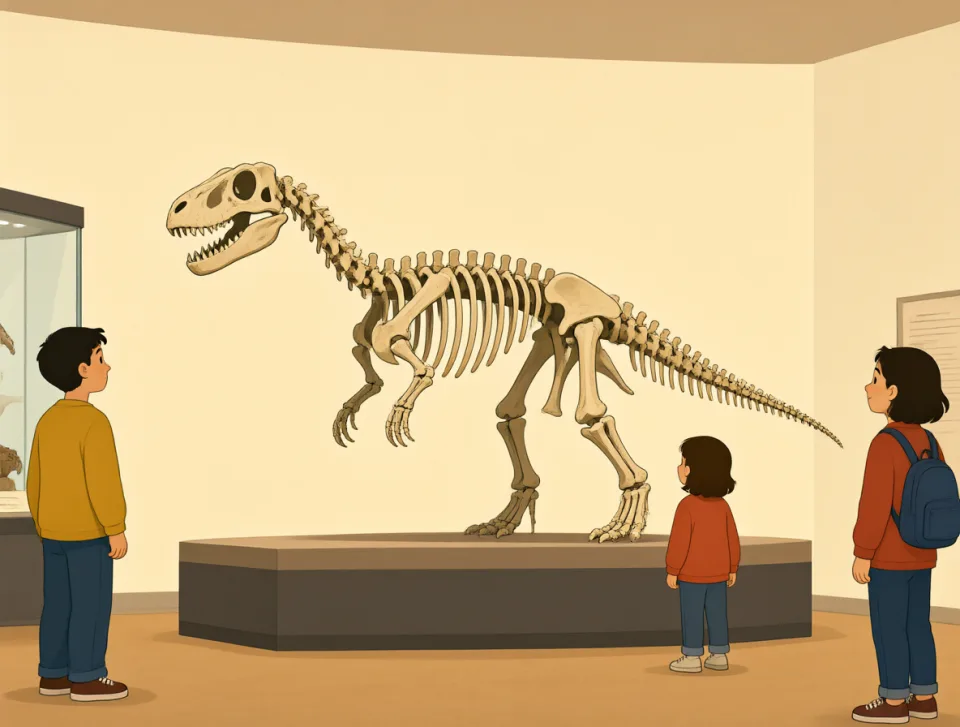
Dinosaurs no longer exist today.
공룡은 오늘날 더 이상 존재하지 않는다.

Does life exist on other planets?
다른 행성에도 생명체가 존재할까?

A small problem exists with this plan.
이 계획에는 작은 문제가 있다.
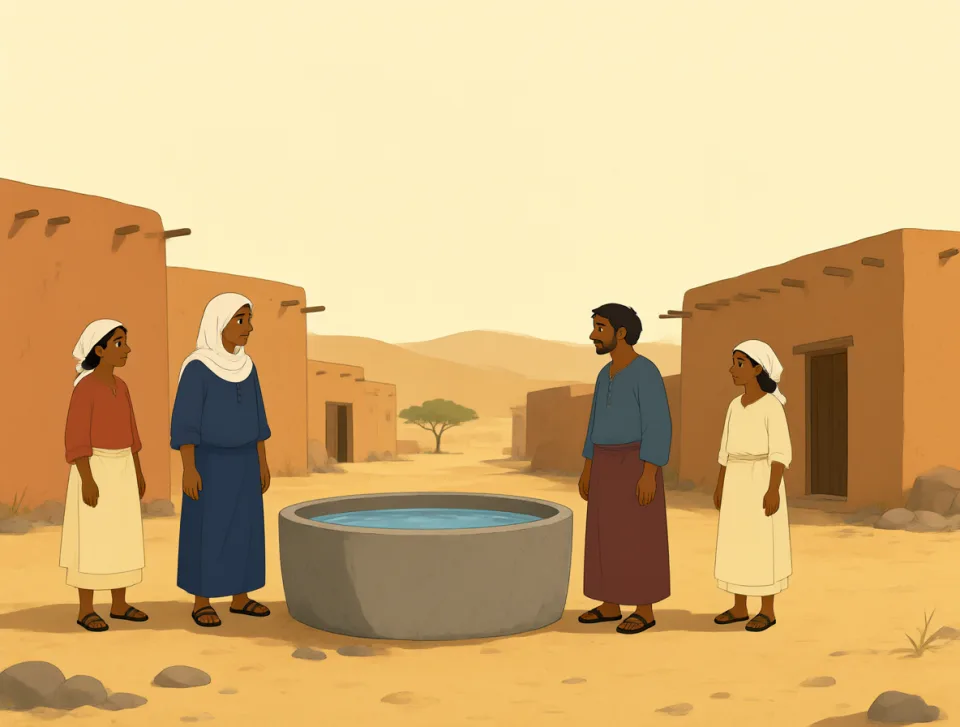
No clean water existed in the village.
그 마을에는 깨끗한 물이 없었다.
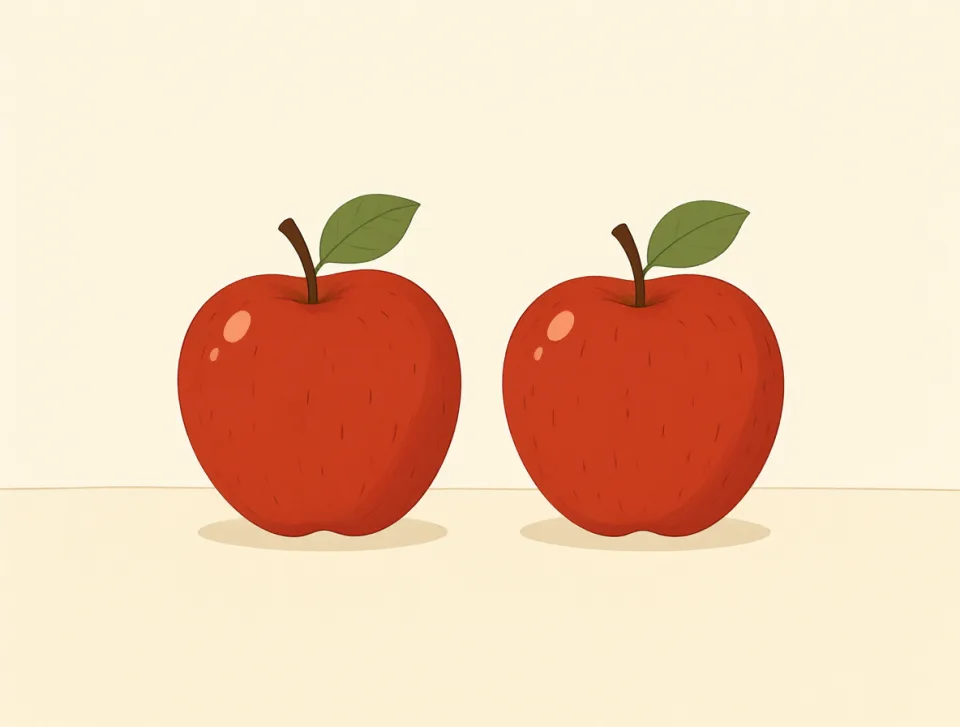
similar
#594adjective
비슷한; 유사한
Almost the same as someone or something else.
다른 사람이나 사물과 거의 같은.
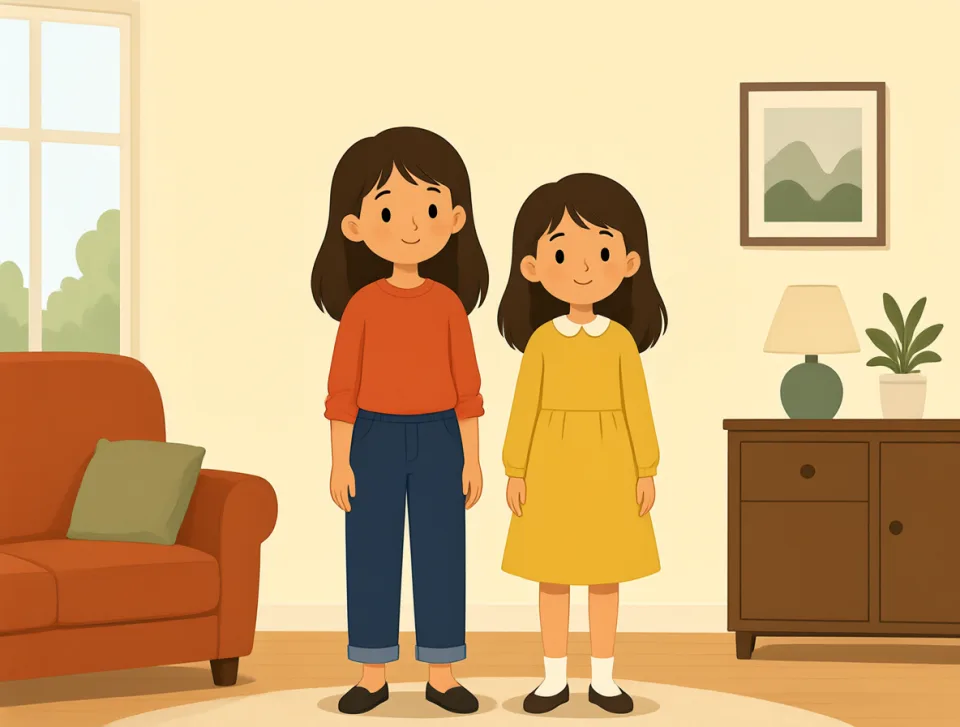
The two sisters look very similar.
두 자매는 아주 비슷하게 생겼다.
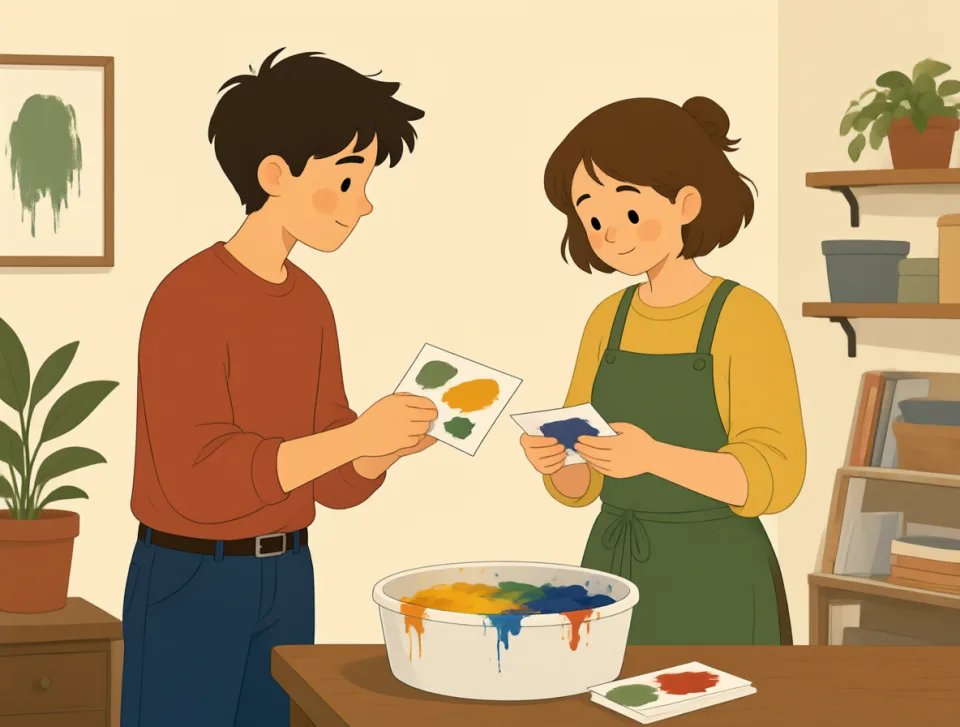
We chose similar colors for the room.
우리는 방에 비슷한 색깔을 골랐다.

This jacket is similar to mine.
이 재킷은 내 것과 비슷하다.
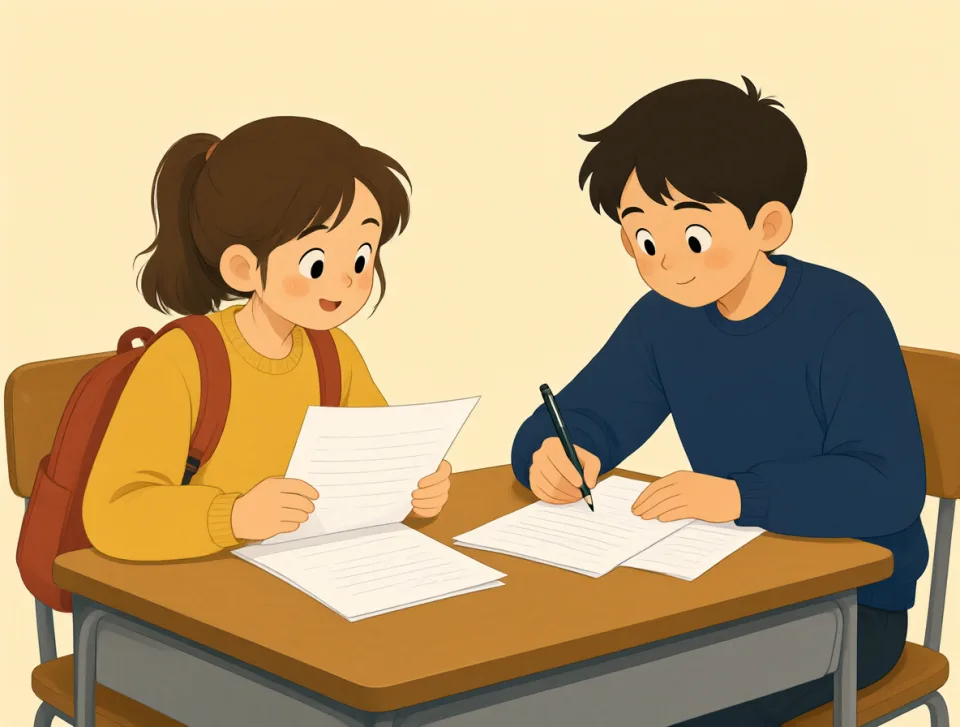
The students had similar answers.
학생들의 답은 비슷했다.
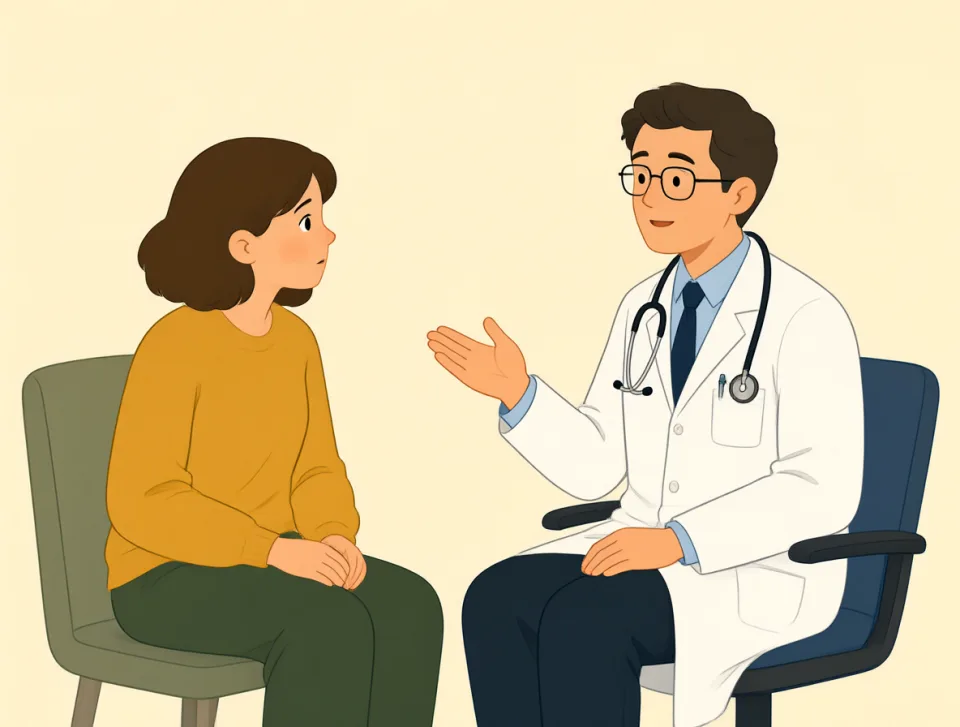
I had similar pain last week.
지난주에도 비슷한 통증을 느꼈다.
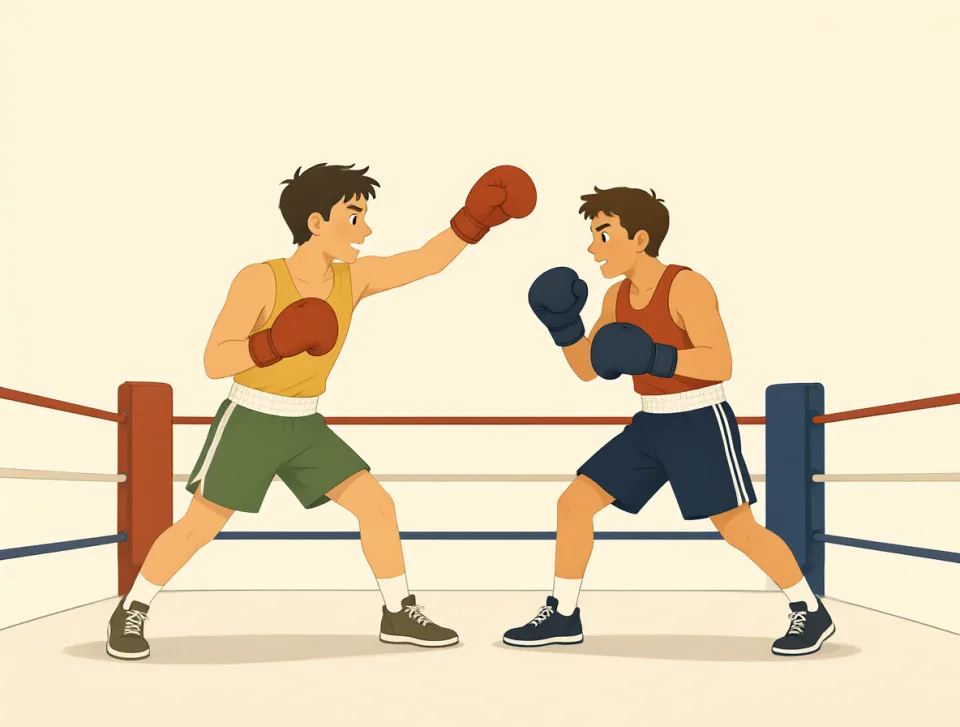
fight
#595noun, verb
싸움; 싸우다; 투쟁하다
To use force against someone or try hard to stop or win something.
누군가에게 물리적인 힘을 쓰거나, 어떤 일을 막거나 이기기 위해 열심히 노력하다.
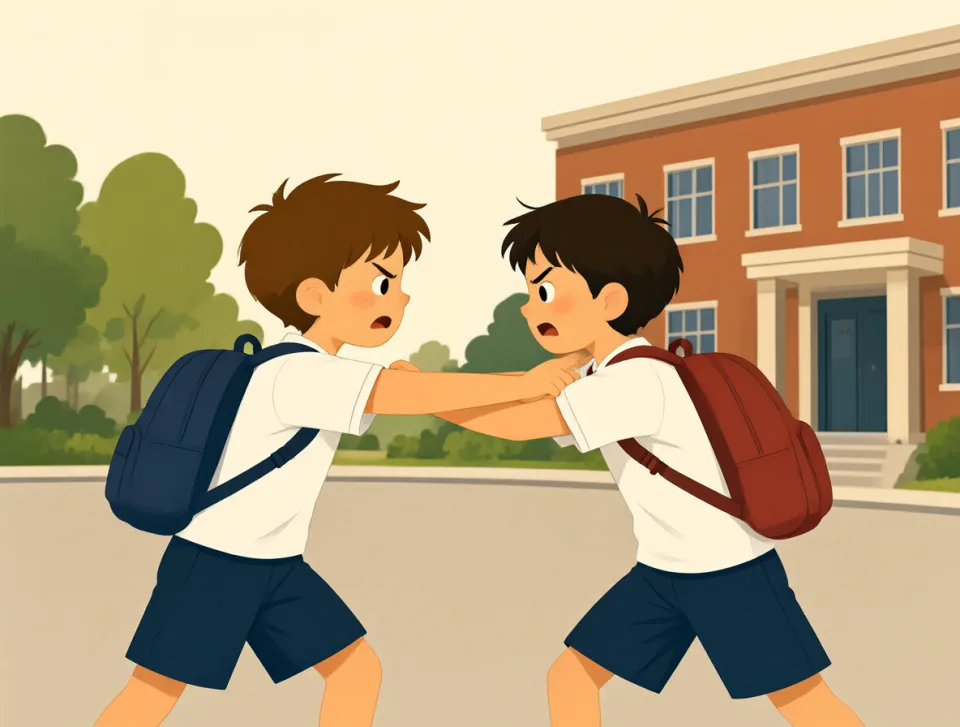
The two boys started a fight after school.
두 소년은 방과 후에 싸움을 시작했다.
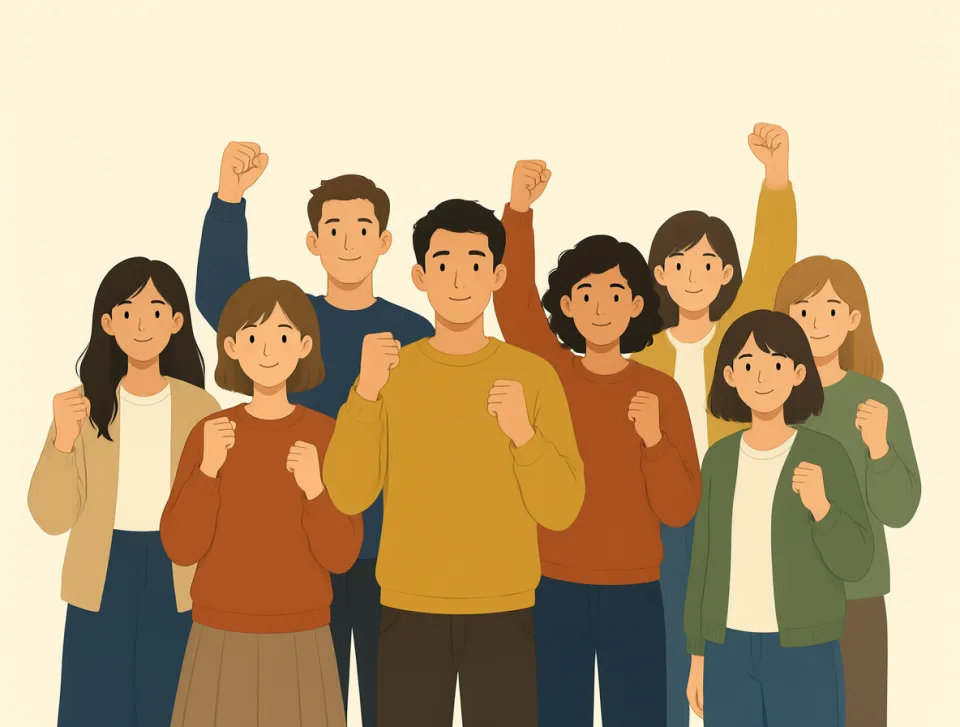
We must fight for our rights.
우리는 우리의 권리를 위해 싸워야 한다.
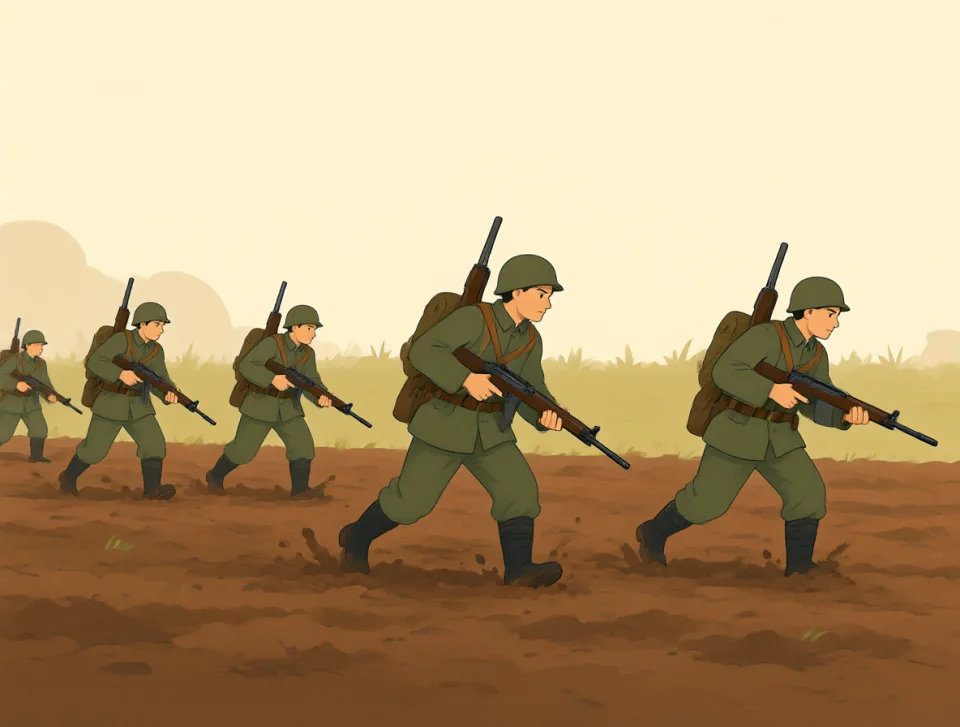
The soldiers fought bravely in the war.
군인들은 전쟁에서 용감하게 싸웠다.

She is fighting a bad cold today.
그녀는 오늘 심한 감기와 싸우고 있다.
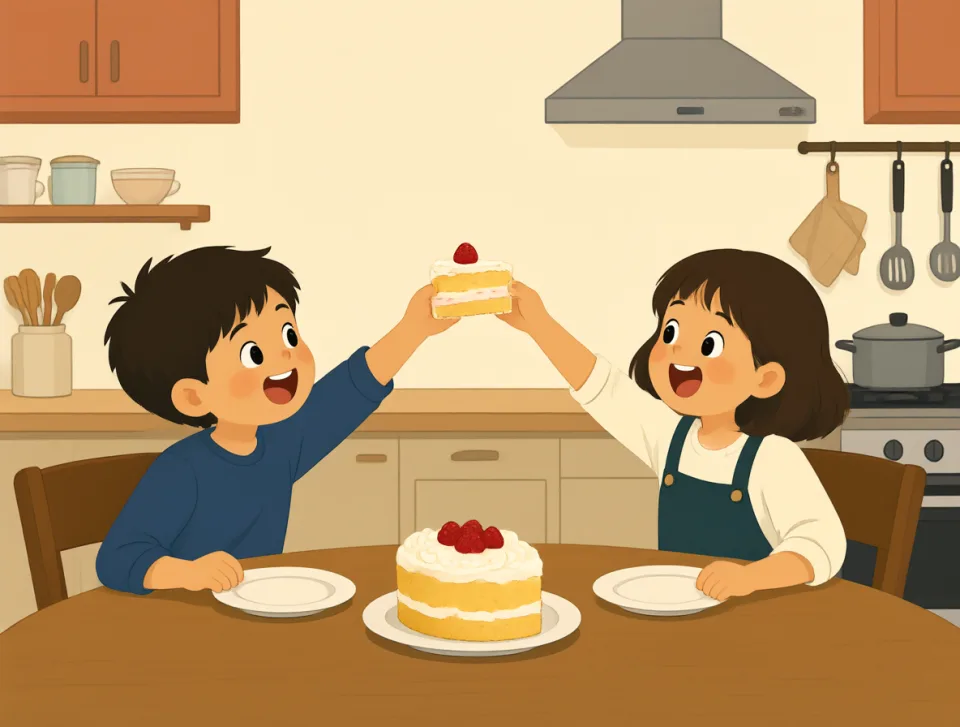
They fought over the last piece of cake.
그들은 마지막 케이크 한 조각을 차지하려고 다퉜다.
leader
#596noun
지도자; 리더
A person who guides or controls a group or organization.
집단이나 조직을 이끌거나 통솔하는 사람
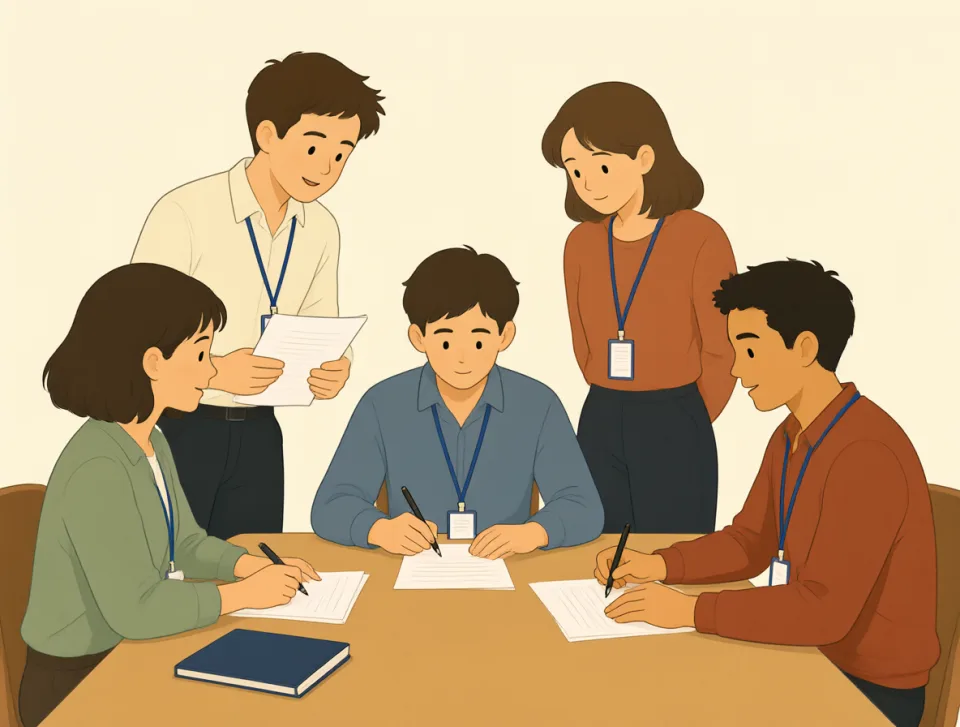
The team leader checked our work.
팀장이 우리 업무를 확인했다.
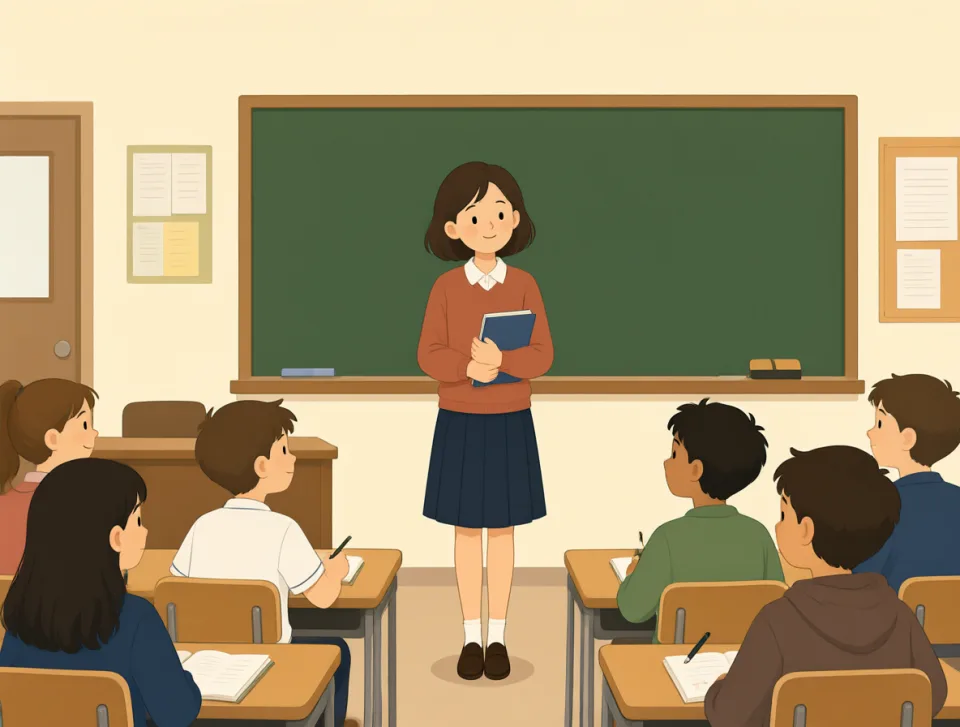
She became the leader of our school club.
그녀는 우리 학교 동아리의 회장이 되었다.
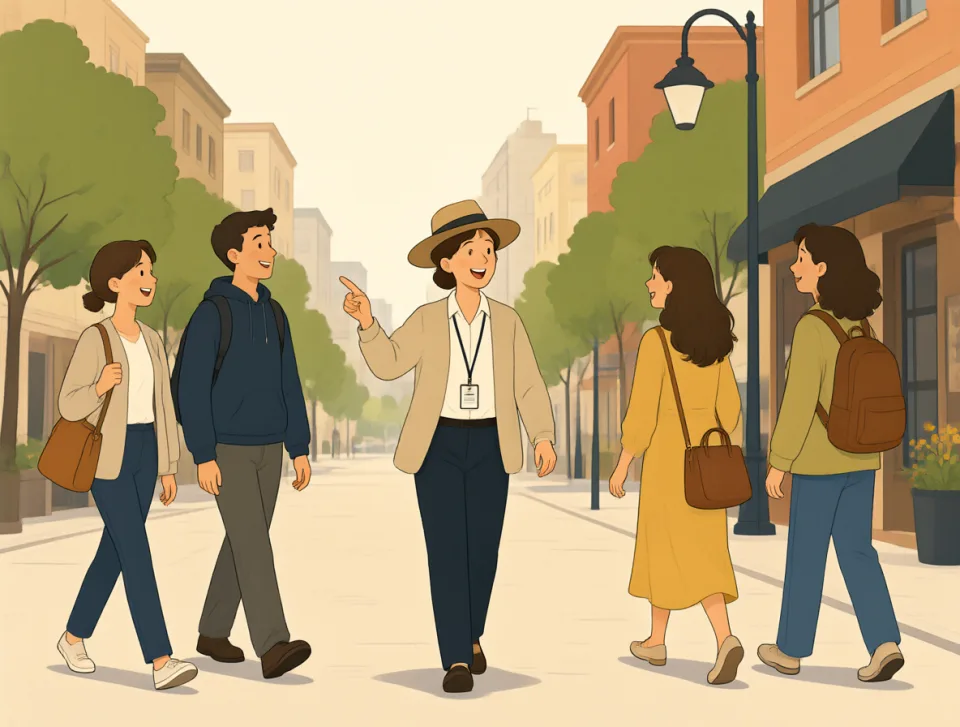
The tour leader showed us the way.
여행 인솔자가 우리에게 길을 안내해 주었다.
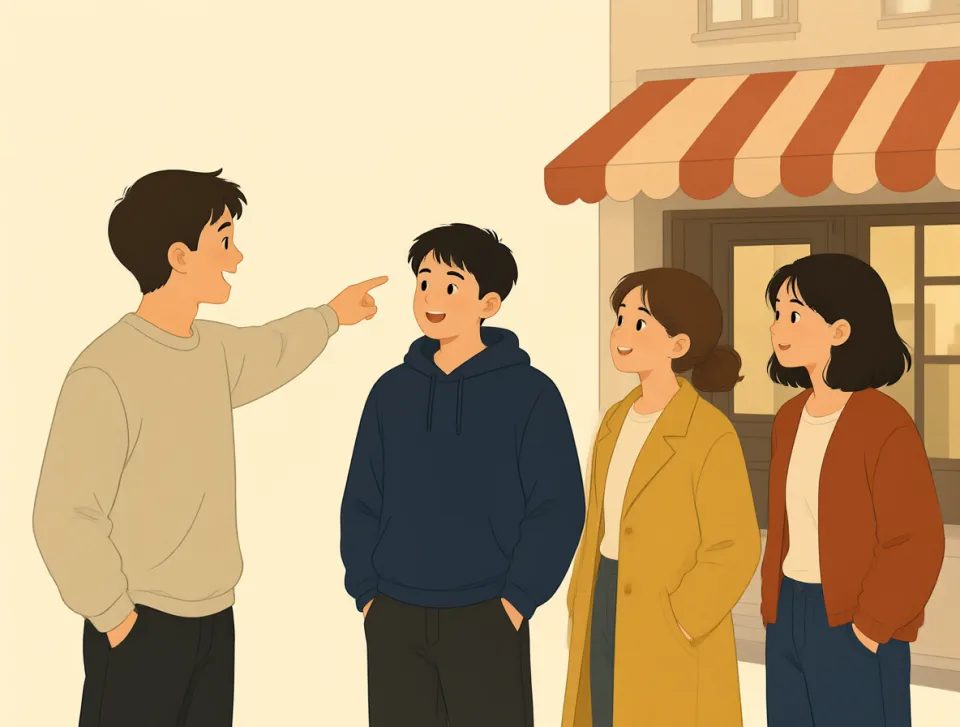
Our group leader chose a restaurant.
우리 모임의 대표가 식당을 골랐다.
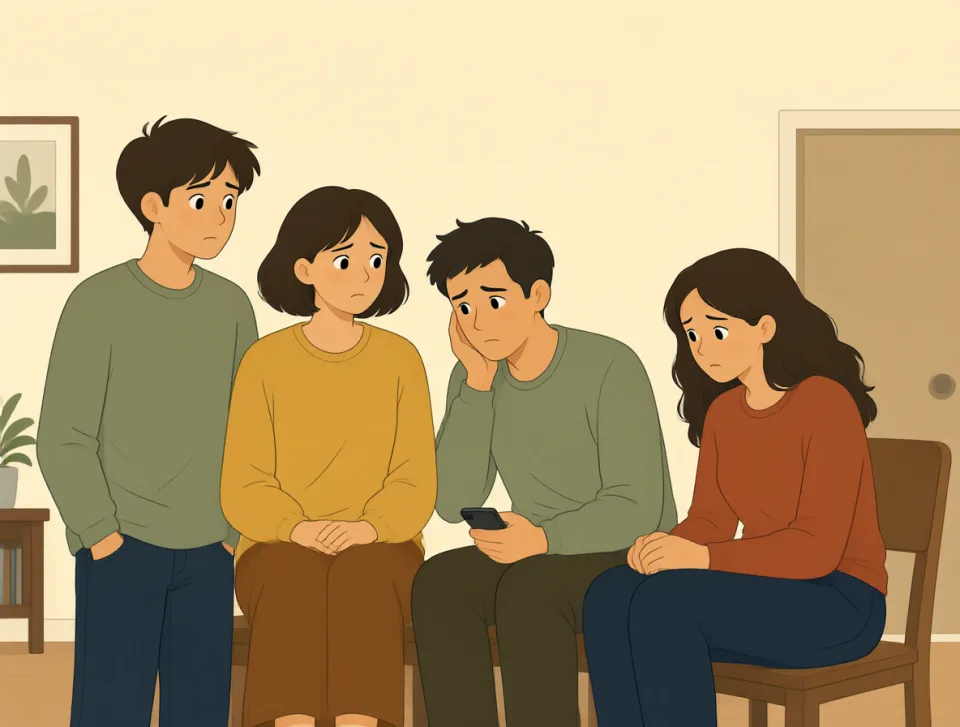
The leader helped everyone stay calm.
그 리더는 모두가 침착함을 유지하도록 도왔다.

fine
#597adjective, noun, verb, adverb
괜찮은; 건강한; 벌금; 벌금을 부과하다; 잘게
Good or healthy; also, money paid as punishment for breaking a rule.
좋거나 건강한 상태인; 또한 규칙을 어겨 내는 돈

I'm fine, thanks. How are you?
저는 괜찮아요, 고마워요. 당신은요?
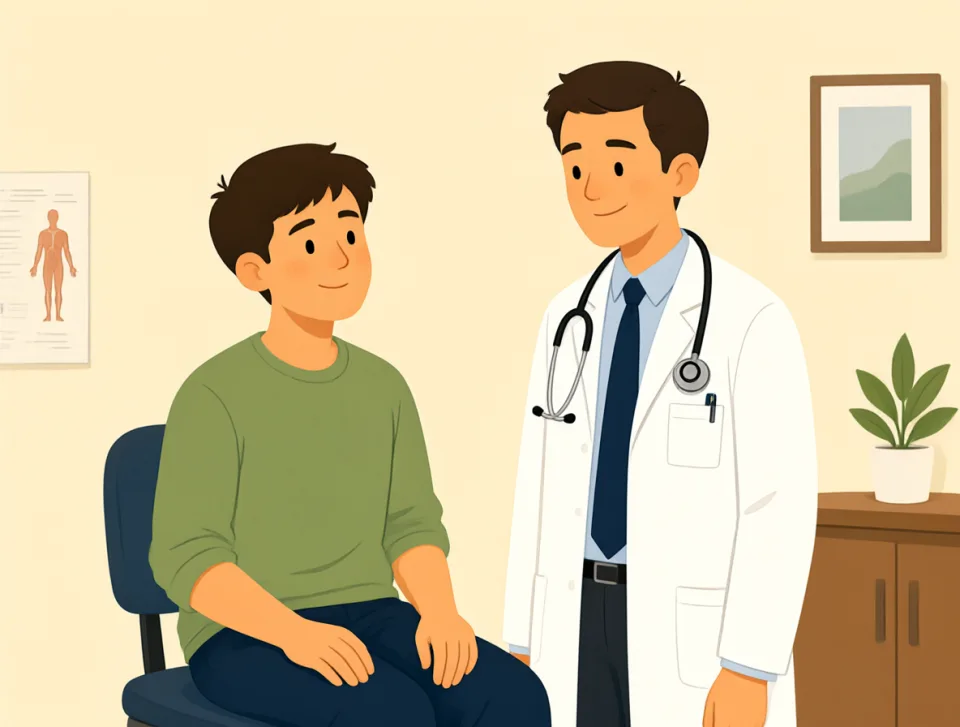
The doctor said my heart was fine.
의사 선생님이 제 심장은 괜찮다고 했어요.

The restaurant charged a fine for late cancellation.
그 식당은 늦게 취소했다며 벌금을 부과했어요.
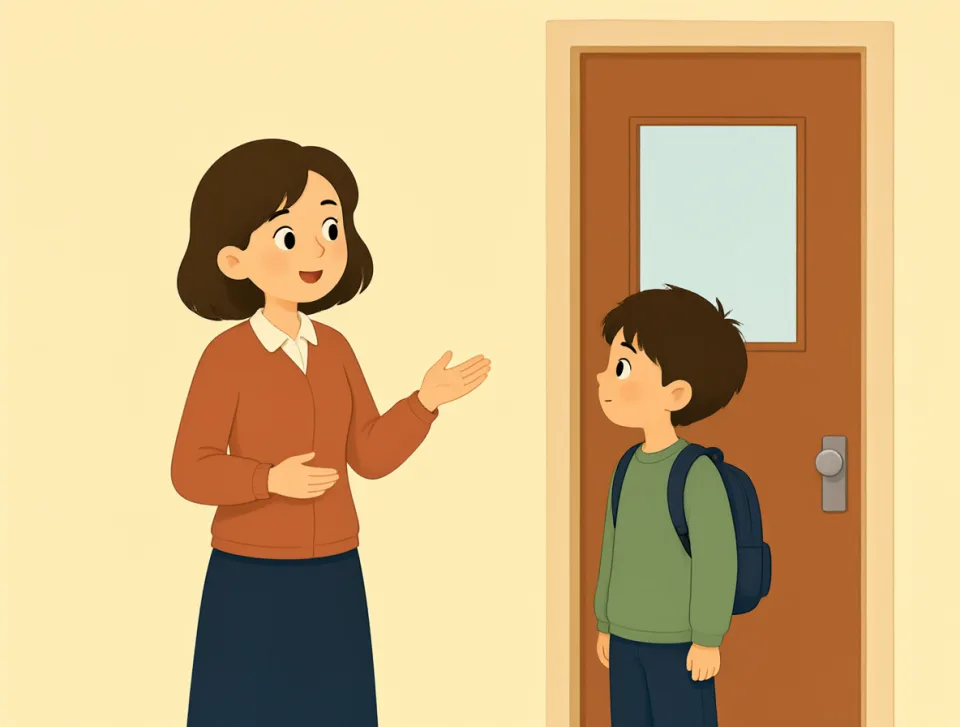
The teacher fined him for being late.
선생님은 그가 지각해서 벌금을 부과했어요.
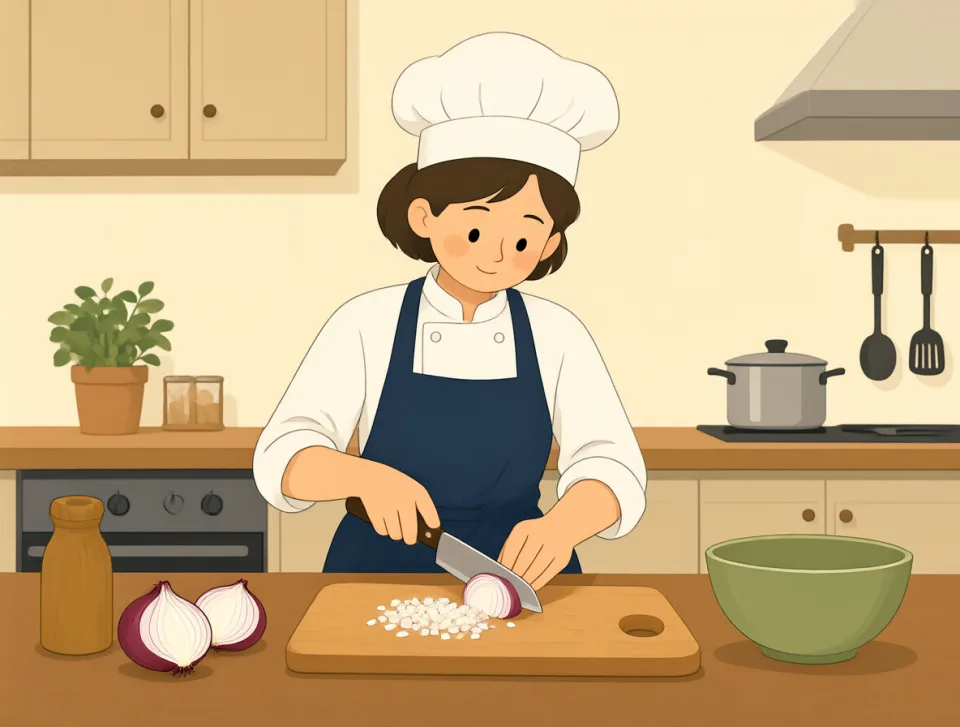
Please cut the onions into fine pieces.
양파를 잘게 썰어 주세요.

street
#598noun
거리; 길
a public road in a town or city, with buildings and traffic beside it
건물과 차량이 주변에 있는 도시나 마을의 공공 도로
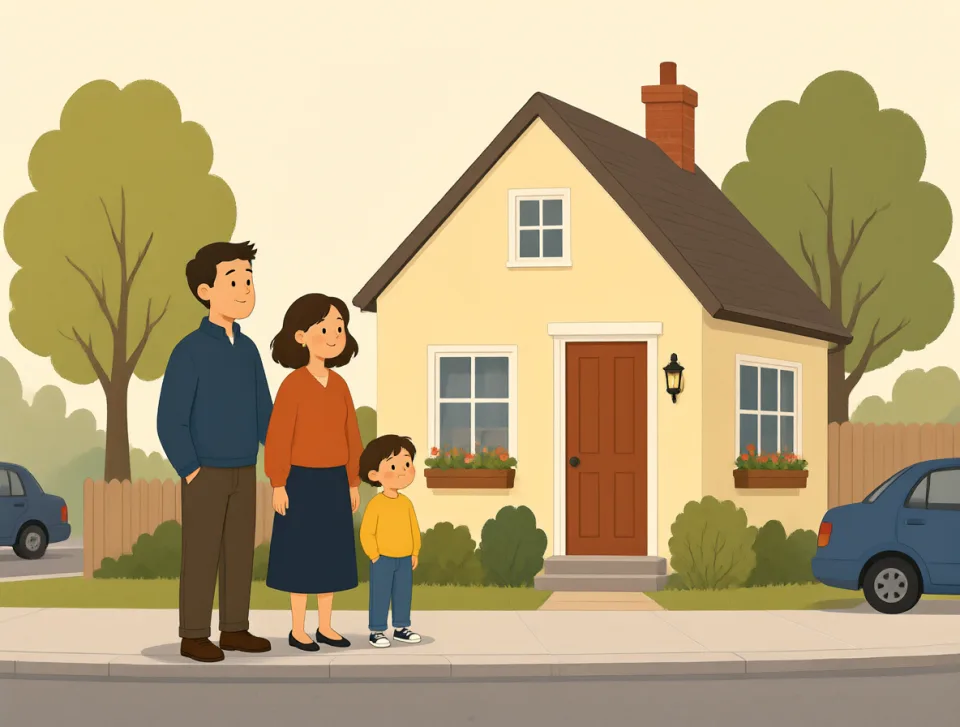
We live on a quiet street.
우리는 조용한 거리에 살아요.
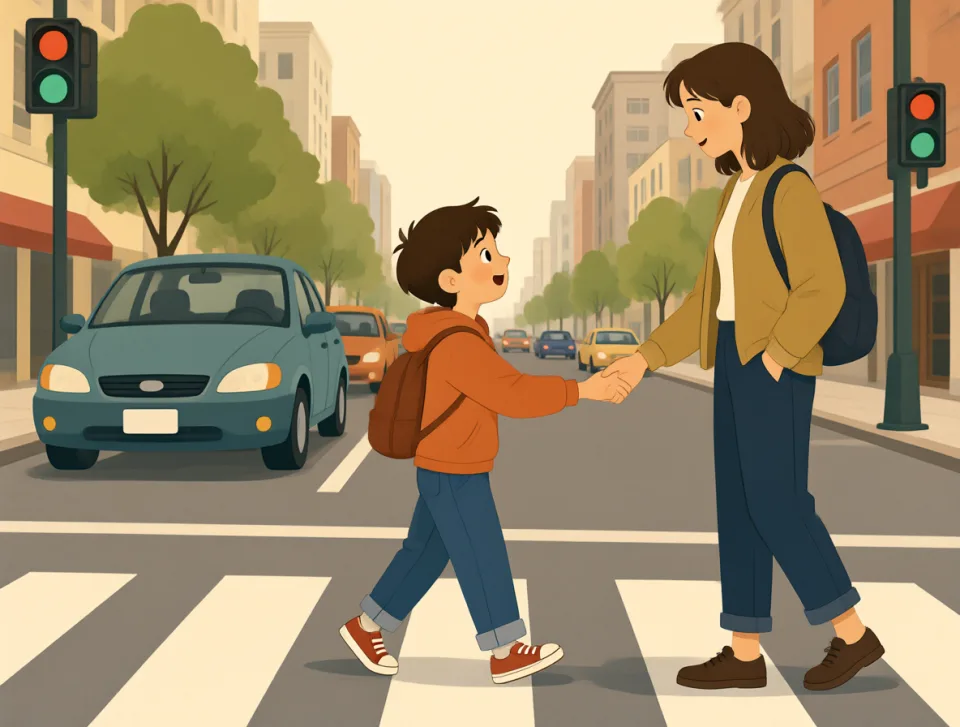
Please cross the street carefully.
길을 조심해서 건너세요.
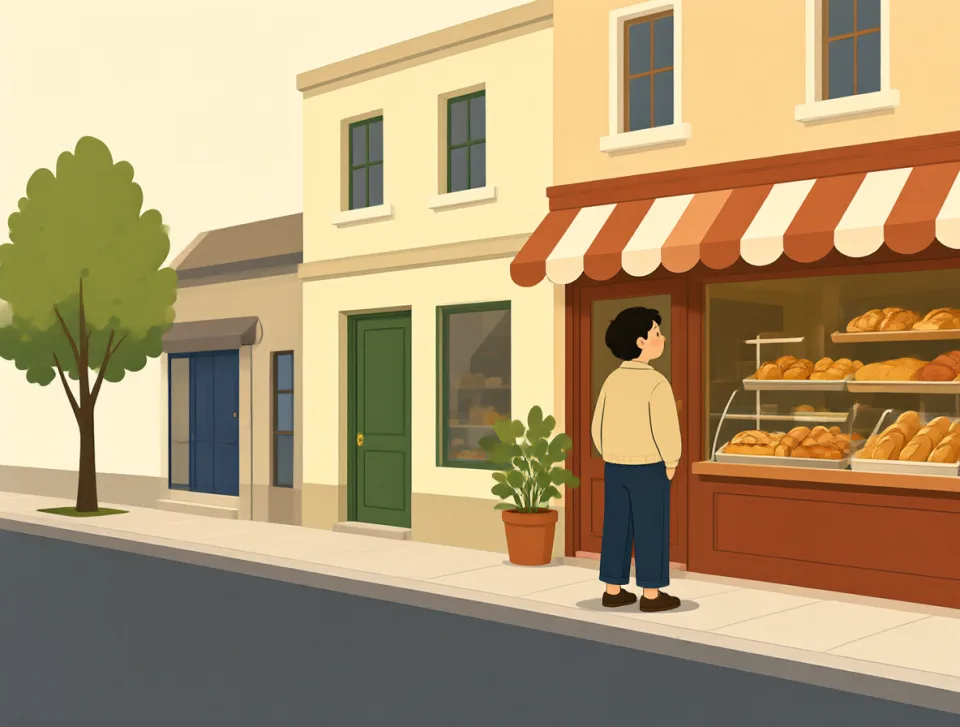
There is a bakery across the street.
길 건너편에 빵집이 있어요.
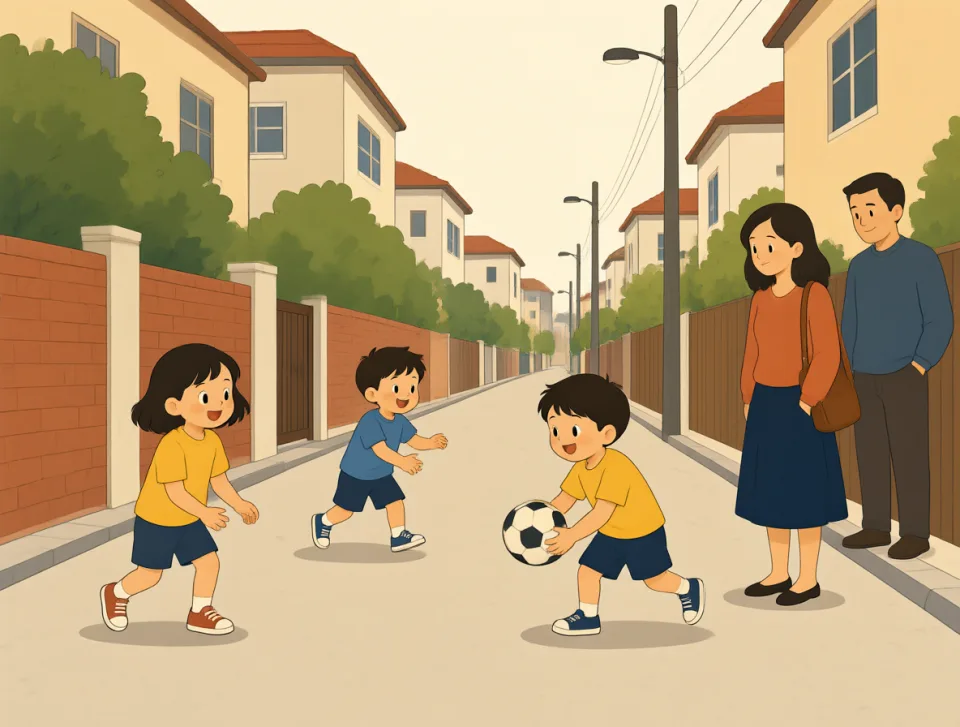
The children are playing in the street.
아이들이 거리에서 놀고 있어요.
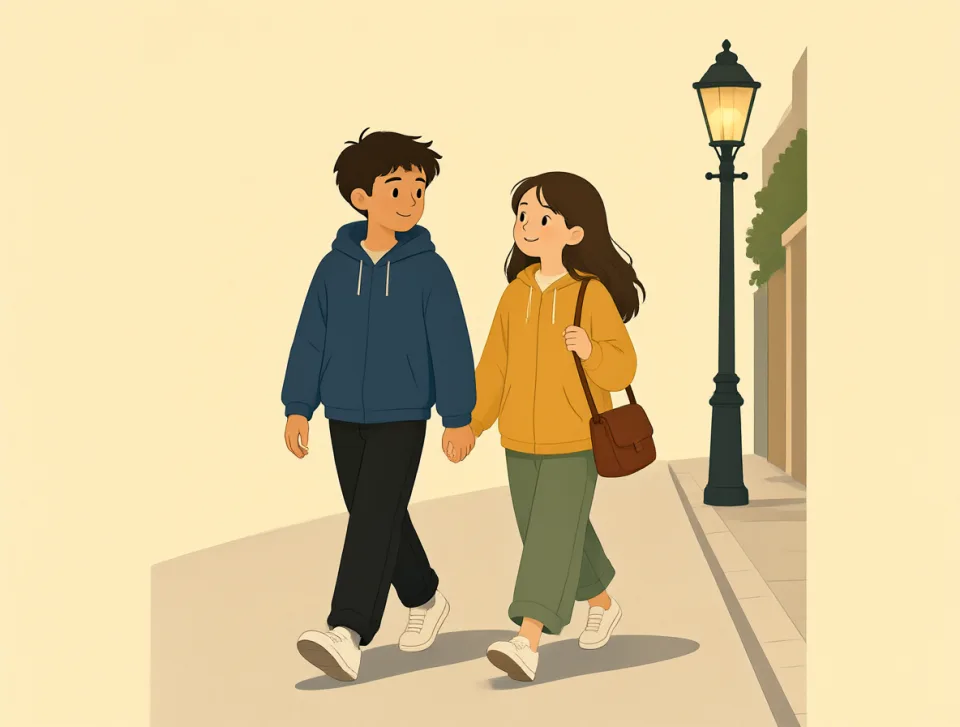
We walked down the street after dinner.
우리는 저녁 식사 후에 거리를 따라 걸었어요.
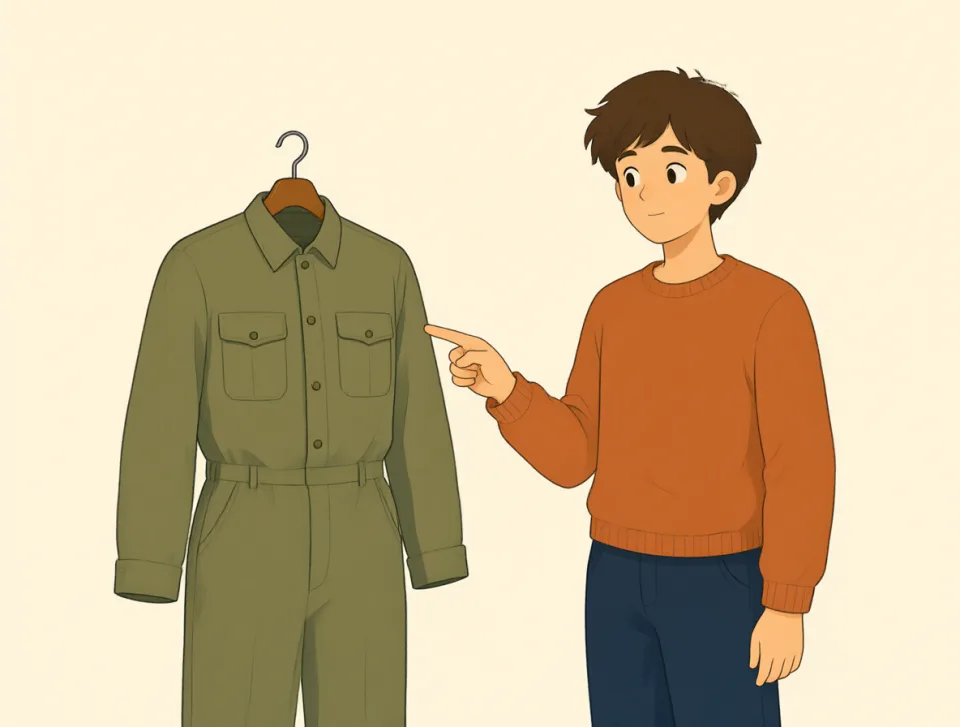
former
#599adjective, noun
이전의; 전직의; 전자
The first of two people or things mentioned; also, a person who had a job before.
언급된 두 사람이나 사물 중 첫 번째인 사람이나 사물, 또는 이전에 어떤 직업을 가졌던 사람
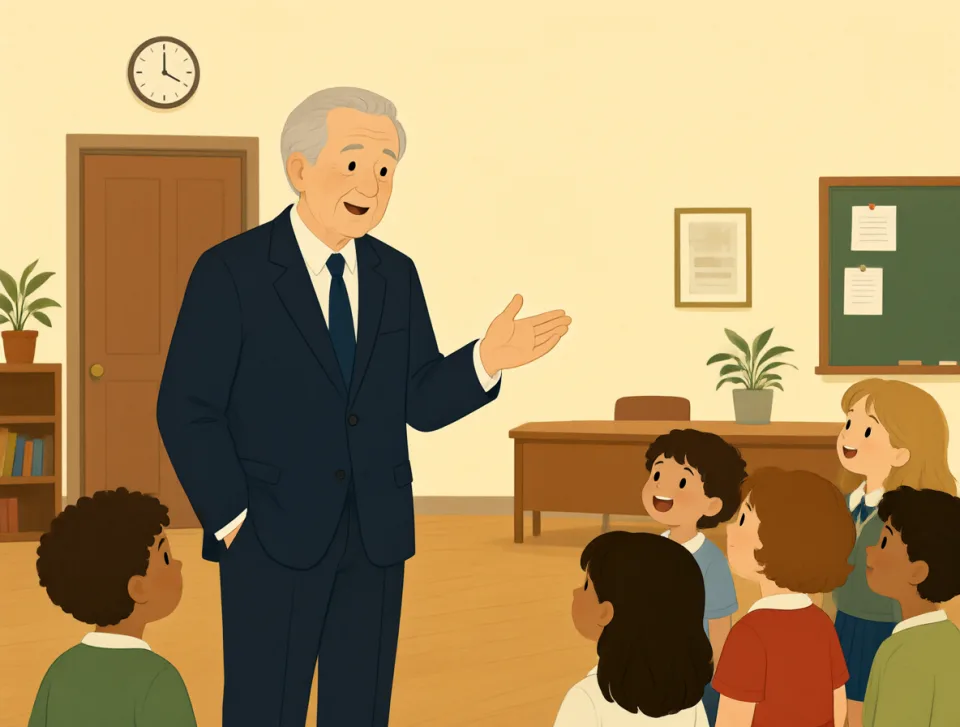
The former president visited our school.
전 대통령이 우리 학교를 방문했다.
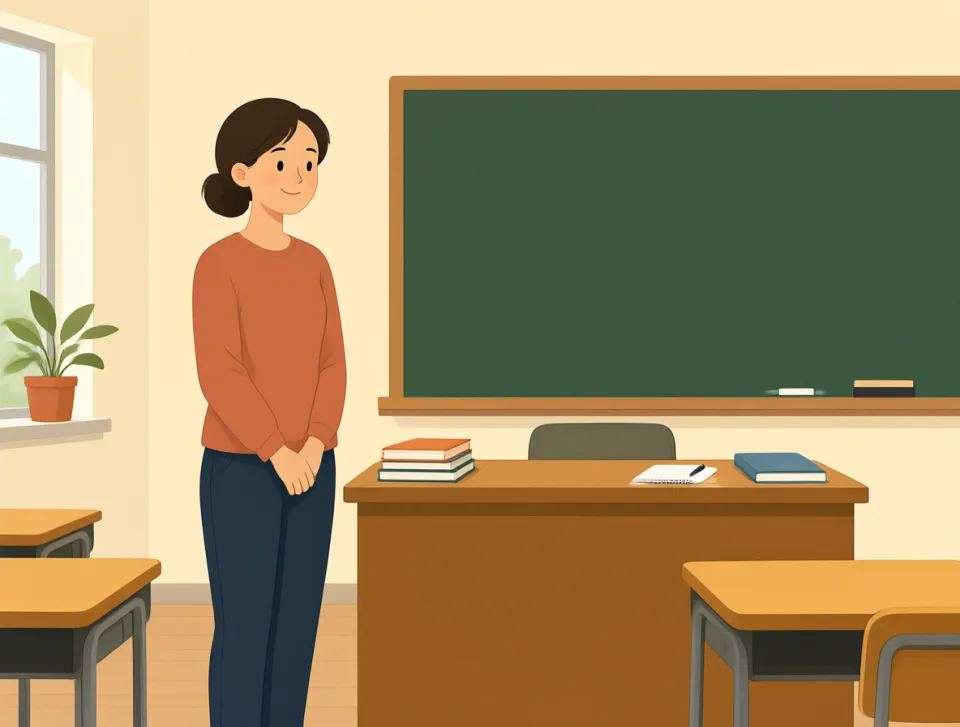
She is a former teacher at our school.
그녀는 우리 학교의 전직 교사이다.
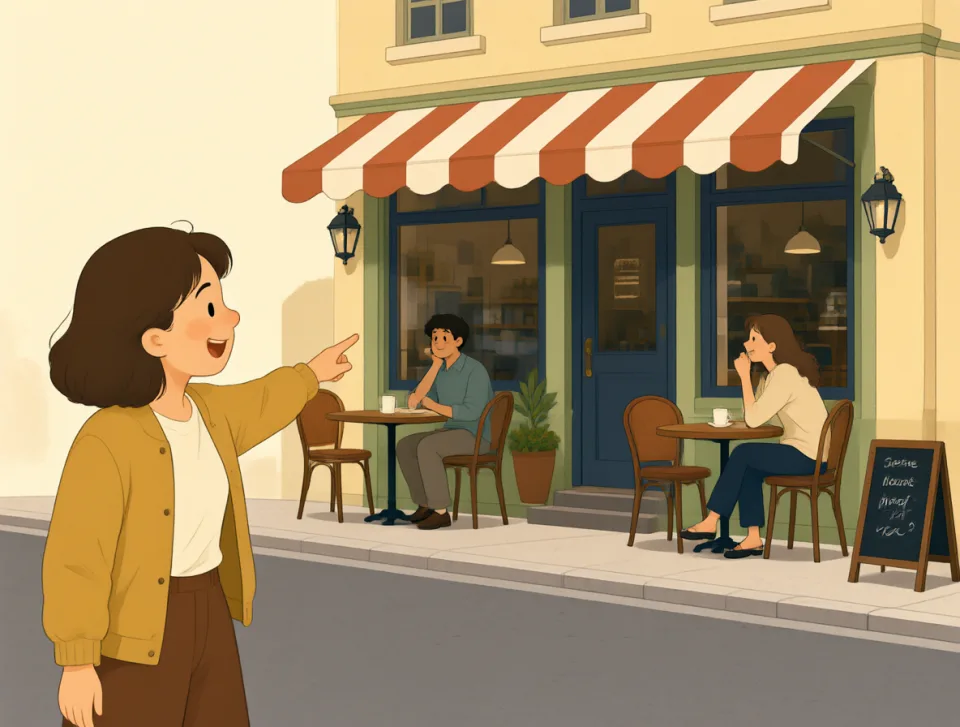
I prefer the former restaurant.
나는 앞서 말한 식당을 더 좋아한다.

His former wife lives nearby.
그의 전처는 근처에 산다.

The former manager helped me find work.
전직 관리자가 내가 일자리를 찾는 것을 도와주었다.
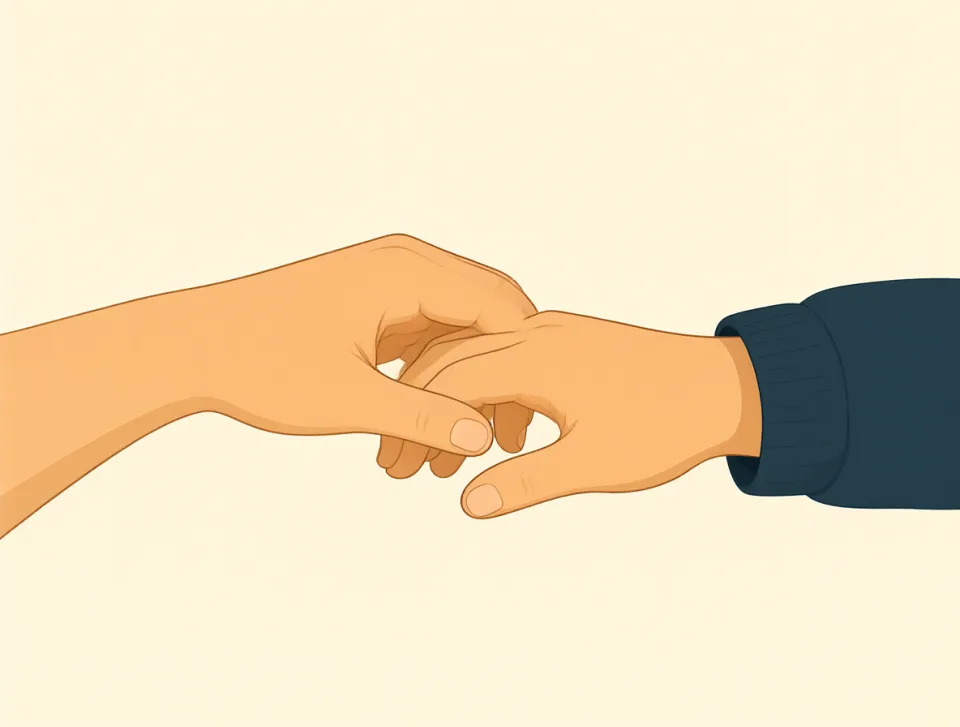
contact
#600noun, verb
연락; 접촉
Communication with someone, or touching someone or something.
누군가와 소통하거나 사람 또는 사물에 닿는 것
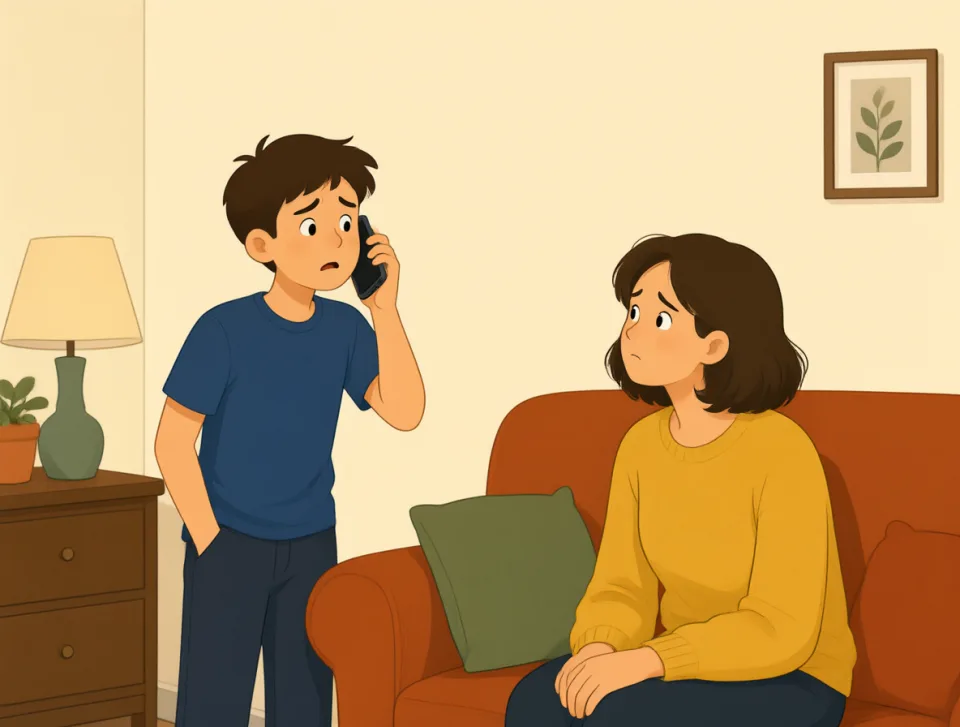
Please contact me if you need any help.
도움이 필요하면 저에게 연락해 주세요.
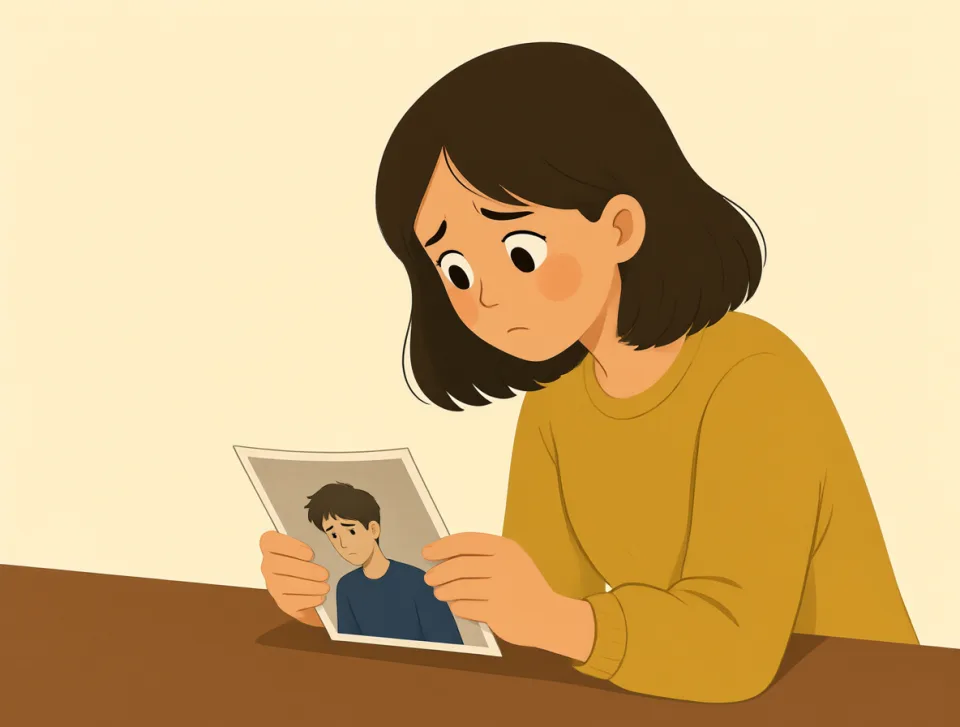
I lost contact with my best school friend.
학교 다닐 때 가장 친했던 친구와 연락이 끊겼어요.
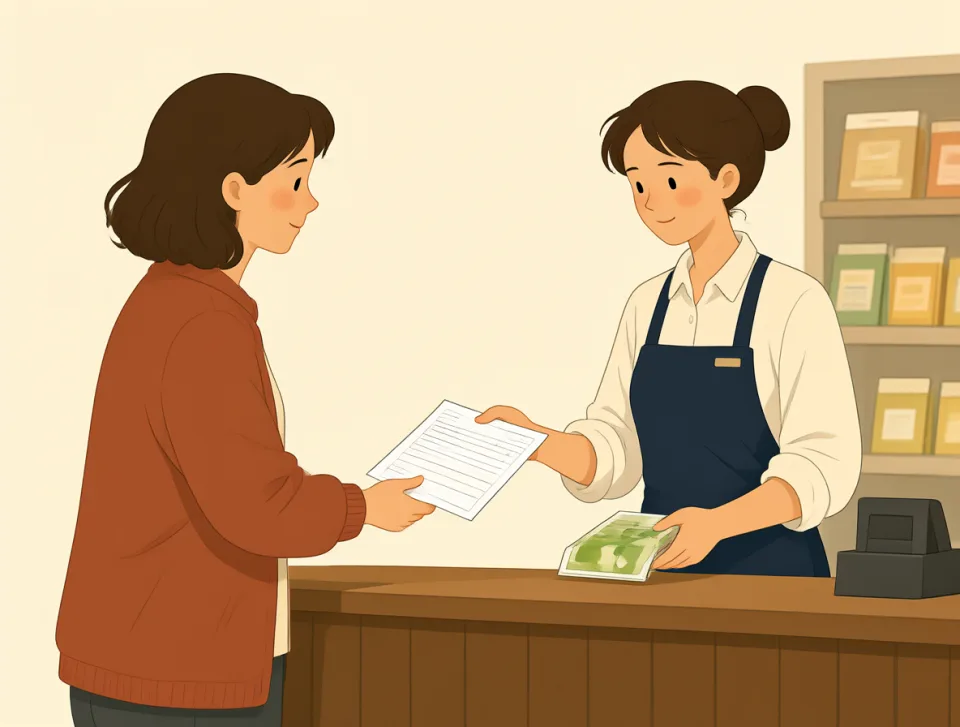
Her contact details are on the application form.
지원서에 연락처가 나와 있어요.
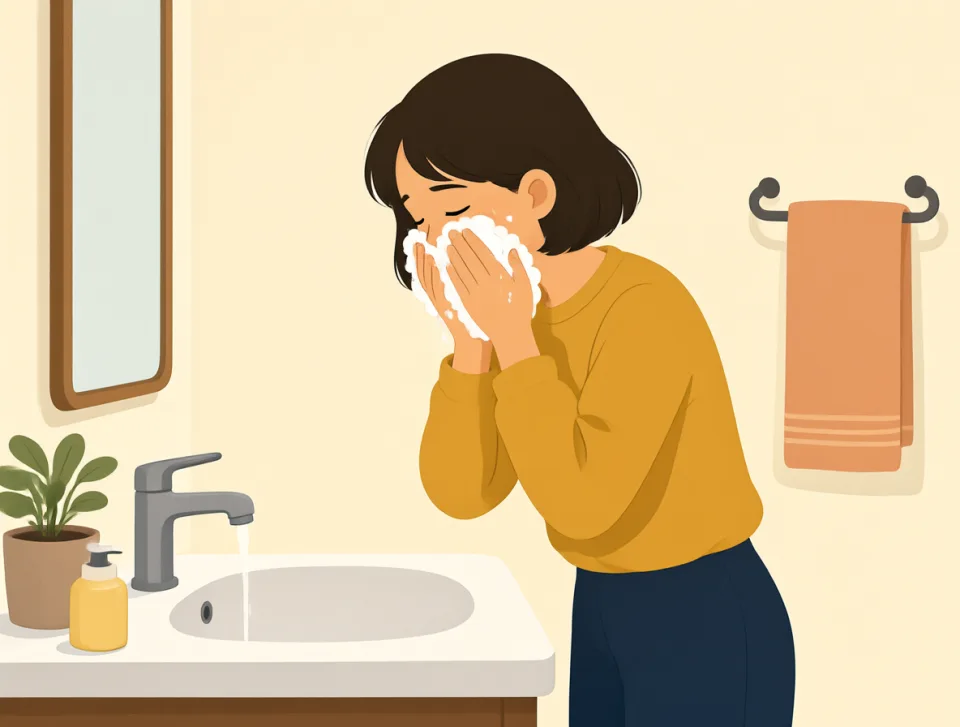
Avoid contact with your eyes when using soap.
비누를 사용할 때 눈에 닿지 않도록 하세요.
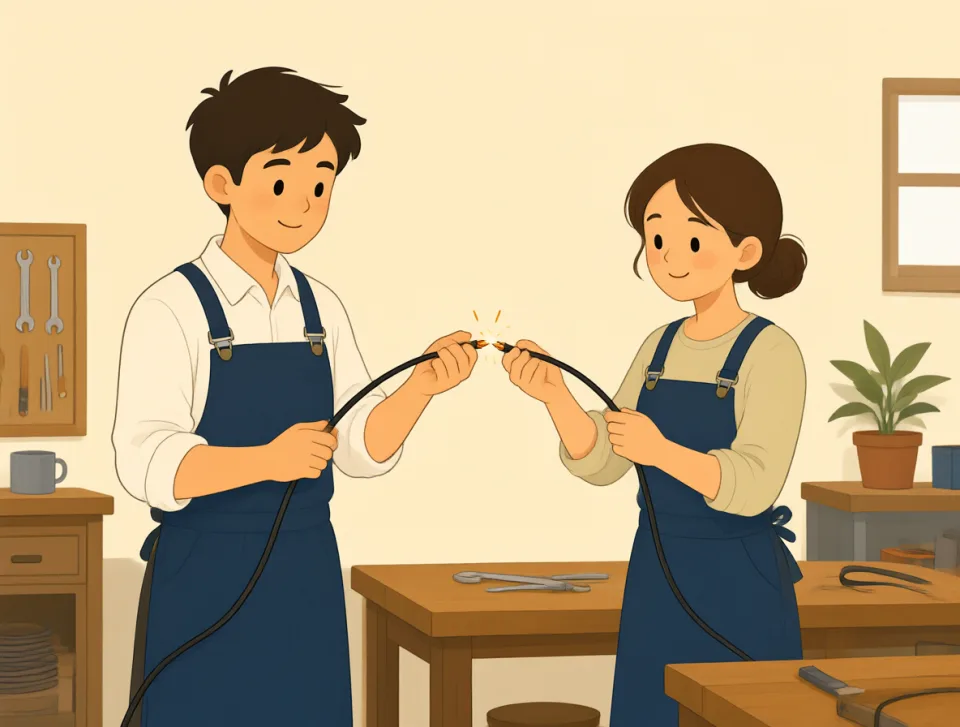
The two wires were in contact.
두 전선이 서로 맞닿아 있었어요.