الوحدة 27
الكلمات من 521 إلى 540 · road, accord, list, wish, therefore, wear
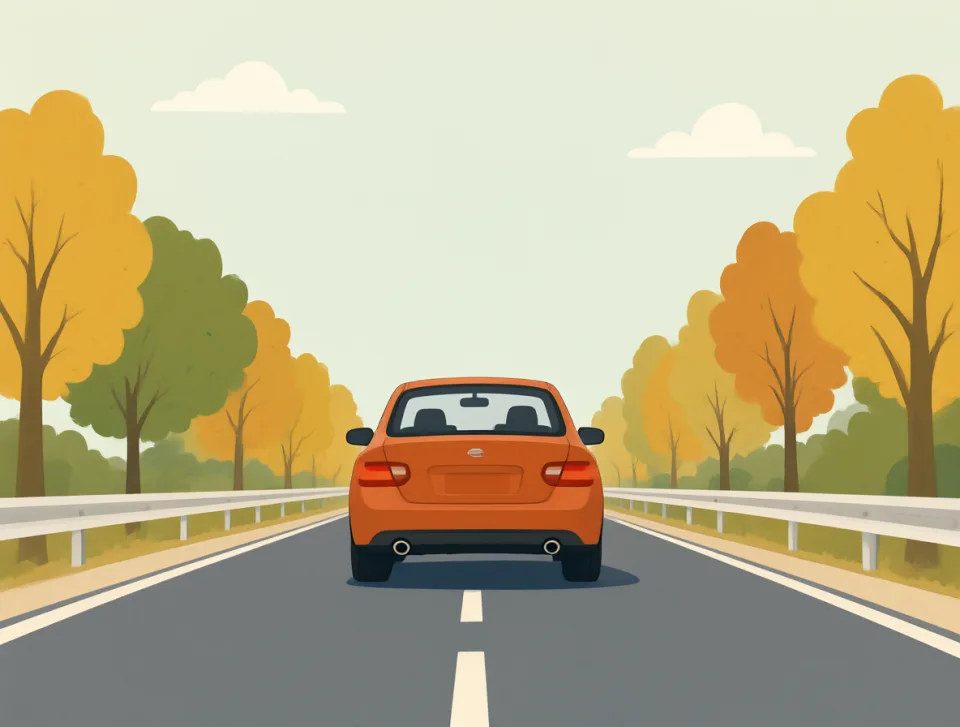
road
#521noun
طريق
a way for cars, buses, and people to travel between places
مسار تسلكه السيارات والحافلات والأشخاص للتنقل بين الأماكن
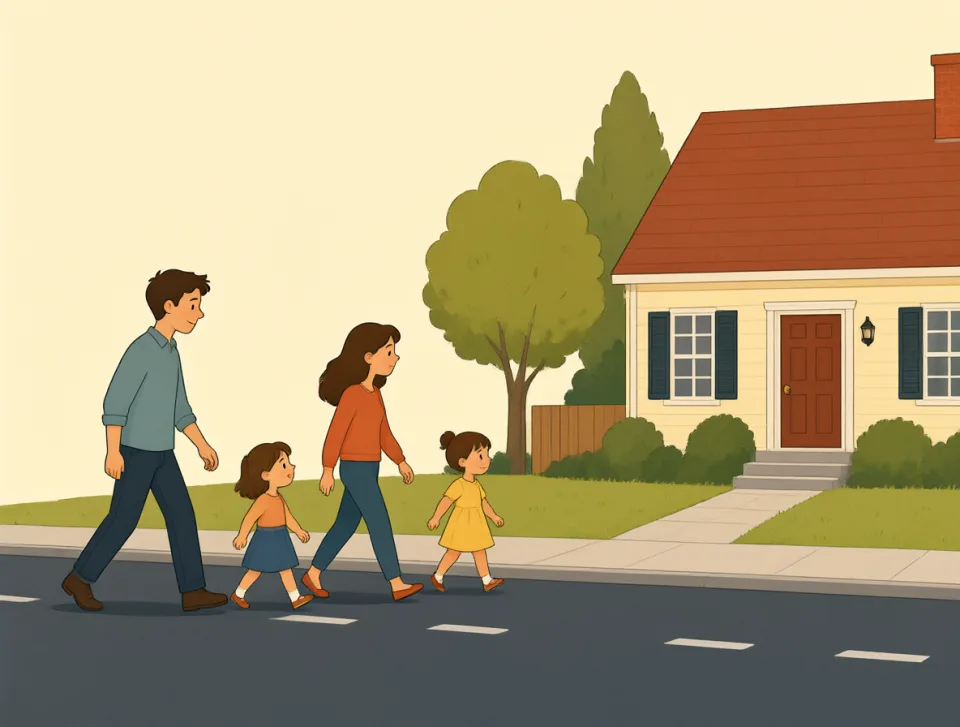
We crossed the road near our house.
عبرنا الطريق بالقرب من منزلنا.
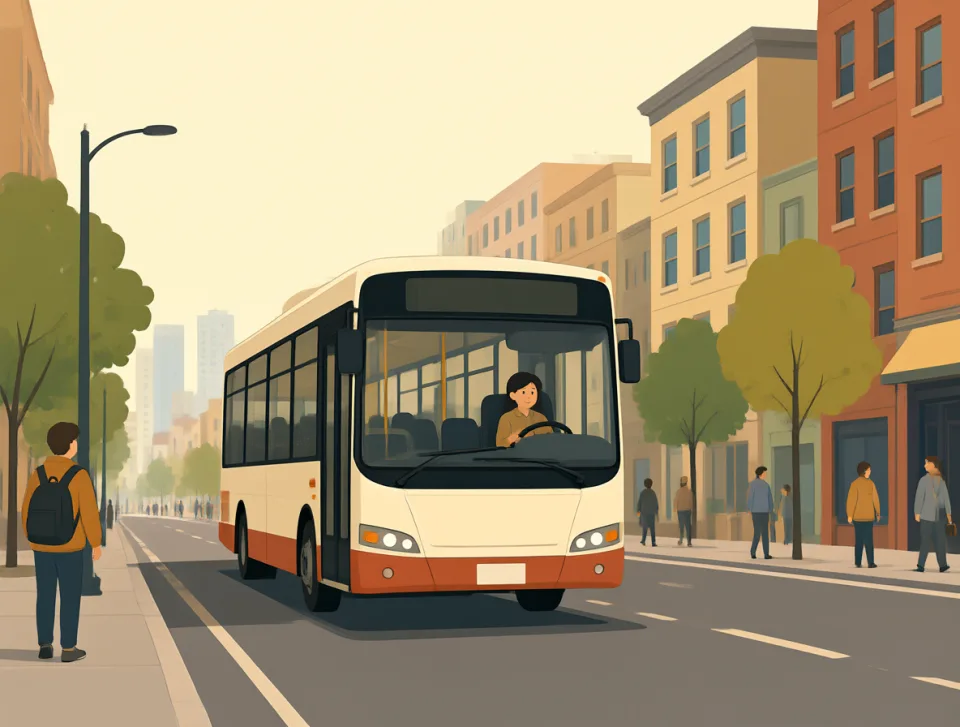
The bus travels along this busy road.
تسير الحافلة على هذا الطريق المزدحم.
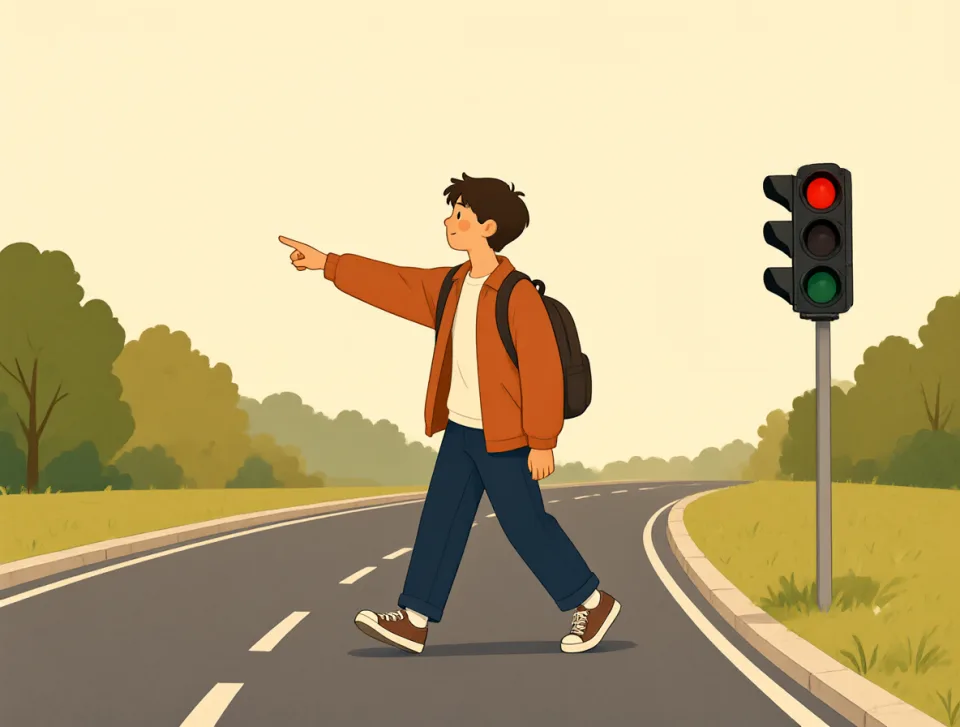
Turn left at the end of the road.
انعطف يسارًا عند نهاية الطريق.
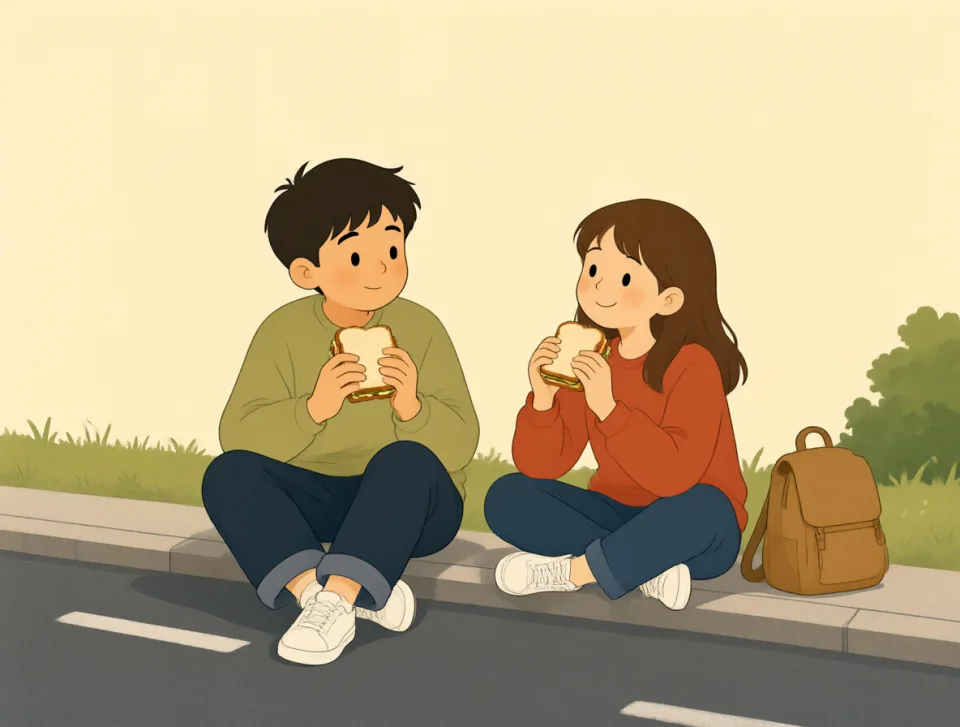
They stopped by the roadside for lunch.
توقفوا على جانب الطريق لتناول الغداء.
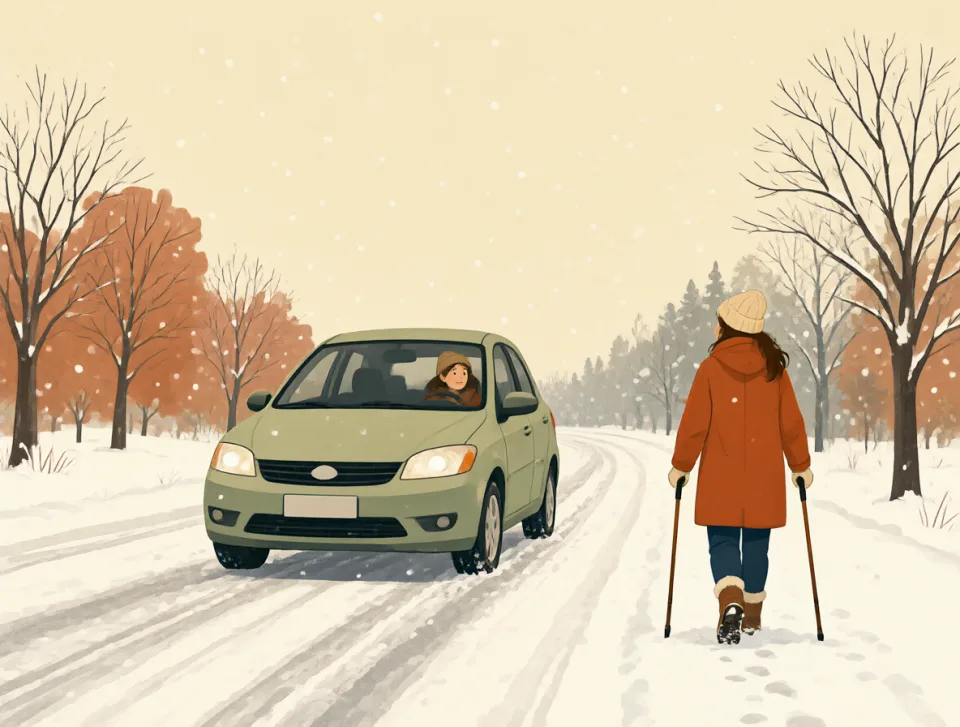
The road was covered with snow yesterday.
كان الطريق مغطى بالثلوج أمس.

accord
#522noun, verb
اتفاق
An agreement, or to give someone what they need or want.
اتفاق، أو أن تمنح شخصًا ما يحتاج إليه أو يريده.
The two teams reached an accord yesterday.
توصل الفريقان إلى اتفاق أمس.
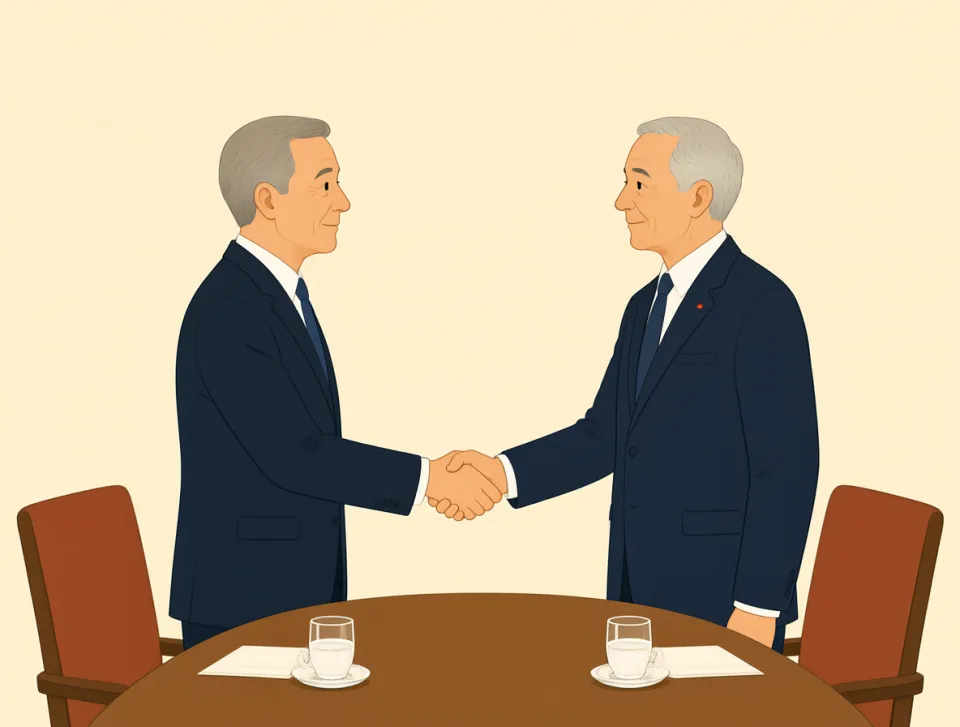
The countries signed a peace accord.
وقّعت الدولتان اتفاقية سلام.
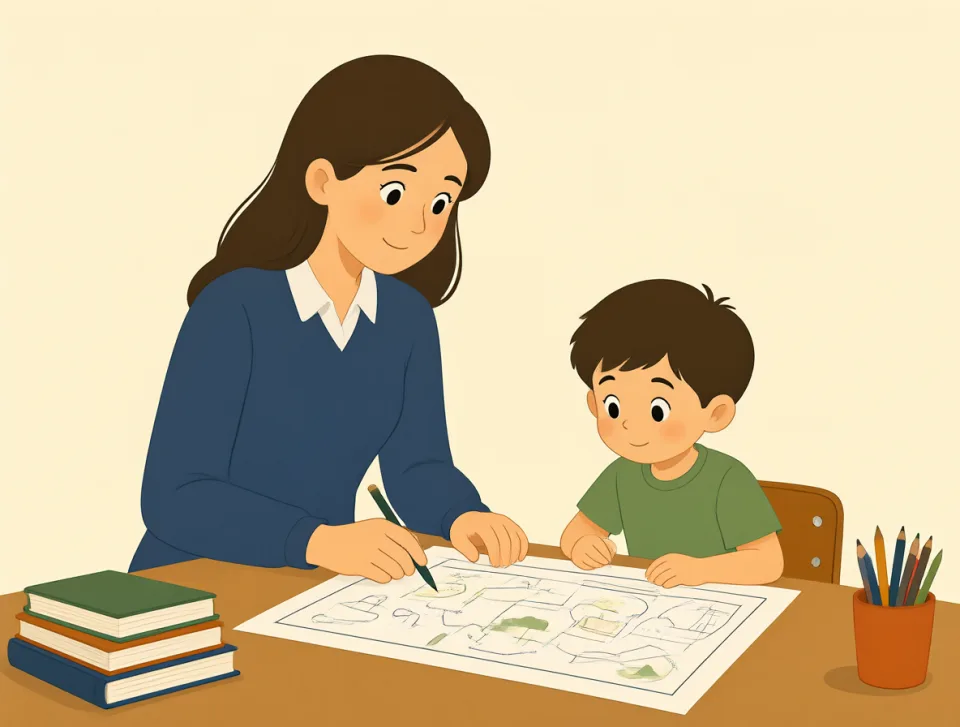
The plan accords with our school rules.
تتوافق الخطة مع قواعد مدرستنا.

The award was accorded to the brave nurse.
مُنحت الجائزة للممرضة الشجاعة.
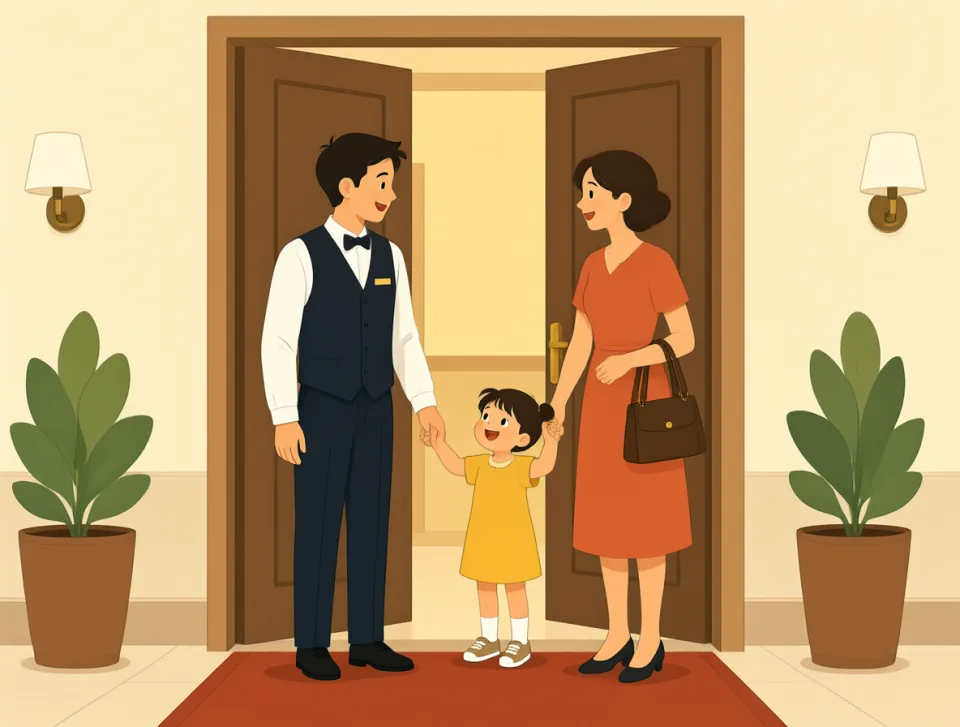
The hotel accorded us a warm welcome.
رحّب بنا الفندق ترحيبًا حارًا.
list
#523noun, verb
قائمة
a group of names or things, or to write them down
مجموعة من الأسماء أو الأشياء، أو تدوينها.
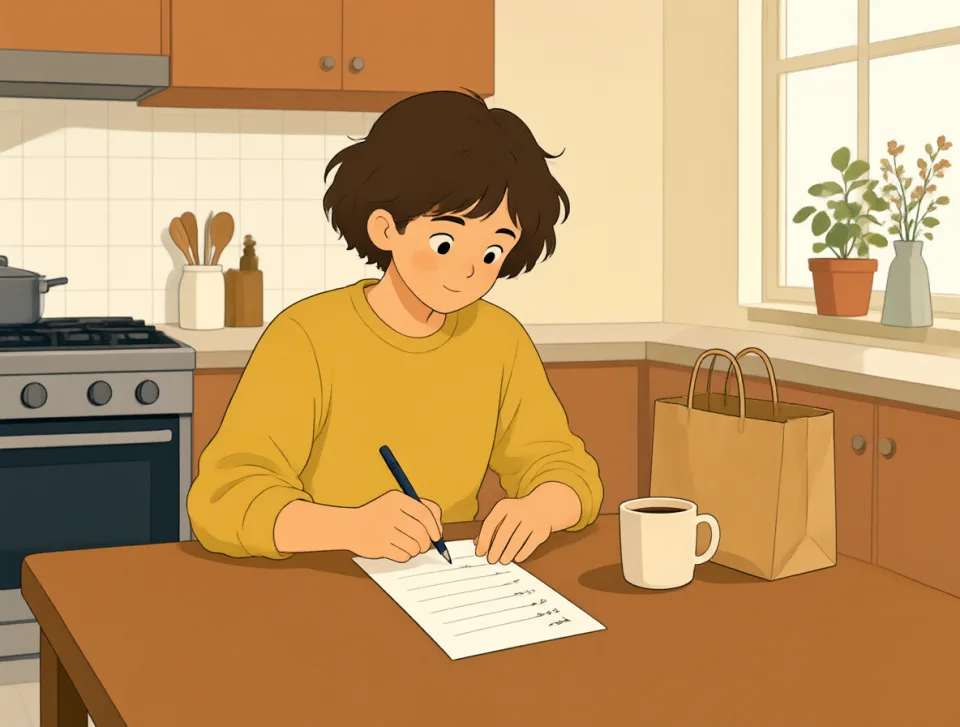
I made a shopping list before going to the store.
أعددت قائمة بالمشتريات قبل الذهاب إلى المتجر.
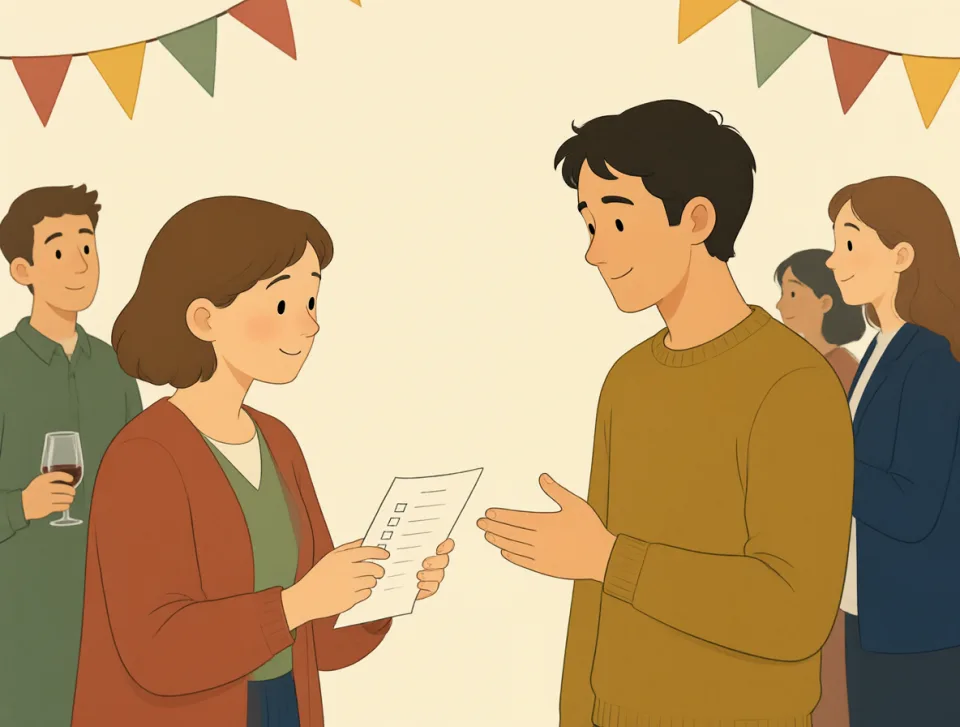
Her name is on the guest list.
اسمها مدرج في قائمة الضيوف.
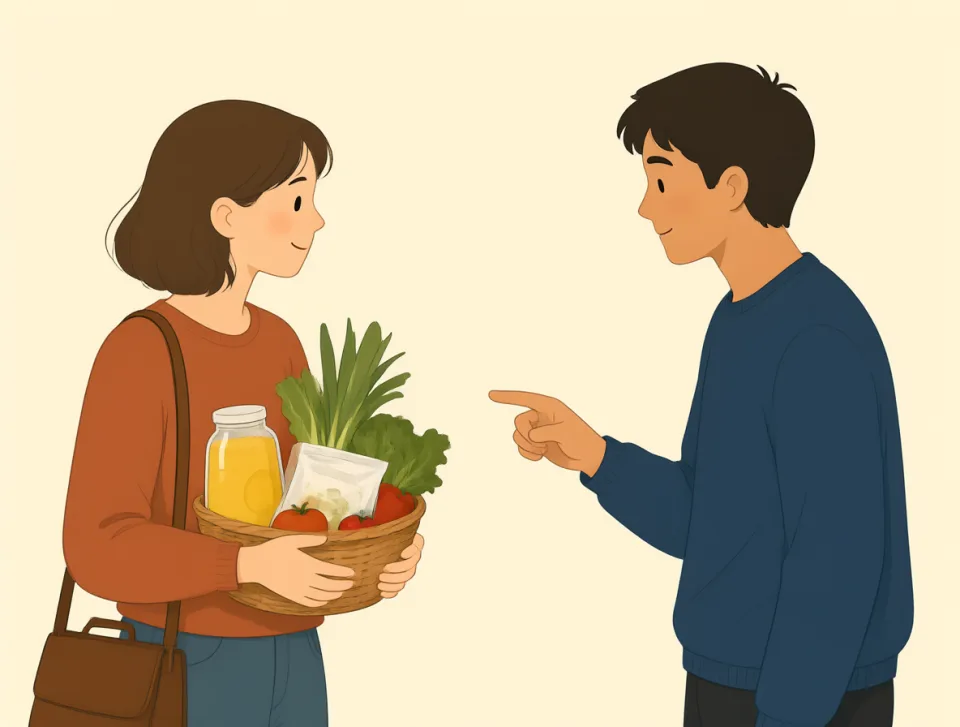
Please list the foods you bought.
من فضلك، اذكر الأطعمة التي اشتريتها.
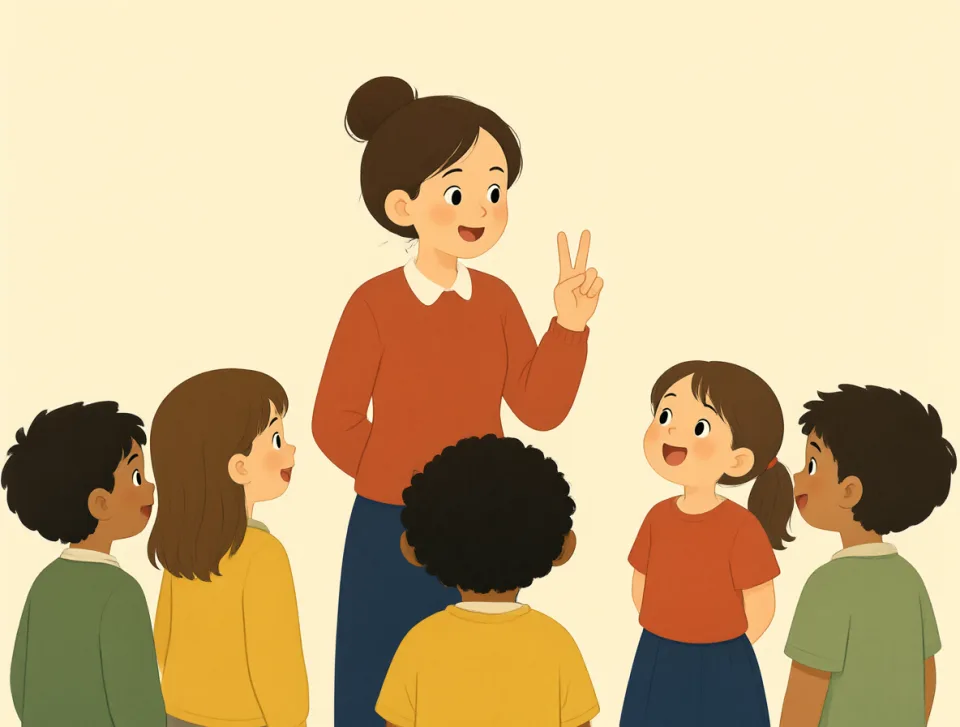
The teacher listed three rules for the class.
ذكر المعلم ثلاثة قواعد للصف.
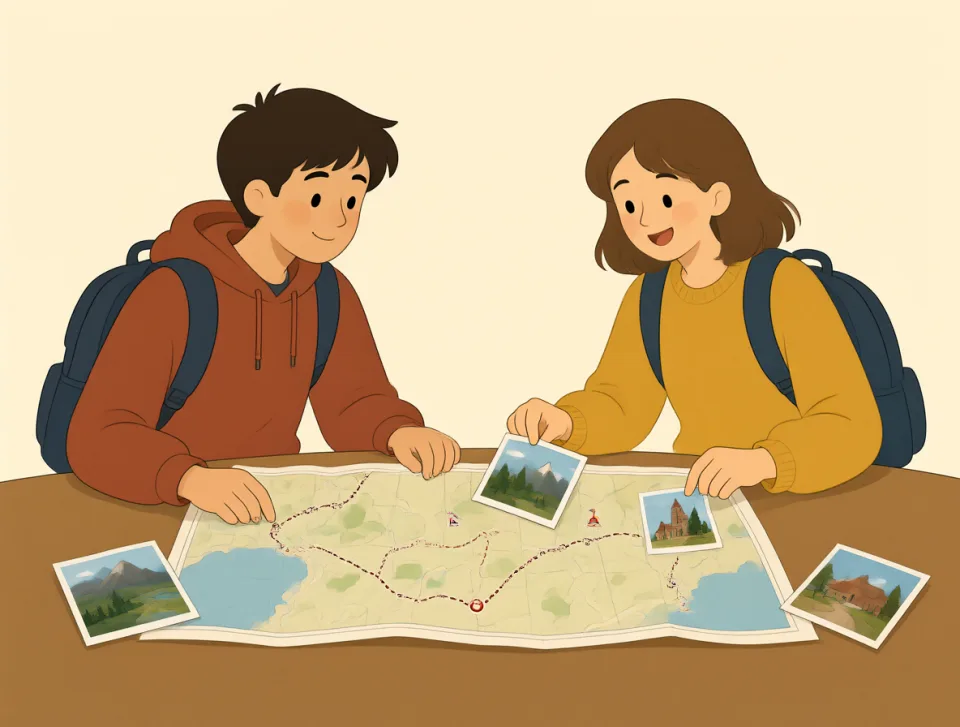
We made a list of places to visit.
أعددنا قائمة بالأماكن التي نود زيارتها.
wish
#524verb, noun
يتمنى
To want something to happen or have something, especially when it seems unlikely.
أن يرغب في حدوث شيء أو امتلاك شيء، ولا سيما حين يبدو ذلك مستبعدًا.
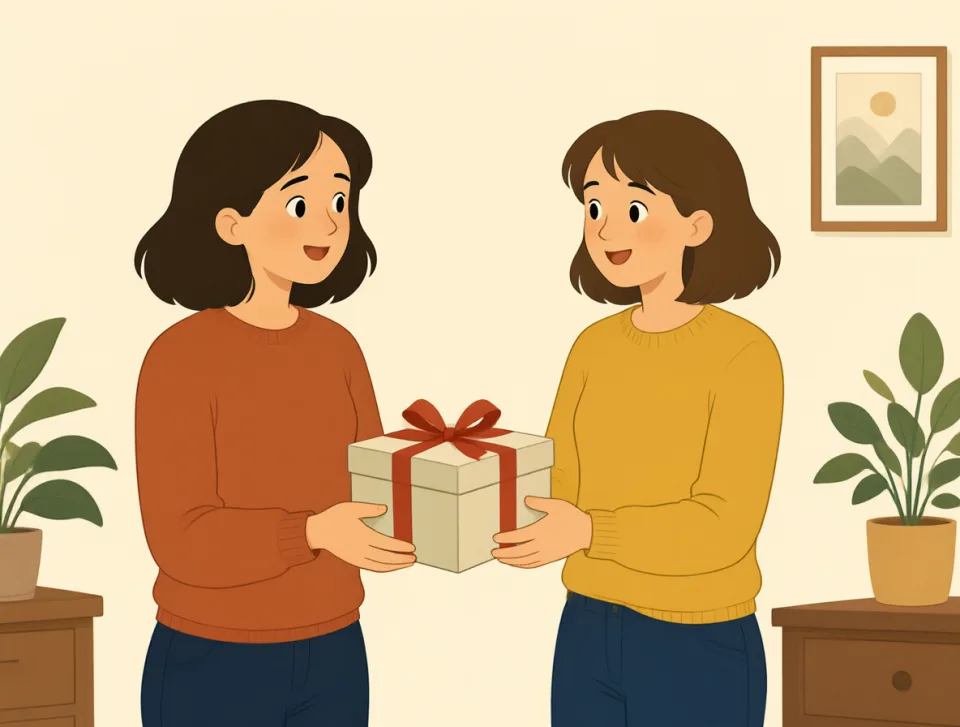
I wish you a happy birthday.
أتمنى لك عيد ميلاد سعيدًا.

I wish I had more free time.
ليت لدي وقت فراغ أكثر.
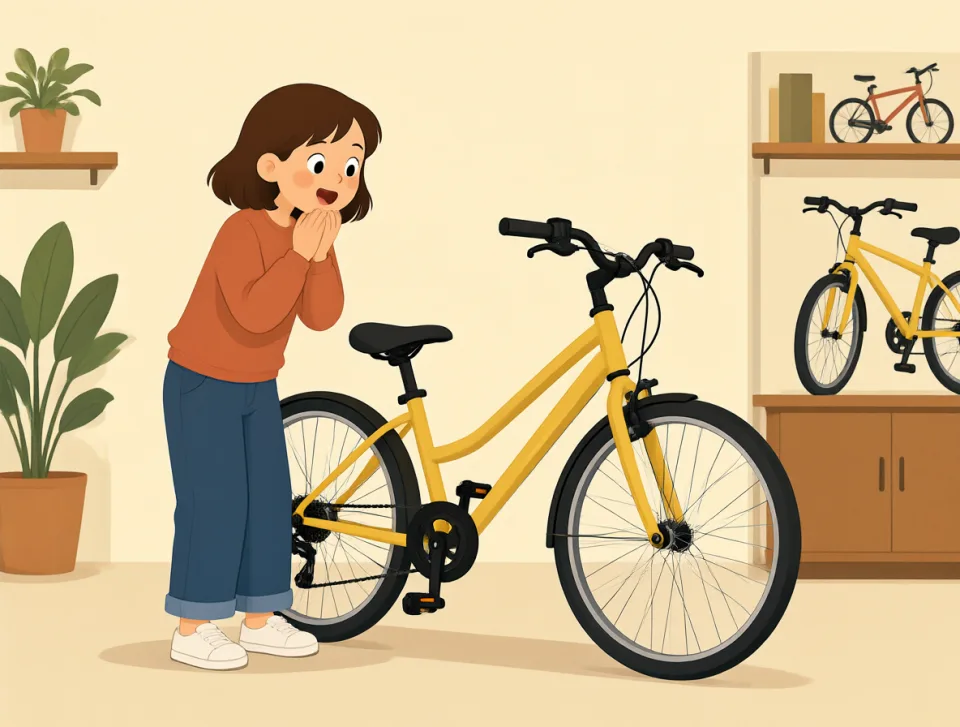
She wishes for a new bicycle.
تتمنى أن تحصل على دراجة جديدة.
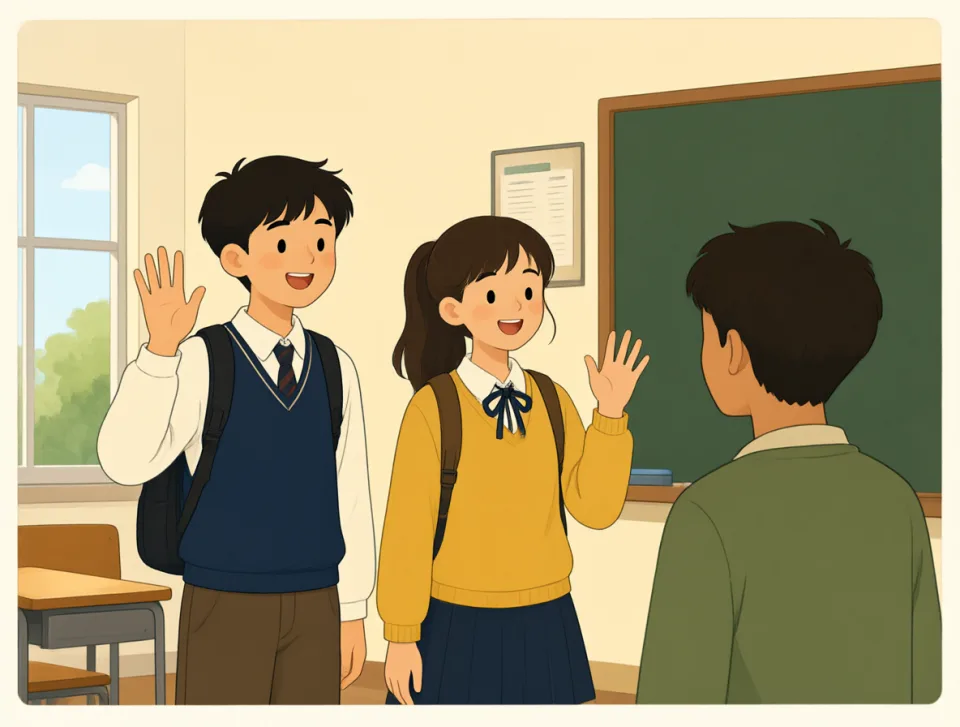
We wished them good luck before the test.
تمنينا لهم التوفيق قبل الاختبار.
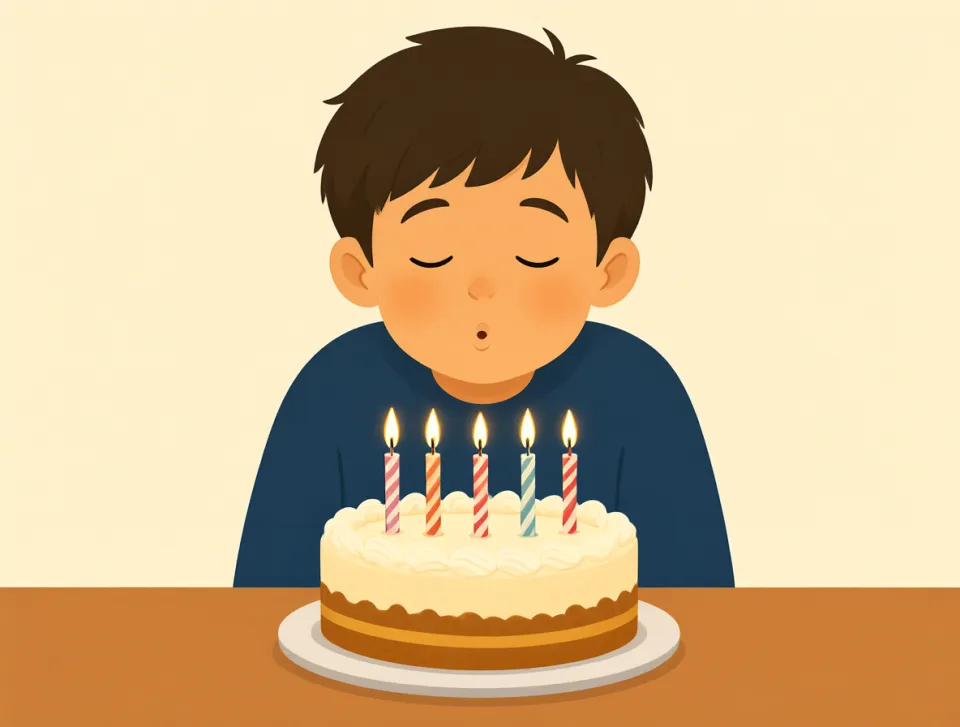
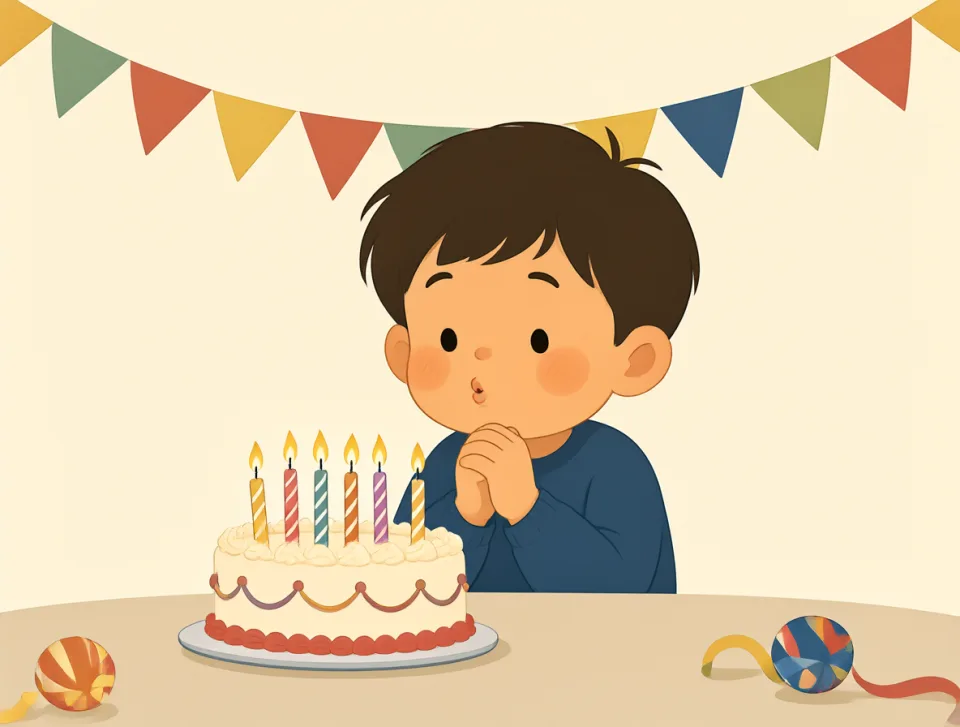
He made a wish before blowing out candles.
تمنى أمنية قبل أن يطفئ الشموع.
therefore
#525adverb
لذلك
For that reason; because of something just mentioned.
لهذا السبب؛ بسبب أمر ذُكر للتو.
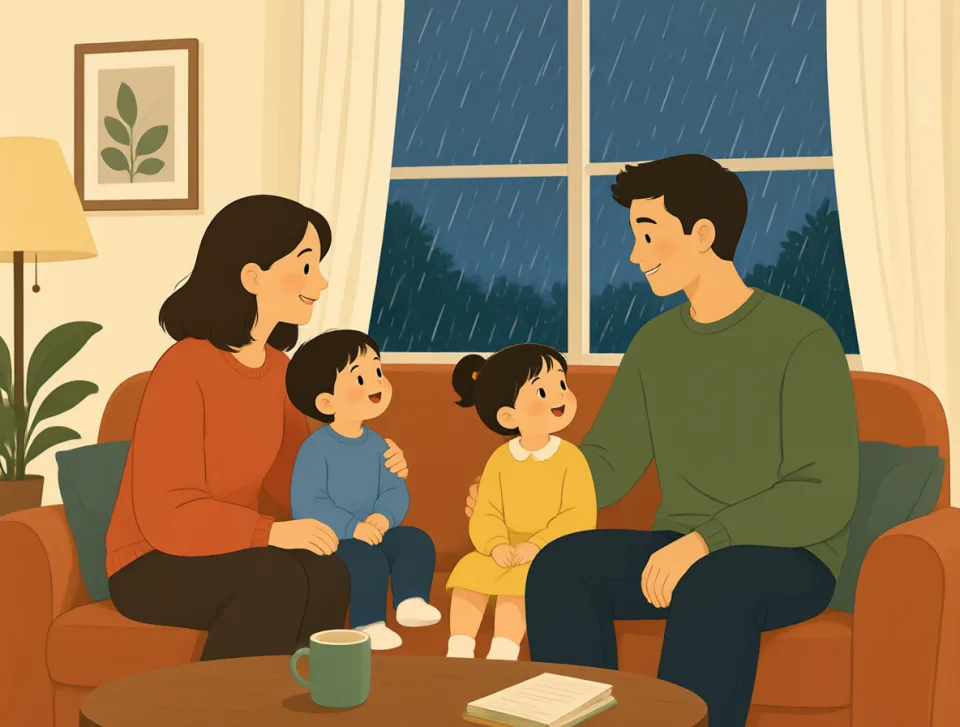
It was raining; therefore, we stayed home.
كانت السماء تمطر؛ لذلك بقينا في المنزل.
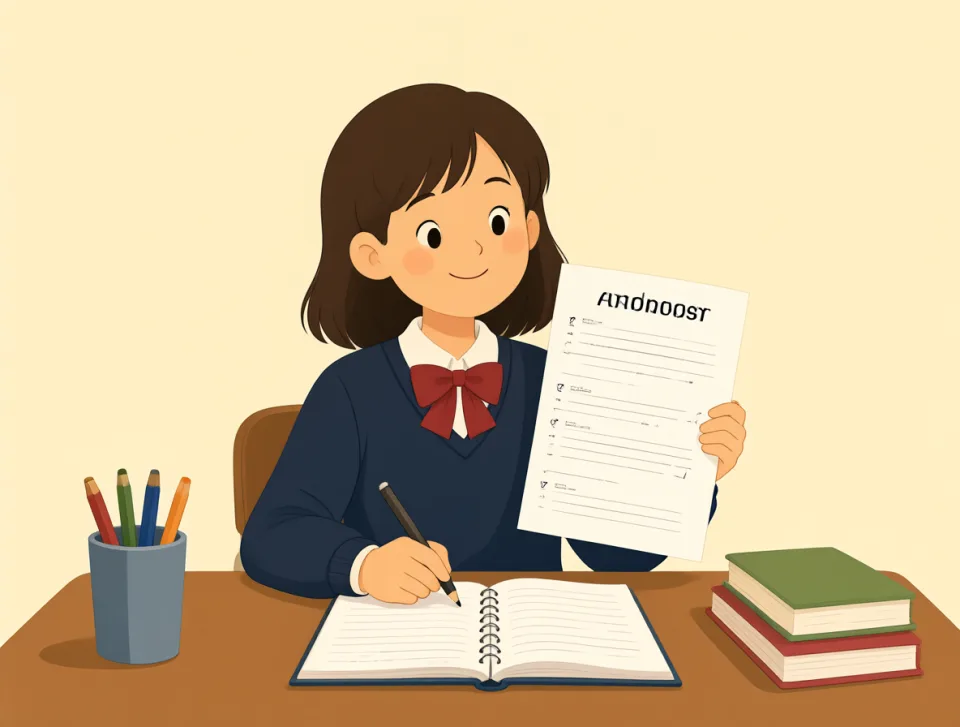
She studied hard and therefore passed the test.
درست بجد، ولذلك اجتازت الاختبار.
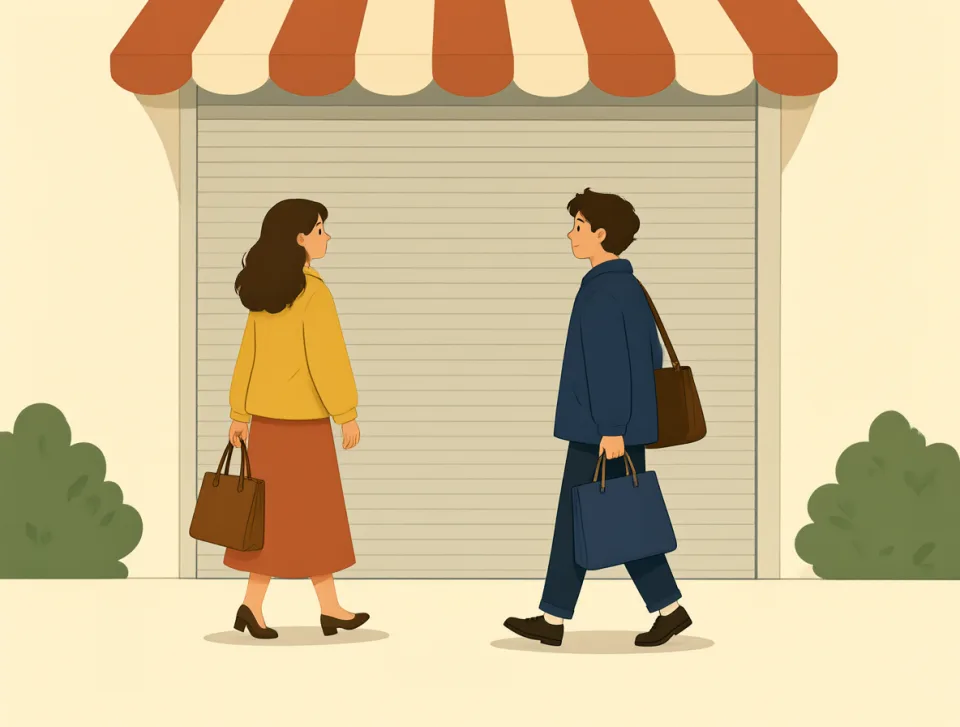
The store was closed; therefore, we went home.
كان المتجر مغلقًا؛ لذلك عدنا إلى المنزل.
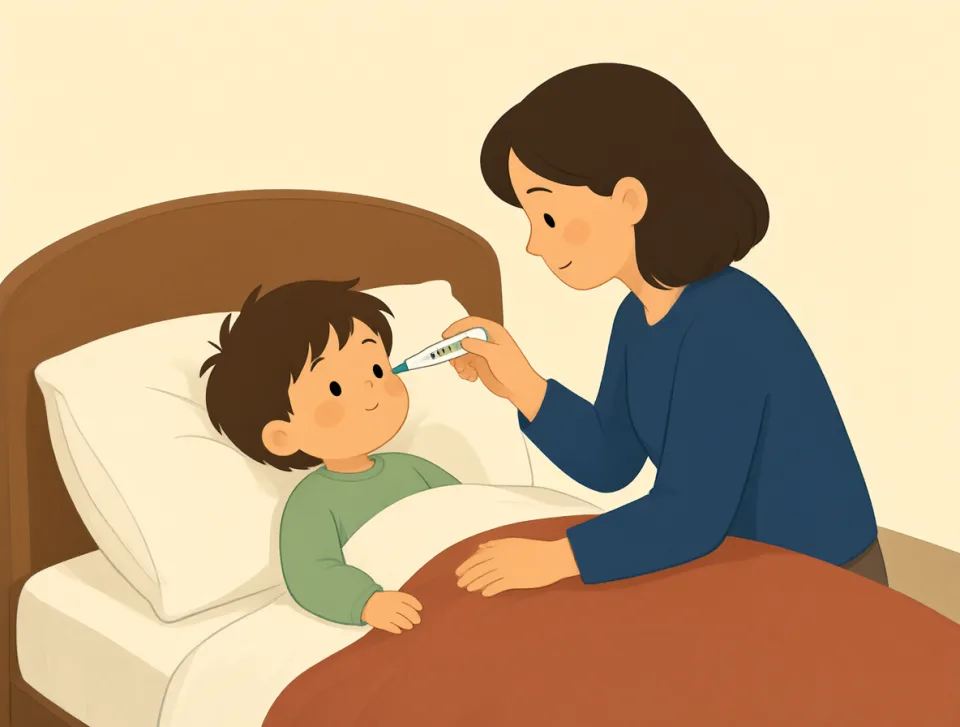
He felt sick and therefore missed school.
شعر بالمرض، ولذلك تغيّب عن المدرسة.
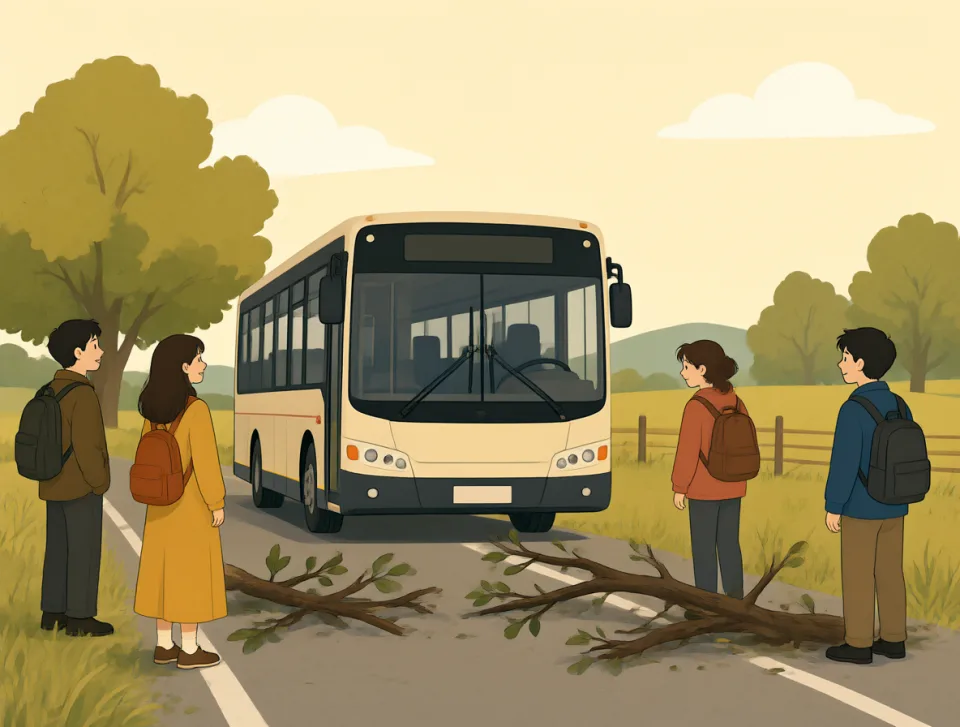
The road was blocked; therefore, the bus stopped.
كان الطريق مغلقًا؛ لذلك توقفت الحافلة.
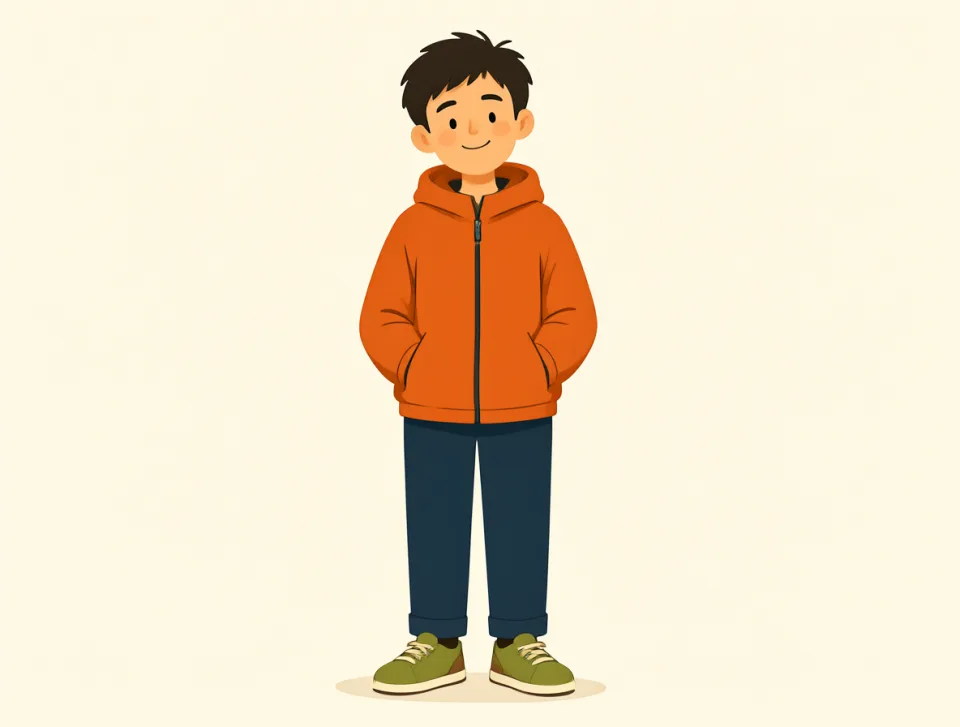
wear
#526verb, noun
يرتدي
to have clothes, shoes, or something on your body
أن تكون الملابس أو الأحذية أو غيرها على جسمك
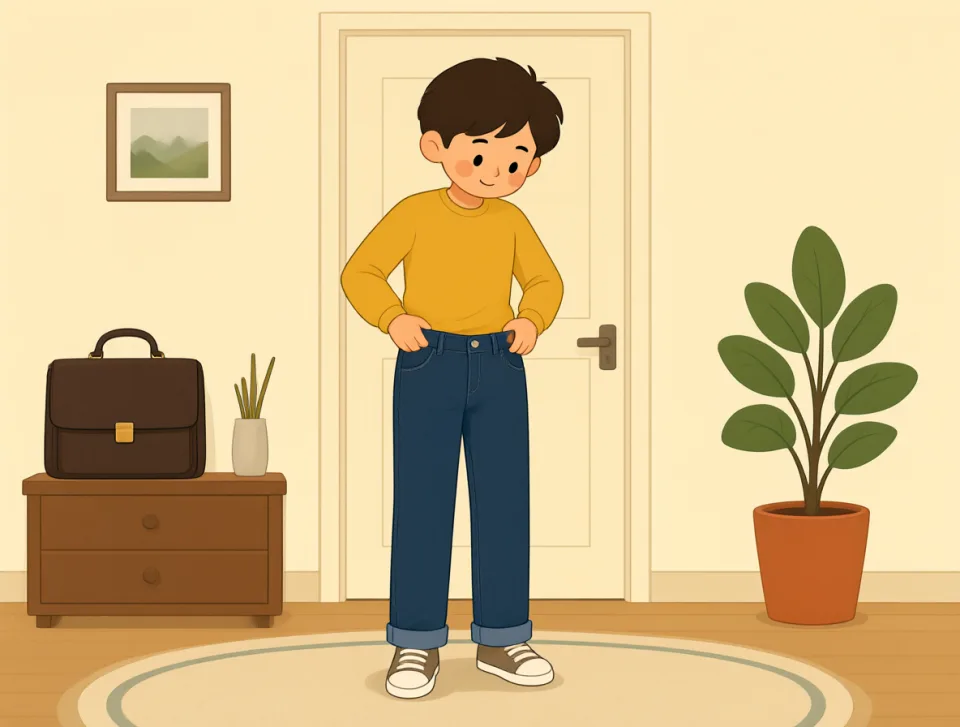
I wear jeans to work every day.
أرتدي الجينز للعمل كل يوم.
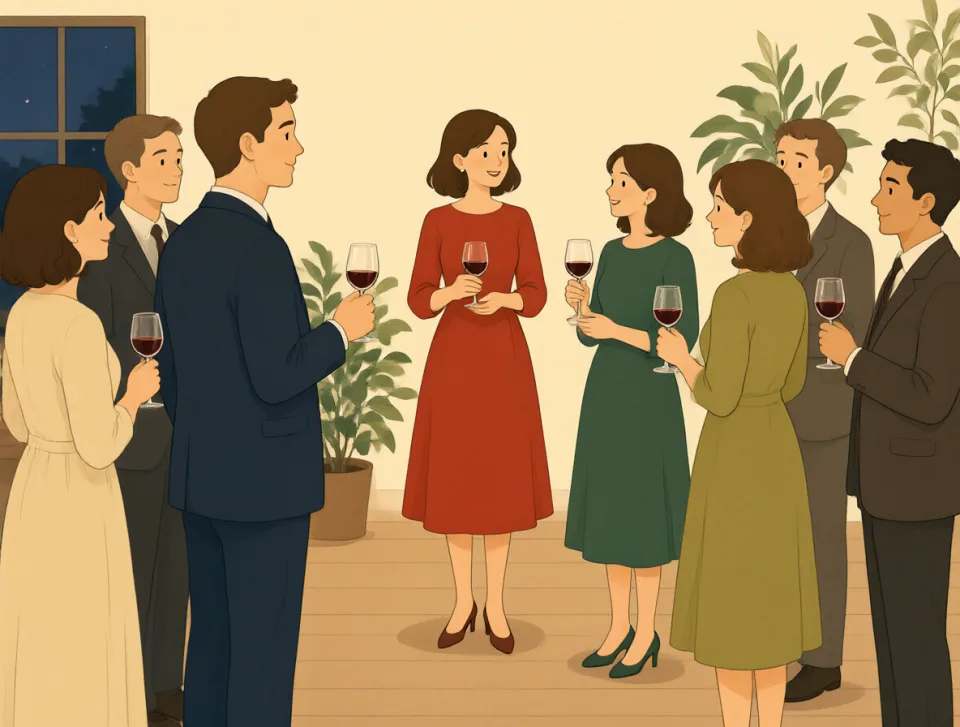
She is wearing a red dress tonight.
إنها ترتدي فستانًا أحمر الليلة.
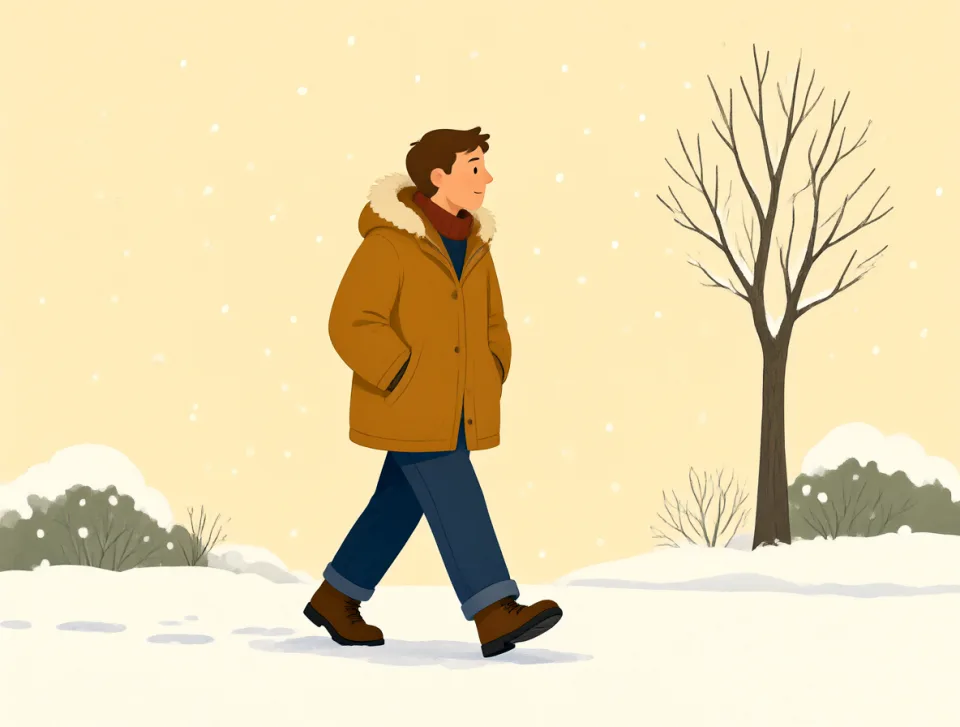
He wore a warm coat in winter.
ارتدى معطفًا دافئًا في الشتاء.
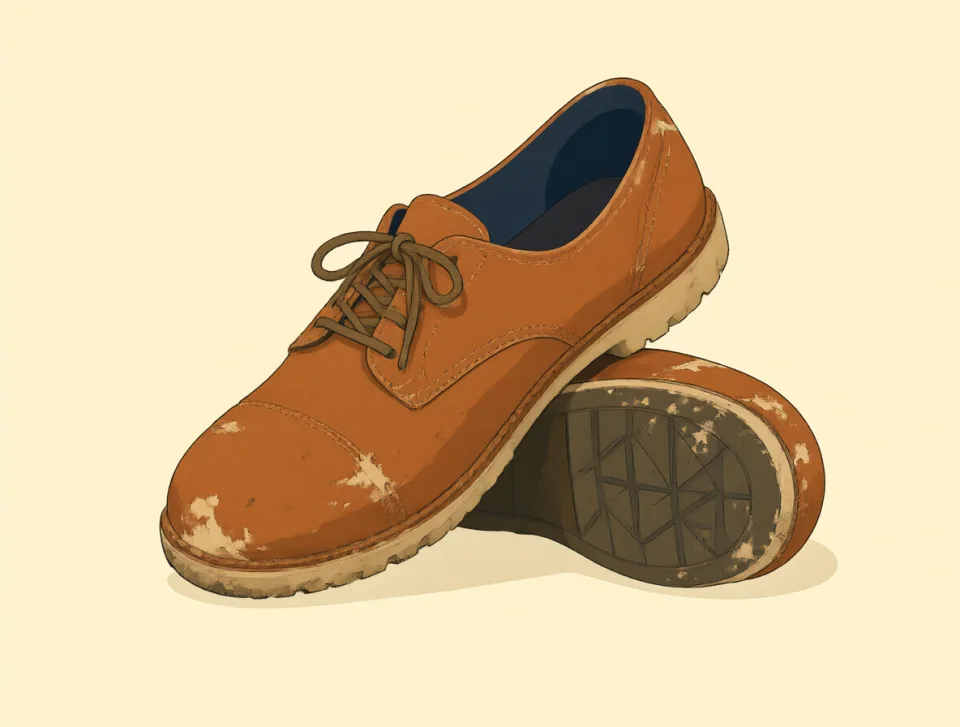
These shoes wear out quickly.
تتآكل هذه الأحذية بسرعة.
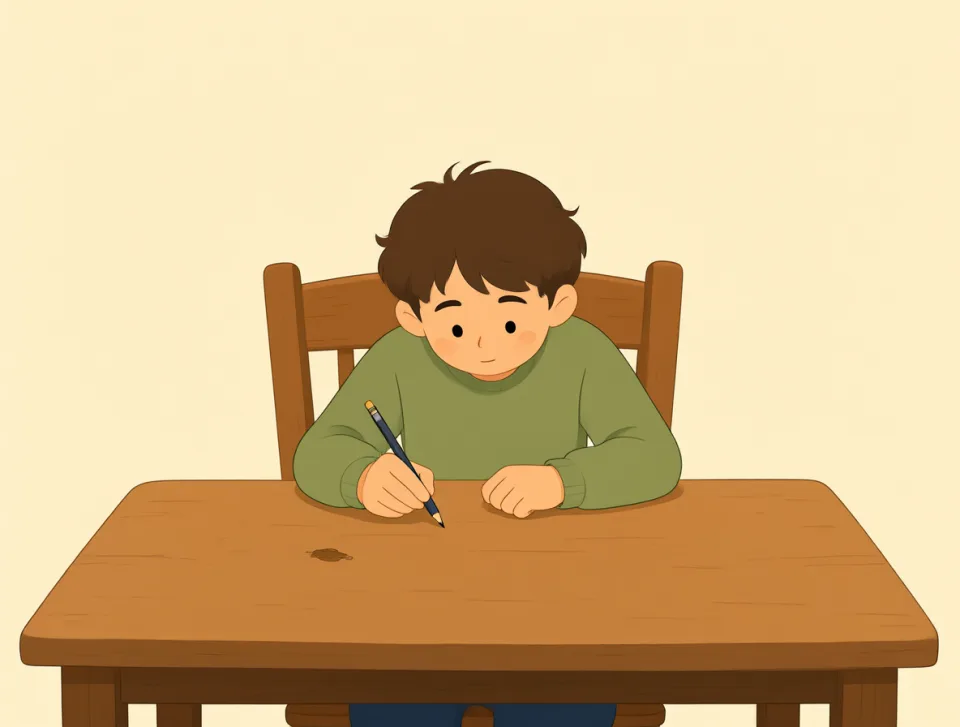
The table has a small wear mark.
على الطاولة علامة تآكل صغيرة.
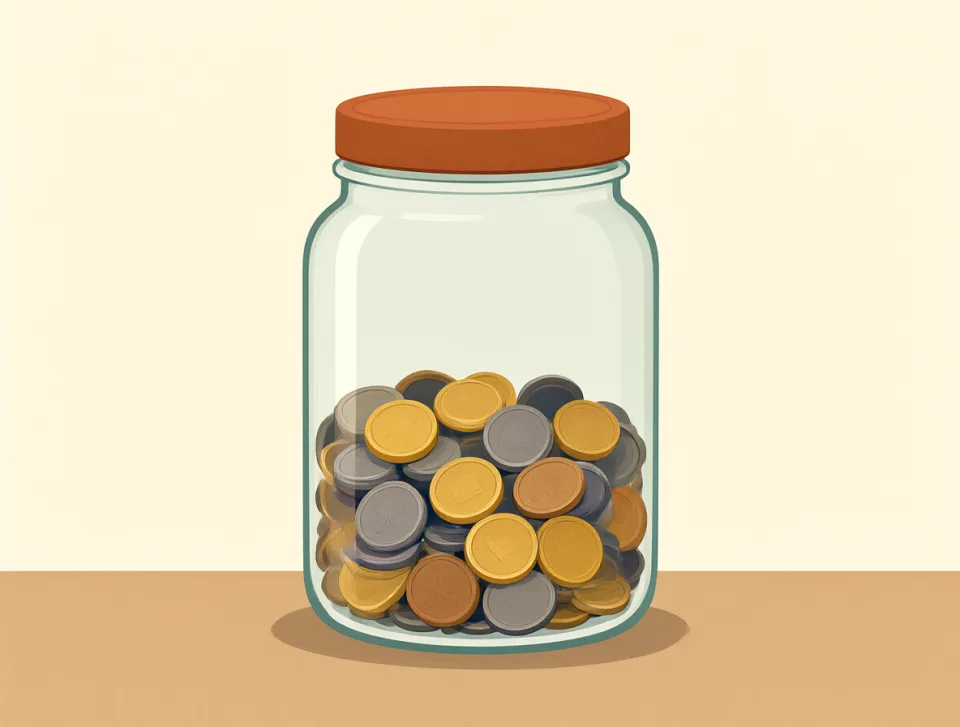
fund
#527noun, verb
صندوق تمويل؛ يموّل
Money saved or provided for a particular purpose; to provide money for something.
أموال تُدَّخر أو تُخصَّص لغرض معين؛ يوفّر المال لشيء ما.
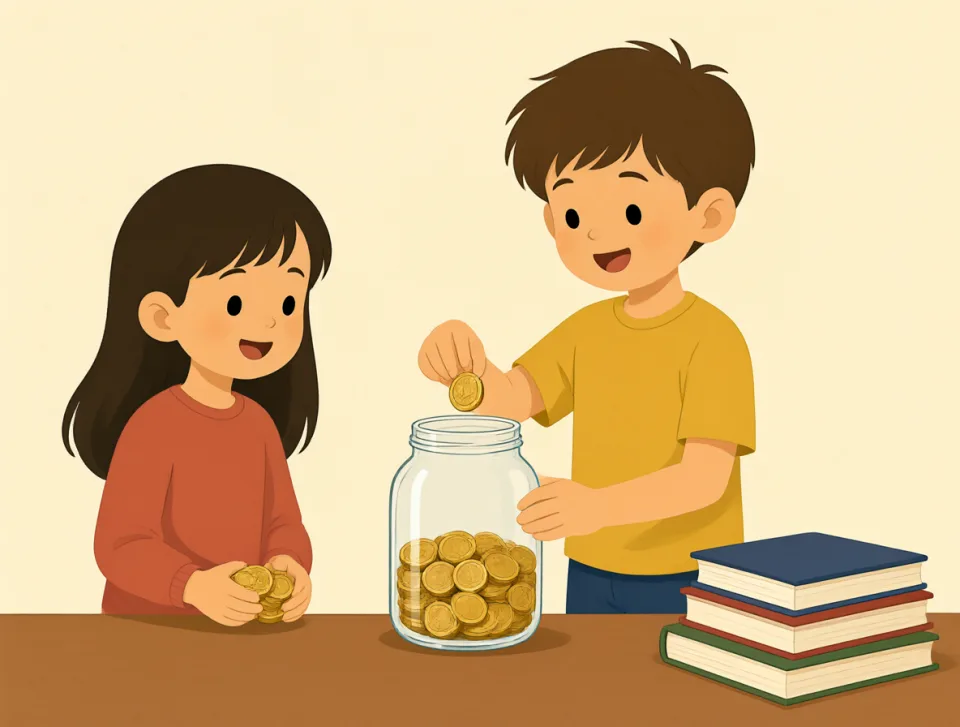
The school raised funds for new books.
جمعت المدرسة أموالًا لشراء كتب جديدة.
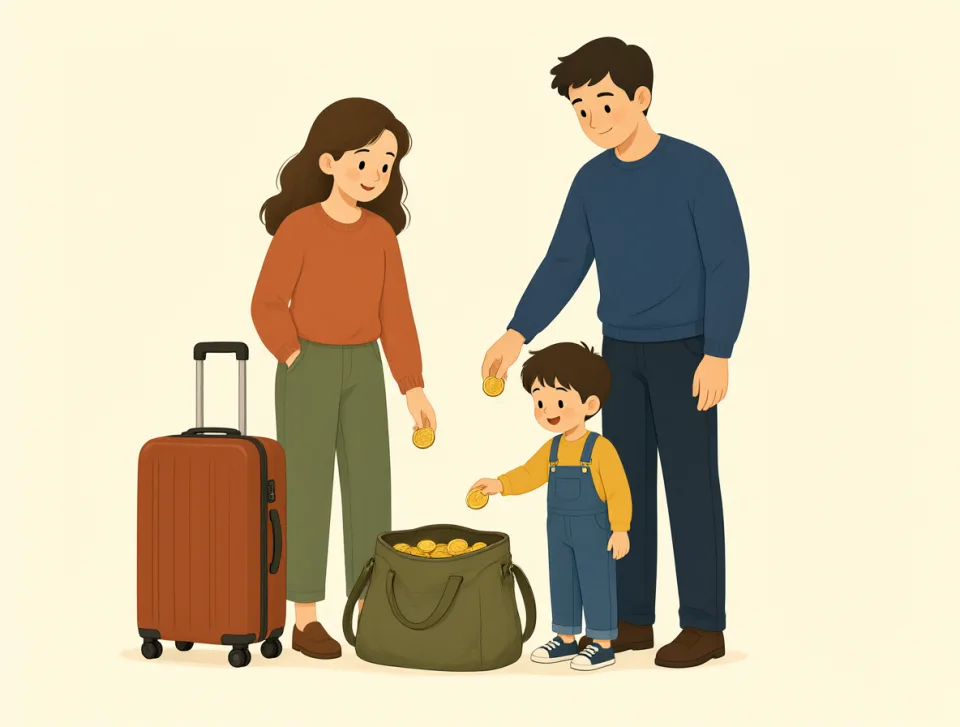
We need to fund our trip this summer.
نحتاج إلى تمويل رحلتنا هذا الصيف.

The company funded a new health project.
موّلت الشركة مشروعًا صحيًا جديدًا.
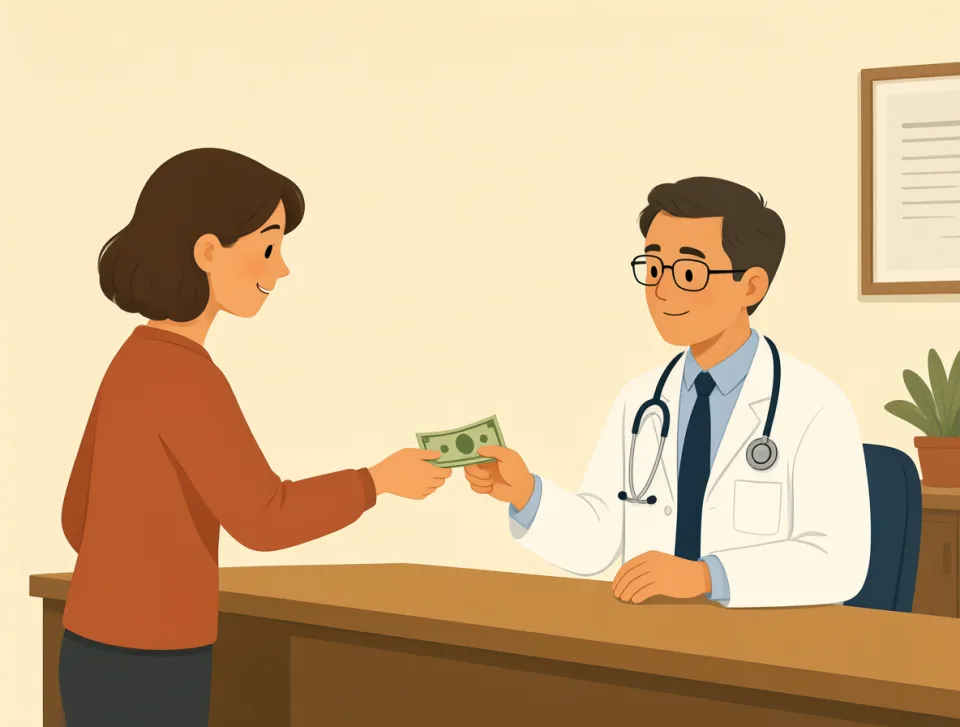
She used a fund to pay medical bills.
استخدمت صندوقًا لدفع الفواتير الطبية.
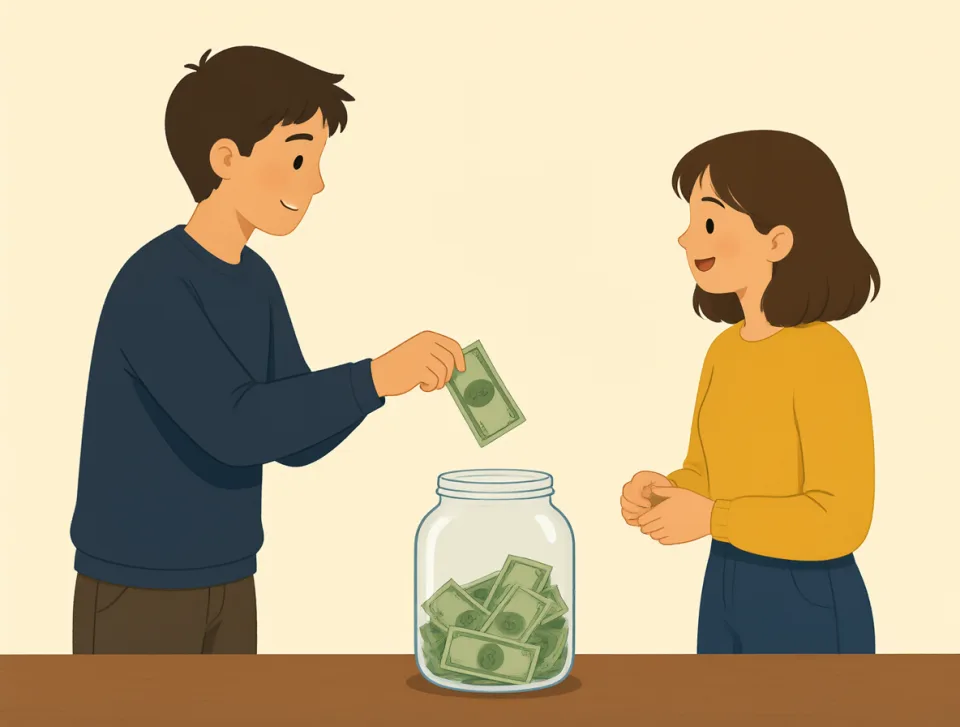
They started a fund for their friend.
أنشؤوا صندوقًا لمساعدة صديقهم.
rest
#528noun, verb
يستريح؛ الباقي
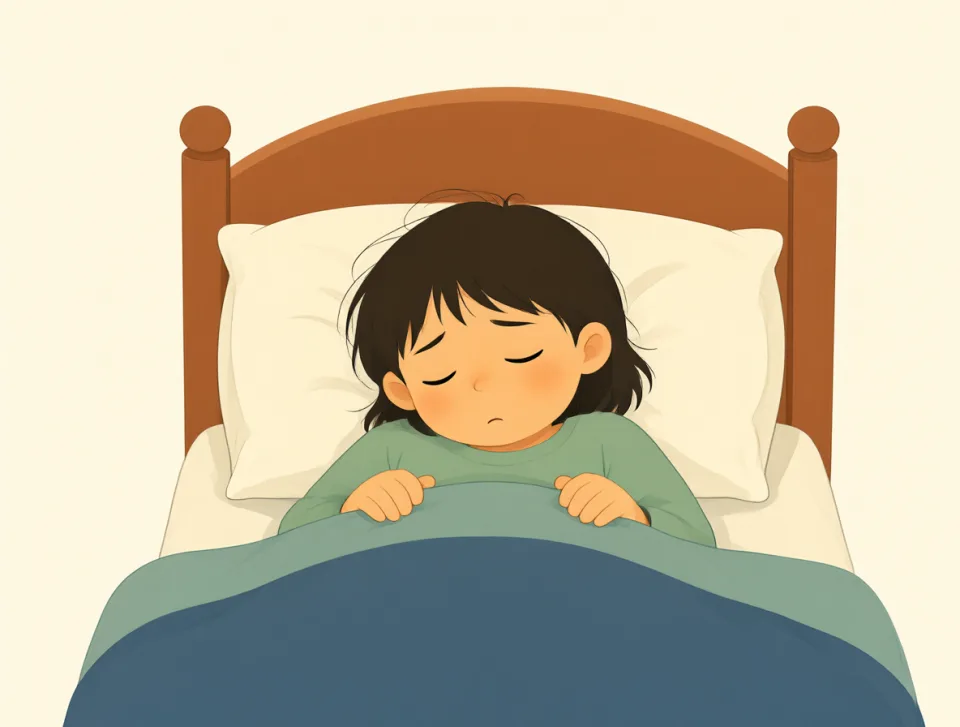
to stop working or moving so your body can become less tired; the remaining part of something
أن تتوقف عن العمل أو الحركة كي يقل شعور جسمك بالتعب؛ الجزء المتبقي من شيء ما
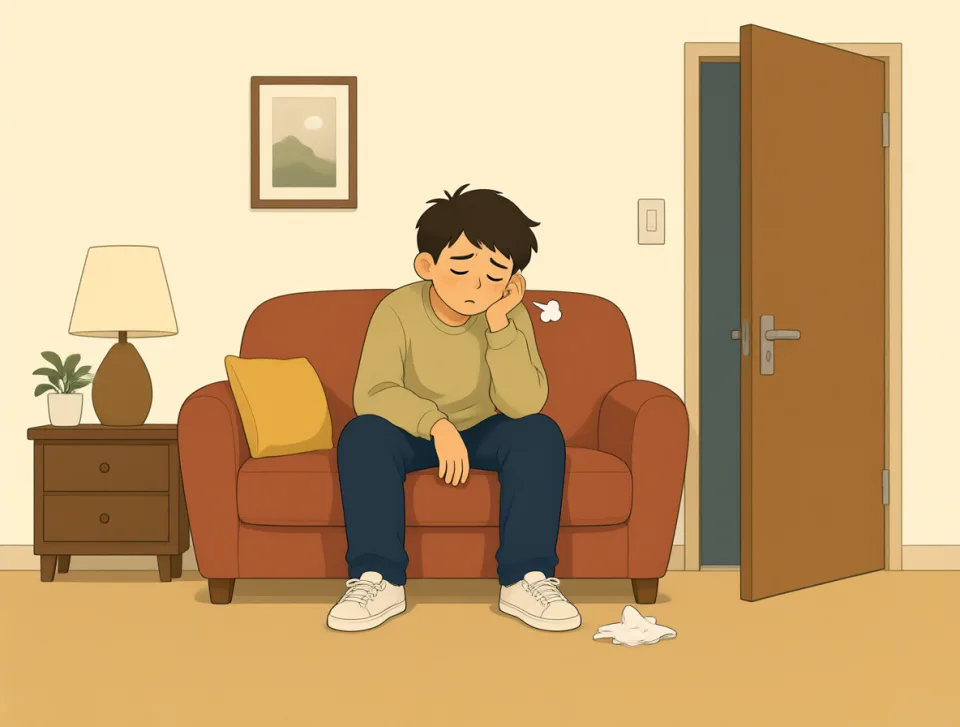
I need to rest after work.
أحتاج إلى الراحة بعد العمل.
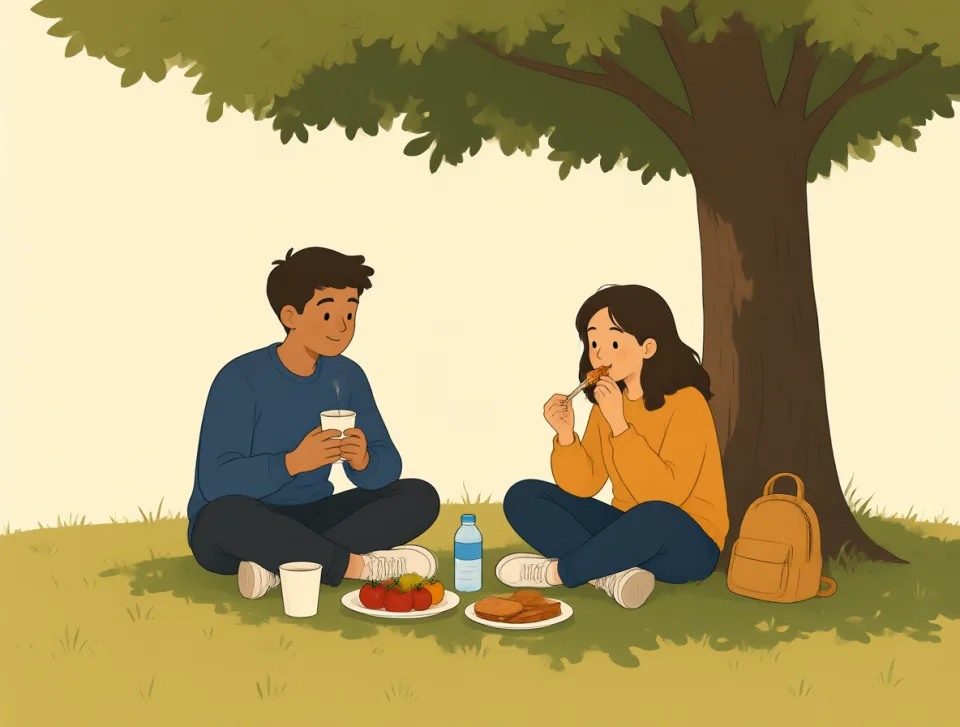
We rested under a tree at lunch.
استرحنا تحت شجرة وقت الغداء.
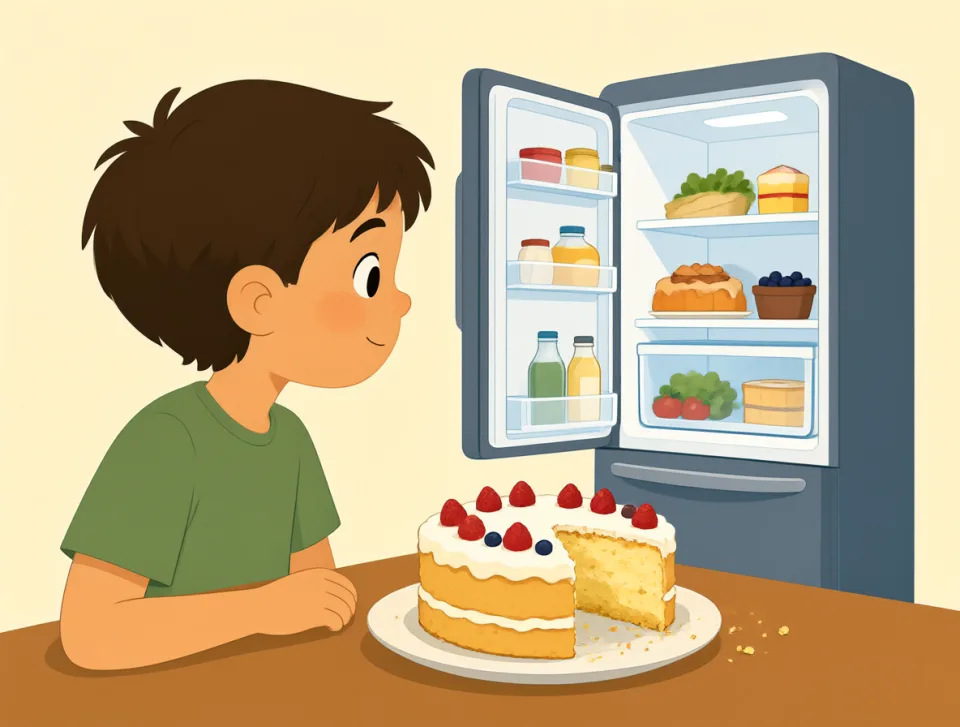
The rest of the cake is in the fridge.
بقية الكعكة في الثلاجة.
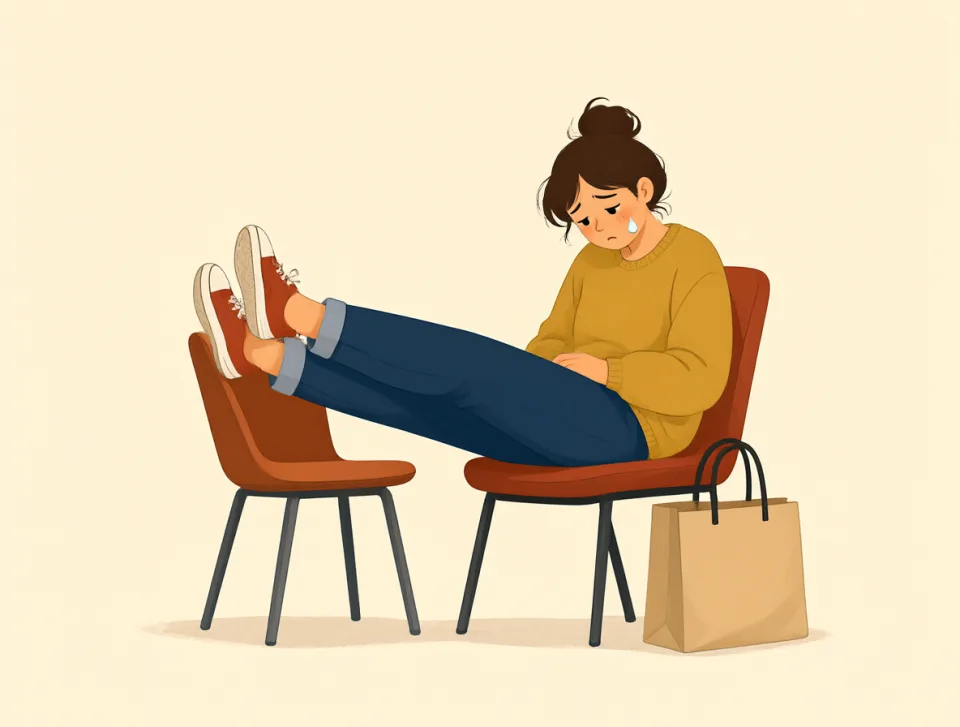
Please rest your feet on this chair.
من فضلك أرح قدميك على هذا الكرسي.
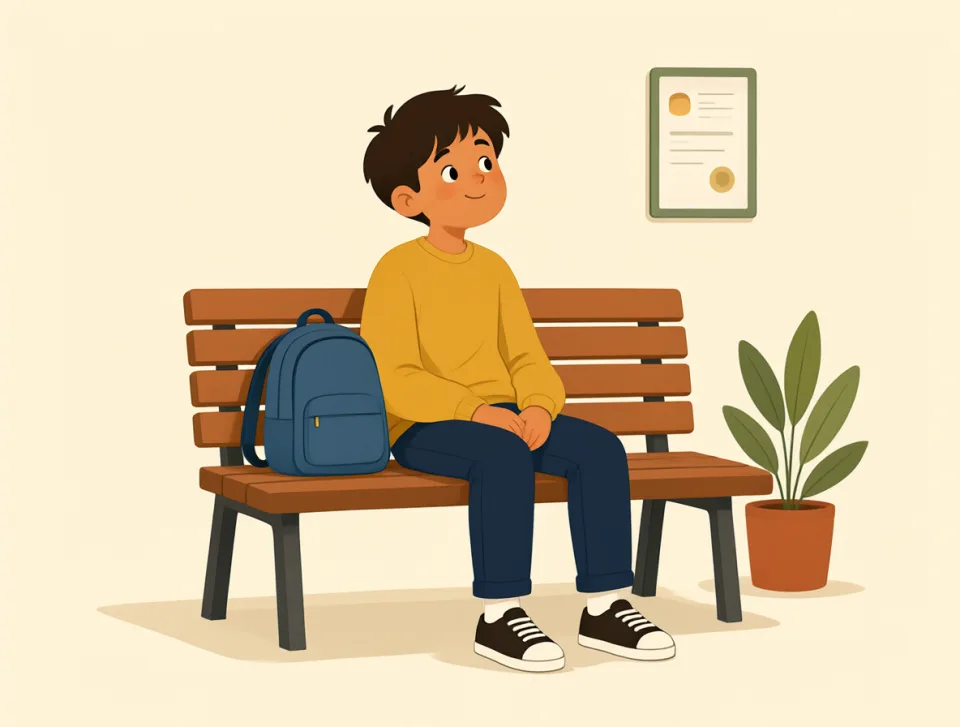
She took a short rest before class.
أخذت قسطًا قصيرًا من الراحة قبل الحصة.
kid
#529noun, verb
طفل؛ يمزح
A child, or to treat someone as less important than they are.
طفل، أو أن تعامل شخصًا كما لو كان أقل أهمية مما هو عليه.
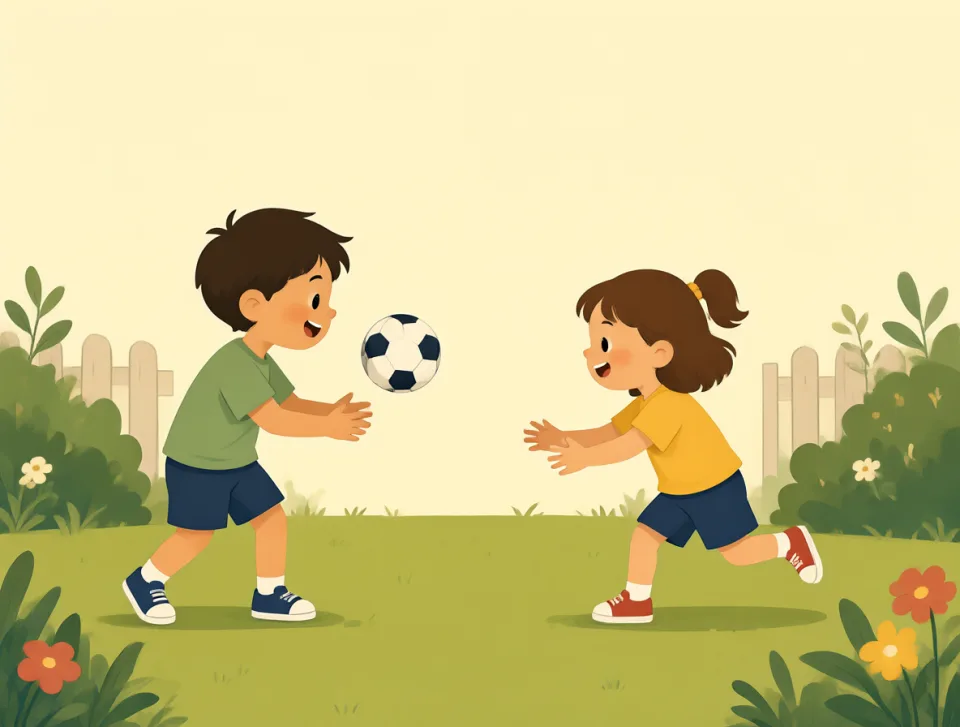
The kids are playing in the garden.
الأطفال يلعبون في الحديقة.
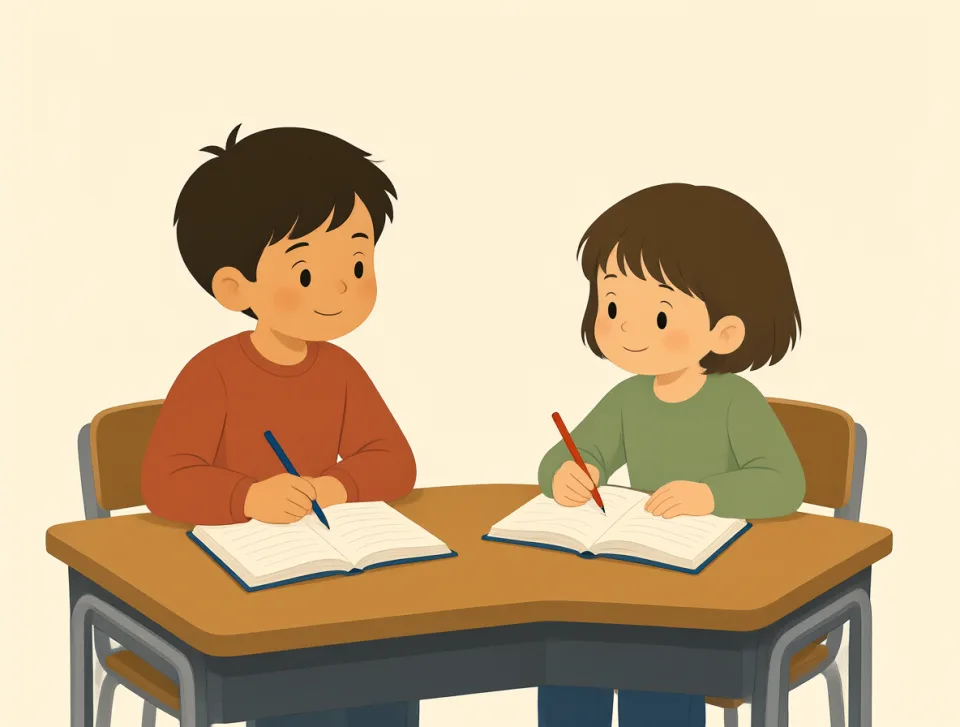
That kid sits next to me at school.
ذلك الطفل يجلس بجانبي في المدرسة.
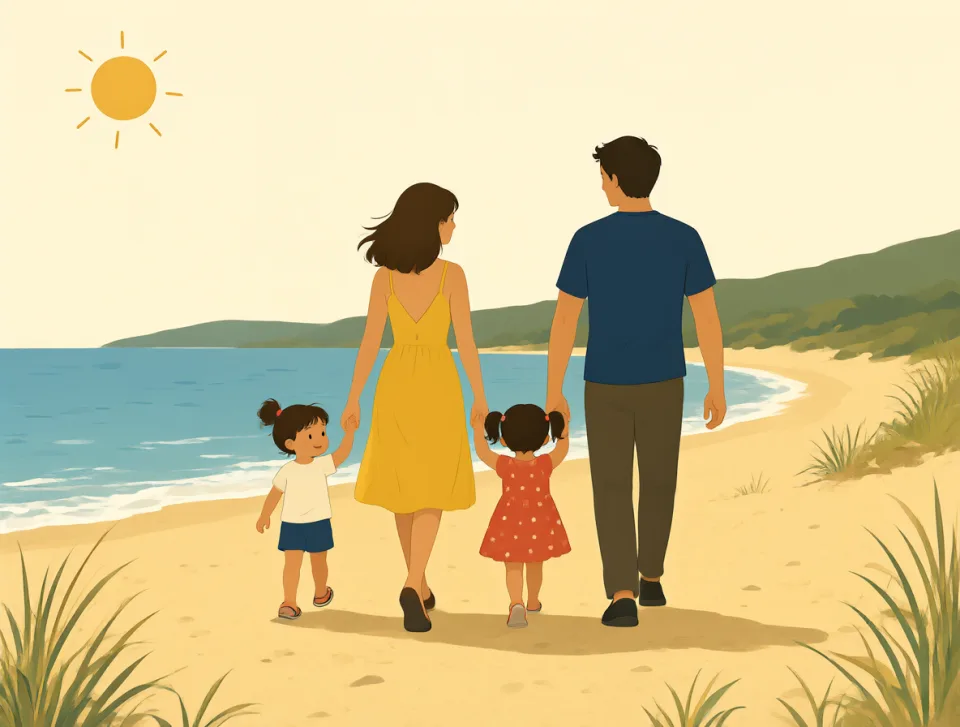
We took our kids to the beach.
اصطحبنا أطفالنا إلى الشاطئ.
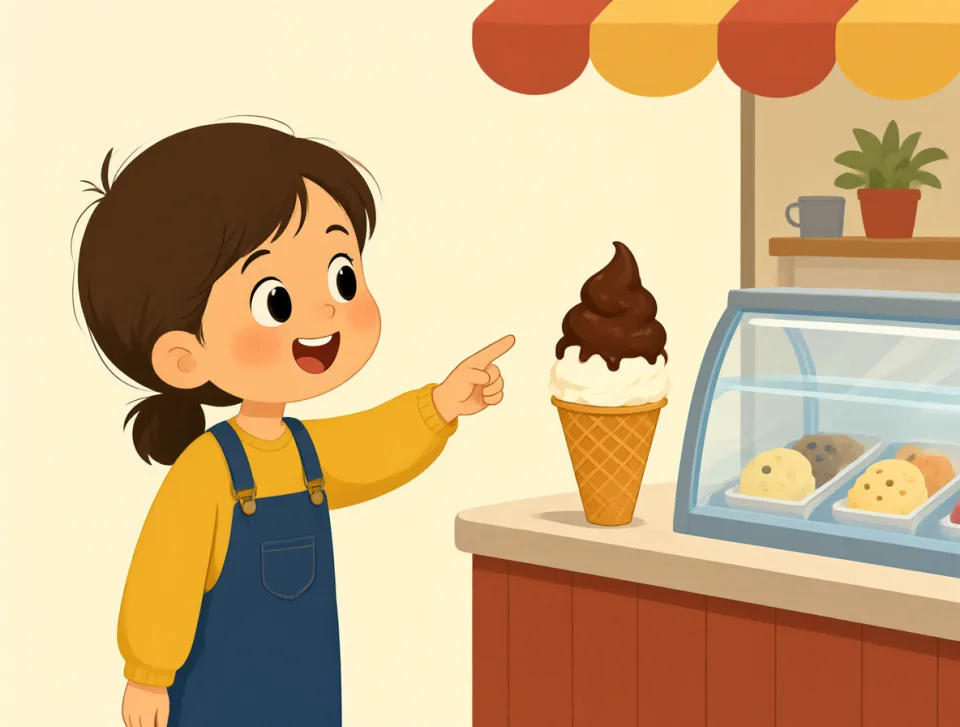
The kid asked for ice cream.
طلب الطفل آيس كريم.
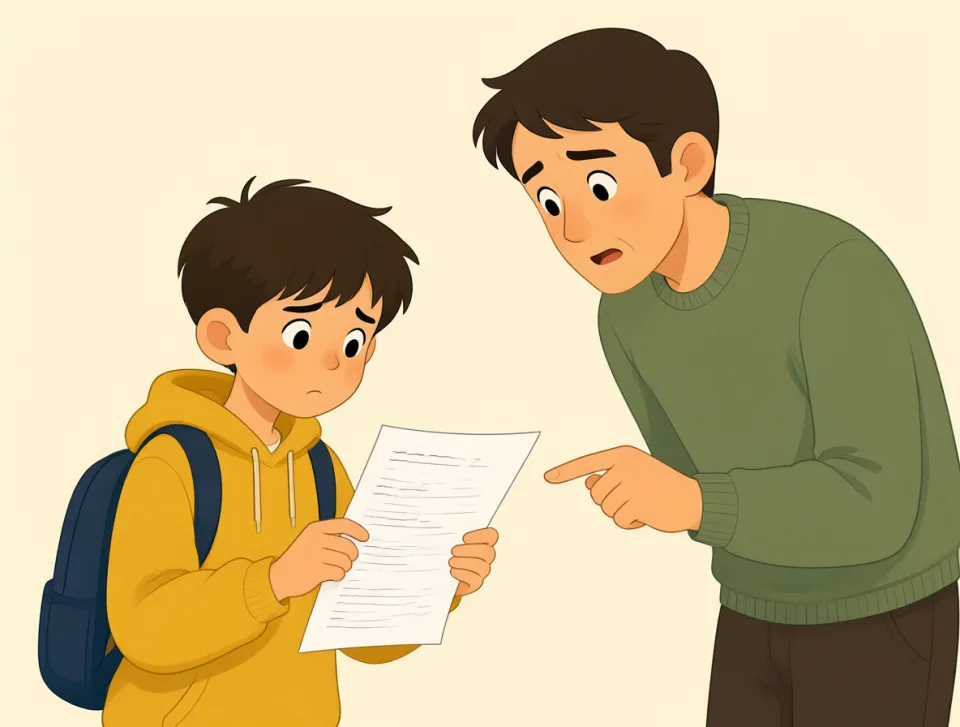
Do not kid yourself about the test.
لا تخدع نفسك بشأن الاختبار.
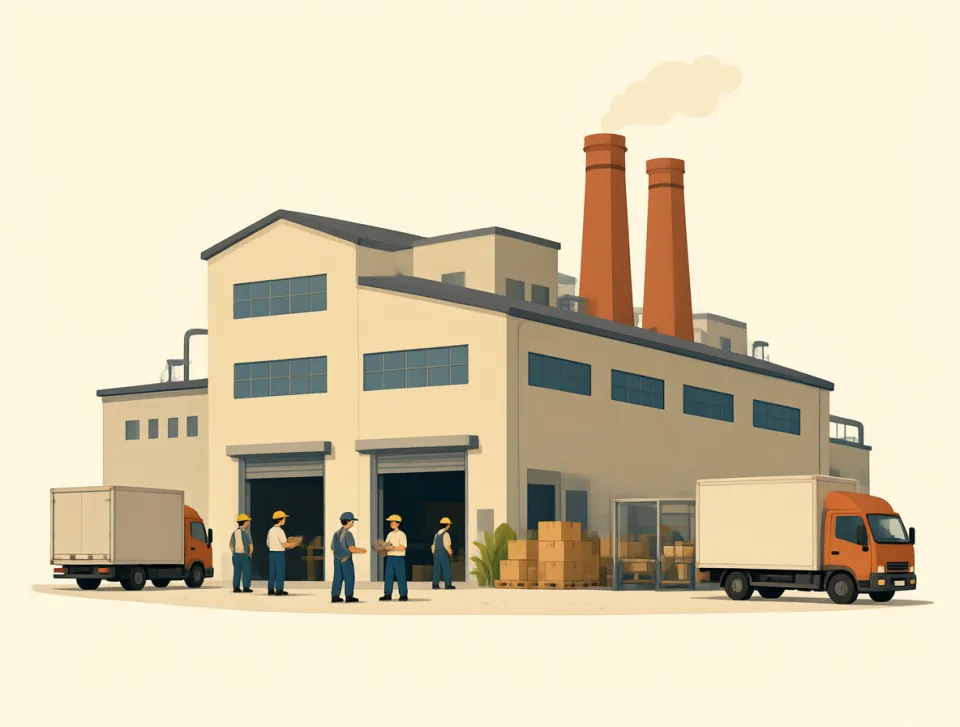
industry
#530noun
قطاع
The businesses and companies that produce a particular product or service.
الشركات والمؤسسات التي تنتج منتجًا أو تقدم خدمة معينة.
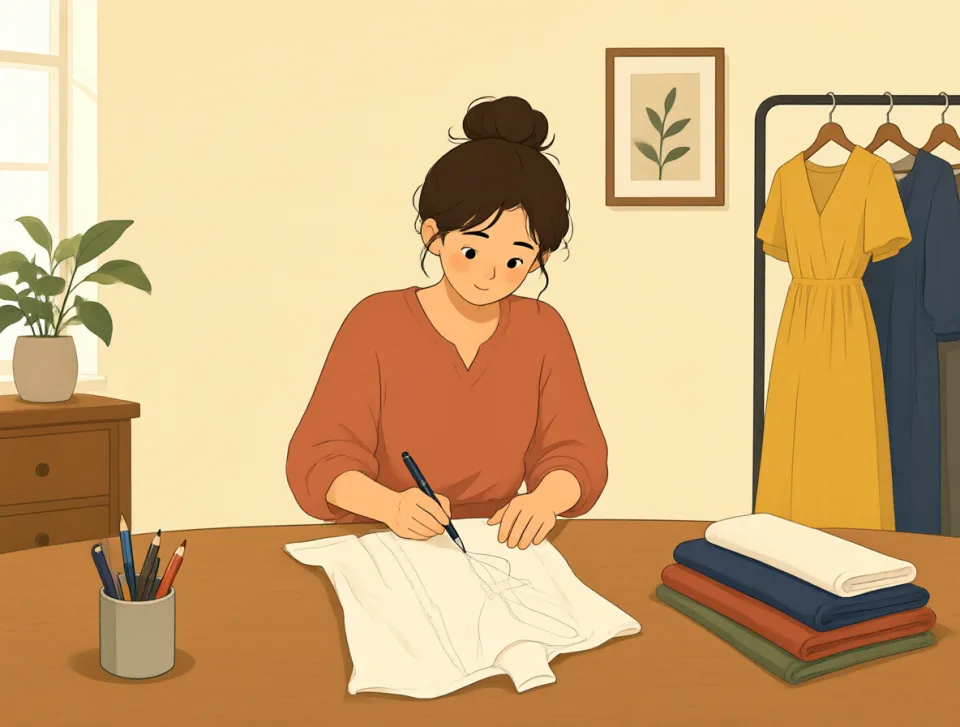
She works in the fashion industry.
تعمل في قطاع الأزياء.
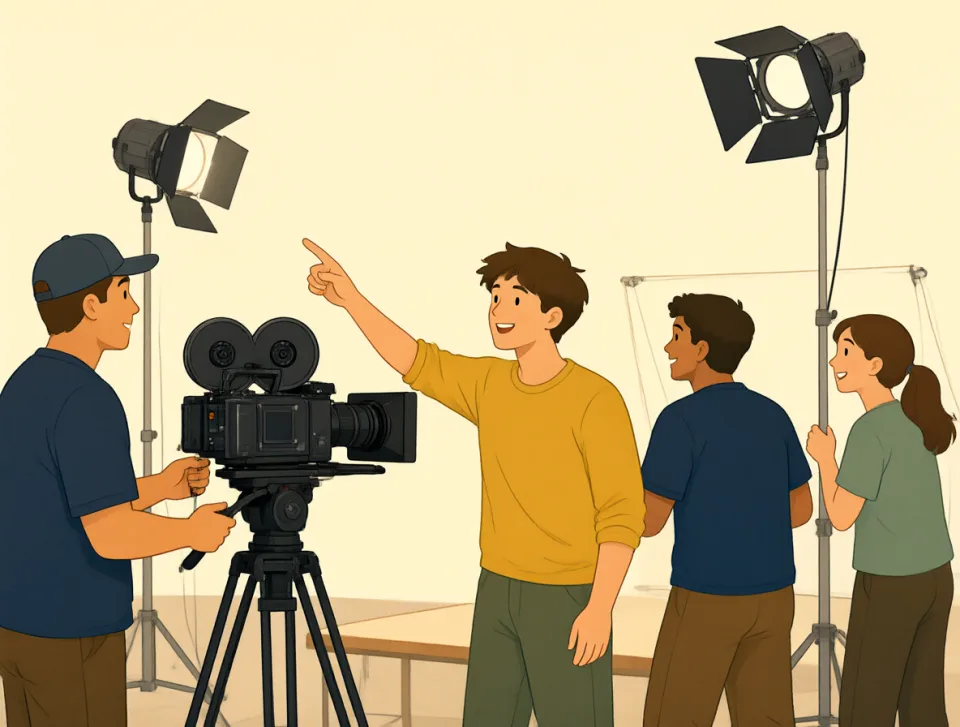
The film industry employs many people.
يوفر قطاع السينما فرص عمل لكثير من الناس.
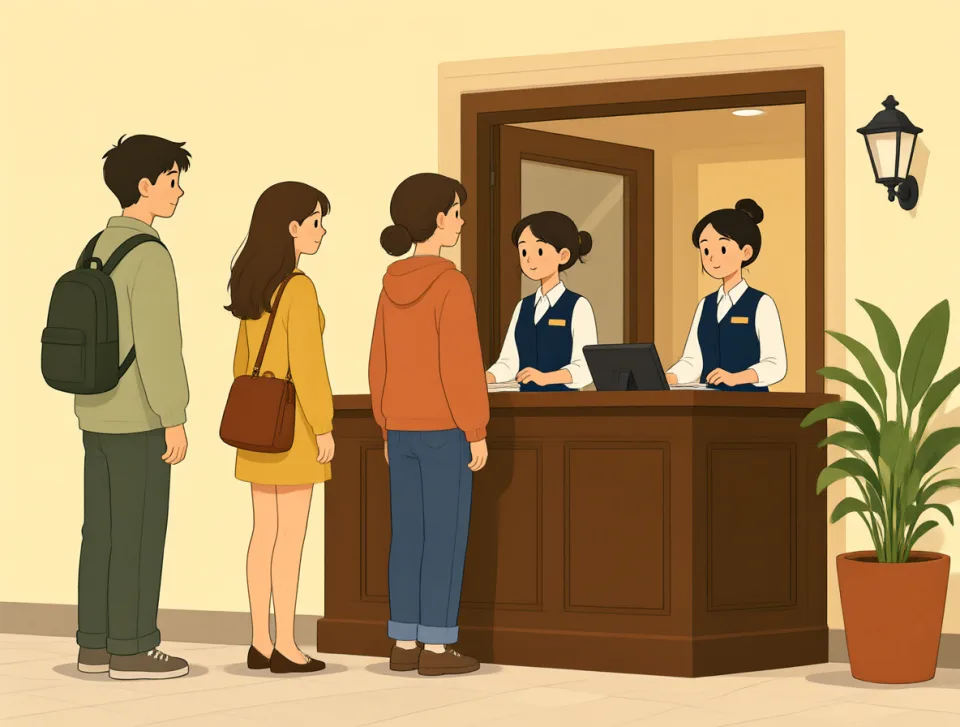
Our country has a strong tourist industry.
لدى بلدنا قطاع سياحي قوي.
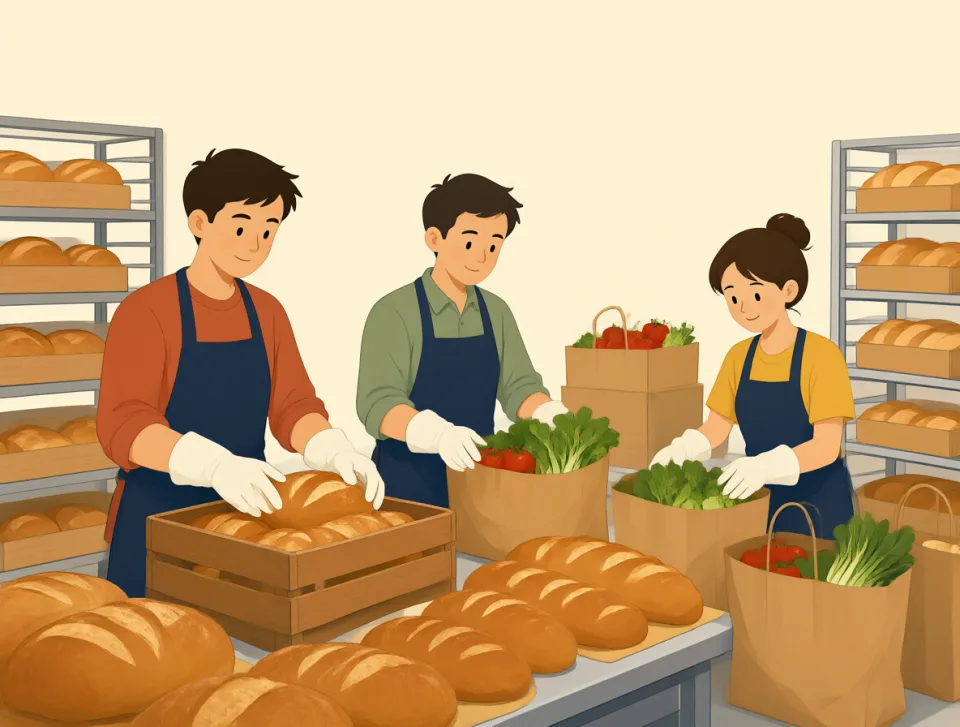
The food industry makes many products.
ينتج قطاع الأغذية منتجات كثيرة.

He wants a job in the music industry.
يريد وظيفة في قطاع الموسيقى.
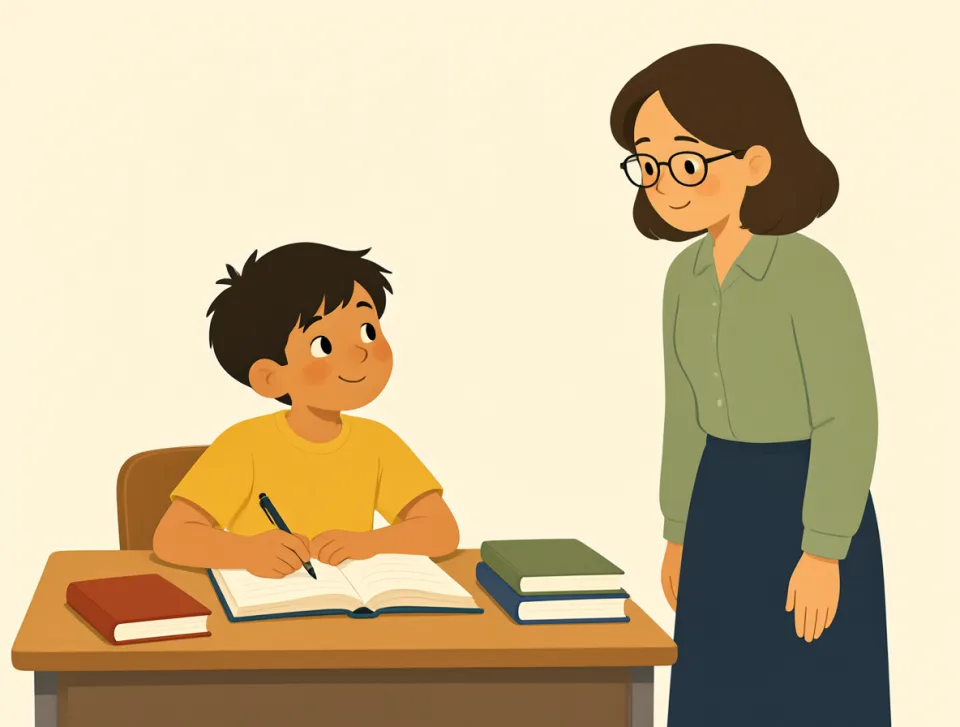
education
#531noun
التعليم
The process of learning at school, college, or through study and training.
عملية التعلّم في المدرسة أو الجامعة، أو من خلال الدراسة والتدريب.
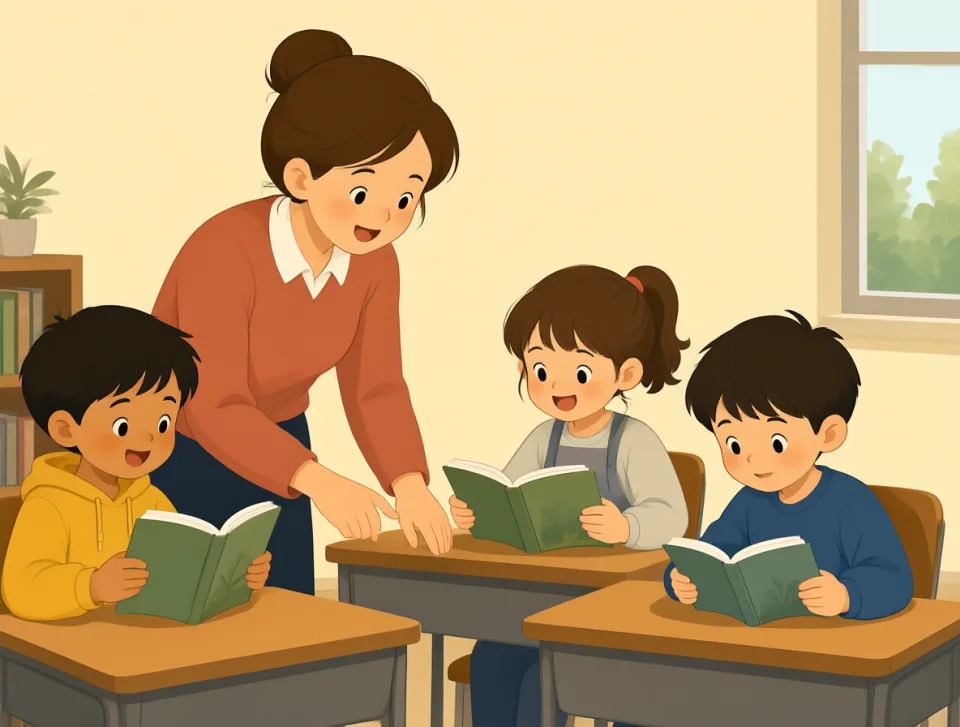
Education helps children learn important skills.
يساعد التعليم الأطفال على تعلّم مهارات مهمة.

She got a good education in London.
تلقت تعليمًا جيدًا في لندن.

The company provides education for new workers.
توفّر الشركة التعليم للموظفين الجدد.

His education helped him find a better job.
ساعده تعليمه على العثور على وظيفة أفضل.
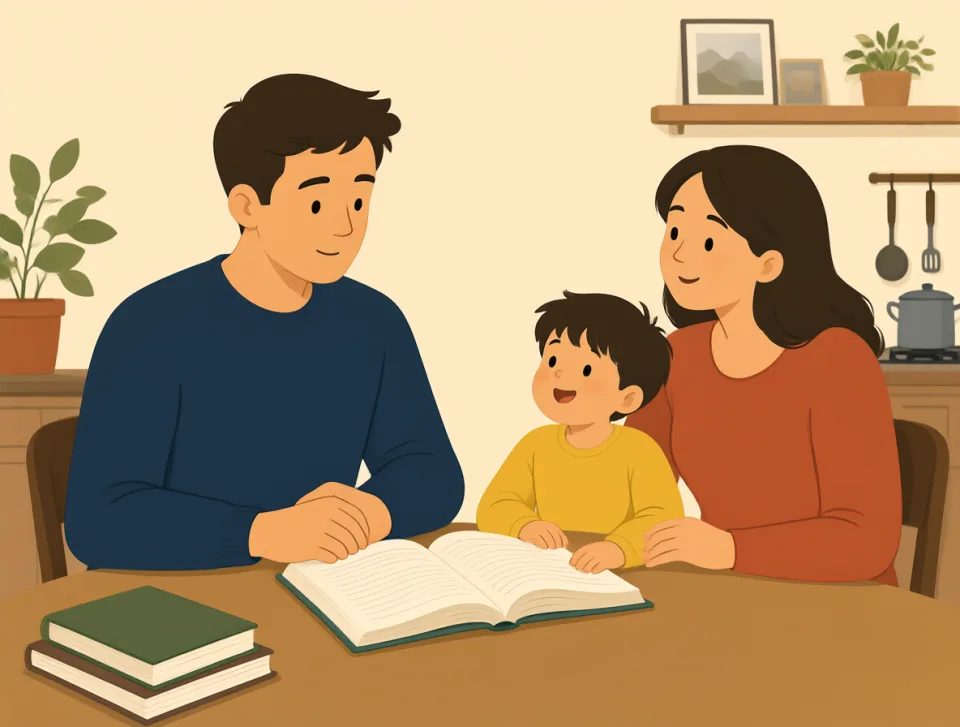
Parents should talk about education at home.
ينبغي للوالدين التحدث عن التعليم في المنزل.
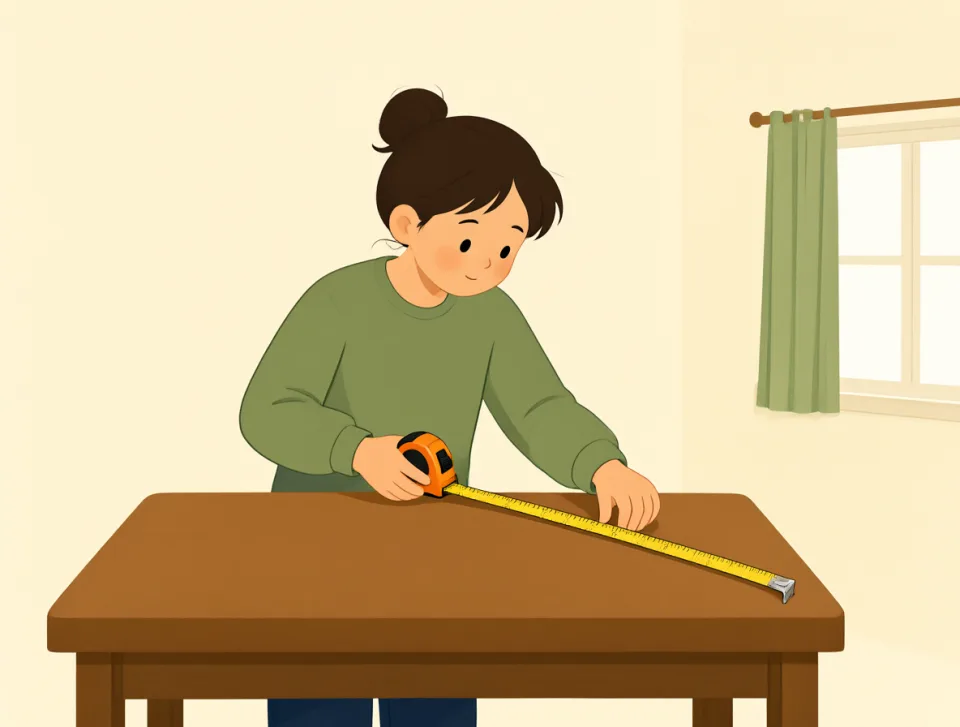
measure
#532noun, verb
يقيس؛ إجراء
To find the size, amount, or level of something, or an action taken to solve a problem.
أن تحدد حجم شيء أو كميته أو مستواه، أو إجراء يُتخذ لحل مشكلة.
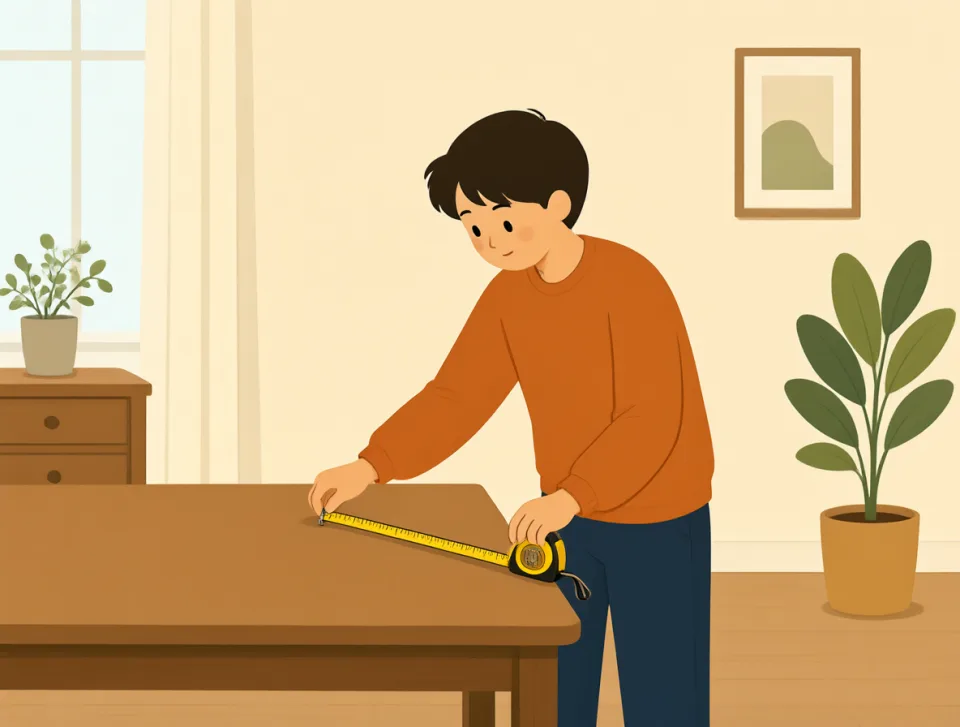
Please measure the table for the new cloth.
من فضلك قِس الطاولة من أجل القماش الجديد.
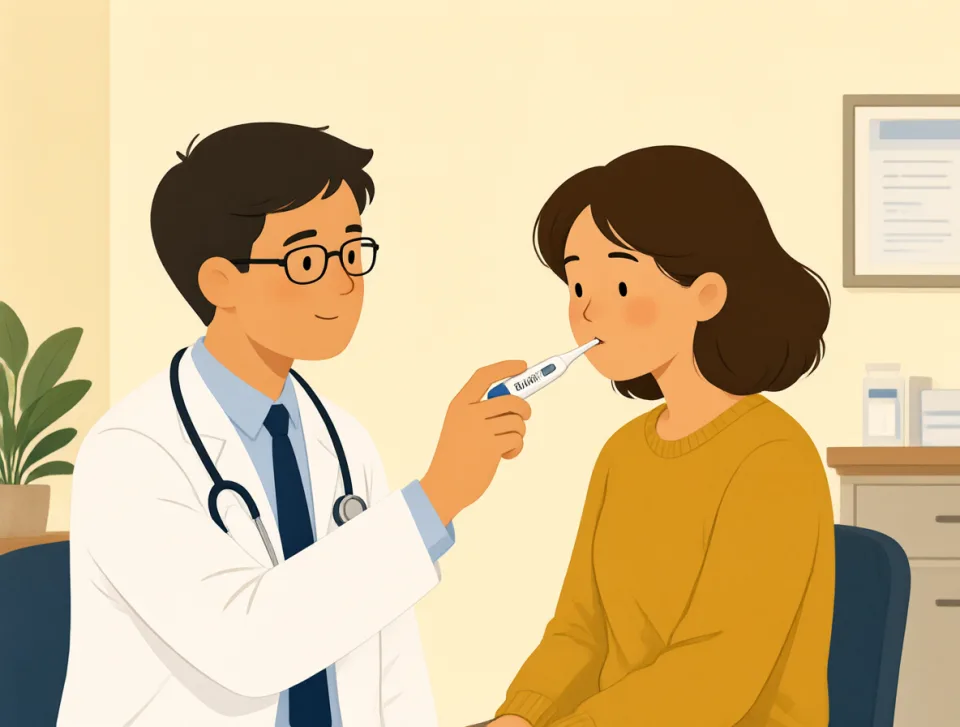
The doctor measured my temperature.
قاس الطبيب درجة حرارتي.
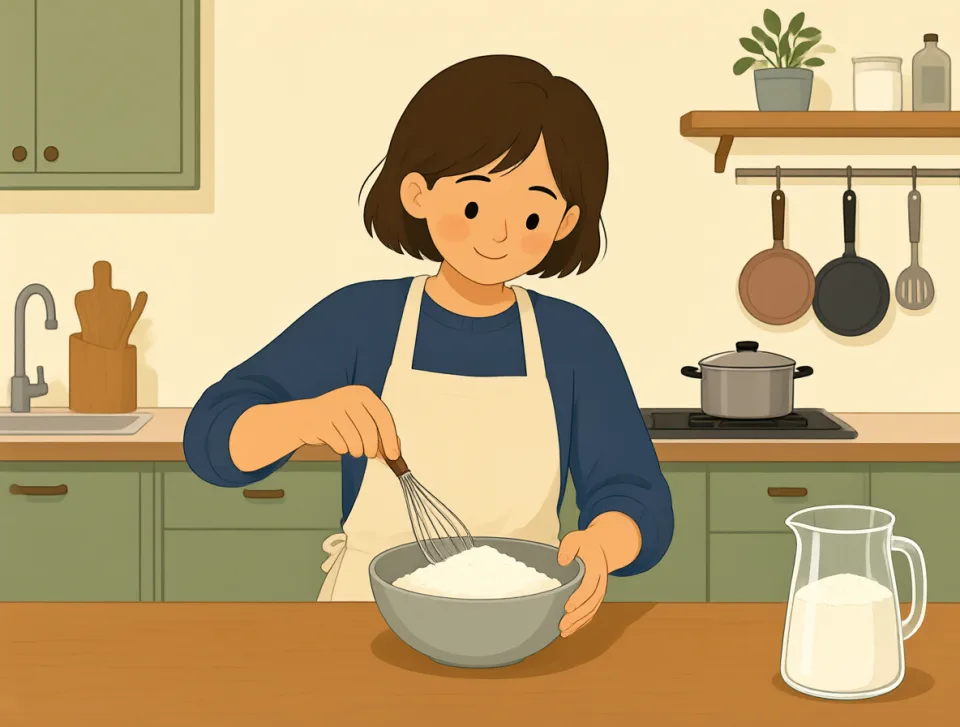
We measured the flour before making the cake.
قِسنا كمية الدقيق قبل إعداد الكعكة.
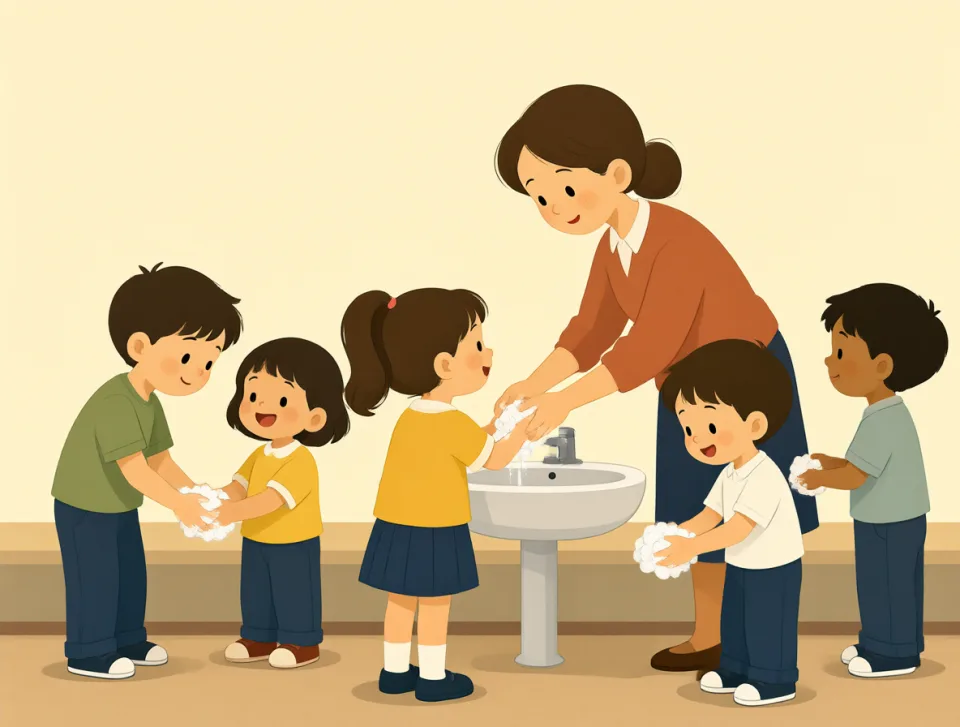
The school took measures to keep children safe.
اتخذت المدرسة تدابير للحفاظ على سلامة الأطفال.
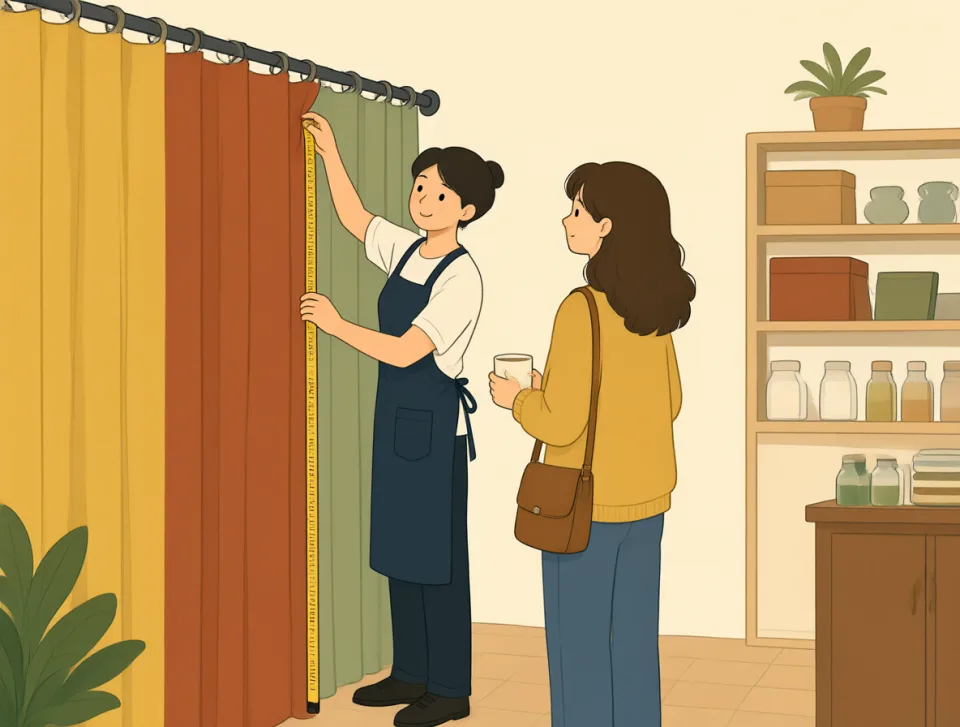
The shop measured the curtains for our window.
قاس المتجر الستائر لنافذتنا.
kill
#533verb, noun
يقتل
To cause a person, animal, or plant to die.
أن يتسبب في موت شخص أو حيوان أو نبات.
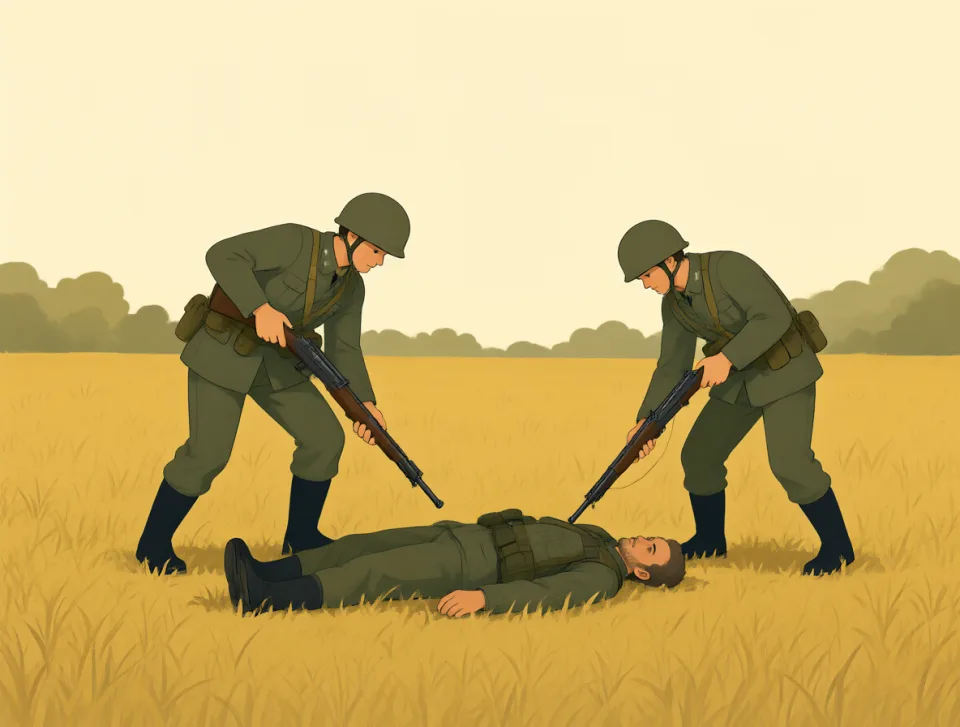
The soldiers killed the enemy in battle.
قتل الجنود العدو في المعركة.
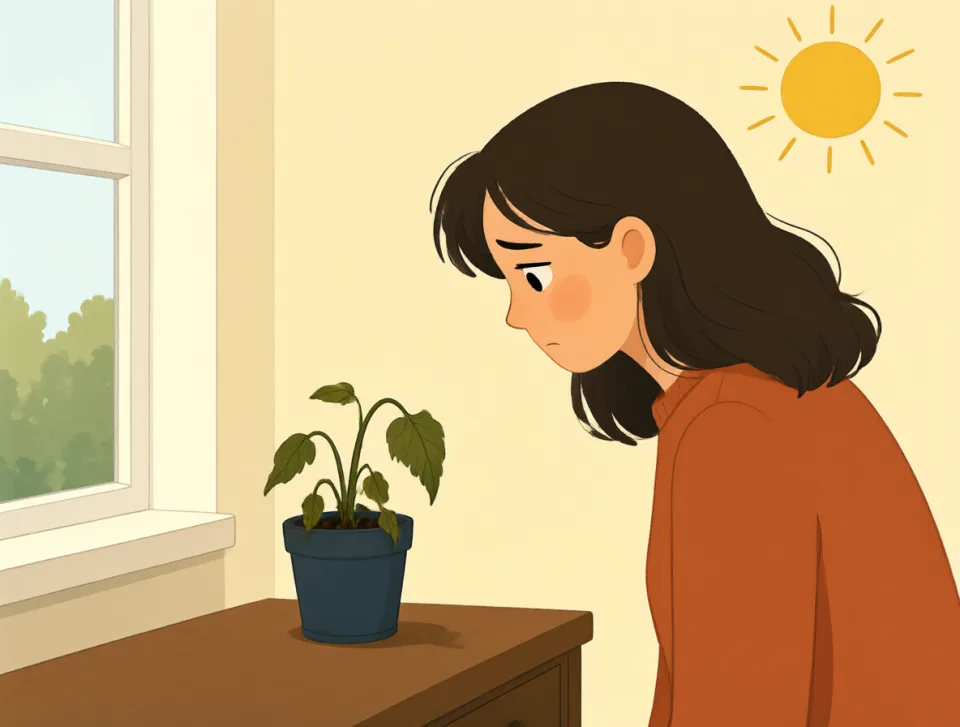
Too much sun can kill this small plant.
قد تقتل أشعة الشمس المفرطة هذا النبات الصغير.

We killed time at the airport café.
أمضينا الوقت في مقهى المطار.
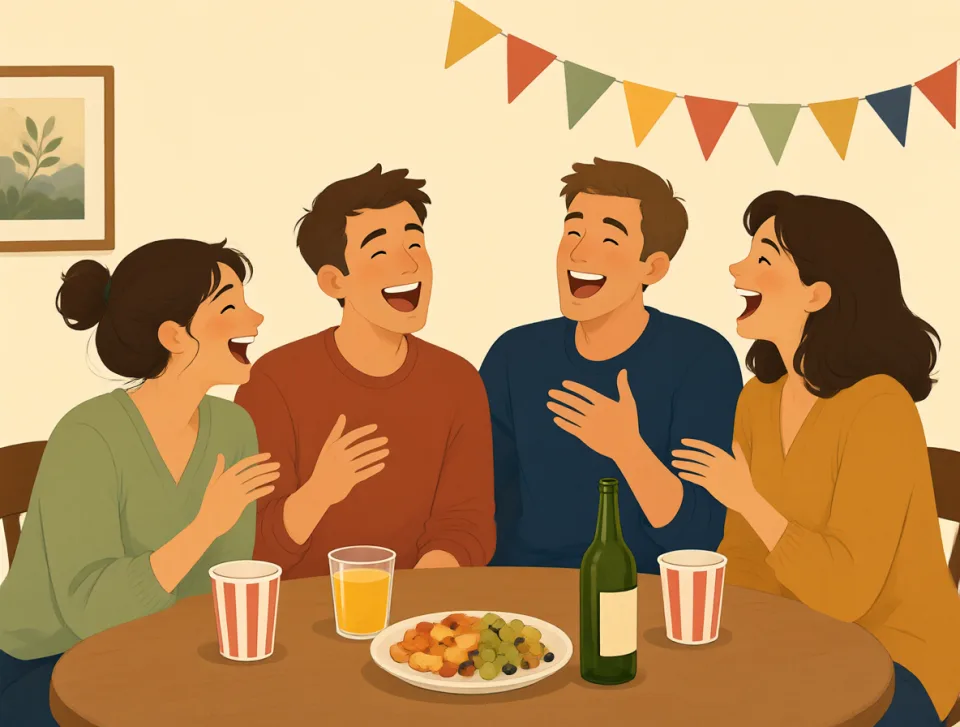
That joke killed everyone at the party.
أضحكت تلك النكتة الجميع في الحفلة.
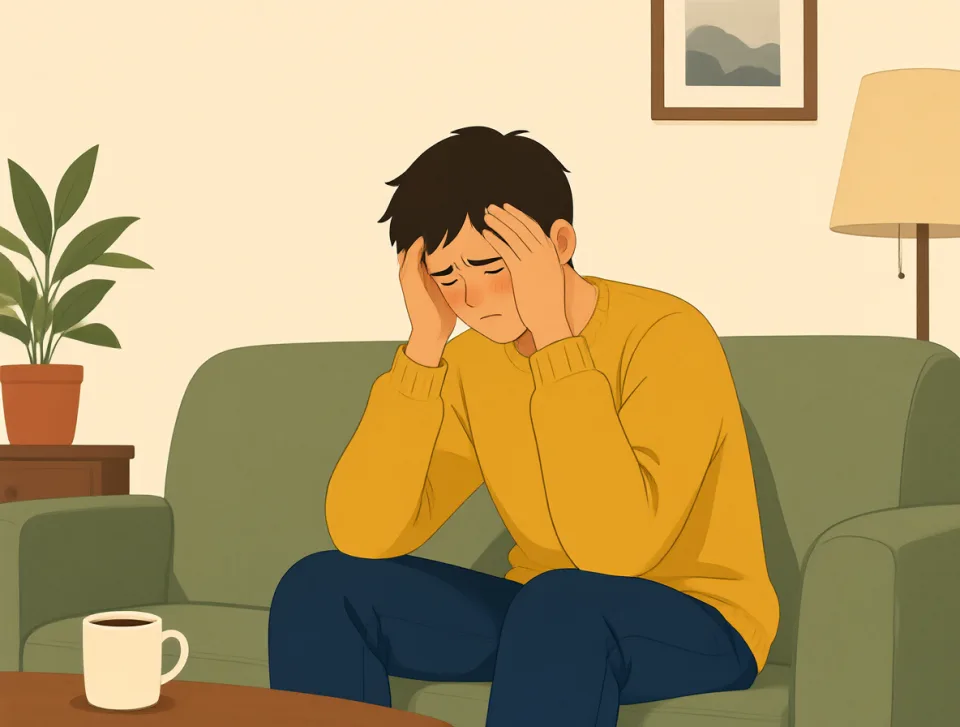
This headache is killing me today.
هذا الصداع يكاد يقتلني اليوم.

serve
#534verb, noun
يقدّم؛ يخدم
to give food, help, or a product to someone; to work as a waiter
أن يقدّم الطعام أو المساعدة أو منتجًا لشخص ما؛ أو أن يعمل نادلًا.
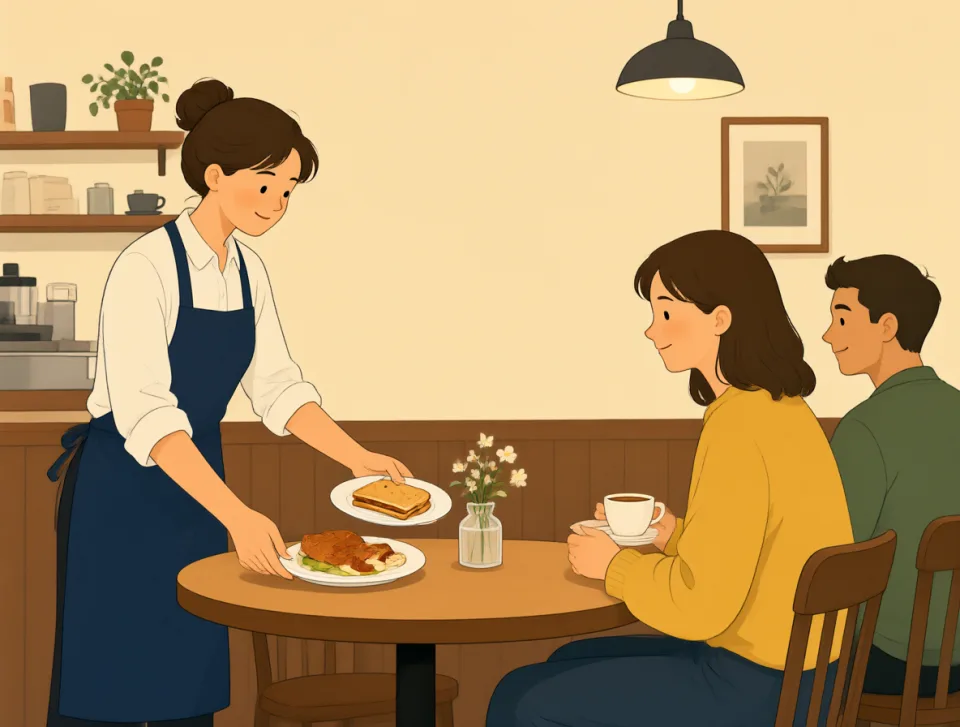
They serve breakfast from seven to ten.
يُقدَّم الإفطار من السابعة حتى العاشرة.
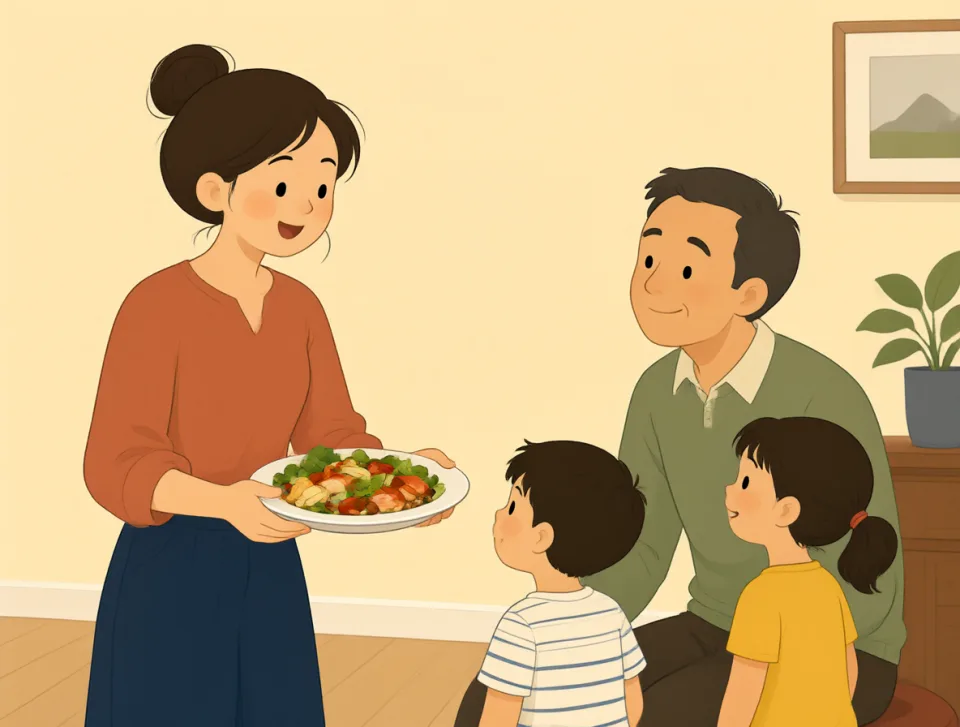
She served dinner to her family.
قدّمت العشاء لعائلتها.
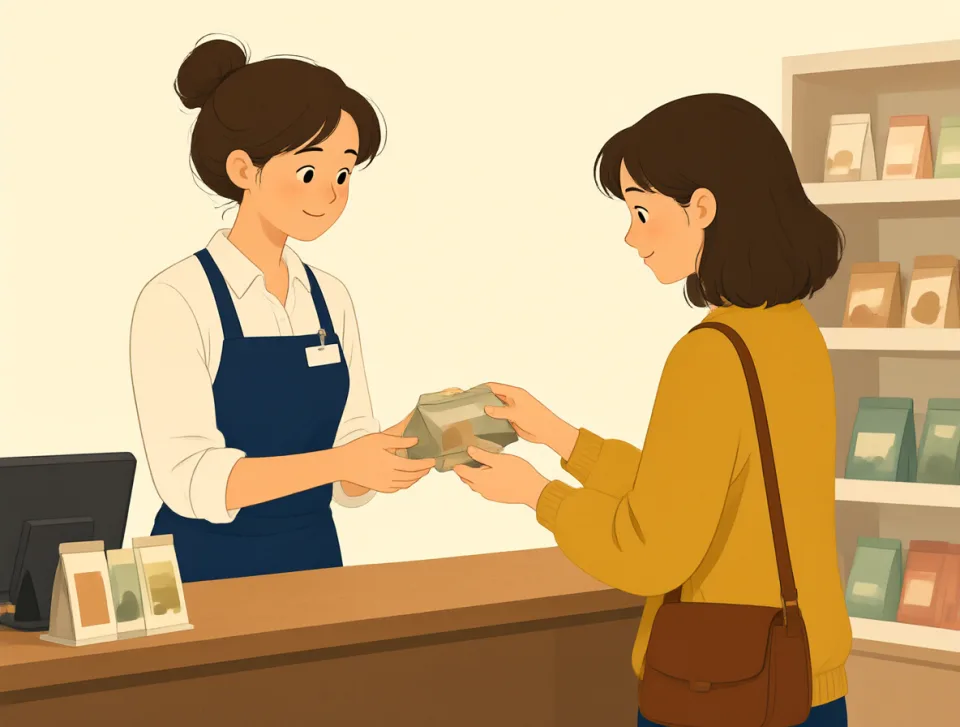
The shop serves customers until five.
يخدم المتجر زبائنه حتى الساعة الخامسة.
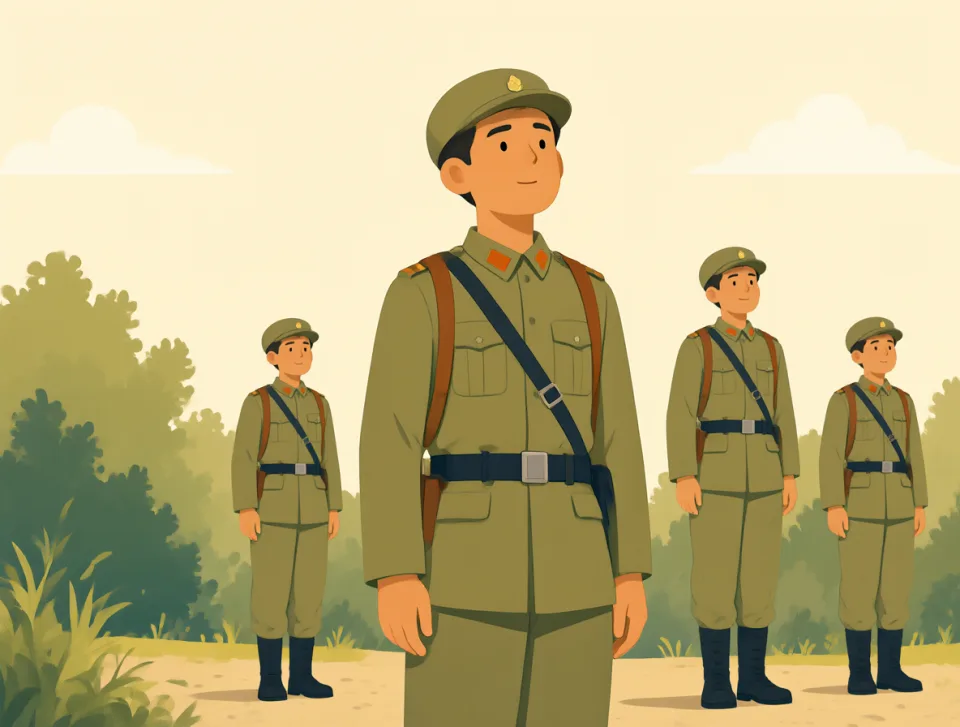
He served in the army for two years.
خدم في الجيش لمدة عامين.
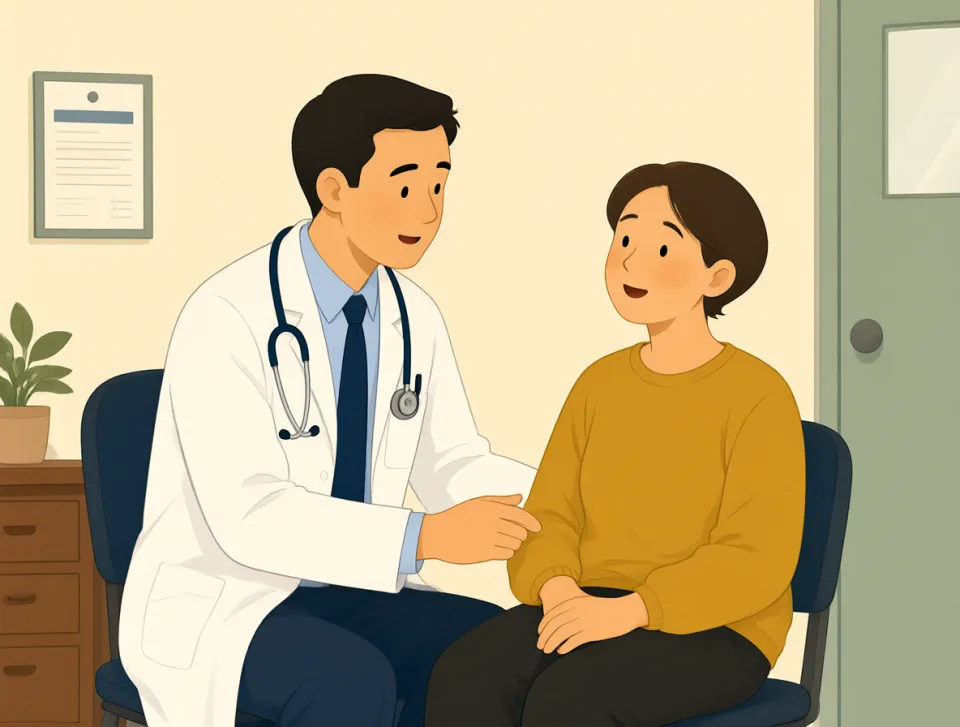
The doctor served the patient quickly.
قدّم الطبيب الرعاية للمريض بسرعة.
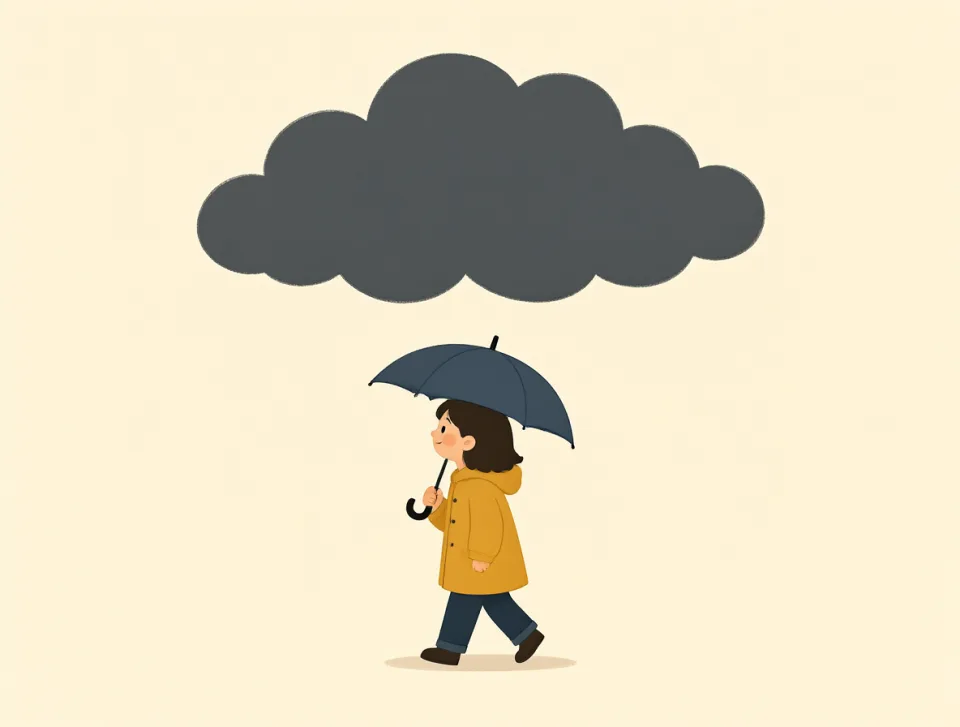
likely
#535adjective, adverb
محتمل
Probably true or likely to happen.
مرجّح أن يكون صحيحًا أو أن يحدث.
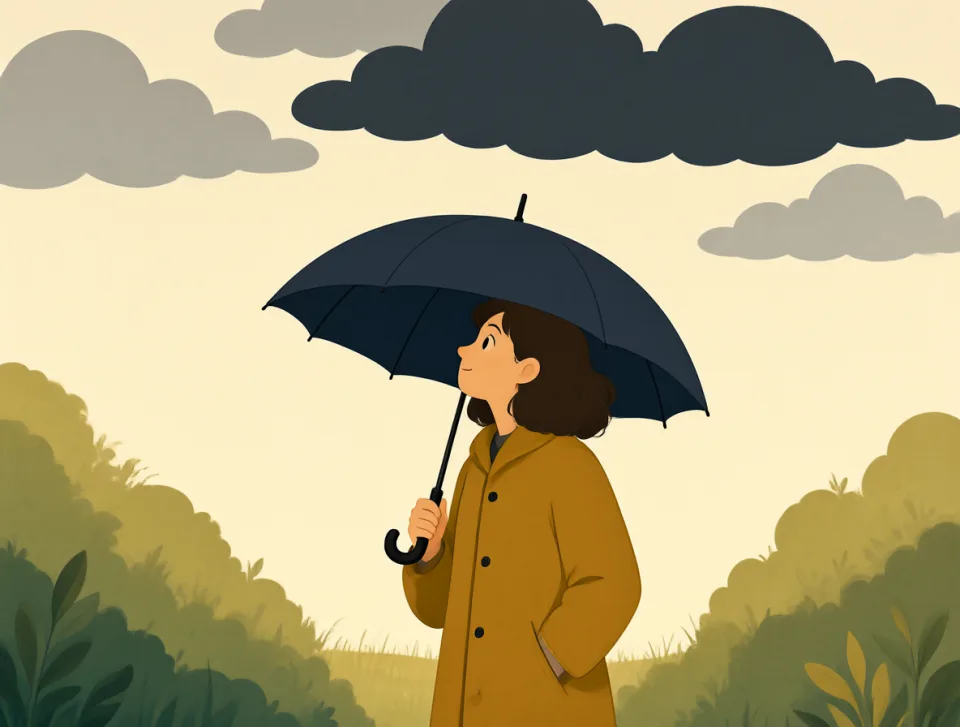
It is likely to rain this afternoon.
من المرجح أن تمطر بعد ظهر اليوم.
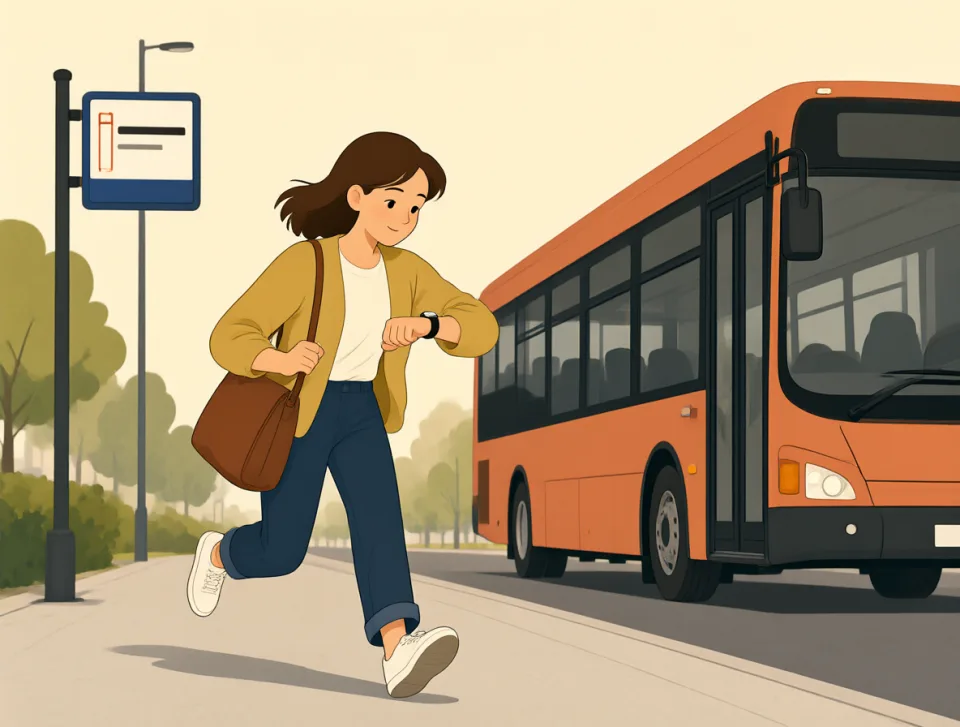
She is likely to arrive late today.
من المرجح أن تصل متأخرة اليوم.
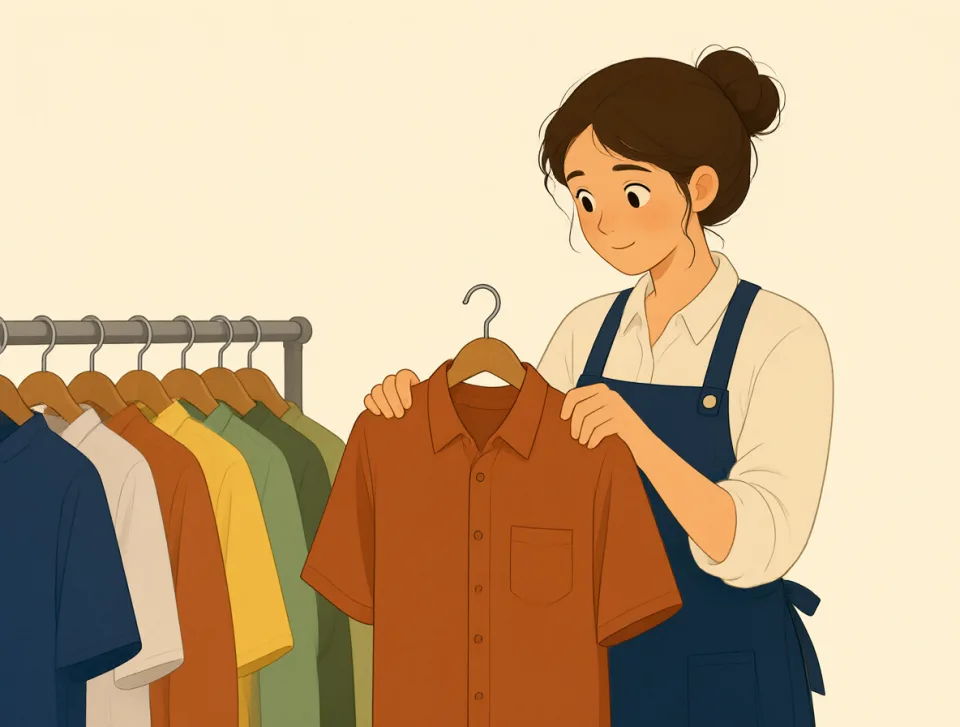
Which color is most likely to sell?
أي لون يُرجح أن يحقق أكبر مبيعات؟
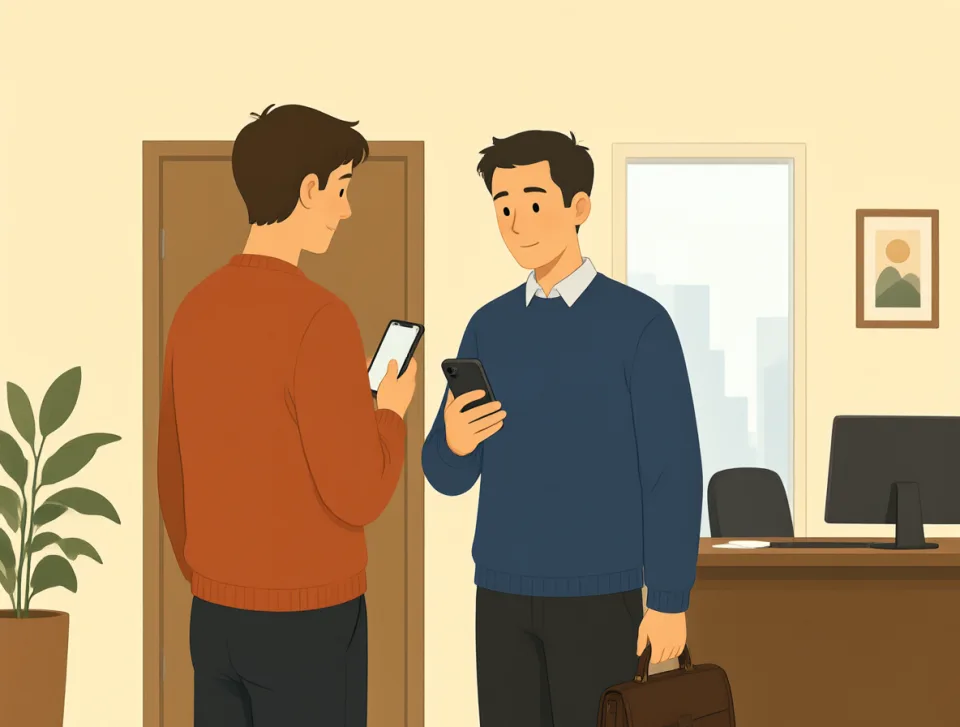
He will likely call after work.
من المرجح أن يتصل بعد العمل.
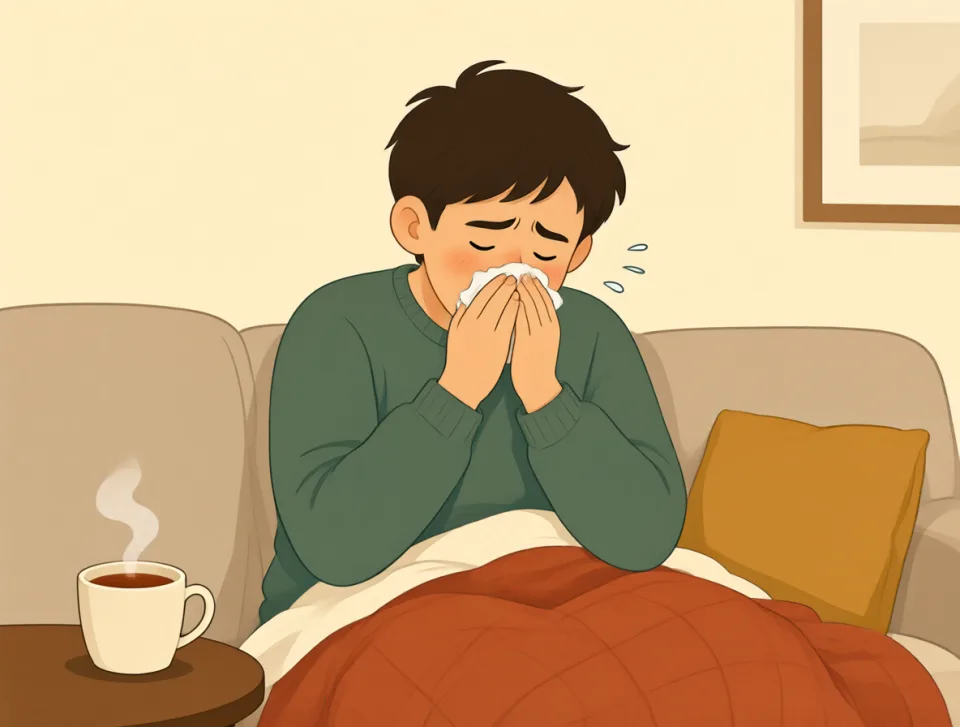
Colds are likely in winter.
تكثر الإصابة بنزلات البرد في الشتاء.
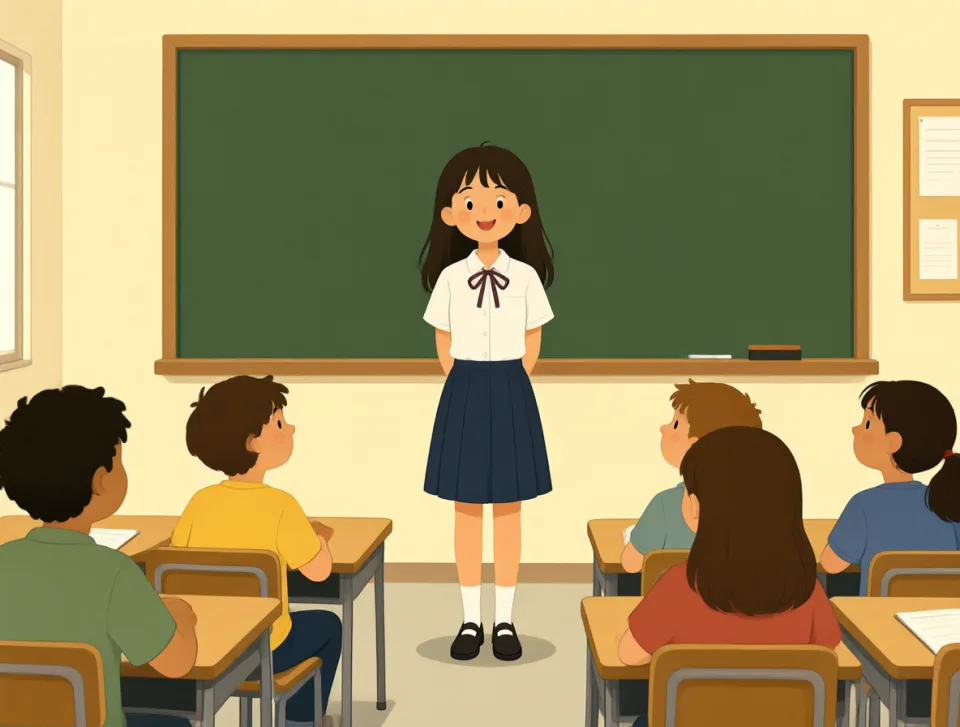
certainly
#536adverb
بالتأكيد
used to say something is definitely true or to politely agree
تُستخدم للتأكيد على أن شيئًا ما صحيح قطعًا، أو للموافقة بأدب.
She is certainly the best student here.
إنها بالتأكيد أفضل طالبة هنا.
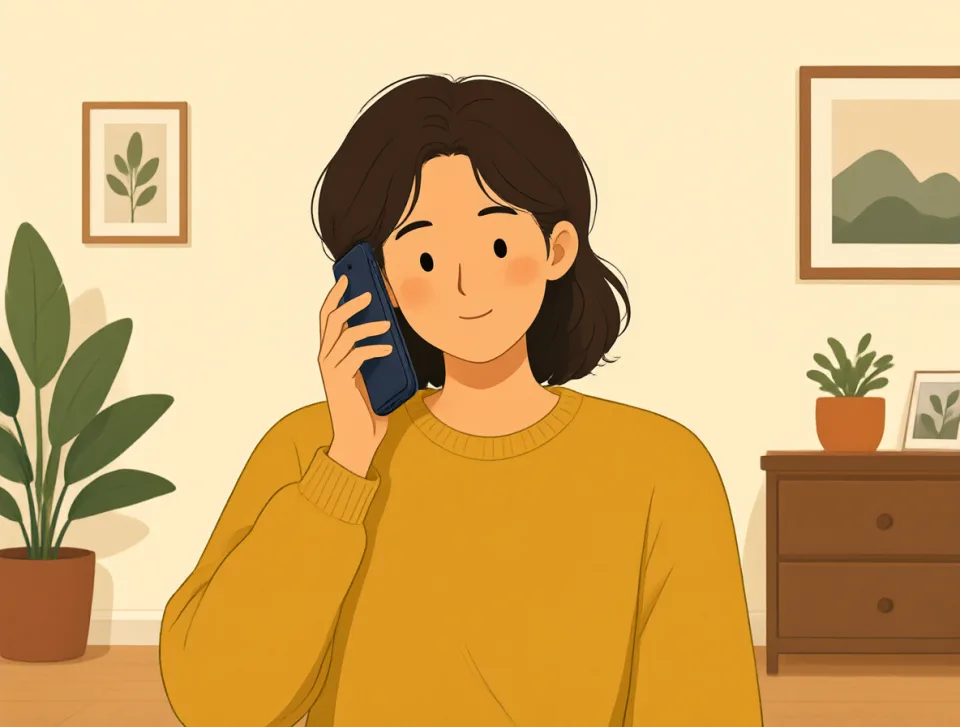
I will certainly call you tonight.
سأتصل بك بالتأكيد الليلة.
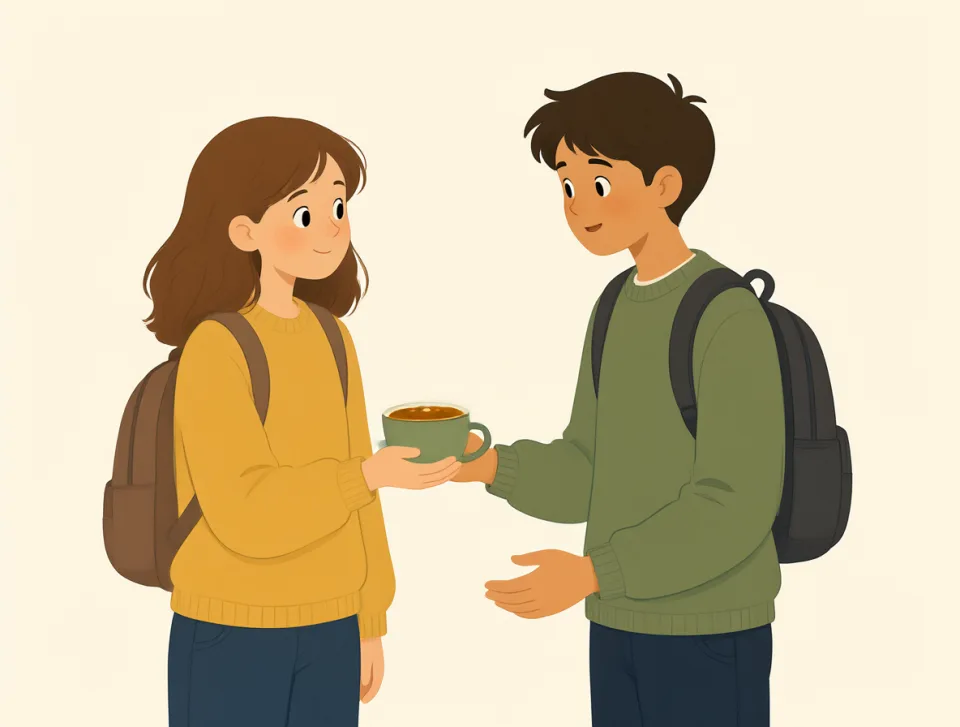
“Can you help me?” “Certainly!”
«هل يمكنك مساعدتي؟» «بالتأكيد!»
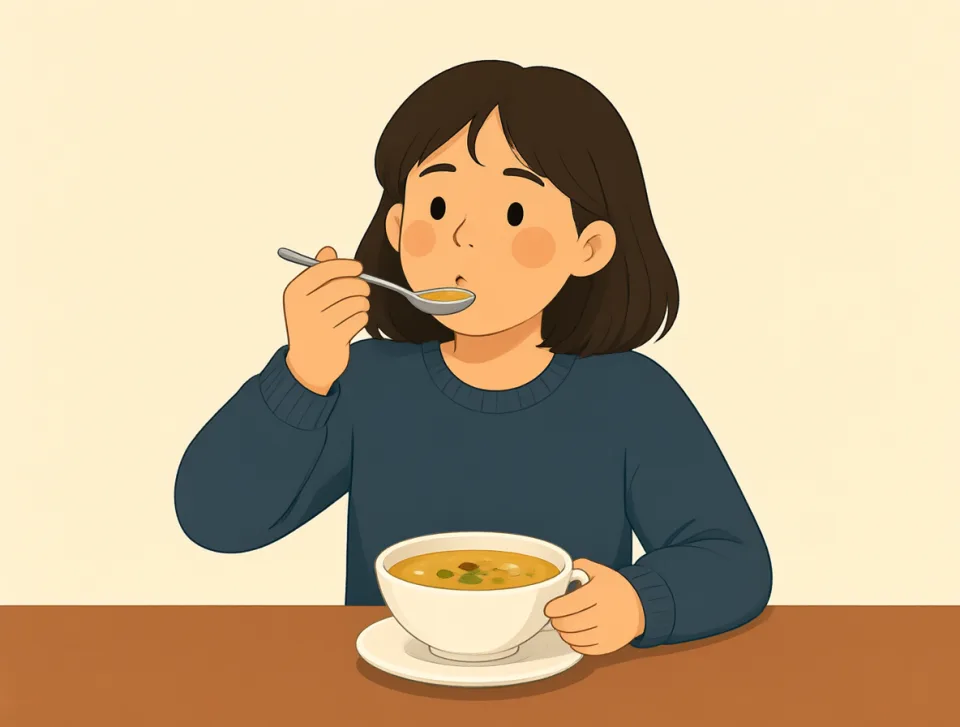
This soup is certainly too hot.
هذا الحساء ساخن جدًا بالتأكيد.
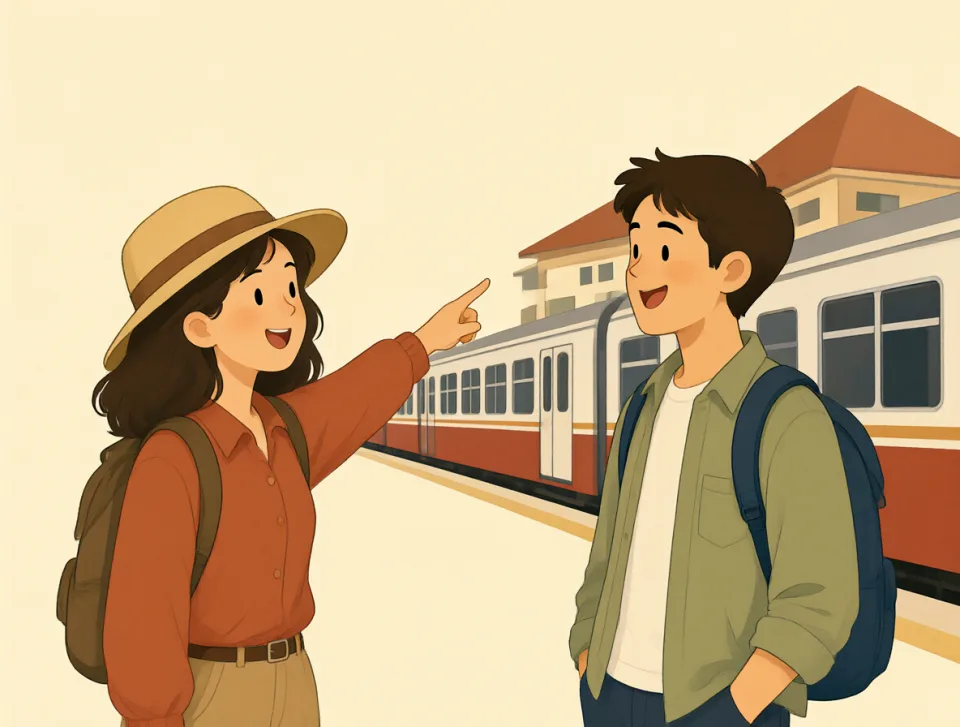
He certainly knows the way to the station.
إنه يعرف بالتأكيد الطريق إلى المحطة.
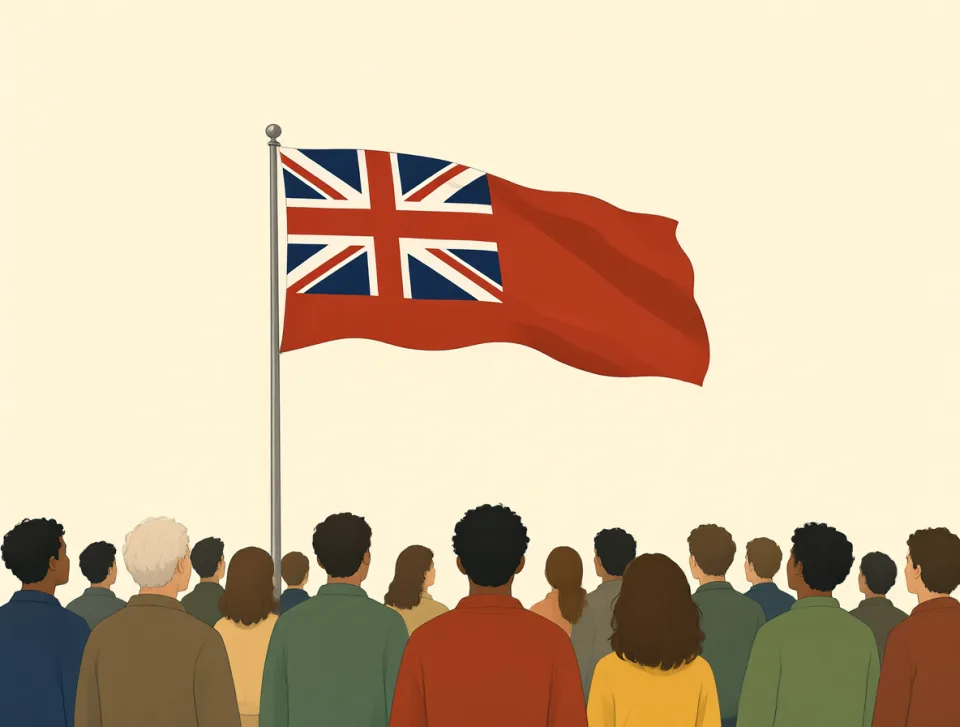
national
#537adjective
وطنيّ
Relating to a whole country or its people.
يتعلق ببلد بأكمله أو بسكانه.
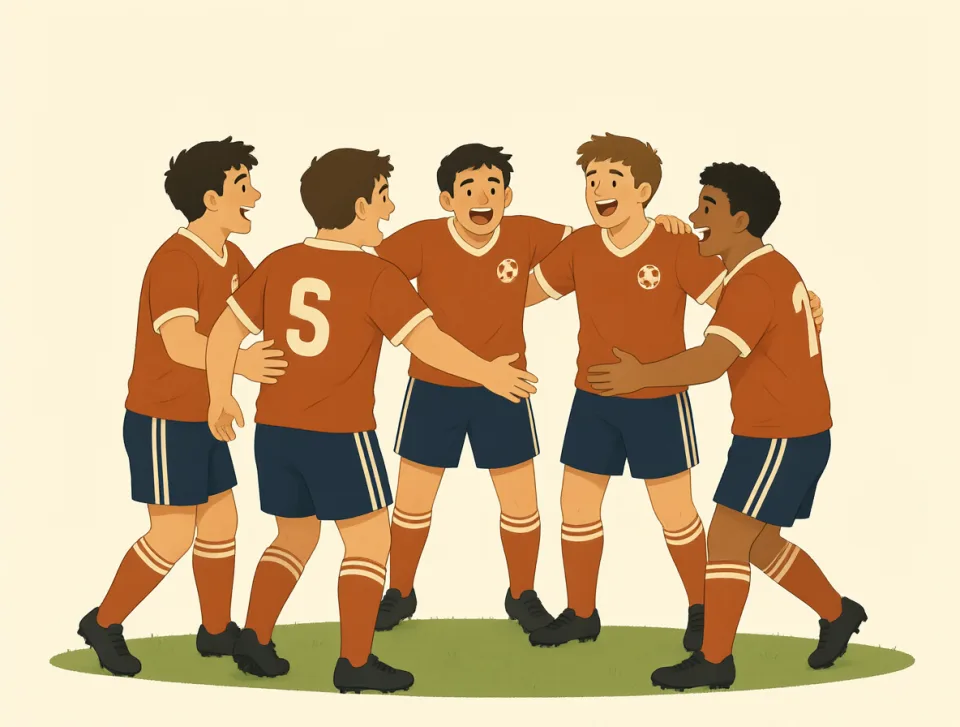
The national team won the football game.
فاز المنتخب الوطني بمباراة كرة القدم.
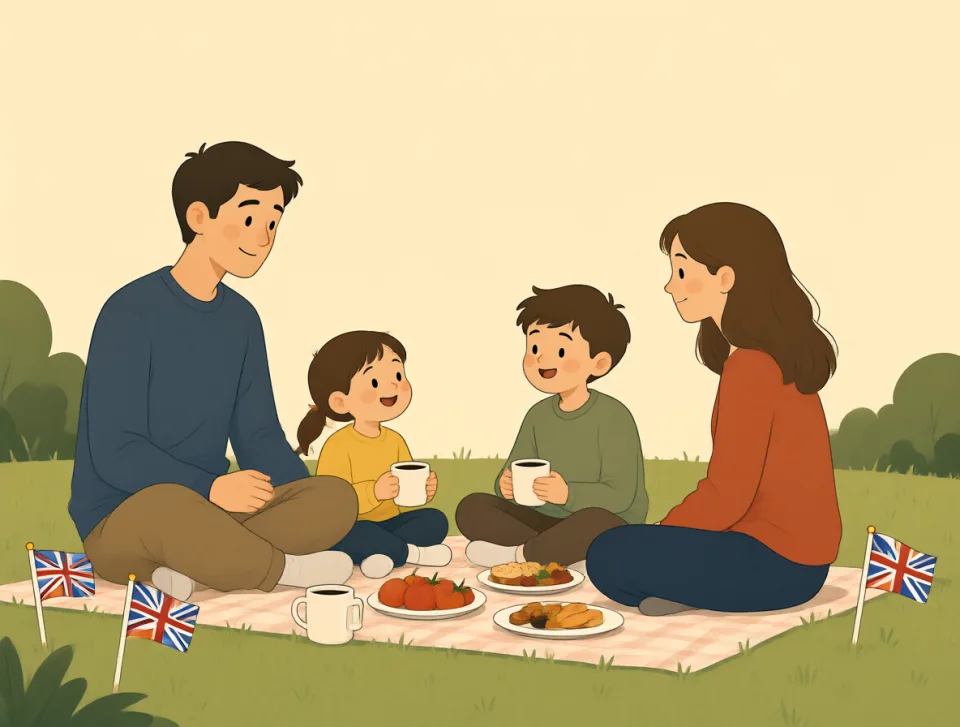
We celebrate a national holiday tomorrow.
سنحتفل غدًا بعطلة وطنية.
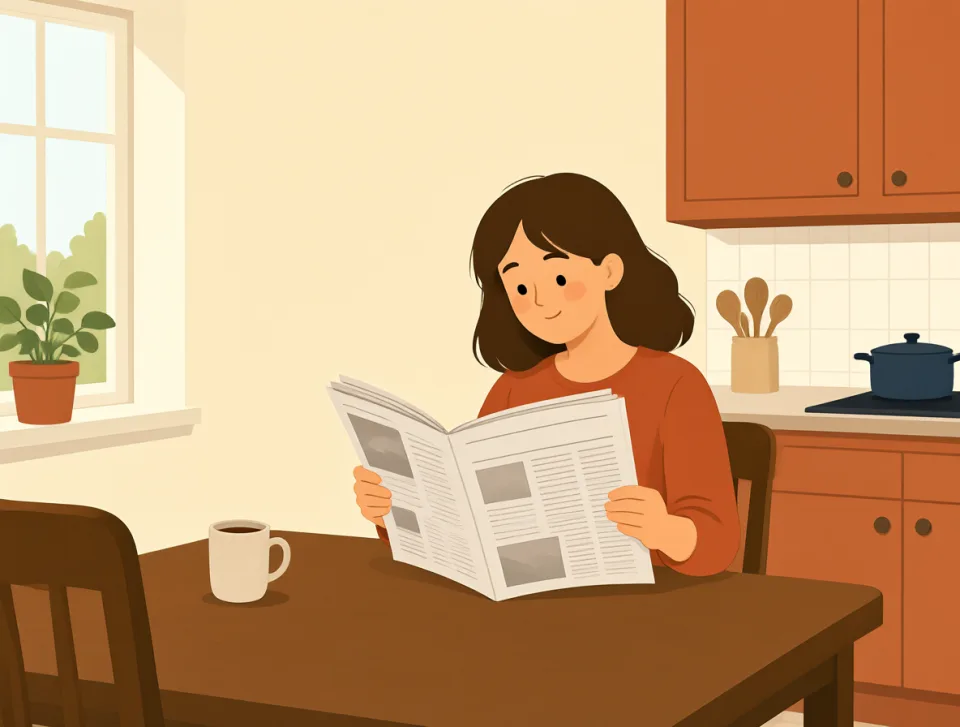
She reads the national news every morning.
تقرأ الأخبار الوطنية كل صباح.
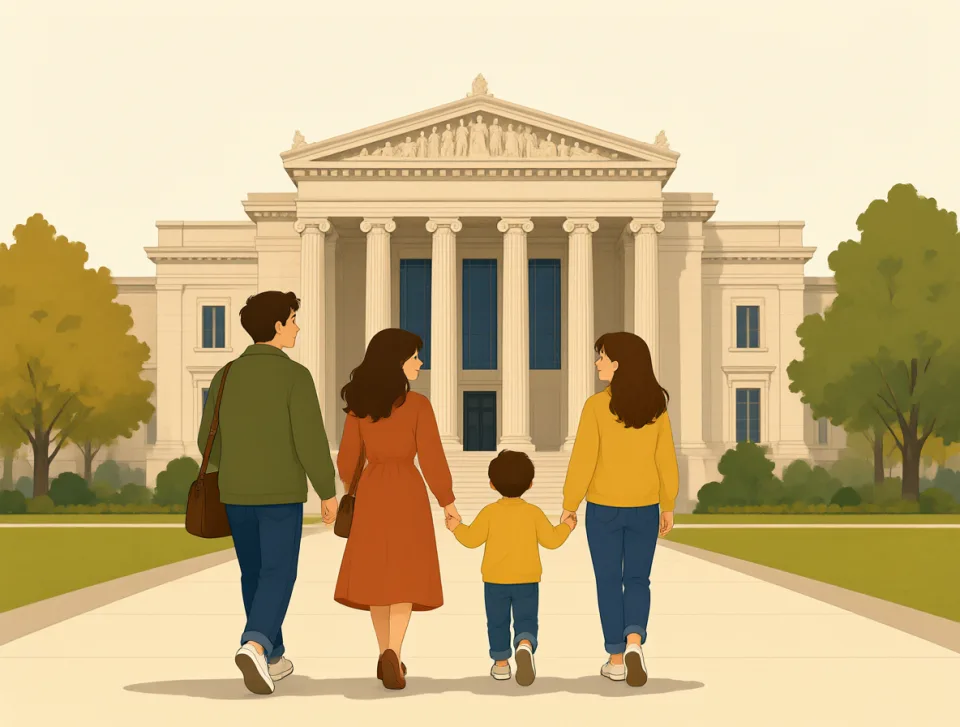
The national museum is near our hotel.
يقع المتحف الوطني بالقرب من فندقنا.
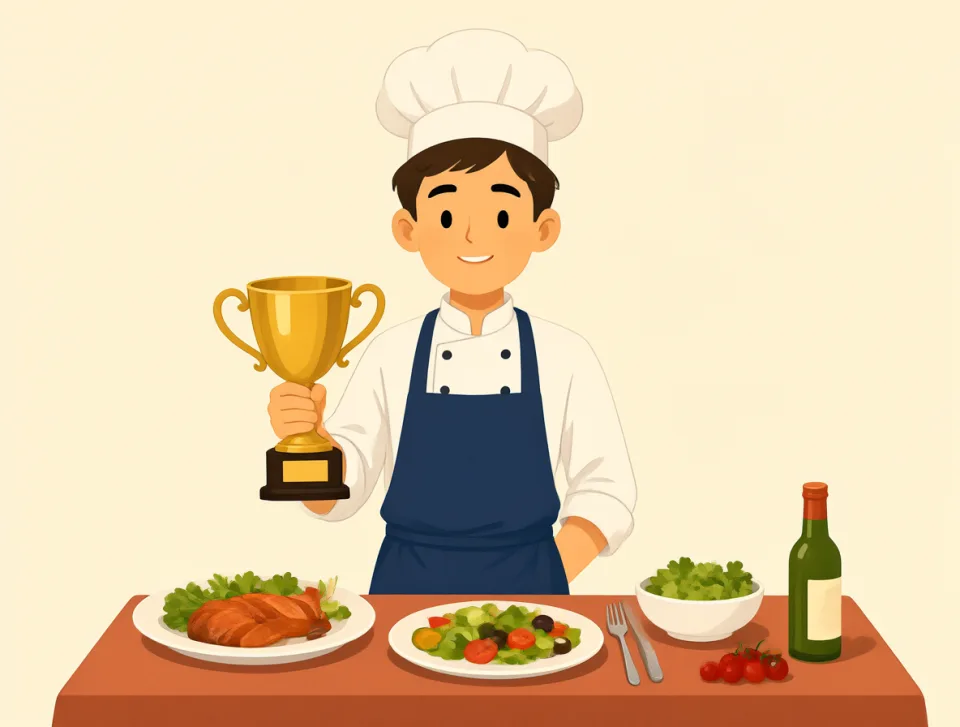
He won a national cooking competition.
فاز بمسابقة وطنية للطهي.
itself
#538pronoun
نفسه
Used to show that a thing does something alone or refers to the same thing.
تُستخدم للدلالة على أن الشيء يفعل شيئًا بمفرده، أو للإشارة إلى الشيء نفسه.
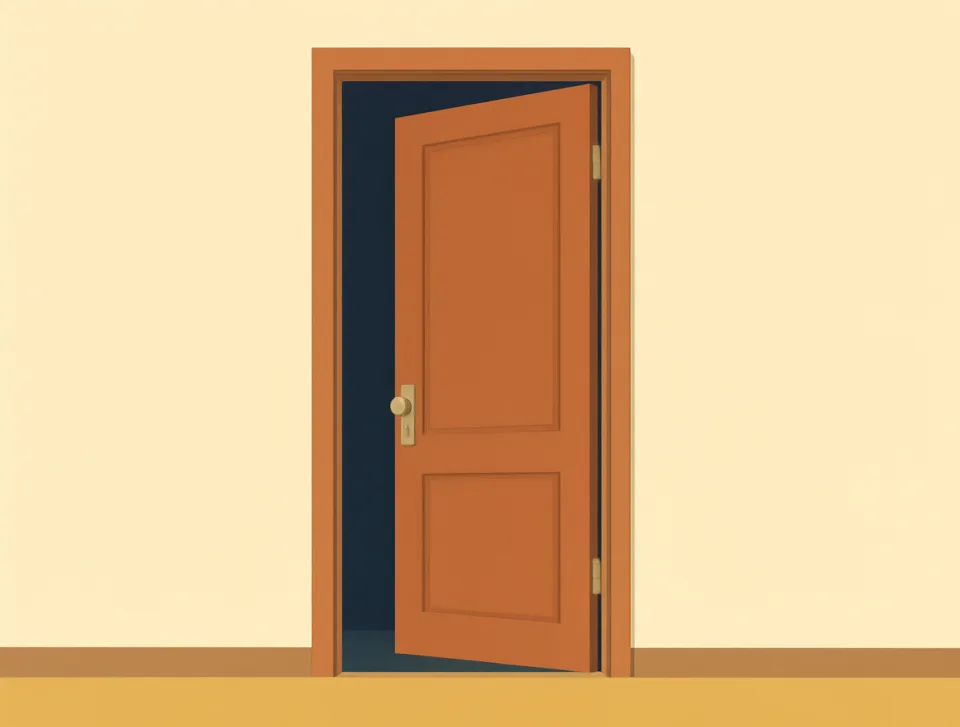
The door opened by itself.
انفتح الباب من تلقاء نفسه.
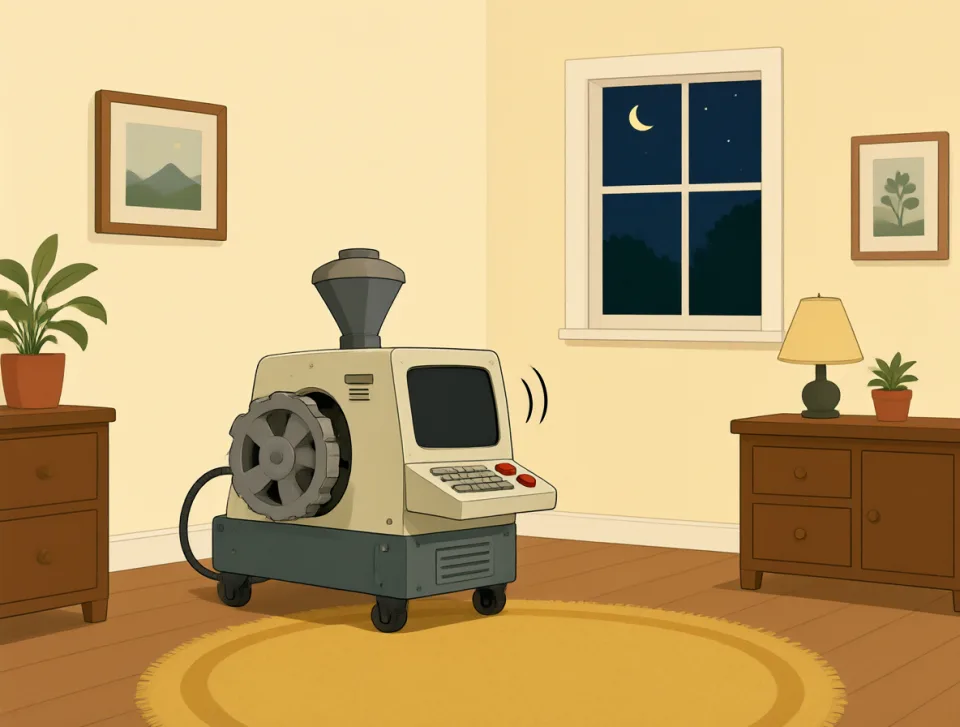
The machine turns itself off at night.
تُطفئ الآلة نفسها ليلًا.

The cat cleaned itself after dinner.
نظّفت القطة نفسها بعد العشاء.
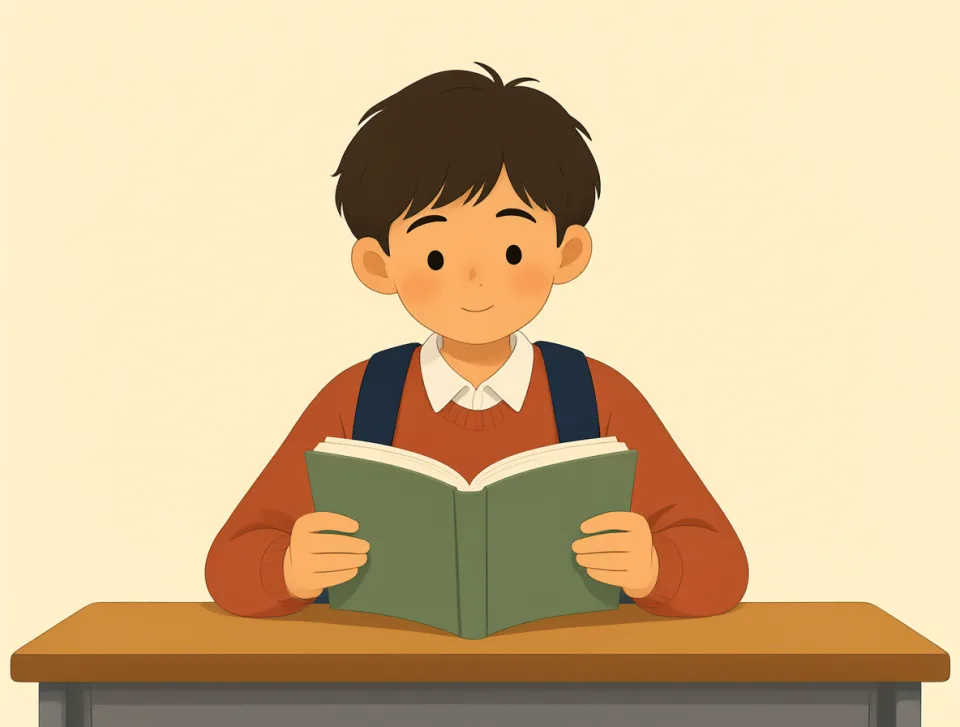
The book itself is very easy to read.
الكتاب نفسه سهل القراءة جدًا.
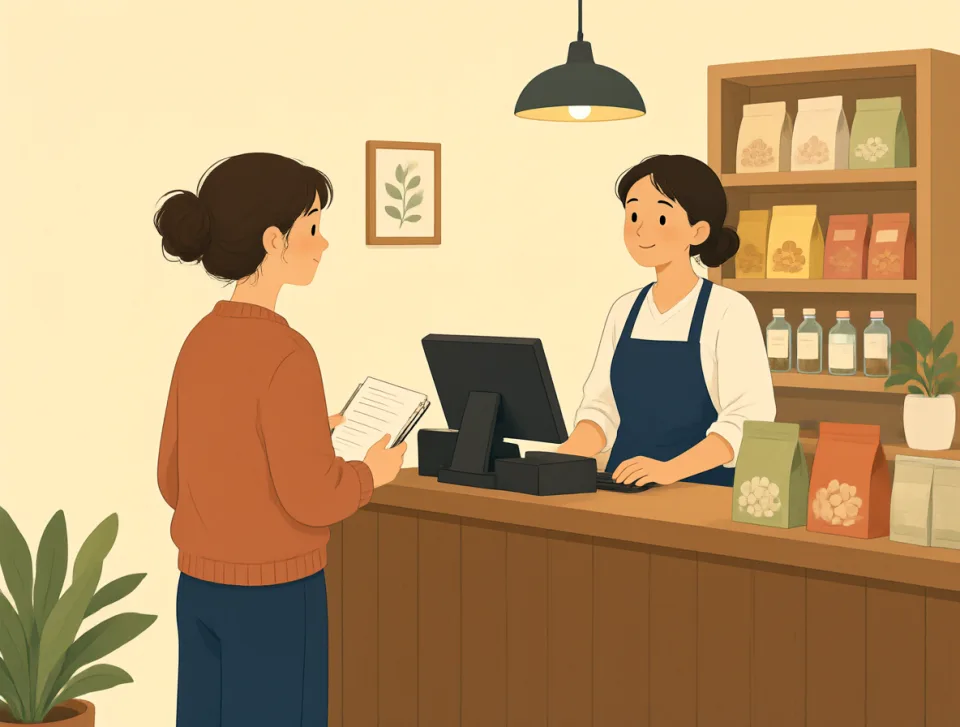
The shop itself was small but friendly.
كان المتجر نفسه صغيرًا، لكن أجواءه ودودة.
teach
#539verb
يُعلِّم
to help someone learn how to do something
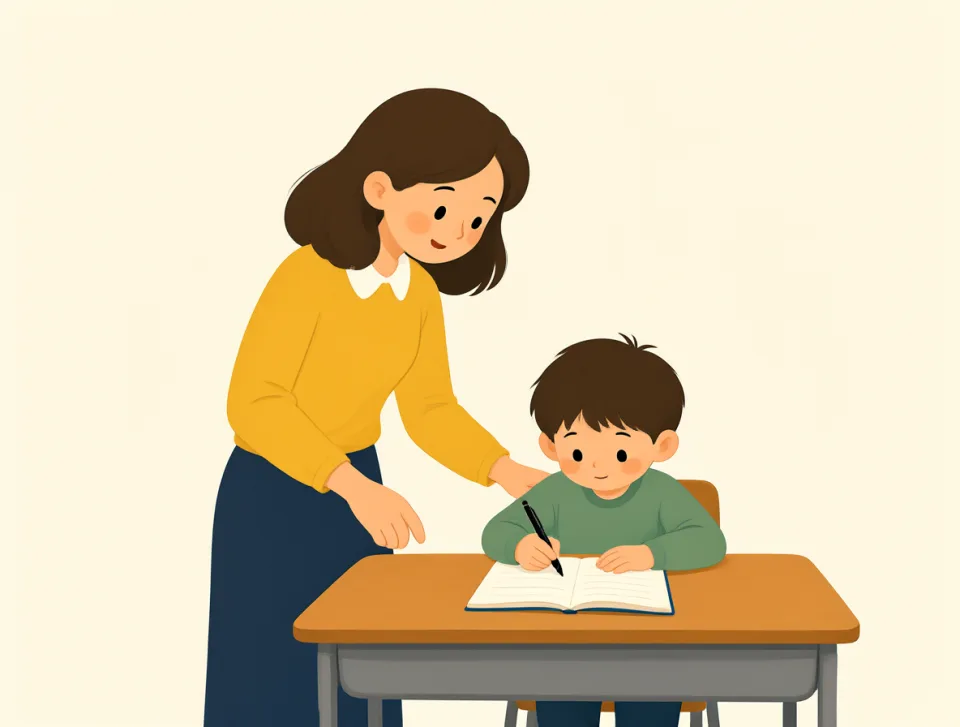
يساعد شخصًا على تعلّم كيفية القيام بشيء ما.
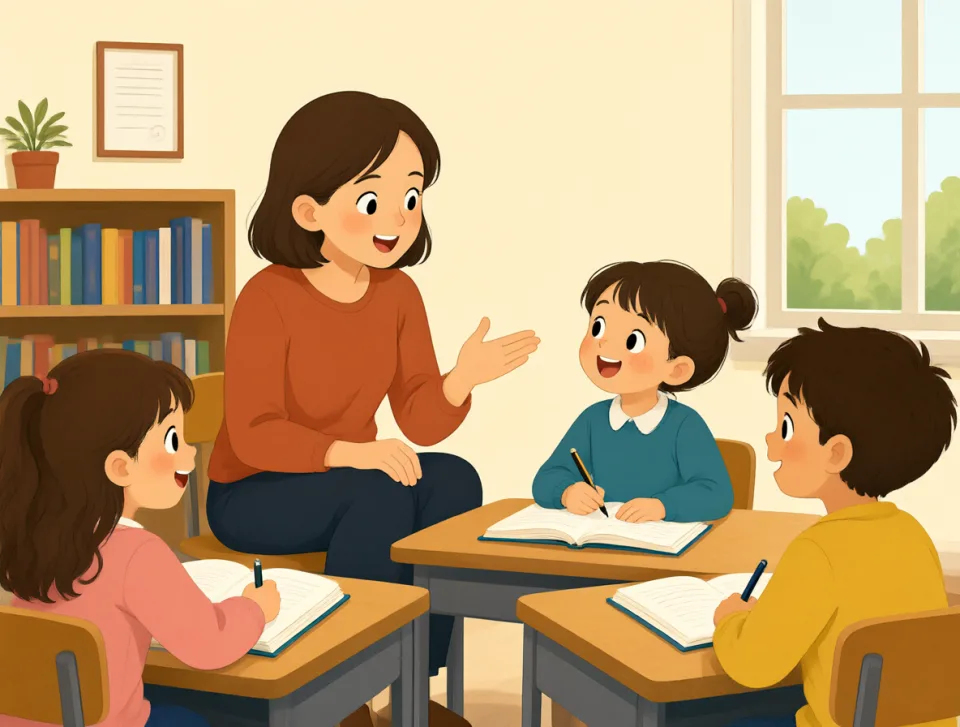
She teaches English at a local school.
تُدرّس الإنجليزية في مدرسة محلية.
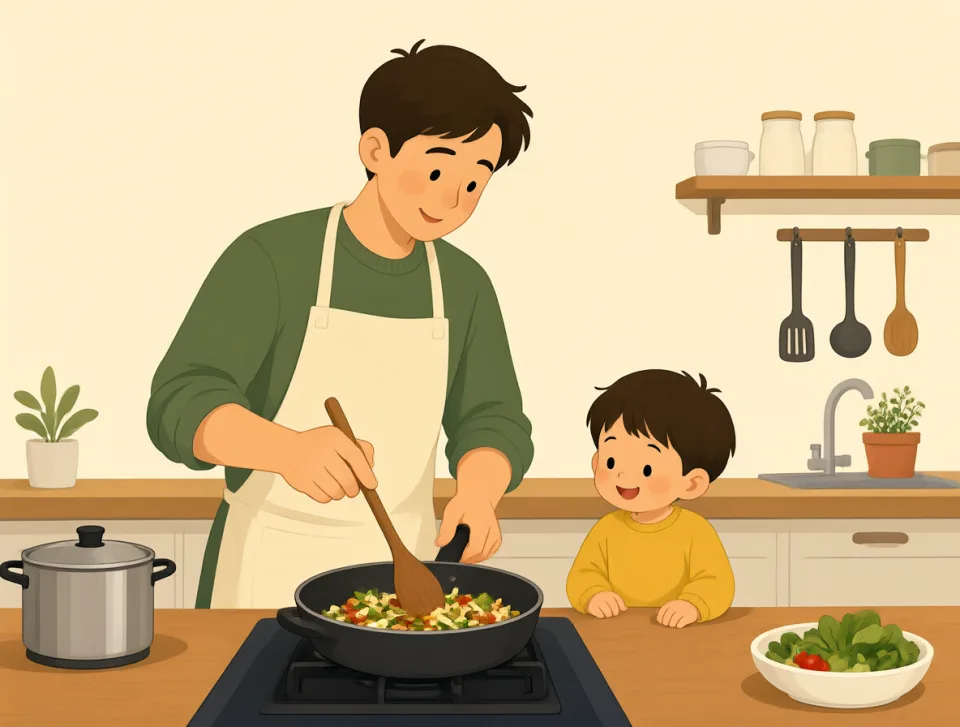
My father taught me how to cook.
علّمني أبي كيف أطبخ.
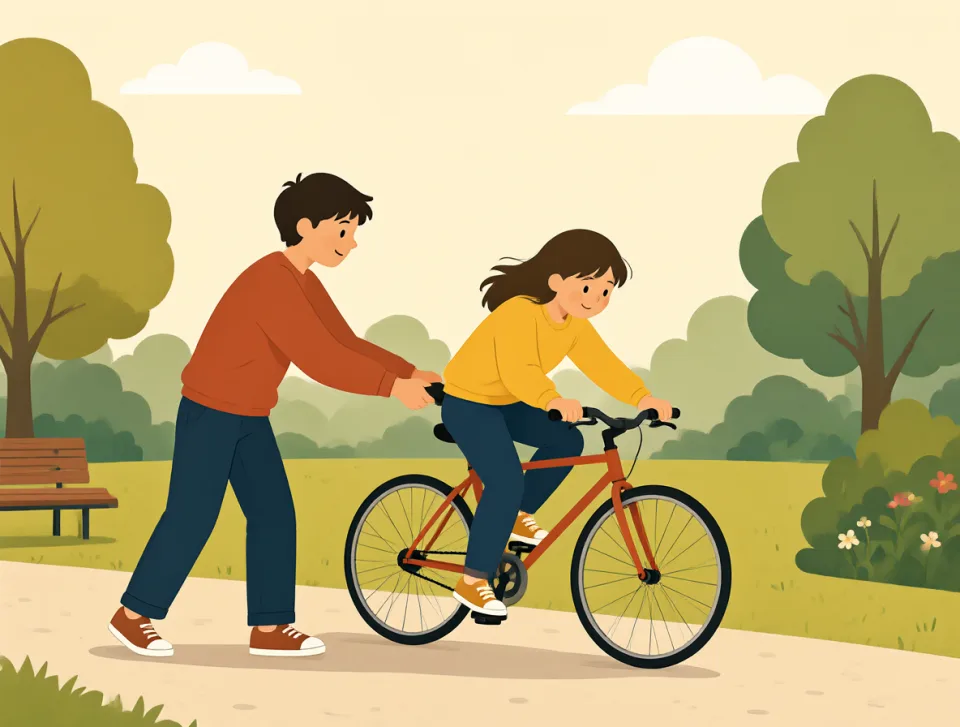
Can you teach me to ride a bike?
هل يمكنك أن تعلّمني ركوب الدراجة؟
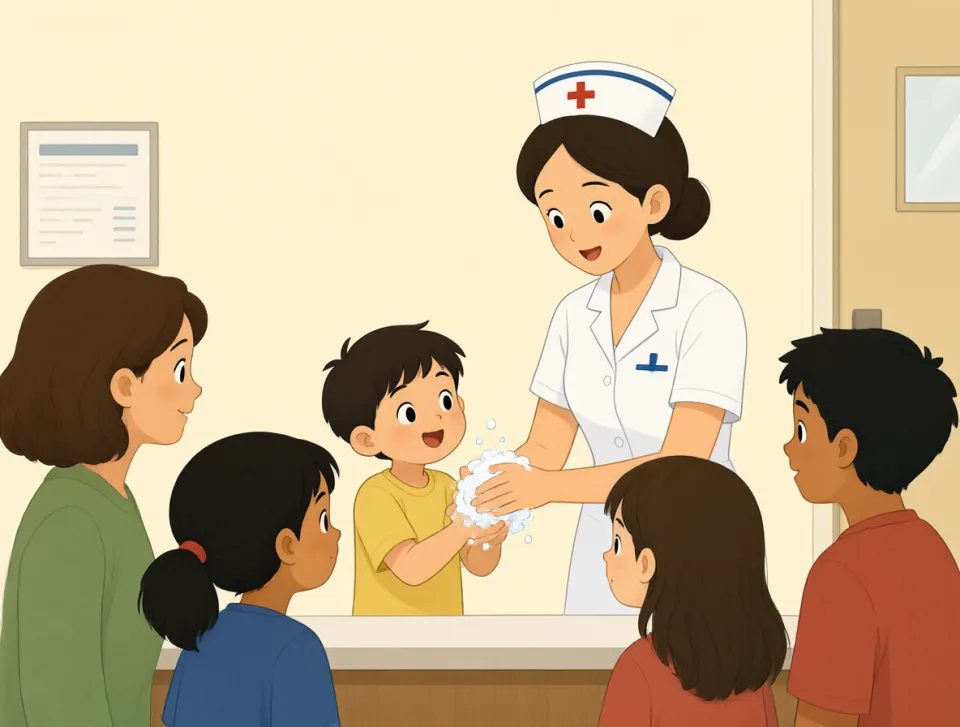
The nurse taught us how to wash our hands.
علّمتنا الممرضة كيف نغسل أيدينا.
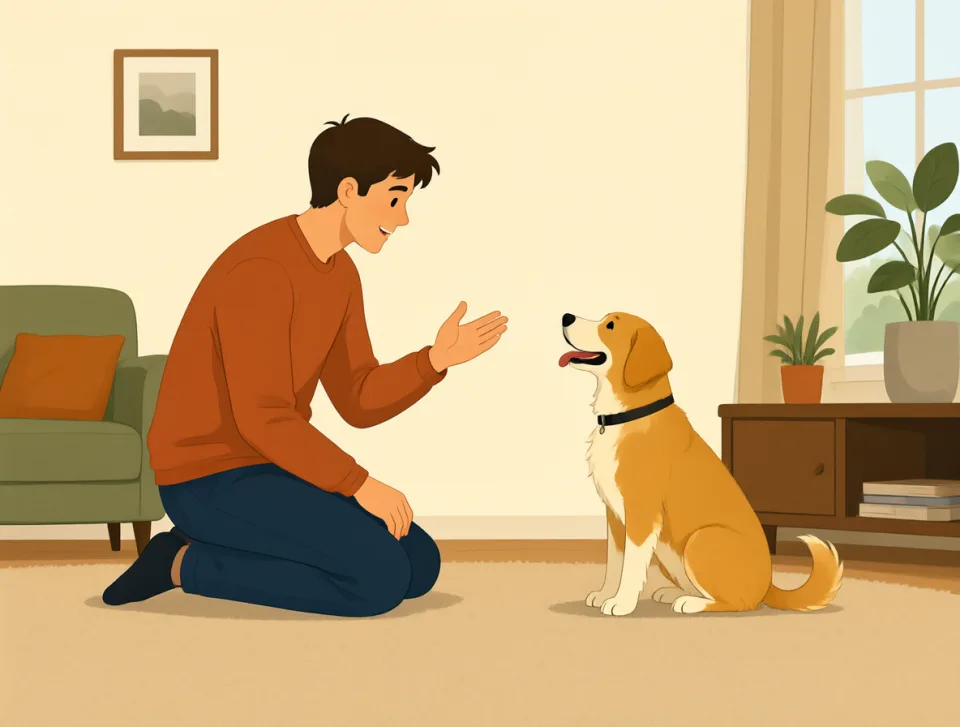
He is teaching his dog to sit.
إنه يعلّم كلبه الجلوس.
field
#540noun, verb
حقل؛ مجال
An open area of land, or a subject of study or work.
أرض مفتوحة، أو مجال للدراسة أو العمل.
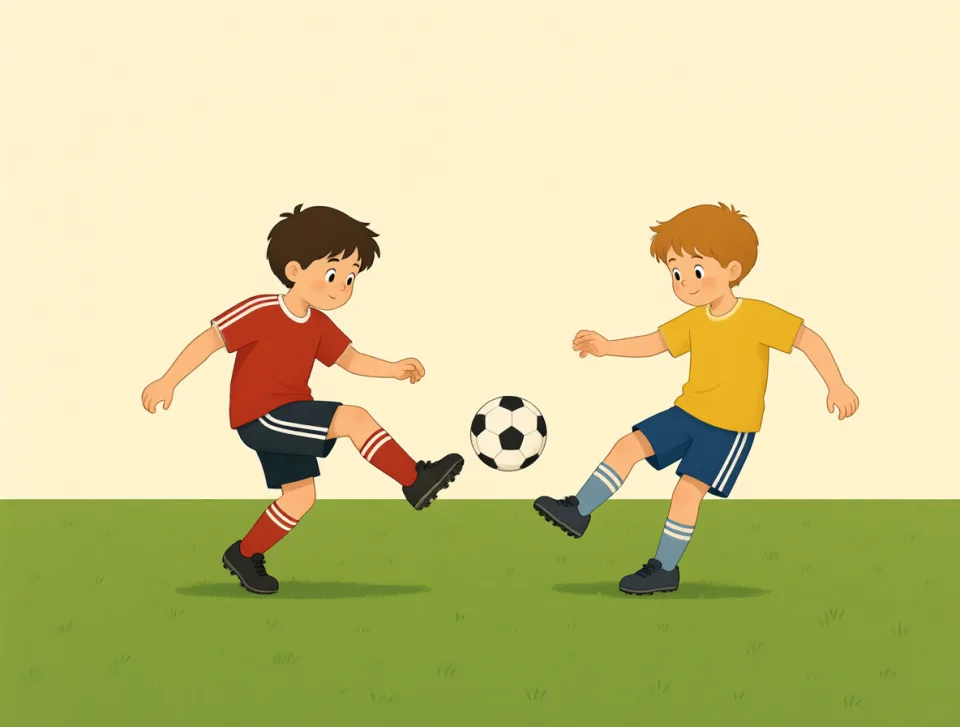
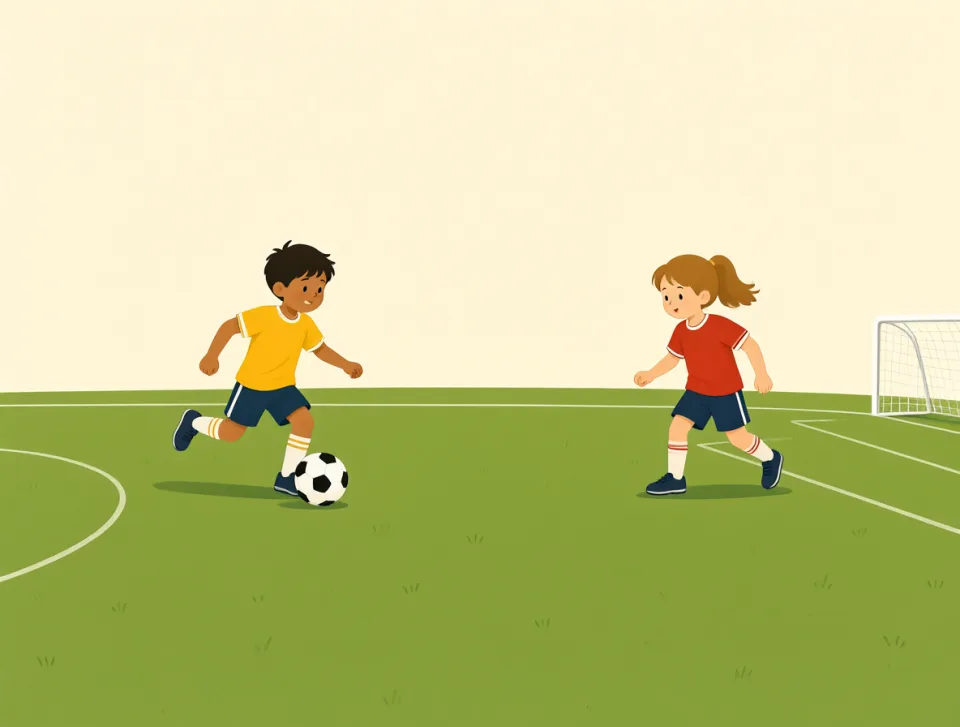
The children are playing soccer in the field.
يلعب الأطفال كرة القدم في الملعب.
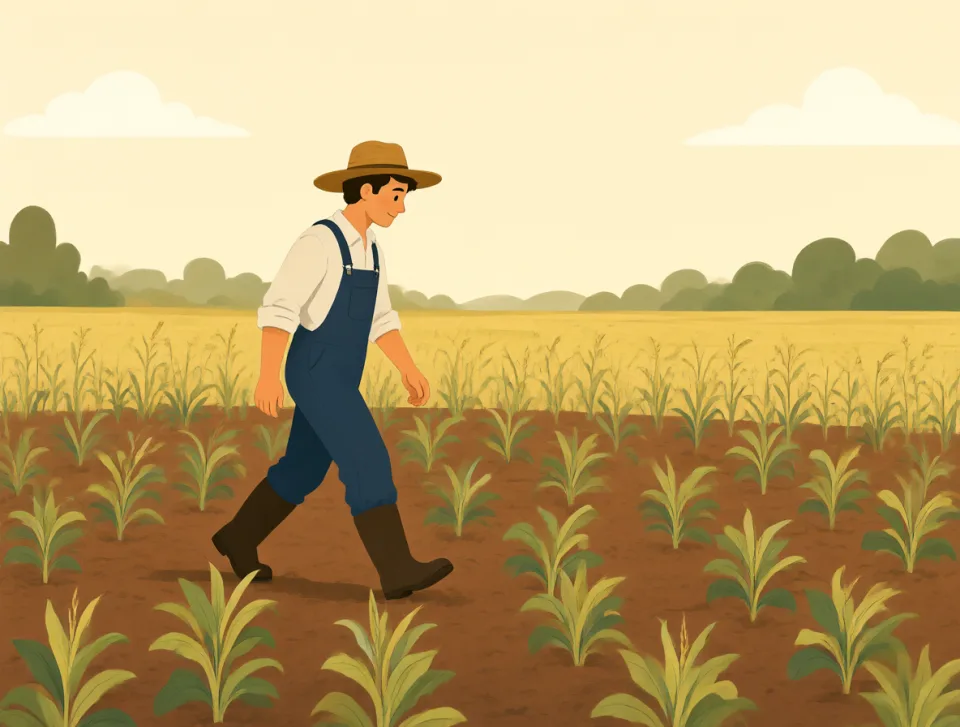
The farmer works in the fields every day.
يعمل المزارع في الحقول كل يوم.
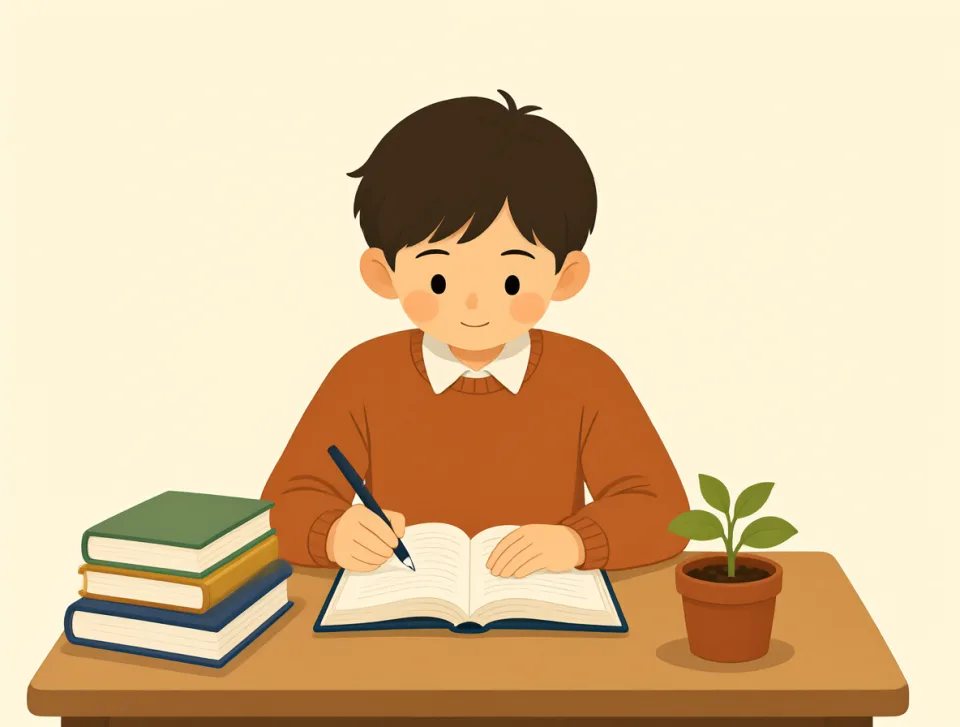
Science was my favorite field at school.
كان العلوم مجالي المفضل في المدرسة.
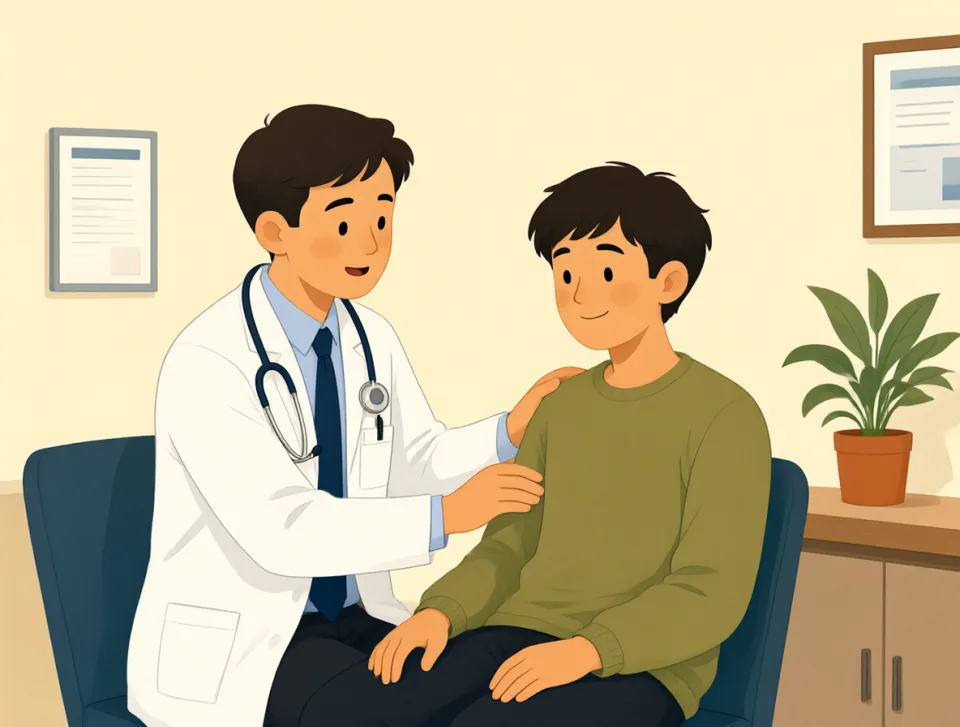
She works in the medical field.
تعمل في المجال الطبي.
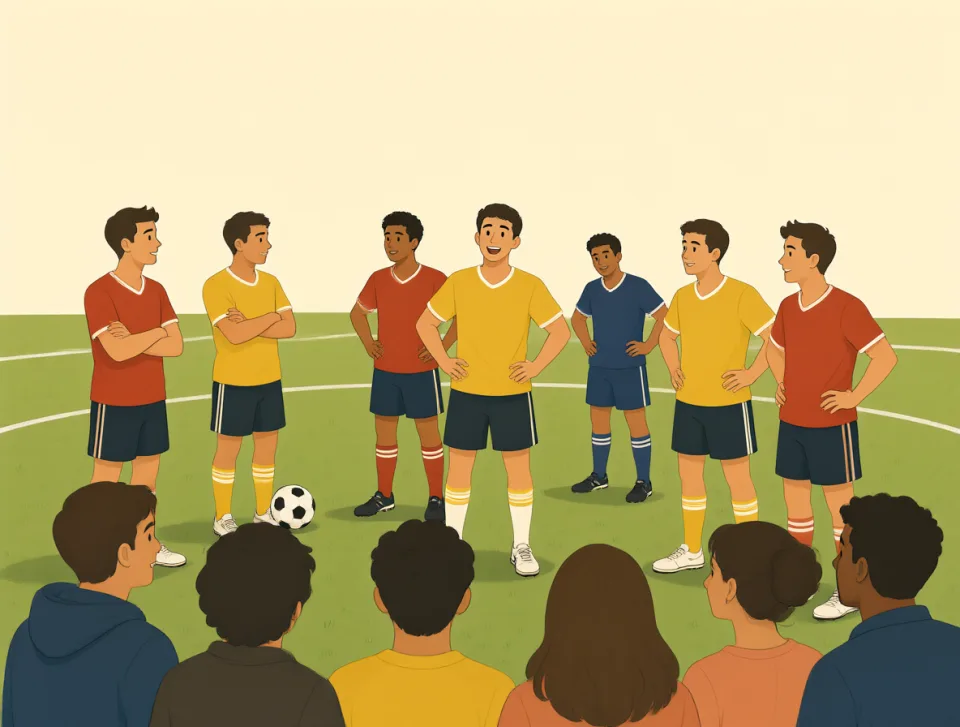
The team fielded questions after the game.
طرح الفريق أسئلة بعد المباراة.