第 27 单元
第 521–540 个单词 · road, accord, list, wish, therefore, wear

road
#521noun
路;道路
a way for cars, buses, and people to travel between places
供汽车、公共汽车和人们往来于不同地点的道路
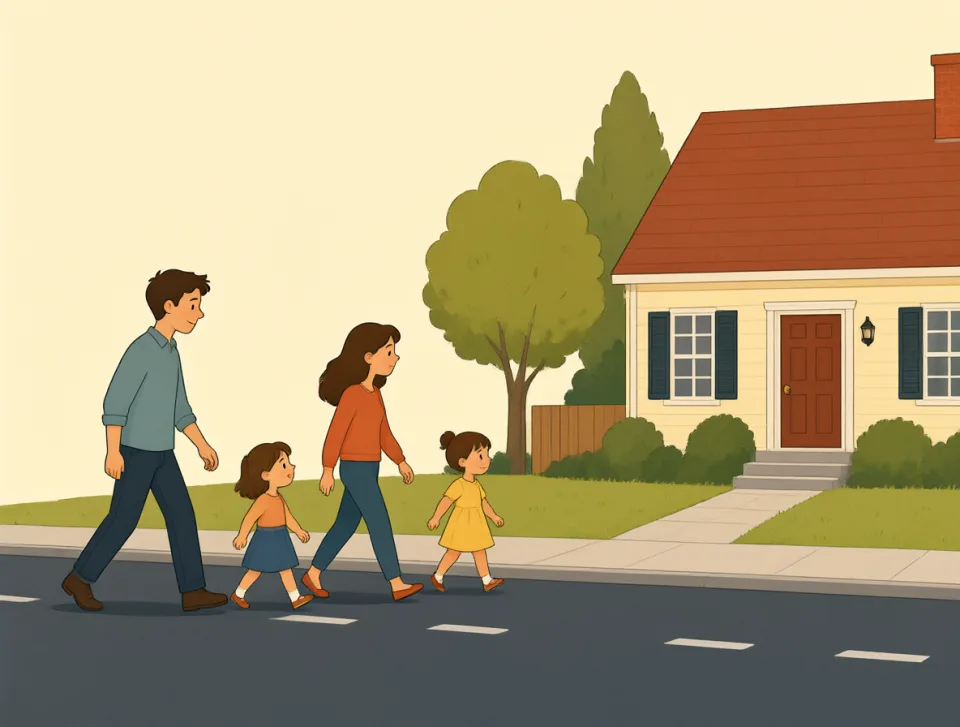
We crossed the road near our house.
我们在家附近过了马路。
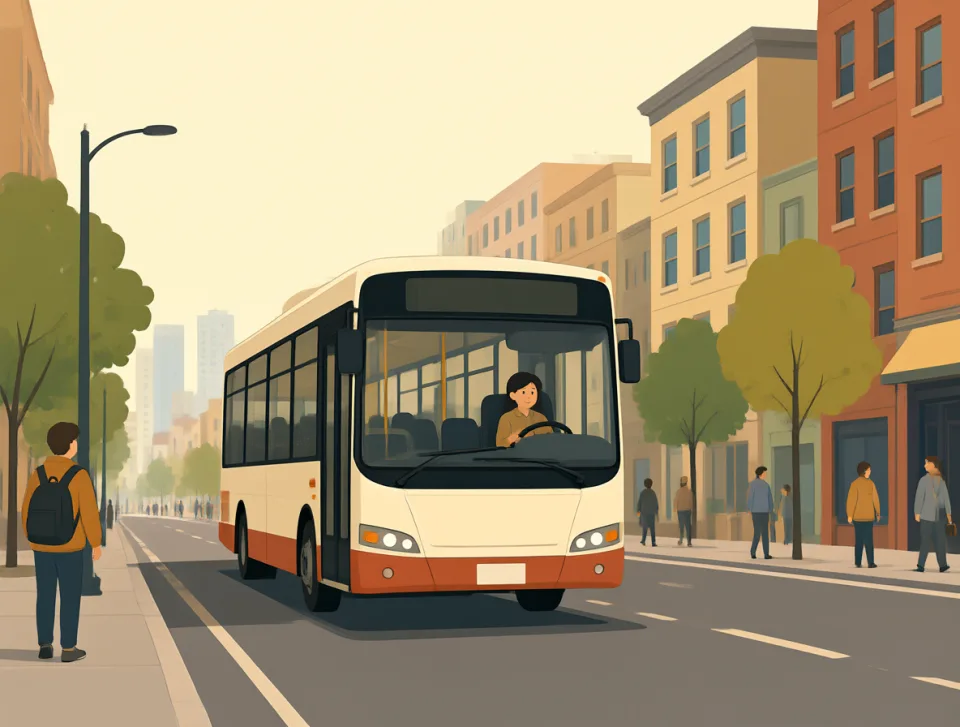
The bus travels along this busy road.
公共汽车沿着这条繁忙的道路行驶。

Turn left at the end of the road.
在路的尽头向左转。

They stopped by the roadside for lunch.
他们在路边停下来吃午饭。

The road was covered with snow yesterday.
昨天路上覆盖着积雪。

accord
#522noun, verb
协议;给予;符合;授予
An agreement, or to give someone what they need or want.
协议;给予某人所需要或想要的东西
The two teams reached an accord yesterday.
两支队伍昨天达成了协议。

The countries signed a peace accord.
两国签署了和平协议。

The plan accords with our school rules.
这项计划符合我们学校的规定。

The award was accorded to the brave nurse.
这位勇敢的护士获得了这项荣誉。

The hotel accorded us a warm welcome.
酒店向我们表示了热烈欢迎。
list
#523noun, verb
名单;清单;列出
a group of names or things, or to write them down
一组名字或事物,或把它们写下来

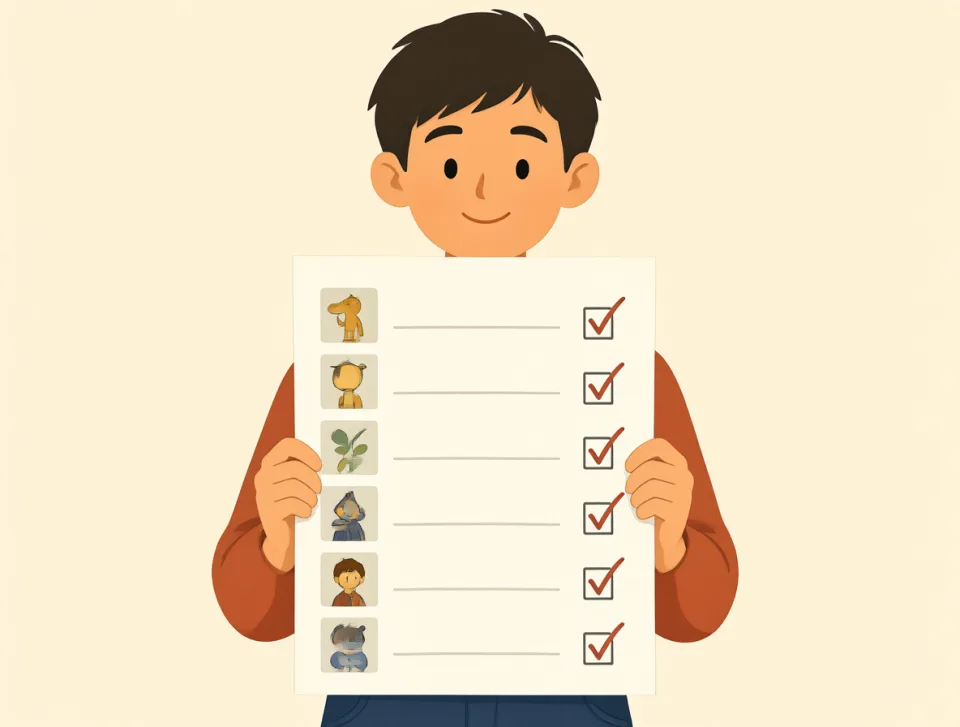
I made a shopping list before going to the store.
我去商店之前列了一份购物清单。

Her name is on the guest list.
她的名字在宾客名单上。

Please list the foods you bought.
请把你买的食物列出来。
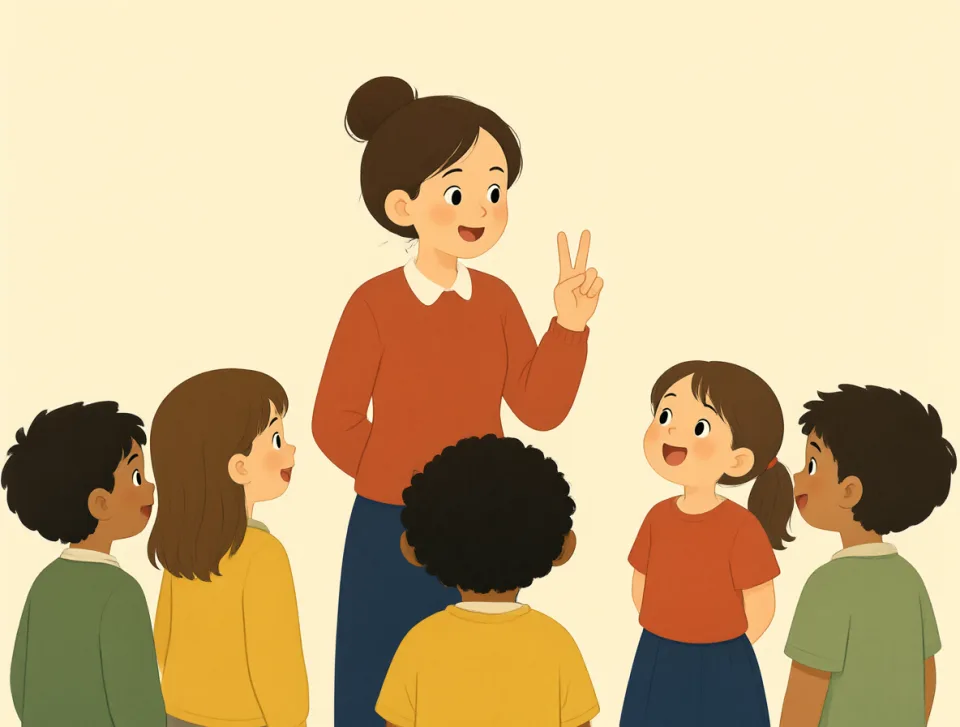
The teacher listed three rules for the class.
老师为班级列出了三条规定。

We made a list of places to visit.
我们列了一份想去的地方清单。
wish
#524verb, noun
希望;愿望
To want something to happen or have something, especially when it seems unlikely.
希望某件事发生或拥有某样东西,尤其是在这件事看起来不太可能的时候。

I wish you a happy birthday.
祝你生日快乐。

I wish I had more free time.
我真希望自己有更多空闲时间。
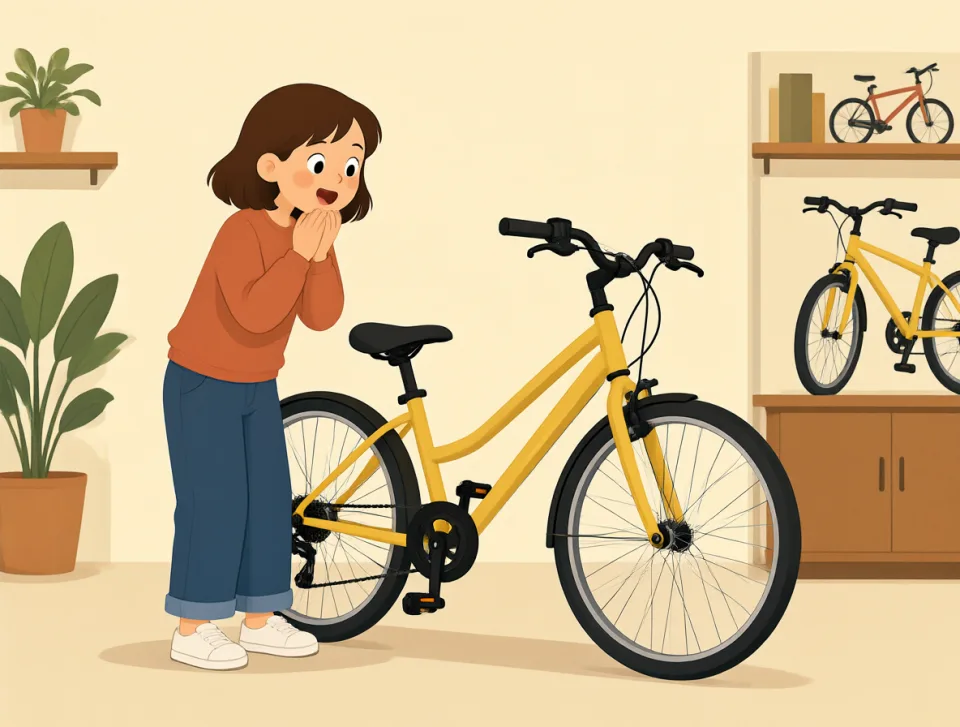
She wishes for a new bicycle.
她想要一辆新自行车。

We wished them good luck before the test.
考试前,我们祝他们好运。

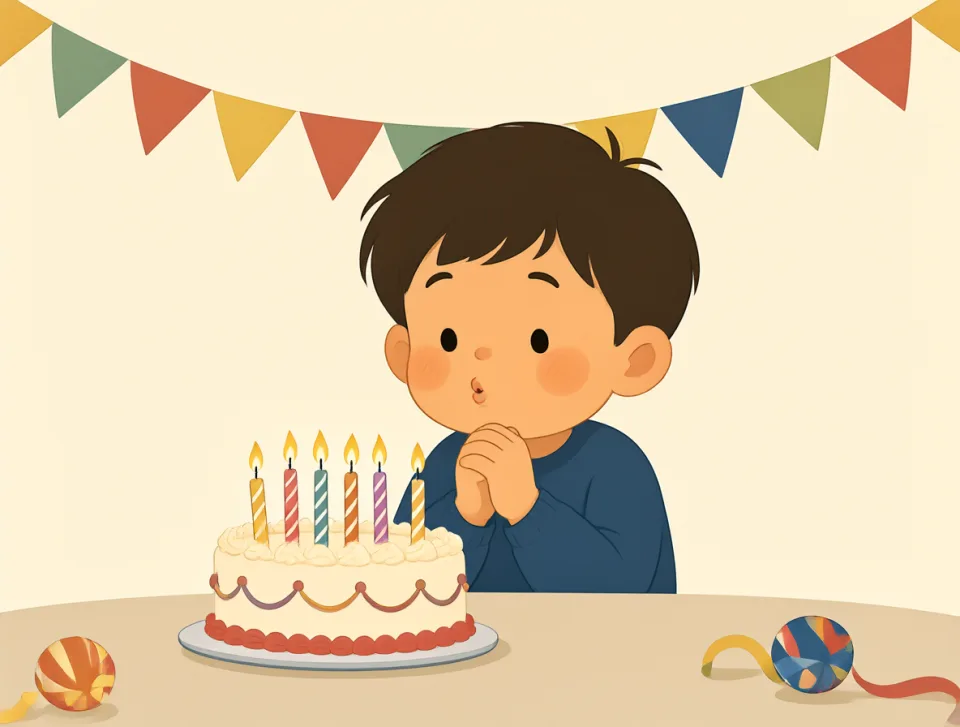
He made a wish before blowing out candles.
吹灭蜡烛前,他许了个愿。

therefore
#525adverb
因此; 所以
For that reason; because of something just mentioned.
因为这个原因;由于刚才提到的事情。
It was raining; therefore, we stayed home.
下雨了;因此,我们待在家里。
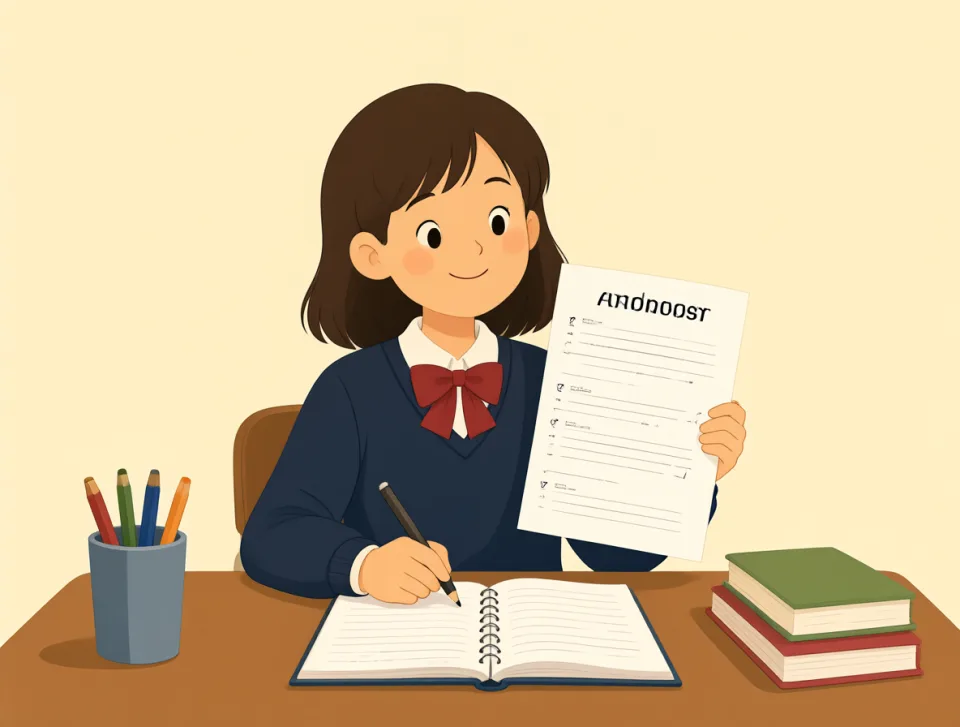
She studied hard and therefore passed the test.
她努力学习,因此通过了考试。

The store was closed; therefore, we went home.
商店关门了;因此,我们回家了。
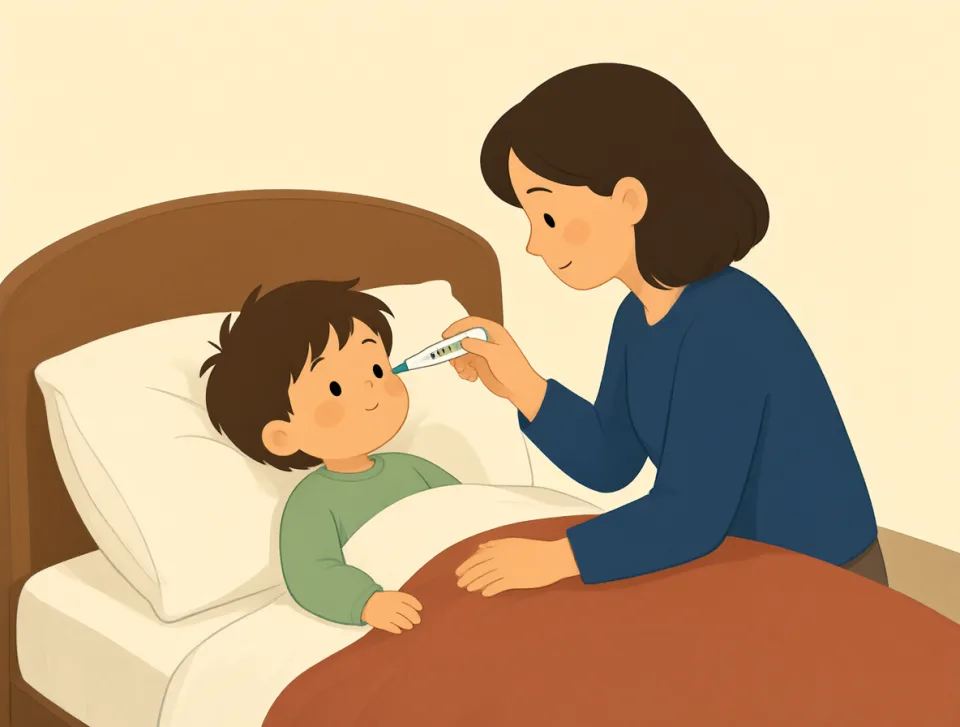
He felt sick and therefore missed school.
他感到不舒服,因此没去上学。
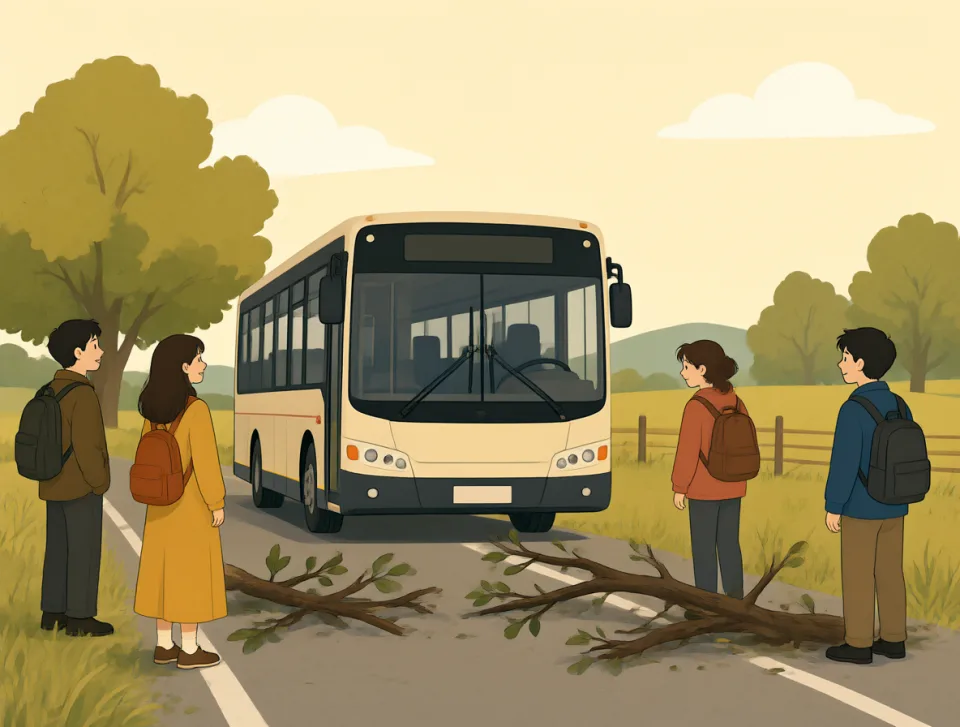
The road was blocked; therefore, the bus stopped.
道路被封了;因此,公交车停了下来。
wear
#526verb, noun
穿;磨损;磨损处
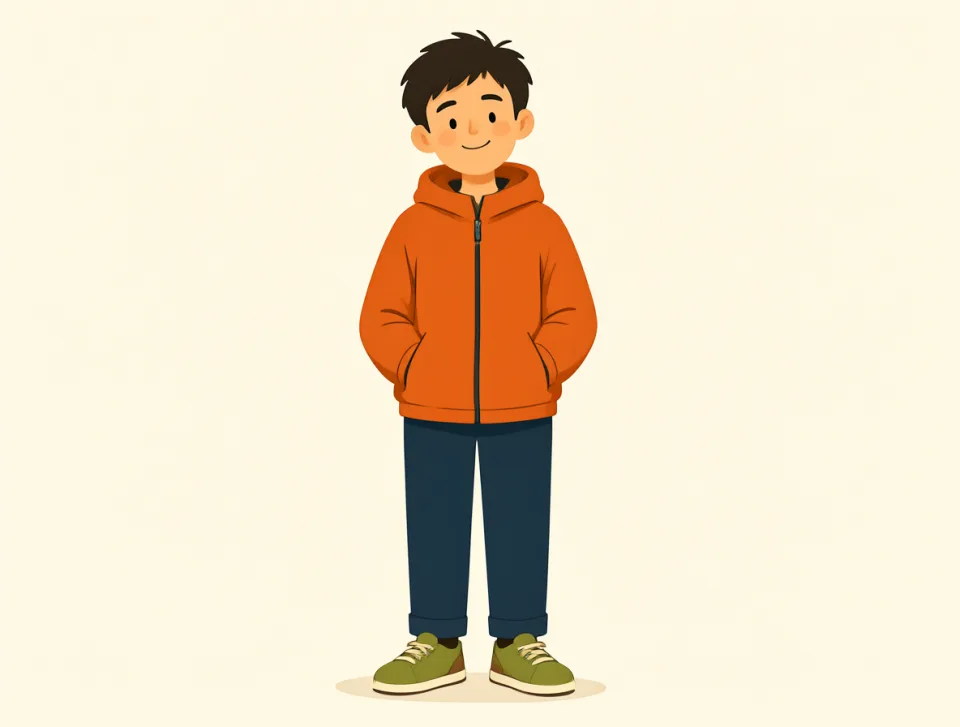
to have clothes, shoes, or something on your body
身上穿着衣服、鞋子或其他东西
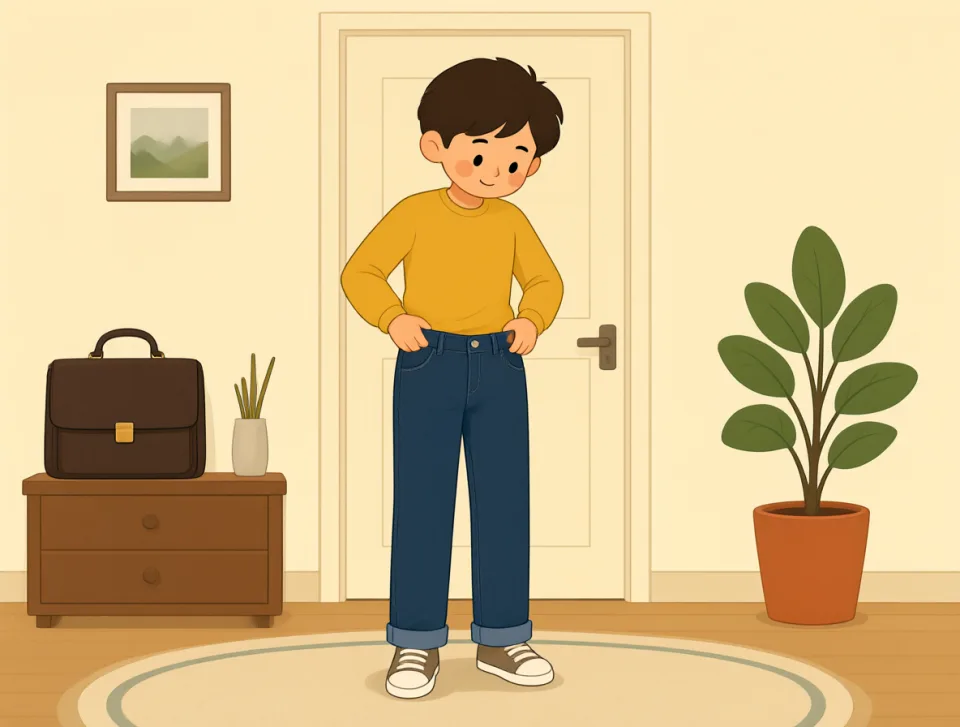
I wear jeans to work every day.
我每天穿牛仔裤上班。

She is wearing a red dress tonight.
她今晚穿一条红色连衣裙。

He wore a warm coat in winter.
冬天他穿了一件暖和的外套。
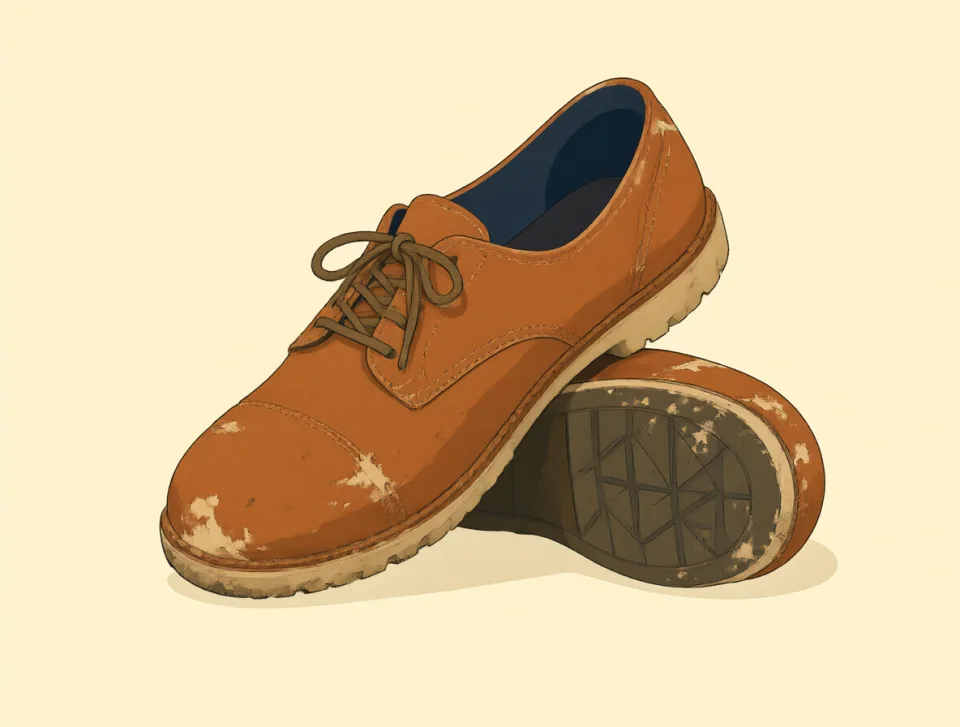
These shoes wear out quickly.
这些鞋很快就会磨损。
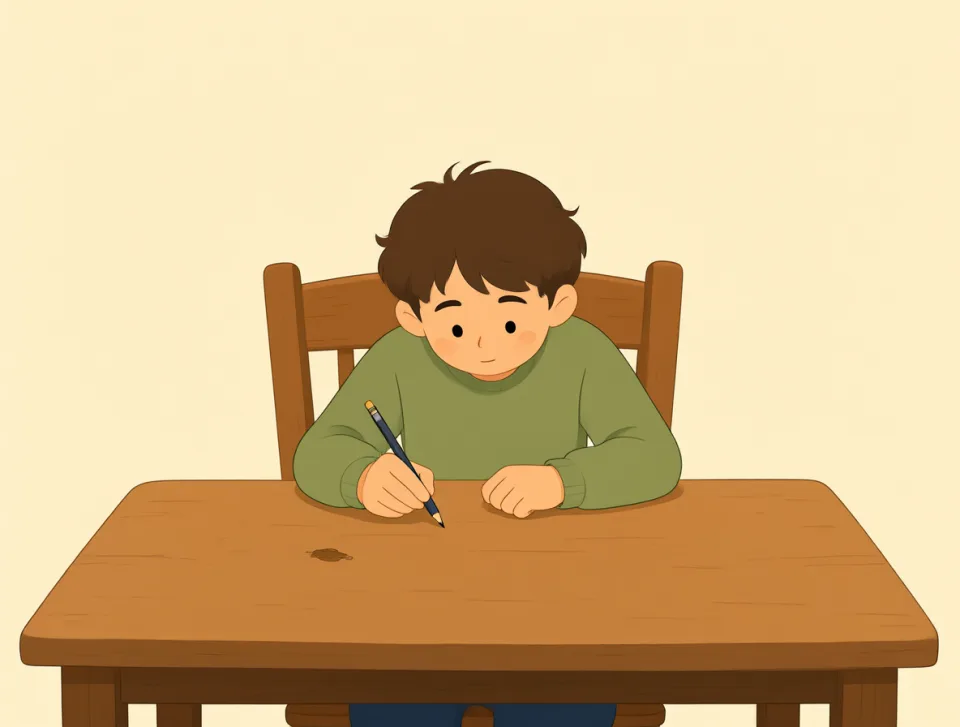
The table has a small wear mark.
桌子上有一小块磨损的痕迹。

fund
#527noun, verb
资金;资助
Money saved or provided for a particular purpose; to provide money for something.
为特定目的储存或提供的钱;为某事提供资金。
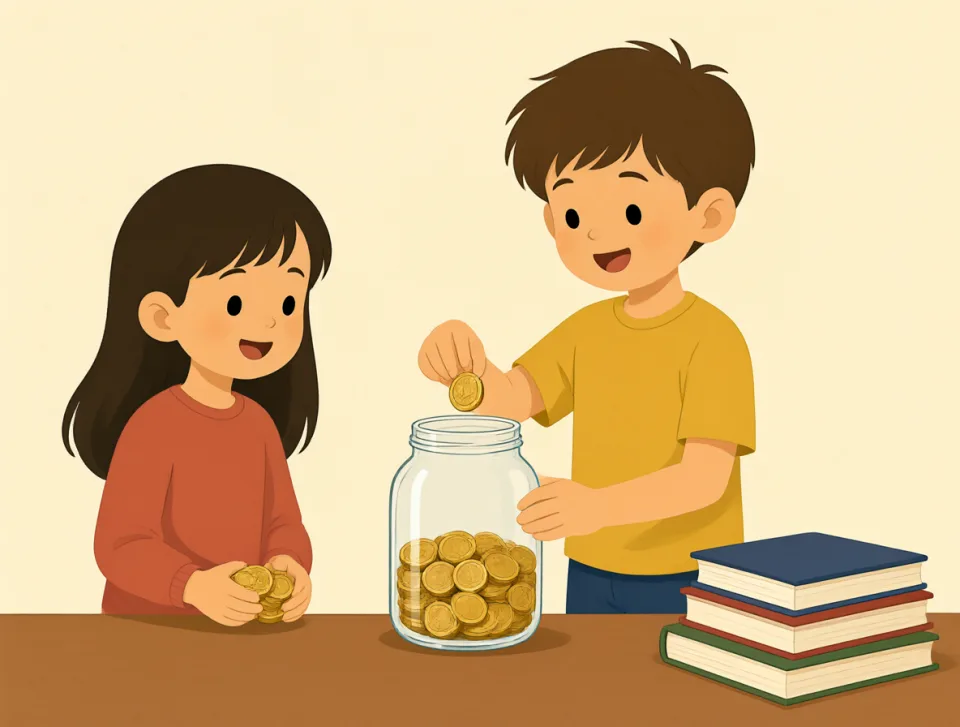
The school raised funds for new books.
学校为购买新书筹集了资金。
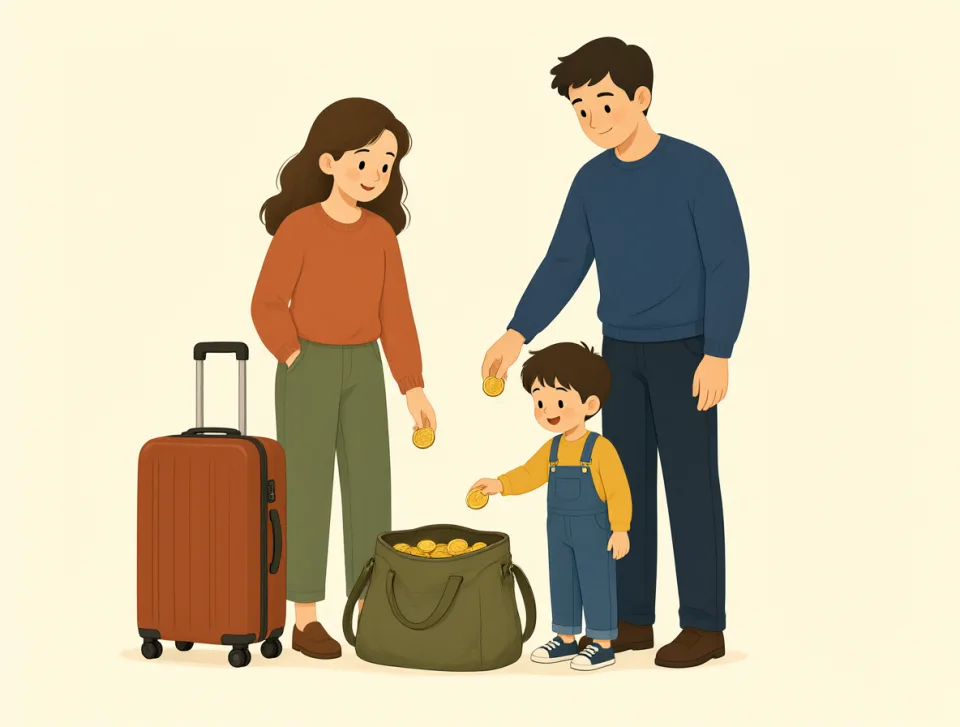
We need to fund our trip this summer.
我们需要为今年夏天的旅行筹集资金。

The company funded a new health project.
这家公司资助了一个新的健康项目。

She used a fund to pay medical bills.
她用一笔基金支付医疗费用。

They started a fund for their friend.
他们为朋友设立了一项基金。

rest
#528noun, verb
休息;剩余部分
to stop working or moving so your body can become less tired; the remaining part of something
停止工作或活动,让身体得到放松;某物剩下的部分

I need to rest after work.
我下班后需要休息。

We rested under a tree at lunch.
我们午餐时在一棵树下休息。
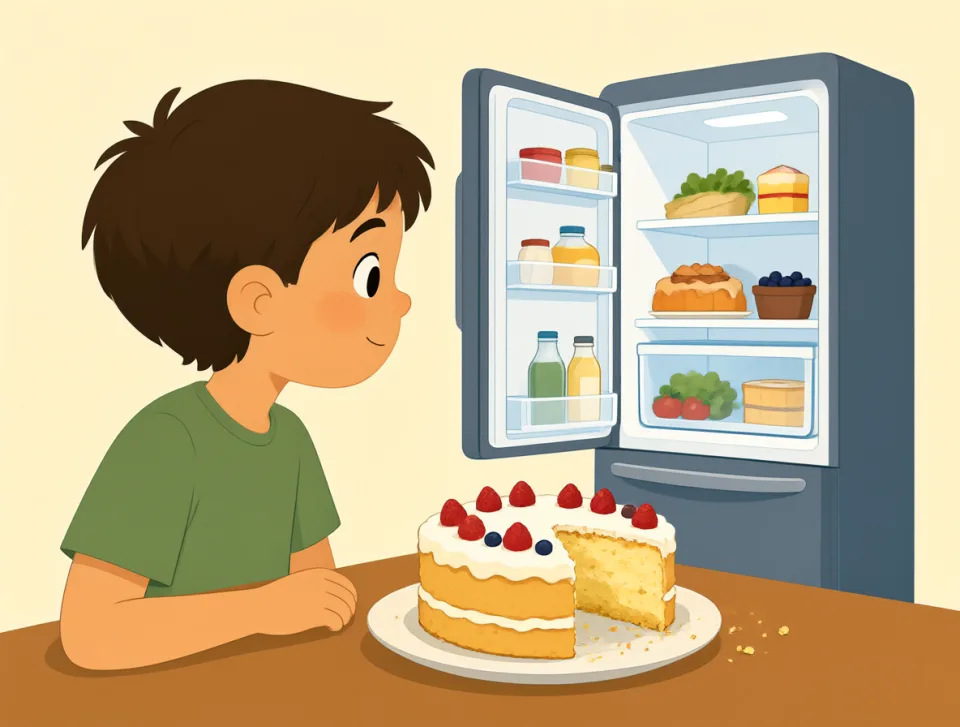
The rest of the cake is in the fridge.
剩下的蛋糕在冰箱里。

Please rest your feet on this chair.
请把脚放在这把椅子上休息。

She took a short rest before class.
上课前她短暂休息了一会儿。

kid
#529noun, verb
孩子;开玩笑
A child, or to treat someone as less important than they are.
孩子;把某人当成不如其实际地位那么重要的人来对待
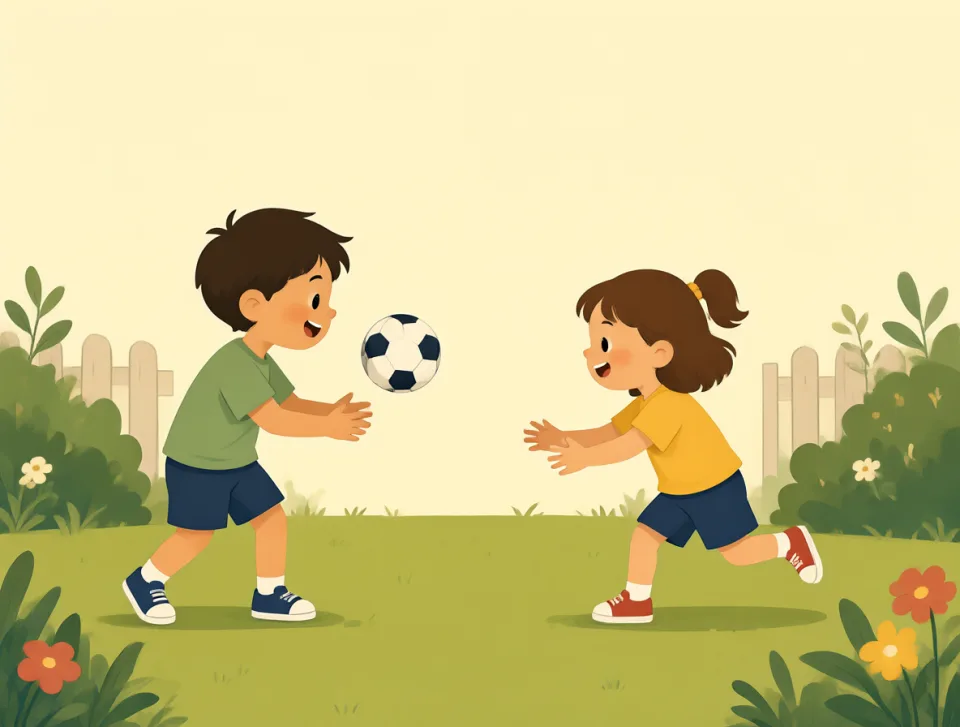
The kids are playing in the garden.
孩子们正在花园里玩。
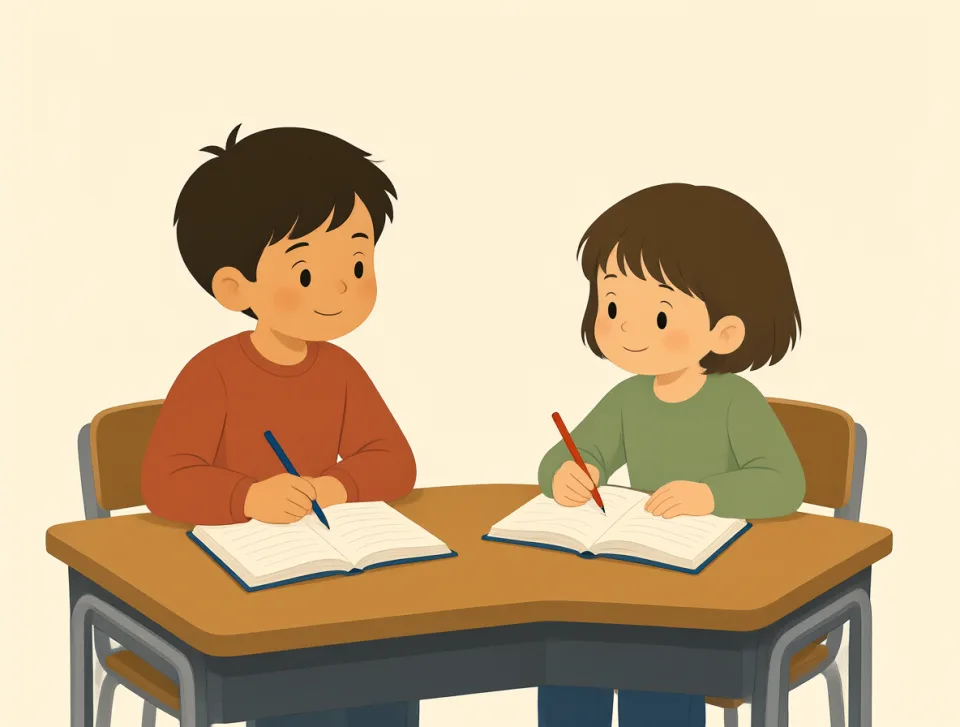
That kid sits next to me at school.
那个孩子在学校里坐在我旁边。

We took our kids to the beach.
我们带孩子们去了海滩。

The kid asked for ice cream.
那个孩子要吃冰淇淋。
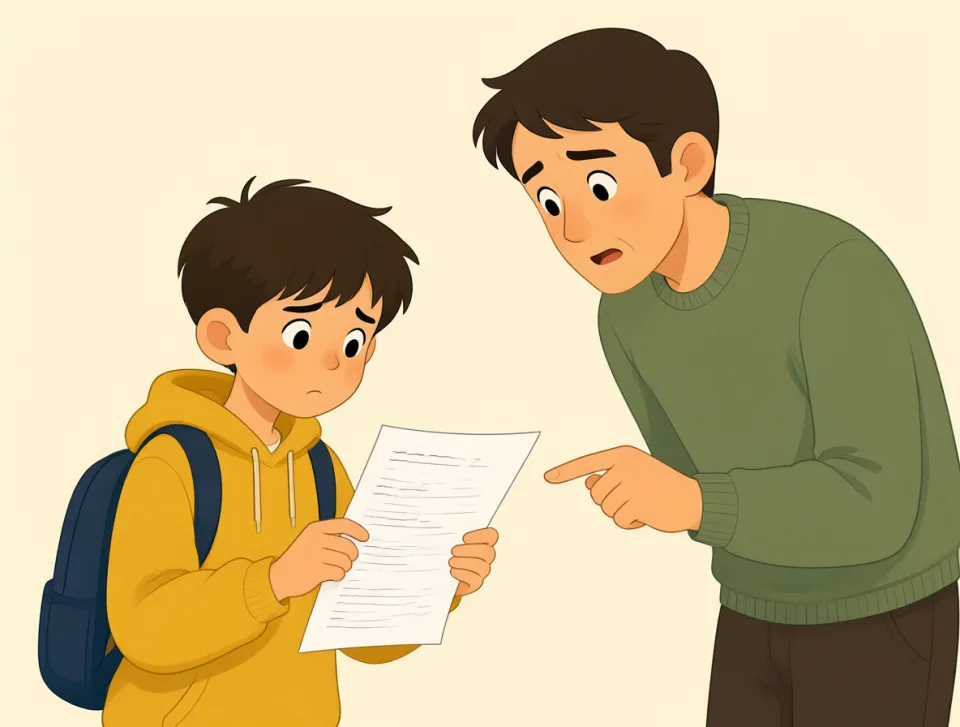
Do not kid yourself about the test.
别自欺欺人,以为自己能轻松通过考试。
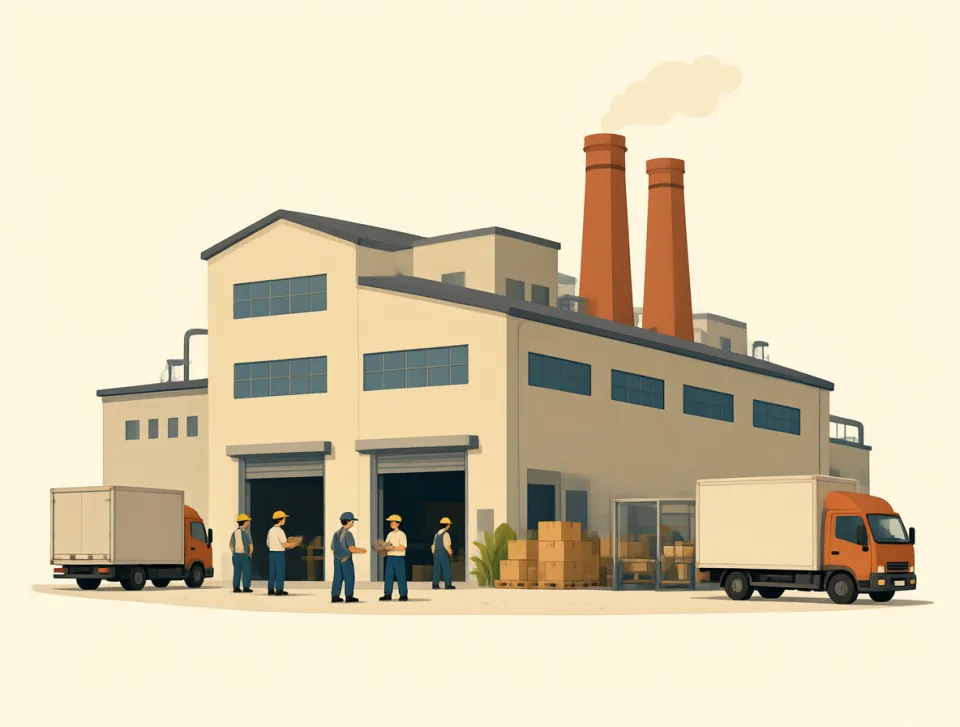
industry
#530noun
行业;产业
The businesses and companies that produce a particular product or service.
生产某种产品或提供某种服务的企业和公司。

She works in the fashion industry.
她在时尚行业工作。

The film industry employs many people.
电影业雇用了许多人。

Our country has a strong tourist industry.
我国的旅游业很发达。
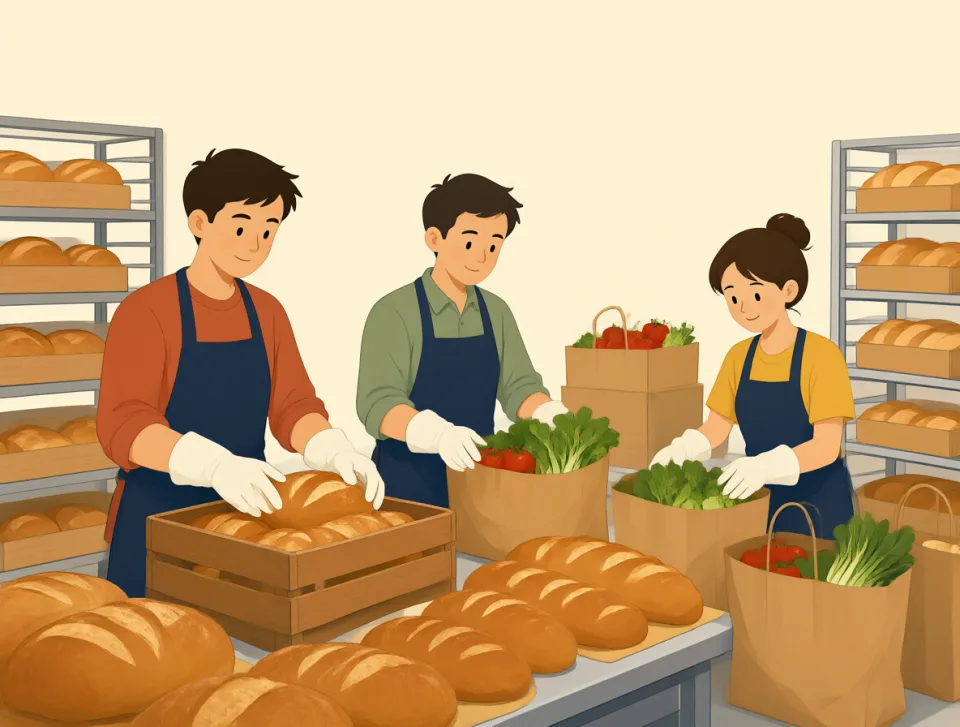
The food industry makes many products.
食品行业生产许多产品。

He wants a job in the music industry.
他想在音乐行业找一份工作。

education
#531noun
教育
The process of learning at school, college, or through study and training.
在学校、大学学习,或通过学习和培训获得知识的过程。
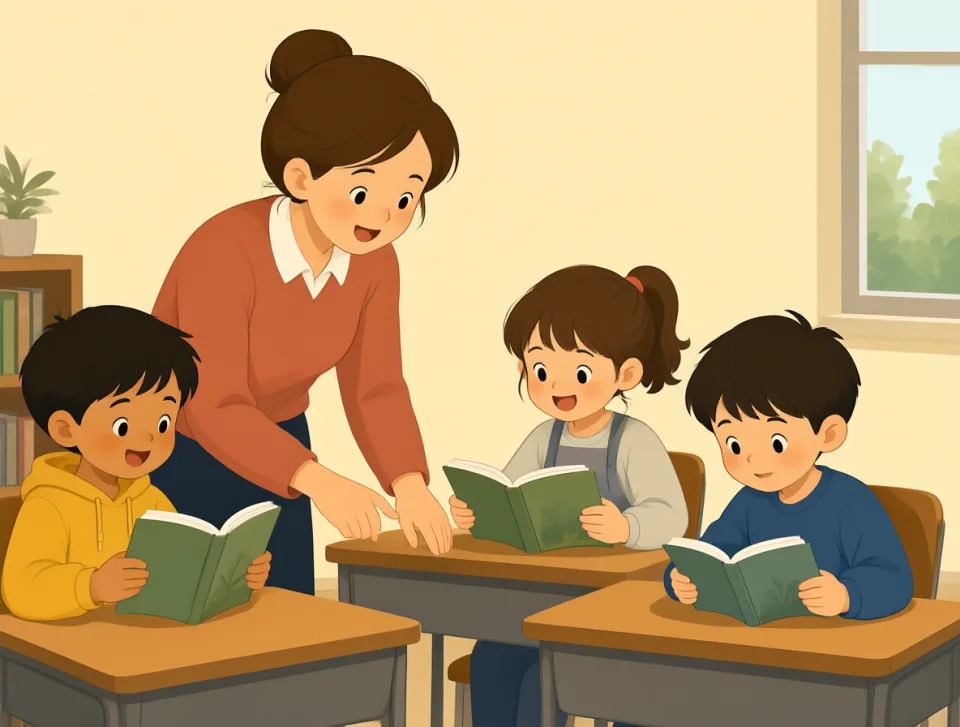
Education helps children learn important skills.
教育能帮助孩子学习重要的技能。

She got a good education in London.
她在伦敦接受了良好的教育。

The company provides education for new workers.
公司为新员工提供培训。

His education helped him find a better job.
所受的教育帮助他找到了一份更好的工作。

Parents should talk about education at home.
父母应该在家里谈谈教育问题。
measure
#532noun, verb
测量;措施
To find the size, amount, or level of something, or an action taken to solve a problem.
找出某物的大小、数量或程度,或为解决问题而采取的行动。
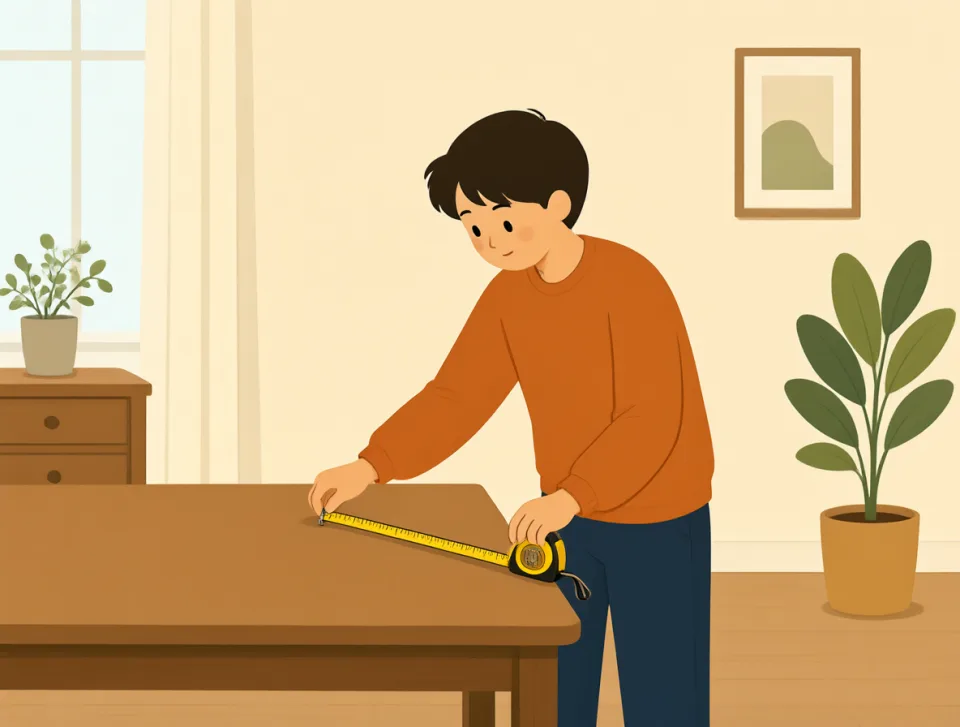
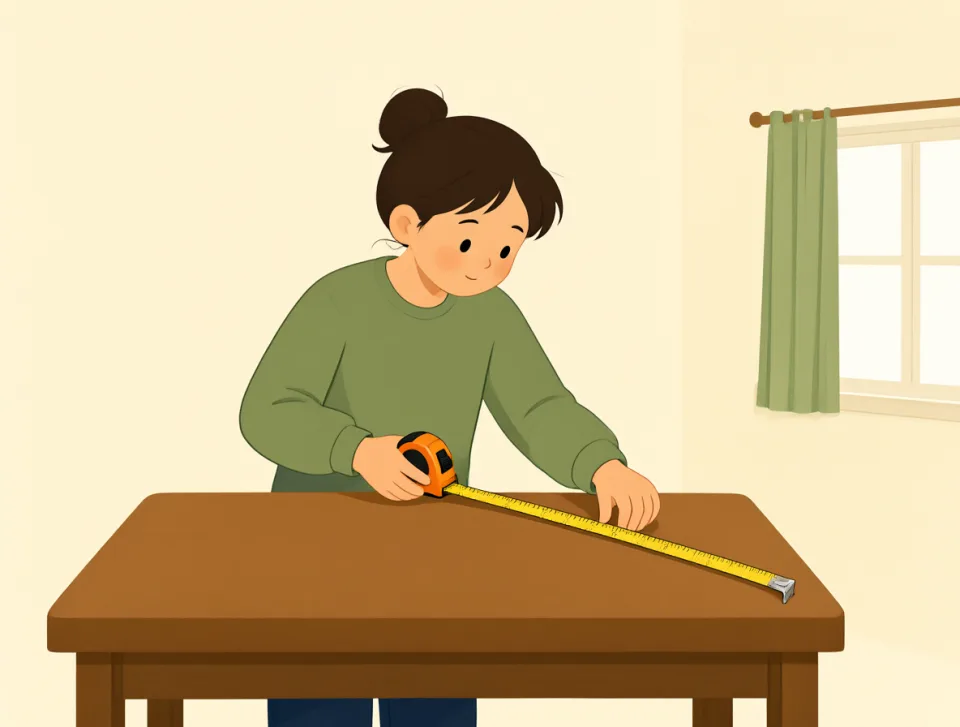
Please measure the table for the new cloth.
请量一下这张桌子的尺寸,好给它配一块新桌布。
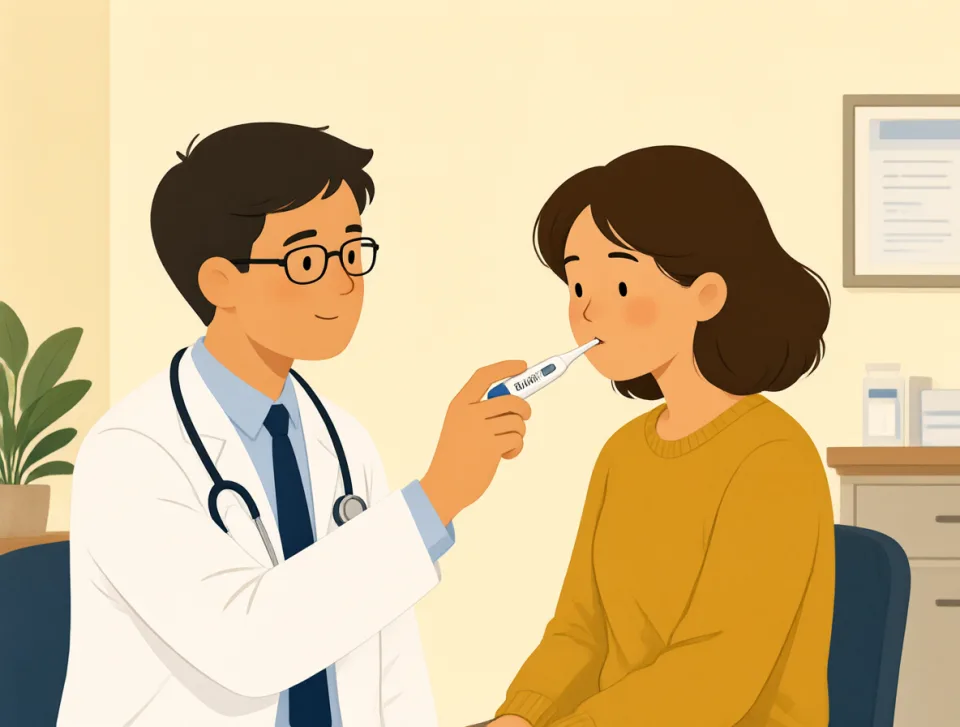
The doctor measured my temperature.
医生量了我的体温。
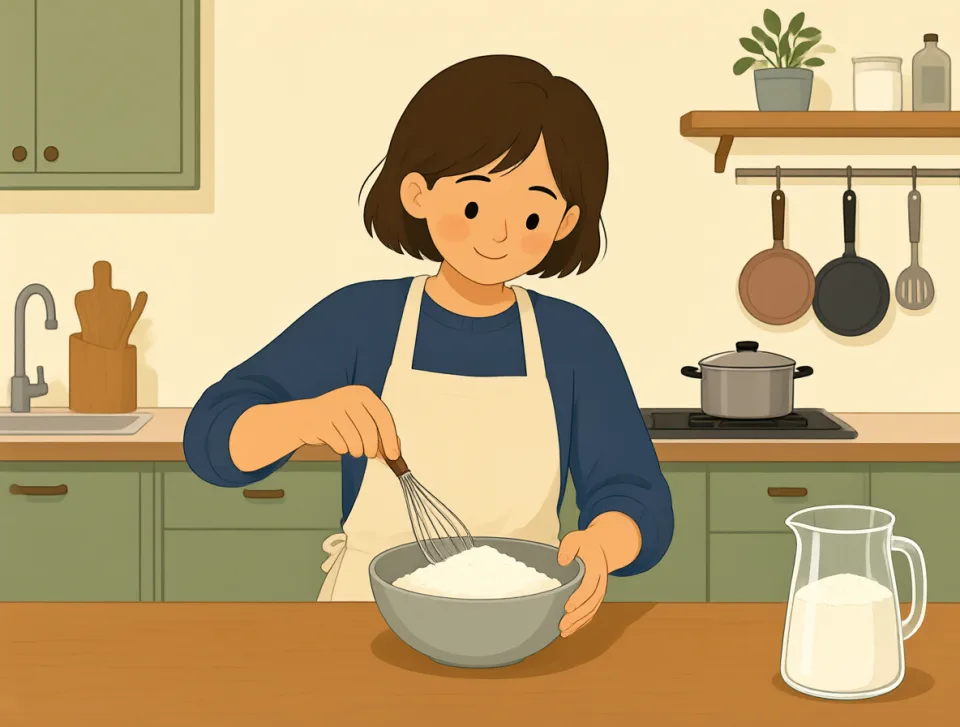
We measured the flour before making the cake.
做蛋糕前,我们先称了面粉。
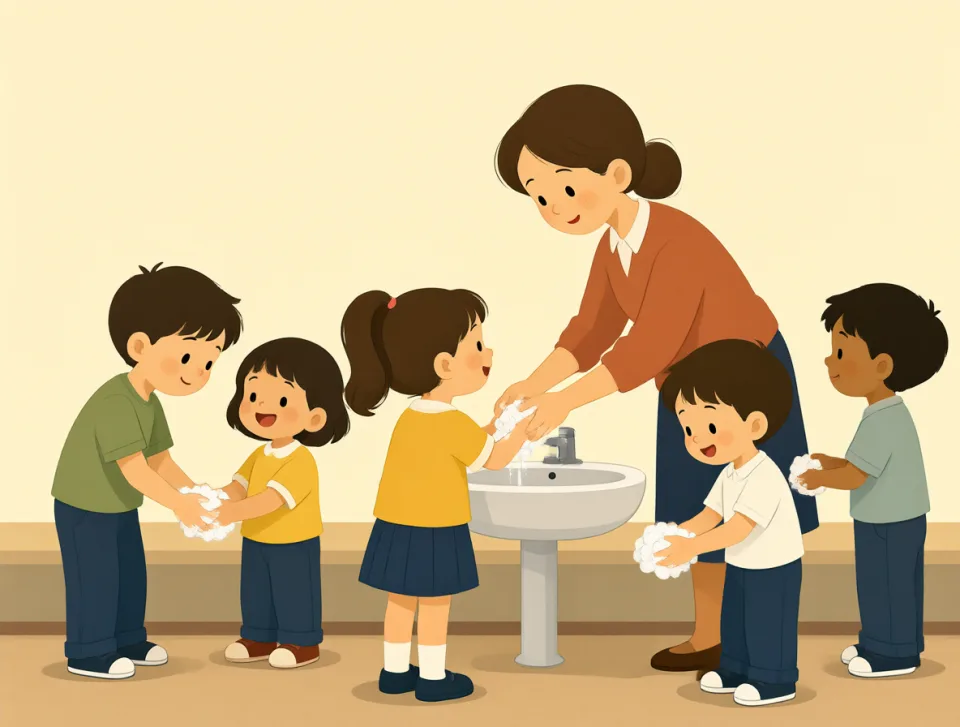
The school took measures to keep children safe.
学校采取了措施来保障孩子们的安全。

The shop measured the curtains for our window.
店里量了我们窗户的尺寸,以便制作窗帘。

kill
#533verb, noun
杀死;消磨;逗笑;使痛苦
To cause a person, animal, or plant to die.
使人、动物或植物死亡。

The soldiers killed the enemy in battle.
士兵们在战斗中杀死了敌人。

Too much sun can kill this small plant.
阳光太强会杀死这株小植物。

We killed time at the airport café.
我们在机场咖啡馆消磨时间。

That joke killed everyone at the party.
那个笑话把聚会上的所有人都逗笑了。

This headache is killing me today.
我今天头疼得要命。

serve
#534verb, noun
服务;供应;端上(食物);服役
to give food, help, or a product to someone; to work as a waiter
给某人提供食物、帮助或产品;担任服务员

They serve breakfast from seven to ten.
他们早上七点到十点供应早餐。

She served dinner to her family.
她给家人端上了晚餐。

The shop serves customers until five.
这家商店营业到五点,为顾客提供服务。
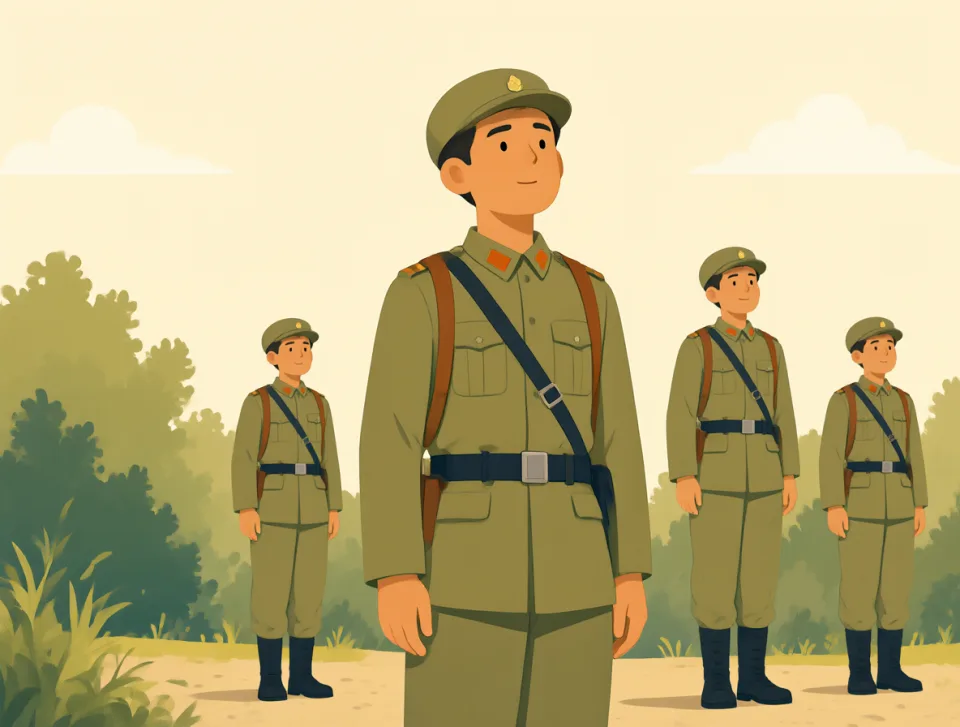
He served in the army for two years.
他在军队服役了两年。

The doctor served the patient quickly.
医生很快为病人提供了治疗。
likely
#535adjective, adverb
可能的;很可能;大概;有希望的
Probably true or likely to happen.
很可能是真的或会发生。

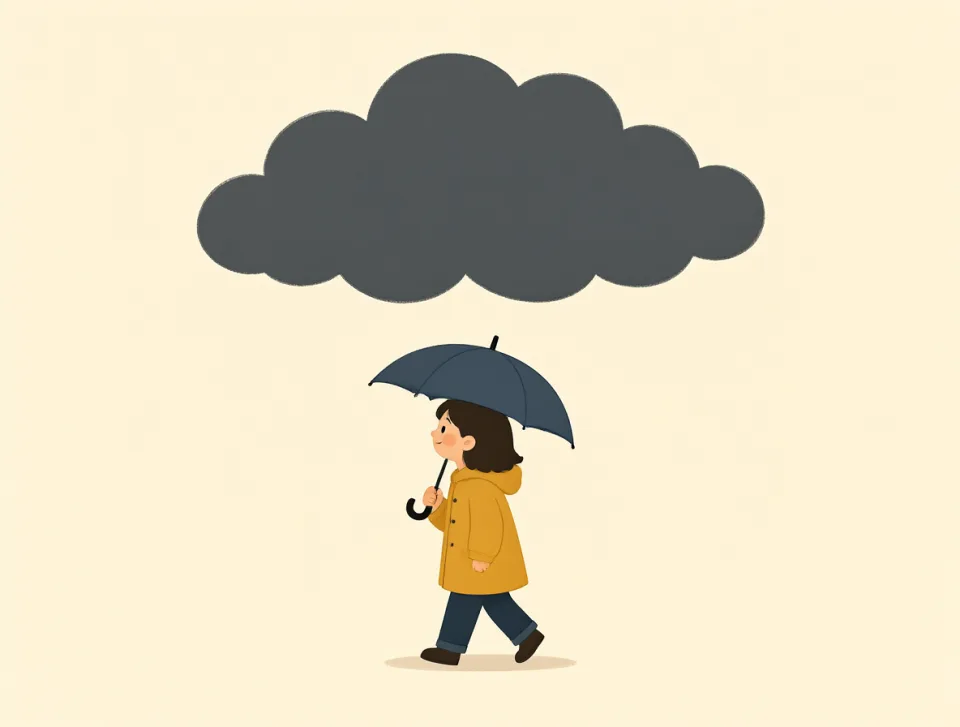
It is likely to rain this afternoon.
今天下午很可能会下雨。

She is likely to arrive late today.
她今天很可能会迟到。

Which color is most likely to sell?
哪种颜色最有可能卖得好?

He will likely call after work.
他下班后很可能会打电话来。

Colds are likely in winter.
冬天很容易感冒。

certainly
#536adverb
当然;肯定;无疑
used to say something is definitely true or to politely agree
用于表示某事肯定是真的,或礼貌地表示同意
She is certainly the best student here.
她无疑是这里最优秀的学生。

I will certainly call you tonight.
我今晚一定会给你打电话。

“Can you help me?” “Certainly!”
“你能帮我吗?”“当然可以!”
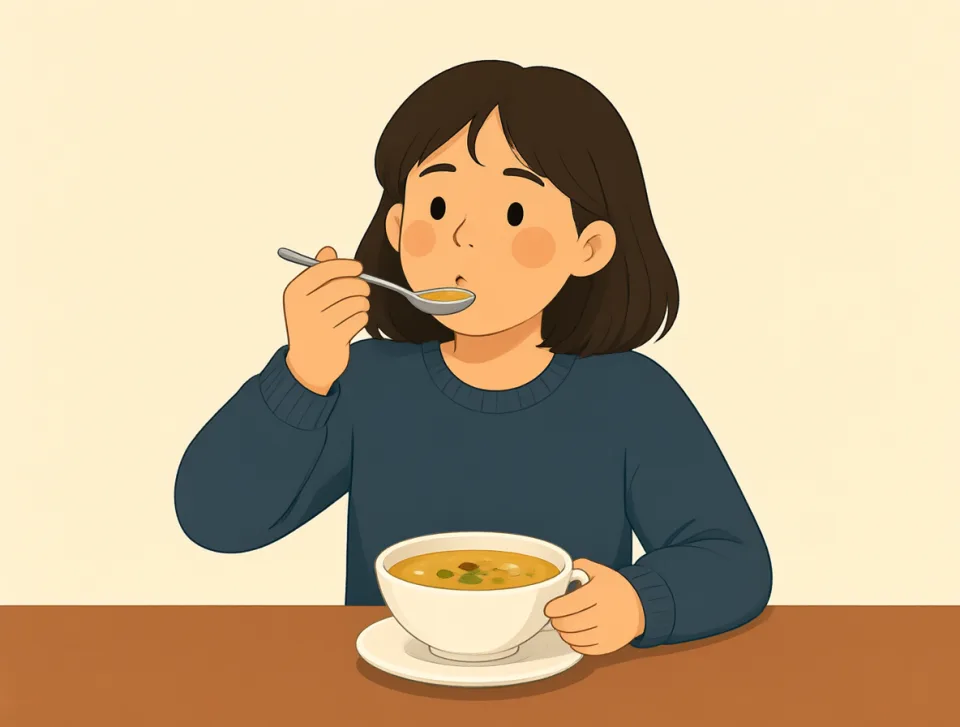
This soup is certainly too hot.
这汤肯定太烫了。

He certainly knows the way to the station.
他肯定知道去车站的路。
national
#537adjective
国家的;全国的
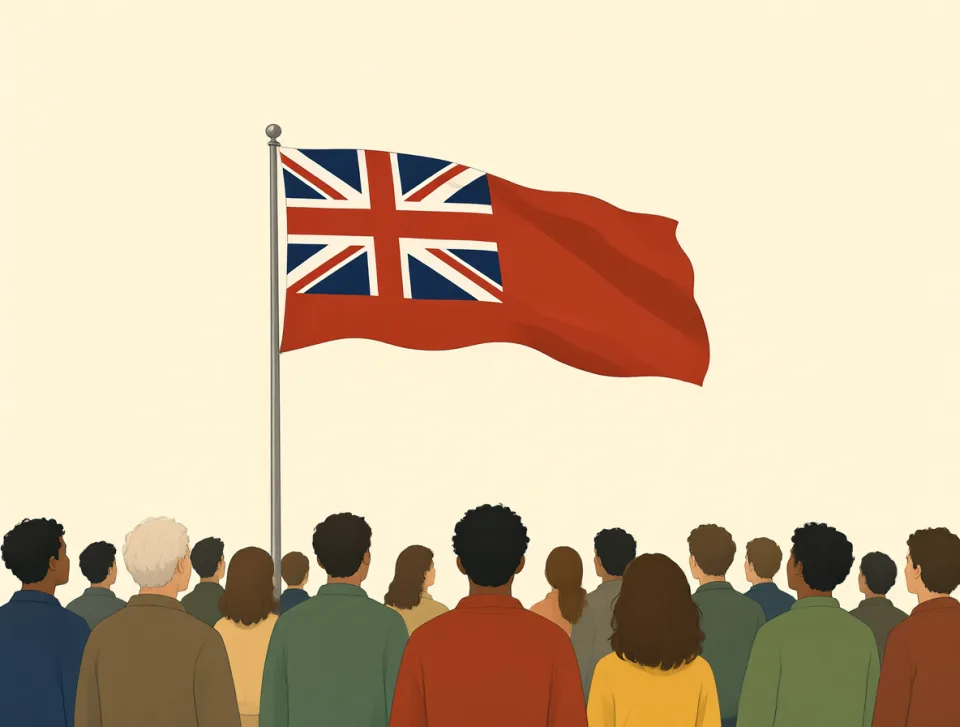
Relating to a whole country or its people.
与整个国家或其人民有关的。
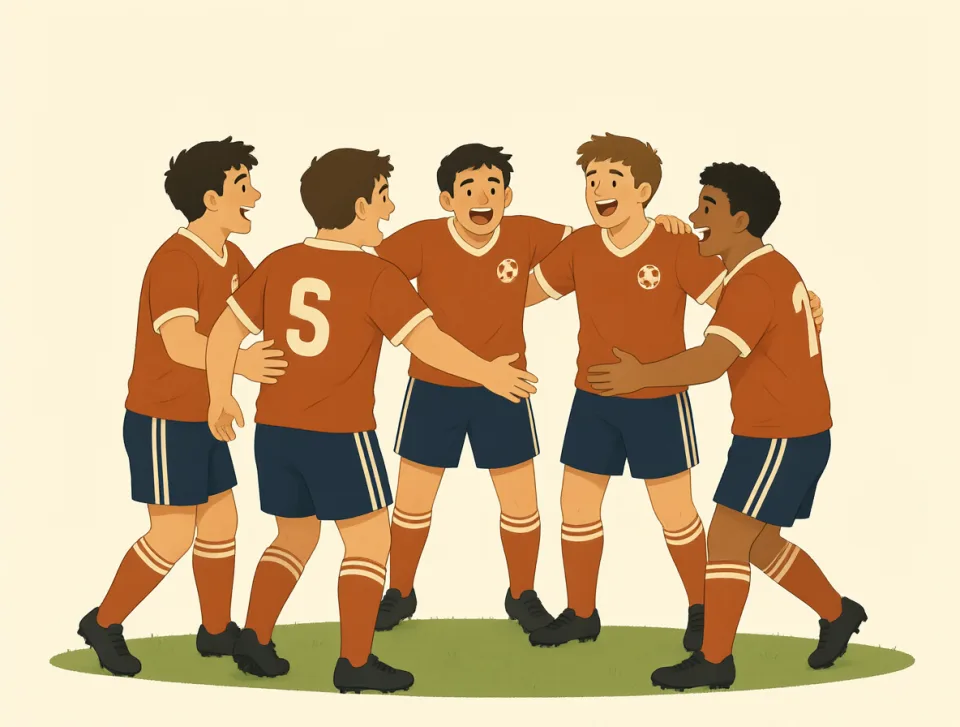
The national team won the football game.
国家队赢得了这场足球比赛。
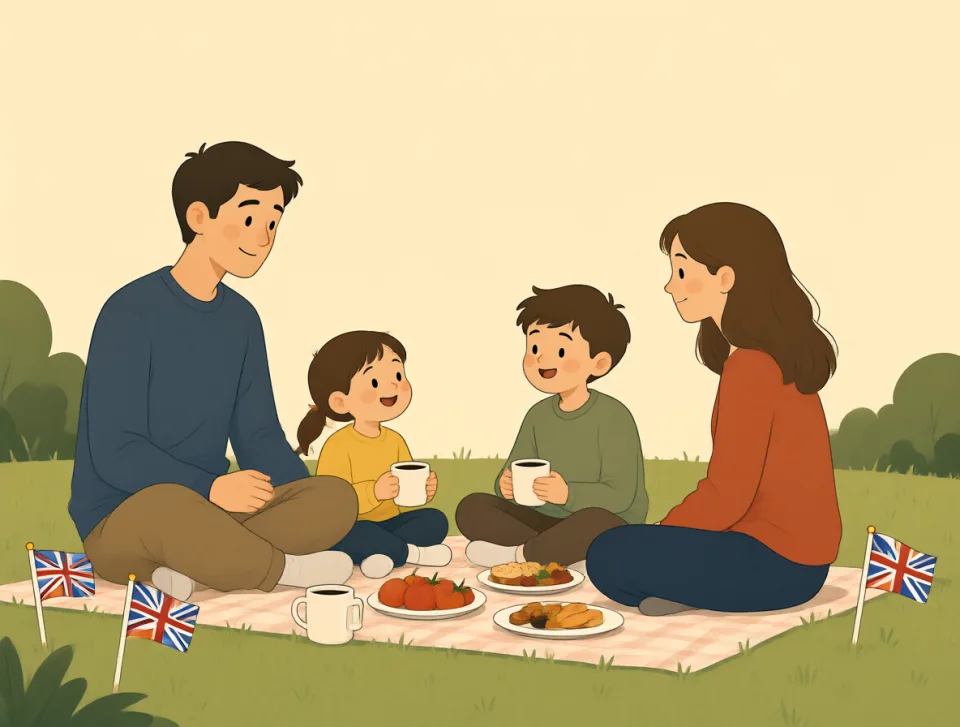
We celebrate a national holiday tomorrow.
明天我们庆祝一个全国性的节日。

She reads the national news every morning.
她每天早上阅读国内新闻。

The national museum is near our hotel.
国家博物馆就在我们酒店附近。

He won a national cooking competition.
他赢得了一项全国烹饪比赛。

itself
#538pronoun
它自己;本身
Used to show that a thing does something alone or refers to the same thing.
用于表示某个事物独自完成某个动作,或指的就是同一个事物。
The door opened by itself.
门自己开了。

The machine turns itself off at night.
这台机器晚上会自动关机。

The cat cleaned itself after dinner.
晚饭后,猫自己清理了身子。

The book itself is very easy to read.
这本书本身很容易读懂。

The shop itself was small but friendly.
店本身不大,但很友好。
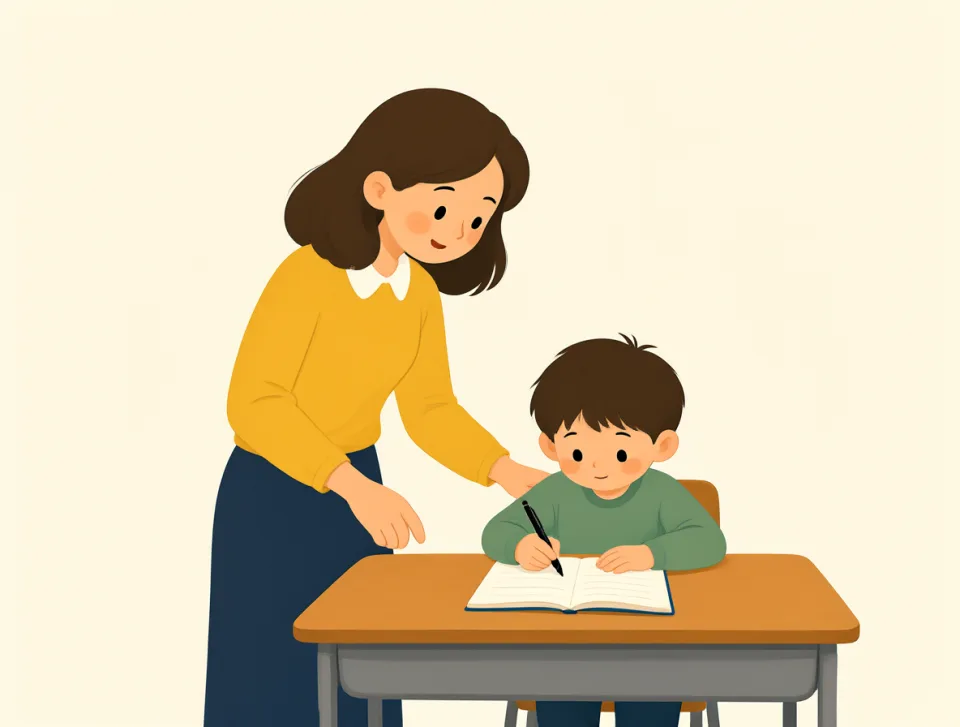
teach
#539verb
教;教授
to help someone learn how to do something
帮助某人学会如何做某事

She teaches English at a local school.
她在当地的一所学校教英语。
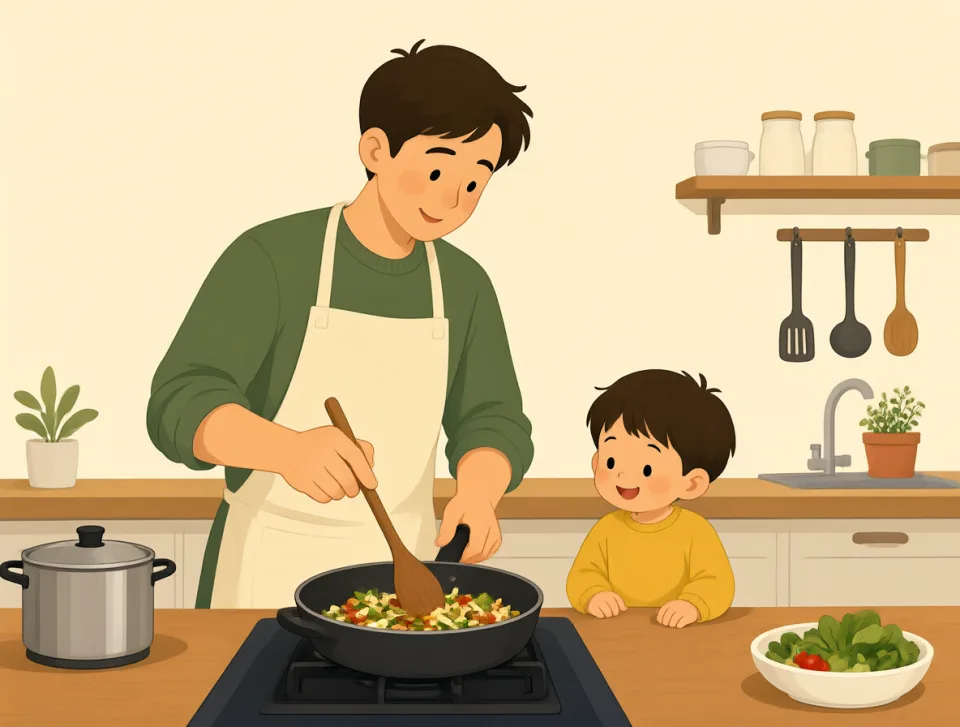
My father taught me how to cook.
我父亲教我做饭。
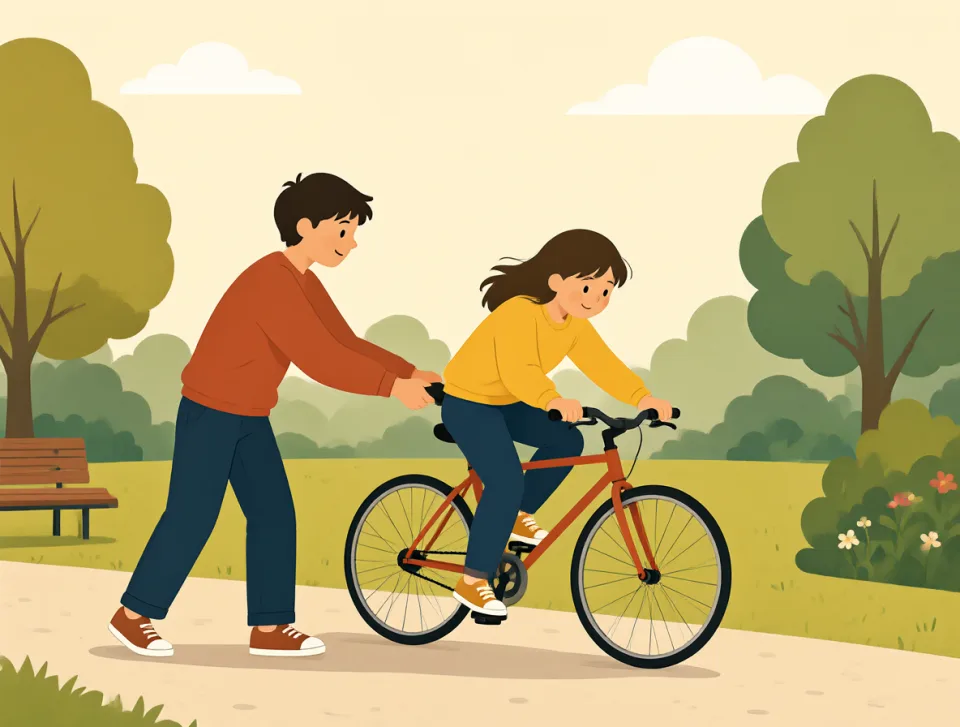
Can you teach me to ride a bike?
你能教我骑自行车吗?
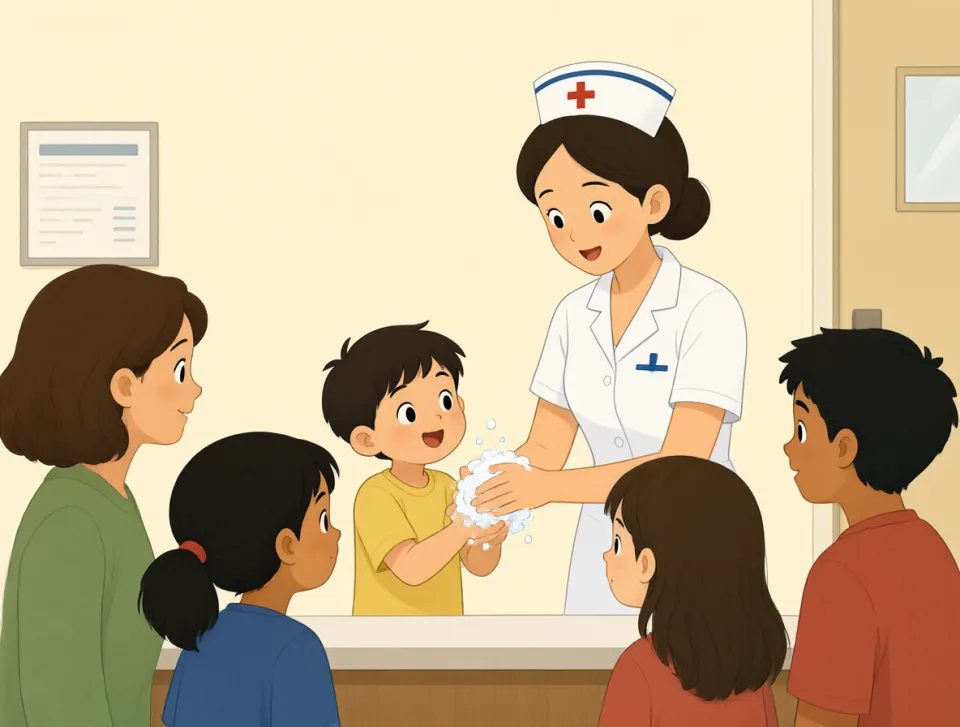
The nurse taught us how to wash our hands.
护士教我们如何洗手。

He is teaching his dog to sit.
他正在教他的狗坐下。
field
#540noun, verb
田地;领域;从事(某项工作)
An open area of land, or a subject of study or work.
一片开阔的土地,或学习、工作的某个领域。
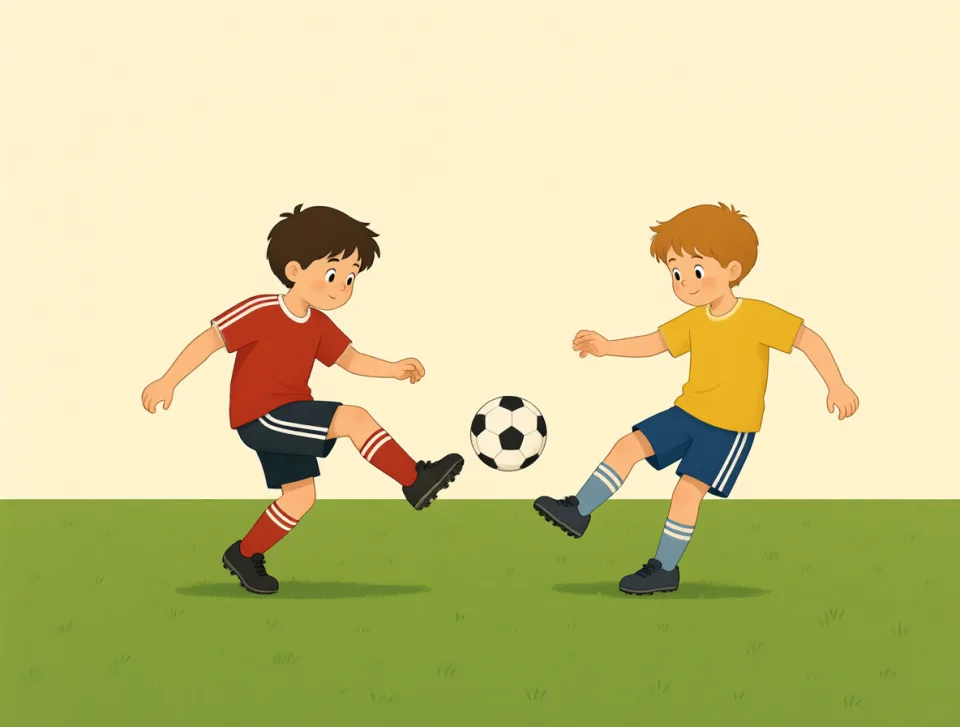
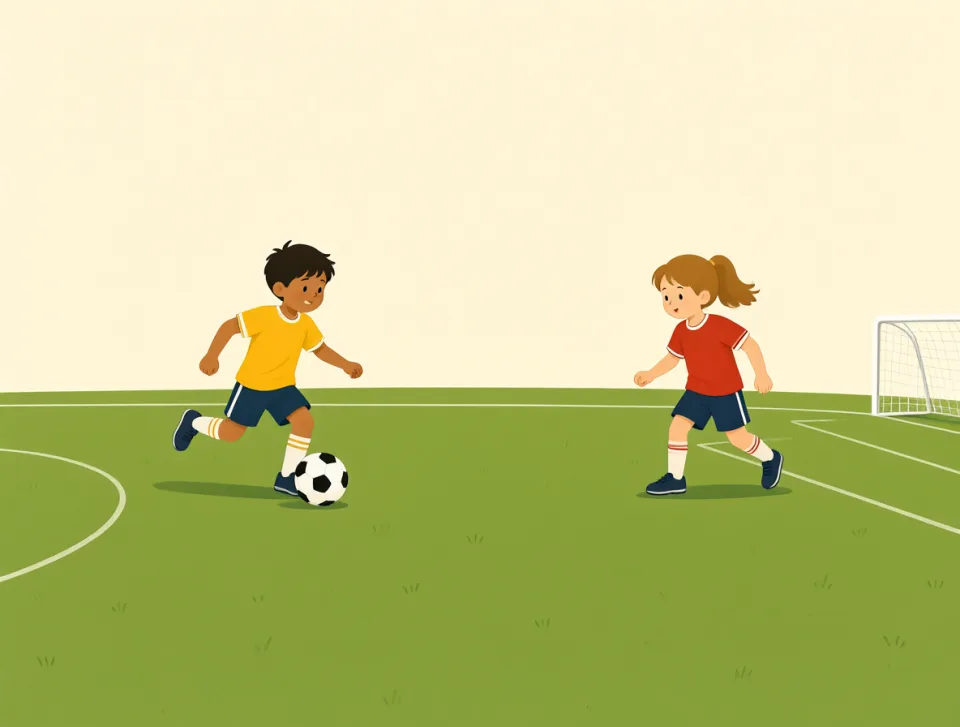
The children are playing soccer in the field.
孩子们正在田地里踢足球。

The farmer works in the fields every day.
农民每天都在田地里干活。

Science was my favorite field at school.
在学校里,科学是我最喜欢的领域。
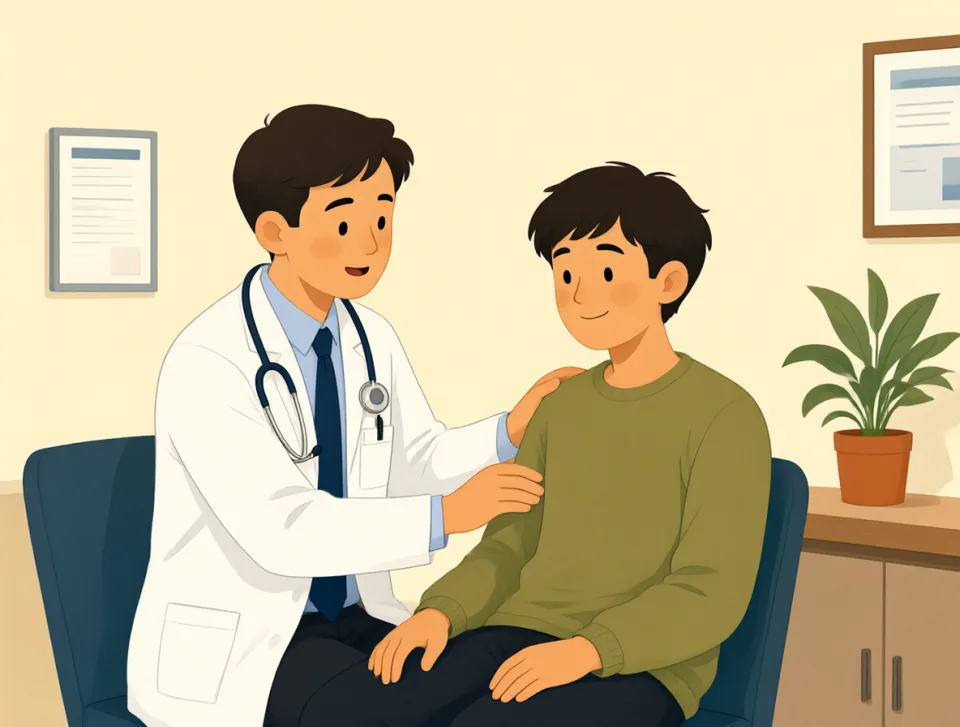
She works in the medical field.
她从事医疗行业。
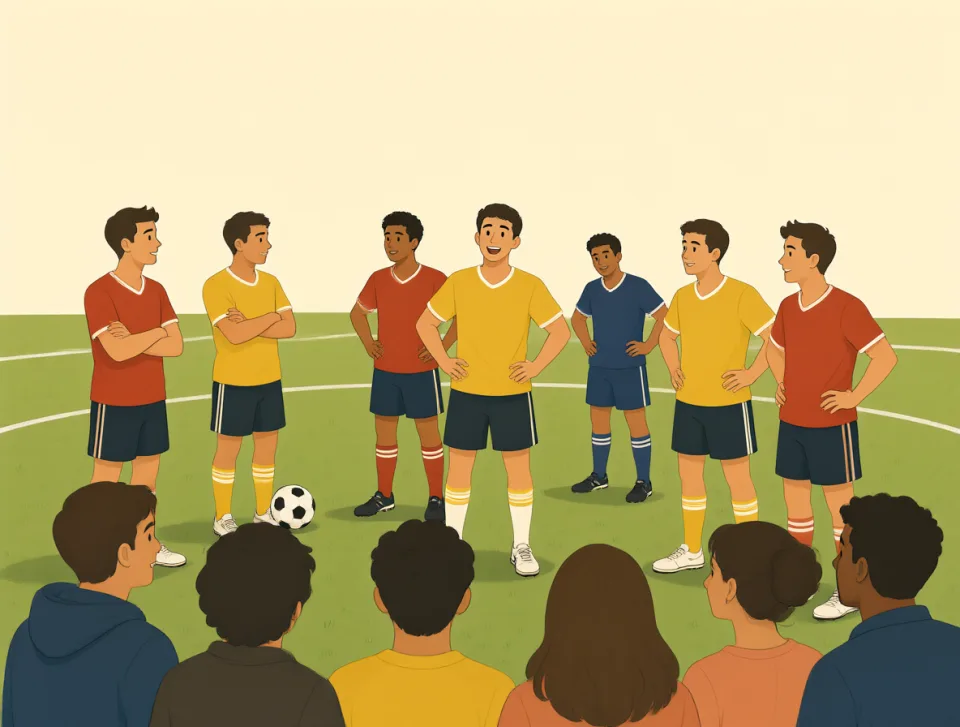
The team fielded questions after the game.
比赛结束后,球队回答了大家的问题。