Offering a Sincere Apology
Mia apologizes directly to Grace for the error and the harm it caused. Grace asks whether the hospital is truly taking responsibility, and Mia answers without making excuses.
Dialogue11
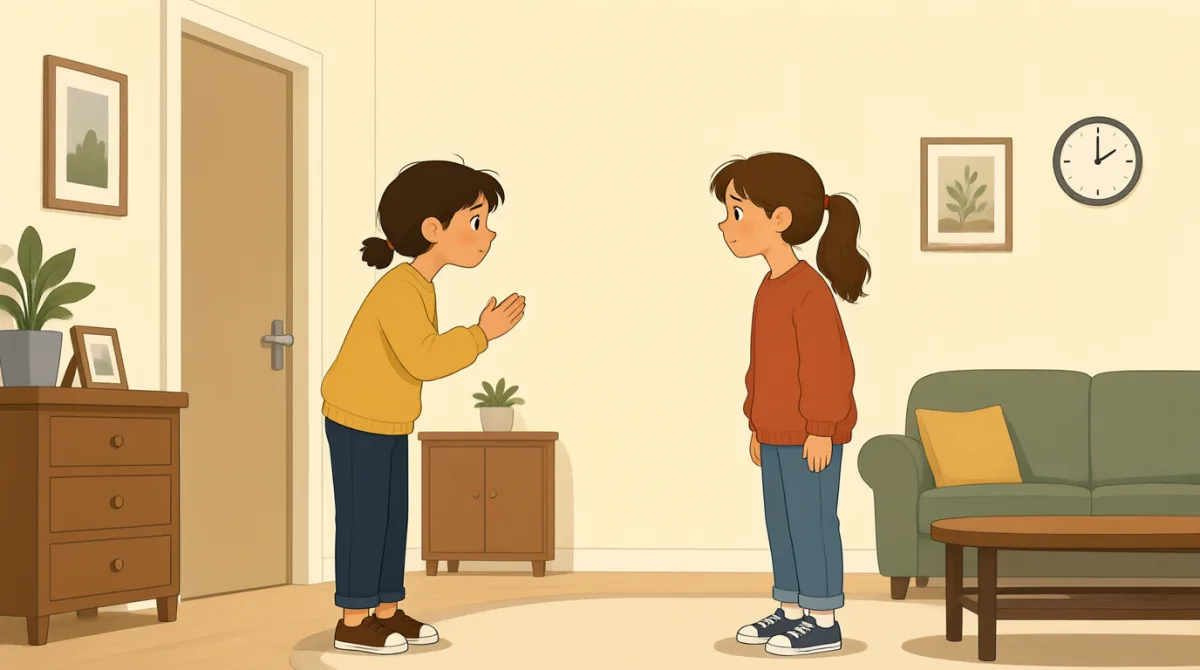

Grace, before we discuss anything else, I want to say this plainly: I’m sorry. The medication error was ours, and it caused your father harm.

I appreciate you saying that, but “I’m sorry” can sound like something people say because they’re supposed to. Do you actually believe the hospital is responsible?
Yes. The dose he received was not the dose intended for him. We are responsible for administering it incorrectly, and I won’t minimize that or hide behind the process.
Then why did it happen? I need to know this wasn’t just one person being careless and everyone else looking away.
That’s a fair question. We’re reviewing how the order was handled and checked. I can’t honestly tell you yet whether this was an individual mistake, a system failure, or both.
I don’t want a polished statement that protects the hospital. I want you to understand what this has done to my family.
I hear you. An apology doesn’t undo the harm or ask you to move on. You deserve clear answers, and we’ll share what we learn, including anything that reflects poorly on us.
And if the review shows that someone ignored a warning, will you tell me that too—or will the wording suddenly become vague?
I will tell you what the review establishes, as directly as I can. I can’t promise a particular conclusion in advance, but I can promise not to present uncertainty as certainty—or certainty as uncertainty.
I’m still angry. I may have more questions later, and I don’t want to have to start over with someone who wasn’t here.
That makes sense. I’ll remain your point of contact, and I’ll make sure your questions are documented and answered. I’m deeply sorry we failed your father and your family.
Vocabulary7
- plainly
In this context, it means speaking clearly and directly, without softening the message. Use it when you want to emphasize that you are being straightforward.
- minimize that
To minimize something is to make it seem less serious or important than it is. Here, Mia promises not to downplay the hospital’s responsibility.
- hide behind the process
This means using procedures or bureaucracy as an excuse to avoid responsibility. It is useful when discussing accountability in an organization.
- a system failure
A system failure is a problem caused by how a process or organization works, rather than only by one person’s actions. The phrase is common in professional discussions of errors.
- polished statement
A polished statement is carefully prepared and smooth-sounding, sometimes in a way that feels impersonal or designed to protect an organization. It can suggest skepticism about official wording.
- point of contact
A point of contact is the person someone can communicate with about a particular issue. Use this phrase when explaining who will handle questions or updates.
- documented
Here, documented means recorded in writing so that the questions can be tracked and answered. It is common in formal or professional settings.
Key Sentences7
- 1
The medication error was ours, and it caused your father harm.
This sentence accepts responsibility directly and names the harm caused. You can reuse the structure to acknowledge an error and its impact without making excuses.
- 2
We are responsible for administering it incorrectly, and I won’t minimize that or hide behind the process.
This is useful for taking accountability while rejecting evasive explanations. Reuse “We are responsible for…” to clearly identify an organization’s responsibility.
- 3
I can’t honestly tell you yet whether this was an individual mistake, a system failure, or both.
This sentence communicates uncertainty without pretending to know more than you do. It is useful when an investigation is still underway.
- 4
An apology doesn’t undo the harm or ask you to move on.
This recognizes that an apology cannot erase what happened or pressure someone to forgive. You can adapt it when responding sensitively to someone who has been hurt.
- 5
You deserve clear answers, and we’ll share what we learn, including anything that reflects poorly on us.
This promises transparency, even when the information may be uncomfortable. The phrase “including anything that reflects poorly on us” emphasizes openness rather than self-protection.
- 6
I will tell you what the review establishes, as directly as I can.
This is a measured commitment to communicate the findings clearly. Reuse “what the review establishes” when discussing conclusions based on an investigation.
- 7
I’ll remain your point of contact, and I’ll make sure your questions are documented and answered.
This offers continuity and a practical follow-up plan. It is useful when reassuring someone that they will not have to repeat their concerns to different people.