A Cleaning with the Hygienist
치위생사와 함께하는 치아 스케일링
Mia cleans Emma’s teeth and explains what she is doing. Emma asks how to care for her teeth at home.
미아가 에마의 이를 닦아 주며 무엇을 하는지 설명해요. 에마는 집에서 어떻게 치아를 관리해야 하는지 물어봐요.
대화9
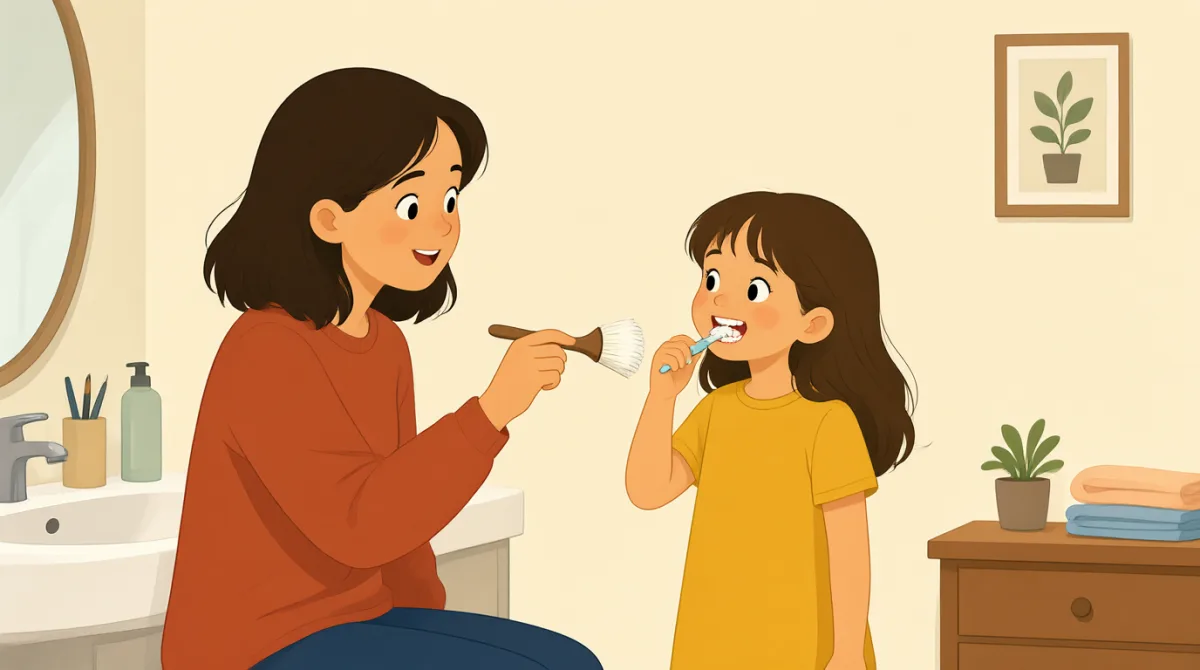

Please sit back and relax. I’m going to clean your teeth now.
편하게 뒤로 기대세요. 이제 치아를 닦아 드릴게요.

Okay. Will it hurt? One tooth has been a little sore.
네. 아플까요? 이 하나가 조금 아팠어요.
It shouldn’t hurt. Tell me if anything feels uncomfortable.
아프지는 않을 거예요. 불편한 느낌이 들면 말씀해 주세요.
What are you doing now? I hear a little buzzing sound.
지금 뭘 하시는 거예요? 윙윙거리는 소리가 조금 들려요.
I’m using a small tool to clean around your teeth and gums.
작은 도구로 치아와 잇몸 주변을 닦고 있어요.
How often should I brush and floss at home?
집에서 양치질과 치실은 얼마나 자주 해야 하나요?
Brush twice a day, and floss once a day. Be gentle near your gums.
하루에 두 번 양치하고, 치실은 하루에 한 번 사용하세요. 잇몸 주변은 부드럽게 닦으세요.
Thanks. Should I use mouthwash, too?
감사합니다. 구강청결제도 사용해야 하나요?
You can, but brushing and flossing are most important. Rinse with water after meals, too.
사용하셔도 되지만, 양치질과 치실 사용이 가장 중요해요. 식사 후에는 물로 입을 헹구세요.
어휘8
- sit back and relax편하게 뒤로 기대다
This means to lean back and try to feel calm. A dentist may say this before starting a treatment.
“sit back and relax”는 뒤로 기대어 편안한 마음을 가지라는 뜻이에요. 치과에서는 치료를 시작하기 전에 이렇게 말할 수 있어요.
- a little sore조금 아픈
This means slightly painful or tender. You can use it to describe a part of your body.
“a little sore”는 약간 아프거나 쓰라린 상태를 뜻해요. 몸의 한 부위가 어떤지 말할 때 쓸 수 있어요.
- hurt아프게 하다
Here, “hurt” means to cause pain. You can ask “Will it hurt?” before a treatment or procedure.
여기서 “hurt”는 통증을 일으킨다는 뜻이에요. 치료나 시술 전에 “Will it hurt?”라고 물어볼 수 있어요.
- uncomfortable불편한
This means not feeling comfortable, or feeling some pain or worry. You can tell someone if something feels uncomfortable.
“uncomfortable”은 편하지 않거나 약간 아프고 걱정되는 상태를 뜻해요. 불편한 느낌이 들면 상대에게 말할 때 쓸 수 있어요.
- buzzing sound윙윙거리는 소리
This is a low, steady sound, like the sound of a small electric tool. You can use it to describe a noise you hear.
“buzzing sound”는 작은 전동 도구에서 나는 소리처럼 낮고 일정하게 윙윙거리는 소리예요. 들리는 소리를 묘사할 때 쓸 수 있어요.
- floss치실을 사용하다
To floss means to clean between your teeth with dental floss. It is often used as part of daily dental care.
“floss”는 치실로 치아 사이를 닦는다는 뜻이에요. 매일 하는 치아 관리의 한 부분으로 자주 쓰여요.
- be gentle부드럽게 하다
This means to do something carefully and not use too much force. You can use it when giving advice about sensitive areas.
“be gentle”은 조심스럽게 하고 너무 세게 힘을 주지 말라는 뜻이에요. 민감한 부위에 관한 조언을 할 때 쓸 수 있어요.
- rinse with water물로 헹구다
This means to wash your mouth by moving water around in it and then spitting it out. You can rinse your mouth after eating.
“rinse with water”는 입안에 물을 머금고 굴린 다음 뱉어 내어 입을 씻는다는 뜻이에요. 식사 후에 입을 헹굴 때 쓸 수 있어요.
핵심 문장8
- 1
Will it hurt?
아플까요?
Use this to ask if a treatment or activity will cause pain. You can replace “it” with another activity or procedure.
치료나 어떤 활동이 아플지 물어볼 때 쓰는 표현이에요. “it”을 다른 활동이나 시술로 바꿔 쓸 수 있어요.
- 2
Tell me if anything feels uncomfortable.
불편한 느낌이 들면 말씀해 주세요.
This is a helpful way to invite someone to speak up if they feel pain or discomfort. You can use “Tell me if…” to ask someone to let you know about a problem.
아프거나 불편할 때 망설이지 말고 말해 달라고 할 때 유용한 표현이에요. “Tell me if…”는 문제가 있으면 알려 달라고 할 때 쓸 수 있어요.
- 3
What are you doing now?
지금 뭘 하고 계세요?
Use this to ask what someone is doing at this moment. It is useful when you want an explanation during an activity.
상대가 바로 지금 무엇을 하고 있는지 물어볼 때 쓰는 표현이에요. 어떤 활동 중에 설명을 듣고 싶을 때 유용해요.
- 4
How often should I brush and floss at home?
집에서 양치질과 치실은 얼마나 자주 해야 하나요?
Use “How often should I…?” to ask how frequently to do something. You can change the actions to ask about other routines.
“How often should I…?”는 어떤 일을 얼마나 자주 해야 하는지 물어볼 때 써요. 다른 일상 습관을 물어보려면 뒤에 오는 행동을 바꾸면 돼요.
- 5
Brush twice a day, and floss once a day.
하루에 두 번 양치하고, 치실은 하루에 한 번 사용하세요.
This gives simple advice about how often to do two things. You can use “once a day” and “twice a day” to describe daily routines.
두 가지를 얼마나 자주 해야 하는지 간단히 알려 주는 표현이에요. “once a day”와 “twice a day”는 매일 하는 일의 횟수를 말할 때 쓸 수 있어요.
- 6
Be gentle near your gums.
잇몸 주변은 부드럽게 닦으세요.
This is advice to use care and not press too hard. You can use “Be gentle near…” when talking about a sensitive area.
조심해서 너무 세게 누르지 말라는 조언이에요. 민감한 부위에 관해 말할 때 “Be gentle near…”를 쓸 수 있어요.
- 7
You can, but brushing and flossing are most important.
사용하셔도 되지만, 양치질과 치실 사용이 가장 중요해요.
This gives permission while explaining which actions matter most. You can use “You can, but…” to offer a choice and add a more important point.
무언가를 해도 된다고 하면서 더 중요한 일이 무엇인지 알려 주는 표현이에요. “You can, but…”은 선택지를 제안한 뒤 더 중요한 점을 덧붙일 때 쓸 수 있어요.
- 8
Rinse with water after meals, too.
식사 후에는 물로 입을 헹구세요.
This gives a simple instruction and says when to do it. You can use “after meals” to describe when to do a daily activity.
간단한 지시를 하면서 언제 해야 하는지도 알려 주는 표현이에요. “after meals”는 일상적인 활동을 해야 하는 때를 말할 때 쓸 수 있어요.