Starting With a Sincere Apology
شروع با عذرخواهی صادقانه
Jack apologizes for forgetting their plans and for getting defensive when Emma raised the issue. He makes it clear that he understands why his actions upset her.
جک بابت فراموشکردن قرارشان و همچنین حالت تدافعی گرفتن وقتی اما موضوع را مطرح کرد، عذرخواهی میکند. او روشن میکند که میفهمد چرا رفتارش اما را ناراحت کرده است.
گفتوگو10
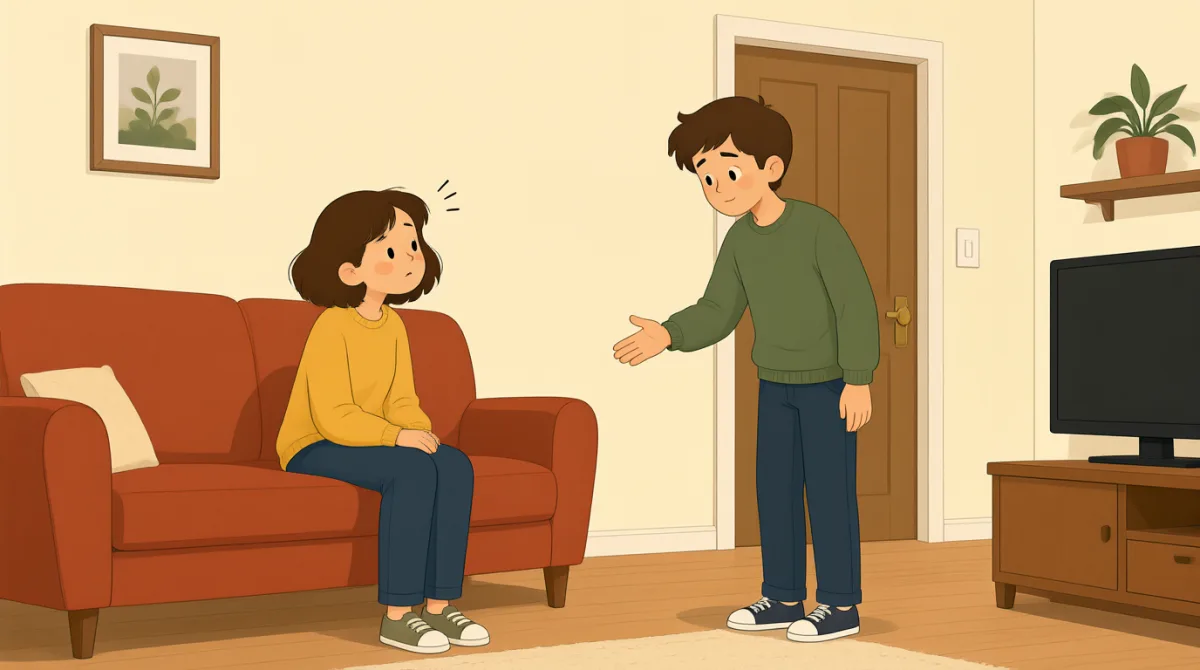

Emma, I want to start by saying I’m genuinely sorry I forgot our plans. You’d set aside the evening for us, and I didn’t show up or give you a heads-up.
اما، میخوام با گفتن این شروع کنم که واقعاً متأسفم قرارمون رو فراموش کردم. تو اون شب رو برای باهمبودنمون خالی کرده بودی و من نه اومدم و نه خبرت کردم.

Thank you for saying that. It wasn’t just the change of plans; I was hurt that I waited and had no idea what was going on.
ممنون که اینو میگی. فقط عوضشدن برنامهها نبود؛ ناراحت شدم که منتظر موندم و اصلاً نمیدونستم چه خبره.
You’re right. I should have checked my calendar and let you know as soon as I realized I couldn’t make it. Instead, I left you hanging.
حق با توئه. باید تقویمم رو چک میکردم و همین که فهمیدم نمیتونم بیام بهت خبر میدادم. بهجاش، تو رو بلاتکلیف گذاشتم.
And when I brought it up, you got defensive. It felt like you were more focused on proving you had a reason than hearing how it affected me.
و وقتی مطرحش کردم، حالت تدافعی گرفتی. حس کردم بیشتر حواست به این بود که ثابت کنی دلیلی داشتی تا اینکه بشنوی این موضوع چه اثری روم گذاشته.
I did get defensive, and I’m sorry for that, too. I was embarrassed about messing up, but that doesn’t excuse turning the conversation into an argument.
آره، حالت تدافعی گرفتم و بابت اون هم متأسفم. از اینکه خرابکاری کرده بودم خجالت میکشیدم، اما این دلیل نمیشه که بحث رو به دعوا بکشمونم.
I appreciate you owning that. I wasn’t expecting you to be perfect; I just needed you to take my feelings seriously instead of brushing them aside.
برام ارزشمنده که مسئولیتش رو میپذیری. انتظار نداشتم بینقص باشی؛ فقط لازم داشتم احساساتم رو جدی بگیری، نه اینکه نادیدهشون بگیری.
I understand. If I’d been in your shoes, I’d probably have felt hurt and unimportant, too. I should have listened instead of pushing back.
میفهمم. اگه جای تو بودم، احتمالاً من هم احساس میکردم ناراحتم و برات اهمیتی ندارم. باید گوش میدادم، نه اینکه فوری مخالفت کنم.
That means a lot. I’m still a little upset, but I’m glad we’re talking about what happened without taking another shot at each other.
این حرفت برام خیلی ارزش داره. هنوز یهکم ناراحتم، ولی خوشحالم داریم درباره اتفاقی که افتاد حرف میزنیم، بدون اینکه دوباره به همدیگه کنایه بزنیم.
I don’t expect one apology to fix everything, but I do want to make this right. When you’re ready, I’d like to hear more about what the evening was like for you.
انتظار ندارم یه عذرخواهی همهچیز رو درست کنه، اما واقعاً میخوام جبران کنم. هر وقت آماده بودی، دوست دارم بیشتر بشنوم که اون شب برای تو چطور گذشت.
Okay. I’m willing to talk. Let’s take it one step at a time, and please don’t assume I’m over it just because I’m ready to listen.
باشه. حاضرم حرف بزنم. قدمبهقدم پیش بریم و لطفاً فکر نکن چون حاضرم گوش بدم، دیگه از ناراحتیام گذشتهام.
واژگان8
- give you a heads-upاز قبل خبر دادن
To give someone advance notice about a change or problem. Jack says he should have told Emma as soon as he knew he couldn’t make it.
یعنی پیشاپیش دربارهٔ یک تغییر یا مشکل به کسی خبر بدهی. جک میگوید باید بهمحض اینکه فهمید نمیتواند بیاید، به اما خبر میداد.
- left you hangingکسی را بلاتکلیف گذاشتن
To leave someone waiting without information or support. Here, Jack recognizes that Emma was left waiting and didn’t know what was happening.
یعنی کسی را بدون خبر یا حمایت، منتظر و سرگردان گذاشتن. اینجا جک میپذیرد که اما منتظر ماند و نمیدانست چه اتفاقی افتاده است.
- got defensiveحالت تدافعی گرفتن
Reacted as if you needed to protect yourself from criticism, rather than listening openly. Jack admits he did this when Emma raised the issue.
یعنی بهجای اینکه با ذهنی باز گوش بدهی، طوری واکنش نشان بدهی که انگار باید از خودت در برابر انتقاد دفاع کنی. جک میپذیرد وقتی اما موضوع را مطرح کرد، همینطور واکنش نشان داد.
- owning thatمسئولیت چیزی را پذیرفتن
Taking responsibility for something you did. Emma appreciates that Jack acknowledges his mistake instead of denying it.
یعنی مسئولیت کاری را که انجام دادهای بپذیری. اما از اینکه جک اشتباهش را انکار نمیکند و آن را میپذیرد، قدردانی میکند.
- in your shoesجای کسی بودن
In your situation, imagining how you might feel if the same thing happened to you. Jack uses the phrase to show empathy for Emma.
یعنی خودت را در موقعیت کسی تصور کنی و فکر کنی اگر همان اتفاق برای تو افتاده بود چه احساسی داشتی. جک از این عبارت برای نشاندادن همدلی با اما استفاده میکند.
- pushing backمقاومت کردن
Resisting or arguing against what someone says. Jack says he should have listened rather than immediately resisting Emma’s feelings.
یعنی در برابر حرف کسی ایستادگی یا با آن مخالفت کنی. جک میگوید باید بهجای اینکه فوراً در برابر احساسات اما مقاومت کند، به او گوش میداد.
- make this rightجبران کردن
To take action to fix a problem or make amends. Jack uses this phrase to show that he wants to do more than simply apologize.
یعنی برای حل مشکلی یا جبران اشتباهی کاری انجام بدهی. جک از این عبارت استفاده میکند تا نشان دهد نمیخواهد فقط عذرخواهی کند و قصد دارد برای جبران هم تلاش کند.
- one step at a timeقدمبهقدم
Gradually, without rushing the process. Emma uses it to suggest they talk through the issue at a pace that feels comfortable.
یعنی بهتدریج و بدون عجله پیش رفتن. اما با این عبارت پیشنهاد میکند با سرعتی که برای هر دو راحت است، دربارهٔ موضوع حرف بزنند.
جملات کلیدی7
- 1
I want to start by saying I’m genuinely sorry I forgot our plans.
میخوام با گفتن این شروع کنم که واقعاً متأسفم قرارمون رو فراموش کردم.
This is a sincere way to open an apology and name the specific mistake. You can reuse “I want to start by saying I’m genuinely sorry I…” before explaining what you regret.
این جمله راهی صادقانه برای شروع عذرخواهی و مشخصکردن اشتباه است. میتوانی پیش از توضیحدادن چیزی که بابتش متأسفی، از “I want to start by saying I’m genuinely sorry I…” استفاده کنی.
- 2
You’re right. I should have checked my calendar and let you know as soon as I realized I couldn’t make it.
حق با توئه. باید تقویمم رو چک میکردم و همین که فهمیدم نمیتونم بیام بهت خبر میدادم.
This sentence accepts responsibility and explains what the speaker should have done differently. Use “I should have…” to acknowledge a better choice you missed in the past.
این جمله مسئولیتپذیری را نشان میدهد و میگوید گوینده باید چه کار متفاوتی میکرد. از “I should have…” استفاده کن تا بپذیری در گذشته فرصت انتخاب بهتری را از دست دادهای.
- 3
I did get defensive, and I’m sorry for that, too.
آره، حالت تدافعی گرفتم و بابت اون هم متأسفم.
This directly apologizes for a reaction as well as for the original mistake. You can adapt “I did get [reaction], and I’m sorry for that, too” when taking responsibility for how you responded.
این جمله علاوهبر اشتباه اصلی، بابت نوع واکنش هم مستقیم عذرخواهی میکند. وقتی میخواهی مسئولیت واکنشت را بپذیری، میتوانی از الگوی “I did get [reaction], and I’m sorry for that, too” استفاده کنی.
- 4
I wasn’t expecting you to be perfect; I just needed you to take my feelings seriously instead of brushing them aside.
انتظار نداشتم بینقص باشی؛ فقط لازم داشتم احساساتم رو جدی بگیری، نه اینکه نادیدهشون بگیری.
This clearly distinguishes between expecting perfection and asking for consideration. The structure “I wasn’t expecting X; I just needed Y” is useful for expressing what matters in a disagreement.
این جمله تفاوت میان انتظار بینقصبودن و درخواست توجه و ملاحظه را روشن میکند. الگوی “I wasn’t expecting X; I just needed Y” برای بیان چیزی که در یک اختلاف برایت اهمیت دارد، مفید است.
- 5
If I’d been in your shoes, I’d probably have felt hurt and unimportant, too.
اگه جای تو بودم، احتمالاً من هم احساس میکردم ناراحتم و برات اهمیتی ندارم.
This conditional shows empathy by imagining how the other person might have felt. Use “If I’d been in your shoes, I’d have…” to acknowledge someone’s perspective.
این جملهٔ شرطی با تصورکردن احساسی که ممکن است طرف مقابل داشته باشد، همدلی نشان میدهد. برای بهرسمیتشناختن دیدگاه کسی، از “If I’d been in your shoes, I’d have…” استفاده کن.
- 6
I don’t expect one apology to fix everything, but I do want to make this right.
انتظار ندارم یه عذرخواهی همهچیز رو درست کنه، اما واقعاً میخوام جبران کنم.
This recognizes that rebuilding trust may take time while showing a willingness to act. The pattern “I don’t expect X, but I do want to Y” helps balance realistic expectations with commitment.
این جمله میپذیرد که بازسازی اعتماد ممکن است زمان ببرد و در عین حال آمادگی برای اقدام را نشان میدهد. الگوی “I don’t expect X, but I do want to Y” کمک میکند انتظارات واقعبینانه را با تعهد همراه کنی.
- 7
Let’s take it one step at a time, and please don’t assume I’m over it just because I’m ready to listen.
قدمبهقدم پیش بریم و لطفاً فکر نکن چون حاضرم گوش بدم، دیگه از ناراحتیام گذشتهام.
This sets a gentle boundary and asks the other person not to mistake willingness to talk for complete forgiveness. You can use “Please don’t assume…” to clarify what someone’s actions do not necessarily mean.
این جمله با لحنی ملایم حدومرزی تعیین میکند و از طرف مقابل میخواهد آمادگی برای حرفزدن را با بخشیدن کامل اشتباه نگیرد. برای روشنکردن اینکه رفتار کسی لزوماً به چه معنا نیست، میتوانی از “Please don’t assume…” استفاده کنی.