Starting With a Sincere Apology
เริ่มต้นด้วยคำขอโทษจากใจจริง
Jack apologizes for forgetting their plans and for getting defensive when Emma raised the issue. He makes it clear that he understands why his actions upset her.
แจ็กขอโทษที่ลืมนัดและตั้งท่าปกป้องตัวเองตอนเอ็มมาพูดถึงเรื่องนี้ เขาแสดงให้เห็นชัดเจนว่าเข้าใจว่าการกระทำของเขาทำให้เธอเสียใจเพราะอะไร
บทสนทนา10
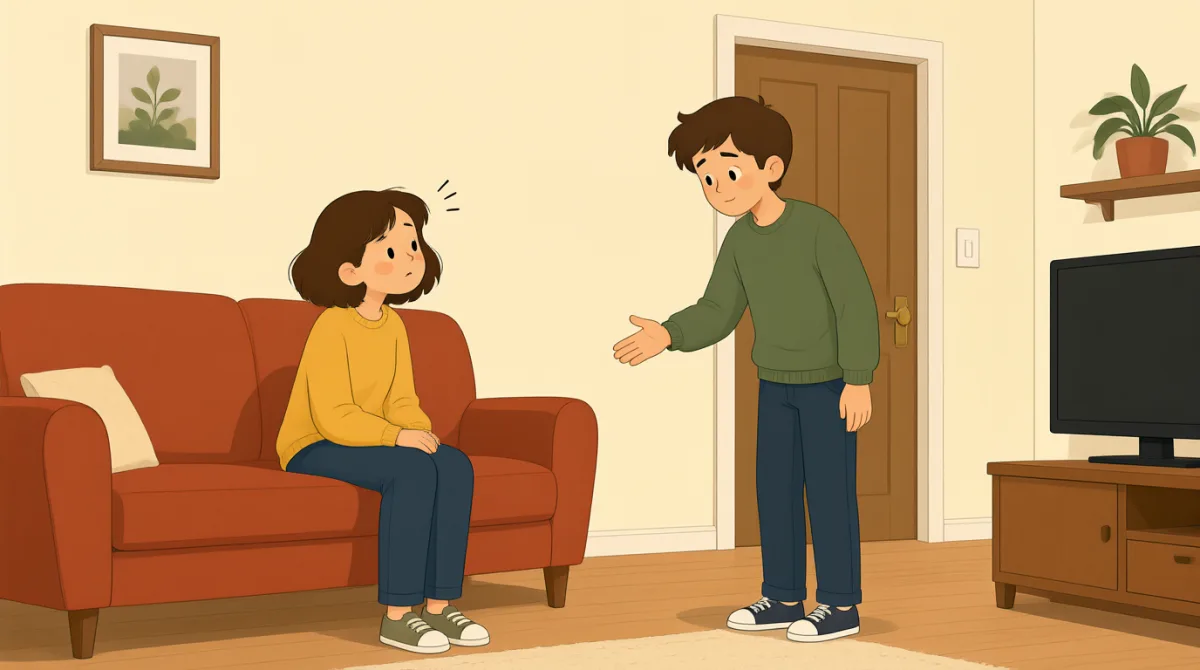

Emma, I want to start by saying I’m genuinely sorry I forgot our plans. You’d set aside the evening for us, and I didn’t show up or give you a heads-up.
เอ็มมา เราอยากเริ่มด้วยการบอกว่าเราขอโทษจากใจจริงที่ลืมนัดของเรา เธอเว้นช่วงเย็นไว้ให้เรา แต่เรากลับไม่ไป แถมไม่ได้บอกเธอล่วงหน้าด้วย

Thank you for saying that. It wasn’t just the change of plans; I was hurt that I waited and had no idea what was going on.
ขอบคุณที่พูดแบบนั้นนะ ไม่ใช่แค่เรื่องเปลี่ยนแผนนะ เราเสียใจที่รออยู่โดยไม่รู้เลยว่าเกิดอะไรขึ้น
You’re right. I should have checked my calendar and let you know as soon as I realized I couldn’t make it. Instead, I left you hanging.
เธอพูดถูก เราควรเช็กปฏิทิน แล้วบอกเธอทันทีที่รู้ว่าไปไม่ได้ แต่เรากลับปล่อยให้เธอรอโดยไม่รู้อะไรเลย
And when I brought it up, you got defensive. It felt like you were more focused on proving you had a reason than hearing how it affected me.
แล้วตอนเราพูดถึงเรื่องนี้ เธอก็ตั้งท่าปกป้องตัวเอง เหมือนเธอสนใจแต่จะพิสูจน์ว่าตัวเองมีเหตุผล มากกว่าจะรับฟังว่าเรื่องนี้ส่งผลกับเรายังไง
I did get defensive, and I’m sorry for that, too. I was embarrassed about messing up, but that doesn’t excuse turning the conversation into an argument.
เราตั้งท่าปกป้องตัวเองจริง ๆ แล้วก็ขอโทษเรื่องนั้นด้วย เราอายที่ทำพลาด แต่ก็ไม่ได้แปลว่าจะเอามาอ้างเพื่อเปลี่ยนบทสนทนาให้กลายเป็นการทะเลาะกันได้
I appreciate you owning that. I wasn’t expecting you to be perfect; I just needed you to take my feelings seriously instead of brushing them aside.
เราขอบคุณนะที่ยอมรับเรื่องนั้น เราไม่ได้คาดหวังให้เธอสมบูรณ์แบบ แค่อยากให้เธอใส่ใจความรู้สึกเราจริง ๆ ไม่ใช่ปัดมันทิ้งไป
I understand. If I’d been in your shoes, I’d probably have felt hurt and unimportant, too. I should have listened instead of pushing back.
เราเข้าใจนะ ถ้าเราเป็นเธอ เราก็คงรู้สึกเสียใจและเหมือนไม่สำคัญเหมือนกัน เราควรฟังแทนที่จะเถียงกลับ
That means a lot. I’m still a little upset, but I’m glad we’re talking about what happened without taking another shot at each other.
เรื่องนั้นมีความหมายกับเรามากนะ เรายังเสียใจอยู่นิดหน่อย แต่ก็ดีใจที่เราคุยกันถึงเรื่องที่เกิดขึ้นได้ โดยไม่หาเรื่องโจมตีกันอีก
I don’t expect one apology to fix everything, but I do want to make this right. When you’re ready, I’d like to hear more about what the evening was like for you.
เราไม่ได้คิดว่าคำขอโทษครั้งเดียวจะแก้ทุกอย่างได้ แต่เราอยากทำให้เรื่องนี้ดีขึ้นนะ พอเธอพร้อม เราอยากฟังเพิ่มเติมว่าคืนนั้นเธอรู้สึกยังไงบ้าง
Okay. I’m willing to talk. Let’s take it one step at a time, and please don’t assume I’m over it just because I’m ready to listen.
โอเค เรายินดีคุยนะ ค่อย ๆ คุยกันไปทีละขั้น แล้วก็อย่าคิดว่าเราหายโกรธแล้ว แค่เพราะเราพร้อมจะฟัง
คำศัพท์8
- give you a heads-upบอกให้รู้ล่วงหน้า
To give someone advance notice about a change or problem. Jack says he should have told Emma as soon as he knew he couldn’t make it.
การแจ้งให้ใครรู้ล่วงหน้าเกี่ยวกับการเปลี่ยนแปลงหรือปัญหา แจ็กบอกว่าเขาควรแจ้งเอ็มมาทันทีที่รู้ว่าไปไม่ได้
- left you hangingปล่อยให้รอโดยไม่บอกอะไร
To leave someone waiting without information or support. Here, Jack recognizes that Emma was left waiting and didn’t know what was happening.
ปล่อยให้ใครสักคนรอโดยไม่มีข้อมูลหรือความช่วยเหลือ ในที่นี้ แจ็กยอมรับว่าเอ็มมาต้องรอโดยไม่รู้ว่าเกิดอะไรขึ้น
- got defensiveตั้งท่าปกป้องตัวเอง
Reacted as if you needed to protect yourself from criticism, rather than listening openly. Jack admits he did this when Emma raised the issue.
แสดงปฏิกิริยาราวกับต้องปกป้องตัวเองจากคำวิจารณ์ แทนที่จะเปิดใจรับฟัง แจ็กยอมรับว่าทำแบบนี้ตอนเอ็มมาพูดถึงเรื่องนี้
- owning thatยอมรับผิด
Taking responsibility for something you did. Emma appreciates that Jack acknowledges his mistake instead of denying it.
รับผิดชอบต่อสิ่งที่ตัวเองทำ เอ็มมาขอบคุณที่แจ็กยอมรับว่าตัวเองทำผิดแทนที่จะปฏิเสธ
- in your shoesถ้าเราเป็นเธอ
In your situation, imagining how you might feel if the same thing happened to you. Jack uses the phrase to show empathy for Emma.
ลองนึกว่าถ้าเราอยู่ในสถานการณ์ของอีกฝ่าย เราอาจรู้สึกอย่างไร แจ็กใช้สำนวนนี้เพื่อแสดงความเข้าอกเข้าใจเอ็มมา
- pushing backเถียงกลับ
Resisting or arguing against what someone says. Jack says he should have listened rather than immediately resisting Emma’s feelings.
ต่อต้านหรือโต้แย้งสิ่งที่อีกฝ่ายพูด แจ็กบอกว่าเขาควรฟังแทนที่จะรีบโต้แย้งความรู้สึกของเอ็มมา
- make this rightแก้ไขเรื่องนี้ให้ดีขึ้น
To take action to fix a problem or make amends. Jack uses this phrase to show that he wants to do more than simply apologize.
ลงมือแก้ปัญหาหรือชดเชยสิ่งที่ทำผิด แจ็กใช้สำนวนนี้เพื่อแสดงว่าอยากทำมากกว่าแค่กล่าวคำขอโทษ
- one step at a timeค่อย ๆ ทำไปทีละขั้น
Gradually, without rushing the process. Emma uses it to suggest they talk through the issue at a pace that feels comfortable.
ค่อยเป็นค่อยไปโดยไม่เร่งกระบวนการ เอ็มมาใช้สำนวนนี้เพื่อบอกว่าอยากคุยเรื่องนี้ในจังหวะที่ทั้งคู่สบายใจ
ประโยคสำคัญ7
- 1
I want to start by saying I’m genuinely sorry I forgot our plans.
เราอยากเริ่มด้วยการบอกว่าเราขอโทษจากใจจริงที่ลืมนัดของเรา
This is a sincere way to open an apology and name the specific mistake. You can reuse “I want to start by saying I’m genuinely sorry I…” before explaining what you regret.
นี่เป็นวิธีเริ่มต้นกล่าวคำขอโทษอย่างจริงใจ พร้อมระบุสิ่งที่ทำผิดโดยตรง นำ “I want to start by saying I’m genuinely sorry I…” ไปปรับใช้ได้ก่อนอธิบายว่าคุณเสียใจเรื่องอะไร
- 2
You’re right. I should have checked my calendar and let you know as soon as I realized I couldn’t make it.
เธอพูดถูก เราควรเช็กปฏิทิน แล้วบอกเธอทันทีที่รู้ว่าไปไม่ได้
This sentence accepts responsibility and explains what the speaker should have done differently. Use “I should have…” to acknowledge a better choice you missed in the past.
ประโยคนี้แสดงการยอมรับผิดและบอกว่าผู้พูดควรทำอะไรให้ต่างออกไป ใช้ “I should have…” เพื่อยอมรับว่าที่ผ่านมาคุณพลาดโอกาสที่จะเลือกทำสิ่งที่ดีกว่า
- 3
I did get defensive, and I’m sorry for that, too.
เราตั้งท่าปกป้องตัวเองจริง ๆ แล้วก็ขอโทษเรื่องนั้นด้วย
This directly apologizes for a reaction as well as for the original mistake. You can adapt “I did get [reaction], and I’m sorry for that, too” when taking responsibility for how you responded.
ประโยคนี้กล่าวขอโทษอย่างตรงไปตรงมาทั้งต่อปฏิกิริยาของตัวเองและความผิดพลาดเดิม คุณปรับใช้ “I did get [reaction], and I’m sorry for that, too” เพื่อรับผิดชอบต่อวิธีที่ตัวเองตอบสนองได้
- 4
I wasn’t expecting you to be perfect; I just needed you to take my feelings seriously instead of brushing them aside.
เราไม่ได้คาดหวังให้เธอสมบูรณ์แบบ แค่อยากให้เธอใส่ใจความรู้สึกเราจริง ๆ ไม่ใช่ปัดมันทิ้งไป
This clearly distinguishes between expecting perfection and asking for consideration. The structure “I wasn’t expecting X; I just needed Y” is useful for expressing what matters in a disagreement.
ประโยคนี้แยกให้เห็นชัดระหว่างการคาดหวังความสมบูรณ์แบบกับการขอให้อีกฝ่ายใส่ใจ โครงสร้าง “I wasn’t expecting X; I just needed Y” มีประโยชน์เมื่ออยากบอกว่าอะไรสำคัญสำหรับเราในยามที่เห็นไม่ตรงกัน
- 5
If I’d been in your shoes, I’d probably have felt hurt and unimportant, too.
ถ้าเราเป็นเธอ เราก็คงรู้สึกเสียใจและเหมือนไม่สำคัญเหมือนกัน
This conditional shows empathy by imagining how the other person might have felt. Use “If I’d been in your shoes, I’d have…” to acknowledge someone’s perspective.
ประโยคเงื่อนไขนี้แสดงความเข้าอกเข้าใจ โดยลองนึกว่าอีกฝ่ายอาจรู้สึกอย่างไร ใช้ “If I’d been in your shoes, I’d have…” เพื่อแสดงว่าเราเข้าใจมุมมองของอีกฝ่าย
- 6
I don’t expect one apology to fix everything, but I do want to make this right.
เราไม่ได้คิดว่าคำขอโทษครั้งเดียวจะแก้ทุกอย่างได้ แต่เราอยากทำให้เรื่องนี้ดีขึ้นนะ
This recognizes that rebuilding trust may take time while showing a willingness to act. The pattern “I don’t expect X, but I do want to Y” helps balance realistic expectations with commitment.
ประโยคนี้ยอมรับว่าการสร้างความไว้ใจขึ้นมาใหม่อาจต้องใช้เวลา พร้อมแสดงความตั้งใจที่จะลงมือทำ รูปแบบ “I don’t expect X, but I do want to Y” ช่วยสื่อทั้งความคาดหวังที่สมจริงและความมุ่งมั่น
- 7
Let’s take it one step at a time, and please don’t assume I’m over it just because I’m ready to listen.
ค่อย ๆ คุยกันไปทีละขั้น แล้วก็อย่าคิดว่าเราหายโกรธแล้ว แค่เพราะเราพร้อมจะฟัง
This sets a gentle boundary and asks the other person not to mistake willingness to talk for complete forgiveness. You can use “Please don’t assume…” to clarify what someone’s actions do not necessarily mean.
ประโยคนี้กำหนดขอบเขตอย่างนุ่มนวล และขอให้อีกฝ่ายอย่าเข้าใจผิดว่าการยินดีคุยหมายถึงการให้อภัยหมดแล้ว คุณใช้ “Please don’t assume…” เพื่อชี้แจงว่าการกระทำบางอย่างของคนเราไม่ได้แปลว่าจะต้องหมายถึงสิ่งใดสิ่งหนึ่งเสมอไป