Starting With a Sincere Apology
আন্তরিকভাবে ক্ষমা চেয়ে শুরু করা
Jack apologizes for forgetting their plans and for getting defensive when Emma raised the issue. He makes it clear that he understands why his actions upset her.
তাদের পরিকল্পনার কথা ভুলে যাওয়া এবং এমা বিষয়টি তুললে আত্মপক্ষসমর্থন করায় জ্যাক ক্ষমা চায়। সে স্পষ্ট করে বোঝায় যে তার কাজগুলোতে এমা কেন কষ্ট পেয়েছে, তা সে বুঝতে পেরেছে।
সংলাপ10
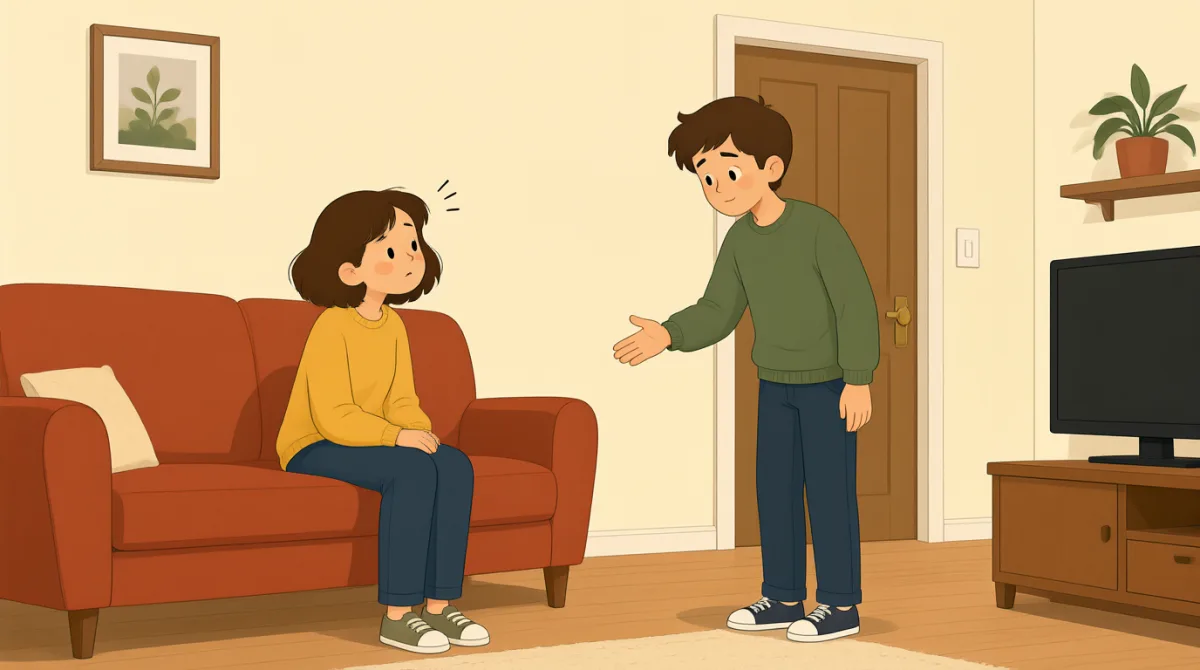

Emma, I want to start by saying I’m genuinely sorry I forgot our plans. You’d set aside the evening for us, and I didn’t show up or give you a heads-up.
এমা, আমি শুরুতেই বলতে চাই, আমাদের পরিকল্পনার কথা ভুলে যাওয়ার জন্য আমি সত্যিই দুঃখিত। তুমি আমাদের জন্য সন্ধ্যাটা রেখেছিলে, আর আমি আসিওনি, তোমাকে আগেভাগে কিছু জানাইওনি।

Thank you for saying that. It wasn’t just the change of plans; I was hurt that I waited and had no idea what was going on.
এটা বলার জন্য ধন্যবাদ। শুধু পরিকল্পনা বদলে যাওয়াটাই সমস্যা ছিল না; আমি অপেক্ষা করছিলাম, অথচ কী হচ্ছে কিছুই জানতাম না—এতে আমার খুব কষ্ট হয়েছিল।
You’re right. I should have checked my calendar and let you know as soon as I realized I couldn’t make it. Instead, I left you hanging.
তুমি ঠিক বলেছ। আমার ক্যালেন্ডারটা দেখা উচিত ছিল, আর আসতে পারব না বুঝতে পারার সঙ্গে সঙ্গেই তোমাকে জানানো উচিত ছিল। তার বদলে তোমাকে অনিশ্চয়তায় অপেক্ষা করিয়েছি।
And when I brought it up, you got defensive. It felt like you were more focused on proving you had a reason than hearing how it affected me.
আর আমি যখন বিষয়টা তুললাম, তুমি আত্মপক্ষসমর্থন করতে শুরু করলে। মনে হচ্ছিল, এটা আমার ওপর কী প্রভাব ফেলেছে তা শোনার চেয়ে তোমার কাছে নিজের কারণ প্রমাণ করাটাই বেশি জরুরি ছিল।
I did get defensive, and I’m sorry for that, too. I was embarrassed about messing up, but that doesn’t excuse turning the conversation into an argument.
আমি সত্যিই আত্মপক্ষসমর্থন করেছিলাম, সেটার জন্যও দুঃখিত। ভুল করে ফেলেছি বলে আমার লজ্জা লাগছিল, কিন্তু তাতে কথাবার্তাকে ঝগড়ায় পরিণত করার কোনো অজুহাত হয় না।
I appreciate you owning that. I wasn’t expecting you to be perfect; I just needed you to take my feelings seriously instead of brushing them aside.
তুমি যে নিজের ভুলটা স্বীকার করছ, সেটা আমার ভালো লাগছে। আমি তোমার কাছ থেকে নিখুঁত হওয়া আশা করিনি; শুধু চেয়েছিলাম তুমি আমার অনুভূতিগুলোকে গুরুত্ব দাও, উড়িয়ে না দাও।
I understand. If I’d been in your shoes, I’d probably have felt hurt and unimportant, too. I should have listened instead of pushing back.
আমি বুঝতে পারছি। আমি যদি তোমার জায়গায় থাকতাম, আমারও হয়তো কষ্ট লাগত আর নিজেকে গুরুত্বহীন মনে হতো। পাল্টা তর্ক না করে আমার শোনা উচিত ছিল।
That means a lot. I’m still a little upset, but I’m glad we’re talking about what happened without taking another shot at each other.
এটা আমার কাছে অনেক বড় ব্যাপার। আমি এখনও একটু মন খারাপ করে আছি, তবে ভালো লাগছে যে কী হয়েছে তা নিয়ে আমরা কথা বলছি, আবার একে অপরকে খোঁচা না দিয়ে।
I don’t expect one apology to fix everything, but I do want to make this right. When you’re ready, I’d like to hear more about what the evening was like for you.
আমি আশা করি না একটা ক্ষমা চাওয়াতেই সব ঠিক হয়ে যাবে, কিন্তু আমি এই ভুলটা শুধরে নিতে চাই। তুমি যখন প্রস্তুত হবে, সেদিন সন্ধ্যাটা তোমার কেমন কেটেছিল, তা আরও শুনতে চাই।
Okay. I’m willing to talk. Let’s take it one step at a time, and please don’t assume I’m over it just because I’m ready to listen.
ঠিক আছে। আমি কথা বলতে রাজি। চলো, ধীরে ধীরে এগোই। আর দয়া করে ভেবো না যে আমি শুনতে রাজি হয়েছি বলে বিষয়টা ভুলে গেছি।
শব্দভান্ডার8
- give you a heads-upআগেভাগে জানানো
To give someone advance notice about a change or problem. Jack says he should have told Emma as soon as he knew he couldn’t make it.
কোনো পরিবর্তন বা সমস্যা সম্পর্কে কাউকে আগে থেকে জানানো। জ্যাক বলছে, সে আসতে পারবে না বুঝতে পারার সঙ্গে সঙ্গেই এমাকে জানানো উচিত ছিল।
- left you hangingঅনিশ্চয়তায় অপেক্ষা করানো
To leave someone waiting without information or support. Here, Jack recognizes that Emma was left waiting and didn’t know what was happening.
কাউকে কোনো খবর বা সহায়তা না দিয়ে অপেক্ষা করিয়ে রাখা। এখানে জ্যাক বুঝতে পারছে, এমাকে অপেক্ষা করতে হয়েছে এবং কী ঘটছে সে কিছুই জানত না।
- got defensiveআত্মপক্ষসমর্থন করা
Reacted as if you needed to protect yourself from criticism, rather than listening openly. Jack admits he did this when Emma raised the issue.
খোলামনে শোনার বদলে সমালোচনা থেকে নিজেকে রক্ষা করতে হবে—এমনভাবে প্রতিক্রিয়া দেখানো। এমা বিষয়টি তোলার সময় সে এমনটাই করেছিল বলে জ্যাক স্বীকার করছে।
- owning thatভুল স্বীকার করা
Taking responsibility for something you did. Emma appreciates that Jack acknowledges his mistake instead of denying it.
নিজের করা কোনো কিছুর দায় নেওয়া। জ্যাক ভুল অস্বীকার না করে তা মেনে নিয়েছে বলে এমা খুশি।
- in your shoesতোমার জায়গায় থাকলে
In your situation, imagining how you might feel if the same thing happened to you. Jack uses the phrase to show empathy for Emma.
নিজেকে অন্যের পরিস্থিতিতে কল্পনা করে ভাবা, একই ঘটনা ঘটলে তোমার কেমন লাগত। এমার প্রতি সহমর্মিতা দেখাতে জ্যাক এই কথাটি ব্যবহার করেছে।
- pushing backপাল্টা আপত্তি করা
Resisting or arguing against what someone says. Jack says he should have listened rather than immediately resisting Emma’s feelings.
কেউ যা বলছে তার বিরোধিতা করা বা তা মানতে না চাওয়া। জ্যাক বলছে, এমার অনুভূতির বিরোধিতা না করে তার কথা শোনা উচিত ছিল।
- make this rightভুলটা শুধরে নেওয়া
To take action to fix a problem or make amends. Jack uses this phrase to show that he wants to do more than simply apologize.
সমস্যা ঠিক করতে বা ক্ষতিপূরণ করতে পদক্ষেপ নেওয়া। শুধু ক্ষমা চাওয়ার চেয়ে বেশি কিছু করতে চায়—এটা বোঝাতে জ্যাক এই কথাটি বলেছে।
- one step at a timeধীরে ধীরে, এক ধাপ করে
Gradually, without rushing the process. Emma uses it to suggest they talk through the issue at a pace that feels comfortable.
তাড়াহুড়ো না করে ধাপে ধাপে এগোনো। বিষয়টি এমন গতিতে আলোচনা করার প্রস্তাব দিতে এমা কথাটি বলেছে, যাতে দুজনেরই স্বস্তি থাকে।
গুরুত্বপূর্ণ বাক্য7
- 1
I want to start by saying I’m genuinely sorry I forgot our plans.
আমি শুরুতেই বলতে চাই, আমাদের পরিকল্পনার কথা ভুলে যাওয়ার জন্য আমি সত্যিই দুঃখিত।
This is a sincere way to open an apology and name the specific mistake. You can reuse “I want to start by saying I’m genuinely sorry I…” before explaining what you regret.
ক্ষমা চাওয়া শুরু করার এবং নির্দিষ্ট ভুলটি উল্লেখ করার এটি একটি আন্তরিক উপায়। কীসের জন্য অনুতপ্ত, তা বলার আগে “I want to start by saying I’m genuinely sorry I…” বলে শুরু করতে পারো।
- 2
You’re right. I should have checked my calendar and let you know as soon as I realized I couldn’t make it.
তুমি ঠিক বলেছ। আমার ক্যালেন্ডারটা দেখা উচিত ছিল, আর আসতে পারব না বুঝতে পারার সঙ্গে সঙ্গেই তোমাকে জানানো উচিত ছিল।
This sentence accepts responsibility and explains what the speaker should have done differently. Use “I should have…” to acknowledge a better choice you missed in the past.
এই বাক্যে বক্তা নিজের দায় স্বীকার করে এবং অন্যভাবে কী করা উচিত ছিল তা ব্যাখ্যা করে। অতীতে আরও ভালো কোনো কাজ করার সুযোগ হাতছাড়া হয়েছে—এটা স্বীকার করতে “I should have…” ব্যবহার করো।
- 3
I did get defensive, and I’m sorry for that, too.
আমি সত্যিই আত্মপক্ষসমর্থন করেছিলাম, সেটার জন্যও দুঃখিত।
This directly apologizes for a reaction as well as for the original mistake. You can adapt “I did get [reaction], and I’m sorry for that, too” when taking responsibility for how you responded.
এতে মূল ভুলের পাশাপাশি নিজের প্রতিক্রিয়ার জন্যও সরাসরি ক্ষমা চাওয়া হয়। নিজের প্রতিক্রিয়ার দায় নিতে “I did get [reaction], and I’m sorry for that, too” বাক্যাংশটি নিজের মতো করে ব্যবহার করতে পারো।
- 4
I wasn’t expecting you to be perfect; I just needed you to take my feelings seriously instead of brushing them aside.
আমি তোমার কাছ থেকে নিখুঁত হওয়া আশা করিনি; শুধু চেয়েছিলাম তুমি আমার অনুভূতিগুলোকে গুরুত্ব দাও, উড়িয়ে না দাও।
This clearly distinguishes between expecting perfection and asking for consideration. The structure “I wasn’t expecting X; I just needed Y” is useful for expressing what matters in a disagreement.
এই বাক্যে নিখুঁত আচরণ আশা করা আর বিবেচনা দেখাতে বলা—এই দুটির পার্থক্য স্পষ্ট করা হয়েছে। মতবিরোধে কী বিষয়টি তোমার কাছে গুরুত্বপূর্ণ, তা বোঝাতে “I wasn’t expecting X; I just needed Y” কাঠামোটি কাজে লাগে।
- 5
If I’d been in your shoes, I’d probably have felt hurt and unimportant, too.
আমি যদি তোমার জায়গায় থাকতাম, আমারও হয়তো কষ্ট লাগত আর নিজেকে গুরুত্বহীন মনে হতো।
This conditional shows empathy by imagining how the other person might have felt. Use “If I’d been in your shoes, I’d have…” to acknowledge someone’s perspective.
এই শর্তসূচক বাক্যটি অন্যজনের কেমন লাগতে পারে তা কল্পনা করে সহমর্মিতা প্রকাশ করে। কারও দৃষ্টিভঙ্গি স্বীকার করতে “If I’d been in your shoes, I’d have…” ব্যবহার করো।
- 6
I don’t expect one apology to fix everything, but I do want to make this right.
আমি আশা করি না একটা ক্ষমা চাওয়াতেই সব ঠিক হয়ে যাবে, কিন্তু আমি এই ভুলটা শুধরে নিতে চাই।
This recognizes that rebuilding trust may take time while showing a willingness to act. The pattern “I don’t expect X, but I do want to Y” helps balance realistic expectations with commitment.
এতে স্বীকার করা হয় যে বিশ্বাস ফিরিয়ে আনতে সময় লাগতে পারে, পাশাপাশি কিছু করার ইচ্ছাও প্রকাশ পায়। বাস্তবসম্মত প্রত্যাশা ও প্রতিশ্রুতির মধ্যে ভারসাম্য রাখতে “I don’t expect X, but I do want to Y” কাঠামোটি কাজে লাগে।
- 7
Let’s take it one step at a time, and please don’t assume I’m over it just because I’m ready to listen.
চলো, ধীরে ধীরে এগোই, আর দয়া করে ভেবো না যে আমি শুনতে রাজি হয়েছি বলে বিষয়টা ভুলে গেছি।
This sets a gentle boundary and asks the other person not to mistake willingness to talk for complete forgiveness. You can use “Please don’t assume…” to clarify what someone’s actions do not necessarily mean.
এই বাক্যে নম্রভাবে একটি সীমা নির্ধারণ করা হয়েছে এবং বোঝানো হয়েছে যে কথা বলতে রাজি হওয়া মানেই পুরোপুরি ক্ষমা করে দেওয়া নয়। কারও কাজের অর্থ ভুলভাবে বোঝা হচ্ছে—এটা পরিষ্কার করতে “Please don’t assume…” ব্যবহার করতে পারো।