Starting With a Sincere Apology
البدء باعتذار صادق
Jack apologizes for forgetting their plans and for getting defensive when Emma raised the issue. He makes it clear that he understands why his actions upset her.
يعتذر جاك عن نسيانه خطتهما وعن اتخاذ موقف دفاعي عندما أثارت إيما الموضوع. ويوضح أنه يفهم سبب انزعاجها من تصرفاته.
حوار10
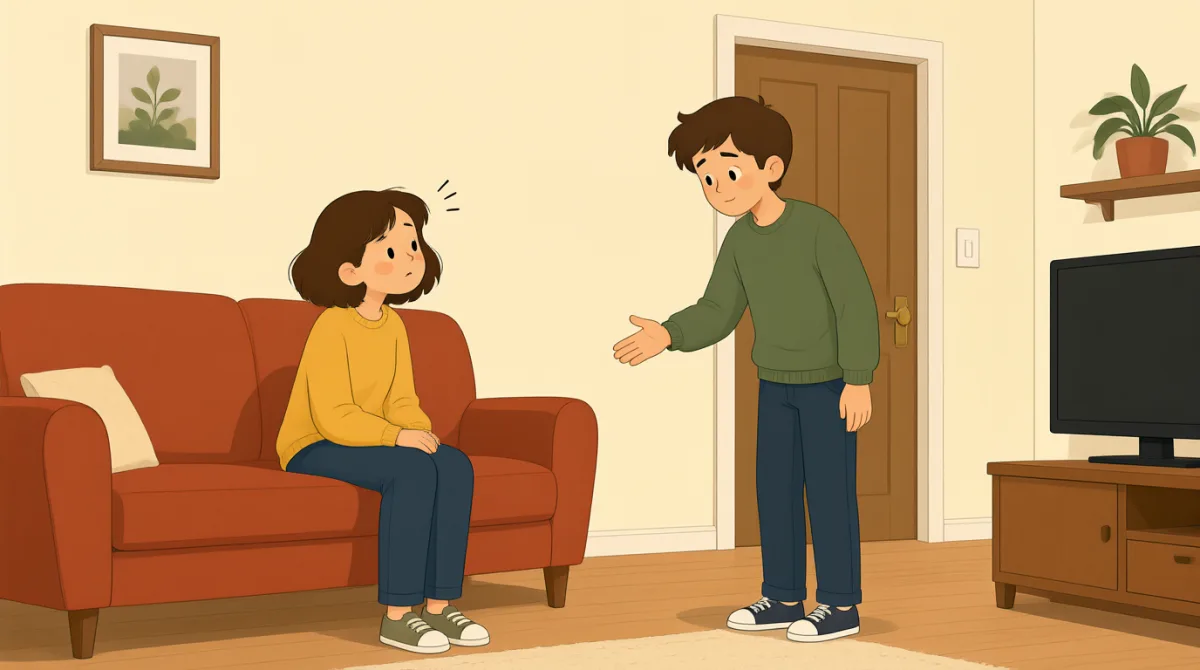

Emma, I want to start by saying I’m genuinely sorry I forgot our plans. You’d set aside the evening for us, and I didn’t show up or give you a heads-up.
إيما، أريد أن أبدأ بالقول إنني آسف حقًا لأنني نسيت خطتنا. لقد خصصتِ لنا الأمسية، لكنني لم أحضر ولم أرسل لكِ حتى تنبيهًا.

Thank you for saying that. It wasn’t just the change of plans; I was hurt that I waited and had no idea what was going on.
شكرًا لأنك قلت ذلك. لم يكن الأمر مجرد تغيير الخطة؛ لقد آلمني أنني انتظرت ولم أكن أعرف ما الذي يحدث.
You’re right. I should have checked my calendar and let you know as soon as I realized I couldn’t make it. Instead, I left you hanging.
أنتِ محقة. كان ينبغي أن أراجع تقويمي وأخبركِ بمجرد أن أدركت أنني لن أتمكن من الحضور. لكنني تركتكِ تنتظرين من دون أن تعرفي شيئًا.
And when I brought it up, you got defensive. It felt like you were more focused on proving you had a reason than hearing how it affected me.
وعندما أثرتُ الموضوع، اتخذت موقفًا دفاعيًا. شعرتُ بأنك كنت تركز أكثر على إثبات أن لديك عذرًا بدلًا من الاستماع إلى ما سببه ذلك لي.
I did get defensive, and I’m sorry for that, too. I was embarrassed about messing up, but that doesn’t excuse turning the conversation into an argument.
صحيح، لقد اتخذت موقفًا دفاعيًا، وأنا آسف على ذلك أيضًا. شعرتُ بالحرج لأنني أفسدت الأمر، لكن هذا لا يبرر تحويل الحديث إلى شجار.
I appreciate you owning that. I wasn’t expecting you to be perfect; I just needed you to take my feelings seriously instead of brushing them aside.
أقدّر اعترافك بذلك. لم أكن أتوقع منك أن تكون مثاليًا؛ كل ما احتجته هو أن تأخذ مشاعري على محمل الجد بدلًا من تجاهلها.
I understand. If I’d been in your shoes, I’d probably have felt hurt and unimportant, too. I should have listened instead of pushing back.
أتفهم ذلك. لو كنت مكانك، لشعرت على الأرجح بالأذى وبأنني غير مهم أيضًا. كان ينبغي أن أستمع بدلًا من الاعتراض.
That means a lot. I’m still a little upset, but I’m glad we’re talking about what happened without taking another shot at each other.
هذا يعني لي الكثير. ما زلت منزعجة قليلًا، لكنني سعيدة لأننا نتحدث عما حدث من دون أن نجرح بعضنا مجددًا.
I don’t expect one apology to fix everything, but I do want to make this right. When you’re ready, I’d like to hear more about what the evening was like for you.
لا أتوقع أن يصلح اعتذار واحد كل شيء، لكنني أريد فعلًا أن أصلح ما أفسدته. عندما تكونين مستعدة، أود أن أسمع المزيد عمّا كانت عليه الأمسية بالنسبة إليكِ.
Okay. I’m willing to talk. Let’s take it one step at a time, and please don’t assume I’m over it just because I’m ready to listen.
حسنًا. أنا مستعدة للكلام. لنتقدم خطوة خطوة، ومن فضلك لا تفترض أنني تجاوزت الأمر لمجرد أنني مستعدة للاستماع.
المفردات8
- give you a heads-upيُعطيك تنبيهًا مسبقًا
To give someone advance notice about a change or problem. Jack says he should have told Emma as soon as he knew he couldn’t make it.
إخبار شخص مسبقًا بتغيير أو مشكلة. يقول جاك إنه كان ينبغي أن يخبر إيما بمجرد أن عرف أنه لن يتمكن من الحضور.
- left you hangingتركك تنتظر من دون رد
To leave someone waiting without information or support. Here, Jack recognizes that Emma was left waiting and didn’t know what was happening.
ترك شخص ينتظر من دون معلومات أو دعم. هنا، يدرك جاك أن إيما انتظرت ولم تعرف ما الذي كان يحدث.
- got defensiveاتخذ موقفًا دفاعيًا
Reacted as if you needed to protect yourself from criticism, rather than listening openly. Jack admits he did this when Emma raised the issue.
التصرف كما لو أنك بحاجة إلى الدفاع عن نفسك أمام الانتقاد، بدلًا من الاستماع بانفتاح. يعترف جاك بأنه فعل ذلك عندما أثارت إيما الموضوع.
- owning thatالاعتراف بذلك وتحمل مسؤوليته
Taking responsibility for something you did. Emma appreciates that Jack acknowledges his mistake instead of denying it.
تحمل مسؤولية شيء فعلته. تقدر إيما أن جاك يعترف بخطئه بدلًا من إنكاره.
- in your shoesفي موقفك
In your situation, imagining how you might feel if the same thing happened to you. Jack uses the phrase to show empathy for Emma.
تخيّل ما قد تشعر به لو حدث لك الأمر نفسه. يستخدم جاك هذه العبارة ليُظهر تعاطفه مع إيما.
- pushing backالاعتراض
Resisting or arguing against what someone says. Jack says he should have listened rather than immediately resisting Emma’s feelings.
مقاومة ما يقوله شخص أو مجادلته. يقول جاك إنه كان ينبغي أن يستمع بدلًا من الاعتراض فورًا على مشاعر إيما.
- make this rightإصلاح ما أفسدته
To take action to fix a problem or make amends. Jack uses this phrase to show that he wants to do more than simply apologize.
اتخاذ إجراء لحل مشكلة أو إصلاح الضرر. يستخدم جاك هذه العبارة ليُظهر أنه يريد أن يفعل أكثر من مجرد الاعتذار.
- one step at a timeخطوة خطوة
Gradually, without rushing the process. Emma uses it to suggest they talk through the issue at a pace that feels comfortable.
بالتدريج ومن دون استعجال. تستخدمها إيما لتقترح أن يتحدثا عن المشكلة بوتيرة مريحة.
الجمل الأساسية7
- 1
I want to start by saying I’m genuinely sorry I forgot our plans.
أريد أن أبدأ بالقول إنني آسف حقًا لأنني نسيت خطتنا.
This is a sincere way to open an apology and name the specific mistake. You can reuse “I want to start by saying I’m genuinely sorry I…” before explaining what you regret.
هذه طريقة صادقة لبدء الاعتذار وتحديد الخطأ بعينه. يمكنك إعادة استخدام “I want to start by saying I’m genuinely sorry I…” قبل أن تشرح ما تندم عليه.
- 2
You’re right. I should have checked my calendar and let you know as soon as I realized I couldn’t make it.
أنتِ محقة. كان ينبغي أن أراجع تقويمي وأخبركِ بمجرد أن أدركت أنني لن أتمكن من الحضور.
This sentence accepts responsibility and explains what the speaker should have done differently. Use “I should have…” to acknowledge a better choice you missed in the past.
تُظهر هذه الجملة تحمّل المسؤولية وتوضح ما كان ينبغي للمتحدث أن يفعله على نحو مختلف. استخدم “I should have…” للإقرار بأنك فاتتك فرصة اتخاذ خيار أفضل في الماضي.
- 3
I did get defensive, and I’m sorry for that, too.
لقد اتخذت موقفًا دفاعيًا فعلًا، وأنا آسف على ذلك أيضًا.
This directly apologizes for a reaction as well as for the original mistake. You can adapt “I did get [reaction], and I’m sorry for that, too” when taking responsibility for how you responded.
تعتذر هذه الجملة مباشرة عن رد الفعل، إلى جانب الاعتذار عن الخطأ الأصلي. يمكنك تعديل “I did get [reaction], and I’m sorry for that, too” لتحمّل مسؤولية طريقة استجابتك.
- 4
I wasn’t expecting you to be perfect; I just needed you to take my feelings seriously instead of brushing them aside.
لم أكن أتوقع منك أن تكون مثاليًا؛ كل ما احتجته هو أن تأخذ مشاعري على محمل الجد بدلًا من تجاهلها.
This clearly distinguishes between expecting perfection and asking for consideration. The structure “I wasn’t expecting X; I just needed Y” is useful for expressing what matters in a disagreement.
توضح هذه الجملة الفرق بين توقع الكمال وطلب مراعاة المشاعر. يفيد التركيب “I wasn’t expecting X; I just needed Y” في التعبير عما يهمك أثناء الخلاف.
- 5
If I’d been in your shoes, I’d probably have felt hurt and unimportant, too.
لو كنت مكانك، لشعرت على الأرجح بالأذى وبأنني غير مهم أيضًا.
This conditional shows empathy by imagining how the other person might have felt. Use “If I’d been in your shoes, I’d have…” to acknowledge someone’s perspective.
يُظهر هذا الشرط التعاطف من خلال تخيل ما قد يشعر به الطرف الآخر. استخدم “If I’d been in your shoes, I’d have…” للإقرار بوجهة نظر شخص ما.
- 6
I don’t expect one apology to fix everything, but I do want to make this right.
لا أتوقع أن يصلح اعتذار واحد كل شيء، لكنني أريد فعلًا أن أصلح ما أفسدته.
This recognizes that rebuilding trust may take time while showing a willingness to act. The pattern “I don’t expect X, but I do want to Y” helps balance realistic expectations with commitment.
تقر هذه الجملة بأن استعادة الثقة قد تستغرق وقتًا، مع إبداء الاستعداد لاتخاذ خطوات عملية. يساعدك النمط “I don’t expect X, but I do want to Y” على الجمع بين التوقعات الواقعية والالتزام.
- 7
Let’s take it one step at a time, and please don’t assume I’m over it just because I’m ready to listen.
لنتقدم خطوة خطوة، ومن فضلك لا تفترض أنني تجاوزت الأمر لمجرد أنني مستعدة للاستماع.
This sets a gentle boundary and asks the other person not to mistake willingness to talk for complete forgiveness. You can use “Please don’t assume…” to clarify what someone’s actions do not necessarily mean.
ترسم هذه الجملة حدًا بلطف، وتطلب من الطرف الآخر ألا يخلط بين الاستعداد للكلام والعفو التام. يمكنك استخدام “Please don’t assume…” لتوضيح أن تصرفات شخص ما لا تعني بالضرورة أمرًا معينًا.