The Argument About Forgotten Plans
بحث بر سر برنامههای فراموششده
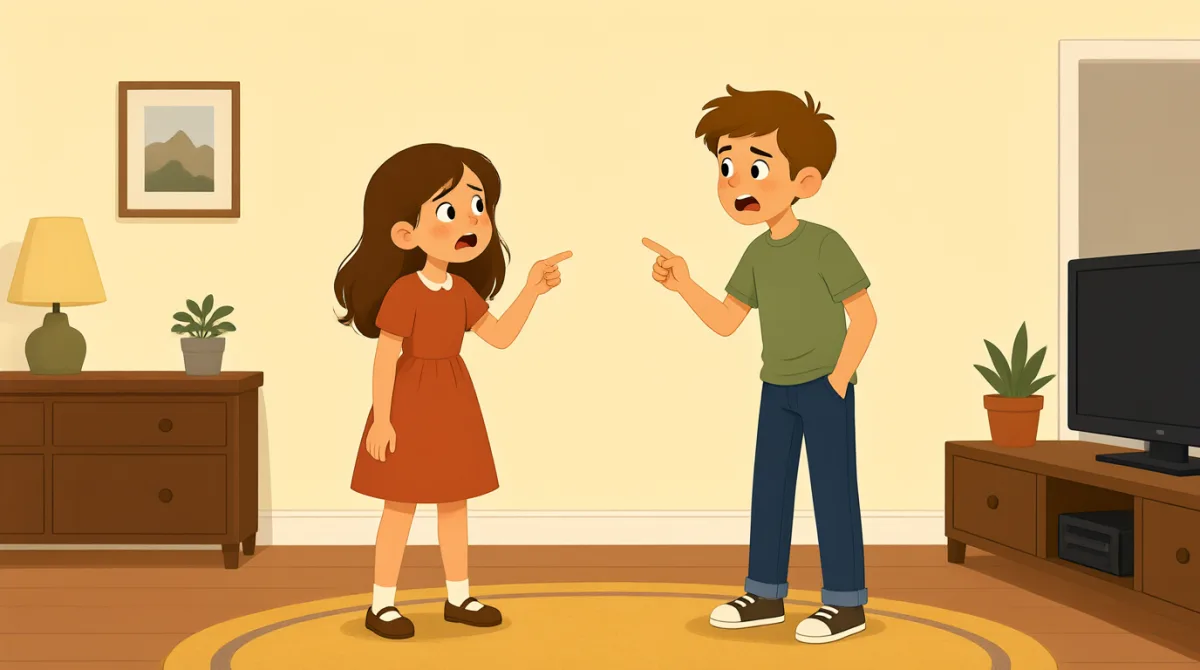
Emma and Jack argue after Jack forgets their plans for the evening. They both feel hurt, but the disagreement gets sharper when they try to explain what happened.
اما و جک بعد از اینکه جک برنامهشان برای عصر را فراموش میکند، با هم بحث میکنند. هر دو دلخور میشوند، اما وقتی سعی میکنند توضیح دهند چه اتفاقی افتاده، اختلافشان تندتر میشود.
گفتوگو10

Jack, we agreed to meet at seven, and I waited for nearly an hour. I know things come up, but I wish you’d let me know you weren’t coming.
جک، قرار گذاشته بودیم ساعت هفت همدیگر را ببینیم و من نزدیک یک ساعت منتظرت ماندم. میدانم گاهی اتفاقهایی پیش میآید، ولی کاش خبرم میکردی که نمیآیی.

I’m sorry I didn’t show up. I completely lost track of time at work, and by the time I checked my phone, I saw your messages. That’s on me.
ببخشید که نیامدم. سر کار حسابی گذر زمان از دستم در رفت و وقتی بالاخره گوشیام را چک کردم، پیامهایت را دیدم. تقصیر خودم بود.
It’s not just that you forgot. I’d been looking forward to tonight, and when you didn’t come or even call, I felt like our plans didn’t matter to you.
فقط مسئله این نیست که فراموش کردی. من برای امشب خیلی ذوق داشتم و وقتی نیامدی و حتی زنگ هم نزدی، حس کردم برنامهمان برایت اهمیتی نداشت.
I get why you’re upset, but I wasn’t sitting there thinking your plans didn’t matter. I had a deadline, and everything got hectic. I didn’t do it on purpose.
میفهمم چرا ناراحتی، ولی من آنجا ننشسته بودم و فکر نمیکردم برنامهات برایم مهم نیست. مهلت تحویل داشتم و اوضاع خیلی شلوغ شد. عمداً این کار را نکردم.
I’m not saying you did it on purpose. But when I tried to tell you how hurt I was, you immediately started explaining why it wasn’t your fault.
نمیگویم عمداً این کار را کردی. اما وقتی سعی کردم بگویم چقدر ناراحت شدم، فوری شروع کردی به توضیح دادن که چرا تقصیر تو نبود.
Because it felt like you’d already decided I didn’t care. I was trying to explain what happened, not brush off how you felt, but maybe I came across that way.
چون حس کردم از قبل تصمیم گرفتهای که برایم مهم نیستی. داشتم سعی میکردم توضیح بدهم چه اتفاقی افتاد، نه اینکه احساساتت را نادیده بگیرم، ولی شاید اینطور به نظر رسید.
I hadn’t decided that. I was angry and disappointed, and I wanted you to acknowledge that I’d been left waiting. Instead, we both got defensive.
من چنین تصمیمی نگرفته بودم. عصبانی و ناامید بودم و میخواستم قبول کنی که من را منتظر گذاشتی. اما در عوض هر دومان حالت دفاعی گرفتیم.
You’re right that I should’ve acknowledged it first. But when you said I always put work ahead of you, I felt like one mistake was being treated as a pattern.
حق با توست که باید اول قبول میکردم منتظرت گذاشتم. ولی وقتی گفتی همیشه کار را به تو ترجیح میدهم، حس کردم یک اشتباه را طوری میبینی که انگار همیشه همین کار را میکنم.
I said that because I was hurt, and I shouldn’t have made it sound like this happens every time. Still, tonight mattered to me, and I need you to understand that.
این را از روی ناراحتی گفتم و نباید طوری بیانش میکردم که انگار هر بار همین اتفاق میافتد. با این حال، امشب برایم مهم بود و لازم دارم این را درک کنی.
I hear you. I’m still frustrated about how we’re talking to each other, though. Can we take a minute before this turns into another round of accusations?
حرفت را میفهمم. با این حال، هنوز از طرز حرف زدنمان با هم کلافهام. میشود قبل از اینکه این بحث به دور دیگری از سرزنشها تبدیل شود، یک دقیقه مکث کنیم؟
واژگان6
- lost track of timeگذر زمان از دستت در رفتن
To lose track of time means to become so focused on something that you do not notice how much time has passed. Jack uses it to explain why he missed their plans.
عبارت “lost track of time” یعنی آنقدر غرق کاری شدن که متوجه نشوی چقدر زمان گذشته است. جک از این عبارت استفاده میکند تا توضیح دهد چرا قرارشان را از دست داده است.
- That’s on me.تقصیر خودم است.
This means “That’s my responsibility” or “It was my fault.” Use it to accept responsibility for a mistake.
عبارت “That’s on me.” یعنی «مسئولیتش با من است» یا «تقصیر من بود». وقتی میخواهی مسئولیت اشتباهی را بپذیری، از آن استفاده کن.
- come upپیش آمدن
Here, “things come up” means unexpected situations happen. It is a common way to acknowledge that plans can sometimes be interrupted.
اینجا، “things come up” یعنی اتفاقهای پیشبینینشدهای رخ میدهند. این عبارت راهی رایج برای پذیرفتن این موضوع است که گاهی برنامهها بههم میخورند.
- brush offنادیده گرفتن
To brush off someone’s feelings is to dismiss them or act as if they are not important. It is useful when explaining how someone’s response came across.
“brush off” احساسات کسی یعنی آنها را نادیده گرفتن یا طوری رفتار کردن که انگار اهمیتی ندارند. وقتی میخواهی توضیح دهی واکنش کسی چه برداشتی ایجاد کرده، این عبارت به کار میآید.
- put work ahead of youکار را به تو ترجیح دادن
This means to give work more importance or priority than another person. The phrase can describe a concern about someone’s priorities in a relationship.
عبارت “put work ahead of you” یعنی کار را مهمتر از یک شخص دانستن یا در اولویت قرار دادن. این عبارت میتواند نگرانی درباره اولویتهای کسی در یک رابطه را بیان کند.
- another round of accusationsدور دیگری از اتهامزنیها
An accusation is a claim that someone has done something wrong. “Another round” suggests the accusations may start again.
“accusation” یعنی ادعا کردن که کسی کار اشتباهی کرده است. “another round” نشان میدهد که ممکن است اتهامزنیها دوباره شروع شوند.
جملات کلیدی8
- 1
I know things come up, but I wish you’d let me know you weren’t coming.
میدانم گاهی اتفاقهایی پیش میآید، ولی کاش خبرم میکردی که نمیآیی.
This sentence acknowledges that unexpected problems happen while clearly expressing what you needed. Reuse “I wish you’d let me know…” to explain how someone could have handled a situation better.
این جمله میپذیرد که گاهی مشکلات پیشبینینشدهای پیش میآیند و در عین حال، روشن میکند که چه چیزی لازم داشتی. از “I wish you’d let me know…” برای توضیح اینکه طرف مقابل چطور میتوانست موقعیتی را بهتر مدیریت کند، استفاده کن.
- 2
That’s on me.
تقصیر خودم بود.
This is a brief, direct way to take responsibility for a mistake. Use it when you want to acknowledge fault without making excuses.
این راهی کوتاه و مستقیم برای پذیرفتن مسئولیت یک اشتباه است. وقتی میخواهی بدون بهانه آوردن مسئولیت را قبول کنی، از “That’s on me.” استفاده کن.
- 3
I’d been looking forward to tonight, and when you didn’t come or even call, I felt like our plans didn’t matter to you.
برای امشب خیلی ذوق داشتم و وقتی نیامدی و حتی زنگ هم نزدی، حس کردم برنامهمان برایت اهمیتی نداشت.
This explains both the situation and its emotional impact without claiming to know the other person’s intentions. You can adapt the structure to describe how someone’s actions made you feel.
این جمله موقعیت و تأثیر عاطفی آن را توضیح میدهد، بدون اینکه ادعا کند از قصد و نیت طرف مقابل خبر داری. میتوانی از این ساختار برای توضیح احساسی که رفتار کسی در تو ایجاد کرده استفاده کنی.
- 4
I was trying to explain what happened, not brush off how you felt, but maybe I came across that way.
داشتم سعی میکردم توضیح بدهم چه اتفاقی افتاد، نه اینکه احساساتت را نادیده بگیرم، ولی شاید اینطور به نظر رسید.
This sentence clarifies your intention while recognizing how your behavior may have seemed. Reuse “I was trying to…, but maybe I came across that way” to repair a misunderstanding.
این جمله نیتت را روشن میکند و در عین حال میپذیرد که رفتارت ممکن است چه برداشتی ایجاد کرده باشد. برای رفع سوءتفاهم، از “I was trying to…, but maybe I came across that way” استفاده کن.
- 5
I wanted you to acknowledge that I’d been left waiting.
میخواستم قبول کنی که من را منتظر گذاشتی.
This clearly states what kind of response the speaker needed. Use “I wanted you to acknowledge that…” when asking someone to recognize the impact of their actions.
این جمله روشن میکند که گوینده چه واکنشی از طرف مقابل لازم داشت. وقتی میخواهی از کسی بخواهی تأثیر رفتارش را بپذیرد، از “I wanted you to acknowledge that…” استفاده کن.
- 6
You’re right that I should’ve acknowledged it first.
حق با توست که باید اول قبول میکردم.
This is a specific apology that accepts the other person’s point. Use “You’re right that I should’ve…” to admit what you could have done differently.
این یک عذرخواهی مشخص است که حرف طرف مقابل را میپذیرد. از “You’re right that I should’ve…” استفاده کن تا بپذیری چه کاری را میتوانستی طور دیگری انجام دهی.
- 7
I shouldn’t have made it sound like this happens every time.
نباید طوری بیانش میکردم که انگار هر بار همین اتفاق میافتد.
This takes responsibility for exaggerating or making a mistake seem like a repeated pattern. Adapt “I shouldn’t have made it sound like…” when correcting how you expressed something.
این جمله مسئولیت اغراق کردن یا طوری نشان دادن یک اشتباه را میپذیرد که انگار الگویی تکراری است. وقتی میخواهی نحوه بیان چیزی را اصلاح کنی، از “I shouldn’t have made it sound like…” استفاده کن.
- 8
Can we take a minute before this turns into another round of accusations?
میشود قبل از اینکه این بحث به دور دیگری از سرزنشها تبدیل شود، یک دقیقه مکث کنیم؟
This calmly suggests a pause before a disagreement gets worse. Use “Can we take a minute before…” to propose a break and prevent an argument from escalating.
این جمله آرام پیشنهاد میکند پیش از بدتر شدن اختلاف، کمی مکث کنید. برای پیشنهاد وقفه و جلوگیری از بالا گرفتن بحث، از “Can we take a minute before…” استفاده کن.