Taking Time to Cool Down
کمی وقت برای آرامشدن
After the argument, Emma and Jack agree to take some time apart rather than say things they might regret. Later, Jack checks in and asks whether Emma is ready to talk.
بعد از مشاجره، اما و جک توافق میکنند کمی از هم فاصله بگیرند تا حرفی نزنند که بعداً پشیمان شوند. کمی بعد، جک احوال اما را میپرسد و میپرسد آیا آماده است صحبت کنند یا نه.
گفتوگو11
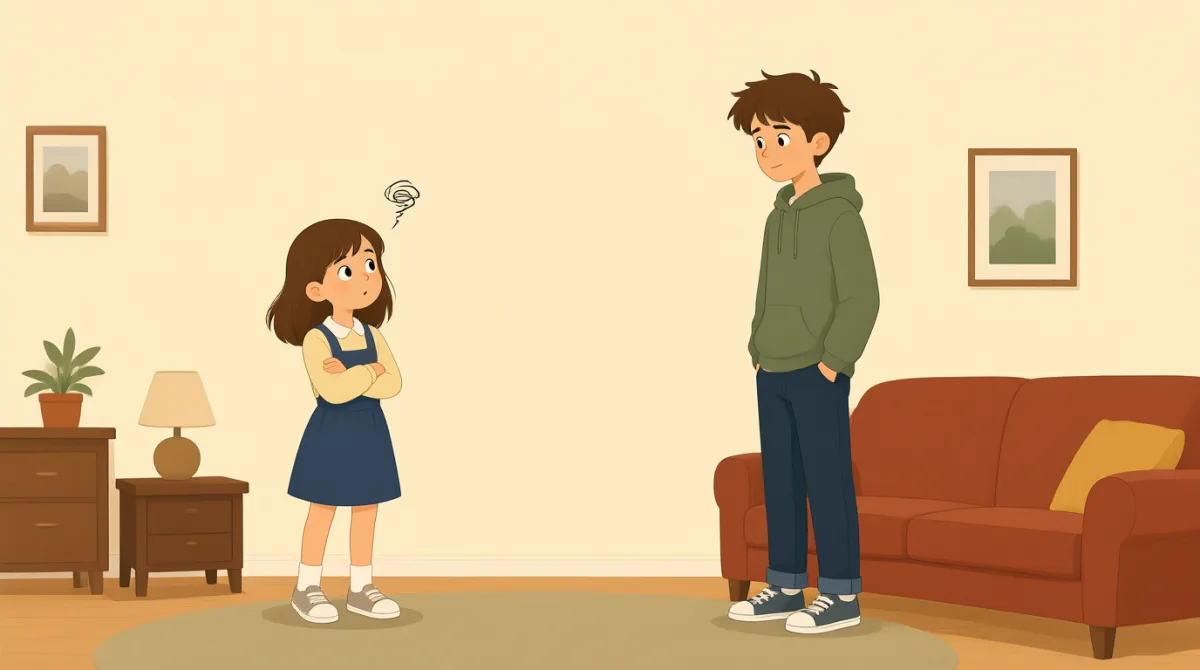

Hey, Emma. I know we said we’d give each other some space, so there’s no pressure to reply right away. I just wanted to check in.
سلام، اما. میدونم گفتیم کمی به هم فضا بدیم، پس لازم نیست همین الان جواب بدی. فقط خواستم ببینم حالت چطوره.

Thanks for checking in. I’ve had some time to cool down, but I’m still feeling hurt. I think I’m ready to talk, as long as we take it slowly.
ممنون که حالم رو پرسیدی. کمی وقت داشتم آروم بشم، ولی هنوز ناراحتم. فکر میکنم آمادهام حرف بزنیم، به شرطی که آرومآروم پیش بریم.
Absolutely. We don’t have to sort everything out tonight. I’d rather listen properly than jump in and get defensive again.
حتماً. لازم نیست امشب همهچیز رو حلوفصل کنیم. ترجیح میدم درست گوش بدم تا اینکه دوباره وسط حرفت بپرم و حالت تدافعی بگیرم.
That would help. When we argued, I felt like we were both trying to win instead of understand what the other person was saying.
این خیلی کمک میکنه. وقتی با هم بحث کردیم، حس کردم هر دومون سعی داشتیم برنده بشیم، نه اینکه بفهمیم طرف مقابلمون چی میگه.
I can see that. I got caught up in explaining myself, and the more I talked, the less I seemed to hear you. I’m sorry for that.
میفهمم. آنقدر درگیر توضیح دادن خودم شدم که هرچی بیشتر حرف میزدم، انگار کمتر به حرفهات گوش میدادم. بابتش معذرت میخوام.
I appreciate you saying that. I don’t want us to brush it under the rug, but I also don’t want to go over every sharp thing we said right now.
ممنون که این رو میگی. نمیخوام قضیه رو نادیده بگیریم، ولی الان هم نمیخوام تکتک حرفهای تندی رو که زدیم دوباره مرور کنیم.
That makes sense. We can pause if either of us starts getting worked up. Would you rather talk here, or take a walk somewhere quiet?
منطقیه. اگه هرکدوممون شروع کردیم به عصبانیشدن، میتونیم مکث کنیم. ترجیح میدی همینجا حرف بزنیم یا بریم یه جای خلوت قدم بزنیم؟
A walk sounds good. I think I’ll be able to explain myself better if we’re not sitting across from each other like we’re in a formal meeting.
قدمزدن خوبه. فکر میکنم اگه روبهروی هم ننشسته باشیم، انگار توی یه جلسه رسمی هستیم، بهتر بتونم منظورم رو بگم.
Fair enough. We can keep it low-key and just talk for a little while. If it feels like too much, we can call it for tonight and pick it up later.
باشه. میتونیم بیدردسر و راحت فقط یه کم حرف بزنیم. اگه دیدیم زیادی سخته، امشب تمومش میکنیم و بعداً ادامه میدیم.
Okay. I’m not promising we’ll settle everything on this walk, but I’m willing to hear you out and tell you how I’ve been feeling.
باشه. قول نمیدم توی این قدمزدن همهچیز رو حل کنیم، ولی حاضرم کامل به حرفهات گوش بدم و بگم چه حسی داشتم.
That’s all I’m asking for. Thanks for giving me a chance to talk, Emma. Let’s take it one step at a time.
همین رو میخوام. ممنون که فرصت دادی حرف بزنم، اما. قدمبهقدم پیش بریم.
واژگان7
- give each other some spaceبه هم فضا دادن
To spend some time apart so both people can calm down. It can help prevent an argument from getting worse.
یعنی دو نفر مدتی از هم فاصله بگیرند تا هر دو آرام شوند. این کار میتواند کمک کند بحث بدتر نشود.
- cool downآرامشدن
To become calmer after feeling angry or upset. Here, Emma has had time to process her feelings before talking.
یعنی بعد از عصبانی یا ناراحت بودن، آرامتر شدن. اینجا اما کمی فرصت داشته تا پیش از صحبتکردن، احساساتش را پردازش کند.
- get defensiveحالت تدافعی گرفتن
To react as if you are being attacked, often by making excuses or arguing back. You can use this phrase to describe a response that makes a difficult conversation harder.
یعنی طوری واکنش نشان دادن که انگار به شما حمله شده؛ مثلاً بهانه آوردن یا مقابلهبهمثل کردن. میتوانی از این عبارت برای توصیف واکنشی استفاده کنی که گفتوگویی دشوار را سختتر میکند.
- brush it under the rugزیر فرش پنهان کردن
To avoid discussing a problem instead of dealing with it. It is often used when an issue may come back later if it is ignored.
یعنی بهجای رسیدگی به مشکلی، از صحبت دربارهاش طفره رفتن. این عبارت را اغلب وقتی به کار میبرند که اگر مشکلی نادیده گرفته شود، ممکن است بعداً دوباره سر باز کند.
- keep it low-keyفضا را راحت و خودمانی نگهداشتن
To make something relaxed and informal, without too much intensity or attention. Here, it means having a calm, casual conversation.
یعنی چیزی را آرام و غیررسمی پیش بردن، بدون تنش یا توجه بیش از حد. اینجا منظور گفتوگویی آرام و خودمانی است.
- hear you outتا آخر به حرف کسی گوشدادن
To listen to someone fully before judging or responding. It is useful when you want to show that you are open to understanding another person's point of view.
یعنی پیش از قضاوت یا پاسخدادن، کامل به حرف کسی گوشدادن. وقتی میخواهی نشان بدهی آمادهای دیدگاه طرف مقابل را درک کنی، این عبارت به کار میآید.
- one step at a timeقدمبهقدم
To deal with something gradually instead of trying to solve everything at once. It can reassure someone during a difficult or complicated process.
یعنی بهجای اینکه بخواهی همهچیز را یکباره حل کنی، کمکم به مسئله رسیدگی کنی. این عبارت میتواند در فرایندی دشوار یا پیچیده به کسی اطمینان خاطر بدهد.
جملات کلیدی8
- 1
I’ve had some time to cool down, but I’m still feeling hurt.
کمی وقت داشتم آروم بشم، ولی هنوز ناراحتم.
This sentence shows that you are calmer but still have difficult feelings. You can reuse the pattern “I’ve had some time to [verb], but I’m still…” to describe mixed emotions.
این جمله نشان میدهد آرامتر شدهای، اما هنوز احساسات دشواری داری. میتوانی از الگوی “I’ve had some time to [verb], but I’m still…” برای توصیف احساسات متناقض استفاده کنی.
- 2
I think I’m ready to talk, as long as we take it slowly.
فکر میکنم آمادهام حرف بزنیم، به شرطی که آرومآروم پیش بریم.
This is a considerate way to agree to a conversation while setting a condition. Replace “take it slowly” with another request, such as “keep it brief” or “talk somewhere quiet.”
این روشی ملاحظهآمیز برای موافقت با گفتوگو و همزمان تعیین یک شرط است. میتوانی “take it slowly” را با درخواست دیگری مثل “keep it brief” یا “talk somewhere quiet” جایگزین کنی.
- 3
I’d rather listen properly than jump in and get defensive again.
ترجیح میدم درست گوش بدم تا اینکه وسط حرفت بپرم و دوباره حالت تدافعی بگیرم.
This sentence expresses a preference and recognizes a past behavior you want to change. The structure “I’d rather [action] than [action]” is useful for explaining how you want to handle a situation.
این جمله ترجیحی را بیان میکند و به رفتار گذشتهای اشاره دارد که میخواهی تغییرش بدهی. ساختار “I’d rather [action] than [action]” برای توضیح اینکه میخواهی با موقعیتی چطور برخورد کنی، مفید است.
- 4
I don’t want us to brush it under the rug, but I also don’t want to go over every sharp thing we said right now.
نمیخوام قضیه رو نادیده بگیریم، ولی الان هم نمیخوام تکتک حرفهای تندی رو که زدیم دوباره مرور کنیم.
This balances the need to address a problem with the need to avoid discussing it all immediately. You can reuse “I don’t want to…, but I also don’t want to…” to explain two competing concerns.
این جمله بین نیاز به رسیدگی به مشکل و نیاز به پرهیز از صحبت درباره همهچیز در همان لحظه تعادل برقرار میکند. میتوانی از “I don’t want to…, but I also don’t want to…” برای بیان دو نگرانی متفاوت استفاده کنی.
- 5
We can pause if either of us starts getting worked up.
اگه هرکدوممون شروع کردیم به عصبانیشدن، میتونیم مکث کنیم.
This suggests a practical boundary for keeping a conversation calm. The pattern “We can [action] if either of us…” can help both people agree on a plan.
این جمله راهکاری عملی برای آرام نگهداشتن گفتوگو پیشنهاد میکند. الگوی “We can [action] if either of us…” میتواند به هر دو نفر کمک کند بر سر یک برنامه توافق کنند.
- 6
If it feels like too much, we can call it for tonight and pick it up later.
اگه دیدیم زیادی سخته، امشب تمومش میکنیم و بعداً ادامه میدیم.
This offers a way to stop a difficult conversation without giving up on it. “Call it for tonight” means stop for now, while “pick it up later” means continue at another time.
این جمله راهی برای متوقفکردن یک گفتوگوی دشوار پیشنهاد میکند، بدون اینکه از آن صرفنظر کنیم. “Call it for tonight” یعنی فعلاً متوقفش کنیم و “pick it up later” یعنی زمانی دیگر ادامهاش بدهیم.
- 7
I’m not promising we’ll settle everything on this walk, but I’m willing to hear you out and tell you how I’ve been feeling.
قول نمیدم توی این قدمزدن همهچیز رو حل کنیم، ولی حاضرم تا آخر به حرفهات گوش بدم و بگم چه حسی داشتم.
This manages expectations while showing openness to a conversation. You can use “I’m not promising…, but I’m willing to…” to set a realistic limit and still show cooperation.
این جمله با نشاندادن آمادگی برای گفتوگو، انتظارها را واقعبینانه میکند. میتوانی از “I’m not promising…, but I’m willing to…” برای تعیین حدی واقعبینانه و در عین حال نشاندادن همکاری استفاده کنی.
- 8
Let’s take it one step at a time.
قدمبهقدم پیش بریم.
This encourages people to handle a situation gradually. It works well when a problem feels complicated or emotionally overwhelming.
این جمله دیگران را تشویق میکند که کمکم به مسئله رسیدگی کنند. وقتی مشکلی پیچیده یا از نظر عاطفی طاقتفرسا به نظر میرسد، این عبارت مناسب است.