Responding to Critical Feedback
پاسخدادن به بازخوردهای انتقادی
David raises concerns about missed deadlines and asks Emma to communicate risks sooner. Emma listens, clarifies the examples, and suggests practical ways to keep projects on track.
دیوید دربارهٔ رعایتنشدن مهلتها نگرانیاش را مطرح میکند و از اِما میخواهد زودتر دربارهٔ ریسکها اطلاعرسانی کند. اِما گوش میدهد، مثالها را روشن میکند و راهکارهای عملی برای پیشبردن پروژهها طبق برنامه پیشنهاد میدهد.
گفتوگو10
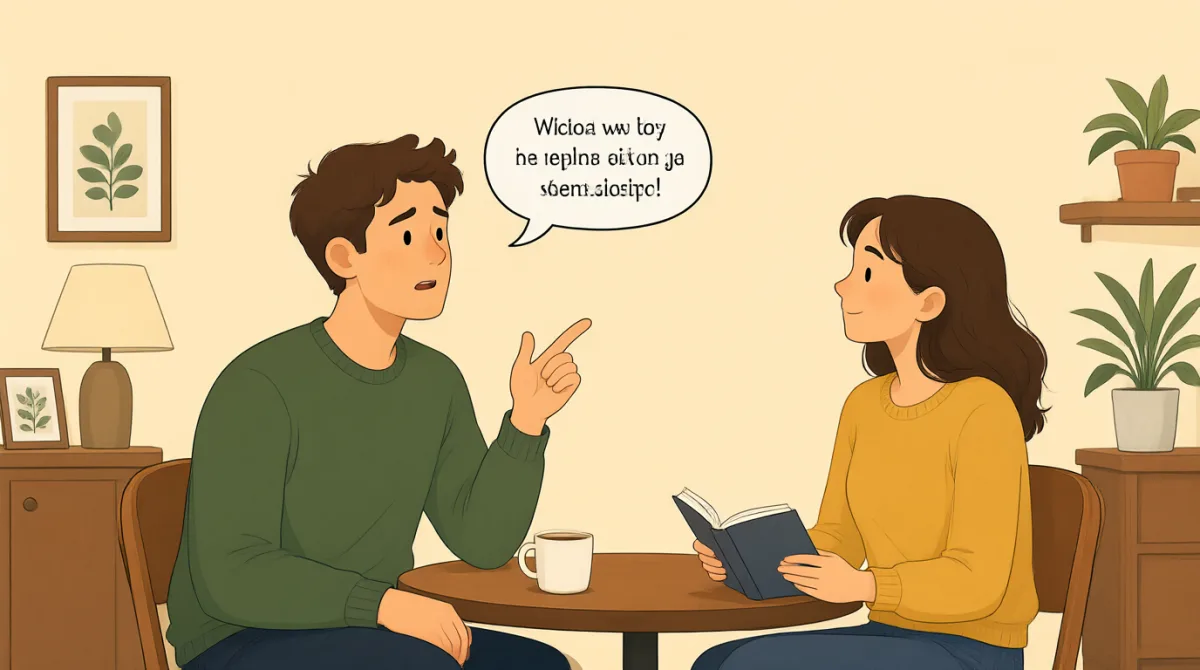

Thanks for putting together your review, Emma. One area I’d like us to discuss is project deadlines. A couple of deliverables came in later than we’d agreed.
ممنون که ارزیابیات رو آماده کردی، اِما. یکی از مواردی که دوست دارم دربارهش صحبت کنیم، مهلتهای پروژههاست. چند تا از خروجیها دیرتر از زمانی که توافق کرده بودیم تحویل داده شد.

I appreciate you bringing that up. Could you walk me through which deadlines you have in mind? I want to understand where things went off track.
ممنون که این موضوع رو مطرح کردی. میشه بگی منظورت کدوم مهلتهاست؟ میخوام بفهمم کجا کار از مسیرش خارج شد.
The client report was two days late, and the final dashboard missed its target by about a week. In both cases, I didn’t hear there was a risk until close to the deadline.
گزارش مشتری دو روز دیر تحویل شد و داشبورد نهایی هم حدود یک هفته از موعدش عقب افتاد. در هر دو مورد، تا نزدیک موعد تحویل نشنیدم که احتمال تأخیر وجود داره.
That’s fair. The report took longer because the data needed another round of checking, and the dashboard depended on inputs that arrived later than expected. I should have flagged both risks sooner.
درسته. آمادهکردن گزارش بیشتر طول کشید، چون دادهها به یک دور بررسی دیگه نیاز داشتن؛ داشبورد هم به اطلاعاتی وابسته بود که دیرتر از چیزی که انتظار داشتیم رسیدن. باید هر دو ریسک رو زودتر مطرح میکردم.
I understand those factors were partly outside your control. Still, if a deadline looks shaky, I need an early heads-up so we can adjust the plan or reset expectations.
میفهمم که بخشی از این عوامل از کنترل تو خارج بودن. بااینحال، اگه معلومه مهلتی در خطره، باید زودتر خبرم کنی تا بتونیم برنامه رو تغییر بدیم یا انتظارات رو دوباره تنظیم کنیم.
Agreed. I was trying to solve the problems before raising them, but I can see that staying quiet left you with too few options. Would a brief update as soon as a risk appears work for you?
موافقم. سعی میکردم قبل از مطرحکردن مشکلات، خودم حلشون کنم؛ ولی میفهمم که سکوتکردنم باعث شد گزینههای کمی داشته باشی. اگه بهمحض اینکه ریسکی پیش اومد یه گزارش کوتاه بدم، برات مناسبه؟
Yes, that would help. Include what’s at risk, why it’s slipping, and what you recommend. You don’t need a perfect solution before you bring it to me.
بله، کمک میکنه. بگو چه چیزی در خطره، چرا کار عقب افتاده و چه پیشنهادی داری. لازم نیست قبل از اینکه موضوع رو با من در میون بذاری، راهحل کاملی داشته باشی.
That makes sense. I’ll also break larger tasks into checkpoints and build in some buffer time, especially when I’m waiting on input from other teams.
منطقیه. کارهای بزرگتر رو هم به چند مرحلهٔ قابلپیگیری تقسیم میکنم و کمی زمان اضافه در نظر میگیرم، بهخصوص وقتی منتظر اطلاعات از تیمهای دیگهام.
Good. Let’s check in briefly each week while the next dashboard is underway. If we spot a bottleneck early, we can reassign work or make a call on scope before it affects the final date.
خوبه. تا وقتی روی داشبورد بعدی کار میکنی، هر هفته یه جلسهٔ کوتاه داشته باشیم و وضعیت رو مرور کنیم. اگه زود متوجه گلوگاه بشیم، میتونیم کارها رو دوباره تقسیم کنیم یا دربارهٔ محدودهٔ کار تصمیم بگیریم، قبل از اینکه روی تاریخ نهایی اثر بذاره.
I’m on board. I’ll send you a status update every Friday and flag any risks as soon as they come up. If a deadline needs to move, I’ll propose a revised date rather than just letting it slip.
موافقم. هر جمعه یه گزارش وضعیت برات میفرستم و بهمحض اینکه ریسکی پیش بیاد خبر میدم. اگه لازم باشه مهلتی جابهجا بشه، بهجای اینکه بذارم کار عقب بیفته، یه تاریخ جدید پیشنهاد میکنم.
واژگان7
- went off trackاز مسیر خارج شد
Something went off track when it did not go as planned. Use this phrase to ask or explain where a project started to face problems.
وقتی کاری طبق برنامه پیش نمیره، میگیم از مسیرش خارج شده. از این عبارت برای پرسیدن یا توضیحدادن دربارهٔ جایی استفاده کن که یک پروژه دچار مشکل شده.
- flagged both risks soonerهر دو ریسک رو زودتر مطرح میکردم
To flag a risk is to point out a possible problem. Here, Emma says she should have warned David earlier.
«To flag a risk» یعنی به یک مشکل احتمالی اشاره کردن. اینجا اِما میگوید که باید زودتر به دیوید هشدار میداد.
- an early heads-upخبر قبلی
An early heads-up is a warning or update given before a problem becomes urgent. You can use it to ask someone to tell you about risks promptly.
«خبر قبلی» یعنی هشدار یا گزارشی که پیش از فوریشدن یک مشکل داده میشه. میتونی ازش استفاده کنی تا از کسی بخوای بهموقع دربارهٔ ریسکها بهت خبر بده.
- reset expectationsانتظارات را دوباره تنظیم کردن
To reset expectations is to agree on a new understanding of what is realistic, such as a revised deadline. It is useful when a project may not meet its original plan.
انتظارات را دوباره تنظیمکردن یعنی دربارهٔ برداشت تازهای از چیزی که واقعبینانه است توافق کنیم؛ مثلاً مهلت تحویل را تغییر دهیم. وقتی ممکن است پروژه طبق برنامهٔ اولیه پیش نرود، این عبارت به کار میآید.
- build in some buffer timeکمی زمان اضافه در نظر گرفتن
To build in buffer time is to allow extra time in a schedule in case of delays. This phrase is useful when planning tasks that depend on uncertain factors.
«کمی زمان اضافه در نظر گرفتن» یعنی برای احتمال تأخیر، در برنامه زمان بیشتری بگذاریم. این عبارت هنگام برنامهریزی کارهایی به کار میآید که به عوامل نامطمئن وابستهاند.
- spot a bottleneck earlyزود متوجه گلوگاه شدن
A bottleneck is something that slows down progress. Spotting one early means noticing the cause of a delay before it affects the whole project.
گلوگاه عاملی است که پیشرفت کار را کند میکند. زود متوجهشدن گلوگاه یعنی علت تأخیر را پیش از اینکه روی کل پروژه اثر بگذارد پیدا کنیم.
- make a call on scopeدربارهٔ محدودهٔ کار تصمیم گرفتن
To make a call on scope is to decide what work should be included or changed. Teams may do this when the original plan is no longer realistic.
دربارهٔ محدودهٔ کار تصمیمگرفتن یعنی مشخص کنیم چه کارهایی باید در پروژه گنجانده شوند یا تغییر کنند. وقتی برنامهٔ اولیه دیگر واقعبینانه نیست، تیمها ممکن است چنین تصمیمی بگیرند.
جملات کلیدی8
- 1
Could you walk me through which deadlines you have in mind?
میشه بگی منظورت کدوم مهلتهاست؟
This is a polite way to ask for specific examples of feedback. Use “walk me through” when you want someone to explain details step by step.
این یک راه مؤدبانه برای درخواست مثالهای مشخص دربارهٔ بازخورد است. وقتی میخواهی کسی جزئیات را مرحلهبهمرحله توضیح دهد، از “walk me through” استفاده کن.
- 2
I want to understand where things went off track.
میخوام بفهمم کار کجا از مسیرش خارج شد.
This shows that you are listening and want to understand the cause of a problem. You can use it to invite an honest explanation without sounding defensive.
این جمله نشان میدهد که داری گوش میدهی و میخواهی علت مشکل را بفهمی. میتوانی از آن برای دعوت به توضیحی صادقانه استفاده کنی، بیآنکه حالت تدافعی داشته باشی.
- 3
I should have flagged both risks sooner.
باید هر دو ریسک رو زودتر مطرح میکردم.
This acknowledges responsibility for not communicating early enough. The structure “I should have [past participle]” is useful for recognizing what you could have done differently.
این جمله یعنی مسئولیت بهموقع اطلاعندادن را میپذیری. ساختار “I should have [past participle]” برای بیان اینکه چه کاری را میتوانستی متفاوت انجام دهی مفید است.
- 4
Still, if a deadline looks shaky, I need an early heads-up so we can adjust the plan or reset expectations.
بااینحال، اگه معلومه مهلتی در خطره، باید زودتر خبرم کنی تا بتونیم برنامه رو تغییر بدیم یا انتظارات رو دوباره تنظیم کنیم.
This gives clear feedback while explaining why early communication matters. Reuse “if [situation], I need [action] so we can [result]” to make a practical request.
این جمله بازخوردی روشن میدهد و توضیح میدهد که چرا اطلاعرسانی زودهنگام اهمیت دارد. برای مطرحکردن درخواستی عملی، میتوانی از الگوی “if [situation], I need [action] so we can [result]” استفاده کنی.
- 5
You don’t need a perfect solution before you bring it to me.
لازم نیست قبل از اینکه موضوع رو با من در میون بذاری، راهحل کاملی داشته باشی.
This reassures someone that they can raise a problem before they have solved it. Use it to encourage early communication and collaborative problem-solving.
این جمله به طرف مقابل اطمینان میدهد که میتواند مشکلی را پیش از حلکردنش مطرح کند. از آن برای تشویق به اطلاعرسانی زودهنگام و حل مشارکتی مشکلات استفاده کن.
- 6
I’ll also break larger tasks into checkpoints and build in some buffer time, especially when I’m waiting on input from other teams.
کارهای بزرگتر رو هم به چند مرحلهٔ قابلپیگیری تقسیم میکنم و کمی زمان اضافه در نظر میگیرم، بهخصوص وقتی منتظر اطلاعات از تیمهای دیگهام.
This sentence describes concrete steps for keeping work on schedule. The pattern “I’ll also [action], especially when [condition]” is useful for explaining a plan.
این جمله اقدامهای مشخصی را برای پیشبردن کار طبق برنامه شرح میدهد. الگوی “I’ll also [action], especially when [condition]” برای توضیحدادن یک برنامه مفید است.
- 7
If we spot a bottleneck early, we can reassign work or make a call on scope before it affects the final date.
اگه زود متوجه گلوگاه بشیم، میتونیم کارها رو دوباره تقسیم کنیم یا دربارهٔ محدودهٔ کار تصمیم بگیریم، قبل از اینکه روی تاریخ نهایی اثر بذاره.
This connects early problem-solving with practical options. Use “If we [action], we can [options] before [negative result]” to discuss how to prevent delays.
این جمله حل زودهنگام مشکل را به چند راهکار عملی پیوند میدهد. برای صحبت دربارهٔ پیشگیری از تأخیر، از الگوی “If we [action], we can [options] before [negative result]” استفاده کن.
- 8
If a deadline needs to move, I’ll propose a revised date rather than just letting it slip.
اگه لازم باشه مهلتی جابهجا بشه، بهجای اینکه بذارم کار عقب بیفته، یه تاریخ جدید پیشنهاد میکنم.
This shows accountability by promising to communicate and suggest a new deadline. “Rather than” helps contrast a proactive response with an unhelpful one.
این جمله با قولدادن به اطلاعرسانی و پیشنهاد مهلت جدید، مسئولیتپذیری را نشان میدهد. “Rather than” برای مقایسهٔ واکنشی پیشدستانه با واکنشی نامناسب به کار میرود.