Responding to Critical Feedback
비판적인 피드백에 대응하기
David raises concerns about missed deadlines and asks Emma to communicate risks sooner. Emma listens, clarifies the examples, and suggests practical ways to keep projects on track.
데이비드는 마감일을 놓친 일에 대해 우려를 전하고, 위험 요소를 더 일찍 알려 달라고 에마에게 요청합니다. 에마는 이야기를 듣고 구체적인 사례를 확인한 뒤, 프로젝트를 계획대로 진행하기 위한 실질적인 방법을 제안합니다.
대화10
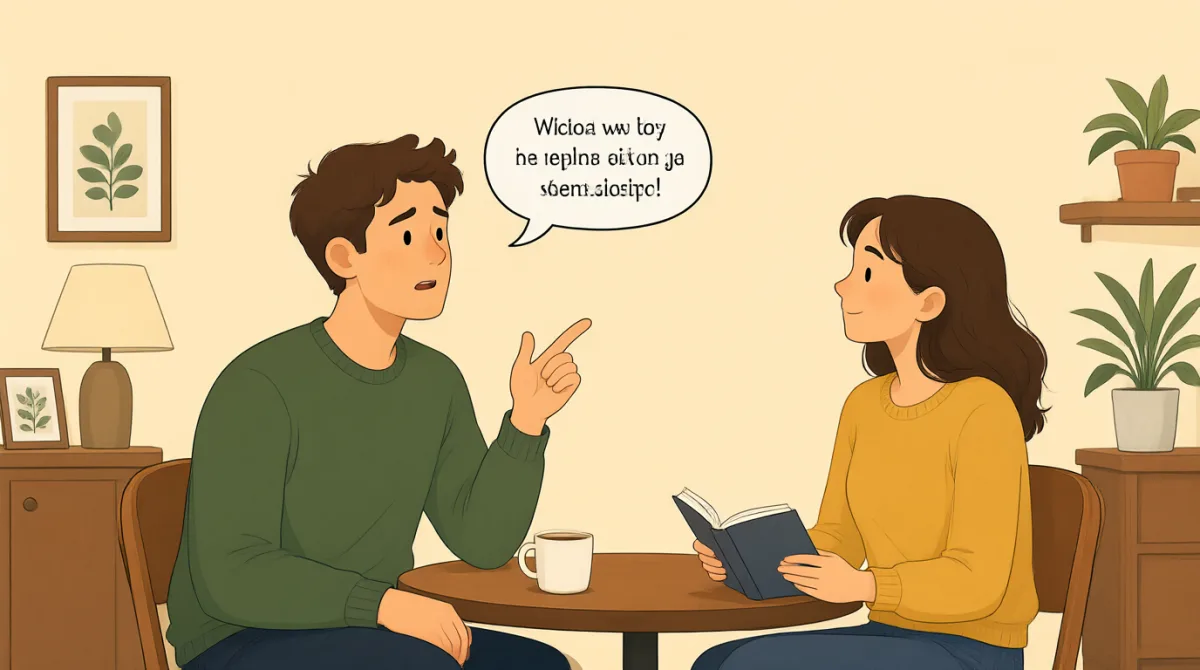

Thanks for putting together your review, Emma. One area I’d like us to discuss is project deadlines. A couple of deliverables came in later than we’d agreed.
에마, 평가서를 작성해 줘서 고마워요. 함께 이야기해 보고 싶은 부분은 프로젝트 마감일이에요. 몇 가지 결과물이 합의한 날짜보다 늦게 나왔어요.

I appreciate you bringing that up. Could you walk me through which deadlines you have in mind? I want to understand where things went off track.
그 점을 말씀해 주셔서 감사합니다. 염두에 두신 마감일이 어떤 건지 구체적으로 설명해 주실 수 있을까요? 어디서부터 계획대로 진행되지 않았는지 알고 싶어요.
The client report was two days late, and the final dashboard missed its target by about a week. In both cases, I didn’t hear there was a risk until close to the deadline.
고객 보고서는 이틀 늦었고, 최종 대시보드는 목표 날짜보다 일주일 정도 늦어졌어요. 두 경우 모두 마감일이 가까워질 때까지 위험 요소가 있다는 얘기를 듣지 못했어요.
That’s fair. The report took longer because the data needed another round of checking, and the dashboard depended on inputs that arrived later than expected. I should have flagged both risks sooner.
그 말씀은 맞아요. 데이터 검증을 한 번 더 하느라 보고서 작업이 길어졌고, 대시보드는 예상보다 늦게 도착한 자료에 달려 있었어요. 두 가지 위험을 더 일찍 알려 드렸어야 했어요.
I understand those factors were partly outside your control. Still, if a deadline looks shaky, I need an early heads-up so we can adjust the plan or reset expectations.
그런 요인 중 일부는 통제하기 어려웠다는 점은 이해해요. 그래도 마감일을 맞추기 어려워 보이면 미리 알려 주셔야 해요. 그래야 계획을 조정하거나 기대치를 다시 맞출 수 있으니까요.
Agreed. I was trying to solve the problems before raising them, but I can see that staying quiet left you with too few options. Would a brief update as soon as a risk appears work for you?
동의해요. 문제를 알리기 전에 먼저 해결해 보려고 했는데, 제가 아무 말도 하지 않아서 선택지가 너무 적어졌다는 걸 알겠어요. 위험 요소가 생기는 즉시 간단히 상황을 알려 드리면 괜찮을까요?
Yes, that would help. Include what’s at risk, why it’s slipping, and what you recommend. You don’t need a perfect solution before you bring it to me.
네, 그러면 도움이 될 거예요. 어떤 일이 위험한지, 왜 늦어지고 있는지, 그리고 어떤 방법을 제안하는지 알려 주세요. 저에게 말씀하시기 전에 완벽한 해결책을 찾을 필요는 없어요.
That makes sense. I’ll also break larger tasks into checkpoints and build in some buffer time, especially when I’m waiting on input from other teams.
알겠습니다. 큰 작업은 중간 점검 단계로 나누고 여유 시간도 확보할게요. 특히 다른 팀의 자료를 기다려야 할 때는 더 신경 쓰겠습니다.
Good. Let’s check in briefly each week while the next dashboard is underway. If we spot a bottleneck early, we can reassign work or make a call on scope before it affects the final date.
좋아요. 다음 대시보드 작업이 진행되는 동안 매주 짧게 점검해요. 병목 요인을 일찍 발견하면 최종 일정에 영향을 주기 전에 업무를 재배분하거나 작업 범위를 결정할 수 있어요.
I’m on board. I’ll send you a status update every Friday and flag any risks as soon as they come up. If a deadline needs to move, I’ll propose a revised date rather than just letting it slip.
좋아요. 매주 금요일에 진행 상황을 보내고, 위험 요소가 생기면 바로 알려 드릴게요. 마감일을 미뤄야 한다면 그냥 늦어지게 두지 않고 수정된 날짜를 제안하겠습니다.
어휘7
- went off track계획대로 진행되지 않았다
Something went off track when it did not go as planned. Use this phrase to ask or explain where a project started to face problems.
어떤 일이 계획한 대로 진행되지 않았을 때 “went off track”이라고 해요. 프로젝트에 문제가 생기기 시작한 지점을 묻거나 설명할 때 쓰는 표현이에요.
- flagged both risks sooner두 가지 위험을 더 일찍 알렸어야 했다
To flag a risk is to point out a possible problem. Here, Emma says she should have warned David earlier.
“flag a risk”는 발생할 수 있는 문제를 알린다는 뜻이에요. 여기서 에마는 데이비드에게 더 일찍 알려야 했다고 말해요.
- an early heads-up사전 안내
An early heads-up is a warning or update given before a problem becomes urgent. You can use it to ask someone to tell you about risks promptly.
“An early heads-up”은 문제가 급박해지기 전에 미리 전달하는 경고나 상황 안내를 뜻해요. 위험 요소를 제때 알려 달라고 요청할 때 쓸 수 있어요.
- reset expectations기대치를 다시 맞추다
To reset expectations is to agree on a new understanding of what is realistic, such as a revised deadline. It is useful when a project may not meet its original plan.
“Reset expectations”는 수정된 마감일처럼 현실적인 기준에 맞춰 기대치를 다시 합의한다는 뜻이에요. 프로젝트가 처음 계획대로 진행되기 어려울 때 유용한 표현이에요.
- build in some buffer time여유 시간을 확보하다
To build in buffer time is to allow extra time in a schedule in case of delays. This phrase is useful when planning tasks that depend on uncertain factors.
“Build in buffer time”은 지연에 대비해 일정에 여유 시간을 넣어 둔다는 뜻이에요. 불확실한 요인에 따라 달라질 수 있는 일을 계획할 때 유용해요.
- spot a bottleneck early병목 요인을 일찍 발견하다
A bottleneck is something that slows down progress. Spotting one early means noticing the cause of a delay before it affects the whole project.
“A bottleneck”은 진행을 늦추는 요인이에요. 병목 요인을 일찍 발견한다는 건 지연의 원인이 전체 프로젝트에 영향을 미치기 전에 알아차린다는 뜻이에요.
- make a call on scope작업 범위를 결정하다
To make a call on scope is to decide what work should be included or changed. Teams may do this when the original plan is no longer realistic.
“Make a call on scope”는 어떤 작업을 포함하거나 변경할지 결정한다는 뜻이에요. 처음 세운 계획이 더는 현실적이지 않을 때 팀에서 이렇게 결정할 수 있어요.
핵심 문장8
- 1
Could you walk me through which deadlines you have in mind?
염두에 두신 마감일이 어떤 건지 구체적으로 설명해 주실 수 있을까요?
This is a polite way to ask for specific examples of feedback. Use “walk me through” when you want someone to explain details step by step.
피드백에 대한 구체적인 사례를 정중하게 요청하는 표현이에요. 자세한 내용을 단계별로 설명해 달라고 할 때 “walk me through”를 사용해요.
- 2
I want to understand where things went off track.
어디서부터 계획대로 진행되지 않았는지 알고 싶어요.
This shows that you are listening and want to understand the cause of a problem. You can use it to invite an honest explanation without sounding defensive.
상대방의 말을 듣고 문제의 원인을 이해하고 싶다는 뜻을 전하는 표현이에요. 방어적으로 들리지 않으면서 솔직한 설명을 이끌어 내고 싶을 때 쓸 수 있어요.
- 3
I should have flagged both risks sooner.
두 가지 위험을 더 일찍 알렸어야 했어요.
This acknowledges responsibility for not communicating early enough. The structure “I should have [past participle]” is useful for recognizing what you could have done differently.
필요한 내용을 충분히 일찍 전달하지 못한 데 책임이 있음을 인정하는 표현이에요. “I should have [과거분사]”라는 구조는 다르게 했어야 했던 일을 인정할 때 유용해요.
- 4
Still, if a deadline looks shaky, I need an early heads-up so we can adjust the plan or reset expectations.
그래도 마감일을 맞추기 어려워 보이면 미리 알려 주셔야 해요. 그래야 계획을 조정하거나 기대치를 다시 맞출 수 있으니까요.
This gives clear feedback while explaining why early communication matters. Reuse “if [situation], I need [action] so we can [result]” to make a practical request.
일찍 알리는 일이 왜 중요한지 설명하면서 분명하게 피드백을 전하는 표현이에요. 실질적인 요청을 할 때 “if [상황], I need [행동] so we can [결과]”라는 구조를 활용해 보세요.
- 5
You don’t need a perfect solution before you bring it to me.
저에게 말씀하시기 전에 완벽한 해결책을 찾을 필요는 없어요.
This reassures someone that they can raise a problem before they have solved it. Use it to encourage early communication and collaborative problem-solving.
문제를 해결하기 전이라도 먼저 이야기해도 된다고 안심시켜 주는 표현이에요. 일찍 알리고 함께 해결책을 찾도록 격려할 때 쓸 수 있어요.
- 6
I’ll also break larger tasks into checkpoints and build in some buffer time, especially when I’m waiting on input from other teams.
큰 작업은 중간 점검 단계로 나누고 여유 시간도 확보할게요. 특히 다른 팀의 자료를 기다려야 할 때는 더 신경 쓰겠습니다.
This sentence describes concrete steps for keeping work on schedule. The pattern “I’ll also [action], especially when [condition]” is useful for explaining a plan.
업무를 일정에 맞춰 진행하기 위한 구체적인 방법을 설명하는 문장이에요. 계획을 설명할 때 “I’ll also [행동], especially when [조건]”이라는 패턴을 활용하면 좋아요.
- 7
If we spot a bottleneck early, we can reassign work or make a call on scope before it affects the final date.
병목 요인을 일찍 발견하면 최종 일정에 영향을 주기 전에 업무를 재배분하거나 작업 범위를 결정할 수 있어요.
This connects early problem-solving with practical options. Use “If we [action], we can [options] before [negative result]” to discuss how to prevent delays.
문제를 일찍 해결하는 일과 실질적인 대응 방법을 연결하는 표현이에요. 지연을 막는 방법을 논의할 때 “If we [행동], we can [선택지] before [부정적인 결과]”를 사용해 보세요.
- 8
If a deadline needs to move, I’ll propose a revised date rather than just letting it slip.
마감일을 미뤄야 한다면 그냥 늦어지게 두지 않고 수정된 날짜를 제안하겠습니다.
This shows accountability by promising to communicate and suggest a new deadline. “Rather than” helps contrast a proactive response with an unhelpful one.
상황을 알리고 새로운 마감일을 제안하겠다고 약속함으로써 책임감을 보여 주는 문장이에요. “Rather than”은 적극적인 대응과 도움이 되지 않는 대응을 대조할 때 쓰여요.