Responding to Critical Feedback
الاستجابة للملاحظات النقدية
David raises concerns about missed deadlines and asks Emma to communicate risks sooner. Emma listens, clarifies the examples, and suggests practical ways to keep projects on track.
يثير ديفيد مخاوف بشأن التأخر في تسليم بعض المهام، ويطلب من إيما إبلاغه بالمخاطر في وقت أبكر. تستمع إيما، وتستوضح الأمثلة، وتقترح طرقًا عملية لإبقاء المشاريع على المسار الصحيح.
حوار10
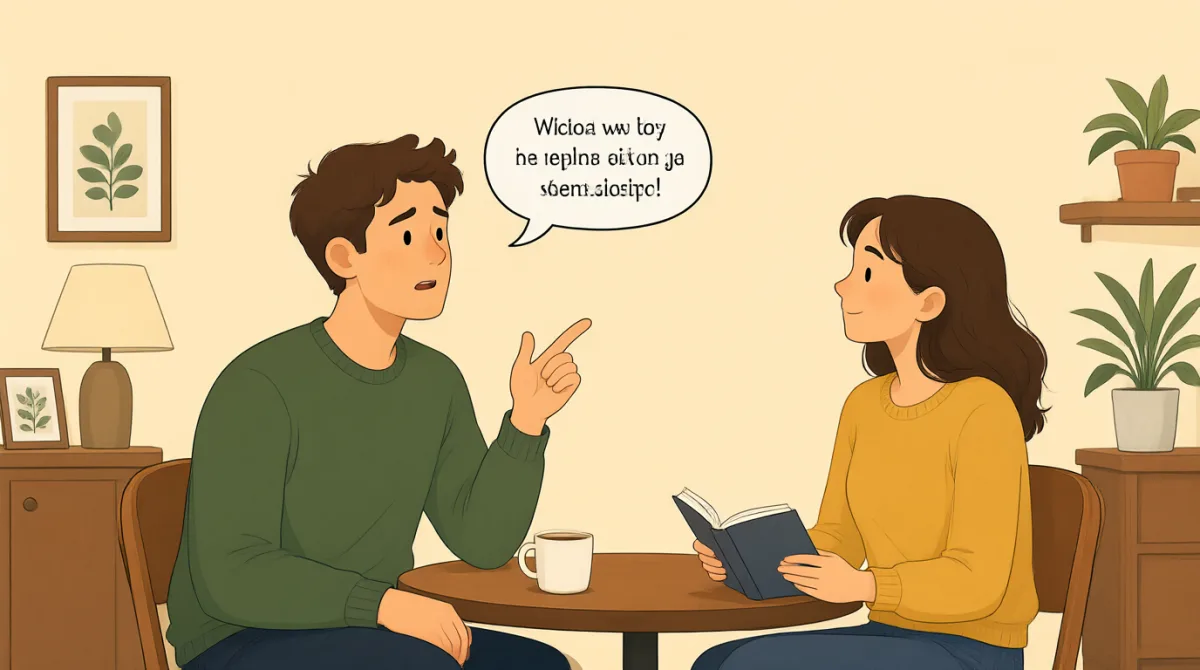

Thanks for putting together your review, Emma. One area I’d like us to discuss is project deadlines. A couple of deliverables came in later than we’d agreed.
شكرًا على إعدادك لتقييمك يا إيما. أود أن نناقش أحد الجوانب، وهو المواعيد النهائية للمشاريع. تأخر تسليم بعض المهام عن المواعيد التي اتفقنا عليها.

I appreciate you bringing that up. Could you walk me through which deadlines you have in mind? I want to understand where things went off track.
أقدّر إثارتك لهذا الموضوع. هل يمكنك أن توضح لي المواعيد النهائية التي تقصدها؟ أريد أن أفهم أين خرجت الأمور عن مسارها.
The client report was two days late, and the final dashboard missed its target by about a week. In both cases, I didn’t hear there was a risk until close to the deadline.
تأخر تقرير العميل يومين، ولم يُنجز إعداد لوحة المعلومات النهائية إلا بعد الموعد المستهدف بنحو أسبوع. وفي الحالتين، لم أعلم بوجود مخاطر إلا عندما اقترب الموعد النهائي.
That’s fair. The report took longer because the data needed another round of checking, and the dashboard depended on inputs that arrived later than expected. I should have flagged both risks sooner.
هذا صحيح. استغرق التقرير وقتًا أطول لأن البيانات احتاجت إلى جولة أخرى من التدقيق، أما لوحة المعلومات فكانت تعتمد على مدخلات وصلت متأخرة عما توقعنا. كان ينبغي أن أنبّهك إلى كلا الخطرين في وقت أبكر.
I understand those factors were partly outside your control. Still, if a deadline looks shaky, I need an early heads-up so we can adjust the plan or reset expectations.
أتفهم أن هذه العوامل كانت خارجة عن سيطرتك جزئيًا. ومع ذلك، إذا بدا أن الالتزام بموعد نهائي قد يتعذر، فأحتاج إلى تنبيه مبكر حتى نتمكن من تعديل الخطة أو إعادة ضبط التوقعات.
Agreed. I was trying to solve the problems before raising them, but I can see that staying quiet left you with too few options. Would a brief update as soon as a risk appears work for you?
أتفق معك. كنت أحاول حل المشكلات قبل أن أطرحها، لكنني أدرك الآن أن التزام الصمت لم يترك لك خيارات كافية. هل يناسبك أن أرسل تحديثًا موجزًا فور ظهور أي خطر؟
Yes, that would help. Include what’s at risk, why it’s slipping, and what you recommend. You don’t need a perfect solution before you bring it to me.
نعم، سيساعد ذلك. اذكري ما المعرّض للخطر، وسبب التأخر، وما توصي به. ليس عليك أن تجدي حلًا مثاليًا قبل أن تخبريني بالأمر.
That makes sense. I’ll also break larger tasks into checkpoints and build in some buffer time, especially when I’m waiting on input from other teams.
هذا منطقي. سأقسّم المهام الأكبر أيضًا إلى نقاط متابعة، وأضيف بعض الوقت الاحتياطي إلى الجدول، لا سيما عندما أنتظر مدخلات من فرق أخرى.
Good. Let’s check in briefly each week while the next dashboard is underway. If we spot a bottleneck early, we can reassign work or make a call on scope before it affects the final date.
جيد. لنعقد اجتماعًا موجزًا كل أسبوع أثناء العمل على لوحة المعلومات التالية. إذا اكتشفنا عائقًا مبكرًا، يمكننا إعادة توزيع العمل أو اتخاذ قرار بشأن نطاقه قبل أن يؤثر في الموعد النهائي.
I’m on board. I’ll send you a status update every Friday and flag any risks as soon as they come up. If a deadline needs to move, I’ll propose a revised date rather than just letting it slip.
موافقة. سأرسل إليك تحديثًا عن سير العمل كل يوم جمعة، وسأنبّهك إلى أي مخاطر فور ظهورها. وإذا احتاج موعد نهائي إلى تغيير، فسأقترح موعدًا جديدًا بدلًا من تركه يتأخر فحسب.
المفردات7
- went off trackخرج عن مساره
Something went off track when it did not go as planned. Use this phrase to ask or explain where a project started to face problems.
نقول إن أمرًا ما خرج عن مساره عندما لا يسير كما خُطِّط له. استخدم هذا التعبير للسؤال عن المرحلة التي بدأت فيها المشكلات في مشروع ما أو لشرحها.
- flagged both risks soonerنبّهت إلى كلا الخطرين في وقت أبكر
To flag a risk is to point out a possible problem. Here, Emma says she should have warned David earlier.
التنبيه إلى خطر يعني الإشارة إلى مشكلة محتملة. تقول إيما هنا إنه كان ينبغي لها أن تحذّر ديفيد في وقت أبكر.
- an early heads-upتنبيه مبكر
An early heads-up is a warning or update given before a problem becomes urgent. You can use it to ask someone to tell you about risks promptly.
التنبيه المبكر هو تحذير أو تحديث يُقدَّم قبل أن تصبح المشكلة ملحّة. يمكنك استخدامه لطلب إبلاغك بالمخاطر دون تأخير.
- reset expectationsإعادة ضبط التوقعات
To reset expectations is to agree on a new understanding of what is realistic, such as a revised deadline. It is useful when a project may not meet its original plan.
إعادة ضبط التوقعات تعني الاتفاق على تصور جديد لما يمكن تحقيقه، مثل تحديد موعد نهائي جديد. يفيد هذا التعبير عندما يُحتمل ألا يلتزم المشروع بالخطة الأصلية.
- build in some buffer timeإضافة وقت احتياطي
To build in buffer time is to allow extra time in a schedule in case of delays. This phrase is useful when planning tasks that depend on uncertain factors.
إضافة وقت احتياطي تعني تخصيص وقت إضافي في الجدول تحسبًا لأي تأخير. يفيد هذا التعبير عند التخطيط لمهام تعتمد على عوامل غير مؤكدة.
- spot a bottleneck earlyاكتشاف عائق مبكرًا
A bottleneck is something that slows down progress. Spotting one early means noticing the cause of a delay before it affects the whole project.
العائق هو أمر يبطئ سير العمل. واكتشافه مبكرًا يعني ملاحظة سبب التأخير قبل أن يؤثر في المشروع بأكمله.
- make a call on scopeاتخاذ قرار بشأن نطاق العمل
To make a call on scope is to decide what work should be included or changed. Teams may do this when the original plan is no longer realistic.
اتخاذ قرار بشأن نطاق العمل يعني تحديد الأعمال التي ينبغي أن يشملها المشروع أو تغييرها. قد تفعل الفرق ذلك عندما لا تعود الخطة الأصلية قابلة للتنفيذ.
الجمل الأساسية8
- 1
Could you walk me through which deadlines you have in mind?
هل يمكنك أن توضح لي المواعيد النهائية التي تقصدها؟
This is a polite way to ask for specific examples of feedback. Use “walk me through” when you want someone to explain details step by step.
هذه طريقة مهذبة لطلب أمثلة محددة على الملاحظات. استخدم “walk me through” عندما تريد من شخص أن يشرح لك التفاصيل خطوةً خطوة.
- 2
I want to understand where things went off track.
أريد أن أفهم أين خرجت الأمور عن مسارها.
This shows that you are listening and want to understand the cause of a problem. You can use it to invite an honest explanation without sounding defensive.
تُظهر هذه العبارة أنك تصغي وتريد فهم سبب المشكلة. يمكنك استخدامها لدعوة الطرف الآخر إلى شرح صريح دون أن تبدو متخذًا موقفًا دفاعيًا.
- 3
I should have flagged both risks sooner.
كان ينبغي أن أنبّه إلى كلا الخطرين في وقت أبكر.
This acknowledges responsibility for not communicating early enough. The structure “I should have [past participle]” is useful for recognizing what you could have done differently.
تُقر هذه العبارة بمسؤوليتك عن عدم الإبلاغ في وقت مبكر بما يكفي. يفيد تركيب “I should have [past participle]” في الإقرار بما كان بإمكانك فعله بطريقة مختلفة.
- 4
Still, if a deadline looks shaky, I need an early heads-up so we can adjust the plan or reset expectations.
ومع ذلك، إذا بدا أن الالتزام بموعد نهائي قد يتعذر، فأحتاج إلى تنبيه مبكر حتى نتمكن من تعديل الخطة أو إعادة ضبط التوقعات.
This gives clear feedback while explaining why early communication matters. Reuse “if [situation], I need [action] so we can [result]” to make a practical request.
تقدّم هذه العبارة ملاحظات واضحة وتشرح أهمية التواصل المبكر. أعد استخدام النمط “if [situation], I need [action] so we can [result]” لتقديم طلب عملي.
- 5
You don’t need a perfect solution before you bring it to me.
ليس عليك أن تجدي حلًا مثاليًا قبل أن تخبريني بالأمر.
This reassures someone that they can raise a problem before they have solved it. Use it to encourage early communication and collaborative problem-solving.
تطمئن هذه العبارة الشخص إلى أنه يستطيع طرح المشكلة حتى قبل حلها. استخدمها للتشجيع على التواصل المبكر والتعاون في حل المشكلات.
- 6
I’ll also break larger tasks into checkpoints and build in some buffer time, especially when I’m waiting on input from other teams.
سأقسّم المهام الأكبر أيضًا إلى نقاط متابعة، وأضيف بعض الوقت الاحتياطي، لا سيما عندما أنتظر مدخلات من فرق أخرى.
This sentence describes concrete steps for keeping work on schedule. The pattern “I’ll also [action], especially when [condition]” is useful for explaining a plan.
تصف هذه الجملة خطوات ملموسة للمساعدة على إنجاز العمل في موعده. يفيد النمط “I’ll also [action], especially when [condition]” في شرح خطة.
- 7
If we spot a bottleneck early, we can reassign work or make a call on scope before it affects the final date.
إذا اكتشفنا عائقًا مبكرًا، يمكننا إعادة توزيع العمل أو اتخاذ قرار بشأن نطاقه قبل أن يؤثر في الموعد النهائي.
This connects early problem-solving with practical options. Use “If we [action], we can [options] before [negative result]” to discuss how to prevent delays.
تربط هذه العبارة بين حل المشكلات مبكرًا والخيارات العملية المتاحة. استخدم “If we [action], we can [options] before [negative result]” لمناقشة سبل منع التأخير.
- 8
If a deadline needs to move, I’ll propose a revised date rather than just letting it slip.
إذا احتاج الموعد النهائي إلى تغيير، فسأقترح موعدًا جديدًا بدلًا من تركه يتأخر فحسب.
This shows accountability by promising to communicate and suggest a new deadline. “Rather than” helps contrast a proactive response with an unhelpful one.
تُظهر هذه العبارة تحمّل المسؤولية، إذ تتعهد بالإبلاغ واقتراح موعد نهائي جديد. تساعد “Rather than” على المقارنة بين استجابة استباقية وأخرى غير مفيدة.