Responding to Critical Feedback
การตอบรับคำติชมเชิงวิจารณ์
David raises concerns about missed deadlines and asks Emma to communicate risks sooner. Emma listens, clarifies the examples, and suggests practical ways to keep projects on track.
เดวิดแสดงความกังวลเกี่ยวกับกำหนดส่งงานที่ล่าช้า และขอให้เอ็มมาแจ้งความเสี่ยงให้เร็วกว่านี้ เอ็มมารับฟัง ขอรายละเอียดเพิ่มเติมเกี่ยวกับตัวอย่างต่าง ๆ และเสนอวิธีปฏิบัติที่ช่วยให้งานดำเนินไปตามแผน
บทสนทนา10
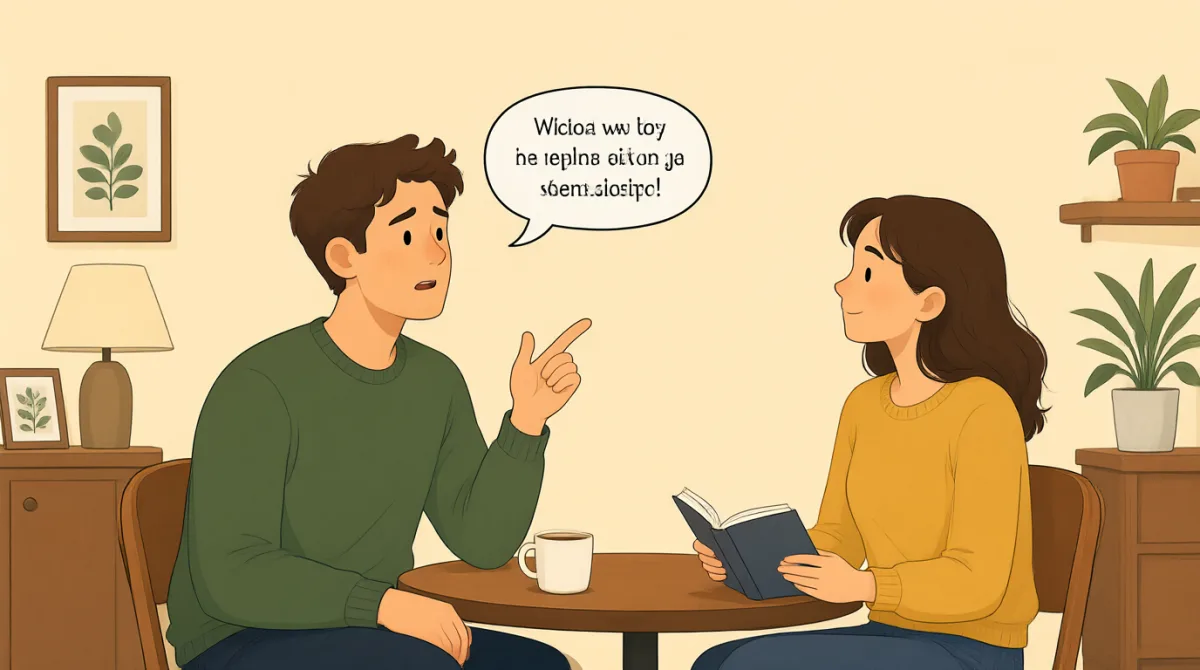

Thanks for putting together your review, Emma. One area I’d like us to discuss is project deadlines. A couple of deliverables came in later than we’d agreed.
ขอบคุณที่จัดทำแบบประเมินของคุณนะครับ เอ็มมา มีเรื่องหนึ่งที่ผมอยากคุยกันคือกำหนดส่งโครงการ งานที่ต้องส่งสองชิ้นมาถึงช้ากว่าที่เราตกลงกันไว้ครับ

I appreciate you bringing that up. Could you walk me through which deadlines you have in mind? I want to understand where things went off track.
ขอบคุณที่แจ้งเรื่องนี้นะคะ ช่วยเล่าให้ฟังได้ไหมคะว่าคุณหมายถึงกำหนดส่งงานไหนบ้าง ฉันอยากเข้าใจว่าจุดไหนที่งานเริ่มไม่เป็นไปตามแผนค่ะ
The client report was two days late, and the final dashboard missed its target by about a week. In both cases, I didn’t hear there was a risk until close to the deadline.
รายงานลูกค้าส่งช้าไปสองวัน และแดชบอร์ดฉบับสุดท้ายไม่ทันเป้าหมายไปประมาณหนึ่งสัปดาห์ครับ ทั้งสองกรณี ผมไม่ทราบว่ามีความเสี่ยงจนกระทั่งใกล้ถึงกำหนดส่งมากแล้ว
That’s fair. The report took longer because the data needed another round of checking, and the dashboard depended on inputs that arrived later than expected. I should have flagged both risks sooner.
ก็จริงค่ะ รายงานใช้เวลานานขึ้นเพราะข้อมูลต้องตรวจสอบอีกครั้ง ส่วนแดชบอร์ดก็ขึ้นอยู่กับข้อมูลที่เข้ามาช้ากว่าที่คาดไว้ ฉันควรแจ้งความเสี่ยงทั้งสองเรื่องให้เร็วกว่านี้ค่ะ
I understand those factors were partly outside your control. Still, if a deadline looks shaky, I need an early heads-up so we can adjust the plan or reset expectations.
ผมเข้าใจว่าปัจจัยเหล่านั้นอยู่นอกเหนือการควบคุมของคุณบางส่วนครับ แต่ถ้ากำหนดส่งเริ่มดูไม่แน่นอน ผมจำเป็นต้องได้รับแจ้งล่วงหน้า เพื่อที่เราจะได้ปรับแผนหรือปรับความคาดหวังกัน
Agreed. I was trying to solve the problems before raising them, but I can see that staying quiet left you with too few options. Would a brief update as soon as a risk appears work for you?
เห็นด้วยค่ะ ฉันพยายามแก้ปัญหาให้เรียบร้อยก่อนจะแจ้งคุณ แต่ตอนนี้เข้าใจแล้วว่าการไม่พูดอะไรทำให้คุณมีทางเลือกน้อยเกินไป ถ้ามีความเสี่ยงเกิดขึ้น ฉันอัปเดตสั้น ๆ ให้คุณทราบทันทีจะสะดวกไหมคะ
Yes, that would help. Include what’s at risk, why it’s slipping, and what you recommend. You don’t need a perfect solution before you bring it to me.
ครับ แบบนั้นจะช่วยได้มาก ให้ระบุว่าส่วนไหนกำลังเสี่ยง ทำไมงานถึงล่าช้า และคุณแนะนำอย่างไร คุณไม่จำเป็นต้องมีวิธีแก้ที่สมบูรณ์แบบก่อนนำเรื่องมาคุยกับผมครับ
That makes sense. I’ll also break larger tasks into checkpoints and build in some buffer time, especially when I’m waiting on input from other teams.
เข้าใจแล้วค่ะ ฉันจะแบ่งงานขนาดใหญ่ออกเป็นจุดตรวจสอบย่อย ๆ และเผื่อเวลาไว้ด้วย โดยเฉพาะเวลาที่ต้องรอข้อมูลจากทีมอื่นค่ะ
Good. Let’s check in briefly each week while the next dashboard is underway. If we spot a bottleneck early, we can reassign work or make a call on scope before it affects the final date.
ดีครับ ระหว่างที่กำลังทำแดชบอร์ดชุดถัดไป เรามาคุยอัปเดตกันสั้น ๆ ทุกสัปดาห์นะครับ ถ้าเราพบจุดติดขัดได้เร็ว เราก็สามารถมอบหมายงานใหม่หรือตัดสินใจเรื่องขอบเขตงานก่อนที่จะกระทบกำหนดส่งสุดท้ายได้
I’m on board. I’ll send you a status update every Friday and flag any risks as soon as they come up. If a deadline needs to move, I’ll propose a revised date rather than just letting it slip.
เห็นด้วยค่ะ ฉันจะส่งรายงานสถานะให้คุณทุกวันศุกร์ และแจ้งความเสี่ยงทันทีที่เกิดขึ้น หากต้องเลื่อนกำหนดส่ง ฉันจะเสนอวันใหม่แทนที่จะปล่อยให้งานล่าช้าไปเรื่อย ๆ ค่ะ
คำศัพท์7
- went off trackเริ่มไม่เป็นไปตามแผน
Something went off track when it did not go as planned. Use this phrase to ask or explain where a project started to face problems.
สิ่งใดสิ่งหนึ่งเริ่มไม่เป็นไปตามแผนเมื่อผลลัพธ์ไม่เป็นอย่างที่วางไว้ ใช้วลีนี้เพื่อถามหรืออธิบายว่าโครงการเริ่มประสบปัญหาตรงไหน
- flagged both risks soonerแจ้งความเสี่ยงทั้งสองเรื่องให้เร็วกว่านี้
To flag a risk is to point out a possible problem. Here, Emma says she should have warned David earlier.
To flag a risk หมายถึงการชี้ให้เห็นปัญหาที่อาจเกิดขึ้น ในที่นี้ เอ็มมาบอกว่าเธอควรเตือนเดวิดให้เร็วกว่านี้
- an early heads-upการแจ้งเตือนล่วงหน้า
An early heads-up is a warning or update given before a problem becomes urgent. You can use it to ask someone to tell you about risks promptly.
An early heads-up คือคำเตือนหรือข้อมูลอัปเดตที่แจ้งก่อนที่ปัญหาจะกลายเป็นเรื่องเร่งด่วน คุณสามารถใช้วลีนี้เพื่อขอให้ใครสักคนแจ้งความเสี่ยงให้คุณทราบโดยเร็ว
- reset expectationsปรับความคาดหวังใหม่
To reset expectations is to agree on a new understanding of what is realistic, such as a revised deadline. It is useful when a project may not meet its original plan.
To reset expectations หมายถึงการตกลงทำความเข้าใจใหม่ว่าสิ่งใดเป็นไปได้จริง เช่น การกำหนดวันส่งงานใหม่ วลีนี้มีประโยชน์เมื่อโครงการอาจไม่สามารถทำตามแผนเดิมได้
- build in some buffer timeเผื่อเวลาไว้
To build in buffer time is to allow extra time in a schedule in case of delays. This phrase is useful when planning tasks that depend on uncertain factors.
To build in buffer time หมายถึงการเผื่อเวลาเพิ่มเติมไว้ในตารางงานในกรณีที่เกิดความล่าช้า วลีนี้มีประโยชน์เมื่อวางแผนงานที่ต้องพึ่งพาปัจจัยที่ไม่แน่นอน
- spot a bottleneck earlyพบจุดติดขัดได้เร็ว
A bottleneck is something that slows down progress. Spotting one early means noticing the cause of a delay before it affects the whole project.
A bottleneck คือสิ่งที่ทำให้ความคืบหน้าช้าลง การพบจุดติดขัดได้เร็วหมายถึงการสังเกตเห็นสาเหตุของความล่าช้าก่อนที่จะส่งผลกระทบต่อทั้งโครงการ
- make a call on scopeตัดสินใจเรื่องขอบเขตงาน
To make a call on scope is to decide what work should be included or changed. Teams may do this when the original plan is no longer realistic.
To make a call on scope หมายถึงการตัดสินใจว่างานใดควรรวมอยู่ในโครงการหรือควรเปลี่ยนแปลง ทีมอาจทำเช่นนี้เมื่อแผนเดิมไม่สามารถทำได้จริงอีกต่อไป
ประโยคสำคัญ8
- 1
Could you walk me through which deadlines you have in mind?
ช่วยเล่าให้ฟังได้ไหมคะว่าคุณหมายถึงกำหนดส่งงานไหนบ้าง
This is a polite way to ask for specific examples of feedback. Use “walk me through” when you want someone to explain details step by step.
นี่เป็นวิธีสุภาพในการขอตัวอย่างคำติชมที่เฉพาะเจาะจง ใช้ “walk me through” เมื่อคุณต้องการให้ใครสักคนอธิบายรายละเอียดทีละขั้นตอน
- 2
I want to understand where things went off track.
ฉันอยากเข้าใจว่าจุดไหนที่งานเริ่มไม่เป็นไปตามแผน
This shows that you are listening and want to understand the cause of a problem. You can use it to invite an honest explanation without sounding defensive.
ประโยคนี้แสดงว่าคุณกำลังรับฟังและต้องการเข้าใจสาเหตุของปัญหา คุณสามารถใช้ประโยคนี้เพื่อเปิดโอกาสให้อีกฝ่ายอธิบายอย่างตรงไปตรงมาโดยไม่ฟังดูเหมือนกำลังแก้ตัว
- 3
I should have flagged both risks sooner.
ฉันควรแจ้งความเสี่ยงทั้งสองเรื่องให้เร็วกว่านี้
This acknowledges responsibility for not communicating early enough. The structure “I should have [past participle]” is useful for recognizing what you could have done differently.
ประโยคนี้เป็นการยอมรับความรับผิดชอบที่ไม่ได้สื่อสารให้เร็วพอ โครงสร้าง “I should have [past participle]” มีประโยชน์เมื่อต้องการยอมรับว่าสิ่งใดเป็นสิ่งที่คุณน่าจะทำแตกต่างออกไป
- 4
Still, if a deadline looks shaky, I need an early heads-up so we can adjust the plan or reset expectations.
แต่ถ้ากำหนดส่งเริ่มดูไม่แน่นอน ผมจำเป็นต้องได้รับแจ้งล่วงหน้า เพื่อที่เราจะได้ปรับแผนหรือปรับความคาดหวังกัน
This gives clear feedback while explaining why early communication matters. Reuse “if [situation], I need [action] so we can [result]” to make a practical request.
ประโยคนี้ให้คำติชมอย่างชัดเจนพร้อมอธิบายว่าเหตุใดการสื่อสารล่วงหน้าจึงสำคัญ นำโครงสร้าง “if [situation], I need [action] so we can [result]” ไปใช้ซ้ำเพื่อขอให้ดำเนินการอย่างเป็นรูปธรรม
- 5
You don’t need a perfect solution before you bring it to me.
คุณไม่จำเป็นต้องมีวิธีแก้ที่สมบูรณ์แบบก่อนนำเรื่องมาคุยกับผม
This reassures someone that they can raise a problem before they have solved it. Use it to encourage early communication and collaborative problem-solving.
ประโยคนี้ช่วยให้อีกฝ่ายมั่นใจว่าสามารถแจ้งปัญหาได้ก่อนที่จะหาทางแก้ได้ ใช้ประโยคนี้เพื่อส่งเสริมการสื่อสารแต่เนิ่น ๆ และการร่วมกันแก้ปัญหา
- 6
I’ll also break larger tasks into checkpoints and build in some buffer time, especially when I’m waiting on input from other teams.
ฉันจะแบ่งงานขนาดใหญ่ออกเป็นจุดตรวจสอบย่อย ๆ และเผื่อเวลาไว้ด้วย โดยเฉพาะเวลาที่ต้องรอข้อมูลจากทีมอื่น
This sentence describes concrete steps for keeping work on schedule. The pattern “I’ll also [action], especially when [condition]” is useful for explaining a plan.
ประโยคนี้อธิบายขั้นตอนที่เป็นรูปธรรมเพื่อให้งานเป็นไปตามกำหนด โครงสร้าง “I’ll also [action], especially when [condition]” มีประโยชน์เมื่ออธิบายแผนการทำงาน
- 7
If we spot a bottleneck early, we can reassign work or make a call on scope before it affects the final date.
ถ้าเราพบจุดติดขัดได้เร็ว เราก็สามารถมอบหมายงานใหม่หรือตัดสินใจเรื่องขอบเขตงานก่อนที่จะกระทบกำหนดส่งสุดท้ายได้
This connects early problem-solving with practical options. Use “If we [action], we can [options] before [negative result]” to discuss how to prevent delays.
ประโยคนี้เชื่อมโยงการแก้ปัญหาแต่เนิ่น ๆ เข้ากับทางเลือกที่นำไปใช้ได้จริง ใช้ “If we [action], we can [options] before [negative result]” เพื่อพูดคุยเกี่ยวกับวิธีป้องกันความล่าช้า
- 8
If a deadline needs to move, I’ll propose a revised date rather than just letting it slip.
หากต้องเลื่อนกำหนดส่ง ฉันจะเสนอวันใหม่แทนที่จะปล่อยให้งานล่าช้าไปเรื่อย ๆ
This shows accountability by promising to communicate and suggest a new deadline. “Rather than” helps contrast a proactive response with an unhelpful one.
ประโยคนี้แสดงความรับผิดชอบด้วยการให้คำมั่นว่าจะสื่อสารและเสนอวันส่งงานใหม่ “Rather than” ช่วยเปรียบเทียบการตอบสนองเชิงรุกกับการตอบสนองที่ไม่ก่อให้เกิดประโยชน์