Asking Questions to Check
پرسیدن سؤال برای بررسی
Emma stays calm and asks the caller questions about the bank and the alleged problem. She notices that the caller avoids giving clear answers and asks for sensitive information.
اما آرامش خود را حفظ میکند و دربارهٔ بانک و مشکل ادعاشده از تماسگیرنده سؤال میپرسد. او متوجه میشود که تماسگیرنده از دادن پاسخهای روشن طفره میرود و اطلاعات حساسی میخواهد.
گفتوگو10
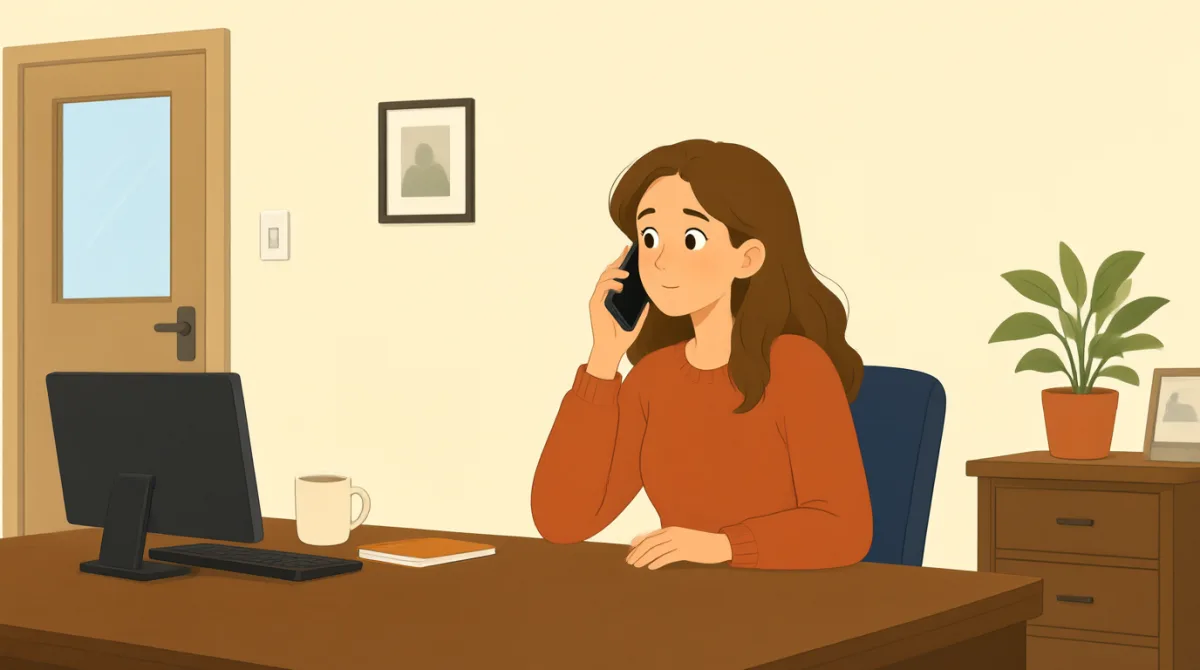

You said there’s a problem with my account. Which account are you talking about?
گفتید مشکلی برای حسابم پیش آمده. منظورتان کدام حساب است؟

Your checking account. We’ve noticed some unusual activity, so we need to secure it right away.
حساب جاریتان. متوجه فعالیت مشکوکی شدهایم، برای همین باید فوراً از آن محافظت کنیم.
What kind of activity? Can you tell me when it happened and how much was involved?
چه نوع فعالیتی؟ میتوانید بگویید کی اتفاق افتاده و مبلغش چقدر بوده؟
I can’t see all the details yet. First, I need to confirm your identity. What’s your online banking password?
هنوز نمیتوانم همهٔ جزئیات را ببینم. اول باید هویتتان را تأیید کنم. رمز عبور بانکداری اینترنتیتان چیست؟
That doesn’t sound right. Why would the bank need my password? You should already know who I am.
این درست به نظر نمیرسد. چرا بانک باید رمز عبورم را بخواهد؟ شما باید از قبل بدانید من چه کسی هستم.
It’s just our security process. If you don’t act now, the account could be frozen, and you might lose access.
این فقط بخشی از روند امنیتی ماست. اگر همین حالا اقدام نکنید، ممکن است حسابتان مسدود شود و دیگر نتوانید به آن دسترسی داشته باشید.
Which branch are you calling from, and can you give me your employee ID? I’d like to verify this.
از کدام شعبه تماس میگیرید و میتوانید شمارهٔ شناسهٔ کارمندیتان را بدهید؟ میخواهم این موضوع را بررسی کنم.
I’m calling from the fraud team, but I don’t have my ID number handy. Let’s not waste time—what’s the code we just texted you?
از بخش مقابله با کلاهبرداری تماس میگیرم، اما شمارهٔ شناسهام دم دستم نیست. وقت را تلف نکنیم—کدی که همین الان برایتان پیامک کردیم چیست؟
I’m not sharing a password or a code. Tell me the name of the bank and the exact issue, please.
من رمز عبور یا کدی را در اختیار کسی نمیگذارم. لطفاً نام بانک و مشکل دقیق را بگویید.
I’ve told you, there’s unusual activity. If you won’t cooperate, I can’t help you. You need to decide now.
که به شما گفتم، فعالیت مشکوکی بوده. اگر همکاری نکنید، نمیتوانم کمکتان کنم. باید همین حالا تصمیم بگیرید.
واژگان8
- unusual activityفعالیت مشکوک
This means behavior on an account that seems different from normal. Here, the caller uses it to explain why they say they contacted Emma.
یعنی رفتاری در یک حساب که با حالت عادی فرق دارد. اینجا تماسگیرنده از این عبارت استفاده میکند تا توضیح دهد چرا ادعا میکند با اما تماس گرفته است.
- secure it right awayفوراً از آن محافظت کردن
To secure an account means to protect it from danger or unauthorized use. “Right away” means immediately.
محافظت از حساب یعنی جلوگیری از خطر یا استفادهٔ غیرمجاز از آن. “Right away” یعنی فوراً.
- confirm your identityهویتتان را تأیید کردن
This means checking that you are really the person you say you are. Banks may do this, but they should not ask for your password.
یعنی بررسی اینکه شما واقعاً همان کسی هستید که میگویید. بانکها ممکن است هویتتان را بررسی کنند، اما نباید رمز عبورتان را بخواهند.
- I can’t see all the details yetهنوز نمیتوانم همهٔ جزئیات را ببینم
This means the speaker does not have all the information available. It can also be a way to avoid answering a specific question.
یعنی گوینده به همهٔ اطلاعات دسترسی ندارد. گاهی هم ممکن است راهی برای طفرهرفتن از پاسخ به یک سؤال مشخص باشد.
- ID number handyشمارهٔ شناسهٔ کارمندی دم دست
“Handy” means available or easy to reach. The caller says he does not have his employee ID number ready.
“Handy” یعنی در دسترس یا نزدیک. تماسگیرنده میگوید شمارهٔ شناسهٔ کارمندیاش را آماده ندارد.
- verify thisاین را بررسی کردن
To verify something means to check that it is true or genuine. You can use this phrase when you want to confirm a caller’s identity or a claim.
بررسیکردن چیزی یعنی مطمئنشدن از اینکه درست یا واقعی است. وقتی میخواهید هویت تماسگیرنده یا درستی ادعایی را تأیید کنید، میتوانید از این عبارت استفاده کنید.
- I’m not sharing a password or a code.من رمز عبور یا کدی را در اختیار کسی نمیگذارم.
This is a firm way to refuse to give out private security information. You can use the same pattern to set a clear boundary.
این راهی قاطعانه برای امتناع از دادن اطلاعات امنیتی خصوصی است. میتوانید از همین الگو برای مشخصکردن حدومرزتان استفاده کنید.
- You need to decide now.باید همین حالا تصمیم بگیرید.
This puts pressure on someone to make an immediate decision. In this conversation, it is a warning sign because the caller is rushing Emma.
این جمله به کسی فشار میآورد تا فوراً تصمیم بگیرد. در این گفتوگو، نشانهای هشداردهنده است، چون تماسگیرنده اما را برای تصمیمگیری عجله میدهد.
جملات کلیدی8
- 1
Which account are you talking about?
منظورتان کدام حساب است؟
This is a direct question that asks someone to be specific. You can reuse “Which [thing] are you talking about?” when you need clarification.
این سؤال مستقیمی است که از طرف مقابل میخواهد مشخصتر حرف بزند. وقتی به توضیح بیشتری نیاز دارید، میتوانید از الگوی “Which [thing] are you talking about?” (منظورتان کدام [چیز] است؟) استفاده کنید.
- 2
Can you tell me when it happened and how much was involved?
میتوانید بگویید کی اتفاق افتاده و مبلغش چقدر بوده؟
This asks for clear details about an event. You can use “Can you tell me…” to request specific information politely.
این سؤال جزئیات روشنی دربارهٔ یک اتفاق میخواهد. برای درخواست مؤدبانهٔ اطلاعات مشخص، میتوانید از “Can you tell me…” (میتوانید به من بگویید…) استفاده کنید.
- 3
Why would the bank need my password?
چرا بانک باید رمز عبورم را بخواهد؟
This question challenges a request by asking for a reason. You can reuse “Why would [person or organization] need…?” when something seems unusual.
این سؤال با پرسیدن دلیل، درخواست طرف مقابل را زیر سؤال میبرد. وقتی چیزی غیرعادی به نظر میرسد، میتوانید از الگوی “Why would [person or organization] need…?” (چرا [شخص یا سازمان] باید به… نیاز داشته باشد؟) استفاده کنید.
- 4
You should already know who I am.
شما باید از قبل بدانید من چه کسی هستم.
This sentence points out that the other person should have the information they are asking for. “Should already” is useful for expressing an expectation.
این جمله یادآوری میکند که طرف مقابل باید اطلاعاتی را که از شما میخواهد، از قبل داشته باشد. “Should already” برای بیان انتظاری که دارید مفید است.
- 5
Which branch are you calling from, and can you give me your employee ID?
از کدام شعبه تماس میگیرید و میتوانید شمارهٔ شناسهٔ کارمندیتان را بدهید؟
This asks for details that could help check whether a caller is genuine. You can join two related questions with “and” to ask for information efficiently.
این جمله جزئیاتی را میخواهد که میتوانند به بررسی واقعیبودن تماسگیرنده کمک کنند. با وصلکردن دو سؤال مرتبط با “and” میتوانید اطلاعات را سریعتر درخواست کنید.
- 6
I’d like to verify this.
میخواهم این موضوع را بررسی کنم.
This is a polite way to say you want to check whether something is true. Use it before contacting an organization through a trusted channel.
این راهی مؤدبانه برای گفتن این است که میخواهید درستی چیزی را بررسی کنید. پیش از تماس با یک سازمان از راهی مطمئن، از این عبارت استفاده کنید.
- 7
I’m not sharing a password or a code.
من رمز عبور یا کدی را در اختیار کسی نمیگذارم.
This clearly refuses to give out sensitive information. You can replace “a password or a code” with any private information you do not want to share.
این جمله بهروشنی از دادن اطلاعات حساس خودداری میکند. میتوانید “a password or a code” را با هر اطلاعات خصوصیای که نمیخواهید در اختیار دیگران بگذارید، جایگزین کنید.
- 8
Tell me the name of the bank and the exact issue, please.
لطفاً نام بانک و مشکل دقیق را بگویید.
This asks the caller to provide specific information instead of making a vague claim. “The exact issue” is useful when you need a clear explanation of a problem.
این جمله از تماسگیرنده میخواهد بهجای مطرحکردن ادعایی مبهم، اطلاعات مشخصی بدهد. وقتی به توضیح روشنی دربارهٔ یک مشکل نیاز دارید، عبارت “The exact issue” (مشکل دقیق) مفید است.