The First Swimming Lesson
اولین جلسهٔ شنا
Emma brings her daughter to the first lesson and meets Mia, the swimming coach. Mia explains what the children will do in class.
اِما دخترش را به اولین جلسهٔ شنا میآورد و با میا، مربی شنا، آشنا میشود. میا توضیح میدهد که بچهها در کلاس چه کارهایی انجام خواهند داد.
گفتوگو8
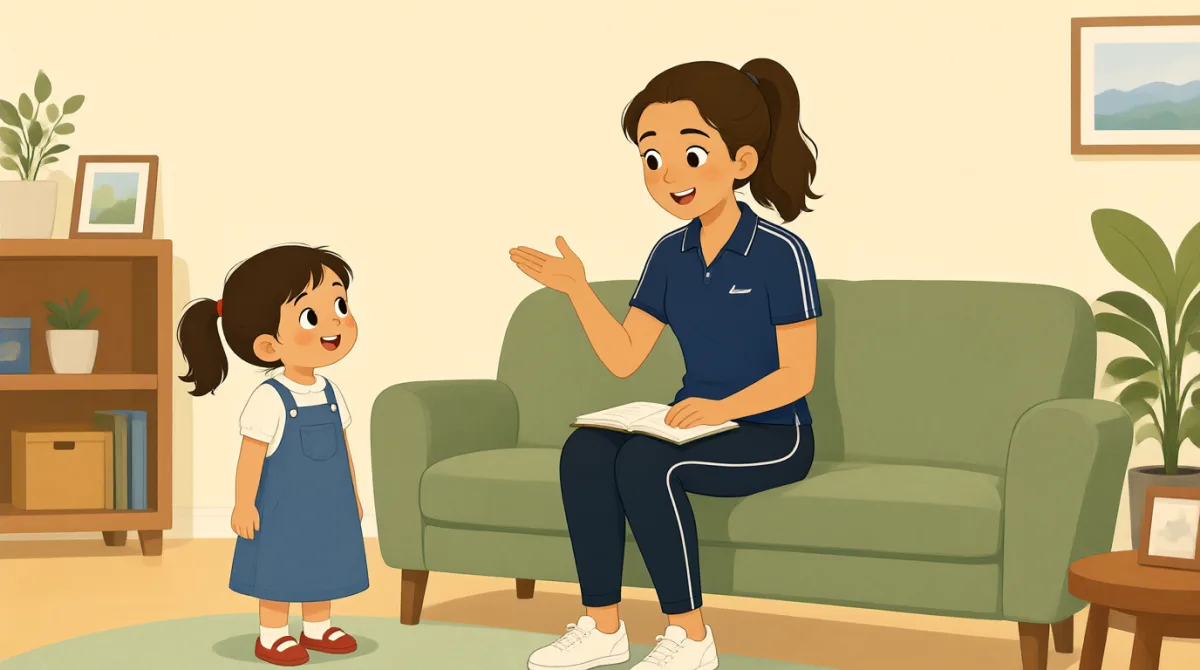

Hi, I’m here for my daughter’s first swimming lesson.
سلام، برای اولین جلسهٔ شنای دخترم اینجا هستم.

Welcome! I’m Mia, her coach. Let’s get her ready by the pool.
خوش آمدید! من میا، مربی او هستم. بیایید کنار استخر او را آماده کنیم.
What will the children do in class today?
بچهها امروز در کلاس چه کارهایی انجام میدهند؟
We’ll start with a warm-up, then practice kicking and blowing bubbles.
با نرمشِ گرمکردن شروع میکنیم، بعد لگدزدن و فوتکردن در آب برای ایجاد حباب را تمرین میکنیم.
That sounds fun. Should she wear her goggles now?
جالب به نظر میرسد. بهتر است او حالا عینکش را بزند؟
Yes, please. She should also wear her swim cap and bring a towel.
بله، لطفاً. او باید کلاه شنا هم بپوشد و یک حوله بیاورد.
Okay. Can I watch from here during the lesson?
باشه. میتوانم در طول جلسه از اینجا تماشا کنم؟
Of course. Please stay behind the glass, and I’ll come talk to you afterward.
حتماً. لطفاً پشت شیشه بمانید؛ بعد از جلسه میآیم و با شما صحبت میکنم.
واژگان8
- first swimming lessonاولین جلسهٔ شنا
This is the first class a child has to learn how to swim. You can use “first” before the name of a new class or activity.
این عبارت به اولین کلاسی اشاره دارد که کودک برای یادگیری شنا در آن شرکت میکند. میتوانید “first” را قبل از نام یک کلاس یا فعالیت جدید به کار ببرید.
- get her readyاو را آماده کردن
This means help her prepare for the lesson. You can use “get someone ready” before an activity or event.
این عبارت یعنی به او کمک کردن تا برای جلسه آماده شود. میتوانید “get someone ready” را قبل از نام یک فعالیت یا رویداد به کار ببرید.
- warm-upنرمشِ گرمکردن
A warm-up is easy exercise at the start of a class. It helps the body get ready for more activity.
نرمشِ گرمکردن، تمرینهای سادهای است که در شروع کلاس انجام میشود. این تمرینها به آمادهشدن بدن برای فعالیت بیشتر کمک میکنند.
- blowing bubblesفوتکردن در آب و ایجاد حباب
This means breathing out into the water to make bubbles. Children often practice this when learning to swim.
این عبارت یعنی در آب بازدم کردن تا حباب ایجاد شود. بچهها هنگام یادگیری شنا اغلب این کار را تمرین میکنند.
- gogglesعینک شنا
Goggles are special glasses that protect your eyes in the water. You can ask, “Should I wear my goggles now?”
عینک شنا نوعی عینک مخصوص است که از چشمها در آب محافظت میکند. میتوانید بپرسید: “Should I wear my goggles now?”
- swim capکلاه شنا
A swim cap is a close-fitting hat worn in the pool. You can use “wear a swim cap” to talk about putting one on.
کلاه شنا کلاهی چسبان است که در استخر پوشیده میشود. برای صحبت دربارهٔ پوشیدن آن میتوانید از عبارت “wear a swim cap” استفاده کنید.
- behind the glassپشت شیشه
This means on the other side of the glass, where parents can watch the lesson. You can use “behind” to say where someone should stay.
این عبارت یعنی در طرف دیگر شیشه، جایی که والدین میتوانند جلسه را تماشا کنند. میتوانید از “behind” برای گفتن محل ماندن کسی استفاده کنید.
- afterwardبعد از آن
“Afterward” means after something is finished. You can use it to say when you will do something later.
“Afterward” یعنی پس از تمامشدن چیزی. میتوانید از آن برای گفتن اینکه بعداً چه زمانی کاری را انجام میدهید استفاده کنید.
جملات کلیدی7
- 1
I’m here for my daughter’s first swimming lesson.
من برای اولین جلسهٔ شنای دخترم اینجا هستم.
Use this sentence to explain why you have come somewhere. You can replace “my daughter’s first swimming lesson” with another appointment or activity.
از این جمله برای توضیحدادن دلیل آمدنتان به جایی استفاده کنید. میتوانید “my daughter’s first swimming lesson” را با قرار یا فعالیت دیگری جایگزین کنید.
- 2
Let’s get her ready by the pool.
بیایید کنار استخر او را آماده کنیم.
This is a friendly way to suggest preparing someone for an activity. Replace “her” with another person, and change “by the pool” to the place where you will get ready.
این جمله روشی دوستانه برای پیشنهاد آمادهکردن کسی برای یک فعالیت است. “her” را با شخص دیگری جایگزین کنید و “by the pool” را به مکانی تغییر دهید که در آن آماده میشوید.
- 3
What will the children do in class today?
بچهها امروز در کلاس چه کارهایی انجام میدهند؟
Use this question to ask about a class plan. You can replace “the children” with “we” or “my child” to ask about other people.
از این پرسش برای سؤالکردن دربارهٔ برنامهٔ کلاس استفاده کنید. برای پرسیدن دربارهٔ افراد دیگر میتوانید “the children” را با “we” یا “my child” جایگزین کنید.
- 4
We’ll start with a warm-up, then practice kicking and blowing bubbles.
با نرمشِ گرمکردن شروع میکنیم، بعد لگدزدن و فوتکردن در آب برای ایجاد حباب را تمرین میکنیم.
This sentence explains what will happen first and next. Use “We’ll start with…” to describe the beginning of a lesson or activity.
این جمله توضیح میدهد که ابتدا و سپس چه اتفاقی میافتد. برای توصیف شروع یک جلسه یا فعالیت از “We’ll start with…” استفاده کنید.
- 5
Should she wear her goggles now?
بهتر است او حالا عینکش را بزند؟
Use “Should she…?” to ask if someone ought to do something. Replace “she” and “wear her goggles” to ask about another person or action.
از “Should she…?” برای پرسیدن اینکه آیا کسی باید کاری را انجام دهد استفاده کنید. برای پرسیدن دربارهٔ شخص یا عمل دیگری، “she” و “wear her goggles” را جایگزین کنید.
- 6
Can I watch from here during the lesson?
میتوانم در طول جلسه از اینجا تماشا کنم؟
This is a polite way to ask permission to watch. You can replace “watch” with another activity and “the lesson” with another event.
این جمله روشی مؤدبانه برای اجازهگرفتن جهت تماشا کردن است. میتوانید “watch” را با فعالیت دیگری و “the lesson” را با رویداد دیگری جایگزین کنید.
- 7
Please stay behind the glass, and I’ll come talk to you afterward.
لطفاً پشت شیشه بمانید؛ بعد از جلسه میآیم و با شما صحبت میکنم.
This sentence gives a polite instruction and explains what will happen later. Use “Please stay…” to ask someone to remain in a place.
این جمله یک دستور مؤدبانه میدهد و توضیح میدهد که بعداً چه اتفاقی میافتد. برای درخواست از کسی جهت ماندن در مکانی، از “Please stay…” استفاده کنید.